The University of Maryland’s Independent Student Newspaper
THE DIAMONDBACK Housing Guide
Spring 2026
3 Apartment Finder
4 Early lease ordinance
Founded 1910, independent since 1971.
LIZZY ALSPACH Editor-in-Chief
3150 S. Campus Dining Hall, College Park, Md., 20742 (301) 314-8200
https://dbknews.com/contact-us/
FULLY UPDATED AND EDITED BY:
Stella Garner
ADVERTISING: ads@dbknews.com (301) 276-5770
ORIGINAL TEXT BY:
Bella DeCrescenzo
Johana Gonzalez-Cruz
Tyler Quattrin
7 New Apartment Complex 6 Raising fees
COPY EDITED BY:
Lizzy Alspach
Olivia Borgula
Natalie Jakubiak
Oliver Mack
Alexa Taylor
THE DIAMONDBACK:
Job openings: https://dbknews.com/jobs/ Newsletter: https://ter.ps/DBKNL
DESIGNED BY:
Rebecca Safra
Oliver Mack
Alexandra Burke
Surafel Gebreyes
Isabela Torkamboor
FRONT COVER PHOTO BY: Elliot Scarangello
BACK COVER PHOTO BY: Sam Cohen
FIND US ON SOCIAL MEDIA:


Students enjoy the snow around McKeldin Fountain on Jan. 25, 2026. (JOHNATHAN Peter Belling/The Diamondback)
Note from the newsroom: Introducing The Diamondback apartment finder
Year after year, companies have built more apartment complexes near the University of Maryland’s campus. The plethora of websites, prices, amenities and listings can make finding affordable off-campus housing difficult for students.
Since we published the salary guide and course search, we’ve been continuing to look for ways to better serve our community. As a result, The Diamondback created an apartment finder, a new tool that helps students compare apartments in one place. Our goal is to give students a clear, convenient way to explore off-campus housing options.
The tool brings floor plans, amenities and pricing for nearby apartments together. Each listing also includes a live price tracker to follow how an apartment’s price changed over time and identify the best time to sign a lease.
Please reach out to onlineumdbk@gmail.com with any feedback, questions or thoughts. We look forward to hearing from you.
Explore The Diamondback apartment finder at https://housing.dbknews.com/ or on the QR code to the right.
This project was developed by The Diamondback’s product and engineering team: Alston Chan, Sameer Chawla, Nate Rubin, and Esha Singhai.

College Park City Council restricts how early landlords can ask tenants to renew leases
By Tyler Quattrin | Staff writer
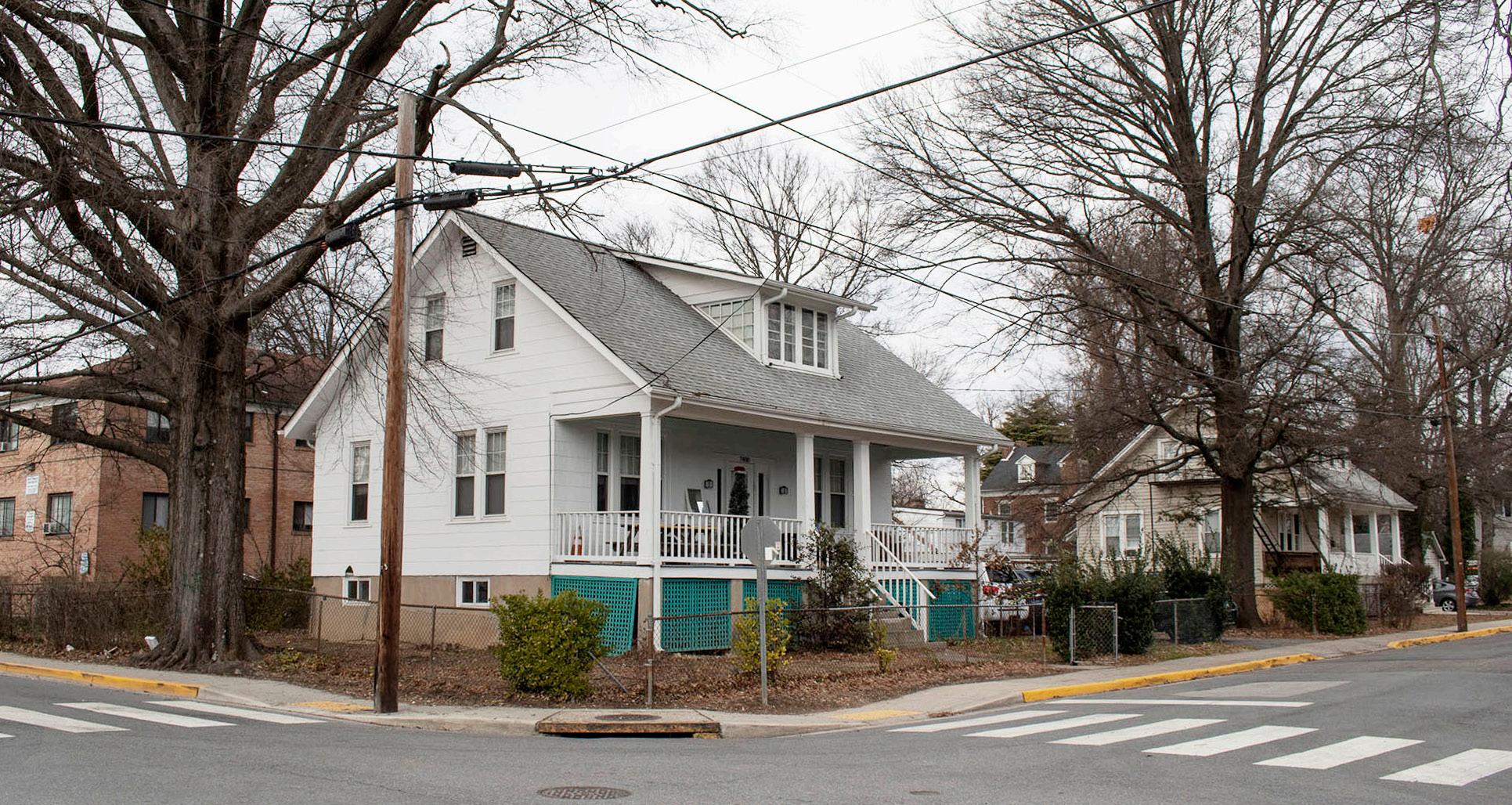
The College Park City Council unanimously passed a policy Feb. 3 that restricts when landlords can ask tenants to renew their leases.
The approval of the early lease ordinance comes after months of discussion and disagreement between some University of Maryland students and landlords. Under the new policy, landlords may not offer a lease renewal earlier than 180 days from the end of the tenant’s current lease.
For student renters who typically begin their leases at the end of August, this means landlords will not be allowed to offer lease renewals until about late February. Currently, some landlords are offering renewals to tenants as soon as the month after they move in.
The new ordinance also prohibits landlords from requiring tenants to accept and sign a
lease renewal until at least 15 days after the renewal offer is sent.
The new rules will go into effect 20 days after it was adopted, according to the city charter, so about on Feb. 24.
The ordinance, the first of its kind in Maryland, does not apply to fraternity and sorority houses, student housing cooperatives, or to tenants with subleases or leases shorter than eight months, according to the ordinance.
At a Nov. 12 public hearing, nearly 30 students testified in favor of the ordinance, while about 10 landlords opposed it, The Diamondback reported.
The ordinance was spearheaded by College Park student liaison Nick DiSpirito and deputy student liaison Amira Abujuma. DiSpirito said it aims to protect renters from
pressure to resign a lease months before knowing their plans for the next year.
“We’re just trying to ensure that the rights of tenants in the city are protected and that people don’t feel so stressed out when they’re choosing to rent in College Park,” DiSpirito told The Diamondback in December.
Several students testified on their experiences facing pressure to resign their leases.
Sami Saeed, a sophomore public policy major, said about four weeks after moving into a house in College Park’s Old Town neighborhood, his landlord notified him that the home was listed online and he was getting calls about potential renters for next year.
“It was absolutely incomprehensible,” Saeed said during a public comment period at Feb. 3’s meeting. “The process comes with negotiations, it comes with fighting. It comes with stress and pressure and fear of not having a place to live”.
But about 10 landlords testified at a public hearing in November that many of their student renters want to sign leases early in the year.
“All my kids come to me nine months, a year, 14 months in advance. Why? Because they want certainty,” landlord John Hawvermale told The Diamondback after the November hearing. “It’s not the role of government to get in the way of two legal people entering into a contract.”
The ordinance still allows students to sign leases early if they choose, DiSpirito said. It just prohibits landlords from asking or pressuring them to do so.
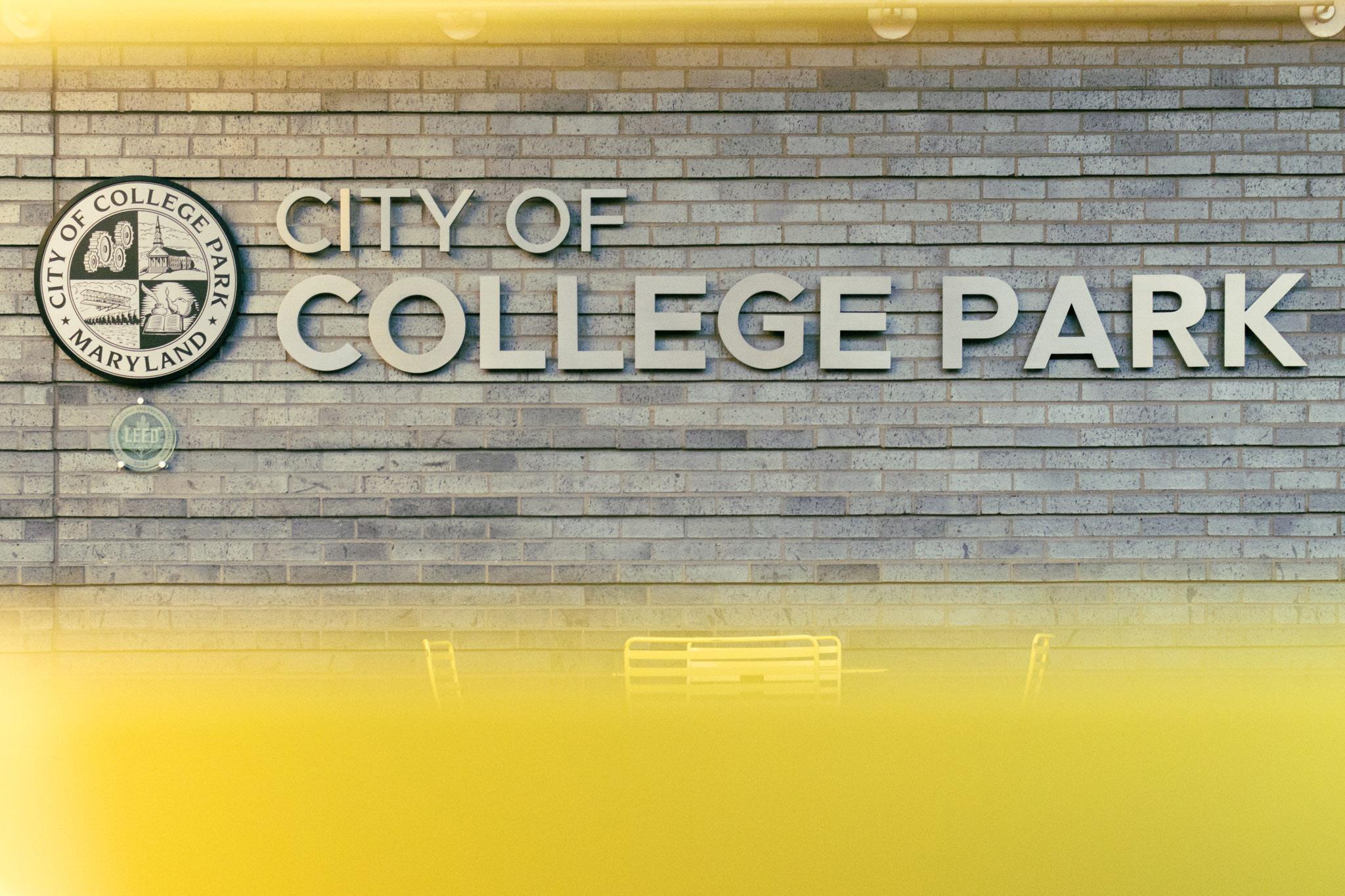
The exterior of College Park City Hall on Nov. 4, 2025. (Faith Bissen/The Diamondback)
Abujuma said the policy could also improve affordability by giving renters more time to review options.
Lisa Miller, the Prince George’s Property Owners Association president, opposed an earlier version of the ordinance that included a requirement for landlords to show “good cause” in order to deny a tenant’s lease renewal. This meant landlords would have been required to provide a specific, legally justified reason to deny renewal.
Landlords said the provision could have forced them to retain problematic tenants because Maryland doesn’t have a clear statewide “good cause” definition.
After the provision was removed, Miller said she supported the ordinance.
Hugo Cantu, the Apartments and Office Building Association government affairs manager, also previously opposed the ordinance because of the good cause requirement. But Cantu said the association, which represents many of the apartment
complexes in College Park, is now satisfied with the change.
“No industry wants to keep being told what to do, keep regulations continuing,” Cantu said. “But we checked with some of our folks, and they said that this is fine, 180 days will be fine.”
Some landlords also said the policy shouldn’t apply the same restrictions for single-family homes and large apartment complexes.
“One size doesn’t fit all,” said Jamie Jaseph, a local landlord. “The high-rise folks seem to be the ones with the pressure tactics. I’ve never done that in 22 years of being a landlord.”
After the ordinance passed Feb. 3 evening, the student liaisons credited the students who testified over the months and said they were proud to have successfully collaborated with council on passing a law, a rare accomplishment for student liaisons.
Abujuma said students should feel relieved that they have time to make plans.
“You don’t need to be rushing from the second you move in to try to find housing for the next year,” Abujuma said. “Take the fall semester to look into your options and weigh.”
Violations of the ordinance will be treated as civil infractions, with fines starting at $500 for a first offense and a minimum of $2,500 for subsequent violations.












UMD RHA votes in favor of dining, housing fee increases for 2026-27 school year
By Johana Gonzalez-Cruz I Staff writer
The University of Maryland RHA voted Dec. 2 in favor of a proposal to increase the student dining fee by 2.2 percent and the housing fee by 2.14 percent for the 2026-27 school year.
The changes would result in a $147 increase in the Dining Services fee a plan a semester and a $216 increase in the housing fee for undergraduate students living in a traditional double room with air conditioning.
The fee proposals will be sent to university president Darryll Pines for final approval.
“The theme that we’ve carried through is being cost-conscious on behalf of all students that live in the residence halls,” Resident Life director Dennis Passarella-George told RHA senators at Dec. 2’s meeting
In June, the University System of Maryland Board of Regents voted to increase tuition and fees across several of its institutions, including the University of Maryland. The university’s dining fee last year also saw a 9.33 percent increase while the housing fee rose by nearly 4 percent, The Diamondback previously reported.
“For dorms, all expenses are paid for through fees,” Passarella-George said.
This year’s dining fee increase, proposed by Dining Services director Chris Moore, and passed in a formal bill proposed by South Hill senator Cameron King, looks to increase its rates by $147 a plan each semester. That’s about 66 cents a day for the unlimited dining plan due to the cost of labor it takes to prepare and distribute meals.
“The increase is meant to sustain this amount of service that dining halls provide on campus already, and to ensure that we still have the high quality of the dining halls that we already have on campus,” King, a sophomore journalism major, said.
During the Dec. 2 RHA meeting, Moore emphasized that fee increases are necessary
to be able to offer quality meals, such as fresh fruit or seafood options like salmon, because inflation has led to higher costs for some common items.
“If you don’t get the money for [handling] increased food cost, that means we have to change the food offerings that we’re doing,” Moore said.
“Instead of being able to offer, maybe salmon, we’d have to offer tilapia a little more often. Changes like that have to be made — maybe there’s less berries in the fruits and more canned fruits make an appearance.”
Passarella-George said the funds generated from the housing fee increase, which was proposed by Denton Hall senator Shri Kalbhor and North Hill senator Ava Rollino, will support maintenance and utilities for dorms. It’s also set to support salary and wage increases, as well as insurance costs, according to the bill’s text supporting the increase.
The proposal is the minimum increase amount required, according to Kalbhor, a freshman finance major.
About $1.946 million is needed in additional revenue for next year to cover costs associated with the Resident Life and Residential Facilities departments, Passarella-George said, as well as $1.18 million for additional salary and wage adjustments for staff.
“We want to keep them around and make sure that they’re secure and can keep their jobs,” said Rollino, a freshman government and politics major. “It’s super important that we keep the university running, because we can’t function without our necessary employees.”
CORRECTION: A previous version of this story misstated that the proposals were for the 2027-28 school year. The proposals are for the 2026-27 school year. This story and its headline have been updated.

Dennis Passarella-George, director of Resident Life, speaks at the Residence Hall Association senate meeting in Edward St. John Learning and Teaching Center on Oct. 23, 2025. (Jonathan Peter Belling/ The Diamondback)
New apartment complex to displace longstanding College Park restaurants
By Bella DeCrescenzo I Staff writer
A strip of beloved restaurants on Route 1 were told to vacate by the end of last year to make way for new apartments.
The complex, called Terrapin House, will be built at the corner of Hartwick Road and Route 1, where Northwest Chinese Food, Jerk At Nite and Ritchie’s Colombian Restaurant are located.
The apartment complex will include 93 multifamily dwelling units with 298 beds and commercial retail space.
This Terrapin House development has been in the works for about five years, according to former College Park City Council member John Rigg. The developers created a detailed site plan two years ago, he said.
“They’ve shown that they have a track record of attracting some pretty great commercial tenants,” Rigg said.
The property that Terrapin House will be
constructed on also includes a house at the corner of Hartwick Road and Yale Avenue as well as the Yale House Apartments, which will both be demolished.
While the Terrapin House development is set to bring new housing and retail opportunities, College Park residents have expressed concerns about losing the small businesses.
“They’re a big cultural spot in College Park,” said city economic development coordinator Rehanna Barre. “They’re really involved in the community. They’re a fan favorite, they’ve been here forever, so the city is trying as hard as we can to keep them here.”
Northwest Chinese, which has been a beloved member of the College Park community for 10 years, is one of the restaurants being told to vacate their space.
Xue Ling, Northwest Chinese’s brand manager, said the business received a letter
from their landlord in September that told them to vacate the property by the end of last year, even though their lease is not set to expire until 2027.
Ling said that while their landlord insists that a letter was sent in 2024, they were not given the one-year notice required for ending a lease earlier than agreed upon.
“We support the redevelopment and want College Park to continue growing, but redevelopment should not come at the cost of unfair harming of longstanding small businesses like us,” Ling said.
As of Feb. 3, Northwest Chinese and Ritchie’s Colombian are still open for business.
Barre said the city is trying to provide these restaurants with support during this time of uncertainty.
The city has already worked with the Terrapin Development Company to relocate Pho Thom from this strip to a location in Union on Knox. But Barre said relocating restaurants can be difficult as downtown College Park is becoming more populated.
“You want to develop and you want new things to come, but you also want to try to keep alive the spirit of the city,” Barre said. “Trying to balance the two of those can be really difficult, but it’s not something that isn’t happening.”
While this development may negatively impact some businesses, Rigg said it will add necessary housing to the area, which benefits both students and residents.
“We are in a persistent housing crisis in this area, and that cuts across demographics,” Rigg said. “Anything that would bring more housing supply to the area is a net positive in my book, especially if it’s housing near either transit or places where people need to be.”
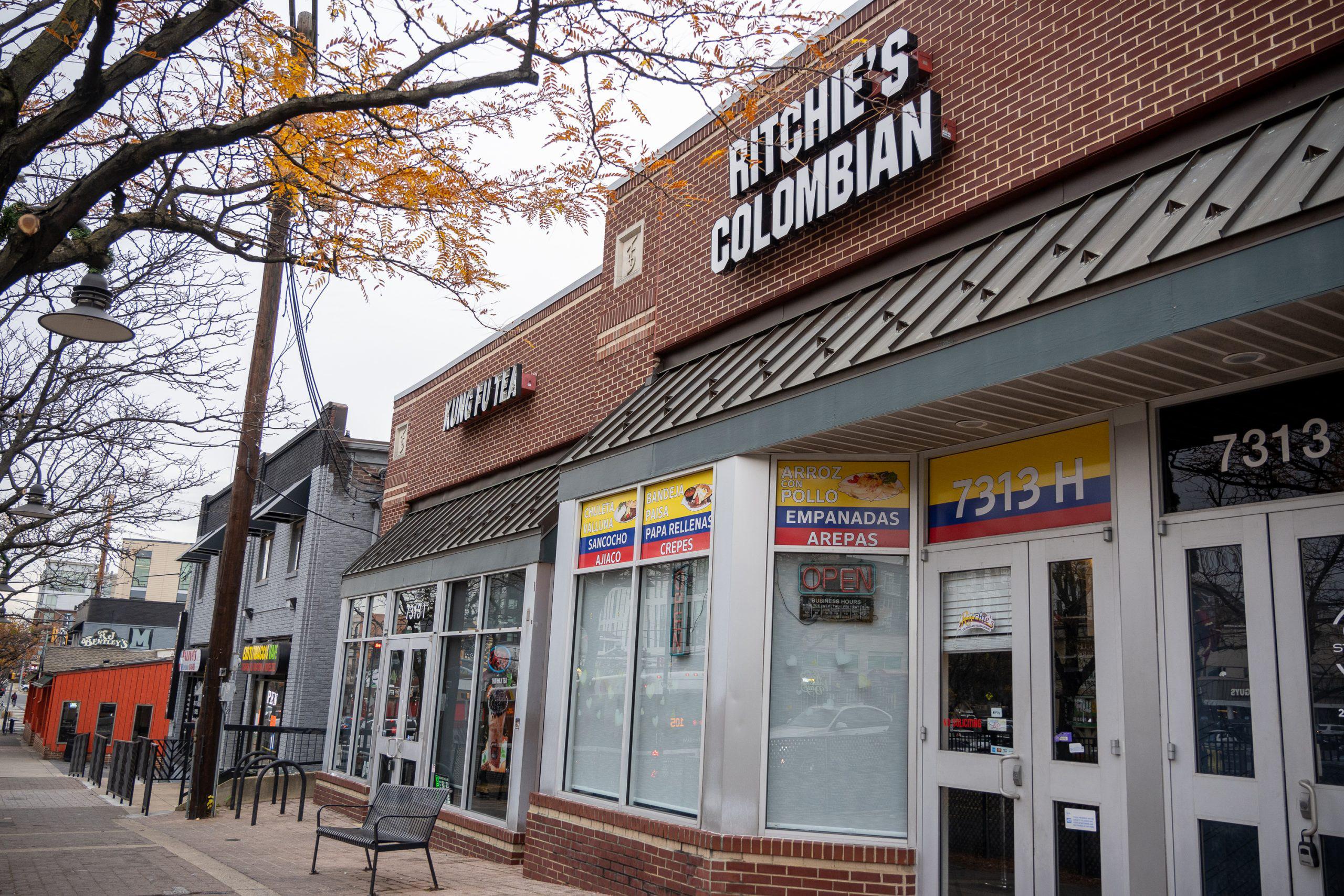
Kung Fu Tea and Ritchie’s Colombian on Route 1 on Nov. 18, 2025. (Ashley Neyra/ The Diamondback)