

Hello dear readers and welcome to the first issue of THE CRUST for 2026. Albeit a new year, this January has already proven to be an eventful one. The pace of developments in our industry shows no sign of slowing, reminding us that the challenges and opportunities we face are not bound by the calendar.
This month, I was honored to be part of Aqua Asia, an initiative by the U.S. Grains and Biofuels Council, held in Cebu, Philippines. In my view, it was a very successful event. More than 40 young shrimp and tilapia farmers, along with key industry stakeholders, gathered not only to learn but to exchange ideas openly. What made the program especially encouraging was that the sessions were all filled with young-generation speakers and panelists. Seeing so many young farmers from different countries confidently sharing their insights on stage was refreshing and reassuring. It’s clear that industry regeneration is not just coming; it is already happening, and it is happening naturally.
One theme that consistently emerged throughout the event was collaboration. Regardless of nationality, species, or farming style, everyone agreed on one thing: no one can move forward alone anymore. The problems we face today are simply too complex to solve in silos, and collaboration is no longer optional; it is essential.
That said, global trade uncertainty continues to loom large. Conditions in the United States, still the world’s biggest shrimp market, remain unstable. At the same time, President Trump’s foreign policy stance has antagonized many world leaders, adding further unpredictability to global trade flows. These developments serve as a reminder that external factors beyond our control can quickly reshape our industry landscape.
Closer to home, the calendar for industry events is already filling up fast this year. While events are valuable for learning and networking, this is also a gentle reminder for farmers and business owners to choose wisely. No matter how busy the industry gets, the farm remains the foundation of everything we do, and it should never be neglected.
As we step further into the year, I would like to wish all our readers a bountiful harvest, stable cycles, and good health for both shrimp and farmers alike. May this year bring clarity where there was uncertainty, cooperation where there was fragmentation, and hope where it is most needed.
Darmawan Chief Editor

The Ministry of Marine Affairs and Fisheries (KKP) of the Republic of Indonesia is undertaking a transformative initiative through the development of a largescale project in eastern Indonesia. Known as Integrated Shrimp Farming (ISF), this ambitious program is centered in East Sumba Regency, East Nusa Tenggara (NTT). More than just the construction of conventional shrimp ponds, the initiative represents a national strategy to position East Sumba as a modern, environmentally responsible shrimp production hub, fully integrated from upstream to downstream.
As one of the new flagship projects in Indonesia’s aquaculture sector, ISF is designed to promote more balanced economic growth, moving beyond the longstanding concentration on Java. With total investment projected to reach between IDR 7 trillion from the state budget, the government aims to demonstrate Indonesia’s strong commitment to
managing its marine resources in a professional and sustainable manner.
The project site in Palakahembi Village, Pandawai District, East Sumba, was selected based on the availability of vast land that has remained largely unproductive. The total development area covers approximately 2,000 hectares, an extraordinary scale compared to similar projects elsewhere. For comparison, KKP’s Director General of Aquaculture, Tb. Haeru Rahayu, noted that shrimp ponds in Kebumen span only about 100 hectares, while those in Karawang cover around 200 hectares. This means the East Sumba ISF project is 10 to 20 times larger than previous pilot developments.
What was once an arid savanna landscape is now being transformed into an industrial shrimp farming zone with massive production potential. The productivity target is equally ambitious, reaching up to 80 tons per hectare per year, with total output estimated at no less than 75,000 tons annually. This level of production is expected to significantly strengthen Indonesia’s bargaining position in the global seafood market.

The government has emphasized that land utilization for this project has undergone thorough assessment since 2022. While coastal ecosystem damage is often a concern in shrimp pond development, KKP has firmly stated that the project does not involve mangrove deforestation. The site is located on nonproductive savanna land, effectively addressing concerns over potential ecological impacts on mangrove ecosystems.
The core strength of this project lies in its Integrated Shrimp Farming concept. Unlike conventional aquaculture models, which often separate hatchery operations, growout ponds, and processing facilities, the East Sumba ISF project consolidates the entire supply chain within a single industrial area.
This integration consists of three main zones:
• Upstream Sector: Development of hatcheries to ensure highquality shrimp seed, along with a dedicated feed mill.
• Farming Sector: Modern growout ponds equipped with advanced aquaculture technologies.
• Downstream Sector: Ice plants, cold storage facilities, and processing units to ensure exportready shrimp products in optimal condition.
Beyond integration, the project adopts the Blue Economy approach, prioritizing environmental sustainability. Advanced water management systems are being implemented, including a modern wastewater treatment plant (IPAL). Through this system,
effluent from shrimp farming activities will be treated before being released back into the environment, helping maintain ecological balance around the site. The government has assured that these technologies are designed to address public concerns regarding environmental pollution.
This megaproject is expected to generate substantial economic and social benefits for communities in East Nusa Tenggara. In terms of employment, thousands of jobs are projected to be created across the value chain. Estimates indicate labor demand ranging from 2,671 to 4,730 workers, potentially reaching up to 10,000 jobs when supporting industries in both upstream and downstream sectors are included.
The government has clearly stated that local community involvement is a top priority. “The first priority must be the people of Palakahembi,” said Director General Tb. Haeru Rahayu, underscoring the government’s commitment to improving local livelihoods through training and direct employment. At a broader level, the annual economic value generated by the project is estimated at IDR 3.4 trillion, providing a significant boost to the regional economy of eastern Indonesia.
Given the strategic importance of the project, President Prabowo Subianto has issued specific instructions to accelerate its development timeline. Initially scheduled to become fully operational in 2028, the project is now expected to begin delivering re
sults by 2027. This acceleration aims to ensure that economic benefits, ranging from increased export earnings to improved community welfare, can be realized sooner.
Construction is currently underway following the issuance of the Notice to Proceed (SPMK) in early December 2025 to several major contractors, including PT Adhi Karya, PT Nindya Karya, and PT Indonesia Evergreen Group. With strong support from the East Sumba local government, the project is expected to become not only one of the largest shrimp production centers in Indonesia, but also a model of sustainable investment that enhances the country’s global reputation.
Meanwhile, Head of the Waingapu Harbormaster and Port Authority Office (KSOP), Fadly Afan Djafar, stated that the development of shrimp ponds will open new employment opportunities for surrounding communities. With an integrated system covering hatchery operations through to processing, the industry can be managed efficiently and sustainably. He expressed confidence that this approach will enhance the competitiveness of shrimp products from East Sumba in both national and international markets.
“Therefore, KSOP Waingapu is ready to synergize with the East Sumba Regional Government to ensure smooth project implementation while maintaining strong environmental safeguards. This development is not only economically beneficial, but also environmentally friendly, delivering longterm benefits,” he concluded.
Despite expectations that this largescale project will stimulate new economic activity in the region, it has also drawn serious attention from shrimp farmers, particularly because the industry remains heavily dependent on export markets. In several discussions, farmers have expressed concerns that shrimp produced under the ISF project could potentially compete with shrimp supplied by privatesector farms.
Farmers have emphasized the importance of clear market segmentation, hoping that shrimp produced through the governmentled ISF project will be directed toward specific markets rather than entering direct competition with privately farmed shrimp. Many believe that KKPmanaged shrimp production should serve distinct market channels, ensuring that it complements, rather than disrupts, the existing shrimp farming industry.


Choosing the right water source is one of the most fundamental decisions in shrimp farming. It affects salinity control, water quality stability, disease risk, and overall farm performance. Because each source comes with its own strengths and challenges, this series will explore three commonly used water sources in shrimp aquaculture: brackish water (rivers and estuaries), seawater, and freshwater
Brackish water farming areas are often located near river mouths and coastal plains with tidal influence. Well-known examples include the Mekong Delta in Vietnam, the Mahakam and Musi River systems in Indonesia, parts of Thailand’s Chao Phraya Delta, and estuarine zones in India and Bangladesh
In this first part, we focus on brackish water and riverbased systems, which remain the backbone of shrimp farming in many producing countries.
Brackish water is a mixture of freshwater and seawater, typically found in estuaries, tidal rivers, and coastal lowlands. Its salinity generally ranges from 5 to 25 ppt, though it can fluctuate significantly depending on rainfall, river discharge, and tidal influence.
These conditions make brackish water naturally suitable for shrimp species such as Litopenaeus vannamei and
Historically, many shrimp farms were first developed in these areas due to their natural salinity, flat terrain, and easy access to water.
One of the main advantages of brackish water is its natural compatibility with shrimp farming. Salinity levels are often close to optimal, reducing the need for heavy mineral or salinity adjustment.
Brackish systems also tend to support natural productivity, with plankton and microbial communities that can help stabilize water quality when properly managed. In addition, water intake infrastructure is often simpler and more cost-effective, especially in tidal or gravity-fed systems.
The biggest challenge with brackish water is variability Water quality can change rapidly due to rainfall, upstream discharge, or tidal movement. Rivers also collect inputs from upstream activities, including agriculture, domestic, and industry wastes, increasing the risk of high TOM, pollutants, and pathogen introduction.
During the rainy season, sudden drops in salinity and pH can stress shrimp and disrupt pond ecology, making strong water treatment and monitoring systems essential.
Brackish water remains one of the most widely used and accessible water sources in shrimp farming, but it demands good management and constant awareness of changing conditions.
In the next issue, we’ll move offshore and take a closer look at seawater as a water source: its stability, advantages, and growing role in modern shrimp farming.
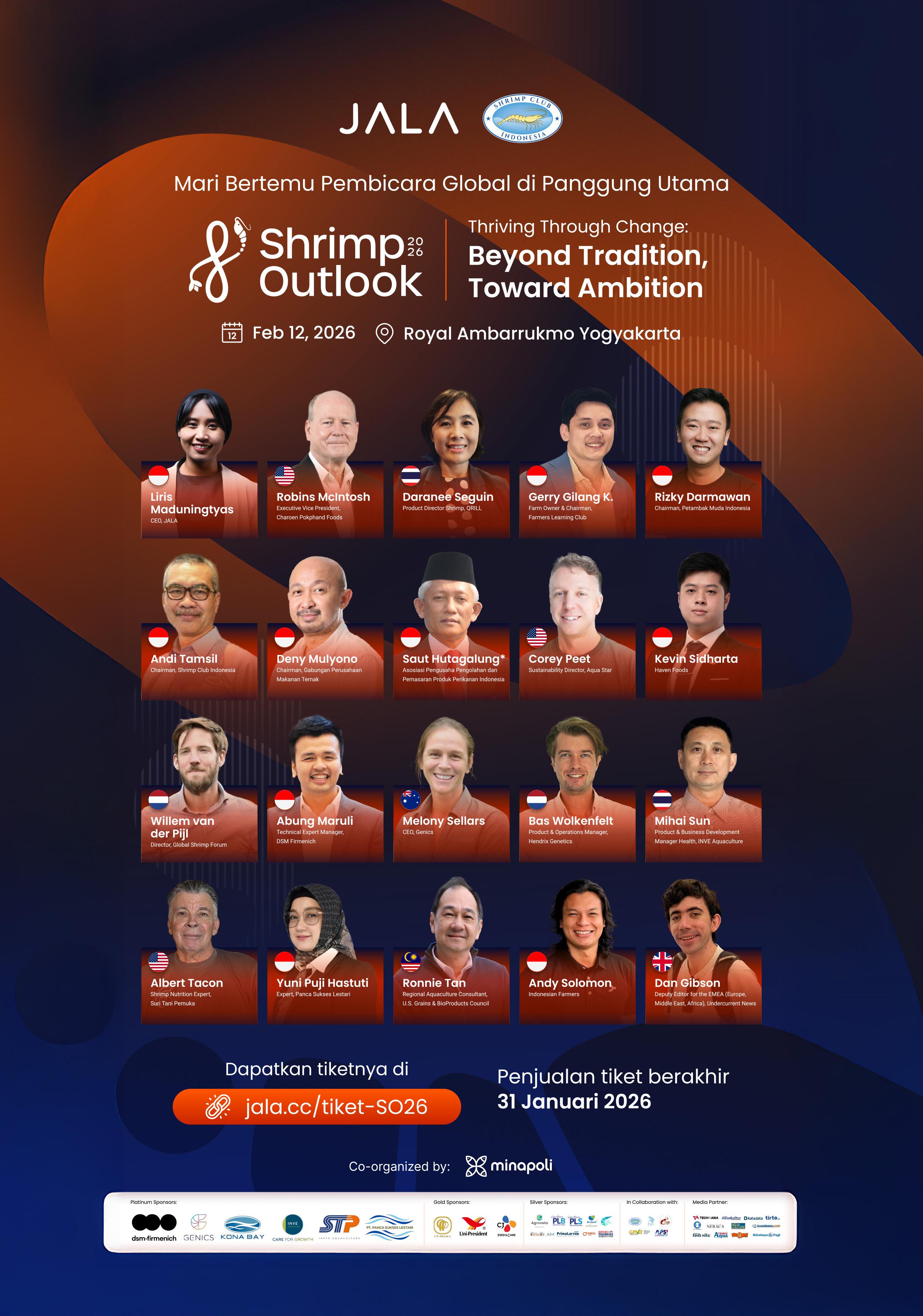
Indonesia’s vannamei shrimp farming industry is currently under intense pressure, stemming from both technical and non-technical challenges. Disease outbreaks such as AHPND, WSSV, IMNV, EHP, and White Feces Disease (WFD) continue to occur on a massive scale across nearly all major shrimp farming regions. At the same time, farmers are facing mounting market uncertainty, particularly following the disruption of shrimp exports to the United States in the second half of 2025 due to concerns over radioactive Cesium-137 residues.
These conditions serve as a serious warning signal for the national shrimp industry. Food safety standards and product traceability requirements for Indonesian shrimp are being pushed to much higher levels in order to remain competitive in an increasingly strict and dynamic global market. Today’s challenges are no longer confined to disease management at the farm level, but extend to the industry’s ability to comply with continuously evolving international regulations and standards.
Responding to this situation, the National Shrimp Farmers Foundation (Yayasan Pembudidaya Udang Nasional/YPUN) has taken a strategic step by establishing a Shrimp Aquaculture Technology Research and Development Laboratory. The facility is expected to function as a center for strengthening technical capacity, while also serving as a defensive stronghold for shrimp farmers facing both production and market-related challenges.
The laboratory was officially inaugurated during the Grand Launching of the Shrimp Aquaculture Technology Research and Development Laboratory, held under the theme “Together Towards the Revival of Indonesian Shrimp Aquaculture.” The event took place at the laboratory hall in Banjar Taman Hamlet, Tuwed Village, Melaya District, Jembrana Regency, Bali, on January 22.
This moment marked a collective declaration that Indonesia’s shrimp industry is not surrendering to current pressures, but instead choosing to rise through collaboration, techno-

Shrimp Stakeholders Panel Discussion
logical innovation, and data-driven aquaculture management grounded in scientific evidence.
As part of the same series of activities, YPUN also organized an Intensive Training Program on Water Quality Measurement, Shrimp Postlarvae Selection, and Shrimp Disease Detection for farm laboratory personnel. The program was combined with a one-day seminar and panel discussion on the current condition of Indonesia’s shrimp industry, featuring speakers from national shrimp associations and key stakeholders, including Shrimp Club Indonesia (SCI), the Indonesian Feed Producers Association (GPMT), the Indonesian Association of Fishery Product Processing and Marketing (AP5I), and hatchery representatives.
This intensive training aims to strengthen farmers’ motivation in dealing with increasingly complex farming challenges, while also enhancing the competence of farm laboratory personnel so they are better equipped to conduct water quality analysis, post larvae selection, and shrimp health monitoring.
Through this initiative, YPUN hopes to reinforce national shrimp aquaculture sovereignty, improve the industry’s global competitiveness, promote farmer welfare, and increase the shrimp sector’s contribution to Indonesia’s export earnings.
Chairman of Shrimp Club Indonesia, Prof. Andi Tamsil, expressed strong appreciation for YPUN’s establishment of the Research and Development Laboratory. He noted that this initiative aligns closely with current aquaculture trends, which increasingly rely on accurate environmental data to support decision-making, particularly when problems arise in the field.
“Laboratory data also help farmers ensure that the inputs they use comply with national standards (SNI) or are appropriate for their actual needs, thereby reducing the risk of production failure. We hope that all farmers will rely on proper laboratory data. In addition, laboratory personnel must be equipped with adequate knowledge and skills in sampling and analysis to ensure the accuracy of the data produced,” he explained.
On the sidelines of the laboratory launching, stakeholders once again reaffirmed their commitment to developing an antibiotic-free shrimp industry. Previously, in the preceding year, Shrimp Club Indonesia and the same group of stakeholders had
declared antibiotic-free shrimp farming in Jakarta. The declaration was signed by the Chairman of Shrimp Club Indonesia, Prof. Andi Tamsil; Chairman of GPMT, Deny Mulyono; Chairman of AP5I, Saut P. Hutagalung; Chairman of the Indonesian Shrimp Hatchery Communication Forum, Waiso; and representative of the Indonesian Aquaculture Input Entrepreneurs Association, Antonius Anugraha.
Known as the Jembrana Declaration, the agreement outlines the commitment of Indonesia’s shrimp industry stakeholders to completely eliminate the use of antibiotics and their derivatives across all stages of shrimp production, from hatchery to post-harvest. This commitment responds to strict zero-tolerance policies on antibiotic residues enforced by major export markets such as the United States, the European Union, and Japan, as well as growing global concerns over food safety and antimicrobial resistance (AMR).
The declaration also emphasizes the exclusive use of officially registered aquaculture inputs approved by the Ministry of Marine Affairs and Fisheries (KKP), while calling on the government to strengthen and harmonize regulations banning antibiotics throughout the entire production chain. Ultimately, this initiative aims to safeguard the long-term sustainability of Indonesia’s shrimp industry and restore its credibility in the global market.
GPMT Chairman Deny Mulyono stressed that all aquaculture stakeholders, particularly those involved in shrimp farming, must collectively understand a fundamental production principle: producing what the market demands.
“The European Union has already clearly defined its standards, and the United States will follow. Beyond environmental concerns, one of the key issues is antibiotic use in shrimp farming. The more compliant we are, the stronger our market access and acceptance for Indonesian shrimp,” he said.
Specifically for the feed industry, he emphasized that regulations prohibiting the use of antibiotics in aquafeed are already very clear. Therefore, if farmers suffer losses after finding feed that still contains antibiotics, this constitutes a legal violation by the manufacturer. Within GPMT, all members have committed to full compliance with existing regulations. Any member proven to be in violation will not
receive advocacy or legal protection from the association.
Support for this initiative also came from the Jembrana Regency Government. In remarks from the Regent of Jembrana, delivered by the Assistant for General Administration, Ni Nengah Wartini, the local government expressed its appreciation and recognition of YPUN for developing the laboratory.
She stated that the establishment of the laboratory represents a strategic and visionary step in supporting fisheries development, particularly shrimp aquaculture in Jembrana Regency. The local government hopes the laboratory will not only function as a research center, but also serve as a collaborative platform connecting government, academia, the business sector, and shrimp farmers.
Through such collaboration, it is expected that more adaptive and applicable shrimp farming innovations will emerge, while also contributing to improved community welfare, especially for shrimp farmers in Jembrana Regency.
The global shrimp industry begins the year with steady movement but muted confidence. Orders are circulating, buyers are engaged, and supply chains remain active, yet pricing and profitability continue to face strong resistance. Much of this early-year dynamic is shaped by the ongoing impact of U.S. tariff policies on Indian shrimp, which continue to influence sourcing strategies while placing indirect pressure on alternative origins such as Indonesia.
Rather than triggering a strong rebound, these shifting trade flows are reinforcing a cautious, price-sensitive market tone that exporters are all too familiar with.
India remains the largest supplier of shrimp to the United States, supported by scale, cost efficiency, and established relationships with major importers. However, anti-dumping and countervailing duties remain a central consideration for buyers. Even when Indian shrimp is competitively priced, tariff exposure introduces uncertainty that affects landed costs, contract planning, and risk management.
As a result, many U.S. buyers continue to diversify their sourcing portfolios. This strategy is not necessarily about replacing India, but about reducing dependence on a single origin that carries regulatory and tariff-related risk. In this context, alternative suppliers gain attention whenever uncertainty intensifies.
Indonesia consistently features in these discussions. Its reputation for quality consistency, strong processing standards, and traceability positions it as a reliable option when buyers seek balance between risk and supply security. At the start of the year, this has translated into renewed inquiries and orders from the U.S. market.
While U.S. interest in Indonesian shrimp has increased, pricing expectations tell a more cautious story. Buyers are active, but they remain firm on price levels. Most orders coming from the United States reflect a clear focus on cost control rather than origin-driven premiums.
Several factors are shaping this approach. Cold storage inventories in the U.S. remain relatively high, limiting urgency. Retailers continue to face consumer price sensitivity, particularly in value-driven segments. At the same time, competition among exporting countries remains intense, with multiple ori-

gins willing to negotiate aggressively to secure volume.
In this environment, Indonesian shrimp is often viewed as a strategic alternative rather than a premium upgrade. Buyers value Indonesia’s stability and compliance record, but they are rarely prepared to pay significantly more for it. This places Indonesian exporters in a difficult position, forced to choose between defending price levels or maintaining shipment volumes in a competitive market.
The current market conditions point to a restrained start rather than a strong opening. Trade flows are present, but margins are thin. Demand exists, yet it is cautious, deliberate, and highly price-driven.
For Indonesian producers and exporters, this environment reinforces the need for discipline. Decisions around stocking density, production planning, and sales commitments are increasingly conservative. Many companies are prioritizing cost efficiency and operational flexibility over aggressive expansion, recognizing that volume alone does not guarantee stability.
This cautious approach is echoed across the supply chain, from farms to processors to exporters. The early months of the year are less about growth and more about maintaining balance in an uncertain demand landscape.
India tariffs continue to affect global shrimp trade, but they do not automatically give better pricing to other supplying countries. Indonesia’s situation at the start of the year shows a clear reality. Access to the U.S. market alone is not enough when demand is weak and dependence on one main market is high.
Other exporters have faced similar challenges in the past. Vietnam, for example, experienced long periods of low prices in the U.S. market and responded by slowly expanding into value-added products and increasing sales to markets outside the United States. This did not remove all risks, but it helped Vietnam reduce reliance on one market and improve overall stability.
For Indonesia, the way forward is likely a strategic one. Expanding into more markets, improving product positioning beyond basic commodity shrimp, and building stronger long-term relationships with buyers can help reduce exposure to shortterm market changes. In this context, a cautious start to the year can also be seen as a chance to build a more balanced and resilient industry.
Having clinical signs that resemble several other diseases, White Muscle Syndrome (WMS) has become a confusing phenomenon for many shrimp farmers in recent years. Visually, WMS often appears similar to muscle cramping caused by mineral deficiencies, or even viral infections such as Infectious Myonecrosis Virus (IMNV). However, laboratory examinations frequently show negative IMNV results, while mineral correction efforts also fail to reverse the condition in affected shrimp.
Fernanda Rinia Putri, Technical Sales at CeKolam, explains that White Muscle Syndrome is a condition in shrimp characterized by necrosis, or death of muscle cells, which appears as white patches along the abdomen and, in some cases, across the entire body. Unlike single diseases with a clearly defined cause, WMS cannot yet be classified as a disease because its exact origin remains uncertain. Instead, it is considered a multifactorial syndrome, arising from a combination of infectious and noninfectious factors that interact with one another.
According to Narendra Santika Hartana, DVM, Shrimp and Fish Health Manager at PT Suri Tani Pemuka, based on his internal database, the syndrome was first identified in Situbondo around Q1 2021. It later appeared in the Bengkalis Islands, Riau (2023), and during the second half of 2025, cases were increasingly reported in Java and West Nusa Tenggara.
“Throughout 2025, based on our internal active surveillance data, there were approximately 27 cases of white muscle, distributed across Sumbawa, southern East Java, East Lombok, and Bengkalis,” he tells The Crust
Narendra explains that the primary clinical sign is random muscle necrosis across multiple segments of the shrimp body. This distinguishes WMS from IMNV, where muscle necrosis typically starts at the tail (segment 6) before spreading to other muscle segments. Histological observations also reveal lymphoid inflammatory cell infiltration in striated muscle, as well as necrosis of the lymphoid organ, indicating that affected shrimp are in an immunosuppressed state.
“The syndrome is marked by mass mortality (up to 100 kg per day) in shrimp older than DOC 40, with muscle necrosis occurring across the entire body—not limited to the tail,” he notes.
Fernanda adds that because the causes are multifactorial, WMS can emerge across a wide
age range, from below DOC 30 to well above DOC 50. Mortality does not usually occur suddenly in large numbers; instead, it begins at low levels and increases exponentially over time.
“In many cases, the progression is gradual but significant. For example, it may start with 100 shrimp, then increase to 1,000 the next day, followed by 1 kg, 10 kg, and eventually 40 kg. The mortality pattern is clearly exponential,” she explains.
Based on cases he has handled, Narendra identifies at least two major triggers for the emergence of White Muscle Syndrome. The first is overfeeding during the early cultivation period (blind feeding), which leads to the accumulation of uneaten feed at the pond bottom. This buildup becomes a primary substrate for pathogenic bacteria, suspected to play a role in triggering white muscle, to proliferate.
The second trigger is low alkalinity and imbalanced key minerals (calcium and magnesium), which can cause shrimp to develop soft shells. This condition increases susceptibility to disease because the shrimp’s carapace, its main physical barrier against pathogens, fails to function optimally.
“The impact becomes most evident during critical periods such as moulting. Moulting requires large amounts of minerals for new carapace formation, and when mineral levels are unbalanced, pathogens can attack more easily due to the lack of an effective physical barrier,” he explains.
Meanwhile, Fernanda emphasizes that although there is a strong suspicion that white muscle syndrome involves bacterial agents, no definitive conclusion can yet be drawn. At present, CeKolam categorizes the contributing factors into three groups: infectious factors (bacterial or viral agents that indirectly cause white muscle), noninfectious factors related to physiological conditions such as mineral deficiencies, and indirect factors that affect muscle cells through secondary pathways.
If bacteria are indeed involved, Photobacterium damselae subsp. damselae (PDD) may be one of the primary suspects, although this has not yet been confirmed due to the absence of specific diagnostic testing. PDD is an opportunistic bacterium,

similar to Vibrio, and naturally occurs in marine environments, particularly under low salinity conditions.
“Basically, PDD operates in a way that is very similar to Vibrio, such as Vibrio parahaemolyticus in AHPND, but it tar gets different tissues. PDD can specifically attack muscle cells and produces hemolysin toxins, which are commonly found in pathogens, although the toxin types differ,” Fernanda explains. “These toxins work by forming pores in cells, causing cellular damage and ultimately leading to secondary infections.”
As a preventive measure to reduce bacterial virulence, such as that potentially caused by PDD, CeKolam recommends simi lar strategies to those suggested by Narendra, particularly good pond bottom management to ensure that nitrate and am monia levels remain within safe thresholds for shrimp. Proper pond bottom management is also closely linked to maintaining a balanced microbial community within the pond.
In addition to pond bottom management, Narendra re commends several preventive measures, including optimizing paddlewheel placement, reducing overstocking, and avoiding overfeeding. He also emphasizes that in locations where WMS is triggered by suboptimal alkalinity and mineral imbalance— often resulting in soft shell shrimp—farmers should ensure adequate supplementation of key minerals required for cara pace formation, applied regularly and monitored through perio dic measurements.
Histological examinations across all white muscle cases consistently show necrosis of the lymphoid organ (LO). Since the LO plays a crucial role in shrimp immune system development, damage to this organ places shrimp in an immunosuppressed condition, making them more vulnerable to disease.
Therefore, the application of immunostimulant com
pounds—such as βglucans, MOS, and herbal or phytochemi cal extracts—is recommended from an early age, around DOC 10. These compounds should be administered consistently and regularly, as immunostimulants work by enhancing non speci fic immune responses.
“Based on field cases observed, this approach has proven effective in significantly reducing mortality rates,” he adds.
Meanwhile, Reskha Handayani, Head of Business Unit at CeKolam adds that since the primary cause of white mus cle syndrome has yet to be definitively identified, PCR testing may not be considered as an ideal standalone diagnostic tool. According to CeKolam, PCR may still be useful to confirm that clinical signs are not caused by IMNV or CMNV. If both tests return negative results, the condition can be classified as white muscle syndrome. Ideally, this diagnostic process should be complemented with sequencing analysis to confirm whether suspected pathogens are dominant within the pond.
“Sequencing allows us to identify exactly what bacteria are present in water or shrimp samples, down to the species level,” Reskha concludes.
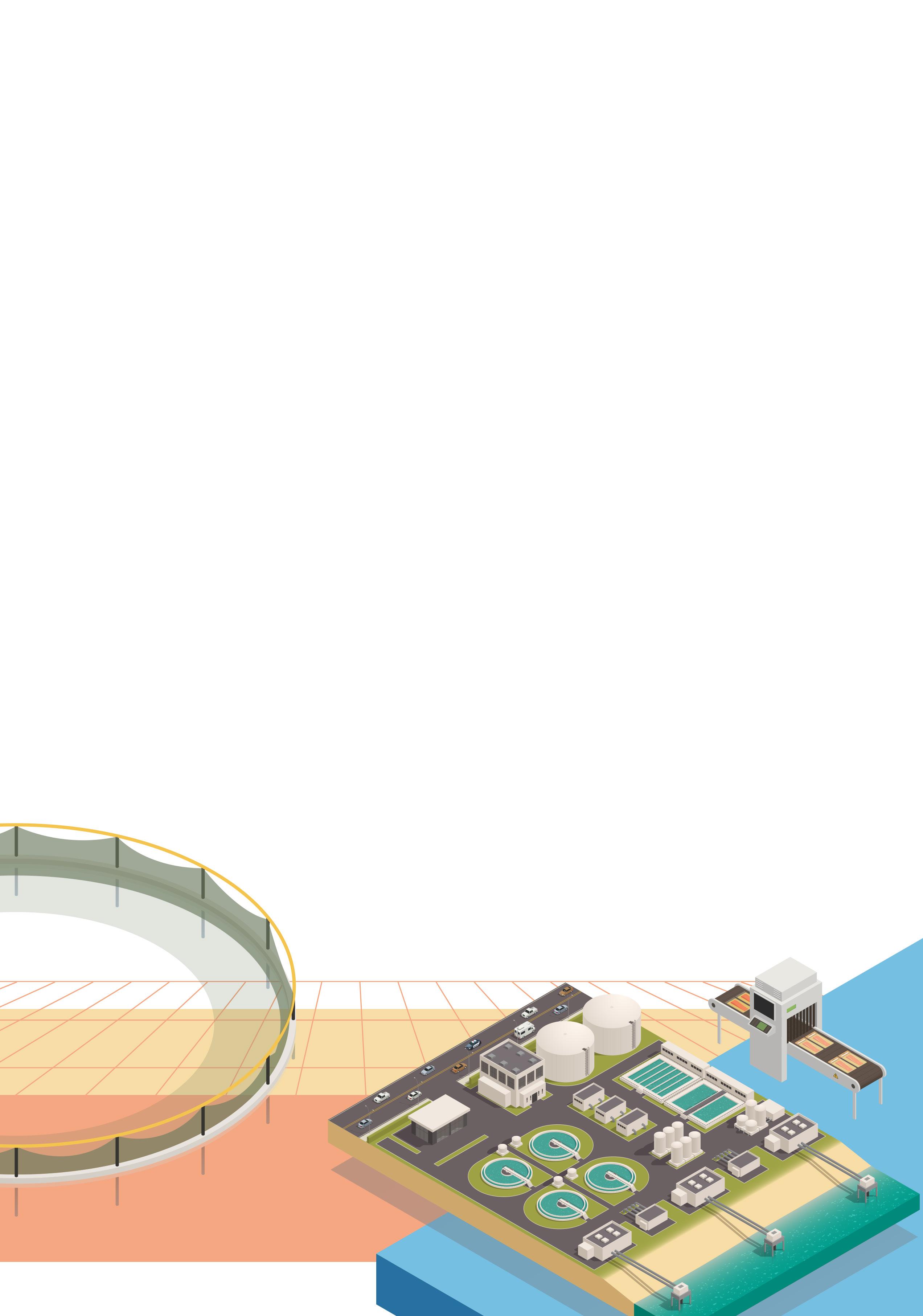
At first glance, isometric art feels calm. Everything sits neatly in place, no dramatic perspective, no visual shouting. But the longer you look, the more you realize how much is happening inside that quiet structure. Roads connect, systems flow, and small details patiently wait to be discovered. Isometric art turns complexity into something friendly. Flat, yet somehow alive.
That is exactly why this style keeps finding its way back into our screens, magazines, and minds.
1. Video Games and Simulations
From classic strategy games to modern city builders, isometric views let players see the whole system at once. Resources, movement, cause and effect. Nothing is hidden, and every decision feels visible. It is not just about looking good, it is about understanding how things work.
2. Infographics and Data Storytelling
When information gets complicated, isometric design steps in. Supply chains, production flows, infrastructure layouts. Instead of overwhelming the reader with numbers, isometric visuals show relationships. This connects to that, this flows into that. Suddenly, data feels intuitive.
3. Architecture, Urban Planning, and Mapping
Architects and planners love isometric drawings because they explain space without distortion. Buildings stay honest, proportions stay clear, and viewers can grasp layouts instantly. It is technical, but still approachable.
4. Branding and Editorial Illustration
In magazines and digital platforms, isometric art has become a favorite for explaining modern systems. Technology, logistics, sustainability, and industry. It feels intelligent, orderly, and contemporary. Perfect for stories that want to educate without lecturing.

Amid the increasingly complex dynamics of the shrimp aquaculture industry, production risks can no longer be viewed as merely short-term challenges. Diseases emerging in the early stages of cultivation, declining environmental quality, and market uncertainty are forcing farmers to become more adaptive in defining their farming strategies. It is within this context that Suri Tani Pemuka (STP), one of the leading and fully integrated companies in the aquaculture industry, has introduced its latest innovation: Super PL shrimp seed.
Super PL is designed as a larger and more robust shrimp post-larvae (PL), making it more ready for stocking compared to regular PL. This approach is rooted in real conditions in the field, particularly the need to reduce the risk of failure during the early phase of cultivation and to improve overall pond productivity.
Addressing Disease Challenges and Productivity
In recent years, disease problems in shrimp

ponds—especially during the first 30 days of culture—have become increasingly prevalent. Diseases such as AHPND and WSSV frequently lead to significant production declines and, in many cases, substantial financial losses for farmers.
“The increasing case of disease problems in ponds under 30 days of culture has been one of our main considerations. Super PL is a strategic step to reduce those risks,” says Syaheri, NP Production Manager for STP’s West Area.
Beyond disease-related issues, STP also observed that annual pond productivity remains relatively low under conventional farming patterns, which generally allow only two production cycles per year. By using Super PL, the cultivation period in ponds can be shortened, giving farmers the opportunity to increase productivity to three cycles per year without the need for additional land investment.
STP’s Super PL is produced using a Genetic Balance line. After reaching PL10 at the hatchery, the seed is reared for an additional 20 days at STP’s Nursery Pond (NP) facilities. During this period, a series of rigorous processes is implemented, including water treatment, the application of
supporting inputs, daily monitoring, PCR screening, and quality control scoring.
Syaheri emphasizes that the NP process is just as stringent as hatchery operations to ensure the seed remains healthy and resilient. With this approach, the risks during the critical early phase of cultivation are borne by the shrimp seed producer, rather than by the farmers.
He also says that Super PL has passed the blind feeding phase. As a result, the risk of waste accumulation from uneaten feed and uncertainties in feed and growth measurement during the early culture period can be significantly reduced. The impact is not only improved feed efficiency, but also a lighter environmental load on the pond ecosystem.
In addition, STP provides premium feed with protein levels reaching 45 percent at this NP phase, aimed at improving shrimp health and resilience from the earliest stages. This ensures that the shrimp seed is stronger and better prepared when entering a typical open pond with more dynamic environmental conditions.
Syaheri adds that STP’s Super PL production facilities are currently operating in several regions to bring production closer to major shrimp farming centers. In Paciran, Lamongan, capacity reaches 10 million shrimp per month, while in Bomo, Banyuwangi, it reaches 15 million shrimp per month. Sumbawa contributes a capacity of 5 million shrimp per month, and the Carita facility, which is still under
development, is targeted to reach 10 million shrimp per month.
Beyond these locations, further expansion is ongoing. In 2026, STP aims to establish new Super PL production facilities in Cilacap (15 million shrimp per month), Lombok (30 million shrimp per month), as well as an additional 15 million shrimp per month in Sumbawa.
Despite offering many advantages, the development of Super PL remains to face some challenges. One of these is the relatively low level of interest among some farmers in bigger seed, largely due to unfamiliarity. To address this, STP actively conducts data-driven outreach by sharing performance results from ponds that have already adopted Super PL.
Based on data presented by Syaheri, the survival rate (SR) of Super PL can reach 97 percent based on actual counts, and even exceed 100 percent when calculated on a net basis (actual shrimp numbers plus buffer bonuses from the hatchery). With a DOC of 108 days, a harvest size of 28, an FCR of 1.36, pond productivity can reach up to 76 tons per hectare.
“If we use a normal time calculation, harvesting can already be done in around 90 days. That means farmers have the opportunity to run three production cycles in one year,” Syaheri explains.
Another challenge lies in transportation, particu-
larly for delivery distances exceeding six hours. Syaheri notes that six hours is currently considered the optimal transport time for Super PL. Nevertheless, STP continues to conduct trials and learning processes to improve the safety of long-distance shipments. At present, STP is equipped with insulated tank facilities, and each shipment is escorted by Quality Control (QC) and Technical Service (TS) teams that monitor water quality and shrimp condition every hour.
Although larger in size, Super PL still requires an acclimatization process before stocking to ensure a smooth transition. Parameters such as temperature, dissolved oxygen (DO), pH, salinity, and total ammonia nitrogen (TAN)
are measured both in the pond and inside the insulated tank. Stocking is carried out only after all parameters fall within safe ranges.
STP’s Super PL shrimp seed does not merely offer a larger size, but represents a new approach to managing risk and improving farming efficiency. With indoor systems, strict biosecurity, high-protein feed, and technical support extending all the way to the field, Super PL stands out as a strategic option for farmers seeking to increase productivity without adding greater environmental pressure.
Amid increasingly tangible industry challenges, the presence of Super PL shrimp seed brings renewed hope for shrimp farming that is more stable, efficient, and sustainable.


Gemilang Lim
My secret to joy in life is in finding balance Balance in family, sweating, and making decisions
Asep Bulkini