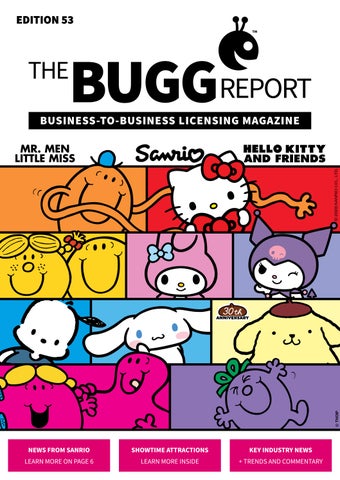
Welcome to the 53rd Edition of The Bugg Report Magazine for the 2026 Toy, Hobby & Licensing Fair, proudly presented by the Australian Toy Association.
As the media partner for the Toy, Hobby & Licensing Fair, we (Bugg Media) would like to thank Alice, Jacqui and the entire team at the Australian Toy Association for making the event possible and working with us as their Official Media Partner.
In this edition of The Bugg Report Magazine, we spotlight the defining trends, brands, licenses and products set to shape 2026 and beyond. The Bugg Report has observed the Australian toy and licensing industry through cycles of optimism, contraction, reinvention, and recovery. It has seen trends arrive loudly and disappear quietly. It has watched technology promise transformation more than once — and learned which changes endure, and which do not.
That perspective matters right now. Artificial intelligence is accelerating the pace of business in ways few could have predicted even five years ago. Information is abundant, timelines are compressed, and decisions are being made faster than ever. At the same time, Australia faces renewed economic pressure, currency volatility, and a policy environment that continues to offer uncertainty rather than direction.
In moments like this, experience becomes a strategic asset. History shows that industries rarely collapse from lack of innovation, but fracture when judgement is replaced by haste and when scale is pursued without context. The pursuit of constant expansion — more product, more exposure, more complexity — has repeatedly proven to be a fragile strategy.
The Bugg Report has regularly chronicled what actually builds resilient businesses: disciplined range architecture, credible brands, strong retail relationships and leadership willing to say no as often as yes. These fundamentals have not changed — even if the tools and language around them have. Toy Fair has always been a moment to showcase what is on the horizon, look at where value is being created, at what deserves investment and what may be quietly eroding margin, focus or trust.
This edition of The Bugg Report is shaped by a clear priority: to serve our readers by spotlighting the trends, brands, licenses, and products that are defining the present and shaping the future of the brand and licensing industry. As the world evolves and things change, a driving force behind successful brands and licenses remains constant: a focus on quality and a strategy that allows for future development and evolution.
Twenty years on, our purpose remains unchanged: to observe carefully, challenge constructively, and share informed analysis that helps our readers navigate what comes next. By understanding where the industry has been and applying those lessons with intent, we aim to support a sector that is strongest when insight, not urgency, leads the way.
— The Editor
Managing Director: Tony Bugg tony@buggsolutions.com.au
Editor & Designer: Matthew Bugg matt@buggsolutions.com.au
Published by Bugg Marketing Solutions info@buggsolutions.com.au
SANRIO CHARACTERS — LIFE-LONG COMPANIONS FOR KIDS AND FAMILIES
MATTEL — WHERE MATTEL BRANDS LIVE BEYOND THE TOY AISLE
WELCOME TO TOY FAIR! — BY ALICE SANDERSON, EXECUTIVE MANAGER AT THE ATA
BLUEY — CELEBRATING SUCCESS AND LOOKING AHEAD
BORN LICENSING — WHAT BIG LICENSING MOMENTS WILL 2026 BRING?
THE GAMESMEN — 40+ YEARS OF PLAY, FAMILY AND COMMUNITY
HOP, SKIP AND JUMP INTO 2027 WITH THE BELOVED AND MISCHIEVOUS PETER RABBIT
WIDE EYES NEWS FROM THE TUBE — AUSTRALIA’S SOCIAL MEDIA BANS
CELEBRATING WARNER BROS. DISCOVERY GLOBAL CONSUMER PRODUCTS ANZ’S SUCCESS
EXECUTIVE PULSE — WITH ANDREW MCCOSKER | U. GAMES AUSTRALIA
THE BRAND LICENSING GROUP — BRINGING THE WORLD’S BEST BRANDS TO AUSTRALIAN RETAIL
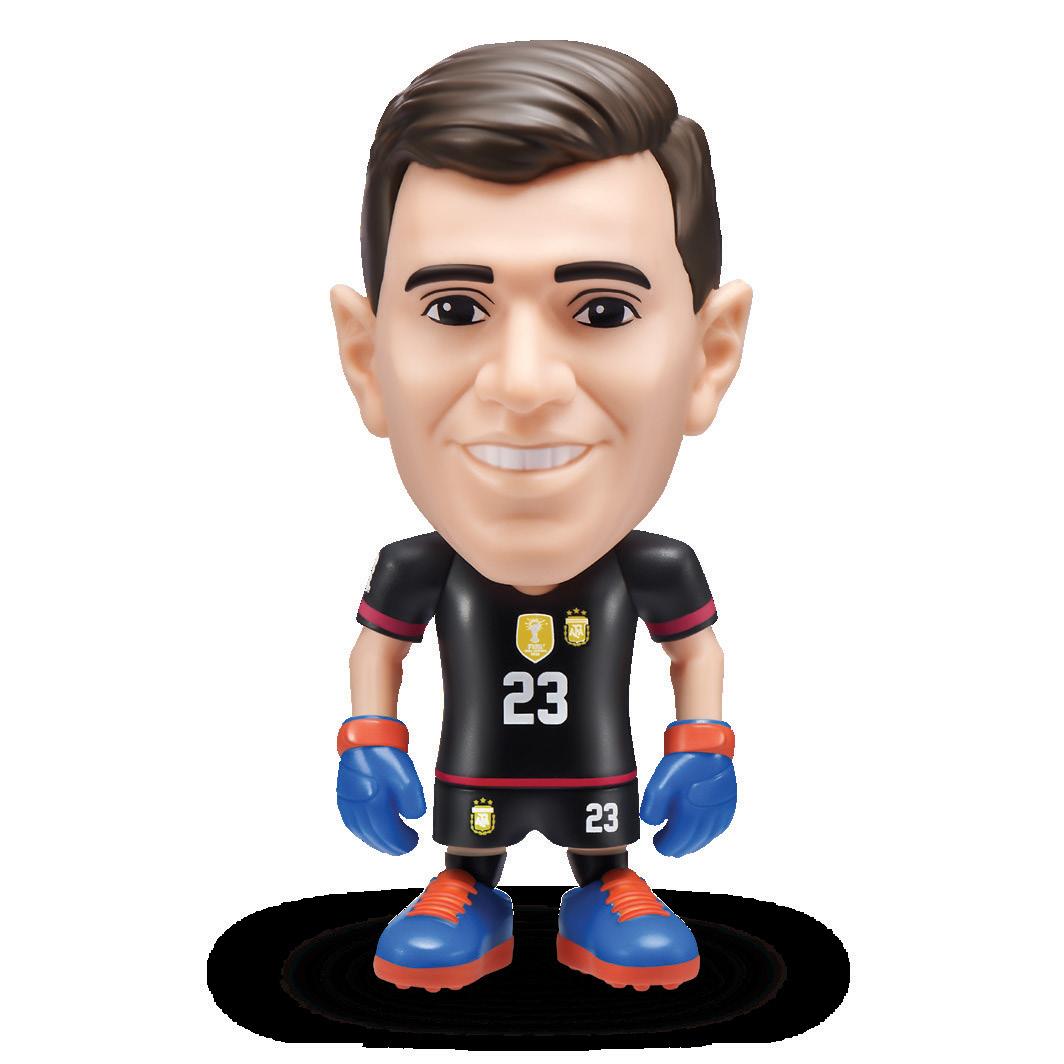
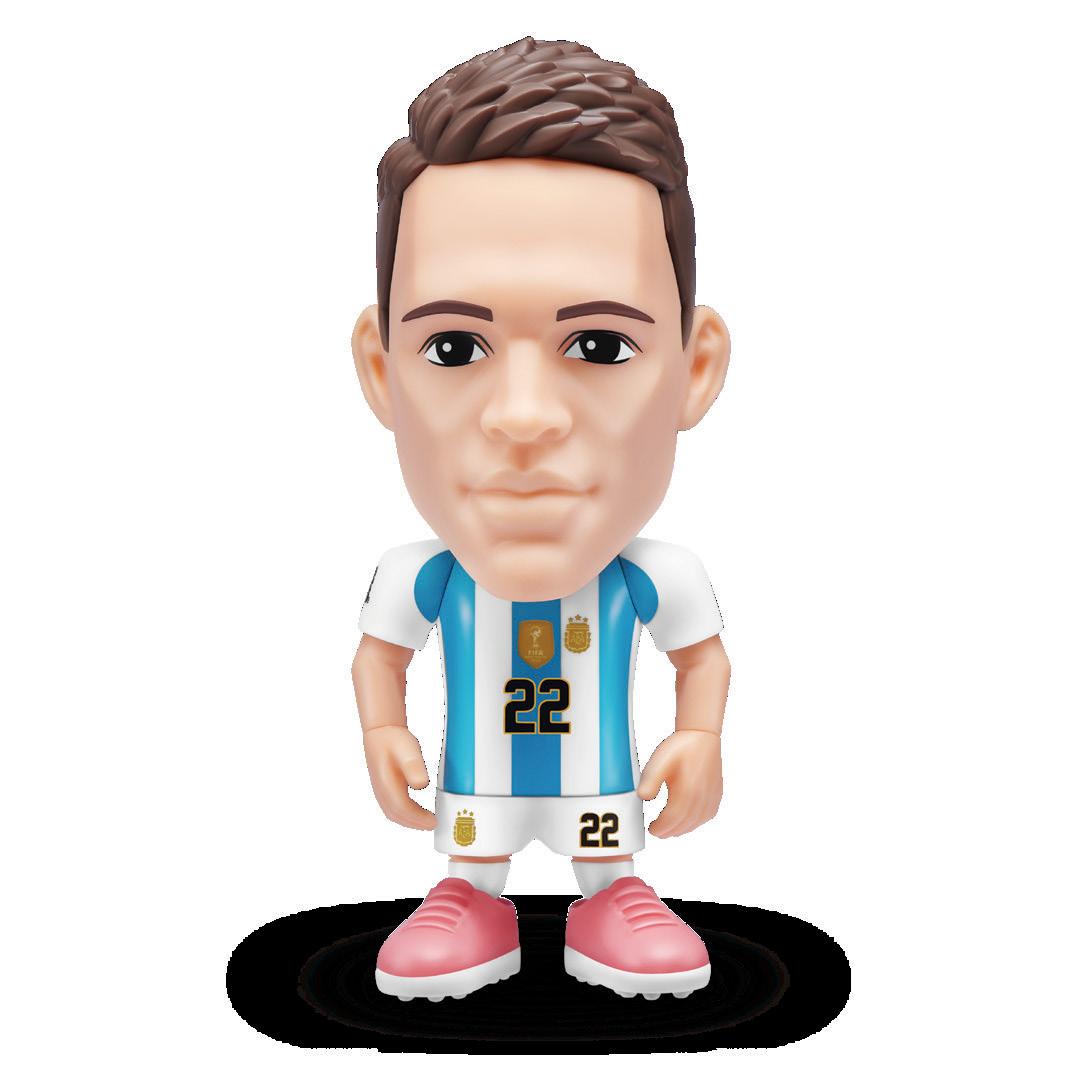
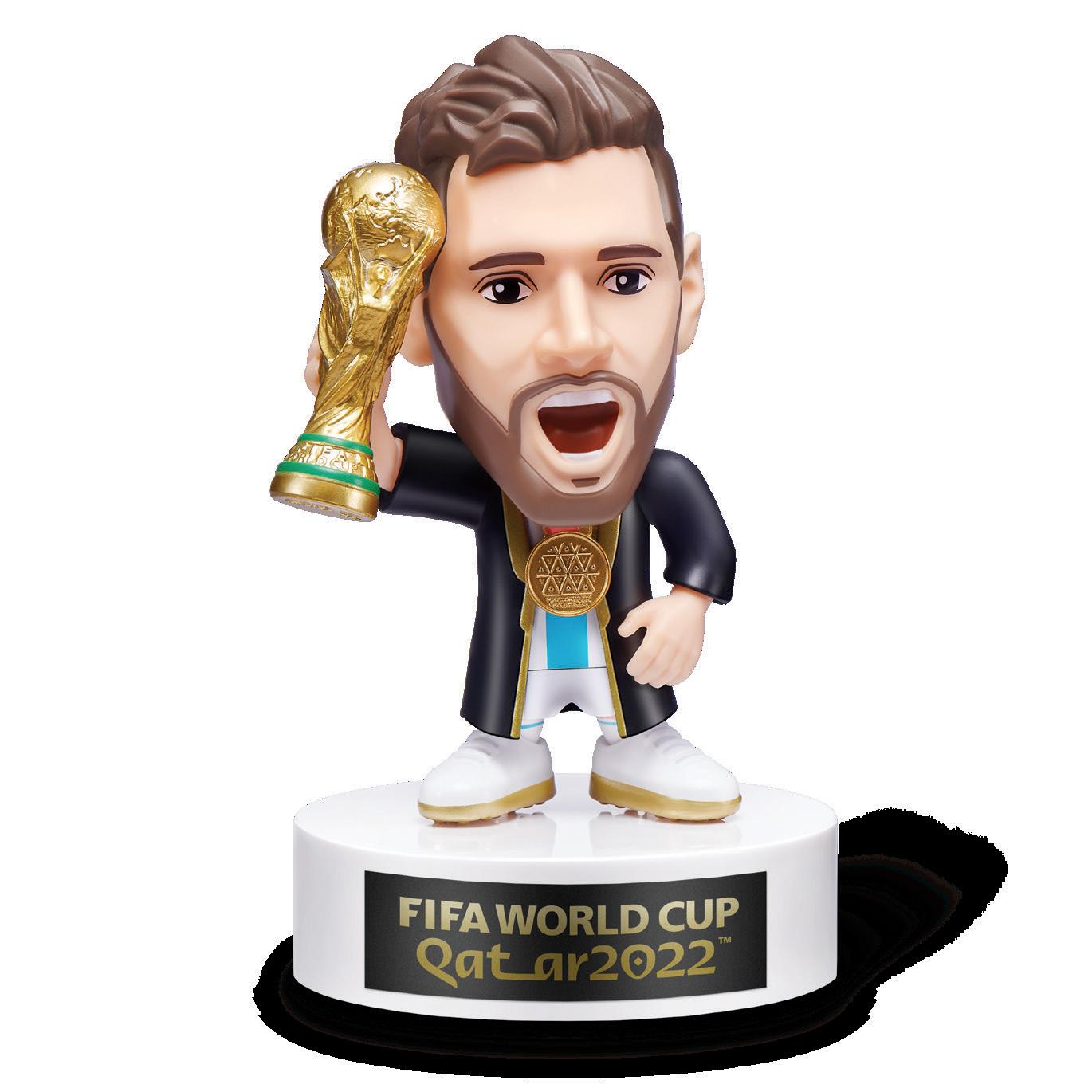
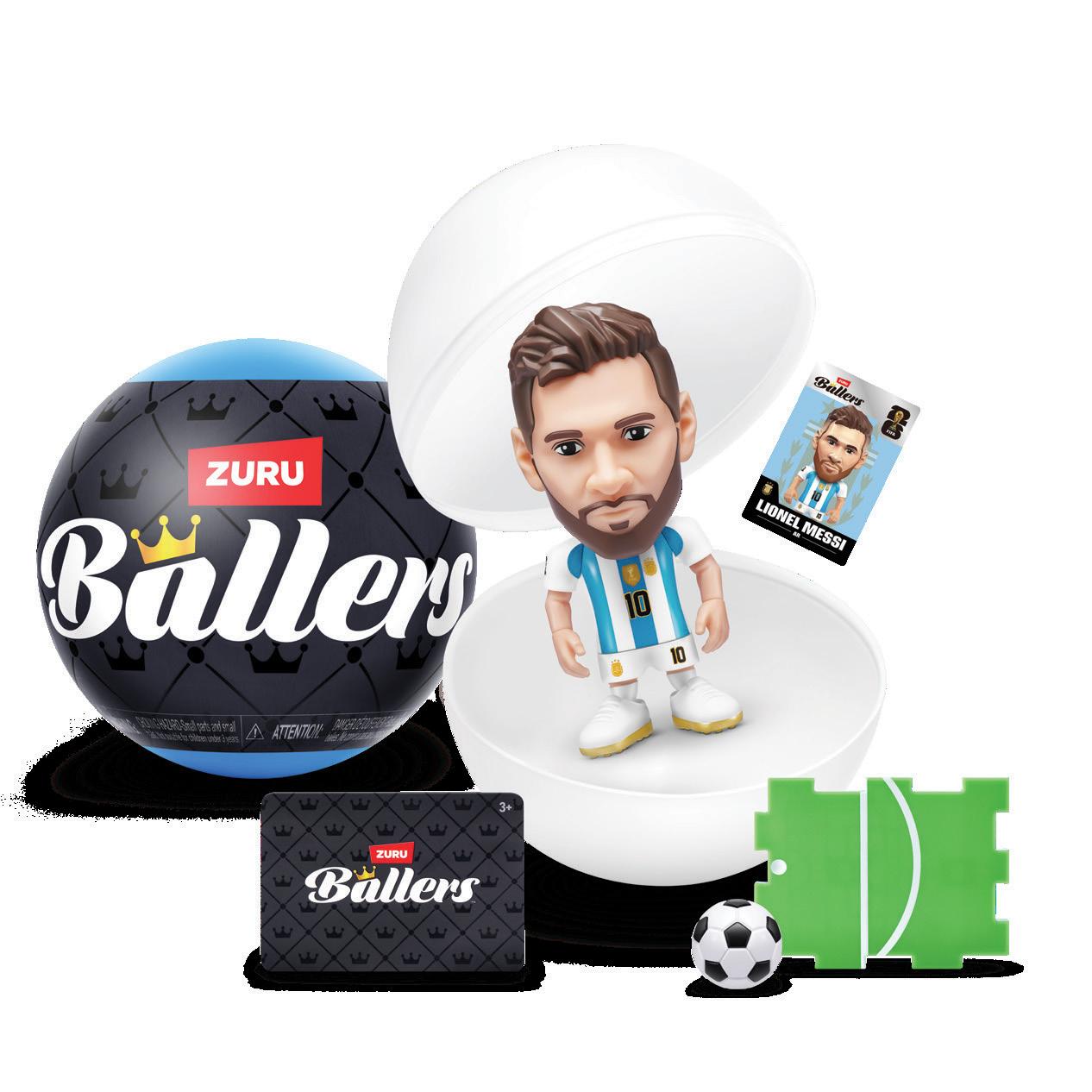
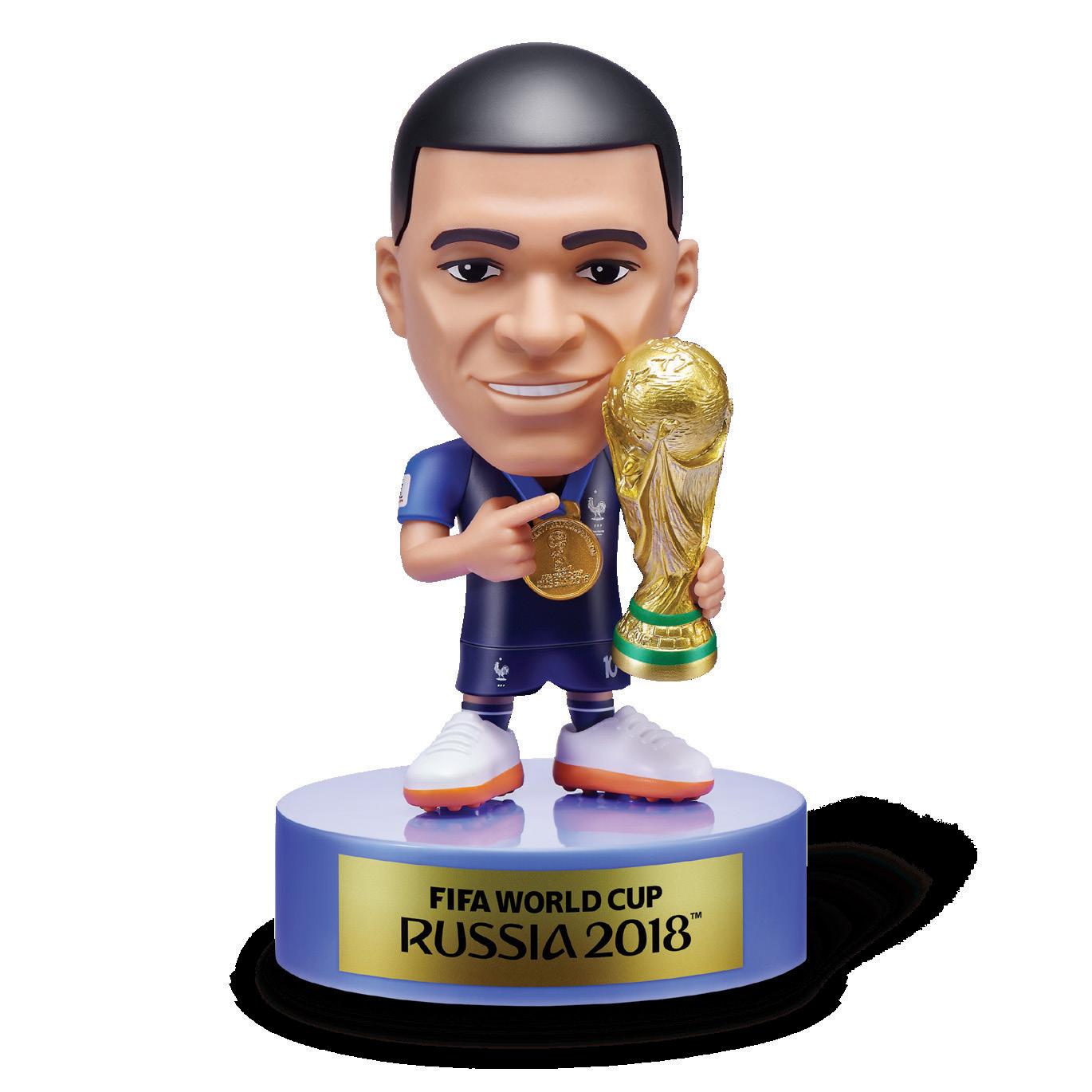
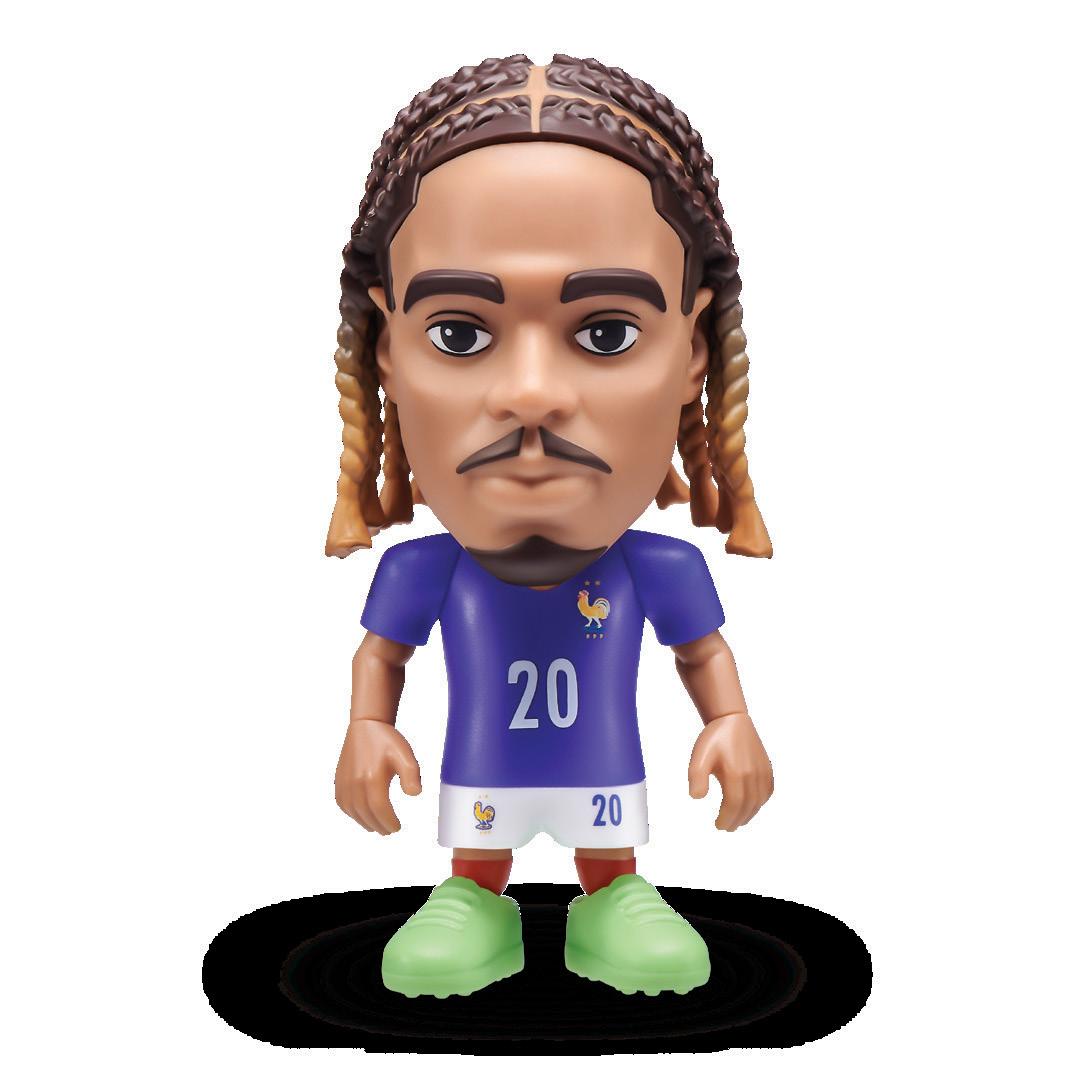
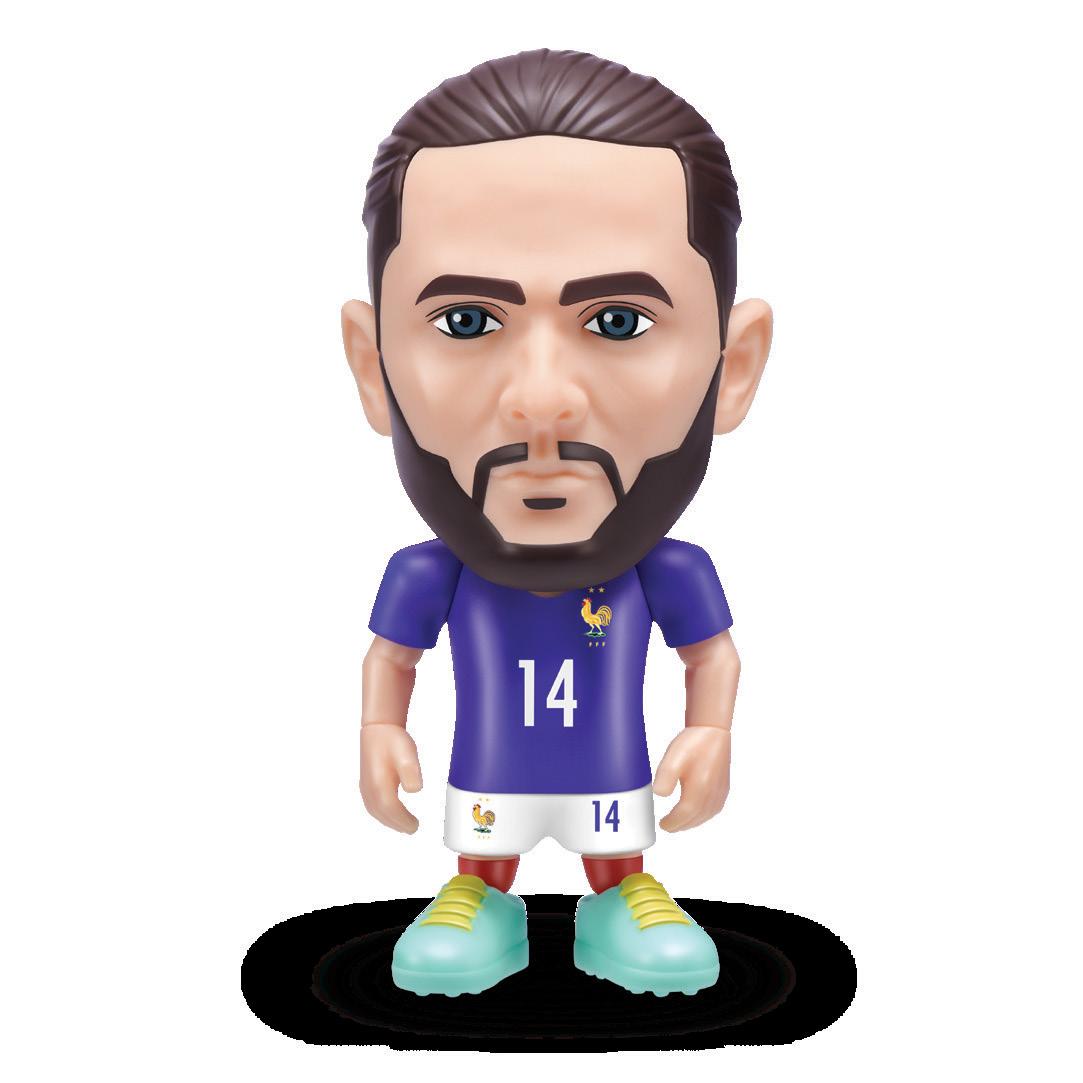
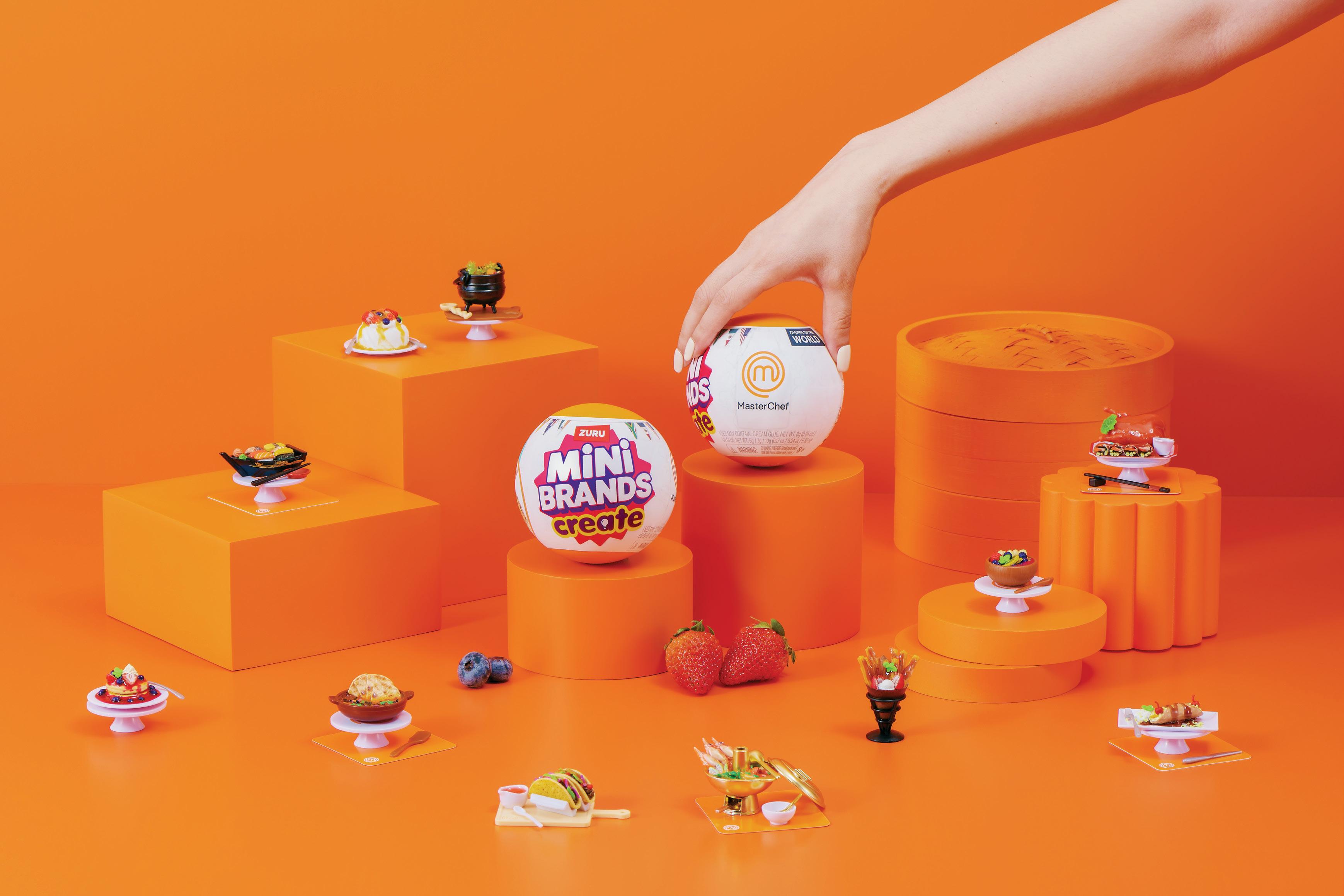
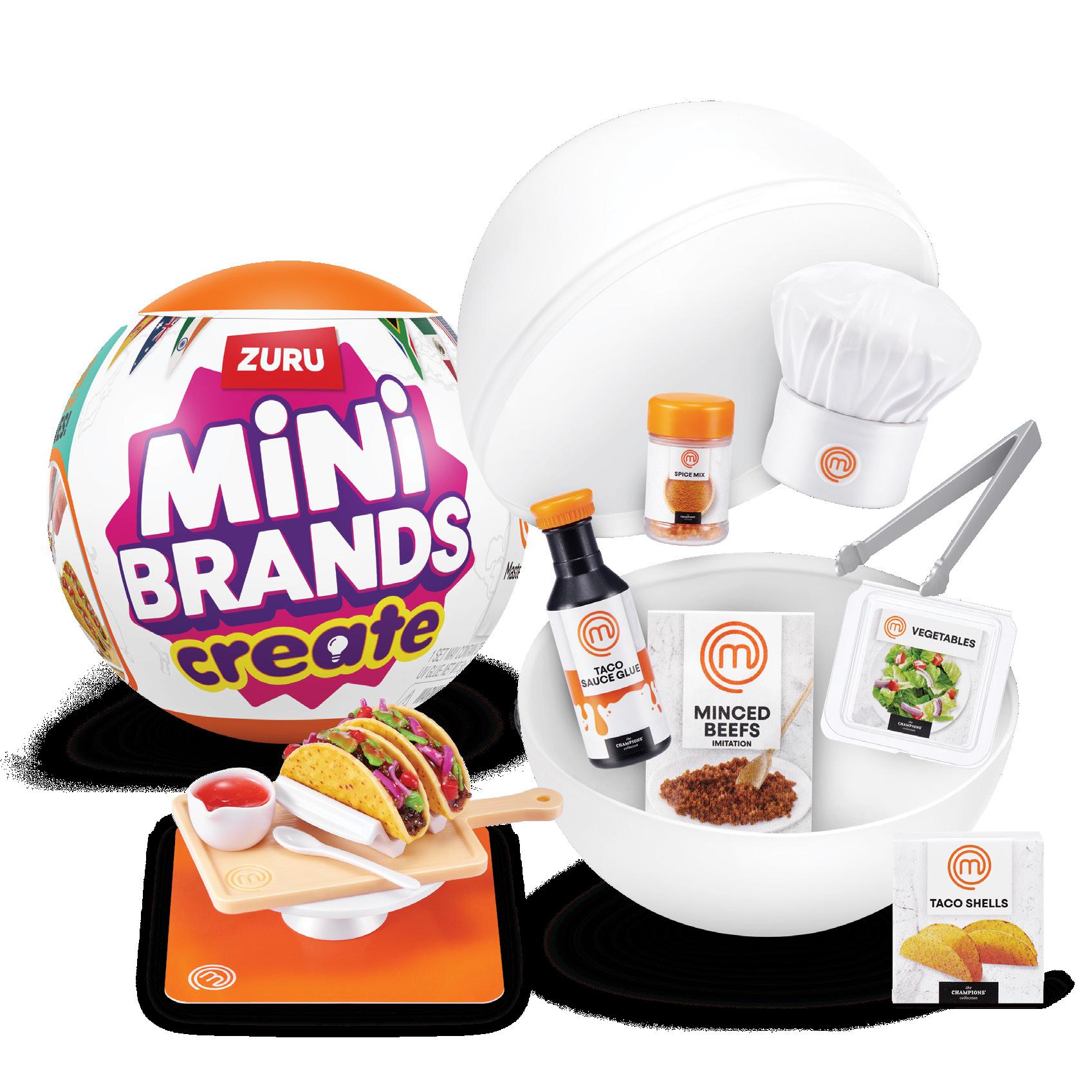
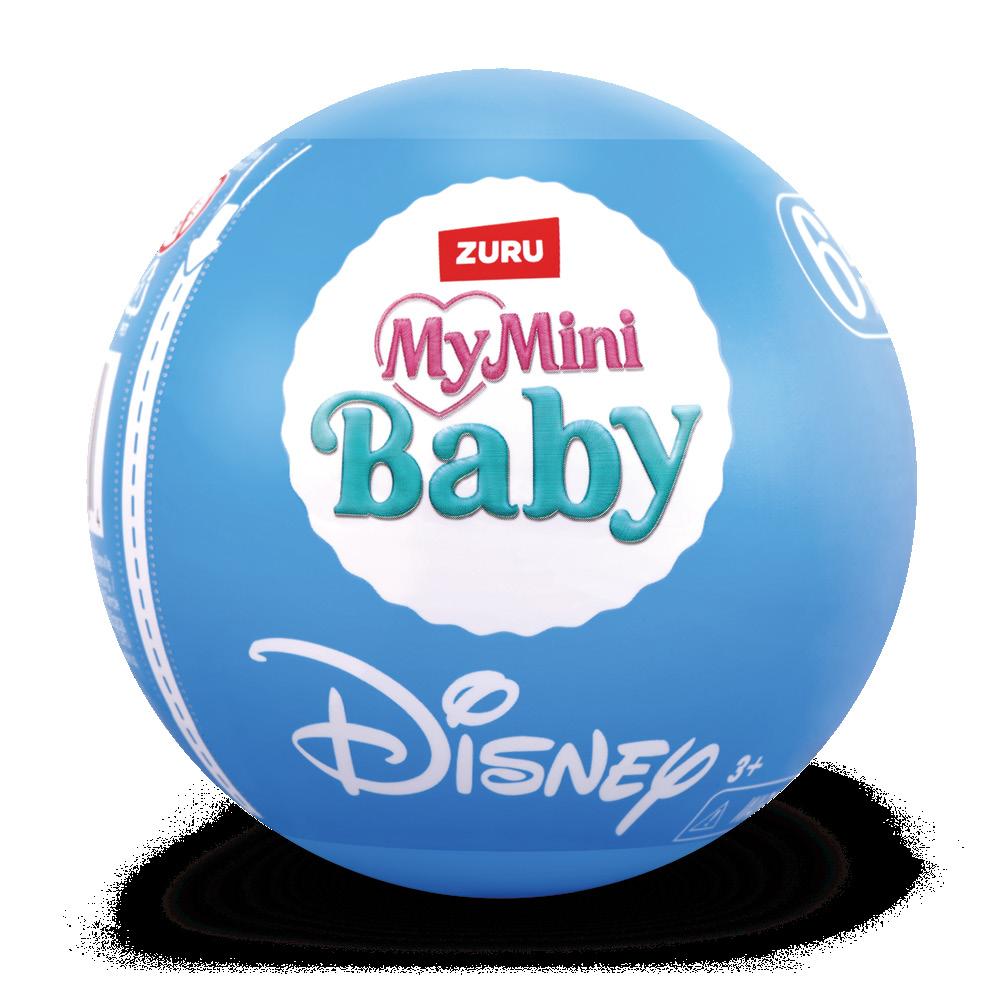
MARKET WRAP — ZURU TOYS
EXECUTIVE PULSE — GRAHAME GRASSBY | STELLA PROJECTS
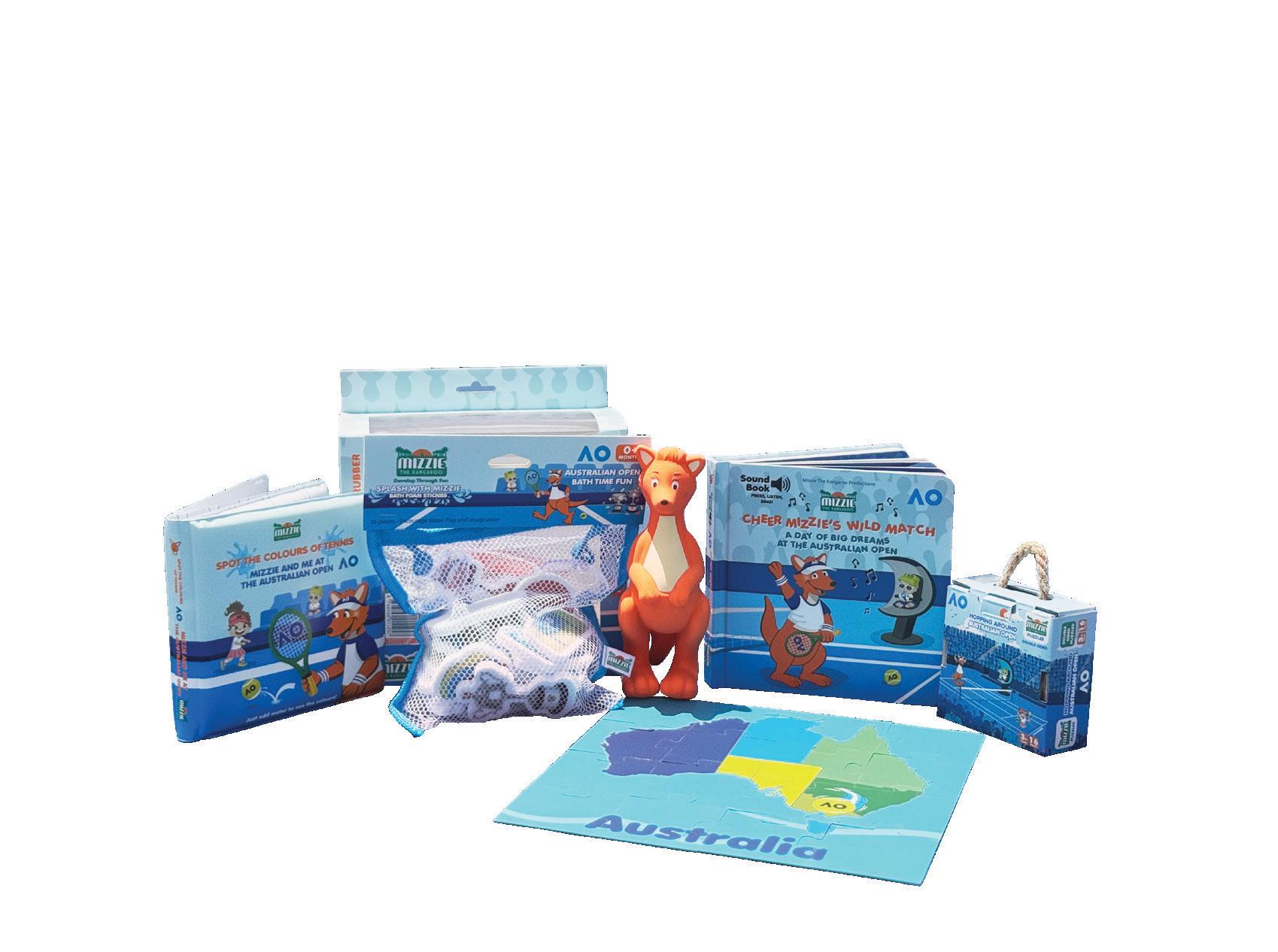
EXECUTIVE PULSE — SANDRA EBBOTT | MIZZIE THE KANGAROO
MS MONI — EVERYONE WANTS TO SAY G’DAY TO MS MONI
THE BUGG VIEW — MOVIES, BRANDS AND DECISIONS
BUGG RETAIL LENS — THE CHANNEL ISN’T BROKEN — THE MODEL IS
LICENSING’S LAND GRAB — WHY SCALE IS SUDDENLY EVERYTHING
SHOWTIME ATTRACTIONS FEATURE — TURN TO CENTER OF MAGAZINE
For decades, Sanrio characters have grown alongside generations of children, remaining relevant as tastes, trends, and lifestyles evolve. This enduring appeal has positioned them not only as lifestyle and cultural icons, but also as lifelong companions.
It comes as no surprise, then, that Hello Kitty, My Melody, Kuromi, and other Sanrio characters continue to drive strong retail performance, innovative toy ranges, and engaging experiences. From plush and dolls to fashion-led play and collectible items, Sanrio characters are designed to meet children—and fans of all ages—wherever they are, while leaving room to grow with them.
2025 proved to be a pivotal year for entertainment. In July, My Melody & Kuromi, a stop-motion series celebrating Kuromi’s 20th anniversary and My Melody’s 50th, debuted on Netflix. The series quickly entered the platform’s Top 10 in several countries and reached second place worldwide among non-Englishlanguage titles by viewership, underscoring the global appeal of Sanrio’s entertainment content.
The year was also marked by a major announcement. In November, Sanrio revealed that the highly anticipated Hello Kitty feature film, distributed globally by Warner Bros., is set for worldwide theatrical release on July 21, 2028. In the lead-up to the film, Sanrio is investing in a steady pipeline of entertainment content.
This strategy enables the brand to reach new markets more effectively, increase awareness, and support licensees with stronger, more relevant storytelling.
Conveying its characters’ core values is not something Sanrio leaves to entertainment content alone; the wide range of products launched across Australia and New Zealand demonstrates just how strongly the brand continues to grow.
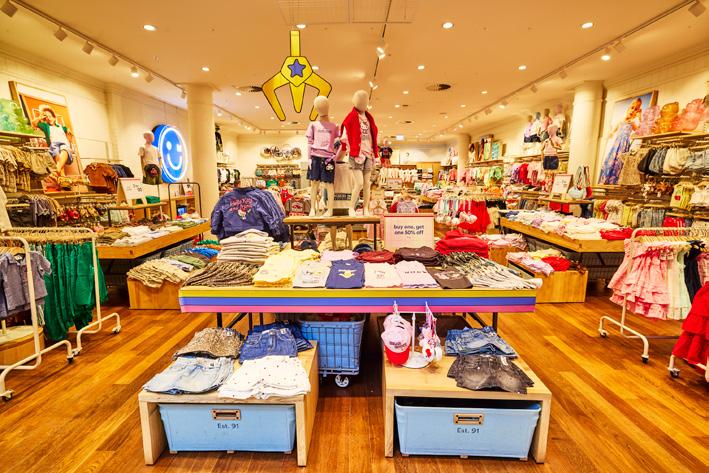
In December 2025, Cotton On Kids showcased the strength of Hello Kitty and Friends in Australia with a high-impact front-window display. The activation went beyond product, featuring an in-store claw machine and a giveaway offering fans the chance to win a trip to Sanrio Puroland. The result reinforced the idea that Sanrio is not just something to wear or play with, but an experience to be shared.
That same sense of nostalgia and connection was central to the launch of the Frank Green Hello Kitty and Friends range, which successfully blended digital and physical retail. Released in early December, the collection featured coffee cups
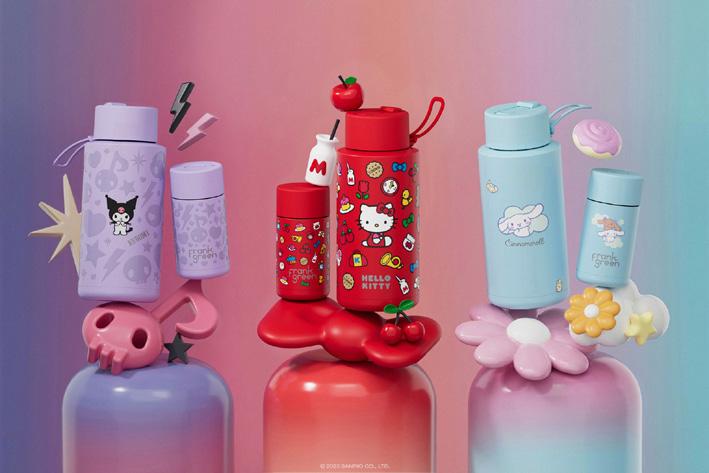
and water bottles starring Hello Kitty, Cinnamoroll, and Kuromi. Supported by a playful online quiz that helped fans find the bottle matching their vibe, the range quickly became a retail success.
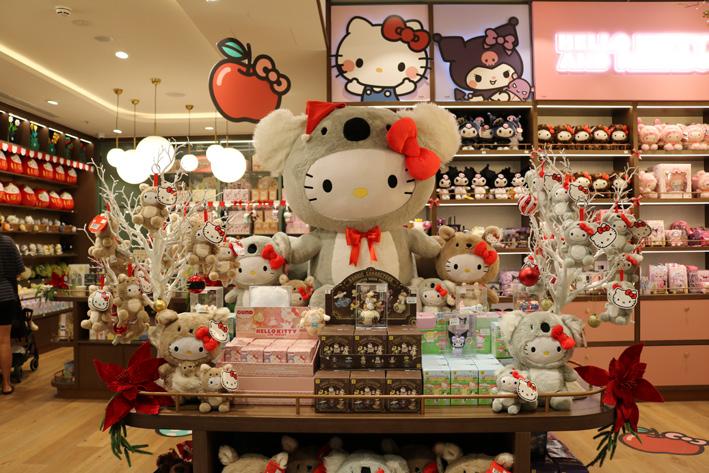
Also in December, Sanrio marked another milestone with the opening of the first MEEQ Hello Kitty and Friends shop-in-shop in Sydney. Designed by Jasnor, the space offered superfans a fully immersive environment to explore the complete range. A limited-edition kangaroo plush was introduced to celebrate the opening, blending local storytelling with global character appeal.
This approach, creating compelling experiences where consumers can fully immerse themselves in the brand’s values, was clearly


embodied also by the two Hello Kitty and Friends Café locations that opened in Australia in 2025.
The first café, located on the ground level of Melbourne Central, one of Australia’s key shopping and dining destinations, began welcoming guests in May. The second opened in October at Pacific Fair Shopping Centre on the Gold Coast. Designed as immersive celebrations of the Sanrio universe, both venues feature multiple themed areas offering Japanese-inspired treats such as strawberry sandos and bento boxes, alongside coffee, pastries, and limited-edition merchandise developed in collaboration with local Australian designers.
Sanrio’s Mr. Men Little Miss also delivered an outstanding year, further strengthening its position as a multi-generational, lifestyledriven IP. Entertainment and high-profile partnerships continue to play an increasingly strategic role in the brand’s expansion, reinforcing its relevance across age groups and markets.
In December 2025, a major milestone was announced: Mr. Men Little Miss will receive its first-ever theatrical adaptation, produced by STUDIOCANAL and Heyday Films. The move marks a significant evolution
for the brand, bringing its universe to the big screen for the first time and opening new long-term opportunities across consumer products, retail, and experiential licensing.
As the brand’s content ecosystem expands, so do the touchpoints through which audiences engage with the characters. Alongside the upcoming theatrical release, Sanrio continues to invest in formats that sustain awareness and visibility across markets, ensuring that Mr. Men Little Miss remains embedded in consumers’ everyday lives. This entertainment-led approach supports long-term brand affinity while creating fertile ground for licensing extensions across multiple categories.
A clear expression of this lifestyle positioning is the newly announced collaboration with the Australian Open, one of the world’s most iconic sporting events. Launching on January 12, 2026, the collection introduces a playful range of apparel and accessories—including hoodies, caps, tote bags, and T-shirts— featuring fan-favourite characters such as Little Miss Sunshine and Mr. Happy. The partnership is supported by a dedicated branded area within the Australian Open’s flagship store, as well as across its e-commerce platform, offering fans both physical and digital access to the range.

More than a fashion collaboration, the initiative reflects shared values of optimism, inclusivity, and playfulness that sit at the heart of both the Australian Open and Mr. Men Little Miss. Through bold graphic design and positive messaging, the partnership positions sport as a platform for connection and self-expression—demonstrating how character IP can successfully integrate into cultural moments that resonate with audiences of all ages.
From plush toys and dolls to immersive retail activations and lifestyle collaborations, Sanrio characters continue to serve as trusted companions for children— offering comfort, creativity, and joy at every stage of growing up. Supported by a robust pipeline of toy launches and kid-focused partnerships throughout 2026, Sanrio once again demonstrates that when characters are built on emotion, storytelling, and timeless design, they do more than entertain—they evolve alongside the audiences who grow up with them.

Mattel is home to some of the world’s most trusted and recognised intellectual property, with brands including Barbie, Hot Wheels, UNO and Thomas and Friends deeply embedded in culture and connecting with audiences across generations. Our consumer products approach focuses on unlocking the full potential of that IP through partnerships that bring our brands to life across everyday touchpoints, drive relevance and demand at retail.
Our brands start with great toys, but they do not stop there. They are built as franchises, with storytelling, experiences and products working together to strengthen consumer connection. By taking a holistic view of how fans engage with Mattel brands, we create opportunities across products, content, experiences and retail environments.
The ambition is simple: if you love a Mattel brand, you should be able to experience it throughout your day, from what you wear and use at home to how you play and socialise. Looking ahead to 2026, this integrated approach continues to shape how we build scale and long-term value across categories.
The ambition is simple: if you love a Mattel brand, you should be able to experience it throughout your day, from what you wear and use at home to how you play and socialise.
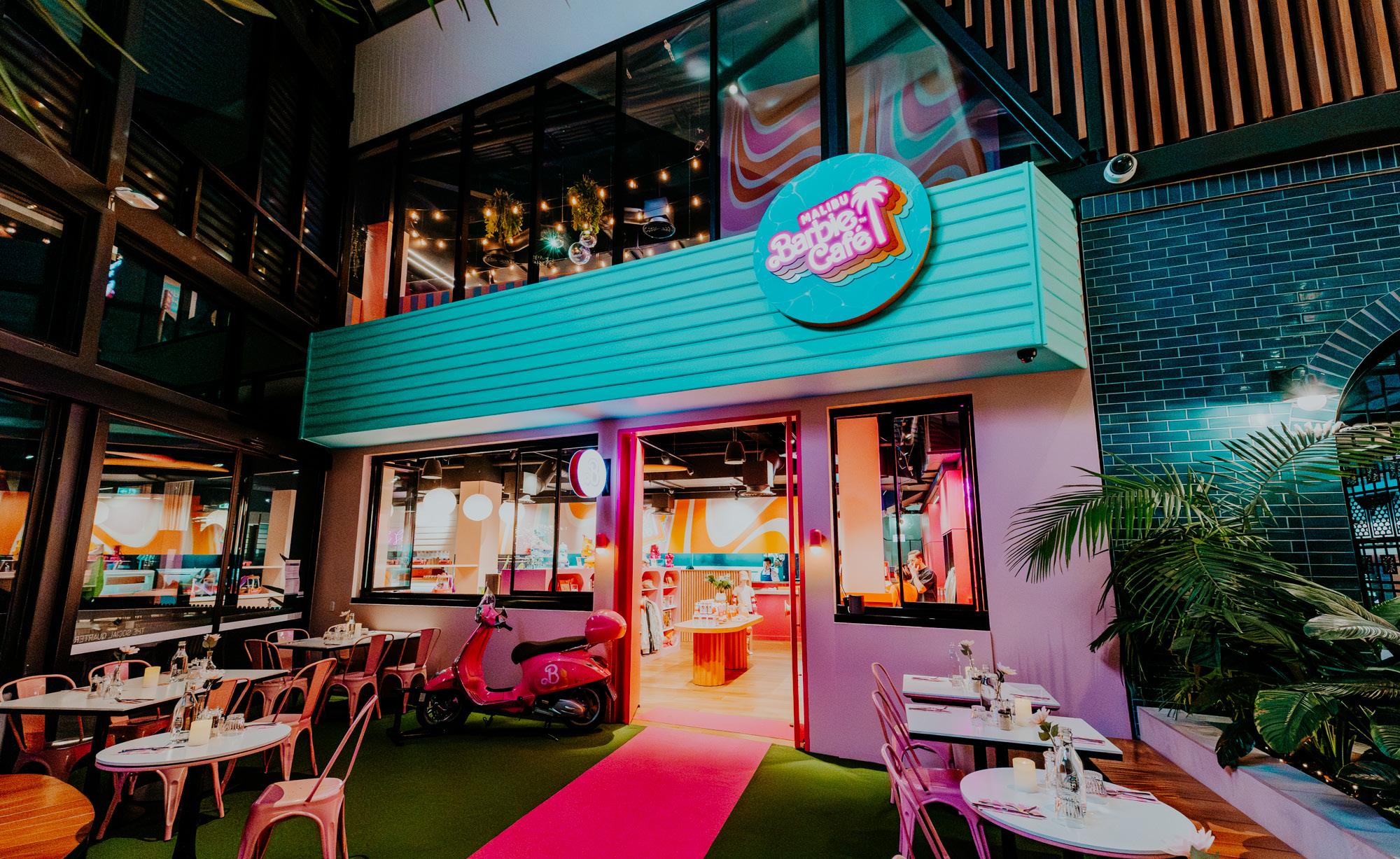
Barbie remains one of the most powerful and culturally resonant brands in the world, with momentum across experiences, publishing, gaming and retail. In Australia, the Barbie Café at Chadstone has brought the brand to life through an immersive food and fashion-led experience. Globally, Barbie continues to expand across publishing, digital and entertainment initiatives that extend the brand beyond toys and support strong consumer products performance. Locally, the brand maintains strong momentum across apparel and accessories, supported by major retail partners and sustained demand across categories.
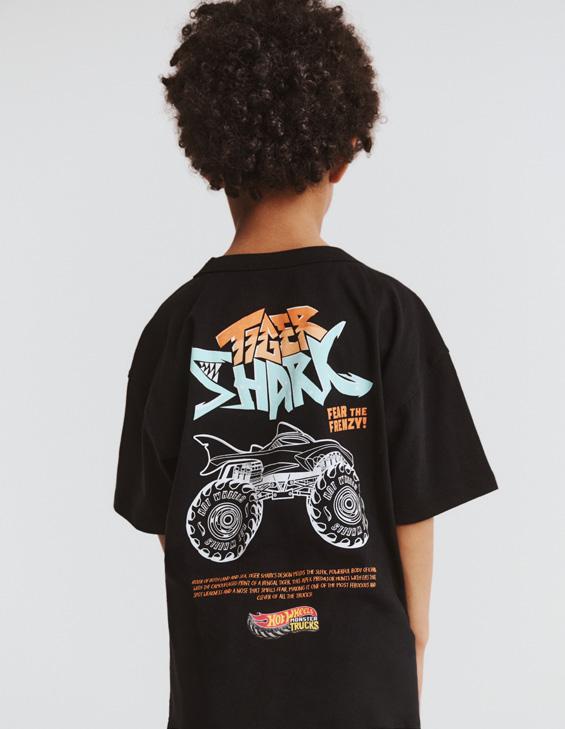
Off the back of eight years of growth, Hot Wheels continues to accelerate beyond toys, resonating strongly with both kids and adult fans. That emotional connection is driving expansion across apparel, gifting and lifestyle products, supported by collaborations across mass and premium retail. Apparel momentum continues through global partnerships and strong local execution. On screen, Hot Wheels Let’s Race on Netflix is in its third season, reinforcing the brand’s relevance and setting up further content-led opportunities in 2026.
UNO continues to evolve with culture by leaning into what it has always done best: bringing people together. As the world’s number one card game, UNO is extending beyond the games cupboard through UNO Social Clubs, real-world social play experiences designed to turn a familiar game night into a night out. By transforming hospitality venues into immersive UNO environments, the concept creates new occasions to engage with the brand. Launched in the US and UK and now localised for Australia, UNO Social Clubs extend UNO into experiences while opening the door to broader consumer products and lifestyle touchpoints.

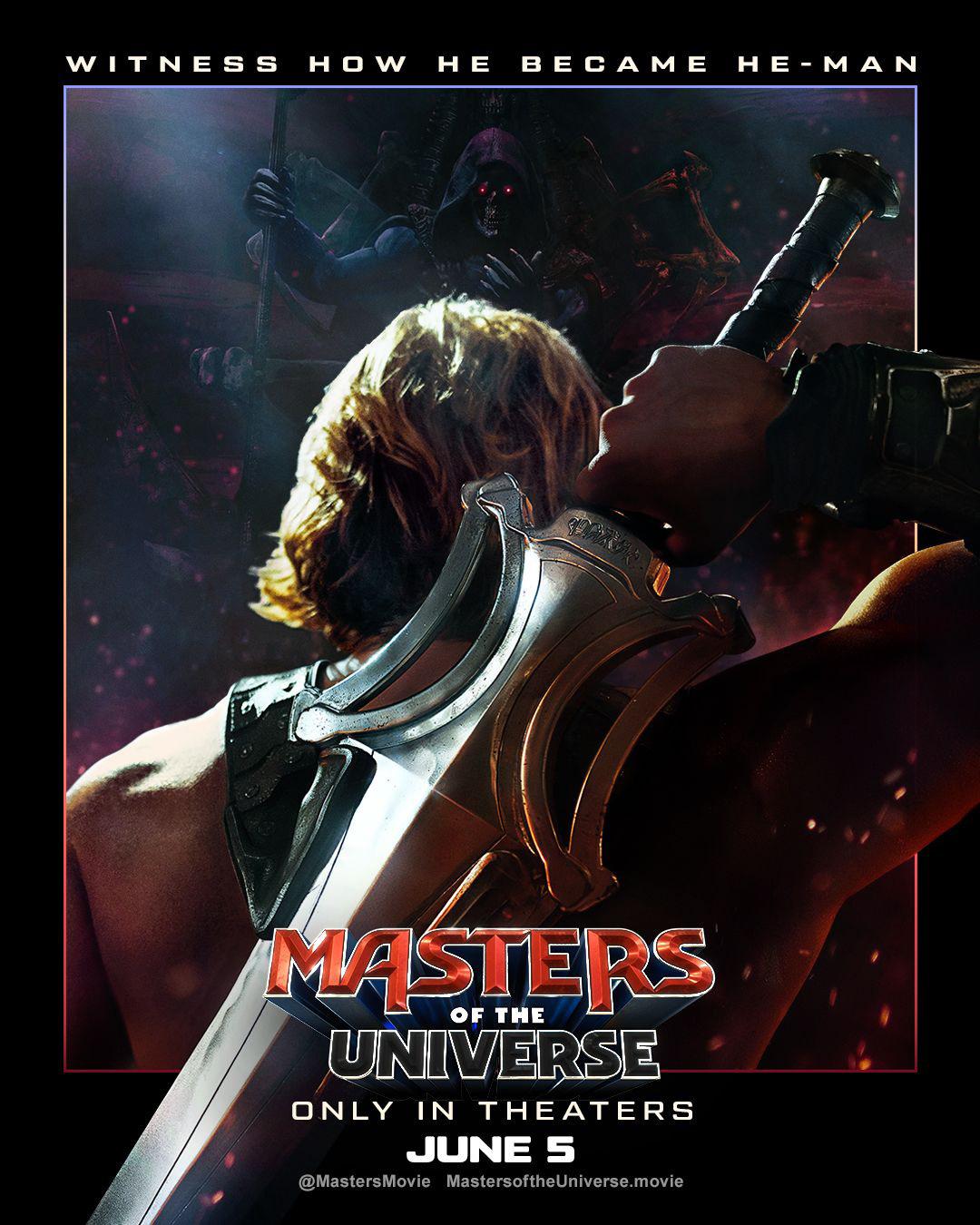
Masters of the Universe enters an exciting new chapter in 2026 with a live-action theatrical release landing in Australia in June. The film brings renewed energy to a franchise that has shaped pop culture for decades, supported by an all-new toy line and strong potential across consumer products.
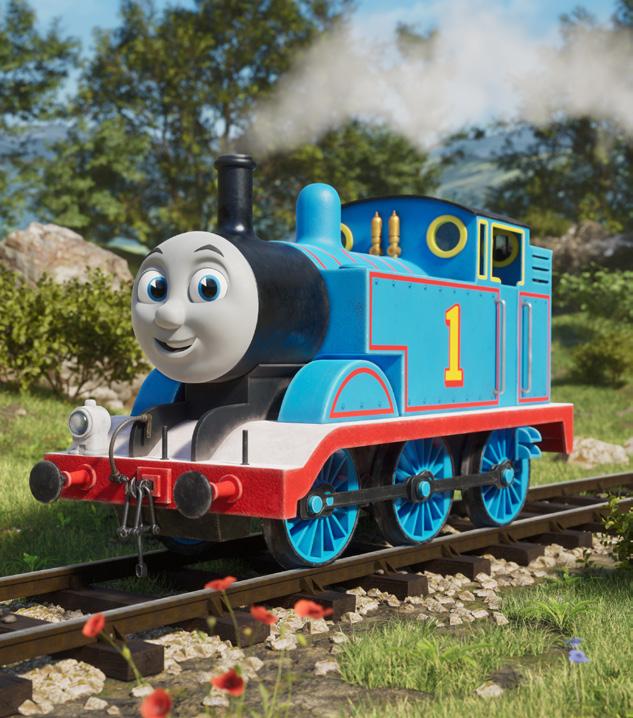
Thomas and Friends will return with an updated look in 2026 that reconnects the brand to its core DNA, supported by refreshed toys and expanded opportunities across publishing, apparel and home. Pingu also continues to gain traction across Australia, New Zealand and internationally, with strong Gen Z awareness and growing momentum across retail and pop culture, setting up further growth next year.

At Mattel, we love to work closely with partners to build strong, relevant brand extensions for consumers. The ATA Toy Fair is a chance to come together, share and explore how our brands can come to life across categories, channels and experiences.
We look forward to connecting and continuing the conversation!








By Alice Sanderson — Executive Manager at The Australian Toy Association
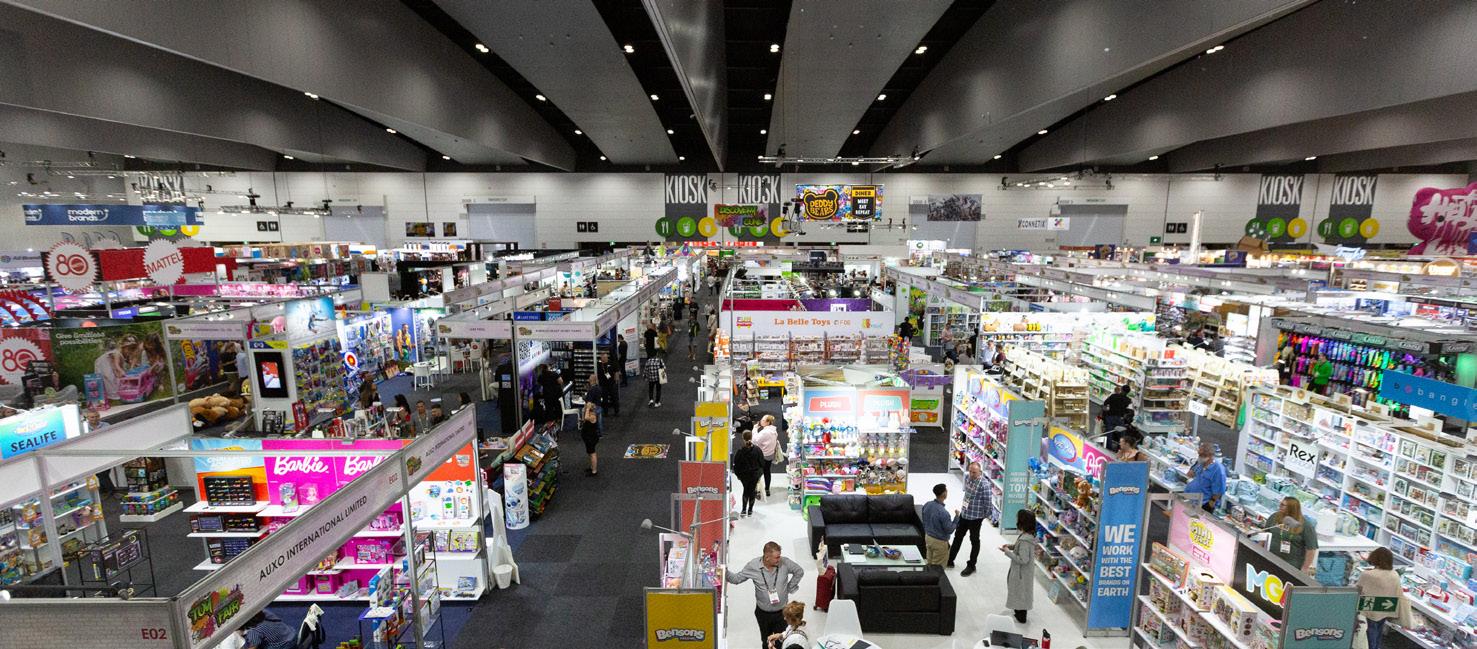
Welcome to the 59th in-person Toy, Hobby and Licensing Fair, proudly hosted in glorious Melbourne, Australia.
Across four action-packed days, attendees will have the opportunity to touch, try, and experience products that are uniquely Australian alongside leading ranges from around the world. This year’s energy, creativity, and innovation are all brought together under one roof at the Melbourne Convention and Exhibition Centre, creating an unmissable showcase for our industry.
With the Fair selling out prior to Christmas, the ATA is thrilled to welcome 165 exhibiting companies to the show floor. Exhibitors will be showcasing an exciting mix of toys and games, educational products, outdoor play, and everything in between. Whether you’re a dedicated toy retailer or a business with a broader product offering that includes kids’ ranges, the Fair is the ultimate opportunity to connect with industry partners, discover new lines, and source products that help drive foot traffic into your store
Our exhibitors are the innovators and trendsetters of the toy industry, and their passion is evident in every carefully curated stand. The pride they take in presenting their products is what makes this event so special. A big welcome to those exhibiting with us for the first time, and a warm welcome back to our valued returning exhibitors.
From the moment you step through the Toy Fair entrance, you’re immersed in the colour, creativity, and magic that define our industry. Play is our purpose, and the products on display are designed not only for children, but also for the young at heart.
Three standout trends continue to shape the industry this year: the ongoing excitement of collectibles and unboxing, the strength of licensed products, and the ever-growing Kidult movement. Toy Fair brings all of these trends to life... and so much more.
On the opening night of the Fair, the ATA will host our annual Gala Dinner. At the time of writing, more than 500 guests are booked for what promises to be a memorable evening

of awards, networking, and entertainment. It’s always a highlight for me, as we celebrate and recognise those the judges deem to be our industry standouts, and by judges, I mean retailers, licensing professionals, industry leaders, and of course, kids.
Throughout the Fair, we will also acknowledge our 25 Year Club members — including some incredible members who are now reaching 40 and even 50 years of involvement in the industry. We wrap up the event on Wednesday morning with our breakfast celebrating the women in toys, whose stories, leadership, and achievements continue to inspire the next generation.
I would like to sincerely thank our media partner, Bugg Media, for their support in the lead-up to the Fair, along with all of our sponsors and supporters whose ongoing commitment helps make Toy Fair such a standout and truly unmissable event.
To our exhibitors, I wish you an outstanding Fair, one that strengthens existing relationships and creates many new opportunities. To our retail partners, happy sourcing, and to all other visitors and attendees, I wish you a productive and successful Fair.
There is so much to see, experience, and celebrate at this year’s event. If you’re part of the industry, this is one Fair you won’t want to miss. I can’t wait to see you all there.
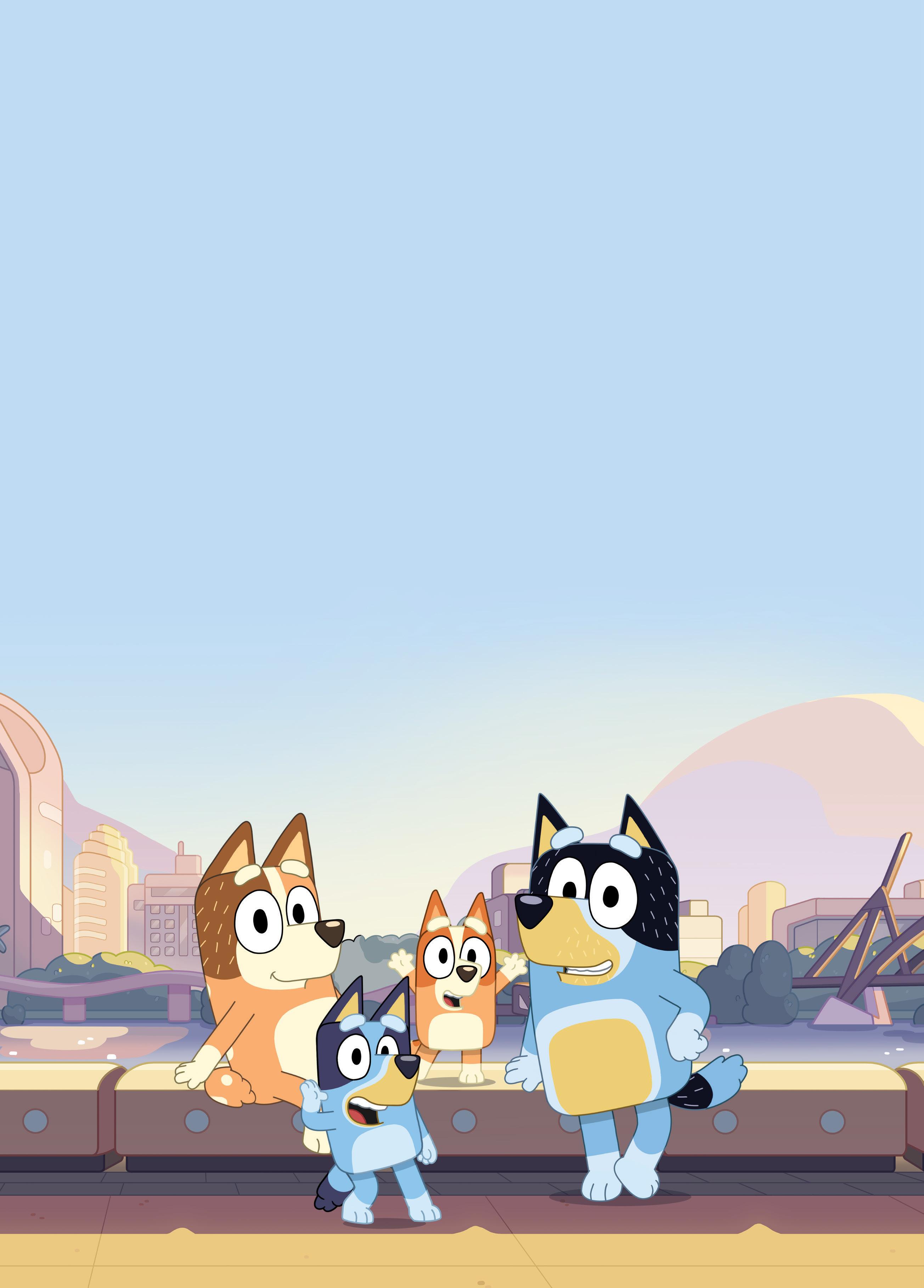
From its Brisbane beginnings to its rise as a global phenomenon, Bluey continues to win hearts both here and around the world. Australia’s #1 kids’ show clocked an extraordinary 4.8 billion minutes viewed on ABC iview in 2025, sold more than 10 million books across Australia and New Zealand, and now has a feature film slated for global theatrical release in 2027.
Following a year of unprecedented milestones, Bluey is gearing up for an even more exciting chapter. We sat down with Sharon Wilson, Director of Brands & Licensing at BBC Studios ANZ, to find out more.
What do you look for in a licensing partner to ensure alignment with Bluey’s values?
We’re very deliberate in how we approach partnerships, because Bluey is all about authenticity, family, and fun. Our partners need to embody those values and ensure that whatever we create together feels genuinely aligned with the show’s spirit. It’s more than just putting a logo on a product - it’s about creating experiences that families and fans genuinely connect with.
“Bluey’s World gives families the chance to step inside Bluey’s universe, while Bluey’s Big Play: The Stage Show brings the characters to life in a way audiences have never experienced before.”
What were the standout moments for Bluey in 2025?
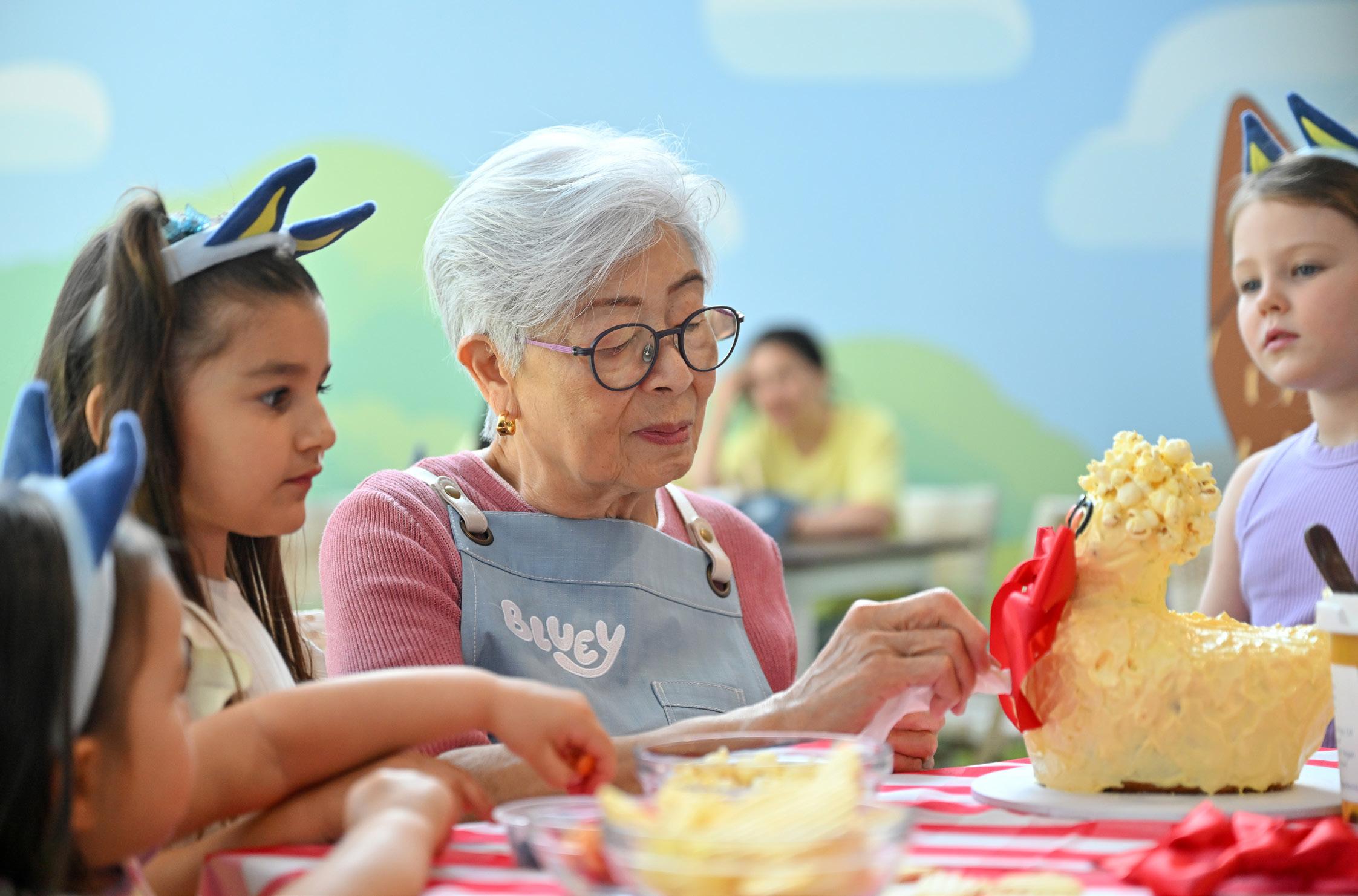
2025 was a standout year. We rolled out major collaborations with LEGO, Koala, Bunnings, the Royal Australian Mint and plenty more! We also launched Bluey’s Quest for the Gold Pen – a new video game featuring an original story by Joe Brummand delighted fans with the Bluey Duck Cake Cafe pop-up in Sydney. And the cherry on top? Bluey’s World, our immersive experience in Brisbane, being named one of TIME Magazine’s World’s Greatest Places of 2025.
How important are experiences like Bluey’s World and Bluey’s Big Play in reinforcing the brand in Australia?
Bluey’s World gives families the chance to step inside Bluey’s universe, while Bluey’s Big Play: The Stage Show brings the characters to life in a way audiences have never experienced before. These live events go far beyond entertainment – they build connection, deepen brand loyalty, spark joy, and create lasting family memories. We’re thrilled to have Bluey’s Big Play touring across Australia this year, bringing all that fun and heart to fans nationwide once again.
How important are in-store experiences in driving Bluey brand engagement?
For Bluey, we’ve seen how in-store experiences, themed displays, and exclusive product launches – like our recent collabs with Cotton On and Adairs - build excitement and bring fans even closer to the brand. They also give licensees and retailers the opportunity

to showcase creativity and reinforce Bluey’s values in a tangible, memorable way. When fans see Bluey in their local store, it’s not just a transaction, it’s part of the storytelling journey. One of the highlights of 2025 was our Bunnings partnership, which brought the much-loved episodes Tradies and Hammerbarn to life through bespoke point-of-sale, an in-store scavenger hunt and Kids D.I.Y workshops. We’ll be carrying this momentum into 2026, delivering fresh, engaging activations with our key retail partners and expanding into new retailers.
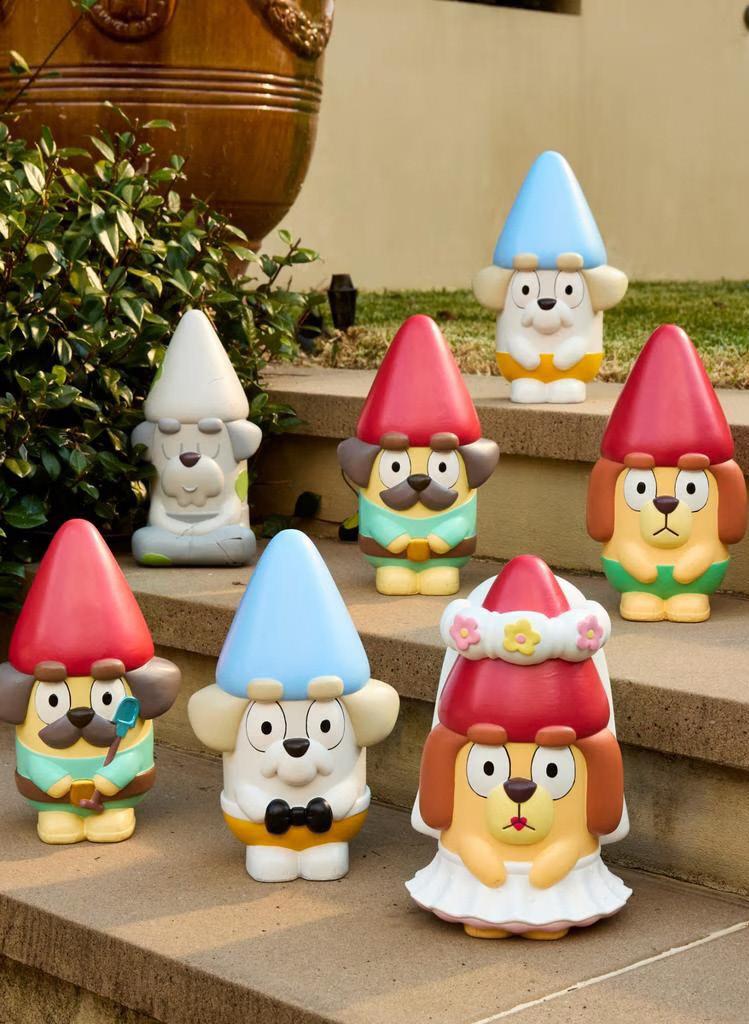
Can you tell us more about your global theme for Bluey this year, ‘Playdates with Friends’.
Playdates with Friends is about celebrating connection and shared experiences, which is the heart of what Bluey represents. This global brand theme for 2026 encourages families to come together, whether that’s through play, creativity, or simply spending time with loved ones. We’re bringing this to life across multiple touchpoints such as retail activations, interactive spaces, and digital content that lets kids and parents engage with Bluey wherever they are.
What’s next for Bluey in 2026 and beyond? How does the success of 2025 set the stage for what’s coming?
2026 is shaping up to be huge. We’re rolling out new extensions with our licensing partners, plus fresh brand and retail collaborations. Music and gaming are big priorities for us, with Bluey’s fourth album Bluey: Up Here, landing in March. Bluey’s music hit over 1 billion audio streams worldwide last year – a massive achievement that shows just how deeply fans are connecting with the brand. And with The Bluey Movie gearing up for a global theatrical release in 2027, the momentum is only growing. The success of 2025 has given us the confidence to think bigger and bolder, and we can’t wait for what’s ahead!
“Bluey’s music hit over 1 billion audio streams worldwide last year – a massive achievement that shows just how deeply fans are connecting with the brand.”
ABC
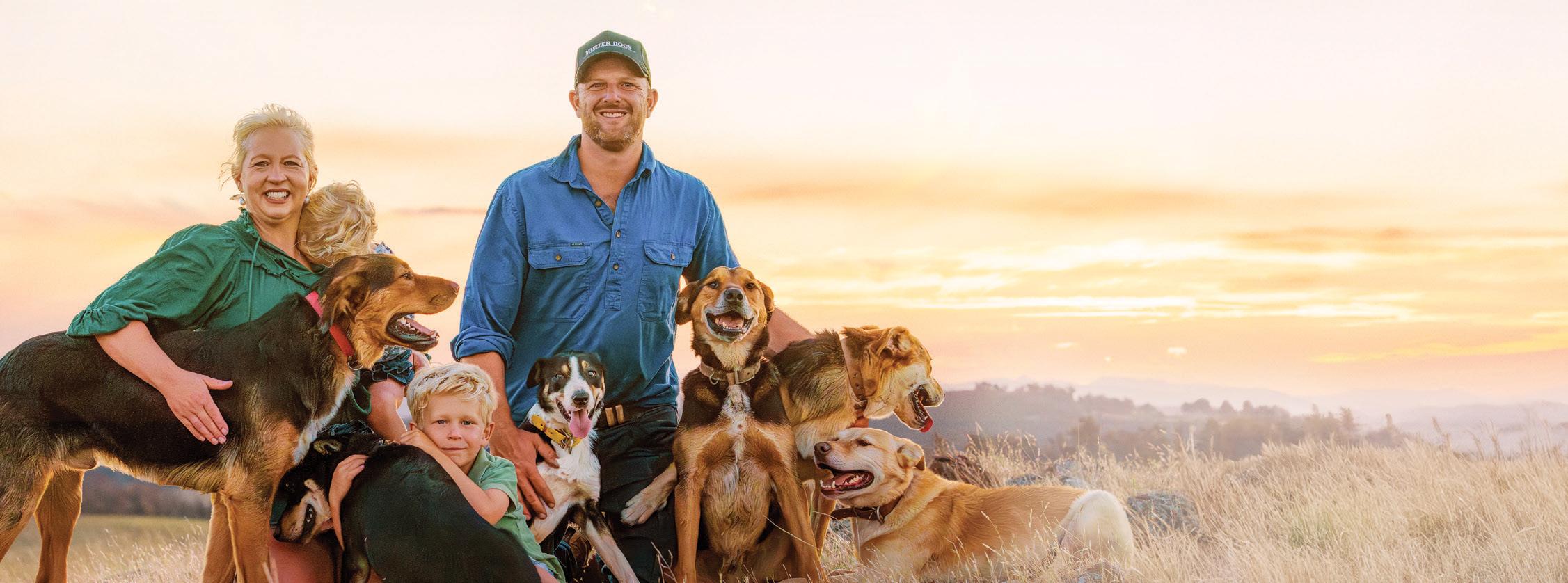

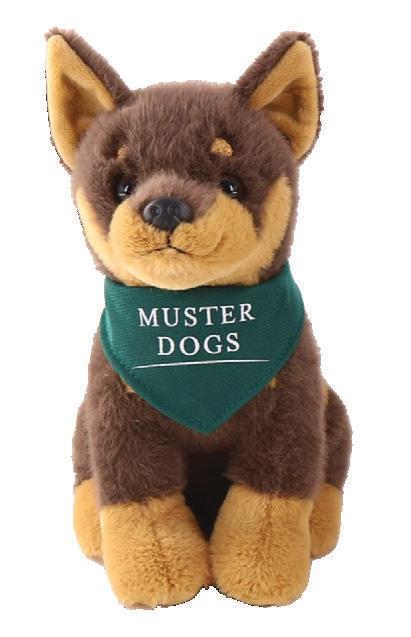
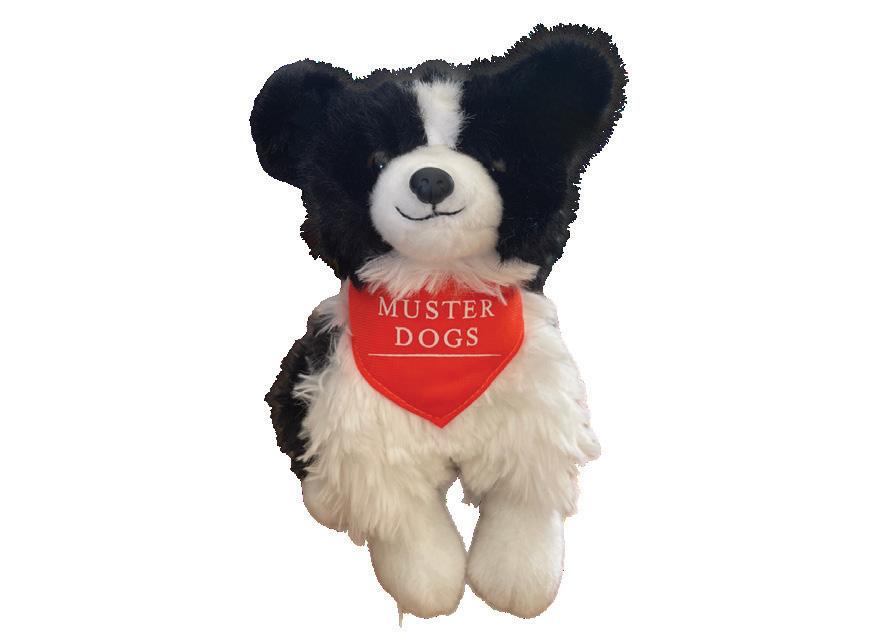
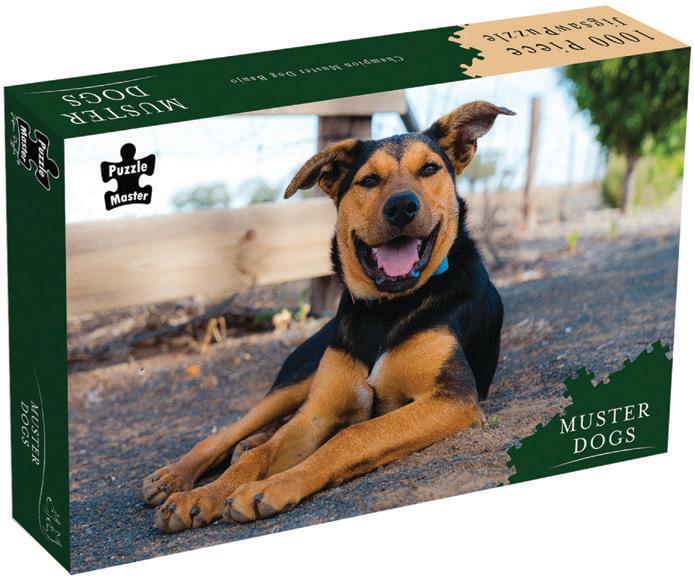


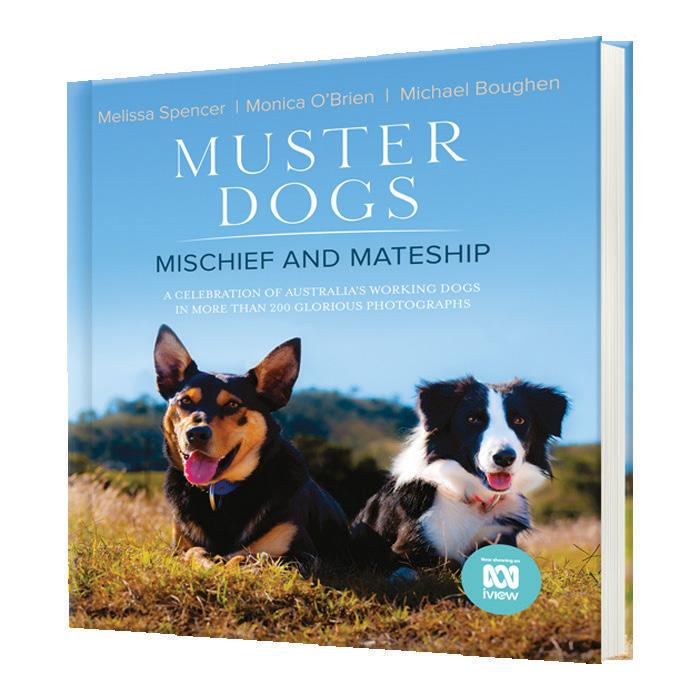
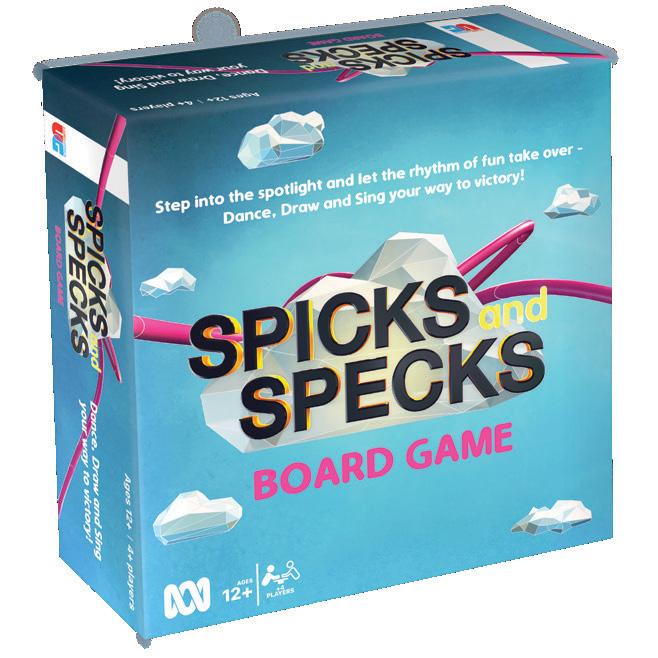
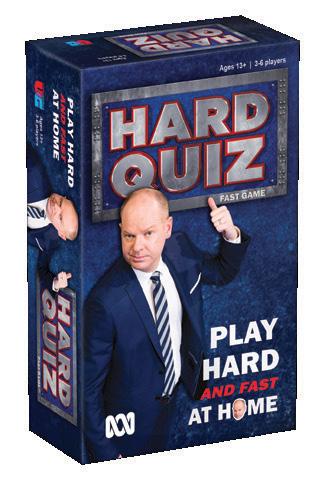
AFFECTION FOR A FAST, FUNNY & PROVEN ENTERTAINMENT FORMAT
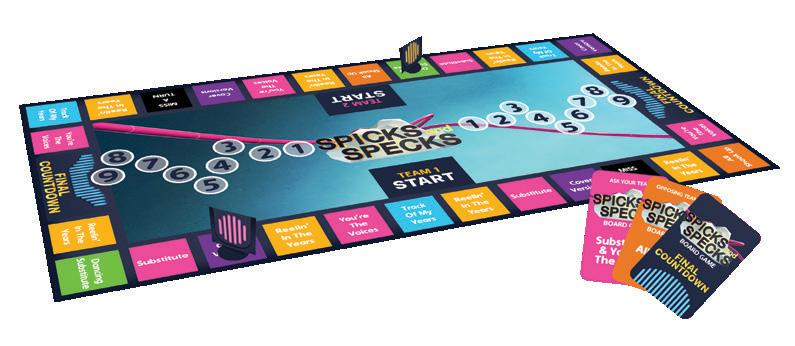
AUSTRALIA’S MOST POPULAR LIFESTYLE SHOW GROWS A FLOURISHING CONSUMER BRAND
• Season 37 in 2026
• ABC Merch Store best seller
• Social barnstormer >1M+ Facebook/ Instagram
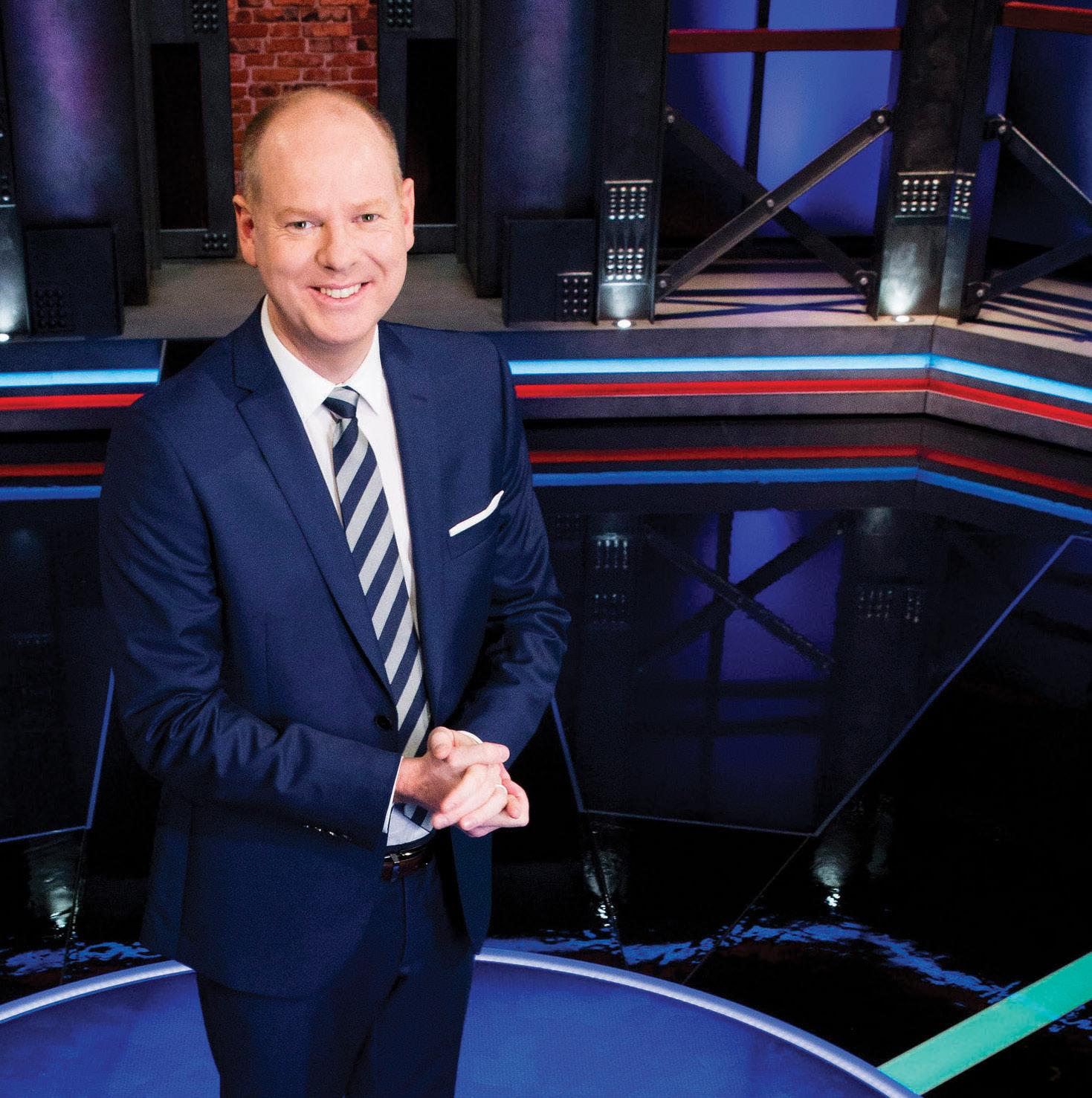
APPOINTMENT VIEWING BUILT ON WIT, RIVALRY & RAZOR-SHARP TRIVIA
I recently released a Born to License podcast episode about which movies I anticipate will do well in consumer products licensing this year. Looking at 2025, the clear breakout hit was K-Pop Demon Hunters. So much so that not even Netflix was prepared. Retailers weren't sold and neither were licensees. As a result, consumers were left with a limited range of products with key categories not in play. This resulted in the likes of Good Morning America, The New York Times and The Wall Street Journal reporting on the 'Halloween Horror' of parents not being able to get their hands on licensed K-Pop Demon Hunters costumes for trick or treating.
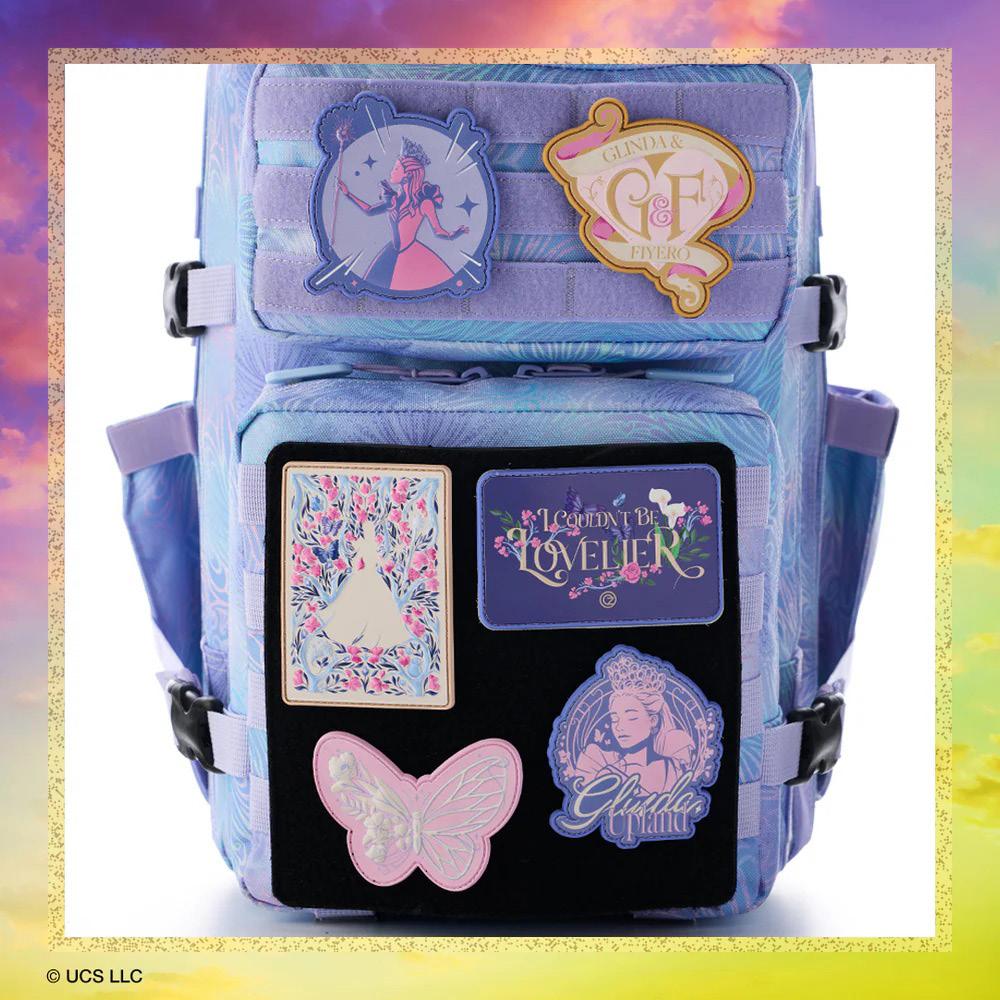
Disney's licensing juggernaut Stitch, which made a surprising comeback in 2024, celebrated a huge tentpole moment when the live action Lilo & Stitch surpassed $1 billion at the box office. A licensing dream. Wicked: For Good didn't perform at the box office at the level of the first film, but from what I could see, it still had a robust and successful consumer products roll-out. Our Born to License clients Steven Singer Jewelers and WOLFpak both had success with their Wicked licensed collections. Other properties that appeared to perform well at the box office and in consumer products included Zootopia 2, A Minecraft Movie and Superman
The K-Pop Demon Hunters situation perfectly illustrates why consumer products can't be reactive. Netflix approached toy companies years before release, but the response was reportedly lukewarm. By the time the film became Netflix's most-watched title in history - surpassing 500 million views - it was too late for the 2025 holiday season. Netflix has since corrected course dramatically, making both Mattel and Hasbro co-master toy licensees. This unprecedented arrangement demonstrates confidence in the franchise's potential, with products expected from Spring 2026 onward.
After analyzing the 2026 slate, three clear winners emerge:
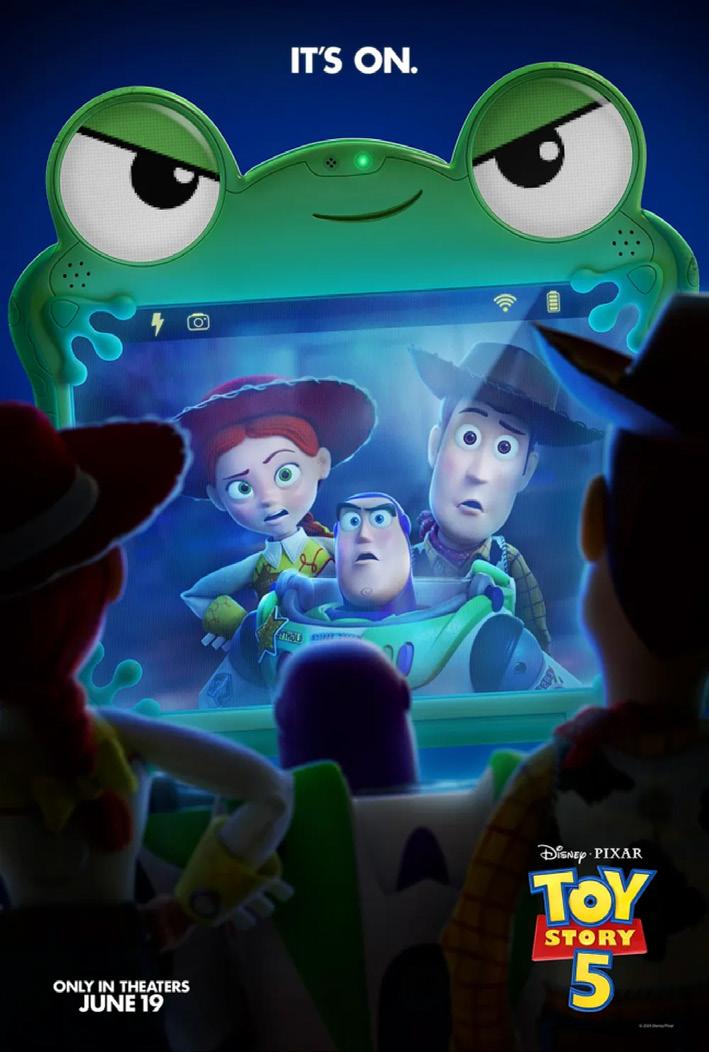
Toy Story 5 (June) is likely to be the year's most bulletproof licensing play. Despite being the fifth installment, Toy Story will be unavoidable at retail - just as Toy Story 4 was in 2019.
Spider-Man: Brand New Day (July 31) is another guaranteed winner. Spider-Man consistently ranks as the single most licensed character in entertainment. One of our clients reports Spider-Man as their number one seller by far - without a movie currently in theaters. With Tom Holland and Zendaya returning, this will be massive.
Avengers: Doomsday (December 18) rounds out my top tier (accounting for potential superhero fatigue). The Russo Brothers return with Robert Downey Jr. as Doctor Doom. I expect every major retailer to dedicate significant space to this program.
Disney dominates 2026 with these three properties, plus The Mandalorian and Grogu and Moana live-action also bringing major tentpole moments to 2026. Universal stays competitive with Minions 3 and Super Mario Galaxy Movie, while Netflix makes a major play with Greta Gerwig's Narnia
However, the real story transcends theatrical releases. The true winners are evergreen brands - Hello Kitty, Harry Potter, Peanuts, Classic Disney - that drive year-round sales independent of any tentpole moment. Sony's recent Peanuts acquisition - which valued the business at US$1.1 billionwasn't based on a theatrical slate; it valued predictable, consistent consumer products performance 365 days a year.
The lesson? Success requires betting on properties 18-24 months before audiences do. But the bigger insight? In licensing, showing up every day matters more than any blockbuster.



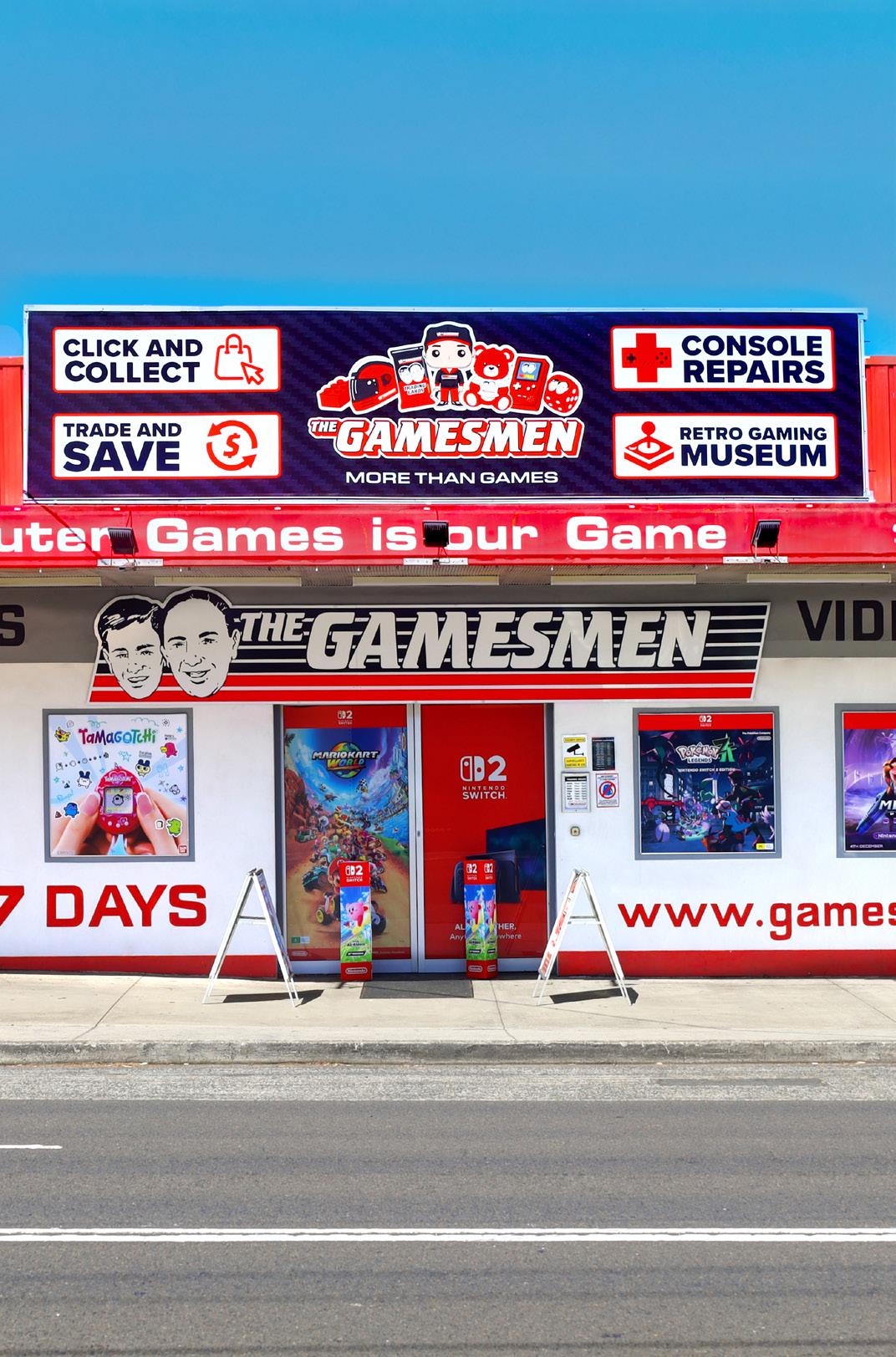
In an era where retail is increasingly defined by algorithms, price competition and speed to doorstep, few Australian specialty retailers have demonstrated the longevity, adaptability and cultural relevance of The Gamesmen. For more than four decades, the familyowned business has not only survived dramatic shifts in gaming and retail — it has continually reinvented itself while remaining deeply connected to its customers and community.
Founded over 40 years ago, The Gamesmen stands today as one of Australia’s most respected independent gaming retailers. What began as a bricks-and-mortar video games business has evolved into a multicategory destination spanning video
games, toys, trading cards, tabletop games, collectibles, pop culture, merchandise and simulation products. Central to that journey is family — and the transition of leadership from the founders to second-generation custodians Daniel and Chris Cusumano.
From the outset, The Gamesmen was built on a simple belief: games are more than products — they are experiences. That philosophy shaped the business long before experiential retail became industry shorthand.
Daniel and Chris (pictured below) grew up immersed in that environment. Their childhood memories are practical and vivid. Chris recalls the early promotional days when the Triple M rock patrol bus would come to the store with footy players, broadcasting live
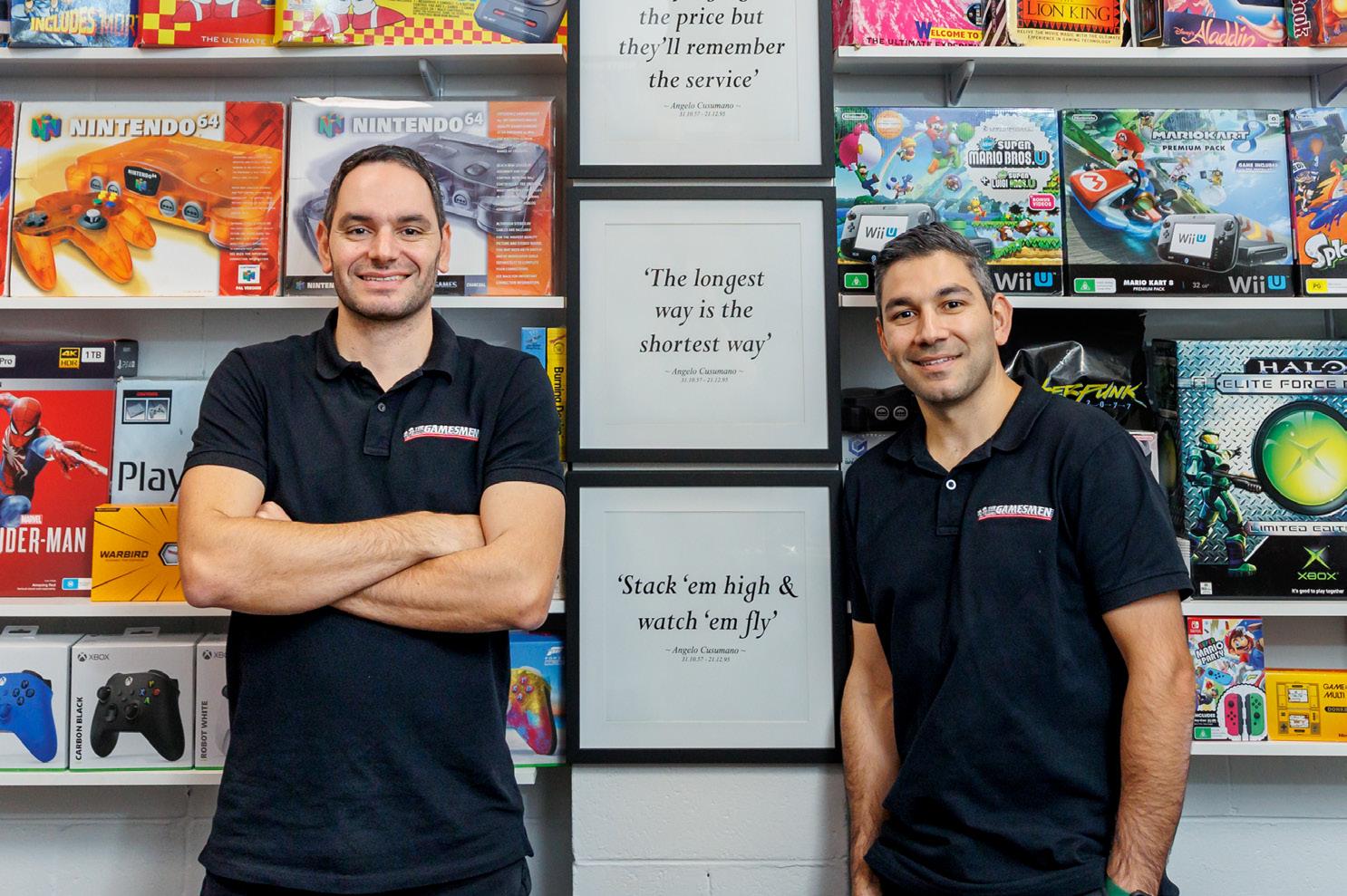
with games and giveaways. Dan remembers the intensity and excitement of spending years at the Sydney Easter Show, where the family operated stands for nearly a decade.
There were also less glamorous moments — like folding catalogues into envelopes as kids before they were mailed around Australia. Together, those experiences quietly instilled an understanding of what retail really is: hard work, repetition, and connection with customers.
Work ethic was non-negotiable in the Cusumano household. Starting work at a young age was a big thing, balancing school holidays with work and friends, and being reminded that nothing comes easy — the more you put in, the more you get out.
Founded over 40 years ago, The Gamesmen stands today as one of Australia’s most respected independent gaming retailers. Central to that journey is family — and the transition of leadership from the founders to secondgeneration custodians Daniel and Chris Cusumano.

For Dan, the guiding principle was equally enduring: always do the right thing, learn from your mistakes and build good relationships.
For many second-generation business owners, the true weight of legacy only becomes clear with time. For Daniel and Chris, that realisation came as they assumed greater responsibility within the business. There was a moment where they stepped back and recognised what had actually been built — not just stores, but decades of trust.
Taking over a family business brought challenges — not least of which was credibility. They were largely self-taught, learning on the job, making mistakes, correcting course and going again.
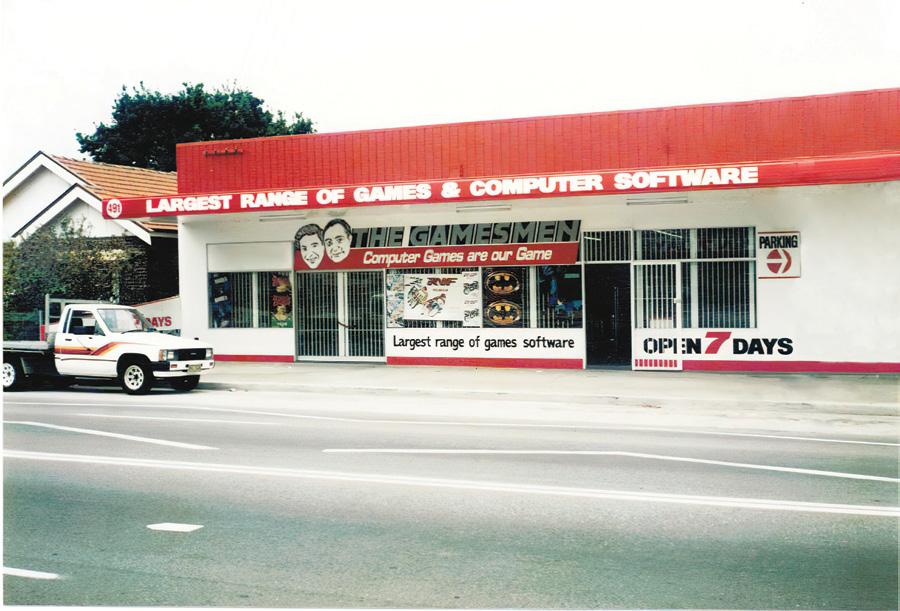
Some of the most important decisions came through necessity. In 2011, when Westfield doubled the rent at the Penrith store, The Gamesmen made the decisive call to close the location and refocus on its core Penshurst store while accelerating investment in e-commerce.
Some of the most important decisions came through necessity. In 2011, when Westfield doubled the rent at the Penrith store, The Gamesmen made the decisive call to close the location and refocus on its core Penshurst store while accelerating investment in e-commerce.
CONTINUED NEXT PAGE >
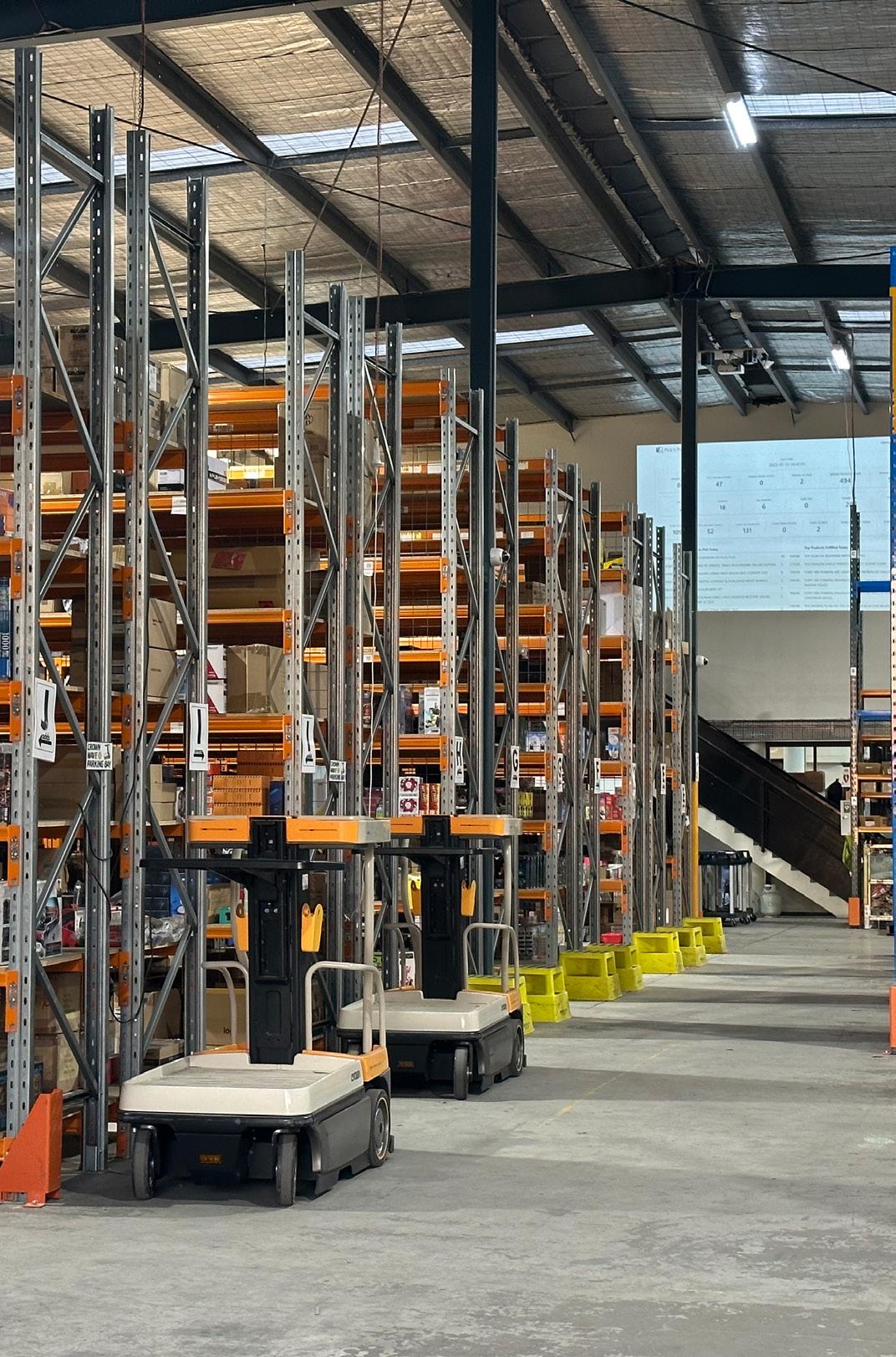
Another major shift came in 2017, when the business moved from picking and packing orders in the Penshurst basement into its first warehouse, unlocking scale, efficiency and growth.
Over four decades, gaming retail has transformed — and The Gamesmen has evolved with it. Strategic diversification expanded the product range well beyond traditional video games, ensuring relevance across generations while staying true to its core purpose.
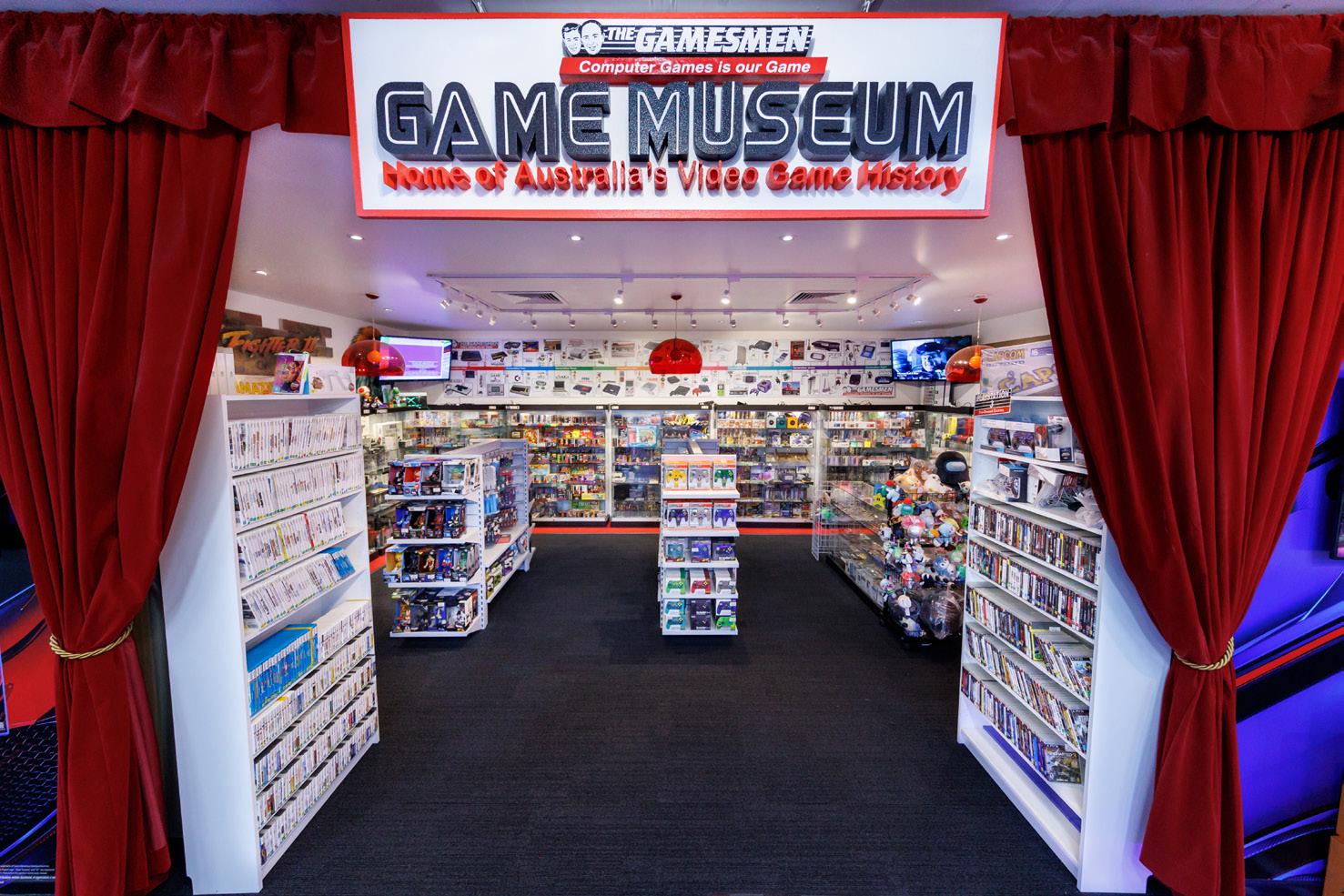
Community engagement has remained central. The Penshurst store houses a gaming museum showcasing more than 45 years of gaming history, while midnight launches, tournaments and in-store events have transformed the business into a destination rather than a transaction point.
The Penshurst store houses a gaming museum showcasing more than 45 years of gaming history!
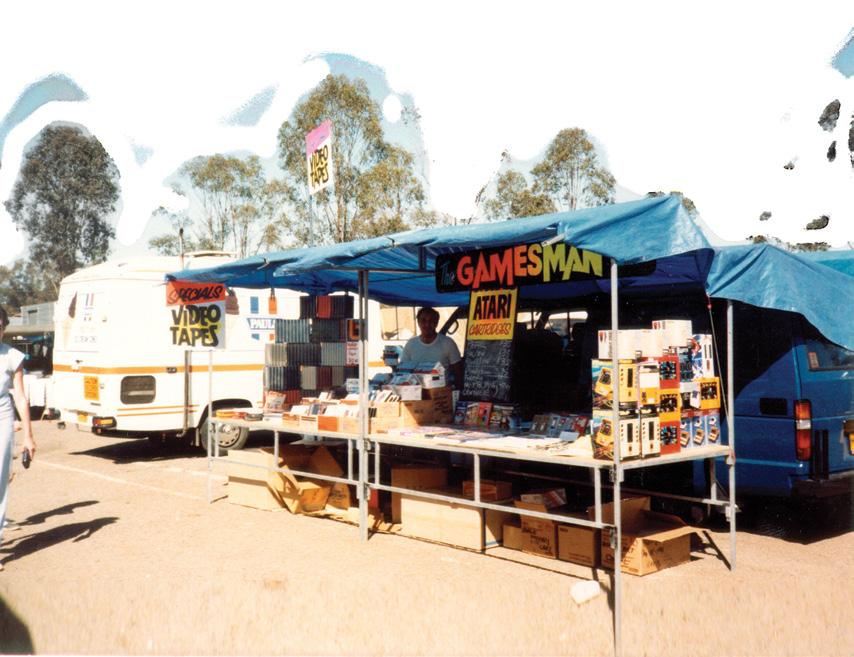
Despite the growth of online retail, the in-store experience remains critical. Customers value knowledgeable staff, instant gratification and the confidence that comes from face-to-face interaction.
Trust underpins everything. Customers value supporting an independent, familyowned retailer with an extensive range and a strong service ethic. A bricks-andmortar presence reinforces that trust, supported by strong online execution, click-and-collect and customer service.
In 2022, The Gamesmen documented its 40-year journey in a 132-page book. What began as a modest idea evolved into a comprehensive record of family, retail and community history. The book reflects the evolution of the company from its beginnings into a well-known name in gaming retail.
Looking ahead, optimism remains grounded in service and relationships. Growth is welcome, but never at the expense of experience. The focus remains on delivering happy products, great service and meaningful connections.
More than 40 years on,
The Gamesmen stands as a genuine Australian retail success story — an independent, family-owned business thriving across both online and bricksand-mortar retail. By remaining true to its values and prioritising customers above all else, it has weathered industry disruption, major retail competition and changing markets, building deep loyalty and enduring trust — one customer and one game at a time.

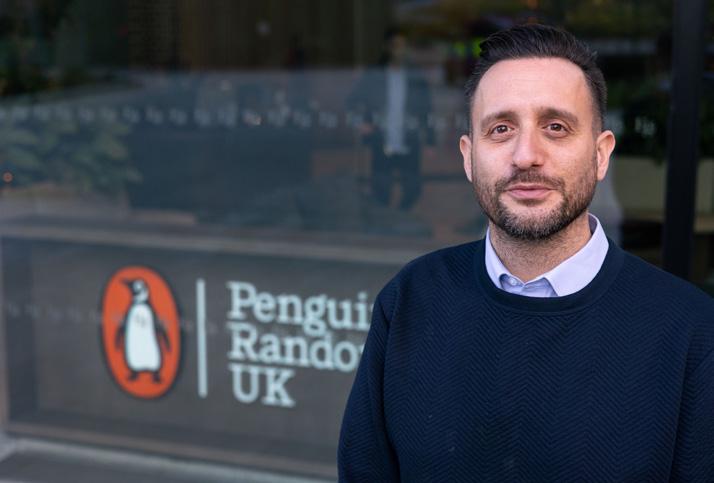
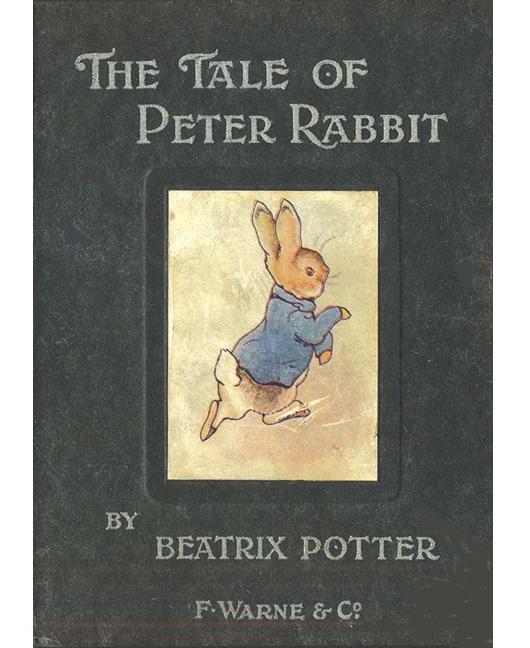
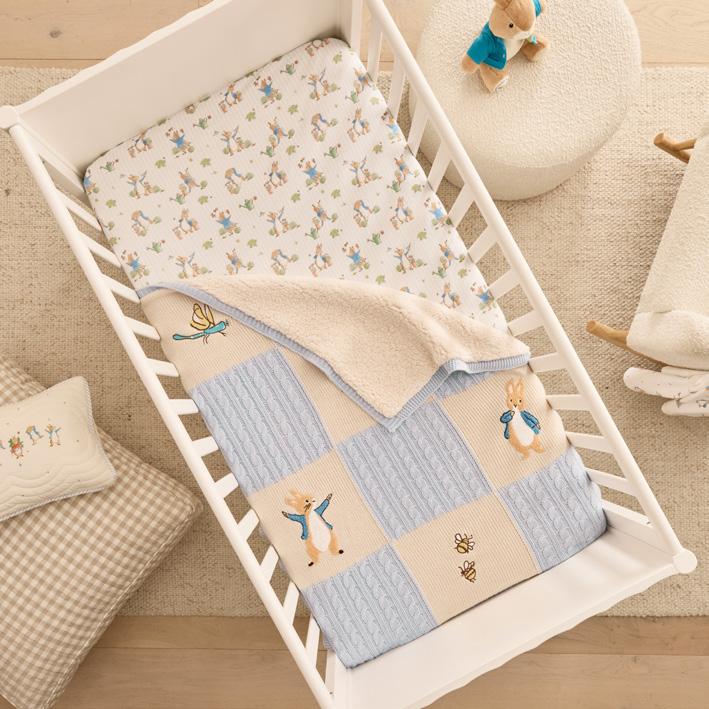
Inspired by Beatrix Potter’s deep love of nature, the adventures of Peter Rabbit and his friends have delighted generations of children around the world. In 2027, Penguin will celebrate the 125th Anniversary of the fun-loving, outgoing character Peter Rabbit. David Sprei, Commercial Director at Penguin Ventures, provides insight into the enduring world of this beloved icon.
Sustaining Peter Rabbit’s Momentum & The 125th Anniversary
Peter Rabbit is a powerhouse in the ANZ market, especially with partners like Myer a 20-year longstanding relationship as well as Kmart and Peter Alexander. As we approach the massive 125th Anniversary milestone in 2027, how are you working with these ‘best-in-class’ partners to ensure the brand continues to dominate the lifestyle and nursery categories while building multi-year momentum?
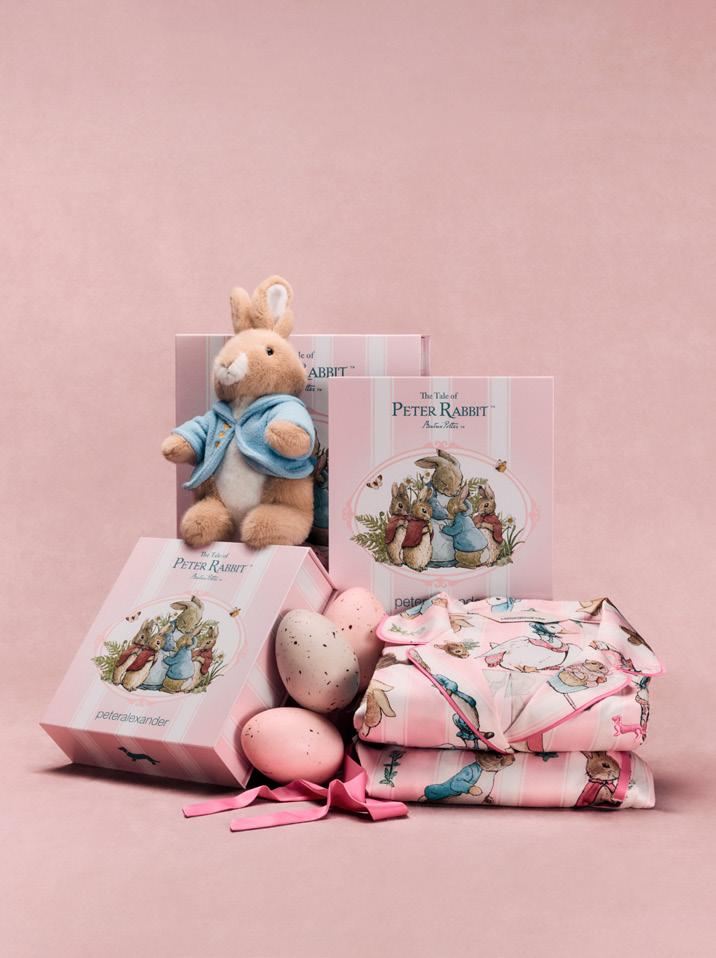
What a year it will be as we hop-skip and jump into 2027 with a dynamic, mischievous, and attention-grabbing year-round campaign to celebrate the 125th Anniversary of Beatrix Potter’s most famous creation. We’re very
grateful to our ANZ partners who understand the brand and share our ambition to continue telling the story off the page for many more years to come. Peter Rabbit is trusted by parents, resonates with children offering a true multi-generational appeal so there will be a firm focus on family audiences, and the team will be embracing Peter’s fun-loving, outgoing nature. Though activity will run all year we’ll be working with partners to join a Month of Mischief in March, when we’ll deliver large-scale activations both on and offline, in the run-up to Easter – starring everyone’s favourite Easter bunny. Last year we released specific new creative assets and style guides, and we’ve been working with our partners to design into these for some time, so it isn’t about changing the work we’re doing with our licensees and retailers, but it is about utilising the beautiful creative to ensure we’re offering consumers and customers something new and exciting.

Expanding the Portfolio: Spot & Flower Fairies
Penguin Ventures looking to expand its footprint in ANZ by introducing iconic brands like Spot & Flower Fairies. What are the key commercial initiatives for introducing these titles to the market, and how do you see them complementing the established success of the Peter Rabbit program?
We’re very lucky to manage such a rich literary heritage portfolio and with such momentum across our publishing we need to ensure we’re offering consumers an impressive range of products and experiences to align with this appetite. Spot has sold over 65million books worldwide and ANZ is such a key market. Haven is our long-term trusted partner and will be key to our success in growing our programme in the coming years and we’ll be building out our plans together.

In a competitive licensing landscape, how does Penguin Ventures ensure that heritage icons—from the playful world of Spot to the aesthetic appeal of Flower Fairies— remain relevant? What is your strategy for transforming these classic characters into modern lifestyle brands that resonate with today's retailers and parents?
Our strategy is to continue to tell the stories off the page, and it is our responsibility to do this with the right partners. The books have always been our reason for being but as you’ve seen with the Peter Rabbit franchise, we’ve had successful episodic and theatrical content for many years. This helps keep the brand relevant and appeal to new audiences and demographics and is something we’re always looking to explore and exploit across the rest of our portfolio. Aside from content, we are very mindful with the partners we work with across consumer products – from Gucci to Gap, Fila, H&M, Cadbury’s and beyond, we work with relevant and authentic global partners to offer a varied halo but thoughtful programme which is balanced with local execution. Licensors are always fighting for retailer shelf space, but for me it’s about ensuring we’re working with the right retailers who understand the power of our portfolio and brand loyalty certainly helps our heritage portfolio continue to stand the test of time. We’re constantly developing trend led and seasonal assets to meet the demand we have across the range.
With this expanded portfolio, are there specific product categories or sectors— such as high-end fashion collaborations or immersive experiences—where you see significant untapped potential for these new brands within the ANZ region?
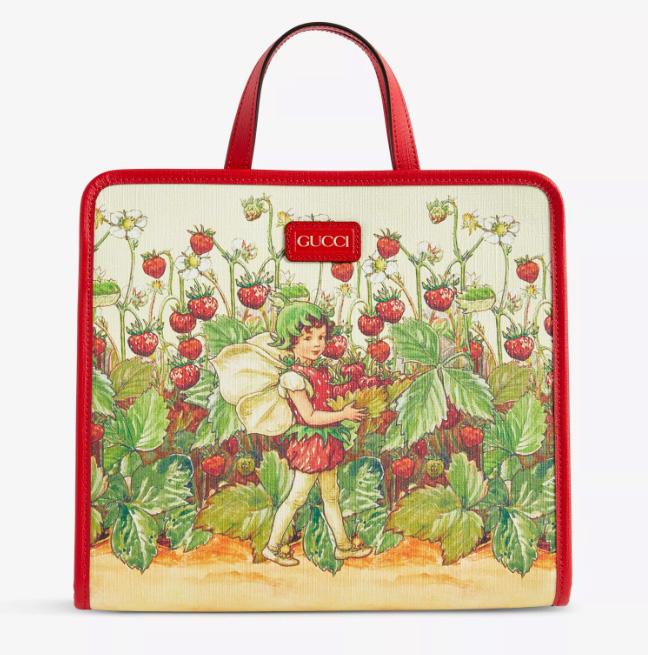
We will always be considered in our approach here, again the guiding principle is how we can tell the story beyond the book in the most meaningful way. The strategy and creative must align with the right partner across physical product and experiences and for each property we look at the values and brand architecture and then apply that to each of our five main pillars: hardlines, softlines, retail, experiences, and digital. In the UK for example we’ve seen a rise in young adults connecting with the books they grew up with so for Spot we’ve had a great time working with Skinnydip across apparel and accessories having fun with nostalgic and trend led creative. On Flower Fairies we’ve continued to build out our programme with key collaborations with the likes of Gucci and Posh Peanut with more to come this year. Digital native brands have an existing highly engaged customer base so working with those partners enables us to move quickly into new areas and as a brand owner we have a responsibility to deliver experiences which can be enjoyed by all the family so there’s certainly growth and opportunities to explore in the coming years as we grow in market.
ANZ is one of your strongest regions. As you look toward the next three years, what is your overarching vision for the full Penguin Ventures portfolio, and what should local retailers and licensees be most excited about regarding the synergy between these legendary brands?
The vision is to carefully grow our offering, working with key partners and retailers cross category to have fun with our brands to offer more and to meet consumer demands and drive more appetite. We are excited to be able to focus on this key market, invest where necessary across brand and content and together as an industry, come together to do more of what we love. With key anniversaries and other plans already underway I have no doubt we will be experiencing a great growth period and I’m so excited to be visiting Toy Fair and spending in person time with so many new and existing licenses, retailers and partners.
In December 2025, the Australian Federal Government introduced legislation that prevented children under the age of 16 years from holding social media accounts.
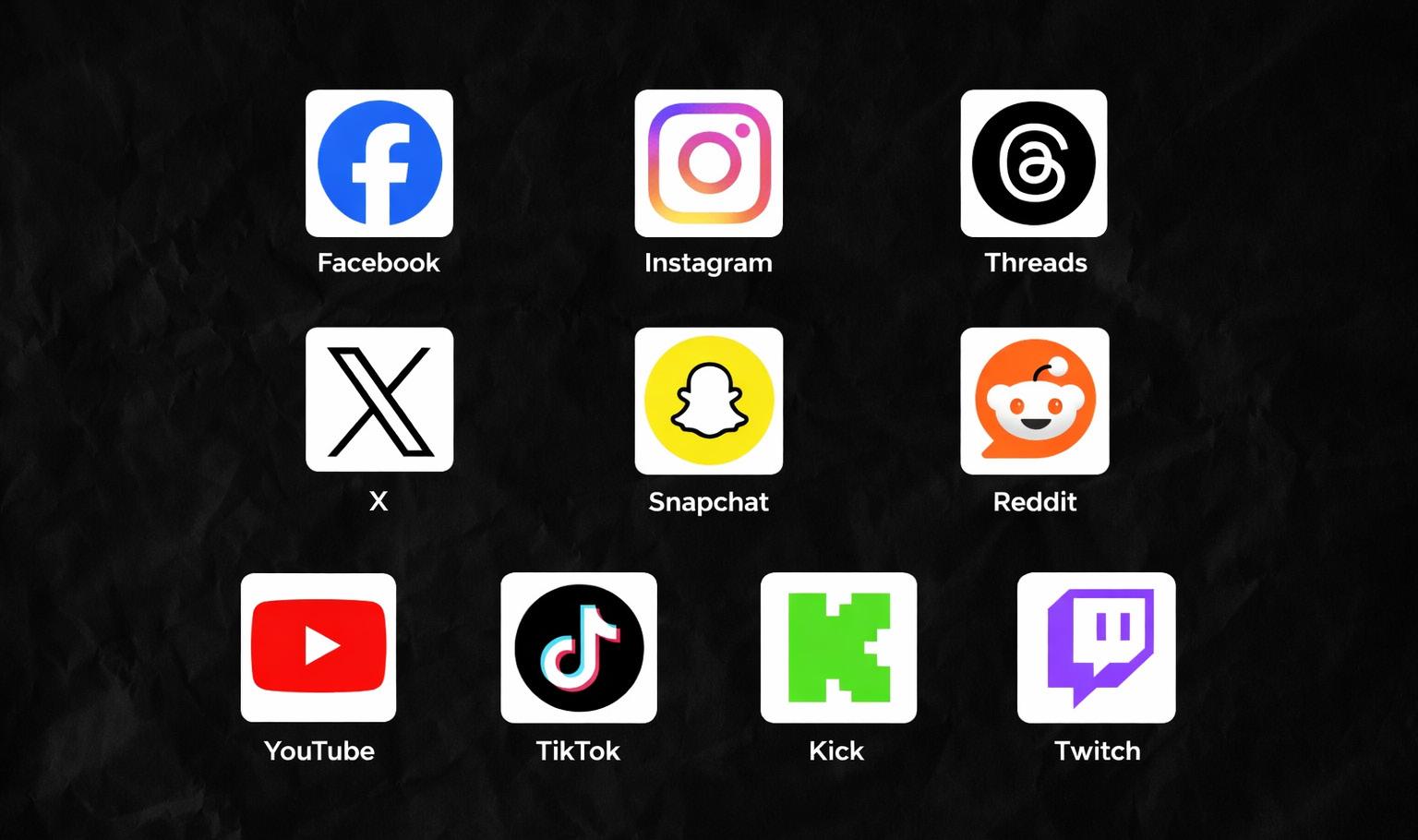
The Online Safety Amendment (Social Media Minimum Age) lifted the minimum age for social media accounts from 13 to 16 on specified platforms such as Facebook, Instagram, TikTok, X, YouTube, Snapchat, Reddit, Threads and Twitch.
There was widespread speculation of the impact that these bans would have and extensive coverage and debate in the media both here in Australia and around the world on the need for such legislation to protect children from the dangers caused by unlimited access to the internet.
By mid-January 2026, the federal government reported that about 5 million accounts identified as belonging to children under 16 in Australia have been deactivated or restricted across ten major platforms.
Meta alone claims it has removed over 500,000 accounts from Facebook, Instagram and Threads held by under-16s since the social media bans were introduced.

No-one seems to be too bothered about the changes and having had personal experience, albeit briefly, of living through the trauma of dealing with a 14 year old boy being asked to stop playing his Nintendo and come to the dinner table, I’m surprised by this lack of reaction from teenagers.
Having spoken with a good number of people who make a living uploading entertainment content for children on digital media, there are a number of factors in play.
Firstly, many parents are quite relaxed with their children having access to the internet, and have enabled them to use existing family accounts or have set up new accounts to circumvent the bans.
Then there is a question as to the effectiveness of the online age verification systems being used by the providers of social media services – it seems proving to be sixteen isn’t that hard especially with compliant friends and family who are happy to provide face recognition.
We’re also dealing with a tech-savvy generation of children and the work-arounds to the social media bans in Australia are fairly simple to find – even I know how to open up a VPN (virtual private network) to watch certain TV shows not available in Australia.
So I guess it’s like banning cigarettes, vapes and alcohol from under 16 year olds – it is a good idea and the social media ban makes the community aware that there are potential problems with internet use by children, but if a young teenager wants to be on the internet they will find a way.












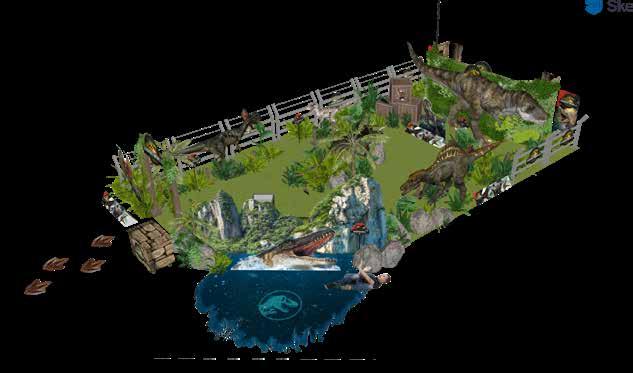





Melbourne’s Christmas Wonderland is an immersive, walk-through experience where every moment of Christmas has been beautifully brought to life. Every jingle, every bell, and every HO HO HO will create the most wonderful memory, reminding visitors of why the magic of Christmas is still the most prolific of all!
melbourneschristmaswonderland.com.au

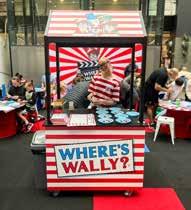

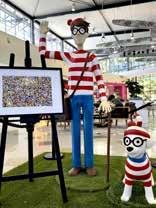
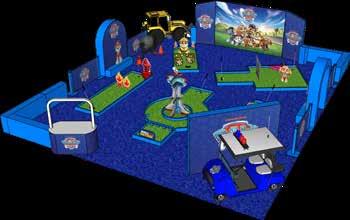
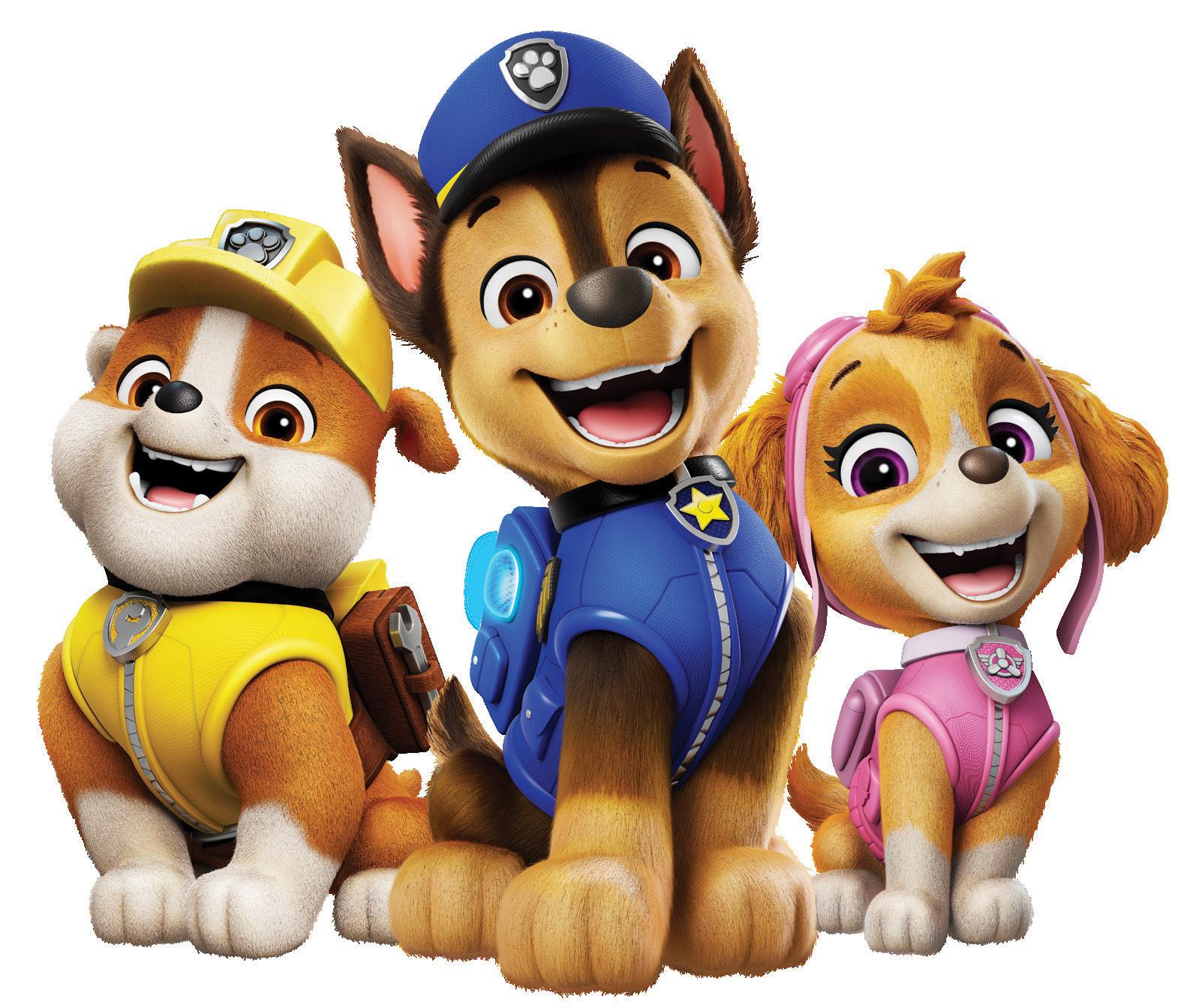
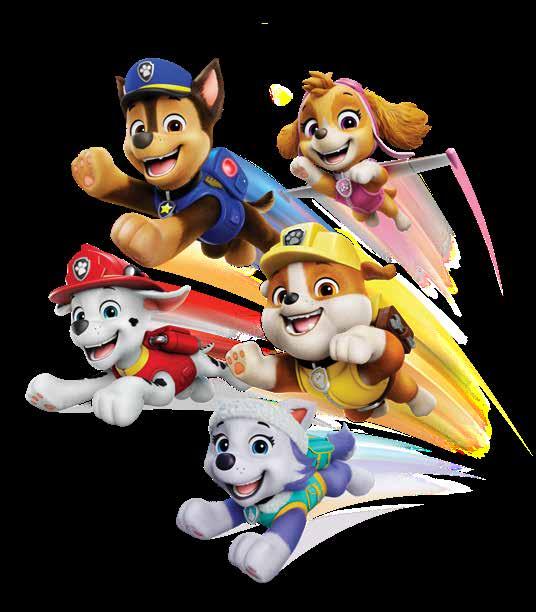
Showtime Attractions is the Australian licensing and activation partner for PAW Patrol presenting premium brand approved character experiences and activations.
PAW Patroller Hits the Road Activation
Pup-Tastic Putt-Putt
Adventure Bay Scooter Track
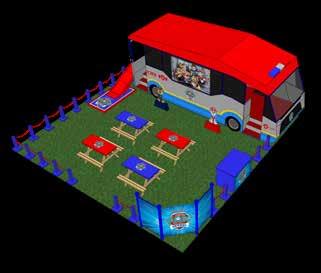
Meet the Stars - Character Meet & Greets
Chase’s Golf Cart Photo Zone
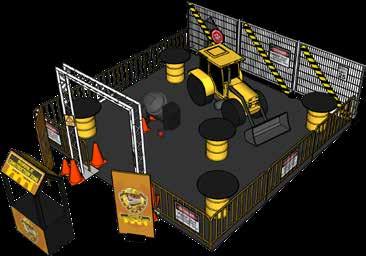
Rubble’s Construction Zone
Live Shows
Scavenger Hunt
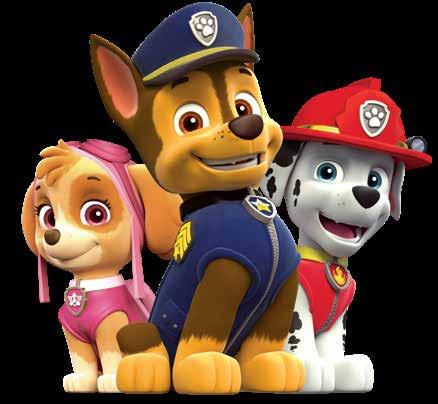

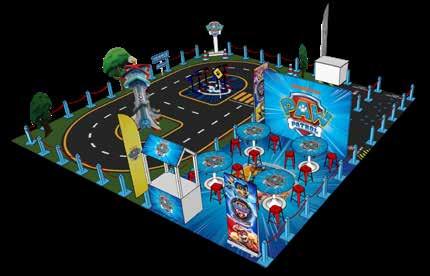

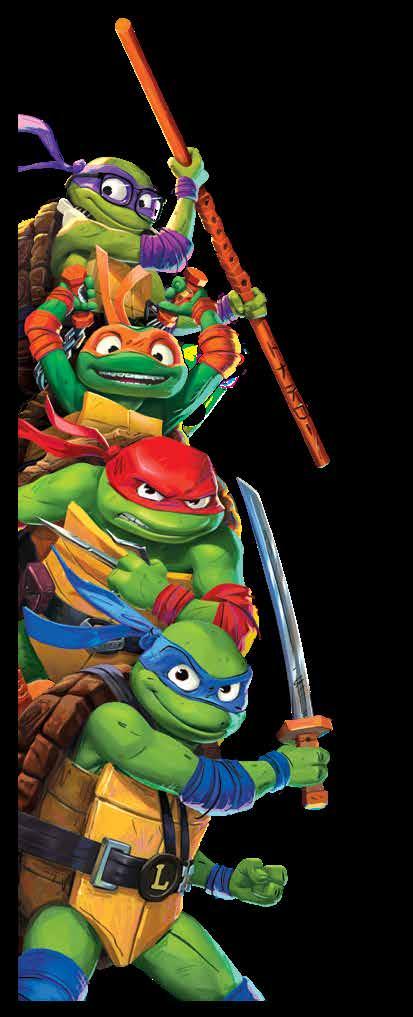
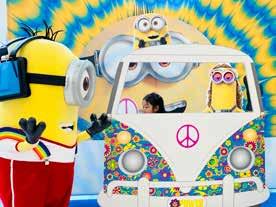
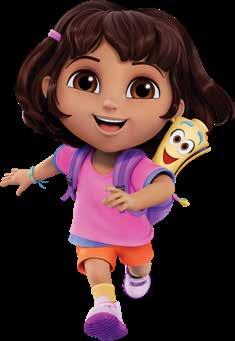
Nick Takes Over is a one-stop Nickelodeon experience packed with creativity, character moments and fun. Featuring DIY workshops, themed photo opportunities, meet-and-greets with fan-favourite characters, and an interactive scavenger hunt, this activation brings the world of Nickelodeon to life in one exciting space.
208mm x 297mm

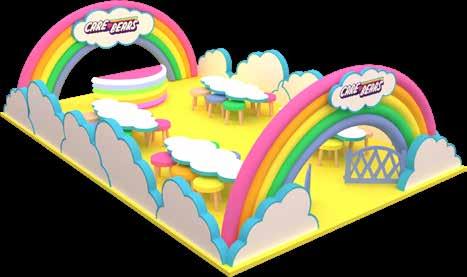
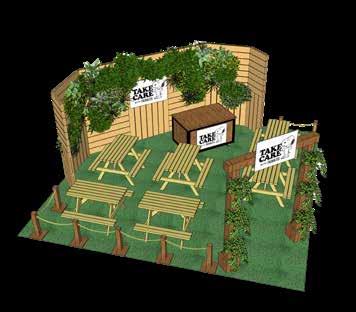
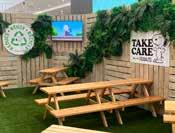

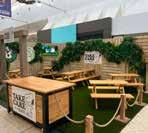

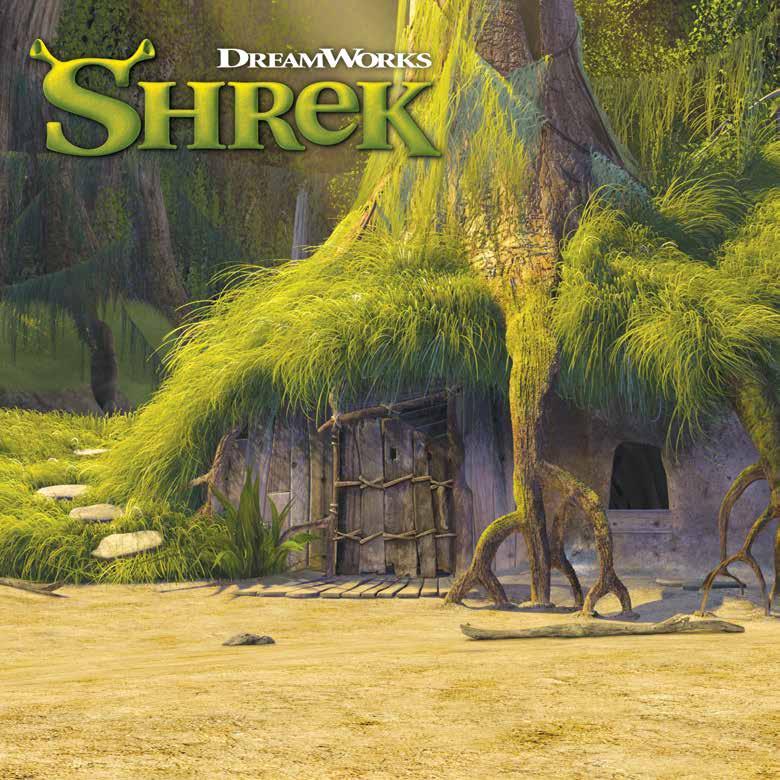
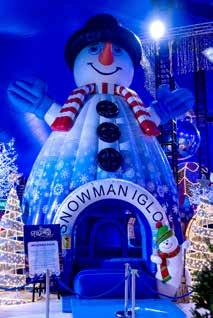
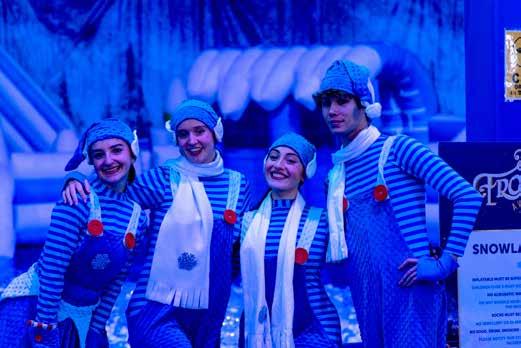
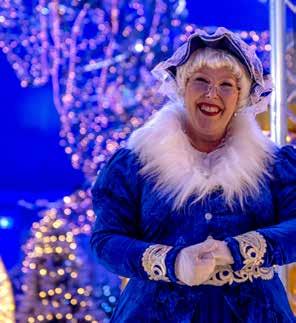
Embark on a journey into an enchanted frost-laden realm at Frosted – A Winter Spectacular. Celebrating Christmas in July with a whimsical sanctuary where all can revel in the magic of a winter Christmas under the Big Top.
Lose yourself in the breathtaking beauty of an immersive winter wonderland and enjoy the beauty of a Christmas in July.

2025 was a standout year for Warner Bros. Discovery Global Consumer Products ANZ, driven by a global call to ‘LOOK UP’ as “SUPERMAN,” DC Studios’ first feature-length film under the new leadership of James Gunn and Peter Safran, soared into cinemas. The blockbuster ignited a wave of product launches across EB Games & Zing Pop Culture, Kmart, Target and more.
“SUPERMAN” was a hit; but it wasn’t the only one. Hot collaborations — most notably The White Lotus x CAMILLA collection — captured the fashion world’s attention. We saw continued growth in cultural moments like Book Week adding further spark, with Krispy Kreme offering free Harry Potterinspired doughnuts to fans in costume who said “Accio”.
The year culminated in multiple wins at the Licensing Excellence Awards, both locally and internationally, with honors including Best Licensed Promotion and Best FMCG Product & Promotion for BATMAN Day x Uber Australia, Best Softlines Product for The White Lotus x CAMILLA, and Best Live Experiences & Events for Harry Potter: A Forbidden Forest Experience.
As we look ahead to another landmark year of Warner Bros. Discovery content in 2026, our commitment remains the same - driving innovation that fuels new business and elevates fan experiences around the world.
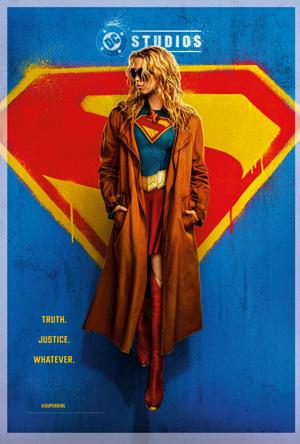
TRUTH. JUSTICE. WHATEVER. A NEW ERA OF SUPERGIRL IS COMING.
Fans will be able to experience DC Studios’ next feature film in June 2026, when Warner Bros. Pictures releases “SUPERGIRL” in theaters and IMAX® around the world. Starring Milly Alcock in the dual role of SUPERGIRL/Kara Zor-El, Craig Gillespie directed the film from a screenplay by Ana Nogueira.
In the film, an unexpected and ruthless adversary strikes too close to home, and Kara Zor-El, aka SUPERGIRL, reluctantly joins forces with an unlikely companion on an epic, interstellar journey of vengeance and justice.
Released in December, the SUPERGIRL teaser trailer quickly became a viral hit, amassing more than 20 million views within its first 72 hours on YouTube and exploding across TikTok, sparking widespread conversation around the character, representation and the next phase of the DC Universe.
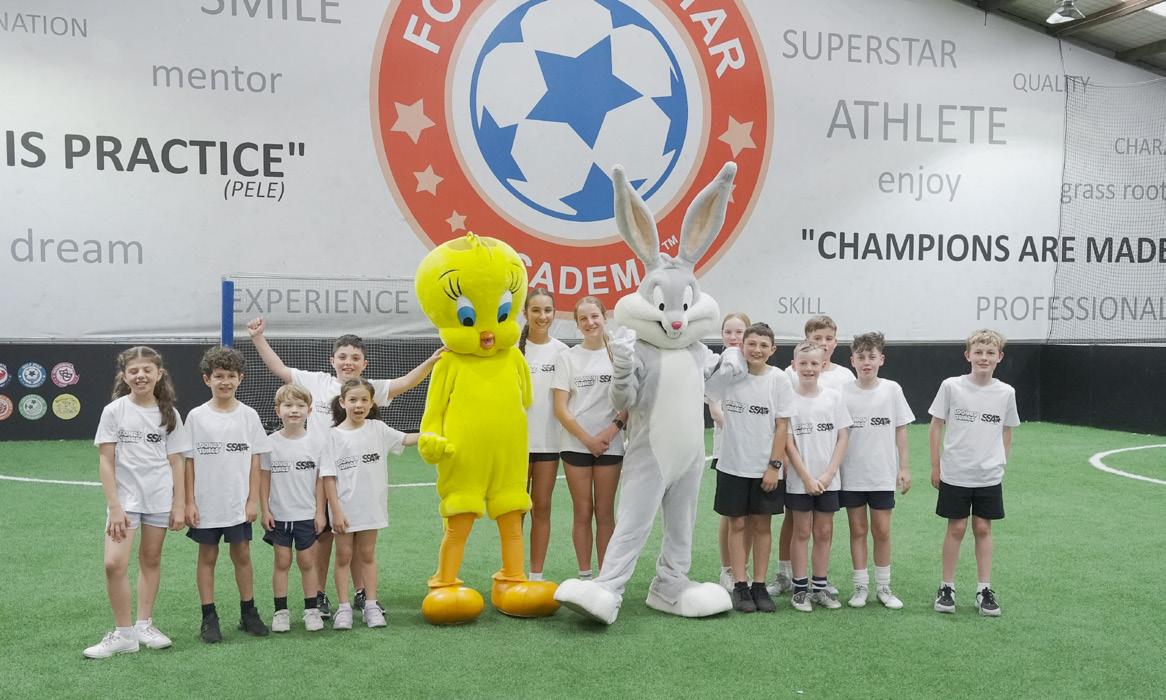
The most iconic and recognisable characters in animation are charging into 2026 with a fresh wave of energetic and innovative partnerships that highlight just how timeless the Looney Tunes truly are.
To celebrate Space Jam’s 30th anniversary, the Tune Squad lit up the NBL with a special ‘Space Jam’ round that saw teams unveil bespoke, filminspired jerseys. From there, the Tunes took their antics to the Italian Alps for the Milano Winter Olympics, delivering incharacter appearances, merchandise, and lively onground moments as they cheered on athletes.
Building on the momentum of the anniversary, February introduced an exciting world-first partnership between the Looney Tunes and Sports Star Academy unveiling nationally through a weather-cross on Sunrise. Commencing in the term 2 school holidays, this collaboration will bring the Looney Tunes to life across Sport Star Academy’s national network of football and basketball camps, blending character-led storytelling with structured sports participation for children aged 4-12. Designed to prioritise fun, confidence and participation over performance, the program introduces a new model for entertainment-led physical activity at the grassroots level.
Activities are themed after the Looney Tunes characters, with examples including “Hop Like Bugs Bunny” agility drills, “Run Like Road Runner” speed challenges, “Tweety Targets” accuracy exercises and “Daffy Duck’s Quack Attack” shooting activities. Each camp is supported by co-branded the Looney Tunes x Sport Star Academy kits with exclusive merchandise.
All up, it’s another powerhouse year — from standout Looney Tunes collaborations to the buzz of the SUPERGIRL film release and the magic of Harry Potter’s 25th anniversary. Each moment fuels fan passion in its own way, proving just how strongly these worlds continue to resonate.

With 2026 marking 25 Years of Magic since Harry Potter and the Philosopher’s Stone first enchanted audiences on the big screen, and with 10 years of new Harry Potter content coming to HBO Max beginning in 2027, now has never been a better time to get involved.
When Harry Potter and the Philosopher’s Stone premiered on 16 November 2001, it brought the wizarding world to filmgoers, shattering box office records to become the highest-grossing film of the year. That magical moment launched an eight-film phenomenon that grossed more than $7.7 billion globally, cementing Harry Potter as one of the most beloved entertainment franchises of all time.
Now, 25 years later, the magic is stronger than ever, and Harry Potter remains one of pop-culture’s most enduring icons. Ahead of the highly anticipated HBO Original series, currently in production at Warner Bros. Studios Leavesden and set to premiere in 2027, Warner Bros. Discovery is inviting fans everywhere to unite for a special celebration of the wizarding world’s enduring legacy.
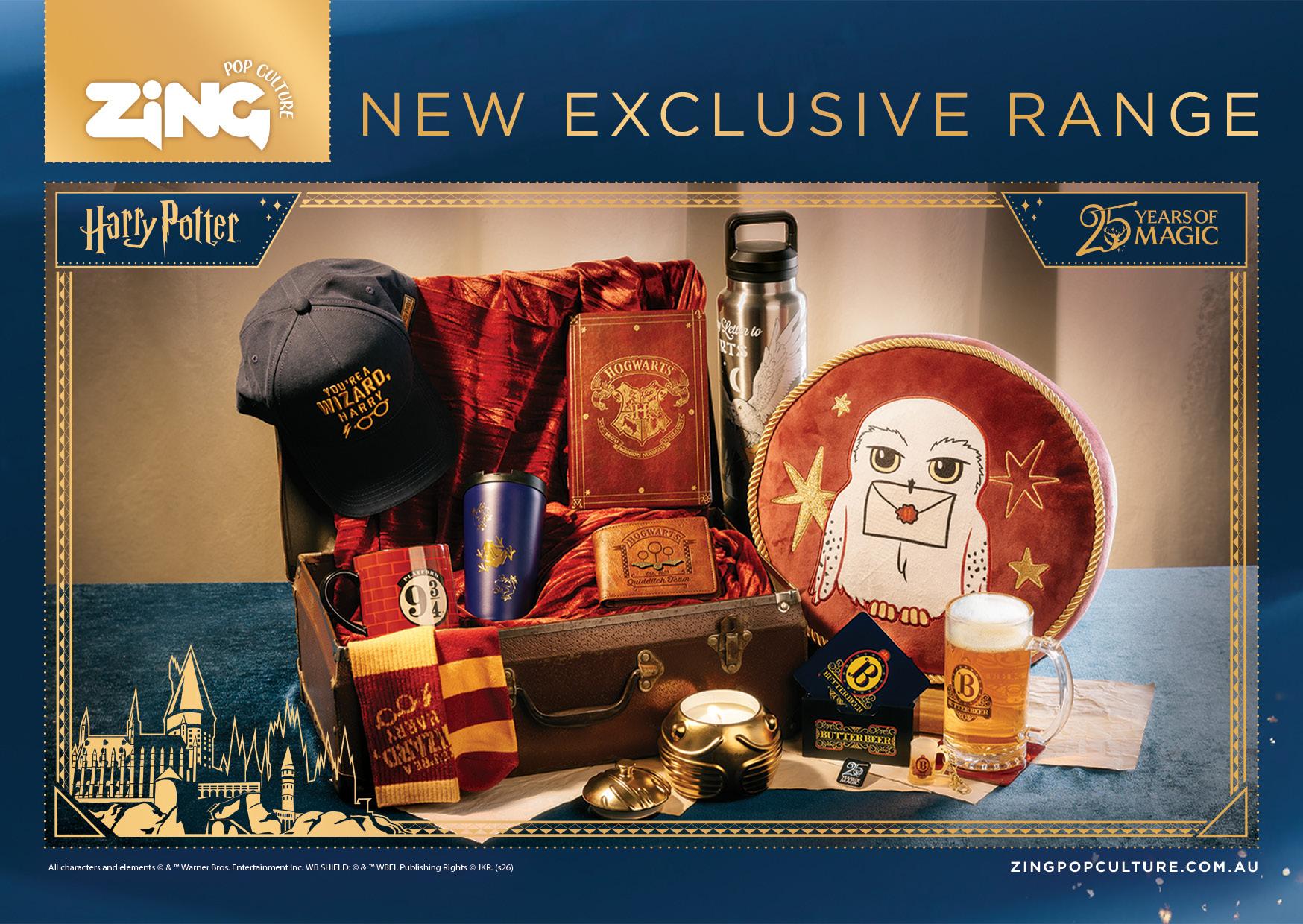
Wands at the ready — between Chadstone’s 25th anniversary themed takeover to Harry Potter’s Birthday celebration, Book Week takeover, fresh LEGO sets like the Hogwarts Castle Sorting Ceremony and Luna Lovegood’s House, plus new spell-binding releases from EB Games & Zing Pop Culture, Harry Potter’s milestone year is shaping up to be nothing short of enchanting.
HARRY POTTER TAKES OVER CHADSTONE THIS APRIL
To kick off celebrations in Australia, a special Harry Potter 25th anniversary takeover will transform Chadstone, the largest retail and lifestyle destination in the Southern Hemisphere, this April.
Fans of all ages are invited to enjoy a range of Harry Potter themed activities in-centre during the April school holidays, with magical surprises around every corner. Chadstone will be transformed into an engaging Harry Potter environment, never before seen in Australia. Gryffindors, Slytherins, Hufflepuffs and Ravenclaws alike will be enchanted by the activities that bring a touch of magic from the world of Harry Potter into the Muggle world.


What has fundamentally changed in how you assess opportunity today versus three years ago?
Three years ago, the opportunity looked bigger! Today, it looks like real and repeatable. Which leads me to one of our favourite words, replenishment! We’re less interested in how high the ceiling is and far more focused on whether the floor actually exists. Scale without stability potentially means we fall straight through it. What sells on shelf now matters more than what looks good in a sales deck... (which means my Photoshop skills haven’t been called upon as much of late ��).
If something can’t show traction quickly, survive the margin squeeze, and earn its space through repeat demand, it’s not an opportunity, but more like one of our science experiments conducted without goggles or adult supervision! In a world of tighter ranges and faster judgement, resilience really matters. The best opportunities don’t just suggest upside; they demonstrate they can stay standing once retail takes a swing at it.
With retail so concentrated, where do you now see genuine leverage—product, brand, relationships, or execution?
Relationships make the world go round... well, they at least get you into the room, but they don’t do the job for you. It ties into the previous question. Execution ultimately wins.
The product will get us noticed and the brands will get us remembered, however, execution will keep us there! Retailers don’t need more ideas; they need fewer headaches. The companies that simplify, deliver on time (I hope our warehouse team are reading ��), and don’t create those headaches surprises quietly punch well above their weight.
What’s the one thing suppliers consistently underestimate about working with major retailers today?
I have been told that this doesn’t apply to us as we don’t underestimate anything… �� However, it’s not really about R&R anymore. Not rest and relaxation, or even ‘range and reviews’, but it’s more around the risk element.
How much risk the retailer is carrying. Inventory, reputation, margin, execution etc. Suppliers often think they’re pitching a product, but the retailers feel like they’re approving a business case. The best suppliers don’t sell items, they sell confidence! The best suppliers don’t just sell toys; they reduce the risks.
Are we in a defensive cycle, or the early stages of a new growth model for the industry?
Both! We are defensive on costs, but aggressive on thinking and creative. The days of launching big, throwing a TVC campaign behind the hero and watching it burn are gone. We’re moving into a model where you must test smaller and smarter, learn faster, and earn your way to scale. You need to build momentum. There’s a level of protection there, but you need to do things differently and adapt if you want to survive.
Looking ahead 3–5 years, what capability will most clearly separate winners from survivors?
Commercial agility. The ability to keep your footing as the ground shifts. Across ranges, pricing, sourcing and channels etc., without losing any balance. The winners won’t be the biggest brands in the aisle; they’ll be the ones that stay upright when others stumble.

Andrew McCosker is a senior executive with over 20 years’ experience in the toy and hobby industry. As Managing Director of U. Games Australia for the past six years, he leads commercial strategy, product portfolio development, and retail partnerships. His career spans multiple disciplines, including sales, marketing, operations, and commercial management. Andrew is a previous ATA Rising Star Award winner.
“In a world of tighter ranges and faster judgement, resilience really matters. The best opportunities don’t just suggest upside; they demonstrate they can stay standing once retail takes a swing at it.”
— Andrew McCosker
The playbook has changed. Retail is concentrated, margins are tighter, and risk sits earlier in the cycle. So how are serious operators actually making decisions right now? For this Melbourne Toy Fair edition, senior leaders from privately owned businesses speak plainly about leverage, discipline, and what will separate winners from survivors in the next phase.



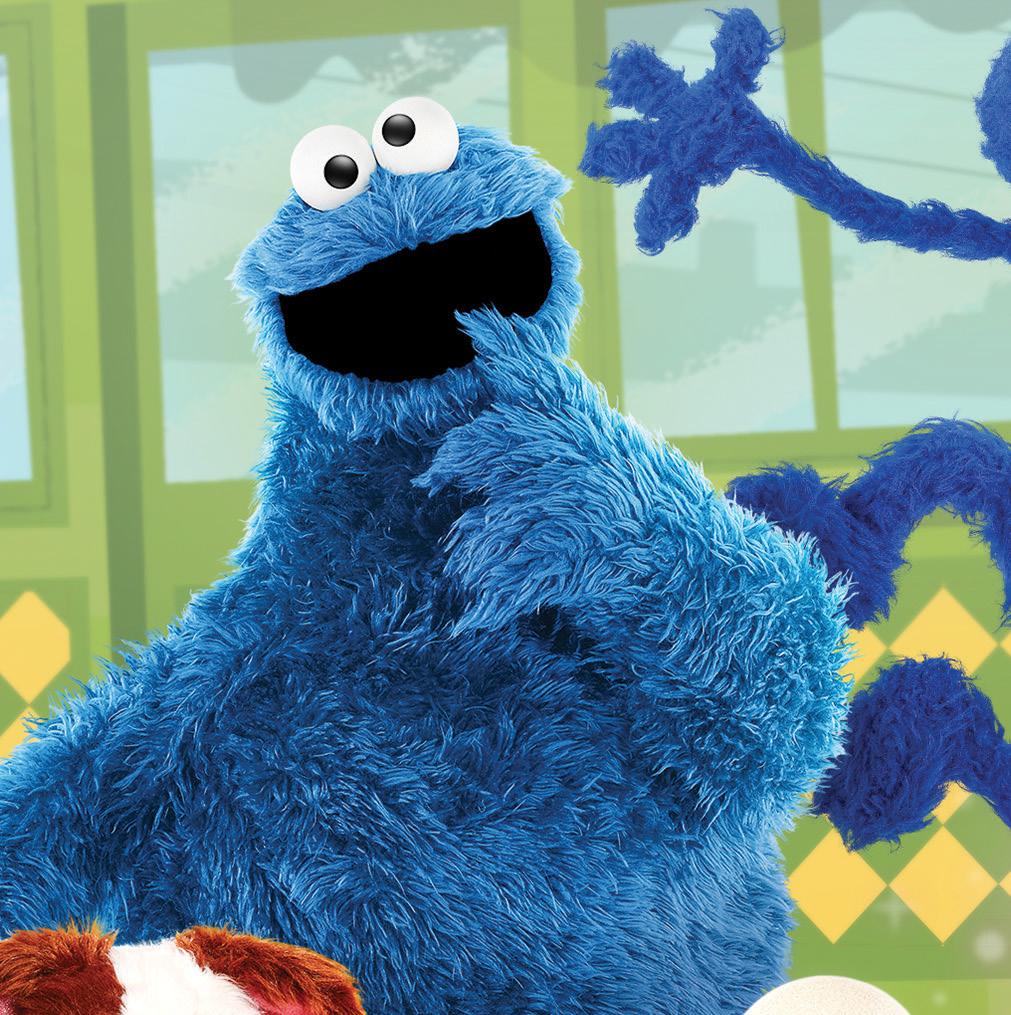



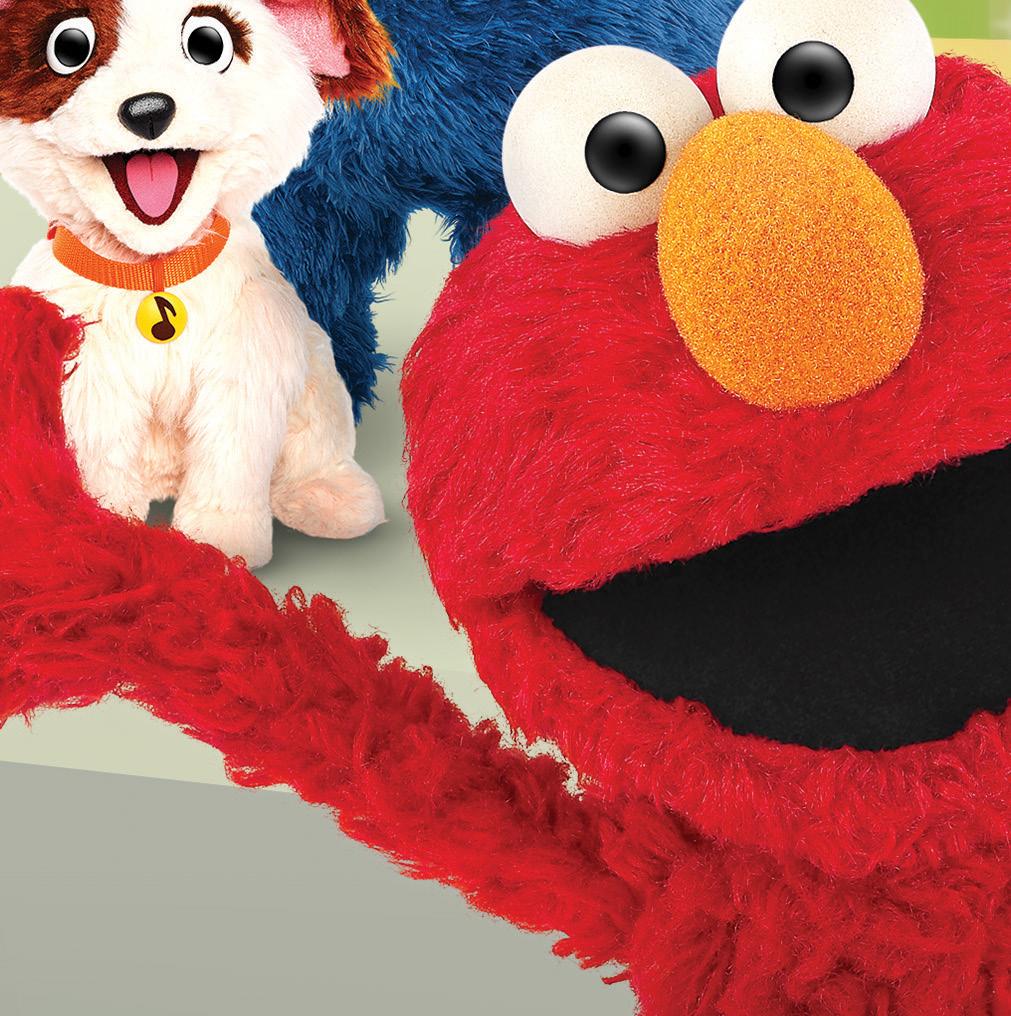

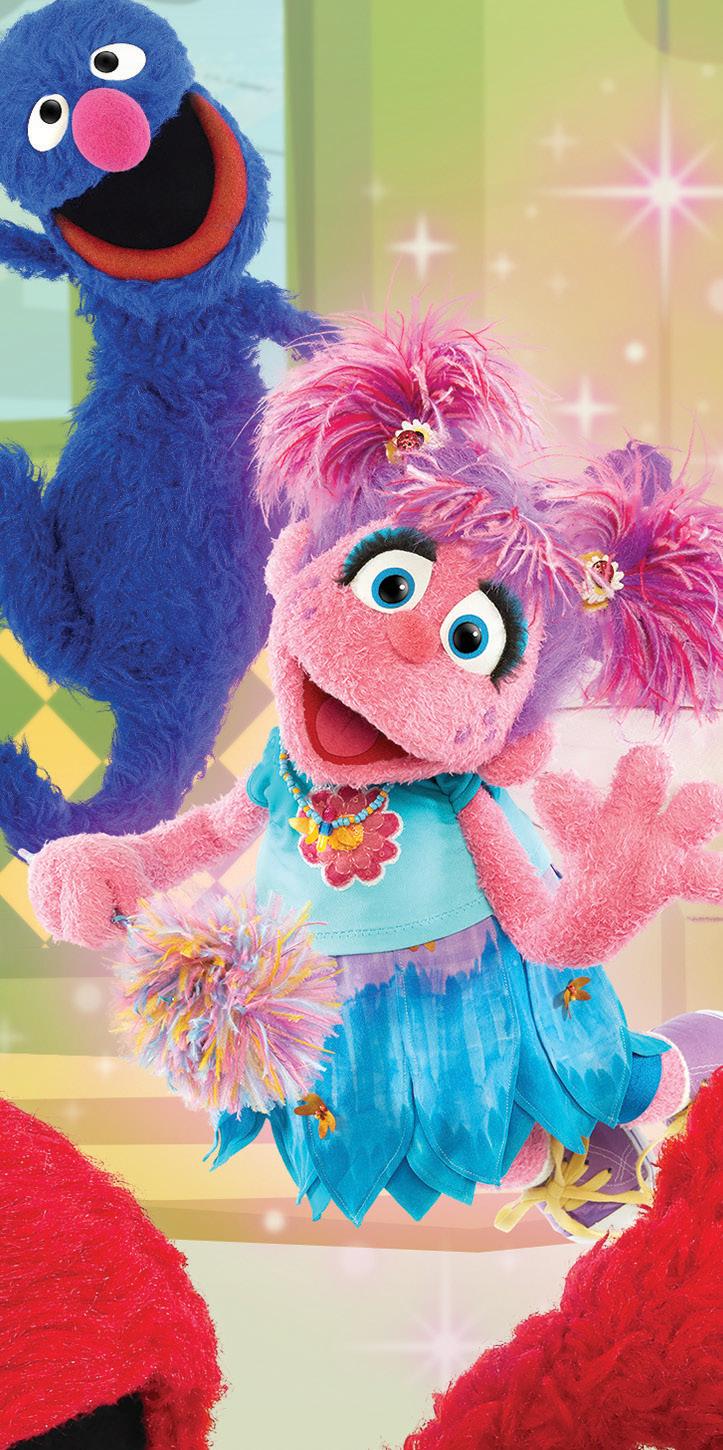




COMING 2026!
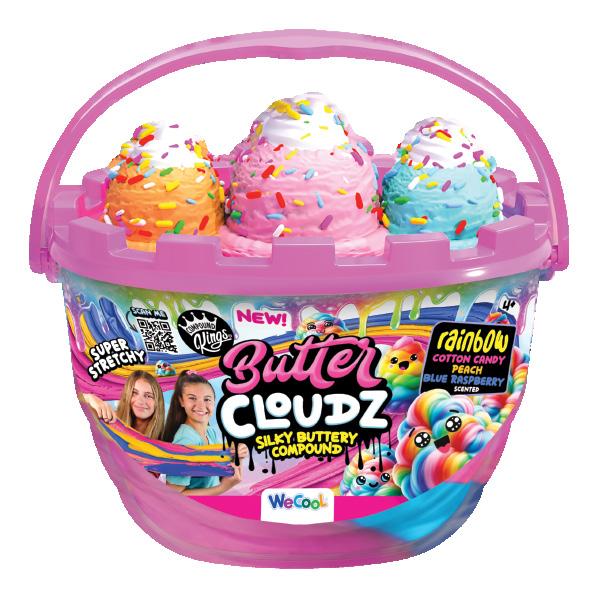
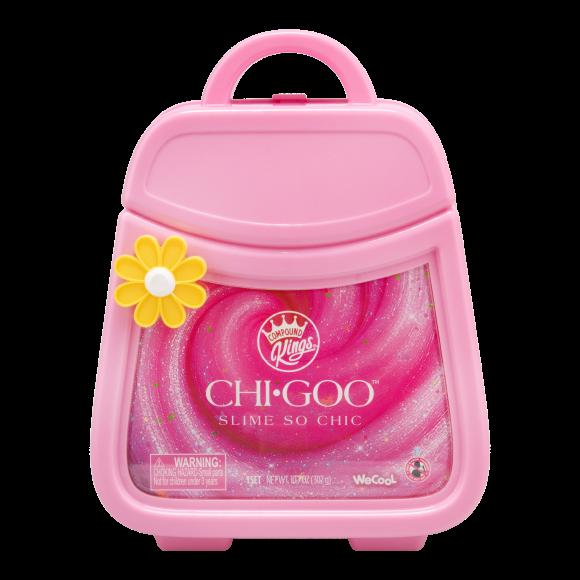


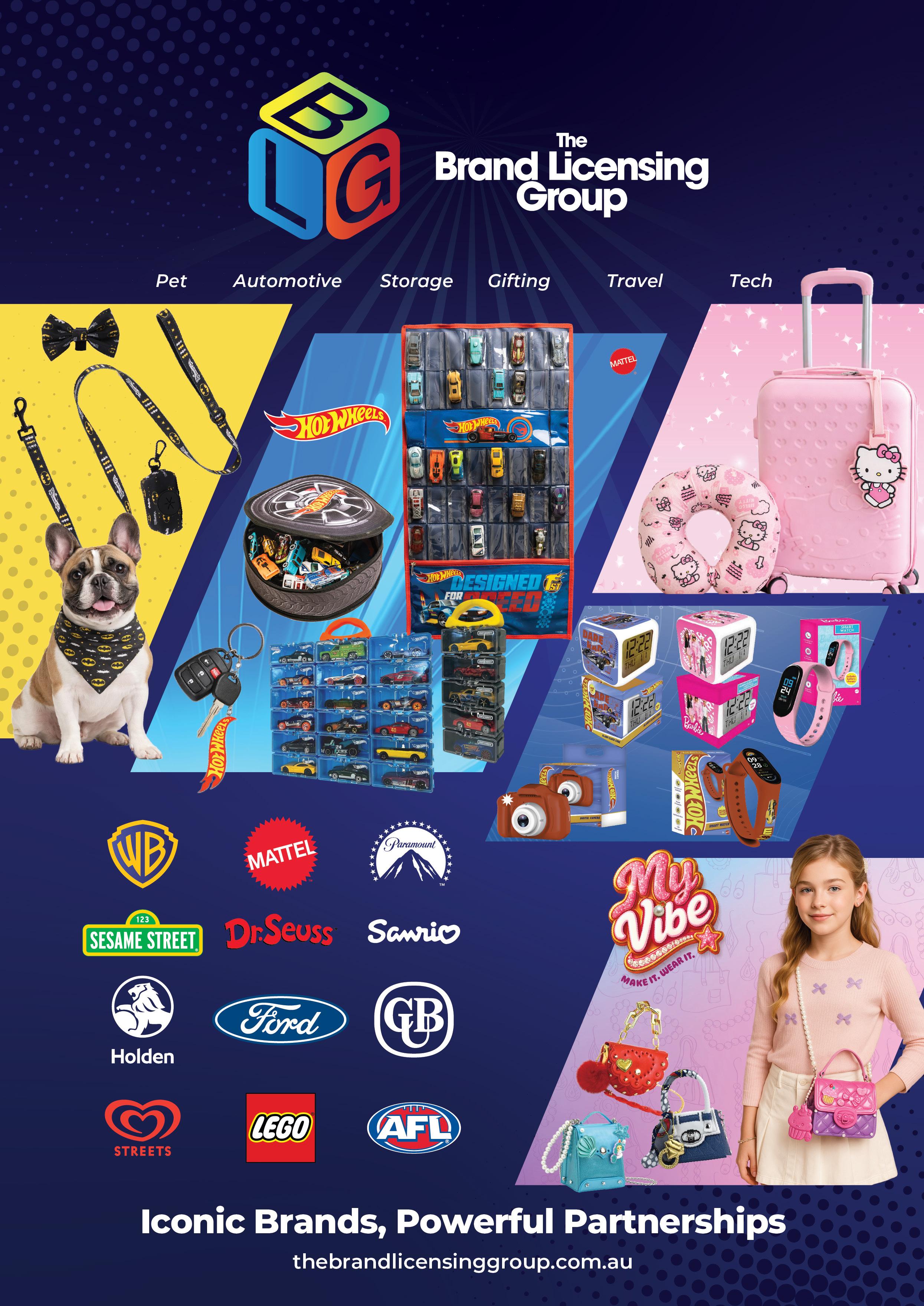
Founded in 2022 and proudly based in Mornington, Victoria, The Brand Licensing Group (BLG) is a locally owned wholesale licensing business dedicated to connecting world-class brands with Australian and international retailers. Built on a foundation of international licensing expertise and a deep understanding of the local retail landscape, BLG brings licensed brands to life through high-quality product development, competitive pricing, and strong, collaborative partnerships.
At the heart of BLG’s philosophy is the belief that great brands belong in everyday life. The Group partners with an impressive portfolio of iconic Australian and global brands, including AFL, NRL, Cricket Australia, Holden, Mattel, Paramount, Warner Bros., LEGO, Sanrio, Ford,and Phidal Publishing. From lifestyle essentials and gifting to collectibles, toys, and publishing, BLG creates licensed merchandise that resonates with consumers and celebrates the passion of fans across generations.
Rather than taking a volume-driven approach, BLG focuses on selective partnerships and thoughtful category expansion. Its growing portfolio spans pet products, auto accessories, travel, barware, gifting, tech, and an expanding presence in the toy category.
Each partnership is carefully chosen to ensure strong brand alignment, product innovation, and retail relevance — an approach that has helped build longstanding, trust-based relationships with both licensors and retail partners.
Looking ahead, BLG continues to expand its horizons!


The Group is actively pursuing further exclusive brand partnerships while exploring opportunities in sustainability-driven product development, digital brand extensions, and direct-to-consumer collaborations. With a clear focus on innovation, authenticity, and service, Brand Licensing Group is building long-term value for retailers, licensors, and consumers alike.
More than a wholesaler, BLG acts as a bridge between global brands and Australian audiences — shaping how licensed products are experienced, collected, and enjoyed. As the business continues to grow, Brand Licensing Group is carving out its place as a leading force in Australia’s evolving licensed merchandise landscape, bringing the brands people love into everyday life.
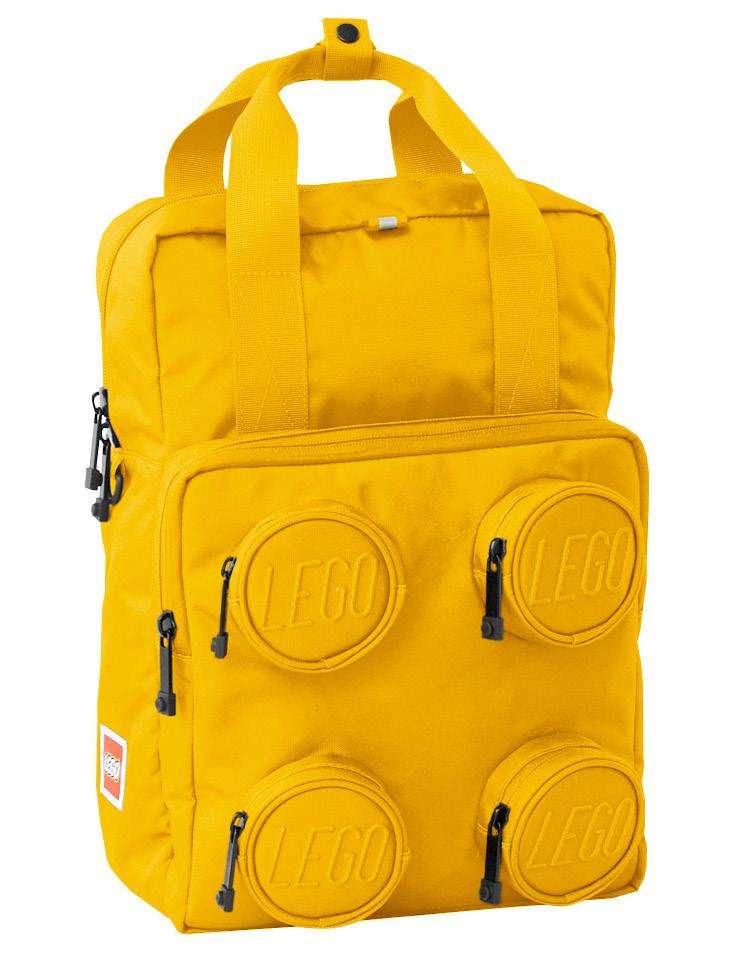






What has fundamentally changed in how you assess opportunity today versus three years ago?
Since 2006, Stella Projects has primarily been involved in exploiting the commercial off-screen rights to children’s entertainment properties broadcast on TV.
Prior to Covid, the most essential key for a property to have off-screen success in Australia was that it had to have a freeto-air Australian TV broadcast partner.
Post Covid, this has been turned on its head, and we have witnessed dramatic declines in traditional broadcast viewing and an equally dramatic increase in the popularity of online creator-made content on platforms such as YouTube, TikTok & Roblox.
It’s now increasingly rare to have a popular show with only a free-to-air TV broadcast to successfully drive offscreen consumer product sales.
Today, and in future, you need multiple touchpoints with an audience to find offscreen success including not only free-to-air TV, but additionally a streaming channel, FAST TV, YouTube, gaming on Roblox, music on TikTok & Spotify, audience interaction on multiple social media services, your own website, live events, location based experiences and consumer products, which all end up making a 360-degree flywheel.
“It’s now increasingly rare to have a popular show with only a free-to-air TV broadcast to successfully drive off-screen consumer product sales.”
— Grahame Grassby
With retail so concentrated, where do you now see genuine leverage—product, brand, relationships, or execution?
Creator-made properties on digital platforms like YouTube, Roblox & TikTok are now developing so quickly, iterating their content based on immediate audience feedback and adapting to what their audience wants more of and less of, that the traditional model of licensees slowly developing products to sell into mass merchants will struggle to keep up.
For popular creator-made online properties, opportunities abound in the direct-toconsumer space either using existing online retailers like Amazon or by selling directly to their superfans and underlying fanbase from their own touchpoints with their audiences.
Are we in a defensive cycle, or the early stages of a new growth model for the industry?
Given the volatility in world markets for at least the next three years, caused by the current US government’s erratic trade policies, combined with the rush to adopt AI technology come what may, I’m pessimistic about how the overall consumer product retail business will track in Australia and the rest of the world.
But irrespective of the state of the overall economy, the superfans and the general fanbase of popular creator-based online properties will buy all products relating to their favourite properties. So for these properties, it will be a continual growth model.

Grahame is one of the foundation members of the industry, he began as Head of ABC Enterprises and Licensing and then created Stella Projects. He is an expert in children’s animation and an Executive Producer of many projects connected to the business.
Looking ahead 3–5 years, what capability will most clearly separate winners from survivors?
The flexibility to react quickly and understand what their audiences want from them and allowing their superfans to input directly into the content creation process with ideas that are used to iterate their future content and so continually expand their fanbase.
Combine this with the capacity to develop location-based experiences, live events and consumer products that reflect the true DNA of their brand and these will be the properties that are rewarded the most. For properties relying on traditional media and not adapting to the demands of being a part of the creator economy, these properties will be the ones left behind.
The playbook has changed. Retail is concentrated, margins are tighter, and risk sits earlier in the cycle. So how are serious operators actually making decisions right now? For this Melbourne Toy Fair edition, senior leaders from privately owned businesses speak plainly about leverage, discipline, and what will separate winners from survivors in the next phase.
What has fundamentally changed in how you assess opportunity today versus three years ago?
As a smaller-scale company in the vast toy industry spectrum, the way we access opportunity hasn’t fundamentally changed over the past three years. We’ve always had to take the first step and think differently. Not operating at the mainstream global scale (yet) means opportunities don’t automatically come to us—we must seek and create them.
That requires continual innovation, proactive outreach, and a willingness to challenge the status quo. Flexibility, agility, and speed are essential, as is resilience. We’ve developed a thick skin and don’t treat a first “no”—or silence—as a final answer. We question assumptions, offer solutions, follow up, and stay relentless. If we genuinely believe there is opportunity for Mizzie, we persist.
With retail so concentrated, where do you now see genuine leverage—product, brand, relationships, or execution?
Leverage today comes from the combination of brand, execution, and a product that genuinely sells—supported by strong relationships. A compelling product and a desirable brand are the entry ticket, but relationships are what allow suppliers to stand out. Simply executing 'the way it’s always been done' within a concentrated retail environment may tick boxes, but it rarely maximises the customer experience and ultimately, sales.
Meaningful relationships create the space for better execution and ongoing dialogue, though this is becoming harder as buyer roles become more pressured, performance-driven, and data-led. For new lines especially, success requires a holistic approach—thoughtful shelf placement, retailer support beyond brand paid marketing, collaborative conversations about improvement opportunities, and the ability to move quickly and adapt.
What’s the one thing suppliers consistently underestimate about working with major retailers today?
Suppliers often underestimate the operational intensity behind working with major retailers. Beyond selling in, there are system integrations, compliance processes, delivery deadlines, booking platforms, packaging rules, and margin structures that vary by customer.
Most major retailers also expect discounted products and free freight, all under strict logistics guidelines and booking systems. Each retailer operates slightly differently, and meeting those requirements adds significant complexity for operations. The internal resourcing needed to manage this consistently—particularly during peak trading or rapid range expansion— can easily be underestimated.
Are we in a defensive cycle, or the early stages of a new growth model for the industry?
In the short term, it’s defensive—inventory control, tighter ranging, cautious spending, and limited execution. At the same time, a new growth model is emerging, built around fewer but stronger purposeful brands, licensed storytelling, and more experiential purchasing. Now is the time to adapt and streamline ranges while continuing to invest in brand equity, deeper engagement with consumers, and new revenue streams.
“Simply executing 'the way it’s always been done' within a concentrated retail environment may tick boxes, but it rarely maximises the customer experience and ultimately, sales.”
— Sandra Ebbott

Sandra has 20+ years’ experience and expertise in global marketing, she created the award-winning Mizzie the Kangaroo. She is also a big supporter of sustainability and innovation.
Looking ahead 3–5 years, what capability will most clearly separate winners from survivors?
Strategic agility. Winners will be those who can move between categories, channels, and geographies without losing brand clarity. That means strong data systems, diversified supply chains, content or licensing capability, and disciplined capital management.
Equally important is brand stewardship— companies that build trust with parents and retailers over time, rather than chasing short-term volume, will have far greater resilience in a volatile market.
Executive Pulse: Private Company Perspectives
The playbook has changed. Retail is concentrated, margins are tighter, and risk sits earlier in the cycle. So how are serious operators actually making decisions right now? For this Melbourne Toy Fair edition, senior leaders from privately owned businesses speak plainly about leverage, discipline, and what will separate winners from survivors in the next phase.



















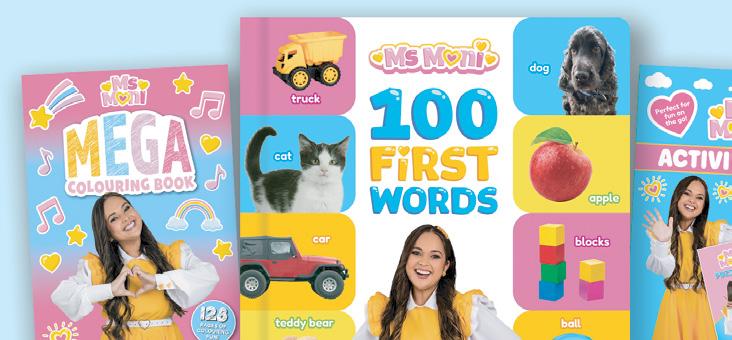
Ms Moni is rapidly becoming one of Australia’s most recognised and trusted early learning entertainers, building momentum across digital media, music streaming, retail partnerships and location based live family experiences.
Since last year’s Melbourne Toy Fair, Ms Moni’s popularity has grown like crazy with more than 270,000 YouTube subscribers watching Ms Moni videos more than 150 million times.
This growth of Ms Moni has been driven by consistent long-viewing engagement across all English-speaking markets (Australia, US, UK, NZ & Canada).
The average viewing duration of Ms Moni videos on YouTube sits at 16 minutes per view, which is unheard of and reflects long-form viewing behaviour like preschool children watching TV shows on ABC Kids TV.
Music streaming has also emerged as a major growth platform with Ms Moni’s music reaching more than 200,000 monthly listeners on Spotify, a five-fold increase in the last year.
On Spotify alone, Ms Moni songs generated more than 16 million streams in the past 12 months.
The growth in video & music streaming has been matched by a series of significant new commercial partnerships.
In 2025, Ms Moni signed with Scholastic Australia, releasing three children’s books in December - all three titles sold out on Amazon on launch day and all three have since reprinted several times in the first two months of release!
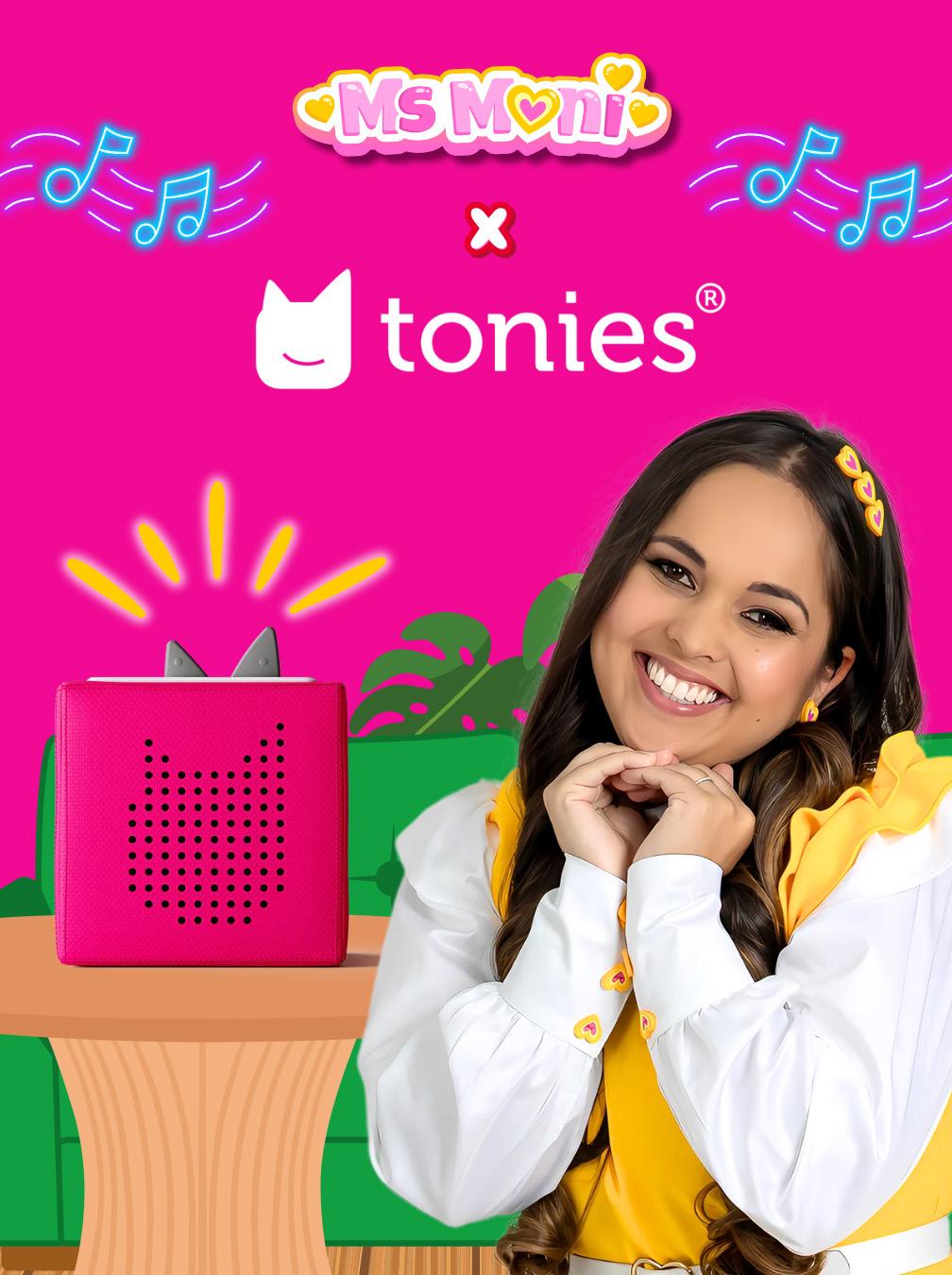
Ms Moni has also entered into a licensing partnership with the Tonies music box, with a Creative Tonie scheduled for retail release in March 2026.
Ms Moni won the Most Popular Children’s Entertainer Award at the Australian Children’s Music Awards in October 2025 for the second consecutive year.
Ms Moni is also heard on ABC Kids Listen, appearing as a guest DJ on Bangers and Mashups, and with her songs now regularly played on ABC Kids radio.
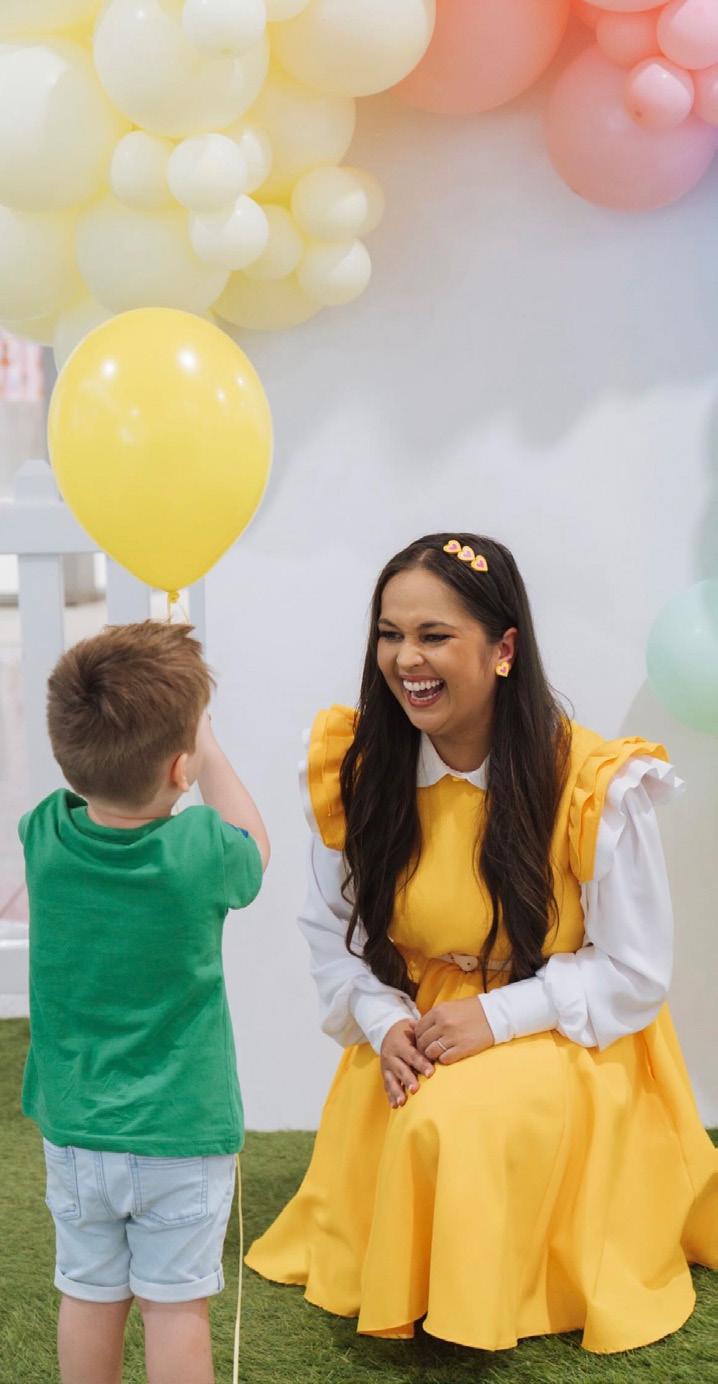
In January 2026, Ms Moni hosted her first major meet & greet event at the Earlville Shopping Town in Cairns, attracting more than 600 attendees. The event included a book signing in collaboration with Big W and Scholastic, combined with an exclusive premiere screening of a previously unreleased Ms Moni episode at Event Cinemas, which filled an entire cinema session.
Many more similar retail shopping centre meet & greets with exclusive cinema screenings are being planned with the next Ms Moni retail events in Melbourne at Eastland & Pacific Werribee shopping centres during the Melbourne Toy Fair.
Behind the scenes, there is a focus on producing more videos & more music content and providing more assets for licensees to develop Ms Moni consumer products.
The Ms Moni property already has the assets required to support a licensing program across multiple product categories, with a growing library of visual assets, including thousands of photos and hundreds of line-art illustrations.
New trademark registrations across Australia, the US & UK reflect the brand’s commitment to long-term brand protection and international scalability
Looking ahead, Ms Moni is seeking strategic licensing partners to bring the brand into physical product categories that align with its educational and play-based positioning.
Priority areas include the development of a Ms Moni plush doll, interactive educational toy products and apparel including a Ms Moni costume.
The Ms Moni team will be attending the Melbourne Toy Fair – look out for Ms Moni in her yellow dress!




































































































































































































Bugg View: 2026 Movies Are We Chasing the Wrong Signals?
For the toy and licensing industry, box office performance is no longer the clean leading indicator it once was. Cinema attendance is fragmented, streaming extends IP life cycles, and cultural relevance increasingly outweighs opening-weekend revenue when it comes to toy demand. A billiondollar film no longer guarantees a billion-dollar toy program. Equally, a modest theatrical performer can still become a long-tail licensing success.
• Bugg View: Box office is now a lagging indicator for toys – not a leading one. Superhero fatigue is real. While major franchises continue to dominate shelf presence, many superhero films now skew older, more complex, and increasingly niche.
• Bugg View: Superheroes are not disappearing, but they are drifting away from the core toy consumer. Pixar remains one of the most trusted names in family entertainment, yet emotional storytelling alone no longer guarantees cultural dominance.
• Bugg View: Pixar has not lost the magic – but it no longer owns it exclusively.
Film — Why It Matters for Toys & Licensing
1. Toy Story 5 – Evergreen characters; multigenerational appeal
2. The Super Mario Galaxy Movie – Nintendo IP flywheel across categories
3. The Mandalorian & Grogu – Premium plush and collectibles
4. Avengers: Doomsday – Multi-character global retail programs
5. Spider-Man: Brand New Day – Entry-level to collector appeal
6. Hoppers – Original Pixar IP with breakout potential
7. The Cat in the Hat – Preschool gifting and publishing bundles
8. Supergirl – Opportunity in girls-focused action play
9. Jumanji – Next Chapter – Board games and interactive play
10. Narnia: The Magician’s Nephew – Fantasy world-building for collectibles
Final Bugg Provocation: The most successful toy programs of 2026 may come from films that don’t dominate the box office – but dominate culture.
Bugg View: Brands
Who’s Really Positioned for 2026?
Brand awareness alone no longer wins. Retailers are shrinking ranges, shelf space is harder to earn, and discounting has become the default lever. Only brands with clear purpose, discipline, and retail relevance will win in 2026. The real question is no longer size — it is justification.
• Bugg View: Retail has taken control back. Brands without a clear in-store role are being deprioritised.
• Bugg View: Over-extension erodes relevance. Too many SKUs dilute productivity.
• Bugg View: The strongest brands know what to say no to.
Brand — Why Positioned
• LEGO – Disciplined platform with owned and licensed IP balance
• Mattel – Rebuilt IP strategy and entertainmentled thinking
• Nintendo – Scarcity-driven licensing and exceptional brand control
• ZURU – Built for modern retail speed and value execution
• Spin Master – Own-IP engine with preschool dominance
Final Bugg Provocation: In 2026, brands win through focus, not fame.
Written by Tony Bugg
Brand awareness alone no longer wins. Retailers are shrinking ranges, shelf space is harder to earn, and discounting has become the default lever.
Bugg View: Decisions
The 5 Choices That Will Define 2026
2026 will not reward hesitation. Reduced shelf space, higher retailer scrutiny, and tighter margins redefine success. Incremental change is no longer enough. Winning businesses make clear, sometimes uncomfortable, decisions. Doing nothing now carries the greatest risk.
Bugg View: Focus beats scale. Chasing every channel and category erodes profit.
Bugg View: Retail partnerships matter most. Vendors must simplify retail execution.
Bugg View: IP strategy is board-level. Short-term wins can destroy long-term value.
Decision — Why It Matters
1. Who are you building for? – Retail vs consumer clarity shapes product and pricing
2. What do you stop doing? – Cutting weak SKUs frees capital and focus
3. How disciplined is your IP? – Equity now outweighs short-term licensing wins
4. Are you solving retail pain? – Retailers reward partners who simplify execution
5. Who owns the future? – Clear leadership alignment drives speed
Final Bugg Provocation: In 2026, indecision costs more than the wrong decision.
The Bugg View
The Bugg View delivers clear, experience-led perspective on the forces shaping toys and licensing — challenging assumptions, cutting through noise, and spotlighting what truly matters.

In Australia right now, the dominant industry conversation centres on one question: Where can vendors place product and still achieve scale?
The answer, increasingly, is uncomfortable.
The market is now clearly dominated by Kmart and its vertically integrated ANKO model. Vendors naturally focus their energy there. Big W, still undecided on its long-term proposition, offers a diluted alternative. Australia Post’s exit from toys and licensed product sent a clear signal. Toyworld continues to struggle under structural pressure. Aldi and Dollarama sit firmly in the discount space — highly edited, highly disciplined, and not designed to absorb broad vendor ambition.
This isn’t a new cycle. We’ve seen versions of it before.
What is new is the assumption that the problem sits with the channels themselves.
Australia does not have a channel shortage. It has a relevance shortage.
Too many vendors are chasing doors without asking why a retailer would open them.
In recent years, licensing has increasingly been used as a shortcut. Direct-to-Retail deals keep the wheel turning and deliver short-term volume, but they don’t fix the engine. They reduce differentiation, compress creativity, and often train retailers to expect execution rather than innovation. Licensing works best when it strengthens a proposition — not when it replaces one.
Retailers today are not rejecting vendors. They are rejecting risk without reward.
What we see repeatedly are well-intentioned suppliers presenting ranges that are too broad, too familiar, and too easily substituted.
“Me too, but cheaper” is not a strategy — it’s a margin erosion plan. In a market dominated by disciplined editors, opportunistic assortments simply don’t survive.
What does work is clarity.
We consistently see stronger retailer engagement when vendors make deliberate choices: tightening ranges rather than expanding them, designing packaging for store teams as much as consumers, and building propositions that buyers can confidently explain internally.
In several cases, vendors have stepped back from chasing national scale and focused instead on becoming excellent partners — not just suppliers. Those who understand retail economics, labour pressure, shelf efficiency and compliance don’t need to shout for attention. Buyers notice them.
This is the uncomfortable truth: there are likely too many vendors chasing too few genuine points of difference.
Retailers are no longer looking for “what else have you got?” They are asking, “Why should this exist in my store?”
The vendors who will succeed in the next phase of the market will not be the most opportunistic. They will be the most intentional.

They will bring fewer SKUs, clearer stories, stronger execution confidence and a deeper understanding of how their product lives on shelf — and in store teams’ hands. They will treat licensing as strategy, not decoration. They will see retailers as partners to be supported, not channels to be exploited.
History tells us this cycle will repeat again. New retailers will rise. Others will retreat.
But the vendors who endure won’t be the ones who chased every opportunity. They will be the ones who understood why they were worth partnering with in the first place.
The next phase of growth in the Australian toy and licensing industry won’t come from finding new channels. It will come from becoming relevant enough that the right channels find you.
Bugg Retail Lense is Bugg Media’s dedicated retail intelligence platform, designed to provide clarity on how major retailers are thinking, ranging, pricing, and executing within the Australian toy and licensing market. It exists because retail concentration has shifted power, pace, and risk within the industry. Vendors, licensors, and partners need more than exposure—they need informed insight into how retail decisions are made and where real opportunity sits. Bugg Retail Lense observes, analyses, and interprets retail behaviour—from floor space allocation and SKU discipline to private label influence and seasonal strategy. It connects the dots between product, brand, margin, and execution. In short, Bugg Retail Lense exists to help industry leaders make better, more commercially grounded decisions in a market where retail leverage continues to evolve.
Written by Tony Bugg


If you’ve spent any real time in the licensing business, you learn to read between the headlines. You also learn that consolidation never announces itself politely. It just starts happening—quietly at first, then all at once. That’s exactly where we are right now.
Licensing has always been a relationship business built on creativity, timing, and hustle. For years, the ecosystem worked because it was fragmented: lots of studios, lots of brands, lots of agencies, lots of decision-makers. It wasn’t always efficient, but it left plenty of room for entrepreneurs, specialists, and smart operators to carve out real value. Today, that fragmentation is shrinking—and it’s shrinking fast.
Take Netflix’s plan to acquire Warner Bros./ Discovery. Regardless of how you feel about the streaming wars, the motivation here is obvious. Owning more of the content pipeline—development, production, library, and distribution—creates leverage. And leverage is everything right now. When content costs are sky-high and attention is scarce, the smartest move is to squeeze more value out of every franchise. That doesn’t stop at subscriptions. It extends into consumer products, games, live experiences, retail, and location-based entertainment. In other words, licensing is no longer a side business— it’s part of the core economic model.
“What’s equally telling is that consolidation isn’t limited to content owners. The agencies are consolidating too.”
— Steven Ekstract
Sony’s move to take majority control of Peanuts tells a similar story, just from a different angle. Peanuts isn’t about chasing trends; it’s about owning something timeless. Snoopy, Charlie Brown, and the entire Peanuts universe have proven they can move effortlessly across generations, geographies, and categories. When a global entertainment company locks down a brand like that, it’s not nostalgia—it’s strategy. This is about controlling a durable licensing engine that performs in good economies and bad ones, during booms and downturns. That kind of IP doesn’t come along often, and when it does, it doesn’t stay independent for long.
What’s equally telling is that consolidation isn’t limited to content owners. The agencies are consolidating too.
CAA’s acquisition of Beanstalk should be a wake-up call for anyone who still thinks licensing agencies exist only to broker deals. That model is fading. What CAA is building is a global brand management platform—one that connects talent, IP, retail, experiential, and media under a single roof. For brand owners, that’s attractive: fewer calls, fewer intermediaries, more integration. For the rest of the market, it raises the bar. The question is no longer “Can you do a deal?” It’s “Can you build a business around a brand at scale?”
We’re seeing the same thinking from brand management companies that treat IP like long-term infrastructure. When firms like Authentic Brands Group acquire legacy names, they’re not buying yesterday’s glory— they’re buying future optionality. Licensing becomes the engine that fuels relevance, retail reach, and recurring revenue.

STEVEN EKSTRACT, CEO & Chief Content Officer, entertainmentxtracks
So what does all of this mean for the broader licensing community?
First, consolidation doesn’t mean opportunity disappears—but it does mean casual opportunity does. The days of skating by with a nice product and a decent pitch are numbered. Bigger platforms expect faster execution, better data, cleaner storytelling, and global consistency. Second, differentiation matters more than ever. If you’re not adding strategic value— distribution, audience insight, cultural credibility, or speed—you’re replaceable.
Finally, this moment creates pressure, but it also creates clarity. The companies that will thrive are the ones that understand licensing as a growth strategy, not a revenue line. That applies whether you’re a studio, a brand owner, an agency, or a licensee.
Consolidation is reshaping the business whether we like it or not. The smart move isn’t to fight it—it’s to understand where you fit, sharpen your edge, and make sure you’re bringing something to the table that a big machine can’t easily replicate. In this next chapter of licensing, scale wins—but insight still matters.