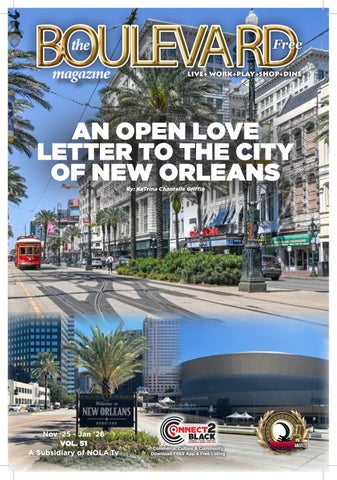

AN OPEN LOVE LETTER TO THE CITY OF NEW ORLEANS
By: KaTrina Chantelle
Griffin

BIG DREAMS START HERE


• Fast and easy application process • Funds can be deposited in as little as 48 hours • Loan amounts up to $50,000.00 • Competitive interest rates • Flexible repayment terms • Personalized support from our team At Liberty Bank and Trust, we understand the importance of access to quick funding for small businesses. That's why we are excited to introduce our Liberty Lightning Loan program, designed specifically to offer lightning-fast funding to help your business grow and succeed. At home, in the airport, or in a business meeting, Liberty Bank is with you coast-to - coast. Our fast and convenient virtual banking gives you access to: n Open a checking or savings account, Manage your account online, n Instant consumer loan approvals, n Apply for a low-rate Visa card, n Plan mortgage solutions n anyplace, anytime.
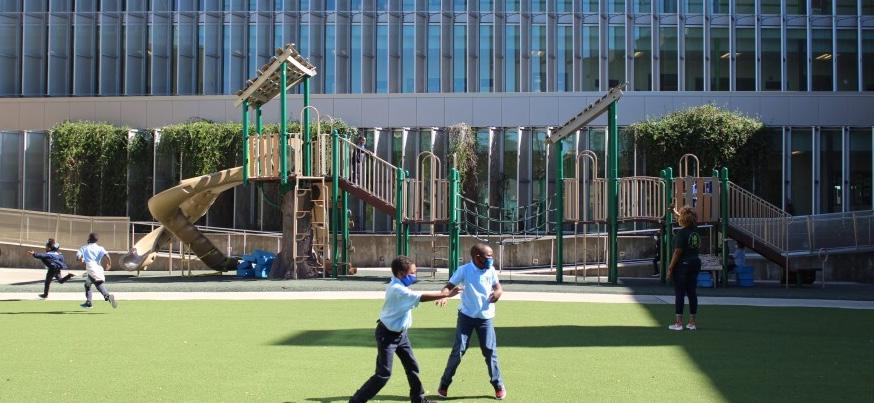
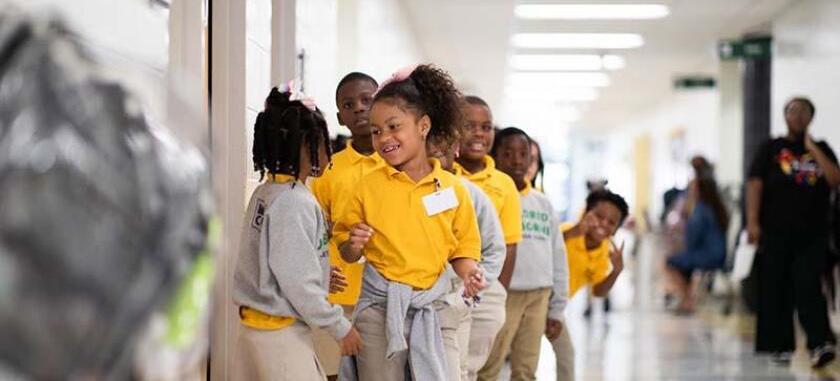
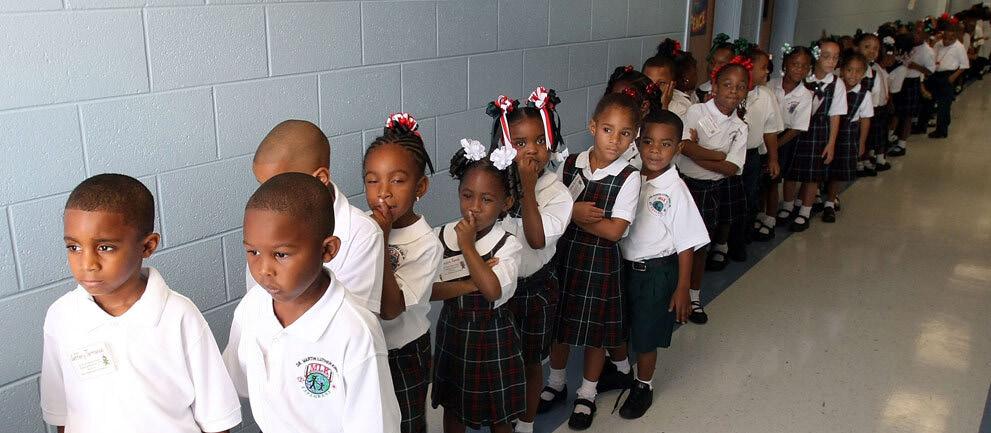
SCHOOL CHOICE WITHOUT OVERSIGHT IS A RISK:
WHY I CALLED FOR AN NCAP AUDIT
By KaTrina Chantelle Griffin,
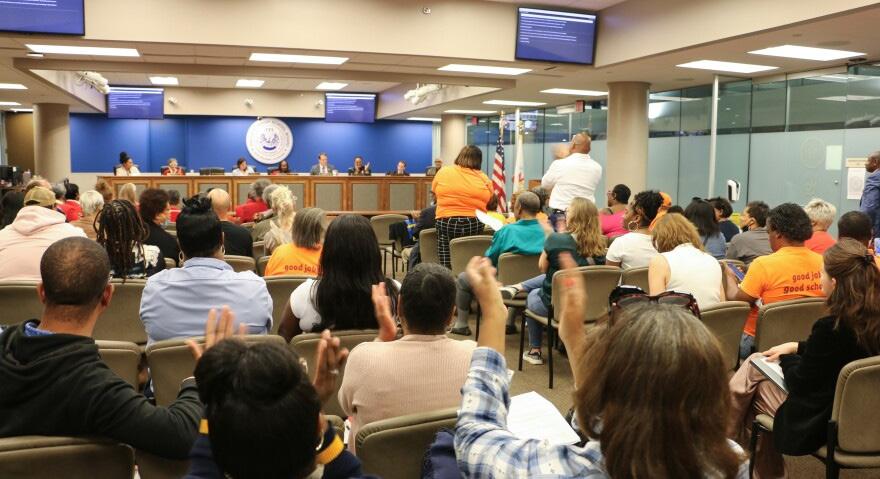
As a parent, a public servant, and a believer in school choice, I support the New Orleans Common Application Process (NCAP). I believe a centralized system like NCAP can be a beautiful and powerful tool. It was created to
streamline enrollment and simplify access for families across New Orleans, especially those historically marginalized by geography, income, or circumstance.
But belief in the system is not enough. We
need to ensure that belief is backed by results, fairness, and accountability.
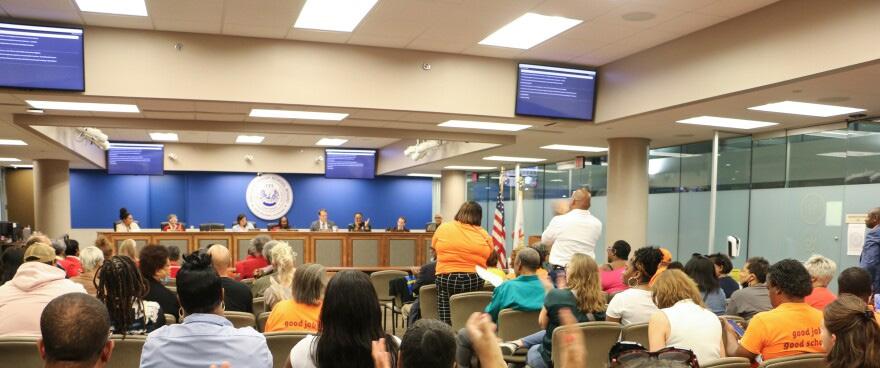
That is why, in March 2025, I introduced a resolution to conduct an external audit of NCAP. Unfortunately, my
MBA Orleans Parish School Board Member, District 4
colleagues on the Orleans Parish School Board voted it down. To this day, I still wonder why.
WAS IT BECAUSE I’M NEW? OR BECAUSE I ASKED FOR ACCOUNTABILITY?
Maybe it was because I’m a new board member with a “roll-up-mysleeves” leadership style. Maybe it was because some saw the word “audit” as an attack. Or maybe—and this is what worries me most—it was because deep down, some fear what an audit might reveal.
WHAT IF WE’RE NOT DOING WHAT WE SAY WE ARE?
While campaigning for my seat, I met families across District 4 who
were frustrated by the enrollment process. Some said their child could not get into a school close to their home, even when seats were available. Others shared that while one sibling had secured placement, the second sibling was denied entry, despite the promise of sibling priority. Then came the 2024–2025 school year, when we closed multiple schools. According to OPSB Enrollment Policy HE, students from closing schools should have been granted “closing school priority”—a full enrollment preference for grades K–11. But did that happen? Was it monitored? I continue to receive questions from families who felt displaced and forgotten during that transition.
MORE RED FLAGS FROM THE 2025–2026 CYCLE
Since the start of the current enrollment season, concerns have only intensified:
• Families experienced system crashes during critical windows.
• Some parents claim they did not receive top school choices, even when seats were known to be open.
• I’ve heard from CMO leaders that certain schools were promoted as having the “best” programs for English Language Learners (ELL), despite not being the most equipped.
• Others reported that top-tier athletes are consistently funneled to a handful of schools, raising concerns about favoritism and
recruitment.
• And perhaps most troubling: it’s been said that some of the “loudest” parents received placements not based on priority— but to keep them quiet.
This is not what equity looks like.
OUR BOARD POLICY IS CLEAR. ARE WE FOLLOWING IT?
Our board policy (HE Enrollment) states that closing school priority, sibling priority, and geographic priority should be applied in a specific order during the NCAP match process. Every applicant should be organized by priority group and assigned accordingly. It also makes room for state law–aligned priorities like corporate partnerships or mission-specific admissions, but those are required to follow after closing school priority. In short, we have a policy—but without transparency and evaluation, we don’t know
if it’s being followed.
MY RESOLUTION WAS CLEAR AND CONSTRUCTIVE
In March 2025, I introduced a resolution to audit the NCAP process. It called for an external review of:
• Compliance with enrollment laws and policies
• Data accuracy and equity in student assignments
• Stakeholder satisfaction—parents, school leaders, and students
• Transparency in system performance
• This resolution was about improvement, not accusation. But it failed.
I
STILL BELIEVE IN NCAP—BUT IT MUST BE AUDITED
I still believe in the power of a centralized enrollment system. I still believe in school choice. But belief is not a substitute for evidence. And in a city where public trust is hard-earned and
easily lost, transparency must be non-negotiable. We audit finances. We assess academic performance. We evaluate facilities. Why wouldn’t we evaluate the system that determines where every child goes to school?
If we are truly committed to equity, we must be equally committed to accountability.
FINAL THOUGHTS
When I introduced this resolution, I knew it might make some uncomfortable. But my allegiance is not to comfort—it’s to the children and families of New Orleans. They deserve more than broken promises and vague explanations. They deserve a system built on fairness, clarity, and continuous improvement. The next enrollment cycle will be here before we know it. Let’s take action now—not just what’s easiest or most popular, but what is right. Let’s be bold enough to look under the hood and fix what isn’t working.
Our Mission & Vision
To


REPUTATION & INTEGRITY
IS WHAT MATTERS
TOO OFTEN, PEOPLE VIEW THIS CITY AS NOTHING MORE THAN MARDI GRAS, BOURBON STREET, GREAT MUSIC, GREAT FOOD, AND CAREFREE REVELRY.
Then there the ones who marvel at the French Quarter balconies and street performers on Bourbon street and believe they have discovered our soul.
But that’s not true New Orleans. What makes this city cannot be bought in a souvenir shop or captured on a cell phone.
True New Orleans lives in the reputation and integrity of the people who were born here, raised here, and carried this culture into their daily lives long before the tourists came and long after the parades ended.
Before Hurricane Katrina in 2005, New Orleans was
alive with a familiar pulse you could feel as soon as you stepped outside your door. The air was thick with a combination of past and present that was in constant cohabitation with each other every single day.
Whether you lived Uptown, the 7th ward, the Treme, Ninth Ward, or Gentilly, you could hear music drifting through the open air while the smells of Creole cooking are wafting out of open
windows. You hear laughter under a carport or good conversations spilling across front porches and stretching into late night. This wasn’t entertainment. It was life.
There was a dignity among Black New Orleans in particular, an energy that transcended economic status. The city shined but not because of its bright lights and coming attractions. This city shown because of the energy of its native sons; its people, who carried themselves with style, grace, resilience, and soul.
That energy has been harder to find since the storm. Hurricane Katrina did more than flood our streets and destroy our homes; it scattered our people, diluted our culture, and opened the door for outsiders who treat the city like a playground rather than a scared inheritance.
These new arrivals call themselves locals, but they lack the roots, the connections, and the accountability. They cannot embody the authenticity of what it means to be from here. They bring money and development, yes, but also greed, selfishness, and a flattening of what once made New Orleans unique. The city feels quieter now, not in a peaceful way but in a hollow one. The hum of authenticity has been replaced by the buzz of consumption.
As with so many others who are born here, I, Jacob Joseph Francis, III, represents what it means to be a true native son of New Orleans Louisiana. From a young age, as I moved through life in this city, I knew that this journey was not about fame or wealth but about commitment, culture, care, and integrity. The very values that once defined this city.
Black community that once gave this city its incomparable soul.
I RECOGNIZED THAT AURA OF SERVICE EARLY IN MY LIFETIME. AND SOMETIMES, BUT NOT ALWAYS, I OFFERED THAT SERVICE THROUGH MUSIC.
At fifteen years old, I played piano for the legendary Father Jerome Ledoux at Dillard University. At age fourteen, I was directing the youth choir at St. Paul the Apostle Catholic Church and I led the boys’ choir at Singing
I often said that to be a true New Orleanian, you carry an aura of service and dignity which identifies the spirit and pride of a
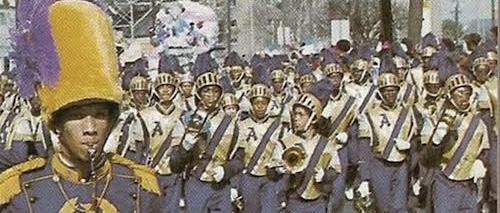
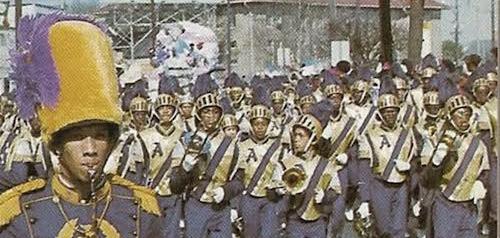
Night at St. Augustine High School where in 1976, I later became drum major of the world famous Marching 100 which is an honor that placed me at the helm of
one of the most storied ensembles in the nation.
I recognized early in life that music wasn’t just something to do, it was a calling, a reflection of the rhythm of the city itself.
As influential as the city of New Orleans, St. Augustine High School brought out the natural talents of its students. I was found to be a natural leader among my peers.
That leadership led me across many musical platforms. Throughout my adult years, I played piano and organ at St. Raymond Catholic, I joined concert, stage, and marching bands, eventually earning a place in the all state jazz band for three consecutive years.
My passion and talent for music led me to Loyola University where I performed the William Tell Overture on both B-flat and bass clarinet which earned me a musical scholarship to study music theory.
I ALWAYS KNEW THAT AS A NEW ORLEANS MUSICIAN, WHETHER FAMOUS OR NOT, YOUR MUSIC CAREER WILL BE MARKED BY BOTH TRIUMPH
AND HARD EARNED LESSONS.
A short tour with soul legend Percy Sledge left me with only $20 in my pocket, a potent reminder that the business of music was often as grueling as the art itself. Because gaining wealth was never the point for me. The point was the music, the service, the integrity.
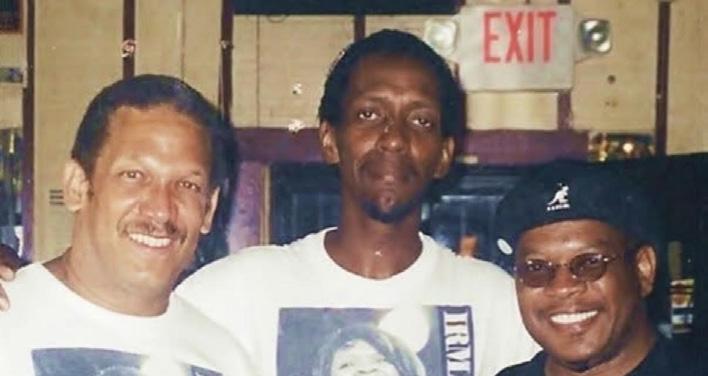
My music career was one of several. It was definitely the most enjoyable and the most memorable. I’ve been across stages big and small. Along with the Percy Sledge tour, I played with Irma Thomas for three years, and worked with other New Orleans greats such as Willie T, Walter Payton, Willie Metcalf, Arthur Foy, Hurley Louis, Ernie Skipper, Bernard “Bunchie”Johnson, Roland “Bob“ Harris, Ison Richwell, and too many others to name.
Music is a service that I used throughout my other careers. When I was on my Navy crew, I organized entertainment aboard the L.Y. Spears and the Claude B. Ricketts, when I was stationed in Newport News, Virginia I taught piano to kids there. Once I settled back home to New Orleans, I met up
with Father LeDoux again where I devoted 11 years to providing music for Saturday Mass at the St. Augustine Catholic Church. I felt that I helped to build a community through music as well providing a spiritual anchor for countless parishioners.
Simultaneously I ran sound and lights for various organizations namely the opening of the World War II Museum. This task was done through a sound engineering business that I started in the mid to late 1990s, called the New Orleans Sound Engineers.
Through this service, I provided sound and taught the students how to “run sound” at Katherine Drexel Preparatory High School, formerly known as Xavier Prep. I ran that service for about five years.
After “the storm,” I began a show called “No Talent Tuesday” at Melvin’s on St. Claude where anyone could come on stage and sing. This attracted the most colorful groups, the neighborhood winos, the loudmouths, and anyone else willing to come out and perform with a band to back them up. It was great fun and lasted about
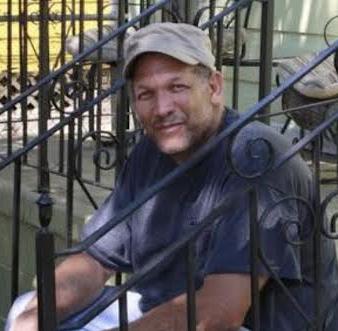
three years until a new post Katrina city noise ordinance shut it down.
After Melvin’s was over, I went back to work at the VA Hospital to continue my utility engineering career of which I retired after 30 years.
While at the hospital I would visit my fellow veterans who were infirmed and/ or recovering. I would also sometimes sing and play piano to some patients who were dying. Sometimes I would play piano in the lobby of the hospital. It’s always all about service.
Right now I’ve been retired from “real” work for over five years now but music will always be in my life. Right now I’m a member of a volunteer group called the Volunteer Veterans Jam Band where we sometimes play music at the VA hospital and at different
other fundraisers. The latest being Breast Cancer Awareness.
AGAIN ALL ABOUT SERVICE AND INTEGRITY. IT’S ALL ABOUT HELPING, SHARING, AND CARING. IT’S ALL ABOUT NEW ORLEANS AND PROPERLY REPRESENTING THIS GREAT TOWN.
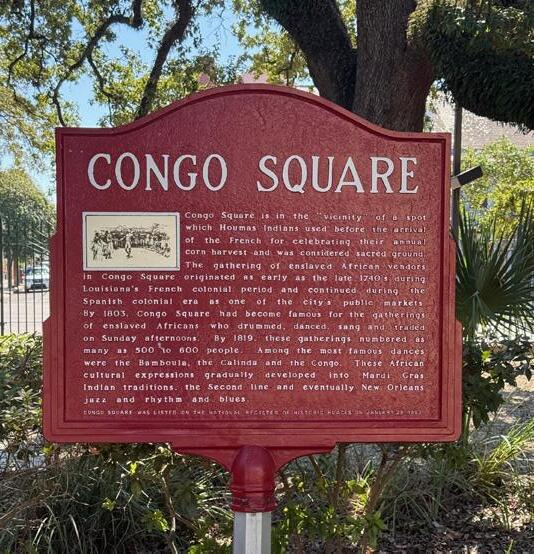
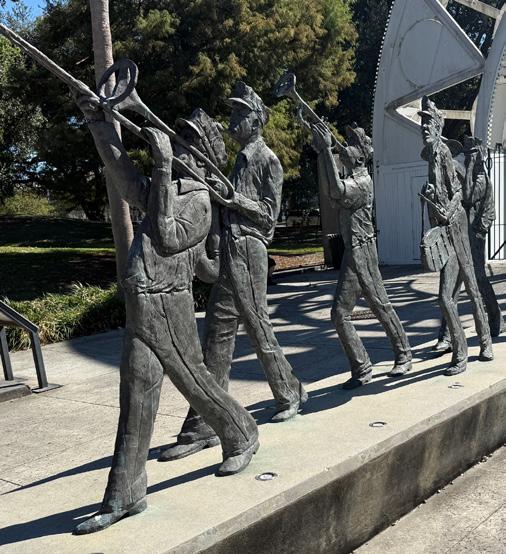
This is a city built on struggle and survival, from the enslaved Black people who preserved their rhythms in Congo Square, to the creole communities that kept traditions alive despite centuries of erasure. It is a city where brass bands march, not just for celebration, but for mourning, it is a city where food is seasoned with spice, with memories, and with love.
It is a city where I learned firsthand how deep sorrow is transformed into art and beauty, because my son died at age twenty years old, on August 29, 2000. Exactly five years prior to the anniversary day that hurricane Katrina hit this city. I knew that I had to keep going. So I kept serving, I kept sharing, and I kept carrying the legacy after both storms.
Today when I look around I see a city that is trying to hold onto that legacy, to that integrity while being pulled apart by outside forces. Festivals like Essence have become national brands but they were born of black culture. If they truly respect that legacy they could carry it anywhere.
New Orleans does not need outside approval to prove its worth. What we need is to remember who we are to honor the stories of its people and to protect the reputation and the integrity that our ancestors built for us.
That spirit may be harder to see today, but it has not disappeared. It lives on in the people who remember, the people who refuse to let this city be reduced to just another tourist attraction.
Because at the end of the day, it is the rhythm of a people who never needed permission to be themselves. And as long as we carry that forward, the true New Orleans will never die.



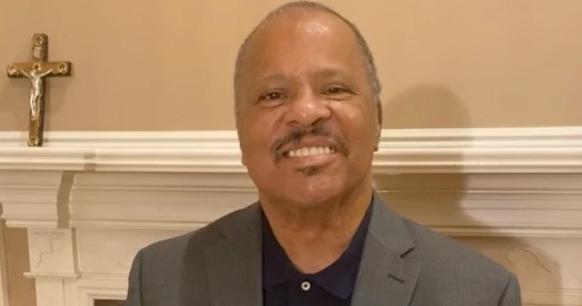
35 YEARS OF EXPERIENCE IN BANKING, CREDIT CARD UNDERWRITING,
CONSUMER FINANCE, AUTHOR AND COMMERCIAL FINANCE.
We have all heard or used the following phrase:
“NO MATTER HOW MUCH MONEY I SEEM TO MAKE, I JUST CAN’T SEEM TO MAKE ENOUGH TO SAVE ENOUGH.”
It is so true, and the crux of the problem is entrenched in excessive uncontrolled spending. The more money we make, the more money we tend to spend. The list of rich and famous celebrities, movie stars, music artists, and professional athletes who have filed bankruptcy
grows longer by the year. Do a Google search of celebrities, musicians, movie stars, hip-hop artists, and athletes filing bankruptcy, by each group, and the list will startle your mind. Instead of spending all of their money wildly, if they had just learned to save and conservatively invest 10-20% of their earnings, they could have avoided bankruptcy.
Why does the average American have so much trouble managing their finances? One, we have become a nation of
spenders with a bad habit of labeling everything we want with something that we really need, regardless of whether our budget can afford it. And easy access to credit and credit cards allows us to get what we want before we can really afford to.
Two, while we are taught basic English, math and science skills growing up in school, we are never taught basic money management skills (except for an occasional Junior Achievement guest speaker). Thus, whether a high school graduate or a college-
educated graduate with student loan debt, we enter the work world with little or no basic training on personal financial management. As a result, we just don’t know enough about saving, budgeting, credit, and long-term investing, because we haven’t been taught it repetitiously.
For one example, if no one has ever taught you what disability insurance is and how it protects your income if you become disabled and unable to work for several months, then how are you to know that you should sign up for disability insurance just like health insurance during orientation with your employer. Or, if you are self-employed you should purchase a long-term disability policy through an insurance agent.
Therefore, the purpose of this new Financial Tip of the Quarter column is to provide basic financial education to young adults, adults and couples in a variety of money management topics such as saving, budgeting, credit score, credit card management, insurance, retirement saving, and saving for your children’s college.
ABOUT THE COLUMNIST
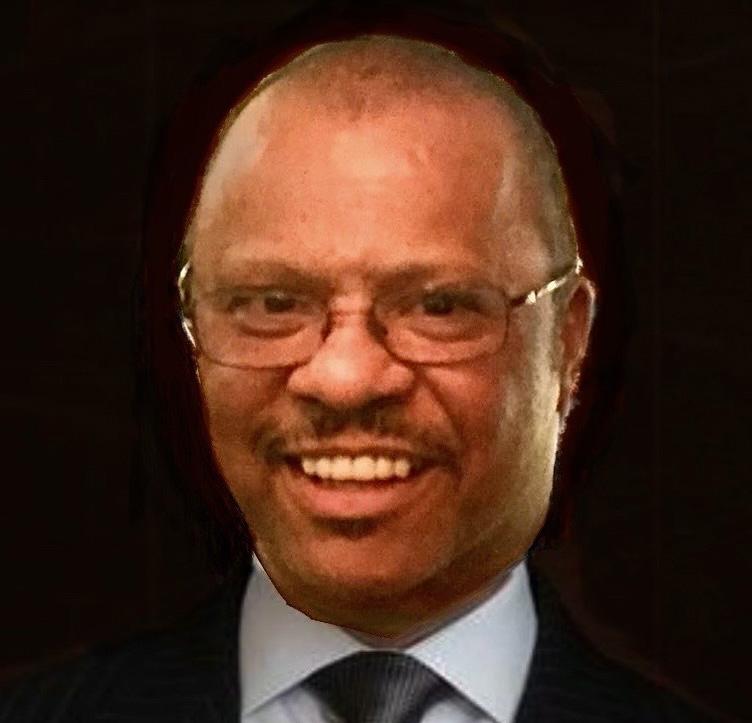
Kevin E. Williams is retired with over 35 years of experience in banking, credit card underwriting, consumer finance, and commercial finance. He is considered a subject matter expert in the areas of community development; economic development; small business planning & finance; financial literacy education for youth, adults and seniors; banking and public sector community revitalization partnerships; and the federal Community Reinvestment Act (CRA).
In 1990, he received the U.S. Small Business Administration (SBA) Financial Services Award for the State of Louisiana; he has also received other numerous special recognition awards for outstanding civic & community service. Between 2007-2012, he coordinated the Federal Deposit Insurance Corporation’s (FDIC)
Money Smart Trainthe-Trainers Financial Education Program for the Louisiana Gulf Coast Region as part of the FDIC’s overall Gulf Coast Rebuilding efforts after Hurricane Katrina. Through this effort, Kevin helped train and certify hundreds of personnel from banks, credit unions, and nonprofit community development groups on becoming teachers of the FDIC’s Money Smart curriculum to the youth, adults, and seniors in their respective communities.
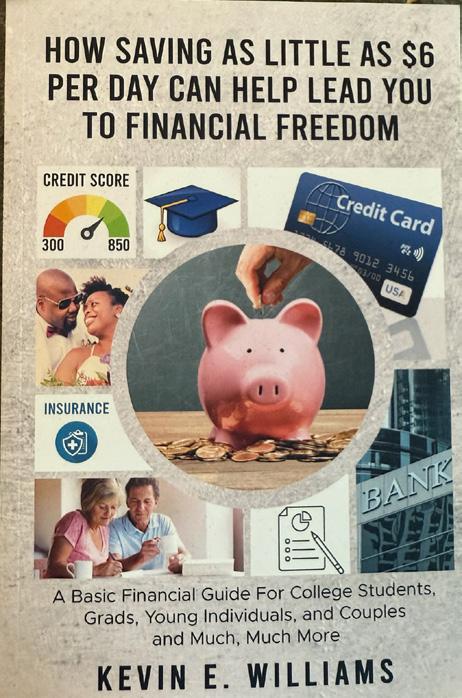
His extensive experience as a banker, financial literacy trainer, and father who put three daughters through college and a graduate school, makes him uniquely qualified to provide you with these money management tips. In 2021 he self-published a basic financial literacy book entitled How Saving As Little As $6 Per Day Can Help Lead You To Financial Freedom, which is available for purchase on Amazon.com. Due to his dedication and passion for financial education, he continues to serve as an occasional speaker on money management and saving tips to nonprofits, churches, elementary, high-school, and college students. He lives in New Orleans.
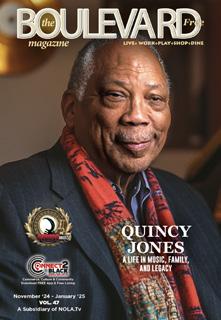
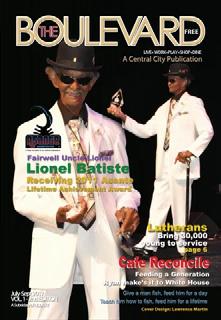
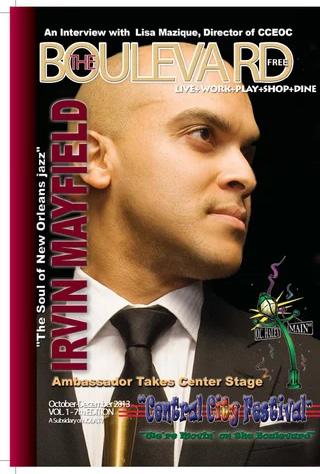
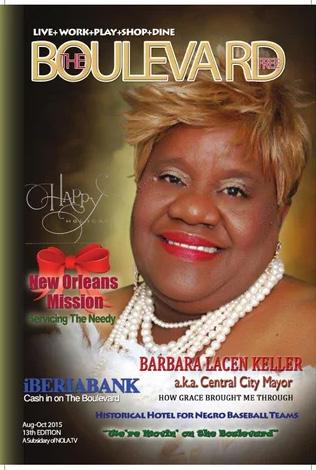

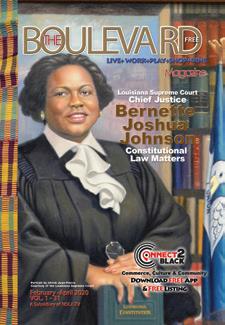
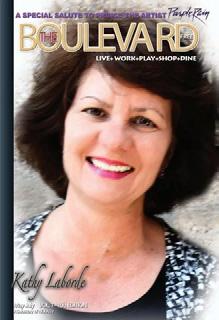
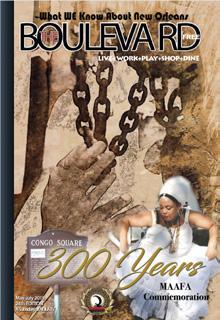
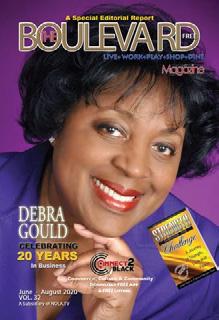
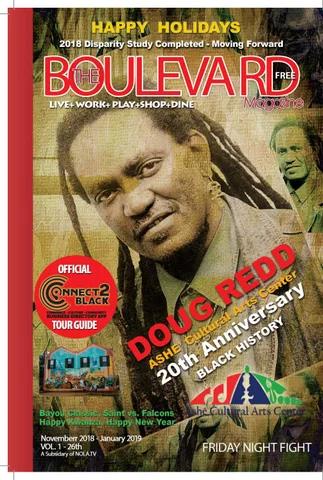
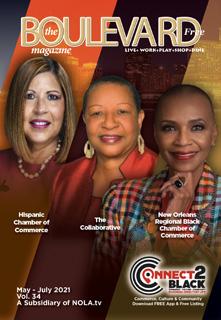
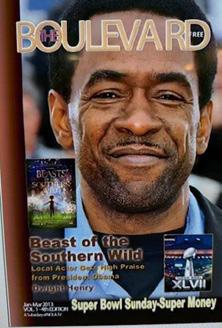
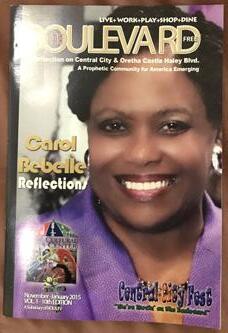





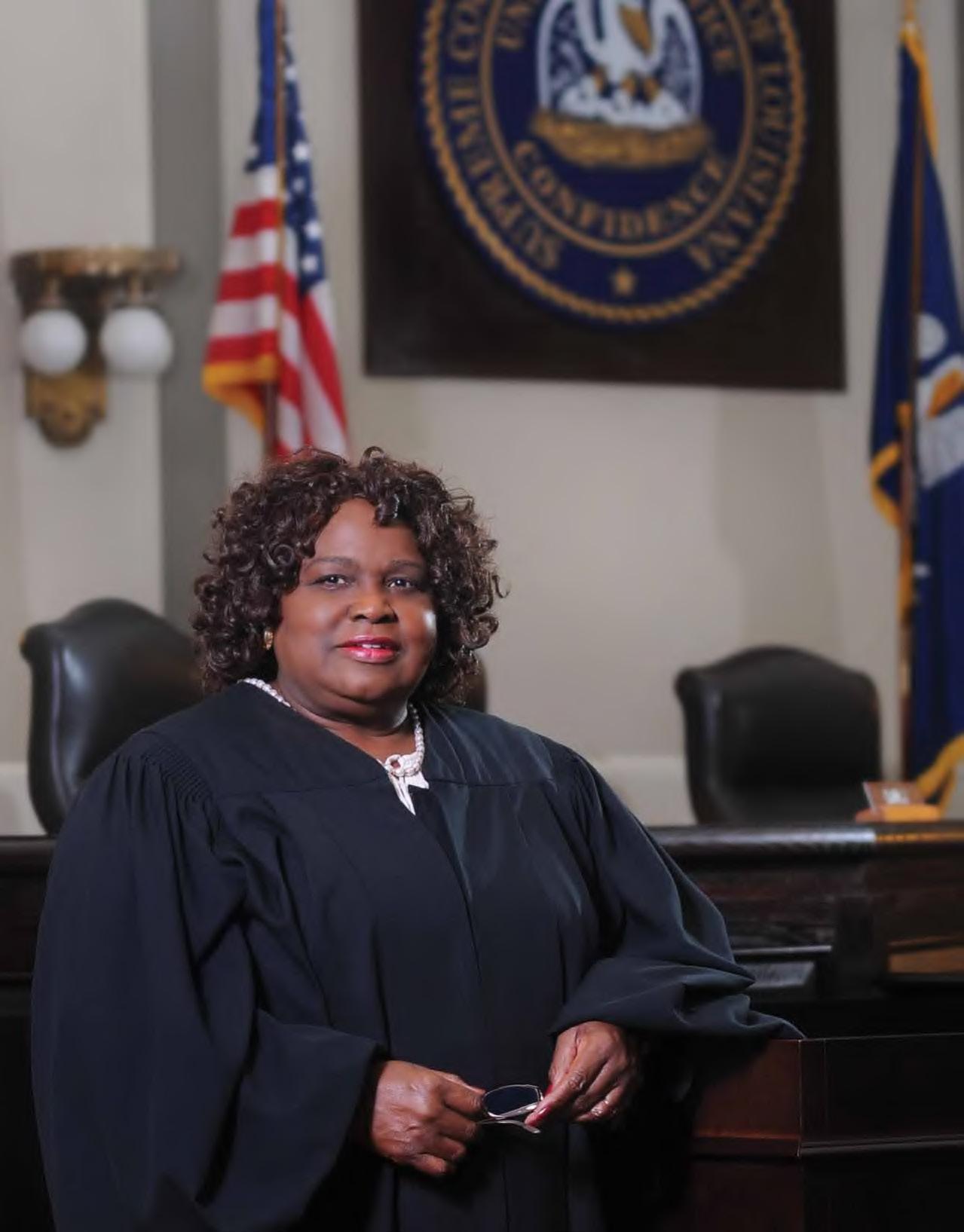
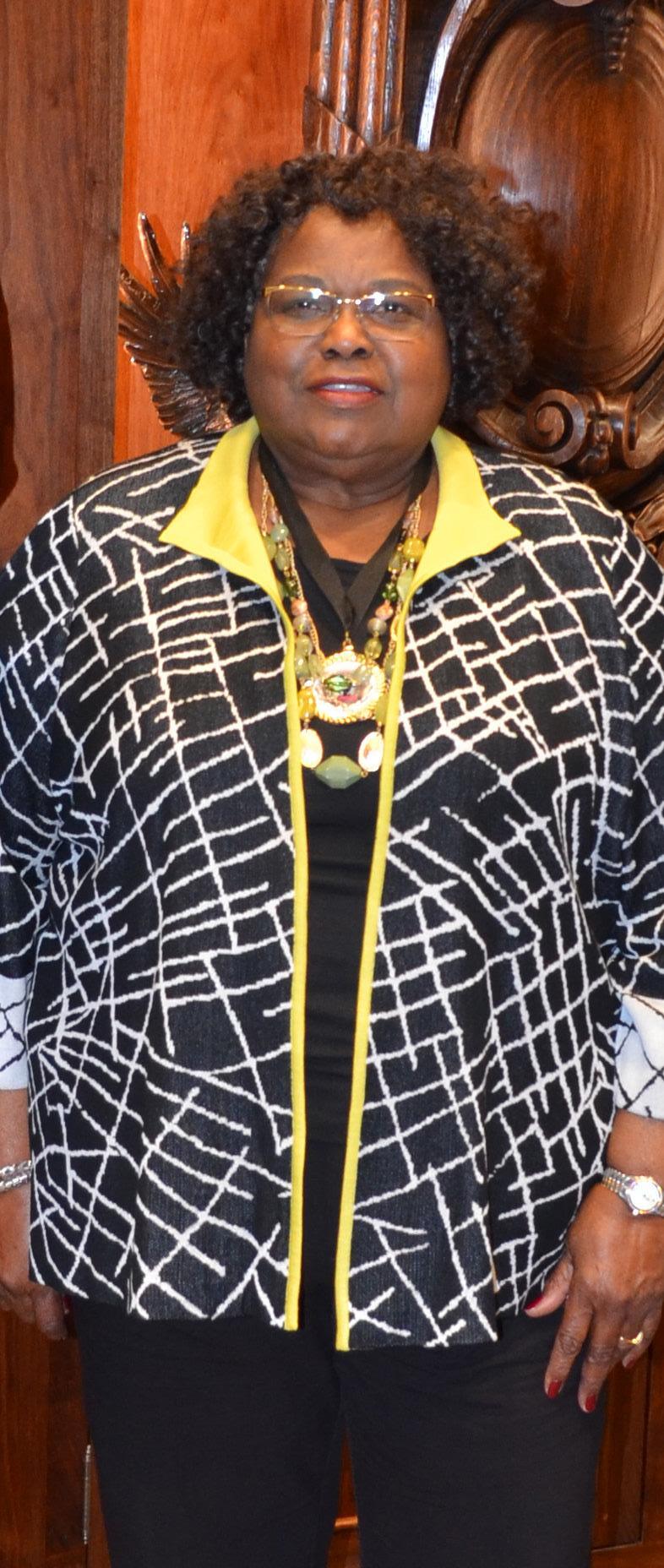
‘JOSHUA’ JOHNSON BOOK COMING SOON
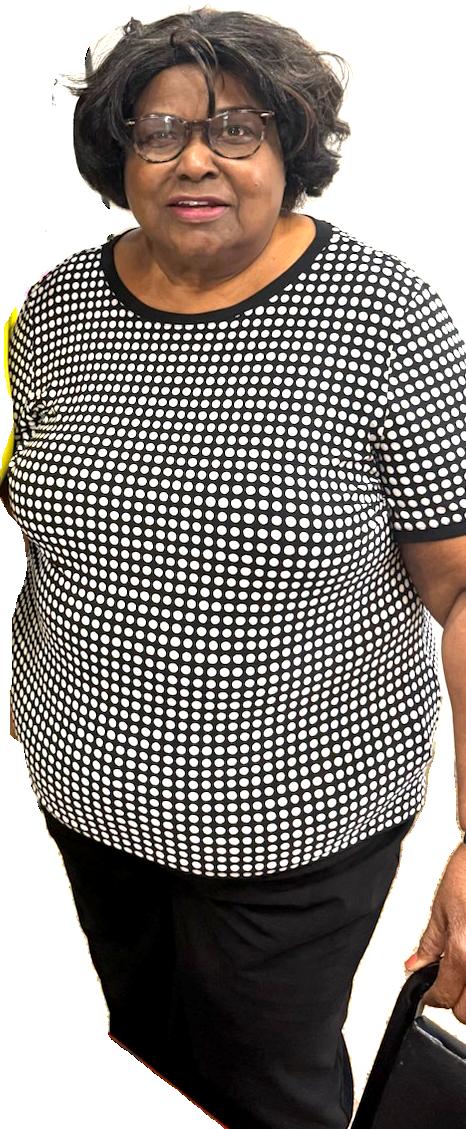
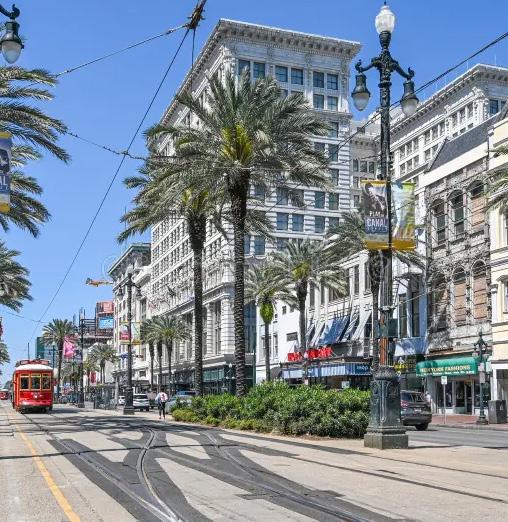
AN OPEN LOVE LETTER TO THE CITY OF NEW ORLEANS
By KaTrina Chantelle Griffin
Dear New Orleans,
You are more than a city. You are an experience, a heartbeat, a hymn that refuses to fade. You are the sound of resilience wrapped in rhythm — a song that begins before sunrise and keeps playing long after the last note of the horn fades into the humid night air. You are where history hums, culture dances, and faith whispers, “We still here.”
When I think of you, I see the hands that built you — the African, the Native, the Creole, the immigrant, the visionary. Each laid a piece of themselves in your soil. They carved stories into the oak trees of Uptown and the iron balconies of the French Quarter. They built sanctuaries of sound and spaces of survival. From Congo Square to Claiborne Avenue, from Desire to
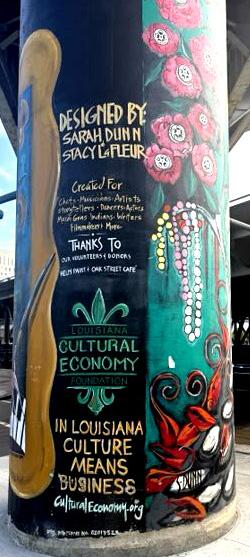
Pontchartrain Park, from the 7th Ward to Algiers, they made art out of adversity and beauty out of brokenness.
You are the place where pain and joy live side by side, and somehow, both find rhythm. You gave birth to jazz — not just as a genre of music, but as a philosophy of life. Improvisation became your gospel. You taught the world how to turn
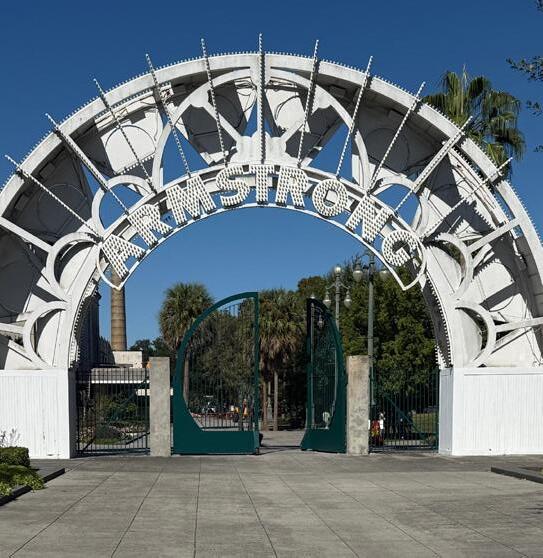
chaos into creation, sorrow into song, and struggle into strength. Louis Armstrong didn’t just blow a horn; he blew open the gates of what was possible for a Black man born into poverty in the South. Mahalia Jackson didn’t just sing; she carried the prayers of a people across oceans of oppression.
Every second line is a sermon. Every Mardi Gras Indian suit is a history book. Every gumbo pot is an archive of ancestry. You are a museum that moves — alive with laughter, layered with lessons, and drenched in the spirit of those who came before us.
YOUR PAST: THE SOIL OF OUR BECOMING
New Orleans, you were born from collision — of cultures, of kingdoms, of languages, and of dreams. You were a marketplace and a battleground, a refuge and a reckoning. Through slavery and segregation, hurricanes and heartbreak, you endured. And through it all, you never stopped teaching us how to rise.
Your streets are sacred ground. On these very corners, generations of children learned
not only reading and arithmetic, but respect and rhythm. The church house doubled as a schoolhouse; the front porch was a lecture hall. Our elders didn’t have much, but they had wisdom — and that was enough to raise generations of thinkers, builders, and believers.
Your teachers — oh, how they carried us. Miss Johnson with her chalk-stained hands and unwavering eyes. Mr. Williams, who spent his weekends fixing the same playground where he taught P.E. Miss Carter, who bought books with her own money because the system would not. These were not just educators — they were architects of destiny.
And among those who learned and led in your classrooms was my own mother, born in the Calliope Projects — a child of perseverance, nurtured by a city that has always taught its people how to make something out of nothing. She walked the halls of Walter L. Cohen High School, carrying not only her books but her dreams, graduating with pride and purpose.
Her journey took her many places — she became a proud Marine,
serving her country with honor, courage, and strength. She traveled far from your familiar rhythms, from your brass bands and beignet mornings, from the Sunday choirs and second lines that gave her soul its tempo. And yet, she never lost her beat, her step, or her voice.
SHE ALWAYS SAID, “NO MATTER WHERE I LAY MY HEAD, NEW ORLEANS IS WHERE MY HEART AND LOVE IS.”
Those words have become my inheritance — the thread that ties me back to you, every time I wander too far.
But before she was a mother or a Marine, she was a daughter — a young girl shaped by love and loss. My grandmother and grandfather both passed away when my mother was still finding her way — first her mother when she was just 12, then her father when she was 22. I was not yet born, but their absence became part of my family’s rhythm, their love still echoing through the stories my mother told.
She kept their memory alive the way New Orleans keeps its
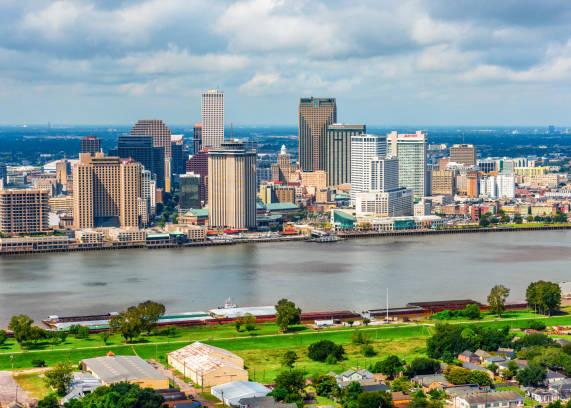
ancestors alive — through storytelling, faith, and food. Every lesson she passed down carried the fingerprints of those who came before her. Every pot of gumbo she stirred, every prayer she whispered, every porch conversation she shared was a continuation of what they began.
Even in their absence, my grandparents remain present — like spirits that never left the block, watching over each new generation with pride. They may have been
gone before I arrived, but I feel them every time the church bells ring, every time a trumpet cries, every time I walk down a street that holds more memory than pavement.
It’s because of them — and because of you, New Orleans — that I learned what resilience truly means.
Your past was never perfect, but it was purposeful. You survived yellow fever, fires, and floods. You witnessed desegregation and
defiance. You saw neighborhoods rise and fall and rise again. And through it all, your people held on to faith, food, and family. You held on to us — even when the world tried to write us off.
You are the mother of the impossible dream — where art, faith, and education converge. Xavier University, Dillard University, Southern University at New Orleans — born out of necessity and nurtured in faith — became beacons for Black excellence long
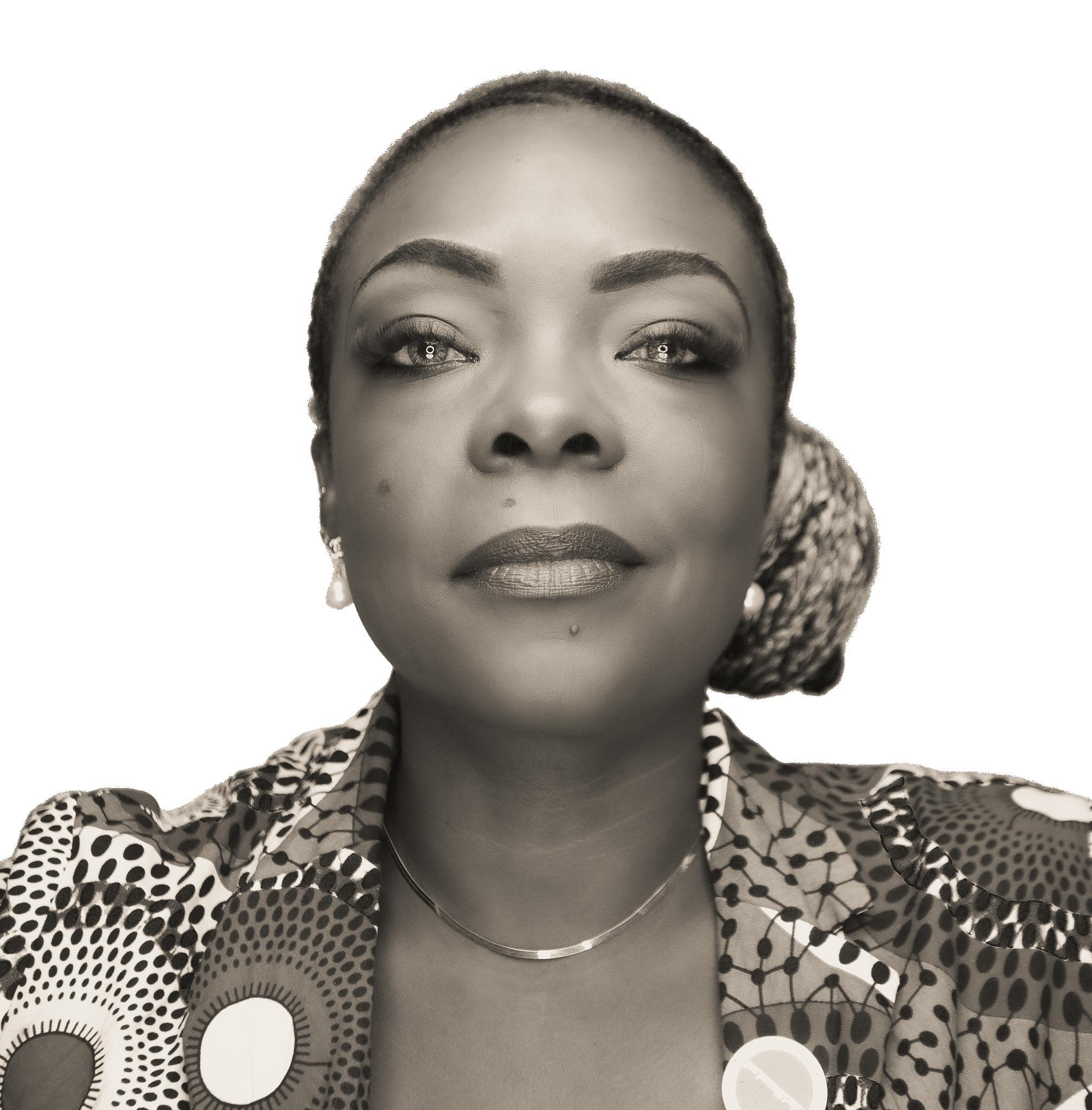
GOD-FEARING MOTHER ADVOCATE TRAILBLAZER
VISIONARY PURPOSE-DRIVEN TRANSFORMATIVE
ADVOCATE FOR JUSTICE AND EDUCATION
CHAMPION FOR WOMEN AND YOUTH A BUILDER OF BRIDGES NOT WALLS MENTOR MOTIVATOR
MOVER SERVANT LEADER GOD-FEARING MOTHER
the libran' CELEBRATING 46 YEARS


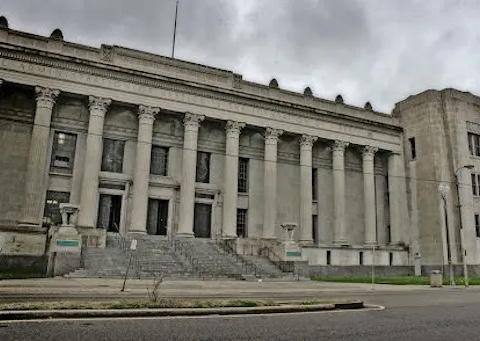
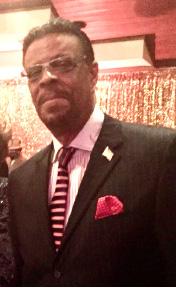
before it was fashionable to say the word “equity.”
You are the reason so many of us believe in redemption. Because every time you were brought to your knees, you found a way to stand taller.
YOUR NOW: THE RHYTHM OF RESILIENCE
Today, you are still that same heartbeat — steady, soulful, and strong. Your skyline might be changing, your schools evolving, your politics complex, but your spirit remains unmoved. You still find beauty in the struggle and purpose in the pain.
In classrooms across this city, children still hum the melodies of possibility. Teachers still show up before dawn, carrying not just lesson plans but hope. They see what this city has always known — that brilliance is evenly distributed, even when opportunity is not.
New Orleans, you are the sound of a trumpet echoing down Frenchmen Street. You are the smell of beignets at dawn and the rhythm of tambourines on a Sunday morning. You are the voice of a preacher declaring, “We’ve come
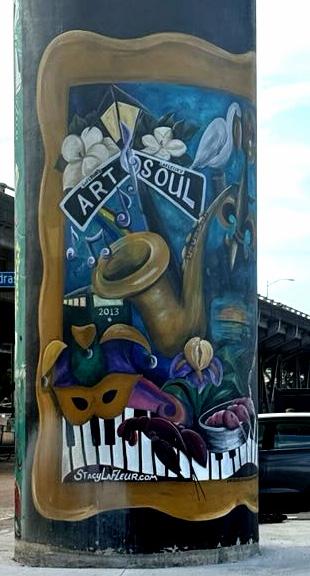
this far by faith,” and the laughter of children playing in the shadow of a mural that says, “We’re not done yet.”
But I also see your contradictions — the struggle of a public school system still searching for balance, the weight of inequity still pressing against progress, the families still displaced or disenfranchised. Yet even there, I find the essence of you — the fight, the faith, the refusal to let go.
You are a teacher of patience. You remind us that transformation is not instant. That rebuilding — whether after a storm or after systemic injustice — takes time, trust, and truth. You challenge us to keep working, to keep showing up, and to keep believing that the next generation will inherit something better than what we received.
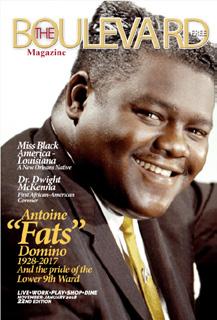
When I walk through your neighborhoods, I see both the pain and the promise. I see murals of our heroes — Chief Allison “Tootie” Montana, Fats Domino, Leah Chase, Mahalia Jackson — and living legends like Dr. Norman C. Francis and Chief Justice Bernette Joshua Johnson, whose leadership continues to guide us. Their lives are
proof that excellence is not an endpoint but a legacy in motion — and that service, when rooted in faith and love, can transform generations.
I see young entrepreneurs opening cafes where abandoned stores once stood. I see parents volunteering in schools that once struggled to find teachers. I see life — in every color, in every sound, in every soul.
You have a way of teaching without preaching. You show us that preservation and progress can coexist — that culture is not a museum artifact but a living, breathing inheritance. You remind us that our history is sacred, but our future is still ours to write.
YOUR FUTURE: THE SYMPHONY YET TO BE PLAYED
ew Orleans, your future depends on how we honor your past and engage your present. Your next verse will be written by the hands of your children — and it’s our job to make sure they have instruments, notebooks, and opportunities to compose it.
Imagine a New Orleans where every child has
access to a world-class education. Where schools are not just institutions but hubs of community pride and cultural preservation. Where our teachers are paid what they’re worth and our students are taught not just to pass tests, but to make history.
Imagine a city where we bridge policy and passion — where government, community, and the arts unite to shape a future that feels like home to everyone. A New Orleans where the same creativity that gave birth to jazz also inspires tech innovation, sustainable development, and equitable housing.
Your future is the young girl from Algiers who wants to be an engineer but also plays trumpet at her church. It’s the boy from the Lower Nine who’s coding apps between band practice and basketball games. It’s the teacher who refuses to give up on a student who reminds her of herself. It’s the mother working two jobs but still volunteering at the school fair. It’s the faith leader mentoring teenagers in a city that once mentored her. You are their classroom and their stage. And we, the adults who love you, must make sure the doors stay open,
the streets stay safe, and the dreams stay alive.
I see a New Orleans where schools and culture are not separate silos but sacred partners — where music, art, and language are integrated into the core of learning. Where Creole and French are not forgotten relics but revived treasures. Where storytelling is both tradition and curriculum.
I see a New Orleans where educators, civic leaders, and parents collaborate — not compete — to build sustainable systems of success. Where we reimagine what accountability looks like, not as punishment but as partnership.
And I see a New Orleans where young people learn from elders not only how to dance or cook or play an instrument, but how to lead, how to serve, and how to stay rooted while reaching higher.
Your future, New Orleans, will be written by hands that carry both memory and hope — and it is our sacred duty to prepare them for that task.
A LOVE THAT ENDURES
There’s something about you that never let’s go. No matter how far
people travel, they always find their way back to your embrace. You’re magnetic — pulling us in with your music, holding us close with your flavor, and reminding us of who we are with your faith.
You have known pain — from storms that washed away homes to systems that tried to wash away humanity. Yet, you never lost your soul. You never stopped believing in rebirth.
When Katrina came, you were wounded but not defeated. And when the levees broke, your people rebuilt — not just houses, but hope. You became a classroom for the world, teaching lessons about resilience that no textbook could hold.
Every time I drive past a rebuilt school, a reopened church, or a newly painted mural, I feel the pulse of your perseverance. Every trumpet solo, every second line, every pot of gumbo simmering on a stove says, “We still here.”
You are love in motion. You are proof that beauty can rise from brokenness. You are the testimony that even when the world forgets you, God never will.
THERE IS RESILIENCE IN YOU
At the Getting to Greatness Women’s Conference in October, a word was spoken that felt like it came straight from your soul: “There is resilience in you.” (1 Peter 5:10)
That’s you, New Orleans — resilient, radiant, and relentless. You’ve endured loss, yet you keep giving. You’ve been misunderstood, yet you keep teaching. You’ve been underestimated, yet you keep shining.
You are the heartbeat of possibility — and those who are born here, serve
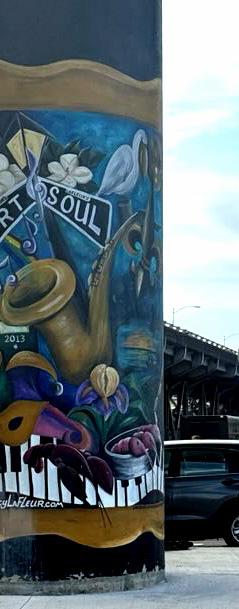
here, and love here carry a little piece of your rhythm wherever we go.
To the G2G Women who donated 216 books to NOLA Public Schools — you have added another verse to this ongoing love song. To every teacher, principal, and student — you are the lyric and the legacy. To those who invest, volunteer, and advocate — you are the bridge between yesterday and tomorrow.
I pray that as your people, we continue to honor your rhythm and guard your grace. That we never lose sight of who we are, and that we continue to love you
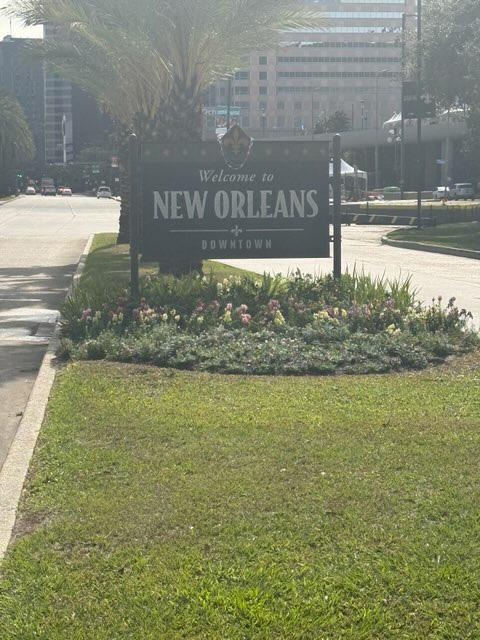
loudly — through service, through leadership, and through each other.
May your conference of destiny — your daily living — be successful and blessed. May all who visit you see not just your history, but your heart. And may they come back, again and again, to learn from your lessons of love, laughter, and light.
Because no matter where life takes us, there’s only one city that truly knows our song.
AND
THAT’S YOU
—
MY BELOVED NEW ORLEANS.
Forever and always,
KaTrina Chantelle Griffin
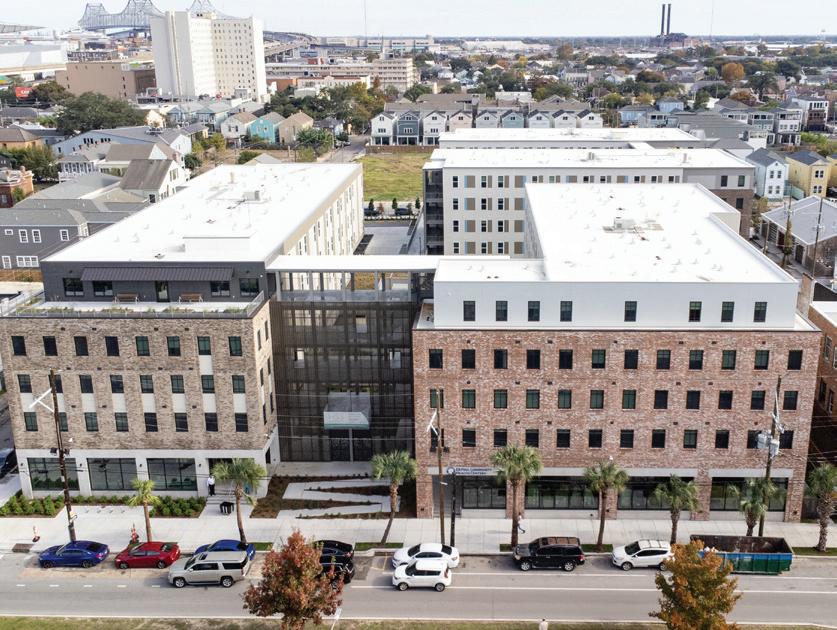
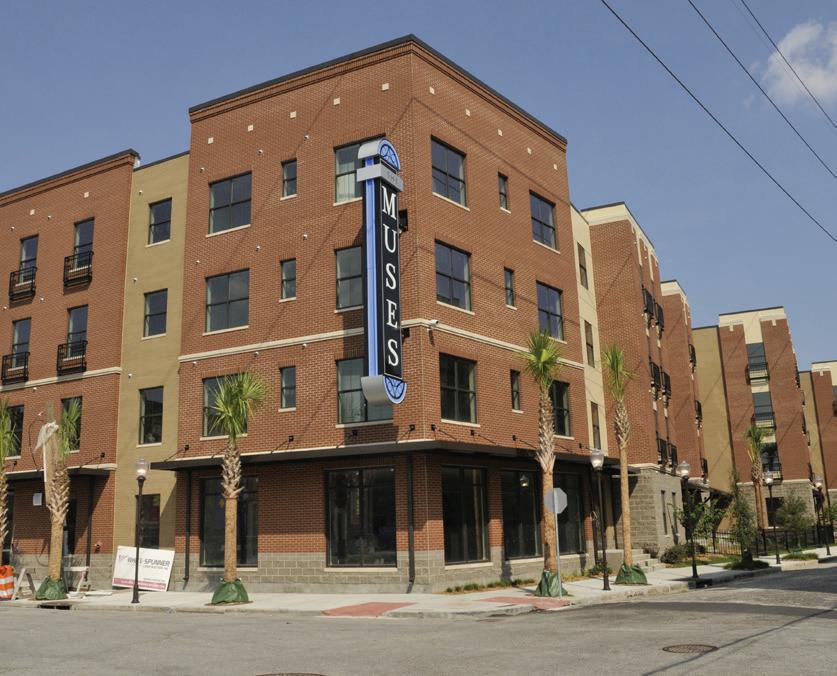
AFFORDABLE LIVING









NEW ORLEANS AT THE CROSSROADS
— AND NOW HOLDING THOSE WHO WON TO THEIR PROMISES
By: KaTrina Chantelle Griffin
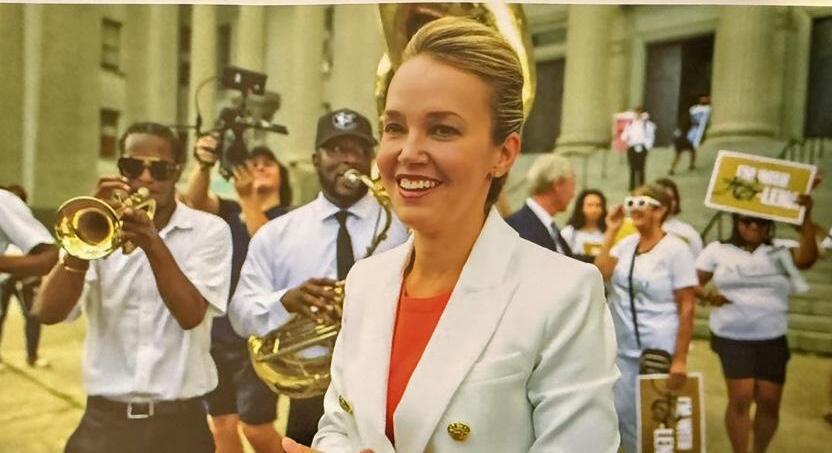
A NEW DIRECTION MEANS.... A CITY ACCOUNTABLE TO ITS PEOPLE
The 2025 municipal elections in New Orleans may be over, but the real work is just beginning. With a new mayor in place and many council and parish seats settled (or heading to runoff), the city now faces a choice: will elected officials fulfill their commitments — or let promises fade away? This is a call to action for
residents, neighborhood associations, and civic groups to stay vigilant, organized, and clear about how to measure success.
This guide outlines (1) what was promised, (2) what to watch in practical terms, and (3) how community groups can hold leaders accountable.
WHAT WAS PROMISED: CAMPAIGN COMMITMENTS THAT MATTER
Below is a summary of common themes and pledges from the 2025 campaigns (drawn from candidate platforms, questionnaires, and media coverage). It’s not exhaustive, but reflects
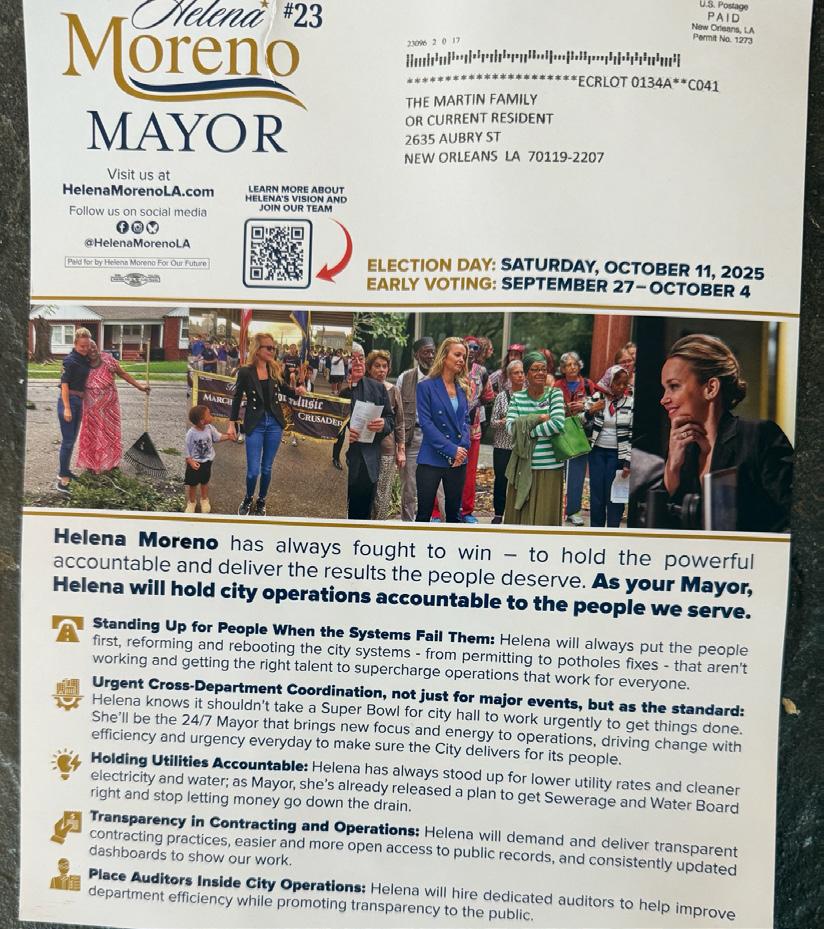
that repeatedly surfaced across districts and citywide races.
Because Helena Moreno secured over 50 percent of the vote in the October election, she avoided a runoff and will become the next mayor. But many council, clerk, or districtlevel contests may still go to runoffs, making accountability on those fronts equally critical.
FROM PROMISES TO PRACTICE: HOW CITIZENS CAN HOLD LEADERS ACCOUNTABLE
Having a list of campaign promises is useful—but powerless unless anchored in clear metrics and communal
oversight. Below is a roadmap for turning commitments into action.
1. TRANSLATE PROMISES INTO CLEAR BENCHMARKS & SCORECARDS
Neighborhood groups should help convert pledges into measurable goals. Example:
“Reduce average pothole repair to 14 days,” “Add 1,000 net new affordable units over 5 years,” “Publish departmental performance dashboard quarterly.”
Create a Public Promises Scorecard (paper, PDF, web) and distribute it (newsletters, social media, door-drops).
At regular intervals (quarterly or semiannual), update status and share progress openly (or lack thereof) with residents.
2. LEVERAGE EXISTING OVERSIGHT STRUCTURES
Use City Council meetings, audit boards, and public finance committees to ask direct questions, demand data, and push for accountability.
Attend—or watch online—budget or oversight sessions, especially when capital or departmental performance is under review.
File public records requests when necessary to get documents on contracts, performance reports, spending, or audits.
3. ORGANIZE COMMUNITY CHECKS & “EARLY ALERTS”
Ask each neighborhood association to designate a “watchdog liaison” who tracks resolved/ unresolved service requests (e.g. road repair, drainage, trash).
Maintain a shared map, spreadsheet, or online dashboard showing outstanding issues with status, date reported, and follow-up.
Promote technological or low-tech feedback channels (web forms, hotlines, bulletin boards) to crowdsource unresolved problems.
4. PUSH FOR PERFORMANCEBASED BUDGETING & CONTRACT ACCOUNTABILITY
Advocate that city programs or
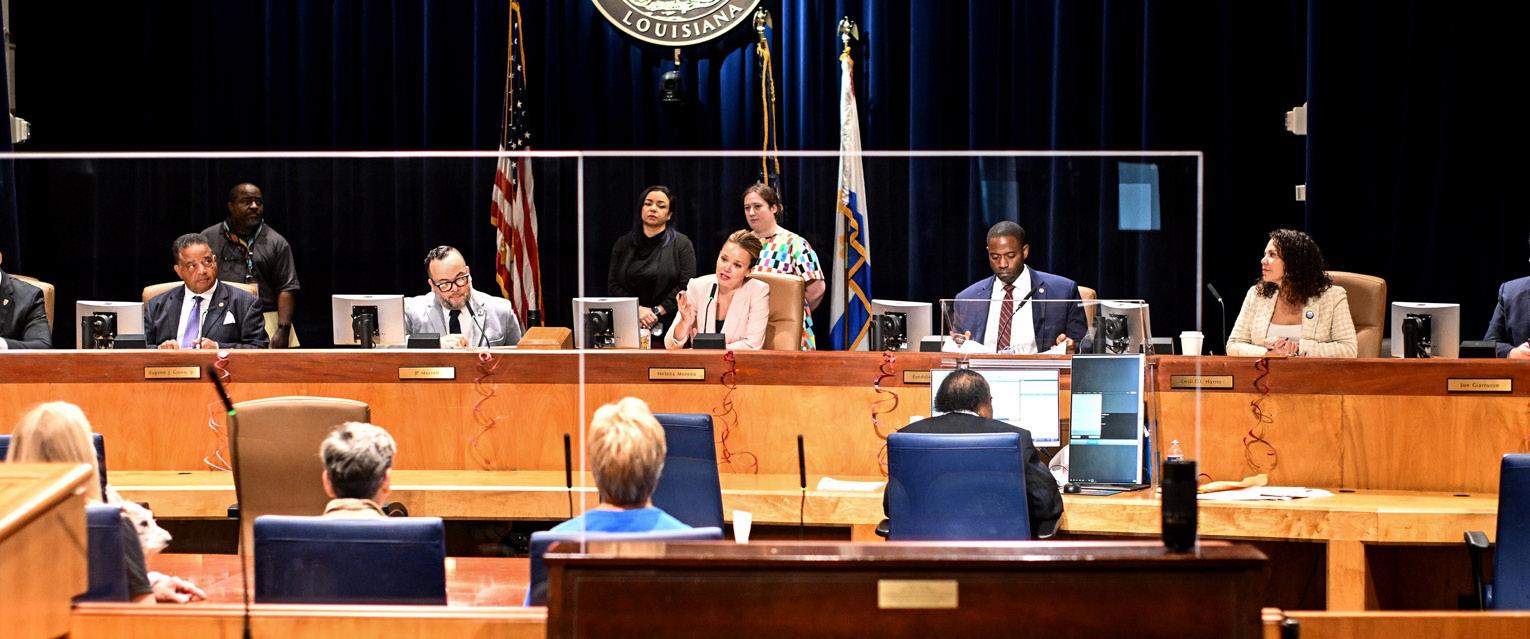
departments receive funding only if they meet pre-set, measurable benchmarks.
Encourage inclusion of penalties, claw backs, or performance clauses in city contracts and grants when goals are not met.
5. DEMAND EARLY & PUBLIC PROGRESS REPORTS
In the first 100 days, 200 days, and 1 year, call for public updates: which promises have moved, which haven’t, and what still needs action.
Use public comment periods, op-eds, local media coverage, and neighborhood newsletters to highlight stalled promises or lack of progress.
Organize joint statements or
letters from multiple civic groups to amplify pressure.
6. REINFORCE THROUGH FUTURE ELECTIONS & COMMUNITY MEMORY
At subsequent municipal, council, or runoff elections, use the scorecard as a reference for endorsements or candidate education.
Maintain narrative continuity: annual or midterm “State of the Neighborhood” reports, reminders via mail or social media that accountability is ongoing.
7. INSTITUTIONALIZE TRANSPARENCY & CIVIC CULTURE
Advocate for or support creation of independent
oversight bodies (e.g. auditor-general, ombudsman office) if not already present.
Push for opendata platforms that publish contracts, performance metrics, project timelines, audits, and budgets.
Offer civic education workshops so residents understand how city government functions and how to engage.
WHAT THIS MEANS IN THE NEW POLITICAL LANDSCAPE
Mayor Moreno steps in with a clear public mandate, especially on safety, infrastructure, and transparency. That raises expectations— and scrutiny.
Council seats (especially those heading to runoff
or tight districts) will likely shape policy direction. Residents in those districts should press their council members especially hard.
Charter amendments or newly passed charter changes may shift power balances; those must be carefully watched for unintended effects or delays.
Low voter turnout in runoff or special elections creates a risk of broken promises when accountability is lax. Civic organizations must mobilize voters and
maintain awareness.
These examples mirror campaign promises and show how you might track them locally:
HOW TO USE THIS ARTICLE AND TOOLKIT IN YOUR COMMUNITY?
Share this article in your neighborhood newsletter or social media with a link to the Promise Tracker / Scorecard toolkit.
Host a Promise CheckIn meeting using the sample metrics above—invite residents
to compare what was promised vs. what they’ve observed.
Assign liaisons or “promise watchers” in each block to report issues and escalate to council offices.
Use the first 100day update window as a “moment of accountability”—invite your mayoral and council offices to respond.
Keep updating and sharing the Scorecard quarterly to maintain pressure and visibility.
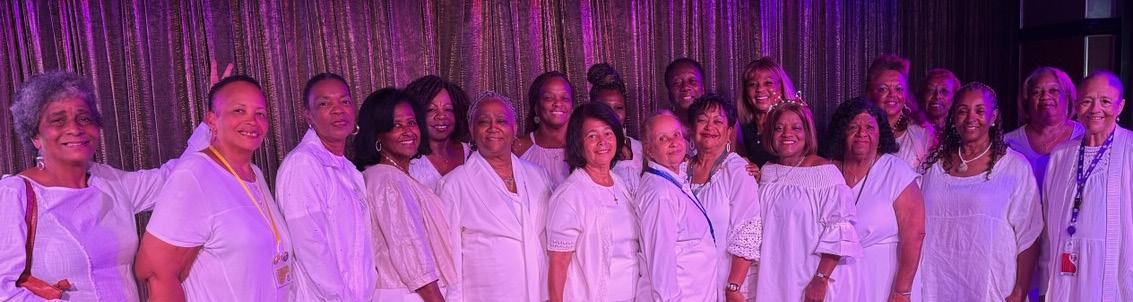
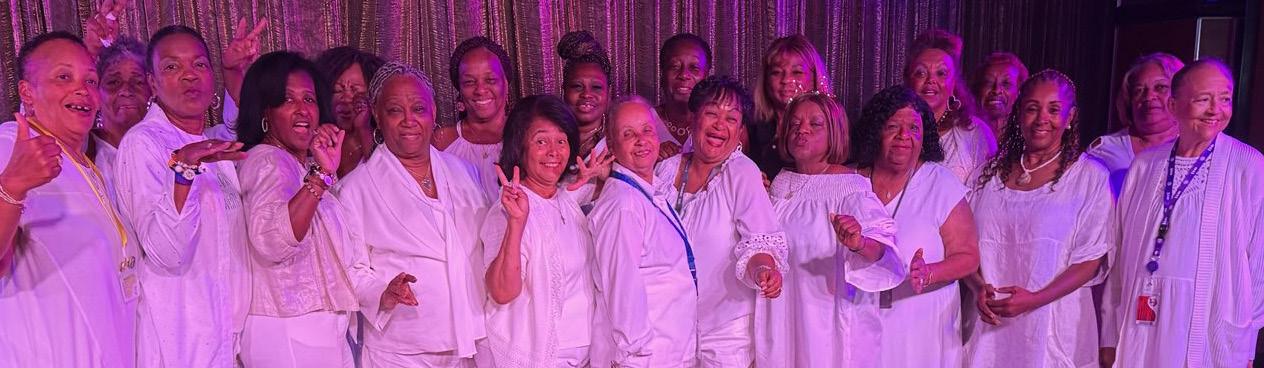
CONGRATULATIONS
50TH YEAR ANNIVERSARY
CLASS OF 1975
INSPIRED BY HIS WORD
by Laverne Woods Dunn
SCRIPTURE ENCOURAGES US TO REMEMBER WHAT GOD HAS DONE IN YOUR LIFE AND TALK ABOUT IT TO OUR CHILDREN AND OTHERS. I WILL EXALT YOU, MY GOD AND KING, AND PRAISE YOUR NAME FOREVER AND EVER. I WILL PRAISE YOU EVERY DAY; YES I WILL PRAISE YOU FOREVER. GREAT IS THE LORD! HE IS MOST WORTHY OF PRAISE! NO ONE CAN MEASURE HIS GREATNESS. LET EACH GENERATION TELL ITS CHILDREN OF YOUR MIGHTLY ACTS; LET THEM PROVLAIM YOUR POWER. I WILL MEDITATE ON YOUR MAJESTIC, GLORIOUS SPLENDOR AND YOUR WONDERFUL MIRACLES.
PSALMS 145:1-5 NLT

8
THE BOULEVARD BUSINESS DIRECTORY
Fresh Food Assasin
1900 N Claiborne Ave, New Orleans, LA 70116
504.224.2628
Asante Foundation
2635 Aubry St.
New Orleans, LA 70119
504.416.9699
Ashe’ Cultural Arts Center
1712/1724 O.C. Haley Blvd.
New Orleans, LA 70113
504.569.9070
Beaucoup Eats
2323 Canal St, New Orleans, LA 70119
504.603.4888
Beep-Me
Plumbing, Heating & A/C
419 S Salcedo St #2, New Orleans, LA 70119
Ben Council
Attorney at Law
419 S Salcedo St #2, New Orleans, LA 70119
Bright Moments
2249 C Oretha Castle Haley Blvd. New Orleans, LA 70113
504.592.1800
Cafe’ Reconcile 1631 O. C. Haley Blvd.
New Orleans, LA 70113
504.568.1157
Carney Auto Title & So. Security School Inc. 2518 Tulane Avenue
New Orleans, LA 70119
504-352-6038
Central City Economic Opportunity Corporation
2020 Jackson Ave
New Orleans, LA 70113
504.524.3484
Central City Senior Program
2010 Phillip Street
New Orleans, LA 70113
504.524.3484 ext.116
Charles F. Webb
6600 Plaza Dr. #210 New Orleans, La 70127
504.242.1781
Cresent City Pharmacy
2240 Simon Bolivar Ave. Ste A
New Orleans, LA 70113
504.267.4100
Community Connection Programs, Inc.
1332 O. C. Haley Blvd.
New Orleans, LA 70113
504.522.4304
Connect 2 Black 2635 Aubry St.
New Orleans, LA 70119
504.416.9699
Dryades YMCA
2220 Oretha Castle Haley Blvd.
New Orleans, LA 70113
504.299.4310
FFLIC
1307 Oretha Castle Haley Blvd. New Orleans, LA 70113
504.708.8376
Franklin Avenue
Baptist Church
7 O’Clock Dental
2101 So. Claiborne Ave, Ste F
New Orleans, LA 70113
504.309.3077
Good Work Network
2024 O. C. Haley Blvd.
New Orleans, LA 70113
504.309.2073
Good Look Creative goodlookcreative.com
504.383.4426
Gulf Coast Housing Partnership
1610-A O. C. Haley Blvd. New Orleans, LA 70113
504.525.2505
HOPE Community Credit Union
1726 O.C. Haley Blvd. New Orleans, LA 70113
504.585.2858
Hot Spot Barber and Beauty Salon 1416 Simon Bolivar Ave. New Orleans, LA 70113
504.581.9633
Juvenile Justice Project of LA
2018 O. C. Haley Blvd. New Orleans, LA 70113
504.522.5437
Liberty Bank 6600 Plaza Drive
New Orleans, LA 70127
800-883-3943
Mackie One Construction MackieOneConstruction.com
504.821.1530
Majestic Mortuary Services
1833 Oretha Castle Haley Blvd. New Orleans, LA 70113
504.523.5872
Natural Sisters Lock Alliance 11020 Roger Dr
New Orleans, LA 70127
504.344.8360
New Orleans Driving School 2518 Tulane Avenue New Orleans, LA 70119
504-821-5334
New Orleans Jazz Orchestra/Jazz Market 1436 Oretha Castle Haley, Blvd. New Orleans, LA 70113
504.301.9006
NOLA.Tv
2635 Aubry St. New Orleans, LA 70119
504.416.9699
O.C. Haley Blvd. Merchants & Business Association
1712 O.C. Haley Blvd, Unit 302 New Orleans, LA 70113
504.528.1806
Piety & Desire Chocolate
2727 S. Broad Street New Orleans, LA 70125
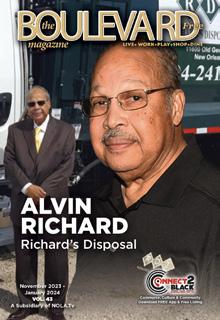
Richard Disposal Inc. 11600 Old Gentilly Road New Orleans, LA 70129
504.241.2142
Smiley’s Grill
New Orleans 3716 Downman Rd, New Orleans, LA 70126
504. 248.7270
Swanson & Associates, Inc
5301 Elysian Fields Avenue New Orleans, LA 70122
504.821.0303
Up&Adam Eatz
3903 Canal St, New Orleans, LA 70119
504.708.7237
Vyoone’s Restaurant
412 Girod St. New Orleans, LA 70130
504.518.6007