

Editor-in-Chief
Callie Harkins
Executive Editor
NICHOLAS CHAMBERS & ONNOLEE SLATEN Staff Writers
As the March 14 deadline for the University of Mary Washington’s housing portal quickly approaches, concerns are mounting over a possible increase in tuition and fees that can throw a wrench in the residency decisions of new and returning students.
Associate Editors
Emma Kingkeo
Grace Wagner
Thomas Jackson
News Editor Ky Huynh
Meaghan Van Dyke
Opinion Editor
Ella Cordle
Life Editor Chloe McCann
Sports Editor
Enya Cea-Lavin
Online Editor Sophia Tompkins
weeklyringer.executive@gmail.com
Early this month, on Feb. 10, students, faculty and staff received an email informing the UMW community of a possible tuition increase for the 2026-2027 fiscal year. According to the email sent by Executive Director of University Communications Amy Jessee, students could face up to a 4% increase in tuition and 5% increase in auxiliary fees.
weeklyringer.online@gmail.com weeklyringer.sports@gmail.com weeklyringer.life@gmail.com weeklyringer.opinion@gmail.com weeklyringer.news@gmail.com weeklyringer.associate@gmail.com
Photography Editors Anna Goodman
Violet Ayers
weeklyringer.photos@gmail.com
Copy Editor
Kyra Donlon weeklyringer.copy@gmail.com
Faculty Advisor
Sushma Subramanian
weeklyringer.eic@gmail.com ssubrama@umw.edu
Corrections
Please report any corrections to Callie Harkins at weeklyringer.eic@gmail.com or Sushma Subramanian at ssubrama@umw.edu
Advertisement
Please direct all advertising inquiries to Callie Harkins at weeklyringer.eic@gmail.com
Bell tower logo designed by Bernadette D’Auria ‘22
In a recent public notice to the campus community, UMW outlined that at the time of the notice, a state budget for the next fiscal year had not been adopted.
“I think it’s extremely unfair to up the prices for future residents,” said Luke Smith, a sophomore business major. “I’m currently weighing my options even more now between an off-campus house and Eagle Landing.”
For students already concerned about institutional costs, the potential for tuition and auxiliary fee increases adds another layer to the financial picture.
“It has tempted me to look elsewhere for housing next year,” said Smith
Considering Mary Washington’s fall 2026 semester starts on Aug. 24, current students who want to lock in a stable housing situation on or around campus before the UMW housing portal closes will have to commit to payment seven months in advance.
“I wish the housing deadline was later in the semester, that way I could actively leverage the market and not risk forgoing UMW’s housing, for a huge question mark down the line,” said sophomore business major Colin Mitchell.
For students opting to forgo on-campus housing may risk losing financial aid opportunities. In some cases, moving off campus may result in less aid.
“I believe students have the right to an affordable education, pushing the onus and addressing inflation onto students is self-destruction.”
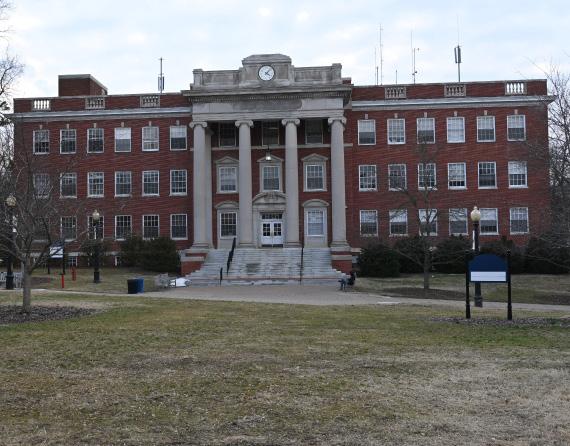
On Feb. 19, the Board of Visitors held a public commentary period in regards to the proposed tuition and auxiliary fees increase for the 2026 fall semester in the Jepson Alumni Executive Center Rappahannock Ballroom.
While only four people signed up to speak before the Board, all four speakers were generally against the tuition raise.
Physics and astronomy professor and parent of a UMW senior, Matthew Fleenor, argued against the “status quo mindset” that raising tuition is a necessary expense.
He questions the idea that tuition increases are inevitable and necessary to run a college into question.
“Let me ask who determines what’s possible. Berea College decided 135 years ago that none of their students would ever pay tuition, and it has been that way ever since,” Fleenor said.
He clarified that his argument was not for an extreme overhaul, but for a more balanced and creative approach to easing financial burdens.
“We’re not even talking about tuition-free, but merely reducing the cost of tuition through other ways,” Fleenor said. “Models of product and consumer are not fitting for UMW undergraduate education, pitting the Commonwealth against the students or tu-
ition raises against faculty wages will also not suffice. One part of the body cannot be starved to feed another.”
Keely Butler, a junior political science major and Young Democratic Socialists of America UMW Chapter co-chair, and Shane Maguire, YDSA secretary and sophomore philosophy: pre-law major, spoke alongside faculty presenters to voice their perspectives.
During Butler’s speech, she points to UMW’s promise of affordability as a primary factor for student enrollment and retention.
“Affordability is what makes UMW stand out,” she said.
Butler said she recognized that the things that make UMW unique can also make it more difficult to keep the University running. Despite that, she believes that the financial burden should not fall on students to bear.
“I believe students have the right to an affordable education, pushing the onus and addressing inflation onto students is self-destruction,” Butler said. “This beautiful community made of students who otherwise wouldn’t be able to afford the higher education which you have cultivated will disappear.”
Butler continues to propose several alternative methods of making up the budgeting discrepancies.
“Sustainable development is the only way forward,” she said. “There are grants and green bonds available to finance environmental projects and a thriving city in our backyard, full of partnership opportunities.”
She ended her plea to the Board by citing the first letter in the ASPIRE values: Accountability.
“So be accountable, and invest in sustainable infrastructure today,” Butler said.
As a first-generation college student, cost was one of Maguire’s biggest priorities when picking a college. He skipped class to voice his concerns and criticized the Board’s decision to host open discussion during a period when most students and faculty are in class.
“I can say this is the case for many other first-generation students, we look at precisely one number when we are determining where we are getting our education,” Maguire said.
Maguire also called the Board’s attention to the current financial situation of lower-income students.
“I have heard students say that they’ve had to choose between having clean laundry and getting groceries,” he said. “I think we ought to consider that we already have an overburdened student body and an increasing number of first-gen college students.”
He also proposed that UMW lower its acceptance rate, instead of placing more of the burden on students who are already admitted under the pretense of the lower cost.
The Board of Visitors is scheduled to vote on the possible increase on April 17.
February 27, 2026
NICHOLAS CHAMBERS Staff Writer
Overall, there are many benefits to living in the Eagle Landing Apartments—one of the UMW’s premier living spaces for upperclassmen and graduate students, made up of two five-story buildings housing up to 624 total students each semester. You get the feeling of being off-campus while still having easy access to everything via the UMW pedestrian bridge that connects the main campus to Eagle Village. As well as proximity to the resident parking garage and a fully furnished apartment with a kitchen, which is a major upgrade from dorm living.
The living arrangement is mostly great. However, a glaring problem with the student experience in Eagle Landing lies in the kitchen ventilation.
“I can smell when my floormates on the north side burn their food,” said Luke Smith, a sophomore business administration major and Eagle Landing south side resident.
He continued, “I can’t really blame them. My roommates and I experience some of the same challenges in our room, and we don’t even burn our food. The smell after cooking can last for days.”
Currently, the only source of air ventilation in the Eagle Landing kitchens is a built-in unit located under the microwave.
“We’ve tried everything,” said sophomore Collin Clarkson. “We keep multiple air purifiers in the living room, just for the purpose of breaking up the smoke. We’ve cooked with every window opened in our apartment, and we’ve still set off the fire alarm multiple times.”
“Compact, clean and authorized in the UMW Student Handbook for apartment living, the modernday air fryer addresses ventilation issues in a relatively inexpensive and noninvasive manner.”
- Nicholas Chambers
Stories like this make you question the overall fire safety in a five-story building with 156 full-sized kitchen spaces within its walls.
“I find the constant fire alarms to be very annoying,” said sophomore pre-med major Samantha Farmer. “I’m always wondering if there is actually a fire in the building and if I should be evacuating for my own safety.”
When a problem becomes so pervasive that it creates near campus-wide consensus, the solution doesn’t need to be overly complicated. For students navigating Eagle Landing’s ventilation woes, the solution may be a compact but mighty kitchen compliance already permitted in resident spaces.
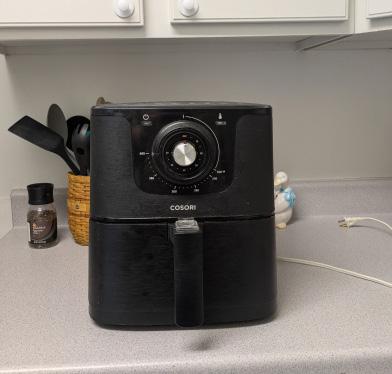
Compact, clean and authorized in the UMW Student Handbook for apartment living, the modern-day air fryer addresses ventilation issues in a relatively inexpensive and noninvasive manner. By circulating heat internally within an enclosed system, it significantly reduces smoke and odor emissions compared to traditional open flame cooking. Unlike stovetops, which release heat, grease particles and lingering smells directly into living spaces, air fryers contain most byproducts of cooking within the appliance itself.
I was first introduced to the revolutionary air fryer by my roommate, sophomore business administration major Colin Mitchell, who swore by its functionality.
“It’s a game changer for me,” he said. “I have celiac disease, which gives me intestinal issues when I eat gluten.

Cooking in a shared space like an oven is always dangerous with my condition.”
Mitchell continued, “The air fryer is so easy to use that I cook everything in it. The food comes out crispier, and the experience gives me peace of mind, knowing I won’t get sick from cross-contamination.”
Beyond ventilation, air fryers also present a lower overall safety risk compared to conventional ovens. Individuals are less likely to burn themselves transitioning foods in and out of a small drawer compared to sticking their arm into a large oven. Not to mention, most air fryer models have an automatic shut-off button to combat overheating, something that complies with the main constraint against many household kitchen ovens today.
College is a place where many young adults are experimenting with their talents in the kitchen, on tight schedules. The air fryer is a system that chops the preheating process in half and allows for a “set-it and forget-it” convenience for student efficiency. Certain models incorporate check reminders, to shake and flip foods, and some even have preset meat settings that provide the perfect cook durations for crispy cuisine. You can also say goodbye to managing hot oils as air-fried dishes produce healthier alternatives to cooking, without the grease or grime.
“The air fryer is so easy to use that I cook everything in it.”
- Colin Mitchell
Modern air fryers are compact enough to fit comfortably on a kitchen counter, large enough for most student meals and small enough for easy storage. Prices are student-friendly, ranging between $50 to $120, and most models feature dishwasher-safe trays and baskets that make cleanup hassle-free. They come in all shapes, sizes and even colors to fit your kitchen countertops, cabinets and aesthetics.
As students continue to adapt to apartment-style living at Mary Washington, the shift towards smart appliances feels less like a trend and more like a practical evolution.
Air fryers are by far the best way to reclaim your cooking experience at a university, and they will only become more popular as technology innovates and large kitchen designs become less popular over the next 15 years. The answer is clear: we just need to realize it. Sometimes the fix for a widespread problem isn’t a costly renovation, but a simple investment. For Mary Washington’s Eagle Landing residents, that resolution might just start with plugging in an air fryer.

AVA NJORE Staff Writer
February is not only a month for love and chocolates; it is also Black History Month—a time to celebrate African American and Black culture—yet here at Mary Washington, that celebration can feel either overlooked or suddenly over-marketed.
As a Black woman at UMW, there has always been a mix of praise and underappreciation; in classes where I can count the Black students on one hand. I’m constantly balancing invisibility with hyper-visibility.
During Black History Month, those feelings only intensify. I appreciate the food, events and posters, but the sudden burst of attention—decorations, reposts and temporary energy and enthusiasm can feel like emotional whiplash.

The energy is not matched year-round, and that inner tension I had only grew larger over my time here, shaping how I understood my identity on this campus.
In my freshman year, I noticed the campus felt diverse, but the number of Black students still felt small. My friend group was all white, and even though I wasn’t insecure about that, being the only Black girl still made me feel different, like I had something to prove, even if I never said it out loud.
As fall ended and spring began, I looked forward to my first Black History Month at UMW. I wanted to see what the school had to offer, and even though I expected more, I wasn’t sure what that “more” even meant—that was the frustrating part; there was no one to blame.
Eventually, I realized that UMW doesn’t ignore Black students; it remembers us in bursts, mostly in February. Maybe I wanted too much. Then I’d remind myself: this is my college experience, and I’m allowed to make it mine.

By sophomore year, I expected to want more, and I did. I wanted UMW to actually engage with Black History Month, not just put up posters because it was required. I was craving something deeper. I had to accept that the community I was looking for wasn’t going to come from university-run events—it was going to come from the students.
In my sophomore year, I began making more friends of color and Black friends through a club I joined, the African Student Union. Going around the table and hearing everyone share their name and country made me finally feel so seen and included. The smiles looking back at me, wanting to hear more about Kenya and my life there, gave me a new sense of community and confidence.
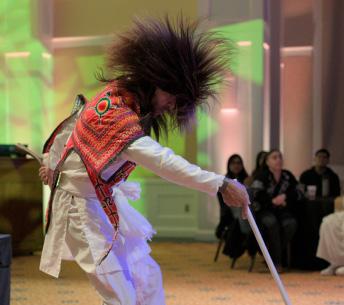
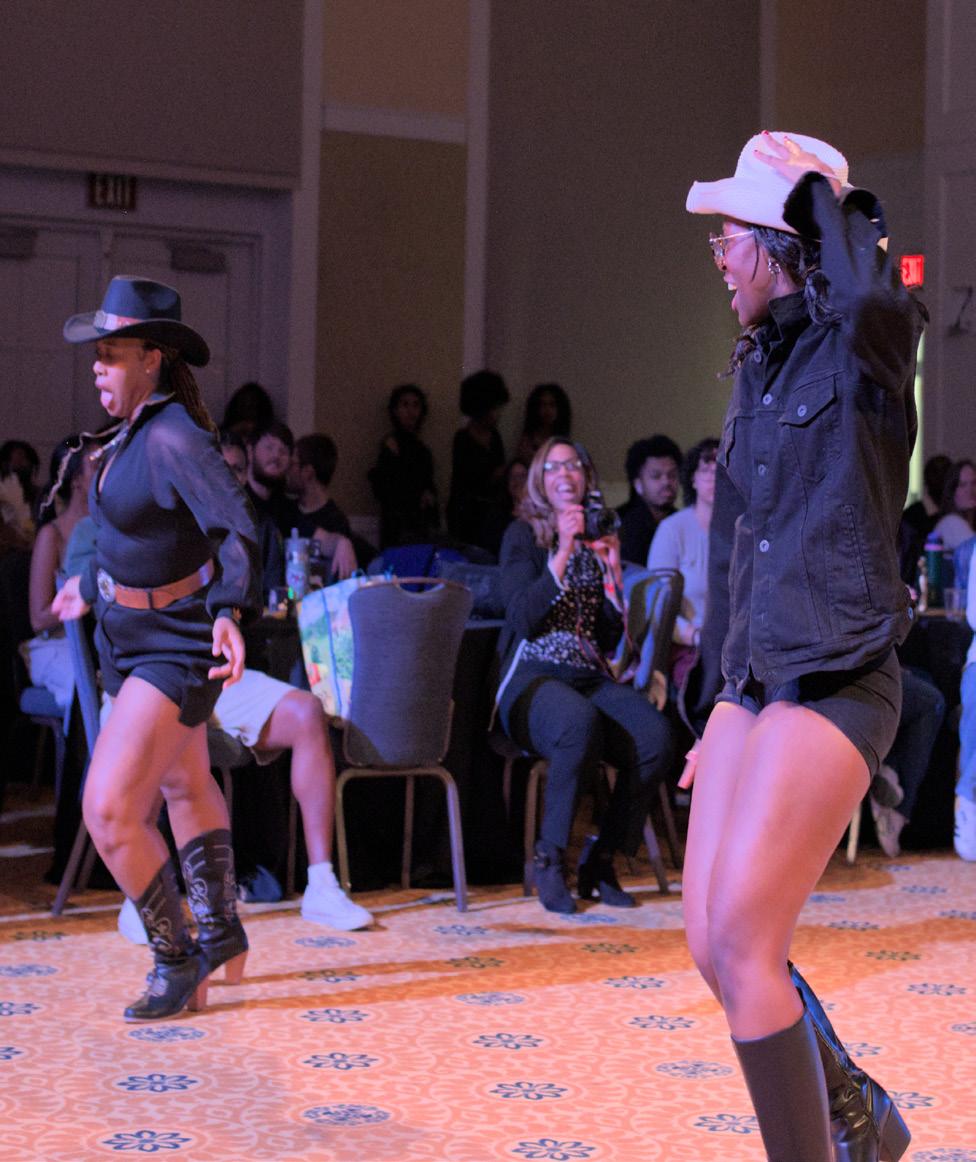
After joining, I learned about “Colors of Africa” from ASU’s executive board—a student-led Black History Month event that feels like the heart of our Black community on campus.
Created by Black students, for Black students, the event grounded me and helped me feel more confident at a predominantly white institution. There are sections where club members can join and take part in the event. I always choose to take part by performing.
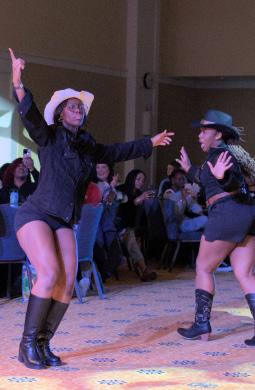
Wearing our cultural clothing and strutting down a runway has been a highlight of my tenure at UMW. My group dance performance at the event is where I am able to fully showcase my creativity. Three-hour rehearsals every week, costuming, creating a storyline; everything that goes into the dance is thought out thoroughly.
Every year, our ideas for the group dance blend into one vision, everything falling into place like a hive mind. This year, my performance group created a “Sinners” inspired piece about unity, musical spirits and honoring Black artists and movements from decades past. The piece was really well-received, and the crowd’s energy gave us dancers the confidence to leave everything on
floor.
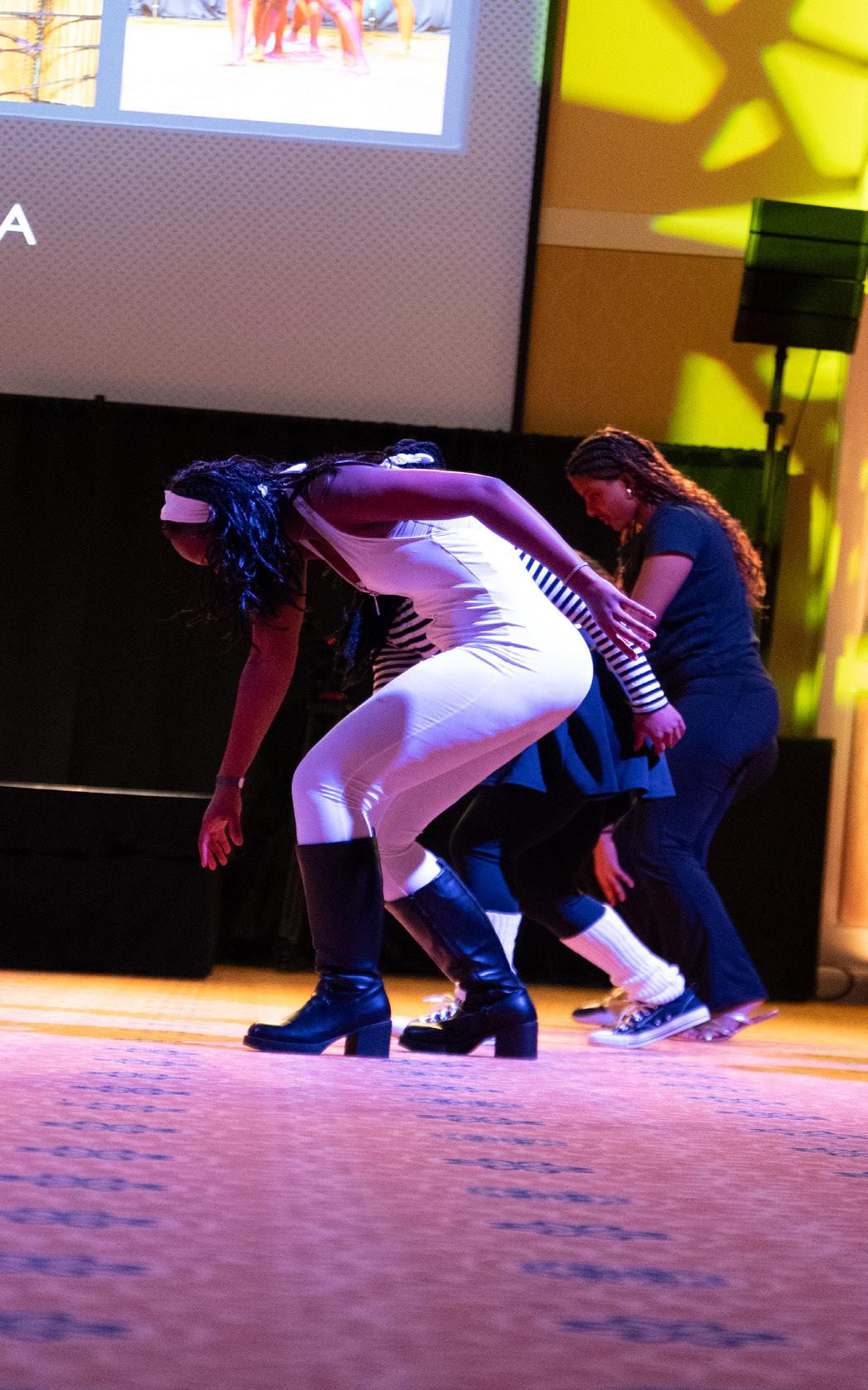
Every year, our ideas for the group dance blend into one vision, everything falling into place like a hive mind. This year, my performance group created a “Sinners” inspired piece about unity, musical spirits and honoring Black artists and movements from decades past. The piece was really well-received, and the crowd’s energy gave us dancers the confidence to leave everything on the floor.
For someone used to fast-paced schedules, being part of this process let me create something meaningful and leave my own mark on UMW, something I’d never felt before as a freshman.
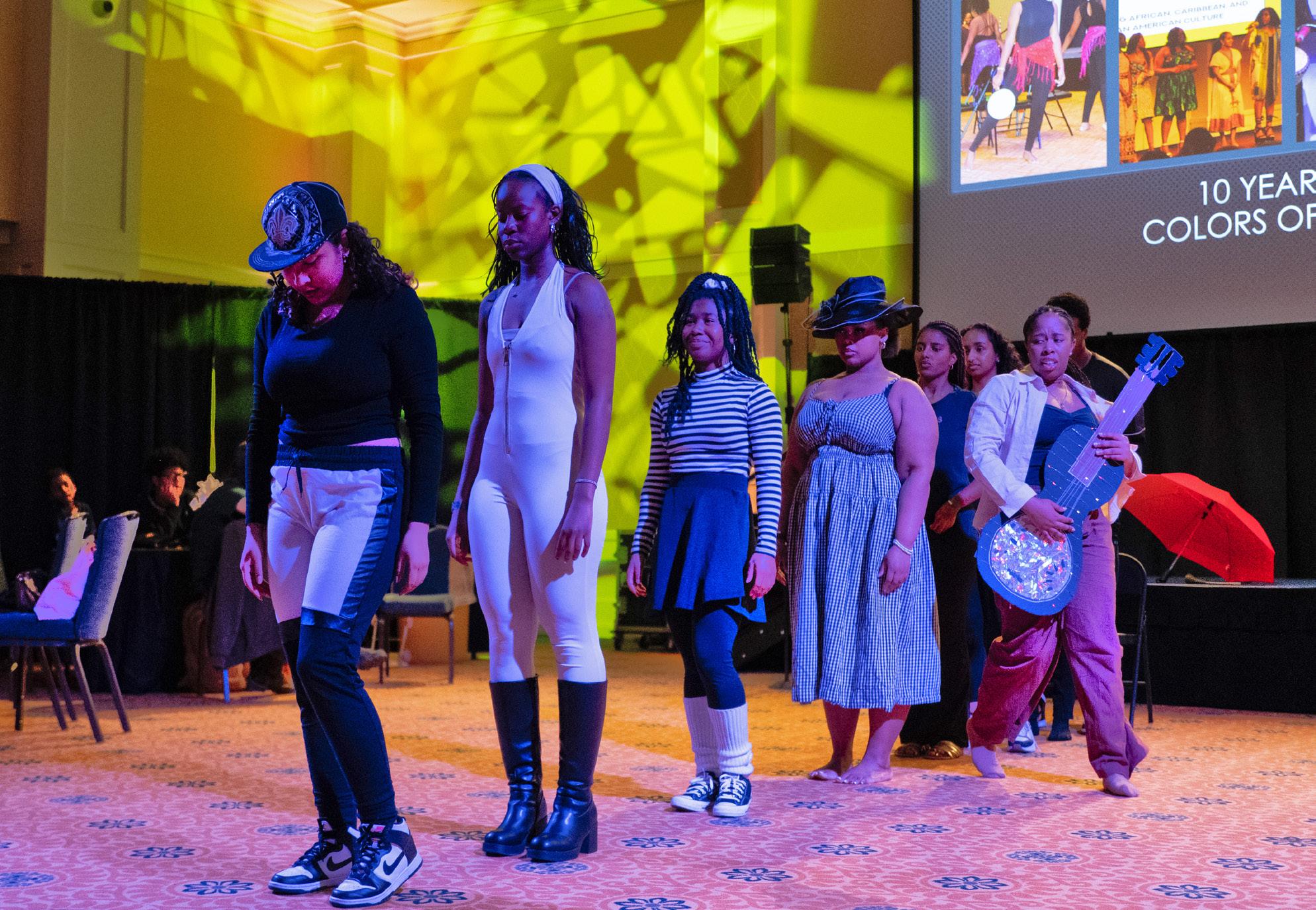
ASU club meetings, the laughter, the games, “Colors of Africa”—they’re the reason Black History Month at UMW is finally meaningful to me.
I feel seen, not just during performances, but long after, because of the friendships I’ve made, the faculty I can lean on and the unspoken understanding between Black students. Together, they’ve given me a real sense of identity and purpose.
What I want for the future at UMW isn’t just for me, it’s for the incoming Black girls who will arrive here hoping to see themselves reflected on this campus. I want to see “Colors of Africa” grow bigger every year, and I want the university to uplift it with the same energy it gives to everything else.
We deserve to be seen and heard openly during this month, not just through reposts, but through real visibility: Students and professors taking part in the events, either joining themselves, or simply attending and actively participating.
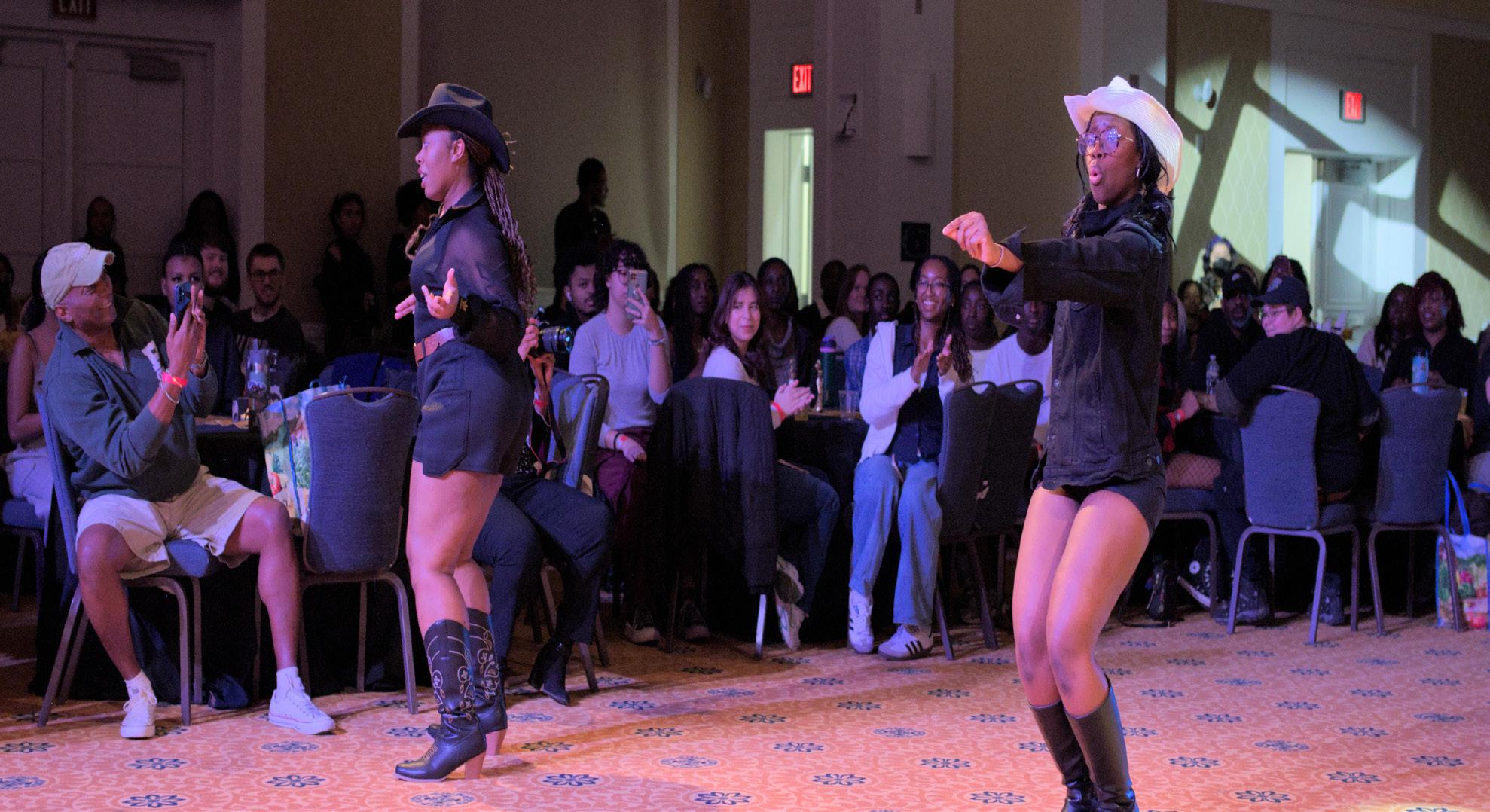
My expectations for the university to do more were valid, but I’ve learned that belonging often comes from places you don’t expect. Sometimes it was venting to my African friends in Panera, or laughing through Afrobeats trivia at ASU meetings.
I’ve learned that identity isn’t shaped by a month; it’s shaped by the everyday joy, connection and culture we Black students create for ourselves.

IZZY SCHEFERMANN Staff Writer
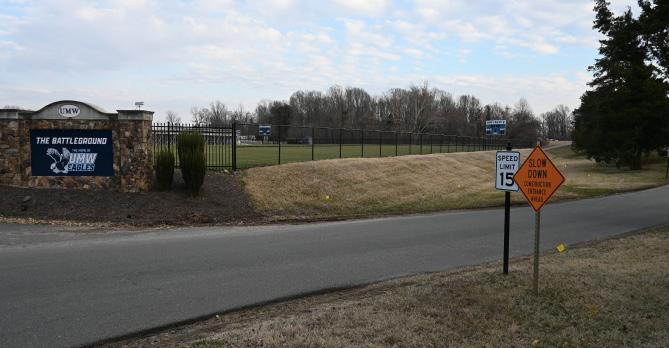
As construction progresses on the new locker rooms at the Battleground Athletic Complex, athletes, parents and alumni continue to question why the rugby and track and field teams are the only two athletic programs not included in the plans.
The facility, expected to open in August 2026, is slated to serve teams including soccer, lacrosse, field hockey, baseball and softball.
However, according to athletes and early planning information reviewed by The Weekly Ringer, neither track and field nor rugby will have explicit designated access to the new space.
The project was first announced during a groundbreaking ceremony in October 2025, where UMW Athletics celebrated what it described as a “highly anticipated multimillion-dollar modular locker room facility.”
Director of Athletics Patrick Catullo emphasized that the new locker rooms would provide “dedicated spaces for seven NCAA field sports,” noting benefits for recruitment, retention and the overall student-athlete experience on campus.
The initial announcement noted that the facilities would serve nearly half of UMW’s student-athletes, but did not mention track and field or rugby.
Catullo said the exclusion reflects the project’s phased design.
“Locker rooms at the Battleground have been part of the facilities plan since 2014,” said Catullo. “The first phase was always intended to serve NCAA field team sports.
Unfortunately, the project was delayed over the years for various reasons. Once this phase is complete, the next phase will focus on creating space for the Track and Rugby teams, and planning for that has already begun.”
For many connected to the programs, the news has been disappointing.
“Our team is often overlooked despite the size of our roster and the amount of time and commitment we put into our team,” said junior track athlete and international affairs major Eyaya Fletcher. “This lack of proper facilities reinforces the feeling that track and field is not prioritized.”
Sophomore CJ Hulleman, a physics and math double major and track athlete, said the team practices year-round and would benefit significantly from access to lock-
er rooms, particularly during inclement weather, allowing athletes to warm up indoors and recover after practice instead of leaving immediately.
“The decision does feel like we’re not a top priority, especially since we would use those locker rooms very heavily,” Hulleman said. “We’re in season the entire school year and practice at the track every week, no matter the time of year.”
The men’s and women’s track and rugby teams, which compete in nationally recognized collegiate leagues, currently operate without dedicated locker rooms. Players say they often arrive already dressed in their rugby kit and change on the field before and after practice.
“We train through every season, but when it’s cold and muddy, we’re left stripping off wet kits in the open,” said junior biomedical sciences major and women’s rugby player Asia Monaè. “It’s uncomfortable, exhausting and honestly frustrating.”
Other rugby players expressed similar concerns.
“It feels like we’re being overlooked,” said sophomore business administration major and men’s rugby player Rhys Jones. “We represent UMW at a high level, but we don’t have the same basic resources other teams get.”
The conversation intensified on Jan. 22 after UMW Athletics posted a photo on Instagram showing the construction site and encouraging followers to donate money for the chance to name a locker.
Instead of generating enthusiasm, the post drew a wave of comments questioning the exclusion of certain teams.
“What about the XC/TF teams? They’re in season all year, they should have locker room space like every other sport listed here,” wrote one parent under the post.
Another commenter simply asked, “So where’s rugby?”
The comment came from the official account of Zip Rugby, a rugby merchandising company based in the United States, and founded by Max McCuscker, the company’s current CFO and a UMW student.
McCuscker said he spoke up because the Instagram post was the first time he learned rugby would not be included in the new facility.
“I think the school introducing locker rooms is a great step forward for well-earned student-athletes. But I feel some varsity teams are not being treated equally,” said McCuscker.
MEAGHAN VAN DYKE News Editor
UMW Athletics did not respond to a request for comment about why the two programs were excluded from Phase I.
The captain of the women’s rugby team, senior psychology major Nyah Speicher, said she first heard about the locker room project as a freshman, but details were scarce.
“My impression was that many athletes figured they would be general-use locker rooms for any of the teams competing at the Battleground,” she said.
Speicher added that the team was surprised to learn rugby was not included.
“The rugby pitch sits at the heart of the Battleground Athletic Complex, so it was a surprise,” she said. “We didn’t expect that an exciting facility like this would only be available to a portion of the athletics program.”
She also said the decision may not affect retention but could influence recruitment.
“Many of the schools in our conference are bigger universities with more resources,” she said. “Having a great locker room facility would help us stay competitive.”
Catullo said UMW is currently renovating the Stone House at Hanover and William Street to create space for track and both rugby teams. He added that several additional projects are planned in the coming years and that the department “will continue to evaluate our needs.”
Some athletes speculate that space limitations or funding priorities may have influenced the decision. Others worry the move reflects a broader pattern of underinvestment in larger-roster or non-NCAA teams.
For track and field athletes, the exclusion feels especially discouraging given the team’s recent success, including new
There has been no crime reported since The Weekly Ringer’s last publication on Feb. 20.
university records and national-level qualifiers.
Rugby players note that their teams consistently compete in regional and national tournaments, helping elevate UMW’s athletic reputation.
Women’s rugby player and sophomore finance major Jo Lent recently went to a national all-stars tournament representing UMW in one of the highest forms of college rugby and expressed her disappointment with the school’s failure to recognize rugby when proceeding with these lockerooms.
“When you’re competing at national tournaments, you see how seriously other schools invest in their rugby programs,” said Lent. “We’re out there representing UMW on some of the biggest stages in college rugby, but it’s hard not to feel overlooked when we come home and still don’t have the same basic facilities as the teams we compete against.”
Students outside the programs have also taken notice.
Sophomore women’s soccer player Sami Perterio, a business major, said the situation has raised questions even among athletes whose teams are included.
“I feel like everybody should have a locker room,” Perterio said. “But if there isn’t enough money right now, it makes me wonder when those teams will ever get the support they need.”
Track and rugby athletes say the choice sends a discouraging message, especially given how often they train at the Battleground and how heavily they would rely on locker room access.
For now, they’re watching a new facility rise in the center of their training grounds, one they won’t be allowed to use.
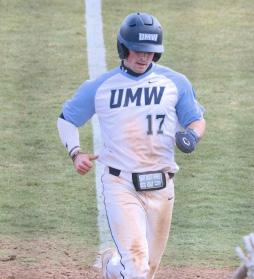
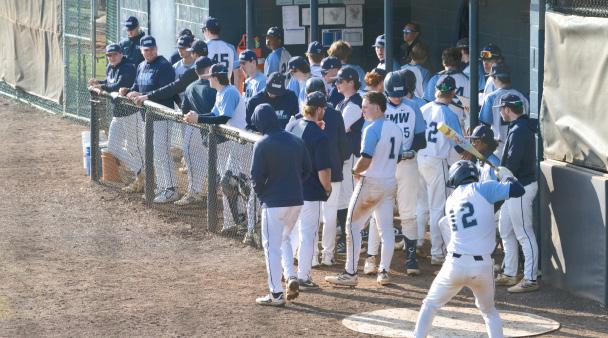
On Feb. 25 the University of Mary Washington baseball team defeated Eastern Mennonite University in a final score of 13–11, improving the Eagles’ season record to 1–2. This win comes after the team’s first four games were canceled due to inclement weather.
After falling short in both games of a doubleheader against John Carroll University, the Eagles started the game strong, scoring eight runs in three innings. Following a five-run inning at the top seventh, the game would have been tied going into the ninth at 11-11, except Eastern Mennonite pitcher Jackson Hull hit two Mary Washington players, affording the Eagles’ winning unearned runs.
Mary Washington played eight pitchers on the day, giving a good rotation to secure the win. Sophomore business administration major Sean Smith had three hits leading to three RBIs and a run, earning UMW four of its 13 points.
The Eagles’ next game is a doubleheader against Southern Virginia University on Saturday, Feb. 28, at home.

“We got a great coaching staff to start with. The guys get in every day, whether that’s inside of focus, performance or we’re outside getting here doing what we can. Just good team culture all around, everyone supporting each other making sure we get our work in.”
- Connor Hassan



Spring Sports Schedule

Editor
Men’s Baseball (1-2) Feb 24. vs Eastern Mennonite University (13-11) Feb 28. vs Southern Virginia University
Men’s Basketball (22-3) Feb. 24 at University of Califronia (76-52) Feb 27 at Santa Cruz
Men’s Lacrosse (1-2) Feb. 20 vs Randolph-Macon (6-12) Mar 1. at Rhodes College
Men’s Rugby (4-5) Feb. 21 at Lindenwood 913-22) Feb 28. at Frostbite 7’s Tournament
Men’s Tennis (5-0) Mar 5. vs John Carroll University
Women’s Basketball (10-15) Feb. 21 vs RV Christopher Newport (48-60) Feb 26. vs #5 Santa Cruz
Women’s Tennis (0-0) Mar 2. vs Allegheny College Mar 3. vs John Carroll University Mar 3. vs University of Sioux Falls
Games are available to watch via livestream on the UMW Athletics webpage www.eagles.com/composite
Full schedule not listed above. Most recent games included. Bold indicates home