Impact Report 2025




Letter from the Executive Director
Dear friends,
At The Bee Cause Project, we believe real impact is built through consistency, connection, and everyday actions that add up over time. When students have access to hands-on learning, educators are supported with meaningful resources, and communities take part in the work together, pollinator education becomes lasting and transformative.
This year’s Impact Report reflects that belief in action. Inside, you’ll find stories from classrooms and schoolyards where curiosity turns into stewardship, and partnerships that extend our mission far beyond a single moment or campaign. Again and again, we’ve seen how small choices - in schools, in stores, and in daily routines - can create powerful outcomes for pollinators and the people who depend on them.
As you read on, I hope you’ll see how education, community, and shared responsibility come together to create real change - and how each of us has a role to play in supporting pollinators for generations to come.

Tami Enright
Executive Director & Co-Founder
The Bee Cause Project
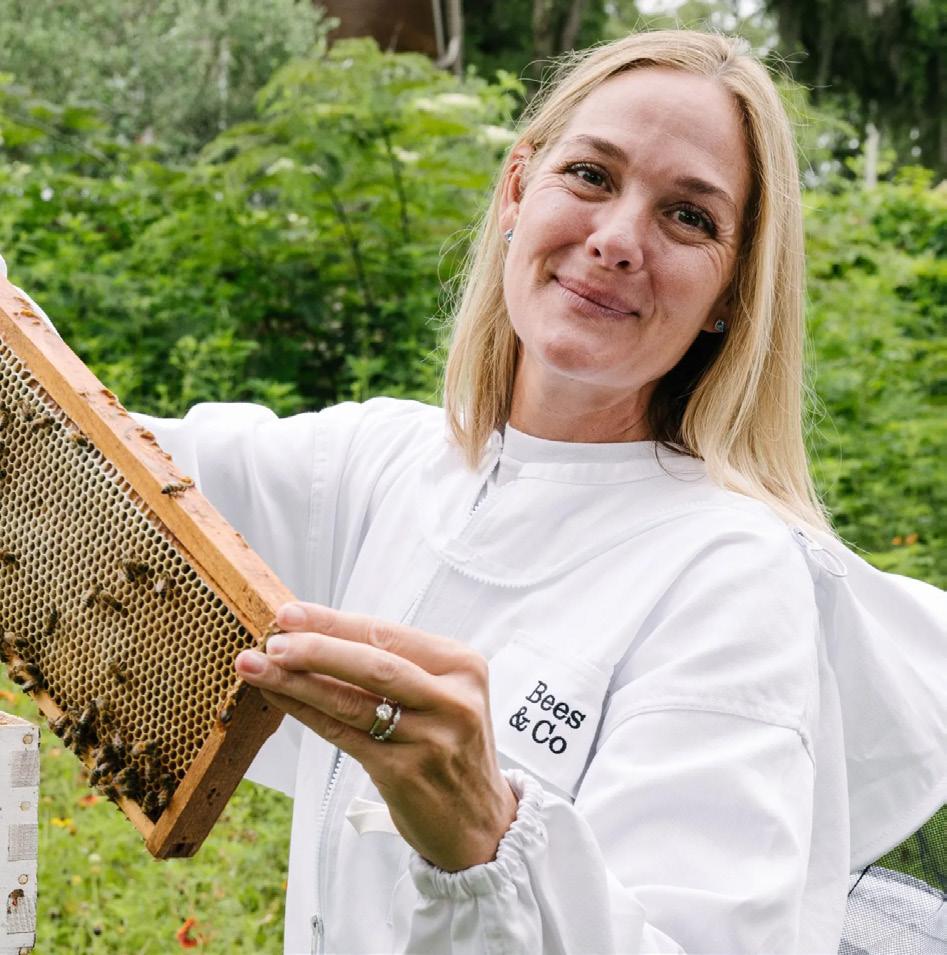
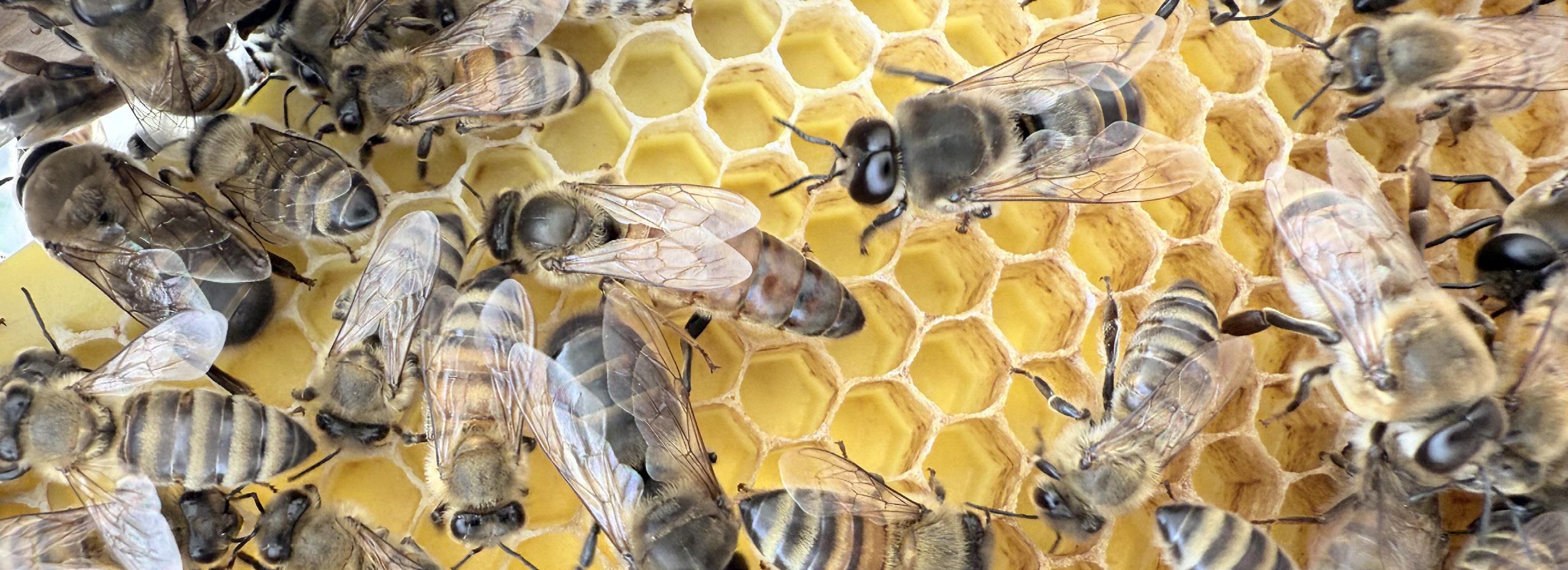
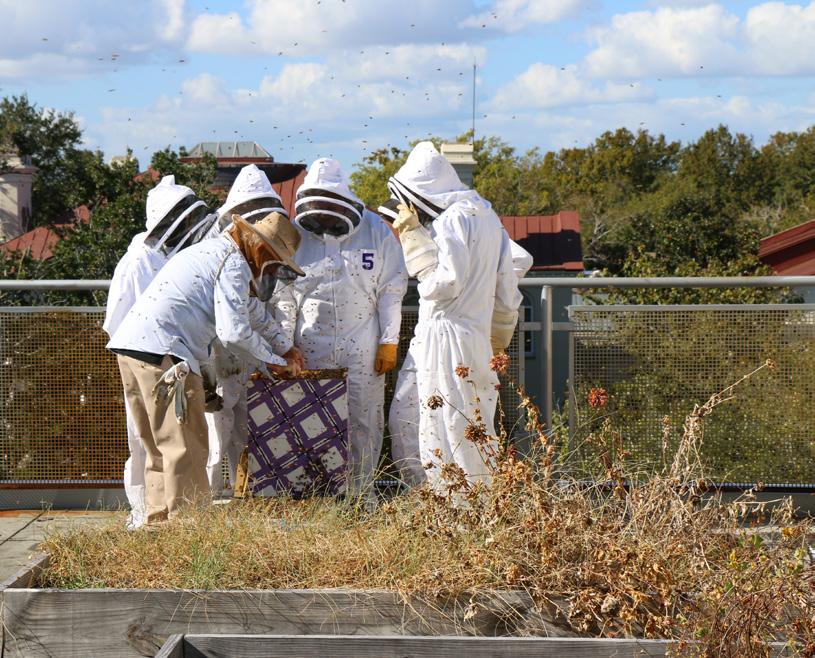
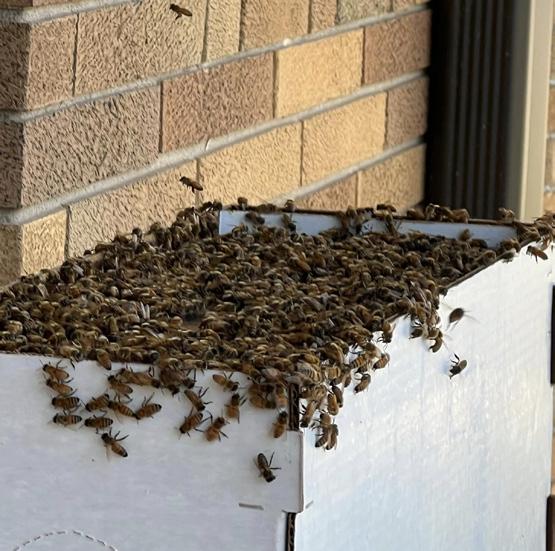
Inside the hive at Leila North Community School
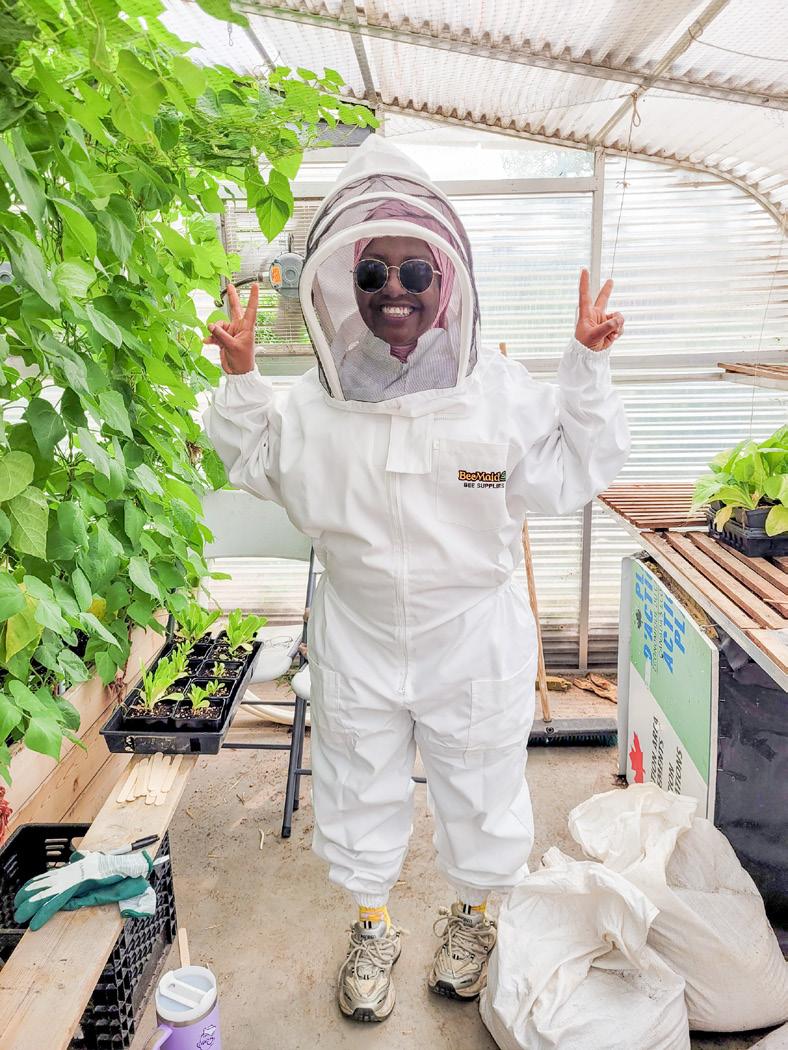
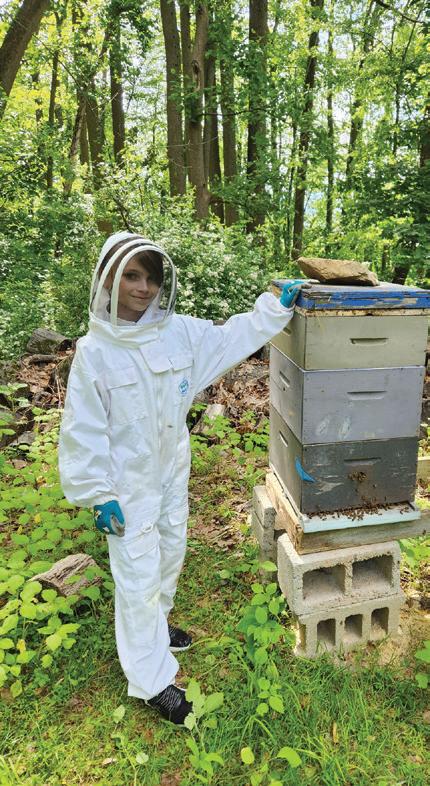
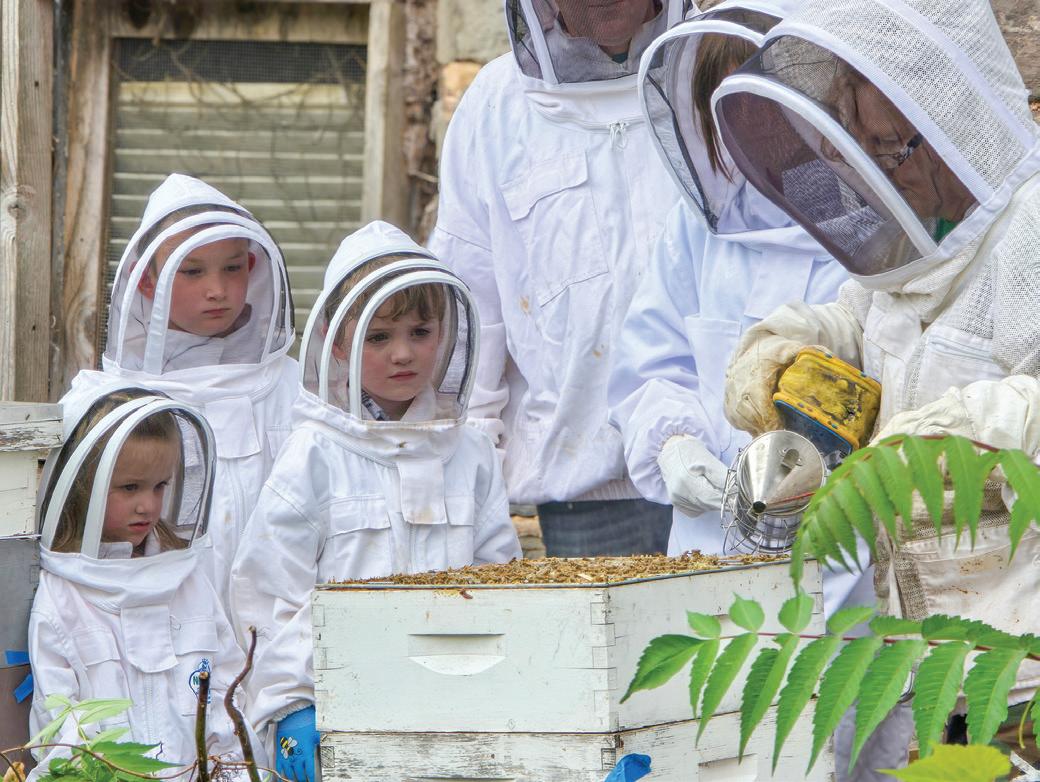
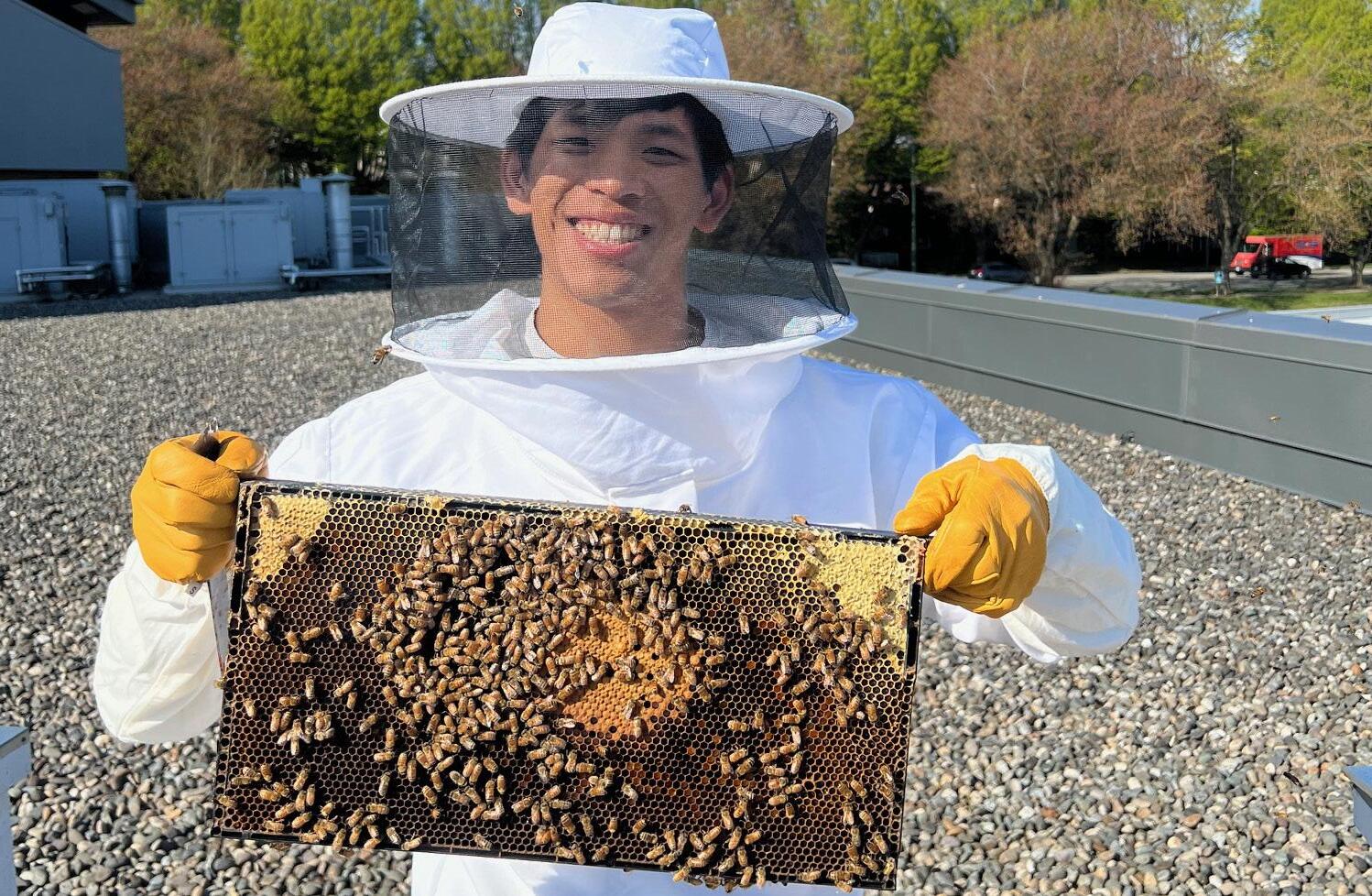


Hive check at City Reach Care Society
Honey bee hives at Rutgers Cooperative Extension
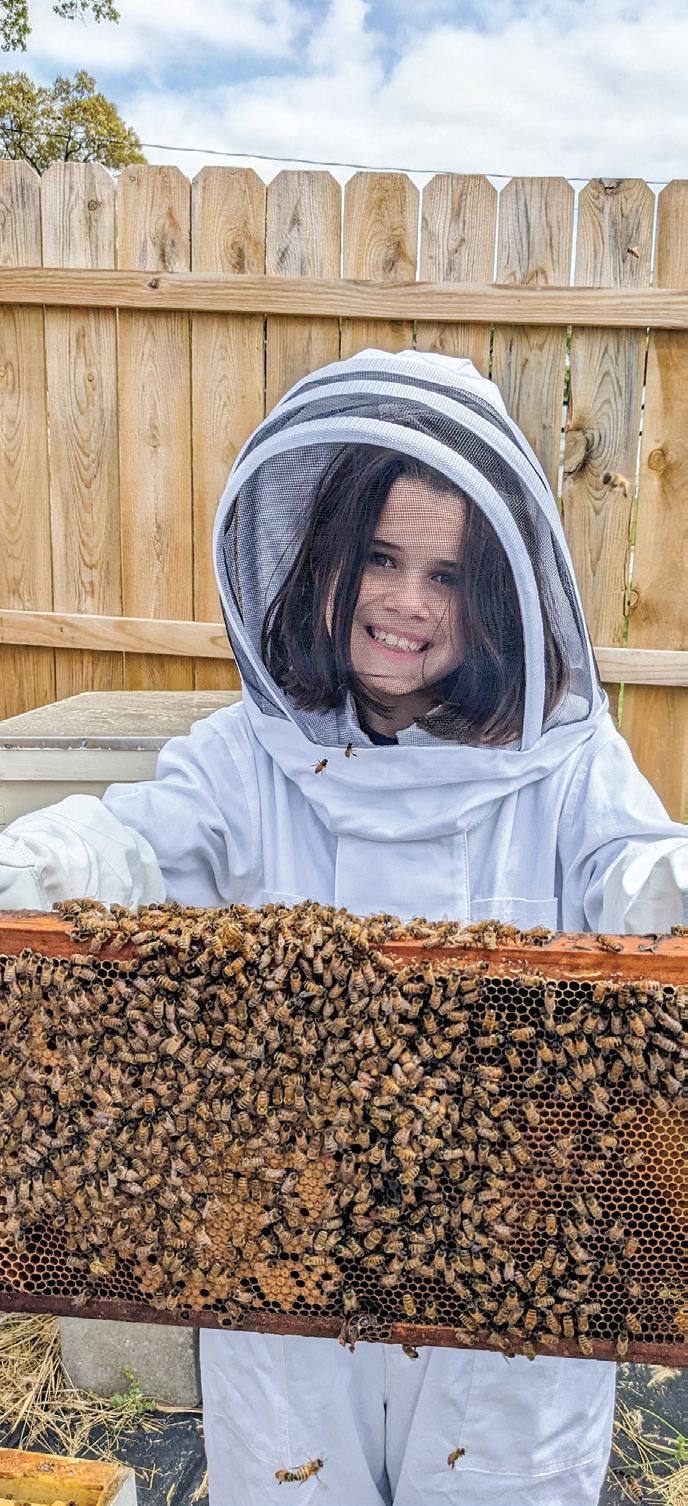
Student at Muskegone Christian School holds a frame filled with honey bees
Spence Neighborhood greenhouse
2025 YEAR AT A GLANCE
1.6 million+



1249 298 668 4,916
98 9,523

ENVIRONMENTAL STEWARDS Growing the next generation of
Protecting pollinators starts with people.
By engaging students through hands-on, nature-based learning, we help young minds build meaningful connections to the natural world and understand their role in protecting it.
When students experience pollinators up close, whether through observing live bees, planting habitat, or tracking pollinator activity, learning becomes personal. These moments spark curiosity, deepen understanding, and foster a sense of responsibility that extends far beyond the classroom. Over time, repeated exposure to environmental learning builds confidence and empowers students to take action.
This approach creates ripple effects. Students carry their knowledge home, influence their families and communities, and grow into informed citizens who recognize how pollinators support food systems, ecosystems, and human well-being. The result is long-term impact rooted in awareness, care, and stewardship.
Help Bring Pollinator Education to More Schools
Across the country, schools and community organizations are ready to launch pollinator education programs, but funding remains the greatest barrier. Demand continues to grow, and many approved programs are waiting for support.
Educators are prepared. Students are eager. Communities are ready to act. With your help, these programs can move forward.

Will you help fund the next school?
» Donate today at thebeecause.org/donate Interested in a corporate partnership?
» Contact us at info@thebeecause.org
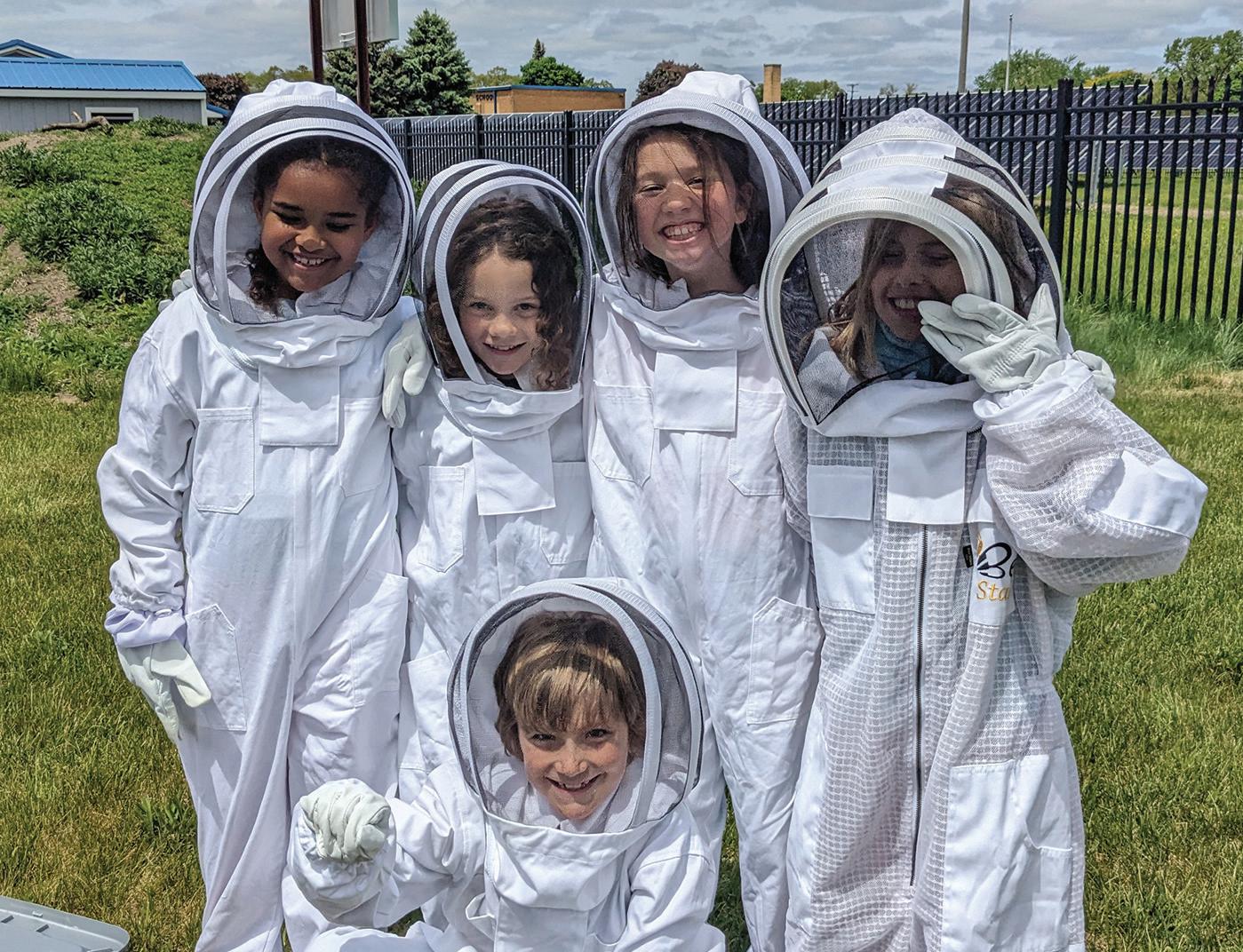
Beekeepers-in-training at Muskegon Christian School
HIVELIGHTS FROM 2025
Big and little actions, projects, and moments that moved the needle for pollinator education in 2025.
REGISTER CHANGE FOR CHANGE
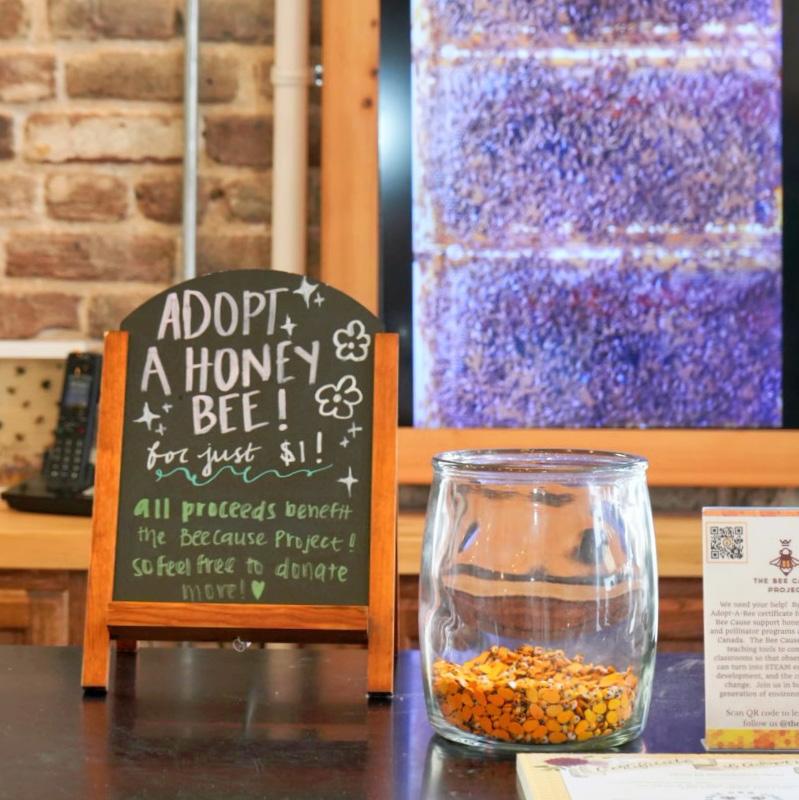
AT SAVANNAH BEE COMPANY
Register donations at Savannah Bee Company stores provided The Bee Cause with $16,000 funding for grant programs.
WITH DELAWARE NORTH
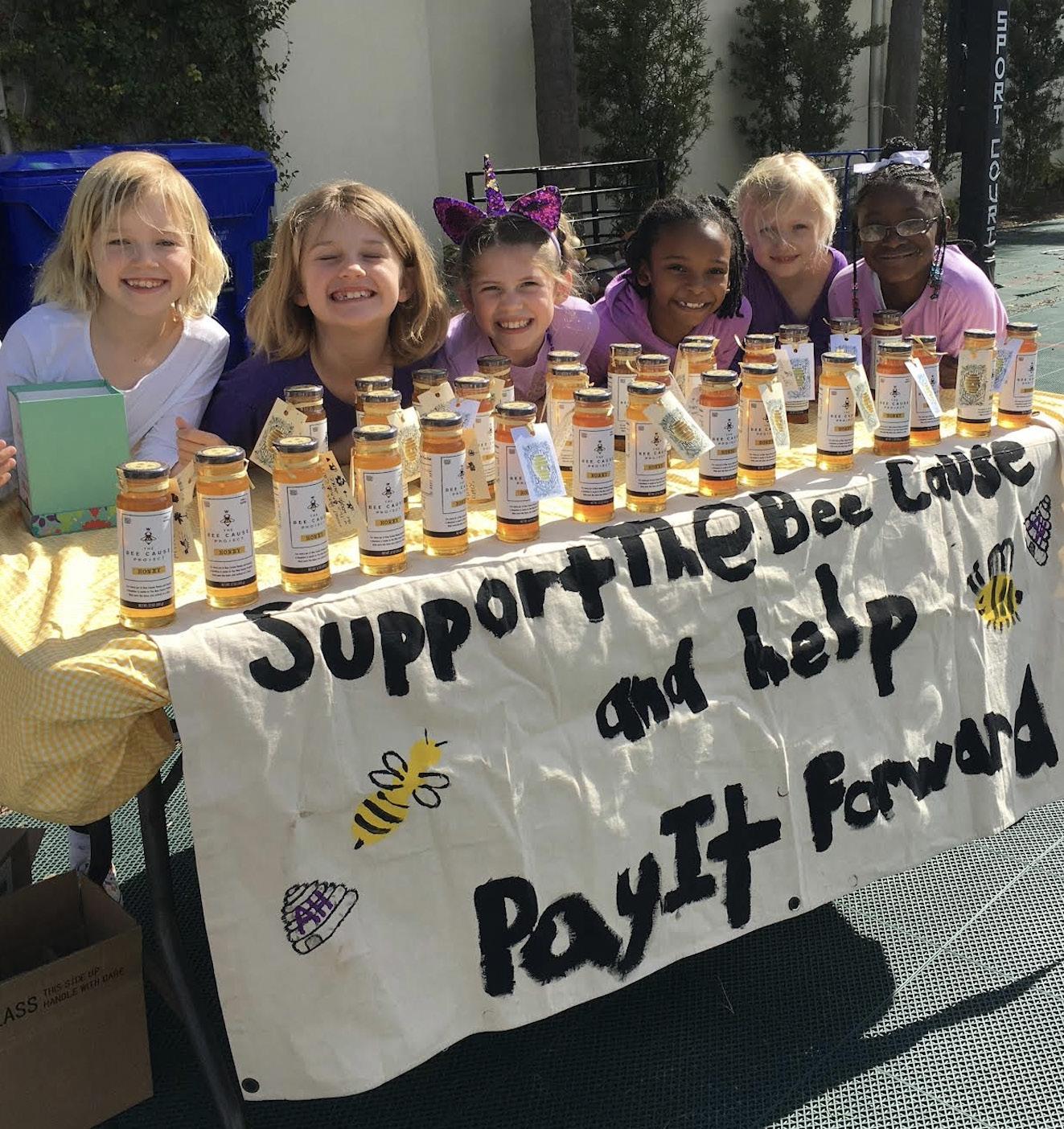
PAY-IT-FORWARD
We expanded our Pay-It-Forward program to reach more classrooms and communities, allowing donors and partners to directly fund hands-on pollinator education by selling jars of honey.
REFINED MESSAGING
THEORY OF CHANGE
This year, we spent time strengthening how we tell our story, making sure our messaging reflects the heart of our work and the impact behind it. If you’re a partner, ask about our
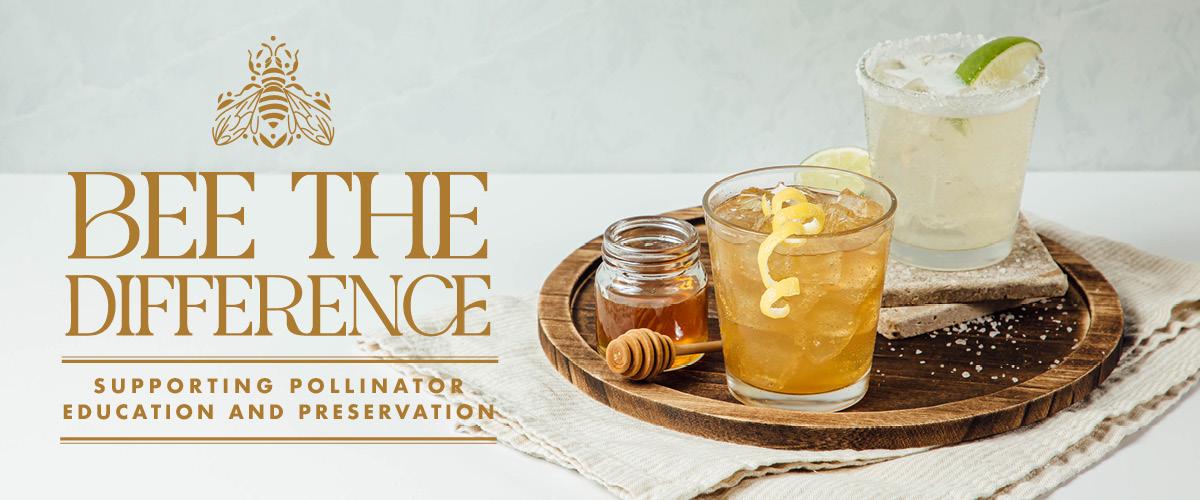
This year’s third annual Bee the Difference campaign raised more than $24,000 to support our education programs, allowing us to engage 5,000+ students, support 20 educators, and fund 10 schools with grants.
3 YEARS OF RESULTS
WITH ATLANTIC PACKAGING
Over a 3-year partnership, Atlantic Packaging helped fund 72 schools and organizations with new pollinator habitats.
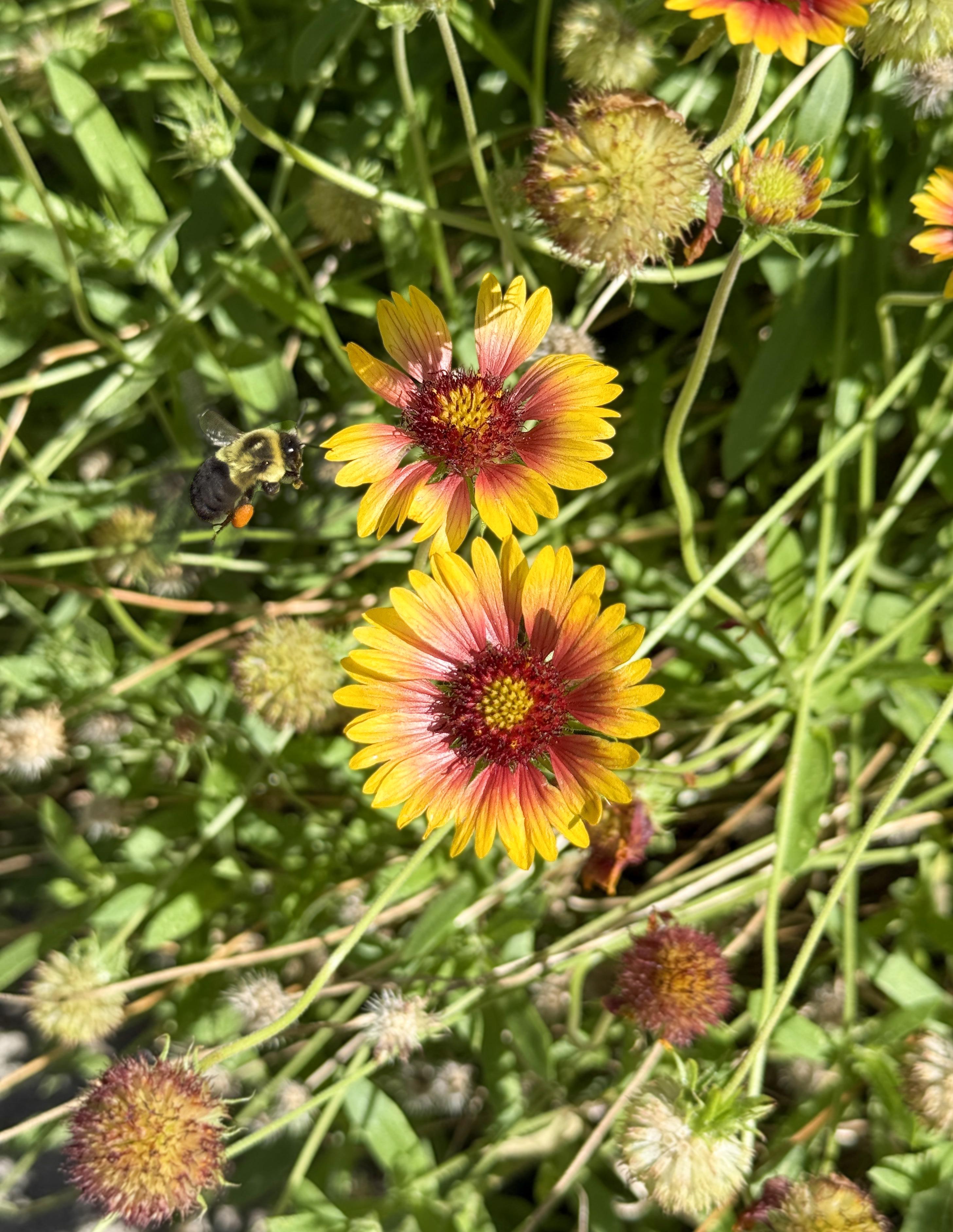

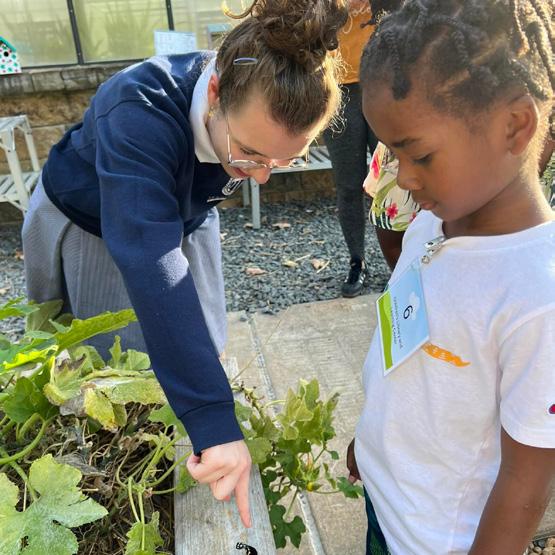
A bumblebee, with full pollen baskets on her legs, visits a bed of Blanket Flowers (Gaillardia) in Nexton Elementary’s pollinator garden.

SMALL CHOICES, BIG IMPACT: O2C BRANDS
Small, everyday choices can add up to meaningful environmental impact, especially when they begin in childhood. During the Back-to-School season, The Bee Cause Project partnered with O2C Brands, makers of LunchBots and U-Konserve, to connect waste-free lunches with pollinator education and healthy food systems.
By showing how daily routines like packing lunches intersect with the health of pollinators and the planet, this partnership helped families and educators see sustainability as something practical, accessible, and actionable. We sat down with the O2C Brands team to learn why this collaboration matters and how simple habits can shape a more resilient future.

Q: Why does The Bee Cause Project’s mission resonate with O2C Brands?
The Bee Cause Project’s focus on pollinator protection and education directly aligns with our commitment to healthy food systems and sustainability. Through brands like LunchBots and U-Konserve, we encourage waste-free lunches and mindful eating, which depend on thriving ecosystems and pollinators. Supporting The Bee Cause helps us connect our products to the bigger picture of protecting the planet and ensuring access to healthy food for future generations.

Q: O2C Brands champions sustainable solutions for modern life. How does your support of pollinator education further that commitment?
By supporting pollinator education, we’re investing in the foundation of a healthy food system and sustainable future. Pollinators are essential to the foods we pack in our LunchBots and U-Konserve containers. This partnership allows us to extend our commitment beyond products and into impactful community education.
Q: In what ways do LunchBots and U-Konserve help families and educators build more ecoconscious habits?
LunchBots and U-Konserve make it easy for families to practice sustainable, health-conscious
habits every day. The LunchBots bento-style design encourages balance across food groups, reduces reliance on single-use packaging, and helps children learn what makes up a well-rounded meal. U-Konserve supports meal prepping and packing healthy foods in reusable containers. Our brands empower consumers to reduce waste, make mindful choices, and connect daily routines to a larger culture of sustainability.
Q: What do you hope families and educators take away from this campaign?
We hope this campaign inspires families and educators to see the connection between healthy meals, pollinators, and sustainability. As they prepare for a new school year, our goal is to encourage small daily choices like packing balanced lunches in reusable containers that build lifelong habits of environmental responsibility and appreciation for the natural systems that support our food.
Q: What excites you most about the future of this partnership?
What excites us most is the opportunity to expand the reach and impact of pollinator education,
POLLINATORS ARE ESSENTIAL TO GLOBAL FOOD PRODUCTION.
According to the Food and Agriculture Organization of the United Nations (FAO), pollinators directly support the production of many fruits, vegetables, nuts, and seeds, foods that are central to human nutrition and dietary diversity.
POLLINATOR DECLINE THREATENS FOOD DIVERSITY AND NUTRITION.
The Intergovernmental Science-Policy Platform on Biodiversity and Ecosystem Services (IPBES) reports that declining pollinator populations put crops rich in vitamins and micronutrients at risk, potentially affecting both food availability and human health.
HEALTHY POLLINATORS SUPPORT RESILIENT AND SUSTAINABLE FOOD SYSTEMS.
Research compiled by the National Academies of Sciences, Engineering, and Medicine highlights how pollinators contribute to stable crop yields, support farmers, and strengthen food system resilience in the face of environmental and economic pressures.
inspiring more students, families, and schools to embrace sustainable habits.
In the long term, we hope to deepen our collaboration by exploring initiatives like sponsoring hives in schools, providing tangible learning opportunities about pollinators, and expanding programs that connect students and families to sustainability practices.
Q: What’s one piece of advice you would offer to families looking to make more eco-friendly choices this school year?
Start small. Switch from single-use plastics to reusable lunch containers. Those little changes are easy to make, and they add up to habits that kids –and the planet – will benefit from for years to come.
Together, O2C Brands and The Bee Cause Project are proving that small, simple choices — like packing a reusable lunch – can help protect pollinators and create a healthier planet for future generations.
By cultivating curiosity, inclusivity, and community care schools begin to nurture cultures rooted in balance and belonging. That’s where long-term change begins.
Transforming Outdoor Learning, Creating Future Environmental Stewards with
ATLANTIC PACKAGING
Across the country, schools are grappling with a dual crisis: accelerating pollinator decline and a growing disconnect between young people and the natural world. Educators report limited access to outdoor learning spaces, practical curriculum tools, or relevant professional developmentleaving fewer than 1 in 4 equipped to deliver experiential, standards-aligned environmental instruction. The result is a generation of children with less curiosity about nature, weaker food-systems literacy, and fewer opportunities to learn how ecosystems sustain their communities.
The Bee Cause Project’s Pollinator Habitat Grant began with a simple idea: when students plant and care for something living, they begin to care about the world that sustains them.
This belief in experiential education became the cornerstone of Atlantic Packaging’s multi-year commitment.
“Nature isn’t something you simply learn about,” Atlantic shared. “It’s something you learn from. When learning becomes immersive and participatory, students form emotional and practical connections with the world around them.”
That philosophy aligns perfectly with the Habitat Grant’s design. Students don’t just observe pollinators - they build the habitats, plant native species, record changes, track pollinator visitors, and work as teams to maintain the space. In the process, they discover something powerful: their actions matter.
Educators began reporting not only academic gains, but emotional and behavioral ones. Students who struggled in traditional classrooms found focus and belonging outdoors. Teachers integrated habitats into STEM lessons, Social Emotional Learning conversations, journaling,
art projects, and food-systems discussions. Families volunteered. Community groups joined in. The habitat became more than a garden; it became a gathering place.
Looking Forward: A Ripple Effect
As schools integrate these habitats into broader STEM and Social Emotional Learning goals, the impact extends beyond academic achievement. For Atlantic Packaging, supporting the Habitat Grant is also about preparing the next generation to navigate complex environmental challenges.
“By supporting students now,” they said, “we help equip the next generation with the wisdom and tools to build a more resilient food system and planet.”
If Atlantic Packaging imagines one outcome from this partnership, it’s connection - the kind that sparks joy, curiosity, and the desire to protect something fragile and important.
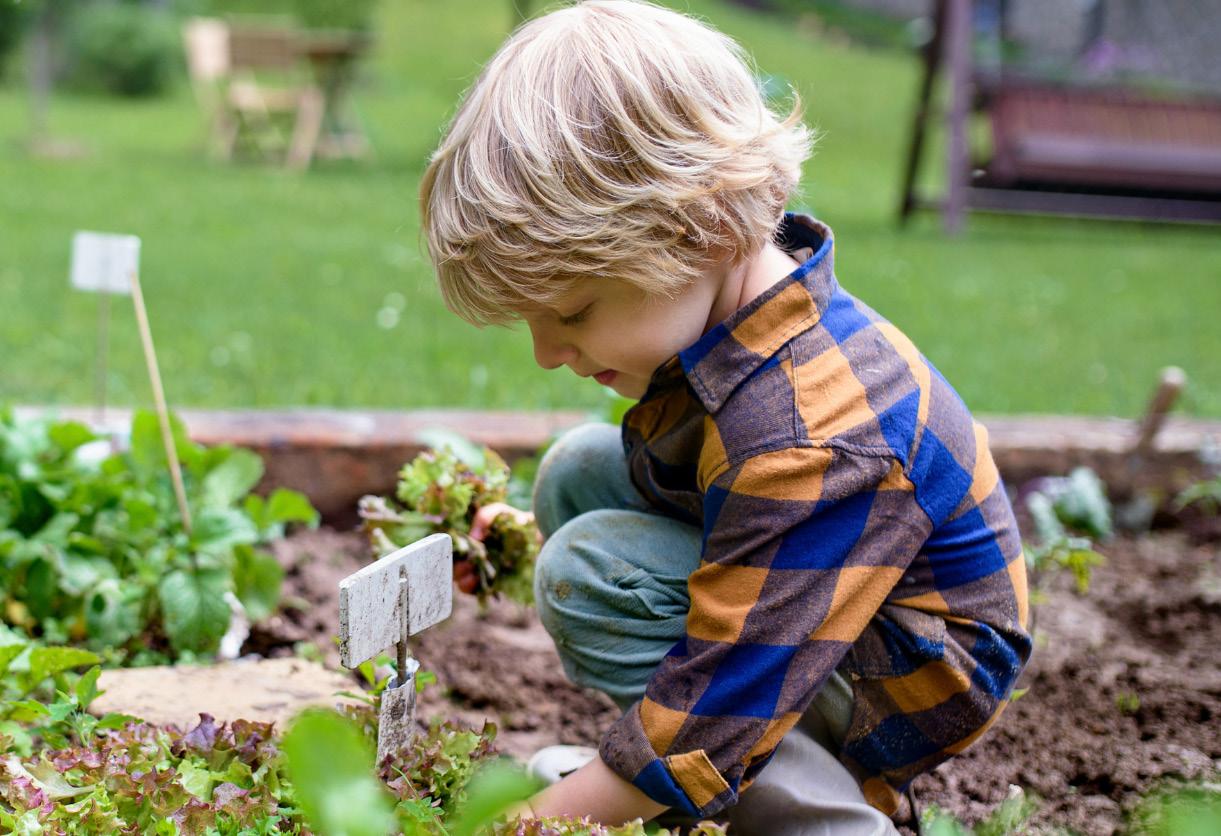
Research on garden-based learning and children’s gardening experiences consistently shows benefits across cognitive, physical, emotional, social, and health domains.
A 2020 study conducted in Spain, involving students from preschool through university, found that educational gardens help learners better contextualize environmental science concepts. The study also noted that educational gardens increase awareness of sustainable agricultural practices that support healthy ecosystems.1
1. Eugenio-Gozalbo, M., Aragón, L., Ortega-Cubero, L., (2020). Gardens as science learning contexts across educational stages: Learning assessment based on students’ graphic representations. Frontiers in Psychology, 11, 1-14. DOI http://dx.doi.org/10.3389/fpsyg.2020.02226
Their vision for long-term impact is simple and profound: more young people awakened to their relationship with the living world. More hope. More inspiration. More reasons to believe that change is possible.
They view this work not just as a corporate initiative, but as part of a cultural evolution - one where children grow up with ecological awareness embedded in their identity, shaping choices that naturally support the wellbeing of communities and ecosystems alike.
Check out our lesson plan for Our School Garden Book Club.
RESEARCH MEETS REALITY
Decades of environmental education research show that tangible, sustained learning experiences are a key driver of long-term environmental stewardship. Across The Bee Cause Project’s grant programs, educators are seeing that research play out in real time, as students move from curiosity to confidence through meaningful engagement with pollinators.
At DIAKON Child, Family & Community Ministries, what began as a single hive has grown into an integrated part of a wilderness-based curriculum. Youth now help maintain the hive, learn about pollination, and connect those lessons directly to the greenhouse and garden. By observing how bees support the plants that sustain us, students gain a tangible understanding of food systems and ecological relationships.
A student at Bethlehem Center provides honey bees with supplemental nutrition.
“The program has evolved from a single hive into an integrated part of our wilderness-based curriculum,” Melissa Kindall, DIAKON Child, Family & Community Ministries, shared.
Educators consistently note that learning deepens when engagement is ongoing. At the Boys & Girls Club of Martin County, staff learned that fewer hive disruptions and thoughtful placement allowed bees to remain productive while giving youth the space to build confidence. “Our members have more confidence being closer to the bees as the program has brought a culture of love and respect for honey bees to our club, so young people are becoming more engaged with beekeeping,” educator Jodie Knofsky shared.
That lesson was echoed at Hampton Memorial Library, where one-time events initially sparked interest, but multi-week programming led to deeper curiosity, retention, and ownership. Sustained engagement, paired with community partnerships like 4-H, helped transform enthusiasm into meaningful, youth-led learning.
At the MAYS Foundation, educators reflected on the balance required to make beekeeping successful in an educational setting. Consistent hive maintenance, detailed documentation, and student-led data collection strengthened both colony health and learning outcomes. At the same time, flexibility, community involvement, and clear plans for school breaks ensured continuity and long-term program sustainability. “We’ve learned that bees are powerful teachers—not just in science, but in patience, observation, and cooperation,” educator Tiffany Duncan told us.
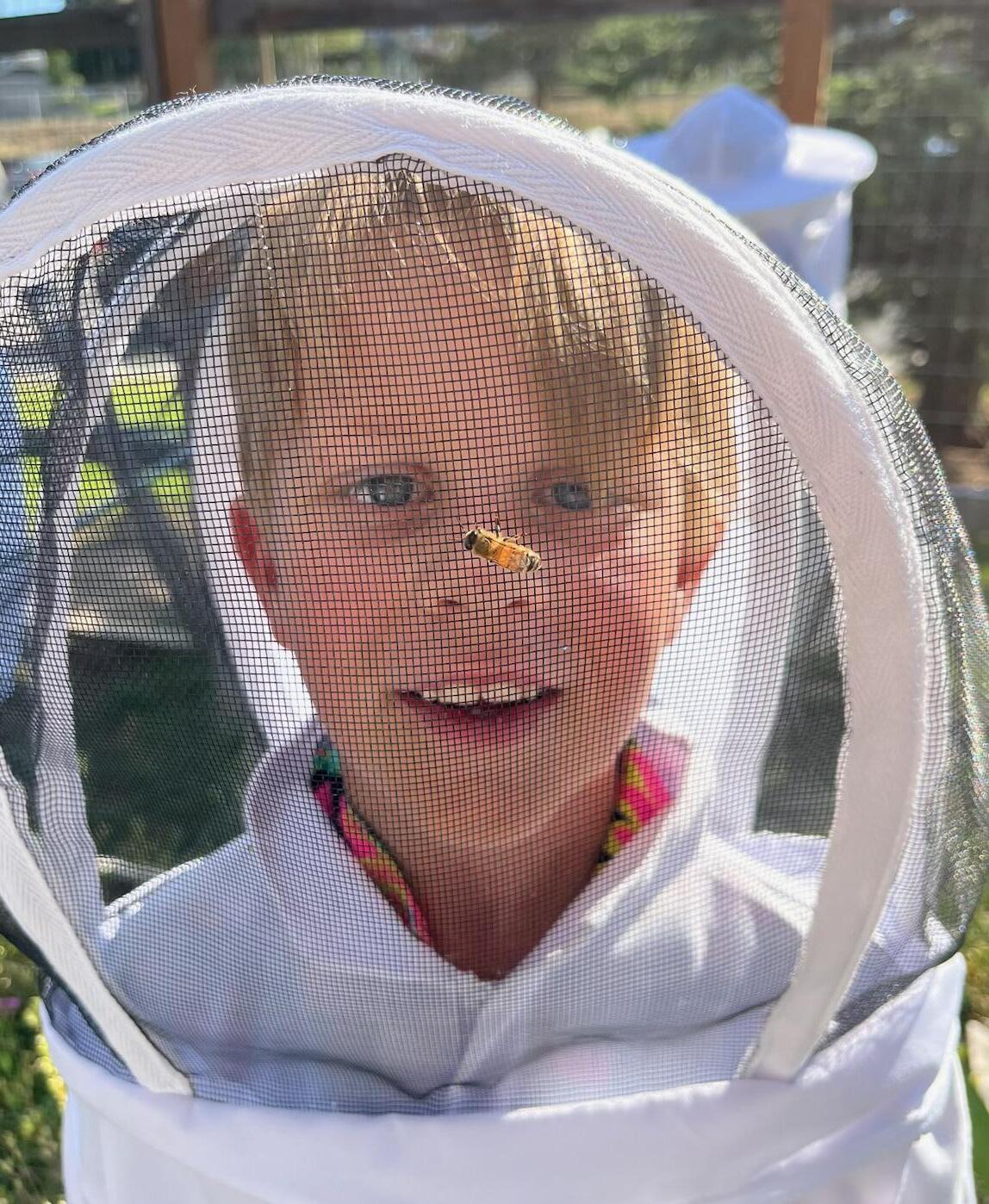
A student in Estes Park School District in Colorado gets an upclose look at a honey bee.

observed that when students actively monitored, documented, and cared for the bees, curiosity and empathy flourished. Opportunities to share beeswax products at school and neighborhood events extended learning beyond the classroom and reinforced students’ confidence as environmental ambassadors.
“When students are actively involved in monitoring, documenting, and caring for the bees, their curiosity and empathy show.”
- Kathryn Besaw, Charles Carroll School 46
Student ownership emerged as a defining factor across programs. At Charles Carroll School 46, educators
In Puerto Rico, educators at Rogelio Rosado Crespo School emphasized the power of hands-on learning. “Through direct observation and data collection, students develop scientific inquiry skills, connect classroom concepts to real-world ecology, and build awareness of the essential role bees play in food systems and biodiversity,” shared Karen Cintron. By integrating hive-based lessons across science and math, students deepen their understanding of pollinators while strengthening critical thinking and inquiry skills.
The voices of educators across The Bee Cause Project’s grant programs affirm what research has long shown: pollinator education doesn’t just teach students about bees, it helps shape how young people understand their role in caring for the world around them.
STORIES OF IMPACT
WHEN BEES BECOME TEACHERS
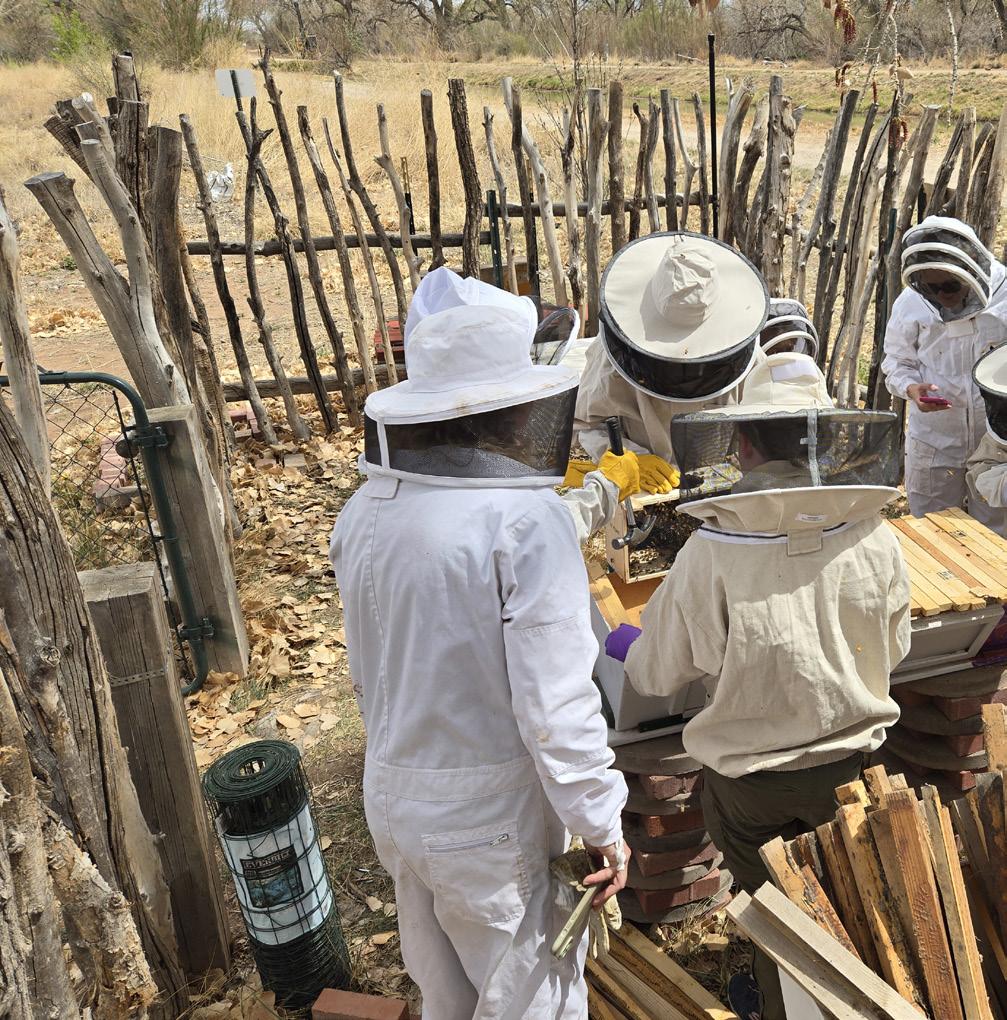
At Bosque School in Albuquerque, New Mexico, honey bees are more than pollinators. With support from The Bee Cause Project and Whole Kids, bees have become a living part of the school’s place-based, experiential approach to education.
By caring for bees on campus, students move beyond learning about ecosystems to actively participating in them. These first-hand experiences build curiosity, responsibility, and a deeper understanding of how pollinators support food systems, community health, and the natural world.
From Vision to Action
For years, Bosque educators envisioned bringing bees to campus to complement the school’s garden and orchard. While logistical and liability concerns delayed the effort, that vision became reality four years ago with the introduction of on-site hives.
Support from The Bee Cause Project provided both funding and educational resources, while a partnership with the local beekeeping society connected the school
with a dedicated mentor. That relationship continues today, ensuring students receive expert guidance while building confidence and independence in hive management.
Students Leading the Way
What began in the garden quickly grew into something bigger. High school students formed a bee club that has since become one of Bosque’s most active and student-driven organizations.
Club members take full responsibility for hive care, honey harvesting, and beeswax processing, turning raw materials into candles and lip balm. They also extend their learning beyond campus, sharing knowledge with local farms and participating in community events. Through ownership and leadership, students move from learners to advocates, reinforcing lessons through action.
Learning Through Real-World Challenges
Like many beekeepers across North America, Bosque experienced significant hive losses during a harsh
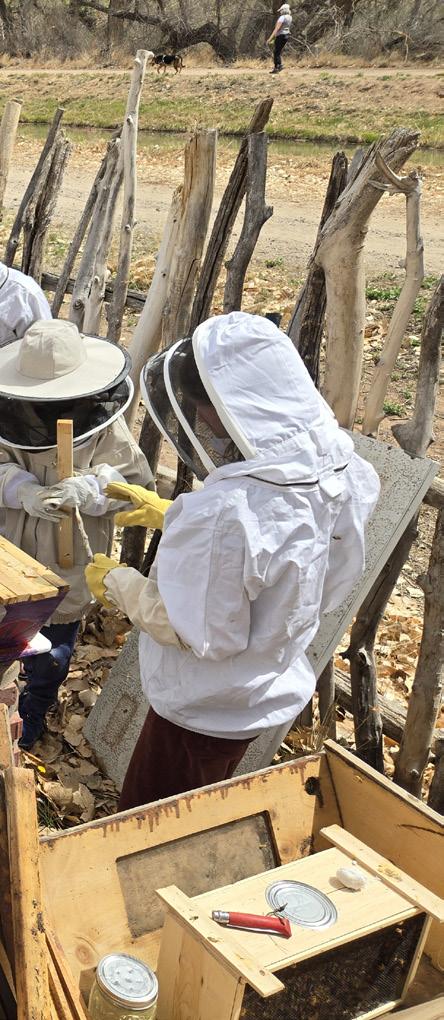
Bosque School has expanded from two hives to four, welcomed younger students into the bee club, and is integrating pollinator education into the 7th-grade science curriculum.
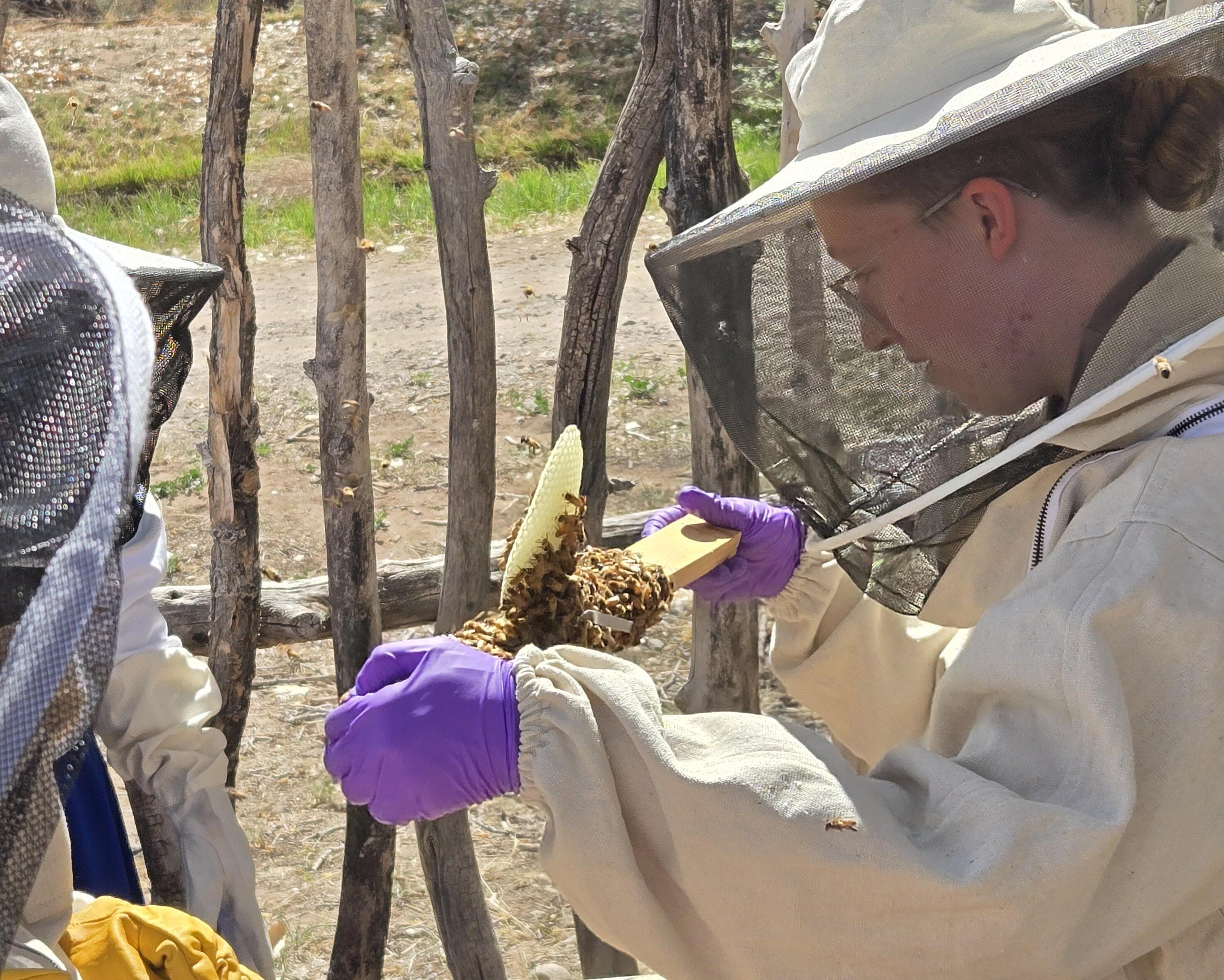
winter. Rather than discouragement, this challenge became a powerful learning opportunity.
Students evaluated hive health, reintroduced colonies, and applied their skills to support a nearby heritage farm. These moments reinforced resilience, critical thinking, and problem-solving, while showing students that environmental stewardship requires persistence, adaptation, and care.
Growing Impact, Deepening Roots
The program’s momentum continues. Bosque has expanded from two hives to four, welcomed younger students into the bee club, and is integrating pollinator education into the 7th-grade science curriculum.
Looking ahead, the school hopes to host family planting and harvest days, deepen community partnerships, and connect garden produce and bee products with the school’s lunch program and local food banks. Each step builds stronger ties between students, food systems, and the broader community.
Cultivating Lifelong Stewardship
Bosque’s honey bee program reflects the school’s mission to connect students to place, community, and nature. As one educator shared:
Having students out in nature interacting directly with the plants, animals, and soil can be a transformative experience. Bringing bees on campus has been particularly rewarding because students can clearly see the results of their work.
Through consistent, hands-on engagement, students gain more than knowledge. They develop confidence, empathy, and a lasting commitment to environmental stewardship. Bosque School’s buzzing hives show what’s possible when education meets experience, and when young people are given the tools to care for the world around them.
PARTNER HIGHLIGHT
HIVE TO HEART: PARTNERSHIP WITH PURPOSE

Honey is more than a product. It is a living expression of healthy pollinators, resilient ecosystems, and the delicate balance that sustains our food systems. Savannah Bee Company’s support of The Bee Cause Project grows naturally from that truth, transforming everyday purchases into lasting support for pollinator education.
This partnership is rooted in shared beginnings. Savannah Bee Company founder and owner Ted Dennard is also a cofounder of The Bee Cause Project. He helped launch the organization with a simple but powerful understanding: a business built around honey carries both a responsibility and an opportunity to support the pollinators behind the product.
A Natural Alignment, Activated Year-Round
Each year, Savannah Bee Company supports The Bee Cause through multiple, accessible pathways that engage customers, employees, and the business itself, including product-based donations, register roundups, employee giving, matching campaigns, and grant support that connects retail directly to classrooms.
Each action is simple on its own. Together, they create a durable ecosystem of giving that fuels long-term outcomes for schools, educators, and pollinators.
This is how impact scales - not through a single large gesture, but through accessible, repeatable actions that invite everyone to take part.
Culture Makes the Difference
What makes this partnership remarkable is not where it started, but how it has grown.
This is not a one-time donation or a seasonal campaign. It is a deeply integrated, multi-year partnership that weaves education and conservation into everyday retail life, from checkout counters and employee break rooms to online carts and community events.
For Ted, honey has always been personal. “For as long as I can remember I’ve had a connection to the bees,” he shared. “I grew up learning how important these little creatures are.”
That sense of connection is woven into Savannah Bee Company’s culture. Employees are not simply
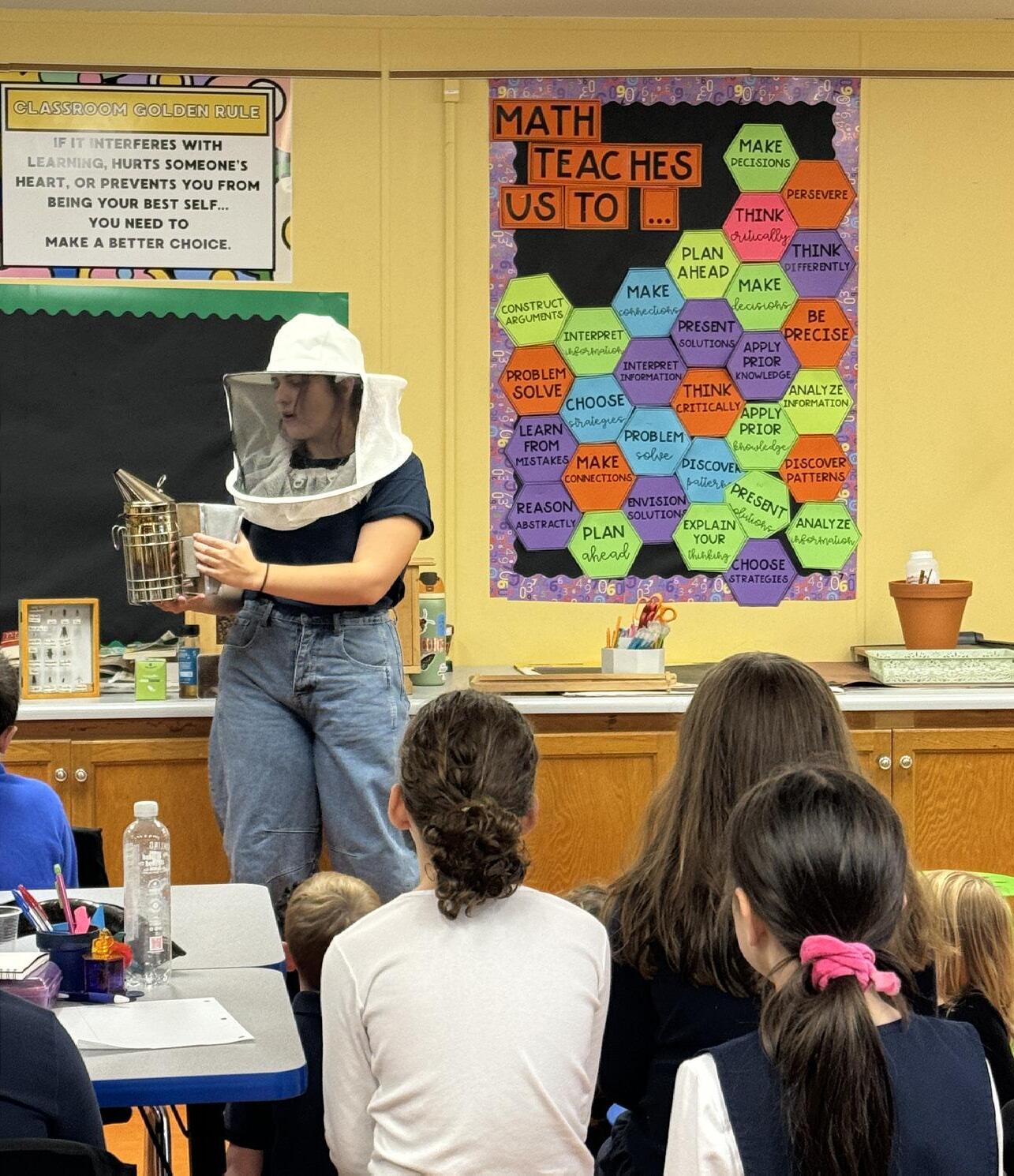
A Savannah Bee Company employee visits a local school to share about honey bees and their place in our ecosystem.
fundraising. They are participating. Through payroll giving, matching campaigns, and direct engagement with grant recipients, team members see how their daily work connects to real-world outcomes.
“I don’t have time to volunteer the way I wish I could, so this is how I help,” one employee shared. “It feels good knowing a little bit from each paycheck adds up to something meaningful.”
Customers feel that authenticity. They are invited into a story that makes sense - one where honey, pollinators, and education are intrinsically linked, and where generosity is part of the brand’s everyday operations.
“Customers ask a lot of questions about what makes Savannah Bee different,” another employee shared.
“Talking about The Bee Cause Project is usually the moment they really lean in. It’s when they realize their purchase is actually doing something important.”
A Blueprint for Retail Partners
Savannah Bee Company’s partnership with The Bee Cause Project shows that meaningful impact does not
HOW RETAILERS CAN GET STARTED
A blueprint inspired by Savannah Bee Company
» Start at the register
Offer a simple round-up or small add-on donation that lets customers participate without pressure.
» Tie giving to everyday sales
Connect a portion of product sales or seasonal promotions to a cause that aligns naturally with your brand.
» Engage employees
Invite staff to participate through internal giving, volunteer opportunities, or matching programs.
» Make the impact visible
Share where donations go and how they’re used through in-store signage, social content, and customer communications.
» Commit for the long term
Move beyond one-time campaigns by building support into your ongoing business model.
» Partner with purpose
Choose nonprofit partners whose mission aligns with your products, values, and customers.
require one-off generosity or massive infrastructure, but alignment, consistency, and an invitation to participate.
“We didn’t start this partnership to check a box,”
Marketing Manager Lauren Plourde told us. “We started it because education is where real change happens.
Supporting The Bee Cause Project has always felt like a natural extension of who we are and how we want to show up for our communities.”
Pollinator education thrives when businesses and communities share ownership of outcomes. Savannah Bee Company embodies that belief, proving that when purpose is built into a business, the ripple effects reach far beyond the store.
LET’S PARTNER FOR THE PLANET.
Donate today or reach out to discuss a partnership with your company: info@thebeecause.org
STORIES OF IMPACT
FROM GARDEN TO GREATER UNDERSTANDING
At Jamesville Elementary School, a pollinator habitat became more than a garden. Today, it’s a living classroom where students learn by doing, asking questions, and taking responsibility for the world around them.
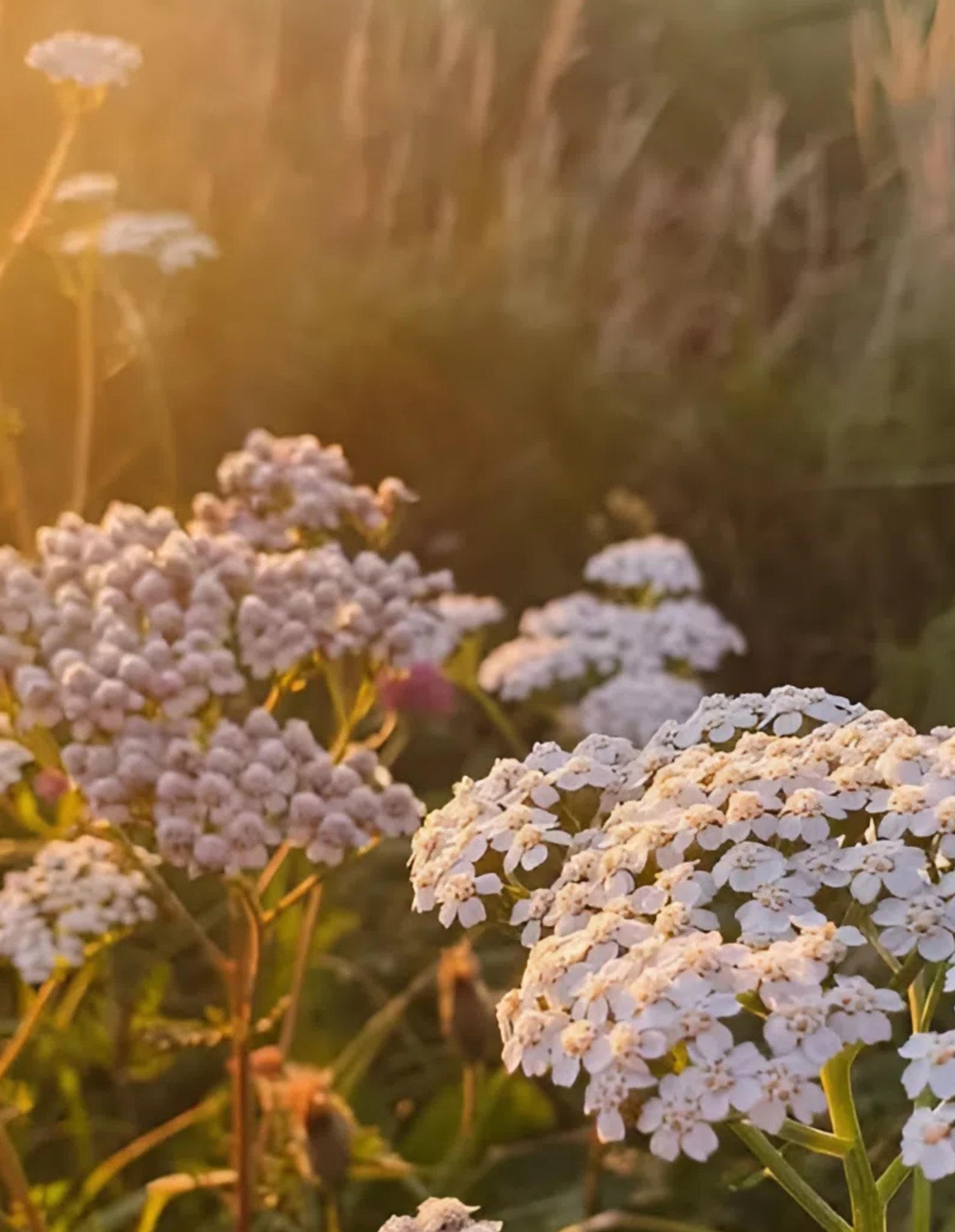
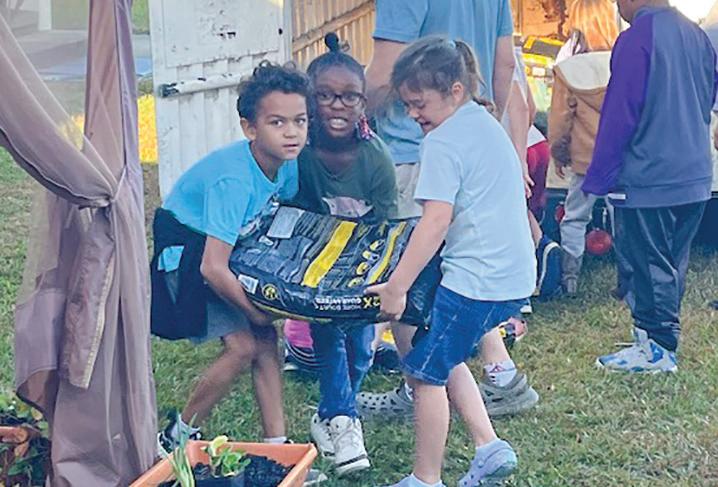
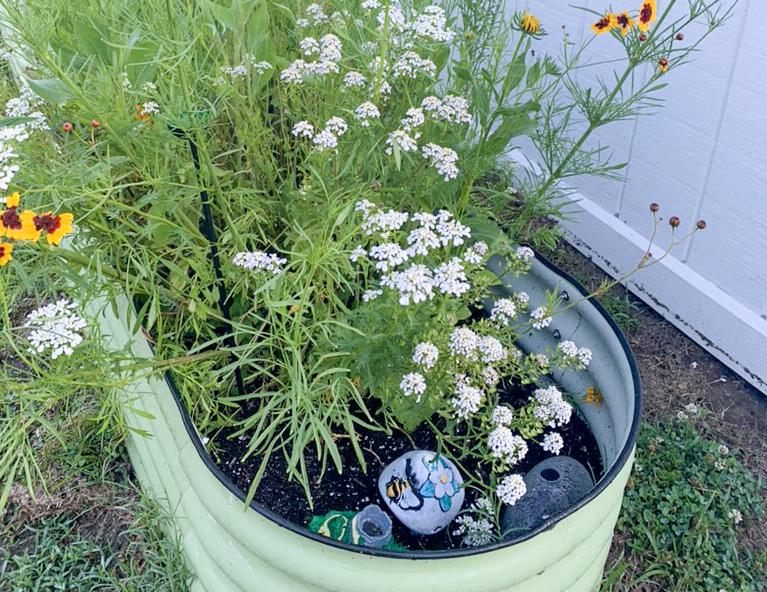
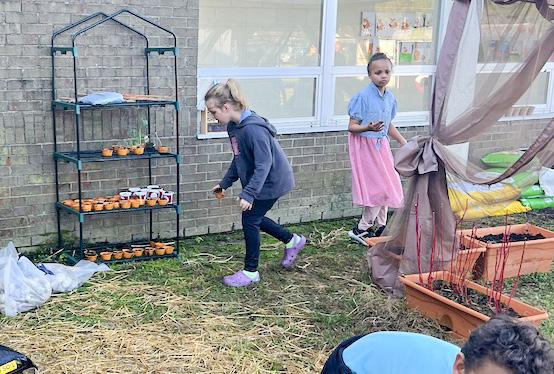
As students worked directly in the habitat, educators observed deeper levels of understanding emerging naturally. Concepts like ecosystems, plant life cycles, and pollination shifted from abstract lessons to lived experience. Teachers noted that students gained a stronger grasp of connections across STEAM subjects, laying a foundation that will support future learning.
Empowered Learners, Lasting Impact
Student ownership played a critical role in the program’s success. With real responsibility over the habitat, students were motivated to lead their own learning. Rather than following step-by-step instructions, they directed research, explored individual areas of interest, and became “experts” in what intrigued them most. This sense of ownership gave the work greater meaning and sustained engagement.
solving, learning how to adapt and care for the habitat with increasing independence. Over time, educators saw students using more scientific and descriptive vocabulary, collaborating more effectively, and working confidently without constant supervision.
Discoveries That Spark Curiosity

“
Some students have become more aware of local crops and more adventurous and healthy when tasting food and bringing snacks.
One moment of discovery captured the lasting impact of the program. After wildflowers went to seed, students noticed new plants growing far from the original garden. Their curiosity led to first-hand investigation, experimentation, and discussion about seed dispersal and plant propagation, turning an unexpected observation into a powerful learning experience.
Cultivating Environmental Stewards
Food, Pollinators, and Everyday Choices
The habitat also reshaped how students related to food and pollinators. Through observation and tasting, students became more aware of local crops and more curious about healthy foods. These moments helped connect pollinators to everyday choices, reinforcing the role bees and other pollinators play in food systems and community well-being.
Challenges That Build Confidence
When setbacks occurred, they became opportunities for growth. Students practiced resilience and problem-
Through consistent, empathetic engagement with nature, the Pollinator Habitat Grant created more than a physical space at Jamesville Elementary. It fostered curiosity, built confidence, and helped students begin to see themselves as capable stewards of the environment. The result is learning that extends beyond the garden, shaping how students understand their role in the natural systems that sustain life.
WILL YOU HELP FUND THE NEXT SCHOOL?
Donate today or reach out to discuss a partnership with your company: info@thebeecause.org
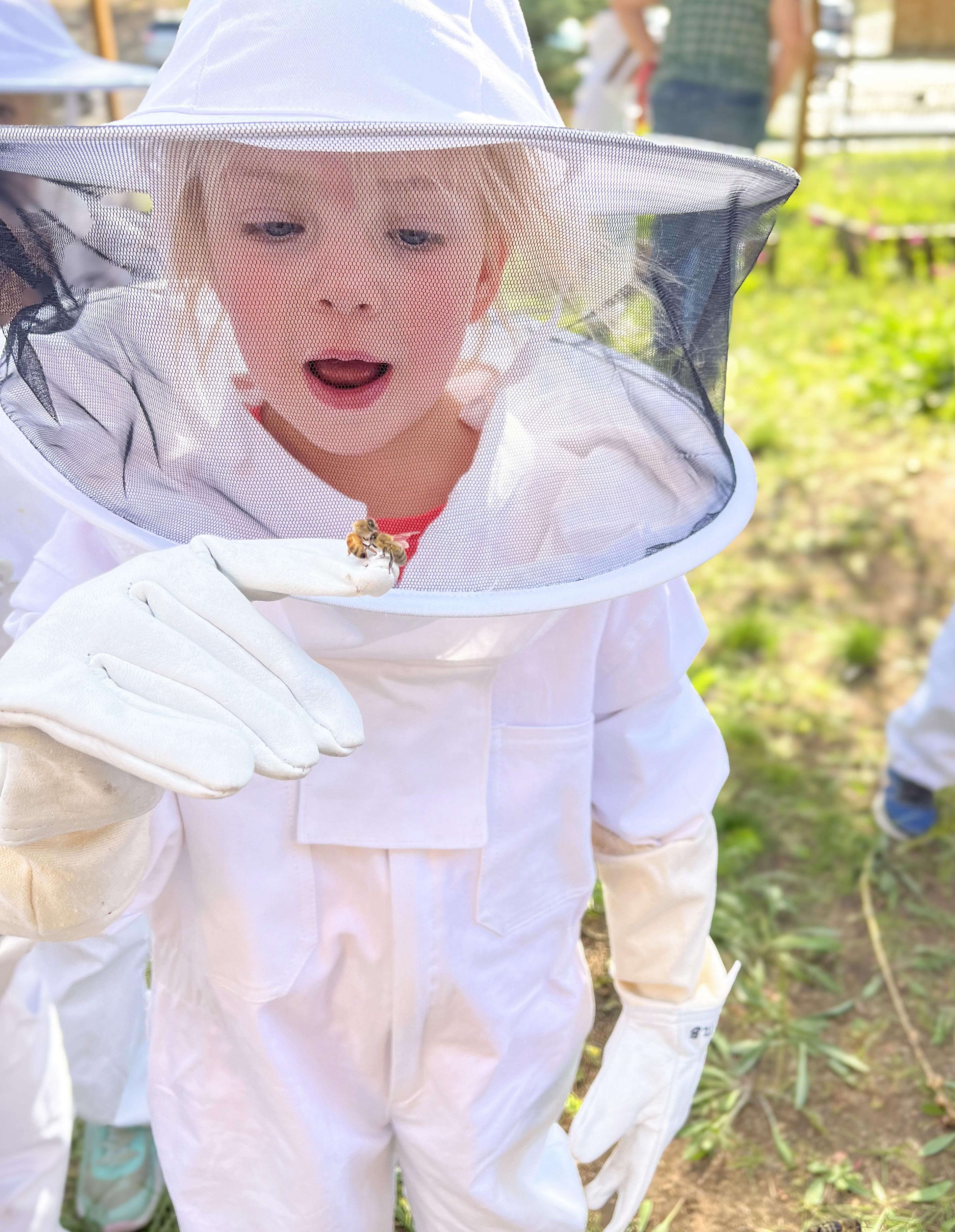
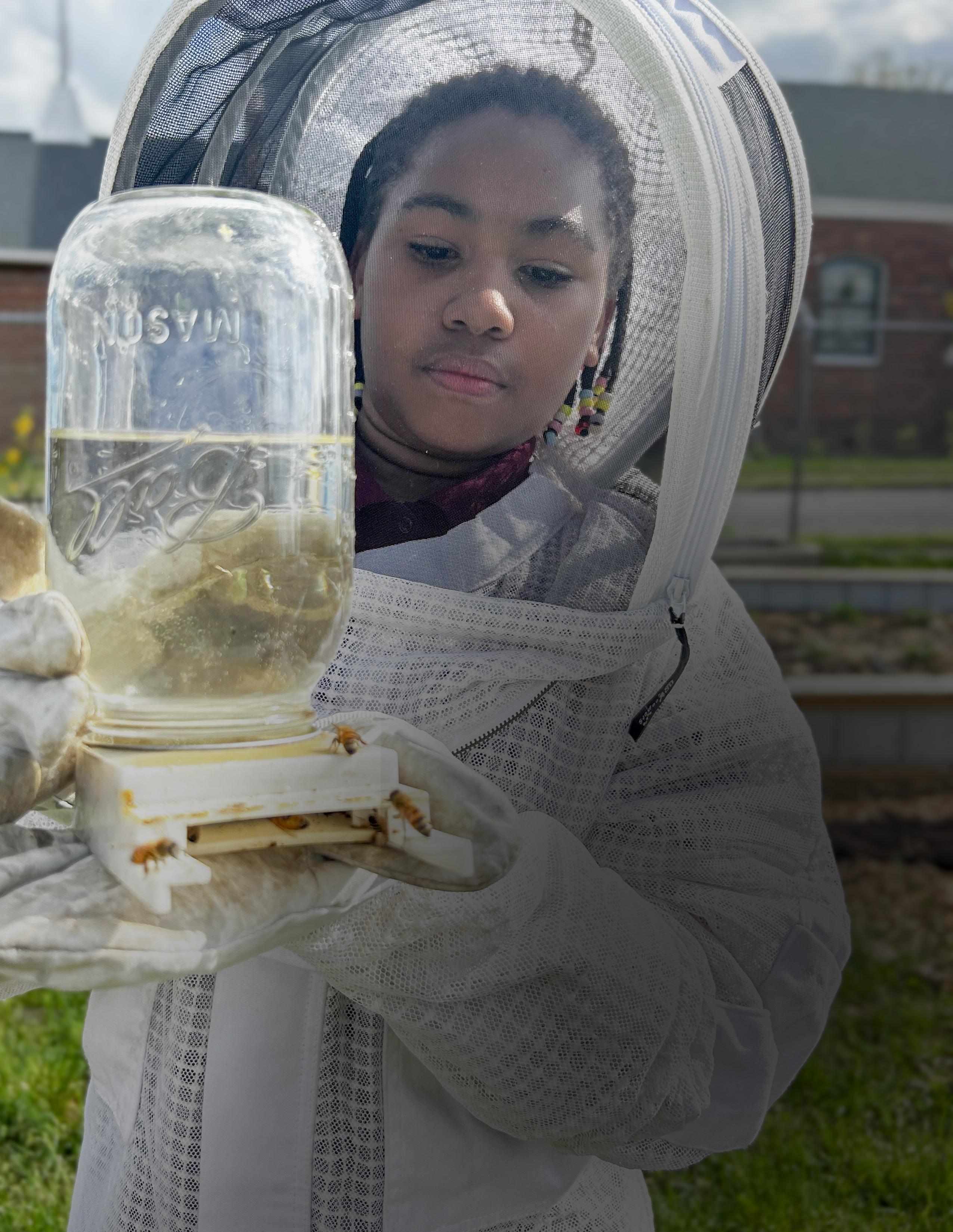
Protected by a bee suit, a student in Estes Park School District in Colorado marvels at the honey bees sitting on her finger.
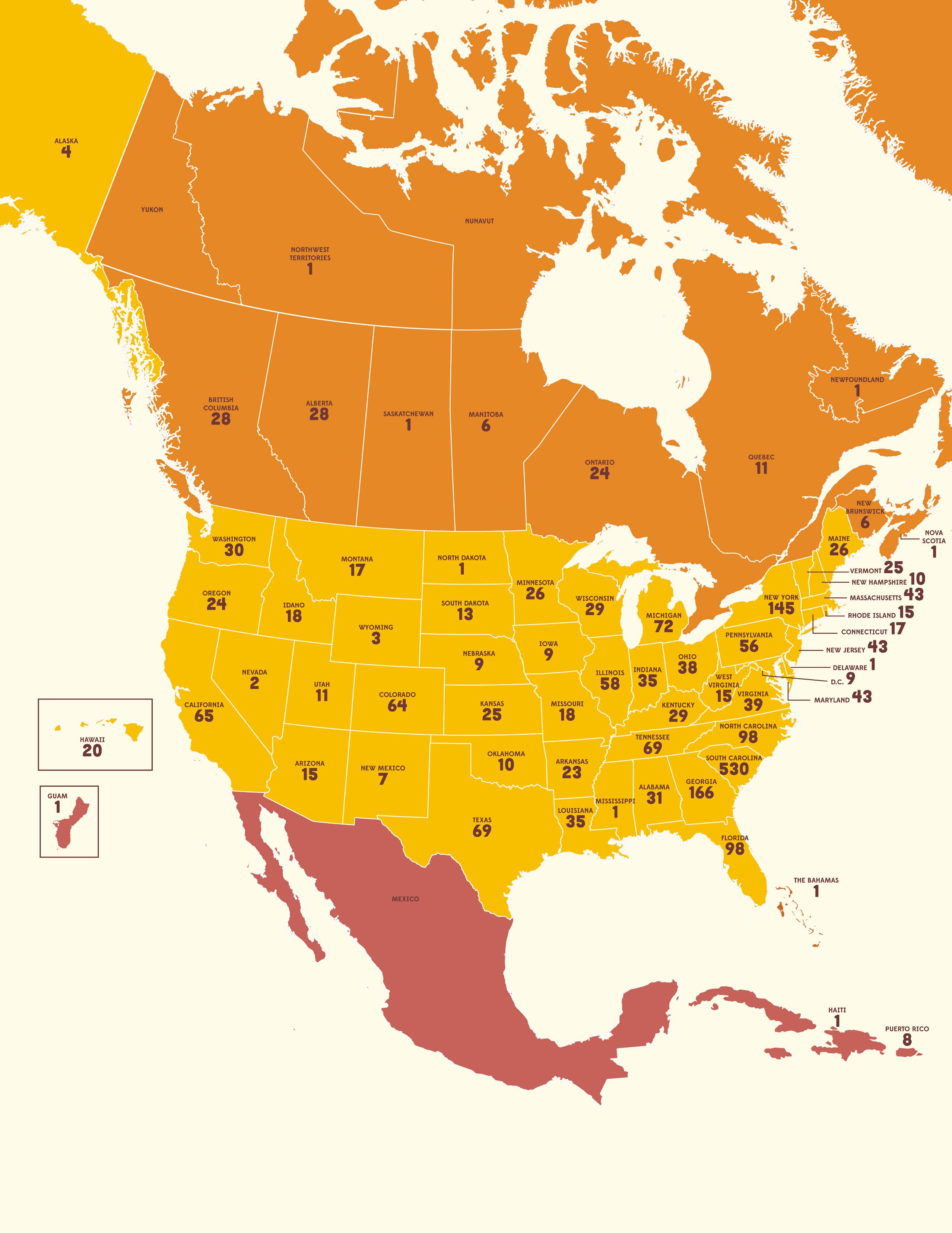
What began locally has grown far beyond our borders. Today, The Bee Cause Project supports grant recipients in every U.S. state, plus 10 Canadian provinces, Puerto Rico, the Bahamas, Haiti, and Guam.
BEYOND THE BOARDROOM
NATURE IN THE WORKPLACE
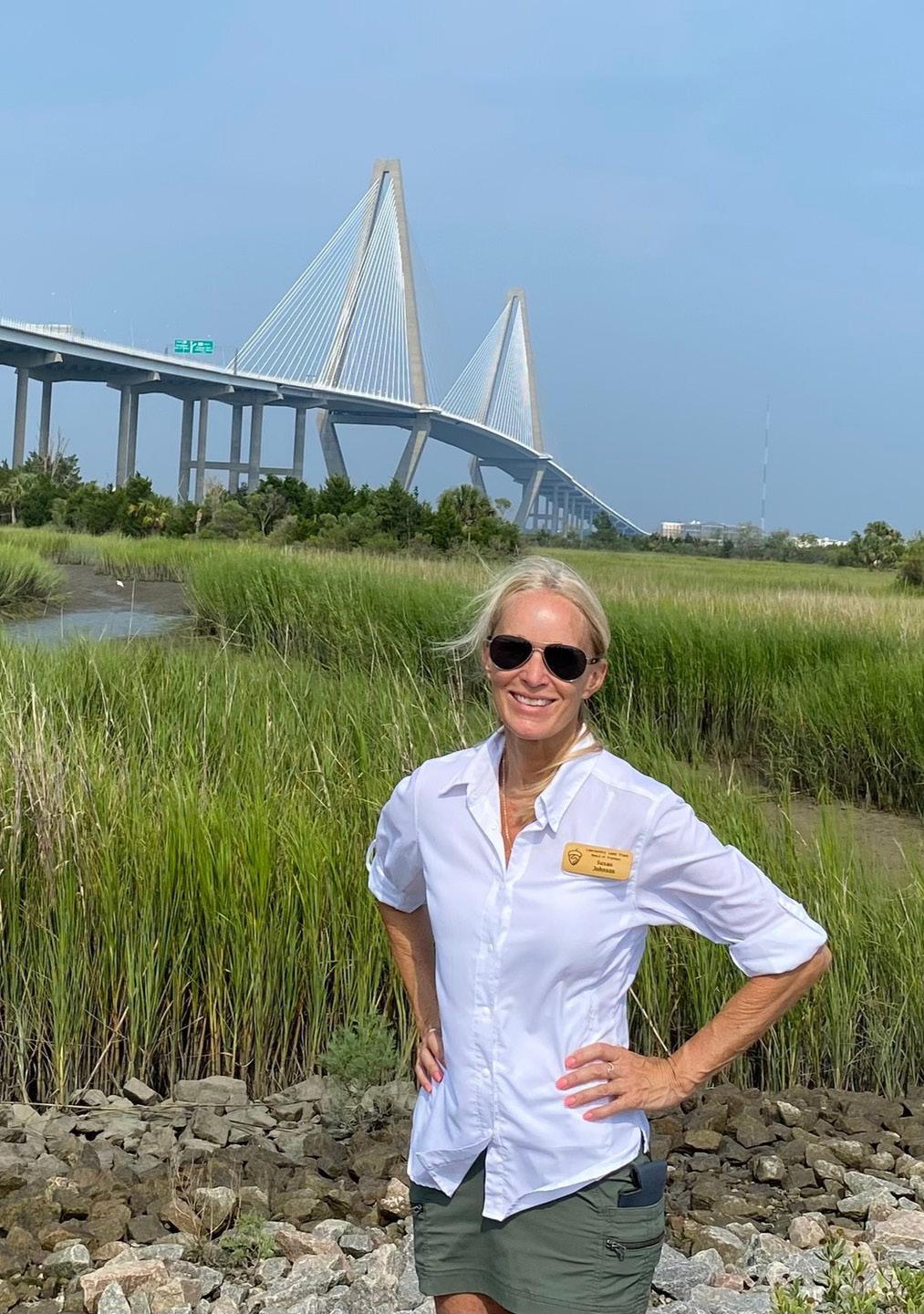
At The Bee Cause, leadership doesn’t stop at the board table. Our board members are not only stewards of our mission, they are builders, innovators, and changemakers in their own right. A powerful example of this is Nature at Work, a statewide initiative founded by Bee Cause board member Susan Johnson.
Nature Is Essential
Nature at Work was created with a bold but simple belief: nature is not a luxury - it is essential to human health, wellbeing, and connection. With many people spending more than 40 hours each week in the workplace, access to nature is critical to overall health. The initiative works to place nature at the center of workplaces, communities, and daily life, helping organizations rethink how people work, lead, and thrive.
As Susan explains, “Nature at Work exists to help people thrive by making nature part of how we work, learn, and live every day. Human health, community vitality, and environmental stewardship are deeply interconnected, and when we ignore one, we weaken them all.”
Turning Research Into Everyday Action
Built on a growing body of research linking time in nature to improved mental health, reduced stress,
stronger social bonds, and greater resilience, Nature at Work focuses on turning evidence into action. The initiative helps employers and organizations integrate nature into everyday work life through realistic, achievable strategies that align with their culture and capacity. These can be as simple as outdoor breaks, walking meetings, access to green spaces, or conservation-based volunteer opportunities, many of which are low- or no-cost but high-impact.
Nature helps make us healthier, happier, and more resilient, and that benefits individuals and organizations alike. “
Meeting Organizations Where They Are
Rather than prescribing one-size-fits-all solutions, Nature at Work meets organizations where they are. By connecting employers with trusted nature-based service providers, nonprofits, and community partners across South Carolina, the initiative builds an ecosystem that supports both people and place.
“When these research-backed strategies are woven into workplace culture, organizations often see stronger engagement, improved wellbeing, and a more connected work environment,” Susan notes. “Nature
helps make us healthier, happier, and more resilient, and that benefits individuals and organizations alike.”
A Shared Philosophy With The Bee Cause
This philosophy resonates deeply with The Bee Cause mission. Just as our programs invite students to build, plant, observe, and care, rather than simply learn from a distance, Nature at Work emphasizes participation over abstraction. It is about creating environments where people do not just understand the value of nature, but experience it firsthand.
Board Leadership in Action
What makes this work especially meaningful is that it reflects who our board members are beyond their titles. They do not just advise impact, they actively create it.
Through Nature at Work, Susan Johnson is helping redefine how institutions think about wellbeing, stewardship, and sustainability, reinforcing a truth we hold close at The Bee Cause: when we invest in nature, we invest in people.
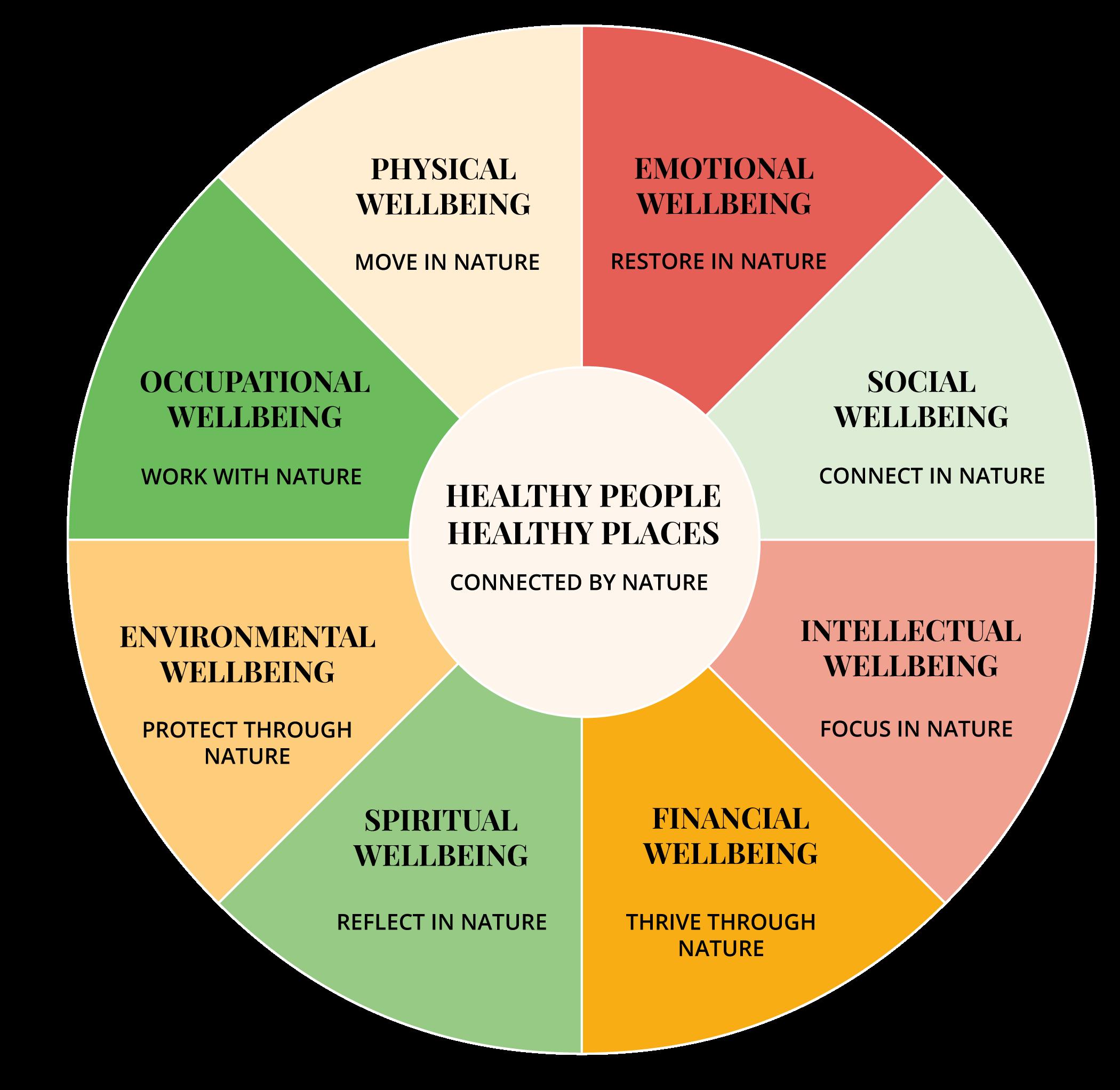
Nature-Based Wellness Wheel
The Nature-Based Wellness Wheel illustrates how connection to nature supports wellbeing across eight interconnected dimensions. These dimensions are woven throughout Nature at Work’s pillars and can be activated in a variety of ways across teams, organizations and communities.
Susan Johnson taking in the views around Charleston’s iconic Ravenel Bridge.
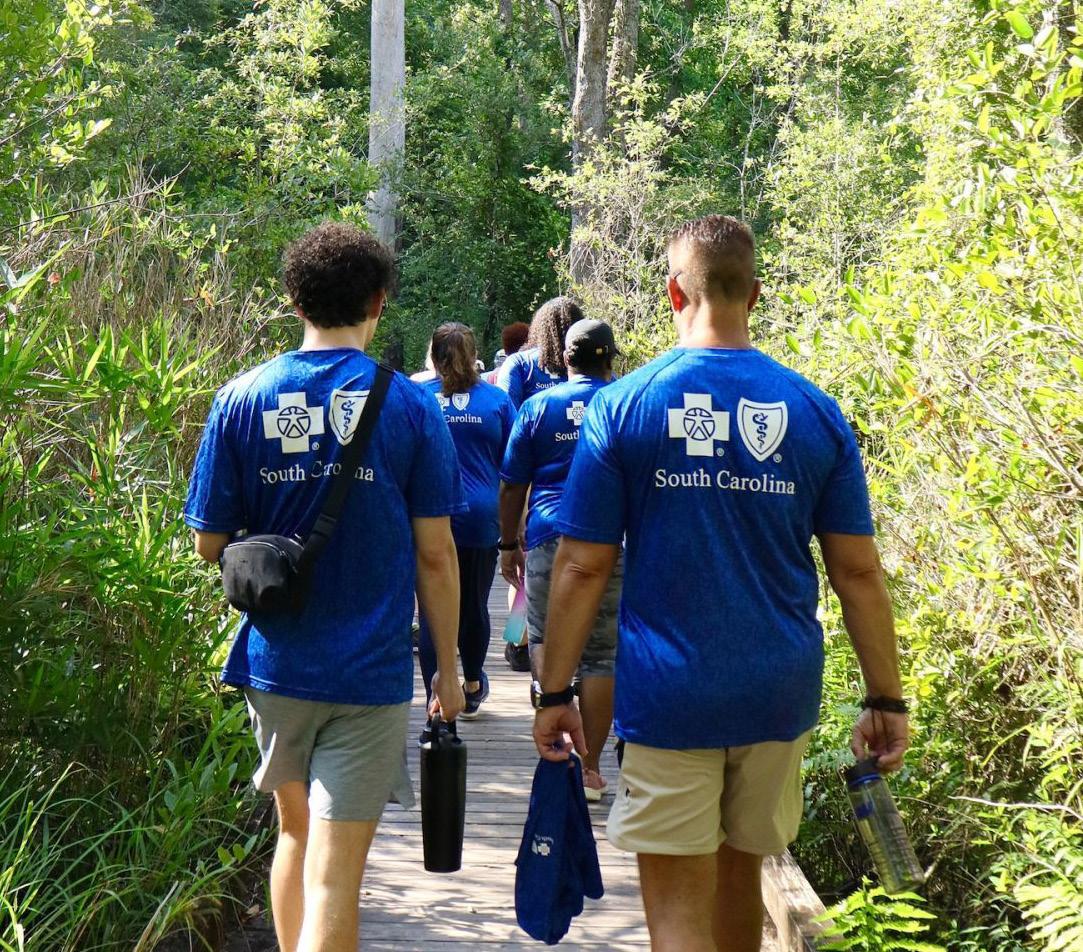
Employees from Nature at Work founding member company BlueCross BlueShield of South Carolina exploring a state park.
BEYOND THE BOARDROOM
LIGHTING THE WAY FOR FIREFLIES
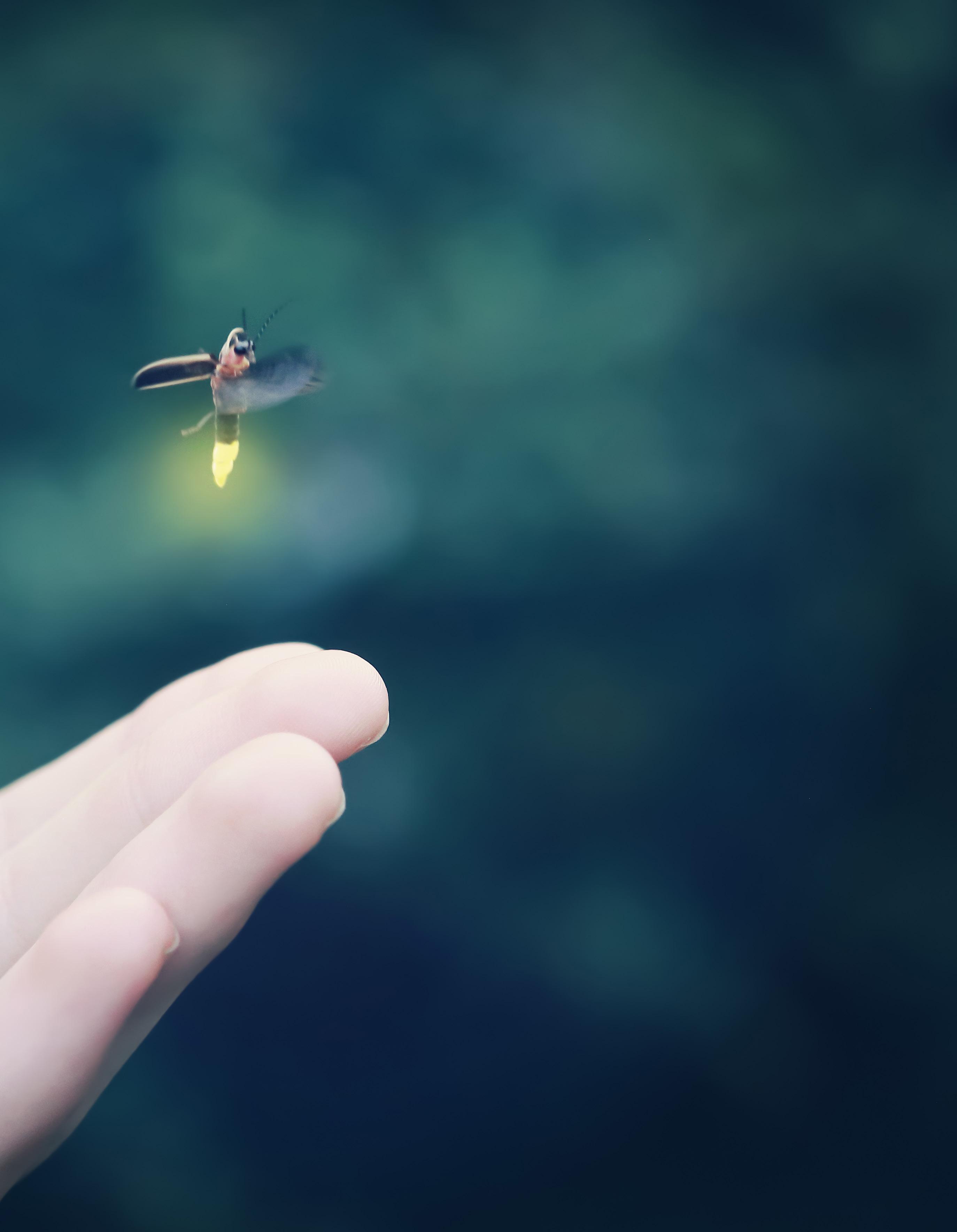
On summer nights across the Southeast, tiny lights flicker just above the grass - a quiet magic many people remember from childhood. For Becky Griffin, those memories are more than nostalgial: they are an invitation.
“There is a nostalgic feel for fireflies,” Becky explains. “Most people have fond memories of seeing and catching them. But what I’ve found is that most people don’t really understand why they’re seeing fewer than they used to.”
That question - why are they disappearing? - is where learning begins.
THE GREAT SOUTHEAST POLLINATOR CENSUS
The Great Southeast Pollinator Census began in response to a clear need: gardeners and educators wanted to support pollinators but often lacked access to insect ecosystem and entomology knowledge. Launched as a pilot in 2017, the project was intentionally designed to be accessible to all while still producing meaningful, reliable data through clear counting criteria and expert guidance.
From Curiosity to Conservation
A nationally respected educator and longtime Bee Cause board member, Becky has spent her career helping communities move from casual observation to meaningful understanding of insects and ecosystems. Her latest initiative, Lights Off. Fireflies On., uses fireflies as an accessible, emotionally resonant entry point into conservation science.
Worldwide, there are more than 2,300 species of fireflies, with more than 50 found in Georgia alone. Their visibility makes them ideal for place-based learning. But their decline also tells a larger story about habitat loss, light pollution, and the unseen ways human behavior affects insect life.
Why Light Matters
“The flashes that we enjoy watching are critical to firefly life cycles,” Becky says. “Those flashes help fireflies find mates. Light pollution disrupts that process and makes it harder for them to find each other.”
Because the problem is so tangible, the solution often feels empowering.
Learning That Feels Local
Lights Off. Fireflies On. was designed to support educators across grade levels and subjects, from life cycles in elementary classrooms to writing assignments, habitat evaluations, and student-created lighting plans using dark sky data.
“Fireflies can be integrated at many grade levels and in many subjects,” Becky says. “When students see insects in their own landscape, learning becomes real.”
A Community-Wide Effort
The initiative is the result of a unique collaboration between the University of Georgia, the Fannin County Chamber of Commerce, and the Fannin County School Board. Together, these partners helped pass a county ordinance requiring outdoor lights to be turned off between midnight and 6:00 a.m., with exceptions, and established July 2 as Fannin County Firefly Day.
“Students can help spread the word,” Becky shares. “I had one student come up to me in the grocery store and tell me how he visited rental cabins near his home, explaining to the tourists why outdoor lights should be turned off at night. We high-fived in the middle of the cereal aisle.”
By helping students understand how small actions can support fireflies, the program turns curiosity into awareness and awareness into stewardship.
From “It’s a Bug” to Awe
“At the heart of this work is wonder,” Becky says. “As people learn more about insects - that awe factor - they become more invested in protecting them.”
She’s encouraged by growing openness to pollinator education across the Southeast. Conversations that once met resistance are now met with curiosity.
Her message to educators and students is simple and hopeful. “Every person can truly make a difference in pollinator health and conservation,” Becky says. “Small actions like planting native habitat, reducing pesticide use, or turning off unnecessary lights allow these insects to thrive. And then you get to enjoy the show.”
The Census is built around three core goals:
» Educating gardeners on creating sustainable pollinator habitat using resilient, low-pressure plants
» Increasing entomological literacy by helping participants move from curiosity to understanding
» Generating data that tracks pollinator trends and reveals environmental impacts
First held statewide in Georgia in 2019, the Census quickly expanded across the Southeast, now engaging participants in South Carolina, North Carolina, Florida, Alabama, and Mississippi. Today, thousands of participants contribute each year, building pollinator literacy while helping advance regional understanding of pollinator health.
WHY
OUR GRANT PROGRAMS
Lasting environmental change begins the moment a student encounters the natural world in a meaningful way.
Our Theory of Change illustrates how The Bee Cause Project translates education into lasting impact. It maps the connections between our programs, the outcomes they create, and the long-term change we work toward for pollinators, people, and ecosystems. This work has helped make clear how we can communicate the method that leads to systemic change.
BEE HABITATS
BEE EDUCATION
BEE HEALTHY SYSTEMS
AREAS OF CONCERN WE ADDRESS
AWARENESS OF POLLINATOR DECLINE
» Students connect local action to broader ecological food system issues
» Students act as community ambassadors for pollinator health
» School environments demonstrate measurable biodiversity gains
FOR STUDENTS
» Schools sustain gardens as living classrooms
» Build student resilience and agency in response to climate change
» Students develop empathy, respect, and curiosity for bees and their role in nature
» Pollinator literacy embedded school-wide
» Community and food projects sustained over time
» Deepened community connections around healthy ecosystems
& TOOLS
» Outdoor STEM & SEL integration
» Hive-based pollinator learning across disciplines
» Increased educator confidence
We invite you to partner with The Bee Cause in 2026 and beyond, expanding pollinator education to more classrooms and communities. Contact us at info@thebeecause.org
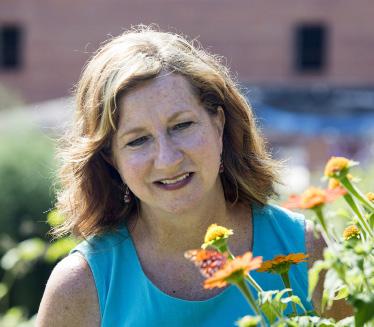
GRIFFIN CHAIRPERSON

ISABELLE RAMSEYER SECRETARY
Board of Directors
We are deeply grateful to our Board of Directors for their leadership, guidance, and unwavering commitment to our mission. Their generosity of time, expertise, and vision strengthens our work and helps ensure that pollinator education and conservation continue to grow and thrive.
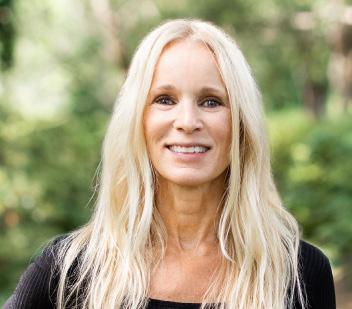
SUSAN JOHNSON TREASURER
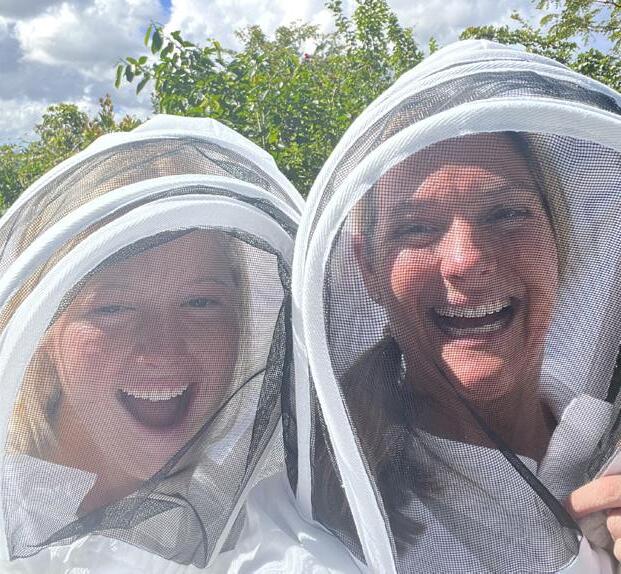
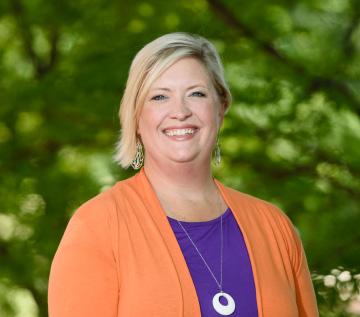
Tami Enright, Co-Founder & Executive Director, leads with a focus on building practical, long-term partnerships that bring pollinator education into real classrooms. She works closely with educators, funders, and community partners to design programs that are easy for schools to implement and meaningful for students. Under her leadership, The Bee Cause Project has expanded nationwide, supporting thousands of teachers and helping schools connect
Our Team
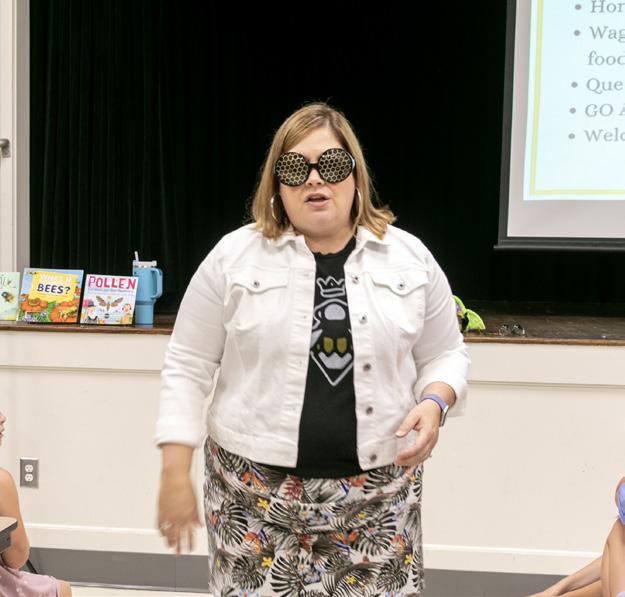


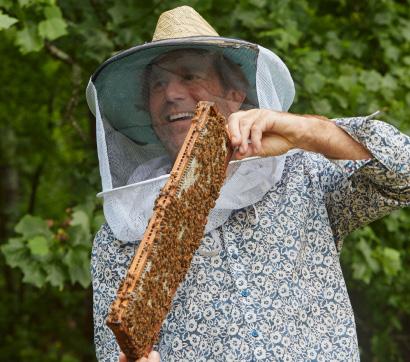
TED DENNARD CO-FOUNDER AND MEMBER
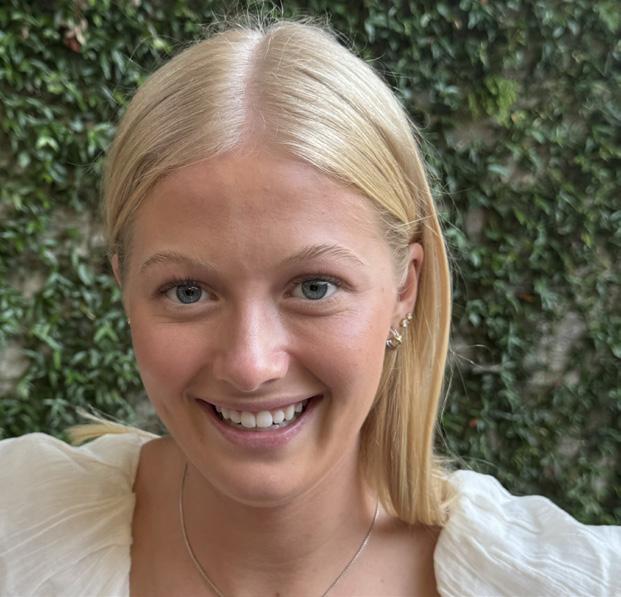
Emilee Elingburg, Director of Educational Programs, brings more than a decade of experience as a Montessori educator to her work. Driven by a lifelong passion for education, Emilee designs and leads engaging learning experiences and advocacy efforts that connect students to the vital role of pollinators. Through her leadership, thousands of young learners are empowered to understand, protect, and champion bees and the ecosystems
A huge thank you to Talula Enright, Programs Intern, for helping keep the ball rolling at The Bee Cause Project this year. From jumping in wherever needed to bringing fresh energy to our work, we are so grateful for all you do.
BECKY
AMY DABBS PAST CHAIRPERSON
THANK YOU
to all our funders, donors, and educational partners
EDUCATIONAL PARTNERS
Accountfully
MPOWRD ANALYTICS
Whole Kids
Cove Creative Studio
Signs Design
Queen & Comb
MAJOR DONORS
Allegra Marketing
Bee City USA Charleston
Clemson Cooperative Extension
Belay Solutions
South Carolina 4-H Youth Development
Wit Meets Grit
Community Foundation Serving Western Virginia
The Denver Foundation
Kathryn Kowalczuk
Walmart SparkGood program
Alan Derkazarian
Kimberly Roda Family Charitable Fund
E2 HOMES
Freese and Nichols, Inc.
Sterling Seacrest and Pritchard
O2C Brands
OTHER DONORS
Amy Kaban
Aperture Apiary
Lorraine K. Doyle Donor Fund
Jon D Breth
Julie Murden
Susan Levine
Monique Espiritu
PayPal Giving Fund
Matt Proscia
Womans Club of the Midlands
Jessica Desrosiers
Elizabeth DeCree
HunterMaclean
Sterling Seacrest and Pritchard
The Flyway Companies
Tessa Carvalho Consulting
Oz Residential
Michael Riley
Coastal Community Foundation
Delaware North
Ohana East Foundation
Atlantic Packaging
McJunkin Family Charitable Foundation
Savannah Bee Company
Whole Foods Market Foundation
Becky Kepler
Jennifer Saboe
Linda Wagster
Kim Miller
Rhonda Gisela Wilson
Juli Rice
Doris Unterzuber
Nathan Sexton
Keisha Carter
Sheryl Fiorini
Anna Evans
Kathryn Barrett
Rebecca Griffin
Geoffrey Fourqurean
Kathryn Rothstein
Dyanna Bowen
Jonathan Moons
Durand Winton
Mighty Cause
Charitable Foundation
Tammy Wiggins
Pledgeling Foundation