Taste-Testing Toolkit: Serving Plant-Powered, Fiber-Rich Meals in CACFP Child Care Settings
Taste Testing Toolkit
Try New Foods. Gather Feedback. Build Excitement.
Before adding new items to your menu, take time to taste test with your team and participants Taste testing builds familiarity, sparks excitement, and strengthens support for the changes ahead
Tips to Involve Your Program Community
Planning the Taste Test
Conducting the Taste Test
Gathering and Implementing Feedback
Marketing and Promotional Resources
Taste Test Day Checklist
Common Questions & Answers
Recommended Taste Test Recipes
Taste Test Toolkit
Introduction
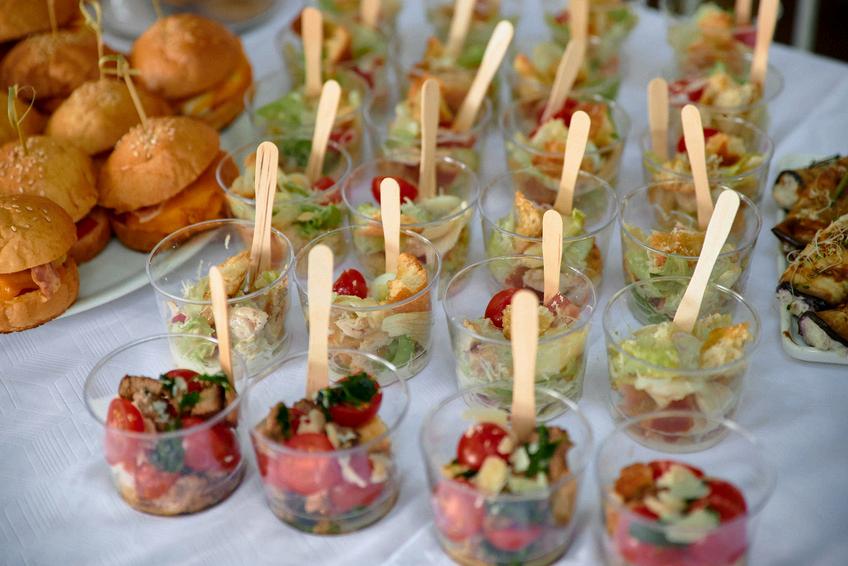
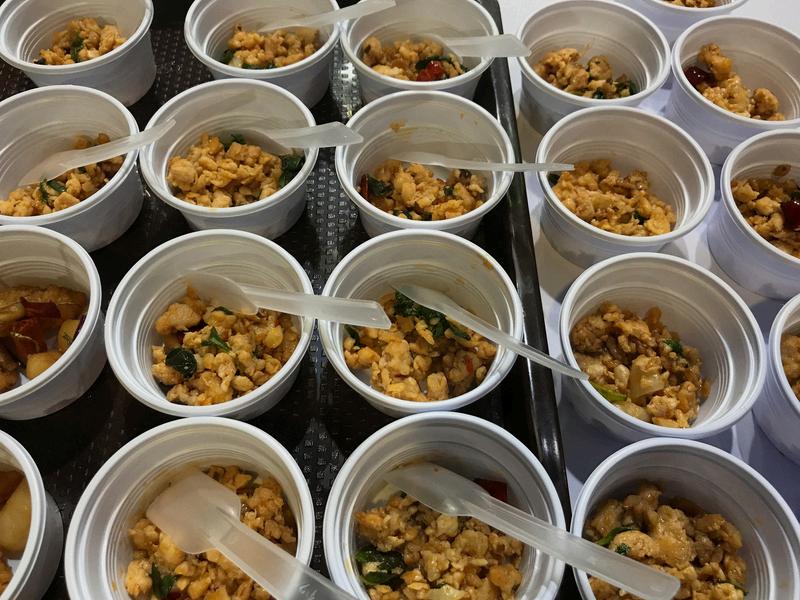
Taste testing items before introducing them to your menu is a great way to build excitement, gauge interest, and gather valuable feedback It also creates a low pressure environment for participants to try new foods without the commitment of a new full meal
The more times a child is exposed to a new food, the more likely they are to end up enjoying it. The number of exposures can vary, but studies indicate that it may take anywhere from 5 to 15 times for a child to accept a new food Taste tests provide an opportunity for that exposure in a fun and engaging way They also help your team to plan more accurately - by gathering feedback, you can make informed decisions on what to introduce on your menus, and even have an idea of how much to make
Taste testing is especially important when introducing new and potentially unfamiliar foods, such as plant-forward menu items. Giving children a chance to try them in advance helps normalize those options, builds curiosity, and can reduce food waste
This toolkit will guide you and your team through the taste testing process - from planning and execution to collecting feedback and building community support - so you can confidently try out new, health-promoting items in your early child care center!
Taste Test Toolkit
Tips to Involve Your
Community
Involving your community in the planning and execution of taste tests will help foster collaboration and increase the overall success of the event It builds ownership, generates excitement, and ensures that everyone feels included and heard
When involving adults in the process, remind them that their behavior and attitude will set the tone for young children Adults serve as role models and their demeanor will impact how children perceive the food That being said, encourage positive, open-minded attitudes!
Below are some ideas on how to involve your community in taste tests. Don’t feel pressured to do all of these things right away - start with a few, and build from there as you become more comfortable with offering taste tests
Ways to Involve Children
Help develop lifelong eating habits that prioritize human and planetary health by fostering curiosity and comfort for children to try new things The goal is to serve children delicious, nutritious meals that they will enjoy! Engage them by creating a safe, positive environment to try new things Spend time listening and encourage them to share their thoughts and be involved in the process
Assign rotating roles like “taste test helper,” “table wiper,” or “sample passer” so children can assist with small tasks and feel a sense of responsibility
Decorate the space! Invite children to help decorate the tasting area with themed art
Taste Test Toolkit
Tips to Involve Your
Community
Ways to Involve Families
Send out a newsletter or email (or ask your director to add a blurb to their existing newsletter) asking for volunteers to help with setup, cleanup, serving samples, and encouraging participation This can really make a difference for your team in alleviating some of the extra work associated with offering a taste test
Share taste test results with families so they can talk about it at home and reinforce positive food experiences.
Send an adapted recipe home so children can showcase what they tried and make an at-home version.
Ways to Involve Staff
Include staff in the taste test processfeeling involved will make them more likely to be positive about it
Empower staff with knowledge behind wh you are conducting taste tests and provid guidance on best practices. Assign fun rol like “taste test captain” to provide a sense ownership.
Collaborate on learning tie-ins, such as offering a simple lesson on nutrition, grow food, or cultural traditions related to the items being sampled.
Encourage staff to build excitement by talking to children about the taste test in the days leading up to it.
Taste Test Toolkit
Tips to Involve Your
Community
Ways to Involve Leadership
Explain the why so leadership is on board with taste testing and can help support.
Partner with leadership to promote menu changes and taste testing events through newsletters and social media.
Invite leadership to attend the taste test and engage with children.
Ways to Involve Your Health and Wellness Team
Coordinate with your health and wellness staff ahead of time to identify any allergy concerns and ensure accommodations are in place
Ways to Involve Your Greater Community
Source items from local farms or businesses when possible, to build community connections and promote fresh, local ingredients.
Invite community members such as local chefs or farmers to present during the taste test about their work and how it is connected to the food being served.
Pla
Define Your Goals
Are you introducing a new menu item?
Deciding between two recipes?
Seeking feedback on new flavors or preparation styles?
The why behind your taste testing is important for you and your team to be aware of so you can effectively promote, execute, and gather feedback
Select Items to Test
Limit to 1-2 items to keep the process manageable for your team and engaging for children
Choose nutritious options that align with your meal program goals
See the Recipe Guide for ideas on what you could sample
When selecting items to taste test, consider: Can it be featured in the future as part of our regular menu?
Does your kitchen have the necessary equipment and staff training to prepare the dish?
Is the dish culturally significant to members of your community? Is it possible to source some of the ingredients locally?
Sample with Staff
Before introducing items to children, create a small batch and conduct an internal tasting with your staff
Involvement in the decision-making process is critical within your team Create buy-in by inviting collaboration and including program staff in the process
Choose the Right Time and Place
Choosing the right time and location for your taste test can make a big difference in participation and engagement Consider what works best for your program’s schedule and staffing capacity
Ensure Guidelines are Being Followed
Communicate plans with leadership and other relevant staff
Check if permission slips are required
Ensure allergy and dietary restrictions are accounted for and that items are clearly labeled.
Conducting the Taste Test with Young Children
Get children involved in taste testing! It’s all about making them feel empowered and part of the decision-making process
Allowing them to taste test foods will make them familiar with the options when they are served for meals. Imagine them saying to their friends “I tried this last week and it was awesome!” That kind of energy and positive peer influence can drive participation
Set Up the Environment
Clearly label items
Display posters, signage, or other promotional materials
Set up a clean and inviting area (station, cart, etc)
Prepare napkins and utensils if needed
Have staff or volunteers ready to serve and engage with children
Ensure feedback tools (posters, stickers, forms) are visible and accessible
Create a Positive Experience
Greet children with energy and enthusiasm!
Have Fun! Greet children with energy and enthusiasm! Tell them what they’re trying and why Share a fun fact about the food or how it might appear on the future menu
Just one bite! Don’t put pressure on children, let them know it’s no big deal if they like it or not Encourage them to start with “just one bite ”
If you or other program staff appear to show negative behavior towards new dishes, the children will notice Getting your team on board from the start will set the tone for positivity This is a key step in getting children excited to try new things
Provide Simple Feedback Tools
Feedback poster:
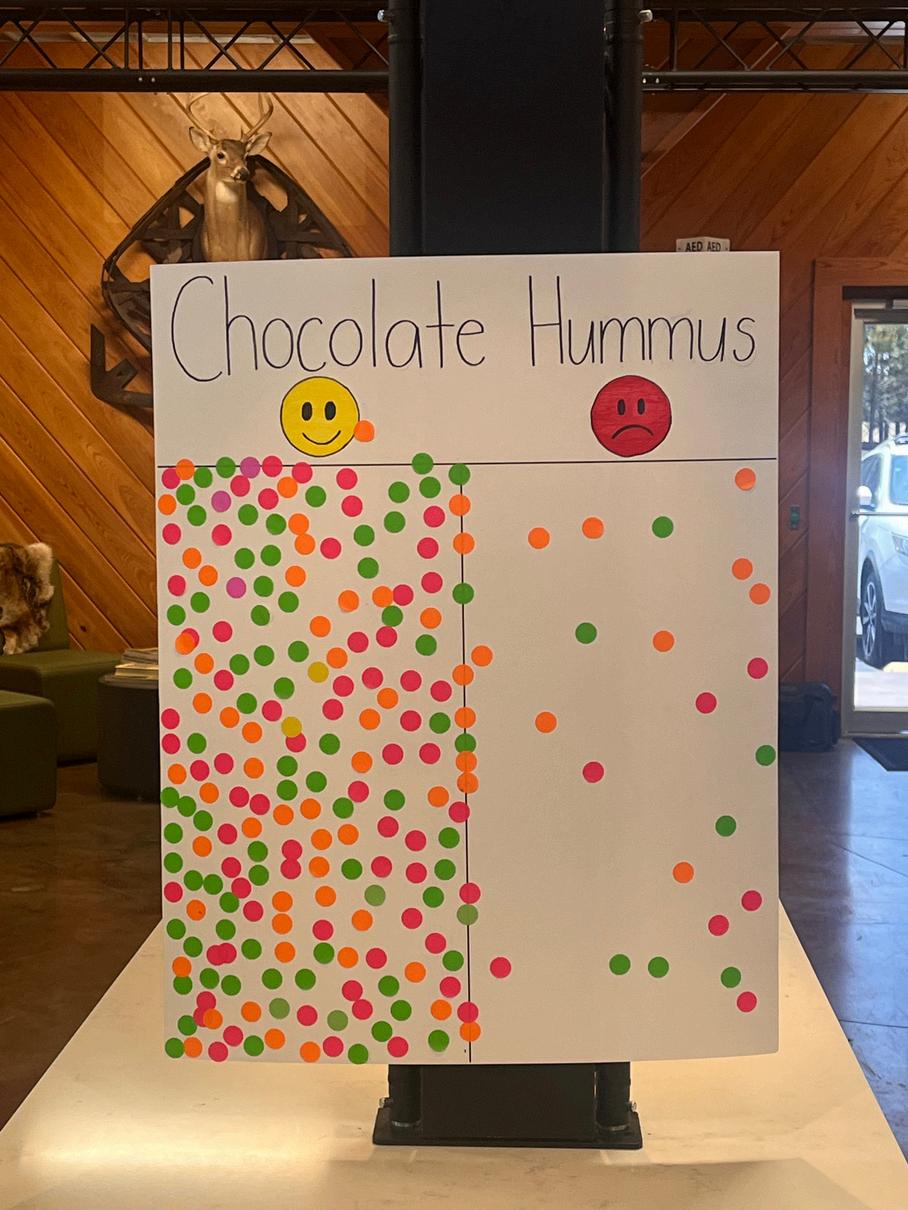
Create a poster split into two or three sections For example: “I loved it” “I liked it” and “not for me ”
Provide stickers for children to place on the poster
Verbal feedback:
Structured verbal feedback can help children think, talk, and learn about food using their senses and emotions
The key is to keep questions openended, sensory-based, and nonjudgmental so children feel safe sharing honest reactions
Use some of these questions to help get children thinking:
Did you enjoy the flavor of the food?
Feedback Poster Example:
What does it taste like - is it sweet, salty, sour, or something else?
What do you notice about how it looks?
How does it smell?
What sound do you hear when you bite it? Is it soft or crunchy?
Can you think of another food that tastes like this? What was your favorite part about tasting this food?
How do you feel about this food - do you love it, like it, not yet, or maybe?
Would you like to try it again another day?
Gathering & Implementing Feedback
Analyze the Results
Tally the responses (sticker count or recorded verbal feedback)
Look for clear trends
Make Menu Decisions
Will the item be added to the menu?
Do you need to adjust the recipe or serving method based on child or staff feedback? Can the item be prepared consistently with your available equipment and staffing?
Report Back
Share what was learned with children and staff - this reinforces that their opinions matters
Thank them for participating and let them know if the item will appear on the menu. If and when the item is eventually served, remind them: “Remember this from the taste test?”
Implement the Change
Finalize the recipe
Communicate with your team about the updates
Promote the new item with the same excitement as during the taste test!
Checklist Taste Test Tools
Preparation
Announce taste test
Prepare tasting samples
Set Up
Arrange your station and display signage
Ready your feedback collection tool (voting poster/stickers, comment cards for adults)
Have napkins and utensils available if needed
Execution
Welcome children and explain purpose
Collect feedback
Post-Event
Analyze feedback and summarize results
Share outcomes with community
Plan for menu adjustments based on feedback
Q
A
Common FAQs Taste Test Tools
What types of foods should we taste test?
Focus on sampling items that align with your menu goals - nutritious, appealing, and feasible to prepare at scale Taste testing is a great opportunity to introduce plant-powered meals, global flavors, and even some scratch cooking if possible Reference the Recipe Guide for a few of our recommended delicious, healthpromoting recipes!
Q
A
Q
A
How often should I plan to offer taste tests?
It’s great if you are able to taste test things on a regular basis so children can become accustomed to the process. A goal of one taste test per month might seem daunting at first, so you can work up to it! Start with one, then evaluate if you need more support next time If it was just your team handling the whole event, maybe plan on gathering additional support like parent volunteers for next time
What if children don’t like the food?
Of course it would be great if children always love what you serve, but you might end up serving something that isn’t very popular, and that’s okay! It lets you learn more about what children like and dislike, and also gives you the opportunity to learn more about how you could alter the recipe so additional participants might like it in the future
Q A My staff is already so busy, how can we execute a taste test with our current workload?
Engaging your community will help support your staff and foster collaboration and excitement. Consider asking for support from parent volunteers and other program staff.
Q A What’s the best way to promote taste tests?
Use a variety of methods including: emails to families, discussing with children, posters/flyers when you can, and lesson tie-ins Additionally, have staff mention it to children during meals leading up to the taste test to foster excitement
Q
A
Taste Test Tools
Common FAQs
Do we need permission slips for taste testing?
This varies by program. Check in with your administration to ensure you are all set!
Q
A How long should a taste test take?
It depends on the setting If you are taste testing during lunch, your regular lunch period should offer enough time to offer samples to each child, given you have adequate staff If you and doing a more in-depth tasting outside of regular meal time, budget between 20-30 minutes
Kickin’ Waffles
Recommended Recipes
Heat & Serve
Product:RebellyousKickin’Tenders
Semi-Scratch:
Deeply Rooted Bolognese
Product:DeeplyRootedorotherPBcrumbles
Tasty Taco Filling
Product:DeeplyRooted orotherPBcrumbles
Scratch
Cuban Black Bean Street Tacos
Key PB Ingredients: Black beans
Chickpea Salad Sandwich
Key PB Ingredients: Chickpeas, soy yogurt
Additional Resources
Tiny taste, see how we grow : a sensory taste testing experience for preschoolers
ty and public health advocacy organization d reducing the impact of diet-related disease for unities around the world.
With a special emphasis on nutrient-based interventions, Balanced’s Advocacy, Institutional Support, Nutrition Research and Policy programs focus on shifting the proportion of health-promoting foods on menus through an increase of dietary fiber and a reduction of foods high in saturated fats, excess sodium, and ultra-processing.
Combining both public awareness campaigns and practical implementation support, we provide resources, training, and tools to partner organizations and food service teams working to improve the healthfulness of their menus.