PHASE 3: EXCITE & INSPIRE, PROMOTING YOUR PLANT-POWERED MENUS WITH PURPOSE SERVING PLANT-POWERED, FIBER-RICH MEALS IN CACFP CHILD CARE SETTINGS PHASE 3 RESOURCE GUIDE

PHASE 3: EXCITE & INSPIRE, PROMOTING YOUR PLANT-POWERED MENUS WITH PURPOSE SERVING PLANT-POWERED, FIBER-RICH MEALS IN CACFP CHILD CARE SETTINGS PHASE 3 RESOURCE GUIDE
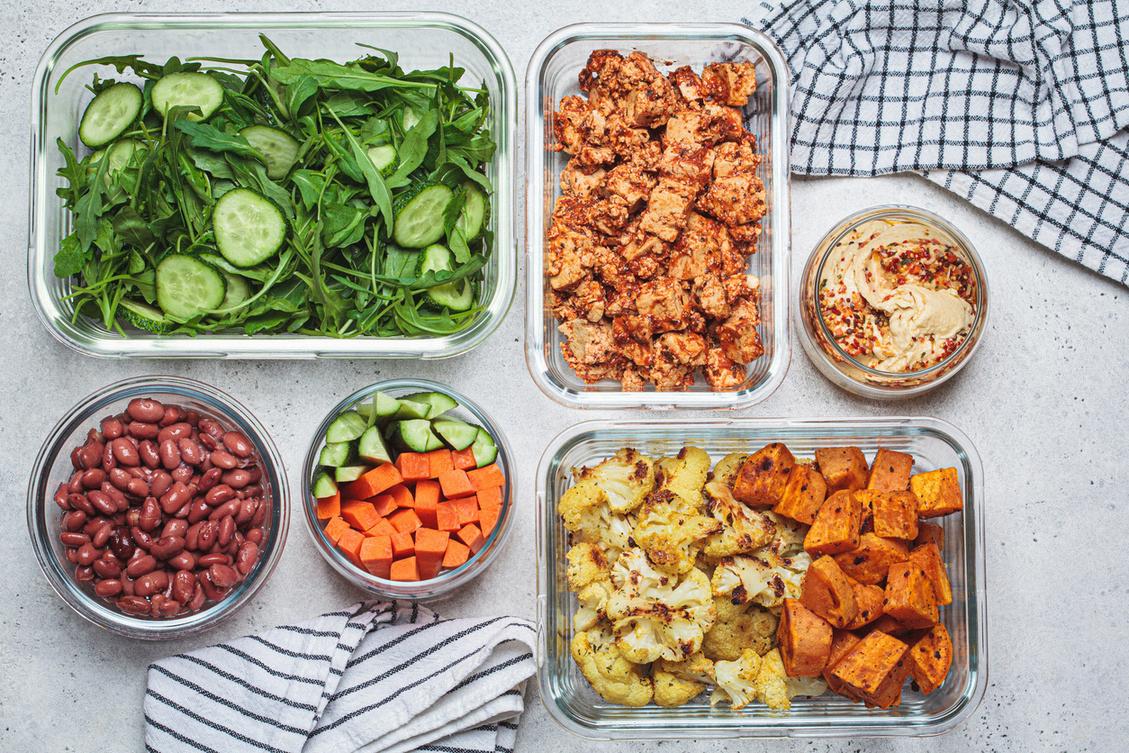
You already bring a wealth of experience marketing and promoting the menus you create. In this section, you’ll find practical strategies, tips, and ready‐to‐use materials to help you build on that success – supporting taste tests, trying new approaches, and creating a food environment that encourages participants to choose and enjoy plant‐powered meals.
Usingpositive,appealinglanguagethathighlightsthedeliciousnessofthedish,helpsyourteam, participants,andotherstakeholdersfeelexcitedaboutmenuchangesfromthestart.Whenpeople understandhownewmenuitemscanimprovetheirday–whetherthatmeansfeelingmore energized,satisfied,orsupportedintheirhealthjourney–theyarefarmorelikelytogivethema tryFocusonwhatmakeseachdishdeliciousandappealing
do they care about most?
What will get them excited about the changes you’re making?
When crafting messages about menu changes, start by considering the needs and interests of your different audiences
Different audiences within your community may include participants, families, and your team
The key is to show how these changes will make a positive difference in their day‐to‐day life When your community sees the benefits for themselves or their children, they are far more likely to support and champion the change
Be intentional with labels.
Children connect with flavor-forward, fun, and descriptive language that makes food sound exciting or appetizing. Playful dish names and words like crunchy, savory, and zesty work well.
“Crispy Chickpea Crunch Bowl” “Power-Packed Bean Tacos”
Family members often respond well to health focused or culturally familiar menu changes Terms like nutritious, nourishing, or nutrient dense resonate strongly
“Our menu updates will help your kids fuel up on delicious options packed with nutrients.”
Words like vegan and vegetarian can unintentionally reduce interest among those who do not identify with those diets For example, Hearty Lentil and Tomato Basil Marinara does not need the word “vegetarian” in the title Those looking for plant-powered options will notice, and others will not be discouraged by a label that might feel limiting The same applies to terms such as “meatless”, which focus on what is missing instead of what makes the dish appealing
Celebrate your efforts to inspire confidence.
After you gather feedback and collect relevant data, share the positive responses and showcase the effort your team has made.
For example, you might highlight:
Swapping out beef crumbles for seasoned lentil taco filling
Sampling hearty mushroom and quinoa meatballs with 90% of participants giving them a “thumbs up ”
Adding a plant-powered option to the permanent menu after positive feedback
Hosting a plant‐powered taste test every Friday to build excitement and gather input
Featuring a monthly special plant‐powered entrée to keep menus fresh and engaging
Showcasing both these bigger shifts and smaller wins helps participants, families, and the community see the care, creativity, and responsiveness behind your menu
Generate momentum, ease concerns, and showcase your expertise and professionalism by sharing your menu improvements in creative ways. This also helps your team feel proud, knowing their hard work is making a real difference –and when your team feels valued and sees positive reactions from participants and families, it builds morale, strengthens commitment, and inspires even more creativity in the kitchen
Consider these ideas for keeping your community engaged:
Post an article about your updated menus on your website and share it through newsletters.
Send emails to families that highlight positive changes and upcoming menu changes
Invite families to join their children for lunch so they can see the changes firsthand Use social media to your advantage – post photos of your meals, celebrate progress, and recognize your hard-working team!
Sharing and celebrating wins is so important it builds momentum, strengthens community buy-in, and inspires others to support or replicate your success Here are creative and impactful ways you can share your plant-powered meal success stories
Monthly Highlights: Include a “What’s New on the Menu?” section with updates on new plant-powered dishes or feedback from participants
Parent Emails: Share short updates about health benefits, recipe spotlights, or environmental impact stats to keep families informed on the why.
Local News & Radio: Pitch a feel-good story to local outlets especially if your program is leading the way in the region
Press Releases: A well-timed press release can spotlight your school as a leader in health, innovation, and environmental stewardship.
Post behind-the-scenes photos of the team preparing meals, taste tests, or "favorite dish of the week "
Participant Testimonials: Short video clips or quotes from participants on what they love about the new meals
Hashtags: Create a unique hashtag like #PlantPoweredAt[YourProgr amName]
Staff Appreciation Posts: Celebrate the staff who make it all happen –like a “Meet the Team” spotlight series
Balanced can help create social media posts specifically for your school
Lunchroom Showcases: Feature themed days (like “Global Plant-Powered Day”) and decorate the lunchroom with fun, educational materials
Plant-Powered Taste Test Day: Invite families to try new dishes and hear from participants and staff
You have already taken important steps to build buy‐in with your team Now it is just as important to extend that effort to participants and their families When these groups feel informed, included, and valued, they are far more likely to support and even champion your menu changes
Engaging participants and their families helps turn curiosity into excitement and builds a sense of pride in what is being served Buy‐in from your wider community transforms menu improvements from simple operational changes into something that feels meaningful and shared It helps address concerns early, sparks creative ideas, and increases the likelihood that your plant‐powered menu will not only be implemented but embraced and sustained over time


Send home flyers, post on social media, or include updates in newsletters Let families know what’s changing and why it matters for their kids’ health.


Use surveys, comment boxes, or casual conversations to invite input. Show parents their voices matter - and that you're listening.

Promote new dishes with photos, participant reviews, or “featured entrée” highlights Invite participants to help name meals or vote on their favorites.
Keep messaging simple and supportive: “These meals are packed with nutrients, fiber, and fresh ingredients that help participants feel good and do their best.”
Here’s a set of sample messages you can use or adapt for newsletters, team meetings, social media posts, or informal pep talks to help build buy-in with key stakeholders - including families, and participants. These messages are designed to inspire support, foster collaboration, and keep everyone informed as you introduce more plant-powered options.
We’re excited to share that our team is working to introduce more plant-powered, fiber-rich options to our menus. These changes are rooted in the latest nutrition science - and designed to help our participants feel better, stabilize their energy, and build lifelong healthy habits. We’d love your feedback and support as we roll out new items. We know these efforts work best when we collaborate across the community. Thank you for being a part of this exciting shift!
We are working to offer more nutritious, plant-powered meals to help participants feel their best and build healthy habits for life. These meals are packed with fiber, fresh ingredients, and kid-friendly flavors. We’ll be trying new recipes and gathering input along the way! You may see some updates on menusplease feel free to reach out with questions or feedback. Your support and partnership are so important as we nourish the next generation.
Great meals fuel great minds! We’re rolling out new plant-forward menu options designed to nourish participants and support their wellbeing. Want to taste-test or share your thoughts? Stay tuned - we’re making this a team effort!
Hey kids! We’re adding some exciting new meals to the menu - plantpowered dishes that are tasty, filling, and good for you. We want your feedback on what you love (or don’t!), so don’t be shy. There will be chances to taste-test, vote, and help shape what’s served. These changes are for you - so let’s build a menu that works for everyone!
We’re updating our menus to include more fresh, plant-powered meals that support children’s health and energy These changes are based on research, driven by care, and made with children in mind We’re excited to partner with families every step of the way - your input matters!
Taste testing is a simple, effective way to build excitement, gather feedback, and help children ease into new menu items It creates a low‐pressure space to try unfamiliar foods and gives your team valuable insights that can reduce waste and boost participation The next few pages offer quick tips and best practices for taste testing new plant‐powered items with your community. For detailed tools and step‐by‐step guidance, see the Taste Testing Toolkit.
Taste testing starts with your staff.
Empowerment and involvement in the decisionmaking process are critical within your team Including staff in the process will help to create buy-in at all levels
Make a new dish or item, let your staff try it, and give feedback.
When you make a new dish or item, let your staff try it and give feedback. “Come try a sample of our new protein-packed pasta sauce Your opinion matters”
Get your participants involved in taste testing It’s all about making them feel empowered and part of the decisionmaking process.
Allowing them to taste test foods will make them more familiar with the options when they are served
If you or your team appear to show negative behavior towards new dishes the participants will notice Getting your staff on board from the start will set the tone for positivity This is a key step in getting participants excited to try new things
Hand samples out personally, and talk with participants about what they’re trying
Then follow up with a few specific questions: Did you like the flavor? Was it too spicy or not spicy enough? What did you like or dislike about it?
Would you like to eat this again if it were served at lunch?
When you talk with participants, focus on the food itself – avoid using words like vegan or vegetarian so the conversation stays about taste and experience.

Gathering feedback is only the first step – what you do with it matters just as much. Take time to review and analyze what participants and staff share, look for patterns, and use those insights to guide menu decisions.
Just as important, let your community know their input made a difference When participants, staff, and others see that their feedback shaped what’s offered, they feel heard, valued, and more excited to try new items.
Create a poster split into three sections: “I loved it” “I liked it” and “not for me ”
Provide stickers for participants to place on the poster
For younger participants, ask them directly
Have a team member survey participants and record their responsesincluding any meaningful feedback or testimonials they share
Create a poster where participants can circle a smiling face, a neutral face, or a frowning face
Use a QR code linked to a short survey that they can fill out on their phones
Google Forms is an easy platform to use
Keep your survey short and simple, but leave room for additional feedback
Here are some sample questions:
Did you try the taste test today?
On a scale of 1-5 (1 being the worst) how would you rate the flavor?
On a scale of 1-5 (1 being the worst) how would you rate the texture?
Yes or no, would you consider choosing the food if it were offered for lunch? What changes would you suggest to make the food even better next time?

ty and public health advocacy organization d reducing the impact of diet-related disease for unities around the world.
With a special emphasis on nutrient-based interventions, Balanced’s Advocacy, Institutional Support, Nutrition Research and Policy programs focus on shifting the proportion of health-promoting foods on menus through an increase of dietary fiber and a reduction of foods high in saturated fats, excess sodium, and ultra-processing.
Combining both public awareness campaigns and practical implementation support, we provide resources, training, and tools to partner organizations and food service teams working to improve the healthfulness of their menus.
www.balanced.org
@thebalancedorg