
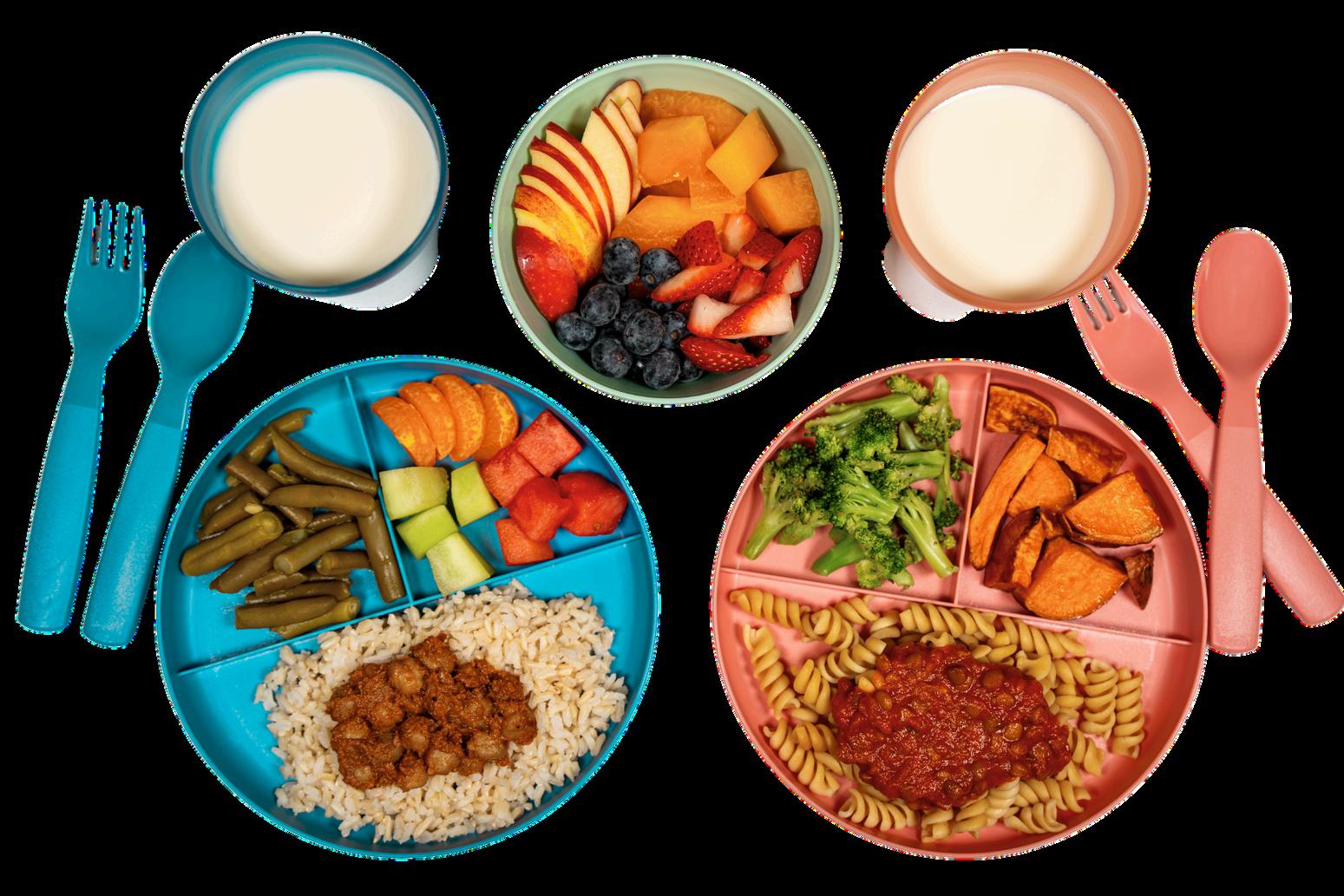
SERVING PLANT-POWERED, FIBER-RICH MEALS IN CACFP CHILD CARE SETTINGS
PHASE 2 RESOURCE GUIDE
SERVING PLANT-POWERED, FIBER-RICH MEALS IN CACFP CHILD CARE SETTINGS
PHASE 2 RESOURCE GUIDE
Adding more plant-powered meals to your menus doesn’t have to be overwhelming. This section is designed to help you start where you are, whether you're building from scratch or making simple swaps. You'll find guidance on designing balanced, appealing




Identify opportunities for easy swaps that maintain familiarity and ease the transition.

Swap familiar favorites Use plant-based versions of popular items like chicken nuggets, hot dogs, and burgers
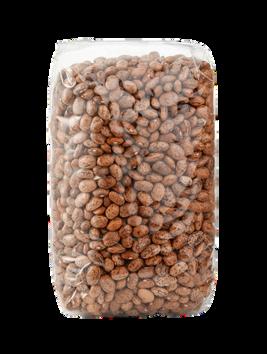
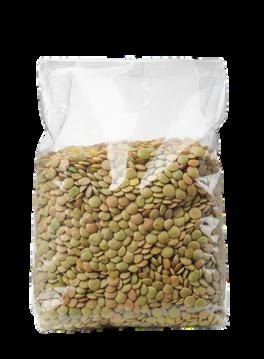
Use beans and lentils as go-to proteins Replace ground beef in chili, spaghetti, sloppy joes, burritos, and tacos with seasoned lentils or beans
Make behind-the-scenes swaps:
Use egg replacers and plant milks in baked goods
Choose vegetable or mushroom broth instead of chicken or beef broth
Try plant-powered at breakfast Serve soy milk with cereal, in smoothies, or as an ingredient in recipes
Try meat alternatives in familiar recipes Use plant-based versions of popular items like nuggets, patties, and burgers
Replace chicken nuggets with plant-based nuggets in wraps, salads, and entrées
Swap beef burgers for black bean or veggie burgers
Use plant-based sausage in breakfast dishes
Trade meatballs for plant-based versions in pasta, subs, or grain bowls
Replace ground beef with plant-based crumbles in chilis, tacos, and pasta sauces
Start with a mix Combine plant proteins like beans, lentils, or tofu with animal proteins - for example, chili made with 50% ground beef and 50% beans
Adjust over time Gradually increase the ratio of plant ingredients while reducing meat content
Aim for a full transition With each adjustment, move closer to a fully plant-powered version that’s just as satisfying and well-loved
Make legumes the hero Design meals where beans, lentils, and chickpeas shine as the main event
Swap meat crumbles for plant proteins Use seasoned beans, lentils, or tofu to create familiar favorites in a healthier, climate-friendly way
Elevate vegetables and grains Combine hearty grains and colorful veggies, beans, and/or legumes to create balanced, craveable meals that stand on their own
Incorporate entrees that are naturally plant-powered to avoid the perception that something is “missing” (ex falafel, potato Indian curry, chickpea curry)

As you begin integrating more plant-powered options, consider these foundational factors to ensure a smooth and successful rollout.

Evaluate your team’s ability to prepare, store, and serve new menu items

Equipment and storage availability
Heat & serve, semi-scratch, or scratch cooking capabilities
Shelf space for dry and canned goods
Cooler/freezer space for fresh and frozen products
Labor availability and staff training needs
Menu cycle fit and need for supplementary ingredients
Inventory of available seasonings and spices
Align meals with the needs and tastes of your community
Cultural relevancy of recipes (e g , curries, tacos, bolognese, stews)
Religious or ethnic dietary considerations (e g , kosher, halal)
Participant preferences and familiarity with ingredients
Health or medical dietary needs (e g , allergies, sodium, cholesterol)
Understand your sourcing options and supplier capabilities
Current supplier/distributor product availability
Access to staple items (beans, legumes, tofu, grains) vs readymade meals
Consider ease of sourcing vs preparation complexity
Whole ingredients like beans or tofu are often easier to source and more affordable, but may require more prep time
Explore additional options through resources


Small changes in multiple places can lead to big shifts in health, taste, and sustainabilitywithout overhauling your entire menu at once.
Incorporate plant-powered options that meet M/MA requirements
Grain bowls
Switch up the whole grain to expose children to different options (quinoa, brown rice, bulgur wheat)
Offer a variety of toppings and have children build their own bowl or switch up the toppings each time you serve (roasted chickpeas and sweet potatoes, marinated tofu, beans)
Sandwiches
Use hummus, mashed avocado, or white bean spread in place of mayonnaise or deli meats and serve with a side of bean salad (or other bean/legume side)
Tacos
Use whole grain tortillas, shells, or tortilla chips for a deconstructed taco
Try beans, lentils or plant-based crumbles in place of ground beef or turkey
Make snack time plant-powered
Swap chips for oven-baked potato wedges or seasoned sweet potatoes
Replace packaged snacks (like fruit gummies or crackers) with:
Fresh fruit
Whole grain crackers
House-made energy bites or whole-grain granola with soy yogurt
Center meals around whole ingredients
Use whole grains (brown rice, quinoa, whole wheat pasta or bread) instead of refined grains
Prepare sauces and dressings in-house with simple ingredients like olive oil, herbs, and lemon juice
If/when possible, choose whole food proteins (lentils, beans, tofu) instead of ultra-processed products
Offer fresh or frozen vegetables in place of options that contain added sodium, preservatives, and sugar
Young children often need to try a new food several times before they learn to enjoy it
Don’t be discouraged if a dish isn’t a hit the first time – repetition builds familiarity
Try offering the meal in a different format or with new, exciting descriptions
Keep experimenting and allow time and opportunity to develop a taste for new foods.
Engage your whole community to build shared excitement and support for plant-powered meals
Involve the team early in taste testing to build buy-in, foster a sense of ownership, and empower staff to contribute insights that shape successful menu changes
Invite the staff to try new plant-powered dishes before they’re served to participants - this builds confidence and enthusiasm
Encourage children, staff, and parents to share feedback, suggest ideas, or participate in taste tests
Creating a sense of ownership across the community helps ensure lasting success
See the section on Creating Buy-In for more strategies
Give children the chance to try new plant-powered meals in a fun, low-pressure setting
Involve them in the process to build excitement, ownership, and openness to new foods
Use simple voting tools like thumbs up/down, stickers, or comment cards to gather feedback
Host a dinner for families of participants to sample the meals
See the section on How to Taste Test for tips on planning and running effective taste-testing
Invite participants, staff, and families to share their thoughts on new menu items
Show that their input matters by making adjustments based on what you hear This helps build trust and creates a more positive, responsive dining experience for everyone
Small tweaks can lead to big wins over time - don’t be afraid to experiment
Celebrate progress, even if it’s gradual, and keep a positive outlook throughout the process
Your attitude sets the tone Flexibility and optimism can make the transition smoother and more enjoyable for everyone
Plan the menu with varied preparation techniques to provide different textures of plant-powered ingredients. For example, roast chickpeas and potatoes to add crunch. Texture is often overlooked but crucial for a satisfying meal.
Research shows that participants are more likely to select and consume sliced or cut produce as opposed to whole produce. For example, cut oranges into quarters or offer pre-sliced apples Slicing and cutting can enhance visual appeal and aroma, and shows more preparation and care This is especially important at the salad bar!
Use vibrant and contrasting colors to make the dish pop. Consider ingredient colors when designing a dish We eat with our eyes first! Think about how to combine ingredients to create visual excitement A dish featuring deep purple cabbage, bright orange carrots, and vivid green cilantro will inherently be more appealing than one with muted tones.
Plant-powered meals can make it easier to accommodate participants with food allergies and special diets Plant-based meals can be a great option for participants with dairy, egg, or other common food allergies, as well as those with dietary restrictions for health or personal reasons. By including more plant-powered choices, CACFP centers can provide safe, nutritious, and inclusive meals, ensuring that all participants have access to food that meets their needs
There are many types of plant milk, including almond, oat, coconut, and soy Currently, soy and peaprotein milks are the only options that qualify as part of a reimbursable meal Speak to families and see if there is demand for plant milks Parents can provide a written request that allows you to serve alternative, nutritionally equivalent options to participants
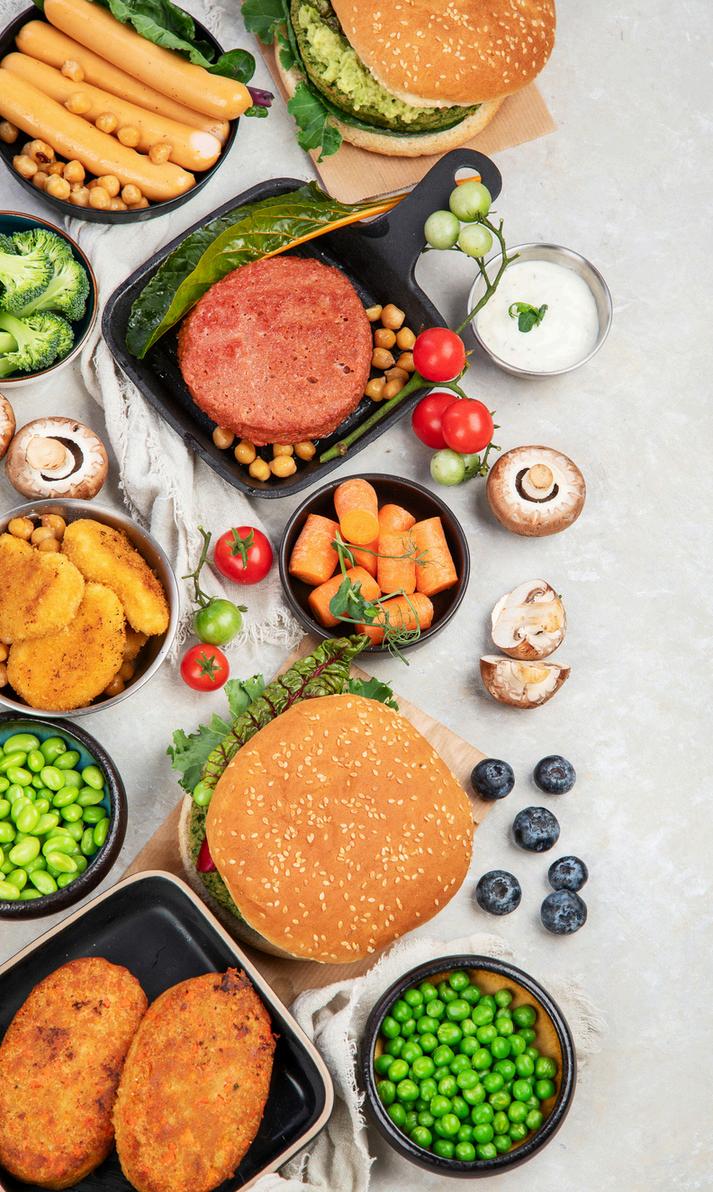
Plant-based products are more accessible and versatile than ever, making it easier to meet participant needs and nutrition goals In this section, you’ll find guidance on procurement strategies, product usage tips, and simple ingredient swaps that work in kitchens From creditable plant proteins to fiber-rich entrées, we ’ re here to help you navigate plant-powered menu planning with ease
Beans
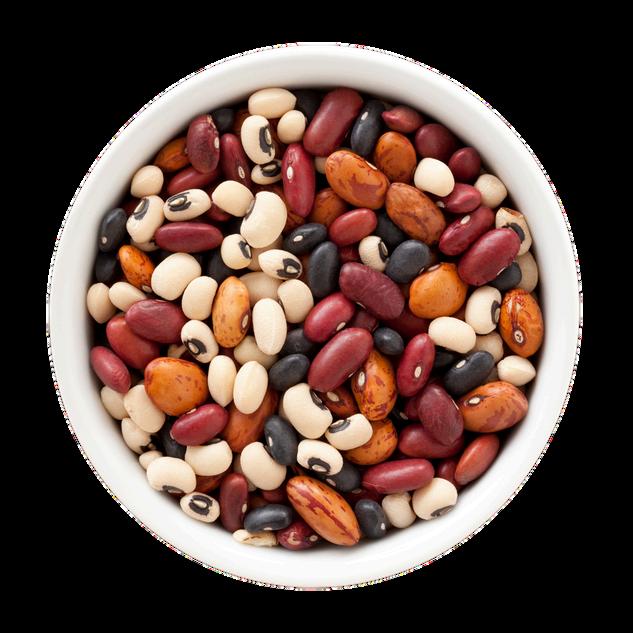
Credits as M/MA
Replaces:
Chicken, Ground Beef, Pork, Sausage/ Bacon
Preparation: Bake, Stew, Blended Dishes
Meal Ideas: Patties Wraps Chilis
Tofu

Credits as M/MA
Replaces: Chicken, Bacon
Preparation: Grill, Bake, Pan-Fry, Stew, Stir Fry, Air-Fry
Meal Ideas: Kebabs, Prepared as Bacon, Wraps, Sandwiches, Buddha Bowls, Salad Toppings

Credits as M/MA
Replaces:
Chicken, Beef, Pork, Eggs, Cheese, Dairy
Preparation: Grill, Bake, Pan-Fry, Stew, Stir Fry, Air-Fry, Blended
Meal Ideas: Stir fried, Kababs, Curries, Sandwiches, Nuggets, Scrambles, In Smoothies
Nuts & Seeds
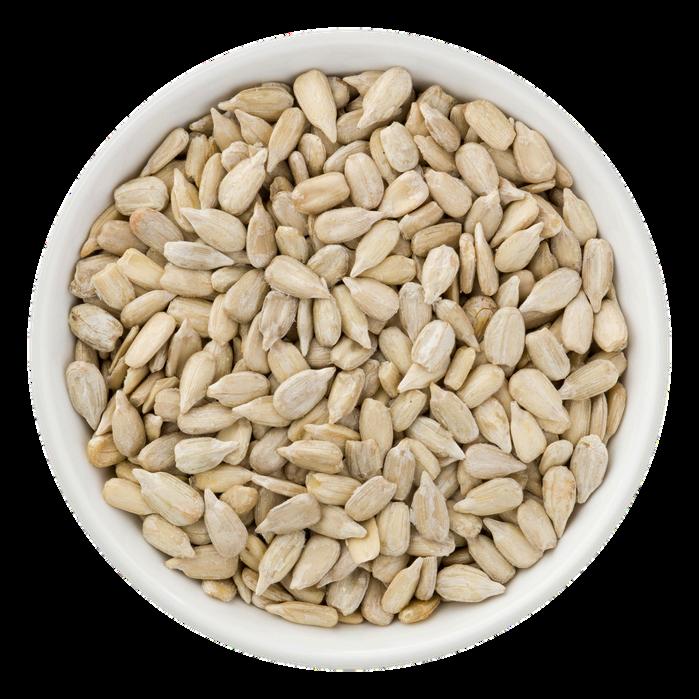
Credits as M/MA
Replaces: Pork (eg bacon crumble)
Preparation: Bake, Stir-Fry, Blended Dishes
Meal Ideas: Stir fries, Salad Toppings, Blended into Mixed Dishes

Credits as Grain
Replaces: Rice, Couscous
Preparation: Steam, Bake, Stew, Stir Fry, Blended Dishes
Meal Ideas: Stir fries, Patties, Wraps, Bowls, Salads, Use as a Binder
Chili Con Carne
Meatloaf
Hearty Stew
Chicken & Rice
Burgers
Tacos & Burritos
Mac & Cheese
Tuna or Egg Salad
Scrambled Eggs
Lentils, beans, peas, or PB crumbles instead of ground beef.
Lentils, chickpeas, or a mix of beans and oats as the base, with flaxseed meal as a binder.
Tempeh, beans, lentils, or peas instead of beef or chicken. Use vegetable broth in place of beef or chicken broth.
Chickpeas, marinated tofu, or PB Chicken. Serve with brown rice and vegetables.
Black bean patties, lentil burgers, mushroom-blended burgers, or PB patties.
Black beans, lentils, walnuts, or PB crumbles with taco seasonings.
Cashew or nutritional yeast-based cheese sauce, ready-made PB Mac & Cheese.
Replace protein with chickpeas, extra firm tofu, or PB egg product, substitute PB mayonnaise.
Firm tofu or chickpea flour to make scramble with spices like turmeric and nutritional yeast.
Simple tips and resources to help your team easily source plantbased products and ingredients for your program.
- fast!
Looking for plant-powered products that work in s?
Balanced’s Plant-Based Vendor Directory is the most extensive directory of fiber-rich, plantpowered items for institutional food service
Search by protein type, brand, or K–12 creditable
Connect directly with vendors and request samples
Discover new favorites or reliable staples
Visit plantbasedvendors.com to get started.

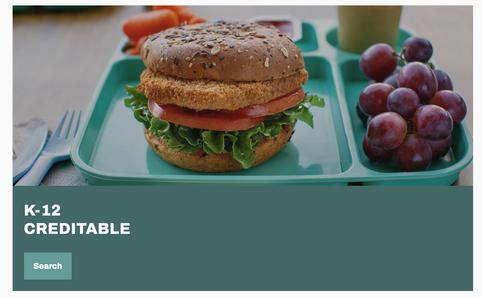
Reach out to plant-based food companies to learn about their offerings, pricing, and distribution options Many are eager to work directly with institutions and can provide helpful guidance
Before committing to a new product, ask for samples so your team - and your participants - can try them Many vendors are happy to provide samples to support menu development and participant feedback
Don’t reinvent the wheel. Many plant-based companies offer recipes, prep tips, and menu pairings tailored to food service that meet USDA guidelines and participant preferences
a
Save time by using tools like PlantBasedVendors com to search for products by brand, category, or distributor These directories help you compare options and connect with vendors quickly

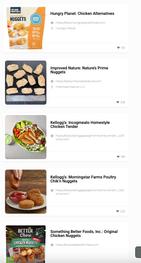

Look for products that mimic items participants already love - like nuggets, burgers, tacos, or pasta Swapping in plant-powered versions of familiar favorites can ease the transition and increase participant acceptance

ty and public health advocacy organization d reducing the impact of diet-related disease for unities around the world.
With a special emphasis on nutrient-based interventions, Balanced’s Advocacy, Institutional Support, Nutrition Research and Policy programs focus on shifting the proportion of health-promoting foods on menus through an increase of dietary fiber and a reduction of foods high in saturated fats, excess sodium, and ultra-processing.
Combining both public awareness campaigns and practical implementation support, we provide resources, training, and tools to partner organizations and food service teams working to improve the healthfulness of their menus.
www.balanced.org
@thebalancedorg