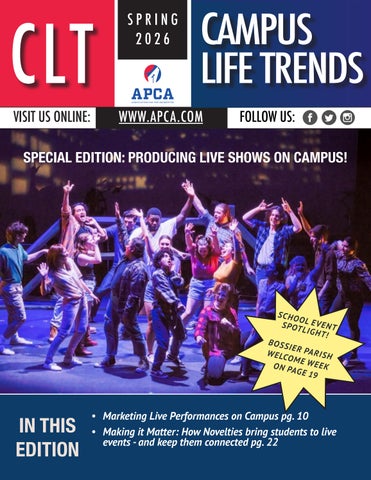
THE APCA CAMPUS LIFE TRENDS MAGAZINE IS PUBLISHED EACH SEMESTER. SUBMISSIONS FOR ARTICLES MUST BE EMAILED TO: MARKETING@APCA.COM
THE CAMPUS LIFE TRENDS MAGAZINE IS A TRADEMARK OF THE ASSOCIATION FOR THE PROMOTION OF CAMPUS ACTIVITIES. ALL RIGHTS RESERVED. NO ARTICLES OR IMAGES OF ANY KIND MAY BE REPRINTED FROM THIS MAGAZINE WITHOUT THE WRITTEN PERMISSION OF THE ASSOCIATION FOR THE PROMOTION OF CAMPUS ACTIVITIES. ANYONE SEEKING PERMISSION SHOULD FORWARD THEIR REQUEST BY EMAIL TO: INFO@APCA.COM
BRIDGING THE CLASSROOM & THE CAMPUS: A PRACTICAL GUIDE TO ACADEMIC-MISSION PROGRAMMING THROUGH FACULTY COLLABORATION 4 6 10 14 22
FROM THE DESK OF THE EXECUTIVE DIRECTOR Eric Lambert • Executive Director, APCA
BEHIND THE CURTAIN: HOW CAMPUS EVENTS REALLY COME TO LIFE
MARKETING LIVE PERFORMANCES ON CAMPUS
STAGING LEARNING: HOW LIVE PERFORMANCE CREATES INTENTIONAL EDUCATIONAL MOMENTS ON CAMPUS
MAKING IT MATTER: HOW NOVELTIES BRING STUDENTS TO LIVE EVENTS—AND KEEP THEM CONNECTED
WHEN THE BUDGET SHRINKS, LEADERSHIP MATTERS: WHY APCA NATIONALS IS THE TURNING POINT FOR CAMPUS LIFE
ASSESSING THE IMPACT OF LIVE ARTIST PROGRAMMING THROUGH THE LENS OF LEARNING RECONSIDERED: MEASUREMENT, MEANING, AND STUDENT SUCCESS
CREATING A CULTURE OF APPRECIATION FOR THE ARTS IN STUDENT ACTIVITIES: WHY LIVE PERFORMANCES SHAPE STRONGER STUDENTS, BETTER LEADERS, AND MORE CONNECTED COMMUNITIES
FROM THE DESK OF THE EXECUTIVE DIRECTOR, ERIC LAMBERT
elambert@apca.com
Giveaways Can’t Replace Exposure to the Humanities
— Why Live Artists Still Matter in Campus Life
Walk across any campus quad during welcome week and you’ll see it: a sea of students clutching squishy plush mascots, branded stress cows, mini-LED light sabers, rubber ducks in graduation caps. Novelties and “stuff-a-plush” stations have become staples of campus programming — and for good reason. They draw crowds, they create Instagramready moments, and they give students something tactile to remember the event by.
But let’s be clear: while giveaways help spark engagement, they cannot — and must not — replace the heart of a thriving co-curricular experience. That heart is live arts programming: comedians, musicians, poets, speakers, cultural showcases, and interactive workshops that place students in direct conversation with the arts, with ideas, and ultimately, with themselves.
Astin, Tinto, and the Case for Real Interaction
Giveaways are excellent icebreakers. They create foot traffic and offer low-stakes reasons for students to stop by. But novelty-only programming risks turning campus life into a transaction rather than an experience. Students might arrive for a souvenir, but they leave unchanged.
Higher education is charged with something far more ambitious than distributing cute keepsakes: it must cultivate students’ intellectual, cultural, and interpersonal development. No stuffed animal — no matter how adorable — can substitute for the presence of a live artist who helps a student feel seen, or a speaker whose words resonate in a way that shifts a worldview.
The foundation for this argument isn’t just intuition; it is wellestablished in student-development literature. Alexander Astin’s theory of student involvement stresses that “the amount of student learning and personal development is directly proportional to the quality and quantity of student involvement in the educational program.” Students cannot meaningfully “involve” themselves with a giveaway table. They can, however, involve themselves with a compelling
artist or an expert speaker who invites reflection, dialogue, and emotional engagement.
Similarly, Vincent Tinto’s work on student integration reminds us that persistence is strongly tied to a student’s sense of belonging. Tinto argues that students thrive when they “find themselves in settings that demand their involvement in social and intellectual life.” Live programs — shared laughter during a comedian’s set, the collective hush in a spoken-word performance, the Q&A after a leadership expert’s talk — create precisely those multilayered settings. Giveaways cannot replicate that sense of shared humanity.
And consider Ernest Boyer, whose Campus Life: In Search of Community reminds us that education should be “a celebration of diversity, shared experiences, and human expression.” The arts — performed live, in real time — are central to that celebration. They invite students to witness culture unfolding before them, not simply as content but as connection.
Using Plushies to Support — Not Replace — Live Artists
Still, novelties can play a strategic role alongside live programming when used intentionally. Plushies can be transformed into promotional tools that lead students directly to performers and events. Imagine a comedyseries plush shaped like a giant smile, handed out only to students who pick up a ticket or RSVP for the comedian’s show. A music-event plush could mimic a guitar pick, a treble clef, or a miniature microphone.
“Make-and-take” stations can be integrated with the artistic theme of the night — for example, engraving a poet’s signature thought onto a glass tile, or creating a custom keychain inspired by a musician’s lyrics. When novelties are designed as extensions of the live event’s theme, they become bridges between the spectacle of a giveaway and the substance of artistic experience, nudging students toward deeper engagement.
Practical Competence Comes From People, Not Prizes
If campuses are laboratories for the humanities, then live performers are the instructors students never knew they needed. A musician interpreting struggle through melody, a poet wrestling with identity onstage, a speaker drawing real-world lessons from lived experience — these encounters foster empathy, broaden worldviews, and nurture what philosopher Martha Nussbaum calls the “narrative imagination,” the ability to understand lives other than one’s own.
Stuff-a-plush stations are a great way to draw traffic, but they do not engage a student’s imagination, worldview, or cultural appreciation. They are an additive, not a substitute.
Guest speakers and workshop leaders provide another dimension that no other form of campus engagement can: practical competence. Whether students are learning crisis-intervention basics from a mental-health professional, budgeting strategies from a financial literacy expert, or leadership skills from a seasoned practitioner, these experiences are transformative because they come from real humans sharing real expertise.
Campus activities that omit speakers and artists are not simply missing entertainment — they are missing the opportunity to help students build agency, confidence, and real-world preparedness.
Live Art Creates Intrapersonal Development
There is something uniquely powerful about the unrepeatable quality of live performance. Psychologists describe how our intrapersonal selves — our sense of identity, values, and emotional landscape — evolve
through moments of resonance. Students discover aspects of themselves when exposed to diverse art, culture, and thought in real time.
A recorded track or a pre-packaged novelty cannot capture the authenticity of a poet pausing mid-line, a singer adjusting to the room, or a speaker altering the tone after reading the audience. Live artists react, respond, and create in ways that mirror the unpredictable, creative nature of human interaction itself.
Conclusion: Giveaways Attract Crowds — People Change Lives
Campus life professionals should absolutely continue using novelties and stuff-a-plush activations. They work. They bring students in the door. But once students arrive, what happens next determines whether campus life fulfills its educational mission.
Live artists and speakers — diverse in genre, background, and perspective — are indispensable. They enrich the humanities, challenge assumptions, build practical competence, strengthen belonging, and shape students’ intrapersonal growth in ways no giveaway ever could. We encourage schools to give students a memento to hold. But let’s make sure we also give them something to feel, something to ponder, and something to become.
Till Next Time!
Eric Lambert
BEHIND THE CURTAIN: HOW CAMPUS EVENTS REALLY COME TO LIFE
Campus events bring life, energy, and connection to every corner of student life.
For most students and staff, campus events seem to appear out of nowhere. One moment, the campus is quiet, and the next, a full sound system is humming, an artist is warming up backstage, and students are mulling about in either anticipation or curiosity. To most of the campus community, the show begins when the lights come up. But for programmers, technicians, and activities staff, the show starts long before that moment—often weeks or months earlier.
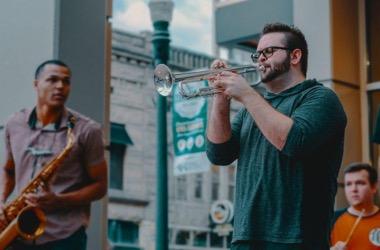
Live entertainment is one of the most dynamic tools campuses have for building community. Students connect with comedy, concerts, poetry, magic, and interactive game shows in ways that can’t be replicated through
Comedy: Intimacy, Clarity, and the Art of the Crowd
Comedy is deceptively simple. You’ll rarely see elaborate sets or special effects. Most comedians arrive with little more than a microphone preference and a request for a bottle of water. But that simplicity makes quality even more important. Comedy lives and dies on clarity. When students can’t hear the punchline, the show sinks.
A single spotlight usually does the job, though many campuses use a warm, stationary wash that illuminates the performer without competing for attention. Comedians rely heavily on facial expressions and nonverbal cues, so lighting must highlight—not overshadow—them.
Seating plays an unexpectedly crucial role. Comedy thrives when students sit close together and feel part of a shared experience. Programmers often push chairs forward or tighten layouts because every inch matters. A room where the front row sits twenty feet back will feel flat, even with
passive programming or online engagement. Yet each type of event brings its own unique demands. The sound that supports a poet’s quiet voice is completely different from the feel a rock band needs to fill a student union ballroom. A mentalist’s dramatic lighting cues don’t match the bright, colorful atmosphere expected at a game show night. And comedy doesn’t require big production—it requires intimacy, clarity, and an environment where laughter can flow freely from one row to another.
Understanding these distinctions is what separates a good event from a great one. And the more programmers learn to anticipate what live artists need—before, during, and after a performance—the more confident and successful they become.
a hilarious performer. But a room where students are practically on top of the stage buzzes with energy before the show begins.
“Comedy doesn’t need lasers—just a mic, a spotlight, and a crowd ready to laugh.”
Live Music: The Genre That
Preparation
Demands the Most
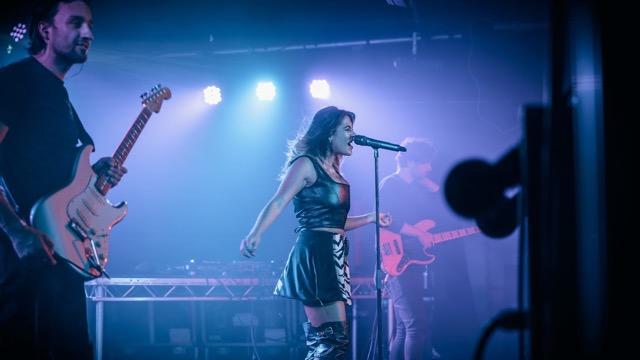
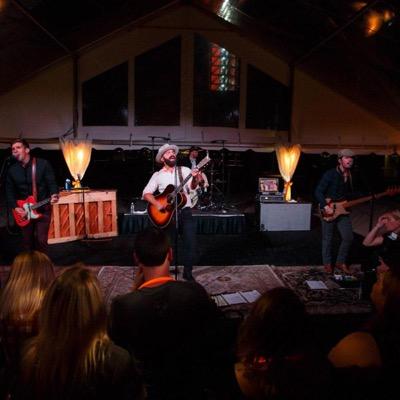
If comedy is simple, music is its opposite. Music events require planning across every dimension of production, from sound and lighting to staging, electrical distribution, and even floor layout. An acoustic duo may need only a few inputs and a couple of monitors, whereas a full band could require a full mixing console, multiple monitor mixes, drum mics, subwoofers, DI boxes, and a professional engineer capable of blending everything seamlessly. Lighting for music can be transformative. Programmers
often enjoy giving concerts an extra visual punch. Even basic LED washes can create colorful moods that shift with the rhythm. Some shows lean into dramatic transitions— deep blues for slow ballads, bright ambers for energetic sections, and sometimes even soft haze effects if the venue permits them.
Audience layout can reshape the entire feel of the night. Students may enjoy standing and dancing near the stage during upbeat performances, while more relaxed acoustic sets feel at home with café tables, couches, or lounge seating. Programmers who experiment with mixed environments often find students stay longer because the space feels more welcoming.
Poetry & Spoken Word: Where Atmosphere Shapes
Everything
A poetry night is very different from a concert. Spoken word depends entirely on the emotional connection between the performer and the audience. That connection is fragile and can be easily disrupted by loud air conditioning, hallway noise, or poor microphone settings. A poet’s voice must feel warm, intimate, and close—even in a large room.
Lighting shapes the mood immediately. Soft, warm light with dimmed house lighting invites students into a reflective listening space. Many campuses use table lamps, string lights, or gentle colored washes to transform multipurpose rooms into cozy, artistic environments. This aesthetic not only helps performers but also shapes how students engage with each other during open mic nights or creative showcases.
Seating should encourage closeness but not crowding. Cabaret-style layouts or small clusters of chairs can help students feel both comfortable and included.
Game Shows: Organized Chaos at Its Best
Game shows are some of the most interactive events campuses host. They combine audience participation, music cues, contestant staging, and enthusiastic hosts who need to move freely across the stage. Wireless microphones become the star of these nights. Programmers must understand interference, battery backup, and proper channel coordination to avoid audio dropouts.
Lighting should feel bright and fun, almost reminiscent of TV game shows. Even with limited equipment, campuses can use energetic colors and simple moving effects to add drama when contestants answer questions or compete during timed challenges.
Crowd flow becomes important because game shows attract students who want to jump in. Programmers often create designated areas for contestant selection, stage volunteers to assist with transitions, and paths for audience movement that don’t disrupt the show.
Magic & Mentalism: Precision, Visibility, and Suspense
Novelty acts like magic and mentalism rely on control—of lighting, staging, angles, and audience perception. Even minor shifts in illumination can either enhance an illusion or spoil it entirely. Programmers often work closely with magicians to understand the lighting cues that matter most. Many performers prefer soft, tight spotlights with a clean front wash, avoiding strong backlighting that could reveal hidden techniques.
Clear sightlines are essential. Tiered seating or elevated stages help ensure that every student can see the sleight of hand or subtle gestures that make these acts feel incredible. Sound should be subtle but clear, making space for the dramatic tension that defines these performances.
The
Behind-the-Scenes Essentials: Safety, Logistics, and Planning
While the audience focuses on the performance itself, programmers are constantly thinking about logistics. Whether the show is indoors or outdoors, the safety of students, artists, and staff shapes every decision.
Indoor venues offer predictable acoustics, controlled lighting, and easier access to electricity, which simplifies production. Yet indoor events also bring challenges such as shared building regulations, limited noise tolerance, and constraints on seating capacity. Outdoor shows, on the other hand, come with excitement, visibility, and the potential for large crowds—but they also introduce wind, weather, sun glare, and unpredictable sound dispersion.
Programming outdoors always requires a weather plan. Many campuses prepare tenting options, a quick relocation plan, or clear cancellation terms in artist contracts. Even the time of day matters; placing a stage with the sun behind the performers can wash out their visibility and strain the artist’s eyes, which many programmers learn only after experiencing it once.
Electrical safety is another hidden but critical element. Equipment must never overload circuits, and all outdoor outlets should have GFCI protection to prevent shocks. Extension cords must be secured beneath cable ramps or taped down so no one trips. These details might feel small, but they are the foundation of professionalism in event production.
Crowd control also varies by genre. Comedy and poetry audiences tend to be calm and seated, while concerts bring energy, dancing, and movement that require clear pathways and sometimes barriers. Magic shows can cause students to surge forward for better views, and game shows require space for contestants and roaming hosts
“A blown breaker at showtime is every programmer’s nightmare—plan electrical needs early.”
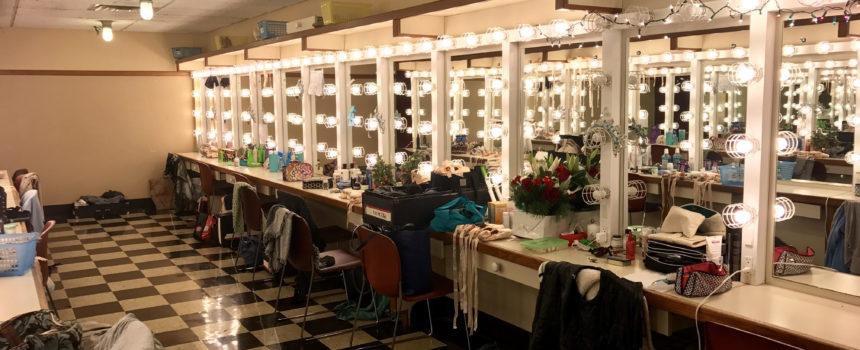
Green rooms don’t need to be fancy, but they should be clean, quiet, and comfortable. Even a repurposed meeting room with a few chairs, bottled water, a mirror, and a place to store belongings can serve as a professional backstage area.
Artist riders help campuses prepare. They outline technical needs, stage preferences, hospitality requests, and details about setup, load-in, and performance flow. They aren’t demands—they’re helpful guidelines. Most artists are flexible when campuses communicate early about anything that needs adjusting.
Campuses often go beyond the rider to create a positive experience. A small gift basket with snacks, a campus t-shirt, a handwritten welcome card, or an escort from a student ambassador can transform a routine show into a memorable collaboration. Artists who feel appreciated often express interest in returning, and they talk positively about their experience to agencies and colleagues.
A comfortable backstage area sets the tone for a strong relationship with the artist.
“A well-treated artist becomes a long-term partner for your campus.”
Emergency preparedness ties everything together. Programmers should understand venue capacity limits, nearest exits, AED locations, storm plans, and communication procedures. Large events benefit from a designated incident manager and trained volunteers who understand their roles.
Backstage Matters: Hospitality and Artist Experience
Artists remember hospitality. They talk about campuses that treated them warmly, communicated clearly, and offered thoughtful support. A well-organized hospitality space helps the show run smoothly and sets the tone for the entire visit.
Creative Use of Campus Spaces
One of the biggest advantages campus programmers have is access to diverse spaces. Every venue—from traditional theaters to student union nooks—offers unique opportunities.
Student union common areas are vibrant hubs where hundreds of students pass daily. While these spaces have ambient noise and unpredictable movement, they also offer built-in foot traffic. Comedy pop-ups, acoustic sets, small magic shows, and quick game-show rounds flourish in these locations because they feel spontaneous and approachable.
Campus theaters and auditoriums are the opposite: controlled, professional, and designed for high-impact performances. These venues are ideal for concerts, headliner comedians, spoken word artists, and magic acts requiring staging precision. Although they demand more staffing and technical skill, they elevate any event instantly.
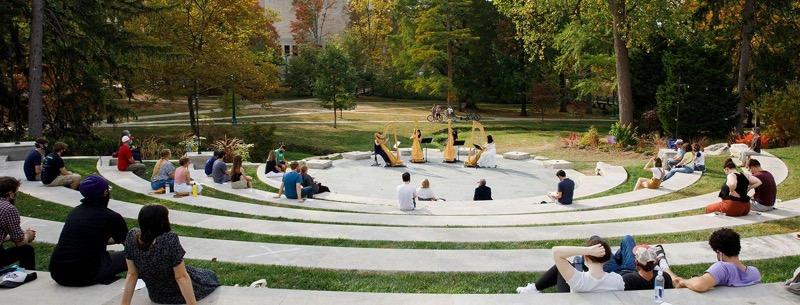
Outdoor plazas, quads, and amphitheaters create festivalstyle experiences that draw huge crowds. The visibility alone invites students to wander over. With careful consideration of weather, staging, and electrical safety, outdoor events become some of the most memorable offerings of the year.
And then there are the “surprise spaces”—libraries after hours, dining halls, residence hall lounges, makerspaces, or even academic hallways transformed briefly into performance corners. Some of the most exciting events happen in these unexpected environments because they meet students where they already are.
Conclusion: The Real Art of Campus Programming
Producing live entertainment on a campus isn’t just about staging a performance—it’s about shaping community. Every microphone choice, lighting decision, hospitality detail, safety plan, and venue selection contributes to an experience that students will remember long after they graduate.
“Some of the best shows happen where students least expect them.”
Gyms and multipurpose rooms offer flexibility. While their acoustics may require extra planning, their capacity and adaptability make them perfect for large game shows, concerts, or comedy events too big for traditional lecture halls.
The events that resonate most deeply are often the ones where programmers think creatively, adapt naturally, and stay deeply aware of how students move through campus life. When shows feel accessible—physically, emotionally, and socially—students participate at higher rates and campus culture grows stronger.
Campus programmers aren’t simply event planners. They’re storytellers. They’re culture builders. They’re the bridge between students and experiences that inspire connection, laughter, reflection, and joy. Indeed, they are AGENTS OF POSITIVE CHANGE.
And the best ones never stop exploring new places, new formats, and new ideas for bringing people together.
Live events don’t just entertain. They help shape the rhythm and identity of student life. With thoughtful preparation and the courage to think outside traditional stages, any programmer can transform an ordinary night into an extraordinary moment of community.
MARKETING LIVE PERFORMANCES ON CAMPUS
Great attendance is rarely accidental—it is engineered through strategy, creativity, and student-centered marketing.
A Digital World Where Students Live—and Decide
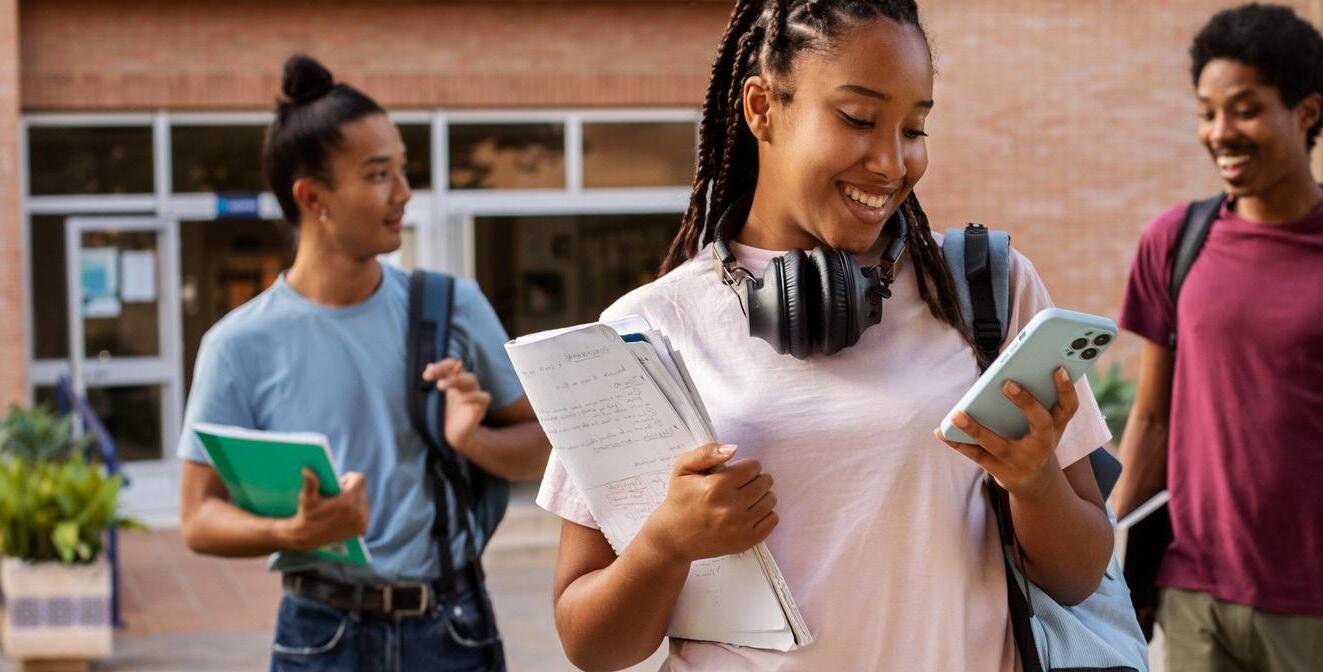
If you want students to show up, you have to start where they already spend their time: their phones. Instagram, TikTok, Snapchat, and even platforms like Facebook and X all play a unique role in shaping what students notice, talk about, and ultimately attend.
Instagram still sets the tone on most campuses. Beautifully designed posts, countdown stories, and quick behind-the-scenes clips help events feel alive long before the doors open. A simple student-made Reel of someone hanging posters or setting up lights can generate more excitement than a full paragraph of text ever could. When your promotions feel like part of campus culture, students respond.
TikTok, of course, is where events can explode into something bigger. Students love seeing comedians deliver a one-liner, a magician reveal a quick trick, or a musician teasing a chorus in an informal, unpolished style. When RAs, club officers, or athletic teams join in by making their own playful videos, the buzz spreads naturally. Authenticity wins on TikTok, not production value.
Snapchat continues to shine when you need fast, immediate communication. A simple snap reminding everyone that a show starts in an hour can bring a late-
day surge of attendance, especially if there’s a special giveaway or meet-and-greet. Even a custom geo-filter for the night creates a sense of exclusivity.
And while students may not scroll Facebook as often, their parents, staff mentors, and adult learners do. Posting full event details there, and on X, helps those groups share information quickly and gives your show an extra layer of visibility across campus.
5 QUICK SOCIAL POSTS YOU CAN CREATE RIGHT NOW
A short “meet the artist” clip, a fiveday countdown on Stories, a “tag who you’re bringing tonight” post, a student testimonial video, or a playful teaser filmed in the student union—each of these small touches builds momentum throughout your community without requiring hours of production time.
When Creativity Pops Up on Campus
Some campuses have discovered that the best marketing moments happen when students least expect them. A magician performing a 30-second illusion in the dining hall can start an entire lunchtime conversation. A comedian dropping into the quad and roasting the weather—or the campus Wi-Fi—gets people laughing and curious. A musician playing an acoustic preview near a residence hall draws listeners who later become attendees.
Pop-up moments like these work because they disrupt the usual rhythm of the day. They create stories students want to share, and stories spread faster than any flyer ever will.
“If students can’t come to the show yet, bring the show to the students.”
Partnerships with student influencers amplify this effect. Every campus has a few unofficial celebrities— resident advisors, athletes, orientation leaders, club presidents—whose posts naturally get more traction. When they share a teaser, or record a reaction to a performer, their peers take notice.
Some campuses even turn marketing into a game. QR-code scavenger hunts, clue-based challenges, or mini-competitions between residence halls transform the promotional process into a playful experience. Students aren’t just learning about the event—they’re interacting with it.
Working With Artists as Collaborators, Not Just Performers
Many artists are surprisingly eager to help with promotion long before the show starts. They know a packed room makes their performance stronger, so they’re often happy to record short video shoutouts, drop by the campus radio station, or pose for photos around your student union.
Posters, headshots, teaser clips, and digital graphics provided by the artist should appear throughout the campus experience—from dining tables and lobby bulletin boards to digital signage and residence hall elevators. When students see the same face or logo repeatedly, familiarity turns into anticipation.
Some campuses go even further by creating cobranded giveaways, whether it's a signed poster, a themed sticker, a bracelet, or a novelty item tied to the show. Themed giveaways make events feel special, and students love collecting items that represent a fun night out.
“When students feel connected to the artist before showtime, attendance surges.”
Why Traditional Media Still Matters
Campus newspapers, radio stations, and student TV outlets are often hungry for interesting content, and live events give them exactly that. An interview with the artist, a casual conversation with the programmer, or even a short podcast segment about the planning process adds depth and visibility that purely digital marketing cannot replicate.
Flyers, posters, and table tents continue to play an essential role too. Dining halls, printing labs, vending machine areas, gym entrances, and high-traffic academic buildings all offer their own steady streams of visibility. Students notice what they walk past every day, even subconsciously.
Table tents, in particular, are little powerhouses. Students consistently glance at them while eating, scrolling, or hanging out. A well-designed table tent can start just as many conversations as a flashy Instagram Reel.
Rewarding Students for Showing Up
Some campuses have leaned into reward programs to keep students returning to events throughout the semester. Instead of awarding points for academics
(Cont on page 12)
or athletics, these campuses build loyalty around social participation. Students earn perks like exclusive seating, free merch, priority registration for trips, or access to special events simply by attending.
Raffles also remain wildly popular. The chance to win something—whether it's a gift card, headphones, or a dorm essential—can dramatically increase turnout for even smaller programs. The promise of “you could win something cool tonight” carries more weight than many planners realize.
A QUICK ARTIST COLLABORATION CHECKLIST
Include a request for posters and graphics, schedule a brief meetand-greet or Q&A, collect a 15–30 second promo video, arrange a walk-through of a busy campus space, discuss possible giveaways, and make sure you have some short teaser clips ready to share on your channels. Collaboration turns a single event into a shared project.
THE FINAL SPREAD: MARKETING AS THE HEARTBEAT OF ATTENDANCE
A great campus event doesn’t begin when the doors open; it begins weeks earlier with a thoughtful, coordinated marketing plan. The way your team communicates, teases, excites, and involves the student body shapes everything that follows. When you treat marketing as a creative, relational process rather than a checklist, attendance naturally grows. Think about how your organization can tell a story before every show. Consider how to use your digital platforms in ways that feel authentic and conversational. Look for small opportunities— pop-up moments, influencer collaborations, or unexpected giveaways—that help the event live inside student culture rather than on its outskirts.
“Live events shape the heartbeat of campus life—and great marketing ensures that heartbeat is strong.”
When student programmers commit to building a consistent marketing rhythm—with clear timelines, engaging content, artist partnerships, and day-of excitement—attendance stops being a gamble and starts becoming the standard. And as crowds grow, so does the sense of community, connection, and campus pride that makes college life unforgettable.
CREATIVE INCENTIVES STUDENTS LOVE
A
free t-shirt after attending a few events, a bonus raffle entry for bringing a friend, a QR code that rewards loyalty points for each show, early-entry stripes for the first 20 people, or friendly competition between residence halls—all of these add fun and energy to the turnout process.
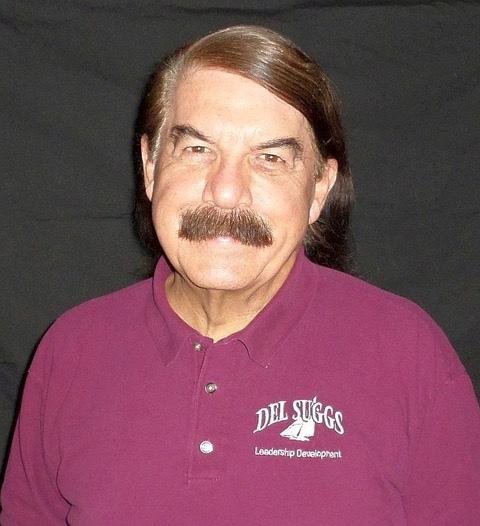
It would be tough to find anyone in the College Market who has changed more lives than Del Suggs.
He second edition of his book “Truly Leading: Lessons in Leadership” has just had it's seventh printing. His most recent book is titled: “The Student Activities Programming Handbook.” It covers everything students need to know about presenting programs and events on a college campus. He's also earned a Masters' degree in Instructional Design and Development from Florida State University, and studied with Dr. Robert Gagne (pronounced “kon yay”) and Dr. Leslie Briggs-- peers of B.F.Skinner. Suggs has taught at FSU in both the College of Education and the College of Music.
SOCIAL MEDIA 2.0 BY DEL SUGGS, M.S.ED.
Where would Student Life be without social media?
Your students are fully connected, and you are utilizing social media to keep them informed and engaged. And it's simple, because everybody is on Instagram.
Except the ones still on X (Twitter). And the OG still using (or coming back to) Facebook. And what's the new BlueSky app? Oh yeah, and I forgot about YouTube. And that Threads thing? And TikTok-- or is that even legal in your state?
Unfortunately, that means more time spent looking at a screen than you probably want. You've got to stay on your phone or your computer to make sure you are posting and responding.
What if there was simpler way to stay current and connected? There is a simpler way. Use a Social Media Aggregator.
You might be thinking “why do I need one more website to keep up with?” Because this will actually reduce your screen time while increasing your productivity. I'll bet that sounds good to you.
What Are They?
Social Media Aggregators are apps that allow you to link and post to your social accounts without going to those accounts directly. Essentially, you open an account with a Social Media Aggregator and link your social accounts to it. Then you can log on to just one app to post to all of your different socials. It's that simple.
Even better, you can actually create and schedule your posts in advance. That means you don't have to remember to log on at 3 pm on Friday afternoon and post “Tickets are Now On Sale for the Homecoming Show!” You can schedule that post, and it will go out on your news-feed automatically.
You can also schedule a post to go out on different socials, like IG, Facebook, Bluesky, and more. You can also take advantage of each social media, and create each post differently. If it's Instagram you've got to have an image. If it's X or Bluesky, you can post an image or just text. If it's Tik Tok, you need to have video.
Basically, you can take your marketing message and modify it to fit each one of your social media feeds. Then you schedule them, and they will post on the correct day and time without any further effort from you.
Choose Your Media Weapon
You have plenty of choices when it comes to Social Media Aggregators. Let me give you some guidance.
The granddaddy of them all is called Hootsuite. It's been around for years, and has proven to be the most reliable of them all, and connects with every social media app. Unfortunately, it's also the most expensive of them all. At one time, Hootsuite had a basic free account that was sufficient for most of us. The price went up a couple of years ago, and is now $99 a month-- ouch. I had used it for several years, and even had a basic paid account that cost ten bucks a month. But when the price increased by ten times, I had to cancel and find another app.
My first choice was Buffer. It's great, easy to use, and you connect multiple platforms such as Instagram, Facebook, Linkedin, X, Tik Tok, and more. They do have a free account that allows you to connect up to three different accounts (they call them “channels”) like Instagram, X, and Facebook. You can schedule up to ten future posts in each account, and that can be a handy way to plan your week's social posting.
STAGING LEARNING: HOW LIVE PERFORMANCE CREATES INTENTIONAL EDUCATIONAL MOMENTS ON CAMPUS
Live events on campus have always done more than fill an evening—they spark learning, connection, and curiosity in ways few other experiences can. When we plan programs with intention, a comedy show, spoken-word performance, guest lecture, or acoustic concert becomes a space where students make meaning, explore identity, and practice the skills that shape their personal and academic growth. The goal is not simply to entertain our students but to create experiences that stay with them long after the lights fade.
Why Intentional Design Matters
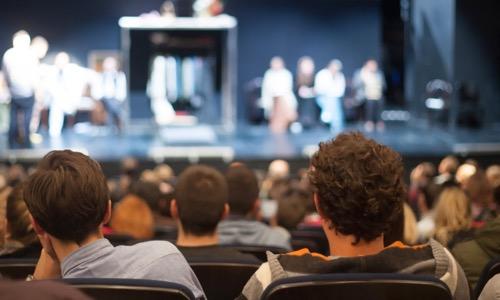
Students arrive on campus eager for discovery, and performances often become some of the first immersive learning environments they encounter outside the classroom. The beauty of live events is their immediacy. Students react, respond, and connect in real time, alongside peers who are navigating their own questions and interpretations.
Student development theorists offer useful insight into why this matters. Chickering and Reisser, for example, emphasize that students grow when they encounter situations that challenge them to develop competence, autonomy, and interpersonal awareness. Performances— whether artistic or narrative—naturally do this by inviting students to reflect on perspectives that may differ dramatically from their own.
“Learning is most effective when students can connect emotion, reflection, and action.”
— Marcia Baxter Magolda
Live events create exactly that blend of emotional resonance, intellectual stimulation, and human interaction.
Creating Reflective Moments that Stick
Intentional learning doesn’t happen simply because a student shows up. It happens when we build in opportunities for them to pause and make sense of what they just experienced. Reflection is the bridge between attendance and meaningful educational impact.
Some campuses incorporate guided conversation after events, inviting students to sit together for a few minutes and share what surprised or challenged them. Others set up small journaling corners or post-event digital prompts accessed through QR codes. Even a simple question projected on the screen—“What moment from tonight will you be thinking about tomorrow?”—can shift a student’s mindset from passive observing to active processing.
Educational theorist David Kolb reminds us that experience alone isn’t enough. He famously wrote, “We do not learn from experience… we learn from reflecting on experience.” When we make space for students to process what they’ve seen, the event becomes more than entertainment—it becomes a learning experience with purpose and staying
power. Post-performance dialogue circles can be especially powerful. When a poet shares a vulnerable piece or a speaker addresses a challenging social issue, students often want to talk to one another about it. Facilitated discussions give them a structured way to do that, helping them sort out their reactions and listen to other perspectives. King and Kitchener’s Reflective Judgment Model supports this approach, suggesting that students develop more complex reasoning when they are exposed to conversations that ask them to weigh ideas, consider context, and reflect on ambiguity.
Even digital reflections can be meaningful. Polling tools, anonymous Q&A forums, and post-event surveys allow students to participate at their own comfort level, and these platforms help planners gather insights into what students are thinking and learning. This spirit of shared meaning-
allow students to participate at their own comfort level, and these platforms help planners gather insights into what students are thinking and learning. This spirit of shared meaning-making echoes Baxter Magolda’s Learning Partnerships Model, which highlights how learning deepens when authority is shared and students help shape the meaning of the experience.
Selecting Speakers and artist wth development in mind
Intentional programming begins long before students walk into the venue. Choosing the right artist or speaker can determine whether an event simply entertains or truly educates.
Performers who share stories of identity, resilience, or personal transformation offer students an organic entry point into introspection. A spoken-word artist exploring themes of belonging, a comedian reflecting on cultural identity, or a musician describing their path to creative expression does more than perform—they model growth, vulnerability, and competence.
“When students meet live performers, the humanities come alive.”
This aligns with Chickering’s developmental vectors, which highlight the importance of helping students develop autonomy, interpersonal relationships, purpose, and integrity. When artists discuss the challenges and triumphs that shaped their craft, students recognize parallels in their own lives.
The idea also esonates with William Perry’s developmental theory, which emphasizes exposing students to multiple perspectives to help them grow from simplistic, dualistic thinking into more nuanced and committed worldviews. Artists and speakers naturally bring diverse viewpoints to campus, encouraging students to wrestle with new ideas. When planners choose performers who speak authentically about the human experience, they open the door for students to reflect deeply on their own journeys.
One of the most valuable additions to any program is a question-and-answer period. It transforms a performance into a dialogue and shifts students from being observers to being participants.
Q&A sessions allow students to clarify ideas, challenge assumptions, and engage directly with the artist. They also help students practice professional communication— asking thoughtful questions, articulating their thinking, and listening respectfully to others. According to Lev Vygotsky, learning is fundamentally a social process, strengthened through interaction. A well-run Q&A embodies that principle.
Sometimes students need encouragement to get the conversation started, so having a moderator ask a few opening questions can help. Digital question submissions can also empower quieter students who might hesitate to approach a microphone. What's most important is giving students the chance to speak and be heard, helping them build confidence and competence through authentic dialogue.
“Students grow when they encounter complexity that challenges them to reexamine their assumptions.” — William Perry
The Power of Good Q& A
Students often describe their first meaningful encounter with the humanities through a live performance rather than a textbook. Something powerful happens when they watch a dancer interpret emotion through movement or hear a musician pour personal history into a melody. The humanities become less abstract and more deeply felt. In many ways, live art offers an accessible entry point for students who may not see themselves as “arts people.” It invites them into a shared human story—one built on emotion, culture, identity, and expression.
“Q&A isn’t a closing activity—it’s a learning accelerator.”
Why the Arts Matter for Development
Theorist Howard Gardner believed that people learn in many different ways, and live performance activates forms of intelligence that traditional academics may overlook. Musical, interpersonal, intrapersonal, bodilykinesthetic, and linguistic intelligences all come alive when students engage with the arts.
Meanwhile, philosopher and educator John Dewey described art as a vital form of experience—one that helps students connect emotion and reflection with broader life meaning. In his words: Document Learning Objectives and Inclusivity for Each Event. Maintain records that explain the educational purpose, expected learning outcomes, and open access
of each event. This is critical for demonstrating compliance if challenged by regulators or watchdog groups.
How Live Performances Shapes Humanities Appreciation
Create a Compliance Review Process for High-Risk Events. Flag and review any programming involving immigration, racial justice, gender identity, or protests. Consult with general counsel or a compliance officer in advance to assess risk and legal exposure.
“Art is the most effective mode of communication that exists.” — John Dewey
When we expose students to live performance, we invite them to develop empathy, cultural appreciation, and deeper self-understanding. These outcomes lie at the heart of humanities education. Cont. on pg. 20
Live Interaction as a Driver of Student development
Live events, especially those with interactive components, touch multiple dimensions of student development. They help students practice decision-making and communication, which contributes to what Chickering calls practical competence. They also encourage identity exploration, a process supported by Nevitt Sanford’s theory of challenge and support, which argues that students grow best when encouraged to tackle new ideas while receiving appropriate guidance.
Students develop interpersonal skills in these environments as well. Talking with peers after a performance, navigating differing reactions, or participating in a group reflection activity helps them cultivate empathy, collaborative communication, and social awareness. These interactions reflect the kind of learning outlined in the AAC&U Essential Learning Outcomes, which highlight civic engagement and intercultural understanding as core components of a well-rounded education.
“Interactive performances are not extras— they’re essential to student growth.”
Turning Enrtertainment to Education
Ultimately, live events don’t just build community—they build capacity. They help students grow intellectually, emotionally, socially, and ethically, often without even realizing that learning is taking place.
To truly make the most of campus programming, planners benefit from approaching each event with a learning mindset. This begins by clarifying what we want students to take away from the experience. Instead of asking, “How many people will attend?” we ask, “What will students learn or feel as a result of being here?”
When events are tied to meaningful outcomes, everything else becomes more intentional—from choosing the artist, to shaping the atmosphere, to designing the follow-up conversation. Incorporating student input along the way also deepens the impact. Students often know which performers speak to their experiences and what questions they want to explore, and involving them in planning honors their perspectives.
“Intentional programming turns entertainment into education.”
Before events, offering students a bit of context—whether through faculty introductions, short videos, or social media prompts—can prime their thinking. During events, creating moments for interaction keeps the energy alive. After events, gathering feedback not only helps planners improve but also reaffirms to students that their experiences and insights matter.
Programming becomes most powerful when it feels like a journey rather than a one-off event.
Conclusion: Curate with Purpose , Create with Heart
When thoughtfully designed, live performances become some of the most transformative experiences students encounter during their college years. They spark reflection, broaden perspectives, and nurture appreciation for the arts and humanities. They develop confidence, empathy, communication skills, and a stronger sense of identity. They help students connect to one another and to the campus community in meaningful ways.
Being a campus events planner means shaping moments that matter. It means choosing artists who resonate, building in opportunities for dialogue, and designing events that feel both engaging and educational. When we approach programming with intention and creativity, we create experiences that empower students long after the applause fades.
Live events shape lives. When we curate with purpose, we don’t just entertain—we cultivate growth, spark curiosity, and help students discover who they are becoming.
MAKING REFLECTION NATURAL
“Reflection transforms simple attendance into personal growth.”
Reflection doesn’t need to feel formal. Sometimes it happens when students pause at a photo booth with a meaning-making prompt or linger at a reaction wall filled with sticky notes. Sometimes it comes from posting a thought on social media or chatting with a roommate afterward. The key is creating opportunities—big or small—for students to slow down and consider what the experience meant to them.
SOCIAL MEDIA 2.0 BY DEL SUGGS, M.S.ED.
There are many others, too. Metricool has a free account that will allow you to schedule up to 20 posts a month. That may not be all you need, but you can always do additional posting the old-fashion way with your phone.
Later is a aggregator that has a simple dashboard interface that works best for visual posting. If you do a lot of Instagram and Tik Tok, you'll find it especially useful. Their basic starter account will allow you to connect up to eight profiles (including IG, Facebook, YouTube and more) and schedule up to 30 posts per profile. You can start with a free trial, but after two weeks the price is $20 a month.
How about SocialBee? You can connect up to five social profiles, and allow you to schedule your posts. Like most of the other aggregators, you also get data analysis for three months so that you can see which posts are having the most impact. After your free trial, SocialBee charges $24 per month.
The Best Paid Plan Yet
The social media aggregator that I'm currently using is PaddyPost. You may have seen their ads on Facebook, which is where I heard about it. I'm still learning to use their dashboard, but creating and scheduling posts is pretty easy. You can schedule a single post for multiple social media, or you can customize your posts for various platforms. They have an AI tool to help you create posts, if you don't have enough to say. They support Instagram, Facebook, Twitter, LinkedIn, Pinterest, TikTok, BlueSky, and others.
I've found that PaddyPost does everything I need at a bargain price. They don't have a free account or
free trial. Their subscription plan is simple: $47 for a lifetime subscription. That will enable you to connect eight social accounts, and allow you to schedule up to 150 posts at one time. You can also schedule as far in advance as you want. Go ahead and schedule your Fall “Welcome Class of 2030” messages right now!
If that's not enough, for an additional $67 you can get their Plus Plan. That allows you to connect up to 16 different social media accounts and schedule up to 350 posts in advance.
Sixteen different accounts might seem excessive, but remember you could always share your PaddyPost account with multiple organizations. You could schedule posts for the campus activities board, the SGA, the Orientation Leaders, the Campus Ambassadors, and more. You'll need to be careful about who has the log in credentials, but you could assign one or more trusted students (or staff) to oversee the account.
If one of your New Year's Resolutions was to spend less time looking at your social media screens, you may find that a Social Media Aggregator is just what you need. Open up a free account, and see if it works for you.
Copyright by Del Suggs www.DelSuggs.com Del@DelSuggs.com
Keep in touch! Follow me on Facebook.com/DelSuggs @DelSuggs on X.com @DelSuggs on Instagram
MAKING IT MATTER: HOW NOVELTIES BRING STUDENTS TO LIVE EVENTS—AND KEEP THEM
CONNECTED
Let’s Talk About What Really Happens When You Offer Free Stuff
Anyone working in campus activities knows the truth: if you put out a sign that says “free T-shirts” or roll out a table full of stuff-a-plush animals, students will materialize out of thin air. It’s almost supernatural. But the real magic doesn’t come from the giveaway itself—it comes from what that giveaway represents.
A plush without meaning is just clutter. A T-shirt with no story becomes a sleep shirt by the end of the semester. But when those items connect directly to a live experience— something the student laughed at, learned from, or felt deeply—everything changes. The item becomes a memory they can hold.
“A novelty item without meaning is disposable. A novelty connected to a live experience becomes unforgettable.”
Students don’t just want stuff. They want experiences. They want connection. And when your novelties help reinforce the event they attended, you’re not just giving them a keepsake—you’re giving them a reason to come back.
Why Physical Items Help Students Learn and Remember
There’s something powerful about holding a moment in your hand. Students are constantly bombarded with digital noise, so when something tangible enters the mix, it stands out. Touching, creating, or customizing an item helps cement the memory of the event that produced it. A student might not remember the date of the comedy show, but they’ll remember the little microphone plush
they built there. They may forget the name of the poet, but not the engraved bookmark with the line that hit them hardest.
These little objects become emotional shortcuts. A plush sitting on a dorm shelf or a photo strip taped inside a planner becomes a daily reminder that something meaningful happened on campus, and that they were part of it.
“Campus loyalty grows from small moments students can hold in their hands.”
That’s why novelty items are not just tools for attendance— they’re tools for learning and belonging.
Making Novelties Part of the Experience (Not the Whole Reason for Showing Up)
The key to using novelties well is making sure they are tied directly to the artist or message. When students create or receive something that actually reflects the event, the item becomes a symbol of the experience—not a distraction from it.
Custom band T-shirts, for example, aren’t just another campus tee when students get to pick a lyric or choose an image inspired by the performance. Suddenly that shirt represents a night with friends, a song they loved, or a moment that made them feel connected.
The same thing happens when you incorporate quotes from poets or speakers into bookmarks, plaques, notebooks, or keychains. Students naturally revisit the meaning every time they see the item, which reinforces the learning long after the event ends. It turns the message into something they can carry.
“Students
remember what they repeat— and novelty items help them repeat the important parts.”
Even plushies become far more impactful when they connect to the performance. A microphone plush from a comedy night or a little T-shirt for the plush printed with a band’s logo anchors the memory of that performance in a way generic giveaways simply can’t.
And make-and-take stations work beautifully when the craft reflects the theme. A leadership program that invites students to decorate small inspiration boards or a mental wellness speaker who offers DIY affirmation plaques helps link the novelty directly to the learning outcome.
When the item and the moment match, students don’t just walk away with something cute—they walk away with something meaningful.
Other Creative Ways Novelties Reinforce Event Experiences
Sometimes the simplest ideas create the strongest impact. A VIP-style event badge can make students feel
like they’re part of something special, especially when you add a thought-provoking question on the back that encourages them to reflect on what they experienced.
A photo booth that prints images with the performer’s branding or a themed frame gives students a keepsake they’ll proudly display, helping the event live on every time they glance at it.
Growth-themed novelties work incredibly well for wellness or motivational speakers. Giving students a succulent or seed packet with a meaningful message reinforces the idea that growth takes time and care— just like their educational journey. And collaborative art projects, where students contribute a piece during the event and later receive a mini print of the completed artwork, help them feel like part of a larger campus story.
Each of these approaches turns novelties into storytelling tools. They echo the event, the message, and the emotion.
Why All of This Boosts Retention—and Why It Matters So Much
Sometimes the simplest ideas create the strongest impact. A VIP-style event badge can make students feel like they’re part of something special, especially when you add a thought-provoking question on the back that encourages them to reflect on what they experienced.
A photo booth that prints images with the performer’s branding or a themed frame gives students a keepsake they’ll proudly display, helping the event live on every time they glance at it.
Growth-themed novelties work incredibly well for wellness or motivational speakers. Giving students a succulent or seed packet with a meaningful message reinforces the idea that growth takes time and care— just like their educational journey. And collaborative art projects, where students contribute a piece during the event and later receive a mini print of the completed artwork, help them feel like part of a larger campus story.
Each of these approaches turns novelties into storytelling tools. They echo the event, the message, and the emotion.
Retention isn’t just about academics—it’s about connection. Students stick around when they feel like they’re part of something. Meaningful novelty items help form that connection. They trigger positive memories, remind students of the fun and learning they experienced, and encourage them to attend future events.
These items also serve as conversation starters. A student might meet someone new in the hallway because they both have the same concert shirt or plush from the comedy night. These little “micro-connections” add up and make campus feel more like home.
When novelties reinforce identity, belonging, and reflection, they support the developmental goals campuses care about most: personal growth, wellness, cultural appreciation, leadership development, and creative exploration.
“Students don’t persist because of the free item—they persist because of the meaning attached to it.”
When Novelties Miss the Mark (And How to Avoid It)
We’ve all seen novelty tables full of leftovers. When no one cares enough to take something home, it’s usually because the item didn’t connect to anything meaningful.
Maybe it wasn’t tied to the performer. Maybe it didn’t reflect the theme. Maybe students couldn’t attach a memory to it.
The golden rule is simple: if a student looks at the item later and can’t instantly remember something valuable from the event, the novelty wasn’t doing its job.
When you design giveaways with intention, you transform them from knick-knacks into memory anchors.
The Real Purpose of Novelties
At the end of the day, the purpose of a novelty item isn’t to fill a student’s room with cute things. It’s to fill their mind and heart with the feeling they had at your event: joy, connection, creativity, inspiration, community.
“A
live performance creates the meaning. A novelty item carries it forward.”
When novelties reinforce the event rather than distract from it, they become powerful tools for engagement and learning. They help students remember why they showed up—and why they want to keep showing up.
And when students keep showing up, they stay connected. And when they stay connected, they stay.
WHEN THE BUDGET SHRINKS, LEADERSHIP MATTERS: WHY APCA NATIONALS IS THE TURNING POINT FOR CAMPUS LIFE
What will you do now that your campus life budget has been cut?
By the time the budget meeting ends, you already know the answer. There will be fewer dollars for programming. Less flexibility for student engagement. More pressure to “do more with less.”
Again….
Aross the country, campus life advisors and student leaders are being asked to stretch shrinking resources while still delivering meaningful experiences that connect students to their institutions. Morale-building concerts, leadership training, speakers, novelty programs, and engagement initiatives are being trimmed or eliminated entirely. And yet, student success, retention, and institutional stability have never mattered more.
The Budget Has Shrunk. Your Mission Has Not.
Every great story begins with a challenge. For campus life professionals and student leaders, that challenge today is financial reality. Rising costs, enrollment pressures,
and shifting institutional priorities have placed student engagement budgets under unprecedented strain.
But here is what hundreds of campuses have already discovered: budget cuts do not have to mean weaker programming, they can inspire smarter programming.
For more than three decades, the Association for the Promotion of Campus Activities (APCA) has quietly helped colleges and universities save millions of dollars through its cooperative buying program. By pooling purchasing power, schools gain access to deeply discounted talent, speakers, novelty items, training resources, and production services that would otherwise be out of reach.
When one campus negotiates alone, they pay retail. When hundreds negotiate together through APCA, they pay wholesale, and that difference adds up quickly. It is the difference between canceling events and expanding them, between settling for generic programming and offering standout experiences. It all depends on whether you choose reactive budgeting or strategic investment.
At APCA Nationals, advisors and students learn exactly how to maximize these savings. They see the system in action. They meet the vendors. They understand how to stretch every dollar further. They leave knowing how to protect their programming—even when funding shrinks.
This is not about spending more, it’s about getting more. More shows. More speakers. More leadership development. More impact. When budgets tighten, leaders do not retreat. They adapt.
The Hidden Cost of Not Showing Up
The second chapter of every meaningful story is about consequences. Not dramatic ones, but quiet ones… the kind that accumulate slowly. Every year, some campuses
decide to “skip this one” when it comes to campus life training and talent showcases. “Too busy”. “Too expensive”. “Maybe next year...”Slowly, something begins to slip. Student boards become transactional instead of visionary. Programs become repetitive instead of innovative. Leadership transitions become chaotic instead of strategic.
Advisors become overwhelmed instead of energized. The cost of missing APCA National is rarely visible immediately, but over time, it shows.Training is the foundation of student engagement. When students understand how to plan, market, assess, and lead, their programs thrive. When they don’t, even the best intentions fall flat.
APCA National is where that foundation is built. It is where student leaders learn:
• How to design programs that actually draw crowds
• How to manage budgets responsibly
• How to communicate with administrators
• How to evaluate impact
• How to build sustainable organizations
It is where advisors refine their professional practice, stay current with national trends, and reconnect with the purpose behind their work, and it matters—now more than ever. Colleges and universities are closing at the fastest pace in modern history. Financial instability, enrollment decline, and weakened campus culture are contributing factors across the sector. It boils down to this:
Engaged students persist. Disconnected students leave. Strong campus life supports institutional stability. Weak campus life accelerates decline. When schools invest in training, leadership, and engagement, they protect their future. When they don’t, they gamble with it. APCA Nationals is not just a conference.
It is a safeguard.
The Price of Waiting
Every story has a moment where the hero must decide to act—or hesitate. For campus life professionals and students, that moment is now, because waiting has a cost. Every semester you do not use APCA’s cooperative buying system, you are paying more than you should. Every year you postpone advanced training, your student leaders are learning through trial and error instead of best practice. Every conference you skip, your network grows smaller. And that affects everything. Without that training, boards repeat the same
mistakes—wasted funds, low attendance, burnout, and frustration. Campus activities boards that receive professional training outperform those that don’t. They plan earlier. Market better. Manage risk. Collaborate more effectively. Recover faster from setbacks. They become leaders.
Advisors feel it too. Professional development is not optional in a changing field. New compliance standards, mental health considerations, inclusion practices, risk management protocols, and engagement strategies emerge constantly. APCA National keeps you current. It keeps you connected. It keeps you competitive.
And then there is networking. At APCA Nationals, conversations happen in hallways, over coffee, at meals, and in showcase rooms. Ideas are exchanged, partnerships are formed and mentors are found. IT is not uncommon that job opportunities surface. Likewise, new programming models are discovered and professional support systems are built.
Community happens in person. No online webinar can replicate that. No email list can replace it. And APCA Nationals is where that community gathers.
A Conference Designed for Real Value
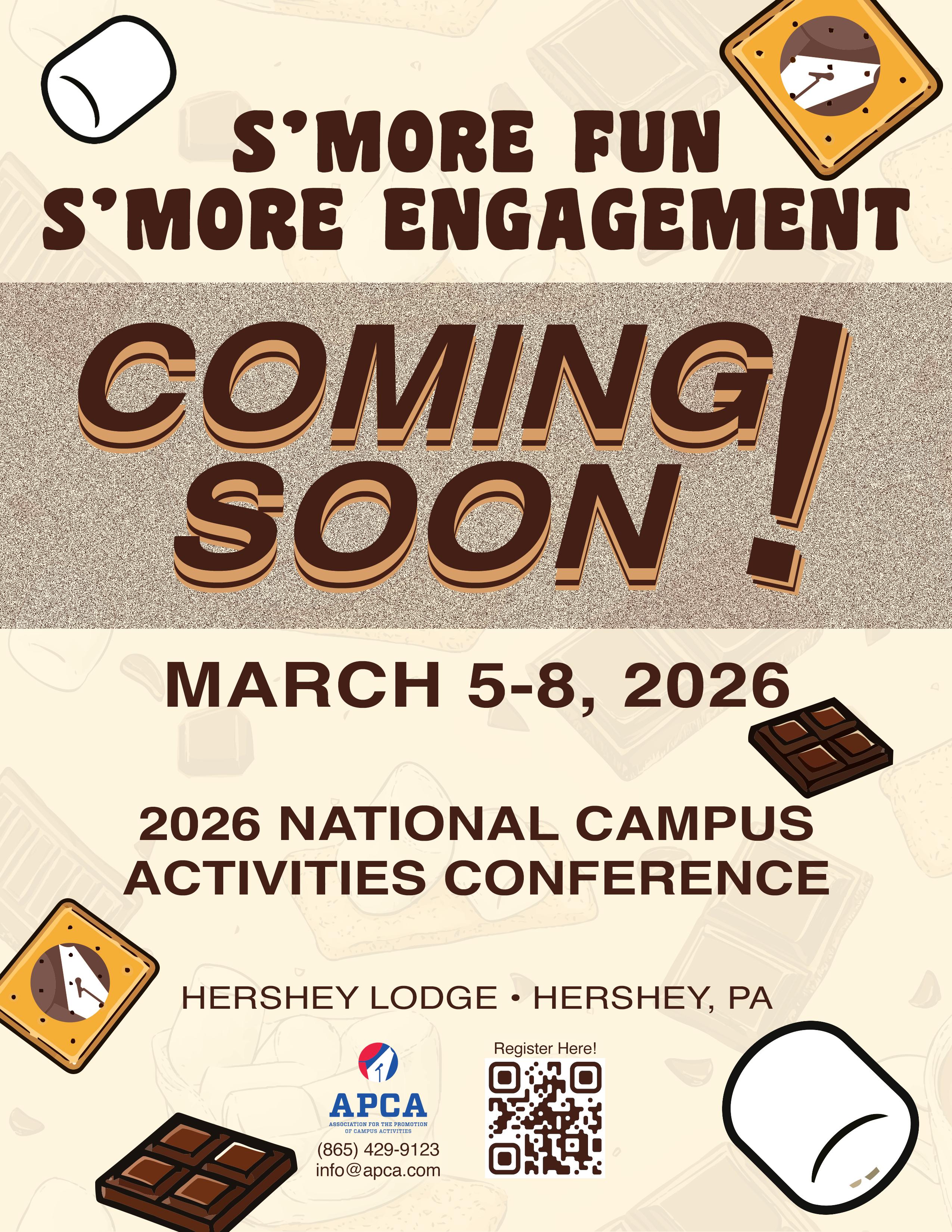
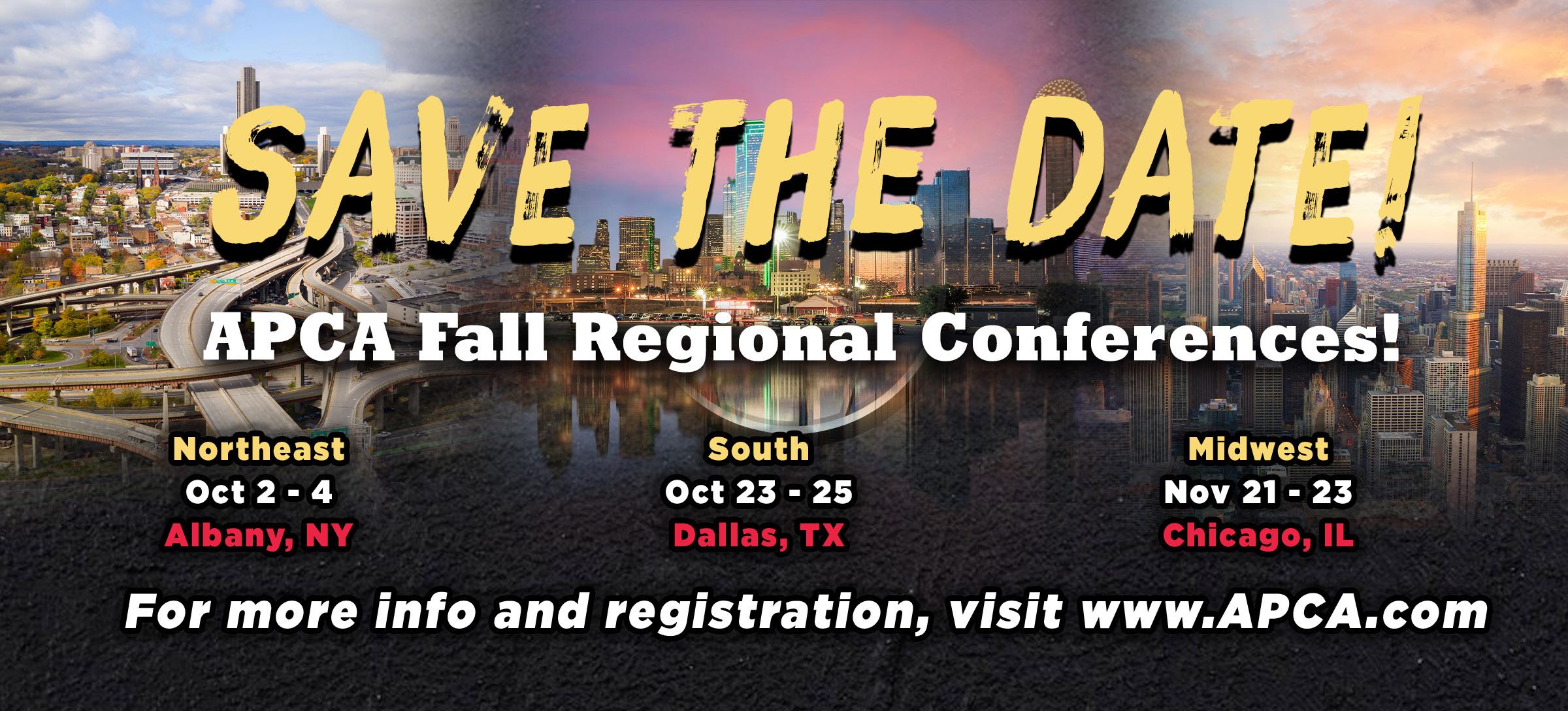
Every story reaches a point where the solution becomes clear. For campus life professionals and student leaders looking to protect their programs, strengthen their skills, and elevate their impact, that solution is APCA National: March 5–8, 2026, at the Hershey Lodge in Hershey, Pennsylvania. And this is where the value becomes undeniable.
APCA conferences consistently deliver more than any other national student life event.
Included in registration:
• Six fully catered meals
• Morning coffee breaks
• Welcome receptions for students and staff
• Access to APCA’s exclusive cooperative buying program
• National showcases featuring top talent and novelty providers
• High-impact training for student boards
• Professional development sessions for advisors
• Leadership workshops
• Assessment and planning tools
In addition, attending advisors are eligible for scholarships toward certification through the Higher Education Consortium for Student Affairs Certification (https://studentaffairscertification.org).
APCA Nationals is not an add-on. It is an investment in credibility, career advancement, and institutional impact.
And all events are held under one roof at the iconic Hershey Lodge—maximizing networking, minimizing logistics, and creating an immersive learning environment.
You are not paying for fragmented programming. You are investing in a complete experience.
The Final Chapter: Your Next Step
Every strategy ends with a choice.
You can continue doing what you have always done, stretch shrinking budgets and patch together training, hoping engagement improves.
Or…
You can step into a community designed to support you.
You can equip your students with professional-level leadership skills.
You can unlock purchasing power that protects your budget.
You can strengthen your resume, your network, and your impact.
You can help secure your institution’s future through meaningful engagement.
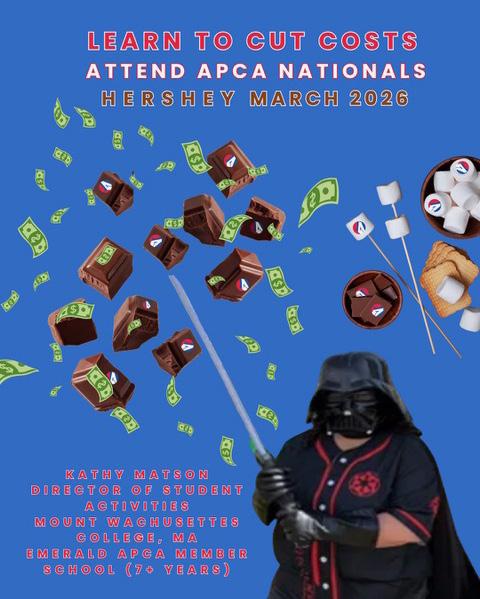
APCA Nationals is where campus life leaders are made. The opportunity is here. The 33rd APCA National Conference is being held March 5–8 at the famous Hershey Lodge in Hershey, Pennsylvania. The resources are ready. The community is waiting.
Visit www.apca.com today to register for the APCA National Conference—and take the next step toward transforming your campus engagement and your career. Your students deserve it. Your institution needs it.
And your future success depends on it.
ASSESSING THE IMPACT OF LIVE ARTIST PROGRAMMING THROUGH THE LENS OF LEARNING RECONSIDERED:
MEASUREMENT, MEANING, AND STUDENT SUCCESS
Introduction: Why Learning Reconsidered Still Matters
Live artist programming—comedy shows, concerts, spoken word, magic acts, and guest lectures—often gets framed as entertainment. Yet in the context of Learning Reconsidered, these events become powerful engines of integrated learning, identity development, and student persistence.
Learning Reconsidered challenges educators to see learning as holistic, occurring through interconnected domains such as:
• Cognitive Complexity
• Intrapersonal Development
• Interpersonal Competence
• Humanitarianism & Civic Engagement
• Practical Competence
• Persistence & Academic Success
When live events are strategically designed and assessed, they produce measurable outcomes in these domains— strengthening not only engagement, but ultimately, retention.
“Entertainment becomes education when it connects the student to themselves, their community, and their world.”
The Art of Alignment: Connecting Live events to Learning Domains
Comedy encourages students to think critically about cultural norms, personal identity, and social issues. When comedians share personal stories or satirical commentary, they model reflection, challenge assumptions, and promote perspective-taking.
Assessment Evidence May Include:
• Shifts in tolerance for ambiguity
• Increased empathy or understanding of diverse viewpoints
• Ability to articulate personal reactions to complex social issues
“Live art is where learning becomes lived.”
Programming Tip:
Include a brief facilitated Q&A or post-show reflective prompt on how humor shapes cultural understanding.
Live Music > Intrapersonal Development & Community Belonging
Music is emotion-laden, identity-forming, and communitybuilding. Concerts on campus create a sense of belonging— one of the strongest predictors of persistence.
Assessment Evidence May Include:
• Increased emotional expression and self-awareness
• Stronger sense of connection to campus community
• Identification with peer groups that support persistence
Magic shows spark curiosity about perception, attention, and critical reasoning. They invite students to question assumptions—a cornerstone of cognitive complexity.
Assessment Evidence May Include:
• Demonstrated interest in critical thinking
• Engagement in logic-based activities
• Increased willingness to challenge surface-level explanations
Guest Speakers > All Learning Domains, Especially Practical Competence
Speakers offering motivational, professional, cultural, or skill-based presentations often produce some of the most directly measurable outcomes.
Assessment Evidence May Include:
• Development of practical strategies for success
• Clarification of academic or career goals
• ncreased intention to persist through challenges
“Students don’t remember flyers. They remember experiences.
Designing Assessment Tools That Tell The Full story Assessment should be:
1. Simple
Students should complete it in under 2 minutes.
2. Domain-Specific
Tie each question to a Learning Reconsidered domain.
3. Actionable
Data should directly inform programming, retention interventions, and budgeting decisions.
4. Consistent Across Events
A standardized assessment enables comparison among genres (comedy vs. music vs. speakers).
“Assessment is not paperwork—it's proof of impact.”
How To Meausre Connections Between Events and Learning Domains
A. Use “Before/After” Perception Metrics
Example:
“How strongly do you feel connected to the campus community?”
(before the event • after the event)
B. Measure Intent to Engage
After an event, ask: “Because of this event, how likely are you to attend future campus programs?”
C. Connect to Retention Indicators
Ask about:
• sense of belonging
• motivation
• identity development
• academic confidence
D. Add a Qualitative Prompt
One open-ended question captures rich data:
“What is one idea, emotion, or takeaway you are leaving with from this event?”
A simple Ready To Use Assessment Tool For Live Artist Programming
Below are some entertainment genres that can enhance student engagement with specific learning domains found in Learning Reconsidered. Note the type of reflective components that can be addressed by different types of genres. This is just an example, not an exhaustive list, but it can give you a clearer view on what questions may be relevant to your event.
SAMPLE LEARNING DOMAIN ALIGNMENT MATRIX
Event Type
Comedy
Learning Reconsidered Domains
Example Assessment Questions
Cognitive Complexity, Interpersonal “The event helped me think about issues in a new way.”
Music Intrapersonal, Community Belonging “I felt more connected to other students during this event.”
Poetry
Magic
Cognitive, Intrapersonal, Civic “The performance prompted me to reflect on my own identity.”
Cognitive Engagement, Practical Competence
Guest Speakers All Domains
How To Use An Assessment Tool For Live Artist Programming
“The event made me curious to learn more about how perception works.”
“I gained practical tools or insights I can use in my academic or personal life.”
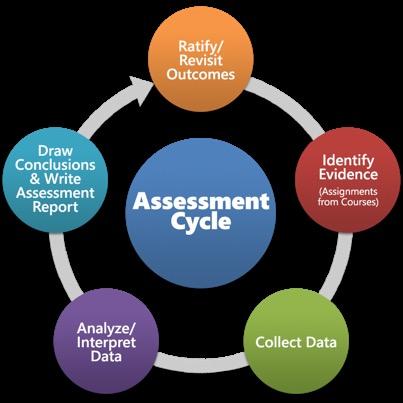
On the following page you can find a copy-and-paste-ready assessment form designed specifically for use after comedy, music, poetry, magic, and speaker events. It addresses:
C. Demonstrate the Value of Live Artists Over Passive Novelties
Use quantitative evidence to support continued investment in live programming.
D. Build a Longitudinal Dataset
Patterns across semesters help campuses identify which programs most strongly reinforce:
• belonging
• persistence
• academic motivation
“Assessment elevates programming from entertainment to education.”
HOW TO USE THIS DATA CONCLUSION: LIVE ART AS A RETENTION STRATEGY
Live events are more than fun—they are transformative experiences that activate Learning Reconsidered’s domains. When student affairs professionals assess these outcomes intentionally, they capture powerful evidence that live programming:
• builds belonging
• strengthens identity
• develops competence
• supports persistence
• contributes directly to student success
Assessment does not diminish creativity; it amplifies it by making the impact visible.
CREATING A CULTURE OF APPRECIATION FOR THE ARTS IN STUDENT ACTIVITIES: WHY LIVE PERFORMANCES SHAPE STRONGER STUDENTS, BETTER LEADERS, AND MORE CONNECTED COMMUNITIES
A Campus Comes Alive When the Arts Are Present
College campuses are engines of energy. Every week, If you’ve ever watched a student walk out of a comedy show wiping tears of laughter from their eyes, or seen a room fall into reflective silence after a poet shares a deeply personal piece, you already know: live arts change people. On a college campus, they do something even more powerful—they help students grow into the people they’re meant to become.
A strong arts culture within student activities doesn’t just make a campus more “fun.” It makes it more human. It gives students the chance to see, hear, and feel ideas that can’t be captured in textbooks or online lectures. It creates shared moments—real, unfiltered, communal moments— that anchor students to their institution and to each other.
“Students don’t simply attend live arts—live arts transform students.”
Every campus has bulletin boards filled with information about leadership programs, involvement fairs, mentoring initiatives, and career readiness workshops. All of those are essential. Yet nothing shapes a student’s sense of identity, curiosity, and community quite like a night spent listening to a musician who speaks to their soul, or laughing alongside strangers at a comedian who turns stress into joy.
That’s the foundation of a true culture of appreciation for the arts—one where the arts aren’t simply events
on a calendar, but threads woven through the student experience.
How Live Arts Shape Students Into Leaders
Talk to any student affairs professional and they’ll tell you that leadership development is subtle. It doesn’t arrive through a single workshop or one class presentation. It grows through exposure, dialogue, practice, reflection— exactly the kind of experience live performances effortlessly create.
When students attend a spoken-word night and listen to young writers wrestle with identity or justice, they begin to see leadership as something rooted in authenticity and courage. When they help host a musician, run tech for a comedian, or introduce a guest speaker, they are quietly learning communication, confidence, timing, and responsibility. They’re not just consuming art—they’re participating in it, even if they don’t realize it.
And those magic or mentalism shows? Beyond the “how did they DO that?” excitement, they provoke curiosity. They remind students that not everything in life is straightforward, and not every answer is obvious—a valuable insight for anyone hoping to lead in complex environments.
Leadership, at its core, is about curiosity, empathy, communication, and adaptability. Live arts cultivate all of these with incredible efficiency.
“Live arts turn spectators into thinkers and thinkers into leaders.”
You can actually watch it happen. A once-quiet student suddenly volunteers to run a Q&A mic. A nervous firstyear introduces the headliner for the night and beams afterward, realizing they just commanded a crowd of 400. A student from a rural town experiences a culturally diverse performance for the first time and rethinks their entire worldview on the walk home.
That is leadership in its earliest, most authentic form.
What Happens When the Arts Are Missing?
It’s surprising how quickly the absence of live arts changes a campus. Students still attend events—game nights, food giveaways, attraction-based novelties—but something vital is missing. There is less awe. Less challenge. Less emotional connection. Fewer moments where students pause long enough to experience something meaningful. Without regular exposure to live performance, campuses see:
• Students who feel less connected
• Leaders who communicate less confidently
• Fewer inclusive spaces where voices and stories can be shared
• A decline in creative thinking—something employers insist is now essential
“A campus without the arts is a campus without a heartbeat.”
Live arts act as emotional punctuation in the academic year.They remind stressed students to laugh, overwhelmed students to breathe, and isolated students to rejoin the community. Without these shared cultural experiences, the student journey becomes flatter, more transactional, and less memorable.
And perhaps most importantly, students graduate with a narrower understanding of the world—and a much narrower toolkit for navigating it.
Why Employers Value Students Who Appreciate the Arts
Fortune 500 companies repeatedly say that creativity, emotional intelligence, and cultural awareness are among the top attributes they want in new hires. It makes sense—teams need people who can think differently, collaborate effectively, interpret nuance, and empathize with colleagues and customers.
Those qualities don’t come from spreadsheets. They come from exposure.
A student who attends diverse performances learns to interpret multiple perspectives. A student who participates in Q&A sessions with guest speakers learns to communicate professionally. A student who hears poets, activists, and musicians gains a worldview that translates directly into leadership potential.
Even the simple act of appreciating live performance signals curiosity, openness, and flexible thinking— traits that predict long-term success in nearly every professional field.
“Exposure to creativity is exposure to possibility.”
Campus arts programs don’t just entertain—they build the cultural fluency companies expect from future managers, innovators, and community leaders
The Magic of Genre Diversity
One of the most exciting things about arts programming in student activities is how each genre adds its own flavor to campus development.
Comedy brings the community together in laughter and helps break down social barriers.
Music events create shared emotional memory—students will remember the feeling of that performance long after they forget the exact date it happened.
Poetry gives students permission to be vulnerable, expressive, and introspective, often for the first time.
Magic and mentalism keep wonder alive in environments that often feel overly rational or structured—and they inspire curiosity, a career skill as valuable as any credential.
And guest speakers? They bridge the gap between classroom theory and real-world application, offering models of leadership that students can see, hear, and connect with.
The more genres a campus embraces, the richer the student experience becomes.
Creating a Campus Where the Arts Feel Inevitable
A true arts culture isn’t built by accident—it grows from intentional choices.
It grows when student activities professionals champion performers not just as entertainers but as educators. It grows when events are framed not simply as “something to do,” but as opportunities to think, feel, and connect. It grows when students are invited to take ownership—curating performance series, hosting artists, leading discussions afterward.
And it grows when campuses proudly state, “The arts matter here.”
Because they do. They matter to student wellness. They matter to community building. They matter to the intellectual life of the institution. And they matter to the workforce students will enter after graduation.
“When students see themselves reflected onstage, they find their place on campus.”
When you build a culture that values the arts, students not only attend events—they become part of them. They grow through them. They build memories, connections, and competencies that last long after the show ends and the lights go down.v
BRIDGING THE CLASSROOM & THE CAMPUS: : A PRACTICAL GUIDE TO ACADEMICMISSION PROGRAMMING THROUGH FACULTY COLLABORATION
Spend a single afternoon wandering through a lively college campus and you’ll quickly realize that learning is happening everywhere—not just behind the doors of a classroom.
It’s in the buzz of a student union poetry night, in the laughter drifting out of a comedy show, in the quiet focus of a workshop with a visiting musician. Programming, when it’s intentional, becomes a powerful extension of the academic mission. And increasingly, colleges are recognizing that the key to making this happen is surprisingly simple: collaborate with your faculty.
Faculty know how to ignite curiosity. Campus activities teams know how to create experiences students actually show up for. When those strengths come together, learning becomes a campus-wide ecosystem. The conversations happening in philosophy class spill into the evening keynote speaker. The financial concepts introduced in a morning lecture suddenly feel more practical when reinforced during a personal finance event. The campus becomes a place where the academic mission breathes and moves with students throughout their day.
“Purposeful programming isn’t about adding an academic veneer to entertainment. It’s about building experiences where learning extends in every direction—inward, outward, and across campus.”
Every campus has bulletin boards filled with information about leadership programs, involvement fairs, mentoring initiatives, and career readiness workshops. All of those are essential. Yet nothing shapes a student’s sense of identity, curiosity, and community quite like a night spent listening to a musician who speaks to their soul, or laughing
alongside strangers at a comedian who turns stress into joy.
That’s the foundation of a true culture of appreciation for the arts—one where the arts aren’t simply events on a calendar, but threads woven through the student experience.
Where the Collaboration Begins
Meaningful collaboration starts with something wonderfully old-fashioned: talking to each other. Campus activities teams who make a habit of attending department meetings or dropping by faculty offices discover an immediate shift in the relationship. Conversations open with questions like, “What are you teaching this semester?” or “Where could a live experience help reinforce your lessons?” Faculty light up at the idea of someone taking an interest in their curriculum and finding ways to bring their content to life outside the classroom.
Before long, a music professor mentions they’re covering songwriting in April, and suddenly you're exploring the idea of bringing in a touring musician who could spend a day in residency before performing for the campus that night. A sociology professor teaching a unit on social justice might suggest a spoken-word artist whose themes align perfectly with classroom discussions. These conversations create natural bridges, helping both sides discover how programming can intentionally enhance student learning. It also helps when everyone speaks the same language. Faculty live and breathe learning outcomes, and student affairs professionals do too—just in a slightly different dialect. When both parties realize the outcomes they care about overlap—communication skills, cultural competency, critical thinking, practical competence, and integrative learning—collaboration becomes much easier. Instead of
planning an event and hoping it connects academically, you're intentionally designing experiences that mirror the intellectual goals of the institution.
“The strongest campus programming doesn’t compete with the academic mission—it extends it.”
Inviting Faculty Into the Creative Process
Once the relationship is built, inviting faculty into the planning process becomes a natural next step. Not as gatekeepers or approval checkpoints—but as creative partners. Professors often enjoy moderating Q&A sessions, offering context before an event begins, or helping shape discussion questions that connect performances to course content. Some even volunteer to co-create short activity sheets or discussion prompts for students to complete afterward.
When faculty become part of the process, events stop feeling like extracurricular outings and start feeling like rich extensions of the classroom. Students show up not because they feel obligated but because they can sense the relevance. They notice their instructors are involved, that these experiences matter academically as well as socially, and that their learning happens in many places—not just in their assigned seat three times a week.
Administrators, meanwhile, appreciate the alignment. They see how collaborative programming strengthens institutional objectives like persistence, engagement, and graduation rates. And because faculty can help articulate academic connections, assessment becomes more robust and meaningful. You’re not just hosting an event—you’re documenting learning, demonstrating mission alignment, and showing how student life contributes directly to academic success.
Collaboration in Action: Turning Events Into Learning Experiences
Some of the most powerful examples of academicmission programming begin with a simple idea: bring the curriculum to life.
“Residencies turn a two-hour show into a two-day learning experience.”
Imagine a musician arriving the day before their big campus show. Instead of relaxing at the hotel, they spend the morning hosting a songwriting clinic in the music department. Students sit with them in a rehearsal space discussing lyric structure, composition choices, and the realities of touring as a working artist. By the time the show begins, those students feel deeply connected—not only to the performer but to the larger creative process they’ve just witnessed.
The same kind of synergy unfolds when a business professor jumps onboard to support a personal finance speaker. Maybe the professor offers extra credit for attending and completing an assessment that asks students to reflect on budgeting, credit scores, or long-term planning. Attendance rises instantly, but the more important outcome is that the learning becomes integrated. Students hear the same message in two different spaces—from an instructor they trust and from an engaging expert with lived professional experience. Suddenly, financial literacy feels urgent, practical, and attainable.
Creative writing faculty might collaborate on a poetry event by running a pre-show writing workshop, encouraging students to craft pieces inspired by themes the visiting artist will explore. STEM faculty might partner with guest innovators to demonstrate emerging technologies. Business instructors might guide students through a case study before a corporate speaker arrives. Faculty appreciate opportunities to contextualize classroom material with real-world voices, and campus activities teams benefit from increased participation and deeper learning outcomes.
The best part? Students talk about these experiences long after the event ends.
Learning Outcomes That Come Alive
When programming intentionally aligns with academic goals, learning outcomes naturally weave themselves into the experience. Students gain much more than entertainment—they build cultural understanding, sharpen communication skills, strengthen practical competencies, and develop new perspectives that support their academic journey.
A well-designed speaker event may reinforce information literacy. A panel discussion might enhance civic engagement. A creative workshop can deepen problemsolving instincts. A culturally diverse performance might
broaden intercultural awareness. Each of these outcomes supports the institution’s overarching mission, but more importantly, they support students’ personal, academic, and professional development.
“Assessment turns good programming into documented learning.”
And that’s where assessment tools matter. When students reflect on what they learned, how they were challenged, and how the event connects to their studies, they internalize those experiences more deeply. Faculty often appreciate having these reflections incorporated into their classes, and campus activities teams gain valuable insights into the effectiveness of their programming.
Learning Outcomes That Come Alive
When instructors, staff, and performers come together with a shared focus, the benefits ripple across the campus. Students feel more connected to their learning. Faculty see their curriculum enriched through experiential opportunities. Campus activities teams gain credibility as true partners in the educational mission. And administrators notice the increased engagement and improved retention metrics that follow.
The campus begins to transform into something more integrated—more cohesive—more alive. Programming isn’t a diversion from academics; it becomes part of a greater whole, a tapestry of experiences that challenge, inspire, and prepare students for the complexity of the world beyond graduation.
A Vision of What’s Possible
Picture a campus where every major artist or speaker contributes to an academic theme being studied that semester. Imagine faculty eagerly offering preevent context for students, or integrating reflection assignments that deepen the learning. Picture students leaving events not only excited but newly curious, suddenly connecting the dots between coursework and lived experience
“When faculty and campus activities professionals collaborate, the campus becomes a living classroom.”
This vision isn’t far-fetched. It’s already happening on campuses that value collaboration, communication, and creativity. All it takes is one conversation to get it started—one moment where a campus activities professional asks a faculty member, “How can we help each other help our students?”
When those conversations become habit, the academic mission becomes something students encounter everywhere they turn. And that’s when programming becomes transformative.