Dr. Megan Duncan Executive Director m.duncan@theaaea.org
Dr. Karla Neathery Assistant Executive Director k.neathery@theaaea.org
Sarah Jerry K-12 Elevate Portal Supervisor s.jerry@theaaea.org
Sharon Chuculate Fiscal Services Coordinator s.chuculate@theaaea.org
Sarah Shamburger Business Manager s.shamburger@theaaea.org
Alyse Mattox Communications & Technology Specialist a.mattox@theaaea.org
Melanie Thrasher Business Analyst m.thrasher@theaaea.org
Lana Webb Membership & Certification Coordinator l.webb@theaaea.org
Molly Franxman Administrative Assistant m.franxman@theaaea.org
Mike Mertens Consultant m.mertens@theaaea.org
Lenett Thrasher Consultant l.thrasher@theaaea.org
AACIA Conference, March 3, 2026 Benton Event Center
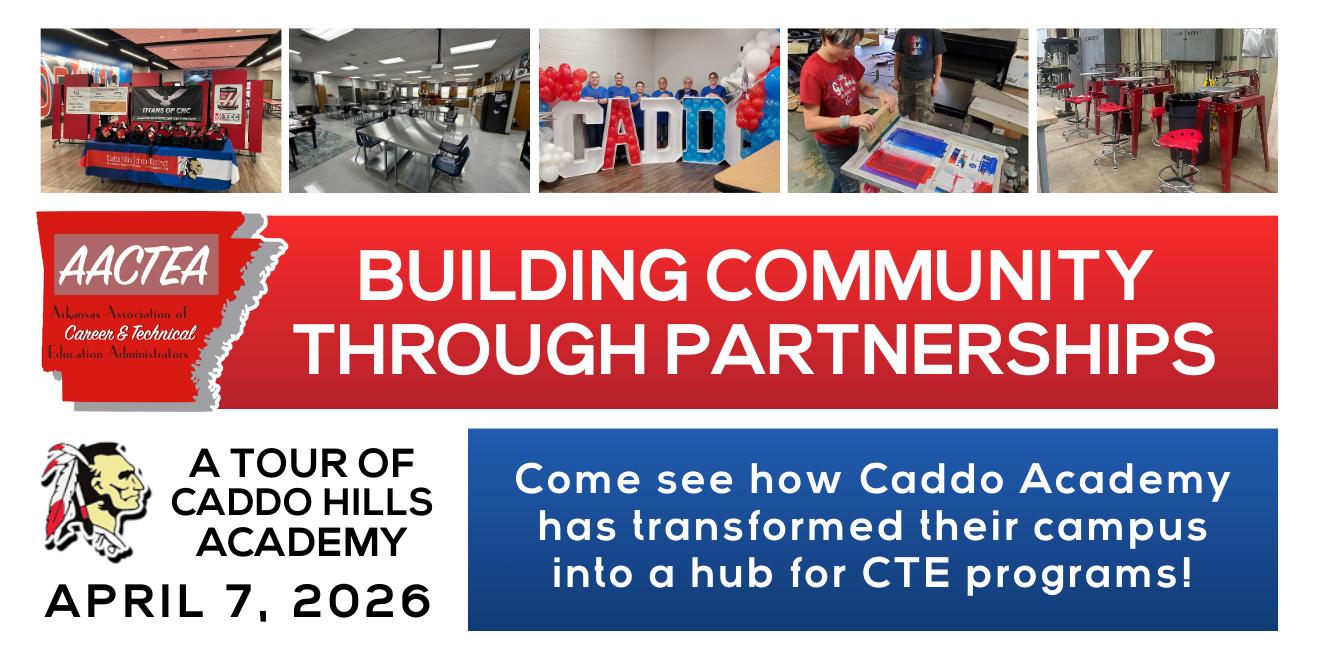
AACTEA Tour - Caddo Academy, April 7, 2026 Caddo Hills Schools, Norman
Women in Leadership Conference, April 15-16, 2026 Robinson Center, Little Rock
Certified Facilities Director Classes, April 21, 2026 OUR Co-op, Harrison
CASBO Classes, April 22-23, 2026 UCA Brewer-Hegeman Conference Center
AACTEA/ACTE Region IV Joint Conference, April 29-May 1, 2026 Embassy Suites, Rogers
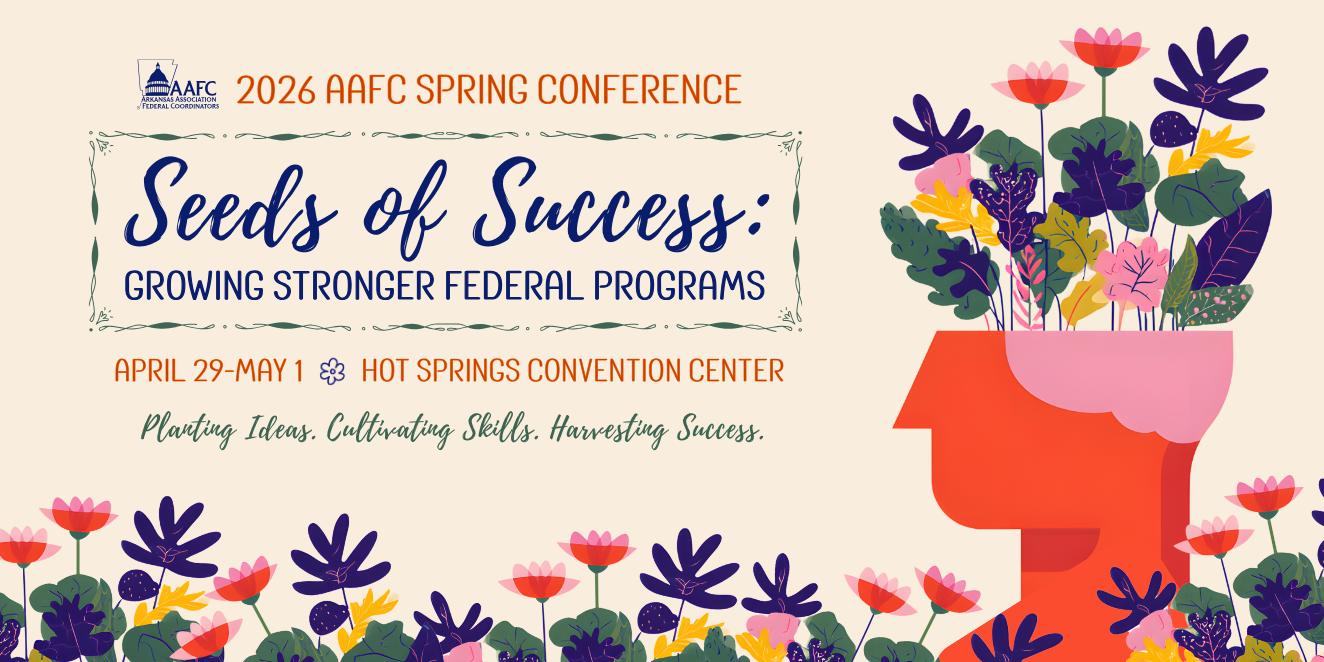
AAFC Spring Conference, April 29-May 1, 2026 Hot Springs Convention Center
ASBA/AAEA Joint Conference, May 5, 2026 Wyndham Riverfront Hotel, North Little Rock
School Law & Finance Conference, June 1, 2026 Veterans Park Community Center, Cabot
AASEA Conference, June 9-10, 2026 Benton Event Center
ASPMA Custodial Conference, June 11, 2026 Searcy High School
Certified Facilities Director Classes, Date TBD Location TBD
AAEA Summer Conference, July 27-29, 2026
Statehouse Convention Center/Marriott Hotel
For more information, visit theaaea.org/events.
Charles Warren AAEA President Chief Financial Officer, Fort Smith
Dr. Debbie Bruick-Jones AASA President Superintendent, Bentonville
Shavon Jackson AAESP President-Elect Principal, Russellville
Melissa Powell ArkASPA President Assistant Superintendent & Director of HR, El Dorado
Justin Robertson AASBO Past President Chief Financial Officer, Russellville
Molly Davis AAMLA President Principal, Rogers
Dr. Megan Duncan AAEA Executive Director
Dr. Jason Reeves AAEA President-Elect and AASSP Past President Superintendent, Mountainburg
Dr. Jeremy Owoh AASA President-Elect Superintendent, Jacksonville/ North Pulaski
Steven Helmick AAESP Past President Principal, Little Rock
Shantele Raper AACTEA President Assistant Superintendent, Rivercrest
Domonique Alexander AASEA President Special Education Supervisor, Fort Smith
Randall Bolinger ASPMA President (until Oct) Maintenance/Facilities Supervisor, Siloam Springs
Dr. Jared Cleveland AAEA Secretary Superintendent, Springdale
Dr. Karen Walters AASA Secretary Superintendent, Bryant
Jason Selig AASSP President Director of Instruction, Lake Hamilton
Lea Metcalf-McDonald AAFC President Executive Director of Curriculum, Texarkana
Dr. Kelli Martin AACIA President DeputyGreenbrierSuperintendent,
Raymond Reynolds ASPMA President (begin Oct) Maintenance/Facilities Supervisor, Searcy
Stacy DeFoor
AAEA Past President Assistant Superintendent, Sheridan
Betsy Laughter AAESP President Principal, Marion
Charles Nelson AASSP President-Elect Principal, Greene County Tech
Pam McCammon AASBO President BusinessGreenbrierManager,
Valerie King AAGEA President Director of Gifted Programs, Siloam Springs
B.J. TEL-ARBurgessPresident Director of GreenbrierTechnology,
Elite
American Fidelity Assurance Co.
Coryell Roofing and Construction
TIPS The Interlocal Purchasing System
Presidential Curriculum Associates
Educational Benefits
NIET - National Institute for Excellence in Teaching Solution Tree
Prestigious
Renaissance Learning
Stephens
Distinguished ABCover Apptegy
Bailey Education Group Bark
Capturing Kids’ Hearts
Colleges of Education & Health Professions - UofA
Lexia Learning
Distinguished (continued)
Lifetouch National School Studios
Modern Classrooms Project
Nabholz | Entegrity Energy Partners
Diamond
Baldwin & Shell
Conscious Discipline
First Security Beardsley
Imagine Learning
The Kirkland Group
Platinum
AAMSCO
Architecture Plus
C.R. Crawford Construction Goalbook
Hight Jackson Associates PA
HMH | NWEA
Just Right Reader
Legacy Construction Management
Phoenix Contractors
Polk Stanley Wilcox Architects
Powers of Arkansas
Platinum (continued)
Pro Service Builders
Progressive Technologies
SEAS Education
TRANE Gold
CDI Contractors
Cromwell Architects Engineers
Cynergy Rehab Group
ESS
Kinco Constructors
Middleton Heat and Air
Paragon Architecture
Reach University
Sibme
White River Services and Solutions
Silver
American Bus Sales
French Architects, PA
K12 Tutoring
Staying Home Corporation Strategos Group
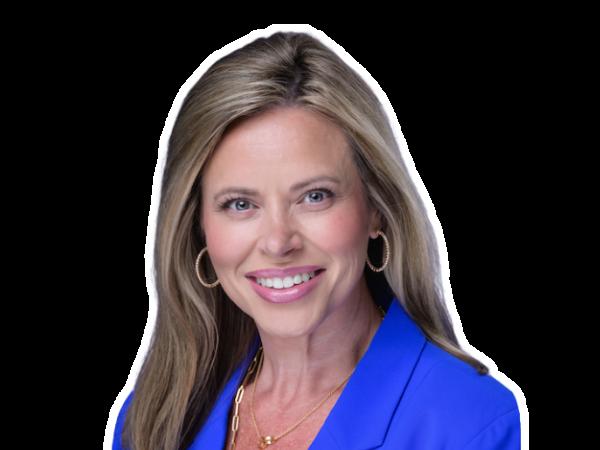
Dr. Megan Duncan, AAEA Executive Director

Standing in the Gap can mean different things to different leaders. As we move into our state assessment season, it is a busy time of year in our schools, focused on accountability and making sure that each of our children is exceeding learning expectations.
As leaders, we don’t just see averages, we see children. We also see the potential gaps. While districtwide data such as reading scores, graduation rates, and attendance percentages provide important insight, we also know that behind every data point is a child who needs our attention, care, and action.
Reviewing data should never feel like a compliance exercise. Instead, it is an opportunity to pause, reflect, and better understand where support is needed most and further investigate those gaps. Those needs may surface academically, through access to programs or through social and emotional development needs. When we take time to truly examine what the data shares, we are better equipped to respond in ways that lead to meaningful growth for children. This leadership approach is reinforced in the book, Make It Stick, which emphasizes the importance of intentional strategies, feedback, and monitoring progress over time.
As leaders, reflection must be ongoing. How are our students growing? Are our systems designed to serve all learners? Are all programs and opportunities available to all children? These questions help guide our work and keep our focus where it belongs, on children. How we monitor progress and adjust our efforts along the way helps to ensure our work continues to make a difference for each child.
Across Arkansas, there are countless examples of leaders doing this work with purpose and heart. Many of you are quietly solving challenges, strengthening systems, and supporting children in ways that deserve to be shared. Through AAEA, we can take time to learn from one another and our education cooperative leaders to strengthen our professional network and collective knowledge.
Creating intentional systems and structures allows us to expand access and opportunity while staying grounded in what matters most, our children. At AAEA, through the Elevate Portal, we are committed to supporting leaders with practical tools and meaningful learning opportunities. Thank you for the leadership you bring each day, for the care you show our children, and for the shared commitment that continues to move public education forward across Arkansas.
Our district is interested in looking into the possibility of a 21st Century Community Learning Center grant for academic enrichment during non-school hours for our students. What do we need to do?
Interested districts must complete the Intent-to-Apply form. Applicants are required to submit their Intent-to-Apply between February 20, 2026 and March 6, 2026. Grant applications must be submitted through the online platform no later than April 13, 2026 to be considered for eligibility. Applicants are encouraged to review the Grant Guidance when completing the application. Awarded grants will be notified by May 8, 2026. See the Commissioner’s Memo for additional information.
If you have questions for Dr. Neathery, email her at k.neathery@theaaea.org .
As districts prepare to meet new third grade reading requirements this year, one of the most effective strategies is the Master Professional Educator Designation. Districts can place students who fail to meet the expected reading level for third grade in the classroom of a master educator to strengthen support for that student and satisfy the promotion requirement.
The National Institute for Excellence in Teaching is a lead training provider through its Arkansas Master Designation Pathway, with more than 300 educators already enrolled. If a student fails to meet the state’s third grade promotion requirements, that student can satisfy the requirements by being placed in a master teacher's classroom. By investing in educators to acquire the Master Professional Educator Designation, districts can:
• Satisfy third grade reading promotion requirements
• Provide intensive instruction for third grade students who qualify for promotion
• Build teacher capacity and ensure enough educators are qualified to support students who need additional instructional intervention
NIET’s Arkansas Master Designation Pathway is designed to develop experienced educators into content experts in literacy and math instruction. In a moment when in-building expertise and subject-specific coaching matter more than ever, it can help districts intentionally invest in their teachers, satisfy the upcoming requirements, and ensure students receive the support they need to achieve.
To learn more about the NIET Master Designation Pathway, contact Central Regional Director Amy Gayle at agayle@niet.org or Executive-in-Residence Karli Saracini at ksaracini@niet.org.

Charles Warren, AAEA Board President
Most of the comic book superheroes have great origin stories. Lisa Prince may not be a superhero technically, but as a School Business Official (SBO), she has an amazing origin story herself.
Lisa is the Business Manager at Hazen School District and she’s on the AASBO Board representing District 1. She’s been at Clarendon Public Schools (26 years) for most of her career. That’s where her story begins.
Lisa began working at Clarendon as a paraprofessional (para) in 1998. Back then the position was better known as a teacher’s aide. She started working there to better align her work schedule with her kids’ school schedule. She found she liked the work, especially the years she spent as a facilitator in the high school computer lab.

Ms. Prince was part of the first group of paras that took the Praxis test. Some call them guinea pigs, but I think of pilot groups as pioneers. She likes to tell the story that most of her para colleagues were intimidated by the test. She claims “they were all grandmas” that hadn’t taken a test in a long time. Most passed but a few retired before the test was required.
Lisa moved from the computer lab to the central office as a receptionist. In the middle of a school year, the high school secretary retired, and she was asked to fill in. That role lasted four years when the Clarendon Business Manager announced her retirement at the end of the school year. It was the middle of the 2018-2019 school year, and she was moved to the business manager’s office to begin training. She shares that the superintendent told the high school office that Lisa’s movement in and out of the high school office was part of a “giveth and taketh away” concept.
As a SBO that started in the classroom, Lisa has a unique perspective on school operations. She’s been on the front lines – in the classroom, in the school office, and in the district office. She understands where a classified employee is coming from and how they want to be perceived and received. She understands that information doesn’t trickle down easily to everyone in the district like we think it does. It also means you can’t pull one over on her – not that anyone would ever try to do that.
Lisa’s story starting out as a para makes me think of the role of the classroom para. The para position is made up of many unsung heroes and that makes me think of my brother Bill – the dreaded middle child. To complete the circle of thought, he has a good story to tell about the impact a para can make in the life of a student.
Bill is two years younger than me. Even though he wasn’t to be the middle child until six years after he was born, he dealt with middle child issues growing up. Until his first school picture, there were no portraits of
him from the Sears Portrait Studios without me. When I got new clothes, he got my hand-me-downs. I picked on him for six years but didn’t allow him to pick on the youngest brother because it suddenly seemed wrong to do so. Bill was basically ignored as a middle child.
Bill married Kim and they have three girls. Bill doesn’t worry about the middle child syndrome for his middle girl, Sydney. You see Sydney was born with Down syndrome. She came into this world saying, “I will not be ignored.”
Sydney spent her whole K-12 journey at Fayetteville Public Schools with a para by her side. There were many great paras that didn’t just work with her, they became invested in her.
These paras supported the teacher working with all the students in the classroom. They made the teachers accountable to engage and include Sydney in classroom activities. They modeled behavior and interaction for students to understand that Sydney had more in common with her classmates than the differences they might only initially see.
Many of Sydney’s paras continue to keep in touch with her now that she has graduated and is working in a coffee shop. Sadly, they still ignore her dad, Bill, because they are all about Sydney. He can take it. As a middle child, it’s all he knows.
Paras have a positive impact in the classroom, just as our teachers do. To qualify as a para, one must pass the aforementioned Praxis exam or obtain 60 hours of college credit. These classified employees in the classroom can seem to be underpaid because they are. You may even hear of the stories of the para that loved the classroom so much, they eventually worked to earn a teaching license. Those are great origin stories as well.
Please remember your paras when you celebrate classroom teachers in the future. Please include them as you honor your staff during Teacher Appreciation Week in May this year. Just like our certified staff, there’s a lot of good work being done by these everyday heroes we call paras. Maybe they need a superhero cape or at least a t-shirt that says, “My superpower is working with kids.”
CoSN is a great resource for school technology administrators. Check this page monthly for links to articles to assist technology leaders as they navigate through digital learning

CoSN 2026 Driving K-12 Innovation Report
CoSN/AASA EmpowerED Superintendent edLeader Panel Series
CoSN 2026 Conference
CoSN Membership
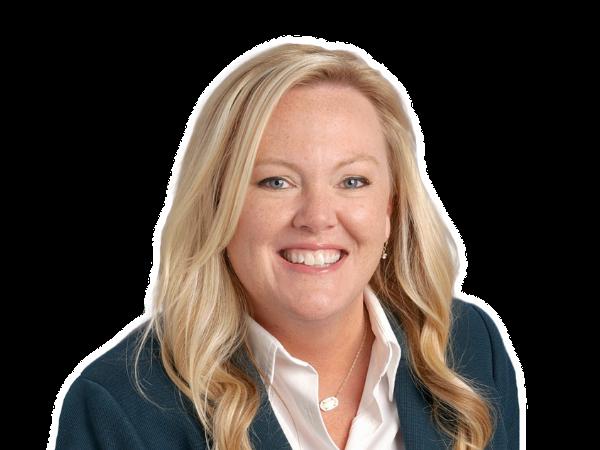
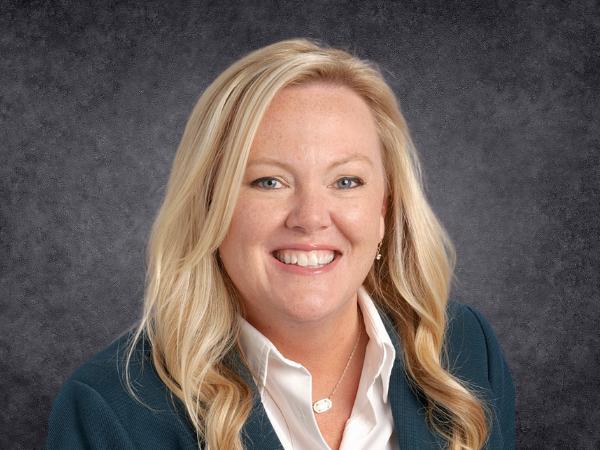
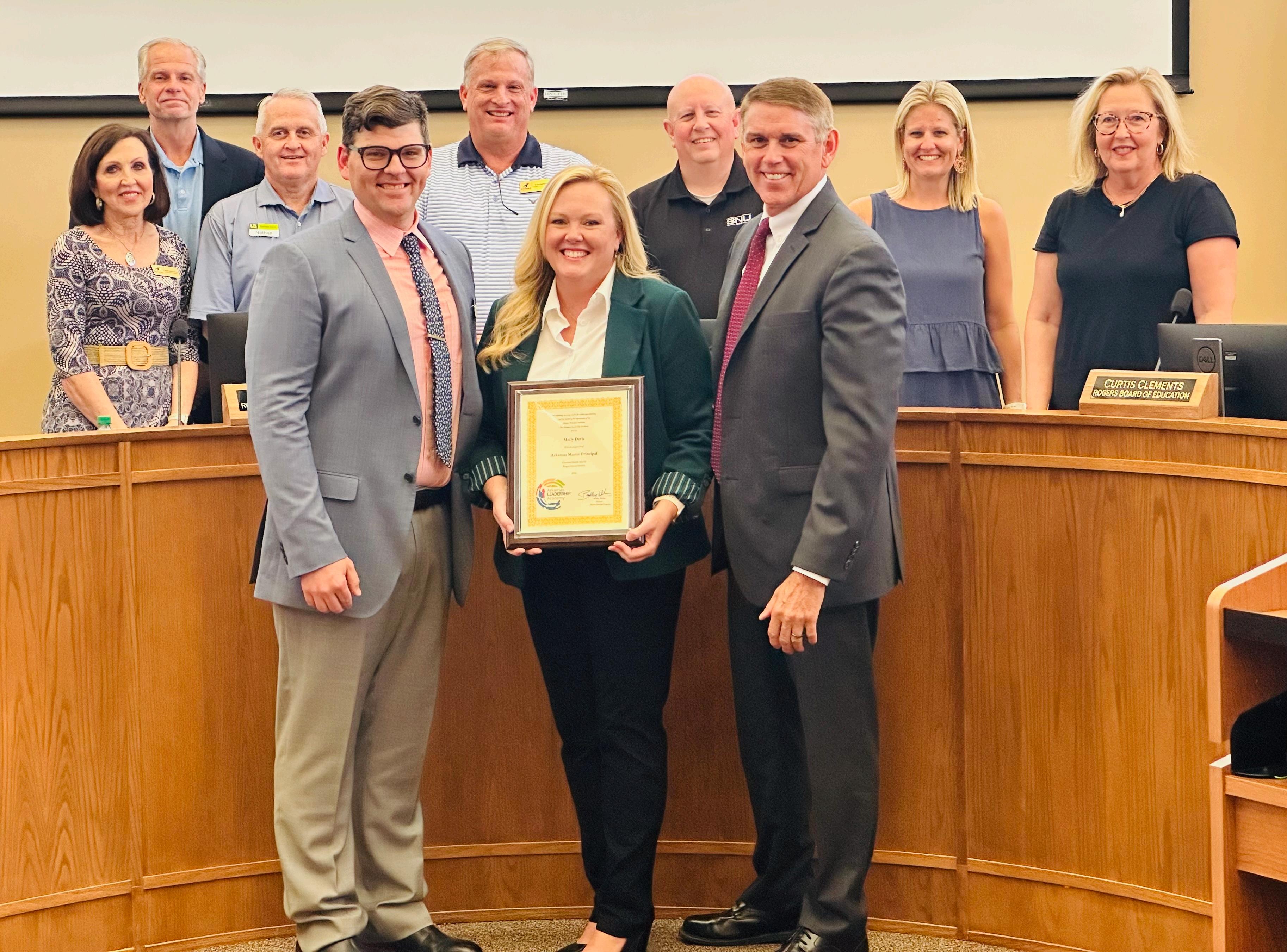
Principal Molly Davis of Elmwood Middle School in the Rogers School District began teaching while still in first grade herself. "I asked Santa for chalkboards so I could come home from school each day and 'teach' my dolls whatever I had learned," she explains. "I have always loved school—everything from the friendships and extracurricular activities to the sense of belonging it creates—but most of all, I love learning. Education has never felt like just a career choice; it has always felt like who I am." A graduate of Ouachita Baptist University, she began her career in Garland, Texas, teaching high school English and Spanish before finishing her classroom career as an ELL Newcomer teacher. While teaching, she completed a master’s degree in educational leadership at Texas A&M–Commerce, and later moved to Rogers, Arkansas, where she served as an assistant principal at Kirksey Middle School and Elmwood Middle School for ten years. She is now in her eleventh year as principal of Elmwood Middle School.
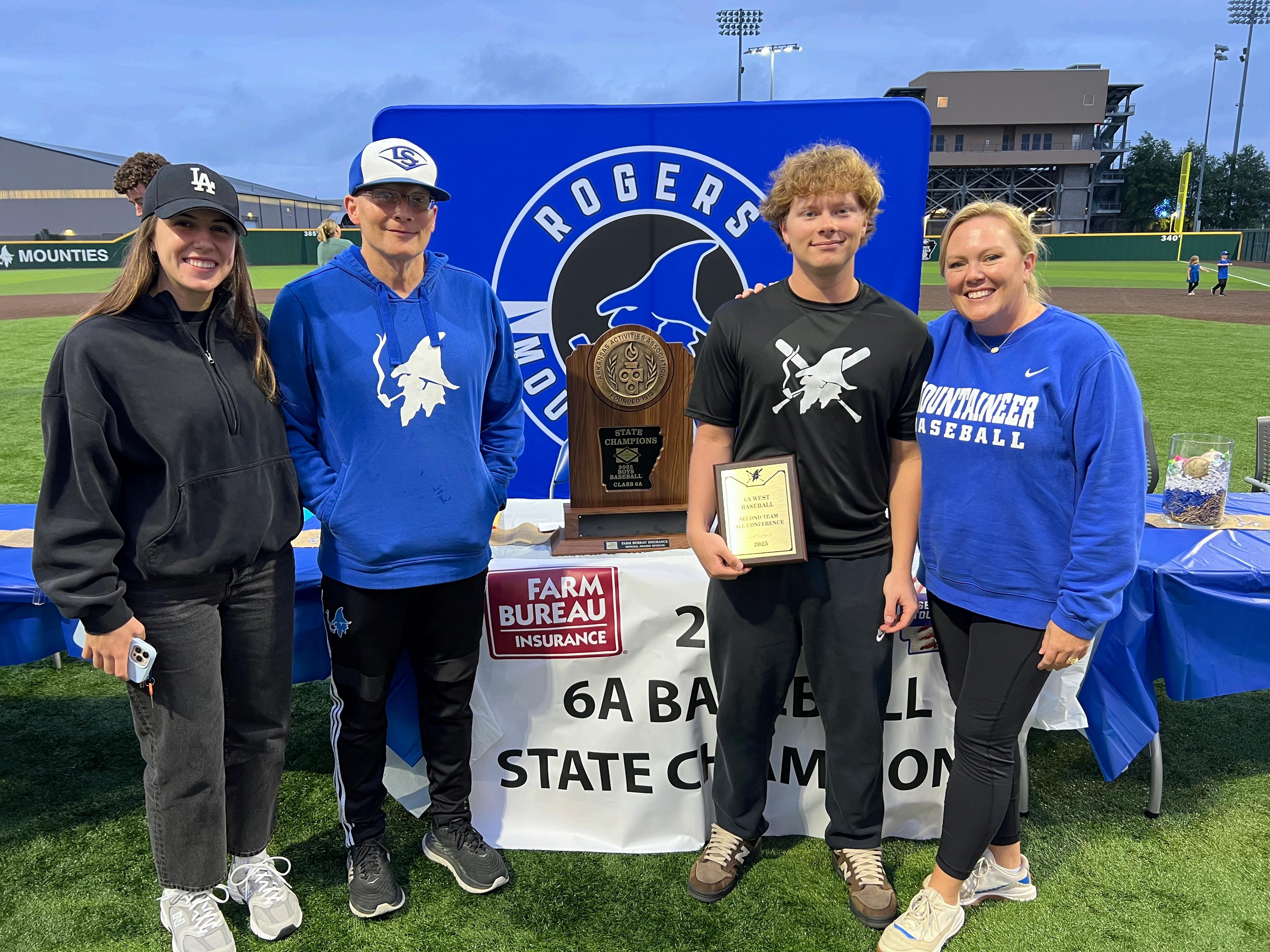
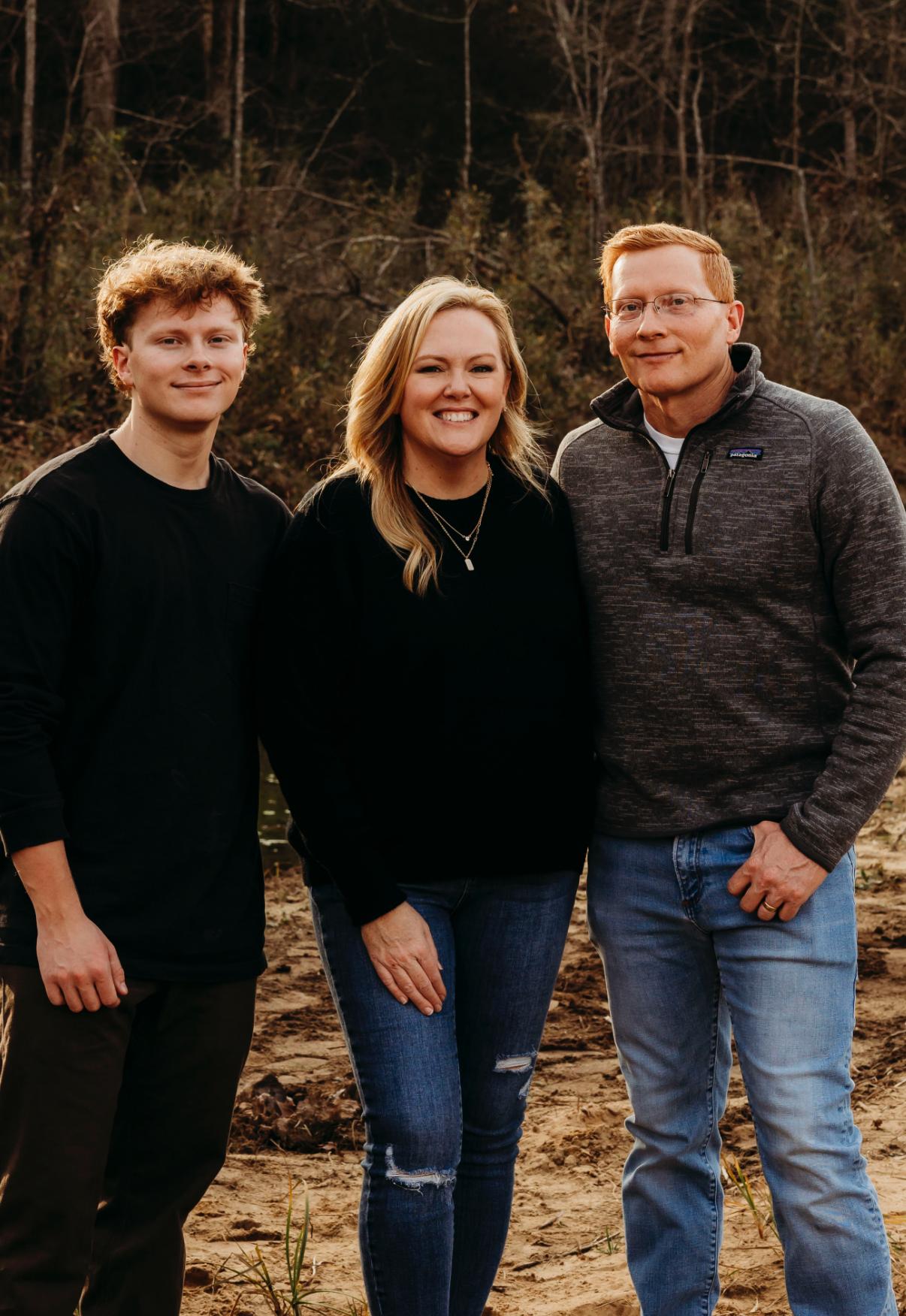
Molly says that her favorite part of her job is "watching students grow and reach their full potential. Middle school students, in particular, make me laugh every single day—they are truly some of the best humans on the planet." She says that while she loves supporting students as they learn to make good decisions, it is equally important to be there for them when they don’t. "I genuinely believe God placed me on this earth to help young people understand that failure is normal and often how we learn best." The most challenging aspect of her job is in navigating the ever-changing landscape of state laws. "Keeping up with new requirements while ensuring they align with what is best for students and staff requires constant learning, flexibility, and thoughtful decision-making," she states. Molly believes that others should only choose to pursue a career in education if they truly feel called to it. "The work is demanding, but it is also incredibly rewarding. If you love learning, building relationships, and making a difference in the lives of young people, there is no better career." She endeavors to lead a school that leaves a lasting impact—one that former students will look back on years later and say, "that was the best school I ever went to." She states, "I truly can’t imagine myself in any other profession, and I am deeply grateful to have chosen a career that brings me joy every single day."
might
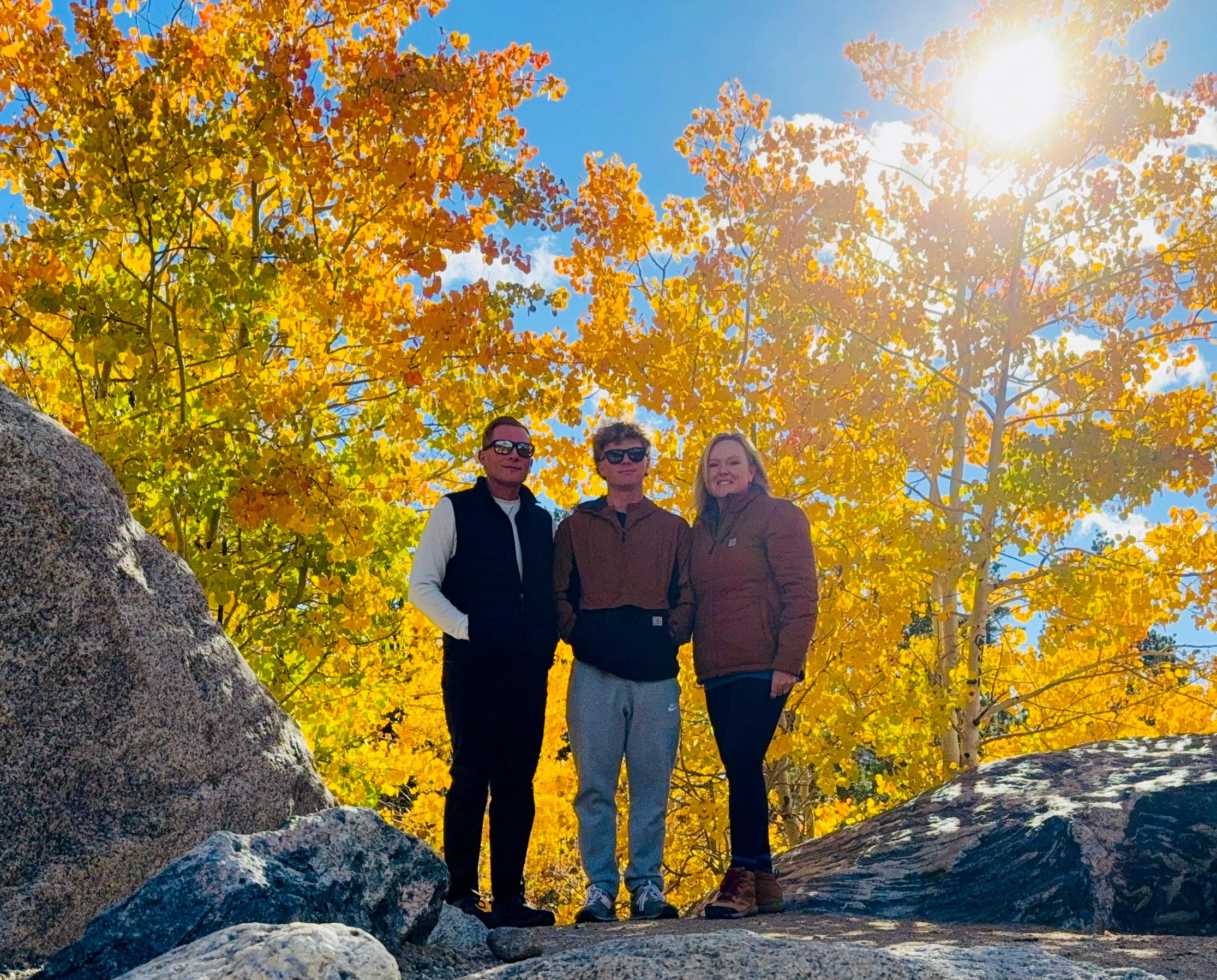
Other administrators might be surprised to know that I am an adventurer at heart. I love exploring – whether it’s in the mountains of Canada, on our farm in Poughkeepsie, Arkansas, discovering a new place, building forts with my son and nieces and nephews, or hiking here in Northwest Arkansas. Nothing brings me more peace than being in the woods, surrounded by God’s beauty.
What is the most daring thing you’ve done?
The most daring thing I’ve done is spending multiple weeks camping in the backcountry of Southeast Alaska, deep in the Misty Fjords. One summer—yes, summer—we flew about an hour south of Juneau to a remote cabin on a glacier-fed lake. After spending the entire day fishing, we returned to the cabin only to realize we had run out of dry firewood and fuel. That night, I developed hypothermia, and the next morning we had to flag down a passing plane to bring us supplies. It was a powerful reminder of how quickly nature can humble you—and how important preparation is when you’re truly off the grid.
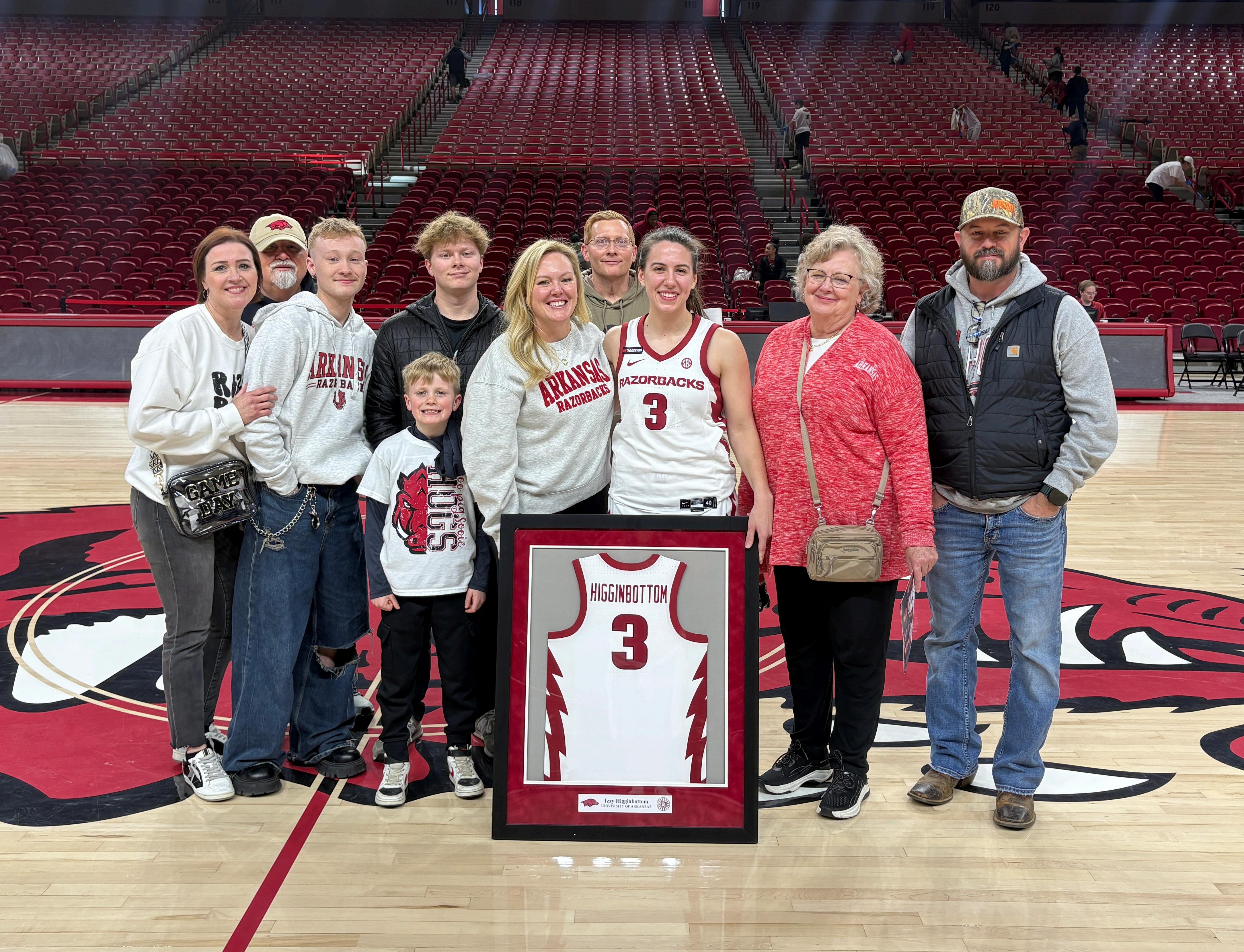
During my time off, I enjoy being outdoors and adventuring with my family—hiking in Northwest Arkansas, exploring new places, and spending time on our farm in Poughkeepsie. I love watching my son play baseball, working in my yard, swimming, and staying active through exercise. I also treasure simple moments like building forts with my son and my nieces and nephews or just slowing down in nature. Being outside, surrounded by God’s creation, is how I recharge and find balance.
One of the items on my bucket list is hiking in the Dolomites and spending time exploring the mountains of Switzerland. Experiencing those landscapes up close—on foot, immersed in nature—is a dream of mine and the kind of adventure that truly fills my soul.
If you weren’t in your current position, what would you be doing?
That’s an easy one—I would be a park ranger in a national park. I would love getting to teach through a Junior Ranger program, combining education, nature, and helping young people learn by exploring the world around them.
What do you see as the biggest benefit of AAEA membership?
The biggest benefit of AAEA membership is the opportunity to connect, learn, and grow alongside other educational leaders across the state. The collaboration, professional learning, and advocacy AAEA provides help ensure administrators are informed, supported, and equipped to lead schools effectively while navigating an ever-changing educational landscape.














Join us for the 2026 AAEA Summer Conference, Vision to Impact: Be the Change, on July 27-29, 2026, at the Statehouse Convention Center and Marriott Hotel in Little Rock, AR. The event will feature keynote speakers, over one hundred breakout sessions from inspiring educational leaders, an exhibit hall, and hospitality events. Join administrators from across the state to learn, network, and celebrate your love for public education!



Searcy School District is a district grounded in a clear mission: ensuring high expectations and meaningful learning for every child. District leaders, including Superintendent Dr. Bobby Hart, describe this mission as a daily filter for decision-making, one that shapes instructional practices, professional learning, student supports, and districtwide systems. Leaders set intentionally high expectations for learning and prioritize clarity and consistency across grade levels and campuses, ensuring that children experience coherent instruction and support. What stands out most is the deliberate alignment of people, practices, and systems in service of learners, more than any single initiative.
Searcy Public School leaders approach professional learning as a strategic investment, using grant funding to strengthen instructional practice while supporting long-term educator growth. Through targeted allocation, district leaders support teachers pursuing Lead and Master licensure designations, recognizing the value of developing advanced instructional knowledge and leadership skills grounded in classroom practice. These pathways provide educators with structured opportunities to deepen their instructional skills, reflect on their impact, and strengthen their understanding of effective teaching and learning.
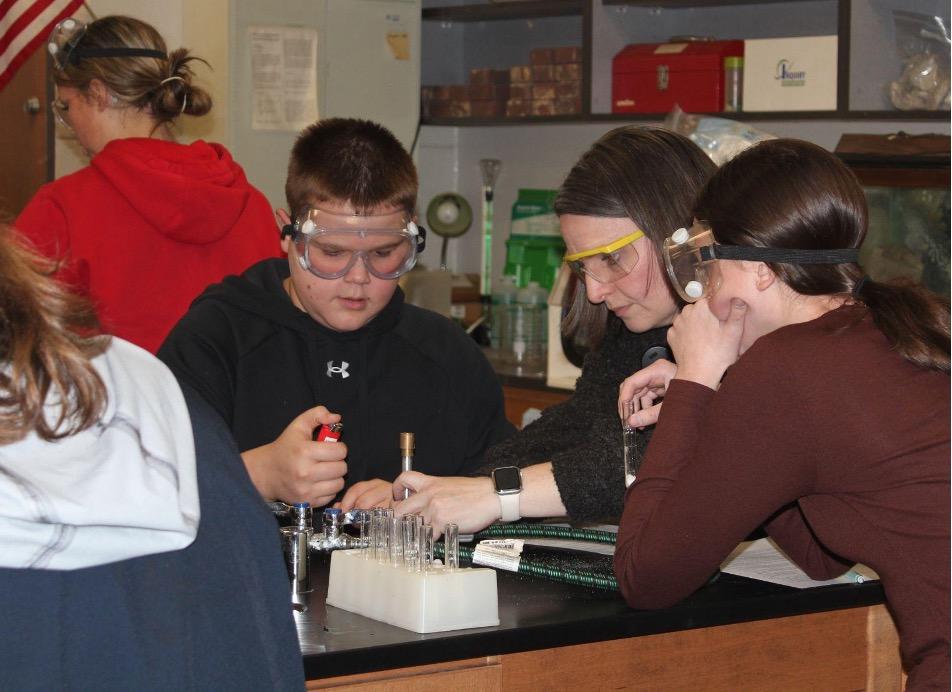
The district also hosts Visible Learning training sessions, offering educators shared frameworks for understanding instructional impact and learner progress. By establishing common language and evidence-based practices, these sessions support coherence across classrooms and campuses, allowing teachers to reflect collectively on what is working and where adjustments are needed.
Searcy leaders are investing in instructional expertise and educator growth. The team is purposefully building the conditions for leadership development and consistent, student-centered practice across the district.
Leadership development at Searcy Public Schools is viewed as a natural extension of professional learning. The new Searcy Educators Aspiring to be Leaders (SEALS) program, is designed for aspiring leaders and provides teachers and staff with structured opportunities to explore leadership, reflect on practice, and apply new learning in ways that feel meaningful and relevant.
SEALS participants meet monthly after school to engage in shared book studies and action research projects that prompt discussion on leadership, culture, and decision-making. These conversations help participants develop a common understanding of leadership while encouraging them to think critically about their role in shaping school culture and learning outcomes.
The program’s first cohort included 38 participants, reflecting both strong interest and a districtwide commitment to cultivating leadership capacity. As SEALS enters its second cohort, the program has added an extra layer of sustainability: members of the original cohort have stepped back in to support and mentor new participants. This peer-to-peer model reinforces the district’s belief that leadership is developed through collaboration, experience, and shared responsibility.
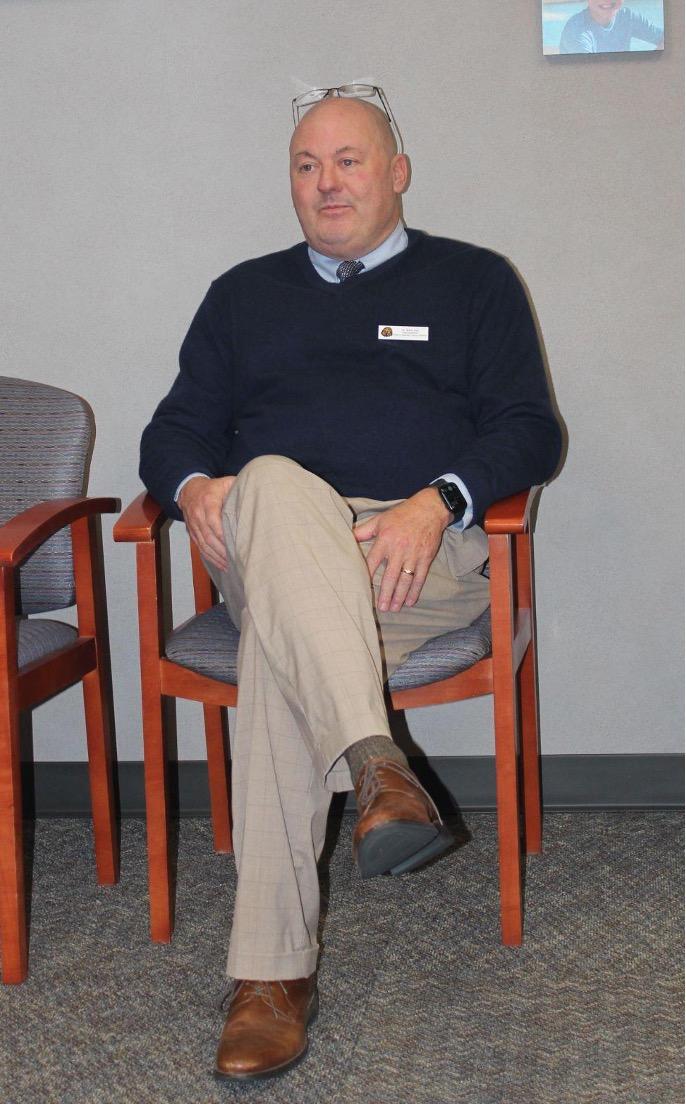
The district’s commitment to inclusive practices reflects the same intentional approach seen in its professional learning and leadership development efforts. Searcy Public School leaders emphasize collaboration, shared responsibility, and sustained support to meet the needs of all learners, moving beyond isolated strategies.
Through a partnership with the University of Central Arkansas (UCA), the district invested in professional learning designed specifically for co-teaching teams. Educators participated in dedicated days of learning focused on inclusive instructional practices, followed by coaching cycles that allowed teams to apply strategies, receive feedback, and refine their work over time. This structure supported deeper collaboration between general education and special education teachers and emphasized responsiveness to individual learning needs.
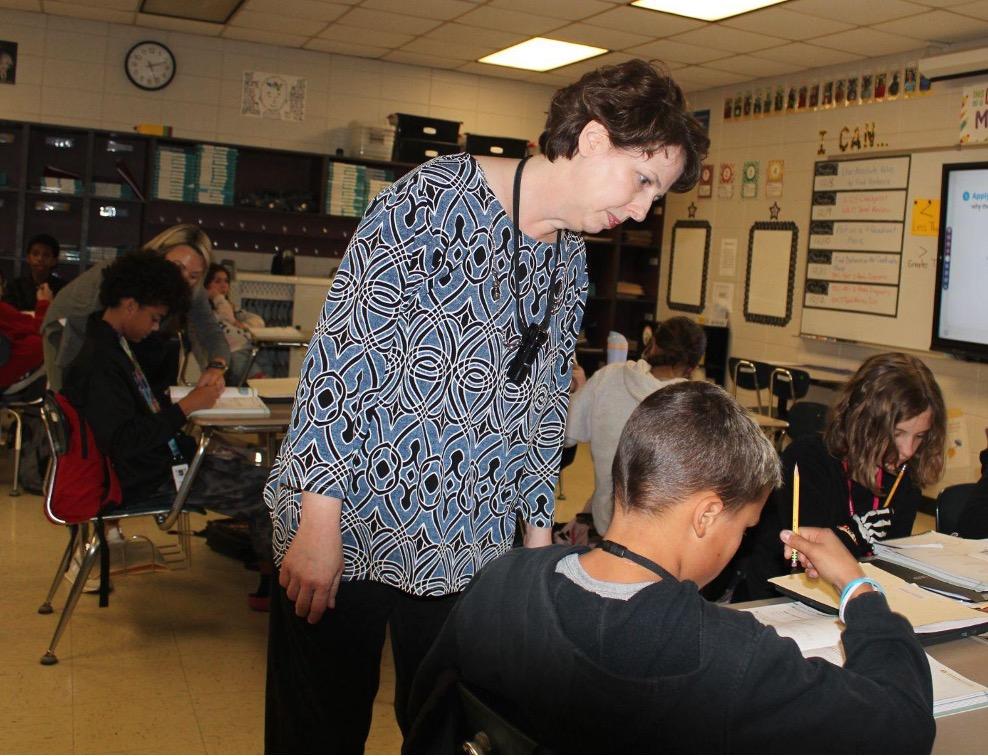
The impact of this approach was evident during a classroom observation at Southwest Middle School in a sixth-grade math class. General education teacher, Kelly Ellis, and special education teacher, Kristin Langston, worked together, sharing responsibility for instruction and student support. Both teachers circulated the room, provided feedback, monitored understanding, and adjusted instruction in real time.
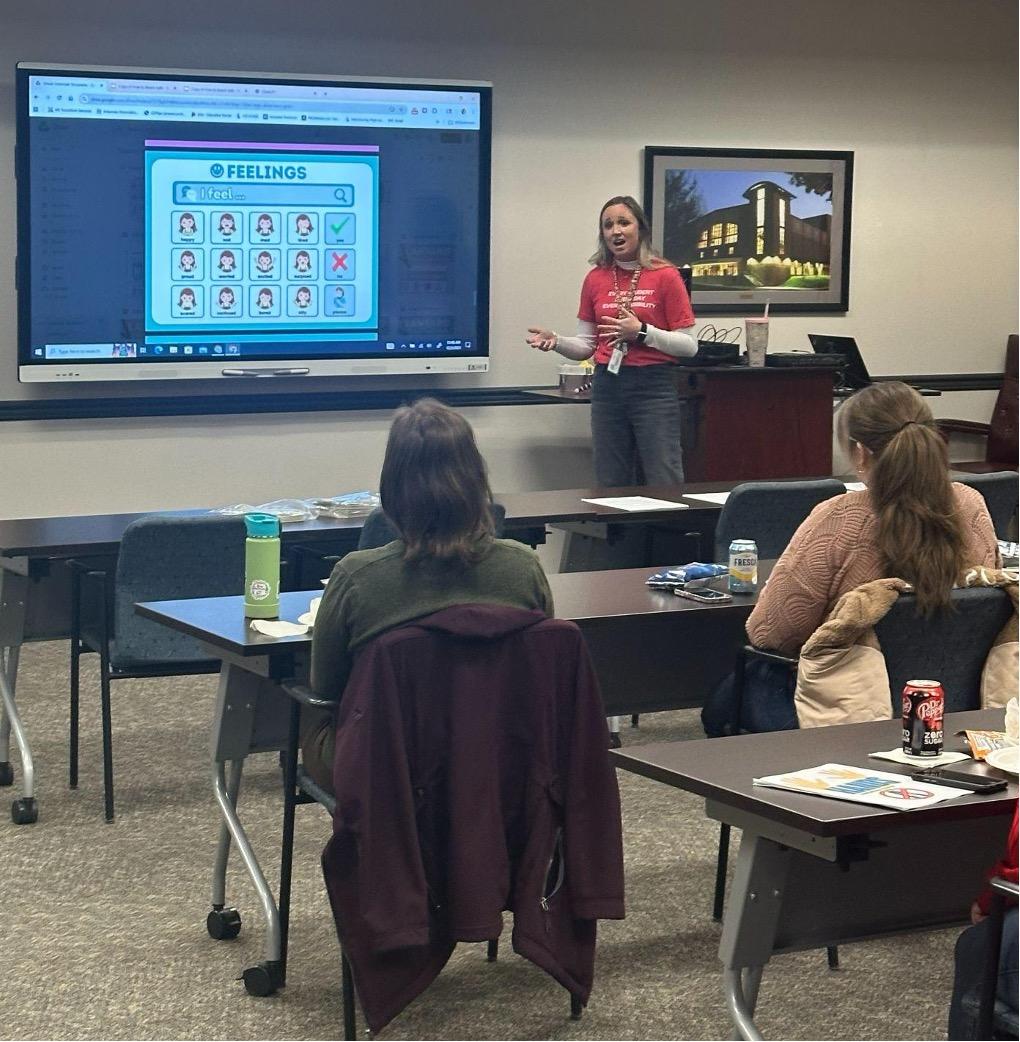
Inclusive practices also extend to support English Learners and their families. Educators collaborate to design and use visual supports that help children
access content, routines, and expectations across classrooms. Just as importantly, schools emphasize proactive family outreach, ensuring communication is clear, welcoming, and accessible. By strengthening connections between home and school and aligning instructional supports with family engagement, the district reinforces its commitment to inclusion as both an instructional and relational practice, one that values every child and family as part of the learning community.
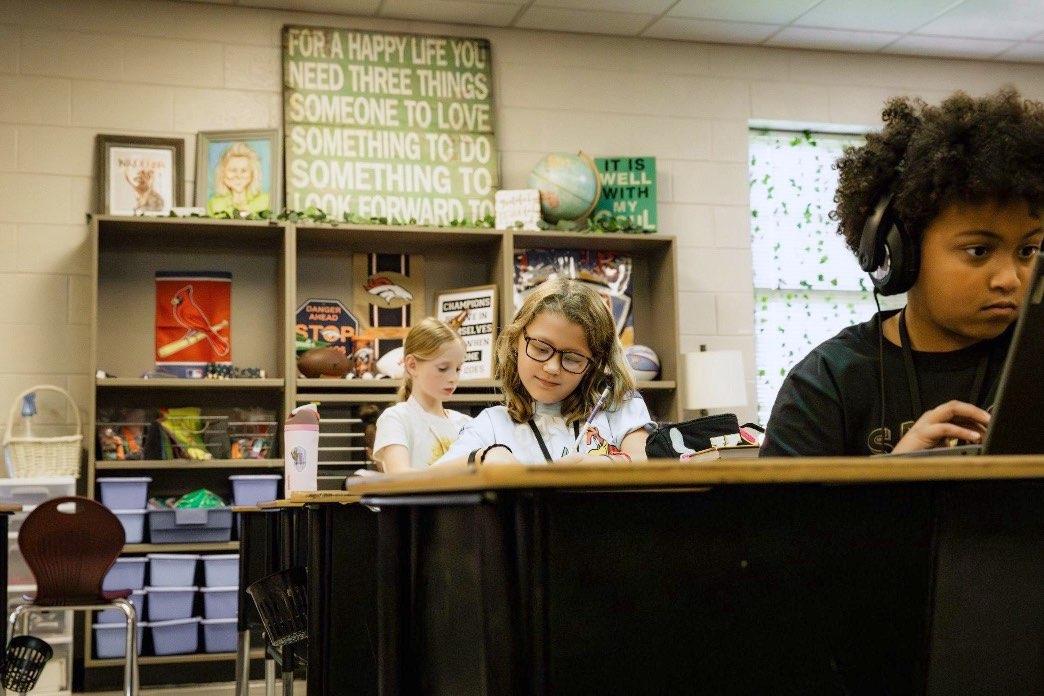
Across Searcy Public Schools, district leaders describe an approach to safety and structure that centers children and prioritizes clarity in how systems are designed and used. Communication, preparation, and thoughtful decision-making are treated as part of daily practice, supporting learning in both routine moments and unexpected situations.
At Ahlf Junior High School, audio enhancement systems support communication throughout the building, with directions heard clearly in hallways and displayed on hallway monitors to reinforce consistent expectations during transitions. In classrooms, teachers can record lessons as they present, allowing those who are absent to remain connected, while translation headsets support access by enabling children to hear instruction in their preferred language. The system also supports daily routines through customizable bell sounds that maintain clear auditory cues while contributing to a positive school culture, strengthening communication and engagement beyond its role in safety. Additional measures reflect the same emphasis on preparedness and care. A lanyard identification system supports visibility and consistency across campuses, and investments in safe room spaces provide secure environments during severe weather or other crises. Together, these practices illustrate how Searcy Public School leaders integrate care, communication, and preparedness into daily operations by grounding decisions in clarity and the needs of the school community.

Searcy Public School leaders reflect how a clear mission, supported by intentional systems, can shape meaningful experiences for children. Across professional learning, leadership development, inclusive instruc tional practices, and campus preparedness, district leaders have emphasized the importance of clarity, collaboration, and consiste ncy to support learning, safety, and belonging for every child.
Submitted by Adam Brooks, Community Partner Manager at Bark, adamb@bark.us
In 2025, the conversation about kids and technology shifted. The question is no longer whether schools should act. It’s how we build systems that help students use technology safely, responsibly, and resiliently.
Bark’s 2025 Annual Report on Children and Technology analyzed 11.1 billion digital activities across texts, emails, and more than 30 of the most popular apps and platforms used by teens and tweens. The findings reinforce what many Arkansas administrators already know: students’ digital lives are deeply connected to school climate, student wellbeing, and campus safety.
Students continue to encounter serious online risks:
● 64% of teens and 37% of tweens were involved in a self-harm or suicidal situation
● 80% of teens encountered sexual content
● 79% of teens experienced bullying as a bully, victim, or witness
● 84% of teens expressed or experienced violent subject matter
These interactions don’t stay online. They follow students into classrooms, hallways, and peer relationships - often after hours.
At the same time, the report highlights an important shift. Schools across the country are moving from a “don’t do this” approach toward building digital citizenship, resilience, and AI literacy - helping students develop the judgment and skills needed in an increasingly complex, always-on world.
Read the complete 2025 Annual Report Executive Summary here
Submitted by Dr. Gene Kerns, Chief Academic Officer,
Renaissance
It’s notable when a company is so pioneering or dominant within a market that the name of the company or its product becomes synonymous with an entire category.

For some people, all photocopiers are “Xerox machines.” Similarly, if we’re asked to pick up some Reynolds Wrap at the store, we’re probably OK as long as we come home with some brand of aluminum foil. Similarly, when I feel a sneeze coming on, I immediately reach for a Kleenex, even though there’s no guarantee it was produced by the Kimberly-Clark Corporation. A Puffs tissue (manufactured by Procter & Gamble) will do just as well.
There’s even a name for this phenomenon within the field of branding: genericization. It’s formally defined as “the process in which a trademark or proprietary name becomes widely perceived as a common noun or verb describing the type of product or service.”
Such is quickly becoming the case with generative AI. OpenAI’s ChatGPT was so early to and has become so dominant in the market that, when some folks say, “I used ChatGPT to. . .,” there’s no guarantee that they actually have an account with OpenAI. They may just as well have used Google’s Gemini, Microsoft’s Copilot, Anthropic’s Claude, or any other among a host of generative AI tools.
This brings us to a thought-provoking question that has important implications for the use of generative AI in K–12 education. In a world now awash with access to generative AI tools, what differentiates one tool from another? Does it really make a difference which tool you (and, ultimately, your students) use? Or are generative AI tools all basically the same?
In reflecting on this question, I think there are two parts to the answer, one that’s easy to grasp, and another that we should reflect upon more deeply in deciding which generative AI tools to use in schools and classrooms.
Click here to read the full blog

This segment features content from other AAEA publications. Our Two Cents is a monthly publication available to subscribing districts. The following excerpt comes from the February 2026 issue.
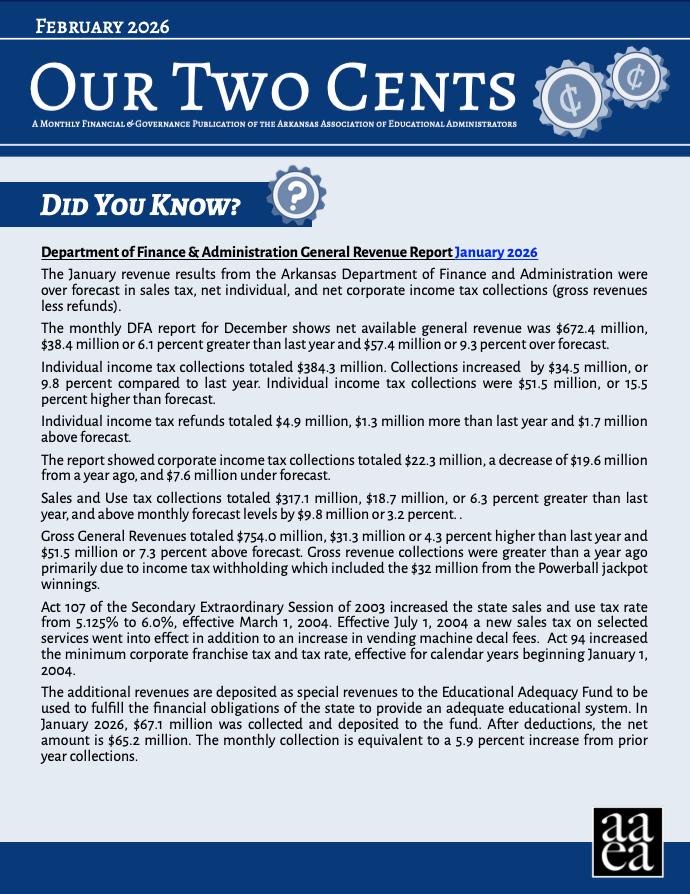
The January revenue results from the Arkansas Department of Finance and Administration were over forecast in sales tax, net individual, and net corporate income tax collections (gross revenues less refunds).
The monthly DFA report for December shows net available general revenue was $672.4 million, $38.4 million or 6.1 percent greater than last year and $57.4 million or 9.3 percent over forecast.
Individual income tax collections totaled $384.3 million. Collections increased by $34.5 million, or 9.8 percent compared to last year. Individual income tax collections were $51.5 million, or 15.5 percent higher than forecast.
Individual income tax refunds totaled $4.9 million, $1.3 million more than last year and $1.7 million above forecast.
The report showed corporate income tax collections totaled $22.3 million, a decrease of $19.6 million from a year ago, and $7.6 million under forecast.
Sales and Use tax collections totaled $317.1 million, $18.7 million, or 6.3 percent greater than last year, and above monthly forecast levels by $9.8 million or 3.2 percent. .
Gross General Revenues totaled $754.0 million, $31.3 million or 4.3 percent higher than last year and $51.5 million or 7.3 percent above forecast. Gross revenue collections were greater than a year ago primarily due to income tax withholding which included the $32 million from the Powerball jackpot winnings.
Act 107 of the Secondary Extraordinary Session of 2003 increased the state sales and use tax rate from 5.125% to 6.0%, effective March 1, 2004. Effective July 1, 2004 a new sales tax on selected services went into effect in addition to an increase in vending machine decal fees. Act 94 increased the minimum corporate franchise tax and tax rate, effective for calendar years beginning January 1, 2004.
The additional revenues are deposited as special revenues to the Educational Adequacy Fund to be used to fulfill the financial obligations of the state to provide an adequate educational system. In January 2026, $67.1 million was collected and deposited to the fund. After deductions, the net amount is $65.2 million. The monthly collection is equivalent to a 5.9 percent increase from prior year collections.
Interested in more from Our Two Cents? Contact our office at 501-372-1691.

The AAEA Job Board is a calendar-year subscription that assists districts with the ever-increasing challenge of recruiting quality staff. It is a significant resource for educators, both in-state and out-of-state, seeking employment in Arkansas schools.
Over 165 school districts are participating in the program, which has been extremely helpful to schools and educators over the years. The site is used year-round and is accessed extensively during the second semester. It is not unusual to see over 400 jobs posted on the Job Board at one time. With an account, school districts may post unlimited job vacancies throughout the year.
To subscribe (by district) or to post job openings, contact Lana Webb, Administrative Specialist, at l.webb@theaaea.org or at 501-372-1691.
District Name
Shirley School District
Bauxite School District
Camden Fairview School District
Watson Chapel School District
Watson Chapel School District
Camden Fairview School District
England School District
Manila School District
Drew Central School District
Huntsville School District
Mountain Pine School District
Position
High School Principal
Elementary School Assistant Principal
Intermediate Principal
Secondary Assistant Principal
Elementary Assistant Principal
High School Principal
High School Co-Principal
Elementary Assistant Principal
Middle School Principal
Assistant Superintendent
High School Principal