The Patriot
In J.R.R. Tolkien’s “The Lord of the Rings” series, Bilbo Baggins is known to have said, “It's a dangerous business, Frodo, going out your door. You step onto the road, and if you don't keep your feet, there's no knowing where you might be swept off to.”
As the staff of The Patriot, we are out on a journey. Along this journey, we’ve kept you in mind. The time has come for something new, something fresh. So, we decided to do away with the hard to hold and even harder to fold broadsheet newspaper layout; instead, we’ve brought in a more modern, compact page design.
But we didn’t stop there. Not only have we changed our cover, but we’ve also changed what comes inside that cover. We felt like we needed to change our style and content to become something that’s more visually appealing as well as more relevant for you, our reader, through in-depth stories and features focused on students and their lives.
Our goal is to present you with a publication that is fresh and modern, not just in the format but also in the content we bring to you. Welcome to the redesign of The Patriot, your campus publication that is written, edited and designed by your fellow students.
As we mark the publication’s 10th anniversary with this issue, we’re reminded that our design journey is never complete; it simply keeps moving forward.
Our Staff
Editor-in-Chief
Zac Bruckner
Managing Editor
Christin Miller
Design Editor
Kasey Malone
Online Editor
Ashley Lingard
Copy Editors:
Kelly Allen
Brandy Norman
Andres Pedraza
Matthew Williams
Staff Writers:
Kelly Allen
Caleb Hetrick
Natasha Jones
Morgan Miles
Brandy Norman
Caleb Vander Ark
Whitley West
Solomon Whitaker
Alex Williams
Matthew Williams
Timothy Wyatt
Conversation partners
International students at UC can learn better English through converstaions with native English speakers.
BY ALEX WILLIAMS Staff Writer
International students at the University of the Cumberlands have the opportunity to improve their English speaking skills through the Conversation Partner Program.
In this optional program, native Englishspeaking students are paired with international students for informal conversation. The program helps international students learn English through conversation and listening while making new friends at the same time. Approximately five students volunteer for the program.
Ronald McKnight is in charge of the Conversation Partner program. He is also the lead instructor of the UC Intensive English program, which prepares international students for the English Composition course.
McKnight, who has an interest in teaching abroad, helped promote the program through the use of flyers and word of mouth.
McKnight is interested in teaching abroad and the program is preparing him for just that. McKnight says, “Throughout the year I am able to learn about life and culture in places I may never get to visit.”
The international students in the program can speak some English, but most of these students are fresh out of high school with very little formal English training. “There is a lot to learn in a little time,” says McKnight. “Sometimes it can be overwhelming to spend weeks working on the basics, but ultimately it is very rewarding to see students grow more confident in the language.”
The Conversation Partner program was started a few years ago. McKnight hopes that the program evolves and will allow international students and volunteers to meet right when school starts instead of in the middle of the semester.
Caleb Hetrick, a communication arts and business major at UC, volunteers for the program. His favorite part of the program is how quickly he forms a connection with his partner and how “non-mechanical” it is.
“I really like hanging out with international students. I also know that it would be very hard for me to go to another country and live there by myself, away from my family and friends, so I just want to make things easier for them and I would hope they would do
the same for me if I were over in their countries,” Hetrick says.
Laura LaMonica, an international student from Brazil, is part of the Conversation Partner program. She says that she enjoys the program and that her favorite part is meeting new people.
The program is currently accepting volunteers. Students interested in applying for the program can visit Ron McKnight in the International House in the Boswell Campus Center parking lot or contact him at ronald.mcknight@ucumberlands.edu.
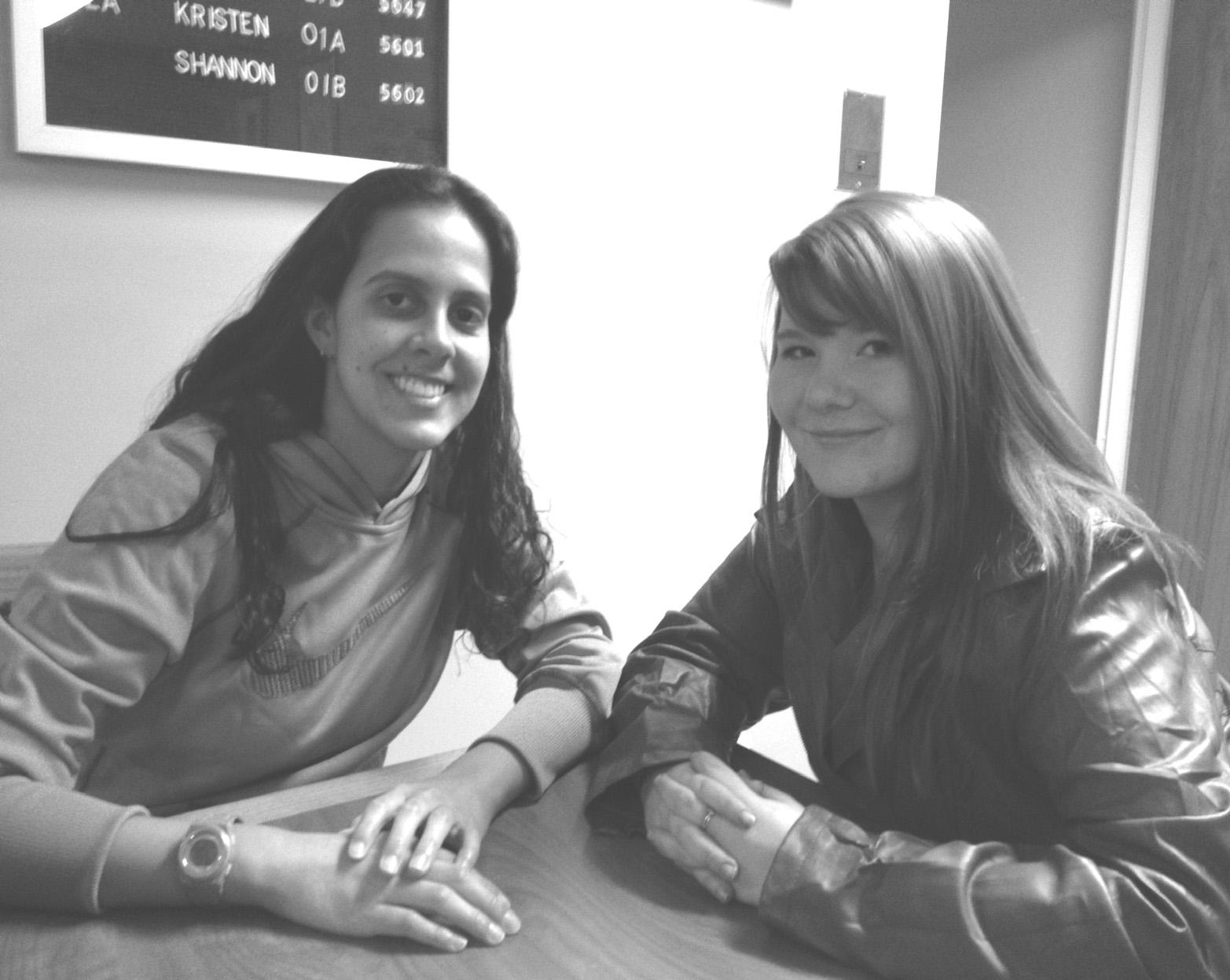
Laura LaMonica and Amber Dickison work together to improve LaMonica’s English through the Conversation Partner program.
Photo by Morgan Miles
“YouTube, Twitter, Facebook, iTunes, we’re everywhere. Taking over like Hulkamania” says Russell Ridenour, lead host of WCCR’s radio show, “Figure 4 Fallout.” The dimly lit broadcast studio is filled with microphones and shelves stacked with CDs, Russell Ridenour, Bo Kidd, Casey Pollitte, Kasey Malone and Matt Campbell get together Tuesday nights to discuss professional wrestling. Ridenour starts the show at 6 p.m. with the “Figure 4 Fallout” theme song which was produced by UC assistant professor of communication arts Jeremiah Massengale. Ridenour then introduces everyone in the booth before going over the review of that week’s WWE matches.
“Figure 4 Fallout” is a professional wrestling talk show hosted by faculty, staff members and students on campus, where they discuss the points and views of the current product of professional wrestling as well as discussing the history of the industry. All of the hosts are longtime fans of the sport of professional wrestling. “Getting to talk about something that I absolutely love without anybody telling me I couldn’t, is a dream come true,” says UC sophomore Kasey Malone.
UC senior Casey Pollitte, is the wrestling historian of the group. Pollitte says. Ridenour, now a UC graduate admissions
counselor, is the founding father of the program with the most experience both in broadcasting and the knowledge of professional wrestling. Also, on the program is UC sport statistics & photography coordinator, Bo Kidd who has been a fan of pro wrestling since age 3. Eric Skelley , UC’s head swim coach, is a part time host, as well as a longtime wrestling fan. UC freshman Matthew Campbell, a newcomer brings a fresh new perspective to the show.
“It’s an outlet, to share a passion in a way we can share our thoughts with others in the community”, says Ridenour. When asked if the success of this show would be considered a dream come true to him, Ridenour said,
“It’s definitely a step in the right direction for me, to become more involved in radio”. Prowrestling shows that are discussed consist of “Monday Night Raw,” “Impact Wrestling,” “Friday Night Smackdown” and each month’s two pay-per-view shows. This semester, the gang at “Figure 4 Fallout” have interviewed multiple pro-wrestlers from the organization Pro Wresting Freedom, a new independent pro wrestling organization based in Corbin, Kentucky. Malone says, “We can’t express how much we appreciate the talent we get to work with. I feel more connected to this show because I feel con-
Figure 4 Fallout
“We’re taking over like Hulkamania...”
nected to the wrestlers.” Interviewees have included Ryan Dookie, Derek “The Real Deal” Neil and Shawn “The Virus” Harddrive.
Kristin Reese, a former UC student says a few of her favorite things about the show are, “The guys not only tell the facts on what happened but their opinions. And they do it with such comedy you can’t be mad at them for it. But I really just love the show and the guys hosting it. I moved all the way to Texas and I still listen to every show.” Reese started listening to the show when she heard Malone talking about it, she says, “I loved it from day 1. Of course I’ve been a huge wrestling fan for years so it was fun to have people to talk to who shared my interest.”
In October, the group interviewed Christopher Daniels, a current Impact Wrestling star (who works alongside “Hulk” Hogan on SPIKE TV) and former Ring of Honor star who is a multiple tag team champion. Malone described the experience as, “It was out of this world. I was actually talking to someone that I’m a fan of. To actually know that they’re taking time to answer my questions is something that I’ve always dreamed about, especially being a lifetime fan.”
Another fan of Daniels, Bo Kidd, said,
BY NATASHA JONES Staff Writer
“Talking to CD [Daniels] was great! I have followed his career for quite a while now so to actually speak with him about his journey throughout the business is awesome to hear. He is a phenomenal athlete who is actually just nearing the peak of his career.”
“We’ve had a lot of success this past semester developing a relationship with wrestlers. I would love for it to continue on. For more people to have that dream and desire, for others to chime in”, says lead host Ridenour when asked his opportunity to interview Pro Wrestling Freedom wrestlers. When I asked Reese, a fan of the show what hopes she had about the future of Figure 4 Fallout she said, “I hope that they continue doing the show for as long as possible and that the guys stick around. I mean, that’s the whole fun of the show is hearing Bo, Skelley and Russell pick on Kasey and Casey.”
”The show has come a long way, and continues to change for the better with every new edition. They hope in that listenership will continue to increase, but it will become a more mainstream show. With the inspiration and drive behind those involved in the show, it can only continue to blossom.
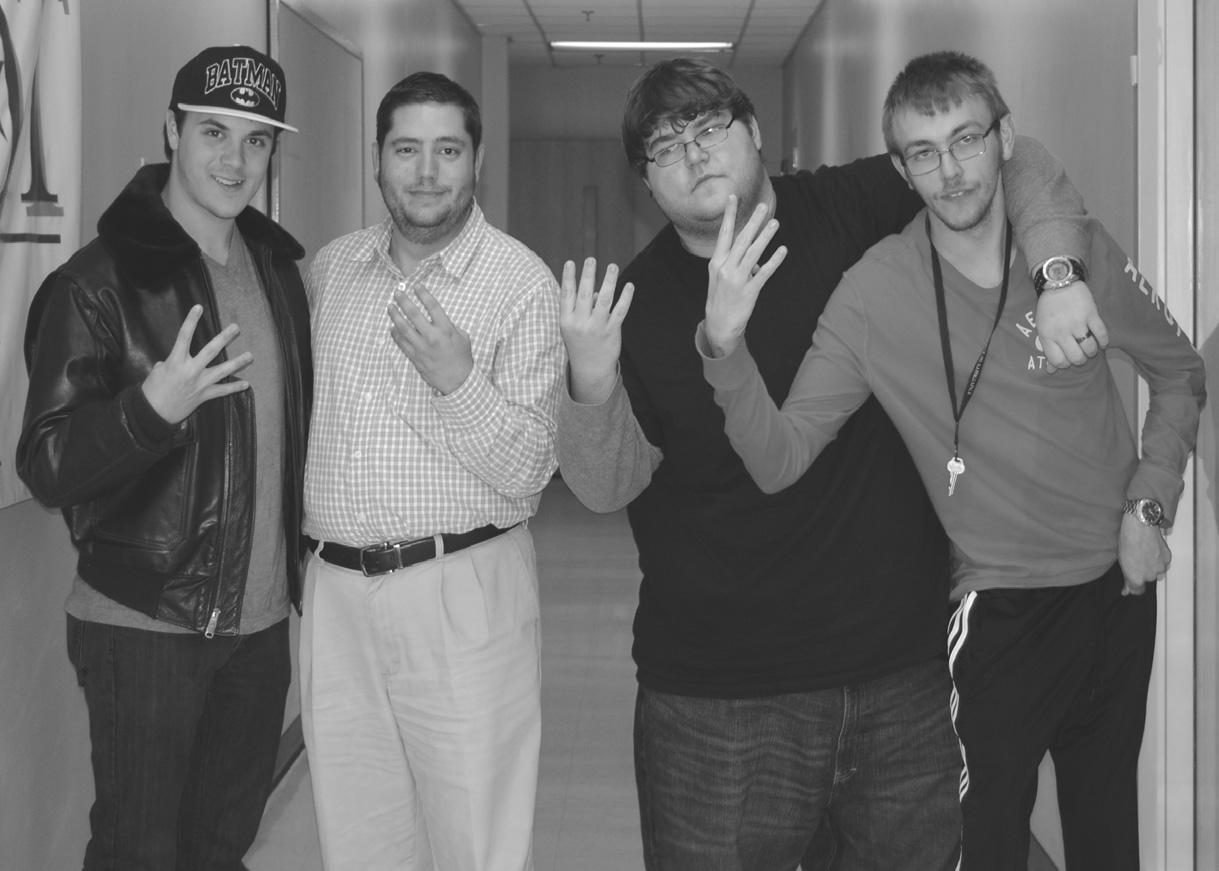
Hosts of the Figure 4 Fallout radio show:Matt Campbell, Russell Ridenour, Kasey Malone and Casey Pollitte.
Photo by Natasha Jones
Wesley’s strings
Violinist Wesley
Hale mixes a passion for UC and music.
BY ZAC BRUCKNER Editor in Cheif
She unzips the faded green case and pulls out her violin and its bow. Then she begins to apply rosin to the bowstrings: “It’s almost like oil for an instrument. It just loosens up your bow and makes it sound a lot better.”
And her bow is going to need loosening up; it hasn’t been used in over a year.
Wesley Hale has been playing the violin since she was in fifth grade. Now she’s a sophomore at University of the Cumberlands, but, unfortunately, the college doesn’t have a violin teacher.
Since her violin hasn’t been played in a while, it needs to be tuned. She sits at the piano and alternates between pressing one of the keys and plucking a string on the violin, comparing the two sounds. “I don’t have perfect pitch, and I don’t even pretend to,” she says about having to use the piano for tuning her violin. One of the strings reverberates with a particularly loud twang, obviously way off key, and she says, with a straight face, “That sounds perfect. In tune, completely.”
When Hale came to Cumberlands two years ago from Cincinnati, she knew that there wasn’t going to be a violin teacher for her, but she came anyway, because she loved the school and everything about it. At least for now, her violin isn’t for performing. She also plays the guitar, and since it’s quieter than a violin (and she doesn’t squeak on it), she plays it more often.
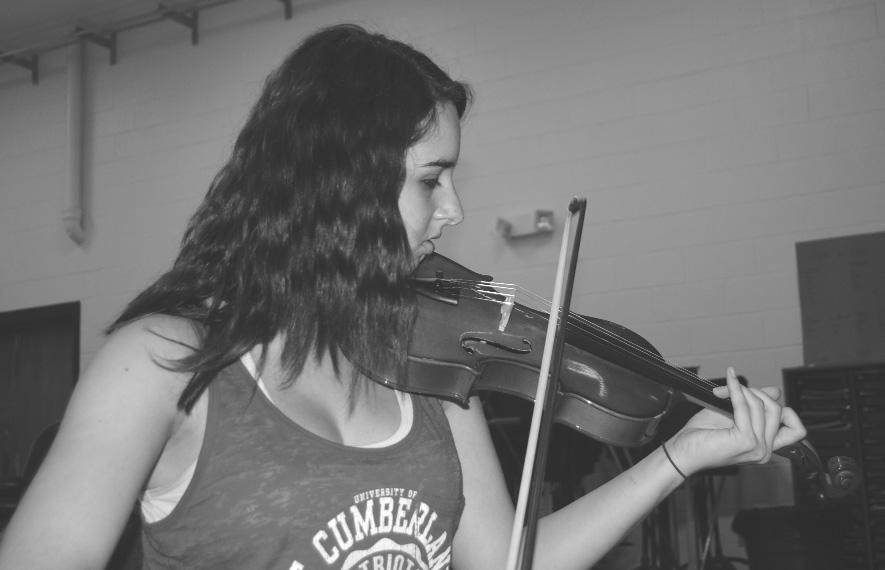
However, in her desire to learn how to play every instrument to be found in an orchestra, Hale is currently one of the two students learning to play the cello under Dr. Steven Sudduth, assistant professor of music. She’s also learning to play the piano, as every music major does. She is pursuing her dream, if not as directly as she expected. “I came down here really excited because I thought there was going to be an orchestra program – there wasn’t, but I loved the school too much, so I came anyway,” she says with a smile.
Dr. Jeff Smoak, chair of the music department, says that the reason UC doesn’t have a string program is that there hasn’t been enough student interest. “Also, in order to begin such a program, we would need to employ at the very least an adjunct violin teacher,” Smoak says, and the closest available violinist is in Lexington or Knoxville.
Hale’s family has its own history at UC that played a part in bringing her here. Her brother is an alumnus and her parents met on campus. When she visited for the first time herself at age eight, Hale said she “saw that everything was so pretty” and it seemed to stick with her. Later she returned and attended the Madrigals, a renaissance musical event at UC, falling in love with them and telling herself, “I’m going to be in that choir. I don’t know when, but I’m gonna.” In her second semester, Hale was a part of that choir.
Hale insists that to her, UC “is not just a school.” She likes its Christian foundation, the convocations and the people. “I love the whole community,” she states simply. She even likes room checks.
“I love to have a clean room,” she says, but she admits that she isn’t likely to clean without someone pushing her to do it. Except when she’s mad. If Hale is cleaning her room, it might be smart to come back later.
“You’re not violent, you’re not yelling at anybody, you’re just getting the stress out –things are cleaner, the end. It’s a good thing,” she says.
Sometimes anger proves to be a motivation, like when she had her violin restrung and she got “the Cadillac of strings” for it. She says, “I thought that if I got better strings that I would sound better. I didn’t think it was the practicing, I thought it was the strings.”
But she has been known to get mad at herself and force herself to play a piece until it sounded right.
“Anger is my motivation sometimes. Anger makes me clean, makes me practice more,” Hale says. Anger, however, does not help her when she performs.
Hale isn’t a shy person when it comes to talking to people, but she confesses, with a laugh, to having “serious stage fright.” The nerves come about because she worries about people evaluating how she does. Determined to overcome, she states, “I’m gonna do it one
day. I’m gonna get up there and not be nervous. I can do it. One day I will actually conquer it – sometime …” She laughs again. She has two years to overcome her fear before her senior voice recital where she will be in the spotlight. The following year, she’ll be student teaching. Hale is a music major with an education minor. She hasn’t decided whether she wants to teach kids about music or if she wants to have a choir and make music.
“I think I’m leaning more towards the little kid one. I love little kids,” she says. Logan Butler, Hale’s fellow cello student, shows up for practice in the McGaw Recital hall. When he sees her violin, he asks, “Is that [violin] full sized?” Primarily playing the alto saxophone, Butler also knows how to play the violin because he had a grandfather who was a fiddler, but it’s obvious that he hasn’t seen her with her violin before. Christin Miller, a fellow musician and close friend of Hale’s, says that she has never heard Hale play the violin before.
As they continue to practice together, Hale and Butler chat about trying to get a string ensemble together. They’re sure there are other people who play stringed instruments, but since they don’t have a teacher, they, like Hale, just don’t play much or at all. However, Hale insists that with her violin, she’s “gonna find ways to keep going.”
Wesley Hale warms up on her violin
Photo by Zac Bruckner
BY MORGAN MILES Staff Writer
Having bare, white walls in your dorm room is, quite frankly, depressing. You want to decorate your room, but you have no idea where to start, so that’s where I come in! I was browsing Pinterest and thought this would be a fun craft. Basically its recycling old papers into a decoration that is simple to make yet pleasing to the eye. It’s a craft for those of us that are a little artistically challenged. Its perfect for getting a group of friends together for a craft night to revamp those blank walls.
Step 1: Put on some good music, grab some friends and prepare to be creative.
Step 2: Get a canvas board or a sturdy piece of cardboard and a few newspapers.
Step 3: Cut out various sections of the newspaper; an article you loved, the crossword, a random column or even your favorite comic. Don’t worry about cutting them into perfect squares; it actually looks better with lots of different shapes!
Step 4: Use Mod Podge glue and start throwing your cutouts onto your canvas. It’s easiest if you completely cover the piece with the glue (the glue is white but don’t worry, it will dry clear) Place your cutouts randomly on the canvas, some upside down or at an angle. You don’t want the pieces to be perfectly straight or it will look boring and weird. Put enough pieces on the board to completely cover it. Then add some more just to give it a layered look.
Step 5: After you’ve glued all the newspaper cutouts you want on the board, put another layer of the Mod Podge glue over the entire thing. Let it dry for at least four hours, or until the glue is completely clear.
Miles of Pinterest
Step 6: Use black paint (or even a black sharpie) to paint (or draw) whatever you want on top of the layers of newspaper: an inspirational quote, a tree, or even birds on a telephone wire. I thought the birds on the wire would be something simple yet still make a statement. It doesn’t matter what you choose, just be creative and have fun with it.
Step 7: Hang it on your wall and enjoy your handiwork!
As an alternative to newspaper, you can even try this with pages of an old book, or colorful comics.
I’ll spend my time testing crafts on Pinterest to make sure that you don’t waste yours!
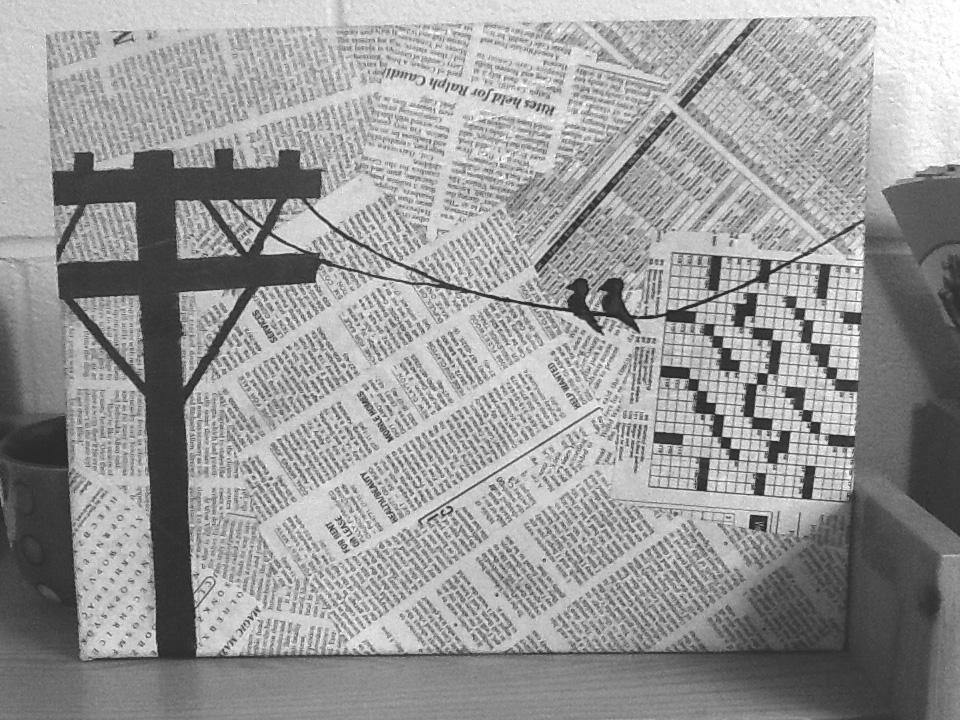
The final product.
Photo by Morgan Miles
Black Friday
How to survive one of the biggest shopping days of the year.
BY KELLY ALLEN Staff Writer
Black Friday has once again come and gone. While some say it is the best time to find sales, others say that people are crazy for going out in the weather and the masses of people just for a good deal. Whether you participated in this year’s event or even if you stayed home wrapped up under the covers thinking to yourself that you might go next year, here are some tips for surviving Black Friday 2013.
Know which stores open first.
Knowing what stores to hit first is the main thing. This year, some stores started their deals at 8 p.m. on Thanksgiving Day while others started at midnight or 5 a.m. on Black Friday. This is important to know because the products with the best deals will be gone early. For example, Toys”R”Us might open at 4 a.m. If getting a child that new Barbie Jeep is the most important thing on your list, go there first.
Know the route which will get you to the stuff you want the fastest.
Stores have maps on their official websites and some even provide maps of the local stores especially for Black Friday. This is important because you need to know the quickest way to get to the items you want the most, so others won't get the items before you do. Most items are going to be where you think they should be, but make sure you check the map.
Prioritize which items are the most important.
If there is an item that is on sale for a ridiculous price and there are only so many of them that each store gets, make sure that you go for that one first. There are going to be lots of people trying to get it so don't think that you can just go for something else first and come back for the other later. Trust me, it won't be there.
If there are any additional coupons have them organized and ready.
Some stores will give out an additional coupon that you need for special items. If this happens to be one of the items that you want, make sure you have it. No one wants to have to wait in line any longer than they have to.
Most people have a bunch of other stores and sales they are trying to hit and can get crazy. So, holding up the line could endanger your life.
Print the store advertisement from home.
There are probably going to be tons of people in line in front of you by the time you get there and they will probably get all the sale papers. Once again just like the store map, print this from home and save yourself some real trouble later on. Different stores put the advertisements up online at different times, but usually around noon on Thanksgiving Day they are all available.
Don’t take small children.
Small children are only going to hold you back and can cause a distraction when you are trying to shop for good deals. Keeping a child in the cart only takes up valuable space that you might need later when the items start stacking up.
Be prepared to fight with people overhighticket items.
Black Friday seems like the only time to get the best deals of the season. People are going to be going after whatever big sales they can get their hands on. Even if they do not have a need for an item now, they will buy it just to say that they got one. Yes, this is truly the only way to shop and find good deals. Know the items that you are willing to go to war for and pick your battles wisely; some items probably aren't as worth it as you think.
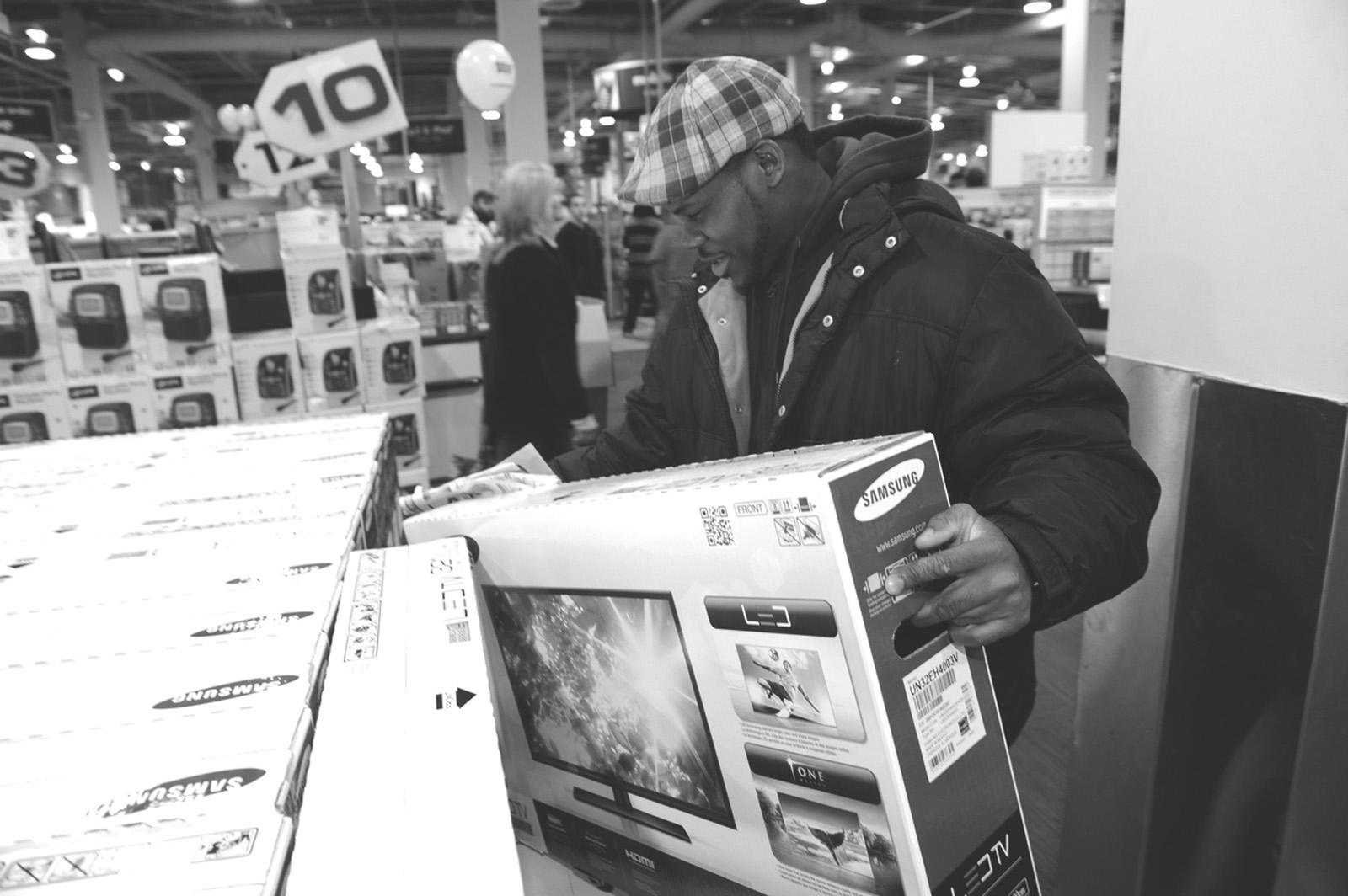
Customers look for great Black Friday deals on televisions at the Best Buy Store in Albany, NY on November 23, 2012. Courtesy of Flickr's samsungtomorrow. Used with permission.
BY CHRISTIN MILLER Managing Editor
A last minute list of gift ideas
It’s that time of year again! Christmas is only weeks away and I’m sure you still have some shopping left to do. Here is a list of gift ideas for those you’ve yet to check off your list, and since most of us are broke college students, they are all under $25.00!
1)Many people enjoy reading so why not get them a book? If they have a Kindle, you can purchase kindle gift cards at Walmart, or from Amazon.com.
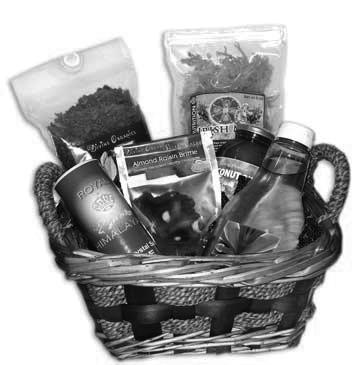
2)Fix them a gift basket of goodies! Fill it with things you know they like, such as candy, popcorn and a movie, or maybe fill it with candles, lotion and bath salts.
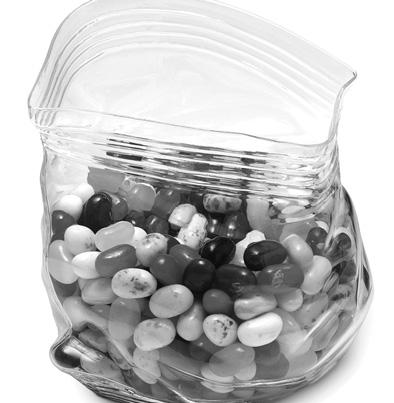
3)Get them something decorative for their home. Acute, “unzipped glass zipper bag” bowl which is a candy bowl that looks like a zipper bag. (found at Uncommongoods.com for $17.50) is something unique and useful.
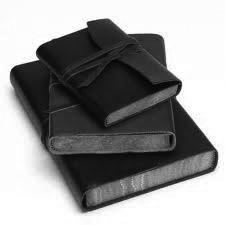
4)For those who like to write or draw, get them a new journal or sketch pad. Aset of writing and drawing utensils would be great to go along with it too.
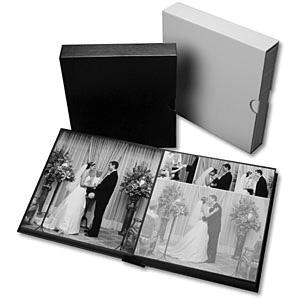
5)What about a photo album? This would be great for newlyweds, new parents or even a significant other. To make it more meaningful, add a few photos of special memories you share with them.
6)For someone who has everything, how about a “Magic Egg Baby?” It’s a little egg with a face drawn on and all you have to do
is add water. The “Magic Egg Baby” then grows grass that looks like hair… kind of like a Chia Pet. The “Magic Egg Baby” can be found at Currentcatalog.com, and this cute gift is only $5.49!

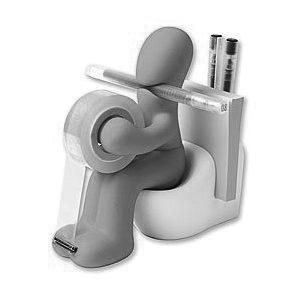
7)For something funny but useful, how about “The Butt Station Assistant?” It’s a tape dispenser, pen and sticky note holder all in one! Made to look like an indistinct figure on a toilet, this amusing office assistant can also be found at Amazon.com for only $15.95.
8)What about a game? Everyone loves a good board game, and maybe after the gift exchanging is done, everyone can sit down and play.

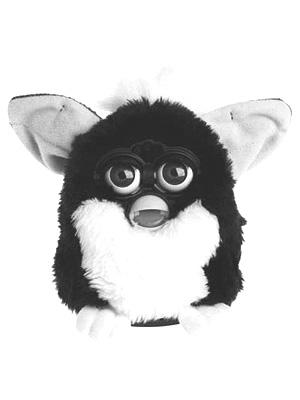
9)Agreat gift would also be a Furby. Depending on who you get it for, it could be funny and will also bring back good, or not so good memories, from when they first debuted in 1998.
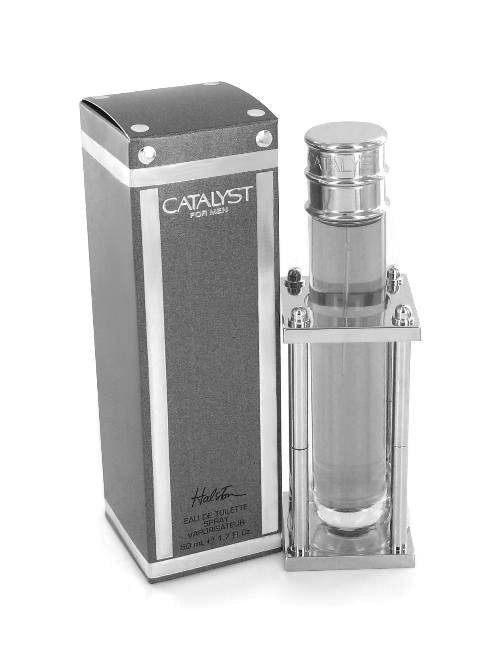
10)Last but not least, perfume or cologne. It’s always nice to smell pretty.
11)Bonus gift: if worst comes to worst and you still don’t know what to get them, give them a gift card. Whether it’s for food, clothing, music, gas or a Visa gift card that they can use on whatever they want; you can’t go wrong.
BY NATASHA JONES
Staff Writer
This year’s incoming class was one of the biggest University of the Cumberlands has ever seen. There are probably a lot of reasons for that, so I decided to ask a few students “Why UC?”
Zack Morrow is a guy from Wayne County, Kentucky who enjoys keeping busy and is very enthusiastic about attending UC. His major at the moment is undecided, but he first became interested in UC when he learned about scholarship opportunities and the university’s good reputation from some college students from his hometown who are go to UC. He also likes the good environment that Williamsburg has to offer. He works at the Grill on campus and enjoys attending
Why UC?
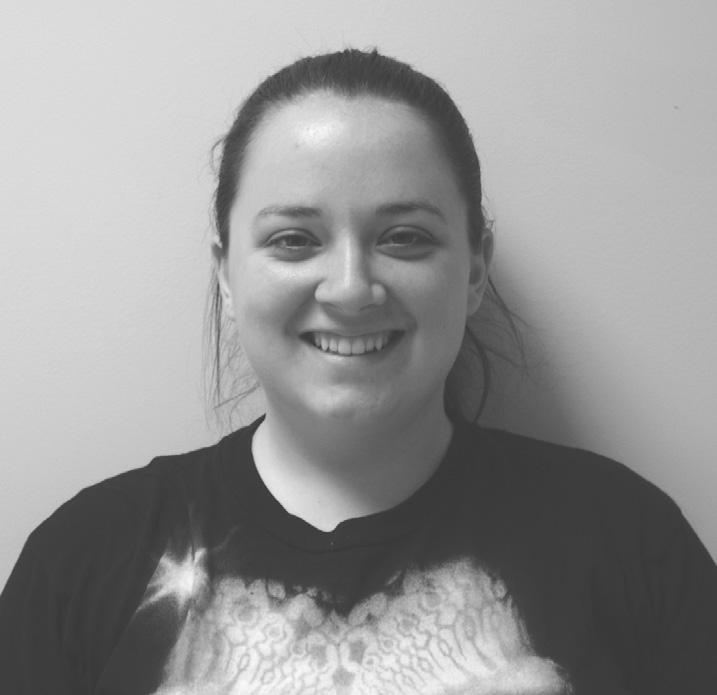
Three freshmen give their reasons for choosing to come to UC.
convocation. In his first three months at school, his favorite things are the really nice and welcoming people he’s met. He says he’s been impressed by how much all the students get along and how willing they are to help each other if needed.
Kimberly Jones is a biology major from Knox County, Kentucky with multiple reasons for picking UC to continue her education. Jones said, “It was far enough away from home but wasn’t too far away. I wanted to go to graduate school and this was one of the few universities around that have pre-vet. I wanted to experience dorm life on a safe campus, and I love the religious background: it helps me stay on track with my faith.”
She’s a part of the UC Singers class and loves its fast pace as well as the way it relates back to her beliefs with songs, devotionals and prayer requests. She hopes to advance on to Show Choir or Chorale if she can make time for it. Her favorite things about campus are the dorm life and learning to be responsible with guidance from the faculty and staff at UC.
Elvis Eneh is a friendly and fun-loving guy who came to UC from the country of Nigeria. When I asked why he picked UC, a school so far away from his home, he said, “Basketball, first off, and my major of interest, which is chemistry. Nice tuition rate, and UC offers a lot of great scholarship opportu-
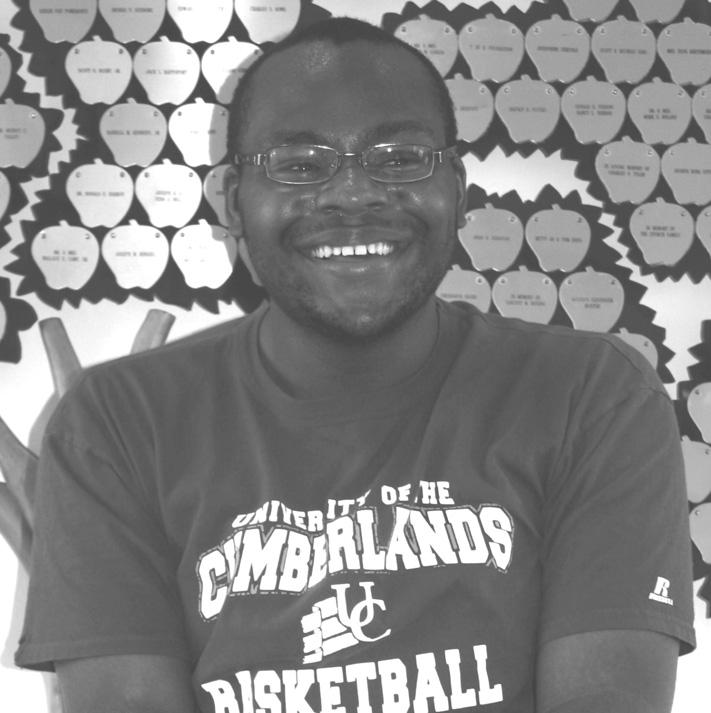
nities, and, of course, good people.” He’s playing basketball for UC this semester and will be doing track and field in the spring. He also let me know that he is part of the soonto-be Intramural Flag Football Champs. His favorite things about UC are the people, family environment and pretty campus.
As you can tell from this trio, this year’s freshmen class holds a variety of characters that bring a lot of potential and different interests to campus.
Zack Morrow
Kimberly Jones
Elvis Eneh
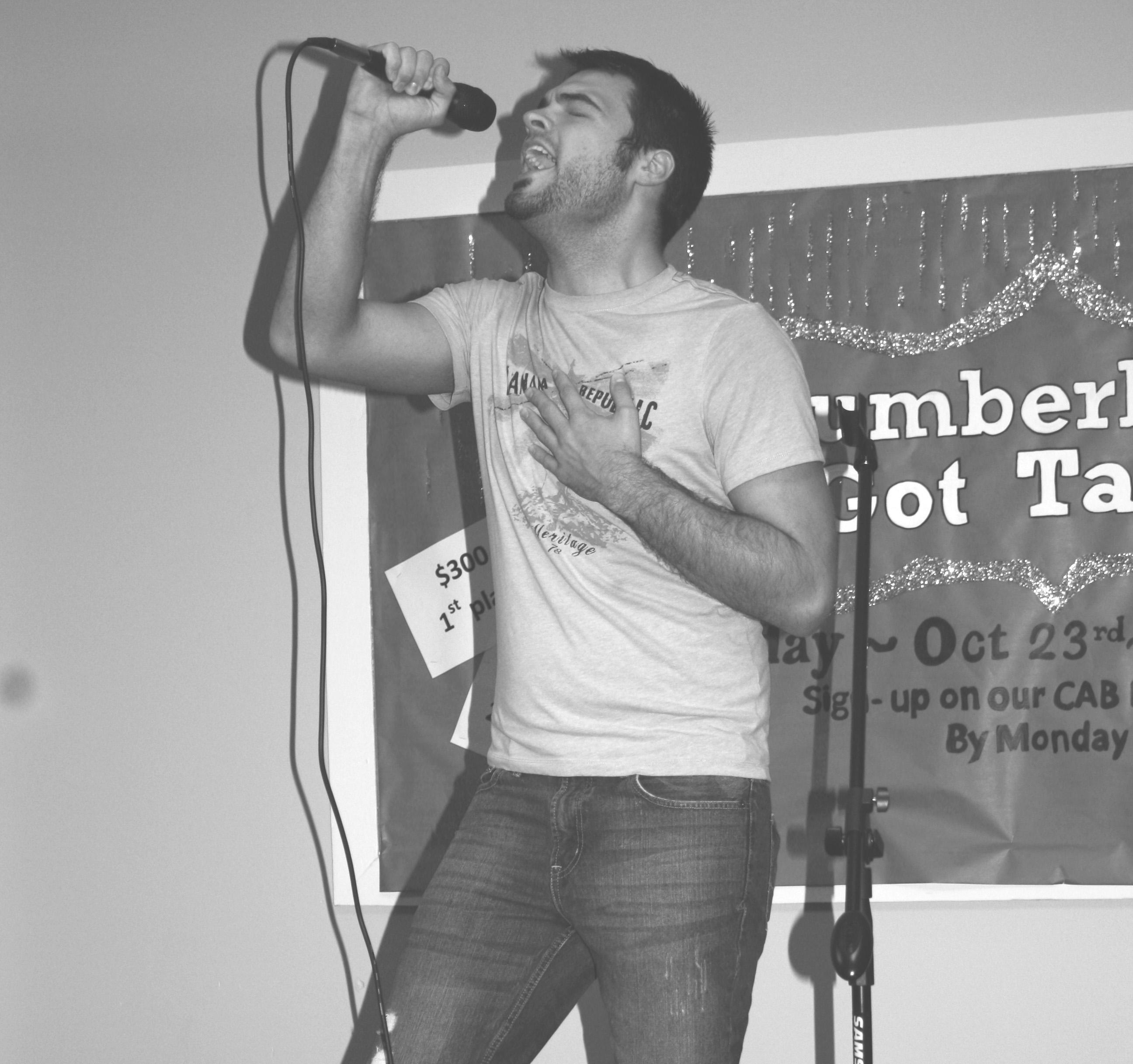
Chris Morrison performs at The Kingdom’s Cypher event
Photo By Whitley West
The Kingdom
Engaging students with truth through self-expression in hip-hop, spoken word, music, poetry, comedy and dance.
BY WHITLEY WEST Staff Writer
Walking toward the mid-BCC at the University of the Cumberlands, I hear a bass pounding, loud music playing, and the voice of Casey Hamm, the semester missionary working with UC’s Baptist Campus Ministries, announcing what is to come. I walk through the doors and take a seat and observe my surroundings. There are lots of enthusiastic people anxious to get this night started; waiting to see what the event called Rhapsody event is all about. Claps of hands, cheers of approval, encouragement for fellow peers to step up to the challenge that Hamm had issued them.
Who is going to rap battle with UC student Ezra Anderson? No one steps up. Afew awkward, quiet seconds pass by. Still no one comes. Finally, White Toaster, UC’s Sam Meredith, with his 1980s wannabe gangster jacket accompanied by his silly-dressed companions, the Strudels, storm to the front and they approach the microphones. Hamm starts playing a catchy beat of instrumentals and Anderson begins to spit out a web of intricate rhymes all being created on the spot but
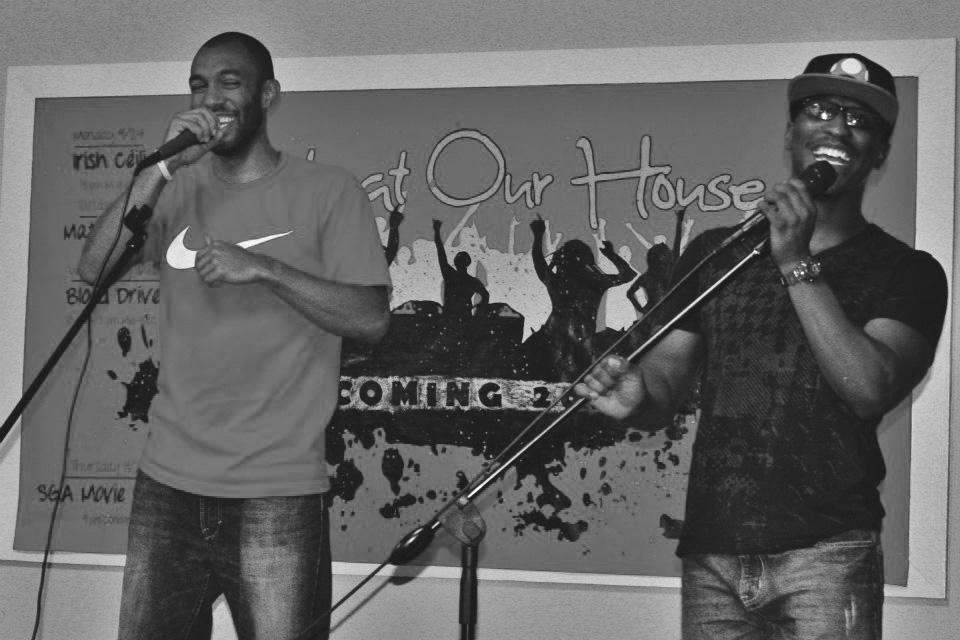
sounding as if he had sat down and written it all out before. White Toaster and the Strudels return with goofy and lame, but still funny, jokes. Anderson returns with lines composed as excellently as the first time. White Toaster returns with the same sub-par jokes.
Hamm asks the crowd to cheer for who they thought won. The response to Ezra Anderson’s name blows White Toaster completely out of the water. The crowd loved Anderson. The night is over, and I am pleasantly surprised about my experience.
“It was really fun watching different students get up and express themselves. I think it’s a unique and entertaining way to both get to know more people and just watch a good free show, or even jump in if you want!” said UC freshman Cherly Deputy, who attended the event.
Rhapsody is just one of many projects that UC’s student-led group The Kingdom has created. According to Hamm, The Kingdom was created with the intention of discovering unknown talents of UC students and showcasing them. With the goals of pro-
viding more entertainment on campus, creating an avenue for self-expression, and encouraging creativity, The Kingdom wants to engage people with truth through expression in many different art forms such as: hiphop, spoken word, music, poetry, comedy and dance.
Each event The Kingdom hosts will be on Monday evenings at 9 p.m. in the mid-BCC. Plus, another night later in the week will be used to highlight specific events during Monday’s event.
The idea for The Kingdom came about when Hamm, Anderson and UC student Julian Norman were all chatting and the idea to have an improvised freestyle rap battle called a Cypher was sparked and it just expanded from there. Rhapsody, The Kingdom’s open-mic night, was originally called Cypher, but the name was later changed because it has become something a little different than originally pictured. When Hamm was asked if he was pleased with the progress so far, he responded, “With things like this, it takes patience and perse-
verance. Although I would like for it to be better now, I know it will get there one day as long as we keep seeking improvement and get more people involved. So yeah, I’m definitely pleased with the results so far.” Hamm also has hopes that The Kingdom will expand and reach other campuses in the future.
The Kingdom is composed of Hamm, Anderson, Norman and four others who are committed to the project. The group is looking for people interested in participating in the events. Anyone who is interested in joining the group can contact Casey Hamm or Julian Norman for more information. During the next event, everyone can come support Hamm and his crew by attending Rhapsody. You won’t want to miss a fun night of hip-hop, hanging out, music videos, free food, and live performances.
Casey Hamm and Ezra Anderson sing together at Rhapsody.
Photo by Whitley West
BY KELLY ALLEN
Staff Writer
Behind the movie making magic with John Varley
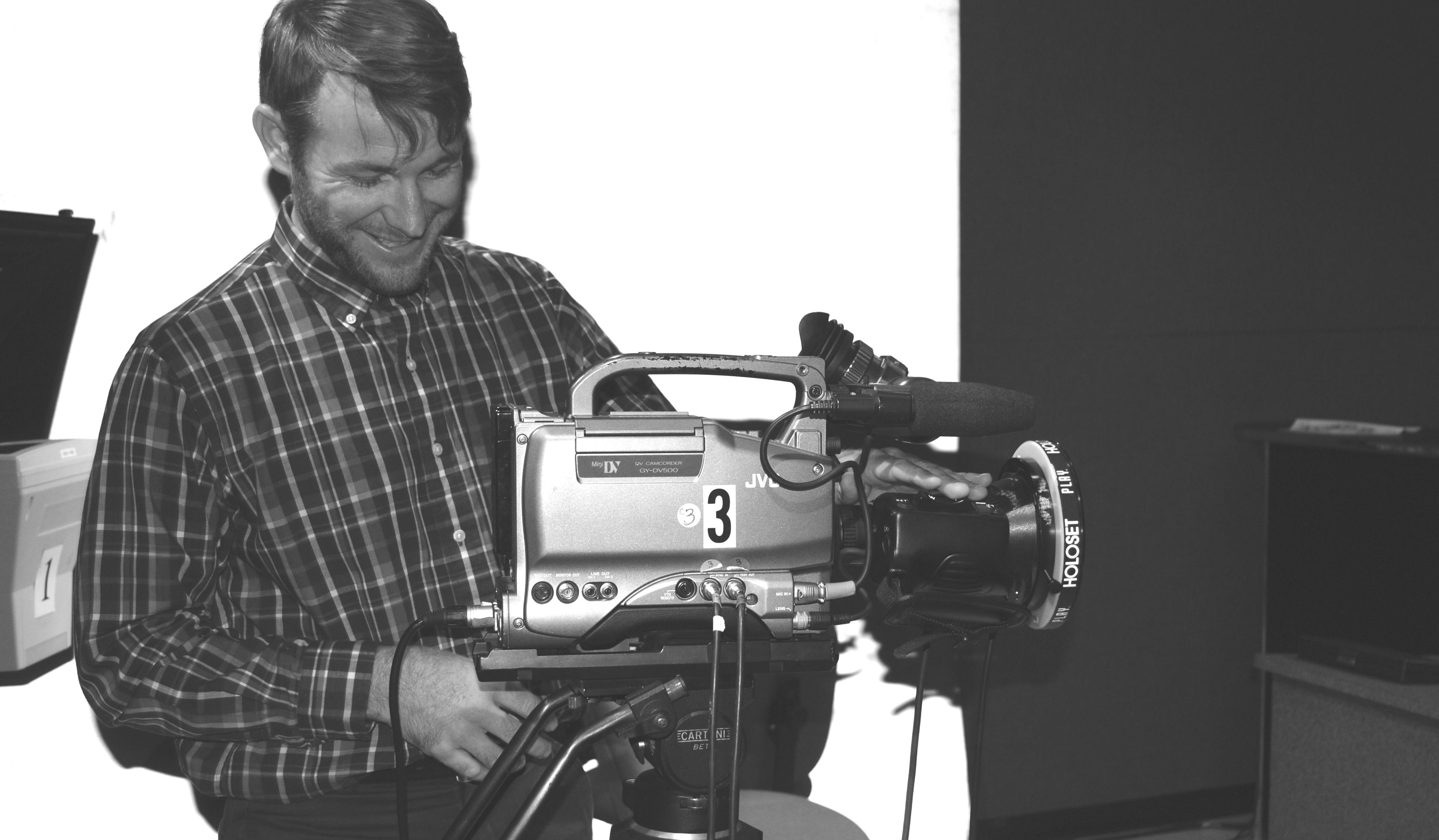
John Varley, a communication arts assistant professor and the UCTV-19 station manager, came to University of the Cumberlands last year. After living overseas during his childhood, he finished his bachelor of arts in 2004 with a degree in anthropology from Michigan State University and then got his master’s degree in mass communication from University of Florida in 2010.
After deciding that he wanted to continue his education his pursued and gained his mas-
ter’s in fine arts at Wake Forest University in 2011. Varley has been presented with an extreme honor. His documentary film, “My Brother, My Sister” which shows how two white brothers and two black sisters were forever changed by their activism in Florida's Civil Rights Movement, has been screened at the Daytona Beach Film Festival and at the Ft. Lauderdale International Film Festival where it won first place. In this interview, we discussed making the documentary, his inspi-
rations, and his advice for aspiring filmmakers.
Kelly Allen: How did you come to Cumberlands?
John Varley: While at Wake Forest, with student loans looming, I started to apply for jobs that would allow me to both teach and have some involvement in hands-on production work. I had offers from a couple different schools but The University of the Cumberlands stood out as the place for me. I
was drawn by the opportunity to manage the student TVstation and oversee a group of work-study students who wanted to learn how to produce videos and write stories. I was also given quite a bit of leeway in deciding what classes I wanted to teach and how to do so. It has been an amazing experience for me, and I am really glad to have been given the opportunity to teach at UC.
John Varley, assistant professor of communication arts, works on a video project for campus in the UCTV 19 editing bay on October 24, 2012
Photo by Christin Miller
KA: What made you decide to make the documentary, “My Brother, My Sister”?
JV: I read a book (“Freedom in the Family”) co-written by one of my subjects, Patricia Stephens Due, and her daughter, Tannanarive. Patricia told the story of racism and the Civil Rights Movement in Florida in the early 1960s, and Tananarive told the story of racism today. It was eye-opening for me for several reasons. I wasn’t aware of Florida’s dark past as one of the most segregated and violently racist states. I also hadn’t considered that those activists who were protesting racism in the ‘60s were conflicted when it came to celebrating the changes they made happen. The glass is both half full and half empty when you consider race relations today. As I was reading the book Patricia talks about the toll of participation in the lives of activists beyond their activism, and she related the story of Dan and Jim Harmeling briefly in her book. It was a very touching chapter and Dan and Jim’s story in particular intrigued me. So did Patricia and her sister Priscilla’s. So I said, “Hey, what if we put these stories together?”
KA: Explain the documentary.
JV: “My Brother, My Sister” is a documentary about the effects of Florida’s Civil Rights Movement on two brothers and two sisters.
Dan and Jim Harmeling and Patricia and Priscilla Stephens fought for justice as students in the 1960s. Each experienced events that would shape the rest of their lives.
Beyond being an intimate portrait of these heroes, it is a story of tragedy and triumph that mirrors the history of our country.
KA: Who were yourpartners forthe project and what did they bring to the table?
JV: Jameil Weldon had worked as a news producer at a TVstation in Pittsburgh, so she brought an expertise on the writing side of the storytelling, where I brought expertise on the visual side of storytelling.
KA: Who came up with the idea forit?
JV: My filmmaking partner, Jameil Weldon first showed me the copy of the book and we did a short film focusing on Patricia Stephens. Then while reading the book the light bulb went off in my head to expand the film to include Patricia’s sister and her friends Dan and Jim Harmeling. So, it was a team effort.
KA: What was yourrole in the documentary?
JV: Jameil and I did everything for the film. Researching, scriptwriting, writing interview questions, transcribing interviews. We both sat in the editing room together and pieced it all together, etc. We spent a lot of time together working on this project. Other teams edited parts of their films separately, but we sat together in the editing room piecing every frame of the film together. It was a maddening process, but having a partner was absolutely essential. When one of us would get burnt out and just feel like collapsing on the floor, the other seemed to always be ready and able to pick them up and dust them off and re-energize the team. By the end of editing, we were spending 70 hours a week in a little room staring at the computer screen watching the same 40 minutes of video over and over and over… you don’t even hear the words or see the images any more after spending that kind of time looking at it. Luckily, we were both really passionate about our film and our subjects and we wanted to do their story justice.
KA: Where did you draw yourinspiration from?
JV: The courage of our subjects were the inspiration for this film. It was the inspiration on those long 10-12 hour days in the edit lab making such small adjustments that it didn’t seem like we were getting anything done. I never felt like it wasn’t worth it or I was wasting my time because in the back of my mind I knew how important it was to tell this story.
KA:. Did living overseas during your childhood have any effect in the film?
JV:I think we always carry experiences from our past into whatever new experiences we have. Specifically, I would say having seen some real disparities in wealth and resources among and within different societies informs my feelings about equality. This isn’t something that you don’t see in the USA, but it is perhaps a bit more stark of a contrast in some of the countries I lived in. Also, being the child of a U.S. diplomat, I was in a position to go to school with and to see how the more wealthy people in those countries lived.
KA:. Did living overseas during your childhood have any effect in the film?
JV:I think we always carry experiences from our past into whatever new experiences we have. Specifically, I would say having seen some real disparities in wealth and resources among and within different societies informs my feelings about equality. This isn’t something that you don’t see in the USA, but it is perhaps a bit more stark of a contrast in some of the countries I lived in. Also, being the child of a U.S. diplomat, I was in a position to go to school with and to see how the more wealthy people in those countries lived.
KA: What had the most effect on you while making the film?
JV: We interviewed Jim and Dan’s sisters and brother during a family reunion in southern Florida. We asked them to allow us to do this in order to bring Jim’s character to life because he died in the late 1960’s. The details surrounding Jim’s death were something that the family had never talked about openly before. It was a very emotional interview, the emotional wounds that they had buried for so long were opened up and they allowed us to film them. It was the most powerful moment I have ever filmed. The most surprising moment was when we were done filming everyone said they felt a profound sense of relief. They had been suffering silently for all
of these years about their brother’s death and having the opportunity to share their pain and their love really helped them. Going into the interview I was feeling bad, wondering if maybe we were taking advantage of their pain. Afterwards, they thanked us. This is part of why we thought it was so important to make this film. By sharing these stories, we celebrate those who sacrificed so much and remember the sacrifices they made.
KA: What do you want people to walk away with afterwatching the film?
JV:I hope people walk away from this film inspired to look around them and think about how they can make things better. Everyone can make a difference.
KA: What is one piece of advice you would give to someone who is trying to get started in documentary film orwho might be interested in documentary filmmaking?
JV:I would say start reading about documentary filmmaking. It is one thing to watch films and appreciate them, and that is important, but it is another to learn how to interview, how to shoot, how to research, etc.
Sports in 2012
Atop five countdown of the best sports moments in 2012.
BY TIMOTHY WYATT
Writer
Dunks, touchdowns, upsets and championships—we’ve seen them all this year, but not all sports moments are created the same. So far, 2012 has cranked out some of the best storylines in sports, not to mention some of the most long-awaited ones. Here is a recap of the top five.
5. Tebow knocks off the Steelers in the playoffs.
People love him; people hate him. Regardless of how you feel about him, he turned the Broncos’season around. When Denver slid into the Wild Card round by the seams of their jockstraps, they were the heavy underdog. Pittsburgh was obviously the better team and Roethlisberger was obviously the better quarterback, but talent doesn’t always win out.
Denver kept the score close and forced the game into overtime. Once there, something amazing happened. Tim Tebow hit Demaryius Thomas on a post route with only one man to beat. Thomas stiff-armed a defender and took the catch 80 yards for the game-winning touchdown.
4. “Lin-sanity.”
Jeremy Lin stepped into the national spotlight after New York Knicks’stars Carmelo Anthony and Amare Stoudemire were side-
lined due to injuries.
In Lin’s first five games he scored a combined 136 points, which, according to Discovery News, is more than any player in that span of time since the NBAand ABA merged in 1976. Hype around Lin grew so large that famous ice creamers Ben & Jerry’s even sold a flavor called “Taste the LinSanity” around Harvard Square in Boston (his alma-mater).
During the height of the craze, he led the 8-15 Knicks on a seven-game win streak before falling to the Hornets by two points— proving that all good things do come to an end.
3. Michael Phelps becomes most decorated Olympian in history.
Michael Phelps is not a man. He is a swimming machine, and a gold-medal-winning machine at that. Since the 2004 Olympics, Phelps has won at least four gold medals every time he’s competed. During his “breakout year” in 2008 though, he broke the Olympic record for gold medals won at one time by winning eight and setting world records in seven of those eight events.
During the following years, it became hard to turn on your television and not see him. Maybe he was endorsing Subway or your favorite cereal. Prior to the 2012 games,
rumors surfaced that he was out of shape or that he hadn’t seen the pool in quite some time. Needless to say, he put those thoughts to rest. Sure, 2012 wasn’t his most stellar performance, but even winning one gold medal is an incredible triumph and he still won four gold medals at the Olympic Games in London.
Phelps announced, following this year’s games, that he is heading into retirement. When you’re 27 and already the “greatest of all time” in your sport, there isn’t much left to do. He holds 22 total Olympic medals, 18 of which are gold.
2. LeBron gets his first ring.
From the first time “King” James ever laced-up his sneakers in an NBAuniform, it seems that critics have been heckling him about not being able to win the “big one.” When James stepped out of Cleveland and into Miami in 2010, the hecklers only got louder.
The following season, the Heat were NBAanalysts’heavy favorites to come out of the Eastern Conference. While the analysts were right, the team (specifically LeBron) couldn’t close the deal against an aging Dallas Mavericks team in the Finals. The hecklers bought bullhorns.
James’second year in Miami proved to be
the most hyped. He had to win a title this year. If not, the Heat was a bust. But he made true to his promise of bringing a title to the fans in South Beach; now he just has to win six more.
1. Kentucky gets #8.
At Kentucky, basketball has always held its standard at a level that could rarely be met. And seeing that most of the 2000s weren’t particularly favorable for the Cats, that standard was routinely unmet (see: Billy G.). Luckily, there is always a light at the end of the tunnel, and for Kentucky that light was John Calipari.
With Coach Cal’s arrival in 2009 came a number one ranked recruiting class featuring John Wall, the eventual number one overall NBADraft pick. In one short year, Calipari had returned UK to its former glory as a perennial contender.
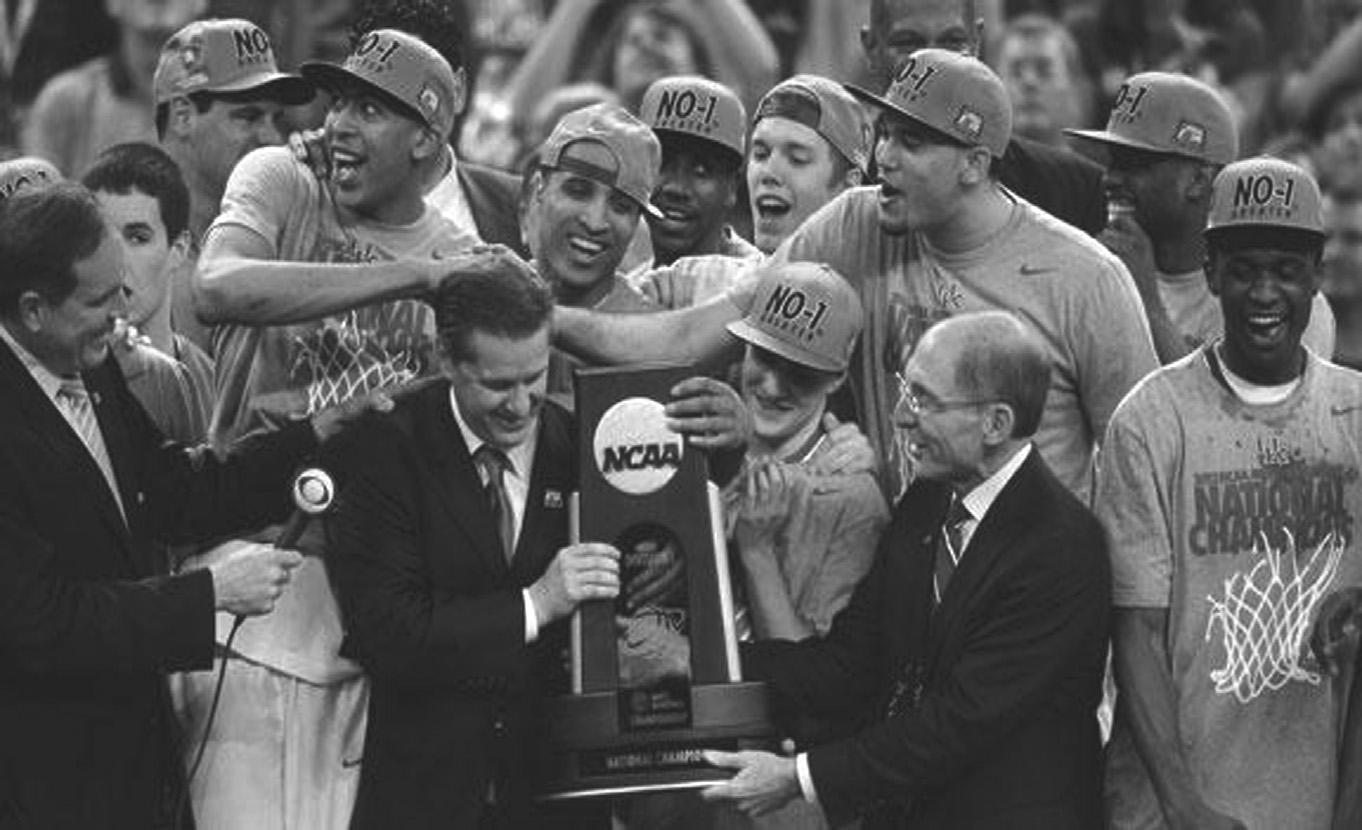
2010: Elite Eight. 2011: Final Four. Then finally, in 2012, Cal’s team marched into the promised land: the National Championship game. Anthony Davis and company didn’t disappoint either. When the final buzzer sounded, after 14 long years, college basketball’s greatest tradition sat atop the basketball landscape as champions once again.
Staff
UK wins the 2012 National Championship.
Very superstitious
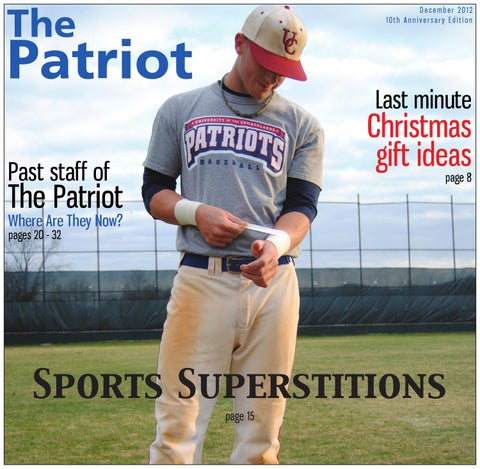
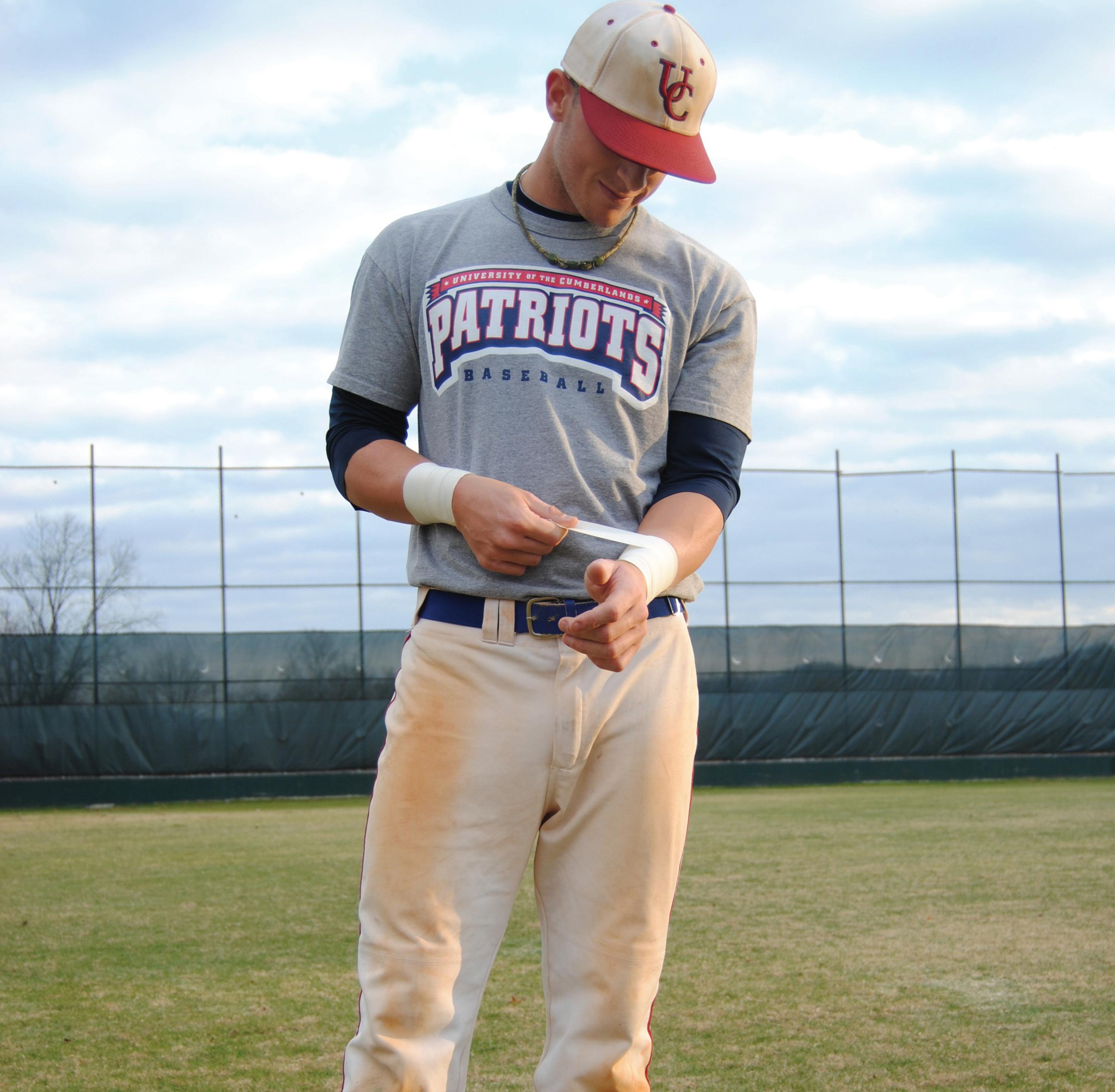
UC baseball believes
BY BRANDY NORMAN
Staff Writer
Do you get scared when you see a black cat run in front of your car? Do you purposely avoid “splitting” an object as you walk by it with another person? Is there something that you have to do every day to ensure that luck is on your side? If you said yes to any of these, you might be a little superstitious.
Superstitions are crazy things that can consume anyone’s mind. Old wives tales and folklore can cause an irrational fear of almost anything, including simple things like a ladder. Although anyone can be affected by these bizarre beliefs, athletes are more likely to have routines set around superstitions, particularly baseball players.
“I played with a guy that chugged a Red Bull before every game, and then smashed the can in his face,” says UC assistant baseball coach Colin Duffie. “That kid was nuts.” Duffie also says that in his time as a player and a coach, pitchers were, and are, more superstitious than the rest of the players. “When I played, I always ate the same breakfast the morning before and the same dinner at night before I pitched,” he said.
Even hardcore fans partake in these routines so that they don’t feel responsible if their team loses and so that they can feel a sense of achievement if their team wins.
Dr. Dennis Trickett, a professor of psychology at UC, states that a superstition is generally the result of coincidental reinforcement.
“Two things occur at the same time and the person assumes a cause-effect relationship between them. Once that coincidental connection has been made, repeating the behavior becomes a way of ‘controlling’the outcome for them,” says Trickett. “Obviously they aren’t really controlling anything, but they believe they are and that causes less anxiety and more confidence about their performance.”
Most baseball players from high school to the big leagues follow the same superstitious patterns. As a player, you don’t walk on the foul line, you tap your bat a certain amount of times before hitting and you always sit in the same spot in the dugout. However, a few players at UC take it a little farther than that.
“I always have to put my things in my locker a certain way and wear eye-black to every game,” says UC junior Jared Martin. “Also, the way I put the tape on my wrists varies from game to game depending on the outcome. If we win, I keep wearing it the same way, if we lose, I change it again.”
Associate professor of psychology at UC,
Dr. Kristy Keefe says, “Most people, at some point in their lifetime, engage in superstitious behavior; be it wearing a particular sweatshirt to help your team win the game or avoiding cracks as to not cause your mother back pain.”
Although these old sayings seem silly and strange, many people will do whatever they can to avoid certain outcomes, especially bad ones. Sometimes, people can even associate their routines with bad things that have happened so that good things will happen.
“I always draw a cross on the back of the mound before I pitch. I have done this since my grandparents passed away my sophomore year of high school. When I don’t do it, I get really nervous because I have lost before when I didn’t do it,” says UC freshman Landon Case.
Many other players like Case, also like to use the loss of a loved one as the motive for their game day routines.
UC sophomore Zack McRoberts says, “I always look up to the sky and think about my summer coach that just died last January. I don’t know if I’ve ever lost or won because of it, but I don’t feel as good about the game if I don’t.”
Not participating in these game day rou-
tines and superstitions can clearly cause anxiety for athletes. But is it causing real problems for them off the field?
Trickett says, “Most superstitious behavior is harmless even though most people will agree that their behavior is irrational. In some ways the behavior becomes a self-fulfilling prophecy – ‘I’m wearing my lucky socks … I’m going to play well.’The only time it becomes problematic is when the superstitions turn into obsessive rituals (as in OCD) and the person feels compelled to engage in the behaviors for fear of some dire catastrophe.”
What is it about baseball and superstitions? Maybe it’s the curse of “The Great Bambino,” or maybe it’s just something that players pick up by watching their teammates. In any case, if players can create their own positive reinforcement by developing a daily routine, then let them be.
College athletes as well as non-athletes can easily get discouraged when expectations aren’t met. So, if you can break the pressure by using superstitions, go ahead and knock on the wood.
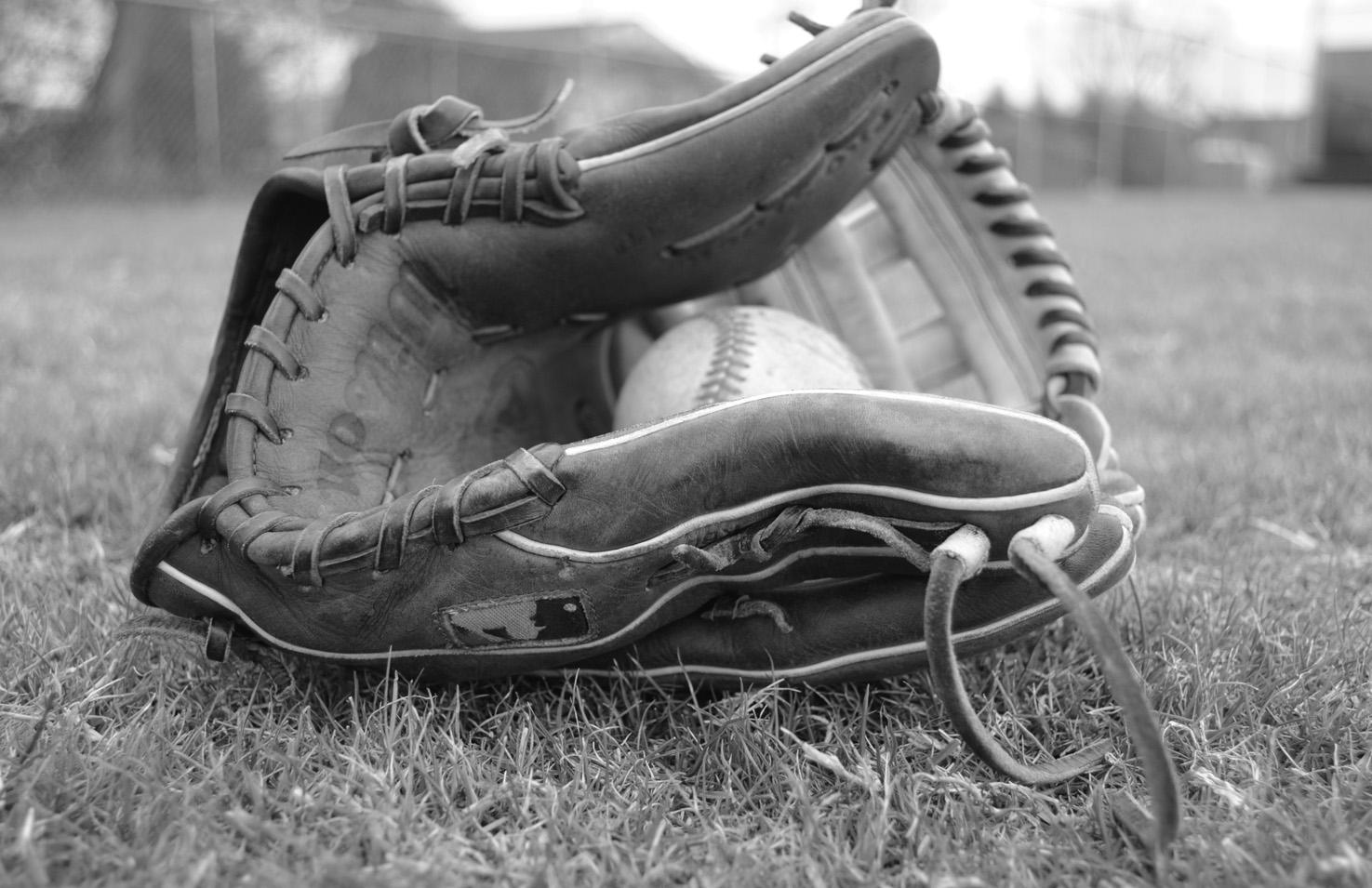
Photo by Brandy Norman
More than a game; a way to help
The sport of soccer
BY ANDRES PEDRAZA Staff Writer
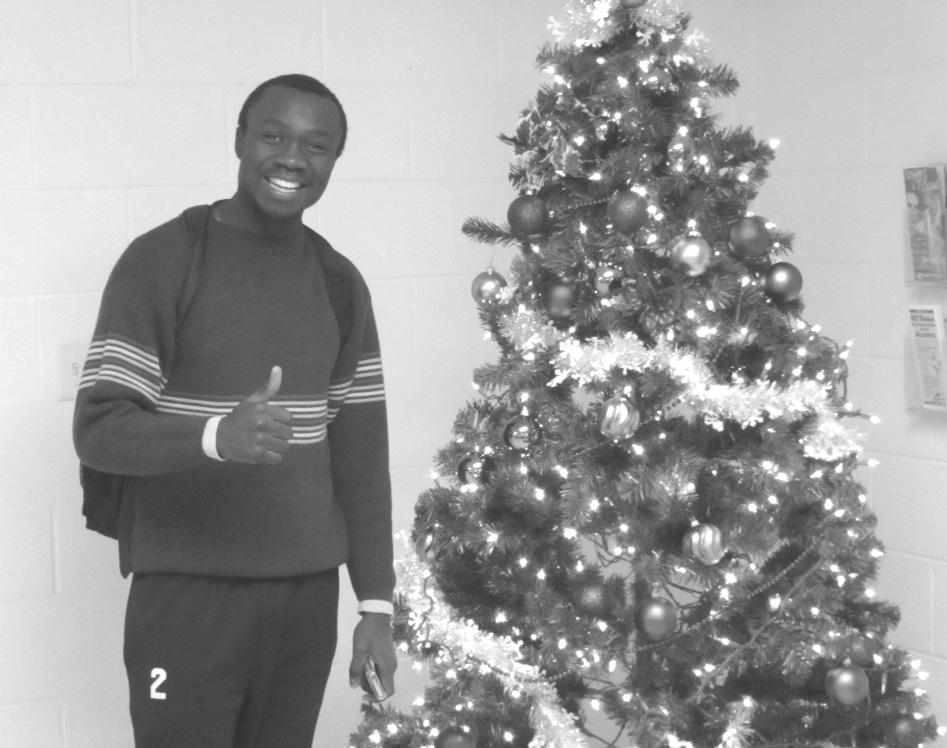
Many people look at soccer as only as a sport, where the results show how good or bad a team can be. Soccer, however, is not only about winning or losing, but also about sharing experiences and guiding others. Soccer can allow players to be examples of success, not just in the game, but in life. This is the case of Patriot Soccer captain Cedric Muteshi, from Nairobi, Kenya. Muteshi had the idea of giving back to the soccer club that he used to play for back home, the Dagoretti Green Santos, before he enrolled four years ago at UC to represent the Patriots.
Part of Muteshi’s way of giving back
involved taking the old UC uniforms that were going to be replaced for the 2012-13 season during this last summer to the team that allowed him to play during his youth years, the Green Santos.
“Everything was a team effort,” said Muteshi about putting his plan into action. He shared his idea with the Patriot Soccer Head Coach, Brenton Benware, who readily complied, saying, “Soccer is not just in the field, but also outside, how we can contribute to society is important to reflect the kind of program we have here.”
From that moment on, Muteshi knew it was just a matter of time and a little bit of
organizing to get everything going. So he partnered once again with his older brother Boni, a coach from the Fever Soccer Club in Fort Wayne, Ind., who set about to collect unused cleats to take to Kenya and add them to those that Muteshi had already gotten from his teammates. They were able to gather 29 pairs.
“They were very happy. Their faces grinned with joy and I knew that I had done a great thing. The cost for uniforms is very expensive and getting one for free was like a miracle,” said Muteshi about giving away the cleats and uniforms.
What we see as regular and common
things can bring joy to those that need it, and that is why soccer goes beyond the result of a game or championships. The effort put forward by Muteshi through soccer helped to change lives through providing a better opportunity for those who enjoy soccer to practice which will help them to become better at the sport, but also better at life.
Cedric Muteshi leads the way in the Christmas season by his thoughtfulness and generosity toward those less fortunate than himself.
Photo by Andres Pedraza
BY ZAC BRUCKNER Editor-in-Chief

Get rid of stress, the biblical way
The word stress isn’t in the Bible; however, it does ask in Matthew 6:27 (NKJV), “Which of you by worrying can add one cubit (eighteen inches) to his stature?” This verse questions why you would bother to get stressed when it doesn’t do anything for you. The Bible also gives us truths like Proverbs 17:22 which says, “Amerry heart does good, like medicine, but a broken spirit dries the bones” and challenges like Psalm 125:1 which states, “Those who trust in the LORD are like Mount Zion, which cannot be moved, but abides forever.”
Here are a few tips about how to get rid of the stress that is wearing you down with some verses to encourage and help you through the process:
Pray
As a follower of Christ, one of the most important things you can do when you’re in trouble is to cry out to your heavenly Father. Psalm 62:8 says, “Trust in Him at all times, you people; pour out your heart before Him; God is a refuge for us.” God wants to hear what is happening to you. He wants you to come to Him like you would a friend, confiding in Him all the things that are weighing you down. God cares a great deal about you. That saying may have lost a lot of its weight over the years, but its truth is no less significant.
Give thanks
Although it may seem strange to make a point to be thankful when feeling down, if you start thanking God for all that you have and the things that He has done, you may find that your heart will feel considerably lighter, because you’ll be able to see outside your
problems and see the many (often insignificant or seemingly silly) things that He has done for you, like when the sun is shining, when an assignment is postponed or when the Caf has cinnamon raisin bagels. Psalm 75:1 says, “We give thanks to You, O God, we give thanks! For Your wondrous works declare that Your name is near.”
Read some truth
Sitting down to read the Bible isn’t always easy to do when you’re stressed. It’s too deliberately thoughtful. When you’re stressed, you don’t usually feel like sitting down and contemplating life, but with a conscious, prayerful reading of God’s word, you can be confronted with a truth that will confront, challenge or comfort you. For example, this not so well-known verse in Psalm 56:8 says, “You number my wanderings; put my tears into Your bottle; are they not in Your book?” God is with you so often and cares so much about you that He keeps all of your tears in a bottle. How amazing is that? God’s word is a powerful letter written to you and is readily available and is the most direct way He can speak to you. The psalmist also says, “My soul clings to the dust; revive me according to Your word” (Ps. 119:25).
Get out in nature
Get away. Leave the campus, the bustle and the technology behind and escape somewhere like Cumberland Falls or Indian Mountain State Park in Jellico. Afriend or two can go with you, but don’t make it a big group. If you don’t have time to leave campus, just get a blanket and soak in the sun. Savor the solitude and overall stillness and beauty that God’s creation has. In the begin-
ning of time, Adam and Eve lived in a garden: “The LORD God planted a garden eastward in Eden, and there He put the man whom He had formed” (Genesis 2:8). There is no other place where the presence of God can be felt more distinctly than in the world that He has given you to live in. Take your time, slow your steps and enjoy the natural world around you.
Tell a friend
While God wants you to talk to Him and tell Him your woes, remember that He’s also given you friends in your life for a reason. Jesus Himself had 12 close disciples for companions while on earth, and out of those 12 there were three that were particularly close. All of your friends don’t need to know your problems, but having one or two close friends can be a good boon for you. Ecclesiastes 4:910 says, “Two are better than one … for if they fall, one will lift up his companion. But woe to him who is alone when he falls, for he has no one to help him up.” Life is a communal and social activity, so don’t think that you have to handle it all on your own. Listen to music
And not just any music, instrumental music is best. Lyrics can be more distracting when you are trying to relax than you might realize, so find an instrument you enjoy listening to or playing and just sit back and be still. Psalm 81:2 says, “Raise a song and strike the timbrel, the pleasant harp with the lute.”
Take the initiative
Proverbs 22:3 states, “Aprudent man foresees evil and hides himself, but the simple pass on and are punished.” Can you see
stressful times coming? Prepare for it or, if possible, just get out of the way. Don’t wait until an assignment is on top of you to start working on it (a sure-fire way of losing sleep and getting stressed) or don’t go to that party if you know someone who aggravates you will be there. When midterms and finals roll around, plot your study schedule. Alot of students aren’t big on making lists or schedules, but lists can be a huge help in managing time in a more efficient manner and thereby help you to get more done with less stress. Don’t let stress take you by surprise; be ready for it.
Move
This doesn’t have to be exercise strictly speaking, but physical exertion is a great way to channel heightened emotions out of the body. Go for a walk, a run, a bike ride or, even better, go for a hike. I Timothy 4:8 says, “For bodily exercise profits a little, but godliness is profitable for all things.” Spiritual health and physical health often reflect each other, so don’t forget the physical and focus wholly on the spiritual. Physical health is also important to God. So if you’ve got some agitated energy, get out of your room or the library and expend that energy by burning some calories.
Whatever the stress may be and whatever you do to let it go, remember this: “Which of you by worrying can add one cubit to his stature?” Stressing won’t do you any good because it doesn’t change anything; you’ve got to be prudent and choose to lean on God’s wisdom and strength, not your own.
game day at Cumberlands
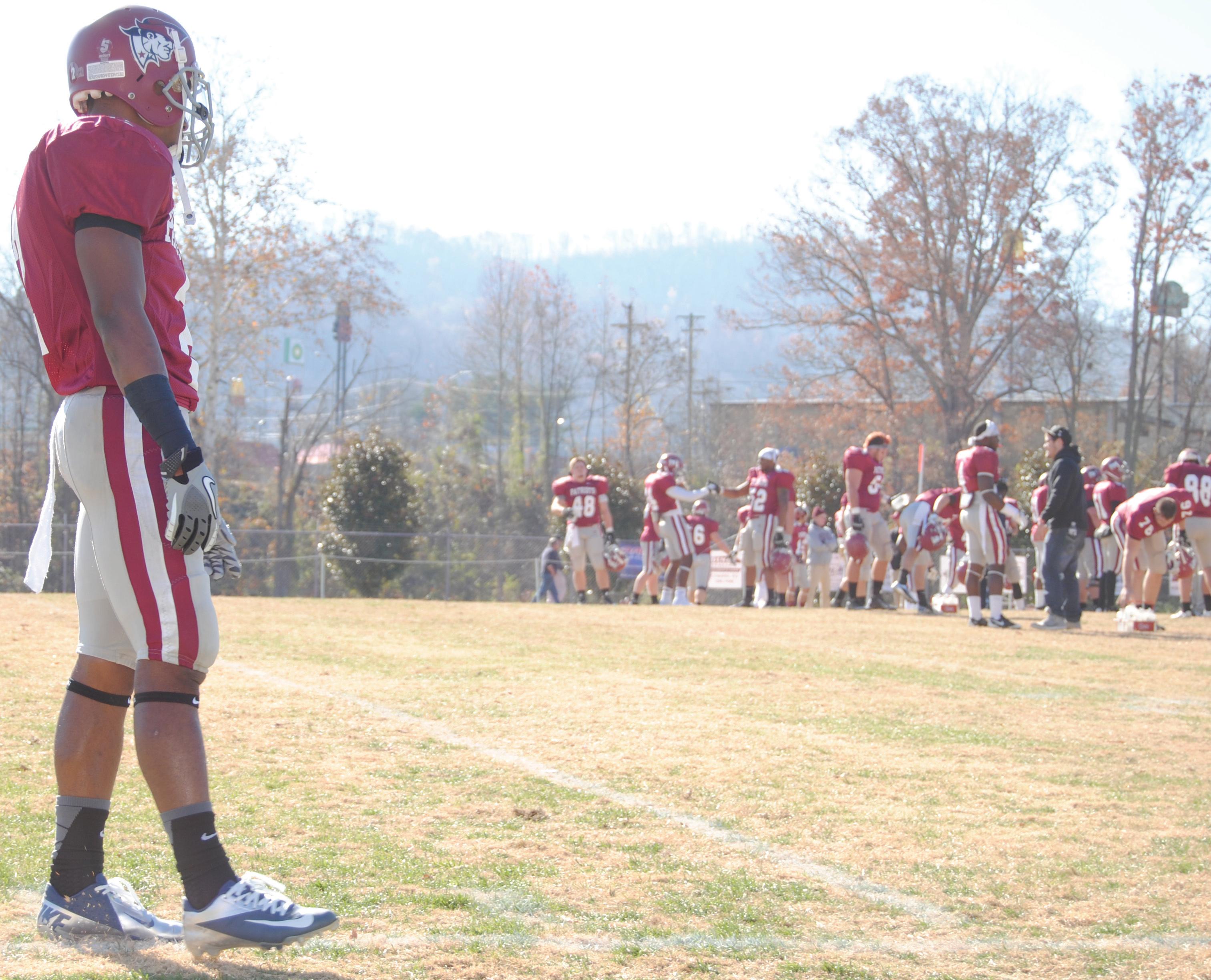
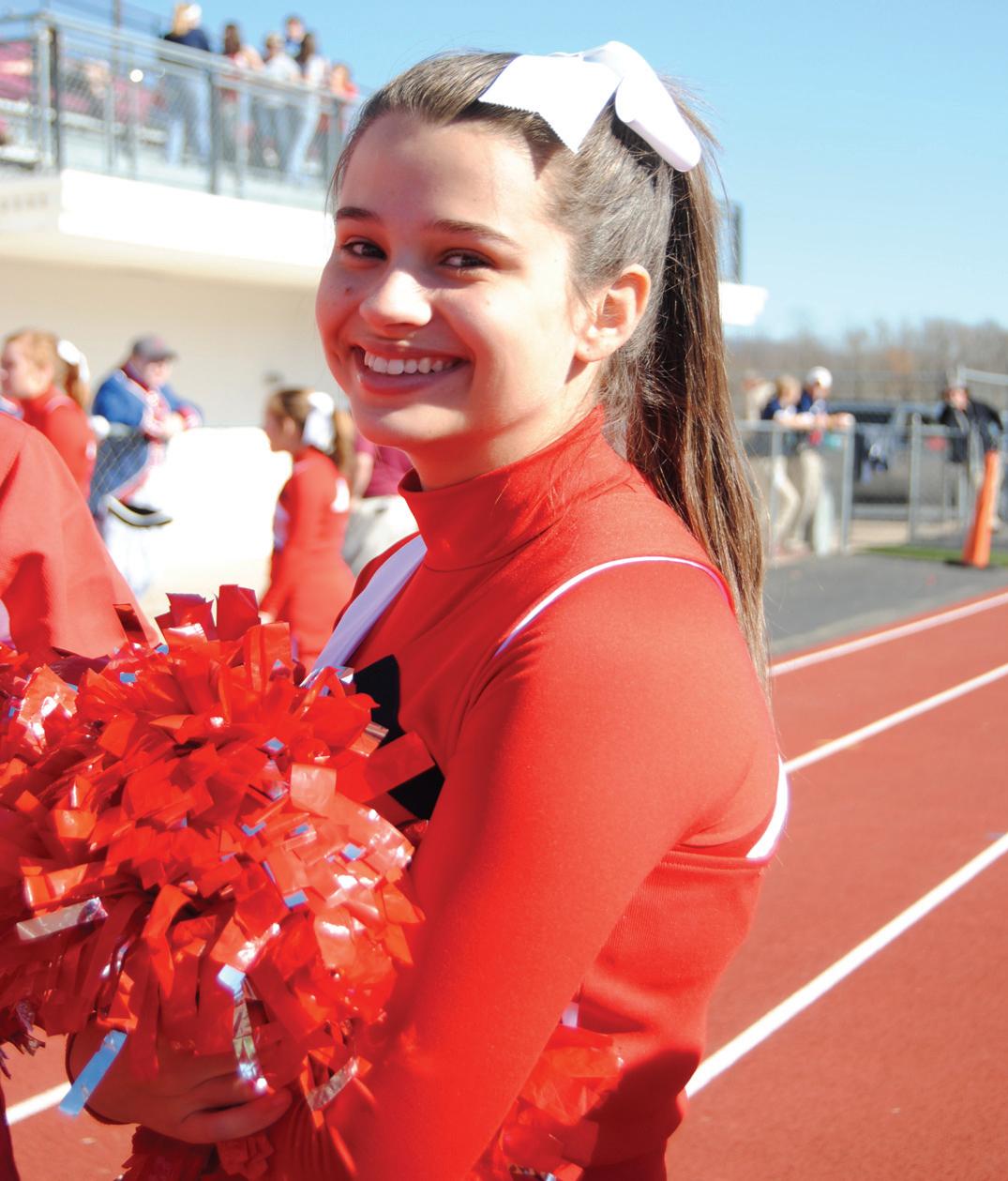
Photos by Brandy Norman
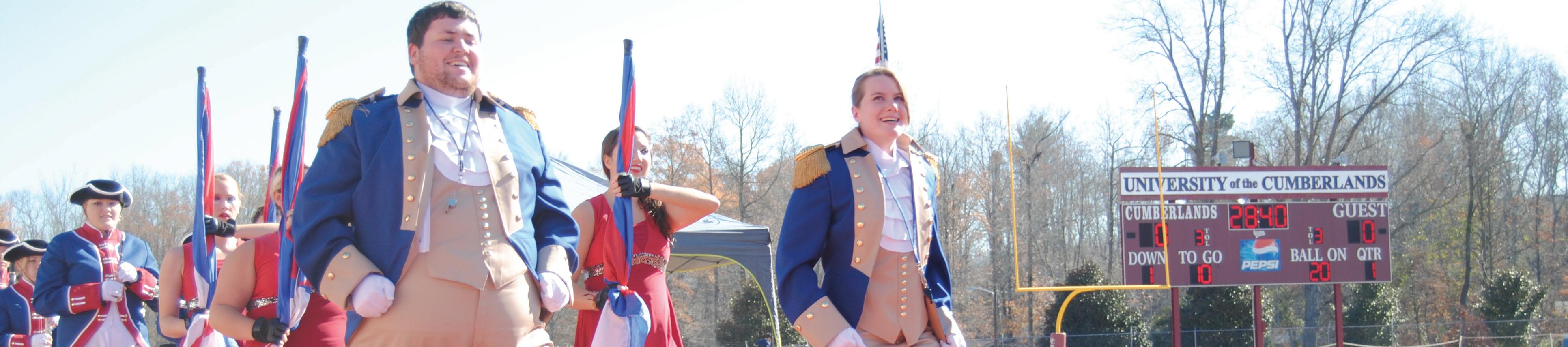
Drum Majors Tyler Vaughn and Sarah Wheeler lead the UC Marching Patriotsaround the track for the football game.
Senior Dekeldric Felton steps away from his team to get prepared for his last home game on Nov. 17.
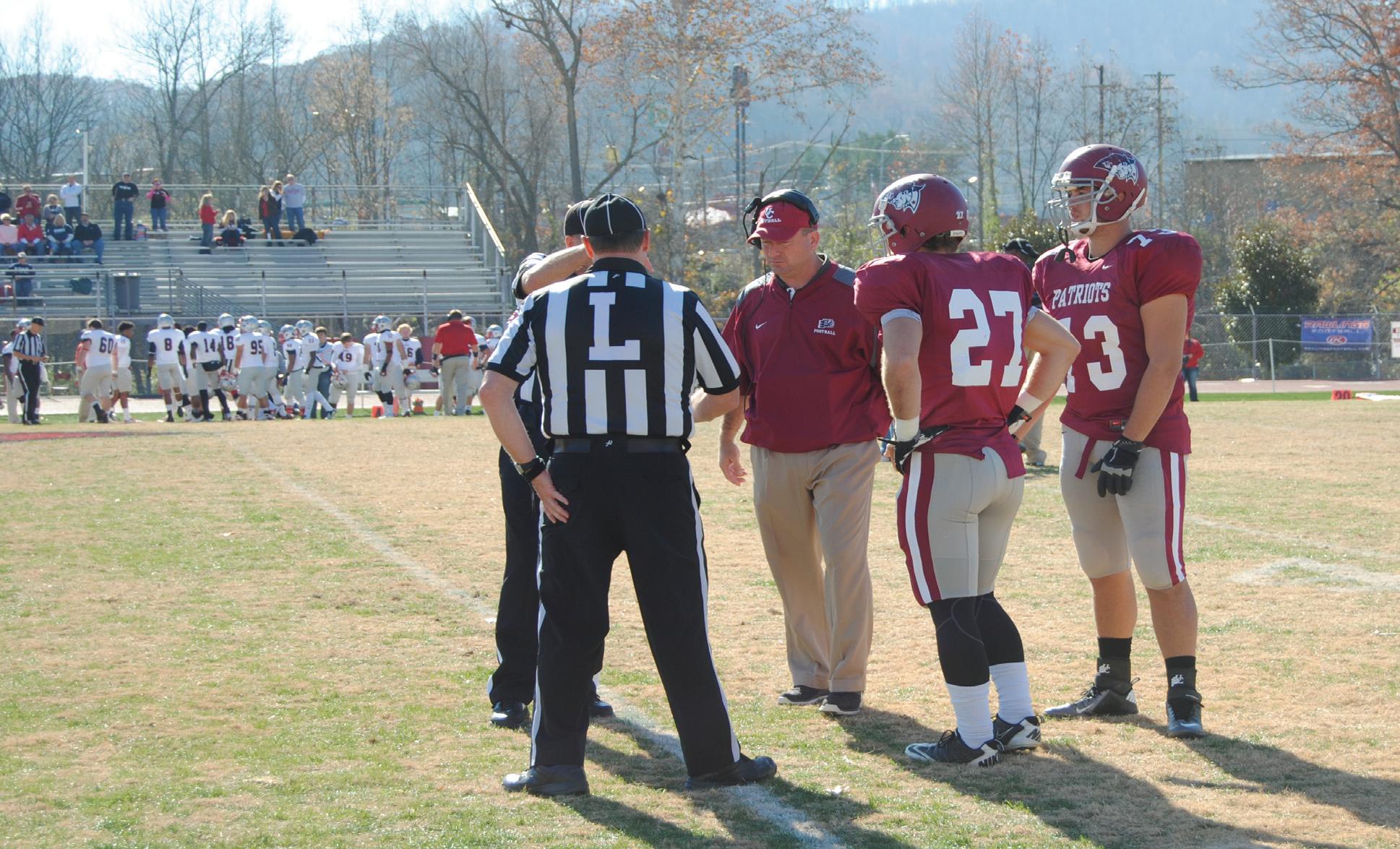
After playing hard, the Patriots come out and win the game 42 - 24.
fans cheer
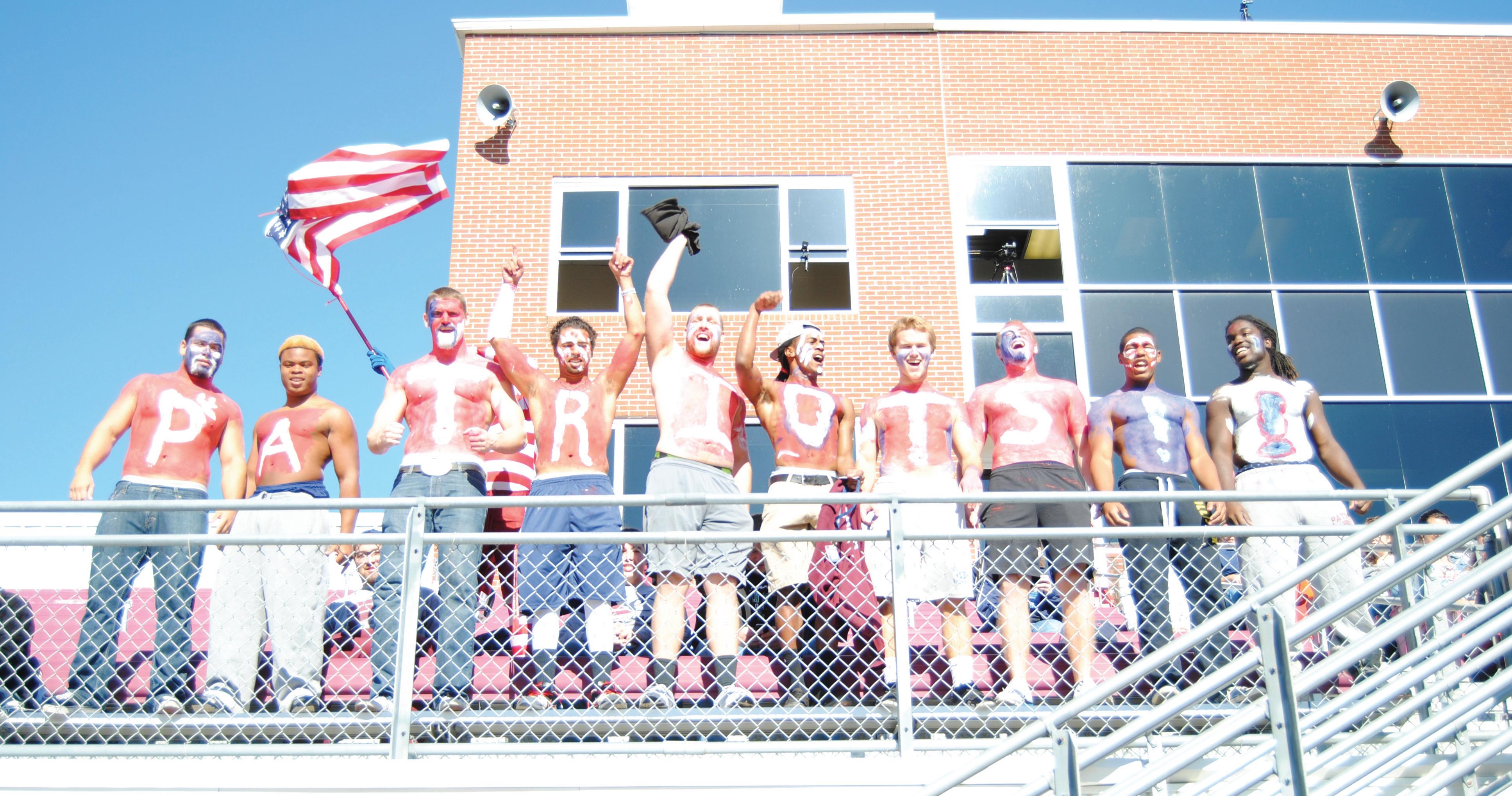
Painted Patriot
on the football team against the MidAmerica Nazarene Unviersity Pioneers.
Freshman Whitney Davis is all smiles as she waits for the game to start.
Where are they now?
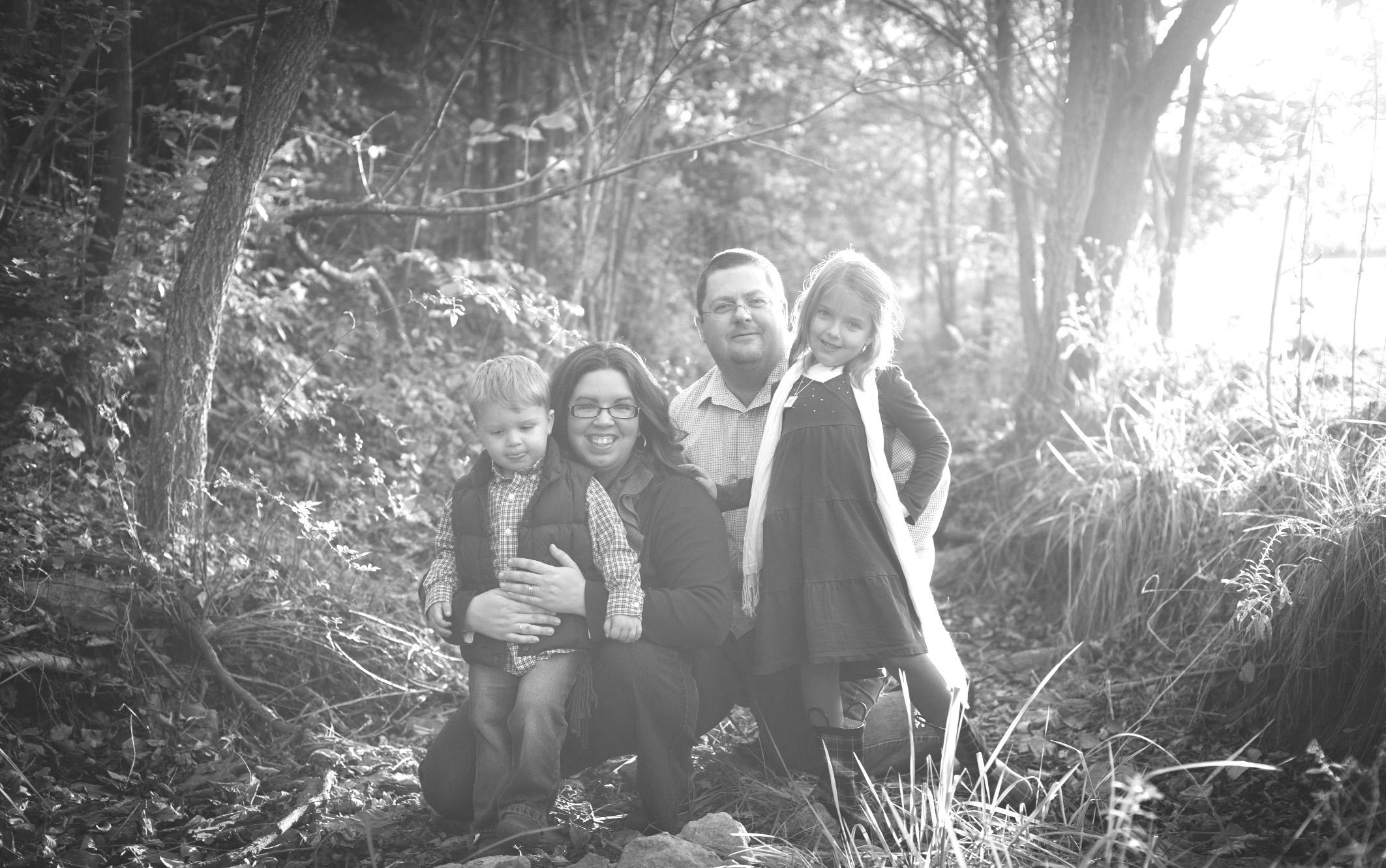
The Patriot: What years did you contribute to The Patriot and what role(s) did you play?
Kelly Foreman: I began working with The Patriot in its infancy in spring 2002, as a group of us began discussing re-creating the campus newspaper and cultivated its creation. From the fall 2002 semester until I graduated in 2004, I served as The Patriot’s editor-in-chief.
TP: Which story that you covered at The Patriot first comes to mind? Why?
KF: The story that always comes to mind for me is when the beam of steel from the World Trade Center was brought to campus by Whitley County Coroner Andy Croley. As most people do who lived through the Sept. 11 terrorist attacks in 2001, I remember exactly where I was when the planes hit – on campus in the BCC. The emotional impact of bringing a piece of the terror home was a very personal one for me. It also was the first time I had an opportunity to cover a topic that affected people on a national level.
TP: What are you doing now?
KF: I am a Public Information Officer in the Communication Office of the Kentucky Department of Criminal Justice Training. My primary responsibility is writing features for our Kentucky Law Enforcement Magazine. I also moonlight as a children’s clothing designer with my company, Faith & Fancy.
TP: How did your time with The Patriot help you get to where you are today?
KF: The Patriot was a pivotal point in my journalistic path. It led me to make connections which led me to my first post-college career job. It helped me to learn about management, organization, deadlines, responsibility, controversy and the craft of creating a publication. My dreams of being a working writer were guided into reality because of The Patriot.
The first issue of The Patriot Newspaper made its debut an entire decade ago on November 20, 2002. To mark the campus newspaper’s 10th anniversary, we decided to catch up with some of the former members of our staff. From publishing novels to writing for Rolling Stone to teaching in Japan, just to name a few, we think they’re all up to amazing things these days. Where they are now just might surprise you.
Kelly Foreman
KF: After college, I worked for The Times Tribune daily newspaper in Corbin and the Southeast Kentucky Family magazine. I then moved on to the Richmond Register daily newspaper in Richmond, Ky. Because of today’s digital nature of newspapers, the Associated Press and the CNHI news service, some articles from those papers have been carried across the nation. As previously mentioned, I also write today for the Kentucky Law Enforcement magazine, and those articles have been re-published in a variety of publications. I have written for newsletters, blogs and other Internet publications as well.
TP: What do you remember most from your experience at the campus newspaper?
KF: Stress, followed by accomplishment. It was hard work, I think even more so because we were making up the rules as we went along.
KF: My favorite journalism quote is, “There is no news in the newsroom.” In other words, you can’t find out what’s going on in the world around you by sitting at a desk and waiting for the phone to ring. Get out, talk to people, build relationships with people in the know and be a journalist who can be trusted. It is so important to establish a name for yourself as someone who is easy to work with. Because when the hard stories crop up, the people who run from the other media will answer the phone when you call if you have earned their respect.
TP: Anything else you’d like to add?
KF: Enjoy your time in college! Don’t be in such a hurry to get out in the real world. Take it all in and remember each day that four years pass in the blink of an eye. Get involved, work hard, have fun and make the most of it.
TP: Where has your work been published since your time at UC?
TP: What’s the best piece of advice that you’ve actually followed?
Where are they now?
Tiffany Sokolowski
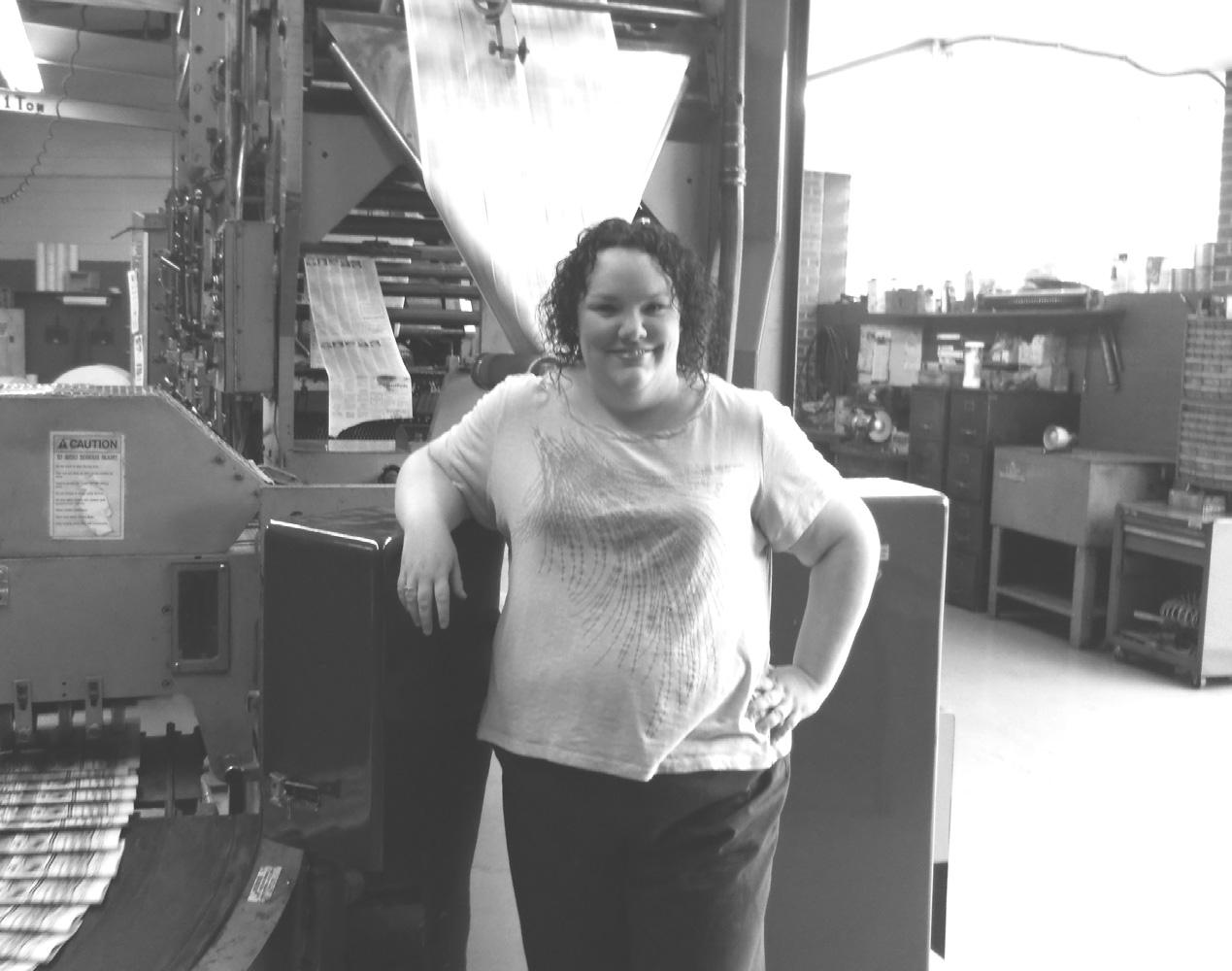
The Patriot: What years did you contribute to The Patriot and what role(s) did you play?
Tiffany Sokolowski: Assistant Editor2002-2003.
Editor-in-Chief - 2003-Fall 2005.
TP: Which story that you covered at The Patriot first comes to mind? Why?
TS: The "vs." columns that I did with Jeremiah first come to mind. We always found something interesting to debate about... whether it be the colors blue and pink or something more pertinent like Frosty and Rudolph at Christmastime. I also really enjoyed being able to "take a stand" in Letters from the Editor.
TP: What are you doing now?
TS: I am the circulation manager at The Winchester Sun Newspaper.
TP: How did your time with The Patriot help you get to where you are today?
TS: The Patriot molded me into a wellrounded newspaper person. I was able to dabble in all different types of roles at The Patriot. Learning a little about stories, photgraphy, layout, working with reporters, working with advisors, etc., all helped me find my place in the newspaper world.
TP: Where has your work been published since your time at UC?
TS: I have been freelancing at many newspapers throughout Central Kentucky in addition to working at The Richmond Register and The Winchester Sun.
I am currently working on a novel and other personal writing adventures on the side, as well.
TP: What do you remember most from your experience at the campus newspaper?
TS: I remember loving every minute of the hustle and bustle of it! My favorite memory was the early morning pick up of the newspaper and getting to hold that fresh copy in my hands, knowing how much went into it. The finished product (even today at my real world job) is still very rewarding.
TP: What’s the best piece of advice that you’ve actually followed?
TS: Look at the real world application of the degree you are trying to attain. Are you majoring in something that's becoming obsolete? Are you going somewhere that there will be jobs in your future? We all hear that the newspaper industry is dying. It's not dying, it's changing and we have to be able to change and adapt with it.
Where are they now? Jolina Petersheim
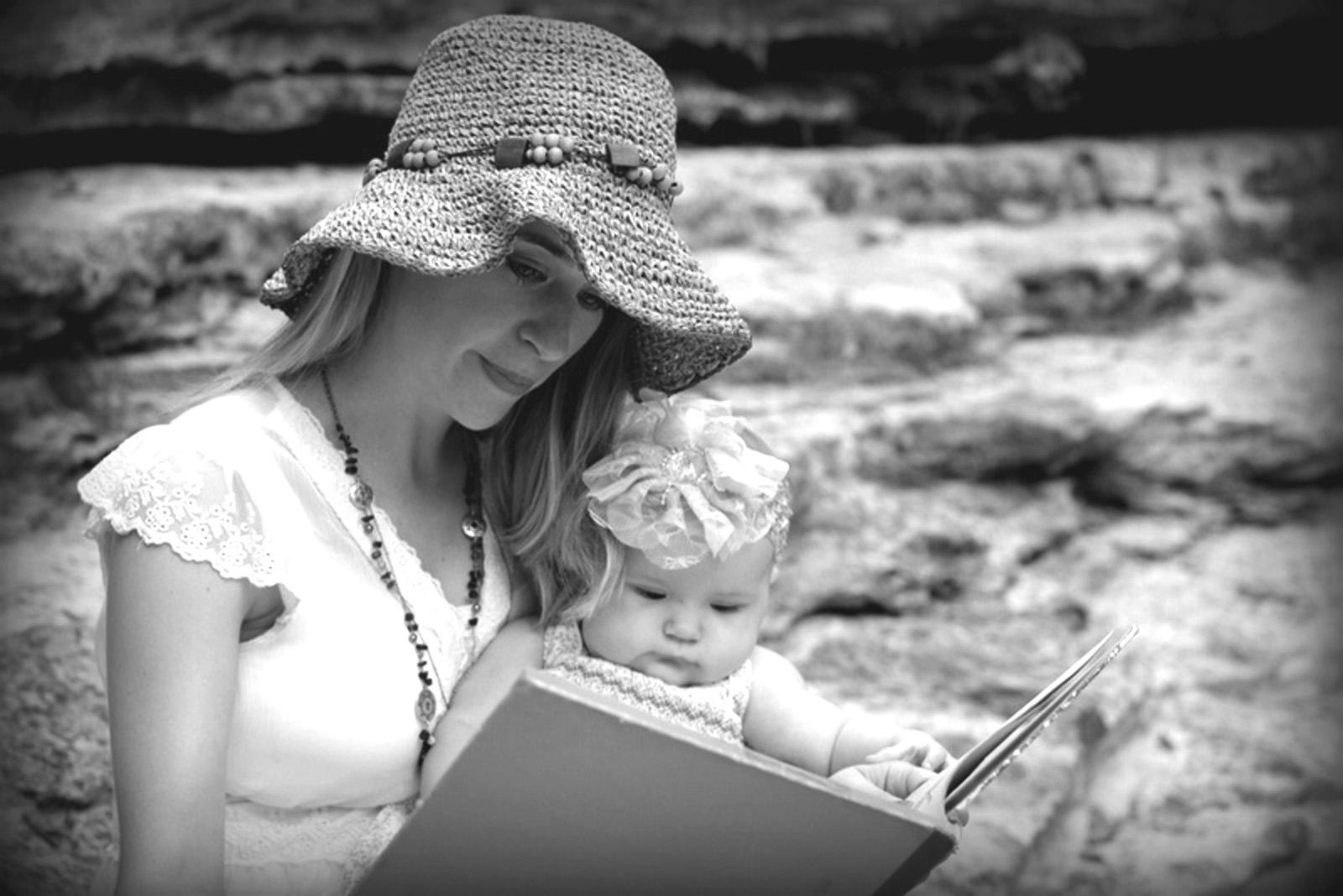
The Patriot: What years did you contribute to The Patriot and what role(s) did you play?
Jolina Petersheim: 2004-2008: I was a work-study student my freshman year (wrote two articles per edition). After I became an RAin Gillespie and gave up my work-study, I submitted articles that Heather Mays, the editor, accepted regardless of the subjects buzzing around in my head. Bless her.
TP: Which story that you covered at The Patriot first comes to mind? Why?
JP: My first story was about UC alumnus and Olympic wrestler, Toccara Montgomery. I will always remember that article, because (1.) I was terrified to interview Tocarra. I knew if I asked the wrong question, she could put me in a pretzel hold in a second flat. (2.) I wrote this long, passionate description about the "fire in her eyes, rippling muscles, ect." that got chopped before going to print. I remember reading the new version in the cafeteria (albeit far, far better than my own)
and getting pretty feisty about it. It was one of the reasons I realized was not cut out for inverted pyramid, black-and-white journalism, but for fiction.
TP: What are you doing now?
JP: I live in the foothills of the Cumberland Mountains with my Mohican-man husband and our darling baby girl (who is a slightly smaller version of him, but without the scruffies). I am a happy work-at-home mom whose debut novel, “The Outcast: a modern retelling of The Scarlet Letter,” will be released with Tyndale House in June 2013. Getting to tend my child and create stories while she sleeps is a dream come true. I know I am blessed.
TP: How did your time with The Patriot help you get to where you are today?
JP: It helped me learn how to write more like Hemingway and less like--well, L.M. Montgomery, who is the author of “Anne of
Green Gables.” I thought that series was a classic before college (sorry, Dr. Fish).
TP: Where has your work been published since your time at UC?
JP: I've had the privilege of meeting a community of authors who are very supportive of each other. Through them, my writing's been featured on the radio, a nonfiction book, small literary journals, and creative writing websites. My blog, The Happy Book Blog, is syndicated with the on-line edition of The Tennessean. My novel, of course, is the craziest publishing experience I've had. Sometimes I pinch myself . . . or let my daughter do it.
TP: What do you remember most from your experience at the campus newspaper?
JP: I remember spray painting filing cabinets black in frigid weather as we prepared the new office in the lower BBC. Once we moved, I loved that our office was so close to
CAB. They watched movies like “Edward Scissorhands” and munched snacks. I would peek out of the office and admire Johnny Depp before snatching something and scurrying back to my hole.
TP: What’s the best piece of advice that you’ve actually followed?
JP: Be concise! Don't muddle your message with extraneous words and compound modifiers (right, Mrs. Worthington?). I still struggle with this but, thankfully, have a wonderful editor in my husband, who sees my first drafts even before my fiction team at Tyndale.
TP: Anything else you’d like to add?
JP: Go after your dreams but, in the process, don't forget those who are your life. When the glamor fades, they will still be standing beside you.
Where are they now?
Rachel Worley
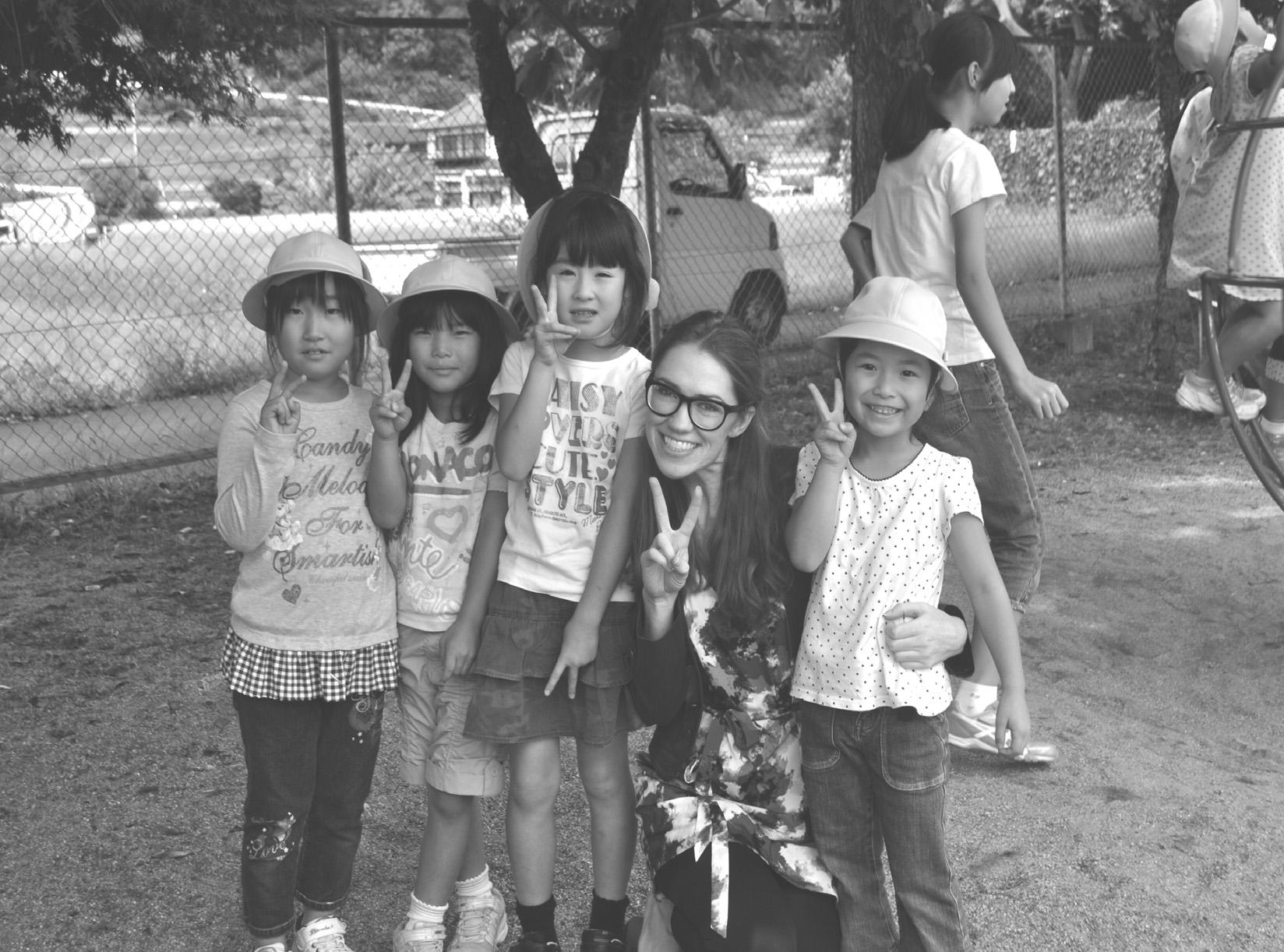
The Patriot: What years did you contribute to The Patriot and what role(s) did you play?
Rachel Worley: I was a staff writer at The Patriot from 2007-2009.
TP: Which story that you covered at The Patriot first comes to mind? Why?
RW: Since I also took creative writing and journalism courses, I can’t remember which stories I actually submitted to The Patriot and which were used.
TP: What are you doing now?
RW: I am currently living in Japan and teaching English to junior high school and elementary students.
TP: How did your time with The Patriot help you get to where you are today?
RW: My time with The Patriot increased my skills as a writer and my understanding of the English language. This has proved helpful as I teach English. Also, my students have a short attention span and so speaking to them
in a journalistic style helps them to follow what I say. I give them clear, concise information in order of most important to least.
TP: What do you remember most from your experience at the campus newspaper?
RW: Being a staff reporter at The Patriot taught me to looker deeper into events and people. The real story is usually not what you see on surface. This has been beneficial to me while abroad because it has helped me to understand foreign cultures and people better.
TP: What’s the best piece of advice that you’ve actually followed?
RW: The best piece of advice I ever received was from an elderly man who said, “You know all those things you've always wanted to do? Do them.
Where are they now?
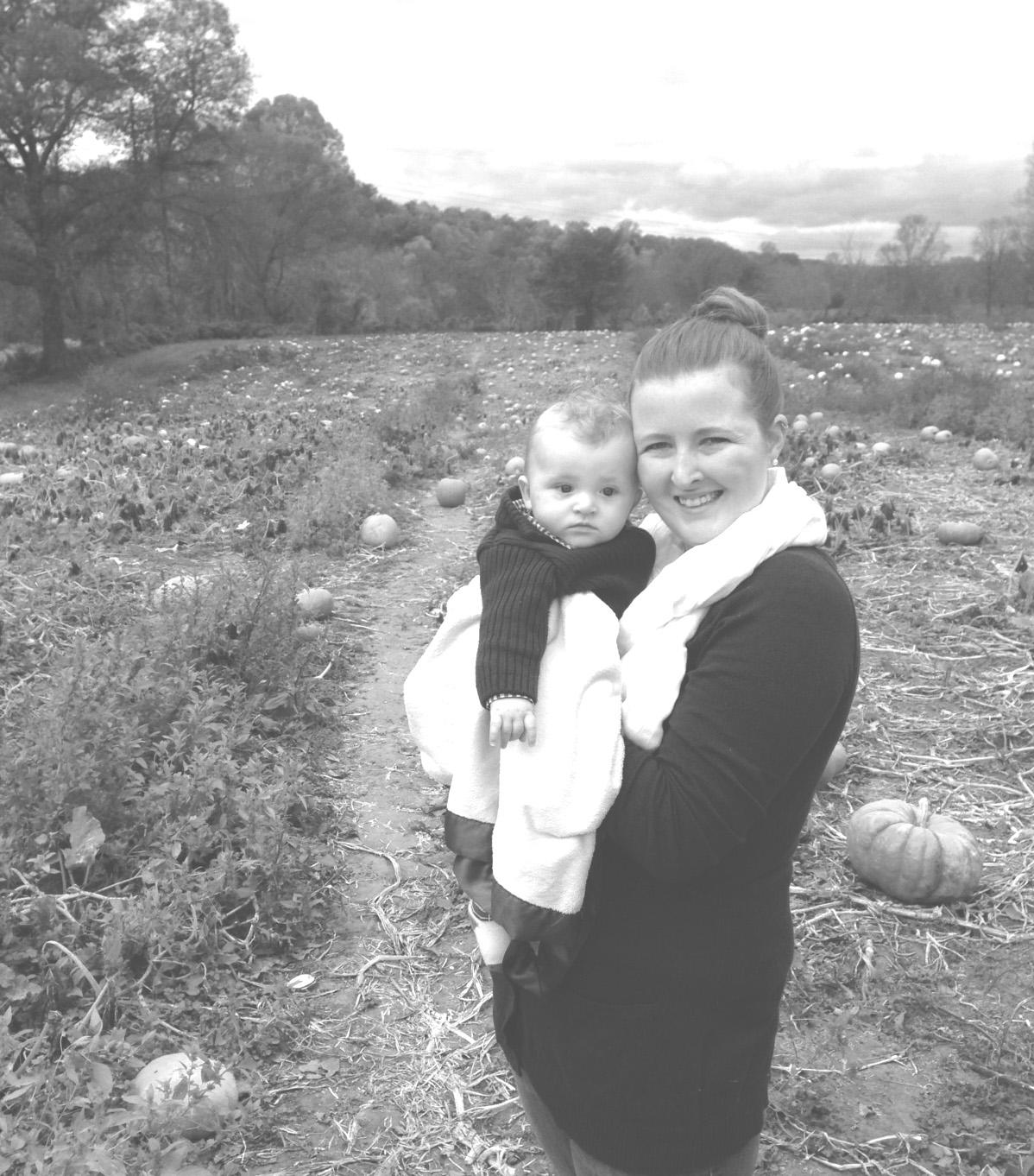
The Patriot: What years did you contribute to The Patriot and what role(s) did you play?
HeatherConley: I was part of The Patriot from 2005-2008. I was the layout editor and then the assistant editor.
TP: Which story that you covered at The Patriot first comes to mind? Why?
HC: I wrote a column on wedding planning during the 05-06 school year while I was planning for my own wedding. It was the first time I had ever written anything for the paper. It was fun to help others who were sharing my experiences. Now I have a way to remember that time in my life.
TP: What are you doing now?
HC: I’m an English teacher at North Laurel High School in London, KY. I live in London with my husband—Janson Conley—my son—Brody—and our two dogs.
TP: How did your time with The Patriot help you get to where you are today?
HC: I was always afraid of writing, even though I was an English major. The Patriot helped me to relax about my own writing and not worry so much about letting others see what I had to say. I learned a lot about writing and editing from doing the work firsthand. I also learned a lot of neat computer tricks.
Heather Conley
TP: What do you remember most from your experience at the campus newspaper?
HC: I remember the friendships and spending time in the office the most. I miss the people that worked at The Patriot. We don’t get to see or speak to each other very often, but when we do, it’s as though nothing has changed. I still consider my co-workers as close and dear friends.
TP: What’s the best piece of advice that you’ve actually followed?
HC: Travel. See as much of the world as you can. The world does not exist in a bubble inside of Kentucky. Other cultures are beau-
tiful. You will have a deeper appreciation for what you have. It may even change your mind set on the world around you.
TP: Anything else you’d like to add?
HC: The Patriot is definitely a chapter in my life that will always hold special memories for me. I learned a lot about myself as a writer, editor and person through my time with the newspaper.
Where are they now?
Ryan Reed
The Patriot: What years did you contribute to The Patriot and what role(s) did you play?
Ryan: I contributed to The Patriot during most of my college career. If I'm not mistaken, my first piece (an album review of The Beatles' “LOVE”) was published in late 2006. I wrote quite a few reviews for The Patriot before I graduated in 2009.
TP: Which story that you covered at The Patriot first comes to mind? Why?
RR: I have a pretty cool story to share. One of my first stories for The Patriot was a review of Radiohead's 2007 album, In Rainbows. Radiohead were--and are--one of my very favorite bands, so it was a really big deal for me to write about them. I was so excited when the review was published. That same week, I got a Facebook message from a girl who also went to UC--her name was Jenifer Thoele. She'd read my review randomly while she was waiting on one of her friends to come out of her dorm room. She told me she loved the review, and I thanked her. Jenifer is now my wife--we've been mar-
ried for two-and-a-half years.
TP: What are you doing now?
RR: I do a lot of things. First and foremost, I'm a freelance music journalist. I write album reviews, concert reviews, Q+Astories, and feature stories for tons of online and print publications. (I also write movie reviews on occasion--something I hope to do more of in the future.) In addition, I teach adjunct classes for UC: currently two Public Speaking courses and one writing course in the IEP program. I live in Knoxville, TN with my wife and my Brittany Spaniel, Tegan.
TP: How did your time with The Patriot help you get to where you are today?
RR: The Patriot gave me my first real writing experience. I grew substantially as a writer during my college years, and The Patriot gave me a platform to hone my skills before I entered "the real world" of journalism. Without my experiences at The Patriot, I probably would have lacked the confidence to pursue a career in journalism.
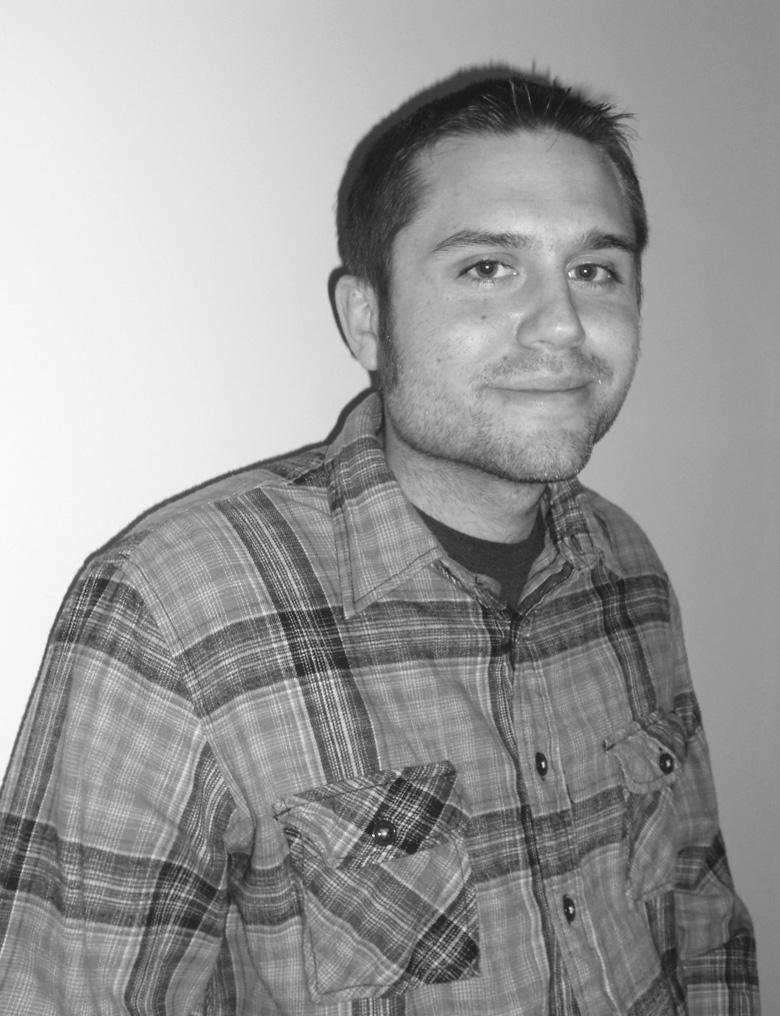
TP: Where has your work been published since your time at UC?
RR: I think this covers it: Rolling Stone, Billboard, Paste, eMusic, A.V. Club, Boston Phoenix, Metro Pulse (Knoxville), Chicago Reader, Interview Magazine, Ultimate Classic Rock, American Songwriter, Relix, BLURT, LEO Weekly (Lousiville), Filter, Under the Radar, Consequence of Sound (former Associate Editor), PopMatters (current Associate Music Editor), Glide, Cleveland Scene, American Noise, AU, Culturedeluxe, The Line of Best Fit, Critical Mob, Skope, It's a Trap!
TP: What do you remember most from your experience at the campus newspaper?
RR: I remember the pure excitement of flipping the pages and seeing my name in print for the first time. It was an incredible rush.
TP: What’s the best piece of advice that you’ve actually followed?
RR: When I enrolled at UC, I had no idea what my career--or life--would be like upon graduation. I always wanted to write about music, but I wasn't brave enough to venture off to some far-away journalism program and take that plunge. I was complacent and unsure of myself. When I met my wife, everything changed: It wasn't a direct piece of advice; it was a feeling of compassion and mutual understanding. Jenifer gave me the courage to pursue my dream, to be unafraid of failure. Without her, I wouldn't be where I am today, and I can't thank her enough. I got lucky.
TP: Anything else you’d like to add?
RR: Go for it--whatever "it" is. When I look back on my Patriot days, I only wish I'd worked harder for what I wanted. If you're a writer, write every day. If you're a photographer, take pictures every day. If you're an artist, create art every day. Don't waste time.
Where are they now?
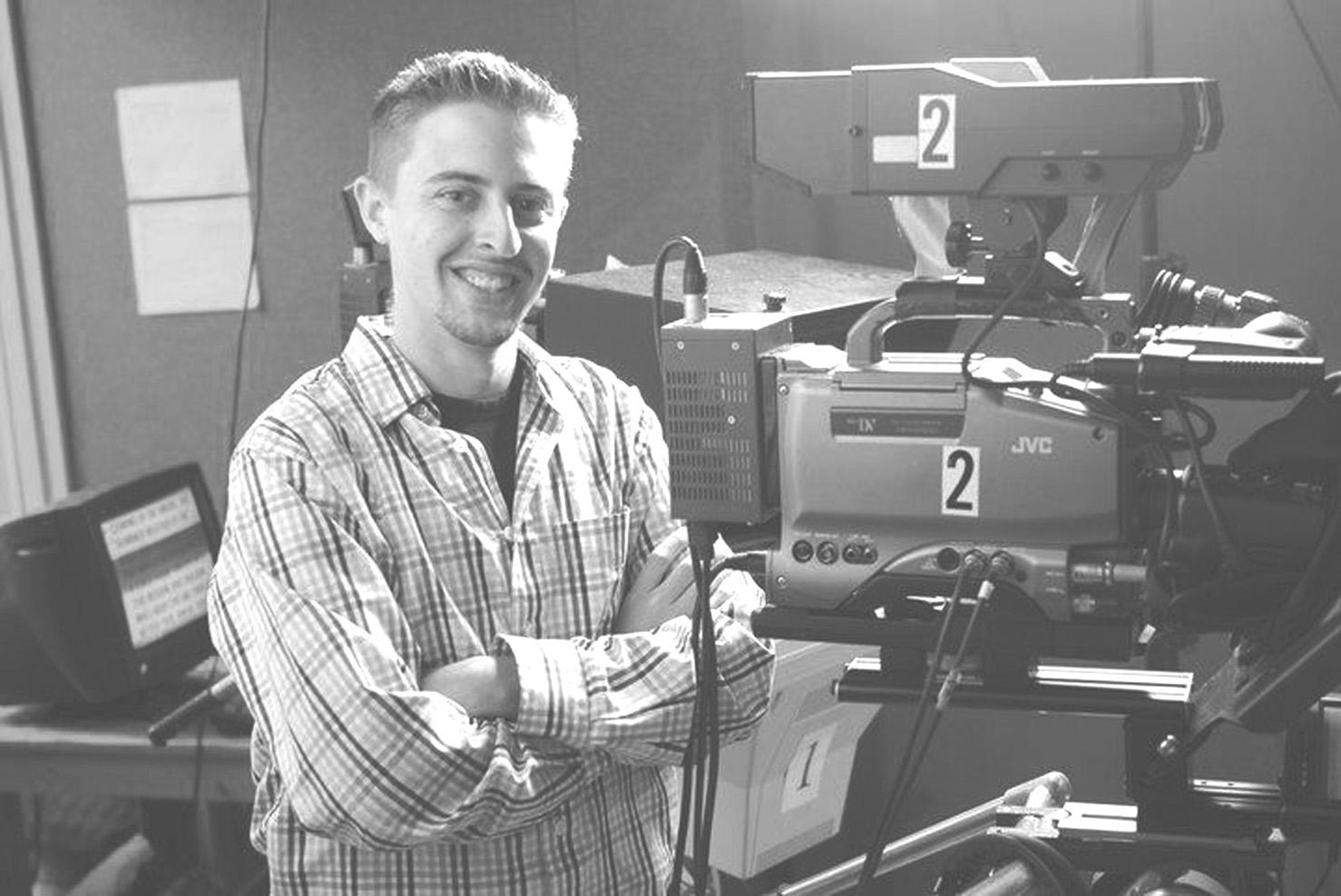
The Patriot: What years did you contribute to The Patriot and what role(s) did you play?
Grant Doepel: I'm pretty sure it was January 2007 to May 2009. And I was layout editor and then editor-in-chief.
TP: Which story that you covered at The Patriot first comes to mind? Why?
GD: The most memorable for me was when Kaitlin Gotch and I stayed up all night of the 2008 election writing stories and doing coverage. Not only was that awesome, but we managed to have the paper out the following day in a special election edition. It might not sound that impressive now, but we were pretty dang proud of what we accomplished. And the articles, I like to think, were very bipartisan as well.
TP: What are you doing now?
GD: I currently work as a Digital Marketing Specialist for Naked Lime in the Cincinnati, Ohio area. I get to play on Facebook, Twitter and Google all day long...and get paid for it.
TP: How did your time with The Patriot help you get to where you are today?
GD: I'd say the main way The Patriot helped me was by teaching me how to work in a professional environment successfully. I was given such a creative blanket when it came to running the paper that it allowed me to explore so many possibilities creatively to expand the paper and myself at the same time. The Patriot also helped me earn an internship with Fox News in Washington, D.C. and I truly believe that once-in-a-life-
Grant Doepel
time experience never would have happened without The Patriot. So in short, The Patriot helped make my life the bomb-diggity.
TP: What do you remember most from your experience at the campus newspaper?
GD: I remember spending pretty much every free moment I had in the newspaper office. At that time we had a crazy amount of people working on the paper in general, so sometimes that office got a bit crowded. However, the majority of my time wasn't spent writing or editing articles (surprisingly), instead it was always spent using the "eraser" tool on Photoshop to constantly change our page headers for the upcoming issue. We printed a ton of issues over the course of those two years and there was never any down time. And I wouldn't trade it for the world.
TP: What’s the best piece of advice that you’ve actually followed?
GD: Don't be afraid of failing. Sometimes the best lessons we learn come from the times we have failed. Be brave in whatever your endeavor becomes.
Celebrating 10 Years 27
Where are they now?
Kendra Peek
The Patriot: What years did you contribute to The Patriot and what role(s) did you play?
Kendra: My time at The Patriot was from 2007 to 2010. I started as a staff writer (casually), then the news editor, and finally the managing editor.
TP: Which story that you covered at The Patriot first comes to mind? Why?
KP: I always think of some of those from my senior year. For example, Ms. Connie Howard received the National Death Educator of the Year award, and I was given the task of writing about her. She was a professor I had heard a great deal about, but never had the opportunity to meet, until then. Ms. Howard is quite inspirational in her quest to help others through some of their toughest times. There are others like that, individuals that are doing things, which are completely ordinary to them, but rather surprising to the rest of us. I love finding those stories.
TP: What are you doing now?
KP: I currently live near Danville, Kentucky, which is where I am working as a staff writer for The Advocate Messenger, a daily newspaper.
TP: How did your time with The Patriot help you get to where you are today?
KP: Working at The Patriot armed me with a slew of articles and experience, so that when I walked into my interview, I was able to show them what I had done and the quality of my work. Don’t ever doubt the things you can learn on your college staff, no matter the size of the school or paper. At the end of the day, some things have to be experienced and writing is one of those things. Also, having a portfolio of any kind is better than not having one at all, so keep it all and make it look nice.
TP: Where has your work been published since your time at UC?
County News, UT’s The Beacon and TNJN, and The Advocate Messenger.
TP: What do you remember most from your experience at the campus newspaper?
KP: Alot of blood, sweat and tears. Seriously, though, there was something awesome about seeing all your hard work: weeks of planning the issues, meeting the staff, writing the articles, arranging layout, harassing writers, editing the articles and so many other aspects; there was something about finally seeing the finished product. Part of the reason I love print, as much as it may soon be a lost form, is that is tangible. You can hold it in your hands and smell the paper. It also is a community effort; not one person can do it all. There's a bond forged when you have to work for hours on end with others as you push to get this thing finished and in people's hands.
TP: What’s the best piece of advice that you’ve actually followed?
KP: Just keep at it and have faith. I believe strongly in God and that He has a plan. There were times after college when I thought things were going to work and times when I thought things were going to fall apart, but God knew it all along and, eventually, I trusted Him enough to see that. It seemed the moment I stopped fighting Him, things would work out. So have faith. Even if it feels like you're going to wind up sleeping on your parents' couch forever or have to eat ramen for every meal, it will get better. Take it from someone who's been there.
TP: Anything else you’d like to add?
KP: Not really. Another bit of advice, perhaps. That would be, get outside of yourself. Try something new, go somewhere new, meet someone new. Break out of your routine, which is easy to fall into in college, and try something different. There's a world out there to be seen and experienced, all you have to do is go for it.
KP: I have been published in The Casey
Where are they now? Kate McKnight
The Patriot: What years did you contribute to The Patriot and what role(s) did you play?
Kate: I was part of The Patriot from 2007 to 2011. I started as a staff writer then became entertainment editor and worked as assistant manager part of my senior year.
TP: Which story that you covered at The Patriot first comes to mind? Why?
KM: Two stories first come to mind. I wrote a feature on Heath Ledger soon after his death. That was my first big piece and made me realize I love writing about people. The second story was a feature I wrote about Reclaiming Futures, a local organization, and really a network of individuals, who were working with at-risk young men in the area. I spent a lot of time observing karate lessons, tutoring sessions, and group therapy discussions, and I was able to attend a banquet where the volunteers, professionals, and community leaders who started this program were served dinner by the same young men who now had a support system and hope for
a better future. This story showed me what journalism, for me, is all about: telling the stories of the everyday people and events of our communities in order to incite action, create purpose, and give hope.
TP: What are you doing now?
KM: I am currently living with my husband in Williamsburg, Kentucky, and working as a secretary on campus until I finish my master’s degree in teaching this spring. After that, we’re hoping to teach English abroad wherever God leads us.
TP: How did your time with The Patriot help you get to where you are today?
KM: I joined The Patriot my freshman year because I was looking for ways to get involved on campus and because I loved to write. The Patriot helped me increase the scope of my writing skills and increased my creativity because instead of writing wordy essays on literary topics, I was writing in straightforward language about topics that
would interest my peers. I viewed the paper as a sort of personal challenge, particularly when I had to break out of my introverted bubble of comfort and interview people, but it also showed me I love journalistic writing and sharing the untold stories of people I meet. I plan to continue writing and to use journalism in the classroom to teach my future students about language and writing.
TP: Where has your work been published since your time at UC?
KM: The Kentucky Philological Review recently contacted me about publishing a version of my paper, “AStory That’s Truer Than True:” ALinguistic Exploration of Lee Smith’s Oral History, which I presented at the KPAconference last spring. I submitted my edited final copy of the essay last week, so hopefully that will be my first published work soon.
TP: What do you remember most from your experience at the campus newspaper?
KM: I remember our campus newspaper group being like a family. We all had our differences and didn’t always like each other, but we were too small of a group to stay mad and had to come together to get an issue out. I especially remember our times of celebration and fellowship together, whether a picnic at the Falls or a pizza party in the Grace Crum lobby.
TP: What’s the best piece of advice that you’ve actually followed?
KM: I never had a clear-cut idea of what I wanted to do career-wise, so the best piece of advice I’ve followed most recently in my life is to find what you love to do, what you can do well, and what people will pay you to do. When you discover where those three conditions intersect, you have found your dream job. You may not know the end result of that dream, but stick to the path it takes you down and enjoy the journey.
Where are they now?
Sarah Denison
The Patriot: What years did you contribute to The Patriot and what role(s) did you play?
Sarah Denison: I was involved with The Patriot from fall 2008 through spring 2012. I have been a writer, photographer, assistant design editor, copy writer and my last year, I was editor-in-chief.
TP: Which story that you covered at The Patriot first comes to mind? Why?
TP: What are you doing now?
SD: Right now I am a Peace Corps volunteer in Guinea (West Africa). I’m living in a village called Khorira teaching middle school English.
TP: How did your time with The Patriot help you get to where you are today?
SD: I wrote an article about Boswell Park for a literary journalism class with Marianne Worthington. It was the first time I had spent a lot of time on a piece of literary journalism, which is a genre I’ve discovered I love. It was also really interesting to interview the professors and faculty who knew Dr. Boswell and to learn more about UC’s past.
SD: My time with the Patriot challenged me and grew my leadership ability and communication skills. In addition to giving me the confidence to apply to the Peace Corps, these are all skills that have been incredibly useful to me during my training and service.
TP: What do you remember most from your experience at the campus newspaper?
TP: What’s the best piece of advice that you’ve actually followed?
SD: Something my dad always told me was to never quit once you started something. This advice has gotten me through working at the Patriot as well as other aspects of my life.
SD: My favorite memory of the Patriot is our trip to the journalism conference in Indianapolis. It was a good bonding experience and we had so much fun. I also have fond memories of everyone crowding into the small office in the afternoons, and staying up late rushing to finish an issue.
Where arey they now? Marc Webb
The Patriot: What years did you contribute to The Patriot and what role(s) did you play?
Marc Webb: I contributed to The Patriot from January of 2011 to December of 2011. I served as an entertainment writer, photographer and copy editor.
TP: Which story that you covered at The Patriot first comes to mind? Why?
MW: The story that immediately comes to mind is my interview with Peter Furler, the former lead singer of the Newsboys. After numerous phone calls, emails and a little help from Jeremiah Massengale, I managed to land an interview with Furler. The Newboys have always been my favorite band. I still remember seeing them in concert for the first time when I was in middle school. The Newsboys played a huge part in shaping my
love and passion for Christian rock. It was definitely a surreal experience by having the former lead singer of my favorite group call me on the phone and do a 30-minute interview.
TP: What are you doing now?
MW: I am currently living in Shelbyville, Kentucky. I am pursuing a Master of Divinity Degree in Christian Ministry at the Southern Baptist Theological Seminary, and studying to become a pastor.
TP: How did your time with The Patriot help you get to where you are today?
MW: That’s a good question. By going to Seminary, I am not pursuing a career in journalism. But, I think my time at The Patriot really helped to foster a love for writing.
I always knew that I liked to write. The Patriot inspired me to constantly write and have a voice about the things I love.
TP: Where has your work been published since your time at UC?
MW: I’ve had four Christian rock album reviews published in Fruit Magazine. This Christian publication is strictly for inner city and at-risk kids in Texas. I also run a Christian rock blog. I post everything from artist interviews to artist testimonies to even some top ten lists. My site recently surpassed 90,000 views in just over two years.
TP: What do you remember most from your experience at the campus newspaper?
MW: The main thing I remember is having a special feeling each time a new issue was
printed. It’s hard to describe. But, you just have this mixed feeling of anxiety and joy when you see your work published. All the hard work and long hours definitely feel worth it when you read your name in the byline.
TP: What’s the best piece of advice that you’ve actually followed?
MW: I don’t know if this necessarily counts as advice, but I try to live by it every day. Stephen King said, “If you want to be a writer, you must do two things above all others: read a lot and write a lot.”
TP: Anything else you’d like to add?
MW: Everyone should read The Patriot!
Where are they now?
Setera Sears

The Patriot: What years did you contribute to The Patriot and what role(s) did you play?
Setera Sears: I wrote for The Patriot from 2010-2012. I was a staff writer and did some copy editing.
TP: Which story that you covered at The Patriot first comes to mind? Why?
SS: The feature I did on Mollie Creech, which was for a feature series on graduating seniors. I feel like it was my best work and feature writing is my favorite.
TP: What are you doing now?
SS: I am in my first year of the Clinical Psychology Ph.D. program at UC.
TP: How did your time with The Patriot help you get to where you are today?
SS: Writing for The Patriot has helped my writing in general. It’s helped me to be clear and concise and also helped me to meet deadlines.
enjoyed my writing. It felt really good to make them proud of my work. Also, I was asked to be a part of the cover for the last edition of my senior year, and it was a really big honor to me and helped make my graduation special.
TP: What’s the best piece of advice that you’ve actually followed?
TP: What do you remember most from your experience at the campus newspaper?
SS: I loved when I wrote a story about someone and that person told me how much they
SS: Don’t wait until the last minute to get something done! I definitely have to follow this advice now in my graduate program.
TP: Anything else you’d like to add?
SS: I really enjoyed writing for The Patriot and working with the staff. Even though my focus in school is Psychology now, I still wouldn’t trade my time with The Patriot because it was an amazing opportunity!
Where are they now? Kristin Gotch
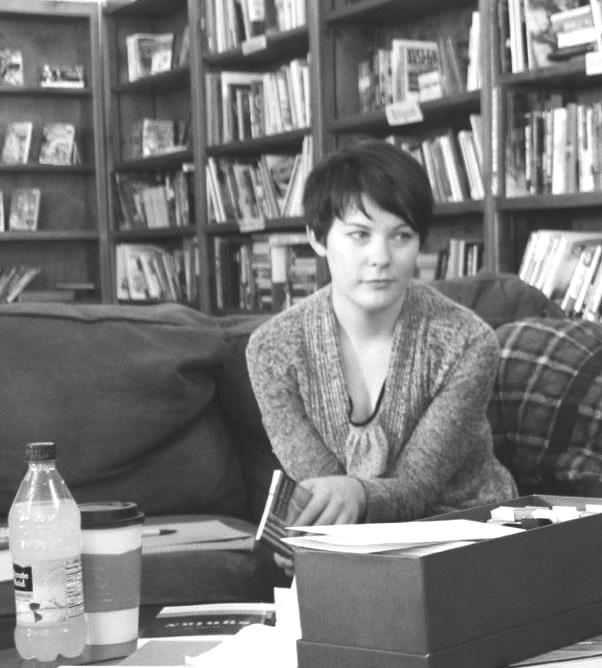
The Patriot: What years did you contribute to The Patriot and what role(s) did you play?
Kristin Gotch: I was involved with The Patriot from 2009-2012. I served as staff writer/photographer, design editor, editor-inchief and online editor.
TP: Which story that you covered at The Patriot first comes to mind? Why?
KG: I remember a few stories...but I probably most fondly remember one of my first interviews. It was with Dr. Robert Reising on a book he was writing about a professional baseball player. I sat in his office for, literally, two hours while he talked about his book. There was no way I was going to tell him I was late for class. It was not only one of the longest interviews I have ever conducted but also one of the most entertaining. His passion was astounding.
TP: What are you doing now?
KG: I’m a graduate student in the MFAin Creative Writing program at Eastern Washington University. My emphasis is in poetry. I am also an English 101 instructor for the English Composition Department at EWU, and I am currently involved with Willow Springs (the literary magazine). I live in Cheney, Washington, which is a small town just outside of Spokane. I drink coffee and grade papers at the Red Rooster Coffee Co. I really enjoy listening to live music in the city. I read a large number of books on a weekly basis. I ride the bus a lot, and I enjoy running in the forest when it’s not too cold.
TP: How did your time with The Patriot help you get to where you are today?
KG: I think that The Patriot prepared me for what I’m doing now in that it was really my first writing and publishing/editing experi-
ence. I think it gave me confidence to be able to write material that would be available to the public. I think it helped me form a consciousness for time management and meeting deadlines. I also find that being a journalist helps me to be a better poet. I can write concisely. I can maintain focus. I am also more conscious of how elements in my work are functioning to reach a “universal” audience. Working in editorial positions also provided me with much of the leadership skills that I now use to manage my classroom.
TP: Where has your work been published since your time at UC?
KG: My work has been published in the Corbin Times Tribune, the Western Recorder, PopMatters, and Still: The Journal.
TP: What do you remember most from your experience at the campus newspaper?
KG: I remember so many things... The Patriot was a wonderful community and a great learning experience for me.
TP: What’s the best piece of advice that you’ve actually followed?
KG: I think the piece of wisdom that I continually return to is Jeremiah’s advice, “Done is good.” I still use this advice as I make lesson plans and write papers for my own classes (of course I could follow it more than I do, and I still haven’t been able to apply it to poetry—partly because Walt Whitman has taught me that poetry is never finished...). Honestly, it saves me sometimes; I even lend my composition students this same advice.
Solid State Drives: is speed or size more important?
Tech Talk
BY CALEB VANDER ARK
Staff Writer
If you have recently looked at purchasing a new laptop, you may have noticed the advent of what are known as “ultrabooks.”
Billed as thin, fast and incredibly portable, this new form-factor is starting to gain traction as people demand thinner and lighter notebooks.
Popular models such as the Macbook Air, the Asus Zenbook and HP’s ENVYline are starting to take the spotlight.
Akey ingredient in the success of the ultrabook is the widespread adaption of solid state technology. Traditionally, computers of all types stored user data and other information on a hard disc drive, or HDD. An HDD stores information on a spinning platter or disc similar to a CD or DVD.
Over the years HDDs have grown exponentially in size, now reaching volumes of

thousands of gigabytes of storage space. However, HDDs have the unfortunate disadvantage of being rather volatile in nature and susceptible to damage from moisture and accidental drops. They are also a bit slow, as it relies on reading data from a spinning disc. On the plus side, HDDs are incredibly cheap, with 1,000 gigabyte models costing as little as $75.
In recent years, another method of data storage has risen up as an alternative to traditional HDDs. Solid State Drives, or SSDs, rely on solid state flash memory for storage; similar to an USB Drive or an MP3 player, but on a much larger scale.
SSDs enjoy many immense advantages over traditional HDDs. Because they have no moving parts, they are incredibly reliable and accident-proof. They are anywhere from ten
times faster to a hundred times faster than normal HDDs depending on the application.
I installed an SSD in my personal laptop and the difference in speed was immediately evident when Windows 7 loaded in less than 17 seconds. They draw less power, create less heat and weigh less, which makes them perfect for laptops. Unfortunately, SSDs are also relatively small and expensive. While you can get a 1,000 gigabyte HDD for about $75, that same amount of money would only buy about a 120 gigabyte SSD.
Ultimately, you need to look at your personal needs when considering what type of storage to get in your new laptop. If you rely on your laptop for storing thousands of pictures, videos and music files you may want to stick with the higher capacities of an HDD.
If, however, you would prefer much
greater speeds and reliability, I would suggest looking for a new laptop with a solid state drive.
If you want to meet in the middle, look for a model with “hybrid” storage. These laptops usually utilize a small 24 gigabyte SSD to store the operating system, thus increasing load times, while also employing a 500 or 750 gigabyte traditional hard drive for maximum storage.
Based on my experience, I would encourage looking for an SSD-only laptop or ultrabook. You will notice and appreciate the difference.
Mac Book Air.
Christmas is just around the corner, and that means great deals on all sorts of tech products. However, before you splurge and buy that latest and greatest piece of technology, here are some simple guidelines to help you in your search.
Laptops
First, decide what operating system you feel the most comfortable with, either Apple or Microsoft Windows. Neither is really inherently better than the other.
If you prefer an Apple operating system, your only choice is to buy a Macbook. These laptops are generally more expensive, but usually have a higher quality construction. Apple’s customer service is excellent, though their reliability is somewhat lacking.
On the Windows front, the best brands are Asus, Samsung, Toshiba and Lenovo. These brands historically have the best reliability and better than average customer service.
When looking for a laptop, choose models with an Intel processer. If you will be using your laptop primarily for word processing, listening to music and web browsing, buy a model with an Intel Core i3 or i5 processer. If you will be doing any sort of gaming or video/photo editing, go for an Intel Core i5 or i7 processer as well as a dedicated Nvidia or AMD graphics processing unit.
If you have no idea what any of those things are, just ask an employee at a store like Best Buy and they will steer you in the right direction.
Which brings me to my last point: always go and try before you buy. Go into a retail
Tech Talk
A Christmas buying guide for laptops and tablets
store and try out the different laptops to see which models feel best to you.
Keep away from HP, Dell and Acer though as these companies tend to fall below average on reliability and customer satisfaction. Look for deals on amazon.com and newegg.com. These two stores generally have some of the best prices on laptops.
Tablets
The world of tablets has been shaken up recently by Microsoft’s new operating system: Windows 8. This has opened up quite a few opportunities for consumers. Now, one can choose between an Android, Apple or Windows tablet. Each system has its own strengths and weaknesses.
Apple’s iPads are some of the most popular tablets. They are well built, reliable and fun to use. However, they are also a bit expensive compared to competitors, and the operating system itself is aging a bit.
Android tablets are cheaper, though many do not quite match the build quality of the iPad. They have a pretty robust operating system that is better oriented for a cross between play and productivity. However, beware dirt cheap Android tablets. If it’s less than $200, stay away. Tablets falling under the $200 mark have extremely poor quality, reliability and user satisfaction.
Often, they are manufactured by cheap, international companies looking to make some easy money. The only notable exception would be Amazon's 2nd generation Kindle Fire. At $159, it is the only sub-$200 tablet worth considering. Though, spending
an additional $40 will get you a Nexus 7, and that extra $40 is more than worth it.
Both Apple and Android have over 600,000 apps available. Windows tablets are new on the scene. Though they are as expensive as Apple’s tablets, they feature a fullfledged operating system in the form of Windows 8. The Windows tablets generally have some of the best build quality. They also have SD card slots, USB ports and video output ports. If productivity and flexibility are key, then Windows is the way to go. If you can, try the different models out and find which one is best for you.
The following are some basic recommendations for tablets:
Android
7 inch: Google Nexus 7. $200 for the 32GB model
Kindle Fire HD (7-inch model). $200 for the 16GB model
9 or 10 inch: Google Nexus 10. $400 for the 16GB model
Kindle Fire HD (9-inch model). $300 for the 16GB model
Apple
7 inch: The iPad mini is priced too high to be competitive
10 inch:iPad. $500 for the 16GB model. Windows
10 inch:Microsoft Surface. $500 for the 32GB model (free MS Office with purchase)
Asus Vivo Tab RT. $549 for the 32GB model (comes with a form to send in for an awesome free keyboard/extended battery combo dock.)
Smartphones
The smartphone market is primarily dominated by Apple and Android. Both varieties are excellent and it really comes down to personal preference.
Apple’s iPhone is smaller, but it features a more unified system across the rest of the Apple product line as well as integration with iTunes. It is a bit pricier than its Android counterparts though.
Android phones tend to have a larger screen and are more suitable if you want a better web browsing experience or like to watch movies on your phone. Android phones also come in all shapes and sizes to meet various tastes.
Microsoft and Blackberry are attempting to stage a comeback with their respective operating systems, but I would recommend waiting until they mature a bit more.
The following are a few basic recommendations for smartphones: (note that prices are with a new 2-year contract unless specified) Android
-Samsung Galaxy S3. 4.8 inch screen. $150 - $200 for 16GB. Verizon, ATT, Sprint -Motorola Droid RazR HD. 4.7 inch screen. $150 - $200 for 16GB. Verizon -Google Nexus 4. 4.7 inch screen. $300 for 8GB (no contract required) T-Mobile Apple
-iPhone 5. 4-inch screen. $200 for 8GB. Verizon, ATT, Sprint
Christian Rock of 2012
A top ten album countdown from 2012
BY SOLOMON WHITAKER
Staff Writer
10. Sent By Raven - Mean What You Say
With their sophomore release from Tooth & Nail Records, Sent By Ravens take a harder, darker route with their music. The theme of being honest, something Sent By Ravens has never had a problem with in their lyrics, is complemented nicely with their blend of singing and screaming (mostly singing). The album is a pounding rock showcase, put on display in songs like “Prudence” and “We’re All Liars,” that will appeal to the hard-rocker inside.
9.
Wolves at the Gate - Captors
Another sophomore release from Wolves at the Gate brings a fresh hardcore sound to Solid State Records. With a delicate balance of clean and screaming vocals, the band brings a catchy sound that is light, but still pounding. The thing that will catch the ears of listeners the most is the straightforward lyrics about Christ, which can be heard in such songs as “Safeguards” and “Man of Sorrows.”
8. ForToday - Immortal
Having just played at Warped Tour this summer, For Today is one of the most popular bands on the heavier side of Christian music. This album has a metal sound with streams of punk influence scattered throughout, which is only completed with their signa-
ture screaming vocals. Afew clean vocals are mingled in as well. Altogether, this is the best and catchiest album of theirs to date, with songs like “Fearless” and “Foundation.”
7. As I Lay Dying - Awakened
As I Lay Dying is one of the legends in modern Christian metal, and their new album proves that they can continue to build upon their last. Mixing intense screaming vocals and clean vocals on almost every song, they have crafted a very mature metal record with strong lyrics. Throughout the album are intense metal riffs and catchy choruses, as in “AGreater Foundation” and “Wasted Words.”
6. The Classic Crime - Phoenix
This new masterpiece of alternative rock shows a slightly stripped down showcase, but has hints of Foo Fighter sounds. The vocals are just as passionate as ever, supported by the rhythmic guitars, bass and drums with solos here and there. The lyrics are strong and, when mixed with the music, create a passionate, smooth rock enjoyment for the listener. Afew good examples are “You and Me Both” and “Let Me Die.”
5. Project 86 - Wait for the Siren
This album was destined to be a hit or miss after everyone but the lead vocalist left the group. It was a hit, carried by the vocals,
which still contain the signature raspiness of the vocalist. The pounding guitar, bass and drums hint towards the general World War II theme of the album. The lyrics are based off Bible stories and not as obscure as they usually are, which, when combined with the music, form a Rock masterpiece. Acouple good examples are songs “Fall, Goliath, Fall” and “SOTS”.
4. Matt and Toby - Matt and Toby Matt and Toby, from the band Emery, have come together and written a masterpiece. The vocals are as clear and strong as ever and the guitar work fits the songs perfectly. The lyrics are passionate, some are even worship songs, and it comes together to give the listener a great acoustic, light rock album with good songs like “Good Boys” and “What Plays in my Head.”
3. Showbread - Cancer
Very experimental and always changing their sound from album to album, Showbread will not disappoint their fans with this album. The science fiction opera showcases punk instrumentation as well as both clean and screaming vocals. The lyrics are challenging, controversial and convey stories, which can be heard in songs like “I’m Afraid that I’m Me” and “Anarchy!
2. House of Heroes - Cold Hard Want
In this album House of Heroes tried to tackle the question “If this is the last album we put out, what would we want to say?” The lyrics for this album definitely answer that question for the band as well as tackling other subjects, unlike in previous albums where they have told a story instead. The vocals are very passionate and the guitar work is flowing with great solos, which can be heard on songs like “Out My Way” and “Suspect.” This is truly a rock album.
1. The Overseer- We Search, We Dig
This album is an impressive screamo debut for the band The Overseer, who just signed to Solid State Records. The music on this album is original and has a lot of work put into it, something hard to find in this screamo genre. Vaguely reminiscent of Underoath, “We Search, We Dig” is a mixture of screaming and clean vocals along with pounding bass, drums and guitar riffs. The lyrics are also straightforward and Christianbased, another characteristic that is hard to find in this genre. It all comes together to form a hard-hitting screamo album that will have listeners banging their heads along with songs like “Dredge” and “Estrange.”
“Slender: the eight pages”
Brings chills, thrills and terror
BY ALEX WILLIAMS
Sataff Writer
The myth of the Slender Man has been lurking on the depths of the Internet since June 2009. Since his creation, many people have created stories, photographs, and even videos revolving around this myth. However, in June 2012, one team managed to take it one step further. Mark Hadley and Parsec Studios plunged their audience deep in the woods and even deeper into horror. Their video game creation is known as “Slender: The Eight Pages.”
For those who don’t know who the Slender Man is, here’s some backstory. Slender Man was originally a Photoshopped image. The image featured a crowd of children playing at a playground and a tall, faceless figure with tentacles in the background. The myth became part of online culture and soon many other images appeared with the same premise shortly afterward, taking the
world by storm. In June 2012, “Slender: The Eight Pages” was released for download to the PC with much critical success. Despite being just an indie game, it gained a lot of attention.
The story for the game is very simple. You wake up in the woods with a flashlight and a simple message: “Collect all eight pages.” Throughout the woods are eight pages which are pinned on various landmarks within the woods. However, there is one threat within these woods: the Slender Man. If you look at Slender Man long enough or if he touches you, it’s an automatic game over. Though it sounds simple and harmless, Slender Man makes it terrifying. He just appears out of nowhere and just stares at you from afar. The more pages you collect, the more aggressive and closer he gets. The real challenge appears when you collect most of
the pages. If you stop running in game, the Slender Man catches you and a “game over” screen appears.
The music of the game is the main source of terror with an eerie soundtrack that builds the tension. The game is silent, except for crickets and other wildlife, until you collect page one. As soon as you collect it, you hear a beating drum that sounds just like a heartbeat. With more pages come more additions to the soundtrack. When you finally see the Slender Man, you hear a sharp screech accompany the music and this adds more to the tension and terror that already exists.
The graphics are well done, especially for an indie game. However, the best part of the graphics is when you see Slender Man. The static is essentially your health bar of the game. The longer you see Slender Man, the more static appears on screen. It starts disap-
pearing when you no longer see him on the screen.
This game is well worth your time considering that it’s a free game you can download for the PC. If you’re familiar with the mythos or not, it still brings scares and entertains. However, the biggest drawback of the game comes with the replay value. It may be fun at first, but after the first initial run through it seems to get repetitive.
“Slender: The Eight Pages” is a free game for the PC (available at www.parsecproductions.net/slender/) that brings plenty of scares, thrills and entertainment. Its score and overall creepiness makes it a title that is worth both your time and effort. Though not perfect, it’s an excellent way to make you avoid woods at night.
“Resident Evil 6”

Back to the horror
BY KASEY MALONE
Design Editor
Werewolves, vampires and zombies. Oh my! To the current teenage population, and some of the adults, anything with horrorstricken-characters is class-Amaterial. TV shows and film series such as “The Walking Dead,” “The Twilight Saga,” and the “Underworld” series have become products that this generation has clung too.
One of the most recent releases to stimulate that addiction is the latest installment of the “Resident Evil” video game series. “Resident Evil 6” brings fans back to the horror-shock-value that had been missing in the previous two action-oriented games. Providing an as-believable-as-possible-for-azombie-apocalypse-game storyline,
“Resident Evil 6” reminds those fans what it’s like to be stuck in the middle of nowhere, trying to prove that you are innocent or recover your memory, while a horde of zombies surround you.
The story of “Resident Evil 6” follows two very familiar characters from the earlier “Resident Evil” games and also one new character who has a very deep connection to the previous games as well as to one of the other playable characters.
The game is played from a third-person shooter style, which defiantly allows the improved camera movement to be even more noticeable. Its only foreseeable downfall is that it has a very interactive story, which
causes the gamer to switch from playing to observing, then back very often. If you are “here for the story,” a gamer mode that can be chosen in the settings option, then this makes the game even more entertaining.
The gameplay changes have advanced the game’s qualities tremendously. Be it the ability to change weapons while the game is still going on, being able to run and slide/dive then aim from a floor position, or even move while you are aiming at the undead or bioorganic-terrorists, these advancements have made the game appear even more realistic.
The “Resident Evil” series has always been somewhat popular among gamers, especially “Resident Evil 4,” which totally
revamped the series and playing style. However, “Resident Evil 6” takes the cake as arguably the best of the series yet. It gives a redemptive quality to the beloved games, which was needed after the flawed “Resident Evil: Operation Raccoon City.” “Resident Evil 6” is something of a “must have” for serious gamers. During this holiday season, it’ll make for horrifying, undying, unforgettable holidays.

Staff Playlist
Find out some of the staff’s favorite songs
1.Imagine Dragons - “It’s Time.” This song deals with a very difficult situation, a hard break-up. It’s takes the perspective of one of the members of the relationship as they look from the outside in on the wreckage of their relationship. The song has a good musical melody and it matches the emotion that the lyrics call for.
2.Green Day – “When I Come Around.” Green Day’s first hit song, without it they might not have some of the amazing music that they have today. The song can be interpreted in many ways; one message I found was to leave those who have left you. Aside from that I like it because of its upbeat and fun tone. It’s a different spin on songs about bad relationships of any kind.
3.Laura Story – “Blessings.” This song is such a great
song because it reminds us that no matter what we’re going through, God is in control and that He works “all things together for good…” – Romans 8:28.
4.The Rocket Summer- “Circa ’46.” This song is amazing because the lyrics speak truth in to my life with lines such “Life will write the words, but you choose your own melody.” Even though my life is headed in a direction, I can choose how it gets there or the “melody.”
5.House of Heroes - “Out My Way.” This song has an awesome rock sound that is hard-hitting but also has classic rock overtones. It is the first song off the Cold Hard Want album and is saying that if this album was the last one House of Heroes wrote, then they are going to go out singing and sounding the way they want to.
6.TaylorSwift - “22.” I love to listen to this song whenever I’m really stressed with school; it’s a fun song that talks about letting go and not worrying about tomorrow. “Everything will be alright if we just keep dancing like we’re 22.” It’s a fun song to sing to at the top of your lungs!
7.Britt Nicole – “Set the World on Fire.” It’s an encouraging song stating that while we may not be “big” or “strong” enough to make our dreams come true, God possesses the power to make anything happen.
8.Tame Impala – “Elephant.” It is a fun song with a psychedelic feel. Tame Impala sounds like a modern day version of The Beatles, so anything they sing is going to be a favorite.
PhD Comics
The Patriot
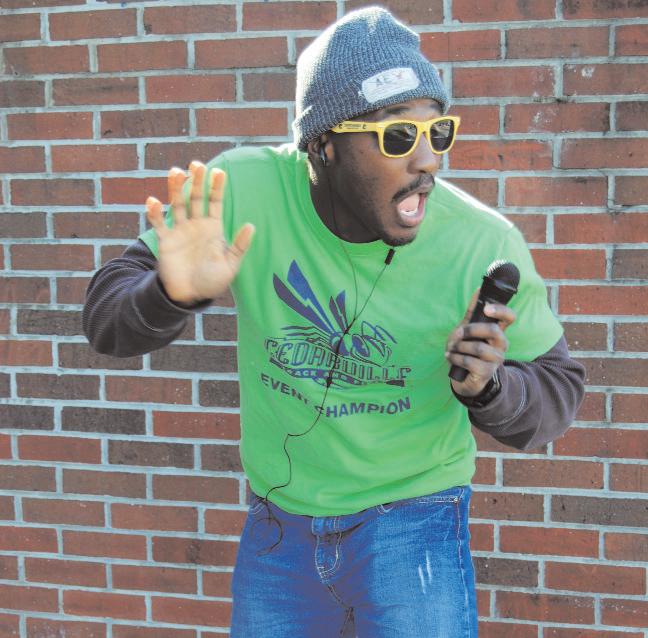
The Kingdom’s
Photo by Whitley West
Ezra Anderson