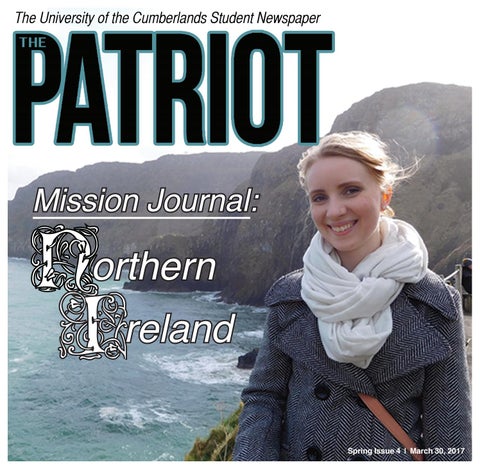
Mission Journal: Northern Ireland
Dear readers,
We are finally in the spring season! Some of you might be dreading the heat that will soon follow with summer, but others –including myselfhave been anxiously waiting the day they no longer had to wear a thick winter coat while walking to class.
Virgil A. Kraft is quoted saying, “Spring shows what God can do with a drab and dirty world.”
This simple statement rings out true as the emptiness of the trees is no longer, and their limbs return to full bloom.
I don’t know about you, but something about this change in our environment brings a positive shift in my spirits. I feel as though I can look forward to the warm, fresh air that flows through the trees and transfer this alacrity as my thoughts wander to the future that lies ahead of me.

While I am certain I do not have all the answers to life, I do know Mr. Kraft was on to something when he spoke those words. Calling the world “drab and dirty,” is by no means a false statement. It is filled with trying seasons of life that we all must endure, and sometimes the tried and true, “Life isn’t fair,” is all the explanation we have to offer ourselves. But through all the winters and dark times life has had to offer me thus far, I have found there is always a purpose and God is there to wipe away the old and bring the new into light.
I don’t have the intelligence or insight to know why or how, but I knowjust like the seasons- life is always changing and we can only treasure the times we are presently living in. Pursue your hobbies and create something you truly value, whether that is reaching a fitness goal or sewing a new pattern, because there is only a short amount of time before this phase of life will quickly change.
So, take this new issue of The Patriot, venture outside your dorm, find a nice shade tree, and soak in this ever-changing existence around you. As for me, I’m going to keep on writing and joyfully watching the seasons of life that are next.
Yours,

Ashton Rector

Editor-In-Chief
Ashton Rector
Assistant Editor Trenton Canada
Faculty Advisor
Editorial Review Board Lisa Bartram
Marianne Worthington
Jeremiah Massengale
Take a
BY HOPE AUSTIN Staff Writer
It’s that time we have all been since we got back from Christmas break: With the warmer weather, students find outside more often. While there are plenty of things to do on campus, there is one activity most find themselves doing as the weather gets warmer. Hiking.

While Williamsburg may not have a lot of things to do, there are plenty of trails to hike at a variety of distances from campus.
UC senior Mariah Hall is one student who likes to hike in her spare time. She is also participating in a 20-week hiking challenge started by her hometown newspaper.
“The purpose of the 20-week hiking challenge is to promote a healthier lifestyle by encouraging everyone to get active by walking the trails and getting a little exercise in. It also encourages people to get out, explore, and enjoy the beautiful scenery we have right in our backyards. It really opens your eyes to how amazing God's creations are and it gives people incentive to protect our environment and preserve the land,” said Hall.
Hall says she has always enjoyed hiking and the challenge introduced new trails and destinations she didn’t even know about before the challenge.
“So far, I have really enjoyed the memories I have made with my boyfriend and the people completing the challenge with us.”
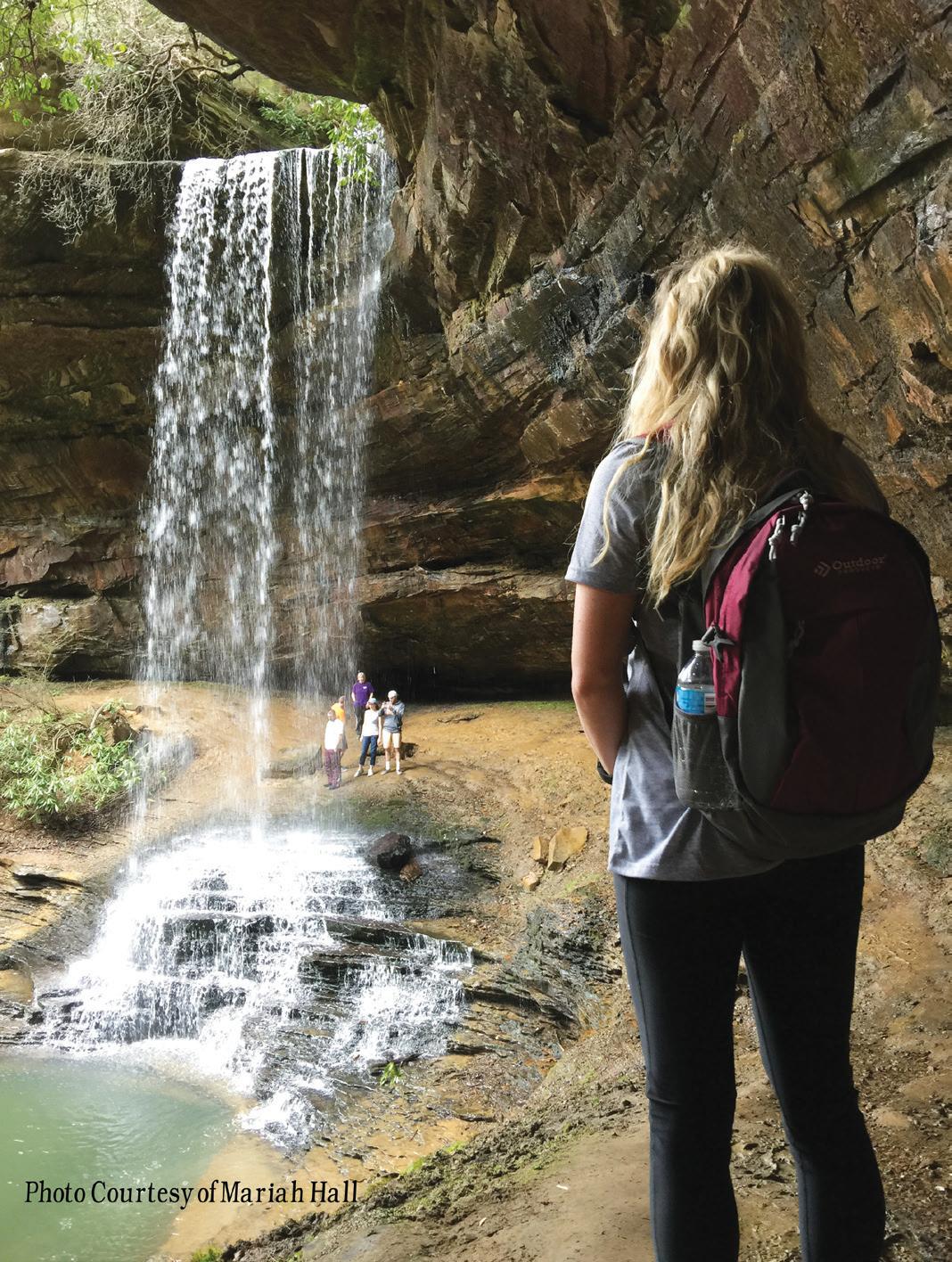
So far Hall has completed Angel Falls and Fall Branch Falls hikes and plans to do two more this weekend.
UC sophomore Dakota Byrd says his favorite trails are Bear Creek in London, Kentucky, and Cumberland Falls. Both of which are relatively close to campus.
tains national park also has a large amount of hiking trails that I have completed and really enjoy,” said Hall, She added, “I will also say that I have hiked Mount Le Conte and that is a good hike if you're looking and you are interested in a challenging trail with a breathtaking destination and have an entire day to spend on a mountain.”
UC senior Ashton Rector also shared her favorite place to hike is Yahoo Falls in Whitley City. The trail is 1.2 miles long and in Big South Fork. Rector said, “You get to walk on top of the falls and there are other side trails where you can explore outside the falls.” She says the area is very nice, family friendly, and has easy access to the trails.
While there are many places to hike in Tennessee or Kentucky, there are still some close to campus where students could easily go.
Eagle Falls is a well-known hike close to campus. The trail is 1.9 miles long and full of many staircases. However, the view at the end of the trail is beautiful.
Near to campus, Cumberland Falls contains the trail Eagle Falls, among others. In fact, Cumberland Falls has many different trails at varying lengths. Dog Slaughter Falls trail is 2.2 miles long with a waterfall at the end. Despite the name, the trail is also dog friendly.
On your next free weekend, take some time and go try one of the trails close to campus, or even get involved with the 20-week hiking challenge. Hiking can be an awesome way to get away from homework and school for a few hours.
Photos by Jay Sanksakulchai
Northern Ireland
A first-person perspective
BY LYDIA HUGGINS Guest Writer

The phrase “Let’s go, girlie wirlies,” often began the days in Northern Ireland during the University of the Cumberlands Baptist Campus Ministries spring break mission trip. The seven of us girls would pile into the mini-bus as the speaker of that phrase, Desi Fisher, drove us around the village and countryside of Nor’ Ire’n’ (as the locals say Northern Ireland) and taught us about the area.
Fisher and his wife, Pamela, are the directors of Adventure Leadership Training, a charity that empowers young people to develop as leaders in the church and community through training and adventure programs. From the very beginning, they told us, “You’re here for the kids. We’re here for you.” They did just that. Desi would take us place to place in the mornings and afternoons and Pamela would prepare dinner for us and make us feel at home so we could prepare for afterschool with the kids and reach out to the youth in the community.
Our main mission was to help ALT in their work and share the gospel with whomever we built relationships with. People back home might have wondered why we were sharing the gospel with people in a Catholic and Protestant-populated area. As the Fishers explained to us about all of the disunity in the community and need for peace and love among the people, we realized our importance there.
During the evenings and over many cups of hot tea, we hung out with teenagers and students our age. We laughed at jokes, compared cultural differences of the U.S. and Northern Ireland, and talked about life. As we began to build relationships with them, deeper conversations came up about life as we discussed what faith in Jesus really looks like. We discussed how being a Christian is more than just attending church and doing good works, and even
more than just believing in Jesus. We were able to share personal life stories about how God has worked actively in our lives and how we need to talk with God every day and read His Word every day. The students sat up, put away their phones, and listened intently to the stories that we had to share.
The youth also noticed the love that we had for each other. Even though all seven of us attend or work at UC, we didn’t all know each other very well beforehand. During the trip, the team built relationships that showed God’s love as we encouraged each other during the week. We also saw other followers of Jesus from Northern Ireland that had a strong love for God and the people around them. They welcomed us into their homes and encouraged us in our walks with God.
During our time in Northern Ireland, God gave us many moments to be still before Him and just enjoy His beautiful creation and the company of others who follow Him. As a college student, I can easily get distracted from God and get caught up in the busy day-to-day life. My daily walk with God can look very different depending on my stress levels and emotions. Thankfully, even though I am not always faithful to God, He is always faithful (2 Timothy 2:13).
A verse in Hebrews stood out to me during our time in Northern Ireland that describes the need to put faith in action. “For good news came to us just as to them, but the message they heard did not benefit them, because they were not united by faith with those who listened,” says Hebrews 4:2 (English Standard Version). People are all around us who need to hear of the Living God who desires to be active in their lives because He loves people of all nations.
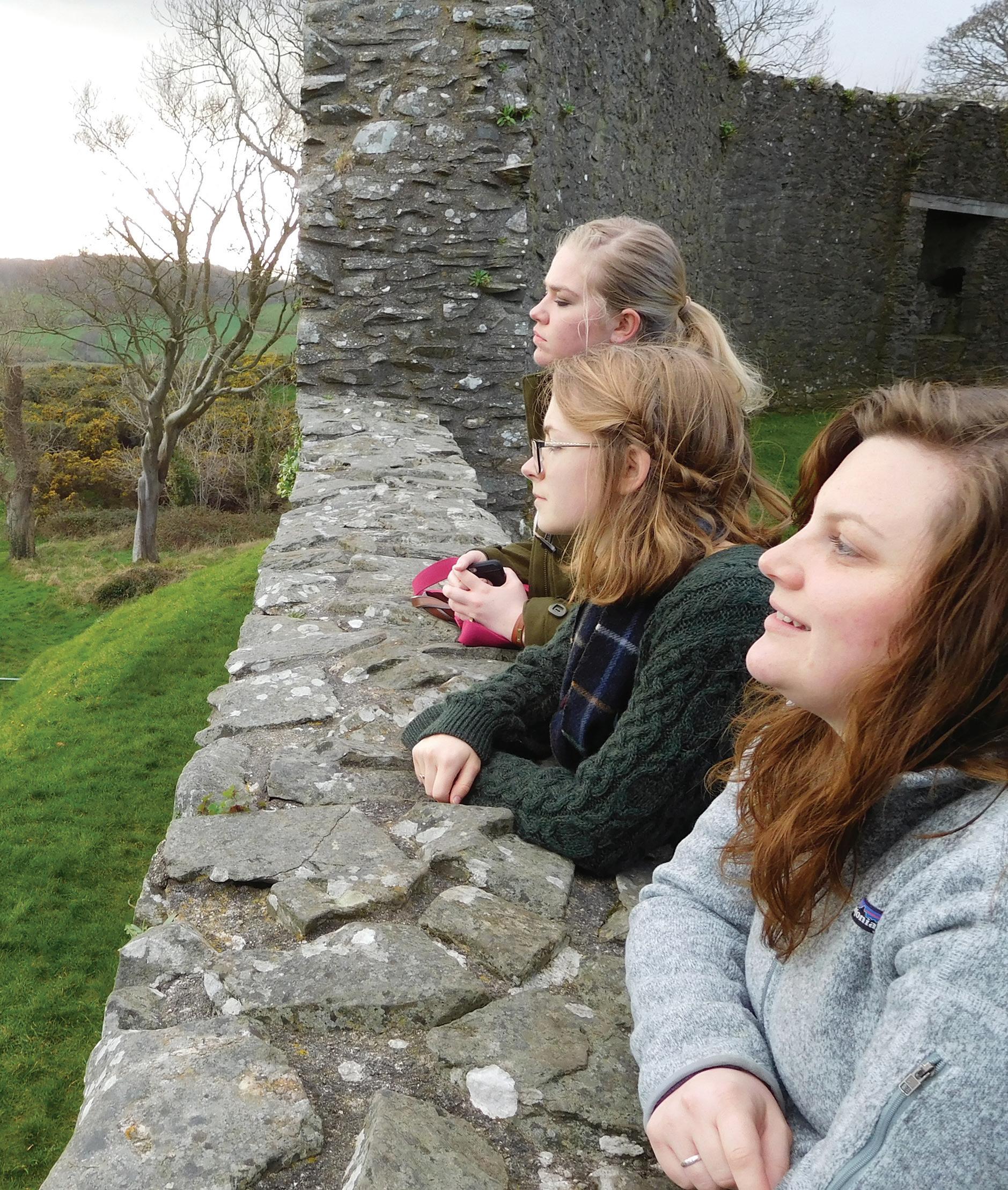
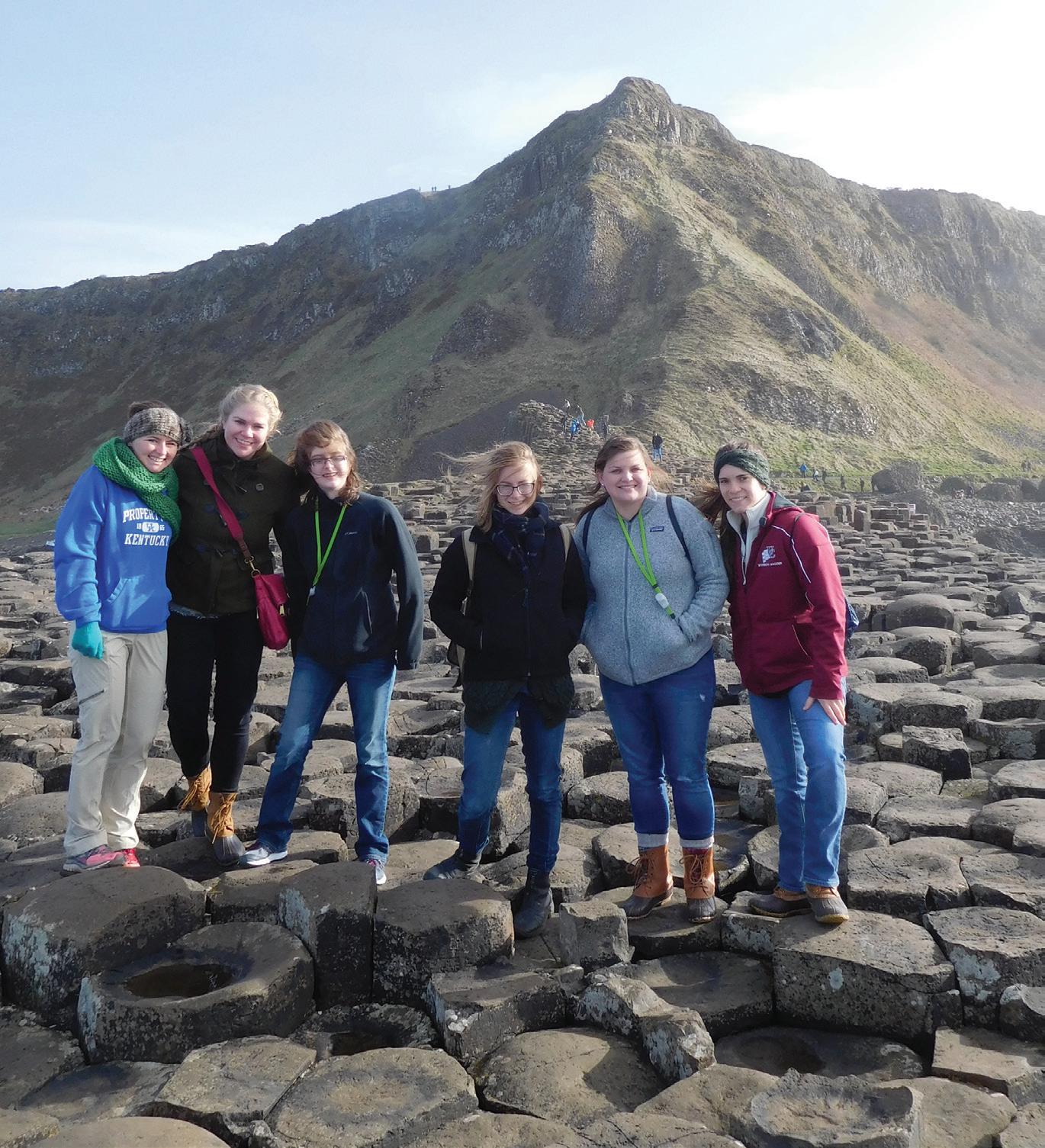



Photo Above: Jasmine Newport, team leader, director of Appalachian Ministries and associate campus minister, prays for the people of Northern Ireland along with the rest of the team at Dundrum Castle March 11. Front to back: Newport, Katie Herrington, and Caitlyn Howell.
Photo Above Right: The UC team enjoyed time with each other in God’s creation during a peaceful day at Giant’s Causeway and other sites on the north coast of Northern Ireland March 14. Left to right: Myah Fletcher, Caitlyn Howell, Arianna Broughton, Katie Herrington, Jasmine Newport, and Natalie Graham.
Photo Right: Rainbow over Northern Ireland at St. Patrick’s Memorial Church Saul, which was built on the site of the first Christian Church in Ireland 432 A.D.
Photos by Lydia Huggins
A presidential conversation A Q&A with Dr. Cockrum
BY GABE FUSON Guest Writer
Dr. Larry Cockrum has been president of University of the Cumberlands since October 15, 2015. He has a wife of 43 years, Dixie, and four children: Jason, Nicholas, Lindsey and Cassie. Cockrum assumed many jobs in the education and coaching business before coming to UC, perhaps most notably an assistant coaching job at Texas A&M. Before becoming president, Cockrum worked as Vice President of Academic Affairs. During his time in this position, enrollment grew from 1,728 students to around 6,100 students. This growth has come from implementing a widely successful online program to the university. Since Cockrum has become president of University of the Cumberlands, the university has continued to grow in a time where small colleges are struggling to keep their heads above water. In this interview, President Cockrum talks about his road to becoming president, his vision for the university, and the reason for Cumberlands’ success, while also giving advice for young leaders.
Gabe Fuson: What does a day in the life of president of University of the Cumberlands look like?
Dr. Larry Cockrum: Well, you never know. You can never predict what’s going to happen. You may have a crisis one moment and a joyous moment the next moment. You really never know when you’re dealing with over 6,000 students; it’s hard to plan a day.
GF: How have past experiences helped prepare you for this job?
LC: Well, I think the way I came up was, I actually started in teaching and coaching. I was a teacher/coach for a number of years in a high school. I started at various small schools, and then went in to larger schools. I got out of
coaching at one time and was a district sales person for an insurance company because I didn’t think coaching was paying enough money. I found out money wasn’t what made me tick. I preferred teaching and trying to help students and help people. I got back into coaching, went into junior college coaching, and ended up at Texas A&M. At A&M I had four young children. I basically wasn’t seeing my own kids grow up and so I decided to leave coaching and became a senior level principal at College Station, Texas.
After that, my alma mater called me back in as the dean of students at the school I graduated from. I did such. I stayed there for 15 years and they moved me to dean of administrations, and--bottom line--I ended up here. Now, how does all of that answer your question? Well, you’re basically in the people business and the helping business and I think if you’ve done that most of your life, then that is probably the best thing that can help prepare you for a job like this.
GF: What do you believe is the most important characteristic to being a successful leader?
LC: I don’t know if there is any one trait or characteristic that can determine whether one can be a good leader or not. I think it varies. I used to say you can look down a hallway and see a person who’s got this persona about them and you think they are going to be a great leader and they can’t lead anybody to a cup of water. Then you find someone mild and meek and you think they’re sitting in that corner and they can’t lead anything, and they can be a great leader. I don’t think there’s any one trait that can determine what a good leader is. I think each person has to have their own style of leadership. I will say, I think follow through and focus and fairness are important.
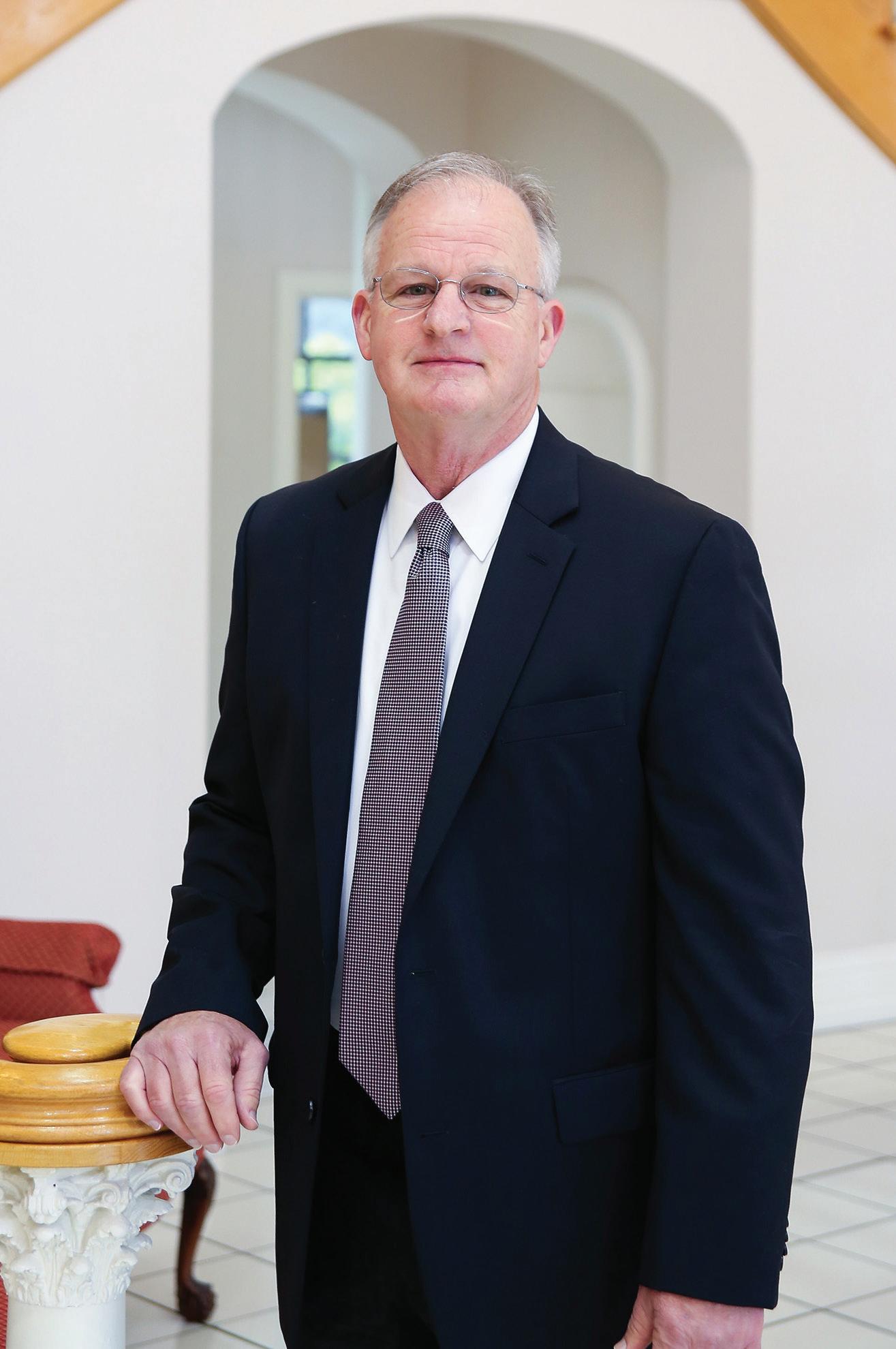
Photo courtesy of UC Communications and Marketing
GF: What would your advice be for young leaders who hope to one day have a similar position to yours?
LC: Take as many positions as they can working with people. Take whatever positions they can in a school or a system, learn to the best of their ability, and let it fall where it falls.
GF: With a lot of colleges going bankrupt, how has UC managed to stay so financially healthy?
LC: Because of the growth of our online program and trying to develop different revenue streams. The heartbeat of our campus is always going to be the main campus of about 1,400 students. The reality of it is we can’t charge the students the amount of what it costs to go to school here. So, every student that comes through here, I know they think it is all coming out of their pockets, but we subsidize every student that comes through here. Many schools that have gone under can’t change their paradigm. They think things are like what they were 50 years ago and it just doesn’t work that way anymore. So what we began to look for was avenues to get into master’s degrees and deliver them online and use those more for revenue streams. So we’ve been lucky enough to get into some programs that have done us quite well and we’ve grown. We’re continuing to grow. So, I think for a lot of schools they cannot make the paradigm shift. They think it’s how it was 30-50 years ago, when in reality, there’s going to be a lot of different ways to deliver education. I tell instructors right now, kids don’t have to know when the Magna Carta was, they can look up when it was in three seconds. So kids and students learn differently now, and I think if you don’t change with the times, you’re going to get left behind.
“ Kids and students learn differently now, and I think if you don’t change with the times, you’re going to get left behind. ” - Dr. Cockrum
LC: Well, I think what my vision for the school is to have a school that is affordable, delivers quality education, that gives good service to its students, and does it from a Christian perspective. That’s what the long-term goal is. Where I see that going is I believe we need to be market nimble. We need to help prepare kids. I used to say when I grew up, you could take a college education and go out and find a job and make a pretty good living. When my father grew up a high school education could do about the same. With the manufacturing jobs and everything that is out there now, it is tough. An undergraduate degree is about what a high school degree used to be a couple or three generations ago. I’ve told my kids, it doesn’t mean you’re any smarter, it doesn’t mean you’re anything else, but you need some sort of advanced degree or advanced certification to put you at a level where you can get through some doors. So we’ve moved in to some of those advanced degrees and that’s sort of where I see us continue to move. I think there are two fields that are really going to grow. I think IT fields are going to grow. I talked to the secretary of Homeland Security. She stated in 2030 there is going to be a need for five million jobs in IT and there is only a pipeline of 2.3 million. I think there is going to be a huge demand in what I call middle management healthcare. I think those are fields that we can move in to, to keep ourselves going.
Shaq facts
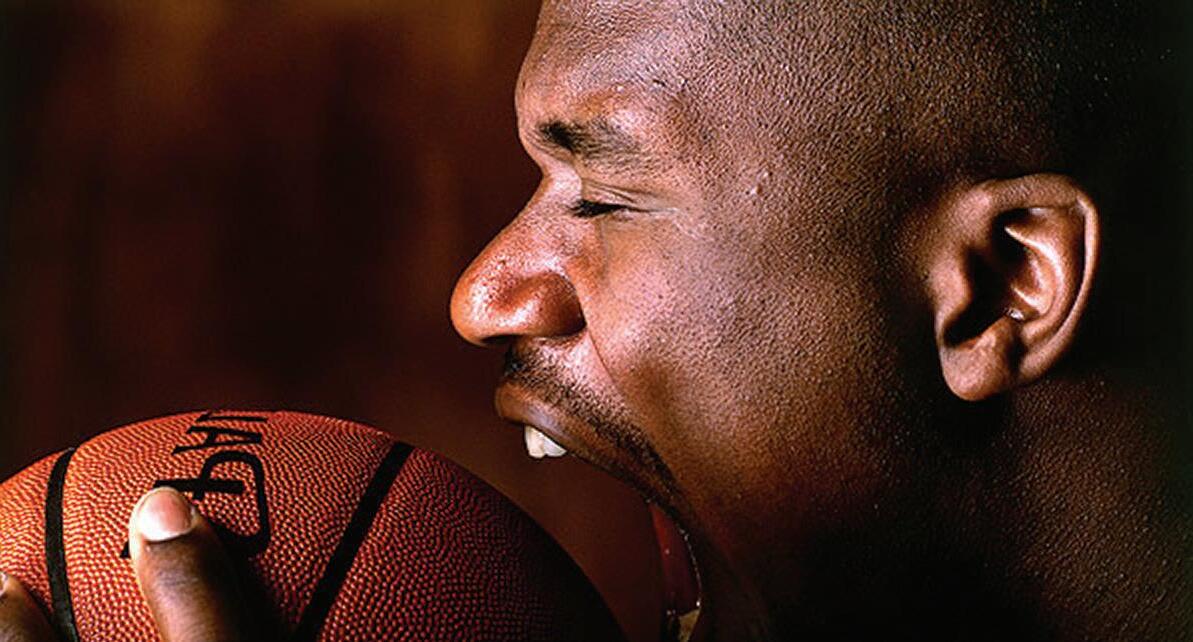
Shaq will be at UC on April 5. Check out this list of info you may not have known about the NBA legend.
1. He has a doctorate of education from Barry University in Miami Shores. He earned this in 2012. (www.time. com)
2. He owns 10 percent of the restaurant chain Five Guys. (www.moneytips.com)
3. He was an investor in Google shares before its initial public offering on the stock market. (www.moneyinc. com)
4. He participated in Wrestlemania 32. (www.wwe.com)
5. He was inducted into the Naismith Memorial Basketball Hall of Fame on September 9, 2016. (www.latimes.com, www.nba.com)
6. He helped the United States men’s national basketball team win gold medals in the 1996 Olympics in Atlanta, Georgia. (www.biography.com)
GF: What is your vision for University of the Cumberlands, and where do you hope to see the university in the next 10 years?
I don’t see us slowing down in growth yet. I would venture to say that we will get up over 10,000 students within three, four, or five years; maybe sooner. But that’s kind of where I see it. I think a college has to be more nimble, more market driven. We have to try to help more students get jobs. When I got out of school, you could not know what you wanted to do and there were enough jobs that you could find one until you decided what you wanted to do. When you get out, there aren’t as many jobs and you better have a better focus for what kind of job you want to do. That’s kind of the difference that I see.
7. He has released a total of seven albums and one EP. His first album for Jive Records was released on October 26, 1993, and was titled “Shaq Diesel.” (www.discogs.com)
8. He owns a real estate firm known as The O'Neal Group. (www.businesswire.com)
9. He is an honorary sheriff’s deputy in Clayton County, Georgia. (www.cbs46.com)
10. He met Dr. Cockrum when Dr. Cockcrum was an assistant basketball coach at Texas A&M.
Photo Courtesy of Flickr’s Gooner Gun
Spotlight
Students’ choice week


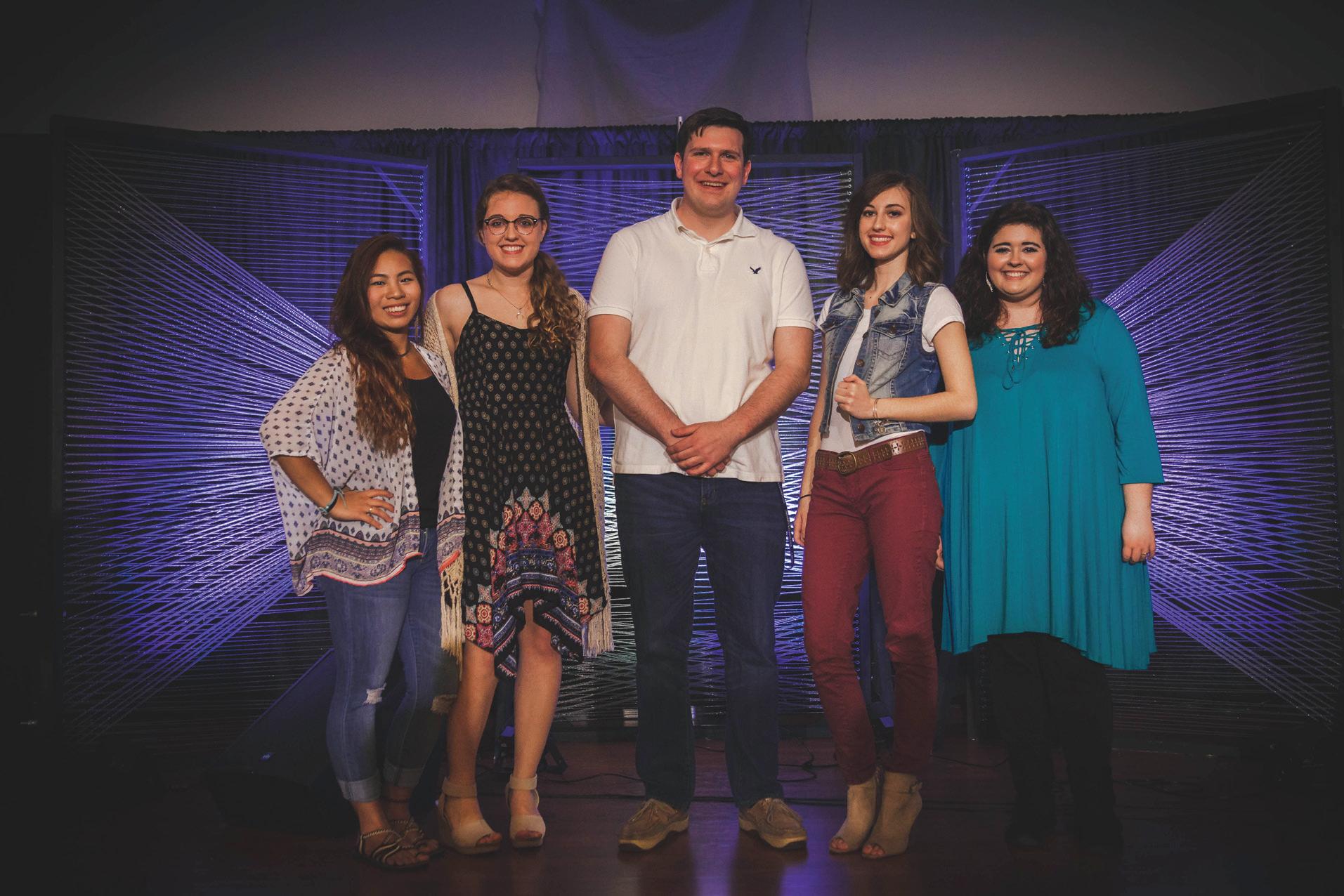

Above: Mana Tanajantaporn performs, “Me, Myself & I” (Easy & Babe Remix).
Left: Anne Russell belts “I See Fire “ (Ed Sheeran).
Above: Lucas Lay performs “7 Years” (Lukas Graham).
Left: The final five flash a smile for the audience.
Photos by Jay Sanksakulchai

UC engaged
Students talk of finding love on campus
BY TAYLOR DUKE Staff Writer
Getting married is not typically the first idea to pop up when thinking about going to college. Still, according to a Facebook survey conducted by Sofus Macskássy, an analyst for the social networking site, 28 percent of married college graduates attended university together. And, in an article about college students finding spouses, Cara Newlong of USA Today College wrote, “Religious colleges make up a significant proportion of the top 25 ‘marrying’ colleges for both men and women.” Fitting into this category, UC has seen its fair share of wedding proposals.
Sophomores Hunter Bell and Cecily Begano shared their moment with the university when he proposed to her in front of a crowd at a men’s basketball game. Bell asked the question during halftime of the game and had his wrestling teammates there for support and to take photos. Many videos and photos of their proposal were posted on various social media sites. Bell and Begano met for the first time on campus during their freshman year.
balloons and he was standing at the end of the line!”
UC students Gini Jacobs and Caleb McClurg just got engaged about a month ago. Jacobs and McClurg said that their Christian faith played a big role in their relationship.
McClurg states, “God definitely had a funny way of making the time right. On the night I proposed, I took her to a steakhouse where we had went on our first date.”
Lindsi Weis Koogler met her husband Joey Koogler two years ago, and they’ve already been from proposal to marriage.

“We got engaged May 17, 2016, right after school had let out for the summer. It was freezing cold and raining in the middle of May on the day that Joey proposed,” said Koogler.
Trying to balance school and planning a wedding wasn’t as difficult as initially thought according to Koogler, who got married on October 8, 2016.
While trying to plan his proposal Bell said, “I literally just woke up and knew that today was the day.”
Popping the big question can be intimidating, but it sometimes makes for a great story. Men’s lacrosse player Cole Mendez proposed to another UC student, Sarah Steely, at the end of last year. The two of them met while taking a class in biodiversity last semester.
Steely said, “Cole surprised me with the proposal at Chicago O’Hare International Airport. I was flying up to see him after he returned from doing mission work in Uganda. When I got off the plane his family was lined up with
She said, “Truthfully, it wasn't a huge struggle because we were largely engaged through the summer. However, once the wedding got close, it became more difficult.”
In an article about marriage as an undergraduate, CNN’s Stephanie Steinberg discussed that marriage can be another form of support for undergrads. It can be stressful but married couples will have their spouses to help out. Steinberg said, “You're not set in your ways, you can build traditions, you can build hobbies - things you do together as a couple that will really shape your entire adult life."
Photo courtey of Sarah Steely
Ring illustration by Eric Ford Edwards
Tales as old as time
The power of nostalgia
BY ZANE ROSS Staff Writer
“Beauty and the Beast,” the “Power Rangers” and “Samurai Jack.”
Have we been transported back to our childhood? Chances are one of those titles brings back memories of better times. It is like the ‘90s called and said, “Hey, do you remember how awesome I was? Well, here is a reminder.” That would be the power of nostalgia. Nostalgia in this case being described as a sentimental longing for the past.
2017 just seems to be the year that entertainment companies feel is the appropriate time to remake or continue (in the case of “Samurai Jack”) some popular classics of the ‘90s and early 2000s. Playing on our emotions of what was they think they can accumulate a large viewership. Honestly? They would be right.
Cameron George, UC student and long-time fan of “Samurai Jack” said, “It [‘Samurai Jack’] makes me feel like a young kid again. The art is so iconic and the new season [Season 5] actually has the same art team who

did the original show and ‘Power Puff Girls,’ as well as others. Both of those are shows that I enjoyed a lot as a kid.
Every time I hear ‘Back to the past, Samurai Jack,’ I think about chowing down on Reese’s peanut butter balls and watching the first few episodes.”
Shows like “Samurai Jack” and “Power Rangers,” along with movies like “Beauty and the Beast” are as huge to us (college students) now as they were when we were kids. Recently, so many people came out or tuned in to watch those titles, either to relive their childhood or to make sure that these remakes had been done justice. When watching a remake viewers want to make sure that the source material is well represented.

Brett Birnberg, a UC student and “Power Rangers” fan, adds to this after seeing the new “Power Rangers” movie in theaters, saying, “’Power Rangers’ revitalizes the series for newer audiences. At the same time though it provides fan service to those who remember watching the original series.” That is right, we aren’t kids anymore. Yet all of these remakes, although incredibly nostalgic, are not necessarily directed toward us. Yes, the entertainment industries keep to the source material very closely, but not for us. The original stories are timeless. That has to be said. Just as we remember those titles fondly, a new generation will as well and through them our childhoods will continue to live on.

Above: Photo Courtesy of Flickr’s Fred Seibert Right: Photo Courtesy of Lionsgate Entertainment
BY TRENTON CANADA Assistant Editor
Finding the faith to forgive
In the antiquity of Christianity, forgiveness has been held as a core component of faith and existence. It’s difficult to argue, given that the very means by which we come to Christ is through asking for forgiveness. Anyone who has been saved by the grace of God has come through that same door of mercy and compassion. We’re familiar with the concept, and we’ve felt it in our hearts. So then, why is it so difficult for us to offer?
Forgiveness is not only an element of Christianity, but it’s a core component of everyday life. We forgive for many reasons: to show love, to show compassion, to show strength. We forgive in the hopes that we, too, can be forgiven. We forgive to find peace and to heal. Yet, perhaps the most difficult person to forgive--the one who needs to feel this healing--is our self.
“I think that forgiving other people is easier than forgiving ourselves because we are our own worst critics,” offers Sara Donahue, a UC graduate student. “I think when it comes to ourselves, we keep reminding ourselves of our mistakes. We tend to hold a grudge against ourselves in a way.”
from us.” In addition, Isaiah 43:25 (KJV) states, “I, even I, am he that blotteth out thy transgressions for mine own sake, and will not remember thy sins.”
Donahue states, “I interpret that as God saying that regardless of what I have done, am doing, and will do, He loves me enough to forgive me of it all as long as I love Him enough to humble myself before Him and follow Him.”
If God Himself isn’t going to bring up our
seem to be as simple as it’s stated here. There are still those times when just speaking to the “mountain” doesn’t seem to be enough. That’s because this analogy isn’t a complete representation of our past. In many ways, we see the “mountain” as something that is only on the surface. In truth, sometimes our past and our transgressions can stretch deep beneath the surface.

Still, it’s common knowledge that everyone makes mistakes. Life is full of blunders, though when someone acts against us, we tend to offer them more compassion and understanding.
It’s not difficult to argue that it’s tough to offer mercy to another, but with time, we can come to do so. Yet, as Donahue says, we often hold ourselves more accountable than those around us.
UC student Josh Myers seems to agree in stating, “In order for us to fully forgive ourselves, we must realize that we made a mistake, that we messed up, and we fell short.”
We often see ourselves in a harsher light, believing that we are more responsible for our mistakes than others are for theirs.
While all of this may be true, and while we may have the insight to avoid transgressions, transgressions still occur. As Christians, we have to understand that we’re not perfect, yet we operate within a perfect system that is established by a being of ultimate compassion and mercy. Why do we often hold ourselves to a higher standard than God? Psalm 103:12 (KJV) offers, “as far as the east is from the west, so far hath he removed our transgressions
past, why do we? Why do we dwell on what we’ve done and what cannot be changed?
Dwelling on the past and on our own inability to offer ourselves forgiveness can lead to resentment against self and our own bitterness. When turning to Scripture, however, there is hope of a new beginning, and that hope and understanding comes through faith.
Myers gives some insight into what faith means to him by saying, “I choose faith because faith gives me the power to believe in something bigger than myself. Faith for me is simple: kindness, compassion, and unconditional love.”
Faith is mentioned in the Scriptures so many different places, yet perhaps the most quoted offering is found in Matthew 17:20 (KJV). “And Jesus said unto them, Because of your unbelief: for verily I say unto you, If ye have faith as a grain of mustard seed, ye shall say unto this mountain, Remove hence to yonder place; and it shall remove; and nothing shall be impossible unto you.”
Impossibility seems to be repeated in the mind when the task of forgiving ourselves is at hand. It doesn’t
Yet, there is comfort found in Luke 17:6 (KJV). It states, “And the Lord said, If ye had faith as a grain of mustard seed, ye might say unto this Sycamine tree, Be thou plucked up by the root, and be thou planted in the sea; and it should obey you.”
Here, faith is at the core of understanding yet again, but Jesus has substituted the mountain for a tree.
According to John Qunitanilla of The Kingdom Movement, the Sycamine was a very unique tree that required very little rain to survive, thus it flourished in the desserts of the Middle East. This was because of its intricate root system, which stretched deep below the surface of the earth.
Sometimes, the hurt and inability we have to forgive ourselves is something that was planted, that is deeply rooted in our past, and we’ve allowed it to grow.
Though we cut it down, though we think that we have been given a solution, we turn to find that it has only grown back. We haven’t dug up the roots of what we are feeling, of what ties us to our mistakes.
Could this be why we cannot forgive ourselves? Is it because we haven’t uprooted those feelings and memories of what we have done and who we were?
Myers continues, “Forgive others and yourself. At the end of your life, you’ll look back and remember the moments that provided pure happiness and laughter.”
Perhaps that pure happiness is yielded from having enough faith in God and in ourselves to forgive. That type of faith comes from understanding God is reaching to us. All we have to do is reach out and take His hand. In a touch and in a moment, He can offer us the strength to forgive our past and look to our future.