



www.myiem.org.my www.myiem.org.my
www.myiem.org.my www.myiem.org.my
3,200/page

Circulation & Readership Profile
The publisher reserves the right to edit, revise or reject any advertisement deemed unsuitable or inappropriate. •
This one-time-only special rate o er is for new advertisers.
Space availability is subject to booking on a first-come-first-served basis.
Clients will provide ready-to-print artwork in PDF format with 300dpi.
Full page: 210mm x 297mm, 3mm extra bleed sizes for 4-sided.
Advertising space must be utilised before 30 June 2026.
*Please note that the above rate will be subjected to 8% SST. For overseas advertisers, an additional 25% will be charged.
Rate shown above excludes 15% advertising agency commission.
Payment term: Full advance payment.
Artwork submission deadline is on (or before) the 1st week of the prior month of publication.
After the material deadline, no cancellation or alteration to the advertisement will be entertained.
Any cancellation after signing the advertising order will result in a 50% penalty charge.
JURUTERA has an estimated readership of 200,000 professionals. Our esteemed readership consists of certified engineers, decision making corporate leaders, CEOs, government officials, project directors, entrepreneurs, project consultants, engineering consulting firms and companies involved with engineering products and services.
Publica�on month/s:
Company’s Stamp & Authorised Signature
Date


















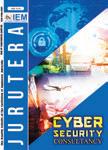

As we close another year, it is fitting that we turn our gaze towards the future. Cities have always been the beating heart of human civilisation — centres of commerce, culture, and community. Yet today, they stand at the cusp of profound transformation. The idea of Next Gen Cities is not simply about taller skyscrapers or smarter gadgets but it is also about reimagining urban life to be more sustainable, resilient, and inclusive.
Collectively, we must weave together technology, policy, and human values to create urban environments that are not only efficient but also equitable. The role of engineers is pivotal: To design systems that balance innovation with responsibility, and to progress with preservation.
It is a call to action for our profession, because the cities we build today will shape the lives of generations tomorrow. As we step into 2026, let us carry forward the spirit of innovation and stewardship. May this edition inspire you to envision, design, and build cities of the future — cities that are not only smart, but also humane.



Conventional

































Annual Reports • Booklets • Brochures • Buntings • Business Cards
CD / DVD Replications • Calendars • Cards & Invitations • Certificates
Custom Printings • Envelopes • Folders • NCR Bill Books • Notepads
Leaflets • Letterheads • Paper Bags • Posters • Stickers • Others



President: Ir. Prof. Dr. Jeffrey Chiang Choong Luin
Deputy President: Ir. Yau Chau Fong
Vice Presidents:
Ir. Prof. Dr. David Chuah Joon Huang, Dato’ Ir. Wan Nazari Wan Jusoh,
Ir. Dr. Bernard Lim Kee Weng, Ir. Prof. Dr. Tan Chee Fai, Ir. Prof. Dr. Lau Hieng Ho, Ir. Yeong Chin Chow, Simon, Ir. Abdul Razak Yakob
Honorary Secretary: Ir. Chen Harn Shean
Honorary Treasurer: Ir. Prof. Dr. Wong Yew Hoong
Immediate Past President: Ir. Prof. Dr. Norlida Buniyamin
Past Presidents:
Datuk Ir. Prof. Ow Chee Sheng, Academician Tan Sri Dato’ Ir. Prof. Em. Dr. Chuah
Hean Teik, Dato’ Ir. Dr. Lim Chow Hock, Ir. Dr. Tan Yean Chin, Ir. Ong Ching Loon
Civil Representative: Ir. Tu Yong Eng
Mechanical Representative: Ir. Ng Yong Kong
Electrical Representative: Ir. Mohd. Aman Hj. Idris
Structural Representative: Ir. Dr. Tan Kuang Leong
Chemical Representative: Ir. Kim Kek Seong
Other Disciplines Representative: Ir. Dr. Dhakshyani Ratnadurai
Multimedia Representative: Ir. Assoc. Prof. Dr. Lai Khin Wee
Women Engineers Representative: Ir. Dr. Syuhaida Ismail
Young Engineers Section Representatives: Mr. Lim Yiren, Mr. Darshan a/l Balasubramaniam, Ms. Ong Ye Shian, Mr. Chuah Pei Lim, Mr. Teoh Chi Yang
Council Members:
Ir. Sharifah Azlina Raja Kamal Pasmah, Ir. Ts. Dr. Wan Syakirah Wan Abdullah, Ir. Dr. Mui Kai Yin, Ir. Shamil Abu Hassan, Ir. Ts. Wan Rizaluddin Abdullah Wan Ali, Ir. Dr. Aidil Chee Tahir, Ir. Dr. Angelia Liew San Chuin, Ir. Prof. Dr. Zuhaina Zakaria, Ir. Begum Irdawati Dowlad Rahuman, Ir. Chong Chee Yen, Ir. Khoo Chee Min, Ir. Ahmad Rafidi Mohayiddin (casual vacancy for Ir. Abdul Razak Yakob), Ir. Dr. Chan Swee Huat, Ir. Alex Looi Tink Huey, Ir. Sukhairul Nizam Abdul Razak, Dato’ Ir. Ting Chek Choon, Ir. Dr. Norashikin M Thamrin, Ir. Lee Cheng Pay, Datuk Ir. Chin Tet Fu @Willy, Ir. Ts. Gs. Br. Dr. Zarabizan Zakaria, Ir. Choo Lay Guat, Ir. Dr. Siow Chun Lim, Ir. Assoc. Prof. Dr. Leong Kah Hon, Ir. Ts. Dr. Sara Lee Kit Yee, Ir. Chan Wah Cheong, Ir. Dr. Marianah Masrie
Council Members by Invitation:
Datuk Ir. Ho Hon Sang, Dato’ Ir. Ahmad Sabirin Arshad, Ir. Dr. Sanjayan K.V. Velautham
Branch Chairman
1. Penang : Ir. Dr. Lee Choo Yong
2. Southern : Ir. David Puen Ming Shen
3. Perak : Ir. Dr. Tiah Oon Han
4. Pahang : Ir. Harzah Mazni Ramli
5. Kedah-Perlis : Ir. Jamaluddin Abdullah
6. Negeri Sembilan : Ir. Richard Khoo Nee Keong
7. Kelantan : Ir. Hj. Nik Burhanuddin Nik Yusoff
8. Terengganu : Ir. Zakaria Abdullah
9. Melaka : Ir. Lim Su Hian
10. Sarawak : Ir. Dr. Angelia Liew San Chuin
11. Miri : Ir. Meheron Selowara Joo
12. Sabah : Datuk Ir. Ts. Mohd Yaakob Hj. Jaafar
Chairman, InfoPub & Chief Editor: Ir. Prof. Dr. Lau Hieng Ho
Vice Chairman & Principal Bulletin Editor: Ir. Ts. Wan Rizaluddin Abdullah Wan Ali
Secretary: Ir. Ts. Assoc. Prof. Dr. Hum Yan Chai
Chairman, Sub Committee on Resource Centre: Ir. Tay Siang Hui
Journal Editor-in-Chief: Ir. Ts. Prof. Dr. Teo Fang Yenn
Chairman, Sub Committee on Web Portal: Ir. Dr. Hasril Hasini
Project Leader for Jurutera-i: Ir. Alex Looi Tink Huey
Committee
Members:
Ir. Ts. Dr. Tan Kim Seah, Ir. Lau Tai Onn, Ir. Yee Thien Seng, Ms. Michelle Lau Chui Chui, Ir. Begum Irdawati Dowlad Rahuman, Ir. Dr. Nor Ilia Anisa Aris, Ir. Ts. Wong Chee Fui, Ir. Dr. Marianah Masrie, Ir. Dr. Lau Chee Yong, Ir. Dr. Bhuvendhraa Rudrusamy, Ir. Razmahwata Razalli, Ir. Lee Chang Quan, Ir. Assoc. Prof. Dr. Moey Lip Kean, Ir. Tan Kok Jyh, Ms. Chai Jing Xuan, Mr. Chin Zehong, Ir. Ts. Dr. Lau Chee Yong
Chief Editor: Ir. Prof. Dr. Lau Hieng Ho
Principal Bulletin Editor: Ir. Wan Rizaluddin Abdullah Wan Ali
Committee Members:
Ir. Alex Looi Tink Huey, Ir. Dr. Tan Kim Seah, Ir. Razmahwata Mohd Razalli, Ir. Prof. Dr. Teo Fang Yenn, Ir. Lau Tai Onn, Ir. Yee Thien Seng, Ms. Michelle Lau Chui Chui, Ir. Ahmad Rafidi Mohayiddin, Ir. Lee Chang Quan, Dr. Sudharshan N. Raman, Ir. Begum Irdawati Dowlad Rahuman, Ir. Ts. Dr. Lau Chee Yong

Ir. Mike Lau Yee Leong Chairman, UEDSIG
As Malaysia moves towards becoming a nation of next-generation cities, urban engineering stands at a crucial intersection where innovation meets resilience. This edition of the JURUTERA Bulletin, themed NextGen Cities, brings together thought leadership and forward-looking perspectives that illuminate Malaysia’s urban future.
Our cover story highlights an exclusive interview with the President of REHDA on From Blueprint to Built Environment, underscoring the critical collaboration between engineers and developers in creating sustainable and liveable cities. We also spotlight Tun Razak Exchange (TRX), a hallmark of Malaysia’s smart city ambitions, and revisit the engineering principles shaping this transformation.
This issue further features UEDSIG’s URBENS 2025 Symposium Event Report and a technical visit to the Megajana District Cooling Plant. As we push the boundaries of urban innovation, we hope this edition will inspire renewed purpose in all those shaping Malaysia’s evolving cityscape.
THE INSTITUTION OF ENGINEERS, MALAYSIA
Bangunan Ingenieur, Lots 60 & 62, Jalan 52/4, P.O. Box 223, (Jalan Sultan), 46720 Petaling Jaya, Selangor Darul Ehsan. Tel: 603-7890 0130 Fax: 603-7957 7678
E-mail: sec@iem.org.my Homepage: http://www.myiem.org.my
DIMENSION PUBLISHING SDN. BHD. [ 199701034233 (449732-T) ]
Level 18-01, PJX-HM Shah Tower, No. 16A, Persiaran Barat, 46050 Petaling Jaya, Selangor Darul Ehsan, Malaysia.
Tel: +(603) 7493 1049 E-mail: info@dimensionpublishing.com Fax: +(603) 7493 1047 Website: www.dimensionpublishing.com
Chairman Robert Mebruer
CEO/Publisher Shirley Tham shirley@dimensionpublishing.com
Head of Marketing & Business Development
Joseph How joseph@dimensionpublishing.com
Production Editor Tan Bee Hong bee@dimensionpublishing.com
Contributing Writers Putri Zanina putri@dimensionpublishing.com
Hanna Sheikh Mokhtar hanna@dimensionpublishing.com
Senior Graphic Designer
Sofia Hanis Mohd Uzir sofia@dimensionpublishing.com
Graphic Designer Nicole Theng nicole@dimensionpublishing.com
Advertising Consultants
Tham Choon Kit ckit@dimensionpublishing.com
Accounts Cum Admin Executive Yong Yen Yin yenyin@dimensionpublishing.com
For advertisement placements and subscriptions, please contact:
DIMENSION PUBLISHING SDN. BHD. [ 199701034233 (449732-T) ]
Tel: +(603) 7493 1049 Fax: +(603) 7493 1047
E-mail: info@dimensionpublishing.com Website: www.dimensionpublishing.com
Subscription Department E-mail: info@dimensionpublishing.com
JURUTERA MONTHLY CIRCULATION: OVER 50,000 MEMBERS
Submission or placement of articles in JURUTERA could be made to the:
Chief Editor THE INSTITUTION OF ENGINEERS, MALAYSIA (IEM)
Bangunan Ingenieur, Lots 60 & 62, Jalan 52/4, P.O. Box 223 (Jalan Sultan), 46720 Petaling Jaya, Selangor.
Tel: +(603) 7890 0130
Fax: +(603) 7957 7678
E-mail: pub@iem.org.my Website: http://www.myiem.org.my PUBLICATION
COPYRIGHT
JURUTERA
JURUTERA is published and printed monthly by Dimension Publishing Sdn. Bhd.
Vehicle ownership in Malaysia exceeds 38 million, compared to its population of 34.1 million
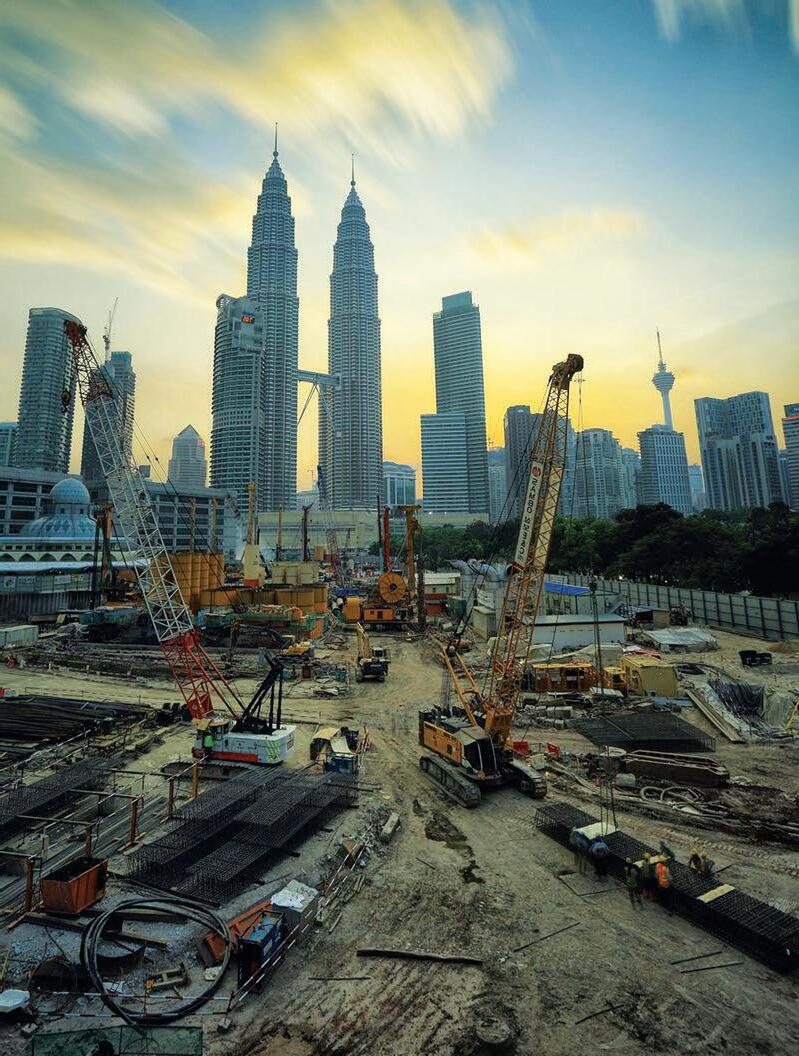
Datuk Ir. Ho Hon Sang, President of the Real Estate & Housing Developers’ Association (REHDA) Malaysia, shares his views on how urban engineering and property development can work in tandem to shape more sustainable, efficient, and liveable cities.
Urban development in Malaysia is at the critical crossroads. Rapid urbanisation, high vehicle ownership, inadequate infrastructure networks, and climate changes are straining the nation’s built environment sector. For Datuk Ir. Ho Hon Sang, President of the Real Estate & Housing Developers’ Association (REHDA) Malaysia, bridging the gap between engineering innovation and property development is not just a technical challenge but also a national imperative.
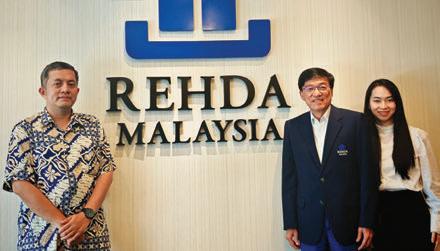
“The built environment is not only about physical structures,” he says. “It is about the integration of systems, people, and policy. Developers, engineers, and governments must work together to ensure that what we design on paper can truly serve the community once these are built.”
Central to this effort is the Building Industry President’s Council (BIPC), which Datuk Ho describes as “a bridge between government and developers”.
The council, he explains, enables structured dialogue on pressing issues in urban development and ensures that the engineering and property sectors are aligned in purpose and policy. BIPC members comprise of REHDA, the Association of Consulting Engineers Malaysia (ACEM), The Institution of Engineers, Malaysia (IEM), Malaysian Institute of Planners (MIP), Master Builders Association Malaysia (MBAM), Pertubuhan Akitek Malaysia (PAM), and the Royal Institution of Surveyors Malaysia (RISM).
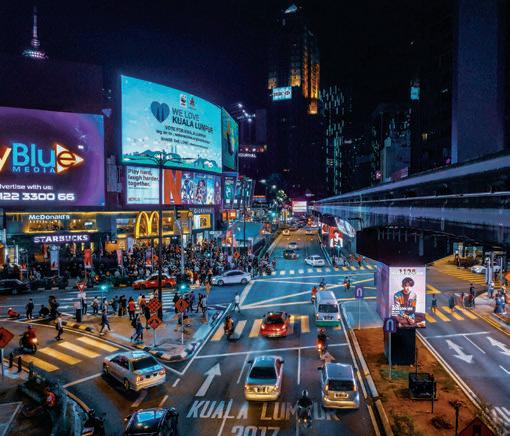
Among the more urgent challenges is urban mobility. Datuk Ho points out that while infrastructure development has expanded, the country still grapples with a mismatch between population growth, road capacity, and the availability of public transport.
“One of the most pressing issues is public transportation,” he says. “Despite improvements, the system still faces inefficiencies. Vehicle ownership in Malaysia exceeds 38 million, compared to its population of 34.1 million which means there are more vehicles than people.”
This, he notes, places Malaysia second in Asia after Japan in terms of car ownership rate per capita. The implications are far-reaching:
Severe traffic congestion, environmental degradation , and declining quality of life in urban centres.
Datuk Ho quotes the Deputy Prime Minister’s remarks in the Malay Mail on 14 May 2025: “Public transport usage remains low — with about only 25% of Malaysians relying on it, compared to substantially higher ridership in many developed nations”.
Beyond mobility, housing affordability and liveability are growing concerns. REHDA’s internal surveys have revealed that theoretically, many in the B40 income group qualify for affordable housing but their disposable income is often drained by vehicle loans, furniture, utilities and other household expenditures. Datuk Ho says: “The issue is not the lack of affordable housing but the imbalance between net disposable income and the capacity to obtain housing loans.”
He has personally visited ageing low- and medium-cost flats in Kuala Lumpur and other cities. “Some of these are in a very run-down conditions,” he observes. “The maintenance funds are insufficient and that compromises safety and quality of life. These are among the core urban challenges we must confront.”
Urban renewal, Datuk Ho asserts, is a vital but misunderstood process.
In Malaysia, the Urban Renewal Act has sparked debates about developer advantage, but he clarifies that developers are merely reactive participants in a structured legal process.
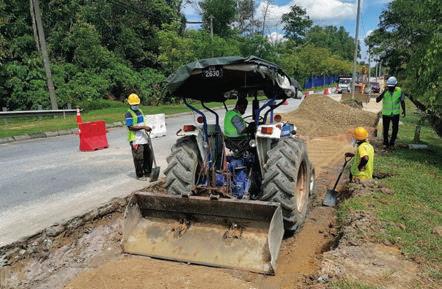
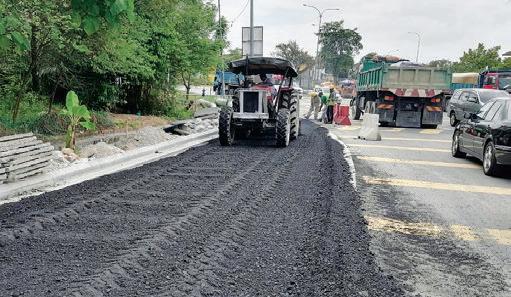
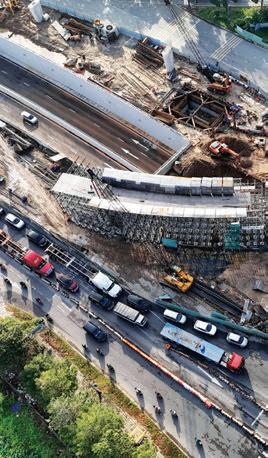
“After 30 years, ownership of apartment buildings lies with the Management Corporation (MC),” he explains. “If 80% of residents agree to redevelop, the MC can invite tenders from developers. This ensures a transparent and competitive process where the best proposal benefits the residents, not the developers.”
Developers, he says, often face misconceptions about profiting disproportionately from urban renewal. In reality, projects take years of negotiations, planning, and approval before construction begins. “It’s not a quick or easy path,” he explains. “Urban renewal should be seen as a collective effort to rejuvenate our cities to give them a new lease of life, rather than as profitdriven ventures.”
For developers, the greatest challenge lies in balancing commercial viability with heavy capital investment required for robust engineering infrastructure.
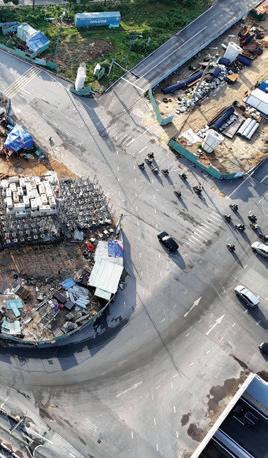
Large-scale projects such as the Tun Razak Exchange (TRX) can afford substantial infrastructure investments, but midsized developments often struggle.
“Integrated infrastructure planning is essential,” Datuk Ho says. “When several developers collaborate to fund shared infrastructure (roads, drainage, and/or utilities) it becomes cost-effective and sustainable. We’ve proposed to the government the idea of a common fund, where either early developers or later ones contribute equitably.”
He cites examples where lack of co-ordination has resulted in costly overruns. In one case, one developer had to finance an 8km water pipeline from the reservoir to the site, at a cost of RM10-12 million. “If several developers had planned together, we could have saved significant resources,” he says. Collaboration, therefore, is not merely desirable but is also fundamental to sustainable urban engineering.
Engineering Partnerships from the Ground Up
Datuk Ho says engineers must be engaged right from the start of a project. “From day one, engineers must be available to evaluate land characteristics, road levels, drainage feasibility, and sewerage systems,” he says. “This allows developers to assess both the technical and financial feasibility of a project before any commitment is made.”
He acknowledges there are recurring disconnects between developers and engineering consultants, particularly in areas like soft ground treatment or Industrialised Building System (IBS) design. “Some engineers, due to limited familiarity, may over-specify or take overly conservative approaches which can inflate costs,” he explains. “That’s why open dialogue and continuous knowledge-sharing between engineers and developers are crucial.”
Datuk Ho shares a successful collaboration example from his own experience, a 60-acre residential development where close coordination between engineers and developers optimised both land use and cost. “We managed to achieve the planned density and remain within budget,” he says. “It proves that engineering solutions, when aligned with financial realities, can yield efficient and liveable outcomes.”
Integrated planning, particularly for water and sewerage systems, remains the cornerstone of sustainable development. “When three to five developers combine efforts for a shared water or sewerage treatment system, costs drop dramatically,” says Datuk Ho. “Otherwise, on their own, individual developers may have to bear enormous expenses; I’ve experienced both extremes.”
Such collaboration also applies to transportation infrastructure. He cites a case under Majlis Perbandaran Kajang, where several developers jointly financed a RM52 million interchange to disperse traffic flow.
“When integration happens, everyone wins — including the local authority and the community,” he says.
This integrated approach, he adds, is equally vital in managing climate risks. Flooding, in particular, remains a serious threat. Datuk Ho commends government-led projects such as the Sungai Rasau Flood Mitigation & and Water Supply Scheme, a RM5.5 billion initiative based on an Off-River Storage (ORS) system. “It’s a dual-purpose scheme that captures stormwater and channels it for treatment,” he says. “Such forward-thinking projects exemplify the engineering innovation we need to counteract climate change.”

Datuk Ir. Ho Hon Sang is President of REHDA Malaysia (2024-2026). With over 40 years of experience in property development, engineering, consultancy, road privatisation, and general management, he had held several key positions, including Group CEO of Mah Sing Group Berhad, CEO of Sunsuria Berhad, and Managing Director of Sunway Berhad’s property division.
Currently, he is the Independent NonExecutive Director of Sime Darby Property Berhad and Advisor at Equatorial Palms Sdn Bhd. He is also a Board member of the Construction Industry Development Board (CIDB) since October 2024. He is a National Council member of IEM and a registered Professional Engineer with a Practising Certificate under the Board of Engineers Malaysia (BEM).
The evolving regulatory landscape in Malaysia supports the shift towards sustainability, digitisation, and smart construction. Datuk Ho points to the National Construction Policy (NCP) and Construction 4.0 framework as essential tools guiding this transformation.
“These frameworks emphasise sustainability, digitalisation, and integration,” he says. “Developers are already aligning themselves with these principles.”
Through GreenRE, a sustainability certification body established by REHDA in 2013, the association has been promoting energy-efficient and water-saving building practices. “GreenRE supports developers in reducing the environmental footprint of their projects while enhancing liveability,” he says. “This is our contribution to the country’s climate goals.”
He also highlights the impact of technological innovation and automation in construction, citing the adoption of robotics in Japan and Singapore for repetitive tasks such as tiling and plastering. “Malaysia is progressing, but we still face challenges, particularly high capital costs and limited technical talent,” he admits. “However, the momentum is building and, within the next two years, I expect to see significant progress.”
Regulatory digitalisation is another area where REHDA is actively collaborating with local authorities. The One-Stop Centre (OSC 3.0), a digital platform for planning and engineering approvals, exemplifies this shift. “OSC 3.0 Plus allows online submission, co-ordination among agencies, and digital tracking of approvals,” Datuk Ho says. “It will make processes more transparent and efficient once fully implemented.”
He also notes that Building Information Modelling (BIM) has become an inevitable part of project submission and planning. “BIM enhances communication, accuracy, and resource management across stakeholders,” he explains. “It’s no longer optional but rather, it’s the present and the future.”
For our property and construction sectors to thrive, Datuk Ho believes that talent development must move in parallel with technological adoption. “Just three years ago, many were unfamiliar with IBS or BIM,” he says. “Now, we are seeing rapid uptake, thanks to continuous collaboration between professional bodies and institutions.”
REHDA has signed an MOU with IEM to strengthen joint training and upskilling programmes. “Developers, engineers, and technical professionals must learn from one another,” he says. “We also support initiatives such as IEM’s Urban Engineering Development Special Interest Group (UEDSIG) to address recurring issues in urban development.”
In reflecting on the road ahead, Datuk Ho describes the relationship between developers and engineers as symbiotic and indispensable. “Engineers are the enablers of the property development business,” he says. “Developers bring the vision (the dream of a township or city) while engineers make that dream possible through technical expertise.”
He emphasises that effective communication between both parties ensures that concepts are feasible, affordable, and sustainable. “Developers must convey their vision clearly, and engineers must translate that vision into design and function,” he says. “It’s a cycle of creativity, pragmatism, and collaboration.”
Ultimately, Malaysia’s next phase of urbanisation will depend on how well the two forces of engineering precision and development foresight can merge into one coherent process. As Datuk Ho concludes: “Urbanisation is inevitable, but how we shape it determines the kind of nation we will become. If engineers and developers work hand in hand, we can build not just structures but also sustainable communities which can stand the test of time.”










































by:

Chairman
of UEDSIG (2023-2024) and
Ex-Vice
President of Plot Development & Design Management of TRX City Sdn. Bhd.

Current Chairman of UEDSIG and Principal Mechanical Engineer at Duriane Professional Sdn. Bhd.

Current Secretary of UEDSIG and senior project manager in construction, energy efficiency, and data centre projects.
Malaysia stands at a critical juncture, defined by an unprecedented wave of urbanisation. With 75% of the nation’s population currently living in urban areas (this figure is projected to hit 85% by 2040), the rate of urban growth is among the most rapid in South-East Asia. This has strained infrastructure and the environment, leading to challenges which include poor air and water quality, inadequate sanitation, and high energy consumption. All these threaten long-term prosperity.
This reality has catalysed a fundamental shift in national priorities, moving from a purely growth-oriented model to one that balances economic dynamism with environmental stewardship and social well-being. This is articulated in policies such as Sustainable Malaysia 2030, which signal a concerted effort to redefine the successful Malaysian city.
In this context, the Smart City (an urban area that leverages technology to improve quality of life and foster sustainable growth) concept has become an essential strategy. The nation’s approach is formalised in the Malaysia Smart City Framework, setting the stage for the Tun Razak Exchange (TRX) to serve as a pioneering blueprint for this new era.
To guide this urban transformation, the government developed the Malaysia Smart City Framework, a national blueprint which defined a “smart city” within the Malaysian context. It established a holistic vision built upon seven interconnected pillars, creating a unified set of criteria for urban development.
• Smart Economy: Fostering a high-productivity, innovation-driven economic environment attractive to global investment.
• Smart Living: Prioritising urban safety, highquality healthcare, and overall well-being for citizens.
• Smart Environment: Focusing on environmental protection, sustainable resource management, and resilience against natural disasters.
• Smart People: Cultivating a society that embraces a low-carbon lifestyle and empowers communities with high digital literacy.
• Smart Government: Creating an inclusive, transparent, and efficient administrative system through open data and quality e-government services.
• Smart Mobility: Aiming for seamless, integrated, and sustainable public and private transport networks.
• Smart Digital Infrastructure: Ensuring comprehensive, high-speed network coverage with robust data protection and cybersecurity. Collectively, these seven pillars provide a standardised criteria for urban projects nationwide, ensuring alignment with national goals. TRX serves as a critical test case for the practical application of this national vision.
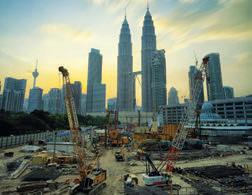
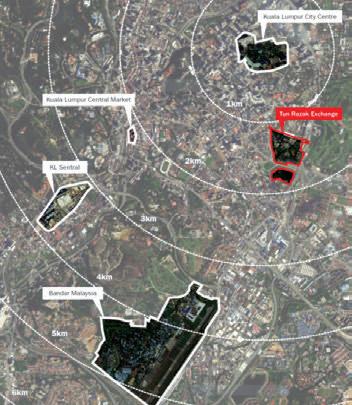
Located strategically next to Kuala Lumpur’s Golden Triangle, the Tun Razak Exchange is a landmark project in the journey towards sustainable urbanism.
Conceived as the nation’s premier International Financial Centre, its ambition extends far beyond this function, representing a meticulously planned urban ecosystem engineered to be a living laboratory for the Malaysia Smart City Framework.
The scale of the TRX underscores its national significance. The 70-acre site, with an estimated Gross Development Value (GDV) of RM40 billion, features 30 buildings and 24 million sq ft of Gross Floor Area (GFA). The mixed-use strategy of 50% office, 30% residential, 10% hotel, and 10% retail, is designed to create a vibrant, 24/7 urban environment.
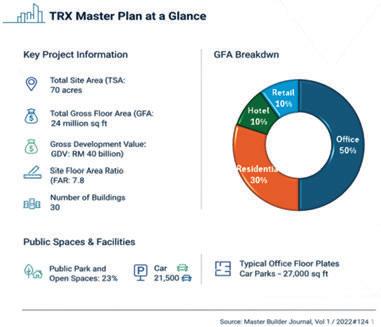
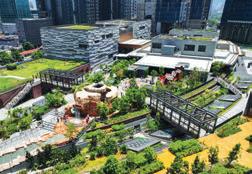
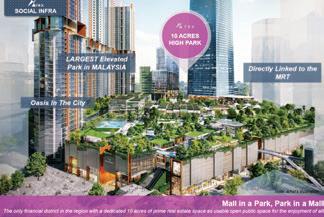
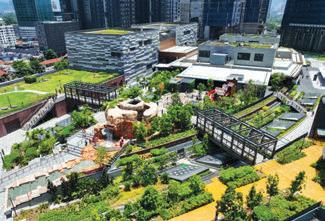
A defining feature is its commitment to public space, with 23% of the site dedicated to parks and greenery, crowned by a 10-acre rooftop park atop the retail quarter. This green lung is central to the philosophy of the master plan which balances high-density commerce with high-quality public amenities. The plan also emphasises multi-modal connectivity, integrating rail networks, major highways, and pedestrian walkways to ensure fluid movement.
The TRX development is explicitly aligned with the principles of smart and sustainable urbanism, demonstrating a remarkable prescience in its planning. The core tenets of sustainability were embedded in its master plan as early as 2010, predating both the formal launch of the United Nations Sustainable Development Goals (UN SDGs) in 2016 and the Malaysia Smart City Framework in 2018. This foundational commitment has guided every subsequent stage of its development.
1. Strategic Positioning – Positioning of TRX Development. TRX is a critical engine for Malaysia’s economic advancement, conceived to elevate the nation to high-income status by attracting global investors and financial institutions. This supports the Smart Economy pillar by fostering a high-value economic sector intended to create 40,000 jobs for knowledge workers. In a global landscape where Environmental, Social, and Governance (ESG) performance is paramount, TRX’s deep-rooted commitment to sustainability becomes a powerful competitive differentiator.





Nehemiah-OVM provides the following products and services:
- Post-tensioning solution provider
- Carpark Flat Slab
- Transfer Plate
- Beams, Box Girders
- Alternative design solutions
- Cable systems (stay cable main cable hanger)
- Bridge bearing and expansion joint
- Construction solutions (heavy lifting, ILM, etc)
- Monitoring, repairing and strengthening for structures




The Strand, Kota Damansara 47810 Petaling Jaya Selangor Darul Ehsan
Tel : 603-61426638
Fax : 603-61426693

Email : enquiry-pt@nehemiah-grp.com

Its success is evident in its ability to attract major financial institutions such as HSBC, Affin Bank, and Prudential, all of which have established their headquarters there. More recently, it has welcomed Malaysia’s first Apple Store and will be the future home for PwC Malaysia’s headquarters, further validating its status as a premier business location. The advanced green design and certifiable sustainability credentials are not an ancillary benefit or an added cost but are, instead, a core element of its value proposition and a primary marketing tool to attract its target tenants.
2. Collaborative Framework and Sustainability Integration.
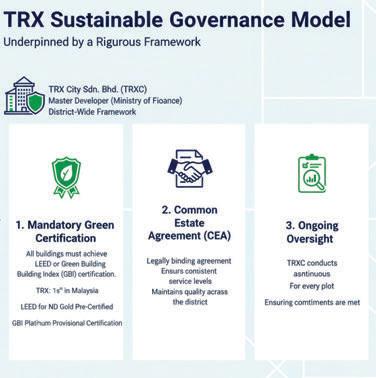
The sustainability agenda is underpinned by a rigorous governance model. As the master developer, TRX City Sdn. Bhd. (TRXC), whollyowned by the Ministry of Finance, has established a district-wide framework which compels all partners to adhere to high standards. This is enforced through three key mechanisms:
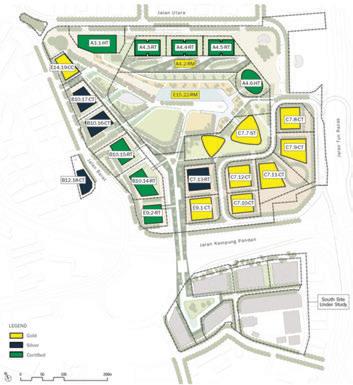
• Mandatory Green Certification: All buildings must achieve LEED or Green Building Index (GBI) certification. TRX is the first development in Malaysia to receive a LEED for Neighbourhood Development (LEED ND) Gold Pre-Certified Plan and a GBI Platinum Provisional Certification at the township level.
• Common Estate Agreement (CEA): A legally binding agreement to ensure consistent service levels and quality across the district.
• Ongoing Oversight: TRXC conducts continuous sustainability assessments for every plot, ensuring commitments are met.
This micro-governance model aligns private interests with public sustainability goals, offering a replicable blueprint for managing complex, multi-stakeholder projects.
3. Sustainable and Green Design Features in TRX District.
The TRX Development Code translates its sustainability goals into tangible, engineered solutions which function as an integrated system.
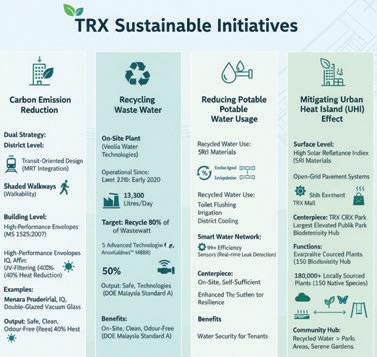
• Carbon Emission Reduction: TRX employs a dual strategy to minimise its carbon footprint. At district level, the transit-oriented design, integrated with the MRT system and complemented by shaded pedestrian walkways, promotes walkability and reduces dependency on private vehicles. At building level, the focus is on high-performance Building Envelopes to minimise energy consumption for cooling, as specified in Malaysian Standard MS 1525:2007. Notable examples include Exchange 106’s double-glazed vacuum glass and the advanced UVfiltering coatings on the façades of Menara Prudential, Menara IQ, and Menara Affin Bank, which reduce solar heat gain by 40%.
• Recycling Wastewater: In partnership with Veolia Water Technologies, TRX operates an on-site Wastewater Treatment & Recycling Plant, a first for the region. In operation since early 2020, the plant can recycle up to 13,300 litres of wastewater daily; the aim is to recycle at least 80% of all wastewater generated. This is projected to reduce the district’s demand for potable water by 50%. The facility uses five advanced technologies, including the AnoxKaldnes™ Moving Bed Biofilm Reactor (MBBR), to produce safe, clean, and odour-free recycled water which meets Standard A of DOE Malaysia.
• Reducing Potable Water Usage: The recycled water is reintegrated into the district’s operational systems via a dedicated network for nonpotable needs such as toilet flushing, irrigation, and district cooling. This circularity is managed by a Smart Water Network with over 98% efficiency, using sensors to detect leaks in real-time. This on-site, self-sufficient system enhances resilience by insulating TRX from the vulnerabilities of municipal infrastructure, guaranteeing water security for its tenants.
• Mitigating Urban Heat Island (UHI) Effect: TRX integrates multiple strategies to combat the UHI effect. At surface level, it utilises materials with a high Solar Reflectance Index (SRI) on hardscapes and open-grid pavement systems to reduce heat absorption. The centrepiece of this strategy is the 10-acre TRX City Park, located on the rooftop of The Exchange TRX retail mall. As the largest elevated public park in SouthEast Asia, it functions as a massive evaporative cooler, a carbon sink, and a hub for urban biodiversity. Housing over 180,000 locally-sourced plants from 150 native species, the park also serves as a community hub with unique play areas and serene gardens. This deep integration of systems – where recycled water irrigates the park, which in turn cools the air and reduces building energy demand – creates a cascade of efficiencies to make the district truly sustainable.
4. Smart Digital Infrastructure.
The operational “brain” of the district is the TRX Integrated Management System (TiMS), an Internet of Things (IoT) platform developed by Willoglen (Malaysia) Sdn. Bhd. under a RM19.3 million contract. TiMS serves as a central nervous system, providing a single, unified platform to monitor and control all site-wide common facilities. It integrates disparate systems (including traffic control, building management, and security) into one coherent interface, enabling faster, more coordinated responses in case of critical incidents. By aggregating vast amounts of real-time data, TiMS lays the foundation for a future digital twin, a virtual model of the district which can enable predictive, AI-driven urban management, effectively futureproofing its operational capabilities.

The TRX is a project of profound national importance which successfully transcends its primary mandate as an international financial centre. It stands as testament to a new vision for urban development in Malaysia, one where economic ambition is inextricably linked with environmental resilience and social well-being. Designed from its inception with ESG principles at its core, TRX provides a tangible and compelling demonstration of how the highlevel goals of the Malaysia Smart City Framework can be translated into a functioning, world-class urban district.
The development delivers substantively on multiple pillars of the national framework. It drives Smart Economy by creating a globally competitive financial hub that has successfully attracted premier tenants and investment. It champions Smart Environment through its integrated, system-of-systems approach to reducing carbon emissions, creating a circular water economy, and mitigating the urban heat island effect. It embodies Smart Mobility with a transit-oriented, pedestrian-first design that reduces reliance on private vehicles. Its operational core, the TiMS platform, is a benchmark for Smart Digital Infrastructure, while its high-quality public realms, worldclass retail, and educational green spaces contribute to the cultivation of Smart People and Smart Living. Ultimately, TRX has proven to be more than just a collection of green buildings and advanced technologies. Its most significant contribution may be its pioneering
governance model, which ensures that sustainability is a shared, non-negotiable responsibility. By demonstrating that high-density urban development can coexist with, and even enhance, environmental quality, TRX has established a new benchmark for the nation. It serves as both a role model and a replicable blueprint, offering invaluable lessons in integrated design, proactive governance, and technological innovation which can guide the next generation of sustainable urban development across Malaysia.
[1] Eng Kee, Lau & Siti Khamizah Kholil (2023), Sustainability of Urban Development: Case Study in TRX Master Planning – from Concept to Reality, The IEM Monthly Bulletin, Jurutera (April 2023), 22-25.
[2] Cover Story, Sustainability of Urban Development, The IEM Monthly Bulletin, Jurutera (April 2023), 6-12
[3] Executive Summary for Malaysia Smart City Framework 2018, prepared by Minister of Housing and Local Government.
[4] Master Builder Journal, Vol 1/ 2022#124, Cover Feature on TRX
[5] The Sustainable Backbone of TRX, April 6, 2021, Feature Story on TRX
[6] United Nation Sustainable Development Goals, Goal 6: Ensure access to Water and Sanitation for all (https://www.un.org/ sustainabledevelopment/water-and-sanitation/)
[7] United Nation Sustainable Development Goals, Goal 11: Make Cities Inclusive, Safe, Resilient and Sustainable (https://www.un.org/ sustainabledevelopment/cities/)
[8] Lessons from a decade of emissions gap assessments, published by United Nation Environment Programme
[9] MS 1525:2007, Clause 5: Building Envelope
[10] Press Release, 2nd August 2022 TRX Awards Contract to Willoglen (Malaysia) Sdn Bhd for Its integrated Management System (https:// trx.my/press-release/tun-razak-exchange-awards-contract-willowglenmalaysia-sdn-bhd-its-integrated)
IEM Council and Management would like to extend our heartiest congratulations to
Chief Minister of Pahang, Dato’ Sri DiRaja Haji Wan Rosdy Wan Ismail for being awarded the IEM Honorary Fellow on 12 November 2025 at Pusat Pentadbiran Sultan Ahmad Shah (PPSAS), Kuantan, Pahang.
Ir. Simon Yeong Chin Chow for being conferred Darjah Ahli Mahkota Perak (A.M.P) on 15th November 2025.




by:


Mr. Cheong Yu Jian Ir. Dr. Ling Lloyd Postgraduate student at Universiti Tunku Abdul Rahman Associate Professor at Department of Civil Engineering, Universiti Tunku Abdul Rahman
Many people may not know that a single hydrological method, known as the Curve Number (CN) method, plays a central role in how engineers estimate stormwater runoff. This method was developed in the United States in the 1950s with the primary intention of agricultural application, offering a broad measure to assess the impact of land management and farming practices on runoff. Because it was simple, convenient, and widely taught in engineering education, it became one of the most influential tools in hydrology. Today, it underpins hydrological design in countless countries, including Malaysia.
It is embedded in software such as Hydrologic Engineering CentreHydrologic Modeling System (HECHMS), referenced in many design manuals, and used by engineers and consultants for drainage design, flood assessments, and countless hydrological evaluations.
However, today’s urban catchments are vastly different from the small agricultural catchments that the CN method was built for in the 1950s. Malaysia’s rapid urbanisation, varied soil characteristics, and unique tropical rainfall patterns make it increasingly difficult for the conventional CN method to perform accurately in local urban environments.
As cities continue to develop and rainfall events become more intense and unpredictable due to climate change, a natural concern emerges: Can a method developed seven decades ago for rural agricultural land in the United States still deliver reliable results for today’s Malaysian urban catchments?
Our recent study, “Beyond the Curve Number Methodology: Power Law-based Calibration and a Nonparametric Approach for Enhancing Urban Runoff Estimation”, investigated this question through a detailed exploration of the CN method and through the development of a new approach built on local data and mathematical insights (Cheong et al., 2025).
Although the scientific aspects of the study are complex, the core message for both engineers and the public is simple. Continuing to apply the conventional CN method without questioning its assumptions can lead to significant consequences. When runoff is estimated inaccurately, it affects a chain of decisions, ranging from drainage design and flood forecasting to development planning and disaster preparedness.
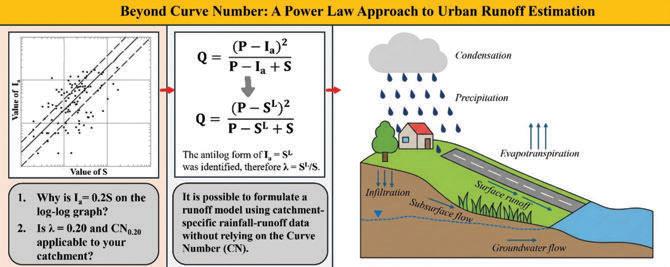
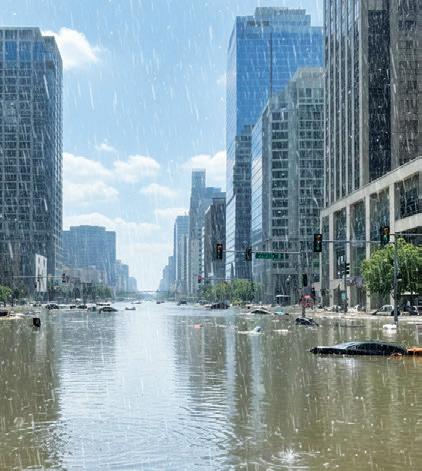


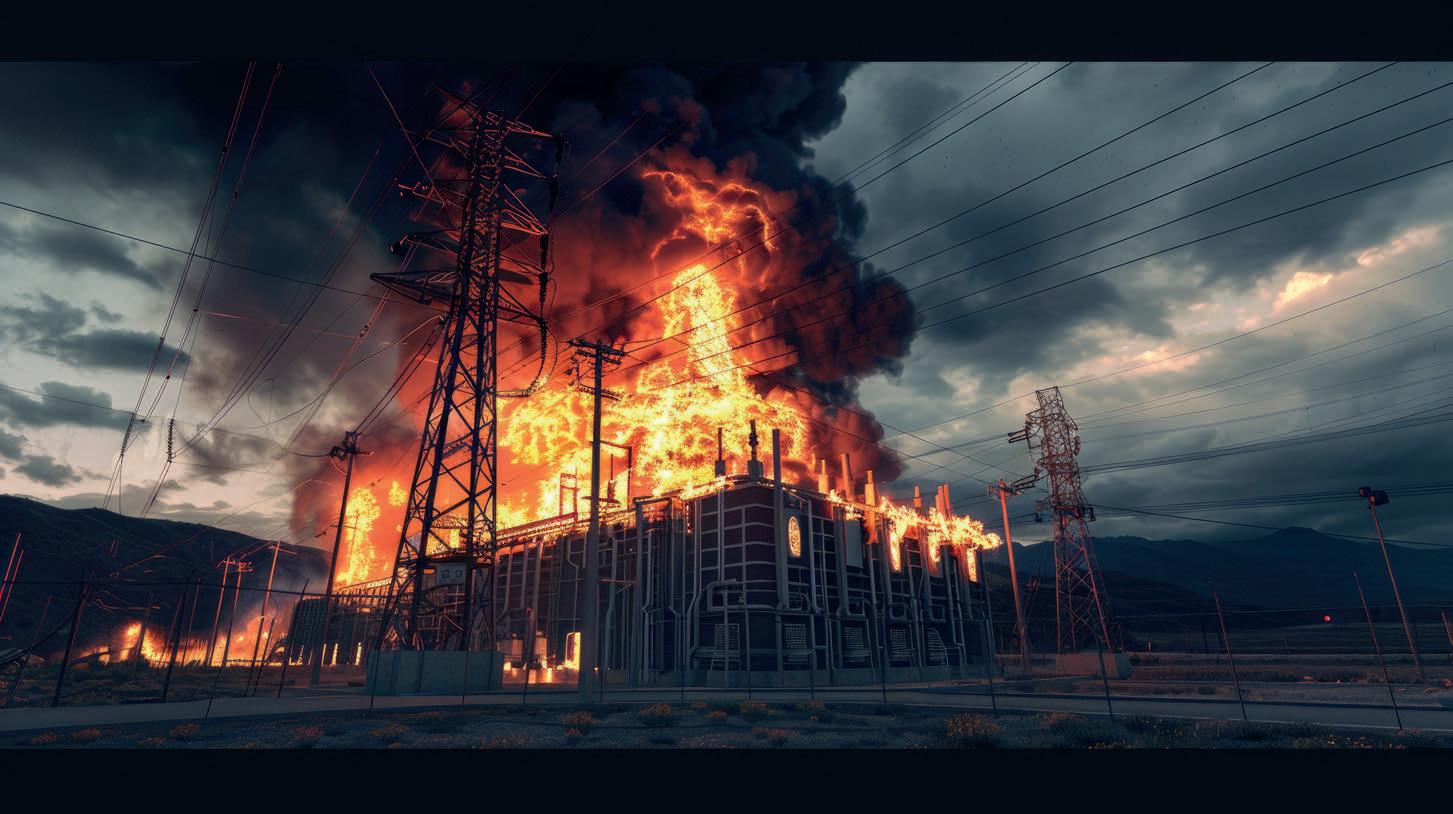
lands where the method was derived. But the method makes a crucial assumption. It assumes that the amount of rainfall that is lost before runoff begins, known as initial abstraction, is always a fixed fraction of the catchment’s storage capacity.

In the original formulation, this fraction was set at a constant value of 0.20. That value was not a law of nature. It was based on the behaviour of a specific set of test catchments in mid-20th century in USA. Yet, over time, engineers around the world adopted this constant and used it as if it were universally valid. It was written into design handbooks, embedded into engineering software, and taken for granted in many technical assessments.


In reality, the initial abstraction ratio is not universal, as runoff onset is influenced by factors such as climate, soil type, land use, and the degree of urban development, among others. Treating an urban catchment in Malaysia as if it behaves like a rural American farm field in the 1950s, is an assumption that deserves scrutiny. If the assumption does not match local conditions, the resulting runoff estimates will be off target. This may result in the misestimation of floods or the misjudgement of the resilience of drainage systems.
In addition, many engineers may assume that widely adopted engineering methods are mathematically precise. Our recent study revisited the historical documentation of the CN method and discovered that the relationship between initial abstraction and catchment storage capacity was originally depicted as a curved pattern, rather than a straight line. When the original CN data were plotted on log-log scale graphs commonly used by hydrologists at the time, the points followed a power-law distribution — indicating a nonlinear relationship instead of a simple proportional increase.
Despite this, the method was simplified to a linear relationship. This decision was practical for its time because it made calculations easier, especially in the pre computer era. But it also introduced a mathematical mismatch between the real-world behaviour of catchments and the simplified assumptions used for design. Although this mismatch may appear minor in theory, it has significant implications for the accuracy of runoff estimation in practice.
Over time, the simplicity and convenience of the method overshadowed this early compromise. As a result, generations of engineers continue to use a simplified formula where the mathematical foundation does not fully align with the original empirical data. Our recent study, therefore, sought to preserve the original model framework while reformulating it using a power-law function.
Malaysia has a very different hydrological environment from the places where the CN method originated. Urban surfaces here are dominated by roads, rooftops, concrete structures, and compacted soils. Construction often disturbs natural soil layering, altering the catchment’s ability to absorb water. Many urban areas experience rapid ground saturation condition during heavy rainfall. As a result, using the conventional CN method can underestimate runoff amount.
When such inaccurate runoff estimate is fed into computer models or used for engineering design, the consequences cascade into real decision making. Drainage structures may be improperly sized, flood risk maps may misrepresent hazardous areas, and development approvals may be based on calculations that do not reflect local reality.
In short, the conventional CN method continues to influence a vast amount of engineering and planning work in Malaysia. But when its assumptions do not reflect local conditions, the outcomes can be less reliable than expected. The risks are further amplified by climate change, as seasonal patterns shift, storm intensities vary, and rainfall behaviour becomes more unpredictable. A method that already shows limitations under current conditions is likely to perform even worse as climate patterns become more extreme. This makes it essential for government agencies and engineers to acknowledge these shortcomings and adapt their practices accordingly.
To demonstrate these concepts, our recent study focused on the Sungai Kayu Ara catchment in Kuala Lumpur, which featured a mix of residential, commercial, and urban areas typical of many Malaysian cities. According to the study, the urban catchment runoff began much earlier than the conventional CN method predicted. When the conventional CN method was applied, it even produced results that were physically impossible. This confirms that the method is not only misaligned with local conditions but can also violate its own model assumptions when applied to Malaysian storm patterns.
A key limitation of the conventional CN method is that the initial abstraction ratio changes as catchment saturation conditions vary, which the method does not account for. While the introduction of Antecedent Moisture Condition (AMC), later replaced by Antecedent Runoff Condition (ARC), was intended to address CN variation due to soil moisture, these approaches still relied on the fixed initial abstraction ratio of 0.20 and were limited to just three discrete classes. In contrast, the reformulated model from our recent study adjusted continuously to changing saturation conditions, providing a more flexible and accurate representation of runoff generation.
The reformulated model captured the transition from dry to wet conditions and showed how runoff generation intensified as the land became more saturated. This ability to reflect changing conditions is particularly important because Malaysian storms often occur in clusters. When rainfall arrives repeatedly within short intervals, the catchment saturates quickly and runoff becomes more intense. A model that can reflect this dynamic behaviour offers better insights for flood mitigation and infrastructure planning.
Importantly, catchment saturation condition plays a critical role in determining how much rainfall becomes runoff. While GIS-based information, such as land use and land cover, is commonly used in runoff modelling, it does not capture actual saturation levels of the catchment. When saturation is overlooked, runoff estimates can be significantly inaccurate, especially during wet periods or consecutive rainfall events. In urban areas, this uncertainty is further compounded by disturbed soil profiles.
Construction, compaction, and other human activities alter the natural soil characteristics, affecting the catchment’s ability to absorb water and increasing the variability of runoff response. Together, these factors pose considerable risks in the planning and design of drainage systems, hydro infrastructure, and urban development, as inaccurate runoff estimates can lead to inadequate system capacity, increased flood potential, and diminished effectiveness of urban planning efforts.
Although the study focused on a single urban catchment, the findings carry implications far beyond Sungai Kayu Ara. Many Malaysian agencies continue to use the conventional CN method in hydrological guidelines and assessment reports, including those for drainage, flood mitigation, river management, environmental assessment, and urban planning. Given that runoff analysis forms the foundation of numerous engineering decisions, any erroneous assumption may propagate through successive stages of risk assessment and infrastructure design.
Malaysia is already experiencing more frequent flash floods, especially in rapidly developing regions. When rainfall patterns become harder to predict due to climate change, we cannot rely on outdated methods that are never calibrated for local conditions. Accurate runoff estimation requires models which reflect Malaysian data, Malaysian soils, and Malaysian rainfall patterns. Without this, we risk designing infrastructure that is resilient on paper but vulnerable in reality.
The challenge is even greater in ungauged catchments. These are areas where no local rainfall runoff data are available. The conventional practice is to apply the conventional CN method using handbook values or estimates taken from other regions. This is risky because, without local data, engineers cannot verify whether the assumed CN parameters match the behaviour of the actual catchment. The resulting uncertainty grows significantly, and the impacts of inaccurate runoff estimation can be severe.
Our study does not suggest that the CN method should be abandoned entirely. Instead, it emphasises the importance of calibrating it using local rainfall–runoff data to reflect actual catchment conditions. Hydrological modelling is not static; it must evolve with new evidence, new environments, and new challenges. The power lawbased reformulation proposed in our study provides a clearer and more mathematically consistent foundation for rainfall runoff estimation, especially in urban catchments. It encourages engineers to calibrate their models using collected data rather than rely on handbook values without verifying their validity.
Continuing to rely on the conventional CN method may expose infrastructure planning and flood management to hidden risks. With climate change introducing greater
uncertainty and more extreme rainfall events, it is crucial to adopt approaches which reflect the actual behaviour of Malaysian catchments.
Rainfall runoff estimation may appear highly technical, but its implications are felt by everyone. It influences whether drains overflow, roads flood, development remains safe, and cities remain resilient during storms. For decades, the CN method has guided engineers in estimating runoff, often without questioning whether it accurately reflects Malaysian conditions. Our recent study demonstrates that intial model assumptions may no longer be adequate. Malaysian catchments behave differently from the environments where the method was created, and the consequences of ignoring this can lead to inaccurate assessments and costly risks.
Our study shows that it is possible to preserve the original CN framework while reformulating catchment specific runoff model without CN values. Amid the growing challenges of climate uncertainty, the ability to formulate more accurate runoff estimates using locally collected data is crucial, enabling Malaysia to design infrastructure that is more robust, responsive, and better suited to future storms.
[1] Cheong, Y.J., Ling, L., Chin, R.J., Lim, S., Cheong, Y.H. and Yusop, Z. (2025) “Beyond the Curve Number methodology: Power lawbased calibration and a nonparametric approach for enhancing urban runoff estimation,” Water Research X, 29. Available at: https:// doi.org/10.1016/j.wroa.2025.100414
by:


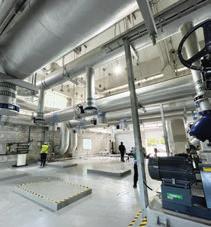
On 23 January 2025, IEM’s Urban Engineering Development Special Interest Group (UEDSIG) organised a technical visit to the Pendinginan Megajana Sdn. Bhd. or Megajana District Cooling Plant in Cyberjaya, Selangor. Pendinginan Megajana Sdn. Bhd. is a joint venture between Cyberview Sdn. Bhd. and ENGIE Services Malaysia Sdn. Bhd. to provide District Cooling System services in Cyberjaya, using underground chilled water supply to systems in buildings.
The participants included IEM members from various disciplines. Led by Ir. Al-Khairi Mohd Daud, Chairman (2024/2025) of the Building Services Technical Division (BSTD) and Ir. Mike Lau Yee Leong, UEDSIG Chairman (2024/2025), the group gained valuable exposure to one of Malaysia’s pioneering district cooling systems.
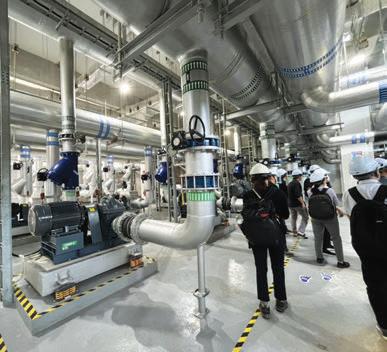
Megajana operates two district cooling plants in Cyberjaya with a combined cooling capacity of 25,950 RT, with centralised chilled water production at the district cooling plant. It distributes the chilled water to connected customers, eliminating the need for individual chiller plants in each building. In turn, this leads to improved efficiency and reliability as well as reduces the carbon footprint.
The visit began with Megajana representatives giving an introduction to the company history, operational framework, and role in supporting Malaysia’s sustainability goals. Participants were briefed on the integration of energy efficiency designs, digital monitoring systems, and predictive maintenance strategies to optimise the plant performance.
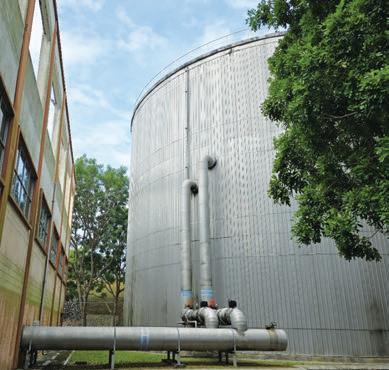
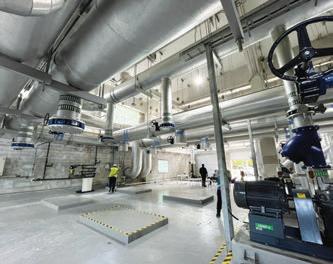
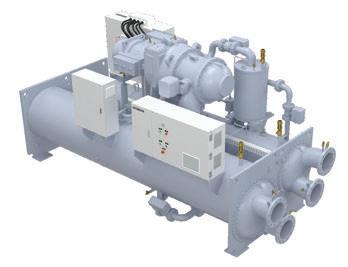
Later, the participants went on a guided tour of the district cooling facilities which comprised installed chillers, chilled water pumps, condenser water pumps, water treatment system, cooling towers and thermal energy storage (TES) system. The plant was tidy and well maintained.
The plant is designed with the capability for further scale-ups to cater to growing demands in the future, with designated standby valves and equipment plinths for two future sets of chillers and pumps.
Large TES tanks allowed load shifting by storing chilled water produced during off-peak hours for use during peak demand hours to improve the efficiency and energy cost of the cooling system. Megajana has a total 115,500 RTH of thermal energy storage in the Cyberjaya district cooling.
The visit also enhanced awareness of the environmental and economic benefits of district cooling, particularly in energy efficiency, reducing greenhouse gas emissions and supporting the government’s agenda on energy transition and sustainable cities.
The visit was both educational and inspiring, underscoring the vital role of engineers in advancing sustainable urban infrastructure. IEM extends its appreciation to Pendinginan Megajana Sdn. Bhd. for its warm hospitality and to all participants for making the visit a success.





Annual Reports • Booklets • Brochures • Buntings • Business Cards
CD / DVD Replications • Calendars • Cards & Invitations • Certificates
Custom Printings • Envelopes • Folders • NCR Bill Books • Notepads Leaflets • Letterheads • Paper Bags • Posters • Stickers • Others




























In conjunction with International Women in Engineering Day (INWED), the Institution of Engineers Malaysia, Women Engineers (IEMWE) Section organised the Women in Engineering Poster Design Competition 2025, with the theme, Celebrating Women at the Heart of Innovation & Engineering.
The event was aimed at celebrating the achievements and contributions of women engineers while inspiring and motivating university students, particularly women, to pursue STEM-related careers both globally and locally. It also offered a platform for participants to develop key skills in research, visual communication, and public presentation through the creation and delivery of impactful poster designs.
by:

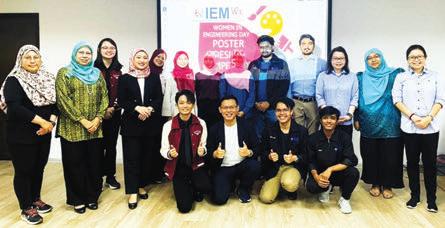
By requiring participants to research, design, and present a poster about a female role model in engineering, the event encouraged them to explore both technical achievements and the personal journeys behind them, reinforcing the idea that engineering was as much about human inspiration as it was about technological progress.
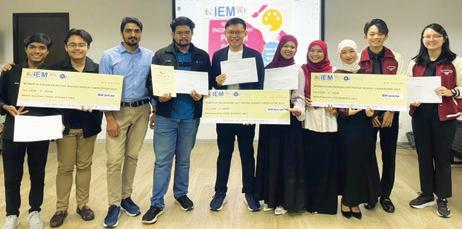
Opened to all Malaysian university students, the main purpose was to promote diversity, inclusivity, and gender representation in engineering by showcasing stories of female role models whose perseverance, innovation, and leadership had made a significant impact on the profession. The competition intended to highlight women’s accomplishments in engineering, foster STEM identity and career aspirations, enhance research and presentation skills of students, and encourage critical thinking about inclusivity in the field.
The posters had to present the career journey of an inspiring woman engineer, outline the challenges she faced and overcame, detail her contributions to innovation and technology, and explain how she broke stereotypes to positively impact society. Students were also encouraged to reflect on the lessons these role models offered for inspiring greater participation in STEM.
The chosen theme resonated strongly with the legacy of female trailblazers and the future potential of women in engineering. The event garnered enthusiastic participation, with more than 20 entries from universities across the country and the diverse submissions showcased creativity, technical precision, and impactful design.
The gender distribution of the registrants was particularly noteworthy, with 57% male and 43% female participants. This near-equal balance not only signified the growing participation and recognition of women in engineering but also reflected the acceptance and support of their male counterparts.
It underscores the collective progress toward a more inclusive and diverse engineering community, where both men and women stand side by side in driving innovation and excellence.
After a rigorous judging process assessing originality, relevance, design quality, and inspirational value, five teams were shortlisted for the Final Presentation & Award Ceremony on 26 July 2025 at Wisma IEM, Petaling Jaya. The teams presented their posters to the judging panel, highlighting the achievements of role models such as Mary W. Jackson, Dr. Gladys West, Datuk Dr. Mazlan Othman, Hedy Lamarr, and Marie Curie.
The presentations linked past engineering breakthroughs to current STEM challenges, emphasising the lasting importance of diversity, resilience, and creativity in fostering innovation. The finalists’ work extended beyond technical milestones, providing deep insights into the perseverance, vision, and leadership which allowed these women to succeed in traditionally male-dominated fields. Judges praised the participants for their thorough research and compelling visual storytelling, recognising how the competition served as both a powerful educational platform and a celebration of women’s contributions to engineering.
Following the competition, participants had the opportunity to engage in a thought-provoking forum titled Rewriting the Rules: Women Engineers & Young Generations in Shaping the Future. This featured members of the IEM Women Engineers Section sharing their career journeys and offering practical advice for navigating the profession. They emphasised the importance of resilience, adaptability, continuous learning, mentorship, and active involvement in professional communities as keys to success. This dialogue not only provided guidance but also reinforced the dedication of the Women’s Section in fostering an inclusive and supportive environment for women in engineering.
Then the top three winners were announced. The first prize was awarded to Loh Jia Cheng, a postgraduate student from Universiti Teknologi PETRONAS (UTP), for his submission inspired by the remarkable NASA engineer and STEM advocate, Mary W. Jackson.
The first runner-up was a group of UTP undergraduate students, Norsyuhada Sugianto, Nik Nur Imanina Khairunisa Zakaria and Noratikah Abd Majid, who drew inspiration from Hedy Lamarr, the celebrated actress and ingenious inventor who contributed significantly to technological advancement. The second runner-up was a team of postgraduate students from Universiti Teknologi MARA (UiTM), comprising Amirul Ariff Ithnin, Muhammad Afiq Syarif Mohd Noor Aziron and Muhammad Syahrul Izzani Yahaya. Their inspiring poster told the story of Datuk Dr. Mazlan Othman, a trailblazing Malaysian astrophysicist.
The event went beyond prize-giving, achieving its purpose of inspiring and empowering future engineers. By connecting students with the stories of role models who shaped engineering history, participants were encouraged
to strengthen their critical thinking, communication, and teamwork skills. The winning posters, which showcased the students’ creativity, are on display at the Women Engineer Room, Ground Floor, Wisma IEM, for public viewing.
The Women in Engineering Poster Design Competition 2025 successfully achieved its goals. It celebrated women engineers by honouring their legacies and amplifying their stories to inspire students to pursue careers in STEM. It also improved the research and communication skills of participants and promoted diversity and inclusion in engineering.
By recognising excellence, encouraging meaningful dialogue, and supporting representation, the event connected academic learning with professional inspiration. Through the passion, creativity, and determination shown throughout the competition, the future of women in STEM is built on a strong foundation of empowerment, innovation, and unlimited potential.







by:
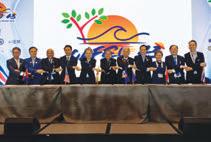
The 43rd Conference of the ASEAN Federation of Engineering Organisations (CAFEO 43) was held on 28-30 October, 2025 at SMX Convention Centre in Clark, Pampanga, Philippines. With the inspiring theme, ASEAN Engineers: Beacons of Prosperity, Inclusivity, Equity, Resilience, and Sustainability, the annual gathering united engineers, policymakers, and industry leaders in South-East Asia to reaffirm the shared mission of the ASEAN Federation of Engineering Organisations (AFEO) in advancing technology, sustainability, and regional cooperation.
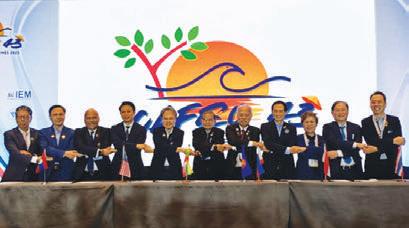
Hosted by the Philippine Technological Council (PTC), CAFEO 43 was a resounding success, following the momentum of CAFEO 42 in Kota Kinabalu, Sabah, Malaysia (2024), and paved the way for CAFEO 44 in Bandung, Indonesia next year.
Building One ASEAN Engineering Community
AFEO stands as a vital platform for promoting unity, excellence, and collaboration among the engineering communities of ASEAN countries. Its core mission is to harmonise engineering education, qualifications, and professional standards across ASEAN nations, empowering engineers to contribute effectively toward the ASEAN Economic Community (AEC). Through shared knowledge, innovation, and mutual recognition, AFEO continues to strengthen regional ties and drive sustainable development. During the Closing Dinner of CAFEO 43, Persatuan Insinyur Indonesia (PII) formally took over the AFEO chairmanship.


https://bit.ly/4pe3Kgs
AFEO operates under a distinguished Governing Board, which includes representatives from all ASEAN member institutions. This leadership team guides AFEO toward realising its vision of One ASEAN Engineering Community. As of 2025, the AFEO Governing Board comprises:
1. Engr. Federico A. Monsada Chairman to PTC (Philippines)
2. Engr. Khin Maung Htay Vice Chairman to Fed.MES (Myanmar)
3. Ir. Chin Lee Tuck PUJA (Brunei)
4. H.E. Sokhom Rithivuth BEC (Cambodia)
5. Dr. Ing. Ir. Ilham Akbar Habibie PII (Indonesia)
6. Assoc. Prof. Dr. Khampaseuth Thepvongsa
ALACE (Lao PDR)
7. Er. Chan Ewe Jin IES (Singapore)
8. Assoc. Prof. Dr. Watcharin Gasaluck EIT (Thailand)
9. Dr. S. C. Phan Xuan Dung
VUSTA (Vietnam)
10. Ir. Prof. Dr. David Chuah Joon Huang Secretary General
11. Ir. Chen Harn Shean Honorary Treasurer
12. Ir. Simon Yeong Chin Chow
AER Head Commissioner
13. Ir. Prof. Dr. Jeffrey Chiang Choong Luin
Immediate Past Chairman of AFEO and current President of IEM
Mission & Objectives
AFEO’s objectives align closely with ASEAN’s goals for integration, innovation, and sustainable development:
1. Promoting Engineering Excellence and Professional Mobility. Through the ASEAN Engineer Register (AER), AFEO harmonises qualifications and encourages cross-border professional recognition.
2. Fostering Research, Innovation, and Technology Sharing. AFEO hosts annual forums and technical sessions, addressing renewable energy, AI, smart infrastructure, and green transformation.
3. Contributing to Sustainable and Resilient Development. AFEO advocates environmentally responsible engineering practices that support climate adaptation and regional sustainability.
4. Strengthening Regional Solidarity and People-toPeople Connectivity. Through youth exchanges and cultural engagement, AFEO reinforces friendship and trust among ASEAN engineers.
Hub of Knowledge, Innovation & Fellowship
CAFEO 43 featured dynamic plenary sessions, exhibitions, and paper presentations that reflected the region’s shared priorities: Digital transformation, decarbonisation, energy transition, and sustainable urban development.
There were over 70 delegates from Malaysia, led by IEM President Ir. Prof. Dr Jeffrey Chiang Choong Luin and included Deputy President Ir. Yau Chau Fong, AEO Secretary General Ir. Prof. Dr. David Chuah Joon Huang and AER Head Commissioner Ir. Simon Yeong Chin Chow. They actively participated in technical sessions and fellowship events, proudly carrying the spirit of collaboration and professional excellence.
Key Speakers & Malaysian Contributions Malaysia made a significant intellectual contribution at CAFEO 43, with several engineers invited as keynote and technical speakers.
Keynote speakers were:
1. Ir. Prof. Dr. Tan Chee-Fai: Engineering Capacity Building in Emerging Technologies: Advancing ASEAN’s Competitiveness through AI and Robotics.
Prof. Tan shared insights on how AI, automation, and robotics are transforming manufacturing, logistics, and urban systems. He emphasised the importance of developing regional talent and upskilling engineers to ensure that ASEAN remains competitive in the global digital economy.
2. Ir. Noor Iziddin Abdullah Haji Ghazali: Decarbonising Cities: Integrating Solar + BESS into Urban Infrastructure towards Net Zero in ASEAN. Ir. Noor Iziddin highlighted Malaysia’s pioneering role in urban decarbonisation through solar and battery energy storage systems (BESS), advocating scalable models for ASEAN cities to accelerate their transition to net-zero emissions.
Technical speakers were:
1. Datuk Ir. Ts. Mohd Yaakob Jaafar, CEO of SESB and Chairman of IEM Sabah with co-authors Ir. Ts. Qaddafi Abdullah Bajerai and Ir. Ts. Leona Ng: Transforming Sabah’s Energy Future – Deployment of South-East Asia’s Largest 100MW/400MWh Battery Energy Storage System in Lahad Datu. This presentation showcased Sabah’s groundbreaking step towards energy stability and renewable integration. The Lahad Datu BESS project stands as one of South-East Asia’s largest, representing a transformative milestone in sustainable energy resilience for East Malaysia.
2. Ir. Ts. Tan KJ, JP Vice Chairman 1 of IEM Sabah: Upper Padas River Dam Development in Sabah, Malaysia: Strategic Infrastructure for Water Security and Renewable Energy.
Ir. Tan discussed the strategic role of the Upper Padas River Dam in securing long-term water supply and supporting renewable hydropower generation for Sabah. The project exemplifies integrated resource management and sustainable engineering in action.
3. Ir. Rusnida Talib: Pioneering Climate-Smart Roadways in Kuala Lumpur: A Vision for LowCarbon, Heat-Resilient Infrastructure in ASEAN Cities.
Ir. Rusnida focused on next-generation roadway materials and designs which mitigate urban heat and reduce carbon footprint, offering a replicable model for future ASEAN cities.
4. Ir. Chin Lee Tuck: Engineering Capacity Building in Emerging Technologies: Advancing ASEAN’s Competitiveness through AI and Robotics.
Reinforcing Prof. Tan’s keynote theme, Ir. Chin emphasised institutional collaboration and continuous learning as key strategies for ASEAN engineers to adapt to the technological shifts shaping future industries. These sessions underscored Malaysia’s leadership in energy transition, water resource management, AI innovation, and climate-resilient infrastructure, demonstrating how engineering expertise directly supports ASEAN’s sustainability agenda.
One highlight of CAFEO 43 was the ASEAN Honorary and Fellowship Awards ceremony, where exceptional individuals and organisations from Malaysia were recognised for their service and contribution to engineering and society.
1. Datuk Seri Panglima Christina Liew, Minister of Tourism, Culture, and Environment of Sabah.
2. Ir. Simon Yeong Chin Chow, AER Head Commissioner (2024-2026).
3. Datuk Ir. Chin Tet Fu @ Willy, OC for CAFEO 42 in Sabah, Malaysia, Past Chairman, IEM Sabah.
4. Ir. Dr. Siow Chun Lim, Past Honorary Treasurer, IEM.
5. Ir. Thayala Rajah C. Selvaduray, Past Chairman, IEM Southern Branch, Organising Chairman of 21st AFEO Midterm Meeting in Johor Bahru, Malaysia in 2022.
The following Malaysian engineers were conferred Honorary Member titles in recognition of their leadership and service:
Ir. Stephanie Sim Hui Kheng
Immediate Past Chairman, IEM Sarawak Branch
Ir. Ong Yee Pinn
Immediate Past Chairman, IEM Melaka Branch
Ir. Ab. Rahman Hashim
Immediate Past Chairman, IEM Pahang Branch
Ir. Shahrin Amri Jahari
Immediate Past Chairman, IEM Negeri Sembilan Branch
Ir. Chan Wah Cheong
Immediate Past Chairman, IEM Penang Branch
Ir. Dr. Nursyarizal Mohd Nor
Immediate Past Chairman, IEM Perak Branch
Datuk Ir. Abdul Nasser Abdul Wahid
CEO, Energy Commission of Sabah (EcoS)
Dato’ Ir. Abdul Razib Dawood
Executive Director, ASEAN Centre for Energy (ACE)
Ir. Kwok Yew Hoe
Chairman, EETD IEM, Chairman AFEO Energy WG
Muhammad Ashiq Marecan Hamid Marecan
Immediate Past Chairman, YES IEM
Sabah’s presence was notably distinguished, with three recipients: Datuk Seri Panglima Christina Liew, Datuk Ir. Willy Chin, and Datuk Ir. Abdul Nasser Abdul Wahid. Their conferment of the Honorary Award stands as a strong testament to Sabah’s rising influence and leadership in ASEAN’s engineering and sustainability arena.
The Malaysian delegation also delighted the audience during the closing ceremony, performing We Are the Engineers and Ali, Ah Kau and Muthu. Both songs were lively showcases of Malaysia’s multicultural unity and engineering pride and drew warm applause from fellow ASEAN participants.
Conclusion: Sabah’s Leadership in ASEAN Engineering
CAFEO 43 showcased the power of engineering collaboration in shaping ASEAN’s future. Malaysia, and particularly Sabah which stood proudly at the centre of this progress, contributed both intellectual leadership and exemplary achievements.
The recognition of Sabah’s honorees, along with landmark projects like Lahad Datu’s Battery Energy Storage System and Upper Padas Dam, demonstrates the state’s pivotal role in advancing energy resilience, water security, and environmental sustainability in the region.
As CAFEO 43 concluded, the spirit of camaraderie and innovation among ASEAN engineers remained strong, reaffirming AFEO’s enduring vision of a united, sustainable, and technologically advanced One ASEAN Engineering Community.














by:

Committee member of Urban Engineering Development Special Interest Group (UEDSIG) and Director at Trion Consultancy Sdn. Bhd.

Committee member of UEDSIG and Senior Project Manager at Raiden M&E Sdn. Bhd.
In conjunction with the IEM Convention 2025, the Urban Engineering Development Special Interest Group (UEDSIG) organised Urban Engineering Symposium (URBENS) 2025 on 12 September at the KL Convention Centre. The theme was The Future of Urban Engineering: Exploring the Next Frontier in Urban Development.
After the registration of the participants, Organising Chairman Ir. Mike Lau gave a speech highlighting the four sub-themes of the symposium:
1. Integrating ESD/ESG in Urban Development.
2. Balancing Growth and Sustainability.
3. Sustainable Cities as Part of the Future of Urban Engineering.
4. Policy, Planning and Infrastructure of the Future. The first speaker, Ir. Ts. Assoc. Prof. Dr. Leong Kah Hon (UTAR), spoke on ESG Implementation for Engineering Companies, practical steps for ESG integration, links to global SDGs, and how ESG enhanced compliance and competitiveness.
The second speaker, Y.B. Dato’ Kamarul A. Muhamed (Aerodyne Group) presented on The Future of Cities: Where Skies Think & Streets Listen. The Guest of Honour, Y.B. Tuan Nga Kor Ming, Minister of Housing & Local Government, commended IEM for championing urban engineering and acknowledged that urban development was the result of multidisciplinary collaboration.
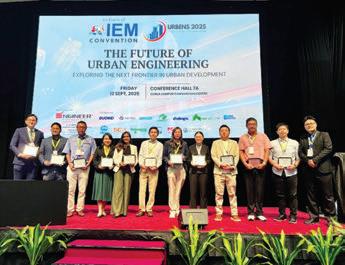
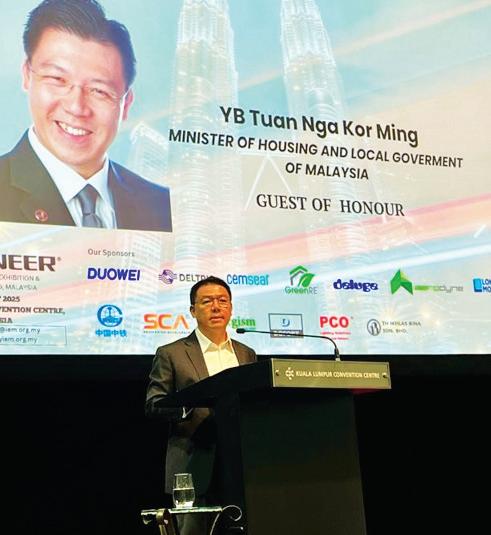

http://bit.ly/4rryj4c
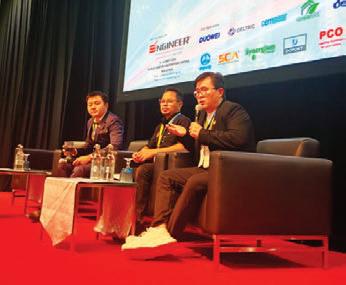
The third speaker, Ir. Chua Ang Tze (BSD Consultancy Sdn. Bhd.), delivered a session titled Beyond Net Zero: Designing the Super Low Energy Buildings of Tomorrow. He shared international case studies, design strategies, and emerging technologies. Then Ir. Noor Iziddin Abdullah Haji Ghazali (North Consult Engineering), highlighted the role of project consultants in enabling impactful decisionmaking and driving sustainable development.
At the first panel discussion, moderated by Ir. Assoc. Prof. Dr. Ling Lloyd of UTAR, the speakers shared perspectives, debated key issues, and engaged freely with the participants.
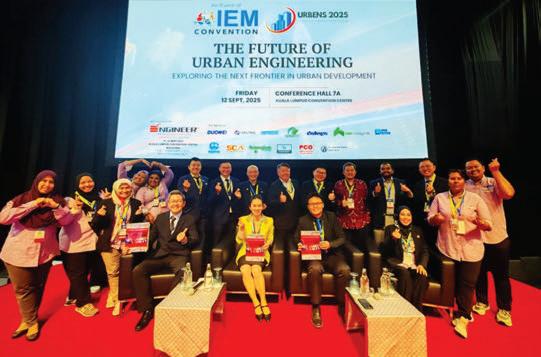
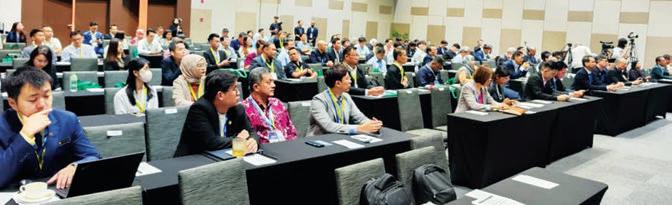
After lunch, the symposium welcomed the following speakers:
1. Ir. Ts. Harmidi Ali (Majlis Bandaraya Melaka Bersejarah). Introduced i-TRAFIK Melaka, a smart heritage mobility initiative integrating real-time traffic analytics in UNESCO zones.
2. Ts. Muhamad Adli Salihin (Department of Agriculture). Discussed green infrastructure in urban farming, emphasising food security and low-carbon urban economies.
3. Ar. Bee Sui Yeng (PAM Northern Chapter). Presented Penang’s sustainability roadmap through Penang2030 and the Penang Energy Framework.
At the second panel discussion, moderated by Ir. Ts. Khaw Yao Shun, Ts. Adli talked about how urban farming could support Penang’s sustainability agenda, highlighting the potential for future cross-departmental collaboration between the Department of Agriculture and the Penang State Government.
Finally, Tuan Ir. Ts. Mohd Lokman Mohd Lasim (DBKL) and Ir. Ashwin Thurairajah (GreenRE) delivered talks titled: Case Study: Rectification of Design Flaw in
Dual-Function Underground Stormwater Detention Pond Proposal at Taman SPPK, Segambut, KL, and Renewing & Revitalising Ageing Buildings.
At the third panel discussion, moderated by Assoc. Prof. Dr. Doh Shu Ing of Universiti Malaysia Pahang Al-Sultan Abdullah, Tuan Ir. Ts. Mohd Lokman expressed a strong interest in incorporating GreenRE certification to guide the retrofitting and upgrading of ageing buildings in Kuala Lumpur, to ensure they are more resilient and sustainable.
URBENS 2025 achieved its objectives through active participation, collaboration, and forward-looking discussions. Key takeaways included:
• Integration of ESG frameworks is now essential in engineering practice and policymaking.
• Technological innovations, including AI-driven infrastructure and smart mobility systems, are fundamental to sustainable urban management.
• Public-private collaboration plays a crucial role in strengthening urban resilience and supporting Malaysia’s Net Zero aspirations.








































Qby:
Mr. Ng Tian Yi
IEM Membership No: M108262
“Discuss the key design considerations for a cold-water plumbing system in a 30-storey high-rise residential building with 4 units per floor, 2 bathrooms and 1 kitchen sink per unit. Floor-to-floor height is 3.8 meters.
Your answer should cover pressure zoning, riser pipe sizing, material selection and methods of ensuring continuous supply to all units.”
The cold-water plumbing system serves as a critical infrastructure in any high-rise residential development, ensuring the reliable and safe delivery of potable water to occupants across all levels. In the context of Malaysia's tropical climate and rapid urbanization, the design of such systems in a 30-storey apartment must address challenges related to water pressure management, flow efficiency, material durability and regulatory compliance.
This essay discusses the key design considerations in accordance with Malaysian standards, local design codes and best practices that align with Environmental, Social, and Governance (ESG) principles.
One of the primary design challenges in high-rise cold-water plumbing system is the management of static water pressure, which increases by approximately 1 bar for every 10 metres of elevation. For a 30-storey apartment with 3.8 metres floor-to-floor height, this equates to a height of 114m and pressure of 11.4 bars at the ground floor. This static water pressure of 11.4 bars has far exceeded the safe operating limits of typical plumbing fixtures and pipework.
To address the challenge in this scenario, pressure zoning is implemented by dividing the building into several manageable vertical supply zones as Table 1.
Table 1: Tabulation of Pressure Zoning
Each zone is supplied by dedicated break tanks and booster pumps, in compliance with SPAN TS 21827:2021 and Uniform Building ByLaws (UBBL) 1984. Pressure reducing valves (PRVs) are installed to maintain consistent and safe water pressures within each zone. Redundancy is achieved through duty-standby pump systems, ensuring uninterrupted supply even during equipment maintenance or failure.
Net Positive Suction Head (NPSH) is a critical parameter in pump selection and installation, as it determines the pump’s ability to operate without cavitation — the formation of vapour bubbles in the impeller under low-pressure conditions. To increase the NPSH available and reduce the risk of cavitation, several strategies can be applied: elevating the source tank above the pump where feasible, minimizing bends and valves at the pump inlet, shortening suction pipe runs, and increasing suction pipe diameter to reduce frictional losses. These measures not only improve hydraulic stability but also help ensure smoother, quieter operation, extended equipment life, and more reliable pump performance.
Accurate pipe sizing is essential to maintain optimal flow rates while preventing excessive pressure loss. Pipe diameter is a function of flow rates and velocity of fluid as per the following formula: where;

v: VelocityofWater(m/s)
Q: VolumetericFlowRate(m3/s orL/s)
A: AreaofPipe(m)
The MS 1058:2019 Code of Practice for Installation of Cold-Water Service Systems provides guidelines for calculating required pipe sizes based on fixture units (FU).
The FU is used to estimate the Demand Estimation (per zone):
• FU per unit: 2 bathrooms (4 FU each) + 1 kitchen sink (2 FU) = 10 FU per unit
• FU per floor: 4 x 10 = 40 FU
• FU for 10 floors (per zone): 400 FU
• Diversity factor of 0.4, effective FU: 0.4 x 400 = 160 FU
• Estimated flow rate per zone: 160 FU x 0.15 L/s = 24 L/s
• Using maximum velocity allowable as 2.5 m/s; the pipe diameter can be calculated as:
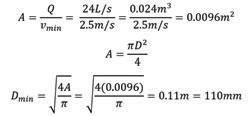
To maintain velocities under 2.5 m/s, the minimum riser pipe diameter requirement is 110mm. Hence, a 150mm riser diameter is proposed. This is done to avoid vibration noise and water hammering. This careful balancing of pipe size avoids both underperformance and unnecessary cost.
Material selection must adhere to SPAN-approved materials lists and relevant Malaysian Standards such as MS 1583:2003 Code of Practice for Cold Water Plumbing System. Common pipe materials employed can be found in Table 2.
Material Advantages Disadvantages
HDPE Flexible, corrosionfree, economical UV-sensitive if exposed
PPR Hygienic, durable, easy jointing Potential mechanical damage
Copper Durable, antibacterial High material cost
Stainless Steel esthetic, hygienic, long lifespan Very high material cost
The selected material must ensure water potability, longevity and ease of maintenance, while meeting the specific requirements of the building’s location, water quality and cost constraints. Typically, for high-rise residential buildings in Malaysia, the type of commonlyused pipe for mains and risers is HDPE; whereas for unit branches is PPR.
Break tanks are strategically located at ground, midlevel, and rooftop positions to correspond with designated pressure zones, thereby improving supply reliability and reducing excessive pressure on lower floors. In addition to balancing pressure, break tanks act as buffers against supply interruptions, facilitate maintenance by isolating sections of the system, and help prevent backflow, enhancing both operational efficiency and public health protection. The overall water pressure head required is
calculated by considering the static head, frictional head, velocity head and the required discharge pressure at the outlet, ensuring stable flow across all levels of the system as shown in Figure 1.
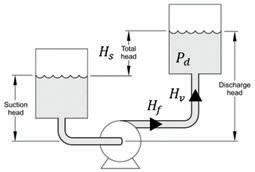
HT = Hs + Hf + Hv + Pd
HT : Total Differential Head (m or ft)
Hs : Static Head (m or ft)
Hf : Frictional Head (m or ft)
Hv : Velocity Head (m or ft)
Pd : Discharge Pressure (m or ft)
To safeguard uninterrupted water delivery, the available Net Positive Suction Head must always exceed the Net Positive Suction Head required by the pump (NPSHa>NPSHr). This prevents cavitation and impeller pitching, thereby minimizing flow disruption and extending pump lifespan. In addition, mechanical devices are integrated with pressure reducing valves (PRVs) and water level sensors, all governed by Building Management System (BMS) and SCADA platforms to provide real-time control and protection. To further reinforce reliability, duty standby pump configurations equipped with variable speed drives (VSD) are adopted, ensuring energy efficient operations while maintaining constant pressure under fluctuating flow demands, ultimately assuring continuous and resilient water supply.
Proper pump selection is critical for delivering the required flow and pressure throughout the building without overloading the system or causing energy inefficiencies. A typical design process includes plotting the system curve using the equation below:
HT = HS +KQ2
HT : Total dynamic head
HS : Static head (elevation difference)
Q : Flow rate
K : Friction constant of the piping system
System curve is overlaid onto the manufacturer’s pump performance curves to determine the optimal operating point, ensuring that the selected pump operates within its Best Efficiency Point (BEP). Within this optimal operating range, the brake horsepower and efficiency are identified for the selected pump to ensure design energy efficiency criteria of the system is met.
This approach not only minimizes energy wastage but also reduces wear on critical components, extending equipment lifespan. Furthermore, it provides engineers with a clear reference for verifying performance during commissioning and ongoing operation, thereby enhancing energy efficiency, system reliability and resilience.
The integration of ESG principles into cold water plumbing design reflects Malaysia’s commitment to sustainable urban development. To ensure energy efficiency, water-efficient fixtures certified under MS 2441: Code of Practice for Cold Water Services System are installed to reduce overall water consumption. Besides that, smart water meters and leak detection systems are installed to promote responsible water use. Pumps that come with variable speed drives (VSD) are essential to maintain steady flow and lesser energy consumption by varying the speed of the pump impellers. This is governed by the law of affinity as below:
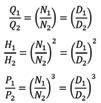
Q : Volumetric Flow Rate (m3/s or igpm)
H : Head (m or ft)
P : Brake Horsepower (kW or hp)
N : Impeller Speed (rpm)
D : Impeller Diameter (m)
According to the law of affinity, when the impeller diameter is kept constant, the pump speed can be adjusted to meet both higher and lower flow demands. At reduced demand, the impeller speed automatically decreases, lowering power consumption and thereby reducing electricity costs while maintaining system efficiency. This modulation also minimizes mechanical stress on the pump components, extending their operational lifespan. In addition, it provides greater flexibility in system control, ensuring a stable and continuous water supply under varying load conditions.
In conclusion, the cold-water plumbing system must be designed with due consideration of the discussed parameters to ensure durability, flow consistency, operational reliability, safety, public health and regulatory compliance. Equally important is alignment with green building standards and ESG objectives to meet contemporary sustainability goals. The incorporation of modern technologies, including smart monitoring, pressure management and variable speed drives, strengthens system performance while reducing energy consumption and operational costs. A well-engineered system is thus not only statutory compliant and efficient but also sustainable, resilient and capable of meeting evolving demands in the built environment.
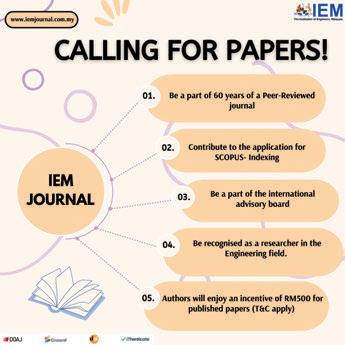








To all Members,
Date: 22 November 2025
LIST OF CANDIDATES ELIGIBLE TO SIT FOR THE PROFESSIONAL INTERVIEW FOR THE YEAR 2025
The following is a list of candidates who are eligible to sit for the Professional Interview for the year 2025.
According to the IEM Bylaws, Section 3.8, the names listed below are published as eligible candidates to become Insitution Members, provided that they pass the Professional Interview in 2025.
If there are any Corporate Members who have objections against any candidate deemed unsuitable to sit for the Professional Interview, a letter of objection can be submitted to the Honorary Secretary, IEM. A letter of objection must be submitted within one month from the date of publication.
Ir. Chen Harn Shean IEM Honorary Secretary
NEW APPLICATION
NAME QUALIFICATION
CIVIL ENGINEERING
JAHUDI BIN BOHARI BE HONS (UNIMAS) (CIVIL, 2002)
WAN HABIB NASIR BIN WAN LILI BE HONS (UNIMAS) (CIVIL, 2005)
ELECTRICAL ENGINEERING
MUHAMMAD HAFIZ BIN AMIR BE HONS (UTM) (ELECTRICAL, 2018)
MECHANICAL ENGINEERING
MUHAMMAD LUTFI BIN ABD. LATIF BE HONS (UTeM) (MECHANICAL - DESIGN & INNOVATION, 2008)
APPLICATION FOR CORPORATE MEMBER
NAME QUALIFICATION
CIVIL ENGINEERING
CHONG MING FEI BE HONS (UTM) (CIVIL, 2001)
ROIF BIN SAMSUAL KAMAR BE HONS (UiTM) (CIVIL, 2019)
CHEMICAL ENGINEERING
NUR FARAH BINTI LATEP BE HONS (UNSW AUSTRALIA) (CHEMICAL, 2016) MEMBER TRANSFER M'SHIP NO. NAME QUALIFICATION
CIVIL ENGINEERING
75544 MUHAMAD AZFAR BIN AHMAD BE HONS (UTHM) (CIVIL, 2018) MSc (UiTM) (STRUCTURAL, 2023)
115767 MUHAMMAD HILMAN BIN ZULKIFLEE BE HONS (UTP) (CIVIL, 2020)
72505 TAN PEI YING BE HONS (UKM) (CIVIL & ENVIRONMENTAL, 2014)
CHEMICAL ENGINEERING
126105 YEOW WEI CHONG BE HONS (UTM) (CHEMICAL, 2000)
ELECTRICAL ENGINEERING
40834 HEE CHOON LOONG, ALVIN BRYAN BE HONS (UMP) (ELECTRICAL - POWER SYSTEMS, 2010)
33054 LOK CHOON LONG BE HONS (UTHM) (ELECTRICAL, 2011)
34094
MAZRATUL FIRDAUS BINTI MOHD ZIN BE HONS (UiTM) (ELECTRICAL, 2010)
102990 SHAFIZAD BIN IZHAR BE HONS (UiTM) (ELECTRICAL, 2012)
116227
TIMOTHY HARLEY JAMES BE HONS (UTHM) (ELECTRICAL, 2008)
126118 TUAN 'AMERA BINTI TUAN KAMALUDDIN BE HONS (IMPERIAL COLLEGE LONDON) (ELECTRICAL & ELECTRONICS, 2012) ME (UTM) (ELECTRICAL - POWER, 2016)
ELECTRONIC ENGINEERING
20639 FAZLINA BINTI AHMAT RUSLAN BE HONS (UiTM) (ELECTRICAL, 2001) MSc (UKM) (MICROELECTRONICS, 2005) PhD (UiTM) (ELECTRICAL, 2016)
40903 AHMAD SYAFIQ BIN DERAMAN BE HONS (UMP) (ELECTRICALELECTRONICS, 2010)
INSTRUMENTATION & CONTROL ENGINEERING
45374 SHARUL BIN A-RASHID BSc (UNI. OF MIAMI) (ELECTRICAL, 1988) ME (THE UNI. OF FLORIDA) (ENGINEERING, 1990)
MECHANICAL ENGINEERING
94158 CHOW KOK MIN
HONS (NATIONAL UNI. OF SINGAPORE) (MECHANICAL, 2014)
112617 HERMENTH RAJ A/L GUNASEGARAN BE HONS (UCSI) (MECHANICAL, 2020)
41999 ZULKEFLI
(USM) (MECHANICAL, 2003)
PETROLEUM ENGINEERING
129855 KARTINA BINTI ALI BSc HONS (UNI. OF MISSOURI) (PETROELUM, 1997)
TRANSFER TO CORPORATE MEMBER M'SHIP NO. NAME QUALIFICATION
AEROSPACE ENGINEERING
36917 MOHD NAZRI BIN MOHD NASIR BE HONS (THE UNI. OF MANCHESTER) (ENGINEERING, 2005) MSc (DEFT UNI. OF TECH) (AEROSPACE, 2008)
CIVIL ENGINEERING
42504 DHAKSHINAMORTHI A/L KANTHASAMY BE HONS (UTP) (CIVIL, 2007)
58450 ER HAUZHI BE HONS (UNIMAS) (CIVIL, 2016)
36731 KHAIRUL ZAIM BIN ZAKARIAH BE HONS (UNITEN) (CIVIL, 2010)
47958 LOI HOW ENG, ROBERT BE HONS (UTAR) (CIVIL, 2013) 115721 OSMAN BIN MOHAMED YUSOF BE HONS (UiTM) (CIVIL, 2016)
52768 TAN YEE YONG BE HONS (CURTIN UNI. OF TECH) (CIVIL & CONTRUCTION, 2012) PhD (CURTIN UNI. OF TECH) (2017)
111311 WAN MUHAMMAD HAIKAL BIN WAN ARIFFIN BE HONS (THE UNI. OF ADELAIDE) (CIVIL & STRUCTURAL, 2013)
ELECTRICAL ENGINEERING
25090 LEONG CHICK KIN BEM-IEM (ELECTRICAL, 2003) ME (MONASH) (MAINTENANCE & RELIABILITY, 2006)
130968 MUHAMMED TARMIZI BIN IBRAHIM BE HONS (UNITEN) (ELECTRICAL POWER, 2012)
54207 SUHAIRI RIZUAN BIN CHE AHMAD BE HONS (UNIMAP) (INDUSTRIAL ELECTRONIC, 2009) MSc (UPM) (ELECTRICAL POWER, 2012) PhD (UTeM) (2019)
MECHANICAL ENGINEERING
42367 BOBBY ELSON JOHN BE HONS (UMS) (MECHANICAL, 2011)
60705 HARRIVIN A/L VIJAYAKUMARAN BE HONS (UTP) (MECHANICAL, 2017) MSc (UTP) (MECHANICAL, 2023)
88983 JULIAN ANAK JUES ME HONS (NOTTINGHAM) (MECHANICAL, 2011) 90374 MUHAMMAD FASHA HAIQAL BIN SHAMSUDIN BE HONS (UTP) (MECHANICAL, 2016)
MANUFACTURING ENGINEERING
72840 ASHROF BIN SUAIB BE HONS (UTeM) (MANUFACTURINGROBOTICS & AUTOMATION, 2015)
MINING ENGINEERING
50708 MOHAMMAD HAFIZ BIN ZAKARIA BE HONS (USM) (MINERAL RESOURCES, 2010)
The institution expresses its gratitude to all who have contributed to the Wisma IEM Building Fund. IEM members and readers who wish to make a donation may do so by downloading the form from the IEM website at http://myiem.org.my or by contacting the secretariat at +603-7890 0130 / 136 for further information. The list of contributors for October 2025 is as shown in the table below:



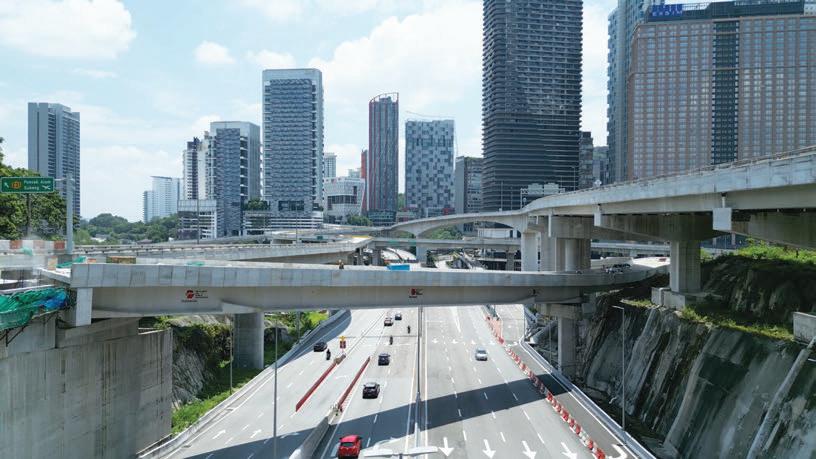

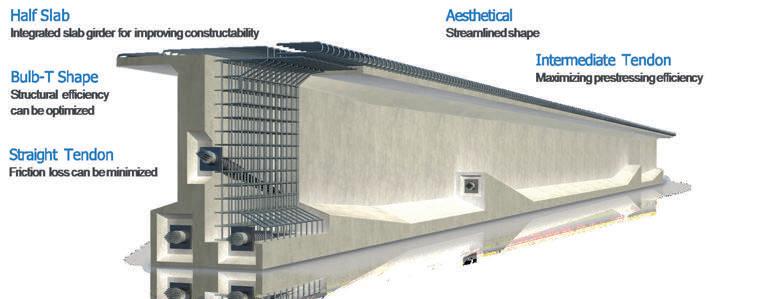
No. 45-3, Jalan PJU 5/20, The Strand, Kota Damansara, 47810 Petaling Jaya, Selangor Darul Ehsan. 603-61426638
jasonklc@nehemiah-grp.com / tancc@nehemiah-grp.com enquiry@nehemiah-grp.com 603-61426693


012-2880918 (Mr. Jason Khor) / 012-2186693 (Ir. Tan CC) www.nehemiah-grp.com/towoong