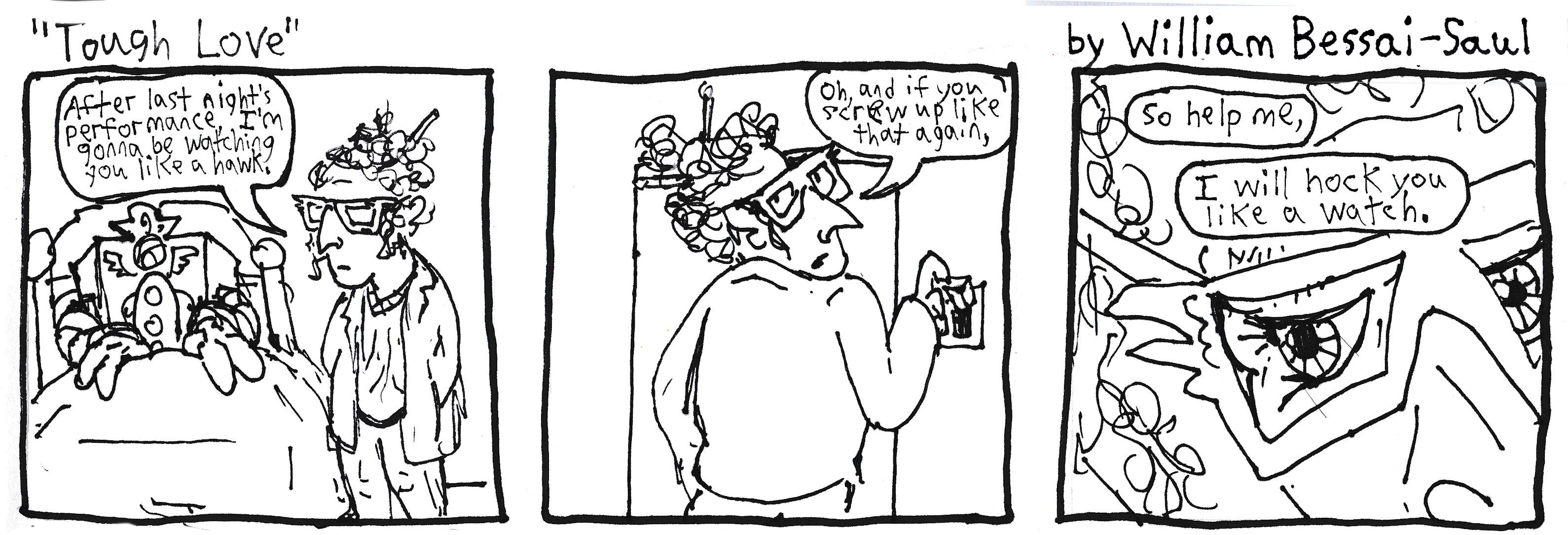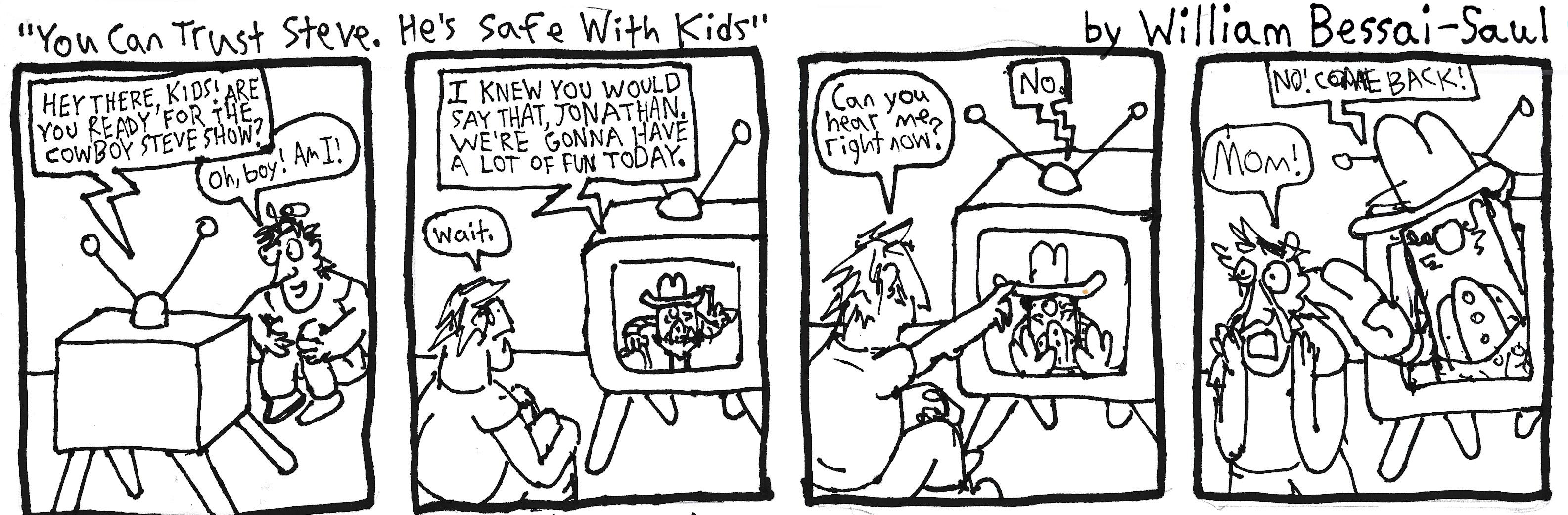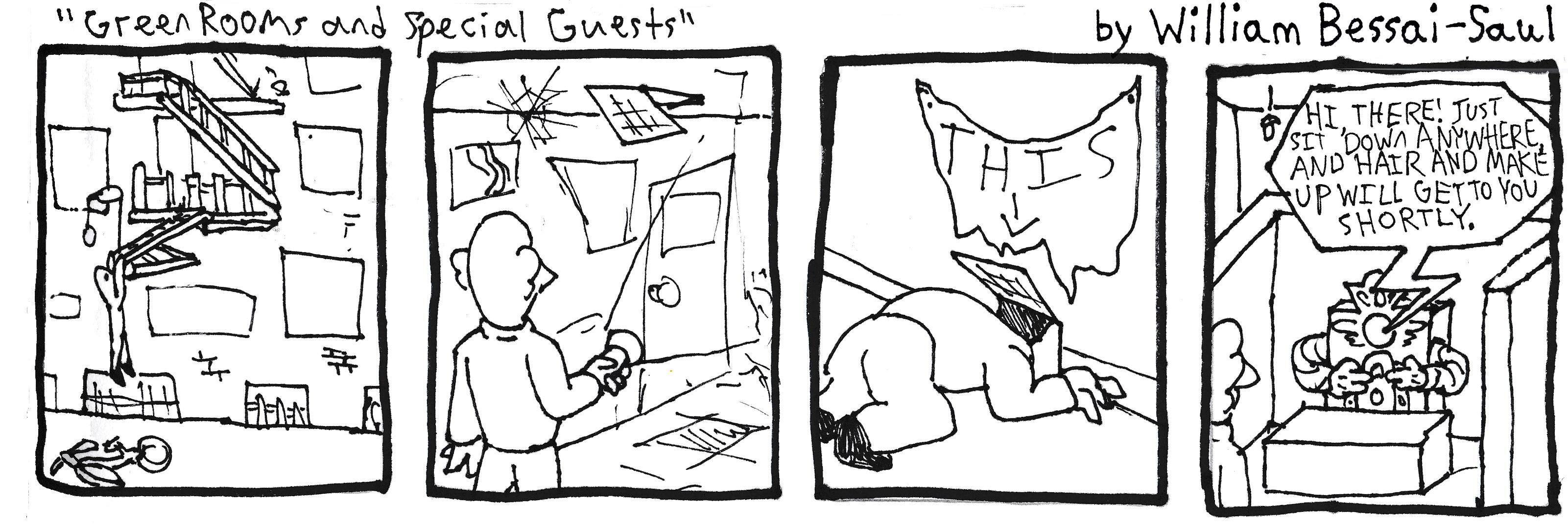





Hello again and welcome to issue 8! I am excited to say we are almost through the fall semester. This issue features a couple reprints of some articles that got a little mixed up last issue, to set the record straight on who said what.
Our next Board of Directors meeting is at 6 p.m. on Wednesday, Nov 27, and our last Edboard meeting of the semester is Monday, Dec 2 at 4 p.m. in Riddell Centre Room 227. For information on how to attend a Board meeting, please email infotayef@ gmail.com or ziyang@carillonregina.com. I hope everyone’s studying is going well, and thank you to everyone who has been reading our issues this semester.
Illegitimi non carborundum, mikayla tallon editor-in-chief
the staff
editor-in-chief mikayla tallon editor@carillonregina.com
executive director ziyang li business@carillonregina.com
production coordinator annika hadden production@carillonregina.com
web technician jebrael muhammad web@carillonregina.com
news editor allister white news@carillonregina.com
community editor kimberley kaufman community@carillonregina.com
op-ed editor hammad ali op-ed@carillonregina.com
staff writer amina salah
staff writer emma mcgill
news writer nazeemah noorally news writer shivangi sharma community writer pall agarwal
contributors holly funk, william bessai-saul, zinia jaswal, harrison munro
board of directors muhammad zuhruf muhammad zarooq, mohammad akib hossain, tayef ahmed, austin stadnyk, jeremy beam
the paper
227 Riddell Centre @ the University of Regina 3737 Wascana Parkway, Regina, SK, Canada S4S 0A2 www.carillonregina.com | (306) 586 8867
Printed by Star Press Inc, Wainwright, AB
The Carillon welcomes contributions.
Opinions expressed in the pages of the Carillon are entirely those of the author, and do not necessarily reflect those of The Carillon Newspaper Inc. Opinions expressed in advertisements appearing in the Carillon are those of the advertisers, and not necessarily of The Carillon Newspaper Inc. or its staff.
The Carillon is published no less than 11 times each semester during the fall and winter semesters and periodically throughout the summer. The Carillon is published by the Carillon Newspaper Inc., a non-profit organization.
land acknowledgement
The Carillon is written on Treaty 4 territory. As such, staff recognize that we are living, working, and telling stories on and of Indigenous lands. We recognize that we are on the traditional homelands of the Cree, Saulteaux, Nakota, Lakota, and Dakota peoples, along with the homeland of the Métis nation. The Carillon understands that it is pointless to acknowledge the land on which we work without demonstrating our commitment to telling stories and prioritizing voices that further the return of this land to its sacred place.
the manifesto
In keeping with our reckless, devil-may-care image, our office has absolutely no concrete information on the Carillon’s formative years readily available. What follows is the story that’s been passed down from editor to editor for over sixty years.
In the late 1950s, the University of Regina planned the construction of several new buildings on the campus grounds. One of these proposed buildlings was a belltower on the academic green. If you look out on the academic green today, the first thing you’ll notice is that it has absolutely nothing resembling a belltower.
The University never got a belltower, but what it did get was the Carillon, a newspaper that serves as a symbolic bell tower on campus, a loud and clear voice belonging to each and every student. the people’s friend; the tyrant’s foe








out this piece by Amina Salah, staff writer, about how to level up your studying abilities (it could be
if


White, news editor, writes on their experience with resellers in the thrifting community in Regina, and gives some advice to those who may be contributing to what she’s seen.

On Nov 13, voters headed to the polls have their say in the 2024 Municipal & School Board Election. Official election results were announced by the returning officer for the 2024 Regina Municipal and School Board Election, Jim Nicol, on Thursday, Nov 14, on the city of Regina’s website.
The release announced Chad Bachynski as the city’s new Mayor, along with the elected ward councils for all ten wards, the public-school board trustees, as well as the separate school board trustees. According to the report, 52,949 (about 26 per cent of 204,832 eligible voters) voted in the recent elections. These numbers suggest an increase of approximately 5 per cent in voter turnout compared to the 2020 elections.
The official candidate information guide for the 2024 election, prepared by Elections Regina and publicly available on the city’s website, highlights the eligibility criteria for those interested in running. The qualifications do not take into account a person’s civic and criminal history.
One of the Mayoral Candidates for this election, Nathaniel Hewton, has a history of being on the wrong side of the law.
In an official public release on the Regina Police Service’s website in Feb 2019, Hewton was accused of threat-
pall agarwal staff writer
Welcome to the Carillon’s “Finance with Pall,” a news finance column covering important economic and financial news from Canada and around the world, focusing on explaining what that news means for students. From tuition costs to job markets, we’ll break down how these changes affect you, making finance easy to understand and relevant to your life. If you have any topic requests or want me to highlight a stock price – shoot me an email at pall@ carillonregina.com.
Disclaimer: The information in this column is intended for educational purposes and is not financial advice. For personalized financial guidance, please consult a licensed professional.
Term of the week:
Tariff: Similar to the way each citizen pays taxes in a country, a country also needs to pay tax when it is importing goods or services from another country. Tariffs are taxes that a government places on goods imported from other countries, and the purpose of one country imposing tariffs on another is to make imported items more expensive.
Theoretically, this protects local and national business from too much competition with foreign goods. Tariffs also help increase the revenue for governments. This type of tariff is called revenue tariff.
Other than this, governments also impose tariffs as an extension of foreign policy. Investopedia explains, “Tariffs […] used as an extension of foreign policy as their imposition on a trading partner’s main exports may be used to exert economic leverage.”
ening two teenage females and pointing a firearm at them. The report stated that “a 32-year-old male had threatened two teenage females and pointed a firearm at them. The females exited the house and were not physically harmed” and that following this, “the 32-year-old male was taken into custody… [and] a search warrant was executed on the residence.” This search led to the seizure of two firearms and other prohibited weapons by police.
According to the report, Nathaniel Hewton was charged with unauthorized possession of a prohibited or restricted weapon, pointing firearm, careless storage of a firearm, and unauthorized possession of a firearm. Hewton had to appear in the Provincial Court as a result.
In a CTV News article published Oct 30, it was reported that Southey RCMP received a report of an assault that took place at a residence in Saskatchewan Beach. Further investigation determined that a man had assaulted a woman. The victim had reported non-life-threatening injuries, and the police subsequently charged Hewton with one count of assault. A warrant for Hewton’s arrest was also issued.
In an email response to the Leader Post, Hewton’s campaign manager said that “despite the parties involved believing they had resolved the issue, law enforcement are insisting on pursuing charges” continuing to write that “Nathaniel, and his campaign manager, both believe this is an attempt at derailing his mayoral campaign.”
According to the Leader Post, “the assault charge is not the only one that has been brought against Hewton,” he “also faces a separate charge that – on or about Sept. 29 – he did ‘by verbal speech’ knowingly utter a death threat.”
In his election campaign video on The City of Regina’s election website, Hewton stated that his “negative life experiences” make him “uniquely qualified” to be the next mayor of the city.
“Despite my negative experiences in the city, many of which on the bottom of society have experienced, and yet even the middle class could never fathom, I choose to stay here and make a positive impact, specifically because the resistance to positivity is so strong,” Hewton said. “I am running to insist on an accountable government,” he claimed in the video.
According to results.electionsregina. ca/Mayor, Hewton received 140 votes in the recent election, the least of all candidates.
News of the week:
U.S. President Donald Trump is the 47th President-elect, and intends to pass along the cost of his proposed import tariffs to consumers leading to higher prices for a range of products. In his previous first term in the office, his administration-imposed tariffs up to 25 per cent on more than $360 billion in products from China, according to CBS News. What does this mean?
Anyone importing any good or service from China in Trump’s first term had to pay those extra costs, which added significantly to their expenses. To cover these added expenses, companies usually raise the prices of these goods for consumers.
So, when tariffs are imposed, there are higher prices for American consumers on a range of everyday products that were made or assembled in China, from electronics, to clothing, to furniture. The goal of this tariff is to make America independent, with a focus on the ability to locally source goods, rather than to depend on countries like China to source raw materials or goods.
Theoretically, this encourages local businesses to grow within the country. However, tariffs particularly impact lower-income households that are more sensitive to price increases, and which are already facing the brunt of inflation.
Technology driven companies like Tesla, however, seem to benefit from a Trump victory.
Following Donald Trump’s election victory, Tesla (TSLA) experienced a significant stock surge, rising 14 per cent shortly after the market opened and up 12.8 per cent in late morning trading. This boost was largely attributed to Tesla CEO Elon Musk’s vocal support for Trump through-

out the campaign, which fueled positive investor sentiment in the wake of the election.
Investors interpreted Musk’s endorsement and Trump’s pro-business stance as favorable conditions for Tesla’s future, reflecting optimism that the administration’s policies could align with Musk’s vision for the company.
Wedbush Securities analyst Dan Ives noted that a Trump win might present substantial advantages for Tesla, calling it “the biggest positive” for both the company and Musk. Musk, who has received criti-
cism over Tesla’s reliance on government subsidies, could see a favorable business environment under Trump, given a shared emphasis on industry and deregulation. This alignment boosted investor confidence, viewing the Trump administration’s outlook as supportive of Tesla’s long-term growth.
Florizone stresses the importance of comprehensive approaches as solutions, concrete targets
shivangi sharma news writer
Earlier this volume, the Carillon spoke to Dan Florizone, Executive-in-Residence and Professional Affiliate at Johnson Shoyama Graduate School of Public Policy and former President and CEO of the Saskatoon Health Region. The Carillon spoke with Florizone about the recent and frequent disruptions in health care and emergency services in the province. Florizone offered valuable insights into the possible causes for disruptions, as well as strategies that can be adopted to prevent future incidents.
A report published by Saskatchewan Population Health and Evaluation Research Unit (SPHERU) in Apr 2024 explained that health facilities in CUPE local 5430 regions encountered 533 service delays between Aug 2019 and July 2023, totaling 2,932 days or eight years of disruptions across all facilities, according to the publicly available study.
These interruptions lasted an average of 5.5 days and happened once every three days. Additionally, the number of disruptive episodes increase each year.
Florizone believes that it is as critical for health care services to retain their workers as it is to attract newcomers. “It takes a while to train up providers, so you’ll have to rely on some immigration. You’ll rely on some return to work; you’ll rely on making sure we can stop the bleeding of health professionals in the short term. We want to create a magnet or attractive environment for them to work.”
Florizone also spoke about current chaos, explaining that it is proving to be more expensive in terms of funding. Hiring more staff could reduce the burden of extra money that needs to be paid to the staff working overtime. “Across Canada there is use of agency nurses. Those agency nurses are being paid twice, sometimes three times or more, than what our own staff cost us. We’re paying it in overtime […] there will always be a growth in the health sector but right now the status quo going forward, if you project it out, is much, much more expensive than if we
stopped, anticipated our staffing, and normalized the workplace. Recruitment is very expensive. Retention is a far less expensive strategy,” he said.
Florizone also recognized that creating an environment that can retain its current employees and attract new employees is long term work and takes collective team effort. With consistent long term team efforts, he believes that change can happen. “We could start to see hope in the next six months,” Florizone claimed.
Florizone thinks that while some jurisdictions are very effective in human health resource planning, some of their plans are focused a little too much on the short-term goals and not enough on the mid-to-long-term goals.
He believes that it is not only the Ministry of Health but also the Ministry of Advanced Education that plays a huge role in designing and managing long term strategies. “It’s not only the Ministry of Health, but you’ve got the Ministries of Advanced Education as the ones that decide on the number of training seats that are out there,” he said.
Florizone also explained how the CARMS matching process means that “there’s a real draw for specialist selection for physicians to choose the specialties that are higher paid. Family physicians are not the highest paid,” and that the solution to this is to align incentives to be consistent with needs.
Another strategy suggested by Florizone was to train nurse practitioners, which takes less time, and allows for existing registered nurses to become nurse practitioners. He believes it is imperative to “work the plan and get the people trained up.”
Florizone believes issues surrounding recruitment need a more comprehensive approach.
“We’re having trouble with some basic recruitment and in particular in rural areas, but also in urban parts in just filling the maintenance and housekeeping and dietary staff positions. Part of what we need to do is get to grade nine students,” he said.
Florizone continuned, “Grade nine you’re making your decisions about what the future might look like. If you’re going to go into the health professions, you have to really start selecting

the sciences in high school and those decisions in grade nine that that kids are making is really telling the tale of what might happen later […] we need to actually go into grade nine classrooms and invite grade nine students into the health sector to see how promising and exciting a career in health can be.”
“So, when I say a comprehensive approach, I’m saying start young. I’m saying create the capacity, get students excited and involved in the sciences […] there’s a huge potential here in First Nations and Métis students that are totally unrepresented, both in the economy and in the health sector. We’ve got the youngest popula-
tion in Canada and they’re sitting right here in Saskatchewan. We have huge potential to unleash that talent pool into the healthcare sector,” he concluded.
Florizone recognizes that, for long-term approaches, a number of things will need to change. He believes that change is going to have to be comprehensive and there is an imminent need to incorporate positivity in the system.
“I can tell you every campaign or marketing approach that we take to track people into the health sector is not going to gain traction as long as their mothers and brothers and sisters and uncles and grandparents are disillusioned because they worked in that system. We need to start treating the health professionals with the respect they deserve. We need to be paying them appropriately. We need to be […] treating them in a far better way,” he said. With all the approaches, he also believes that measuring progress with the help of targets and timeframes is essential. “What we lack in the health human resource planning across the country is that there’s great intentions but there aren’t concrete targets,” he concluded.
“We need to start treating the health professionals with the respect they deserve. We need to be paying them appropriately. We need to be […] treating them in a far better way,”
Dan Florizone
In case the results haven’t reached you yet, read on
shivangi sharma news writer
Voting for the 30th Saskatchewan provincial election concluded at 8 p.m. on Oct 28 and the second preliminary count of votes concluded on Oct 30. Voter turnout was similar to the last election. Global News reported that “about 54 per cent of the eligible voters cast their ballot in the Saskatchewan provincial election 2024…only a slight increase from the 2020 election of just under 53 per cent.”
Daniel Westlake, a professor at University of Saskatchewan, explained to Global News that “things like Student Vote that tries to get people voting before they’re eligible and get people used to the practice of voting even if they’re not casting a real ballot,” are useful, and that “we need more of that kind of stuff,” which helps increase voter turnout and public political engagement.
The final count concluded on Nov 9, according to Election SK’s calendar.
The Saskatchewan Party (Sask. Party) returned for its fifth consecutive term. To hold a majority government, a party needs 31 seats. According to the live election results on results.elections.sk.ca, the Sask. Party has 34 seats and the Saskatchewan New Democrats Party (Sask. NDP) has 27 seats.
CBC reported that this is the first time a party has served five consecutive terms since the Co-operative Commonwealth Party served from 1944 to 1961 under the leadership of Tommy Douglas. CBC’s report published on Oct 28 stated that Moe will remain as Saskatchewan’s premier and retain his seat in the Rosthern-Shellbrook constituency.
In a video on CBC’s page, Scott Moe, while celebrating the party’s victory at the Richardson Pioneer Recreation Centre in Shellbrook on Oct 29, released a statement. He said, “You know and believe, as do I, that Saskatchewan’s best days are still ahead of us, and you believe that the Saskatchewan Party is the best choice to lead Saskatchewan to that brighter future.”
Moe also recognized that the win was closer than other elections of his party, “I’ve heard the message that was delivered here this evening, and the Saskatchewan Party will be a government that works for all of the people of Saskatchewan.”
As for the NDP, the party gained a significant number of seats in comparison to the last provincial elections in 2020, when it had a total of 13 seats, according to the past election results. NDP leader Carla Beck, who retained her seat in Regina
Lakeview, addressed the public and party members in her speech at the DoubleTree Hotel in Regina on Monday, Oct 28.
“Friends, we came so close…We might not have crossed the finish line first tonight but, my friends, we have changed the landscape in this province,” she said.
After the final count, the Sask. Party and the NDP will form the entire legislation for Saskatchewan. Candidates from the other five parties, namely the Buffalo Party of Saskatchewan, the Progressive Conservative Party of Saskatchewan, the Saskatchewan Green Party, the Saskatchewan Progress Party and the Saskatchewan United Party, have lost in all races they competed.
NDP won all seats in Regina and all but one in Saskatoon, the two biggest cities in the province, Sask. Party won the seat in Saskatoon Willowgrove. In an article by The Leader Post, it was reported that five prominent cabinet ministers were defeated by their NDP rivals in the initial counts.
Attorney General Bronwyn Eyre in Saskatoon Stonebridge-Dakota, Gene Makowsky (Social Services) in Regina University, Christine Tell (Environment) in Regina Wascana Plains, Laura Ross (Parks, Culture and Sports) in Regina Rochdale, and Paul Merriman (Corrections) in Saskatoon Silverspring were the leaders who lost in their respective constituencies. As per The Leader Post’s report, 21 out of the 48 MLAs who were elected in 2020 did not participate in the recent elections with Sask. Party under returning Premier Scott Moe’s leadership.
Moe stated in his victory speech on Oct 29 that, “We knew when we started this campaign that it was going to be a challenging campaign…Recent history has not been kind to incumbent, majority governing parties in this nation or around the world…But we also believed that we had a message and we had a record we could be proud of. And we knew we had an outstanding slate of candidates.”
It is worth noting that all three Indigenous MLAs belong to the NDP, none of the Sask. Party MLAs are Indigenous. The Saskatoon StarPheonix reported that two Indigenous candidates, Jordan McFail and Leroy Laliberte, were elected in the northern constituencies of Cumberland and Athabasca respectively and that Betty Nippi-Albright retained her seat in Saskatoon.
Doug Cuthand, a journalist with The Saskatoon StarPheonix, says in his article “Provincial election showcases need for change in Sask. Politics” that “the provincial election may have revealed the rural-urban split in Saskatchewan, but it also revealed the split between the Saskatchewan Party and Indian Country.”

Cuthand continues, “In their zeal to court the right wing, Indigenous issues have been ignored and the Saskatchewan Party government has instead placed a priority on cultural wedge issues, such as changing rooms for trans kids. This issue hardly shows on the First Nations radar [...] issues such as health care, poverty, homelessness and the justice system were barely discussed. Health care being the exception.”
“According to Saskatoon Tribal Council Chief Mark Arcand there are over 800 homeless people in Saskatoon, and most are Indigenous. The situation in Regina is
likely similar. This is a complicated issue that must be addressed,” he said.
The Leader Post reported Beck’s statement regarding the NDP’s goals and approach going forward. “We’re going to keep fighting for health care that is there for people when they need it, so they don’t have to drive out of province or pay out of pocket to get it […] We’re going to fight for our kids so they get that good education that we all want for our kids and our grandkids, for jobs that pay the bills,” the NDP leader said.
“We might not have crossed the finish line first tonight but, my friends, we have changed the landscape in this province”
Carla Beck
U of R REB was given incomplete information, did not flag as concerning
On June 10, CBC News published an article written by Geoff Leo titled “Inside the Brain School.” Leo’s article details experiments conducted on Saskatchewan children by an American company called the Biocybernaut Institute.
These experiments, conducted on Indigenous youth from Prince Albert and area, were fully approved by the University of Regina (U of R) Research Ethics Board (REB) in 2013. The experiments have since ceased, but Leo uncovered troublesome and exploitative elements of the study.
The Biocybernaut Institute is based out of Sedona, Arizona and was founded in 1983 by Dr. James Hardt. Biocybernaut specializes in the research of neuroscience as well as providing seven-day training programs, which purport to “teach clients how to control their own brainwaves” via a technology known as neurofeedback.
Neurofeedback technology enables users to hear and or see their own brainwaves, which supposedly allows patients to “detect and fix faulty thought patterns.”
The goal of the experiments conducted on Indigenous youth in Saskatchewan
“
was to test the effectiveness of Biocybernaut’s seven-day treatment programs in regards to trauma. Sometime in 2013, the Saskatchewan Rivers Public School Division began to promote the project (known internally as the Prince Albert School Study [PASS]) to students in six schools after the study received approval by the U of R’s REB.
“Change your brainwaves; change your life!” was the slogan apparently used on the school’s promotional brochures. CBC News reported that “according to Hardt, 60 children aged 12 to 15 participated, along with one parent or guardian each.”
The experiments took place at a facility in Victoria, British Columbia, with funding for the participants’ trips provided by the Pure North S’Energy Foundation. Pure North, a non-profit started by Alberta oil billionaire Allan Markin, was a vitamin and supplement provider which CBC also investigated before the NPO’s shutdown.
According to CBC, another “aim of [Biocybernaut’s] project was to test the benefits of Markin’s vitamins and supplements.”
In their investigation of Markin’s organization, CBC found that Pure North’s program “was not accurately supported
by science… couldn’t prove the health and economic outcomes it claimed… [and] distributed high doses of vitamin D and other nutrients in a way that could pose a health risk.” At one point, Pure North offered its program to thousands of Alberta seniors.
According to participants, the details of the experiments were not made clear in advance. Alma Stonestand and her daughter, Chyna Gallernault, members of the James Smith Cree Nation, participated in the experiment. Gallernault was 12 at the time.
In preparation for the experiment, the two “were ushered into a room where Biocybernaut staff began attaching electrodes to their heads,” and were then separated, and placed in rooms Hardt called “chambers” that were described by CBC as “small [and] dark.”
Technicians remained in a separate room, observing the participants by video. According to Gallernault, for the majority of the seven-day program, she was alone “in a dark room for more than half the day, listening to scary trumpets.” These “scary trumpets” were produced by the neurofeedback technology, which translated Gallernault’s brainwave activity into audio. Gallernault witnessed another participant, a grandmother, having “a panic
By the third day of the study, Gallernault and Stonestand both wished to leave Victoria, but were unable due to their financial situation. ‘We were poor. We were given a free trip. We had no choice but to stay, because we had no way back,’ Jackson Rennebohm

attack from claustrophobia from being in the room.”
By the third day of the study, Gallernault and Stonestand both wished to leave Victoria, but were unable due to their financial situation. “We were poor. We were given a free trip. We had no choice but to stay, because we had no way back,” Stonestand told CBC
According to Stonestand, the consent form she signed “didn’t mention electrodes, dark rooms or strange sounds.”
CBC acquired a copy of the study’s ethics application approved by the REB, and found that the application also failed to mention the same crucial details, reporting that “Electrodes being attached to people’s heads… subjects being placed alone in dark rooms for hours a day… [and] detailed discussion of trauma” were not mentioned in the application, despite all being major parts of the experiment.
Amanda LaVallee, is an assistant professor of social work who experienced Biocybernaut’s brain training program, and was close to becoming part of the research team for the Prince Albert School Study. When Leo contacted her, she provided a potential theory as to why the REB approved the study despite the neglect of crucial information.
Carrie Bourassa, former First Nations University professor, “was the study’s principal investigator, along with James Hardt,” according to CBC. LaVallee believes Bourassa’s popularity a decade ago may have influenced the ethics board’s decision. Bourassa, at the time, “was considered to be a leading Indigenous scholar and a rising star in academia,” leading LaVallee to believe the study was approved by the U of R to avoid potential claims of racism if it were denied.
Bourassa, for years claimed to be of Metis and Anishinaabe ancestry, but a 2021 CBC investigation found her to be “of entirely European descent.” Shortly afterwards, she was removed from her position as director of the Institute of Aboriginal Peoples’ Health at the Canadian Institutes of Health Research.
The Executive Director of Communications and Marketing at the U of R, Linsay Rabyj, claimed that “the University of Regina is committed to responsible, respectful, ethical, and safe research” and that their “current review processes have evolved to become…broader.” Rabyj went on to say that “if the same proposal was brought forward today, the review process would be more robust.” Rabyj did not explicitly state that the experiment would not be approved by the REB.
In 2021, the office of the Vice President Research initiated an external investigation. According to a statement released by the VP Research office, “all recommendations from the extensive external review have been implemented.” Recommendations include the addition of two Compliance Specialists.
Part of the Compliance Specialists’ responsibilities are to flag “regulatory issues such as conflict of interest, missing information, etc.” The REB also instated “community member representation on the board,” which they claim means that “[four] members can provide the Indigenous community perspective on the current board besides the Co-Chair (Indigenous Research).”
A look at medical contributions from the Islamic
nazeemah noorally news writer
Each October, Canadians mark Islamic History Month Canada (IHMC), celebrating Muslim heritage and the contributions of Muslim Canadians to society. Recognized officially in 2007 thanks to late Ottawa-Vanier MP Mauril Bélanger, IHMC fosters understanding and unity by highlighting Muslim achievements across fields like science, medicine, the humanities, and the arts.
This year’s IHMC theme, “Health and Healing,” spotlights the role that Islamic civilization has played in shaping modern healthcare and the contributions of Muslim Canadians to the well-being of communities across the country.
Throughout history, the Islamic world has contributed immensely to medical knowledge and healthcare practices. During the Islamic Golden Age, spanning roughly from the 8th to the 14th century, figures like Ibn Sina (Avicenna) and AlRazi (Rhazes) pioneered groundbreaking research in pharmacology, anatomy, and surgical techniques.
These scholars’ work, including the development of early hospitals and holistic approaches to care, laid the groundwork for countless aspects of today’s medical field. This year, the Carillon shines a spotlight on several Canadian organizations that carry on this legacy of care by uniting Muslim healthcare professionals and offering faith-sensitive support to diverse communities across Canada.
An example is the Muslim Medical Association of Canada (MMAC), a registered non-profit that brings together Canadian Muslim doctors, medical students, and healthcare professionals to serve communities nationwide. Through collaborative efforts, MMAC members provide essential clinical services, promote community health, and facilitate professional education and mentorship.
Operating on values rooted in Islamic teachings, the association works toward “healthier communities” by not only addressing immediate health needs but also advocating for a more inclusive healthcare system in Canada. MMAC’s work is grounded in its mission to improve public health while uniting Muslim healthcare providers across Canada.
“Our mission is to serve Canadians through health services informed by our faith,” MMAC said in a recent statement, emphasizing its commitment to serve diverse Canadian communities with both professional skill and compassion. The association’s wide-ranging initiatives, from community outreach programs to global health research, offer a unique blend of Islamic values with medical excellence, bridging gaps in healthcare access and promoting overall wellness.
Alongside MMAC, Ruh Care, an innovative mental health platform, has been making strides in providing faith-sensitive and culturally responsive mental health services for Muslims across Canada. Ruh Care, using the word Ruh, meaning “soul”
in Arabic, was launched to address a critical need in the Muslim community for accessible, inclusive mental health care.
Studies have shown that Muslims often face barriers when seeking mental health support, including stigma and a lack of faith-aligned services. Ruh Care works to dismantle these obstacles by offering therapy in over a dozen languages, including English, Arabic, French, Hindi, Urdu, and Somali, among others.
The founder of Ruh Care, Omar Khan, emphasizes the importance of integrating faith and mental health. “Faith can be a core component of mental health support, and our goal is to provide accessible, respectful care that meets our community’s needs,” Khan explained.
The platform connects users with licensed Muslim therapists, allowing them to receive care that respects and understands their cultural and religious backgrounds. By offering virtual counseling sessions through video calls, chat, or phone, Ruh Care supports individuals, families, and youth in ways that are both flexible and tailored to their unique needs.
Faith-sensitive mental health services like those Ruh Care provides are increasingly recognized as essential. According to the Centre for Addiction and Mental Health, Muslims tend to use mental health services less frequently than other groups, often due to misconceptions and cultural stigmas surrounding mental illness.
Some in the community may feel that seeking mental health care contradicts their religious beliefs, while others may experience microaggressions or discomfort when receiving care that lacks cultural sensitivity. By creating a “non-judgmental space” where patients can feel comfortable, Ruh Care helps reduce the stigma surrounding mental health within the Muslim community.
According to Statistics Canada, Islam was the second most commonly reported religion in the country in 2021, with 1.8 million Canadians identifying as Muslim. The Muslim community has grown significantly over the past two decades, and with it, the demand for inclusive services has also risen.
For Muslims who view health holistically, balancing mental, physical, and spiritual well-being, platforms like Ruh Care offer an essential service. The significance of their work goes beyond individual therapy sessions, as they are also reshaping the landscape of mental healthcare to be more inclusive of diverse cultural and spiritual perspectives.
In addition to supporting individual wellness, Ruh Care and MMAC also focus on community engagement and education. Ruh Care collaborates with local organizations, including mosques and community centres, to promote mental health awareness.
They also offer workshops that address the intersection of faith and mental health, helping to reduce stigma and create an open dialogue within the community. MMAC, on the other hand, emphasizes mentorship and career development among Muslim healthcare professionals,

providing networking opportunities and organizing conferences where professionals can share knowledge and resources.
As part of its mission, MMAC also works with youth; encouraging young Muslims to explore careers in medicine and healthcare. The organization provides scholarships, organizes mentorship programs, and collaborates with educational institutions to support aspiring healthcare professionals. Through these efforts, MMAC fosters a sense of belonging and pride among young Muslims entering the healthcare field, inspiring the next generation to contribute meaningfully to Canada’s healthcare landscape.
IHMC’s theme of Health and Healing offers an opportunity for Canadians of all backgrounds to reflect on the shared values that drive communities to support one another in times of need. The contributions
of Muslim scholars to the field of medicine remind us of a time when the pursuit of knowledge and wellness was seen as a collective responsibility – a philosophy that echoes through the work of today’s organizations like MMAC and Ruh Care.
As Canadians come together to celebrate Islamic History Month, we invite our readers to explore these contributions, attend IHMC events, and participate in open discussions that highlight the shared history and interconnectedness of all Canadians. By shining a spotlight on MMAC, Ruh Care, and other Muslim-led healthcare initiatives, IHMC 2024 encourages a deeper understanding of how Canada’s Muslim community is helping to shape a more inclusive and compassionate healthcare system – one rooted in both tradition and modernity, serving all Canadians.
“Throughout history, the Islamic world has contributed immensely to medical knowledge and healthcare practices.” Nazeemah Noorally

As the winter season approaches and the temperature begins to drop, people in Regina prepare for months of snow, ice, and below-zero temperatures. Winter in Saskatchewan can be really unpredictable and requires not only adjustment in driving habits and clothing, but also a different
approach to a lifestyle to keep oneself safe, healthy, and comfortable.
For newcomers and seasoned locals alike, preparing for temperatures that can dip below -40 degrees Celsius is essential. Surviving – and even thriving –in this extreme weather calls for
preparation and practical knowhow.
Winter tires are crucial for Regina’s icy roads, and should ideally be installed by late October or early November, depending on weather forecasts. According to Transport Canada, to qualify as a “winter tire” in Canada, it must be labelled with the 3-peaked mountain or snowflake “Alpine” logo.
Winter tires are designed with special rubber that remains flexible in freezing temperatures, offering better traction on snow and ice. According to Canada Drives, “It’s important to emphasize that driving features like [four]-wheel drive (4WD), anti-lock brakes, and electronic stability control can be useful for accelerating and maneuvering, but they do almost nothing for stopping or slowing down. To get better traction on a snowy or icy road, there’s no substitute for winter tires.”
To maintain winter tires, Canada Drives recommends checking the air pressure, tread, and cleanliness of winter tires before they are put into storage. When storing winter tires, they recommend cleaning them to remove excess moisture and salt, which will deteriorate while in storage, and storing them covered in a cool, clean, and dry place.
Antifreeze is equally import-
ant in cold climates, as it prevents the engine’s cooling system from freezing. Make sure the antifreeze in your vehicle is rated for temperatures as low as -40 degrees Celsius or lower.
Getting all of these ready before the first snow hits is essential. “The best rule of thumb is to get your tires when you notice the temperature is starting to hover around 7 degreese or lower, or even earlier if you want the best selection to choose from,” according to Canada Drives.
Waiting for the bus in freezing temperatures requires special attention to one’s clothing. Inappropriate clothing, like those that leave skin exposed, during winter will not protect against frostbite and hypothermia. Choose well-insulated outerwear and consider adding a disposable or reusable warmer to gloves or boots for additional heat. Still, it is important to stay mindful and aware of bus times so one’s exposure to the cold is minimized. Even the toastiest clothes get cold.
There are various stores where one can get winter-appropriate clothing, including more affordable thrift stores like Value Village and Salvation Army. Some charity organizations like Souls Harbour Rescue Mission offer free clothing to those in need and may have more appropriate
winter clothing available. Most charity organizations rely on donations, however, and what they can offer will be restricted because of that.
The first Canadian winter can be a challenging but manageable experience with a few simple preparations. From ensuring your vehicle is ready for icy roads to layering clothes effectively and seeking affordable gear, one can navigate Regina’s harsh winter season safely.
Preparation is key, and a few preventative steps now can save one from discomfort and even danger later on. It includes thinking ahead and equipping oneself with the tools necessary to thrive and continue a good lifestyle. So, layer up, install the right winter tires, and stay safe – embrace the unique beauty and challenges of a Saskatchewan winter.
emma mcgill staff writer
On top of being on campus around masses of people every day, it also happens to be flu season! How fun! So, while we’re all busy handling schoolwork and jobs, we must also figure out how to keep ourselves from coming down with anything.
Unfortunately, for many of us, getting sick would mean falling behind on a huge number of things: homework, essays, exams, work, etc. So, we must do everything we can to keep those germs at bay.
The first solution might be pretty obvious, but everyone needs a good reminder every once in a while: wash your hands with warm, soapy water. Washing your hands every time you get home is a good habit to develop. Scrub off those outside germs!
The second solution is also quite obvious but something many forget to do: drink lots of liquids, especially those with electrolytes. Flush those germs out and keep your body running properly.
If you have a headache, sure, maybe it’s the first symptom of a head cold, but water always helps. Even when that headache is from extended screentime or lack of sleep, drinking water can help re-
lieve it.
Warm liquids are especially beneficial; if you feel a tickle in your throat, tackle it with some good old-fashioned herbal tea and honey. The best herbal teas for colds include anything with echinacea, lemon, ginger, peppermint, or elderberry. For a sore throat or mucus, gargle with salt water. While the taste might not be great, an unpleasant taste is usually preferable to pain. If none of these things work, there are some home remedies that can assist your body as it’s working to fight off illness. An easy tincture you can make to help, especially with a common cold, involves combining ingredients like orange and lemon slices and peels, honey, turmeric, ginger, and water in a jar. This combination lasts a while and is incredibly soothing. Just scoop some into your mug and pour hot water over it.
One of the most irritating things about a head cold is, of course, being constantly congested. There are many small methods of getting some relief, at least temporarily, to experiment with. First of all, you can take a large heat-proof bowl, boil some water, pour that water into said bowl, and lean over the bowl with a towel over your head to envelop

your face in the steam.
If you’re one for aromatherapy and essential oils, they make soothing additions to that bowl of hot water or a diffuser if you have one available. The best oils for soothing a cold are eucalyptus, peppermint, tea tree, and anything citrus.
Some oils are skin-safe and can be applied topically, such as skin-safe peppermint oil diluted in a homemade chest rub, but you
should always do a patch test. As a general rule, however, essential oils should not be ingested, including citrus oil. Get some vitamin-filled food into your system. Some foods high in Vitamin C include oranges, lemons, and many other fruits and vegetables. Sugary food and drink while you’re sick tend to be counterproductive, however. Most importantly, though, it is difficult when busy schedules
may not allow you to slow down and rest. Get as much quality sleep as you can, and be patient with yourself. Give your body time to fight off whatever is tearing you down. We all know what a strange and fast-paced time of year this is, so remember what your body needs!
A
emma mcgill staff writer
Annika Danielson and Mikkel O’Shaughnessy of the University of Regina’s thirdyear Theatre student cohort talked with the Carillon about their recent production, Shakespeare’s As You Like It. Starring as the comedy’s romantic leads, Rosalind and Orlando, these two had a lot to share about their experience. The play ran from Oct 30 to Nov 2 and featured talented actors and crew members, an intriguing set design, well-executed blocking, and features of songs from popular culture. What was your experience developing your character?
Mikkel / Orlando: My character started off with, obviously, reading the script, finding out what to do, but as it went on, it was just a lot of play. I’d bring something to rehearsal, whether it was just something from me or inspiration from another character who sounds like Orlando. Then, coming into rehearsal, I worked around the feedback. The more fun I had with it, the more random aspects came up of the character, I found.
Annika / Rosalind: My character came through the text, I think. We did a lot of analysis, and I think by analyzing all of the scenes, I was able to better understand Rosalind as a person. I agree with Mikkel – a lot of it also came from play, but I think that the foundation was from the script. What was it like staging your production on the University Theatre stage rather than in the Shu Box?
A: It was very exciting. It was our first time. Well, most people’s first time doing a show on the main stage. So, for me at least, it was a little bit intimidating at first
because it is so big, but once we got out there, I think I was just comfortable playing in the space.
M: I agree. I’ve seen a lot of shows in the University Theatre, so I knew what it was like to sit in the audience, but being on stage and looking out towards everyone for the first time was an intimidating experience. But, the more we started rehearsing on stage and the more we just actually did it, I felt like the space kind of shrank a little bit, and I became really comfortable. How has your perspective on your characters changed since you first stepped into the roles?
A: I think my character just grew a lot. I really struggled at first to try and capture her love for Orlando, because that’s something I’ve never done before as an actor. So, I think, developing that and my trust in my castmates and trust for myself and the production was a really big thing. I learned to trust myself more through the process, which in turn made me trust Rosalind more, and have Rosalind trust herself.
M: I agree, trust was a really big factor when it came to the growth of the character because when I first started out, from the first read of the script, it was like, ‘This dude is just a lover boy of sorts.’ But, by trusting what other people were doing, it was really easy to find, ‘Oh, he’s not just this, he’s more dynamic. He’s more of a human being than I thought.’
What was it like working with so many people?
A: It was fun. At times, it was a little bit overwhelming, just because there’s so many bodies and everyone’s trying to do their job... It’s nice to be surrounded with so many supportive people. It definitely also was a little bit easier for [our cohort] because we had a schedule where we were
coming into rehearsal every night, whereas lots of people were only called once or twice a week. They did an excellent job and were very, very critical to the whole process.
M: Once everyone truly knows how everyone responds and how everyone takes the opportunity to work with one another, and we flow, it just comes really fast. Most of them were cohorts younger than us, like first and second years, a couple of B.A. alums, and we even had one of our sessional teachers come in and act with us.
How was this experience different from the plays you’ve done before?
M: This has been the biggest production I’ve been a part of acting-wise. It was truly something else because there’s a lot more people to focus on, not just me and a couple others. I’m thinking especially of the quick changes, which I’ve done before, but having to incorporate that many quick changes in such a small space where everyone’s running around, it was something else. That really made me think, ‘Wow, this is a bigger production than I’ve ever done.’
A: I’ve done productions with this size of cast on this size of stage, but I’ve never been the lead in them… This is also my first Shakespeare. So, the pressure of Shakespeare plus the added pressure of being the lead in the show, having so many people watch you and rely on you, was a lot of work. The whole magnitude of the show and the stakes of it were bigger than I’ve ever experienced.
What was your experience with Shakespeare before?
M: Reading it in high school, the four classics. Last year, we did a Shakespeare voice class, which focused on more monologue work. Other than that, I haven’t performed Shakespeare on stage. I think
our classes really helped with understanding Shakespeare. Having that overload of Shakespeare really helped push the performance to the next level that we needed. I will need a hiatus from Shakespeare after this, though.
A: We did a lot of Shakespeare this semester, which we will admit was a lot and our profs will also admit was a lot. We were pretty prepared going into this, having an understanding of the poetry, but performing it is something entirely different. What was your favourite part of this experience?
A: My favourite part in the play is when Rosalind, as Ganymede, meets Orlando and walks toward him in her very manly aura. My favourite part of the process is always performing, finally getting to show your work. Thanks to everyone who came to the show!
M: My favourite part of the play that I did was hitting my head on the rock. I loved doing that; it was hilarious, and I just loved that everyone else loved that. My favourite part of the play that I didn’t do was every Rosalind and Celia reaction… I’d just giggle to myself [off stage] about the chemistry that those two had. My favourite part of the production was getting to know these people again. I know them outside class, but work[ing] with them, see[ing their] different sides, and what their experience brings to the show, I love experiencing that.
Look out for more productions from the Theatre department, like the Cabaret and Fringe shows coming in the winter semester.
“My favourite part of the play that I did was hitting my head on the rock. “ Mikkel O’Shaughnessy

pall agarwal community writer
As the rush of midterm exams gives way to the chill of early winter, students and workers alike are shouldering multiple deadlines and overly long nights. It’s that time of year when it’s easy to feel isolated and stretched thin, whether heading to work before dawn or battling assignments after dark.
Stress follows people everywhere, and the hardships of daily life exhaust people to such a degree that it leads to burning out, even to anxiety. During this process lies the opportunity to investigate how people build the resilience and grit to overcome that stress.
Acquiring coping mechanisms becomes important as how one responds to stress affects mental, emotional, and physical health. Even though everyone has coping mechanisms, it is not guaranteed that all of them are helpful or healthy. Unhealthy coping mechanisms can create a vicious cycle of stress and fatigue, while healthy coping mechanisms equip us to face stress with more energy, clarity, and resilience.
Coping skills are the behaviours that one relies on to manage stress. These strategies can range from exercise and creative outlets to relying on substance use to avoid responsibilities and seek quick gratification.
Some might find these coping mechanisms healthy, but they are only short-term fixes and can become unhealthy when overdone. Someone might find one coping skill healthy, and another could find the same one unhealthy. For instance, working out could be healthy for one person, but a different person who works out too often might recognize it as the beginning of an unhealthy coping skill.
Recognizing patterns in life and how to
deal with them is the first step in building a toolkit of effective and sustainable ways to cope with and manage stressful situations.
Some healthy coping mechanisms include mindfulness and meditation, physical activity, creative outlets, and seeking support from local resources. The University of Regina’s (U of R) Student Health Clinic provides counselling services tailored to student needs, from stress management techniques to one-on-one therapy sessions.
Additionally, mental health apps like BetterHelp and Talkspace allow users to connect with licensed therapists online, making professional support accessible to those with busy schedules. People also tend to fall back on their friends to talk through stress.
University students have the unique opportunity to join different groups, clubs, and organizations to form connections and find supportive communities. Online groups and virtual meetups can also offer social support for those who can’t meet in person.
Mindfulness helps one focus on the present moment, letting go of anxieties about the future and the past. Apps like Headspace and Calm offer guided meditations which help ease tension, making mindfulness a more accessible habit.
Creative outlets include indulging in art, poetry, or even writing. Creative endeavours help to take a break from reality in a world that’s easier to control. They allow one to process complex emotions in a way that feels fulfilling and restorative.
Physical exercise and activities in that realm can be a powerful stress reliever. Moving one’s body releases endorphins, which help improve and reduce feelings of anxiety and depression.
Whether it’s a brisk walk, a yoga session, recreational sports, or an intense workout, finding a type of movement you

enjoy can make this a go-to coping strategy. At the U of R, students can access the gym and also explore going to fitness classes through URFit.
On the other hand, to get temporary relief or distraction from difficult emotions, people might see themselves indulging in unhealthy coping mechanisms. According to charliehealth.com, “Unhealthy coping mechanisms are characterized by their ineffectiveness in promoting emotional well-being and their potential to exacerbate distress. They often perpetuate a cycle of negative emotions and contribute to a worsening of the situation.”
Drug use as a way to numb emotions is an unhealthy coping mechanism as it might lead to addiction, physical health problems, and worsening mental health. Apart from drugs, people might also rely on alcohol to cope with stress and difficult emotions. This can lead to dependence, impaired judgement and multiple health issues.

Even food can be used as a source of comfort or distraction from emotional distress, potentially leading to struggles relating to weight, an unhealthy diet, and an unhealthy relationship with food.
To add healthy coping mechanisms into one’s list of coping skills is a gradual process. It will take lots of trial, error, and adaptation. Starting small to gradually transition towards a healthy state is more
sustainable than cutting out unhealthy coping skills entirely. For instance, adding a five-minute breathing exercise to one’s morning, a short walk after lunch, or blocking off time in the evening strictly for yourself.
Journaling or keeping notes of one’s feelings can help one’s brain process the day’s activities and difficult situations. Note any improvements in your mood, sleep quality, and energy levels. Ultimately, being kind to oneself and practicing self-compassion makes it easier to cope. Affirmations of “I am becoming…” or “I am…” could also be used as journal prompts.
As we move deeper into winter, taking steps to assess and build on our coping strategies becomes essential. Stress may be inevitable, but the way we respond to it has the power to shape our well-being in positive, lasting ways. Whether you’re a student facing a round of finals and juggling work or just an average Joe dealing with life and all its challenges, coping skills will help sort through the stress and find solutions.
The journey to healthier coping is not in ridding ourselves of stress but in constructing ways to deal with it so that it does not overwhelm us. Create an individualized approach to dealing with stress, including community resources, mental health services, and self-help tools that will allow one to thrive, especially during challenging times in life. `
“Even though everyone has coping mechanisms, it is not guaranteed that all of them are helpful or healthy.”
Pall Agarwal
Netflix favorite beginning to feel a bit off?
amina salah staff writer
Stranger Things is a Netflix television series created by The Duffer Brothers. The show premiered on screen in 2016, with the first episode being released July 15 of that year. Stranger Things follows a group of young kids growing up in 1980s Hawkins Indiana.
This group of friends is made up of Will Byers played by Noah Schnapp, Mike Wheeler played by Finn Wolfhard, the iconic Eleven played by Millie Bobby Brown, the sarcastic Max Mayfield played by Sadie Sink, the adorable Dustin Henderson played by Gaten Matarazzo, and the witty Lucas Sinclair played by Caleb McLaughlin. The show is also full of a phenomenal ensemble of other actors playing fabulous roles such as Winona Ryder as Joyce Byers, Joe Keery as Steve Harrington, and more.
When I first saw the trailer for Stranger Things, I was in awe of its magnificence. I was uncertain of what the show was about. A missing young boy? Aliens? Was it a classic horror show? A spooky show?
I remember being so intrigued by the trailer, and if you remember 2016, you were most likely intrigued by it as well. It was so simple. It didn’t tell us the full story. It led us to believe that the show was about a young boy being abducted. By whom? That was for us to figure out. The strange thing about Stranger Things back then was its ambiguity. We as the viewers did not know what we were in for.
What made Stranger Things a fantastic show was its focus on science fiction, horror, mystery, and fantasy. The show was a combination of 1980s nostalgia, alternate dimensions, and government conspiracies, all carefully blended with a good mix of drama, comedy, and adventure.
Recently I decided to rewatch Stranger Things and relive the experience. Although I must preface with the concession that I hadn’t watched the most recent season, and thus decided to start over so I can refresh my memory.
The first two seasons of Stranger Things are solid. They are absolutely beautiful. Season 1 introduced a unique concept. A group of kids in a small town facing an ambiguous threat. Their friend Will has mysteriously disappeared. Enter a mysteri-

ous young girl, Eleven – whose backstory is slowly revealed – to help the group. The first season focused on friendship, suspense, and the reality of the unknown ultimately made it a highly compelling series.
Season 2 expanded on the story. It introduced new layers to the Upside Down, and some interesting new characters. Season 2 was still amazing to watch as it retained the show’s suspense and close-knit friendships of the first season. It was a natural progression that stayed true to its backstory whilst unravelling itself.
By the time I got to Season 3, I was a little uncertain. It wasn’t entirely awful, but it was clear that things were changing. Unfortunately, by then it was too late for me to drop the show. I had already invested hours into reliving the nostalgia from a decade I have never experienced.
By Season 3, it was clear that the show was starting to shift its gears. It was more action focused. Additionally, the show had bigger special effects, more comedy, and a strong emphasis on the group’s dynamic. The colours, costumes, and the lighting in this season were all impeccably done. It stayed true to the show’s 80s aesthetic. However, it was missing the dark and suspenseful tone it had started with.
Season 4 was a complete shift from the show’s story and theme. For starters, it had storylines that were lengthier than they needed to be. Additionally, the main cast was separated, and the show jumped between these characters and their plotlines, leading to a slower pace, and this made the season feel like a broken puzzle piece. With each storyline, there was a special focus, which then led to longer episodes and extended storylines that served no distinct purpose to the plot.
Furthermore, the overall aesthetic had changed by Season 4. It feels like an entirely different show. The show shifted to darker, heavier horror. It had explicit and intense horror scenes, along with the introduction of Vecna, a “new” villain whose full form was now on screen.
What made Stranger Things special is that the villains were unknown or undistinguishable creatures. They were unique. The introduction of Vecna, a villain who had a human form as well as alternate versions of himself, took away the “It” factor that Stranger Things initially had. The villains in earlier seasons, the Demogorgon or the Mind Flayer, were interesting because we as viewers were completely uncertain as to what they were exactly. These mysteri-
ous figures created intrigue for the show. Vecna as the new villain changes the original tone of the show. What made the previous seasons unique was the mysterious and unknown threats in the Upside Down. The use of a human yet sinister villain such as Vecna creates a new tone that is rooted in horror and a very predictable plot line. The issue with Stranger Things is that by Season 4, it made Vecna the scapegoat for all events in Hawkins. This ultimately detracted from the eerie ambiguity of Stranger Things.
Furthermore, Stranger Things relies on its main characters way too much. This creates an issue in the storyline, as the main characters become central to the storyline and the side characters are killed off. Put bluntly, the show would make for a more intriguing storyline if it was not afraid of what will happen if a main character is killed off.
Season 4 created a new show in which the story no longer has any emotional depth. Whilst the increased budget led to impressive special effects, elaborate visuals, and stunning cinematography, the season lacked in originality. For all we know, Season 5 might wrap the story up in the most beautiful way possible. Or it might be a
“What made Stranger Things special is that the villains were unknown or undistinguishable creatures. They were unique.”
Amina Salah
zinia jaswal contributor
Marking a historic comeback, Donald Trump has emerged victorious in the 2024 U.S. Presidential Election. His win not only caps off a contentious and fierce campaign, but also sets the stage for what promises to be another turbulent chapter in American politics. As Trump prepares for his second presidency, the country is bracing for what the next four years could look like, given the changes in political landscape.
The road to victory for Donald Trump was not easy. Despite his controversial tenure in office between 2017 and 2021, which was full of polarizing policies and an impeachment trial, Trump galvanized a large base of voters, particularly among conservatives, the working-class, and populist groups.
This base remained unwavering in their support despite the former president facing legal challenges and ongoing investigations. Trump’s larger than life persona, charisma, and ability to command attention from media were key elements in his popularity. His supporters did not view him as just another politician, but as a man who understood their frustrations and represented their hopes. Trump has a unique style, connecting him to his supporters because of his direct, brash, unapologetic way of speaking.
Many of Trump’s supporters align closely with his political views, particularly his conservative and populist policies. His platform on issues such as economic nationalism, immigration reform and conservative policies resonates deeply with his base, especially the working class.
Trump promises to protect American jobs and renegotiate trade deals, as well as to help people who feel left behind by globalization. His economic policies seem to directly speak to people’s frustrations. Trump also became a symbol of resistance against progressive cultural movements, such as on issues like abortion, 2SLGBTQIA+ rights, and gun
rights. His stance on protecting American values connected with the voters who felt like America was losing its culture.
The Trump campaign also tapped into deep-seated frustration with the Biden administration. The Biden presidency, which has struggled with issues like inflation, supply chain disruptions, immigration influx, and rising crime rate as well progressive cultural movements, provided Trump a ground to position himself as a solution to what he called an America in decline.
Trump presented a compelling case for economic policies, emphasizing the need to bring jobs back to America. His promises include tax cuts, reducing regulatory burdens, and renegotiating trade deals to favor American workers. Trump’s staunch position on immigration continued to be a cornerstone of his platform, with the promise of enforcing stricter immigration regulations.
Trump’s press secretary Karoline Leavitt told Fox News, “We know that on day one he is going to launch the largest mass deportation of illegal immigrants in American history,” suggesting that he is preparing to enact strict border control as a priority. Trump has also promised to end the inflation that has spiraled out of control during Joe Biden’s presidency.
Donald Trump’s comeback could significantly impact Canada’s relationship with the United States, especially given the tense nature of Trump’s first term. His “America first” approach to trade and foreign policies has led to tensions with Canada in the past, particularly because of the NAFTA negotiations which resulted in the United States-Mexico-Canada (USMCA) agreement.

Trump’s stance on immigration issues may also lead to tensions with Canada. Further, his energy policies prioritizing fossil fuel production may conflict with Canada’s climate change goals. For Prime Minister Justin Trudeau, Trump’s return could present a diplomatic challenge as Canada seeks to protect its interests while juggling the unpredictable and blunt nature of a Trump presidency.
Trudeau’s progressive agenda, especially on climate change and social issues, puts his government in direct opposition to Trump’s policies. The U.S.’s potential focus on more isolationist policies could force Canada to adjust its foreign policy, particularly on trade matters. With Trump holding his stance on immigration, Canada may also face increased pressure from asylum seekers at the border. Trudeau will need to balance maintaining strong ties with the U.S. while asserting Canada’s commitment to progressive values, navigating a relationship marked by both cooperation and tension.
Trump aims to boost manufacturing by bringing jobs back to America through incentives for business to invest in U.S.-based factories and supply chains, reducing reliance on overseas imports. Recently Trump declared, “We are going to bring back American jobs and restore American manufacturing like we have never seen before,” showing his commitment to bring back jobs for the middle class.
He also stated, “We have more oil than anybody and we
are going to use it to create jobs.” This reflects his economic strategy; reducing government interference, strengthening domestic industries, and fostering an environment where America can thrive.
Elon Musk and Donald Trump have also recently developed a growing relationship around business and innovation. Trump has praised Musk’s work on Tesla and SpaceX, which he sees as emblematic of American innovation. Musk has also supported Trump’s policies regarding tax cuts and government regulation, and both share a vision of America First. This collaboration will help secure U.S. leadership in emerging industries as well as make America innovative, positioning them as key figures in shaping the future for the U.S..
The “Make America Great Again” slogan emphasizes a vision of returning the U.S. to what his supporters see as a period of national strength, prosperity, and pride, often symbolized by the mid-20th century, when America was an economic powerhouse and a global leader.
The slogan emphasizes a desire to restore American man-
ufacturing, reign in government regulation, strengthen borders, and prioritize American businesses over foreign ones. As Trump states, he has to undo the negative effects of globalization, cultural changes, and trade imbalances that took place during Biden’s presidency, and aim to re-prioritize values and policies that benefit the working class.
Donald Trump’s 2024 victory represents a political earthquake, marking a new chapter in American history. His administration will undoubtedly continue to push forward on the nationalist policies that defined his first run for office, while navigating significant legal, social and political challenges.
As Trump prepares to step into office again, the world is watching closely on how he tackles issues facing America and anticipating what his first day in office will look like. Whether his second term will be a moment of political renewal or further polarization remains to be seen, but one thing is certain; Trump’s influence on American politics is far from over.
“Donald Trump’s comeback could significantly impact Canada’s relationship with the United States, especially given the tense nature of Trump’s first term.”
Zinia Jaswal

Good study habits are extremely important for your survival in life, more so in university. As we get closer to December, the reality that the semester is ending hits. We know what awaits us. Eternal doom…otherwise known as finals week.
Friends, do not be scared. Do not despair. All it takes is some planning ahead. Here are some good study habits that will aid you as you navigate finals and get prepared for your papers, assignments, projects, and exams.
To prepare for finals, it is important to set specific goals. You need to draft and define your goals. Additionally, it is important that you set achievable goals. This can be done by defining your overall goals, and then focusing on short term goals that will get
you to achieve your overall goals. You need to create a study schedule. Figure out your schedule of finals and divide each day to focus on specific tasks you need to accomplish and understand. Set aside dedicated time for studying. Consistency will make you less anxious as you get closer to your final. Additionally, this will ensure that you are not cramming last minute. For your own sake, I encourage you to create a study plan and schedule. Creating a study schedule goes hand in hand with staying organized, which is another factor that is important for your survival. Keep track of your assignments, exams, and notes in one place. I personally enjoy using a planner. If you don’t like writing, I recommend that you check out
digital tools such as Notion to help you stay on top of your classes every semester.
Additionally, focus on eliminating distractions. Study in a quiet space without clutter. If you are someone like me who needs a little background noise to study or focus, that is completely okay, however I advise you to play a movie or a show that you have seen a million times. This creates the right noise for you, is comforting as you don’t feel entirely alone, and makes studying something to look forward to.
Make sure that you find a study space that is perfect for you. If you can study at home, that is lovely, however if you cannot, there are many study spots on campus. I personally enjoy the fifth floor of the Archer library,
thee to a rag house!
the Women’s Centre at Riddell, as well as Luther Library. For me, these have been the best study spots on campus for the past few years.
Moreover, it is important that you find ways to mitigate and manage your stress as this can be a very difficult time for many students. Please try to take breaks when you are studying.
I hate to say it, but diet is important, folks. You need to eat nourishing foods throughout the day. Food is fuel. Food is life. Food is important for you to improve your study habits. I personally enjoy meal prepping as I hate thinking about what I will eat throughout the day, but especially during finals week.
It is a busy time, so I make sure I prep all my meals ahead
of poorly behaved resellers into community spaces
Historically, stigma has surrounded thrift stores, and the purchase of used clothing from strangers in general. According to Time magazine, much of this stigma stemmed from anti-Semitic attitudes because the used clothing business in America was “predominantly started by Jewish immigrants, whose professional options were often constrained by anti-Semitism”, and “that prejudice rubbed off on their wares.”
Time magazine also explained that the launch of Goodwill and other charity shops created by Christian ministries in the early 1900s “gave immigrants a place to find clothes and become ‘Americanized’” and offered the middle-class a chance “to ‘feel virtuous about buying something new because they can give something back.’” And so, partly because of the evangelization of the American used clothing business by ministries, the stigma surrounding the purchase of used clothing and wares reduced.
That stigma hasn’t entirely disappeared, but it’s far less prevalent than it was in the past.
Perhaps, because of this reduction in stigma (what some call the “gentrification” of thrifting), it shouldn’t come as a shock that those seeking relatively easy extra income view thrift stores as resources, reselling as honourable work, and so, have had a significant impact on thrifting as a whole.
The debate about whether resellers are, by nature, unethical doesn’t have a consensus, and isn’t actually a discussion worth joining. It may lack consensus, but the gist of the conversation is simple: you are either a reseller, or you find yourself consistently frustrated by the slimy, exploitive resale business. I am not a reseller. The only question left is, are you?
In Regina, the most visible and obvious resellers I have encountered are masculine-presenting. That’s not to say feminine-presenting people aren’t also buying items with the express purpose of reselling them, but neat ‘go-back’ piles of women’s clothing tucked neatly at the end of the rack are less damaging, destructive, and frustrating than the openly ridiculous behavior of male resellers.
This behavior, in my experience, includes but is not limited to: shoving large sections of cloth-
ing back and forth on a rack, disturbing others in the aisle, throwing unwanted clothing items on the ground or overtop the rack, not caring about aisle etiquette (i.e.: don’t ram your cart around like a two-year-old with a Tonka truck), and flipping through tee shirts with fervor that I haven’t even witnessed in a vinyl record store, where flipping can be frantic, yes, but much more… Zen. Scholars, such as Jennifer Lynn Ayres, remark on the “hyper-masculine spaces” of “streetwear and tee shirt culture,” explaining that this business “can reinforce a ‘bro’ culture that is… about competitive status and flaunting wealth.” I think that Ayres has put her finger on the root cause of a large part of my frustration with resellers in thrift stores with her discussion of tee shirt culture.
Reseller, especially those who haunt the men’s clothing and tee-shirt aisles, embody a space where women and gender-diverse people are neither invited nor welcomed. They drag the energy of that hyper-masculine space into what ought to be an inclusive, nonjudgemental space for community and exploration rather than exploitation. Now, in our own spaces, I get the sense
we’re at risk of having our invites revoked.
When Penelope B. Bernal interviewed thrifters as research into thrift as “a respelling of home,” one interviewee, Zoe, said that “a thrift store should be a community space…a place where everyone feels welcome…and it shouldn’t be a resource that people feel like they can bleed dry.”
People like me, Zoe, and Bernal, who have no interest in the “hyper-masculine spaces” and environment in stores like Saskatoon’s Demand Clothing YXE, can avoid the stores as swiftly and easily as men can walk briskly past, say, a Victoria’s Secret. It’s impossible to employ the same strategy of avoidance in local thrift stores.
We are unavoidably confronted by the aggressively gendered “‘bro’ culture” of many resellers when it pervades into a safe space that, by nature, plays with the way gender and clothing interact (there’s no clear delineation between ‘men’s’ and ‘women’s’ clothing the way there is in malls, or places like Hudson’s Bay, and people can move fluidly between the sections). It’s exhausting.
of time, so I don’t have to think about it. Your health is valuable. Physical health is an asset that supports mental focus. Healthy eating and sleep habits will improve your concentration in stressful times.
Lastly, remember this is temporary. Finals will pass. You will have a fabulous winter break. You will get to relax. You will get to sleep. And most importantly, you will get to binge all your favourite shows. They’re not going anywhere. Hang in there. Good luck.
amina salah staff writer
The call here for resellers is simple: have some manners, think about the impact of your work, and think about where you are situated in the space you occupy. Here’s a hint: at the end of the day, whether you like it or not, you’re a guest in somebody else’s house. Either behave yourself, or get out.

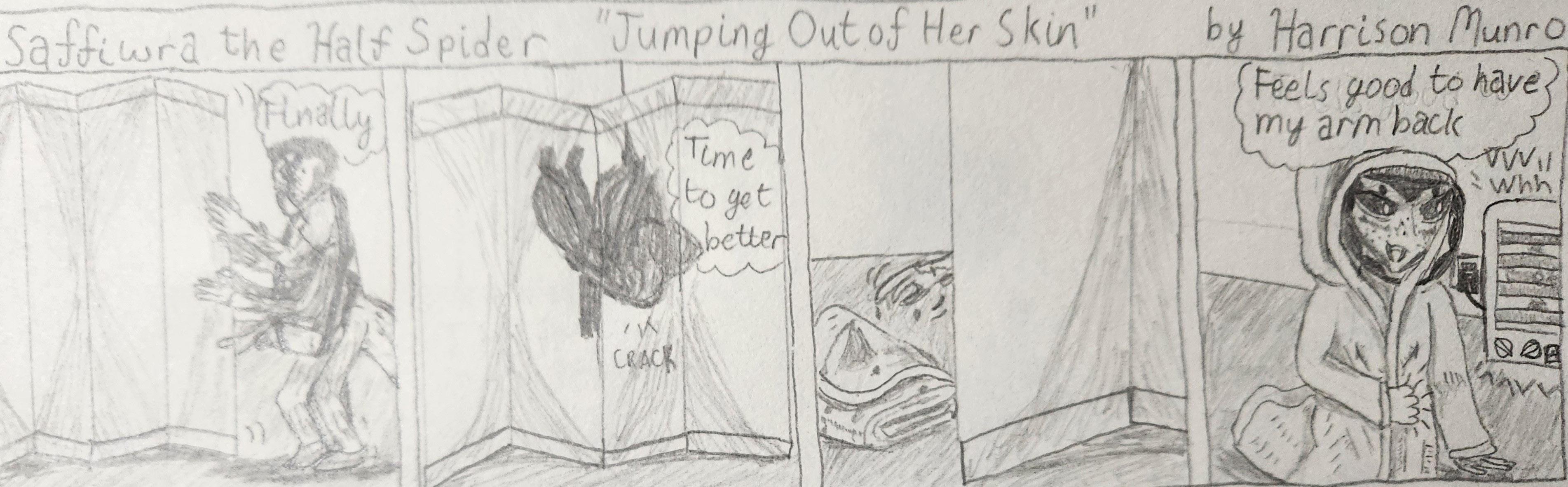
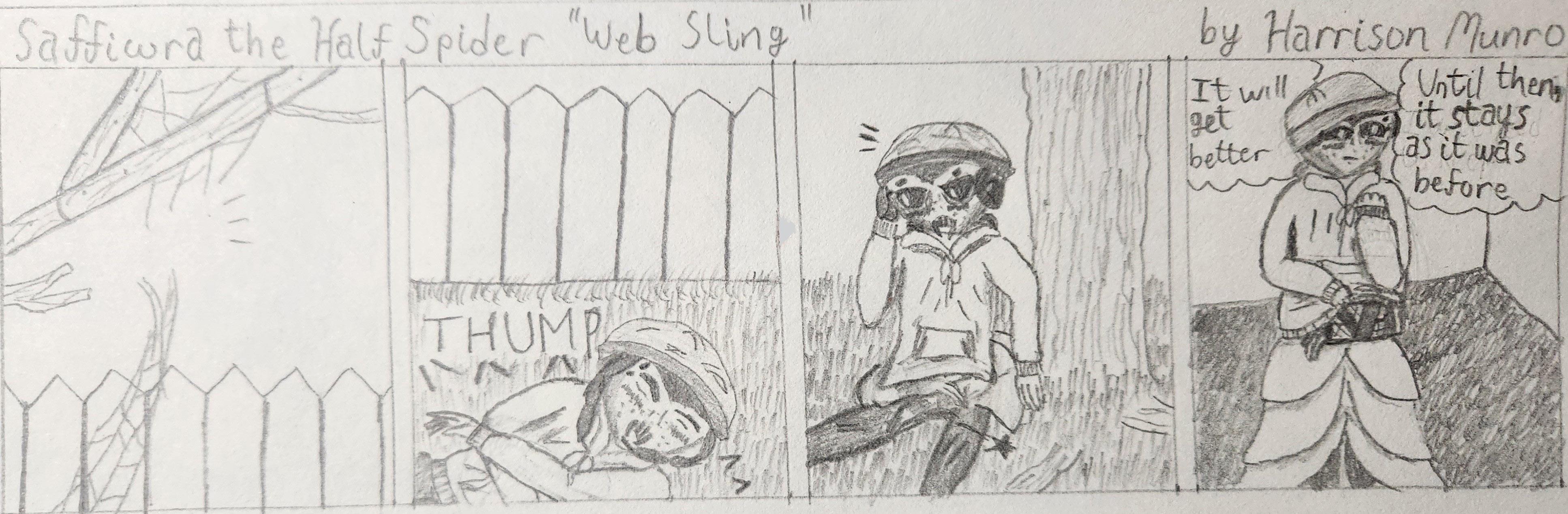
MONDAY
TUESDAY
WEDNESDAY
Red Barn Radio 6 – 7 am
Water 7 – 9 am
Living Planet
9 – 9:30 am (spoken-word)
Environmental stories from around the globe
Science Unscripted 9:30 – 10 am (spoken-word)
Chinese Connection 10 – 11 am (spoken-word)
Get Chatty With Kathy 11 – 11:30 am (spoken-word) A mixed bag of topics
Muzyka Ukraine 11:30 am – 12:30 pm WINGS 12:30 – 1 pm (spoken-word) Raising women’s voices through radio Scotland Calling
– 3 pm Mists of Thyme (repeat) 3 – 4 pm
THURSDAY
Daebak! (repeat)
5 – 7 am The Mystic Voyage 7 – 9 am
The Book Show 9 – 9:30 am (spoken-word) WINGS 9:30 - 10 am (spoken-word)
FRIDAY
– 5 am Navaye Ashena (repeat)
– 6 am (spoken-word)
12 am
Avant-garde music
Phil’s Overnight Jam
12 – 5 am

Maybe you didn’t read these bits...
“When an alien resides with you in your land, you shall not oppress the alien. The alien who resides with you shall be to you as the citizen among you; you shall love the alien as yourself, for you were aliens in the land of Egypt: I am the Lord your God.” - Leviticus 19:33-34
“’Cursed be anyone who deprives the alien, the orphan, and the widow of justice.’ All the people shall say, ‘Amen!’” - Deuteronomy 27:19
“Those who mock the poor insult their Maker; those who are glad at calamity will not go unpunished.” - Proverbs 17:5
“If you close your ear to the cry of the poor, you will cry out and not be heard.” -Proverbs 21:13
“Speak out for those who cannot speak, for the rights of all the destitute. Speak out, judge righteously, defend the rights of the poor and needy.” - Proverbs 31:8-9
“This was the guilt of your sister Sodom: she and her daughters had pride, excess of food, and prosperous ease, but did not aid the poor and needy.” - Ezekiel 16:49
“You shall allot it as an inheritance for yourselves and for the aliens who reside among you and have begotten children among you. They shall be to you as citizens of Israel; with you they shall be allotted an inheritance among the tribes of Israel.” - Ezekiel 47: 22
“’for I was hungry and you gave me no food, I was thirsty and you gave me nothing to drink, I was a stranger and you did not welcome me, naked and you did not give me clothing, sick and in prison and you did not visit me.’ Then they also will answer, ‘Lord, when was it that we saw you hungry or thirsty or a stranger or naked or sick or in prison, and did not take care of you?’ Then he will answer them, ‘Truly I tell you, just as you did not do it to one of the least of these, you did not do it to me.’”Matthew 25: 42-45
“Let mutual love continue. Do not neglect to show hospitality to strangers, for by doing that some have entertained angels without knowing it. Remember those who are in prison, as though you were in prison with them; those who are being tortured, as though you yourselves were being tortured.” - Hebrews 13:1-3
“Listen! The wages of the labourers who mowed your fields, which you kept back by fraud, cry out, and the cries of the harvesters have reached the ears of the Lord of hosts.” - James 5:4