2025
the gem
Global Recognition
Prof Tulio de Oliveira among the top Highly Cited Researchers on Clarivate’s 2025 list
Flagship Collaboration
The Bavaria-Western Cape BioTech Initiative opens new doors for joint innovation
Climate Change and Epidemics 2025 Report
14 06 summary 18
Achieving Global Recognition
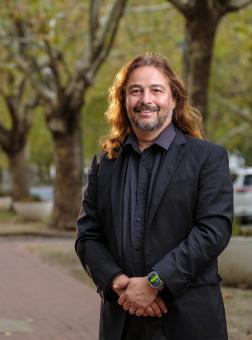
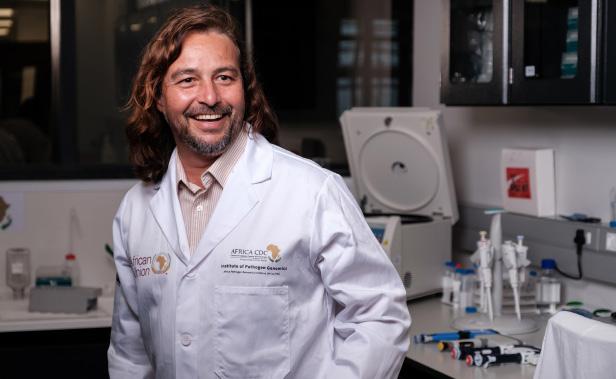
For the second year in a row, Prof Tulio de Oliveira, Director of CERI, has secured a spot on the prestigious Clarivate Highly Cited Researchers list for 2025, specifically in the Cross-Field category.
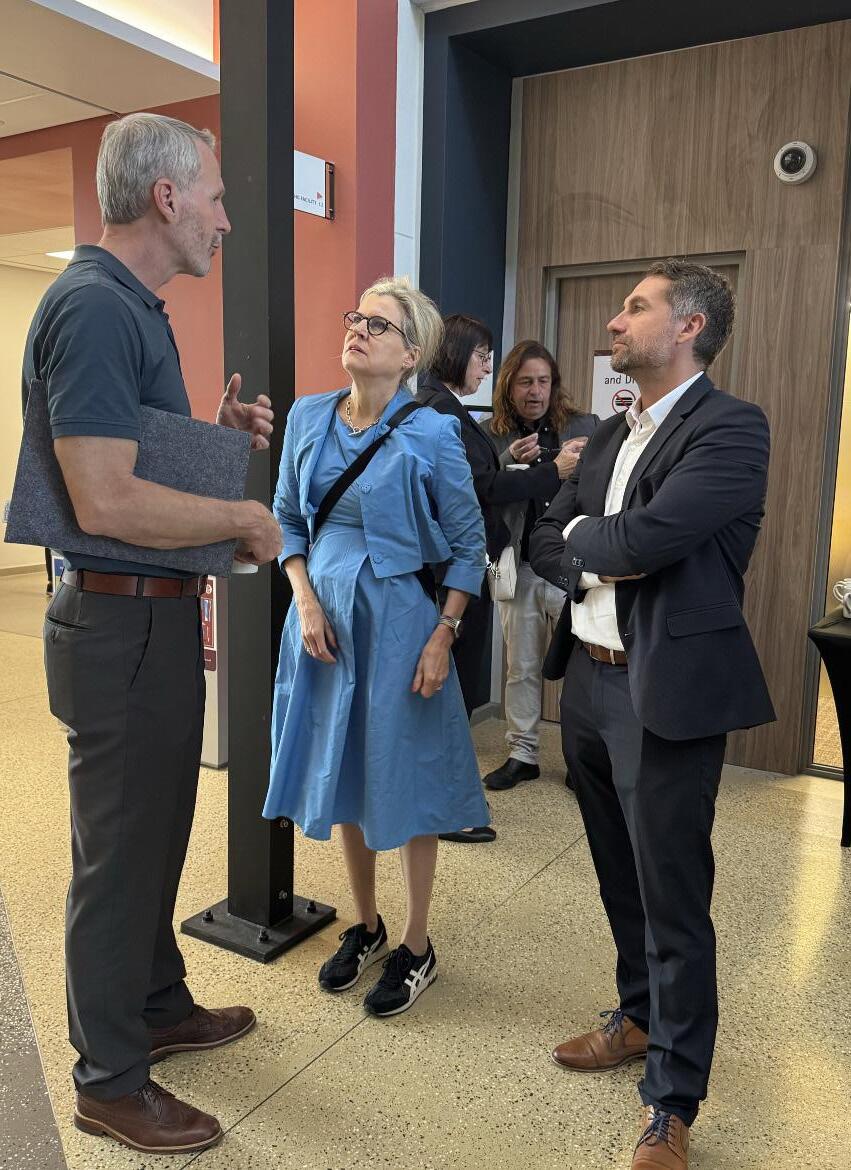
BMRI hosts Bavarian Delegation
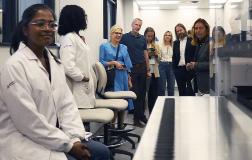
As part of their visit to the Stellenbosch University, the universities in the Bavarian delegation toured CERI’s stateof-the-art facilities at the Tygerberg Campus on 4 November.
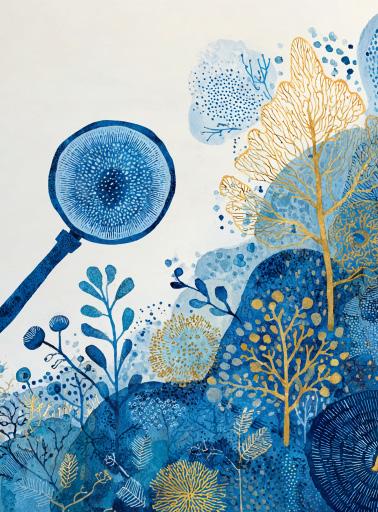
A Journey Through Virus Discovery
Researchers from around the world gathered at CERI at Stellenbosch University, from November 17 to 21, for an intensive week of hands-on learning during the Metagenomics Virus Discovery (MVD) Workshop.
the gem: Centre for Epidemic Response and Innovation (CERI) & South African Centre for Epidemiology and Modelling Analysis (SACEMA), Stellenbosch University & KwaZulu-Natal Research, Innovation and Sequencing Platform (KRISP), UKZN, Durban director: Tulio de Oliveira editors: Tulio de Oliveira, Katrine Anker-Nilssen and Maambele Khosa art director: Victor Hugo Szortyka graphic designers: Maambele Khosa, Ronison Guimaraes, Tulio de Oliveira, Katrine Anker-Nilssen printers: Gwynneth Louw websites: https://ceri.org.za/ https://www.krisp.org.za/, https://www.sacema.org/
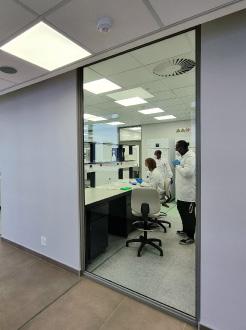
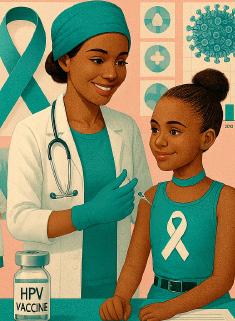
My GreenLab Certification HPV Prevention in South Africa From SIlos to Synergy
The Centre for Epidemic Response and Innovation (CERI) demonstrates its commitment to environmentally responsible research, joining a growing network of sustainable laboratories globally.
New modelling work by SACEMA’s Senior Researcher, Dr Cari van Schalkwyk, explores how current HPV vaccination strategies could reshape the country’s path toward cervical cancer elimination.
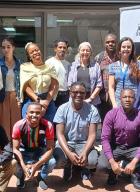
African STARS fellows gathered over two days to participate in a Transdisciplinary Practice workshop – a Public Squares Initiative which aims to foster and build capacity for impactful and socially engaged research.

editorial
As 2025 draws to a close, the Centre for Epidemic Response and Innovation (CERI), the KZN Research Innovation and Sequencing Platform (KRISP) and SACEMA reflect on a year marked by scientific excellence, global collaboration, and meaningful advances into the future of AI-driven health innovation. This edition of the gem magazine captures highlights of that journey.
We celebrate a major milestone as our Director, Prof Tulio de Oliveira, is named for the second consecutive year to the Clarivate Highly Cited Researchers list, affirming CERI’s global scientific impact. Our facilities continue to serve as a hub for international exchange, welcoming leaders and researchers from renowned universities –including Harvard and the Massachusetts Institute of Technology (MIT) – and a high-level Bavarian delegation, forging new partnerships in biotechnology and data science.
This issue highlights a vibrant season of learning and collaboration: the Metagenomics Virus Discovery Workshop, the African STARS Transdisciplinary Practice workshop, and Research Days 2025–showcasing pioneering work across AI, climate resilience, women’s health, and epidemic intelligence. We also feature advances in sustainable laboratory practices, HPV vaccination modelling, and the CLIMADE COP30 Report, which underscores the accelerating links between climate change and disease.
We further spotlight the visit of Dr Jody Phelan, from the London School of Tropical Medicine in the U.K., whose engagement with the CERI and Tuberculosis Genomics Group (TBG) teams strengthens collaborations in genomics, bioinformatics, and global health capacity-building.
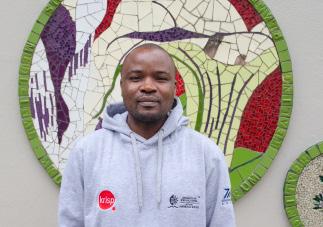
At KRISP, the final months of 2025 remain equally dynamic. Highlights include immersive outreach days with IkamvaYouth learners, a monthlong skills-exchange residency with HIV Research Trust Fellow Dr Armando Djiyou, strategic engagements in Switzerland through the DTG RESIST partnership, hosting the national 2025 Technology Platforms Programme Forum, and celebrating Dr Hastings Musopole’s prestigious genomics fellowship.
These achievements reflect a shared commitment to harnessing science, technology, and collaboration to strengthen health systems and build resilient communities across South Africa, the continent, and the world. CERI continues to lead Africa’s scientific innovation landscape, and our expanding African STARS Fellows programme is a testament to this – nurturing the next generation of multidisciplinary researchers: leaders who will shape the future of epidemic preparedness, public health, and scientific discovery.
text:
Katrine Anker-Nilssen and Tulio de Oliveira
Achieving Global Recognition
Prof Tulio de Oliveira among Clarivate’s 2025 Highly Cited Researchers.
text:
Maambele Khosa & Katrine Anker-Nilssen
photo: CERI Media, Supplied
For the second year in a row, the Director of the Centre for Epidemic Response and Innovation (CERI) at Stellenbosch University (SU), Prof Tulio de Oliveira, has secured a spot on the prestigious Clarivate Highly Cited Researchers list for 2025, specifically in the Cross-Field category.
This remarkable accomplishment places him among an elite group of only 11 South African researchers that made the list of the top 1% in the world.
“Being named a Highly Cited Researcher is not just a personal achievement; it represents the collective effort of my team at CERI and the vibrant research community at Stellenbosch University. It highlights our commitment to pioneering research that addresses global health challenges and fosters innovation for a sustainable future,” said de Oliveira. “A testament to the impactful work we are doing at CERI, it inspires us to continue pushing the boundaries of knowledge, collaborating with other scientists, and contributing to a healthier, more resilient world for everyone.”
Clarivate’s Highly Cited Researchers programme
identifies influential research scientists and social scientists who significantly shape their fields. These selected individuals contribute to expanding knowledge and driving innovation that benefits society, making the world healthier and more sustainable.
To be recognised as Highly Cited Researchers, candidates must have authored multiple papers that are among the top 1% in citations for their respective fields over the past 11 years, as indexed in the Web of Science Core Collection. The selection process also incorporates various quantitative metrics and expert judgment to refine the final list each year.
Prof Sibusiso Moyo, Deputy Vice-Chancellor: Research, Innovation and Postgraduate Studies at SU, said that “the list honours individuals whose substantial research output influences the future of science, technology, and academia worldwide, reflecting a commitment to maintaining high standards of research integrity and quality. Prof Tulio de Oliveira personifies this standard. We take immense pride not only in his continuous and remarkable contributions and achievements in both national and global contexts, but also in his considera-
ble efforts in empowering and training the next generation of young scientific leaders across the continent in, amongst others, genomics, data science, public health, and health innovation. This also shows the importance of investment in our people and research and innovation infrastructure, to ensure we remain globally competitive.”
The Clarivate programme prioritises research integrity and has evolved to include sophisticated evaluation filters addressing potential issues – such as hyper-prolific authorship, excessive self-citation, and anomalous publication patterns. For example, Highly Cited Papers with over 30 authors or documented incidents of scientific misconduct are excluded from the analysis. This ongoing refinement is crucial to ensuring recognised researchers meet the programme’s standards.
The 2025 analysis reveals that this year, 7 131 awards were given to 6 868 researchers across 60 countries, yet 86.1% of the designations are concentrated in just ten countries, with over 74.6% in the top five, showing a remarkable concentration of top research talent
globally. In addition, 2 400 candidates were excluded in 2025, making this a more selective list. Candidates were excluded for failing to meet these stringent criteria, underscoring the programme’s commitment to trustworthiness. The evaluation process also focuses on selecting contributors who demonstrate global impact, as indicated by citation networks. Emphasis is placed on original research over review articles to ensure that the contributions recognised are forward-thinking and influential.
“As the need for high-quality data from rigorously selected sources is becoming ever more important, we have adapted and responded to technological advances and shifts in the publishing landscape. Just as we have applied stringent standards and transparent selection criteria to identify trusted journals in the Web of Science, we continue to refine our evaluation and selection policies for our annual Highly Cited Researchers programme to address the challenges of an increasingly complex and polluted scholarly record,” said David Pendlebury, Clarivate’s Head of Research Analysis at the Institute for Scientific Information.
Climate Change and Epidemics
The CLIMADE Consortium COP30 2025 Report.
text: CERI Media
photos: CERI Media
Climate change is no longer a distant threat – it is here, reshaping ecosystems, intensifying extreme weather events, and testing the resilience of societies worldwide. Yet one of its most profound and overlooked consequences is its accelerating impact on infectious diseases.
On Thursday, 6 November 2025, the Climate Amplified Diseases and Epidemics (CLIMADE) Consortium officially launched the CLIMADE COP30 Report, highlighting how climate change is fuelling new epidemics across the world. The event was streamed live on YouTube (see link on page 46) and featured insights from leading scientists and global health experts working at the intersection of climate and disease.
While countries in the Global South contribute less than 10 percent of greenhouse gas emissions, they are likely to suffer the largest health impacts from climate change. Not only are these countries more at risk of climate disasters and harm, but they also have less adaptive capacity and preparedness to respond to these threats, making them highly vulnerable (low preparedness vs climate risk).
According to the authors of the report, the response to climate change should be used as an opportunity to build capacity to protect and support health, especially in underserved and underrepresented communities. As responsible policymakers, it is imperative that we acknowledge this reality and take swift, decisive action to mitigate the impending public health crisis.
“Climate change fuels epidemics without borders. Urgent action is a matter of global security.”
– Abdualmoniem Musa, Department of Medical Microbiology, Faculty of Medical Laboratory Sciences, University of Kassala, Sudan

The report was compiled by members of the CLIMADE (Climate Amplified Diseases & Epidemics) Consortium. “The CLIMADE Consortium brings together many of the leading scientific and public health groups worldwide, capable of decisively and rapidly responding to new epidemics amplified by climate change,” said Prof Tulio de Oliveira, Co-Lead of CLIMADE and Director of Centre for Epidemic Response and Innovation (CERI). “Our goal is to use science and collaboration to anticipate outbreaks before they happen – and to ensure that vulnerable communities are not left behind as the climate continues to change,” he noted.
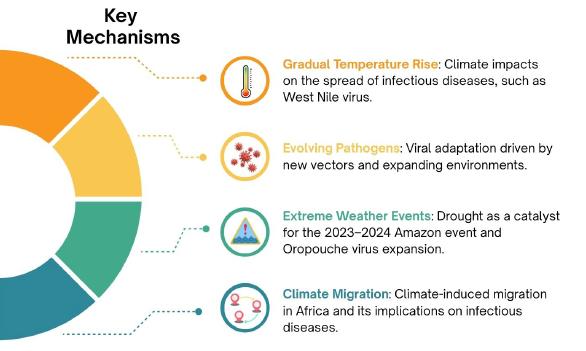
The exacerbation of infectious diseases due to climate hazards can be attributed to both direct and indirect factors. The four main factors identified in the CLIMADE COP30 2025 Report, which collectively underscore that the climate-health nexus is no longer theoretical, are illustrated on the left: Gradual Temperature Rise, Evolving Pathogens, Extreme Weather Events, and Climate Migration.
The report also identifies the main actions that can be taken to decrease epidemics, urging governments, academic institutions, scientists, public health officials, private sector industries and health organisations to address the urgent and interconnected challenges of climate-amplified diseases and epidemics through their diverse expertise, and resources. The report authors call on the world to act now by:
1. Strengthening Surveillance: Invest in genomic and epidemiological surveillance within a One Health framework to enable early detection and rapid response to emerging threats.
2. Prioritising Vulnerable Communities: Direct resources toward those most affected by climate-linked health burdens, ensuring that equity and inclusion are at the heart of adaptation strategies.
3. Committing to Sustainable Funding: Commit to long-term financing for research, data sharing, and capacity-building to anticipate and mitigate health impacts before crises unfold.
4. Reporting Outbreaks Timeously: Encourage open, timely outbreak reporting and data exchange between nations and institutions to strengthen collective preparedness.
5. Promoting Climate Resilience: Foster innovation, cross-sectoral partnerships, and integrated solutions that link climate adaptation and healthcare delivery.
About CLIMADE
The CLIMADE (Climate Amplified Diseases & Epidemics) initiative is a global consortium of leading global scientists and public health officials. CLIMADE focuses on bridging knowledge gaps, improving surveillance tools and expanding adequate interventions to decrease the impact of climate amplified diseases and epidemics. The overarching long-term goal of CLIMADE is to predict, track and control diseases and epidemics that are amplified by climate change in some of the most affected countries in the world. www.climade.health
Join CLIMADE in this urgent conversation and be part of shaping a more resilient, healthier, and sustainable future for all.
A Perfect Match
Stellenbosch University and CERI host Bavarian delegation to power innovation on biotechnology.
text: Hannelie Booyens
photos: SCPS Photos
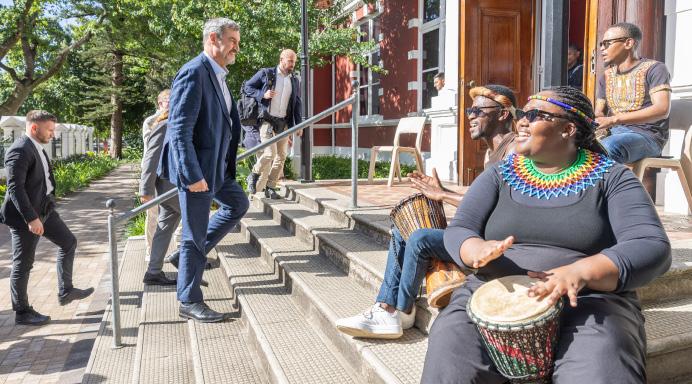
If you were in Stellenbosch on Monday November 3 and noticed a motorcade with flashing blue lights sweeping down Ryneveld Street, you were witnessing history in the making. Inside the Stellenbosch University (SU) Museum, a high-level delegation led by Markus Söder, Minister-President of Bavaria in Germany, joined senior South African academic leaders for the formal signing of a series of landmark agreements between Bavarian universities and Western Cape institutions.
Söder headed a delegation of German politicians, university leaders, business representatives and journalists to the Western Cape as part of an official visit celebrating 30 years of partnership between Bavaria and the province. The highlight was the official launch of the Bavaria-Western Cape BioTech Initiative, a flagship collaboration that will drive joint research, talent exchange and innovation in biotechnology between the two regions.
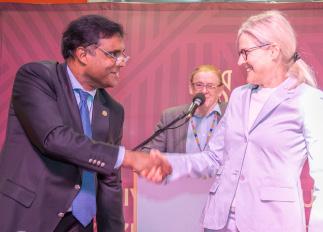
“This gathering is both symbolic and practical in purpose,” said Prof Deresh Ramjugernath, Rector and Vice-Chancellor of SU, in his welcoming remarks. “It provides a foundation for research exchange, entrepreneurial development, innovation driven companies, and a shared approach to addressing global challenges such as disease control, sustainable development, and technology advancement. We are excited by the real and lasting outcomes that this collaboration is positioned to create.”
The audience, which included representatives from both the Western Cape Government and regional higher education institutions, was welcomed by Robert Kotze, Senior Director of SU International. Switching effortlessly between English and German, Kotze delighted the guests with his linguistic wit, setting a warm tone for the afternoon’s proceedings.
A Perfect Match for Innovation
In his keynote address, Söder described Bavaria and the Western Cape as “a perfect match” – two regions bound by excellence in research, a dynamic entrepreneurial spirit, and a shared belief in the transformative power of technology.
“With the signing of our memoranda of understanding and the launch of the BioTech Initiative today, we are sending a strong signal for a new era of cooperation between Africa and Bavaria,” he said. “We are taking this collaboration to the next level, and we are very happy about it. It’s a perfect match.”
Söder highlighted Bavaria’s investment of billions of euros in research, technology and universities, and
emphasised that the partnership with SU and other institutions in the Western Cape would ensure that innovation directly benefits society.
He also drew attention to the long-standing partnerships between Bavarian and South African universities, including LMU Munich’s joint research fund with SU and the nearly two-decade relationship between TUM Munich and SU. The connection between UnternehmerTUM and SU’s LaunchLab was singled out as a model for transcontinental collaboration. “You are Africa’s leading startup incubator,” Söder said. “That’s a good marriage, I would say, for both sides.”
Referring to Bavaria as “the Silicon Valley of Europe,” he described the new BioTech Initiative as a major step toward building joint research and innovation projects, developing exchange programmes, and creating international funding opportunities. “If technology and science succeed, then we all succeed,” Söder concluded.
Building a trans-continental biotech ecosystem
Martin Reichel, CEO of the Bavarian Research Alliance (BAYFOR), noted that the new initiative aligns with the European Commission’s strategy to make Europe the world’s most attractive location for life sciences and biotechnology by 2030. “Both Bavaria and the Western Cape are advancing biotechnology at the highest level,” he said. “By combining our strong research institutions, dynamic startup ecosystems and shared interest in innovation, we strengthen our global competitiveness.”
Reichel explained that the BioTech Initiative will establish a permanent Research and Innovation Alliance between universities, research institutions,
and innovation-oriented organisations from both regions. Its objectives include promoting sustainable biotech solutions for health, food security and climate protection, as well as enhancing knowledge transfer and talent mobility through joint summer schools and fellowships.
BAYFOR, he added, will coordinate the scientific development of the project and help secure additional European funding. “We believe we can raise significant resources for this partnership,” Reichel said. “We will be there to ensure that these memoranda of understanding lead to real results.”
World-class Universities
Prof Tulio De Oliveira, Director of SU’s Centre for Epidemic Response and Innovation (CERI), described the initiative as the next chapter in a long history of collaboration between South Africa and Germany. De Oliveira, who worked closely with German scientists and officials during the Covid-19 pandemic, said he was “thrilled to extend this cooperation with Bavaria through biotechnology.”
“What we’re trying to do here at Stellenbosch is to develop an entire ecosystem – from incubation and acceleration to manufacturing – that mirrors the model Bavaria has built so successfully,” he said. “Our LaunchLab already hosts several biotech companies, including one producing the enzymes used in mRNA vaccines in South Africa.”
De Oliveira outlined SU’s growing portfolio of more than 50 companies, including ten in the biotech sector, and pointed to the WHO mRNA Hub – launched at SU – as a “first success story” of the Western Cape’s
biotechnology ecosystem. “Like Bavaria, the Western Cape has world-class universities, entrepreneurial culture and access to investors,” he added. “It is the perfect place to build the biotech industry in Africa, for Africa, in partnership with Bavaria.”
A celebration of Science and Culture
The formal proceedings concluded with a message from Dr Ivan Meyer, Western Cape Minister of Agriculture, Economic Development and Tourism, who proudly reminded the audience that he is a SU alumnus. “Our government has adopted a philosophy that stresses the importance of data, science and evidence,” Meyer said. “Universities are central to that focus. I’m proud of our institutions in the Western Cape and equally proud of those in Bavaria, where I’ve had the privilege of visiting several institutions.” He ended his speech with a phrase that resonated across languages and continents: “Wissenschaft ist sehr wichtig.” (“Science is very important.”)
As the official signing ceremony gave way to a South African braai and lively music in the museum courtyard – complete with German sausages that proved a favourite among the guests – the mood was one of optimism and camaraderie.
The following bilateral agreements for building partnerships were signed:
1. LMU München: Framework for developing Joint PhD programmes built on the emerging research collaborations.
2. TU München: Famework for expanding student mobility and confirming increased joint research collaboration.
3. Unternehmer-TUM: Framework for the existing collaboration with the LaunchLab to leverage the potential of the significant TechTransfer ecosystems.
4. Neu-Ulm University of Applied Sciences: Framework focusing on collaboration with the Faculty of Science (Biofoundry research group).
5. University of Bayreuth: Framework for moving beyond existing student mobility opportunities to foster research collaboration, reviving a previous collaboration in African Studies.

Advancing Vaginal Formulations
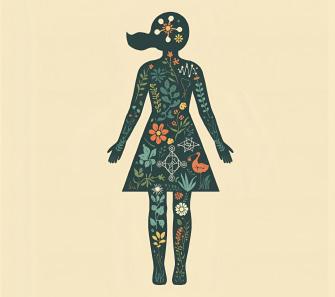
How can we develop safer, more physiologically aware vaginal products that women will want to use and that will function effectively in various real-world settings?
text and illustration: CERI Media
Global leaders in reproductive health, vaginal biology, product development, behavioural research, and public health met in Frankfurt, in November, for the Vaginal Formulations Innovation Convening, an intimate event hosted by the Gates Foundation. The diverse grouping had a common interest in addressing a key question: How can we develop safer, more physiologically aware vaginal products that women will want to use and that will function effectively in various real-world settings?
Representing CERI and the Stellenbosch University School for Data Science & Computational Thinking, Prof Lenine Liebenberg contributed to discussions by drawing on her expertise in genital microbiome dynamics, mucosal immunology, epithelial barrier function, and clinical trial immunoprofiling. The agenda spanned various aspects of formulation design – from understanding epithelial integrity, mucus rheology, and microbial impact, to nextgeneration delivery platforms, and ensuring products are acceptable and desirable for women across cultures and geographies. Speakers highlighted lessons from existing technologies, discussed promising emerging innovations, and debated gaps that continue to limit the field. A key theme from the meeting was the strong emphasis on harmonising biological endpoints, improving model systems, and strengthening the pathway from laboratory concepts to scalable products.
As the field increasingly embraces live biotherapeutic products (LBP), engineered materials, and novel vaginal delivery systems, a coordinated scientific roadmap is urgently needed. This convening served as an essential step toward aligning funders, researchers, and industry on shared priorities, standardising biological endpoints, and ensuring that innovations are responsive to the needs of women globally.
The discussions validated the relevance and global importance of CERI’s research on HPV, mucosal immunity, the genital microbiome, and LBP engraftment biology. It also opened opportunities for deeper collaboration with international partners who are similarly committed to transforming reproductive health through rigorous science and equitable innovation.
“This intimate event was an ideal environment to brainstorm and generate new ideas, to meet new people, and form new collaborations to keep advancing the science of vaginal formulations to enhance reproductive health, ensuring satisfying and safe sex, reproductive capability, and autonomy in reproductive choices,” said Prof Liebenberg.
“Together, we agreed that vaginal technologies must be biologically informed, user-centered, and rigorously evaluated across diverse settings. With our interest, expertise, networks, and African research context, CERI is poised to influence the science that will shape safer, more effective vaginal health products globally,” she added.
BAVARIAN DELEGATION
EXPLORES CERI’S GENOMIC INNOVATION HUB
As part of their visit to the Stellenbosch University, the universities in the Bavarian delegation toured CERI’s state-of-the-art facilities at the Tygerberg Campus on 4 November. Accompanied by Prof Tulio de Oliveira and senior researchers, the group explored how CERI is driving innovation in genomic surveillance and building scientific partnerships across Africa.
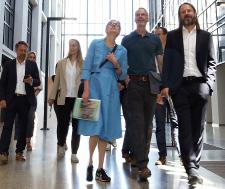
text: Katrine Anker-Nilssen
photos: Wilma Stassen
The visit took place under the framework of Monday’s signing of a Memorandum of Understanding (MOU) between stakeholders in research and innovation from the Free State of Bavaria in Germany and the Western Cape Province of South Africa (see page 10).
This new partnership aims to deepen cooperation in biotechnology through joint research, mobility programmes, and knowledge exchange –strengthening innovation ecosystems in both regions. Coordinated by the Bavarian Research Alliance (BayFOR) via its Scientific Coordination Office Bavaria-Africa (WKS BavariaAfrica), the agreement reflects a shared vision to promote biotechnology development through collaboration built on equality, reciprocity, and mutual benefit.
Inside CERI’s Cutting-Edge Infrastructure
The tour began in one of Stellenbosch University’s most remarkable spaces, where the “big freezer” – the Biorepository Unit – is stored. It’s one of only 25 in the world, and one of just two in the Southern Hemisphere (the other being in Australia).
Rusbeshan Nayager, Unit Manager at the BMRI Biorepository, informed the delegates: “Our longterm storage system for samples is very sophisticated. If you want to take a sample out, you just provide it with a barcode. The system will then pick the tube(s) you require, and the robotic arm takes it out.” The machine is designed with multiple redundancies. “If the power grid is interrupted, we go on to the university generator. If that collapses, we have multiple liquid nitrogen tanks to keep the samples cool, and the system also has UPS back-up. So it’s
guaranteed to keep samples at -80 degrees at all times,” said Nayager. Prof de Oliveira added that adopting this system required a shift in mindset among CERI’s researchers. “For two years my own team tried at least 20 times to sneak a small -80 freezer into the lab, in all kinds of creative ways,” he said. “But now the biorepository unit is everyone’s best friend.”
The delegation moved on to visit the CERI laboratory, which is run by a small, highly skilled and professional team of senior researchers.
CERI has already hosted over 800 fellows from 48 African countries, training them in advanced genomic surveillance of pathogens. “If they see an outbreak in their country, we will ship them reagents with a 48-hour turnaround time,” noted Prof de Oliveira. “We’ve begun to build a very efficient system so that they do not always have to send samples to us – instead, we can send reagents to them.”
Delegates also caught a glimpse of BMRI’s big neighbour – the Tygerberg Hospital. The secondlargest in South Africa, the hospital’s corridors stretch for 40 kilometres. “This is a fantastic hospital to not only access infectious disease samples –but also for academic training,” explained Prof de Oliveria. “We have medical specialists at CERI and a tunnel that connects directly to the hospital, so they can move between easily. We have multiple programmes there, such as the neonatal ICU. If deaths occur without a non-infectious disease, we can access samples to investigate if there is a new pathogen.”
Shared Vision for Scientific Exchange
Prof Dr Juliane Winkelmann, Senior Vice President for International Alliances and Alumni at the Technical University of Munich, expressed her admiration for
CERI’s facilities and the vision for the new partnership. “I think this collaboration can create advancements in science,” she said. “Something I have in mind could be a staff exchange – inspiring for both staff and young talent, which is important.” Prof de Oliveira added that CERI will visit Bavaria next year to continue advancing these discussions.
Prof Dr Winkelmann continued saying that beyond infectious diseases, she also has ideas about investigating and advancing research on rare diseases, disorders, and sequencing technologies. “Everything is built up to be able to be scaled in the future. It has to be scalable. You have to centralise the facilities. I think what we have learnt today is that researchers don’t need their own fridges anymore –everything is stored centrally. It is a very important step,” she said.
Prof Dr Andreas Ladurner, Chair of Physiological Chemistry at the Ludwig-MaximiliansUniversität (LMU) München, echoed her sentiments. “I am impressed by how CERI is addressing important medical issues and infections in South Africa,” he said. “It is wonderful to see the training you do, and the planning gone into making sure the facilities and resources are up to standard for this level of clinical and methodological research.”
Organic chemist at LMU, Dr Dino Berthhold, noted that much of the foundation of CERI’s research lies in organic chemistry. “It would be great if future collaboration could put an emphasis on this,” he said. “To be included in this environment would be fantastic, and there are such great opportunities to get funding.” He added that the facilities were “mind-blowing,
even for German standards. I am really happy that South Africa is willing to invest. It’s more than a bet on the future, it’s a promise.”
Dr Philipp Baaske, Vice President for Entrepreneurship at LMU, shared similar enthusiasm. “I have heard so many nice things about South Africa, Stellenbosch, and Cape Town from one of my friends, and I have really been looking forward to coming here. So far, the experience has been even beyond my expectations,” he said. “This could easily be in California, or Bavaria, or Cambridge – it is amazing, and it is cutting edge. I also love the people, culture, and atmosphere. I would love to see a humanised relationship build up over the years. We have knowledge, and we have people. This can become a hotspot for Africa.”
Building the Future Together
The Bavarian delegation’s visit to CERI not only showcased world-class facilities and groundbreaking genomic work but also gave life to this new partnership’s vision – a bridge between Bavaria and the Western Cape for innovation, exchange, and shared learning. From biotechnology and rare disease research to cross-border fellowships and staff exchanges, both regions are laying the groundwork for a future where science connects people and drives progress on a truly global scale.
“This could easily be in California, or Bavaria, or Cambridge – it is amazing, and it is cutting edge. I also love the people, culture, and atmosphere. I would love to see a humanised relationship build up over the years. We have knowledge, and we have people. This can become a hotspot for Africa.”
– Dr Philipp Baaske, LMU
Collaboration Across Continents
KRISP team visits Switzerland for DTG RESIST partnership.

In November, three members of the KRISP team had the opportunity to travel to Switzerland – visiting both Zurich and Bern – to meet in person with collaborators from the DTG RESIST Group. This visit marked an important milestone in a long-standing partnership focused on one of the most pressing challenges in HIV research today: understanding and responding to dolutegravir (DTG) drug resistance.
The DTG RESIST study is a large, NIH-funded, multicentre initiative that brings together experts from across Africa, Asia, and Latin America. Its goal is to investigate patterns of DTG resistance in individuals who experience virological failure while on DTG-based treatment regimens. By analysing viral load data and sequencing samples from multiple global sites, the consortium aims to uncover the biological, clinical, and programmatic factors driving resistance. The insights generated from this work are expected to play a critical role in shaping future treatment guidelines and improving public health responses worldwide.
For the KRISP team, the trip provided invaluable time to engage more deeply with collaborators, discuss emerging results, and map out future directions for the project. While virtual meetings have kept the partnership active and productive, the chance to gather around a table allowed for richer scientific exchanges and clearer strategic planning, including discussions around upcoming grant proposals and
the design of future studies.
“The trip to Switzerland was amazing. Towns and cities look like something out of a postcard. It was also great to have some face-to-face sit-down sessions with the wider research team and plan the way forward,” said Dr Jennifer Giandhari.
Beyond the formal meetings, the visit also offered a moment to appreciate Switzerland’s remarkable landscapes, history, and culture – an inspiring backdrop for conversations about the global impact of HIV drug resistance research.
As KRISP continues to expand its partnerships across continents, this trip reaffirmed the importance of scientific collaboration in addressing complex global health challenges. We remain committed to advancing impactful HIV research with our partners in the DTG RESIST consortium and look forward to the next phase of this important work.
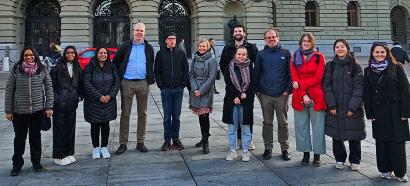
text: Paul Harris photos: Shirelle Naidoo and Jennifer Giandhari
METAGENOMICS WORKSHOP
A Journey Through Virus Discovery.
text: Katrine Anker-Nilssen
photos: Ignus Dreyer & CERI Media
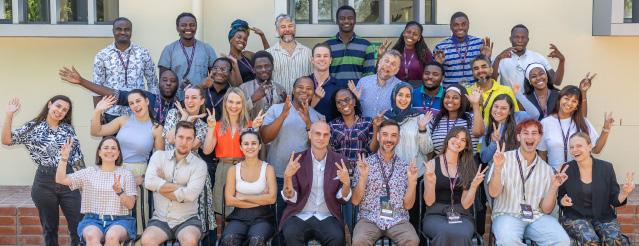
Researchers from around the world gathered at the Centre for Epidemic Response and Innovation (CERI) at Stellenbosch University, from November 17 to 21, for an intensive week of hands-on learning during the Metagenomics Virus Discovery (MVD) Workshop – a programme designed not only to teach viral metagenomics, but to build the confidence, networks, and practical skills essential for real-world virus discovery.
The workshop set out to offer something ambitious: a complete journey through virus discovery, from designing a study and preparing samples, to running analysis pipelines, interpreting results, and presenting findings. To achieve this, CERI assembled experts who brought years of experience and a deep commitment to capacity building.
Dr Erin Harvey, at Postdoctural Research Fellow at the FriedrichLoeffler-Institut in Germany, contacted CERI’s Head of Bioinformatics, Dr Eduan Wilkinson, at the beginning of the year – asking if they could run a workshop and if CERI would be willing to support it. “I had received many enquiries, particularly from research groups in Africa, about how to design and execute high quality virus discovery projects, but this is a very difficult thing to teach over email or over zoom,” explained Dr Harvey. “So I wanted to create a workshop where we could combine theoretical lectures with practical sessions and help people get the most out of their virus discovery projects.”
Metagenomics is a very new field, and many people are unsure about how best to design projects for high impact output and how to approach the bioinformatic analysis, and that’s before they make it to output interpretation – which can be extremely
challenging. “As far as I know, there are no other courses or workshops addressing these points in detail,” said Dr Harvey – adding that she has been involved in virus discovery and virus bioinformatics networks in Europe, but was unaware of any such network outside of the continent. “Creating a network for participants that could provide ongoing support was central to the design of this workshop,” she said.
From Day 1, the atmosphere was one of active engagement. Participants arrived carrying their own challenges, datasets, and ambitions – ready to learn, but also ready to troubleshoot, question, and discuss. The teaching was interactive and grounded in reality, with a strong emphasis on practical implementation.
Learning by Doing – Together
For many, the appeal of the workshop lay in its emphasis on collaborative, hands-on learning. “This is really amazing,” said African STARS fellow Dr Alex Nka Durand, who works across bioinformatics and metagenomics. The detailed explanations and patient teaching stood out to him. “The facilitators make it very easy to learn… Now we have learnt a lot, but we need to continue training and collaboration to really master these skills.”
That sense of collaboration resonated across the group. Salma Wagih Elsayed, also an African STARS fellow, spoke about the unique opportunity it provided in a setting where metagenomic sequencing is still limited. Financial and infrastructural barriers make local sequencing difficult, leaving researchers eager but under-resourced.
“We don’t have the data or expertise yet in Egypt,” she explained. “But we want to be
ready when costs go down. That’s why this workshop is so interesting for me.” Her goal was to broaden her microbiology expertise – and as she said with a smile, “as Prof Tulio says: don’t marry your pathogen.”
Others were struck by how much the week expanded their perspective on virus research. Another African STARS fellow, Amusa Wamawobe, described the early days of the workshop as challenging but ultimately encouraging: “I wanted to know wider work. Metagenomics will be a game changer for Africa – especially if we can find costeffective solutions for low- and middle-income countries.”
Solving Problems that have Held Researchers Back
A recurring theme throughout the workshop was finally finding answers to persistent issues. Marie Horemans, from Belgium, discovered how much could change simply by seeing how others approach similar pipelines. Her lab had been using the same pipeline for years. “Even thought it has worked well for us, maybe there are better options,” she reflected. Marie said she and her team hit software problems, but Dr Erin Harvey was able to problem solve these with her. “She helped us solve an issue with a programme we’ve been struggling with. And with five days, you learn a lot – especially for someone like me, without a bioinformatics background.”
For Dr Fredy Brice Simo Nemg, the workshop arrived at just the right time. “I was a bit stuck,” he admitted. The sessions helped him rethink the next steps in his research: “Now I am ready to move forward.”
He found the poster session especially valuable, noting how researchers from different countries often faced similar
questions and had surprisingly comparable results. The shared discussions sparked ideas for future collaboration – timed perfectly as he prepares to start a new grant-funded project.
“The poster session gave each participant the opportunity to share their work with the teachers and other participants, to foster a collaborative environment for the remaining four days of the workshop,” explained Dr Harvey. “It also meant that the teachers and speakers were able to tailor the remaining sessions to the needs of our participants and could specifically talk to the challenges our group were facing in their research rather.”
Entering the World of Viromes and new Research Directions
Some participants entered the workshop from fields only loosely connected to virology. Cara Golding, with a background in bacteriology, described it as an eyeopening shift: “There is so much to study in the animal virome. It’s huge.”
Still early in her PhD, she approached the poster session without data – an intimidating experience. “It was terrifying… I couldn’t answer all the questions. But it helped me understand what to look at next.”
For others, the workshop became a defining moment in their academic journey. Romina Micaela Zambrana Montaño described it as transformative: “You can clearly tell the experts combined all their knowledge and built a solid pipeline. I’m impressed by how advanced it was – and how humble they all were in sharing it.”
Romina arrived with uncertainty about how to move forward in her PhD. By the end of the week, those doubts were gone. “This workshop has truly marked a before-and-after moment in my PhD career.”
Just as important was the sense of belonging: “Before, I often felt alone working on this topic. Now I’m connected with people I can talk to and think about future projects with.”
New ways of Thinking, new Confidence
Many participants spoke about how the workshop reshaped how they understand their own work. Caris Jones appreciated the balance between theory and practice: “I actually thought there would be more practicals, but the balance has been excellent. The teaching and mentoring has been exceptional.”
Even before formally discussing her research challenges with advisors, she had already picked up new perspectives: “I’ve gained new angles and frameworks for approaching my project.”
And the networking energised her: “It excites me to see so many brilliant minds… The more we can collaborate, the better.”
The ‘hacky hour’ sessions at the end of each day offered a platform where participants could pose questions to the group or approach speakers privately to ask for advice or help troubleshooting their projects. For Kato Govaerts, the biggest breakthroughs came during one of these informal ‘hacky hour’ sessions. Her lab had recently switched to using Geneious, but had encountered misalignment issues.
“The teachers helped us figure out a solution,” she said. She also learned to identify and avoid misclassifications such as Endogenous Viral Elements – knowledge that, she said, “will make my future results more complete and nuanced.”
From Senegal, Dr Idrissa Dieng found the practical focus invaluable: “The hands-on sessions make it easier to understand how the tools fit together in a complete analysis pipeline.” He also received guidance on study
design and library preparation – an area often overlooked but crucial for generating reliable data. The experience left him with new confidence: “One major plus has been gaining the ability to construct and execute full metagenomic workflows. I came for the techniques, but I’m leaving with a clearer vision.”
And for Tshegofatso Mahlangu, the bioinformatics training was the missing link in her own virus discovery work. “It has been comprehensive. I believe I now have the tools to make my process robust and reliable.”
A Community shaped by Curiosity and Collaboration
Beyond the scheduled lessons, the workshop’s true strength was the relationships formed among participants and instructors. Poster sessions, hacky hours, and informal discussions over coffee helped build a sense of shared purpose. What emerged was a global network of young virologists, bioinformaticians, and microbiologists who left with not only new skills – but new collaborators and friends.
As one participant summed it up: “We are all just trying to find our way through this rapidly evolving field. The more we can network and collaborate, the better.” The Metagenomics Virus Discovery Workshop did more than teach virus discovery pipelines. It reminded researchers – many of whom work in isolated or resource-limited environments – that they are part of a larger scientific community committed to understanding the viral world. And as they return to their labs across Africa, Europe, and Latin America, they carry with them the confidence, clarity, and connections to drive meaningful scientific discovery.
“We are planning to run the workshop again next year in Stellenbosch,” said Dr Harvey. “We received over 400 applications for this years workshop, so we hope to continue running it each year and potentially move the workshop location to South America and Southeast Asia in the future to make it more accessible.”
Get In Touch: mvdworkshop2025@gmail.com
Strengthening Collaboration
The Mastercard Foundation Visits CERI at Stellenbosch University.
text & photo: Maambele Khosa & CERI Media
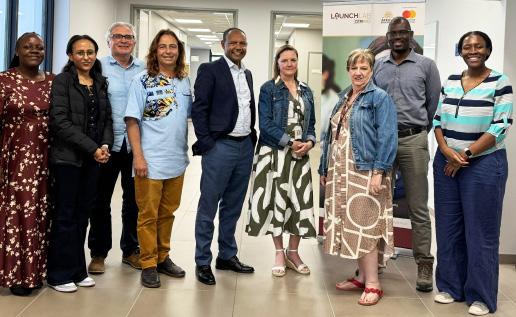
On 16 and 17 October, CERI at Stellenbosch University welcomed a delegation from the Mastercard Foundation for a two-day visit. The team toured the CERI laboratories in the stateof-the-art Biomedical Research Institute (BMRI), where they met researchers and African STARS Fellows. They also visited the main campus and the LunchLab CERIBio, a new biotechnology startup hub at Stellenbosch University.
The visit provided an opportunity to reflect on our ongoing collaboration through the African STARS Programme, a flagship partnership between CERI and IPD in Senegal, supported by the Mastercard Foundation, to nurture Africa’s next generation of public health leaders. Fellows shared updates
on their training, research progress, and the broader impact of the programme on their professional development.
The delegation expressed enthusiasm for the work being carried out and engaged with staff, students, and scientists who continue to drive innovation and capacity building across the continent. Their visit reinforced a shared commitment to strengthening health systems, advancing scientific excellence, and building sustainable talent pipelines in Africa.
The MCF delegation:
• Washington Ondago –Foundation Finance
• Samuel Yalew Adela –Senior Director, Health Workforce Initiatives
• Constancia Mavodza –Health Programs
• Viola Mwanga – KPMG Finance
CERI Earns My Green Lab Certification
The Centre for Epidemic Response and Innovation (CERI) demonstrates its commitment to environmentally responsible research, joining a growing network of sustainable laboratories globally.
text: Maambele Khosa
photos: Supplied
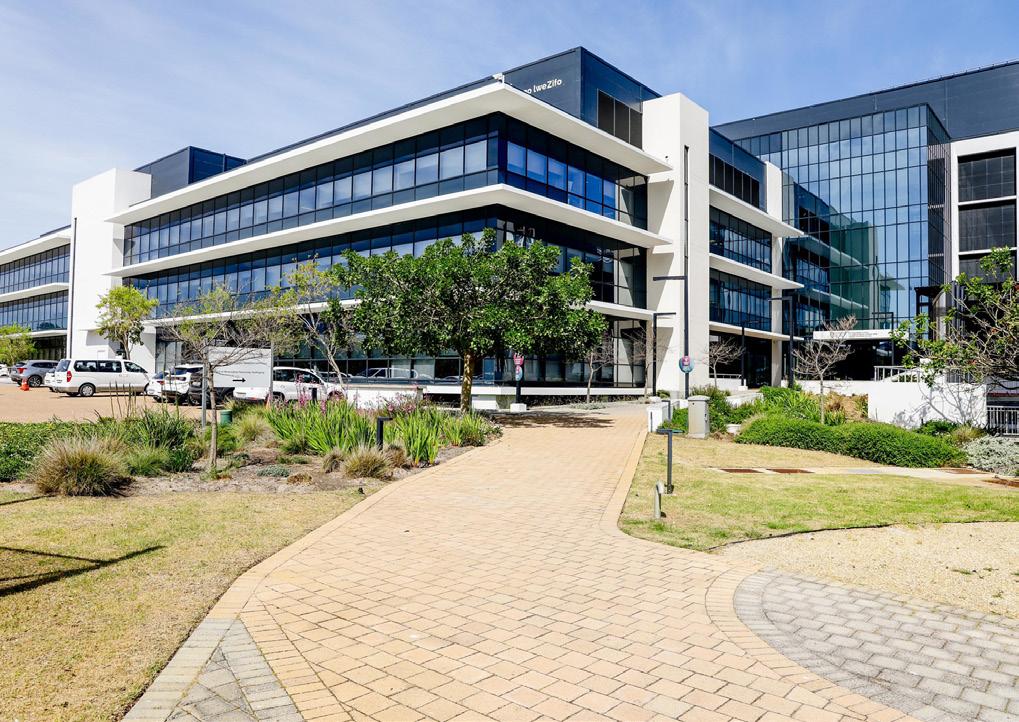
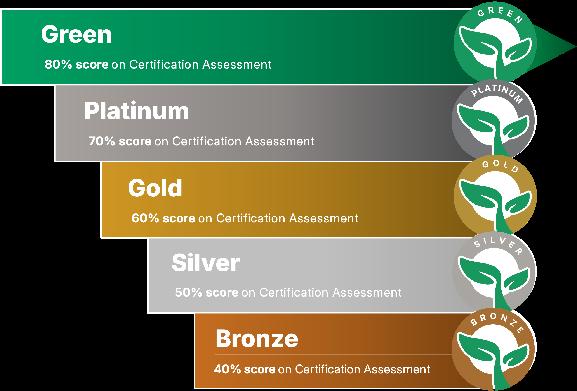
The Centre for Epidemic Response and Innovation (CERI) at Stellenbosch University has achieved green-level certification from My Green Lab, a globally recognised standard for environmentally sustainable laboratories. This certification acknowledges CERI’s ongoing commitment to integrating sustainability into its scientific operations, from energy and water efficiency to waste reduction and responsible procurement.
This achievement comes at a time when global attention to climate change is intensifying. It demonstrates that scientific progress can advance hand-in-hand with environmental responsibility, as
research institutions take active steps to reduce their carbon footprint and embed sustainable practices.
“Achieving My Green Lab certification is a proud milestone for CERI. It reflects our commitment to conducting world-class research while minimising our environmental footprint,” said Prof Tulio de Oliveira, Director of CERI.
The certification recognises CERI’s implementation of sustainable practices across its laboratories.
Key initiatives include:
•Optimising energy usage through equipment management and energy-efficient infrastructure.
•Reducing water consumption with water-saving devices and revised laboratory protocols.
•Minimising waste by recycling and repurposing materials wherever possible.
•Implementing green procurement strategies aligned with the My Green Lab ACT Ecolabel.
“This certification is a testament to the culture of sustainability we are building within CERI. Every team member’s engagement makes a tangible difference,” said Dr Lavanya Singh, Head of Laboratory.
The certification journey was led by CERI’s lab technicians Yusasha Pillay and Velda Wentzel, who led practical interventions and championed sustainability across research teams. Their efforts have translated
into measurable improvements in operational efficiency and environmental impact.
“This certification proves that when we hold ourselves accountable, we can reduce our footprint without compromising the quality or integrity of our science,” said Wentzel. From switching off unused equipment to introducing smarter waste management, The lab team’s day-to-day practices have changed in ways that matter both for science and the planet. “Engaging the broader lab team in these initiatives has shown that even small, consistent actions can collectively make a big impact,” she added.
CERI’s sustainability achievements resonate strongly with the objectives of COP30, underscoring the role research institutions can play in addressing climate change. By reducing resource consumption and embedding sustainable practices into research workflows, CERI contributes to global environmental stewardship while continuing its critical work in epidemic research.
“Our work is not only about advancing science, it’s also about ensuring that research itself is conducted responsibly and sustainably. These efforts align closely with global climate initiatives like COP30,” said de Oliveira.
Building on this milestone, CERI plans to expand its sustainability initiatives further. The greenlevel certification by My Green Lab highlights that scientific excellence and environmental responsibility can go hand in hand. By embedding sustainable practices at the core of its operations, CERI sets a precedent for responsible science that supports both the advancement of knowledge and the protection of our planet.
Call for Papers
Contemporary Challenges and Potential Solutions for Science Communication
Preconference at the 76th Annual ICA Conference Tuesday, 2 June 2026, 09:00 – 17:00 (CAT) Venue: Centre for Epidemic Response and Innovation (CERI) at Stellenbosch University (main campus), South Africa
Science communication plays a crucial role in shaping public perceptions and informing policy responses to today’s most pressing challenges, ranging from health and environmental crises to the societal implications of rapid technological advancements. Yet, the field faces growing pressures and complex threats, including economic and political interference, rapidly changing media ecosystems, and public or political backlash against science and scientists. This preconference (the 4th ICA Science Communication Preconference) seeks to explore these darker dimensions of science communication and to identify constructive, evidenceinformed ways forward. We invite theoretical, empirical, and practice-based contributions that reflect on how the science communication community can respond to these challenges, and whether current efforts are adequate, inclusive, and effective.
For contributing to the conference, please have a look at our call for papers here: https://www.mscl. de/wp-content/uploads/2025/11/CfP-ICA-ScienceCommunication-Precon-2026-1.pdf
Submissions should include: An extended abstract of 800 –1,000 words (excluding references, tables, and figures), anonymised for peer review and a cover page (author information, 3-5 keywords, indication if this is a student-led paper) as separate PDFs to icaprecon@mscl.de by 2 February 2026. You are welcome to send any enquiries about the conference to Zani de Wit on zanidw@sun.ac.za.

Research Days 2025
Pioneering solutions for Africa’s most pressing challenges.
text:
Maambele Khosa & Katrine Anker-Nilssen
photos: Ignus Dreyer & CERI Media
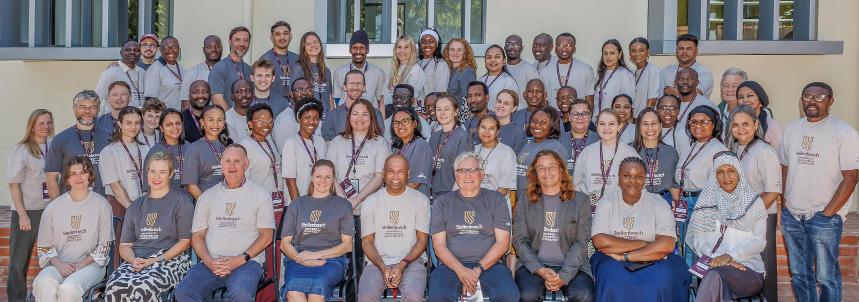
The School for Data Science and Computational Thinking at Stellenbosch University (SU) hosted its 2025 Research Days on 13 and 14 November, bringing together students, researchers, and partners to showcase cutting-edge work addressing Africa’s most urgent challenges – from AI and data infrastructure to women’s health, climate change, infectious disease surveillance, and mental health.
In his opening address, Prof Kanshukan Rajaratnam, Director of the School for Data Science and Computational Thinking, aligned the event with SU’s broader vision: “We will be Africa’s leading researchintensive university. We want to impact the country and continent.” He highlighted the School’s growing role in advancing AI and interdisciplinary collaboration, adding, “We also aim to enhance our activities in service to society through academic, industrial, and governmental partnerships, workshops, and science communication.”
Reflecting on recent achievements, CERI Director Prof Tulio de Oliveira said, “Transformation happens with excellence. We went from concept to reality.”
He pointed to the new LaunchLab CERIBio as one such accomplishment – “a biotech lab for startups, providing affordable space, equipment, and support to commercialise research” – and emphasised the need to increase public engagement with science: “We must get the science out of the university and to the public. Media coverage, awareness, and engagement are crucial.”
Metagenomics and Poster Pitches
The Day 1 keynote by Dr Erin Harvey explored the global virosphere through metagenomics, demonstrating how this approach allows researchers to study entire viral communities, not only those that can be cultured. She highlighted existing biases in current virome data – geographic, economic, and species-related – and showed how under-sampled hosts, such as marsupials, can reveal critical evolutionary patterns. Her talk underscored the need for broader sampling and more wet-lab validation to fully understand viral diversity.
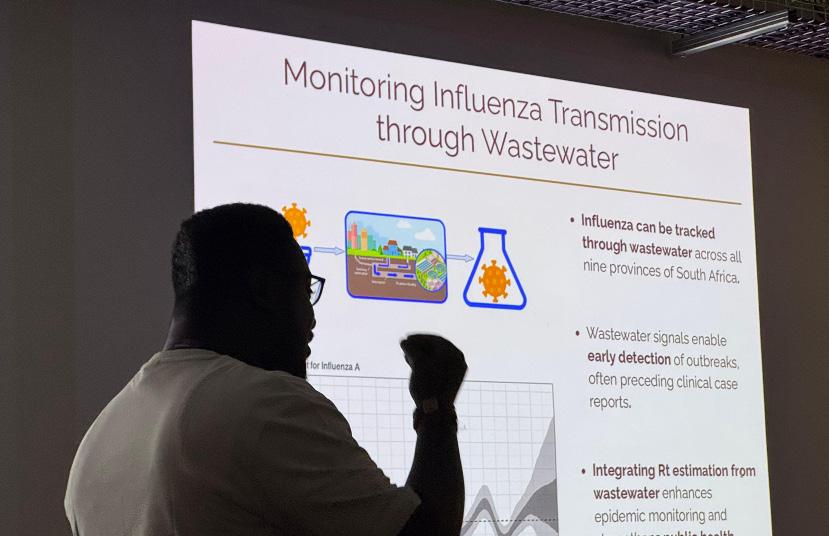
Students then delivered dynamic poster pitches on a wide range of topics, from therapeutic HPV vaccination and HIV incidence trends in rural KZN to wastewater surveillance of Hepatitis E and polio outbreak risk. The poster session that followed created a lively space for engagement, allowing attendees to exchange ideas, ask questions, and connect with emerging research across the Data School.
Researcher and Student Talks
The afternoon moved into extended presentations, beginning with Prof Frank Tanser, who revealed new evidence that HIV incidence in South Africa is rising again after years of decline and that viral suppression has plateaued – trends that challenge long-held assumptions about progress toward the UNAIDS 2030 targets. Subsequent talks covered climate-sensitive
infectious disease forecasting through the CLIMADE consortium, the ecology and distribution of tsetse flies, shifts in HIV dynamics during the COVID-19 era, and a new Hepatitis Virus Sequence Dashboard that identifies surveillance gaps and drug resistance patterns. These sessions, along with further student presentations and project overviews, set the tone for an evening braai that encouraged collaboration, networking, and communitybuilding.
Data Science Driving Solutions for Africa’s Health Challenges
Day 2 highlighted how data-driven innovation is already transforming health systems and disease control across the continent. Research spanned infectious disease modelling, genomic surveillance, biotechnology, and climate–health analytics, with each contribution offering practical and scalable solutions tailored to African settings.
A major theme was precision health and prevention. Modelling studies demonstrated how optimised HPV vaccination strategies, especially for women living with HIV, could significantly reduce cervical cancer incidence and associated costs. This work supports integrated approaches that combine vaccination, screening, and treatment in pursuit of elimination goals.
Antimicrobial resistance and neonatal survival were also key concerns. With resistance rising and threatening gains in neonatal care, researchers presented tools that use real-world microbiology data to optimise antibiotic prescribing in low-resource hospitals – improving survival rates while limiting unnecessary antibiotic use.
Climate–health interactions emerged as another urgent research frontier. Presentations examined how climatedriven migration shapes dengue transmission and how spatial repellents influence mosquito clustering, generating insights relevant to future vector control strategies.
Biotechnology and genomics featured prominently. Enzyme engineering and biomanufacturing efforts showcased pathways to local production of diagnostics
and therapeutics. Advances in hybridisation capture for metagenomic sequencing demonstrated improved sensitivity and speed, bolstering South Africa’s outbreak detection capabilities. Meanwhile, the REVIGET project showed how genomic epidemiology can strengthen TB surveillance and enable precision treatment for drug-resistant strains.
Artificial intelligence surfaced throughout the programme, particularly in work aimed at reducing bias in large language models to improve fairness, transparency, and interpretability in health analytics.
Across all sessions, a shared message was clear: data science is about impact. By merging modelling, genomics, engineering, and machine learning with public health realities, researchers are building systems that are locally grounded, scalable, and oriented toward saving lives.
“Research Days have been going on since 2007, but this is the first Data School event,” said Faikah Bruce, Training Coordinator at SACEMA. SACEMA Managing Director Lynnmore Scheepers emphasised the importance of the event for young researchers, noting, “It is a great platform for students to connect, share their work, and form a community.” Bruce added that the experience is invaluable for early career scientists: “It is so nice for them to find out who their peers are and what they are working on… This exposes them to what a conference would be like and teaches students how to navigate their careers.”
Closing keynote speaker Jo-Ann Passmore captured the spirit of the event in her message to young scientists: “Your career is an ecosystem, not a ladder… You will never feel ready, and that’s okay. Let your purpose anchor you when everything else wobbles. Build people, not empires. Protect your thinking time. Be unapologetically African in your science.” Her words echoed the motivation behind the research presented throughout the two days – purposeful, resilient, and committed to generating solutions that truly matter.

Modelling the Future of HPV Prevention in South Africa
Insights from SACEMA’s HPV modelling research.
text:
Dr Yuri Munsamy & Dr Cari van Schalkwyk
photos: Supplied
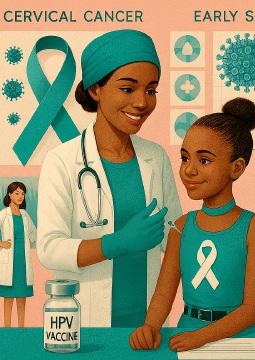
South Africa continues to face one of the world’s highest burdens of cervical cancer, a disease that disproportionately affects women living with HIV. New modelling work by SACEMA’s Senior Researcher, Dr Cari van Schalkwyk, explores how current HPV vaccination strategies could reshape the country’s path toward cervical cancer elimination. Using the MicroCOSM-HPV individual-based model, she evaluated policyrelevant scenarios to determine what is feasible, what is costeffective, and what could have the greatest long-term impact.
What is the main purpose of this research?
The study uses the MicroCOSMHPV individual-based model to evaluate the impact and costeffectiveness of current and
next-generation HPV vaccination strategies in South Africa. The model was developed through a multidisciplinary process drawing on gynaecological oncology, epidemiology, health economics, and software engineering to ensure that model structure aligns with real clinical pathways and the South African epidemiological context. MicroCOSM-HPV simulates the full natural history of HPV infection for 13 onco-genic HPV types, through cervical cancer, stratified by HIV status and ART use. This enables realistic assessment of how HIV modifies HPV persistence, progression and cervical cancer risk, and why certain strategies may yield greater benefit for women living with HIV.
The overarching aim is to support national policy by identifying which vaccination approaches offer the highest health impact and best value for money.
The model’s credibility has been recognised internationally: MicroCOSM-HPV was one of three models used by the WHO Cervical Cancer Elimination Modelling Consortium (WHO-CCEMC) to estimate South Africa’s elimination trajectory, strengthening its role for nation-al decision-making and positioning South Africa as a contributor to the global evidence base for cervical cancer elimination.
What was most rewarding, and most challenging about this research?
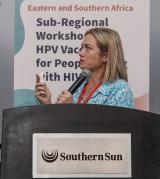
A particularly meaningful aspect of the work has been translating scientific outputs into actionable policy. A policy brief developed with Cancer Alliance and leading advocate Salome Meyer ensures that evidence reaches the decision-makers who influence national programmes, budgets, and procurement pathways. In November 2025, Dr van Schalkwyk presented new modelling findings at two major events in Cape Town – the International Gynecologic Cancer Society (IGCS) Global Meeting, and the WHO Eastern and Southern Africa Sub-Regional Workshop on HPV Vaccination in People Living with HIV.
These forums placed the research directly in front of programme managers, senior policy-makers, funders, and technical partners at a critical time: South Africa is reviewing HPV vaccine procurement options, G20 discussions are focusing on women’s health, and the country’s updated cervical cancer elimination strategy is forthcoming.
While this research is generating important insights for national and regional decision-makers, it also faces several scientific and practical challenges:
1. HPV genotype data among
women with cervical cancer is limited: South Africa has many studies on type-specific HPV prevalence across the general population and among women living with HIV, but only two studies report genotype distribution in cervical cancer. This limits precision in estimating typeattributable burden.
2. Evidence gaps around HPV vaccine performance in women living with HIV: While natural history data for women living with HIV is strong, key uncertainties remain regarding vaccine efficacy in girls with perinatally acquired HIV, loss of vaccine-induced immunity after acquiring HIV postvaccination, and translation of longterm immunogenicity data into realworld protective efficacy.
3. Variation in screening coverage and follow-up pathways, where provinces differ substantially in implementation of HPV-DNA testing, availability of reflex cytology, and capacity for follow-up and treatment. These inconsistencies shape realistic modelling of the screening-to-treatment cascade.
4. A changing prophylactic vaccine landscape: Global supply is increasing and prices may fall, which affects long-term affordability and procurement strategy. These shifts introduce uncertainty into cost projections.
Vaccination Strategies
Vaccinating 80% of boys gives a similar additional reduction in cervical cancer incidence as raising girls’ vaccination from 80% to 90%. However, these strategies are not equivalent: increasing girls-only coverage to 90% is costsaving, while vaccinating boys at 80% coverage is more expensive –though still cost-effective.
The model focuses on cervical cancer only, so it does not capture: HPV-related cancers in men, genital warts, and benefits for men who
have sex with men. Thus, genderneutral vaccination has broader equity and health benefits that extend beyond cervical cancer and should be part of long-term policy discussions.
Offering doses at primary healthcare clinics for women aged ≤45 could be feasible and cost-effective, but integrating care for other diseases into HIV care requires careful consideration of South Africa’s healthcare financing structure. HIV services are funded through a ring-fenced conditional grant, and adding non-HIV services to HIV platforms raises costallocation and budgeting challenges.
Despite this, several practical options exist:
1. Vaccination during routine ART visits with electronic tracking: Linking vaccination events to the electronic HIV record would prevent revaccinating the same adult woman. However, childhood vaccination records cannot be reliably linked, so exposure history from adolescence remains unknown.
2. One-dose vials in line with updated WHO guidance: Although WHO now recommends a single-dose schedule for HPV vaccination, vaccines are still supplied in two-dose vials. Transitioning to single-dose vials would significantly reduce wastage.
3. Co-delivery during screening visits: Screening coverage among women living with HIV is still too low to rely on this as a main platform.
Even with some wastage or repeat vaccination, vaccinating women living with HIV remains highly cost-effective due to their elevated risk of persistent HPV infection and cancer progression.
Two approaches appear both practical and cost-saving: Secondary-school catch-up campaigns every five years, and routine availability at primary health clinics for girls aged 10–17. A hybrid approach may offer the broadest reach, especially in areas with variable school attendance.
Barriers in the Screening and Treatment Cascade
While screening coverage remains suboptimal, the largest barrier to cancer prevention is poor linkage to treatment following a positive screen.
Since mid-2024, all provinces except Limpopo have introduced HPV-DNA testing as the primary screening method, with reflex cytology for triage. This substantially increases the detection of women with precancer. However, treatment capacity for pre-cancer is insufficient and unevenly distributed, and identifying precancer is not enough – treatment must follow rapidly to prevent progression. Strengthening both follow-up and treatment access is essential to achieving elimination thresholds.
Outcome
“One finding that surprised me was that vaccinating boys was cost-effective. In earlier modelling studies, gender-neutral vaccination often did not meet cost-effectiveness thresholds because the incremental benefit was too small relative to the additional cost,” says Dr van Schalkwyk (pictured, right). “In our updated analyses, it becomes cost-effective largely because WHO now endorses a single-dose schedule, which reduces the programme cost substantially. That shift in assumptions fundamentally changes the economic picture, making genderneutral vaccination a viable option for South Africa.”
With no financial or logistical limitations, Dr van Schalkwyk would recommend the following HPV vaccination strategy for South Africa:
• Offer the nonavalent vaccine to everyone aged 10–50, regardless of sex.
• Follow the mass campaign with routine vaccination of all 10-yearold boys and girls.
• Invest heavily in developing a vaccine that protects against all oncogenic HPV types.
“This would deliver the greatest possible long-term reduction in both cervical and non-cervical HPVrelated cancers,” she explains.
Ongoing Work
We continue to expand the model’s biological and technical foundations, with Prof Lenine Liebenberg and MSc student, Kim Malloch playing central roles. Prof Liebenberg is leading new work to refine genotype attribution, using emerging South African datasets and to ensure that immunological assumptions remain aligned with current evidence for both HIVnegative women and women living with HIV.
“My additional research on HPV therapeutic vaccines focuses on understanding why HPV persists in high-burden settings and how to design immune-modulating interventions that can clear established infections and prevent progression to disease,” explains Prof Liebenberg. “By integrating mucosal immunology, epithelial biology, microbiome science, and multiomics modelling, my research aims to identify key immune and microbial factors that shape vaccine responsiveness.”
As part of a team of collaborators at MIT, Massachusetts General Brigham, and Harvard, they map host–virus interactions to identify effective immune responses that support the design of therapeutic vaccines. “My studies link HPV
persistence to increased HIV susceptibility, positioning my programme of HPV therapeutic vaccine research for a broader sexual-reproductive health impact,” adds Prof Liebenberg.
In parallel, PhD student Kimberly Malloch is extending the model’s computational structure, designing next-phase scenario analyses, and strengthening the uncertainty framework to better reflect real-world variability in vaccination coverage, screening pathways, and health system performance.
Why this Matters
Cervical cancer remains the leading cause of cancer-related mortality among South African women, particularly those living with HIV. This research provides the evidence needed to design better vaccination strategies, incorporate next-generation vaccines, and build an elimination pathway grounded in local data, local modelling, and local expertise.
Our work – combining dynamic modelling and health economics – continues to support South Africa’s national elimination strategy and strengthens the evidence base driving future HPV-related cancer prevention.
The Past and Present of Pathogen Discovery
The Metagenomics Virus Discovery workshop’s keynote lecture featured two very different and equally fascinating talks.
text: Katrine Anker-Nilssen photos: CERI Media
The keynote lecture at the Metagenomics Virus Discovery Workshop (MVD) at CERI, Stellenbosch University, on Wednesday November 19, offered participants a unique window into both the past and the present of pathogen discovery.
Across two very different and equally fascinating lectures, two visiting scientists explored how metagenomics can reveal the pathogens of ancient populations in Africa and detect emerging viral threats in high-risk environments today.
The first lecture transported participants thousands of years into the past; the second, to the bustling animal–human interfaces where pathogens are actively circulating. Together, the lectures highlighted the power of metagenomics to illuminate disease evolution across time.
Ancient DNA and Africa’s Hidden Pathogens
Dr Maja Vukovikj, a molecular biologist and postdoctoral researcher at Uppsala University in Sweden, earned her PhD in molecular biology in 2023 from Ss. Cyril and Methodius University in North Macedonia.
Her prior roles include scientific expert at the European Centre for Disease Prevention and Control, WHO sequencing expert at the WHO Balkan Hub, visiting scientist at the Francis Crick Institute, and researcher at the Institute of Public Health and at MASA’s Research Centre for Genetic Engineering and Biotechnology.
At the MVD Workshop keynote, Dr Vukovikj presented her work on ancient metagenomics and pathogen evolution in Africa.
“Africa, a key region for past and present pathogen emergence, offers unique insights into global infectious-disease dynamics,” she said.
Yet, as she explained, studying ancient DNA (aDNA) requires careful methods due to extreme fragmentation.
Her research is breaking new ground. While most ancient pathogen studies have focused on Egyptian mummies, sub-Saharan Africa remains largely unexplored. In one of her group’s studies, they analysed a 2 000-year-old hunter-gatherer child from Ballito Bay, South Africa, and recovered Rickettsia felis, a flea-borne pathogen that causes a typhuslike disease. Further screenings of sub-Saharan collections have detected viruses and bacteria previously identified in Europe or Asia, though these require confirmation using an Africatailored custom capture panel.
“The biggest challenge is not cytosine deamination,” she explained, “but fragment length.” Detection depends on which bone is sampled: teeth, for example, often yield microbial DNA, and skeletal lesions on lungs can indicate tuberculosis or leprosy.
When Dr Eduan Wilkinson, Head of Bioinformatics at CERI, asked about the likelihood of recovering ancient DNA from African bones, Dr Vukovikj said: “Around 20% of samples yield usable aDNA. It depends on how ancient and porous the bones are. Even highly fragmented genomes can give signals that the pathogens were there.”
Participant Dr Alex Durand Nka was curious about how studying ancient pathogens can inform modern disease control. Dr Vukovikj responded: “We can track when genes were acquired and how pathogens evolved through time. We’d also like to investigate animal bones to see if zoonotic spillovers occurred historically.”
On aDNA data authentication, Dr Vukovikj explained: “There are
a few approaches: authenticate the data, check the evenness of coverage, do competitive mapping, and look for specific genes that should be present in our reads. If not, it is questionable whether we have the pathogen of interest.”
Regarding pathogen evolution in sub-Saharan Africa, she said cautiously: “We’ve screened many samples and found very interesting results – double-stranded and single-stranded DNA viruses, and bacteria that caused epidemics in Europe. Evidence is still scarce, but we hope to publish soon.”
Reflecting on attending the MVD workshop, Dr Vukovikj said she was so happy she got the opportunity to come here. “It’s been so interesting to see what pipelines people use for modern viruses, and how I can utilise those tools for my own research.”
Dr Eduan Wilkinson highlighted the significance of Dr Vukovikj’s lecture: “Sequencing pathogens from ancient DNA allows us to understand how they evolved over thousands of years. It also helps calibrate the molecular clock, giving better estimates of evolutionary rates and insight into the infectious diseases our early ancestors faced.”
Environmental Signals and Modern Virus Surveillance
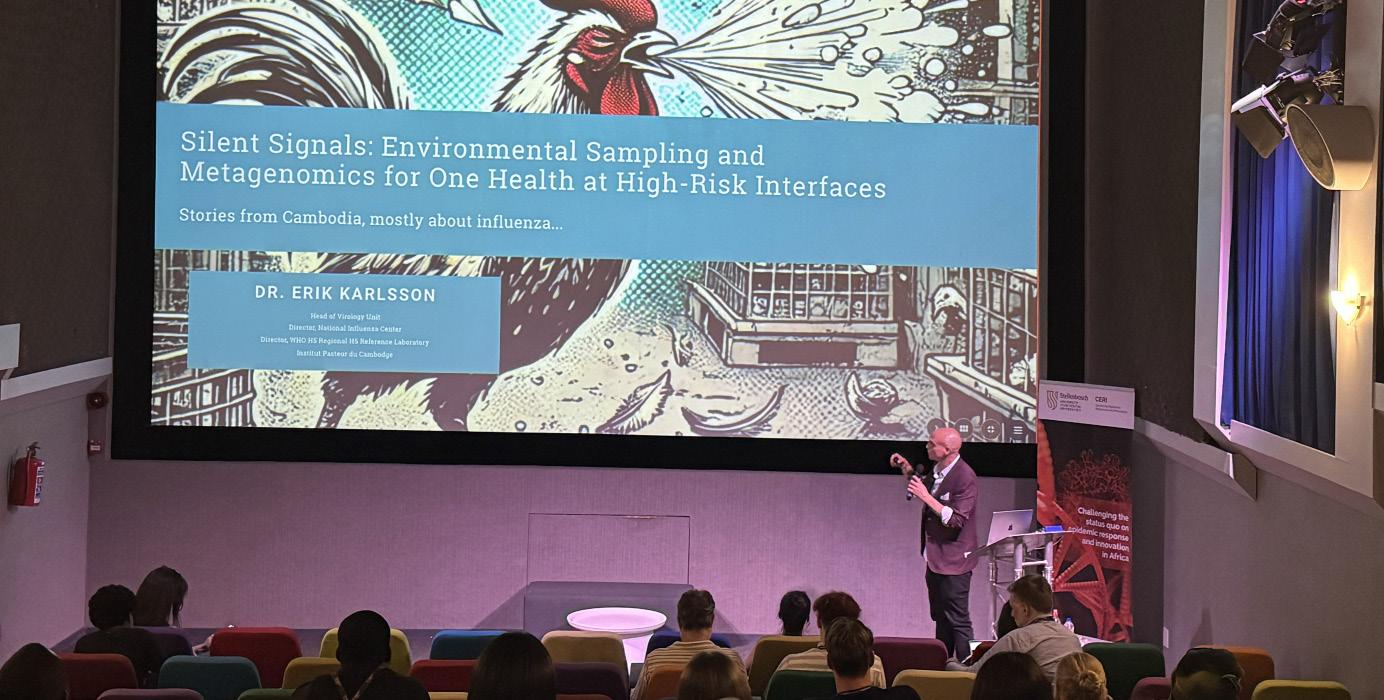
The second keynote speaker, Dr Erik Karlsson, brought the audience to the present day. As Head of the Virology Unit at Institut Pasteur du Cambodge, Director of the Cambodia National Influenza Center, and Coordinator of the WHO H5 Referral Laboratory, Dr Karlsson has 29 years of experience in genomic surveillance at animal–human interfaces.
“We need to get ahead of endemic and emerging diseases – anticipate, detect, prevent, respond,” he said. “Environmental sampling combined with metagenomics provides
an early-warning system, capturing viral material from air, water, soil, surfaces, feces, urine, feathers, dust, and even spider webs. This approach is faster, safer, and cheaper than sampling animals directly, while also improving biosafety and animal welfare.”
Dr Karlsson highlighted the advantages of environmental metagenomics: “it delivers broader, unbiased data, increases detection by 20% compared with PCR, and allows rapid risk assessment.” In Cambodian bird markets, he described how his team has pulled full viral genomes from air samples. “The sample from the duck and the environmental sample from the air pulled out the same data. We are detecting more in the air than from the actual duck. Can you imagine how much we are missing?” he asked.
He emphasised real-time bioinformatics and integration into One Health strategies, with priority on rapid reporting to stakeholders. “The next step is how to translate all this data into actionable information for prevention and response,” he said.
“The sample from the duck and the environmental sample from the air pulled out the same data. We are detecting more in the air than from the actual duck. Can you imagine how much we are missing?”
– Dr Erik Karlsson
Postdoctural researcher at CERI, Dr Marije Hofstra, asked Dr Karlsson whether air sampling could be applied to wild birds in open environments, and he replied: “It’s possible, but you need to be in the middle of the roosting nest and sample for long periods.”
He also addressed practical considerations: “We always go out with government partners –national vets handle the animals, we take environmental samples, and it’s generally well received.” He added that he is currently the only lab in Cambodia allowed to handle human and animal samples in the same facility.
Dr Karlsson reflected on the utility of environmental metagenomics: “If you can take samples in the environment, such as water or air, it is faster, cheaper, and safer than sampling every animal or person. We can quickly assess risk where humans, animals, and the environment intersect.”
On career highlights, he noted: “Working in Cambodia and innovating with support from local and international partners has been very rewarding. There are many problems to solve, from avian influenza to dengue and chikungunya, and being able to do impactful work here has been a highlight.”
Dr Hofstra reflected on Erik’s presentation: “Environmental sampling demonstrates how we can detect potential pathogens early and understand high-risk interfaces. His work is highly relevant as we expand our One Health initiatives.”
Connecting the Past and Present
Through these two keynote lectures, workshop participants experienced the scope of metagenomics from ancient to contemporary contexts. From reconstructing pathogen evolution in Africa to detecting emerging viruses in real time at animal–human interfaces, the sessions illustrated how genomic tools can reveal hidden patterns and inform prevention strategies across centuries.
The workshop underscored CERI’s role as a hub for innovation in virus discovery, demonstrating that understanding both the history of pathogens and the dynamics of emerging threats is essential for global health research.
Prestigious Genomics Fellowship: Congratulations, Dr Musopole
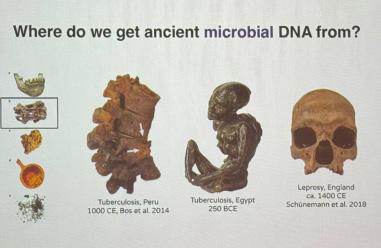
KRISP is delighted to celebrate a major milestone by one of our rising scientific leaders, Dr Hastings Musopole, who has been awarded the highly competitive Genomics for Health in Africa Scientific Exchange Fellowship. This prestigious award recognises exceptional young scientists advancing genomics-driven public health research on the continent. As part of the fellowship, Dr Musopole will spend 90 days at the Institute of Cell Biology at the University of Bern in Switzerland, working with internationally renowned researchers on important projects involving the malaria parasite (Plasmodium) and the Hepatitis B virus. “I am very excited for this opportunity and will do my best to learn as much as I can to bring back to the team here at KRISP and apply to my own research,” he said. His work in Bern will deepen understanding of these globally significant pathogens while strengthening KRISP’s mission to build genomics capacity, drive innovation, and expand collaborative research across Africa. The skills, insights, and networks he gains will enrich ongoing projects and open new opportunities for regional and international partnerships. We are immensely proud of Dr Musopole and congratulate him on this well-deserved achievement. By: Paul Harris.
KRISP Hosts the 2025 TPP Forum
Boosting South Africa’s Innovation Ecosystem.
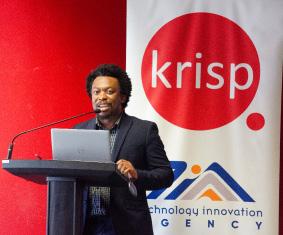
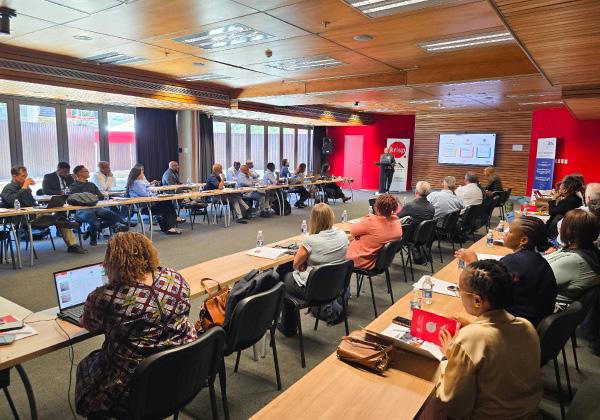
KRISP had the honour of hosting the annual Technology Platforms Programme (TPP) Forum at our Durban facilities.
Held from 19–20 November, the two-day event brought together the Technology Innovation Agency’s (TIA) Executive and Management teams, directors from the Department of Science, Technology and Innovation (DSTI), and senior leaders from South Africa’s twelve national technology platforms.
Administered by TIA, the TPP plays a vital role in strengthening the national innovation system by giving researchers, entrepreneurs, and institutions access to advanced scientific infrastructure and specialised expertise – lowering barriers to high-level R&D and supporting a competitive bioeconomy.
Insights, Achievements, and Shared Challenges Platform representatives presented their scientific focus areas, technical strengths, recent achievements, and long-term goals, while also addressing shared challenges such as sustaining costly infrastructure, securing funding, and developing skilled talent.
TIA Portfolio Manager, Thabo Khoza, reflected on the value of the gathering: “The forum brings the twelve technology platforms together to share what they’ve achieved in the past five years and their plans for the next five. It also allows us to see how TIA can help them. The space allowed robust discussions on
collaboration, pricing models, and funding – a very difficult topic.”
These candid exchanges deepened mutual understanding and helped identify priority areas for alignment and support across the national innovation landscape.
A highlight was a guided tour of KRISP’s laboratories and sequencing facilities, where attendees saw how our genomics and bioinformatics capacity supports advanced research across South Africa and the continent. KRISP’s model – combining highend infrastructure with training, collaboration, and responsiveness to national needs – sparked meaningful discussion on shared purpose and impact.
Forum discussions also explored:
• Sustainable operational models.
• Succession planning and capacity development.
• The role of nanotechnology in the bioeconomy.
• Strengthening partnerships across academia, government, and industry.
• Translating platform capabilities into commercial and societal value.
The 2025 TPP Forum reinforced strategic alignment, strengthened collaboration, and renewed commitment to advancing South Africa’s innovation ecosystem – and highlighted the essential role of national technology platforms in scientific progress, skills development, and economic growth.
text and photos: Paul Harris
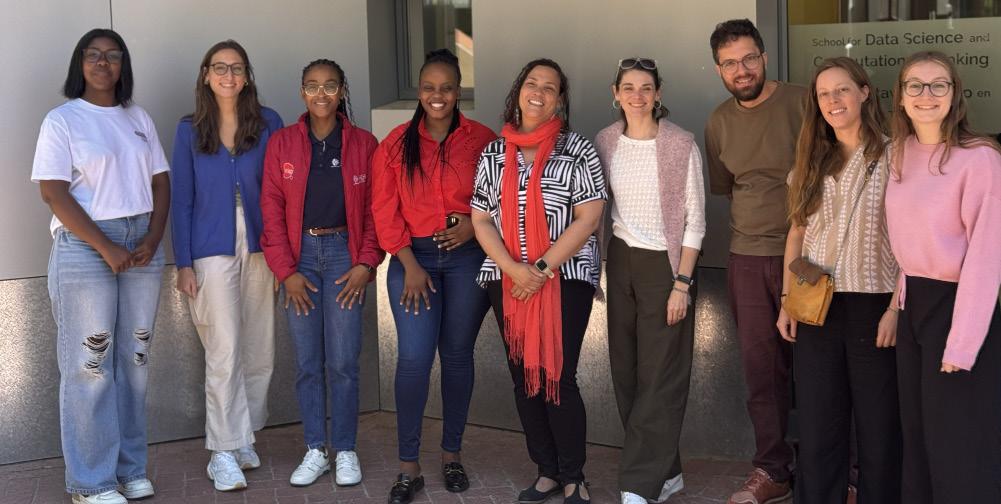
Building Knowledge and Networks
MIT, Harvard and UC Louvain scientists visit CERI, with a collaboration focus on one of the most complex and urgent challenges in reproductive health.
text: Prof Lenine Liebenberg
photo: Maambele Khosa
In late October, the Centre for Epidemic Response and Innovation (CERI) at Stellenbosch University welcomed two internationally recognised computational scientists – Dr Joseph Elsherbini of Massachusetts Institute of Technology (MIT)’s Ragon Institute
and Dr Laura Symul, assistant professor of biostatistics at UC Louvain – along with members of their research teams. Their week-long visit, from October 27 to 31, marked an important milestone in CERI’s growing leadership in women’s health, microbiome science, and datadriven innovation across Africa.
The multidisciplinary collaboration between our groups focuses on one of the most complex and urgent challenges in reproductive health: understanding how host tissues and microbes interact in the female genital tract. This understanding forms the basis of our current joint projects, supported by the Gates
Foundation, which investigate how live biotherapeutic products (LBPs) might help reshape the environment to reduce inflammation, prevent sexually transmitted infections, and improve long-term health outcomes.
Their visit came at a crucial moment. With data emerging from several of our clinical trials – including the VIBRANT trial, which evaluates multistrain Lactobacillus crispatus LBPs – there is a growing need for robust, standardised, and scalable analytical pipelines that integrate clinical metadata, 16S rRNA sequencing, metagenomics, flow cytometry, cytokine profiling, and metabolomic and proteomic datasets. Laura and Joseph’s expertise in multiomics integration and statistical modelling has been central to shaping these approaches.
A Week of Deep Engagement and Shared Learning
Throughout the week, the teams worked closely with members of CERI and Stellenbosch University, as well as external colleagues from KRISP and CAPRISA. Sessions ranged from handson computational analysis to conceptual discussions on multiomic integration, stratification of microbiome communities, and precision detection of bacterial strains using shotgun metagenomics – key themes captured in their seminar held during the African STARS Seminar series.
A highlight of the visit was a halfday open R workshop at the Biomedical Research Institute (BMRI), where participants from diverse departments not only learned but also actively shared analytical strategies, troubleshooted challenges, and built cross-disciplinary networks that will continue long after the
workshop’s conclusion.
African STARS Seminar Series: Why This Work Matters
During their visit, Laura and Joseph also delivered a dynamic joint lecture as part of the African STARS seminar series, where they detailed the scientific and clinical significance of our shared research (see link at the end).
Drawing on data from international microbiome studies and the VIBRANT trial, they illustrated how vaginal microbial communities – particularly the presence or absence of Lactobacillus crispatus – shape inflammation, susceptibility to infection, reproductive outcomes, and the likelihood of clearing or sustaining bacterial vaginosis. Their talk highlighted:
• The urgent global need for innovation in treating bacterial vaginosis.
• Emerging evidence for multistrain LBPs as a promising strategy to support healthier genital environments.
• The critical role of multi-omic data integration in understanding mechanisms of engraftment, inflammation, and microbiome dynamics.
• Why African-led, Africa-centred research is essential for progress in women’s health.
The audience responded with enthusiasm, sparking a vibrant question-and-answer session on microbial ecology, partner treatment, global inequities in reproductive health, and the future of LBPs in Africa.
Collaboration as a Catalyst for Capacity Building
This visit was not a one-directional transfer of knowledge; rather, the exchange between SU, CAPRISA, KRISP, MIT, and UC Louvain embodied the principles that underpin impactful science in Africa:
1. Multidisciplinary approaches to complex problems: Reproductive health challenges – such as bacterial vaginosis, HIV susceptibility, and preterm birth – cannot be solved by any single field. This collaboration brings together clinicians, immunologists, microbiologists, statisticians, computational biologists, and engineers to form a unified scientific ecosystem.
2. Data-driven research capacity for Africa’s challenges: By strengthening computational expertise and analytical infrastructure within South Africa, we ensure that African datasets are analysed within Africa, by African scientists, for African women.
3. Networks that amplify impact: Relationships formed during the visit – among students, postdocs, researchers, and visiting teams – lay the foundation for long-term scientific networks that accelerate discovery and empower emerging scientists.
4. Co-creation of knowledge: The integration of insights from this collaborative interaction is advancing new analytical tools, novel research questions, and forward-looking trial designs that reflect the lived realities of women across the continent.
Looking Ahead
CERI looks forward to deepening such fruitful international and interdisciplinary collaborations and continuing to build a vibrant, interconnected research community – one that is committed not only to scientific excellence but also to improving the health and lives of women and communities across Africa.
Seminar recording: https://youtu.be/
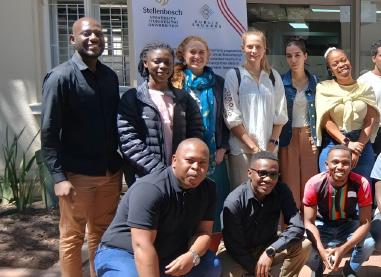
From Silos to Synergy
African STARS Fellows explore Transdisciplinary Research.
text and photo: Ameera Crew
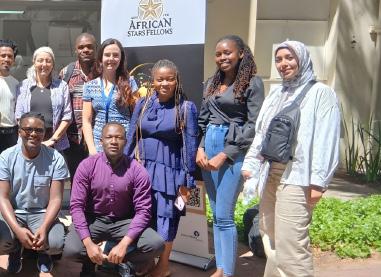
In the past, researchers and scientists could comfortably work in their own silos without needing to interact outside of their boundaries. Today, however, global challenges have become increasingly complex and the call for scholars to work collaboratively across disciplines and beyond academia has never been louder.
It was in response to this call that a group of African STARS fellows gathered over two days to participate in the “Silos to Synergy: A Course in Transdisciplinary Practice” workshop presented by Public Squares Initiative. The initiative is a research development programme at Stellenbosch University and aims to foster and build capacity for impactful and socially engaged research.
Transdisciplinary Research (TDR) implores scholars to collaborate across disciplines and with various stakeholders such as policymakers, NGOs, and community members to ensure that research outcomes are meaningful, contextual, and applicable. Taking place from 27 – 28 October 2025 at the Stellenbosch University National Institute for
Theoretical and Computational Sciences (NITheCS) the workshop introduced participants to the basic principles and practices of TDR.
Day 1 of the workshop set the stage with an introductory lecture presented by Dr Astrid TreffryGoatley, followed by an activity where fellows examined real-world case studies to determine whether a project incorporated TDR or not. Through interactive activities, fellows were also introduced to various phases involved in bringing TDR projects to life, how to effectively form TDR teams and the value of stakeholder engagement, particularly focusing on identifying key stakeholders across sectors.
Day 2 of the workshop shifted towards creativity and applied practise. Participants learnt how to use various creative strategies such as storytelling, body mapping, and photovoice to effectively engage stakeholders, particularly policymakers. Through reflective group discussions and a creative project, participants were challenged to think critically about how to engage policymakers and ensure their research drives impactful, meaningful, and context-specific policies. Across the world there is need for science to be
relevant and meaningful for societies. By equipping participants with essential knowledge and practical skills, this workshop highlighted an important message that research with impact can only be achieved when scholars work in synergy – collaborating and engaging with each other and with key stakeholders.
“I wanted to extend my sincere thanks for the incredible Transdisciplinary Research Workshop hosted by the Public Squares Initiative. It was one of the most intellectually stimulating and human-centered learning spaces I’ve experienced. I left feeling re-energised about what genuine co-creation between disciplines and communities can achieve.”
– Fezokuhle Khumalo
“As a researcher with a profound passion for transdisciplinary research, I enjoyed participating in practical, hands-on sessions and interactive group activities that deepened my understanding of transdisciplinary research. The stakeholder mapping and community engagement role play was especially useful, as it encouraged collaboration and real-world problem solving.”
–
Anonymous
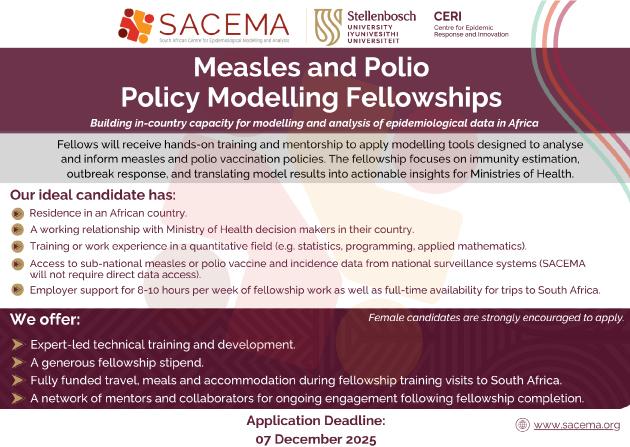
Co-Production
A better way to do Health Research.
text and
photo:
Ameera Crew
Co-producing knowledge in health research is more than just a collaborative exercise. It is a powerful way to ensure that research genuinely reflects the needs, experiences, and priorities of those it aims to serve.
At a Public Squares workshop held on 29 October at the Stellenbosch University Biomedical Research Institute (BMRI), Dr Gill Black and Dr Chanelle Mulopo introduced participants to the concept of coproduction and its value for health research. Co-production is defined as the process “where researchers work in partnership with knowledge users to identify a problem and produce knowledge, sharing power and responsibility from the start to the end”. In other words, co-production is a way of doing research with people and recognising communities, policy makers, and practitioners as equal partners in producing knowledge.
Co-produced research, however, is a lot of extra work and the path is rarely straightforward, so why should researchers engage with it?
The value of co-production in health research lies in its ability to close the gap between knowledge and practice. This is particularly important in health research where lived experiences of patients, caregivers, and healthcare practitioners can give insights that data and lab experiments cannot.
“The concept of co-production is wide and multiple different sectors outside of academia can and should be involved. This is why it is part and parcel of transdisciplinary research, seeking to address realworld, complex and often wicked health challenges,” said Dr Black.
Co-produced health research leads to outcomes that are more relevant to those affected, acceptable to communities, and applicable in real-world settings.
“The ultimate goal of co-produced health research is to improve health outcomes and quality of care,” explained Dr Black.
The main workshop activity entailed participants use their own research as co-production case study examples to identify four key elements of the coproduction research process: 1) the big picture vision, 2) the knowledge gap, 3) the knowledge holder and 4) the benefiting partner.
The workshop concluded with four core principles researchers must consider when undertaking coproduced research:
1.Context matters: Understand the social, economic, and power dynamics shaping the community or setting. These realities should guide how you design, conduct, and implement co-produced research.
2.Ensure meaningful representation: Involve a diverse range of people that are affected by the issue and not only those who are easiest to engage with or who have academic knowledge about the problem. This helps avoid reinforcing existing inequalities and ensures that research outcomes are authentic and trustworthy.
3.Prioritise ethical research: Go beyond formal ethics procedures by protecting the participants’ stories, ensuring informed and ongoing consent, offering fair compensation, and avoiding extractive or harmful research practices.
4.Bring engagement expertise into the team: Include team members who have the time, skills, and relational capacity to build trust, facilitate participatory methods, and navigate challenges throughout the research process.
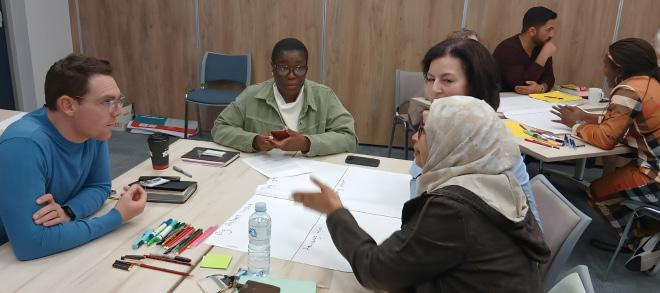
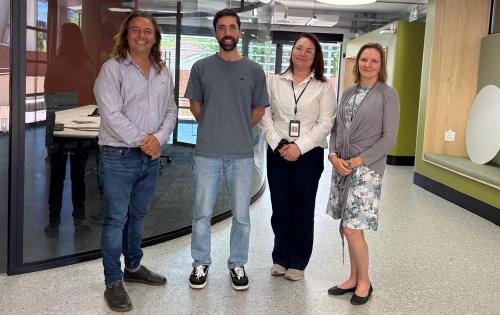
Bridging Genomics and Tool Development
Dr Jody Phelan’s week of scientific exchange in South Africa.
text: Emilyn Costa Conceição & Dr Jody Emile Phelan
photos: Emilyn Costa Conceição
From 24 to 28 November 2025, the Centre for Epidemic Response & Innovation (CERI) and the Tuberculosis Genomics Group (TBG) had the pleasure of hosting Dr Jody Phelan, an Assistant Professor from the London School of Hygiene & Tropical Medicine (LSHTM). Dr Phelan’s research sits at the dynamic intersection of genomics, bioinformatics, and infectious disease research, with a strong focus on supporting global health systems and strengthening capacity globally.
Invited by Dr Emilyn Costa Conceição, Prof Tulio de Oliveira, and Prof Robin Warren, Dr Phelan participated in a series of strategic meetings, lectures, seminars, and both theoretical and practical training sessions.
Development of Access to Genomic Epidemiology
Internationally recognised for his contributions to genomebased surveillance, antimicrobial resistance (AMR) prediction, and the development of open-source computational tools, Dr Phelan has built a career centred on making genomic technologies accessible and useful for public health programmes. Working under the mentorship of Prof Taane Clark within the Department of Infection Biology at the LSHTM, he has been instrumental in advancing analytical methods and tools that empower laboratories and institutions globally to integrate genomics into routine practice.
He is particularly known for:
• Developing bioinformatics tools for detecting drug-resistant mutations in pathogens such as Mycobacterium tuberculosis.
• Conducting studies that combine big data, machine learning, and population genomics.
• Contributing to global consortia working toward improved AMR prediction in real-world clinical settings.
At the core of his work is a clear mission: to translate complex genomic data into actionable tools that clinicians, laboratories, and national tropical diseases programmes can use to save lives.
Translating Genomics Into Actionable Insights
At CERI’s Technical Working Group Seminar Series, coordinated by Dr Monika Moir, Dr Phelan delivered a presentation titled “Application of Genomics and AI for DrugResistance Profiling in Infectious Diseases”. His seminar set the tone for a week rich in scientific exchange, collaboration, and hands-on training.
He showcased how the integration of whole-genome sequencing, AI-driven predictive algorithms, and epidemiological insights is revolutionising the ability to identify drug-resistance mutations rapidly and accurately. This approach is particularly impactful for tuberculosis (TB), where early identification of resistance is essential for improving patient outcomes and preventing further transmission.
Beyond TB, Dr Phelan demonstrated how the TB-Profiler framework has been adapted for other pathogens, including CovidProfiler and Malaria-Profiler, and highlighted his current interest in the Nontuberculous Mycobacteria (NTM)-Profiler. His presentation sparked thoughtful discussion among researchers and students, highlighting CERI’s role as a hub of innovation and collaborative learning.
Deepening Scientific Collaboration Across Institutions
Beyond the seminar hall, Dr Phelan’s visit was exposed to
multiple opportunities for meaningful scientific engagement across Stellenbosch University groups, National Health Laboratory System (NHLS) and University of Western Cape (UWC).
Dr Phelan met with members of the TBG group and the NHLS Green Point pathology team to explore current and future research directions, particularly in the field of NTM. The group discussed a jointly developed project rooted in a codevelopment approach that aims to equitably benefit South Africa and Global South institutions and researchers. This partnership framework strengthens not only scientific impact but also fairness, mutual learning, and North–South collaboration.
Hosted by Peter van Heusden at UWC, Dr Phelan delivered a lecture to a diverse and engaging audience, followed by productive discussions on projects and potential collaborations.
Hands-On Training: Bringing Tools to the Bench and Clinical Interpretation
One of the highlights of the week was Dr Phelan’s full day of inperson genomics training for NHLS pathologists, Sarishna Sigh and Stefan Opperman. The training focused on one of his most widely used tools, TBProfiler, covering:
• How the web tool works (https:// tbdr.lshtm.ac.uk/).
• How to interpret genomic TB drug-resistance profiles using the World Health Organization Catalogue of Mutations.
• How to apply these outputs in clinical and diagnostic practice.
This practical session was particularly well received, building confidence among pathologists in integrating
WGS-based tools into routine workflows.
Bioinformatics Troubleshooting With FMHS Colleagues
Dr Phelan also acted as an informal bioinformatics consultant, meeting with around 10 researchers from the Faculty of Medicine and Health Sciences (FMHS). These sessions involved troubleshooting computational challenges, brainstorming new analysis strategies, offering guidance on genomic data interpretation, and sharing best practices for reproducible genomics research.
Participants described these discussions as a “rich experience” that provided clarity, new ideas, and renewed motivation.
A Strong Finish: The Final Seminar of 2025 at the Biomedical Research Institute
To conclude this week in South Africa, Dr Phelan delivered a closing talk during the final and special divisional seminar of
2025 at the Biomedical Research Institute (BMRI), which also featured the introduction of the new Head of Institute, Prof Jean Nachega.
The seminar ended with enthusiasm for expanding shared projects, strengthening partnerships, and continuing to develop tools that serve communities most affected by infectious diseases.
Looking Ahead
Dr Phelan’s visit reaffirmed the importance of open scientific exchange, equitable collaboration, and capacity strengthening in the Global South. His contributions throughout the week, from seminars and training to collaborative project design, will have a lasting impact on TB and NTM genomics research within CERI, TBG, and NHLS.
CERI, TBG and other groups at Stellenbosch University extend their warmest thanks to Dr Jody Phelan for his inspiring visit, and we look forward to building the next chapter of collaborative innovation together.
“At the core of my work is a clear mission: to translate complex genomic data into actionable tools that clinicians, laboratories, and national tropical diseases programmes can use to save lives”
– Dr Jody Phelan
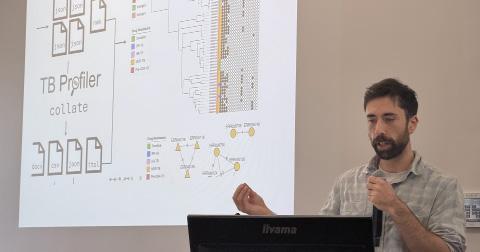
Advancing AI Technologies in Africa
AIMS South Africa visits BMRI.
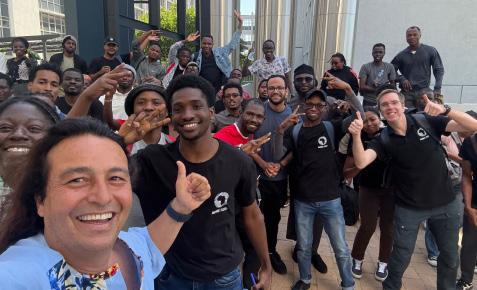
The new cohort of students from the African Institute for Mathematical Sciences (AIMS) visited the Centre for Epidemic Response and Innovation (CERI) at the Biomedical Research Institute (BMRI) on Stellenbosch University’s Tygerberg Campus on 28 November. The visit included a guided tour of CERI’s state-of-the-art facilities and an in-depth introduction to the centre’s work by its director, Prof Tulio de Oliveira.
AIMS is a pan-African network of Centres of Excellence dedicated to postgraduate training in the mathematical sciences, as well as research and public engagement in Science, Technology, Engineering and Mathematics (STEM). Through its programmes, AIMS equips talented students from across the continent to become innovators capable of driving Africa’s scientific, educational, and economic self-sufficiency.
Both the outgoing director of AIMS South Africa, Prof Ulrich Paquet, and the incoming director, Prof
Karin-Therese Howell, joined
visit. Prof Howell has been a key figure within AIMS South Africa in her role as Academic Director, where she has contributed significantly to academic excellence, student development, and the broader advancement of mathematical sciences on the continent.
“It was very inspiring to meet the new cohort of students. In addition to the 40 AI for Science Fellows, AIMS also brought 21 MSc students from the Applied Mathematics Programme,” said Prof de Oliveira, adding that “this collaboration aims to advance AI technologies in Africa.” He noted that such exchanges help strengthen long-term partnerships between research and training institutions.
Reflecting on the day, Bachelor of Science in Electrical and Electronics Engineering graduate Lavender Ayako said, “The visit provided a comprehensive insight into how world-class researchers approach emerging health challenges within the context of climate change.”
the
text: CERI Media photo: Prof Tulio de Oliveira
Inspiring Young Minds
IkamvaYouth Learners enjoy a Day of Science, Discovery, and Inspiration.
text and photos:
Paul Harris
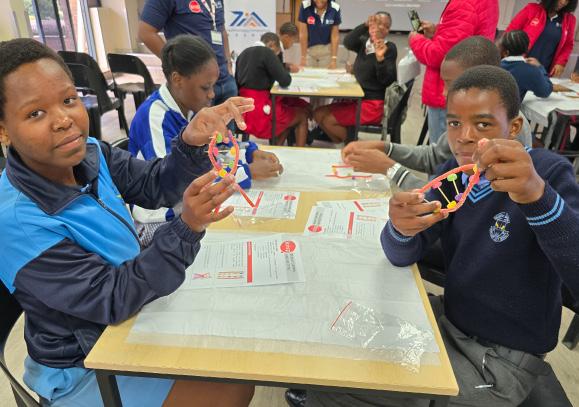
As part of its commitment to strengthening STEM education and scientific capacity in South Africa, KRISP recently welcomed 30 Grade 9 learners from the Umlazi and Chesterville branches of IkamvaYouth for an immersive outreach day at its laboratories. This initiative is part of KRISP’s broader efforts to spark early interest in genomics, biotechnology, and life sciences among curious young learners.
A Hands-On Introduction to Genomics
The day included a guided tour of KRISP’s state-of-theart genomics lab, where students observed cuttingedge research and engaged with foundational concepts such as DNA structure, genetic information, and realworld applications of molecular biology. For many, it was their first experience inside a research lab, sparking curiosity and questions as they connected textbook knowledge with real-world practice.
Science Meets Sleuthing
Students also participated in a hands-on crime-solving challenge, analysing biological clues in teams to identify the culprit in a fictional scenario. Reflecting on the day Dr Maryam Fish, KRISP Postdoctoral Fellow, said: “It is so rewarding to see the enthusiasm and interest on the students’ faces. Great fun was had by the whole team, and we hope this will play a small part in uplifting the next generation of scientists.”
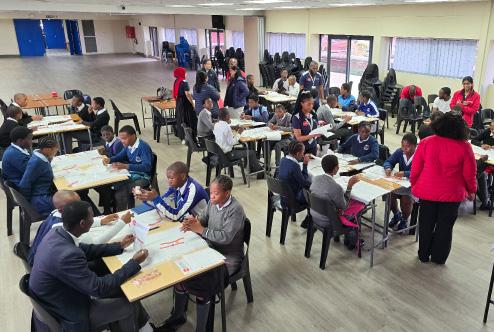
Partnership and Shared Purpose
KRISP thanks DIPLOMICS and the Technology Innovation Agency (TIA) for supporting the outreach, highlighting the value of collaborative investment in South Africa’s future researchers. Aviwe Quvane, Umlazi Branch Coordinator of IkamvaYouth, commented: “Exposure to science in action makes a huge difference, motivating learners to improve their grades and pursue science careers. We look forward to continuing this partnership in 2026.”
Looking Ahead
Building on this success, KRISP plans to expand the programme in 2026, welcoming additional learner groups and hosting a dedicated outreach day for Life Science teachers. By engaging both learners and educators, KRISP aims to create lasting impact, nurturing a more scientifically empowered generation of South African youth.
Inspiring Tomorrow’s Scientists
The learners’ curiosity and energy filled the KRISP labs with renewed purpose. Initiatives like this reflect KRISP’s belief that meaningful science is driven not only by advanced research but also through mentorship, shared knowledge, and empowerment. By opening its doors to young minds, KRISP hopes to spark lasting interest in science, cultivating the next generation of African scientists and innovators.
Fostering Capacity
HIV Research Trust Fellow, Dr Armando Djiyou, visits KRISP.
text and photo:
Paul Harris
Avisiting HIV Research Trust Fellow from Cameroon, Dr Armando Djiyou, joined KRISP for a month-long training and knowledge exchange programme. Based at the University of Yaoundé I, Dr Djiyou wished to deepen his expertise in genomics and clinical research methods – key skills for addressing HIV drug resistance in Cameroon.
A Fellowship with Purpose
Dr Djiyou’s interest in advanced laboratory and clinical approaches began during his PhD research on HIV drug resistance among adolescents using Sanger sequencing. In his words: “For my PhD, I was working on HIV drug resistance among adolescents using the Sanger sequencing methods. And then, because I wanted to gain more insight into more robust clinical and laboratory methods, I started looking for opportunities… Then I came across this HIV Research Trust Fellowship… a UK-based charity that funds researchers from low- and middle-income countries to travel to another research unit to gain skills in clinical trials, genomics, or any HIV-related field.”
Recognising KRISP’s leadership in genomics, Dr Djiyou reached out to Dr Richard Lessells, Principal Investigator at KRISP, securing a placement aligned with his goal:
“My objective in coming here is to strengthen my skills in genomics, but also in clinical research methods in order to tackle HIV drug resistance in Cameroon.”
– Dr Armando Djiyou
A Month of Learning and Sharing
During his stay, Dr Djiyou gained hands-on experience in high-throughput sequencing, bioinformatics, and data interpretation, while contributing to ongoing research projects. He also shared insights with KRISP Masters and PhD students through discussions, presentations, and informal mentoring, enriching their understanding of HIV research across Africa. Reflecting on the exchange, Dr Lessells said: “Armando’s academic journey is a great example of how a scientist can take his work beyond the pages of a thesis and apply the findings in the real world, making a positive change within your community. This was inspiring for all of us, especially the junior researchers within KRISP.”
Strengthening Ties Across Africa
Dr Djiyou’s visit highlights KRISP’s commitment to fostering scientific capacity across the continent through mobility, collaboration, and shared learning. His time at KRISP exemplifies how exchange programmes broaden horizons, enable innovation, and connect African researchers in a shared mission to improve health outcomes.
KRISP wishes Dr Djiyou every success as he continues his work in HIV drug resistance surveillance and clinical practice, marking the beginning of a productive collaboration with the University of Yaoundé I.
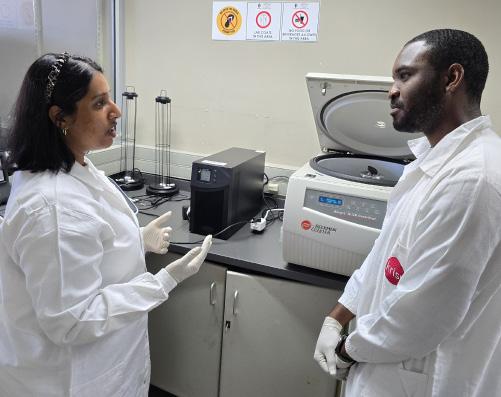
MEDIA COVERAGE
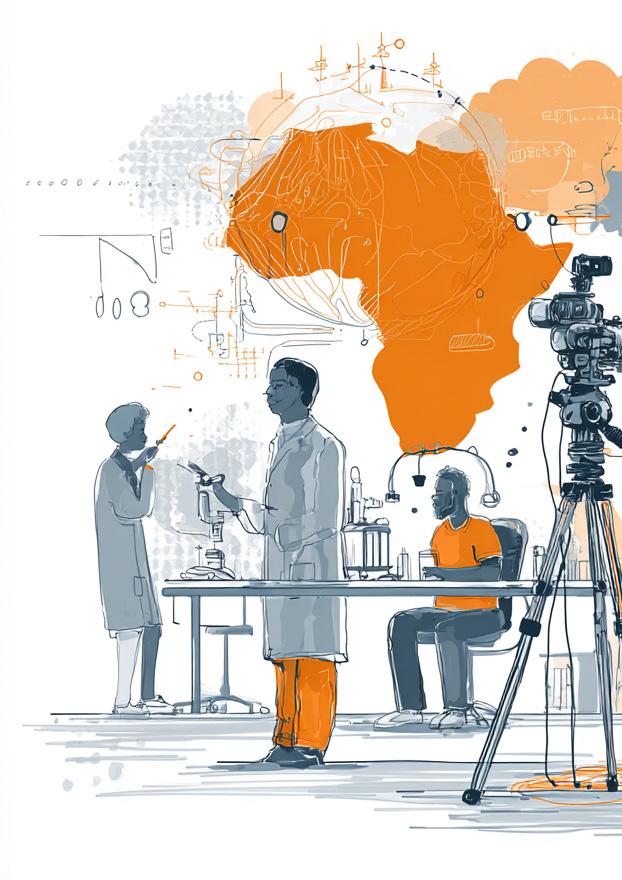
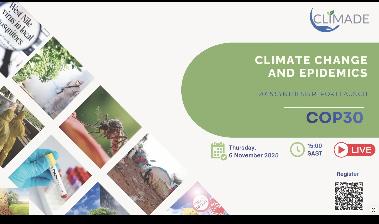
Climate Change as a Public Health Emergency
Launch of the CLIMADE COP30 Report by Prof Tulio de Oliveira and colleagues. This report is an important milestone in advancing the global understanding of how climate change is reshaping the landscape of infectious diseases.
Watch the full video here: https://www.youtube.com/watch?v=Aj4hsL0pCMo
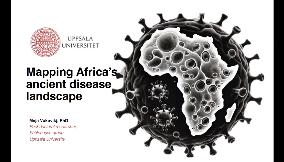
Keynote Lecture: Metagenomics
This keynote lecture, presented during the Metagenomics Workshop at Stellenbosch University’s CERI, brings together two leading scientists whose work spans thousands of years of pathogen evolution – from archaeological remains to real-time surveillance in high-risk ecosystems. Highlighting how genomics connects ancient disease patterns with modern One Health surveillance, it offers new insights into pathogen evolution, spillover potential, and global health preparedness.
Watch the full video here: https://www.youtube.com/watch?v=hGKrirpSYAg
Inside the African STARS Fellowship
A glimpse into how the fellowship equips young Africans with advanced scientific skills, leadership training, financial management, entrepreneurship, communication, and a strong network of support.
Watch the full video here: https://www.youtube.com/watch?v=tApAgqvEnRE
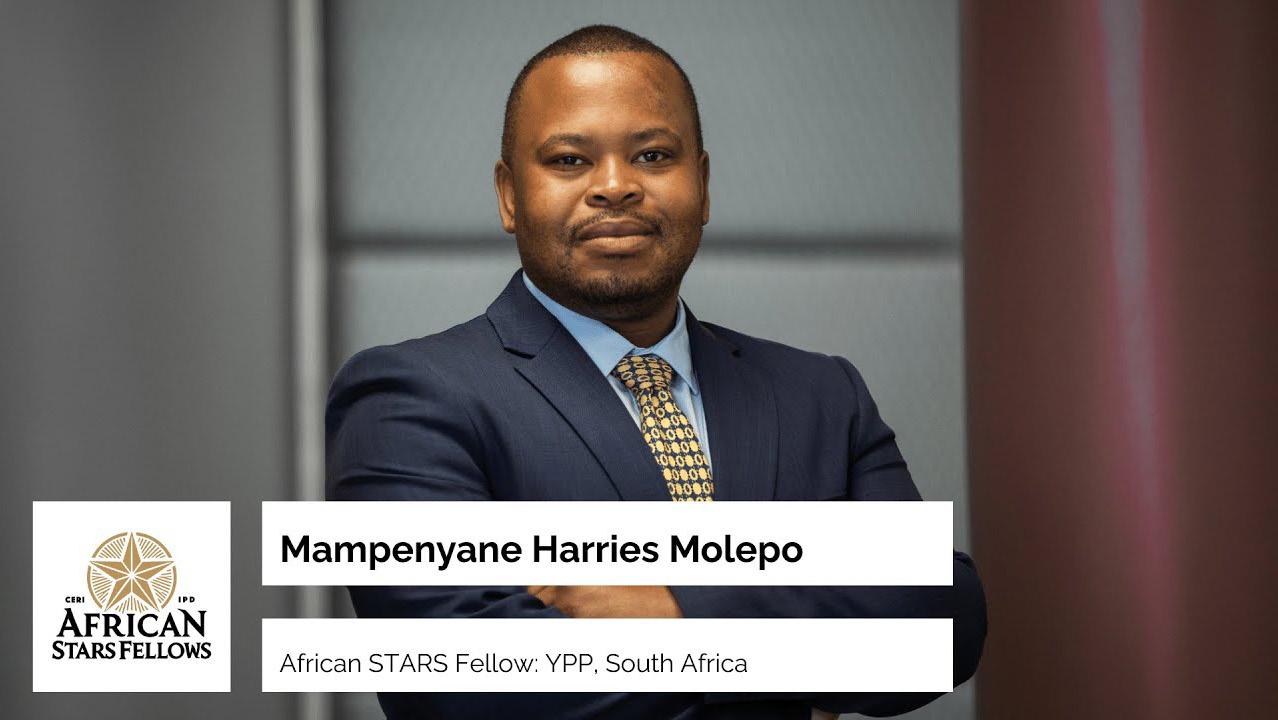
Harries Molepo – African STARS YPP Fellow
Mampenyane Harries Molepo, from South Africa, is a Young Professionals Programme (YPP) Fellow of the African STARS Fellowship. His work explores how limited African genomic data shapes public health outcomes – driven by a deep commitment to health equity and using science to solve realworld challenges.
Watch the full video here: https://youtu.be/S_P1GXsWvmQ
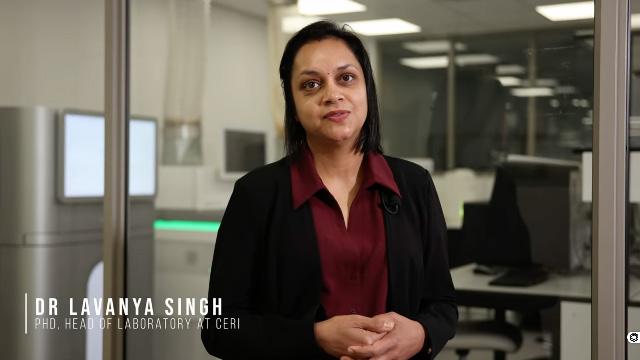
Africa BP 2025 Workshop
Step inside the Africa BP 2025 Workshop and hear directly from the participants who are shaping the continent’s genomics landscape. Hosted at the Centre for Epidemic Response and Innovation (CERI) and led by Separations, this workshop brings together the passion, expertise, and vision of African scientists committed to expanding genomic capacity on the continent.
Watch the full video here: https://www.youtube.com/watch?v=QHtuu81aSXs