ENERGY FOCUS



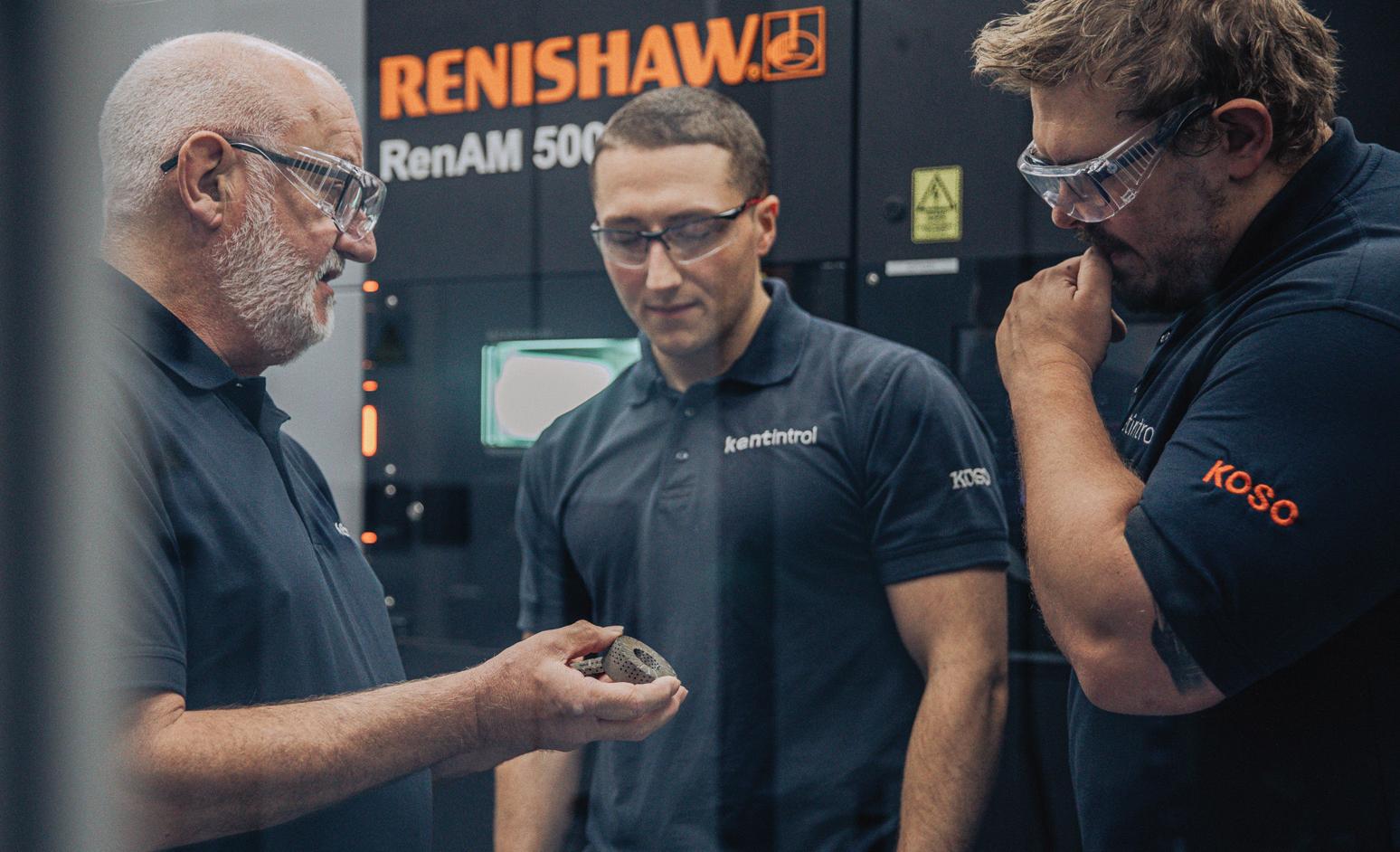
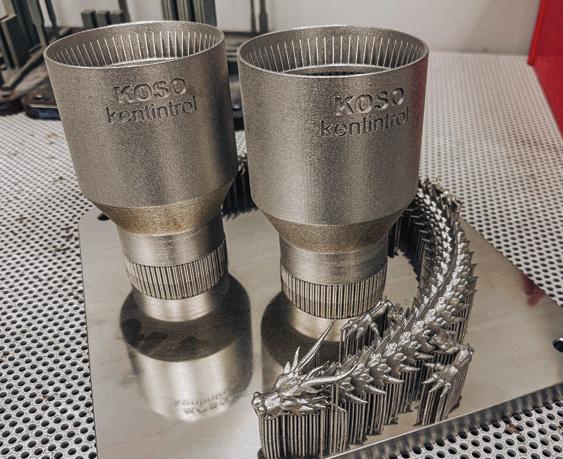
AddLab is KOSO Kent Introl’s dedicated additive manufacturing division, combining the speed and freedom of advanced AM with the rigour, certainty and infrastructure of a global engineering organisation.
While others focus on the printer, our strength lies in everything around it. Supported by KKI’s established
component. The result is additive manufacturing you can trust, from prototyping through to serial production.

Our approach is built on TRAV:
Four principles that underpin every design, build and inspection stage.
Powered by RenAM 500Q Flex technology and deep engineering expertise, AddLab integrates in-house testing, FEA and CFD analysis, R&D, and design-for-additive collaboration to deliver smarter,
Additive manufacturing with the assurance of real engineering behind it.
5 Foreword From the Chief Executive
6 View from the top
Julia Pyke, former Joint Managing Director, Sizewell C, and UK Clean Power Commissioner
10 News and events Updates from EIC
12 The big question Are tariffs impacting business?
14 The working capital challenge: Improving access to finance for SMEs
Tom Wadlow, Partner, WD Editorial
18 Bankability shifts across global energy investment projects
Neil Golding, Director of Intelligence, EIC London
23 Bankability and certainty: The global supply chain challenge
Rebecca Groundwater, Global Head of External Affairs, EIC London
38 My business
Keith Will, Manager of Business Development – Global Offshore Energies, American Bureau of Shipping (ABS)
The Energy Industries Council
89 Albert Embankment, London SE1 7TP Tel +44 (0)20 7091 8600 Email info@the-eic.com
Chief executive: Stuart Broadley
Should you wish to send your views, please email: info@redactive.co.uk
FROM THE ENERGY INDUSTRIES COUNCIL
SPRING 2026 / ISSUE 62


Editors Sairah Fawcitt +44 (0)20 7880 6200 sairah.fawcitt@redactive.co.uk Helena Bezerra +55 32 98410 1731 helena.bezerra@the-eic.com
Production director Jane Easterman
Senior designer Gene Cornelius Lead designer Craig Bowyer Picture editor Akin Falope Content sub-editor Kate Bennett

Sales and advertising +44(0)20 7324 2763 energyfocus@redactive.co.uk Energy Focus is online at energyfocus.the-eic.com
26 Targets to timelines: The realities shaping energy transition
Muhammad Ekrahm, Energy Analyst, EIC Kuala Lumpur
28 Renewables investment accelerates as energy security and supply chains reshape global markets
Nabil Ahmed, Energy Analyst, EIC London
31 Oil, gas and growth
Mariana Messere, Energy Analyst, EIC Rio de Janeiro
34 Why conventional power is back Aisyah Sarjuni, Energy Analyst, EIC Kuala Lumpur
36 Nuclear’s next decade: Markets, myths and opportunities
Jack Boggis, Energy Analyst, EIC London
Energy Focus is the official magazine of the Energy Industries Council (EIC). Views expressed by contributors or advertisers are not necessarily those of the EIC or the editorial team. The EIC will accept no responsibility for any loss occasioned to any person acting or refraining from action as a result of the material included in this publication.
Publisher Redactive Media Group, 9 Dallington Street, London EC1V 0LN www.redactive.co.uk



Recycle your magazine’s plastic wrap – check your local LDPE facilities to find out how.

Tailored support from regional Export do business overseas, UK Export Finance
Get started at
STUART BROADLEY
Energy sovereignty is increasingly seen as a critical foundation for long-term value; this edition of Energy Focus explores sovereignty and its links to bankability

Energy markets are shaped by four powerful and interdependent forces: the need for energy security, the demand for resilience, the imperative of cost affordability, and the urgency of net zero and a managed and just energy transition. Each is critical to economic stability and sustainable growth. But recent experience has shown that none can be delivered reliably without a stronger foundation – namely energy sovereignty, which is the domestic capability to build, operate and adapt energy systems over the long term.
Definitions matter: energy sovereignty is the capacity of a territory to meet its energy needs in an autonomous way to guarantee its independence, having direct control over its energy resources, production and infrastructure. Energy security, however, is the uninterrupted availability of energy sources, whether from domestic or international sources, to ensure a reliable, consistent and economical supply of energy to keep homes and businesses running smoothly. For companies and investors alike, sovereignty is not a political abstraction. It is reflected in the availability of infrastructure, the depth of supply chains, the strength of skills and the consistency





of regulatory frameworks. Where these foundations are robust, capital can be deployed with confidence. Where they are weak, projects face higher costs, greater delivery risk and increased exposure to geopolitical disruption.
Energy sovereignty does not imply disengagement from global markets or partnerships. International trade, technology collaboration and cross-border investment remain central to efficient energy systems. But experience has shown
Energy sovereignty is the capacity of a territory to meet its energy needs in an autonomous way
that reliance without domestic capability creates fragility. Markets that can build, maintain and finance critical infrastructure locally are better positioned to absorb shocks, sustain investment and execute transition strategies at scale.
A sovereignty-led approach also supports a pragmatic energy transition. The industrial capabilities that underpin today’s energy systems are the same capabilities required to deliver renewables, storage, hydrogen and advanced networks. Preserving and evolving these skills

reduces execution risk and prevents costly bottlenecks as new technologies are deployed. It also improves the likelihood that future infrastructure will be delivered on time, on budget and at competitive cost.
Affordability of energy remains a central concern for customers and policymakers. While energy prices are influenced by global markets, long-term costs are increasingly determined by how effectively systems are planned, financed and delivered. Strong domestic delivery capacity improves capital efficiency and supports more predictable investment pipelines, benefiting both consumers and shareholders.
In a world of increasing geopolitical and economic uncertainty, energy, industry and national competitiveness are now closely linked. A brilliant example of a mega-energy project that meets the needs of all of these strategic drivers is Sizewell C, the latest large-scale nuclear project to reach final investment decision in the UK, and I am delighted to welcome Julia Pyke as our View from the Top, to explain why nuclear is a critical part of the energy mix.
STUART BROADLEY Chief Executive Officer, Energy Industries Council stuart.broadley@the-eic.com









Former Sizewell C Joint Managing Director and Clean Power Commissioner Julia Pyke speaks to Energy Focus about financing new nuclear, cutting costs and strengthening UK energy security
Julia Pyke became a Clean Power Commissioner at the Department for Energy Security and Net Zero in January 2026, having served as Joint Managing Director of Sizewell C, Britain’s largest nuclear project.

Before joining Sizewell C in 2017, Julia was Head of Power & Renewables for the UK, US and Europe at Herbert Smith Freehills LLP, advising on major power projects across defence, nuclear decommissioning and transport. She is a Fellow of the Energy Institute and an Honorary Fellow of the Nuclear Institute.



















How does the ownership of Sizewell C differ from that of the UK’s previous large nuclear project, Hinkley Point C?
Hinkley Point C (HPC) is owned by EDF (66.5%) and CGN (33.5%) and is financed without company-specific project debt.
Sizewell C has a different ownership and financing model: it is structured to attract private capital through a regulated asset base (RAB) model that shares construction risk between investors and consumers (cost overrun risk is 50/50), making it investable as a long-term, stable infrastructure asset that delivers energy security, social value and lower costs once operational.
Following financial close in November 2025, the shareholders are La Caisse (20%), Centrica (15%), Amber Infrastructure (7%), EDF (12.5%) and the UK government, which holds the remaining stake. The UK government also retains a special share focused on national security.
What drove the shift to this new ownership and funding model, and why was such a significant change necessary?
The shift in ownership reflects renewed confidence in nuclear as an investable asset class and the fact that EDF did not wish to fund a second UK nuclear power station alone. The funding model also changed in response to lessons from HPC. The RAB model, long used for electricity transmission and distribution, was identified by the National Audit Office as a viable option for nuclear generation.
The Contract for Difference (CfD) model, while successful for some renewables, proved unsuitable for new nuclear beyond HPC. Investors were unwilling to commit to long development and construction
periods with no return on capital, and the risk allocation did not reflect the shared nature of UK-specific risks. Crucially, raising significant levels of debt required a funding model capable of supporting an investment-grade credit rating. In the context of new nuclear build, the RAB model met that requirement; it is doubtful that a CfD model could have done so.
Government analysis suggests that a contribution of around £1 per household per month during construction could deliver £2bn a year in savings across the UK electricity system. Where will this value be realised?
The £2bn annual saving is expected to be realised primarily through lower electricity bills for consumers. Beyond this, Sizewell will generate wider economic value due to its very high UK content – around 90% over its lifetime – resulting in substantial tax revenues, broadly equivalent to the construction cost, and significant employment and supply chain benefits for UK businesses. In addition, because the UK government is both a shareholder and a lender, UK citizens will benefit directly from shareholder returns and from interest paid on the project’s debt.
British businesses are set to benefit from 70% of construction spend – which technologies and supply chains are more likely to come from imports?
The nuclear island equipment and turbines will be imported, as the UK has not maintained the forging and manufacturing capabilities seen in other countries. This could change, and it is encouraging to
Costs must fall if nuclear is to keep its place in the energy mix, and that will require real cultural change
3.2 GW
NUCLEAR POWER STATION
• POWERS 6 MILLION HOMES
• OPERATIONAL LIFE OF 60+ YEARS
• A CORNERSTONE OF THE UK’S LOW-CARBON ELECTRICITY SYSTEM
£2bn
ESTIMATED ANNUAL SAVINGS (ONCE OPERATIONAL - PER YEAR)
£2.8bn+ CONTRACTS AWARDED
• 400+ UK SUPPLIERS
• 70% OF CONSTRUCTION VALUE TO UK FIRMS
• RISING TO 90% OVER THE PROJECT’S LIFETIME


8,000
AROUND 8,000 ONSITE JOBS AT PEAK
• A THIRD FROM THE LOCAL AREA
• TENS OF THOUSANDS OF JOBS SUPPORTED UK-WIDE
• 1,500 APPRENTICESHIPS CREATED
900
PERMANENT ROLES
HIGH-QUALITY, LONG-TERM JOBS CREATED









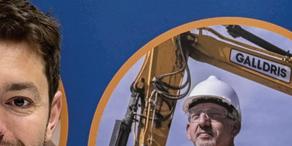

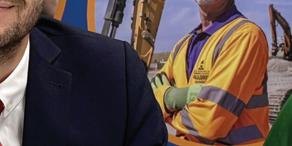





see investment in Sheffield Forgemasters. A significant challenge for future projects will be onshoring the manufacturing of complex, critical components and building on the supply chain revival beginning with HPC and continued by Sizewell.
What skills and supply chain opportunities does Sizewell C create, and where do you anticipate the greatest challenges?
Sizewell C creates construction skills, which will be useful for the nuclear programme beyond Sizewell and for other infrastructure, having of course benefited from the investment into skills made by HPC. Sizewell also maintains and builds the nuclear-specific skills that need to be grown to support a revival.
There are thousands of supply chain opportunities, from manufacturing through catering to occupational health. The project will support tens of thousands of UK jobs and create 1,500 apprenticeships. A recent Oxford Economics Report found that Sizewell C will provide an average of just under 9,000 direct and indirect jobs a year during the construction period. In operation, there’ll be 900 high-skilled, well-paid jobs, and hundreds more in outage maintenance, which will be continuous work because there will be three units (Sizewell B and two at C) each on outage every 18 months.
With a final investment decision reached in 2025 and a projected capital cost of around £38bn (2024 prices), what do you see as the main risks and challenges to delivering Sizewell C on time and on budget?
There are always risks from events during long construction projects, but the issues go beyond that. In his 2025 Nuclear Regulatory Review report, John Fingleton highlighted that one of the biggest challenges is the high cost of UK nuclear projects. Addressing this requires a focus on innovation and a shift in the way that development companies, suppliers and regulators work together, because much of the current approach is rooted in practices built up over many years.
The case for Sizewell C is first and foremost about energy security, with the added benefit of delivering large volumes of low-carbon power that will lower bills
Ultimately, the key is ensuring that costs are proportionate and fair for consumers.
What are the major delivery milestones for Sizewell C, and when do you expect the project to produce first power?
Sizewell C is aiming for first power in the second half of the 2030s. The ambition is to deliver as early as possible, recognising the UK’s growing need for reliable low-carbon electricity as electrification accelerates, datacentre demand rises and oldergeneration assets retire.
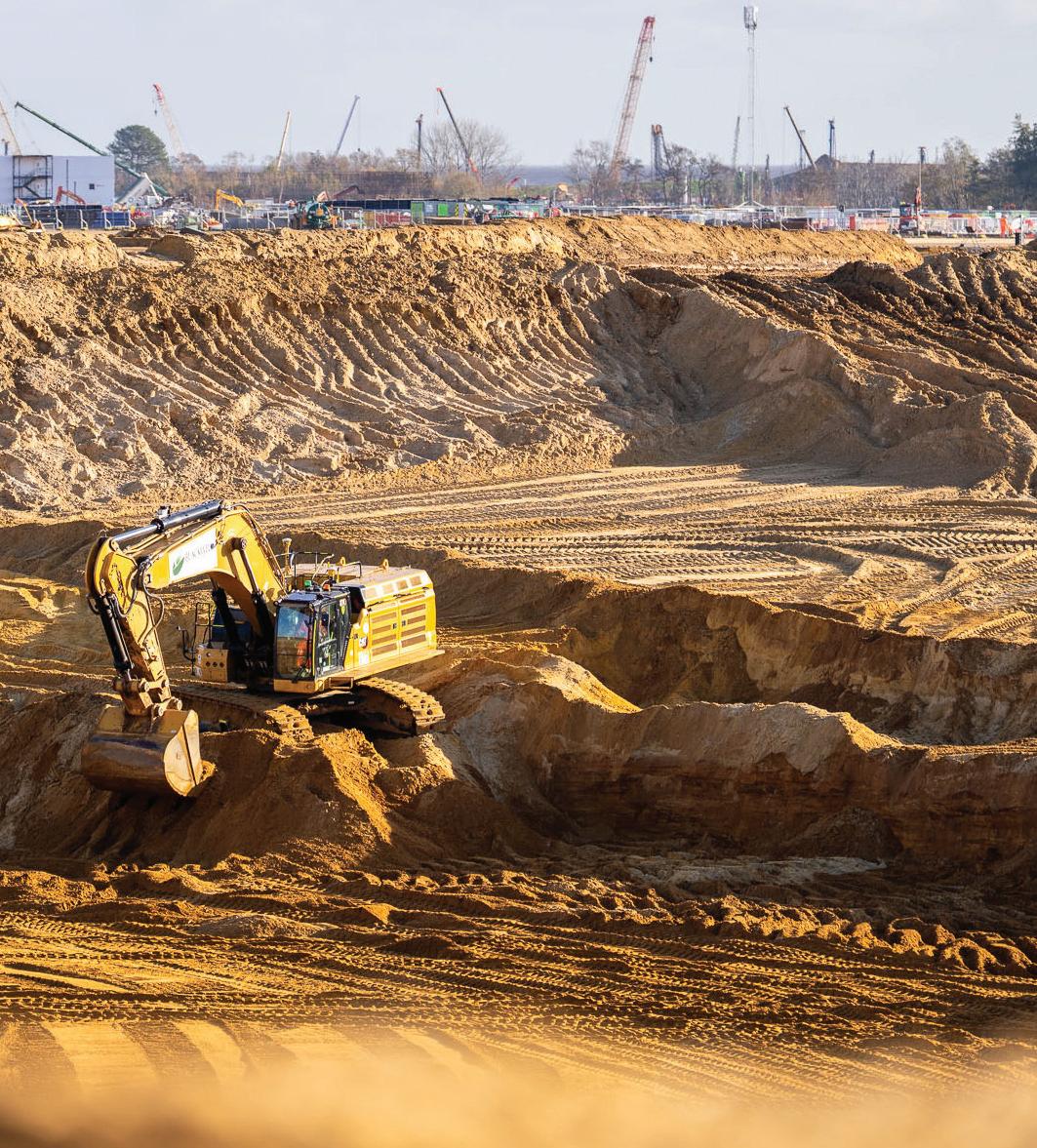
Between now and then, major milestones will include reaching ‘J0’, when construction moves above ground, the lifting of the two reactor building domes, and the arrival and installation of the reactor pressure vessels. Similar moments at HPC have already shown the remarkable engineering and teamwork involved.
Do you see signs of a global nuclear renaissance, and what is driving the renewed interest?
There are definitely signs of a global revival, with momentum building across Europe, the US, China, Russia and the Middle East. In Europe, attitudes have shifted as it’s become clearer how to deliver a low-carbon power system that stays affordable and continues to underpin industrial economies. Nuclear’s contribution – strengthening energy security, diversifying supply and offering
the potential for low-carbon heat – is now widely recognised. Its inclusion in the EU Taxonomy, along with commercial banks’ willingness to finance Sizewell C, shows just how far that renewed confidence has come.
Do you expect large-scale nuclear to retain its role, or could nascent technologies, such as small modular reactors, advanced modular reactors or fusion, dominate in future decades?
Large-scale nuclear will continue to play a central role in countries with strong, established grids. It is the proven technology, and with a sustained newbuild programme that enables real learning and gives the supply chain continuous work, alongside a renewed focus on cost discipline, its future is very strong. Small and advanced modular reactors and fusion, have exciting potential, too, and in time they can become powerful additions to the wider low-carbon technology mix.
Is ‘net zero’ an unhelpful term, and should we shift toward more meaningful expressions such as energy decarbonisation or energy security?
The case for Sizewell C is first and foremost about energy security, with the added benefit of delivering large volumes of lowcarbon power that will lower bills when the station is generating. But having nuclear in
the energy mix brings wider advantages, too: high UK content, strong tax revenues and long-term skilled jobs that support both national growth and local prosperity.
For me, ensuring meaningful local benefit has been a priority. Employing people from the surrounding area reduces project costs and creates well paid, lasting careers that allow young people to stay and build their futures where they grew up. The industry also has a strong record of environmental stewardship. At Sizewell C, we’ve already created new nature reserves for people to enjoy, and expect some areas to qualify for Site of Special Scientific Interest status – something I’m particularly proud of.
As we watch the US switching further from energy security to energy sovereignty, do you see that as a valid direction of travel for European countries, too?
Europe already has a very connected electricity system, with high levels of
import and export between member states. I think that is likely to continue, but countries will also have more focus on domestic supply.
As a successful senior woman leader in energy, what lessons or insights would you share with those aspiring to follow a similar path?
Belief in what I am doing has been core – not only the conviction that energy production is essential to our lives, but that the way we produce it must genuinely serve the society around us. As choices about technologies and the balance of the energy system have become increasingly politicised, it’s more important than ever for energy companies to be deeply rooted in the communities they support. The stronger that connection, the more stable public attitudes – and, ultimately, politics – will be.
As you prepare to leave Sizewell C, what lessons stand out from your time in the nuclear sector, and what comes next? I’ve learned a great deal from my time on HPC and Sizewell C. Above all, optimism and belief matter, as does inspiring teams rather than directing them. Strong community relationships are essential – both within the project and with the people living around it – because acknowledging impacts and delivering real local benefits is not only right but cost effective. And nuclear must always be seen as part of a wider system, coordinated to maximise value.
The UK nuclear sector is full of talented, committed people, but costs must fall if nuclear is to keep its place in the energy mix, and that will require real cultural change.
For me, the next steps include becoming a Clean Power Commissioner for the Department for Energy Security and Net Zero, joining the Studsvik board and working with Nigel Cann to set up a Community Interest Company to deliver Sizewell C’s promised social benefits. For the project itself, the focus is meeting its 2026 construction and manufacturing milestones and staying on time and on budget.
From EIC Connect Britain & Ireland to Germany, EIC events unite members, developers and policymakers, delivering insights on hydrogen, renewables, nuclear and CCUS while shaping policy, unlocking investment and fostering supply chain growth across global energy markets
BY MAHMOUD HABBOUSH, COMMUNICATIONS ADVISER AND REBECCA GROUNDWATER, GLOBAL HEAD OF EXTERNAL AFFAIRS, EIC LONDON
Akey part of EIC’s work is to represent our members. We help them navigate markets and opportunities while giving them early access to market data.
We then use what we hear from our members to advocate for stronger policy interventions to seed the supply chain and help it take root and grow. This is why the end of 2025 was such a busy time for our events teams across Europe and the UK.
Our series of Connect events – held across the globe, from the Americas to Europe, the Middle East and Asia-Pacific – work best when they stay grounded in real projects and honest discussion, and that is exactly what we deliver.
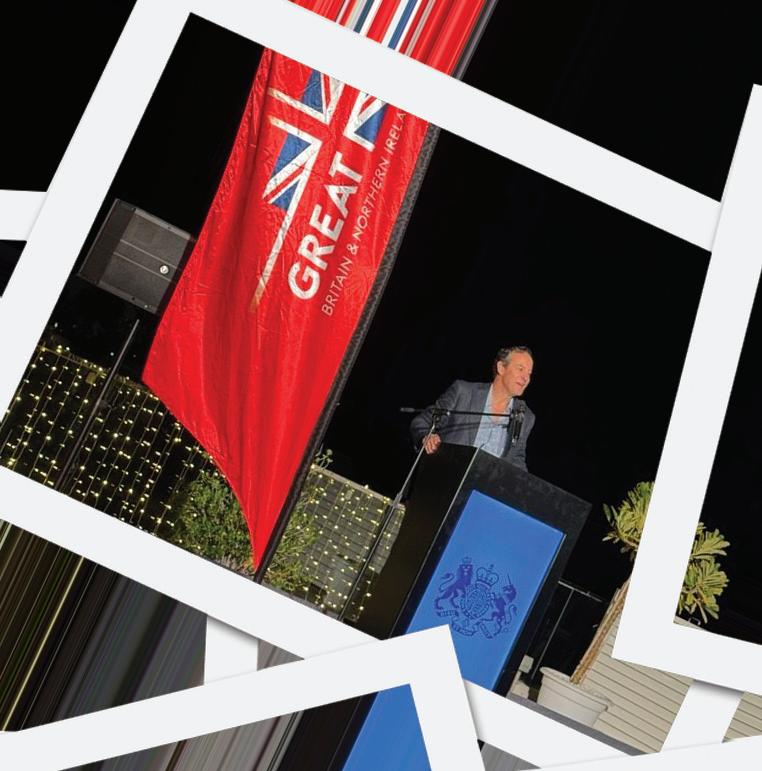
In November, the UK team was excited to revive the Connect Britain & Ireland event with a one-day programme in Manchester, reintroducing the ‘Meet-the-Buyer’ sessions
and providing project insights across hydrogen, wind, carbon capture, utilisation and storage (CCUS), nuclear, sustainable aviation fuel and more.
The day did not disappoint with plenty of networking, industry insights through panel sessions and an informative discussion with government colleagues. If you are interested in learning more, please listen to our podcast episode ‘EIC
Our series of Connect events, held across the globe, are grounded in real projects and honest discussion









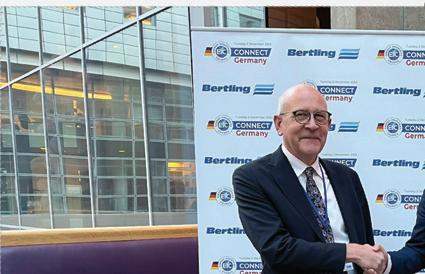
Connect: Why are UK’s Energy Projects Moving to the Right?’, which was recorded at the event.



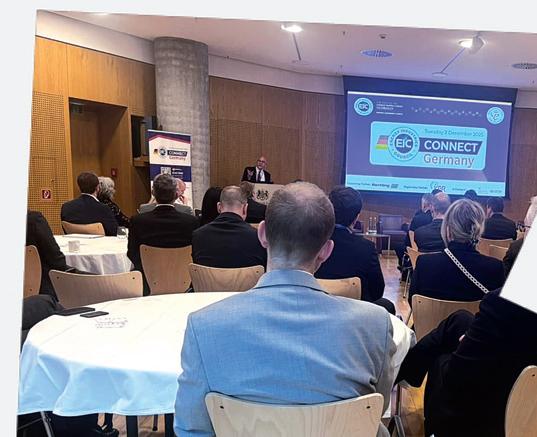
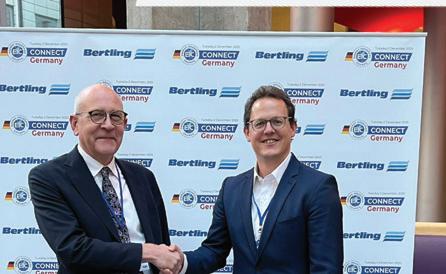
This was followed by our first EIC Connect Germany event, hosted at the British Embassy in Berlin. With more than 459 tracked projects and an estimated US$313bn of potential spend across hydrogen, renewables, CCUS, gas, grids and nuclear decommissioning, Germany is at the centre of Europe’s energy future.
For two days, attendees heard from operators, developers, system operators, financiers, government officials and trade bodies. Speakers set out where they see growth, what keeps them awake at night, and what is needed for the supply chain to expand into new markets and diversify and grow their businesses.
This was a great event that helped to strengthen our member base in Germany
200+ REGISTERED ATTENDEES
100+












and showed the value of cross-country learnings and how we can drive forward with our 5 Golden Rules.
We are looking ahead to our second Bankable Energies event in London in March. Bankable Energies 2026 will once again convene the global investment community, leading project developers and key policymakers to tackle one of the energy sector’s most pressing challenges: unlocking capital to drive clean and lowcarbon projects forward.
Despite the urgent need to meet net zero targets, companies and nations continue to face significant hurdles, with project delays, constrained financing and policy uncertainty remaining persistent barriers. As these pressures grow, the industry must work collectively to reshape financing




frameworks, project frameworks,strengthenproject and showed the value of andshowedthevalueofcrosscrosscountry -country
frameworks, strengthen project confidence and accelerate deployment at scale.

Bankable Energies 2026 will explore practical solutions to these challenges, with the agenda including: ‘How to unlock investment for future energy projects’; ‘The policy and regulatory clarity needed to accelerate new initiatives’; and ‘Strategies to manage and mitigate risk across a rapidly evolving market’.
We are also delighted to announce Close Brothers as our Investment Partner for 2026, supporting our mission to bring clarity, confidence and collaboration to project finance.
Bankable Energies 2026 17 March 2026
London, UK
the-eic.com/Events/BankableEnergies
Offshore Technology Conference (OTC) 2026
4-7 May 2026
Houston, US
the-eic.com/Events/Exhibitions/ OffshoreTechnologyConference2026
Energy 360 Summit
6-7 May 2026
London, UK
the-eic.com/Events/Energy360Summit
Oman Petroleum & Energy Show (OPES)
18-20 May 2026
Muscat, Oman
the-eic.com/Events/Exhibitions/ OPES2026
Beijing Energy Congress 2027
3-15 January 2027
Beijing, China
the-eic.com/Events/Exhibitions/ BeijingEnergyCongress2026%7CEIC
EIC Insight Report: Africa Hydrogen
EIC Insight Report: South America Hydrogen
EIC Insight Report: Bankable Energies



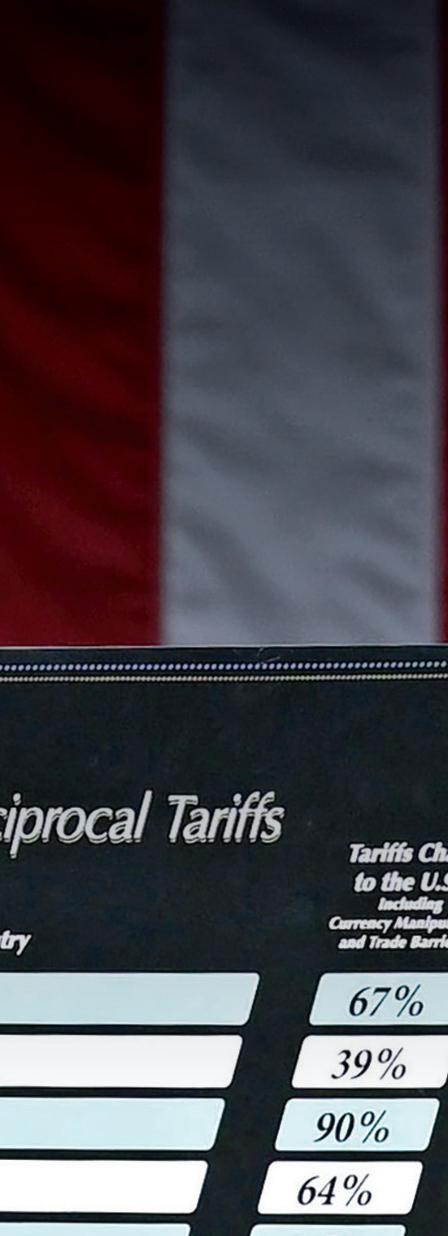



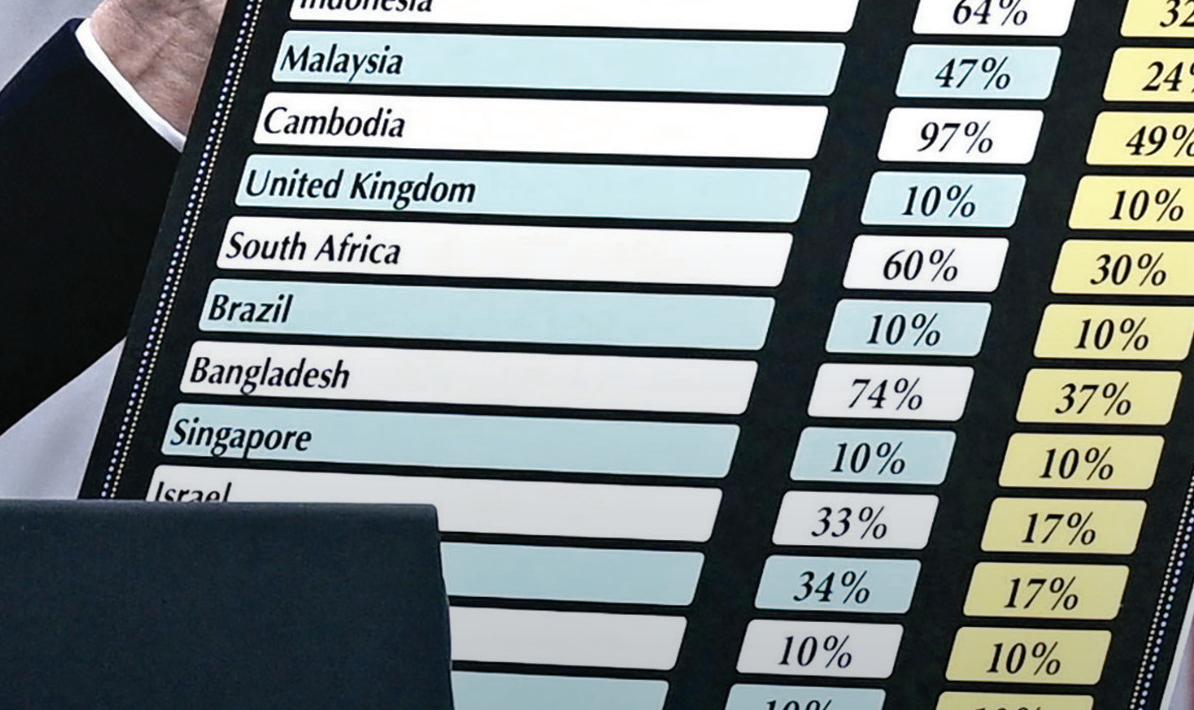

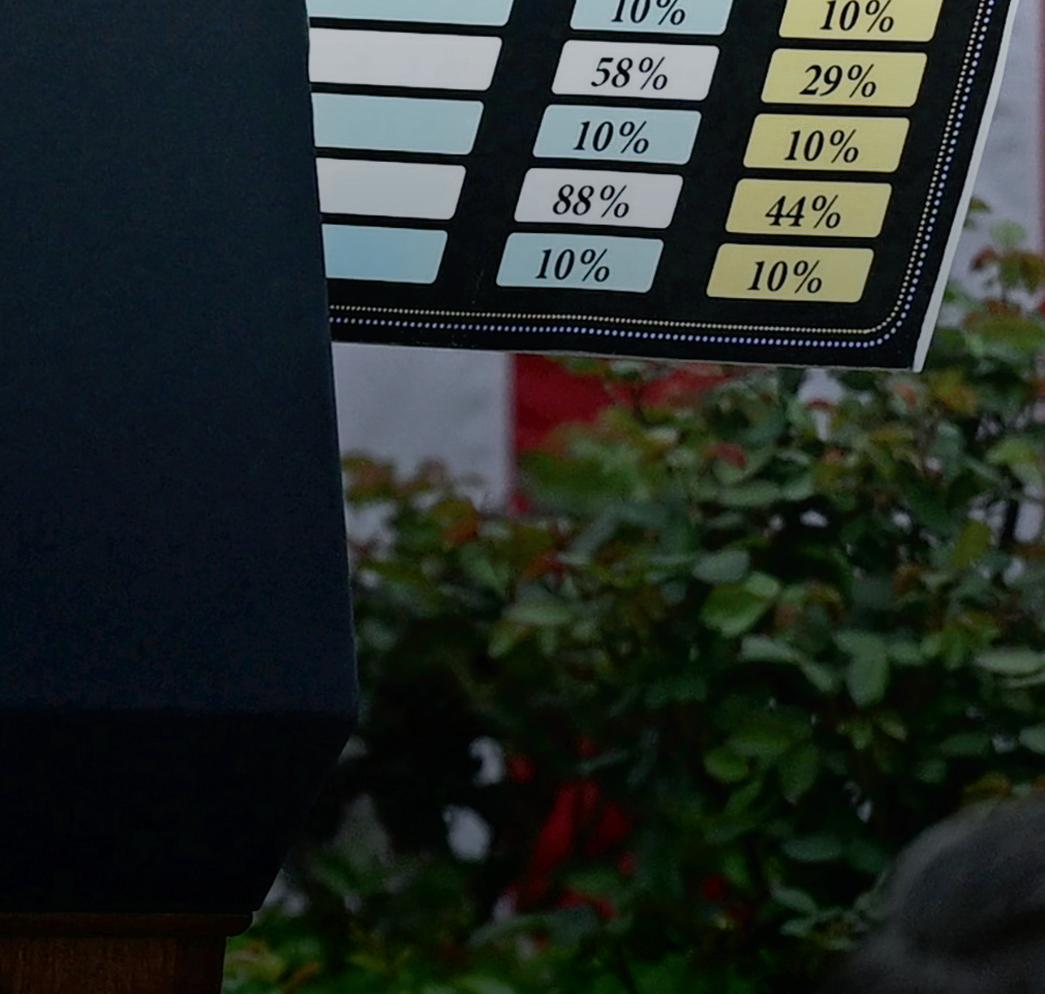
EIC members report differing tariff impacts: logistics sees rising cost, complexity and uncertainty, while others remain insulated through local sourcing and diversified models. Do tariffs ultimately disrupt growth, or create opportunity for adaptable energy supply chains?




Martyn Lawns CEO of DHL Industrial Projects

Uncertainty has arguably been the biggest challenge
Tariffs are having a significant effect on the global supply chain, although this is more multilayered and nuanced than many in the market might have predicted before they came into effect. Their short-term effect has been to add cost, complexity and uncertainty to trade. Cost and complexity have been easier to manage – for logistics companies, they have even been a demand driver, as customers have turned to our industry for expertise, support with operational efficiencies and creative solutions such as alternative routes and transport modes to mitigate them. Uncertainty has arguably been the biggest challenge, as this has dampened investment appetite, delayed projects and created less predictable flows of materials.
We see tariffs reshaping international trade relationships and we expect this trend to continue over the long term, with significant implications for the legacy energy and renewables sectors. Regions such as the Middle East, Latin America and South East Asia, in particular, are showing early indications that they will benefit from these trade shifts, while major economies such as the US are leaning towards increased domestic production of strategically critical goods. This brings opportunity for those businesses that can adapt their supply chains to respond quickly and capitalise.



Tariffs have not had a major effect on Powertherm’s day-to-day operations. As most of the materials and services we use are sourced within the UK, we are largely shielded from changes in import duties and tariff-related costs. This has significantly reduced our exposure to cost pressures during periods of wider market uncertainty. However, changes in energy prices do affect the environment in which our clients operate. When costs rise or fluctuate, asset owners naturally place more focus on efficiency, costeffectiveness and certainty around delivery. This influences how work is planned and prioritised across industrial energy sites.
As most of the materials and services we use are sourced within the UK, we are largely shielded
For us, this reinforces the importance of practical, efficiency-led solutions. Our work helps reduce energy losses, improve thermal performance and protect critical assets – all of which support lower operating costs and more reliable performance over time.
In the context of bankable energies, our focus is on ensuring energy infrastructure works better and lasts longer. Clear and stable cost frameworks support better planning across the sector, yet regardless of wider market conditions, demand for reliable partners and well-executed technical industrial insulation remains consistent.

Tariffs are not currently affecting our business in any material way. Our supply chain and commercial model have been structured to minimise tariff-related risks, supported by proactive steps taken over several years to diversify our sourcing, manufacturing and logistics routes. This strategic approach ensures we maintain flexibility and resilience whenever global trade conditions change. Where tariffs do apply, their effect has been marginal and fully manageable within our existing cost structures. We work closely with partners to optimise import routes and local assembly options, ensuring continuity of supply without disruption. Consequently, we have not needed to pass costs on to clients, nor have we experienced delays in project deployment.
Furthermore, a significant proportion of our value is derived from system design, software, integration and ongoing support rather than purely from hardware components. This reduces our sensitivity to tariffs on individual items, while our geographically diverse customer base helps balance regional trade variations.
In summary, while we continue to monitor global trade policies closely, they have not negatively affected our operations, pricing or ability to deliver projects reliably and on schedule.


SMEs are being asked to deliver bigger, more complex projects –but outdated financial frameworks and risk-heavy contracts are holding many back. Capital and finance issues must be resolved for a resilient supply chain
BY TOM WADLOW, PARTNER, WD EDITORIAL






As demand for energy grows, the pressure is on to scale supply.
Global energy capacity additions hit record highs in 2023, 2024 and 2025 – a trend that is likely to continue as hundreds of gigawatts are added each year.
International Energy Agency (IEA) estimates suggest that the US$2tn in clean energy investment seen in 2024 represents less than half the roughly US$4.5tn needed each year by the early 2030s to achieve netzero emissions by 2050. But governments globally are heeding the call. In the UK, more than £1.5bn has been committed to domestic clean energy projects, with ambitious targets set through the Clean Power 2030 Action Plan.
For small and medium-sized enterprises (SMEs), any efforts to bridge the investment gap present significant opportunities. Many will be asked to take on and deliver larger, more complex contracts. However, beneath that opportunity lies a less appealing reality: many smaller firms are limited in the number of projects they can take on, largely because they face severe constraints to their working capital. This, in turn, limits their ability to scale.
Consider warranty bonds, also called maintenance or defects liability bonds. These are financial guarantees that a contractor or supplier will correct defects in their work or product during a specified warranty period. For SMEs, this means significant cash reserves can be tied up for extended periods, limiting their ability to use that capital to take on more projects.
“A typical warranty bond is, at best, around 10% of a contract’s value, and can be enforced for several years,” says Ann Johnson, Non-Executive Director at EIC. In the case of a £1m contract, she explains, a 10% bond would mean that £100,000 is locked up. If the bond then costs 3% per year, £3,000 would need to be paid annually. Then, even after the project is completed, the bond might fall from 10% to 5% for the warranty period, meaning another £50,000 remains tied up.
“This cumulatively adds up,” Johnson says. “If a company does two or three contracts per annum, then they’ll quickly find themselves with £150,000 that’s tied up and can’t be reinvested. Add in extra requirements like parent company guarantees and suddenly businesses find that much of their free cash is locked away.
“It can be helped if you qualify for UK Export Financing. However, that can be a challenging landscape for a diversifying company which may already have a negative EBITDA for previous years.”
Small firms, heavy loads
Warranty bonds are just one part of the problem. Financial and contractual risks associated with energy projects are often
If a company does two or three contracts per annum, then they’ll quickly find themselves with £150,000 that’s tied up and can’t be reinvested
Ann Johnson, Non-Executive Director, EIC
pushed down the supply chain, leaving SMEs bearing the brunt.
“The client generally has an onerous burden from the investors, which they place on the prime Tier 1 engineering, procurement and construction contractor, which will in turn look to mitigate their risk down the chain,” says Johnson.
“Most SMEs don’t have in-house lawyers and are therefore reliant on their previous contractual knowledge – something that is no match for a large Tier 1 firm that might have a whole stable of qualified lawyers negotiating contracts.
“Ultimately, it means that individual suppliers are carrying ever-increasing
contract risk, with little to no means of mitigating it, and so they’re generally forced to seek insurance or decline work as their risk increases.”
Banks and project financiers often require insurance as a prerequisite for lending or investing, yet this also comes with challenges – particularly in renewables, where increasing numbers of risks and claims are prompting insurers to adjust their coverage terms and pricing.
Indeed, 2024 saw record insured losses for renewables in Europe due to a higher volume and severity of extreme weather events. A 2025 report from Zurich, meanwhile, found that renewable energy assets face significantly more physical climate risk than fossil fuelbased infrastructure, with 83% of Europe’s clean energy generation set to be deemed high risk by 2030. As a result, many projects are now prohibitively expensive to insure or face significant coverage exclusions for risks such as flooding that can affect project viability.
SMEs face a cocktail of challenges – capital that is costly and hard to access, projects that are difficult to insure, and constraints such as warranty bonds that can leave finances tied up for years, making critical projects nonbankable. Many smaller firms
Ann Johnson, Non-Executive Director, EIC
For SMEs, contract documentation can be onerous – the time it takes to prepare has a huge impact
Ben Vincent, Global Sales and Marketing Manager, Destec Engineering
are already on the back foot, with limited headcounts and operational capacity that they can’t afford to have bogged down by complex contractual agreements.
“For SMEs, contract documentation can be onerous,” says Ben Vincent, Global Sales and Marketing Manager at Destec Engineering, which specialises in high-pressure containment solutions. “The time it takes to prepare has a huge impact, when working on multiple projects simultaneously can already be a challenge when it comes to managing capacity and lead times.
“While we would like to tender for all projects, we may turn down certain opportunities because of this – perhaps if we think our chances of securing the order are less likely.”
Administrative burdens are putting SMEs in a position where they must become increasingly selective – and that’s a problem, constraining industry capacity and competitiveness at a time when the energy sector needs to grow.
Johnson believes many SMEs are stuck between a rock and a hard place – particularly those looking to diversify outside of oil and gas.
“They’re naturally nervous of entering new markets,” she says. “The huge contract risks don’t generally tally with great rewards. There are then further frustrations with legal issues that need to be managed in unfamiliar legal markets, all while continuing to service warranty obligations.”
Rebalancing the scales
These challenges need to be addressed. It’s regularly acknowledged that SMEs are the
backbone of the economy. In the EU, they represent 99% of all businesses, employ more than 80 million people and account for half of GDP. Yet in the energy sector, working capital challenges, unfavourable contract obligations, significant risks and limited access to affordable finance are hampering their ability to thrive. Without change, SMEs will be constrained – unable to grow and support the energy sector’s muchneeded expansion.
“Fairer contract terms, more flexible bonding requirements and tailored finance solutions would certainly help,” says Johnson.
There are several mechanisms that could be leveraged and deployed in each of these areas. More balanced agreements could avoid pushing risks disproportionately onto SMEs, defining clearer liability limits and shorter warranty periods. Conditional bonds, phased reductions or insurance-backed
guarantees could free up working capital, while lenders and policymakers could introduce innovative products and models such as project-specific credit lines and export finance to make capital more accessible and affordable. Systemic changes such as these are crucial, but SMEs should also take proactive steps to improve their position. For example, robust financial reporting and forecasting can demonstrate stability and manage perceived risk among lenders and insurers. Investing in compliance and legal expertise may also be logical, preventing exposure to overly burdensome terms and allowing you to negotiate against imbalances through contract reviews. Likewise, looking into schemes such as UK Export Finance may prove fruitful if this hasn’t already been explored.
If the energy transition is to succeed, SMEs must not be constrained by outdated financial and contractual frameworks. Businesses can take steps to ease risk concerns and explore affordable finance options, but broader reforms are needed.
Fairer terms, accessible capital, and smarter risk-sharing aren’t just good for business, but essential to build the resilient, scalable supply chains demanded by a net-zero future.


DABILITY








e form power s a ctor ects cision nd , am ents to rs and vest, ll ators ment he UK, d FID. also nd l es, t’;
emand, in the form of offtake or power agreements, is a significant factor in whether projects reach final investment decision (FID). Hydrocarbon demand shows no signs of slowing, with high-CAPEX upstream and midstream developments reaching FID. While some face delays – due, in part, to increasing costs – operators and developers continue to invest, knowing that demand will continue. However, operators will not invest without a fiscal regime and government support, as witnessed in the UK, where no projects reached FID.



Clean power demand is also rising. Investors understand onshore wind and solar well and some regions still offer government subsidies, making projects a ‘safe bet’; an increasing number are reaching FID. More offshore wind projects have also reached FID in the past two years. Th require more capital outlay than onshore and are enabled by government subsidies, without which they would be less commercially viable. A rising number of energy storage projects are reaching FID, too. As renewable power generation grows, battery energy storage systems –increasingly co-located with onshore renewable developments – are needed to stabilise grids and integrate variable renewable energy. Despite high costs, the number of nuclear projects is growing as demand for clean baseload power rises. While small modular reactors will play a role, the sector is in its infancy and, in some instances, requires finalisation of regulatory policy before projects can proceed.


ore ached These y than


As countries turn inward, the flow of capital is shifting – and so is the bankability of major projects. Two years of EIC final investment decision data show where investment is going, which sectors are thriving and how finance is evolving
BY NEIL GOLDING, DIRECTOR OF INTELLIGENCE, EIC LONDON
Demand for conventional power generation, specifically gas, is also growing – partially attributable to data centres, which require 24/7 baseload power. With this growth in power generation projects, grid investment is needed, and there has been an increase in the number of transmission and distribution projects reaching FID. This is long overdue and will be critical in ensuring that power can be distributed to demand centres, as well as providing grid resilience to support the green power generation transition.
Struggling sectors
It is easier to secure finance for sectors that involve mature proven technologies and clear demand than for energy transition sectors such as hydrogen, clean fuels and carbon capture. While more projects in the latter category have been announced and are reaching FID, it is not at the expected volume.
There is demand for clean fuels, and mandates have been set for sustainable aviation fuel (SAF), but projects are struggling to move forward. Large-scale projects have been paused or even cancelled (for example in the Netherlands) due to financial viability issues, rising costs (including feedstock prices) and investors wanting better financial returns. Clean hydrogen faces similar problems.
Several clean fuel projects have been cancelled due to increasing costs, policy and regulatory uncertainty (particularly in the US) and a lack of public funding, which lead to economic viability issues and operators shifting towards
Operators will not invest without a fiscal regime and government support, as witnessed in the UK, where no projects reached FID
more commercially viable sectors. Projects that do reach FID all have long-term offtake agreements and are often close to where the fuel will be used.
South America’s upstream sector has seen continual investment, driven by largescale, multi-billion-dollar floating production, storage and offloading unit projects in Brazil, Guyana and Suriname. However, financial difficulties have limited the number of midstream and downstream projects reaching FID. Risks are perceived as high, especially for large-scale export projects, which compete with lower-cost global markets such as China and the Middle East.
Large-scale CAPEX oil and gas projects are reaching FID in the Middle East – no surprise given hydrocarbons’ importance to the region’s national economies. There has also been more cleantech activity, particularly in solar; with some of the world’s highest solar irradiance levels, solar power generation here is efficient and effective. This activity has been enabled by government initiatives and policies such as Saudi Vision 2030, which includes clear renewable energy targets and financial incentives.
The region’s low solar power tariffs also make it attractive to domestic and foreign investors. Hydrogen developments, however, are not proceeding – demand is not at expected levels, and projects such as
those at Duqm in Oman are being cancelled. Government support and policies are needed for many projects to reach FID. This is seen in Europe, which has the highest volume of hydrogen projects reaching FID thanks to strong EU funding (such as from the European Hydrogen Bank), policy certainty and energy operators’ vision for
a continent-wide network. However, the sector is yet to see expected demand, and 2030 production targets are unlikely to be met. Offshore wind, meanwhile, has been supported by policies and financial frameworks such as the Contracts for Difference Mechanism, giving investors certainty that projects are commercially viable.
REGIONAL
ENERGY TRENDS
What is – and isn’t –progressing globally
SOUTH AMERICA
•
Major upstream oil and gas projects
• Limited midstream and downstream investment
• High export project risks
• Large CAPEX oil and gas investments
• Rapid solar expansion
• Hydrogen projects cancelled
EUROPE
• Leading in hydrogen projects
• Strong government funding
• Offshore wind development
NORTH AMERICA
• LNG projects surging
• Hydrogen and SAF FIDs declined
• Policy and regulatory uncertainty
ASIA-PACIFIC
• Oil and gas projects advancing
• Slow energy transition progress
• Regulatory delays
AFRICA
• Few projects reaching FID
• Political and economic risks
• Weak power infrastructure
Policy certainty is critical for investor confidence –and policy change has been felt significantly in North America, particularly the US. The number of hydrogen and SAF projects reaching FID fell in 2025 due to policy and regulatory uncertainty, as well as the absence of longterm offtake agreements. Without guaranteed demand for their products, projects cannot secure investment.
One US sector that is thriving thanks to global demand is liquefied natural gas (LNG) liquefaction, with six projects reaching FID in 2025. This sector also gained regulatory clarity after the permitting pause was lifted, giving developers and investors the confidence to invest.
Other than China, the Asia Pacific region has seen little progress in the energy transition sectors. Many countries have yet to finalise regulations needed for projects to be developed, leading to low investment levels. However, oil and gas projects continue to reach FID: governments are supportive of the sector and FIDs have been reached for significant projects such as Hidayah and Kelidang in the past 12 months, with more expected.


Africa has seen the lowest value of projects reach FID. While energy companies have invested in oil and gas projects, FID has been delayed; political and economic risk are often cited as issues for investors, making projects less financially viable. When it comes to renewables, existing power grids lack the capacity to integrate new sources, and a lack of policy and regulation is a further barrier.
Making it bankable
Capital flows most readily where demand is clear, technologies are proven and policy frameworks provide certainty. Hydrocarbons and conventional power continue to attract investment, while mature renewables, storage and grid infrastructure benefit from established financing models and government support.




By Mahmoud Habboush, EIC Bankable Energies Report Author


It is easier to secure finance for sectors that involve mature proven technologies and clear demand


Transition sectors such as hydrogen, clean fuels and carbon capture face slower progress, constrained by cost pressures, regulatory uncertainty and insufficient offtake. Ultimately, bankability hinges on aligned demand, supportive policy and fiscal stability – without which even strategically important projects struggle to advance.
EIC data on the projects moving to final investment decision (FID) matches industry leaders’ experience: bankability improves with robust offtake agreements, commercially viable economics, controlled technology and delivery risk, and stable, predictable policy. I spoke to 50 UK-based energy leaders and executives across developers, contractors, advisers, lenders, insurers and supply chain firms. The interviews – conducted for the Bankable Energies Report, to be released at the Bankable Energies Conference on 17 March 2026 – focused on what makes projects bankable, what stops them progressing to FID, and why capital goes to sectors where healthy demand, technology availability and policy stability align.





For many energy executives, revenue certainty is the starting point – specifically long-term power purchase agreements, Contracts for Difference and commoditylinked offtake agreements as mechanisms that allow lenders to model cashflows and make informed decisions on debt size. When these contracts have credible counterparties, projects move through investment committees with fewer assumptions and less pricing friction. If price, tenor or buyer strength are weak, projects stall – even when
engineering looks robust. For major national projects, interviewees said that government-backed revenue schemes are decisive enablers, citing regulated asset basestyle models, cap-and-floor regimes and termination compensation as mechanisms that reduce construction and volume risk; carbon capture, transport and storage was a recurring example. Projects depend on both emitters and shared networks reaching operation on aligned timelines. Energy industry stakeholders argued that governments can bridge this coordination risk to make debt possible where private contracting cannot.
Policy stability and fiscal credibility are crucial, with interviewees tying bankability to durable policy direction, cross-party alignment and stable taxation; dozens of energy leaders have told us this across multiple EIC research projects, including our annual Survive & Thrive research initiative and the Net Zero Jeopardy reports.
Energy executives said that investors hesitate when fiscal rules are reset within short periods or permitting requirements change late in development. UK oil and gas was repeatedly cited as an example of projects being deterred through stifling taxation and approval criteria, despite demand; developers
cannot forecast returns across a multi-year project and payback period. The same applies even in lowcarbon sectors that rely on subsidy or price-support policy. If political risk rises, lenders price uncertainty into debt and developers freeze work.
Project delivery issues also affect bankability. Several participants described projects where the technical case was acceptable and the revenue model was improving, but the contracting model could not be agreed. For example, one developer tried to secure a full lump-sum turnkey contract for a complex energy transition build while scope and performance parameters were still being refined; tier-one contractors would not take on combined schedule, productivity and performance risk under that structure. The developer had to either add a high-cost contingency that weakened the business case, or pause procurement and make the risk allocation acceptable to the market.
Skills availability is another issue, with UK infrastructure builds competing for welders, fitters, scaffolders, commissioning staff and project managers. If multiple projects launch in one region, the risk of wage escalation
and workforce turnover rises. This ties in with supply chain bottlenecks in cables, transformers, foundry capacity, ports, vessels and specialist fabrication.
Finance and insurance executives focused on data quality, noting that projects make better progress when owners and managers provide solid technical data, credible performance evidence and clear scenario analysis.
The interviews also explained why transition projects progress slowly.
Hydrogen and clean fuels struggle with weak offtake potential, uncertain pricing benchmarks, high CAPEX and policy dependence.
Energy executives noted that projects reaching FID tend to secure long-tenor offtake and align location with end use to reduce logistics and demand risk. Several added that the absence of a revenue bridge for sectors such as sustainable aviation fuel leaves projects exposed to feedstock costs, return expectations and policy change.
Capital arrives where there is stable policy, bankable demand, established revenue models, deliverability, and other factors such as supply chain and infrastructure capacity and fiscal stability. If one element fails, projects face delays, restructuring or cancellation.
Capital arrives where there is stable policy, bankable demand, established revenue models and deliverability
Number
Q42023Q42024Q12025Q22025Q32025Q42025
Estimated CAPEX ($million) of projects under development
Q42023Q42024Q12025Q22025Q32025Q42025
CAPEX ($million) on projects currently under development to reach FID
Q42023Q42024Q12025Q22025Q32025Q42025

HYDROGEN, CARBON CAPTURE, UPSTREAM & DOWNSTREAM




• Local gasket manufa turing
• Sealing solutions
• Bolting technology
• Expansion joints
• On-site services
• Ultra-high pressure seals
• Bespoke engineered solutions
• Media validation and testing
• Low temperature sealing


















































































From Europe’s accelerating decommissioning pipeline to South America’s race to build a hydrogen supply chain, new EIC insights show how stable policy unlocks investment certainty – while regulatory and political volatility leaves projects delayed, supply chains stretched and capital looking elsewhere
BY REBECCA GROUNDWATER, GLOBAL HEAD OF EXTERNAL AFFAIRS, EIC LONDON
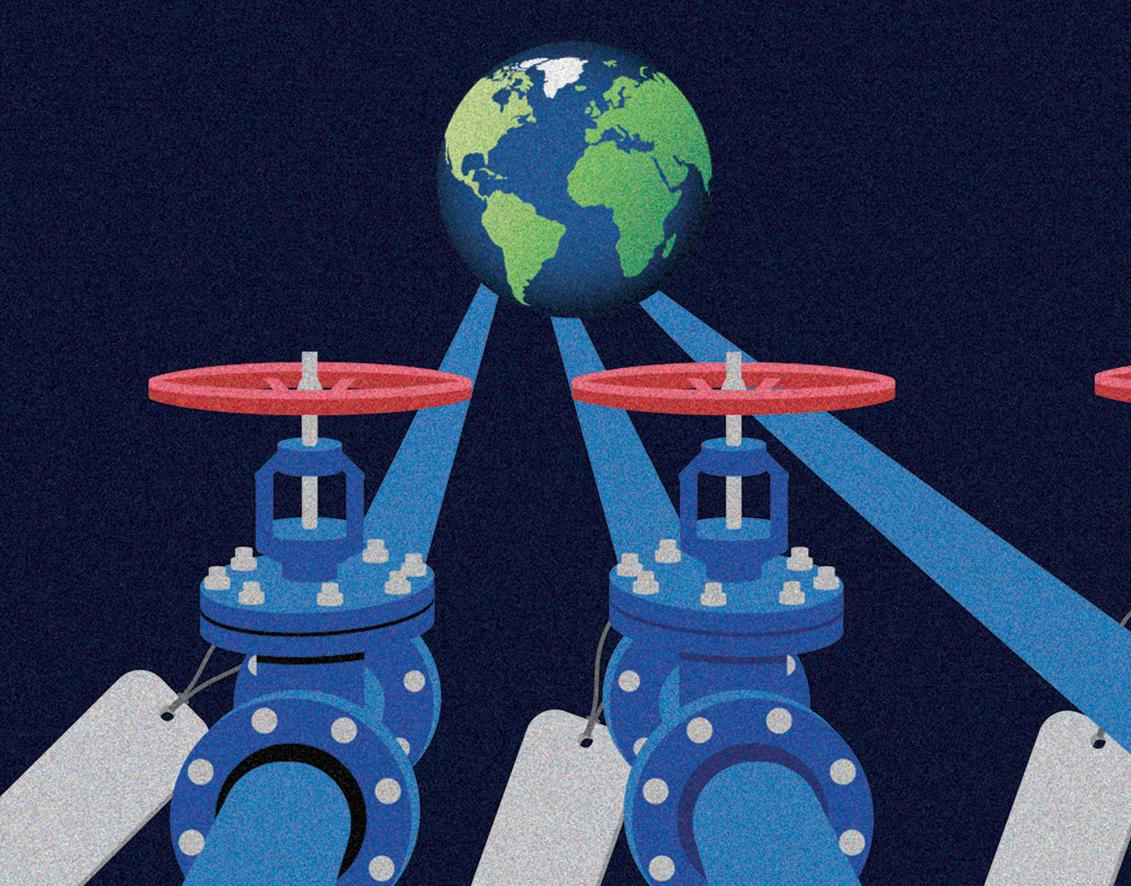
In the energy sector, ‘bankability’ has become a defining benchmark. Developers must demonstrate certainty to allow projects to move forward, but the supply chain requires this same level of confidence to plan effectively and ensure availability. Without a clear and credible pipeline, the highly specialised expertise required to deliver the global energy transition is put at risk – pushing companies to relocate to markets that offer greater stability and clearer long-term prospects.
European decommissioning: A maturing market
Europe’s integrated energy system has entered the 21st century at a mature age and is now in need of replacement, with the decommissioning of older assets increasing. We see a building pipeline across all sectors – oil and gas, nuclear and offshore wind – and while it is early days for solar, biomass
and geothermal, opportunities are expected to emerge there, too
This surge is driving international demand for specialised supply chain capabilities. These typically include project management, engineering, permitting, lifting and mechanical handling, waste and hazardous waste management, and demolition and deconstruction services.
For oil and gas assets, the bulk of the work resides in the wider North Sea, specifically the UK Continental Shelf (UKCS) and the Norwegian Continental Shelf, followed by the Dutch sector. The UKCS currently dominates forecasted activity, exceeding an annual spend of US$2.5bn and an estimated total value of £27bn before 2032. Looking ahead, Norway is expected to emerge in
For nuclear, with more than 130 nuclear reactors in the whole of Europe, the estimated value of decommissioning activity is US$120bn
the 2030s with a substantial market. Onshore demand is also growing in greater Europe, particularly in Poland, Germany and Romania. While land-based services typically operate on a lower cost base than their offshore equivalents, they represent a firm, predictable revenue source for providers.
The scale is equally huge in the nuclear sector. With more than 130 nuclear reactors across Europe, the estimated value of decommissioning activity is US$120bn – US$89bn of which has already been awarded. The UK, Germany and France lead in this area.
South America: The hydrogen frontier
South America is positioning itself as one of the most promising regions for hydrogen development. Grey hydrogen currently dominates the operational landscape, while green hydrogen has production facilities in five countries, where the sector is busy with pilot plants and experimental projects. However, supply chain gaps remain. According to EIC Supply Map data, equipment specific to hydrogen, such as separators, purification systems and water treatment units, has fewer manufacturers and less proven capabilities. Furthermore, the region lacks domestic manufacturing capacity for steam methane reformers, relying on imports of core equipment and components such as catalysts from suppliers in the US, Europe and Asia.
To fill these gaps, countries such as Chile and Brazil are emerging as regional hubs for electrolyser production. Chile has secured more than US$1.2bn in funding through the Production Development Corporation, while Brazil is leveraging its strong oil and gas sector for potential domestic supply chain delivery. In contrast, Colombia is expected to remain reliant on imports due to limited manufacturing capacity, while markets such as Argentina, Paraguay, Uruguay and Peru are worth watching as new legislation creates viable opportunities.
US offshore wind: Navigating uncertainty
In contrast to emerging opportunities in the south, the US offshore wind market has faced frustration. Geopolitics, rising inflation rates and global supply chain constraints have combined to create long-term uncertainty.
Current import restrictions mean the supply chain is feeling the effects; it is difficult to adhere to new rules where US supply chain strengths are low and depend heavily on imports. This results in slower procurement and compliance complexity. However, EIC data suggests that companies with cross-sector capabilities can spread their risk, leveraging their expertise to remain active in other projects while the wind sector stabilises.
The contrast is stark: where policies provide long-term certainty, markets gain momentum –as seen in South American hydrogen. Where policy direction is unclear, as in the US, projects stall. This reinforces one of the EIC’s Five Golden Rules: stable policy is essential to unlock investment and progress.
For decommissioning, uncertainty only compounds the challenge; projects slip to the right, threatening the supply chain crunch about which the industry keeps warning. The opportunities exist, but the supply chain is mobile; without certainty, companies will relocate to markets that value their expertise and offer bankable projects.
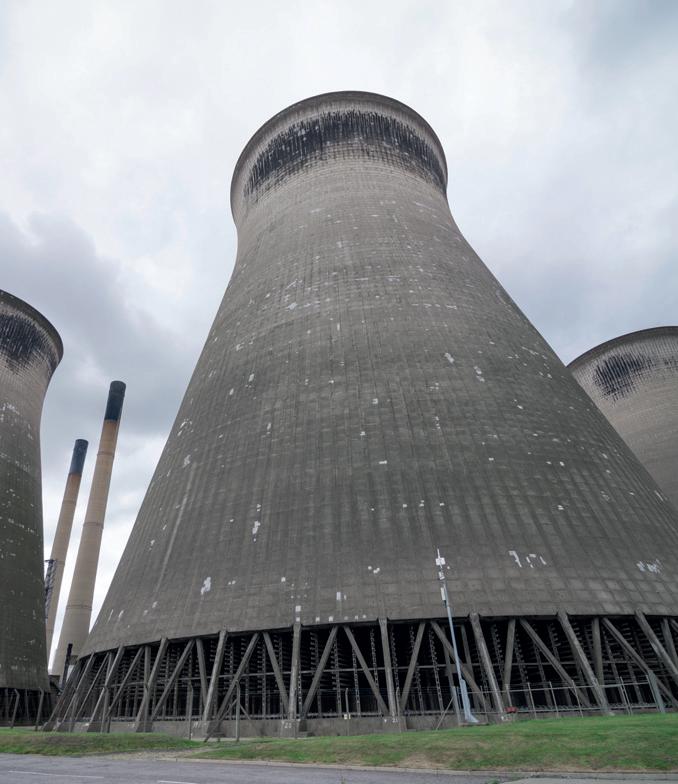
A closed-down coal-fired power station
Geopolitics, rising inflation rates and global supply chain constraints have created long-term uncertainty in US offshore wind
Contact membership@the-eic.com to learn more
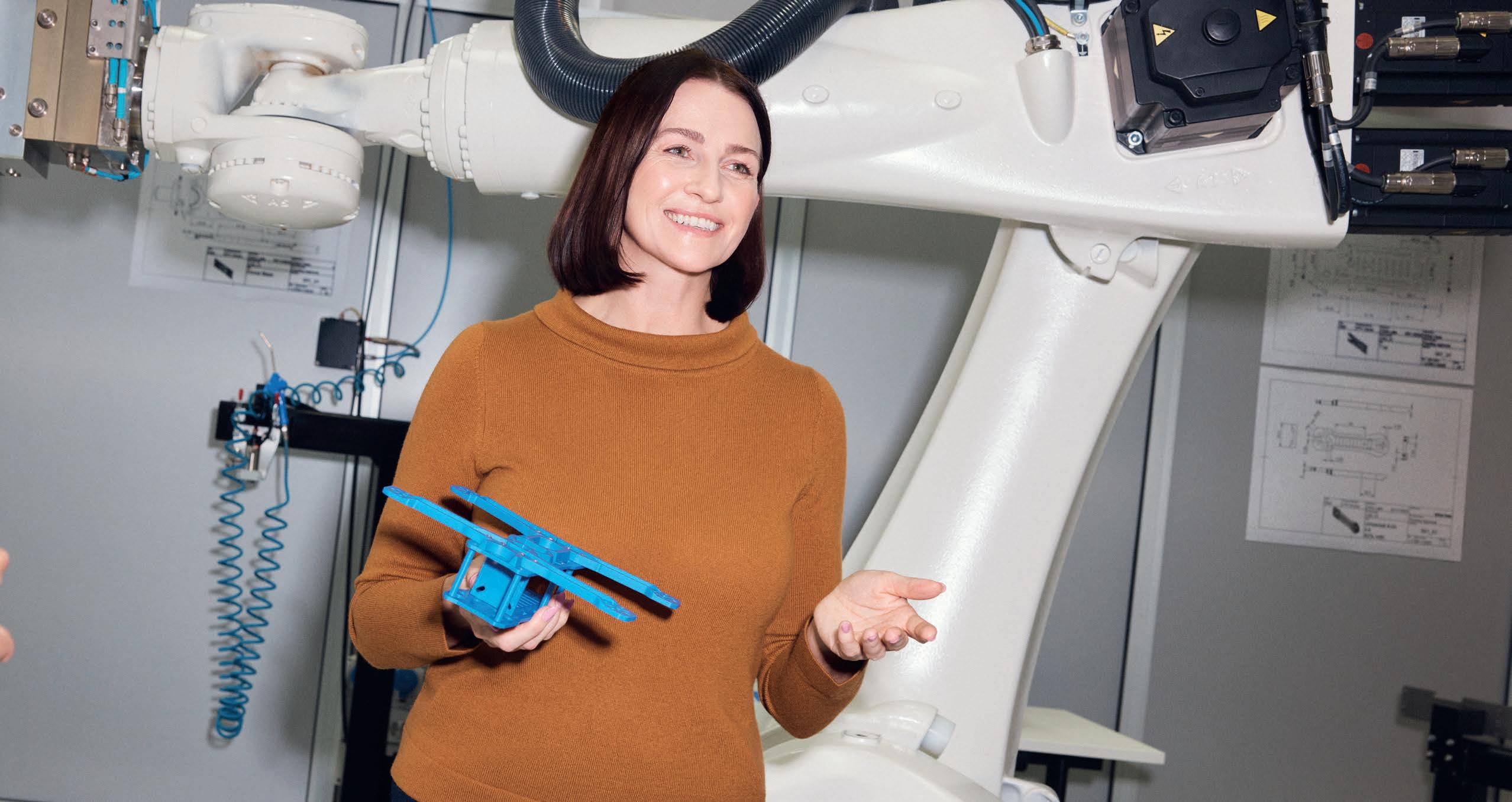
Muhammad Ekrahm shares his perspective on hydrogen ambitions, transition misconceptions, supply chain pressures and what must change to accelerate delivery

Will the 2030 industry targets for hydrogen be met?
While 2025 was a challenging year for the hydrogen sector, with many flagship projects paused and shelved, there were important signs of progress. Several projects reached final investment decisions, with construction now underway.
EIC is currently tracking more than 1,175 hydrogen projects globally on EIC DataStream, with a total CAPEX of US$1,422.6bn. Although the majority remain in the feasibility and engineering stages, the steady movement of projects into construction highlights developers’ commitment to achieve the 2030 national ambitions.
Regions such as the Middle East and Asia are targeting extremely large hydrogen volumes by the end of the decade, but these goals are unlikely to be realised by 2030 without a rapid acceleration in financing, permitting and renewable power availability.
Ongoing project delays, high production costs, weak demand signals and slow infrastructure build-out are impeding project deployment. As the sector matures and realism sets in, many existing 2030 targets are likely to be revised or deferred.
What needs to happen for the industry to get close to these targets?
The industry must shift from ambition to execution, which means tackling the structural, financial and system-level constraints that slow delivery. Priorities include grid upgrades, more efficient capital deployment, diversified supply chains for clean energy technologies, and strong, consistent policy support.
An example of effective intervention is Germany’s H2Global hydrogen auction mechanism, which provides long-term, government-backed demand certainty. This significantly improves project bankability, enables hydrogen production and
infrastructure scale-up, and supports energy security objectives.
Grid expansion works are also ramping up. Australia is advancing its EnergyConnect and Renewable Energy Zones transmission lines to deliver green energy from production zones to demand centres. Meanwhile, in the UK, Ofgem has approved a multi-billion investment package under the RIIO-3 framework, enabling the connection of more than 120GW of low-carbon generation, as well as its Great Grid Upgrade programme.
What is the market’s biggest misconception about energy transition?
That the energy transition is a fast, linear and purely technological switch from fossil fuels to renewables. In reality, it is a complex, capital-intensive and system-wide transformation that involves infrastructure, regulation, storage and grid flexibility, and which will unfold unevenly across regions.

There is also a widespread assumption that rapid renewable capacity additions automatically translate into reliable, lowcost energy systems, which simply isn’t the case.
Another misconception is the belief that hydrocarbons will become irrelevant early in energy transition. In practice, natural gas remains a critical transition fuel, ensuring system reliability and affordability. Countries such as Germany and the UK rely on gas-fired power to balance their growing shares of wind and solar, Japan uses liquefied natural gas (LNG) to ensure energy security, and China deploys gas to displace coal while supporting system flexibility. LNG use is especially important in South East Asian economies, which depend on gas as a transition fuel, allowing them to meet rising energy demand while supporting the renewables scale-up.
How are geopolitics and supply chain pressures reshaping energy transition delivery?
Geopolitical tensions are directly affecting and putting pressure on the supply chain. Long, complex global supply chains are vulnerable to geopolitical tensions, trade barriers and logistic challenges. Recent trends, such as tariffs, export curbs and policy adjustments, add cost and lead times to clean energy equipment and component imports.
A clear example is the UK’s Hornsea 4 offshore wind project, which stalled due to rising supply chain pressures, higher interest rates and escalating construction costs. Even in mature markets, cost inflation and finance challenges are undermining project economics. However, geopolitics is also accelerating clean energy efforts by making energy transition a national security issue. Governments are fasttracking battery manufacturing and critical mineral processing capacities
The biggest misconception in the market right now is that the energy transition is a fast, linear and purely technological switch from fossil fuels to renewables
to enhance energy independence and develop local supply chains.
India, for example, has rolled out targeted industrial policies such as Production Linked Incentive schemes for fuel cell batteries, solar PV modules and wind components, alongside import duties on solar modules, to rapidly scale domestic manufacturing and reduce reliance on overseas suppliers. These measures have already triggered significant investments in gigawattscale battery plants and integrated solar manufacturing facilities.
Where are the biggest supply chain opportunities for EIC members in the next two to three years?
EICDataStream is currently tracking 4,177 energy transition projects around the world, with total estimated CAPEX of US$3.44tn. Energy storage dominates the pipeline at 37%, followed by hydrogen at 28%, carbon capture at 14% and biofuels and sustainable aviation fuel (SAF) at 13%. Floating offshore wind and small
or advanced modular nuclear reactors (SMRs and AMRs) also represent growing opportunities.
As demand outpaces manufacturing capacity, pressure is building across supply chains for electrolysers, wind turbines, battery storage systems, gas turbines and nuclear components. Rising costs and delivery risks are prompting both developers and governments to prioritise local and regional supply chains.
This opens clear opportunities for EIC members across manufacturing, engineering, equipment supply, logistics and specialist services. Supporting localisation, capacity expansion and supply chain resilience will be critical in easing bottlenecks, stabilising project economics and ensuring momentum in the next phase of energy transition deployment.
the capital in the energy transition


Nabil Ahmed explains what is driving investment in renewable energy, which emerging markets are gaining momentum and where the largest supply chain opportunities are likely to emerge over the next few years
What is driving investor interest in renewables right now?
Investor interest in renewable energy across the globe is being propelled by a powerful mix of economic, policy, technological and risk-related factors. Solar and onshore wind are now the cheapest forms of renewable electricity in most regions, supported by mature and well-established supply chains. This has significantly increased investor confidence in financing such projects.

Technology costs have fallen sharply over the past decade – solar PV generation costs alone have dropped 83% since 2010 – making renewables increasingly competitive with, and often cheaper than, fossil fuel alternatives. At the same time, geopolitical instability and volatile fossil fuel markets have also prompted many nations to prioritise energy independence. Investing in domestic renewable sources is a strategic way to secure a stable and reliable energy supply.
Which emerging markets are you watching most closely?
Across Europe, several markets are experiencing rapid growth despite not yet being fully mature. Germany, Spain and Denmark are benefiting from policy reforms, EU funding mechanisms and rising energy security needs.
Poland, in particular, has seen strong onshore wind and solar growth, alongside major offshore wind developments. It recently


awarded contracts for 3.5GW of offshore capacity in its first offshore wind tender.
Romania is another market to watch, having awarded more than 300MW of onshore wind capacity through its third Contracts for Difference (CfD) auction. Latvia is also emerging as a promising market, with a growing focus on large-scale onshore wind and solar supported by EU funding and investment from international developers.
Will the 2030 industry targets for offshore wind be met?
It is widely projected that many countries, including the UK and US, will fall short of their national 2030 offshore wind targets. Some consider the targets too ambitious, but global capacity is expected to nearly triple by 2030 – a sign of huge growth.
Several challenges are expected to prevent countries from meeting their ambitious goals. The primary issue is supply chain bottlenecks: a global undersupply of specialised installation vessels, overloaded fabrication yards and limited port infrastructure are causing project delays and increasing costs. Rising costs and funding issues due to inflation and increased capital costs have led to project cancellations and made investment more challenging. Permitting and regulatory delays from lengthy planning and consenting processes, which can take up to a decade, are also a major barrier to rapid deployment. These constraints all add to the difficulty of developing the sector.
What needs to happen for the industry to get close to these targets?
The 2030 targets were deliberately set at ambitious levels to stimulate market
Denmark, Germany, Latvia, Poland and Spain are growing quickly due to policy reforms, EU funding mechanisms and rising energy security needs
growth and have largely succeeded in driving momentum. However, urgent policy support and investment in infrastructure are needed to bridge the gap and stay on track with the broader global goal of tripling renewable energy capacity by 2030.
To achieve offshore wind targets, the industry needs increased government auction budgets (such as the CfD scheme), stronger port infrastructure, expanded port capacity, a skilled workforce and streamlined permitting. Furthermore, long-term supply chain investment with clear future pipeline visibility is essential, shifting focus from pure competition to scale and reliable delivery – especially for floating wind technologies – all of which would massively assist in achieving these ambitious targets.
Where are the biggest supply chain opportunities for EIC members in the next two to three years?
The biggest opportunities will be found where investment, deployment and local content demands are strongest. With major offshore wind projects underway, a broad chain of goods and services is scaling up, including turbine blades, specialised installation and maintenance vessels, port infrastructure and logistics, and floating wind components. This will also include shipbuilding and service fleets, reinforcing the demand for maritime industry expansion. If regions can develop local production hubs, there will be much more demand for blades, electrical systems and service infrastructure.
While solar panels and wind turbines are popular, most supply chain value comes from the balance of systems – the components around core generation technology such as mounting systems, inverters, cables
and transformers for solar and wind farms. Foundations and electrical balance infrastructure can constitute around 60–70% of total project spending and are easier for new suppliers to enter, compared to panel or turbine manufacturing.
Battery energy storage systems, both large-scale and distributed, are accelerating as grids integrate more renewables, offering a solution to grid constraints. An increasing amount of battery capacity is being added and co-located with other sectors such as onshore wind and solar. Energy storage supply chains are still scaling relatively quickly compared with solar and wind, highlighting the significant opportunity in this sector.


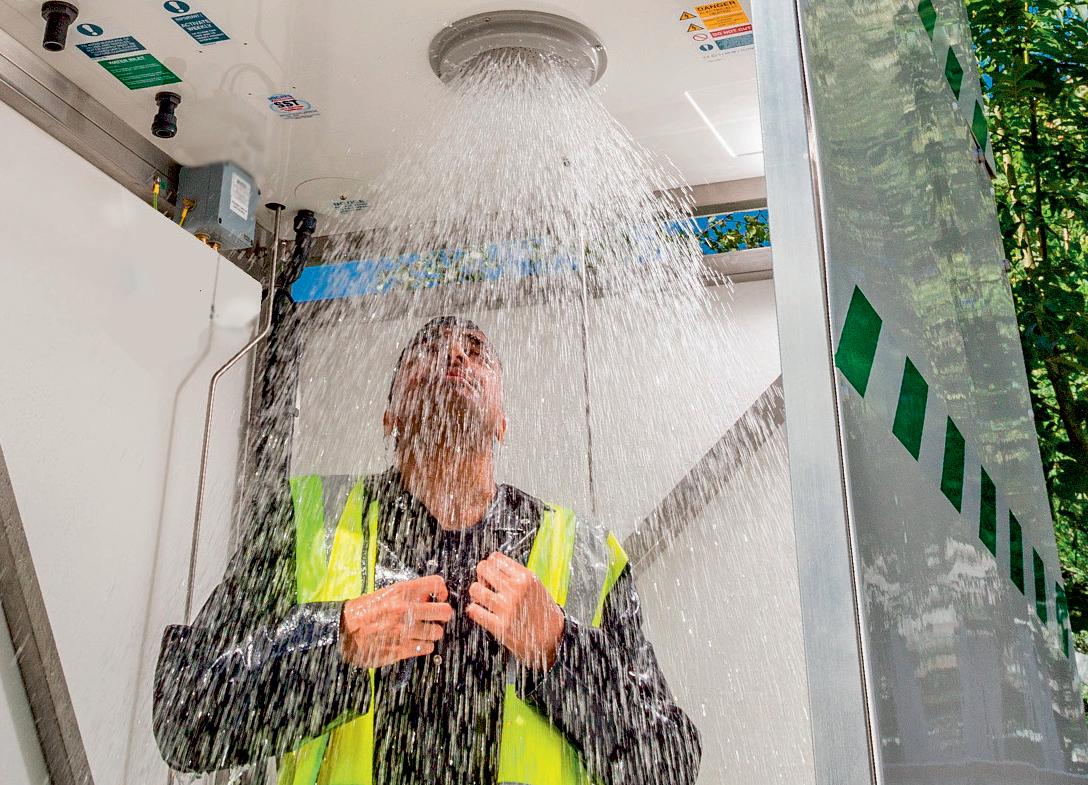
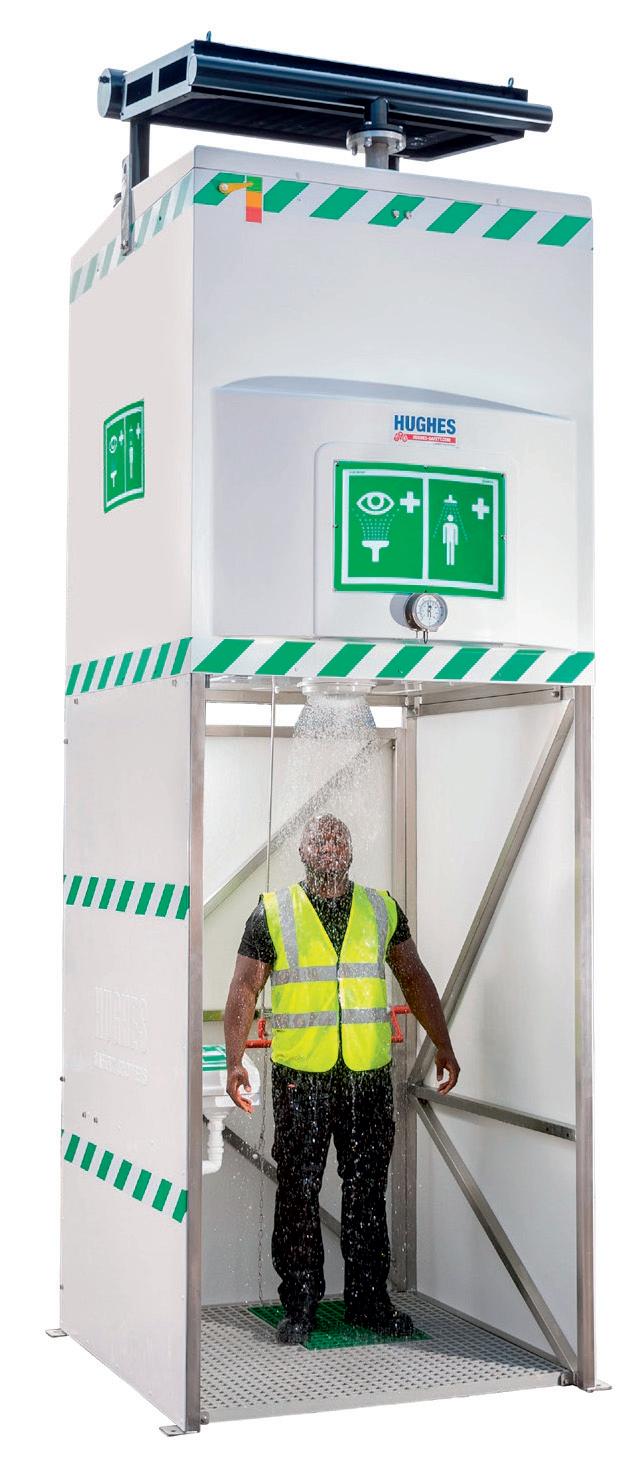


Mariana Messere explores key trends in oil and gas investment, from liquefied natural gas growth and downstream modernisation to supply chain opportunities, outlining where capital is moving and how companies can plan through 2030

Will the investment levels seen in liquefied natural gas liquefaction in 2025 continue in the next two years?
Globally, the volume of new liquefied natural gas (LNG) liquefaction capacity scheduled to come online over the next few years is unprecedented, driven primarily by the US, Qatar and emerging second-tier producers. However, while investment peaked in 2025, this level is unlikely to be sustained in the coming years.
In the US – the world’s largest LNG exporter – the recent surge in final investment decisions (FIDs) reflects a backlog of relatively advanced projects that had previously been delayed by regulatory constraints. As a result, the near-term outlook is more construction-intensive. Even so, the US will remain the dominant LNG investment destination, supported by abundant shale gas resources, flexible commercial models and policy backing.
A sizeable LNG supply surplus is expected as new capacity ramps up. In the US alone, projects including Golden Pass, Corpus Christi Stage 3 and Plaquemines are due to come online from 2026, adding around 48mtpa of capacity. Beyond these, other projects that have also reached FID could
contribute a further 120mtpa globally. If delivered on schedule, this supply surge is likely to put downward pressure on LNG prices, discouraging new project sanctions.
On the other hand, increased availability of flexible supply, including shorter-term contracts and destination-free cargoes, are likely to follow. There is also demand-side uncertainty: China reduced LNG imports in 2025, while Europe is expected to rely less on US LNG as renewables and energyefficiency measures expand. As a result, greater reliance will fall on emerging Asian importers to absorb incremental supply, a trend that remains uncertain.
EICDataStream is tracking more than 1,000 downstream projects worldwide that are expected to come online by 2030, representing more than US$1.2tn in CAPEX. Asia dominates by value, with more than US$291bn scheduled during the next five years. North America follows, with around US$213bn, but leads in project count, with 230 developments planned.
In the refining industry, activity is expected to be driven more by upgrades and
expansions than by new builds. This reflects a structural shift in the sector, as global oil demand growth has slowed and the industry is increasingly concentrated in supplying products for petrochemicals.
However, petrochemical demand is progressively being met by natural gas liquids rather than traditional refinery outputs, while gasoline and diesel demand is expected to decline due to electric vehicle uptake and rising biofuel production and blending mandates.
In response, refiners – particularly in Europe and North America – are optimising product slates, improving efficiency and investing in petrochemical integration, emissions reduction and sustainable fuel production. By contrast, greenfield investments are concentrated in regions with industrial gaps, such as south-east Asia, Africa and the Middle East, where high CAPEX is directed towards new refineries and integrated petrochemical complexes.
Biofuels represent a major growth area, accounting for US$163bn of tracked CAPEX on EICDataStream to 2030. The US leads by value, with 86 projects representing US$27bn, supported by policy measures including proposed blending mandates and the extension of the 45Z Clean Fuel

The challenge is not to abandon oil and gas in favour of renewables alone, but to navigate a more complex and selective investment environment
Production Credit, driving renewable diesel and sustainable aviation fuel projects.
Brazil, China and Indonesia are also significant markets. Brazil alone has 109 tracked projects, with sugarcane-based ethanol increasingly supplemented by cornbased production.
What project pipeline trends should EIC members prepare for?
Gas-related infrastructure is dominating oil and gas project pipelines. LNG, liquefaction, regasification, storage and associated pipeline projects remain central, driven by energy security concerns and the role of gas as a transition fuel. EICDataStream is tracking more than 135 proposed LNG liquefaction projects worldwide, with 103 expected to begin operations by 2030.
Beyond the US, capacity additions are led by Qatar, Canada and Mozambique, while suppliers in the Americas are gaining prominence, including in Argentina, Canada and Mexico. On the demand side, regasification terminals are expanding across Europe, Asia and South America.
Upstream activity is gaining momentum, particularly in high-value offshore developments across Brazil, Guyana, Suriname, Argentina and West Africa. Projects are increasingly being designed with energy-transition elements, including infrastructure for hydrogen and carbon capture, utilisation and storage, facilities capable of handling biofuels, and the electrification of platforms and assets.
What is the market’s biggest misconception about oil and gas right now?
A common misconception is that oil and gas investment is rapidly declining or becoming irrelevant due to the energy transition. Another is that the sector is unable or unwilling to adapt to climate realities. In reality, hydrocarbons will continue to play a central role in the global energy system, particularly given recent
geopolitical tensions that have reinforced the importance of energy security.
At the same time, decarbonisation strategies and investment in sustainable processes are shaping industry decisions. Energy security today also means diversification of supply, which can align with transition goals and attract long-term investment in cleaner fuels, efficiency improvements, emissions-reduction technologies and gas infrastructure.
The challenge is not to abandon oil and gas in favour of renewables alone, but to navigate a more complex and selective investment environment.
Where are the biggest supply chain opportunities for EIC members in the next two to three years?
Across the gas and LNG value chains. Suppliers supporting liquefaction trains, compressors, storage tanks and export facilities are well positioned.
Upstream activity will also remain robust, with notable opportunities in
South America. In the short term, Brazil and Guyana are set to lead offshore production growth. Brazil’s Petrobras is advanced in bringing a new generation of floating production storage and operation units (FPSOs) online, with seven new vessels projected by 2030. In Guyana, ExxonMobil Stabroek field development will see three FPSOs come online by 2030. Onshore, exploration of Argentina’s Vaca Muerta shale formation will support oil output growth in the coming years.
Refinery upgrades and modernisation present further opportunities, especially in digital solutions, automation, emissions monitoring and efficiency-driven retrofits. Midstream infrastructure –pipelines, terminals and storage – is another important growth area, led by the US, Canada and Indonesia.






























































How are geopolitics and supply chain pressures reshaping the industry?
Global energy players are pivoting back to conventional power as a reliable and cost-effective energy source. Significant trends include the resurgence of nuclear power, the delayed decommissioning of coal power plants and the significant shift towards gas power plants. Asia Pacific and North America are leading in conventional power investment (excluding nuclear), with projected CAPEX of US$416bn and US$166bn respectively.
The boom in the gas and liquefied natural gas (LNG) trade has created both opportunities and risks. Today, the gas supply chain is evolving beyond energy security to become an important diplomatic currency. The US recently signed long-term LNG deals with multiple developing countries, including Malaysia and Greece, making fuel pricing sensitive to shifts in US trade policy and dynamics.
Aisyah Sarjuni discusses the resurgence of gas, coal and nuclear, investor trends and opportunities for industry players as geopolitical tensions and supply chain challenges reshape the conventional power sector
Besides the complex gas and LNG trade, the surge in gas turbine demand has led to supply chain bottlenecks. With total turbine orders of 54.9GW capacity across GE Vernova, Siemens Energy and Mitsubishi, the Big Three turbine suppliers have announced plans to intensify manufacturing capacity over the next few years. Siemens Energy is currently the leading supplier, with around 52 active contracts globally for gas-fired projects.
What’s the market’s biggest misconception about power generation?
That choosing an energy source is a trade-off between green or conventional. Between 2020 and 2024, renewables grew not just as part of energy transition but also as an economic recovery tool. However, in 2025, cost and energy security remained crucial.

Renewable growth continues, supported by the battery energy storage system market; however, supply chain hurdles, power density, grid constraints and intermittency remain significant challenges. This highlights the importance of balancing green ambitions with operational reality, especially in the face of energy security concerns and booming datacentre developments. Europe offers a clear example: despite strong green mandates, conventional power projects grew by 31% in 2024–2025 to meet rising baseload demand.
Interest in alternative fuels, such as hydrogen and ammonia, has slightly dipped due to lower projected returns and demands, but they remain an important decarbonisation tool in the conventional power sector. To comply with decarbonisation goals, there has been interest in multi-fuel turbines – especially hydrogen-ready gas turbines. The US alone has 23.6GW of planned hydrogen-ready gas-fired power plants by 2030. In addition, the expansion of carbon capture initiatives is increasingly supporting the continued development of gas-fired projects, allowing governments to retain firm capacity while cutting emissions. The integration of carbon capture technologies is a growing trend in the power sector. Saudi Arabia is investing more than US$17bn into the integration of carbon capture and storage (CCS) technology for 17GW of its overall gas power pipeline. Meanwhile, the UK government’s 2026 National Policy Statement recently highlighted that new gas plants must be built ‘decarbonisation ready’, with carbon capture utilisation and storage technology or hydrogenready turbines.
Grid congestion is delaying new baseload projects, highlighting opportunities for upgrades and modifications of existing nuclear, coal and gas plants
What project pipeline trends should EIC members prepare for?
The focus is on getting enough baseload power to meet datacentre, industrial and domestic demand. The power dilemma is driving electricity prices upwards. More gas peaker plants are being developed to address power shortages – prominently in Europe, as well as in countries such as the US, Indonesia and Vietnam. While the cost of peaker plants can be greater than renewable power, they prevent significant losses from load shedding, strengthening grid stability. As grid congestion reaches an all-time high, new baseload builds may take longer to begin operations.
Grid congestion is delaying new baseload projects, highlighting opportunities for upgrades and modifications of existing nuclear, coal and gas plants. Iraq, for example, is converting thermal plants to gas turbines while boosting capacity. Cross-border interconnectors such as the GCC Grid Interconnector, linking Oman, Kuwait and Southern Iraq, are also critical to enhance grid stability.
Where are the biggest supply chain opportunities for EIC members in the next two to three years?
Facing grid constraints and gas turbine production bottlenecks, the market is expected to shift to asset optimisation. There is likely to be strong demand for upgrades to ageing plants, as well as AIdriven predictive maintenance services. CCS technologies will be increasingly important as decarbonisation targets remain a priority. However, the expanding power market will struggle without proper grid infrastructure. Energy players should observe the transmission and distribution sector as there is a critical global need for modernised grid infrastructure to enhance connectivity and capacity. Some of its major supply chains include interconnectivity cables, high-voltage transformers and high-voltage direct current converter stations.
Gas-fired power capacity expected to come online by 2031
Jack Boggis examines where nuclear investment is accelerating, which emerging markets are gaining momentum and how the industry is addressing longstanding safety misconceptions as small modular reactors and rising energy demand reshape nuclear’s global role
Which global markets look set to lead nuclear investment through 2030?
Global nuclear investment is expected to reach US$436bn by 2030. China is in the lead, with US$160bn in CAPEX spanning 60GW across 26 projects. The UK follows, with US$58bn focused on Hinkley Point C (3.2GW), while Egypt is set to commission its first nuclear plant with four 1.2GW reactors, representing US$30bn in total investment. The US and Canada are expected to ramp up investment beyond 2030, with the US aiming to quadruple capacity by 2050. The UK is also planning more investment through partnerships such as the UK-US Atlantic Partnership for Advanced Nuclear Energy, which announced four new small modular reactor (SMR)/advanced modular reactor (AMR) projects in 2025.
Which emerging markets are you watching most closely?
Europe is looking to become a major SMR market in the coming years, with Norway emerging as an important
SMR developer to support the decarbonisation of its heavy industries, as well as remote areas where existing energy infrastructure struggles to reach. The country’s leading developer Norsk Kjernekraft signed a three-year cooperation agreement with Aecon in November 2025 to explore development of SMRs, focusing on GE Vernova Hitachi’s BWRX-300 reactor. The BWRX300 is also being explored in Poland and Estonia, with the former choosing Włocławek as the first location in which to deploy it.
Czechia and the UK are also committed to advancing SMRs, focusing on the Rolls-Royce 470MW, which aims to position the two nations as leaders in the advanced nuclear sector. Czechia is planning 3GW of Rolls-Royce SMR capacity, with Temelín chosen as the first site. Czechian electricity distribution company ČEZ has also acquired a 20% stake in Rolls-Royce’s SMR division. Keep an eye on Hungary, too; agreements have been signed with Holtec
and Rolls-Royce to explore deployments of each developer’s technology.
What project pipeline trends should EIC members prepare for?
Data centres and AI are driving unprecedented energy demand, expected to consume the equivalent of Japan’s total power consumption by 2030. Nuclear is emerging as the ideal power source for data centres, with reactors able to provide continuous, low-carbon electricity. This will be crucial in achieving net zero ambitions, as data centre infrastructure is highly energy intensive.
Major technology companies are exploring the use of SMRs to meet this demand, and several have signed power purchase agreements (PPAs) with SMR developers. Google, for example, will use 500MW of SMR capacity from Kairos Power to power its US data centres. It is likely that further SMR projects will be developed to support data centres in the
future, and PPAs are an important way to support financing these projects, which are still in their infancy. Members should look out for more of these projects, especially between major technology companies and SMR developers.
Fusion energy is also being looked at as a power source for data centres, as shown by the largest fusion-related PPA to date: in July 2025, Commonwealth Fusion Systems signed a landmark agreement with Google, under which Google will procure 200MW of electricity from its ARC fusion project.
What is the market’s biggest misconception about nuclear?
Nuclear is still perceived as an unsafe form of energy production – when it is mentioned, people first think about its historical application in warfare, or nuclear power plant disasters, rather than how it has reshaped the way we generate electricity. Power plants have exceptional safety systems in place to suppress the fission process and prevent runaway chain reactions, and nuclear


Nuclear energy faces a resurgence as countries aim to triple global capacity by 2050 due to its low-carbon nature and potential to help reach net zero
energy is one of the most heavily regulated types of energy in the world. Nuclear power is also getting safer as innovative technologies are introduced: SMRs and AMRs are gaining traction due to their smaller footprint and cheaper construction, but they are also deemed safer thanks to their simpler designs, which have more passive safety systems.
Nuclear energy faces a resurgence as countries aim to triple global capacity by 2050 due to its low-carbon nature and potential to help reach net zero goals. However, safety concerns are unlikely to go away any time soon.
Where are the biggest supply chain opportunities for EIC members in the next two to three years?
The SMR market is a big opportunity, but is still in the early stages of its journey towards becoming a major sector; this is likely to materialise from the mid-2030s onwards. The supply chain, however,
would benefit from supporting the design and manufacturing of SMR components now. This will accelerate deployment once sites are ready to install the reactors, given that they are expected to be factorybuilt and then assembled on site.
Various existing nuclear reactors could see their lifespans extended, presenting opportunities such as component replacement, material testing and inspection, and assistance in complying with updated safety legislation. Some reactors, such as the Duane Arnold plant in Iowa, US, are even being restarted. This promotes whole-plant refurbishment, recertification of safety-critical systems and the provision of workforce retraining to ensure they are licensed and qualified to operate the reactors.
To come online by 2030

Can you tell us about ABS?
Founded in 1862, American Bureau of Shipping (ABS) is a global leader in providing classification services for marine and offshore assets. Our mission is to serve the public interest as well as the needs of our members and clients by promoting the security of life and property and preserving the natural environment. ABS’ commitment to safety, reliability and efficiency is ever-present.
Safety drives us. We are global innovators turning tools and practices into practical solutions to support the industries we serve.
What are your daily challenges?
Making sure I collaborate proactively with clients and effectively support ABS Global Engineering & Operations in forecasting resources to meet future demands as business revenues and market share continue to trend upward. I also work closely with industry bodies and regulators, coaching, leading and educating on best practices in the global



energy industry. I’m well known in our business group for having the busiest planning calender and championing a ‘Plan the Work, Work the Plan’ ethos.
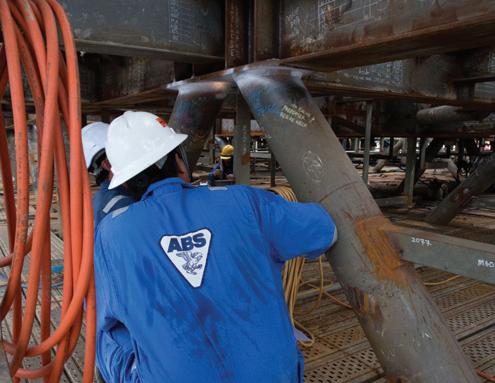




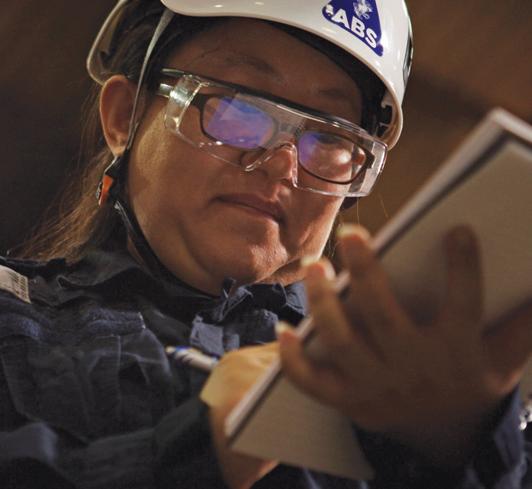
What’s your favourite part about working at ABS?
There’s a lot I appreciate about working here, but above all, it’s knowing that what we do genuinely matters. Every day, we’re helping improve safety practices and minimising risk exposure and downtime, making a real difference to people’s lives and the environment.
That mission is brought to life by our people. ABS has a globally diverse workforce, all highly engaged and trained to the highest standards. The variety of skills, perspectives and experiences that each
Above all, it’s knowing that what we do genuinely matters






Manager Of Business Development – Global Offshore Energies, ABS






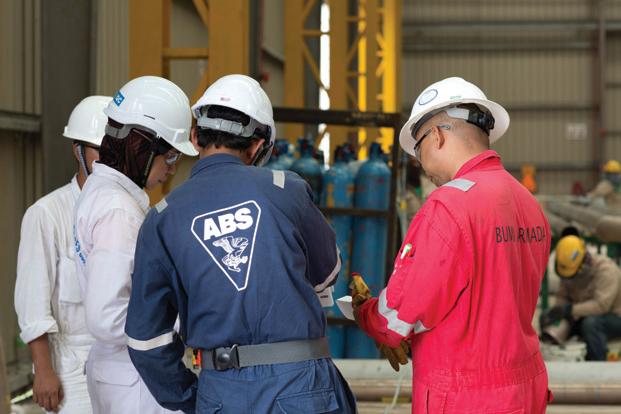
person brings makes them our greatest asset.
I also deeply value the integrity that underpins everything we do. Being honest, ethical and trustworthy is essential for clients who rely on our impartiality and objectivity.
Another exciting aspect is the pace of change in our industry. We operate in a rapidly evolving business environment, where digital technology and data analytics are constantly reshaping global markets. By applying advanced tools and improved processes, we drive greater safety, performance and efficiency, generating greater value for our members and clients. Our work is guided by three core goals: safety, service and solutions. They form the foundation of our commitment to excellence and make working at ABS so rewarding.
What has been your greatest achievement?

ss nergies, AB egulators, e services a our Centre o These achievemen to our c







I am proud to support our global clients by providing our services of class and verification from our Centre of Excellence. ese achievements are thanks to our collective commitment to delivering quality service.




What has changed since rst day at the company?
What h your fir compan




Before life at ABS appreciate ro and



Before life at ABS, I didn’t fully appreciate the role of classification and independent verification bodies. Now I understand how this mission and shared purpose enhance the work we do to drive safety. I’ve said repeatedly, both internally and externally, that if I only knew then what I know today, I’d have delivered even better-quality service for clients.





Now I un is mission and hance ety. I’ve said r and new ay, I en b rvic

















At Penta Global we deliver innovative, sustainable EPC solutions to the ever-evolving energy sector across the Middle East, Southeast Asia and beyond.
Founded in the UK and headquartered in the UAE, Penta Global has two decades of rich experience in construction and fabrication, catering to the rising demand for global energy conversions. Our diverse and highly skilled workforce delivers Engineering, Procurement, Construction, Mechanical, Civil and E&I capabilities across field-based contracts with safety, quality and sustainability at the core.

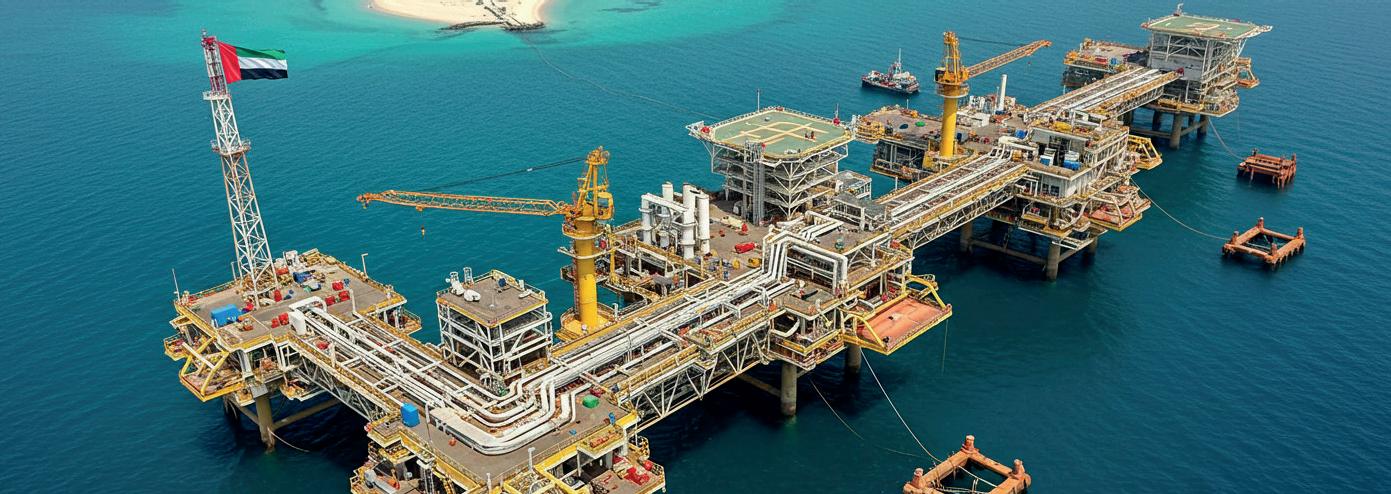


Headquartered in the UAE with a global reach
4,500+ Global Workforce


Recognised by leading international organisations for our commitment to Safety including RoSPA Silver Award for Health and Safety Performance 2025 and British Safety Council International Safety Award 2025
For more information visit: www.penta-global.com or contact: Enquiries: sales@penta-global.com Supply Chain: procurement@penta-global.com





ive conversations with C-level leaders as they share the future of the supply
Listen to exclusive conversations with C-level leaders as they share insights, strategies, and experiences shaping the future of the energy supply chain.


LISTEN ON








Amplify your brand’s reach with a professional podcast production by the EIC!
Advertising Opportunities:

PODCAST RECORDING

PODCAST SPONSORSHIP

PODCAST SOLUTIONS









CONTACT US


www.the-eic.com/MediaCentre/ Podcasts