
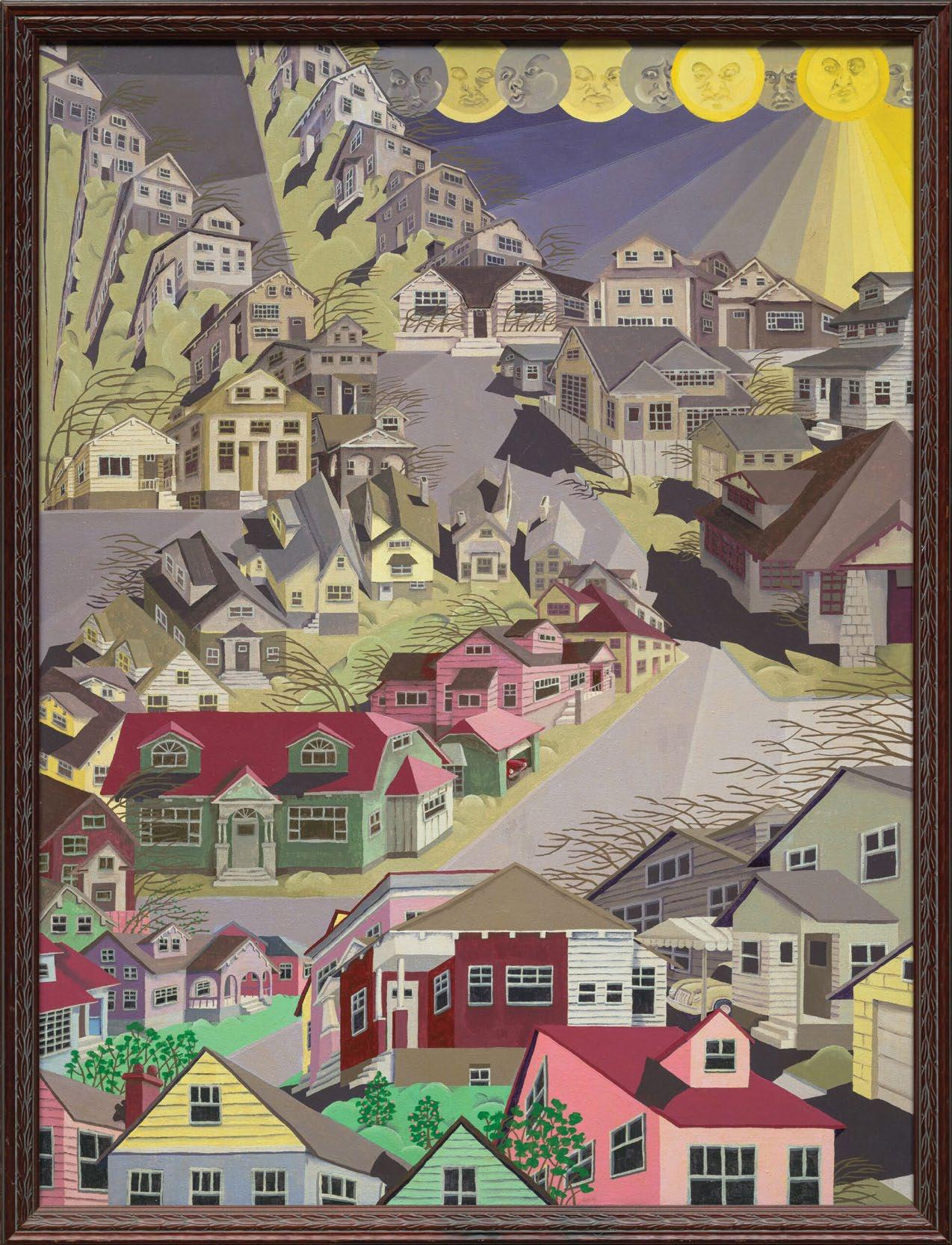
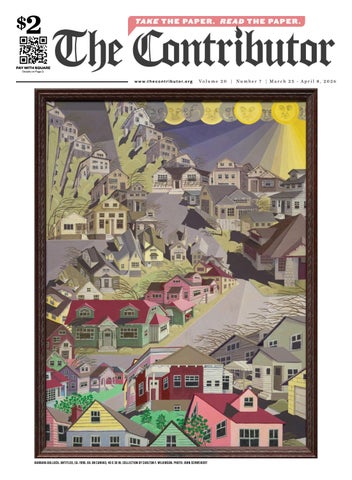
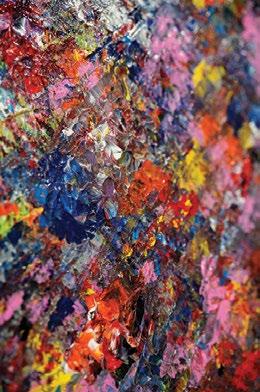
BARBARA BULLOCK. UNTITLED, CA.
ON CANVAS; 40 X 30 IN. COLLECTION OF CARLTON F. WILKINSON. PHOTO: JOHN SCHWEIKERT




La Noticia, one of the




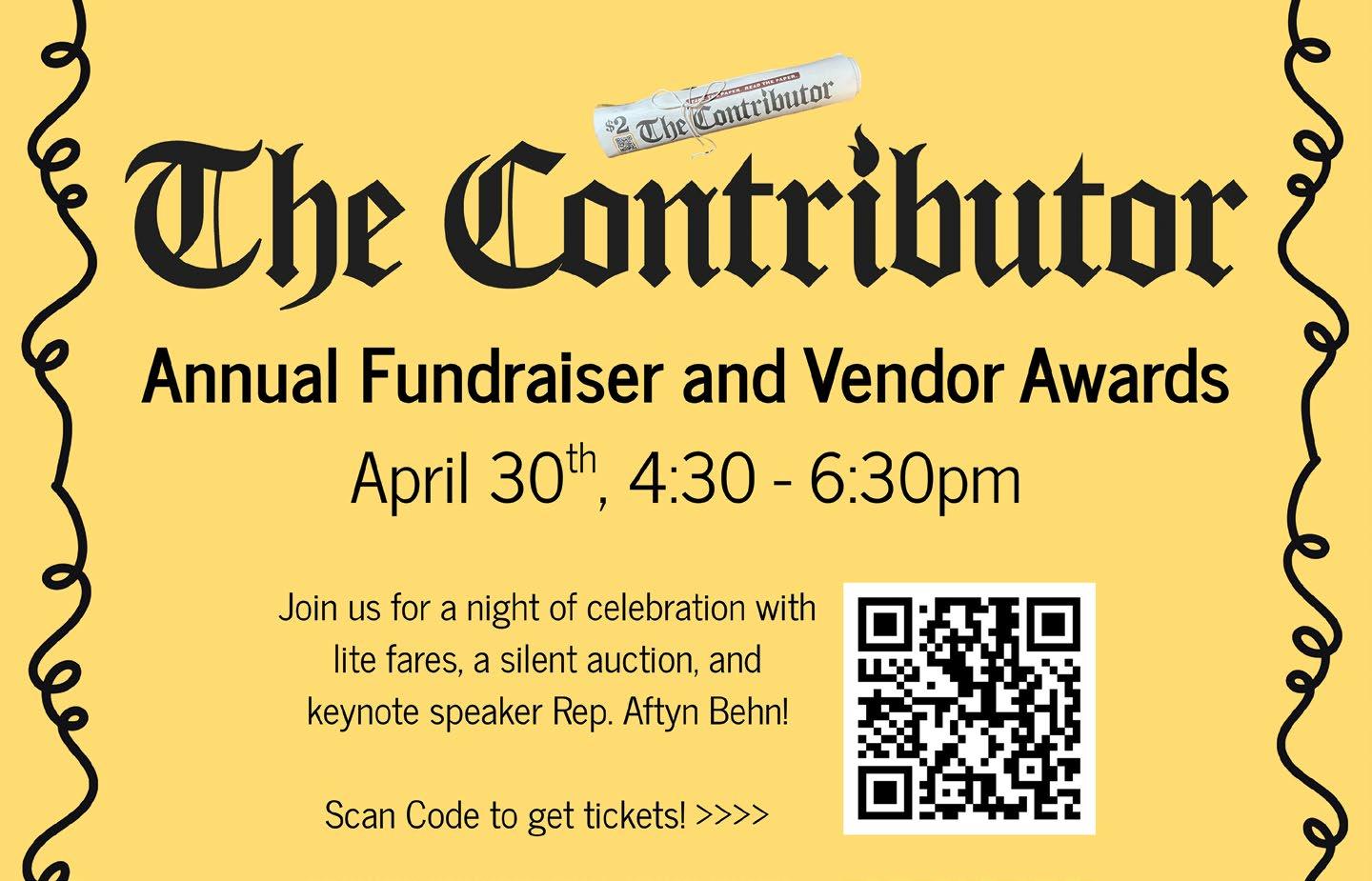
Venmo has canceled our account, but you can still pay using Square! You must identify your vendor so we know where to send the payment. Here's how:
your phone camera and scan the QR code on this page. This will take you to the landing page: thecontributor.org/pay.



Since The Contributor started in 2007, more than 3,200 different vendors have purchased $2.3 million worth of The Contributor and sold over six million copies, generating over $15 million in income for themselves.
In 2019, our C.O.V.E.R. Program (Creating Opportunity for Vendor Employment, Engagement, and Resources) was the natural expansion of our mission of removing obstacles to housing. We now offer full case management, assistance with housing and rental expenses, addiction recovery, health insurance, food benefits, and SSI/SSDI assistance.





The term “industrial complex” appeared originally when the former U.S. President Dwight Eisenhower in his farewell speech warned the American people about the dangers of the military-industrial complex.
“We must guard against the acquisition of unwarranted influence, whether sought or unsought, by the military-industrial complex,” said Eisenhower, who had tried to rein in spending on the private defense industry during his presidency. “The potential for the disastrous rise of misplaced power exists and will persist.”
Of course, the Nonprofit Industrial Complex must be viewed through a slightly different lens. We have to recognize that there is a vast difference amongst nonprofit organizations, and their funding mechanisms are extremely diverse. Basically, nonprofits range the gamut from small, grassroots organizations with minuscule budgets to vast global organizations that manage billions of dollars. The power is less consolidated than with the military or even prisons.
In Part 1 of this column, I wrote about what the Nonprofit Industrial Complex is. This week, I’ll focus on the meaning of Nonprofit Industrial Complex and possible ways to continue mission-driven work despite these issues. But the reality remains that the Nonprofit Industrial Complex in the United States is a trillion-dollar business.
Candid, a nonprofit organization itself that was created in 2019 through a merger between GuideStar and Foundation Center, attempts to provide transparent data about the nonprofit sector to help donors decide how to direct their giving.
According to Candid, there are 1.9 million nonprofits in the United States. These nonprofits employ 12.5 million workers, making the nonprofit sector the third-largest industry in this country. Finally, U.S. nonprofits raise a combined $3.7 trillion and spend $3.5 trillion annually.
Two out of three nonprofits in the United States received at least one government grant or contract in 2023, the Urban Institute reports. Furthermore, over a third of nonprofit organizations got more than 25 percent of their revenue from government sources, and about a fifth of nonprofits received more than 50 percent of their total revenue from government.
The Urban Institute report showed that the average nonprofit received one quarter of its revenue from government sources in 2023. In Tennessee, that same year, more than half of all nonprofits received local government and state government grants.
The Nonprofit Industrial Complex has become what some term a “shadow state” that offers social and educational services that in essence would be the tasks of government agencies to provide. Consequently, the term public-private partnership is often used to explain that the government uses nonprofit agencies to do its bidding.
There is a place for true public-private partnerships. But the questions then become
BY JUDITH TACKETT
how much independence is there on the nonprofit side and how much are these partnerships corrupted by power struggles?
This matters because often the goals of governments do not necessarily align seamlessly with the missions of nonprofit organizations. And since many nonprofits depend on government dollars, mission creep happens when those organizations adjust their services to fulfill funders’ goals.
We see that happening right now when we look at the homelessness sector in Nashville. The government, through the Office of Homeless Services (OHS), which is controlled directly by the Mayor’s Office, is focused on looking good to their main constituents — the voters. Therefore, their priorities lie in presenting themselves as working to solve homelessness, and to do so, they choose to focus on data reporting over service quality, outcomes, and long-term community impact.
In Nashville (and in other cities), data collection that shows high housing placement rates has become more important than meeting people’s needs. The data does not necessarily show a favorable picture of how many people who enter temporary/gap housing move on to permanent housing. Those numbers could significantly improve if temporary housing were part of an effective Housing First system. Rather than ask questions and improve processes, nonprofits do not push back on OHS for fear of losing out on the millions of dollars that Metro has made available to the nonprofit sector over the past three years.
And that top-down control is the problem of the Nonprofit Industrial Complex when the power of the funding entity controls the outcomes, and nonprofits no longer function independently.
Nashville’s homelessness example shows a system that is broken due to misaligned goals, and the nonprofits are largely quiet. With one exception: those whose budgets do not depend in large amounts on government funding!
When we look at the Nonprofit Industrial Complex, we also need to examine who the workers are within the nonprofits. We will often find the staff represent the very communities that nonprofits aim to serve. For example, we see staff who identify as LGBTQIA+, as immigrants, as formerly homeless, as victims of domestic violence and more. They work in the very organizations that focus on serving the populations they represent.
We also know that nonprofits are notorious for underpaying their staff, which makes it more attractive for governments to grant money to them because they are more cost-effective than hiring people on government salaries and benefits. The very people who are working at nonprofits are often exploited by the system.
Social workers have come to me and expressed their dismay that they themselves would qualify for the services they offer to their clients. This is not uncommon. They did not mind working with their clients and did so happily, but the burnout they experienced from expectations to go above and beyond,
even when self-imposed, was real. This is detrimental to nonprofit workers, creates high turnover, and results in constant loss of expertise.
Many social workers also report they feel heavily censored — either through self-censorship for fear of losing their jobs or through explicit warnings from their executives when they were too outspoken in a meeting.
I myself got reprimanded more than once when I was working for Metro for allowing nonprofit workers to speak their mind in public meetings when the comments were directed against local government entities, even if the meetings were not recorded and attended by only a dozen or so people. But I have always believed that people have the right to state their opinions, especially in coordination meetings that depend on building trust between different entities.
These stories are the true detriment that happens when we allow government leaders — or any major funders, for that matter — to exert undue political pressure on the very organizations that were created to help the poor.
“True nonprofits can and do provide an important check on government authority, deliver goods and services in the absence of public provision, and operate with a different set of economic principles. At the same time, they receive more revenue from the U.S. government than they do from private donors, and while not profit-distributing, nonprofits are nevertheless revenue-seeking and participate in the market economy, albeit with certain tax advantages,” writes Clair Dunning, an assistant profession in the School of Public Policy at the University of Maryland, in a 2023 blog post entitled The Origins of the Nonprofit Industrial Complex.
Do we dismantle the Nonprofit Industrial Complex to solve the problem?
“The way forward … does not lie in the ending government grantmaking nor in the elimination of the sector,” Dunning suggests. “Such efforts are simultaneously too small and too dramatic. Nonprofits have an important role to play in our society and funding from both public and private sources enable life-saving and life-affirming services.
“At the same time,” Dunning writes, “public funding is not the same as public provision — as everything from charter schools, housing vouchers, and, yes, nonprofit services — attest.”
Most agree with the need for nonprofits, but the power structure should be more focused on serving the families and individuals in need to achieve long-term outcomes and impacts that strengthen our communities.
What Dunning proposes further is “a wider reimagining of what public goods are and who should provide them.” For me, that means that we need to include more people with lived experiences and actually give them not just a seat at the table but help them be decision-makers.
We have become too focused on building bureaucracy that creates competitive rather than complementary environments focused
on organizations rather than how people are served within a system. Funders (regardless of public or private sectors) often want to see quick outcomes for their dollars, which creates a reporting environment that focuses on outputs rather than sustainable long-term efforts that lift people out of poverty.
Instead of dismantling the entire nonprofit sector, we need to ask for more transparency from funders. We need to explore different nonprofit or charity models that ease the top-down power tension.
Here are a few different models that encourage a dynamic that shift power, are more equitable, and help nonprofits find a more independent voice:
• Mutual aid networks or hubs, which are grassroots, local networks where neighbors share resources. We have examples here in Nashville, such as community kitchens or disaster response groups that form to meet neighborhood needs without a formal structure of government funds;
• Worker-led organizations, such as unions that focus on labor advocacy, are another example of how people can exercise their combined or collective power and influence;
• Participatory grantmaking is one way for foundations and funders to dismantle the top-down power structure of philanthropy; or
• Unincorporated collectives that operate without 501(c)3 nonprofit status, which allows them to avoid bureaucratic constraints.
A variety of different models could help us rebuild a public support system that helps people with access to housing, food, healthcare, and education.
Nonprofits can start to focus more on grassroots fundraising that relies on small donations, community events and membership dues rather than large foundation or government grants.
And as with everything, one size does not fit all. I advocate for a variety of approaches that aim at equitable, long-term change — which necessitates transparency and accountability for leaders sitting in governments and other institutions. To do so, we need government leaders who stop intimidating and attempting to censor people working in the nonprofit sector. We need nonprofit leaders willing to listen to their staff and the people they serve and push back on funders when necessary.
Most importantly, we need honest conversations that focus on our responsibility to advocate for a living wage. A demand that we all, including government leaders and politicians at all levels, can and should step up and work on policies that promote a living wage that allows families to thrive.
Judith Tackett is a longtime homelessness expert and advocate for housing-focused, person-centered solutions. Opinions in this column are her own.
Gadd: ‘Strong communities are built through participation’
BY JUDITH TACKETT
First-term Councilmember Brenda Gadd was elected in 2023 and represents District 24. In her day job, she is the founder and president of Rethink Public Strategies, a non-traditional governmental and public affairs firm that works for and with nonprofits and socially conscious companies to influence public policy.
Gadd started in politics as a congressional intern, became a congressional staffer, and moved to Nashville to work in the Bredesen Administration almost 24 years ago.
“Nashville for me really has been a safe place,” Gadd said. “It’s been a place for me to grow into my own identity, to feel confident in who I am and to know that there were going to be spaces that were absolutely safe for me.”
Gadd is a co-founder of Emerge Tennessee, an organization that actively recruits and trains Democratic women to run for office. When the District 24 seat became available, Gadd was all in to recruit a solid candidate. But the women she approached started asking why she was not considering a run.
“So, I spent some time thinking about how I love my neighborhood, the policies we’ve worked really hard for, fighting against state preemption, and other aspects of my life and advocacy work in order to allow Nashville to be the unique place it is in the state, which is a place that can be safe and welcoming for a lot of people,” Gadd said.
When asked whether she is considering running for a second term in 2027, she said she was currently exploring that.
“I feel motivated. It’s something I’m really open to doing,” Gadd said, adding that her decision will depend on whether her constituents want her to run for a second term, and whether she feels she could truly represent a potentially newly drawn district in case the Tennessee Supreme Court sides with the state to shrink the number of Metro Council seats from 40 to 20.
How would you describe District 24 and its constituents?
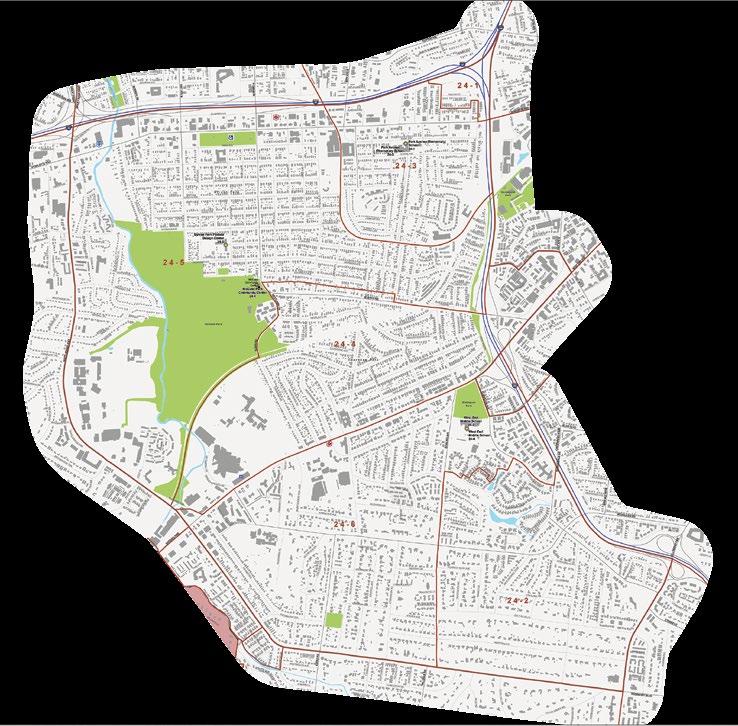
District 24 really is comprised of neighborhoods: Sylvan Park, Richland West End, Whitland, Woodlawn, Sylvan Heights, etc. [The district includes] everything between Green Hills and The Nations as well as right outside the 440loop of West End that goes down to White Bridge Road.
If I start from the White Bridge area, we have Nashville State Community College and Tennessee College of Applied Technology and moving from there toward downtown, that’s where we move into our neighborhoods that are incredibly rich, not only with history, but rich with constituents that are very civically engaged. We probably have one of the higher voter turnouts in Council [elections] every four years.
Our neighborhoods have been really focused on not only neighborhood preservation but also on intentional growth.
Those are always very difficult things, knowing that change needs to happen but focusing on how change happens. I would say folks are very engaged in keeping aspects that mean much to neighbors such as the tree canopy, planting trees and ensuring that we have a lot of preserved open space. I think one of the reasons that my district was hit so hard with Ice Storm Fern is because of our tree canopy, which is so wonderful. But because of those trees being iced over, it brought down a whole lot of lines, and we’re still in the middle of that debris pick up. NDOT actually put out a list of how many cubic yards have been collected countywide, and almost 20 to 30 percent of that was all from my district.
What are some accomplishments you’d like to highlight from the past couple of years you have served on Metro Council?
One of the things that hasn’t been highlighted yet, we did pass a resolution to [research and determine the feasibility of] a revolving loan fund. We’re still working on when it will be formally announced. I worked with advocate Karl Meyer. Many folks, if they don’t know him personally, may have seen him advocating for the basic needs of human dignity and access to housing being one of those.
Another area I’ve been really proud of is in the area of interpersonal violence. We funded a position for a domestic violence dispossession investigator under the Domestic Violence Division of MNPD
(Metro Nashville Police Department). It’s an investigator position to focus on dispossession of firearms for those offenders who have an order of protection and those who have firearms that they’re supposed to be dispossessing of. What we did was take the step to ensure that we gather evidence and investigate whether or not that firearm has truly been dispossessed.
And number three, for the first time in Metro government, we funded the purchase and dispensement of period products. We did it through the Department of Health, but it was a one-time funding mechanism. This teases us up for what we can do, which is what other hundreds of municipalities have done across the country. I have been talking to other municipalities and leaders for the last 15 months and have been in touch with the Mayor’s Office for the past year. I want to make sure that we provide that basic human need in Metro-owned public restrooms. Other municipalities have done this, and they’ve done it successfully. Once you put a dispenser in the restrooms and you start figuring out how to order in bulk and how to get the products replaced in those buildings, it’s just like with toilet paper. It’s just as easy to do period products. So, that is the next big thing, to see that expanded and more permanently in our Metro-owned buildings. We have so much support for that, but there will be several hurdles that I know we’ll still have to cross to get there.
• Arts, Parks, Libraries, and Entertainment Committee, past chair
• Charter Revision Committee
• Public Health and Safety Committee
• Women’s Caucus member
• LGBTQ Caucus member, vice chair
You are the President of Rethink Public Strategies. What does Rethink Public Strategies do and why did you select that name nine years ago?
I had the incredible privilege to work as a staffer, as a lobbyist at a law firm and to represent folks in a very traditional government relations sense — where you hire a lobbyist and they go and meet directly with that lawmaker and try to educate that lawmaker to make a decision in your favor. The one thing that I kept seeing is the disconnect of how we engage with the public sector specifically. I was rethinking that [and] really looked at this navigation of policy, advocacy, and civic engagement through coalition building and understanding how public systems operate.
What I learned is that the people that are most impacted or have their own lived experience are the best folks to directly connect with lawmakers. And connecting this to my Metro Council role, it is often the people that are in the neighborhoods, who talk to me about their concerns, who have the best stories that are most effective and are actually changing my opinion or conveying a perspective that informs my opinion.
What I was seeing [as a lobbyist] is just a real disconnect with the rest of the ecosystem of what those entities are asking you to do. And for my heart space is the reason I went off and started my own firm with the support of so many people. I wanted to focus on mission-based work.
I didn’t always get those choices [when I was] working for others of who my clients would be.
But with [Rethink Public Strategies], I get to work with those mission-based organizations. And many times those are in the nonprofit community. What I wanted those folks that are doing direct service to really understand is, they are the most powerful spokesperson for themselves and are absolutely critical to improve public policy. And then connecting that through advocacy coalition building with other groups that maybe they weren’t thinking of and coming together to really change public systems for a better result.
Let’s talk about the importance of grassroots organizing. How do you define grassroots efforts? And what role does grassroots organizing play in our existing power structures?
Grassroots organizing is when the people most affected by an issue lead the effort to address it. It is community-driven rather than institutionally driven. So for me, what that means is that solutions originate from the communities themselves and not topdown institutions.
To once again talk about period poverty: what’s been fascinating and amazing is to see students from across Metro — the young people — and then also other
organizations that have responded to the need for period products in [Metro-owned] public restrooms. They’ve spoken to teachers and nurses and folks that run a community center or people who work at the library, the court system and found that [staff] always have to keep stuff in their desk because there is going to be someone present who doesn’t have the resource they need for that basic hygiene need. These have been conversations that [usually] do not rise to the top because as women and girls we are so used to just having to figure it out and not having that treated with enough dignity to be heard. I worked with an organization called AWAKE Tennessee — Advocates for Women and Kids Equality, Tennessee. I was their public policy director, and that’s where I really learned about the breadth and depth of this issue firsthand, specifically through their student councils.
That’s a long-winded way of explaining what grassroots organizing really is. Historically there are all these important social and policy changes in the U.S. — whether it’s civil rights or labor protections or voting rights or environmental protections — and they all really began with organizing locally and then elevating, and sometimes shouting, until they’re heard. Then, as more and more people hear that, they are asking for change. So, grassroots organizing plays an
Created by Mccollonough Ceili
essential role in balancing power. Institutions, whether it’s the government or just large organizations, they move very slowly. But grassroots movements actually bring the urgency, the lived experience, and democratic participation into those conversations much more quickly. I have seen this on the local government level, being that elected official now. Grassroots organizing, when we have certain policy decisions, it really is how democracy, and especially local democracy, stays responsive.
What are some of the causes you are currently working on?
One focus is on public health access and dignity, which includes the work to address menstrual health access that’s often referred to as period poverty.
Another focus is to continue to work to protect our environmental assets. I have been working with the Harpeth River Conservancy on non-native or invasive plant removal around our greenways and waterway access. I’m also still working with them to make sure that as part of the public health equity, we are aware of the health of our creeks and waterways. And so one of the things we’ll be working on with them is making sure we’re doing some education awareness. So hopefully that’ll be coming out very soon.
I’m really excited to be a co-sponsor
for legislation that one of my colleagues is moving forward on addressing the childcare crisis.
And I would say I’ve been really proud to be a plaintiff with the ACLU to protect local government officials to basically [grant] legislative immunity to allow us to vote on policies and to debate and propose policies without fear of jail time and without fear of a felony.
I know that’s not directly a piece of legislation, but what I have found in this role is that … local government is the place where we should be able to respond to communities’ needs, and we should be able to do that without any political interference and especially without political and anti-democratic interference and authoritarianism from the state government. And so it’s been an honor to fight back, even if that was just in the court system.
Anything else you would like to add?
One of the things I learned in this role in public service is that strong communities are really built through participation, whether it’s neighborhood associations or just neighbors on the street, advocacy groups and civic conversations. What I have found is that the more people engage with their local government, the stronger democracy becomes and the richer the conversations become.
Written by Chris Scott Fieselman, Vendor #0015
You start out by sharing, a part of your treasure. The Art of caring, just by being there. Make someone’s day a little bit better, Just because they happen to: “Cross Your Path.” Take care of your brothers and sisters, And The Good Lord will take care of you. Whatever you get? Is what God wants you to have? Or what he wants you to learn how to go through? The answer to the prayers of another? Is there anyone out there? To share The Love? If we all take care of each other, We all will have enough.
I ask myself this question? When the day turns into night. What did I do wrong today? And what did I do right? What was spent on Encouragement? And what was a complete waste of time?
A friend overflowing, with Gratitude and Contentment, Can turn a Common Man’s, Water to Wine. What was left unsaid today? And what was left behind? If the whole world does the wrong thing? And you do the Right thing, That’s the only thing that matters. And being that friend that they didn’t see coming, But Thank God they managed to find.
Give a man a fish, and he’ll have food for tonight. Teach a man to fish, and they’ll have food all their life. How can you expect them? To help someone else? When they can’t even help themself?
A hand out or a hand up, which one will be the most help? “Challenges and Accomplishment or? Charity and Disappointment.”
You never know when? This may happen to you, And you may become one of them.
Written by Chris Scott Fieselman, Vendor #0015
It’s easy to quit. Everyone does it. With parcels to clear, And acres & acres & acres to plow, There’s no better time, than to do it right now. Even if you don’t know how? Yes… Even if you don’t know how. So, try to get the most, out of every moment. If you’re not a good farmer, get good at pretend. Fields that need planting and constant attending, And a whole lot of hard-earned experience. The effort you apply, to the time that you spend, Can never be measured, in dollars and cents. A Harvest you can call “Your Accomplishment,” To look forward to, when you get through, in the end. What does that matter? And what does that mean?
It’s not an easy task, to chase your dream. But if I can do it? I know that you can too. It wasn’t easy for me, and sadly, I know it won’t be for you…
Heroes Grow Wild in Tennessee
Written by Chris Scott Fieselman, Vendor #0015
Heroes Grow Wild in Tennessee…
Where The Good Lord smiles upon Wannabees. Who fight for the right, to decide to be free. Uh-Oh… Music City… Didn’t see that one coming? And they damn sure didn’t see me. A left-over Legend - Like it or not? A part of Nashville’s history. Cause, Heroes Grow Wild in Tennessee…
They spring up so unexpectedly. When the price to pay, to live that way? Isn’t all about the money. When every day is still O.K. Even though it’s not always sunny.
The difference between, Necessity and Extravagance, And the worth of the experience, Of learning how to begin again, By learning how to camp? And Life becomes a Challenge. To come up with a plan, To learn how to stand, Accomplished by one’s own hand. Cause, Heroes Grow Wild in Tennessee…
Written by Chris Scott Fieselman, Vendor #0015
Why can’t we offer up? Every American, Complimentary, Standardized, Subsidized, Basic Survival, Camping Instruction? Creation or Destruction?
Everyone says “It’s a Great Idea!” How do I convince, the High and Mighty in Charge? It needs to start right here?
I’ve been fighting this fight for Seventeen Years. And the Homeless Problem’s yet to Disappear. But they’re Methods are Expressed, Coming through Loud and Clear, Despite all the Heartache and Tears?
I’m tired of solution’s that end in frustration, For a problem that needs solving across the Nation. When it comes… Down to… Hospitality?
There’s a whole - lot of… Hesitation. To do what - Needs to be done… To find a solution?
To a neighbor’s Trials and Tribulations. Destruction or Creation?
Useful tools and Useful Information, And a plan to gain - The Upper Hand, When it comes down to - Land Appropriation. I failed the first time, so you can understand, My Doubts and My Hesitation. Feeling like a Grizzly Bear, just waking up, From a long winter’s Hibernation. “The Compadre of Wisdom is Patience” “Destruction or Creation?”

ACROSS
1. Canvas primer
6. Chlorofluorocarbon, acr.
9. Heroin, slang 13. Poetic although 14. Indochinese language
15. Part of a whole 16. Like certain suspects
17. Rainbow, e.g. 18. Not mainstream, as in art
19. *Coast ____, world’s tallest tree 21. *Vanilla-producing plant
23. Classic film production company, acr. 24. ____ in the neck
25. ____ the season!
28. Ready and eager
30. “Reader’s __” magazine
35. “Do ____ others...”
37. Rubber bulb on an old bike
39. “Lord of the Flies” shell
40. Bear’s den
41. *Colorful daisy-like bloom
43. *The corpse flower emits a foul one
44. Spouse’s parent
46. EU money
47. Unadulterated
48. Fish food unit
50. Karl of politics
52. Between NE and E
53. Fat Man or Little Boy
55. Major time period
57. *Fastest-growing plant
60. *Coffea ____ a.k.a. coffee plant
64. Dam
65. Slovenly abode
67. More painful
68. Change the Constitution
69. Old Man’s turf, according to Hemingway
70. Black tie one
71. Shakespeare, a.k.a. ____ of Avon
72. Kum Ba follower
73. What defense does, after presenting
DOWN
1. India’s wild ox
2. Something ____
3. Poker variety
4. Medieval oboe
5. Study of bird eggs
6. Armor-____
7. Distant
8. Cold-weather drink
9. Hyperbolic sine
10. Ghana money
11. Battery fluid, e.g.
12. “Wow!”
15. Alfresco meal
20. Nebraska’s largest city
22. Antonym of keep
24. Throw out of kilter
25. *It once was more valuable than gold
26. Absurd
27. Static picture
29. *U. S. national flower
31. Gwyneth Paltrow’s brand
32. Empower
33. Open disrespect
34. *Leaves of ___, let them be
36. Non-written exam
38. Infamous Roman tyrant
42. Space exploration vehicle
45. Like duck’s foot
49. Likewise
51. Pencil tip
54. *Covered with sphagnum
56. Beyond’s partner
57. Pulpit predecessor
58. Affirm with confidence
59. Darn a sock, e.g.
60. Nursemaid, in India
61. Wraths
62. One-tenth of a dime
63. Liberal pursuits
64. Blood testing site
66. *Camellia sinensis drink
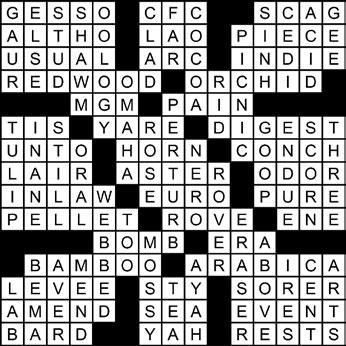
I’ve often said selling the paper is about far more than just money, but that’s just words. They say a picture is worth a thousand words, so here’s a few to show EXACTLY what I’m talking about.
Suppose you’re hungry and you can’t really afford to spend the money you’ve made on food. Then, as the traffic passes by, a window slowly rolls down and someone hands you a simple brown bag lunch. Nothing fancy, just a sandwich, ham, turkey, pb&j, some chips or crackers, a snack cake or granola bar, and some water, a soda, or juice to drink.
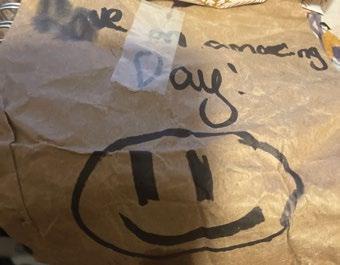
As good as that was, what was written on the outside of one of the bags was just as important as what was inside, “Have an amazing day,” with a great big smiley face! (The ink on the bag is slightly smudged in one spot because it was raining that day.)
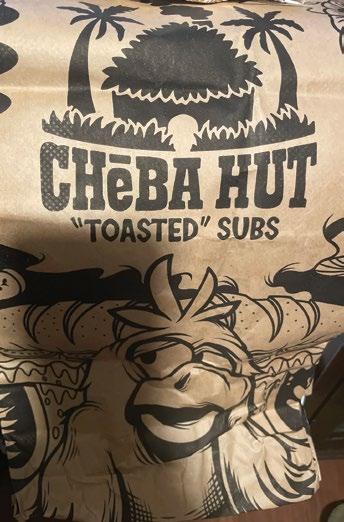
Sometimes the bag is as unique and enjoyable as the food inside. That was the case with the food I was given from the CHeBA Hut: TOASTED SUBS (I’d honestly never heard of it until that day).
A young man brought me what he called an Apollo 13, which is a grilled chicken sandwich similar to a gyro with Kalamata olives and feta cheese and all the fixins, YUM! I made it my mission to eat that meal in its entirety, and I’m happy to report, it was a success!
On another occasion, Jane stopped and told me her twin sister had a stroke and while cleaning out her house so she could move in with her
BY NORMA B., CONTRIBUTOR VENDOR
siblings so they could take care of her instead of going into assisted living, or worse yet into a nursing home, she said they discovered enough canned goods, far more than they could possibly use, so they brought several boxes to me.
There was one of both cream style and whole kernel corn, green beans, peas, carrots, potatoes, tomatoes, and mushroom soup — all of which are tasty treats.
She gave me her phone number, and assured me that there was A LOT more where that came from, so if and when I needed more to please just give her a call and she’d bring some more, not to my spot, but to my house. I was grateful because canned goods are often heavy and cumbersome to deal with. She said she knew about me because her sister had worked at Summit for many years, and had stopped for me many times! Oh, and did I mention she’s 82!
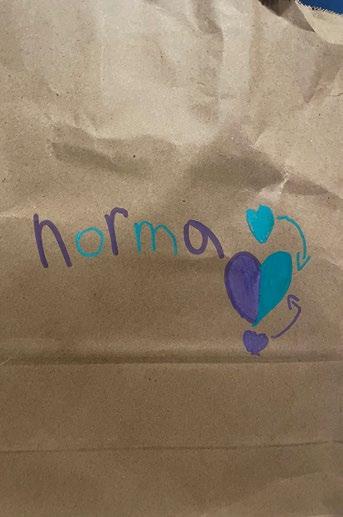
Lastly, it’s the season for Girl Scout cookies, so I purchased some from Alice at our most recent newspaper meeting. They were promptly delivered to my corner in a lovely bag with my name on it, in my favorite colors purple and teal! As an extra added bonus, they brought me some gourmet coffee. Do these people know me or what? With service like that, it’s no wonder she surpassed her sales goal by 100 boxes! In turn, they purchased a paper and my Wishing Well Zine. Yay! But wait, there’s more. As I I talked with her mom, Amanda (who happens to be a co-editor of The Contributor) Alice, without being prompted
to do so, began picking up trash! I guess she hates litterbugs and cigarette butts as much as I do. It was SO sweet, and totally unexpected. Thank you Alice for helping me keep my spot clean, and for the cookies. I do love my Thin Mints and my Samoas.
This is just some of my most recent incidents with food. I have yet to mention all the words of encouragement that keep me going even on the most difficult days, but I suppose that’s a story for another day. To be continued…
BY DAWN R., CONTRIBUTOR VENDOR
I’m sleeping under Neon Lights sometimes it feels so perfectly right Knowing you have no home tonight
Sleeping under Neon Lights
Praying everything goes right
Still sleeping under Neon Lights City’s full of music And Neon Lights Still trying to make things right
Still sleeping under Neon Lights
BY FREFOREVER, CONTRIBUTOR VENDOR
Keeping the tide at bay
Slowly each wave rises higher than before. Harder to keep treading with thoughts turned to dreading. Why do the clouds spray melancholy over me? Cold, colder, coldest I slow my breath, my heart is at rest.
Eyes closed, arms stretched wide freeing my mind. Suspended in time, floating. Rising slowly head above water. The messes designed to sink me, have become the message destined to bring me safely to shore.
Float on, Float on, Float on ….
BY FREEPRESSGMA, CONTRIBUTOR VENDOR
1. Spray bottles with water to wet down hats and shirts.
2. Pickles for hydration.
3. Drinking water
4. Food or snacks
5. Sun hats if needed.
6. Translucent or clear sunglasses because it’s hard to sell the paper if people can’t see your eyes.
7. Umbrella for shade.
8. Sparkly things to pin to shirts or hats for visibility.
9. Bright vest, hat or belt etc.
10. SUNSCREEN
11. Money. Buy our papers or zines and get a glimpse into our work.
BUSINESS OWNERS
1. Turn on your outside tap and offer it. Convenience stores can afford to do this. In Western states, it is illegal to refuse someone water when they ask. Nashville might as well be a desert for all the available water there isn’t.
2. Offer bathroom privileges.
3. If a vendor has a vehicle, offer them free parking for a few hours. If not, offer them a place to rest in the shade.
4. Look into the needs of your vendor and research solutions. Follow through.
5. Get to know your vendor and buy the paper. Your vendor is way cheaper than one of those blow up toys that wiggle around, attracting customers to your store.
One day I decided to park my un-airconditoned truck and ride the bus. The driver was courteous and gentle on the brakes. The air conditioning was delightful. The riders were friendly but not invasive. A few jokes were passed around.
I arrived downtown and headed for the post office. About half way there I needed the restroom. Thankfully, I was near the library. Of course the bus station has a bathroom, but I had skipped out of there rather than having to do defensive-bathrooming. I’d certainly learned better than to stray too far from the bus station or, once in town, the library.
Then it dawned on me. There are only two public restrooms downtown … and even fewer in the ‘burbs.
What other civilized countries do, we don’t. No wonder we are called Ferenghis by the rest of the world. The only people allowed to enjoy “free activities” such as strolling our streets or visiting a park must find somewhere to spend money in order to use a restroom — after they’ve paid and said pleasantries to the staff.
So the next time you pass a grumpy or smelly person on the street, consider that they may not have been able to make it to a restroom in time.
It is high time Nashville joined the international community that spends so much money in our city and installed public restrooms. Even port-a-potties would be better than the dearth of hospitality Nashville citizens and visitors currently endure.
BY MIKKEL S. , CONTRIBUTOR VENDOR
The little engine that could … Our engines that could are engines that may be dormant, unactionable, but (“They do exist” :) ) parts of us that we have forgotten are in fact, still part of us that when forgotten remain still and still waters invite mosquitos. Careful being too still for it is simple to land on still waters. Our little engines that can that we forget in turn if you’re feeling stagnant it’s because you’ve let your little engine stall. Be a rambling man not a gambling one with lives (little engines) that thing (little engine) that you’ve held back from causing yourself to stall because you’re polite is what caused you’re stall. I am not saying don’t be polite but when your ramble involves emotion, grow up and ramble without emotion. Evolve your engine, don’t let it stall. Believe it or don’t, but you many be breaking yours or someone else’s main engine every time you stall your own. But cans can be traded to a scrap yard. As long as you’re not afraid to pick up the trash on the ground to kick start (work) your little engines that stopped [the little engine that could].

Saturday, April 11 10:30 a.m. - 11:30 a.m.

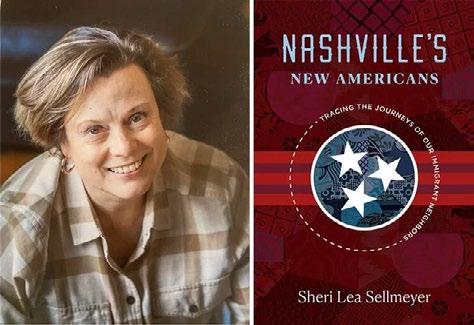
Sheri Sellmeyer
Nashville's New Americans w/ Cynthia Abrams
Saturday, March 7 10:30 a.m. - 12:30 p.m.
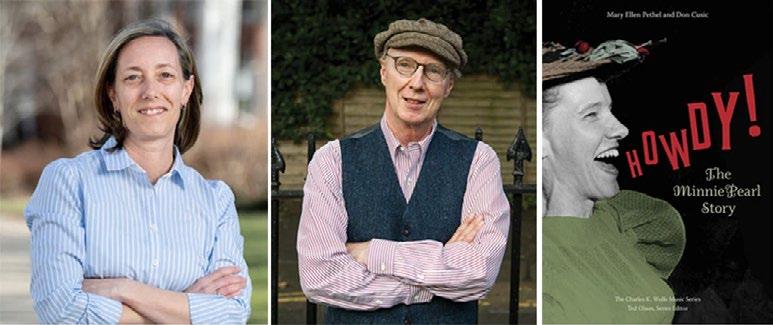
Mary Ellen Pethel Don Cusic w/ Mary Beth Pruett
HOWDY!
The Minnie Pearl Story
Saturday, August 8 10:30 a.m. - 12:30 p.m.
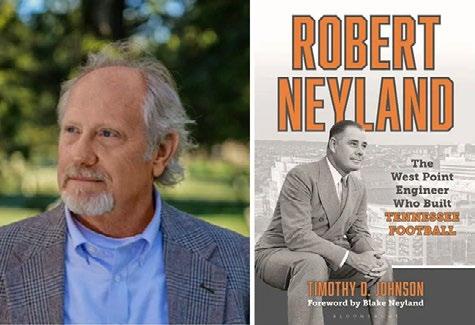
Timothy Johnson
Robert Neyland
The West Point Engineer Who Built Tennessee Football



Saturday, May 11 10:30 a.m. - 11:30 a.m.
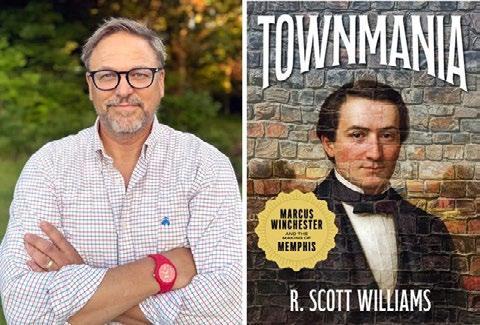
Scott Williams
Townmania: Marcus Winchester and the Making of Memphis


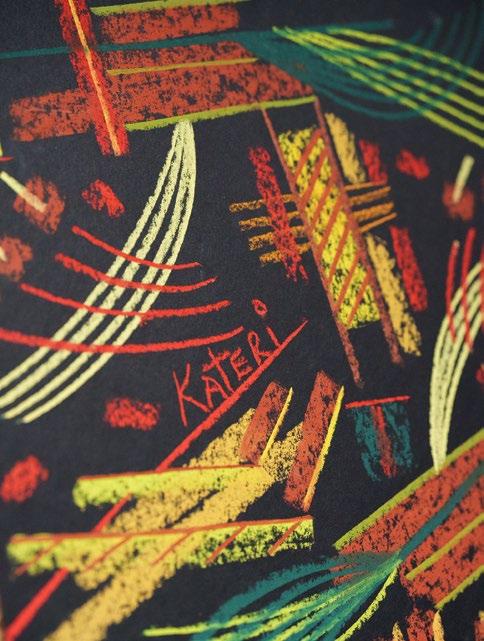
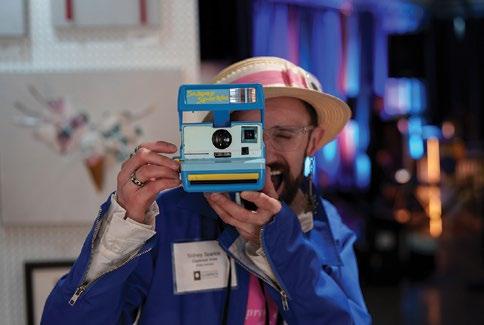
In Nashville this spring, galleries and gatherings, artists and organizations are using spaces to explore issues of housing insecurity, racial and gender identity, and the enduring impact of marginalization on communities.
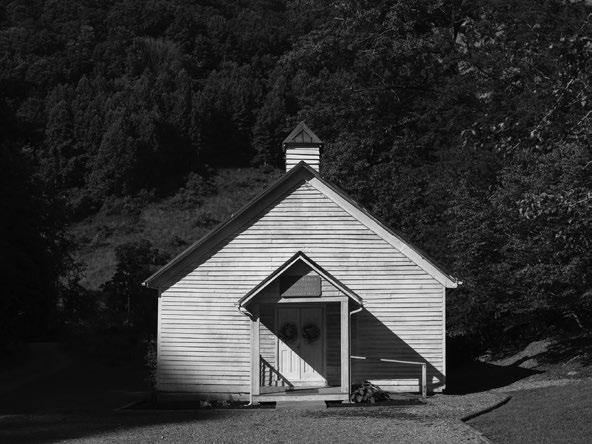
Below we explore three upcoming events and ongoing shows and their bodies of work. From the community-centered celebration of artists rebuilding their lives through Daybreak Arts, to the incisive, socially conscious legacy of Barbara Bullock at the Frist Art Museum, to Tamara Reynolds’s intimate portrait of identity and belonging in Appalachia, these exhibitions and events reflect a work where the art is not just aesthetic, but urgent to all of us.
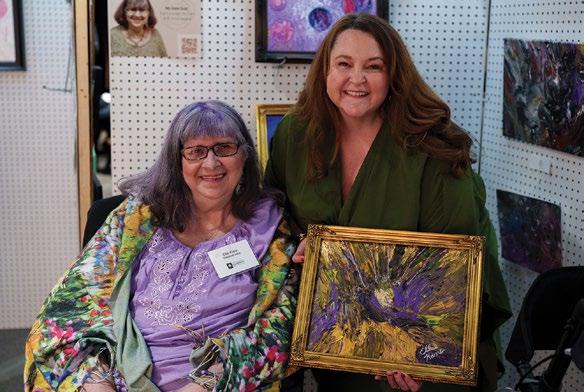
Daybreak Arts to Host Spring Gala to Celebrate Its Artists with Lived Experience March 28 at Events at 1900
At its annual gala on March 28, nonprofit Daybreak Arts will celebrate its artists and honor their stories and creative endeavors.
BY AMANDA HAGGARD
This is the 12th year Daybreak has hosted the Illuminate Art Gala, and this year it will be held at Events at 1900. There will be a live jazz band, live painting exhibition, food and drink, a photobooth and silent auction. The nonprofit’s artists will also display their art and showcase all they accomplished as they navigated homelessness and housing insecurity in Nashville. Many artists will be on site so that folks can meet the artists creating the work they are supporting.
“Each piece you see [at the gala] carries a journey,” Executive Director Nicole Minyard said in a release. “It represents someone’s courage to dream, to create, and to rebuild their life through art.”
Daybreak Arts provides free studio space, training and helps artists find opportunities to sell their work. The organization says it has paid out more than $100,000 to artists experiencing homelessness and housing insecurity in Nashville since it began its work more than a dozen years ago. The gala is attempting to raise $40,000 to help expand studio offerings,
workshops and build more income opportunities for artists.
Last year, artists working with Daybreak collectively sold thousands of dollars in artwork. They showed their work across the city, and regained confidence and stability.
“Art has the power to give people hope, income, and community,” Daybreak Program Engagement Director Ashley Wroten says in a release. “At the Illuminate Art Gala, we celebrate not only the beauty these artists create, but the courage it takes to keep creating against all odds.”
Frist Exhibit Features Incisive Paintings, Illustrations from Barbara Bullock Sistah Griot: The Iconoclastic Art of Barbara Bullock. Through Apr 26, 2026 at Gordon Contemporary Artists Project Gallery at the Frist Art Museum
Guest curator at The Frist Art Museum Carlton F. Wilkinson put together Sistah Griot: The Iconoclastic Art of Barbara Bullock as a way
to showcase “the incisive and still-timely work” of Nashville-based artist Barbara Bullock, who passed away in 1996.
Wilkinson says her art influenced so many Nashville artists through her “fearless and candid disposition.”
“Her legacy is one of radical honesty, spiritual awakening, and a commitment to healing through art,” writes Wilkinson. “Many continue to see her as a griot, a West African term for an oral historian and storyteller, and her works continue to be relevant as visual representations of both personal and collective experiences.”
The exhibition is part of the Tennessee Triennial and will be on view in the Frist’s Gordon Contemporary Artists Project Gallery adjacent to the In Her Place: Nashville Artists in the Twenty-First Century exhibit, through April 26, 2026.
Bullock, who was known for her precisely rendered graphite illustrations and boldly colored paintings, was part of the Nashville art community in the 1980s and 1990s until she passed away from cancer in 1996. Her work
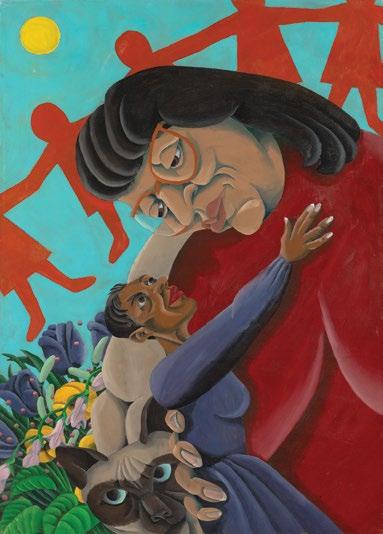
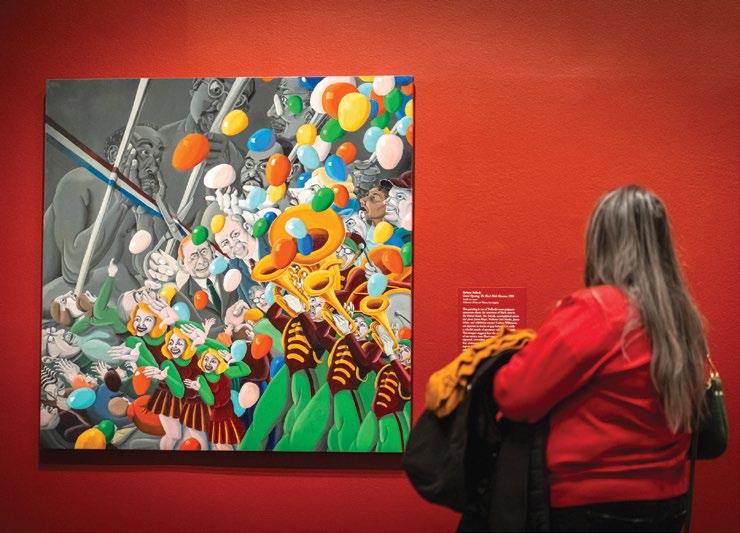
critiqued racism, sexism, and classism — the Frist points to such paintings as Gentrification and The Hate that Hate Produced as strong examples. “In particular, Bullock offered satirical commentary on societal norms projected onto Black women born into upper-class families,” reads a description of her work. “She often featured herself as the main character in her paintings. In one such work, titled Falling or The Yellow Room, she expressed her discomfort with her privileged early life by depicting herself falling off the stairway balcony of her teenage home.”
The exhibition Wilkinson curated features around 40 works from private collections around the country. Bullock moved to Nashville in 1969 from Buffalo, New York, and studied art at George Peabody College for Teachers, which is now part of Vanderbilt University. When she suffered a stroke at 35, she used artmaking as part of her physical recovery for hand-eye coordination. Art classes at the Watkins Institute (now Watkins College of Art at Belmont University) took her from
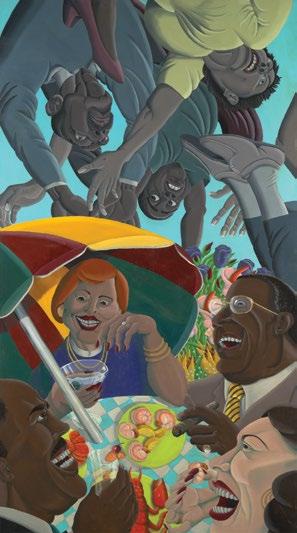

working with detailed contour line drawings of wrestlers, street pedestrians, dancers, and performing artists to the more boldly colored paintings she is most known for. She often said she was influenced by the double vision caused by her stroke and the work of M. C. Escher, but she maintained that the “ultimate goal of her practice was to help heal the world of social inequalities.”
“Barbara looked to history and mythology for inspiration, including the story of Egyptian deities Osiris and Isis, and related her struggles with her health to the ordeals of medieval saints and martyrs,” Wilkinson writes.
Wilkinson also says Bullock found her creative home in Nashville and considered her time in the city as a creative renaissance.
“She wanted positive change, although she often felt frustrated by the lack of humanity in what she had witnessed and experienced in her lifetime,” writes Wilkinson. “She chose to engage with the structural challenges of society by rejecting the seemingly charmed life she experienced growing up. Living modestly was
Barbara’s truest form of spiritual awakening.”
Tamara Reynolds’ Melungeon Explores Folks Pushed to the Margins
Through June 26, 2026 at Begonia Labs at Vanderbilt University. Thursdays and Fridays from 4-7 p.m., on Saturdays from 1-4 p.m.
An opening reception for Melungeon, a new body of work by Tamara Reynolds, will be held Wednesday, March 25, from 6-8 p.m. at Begonia Labs.
The evening will be hosted by the Engine for Art, Democracy & Justice, and there the public will gather with Reynolds for an introduction to the exhibition and brief talk reflecting on the project’s origins, process and personal stakes for Reynolds. A release about the exhibit calls it a “quietly revelatory portrait” of Sneedville, Tenn., which is a community that has associations with Melungeon people, who are largely made up of lineages across African, Native American and Euro-
pean backgrounds.
Historically treated as racially indeterminate and often viewed with suspicion, Melungeon people were pushed to the margins of Appalachian life, carving out space in the ridges and hollows of East Tennessee, according to release on the show. Reynolds takes view of their intertwined legacy: “their histories of migration, mixture, and myth emerge as a lived inheritance: layered, complex, and evolving,” says a description of the work.
Reynolds worked closely with the community (her husband’s lineage included) to develop this work and create the images. The work shows connection rather than isolation.
“At a moment when American identity fractures along imagined lines of purity, Melungeon reminds us that mixture — mélange — has long been our nation’s story,” the description reads.
Melungeon is part of Somewhere We Are Human, the Spring 2026 public programs series of the Engine for Art, Democracy & Justice at Vanderbilt University.












As you know, Aries, the title of Yokozuna has only been bestowed upon 75 wrestlers in the last 135 years of sumo. Only the fiercest competitors, the most consistent champions, and the truest to tradition ever earn the position. But before one is promoted to Yokozuna, they must prove themselves as an Ozeki. Ozeki is the second highest rank in sumo and it literally translates as “great barrier.” it’s a barrier surpassed by few. You’ve been an Ozeki for a long time, Aries, and it feels like it should be your turn. But you can’t focus on what’s next, you can only focus on what’s now. Keep fighting your way, Aries. You get better with every bout.
I couldn’t really sleep last night so I finally just decided to get up early and go for a walk in the park by my apartment. I was on the path close to the picnic area and, you won’t believe this, I found a perfectly good hardboiled egg under one of the bushes by the table. It was dyed blue for some reason, but I’m not gonna let that go to waste! Must’ve been 10 steps later I found another one, pink, just laying in the grass. Sometimes the universe provides, Taurus. After I filled my pockets, hands, and belly, I thought I should leave some for whoever comes next. I wonder why the family in the picnic area now looks so upset? Don’t they know there are gifts for those who take the time to search?
In a distant future, our descendants will stand on this spot and look out over a vast savannah on the edge of a thick forest. “All of this used to be parking lots and condos,” they’ll say, “but then we changed our minds.” It’s always possible to turn around, Gemini. You may not be able to make everything go back the way it was, but you can be the first to say “I was wrong” and take a step in the opposite direction. I’ll meet you in the poplar grove where the Speedway used to be.
I’m not very tall so people always assume I’m not good at basketball. The joke’s on them though, I’m not very good at any of the non-height-dependent sports either. Not bowling. Not ping-pong. I don’t know if it’s a hand-eye coordination problem or just that I have a tendency to give up before I start. But I do always volunteer to climb the ladder at work, to get down the blank VHS cases out of the loft. I’m pretty good at volunteering. It makes me think of how you have so many natural talents, Cancer, but those aren’t the only ways to reach for the top and make a difference.

Are you sure that’s your password, Leo? Maybe you should try entering it again. Wait, didn’t you use an @ sign instead of an “a”? And weren’t those “e”s supposed to be “threes”? No, that’s wrong too. Only two attempts left before they lock your account. Oh, I’ll bet you changed it when you got that e-mail about the data leak. You probably made it something with more random capitalization and a % sign? Nope, that wasn’t it either, Leo. Ok, last chance. Hey isn’t that what you tried the first time? I don’t think that will … Oh. It worked. Maybe you should stick with your first choice more often.
Remember that guy we met at the bus stop who said he wanted to open a vegan taxidermist shop? Well, I was just at the Screaming Pines strip mall and he actually got the place open. I went inside and he’s got cucumbers mounted on plaques, eerily lifelike potatoes, and a scene of stuffed strawberries that took my breath away. He said business is slow so far, but he’s getting some traction. It made me think, Virgo, that your idea isn’t half as crazy as that one. You should get back to work on it.
Parrot on my shoulder. Eyepatch over my eye. Three corners on my hat. The deck is swabbed. The swash is buckled. I think you know where this is going, Libra. But before we take to the high seas there are some general safety guidelines we should review with the crew. First, it’s not good piracy unless everybody has a good time. A lot of me hearties haven’t learned that there’s no “I” in “yo-ho-ho.” If we want to get to the next port together, it has to be shiver-we-timbers from now on. Cooperation is the key this week, Libra. Even if you’re a landlubber. Even if you lub something else altogether.
I ordered the wrong size astrologers’ gloves from tractorandastrologysupply. org and now I’m on a chat with customer service trying to cancel the order. They said the order may have already shipped, but I only clicked the button 10 minutes ago. It was my mistake, but you’d think it would be easier to cancel. Sometimes you know the second you say something that it was the wrong thing to say. I’d just like to remind you that you don’t have to defend a position you don’t believe in. You can just say “I was wrong” and then do what you can to control the damage.
Mr. Mysterio is not a licensed astrologer, a
The world is turning green again. (I told you it would, Sagittarius, but I’m not going to make a big deal about it.) I almost forgot these trees were more than just bare branches reaching for an empty sky. They’re filling up with leaves and birds and bugs. And everything is going to be alive again for a while. And you don’t have to celebrate, Sagittarius, just because there are flowers in the yard. But take a minute to remember that change is the course that we were always on. And whatever it feels like today will pass away, too.
I grew up looking for the man in the moon. A human face that, I was told, would wink back at me. But in many parts of the world, it’s not a man they see up there, but a rabbit. In Chinese folklore the moon-rabbit leans on a mortar and pestle, constantly grinding the elixir of immortality. That’s already a way cooler idea than a winking face. Sometimes you don’t even need to change your perspective to find a better story. You just need to change what you’re looking for.
All the TVs in this laundromat are trying to sell me medications for diseases I don’t have yet. I used to resent these endless pharmaceutical commercials, but now I think of them as a little memento mori between segments of The Young and the Restless. When they tell me I can be cured, I remember instead that I am of a nature to become ill. When they tell me I can feel younger, I remember that I am of a nature to age. When they tell me I can live longer, I remember that I am of a nature to die. Kind of a heavy task while I wait for my socks to dry, but I’m grateful for the opportunity to do the work.
Yesterday I was enjoying smelling the flowers. Today I can’t really inhale through my nose because of all the pollen. It goes with the territory, I guess. Spring is here but I have a hard time seeing it through these itchy, watering eyes. So how do we stay grateful for the bloom while our senses are so disrupted, Pisces? It’s a very human problem. There’s a trade off in every new adventure. Some people say to focus on the positive. I say focus on the present moment. What does it feel like to sneeze? What’s really happening in your head right now? Feel those things as completely as you feel the warm breeze. That’s what it’s like to be a Pisces today.
Want more? Visit mrmysterio.com Or just give him
SUBMITTED
BY
JIM P., CONTRIBUTOR VENDOR
“If you have a library and a garden, you have everything you need.”
- Cicero
SUBMITTED BY HOWARD P., CONTRIBUTOR VENDOR
My wife just phoned me and the conversation went like this:
Her: “You know that Gladiator movie that I got you last Christmas?”
Me:”Yeah.”
Her: “Wind it forward one hour, 16 minutes and 28 seconds.”
Me: “Right, I’ve done that.”
Her: “Okay, you see that Gladiator at the front fighting the lion?”
Me: “I can see that, yeah.”
Her: “Just behind him, there are two Gladiators having a sword fight with each other ... ”
Me: “Okay, I see them.”
Her: “Well behind them two, on the left hand side of the screen, there’s a Gladiator holding a spear ... ”
Me: “Yes, I can see him.”
Her: “Right! Those are the sandals that I want for my birthday.”
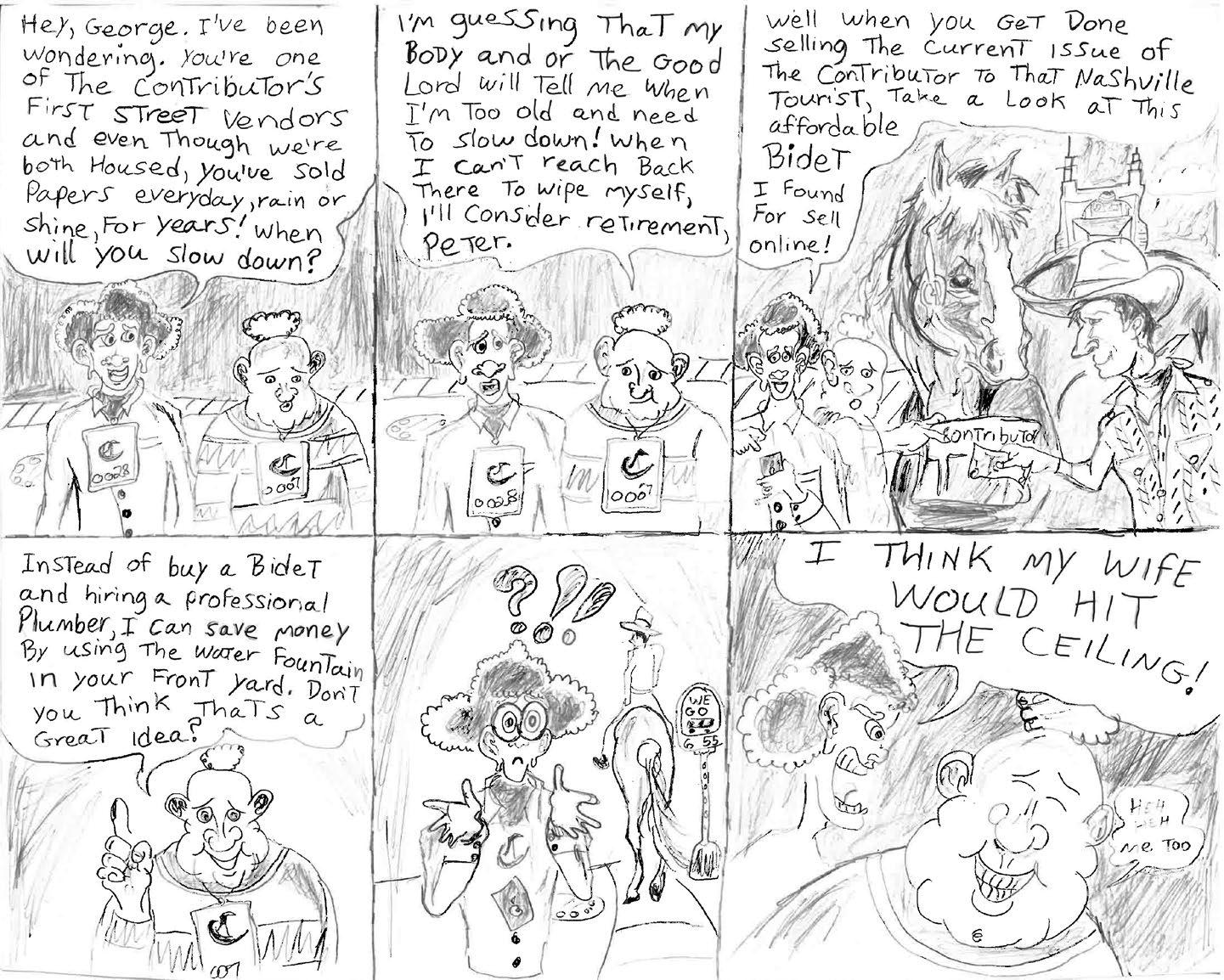
COMIC
BY
DENNIS T.
BY FREEPRESSGMA, CONTRIBUTOR VENDOR
I was having a super cheap breakfast at Puckett’s, a local food restaurant at the corner of Rep. John Lewis Way and something or other.
A table of 12 men in cowboy hats were seated next to me and the aisle was super narrow so I put on my hat and told them, “Don’t fence me in! Just because I look like a cow!”
Everybody roared with laughter. I went outside where there just happened to be two people from out of town in cowboy hats. The man turned around and glanced at me. I said “Don’t try to herd me!” He said, “Oh you don’t have a long tail otherwise I would.”
My turn to fall out .…






BY JOE NOLAN, FILM CRITIC
The true-crime genre crawled out of its body bag way back in 1959 when Truman Capote published “In Cold Blood.” The book delivers a vivid account of the Clutter family murders in Holcomb, Kansas, the apprehension and trial of Richard Hickock and Perry Smith, and the murderers’ execution. It was Capote’s great triumph, but it also marked a downturn in his life. Capote’s legacy has been haunted by the idea that his subsequent descent into infamy and alcoholism was a curse he brought on himself when he manipulated the tragedy, the killers’ guilt and the victims’ pain to create a better story for his intended masterpiece.
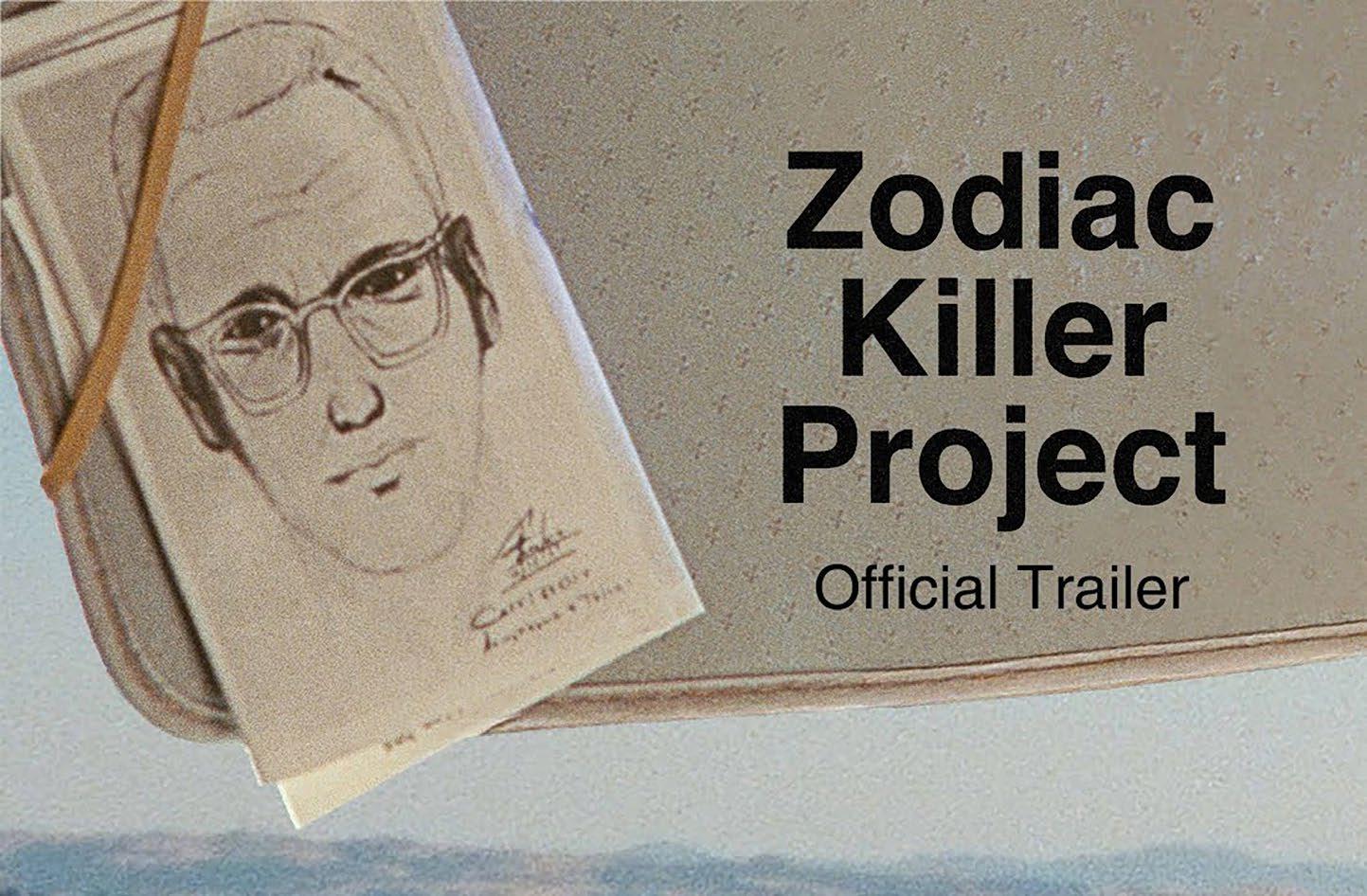
In his documentary “Zodiac Killer Project,” filmmaker Charlie Shackleton recounts the serial killer film he intended to make when Lafferty refused him the rights to California Highway Patrol officer Lyndon E. Lafferty’s 2012 book “The Zodiac Killer Cover-Up: The Silenced Badge.” Along the way, Shackleton deconstructs the tropes and the traps of the genre across
film, podcasts, and TV, and uncovers questions Capote himself may have asked about balancing evidence and entertainment, sensitivity and sensationalism when telling true stories about criminal tragedies.
The Zodiac Killer terrorized Northern California in the late 1960s and early 1970s, and the well-informed cinephiles who read Moving Pictures will know that David Fincher’s “Zodiac” (2007) is one of the best movies of the century. In the years since “In Cold Blood” and “Zodiac,” crime documentaries have come to dominate wide swaths of the podcast landscape and a whole chunk of bandwidth in true-crime storytelling on TV and in movie theaters.
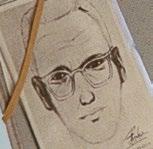
Shackleton set out to adapt retired officer Lafferty’s book detailing the highway patrolman’s decades-long obsession with a suspect he believed to be the Zodiac Killer. Lafferty’s conviction began with a confrontation at a rest area with a man who resembled a police sketch of the Zodiac Killer. Lafferty had no other evi-
dence, and he was ordered by superiors to stand down. Instead, he went rogue, conducting his own investigation, invading the man’s private life, and creating elaborate schemes to capture a print of the palm of the suspect’s hand. Shackleton comments throughout the film, his voice floating over images of empty spaces where his actors might have performed a reenactment as well as footage from other murder documentaries. He explains that he approached the project with skepticism about true-crime filmmaking, and that skepticism makes his observations entertaining and not pedantic. He chuckles more than once at the audacity of Lafferty’s methods, but correctly points out that if he actually captured the serial killer, no tactic would be criticized. He smartly compares Lafferty’s methods to documentarians who regularly go to extremes to dramatize their stories in ways that can seem less than ethical – unless they’re huge hits. Shackleton’s film is at its best when he walks viewers through his unrealized
vision while simultaneously critiquing it.
“Zodiac Killer Project” is currently available to rent on multiple digital platforms including YouTube and Amazon Prime, and the good folks at Music Box Films just released the documentary on Blu-ray disc last week. The picture and sound are very good, and the disc’s bonus features include a Q&A with Shackleton filmed at the movie’s Chicago premiere and a short film Shackleton made as a camera test for the feature that never was. “Zodiac Killer Project” reminds viewers of watching a movie and listening to a director commentary track, so this Blu-ray includes an audio track without Shackleton’s narration for viewers who want to experience the visuals alone. I think he’d chuckle about that too.
Joe Nolan is a critic, columnist and performing singer/songwriter based in East Nashville. Find out more about his projects at www.joenolan.com.
“The Contributor” está trabajando con uno de los principales periódicos en español La Noticia para llevar contenido a más lectores en Middle Tennessee. Nuestros vendedores de periódicos han pedido durante mucho tiempo que nuestra publicación incluya contenido que apele al interés de residentes de habla hispana en nuestra comunidad.
“The Contributor” is working with one of the leading Spanish-language newspapers La Noticia to bring content to more readers in Middle Tennessee. Our newspaper vendors have long requested that our publication include content that appeals to the interest of Spanish-speaking residents in our community.


@LaNoticiaNe ws
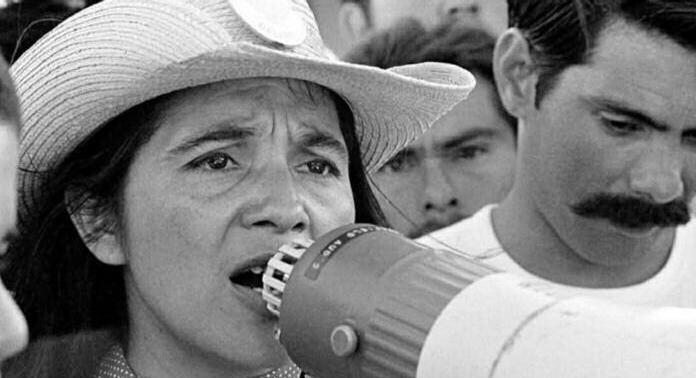
Un nuevo capítulo en la historia del movimiento laboral en Estados Unidos ha generado conmoción nacional tras revelaciones de presuntos abusos sexuales cometidos por el icónico líder sindical César Cháve z, ahora respaldadas públicamente por su histórica compañera de lucha, la tambié n líder sindical
Dolores Huer ta
A sus casi 96 años, Huer ta cofundadora del movimiento campesino y una de las figuras más respetadas en la defensa de los derechos civiles emitió una dec laración en la que decidió romper décadas de silencio
“He guardado este secreto por demasiado tiempo Mi silencio ter mina aquí”, afir mó.
Su testimonio lle ga tras una investigación periodística de varios años que documenta denuncias de conducta sexual inapropiada atribuida a Cháve z durante las décadas de 1960 y 1970 Sin embargo, la declaración de Huerta marca un punto de inflexión por su cercanía personal y profesional con el líder sindical
En su relato, Huer ta describe dos encuentros sexuales ocur ridos en los años 60 Se gún su testimonio, el primero estuvo marcado por manipulación y presión, en un contexto donde Cháve z era su superior, líder del movimiento y figura de autoridad El se gundo, afir ma, fue forzado y ocur rió en un entor no en el que se sintió atrapada

A m b o s e n c u e n t r o s r e s u l t a r o n e n embarazos, que Huer ta mantuvo en secreto durante décadas Los hijos nacidos de esas experiencias fueron entre gados en adopción a familias que pudieran ofrecerles estabilidad, decisión que se gún explicó estuvo influenciada por las circunstancias personales y la prioridad que r e p r e s e n t a b a e l m ov i m i e n t o campesino en ese momento
“Convencí a mí misma de que eran situaciones que debía sopor tar en silencio”, expresó en su declaración, añadiendo que hoy se reconoce como sobreviviente de violencia y abuso
Huer ta también señaló que no fue la única De acuerdo con la investigación reciente, otras mujeres i n c l u ye n d o a d o l e s c e n t e s h a n comenzado a compar tir experiencias similares, lo que ha intensificado el impacto de estas revelaciones en la opinión pública
Conoce tus derechos: ¿Que hacer en caso de una redada? p
Mantenerse callado
Sólo dar nombre y apellido
No mentir
Nunca acepte/lleve documentos falsos
No revelar su situación migratoria
No llevar documentación de otro país
En caso de ser arrestado, mostrar la Tarjeta
Miranda sados en la Quinta Enmienda de la Constitución, derechos de guardar silencio y contar con un ogado fueron denominados Derechos Miranda go de la decisión de la Suprema Corte de Justicia Estados Unidos en el caso Miranda vs Arizona, 4 U S 436, de 1966
El momento plantea una profunda reflexión para la comunidad latina y para quienes han visto en César Chávez un símbolo de lucha y justicia social Durante décadas, su legado ha estado ligado a la organización de trabajadores ag rícolas, la defensa de condiciones laborales dignas y el impulso de un movimiento que transfor mó la vida de miles de familias
S i n e m b a r go, e s t a s a c u s a c i o n e s abren un debate complejo: có mo reconciliar los log ros históricos con conductas que contradicen los valores de dignidad y respeto que el propio movimiento promovía
Huerta abordó directamente esa tensión, dejando claro que el movimiento es más grande que cualquier individuo
“El movimiento campesino siempre ha sido más impor tante que una sola p e r s o n a ” , a f i r m ó “ L o s ava n c e s log rados para los trabajadores ag rí-
colas son per manentes y fueron posibles g racias al esfuerzo de miles ”
L
También reiteró su compromiso con las causas que han definido su vida: la defensa de los trabajadores, la e q u i d a d y l o s d e r e c h o s d e l a s mujeres
“Continuaré mi compromiso con los t r a b a j a d o r e s y c o n a s e g u r a r q u e nuestras comunidades sean tratadas con dignidad”, expresó
L a s r e a c c i o n e s h a n c o m e n z a d o a s u r g i r e n d i s t i n t o s s e c t o r e s , d e s d e o r g a n i z a c i o n e s l a b o r a l e s h a s t a l í d e r e s c o m u n i t a r i o s , q u i e n e s a h o r a e n f r e n t a n e l r e t o d e p r o c e s a r e s t a s r eve l a c i o n e s c o n s e n s i b i l i d a d , r e s p o n s a b i l i d a d y u n s e n t i d o d e j u s t i c i a
Para muchos, este momento no representa el fin de una historia, sino el inicio de una conversación más honesta sobre liderazgo, poder y rendic i ó n d e c u e n t a s d e n t r o d e l o s movimientos sociales
Y en ese proceso, la voz de Huer ta u n a d e l a s m á s i n fl u ye n t e s d e l movimiento marca un precedente claro: incluso las historias más difíciles merecen ser contadas.
Porque, como ella misma lo expresó, el silencio ya no es una opción
Envíenos sus sugerencias por correo electrónico: ne ws@hispanicpaper com|615-582-3757