CHAPTER 2
Project Selection and Prioritization
LEARNING OBJECTIVES
This chapter presents a broad introduction to project management. After completing this chapter, each student should be able to perform the following:
Core Objectives
• Explain in your own words the strategic planning and portfolio management processes.
• Describe how to select, prioritize, and resource projects as an outgrowth of strategic planning.
• From a contractor’s viewpoint, describe how to secure projects.
Technical Objectives
Compare the strengths and weaknesses of using financial and scoring models to select projects.
Given organizational priorities and several projects, demonstrate how to select and prioritize projects using a scoring model.
Behavioral Objectives
• Explain the strengths an organization might possess that could improve its ability to perform projects.
TEACHING STRATEGIES
Generally, the first thing we do in this chapter is ask the students about their example projects. Most of the student teams will not have met with their sponsors yet. We encourage them to do so as soon as possible. We ask them to tell us why the agency or organization selected this particular project. Often they are not aware. We use that uncertainty as the basis for this chapter.
Remind the students that while the concepts behind many project management techniques are the same for all organizations, the mechanics of how they are performed can vary widely. Project selection, for example, can be very simple in a small organization or highly structured in a larger organization. Nevertheless, all organizations should use the idea of starting with strategic planning, identifying potential projects, using appropriate criteria, and choosing the set of projects that help the organization best to achieve its goals. In practice, however, some organizations decide one project at a time without looking at the big picture.
Tell the students that in many cases they may have limited involvement in project selection and prioritization decisions, but those decisions will have a major impact on their projects, so they need to understand both how the decisions were made and the rationale behind them.
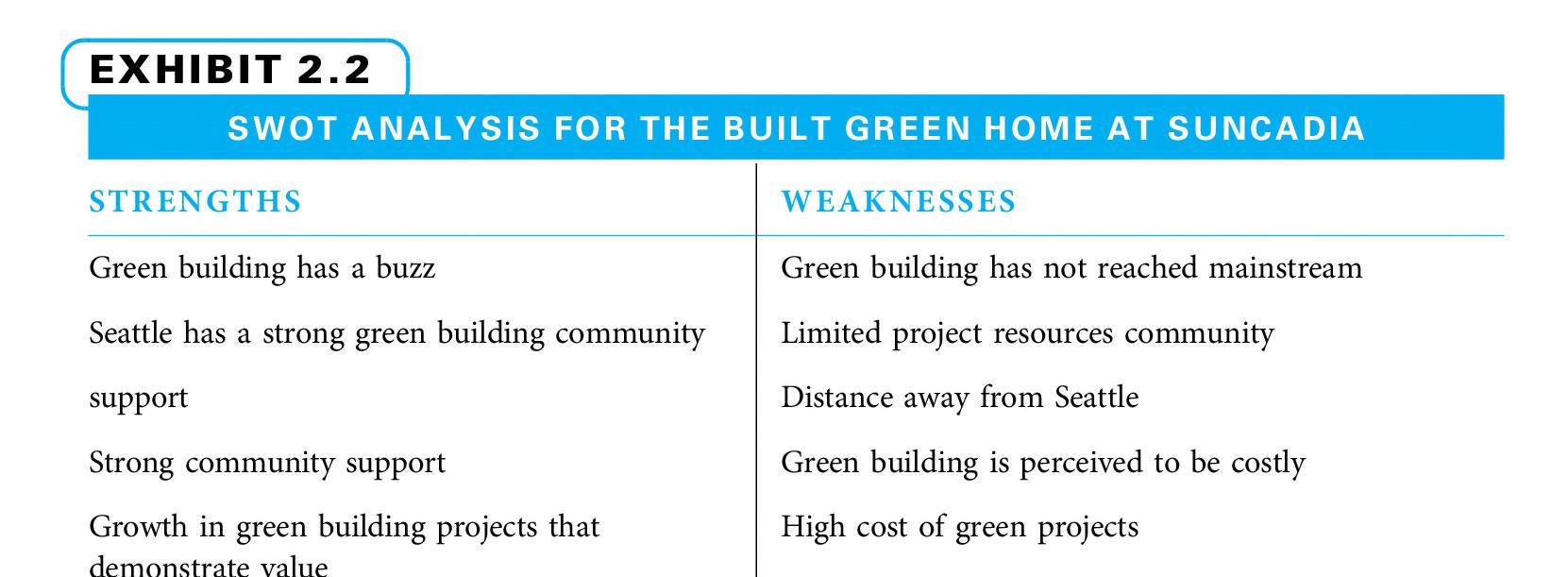
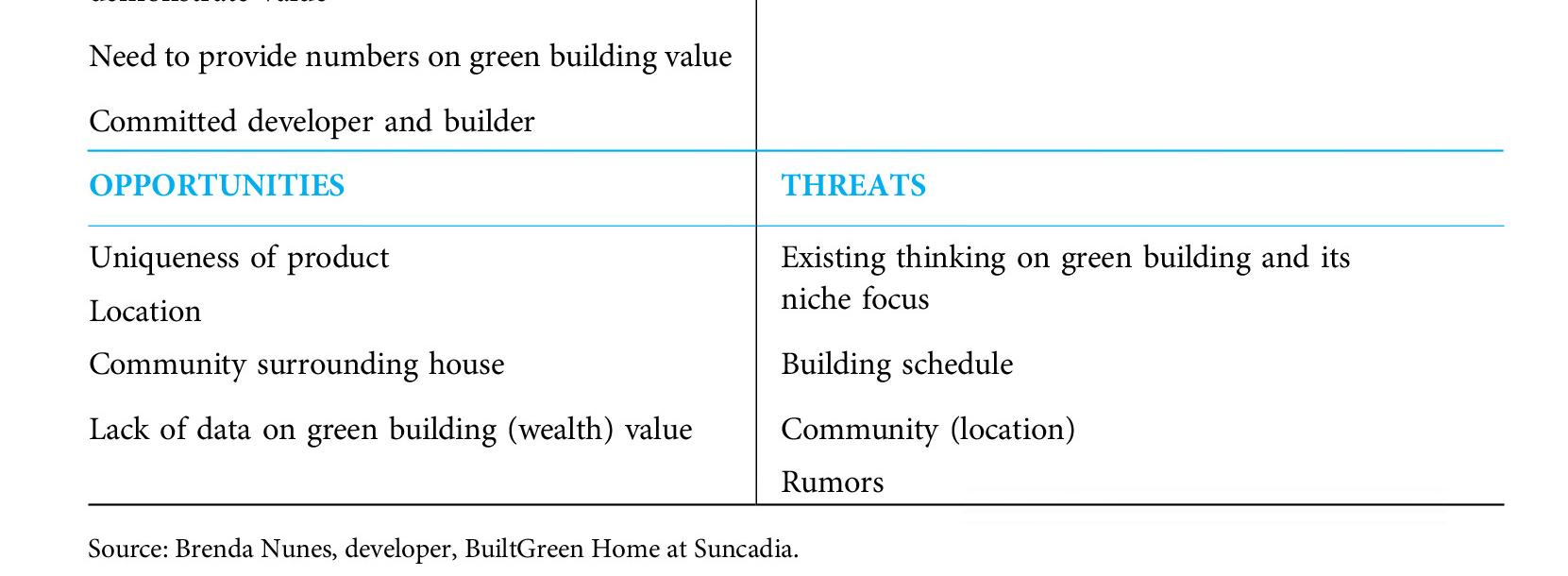
One topic that lends itself to a quick breakout session is SWOT analysis. We like to give a scenario for a local government organization, sports organization, or company that is in the news and challenge the students to brainstorm a few strengths, weaknesses, opportunities, and threats. We ask each team to report on one of those four areas. We
then ask the students how this knowledge can help them decide which projects they want to pursue. This introduces the concept of multiple criteria decision-making.
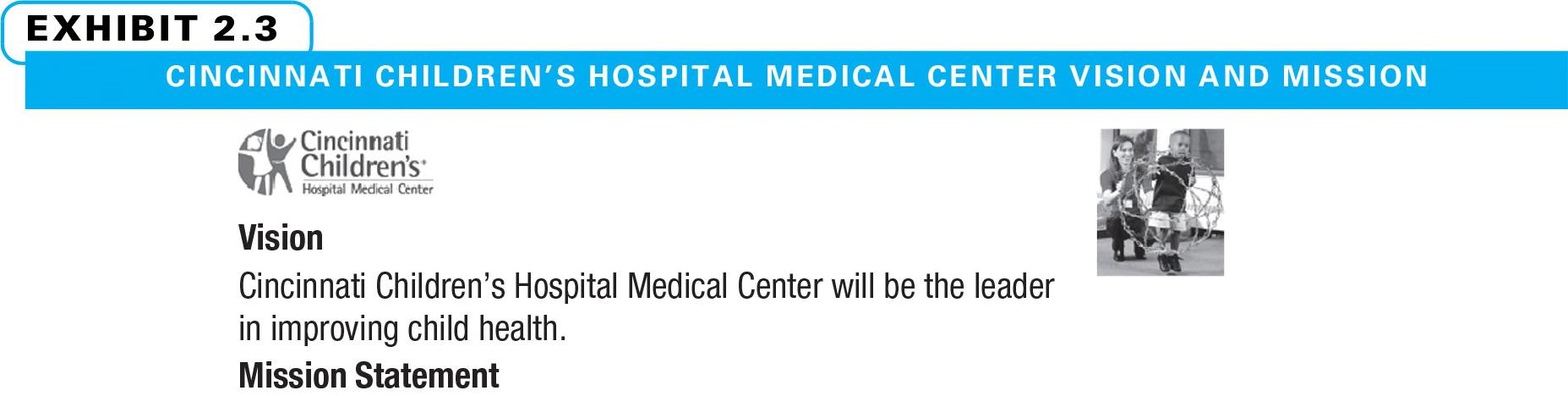
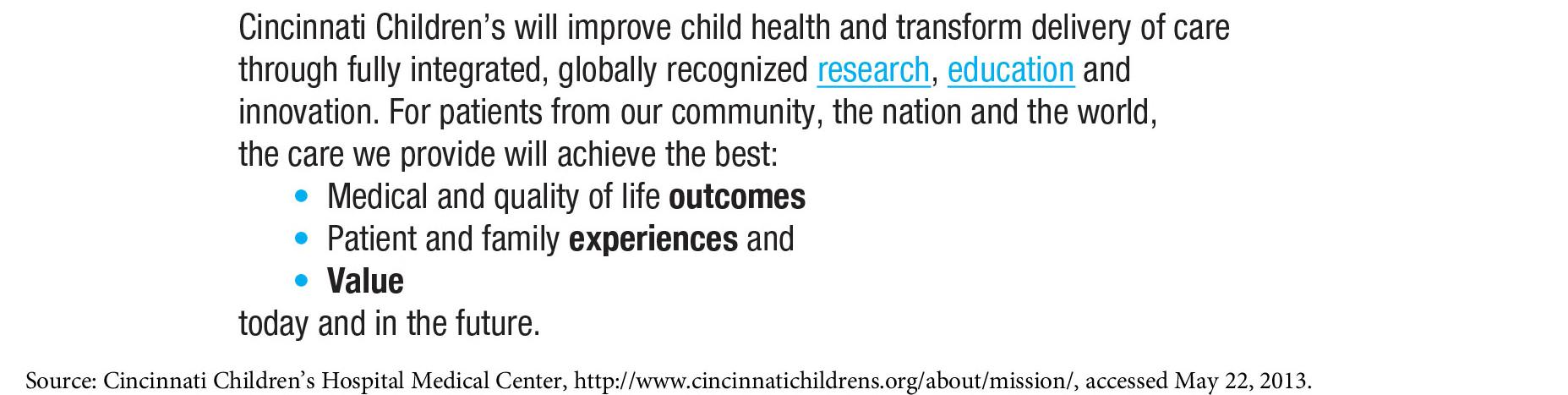
Next we introduce the mission statements for both our university and our college of business. We ask the students what they can tell us about the mission or vision statements for their present organizations (Many of our MBA students work full time and many of our undergraduates work part time.). We then discuss how this knowledge can be helpful in selecting projects that will help achieve the vision and mission. Often, students do not claim to know their organizational vision and mission. We encourage them to find those statements and try to understand how they should guide behavior.
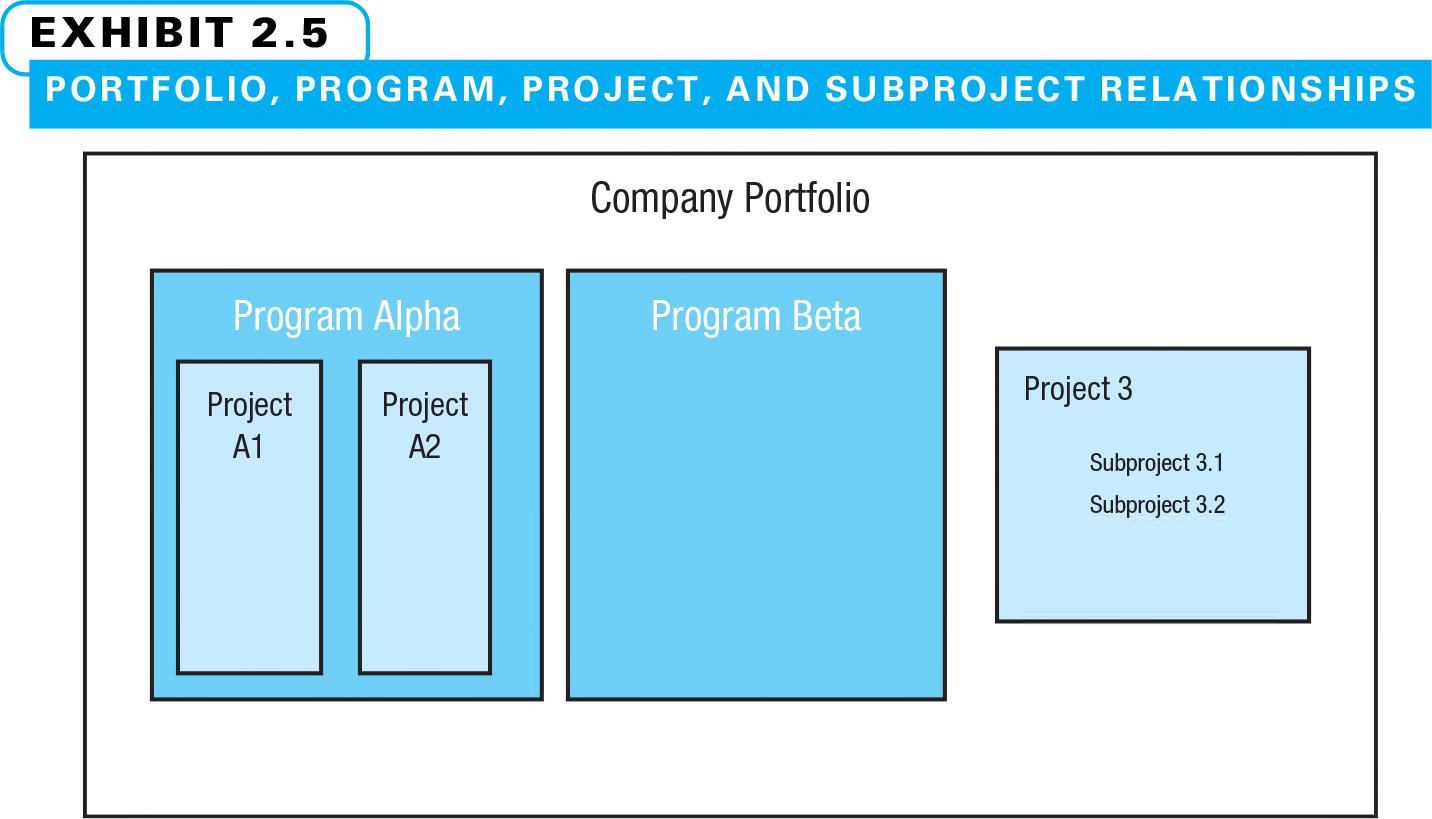
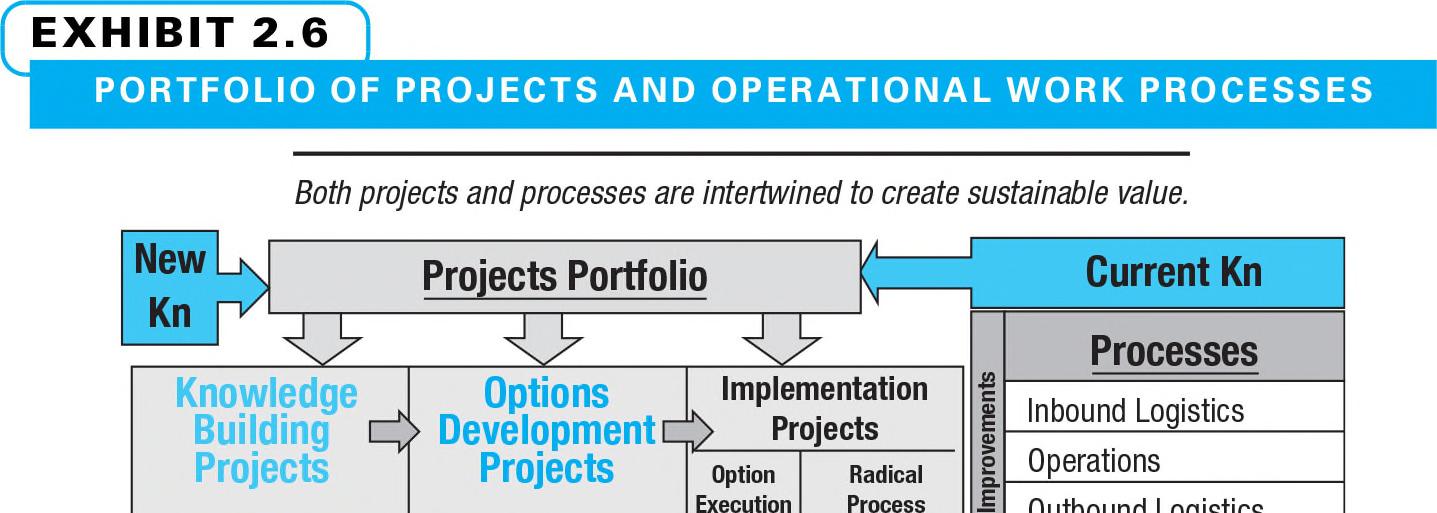
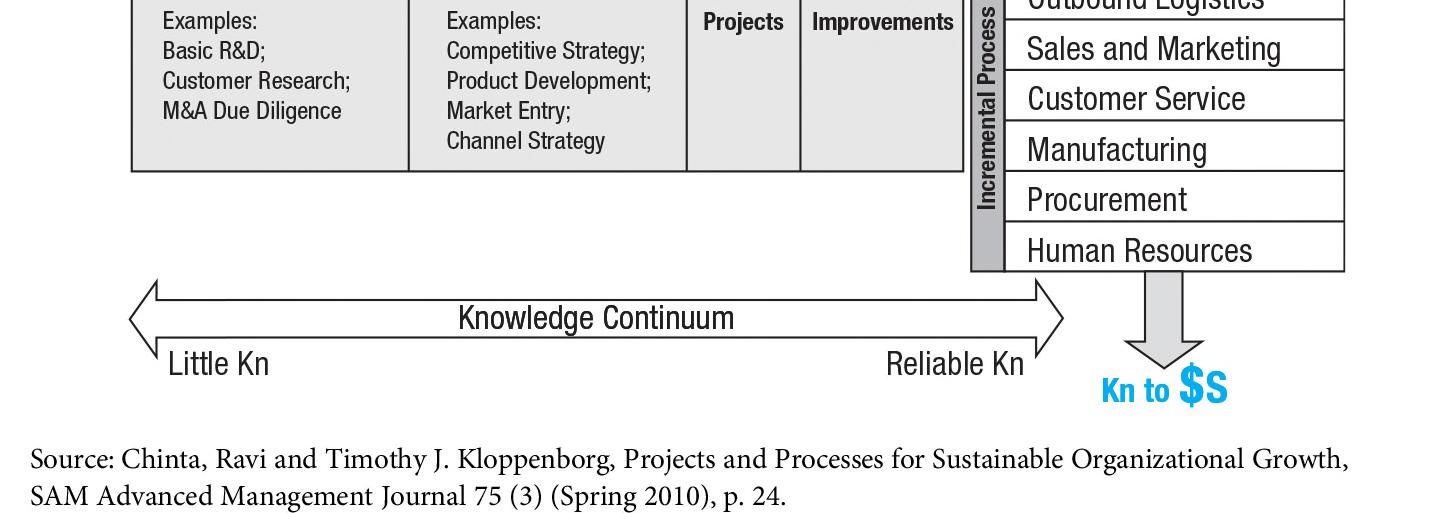
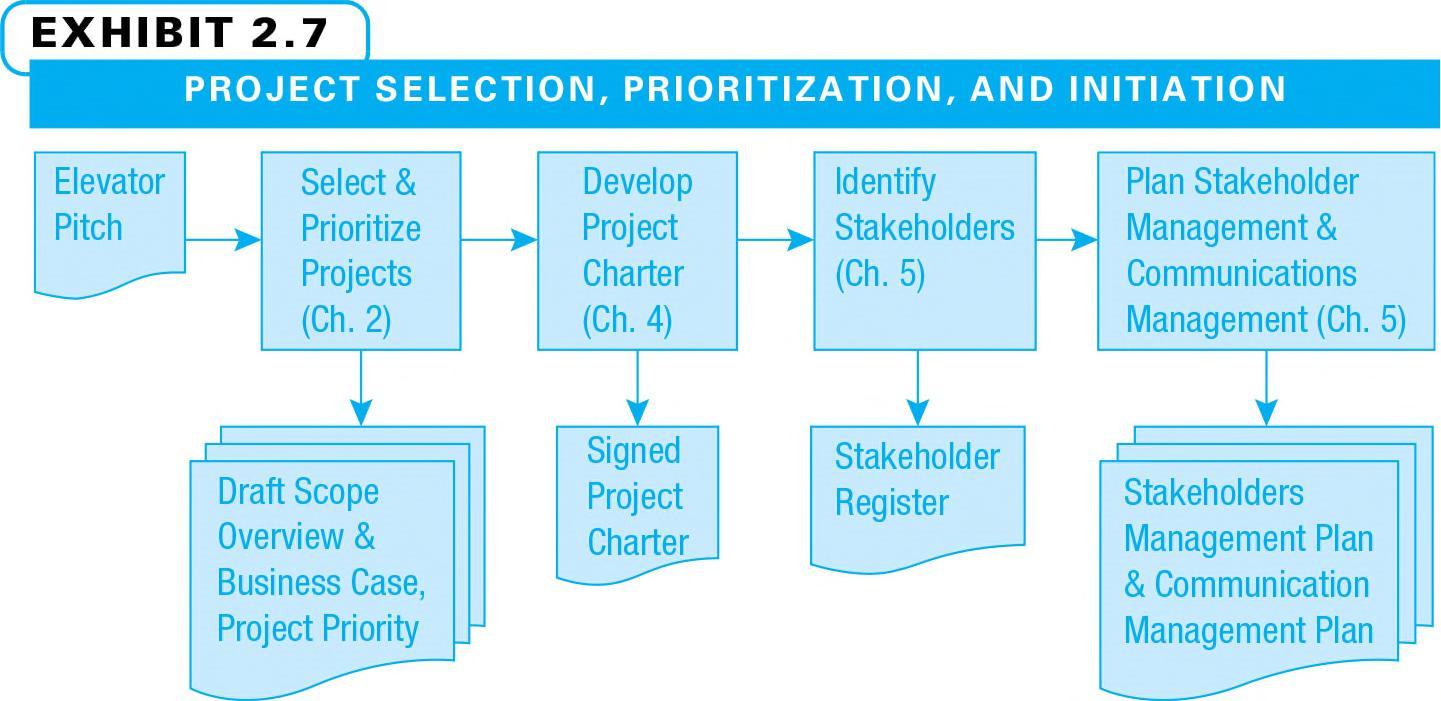
Show Exhibits 2.5 through 2.8 to get students thinking about what a portfolio really means. We relate a project portfolio for an organization to a personal financial portfolio since most students have had finance and can remember diversifying. Either to follow-on one of the earlier breakouts, or as a standalone breakout, ask students to brainstorm potential projects of each type shown in Exhibit 2.8 for a particular company or other organization. You can even use your own university.
Since our entrepreneurship majors need to take project management, we remind them that a vast majority of work in young organizations is project based.
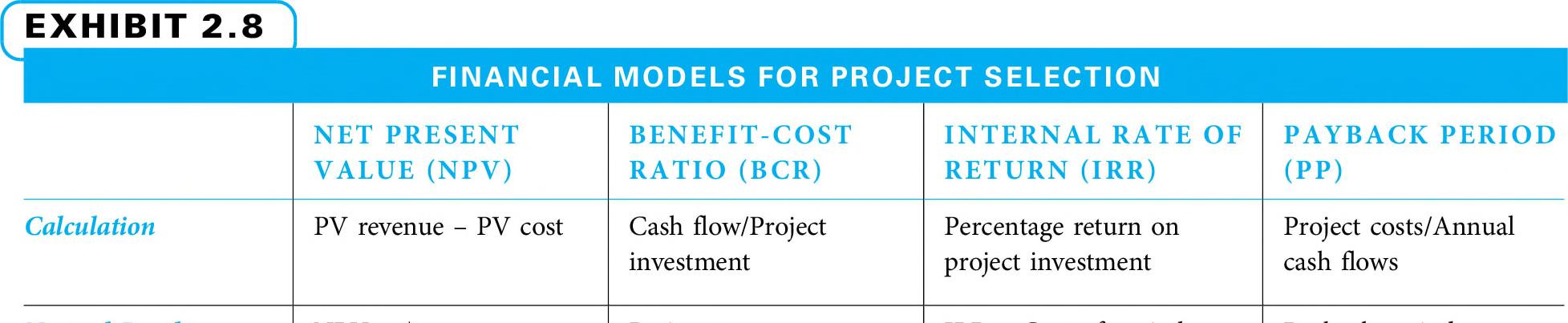
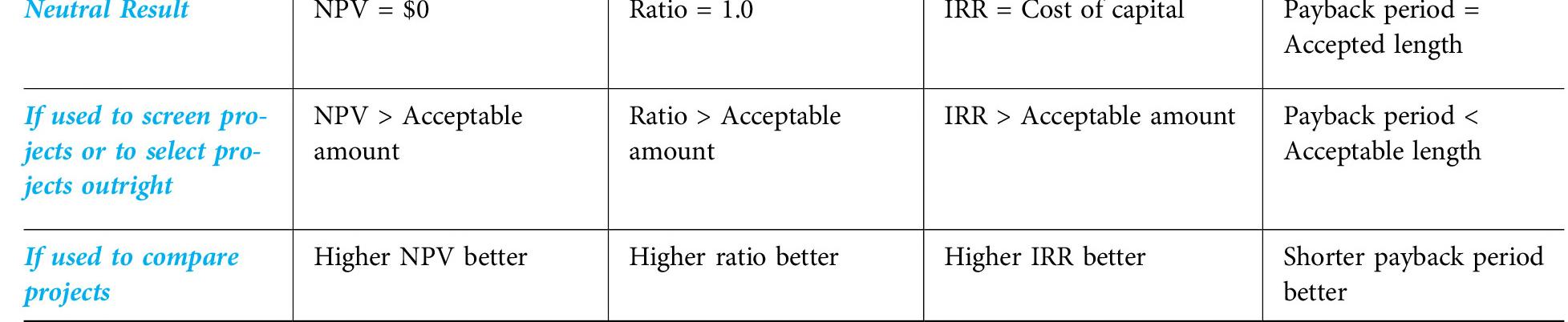
Quickly present Exhibit 2.8 to emphasize that net present value (NPV) is the most commonly used financial model in project selection, but that other methods are available.
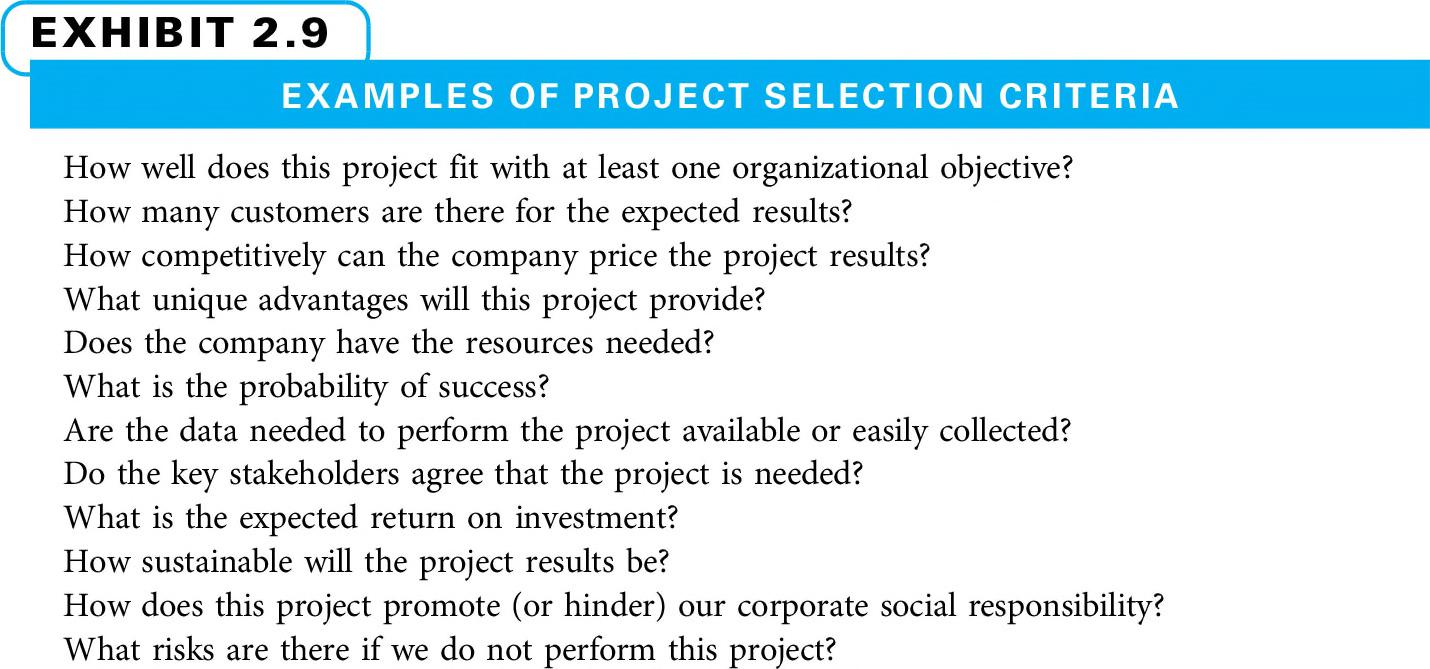
For another breakout, give a scenario faced by an organization (real or fictitious). Ask students to first brainstorm potential criteria for selecting projects in that situation. The students then weight the projects on each criterion. When they report out, ask them to give the rationale behind their decisions.
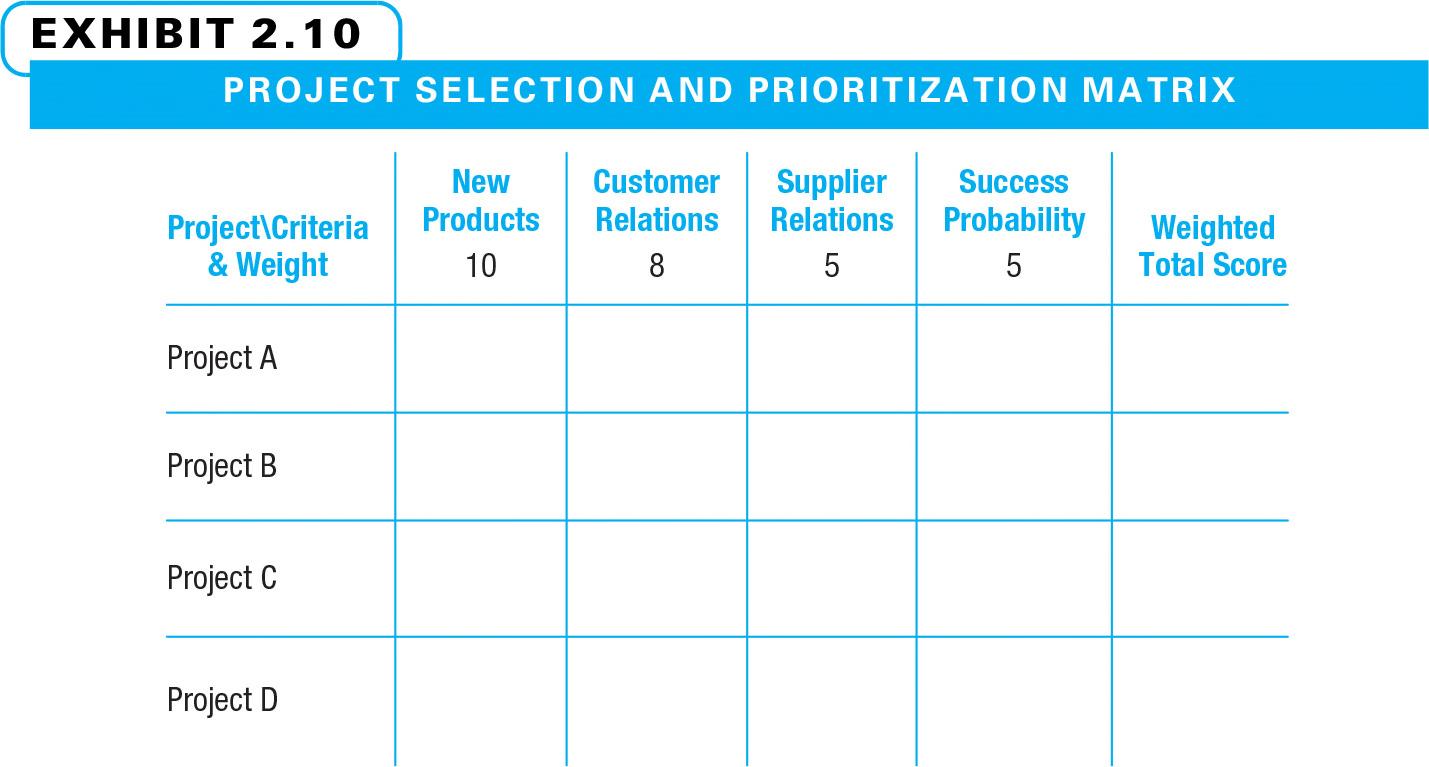
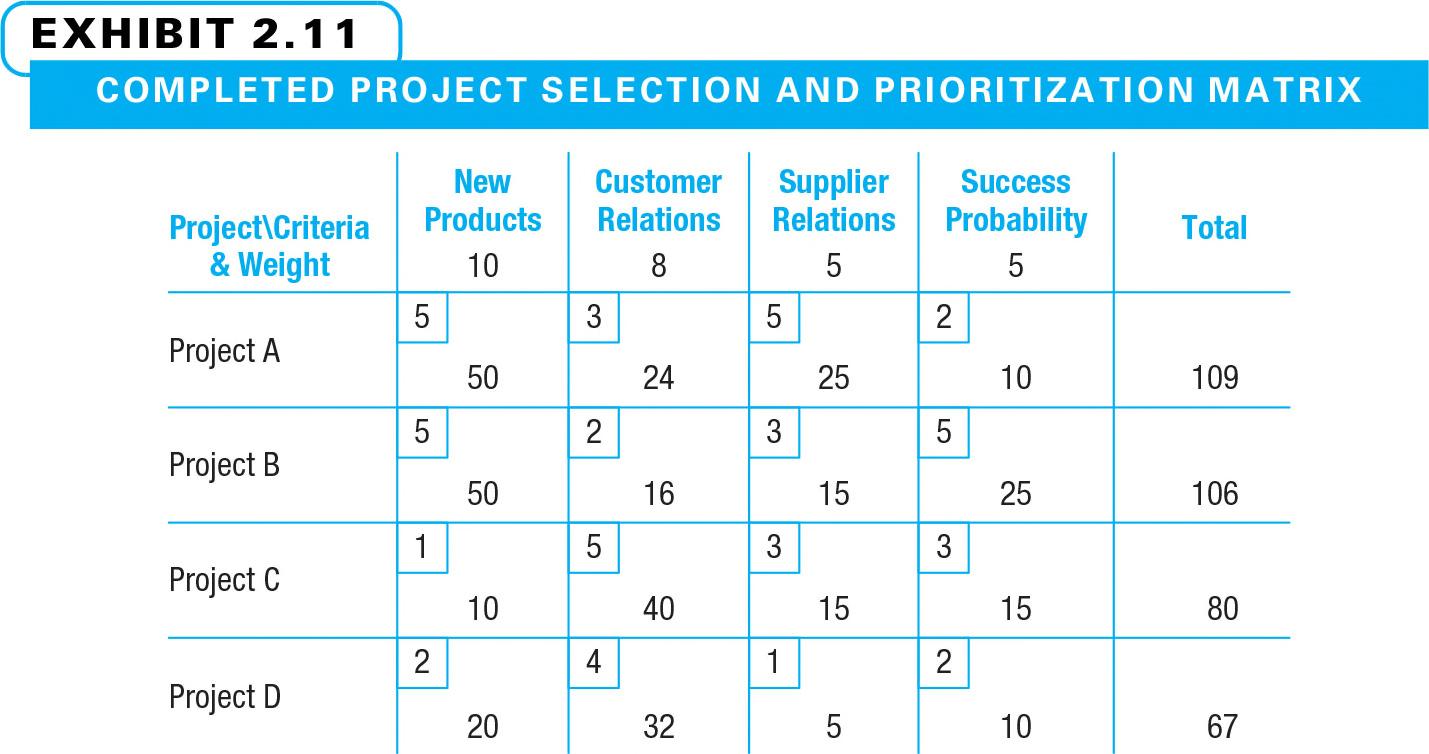
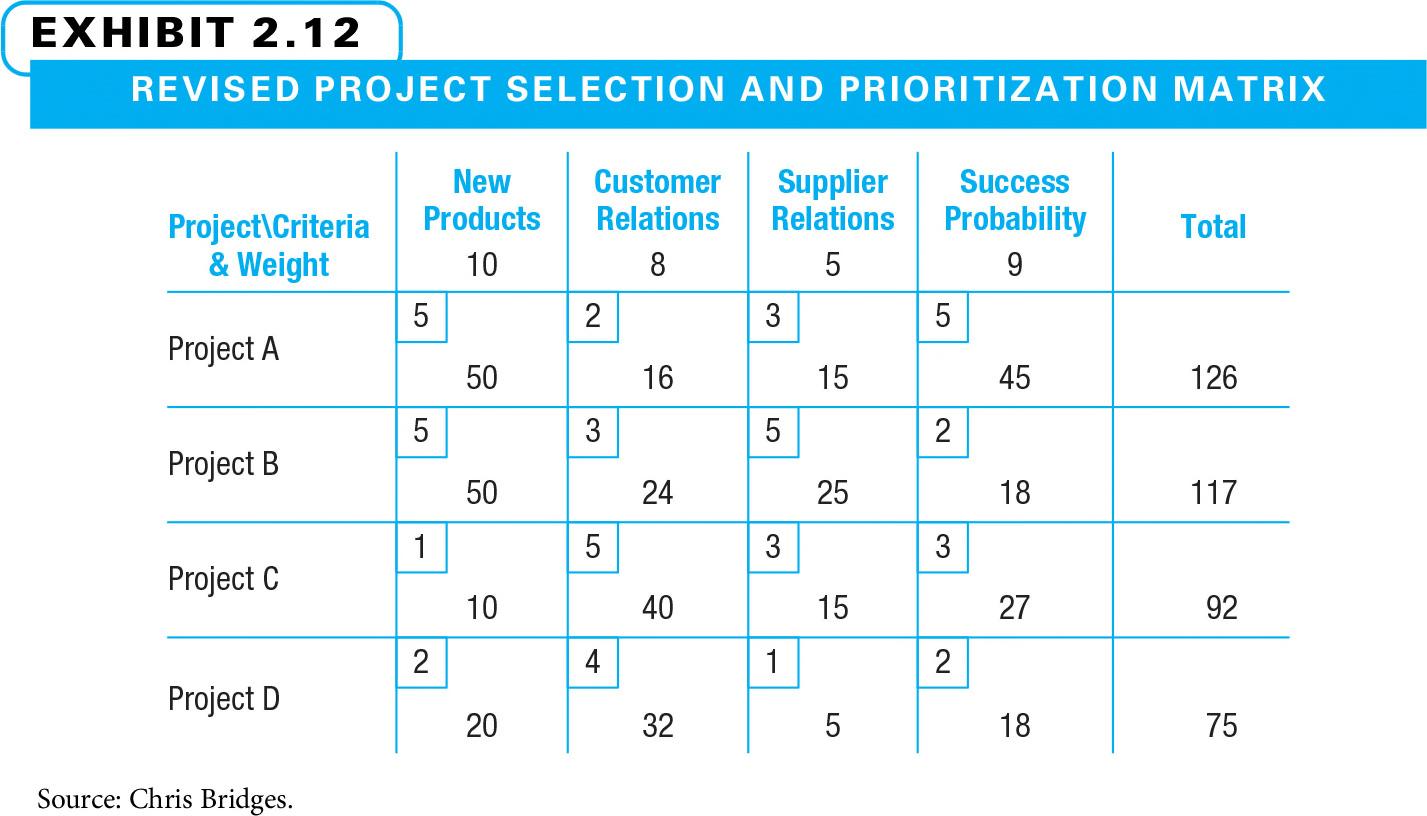
Ask the students to use a scoring model to select and prioritize projects. Demonstrate with Exhibits 2.10, 2.11 and 2.12. Exercise 1 or 2 could be used for this breakout. Alternatively, with some prior setup of generating several possible projects, a continuation of the scenario of the local organization described in the previous bullet could be used to add authenticity. Yet another alternative is to have the students in groups select a type of car to buy. They will need to decide on the selection criteria first.
We like to point out Exhibit 2.13 (Alternative Breaks Project Site Selection). Emphasize both how this is an example of selecting projects based upon multiple criteria and that we will have numerous places throughout the course where we will demonstrate points with this same integrated project.
If your course emphasis is on preparing students for the PMP and/or CAPM exam, be sure to emphasizes the study tips.
You might choose to use either Suburban Homes Construction Project (to create a scoring model to select from the six alternatives) and/or Casa de Paz Development Project (to create an elevator pitch) as in-class workshops or homework assignments.
LECTURE AND WORKSHOP OUTLINE
2.1 Strategic planning process
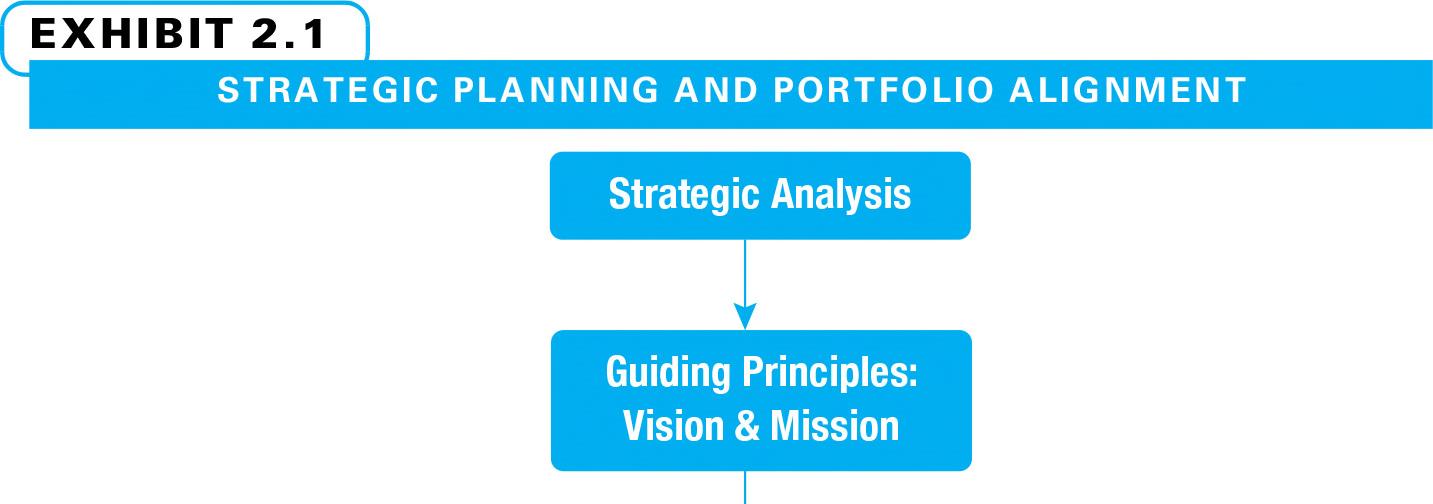
The company’s leadership performs strategic planning to set direction. Strategic analysis
Internal and external analysis using SWOT.
Guiding principles
Vision (preferred future state) and mission (what we stand for and how we will operate) statements, perhaps purpose and values also.
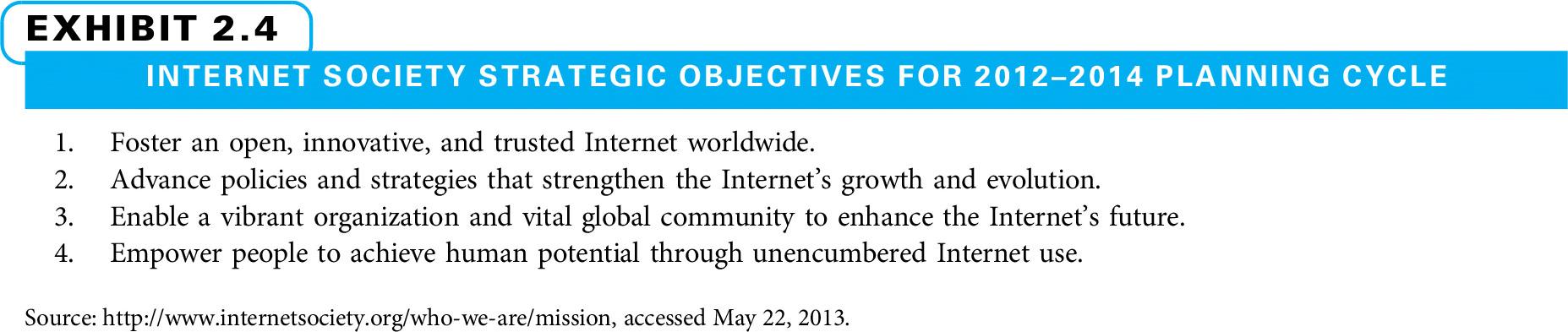
Strategic objectives
Annual goals to help achieve vision and mission.
Flow-down objectives
In larger organizations an expansion on strategic objectives.
2.2 Portfolio management
Since projects are investments, we must ensure the best set of projects is selected.
Portfolio
A collection of projects or programs and other work that are grouped together to facilitate effective management of that work to meet strategic business objectives.
Program
Agroup of related projects managed in a coordinated way to obtain benefits and control not available from managing them individually.
Subproject
A smaller portion of the overall project created when a project is subdivided into more manageable components or pieces.
Assess organization’s ability to perform projects
Understanding the type and amount of projects the organization can successfully perform.
Identify potential projects
Systematically and entrepreneurially by everyone in the organization.
Methods for project selection
Based upon organizational priorities, including financial and other considerations.
Using a cost-benefit analysis model to select projects
Comparing expected project costs with benefits often by using net present value analysis.
Using a scoring model to select projects
Used when multiple criteria such as timing, risk, and resource needs are important in selection decisions.
Prioritizing projects
Once selected, determining when each project will start and how conflicts will be resolved.
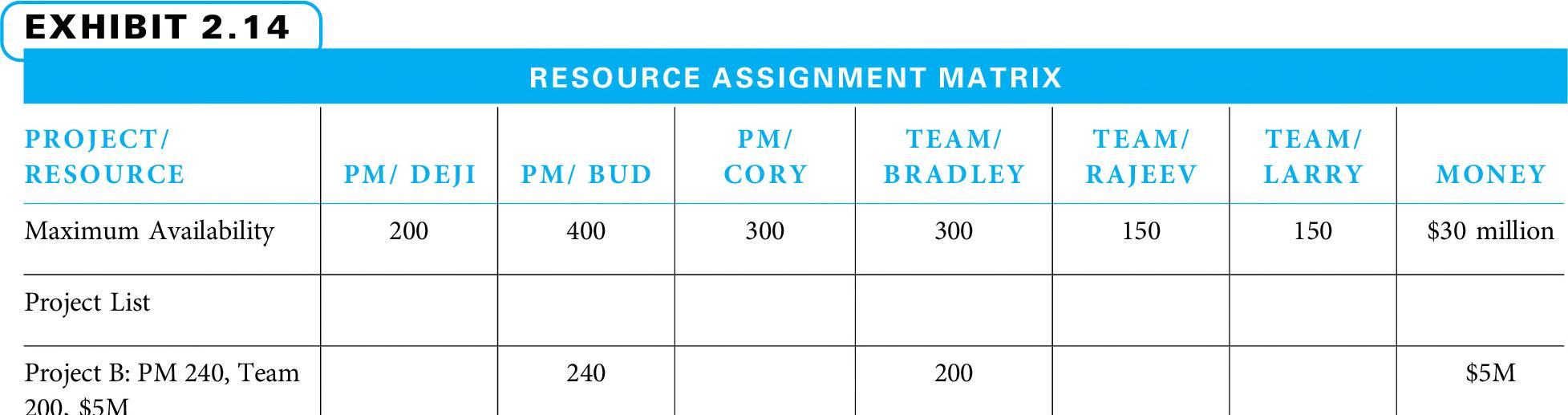
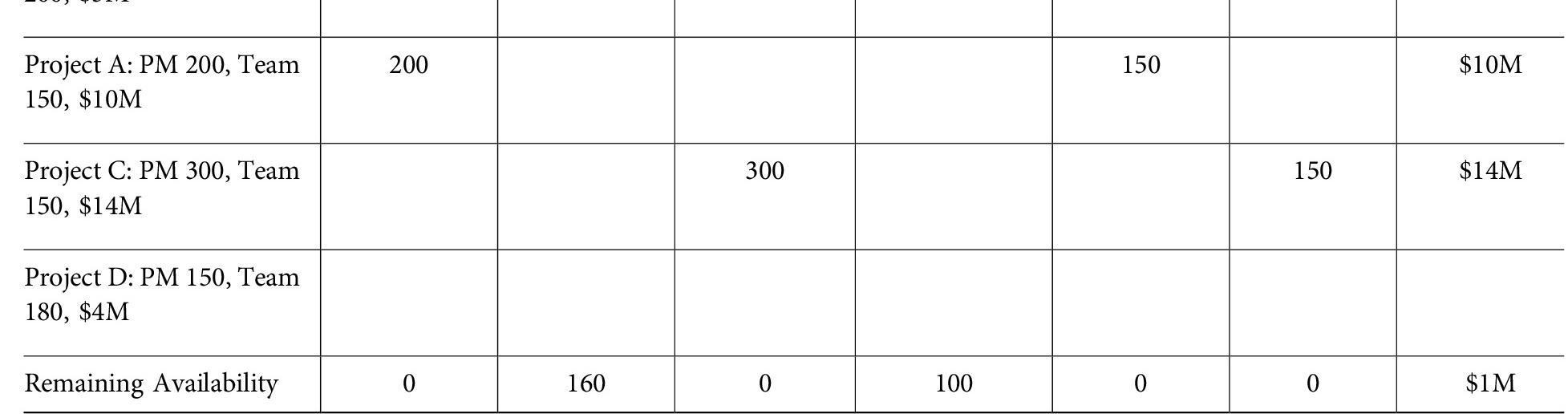
Resourcing projects
After the priorities of each project has been determined, leaders should start assigning resources from the highest priority project down until resource availability limits additional projects.
2.3 Securing projects
Client company perspective of finding contractors to perform and contractor company perspective of finding projects to perform.
Identify potential project opportunities
Contractor companies use many methods to uncover possible projects.
Determine which opportunities to pursue
Decide whether to pursue all projects or only select projects.
Prepare and submit project proposal
Proposals often include technical, management, and financial considerations. Negotiate to secure the project
Both parties need to agree to terms that make sense.
CHAPTER REVIEW QUESTIONS – SUGGESTED ANSWERS
1. List and describe each step in the strategic planning process (objective #1, pp.33-37)
Strategic analysis – analyze strengths and weaknesses within the organization and opportunities and threats external to the organization.
Guiding principles – create statements of organizational vision, mission, purpose and/or values to guide decision-making.
Strategic objectives – often annual planning to establish short and long term results that will support guiding principles.
Flow-down objectives – optional for large or complex organizations to ensure that appropriate goals are established.
Portfolio alignment – selecting a set of projects to support organizations’ goals.
2. Name at least four things a mission statement should include. (objective #1, pp.35-36)
The mission statement should include the organization’s purpose, beliefs, core values, culture, primary business, and primary customers.
3. What does the strategic analysis acronym SWOT stand for? (objective #6, p.35)
Strengths, weaknesses, opportunities, and threats.
4. What is the most widely accepted financial model for selecting projects? (objective #4, p. 44)
Net present value (NPV) is the most widely accepted model as all the other models, though offering additional perspective, have more weaknesses.
5. What are some advantages and disadvantages of using a financial model for selecting projects? (objective #4, pp.44-45)
Financialmodelsareusefulinensuringthatselectedprojectsmakesensefromacost andreturnperspective, but they do not take into account a company’s strategic goals, so objectives, timing, resource needs, and risk should often be considered also.
6. What are some advantages and disadvantages of using a scoring model for selecting projects? (objective #5, pp.45-48)
Scoring models allow leadership teams to perform sensitivity analyses—that is, to examine what would happen to the decision if factors affecting it were to change. They are more time-intensive than financial models.
7. What are some common reasons for project failure? (objective #6, p.33)
• Not enough resources
• Not enough time
• Unclear expectations
• Changes to the project
• Disagreement about expectations
8. Who should be involved in the second part of aligning projects with the firm’s goals, which is identifying potential projects? (objective #2, p.42)
All parts of the organization should help identify potential projects.
9. If there is a conflict between resource needs for two projects, who decides which one gets the needed resources first? (objective #2, p.48)
Generally this is determined by the project sponsor; under especially important circumstances, the decision may require the leadership team.
10. In a project scoring model, why is each decision criteria given a weight? (objective #5, p.46)
The weights are assigned according to each criterion’s relative importance. Therefore, the more important criteria will have a greater effect on the outcome than criteria deemed less important.
11. What purpose do sensitivity analyses serve in using scoring models to choose projects? (objective #2, p.47)
Allows decision makers to examine what would happen to the decision if factors affecting it were to change.
12. If several projects have close scores as the result of a scoring model, what can be done to break the virtual tie? (objective #5, p.47)
The group can use other criteria or discussion to break a tie.
13. Why might a contractor company perform a SWOT analysis prior to bidding on a potential project? (objective #3, p.50)
A quick SWOT analysis could be used to decide whether to pursue a potential project. Decision makers can also ask how well a potential project will help achieve their objectives. If they determine a project will help achieve their objectives, the next considerations are the cost to pursue the work and the probability of successfully securing the project given the likely competition. A company frequently considers risks both of pursuing and not pursuing a potential project. Finally, does the company have the capability to perform the work if it is awarded?
14. Why is it important for a contractor to understand the source selection criteria a client uses to decide to whom they will award a project? (objective #3, p.51)
By understanding what a client is looking for, a contractor can demonstrate his company’s capabilities in terms of the specific job proposed, thus increasing his chances of being selected for the work.
15. Name five things that may be negotiated between a client company and a contractor company. (objective #3, p.51)
• Amount of money to be paid
• Contractual terms
• Schedule
• Personnel
• Quality Standards
• Reporting Mechanisms
DISCUSSION QUESTIONS – SUGGESTED ANSWERS
1. How might the internal and external parts of a SWOT analysis affect one another? (objective #1, Analyzing, pp. 34-35)
The internal analysis (elements within the project team’s control) consists of asking what strengths and weaknesses the organization possesses in itself. The external analysis (elements over which the project team has little or no control) consists of asking what opportunities and threats are posed by competitors, suppliers, customers, regulatory agencies, technologies, and so on. Together, these two can give a company an idea of what its competitive advantage is relative to others in the market and where they should go from here.
2. Describe the interaction between vision and mission statements. (objective #1, Applying, pp. 34-36)
The vision is normally a description of a desired future state of the organization that may take multiple years of effort to achieve. The mission statement should evolve from the vision and be a means to achieve it.
3. How is a company’s portfolio similar to and different from a financial portfolio? (objective #1, Evaluating, 37-39)
A portfolio is “projects, programs, subportfolios, and operations managed as a group to achieve strategic business objectives.” Project portfolios are similar to financial portfolios. In a financial portfolio, efforts are made to diversify investments as a means of limiting risk. However, every investment is selected with the hope that it will yield a positive return. The returns on each investment are evaluated individually, and the entire portfolio is evaluated as a whole.
4. What is the best way for an organization to prioritize among selected projects? Does it vary among organizations? (objective #2, Analyzing, p. 48)
There are several ways to prioritize among selected projects, and the method(s) used may vary from organization to organization. If using a scoring model, further discussion and/or additional criteria can be used to prioritize among projects with similar scores. Executives may have pet projects, despite the scoring model results. And sometimes a single consideration (such as timing the debut of a new system) outweigh other criteria and lead to project prioritization.
5. Why is aligning potential projects with the parent organization’s goals the first step in avoiding project failure? (objective #3, Analyzing, p. 39)
Aligning potential projects with the parent organization’s goals makes it far likelier that a project will receive support from company decision makers. This buy-in or good will can greatly impact the likelihood of a project succeeding.
6. Why is it good practice for organizations to identify twice as many potential projects as they plan to implement? (objective #5, understanding, p. 42)
Some potential projects may not be a good fit. Any company that accepts practically every potential project will probably waste some of its resources on projects that do not support its organizational goals.
7. Suppose you are purchasing a new car, and you decide to use a scoring model to decide among four options. What would be your top three criteria and what would be each criteria’s relative weight? (objective #5, evaluating, p. 46)
Example: Appearance—5 (on 1-5 scale of importance) MPG—3 Cost—2
8. Under what circumstances should a selected project take precedence over other selected projects? (objective #4, analyzing, p. 48)
If a project is urgent, its delay would be extremely costly either financially or in terms of hoped-for benefits, or it is mandated by the government or other controlling body.
9. If you are a contractor looking for project work, why might you decide not to pursue a particular project opportunity? (objective #3, synthesis, pp. 50-51)
You might decide not to pursue an opportunity if your company had no strategic advantage and/or was likely to be outbid by a competitor; you do not have the resources to complete the project according to its performance criteria; or if being awarded this contract would inhibit your chances at other work that is a better fit for your company.
10. What are the four main areas of competency a client company is looking for in a project manager? How can you best demonstrate these competencies to a potential client? (objective #6, applying, p. 51)
Technical, Management, Financial, Operational; show examples/references for previous work; come up with a risk management plan, etc.
PMBOK ® Guide Questions
1) A collection of projects, programs, and operations managed as a group to achieve strategic objectives are called a:
a) Process
b) Portfolio
c) Subprogram
d) Life cycle
Answer: b Page 37 in textbook
Page 52 PMBOK 6th Edition
2) Projects may be undertaken as a result of any of the following strategic reasons except:
a) Social need
b) Market demand
c) Need to keep workers busy during slow times
d) Environmental considerations
Answer: c Pages 41-42 in textbook
Page 31 PMBOK 6th Edition
3) A narrative description of products, services or results to be delivered by the project is a:
a) Request for information
b) Business case
c) Project statement of work
d) Elevator pitch
Answer: c Page 42 in textbook Page 481 PMBOK 6th Edition
4) All of the following are true except:
a) A portfolio may contain multiple programs and projects
b) A project manager has the discretion to make trade-offs in regard to which programs to pursue.
c) A program manager has the discretion to make trade-offs in regard to which projects to pursue.
d) Projects have a finite timeline, while programs may exist as long as the parent organization does.
Answer: b
Page 38 in textbook
Page 11 PMBOK 6th Edition
5) Which of the following is a financial analysis tool that an organization may use to determine the costvalue of potential projects?
a) Payback Period (PP)
b) Internal Rate of Return (IRR)
c) Net Present Value (NPV)
d) All of the above
Answer: d
Page 35 in textbook
Page 34 PMBOK 6th Edition
6) All projects should be aligned with their organization’s strategic plan, which includes the organization’s vision, goals, and objectives. Which of these describes an organization’s vision?
a) Conveys a larger sense of organizational purpose, and is both inspiring and guiding.
b) Describes short and long term results along with measures to determine if they have been achieved.
c) Includes the organization’s core purpose, core values, beliefs, culture, primary business, and primary customers.
d) Is SMART: specific, measurable, achievable, results-based, and time-specific.
Answer: a
Pages 34-35 in textbook
Page 7 PMBOK 6th Edition
7) The __________________ best describe(s) why a project is being undertaken.
a) statement of work
b) business case
c) subprojects
d) source selection criteria
Answer: b Pages 42-43 in textbook
Page 29 PMBOK 6th Edition
8) The document that includes the necessary information to determine whether a project is worth the required investment, and is used for decision making by upper management, is called the:
a) Project Scope Statement
b) Project Charter
c) Business Case
d) Case Study
Answer: c Pages 42-43 in textbook
Page 29 PMBOK 6th Edition
9) An organization’s vision often includes reference to its social, environmental, and economic health, collectively referred to as the:
a) triple bottom line
b) business case
c) statement of work (SOW)
d) net present value (NPV)
Answer: a
Page 35 in textbook
Page 7 PMBOK 6th Edition
10) A business case typically contains information regarding the business need and a financial analysis. Which financial model divides the cash flow by the initial cash outlay?
a) Benefit-Cost Ratio (BCR)
b) Internal Rate of Return (IRR)
c) Net Present Value (NPV)
d) Payback Period (PP)
Answer: a Page 44 in textbook
Page 34 PMBOK 6th Edition