
Acknowledgements
Academic Authors: Muskan Panjwani, Alina Yakunina
Creative Directors: Alena Sizintseva
Book Production: Nazarova Aleksandra, Anastasia Voitovich
All products and brand names used in this book are trademarks, registered trademarks or trade names of their respective owners.
© Uolo EdTech Private Limited First edition 2026
This book is sold subject to the condition that it shall not by way of trade or otherwise, be lent, resold, hired out, or otherwise circulated without the publisher’s prior written consent in any form of binding or cover other than that in which it is published and without a similar condition including this condition being imposed on the subsequent purchaser and without limiting the rights under copyright reserved above, no part of this publication may be reproduced, stored in or introduced into a retrieval system, or transmitted in any form or by any means, electronic, mechanical, photocopying, recording or otherwise, without the prior written permission of both the copyright owner and the abovementioned publisher of this book.
Book Title: DinoLab Math Smartbook 2
ISBN: 978-93-89789-59-1
Published by: Uolo EdTech Private Limited
Corporate Office Address: 91Springboard, 3rd Floor 145, Sector 44, Gurugram, Haryana 122003
CIN: U74999DL2020PTC360472
Printed by: Printpro Solutions
All suggested use of the internet should be under adult supervision.
How to get access to DinoLab
Get access to animated interactive courses, Marathons, Olympiads and much more — all in the Uolo Learn app!
1. Download the "Uolo Learn" app from Google Play (Android) or App Store (iPhone).
2. In the app, click scanner to scan the QR code below.
Class:
Name:
School:
3. Follow the instructions in the app to access the content.
Welcome to DinoLab!
DinoLab is an AI-powered self-learning platform that helps children learn Mathematics and other subjects step by step, at their own pace. Students can practise and revise every topic digitally and through printed smartbooks.
The DinoLab Mathematics Smartbook is a companion to the digital course. Each exercise has a QR code linking to the Uolo Learn app for continued practice.
Using AI, DinoLab creates a personalised learning path: it explains the concept, gives guided practice and adapts if mistakes occur — helping students gain clear understanding.
Digital content is presented as interactive flashcards with 50,000+ gamified exercises and animations, making learning engaging and enjoyable.
DinoLab works in Uolo apps and on multiple devices
To use DinoLab on the web, Smartboards and in computer labs, your school will receive special access for each student and teacher.
Uolo Mobile App SmartboardComputer Lab Smartbooks Tablet and Laptop SMART
How to Use the DinoLab Solution
Once the Uolo Learn app is installed and you are logged in, you can access DinoLab. Our Mathematics course is designed with interactive exercises that help children cover the school syllabus step by step, at their own pace.
1 2 3
Compete and win in Marathons!
• Solve problems and earn points
• Check the leaderboards of your class, school and all of India
• Get achievement certificates
1 3 In this Smartbook, you will find QR codes placed next to the exercises. Simply use the QR scanner inside the app to access the interactive content. QR codes in the smartbook
2
the Uolo Learn app.
1. Numbers up to 200 Understanding Numbers up to 200
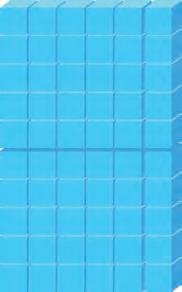
1. Look at the picture and fill in the blanks.
One bar has 10 blocks.
There are 3 bars.
Total blocks
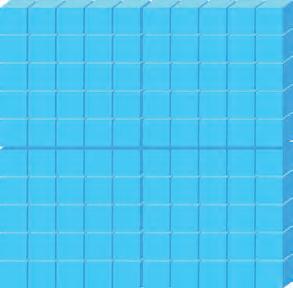
Total number of blocks: hundreds 100 tens 60 ones

2. Look at the picture and write the answers.
Total number of apples:
Total number of apples:
3. Look at the picture and write the answers.
hundreds tens ones
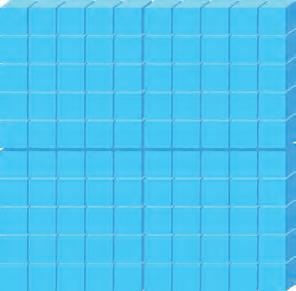


Total number of blocks:
hundreds tens ones
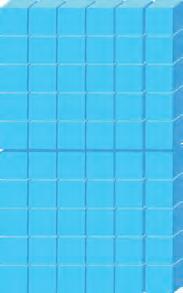

Total number of blocks:
4. Look at the picture and write the answers.
Total number of apples:
Total number of apples:
More Types of Numbers
5. Look at the picture and fill in the blanks.
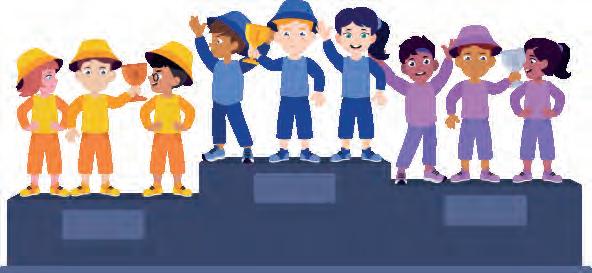
Total children: Blue team has hats.
6. Match each word to the correct position. first second third
7. Look at the picture and circle the answers.
Who is in the first coach?
What is the position of the last coach? dog cat
What is the position of parrot’s coach? fifth fourth second third
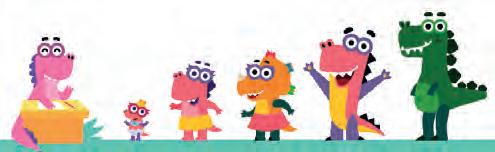
8. Connect each sentence to the correct dino.
I am first! I am third!
I am fourth! I am fifth! I am second!
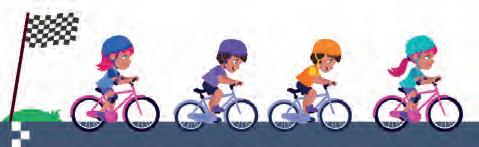
9. Circle the racer who reached the finish line first.
10. Look at the picture and circle the answer.
What is the position of the house with a red roof?
third second sixth
What is the position of the house with the purple walls?
third second fifth
What is the colour of the walls of the second house?
11. Make pairs. Count the objects. Find if the number is even or odd, then circle the correct answer. I have 6 balls.
balls cups cups

12. Circle all incorrect pairs.
13. Circle all the even numbers.
14. Circle all the odd numbers.
2. Addition of 2 digit Numbers
1. Connect the numbers whose sum is 50. Adding 2 digit Numbers
2. Connect the numbers whose sum is 100.
3. Break into tens and ones. Then find the sum.
4. Break the numbers into tens and ones. Then add them. Show your work in the table.
5. Find the sum. Start adding from ones.
6. Add the numbers. Show the regrouping.
7. Fill in the blanks and find the answer.
Regroup 12 ones
8. Break the numbers into tens and ones. Then add them. Show your work in the table.
3. Subtraction of 2 digit Numbers
1. Fill in the blanks and find the answer. Subtracting 2 digit Numbers
2. Break the numbers into tens and ones. Then subtract them. Show your work in the table.
3. Find the difference. Start subtracting from ones.
4. Subtract the numbers. Borrow from tens where needed.
5. Fill in the blanks and find the answer. 3
6. Break the numbers into tens and ones. Then subtract them. Show your work in the table.
4. Multiplication
Understanding Multiplication
1. How many wheels do all the bicycles have? Fill in the blanks.
How many similar numbers?
2 + 2 + 2 =
2. How many towers are there in all the castles? Fill in the blanks.
3 + 3 + 3 + 3 = 4 x = How many similar numbers?
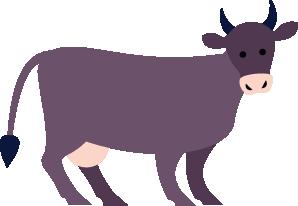
3. How many legs do all the cows have?
Fill in the blanks.
4. How many pencils are there in all the boxes?
Fill in the blanks.
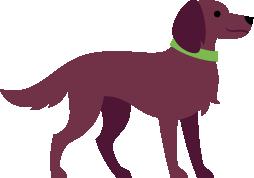
5. How many legs do all the dogs have?
Fill in the blanks.
6. How many legs do all the tables have?
Fill in the blanks.
+ 3 + 3 + 3 = 4 × =
7. How many legs do all the spiders have?
Fill in the blanks.
8 + 8 + 8 = × =
8. How many ears do all the rabbits have?
Fill in the blanks.
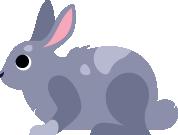
2 + 2 + 2 + 2 + 2 = × =
3
9. Write the number of crystals in two ways.
10. Write the multiplication sentence.
11. Circle all expressions that match with the picture.

2. Cross ( ) out the incorrect examples.
3. Fill in the blanks. 4 × 2 = 8 2 × 9 = 36 2 × 4 = 16
× 5 = 50 5 × 5 = 20
=
6. Numbers up to 999
Understanding Numbers up to 999
1. Circle the correct words to make the name of the given number.
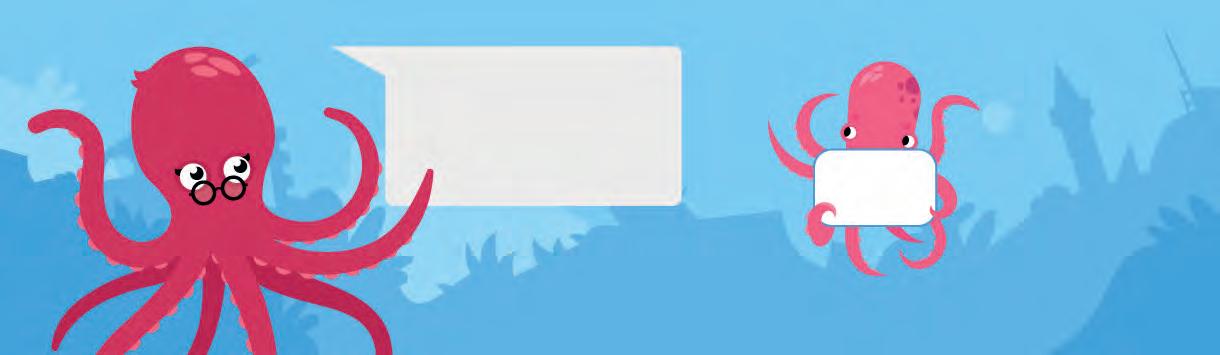
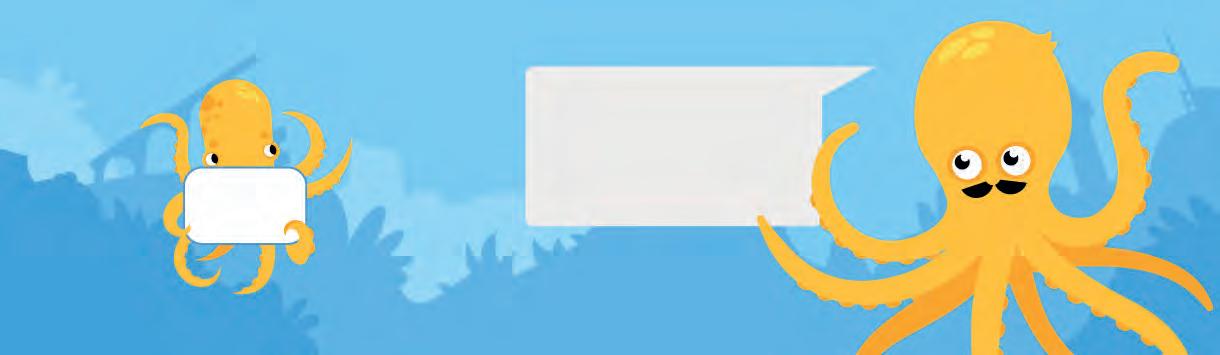
2. Read and help octopuses write the correct number.
Nine hundred thirteen
Two hundred and fifty-eight
Three hundred and eight
Eight hundred and sixty-seven
3. Look at the picture and fill in the blanks.
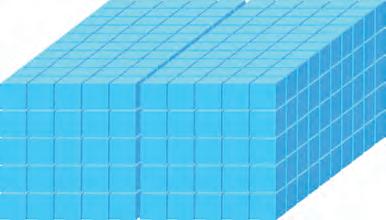
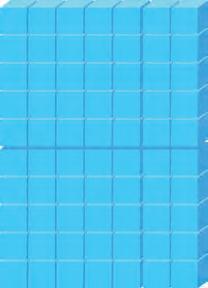

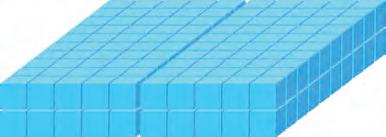
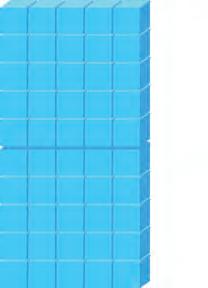

4. Circle the numbers what will fill the given blanks. The first one is done for you.
5. Fill in the blanks as per the names of the given numbers. The first one is done for you.
Comparing and Forming Numbers
6. Write 3-digit numbers using the given parts.
first one is done for you.
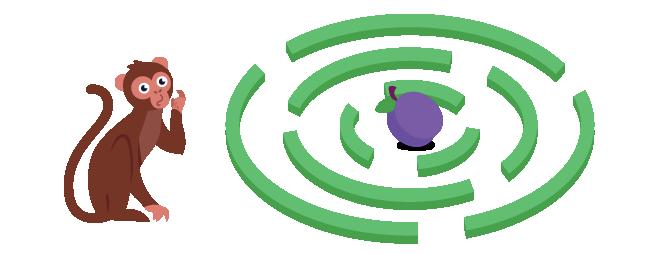
7. Help the hungry monkey reach the fruit. Connect the parts of the number shown on the fruit.
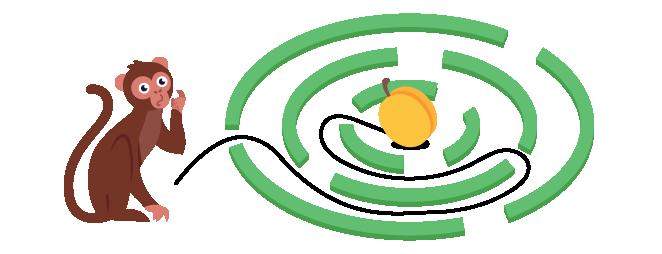
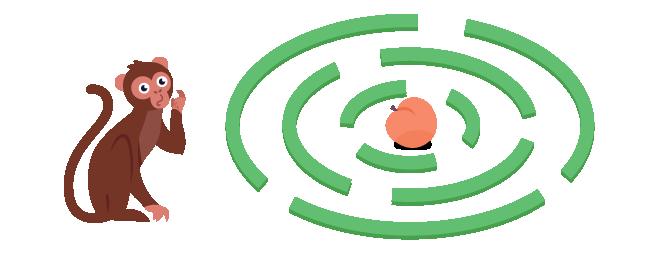
8. Help each octopus find its children. Take hint from what each octopus says!
My kids have two tens.
My kids have nine hundreds.
My kids have five hundreds.
My kids have three ones.
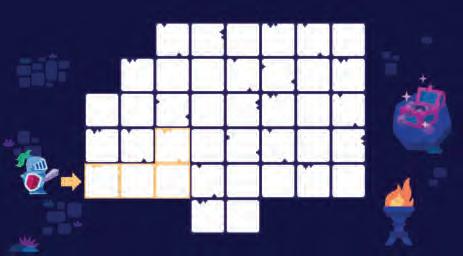
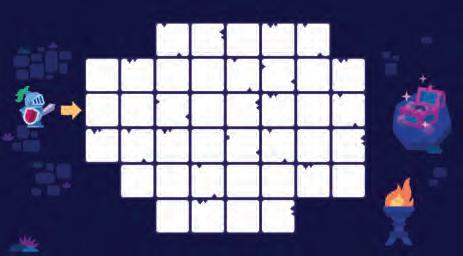
9. Make a complete path for the knight to come out of the maze. Add 100 to find the next step.
7. Addition and Subtraction of 3 digit Numbers
Operations on 3 digit Numbers
1. Add.
2. Add. Remember to regroup ones into tens wherever needed.
3. Connect the numbers whose sum is 500.
4. Connect the numbers whose sum is 1000.
5. Break the numbers into hundreds, tens and ones. Then add them. Show your work in the table.
231 + 168 =
711 + 78 =
628 + 160 =
6. Break the numbers into hundreds, tens and ones. Then add them. Show your work in the table.
287 + 168 =
238 + 78 =
618 + 175 =
7. Subtract.
8. Subtract. Remember to regroup wherever needed.
9. Subtract. Remember to regroup wherever needed.
10. Subtract.
11. Subtract.
12. Solve.
Solving Word Problems on Addition and Subtraction
13. Solve and fill in the blanks.
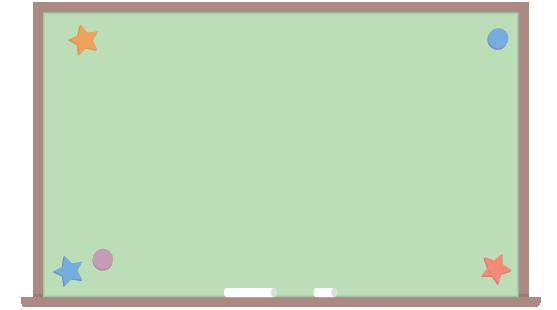
Nina ran the first lap in 4 minutes, and the second lap was 2 minutes longer. How long did the second lap take?
Answer: The second lap took minutes.
4 + 2 = – =
A crab has 10 legs. A bee has 4 fewer legs than a crab. How many legs does a bee have?
Answer: The bee has legs.
14. Look at the picture and solve. Kirti has 4 blue balloons and 3 pink ones. How many balloons does Kirti have in total?

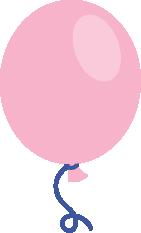
Answer: Kirti has balloons in all. ?
15. Circle the option that you will use to solve the problem.
There were 7 rabbits near a lake. 4 rabbits ran away. How many rabbits were left near the lake now?
Sonya made 6 paper lanterns and Garima made 3. How many lanterns did they make altogether?
16. Solve the problems.
During the class picnic, Sonya took 9 photos. Garima took 3 photos more. How many photos did Garima take?
Answer:
Masha made 8 braids. Gita made 2 braids. How many more braids did Masha make than Gita?
Answer:
Kirti solved 4 problems. Kaustubh solved 1 more problem. How many math problems did they solve in all?
Answer:
On Wednesday, Sonya learned 5 new words. On Thursday, she learned 3 more words. How many words did Sonia learned on Thursday?
Answer:
2. Cross ( ) out the incorrect examples.
3. Fill in the blanks. 3 × 6 = 18 6 × 8 = 48
Multiplication-of-2 digit-Numbers
5. Find the product. First, break the larger number into the easier numbers.
23 × 4 = (20 + 3) × 4
23 × 4 = 20 × 4 + 3 × 4
23 × 4 = 80 + 12
23 × 4 =
32 × 2 = × 2 + × 2 = + =
6. Help Jenny cross the river. Connect each red box to its matching value on the pole.
7. Connect each green box to the correct white box.
8. Complete these multiplications.
9. Solve.
9. Introduction to Division
Understanding Division
1. Connect each image to its division sentence.


2. Complete the division sentence for each image. Then solve it.



12 ÷ = 4 ÷ 4 =
10 ÷ = ÷ = ÷ =
How to Divide
3. Circle the correct image for each division problem.


4. Write a division sentence for each story. Then solve it.
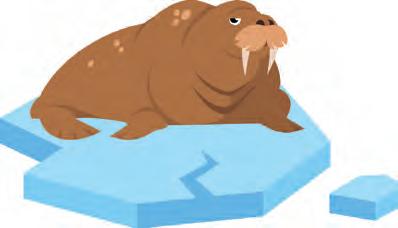
I have 14 fish, divided equally into 2 groups. How many fish are in one group?
14 ÷ 2 =
I have 12 shells, divided equally into 6 groups. How many shells are in one group?
÷ 6 =
I have 12 fish divided into some groups. Each group has 3 fish. How many groups are there?
÷ =
I have 4 groups of fish, with 5 fish in each group. How many fish do I have in total?
x =
5. Match each number in the division sentence to its name.
6. Match the number 4 in each division sentence to its name.
7. Circle all the number sentences that match the given condition.
8. Circle all the sentences that match the given condition.
30 ÷ 3 = ? ? ÷ 2 = 5
10 is divisor. ? ÷ 3 = 3 18 ÷ ? = 2 27 ÷ 3 = ? 9 is quotient. ? ÷ 2 = 4 16 ÷ 2 = ? 24 ÷ ? = 3 8 is dividend.
20 ÷ ? = 2
9. Read the given statements. Then write a division sentence for each.
The dividend is 8, the divisor is 2.
The dividend is 12, the divisor is 3.
10. Solve.
10. Introduction to Fractions
Understanding Fractions
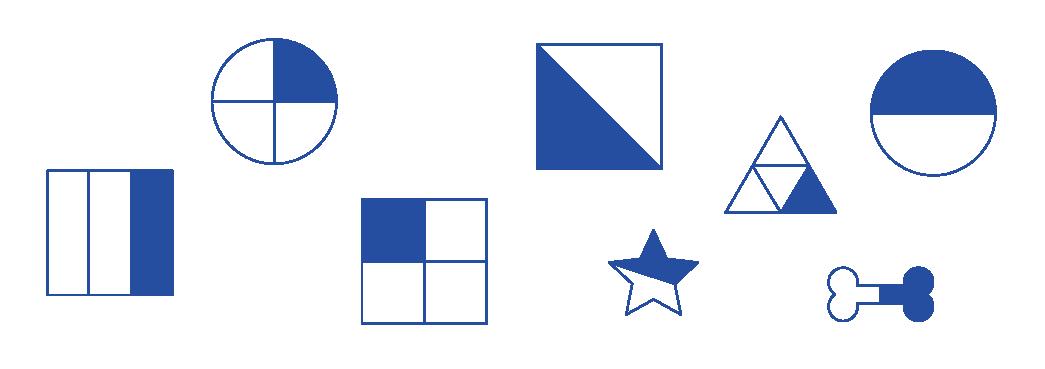
1. Circle all figures that are divided into equal parts.
2. Circle the figures that are divided into halves (2 equal parts).
3. Circle the figures that are divided into thirds (3 equal parts).
4. Circle the figures that are divided into quarters (4 equal parts).
5. Circle the word that tells how each image is divided. fifths quarters thirds halves two halves sevenths thirds quarters thirds sixths sevenths fifths sevenths quarters eighths
6. Look at the pictures and fill in the blanks.





What fraction of the Austrian flag is white?
This is a marine flag that shows 'Man overboard'. What fraction of the flag is red?
This is a marine flag that shows 'I need a tow'. What fraction of the flag is black?
What fraction of the Hungarian flag is green?
This is a marine flag hat shows 'Turn right'. What fraction of the flag is blue?
7. Connect each figure to the box that shows its shaded part.
One half One third One quarter
8. How much of figure is shaded? Write the fractions.
9. Shade the part of circle to match the given fractions.
10. Circle all the shapes that match the given fractions.
11 14
11. Connect each part of the fraction to its name.
Denominator
Numerator
Fraction bar
12. Connect each pair of fractions to the correct statement.
Fractions with different numerators.
Fractions with equal numerators.
11. Measurement
Length
1. Count and complete the sentence.
This pencil pouch is sharpeners long.
This box is paper clips long.
This pencil is erasers long.
2. Write the length of each object shown below. Use the ruler given at the bottom.
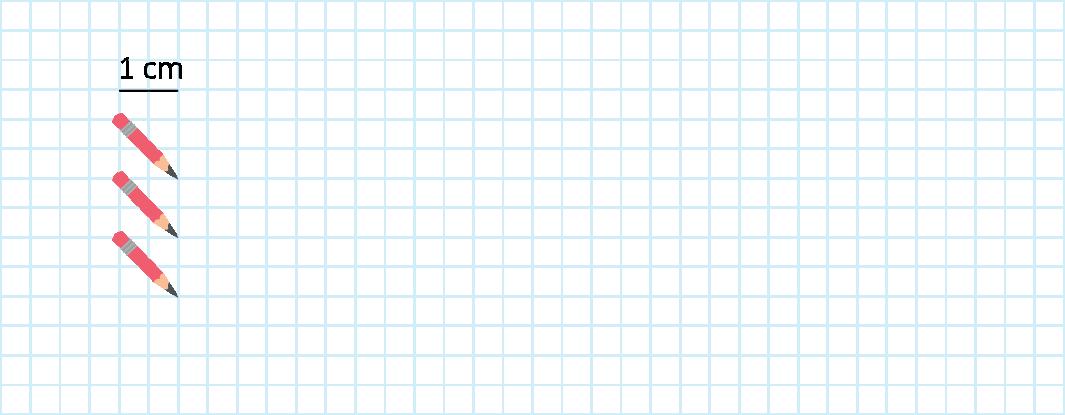
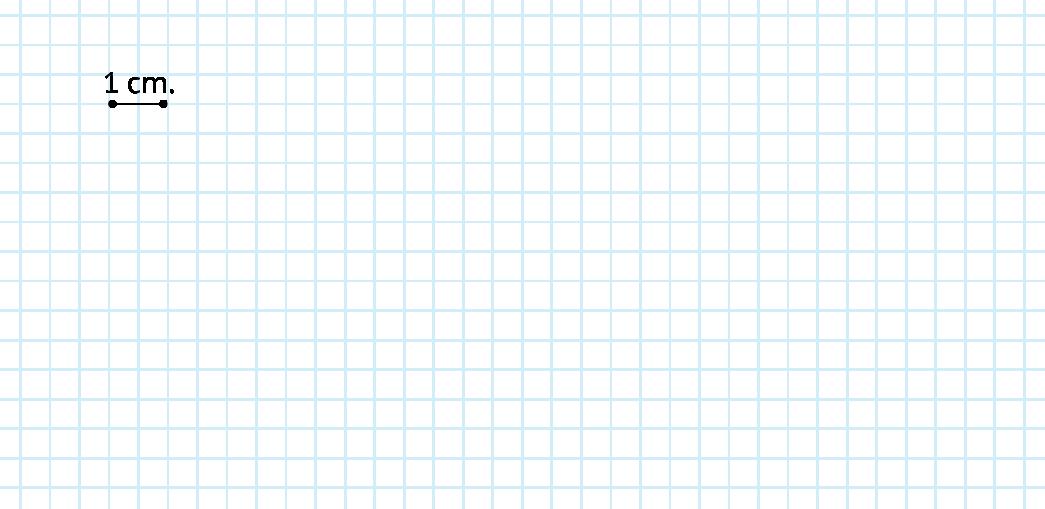
3. Draw three line segments of lengths 3 cm, 5 cm and 8 cm.
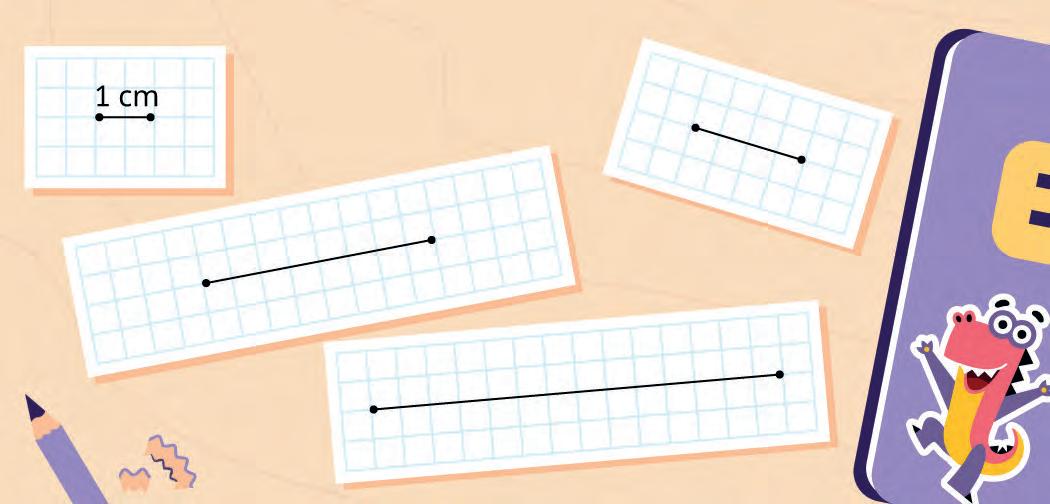
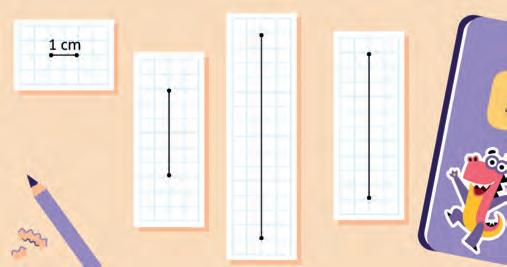
4. Measure the line segments and write their lengths. 1 cm
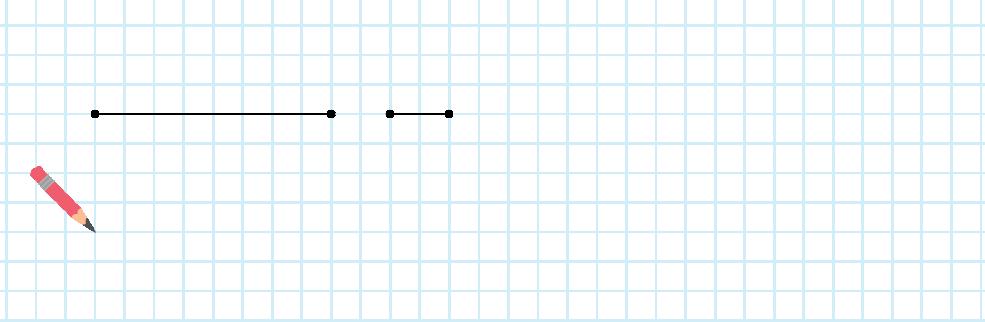
5. Draw a line segment whose length is the sum of the lengths of given line segments. Write its length.
6. Draw a line segment whose length is the difference of the lengths of given line segments. Write its length.
7. Write the lengths of the given line segments.
8. Circle the line segment that is 4 cm long.
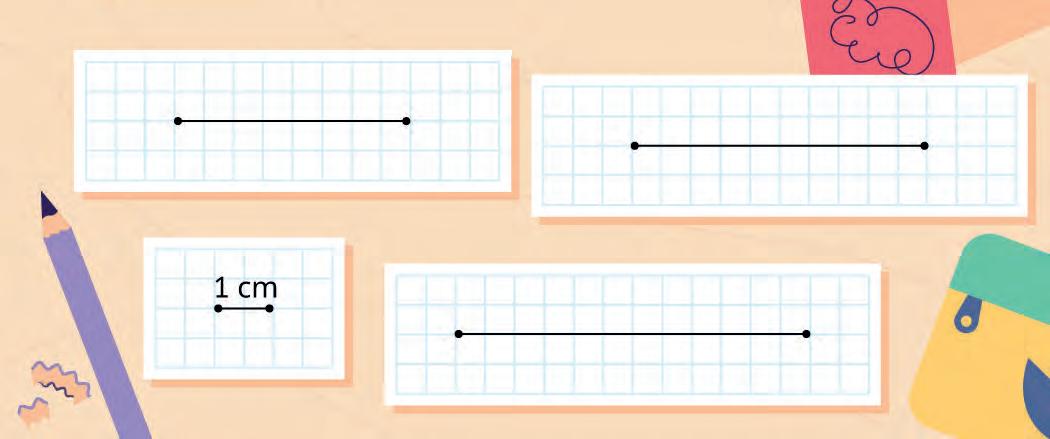
9. Circle the line segment that is 3 cm long.
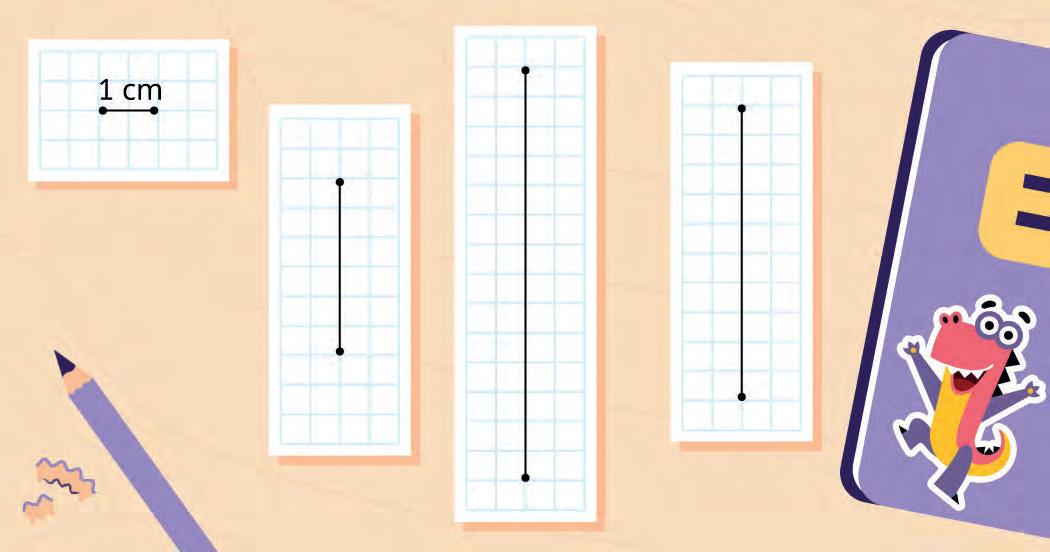
10. Circle the line segment that is 7 cm long.
11. Circle all standard units of length.
12. Draw a rectangle with sides 7 cm and 5 cm long.
13. Find the length of the objects and write the answers.
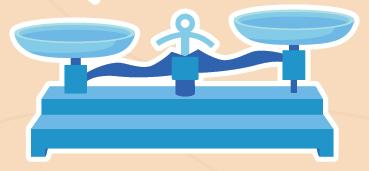
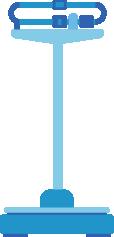
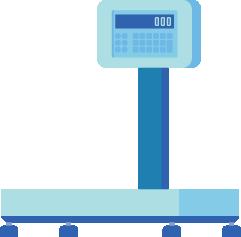
14. Circle all the scales that can be used to measure weight.
15. Choose the appropriate scale for each item.
16. Look at the scales and write the weights.
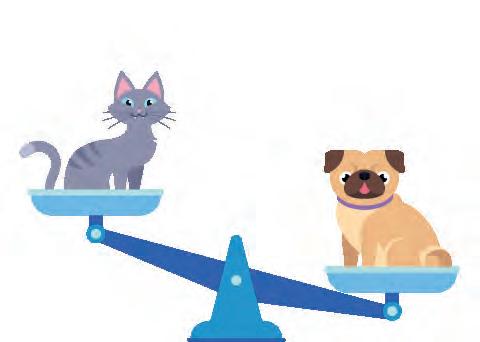
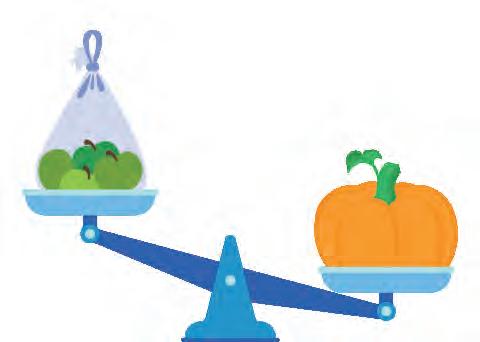
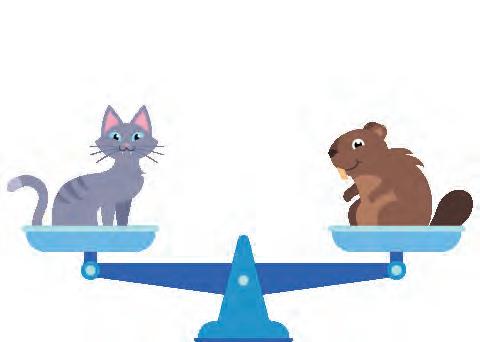
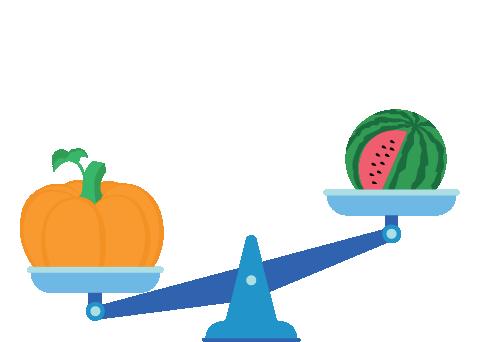
17. Circle the heavier thing. Circle the word "same" if no one is heavier.
18. Circle the lighter thing.
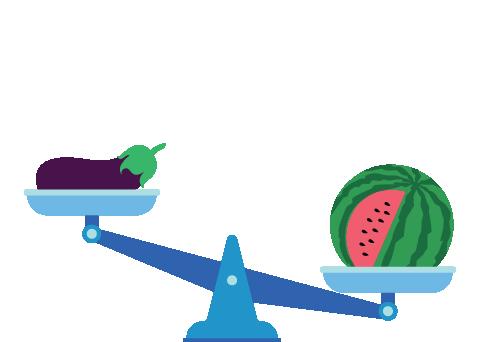
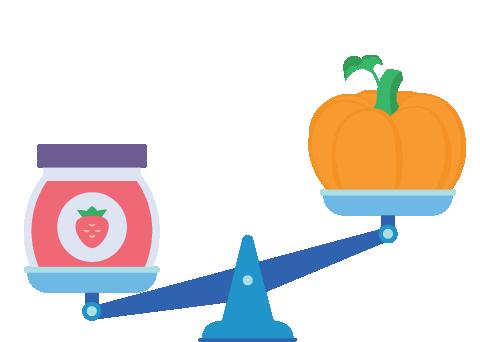
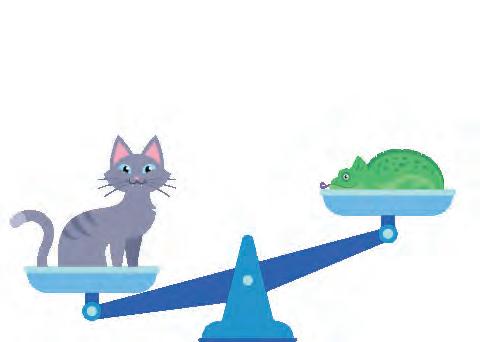
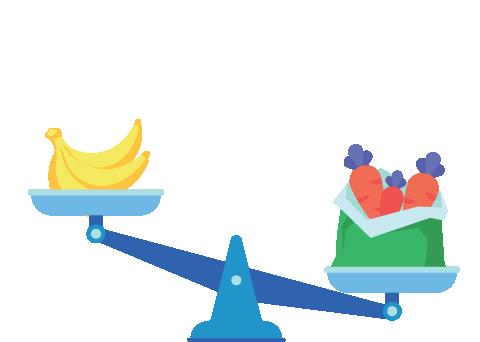
brinjal
19. Write the weights of the animals.
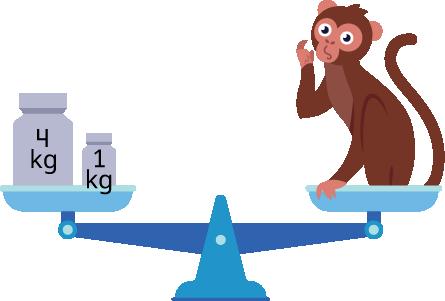
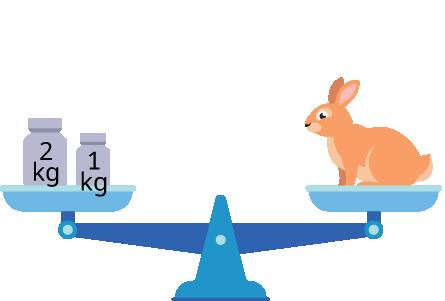
20. Write the weights of the ostrich eggs.
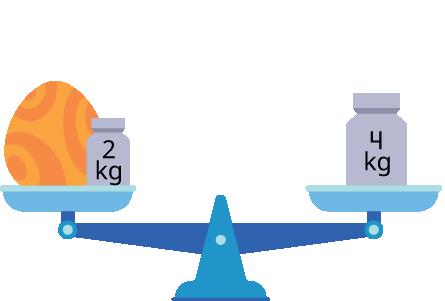
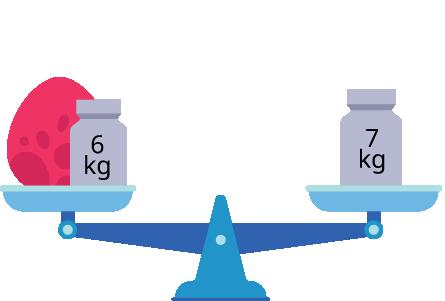
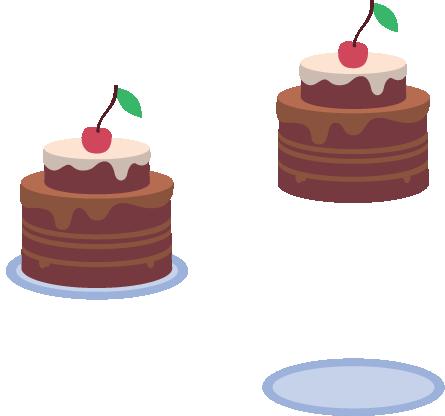
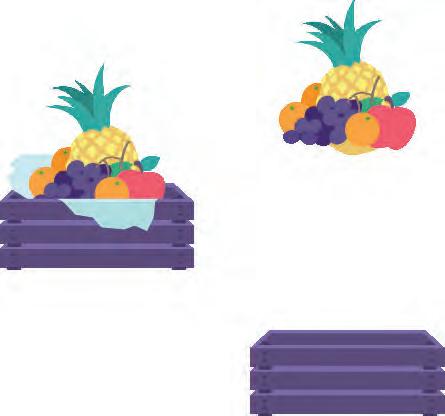
21. Fill in the blanks with the correct weights.
22. Fill in the blanks.
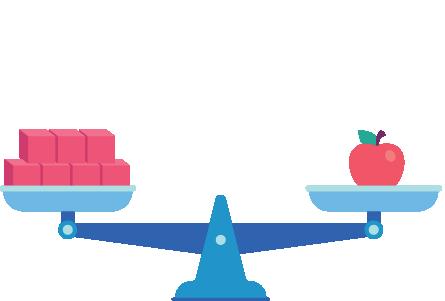
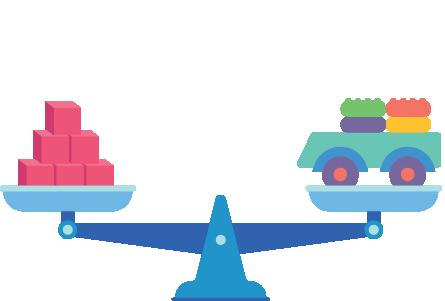
The weight of the apple is equal to blocks.
The weight of the toy is equal to blocks.
23. Count and fill in the blanks.
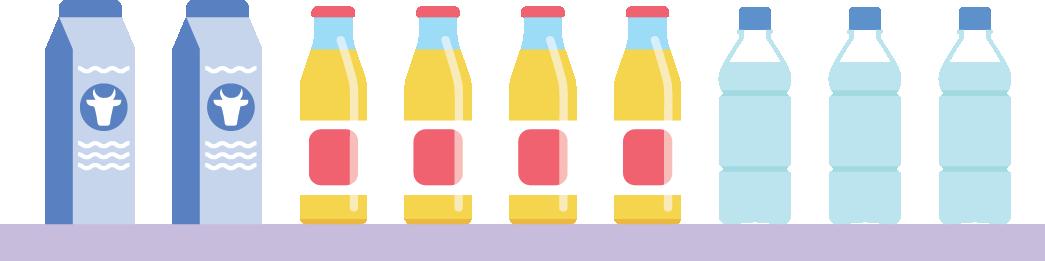
There are 2 L of milk, L of juice and L of water.
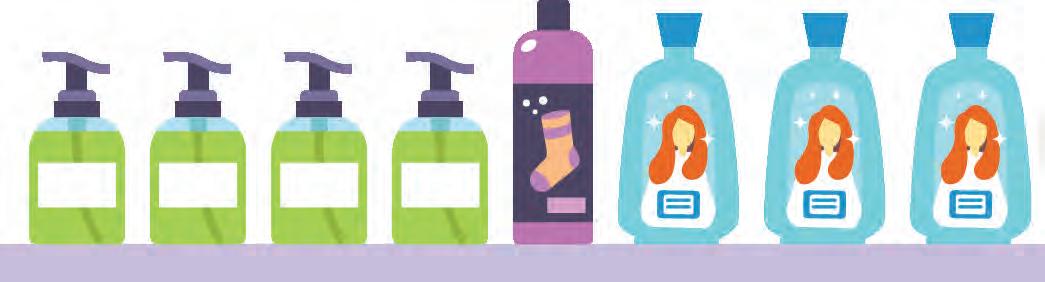
There are L of soap, L of washing powder and L of shampoo.
24. Circle the standard unit of capacity.
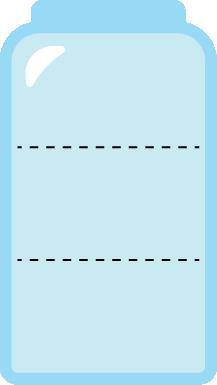

25. Look at the picture and write how many cups and glasses of water will fill the jar. x 3
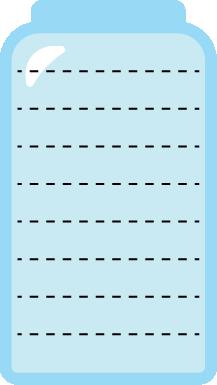

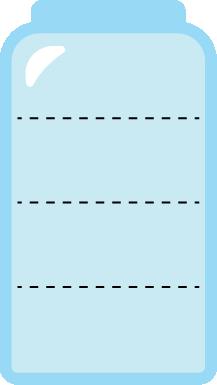

Compare the capacities of cup, glass and bottle using <, > or =.
Cup Bucket Litre Glass
26. Circle the watering cans to match the given statements.
Two cans having 7 litres of water in total.
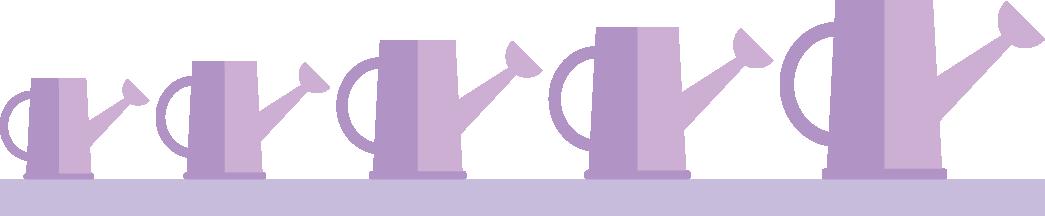
Two cans having 7 litres of water in total.
Two cans having 6 litres of water in total.
27. Look at the picture and write how much is left.
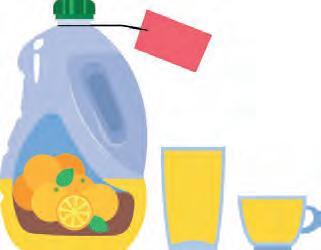
There is L of juice left in the jar.
28. How much juice is left in the jar after filling the glasses?
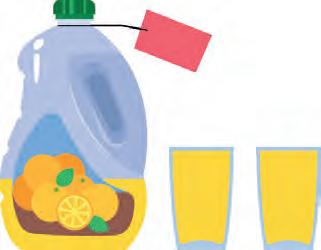
There is L of juice left.
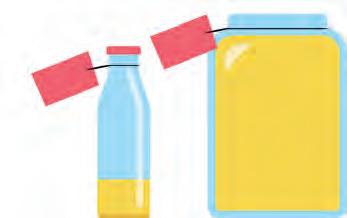
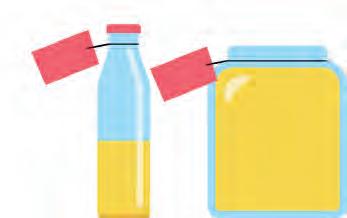
29. How much juice will remain in the right vessel after filling the left vessel?
There will be 4 L of juice left.There will be L of juice left.
12. Shapes and Patterns
All about lines
1. Trace the shortest path between the ship and the treasure and answer the questions.
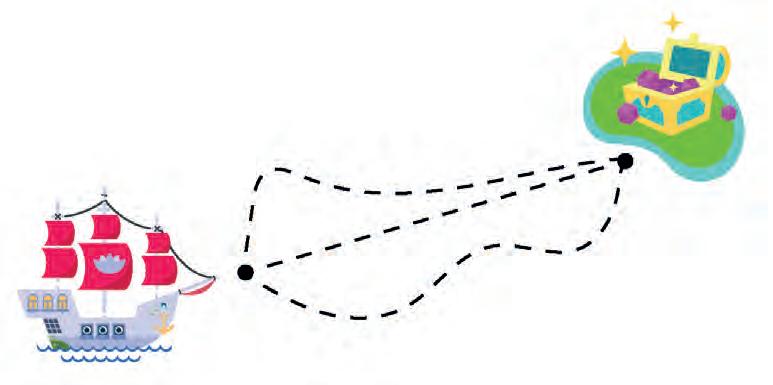
How many different curves can be drawn through two points? Circle the answer.
only one only one none none many many
How many different straight lines can be drawn through two points? Circle the answer.
2. Connect the shapes to the correct names. straight line
open curve closed curves straight line points curve
3. Trace the lines. Use different colours for different types of lines, as shown below .
4. Underline the correct name for each picture.
closed figure / open figureclosed figure / line segment
straight line / point curve / straight line ray / curve ray / open figure
5. Circle the figure with 4 vertices and 3 line segments.
6. Circle the figure with 5 vertices and 5 line segments.
All about shapes
7. Connect each shape to the correct statement.

a closed polygonal chain a simple polygonal chain not a polygonal chain
8. Find and colour all the polygons.
9. Look at the picture and fill in the blanks.
Triangle has 3 vertices and sides.
Quadrilateral has vertices and 4 sides.
Hexagon has vertices and sides.
10. Colour the shapes using the given colour codes.
circles squares triangles pentagons quadrilaterals that are not squares
squares
11. Colour the shapes using the given colour codes.
triangles
circles
12. Colour the shapes the way you want. Remember to use the same colour for similar shapes.
13. Connect each shape to its name.
triangle
pentagon
quadrilaterals
heptagon
hexagon
Patterns around us
14. Circle the object that looks like a square.
15. Circle the object that looks like a circle.
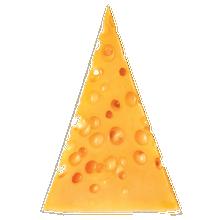
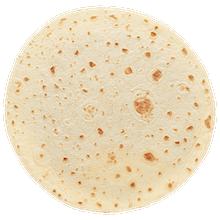
16. Circle the object that looks like a triangle.
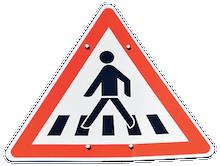
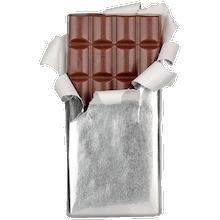
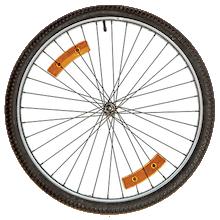
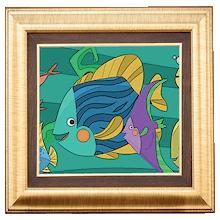
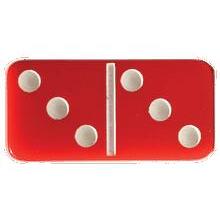
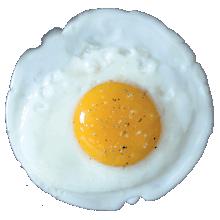
17. Colour the shape that looks like the given object.
13. Time
Reading Time on a Clock
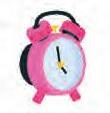
1. Connect each object to its name.
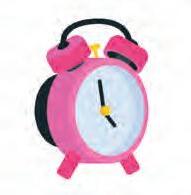
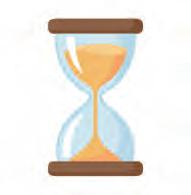
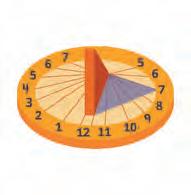
2. Connect each picture to the time it shows. Sand clock



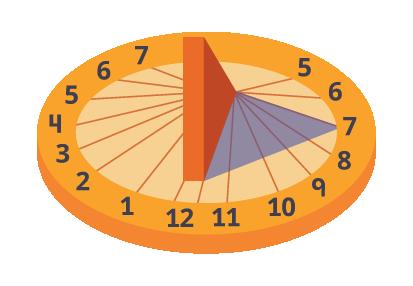
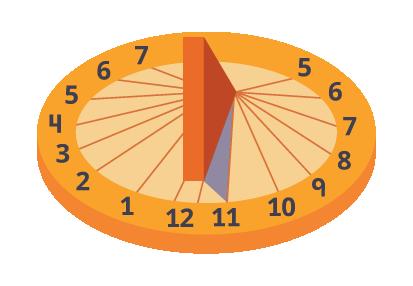
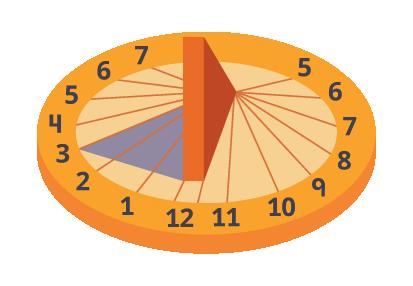
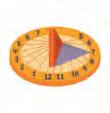
3. Fill in the blanks with the hour shown on the sundial.
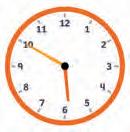
4. Fill in the blanks with the time each clock shows.
5. Circle the clock that shows 3:30.
6. Circle the clock that shows 4:45.
7. Circle the clock that shows 12:10.
8. Circle the clock that shows 5:50.
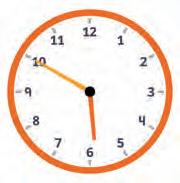
Timetable
9. Tick ( ) the class that is starting now by looking at the clock.
8:30 — English
9:20 — Mathematics
10:10 — Science
11:05 — Music
Timetable
10:10 — Science
11:05 — Art
12:00 — Music
12:55 — Games
Timetable
9:20 — Mathematics
10:10 — Music
11:05 — Art
12:00 — Science
10. Convert the time.
1 hr = min
1 hr 35 min = min
69 min = hr min
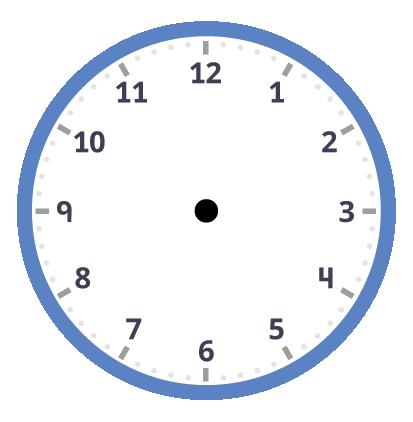
11. Draw the hands on the clock. 10:00 4:45 11:05
12. Convert the time.
13. Convert the time.
1 min = sec
125 sec = min sec
2 min 50 sec = sec
1 day = hr
2 days 2 hr = hr
36 hr = day hr
1 week = days
1 week 5 days = days
23 days = weeks days
Reading the Calendar
15. Circle all the months that have 31 days.
16. Circle all the months that have 30 days.
17.
Story Problems on Time
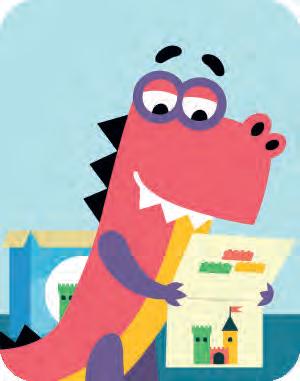
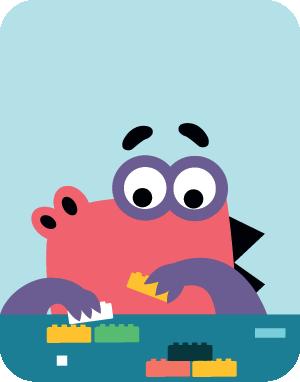
18. Put the story cards in order. Write the correct serial number below each card.

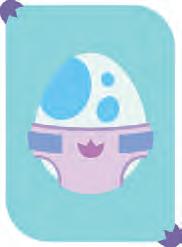
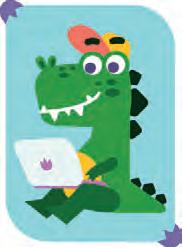
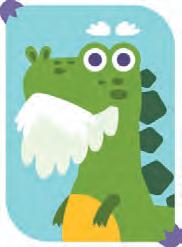
19. Solve.
Kiran studied Math for 25 minutes, Science for 20 minutes and English for 15 minutes.
1) How much time did Kiran study in total? + + = (min)
2) Convert minutes to hours. min = hr
20. Read and fill the blanks with correct duration and time.
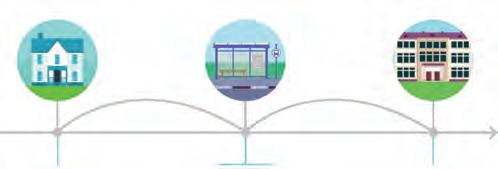
Anna left the house at 8:30. For the first 10 minutes, she walked, and then she rode in the bus for 15 minutes to reach the school.
At what time does Anna reach the school?
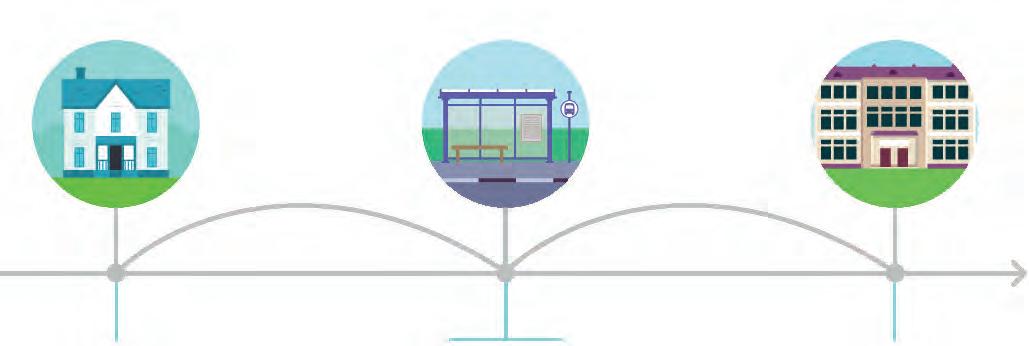
Time of leaving the house
Time taken
Time taken
Time of boarding the bus
Time of reaching school ?
21. Help Sonya reach her friend’s house. Subtract 10 minutes to find the next step.
22. Help Sonya reach her friend’s house. Add 30 minutes to find the next step.
Maps and Directions
23. Write the directions in the correct places.
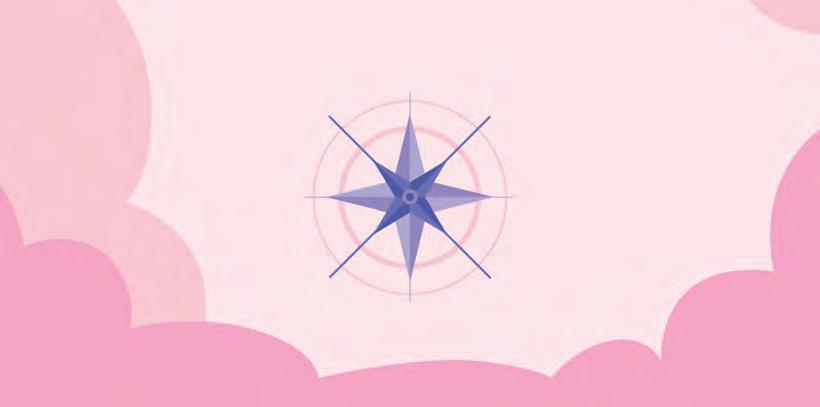

East (E)
West (W)
South West (SW)
South East (SE)
North (N)
West (W)
South (S)
South (S)
North West (NW)
North (N)
East (E)
North East (NE)
24. Look at the map. Fill in the blanks.

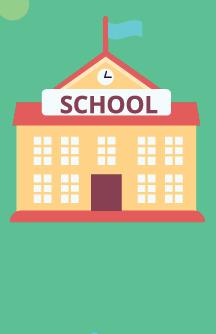
The museum is to the of the school.
The market is to the of the school.
The circus is to the of the school.
The hospital is to the of the market.
The Tyre centre is to the of the school.
Gas
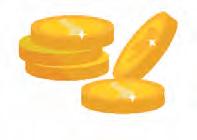
1. Circle all the things we can pay with.




2. Connect the money shown to the correct type.
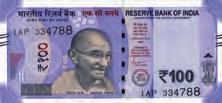
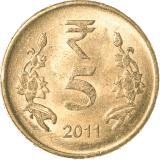
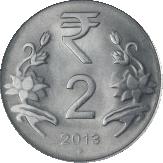
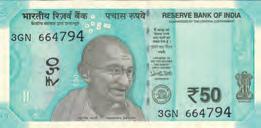
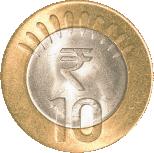
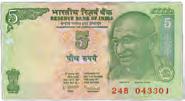
3. Circle Indian currency.
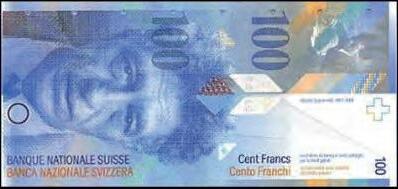
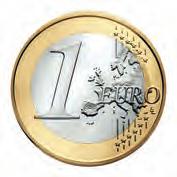
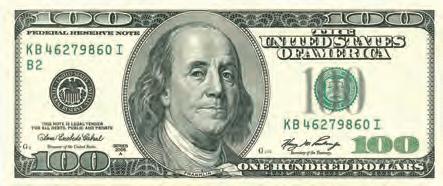
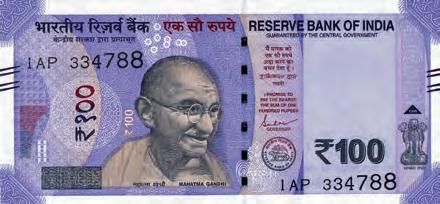
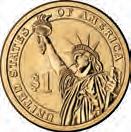
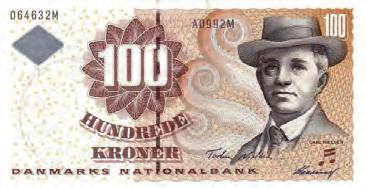
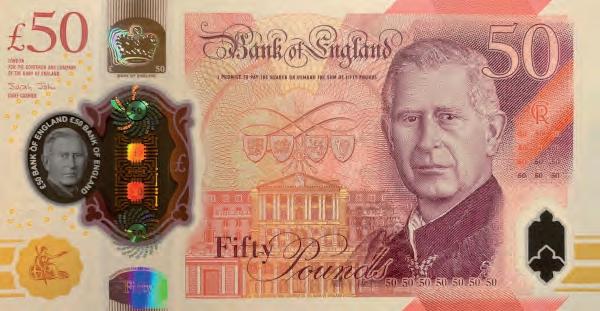
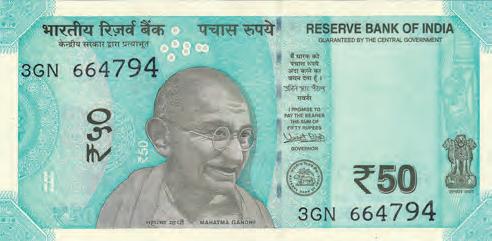
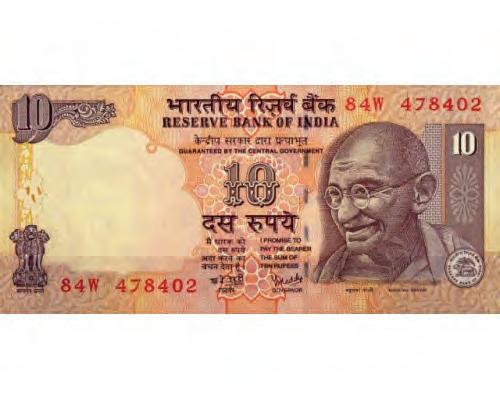
4. How much money is there in the wallets? Write in the blanks.


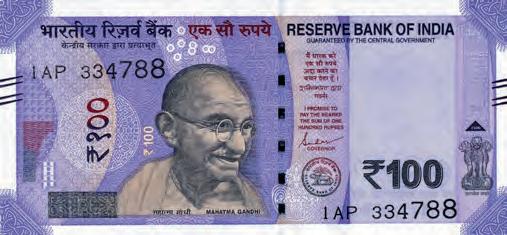
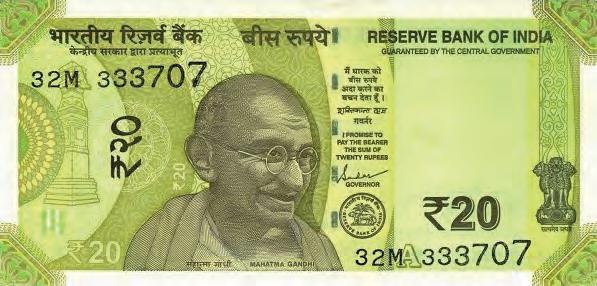
5. Circle how much money is there in each jar.

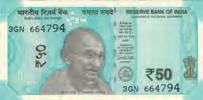
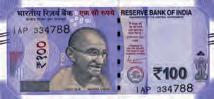
6. Dino buys an ice-cream. How much money is left in her wallet? Write your answer in the blank.
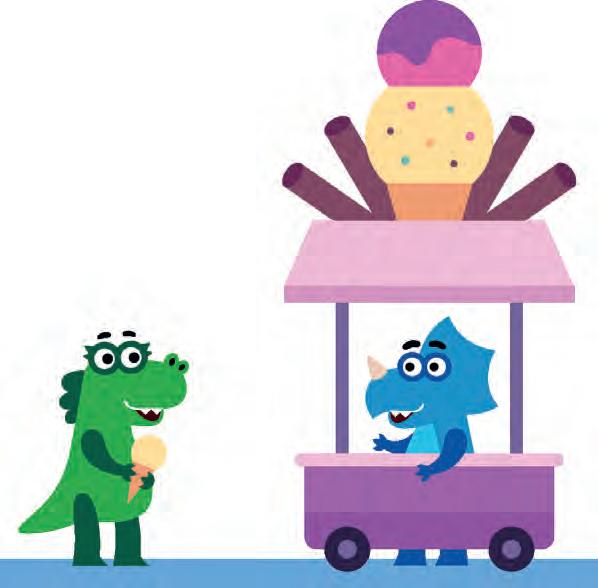
I have ₹68 in my wallet.
Ice-cream costs ₹36.
I have ₹122 in my wallet.
Ice-cream costs ₹25.
₹68 – ₹36 = ₹
– ₹ = ₹
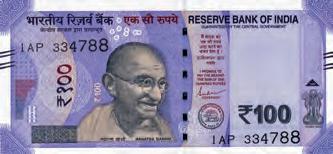
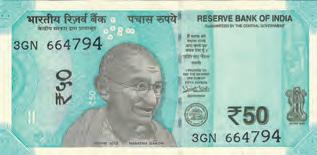
7. How many banknotes and coins are needed to make the amount of money shown.
Start with the largest note or coin first. Write the correct number against each note and coin.
15. Data Handling
Understanding Data
1. Draw and colour the missing ice-creams in the table.
2. Draw and colour the missing figures in the table.
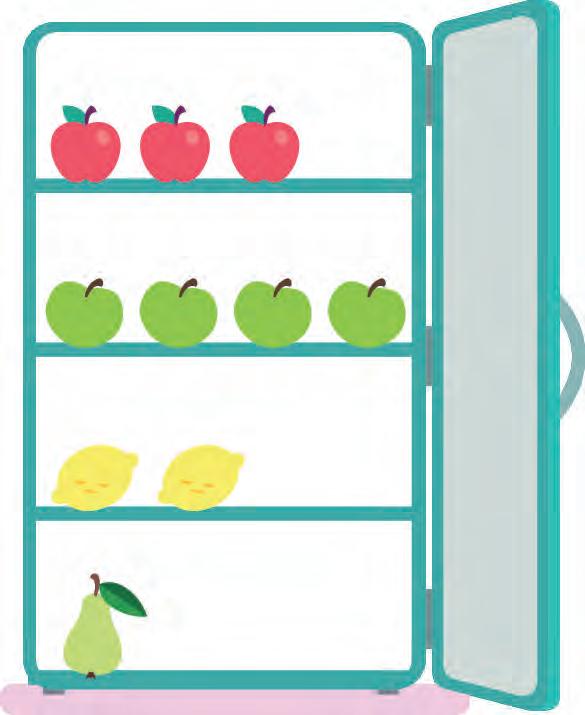
3. Look at the image and fill in the correct numbers in the table. fruit figure figure number number number 3


4. Look at the table and fill in the blanks.


Aahana Weather
Aarav

The children added a + sign for the pets they own.
Who has only one pet?
Who has all types of pets? and don’t have rabbits.
Night
How many sunny days are there?
What is the highest temperature for three days?
What is tomorrow’s night temperature?
The weather information for three days is shown here.
Palak
Vinod
5. Look at the picture and fill in the table.
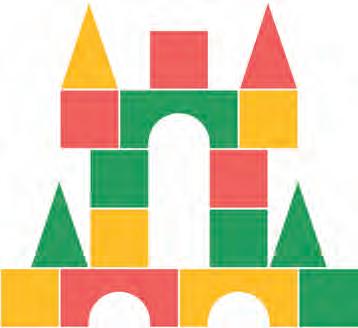
6. The time taken by five cars to complete a race is shown below. Write the position of each car in the table.
*Less time means faster!
7. The time taken by five boats to complete a race is shown below. Write the position of each boat in the table.
8. Read the sentences and mark in the table with a + sign.
Simon likes to play football and paint. Lilly likes to paint and sing.



9. Connect each item to its correct place inside the table.
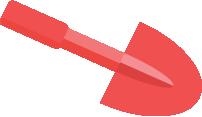
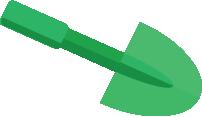


Shovels
Berries
10. Connect each row of the table to the correct label.
Fruits
Mushrooms
Vegetables


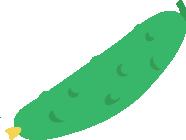

11. Connect each column of the table to the correct label.
Green
Blue
Yellow
Clothes
Footwear
Red
12. Look at the table and tick ( ) the correct answer.
All activities that a child does are marked with a + sign in the table.



Jai Neha Tanmay Who does not attend chess class?
Which activity do all the children do?
Music
Disha
13. Look at the picture and fill in the table.
Tree height (m)
Leaf width (cm)
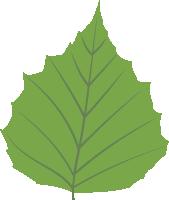
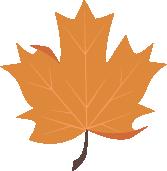
Birch treeMaple
14. Read the text and fill in the table.
Boy Name Parth
Age

I am Tanvi. I am 9 years old. I am in class 3. My favourite subject is English.
My name is Parth. I am 7 years old. I am in class 3. My favourite subject is Music.
Girl
1. Numbers up to 200
Page 1 1. 30; 5; 165
Page 2 2. 156; 138 Page 3 3. 137; 165
4 4. 171; 154 Page 5 5. 9; 2
Page 8 10. third; red
9
8 - even; 7 - odd; 13 - odd
Page 6 7. second; fifth Page 7
Addition of 2-digit Numbers
Subtraction of 2-digit Numbers
Page 15 2.
2. 64; 53; 32
Page 16
3. 62; 24; 40 4. 13; 44; 28; 32
Page 17 5.
3 0 7 6 1 4 tens +ones 0= 4tens + tens + ones ones = 3= –6 751tens+ones7 = 44 1 9 19 tens + tens + ones ones = 8 8 =
6. 46; 24; 15 1 662tens +ones 2= 44 21 21 tens + tens + one ones = 1=
Page 18 1. 3 similar numbers; 2 + 2 + 2 = 6 2. 4 similar numbers; 3 + 3 + 3 + 3 = 4 × 3 = 12
Page 19 3. 12 4. 9 + 9 + 9 = 3 × 9 = 27
4 + 4 + 4 + 4 + 4 = 5 × 4 = 20
Page 20 6. 3 + 3 + 3 + 3 = 4 × 3 = 12
Page 21
2 × 5 = 5 × 2 = 10 3 × 6 = 6 × 3 = 18 4 × 5 = 5 × 4 = 20
Page 22 10. 5, 7, 35 4, 4, 4, 4, 4, 4, 24 4, 8, 32 2, 2, 2, 6 11. 4 × 2; 4 + 4; 2 × 4 4. Multiplication
5. Multiplication Tables 2, 5 and 10
Page 23
1. Answer is on page 125
Page 24 2.
4 × 2 = 8 2 × 9 = 36 2 × 4 = 16 10 × 5 = 50 5 × 5 = 20 5 × 8 = 40 5 × 3 = 15 10 × 2 = 12
3. 2 × 2 = 4;
2 × 5 = 10;
4 × 5 = 20;
3 × 10 = 30; 8 × 2 = 16;
9 × 2 = 18;
3 × 6 = 18;
6 × 5 = 30;
7 × 10 = 70;
7 × 2 = 14
6. Numbers up to 999
Page 25
1. 826: eight hundred, twenty, six 374: three hundred, seventy, nine
Page 26 2. 258; 308; 867
Page 27 3. 479; 2 hundreds + 5 tens + + 4 ones = 254
Page 28 4. 358 = 300 + 50 + 8 843 = 800 + 40 + 3 619 = 600 + 10 + 9 5. 493 = 400 + 90 + 3 861 = 800 + 60 + 1
Page 29 6. 815 958 462 635 298
Page 30 7.
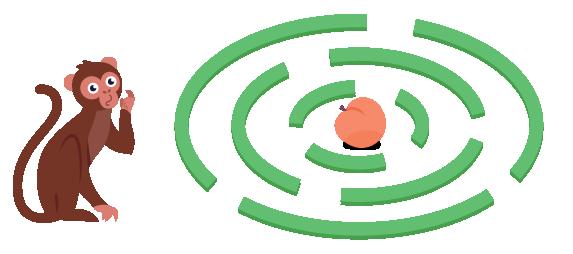
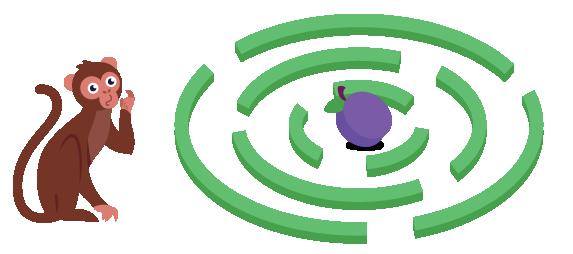
Page 31
8. five hundreds: 578; 549
five hundreds: 959; 934; 966 three ones: 663; 273
Page 32 9.
7. Addition and Subtraction of 3-digit Numbers
Page 33 1. 978; 895; 836; 769
2. 812; 635; 855; 986; 794; 819; 823; 992 Page 34
35
5. 399; 789; 788 6. 455, 316, 793
Page 36
7. 620; 103; 211
8. 113; 416; 691; 412
9. 289; 176; 298; 194
Page 37
10. 188; 216; 189; 139
11. 261; 222; 406; 85
12. 521; 202; 240; 78; 664; 102
Page 38
13. 6 min; 6 legs
Page 39
14. 7 balloons
15. 7 – 4 = 3 6 + 3 = 9
Page 40
16. 12 photos; 6 braids; 9 problems; 8 words
8. Multiplication Tables 3, 4 and 6
Page 42 2.
3. 3 × 4 = 12; 4 × 4 = 16; 4 × 6 = 24; 3 × 6 = 18; 3 × 8 = 24; 4 × 6 = 24; 3 × 3 = 9; 9 × 6 = 54; 4 × 8 = 32; 8 × 6 = 48
Page 44 5. 92; 18 × 5 = 10 × 5 + 8 ×
Page 45 6.
2 × (3 + 4) 4 × 3 + 4 × 2
3 × (4 + 2)
+ 6)
Page 46 8. 92; 588; 184
9. 3 × 18 = 54; 49 × 2 = 98; 23 × 3 = 69; 11 × 8 = 88; 12 × 8 = 96; 4 × 13 = 52; 19 × 4 = 76; 7 × 14 = 98; 17 × 5 = 85; 12 × 7 = 84; 24 × 4 = 96; 3 × 31 = 93
9. Introduction to Division
Page 47 1.


Page 48 2. 12 ÷ 3 = 4; 8 ÷ 4 = 2; 10 ÷ 2 = 5; 9 ÷ 3 = 3; 6 ÷ 2 = 3
Page 49 3. 12 ÷ 3
Page 50 4. 7; 12 ÷ 6 = 2; 12 ÷ 3 = 4; 4 × 5 = 20
Page 51 5. 6.
Page 52
7. 12 ÷ 3 = 4; 12 ÷ 2 = 6;
12 ÷ 4 = 3; 8 ÷ 4 = 2;
12 ÷ 2 = 6; 18 ÷ 3 = 6.
Page 53
8. 20 ÷ ? = 2; 27 ÷ 3 = ?
Page 54
9. 8 ÷ 2 = 4; 12 ÷ 3 = 4
10. 45 ÷ 5 = 9; 12 ÷ 4 = 3;
30 ÷ 3 = 10; 15 ÷ 3 = 5;
16 ÷ 2 = 8; 28 ÷ 4 = 7;
6 ÷ 3 = 2; 15 ÷ 5 = 3;
18 ÷ 2 = 9; 40 ÷ 5 = 8;
14 ÷ 2 = 7; 27 ÷ 3 = 9
10. Introduction to Fractions
Page 55











Page 56 4. 5. halves; thirds; quarters; quarters
Page 57 6. ½; ¼; ⅓; ½
Page 58 8. 8/9; 2/9
Page 59 9. 10.



60 11.
Denominator
Numerator
Fraction bar
513 and 135
Fractions with different numerators
Fractions with equal numerators 87 and 33 1233 and 1717 1010 and 57
11. Measurement
Page 61
1. 4; 5; 6
Page 62
2. 9 cm; 6 cm; 7 cm; 3 cm; 8 cm; 4 cm Page 63 3.
66 9. 10. 11 14
4. 5 cm; 4 cm; 9 cm Page 64 5. 6.
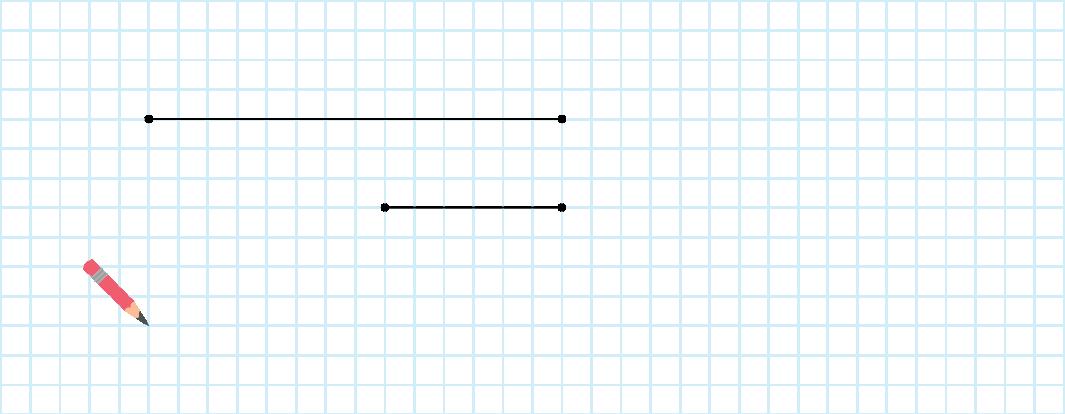
65 7. 5 cm; 4 cm
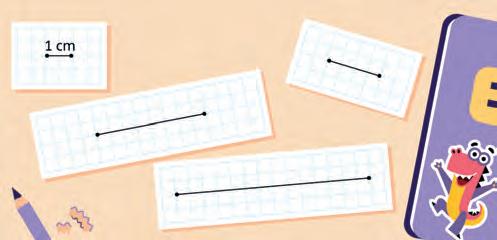
Page 67
11. Metre
12.
Page 68
13. 18 cm; 13 cm; 14 сm
Page 69 14.
15.




Sample answer. Other answers may also be correct.
Page 70
16. 7 kg; 3 kg; 9 kg; 1 kg; 4 kg
Page 71
17. pumpkin; same; pumpkin
Page 72
18. pumpkin; chameleon; bananas
Page 73
19. 5 kg; 3 kg
20. 2 kg; 1 kg
Page 74
21. 6 kg; 6 kg
22. 7 blocks; 6 blocks
Page 75
23. 4 L; 3 L; 4 L; 1 L; 3 L
24. Litre
Page 76 25.

Page 77
26. 3L + 4L = 7L; 2L + 4L = 6L
Page 78
27. 2L 28. 3L 29. 3L
12. Shapes and Patterns
Page 79 1. many; only one
81
4. closed figure/ line segment; straight line / point; curve / straight line; ray / curve; ray / open figure
Page 82 5.
Page 85 11.

Page 84
9. Triangle has 3 vertices and 3 sides.
Quadrilateral has 4 vertices and 4 sides.
Hexagon has 6 vertices and 6 sides.
Page 86 13.
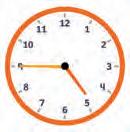
Page 90 3. 11hr; 3hr 4. 1 hr 15 min; 5 hr 40 min
Page 91 6-8. 4:45; 12:10; 5:50
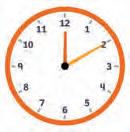
Page 92 9. 9:20 — Mathematics; 12:55 — Games; 11:05 — Art Page 93 10. 1 hr = 60 min 1 hr 35 min = 95 min 69 min = 1 hr 9 min

Page 94 12.
minutes180120240420
Page 96
14. There are 365 days in a year. There are 12 months in a year. There are 52 weeks in a year.
seconds180120240420
Page 98 17. hours3247
Page 95
13. 1 min = 60 sec
125 sec = 2 min 5 sec
2 min 50 sec = 170 sec
1 day = 24 hr
2 days 2 hr = 50 hr
36 hr = 1 day 12 hr
1 week = 7 days
1 week 5 days = 12 days
23 days = 3 weeks 2 days
Page 97
15. January, March, May, July, August, October, December
16. April, June, September, November



The museum is to the N of the school. The market is to the NE of the school. The circus is to the NW of the school.
The hospital is to the W of the market. The Tyre centre is to the SE of the school.
Page 105 1. Coins; a bank card; banknotes
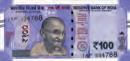
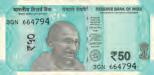
106
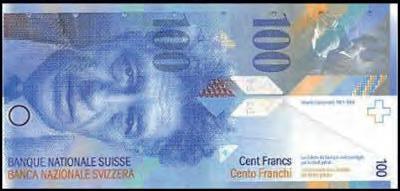

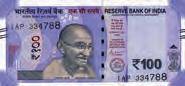

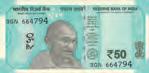

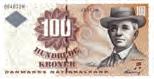
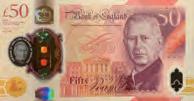
Page 107 4. ₹ 68; ₹ 122 Page 108 5. ₹ 14; ₹ 76; ₹ 114 Page 109 6. ₹ 32; ₹ 122 – ₹ 25 = ₹ 97

Data Handling
115 6. Place: 5; 2; 4; 1; 3 7. Place: 2; 4; 5; 1; 3
116
113 4. Aahana; Palak; Aahana and Vinod; 2; +24; +13 Page 114 5.
Vegetables; fruits
Blue; Red; Green