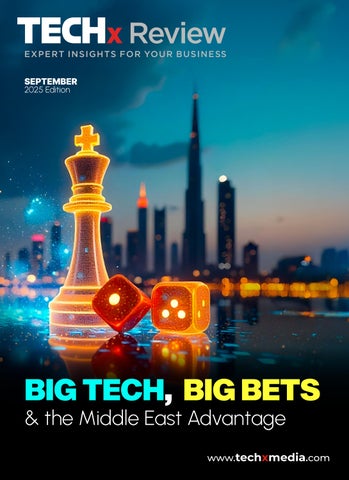
TECHx Review September 2025 Edition Arabic & English
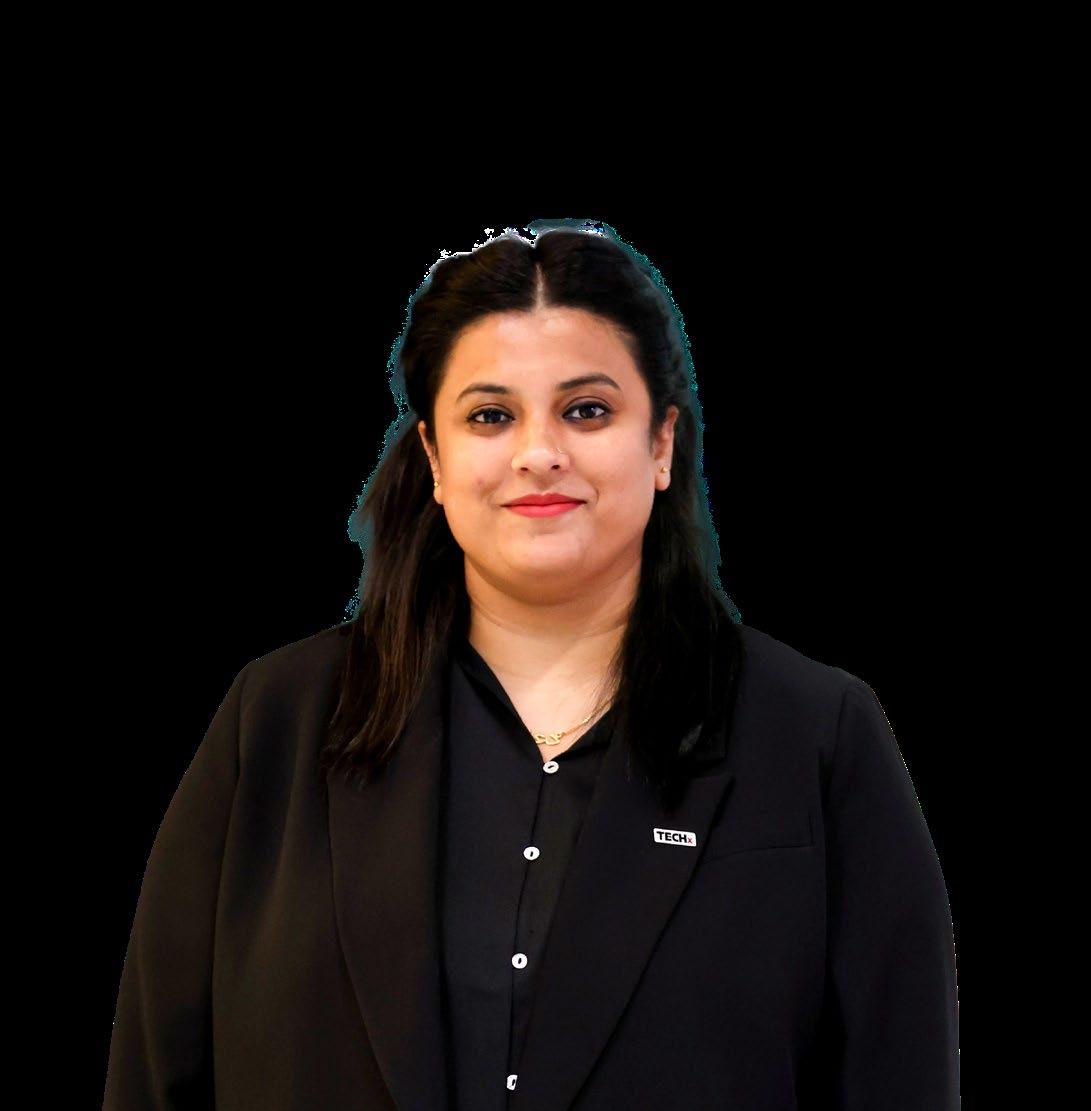
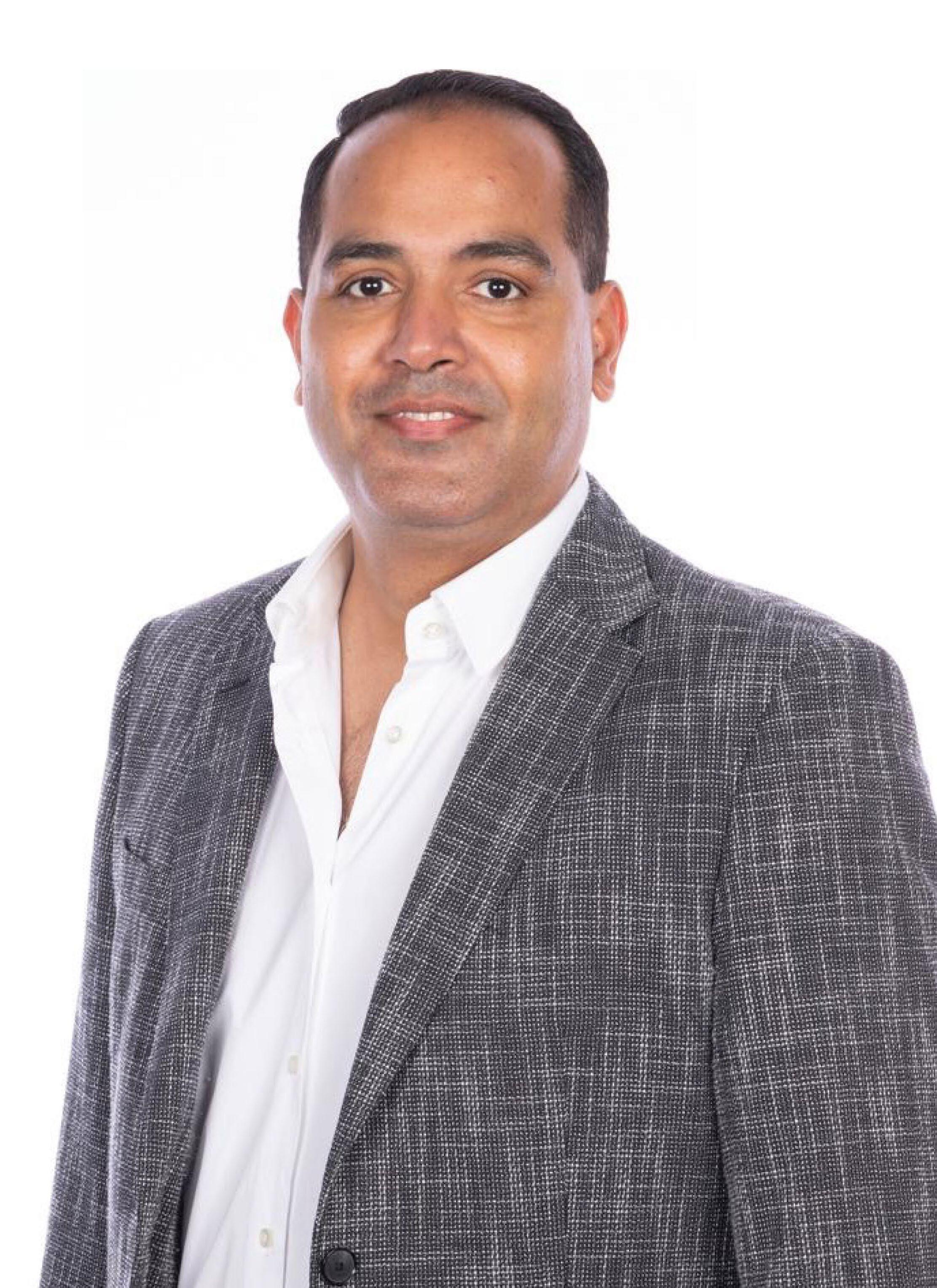
Executive Editor
Hey there, welcome to the September edition of TECHx Review!
This month, we’ve packed every page with stories that excite, surprise, and inspire, from the journeys of tech veterans to the latest tech products, along with research insights, interviews with industry leaders, and thought-provoking opinion pieces. If you enjoy discovering what’s happening behind the headlines and learning about the people and ideas driving technology forward, you’re in for a treat. So grab a coffee, turn the pages, and dive in, this one’s for curious minds like yours.
Technology doesn’t just change what we do, it changes how we think. Our duty as storytellers is to capture that shift, with clarity and care. TECHx Media is doing exactly that.
KHALID Almaeena
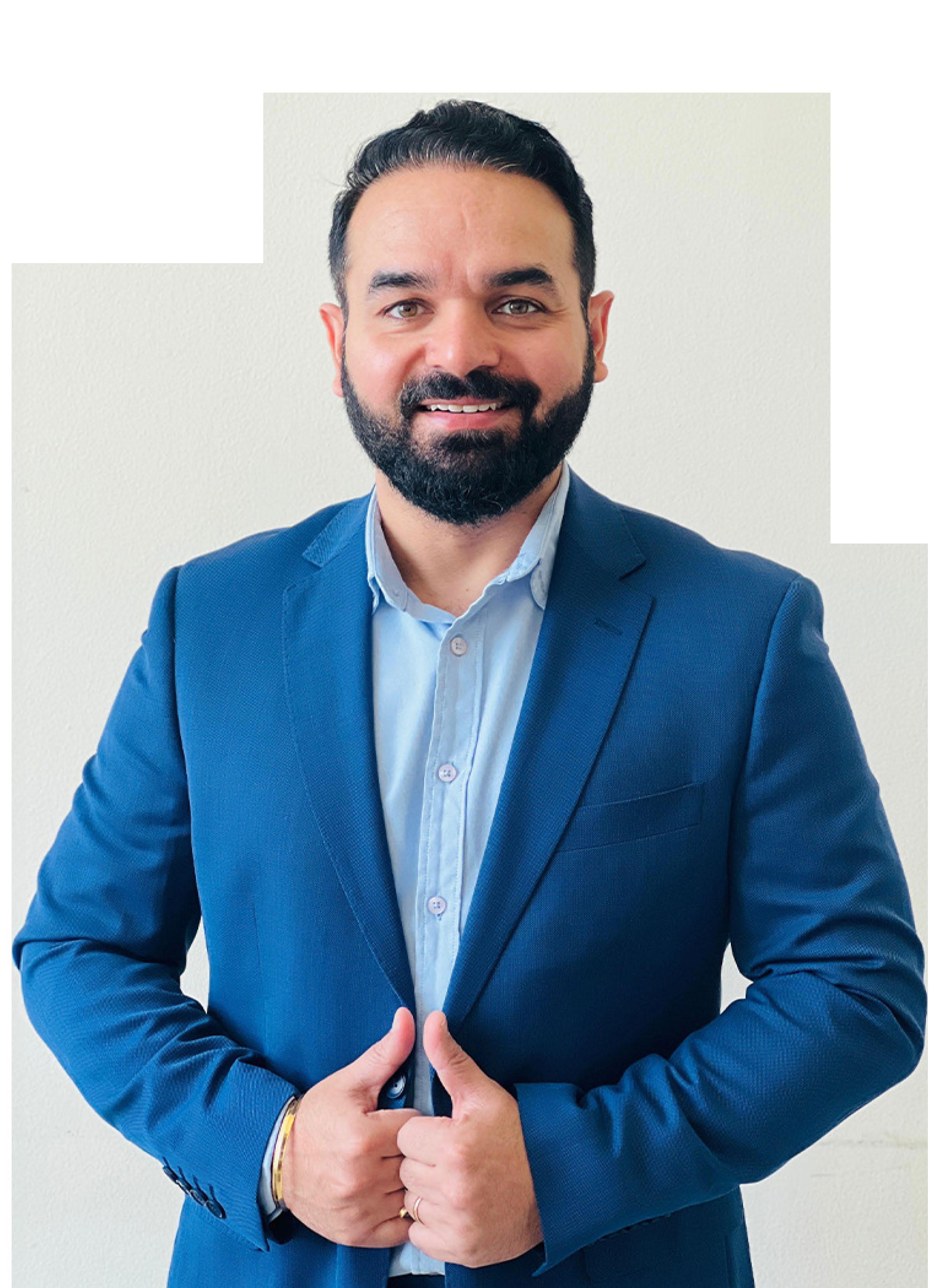
Chairman
Every discovery begins with a spark, a person, an idea. In this issue, you’ll see tech through the lens of people, vision, and purpose, because that’s where real progress lives.
Executive Board Member
News is everywhere, but understanding is rare. This edition is about giving you insight, not just information, connecting the dots in a way that matters.
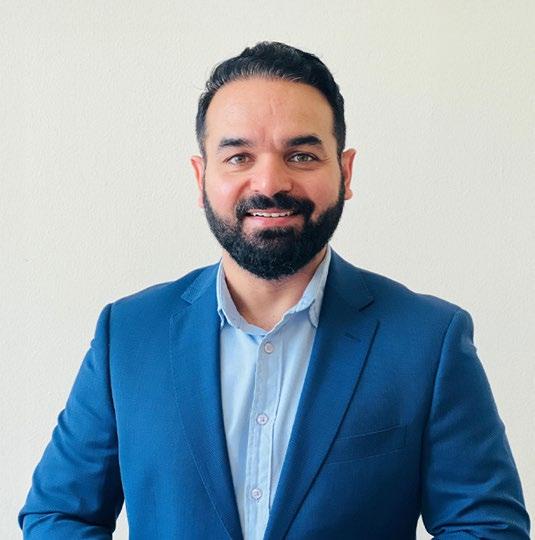
SABEEL Ismail CEO
We are TECHx Media, officially registered with the UAE's National Media Council. As a media platform dedicated to addressing the media and marketing needs of the tech ecosystem, we have built a strong reputation as a trusted partner for leading global vendors, distributors, government entities, and major global tech events. With a proven track record of providing comprehensive industry coverage, our team of seasoned professionals and tech journalists, boasting over 150 years of combined expertise, delivers the latest technology insights, backed by in-depth analysis and creativity.
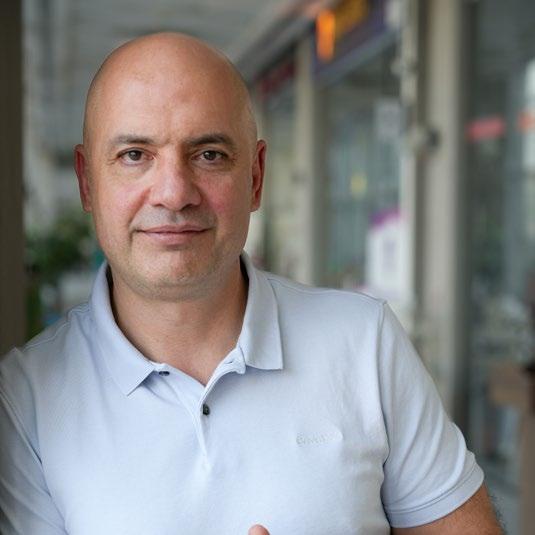
KHAWAJA Saifuddin
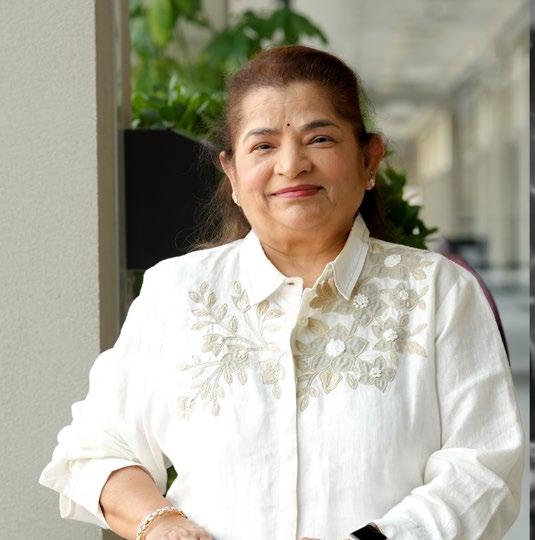
RABAB Zehra
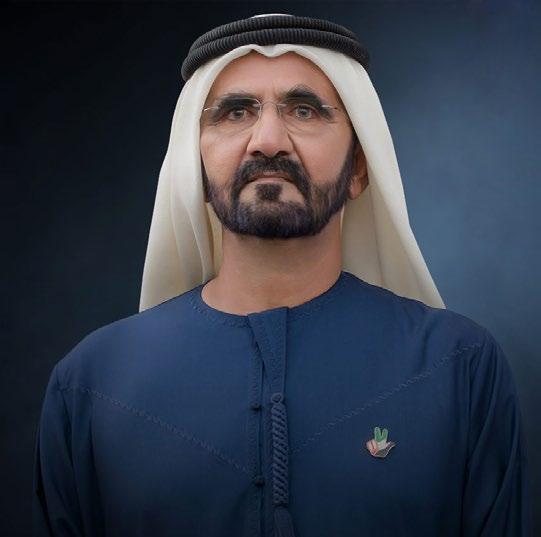
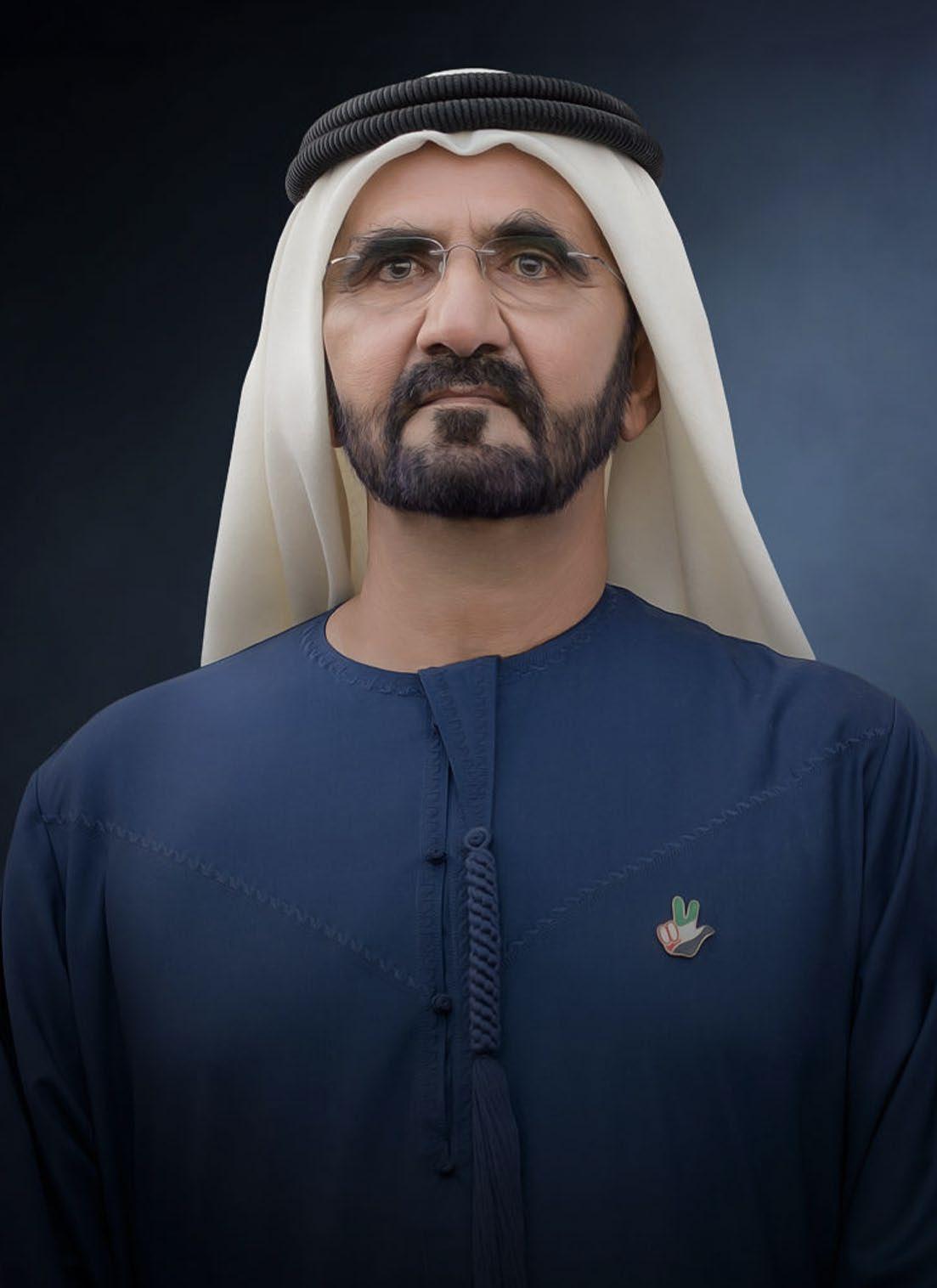
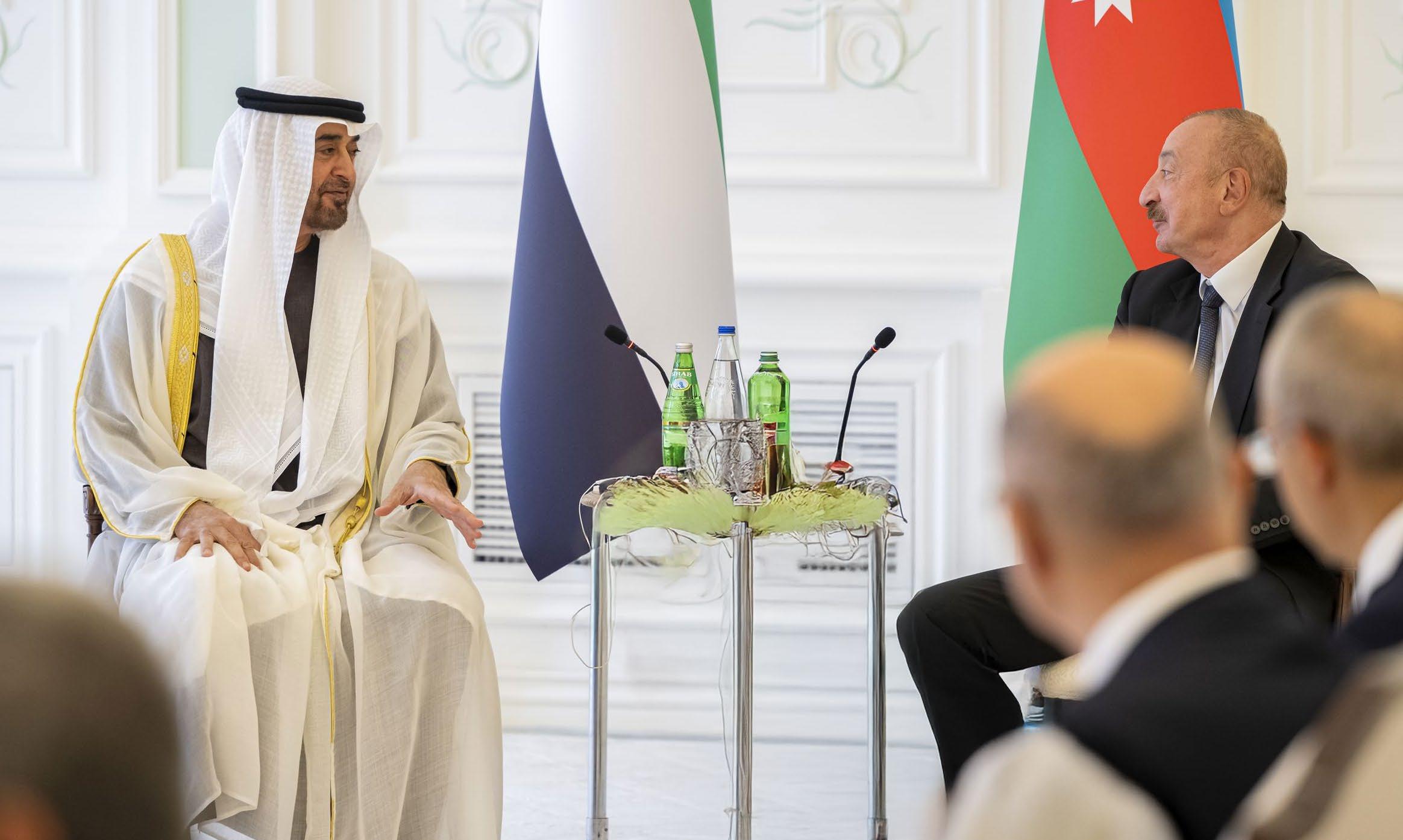
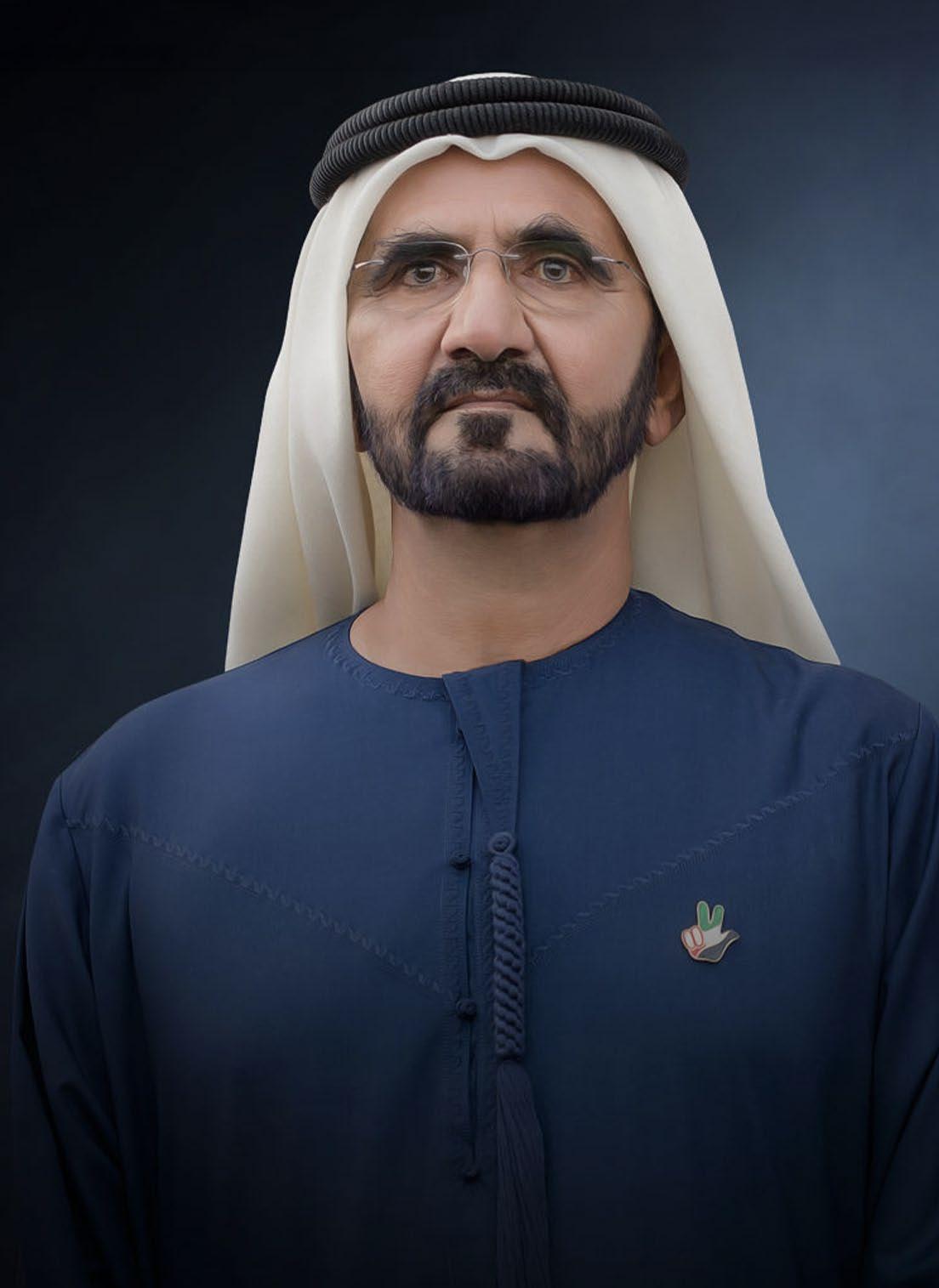
HIS HIGHNESS SHEIKH MOHAMMED BIN RASHID AL MAKTOUM
Vice President and Prime Minister of the UAE, and the Ruler of Dubai
Progress
Is Not a Dream, It Is a Decision
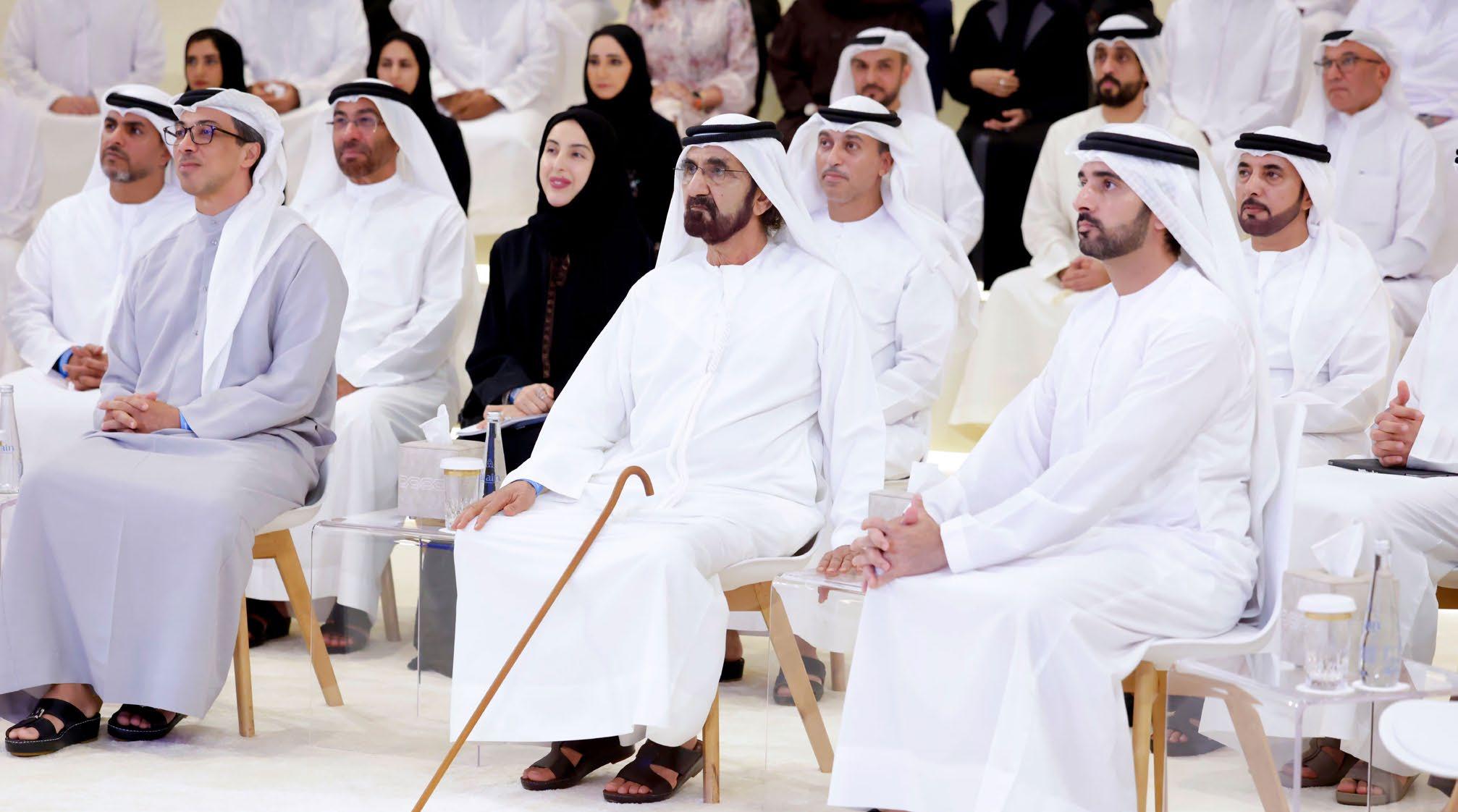
When nations around the world talk about innovation, many stop at the rhetoric. The UAE, however, consistently turns vision into action. The latest Cabinet meeting chaired by His Highness Sheikh Mohammed bin Rashid Al Maktoum, Vice President, Prime Minister of the UAE and Ruler of Dubai, once again underscored this truth. What unfolded at Qasr Al Watan was not simply a policy session, but a clear articulation of where the country is headed: towards a future defined by resilience, technological leadership, sustainability, and opportunity.
This is where the UAE distinguishes itself. It doesn’t just adapt to global change, it anticipates it, prepares for it, and positions itself to lead it.
A Smart Play for Global Competitiveness
The approval of the National Policy for Economic Clusters is not just an economic measure, it is a strategic statement. By creating industry-specific hubs in areas like finance, space, tourism, data, and food security, the UAE is effectively designing the next chapter of its growth story.
Economic clusters are not a new concept, but few countries execute them with such clarity of purpose. The policy will bring in an additional AED 30 billion to GDP every year, yet its true value lies in something more: it will create ecosystems where ideas, talent, and capital thrive together. This is how nations future-proof their economies, and the UAE is doing it in real time.
10,000 Entrepreneurs, 30,000 Jobs:
Sheikh Mohammed bin Rashid’s launch of “The Emirates: The Startup Capital of the World” is one of the most compelling national campaigns in recent years. Why? Because it taps into the spirit of youth, innovation, and entrepreneurship that will define the UAE’s next fifty years.
Training 10,000 Emirati entrepreneurs, creating new pathways through platforms like StartupEmirates.ae, and embedding SMEs more deeply into the economy are not small moves. They reflect a conviction: that the future of the UAE will be built as much by its startups as by its global corporations.
In a world where many governments struggle to create meaningful ecosystems for entrepreneurs, the UAE is setting the bar. The commitment to SMEs, already contributing 63 percent of non-oil GDP, signals a deliberate choice to build a balanced economy where young talent has as much room to thrive as multinational firms.
Tradition Meets Technology
The establishment of the UAE Council for Integrative Medicine marks a significant step in advancing the nation’s healthcare system. The council represents a forward-thinking approach by combining modern medical science with traditional and complementary therapies.
Rather than replacing one with the other, this initiative ensures a holistic model of care that addresses the body, mind, and spirit, supporting prevention, treatment, and overall well-being.
Equally impressive is the progress of the UAE Genomics Council, which now counts over 750,000 participants in the National Genome Programme. With initiatives like “100,000 Genomes for Humanity,” the UAE is not just protecting its citizens but contributing to global research that will transform healthcare far beyond its borders.
Here lies the real insight: the UAE is reframing healthcare from being reactive to preventive and personalised. In doing so, it is building a model that many developed nations are still struggling to implement.
Digital Transformation and Cybersecurity
Every country today speaks of digital transformation. The difference lies in execution, and this is where the UAE again leads. The approval of a comprehensive cybersecurity framework is a reminder that digital progress cannot come at the cost of security.
What is striking here is the holistic approach, aligning with global standards, improving workforce readiness, and ensuring system resilience. Alongside this, the reconstitution of the UAE Digital Economy Council under Omar Sultan Al Olama signals that the digital economy will continue to be guided with both agility and foresight.
In an era when cyberattacks can cripple economies, the UAE is ensuring its digital backbone is not just strong but trusted, a crucial factor for investors, businesses, and citizens alike.
Sustainability: Beyond Commitments, Towards Action
Environmental sustainability has become a global buzzword, but in the UAE, it is becoming an embedded practice. The approval of the third edition of the National Plan for Reducing Aviation Sector Emissions shows how even carbon-intensive industries are being brought into alignment with climate goals.
Initiatives like the Plant the Emirates campaign and the National Air Quality Agenda 2031 reflect a mindset that future prosperity cannot be built at the expense of environmental health. What stands out is the detail, the emphasis on clean technologies, monitoring systems, and federal-local collaboration. This isn’t abstract environmentalism, it is measurable action with clear outcomes.
Investing in the Next Generation
With nearly 284,000 students enrolled in public schools this year, the Cabinet’s review of readiness for the 2025–2026 academic cycle was more than a bureaucratic exercise. It is part of a larger philosophy: the belief that the UAE’s most valuable investment will always be in its people.
The government’s push to train entrepreneurs, project managers, content creators, and even certified tax agents highlights something profound. The UAE is not waiting for global talent gaps to appear, it is preparing its youth to lead, innovate, and compete globally. This is how nations not only safeguard their future but actively design it.
A Global Connector with Local Strength
The ratification of 85 international agreements and the hosting of 12 global events underline the UAE’s role as a convener of ideas and a hub of cooperation. From AI in sports to maritime leadership, the UAE is not just participating in global conversations, it is shaping them.
This global presence complements its domestic strength. Economic clusters, digital security, sustainability, and healthcare together form a powerful mix that few nations can replicate.
Why This Matters
As we reflect on the decisions announced at the Cabinet meeting, one theme emerges clearly: the UAE is not reactive, it is proactive. Every decision, from clusters to startups, from healthcare to sustainability, fits into a larger puzzle where each piece reinforces the other.
What does this mean for the tech and innovation community? It means that the UAE is creating an environment where ambition meets infrastructure, where ideas meet policy, and where youth meet opportunity. This is not accidental; it is intentional statecraft in the 21st century.
Other countries may look at these policies as impressive. We see them as a blueprint. A blueprint for how nations, if they choose, can navigate uncertainty with vision, and how they can embrace technology not as a challenge, but as a catalyst for growth.
In short, the UAE is showing the world that progress is not a dream, it is a decision. And right now, that decision is being made boldly, consistently, and with a clear eye on the future.
Progress is a decision. The UAE leads with innovation, startups, preventive healthcare, cybersecurity, and sustainability, shaping a future where opportunity, resilience, and growth go hand in hand.
2025, the Year Big Tech Went All
In, and What the
Middle East Stands to Gain
If 2024 was the year of AI experiments, 2025 has become the year of industrial scale, the year when tech giants converted curiosity into capital, and capital into infrastructure. From Wall Street boardrooms to sovereign wealth offices in Riyadh and Abu Dhabi, money is moving faster than ever, fueling an arms race in cloud, chips, data centers, and strategic partnerships. The headline number is eye watering, companies like Alphabet, Microsoft, Amazon, Meta, and NVIDIA are collectively planning capital expenditure programs in 2025 that analysts estimate at between $364 billion and $400 billion, a buildout aimed squarely at generative AI and the infrastructure it needs.
That global wave matters to the Middle East not as a spectator, but as a target, a partner, and increasingly as a co-investor. Governments and sovereign funds are no longer only buyers of technology, they are underwriting entire ecosystems. Policymakers have been explicit about the strategy, they are using capital, regulation, and national projects to turn oil-era balance sheets into a digital advantage. The result is a rare, strategic confluence, where world-leading cloud providers and chip makers get the scale and favorable policy environments they want, while regional economies get the infrastructure, jobs, and know-how they have been chasing.
Why 2025 is different
There are three shifts that separate the 2025 investment wave from past bursts. First, the scale is unprecedented, because generative AI models have extreme compute needs, and that requires not only data centers, but AI-optimized facilities and long lead-time chip supply chains. Second, capital is now flowing from two directions, private sector capex and public, sovereign capital, which reduces downside risk for projects that need very large up-front investment. Third, partnerships are deeper, they are often joint ventures, long-term hosting deals, or co-investment funds, instead of the one-off data center lease or reseller agreement of the past. Together, these shifts make the Middle East an exceptionally fertile ground for both infrastructure plays and downstream innovation.
Real deals, real scale
Saudi Arabia and UAE have been particularly aggressive, with multi-billion dollar commitments and high-profile partnerships. One headline project is a planned AI hub backed by Saudi Arabia’s Public Investment Fund, with Google Cloud as a major partner, described as a multi-billion dollar commitment to build AI infrastructure and capability in the kingdom. At the same time, state-backed vehicles and private investors are launching funds targeted at AI and deep tech, providing both growth capital and patient capital for startups. These are not just PR headlines, they are structural moves to localize the core building blocks of the AI economy.
Stargate UAE, a regional milestone
No discussion of the Middle East’s 2025 tech investment story would be complete without mentioning Stargate UAE, one of the most ambitious AI infrastructure projects in the world. Backed by the UAE’s sovereign wealth ecosystem, Stargate is designed to be a multi-billion-dollar supercomputing and AI facility that will not only serve local industries but also compete globally as a hub for training and deploying large language models.
Its scale is significant, with analysts describing it as among the largest single AI infrastructure investments outside the United States and China. The project reflects a deliberate strategy, combining capital, energy resources, and favorable regulation to position the UAE as a global leader in applied AI. For multinational vendors, Stargate offers an anchor partnership opportunity; for startups and universities, it provides access to compute capacity that would otherwise be out of reach.
Crucially, the initiative also speaks to sovereign intent. By building world-class infrastructure at home, the UAE is signaling that it does not want to be just a consumer of AI services, but a producer and exporter of AI capability. The spillover effects are expected to touch multiple layers of the economy, from fintech to logistics to healthcare, enabling enterprises to train domain-specific models locally while keeping data sovereignty intact.
Where the opportunities sit
Cloud and edge infrastructure remain the backbone. Providers will compete to host data, models, and managed AI services, and that spells opportunity for builders of AI-optimized hardware, local systems integrators, and software companies that can monetize optimized stacks for industries like oil and gas, logistics, finance, and healthcare.
Enterprise AI adoption is also a major play. Banks, utilities, and healthcare providers will need secure, explainable, and auditable AI solutions, and regional vendors that can combine domain expertise with technical capability will be at an advantage. The demand for localized data processing, combined with compliance requirements, creates a multi-layered market for startups and integrators.
Talent and learning ecosystems are ripe for investment. Universities and training platforms that can quickly reskill engineers and data scientists, and bootcamps that train applied ML engineers for industry, will see long-term demand. Public programs and private partnerships that seed talent pipelines will be winners.
Finally, vertical startups that apply AI to regional problems, think energy optimization for petrochemical complexes, supply chain automation for port economies, or predictive maintenance for aviation and logistics hubs, have a proximate customer base that global pure-play vendors can struggle to serve directly.
A playbook for investors and founders
If you are an institutional investor, look for partnerships that mix local regulatory knowledge with technical depth. Co-investments with sovereign funds or leading regional operators reduce political and market risk, and can provide privileged access to strategic projects. If you are a founder, orient early toward enterprise customers that have both budgets and compliance needs, build clear data governance and explainability into your product, and consider where a local cloud hosting arrangement could be a differentiator.
For multinational vendors, the lesson is to move beyond sales and into capability transfer. Long-term success in the region means committing to co-development, setting up local R&D nodes, and participating in workforce development, rather than treating the Middle East as a simple growth market to be serviced remotely.
Risks, framed constructively
No investment story is complete without acknowledging risks, and the Middle East is no exception. Talent shortages, geopolitical uncertainties, and the long timelines of infrastructure projects are real. But many of these risks are manageable with a layered approach, that combines local partners, phased capital deployment, and contractual protections that align incentives across stakeholders. The consequence is pragmatic, not alarmist, the upside is significant, and with the right governance, the risks are navigable.
The spin-off effects, a multiplier on growth
One often overlooked dimension is the economic multiplier. Data centers, AI hubs, and cloud campuses are not merely real estate, they are ecosystems. They attract consultancies, managed service providers, legal and compliance practices, and attract skilled
migrants. The presence of a major cloud region or an AI hub makes it easier for global enterprises to decide to run production workloads locally, and that decision cascades into procurement, training, and new business models. In short, infrastructure begets companies, and companies beget a more mature market.
What success looks like in five years
If the Middle East plays its cards well, by 2030 the region could host multiple AI hubs, a top-three regional market for cloud usage, and a pipeline of scaled startups that were born out of localized problems. Success means more than unicorn counts, it means sustained job creation, resilient digital infrastructure, and a diversified economy less dependent on commodity cycles.
A journalist’s caveat
This cover story is not a cheerleader’s manifesto, it is a snapshot of a dynamic moment. The facts are clear, capital is flowing at scale, and the region has responded with policy, projects, and partnership. The question going forward is execution. Will infrastructure come online fast enough, will talent pipelines scale, and will regulators balance innovation with safeguards? Those answers will determine whether 2025 is remembered as a single wave of spending, or as the starting point of sustained digital transformation across the Middle East.
Innovation with Intent
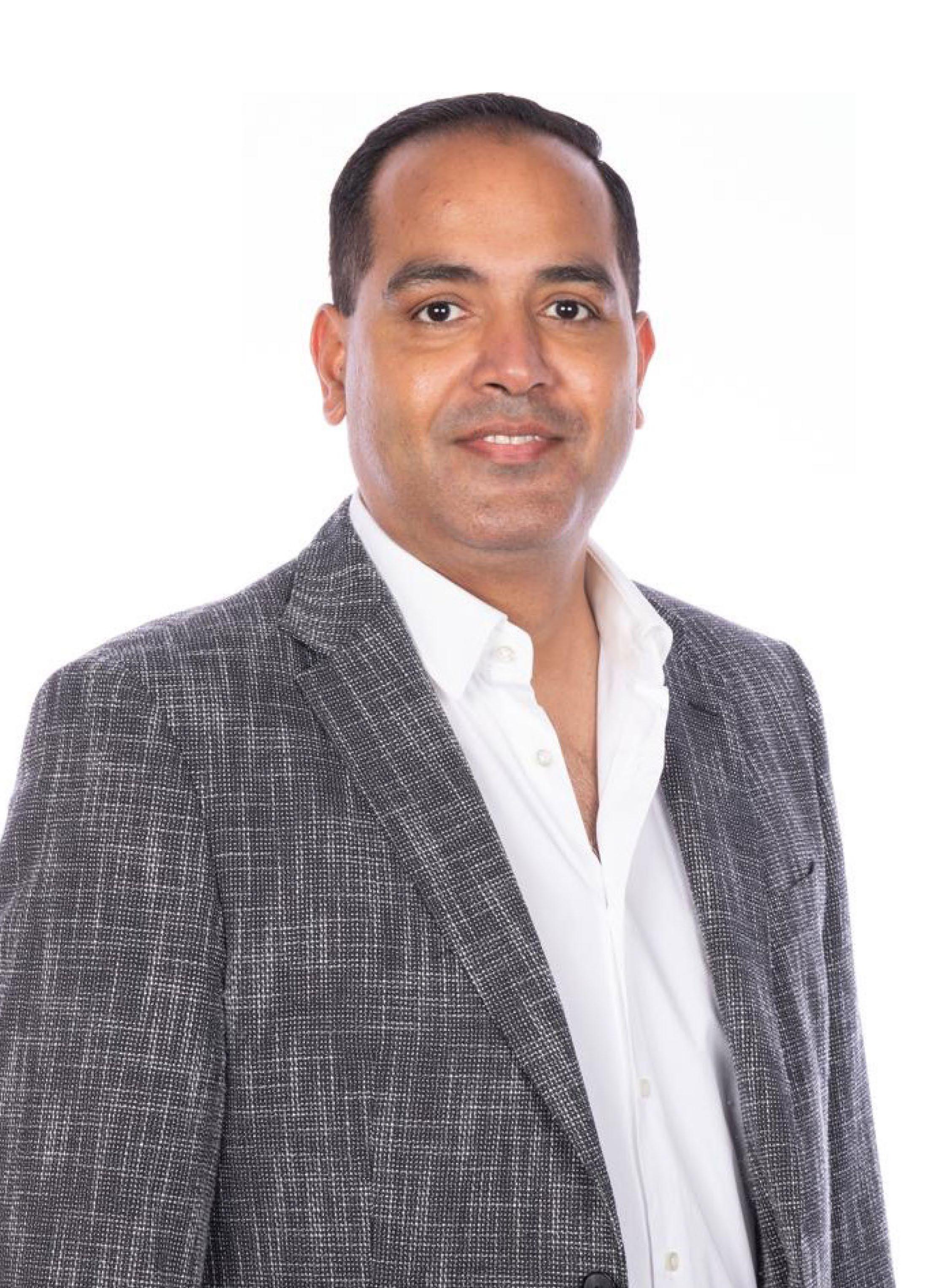
ASUS Business is making significant strides in the Middle East, combining innovation, strategic partnerships, and a growing commercial portfolio to meet the evolving needs of education, enterprise, and public sectors. In this interview, Mohit Bector, Commercial Head, UAE & GCC, ASUS Business, discusses the company’s performance in the first half of 2025, highlights key product launches, and shares how AI, sustainability, and market trends are shaping ASUS’s roadmap.
The Double-Digit Growth
For ASUS, 2025 has been a year of sustained momentum, particularly in the Middle East. Speaking about the company’s performance in the first half of the year, Mohit Bector notes that the commercial business has seen consistent growth across the region. Year-on-year, ASUS has achieved high double-digit percentage increases, driven largely by an expanding product portfolio that caters to diverse sectors including education, government, and enterprise.
This growth is not just about volume but also about strategic positioning. By delivering solutions that align with sector-specific needs, ASUS has solidified its presence in markets that demand both performance and adaptability. Education, for example, remains a cornerstone of their commercial success, while enterprise adoption has begun to accelerate in 2025.
Product Launches That Raise the Bar
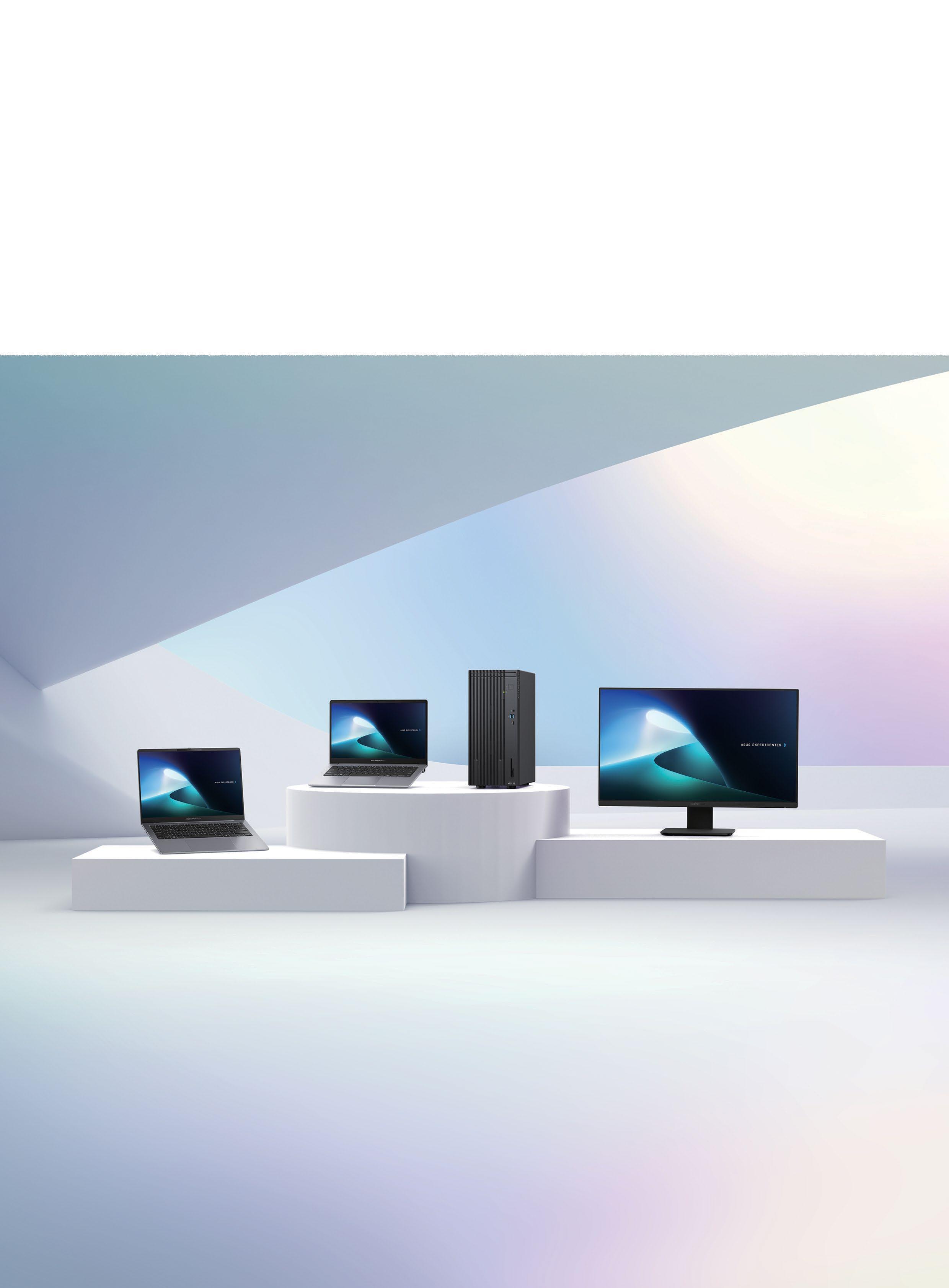
Innovation remains a defining strength for ASUS, and the first half of Fiscal Year 2025 has been no exception. Building on a long legacy of technological leadership, the company used COMPUTEX as a platform to expand its commercial PC offerings with next-generation AI-powered devices. These include an updated lineup of all-in-ones, desktops, and laptops designed to deliver performance, efficiency, and versatility.
One of the standout achievements was being first to market with laptops powered by Intel’s Lunar Lake technology in Q4 of last year. These devices combine a thin and light design with extended battery life, meeting the growing demand for mobility and endurance in professional settings.
Chromebooks Take Center Stage
The Chromebook segment also saw a major boost. ASUS introduced several new models that emphasize speed, battery life, security, and ease of management. The ExpertBook CX5403 and Chromebook CX3403, both part of the Chromebook Plus series, offer streamlined performance for productivity-driven users. Meanwhile, the CX1505 and CX1405 feature stylish, eco-friendly designs, catering to professionals and institutions seeking sustainability without sacrificing quality. The CM1402 is tailored for everyday use, and the rugged, modular CR11 and CR12 models are designed for K–12 education environments where durability is paramount.
Oman Emerges as a Growth Hotspot
Across the Middle East, ASUS has developed a strong presence in the UAE and GCC. Oman has emerged as a particularly dynamic market over recent quarters, showing impressive growth potential.
From a vertical perspective, education and the public sector remain steady contributors to performance, supported by consistent demand for robust, easy-to-manage devices. The enterprise segment, however, is now emerging as a high-potential area, thanks to an evolving portfolio that addresses professional-grade computing needs. Chromebooks have been a key growth driver. With a sharp increase in demand over the past year, ASUS expects this category to continue expanding over the next two to three years. The company’s focus on delivering devices that are not only cost-effective but also secure and easy to maintain has positioned it well in this competitive space.
Power of AI in Client Devices
AI is no longer a future prospect, it is here and transforming workflows across industries. ASUS has positioned itself at the forefront of this transformation. The company was the first to introduce a full Intel AI PC in Q4 2024, a move that underscored its commitment to early adoption of emerging technologies.
Since then, AI-enabled capabilities have been integrated across the ASUS portfolio. These range from performance optimizations and predictive analytics to enhanced collaboration tools, all designed to help clients work smarter and more efficiently. The reception from customers has been overwhelmingly positive, reflecting a growing appetite for AI-driven productivity solutions.
Partnerships That Power Progress
ASUS’s innovation strategy is bolstered by a network of strong alliances with industry leaders. Partnerships with Intel, AMD, Nvidia, Microsoft, and Google ensure that ASUS can bring cutting-edge technology to market quickly and effectively.
These collaborations are not limited to global agreements; they extend to regional and country-specific partnerships, enabling ASUS to tailor its go-to-market strategies to local market conditions. This agile approach ensures faster adoption and better alignment with customer needs.
Designing for a Greener Tomorrow
Sustainability is no longer optional, it is integral to long-term business success. For ASUS, environmental responsibility is embedded in both product development and operational practices. The company incorporates renewable energy into its operations to reduce carbon emissions and adheres to circular economy principles that promote resource efficiency.
From using eco-friendly materials in product design to expanding global take-back services for end-of-life devices, ASUS is committed to minimizing its environmental footprint. This sustainability focus also resonates with customers, especially in the education and public sectors, where procurement decisions increasingly factor in environmental impact.
As a relatively new entrant in the B2B client devices segment, ASUS aims to grow faster than the overall market by offering an evolving portfolio that meets the demands of modern business. Education will remain a major focus through the third quarter, but the company is already engaging with enterprise and public sector clients to refresh their installed base.
This proactive approach, combined with strong product offerings and strategic partnerships, positions ASUS to maintain, and potentially accelerate, its growth trajectory into the close of the year.
Delivering on the Promise of Technology
ASUS’s commercial journey in 2025 reflects a clear alignment between innovation, market demand, and strategic execution. By investing in AI-powered solutions, expanding its Chromebook portfolio, and embedding sustainability into its operations, the company is not just responding to industry trends, it is helping to shape them.
With the second half of the year promising both challenges and opportunities, ASUS is well-positioned to leverage its technological strengths, market insights, and partner ecosystem to deliver value across multiple sectors. In the words of Mohit Bector, the company is “eager to grow faster than the market consistently,” a goal that seems increasingly within reach given its performance so far.
Momentum Into the Second Half of 2025
The coming months hold significant opportunities for the commercial technology sector, and ASUS is ready to capitalize on them. Key market drivers include the end of support for Microsoft Windows 10, which is expected to trigger a wave of device upgrades, and the natural refresh cycle for devices purchased four to five years ago. The increasing adoption of AI-enabled PCs is another factor that could accelerate market growth.
Why High-Capacity Storage Is the
Silent Engine of the Middle East’s AI Transformation
Across the Gulf region, a transformation is taking place. It’s one powered by AI, built on data, and enabled by the infrastructure choices being made today. As GCC nations position themselves as global technology leaders, storage needs have evolved from a back-office concern into a strategic asset for digital advancement.
The Middle East stands at a technological crossroads. From the ambitious smart city projects of NEOM in Saudi Arabia to Abu Dhabi’s cloud initiatives, the GCC is architecting entire economies by adopting AI.
Yet, beneath the headlines about billion-dollar investments and visionary national strategies lies a fundamental truth that few are discussing. The success of AI ambitions will ultimately be determined by something seemingly mundane: data storage.
The PwC, says that AI could contribute more than $320 billion to the Middle East’s economy by 2030, with Saudi Arabia and the UAE accounting for nearly two-thirds of that growth. In parallel, as AI becomes deeply embedded across sectors, the demand for robust data infrastructure and long-term storage capacity is increasing.
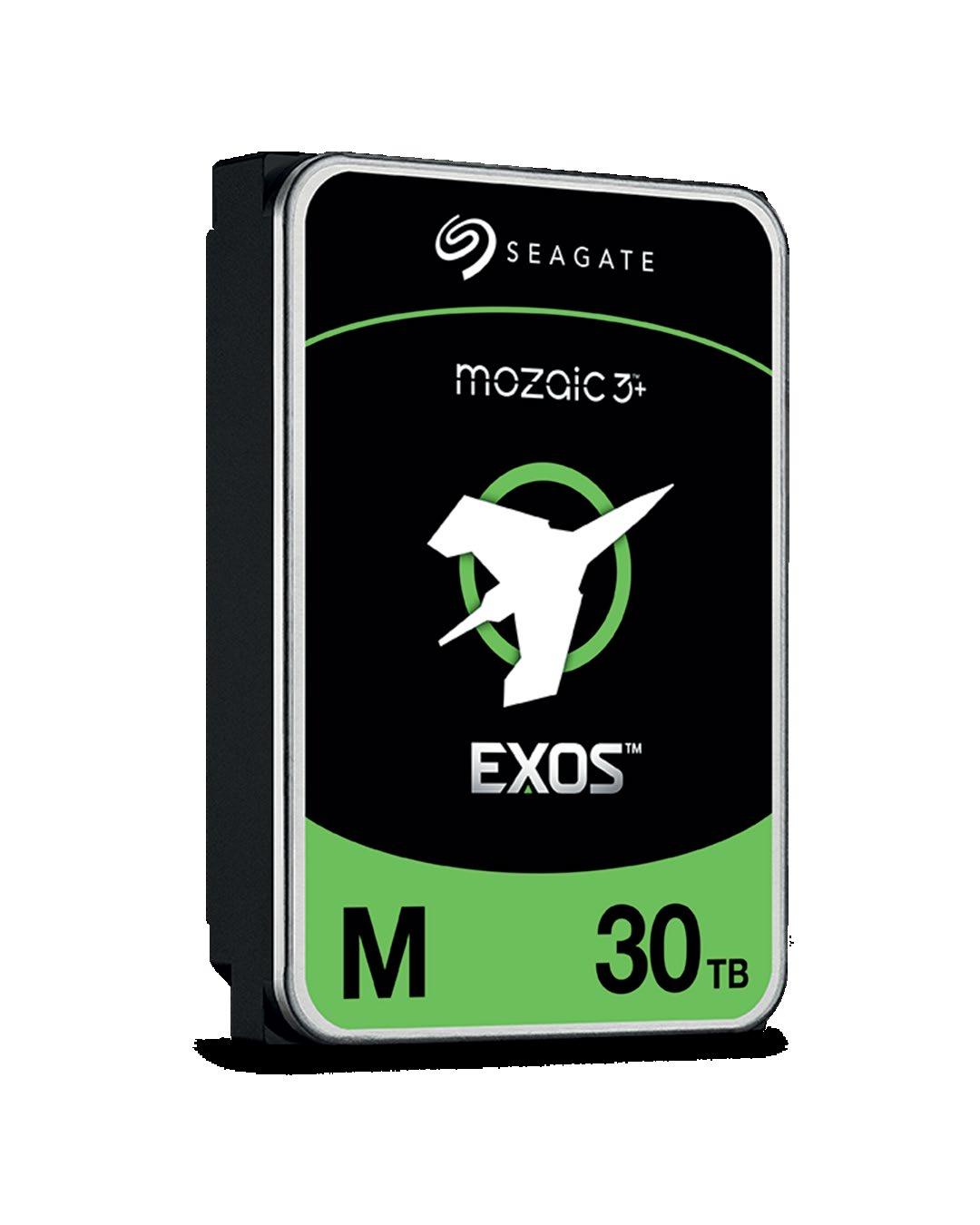
The recent emergence of ultra-high-capacity storage solutions, including breakthrough 30TB drives, represents more than just another technology milestone. In fact, these advancements have arrived at a critical inflection point in how the region approaches its next steps regarding data infrastructure.
The numbers tell a compelling story of unprecedented growth. Saudi Arabia’s data center market is expanding at a remarkable 21.87% compound annual growth rate and is projected to reach 1.9 GW by 2030. Meanwhile, the UAE continues to establish itself as a regional hub for advanced data center facilities.
Together, these developments are driving a GCCwide data infrastructure renaissance, expected to reach an estimated $9.4 billion by the end of the decade.
However, raw growth figures only capture part of this picture. What’s truly transformative is how AI is reshaping the requirements for data infrastructure. As regional governments implement sweeping digital economy frameworks, such as Saudi Arabia’s Vision 2030 and the UAE’s Digital Economy Strategy, the technical underpinnings of these ambitions require storage solutions that can handle an enormous amount of data.
Traditional storage solutions were designed for predictable, structured workloads. Today’s AI applications demand the ability to ingest, process, and store massive volumes of unstructured data, while maintaining the reliability and energy efficiency that modern enterprises require. The latest generation of 30TB drives, powered by advanced heat-assisted magnetic recording (HAMR) technology, address these needs by increasing storage density, especially for enterprises and organizations handling AI workloads and high volumes of data.
As storage needs evolve, one of the most significant drivers of demand in the GCC is the growing emphasis on data sovereignty.
According to industry analysis, approximately 80% of the world’s data is currently stored in 20 countries. However, as many as 150 countries are now adopting data sovereignty frameworks, including the UAE under its Federal Decree Law No. 45 of 2021 on Personal Data Protection.
This is fundamentally changing the way organizations approach data architecture and extends far beyond compliance. As governments and enterprises prioritize keeping data within national borders, the demand for on-premises, high-capacity storage solutions is rapidly increasing. Organizations are no longer simply looking for storage capacity; they need solutions that enable data control, local processing capabilities, and the ability to support AI workloads without compromising on sovereignty requirements.
Across the GCC, Edge AI has moved from experimentation to production, creating new demands for storage infrastructure that supports real-time processing, while minimizing power usage and maximizing resilience. The use cases are multiplying rapidly across verticals, and manufacturing predictive maintenance systems require continuous ingestion, fast access to historical data, and retail analytics.
Most critically, the video intelligence and surveillance sector are experiencing monumental growth. From border security to smart city infrastructure, these applications demand storage solutions that combine massive capacity with unwavering reliability. These are all environments where performance, scale, and speed are non-negotiable.
Therefore, the concept of ‘AI factories’ (data centers specifically designed to manufacture intelligence at scale), is gaining traction across the region.
These facilities require storage that can support the entire AI lifecycle, from data ingestion through model training to real-time inference. Industry leaders have already shipped over one million drives based on advanced HAMR platforms, reaffirming that companies view these solutions as enterprise ready.
The shift toward disaggregated data center architectures, where compute, storage, and networking are scaled independently, makes ultra-high-capacity storage particularly relevant. Organizations can optimize infrastructure investments by scaling storage precisely as needed, supporting AI workloads from core to edge, while maintaining flexibility.
Sustainability meets strategic advantage
The GCC’s commitment to achieving Net Zero emissions creates compelling dynamics for infrastructure decisions-makers. Ultra-high-capacity drives offer industry-leading storage density per watt, directly addressing dual imperatives for capacity growth and energy efficiency.
Furthermore, by enabling customers to store more data in fewer racks, these solutions reduce cooling requirements, floor space needs, and overall environmental impact, supporting both climate goals and business growth agendas across the region.
The path forward
Echoing IDC’s Research Director, Ed Burns, the highest capacity hard drives have become “critical strategic assets in the AI development process”. With companies like Hewlett Packard Enterprise (HPE), forecasting that the on-premises AI market will reach $42 billion within three years, the timing of storage innovations couldn’t be more crucial.
As the Middle East continues its transformation into a global AI powerhouse, the decisions made about foundational infrastructure will have lasting implications. I always say that AI is only as a good as the data it learns from, and data requires storage infrastructure that can scale reliably, efficiently, and sustainably.
The GCC stands at the precipice of the future, where high-capacity storage has become central to national competitiveness in AI, cybersecurity, and digital leadership. The infrastructure choices made today will determine whether the region’s ambitious AI goals become reality and how this stands to shape its economies.
In short, as AI reimagines the value of data, the future of the Middle East digital economy is being written right now, one byte at a time.
Researcher
Check Point Software Technologies
DIKLA Barda
The NFT Security Handbook That Could Save Your Digital Fortune
Picture this: You›ve just minted what you think is the next Bored Ape, only to discover you›ve actually given a hacker permission to drain your entire wallet. Or maybe you’ve proudly displayed your new 10 ETH NFT purchase, only to wake up and find it’s now showing a crude drawing of a stick figure. Welcome to the wild world of NFT security – where one wrong click can cost you a fortune, and where the phrase “not your keys, not your crypto” takes on a whole new meaning.
As NFTs continue their march toward mainstream adoption, we›re dealing with digital assets worth millions, entire gaming economies, and the foundation of what many believe will be the future of digital ownership. But with great opportunity comes great responsibility, and unfortunately, great risk.
The Art of Digital Deception: When Your NFT Isn›t What It Seems
The Neitherconfirm Wake-Up Call: In 2021, digital artist Neitherconfirm sold 26 NFTs on OpenSea featuring computer-generated portraits. After buyers completed their purchases, he switched all the images to photos of literal rugs in what he called an educational “rug pull.’’
His message was clear: “All discussions about the value of NFTs are meaningless as long as the token is not inseparable from the artwork itself. As long as the value of your artwork relies on a central service you do not own anything.”
Imagine buying what you think is a rare digital artwork, only to have it morph into something completely different after you’ve paid. This isn›t science fiction – it’s the reality of metadata manipulation attacks that have caught countless NFT buyers off guard.
The Centralized Storage Trap: Many NFT projects store their artwork and metadata on regular web servers, giving them the power to change your NFT’s appearance at will. It’s like buying a painting, but the artist retains the right to sneak into your house and paint over it whenever they want. Projects have exploited this to perform “slow rug pulls” – gradually degrading NFT quality or replacing artwork with worthless placeholders after the initial excitement dies down.
The buyers still owned their NFTs on the blockchain, but what they displayed had completely changed. The “unforgeable” tokens were worthless because the actual content lived on a centralized server the artist controlled.
Marketplace Mayhem: When 10 ETH Becomes
10 Cents
The marketplace is where most NFT trading happens, and it›s also where some of the most psychologically devastating attacks occur. These aren›t technical exploits –they›re carefully crafted traps that exploit human psychology and interface design.
The Currency Confusion Catastrophe: NFT marketplaces support dozens of different tokens – ETH, WETH, USDC, USDT, and countless others. Attackers exploit this by making offers using worthless tokens that have similar symbols to valuable ones.
Real-World Case: The USDC Masquerade: On OpenSea, scammers exploit the difference between WETH (worth thousands) and USDC (worth $1). They bid with USDC but use usernames like ‘wETH’ and WETH logo profile pictures to trick sellers.
Picture this: you see “10 WETH” on your NFT, expecting $20,000. You quickly accept, but you›ve just sold for 10 USDC – ten dollars. The interface showed “10” prominently, but the scammer offered USDC, not WETH.
The Phishing Evolution: Beyond Fake Websites
While fake minting sites remain popular, modern phishing attacks have evolved into sophisticated psychological operations that would make social engineers proud.
The Discord Takeover: NFT communities live on Discord, making server compromises incredibly effective. When attackers gain access to official servers, they don›t just post random scam links – they craft elaborate stories about “emergency migrations” or “exclusive surprise drops” that create genuine panic in the community. The social proof of seeing other members participate makes these attacks devastatingly effective.
Airdrop Poisoning: Attackers have weaponized the excitement around free airdrops. They create fake NFTs with malicious smart contract interactions and send them to holders of popular collections. When victims try to “claim” or “trade” these fake airdrops, they unknowingly grant permissions that allow attackers to steal their real NFTs. It›s like receiving a package that steals everything else in your house when you open it.
The Psychology of Getting Rekt
Understanding why these attacks work is crucial for avoiding them. NFT culture creates perfect conditions for exploitation:
FOMO-Driven Decision Making: The culture of limited drops and exclusive access creates immense pressure to act quickly. Attackers exploit this by adding artificial urgency to their scams – “only 100 mints left” or “offer expires in 1 hour.” Your rational mind knows to verify, but your emotional mind is screaming «don›t miss out!”
Technical Intimidation: Many NFT users don›t fully understand blockchain technology, making them vulnerable to technical-sounding explanations. Attackers use phrases like “migrate to new contract for gas optimization” or “upgrade for Layer 2 compatibility” that sound legitimate but are actually nonsense designed to justify suspicious requests.
Community Trust: NFT projects emphasize community and shared identity, which creates trust that attackers exploit. When someone appears to be part of your community, sharing your interests and speaking your language, you’re more likely to trust their recommendations.
Building Your Defense Strategy
Protecting yourself in the NFT space isn’t about avoiding all risks – it’s about making informed decisions and building habits that keep you safe.
The Multi-Wallet Philosophy: Think of your wallets like different bank accounts for different purposes. Keep a “hot wallet” with small amounts for daily trading and exploration, a “warm wallet” for medium-value transactions, and a “cold wallet” (preferably hardware) for your most valuable long-term holdings. This way, even if you make a mistake, the damage is contained.
The Five-Minute Rule: Before making any
The Five-Minute Rule: Before making any significant NFT transaction, wait five minutes and verify through multiple sources. Check the official website, verified social media accounts, and community discussions. If something is legitimate, it will still be legitimate in five minutes. If it’s a scam, those five minutes might save you thousands.
Permission Auditing Rituals: Regularly review and revoke unnecessary token approvals using tools like https://etherscan. io/tokenapprovalchecker . Many users are shocked to discover they have dozens of active permissions to contracts they›ve forgotten about. Each approval is a potential backdoor for attackers.
The Skepticism Filter: Develop healthy paranoia about unexpected opportunities. Free airdrops, surprise collaborations, emergency migrations, and too-good-to-be-true offers should all trigger your skepticism filter. Legitimate projects rarely operate through urgent, unexpected announcements.
Red Flags To Spot
Learning to spot warning signs can save you from most attacks:
Unverified Smart Contracts: Any project asking you to interact with an unverified contract is asking for blind trust. Legitimate projects verify their contracts on blockchain explorers like Etherscan.
Pressure Tactics: Artificial urgency, countdown timers, “exclusive access,” and “emergency” situations are classic manipulation techniques. Legitimate projects give users time to research and decide.
Communication Red Flags: Poor grammar, evasive responses to technical questions, and unprofessional communication often indicate scams. Professional projects maintain consistent, high-quality communication.
Too-Good-To-Be-True Economics: Offers that seem impossibly generous, especially unsolicited airdrops or investment opportunities, are almost always scams designed to steal your attention and eventually your assets.
The Future of NFT Security
The NFT space is rapidly evolving, and so are the threats. We›re seeing more sophisticated attacks that exploit technical vulnerabilities and psychological factors. The good news is that security tools and education are also improving.
But ultimately, security comes down to individual responsibility and community education. Every user who learns to protect themselves makes the entire ecosystem safer.
Remember: in the NFT space, your greatest asset isn›t your rarest token – it›s your knowledge and vigilance. Stay curious, stay skeptical, and never stop learning.
LAVINA Punjabi
Sustainability Lead HP - MEA
The Changemaker Behind
HP’s Sustainability Push
Lavina Punjabi was born and raised in Sharjah and completed her early education at The Emirates National School in Sharjah and Our Own English High School in Dubai. “These institutions have long championed female empowerment in the UAE,” she says, reflecting on the leadership roles she embraced from a young age, including head girl, prefect, and house captain. These experiences helped develop her confidence, collaborative spirit, and a deep sense of responsibility.
“Being actively involved in both cultural and academic communities shaped my perspective and voice,” she adds, crediting her early environment with reinforcing the UAE’s progressive stance on empowering young girls as future leaders.
She pursued a Bachelor’s in Computer Information Systems at Skyline University College in Sharjah, which first sparked her passion for merging technology with purpose. Seeking a global view of business operations and strategy, she later earned dual master’s degrees, an International MBA from Griffith University in Australia and a Master’s in Supply Chain Management from MIT Zaragoza in Spain, affiliated with MIT Boston.
“These institutions not only focused on academic excellence,” Lavina says, “but also instilled ethical values, progressive thinking, and adaptability to cross-cultural environments.” The experiences laid the foundation for her career, merging technical expertise with strategic leadership.
Breaking Into Tech
Lavina began her professional journey at Redington Gulf in 2006 as a Product Executive for HP Servers. “It was more than a first job, it was a formative learning ground,” she recalls. The role allowed her to apply academic knowledge to real-world challenges in inventory, operations, and pricing.
In 2017, she joined HP’s Personal Systems division. Five years later, she transitioned into her current role as Sustainability Lead for HP Middle East and Africa. This shift, she explains, was driven by a combination of the UAE’s growing emphasis on sustainable development, her personal desire to contribute to environmental well-being, and a deep alignment with HP’s Sustainable Impact framework, which is built on Climate Action, Human Rights, and Digital Equity.
“This role feels like the intersection of purpose and profession,” she shares. “It’s where my values meet the scale and ambition of global impact.”
Career Snapshot
Lavina’s academic and professional path reveals a well-rounded blend of global education and cross-functional expertise:
2001–2005: Bachelor’s in Computer Information Systems, Skyline University College, UAE
2006–2009: Product Executive – HP Servers, Redington Gulf, UAE
2009–2011: International MBA, Griffith University, Australia
2011–2012: Master’s in Supply Chain Management, MIT Zaragoza, Spain (affiliated with MIT Boston)
2012–2016: Customer Service Specialist, Caterpillar, UAE
2016–2017: Logistics and Procurement, IHC Holland, UAE
2017: Joined HP as Junior ACM – Personal Systems, UAE
2022–Present: Sustainability Lead, HP Middle East & Africa, UAE
“Each stage contributed to a well-rounded skillset,” she says, “shaping my ability to lead with purpose and drive cross-functional impact.”
Owning the Sustainability Agenda
As the region’s Sustainability Lead, Lavina focuses on embedding sustainability across business functions and communities. Her work includes:
• Executing global programs like HP Planet Partners and the Supplies Take Back initiative, tailored to local markets
• Equipping internal Sustainability Champions and sales teams with tools to drive sustainability conversations with customers
• Translating global sustainability strategy into regional action plans
She highlights several initiatives under her leadership:
• The Changemakers Challenge under the EXPO School Programme, showcased at COP28
• The HP GameOn Hackathon series across the UAE, Saudi Arabia, and South Africa through the HP Gaming Garage Lab
• A special 2025 edition of the hackathon in collaboration with Dubai Tourism (DET)
• Overseeing CSR initiatives for three years, working with NGOs and community groups to create impactful programs
Closing the Awareness Gap
One of the most significant challenges Lavina identifies is raising awareness around sustainability. “It’s not just about running programs, it’s about helping people really understand the why behind them,” she says. To bridge this gap, she works to provide tools, training, and resources that empower HP teams, partners, and customers to make informed and sustainable choices.
Dance, Cricket and Connection
Lavina’s weekends are dedicated to what she loves most, dance, cricket, and family. She enjoys Bollywood dance, from semi-classical to contemporary styles, which she says helps her stay grounded and energized.
Her passion for cricket began with Sachin Tendulkar’s legendary “Desert Storm” innings in 1998, watched live in Sharjah. Since then, she has attended World Cup matches in Australia and England.
“Above all,” she says, “spending time with family and friends gives me the reset I need. Whether it’s a casual get-together or a quiet meal at home, those shared moments keep me connected and balanced.”
Impact That Matters
Lavina takes pride in the tangible results of her work. She supports HP’s regional implementation of initiatives such as AMPLIFY IMPACT, Planet Partners, and local environmental efforts including carbon neutrality projects, community planting, and cleanups. These programs not only foster regional engagement but also provide practical, culturally relevant sustainability tools.
She also works closely with HP’s global education team to expand digital skills training in the MEA region. Through platforms like HP LIFE and HP Gaming Garage, along with events like hackathons and bootcamps, Lavina is helping drive HP’s ambition to empower 150 million people by 2030.
“I also contribute to CSR initiatives that support marginalized communities,” she explains, “enhancing employability through IT training and digital equity efforts that align with HP’s human rights commitments.”
Words to Young Women
To young women aspiring to make their mark in tech and leadership, Lavina shares this message:
“Be bold. Be curious. Dream bigger than what feels comfortable. Doors will open in ways you never imagined, just as they did for me when I pursued not one, but two master’s degrees, something I hadn’t envisioned at the outset. Trust the process, even when the path feels unclear.”
She also emphasizes the power of collaboration.
“One quote I often use at work is: ‘Teamwork makes the dream work’, a reminder that supporting those around you brings deeper fulfilment than any milestone alone.”
Inspired by Many
Lavina attributes much of her success to the support of family, teachers, and mentors. “Their guidance and belief have been unwavering,” she says. She also acknowledges the professional leaders and colleagues who have shaped her outlook an across MEA, Lavina Punjabi’s journey is a compelling example of what’s possible when passion, purpose, and perseverance come together.
Be bold, be curious, and dream bigger than what feels comfortable. Doors will open in ways you never imagined, just as they did for me.
Rayed Alrammahi:
$4,800,
a War and the Will to Build
TECHx Media, in its series of interviews to feature ICT industry leaders who have made a mark in the tech landscape, spoke with Rayed Alrammahi. He didn’t map his life in years. He connects it through moments, turning points that seem insignificant at first, but in hindsight, changed everything.
As the General Manager of ARD ALGHADEER TRADING LLC, his journey from post-sanctions Iraq to helming multimillionaire ventures in the UAE is not just a tale of business resilience, it’s a personal odyssey.
Escaping Sanctions
Rayed Alrammahi started with talking about his life journey. It’s less of a timeline and more a series of moments, connecting dots, as Steve Jobs would call them, that only make sense when you look back.
“I graduated in 1997 as a Control and Computer Engineer in Iraq,” he begins. “But Iraq at the time was under heavy sanctions. We were years behind the rest of the world, even the internet was banned. The only computer-related work available was typing and printing. I joined a local shop, just printing documents for people. It was the most boring job I’ve ever done, but I loved computers.”Despite the limitations, an unexpected opportunity presented itself when one of the shop’s partners found himself short-staffed. Rayed volunteered to step in, a move that would set the stage for his future. “That partner is still with me today,” he says with a smile.
Bur Dubai Beginnings
By early 2003, the storm clouds of war were gathering over Iraq. Rayed made the decision to leave. “I landed in Dubai a months before the U.S. invasion, with just $4,800 in my pocket.”
He shared a tiny apartment in Bur Dubai with five others. His first job paid AED 2,500, but deductions and exploitation meant he barely made ends meet. When his employer threatened to block his work permit, it almost ended his journey before it truly began.But fate intervened. A Chinese friend offered him a rent-free desk. Another extended him $30,000 in credit. “That was how ARD ALGHADEER TRADING was born in 2004.”
Credit, Kindness, and the Climb
“I had nothing. No credit history, no capital. But what I had was trust, and a bit of pity from people who saw me trying,” he reflects.
That trust turned into opportunity. One of the most defining moments came in 2004, when a mentor named Mr. Hadian gave him AED 1 million in credit, even as Rayed prepared to visit war-torn Iraq. “He said, ‘If something happens to you, I don’t want the money.’ I’ll never forget that.”
Flashbacks of hardship still sting, a shop in Iraq broken into, being tied at gunpoint, and operating under the constant fear of theft. “We had 14 locks on the door and still couldn’t sleep peacefully.”
From One Shop to a Turning Point
His Dubai venture began modestly. He struggled with hiring, communication, even basic office setup. “My first hire left in three days. I had to get someone’s office boy to explain instructions to mine in a shared language.”
A critical turning point came in 2007 when a friend, Hani, urged him to take over a shuttered shop on Computer Street. Within 20 minutes, Rayed negotiated the lease, reduced the key money, and called his brother in Iraq to perform a khairah (Islamic omen prayer). The answer came: “Very good. Move forward.” That shop became his headquarters. “Had I not been there at that exact time, I may never have made the leap.”
Iraq: Rise, Collapse, and Recovery
He expanded into distribution, first with Asus, then AOC, Philips, Dahua, Acer, and others. Each move was calculated. Epson, Canon, HP for printers. Consumables followed. Enterprise IT came next, though not without setbacks.
When challenges came, he didn’t retreat, he adapted.
Revenue, Entities, and a Warehouse Legacy
From AED 110,000 in initial capital to AED 650 million in revenue by 2024, that’s the leap ARD ALGHADEER made. Instead of centralizing, Rayed began splitting entities. “Breaking things down gives me clarity. I’m building a group structure piece by piece.”
From 2004 to 2013, 95% of his business served the Iraqi market. “In 2013, I sold 188,000 laptops to Iraq. In 2014, just 2,000.” The instability collapsed the demand. By 2015, he was financially paralyzed. “I stood in my washroom, looked in the mirror, and almost cried. I saw my daughters in my mind and thought, ‘It’s over.’”
Then came a miraculous offer, a deal for 21,000 Dell laptops. He said yes, instantly. Hours later, another offer came for 13,000 Toshiba laptops stuck in Saudi. He accepted that too. The gamble paid off. By year’s end, he had moved over 27,000 units, cleared aging inventory, and revived his company.
The Brand Battles: Dell, HP, and Beyond
At one stage, Rayed enjoyed 13% margins on Dell products, rare in the industry. But when he lost his exclusivity, it was a gut punch. “I felt like it was over again.” Instead, HP re-entered the scene. By 2022, he was handling 55% of HP’s PC business, which he later trimmed to 47% to maintain balance.
His logistics arm, AGT Logistics, began with a rented 1,000 sqm warehouse in Jebel Ali. Eventually, he bought the iconic ASBIS warehouse, now running independently.
An Instinct That Made History
During the peak of COVID, with cities in lockdown, Rayed stepped out for a quiet cigarette. A call came from HP. Laptops were available, but no one was buying. “I said, ‘Place an order for 16,000 laptops.’ I had only 3,000 in stock. No strategy. Just gut.”
That decision changed everything. When demand roared back, he was the only channel with inventory. He moved over 40,000 laptops at margins of 30 to 35%.
What others call a case study, Rayed calls a fluke. “It was just a cigarette break and instinct.”
Human First: Leadership with Heart
We asked Rayed about his proudest achievement, and he did not mention revenue. He talked about people.
From house help he treats as family to loyal colleagues like Faris and Sid, his focus has always been on building trust. “It’s not about hiring the right people. It’s about growing together.”
He lives by one principle: Mind your own business.
“I never chased the competition. When they were at AED 100 million, I aimed for 40, then 50. Step by step.”
No loans. No sponsors. Just savings, open credit, and risk, personal and professional.
New Markets, Same Soul
While others rushed into Saudi, Qatar, or Kuwait, Rayed looked elsewhere, UAE, Egypt, CIS, Latin America, even North America. Iraq, once 95% of his business, is now just 5%.
His focus today is enterprise IT, system integration, and decentralization, each entity scaling on its own terms.
No Formula. Just Faith.
Reflecting on his journey, Rayed offers no textbook advice. Just lived experience.
“I’ve seen chaos, wars, theft, betrayal. But also miracles. Grace. Baraka. If even one of my team members prays for me with a full heart, that’s enough.”
Wars, sanctions, and setbacks couldn’t stop progress. Miracles, trust, and instinct guided each leap.
Success isn’t a plan, it’s showing up, adapting, and building with heart.
Still Showing Up, Still Building
“Dubai was meant to be temporary,” he says. “But it became everything.” Today, he runs multiple entities, supports 70+ families, and wakes up with one goal, to keep building with honesty, humility, and faith.
There’s no master plan. No formula. Just instinct, prayer, and the will to show up. And perhaps that’s the real case study.
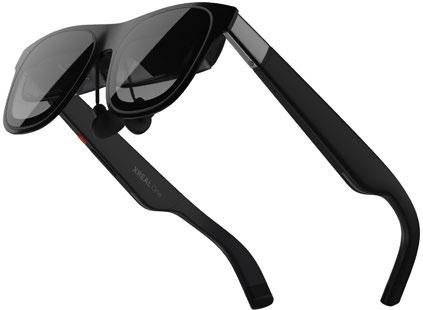
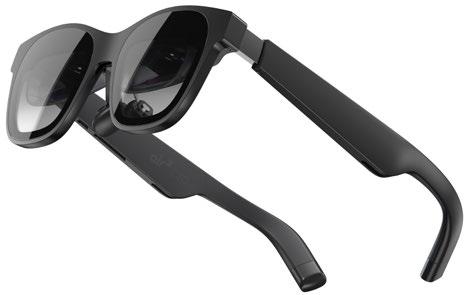
XREAL’s Journey: Turning AR Glasses into Everyday Tech
When you think about technology, it often feels like every few years something new comes along that changes everything. Smartphones did that. The internet did that. And now, for XREAL, augmented reality (AR) is that next big leap.
What started as a small, energetic group of people with a simple belief, that AR glasses could one day be as common as smartphones, is now one of the most talked-about companies in the AR world. XREAL didn’t just build gadgets; it redefined how AR could fit into daily life.
How It All Began
Back when XREAL was founded, AR glasses weren’t exactly consumer-friendly. They were heavy, bulky, pricey, and worked more like siloed systems than everyday devices. Most people saw them as experimental tools rather than something you’d actually wear outside the lab.
The team behind XREAL saw things differently. They believed AR glasses had the potential to become mainstream, enriching lives in ways people hadn’t yet imagined. But for that to happen, AR needed a complete rethink.
like AR glasses, lightweight, stylish, and built to work seamlessly with smartphones. To get there, the team engineered their own optic engine for crystal-clear image quality and built software that could run AR apps directly on mobile phones.
Breaking Into the Market
In 2019, XREAL officially unveiled its first AR product. The response was strong. Consumers, developers, and even telecom carriers began paying attention. Investors, too, saw the potential in a company that was doing what others hadn’t managed: making AR genuinely consumer-ready.
From there, the momentum only grew. By 2023, XREAL wasn’t just participating in the AR industry; it was leading it. According to IDC, the company’s market share was about the same as its next four competitors combined.
Milestones That Shaped the Brand
One of the things that set XREAL apart is its consistent innovation. The company never stopped pushing the boundaries of what AR glasses could be. Every year brought a new milestone:
• 2019: The first product announcement that introduced the world to XREAL’s vision.
• 2020: A strategic step with Wuxi National Hi-Tech District (WND), setting up its first R&D and optical module production facility. This decision gave XREAL the scale and foundation to move from prototypes to large-scale manufacturing.
• 2023: The XREAL Air 2 won the iF Design Award, proving the company could match style with substance.
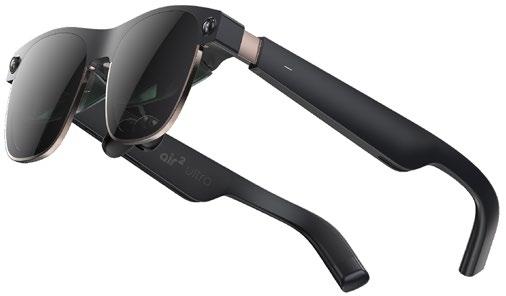
• 2024: The Air 2 Ultra debuted at CES, Beam Pro launched mid-year, and both earned prestigious design recognitions including the Red Dot Design Award.
• 2025: Shipments surged by 113.7 percent year-on-year, according to IDC’s Q2 report. By mid-year, the company had shipped more than 700,000 units worldwide.
And in between these milestones, new models like the One Pro continued raising the bar. With its enhanced comfort, proprietary chips, and cutting-edge optics, it redefined the premium AR experience and won over consumers in North America and Europe.
Dominating the Global Market
XREAL’s rise hasn’t been confined to one market; it’s a global story. The company has ranked first in the global AR glasses category for four consecutive years. As of 2025, it is the world’s best-selling AR glasses brand, holding impressive shares in key regions:
• North America: 43.9 percent share, cemented by the success of One Pro in markets where Meta and Apple are strongest.
• Europe: 39.4 percent share, thanks to steady innovation and growing consumer trust.
• Japan and South Korea: Clear leadership, with growing adoption among tech-savvy consumers.
• China: Second in shipments but first in revenue, a reflection of strong positioning in the premium segment.
Globally, XREAL now sits second in the overall AR+VR market, right after Meta, according to IDC.
Recognition Beyond Sales
It isn’t just numbers that show XREAL’s impact. Industry recognition has also followed. In 2025, Fortune included XREAL in its list of the “50 Most Influential Tech Companies in China.” This was the first time an AR glasses brand had ever made it onto the list, a clear sign that XREAL is shaping the future of consumer technology, not just participating in it.
The Unique Advantages
The first major part of XREAL’s success is tied to its partnership with Wuxi National Hi-Tech District (WND). In 2020, when the company decided to set up its first optical module R&D and production facility there, it gained access to Wuxi’s robust industrial ecosystem. This move allowed XREAL to scale up manufacturing quickly and efficiently without compromising quality.
In late 2024, the company introduced the XREAL One Series, powered by a brand-new spatial computing co-processor, the in-house developed X1 chip, which enabled a native 3 DoF experience. This also gave the company the ability to build comprehensive spatial computing capabilities, moving beyond hardware to create a more holistic AR ecosystem.
Where AR Is Heading
For XREAL, the story doesn’t end with global market leadership. The company’s vision remains the same as it was on day one: to make AR glasses a mainstream consumer product, as essential and familiar as a smartphone.
That means continuing to push for better designs, more comfortable wearables, and technologies that integrate seamlessly into daily routines. It also means expanding into new markets, growing its developer ecosystem, and finding more ways AR can add value to people’s lives.
On May 20th, 2025, XREAL collaborated with Google to announce Project Aura, the extended reality glasses that would run Google’s Android-XR operating system. The launch marked a step into a new era for future virtual and augmented reality smart glasses, much like Android had turned into a default option for most smartphones.
What’s Next for AR
From its humble beginnings as a group of enthusiasts to its current role as a global leader, XREAL has shown what’s possible when passion meets vision and execution. In just a few short years, it has transformed AR glasses from clunky prototypes into sleek, award-winning consumer products, while building a brand that’s trusted around the world.
As the company continues to innovate and expand, one thing remains clear: the future of AR is not just something XREAL is waiting for, it’s something the company is actively building, one pair of glasses at a time.
XREAL is now officially available at Dubai Duty Free, giving travelers and tech enthusiasts the chance to experience its award-winning AR glasses firsthand.
How HP Telemetry is Powering the Modern Workforce
Most IT issues don’t start with an error message. A slowdown, a frozen screen, or a battery that can›t last the entire day are the first signs. Recognizing those early signs and addressing them quickly is the difference between a smooth workday and unnecessary, disruptive interruptions.
As organizations rely more heavily on digital tools, understanding how devices are performing has become essential.
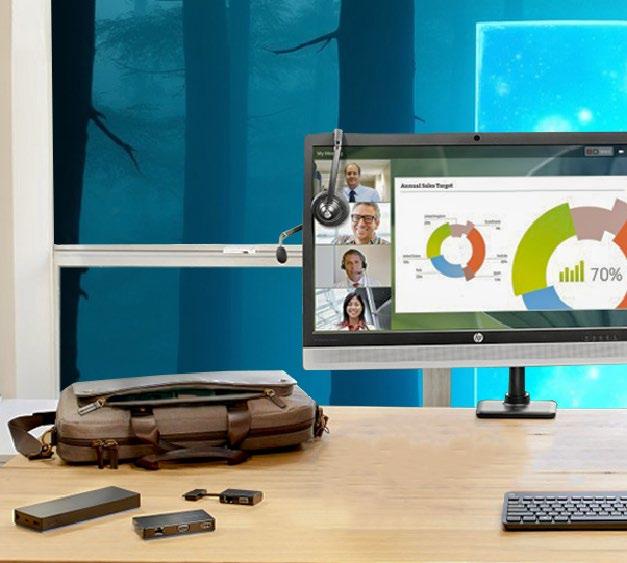
However, with only 55% of employees feeling fully supported by their service desk, there is a clear need for more proactive IT solutions. With the use of real-time analytics and sophisticated telemetry, HP›s Workforce Experience Platform (WXP), which analyzes over 24 million endpoints and resolves more than 11 million IT issues monthly, gives IT teams a better picture of device health, helping them anticipate issues early and boost productivity throughout the company.
From signal to insights
Many technical problems build slowly and silently. Those early signals are visible through HP telemetry. By comparing live data from company devices against a global baseline, the system identifies anything unusual, whether it’s excessive battery drain, overheating, or application instability. This makes it possible for support teams to intervene before these issues escalate.
This kind of information also reduces the burden on employees. Rather than relying on users to report
vague or hard-to-explain problems, IT teams can monitor device health continuously in the background. That allows them to take action before minor issues become significant disruptions, all without compromising the user experience.
Smarter decisions with better data
The benefits extend beyond daily troubleshooting. Telemetry data provides information on how devices are being used, which helps with longer-term IT planning. Organizations can track patterns in
performance, identify where teams are struggling with outdated hardware, and prioritize upgrades more effectively.
It also provides useful data for smarter software deployment and configuration choices, enabling IT leaders to base their decisions on how tools are performing in real environments. As a result, end users experience more consistency, fewer assumptions, and better resource targeting.
All of this is delivered through HP Workforce Solutions, which uses artificial intelligence to highlight the most relevant insights. This ensures IT teams are not overloaded with raw data but are equipped with relevant, timely information that drives action and supports decision-making.
Supporting national digital priorities
As the UAE and Saudi Arabia push forward with national strategies for digital transformation, HP is bringing its Workforce Experience Platform to both markets. The platform provides IT teams with the visibility and tools they need to improve performance, prevent disruptions, and maintain uninterrupted operations.
With both countries placing increasing emphasis on workplace resilience, user experience, and secure digital infrastructure – including the UAE›s focus on building AI-ready hardware systems – the ability to manage devices proactively is a critical step forward. The platform is particularly relevant for hybrid and remote work environments, a model gaining traction under initiatives like Saudi Arabia›s regulatory updates to encourage flexible and remote job models, where direct oversight is limited but expectations for system reliability remain high.
Security built in
Security remains central to the solution. HP telemetry operates within a secure framework, protected by HP Wolf Security. As data is gathered and analyzed, endpoint security is supported by real-time threat detection and hardware-enforced safeguards. This ensures that improving performance does not come at the cost of system integrity or compliance.
A clearer view of IT performance
Managing technology across a distributed workforce requires more than simple monitoring. IT teams require a complete view of how systems are performing and where support is most needed. HP’s telemetry-led approach provides that visibility, helping teams address issues early and maintain a stable, responsive work environment.
As a result, there are fewer disruptions, less time spent diagnosing preventable issues, and more focus on employees› core tasks without interruptions. As the expectations placed on IT continue to grow, solutions like HP WXP offer a clear benefit to every business: fewer surprises and better performance across the board.
When your workplace is everywhere, security is everything
HP Wolf Security brings a host of advanced technologies to your endpoint cyber-defences, supporting HP and non-HP (OEM) PCs, and HP printers.
Sing It Loud: Platinum Karaoke Turns 25
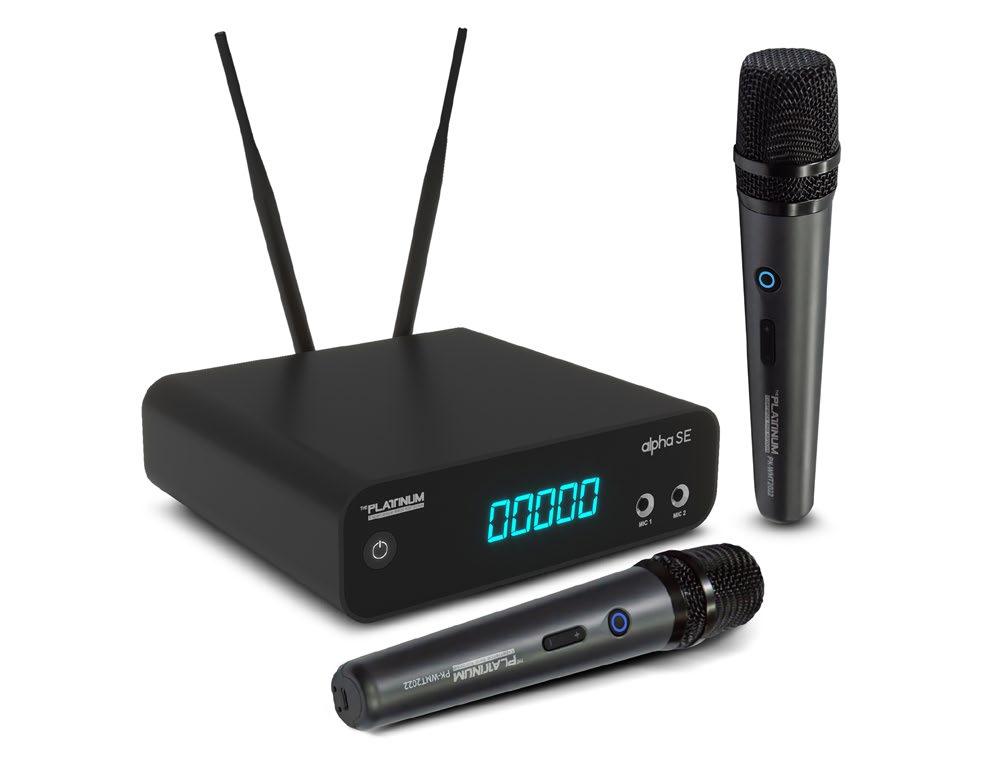
In the Philippines, singing isn’t just a pastime, it’s a language of celebration, a form of connection, and a cherished part of family and social life. From lively barangay festivals to intimate family gatherings, music has a way of bringing people together. At the heart of this shared love for singing is Platinum Karaoke, a brand that has become synonymous with the ultimate karaoke experience for over 25 years.
A Homegrown Brand with a Global Vision
The story of Platinum Karaoke is more than a tale of products and technology; it’s a story of Filipino ingenuity, passion, and the enduring power of music to unite generations. Founded on the idea that everyone deserves a high-quality, immersive karaoke experience at home, Platinum quickly rose from a local venture to a household name. Its journey reflects a blend of tradition and innovation, rooted in local culture but designed to reach music lovers worldwide.
Sound that Inspires Confidence
From the beginning, Platinum set itself apart through its unwavering commitment to sound quality. While lesser systems often suffer from distortion or weak audio, Platinum delivers clear, rich, and powerful sound. Every note is crisp, every voice is amplified with precision, allowing users to perform with confidence, whether they are seasoned singers or simply enjoying a casual sing-along. This dedication to audio excellence ensures that every performance, from heartfelt ballads to energetic pop anthems, feels special.
A Library as Vast as Your Imagination
Equally central to the Platinum experience is its vast and ever-growing song library. Thousands of tracks spanning multiple genres, from Original Pilipino Music (OPM) to global hits, are readily available. Regular updates keep the collection fresh, allowing users to sing the latest chart-toppers or rediscover timeless classics. With Platinum, no karaoke session is ever the same, and every gathering, big or small, becomes a celebration of choice and variety.
Smart Technology, Seamless Experience
Platinum has never stopped at sound and songs. In an age where convenience and digital integration are paramount, the brand embraced smart technology early on. With the Platinum Link App, users can search for songs, build playlists, and control their systems directly from their smartphones or tablets. This seamless interface transforms karaoke into a personalized, interactive experience, making it easier than ever to orchestrate unforgettable nights of music, laughter, and camaraderie.
Versatility for Every Singer
But what truly makes Platinum Karaoke enduring is its versatility. From portable microphones perfect for spontaneous sing-alongs to fullscale professional systems designed for KTV bars, Platinum offers solutions for every setting and budget. Each product reflects meticulous craftsmanship, built to last, and engineered to perform reliably for years. Beyond the hardware, Platinum provides robust after-sales support, ensuring that customers can enjoy peace of mind along with their music.
Turning Moments into Memories
For the past quarter-century, Platinum has been more than a product, it has been part of life’s most memorable moments. Barkada karaoke nights, family reunions, birthdays, solo practice
sessions, in every instance, Platinum has been a trusted companion, helping people create joy, connection, and memories. This philosophy of shared experience culminates today in an exciting new milestone: the launch of the Platinum Karaoke Concept Store in SM Makati Cyberzone, a first-of-itskind retail space that immerses visitors in the brand’s world of sound, technology, and celebration.
The Platinum Concept Store: A New Chapter
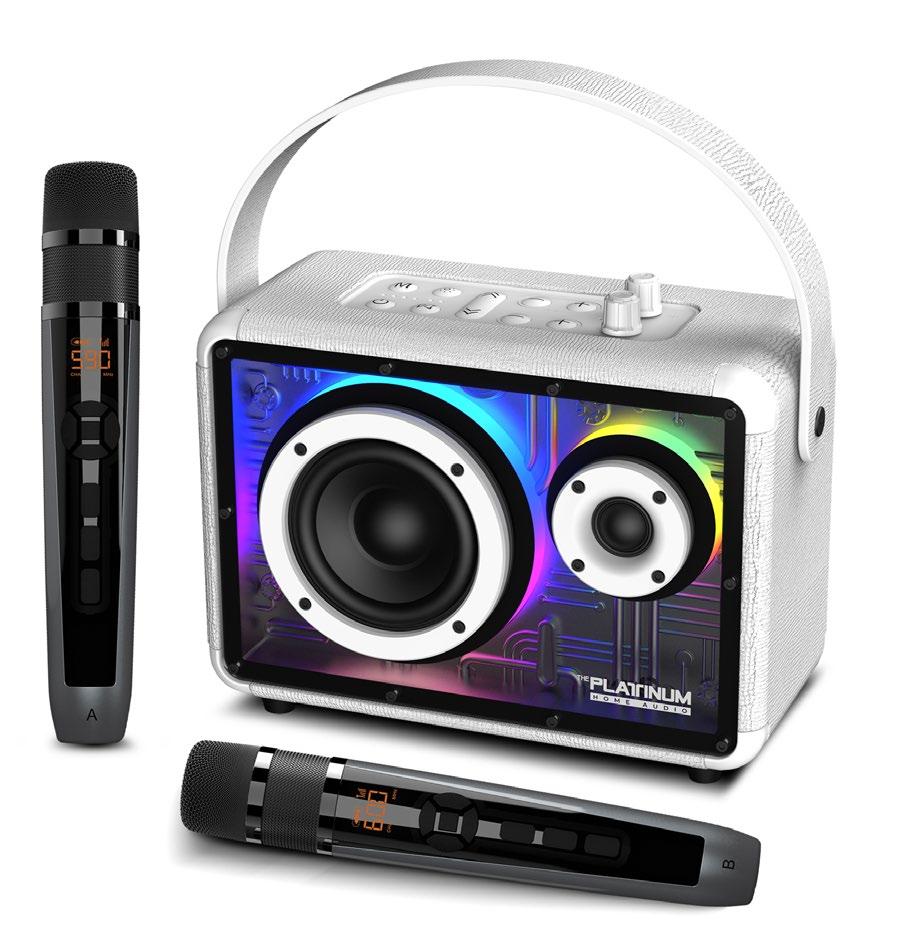
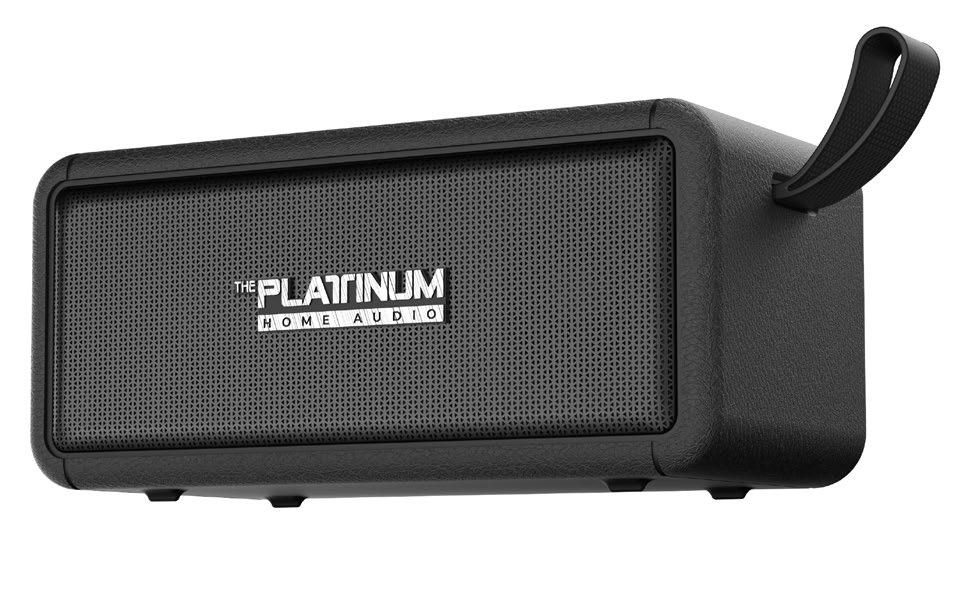
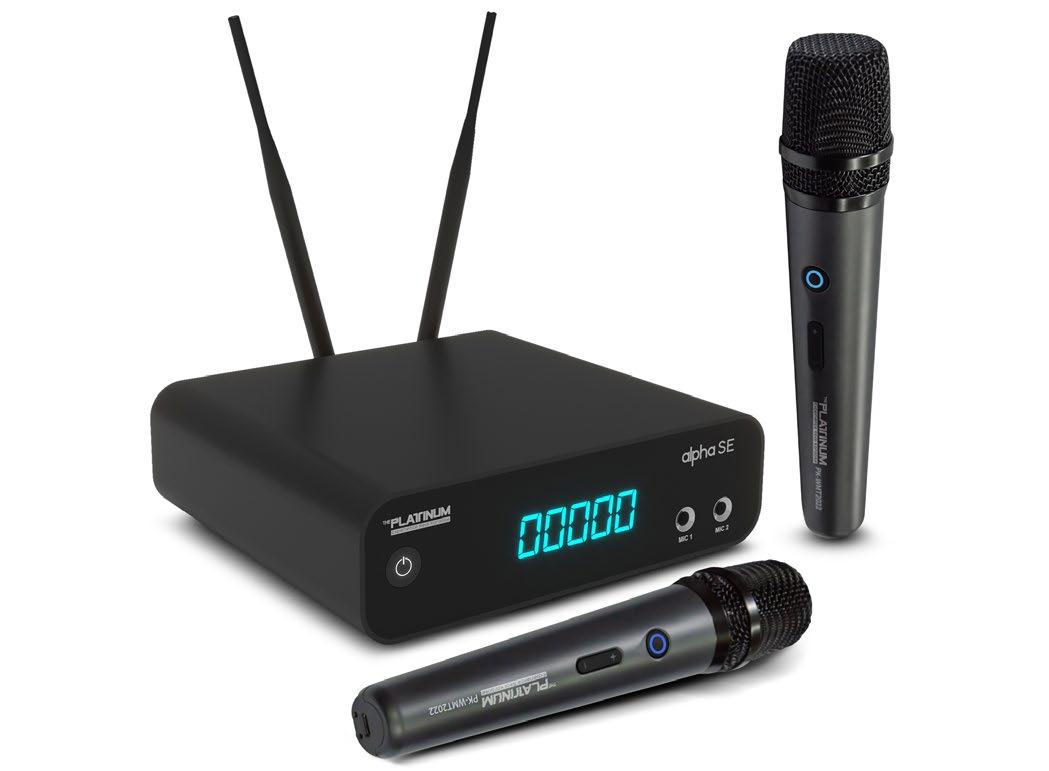
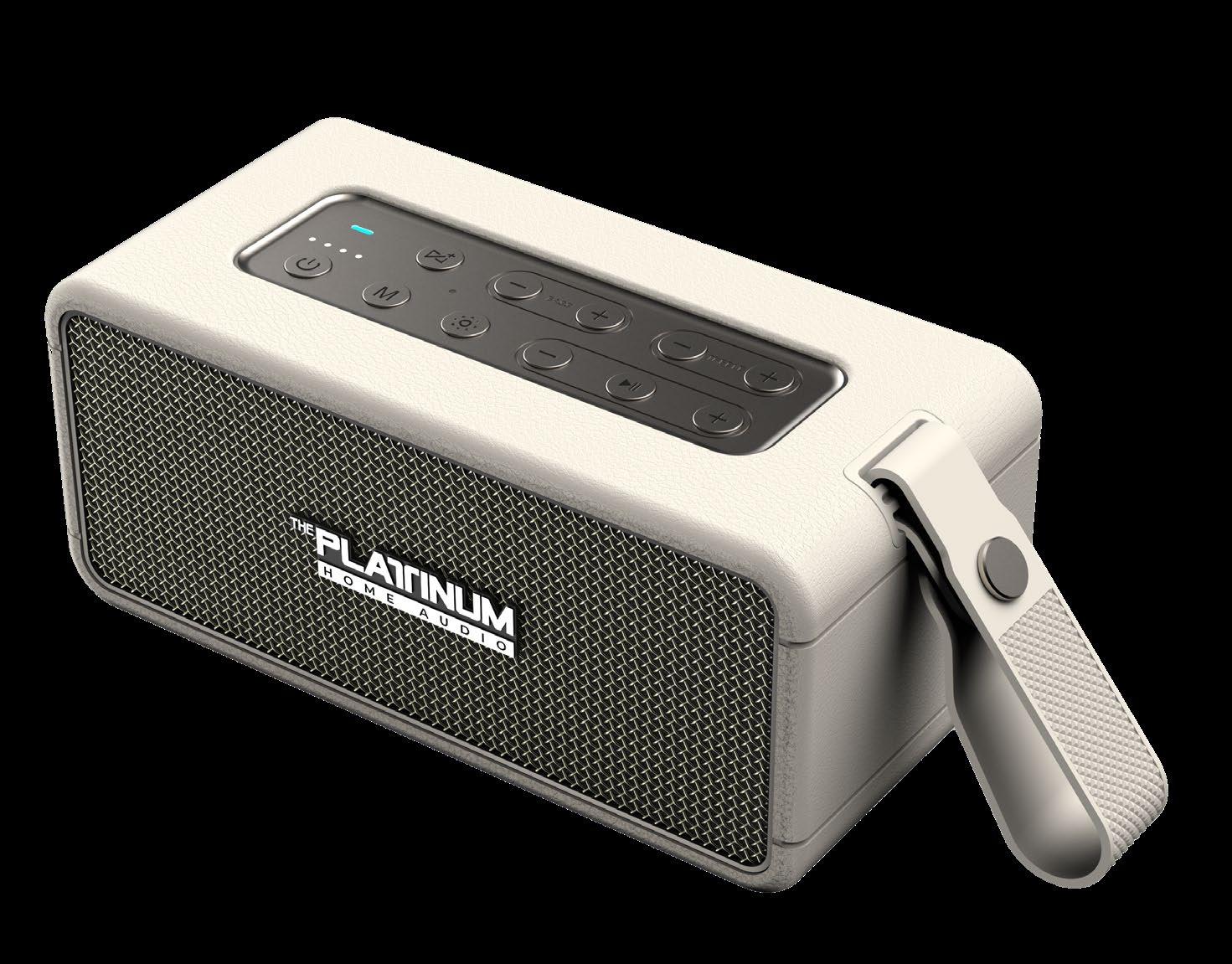
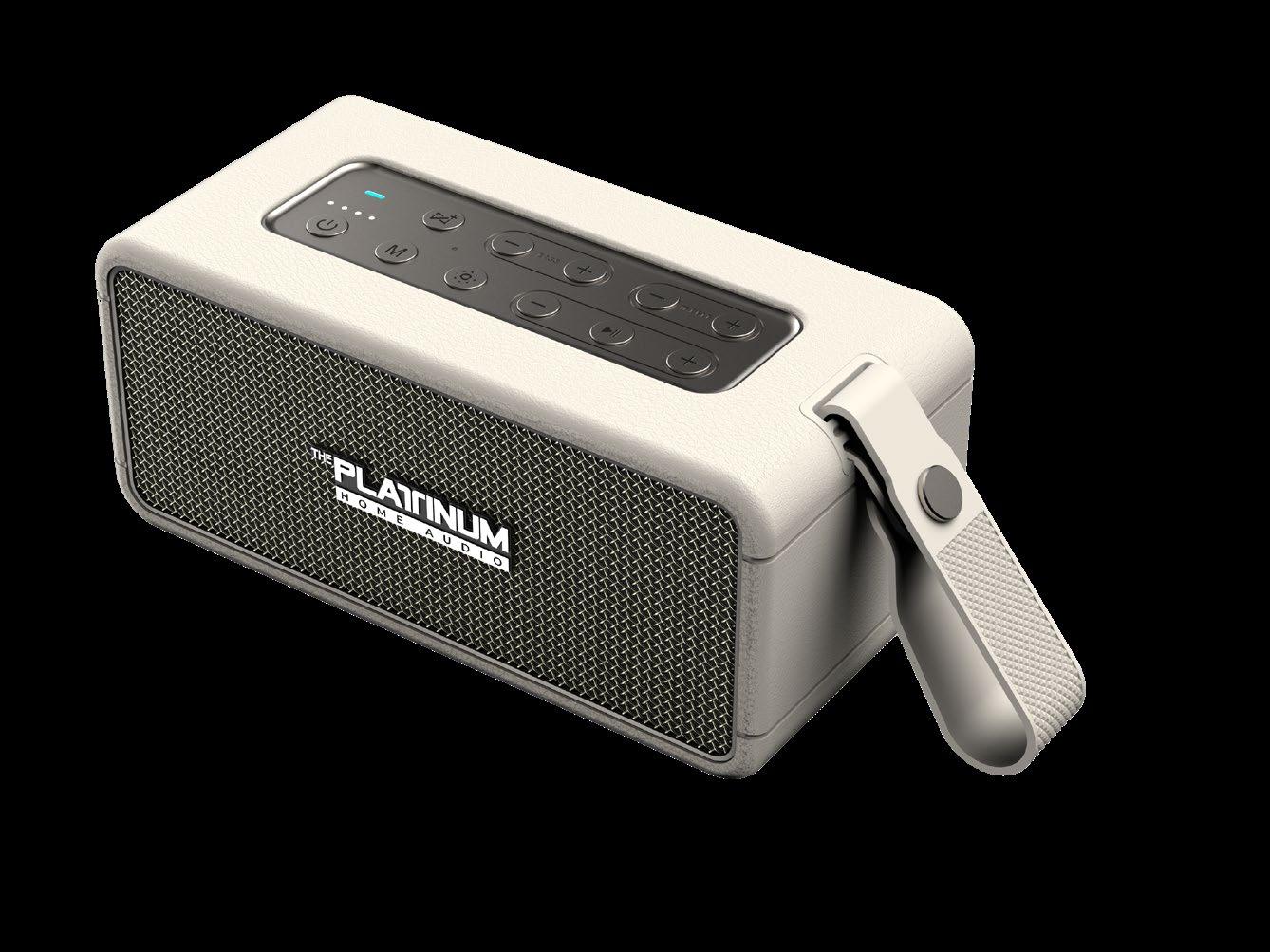
The Platinum Concept Store is not just a store; it is a soundscape, a space where innovation, tradition, and entertainment converge. Visitors can explore the Alpha 2, Platinum’s flagship all-in-one entertainment hub, which integrates karaoke, Android TV, digital TV, and smart features like voice assistants, YouTube streaming, Pro Score singing duels, and customizable pitch effects. Beyond this, the store showcases a wide array of products, from portable speakers and wireless mics to amplifiers and wearable audio gear, all designed to make music accessible, versatile, and fun for every lifestyle.
Filipino Pride Meets Global Reach
“Platinum Karaoke is built on Filipino pride, created by Filipinos, for Filipinos, and now reaching music enthusiasts across the globe. With the launch of our first Concept Store, we are proud to mark this milestone and broaden our footprint in the audio entertainment space along with the unparalleled karaoke experience that has defined our brand,” said Bianca Teodoro, Brand Manager at Platinum Karaoke. She adds, “Our distinctive Platinum Karaoke experience affirms our commitment to constant innovation, not just to keep up with the times, but to elevate
how families, friends, and communities connect and entertain through music, fun, and memorable moments.”
A Stage for the Stars
This anniversary celebration is further amplified by a live performance from Daryl Ong, one of the country’s most soulful balladeers. With millions of YouTube subscribers and viral hits such as “Stay” and “Ikaw na Nga,” Daryl embodies the passion and artistry that Platinum Karaoke strives to bring into every home. At the event, he will join guests in intimate karaoke sessions, making the brand’s soundscape come alive in a truly interactive way.
A Legacy in Filipino Pop Culture
Over the years, Platinum Karaoke has also been endorsed by some of the Philippines’ most beloved entertainers, from Vice Ganda and Angeline Quinto to Morissette, and iconic love teams like AlDub and KathNiel. These collaborations have cemented Platinum’s place in Filipino pop culture, reflecting not only its quality but also its ability to resonate with audiences across generations.
Sound Made in the Philippines, Designed for the World
What ultimately sets Platinum apart is its vision: it is not merely about selling a product but about crafting experiences that connect people. Every innovation, every design choice, and every song added to the library is intended to foster joy, togetherness, and harmony. Sound made in the Philippines, designed for the world, that is Platinum’s promise.
The Legacy and the Next Chapter
As Platinum Karaoke celebrates 25 years, it does so with a sense of reflection and anticipation. It honors the countless homes, parties, and milestones it has been part of while looking ahead to new ways of uniting people through music. The Concept Store represents this future: a space where technology meets tradition, where fun meets innovation, and where memories are waiting to be made.
More Than a Karaoke Machine
In the end, choosing Platinum Karaoke is about more than selecting a karaoke machine, it’s about joining a legacy. It is about celebrating music, community, and Filipino pride. It is about trusting a brand that has, for a quarter of a century, turned ordinary gatherings into extraordinary moments. With superior sound, a rich library of songs, smart features, durable products, and a heart that beats in rhythm with its people, Platinum Karaoke continues to be the ultimate soundtrack of life’s celebrations.
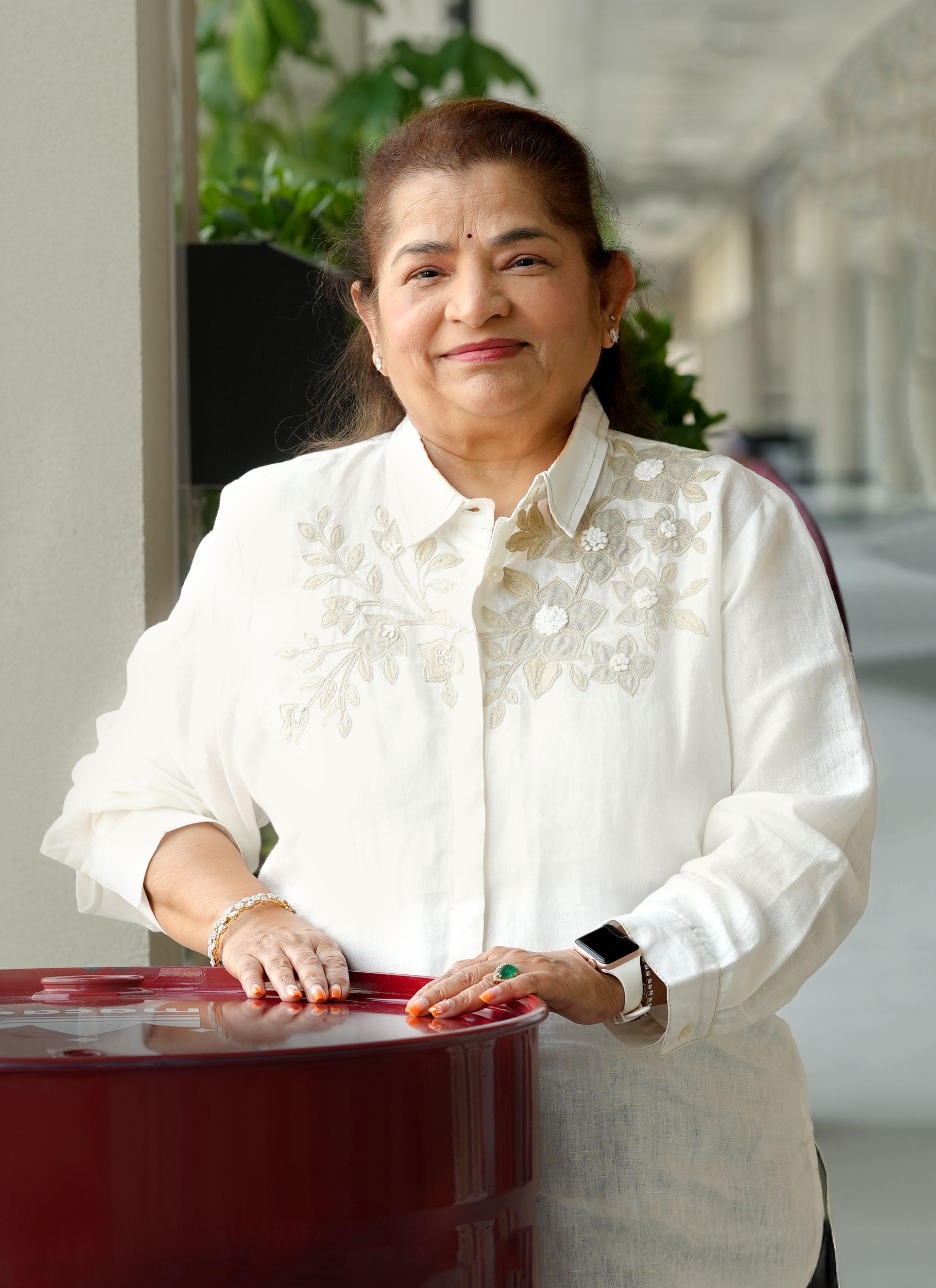
Bhatia
SUNITA
CEO and Founder TSSC FZCO
From Front Desk to CEO: The Sunita Bhatia Story
Sunita Bhatia, CEO and Founder of TSSC FZCO, shares her journey that began in the corridors of The Indian High School, passed through Dubai’s early tech scene, and today continues to inspire a new generation of IT leaders.
A New Life in Dubai
April 15, 1975. An 11-year-old girl arrived in Dubai from Mumbai. Nervous but hopeful. That girl was Sunita Bhatia. Dubai, once a holiday home, now became permanent. Her father had moved here in 1952, post the India-Pakistan partition, seeking better prospects. Her mother stayed in India to raise Sunita and her siblings, embodying courage and sacrifice.
Family and community support made the transition easier. The city, still finding its identity, began to shape hers too.
Values and Education
Raised in a home grounded in culture, discipline, and strength, Sunita’s childhood was defined by high expectations and strong principles. Leadership came naturally. From being a Prefect to House Leader at The Indian High School, she enjoyed taking initiative. She graduated high school in 1982, then moved back to India for her Bachelor of Commerce. In 1986, she returned, ready to begin a new chapter in Dubai, the city she now called her own.
Early Impressions of a Changing Society
In the 70s and 80s, the UAE was transforming. The idea of women in corporate offices was still new. But her sister Mala changed that narrative, joining an international bank in 1976. It was a turning point.
Sunita saw the possibility of women stepping into finance, business, and eventually, tech. That shift gave her the courage to pursue her own professional goals.
Entering the Workforce
In 1996, as a mother of a four-year-old, she made a pivotal decision, to start working.
She began as a receptionist at SCE Computers, now FDC International. While it may have seemed a modest role, it introduced her to the world of IT.
And crucially, she worked under a woman leader who empowered her. That mentorship gave Sunita the belief that she could succeed in a male-dominated industry. She transitioned into sales, and a deep passion for computer hardware was born.
Breaking into Tech
The late 90s saw a booming IT landscape in Dubai. Sunita was ready.
She joined Asbis Middle East FZE, a wellknown name in IT distribution. It was a career-defining move. She rose through the ranks to become Country Sales Director, managing the introduction of global hardware brands into the Middle East.
This role wasn’t just about numbers, it was about building relationships, strategizing growth, and leading in a fast-changing market. It was also about proving her credibility in a space where women were still the minority. She did all of that, and more.
What started as a leap of faith in 2005 has become a trusted name in IT distribution.
Facing Challenges Head-On
Being a woman in tech during the 90s wasn’t easy.
Sunita focused on performance, not barriers. Her results earned respect. Over time, she became the example, not the exception. Setbacks came. Market shifts. Company changes. Personal roadblocks. But she kept realigning. Each challenge shaped her leadership style: calm, intentional, and persistent.
Founding TSSC
In 2005, she founded TSSC. What started as a leap of faith has now become a well-regarded name in the IT distribution sector.
The company is built on trust, resilience, and industry insight. Sunita’s role today goes beyond leading. It’s about mentoring, preserving values, and creating a path for those who will follow.
One of them is her son, Dipesh. Young, driven, and aware of the evolving tech landscape, he is stepping up to carry the TSSC legacy forward. His presence brings continuity, innovation, and purpose to the company’s next chapter.
Recognitions and Milestones
In 2021, Sunita was awarded “Most Impactful Corporate Career” by Indian Women in Dubai (IWD). The recognition honored her decades-long contribution to the tech space.
She’s also featured in Faces of UAE, a platform that celebrates leaders across the country. Her journey, deeply rooted in the UAE’s own growth story, reflects resilience and impact.
Looking Ahead
2025 marks 29 years in tech and 20 years of entrepreneurship. Sunita’s legacy is still in motion.
The focus now is on building intentionally. Ensuring the foundation she laid continues to empower future leaders. Staying true to the values that shaped her.
Final Message to the Industry
“Stay curious,” she says. “Technology changes every day. But your core, your integrity, clarity, and passion, should stay constant.”
Her advice to aspiring professionals is clear. Don’t chase trends. Build with purpose. Let values guide decisions. And above all, lead with intent.
UAE and Azerbaijan Unite to Advance AI and Education
Presight, a global AI and big data analytics company, has signed two Memoranda of Understanding (MoUs) with the Government of Azerbaijan to support the country’s artificial intelligence ambitions across national strategy and education.
The MoUs were formalized during the state visit of His Highness Sheikh Mohamed bin Zayed Al Nahyan, President of the UAE, in the presence of His Excellency Ilham Aliyev, President of Azerbaijan. They were signed by His Excellency Dr. Sultan Al Jaber, Chairman of Presight, with His Excellency Rashad Nabiyev, Minister of Digital Development and Transport, and His Excellency Emin Amrullayev, Minister of Science and Education.
The first MoU, with the Ministry of Digital Development and Transport, aims to advance Azerbaijan’s AI Strategy 2025–2028. It outlines cooperation on AI strategy consulting, deployment of advanced AI technologies, support for government digital transformation, and programs to foster AI talent, startups, and innovation across the country.
The second MoU, with the Ministry of Science and Education, focuses on AI in education. It will drive the development of AI-powered learning solutions, such as AI tutors for students and AI assistants for educators. The initiative also supports integrating Azerbaijani language models with a focus on educational applications.
Commenting on the agreements, Thomas Pramotedham, CEO of Presight, said: “Presight is proud to partner with Azerbaijan in advancing its national AI strategy and in reimagining the future of education through cutting-edge technologies. Artificial intelligence is a powerful catalyst for progress, shaping economies, societies, and opportunities for future generations. These MoUs represent a pivotal opportunity to harness the power of AI for nation building and digital transformation. Together, we are able to shape pathways to innovation, talent development, and long-term prosperity that will deliver immense benefits to Azerbaijan.”
These MoUs further strengthen UAE-Azerbaijan ties, following the Comprehensive Economic Partnership Agreement (CEPA) signed in July 2025. The CEPA provides a broad framework for collaboration across technology, innovation, and education. Together, these initiatives highlight the shared ambition of both nations to leverage artificial intelligence as a driver of development, sustainable growth, and innovation.
Guard Your Digital Footprint, UAE Cyber Council Warns
The UAE Cyber Security Council (CSC) has highlighted growing risks tied to users’ digital footprints, noting that over 1.4 billion accounts are hacked globally each month. Every online interaction, from logins to posts, leaves traces that can be exploited.
The council distinguishes between passive footprints, collected without users’ knowledge through tracking, and active footprints, intentionally created via posts, photos, and videos. Weakly secured data can lead to privacy breaches, account takeovers, phishing, and identity theft, while unofficial apps may access cameras or record calls without consent. To protect themselves, users are urged to download apps from official stores, review permissions, enable two-factor authentication, and exercise caution when sharing locations or accepting friend requests.
The CSC stressed that digital safety relies on both technology and user awareness, reminding everyone of their role in limiting their digital footprint. This guidance forms part of its weekly “Cyber Pulse” awareness campaign.
Ras Al Khaimah Hosts UAE’s First Flying Vehicle Trial
H.H. Sheikh Saud bin Saqr Al Qasimi, Supreme Council Member and Ruler of Ras Al Khaimah, witnessed the first trial flight of a flying vehicle by China’s XPENG AEROHT at Al Jazirah Aviation Club. The demonstration, attended by Zhang Yiming, China’s Ambassador to the UAE, sheikhs, and senior officials, marks a pioneering step toward smart and sustainable mobility in the emirate. Sheikh Saud highlighted that the trial re-
flects the UAE’s vision for innovation and sustainability, reinforcing Ras Al Khaimah’s commitment to adopting global technologies. He said the project exemplifies turning unconventional ideas into eco-friendly transportation solutions that enhance quality of life and diversify the economy.
The event also included the signing of a Memorandum of Understanding between the RAK Transport Authority and XPENG AEROHT, aimed at developing flying vehicle technologies for tourism, leisure, and rescue operations, advancing the emirate’s smart mobility goals.
UAE to Host AI Film Award at 1 Billion Followers Summit
The 1 Billion Followers Summit, the world’s largest content creator event, will feature the AI Film Award in partnership with Google Gemini AI, offering a US$ 1 million prize. The award celebrates films that integrate AI tools, promoting creativity, technical skill, and meaningful storytelling.
Organised by the UAE Government Media Office, the Summit runs from 9–11 January 2026, hosting 400+ speakers with a combined following of 3 billion and attracting 30,000 visitors from 140 countries. Initiatives include a Creator’s Market supporting 100+ startups and the Creators Ventures accelerator, investing over AED 50 million in emerging talent. Submissions, open until 20 November 2025, require films to be 70% AI-generated using Goog-
le Gemini AI, 7–10 minutes long, and explore either “Rewrite Tomorrow” or “The Secret Life of.” Top entries will screen at the Summit, with the grand winner announced on 11 January.
NVIDIA, OpenAI Announce 100$B AI Data Center Project
Nvidia will invest up to US$100 billion to power OpenAI’s next-generation data centers, in what CEO Jensen Huang called “the biggest AI infrastructure project in history.” The landmark partnership, outlined in a newly signed letter of intent, will deploy at least 10 gigawatts of Nvidia systems.
The first gigawatt is planned for the second half of 2026 on Nvidia’s Vera Rubin platform, with millions of GPUs dedicated to training and running OpenAI’s future models.
OpenAI CEO Sam Altman emphasized Nvidia’s unmatched ability to deliver at scale and speed, describing the infrastructure as “the fuel we need to drive improvement.”
The announcement comes as OpenAI reports more than 700 million weekly active users, underscoring the demand for expanded AI capacity. Both companies framed the project as a pivotal step in moving artificial intelligence from research labs into the real world.
The World’s Startup Capital? All Eyes on the UAE
H.H. Sheikh Mohammed bin Rashid Al Maktoum, Vice President and Prime Minister of the UAE and Ruler of Dubai, has launched a landmark campaign, “The Emirates: The Startup Capital of the World,” to cement the nation’s position as a global hub for entrepreneurship, startups, and innovation.
The campaign, led by the Ministry of Economy and Tourism with the UAE Government Media Office and the UAE Entrepreneurship Council, unites over 50 incubators, accelerators, and strategic partners from both public and private sectors. National institutions and academic entities are also involved, creating a robust ecosystem to nurture entrepreneurial talent.
Sheikh Mohammed highlighted that the initiative will train 10,000 Emirati entrepreneurs, generate thousands of opportunities, and inspire youth to contribute to the UAE’s dynamic economy. Small and medium-sized enterprises already contribute more than 63% of the UAE’s non-oil GDP, underlining their importance to national growth.
Central to the campaign is the StartupEmirates.ae digital platform, developed with the New Economy Academy. It will link Emiratis with startups, offering mentorship, shared workspaces, networking, and cross-border partnerships. By 2030, it targets 10,000 entrepreneurs and 30,000 new jobs. Supporting initiatives include an Entrepreneurship Programme delivering business training for 10,000 Emiratis, a Content Creator Programme preparing 50 young Emiratis in economics and entrepreneurship, and a Project Management Experts Programme to qualify 500 professionals in construction management. Additional measures involve licensing 500 Emirati tax agents through the UAE Tax Agent Programme, supporting 250 real estate companies, and hosting the Young Entrepreneurs & Graduate Business Expo to connect projects with investors.
By fostering innovation and empowering youth, the campaign strengthens the UAE’s global standing as a hub for talent, investment, and pioneering ideas.
Low Rates, High Tech: UAE’s
Economic Tailwinds Support IT Growth
The UAE›s IT distribution sector continues to demonstrate robust performance, according to the latest distribution sales data from CONTEXT. Revenues are trending above the average monthly figures recorded in previous years, highlighting sustained momentum in the market. This positive trajectory was a key insight shared during the recent CONTEXT META Monthly webinar.
AI and Digital Transformation Driving Demand
A major catalyst for this growth is the UAE’s strategic ambition to become a global leader in artificial intelligence. Initiatives such as the “Future of AI in Government Services Accelerator,” launched by the Dubai Centre for Artificial Intelligence, are fostering collaboration between government entities and technology companies to deliver AI-driven solutions that enhance public services.
Companies recognized with the Dubai AI Seal, awarded to those active in AI consulting, development, or infrastructure, benefit from an increased likelihood of securing government AI projects. Notable examples include the deployment of an automated railway inspection system for the Dubai Metro and an AI-powered immigration system at Dubai Airport. Beyond transportation, AI adoption is reshaping sectors like healthcare, with new digital platforms facilitating the registration and licensing of healthcare professionals.
Broader economic conditions are also supporting IT sector expansion. With global interest rates falling, GCC banks are expected to follow suit, potentially lowering borrowing costs and improving access to financing for SMEs. Such conditions can stimulate technology investments and invigorate market activity.
CONTEXT’s latest distribution sales indices for the UAE highlight strong growth across key industry segments. Desktop computing and software licensing are performing particularly well. While server computing has experienced a decline compared with previous months, it continues to show positive momentum.
Within specific product categories, network switches have experienced a significant rebound, with sales surpassing historical monthly averages. Notebooks have also seen a recovery, albeit to a slightly lesser extent.
Regulatory and Educational Initiatives Lay the Groundwork for Long-Term Growth
The UAE is implementing forward-looking initiatives to ensure the long-term health of its technology market. The Ministry of Climate Change and Environment has introduced a pilot scheme aimed at reducing mobile phone and laptop waste through recycling. As part of the “extended producer responsibility” framework, manufacturers are required to pay fees for the proper disposal of their products.
On the workforce development side, the Ministry of Education has made cybersecurity a mandatory subject for students from grades 1 to 12. This initiative raises awareness of digital threats while preparing students for further studies and careers in technology-related fields. Together, these efforts reflect a proactive approach to managing technology’s full lifecycle, from adoption to disposal, while cultivating the talent necessary to sustain the sector’s growth.
ding
and UPDATES across our socials.
ةجئار
Tomorrow’s digital society decoded
mwc doha, DECC
25 – 26 November 2025
Get hands-on with the technology powering regional transformation and meet the innovators behind the ideas at MWC25 Doha. From edge cloud to 5G Advanced, automation to AI, drones to datacentres, the region’s newest connectivity event has it all.
Join global tech brands, industry leaders and bold founders in Doha, for your front row seat to the future.
Register to attend. Use code DIS20YN3GN for a 20% discount on passes.
When your workplace is everywhere, security is everything
HP Wolf Security brings a host of advanced technologies to your endpoint cyber-defences, supporting HP and non-HP (OEM) PCs, and HP printers.