IN THIS ISSUE
By Ruth Marzetti
Twenty years ago, Technology for Living (TFL) was formed, but our story begins earlier than that. People with disabilities living in the community refused to accept that their respiratory needs would go unmet, and in 2000, their years of hard-won advocacy secured the Ministry of Health funding that would make PROP possible. PROP then joined with the long-established Technology for Independent Living (TIL) program, services began in 2001, and in 2006 Technology for Living was formed to house both programs.


Our PROP program is working closely with the Health Authorities to build a stronger understanding of the essential services our respiratory therapists (RTs) deliver across the province, providing breathing devices, supplies, and services for our members who live at home directing their own care. The PROP team is hiring two new RTs to join the current team. Based in Kelowna and Victoria, these new team members will enhance our strong provincial coverage with a closer local presence.
Since the 1970s, our TIL program has championed accessibility in the home. TIL provides home automation and environmental controls to support independent
living. Through partnerships with the Kinsmen Foundation of BC, the BC Rehab Foundation, the Stuart Belkin Education Fund, and other donors, we supply over 30 doors per year to our members. Advocating for door openers and accessibility in all buildings is a challenge that the TIL and peer team continue to actively pursue.
At the heart of TFL is our Peer Program. Their lived experience enriches our TIL and PROP programming, and this year we join the CARMA peers at Cambie with our peer team. Through our monthly Peer Hub, the team is making space for peer connection and a strong community of peers. This year, the team will bring back the Peers on Pages writing group, hosted by Lasha Seniuk, a peer team member.
We are proud of the work we have done and look forward to continuing to create accessible, self-directed programs in the next 20 years!
BALANCE NEWSLETTER IS PUBLISHED QUARTERLY BY TECHNOLOGY FOR LIVING
#103-366 East Kent Ave. South Vancouver, BC V5X 4N6
604.326.0175 604.326.0176
info@technologyforliving.org Globe technologyforliving.org
EXECUTIVE DIRECTOR
Ruth Marzetti
DESIGN / EDITOR
Taylor Danielson
CONTRIBUTING WRITERS
David Hill • Monica Gärtner • Margaret McCuaig • Marnie Essery • George Pope • Pain BC • Ruth Marzetti • Wayne Pogue • Allie Struss • Lasha Seniuk • Joanne Bengert
Technology for Living does not research, endorse, or guarantee any of the products or services within the newsletter. We strongly recommend investigating products and companies before purchasing or using them.
Permission to reproduce: All Balance articles are copyrighted. Non-commercial reproduction is welcomed. For permission to reprint articles, either in part or in whole, please email info@technologyforliving.org
Technology for Living houses the Provincial Respiratory Outreach Program (PROP 1.866.326.1245) and the Technology for Independent Living Program (TIL 604.326.0175). PROP is funded by the Province of British Columbia Ministry of Health through Vancouver Coastal Health. TIL is funded by the Province of British Columbia Ministry of Health and other independent funders.
Publications Mail Agreement No. 41682526
© 2026 Technology for Living
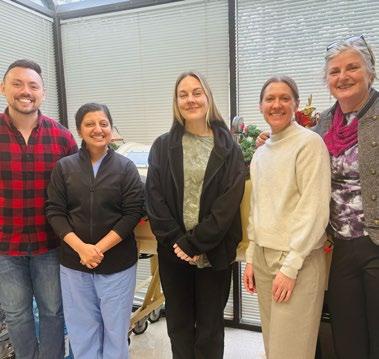
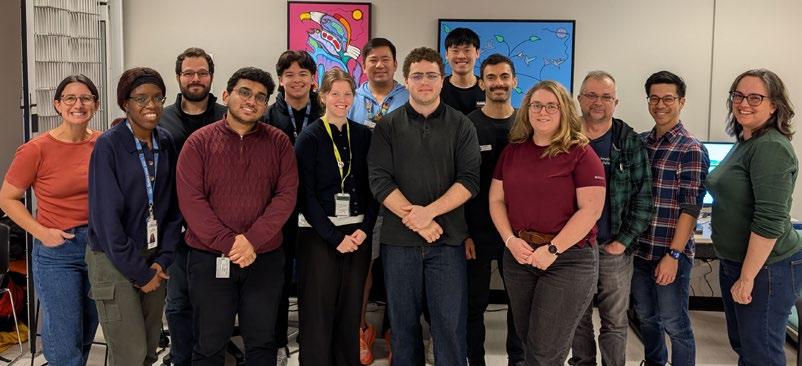
The Provincial Respiratory Outreach Program is welcoming two new respiratory therapists to the team. One will be based in Vancouver Island Health Authority and another in the Interior, bringing PROP's support even closer to communities across BC. While PROP has always served the entire province, having respiratory therapists based locally means faster response times, stronger relationships with members in those regions, and easier coordination for equipment and care. Pictured here: PROP Medical Advisor Dr. Shah with TFL staff during recent strategic planning sessions.
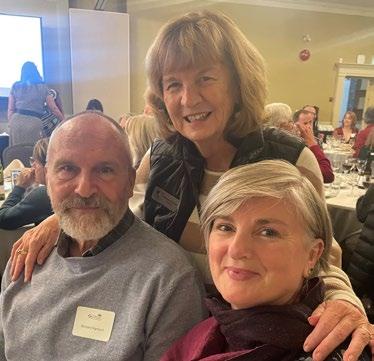
Executive Director Ruth Marzetti and Project Specialist Richard Harrison represented TFL at the Community Foundation North Okanagan's 50th Anniversary Celebration on November 25. Nearly 200 community members gathered to mark this incredible milestone, and we were honoured to be part of it. CFNO has supported our Technology for Independent Living program since 2020, with particular dedication to our automatic door opener program—helping TFL members literally open doors to greater independence. CFNO has made a meaningful and lasting impact through community collaboration for over 50 years.
TFL staff joined professionals from GF Strong, BC Children's Hospital, and Sunny Hill at the GAME Power Up Training on January 29. The full-day session at GF Strong's Assistive Technology Resource Centre brought together people working in adapted gaming across the Lower Mainland. Tyler Fentie from Neil Squire Society led participants through equipment configurations, accessibility resources, and handson gameplay with adapted controllers. The afternoon focused on practical troubleshooting, mounting techniques, and navigating console accessibility settings.
Technology for Living's TIL program is once again working alongside Oak Care Centre (OCC) residents, the Community and Residents Mentors Association (CARMA), Vancouver Coastal Health, and the developer to include assistive technology in the next phase of Cambie Gardens.
Cambie Gardens is a multiphase, mixed-use development located at Cambie Street and 57th Avenue in Vancouver, and this next phase will include new homes for 30 OCC residents.
Residents who moved from OCC have successfully used technology recommended by TFL to control their blinds, lighting, temperature, door openers, and elevators.
We are always happy to discuss any member's needs. Simply phone us at:
604.326.0175 or send an email to
info@technologyforliving.org
Make your life simpler with Google or Alexa routines. Routines let you control one or multiple smart devices using a custom word or phrase.
For example, instead of saying, "Hey Google, turn on the lights in the living room," you could use a much simpler command like, "Hey Google, mango." You can set up routines in the Google Home or Alexa app.
By Wayne Pogue
They say water and electricity don't mix, but when it comes to smart technology, they actually do. In this article, we are going to explore ways smart technology can help you control your water needs, using a smartphone, sensors, or your voice!
When it comes to controlling water, the obvious place to start is where you use water daily—in your kitchen and bathrooms. Smart water faucets have become so versatile that you can now control the temperature and volume of the water your faucet delivers with just your voice.
They say water and electricity don't mix, but when it comes to smart technology, they actually do.
For instance, the smart faucets that Moen sells allow you to control the on/off of the faucet with the wave of a hand. You can also program presets of temperature and volume/time using a phone, then activate those presets using your voice through Google Home or Amazon Alexa. Say you want to wash your hands—you can add soap to your hands, then tell your faucet to "wash my hands." The faucet can quickly wet your hands, wait 20 seconds while you wash with soap,

then rinse your hands for 10 seconds.
For your bathtub specifically, smart faucets can make bath time effortless. No longer do you need to test the water, fill up the tub, then add hot or cold until the temperature of your bath is "close enough." Now you can set a bath profile in the app, then tell your tub when to fill—it will control the temperature and volume, just as you set.
Staying in the bathroom, the smart toilet or bidet is becoming more popular. Using your voice, you're now able to control the opening/closing of the lid, flushing, ambient lighting within the toilet, the heated seat, temperature of the bidet spray, and drying function.
Within your home, there are a number of other water-related devices you can control with your voice or smartphone app. Some of these include smart humidifiers, kettles, mugs, dishwashers, washing machines, and mops.
If you're worried about the possibility of electronics messing up and your home experiencing a flood, you can easily set up smart water sensors that turn off water to your home and send you an alert. This way, if there is a leak or overflow, you can rest assured that the mess will be minimal.
One area where you won't need to worry about leaks is your outdoor living space. Outside, smart water systems can monitor moisture levels and provide water when needed to all your plants and trees. With your plants taken care of, you can sit outside and enjoy the iced tea made with the perfect amount of water from your smart kitchen faucet!
Spring congestion is often blamed on seasonal allergies, but for people using BiPAP therapy there may be another contributor. Humidifier chambers and tubing create a warm, moist environment that can allow bacteria to form biofilm if not cleaned regularly. Breathing air that passes over this buildup night after night may irritate nasal passages, leading to congestion, sneezing, or sinus discomfort that can mimic allergy symptoms. Regular cleaning, emptying, and proper drying of BiPAP equipment helps reduce biofilm and airway irritation. PROP recommends cleaning your BiPAP hose and humidifier chamber once a week with warm soapy water, allowing equipment to air dry on a clean towel. Don’t forget to wipe down your mask each morning with a clean damp cloth!
If you need respiratory advice or support please contact the PROP team at phone-alt 1.866.326.1245
Over the past few months, we have been creating new video resources for frequently asked questions about the respiratory equipment we provide, such as how to perform USB data downloads and change filters. You can find these videos on TFL's YouTube channel. Let us know which equipment videos you'd like to see next!
By Allie Struss, RRT
Health is more than numbers on a test or settings on a machine. It is also about feeling close, connected, and human. That is why we are gently opening the door to a topic that is often left out of medical care: intimacy.
Researchers studying chronic lung disease and neuromuscular conditions have found that breathlessness often changes how people connect with their partners. Some people worry about getting short of breath. Others feel unsure about positions, energy levels, or equipment like masks or tubing. For many, the concern is not desire, but safety and comfort.
It is okay to breathe, pause, and take this conversation one step at a time.
For people with neuromuscular disease, the respiratory system plays a central role. Weak breathing muscles can lead to shortness of breath, fatigue, or the need for breathing support. Studies in respiratory conditions like chronic obstructive pulmonary disease (COPD) and severe asthma show that breathlessness can change how people think about closeness, timing, and physical effort. It can also affect mood and self-image. In this context, it adds a whole new meaning to ‘you take my breath away.’
Research also reminds us that intimacy is not just about sex. It includes touch, closeness, trust, and feeling understood. Many people adapt in
quiet, creative ways—by choosing positions that reduce breathlessness, planning for rest, using respiratory supports when needed, or focusing on emotional connection rather than physical performance. Similar themes are seen across chronic illnesses affecting the heart, muscles, and nervous system, which tells us this is not a personal failure, but a shared human response to illness.
Healthcare research is clear on one point: when intimacy concerns are acknowledged in a respectful, professional way, people feel validated and less alone. Even simple, permission-giving information can reduce shame and open the door to healthier conversations.
Questions about intimacy are part of quality of life. If this topic matters to you, you are not alone—and it is okay to breathe, pause, and take this conversation one step at a time. For more tips and information, scan the QR code below or visit: tinyurl.com/ActionCanadaSHR
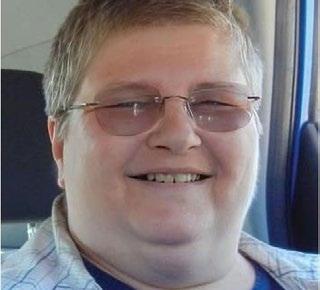
Lasha Seniuk was born in Saskatoon, grew up in Edmonton and has worked as a professional journalist for 35 years in Vancouver. Always the patriot, she is about as Western Canadian as you can get. Lasha has a strong interest in mysticism and can often be found researching all manner of esoteric literature. She lives with her spouse outside of Mission, BC and enjoys baking, pickling, jam making, and listening to the yelping coyotes and hooting owls long into the night.
We are always happy to discuss any member's needs. Simply phone us at:
604.326.0175 or send an email to peer@technologyforliving.org
You don't have to type a single word to tell your story. Voice-to-text tools like Dragon NaturallySpeaking, Apple Dictation, Windows Speech Recognition, and Google Docs Voice Typing can all do the heavy lifting. Even your phone's voice memo app is a great place to start. The story matters more than how it gets on the page.
By Lasha Seniuk

"Stories can conquer fear, you know. They can make the heart bigger."
– Ben Okri, poet and author
Here at Technology for Living we have been uniquely privileged to hear your stories and learn from your lived experience. And, over the years, we have discovered that personal connection is the best way to promote well-being, healing and confidence. So...it's a no-brainer...we want to hear more.
Beginning in the next few weeks Technology for Living will offer a special biweekly Creative Writing Seminar to all our members. Lasha Seniuk, our resident writer and Technology for Living Community Advisor, will offer advice to all who wish to tell their stories, write freelance articles, compose letters or just chronicle their life experiences. The aim here is to inform the wider community, tell our stories and to publish.
Space will be provided in Balance newsletter for those that wish to present their work or pen letters to the editor. Lasha will also offer valuable guidance on how to enter the freelance market, where to find book publishers and how to approach magazines, newspapers and editors.
Learn more and register for this unique course at tinyurl.com/TFLPeersOnPages
Lasha Seniuk holds a Master of Fine Arts degree in Creative Writing and Journalism and has worked as a freelance writer for over 35 years. Her daily columns have been syndicated to The London Daily Telegraph, the Toronto Star, and Tribune Media Services (now McClatchy). Her weekly columns have appeared in The Vancouver Courier, The Georgia Straight and over 300 college newspapers across the US. Originally trained as a poet, Lasha has written extensive works of poetry and prose. She has also worked as a Managing Editor, typographer and Editor-inChief to several literary journals and has published books on astrology, metaphysics and cosmology.
By David Hill
Iwould like to share with you what Little People of America—the large organization for little people, dwarves, and people of short stature in the United States—is all about and how it got started.
Little People of America (LPA) is a nonprofit organization that started back in 1957. It is dedicated to helping improve the quality of life for people with dwarfism throughout their lives, while celebrating with enormous pride Little People’s contribution to social diversity. LPA strives to bring solutions and global awareness to the prominent issues affecting individuals of short stature and their families.
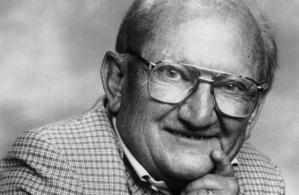
The story of LPA begins with one remarkable man. William John Bertanzetti—known to the world as Billy Barty—was born on October 25, 1924, in Millsboro, Pennsylvania. Naturally outgoing and driven, Billy found his way into
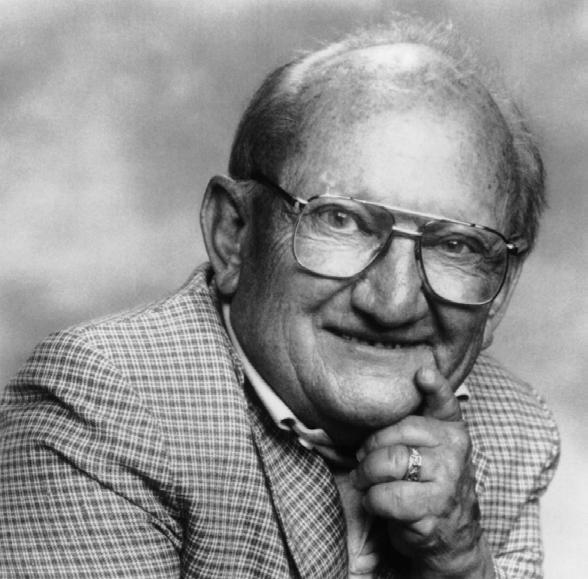
show business almost by chance, appearing in his first Hollywood feature at just three years old. His performing career would go on to span eight decades, from vaudeville to Las Vegas, Broadway to feature films.
In the mid-1950s, Billy was approached by a public relations representative for a Reno, Nevada hotel to host a convention for people of short stature. He agreed, and on April 3, 1957, 21 people representing nine different states gathered in what Reno billed as “The Biggest Little City in the World.” The media coverage of the event bothered Billy—the headlines focused on spectacle rather than humanity. His vision was different. He believed above all else that people with dwarfism were people first, with the same hopes, dreams, and passions as anyone else. That belief became the founding principle of Little People of America.
From those 21 original members, LPA grew steadily. Local chapters formed across North America through the 1970s. The Americans with Disabilities Act of 1990 marked a landmark moment for the community, and by the time of LPA’s 50th anniversary, the organization had grown to nearly 6,000 members. Billy passed away on December 23, 2000, but the organization he built continues to carry his vision forward.
LPA offers information on employment, education, disability rights, adoption, medical issues, clothing, adaptive products, and the many stages of parenting a short-statured child—from birth to adult. Information is provided through a national newsletter, LPA Today, and numerous seminars and workshops which occur locally at chapter events, regionally at District Meetings, and nationally at our yearly national conferences.
LPA also provides opportunities for social interaction as well as participation in athletic events through our sister organization, the Dwarf Athletic Association of America (DAAA). Little People of America is an all-volunteer organization for persons and families involved with the condition of dwarfism. We do not diagnose, treat,
or provide genetic counseling. We are involved in peer and parent support, medical resources and referrals, scholarships, and programs that benefit the dwarfism community, while promoting education, community outreach, personal and family strength, and life achievements.
My first LPA event was a small spring weekend gathering in the Pacific Northwest in the spring of 1999—somewhere around Puget Sound in western Washington State. A few months later, in July of 1999, I attended my first full national LPA conference. I’ll be honest: it was overwhelming. That’s completely normal—it’s like that for pretty much every newcomer. But overwhelming in the best possible way.
If you've ever wondered what it feels like to be in a room full of people who just 'get it,' a national conference is that experience.
A national conference has something for everyone. Workshops run during the days. Vendor expos give you a chance to browse adaptive products and connect with organizations. The DAAA athletic events mostly happen offsite, though some take place in the hotel as well. Then there are the evening events—dances and a banquet, usually on the last night—where the real community spirit comes through. If you’ve ever wondered what it feels like to be in a room full of people who just ‘get it,’ a national conference is that experience.
LPA’s core values are fundamental beliefs or principles that guide our organization’s work and decision-making. As our organization continues to grow and evolve, these values help us to define what we stand for, and give a framework for how staff, volunteers, and stakeholders interact and collaborate while serving the organization’s mission.
▶ Supporting All of Us for Each of Us: LPA brings together people from every region, culture, community, ethnicity, faith, family, and other identities that define us. Everyone comes to LPA with their own story and history of how they got here, and all of them are welcome. Once a part of our community, we work to create a supportive environment where everyone feels free to be their true selves and show their strengths.

▶ Don’t Deny. Embrace: Dwarfism and skeletal dysplasia are not conditions to overcome or conquer. Dwarfism is a part of all of us that we honour and celebrate. Our work does not focus on giving members the tools towards fitting into a mould the world has made for people. We give our community the knowledge, validation, and motivation to break the mould and feel value, dignity, and pride in who they are and who they can be.
▶ Act with Strategic Resilience: We take action when we are presented with injustices, misconceptions, or antiquated attitudes that limit or block our ability to live in a world free from prejudicial treatment. Our advocacy efforts are intentional, thoughtful, and approached as a team with the goal of having a lasting positive impact.
▶ Pay It Forward: We honour the rich history of trailblazers, changemakers, advocates, and allies that came before us to build this organization into what it is today. We strive to continue their legacy and tradition of strengthening our community for future generations while growing and evolving alongside the changing world.
For those of us in British Columbia, there is also a local organization worth knowing about: Little People of British Columbia (LPBC). I have been a part of LPBC since shortly after I was born, and it has been a wonderful home base for community closer to home, alongside my connections with LPA’s Pacific Northwest and other chapters.
In conclusion, Little People of America has been a truly great and helpful organization. It is a much-needed group, especially in today’s society. I have had lots of good experiences and growth, and made new circles composed of dear friends that have become my non-biological family (or should I say, families). I’m so thankful that I’ve been able to be part of this organization—an essential part of the lives of those who need support and advocacy.
By Monica Gärtner - Freelance Writer, Author, Speaker, and Consultant
Y
ou may have read on my Facebook page that I recently had my kitchen renovated. After my renovations, a question was asked: "Monica, can you cook?" The answer is yes and no. As a person with a disability I can say that I have limitations regarding cooking. I can cook some things, but most of the time I have a sous chef, my caregiver, who assists me in the kitchen.
The great thing about having different caregivers from different cultures is that I get to experience different kinds of food from different countries. When one of my caregivers makes me a dish from their country I just make sure that I have all the ingredients. This requires a bit of planning and shopping. Planning ahead is nothing new, even if I want to have a meal that is more familiar to my taste buds. For example, I love eating pasta with a meat sauce.
It's not possible for me to put a pot of water onto the stove to boil for the pasta because it's too heavy for me to lift. When it comes to frying onions and garlic, I have to be careful not to inhale too much smoke because it makes me cough. I have an allergy to smoke. If I cough too much my lovely ribs can break, so I quite often wheel out of the kitchen when frying is about to occur. Breaking up the ground turkey or pork is also hard for me, but when it comes to seasoning, that's where I shine. I have a spice rack on my counter that I can access and put in the spices in the tomato sauce with the vegetables. My caregiver cuts the vegetables, as most of them are too hard for me to cut. I also like adding a bit of red wine to my tomato sauce, as it makes the sauce richer tasting. I make large amounts, so I can freeze the sauce in containers for the future.
My kitchen is more accessible for me than before my renovations, so it's easier for me to make small items like scrambled eggs. I have placed my non-stick frying pans in a drawer that I can reach; however, I had to buy a frying pan that is lightweight. Also in the same drawer I have a small metal lightweight bowl that I use to scramble the
eggs in. I have two chopping boards installed: one under my microwave oven and the other under the stovetop to extend my counter space. This is helpful for when I need to add items to the frying pan, such as green onions or even grated cheese. I can cut the green onions and grate Parmigiano Reggiano cheese on a mini grater.
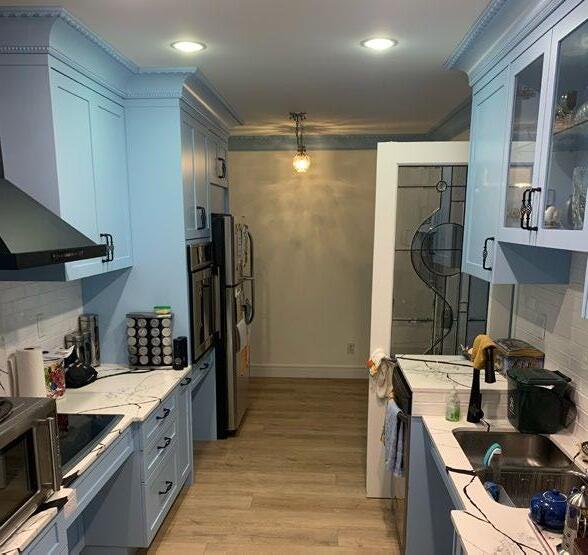
I can break eggs, scramble them in a bowl and put a little pepper in the eggs, then I add oil or bacon fat to the frying pan. Once the frying pan is hot, in go the eggs and anything I might like. I usually don't add salt to my eggs especially if I add cheese. Sometimes, I add a bit of milk or flour to make the scrambled eggs a little fluffier. My father taught me this little trick. Since I can't pick up the flour container, I have my caregiver put a little flour in a container and I just put it in the fridge for easy access. I also have a toaster on my counter, so I can toast the bread and put it on the plate with the eggs.
It's important to have the right tools to make cooking easier and quicker. I also have an instant pot and a bread maker. These tools are handy, but they are too heavy for me to take out of the cabinet. My sous chefs do an excellent job of helping cook healthy meals. Thus my independence in the kitchen depends on what tools I need, the size of the meal, the number of dishes, and contents of the meal as to how much I can do.
By Margaret McCuaig
When my sister, Nancy, was born with cerebral palsy, we were told she would "never live past two years of age. Put her in Woodlands (an institution for children with developmental disorders, as well as runaways and wards of the state) and let the medical people who know best, look after her." This was the advice given to our parents by Vancouver paediatric specialists in 1954. Our mother had completed a nursing internship at Woodlands and declared that "over my dead body" would she place any child of hers there. Both our parents had the courage, internal fortitude, and personal optimism to support their decision.
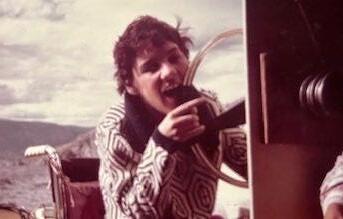
Nancy was raised in Summerland with her siblings, attending school until age 18. She used a manual wheelchair, which someone had to push, and an electric typewriter with a key guard—built by an uncle with a machine shop. Nancy was exceptionally bright with a great sense of humour. She was unable to walk, move her wheelchair independently, communicate (apart from gestures and guttural sounds) or manage her self-care.
Despite these limitations, Nancy was a part of every family activity: swimming, driving the tractor (adapted seating), vacuuming by crawling on the floor, skiing (held up by an adult), attending church, Brownies, and summer camps. It was never "will Nancy" but "how will Nancy" do something.
In 1971, at the age of 19, Nancy moved to George Pearson Centre (now Oak Care Centre), navigating the daunting, lengthy halls with a power chair donated by the Summerland Baptist Church. The sole communication equipment available was her word board made by the family and her electric typewriter and key guard.
"It was never 'will Nancy' but 'how will Nancy' do something."
This move from home life to institutional care was a devastating rupture in our family's life. Everything we had done was to support Nancy living at home. While
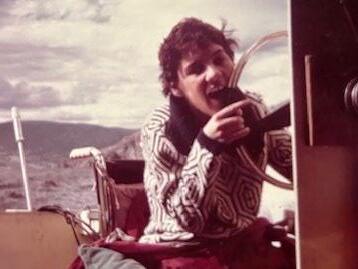
heartbroken, our parents honoured and supported Nancy's desire to be independent, to move away from home as her siblings had done. In true pioneering spirit, Nancy forged a place for herself despite the formidable challenges of institutional living.
In 1978, the Kinsmen Rehabilitation Foundation (KRF) provided a machine that produced a male-sounding, electronic voice. Input was through number keys Nancy had to memorize—271 for hello, 289 for goodbye. While excited to be able to produce speech, Nancy found this a laborious method of communication. That same year, Nancy was provided with a Canon Communicator with which she could produce 1–2 printed words per minute (wpm). Regular conversation is approximately 120 wpm. While slow, it enabled Nancy to present as the intelligent individual we knew her to be.
In the fall of 1981, I joined the Technical Aids Department at the KRF and met Simon Cox. In our conversations, I mentioned to Simon that more than anything, Nancy wanted to be able to communicate with her family who lived across BC. In true Simon fashion, he took her request to heart.
After searching the adaptive and commercial equipment available, he provided Nancy with the Texas Instruments Speak and Spell. This was a start, but Nancy and her family were frustrated by the poor quality of sound and the difficulty of hearing the letters over a speaker phone.
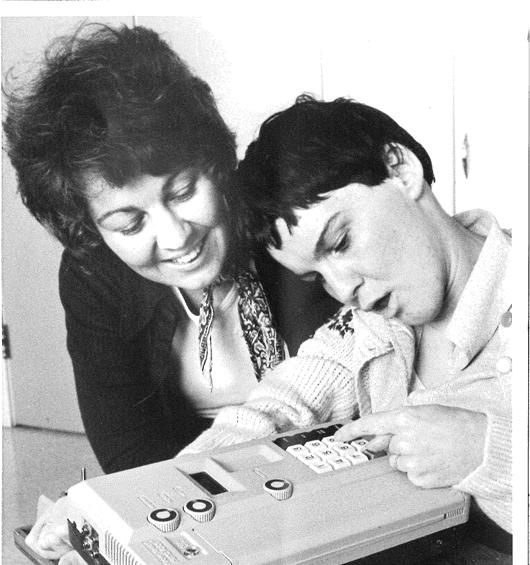
When Nancy described her concerns to Simon, he investigated further and installed the Texas Instruments Vocaid, wiring it directly into the telephone. The Vocaid produced much clearer sound, making a qualitative difference to our telephone conversations. Nancy's communication was still letter by letter, but now understandable—once again expanding our family's world.
It was never 'can this happen?' but 'how can we make this happen?'
Over the 35 years that Nancy and Simon knew each other, Nancy's communication needs changed—and Simon evolved with her. The next iteration was the Lightwriter, which Simon found and mounted for her to use on her power chair. When Nancy moved from Pearson to her assisted living apartment in 1999, Simon communicated directly with Nancy through email and home visits, listening intently and with practical compassion to her requests.
Often, the world of people with disabilities is saturated
with the services from and the constraints of the medical world. To Nancy's great relief (and mine), she did not need a physician's referral to contact Simon or to be provided with equipment by TIL. For years I was the link between Nancy and the wider community. With Simon in the picture, I could take a back seat, another step in Nancy's independence.
Simon's gift and skill was to focus on what the individual wanted. As it had been in our family, so it was with Simon. It was never "can this happen?" but "how can we make this happen?" Over and over, Simon provided the link between what Nancy was able to do and what more she wanted to achieve.
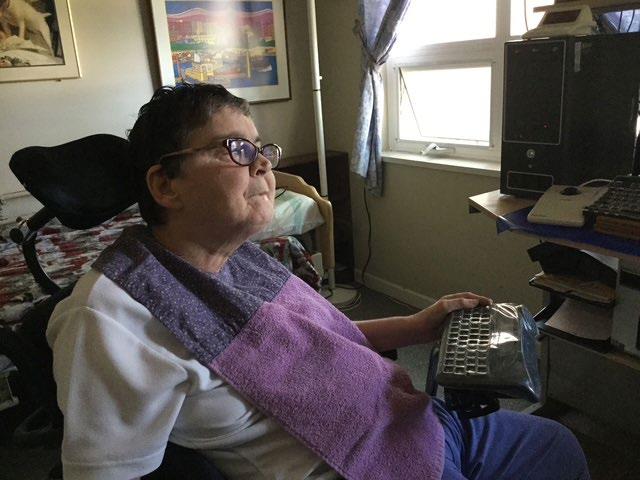
Simon was widely respected within the therapy world of occupational therapists, physiotherapists, and speechlanguage pathologists. He was at ease and was accepted readily in facilities as well as in group and private homes. Simon was flexible and respectful, and held in high esteem by all who knew him. He had a great sense of humour and was known to laugh loud and long at his own terrible, corny jokes.
Simon embodied empathy and generosity with a deep sense of grace and humility. Simon's kindness, his compassion, and his practical approach to life and challenges made him an amazing human being and a great promoter of independence and dignity through the application of technical aids.
Upon hearing the news that Simon died, Nancy said, "It's like losing a brother." This was the quality of the relationship Nancy had with Simon for over 35 years.
By Joanne Bengert
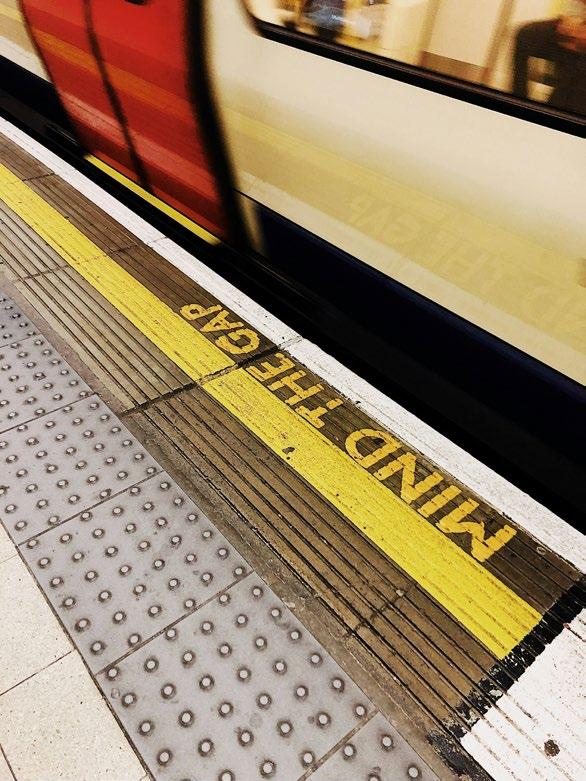
If you've ever ridden on the Tube in London, you will know the phrase "mind the gap." It is a safety warning that alerts users to the space between the train door and the station platform. Here we can use the phrase both literally and figuratively to talk about automatic door openers and the gap that exists between accessible home design and functionally getting people safely and consistently into their homes.
An automatic door opener (ADO) can be life-changing for someone with a physical disability. Often though, accessible housing design focuses on ramp grades, floor clearance, and counter heights while one of the most critical components—an automatic door opener—is left out. This is commonly no fault of designers or architects who simply follow accessibility guidelines. Both the federal (CSA/ASC B652) and the provincial (2024 BC Building Code Adaptable Dwelling Unit Illustrative Design Guide) building guidelines offer a clear framework for accessibility features on the exterior of a dwelling and on the interior, but stop short at the threshold between the two, except to prescribe door widths and clearance. Technology for Living (TFL) has been aware of this design gap for decades and has been filling the gap with their Automatic Door Opener project.
Automatic door openers are more than a convenience feature; for people living with limited mobility, ADOs are essential tools that promote independence, safety, and better health outcomes. In recent focus groups hosted by TFL, members described their door openers as "freedom" and "game-changers" in their lives. People are able to get outside spontaneously and independently, are able to let family, friends, and care staff in securely, and, in some cases, eliminate the repetitive physical strain of pushing or pulling their doors open.
If you are in need of an automatic door opener and are interested in the ADO project, here is what you need to know. The project is for people living in BC with permanent physical disabilities. It is designed to assist those who are most in need, mainly members who cannot
access their doors or who face significant difficulty doing so and lack the funding to purchase their own door opener. Applications for the project are available on the TFL website and are open year-round.
If you qualify to receive a door opener but are unable to use the fob provided, Technology for Independent Living (TIL) technicians will assist you in accessing your door opener through an accessibility switch, a phone app, or voice control. TFL's ADO project is made possible by funding from the BC Rehab Foundation, the Kinsmen Foundation of BC, the Stuart Belkin Education Fund and others.
Let us all, collectively, work to help policymakers understand the need for automatic door openers in accessible housing design and in the meantime, don't forget to mind the gap.
by Marnie Essery
Cheryl Tennant was diagnosed with multiple sclerosis (MS) in 1982. A friend, who also had MS, invited her to the Wheeling 8s Square Dance Club in 2010. She loved it. Wheelchair square dancing differs from regular square dancing. It is designed for individuals using wheelchairs, allowing them to participate in traditional square dancing without the need to stand or move without assistance. Dancers in wheelchairs coordinate their movements to navigate the dance space. The choreography is adapted for wheelchair users, ensuring that the dance remains enjoyable. It is unique, inclusive, promotes physical activity, and encourages creativity.
�� Guildford Recreation Centre 15105 105 Avenue, Surrey
�� Thursdays, 6:00–8:00 pm September to June
�� wheeling8s.squaredance.bc.ca
First night free — all are welcome!
It engages the muscles in the arms and legs and can be a great way to build confidence and self-esteem. Wheelchair users can express themselves and enjoy the music. Cheryl says that it gets her out of the house, exercises her mind and body, reduces her stress, and she has a lot of fun and meets new friends. Wheelchair square dancing fosters a sense of community—the Wheeling 8s are like family to her.
Not only will participants have a 'wheelie' good time learning to 'do-si-do', but Elvis could be in the building
There are social activities off the dance floor too. For example, she often hosts summer BBQs and Christmas parties at her home. Started in 1973, the Wheeling 8s Square Dance Club welcomes all dancers in wheelchairs, caregivers, and able-bodied people. They provide a
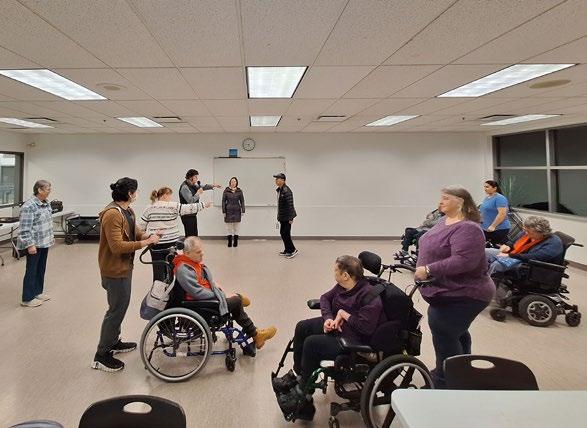
supportive environment where you can learn the basics of square dancing. They meet at Guildford Recreation Centre, 15105 105 Avenue, Surrey, on Thursdays from 6:00–8:00 pm from September to June. The first night is free and beginners are welcome. Everyone is invited to join in or feel free to drop in during the season.
With anything new, there is a learning curve. Practice will help improve coordination and timing to keep up with the dance and build confidence. Be patient with yourself as you learn the steps and adapt to the movements.
A highlight of Cheryl's wheelchair dancing was this past summer at the BC Festival 2025 hosted by the BC Square and Round Dance Federation, which was held in July in Langley, BC. They did a round dance to Anne Murray's "Last Dance" in front of 400 people.
She has danced with people in scooters, wheelchairs, sip-and-puff wheelchairs, able-bodied people, and caregivers pushing people in wheelchairs. Their club participates in special events and demonstrations in care homes, retirement homes, and hospitals. Their caller, Tyler Wagner, is an Elvis Tribute Artist. Not only will participants have a 'wheelie' good time learning to 'do-si-do', but Elvis could be in the building.
By George Pope
2026 and prices are soaring, but our pension and/or disability cheques are most certainly not. In these days of constantly skyrocketing grocery and other costs, it can be helpful to know there are resources available to help us keep our heads above water, in spite of being on a fixed or otherwise low income. I've prepared a partial list of helpful financial resources I've found for seniors and low-income individuals across BC. It doesn't hurt to check what you're eligible for, or to share this with those you know who might benefit.
▶ Office of the Seniors' Advocate of BC: If you've been denied provincial benefits, these folks can help you navigate next steps. seniorsadvocatebc.ca/income-supports/
▶ BC Housing Rental Assistance Program: Shelter Aid for Elderly Renters (SAFER) Grant. Read the eligibility details carefully; if you fit the criteria, you get the support — that's how it works. tinyurl.com/BCSAFER
▶ Disability Tax Credit (DTC): Be sure, if relevant, that you're registered with the Canada Revenue Agency for the Disability Tax Credit. It's a prerequisite for some assistance programs, and may also increase your GST rebate cheques — make sure you're registered for those too; direct deposit is best: canada.ca/disability-tax-credit
▶ Canada Dental Care Plan: If you make less than $80,000/year, you can get maximum dental care coverage: canada.ca/dental
▶ Free and Low-Cost Meals: Reducing spending can make it feel like you have more money. To find free and low-cost meal programs near you, Google search: free and low cost meals in [your city] BC
▶ BC Bus Pass Program Free: Bus travel is available for low-income seniors and low-income individuals, including those receiving Persons with Disabilities (PWD) benefits, across BC. Google search: BC bus pass program seniors

▶ Find Your MLA: If you need help applying for any program, don't hesitate to contact your MLA — party is immaterial, and there's no shame in asking those you pay for to help! Bring a budget — all income on one side, all expenses on the other.
www.leg.bc.ca/members/mla-by-community
▶ 211 & 811: Call or text "211" to ask about community, nonprofit and government services — they'll connect you or provide contact info. Call "811" for non-emergency health questions; a Registered Nurse will refer you to the right professional.
If you have legal questions but a lawyer's $400/hour fees are daunting, try Access Pro Bono to find free clinics near you: accessprobono.ca. Also, the Lawyer Referral Service offers a free 15-minute consultation: 604-687-3221 or 1-800-663-1919.
Share any of the above freely — they are all free programs available to anyone who qualifies and lives in BC.
If you have questions about this article or would like to know more, you can email me at: george.pope_ccs@yahoo.com
Respectfully submitted to the people of BC, George Pope, disabled senior in Richmond, BC
Peer Hub is TFL's monthly online social — a chance to connect with others, share what's on your mind, and spend some time with your community. Some months feature a guest speaker; other months it's open conversation. Either way, it's shaped by the community and what members want to talk about.
Meetings happen on the first Tuesday of every month at 2:00 pm on Zoom.
Our most recent session featured Mary-Jo Fetterly, a professional coach, yoga therapist, and mindfulness researcher who has lived with a disability herself. She presented on healthy aging, drawing on real research including findings from the Blue Zones longevity studies, and walked participants through what she believes makes the biggest difference.
Her presentation covered some thought-provoking ground. Disability can add anywhere from 10% to 50% more complexity to the already demanding equation of aging, which in her view makes having a solid approach even more important. Community and regular social connection ranked just as high as physical activity in the research she cited, with isolation flagged as one of the bigger risk factors. She also touched on brain health, neuroplasticity, and the perhaps surprising finding that lifestyle choices carry more weight than genetics.
She closed by exploring what she called the spiritual side of aging well — something she framed in practical terms. Think of your energy as a daily resource: a finite amount to spend however you choose. Purpose, belonging, community, and autonomy are worth protecting and investing in. Small, daily choices about how you direct your attention and energy add up over time in ways that support mental health and well-being well into later life.
Watch the full presentation: youtu.be/cv6Y-XoLuP4 Join Peer Hub: tinyurl.com/TFLPeerHub
All peers and members are welcome.
Balance reaches thousands of people across BC every quarter, and it's built on real stories from real people. Yours might be exactly what someone in this community needs to read.
You don't need to be a writer. You just need something to say. Whether it's a piece of technology that changed your daily routine, a challenge you've learned to navigate, or something you wish more people understood about living with a disability, that's enough to get started.
The editorial process is collaborative and low-pressure. You bring your experience and your perspective; I'll help you find the words and shape it into something ready to publish. The goal is a piece you're proud of.
Not sure what to write about? Here are some ideas:
Your experience — A device that changed something for you, a trip you took, a hobby you've found a way to keep doing, or a challenge you've worked through.
Practical knowledge — A tip, workaround, or piece of technology you think more people in this community should know about.
Bigger picture — Something you've observed about accessibility, inclusion, or disability that you want people to think about.
If something's been on your mind and you've thought "I wonder if others feel this way too" — that's a story worth telling.
Contact Taylor at peer@technologyforliving.org
By Pain BC
For one in five people in British Columbia, the day doesn't start with a cup of coffee but with a body scan to check for tensions in the shoulder, aches in the joints, and the body's energy percentage. Pain is often an invisible companion lingering in every corner of life and isolating people.
Founded in 2008, Pain BC is a leading Canadian charity in the global movement to advance chronic pain recognition and management and is the backbone of Pain Canada, our national action network. We believe no one should navigate pain alone, so we provide the bridge from isolation to active participation. We move beyond clinical definitions to offer support that is compassionate, practical, and most importantly, our programs are shaped by people who are living with pain.
▶ Confidential Safe Space: When you're navigating life with chronic pain, it's easy to feel lost. Our Pain Support Line (1-833-261-PAIN) acts as a bridge. Whether you need practical advice or just someone who truly listens, we connect you to community resources designed to improve your quality of life.
▶ Community That Understands: Isolation is one of pain's heaviest weights. Our free Pain Support and Wellness Groups offer a chance to meet with other people living with pain. Twice a month via Zoom, you can share victories and coping strategies with a community of people who don't need an explanation because they already get it.
▶ Coaching That Fits Your Life: Progress isn't always about big leaps; it's about sustainable steps. Our free telephone coaching program helps you learn selfmanagement skills at your own pace, focusing on regaining function and rediscovering well-being.
▶ Learning Through Doing: In our Making Sense of Pain program, we move beyond theory. Through gentle movement exercises and energy tracking, participants build a real-world toolkit for navigating daily life.
▶ Small Tools And Big Impact: Our interactive online programs and videos focused on gentle movement, relaxation and pain management skills are compatible with screen readers and voice control, ensuring that support is accessible to everyone.
For organizations that support people using assistive technologies, Pain BC is a ready ally. From coaching and group programs to referrals and accessible, multilingual resources, Pain BC helps organizations extend their impact, ensuring clients can manage pain without added barriers.
Reach out today. Call or text the Pain Support Line, join a group, or explore online resources. Pain BC is here to help.
Explore programs and resources at Pain BC's website painbc.ca/find-help
Your gift creates independence. Supporting people with disabilities opens doors to autonomy, dignity, and full participation in community life. Every donation helps provide life-changing assistive technology to BC residents who need it most.

technologyforliving.org/donate