Our Journey of ConsumerLed Innovation
By Christine Gordon
Technology for Living has just completed its 20th year as a nonprofit society. It is an occasion to consider our past and our future.

Our origin story is a remarkable triumph for consumer-led programs. Ventilator users dreamed about a provincial respiratory outreach program and made it happen by lodging it with the venerable Technology for Independent Living and creating an integrated assistive technology organization. We conquered the doubts about the ability of a community-based program to deliver respiratory services. In a 2009 external review, Dr. Douglas McKim concluded that "[the Provincial Respiratory Outreach Program (PROP)] is a remarkable example for the country and the world in caring for a population for whom technological advances have enabled the transition from expensive acute care facilities to home."
Our peers pushed us firmly into the 21st century by supplementing environmental controls with smart technology and adaptive gaming controls. Peers also catalysed the Youth Assistive Technology Program, which gives 9 to 18-year-olds the tools
they need to be more independent. We weathered the pandemic without interruption of service. In fact, we were the only organization in Canada that replaced hundreds of ventilators and BiPAPs during the Philips recall at no cost to our members.
We conquered the doubts about the ability of a community-based program to deliver respiratory services.
Looking forward, we are anticipating the challenges of the next two decades: a growing TFL membership, especially people living with obesity hypoventilation syndrome, many of whom have faced prolonged hospitalization; increasing demand for door openers; the advent of artificial intelligence; and the need to convert the winning innovations of the Simon Cox Student Design Competition into products that our members can use. The Board of Directors, the majority of whom are TFL service users, will meet these challenges guided always by the experiences and aspirations of our members.
BALANCE NEWSLETTER IS PUBLISHED QUARTERLY BY TECHNOLOGY FOR LIVING
#103-366 East Kent Ave. South Vancouver, BC V5X 4N6
604.326.0175 604.326.0176
info@technologyforliving.org Globe technologyforliving.org
EXECUTIVE DIRECTOR
Ruth Marzetti
DESIGN / EDITOR
Taylor Danielson
CONTRIBUTING WRITERS
Christine Gordon • Wayne Pogue • Lily Cheung • Janice Maxwell • Kari Krogh • Brandy Cook • Laurette Yelle Evan Mutrie • Rupert Roshan Paul • Nav Thukral • Arjun Mishra • Suzan Jennings • Taylor Danielson
Technology for Living does not research, endorse or guarantee any of the products or services within the newsletter. We strongly recommend investigating products and companies before purchasing or using them.
Permission to reproduce: All Balance articles are copyrighted. Non-commercial reproduction is welcomed. For permission to reprint articles, either in part or in whole, please email info@technologyforliving.org
Technology for Living houses the Provincial Respiratory Outreach Program (PROP 1.866.326.1245) and the Technology for Independent Living Program (TIL 604.326.0175). PROP is funded by the Province of British Columbia Ministry of Health through Vancouver Coastal Health. TIL is funded by the Province of British Columbia Ministry of Health and other independent funders.
Technology for Living round up
SFU Students Visit TFL Office
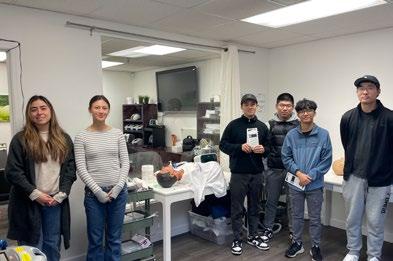
Technology for Living recently welcomed 12 students from Simon Fraser University for a hands-on learning experience at our office. The visit focused on biomedical engineering, with students discovering the vital role our biomeds play in maintaining reliable assistive equipment. Students also met with respiratory therapist (RT) Alex to learn how RTs work in communitybased programs differs from hospital settings. Educational visits like these help us show the next generation of respiratory therapy and biomedical engineering technologist professionals what meaningful, member-centred work looks like.
Getting Members Home for the Holidays
Monica Featured in 2026 Calendar
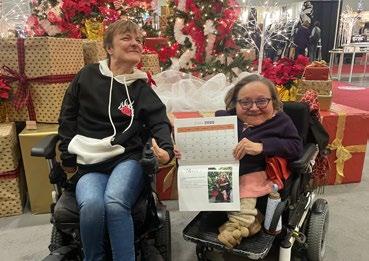
TFL member Monica Gärtner participated in the Miss Wheelchair Canada 2026 Calendar photoshoot this summer, joining women from across Canada for a day celebrating strength, beauty, and confidence. Founded by Olesia Kornienko, a woman born with cerebral palsy, Miss Wheelchair Canada is a nonprofit initiative that showcases the incredible potential of women who use wheelchairs. The calendar features important disability awareness dates throughout the year, including World Cerebral Palsy Day and Rare Disease Day. Proceeds support the Miss Wheelchair Canada 2026 Pageant and wellness workshops for women in wheelchairs.
As PROP celebrates its 20th year, the program recently reached a significant milestone: now serving over 1,000 members across BC. This busy November and December, the respiratory therapy team is working tirelessly to ensure hospital-to-home discharges happen in time for the holidays. The RTs expect to support approximately 50 discharges during this season, coordinating equipment, training, and care plans so members can celebrate the holidays at home with loved ones. Getting people home for the holidays takes dedication and countless behind-the-scenes hours. We wish the entire PROP team a well-deserved, restful festive break.
Students from SFU in the PROP training room
Olesia Kornienko (left) and Monica Gärtner (right)
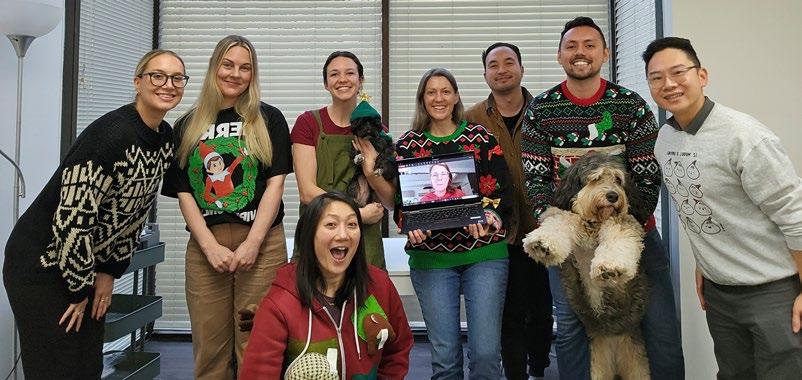
Several members of our PROP team dressed in festive sweaters
BITS & BYTES
If you haven't looked in a while, be sure to visit TFL's YouTube page, where the WE Talk Tech series has been discussing important topics like Ean's new wheelchair, Apple Vision Pro, Vancouver Adapted Music Society, RYSE SmartShades, and many more.
While you're there, be sure to subscribe to our YouTube channel so you don't miss future episodes. New videos are added regularly covering everything from assistive technology to everyday tips.
Finally, if you'd like us to review a product, please contact us. If your idea is chosen for a WE Talk Tech episode, and you're interested, we may even interview you!
CONTACT US!
We are always happy to discuss any member's needs. Simply phone us at:
604.326.0175 or send an email to
info@technologyforliving.org
TIPS & TRICKS
We usually share tech tips here, but this time we'd like to hear yours. If you have a tip or trick for a future Balance article, let us know. And if you use technology we don't yet provide, but you think we should, tell us—we'll review it for possible use with other members. Your experience might be exactly what another member needs to solve a challenge or discover a better approach.
Your Holiday Wish List
By Wayne Pogue
This edition, the TIL Balance page is all about you, our members! As the holiday season is upon us, it's time to start thinking about the perfect gift for that special someone in your life… you! Every year, your loved ones ask, "what would you like for Christmas this year?" and in that moment of panic, you inadvertently tell them something that you're really not sure you're going to use much, but it's cool, and you need an answer!
Well, we're here to help prepare you for that inevitable question…here are some ideas!
Time to start thinking about the perfect gift for that special someone…you!
Ember Drinkware: Ember creates drinkware that will keep your beverage of choice hot—and cold in the case of the Ember Cold Tumbler—for hours at a time. No need to keep microwaving your coffee or tea; just set the temperature in the app, and Ember will do the rest.
Tushy Bidets: Tushy makes a line of bidets that will keep your bottom clean without having to use toilet paper. Not only is it environmentally friendly, but for those members who do their own toileting, it could save a lot of effort. Tushy bidets come in electric model seats, non-electric model seats, and bidet attachments.
Accessible Gaming: Accessible gaming has become a major source of entertainment in the disability community over the past few years. Not only are gaming companies creating more accessible games,
but console manufacturers are also creating more accessible ways of playing, like accessible joysticks, switches, and mounting. Once you decide on your gaming console, discuss your hardware needs with your TIL technician—we'll help by providing expertise and the accessible hardware you'll need.
Smart Vacuums: There are too many brands out there to recommend just one, but smart vacuums all do a similar thing—keep your floors clean. The wonderful thing about smart vacuums is that they are fairly autonomous. They will clean on a schedule you set for them, and you can start a cleaning by phone or voice any time you like, and they'll dock to charge when they are done. All you need to do is empty the collected dirt and dust occasionally.
SwitchBot Air Purifier Table: No, your air purifier doesn't need to be smart, but with what SwitchBot has come out with, you'll want it to be! SwitchBot's Air Purifier Table includes wireless charging built into the tabletop, has a light built in under the table, and of course purifies your air.
Now you're ready for that inevitable question…or we've just sent you on a shopping spree!
INHALE / EXHALE
You may get sick more often in the fall and winter due to a combination of factors. Cold weather leads to more time spent indoors, increasing close contact with others and making it easier for viruses like the flu and cold to spread. Dry air also dries out your nasal passages, reducing your body's ability to trap and fight off germs. Additionally, lower sunlight exposure can lead to vitamin D deficiency, weakening your immune system. These seasonal changes create ideal conditions for respiratory illnesses to thrive and spread more easily. To protect yourself during these months, consider using a humidifier to add moisture to indoor air. Staying hydrated and maintaining a regular cleaning schedule for respiratory equipment can also help reduce your risk of illness during cold and flu season.
If you need respiratory advice or support please contact the PROP team at phone-alt 1.866.326.1245
IDEA CORNER
As we enter the colder seasons, it's especially important for those at higher risk to stay protected. Make sure your vaccinations are up to date. Vaccines help your immune system fight off infections like influenza, RSV, and COVID-19. They reduce the risk of severe illness, hospitalization, and serious complications. CONTACT US!
Making Your Wishes Matter Through Advance Care Planning
By Lily Cheung, RRT
When we think about planning for the future, we often think about our finances, a will, or even travel plans, but few of us stop to think about planning for our future health and personal care—especially for the times when we may not be able to speak for ourselves.
Your wishes matter. Preparing yourself and those surrounding you can honour who you are, what matters most to you, and how you want to live.
The Advance Care Planning Canada website is an excellent resource that can give you confidence in creating a focused health and personal care plan while helping you navigate some of the medical and legal language that can be overwhelming.
By scanning the QR code below, you can access the 'My Advance Care Planning Guide,' a practical and thoughtful workbook that will help you explore what is important to you. Through activities and prompts, the exercises can help you clarify your values and feelings when it comes to identifying your wishes throughout your healthcare journey.
The guide also provides stories and examples of how to approach the people that mean most to you when having these conversations. It subsequently guides you in identifying
a support network and substitute decision maker who would best advocate for you.
You will be prompted to write and record your wishes, which you are encouraged to review and revise often. You can make your wishes matter and alleviate the burden of those choices from your support team if they are thoughtfully outlined and shared with those most important to you.
As each province has different laws and forms, the website can also guide you through the appropriate forms when documenting your plans.
In completing the My Advance Care Planning Guide, you will be able to take time to reflect on how you can take ownership of what is most important to you while your health and personal care needs change. Sharing your plan with the people who matter most can empower both you and those who may advocate on your behalf. This guide begins with one simple message: your wishes matter. Preparing yourself and those surrounding you can honour who you are, what matters most to you, and how you want to live.
For more information, visit advancecareplanning.ca
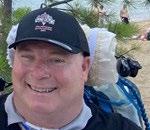
Nelson "Nelly" Vokey was born in Newfoundland, raised in Ontario, and has called Penticton home since 1986. Married to Elizabeth for 39 years, he's a proud father of two and grandfather to one. Throughout his life, Nelly has worked as a care worker, counsellor, pastor, director, and actor. In September 2021, a golf incident resulted in a spinal cord injury. After recovering at GF Strong, he returned to his renovated Penticton home. As TFL's newest board member, Nelly brings his passion for making a difference.
CONTACT US!
We are always happy to discuss any member's needs. Simply phone us at:
604.326.0175 or send an email to peer@technologyforliving.org
TIPS & MORE
Going out after snow? Most BC cities post snow clearing schedules online. Time your trip for after your route's been plowed. Search '[your city] snow clearing map' to find priority levels. Main roads get cleared first, residential streets last. Check the night before appointments, lunch plans, or social outings to plan the best travel time.
When Airlines Fail Wheelchair Users
By Janice Maxwell
Editor's Note: Janice Maxwell wrote this letter to WestJet after her daughter's power wheelchair was refused transport— discovered only after boarding.
Dear Balance readers,
I'm writing because WestJet failed to transport our daughter's power wheelchair on July 29, 2025. The problem wasn't identified until we'd boarded, so we had to leave the plane and rebook using a manual chair. Many wheelchair users don't have this option.
Two months earlier, I called WestJet's access team. My daughter, 45, uses a power wheelchair because of cerebral palsy. They asked about the battery and assured me it would be fine—power chairs now go upright in a special section. After previous trips where her chair arrived damaged, this was reassuring.
At Victoria airport, staff put her chair in manual drive and unplugged the battery, leaving me to push it to the plane. In manual drive there are no brakes. As we approached the door, the chair sped up. I screamed for help as we nearly crashed into staff, and several people stopped us just inches from impact.
We got settled, relieved. Then came an announcement about a cargo delay, followed by staff explaining the chair couldn't fit through the cargo door. We got off while other passengers watched.
A supervisor rebooked us with our daughter's manual chair, which
meant significant inconvenience. Her power chair has an iPad mounted for communication—she's nonverbal and uses sign language. In the manual chair she depends entirely on others.
Staff gave conflicting explanations: "This plane can't take large items." "New policy—we can't lay chairs on their side." "Chairs can't weigh more than 300 pounds. Yours weighs 301." My daughter is five feet tall—her chair is smaller than many.
When I called WestJet's Special Needs Department, they said I should have "checked online." But the agent I'd called never mentioned this, and check-in staff didn't realize it either.
The front-line staff were apologetic— these are systemic issues beyond their control. Right now, wheelchair users cannot assume their chairs will travel. We need manufacturers, airlines, and designers working together to make travel truly accessible.
Sincerely,
Janice Maxwell
Writing on behalf of my daughter Victoria, BC
NELSON "NELLY" VOKEY
CPABC’s Gamers Club Levels the Playing Field for Gamers Across BC
By the Cerebral Palsy Association of British Columbia (CPABC)
Gaming can be an incredible equalizer. It opens doors to creativity, connection, and confidence. The Gamers Club isn’t just about play — it’s about building community, independence, and joy.
The CPABC has launched a groundbreaking program that brings accessible gaming to individuals with cerebral palsy across the province. The newest and one of the most innovative programs is the CPABC Gamers Club—a virtual community making gaming accessible for people with disabilities.
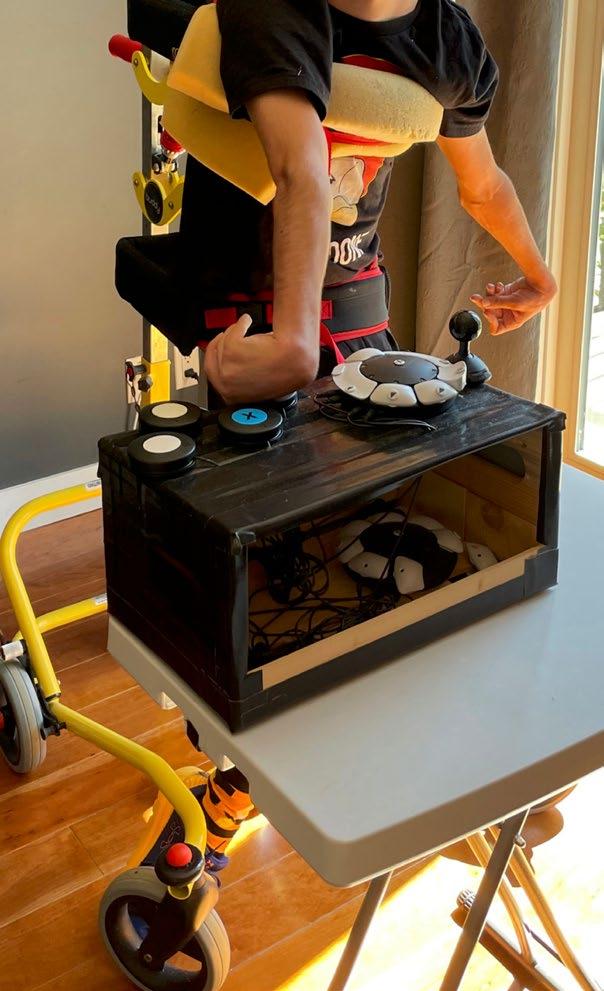
Twenty participants have received PlayStation 5 consoles and customized setups, each tailored to individual mobility needs with PS5 Access Controllers, Logitech Adaptive Kits, and 3D-printed joysticks. But the club isn’t limited to those recipients—anyone with cerebral palsy or another disability who already has equipment is welcome to join.
"Through the Gamers Club, adaptive technology is levelling the playing field— literally." — Wayne Pogue, TFL
Launched in 2025, the club brings together members aged 10 to 66 from across BC—from Castlegar to Salt Spring Island—united by a shared love of play and inclusion. Participants meet monthly for discussions and presentations on topics like adaptive gaming and inclusion in the gaming industry and are getting ready to start gaming together! The Gamers Club provides a space where everyone can participate, share their voice, and feel seen within a welcoming community.
A Community Powered by Partnership
The Gamers Club thrives through collaboration with BC’s accessibility leaders. Technology for Living (TFL) played a key role, managing installations and providing technical expertise to ensure every gaming setup worked seamlessly.
“Through the Gamers Club, adaptive technology is levelling the playing field—literally,” says Wayne Pogue,
Technology for Independent Living Program Manager at TFL. “Each setup is as unique as the player, and it’s incredibly rewarding to bring those personalized solutions to life.”
TFL’s partnership with CPABC exemplifies the power of collaboration in creating lasting accessibility. By combining technical knowledge with CPABC’s community-based approach, the project has transformed gaming from a pastime into a platform for empowerment.
CPABC has also been working with the Neil Squire Society’s Makers Making Change program. “Access to digital art, such as gaming, is so important, and we’re proud to have been part of such a meaningful initiative,” says Tyler Fentie, Accessible Gaming Lead at Makers Making Change. They conducted thorough assessments of each gamer, evaluating their adaptive gaming needs, and have been a steadfast support with problem-solving and consultations.
Makers Making Change also provided the 3D-printed joysticks and switches.
Easy Surf Canada, a company focussed on digital accessibility, created and helps manage the Discord community. They have also provided all the speakers for the program and have been a source of information and support for the Gamers Club. Together, these partners are proving what’s possible when accessibility, innovation, and inclusion intersect.
What They’re Up To
The club has already hosted four online meetups featuring guest speakers and are ready to start playing together! Player suggestions include Rocket League and Brawlhalla, while others are exploring Hogwarts Legacy using adaptive setups that make the magic truly accessible.
"This isn't just about equipment—it's about making sure no one is left out of the conversation, the community, or the fun."
— Denzil Hunt,
CPABC
“It’s awesome to see people with challenges like mine adapt so they can do something they enjoy,” shared one participant. “I feel inspired after meeting everyone in the group, and I’m grateful to have met them.”
Others echoed similar feelings:
“I’ve enjoyed the opportunity to connect with others.”
“I loved hearing from people who work in or around the gaming industry.”
Building Connection — and Confidence
The impact has been immediate. Members are regularly communicating outside meetups, forming friendships, and expressing interest in staying connected long-term. The program has helped participants gain confidence, explore adaptive gaming possibilities, and see themselves as part of a larger community.
“We want to create a space where everyone feels like they belong,” says Denzil Hunt, Director of Operations at CPABC, “this isn’t just about equipment—it’s about making sure no one is left out of the conversation, the community, or the fun.”
The CPABC Gamers Club continues to grow each month— proof that when technology, creativity, and community come together, everyone gets a chance to play.
“I’m so pleased that CPABC is getting this group connected, especially given my son is 18 now and not so connected at school. Thank you again for everything you do. You’ll never know how much you are appreciated.” — parent of Gamers Club member
This program has been generously funded by Woodward’s Foundation, Kindred Foundation, BC Rehab Foundation, and Face the World Foundation.
Membership is free and entirely virtual, with monthly meetups hosted on Discord. To learn more or get involved, email programs@bccerebralpalsy.com
For over 70 years, the Cerebral Palsy Association of British Columbia has been a provincial nonprofit dedicated to improving the lives of people with cerebral palsy and other disabilities. Guided by the voice of lived experience and strengthened through community partnerships, CPABC promotes inclusion, independence, and wellbeing through advocacy, education, and connection. Check us out at bccerebralpalsy.com
Promoting Well-being Through Accessible Nature Therapy
By Kari Krogh, Brandy Cook, and Laurette Yelle
EcoWisdom offers a unique Nature and Forest Therapy Guide certification training program that is evidencebased and community-integrated. We train people who live with disability/chronic illness and seniors, as well as those who serve these populations.
We promote co-facilitation, valuing diverse life experiences and professional trainings while recognizing the co-existence of disability and capacity. Our accessible programs can be offered in-person or online within home, community, education, rehabilitation, or recreation settings.
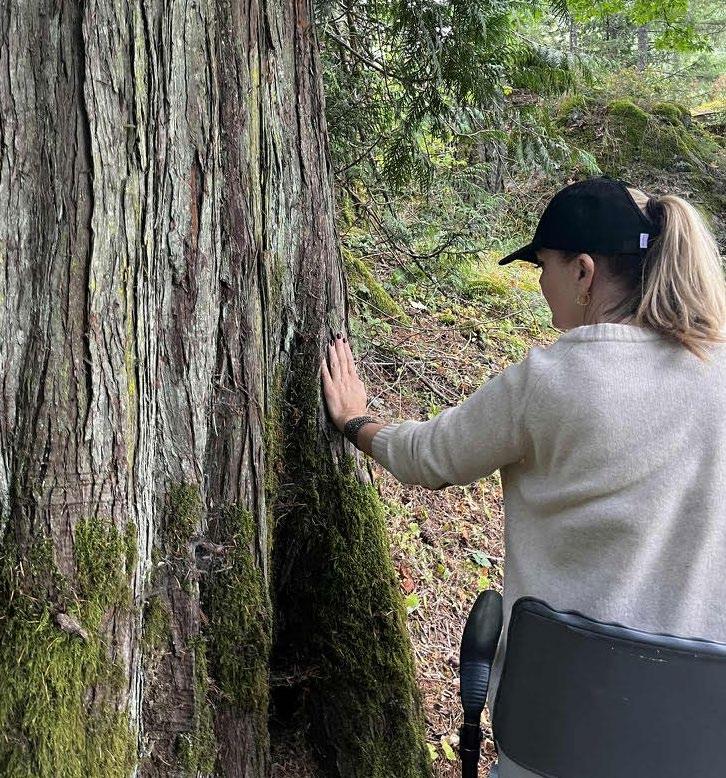
EcoWisdom co-founder Dr. Kari Krogh, former professor of Disability Studies and health researcher, now lives with multiple disabilities. She was inspired to initiate the project after moving onto the EcoWisdom Forest Preserve where mindful nature connection (forest bathing or shinrin yoku) reduced her severe chronic pain.
The EcoWisdom land, comprised of thousands of trees,
is home to wild roaming moose, wolves, and bears. The virtual nature therapy programs often integrate live mindful wanders, videos, photos, and stories from the preserve which is located on Algonquin Territory.
“What stood out for me was the sense of community created. By the end I felt calmer, relaxed, grateful, and inspired. Nature has always just allowed me to be who I am.” — Participant
Kari is a mindfulness meditation teacher and Nature and Forest Therapy Guide, practitioner, trainer, and research collaborator. David Gordon, an award-winning environmental educator, and Kim Dunlop, a specialist in Eastern Medical Theory, also contribute to the teamtaught guide training program.
BC-based EcoWisdom-certified Nature and Forest Therapy Guides include:
• Brandy Cook, Indigenous Guide Trainer
• Laurette Yelle and Kay Chan, Guide Training Mentors
• Karen “Punky” van Biesen, Expert by Experience on research projects
• Linda McGowan and Penny Goldberg who have brought Accessible Nature Wellbeing Programs to Metro Vancouver and Vancouver Island, respectively.
EcoWisdom’s
Nature Guide Training Topics:
• Accessible nature therapy practices
• Forest medicine research
• Ecology, citizen science and eco-grief
• Mindfulness and nervous system regulation
• Land-based spiritualities and philosophies (including Indigenous-led teachings)
• Expressive arts, poetry, ritual and embodiment Program design, funding and community or workplace integration
Extraordinarily powerful benefits of EcoWisdom’s Nature Therapy Guide Training program and Accessible Nature Well-being Programs have been demonstrated by four studies led by university research partners.
In-person program participant connecting with nature
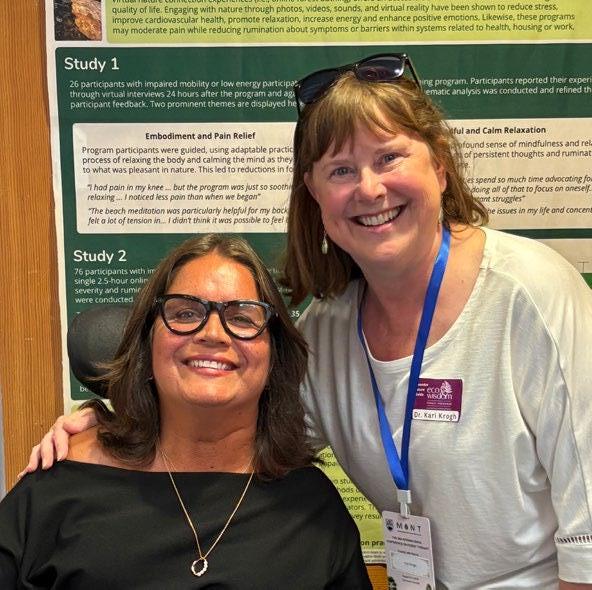
Our inclusive and effective approach to nature therapy is attracting attention. One research poster based on a study led by Dr. Kirsten McEwan (Derby University) and Jacob van Haaften (Dalhousie) described the statistically significant and sustained beneficial impacts of EcoWisdom’s virtual nature therapy programming— improving pain, fatigue, memory and concentration problems, anxiety and depression, and rumination. In fact, it won the People’s Choice Award at the Crossroads Multidisciplinary Health Research Conference at Dalhousie University.
Clinical psychologist Dr. Bacinuaite found that our guide trainees and participants benefited from cultivating a strong sense of authentic self, connection to others, and desire to engage in environmental conservation. She describes EcoWisdom’s programs as an effective form of social prescribing whereby community members become directly involved in attending to their own physical and mental well-being, reducing demands on the healthcare system.
EcoWisdom-affiliated members of the disability community and research collaborators participated in the Second International Conference on Nature Therapy at UBC. In addition to hosting an information booth and presenting research, EcoWisdom was a sponsor of the conference, demonstrating our commitment to evidencebased nature therapy practice.
Technology for Living, The Individualized Funding Resource Centre, and other disability-led organizations have played an ongoing role in the development of the EcoWisdom Project. We offer free (grant-funded) virtual and in-person Accessible Nature Wellbeing Programs to people who are often left out of nature and park programming, including seniors and people living with disability, chronic illness, cognitive impairment, pain, and fatigue.
EcoWisdom is committed to accessible and inclusive nature therapy that promotes social and ecological justice. Within the training, we explore what nature teaches us about diversity, interdependence, and belonging. Practical access solutions are integrated by having people with direct lived experience involved. This is invaluable to those wishing to successfully bring nature therapy into, for example, peer support, recreation therapy, senior centre, or educational settings.
Our online nature guide training is very flexible. We invite trainees to learn through their direct engagement with practices, peers, guests, research, and informed conversations. Each trainee starts the training by discerning which nature connection practices support them best. They are encouraged to use this as a foundation as they go on to share accessible nature therapy with others.
Would you like to join the next cohort March 1?
For more information, visit ecowisdom.ca/training/ or LinkedIn. Email kari@ecowisdom.ca to request a Zoom meeting or to learn more about the Nancy Lear Scholarship.
Kari Krogh (right) and Brandy Cook (left), presenting research at nature therapy conference
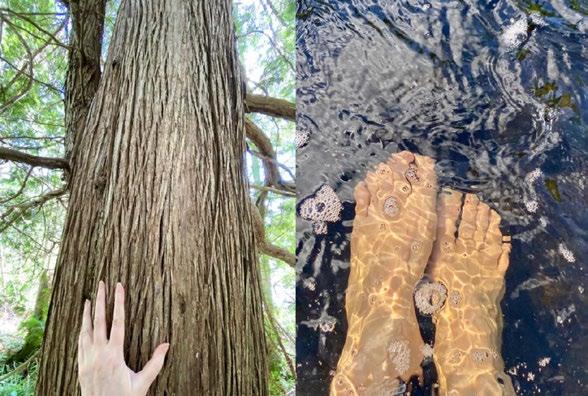
Images used to activate mirror neurons during online nature program
Still Coaching, Still in the Game
By Evan Mutrie
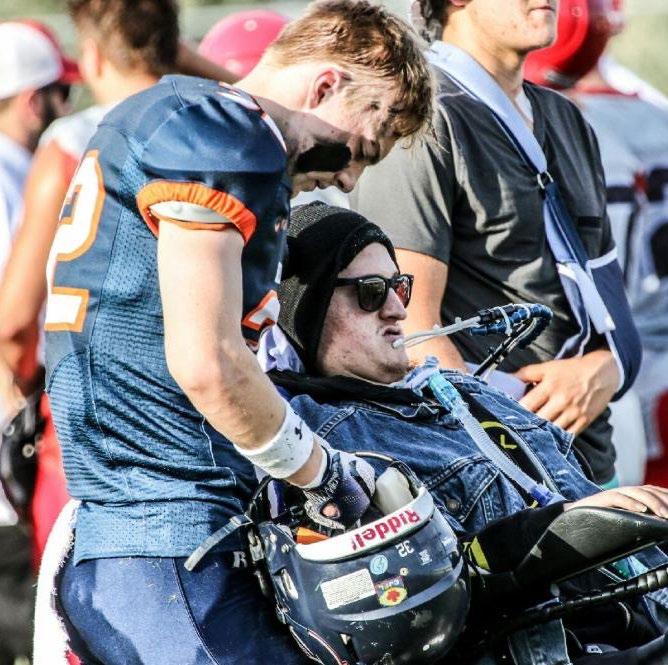
I've been a member of the Kamloops Broncos as a player and a coach since 2013. I've also coached a couple of high school teams. The biggest difference between me and most coaches? I can't demonstrate skills or technique. I can't run drills myself. It's a contact sport after all, and I need to choose my spot so I'm not getting in the way.
That's where assistive technology comes in.
I use a Tapio sip-and-puff straw for my iPhone to write notes. When I'm on my computer, I use Dragon voice recognition. For film study, I use Hudl, and sometimes I use a QuadStick. These tools let me do what every coach needs to do: break down film, take notes, communicate with players and other coaches, and prepare game plans.
Coaching is just teaching. If you can teach the game, then you can be a coach
Film study is the biggest tool in my toolbelt. I'll watch film at home for a couple of hours, writing notes about what I see and what we need to improve on. Thanks to voice-totext from TFL, I can get all my observations down. I post notes on the team's film server so everybody has access to them. I can draw lines and arrows and write comments on what happened during the play.
The nice part is I can do some work from home if I need to rest. I don't like being away from the field if I can help it, but I'll take a day off here and there if I need it.
Adapting My Coaching Style
I've had to be very particular about my words. I can't just run out and show someone how to do something. I need to explain it clearly enough that they get it the first time. It's a loud environment and I'm not as loud as I used to be. I can't be as vocal as I would like, so I really have to choose my spots and words.
Some of the veterans who've been on the team for a while are more used to my coaching style. I use them for demonstrating drills or to help teach skills. It works well. They know what I'm looking for and they can show the younger players.
The Barriers
Most of the barriers I've faced are to do with travel or access to sports areas. Figuring things out when you're on the road is something I've had to do a lot of. Some areas of the stadium are off-limits to me due to stairs and terrain. You work around it.
Advice for Anyone Who Wants to Coach
My advice for anyone who wants to coach is to find a role you can fit into. Learn enough about the game and enough about coaching. Maybe take some courses so you have enough knowledge ready when you find a spot.
Coaching is just teaching. If you can teach the game, then you can be a coach.
I've been very lucky to still be involved with the sport after all these years. The team, coaches, players, and the organization have all been extremely supportive of me, and I couldn't be more grateful.
There's definitely worse jobs in the world.
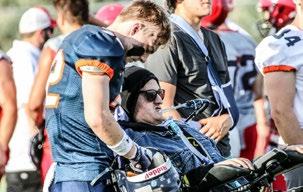
Evan (right) with a member of the Kamloops Broncos
Creating Connection: The Story Behind Ableify
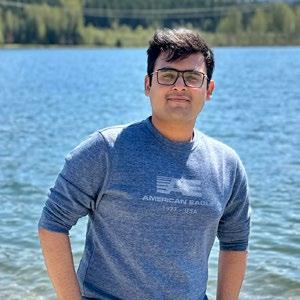
By Rupert Roshan Paul, Nav Thukral, and Arjun Mishra
Ableify is more than a startup. It is a personal mission. One of our co-founders, who lives with a physical disability, spent years having self-confidence and selfimage issues. That experience led to curiosity. Were there others that had similar experiences? It led to dozens of conversations with others across different ages and types of disabilities. All the stories were similar: therapy was unaffordable and inaccessible in physical locations, doctor shortages left people without help, and those who got appointments often met mental health professionals that lacked empathy, especially about the experience of being a person with disabilities. Many described feeling caught in cycles of anxiety and depression, moving between brief periods of stability and long stretches of loneliness.
Ableify was born as a result of these realizations. The lightbulb moment came when someone we spoke to said, "Sometimes I am unable to leave the house simply because of how low I feel." Every story echoed the same truth: people with disabilities needed a space where they could be understood and supported. That's why we built Ableify.
People with disabilities need a space where they could be understood and supported
Ableify is a mental health platform built for people with disabilities. We believe everyone deserves access to inclusive and empathetic mental health support. While many solutions exist, none directly address the unique challenges of people with disabilities. Ableify aims to change that.
Our platform's goal is to build a community where users can share their stories and challenges. By doing so, we hope to create genuine relationships and peer support networks that help people feel less isolated and more connected. The platform allows users to share experiences in a way that makes them feel heard and supported, something people with disabilities have repeatedly said is missing in the current system. For those seeking deeper connections, we also have a peer matching feature that connects users with similar experiences, making it easier to build bonds rooted in empathy.
Ableify also includes an AI (artificial intelligence)powered agent trained on research vetted by disability and mental health specialists. It allows communication through both text and voice in over 50 languages. Whether someone prefers to speak or type, the AI is designed to act as a trained, empathetic listener. It is ideal for moments when reaching out to another person feels overwhelming.
We are currently testing our product and are actively looking for individuals who can help shape the future of our services. If you are a person with a disability, we would love for you to be one of our testers!


Your insights will directly shape how we grow and improve Ableify, helping address the mental health challenges of people with disabilities. If you would like to participate, please reach out to lifewithableify@gmail.com, and we will send you our product link.
Testing is completely free and takes no longer than 10 minutes! The impact of those 10 minutes, however, would be massive in shaping the mental health landscape for people with disabilities. Together, with help from members of the Technology for Living community, Ableify wants to create a space where everyone feels seen and heard, and where support is financially accessible.
Arjun Mishra
Rupert Roshan Paul
Nav Thukral
University of the Disabled
An Unofficial Guide
by Suzan Jennings
Suzan Jennings is author of Paralyzed Without Warning: A Couple's Journey Back from Guillain-Barré Syndrome paralyzedwithoutwarning.ca
There's no formal curriculum at what I call the "University of the Disabled"—no syllabus, no graduation ceremony, and certainly no orientation week. Yet every person with a disability becomes a student here, learning lessons that no textbook could ever teach.
Course Catalogue
Lessons learned through lived experience
▶ I went from fabulous to rudderless, so fast that my family, friends, and colleagues couldn't understand, but then neither could I. One minute I was fine and fabulous and the next, someone was picking me up off the floor because I was completely paralyzed from the neck down
▶ Knowing I was falling but couldn't freeze the frame like on TV, where you fall in slow motion right up until you hit hard—thud
▶ Once I became a person with a disability, the dynamic I had with everyone I knew changed: work, friends, socioeconomic position, relationships. You go from "you know Suz, she's great" to "you know Suz? Yeah, I heard. Wow, how tragic!"
LANGUAGE & IDENTITY
▶ There is not a "one size fits all" binder for persons with disabilities
▶ Finding the correct way to call yourself: disabled, disabled by barriers, physically challenged, vertically challenged. These are not appropriate because one needs to focus on the individual, not the barriers
▶ Media uses the term "differently abled"
▶ Ableism is the discrimination of and social prejudice against persons with disabilities based on the belief that typical abilities are superior. At its heart, ableism is rooted in the assumption that disabled people require fixing and defines people by their disability
▶ If you google "what makes a disabled person stronger," it lists spirit, determination, and courage to face challenges despite physical limitations
▶ If you google "what are the jobs for physically disabled people," what it lists are all back-of-house jobs: computer support, writing, programming, coding, software development, marketing, virtual assistant, scientific research jobs. Why is that? Why not front-of-house?



▶ No one ever talks about how long it will take, or if you will be able to go back to work
▶ No one warns you about the looks you may face that are disturbing and demoralizing
▶ No one warns you how difficult it was going to be to navigate a world that wasn't built with persons with disabilities in mind
▶ No one advises you about how exhausting it would be to act "normal"—whatever that is
▶ No one advises you that when you order your first wheelchair, you have to add a seatbelt—who knew it didn't come with one automatically. Obviously not me!
▶ No one warns you how complicated it would be to find your perfect "medication cocktail"
▶ There should be a chapter on how to deal with rejection. It's hard getting rejected by society from the dollar store owner shooing you away because your power wheelchair doesn't fit well enough down his swollen product aisles without knocking things off the shelf to eating at an accessible restaurant and then when attempting to use the accessible washroom, finding that it is being used as a storage room
DAILY NAVIGATION
▶ Showing up at a restaurant and being told that they did not have room for "people like me"
▶ Not getting discouraged when a bus pulls up and the driver says "sorry, full already—there's one wheelchair onboard. You have to wait for the next bus [which happens to be 20 minutes in the rain]"
▶ Not getting angry when doors slam on you as you enter a business and then being told "sorry, I didn't see you there"
▶ Dealing with stares from people as they look down on you and all you want to say is "hello, my eyes are up here!"
▶ The secret head nod mobility users give each other in passing, just like motorcycle riders do
▶ I continue to navigate through these common barriers that influence my daily life: Attitudinal, Communication, Physical, Policy, Programmatic, Social, and Transportation
MEDICAL TRAUMAS
▶ After being told I had a rare neuromuscular disorder, it was like being given a death sentence. It was a devastating diagnosis that affected all aspects of my life: marriage, career, friendships, and sense of identity
▶ Being dropped from an overhead lift was deemed OK by nurses because I was paralyzed—I could not fight back and could not advocate for myself
▶ Being told by my medical team that I would not make it through the night
▶ Being told by my medical team that I would never regain the use of my limbs
▶ Being told by my medical team that "hope you said goodbye to your husband because he will not be back"
LIVING WELL
▶ There are ways to resolve and cope with a disability and create a satisfying life: prioritize stress control, make health your foremost priority, eat well for energy and vitality optimization, find things that give you meaning, find a place to volunteer, find new hobbies and activities, find an animal to care for
▶ Aspirational goals to become "employee of the month" have been replaced with person with a disability "Club of the Month"
WHAT I'VE LEARNED
▶ What being a person with a disability has taught me: The world does not bend for my disability. I must adapt—I adapt to find ways that work for me
▶ Through determination, resilience, and grit, I began the slow, complex journey of rebuilding not only my mobility but my sense of purpose by influencing policy, enhancing service delivery, and improving programs that affect people with disabilities
MY ADVOCACY
▶ I am proud to lead a model that brings lived experiences directly into making our communities and spaces more inclusive and accessible. A model that includes, not excludes
▶ My advocacy is grounded in lived experience and driven by the belief that accessibility isn't an "addon"—it's a right
▶ My message is clear: Nothing is impossible. Making a difference—one step at a time
Making Technology Work Your Way
By Taylor Danielson
Ihave a perfectly good heater. It keeps my room warm and costs a reasonable amount. But I couldn't turn it on and off independently—the physical button was out of reach. So naturally, the obvious solution would be to buy a whole new "smart" heater with WiFi and its own app, right? Because what I really need is another app to manage.
Here's what I actually did: I put a $40 robot on the button.
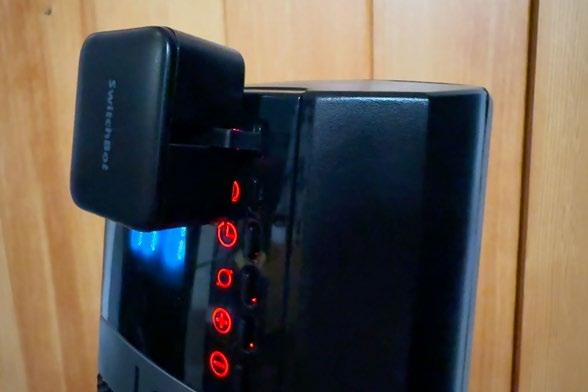
Yes, technically the SwitchBot has its own app. But it's one app that controls multiple devices essential to my daily life—my heater, my computer setup, my entertainment system. That's the difference between adding clutter and adding capability.
What I really need is another app to manage.
This same principle—taking technology that works and adding that one missing piece—has solved some much bigger problems in my life. You don't need to replace perfectly good technology just because it's missing one feature. Sometimes you just need to get creative.
The Simple Solution: SwitchBot Bot
The SwitchBot Bot is exactly what it sounds like: a small robot that pushes switches and buttons. Place it over any
physical button or switch, connect it to your phone, and suddenly that non-smart device becomes controllable through your phone or voice commands.
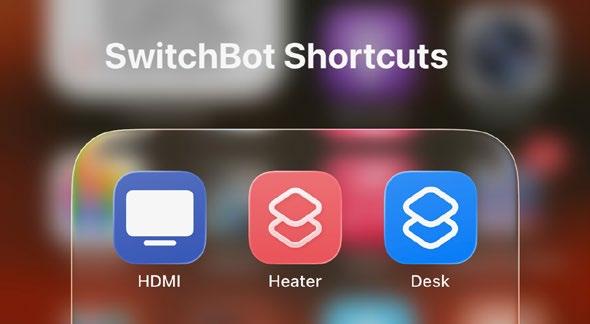
Beyond my heater, I use SwitchBots to switch my screen between my MacBook and PC, on my PC's power button so I can turn it on and off by voice, and on a light switch where I didn't want to replace the existing switch with a smart switch. These devices all work—they just needed remote control to make them accessible.
SwitchBot Bots are available at no cost through Technology for Living's Technology for Independent Living (TIL) program.
Taking It Further: Voice-Controlled Bed
SwitchBots solved my simpler problems—a heater here, a light switch there. But what about something more complex?
For the past two years, I've been using a ProBed Freedom Bed—a bed with powered positioning and lateral rotation that automatically repositions me throughout the night. This is crucial for me—I can't physically reposition myself. The bed prevents pressure sores and respiratory issues by rotating me from left to center to right on a programmed schedule.
But here's the thing: sometimes at 2am, I just don't want to be on my left side for another hour. The bed has physical
A SwitchBot presses the power button on a heater
A screenshot of an iPhone screen showing three Apple Shortcuts for controlling an HDMI switch, a heater, and a desk
controls I can't reach or operate due to lack of strength in my hands. The solution? An infrared (IR) blaster that lets me control the bed by voice.
Now I can manually adjust my position anytime—rotate right, rotate left, raise the head, raise the feet. I can also turn the automated rotation program on or off as needed. This gives me moment-to-moment control over my own comfort rather than being locked into a fixed schedule.
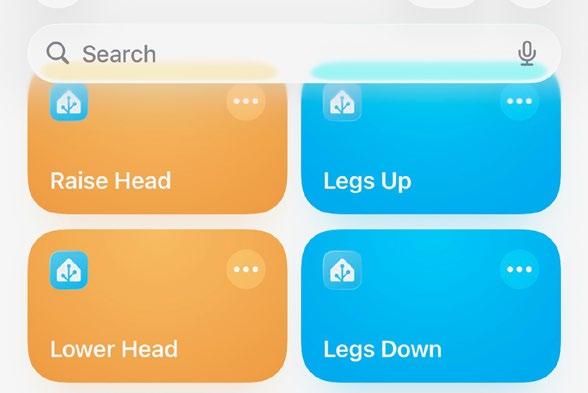
A screenshot of an iPhone showing several examples of shortcuts for controlling my bed. These can be activated physically, by using voice or switch control, or by saying "Hey Siri, [shortcut name]"
Like SwitchBots, IR blasters are available at no cost through TIL. Setup can be more involved than a SwitchBot, but TIL techs can help determine if this solution would work for your needs.
For the Tinkerers: Smart Desk Control
Without the ability to adjust my desk height, I couldn't position my hand on my mouse. No computer access meant being cut off from work, games, and staying connected. I needed a solution.
⚠ Advanced Solution Ahead ⚠
This next example requires technical knowledge of home automation systems and isn't a plug-and-play solution. I'm including it to show what's possible for those with the skills and interest, but most people will find the SwitchBot and IR blaster solutions meet their needs without this level of complexity.
I use an UPSY DESKY module that sits between my desk's control box and handset. It connects to Home Assistant—a home automation system that lets different devices talk to each other—which I access through an app on my phone
or Apple Shortcuts. This lets me adjust my desk height by voice or with a quick tap, allowing me to position my arm comfortably throughout the day.
The
perfect device for you might not exist yet [...] with some creativity and the right tools, you can make it work your way
This required buying a compatible desk, understanding home automation systems, and spending time on configuration. It's definitely the advanced tier—but it shows what's possible when you have the technical knowhow and a problem that needs solving.
The Bigger Picture
Adapting technology to meet your specific needs means you don't have to accept what's available off the shelf. Sometimes the solution is simple—a button-pusher on a heater. Sometimes it's more involved—an IR blaster for bed controls. Sometimes it requires technical expertise— smart home integration for a desk.
The key is problem-solving: What do I need? What's the gap between what exists and what I need? What tool can bridge that gap?
Starting small can lead to bigger solutions. That $40 robot on my heater was my entry point into adapting technology. It taught me to think creatively about what's possible.
Getting Started
Both SwitchBots and IR blasters are available at no cost through TFL's Technology for Independent Living program. These tools can make a real difference in your independence.
Have questions about adapting technology for your needs? Reach out to me at tdanielson@technologyforliving.org. For general inquiries or to explore what TFL offers, contact info@technologyforliving.org, call 604-326-0175, or visit technologyforliving.org/technology-for-independentliving-program-til.
The perfect device for you might not exist yet. That's okay—with some creativity and the right tools, you can make it work your way.
Donate to TFL
Your gift creates independence. Supporting people with disabilities opens doors to autonomy, dignity, and full participation in community life. Every donation helps provide life-changing assistive technology to BC residents who need it most.
technologyforliving.org/donate
Got empty beverage containers at home? Every bottle and can you return can now support assistive technology for people with disabilities across BC!
1 2 3
Download the Return-It App or visit app.return-it.ca to create your free account (if you don't already have one)
Link your account to TFL using our unique donation link below. Choose one-time or automatic donations
Drop off your empties at any Return-It Express location across BC. That's it— every container counts!
app.return-it.ca/tfltechnologyforliving