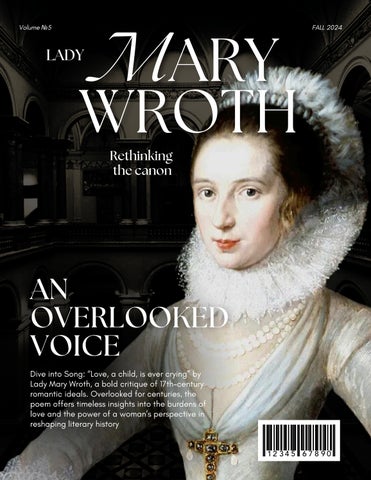
Dive into Song: “Love, a child, is ever crying” by Lady Mary Wroth, a bold critique of 17th-century romantic ideals. Overlooked for centuries, the poem offers timeless insights into the burdens of love and the power of a woman ’ s perspective in reshaping literary history
Contextualization:
Unveiling Wroth
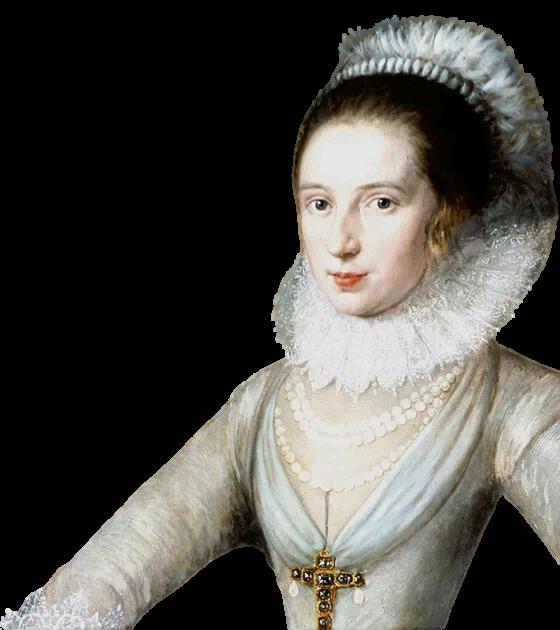
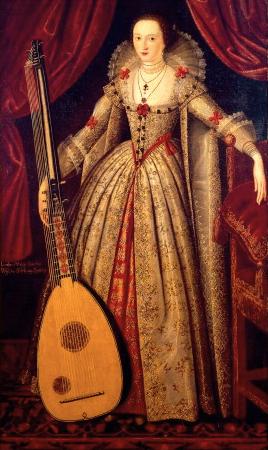
Lady Mary Wroth’s work emerged during the Jacobean period, serving as a response to the prevailing literary and social conventions of the early 17th century. As the first woman in England to publish a sonnet sequence, Wroth’s work stands as a pioneering effort to infuse a distinctly female voice into a genre traditionally dominated bymaleauthorslikeShakespeareandSidney.
"Song"
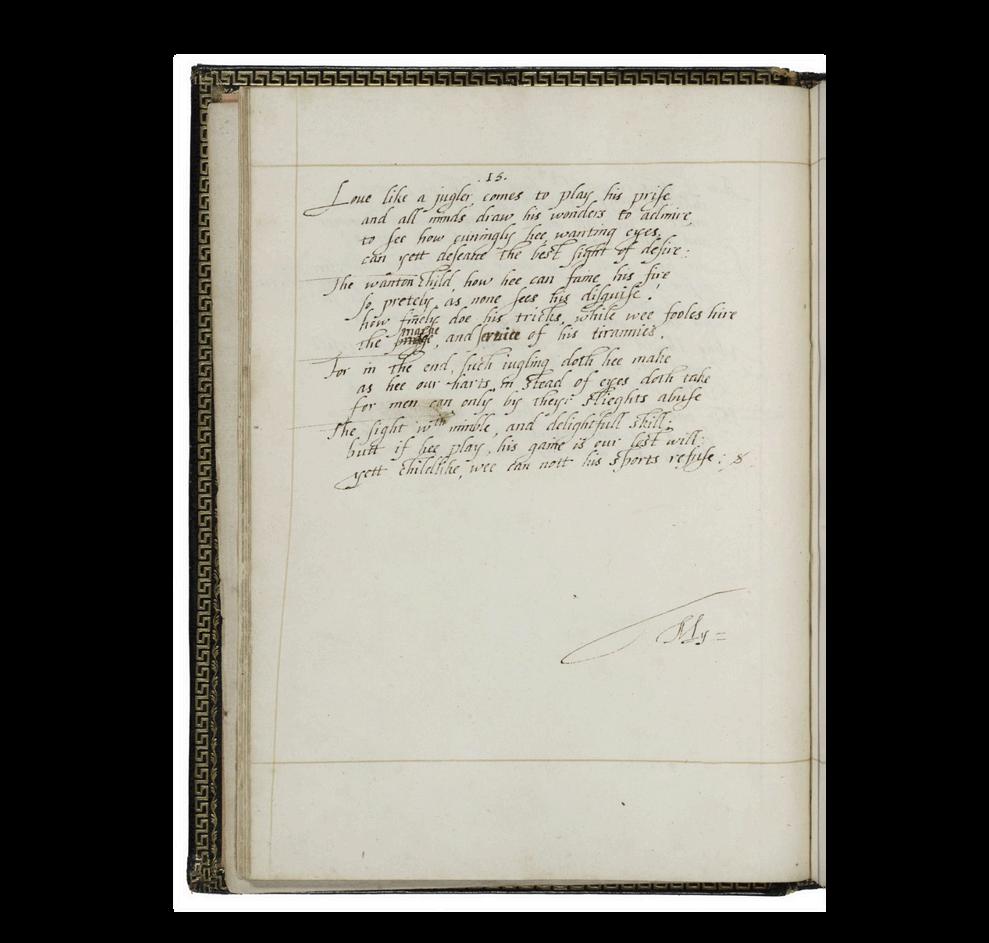
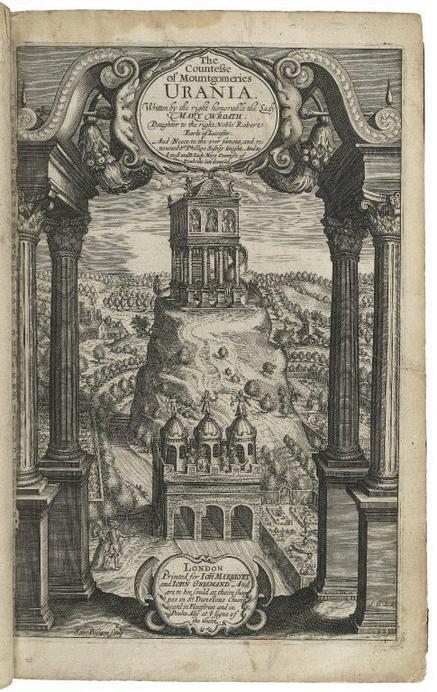
Thepoemispartofhersonnetsequence,Pamphilia to Amphilanthus, which is included in her prose romance, The Countess of Montgomery’s Urania, published in 1621. "Song" offers a unique critique of love, which is personified as a demanding and selfish child. This portrayal disrupts the idealized depictionsofromancethatcharacterizedherera.
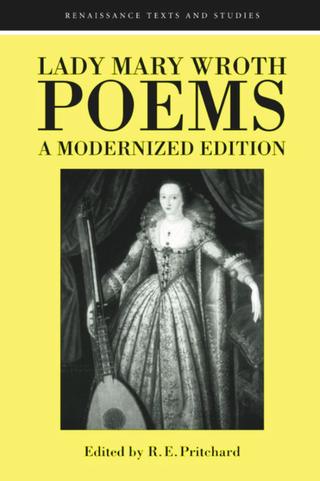
The primary source for this analysis is Poems: A Modernized Edition (Wroth, 1996), which provides an updated text that showcases Wroth’s use of satire and personification to depict love as manipulative and burdensome. These literary devices challenge the Petrarchan tradition’s romanticized ideals, offering a uniquely critical perspective on love Fienberg’s Mary Wroth’s Poetics of the Self (1989) buildsonthisbyconnectingthepoem to Wroth’s personal struggles, showing how it critiques the imbalance of power in romantic relationships and the constraints placedonwomen’sautonomy
Luckyj’s The Politics of Genre in Early Women’s Writing (2001) situates the poem within literary tradition, emphasizing Wroth’s transformation of Petrarchan tropes to create a female-centered perspective. Miller’s Changing the Subject: Mary Wroth and Figurations of Gender in Early Modern England (1996) further explores how Wroth critiques gender roles, presenting women as both constrained and capable of resistance Together, these sources illuminate the poem’s cultural critique andliteraryinnovation.
Lady Mary Wroth’s "Song" redefines female subjectivity and challenges early modern literary traditions. Supported by credible sources, the poem’s critique of love and societal roles underscores its relevance in reshaping the literary canon and amplifyingmarginalizedvoices.
An Overlooked Voice in the Literary Canon: Lady Mary Wroth’s Advocacy for Female Emotional Independence in "Song"
BySilviaTeixeiraLima
In a time when male perspectives defined love for women, Lady Mary Wroth’s "Song" critiques the idealization of love and the confusion between love and lust, exposing how societal expectations and personal desires emotionally exploit women. The poem serves as a call for women’s emancipation, urging them to reject exploitativerelationships.
Wroth critiques the selfishness inherent in romantic relationships, portraying love as a demanding child who is “ever crying” (Wroth, line 1) and whosedesires“havenomeasure”(line 5). Wroth’s poetry critiques societal ideals that emotionally and socially bind women, contrasting the glorified portrayals of love in male-authored works (Fienberg 45). The line “Please him, and he straight is flying” (line 2) reveals how women’s sacrifices are oftenmetwithmen’sindifference.
The poem’s literary devices amplify its critique. The personification of love as a“child”symbolizesitsimmaturityand instability, a metaphor for the unpredictable emotional demands placedonwomen.
The satirical tone, evident in “Endless folly is his treasure” (line 6), mocks the devotion that obscures manipulation, adding a didactic element that critiques societal norms while offering advice. Satire redefines love poetry to reflect female experiences and challenge traditional gender roles (Luckyj32).
Furthermore, the cautionary line “Trust not one word that he speaketh” (line 8) warns women against deception, and Wroth empowers women to reclaim autonomy (Miller 28). The metaphor of men as “wolves” (line 16) reinforces the predatory power imbalance in gender dynamics, emphasizing the risks of uncritical devotion.
The poem’s conclusion, “As a child then leave him crying” (line 17), acts as a directive for women to reject manipulative relationships. Wroth offers timeless guidance by exposing historicalinjustices.
ContemporaryRelevance
La the
As cont toxic re Wroth’ appear frustra unreco love ca expect "Song" love as women highligh partner aspirat needs. of thes prioritiz autono
What makes Wroth’s work exceptional is its timeless nature, and delves into universal themes of love, power, and gender dynamics while championing the importance of female agency. As a voice of wisdom from the 17th century, Lady Mary Wrothservesasaguidingfigure,imploringwomentoasserttheirownworth.
Including "Song" in the literary canon is not merely an acknowledgment of the historical marginalization of women writers; it is a powerful invitation for contemporary readers to engage in critical reflection on the nature of love and the societal structures that govern relationships. Wroth’s insights continue to inspire, remindingeveryoneoftheimportanceofself-respect,recognition,andequitywithin allrelationships.
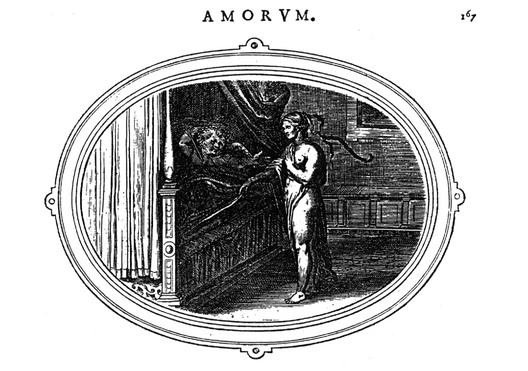
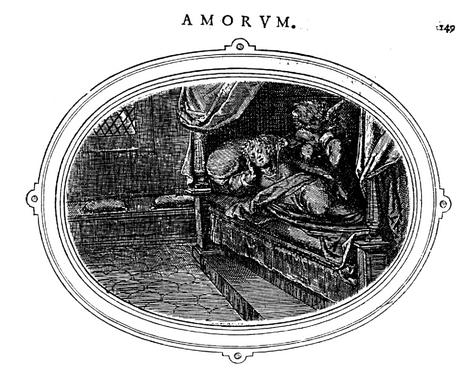
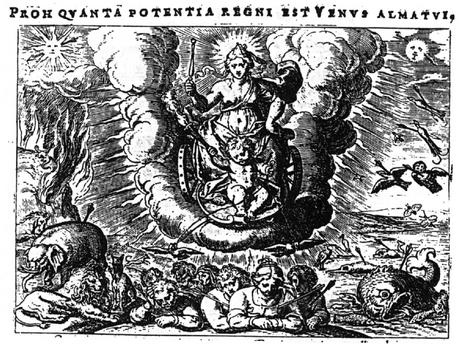
A Peek into Urania
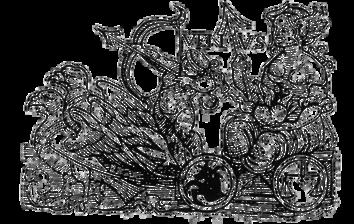
Images and illustrations featured inPamphiliatoAmphilanthus