THE TURKS AND
CAICOS
BULLETIN
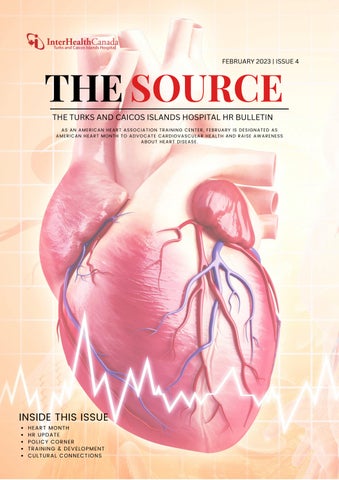
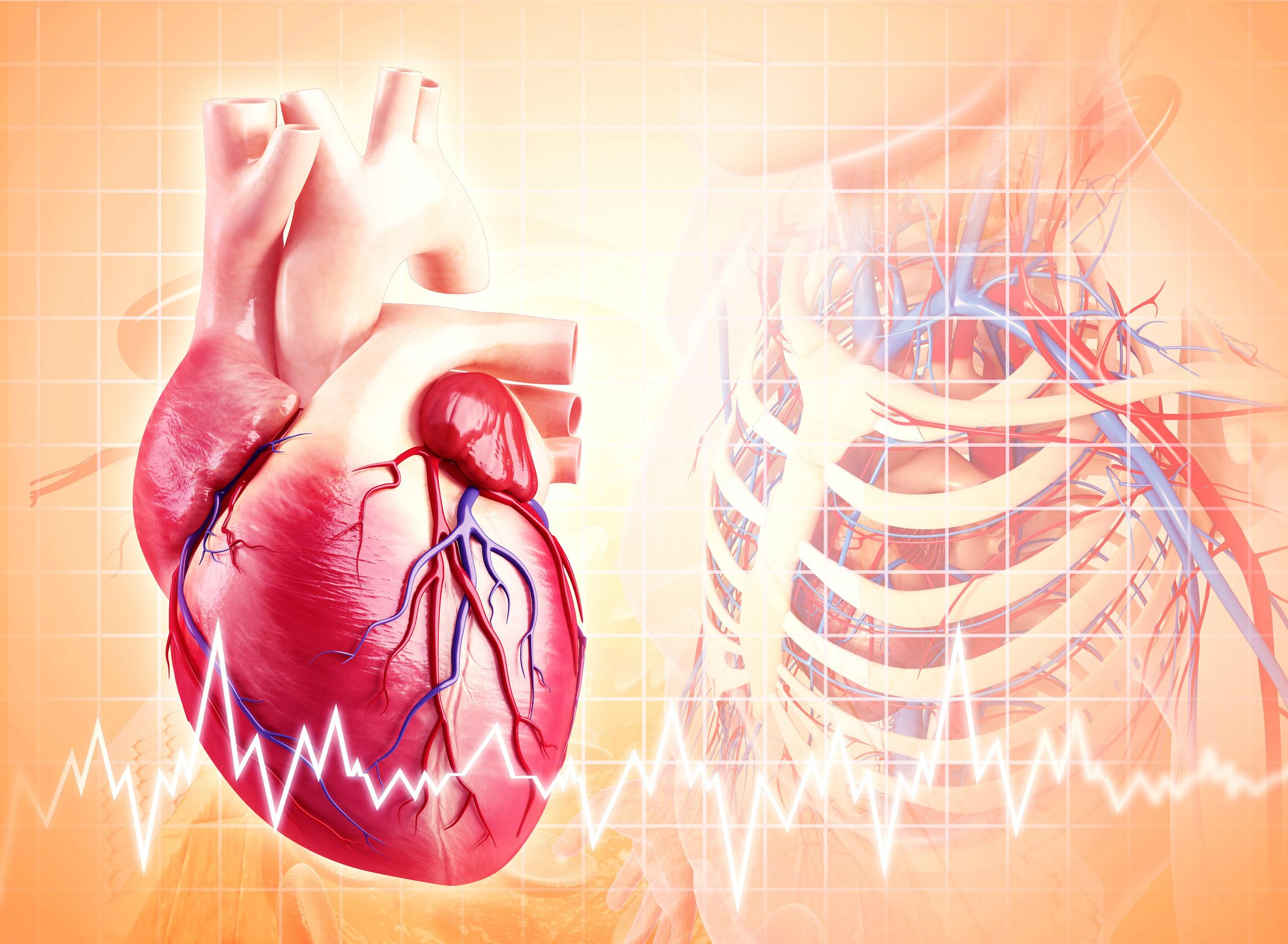
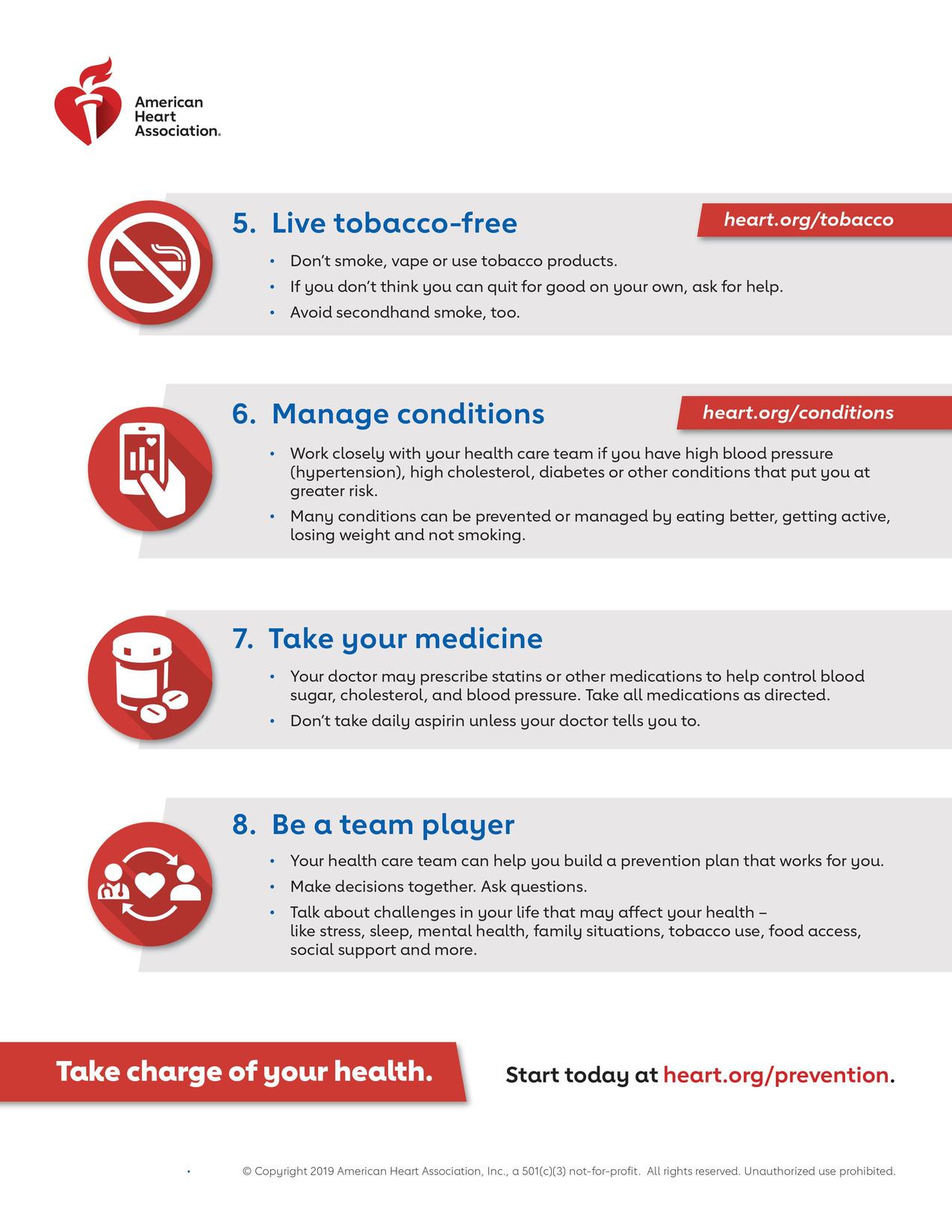
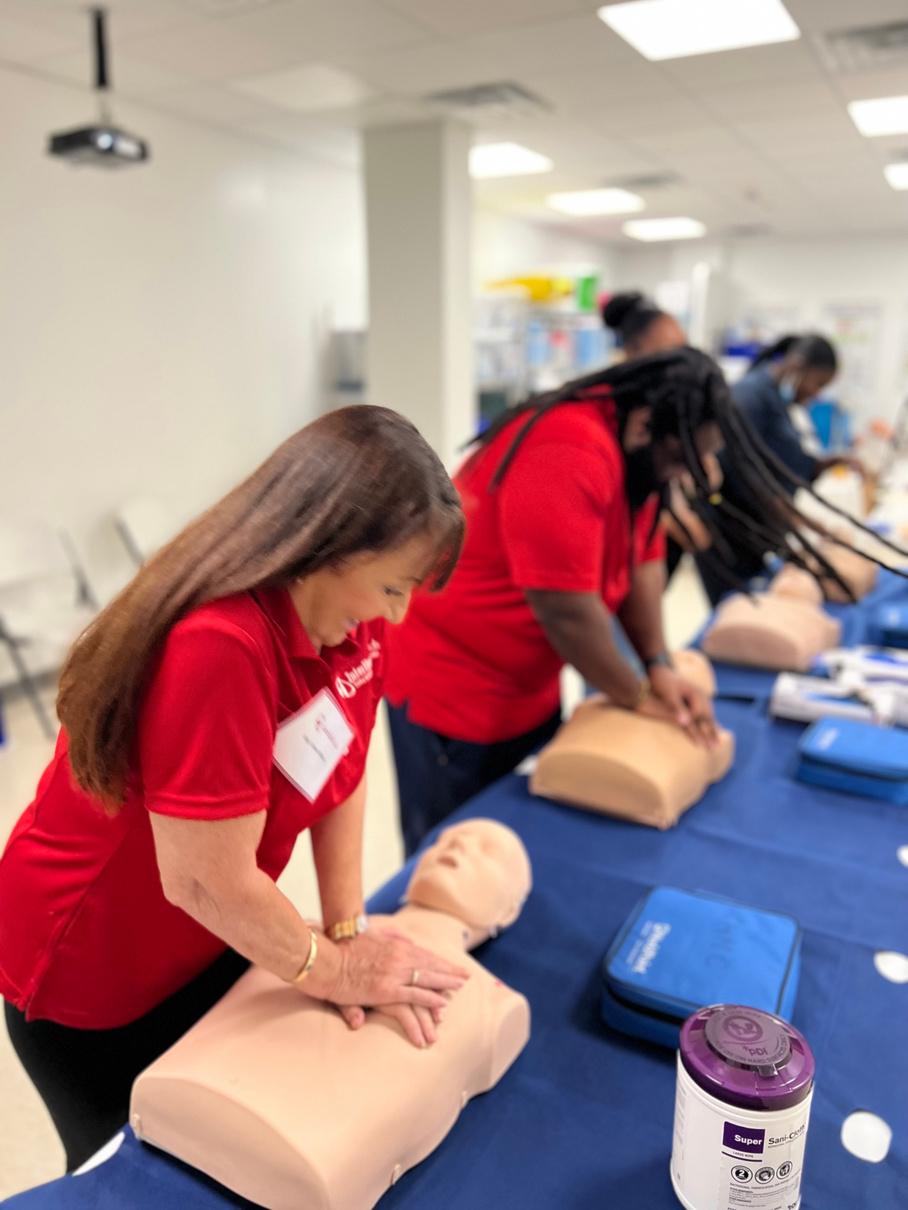
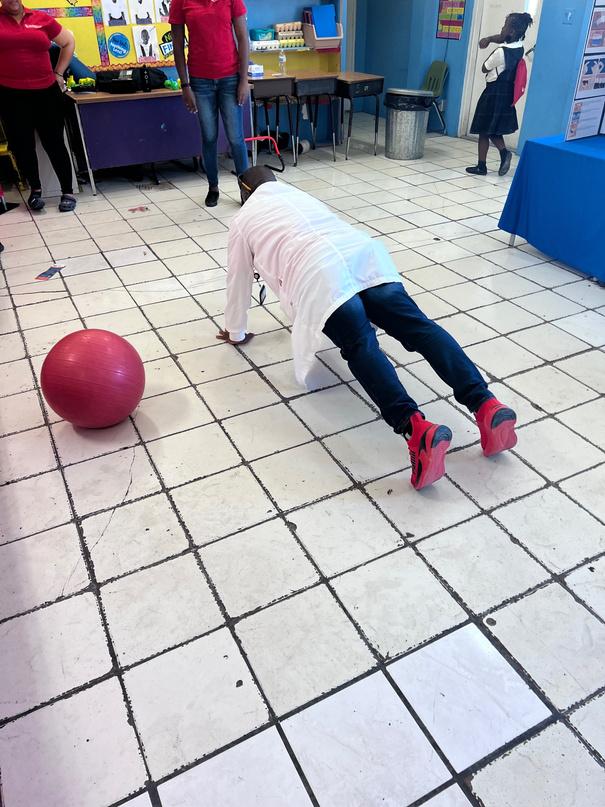
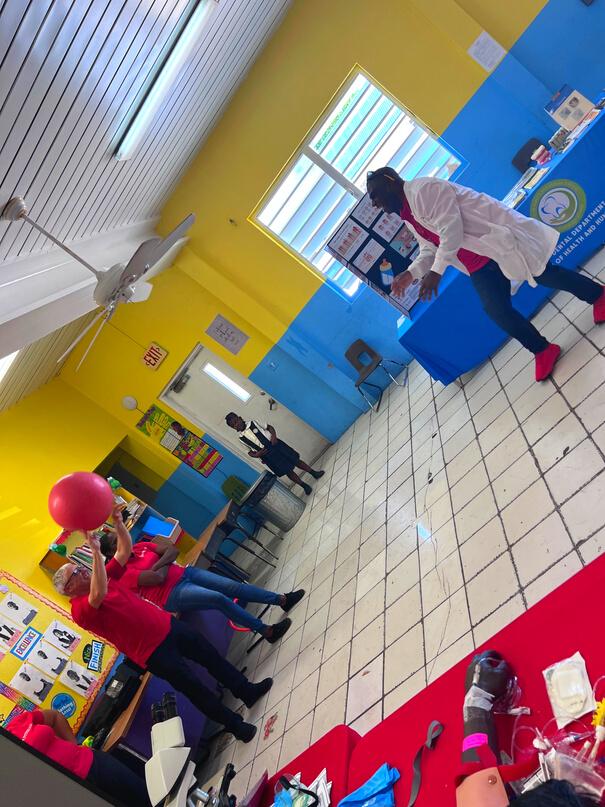
AS AN AMERICAN HEART ASSOCIATION TRAINING CENTER, FEBRUARY IS DESIGNATED AS AMERICAN HEART MONTH TO ADVOCATE CARDIOVASCULAR HEALTH AND RAISE AWARENESS ABOUT HEART DISEASE

FEBRUARY 2023 | ISSUE 4
SOURCETHE
MONTH HR UPDATE POLICY CORNER TRAINING & DEVELOPMENT CULTURAL CONNECTIONS
ISLANDS HOSPITAL HR
INSIDE THIS ISSUE HEART
C o n t e n t s T a b l e o f HEART Month INOVA Human Resources Policy Corner 01 11 05 13 18 Training & Development Cultural Connections 26 TCI Hospital Turns 13! 29
01
02
03
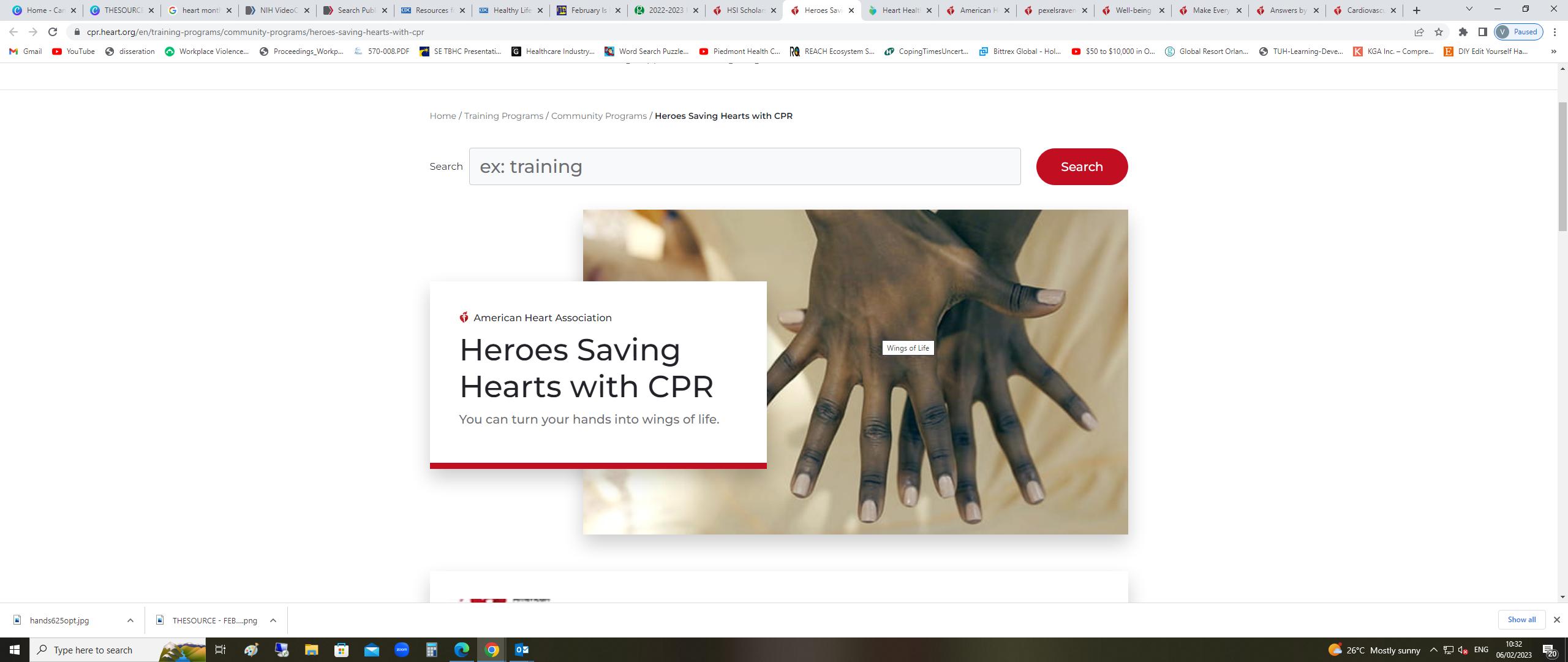
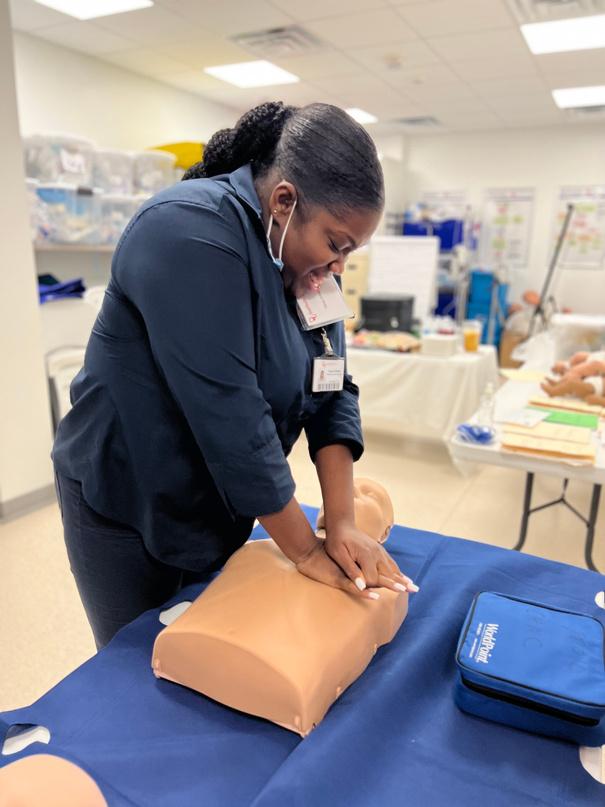
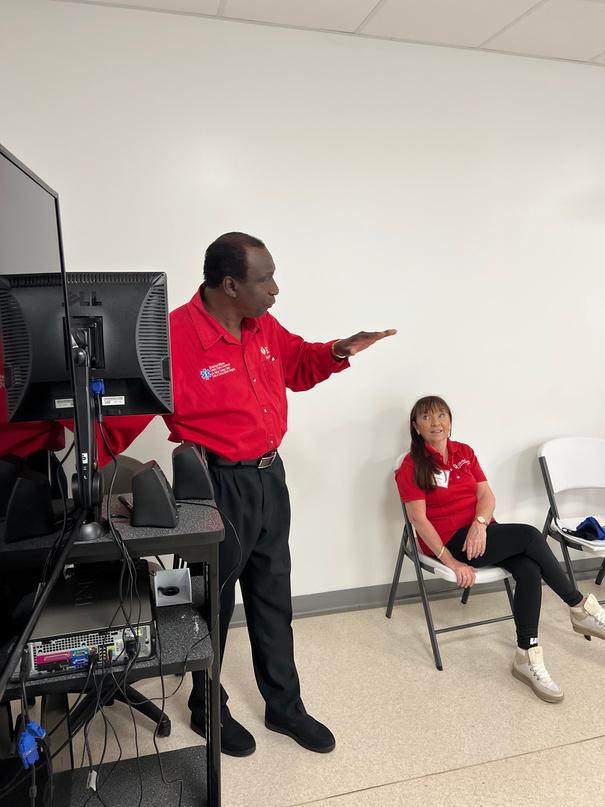
UPCOMING HEARTSAVER DATES!

March3rd-CHMC
April4th-CHMC
May5th-CHMC
June30th-CTMC
July28th-CHMC
August18th-CTMC
October6th-CHMC
04
Featured:
Michael Williams Trainer
Kay Vanes Williams Admin
Kaylin Joffre IM&T
Tianna Johnson Gen. Ward

A Gentle Reminder
Work permits are to be submitted to the Human Resources Department three (3) months/ninety (90) before the expiration date on the work permit card.
So for persons whose work permits are noncurrent/pending submission, we would like to suggest that you review and make the necessary attempts to have this actioned and submitted to the HR department.
FORMOREINFORMATION CONTACT: HR@INTERHEALTHCANADA.TC
06
TOTHE TEAM Welcome
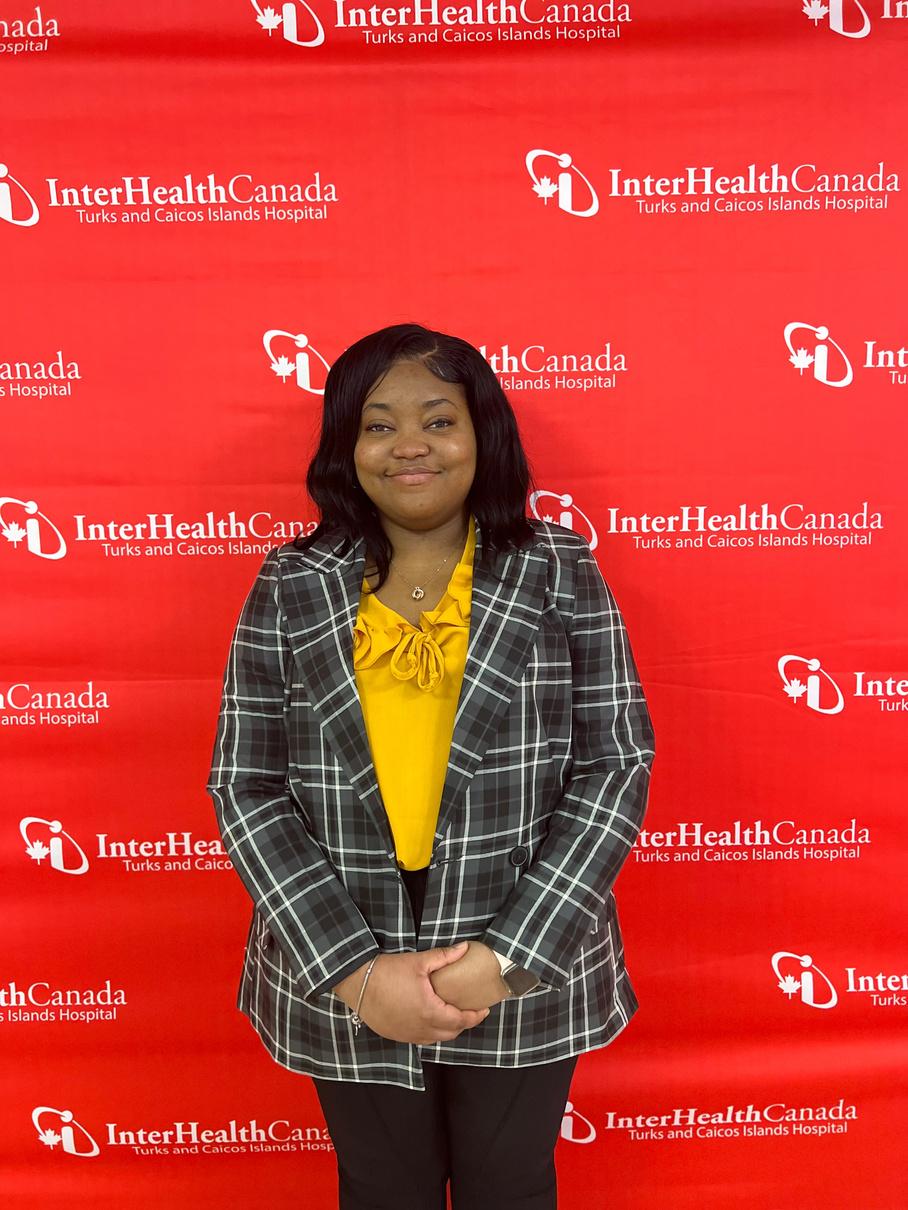
FUNFACTS ABOUT ChristanaeLewis

WHERE ARE YOU FROM?
I’m originally from the Bahamas but I relocated to Provo with my family as a child.
IF YOU COULD BE SOMEONE ELSE FOR A DAY, WHO WOULD IT BE AND WHY?

If I could be anyone else for a day I would be Sarah Jakes-Roberts as I’m very inspired by her!
WHAT ARE YOUR PET PEEVES?
Definitely people that are rude and disrespectful to others.
Christanae Lewis Senior Financial Accountant CHMC
07
TOTHE TEAM Welcome
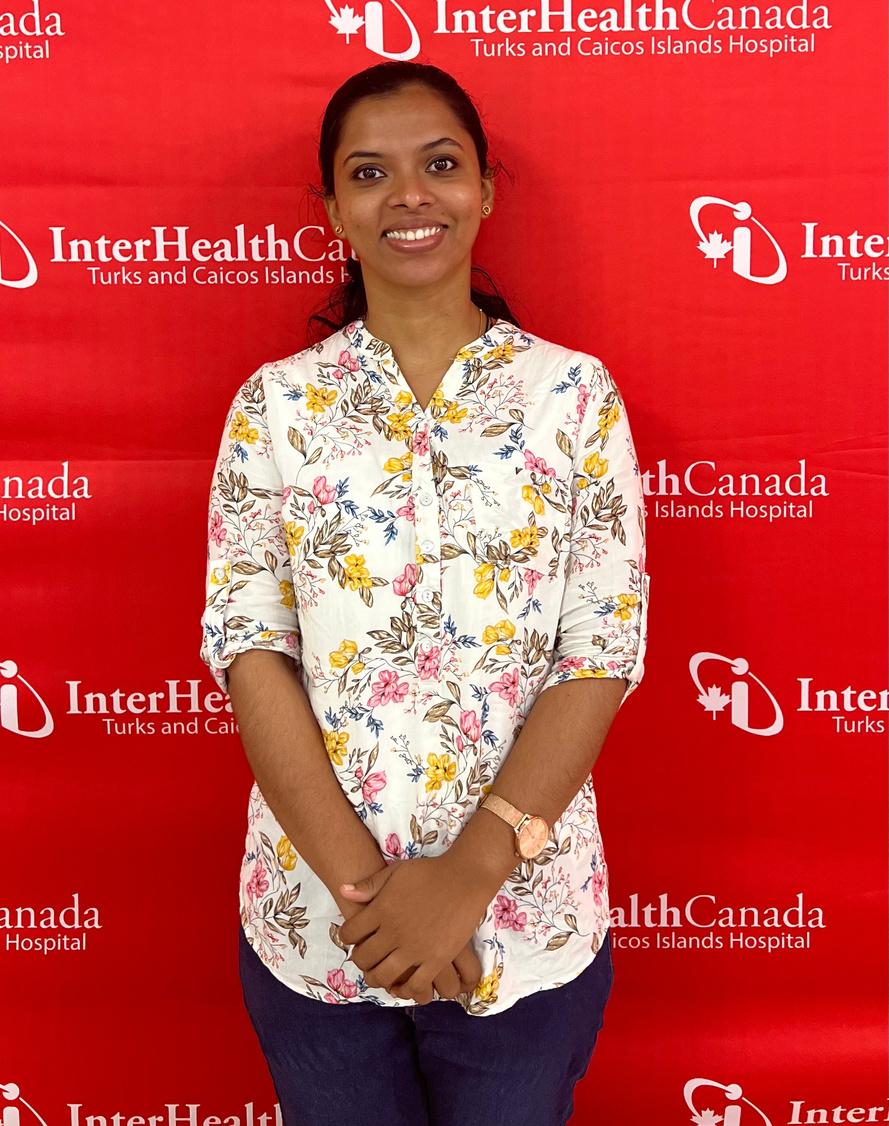
FUNFACTS ABOUT FlavinaFrancis
WHERE ARE YOU FROM?
I am from Kerala, which is a state in the malabar coast of India. It is famous for its unique geography, tranquil backwaters, house boats, beaches, , art forms.
IF YOU COULD BE SOMEONE ELSE FOR A DAY, WHO WOULD IT BE AND WHY?
If I could be somebody else for a day, I want to be super women and serve the world for good.
WHAT ARE YOUR PET PEEVES?
My pet peeves are sound horn and using mobile phone at the family table when having food.
Flavina Francis Registered Nurse (HDU) CHMC
08
TOTHE TEAM Welcome
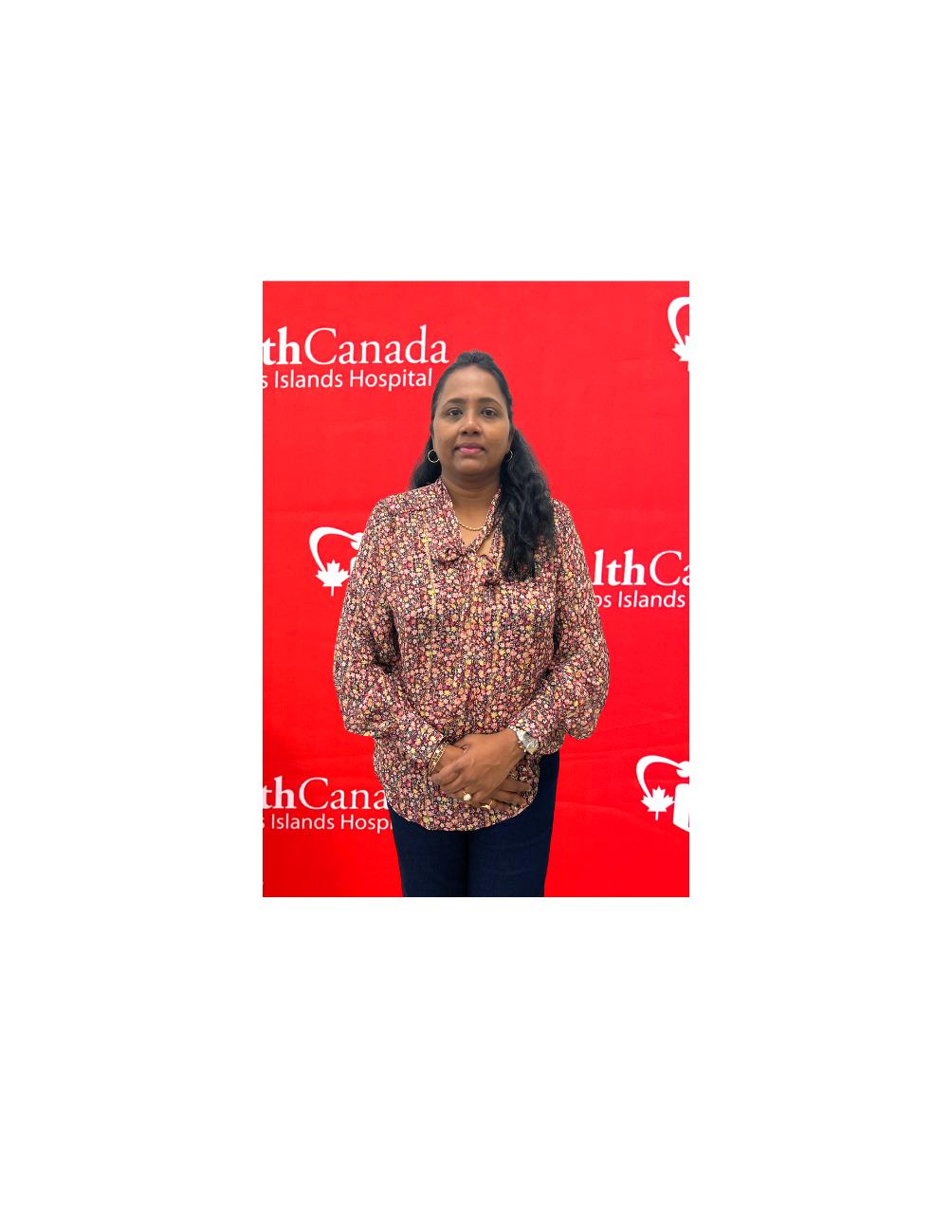
FUNFACTS ABOUT Dr.KarraShilpa
WHERE ARE YOU FROM?
I am from India
IF YOU COULD BE SOMEONE ELSE FOR A DAY, WHO WOULD IT BE AND WHY?
I would want to be like my Dad, because he was strong and never backed out at any challenge.
WHAT ARE YOUR PET PEEVES?
Leaving the wet towel on the bed. People who work slow.
Dr. Karra Shilpa Pathologist CHMC
09
TOTHE TEAM Welcome
FUNFACTS ABOUT
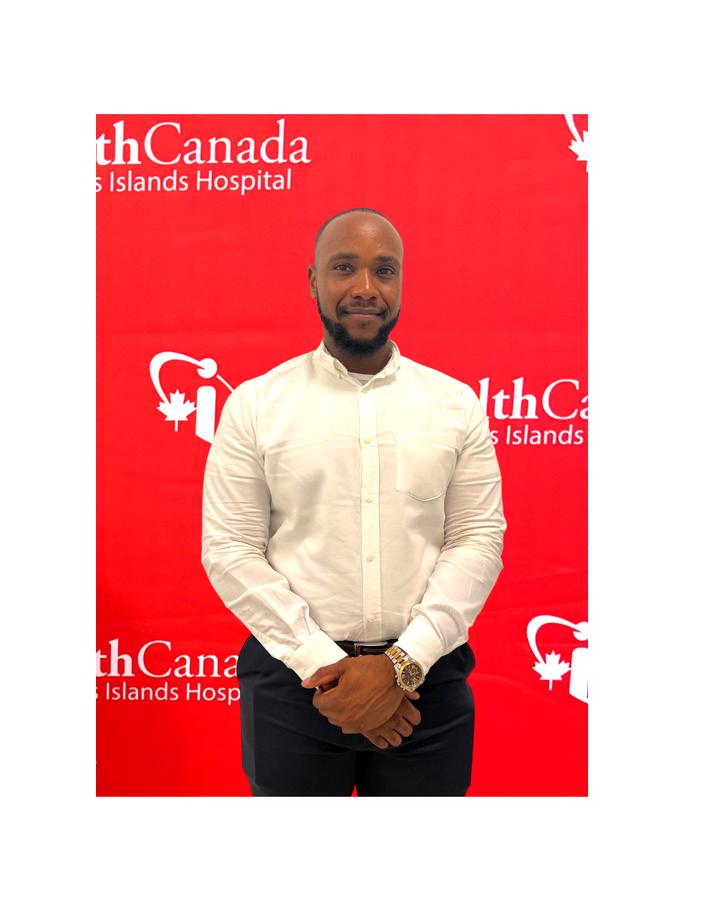
LawrenceHendfield
WHERE ARE YOU FROM?
Providenciales , Turks and Caicos Islands
IF YOU COULD BE SOMEONE ELSE FOR A DAY, WHO WOULD IT BE AND WHY?
Elon Musk because he seems to live a pretty interesting life so I can only imagine a day as him would be pretty nice.
WHAT ARE YOUR PET PEEVES?
In all honesty, I don't believe I have any pet peeves.
Lawrence Hendfield
Financial Accountant CHMC
10
11
Understanding Grief
Dear Staff,
Please accept our deepest sympathy for the loss of your loved one. We have prepared this booklet to answer questions you may have during this time of grief. Some of the materials may not be easy for you to read at this time. We understand, and we hope, as time goes by, that you are able to use this resource to help ease the burden of this difficult experience. While this booklet may be helpful, it is no substitute for the human touch. The comfort of friends, relatives, and others who have faced loss can be very helpful to you at this time.
Sincerely and with sympathy, The Staff of Inova
Acknowledging Grief
Grief, with its many ups and downs, lasts far longer than society recognizes. There are many factors that determine the length and intensity of grieving. Be patient with yourself. Here are some things to remember about grief:

Crying is an acceptable and healthy expression of grief and releases built-up tensions for both men and women. Cry freely as you feel the need.
There may be times when friends and relatives are uncomfortable around you and don’t know what to say. Let them know when it is okay to talk about your loved one. Socializing may be difficult for a while.
Physical reactions may include loss of appetite or overeating, difficulty sleeping, and lack of energy. You may also find it hard to concentrate on your usual activities. Try your best to take care of yourself: eat well, rest, and exercise as you are able.
Feelings of guilt are very common after a loss. It is normal to look back on the relationship and feel regrets. Be easy on yourself; forgiveness takes time. Feelings of guilt are very common after a loss. It is normal to look back on the relationship and feel regrets. Be easy on yourself; forgiveness takes time.
Recognize the individuality of your grief. It will be different, and you will cope differently than others.
You may question the meaning or value of your own life. Be assured that others have similar feelings. The pain does ease.
Tips for Moving Through Grief
Grief is a journey you must endure after the loss of a loved one. It’s easy to become overwhelmed as you work through the phases and tasks of grief, so it’s important to remember to care for yourself.
Following are some suggestions to help you through your grief.
Draw on your memory of past coping experiences. What you learned from those experiences can help you now.
Allow yourself grieving time. Try to declare other non-grieving times. This can help you find at least short times of peace.
Learn what you can do when the pain overwhelms you (go to a movie, call a certain friend, go for a walk, clean house, etc.). Have your coping mechanism in reserve for those times. Don’t let helplessness overwhelm you — work with it.
Reference: https://www.inova.org/sites/default/files/Services/Palliative%20C are/understanding-your-loss-brochure-english.pdf
12
POLICY CORNER
 By Karen Bartholomew
HR-033 & HR-034
UNIFORM & NON-UNIFORM POLICY
This policy looks at all TCIH representatives and links to a positive and professional image portrayed while working or representing the organization. As employees, our patients, visitors, and wider business community make decisions on both us as individuals and our workplace standards on what they see. For many, their first impression may be a staff member; this provides non-verbal information relating to standards, quality, professionalism, and culture of the person and of the organisation.
13
Consider this scenario relating to Corporate Image:
You arrive at one of the High-Profile resorts on island to meet a friend for lunch. You have been are excited because you have heard really good comments about the customer service, food quality and beautiful environment.
When you arrive the first member of staff you meet is a porter standing near the reception area. He does not smile or greet you. He looks distracted and untidy. His hair is not tied back, and his uniform looks unkempt. His shirt is creased and hanging out of the back of his pants. You notice that he is wearing flip flops that look out of place.
It takes less than 7 seconds to make a first impression.What does this say to you about this business? Do any of the following points resonate with you:
Wow, not what I expected, I hope that this isn’t an indication of how my visit will be! No greeting for a guest? Some customer services training is needed here Look at his presentation, if the standards where guests can see look like this, I wonder what is happening back of house. This looks sloppy, he is the first person I saw, what are Management doing? This isn’t the quality environment that I heard it was
In a Hospital environment our patients look for empathy, care, customer service, and professionalism. They look for hygiene, discipline and standards that show how we manage our business across all aspects of the facility, including how we portray ourselves. How we dress and present ourselves is part of this. We are provided with modern, good quality uniform, and need to ensure that we do our very best to demonstrate ‘Quality’ in how we look and how we behave.
First impressions speak to the organization and the leadership of the organization. They speak to the pride and professionalism of the person, and to the standards that are upheld.
How Does Our Uniform Policy Relate to Safety?
Uniform is part of both our Corporate Standards, and also our PPE (Personal Protective Equipment).
In a hospital, traditionally, white starched uniforms were used to demonstrate cleanliness, and hygiene. This portrayed the highest levels of presentation and immediately demonstrated standards of personal cleanliness. Many organizations continue to follow this principal, others have moved to more modern uniform in lighter fabrics and colors, as we have adopted in TCIH.
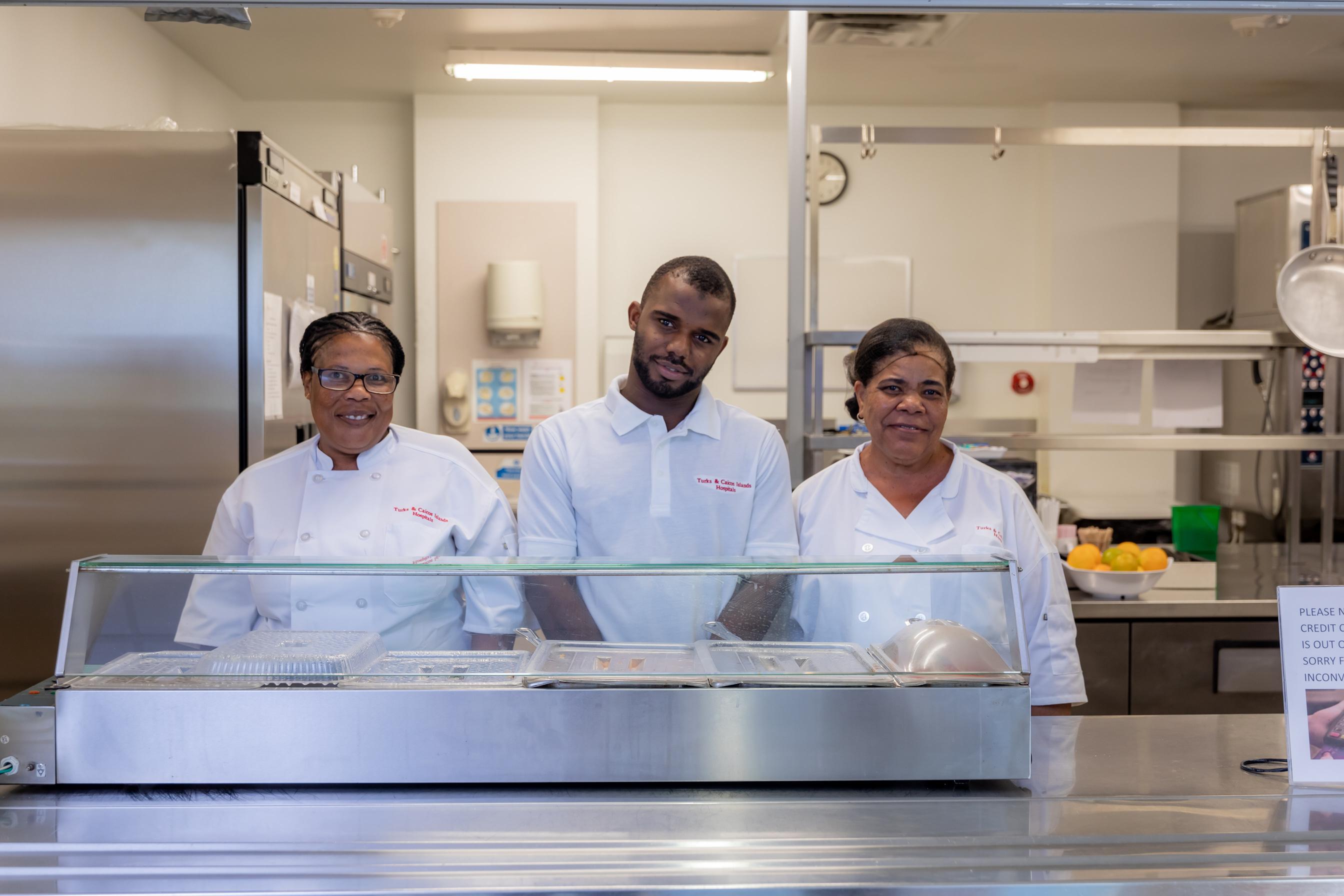
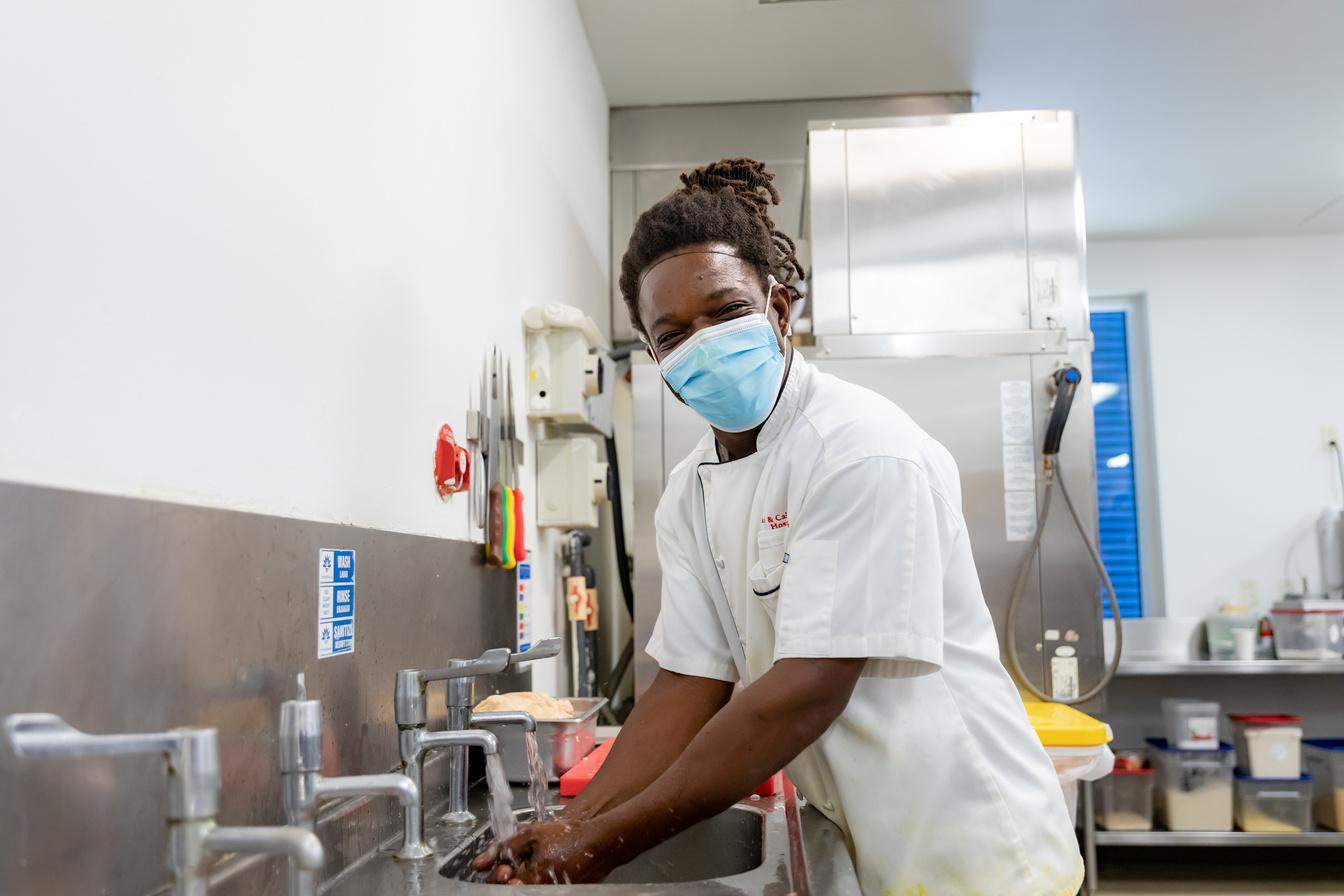
Our Chef’s in Chef Whites, and those seen in again high-end resorts continue to follow this model for the same reason. They demonstrate cleanliness and hygiene. They are designed using heavy density cotton with double breasted design and poppers to prevent burns, reduce absorption of hot liquids and be quickly removed if someone is burnt.
In line with the Chef’s whites, all Uniform has a function. Management teams select uniform not just based on image, but on safety and practicality. Uniform is provided to protect employees and to support in preventing injury.
First impressions stick, and can damage a brand. First impressions can send messages to us about expectation of our interactions and confidence in the services we are going to receive.
14
Style, fabric, color are all linked to Health and Safety elements whether this be flexibility, prevention of burns, easily visibility or ease of laundering for IPC reasons. Shoes are designed for comfort mobility and protection. Uniform should not be personally modified. We are to use that which is issued.
Please take the time to look at the policies, and to follow the dress code including the wearing of hairstyles, jewellery, and standard business dress if you do not wear a corporate uniform.
FAQ’s relating to Corporate Uniform Policies:
I have been asked to come to work on a weekend, can I be casual, and wear my flipflops?
Weekend working is no different from Monday to Friday. The hospital operates 24/7. Our standards are maintained 24/7. We would not expect to see persons at a resort in casual clothes because it is a weekend. Flip flops are never acceptable in a hospital for staff members, they do not provide any safety for your feet. If we are issued with uniform, we are required to wear it, regardless of the day.
The company shoes I am issued with are ugly. Can I wear my own?
If you are issued with specific shoes, you are required to wear them, again for safety reasons. For our Materials Management, Chef & Portering teams, their shoes come complete with toe caps to protect them. For clinical, specific materials are used to allow laundering for Infection Prevention and control purposes. Please use those issued.
If they do not fit, are causing blisters, or you have special requirements relating to your footwear, please speak to your line manager for direction and guidance.
Fashion shoes, shoes with high heels, open toes, overly ornate have no place in a hospital. You could be called to evacuate the facility quickly, to support a patient, or to move across an area which has been recently cleaned. Your footwear should be conservative and safe. As a rule of thumb heals should be no more than two inches, they should preferably have non-slip bottoms and allow you to move quickly and safely and enclosed toes for protection.
Can we dress down on a Friday if we are not in a Clinical Area?
There is no policy permitting this. Should your department want to do this, you are to seek direction from your designated Senior Management Team Lead. In the event this is approved, appropriate business wear is still required that supports the IHC brand, IPC, Safety and Corporate image should always be upheld.
15
Why are hairstyles part of the Uniform Policy?
The policies cover ‘Dress Code’ this incorporates hair, jewellery, clothes and footwear. Hair styles are required to be appropriate, professional and well groomed. Those with long hair should have it pinned up or secured i.e. in a pony tail. This is a Health and Safety requirement.
There are cases of persons being attached and pulled by hair when dealing with violent patients, hair adornments have been used as weapons, and in extreme cases persons having hair trapped in equipment and machinery. Persons do not always consider that hair styles have a safety implication, however then do.
Also, when considering IPC, from a simple perspective, maintain your fair, keep pinned up or secured if long, and your risk of infection and contamination from the environment is lower.
I have seen staff members visit patients in a professional capacity, at the weekend in jeans and casual wear. Are there different rules for different people?
The Uniform Policy covers all persons. There are no exceptions for different posts or grades.
If we are in the hospital working in a professional capacity, we should be wearing the appropriate work wear. We should not be wearing personal clothes in a clinical area. Uniform is provided for use in the hospital, and returned to the laundry for washing. It should not be work outside. If we wear our personal items in a clinical area, there is the potential to pick up infection. We then take this home with us.
Please follow procedure and keep yourself and loved ones safe!
What is the deal with jewelry? I want to wear my diamond engagement ring, and have been told it is against policy.
There are clear requirements relating to jewellery, please refer to the policy to ensure that you are clear of these.
Any intricate or detailed jewellery with stones or engraving has the potential to harbour dirt and germs. If this is not adequately cleaned, you are risking infection, and again potentially taking this home.
Plain studs, plan wedding band and bare below the elbow (no watches) are required in clinical areas. If you are not sure of the rules for your specific department and area, please ask your line manager, or refer to the policies above. Thank you for reading this edition of Policy Corner. I hope you found this to be informative and provide an explanation as to why the policy and standards exist. If you have any further queries, please speak to your designated Manager or Human Resources Representative.
Next session we will be looking at Drug & Alcohol Policy in the organization, and why this is needed in the organization.
See you next time!
16


17
T R N G

D E V E L O P M E N T


"Naturally excellent, where everyone is envious of our culture and customers receive the full benefit of our obsession with quality."
BASICLIFE SUPPORT CHMC
HAPPY VALENTINE'S DAY
MANDATORY TRAINING
LABIATA TRAININGCHMC [LABSTAFF]
LABIATA TRAININGCHMC [LABSTAFF]
1
Featured: Dorothy Been, Catering, CTMC #NATURALLY EXCELLENT
CHOLERA WORKSHOP
CODE WHITE
THURS
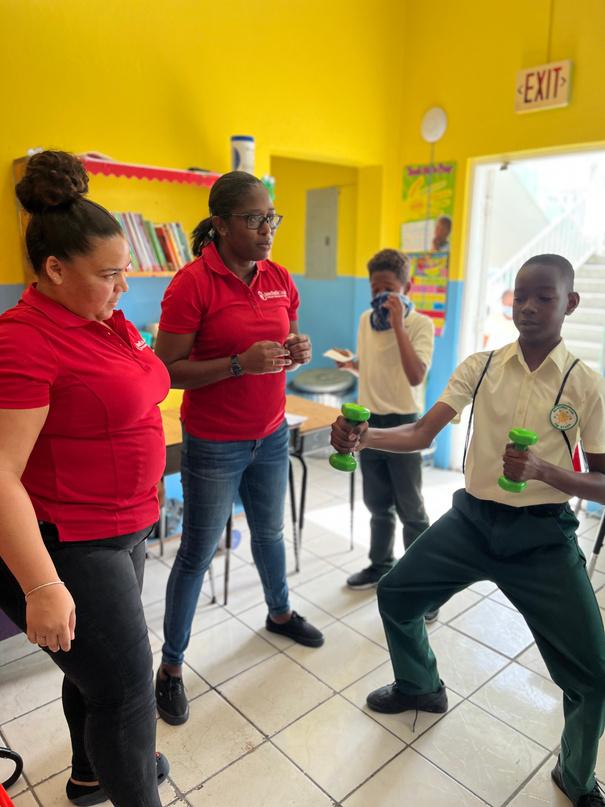
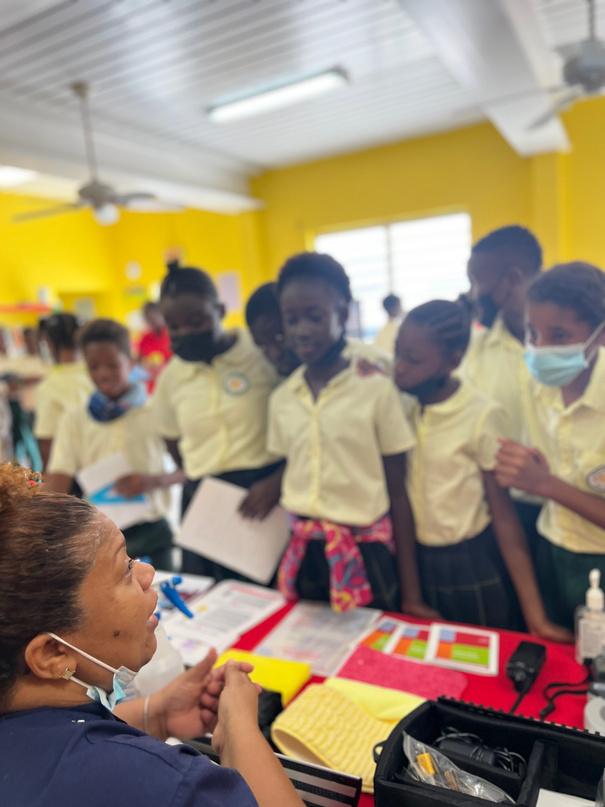
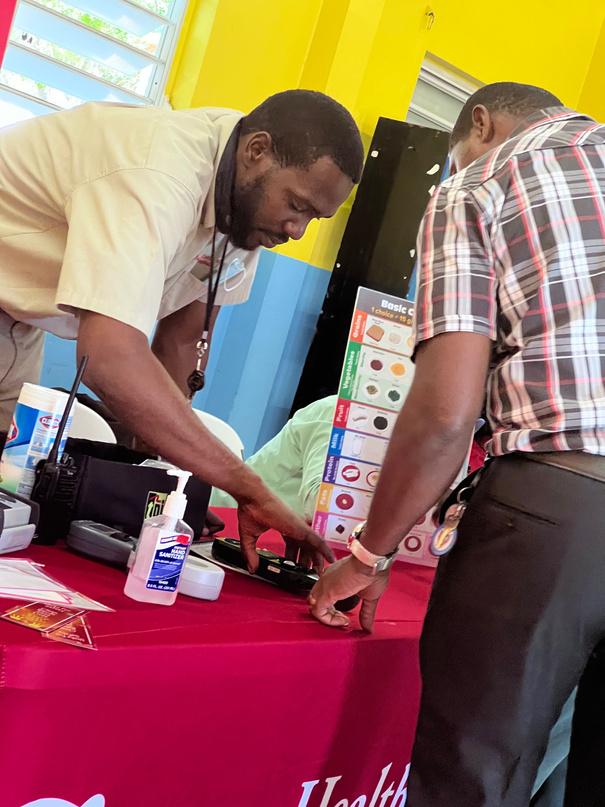
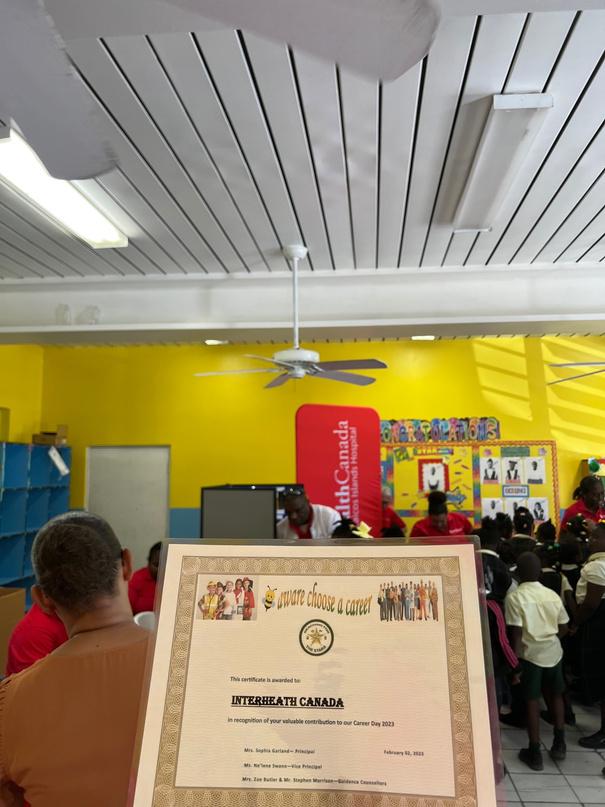
ENIDCAPRON CAREERDAY EXPO
ACLS-CHMC CareerSymposium 2023_5thform Students [PLS]
CHOLERA WORKSHOPCHMC CODEBLUE
MANDATORY TRAINING BIRTHDAY CLUB-GDT
HEARTSAVER CHMC
ACLS CHMC
CHOLERA WORKSHOPCHMC
BIRTHDAY CLUB-PLS
CODEYELLOW
Full details of the calendar are located on the intranet, under the Education and Training tab and sent via email. For more information kindly contact: vmforbes@interhealthcanada.tc
23 FEB SUN MON TUE WED FRI SAT 2 3 4 5 6 7 8 9 10 11 12 13 14 15 16 17 18 19 20 21 22 23 24 25 26 27 28
20
19
20
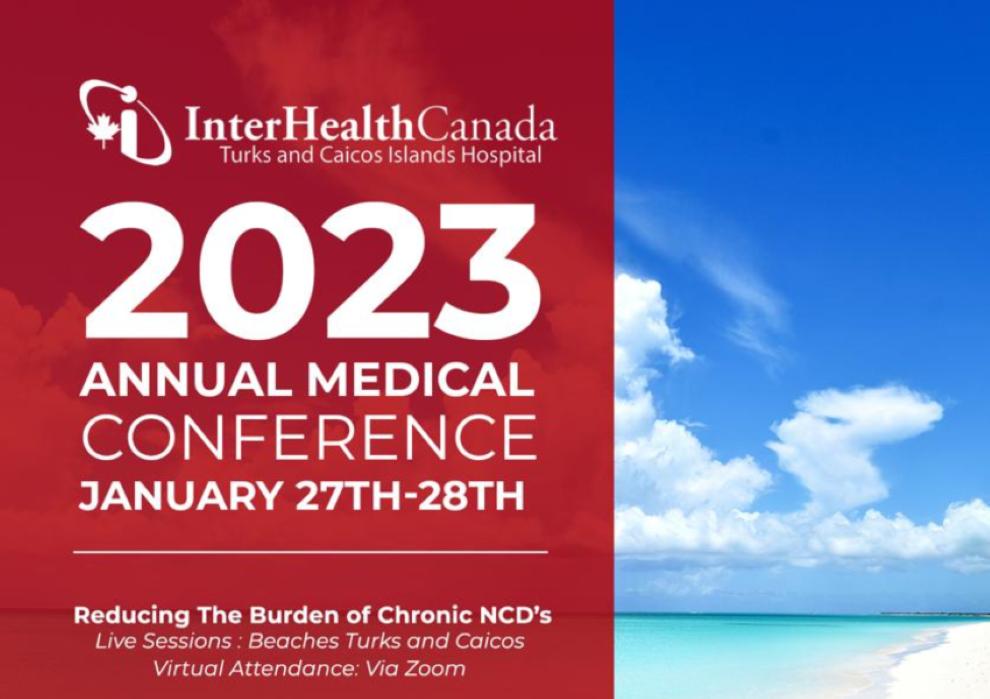
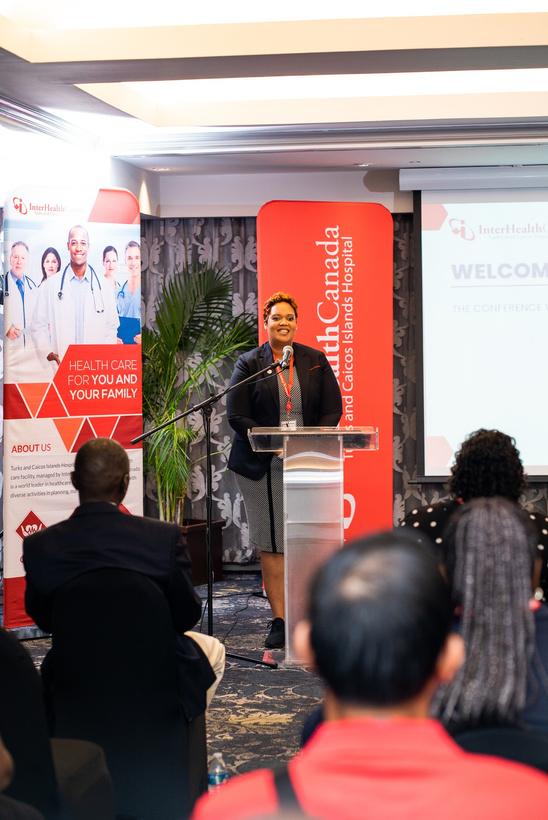
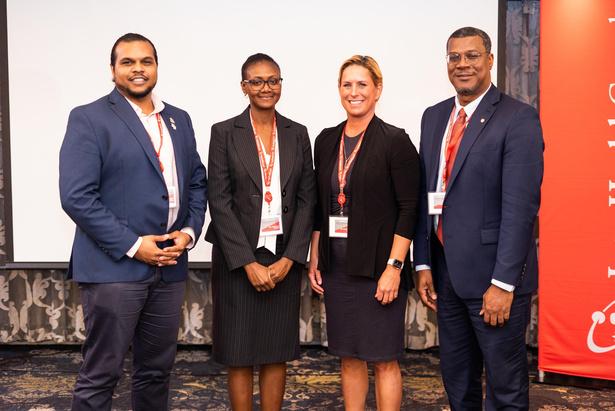
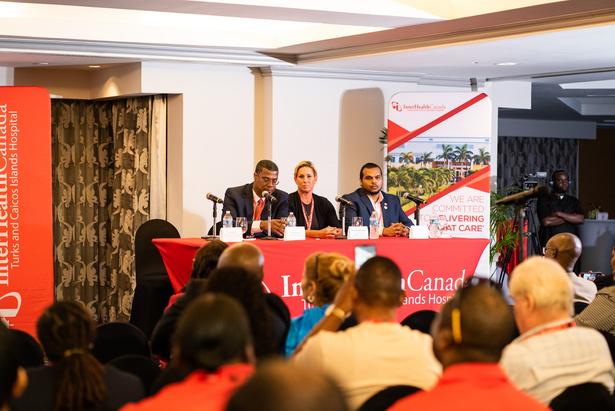
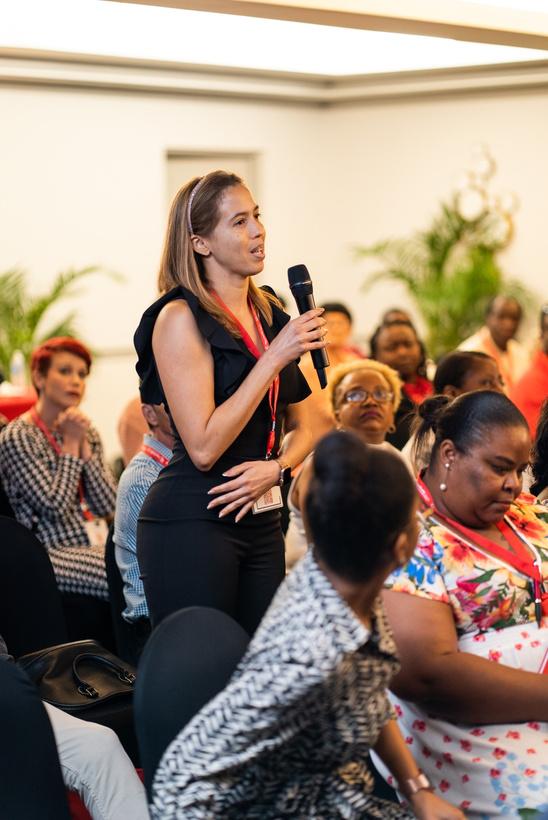
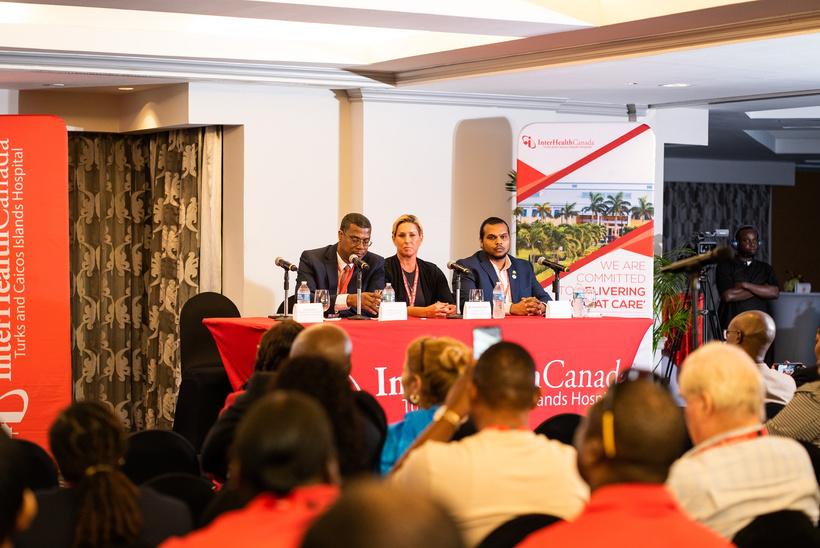
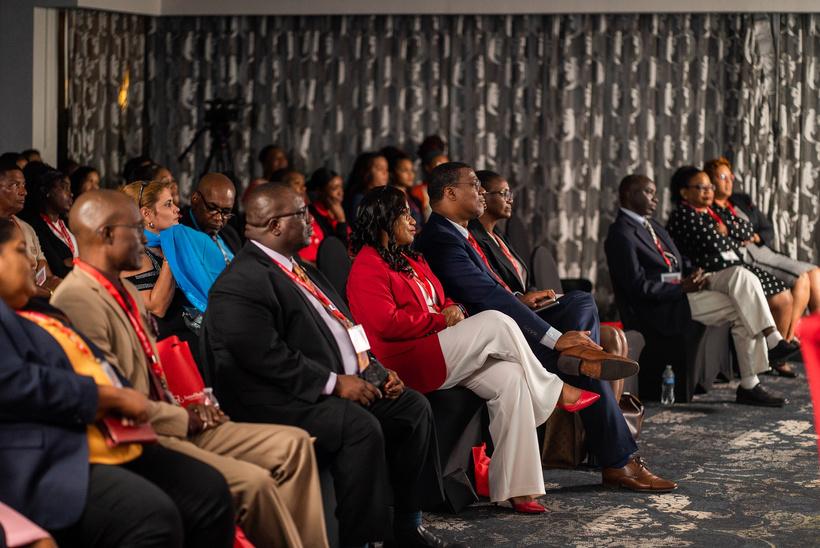
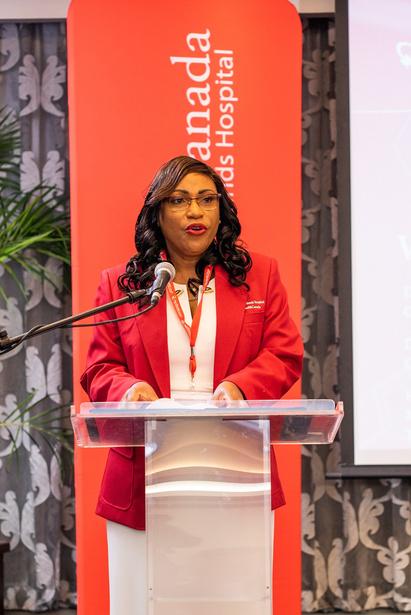
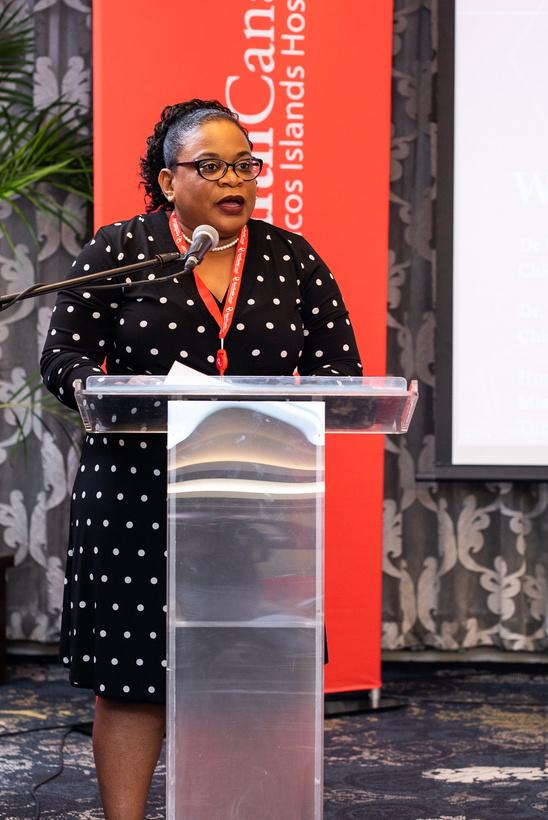
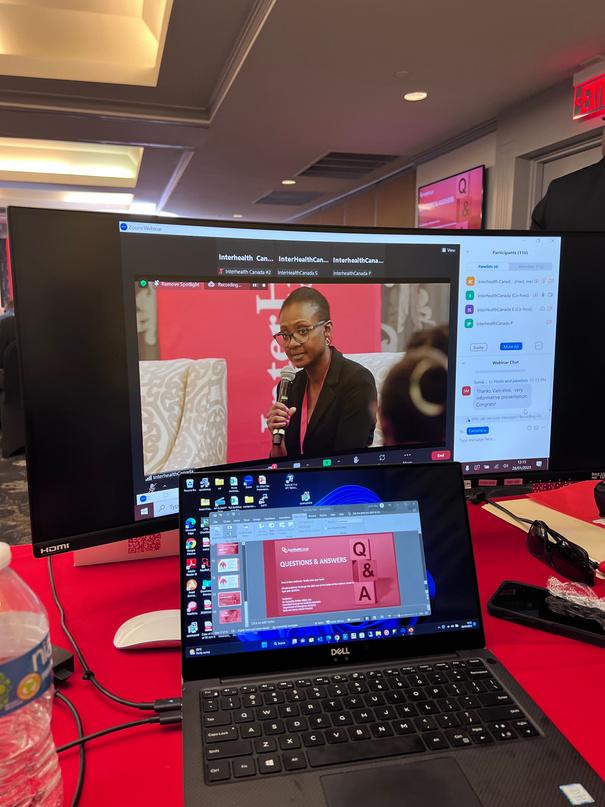
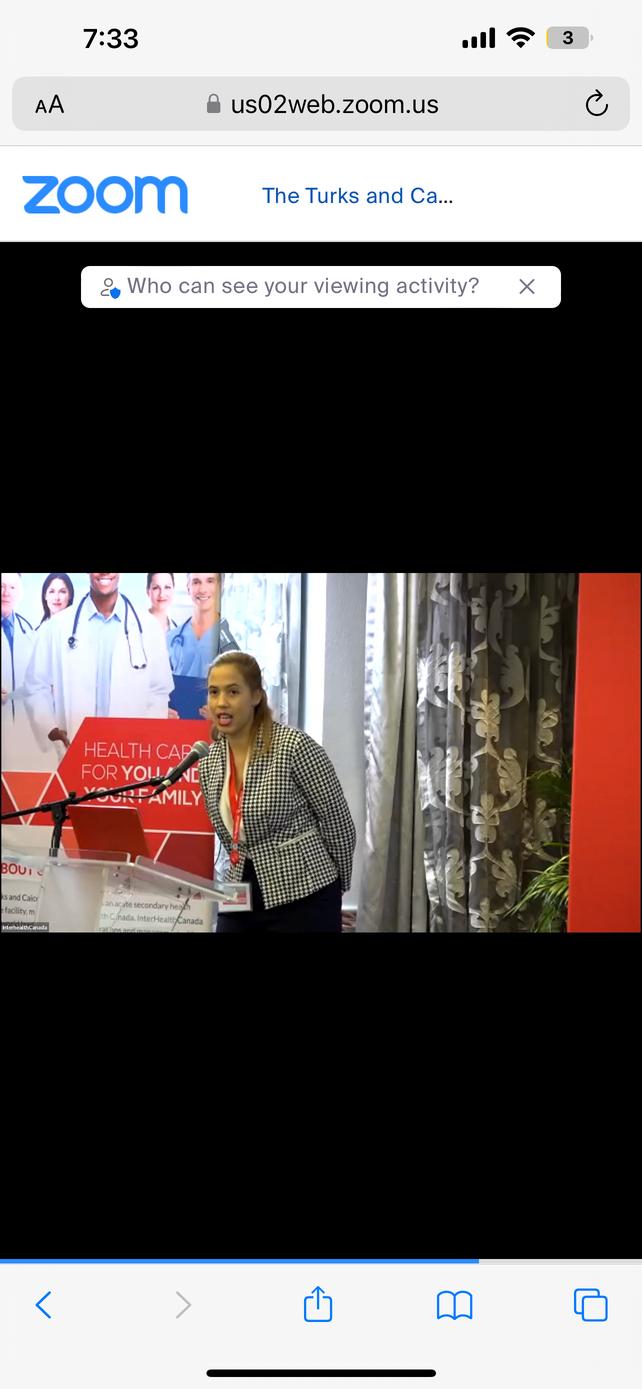
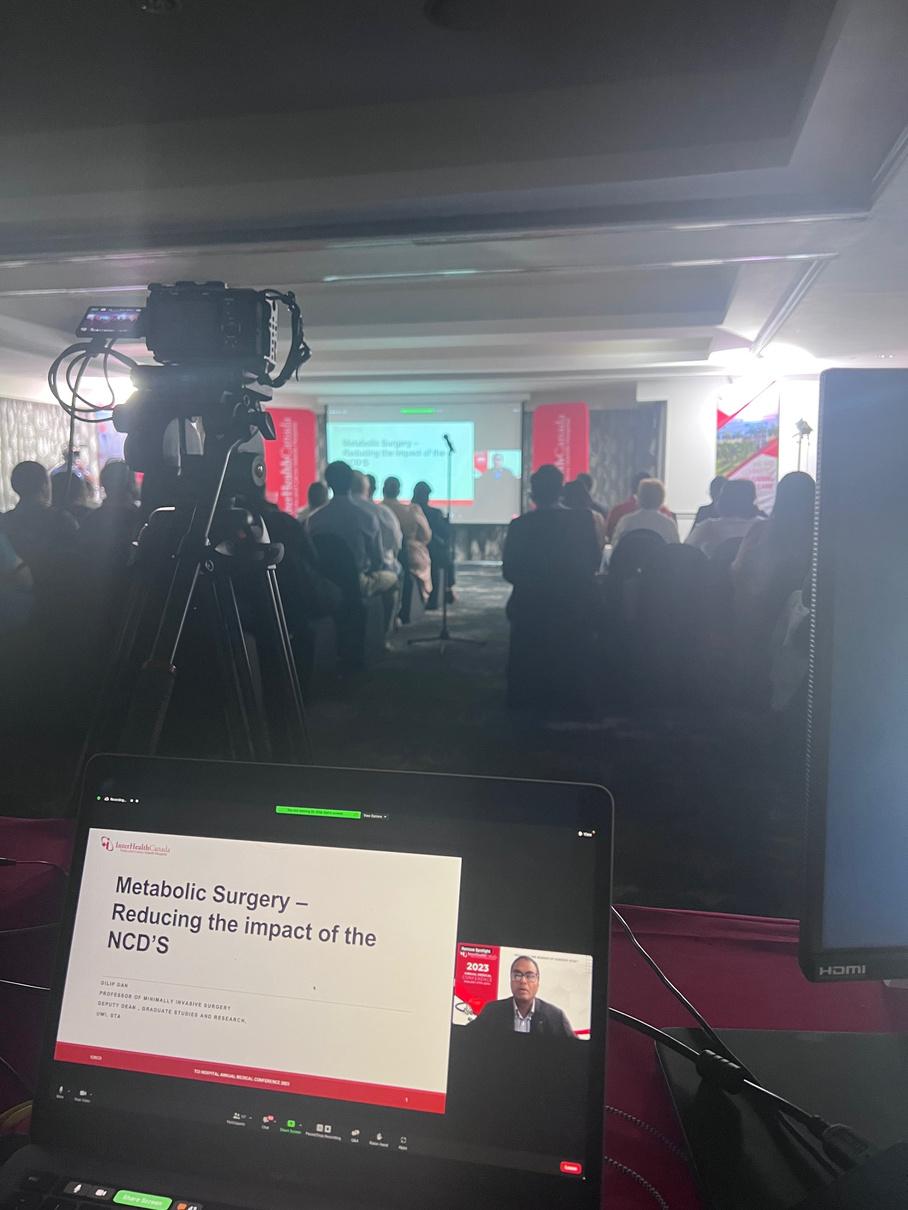
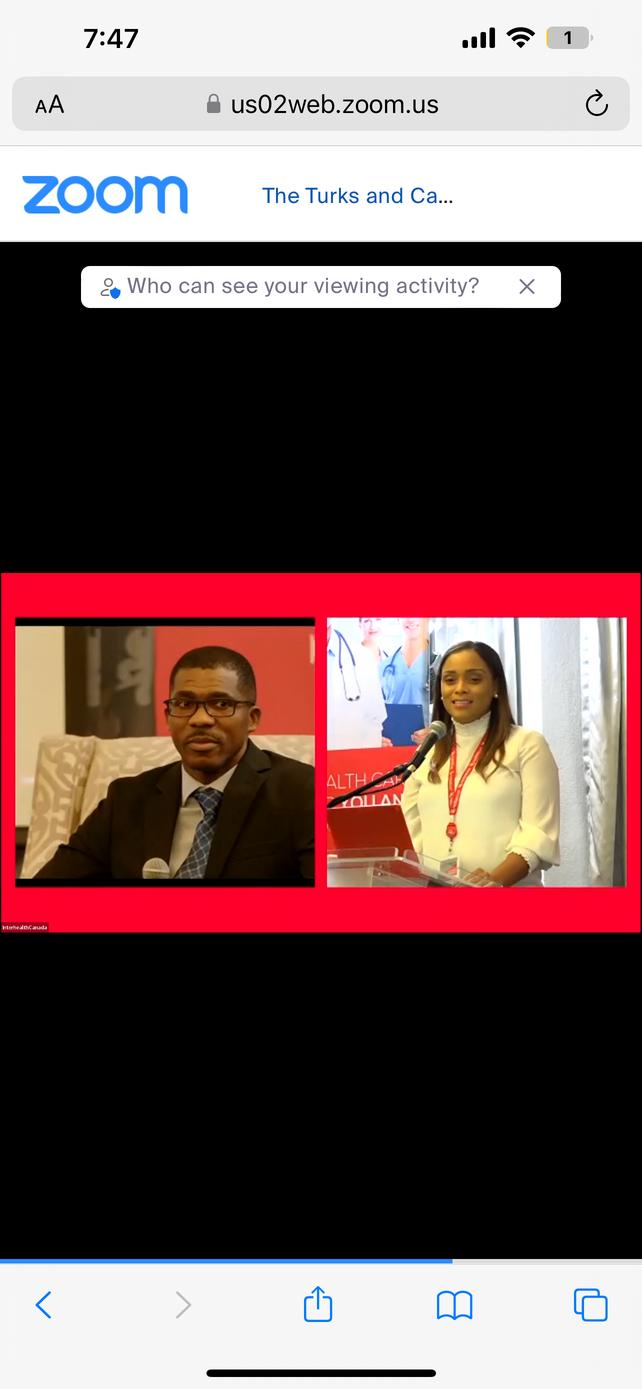
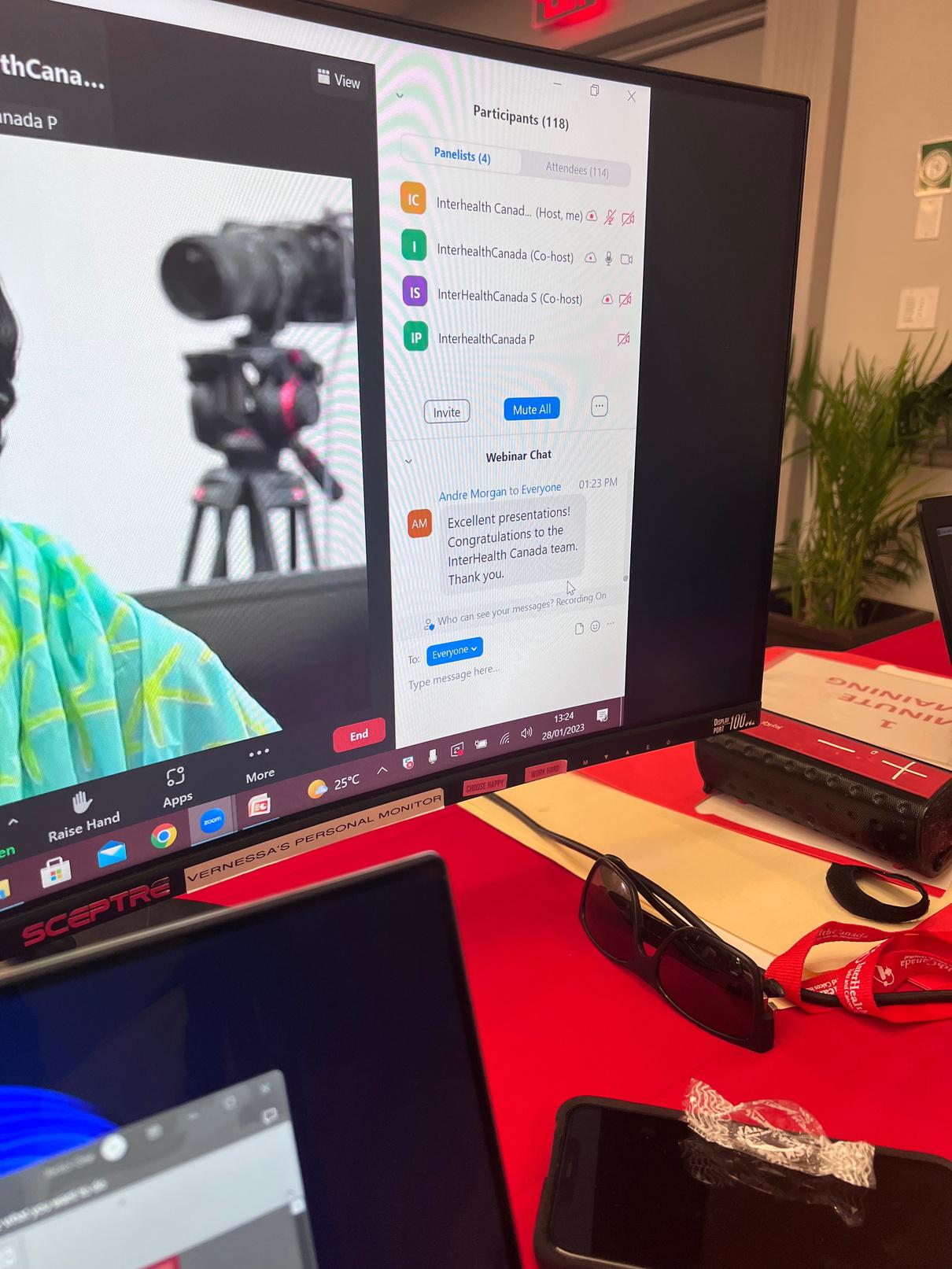
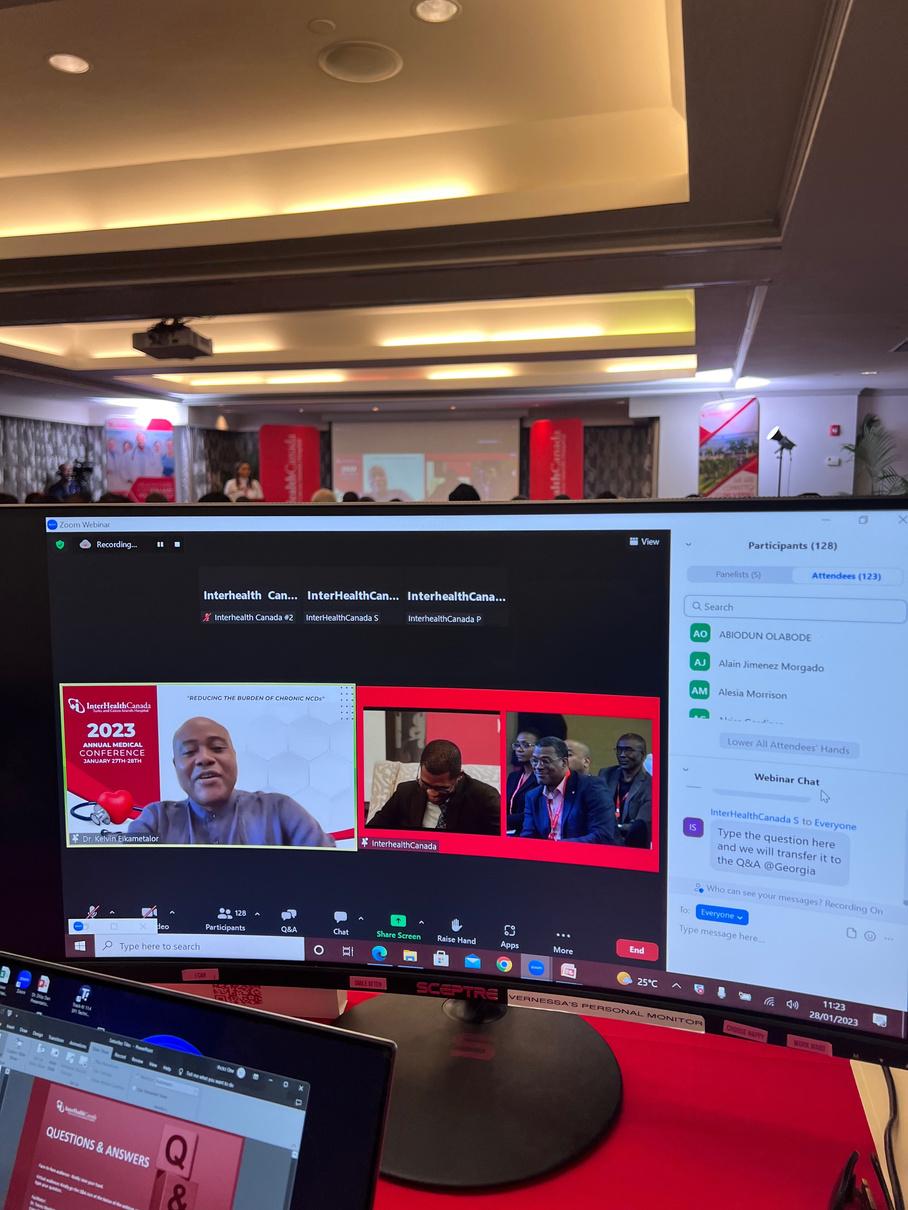
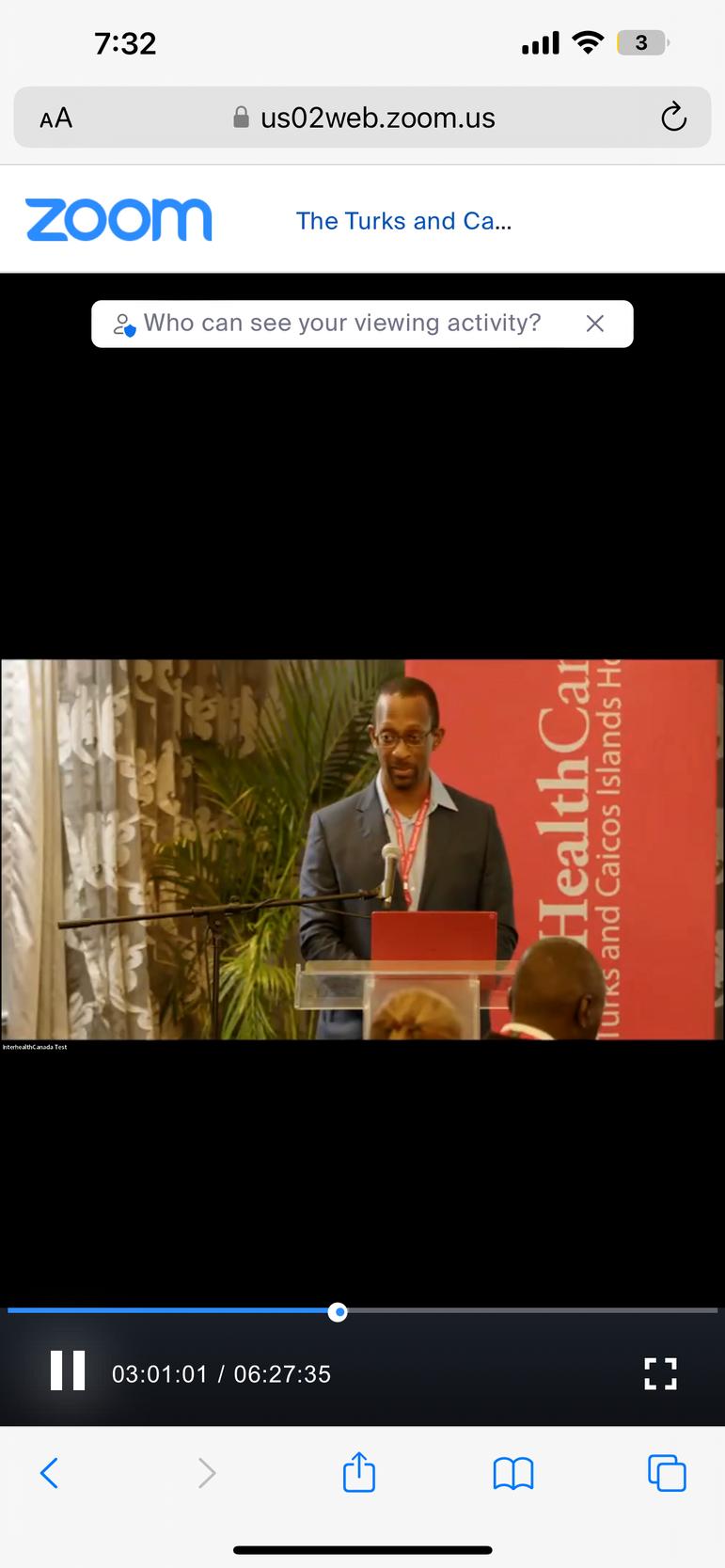
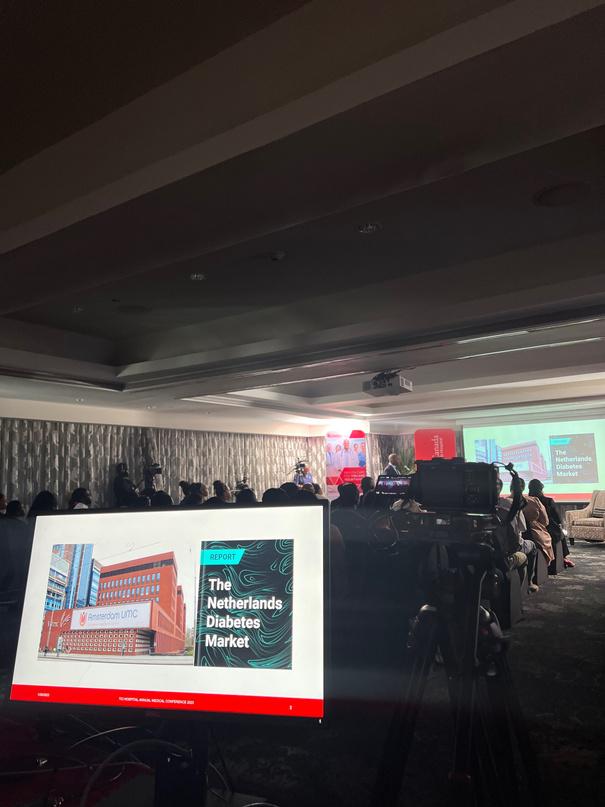
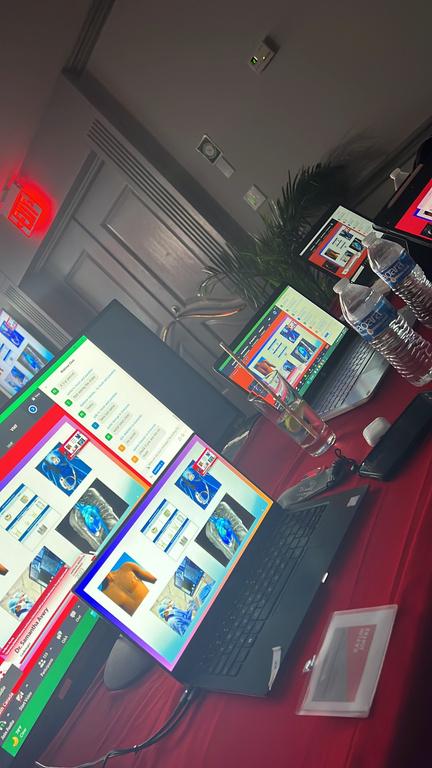
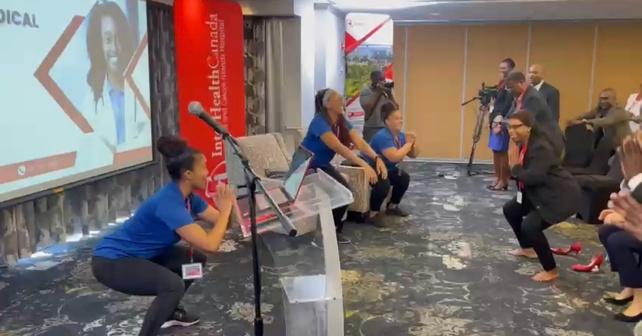
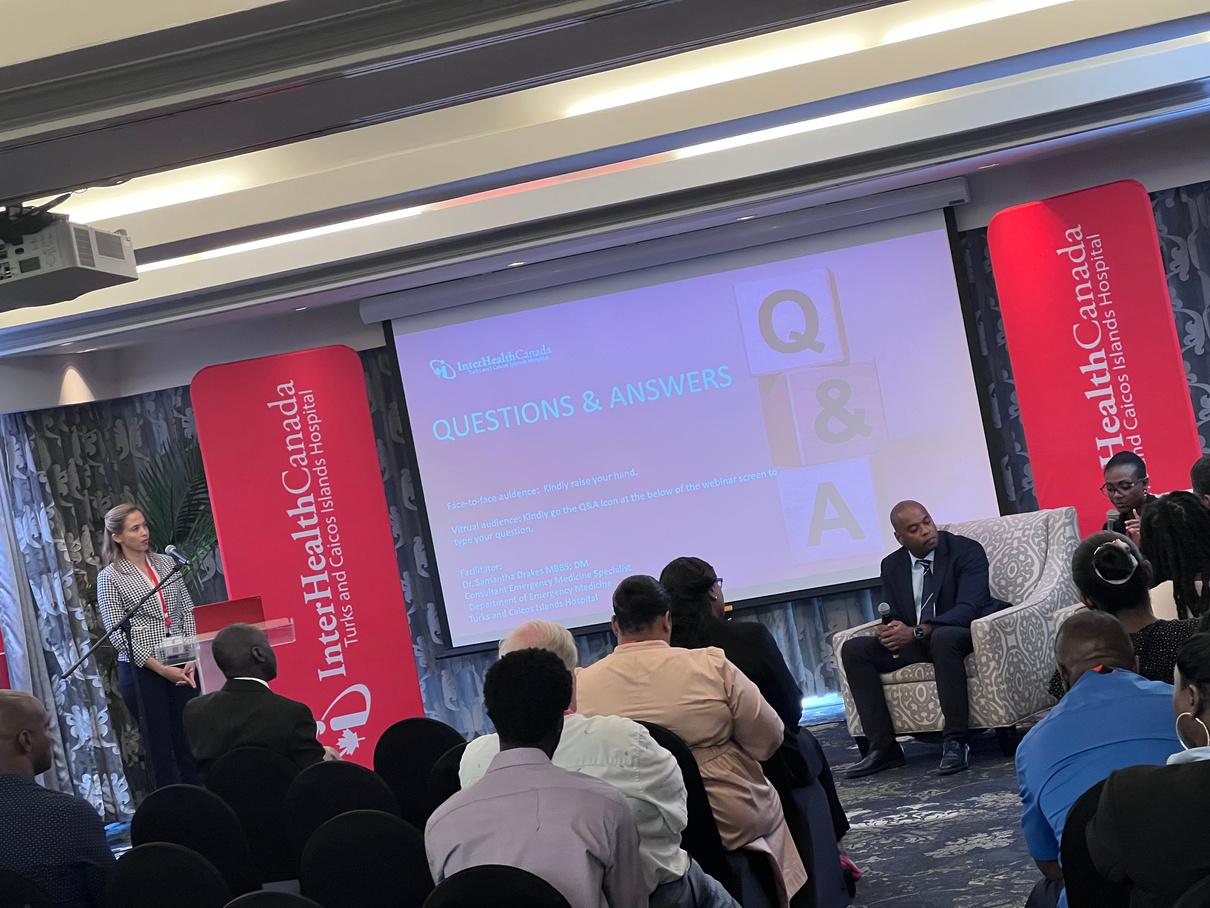
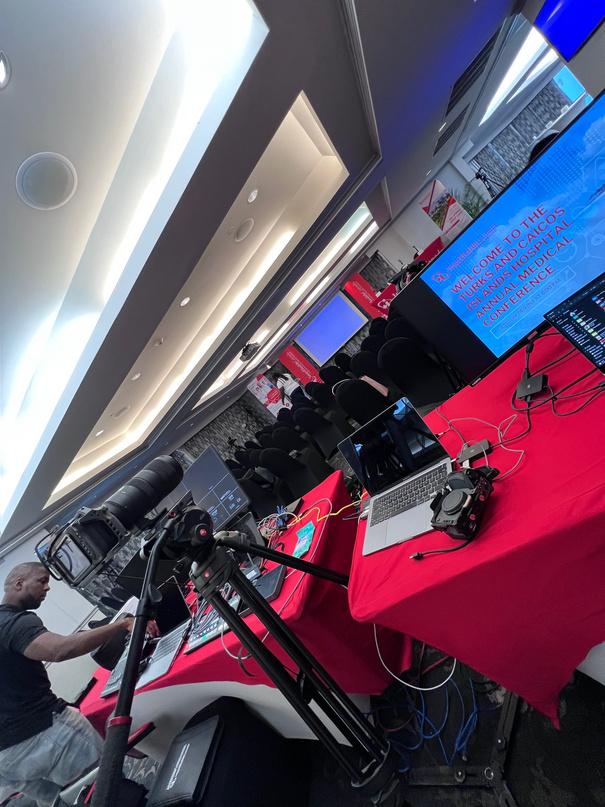
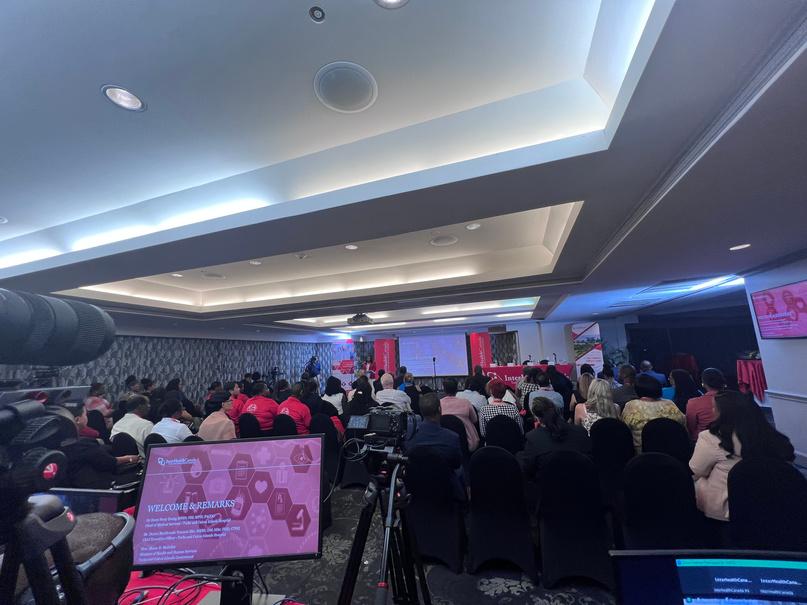
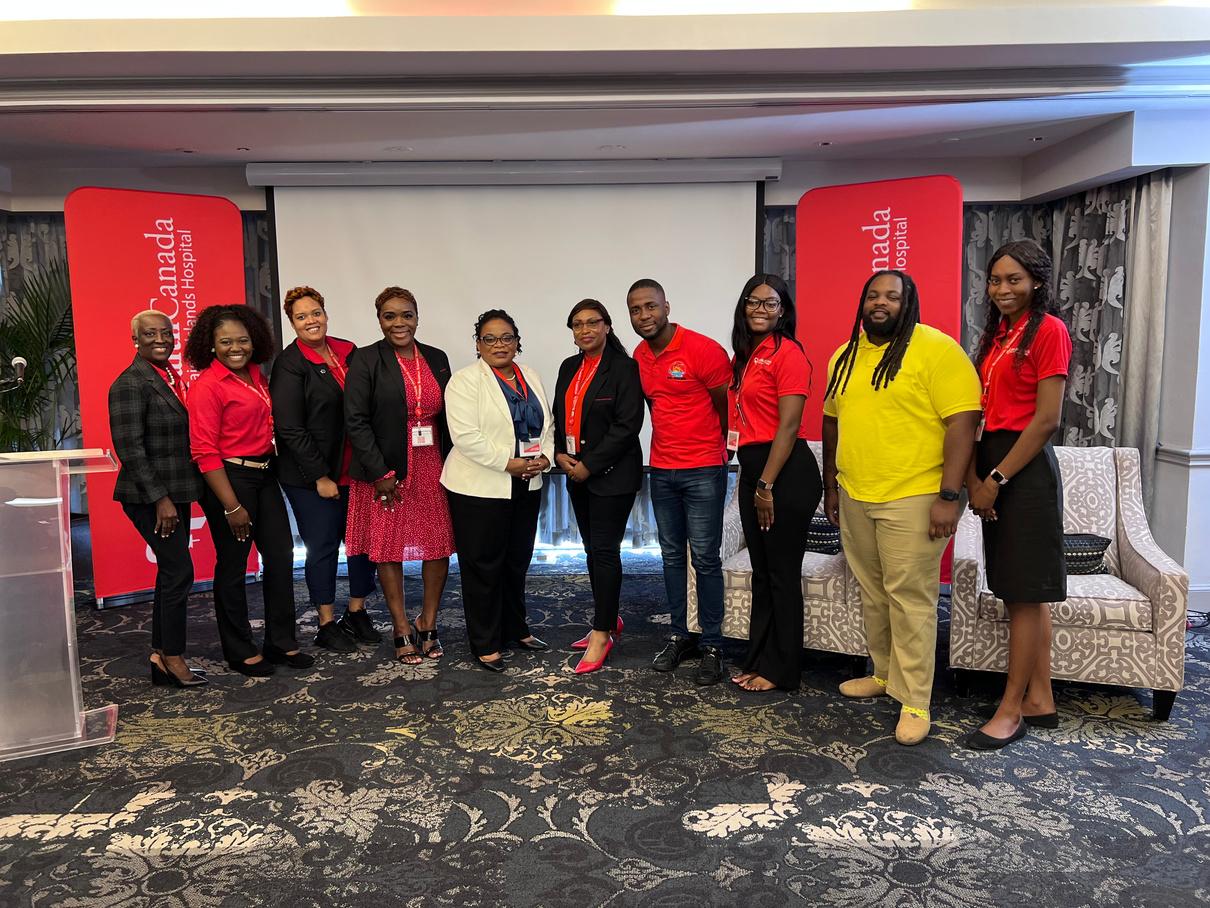
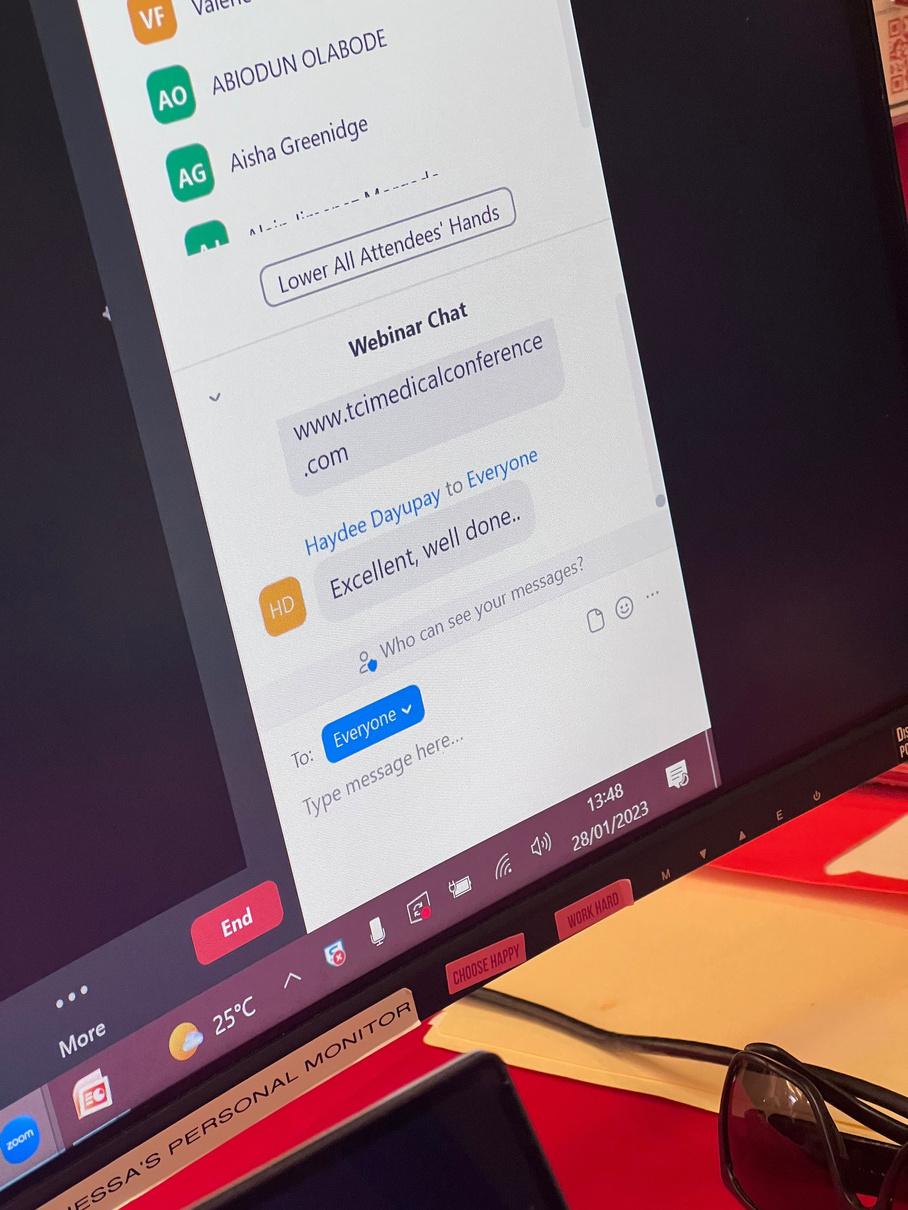
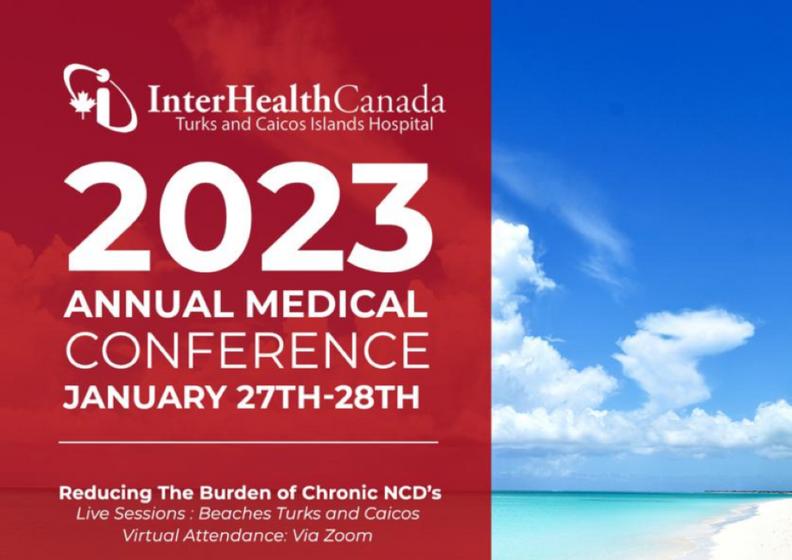
TURK & CAICOS ISLANDS HOSPITAL ANNUAL MEDICAL CONFERENCE
21
TURK & CAICOS ISLANDS HOSPITAL ANNUAL MEDICAL CONFERENCE
22
23
TURK & CAICOS ISLANDS HOSPITAL ANNUAL MEDICAL CONFERENCE
24




CULTURALCONNECTIONS
“Cultural differences should not separate us from each other, but rather cultural diversity brings a collective strength that can benefit all of humanity.” Also: “Intercultural dialogue is the best guarantee of a more peaceful, just and sustainable world.”
Robert Alan (American writer, artist and social activist; 1922-1978)

HISTORY
Grenada, Carriacou and Petite Martinique – a tri-island state often referred to as the Island of Spice.
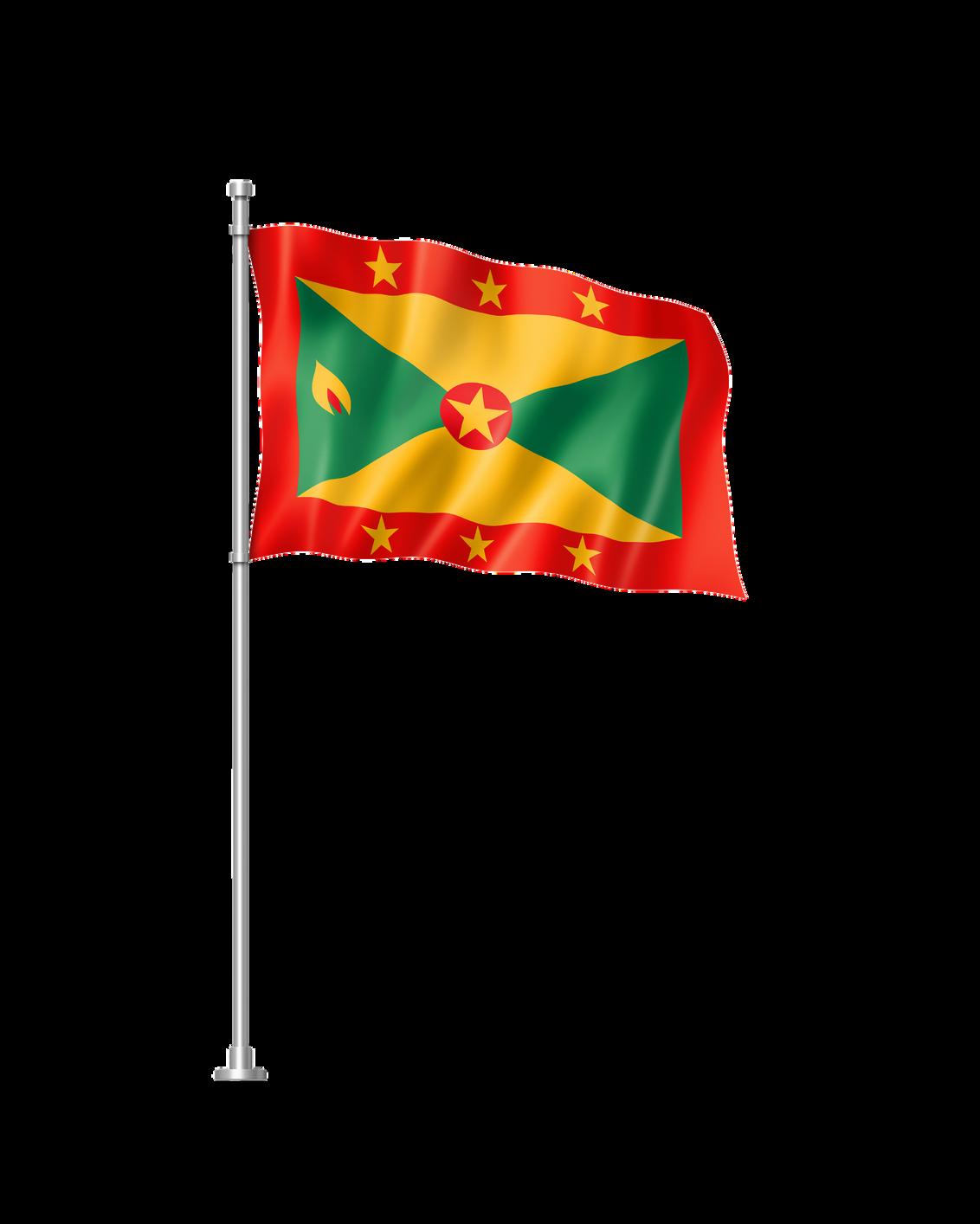

In 1763, the mainland was named Grenada when the British gained control from the French who had named the country La Grenada. The name originates from Granada given by the Spaniards in the 1520s. On February 7th 1974, Grenada became the first Windward and Leeward Island to become a sovereign state. Each year on this day, we recognise this achievement through formal and informal traditions to commemorate the independence of our islands, from the formal ‘march pass’ by uniformed contingents and official presentations at their National Stadium. The best feature of the celebrations is that Grenadians display their national pride by wearing creative outfits in the colours of the national flag; red, green and gold.
CULTURE
Grenadian culture is expressed through music in all its variety; pageantry and poetry; dance and theatre; sport and recreation; and our natural penchant for welcoming, socializing, cooking and celebrating.
PEOPLE
With less than 110,000 inhabitants and only 133 square miles of land, the tri island state of Grenada, Carriacou and Petite Martinique appears almost invisible on the world map. Despite its size, the island is widely known for its abundance of spices, unspoilt beauty and friendly people. It has often been questioned though, how an island so tiny, can possess a people with such great character and huge hearts…
CUISINE
Grenada in the month of February, can relish in our Independence celebrations by feasting on a plate of ‘oil down’ – breadfruit slowcooked with meat, fish and vegetable combinations, absorbing the wonderful flavour of callaloo and coconut milk.
7 February 1974
Reference: https://www.puregrenada.com/about/grenada/

Anniversary of Independence
27
HISTORY
Anniversary of Independence

22 February 1979
In the 1600s, the French, English, and Dutch all attempted to take Saint Lucia as one of their colonies. The Dutch attempted to build Vieux Fort in the 1600s, but were pushed out by the Caribs. In 1639, the British sent 400 settlers to the island, who were wiped out by the Caribs in less than two years.
In 1651, a member of the French West India Company purchased the land from the Caribs to make it a French colony, and the English immediately sent 1,000 men to take back the island. This fighting continued until 1814, when the French ceded Saint Lucia to the English. Fast forward to modern times. Saint Lucia was one of the last European colonies to finally declare independence. In fact, she only became independent within the British Commonwealth in 1979 and finally has a thriving, peaceful economy and sovereign government.
The diverse Saint Lucia history means it is a melting pot of various cultures. Carib culture still has a strong influence on the island, even though it is mixed with African cultures brought over during colonial times. English, French, and Dutch elements also blend with the others on the island, making Saint Lucia culture unique to those who visit.

CULTURE

28


UNTIL UNTIL DAYS 56 56 DAYS DAYS 29
TCI TCI HOSPITAL HOSPITAL TURNS TURNS
Thank you!
MISSION
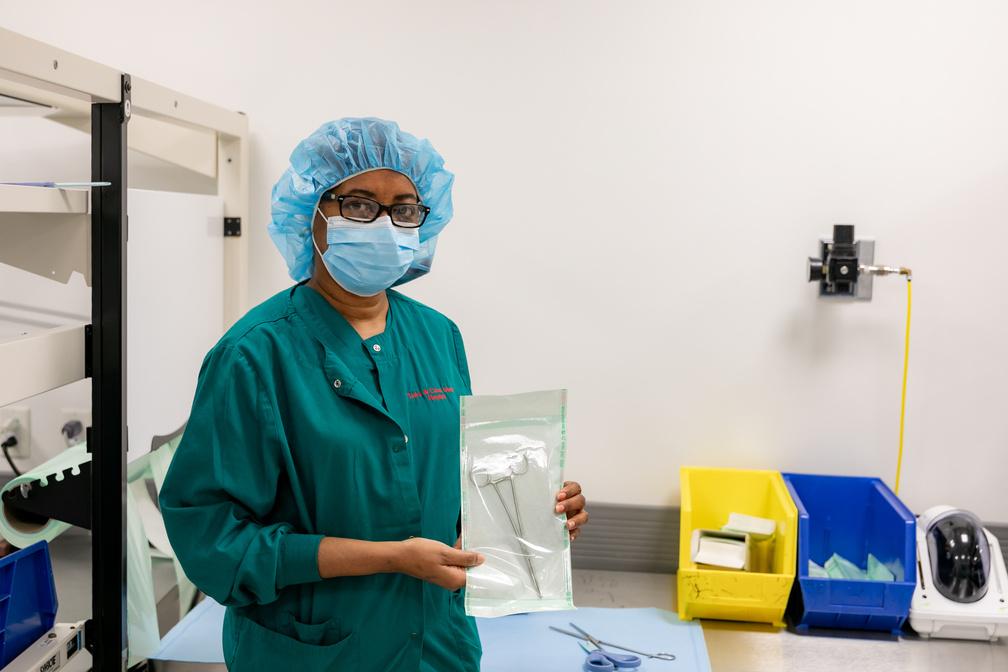
The Turks and Caicos Hospital, by nature, will exceed expectations through its commitment to professional excellence, safety to all and continuous quality improvement. Our innovative and learning environment shall deliver efficient and effective services providing value for money.

VISION
Naturally excellent, where everyone is envious of our culture and customers receive the full benefit of our obsession with quality.
We welcome ideas & suggestions.. send email to vmforbes@interhealthcanada.tc
THE SOURCE | HR BULLETIN
30 S E E Y O U I N M A R C H 2 0 2 3 !