



Two years ago, Tri-County Electric Cooperative was in serious financial trouble.
Not the kind you talk around The kind that required immediate, honest action or it would have gotten worse.
None of what followed happened because of one big move It happened because of hundreds of smaller ones. People across every department asking the right questions, making the right calls, and staying focused on the members at the center of all of it
These pages are proof of that work.
Scott Spence President & CEO Tri-County Electric Cooperative
Fiscal year 2026 marks the second consecutive year of overall debt reduction. That did not happen on its own. The first step was stopping the financial bleeding through disciplined budgeting and tighter spending controls.
$319,000 SAVED EVERY YEAR
FY2026 asset sales permanently reduced recurring property tax expense, with additional recurring insurance savings.
That foundation allowed the Cooperative to secure power cost stability through 2029, end member subsidies for new construction, and use fiscal year 2026 asset sales to further reduce debt
The numbers are moving in the right direction. The discipline required to keep them there is now built into how this Cooperative operates.
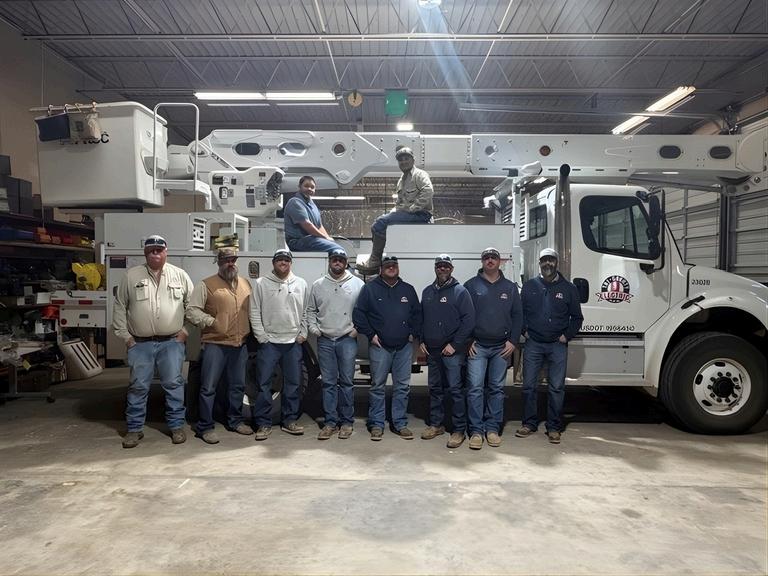
The responsibility to correct TCEC’s financial path belongs to this TCEC team. Their work is producing measurable results for the membership.
$181.2M
Winter Storm Uri left Tri-County Electric Cooperative carrying a debt load that threatened its long-term viability In the years that followed, the Cooperative continued drawing on its line of credit. By fiscal year 2025 that balance had climbed to $208.5 million.
The line of credit debt represented the most variable and highest interest borrowing That balance has been aggressively reduced, ending fiscal year 2026 at $273 million, down from $208.5 million just one fiscal year earlier.
Every dollar used to reduce variable, highest-interest borrowing strengthens TCEC’s ability to avoid unnecessary rate pressure while continuing to support operations and system reliability.
Interest expense declined by $56 million this fiscal year and remains on track to be reduced by $95 million by the end of the next fiscal year That is money no longer leaving the Cooperative in financing costs and instead helps reduce future rate pressure on member bills while preserving system reliability
This is more than financial progress. It is a turning point in restoring long-term financial strength and protecting members from avoidable cost pressure
Reversing a debt crisis takes more than cutting costs. It requires the discipline to make decisions that are unpopular in the short term but necessary for the long term.
Over the past two fiscal years, leadership established tighter budgeting standards, stronger capital review, long-range infrastructure planning, and clearer cost accountability across the Cooperative

These decisions changed the financial trajectory and created the stability needed to reduce debt, lower interest expense, and protect members from unnecessary rate pressure
This culture shift required clearer expectations and stronger accountability to align with the Cooperative’s new standards
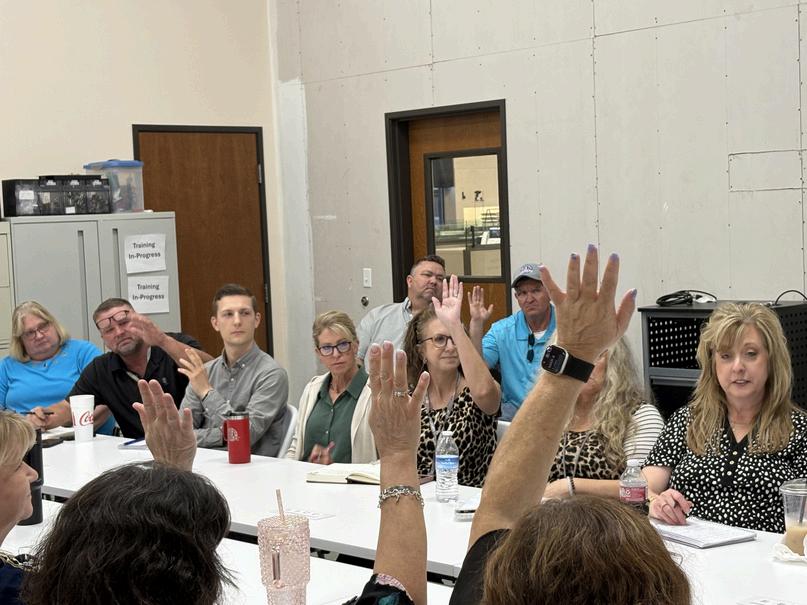
That discipline is now extending beyond leadership decisions and into how the Cooperative operates every day. In fiscal year 2026, TCEC implemented Innovative Ideas, creating a way for teammates across the Cooperative to identify waste, improve workflows, strengthen service, and contribute to better financial and operational outcomes
This approach allows every teammate the opportunity to contribute in multiple ways to the long-term success of the Cooperative while reinforcing the shared responsibility of being good stewards of members’ money
The strongest improvements often come from the people closest to the work. By combining disciplined leadership decisions with employee-driven innovation, TCEC is building a stronger culture of accountability, efficiency, and stewardship on behalf of the membership What began as hard decisions has now become a culture of accountability, innovation, and stewardship.
Reversing the Cooperative’s financial position required more than a few hard calls It required disciplined decisions, stronger financial controls, and a long-term commitment to operating differently.
During recent conversations with our lenders, the feedback was direct. What took some cooperatives five or more years to accomplish, TCEC accomplished in one to two years That external validation reflects
For years, TCEC extended subsidies to developers building new subdivisions and commercial projects across the service territory, shifting costs onto existing members that were not theirs to carry Over time, this practice accounted for approximately $250 million of the Cooperative’s existing debt.
That practice has ended Today, the cost of new service facilities is assigned to the connection creating the need. This change removed millions of dollars in future cost exposure
A load-following power supply agreement beginning January 1, 2025 and running through 2029 locks in a consistent rate per kilowatt-hour regardless of weather events or market swings
This was not simply a contract decision It reflects disciplined long-term risk management designed to improve cost visibility, reduce exposure to market volatility, and protect members from avoidable power cost pressure through 2029
None of these decisions were made without weighing the trade-offs. Some were unpopular. All of them were necessary. both the speed of the turnaround and the discipline required to change the Cooperative’s financial path
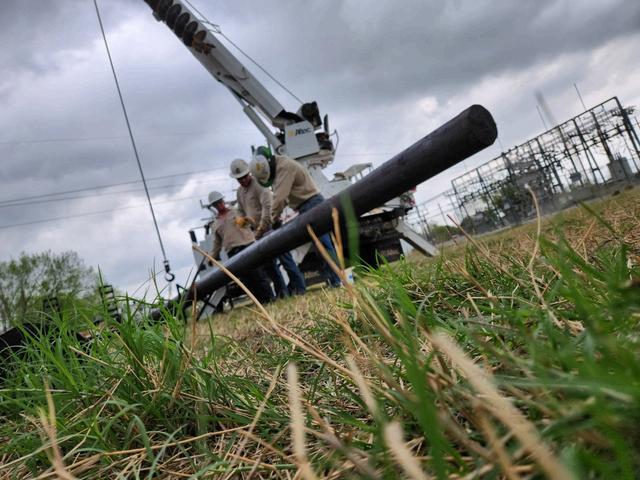
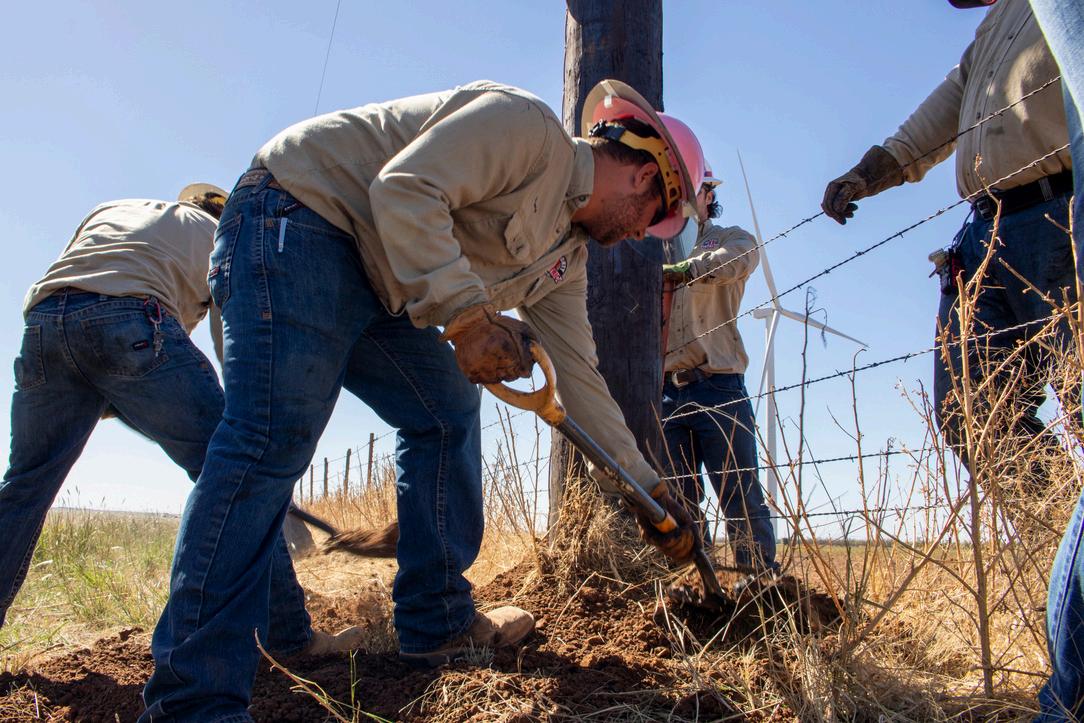
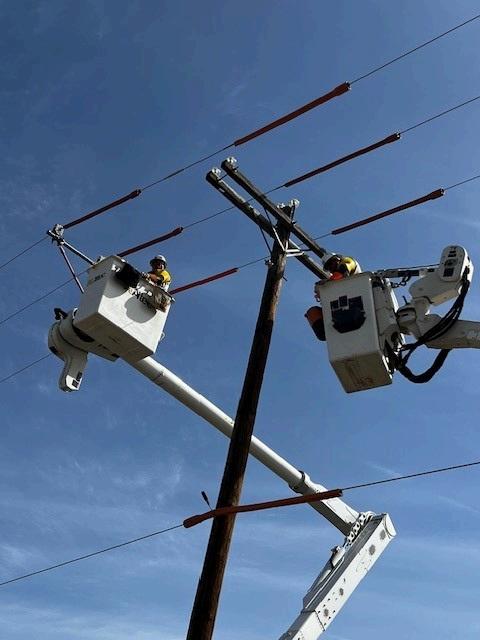
TCEC identified a significant backlog of high-risk poles that represented real reliability, safety, and compliance exposure across the system.
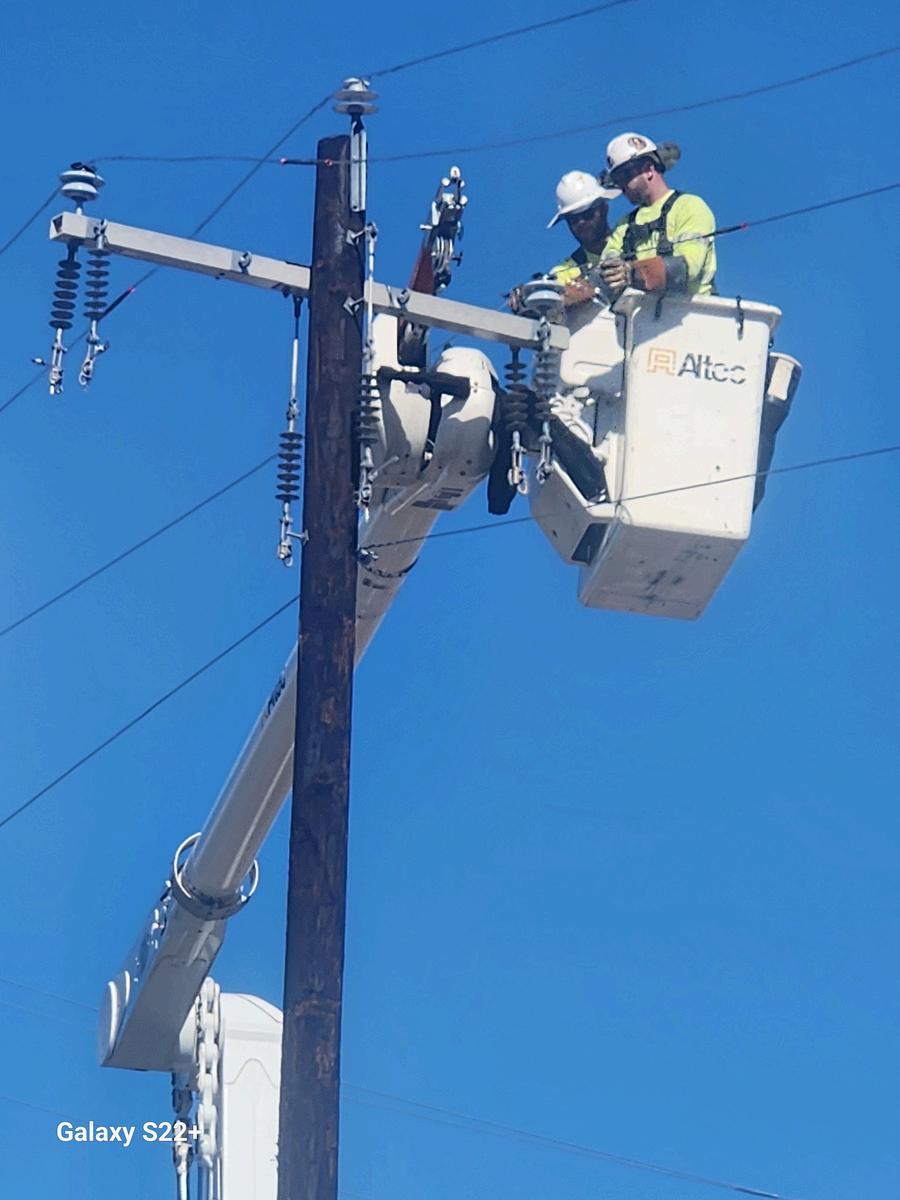
In the fall of 2025, TCEC identified 847 Priority One poles the highest-risk poles requiring repair or replacement due to condition, structural concerns, or reliability risk As of today, only 156 of these identified poles remain, and Tri-County expects to complete the remaining replacements by the end of May 2026.
Reducing this backlog from 847 to 156 lowers system risk, strengthens compliance, and improves long-term service reliability for members
Going forward, this work will continue through annual inspections that physically assess poles for defects, damage, and decay, estimate remaining service life, and proactively schedule replacement before reliability is affected
This ongoing discipline reflects TCEC’s commitment to provide safe, and reliable power at the lowest possible cost while keeping infrastructure sound for the communities we serve.
The backlog is nearly complete, and going forward Tri-County will stay current with compliance through disciplined annual pole inspection and maintenance.
One of TCEC’s 2026 goals was to increase participation in the Cooperative Giving program that allows members and employees to directly support neighbors facing financial hardship. That goal has already been met.
Through the voluntary Round Up program, member participation has grown from approximately 500 enrollments at the close of 2025 to 1,006 by the end of the first quarter of 2026, doubling participation in just three months This growth reflects members choosing to come together in small, meaningful ways by rounding their monthly electric bill to the nearest dollar Those extra cents combine across the Cooperative to create real help for members experiencing hardship.
The impact is already visible In the first quarter of 2026, the Cooperative Giving program served 156 members, already exceeding the 147 members served throughout all of 2025 Through this program, $90,000 has been directed to Texas Neighborhood Services to help members with electric bill assistance when they needed it most
This page reflects something bigger than a go of a membership that continues to show up fo every rounded-up bill, and every one-time gift to members facing temporary financial hards principle of neighbors helping neighbors

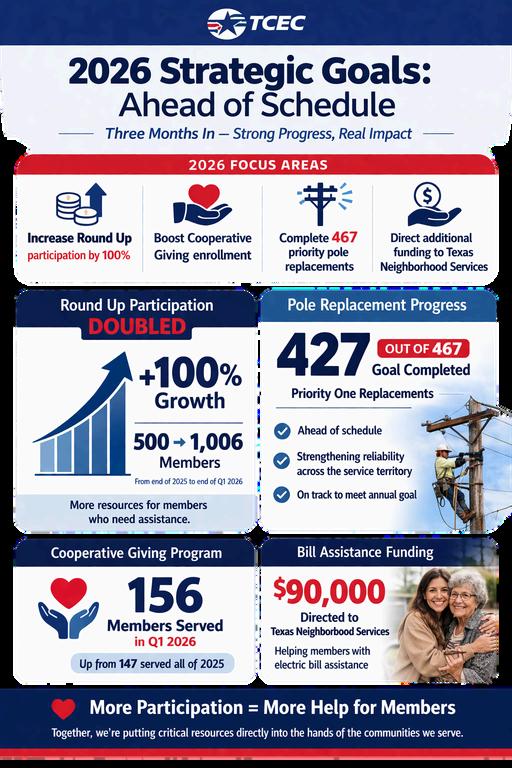
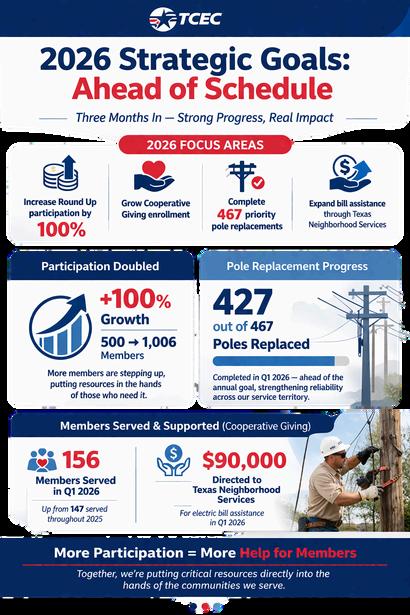
The 2026 goal was to grow participation in the Cooperative Giving program. Members already turned that goal into meaningful help for neighbors in need.
What began as a turnaround story has become a different way of operating.
The way decisions are made at TCEC is different today than it was two years ago. Expectations are clearer, planning horizons are longer, and accountability is built into execution
The same discipline now guides how TCEC evaluates future large-load growth, infrastructure commitments, and emerging system demands to ensure existing members remain protected from new subsidy risk.
The progress is real. The accountability is permanent.
Scott Spence President & CEO Tri-County Electric Cooperative