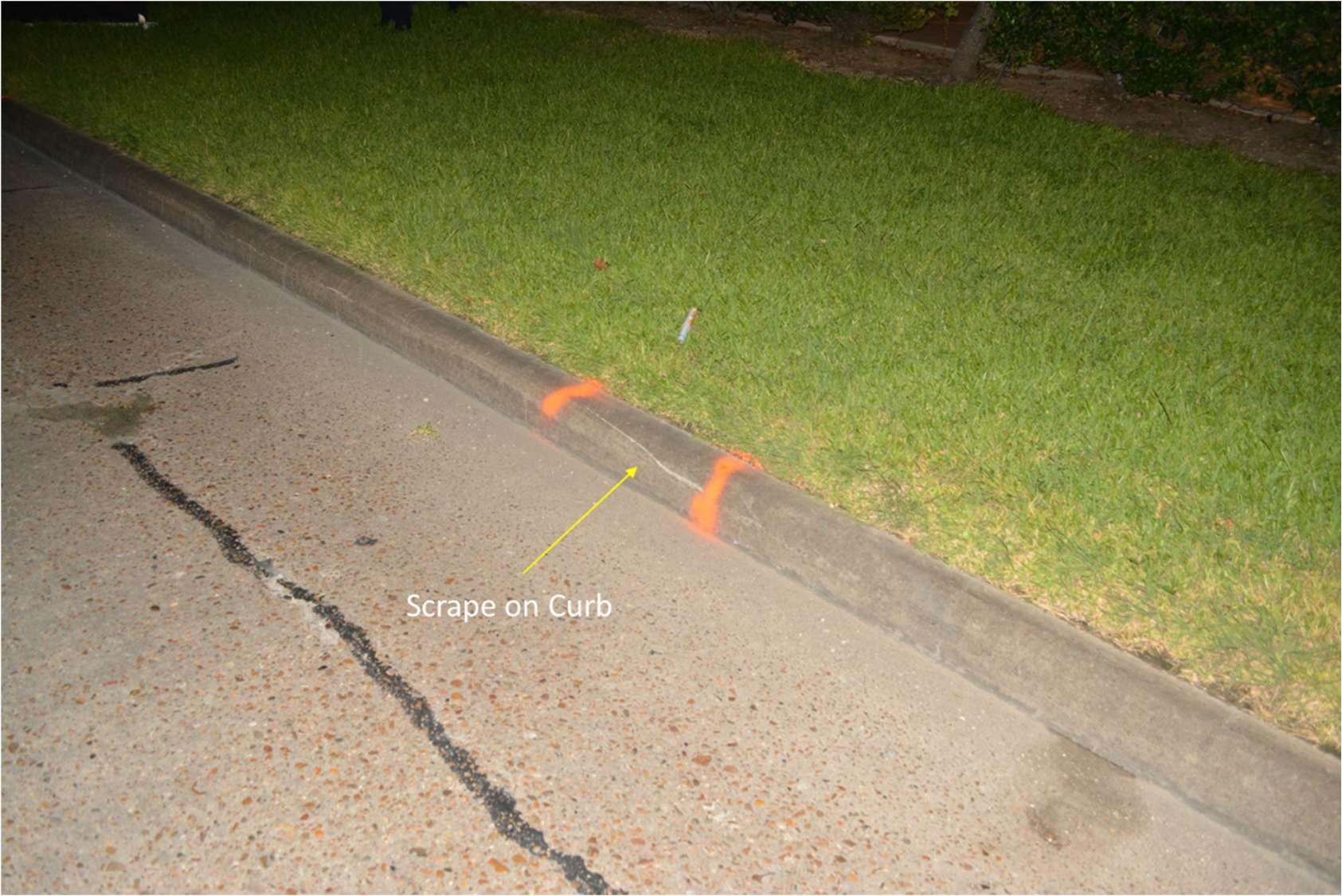
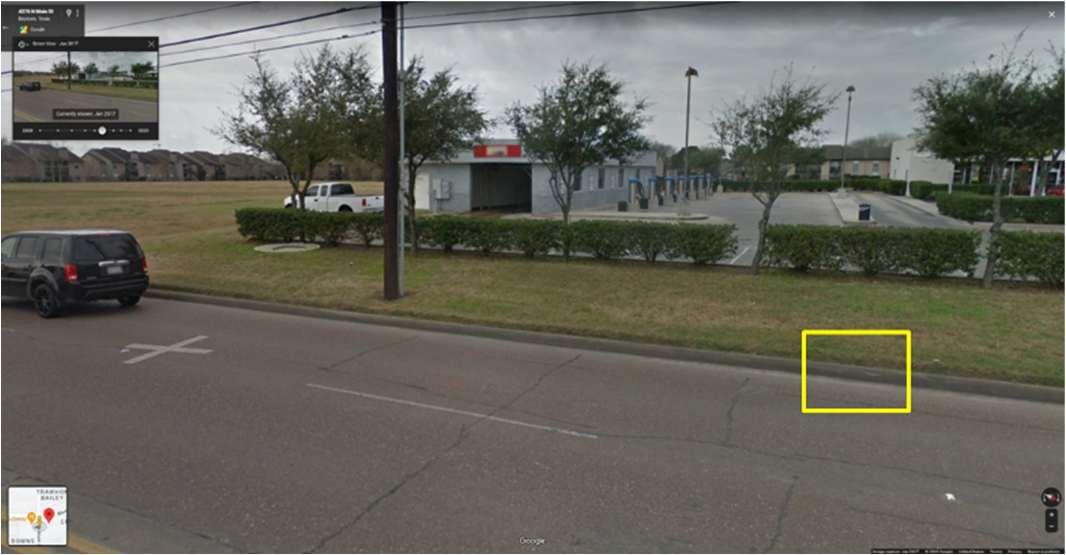
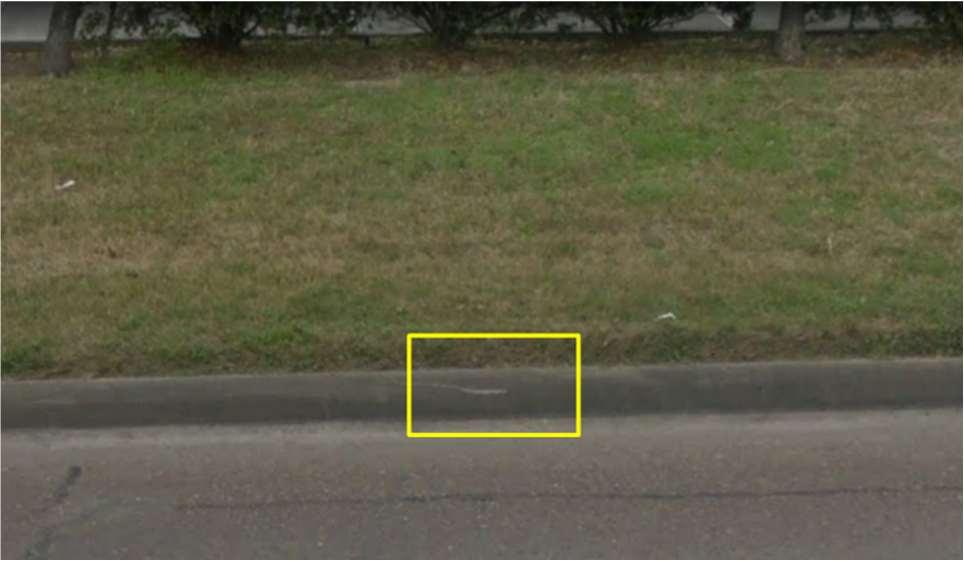
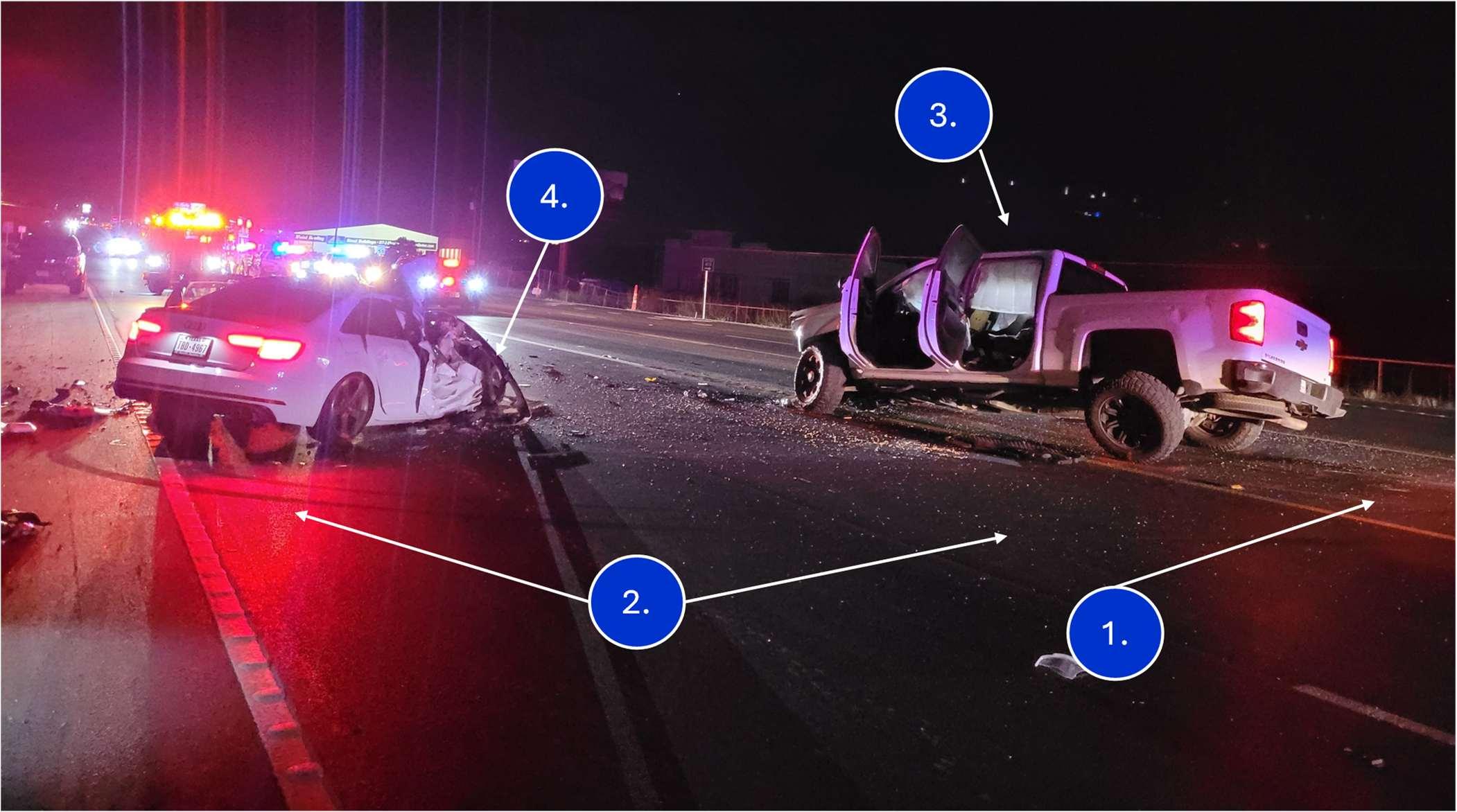
Location DoubleTree by Hilton Hotel Dallas Near the Galleria, 4099 Valley View Ln., Dallas, TX Course Directors David Burrows, John Hunter Smith, & Matt Peacock 7.0
Total CLE Hours 7.75 Ethics: 0.75
Friday, May 1, 2026 Daily CLE Hours: 7.75 Ethics: 0.75
Time CLE Topic Speaker
7:30 am Registration & Continental Breakfast
8:25 am Opening Remarks Course Directors
8:30 am 1.00 Case Law on DWI, Manslaughter, & Assault David Guinn, Jr.
9:30 am 0.75 Jury Charge for DWI, Manslaughter, & Assault Mark Daniel
10:15 am Break
10:30 am 1.00 Intoxicated Manslaughter/Assault – Special Issues Bobby Barrera
Colten Rodriguez M.S.M.E, P.E. TCDLA May DWI Presentation Page 8 of 22
J. Eftekhar and Associates
Thisrollingbufferintroducesseveralsignificantinterpretivechallenges. First,thebufferisvolatile, meaningitcanbeeasilyoverwrittenorlostifproperpreservationtechniquesarenotfollowed. Of particularimportanceifaninvestigatingofficerkeystheignitionafterthecrashwithoutfirst downloadingthePCMdata,thatdatamaybepermanentlylost. Thisisnotahypotheticalconcern; it happens,anddefensecounselshouldinquirespecificallyaboutthesequenceofeventsfollowingthe crashandwhethertheignitionwasactivatedbeforeanydownloadwasattempted.
1300 S University Dr Suite 318 Fort Worth, TX 76107-5737
817.900.6000 phone
Matt@jmptxlaw.com email
Attacking the Blood Expert & The Defense of Extrapolation
The common DWI question I get is “How do I beat a blood case without an expert?” or “I got this good tape, but a high number, how do I win?” Usually, the underlying question is how do I handle the state’s blood expert. “What do I do?” Hopefully, this paper will help break down some of the steps in dealing with the expert and put you in a position to get a two-word verdict.
What’s the point?
At the fundamental level, we have to figure what we are wanting to get out of the cross examination of the state’s expert. Many of you have run into the same things I have where this “impartial scientist” isn’t going to budge on a point you thought was concrete. And for sure, most of them are not going to say that your client was under .08 at the time of driving. Obviously, each case calls for its own plan of attack, but there are two main things you want to have happen during your cross of the expert. In fact, each question you ask should do at least one of these two things.
1. Create Credibility with the Jury
I am talking about your credibility; not the “expert’s.” You want to appear to know what you are talking about and look good doing it. I say “appear to know” because, realistically, I don’t, and many of you don’t, know the ins and outs of gas chromatography with flame ionization. But we don’t need to. I’ll show you some questions you can ask with confidence that will give you credibility with the jury. We want to put the jury in position of choosing our version of blood testing over the state’s.
2. Get Answers You Can Argue
This is critical. Too many attorneys go into a cross-examination of an expert thinking they are going to get them to admit the client wasn’t intoxicated or that it’s likely a mistake was made during testing. I know it has happened, but those cases are few and far between. What we don’t want to do is ask that ‘one question too many’ and then allow the witness to dump all over us. It usually looks something like this: (‘One question too many’ in italics)
Q: “It is important to make sure you put the head space vial in the right slot of the auto sampler, correct?”
A: “Yes, it is.”
Q: “Because if you don’t it could read the wrong result for the wrong sample, right?”
A: “That’s correct.”
Q: “You can’t be certain that didn’t happen in this case, can you?”
OR
Q: “Human error happens like that all the time, right?”
These types of questions allow the witness to give the jury the answer on how they are certain the mistake did not happen. I know this temptation. I have made this mistake myself.
It is the temptation of wanting the jury to hear the mistake could have happened, therefore, find the client ‘not guilty.’ But it is one question too many, and the witness already gave the answer you can argue.
**Remember: it is not your job to prove this mistake happened. It is the state’s job to prove it didn’t happen.**
You got the answer you can argue in close: “Ladies & gentlemen, you heard that it is important to make sure the blood vial is in the right slot at the time of testing. Did the state prove a mistake wasn’t made and that the blood test was done perfectly?”
So, make sure as you are preparing your cross examination of the state’s “expert” that the questions you ask are either building your credibility in front of the jury or eliciting answers that you can circle back to in closing arguments. And hopefully, many of the answers you receive will be accomplishing both.
How Do I Do This?
Debunk Any Tolerance Argument
We have all seen the State’s voir dire where they are describing “Sippy Sally” who has 2 glasses of champaign at a wedding and is dancing on the table. They are building a tolerance argument to try and prove the “not having” definitions of intoxication. If we don’t address it, it will be something the state argues and the jury will be thinking about in their deliberations.
Debunking this argument is typically pretty easy and quick. I like to do this at the beginning of the cross examination to show the jury that there are somethings the “expert” doesn’t know and to allow some time before re-direct so that the state forgets to circle back to it. Here is how I like to do it:
Q. Dr. Easley, you're here today to testify regarding the blood results that was produced by your lab, right?
A. I am.
Q. So you're not here to talk about whether {DEFENDANT} has any sort of tolerance to alcohol, right?
A. That is correct.
Q. Because you don't know, right?
A. I don't know about his personal physiology, that is correct.
Q. Because it's different for everyone, right?
A. Yes.
Q. So any sort of testimony regarding tolerance would be speculation, correct, because you don't have enough information, correct?
A. For his personal information, no.
Q. Okay. And so then for any personal
information regarding his specific tolerance, that would be speculation, right?
MS. JOHNSON: Objection, asked and answered.
THE COURT: I'll overrule. You can answer.
THE WITNESS: For his specifically, yes.
Just 5-6 questions and it is done. But the witness just said she doesn’t know about our client’s physiology and she is there just to testify to the results produced by the lab. These are answers that produce credibility and can be argued later.
Get Familiar with the Vocab & Process
This is the part that takes some work on your end. You need to get some working knowledge of what happens in the lab. Again, you do not need to be an expert yourself, but you do need to know the vernacular and what the witness does with the blood. This will help you gain a ton of credibility with the jury because this is the stuff the State won’t touch. Here is an excerpt from the transcript of how to ask these questions:
Q. So you take the vial of blood, right?
A. Uh-huh.
Q. And then what you do is you put it into a much smaller vial and you that's called a headspace vial?
A. Yes.
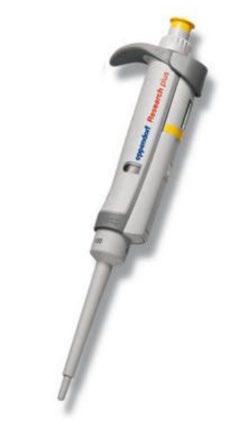
Q. And the instrument that you use is what's called a pipette; is that correct?
A. To transfer the blood?
Q. Correct.
A. Yes.
Q. And so what you do is you come down to here with the pipette, take up the blood, and move it into the headspace vials?
A. That is correct.
Q. Right. And like you said, then you put like a crimped top on that headspace vial, right?
A. Yes.
Q. And that's where the blood that's actually tested is in those vials, correct?
A. Yes.
Q. Do we have the headspace vials that were tested in {Defendant’s} case here?
A. No.
Q. Because they're destroyed, right?
A. They are.
Q. At the same time you're also pipetting into this headspace vial N-Propanol; is that correct?
A. It's in the internal standard, but yes.
Q. And you say internal standard. That's what's added into this vial because you know exactly how much is supposed to be in that vial, right?
A. Yes.
Q. Right. Because we talked about the pipette, and I call it an instrument because it has been to be calibrated very precisely, correct?
A. Yes.
Q. Because if it's not, it will actually insert more internal standard than is necessary?
A. Yes.
Q. Which can then elevate the blood results, right?
A. More internal standard would actually decrease the blood results.
Q. Sorry, that's right. And then less would elevate it, right?
A. That is correct, yes.
Q. So if the pipette's not calibrated correctly, it could affect the results?
A. Right.
Q. And that N-Propanol is actually a type of alcohol, right?
A. Yes.
Q. And you do this process for several of those small headspace vials, right?
A. Yes.
Q. And you put them on what you guys call an auto sampler?
A. Yes.
Q. Do you guys have the rectangle or the circular auto samplers?
A. For the blood alcohol?
Q. Yes, ma'am.
A. The trays we use are rectangular.
Q. Rectangular, okay. And so, I guess, for a visual, have you seen the circular ones before?
A. We use circular ones on some of our other instruments, but I they make a lot of different types.
Q. Okay.
A. So I'm not sure if you and I are talking about the same ones.
Q. I guess what I'm just saying is just so the jury can have a picture, like the circular ones look like old communion trays, right?
A. Yeah.
Q. Is that right?
A. Yeah.
I am not going to copy and paste the whole transcript but pages 13-22 of the transcript are the portion that describe the process. Again, it is in very general terms.
There are a couple of ways to familiarize yourself with this process, but one that I found very helpful to me is just a quick YouTube search of Gas Chromatograph Testing. You will find great videos explaining the process and how it is done. You can also find videos of lab techs performing the process.
Also, read Bullcoming v. New Mexico, 564 U.S. 647, for another great description of this process and the science behind it. This case lays out why it is necessary for the technician who tested the blood needs to come testify at trial. It gives a general understanding of what the analyst does in the lab.
Below I have included some of the vocabulary associated with the gas chromatography process and pictures of what is being described so you can have a visual.
• Pipette- instrument used to move defendant’s blood from initial vial to head space vial. Also used to add n-propenal to head space vial. Must be calibrated very precisely.
• Column- long, coiled up tube with a chemical lining that the gas travels through to reach the flame ionization detector. The lining inside is what separates the molecules. Never cleaned. Changed out every 6mo or so. Looks like a guitar string.
• Auto Sampler- the trey the headspace vials are placed into. The auto sampler is then inserted into the machine for testing. Circular trey looks like a communion trey.
• Headspace Vial- smaller vial that the defendant’s blood is transferred to for testing. Destroyed by the lab after testing.
• Lab Report- document prepared by the lab and signed by the analysist. This is usually the document you receive in discovery with your client’s blood alcohol content on it. Not the actual results printed by the machine.
• Chromatograms- the results printed by the chromatograph. Shows the amount of npropenal and ethanol alcohol.
• Carrier Gas- the gas that pushes or carries the headspace gas through the column.
• N-propenal- a type of alcohol added to the head space vials, in addition to the defendant’s blood. Called the internal standard. This is a known quantity that should produce a specific, known corresponding result. Too little internal standard could produce a higher BAC number.
Be familiar with these terms. The witness will talk about them and you want to be able to explain to the jury what is being discussed. I like to use analogies like “guitar string” and “communion tray” to give the jury a picture of what we are discussing. Again, you are building credibility with the jury by showing your knowledge of the process and exposing the State for their lack of understanding.
Physiological Aspects of ALC & Extrapolation
What I am not tackling in this paper: I am not going to get into the Windmark equation to figuring out someone’s BAC because, rarely, do we actually have that information. We are just looking for answers to argue in closing regarding an alcohol level at the time of driving. Also, I am not going to go into great detail on rebutting an expert’s testimony regarding extrapolation. I want to show you what they need in order to do a proper extrapolation, but that’s it. If you are looking for more in-depth article on retrograde extrapolation you can read Deandra Grant’s “An Introduction to Retrograde Extrapolation” online. If you want a more advanced articles, you can look for articles by Dr. A.W. Jones or Dr. Kurt Dubowski.
Keeping to the premise of gaining credibility and getting answers you can argue, I want to give you a basic breakdown (the same stuff I do with the jury & what you will find in the transcript) of how alcohol works in the body, the bare minimum needed by the expert to actually give an extrapolation opinion, and how to use the disconnect defense when the extrapolation is not good for your case.
• Absorption phase- this is the first phase when a person drinks alcohol. It goes first into the stomach, and then into the small intestine, which is where most of the absorption takes place. The type of alcohol consumed, as well as the stomach contents prior to and during drinking, will impact the speed at which absorption takes place. Is the defendant in a “fed” state or not? If they are not, absorption will happen at a quicker rate than if they are. Most experts will give 30 min to 2 hours for FULL absorption. There is no standard absorption rate.
• Elimination phase- this happens as soon as alcohol is being consumed. Alcohol is a toxin and the body is trying to get rid of it anywhere water leaves the body. Assuming no other alcohol is consumed, the alcohol level will steadily decrease at a rate .015 per hour, on average. The elimination rate is different for each individual. Most experts will give you the range of elimination rate will vary between .01-.035 per hour.
Here are the questions from the transcript describing absorption and elimination. While I am discussing this with the witness, I am drawing this out. See below for how I chart this out in front of the jury (I always describe it as looking like a rollercoaster).
Q. (By Mr. Peacock) Doctor, I'm going to try this one more time. So alcohol in the body, it works in a pretty standard way for everyone, right? There's an absorption rate, correct?
A. That is correct.
Q. And then a peak, right?
A. Right.
Q. And then an elimination rate?
A. That is correct.
Q. And so when you graph it out, you have the
absorption rate, a peak, and then an elimination rate. And it kind of looks like a roller coaster, right?
A. Typically, the elimination's more linear, but yes.
Q. Okay. And the absorption happens much quicker than the elimination; is that correct?
A. Most of the time, yes, but that's depending on a lot of factors, specifically whether or not the person is in a fed state or fasted. So have they eaten, have they not eaten, and then have they already started consuming alcohol. Are they consistent drinkers? But typically the absorption rate is more faster
Q. Right, it's
A. or faster than the elimination rate.
Q. It's way more common for it to be quicker than the elimination rate, correct?
A. Based on the research that I've read, yes.
The absorption and elimination rates are very important when it comes to extrapolation. So, please, I cannot stress this enough: Use ranges!!! Using the ranges, will allow you work the number as you need for your fact pattern. Don’t let the expert lock into a standard rate of absorption or elimination.
When it comes to extrapolation, whether the client is in a fed state or not is important, but the most important factor is the time of their last drink. As we discussed above, the body cannot reach full absorption until the consumption of alcohol ceases. If at all possible, you want the client’s time of last drink as close in time to operating as possible. This puts them in the absorption phase allowing you to argue in close that the client could have been under .08. Knowing the time of the last drink will help you, using the rates we discussed, to figure out the client’s range of BAC at the time of driving and push it higher if you are using a disconnect defense.
WARNING: You are going to run into some “experts” who are going to say that they can do extrapolation without knowing the time of the last drink. They usually try to use the time of the stop as the metric. This is sloppy science. Don’t let them get away with it. Use Mata v. State 46
S.W.3d 902 (Ct. Crim. App. 2001) and ask for a hearing to make sure they have all the information they need to extrapolate.
Bare Minimum Information the State’s Expert Needs for Retrograde Extrapolation:
• Sex
• Weight
• Time of Last Drink
• Time of First Drink
• Fed State or Not
• Time Subject Ate
When it comes to the expert trying to testify as to extrapolation, if they don’t have at least these factors make sure to object. Most experts will also give you that BMI of a subject, type of food eaten, and type of drinks consumed could all help make the calculation more accurate.
Extrapolation Works Both Ways
Recently, we have been able to win high BAC cases with a disconnect defense. The basic premise of the disconnect defense is that if the blood result is accurate then the defendant’s BAC would have to be ridiculous high at the time of driving. We use the video & officer’s testimony to show the client doesn’t have the attributes of someone whose BAC is that high. So here is how, using extrapolation and the high end of the elimination range, I was able to push my client’s BAC to a .42 (pages 30-33 of the transcript):
Q. And in this case at the time that blood was tested, it tested at a .333; is that right?
A. I don't have the paperwork in front of me, but I believe that that is what I read earlier. Yes. .0 .333.
Q. .333, right?
A. Yes.
Q. With plus minus .032, right?
A. That is correct.
Q. And so what that means is that at the time of the blood draw, he could have according to the test could have been as high as a .365; is that correct?
A. Yes.
Q. But if there was just under an hour, okay, if it was just under an hour from the time of the stop to the blood draw, we could say that {Defendant} was with the officer during that time.
A. Okay.
Q. If he's eliminating at a .035, then if we come back this way, he could have been a .42; is that correct?
A. Yes, that's theoretically if he's only in a state of elimination and not still absorbing alcohol, that would be correct.
Q. Right. Because if he was still absorbing alcohol, he would actually be higher later on in the evening?
A. Yes.
These experts are usually more than happy to give you information that might make your client’s BAC as high as possible. They typically believe they are helping the State’s position In the case above, I added the machines listed variance to my client’s BAC to get to .365. Then I started adding the .035/hr elimination rate to the existing blood result. Since my client’s blood was taken an hour and a half after the stop, if he was in the elimination phase, he would have eliminated approximately .055. So we add that back to the .365 to get to the .42. This is not a true extrapolation. Notice from the transcript, I used the time of the stop as the time of last drink. I didn’t have to do complicated math to get there. Just extrapolated back to that point. All you want to do is set up the number to be as high as possible.
Once you get the witness to admit these high ranges, move in your questioning toward the medical signs/symptoms that should be exhibited. I have attached Dr. Kurt Dubowski’s Stages of Acute Alcoholic Influence/Intoxication chart. This chart describes the clinical signs/symptoms that should be seen depending on the BAC. Most experts, if they have had any training, will recognize Dr. Kurt Dubowski as a credible source and usually admit they have read this chart in publications. You are wanting to point out the disconnect between these symptoms and the evidence of your client that has been presented.
Q. And that's in that stage five stupor zone. If that's just his number at the time of the draw, according to Dr. Dubowski, he should exhibit some of those signs, correct?
A. Yes, according to the chart.
Q. And then if he were to be above a .35 or higher, that would actually put him in the coma phase, correct?
A. Yes.
Q. So if like you said theoretically like if he were at that .42, he would be in the coma phase, right?
A. Yes.
Q. And now we're talking about "complete unconsciousness," correct?
A. Yes.
Q. "Depressed or abolished reflexes," right?
A. Yes.
Q. "Subnormal temperatures"?
A. Yes.
Q. "Impairment of circulation and
respiratory" "respiration"?
A. Yes.
Q. And possibly "death," right?
A. According to the chart, yes.
Q. And these are things like actually having to go to a medical hospital for, right?
A. I would assume so.
Q. What experts would call alcohol poisoning, right?
A. Again, that's outside of my expertise.
Q. But according to Dubowski, these are the clinical, the medical symptoms and signs, that somebody would be showing in these phases, right?
A. According to Dubowski, yes.
Q. And you have not seen the video in this case, right?
A. I have not.
MR. PEACOCK: I'll pass the witness, Judge.
This line of questioning gives you credibility with the jury because you are citing reliable authority and gives you lots to argue in terms of disconnect during closing argument. Use their extrapolation against them and try to get the BAC number as high as possible.
Closing
After you elicit the answers from the blood witness, make sure you tie it all together in closing argument. Show the jury your version of the blood test is correct and the state hasn’t proven their case because of the giant disconnect between the evidence that was produced and the blood score being alleged.
‘Not Guilty’ on high blood cases are not impossible. I wish I could write a paper that would give you exactly what you need to get an ‘NG’ on every case. Obviously, that is unrealistic. There is still going to be a lot of work you will need to do on your end, but I hope this paper gives you a starting point on how to attack your blood cases with confidence.
Don’t hesitate to reach out to me if I can ever be of help: matt@jmptxlaw.com
Resources/Cites
“An Introduction to Retrograde Extrapolation” by Deandra Grant (COUNTERPOINT- The Journal of Science and Law, Vol. 1, Iss. 3; Summer 2016)
Garriott's Medicolegal Aspects of Alcohol by James Garriott (Tucson, Ariz. : Lawyers & Judges Pub. Co., 2009, 5th ed.)
Bullcoming v. New Mexico, 564 U.S. 647, 131 S. Ct. 2705 (2011)
Mata v. State 46 S.W.3d 902 (Ct. Crim. App. 2001)
Special Thanks To
Dean Miyazono for helping me craft this attack over the years and allowing me to learn from you. Literally, I wouldn’t be the same attorney without your friendship. Will Gallagher for allowing me to sit second on your case and trusting me with the blood portion of the trial. You don’t get enough credit for the .33 win. You killed it the whole trial.
TCDLA for all the DWI wisdom and information you have shared. I learn something new at every CLE event and I am always inspired by the amazing attorneys who present.
903 N Elm St Ste 101 Denton, TX 76201-6926 940 323 9305 phone sarah@sarahroland.com email http://www.sarahroland.com/ website
“We're paying the highest tribute you can pay a man. We trust him to do right. It's that simple.”
― Harper Lee, To Kill a Mockingbird
Disclaimer – The Non-Paper “Paper”
Writing a paper over ethics that holds any reader’s interest can be challenging. There are far too many papers that are wonderfully academic and accurate but that audiences never read. This paper is a different kind of paper. It is less a “paper” than a review of some ethical rules and considerations given different, yet common scenarios, that frequently come up in criminal defense work.
Ethics at its very core is moral principles. Each of us has our own individual set of ethics. And, certainly, what is moral to one of us may not be so to another. However, in the practice of law, we are all bound by the same set of legal ethics. We all remember that class from law school. In the practice of law ethics is primarily governed The Texas Rules of Disciplinary Procedure. But of course, at the very heart of legal ethics is effective representation as cemented in Strickland v. Washington. And effective representation dovetails with the Performance Guidelines for Non-Capital Criminal Defense Representation (updated in 2021).
SCENARIO #1: In a well-tried case, Lawyer wins the “unwinnable” case against the prosecutor that always brags about their wins. Client is immediately eligible for an expunction and desperately wants and needs the expunction. Lawyer posts details about the case without using Client’s name in hopes of attracting more clients. Is this an ethical violation of any sort?
Yes, without Client’s consent this is a clear violation of Rule 1.05(b)(3).
Confidentiality is a cornerstone of the attorney-client relationship. Lawyers are required to protect all information relating to the representation of their clients, except in situations where disclosure is necessary to prevent certain harm or as required by law. This privilege fosters open communication, which is essential for effective representation. Without that trusted confidentiality, the attorney-client relationship, and in turn the lawyer’s reputation suffers.
Rule 1.05 Confidentiality of Information
(a) Confidential information includes both privileged information and unprivileged client information. Privileged information refers to the information of a client protected by the lawyer-client privilege of Rule 503 of the Texas Rules of Evidence or of Rule 5.03
of the Texas Rules of Criminal Evidence or by the principles of attorney-client privilege governed by Rule 501 of the Federal Rules of Evidence for United States Courts and Magistrates. Unprivileged client information means all information relating to a client or furnished by the client, other than privileged information, acquired by the lawyer during the course of or by reason of the representation of the client.
(b) Except as permitted by paragraphs (c) and (d), or as required by paragraphs (e), and (f), a lawyer shall not knowingly:
(1) Reveal confidential information of a client or a former client to:
(i) a person that the client has instructed is not to receive the information; or
(ii) anyone else, other than the client, the client’s representatives, or the members, associates, or employees of the lawyer’s law firm.
(2) Use confidential information of a client to the disadvantage of the client unless the client consents after consultations.
(3) Use confidential information of a former client to the disadvantage of the former client after the representation is concluded unless the former client consents after consultation or the confidential information has become generally known.
(4) Use privileged information of a client for the advantage of the lawyer or of a third person, unless the client consents after consultation.
(c) A lawyer may reveal confidential information:
(1) When the lawyer has been expressly authorized to do so in order to carry out the representation.
(2) When the client consents after consultation.
(3) To the client, the client’s representatives, or the members, associates, and employees of the lawyers firm, except when otherwise instructed by the client.
(4) When the lawyer has reason to believe it is necessary to do so in order to comply with a court order, a Texas Disciplinary Rule of Professional Conduct, or other law.
(5) To the extent reasonably necessary to enforce a claim or establish a defense on behalf of the lawyer in a controversy between the lawyer and the client.
(6) To establish a defense to a criminal charge, civil claim or disciplinary complaint against the lawyer or the lawyer’s associates based upon conduct involving the client or the representation of the client.
(7) When the lawyer has reason to believe it is necessary to do so in order to prevent the client from committing a criminal or fraudulent act.
(8) To the extent revelation reasonably appears necessary to rectify the consequences of a client’s criminal or fraudulent act in the commission of which the lawyer’s services had been used.
(9) To secure legal advice about the lawyer’s compliance with these Rules.
(10) When the lawyer has reason to believe it is necessary to do so in order to prevent the client from dying by suicide.
(d) A lawyer also may reveal unprivileged client information.
(1) When impliedly authorized to do so in order to carry out the representation.
(2) When the lawyer has reason to believe it is necessary to do so in order to:
(i) carry out the representation effectively;
(ii) defend the lawyer or the lawyer’s employees or associates against a claim of wrongful conduct;
(iii) respond to allegations in any proceeding concerning the lawyers representation of the client; or
(iv) prove the services rendered to a client, or the reasonable value thereof, or both, in an action against another person or organization responsible for the payment of the fee for services rendered to the client.
(e) When a lawyer has confidential information clearly establishing that a client is likely to commit a criminal or fraudulent act that is likely to result in death or substantial bodily harm to a person, the lawyer shall reveal confidential information to the extent revelation reasonably appears necessary to prevent the client from committing the criminal or fraudulent act.
(f) A lawyer shall reveal confidential information when required to do so by Rule 3.03(a)(2), 3.03(b), or by Rule 4.01(b).
SCENARIO #2: Client arrested, and the police seize Client’s phone. Client tells Lawyer there are damaging photos on Client’s phone related to the case, but that Client can remotely wipe the phone. Should Lawyer advise Client to remotely wipe the phone?
No, this is a clear violation of Rule 3.04. While advocating for clients, criminal defense lawyers must also respect the law and the justice system. They are bound by rules of
professional conduct that prohibit them from presenting false evidence, suborning perjury, or engaging in any form of deceit. Their ethical responsibility is to challenge the prosecution’s case while remaining truthful to the court.
Rule 3.04 Fairness in Adjudicatory Proceedings
A lawyer shall not:
(a) unlawfully obstruct another party’s access to evidence; in anticipation of a dispute unlawfully alter, destroy or conceal a document or other material that a competent lawyer would believe has potential or actual evidentiary value; or counsel or assist another person to do any such act.
(b) falsify evidence, counsel or assist a witness to testify falsely, or pay, offer to pay, or acquiesce in the offer or payment of compensation to a witness or other entity contingent upon the content of the testimony of the witness or the outcome of the case. But a lawyer may advance, guarantee, or acquiesce in the payment of:
(1) expenses reasonably incurred by a witness in attending or testifying;
(2) reasonable compensation to a witness for his loss of time in attending or testifying;
(3) a reasonable fee for the professional services of an expert witness.
(c) except as stated in paragraph (d), in representing a client before a tribunal:
(1) habitually violate an established rule of procedure or of evidence;
(2) state or allude to any matter that the lawyer does not reasonably believe is relevant to such proceeding or that will not be supported by admissible evidence, or assert personal knowledge of facts in issue except when testifying as a witness;
(3) state a personal opinion as to the justness of a cause, the credibility of a witness, the culpability of a civil litigant or the guilt or innocence of an accused, except that a lawyer may argue on his analysis of the evidence and other permissible considerations for any position or conclusion with respect to the matters stated herein;
(4) ask any question intended to degrade a witness or other person except where the lawyer reasonably believes that the question will lead to relevant and admissible evidence; or
(5) engage in conduct intended to disrupt the proceedings.
(d) knowingly disobey, or advise the client to disobey, an obligation under the standing rules of or a ruling by a tribunal except for an open refusal based either on an assertion that no valid obligation exists or on the client’s willingness to accept any sanctions arising from such disobedience.
(e) request a person other than a client to refrain from voluntarily giving relevant information to another party unless:
(1) the person is a relative or an employee or other agent of a client; and
(2) the lawyer reasonably believes that the person’s interests will not be adversely affected by refraining from giving such information.
Comment:
1. The procedure of the adversary system contemplates that the evidence in a case is to be marshalled competitively by the contending parties. Fair competition in the adversary system is secured by prohibitions against destruction or concealment of evidence, improperly influencing witnesses, obstructive tactics in discovery procedures, and the like.
2. Documents and other evidence are often essential to establish a claim or defense. The right of a party, including the government, to obtain evidence through discovery or subpoena is an important procedural right. The exercise of that right can be frustrated if relevant material is altered, concealed or destroyed. Applicable law in many jurisdictions, including Texas, makes it an offense to destroy material for the purpose of impairing its availability in a pending proceeding or one whose commencement can be foreseen. See Texas Penal Code, §§37.09(a)(1), 37.10(a)(3). See also 18 U.S.C. §§1501-1515. Falsifying evidence is also generally a criminal offense. Id. §§37.09(a)(2), 37.10 (a)(l), (2). Paragraph (a) of this Rule applies to evidentiary material generally, including computerized information.
SCENARIO #3: Client arrested and can’t post bail. Lawyer goes to visit with client and does not find issues related to Client’s competency. Client remains in jail and Client’s mental health deteriorates. In the interim Lawyer has worked out a time-served offer with the prosecutor. However, Lawyer now believes Client may be incompetent. Should Lawyer get a competency evaluation and risk months long wait for a bed at the state hospital or get Client time served?
Rule 1.17. Clients with Diminished Capacity
(a) When a client’s capacity to make adequately considered decisions in connection with a representation is diminished, whether because of minority, mental impairment, or for another reason, the lawyer shall, as far as reasonably possible, maintain a normal client-lawyer relationship with the client.
(b) When the lawyer reasonably believes that the client has diminished capacity, is at risk of substantial physical, financial, or other harm unless action is taken, and cannot adequately act in the client’s own interest, the lawyer may take reasonably necessary protective action. Such action may include, but is not limited to, consulting with individuals or entities that have the ability to take action to protect the client and, in appropriate cases, seeking the appointment of a guardian ad litem, attorney ad litem, amicus attorney, or conservator, or submitting an information letter to a court with jurisdiction to initiate guardianship proceedings for the client.
(c) When taking protective action pursuant to (b), the lawyer may disclose the client’s confidential information to the extent the lawyer reasonably believes is necessary to protect the client’s interests.
Comment:
1. The normal client-lawyer relationship is based on the assumption that the client, when properly advised and assisted, is capable of making decisions about important matters. However, maintaining the ordinary client-lawyer relationship may not be possible when the client suffers from a mental impairment, is a minor, or for some other reason has a diminished capacity to make adequately considered decisions regarding representation. In particular, a severely incapacitated person may have no power to make legally binding decisions. Nevertheless, a client with diminished capacity often can understand, deliberate on, and reach conclusions about matters affecting the client’s own well-being. For example, some people of advanced age are capable of handling routine financial matters but need special legal protection concerning major transactions. Also, some children are regarded as having opinions entitled to weight in legal proceedings concerning their custody.
2. In determining the extent of the client’s diminished capacity, the lawyer should consider and balance such factors as the client’s ability to articulate reasoning leading to a decision, variability of state of mind, and ability to appreciate consequences of a decision; the substantive fairness of a decision; and the consistency of a decision with the lawyer’s knowledge of the client’s long-term commitments and values.
3. The fact that a client suffers from diminished capacity does not diminish the lawyer’s obligation to treat the client with attention and respect. Even if the client has a guardian or other legal representative, the lawyer should, as far as possible, accord the client the normal status of a client, particularly in maintaining communication. If a guardian or other legal representative has been appointed for the client, however, the law may require the client’s lawyer to look to the representative for decisions on the client’s behalf. If the lawyer
represents the guardian as distinct from the ward and is aware that the guardian is acting adversely to the ward’s interest, the lawyer may have an obligation to prevent or rectify the guardian’s misconduct.
4. The client may wish to have family members or other persons, including a previously designated trusted person, participate in discussions with the lawyer; however, paragraph (a) requires the lawyer to keep the client’s interests foremost and, except when taking protective action authorized by paragraph (b), to look to the client, not the family members or other persons, to make decisions on the client’s behalf. As part of the client in-take process, lawyers may wish to give new clients the opportunity to designate trusted persons who may be contacted by a lawyer if special needs arise. Any such procedure should provide sufficient information for the client to understand and confer with the lawyer about the designation of a trusted person. Standardized forms may be available from bar associations and practice groups. Information about trusted person designations should be appropriately safeguarded and periodically updated, as necessary. In matters involving a minor, whether the lawyer should look to the parents as natural guardians may depend on the type of proceeding or matter in which the lawyer is representing the minor.
Taking Protective Action
5. Paragraph (b) contains a non-exhaustive list of actions a lawyer may take in certain circumstances to protect an existing client who does not have a guardian or other legal representative. Such actions could include consulting with family members, using a reconsideration period to permit clarification or improvement of circumstances, using voluntary surrogate decision-making tools such as existing durable powers of attorney, or consulting with support groups, professional services, adult-protective agencies, or other individuals or entities that have the ability to protect the client. In taking any protective action, the lawyer should be guided by such factors as the client’s wishes and values to the extent known, the client’s best interests, and the goals of intruding into the client’s decisionmaking autonomy to the least extent feasible, maximizing client capacities, and respecting the client’s family and social connections. If it appears to be necessary to disclose confidential information to a third person to protect the client’s best interests, a lawyer should consider whether it would be prudent to ask for the client’s consent to the disclosure. Only in compelling cases should the lawyer disclose confidential client information if the client has expressly refused to consent. The authority of a lawyer to disclose confidential client information to protect the interests of the client is limited and extends no further than is reasonably necessary to facilitate protective action.
Duties Under Other Law
6. Nothing in this Rule modifies or reduces a lawyer’s obligations under other law.
7. A client with diminished capacity also may cause or threaten physical, financial, or other harm to third parties. In such situations, the client’s lawyer should consult applicable law to determine the appropriate response.
8. When a legal representative has not been appointed, the lawyer should consider whether an appointment is reasonably necessary to protect the client’s interests. Thus, for example, if a client with diminished capacity has substantial property that should be sold for the client’s benefit, effective completion of the transaction may require appointment of a legal representative. In addition, applicable law provides for the appointment of legal representatives in certain circumstances. For example, the Texas Family Code prescribes when a guardian ad litem, attorney ad litem, or amicus attorney should be appointed in a suit affecting the parent-child relationship, and the Texas Estates Code prescribes when a guardian should be appointed for an incapacitated person. In many circumstances, however, appointment of a legal representative may be more expensive or traumatic for the client than circumstances in fact require. Evaluation of such circumstances is a matter entrusted to the lawyer’s professional judgment. In considering alternatives, the lawyer should be aware of any law that requires the lawyer to advocate on the client’s behalf for the action that imposes the least restriction.
Disclosure of the Client’s Condition
9. Disclosure of the client’s diminished capacity could adversely affect the client’s interests. For example, raising the question of diminished capacity could, in some circumstances, lead to proceedings for involuntary commitment. As with any client-lawyer relationship, information relating to the representation of a client is confidential under Rule 1.05. However, when the lawyer is taking protective action, paragraph (b) of this Rule permits the lawyer to make necessary disclosures. Given the risks to the client of disclosure, paragraph (c) limits what the lawyer may disclose in consulting with other individuals or entities or in seeking the appointment of a legal representative. At the very least, the lawyer should determine whether it is likely that the person or entity consulted will act adversely to the client’s interests before discussing matters related to the client. A disclosure of confidential information may be inadvisable if the third person’s involvement in the matter is likely to turn confrontational.
Emergency Legal Assistance
10. In an emergency where the health, safety or a financial interest of a person with seriously diminished capacity is threatened with imminent and irreparable harm, a lawyer may take legal action on behalf of such a person even though the person is unable to establish a client-
lawyer relationship or to make or express considered judgments about the matter, when the person or another acting in good faith on that person’s behalf has consulted with the lawyer. Even in such an emergency, however, the lawyer should not act unless the lawyer reasonably believes that the person has no other lawyer, agent or other representative available. The lawyer should take legal action on behalf of the person only to the extent reasonably necessary to maintain the status quo or otherwise avoid imminent and irreparable harm. A lawyer who undertakes to represent a person in such an exigent situation has the same duties under these Rules as the lawyer would with respect to a client.
11. A lawyer who acts on behalf of a person with seriously diminished capacity in an emergency should keep the confidences of the person as if dealing with a client, disclosing them only to the extent necessary to accomplish the intended protective action. The lawyer should disclose to any tribunal involved and to any other counsel involved the nature of his or her relationship with the person. The lawyer should take steps to regularize the relationship or implement other protective solutions as soon as possible. Normally, a lawyer would not seek compensation for such emergency actions taken.
SCENARIO #4: Lawyer represents client in DWI case. Client spends all their money hiring Lawyer. Client looks good on video. The lab reports come back, and there is no alcohol but there are several different drugs indicated. Lawyer is not very familiar with the drugs. Client wants a trial. What should Lawyer do to avoid a violation of any ethical rules?
Lawyer has three different options as outlined in Ex parte Briggs, 187 S.W.3d 458, 468 (Tex. Crim. App. 2005):
1. Subpoena all of the [experts] to testify at trial. Introduce the medical records through the treating doctors and elicit their expert opinions;
2. If counsel was convinced that applicant could not pay for experts to assist him in preparation for trial or to provide expert testimony, withdraw from the case, explaining to the court that applicant was now indigent, prove that indigency (as was done in the writ proceeding), and request appointment of new counsel;
3. Remain as counsel with the payment of a reduced fee, but request investigatory and expert witness fees from the trial court for a now-indigent client pursuant to Ake v. Oklahoma.
The Court’s analysis in Briggs addresses trial counsel’s ineffective representation for convincing client to accept a plea deal due to lack of funding in spite of exploring other available options. While the opinion does not detail the explicit ethical violations that exist
in such a scenario there are several. First, Disciplinary Rule 1.01 is violated in this scenario (and others) where the complexity of the case is beyond Lawyer’s capacity and Lawyer is unwilling and/or unable to gain the proper knowledge or bring on other competent cocounsel. Both the rule and the comments to Rule 1.01 are particularly on point in this scenario.
Rule 1.01 Competent and Diligent Representation
(a) A lawyer shall not accept or continue employment in a legal matter which the lawyer knows or should know is beyond the lawyer’s competence, unless:
(1) another lawyer who is competent to handle the matter is, with the prior informed consent of the client, associated in the matter; or
(2) the advice or assistance of the lawyer is reasonably required in an emergency and the lawyer limits the advice and assistance to that which is reasonably necessary in the circumstances.
(b) In representing a client, a lawyer shall not:
(1) neglect a legal matter entrusted to the lawyer; or
(2) frequently fail to carry out completely the obligations that the lawyer owes to a client or clients.
(c) As used in this Rule neglect signifies inattentiveness involving a conscious disregard for the responsibilities owed to a client or clients.
Comment:
Accepting Employment
1. A lawyer generally should not accept or continue employment in any area of the law in which the lawyer is not and will not be prepared to render competent legal services. Competence is defined in Terminology as possession of the legal knowledge, skill, and training reasonably necessary for the representation. Competent representation contemplates appropriate application by the lawyer of that legal knowledge, skill and training, reasonable thoroughness in the study and analysis of the law and facts, and reasonable attentiveness to the responsibilities owed to the client.
2. In determining whether a matter is beyond a lawyer’s competence, relevant factors include the relative complexity and specialized nature of the matter, the lawyer’s general experience in the field in question, the preparation and study the lawyer will be able to give the matter, and whether it is feasible either to refer the matter to or associate a lawyer of
established competence in the field in question. The required attention and preparation are determined in part by what is at stake; major litigation and complex transactions ordinarily require more elaborate treatment than matters of lesser consequences.
3. A lawyer may not need to have special training or prior experience to accept employment to handle legal problems of a type with which the lawyer is unfamiliar. Although expertise in a particular field of law may be useful in some circumstances, the appropriate proficiency in many instances is that of a general practitioner. A newly admitted lawyer can be as competent in some matters as a practitioner with long experience. Some important legal skills, such as the analysis of precedent, the evaluation of evidence and legal drafting, are required in all legal problems. Perhaps the most fundamental legal skill consists of determining what kind of legal problems a situation may involve, a skill that necessarily transcends any particular specialized knowledge.
4. A lawyer possessing the normal skill and training reasonably necessary for the representation of a client in an area of law is not subject to discipline for accepting employment in a matter in which, in order to represent the client properly, the lawyer must become more competent in regard to relevant legal knowledge by additional study and investigation. If the additional study and preparation will result in unusual delay or expense to the client, the lawyer should not accept employment except with the informed consent of the client.
5. A lawyer offered employment or employed in a matter beyond the lawyer’s competence generally must decline or withdraw from the employment or, with the prior informed consent of the client, associate a lawyer who is competent in the matter. Paragraph (a)(2) permits a lawyer, however, to give advice or assistance in an emergency in a matter even though the lawyer does not have the skill ordinarily required if referral to or consultation with another lawyer would be impractical and if the assistance is limited to that which is reasonably necessary in the circumstances.
Competent and Diligent Representation
6. Having accepted employment, a lawyer should act with competence, commitment and dedication to the interest of the client and with zeal in advocacy upon the client’s behalf. A lawyer should feel a moral or professional obligation to pursue a matter on behalf of a client with reasonable diligence and promptness despite opposition, obstruction or personal inconvenience to the lawyer. A lawyer’s workload should be controlled so that each matter can be handled with diligence and competence. As provided in paragraph (a), an incompetent lawyer is subject to discipline.
Neglect
7. Perhaps no professional shortcoming is more widely resented than procrastination. A client’s interests often can be adversely affected by the passage of time or the change of conditions; in extreme instances, as when a lawyer overlooks a statute of limitations, the client’s legal position may be destroyed. Under paragraph (b), a lawyer is subject to professional discipline for neglecting a particular legal matter as well as for frequent failures to carry out fully the obligations owed to one or more clients. A lawyer who acts in good faith is not subject to discipline, under those provisions for an isolated inadvertent or unskilled act or omission, tactical error, or error of judgment. Because delay can cause a client needless anxiety and undermine confidence in the lawyer’s trustworthiness, there is a duty to communicate reasonably with clients; see Rule 1.03.
Maintaining Competence
8. Because of the vital role of lawyers in the legal process, each lawyer should strive to become and remain proficient and competent in the practice of law, including the benefits and risks associated with relevant technology. To maintain the requisite knowledge and skill of a competent practitioner, a lawyer should engage in continuing study and education. If a system of peer review has been established, the lawyer should consider making use of it in appropriate circumstances. Isolated instances of faulty conduct or decision should be identified for purposes of additional study or instruction.
This scenario also violates Rule 1.02(a) which outlines the scope and objectives of representation:
(a) Subject to paragraphs (b), (c), (d), (e), and (f), a lawyer shall abide by a clients decisions:
(1) concerning the objectives and general methods of representation;
(2) whether to accept an offer of settlement of a matter, except as otherwise authorized by law;
(3) In a criminal case, after consultation with the lawyer, as to a plea to be entered, whether to waive jury trial, and whether the client will testify.
Third, this scenario violates Lawyer’s duty as an advisor who will “exercise independent professional judgment and render candid advice” under Rule 2.01.
SCENARIO #5: Lawyer believes there is warrant for Client. Prior to appearing for court, Lawyer advises Client to wait on a different floor or in the hallway. Is this a violation of the Disciplinary Rules of Professional Misconduct?
Yes, this is a violation of Rule 3.03(a)(2) and potentially Rules 3.08 and 4.01.
Rule 3.03(a)(2) Candor Toward the Tribunal
(a) A lawyer shall not knowingly:
(2) fail to disclose a fact to a tribunal when disclosure is necessary to avoid assisting a criminal or fraudulent act;
Rule 3.08(a) Lawyer as Witness
(a) A lawyer shall not accept or continue employment as an advocate before a tribunal in a contemplated or pending adjudicatory proceeding if the lawyer knows or believes that the lawyer is or may be a witness necessary to establish an essential fact on behalf of the lawyer’s client, unless:
(1) the testimony relates to an uncontested issue;
(2) the testimony will relate solely to a matter of formality and there is no reason to believe that substantial evidence will be offered in opposition to the testimony;
(3) the testimony relates to the nature and value of legal services rendered in the case;
(4) the lawyer is a party to the action and is appearing pro se; or
(5) the lawyer has promptly notified opposing counsel that the lawyer expects to testify in the matter and disqualification of the lawyer would work substantial hardship on the client.
Rule 4.01 Truthfulness in Statements to Others
In the course of representing a client a lawyer shall not knowingly:
(a) make a false statement of material fact or law to a third person; or
(b) fail to disclose a material fact to a third person when disclosure is necessary to avoid making the lawyer a party to a criminal act or knowingly assisting a fraudulent act perpetrated by a client.
SCENARIO #6: Prior to accepting a plea for a DWI, the judge asks Lawyer if this is Client’s first offense. Lawyer, through confidential communication, knows that it is not, and that the case should really be a felony. The prosecutor is not present in the courtroom for the plea. What should the lawyer tell the judge?
This scenario juxtaposes the requirement of confidentiality in Rule 1.05 with the requirement of candor toward the tribunal in Rule 3.03. Perhaps the best response for Lawyer in order to comply with both rules is to indicate Lawyer’s reliance on the criminal history provided by the State if indeed it indicates no prior DWI’s or remain silent.
Rule 3.03 Candor Toward the Tribunal
(a) A lawyer shall not knowingly:
(1) make a false statement of material fact or law to a tribunal;
(2) fail to disclose a fact to a tribunal when disclosure is necessary to avoid assisting a criminal or fraudulent act;
(3) in an ex parte proceeding, fail to disclose to the tribunal an unprivileged fact which the lawyer reasonably believes should be known by that entity for it to make an informed decision;
(4) fail to disclose to the tribunal authority in the controlling jurisdiction known to the lawyer to be directly adverse to the position of the client and not disclosed by opposing counsel; or
(5) offer or use evidence that the lawyer knows to be false.
(b) If a lawyer has offered material evidence and comes to know of its falsity, the lawyer shall make a good faith effort to persuade the client to authorize the lawyer to correct or withdraw the false evidence. If such efforts are unsuccessful, the lawyer shall take reasonable remedial measures, including disclosure of the true facts.
(c) The duties stated in paragraphs (a) and (b) continue until remedial legal measures are no longer reasonably possible.
SCENARIO #7: Police are investigating a serious felony offense. Police detective has the chief prosecutor’s phone number handy and calls prosecutor before interviewing Client to ask if there is anything specific Detective needs to ask Client. Prosecutor provides questions to Detective which are then asked of Client in real time. Is this a violation of any disciplinary rules?
Yes, this scenario violates Rules 3.08 and 3.09 of the Texas Disciplinary Rules of Professional Conduct Misconduct. Rule 3.09 specifically addresses special responsibilities of a prosecutor. Additionally, Article 2.01 of the Texas Code of Criminal Procedure explicitly codifies further ethical duties of district attorneys:
It shall be the primary duty of all prosecuting attorneys, including any special prosecutors, not to convict, but to see that justice is done. They shall not suppress facts or secrete witnesses capable of establishing the innocence of the accused.
Rule 3.08 Lawyer as Witness
(a) A lawyer shall not accept or continue employment as an advocate before a tribunal in a contemplated or pending adjudicatory proceeding if the lawyer knows or believes that the lawyer is or may be a witness necessary to establish an essential fact on behalf of the lawyer’s client, unless:
(1) the testimony relates to an uncontested issue;
(2) the testimony will relate solely to a matter of formality and there is no reason to believe that substantial evidence will be offered in opposition to the testimony;
(3) the testimony relates to the nature and value of legal services rendered in the case;
(4) the lawyer is a party to the action and is appearing pro se; or
(5) the lawyer has promptly notified opposing counsel that the lawyer expects to testify in the matter and disqualification of the lawyer would work substantial hardship on the client.
(b) A lawyer shall not continue as an advocate in a pending adjudicatory proceeding if the lawyer believes that the lawyer will be compelled to furnish testimony that will be substantially adverse to the lawyer’s client, unless the client consents after full disclosure.
(c) Without the client’s informed consent, a lawyer may not act as advocate in an adjudicatory proceeding in which another lawyer in the lawyer’s firm is prohibited by paragraphs (a) or (b) from serving as advocate. If the lawyer to be called as a witness could not also serve as an advocate under this Rule, that lawyer shall not take an active role before the tribunal in the presentation of the matter.
Comment:
1. A lawyer who is considering accepting or continuing employment in a contemplated or pending adjudicatory proceeding in which that lawyer knows or believes that he or she may be a necessary witness is obligated by this Rule to consider the possible consequences of those dual roles for both the lawyer’s own client and for opposing parties.
2. One important variable in this context is the anticipated tenor of the lawyer’s testimony. If that testimony will be substantially adverse to the client, paragraphs (b) and (c) provide the governing standard. In other situations, paragraphs (a) and (c) control.
3. A lawyer who is considering both representing a client in an adjudicatory proceeding and serving as a witness in that proceeding may possess information pertinent to the representation that would be substantially adverse to the client were it to be disclosed. A lawyer who believes that he or she will be compelled to furnish testimony concerning such matters should not continue to act as an advocate for his or her client except with the client’s informed consent, because of the substantial likelihood that such adverse testimony would damage the lawyer’s ability to represent the client effectively.
4. In all other circumstances, the principal concern over allowing a lawyer to serve as both an advocate and witness for a client is the possible confusion that those dual roles could create for the finder of fact. Normally those dual roles are unlikely to create exceptional difficulties when the lawyer’s testimony is limited to the areas set out in sub-paragraphs (a)(1)-(4) of this Rule. If, however, the lawyer’s testimony concerns a controversial or contested matter, combining the roles of advocate and witness can unfairly prejudice the opposing party. A witness is required to testify on the basis of personal knowledge, while an advocate is expected to explain and comment on evidence given by others. It may not be clear whether a statement by an advocate-witness should be taken as proof or as an analysis of the proof.
5. Paragraph (a)(1) recognizes that if the testimony will be uncontested, the ambiguities in the dual role are purely theoretical. Paragraph (a)(2) recognizes that similar considerations apply if a lawyer’s testimony relates solely to a matter of formality and there is no reason to believe that substantial opposing evidence will be offered. In each of those situations requiring the involvement of another lawyer would be a costly procedure that would serve no significant countervailing purpose.
6. Sub-paragraph (a)(3) recognizes that where the testimony concerns the extent and value of legal services rendered in the action in which the testimony is offered, permitting the lawyers to testify avoids the need for a second trial with new counsel to resolve that issue. Moreover, in such a situation the judge has firsthand knowledge of the matter in issue; hence, there is less dependence on the adversary process to test the credibility of the testimony. Sub-paragraph (a)(4) makes it clear that this Rule is not intended to affect a lawyers' right to self-representation.
7. Apart from these four exceptions, sub-paragraph (a)(5) recognizes an additional exception based upon a balancing of the interests of the client and those of the opposing party. In
implementing this exception, it is relevant that one or both parties could reasonably foresee that the lawyer would probably be a witness. For example, sub-paragraph (a)(5) requires that a lawyer relying on that sub-paragraph as a basis for serving as both an advocate and a witness for a party give timely notification of that fact to opposing counsel. That requirement serves two purposes. First, it prevents the testifying lawyer from creating a substantial hardship, where none once existed, by virtue of a lengthy representation of the client in the matter at hand. Second, it puts opposing parties on notice of the situation, thus enabling them to make any desired response at the earliest opportunity.
8. This rule does not prohibit the lawyer who may or will be a witness from participating in the preparation of a matter for presentation to a tribunal. To minimize the possibility of unfair prejudice to an opposing party, however, the Rule prohibits any testifying lawyer who could not serve as an advocate from taking an active role before the tribunal in the presentation of the matter. See paragraph (c). Even in those situations, however, another lawyer in the testifying lawyer’s firm may act as an advocate, provided the client’s informed consent is obtained.
9. Rule 3.08 sets out a disciplinary standard and is not well suited to use as a standard for procedural disqualification. As a disciplinary rule it serves two principal purposes. The first is to insure that a client’s case is not compromised by being represented by a lawyer who could be a more effective witness for the client by not also serving as an advocate. See paragraph (a). The second is to insure that a client is not burdened by counsel who may have to offer testimony that is substantially adverse to the client’s cause. See paragraph (b).
10. This Rule may furnish some guidance in those procedural disqualification disputes where the party seeking disqualification can demonstrate actual prejudice to itself resulting from the opposing lawyer’s service in the dual roles. However, it should not be used as a tactical weapon to deprive the opposing party of the right to be represented by the lawyer of his or her choice. For example, a lawyer should not seek to disqualify an opposing lawyer under this Rule merely because the opposing lawyer’s dual roles may involve an improper conflict of interest with respect to the opposing lawyer’s client, for that is a matter to be resolved between lawyer and client or in a subsequent disciplinary proceeding. Likewise, a lawyer should not seek to disqualify an opposing lawyer by unnecessarily calling that lawyer as a witness. Such unintended applications of this Rule, if allowed, would subvert its true purpose by converting it into a mere tactical weapon in litigation.
Rule 3.09 Special Responsibilities of a Prosecutor
The prosecutor in a criminal case shall:
(a) refrain from prosecuting or threatening to prosecute a charge that the prosecutor knows is not supported by probable cause;
(b) refrain from conducting or assisting in a custodial interrogation of an accused unless the prosecutor has made reasonable efforts to be assured that the accused has been advised of any right to, and the procedure for obtaining, counsel and has been given reasonable opportunity to obtain counsel;
(c) not initiate or encourage efforts to obtain from an unrepresented accused a waiver of important pre-trial, trial or post-trial rights;
(d) make timely disclosure to the defense of all evidence or information known to the prosecutor that tends to negate the guilt of the accused or mitigates the offense, and, in connection with sentencing, disclose to the defense and to the tribunal all unprivileged mitigating information known to the prosecutor, except when the prosecutor is relieved of this responsibility by a protective order of the tribunal; and
(e) exercise reasonable care to prevent persons employed or controlled by the prosecutor in a criminal case from making an extrajudicial statement that the prosecutor would be prohibited from making under Rule 3.07.
(f) When a prosecutor knows of new and credible information creating a reasonable likelihood that a convicted defendant did not commit an offense for which the defendant was convicted, the prosecutor shall, unless a court authorizes delay,
(1) if the conviction was obtained in the prosecutor’s jurisdiction:
(i) promptly disclose that information to:
(A) the defendant;
(B) the defendant’s counsel, or if there is none, the indigent defense appointing authority in the jurisdiction, if one exists;
(C) the tribunal in which the defendant’s conviction was obtained; and
(D) a statewide entity that examines and litigates claims of actual innocence.
(ii) if the defendant is not represented by counsel, or if unable to determine whether the defendant is represented by counsel, move the court in which the defendant was convicted to determine whether the defendant is indigent and thus entitled to the appointment of counsel.
(iii) cooperate with the defendant’s counsel by providing all new information known to the prosecutor as required by the relevant law governing criminal discovery.
(2) if the conviction was obtained in another jurisdiction, promptly disclose that information to the appropriate prosecutor in the jurisdiction where the conviction was obtained.
(g) A prosecutor who concludes in good faith that information is not subject to disclosure under paragraph (f) does not violate this rule even if the prosecutor’s conclusion is subsequently determined to be erroneous.
(h) In paragraph (f), unless the context indicates otherwise, “jurisdiction” means the legal authority to represent the government in criminal matters before the tribunal in which the defendant was convicted.
Comment:
Source and Scope of Obligations
1. A prosecutor has the responsibility to see that justice is done, and not simply to be an advocate. A prosecutor should not initiate or exploit any violation of a suspect’s right to counsel, nor should he initiate or encourage efforts to obtain waivers of important pretrial, trial, or post-trial rights from unrepresented persons. A prosecutor is obliged by this rule to take reasonable measures to see that persons employed or controlled by him refrain from making extrajudicial statements that are prejudicial to the accused. See also Rule 3.03(a)(3), governing ex parte proceedings, among which grand jury proceedings are included. Applicable law may require other measures by the prosecutor and knowing disregard of those obligations or a systematic abuse of prosecutorial discretion could constitute a violation of Rule 8.04. In many instances, it may be appropriate for a prosecutor to inform his or her supervisor about information related to the duties set down by this Rule.
2. Paragraph (a) does not apply to situations where the prosecutor is using a grand jury to determine whether any crime has been committed, nor does it prevent a prosecutor from presenting a matter to a grand jury even though he has some doubt as to what charge, if any, the grand jury may decide is appropriate, as long as he believes that the grand jury could reasonably conclude that some charge is proper. A prosecutor’s obligations under that paragraph are satisfied by the return of a true bill by a grand jury, unless the prosecutor believes that material inculpatory information presented to the grand jury was false.
3. Paragraph (b) does not forbid the lawful questioning of any person who has knowingly, intelligently and voluntarily waived the rights to counsel and to silence, nor does it forbid
such questioning of any unrepresented person who has not stated that he wishes to retain a lawyer and who is not entitled to appointed counsel. See also Rule 4.03.
4. Paragraph (c) does not apply to any person who has knowingly, intelligently and voluntarily waived the rights referred to therein in open court, nor does it apply to any person appearing pro se with the approval of the tribunal. Finally, that paragraph does not forbid a prosecutor from advising an unrepresented accused who has not stated he wishes to retain a lawyer and who is not entitled to appointed counsel and who has indicated in open court that he wishes to plead guilty to charges against him of his pre-trial, trial and post-trial rights, provided that the advice given is accurate; that it is undertaken with the knowledge and approval of the court; and that such a practice is not otherwise prohibited by law or applicable rules of practice or procedure.
5. The exception in paragraph (d) recognizes that a prosecutor may seek an appropriate protective order from the tribunal if disclosure of information to the defense could result in substantial harm to an individual or to the public interest.
6. Subparagraph (e) does not subject a prosecutor to discipline for failing to take measures to prevent investigators, law enforcement personnel or other persons assisting or associated with the prosecutor, but not in his employ or under his control, from making extrajudicial statements that the prosecutor would be prohibited from making under Rule 3.07. To the extent feasible, however, the prosecutor should make reasonable efforts to discourage such persons from making statements of that kind.
7. Consistent with Rule 4.02(a), where a defendant is represented by counsel with respect to the matter at issue, prosecutors would satisfy their obligation to notify the defendant by notifying the defendant’s counsel.
8. The prosecutor’s disclosure obligations under paragraph (f) are commensurate with those created by other law.
SCENARIO #8: Lawyer becomes overwhelmed with the volume of discovery in Client’s case. Lawyer uses AI to make transcripts and summaries of all the discovery and then construct questions and arguments for trial. Does this violate any of the disciplinary rules?
This scenario implicates Rules 1.01, 1.03, and 1.05 of the Disciplinary Rules. Lawyers have a duty to communicate with clients. This encompasses the duty to communicate to clients that the Lawyer will use AI as a tool in effectively representing clients. Lawyers have a duty to provide competent representation, and Texas is one of 40 states to adopt Comment 8, which states that competence includes being conversant in “the benefits and risks associated with relevant technology.” Of course, that must be balanced with the
confidentiality requirement of Rule 1.05. Rule 2.01 is also implicated in this scenario. A Lawyer must exercise independent professional judgment over any conclusions that may have been rendered by AI. Additionally, factors beyond the scope of AI may be in the client’s best interest. These factors include economic, political, and/or moral factors.
Rule 1.03 Communication
(a) A lawyer shall keep a client reasonably informed about the status of a matter and promptly comply with reasonable requests for information.
(b) A lawyer shall explain a matter to the extent reasonably necessary to permit the client to make informed decisions regarding the representation.
Rule 1.05 Confidentiality of Information
(a) Confidential information includes both privileged information and unprivileged client information. Privileged information refers to the information of a client protected by the lawyer-client privilege of Rule 503 of the Texas Rules of Evidence or of Rule 5.03 of the Texas Rules of Criminal Evidence or by the principles of attorney-client privilege governed by Rule 501 of the Federal Rules of Evidence for United States Courts and Magistrates. Unprivileged client information means all information relating to a client or furnished by the client, other than privileged information, acquired by the lawyer during the course of or by reason of the representation of the client.
(b) Except as permitted by paragraphs (c) and (d), or as required by paragraphs (e), and (f), a lawyer shall not knowingly:
(1) Reveal confidential information of a client or a former client to:
(i) a person that the client has instructed is not to receive the information; or
(ii) anyone else, other than the client, the client’s representatives, or the members, associates, or employees of the lawyer’s law firm.
(2) Use confidential information of a client to the disadvantage of the client unless the client consents after consultations.
(3) Use confidential information of a former client to the disadvantage of the former client after the representation is concluded unless the former client consents after consultation or the confidential information has become generally known.
(4) Use privileged information of a client for the advantage of the lawyer or of a third person, unless the client consents after consultation.
(c) A lawyer may reveal confidential information:
(1) When the lawyer has been expressly authorized to do so in order to carry out the representation.
(2) When the client consents after consultation.
(3) To the client, the client’s representatives, or the members, associates, and employees of the lawyers firm, except when otherwise instructed by the client.
(4) When the lawyer has reason to believe it is necessary to do so in order to comply with a court order, a Texas Disciplinary Rule of Professional Conduct, or other law.
(5) To the extent reasonably necessary to enforce a claim or establish a defense on behalf of the lawyer in a controversy between the lawyer and the client.
(6) To establish a defense to a criminal charge, civil claim or disciplinary complaint against the lawyer or the lawyer’s associates based upon conduct involving the client or the representation of the client.
(7) When the lawyer has reason to believe it is necessary to do so in order to prevent the client from committing a criminal or fraudulent act.
(8) To the extent revelation reasonably appears necessary to rectify the consequences of a client’s criminal or fraudulent act in the commission of which the lawyer’s services had been used.
(9) To secure legal advice about the lawyer’s compliance with these Rules.
(10) When the lawyer has reason to believe it is necessary to do so in order to prevent the client from dying by suicide.
(d) A lawyer also may reveal unprivileged client information.
(1) When impliedly authorized to do so in order to carry out the representation.
(2) When the lawyer has reason to believe it is necessary to do so in order to:
(i) carry out the representation effectively;
(ii) defend the lawyer or the lawyer’s employees or associates against a claim of wrongful conduct;
(iii) respond to allegations in any proceeding concerning the lawyers representation of the client; or
(iv) prove the services rendered to a client, or the reasonable value thereof, or both, in an action against another person or organization responsible for the payment of the fee for services rendered to the client.
(e) When a lawyer has confidential information clearly establishing that a client is likely to commit a criminal or fraudulent act that is likely to result in death or substantial bodily harm to a person, the lawyer shall reveal confidential information to the extent revelation reasonably appears necessary to prevent the client from committing the criminal or fraudulent act.
(f) A lawyer shall reveal confidential information when required to do so by Rule 3.03(a)(2), 3.03(b), or by Rule 4.01(b).
Comment:
Confidentiality Generally
1. Both the fiduciary relationship existing between lawyer and client and the proper functioning of the legal system require the preservation by the lawyer of confidential information of one who has employed or sought to employ the lawyer. Free discussion should prevail between lawyer and client in order for the lawyer to be fully informed and for the client to obtain the full benefit of the legal system. The ethical obligation of the lawyer to protect the confidential information of the client not only facilitates the proper representation of the client but also encourages potential clients to seek early legal assistance.
2. Subject to the mandatory disclosure requirements of paragraphs (e) and (f) the lawyer generally should be required to maintain confidentiality of information acquired by the lawyer during the course of or by reason of the representation of the client. This principle involves an ethical obligation not to use the information to the detriment of the client or for the benefit of the lawyer or a third person. In regard to an evaluation of a matter affecting a client for use by a third person, see Rule 2.02.
3. The principle of confidentiality is given effect not only in the Texas Disciplinary Rules of Professional Conduct but also in the law of evidence regarding the attorney-client privilege and in the law of agency. The attorney-client privilege, developed through many decades, provides the client a right to prevent certain confidential communications from being revealed by compulsion of law. Several sound exceptions to confidentiality have been developed in the evidence law of privilege. Exceptions exist in evidence law where the services of the lawyer were sought or used by a client in planning or committing a crime or fraud as well as where issues have arisen as to breach of duty by the lawyer or by the client to the other.
4. Rule 1.05 reinforces the principles of evidence law relating to the attorney-client privilege. Rule 1.05 also furnishes considerable protection to other information falling outside the scope of the privilege Rule 1.05 extends ethical protection generally to unprivileged information relating to the client or furnished by the client during the course of or by reason of the representation of the client. In this respect Rule 1.05 accords with general fiduciary principles of agency.
5. The requirement of confidentiality applies to government lawyers who may disagree with the policy goals that their representation is designed to advance.
Disclosure for Benefit of Client
6. A lawyer may be expressly authorized to make disclosures to carry out the representation and generally is recognized as having implied-in-fact authority to make disclosures about a client when appropriate in carrying out the representation to the extent that the client’s instructions do not limit that authority. In litigation, for example, a lawyer may disclose information by admitting a fact that cannot properly be disputed, or in negotiation by making
a disclosure that facilitates a satisfactory conclusion. The effect of Rule 1.05 is to require the lawyer to invoke, for the client, the attorney-client privilege when applicable; but if the court improperly denies the privilege, under paragraph (c)(4) the lawyer may testify as ordered by the court or may test the ruling as permitted by Rule 3.04(d).
7. In the course of a firms practice, lawyers may disclose to each other and to appropriate employee’s information relating to a client, unless the client has instructed that particular information be confined to specified lawyers. Sub-paragraphs (b)(l) and (c)(3) continue these practices concerning disclosure of confidential information within the firm.25
Use of Information
8. Following sound principles of agency law, sub-paragraphs (b)(2) and (4) subject a lawyer to discipline for using information relating to the representation in a manner disadvantageous to the client or beneficial to the lawyer or a third person, absent the informed consent of the client. The duty not to misuse client information continues after the client-lawyer relationship has terminated. Therefore, the lawyer is forbidden by subparagraph (b)(3) to use, in absence of the client’s informed consent, confidential information of the former client to the client’s disadvantage, unless the information is generally known.
Discretionary Disclosure Adverse to Client
9. In becoming privy to information about a client, a lawyer may foresee that the client intends serious and perhaps irreparable harm. To the extent a lawyer is prohibited from making disclosure, the interests of the potential victim are sacrificed in favor of preserving the client’s information-usually unprivileged information-even though the client’s purpose is wrongful. On the other hand, a client who knows or believes that a lawyer is required or permitted to disclose a client’s wrongful purposes may be inhibited from revealing facts which would enable the lawyer to counsel effectively against wrongful action. Rule 1.05 thus involves balancing the interests of one group of potential victims against those of another.
The criteria provided by the Rule are discussed below.
10. Rule 5.03 (d)(l) Texas Rules of Civil Evidence (Tex. R. Civ. Evid.), and Rule 5.03(d)(1), Texas Rules of Criminal Evidence (Tex R. Crim. Evid.), indicate the underlying public policy of furnishing no protection to client information where the client seeks or uses the services of the lawyer to aid in the commission of a crime or fraud. That public policy governs the dictates of Rule 1.05. Where the client is planning or engaging in criminal or fraudulent conduct or where the culpability of the lawyers conduct is involved, full protection of client information is not justified.
11. Several other situations must be distinguished. First, the lawyer may not counsel or assist a client in conduct that is criminal or fraudulent. See Rule 1.02(c). As noted in the Comment to that Rule there can be situations where the lawyer may have to reveal information relating to the representation in order to avoid assisting a client’s criminal or fraudulent conduct, and sub-paragraph (c)(4) permits doing so. A lawyer’s duty under Rule 3.03(a) not to use false or fabricated evidence is a special instance of the duty prescribed in
Rule 1.02(c) to avoid assisting a client in criminal or fraudulent conduct, and sub-paragraph (c)(4) permits revealing information necessary to comply with Rule 3.03(a) or (b). The same is true of compliance with Rule 4.01. See also paragraph (f).
12. Second, the lawyer may have been innocently involved in past conduct by the client that was criminal or fraudulent. In such a situation the lawyer has not violated Rule 1.02(c), because to counsel or assist criminal or fraudulent conduct requires knowing that the conduct is of that character. Since the lawyer’s services were made an instrument of the client’s crime or fraud, the lawyer has a legitimate interest both in rectifying the consequences of such conduct and in avoiding charges that the lawyer’s participation was culpable. Sub-paragraph (c)(6) and (8) give the lawyer professional discretion to reveal both unprivileged and privileged information in order to serve those interests. See paragraph (g). In view of Tex. R.26 Civ. Evid. Rule 5.03(d)(1), and Tex. R. Crim. Evid. 5.03(d)(1), however, rarely will such information be privileged.
13. Third, the lawyer may learn that a client intends prospective conduct that is criminal or fraudulent. The lawyer’s knowledge of the client’s purpose may enable the lawyer to prevent commission of the prospective crime or fraud. When the threatened injury is grave, the lawyer’s interest in preventing the harm may be more compelling than the interest in preserving confidentiality of information. As stated in sub-paragraph (c)(7), the lawyer has professional discretion, based on reasonable appearances, to reveal both privileged and unprivileged information in order to prevent the client’s commission of any criminal or fraudulent act. In some situations of this sort, disclosure is mandatory. See paragraph (e) and Comments 18-20.
14. The lawyers exercise of discretion under paragraphs (c) and (d) involves consideration of such factors as the magnitude, proximity, and likelihood of the contemplated wrong, the nature of the lawyer’s relationship with the client and with those who might be injured by the client, the lawyer’s own involvement in the transaction, and factors that may extenuate the client’s conduct in question. In any case a disclosure adverse to the client’s interest should be no greater than the lawyer believes necessary to the purpose. Although preventive action is permitted by paragraphs (c) and (d), failure to take preventive action does not violate those paragraphs. But see paragraphs (e) and (f). Because these rules do not define standards of civil liability of lawyers for professional conduct, paragraphs (c) and (d) do not create a duty on the lawyer to make any disclosure and no civil liability is intended to arise from the failure to make such disclosure.
15. A lawyer entitled to a fee necessarily must be permitted to prove the services rendered in an action to collect it, and this necessity is recognized by sub-paragraphs (c)(5) and (d)(2)(iv). This aspect of the rule, in regard to privileged information, expresses the principle that the beneficiary of a fiduciary relationship may not exploit the relationship to the detriment of the fiduciary. Any disclosure by the lawyer, however, should be as protective of the client’s interests as possible.
16. If the client is an organization, a lawyer also should refer to Rule 1.13 in order to determine the appropriate conduct in connection with this Rule.
Client with Diminished Capacity
17. When representing a client who may have diminished capacity, a lawyer should review Rule 1.17, which, under limited circumstances, permits a lawyer to disclose confidential information to protect the client’s interests.
Mandatory Disclosure Adverse to Client
18. Rule l.05(e) and (f) place upon a lawyer professional obligations in certain situations to make disclosure in order to prevent certain serious crimes by a client or to prevent involvement by the lawyer in a client’s crimes or frauds. Except when death or serious bodily harm is likely to result, a lawyer’s obligation is to dissuade the client from committing the crime or fraud or to persuade the client to take corrective action; see Rule 1.02 (d) and (e).27
19. Because it is very difficult for a lawyer to know when a client’s criminal or fraudulent purpose actually will be carried out, the lawyer is required by paragraph (e) to act only if the lawyer has information clearly establishing the likelihood of such acts and consequences. If the information shows clearly that the client’s contemplated crime or fraud is likely to result in death or serious injury, the lawyer must seek to avoid those lamentable results by revealing information necessary to prevent the criminal or fraudulent act. When the threatened crime or fraud is likely to have the less serious result of substantial injury to the financial interests or property of another, the lawyer is not required to reveal preventive information but may do so in conformity to paragraph (c) (7). See also paragraph (f); Rule 1.02 (d) and (e); and Rule 3.03 (b) and (c).
20. Although a violation of paragraph (e) will subject a lawyer to disciplinary action, the lawyer’s decisions whether or how to act should not constitute grounds for discipline unless the lawyer’s conduct in the light of those decisions was unreasonable under all existing circumstances as they reasonably appeared to the lawyer. This construction necessarily follows from the fact that paragraph (e) bases the lawyer’s affirmative duty to act on how the situation reasonably appears to the lawyer, while that imposed by paragraph (f) arises only when a lawyer “knows” that the lawyers services have been misused by the client. See also Rule 3.03(b).
Withdrawal
21. If the lawyer’s services will be used by the client in materially furthering a course of criminal or fraudulent conduct, the lawyer must withdraw, as stated in Rule l.16(a)(l). After withdrawal, a lawyer’s conduct continues to be governed by Rule 1.05. However, the lawyer’s duties of disclosure under paragraph (e) of the Rule, insofar as such duties are mandatory, do not survive the end of the relationship even though disclosure remains permissible under paragraphs (6), (7), and (8) if the further requirements of such paragraph are met. Neither this Rule nor Rule 1.16 prevents the lawyer from giving notice of the fact of withdrawal, and no rule forbids the lawyer to withdraw or disaffirm any opinion, document, affirmation, or the like.
Other Rules
22. Various other Texas Disciplinary Rules of Professional Conduct permit or require a lawyer to disclose information relating to the representation. See Rules 1.07, 1.13, 2.02, 3.03 and 4.01. In addition to these provisions, a lawyer may be obligated by other provisions of statutes or other law to give information about a client. Whether another provision of law supersedes Rule 1.05 is a matter of interpretation beyond the scope of these Rules, but subparagraph (c)(4) protects the lawyer from discipline who acts on reasonable belief as to the effect of such laws.
Permitted Disclosure or Use When the Lawyer Seeks Legal Advice
23. A lawyer’s confidentiality obligations do not preclude a lawyer from securing confidential legal advice about the lawyer’s responsibility to comply with these Rules. In most situations, disclosing or using confidential information to secure such advice will be impliedly authorized for the lawyer to carry out the representation. Even when the disclosure or use is not impliedly authorized, subparagraph (c)(9) allows such disclosure or use because of the importance of a lawyer’s compliance with these Rules. A lawyer who receives confidential information for the purpose of rendering legal advice to another lawyer or law firm under this Rule is subject to the same rules of conduct regarding disclosure or use of confidential information received in a confidential relationship.
Rule 2.01 Advisor
In advising or otherwise representing a client, a lawyer shall exercise independent professional judgment and render candid advice.
SCENARIO #9: Lawyer is appointed to represent Client in criminal matter. Throughout the course of representation, Client is derogatory toward Lawyer, misleads and lies to lawyer, and refuses to cooperate with Lawyer. Lawyer files a motion to withdraw laying out all specific reasons for withdrawing fearing the judge may not grant the motion without those specifics. Does this violate any disciplinary rules?
Even in a motion to withdraw, Lawyer cannot and must not violate the rules of confidentiality. Lawyer should indicate to the court that the attorney/client relationship is unworkable such that Lawyer cannot render effective assistance of counsel. Lawyer should avoid exposing any specific information unless Lawyer is being forced to defend the Lawyer in a controversy between Lawyer and Client. See Rule 1.05(c)(5).
A good, honest reputation is a trial lawyer’s biggest asset. To that end, lawyers should continue to represent clients as long as Lawyer can render effective assistance of counsel and can do so ethically. As long as Lawyer has a reputation for not withdrawing virtually every time a case is set for trial, or some other similar instance, when Lawyer legitimately needs to withdraw it should not be a problem.
SCENARIO #10: Trial court orders briefs by 8pm after a hearing on a motion to suppress and court adjourns for the evening. Lawyer uses Westlaw’s CoCounsel program to generate an argument for motion to suppress and cites caselaw generated by the program. Lawyer runs out of time so just files brief. Ethical problem?
Yes, there is a realistic potential that this will result in a violation of Rule 3.03 that addresses candor toward the tribunal.
Lawyers have a duty to provide competent representation under Rule 1.01, and Texas is one of 40 states to adopt Comment 8, which states that competence includes being conversant in “the benefits and risks associated with relevant technology.” Rule 2.01 is also implicated in this scenario. A Lawyer must exercise independent professional judgment over any conclusions that may have been rendered by AI. It is easy to accept a given result from a targeted AI generated search, especially from a trusted platform, but the Lawyer must always exercise their own professional judgment. Professional judgment and review take time and brain power, so this is much easier said than done in the age of lightning-fast results at your fingertips.
A very similar scenario was recently addressed by the Sixth Circuit in United States v. Farris, No. 25-5623 at pages 4-5 (6th Cir. April 3, 2026), wherein appointed counsel for Farris used the CoCounsel program to draft a principal brief and reply brief, did not review the very specific case citations or cases, and did not inform the District Court that they had used AI. In spite of a lack of disciplinary history and candor by Farris’s counsel when required to file a response to a show-cause order, the Sixth Circuit, in a per curium opinion, held:
New technologies present significant promise for the legal field. But all in the legal profession must be clear eyed about technology’s potential pitfalls. That mandate is especially critical in today’s rapidly evolving artificial-intelligence landscape. Cf. Model Rules of Pro. Conduct. r. 1.1 cmt. 8 (A.B.A. 2012) (attorneys’ duty of competence requires keeping up with “changes in the law and its practice” including “relevant technology”). Howe claimed that he was “not familiar” with the CoCounsel program and did not scrutinize its incorporation into the briefing process. Howe Show Cause Response at 2. The risks of reflexively relying on artificial intelligence in the practice of law, however, are well documented. See generally A.B.A. Comm. On Ethics & Pro. Resp., Formal Op. 512 (2024) (gathering authorities). Attorneys should not utilize technology without knowing the ways in which it can be misused or contribute to inaccuracies. That remains true even when new tools are sponsored by trusted legal technology providers. See Varun Magesh et al.,
Hallucination-Free? Assessing the Reliability of Leading AI Legal Research Tools, J. of Empirical Legal Stud. 9–16 (2025).
Further, attorneys who choose to use artificial-intelligence tools must do so in a manner consistent with their ethical obligations. See A.B.A. Task Force on L. & A.I., Addressing the Legal Challenges of AI: Year 2 Report on the Impact of AI on the Practice of Law, 47–48 (2025), https://perma.cc/4JES-DGMU (compiling state bar ethics rules and guidance on generative artificial intelligence). We do not purport to exhaust the full scope of ethical considerations here. But relevant steps may include reviewing and validating content produced by artificial intelligence; considering whether to disclose the use of artificial intelligence to clients or obtain informed consent; safeguarding confidential client information and preserving attorney-client privilege; implementing firm-wide policies governing the use of artificial intelligence; adhering to ethical billing practices when using artificialintelligence tools; and keeping current with jurisdiction-specific guidelines. New technologies, moreover, are no substitute for tried-and-true safeguards managed by practicing attorneys. Attorneys have an ethical obligation to verify the citations and propositions they submit to courts; that obligation reflects duties of competence and candor that apply no matter the tools attorneys use. See, e.g., McCoy v. Ct. of Appeals of Wis., Dist. 1, 486 U.S. 429, 440–41 (1988); Fletcher v. Experian Info. Sols., Inc., 168 F.4th 231, 239–40 (5th Cir. 2026). So, attorneys who rely on artificial intelligence must remain diligent in supervising their work product and carefully examine the accuracy of every citation they present to this Court.
About TCDLA
TCDLA began more than 45 years ago as a small, nonprofit association and has grown into a state-of-the-art organization, providing assistance, support, and continuing education to its members. TCDLA provides a statewide forum for criminal defense lawyers and is one of the few voices in the legislature interested in basic fairness in the defense of criminal cases. We are proud that many of our 3,800 members are elite criminal defense professionals in Texas. TCDLA hosts more than 60 seminars each year, providing the highest-quality legal education available for new lawyers as well as seasoned veterans. Our seminars are attended regularly by our members, non-members, judges, and professionals in related fields. Our yearly seminars have increased to over 9,000 people continuing their educational opportunities each year.
Join today and become part of a long history of providing services and assistance in the great state of Texas, while accessing valuable resources, services, support, and discounts on seminars, travel, and technology.
How to Apply:
Submit an application online at tcdla.com
Email application to mduarte@tcdla.com
Mail application to:
Texas Criminal Defense Lawyers Association 6808 Hill Meadow Drive Austin, TX 78736
TCDLA Benefits
See the full list at tcdla.com
Resources:
• Networking opportunities with the best criminal defense lawyers in Texas
• Strike Force
• TCDLA APP includes criminal codes, statutes, and case law
• Online Resources, a library including motions, transcripts, briefs, seminars, & more
• Voice for the Defense magazine, the only statewide magazine written specifically for criminal defense lawyers
• Listserv connecting our community on important issues
• Significant Decisions Report emailed weekly
• Legislature lobbyists advocating on behalf of Members
• Expert list for experts in a multitude of practice areas
• Moot Court provided on request
Services:
• Ethics Hotline the only anonymous ethics hotline
• Membership Directory provided annually and updated online daily