TASPAHR Connection



TeacherFinder is an innovative tool designed for school districts to simplify the search for qualified teacher candidates and to monitor their progress within the iteach program.


• Seamless Navigation: Browse a pool of over 1,000 high-quality candidates based on location and certification areas.
• Customizable Searches: Save your search preferences for quick access to your favorite candidates.
• Track Progress: Keep tabs on candidates hired under an Intern Certificate, DOI waiver, or emergency provisions. Stay updated on their progress toward their certificate.
• Proactive Recruitment: Save time and resources by taking a proactive approach to finding and hiring the best talent for your school community
• Direct Email Contact: Reach out to your ideal candidates with just a click, streamlining the recruitment process.
Don’t let the search for quality educators become a daunting task. Over 100 districts are already benefiting from the streamlined and efficient recruitment process offered by TeacherFinder.

CHANDELLE CRANE, Executive Director
KATHY CERVANTEZ, Associate Executive Director, Partnerships & Programs
BRYCE CRANE, Marketing Coordinator
CHRIS BAILEY, President, Abilene ISD
JOSE BARRAZA, President-Elect, Canutillo ISD
BEN MUIR, First Vice President, Northside ISD
DR. TAMEY WILLIAMS-HILL, Second Vice President, Manor ISD
DR. TYRONE SYLVESTER, Secretary, Harris County Department of Education
JOHJANIA NÁJERA, Immediate Past President, Keller ISD
ANTHONY KOSUB, District I, Pleasanton ISD
BRIAN KROEGER, District II, Livingston ISD
NATASHA DRUMGOOLE, District III, Pflugerville ISD
THERESA BURKHALTER, District IV, Waxahachie ISD
RODNEY CADDELL, District V, Levelland ISD
JIOVANA GUTIERREZ, District VI, Ysleta ISD
MAX FLORES, New Braunfels ISD
MAX FLORES, District I, New Braunfels ISD (Board Liaison)
KIMBERLY RICH, District II, Dickinson ISD
RENE EAKINS, District III, Round Rock ISD
MICHELLE SOMERHALDER, District IV, Forney ISD
ROBIN FAWCETT, District V, Ector County ISD
BOBBI RUSSELL-GARCIA, District VI, Ysleta ISD
BRIAN HURLEY, District I, North East ISD
CYNDY PULLEN, District II, Angleton ISD
DANICA MURILLO, District III, Del Valle ISD
GREG GASTON, District IV, Plano ISD
JOY WIGGINS, District V, Abilene ISD
CHRISTY DIEGO, District VI, San Angelo ISD
RITA URESTI, District I, South San Antonio ISD
MARCUS HIGGS, District II, Texas City ISD
KRIS REYES, District III, Pflugerville ISD
DR. SANDRA MOORE, District IV, ESC Region 10
PAIGE ANDERSON, District V, Amarillo ISD (Committee Chair)
CELINA STILES, District VI, Socorro ISD
DR. DESTINY BARRERA, District I, Judson ISD
KAYLA VAUGHN, District II, Spring Branch ISD
MARY TORRES, District III, Bastrop ISD (Co-Committee Chair)
NORMA SALAZAR, District IV, Waxahachie ISD
DAVID MANCHEE, District V, Amarillo ISD
FERNANDO GARNICA, District VI, Anthony ISD (Co-Committee Chair)

CHRIS BAILEY Executive Director of Human Resources
Abilene ISD
As human resource professionals, we carry a tremendous responsibility to ensure that Texas students receive a quality education. We are on the frontlines—recruiting and retaining exceptional educators who directly impact student success. This work has become increasingly challenging in the face of new legislation and the complex humancapital issues shaping public education in Texas today.
Our efforts are dominated by significant teacher shortages, high attrition rates among certified educators, and an increased reliance on uncertified staff. While
the state has taken steps to address these concerns through new legislation, pay raises, and retention allotments, we continue to navigate local and state mandates that often come without funding. Yet we remain committed to meeting the needs of our communities and ensuring our students—our future leaders—receive the education they deserve.
As the leader of TASPA, I am proud to say that our organization has a strong voice, and it is heard. As David Anderson noted at the Winter Conference, TASPA provides essential guidance and expertise, and I am proud of the work our organization delivers every day to offer that valuable support. I am also deeply proud of the dedication of our members to each other and the profession. I can attest that the most valuable resource since being in human resources has been my membership with TAPSA. From the professional development provided at conferences, online webinars, and in-person trainings to the most important asset— the connections and relationships that have been fostered within the TASPA family.
I encourage you to reach out to a colleague in your local TASPA organization. Our profession is difficult at times, and we do not take our duties lightly; therefore, HR friends are important. We manage diverse teams in our schools and oversee everything from hiring, payroll, benefits, and compliance to nurturing positive culture, fostering professional growth, supporting employee wellbeing, and leading strategic talent management to achieve educational goals. We ensure the right people are in the right places— supported, motivated, and equipped to create effective learning environments.
As you start this new year, my hope is that you know you are a valued and respected member of the Texas public school community. Your daily actions help drive the success of public education. It is truly an honor to lead this great organization. I am thankful for you and for all that you do. I look forward to TASPA’s positive impact in 2026!
Kind regards,
Chris K. Bailey



DATE
March 3, 2026
Webinar:Sweating the Small Stuff: Summer Priorities for District HR Leaders Via Zoom
March 5, 2026 Certification Essentials Amarillo ISD
March 24, 2026
April 7, 2026
April 10, 2026
April 10, 2026
April 14, 2026
April 15, 2026
May 5, 2026
May 7, 2026
July 15, 2026
July 15-17, 2026
September 23, 2026
2026 Essential Personnel Skills for Supervisors Prosper ISD
Webinar: School District Employees and the First Amendment Via Zoom
2026 Certification Essentials Region 19 ESC
2026 Maintaining Service Records Region 19 ESC
2026 Certification Essentials Clear Creek ISD
2026 Certification Essentials Cypress-Fairbanks ISD
Webinar: The Ins and Outs of Leave Via Zoom
2026 Maintaining Service Records Region 20 ESC
Summer Law Conference The Worthington Renaissance Hotel, Fort Worth, TX
Summer Conference The Worthington Renaissance Hotel, Fort Worth, TX
2026 Certification Essentials Northside ISD
October 5-6, 2026 Fall Support Staff Conference The Worthington Renaissance Hotel, Fort Worth, TX
October 15, 2026 2026 Certification Essentials Granbury ISD
October 19-20, 2026 TASB HR Academy TASB Headquarters
December 9, 2026 Personnel Law Conference The Worthington Renaissance Hotel, Fort Worth, TX
December 9-11, 2026 WInter Conference The Worthington Renaissance Hotel, Fort Worth, TX
Alexis Campbell Hutto ISD Principal
Ashleigh Ward Boyd ISD
Vaughn Flagler Anna ISD
Human Resources Coordinator
Assistant Superintendent of HR & Leadership Dev.
Veronica Casanova Sharyland ISD Diagnostician
Shelley Newton Azle ISD Principal
Jim Rose Leander ISD
Callie Rhodes Friendswood ISD
Ana Maqueda Dayton ISD
Judy Orduna Royal ISD
Executive Director, HR
Benefits and Leave Coordinator
HR Admin Assistant
Human Resources Specialist
Cecilia Davis Judson ISD Deputy Superintendent
Janie Caldwell Sulpur Springs ISD Admin Asst
Katherin Estrada Terrell ISD Receptionist
Elise Wong Region 4 ESC
HR Program CoordinatorTalent Acquisition
Lindsey Sewell Aledo ISD District Lead Nurse
Lauren Clark Leander ISD Director, Benefits- HR
Rosa Aguilar Wayland Baptist University Certification Officer and Clinical Teaching Prog
Melinda Blansett Eagle Mountain Saginaw ISD Title IX Coordinator
Franklin Whitaker Uplift Education Sr. Talent Mgt Business Partner
Le'Shawn Foreman Uplift Education Sr Mgr. of People Initiatives
Lori Fambro Monahans-Wickett-Pyote ISD Executive Director of Human Resources
Melinda Perez San Marcos CISD
HR Specialist
Anthony Kosub, District I Representative SAAPA Meetings:
• May 5th, 2026 - Region 20
Brian Kroeger, District II Representative GCASPA Meetings:
• Feb 27, 2026
Natasha Drumgoole, District III
Representative
CTASPA Meetings:
• May 12, 2026
Theresa Burkhalter, District IV Representative
NCTASPA Meetings:
• March 5, 2026
• May 7, 2026
Rodney Caddell, District V Representative
WTASPA Meetings:
• October 28, 2026
Jiovana Gutierrez, District VI Representative Par 19 Meetings:
• April 22, 2026
• May 2026 (TBD)
• June 18, 2026

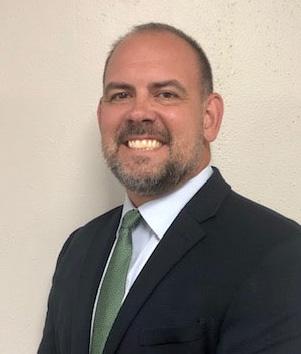
ANTHONY KOSUB
Assistant Superintendent of Personnel & Student Services
Pleasanton ISD
We are here to serve others and make a difference. As personnel administrators, we play a key role in supporting success. Of course, there are some hard realities in human resources: nonrenewals, terminations, reprimands, documentation, etc; however, this cannot be our foundational work. Making a difference and serving others sustains a culture that creates opportunities, growth, and most importantly purpose. So, how do we do that in HR?
1. COMMUNICATE WITH STAFF–AND LEARN ABOUT YOUR STAFF.
It all begins with communication. Go beyond retention surveys and find out what your staff members aspire to do. Build a mechanism to do that. Then, connect with those employees and use their feedback as a way to connect.
Make sure to include those staff that are easy to overlook such as:
• Custodians
• Food service workers
• Bus monitors
• Bus drivers
The hallmark of a healthy culture is an engaged staff with a strong voice.
Opportunities can range from compensation to career advancement. For example, utilizing the Teacher Incentive Allotment Program can offer financial incentives. In my very own Pleasanton ISD, our masters teacher allotment is $19,386, and the designated master teacher earns that for five years. In the world of public education, that is life changing compensation, and that compensation is only obtained with exceptional student growth and performance. It takes three years to get funded for a Teacher Incentive Allotment Program, but the investment is worth the effort.
Quick wins matter, too. Here are some ideas: Here are some other ways to get quick wins such as:
• Hosts informational sessions with colleges to help employees earn degrees
• Promote and host alternative certification programs (consider making this a community event).
• Partner with local colleges for credential offerings.
Since 2022, Pleasanton ISD’s partnership with Texas A&M University–San Antonio has provided staff seeking (seeking specified) graduate degrees or certifications their first class at no cost, along with a $1,000 district stipend upon completion. This program has helped encourage and support numerous future leaders.
Our hometown community college, Coastal Bend Community College offered free HVAC classes and certification, and my maintenance director ensured his entire team knew about it–an incredible opportunity created with nothing more than effort and a conversation.
How do we purposefully create opportunities to help our districts and our staff simultaneously? For example, if low attendance is a problem, consider offering a campus-wide stipend for attendance that reaches a certain bench mark. If executed correctly, the end result allows for more revenue for the district and increased compensations for staff. Our support/auxiliary staff need to be remembered as well. Let’ s look at another scenario: Your district is paying a landscaping company to apply certain pesticides. Why not incentive for a member (or members) of your grounds team to get a Texas Pesticide Applicator’s License. Use the savings to increase compensation for the worker while saving district funds.
When we invest in people intentionally, we strengthen the entire organization. Small gestures—consistent check-ins, recognizing individual contributions, providing clarity during change—can transform how staff perceive their role and their value. HR leaders have the unique ability to shape culture through advancement, encouragement, fairness, and visibility.
As we continue to grow our districts, we must also remember that sustainable change comes from building systems that grow individuals. Aligning HR practices with district goals, and fostering leadership among all employee groups creates a dynamic where staff members feel valued, equipped, and supported; so, employees not only perform better— they stay! In today’s competitive educational landscape, retention is one of the greatest forms of stability a district can achieve.
Finally, never underestimate the power of gratitude. Celebrating milestones, acknowledging effort, and simply saying “thank you” creates trust and belonging. The heart of HR is people, and when we serve with purpose, everything else—student success, organizational excellence, and inspiration for those we serve (and ourselves)—naturally follows.

Providing strategic guidance, training, research, and insights that deliver value to our clients and enhance education for all stakeholders
STRIVE Public Policy Resources, LLC is a consulting firm, based in Austin, Texas, that operates in a broad education space, with the capacity and expertise to expand into other areas of policy and practice. Our team has successfully navigated the education landscape in Texas for more than 40 years.

BRENNA SALLEE STRIVE Public Policy Resources
As Texas prepares for the March 3, 2026, primary elections, education leaders have a vested interest in understanding the electoral landscape. Decisions made by elected officials at the state and local levels significantly shape public education policy, funding, accountability structures, workforce rules, and the overall operating environment for school districts.
Further, most elections in Texas are essentially won during the primary elections. This is because the majority of congressional, legislative, SBOE, and other seats in Texas are drawn to favor either Republicans or Democrats in each respective voting district. While the November General Election will have competitive races to watch, far more will be competitive and largely decided in March.
According to the Texas Secretary of State, the Primary Election will be held on Tuesday, March 3, 2026. Early voting runs February 17–27, 2026.
Important deadlines include:
• First day of early voting: February 17, 2026
• Last day of early voting: February 27, 2026
• Last Day to Apply for Ballot By Mail: February 20, 2026
• Local Government
Uniform Election Day: May 2, 2026
• Primary Runoff Election: May 26, 2026
• General Election Day: November 3, 2026
The 2026 primary features a wide range of federal, state, and local offices. Several are directly relevant to Texas public education operations. Offices on the ballot include (but are not limited to):
• Governor
• Lieutenant Governor
• Attorney General
• 8 State Board of Education Seats
• 16 Texas Senate Seats
• All 150 Texas House Seats
Local offices such as county leadership, judgeships, and select school board races will also appear, depending on jurisdiction, on the March ballot or on the uniform election date ballot in May. These roles shape the policy environment in which districts operate, including facilities regulations, tax structures, and judicial decisions affecting school governance.
The top of the ticket has several competitive primaries drawing attention, with both the Republican and Democratic primaries for the US Senate seat among them. Attorney General Ken Paxton and U.S. Rep. Wesley Hunt (R-Houston)
are challenging Incumbent Senator John Cornyn in what polling indicates is a tight race between Paxton and Cornyn. On the Democratic side, Congresswoman Jasmine Crockett (D-Dallas) and State Rep. James Talarico (D-Austin) are vying in a race that has been tense from the start.
Other competitive Republican primaries for statewide seats include the races for attorney general and comptroller. In the race to replace AG Paxton, a recent poll conducted by the University of Houston’s Hobby School of Public Affairs show U.S. Rep. Chip Roy (R-Austin) leading the tight race that is on track to head to a runoff in May. The four-way race also includes State Sen. Mayes Middleton (R-Galveston), State Sen. Joan Huffman (R-Houston), and former U.S. Department of Justice Assistant Attorney General Aaron Reitz. In the race for comptroller, the same poll showed former State Sen. Don Huffines with the advantage of acting Comptroller Kelly Hancock and Railroad Commissioner Christi Craddick (R-Midland).
From the top of the ticket to down ballot races the previous poll sited and others show undecided voter blocks that could impact the election results. Voter turnout will be key.



REBECCA BAILEY AND HOLLY MCINTUSH THOMPSON & HORTON, LLP

As Texas school districts implement major changes that took effect in September 2025, administrators and educators need to understand new reporting requirements, expanded accountability standards, and heightened expectations around supervision and hiring. These updates reflect the Legislature’s ongoing focus on student safety and district responsibility.
1. HB 4623: A NEW STANDARD OF CARE FOR DISTRICTS AND EDUCATORS
Effective September 1, 2025, HB 4623 created a new Texas cause of action related to educator sexual misconduct and failures to report.
Key points:
• Districts may be held liable for gross negligence, recklessness, or intentional misconduct related to
hiring, supervising, or employing an educator who harms a student.
• Failure to report suspected child abuse can contribute to liability.
• Damages are capped at $500,000 per claimant, including emotional distress.
• Professional employees cannot claim official immunity in these suits.
• Alleged wrongdoers must be individually named as defendants.
Who qualifies as a “professional school employee”?
Teachers, substitutes, principals, superintendents, counselors, nurses, aides, bus drivers, contracted educators, student teachers, and board members— essentially anyone whose role requires certification and involves discretionary judgment.
Why this matters:
Under federal Title IX, districts are liable only when they have actual knowledge of misconduct and respond with deliberate indifference.
HB 4623 lowers the standard to negligence, allowing liability based on what a district should have known.
Red flags must now be taken seriously and addressed promptly.
2. SB 571: ACCELERATED MANDATORY REPORTING DEADLINES
SB 571 shortens the mandatory reporting window for suspected child abuse. Educators must now report within 24 hours — not 48. This duty is personal, cannot be delegated, and must be acted on immediately.
Reports must be made when there is
reason to suspect:
• Physical injury or threat of harm
• Sexual conduct harmful to a child
• Trafficking
• Boundary-crossing behaviors
• Improper educator–student relationships
• Indecency with a child
Importantly, educators may not conduct their own preliminary investigations.
Delays or attempts to “sort things out first” can place students at risk and expose staff to liability.
3. SBEC REPORTING: NEW DUTIES WITH FASTER TURNAROUND
SB 571 also expands reporting obligations to the State Board for Educator Certification (SBEC).
Principals → Superintendents (within 48 hours)
For evidence of:
• Abuse or other unlawful acts involving a student
• Inappropriate communications
• Boundary violations
• Physical mistreatment or threats
Superintendents → SBEC (within 48 hours)
• Reports must now be submitted through the Misconduct Reporting Portal.
Districts → Parents (“as soon as feasible”)
Parents should be notified when their child may have been impacted, including:
• The type of alleged misconduct
• Whether the employee resigned or was terminated
• Whether TEA/SBEC was notified
These processes reinforce transparency and ensure families remain informed.
4. TITLE IX REPORTING: FEDERAL REQUIREMENTS STILL APPLY
Despite expanded state-level obligations, Title IX continues to govern sex-based harassment and related conduct.
Every employee must promptly notify the Title IX Coordinator of any conduct
that reasonably may constitute sex-based harassment as soon as they become aware of it.
Reports may be made:
• Verbally
• By phone
• In writing
• By any method that ensures the Title IX Coordinator receives the information
Title IX covers:
• Sexual harassment
• Sexual assault
• Dating violence
• Domestic violence
• Stalking
Some behaviors—such as grooming indicators or boundary concerns—may not meet the Title IX definition but must still be addressed under state law or local policy.
5. PRE - EMPLOYMENT AFFIDAVITS: STRENGTHENING HIRING PRACTICES
Districts must now obtain a Pre-Employment / Pre-Service Affidavit from:
• All employees
• All administrators
• Contracted service providers
• EPP candidates Applicants must disclose:
• CPS, law enforcement, or licensing investigations
• Certificate sanctions
• Do Not Hire Registry status
Failure to disclose is a Class B misdemeanor. Administrators who knowingly hire individuals who withhold required information may face certificate revocation.
To maintain compliance, HR teams should strengthen internal systems across multiple areas. You should be reviewing and updating your practices
and procedures for:
Hiring
• Update application questions
• Increase HR oversight
• Conduct meaningful reference checks
• Use structured decision-making tools
Supervising
• Provide mentoring for early-career staff
• Adopt clear door/window and supervision policies
• Increase administrator presence
• Monitor communication patterns
Employing
• Update handbooks and procedures
• Clarify expectations for extracurriculars and travel
• Maintain thorough documentation
Investigating
• Train investigators
• Recognize grooming behaviors
• Coordinate Title IX and local investigations
• Know when to notify SBEC or families
Training
• Go beyond minimum requirements
• Include grooming prevention
• Train supervisors on escalation and reporting
• Provide developmentally appropriate student training
These reporting requirements ask districts to demonstrate their commitment to student safety through vigilance, transparency, and strong internal processes. By strengthening hiring, supervision, training, and reporting practices, Texas school districts can build safe, responsive environments centered on student protection.


Experience the difference of a full-service K-12 substitute teacher program that delivers an unmatched level of customer service, innovative resources, and a team that cares about your district, your students, and your community.
Gain access to the best livestreamed certified teachers to fill vacancies quickly. Additionally, our case managers support the needs of your special education students and teachers. Proximity Learning connects all learners with the expert teachers they deserve. Gilmer Green, M.Ed., Director of School Partnerships GGreen@ProxLearn.com | 512.909.3480 |


School personnel administrators are asked to navigate some of the most complex, high-stakes issues in public education—often under tight timelines, with limited margin for error, and ever-changing legal requirements.
Eichelbaum Wardell Hansen Powell & Muñoz, P.C. supports Texas school HR professionals with a comprehensive and continually updated inventory of publications, forms, scripts, and compliance tools designed to help you do your job confidently, efficiently, and in compliance with state and federal law.



During the 89th Legislative Session, the Legislature sent a clear message: the Commissioner of Education shalt have more authority over thy formal grievance appeals. For human resource professionals, the takeaway is equally clear—local grievance decisions should never rest on a thin or underdeveloped record.
Recent legislative changes do not eliminate the long-standing requirement that employees exhaust local grievance procedures, typically the three-level process under DGBA(LOCAL). Instead, the Legislature expanded and clarified the Commissioner’s authority to review complaints alleging violations of state law or written board policy,1 and in some circumstances, complaints implicating federal law.2 As a result, employment grievances that historically might have ended at the local level—or been dismissed at the Commissioner’s level on jurisdictional grounds—are now more likely to be reviewed by the Commissioner if the record suggests possible noncompliance with law or
policies that are required by law.
For HR professionals, this shift elevates the importance of strict adherence to DGBA(LOCAL) and deliberate recordbuilding at every level of the grievance process. Ideally, each grievance decision will strive to contain clear findings, a transparent rationale, and citations to (or at least inclusion of) supporting evidence. Incomplete records, conclusory findings, or premature dismissals create vulnerabilities that are increasingly likely to be scrutinized beyond the district.
Treat every DGBA grievance as if it will be reviewed externally
Structure Level One, Two, and Three responses with the same discipline you would use in litigation: clear issues, clear evidence, clear findings, and clear conclusions.
Practically speaking, these changes increase the likelihood that employment grievances involving discipline, contract actions, leaves, evaluations, or working conditions may proceed to the Commissioner. The Commissioner’s expanded role underscores the need for HR to work closely with campus administrators and legal counsel to ensure timelines are met, hearings are properly conducted, and decisions are grounded in competent evidence and legally sound reasoning.
Weak records now carry greater exposure. Where the documentation is incomplete or the factual findings are unclear, the Commissioner has clearer authority to examine whether the district complied not only with the law, but with its own policies. In short, the 2025 changes to the Education Code raise the stakes of local grievance handling and makes strong HR oversight essential to preventing avoidable escalation.
For districts that do not opt out of new Chapter 26A of the Texas Education Code, grievance procedures must allow grievants to raise new issues and submit additional evidence at any stage of the process. While intended to promote access and fairness, this requirement creates a practical challenge: grievances may reach the superintendent, board of trustees, or even the Commissioner with issues or evidence that were never reviewed at the administrative levels required by DGBA(LOCAL).
Texas Education Code § 26A.001(e) (7) addresses this problem directly by authorizing grievances to be sent back to a lower level at any time—including
1 See Tex. Educ. Code §1.007(b)(making it a school law of the state that school boards and employees must implement and comply with every policy required by the Education Code or other law, thus giving the Commissioner authority over such policies under 7.057 appeals).
2 Id. See also Tex. Educ. Code § 26A.001(f)(granting the Commissioner authority to hear appeals involving FERPA complaints).
by the board of trustees—to complete the administrative record. In this new environment, the ability to recognize when a record is incomplete and to remand appropriately is no longer optional. It is an essential governance skill.
Administrators should normalize remand expectations early in the DGBA process. Grievance scripts used at Level One and Level Two hearings should expressly warn grievants that:
• Issues and evidence should be presented as early as possible, and
• Adding new issues or new evidence at later stages will likely result in a remand to the appropriate level for record development.
This warning is not punitive; it is a transparency measure that reinforces due process and manages expectations. It will prohibit grievants who strategically hold back evidence and try to use the new rules to spring evidence late in the game to use the new rules as a sword against the district.
Add standardized language to administrator hearing scripts:
“If new issues or new evidence are introduced at this level, the grievance may be remanded to ensure a complete record under DGBA(LOCAL) and Chapter 26A.”
With more grievances reaching the Commissioner—and additional statutory consequences tied to repeated adverse rulings3—districts have a strong incentive to ensure that all issues and evidence are identified, developed, and addressed locally before a final decision is rendered.
A remand is not a reset button. It is a precision tool. Used correctly, it strengthens decision-making, protects due process, and reduces legal risk.
Grievance decisions rise or fall on the record. When key facts are missing, documents are incomplete, or findings are vague, higher-level reviewers are left to speculate. Rather than guessing— or risking reversal—the law permits districts to pause the process, return the matter to the appropriate DGBA level, and complete the record. Remanding a grievance promotes integrity in decisionmaking. It ensures outcomes are based on evidence rather than assumptions and preserves the credibility of the process at every level of review.
A remand may be appropriate at any stage of the grievance process, including during board consideration, when the existing record cannot support a defensible decision. Common triggers include new evidence that was not previously reviewed, new claims or allegations, new requests for relief, missing documentation, and unclear or inconsistent factual findings.
Section 26A.001(e)(7) does not mandate specific procedures for remands, so developing administrative guidance or regulations could prove helpful for administrators. Best practice would dictate that, at every level of appeal, the grievance filing should be immediately evaluated to determine whether new matters have been raised. A determination on remand could be done before holding the Level Two or Three hearings (i.e., upon the filing of the appeal). For example, if the District receives an appeal to Level Three that includes new claims or requests for relief, the grievance could be sent back to develop the record before the Level Three grievance is placed on an agenda for a board meeting.
Administrators should also be trained to identify and isolate precise grievance issues under DGBA(LOCAL) and to listen carefully for testimony or submissions during grievance conferences that introduce new factual allegations, new legal theories or claims, or new requested relief. When this occurs,
the administrator should remind the grievant—on the record—that introducing new issues or evidence may require a remand to the appropriate level.
Train administrators to pause hearings when new issues arise and say:
“This appears to raise a new issue not previously presented. Under DGBA and Chapter 26A, this may require remand for proper record development.”
A remand does not signal agreement or disagreement with the grievance. It communicates something far more important: the record is not yet sufficient to decide the matter fairly and lawfully.
Effective remands are deliberate and precise. The remand decision should be documented in writing (a remand order) and should:
1. Clearly identify what issues, information, evidence, or findings have been added (or are missing or unclear);
2. Direct the lower-level decision-maker to consider the new information, develop specific evidence, and/or make specific findings; and
3. Establish expectations for timelines and next steps consistent with DGBA(LOCAL) (e.g., restarting the timeline as if filed at the lower level).
4. All parties should receive prompt written notice. Transparency avoids confusion and reinforces confidence in the process. It also establishes a record should a grievant complain to TEA about the legitimacy of a remand. When a grievant complains about the delay caused by a remand, it is important to have a record establishing the cause for the delay was the grievant’s act of adding new evidence or changing claims or relief
3 If the Commissioner finds against a school district under Section 7.057 in at least five grievances to which 7.057 applies involving the district during a school year, the superintendent of the school district must appear before the State Board of Education to testify regarding the commissioner’s findings and the frequency of grievances against the district. Tex. Educ. Code 26A.004 (Testimony Before State Board of Education).

that caused the remand.
On remand, the lower-level reviewer reopens the grievance for a limited purpose: building the record and assessing the new claim/evidence/relief requested. This may include gathering additional documents, obtaining written statements, interviewing witnesses, or conducting a supplemental hearing, if necessary.
The reviewer then issues supplemental findings or a revised decision that directly addresses the deficiencies identified in the remand order. The objective is not to relitigate the entire grievance or previous issues but to address whatever is new and close the gaps that prevent a sound decision.
A proper remand results in a stronger, clearer grievance file. At a minimum, the record should include:
• The original grievance and responses;
• All evidence submitted by the parties;
• Written decisions at each DGBA level;
• Communications between the
parties about the grievance, including scheduling hearings;
• The remand order; and
• Supplemental findings or decisions issued on remand.
This record serves an additional, critical function: it allows the district to assess whether the timelines were followed and issues that were decided fall within the Commissioner’s jurisdiction under Texas Education Code § 7.057. Without clearly defined issues and findings, it will be difficult for districts to challenge jurisdiction if an appeal is later filed.
Districts should not treat remands as rare or extraordinary events. Training administrators to identify new claims and record deficiencies—and to address them correctly—reduces procedural errors and strengthens decision-making. Equally important, HR should evaluate whether DGBA grievance forms and templates require grievants to clearly identify:
• The precise issues being grieved;
• The specific policy or law allegedly violated;
• The facts supporting each issue; and
• The relief requested.
Well-designed forms help administrators define the scope of review, recognize when new issues are introduced and determine early whether a grievance could later fall within the Commissioner’s jurisdiction under § 7.057.
Revise grievance forms to include separate fields for:
◦ “Issue Presented”
◦ “Policy/Law Allegedly Violated”
◦ “Facts Supporting the Claim”
◦ “Relief Requested”
◦ “Any new issues or evidence not presented at the previous level”
In a legal environment where local decisions are increasingly subject to external review, the quality of the record may matter as much as the outcome itself. Remand authority exists for a reason. It allows districts to slow down just enough to ensure that decisions are grounded in evidence, aligned with policy, and respectful of due process. When the record is not ready, the most prudent course is also the most lawful one: remand, build the record, and then decide with confidence.
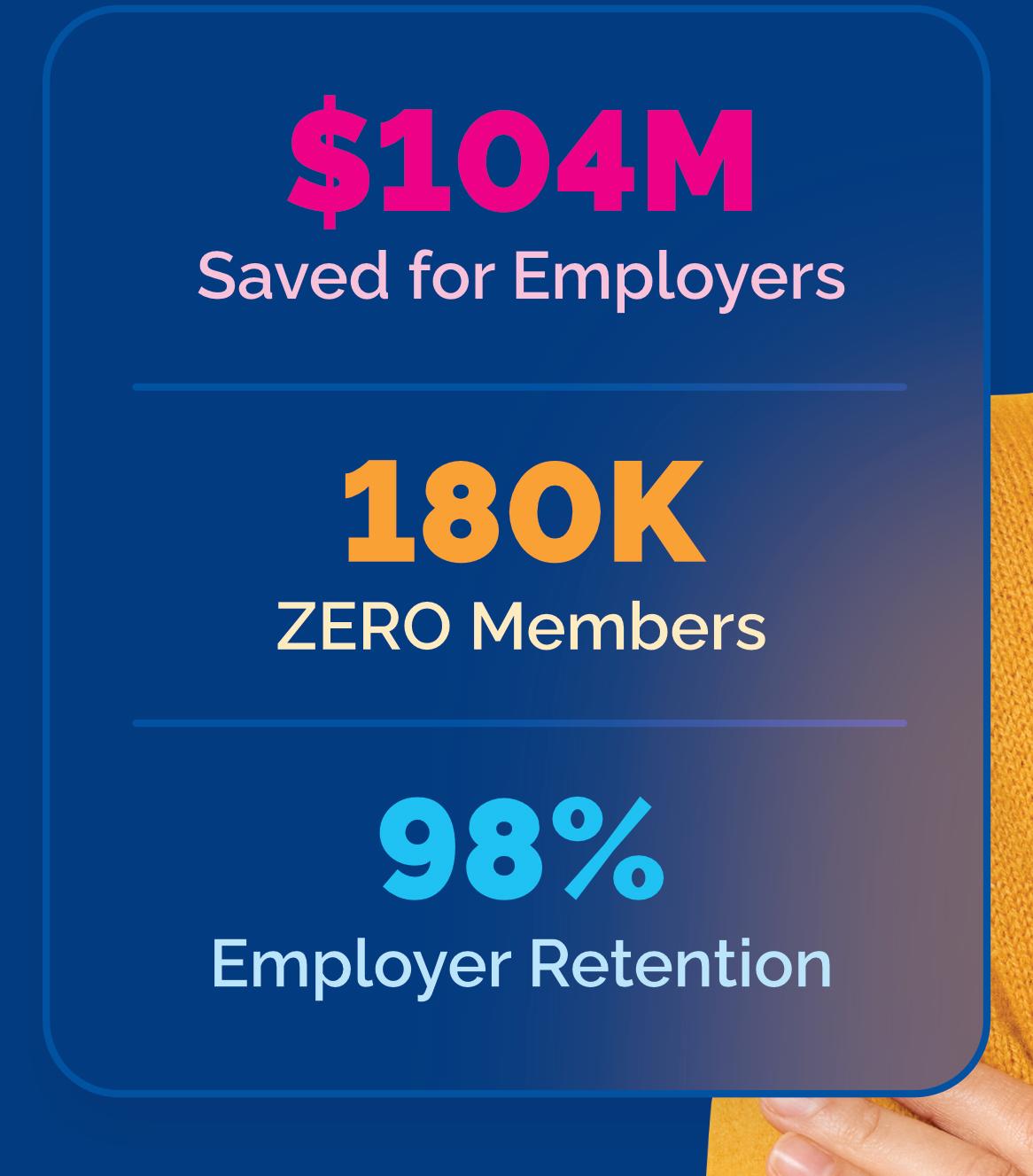




Hey, school leaders! Attract, Engage, Grow, and Retain Great People. It’s that simple.

Find Substitutes | Recruit Staff | Onboard & Retain Educators Manage Assets | Achieve Organizational Excellence
Find out more!

ROBB DECKER
Walsh Gallegos Kyle Robinson & De Los Santos P.C.

School district employees are increasingly requesting accommodation for mental health issues, such as ADHD, PTSD, and anxiety. While the Americans with Disabilities Act (ADA) covers disabilities related to mental health to the same extent as other types of disability, determining which job responsibilities are impacted and navigating the interactive process can be challenging. This article provides an overview of what the law requires and practical suggestions when a request for accommodation involves mental health.
1. WHEN IS A MENTAL HEALTH ISSUE A “DISABILITY” UNDER THE ADA?
The ADA requires employers, including school districts with 15 or more
employees, to provide reasonable accommodation to qualified employees.
1In order to qualify for reasonable accommodation under the ADA, the employee’s condition must rise to the level of a “disability” under the law. This means the employee must have an impairment that substantially limits a major life function. For example, a mental health condition could affect learning, thinking, concentrating, interacting with others, caring for oneself, or sleeping.
2. HOW DOES AN EMPLOYEE REQUEST ACCOMMODATION FOR A MENTAL HEALTH ISSUE?
Districts are not required to accommodate disabilities that they don’t know about. Therefore, unless a disability
is immediately apparent (for example, an employee who uses a wheelchair) the accommodation process begins with a request.
An employee does not need to use any magic language in order to request a reasonable accommodation. They do not need to cite the ADA or use the phrase “reasonable accommodation.” The request can be submitted to a supervisor or manager orally or in writing; although districts may use a form in order to document the process, the law does not require a formal request.
Similarly, the ADA does not require requests to be made to a particular official. However, as a best practice, involving the district’s HR department or central administrative office ensures
consistency and appropriateness in the accommodations process.
Once an employee has requested accommodation, the district must make a reasonable effort to determine the appropriate accommodation. ADA regulations state: “The appropriate reasonable accommodation is best determined through a flexible, interactive process that involves both the employer and the individual with a disability.” 2In other words, districts and employees share responsibility for creating reasonable accommodations.
When an employee’s disability is not obvious, the employee must first disclose their condition. Further, even if a supervisor knows about the employee’s diagnosis, the employee must specify how their condition limits their ability to perform essential job functions. For example, an employer was not obligated to accommodate an employee with bipolar disorder when the employee did not explain how the disorder limited him or mention the need for any specific accommodations. 3The Fifth Circuit held that the burden rested on the employee to provide enough information to determine an appropriate accommodation:
Where the disability, resulting limitations, and necessary reasonable accommodations, are not open, obvious, and apparent to the employer, as is often the case when mental disabilities are involved, the initial burden rests primarily upon the employee, or [their] health-care provider, to specifically identify the disability and resulting limitations, and to suggest the reasonable accommodations.4
2 2 29 C.F.R. pt. 1630, App. § 1630.9.
Reasonable accommodations are changes or adjustments to a work setting, including schedule, that make it possible for the employee to do their job. An accommodation is not reasonable if it would place an undue burden on the employer.5 Regardless of the nature of the disability, an employee is not entitled to the accommodation of their choice.
According to the U.S. Department of Labor, accommodations that have helped employee with common mental health conditions to perform their jobs include:
• Flexibility in workplace and/or scheduling, including working from home and job sharing
• Extra unpaid leave for treatment or recovery, leaves of absence and/or use of occasional leave for therapy and other related appointments
• Increased natural lighting
• Partitions or other ways to reduce visual distractions
• “White noise” machines
• Additional assistance and/or time to learn new tasks
• Job coaching
• Training for staff and co-workers6
There is no one-size-fits-all accommodation for a particular condition. Reasonable accommodations must be tailored to suit the individual with a disability and the job. While working from home may be an appropriate accommodation for some office workers, courts have generally held that regular in-person attendance is an essential function of a job that is “interactive, ” such as teaching.7
Keep in mind: not every employee request for accommodation will necessarily result in an accommodation being made. In some cases, the interactive process may result in a decision not to provide accommodation because of the impact on an essential function of the job or an undue hardship on the district.
Before making a decision not to provide a requested accommodation, or any accommodation at all, the responsible administrator should be sure to discuss the issue with the district’s legal counsel. If the employee files a complaint or lawsuit, the district will be charged with defending its decision.
When an employee and HR administrator are working together to find a reasonable accommodation, the employee’s job description provides an important resource. For example, in the case of a teacher asking to work from home, the fact that the teacher’s job description includes “classroom management” could indicate that remote work was not reasonable.
Districts should review their job descriptions periodically to ensure that they clearly identify both the physical and mental essential functions of a job. In order to reduce the risk of complaint under the ADA, job descriptions should focus on outcome rather than process. For example, instead of “must be able to remember and follow budget calendar” the description could say “must be able to meet budgetary deadlines.”
According to the National Institute of Mental Health, one in five people will experience a mental health condition in their lifetime. It is likely that most school districts have at least one employee with a mental health condition. HR professionals can prepare to work with employees who need accommodations by reviewing the district’s job descriptions and forms. Attorneys at Walsh Gallegos are standing by to help when questions arise.
3 Taylor v. Principal Fin. Grp., Inc. 93 F.3d 155 (5th Cir. 1996).
4 Id. at 165.
5 42 U.S.C. § 12112(b)(5)(A).
6 U.S. Dept. of Labor, Office of Disability Employment Policy, Accommodations for Employees with Mental Health Conditions, www.dol.gov/agencies/odep/program-areas/mental-health/maximizing-productivityaccommodations-for-employees-with-psychiatric-disabilities (last accessed Jan. 26, 2026).
7 See Ray v. Columbia Brazoria Indep. Sch. Dist., No. 24-20227 (5th Cir. 2025) (upholding order of summary judgment where teacher claiming disability discrimination failed to provide any post-pandemic authority indicating that in-person attendance was not an essential part of being a teacher).

• Certification Essentials
• Documentation Basics
• Maintaining Service Records
• Qualifying a Special Education Teacher
• Personnel Skills –Supervisors of Auxiliary Staff Contact Kathy Cervantez to Schedule a Workshop Today!
kcervantez@taspa.org
• Certification Essentials is a comprehensive, interactive workshop designed for both new and experienced school personnel seeking a thorough understanding of educator certification in Texas.
• Documentation Basics provides basic documentation training based on The Documentation Handbook.
• Maintaining Service Records will provide you with the tools and knowledge needed to determine eligibility for creditable service, learn best practices for maintaining service records, accurately complete the FIN-115 form, and properly calculate service credit.
• Qualifying a Special Education Teacher provides an in-depth overview of the Texas Administrative Code (TAC), Chapter 231 Special Education certification requirement, the new Texas Content Competency Worksheet, and the qualifications and options for unqualified special education teachers.
• Personnel Skills topics include learning effective hiring and interviewing skills, personnel management, conflict resolution, supervising a multi-generational workforce, and appropriate social media usage.
All workshops are 3 hours in length. Certification Essentials, Maintaining Service Records, Qualifying a Special Education Teacher, and Personnel Skills are $150 for members of TASPA and $185 for nonmembers. Documentation is $200 for members and $235 for non-members.


At Kelly Education®, we’re passionate about connecting people to meaningful, life-changing work. As the nation’s largest provider of substitute educators and staff, we supply and support the people who make learning happen Every day we help 10,000+ education part ners address their recruiting, hiring, and workforce management needs.
Count on us for:
• Substitute Teachers
• Paraeducators
• Early Childhood Educators
• Tutors
• Therapists
• And more!
To learn more, contact:
Anne Sangliana Education Consultant


















JIOVANA GUTIERREZ
Director of Elementary Personnel Ysleta ISD
Jiovana A. Gutierrez currently serves as elementary personnel director of Human Capital Management in Ysleta ISD. She is a dedicated educational leader with 30 years of experience in education. She began her career as an elementary teacher for the El Paso Catholic Diocese and later moved to Galveston ISD, where she also served as a bilingual education teacher and campus assistant principal. In 2002, she transitioned to Human Resources with Pasadena ISD, progressing from specialist to coordinator. For the past 18 years, she has proudly served as Elementary Personnel Director at Ysleta ISD. Ms. Gutierrez has been a proud member of TASPA for the past 23 years. She holds a Bachelor’s from the University of Texas at Austin, a Master’s in Education Administration from the University of HoustonClearlake, and superintendent certification from Texas A&M-College Station. She is the proud mother of two lovely daughters Jaylen & Jiana, ages 7 and 16.
As the Elementary Personnel Director at Ysleta ISD, Jiovana has modernized the district’s Human
Capital Management by spearheading a total digital transformation— turning outdated employee paper files into streamlined, digital ones. In addition, she has implemented systems alongside the TIS department to create a digital personnel action workflow, service record database, and employment verification database. She assisted in developing an HR 101 training for new administrators and supervisors and HR principal guide with everything a new principal would need as a new campus leader with respect to HR district practices & policies. She also coordinates and oversees all immigration matters and I-9’s for employees in YISD.
With 30 years of experience in Texas education, Jiovana understands that the heart of a school district is its people. Ysleta ISD is the district Jiovana grew up in and she believes Ysleta is unique because there is “a true feeling of family in The District”. As districts in the Region 19 area are experiencing decreases in student enrollment. Ysleta ISD is no stranger to this trend as a district in the greater El Paso area along the border of Mexico. Ysleta ISD was voted best school district in El Paso by Niche Best Schools for the past five years. Despite being voted the best in the area, enrollment declines have impacted them. In an era of shifting demographics and enrollment challenges, in addition to low-birth rates, closures and changes along the border, Jiovana’s and the Ysleta HR team’s strategic approach to attrition-based staffing has aided in saving the district significant resources while maintaining high standards for retaining quality staff. She is a firm believer in the power of partnership, working closely with the community colleges and universities, and alternative certification programs
to bridge the gap in those hard-tofill areas like Special Education and Bilingual Education. Despite the losses in student population, she believes the need for quality educators will always be there.
A proud member of TASPA for 23 years, Jiovana views HR professionals as the “gatekeepers” of student success, ensuring that only the most talented educators enter the classroom, “I have truly grown in the field of educational HR through networking and amazing friendships that I have been fortunate to make over the years. This organization has taught me so much about the great human capital work in school districts over the years by attending the conferences and trainings, in addition, to allowing me to meet and learn from very talented HR people across the state and beyond. I will always be grateful to my HR mentors Terri Watkins from Galveston, ISD, Jerry Dennis, Pasadena ISD, Jerry Molinoski, Dr. Xavier De la Torre, Bobbi RussellGarcia, and Craig Lahrman from Ysleta ISD. TASPA has been my professional home for over two decades.” For Jiovana, the beauty of TASPA lies in the “amazing friendships and talented minds” that ensure no HR director has to solve a problem alone. She believes every school HR professional should be a member and participate actively in the organization. She encourages folks to volunteer to be on committees, host trainings, share, showcase and present the great work happening in the districts. TASPA has been a fantastic resource to school HR professionals across Texas for many years. Get involved and sign up for the trainings, and you will learn from the best and grow in the field of educational human resources.

Chief Human Resources Officer
Advocacy Liason to the Board
New Braunfels ISD
House Bill (HB) 2 passed during the 89th Texas Legislature, Regular Session, 2025, included information on new limitations to Texas school districts’ ability to waive teacher certification requirements for foundational curriculum courses within their district of innovation (DOI) plan. It included the process that districts must use if they wish to request approval from the commissioner of education to delay implementation of certification requirements for foundation curriculum courses until the beginning of the 2029-2030 school year. The process includes a Board approved district plan to address uncertified teachers.
This is a friendly reminder to submit your application if you are requesting a delay in meeting the new certification requirements under HB2.
If you intend to apply, please ensure all required documentation and steps are completed and submitted by the designated deadline. Timely submission will help avoid any interruptions or compliance concerns during the hiring season.
Some TASPA colleagues have already completed this process, they may be able to help you answer questions you may have and as always TASPA is a great resource.
Best regards,
Flores
https://tea.texas.gov/sites/default/files/hb-2-implementation-new-teachercertification-requirements-update.pdf

The TASPA 2025 Winter Conference was held December 10–12, 2025, at the Worthington Renaissance Hotel in Fort Worth. The conference welcomed 310 attendees and featured a record-setting 46 exhibitors.
Over three days, attendees participated in three general sessions and 33 breakout sessions, including
a dedicated Support Staff track with eight sessions designed specifically for 42 support staff participants. A new one-day registration option was introduced this year, with 21 attendees taking advantage of this opportunity.
Breakout sessions were presented by attorneys from Eichelbaum Wardell Hansen Powell & Muñoz, P.C.; Walsh
Gallegos, Kyle, Robinson & De Los Santos P.C.; Thompson & Horton, LLP; and Larsen Immigration Law, along with presenters from TEA, TASB HR Services, TRS, DPS, Texas State University, The Docentus Group, and lead4ward. School districts and Education Service Centers made a strong contribution, with 12 districts presenting or co-presenting sessions, including Forney ISD, Carrollton-
Farmers Branch ISD, Dayton ISD, Pleasanton ISD, Spring ISD, Greenville ISD, Garland ISD, Cypress-Fairbanks ISD, Bastrop ISD, Trinity Basin Preparatory, ESC 10, and ESC 19.
The conference opened with the Presentation of Colors by the Fort Worth ISD JROTC Joint Service Color Guard and a performance of the National Anthem by Jiles Clark, a senior at I.M. Terrell Academy for STEM & VPA. David Anderson from HillCo Partners delivered the legislative keynote address.
During the second general session, TASPA recognized its 2025 award winners and scholarship recipients.
Dr. Mary Hopkins Personnel Administrator of the Year
David Manchee of Amarillo ISD was named the 2025 Dr. Mary Hopkins Personnel Administrator of the Year. Currently Director of Secondary Personnel, David has served Amarillo ISD since 1999. Beginning his career as a teacher and coach, he quickly demonstrated leadership that led to roles as Assistant Principal, Associate Principal, Principal, and ultimately HR leadership.
Known for his servant leadership, David is respected for mentoring educators, navigating difficult conversations with dignity, and supporting staff growth. His commitment to TASPA is equally strong, as he actively networks, shares expertise, and volunteers his time to strengthen the organization.
Congratulations, David!
Distinguished Service Award
Woodrow Bailey, Chief Talent Officer for Fort Worth ISD, received the 2025 Distinguished Service Award. His leadership is marked by innovation in recruitment and retention, ethical decision-making, and a deep
commitment to equity and excellence. Woodrow has played a key role in developing HR leaders, mentoring professionals, and expanding TASPA’s reach through statewide involvement, conference presentations, and advisory contributions.
Congratulations, Woodrow!
Craig Lahrman was recognized with TASPA Honorary Membership following his retirement after 31 years with Ysleta ISD. Beginning as a physical education teacher and athletic trainer, Craig advanced into leadership roles and spent the past 15 years in central office personnel leadership.
Widely known as the district’s trusted problem solver, Craig is respected for balancing strategic leadership with compassion. His recruiting efforts strengthened both his district and TASPA, where he actively encouraged professional engagement and growth across the region.
Congratulations, Craig!
Since 1989–1990, TASPA has awarded scholarships to undergraduate students pursuing teaching certification. In 2025, five scholarships of $2,200 were awarded through generous support from North Central TASPA, Gulf Coast ASPA, and Central TASPA.
Recipients include:
• Barry Nettles Scholarship: Miriam Odle, University of Mary Hardin-Baylor
• Pete Chernick Memorial Scholarship: Eva Marx, University of Mary HardinBaylor
• Dr. Ann Berg Scholarship: Brooke Buraglia, Southwestern University
• North Central TASPA Scholarship: Emily Marks, Texas A&M–Kingsville
• Kim Alvarez Memorial Scholarship: Amelia Mayberry, Texas A&M–Kingsville
Each recipient demonstrated outstanding academic achievement and commitment to service.
The annual business meeting included approval of the 2026 budget and election of the 2026 Executive Board. During the third general session, the President’s gavel was passed from outgoing president Johjania Najera to incoming president Chris Bailey.
Dennis Eichelbaum closed the conference with the final keynote session 30 Creative Legal Tips, bringing the event to a strong conclusion.
THANK YOU!
We thank our speakers, facilitators, TASPA Board, staff, Committee members and attendees for making the conference a tremendous success. Special appreciation goes to our 2025 Black Diamond Sponsors — ESS/Proximity Learning, Frontline Education, iteachTEXAS, and Red Rover — and our Diamond Sponsors Cardonex, Gulf Coast Educators Federal Credit Union, Kelly Education, and Teachers of Tomorrow. Their support allows TASPA to continue providing high-quality professional development for our members.
We look forward to seeing you at the 2026 TASPA Summer Conference and Summer Law Conference, July 15–17, 2026 at The Worthington in Fort Worth.
TASPA’s mission is to be a leader in education by supporting and advocating for our membership and the students they serve.

We enhance membership value through new benefits, partnerships, and increased engagement.TASPA is a recognized leader and provides high-quality and relevant professional development for the PK-12 HR profession.
We invite you to be a part of TASPA. Join or renew for 2026!