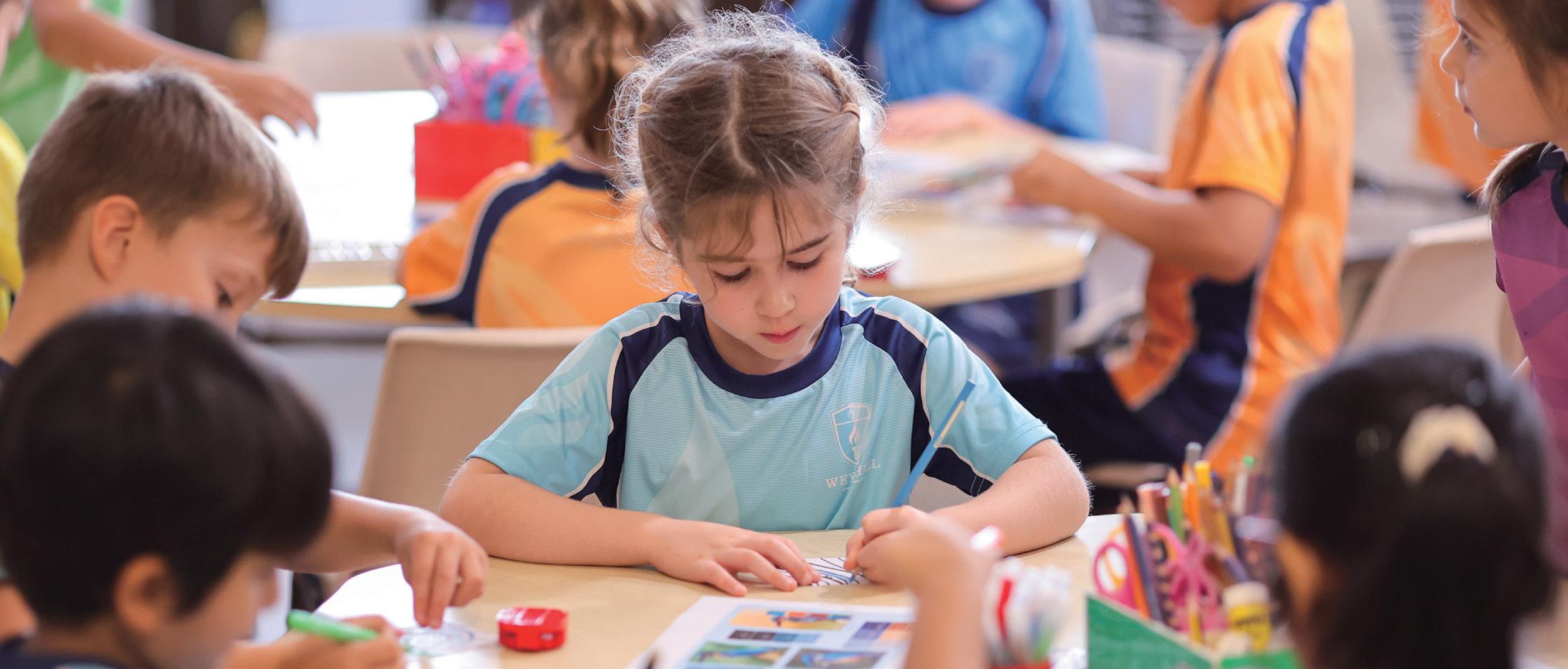
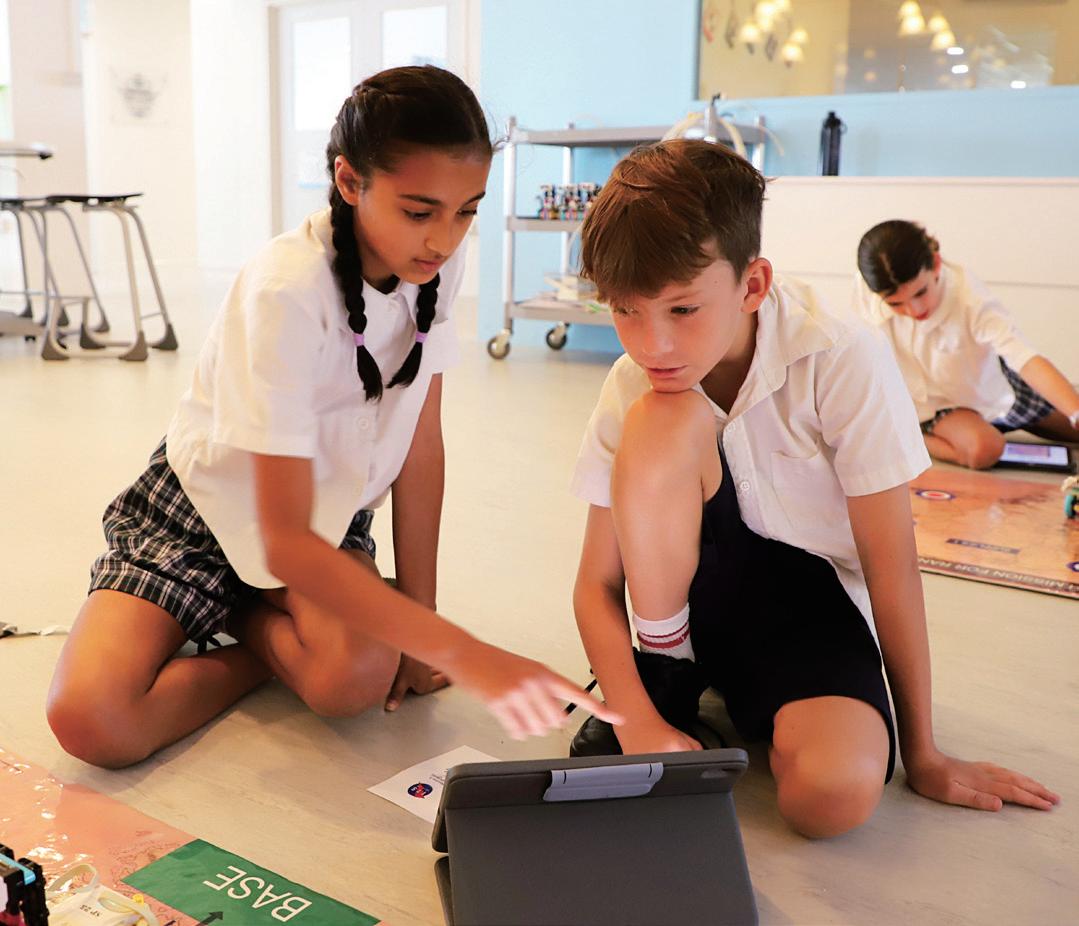
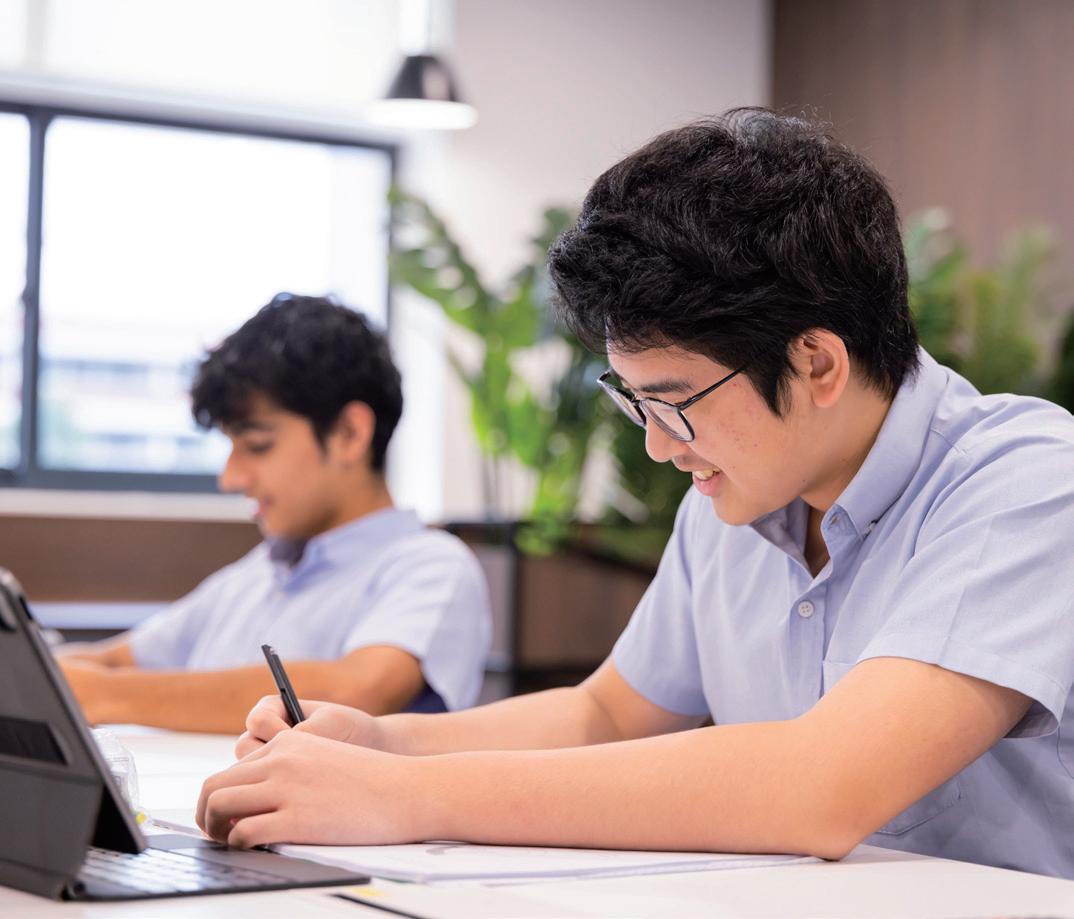
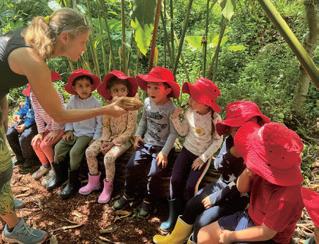
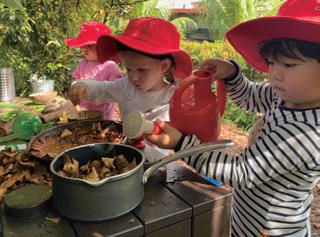
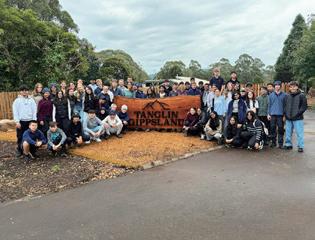
Tanglin Trust School launches its second century with a bang and this 44th edition of The Voice captures the energy, ambition, and heart that define our community.
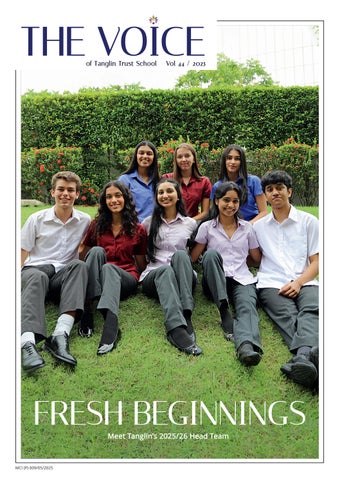
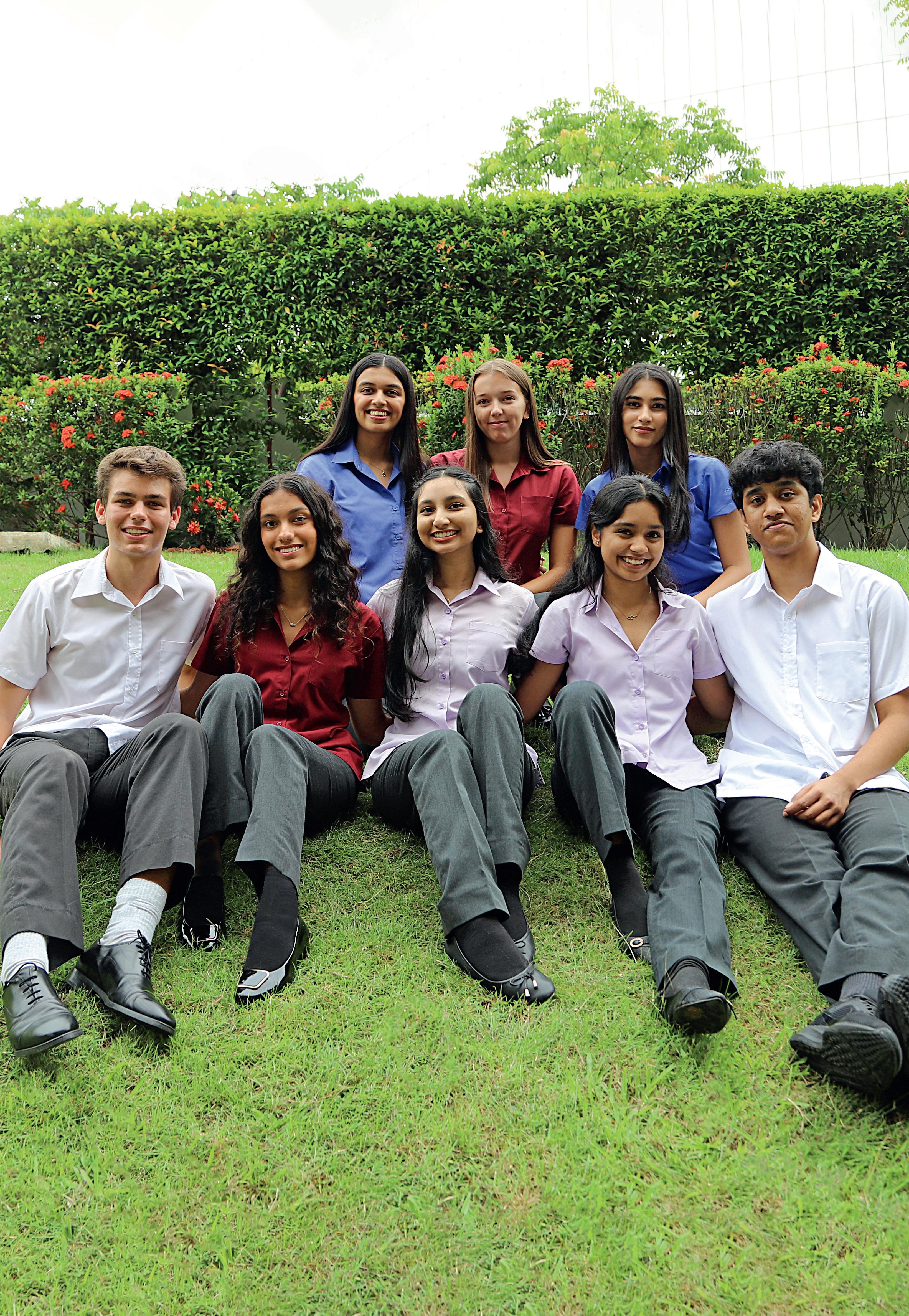
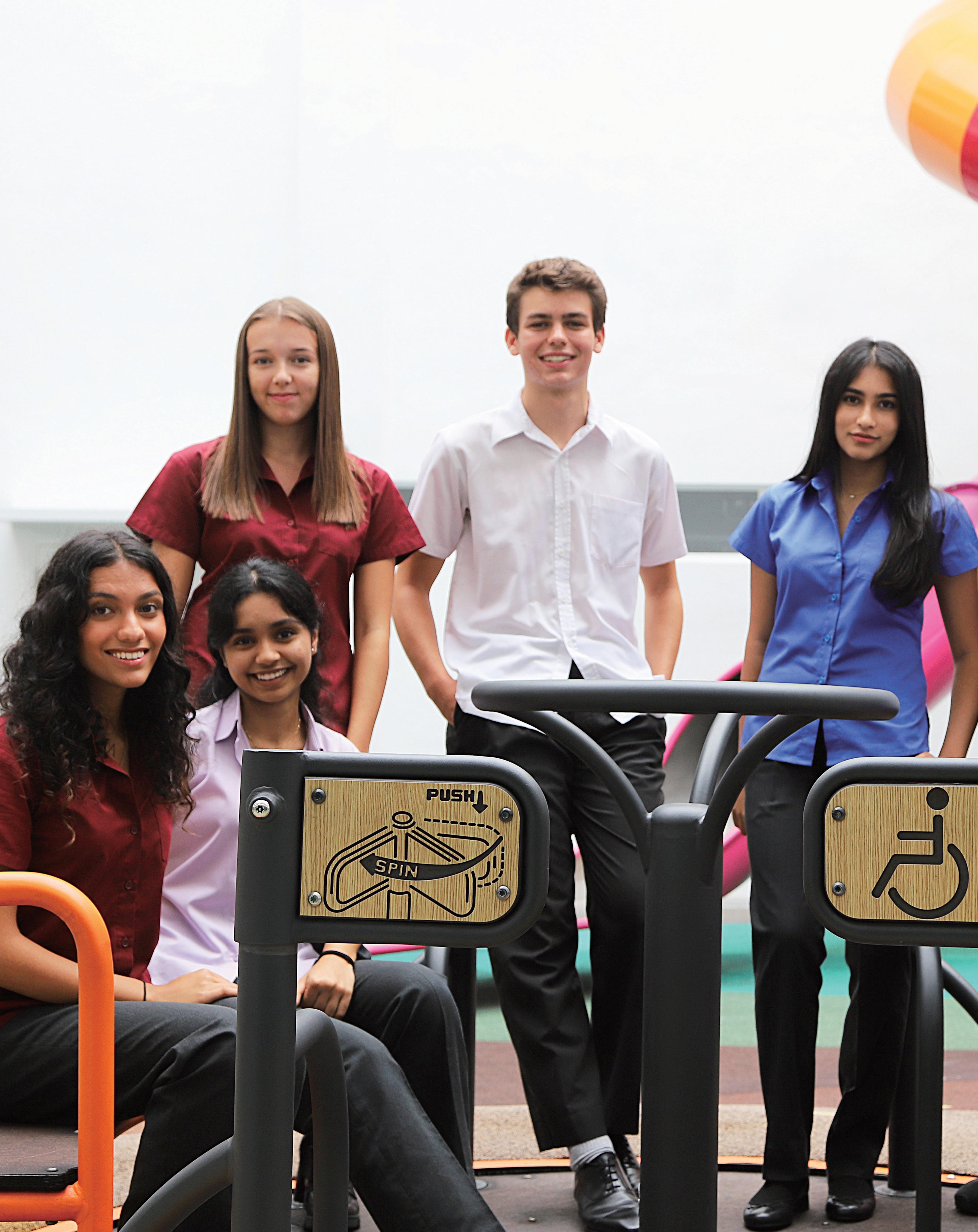
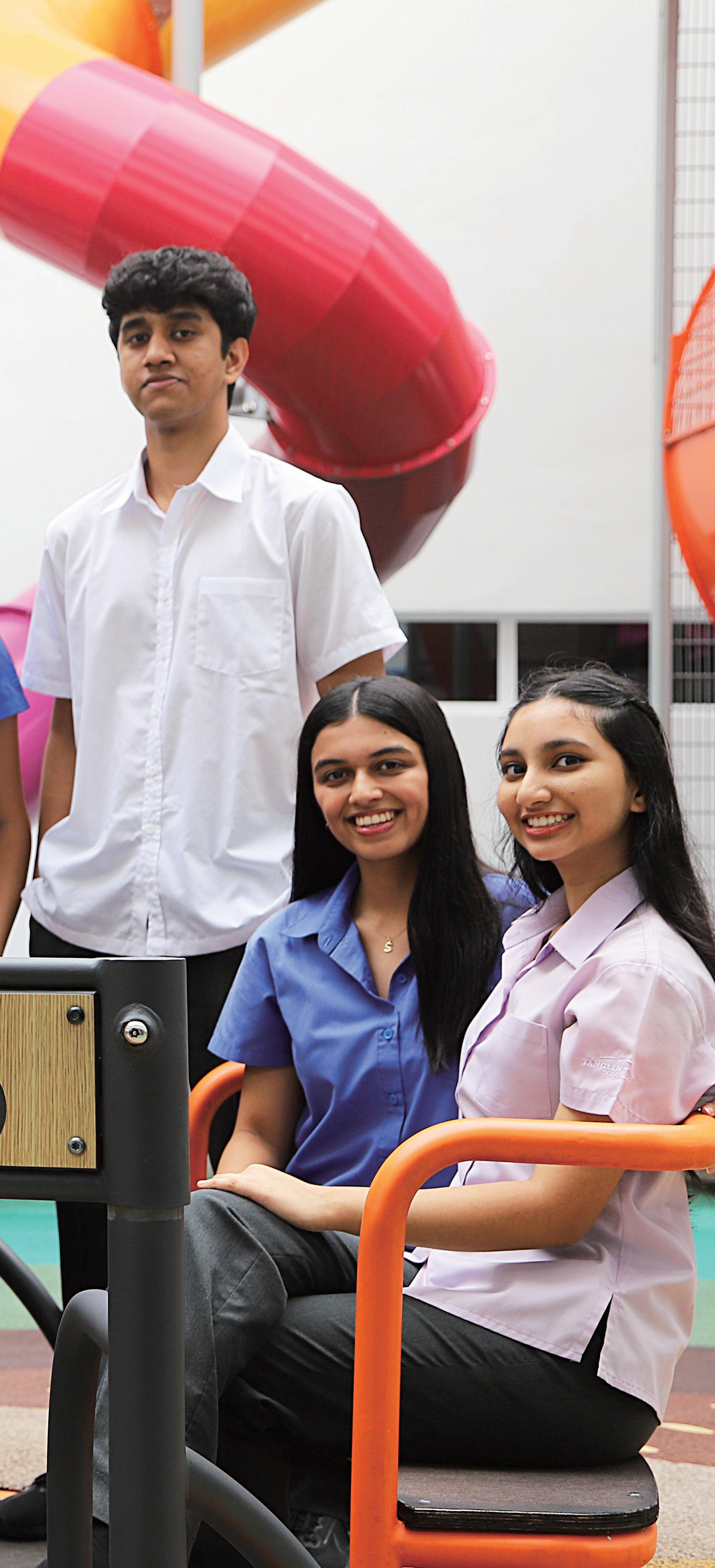
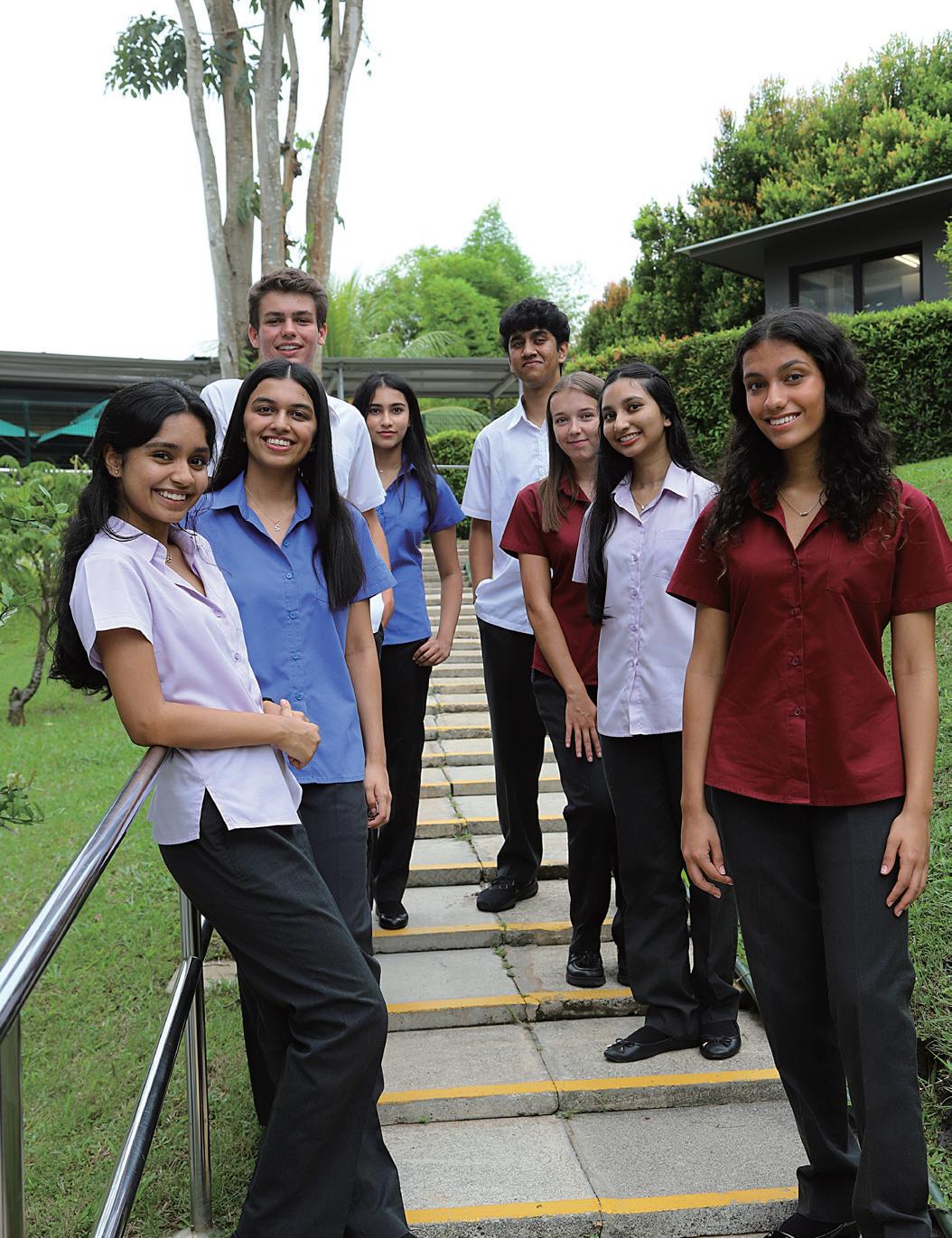
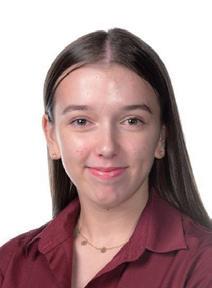
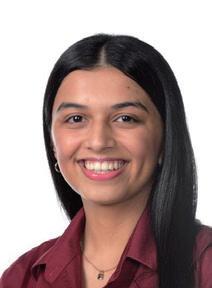
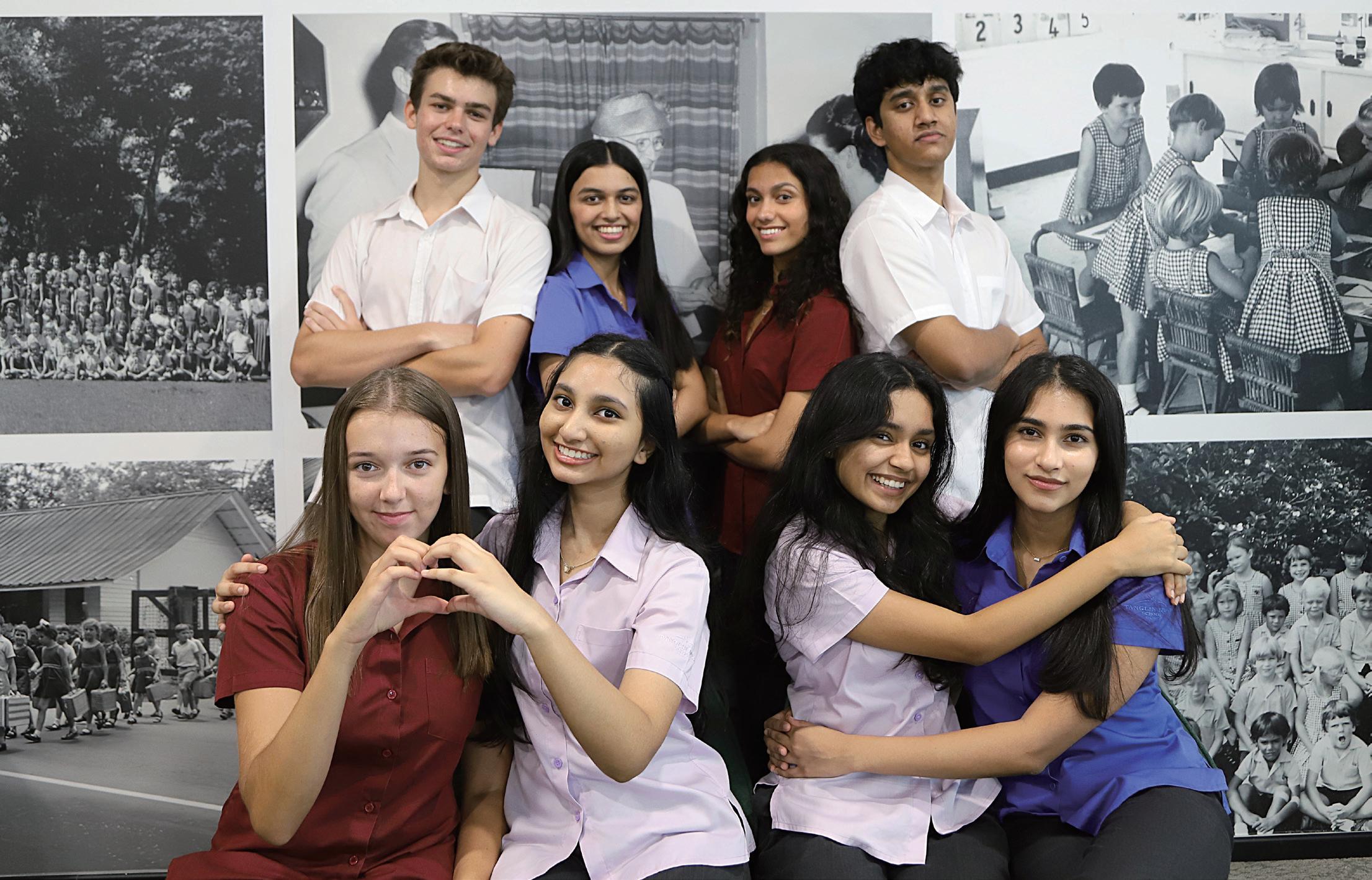
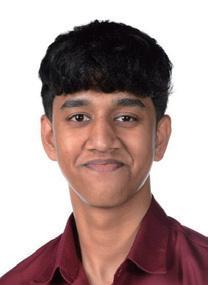
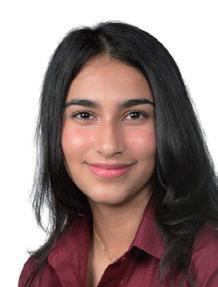
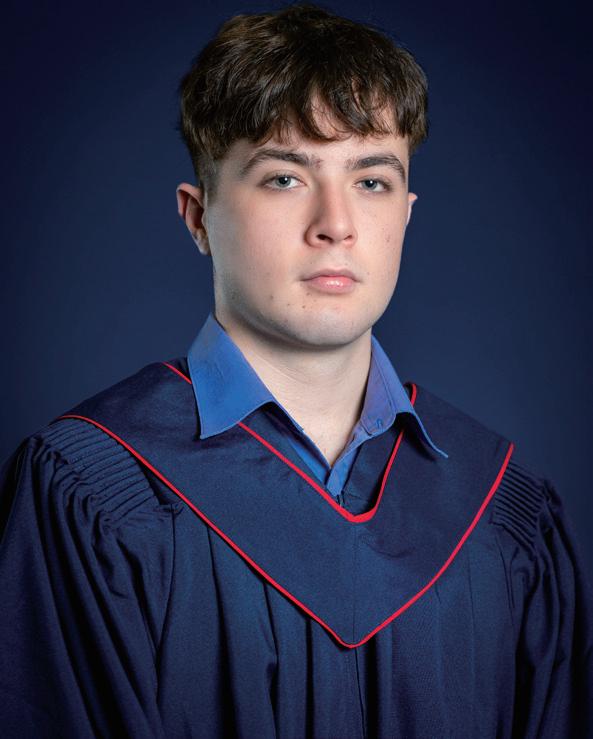
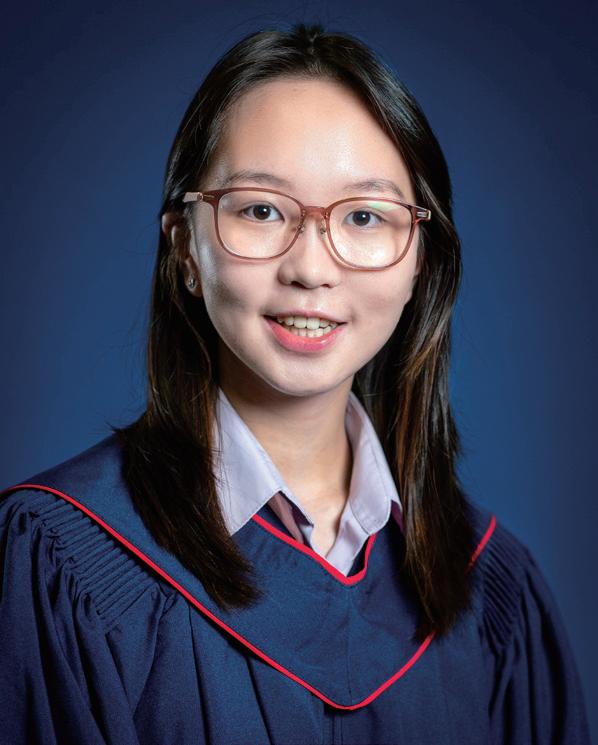
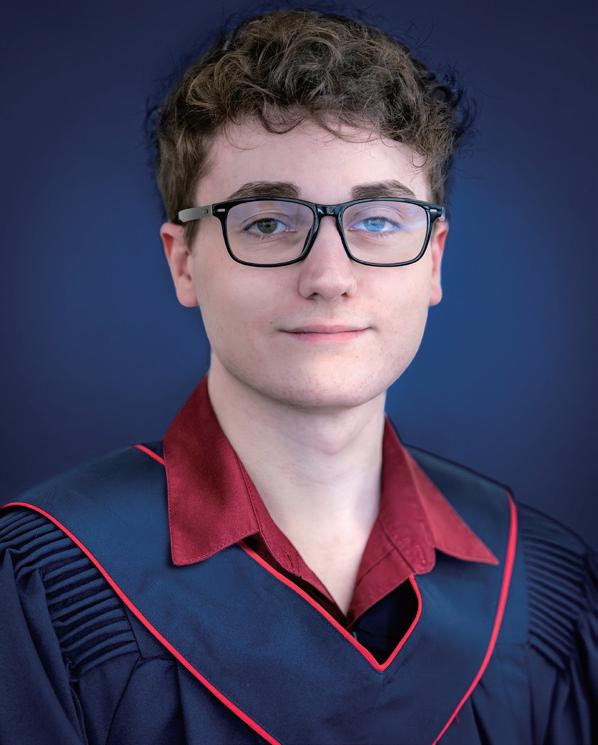
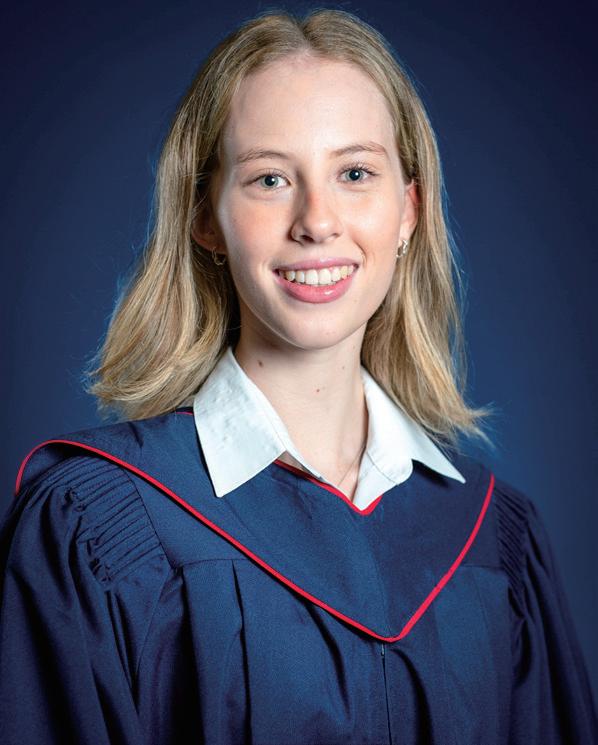
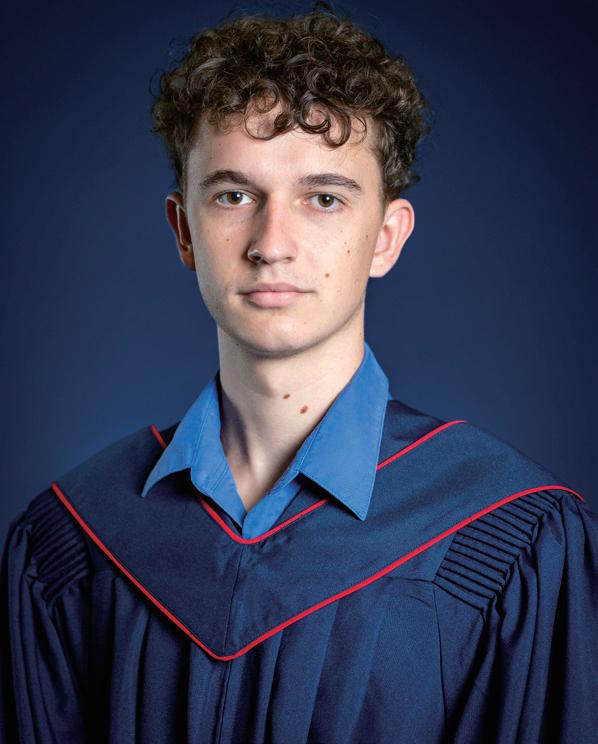
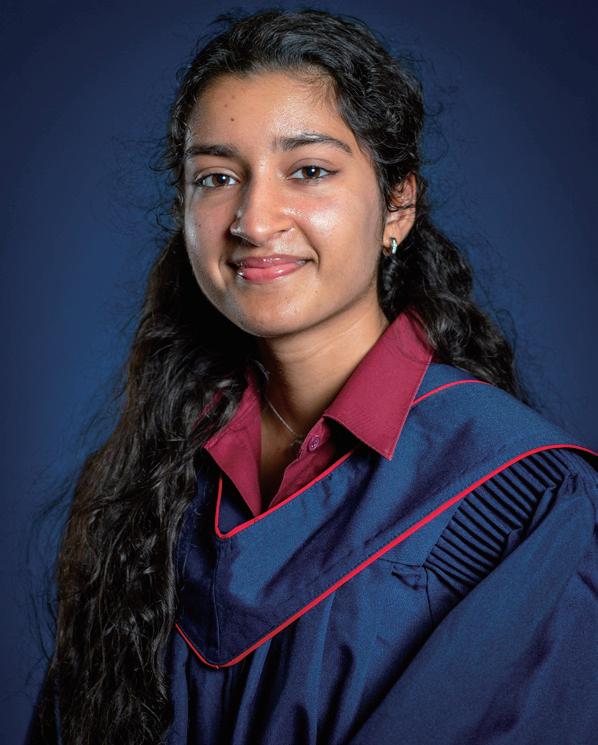
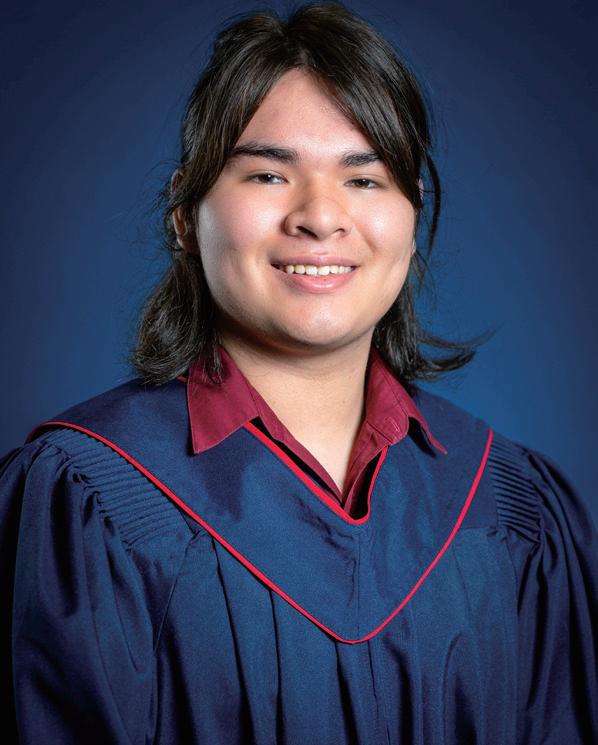
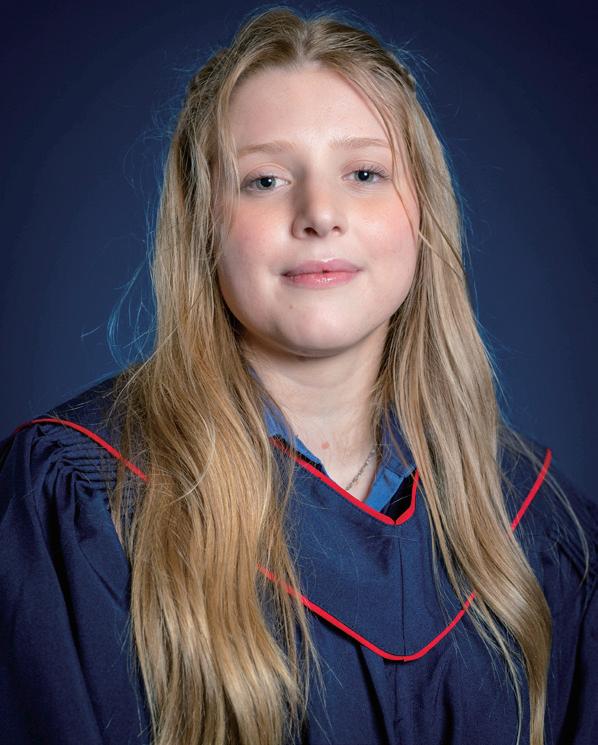
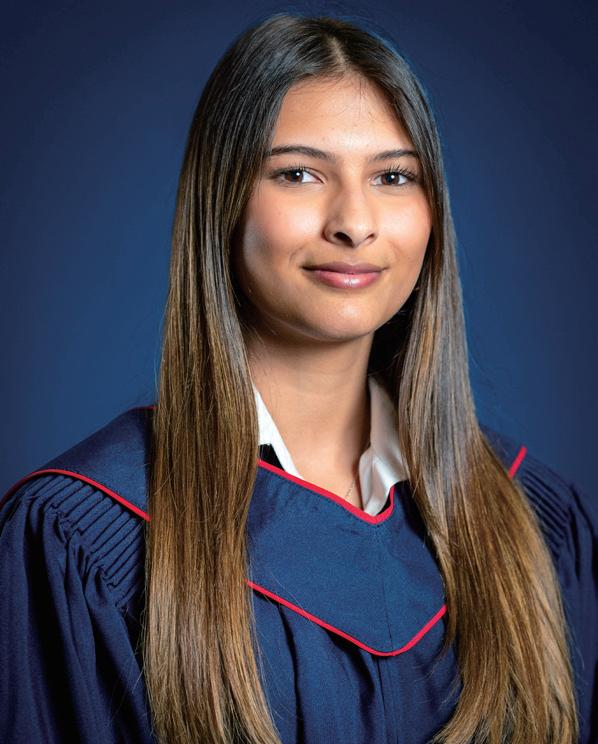
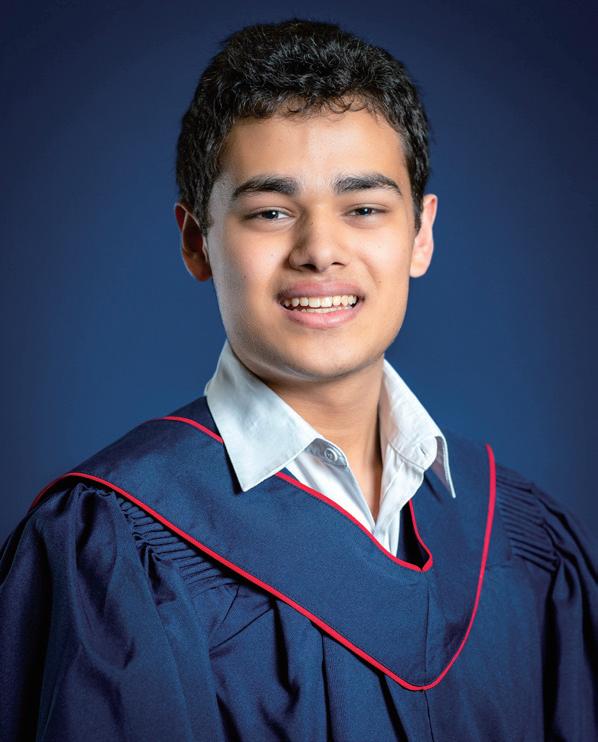
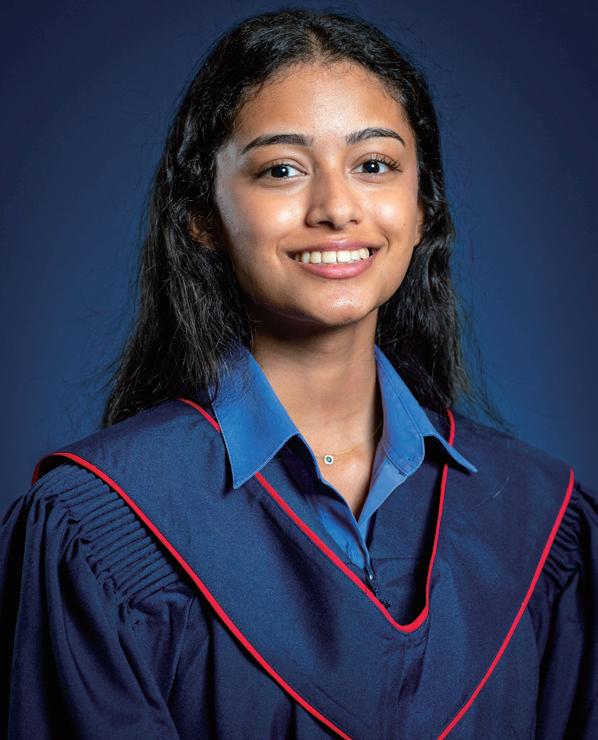
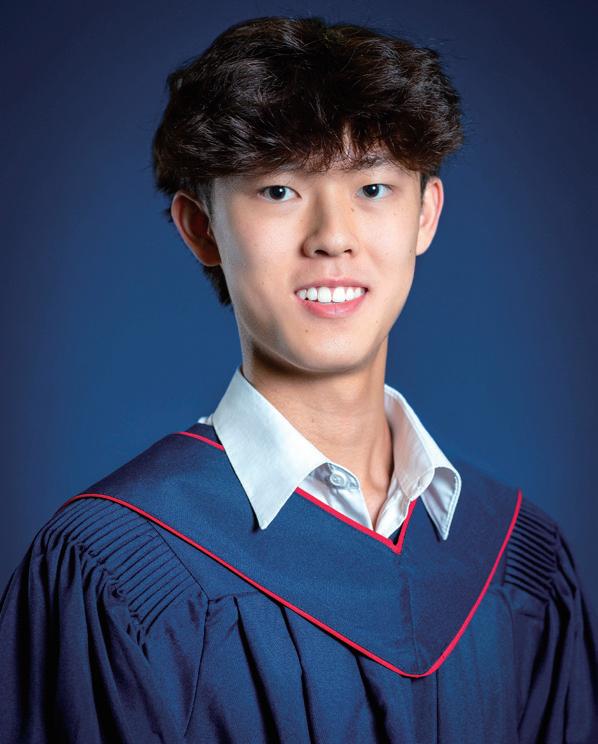
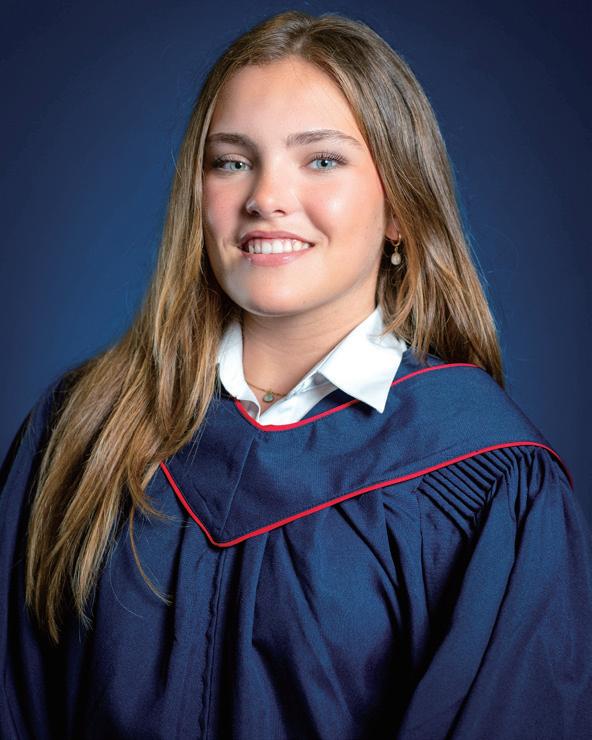
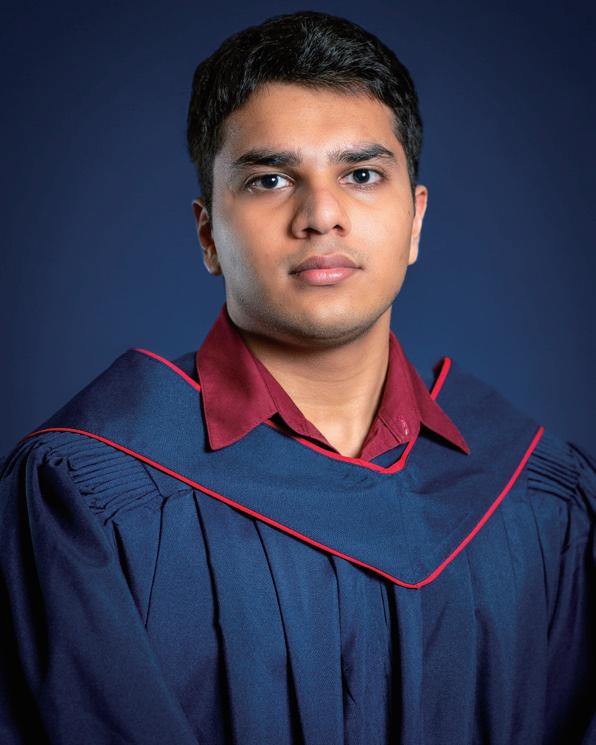
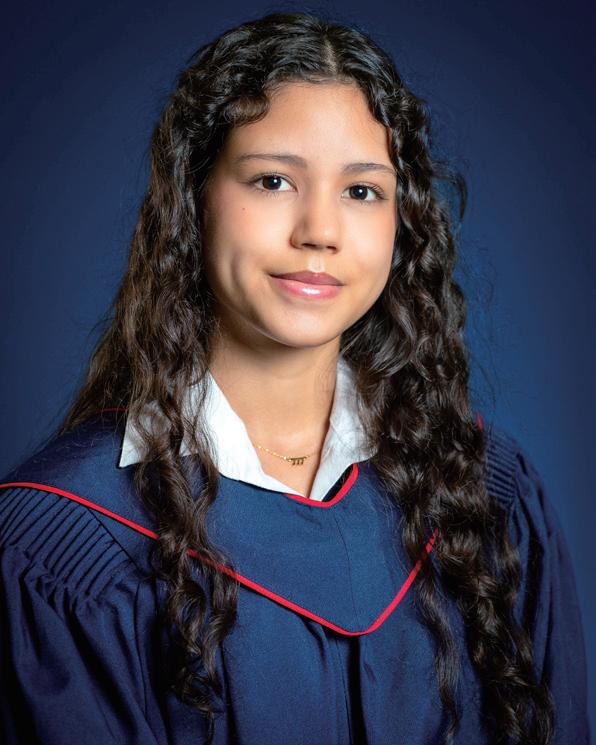
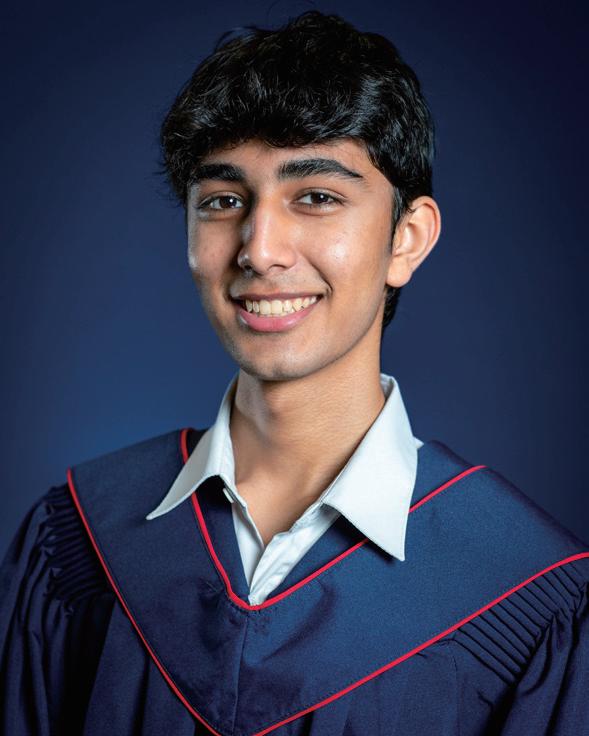
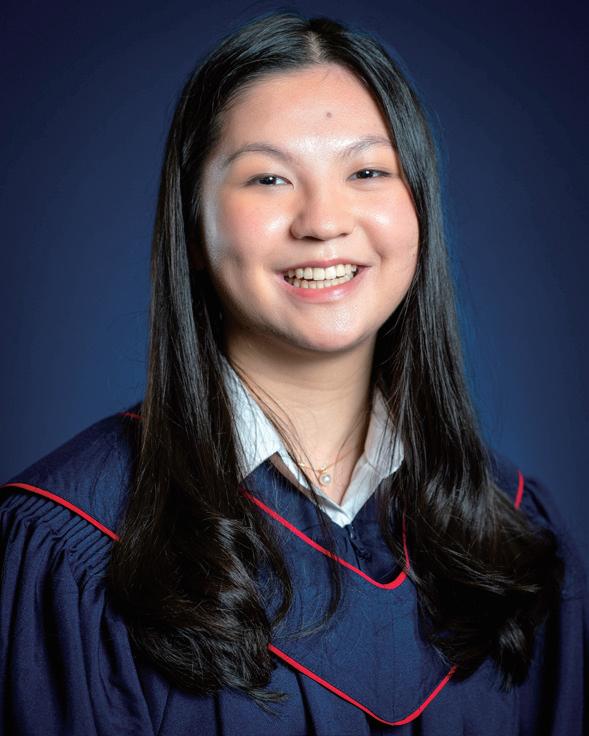
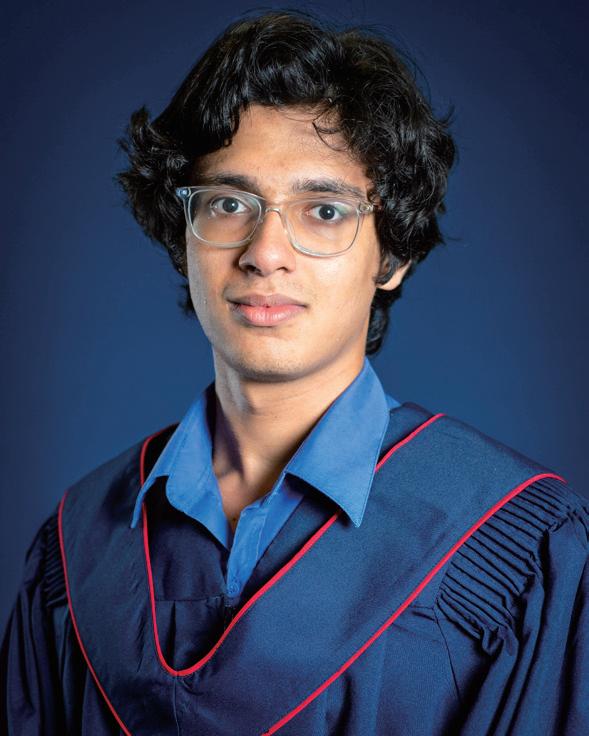
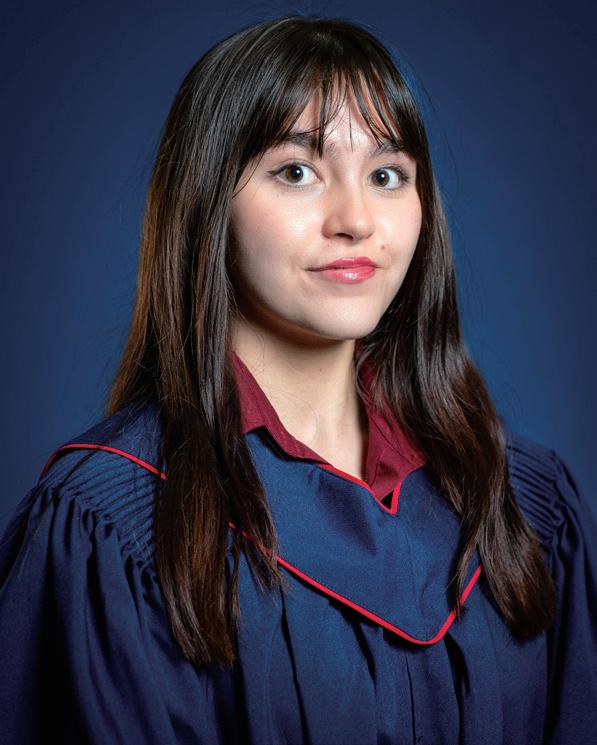
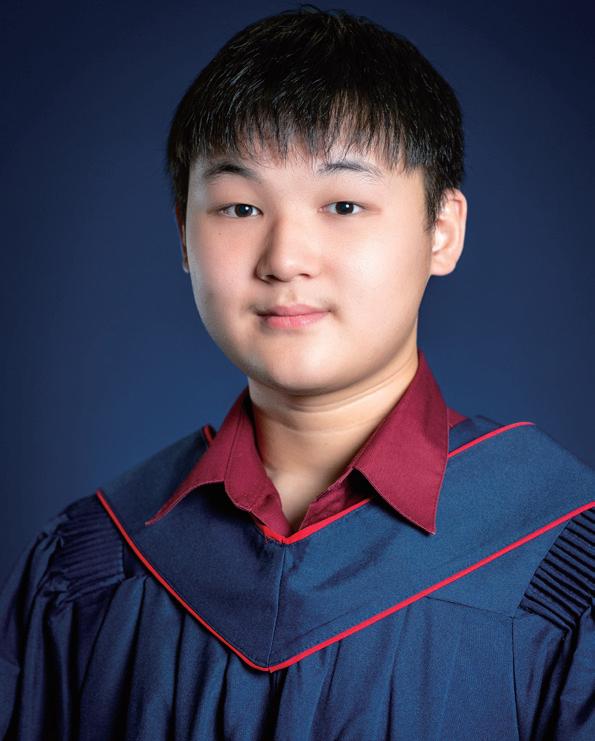
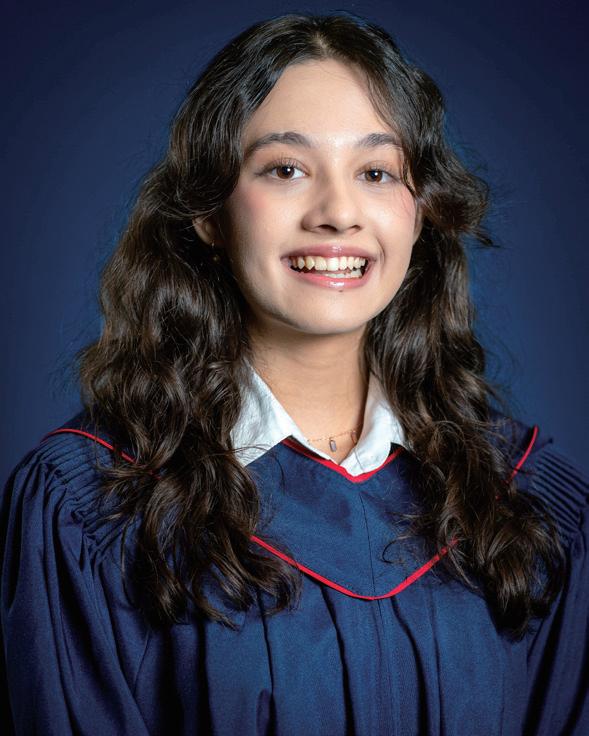
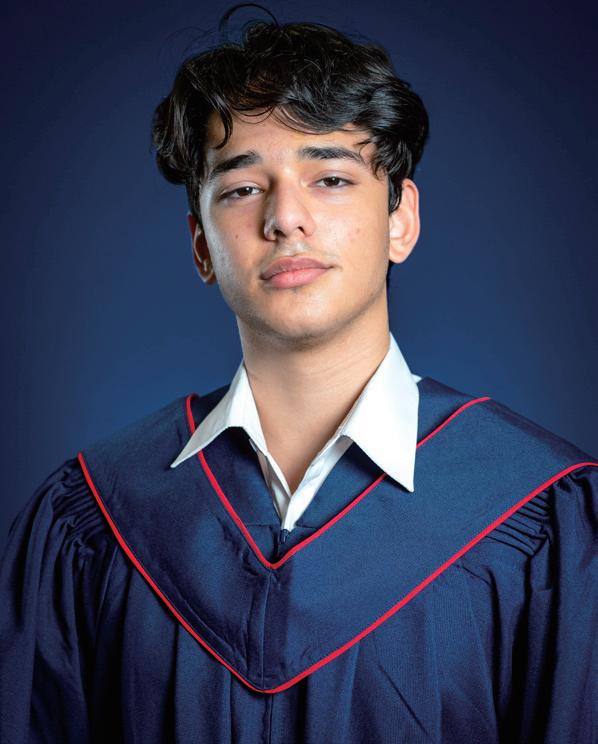
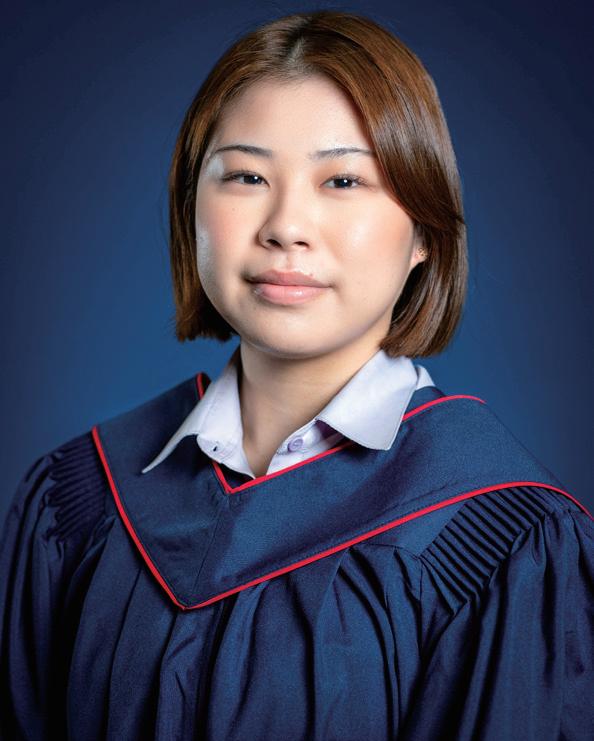
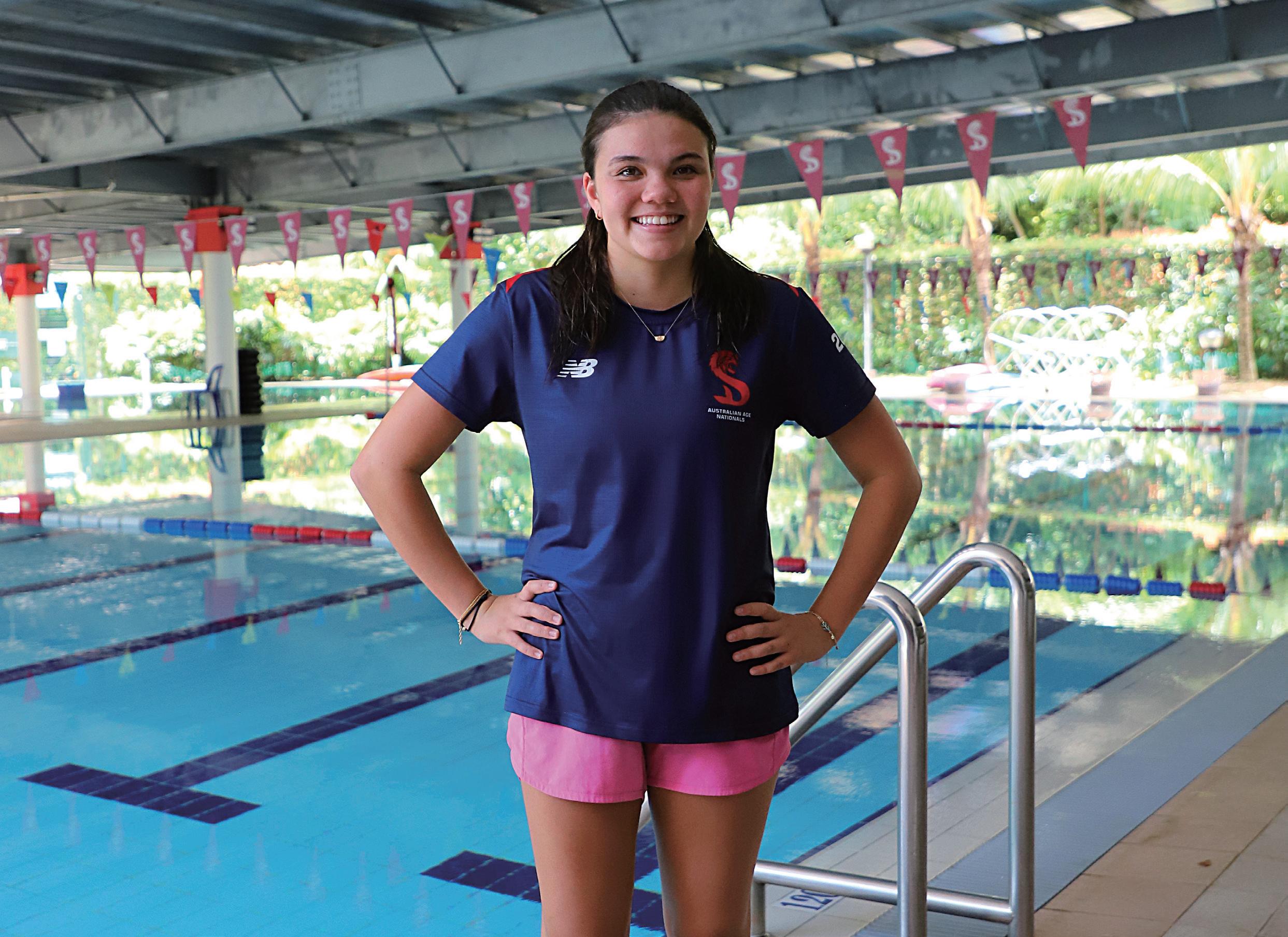
“Fresh Beginnings” isn’t just a slogan. It’s a call to action. This issue introduces the dynamic 2025/26 Head Team - Nishka, Arthur, Zyra, Shloka, Libby, Gia, Sudhanva, and Aavienda - who are ready to lead with vision, courage, and a commitment to inclusion. Their stories set the tone for a year focused on student wellbeing, sustainability, digital innovation, and preparing every Tanglin student for the future.
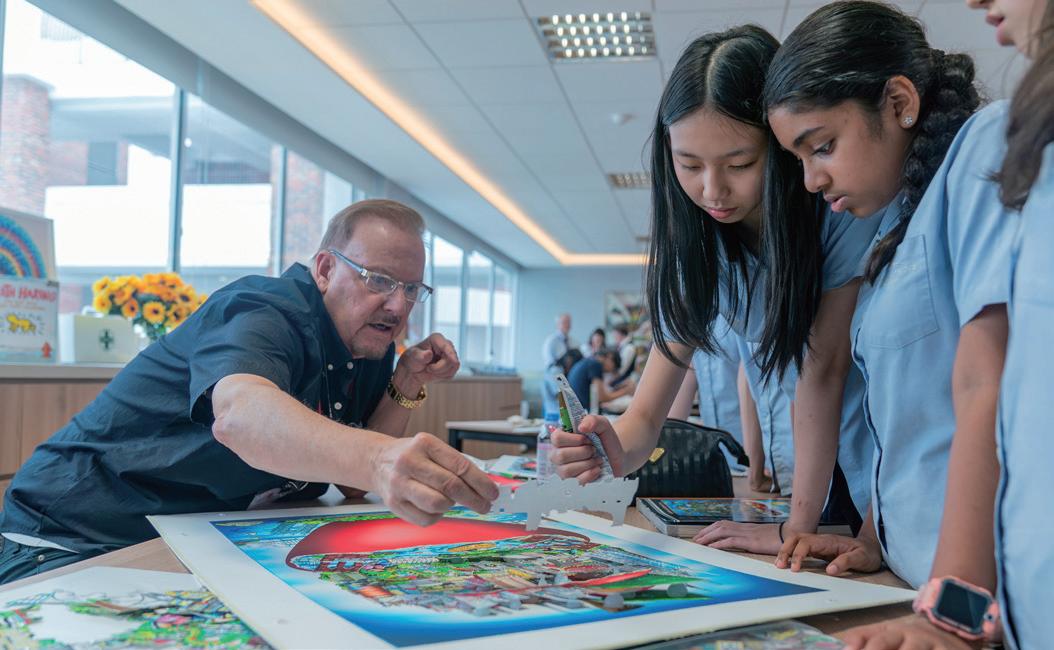
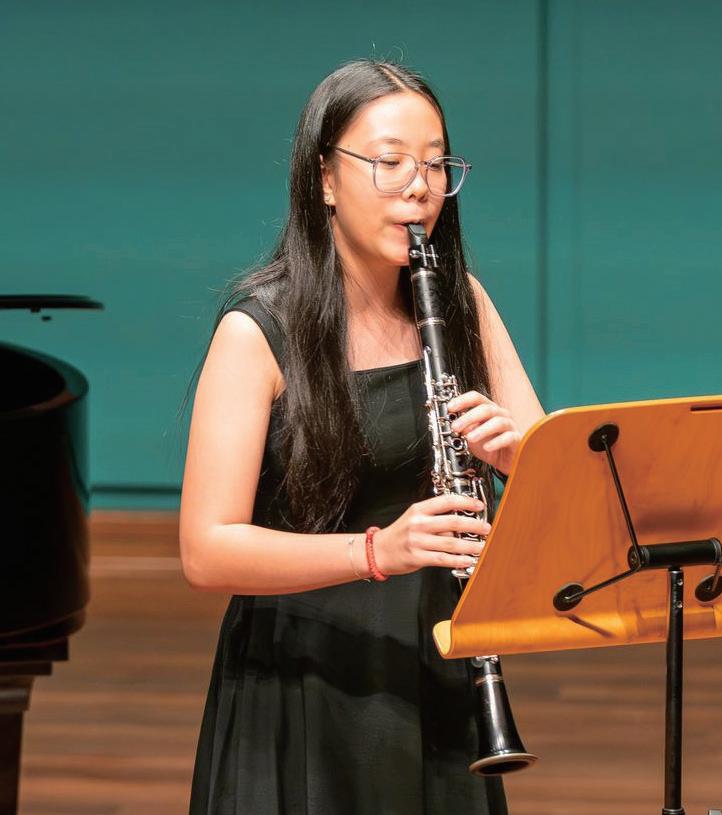
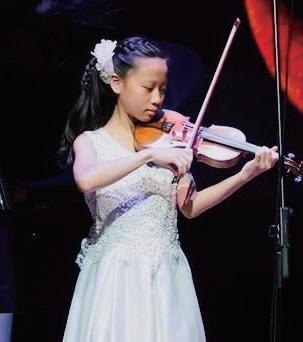
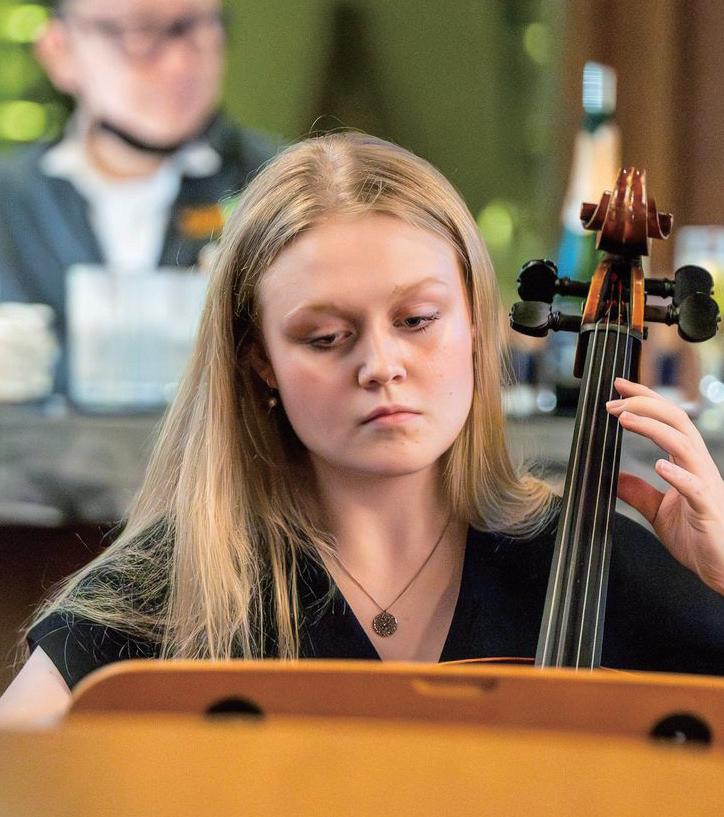
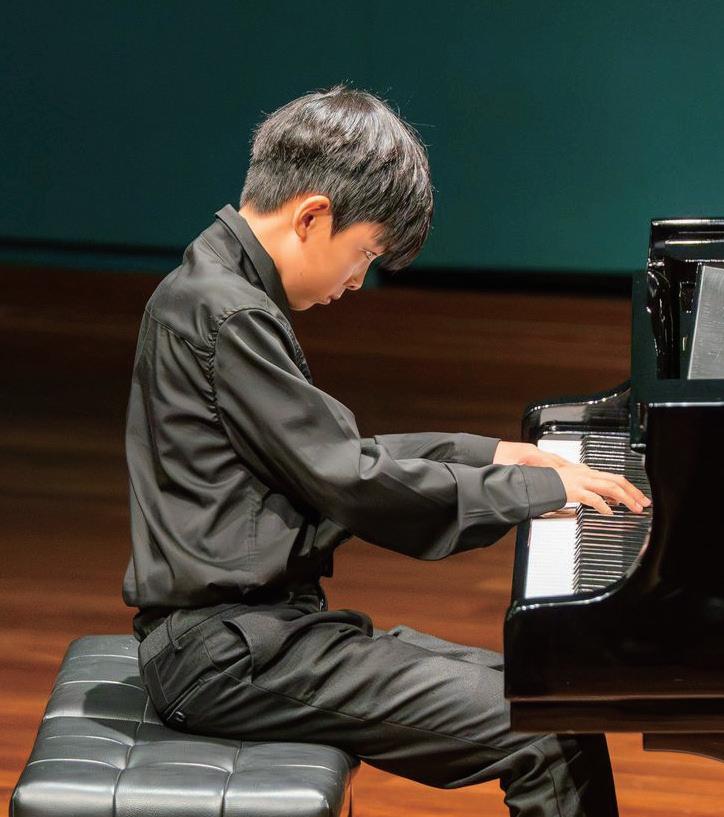
Inside, you’ll find Tanglin’s trademark buzz: student achievements that inspire, staff stories that reveal the passion behind the profession, and a celebration of creativity from the art studios to the music halls. Don’t miss the Student Art Showcase or the feature on American artist Charles Fazzino, proof that imagination is alive and well at Tanglin.
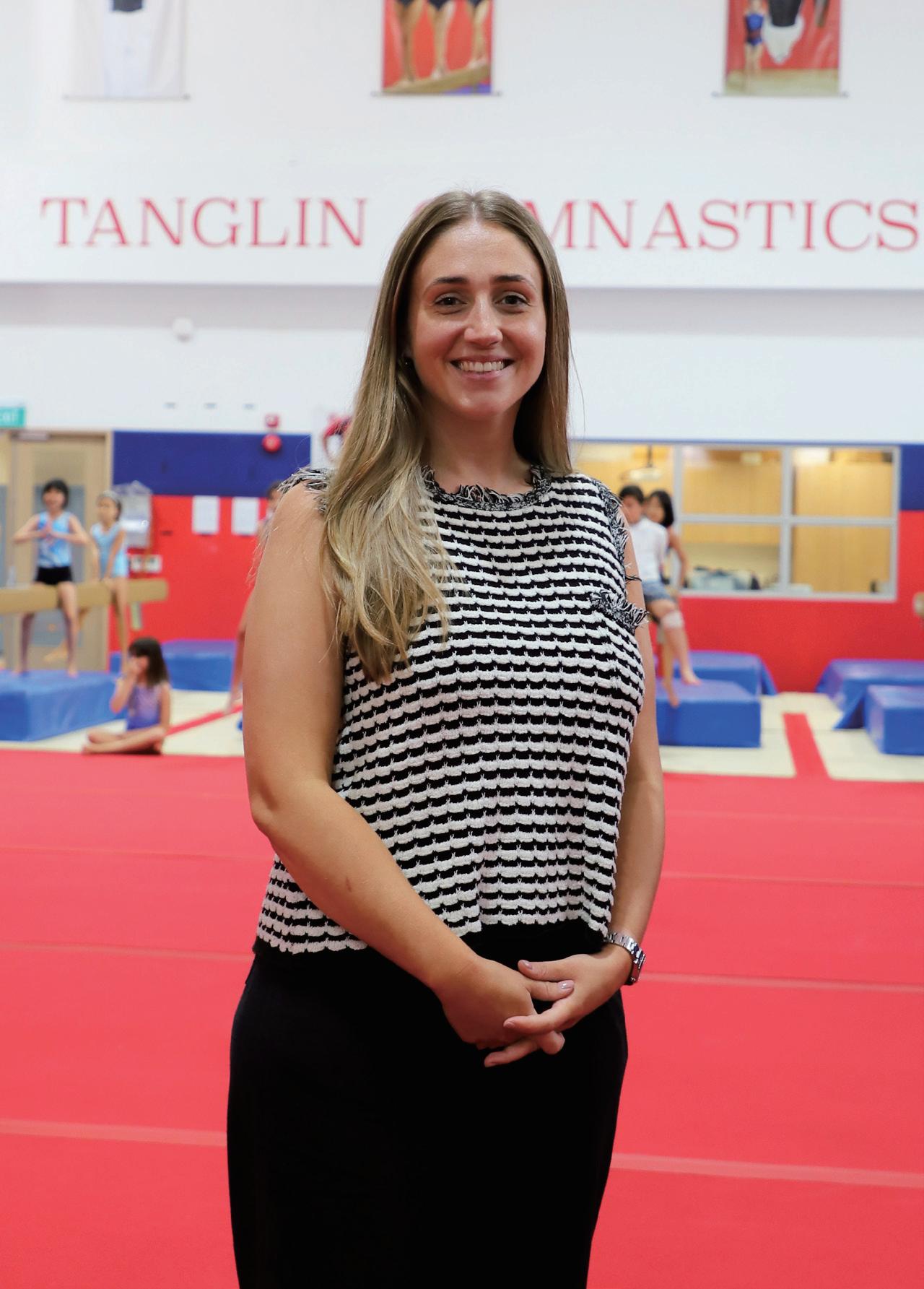
Education here goes beyond the classroom. Discover how metacognition, independent learning, and a thriving co-curricular life - led by Sophie Hawkins - are shaping confident, reflective learners. From the IMPACT Programme to the transformative Gippsland Campus experience, this issue is packed with stories of growth and resilience.
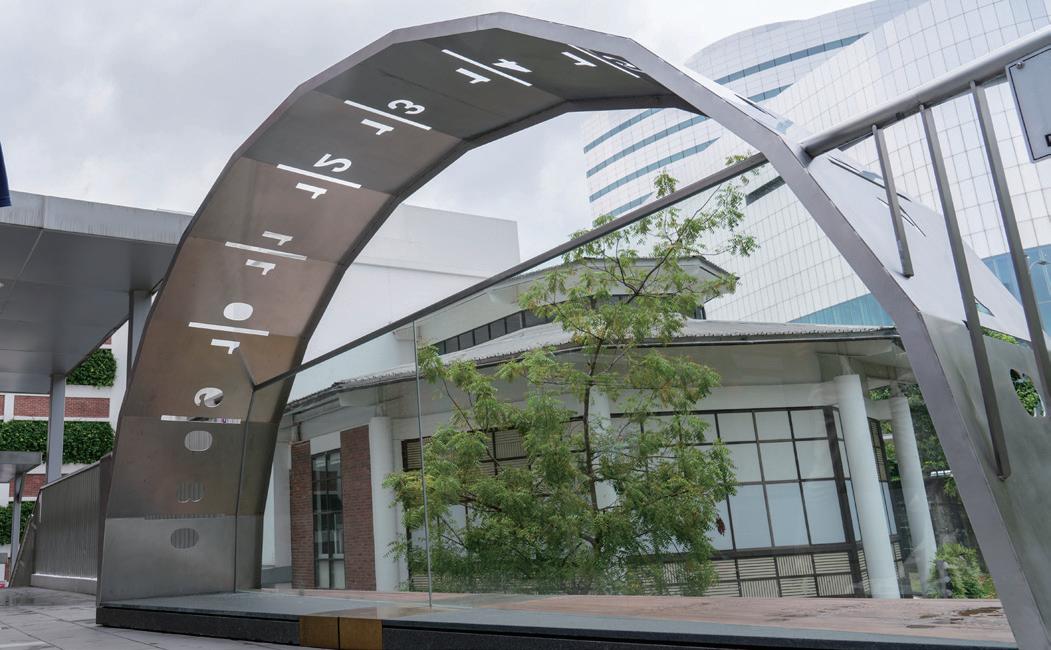
Alumni, too, take centre stage by sharing proud moments, university destinations, and the ways they’re giving back to the school that shaped them. The Centennial Sundial and our historical timeline remind us that while we honour tradition, we’re always moving forward.
Artist Charles Fazzino
So, as you turn these pages, expect more than a school magazine. Expect a vision for Tanglin’s next 100 years, where tradition meets innovation, and every voice matters.
Here’s to new beginnings, bold dreams, and the enduring spirit of Tanglin Trust School.
“
” As you turn these pages, expect more than a school magazine. Expect a vision for Tanglin’s next 100 years, where tradition meets innovation, and every voice matters.
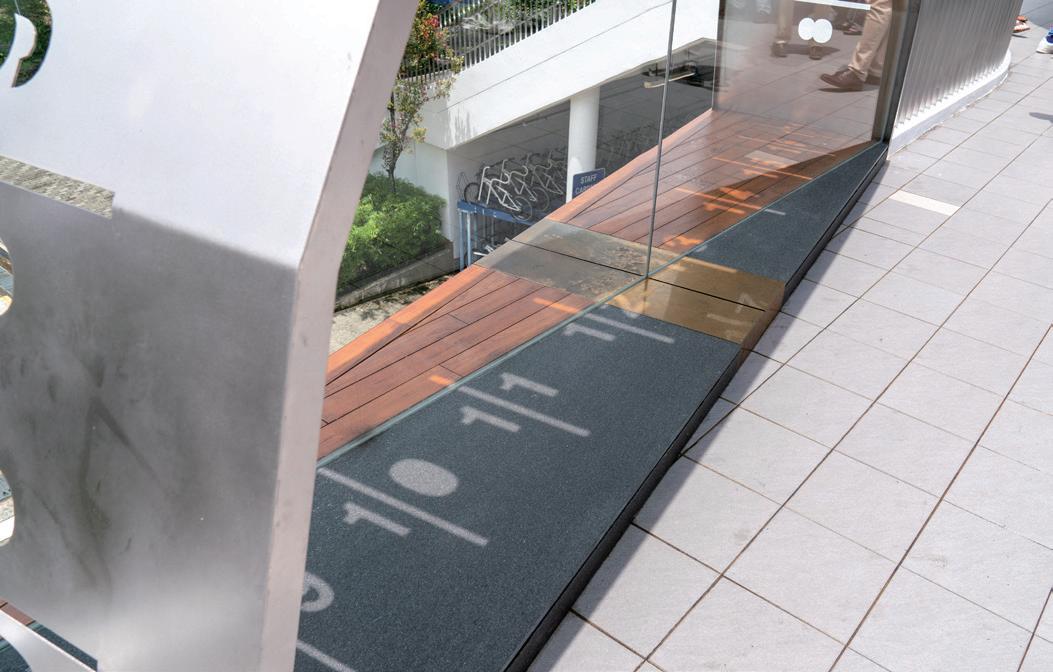
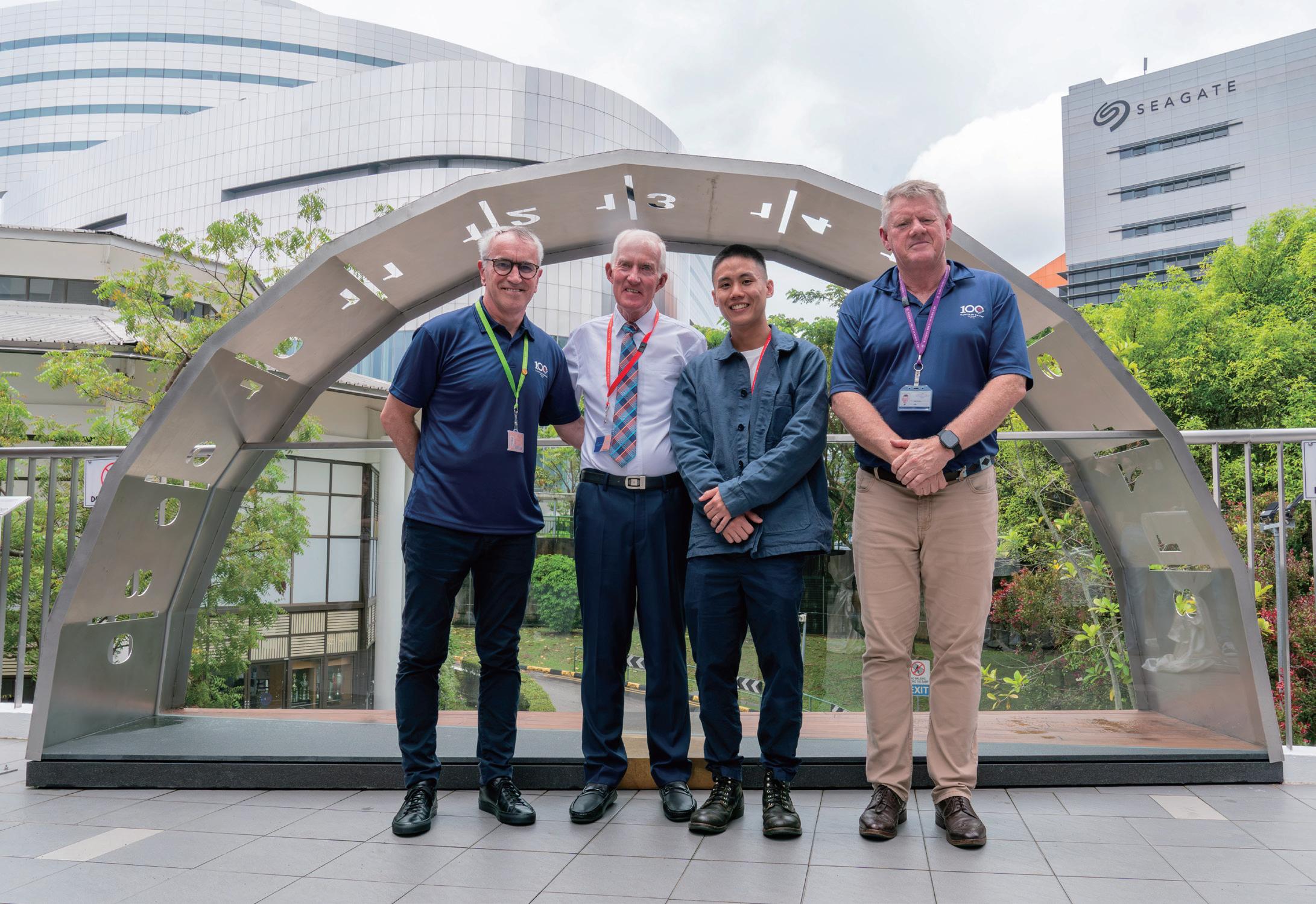
The Centennial Sundial
From standout achievements to memorable moments, here’s a look back at what’s been happening at Tanglin over the past few months.
Conrad G triumphs at 2025 Asia Rok Cup Championship
Year 10’s Conrad G, who has been racing in the Asia series throughout 2025 with races in Thailand, China, Indonesia, Philippines, Malaysia, and Singapore involving the top drivers from across Asia, participated in the final round of the 2025 Asia Rok Cup Championship at the Kranji kart track earlier this year. After overcoming a challenging lead-up with multiple mechanical setbacks and intensive training with his coach Mikko, Conrad triumphed to become the Junior category champion and Asia’s number one driver despite a razor-thin qualifying and pre-final. He will now travel to Italy and Spain to represent Singapore and Asia at the world finals for the fourth time before heading to Malaysia and Macau for the Asia finals. Looking ahead, Conrad hopes to make the jump to Formula 4 next year, an important milestone on his journey toward his ultimate goal: racing in Formula 1.
Tanglin Hackathon
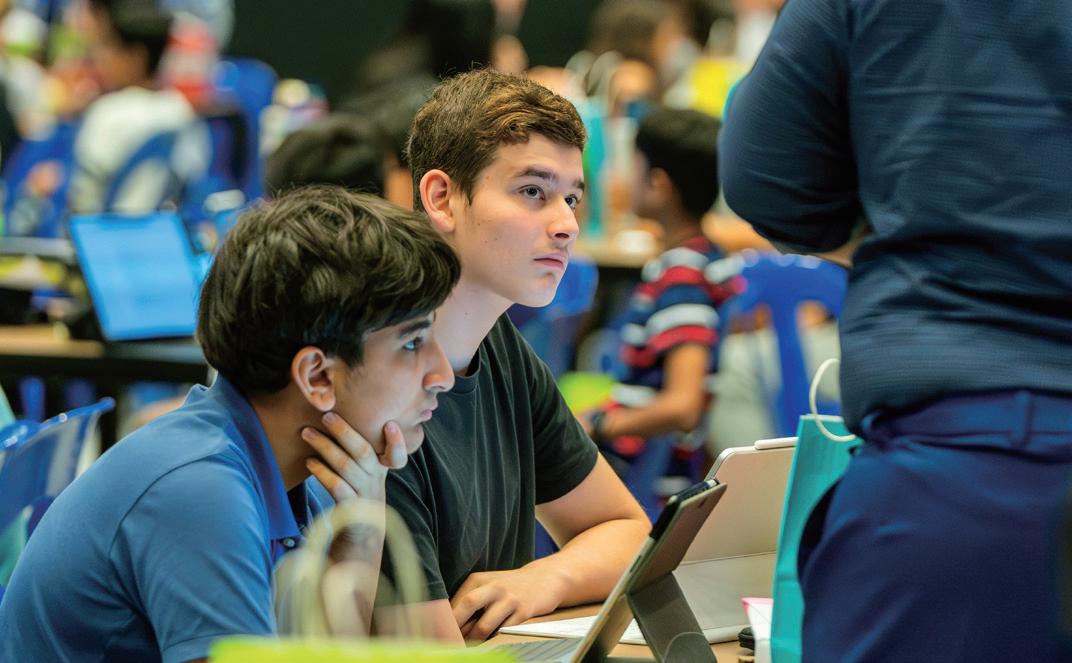
On 13 September, Tanglin was buzzing as we hosted this year’s annual Hackathon—our biggest yet, with almost 200 students from the Infant, Junior, and Senior Schools joining in. It was a great day of fun, creativity, and problem-solving, all built around this year’s theme of “Order.”
Needless to say, everyone had fun but there were also winners! Year 6’s Anson, Magnus, Vera, Omar, Aaira, and Sachi took home the ‘Best Game Design’ award. Senior School teams CHAO (Aditya, Benjamin, Abhimanyu, Andrew, Yusuf) and Tech Support (Daniel, Sahil, Caidan, Charles) also impressed the judges with their creativity, problem-solving skills, and teamwork.
TANGLIN TALK
Year 9’s Malo Making Waves
Earlier in September, Malo made waves at the Singapore National Sailing Championships 2025, taking first place and becoming the very first National Champion in the Wingfoil class! A fantastic milestone for both him and the sport! Later that month, he was invited to compete at the Jeju Supercup International Kiteboarding Competition in Korea, where he finished an impressive 7th in Wingfoil, racing against adults and even some World Cup athletes. What an incredible experience and achievement for Malo!
YolanDa Brown: A Musical Inspiration
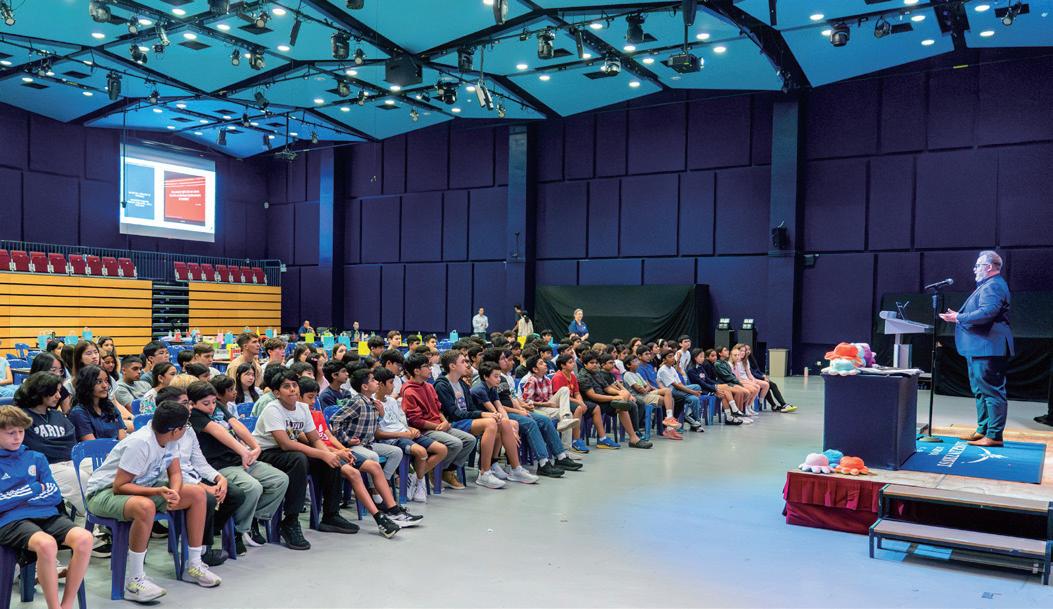
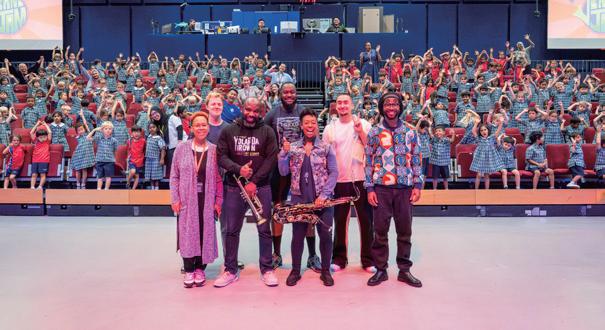
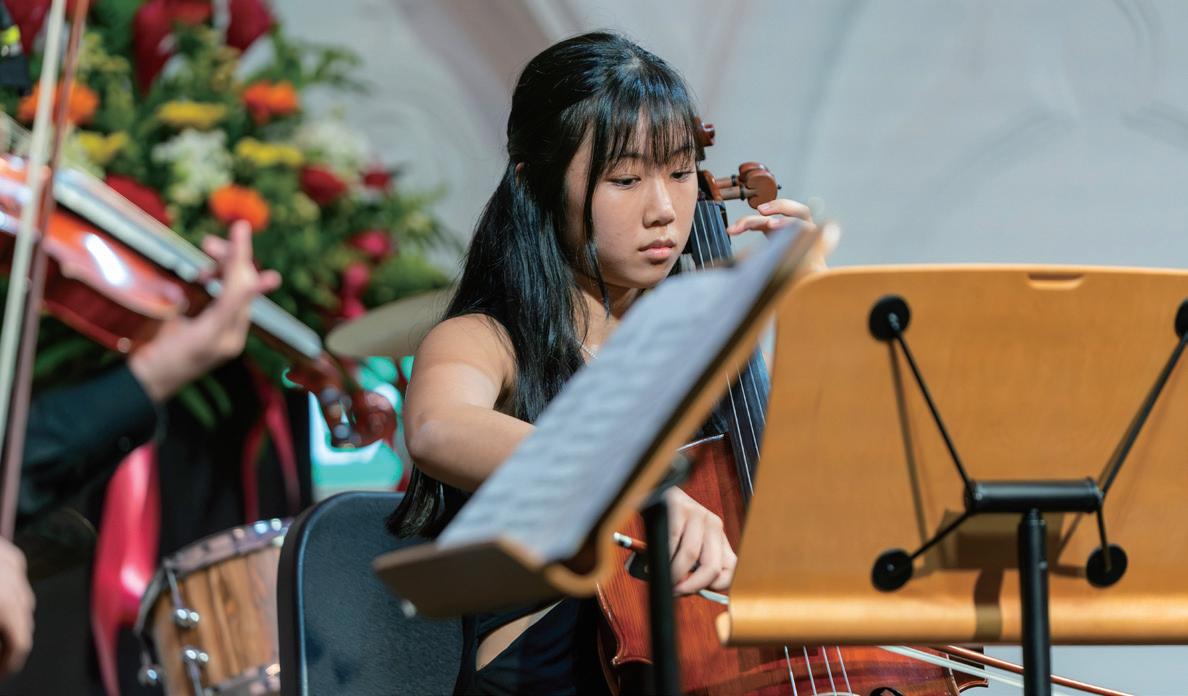
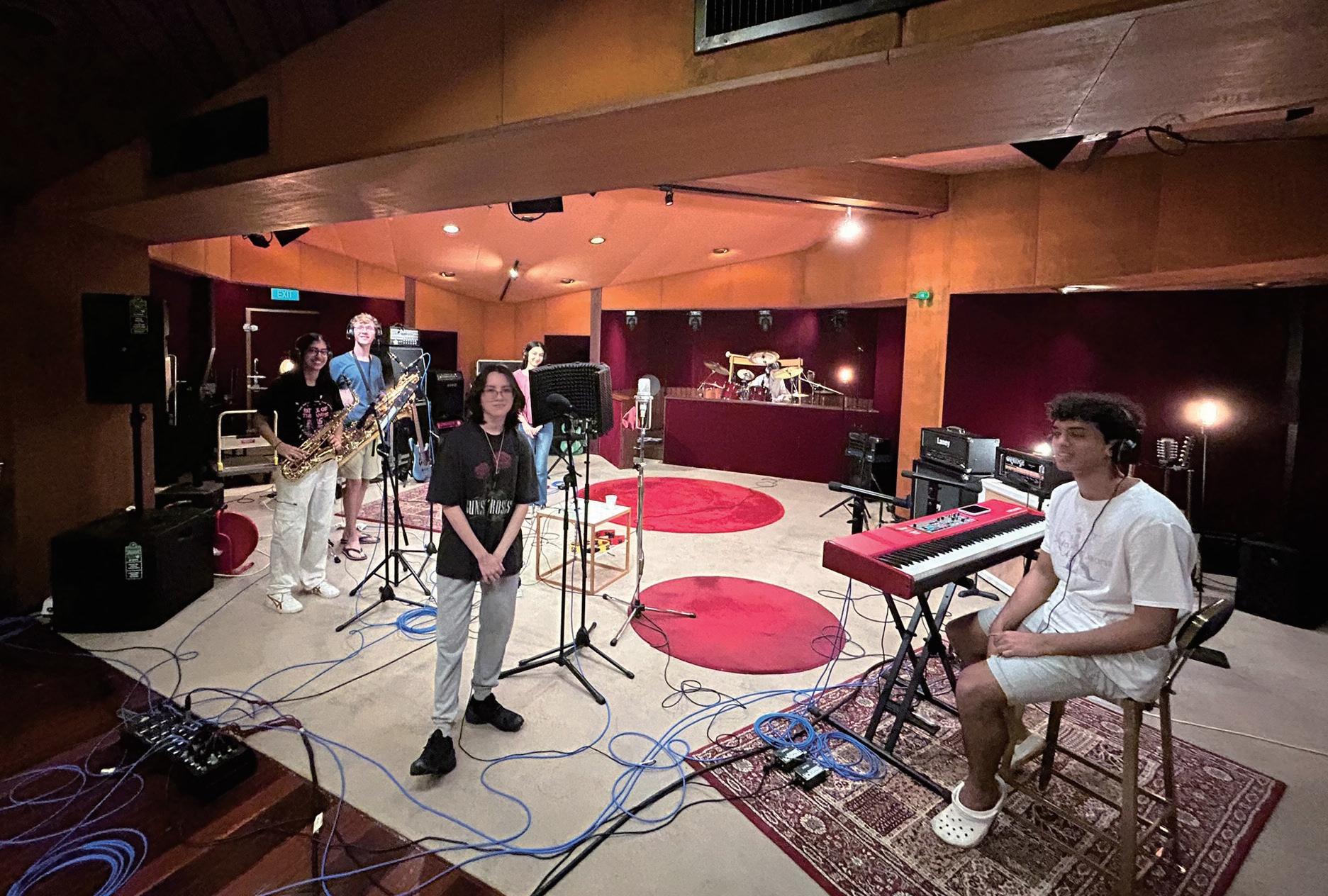
Multi award-winning saxophonist, broadcaster, and author YolanDa Brown OBE DL visited Tanglin on 27 and 28 October. During her time on campus, she led lively Q&A discussions and a ‘Come and Jam’ session for music staff and enthralled students across the school through ‘Band Jam’ sessions, and improvisation workshops.
A Tennis & Padel Day to Remember
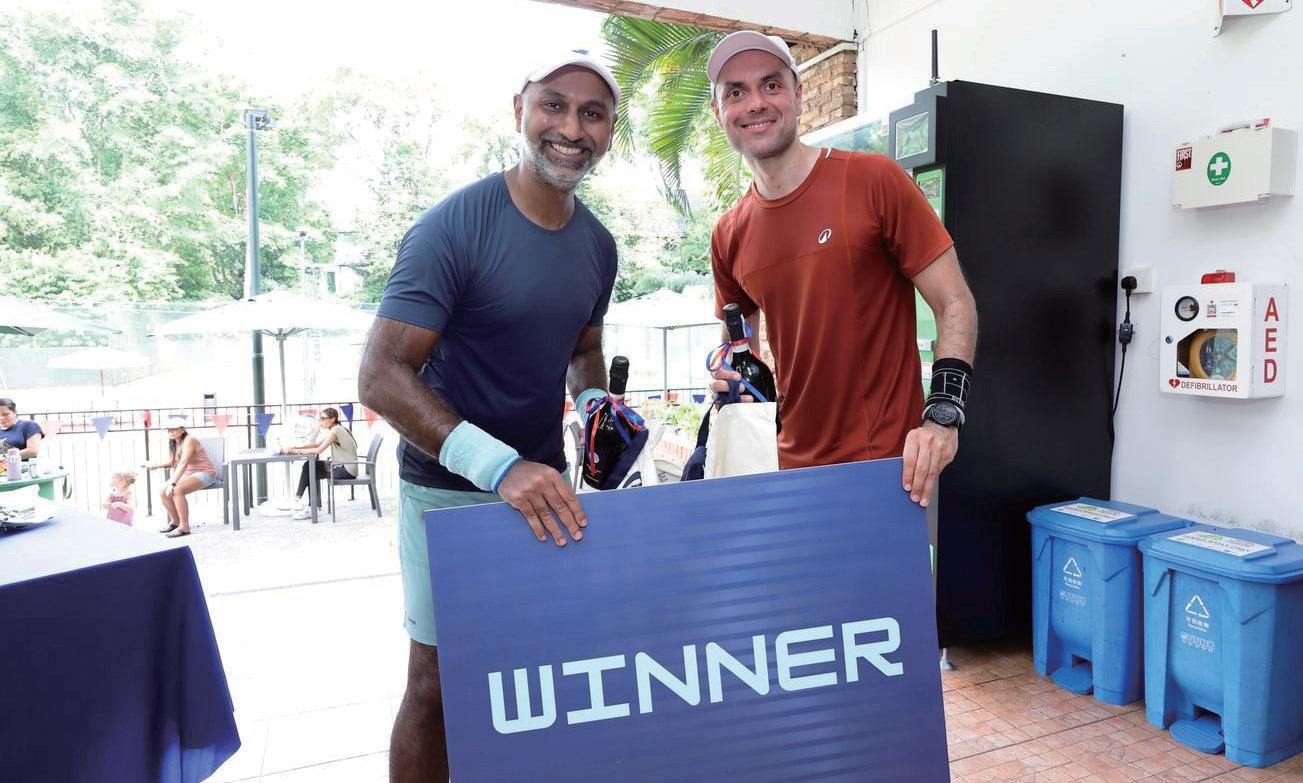
Tanglin hosted a fantastic Tennis & Padel Tournament, expanding our annual Tennis Day to include the increasingly popular sport of padel. A big well done and heartfelt thank you to all participants who battled it out under the hot sun with such enthusiasm and great spirit. While some celebrated victory and others came close, the real triumph of the day was the camaraderie and friendships forged both on and off the court. Our sincere thanks to the Hollandse Club for hosting such a fun-filled and memorable event. We look forward to many more rallies, laughter, and shared moments together next year! Shoutout to Usman Lodhi and Usman Siddiqui who won the tennis tournament again this year!
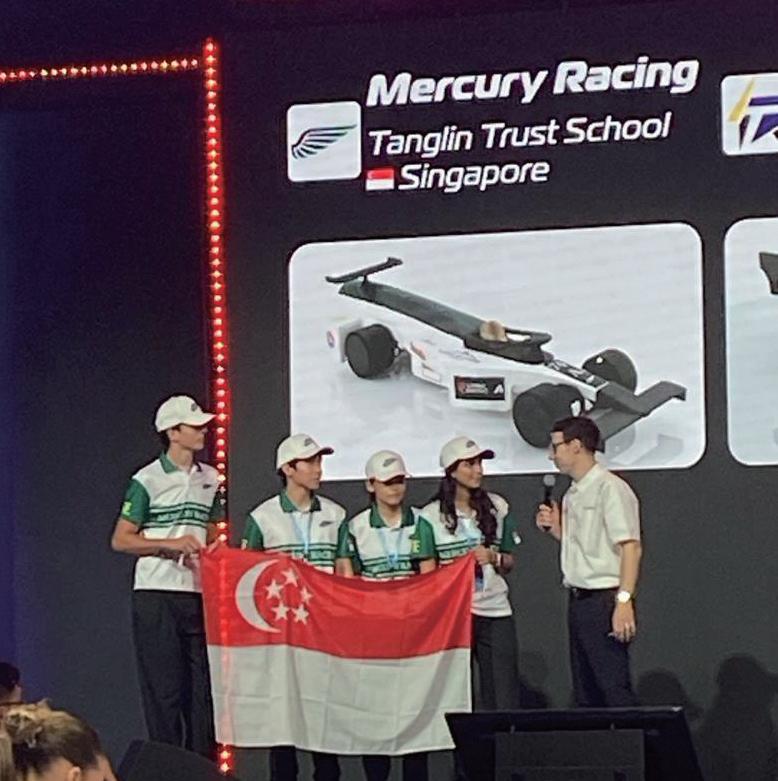
Team Mercury Sets the Pace for Future Racers
Tanglin Trust School’s Team Mercury Racing has made a remarkable debut on the STEM Racing global stage, currently ranked 65th out of over 28,000 teams worldwide and securing the top spot in Singapore. This achievement marks a significant milestone as Tanglin’s first team to compete both nationally and internationally in this competition. Mercury performed strongly in the initial race series and narrowly missed progressing to the knockout rounds by just 0.044 seconds, a testament to their exceptional performance and competitive spirit.
Their success has set a high benchmark for future teams and has inspired a new generation of racers at Tanglin. Mercury is now mentoring and supporting three up and coming teams: Nebula, Hypersonic, and Halo Racing, all of whom represented Tanglin at the Singapore Nationals. The event, which was hosted at our school on 28 November 2025, saw 16 teams from across Singapore compete for the top three spots, which would earn them a place at the 2026 World Finals. ■
People
Tanglin of
Tanglin is shaped by the dedication and commitment of its incredible community.
Here are some of their stories.
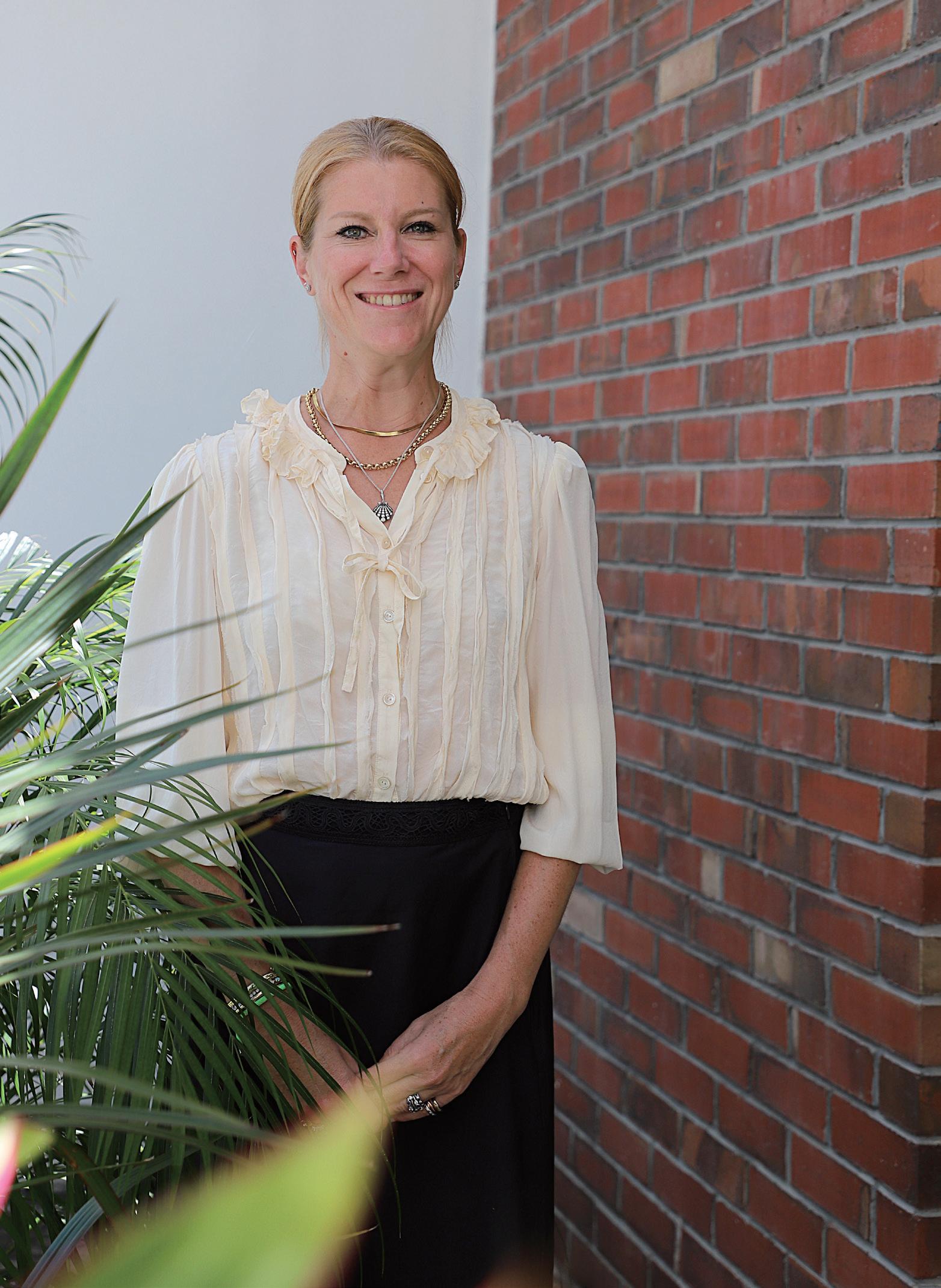
Pippa Gresham
Counsellor and Safeguarding and Child Protection Officer (Whole School)
I joined Tanglin in 2007, never imagining it would remain as beguiling 18 years later! Post my English Literature degree at Durham University, I worked in publishing at Macmillan Children’s Books and later in the Literature Department at The Arts Council England before moving into teaching English at Hinchley Wood School. Whilst flipping through the Times Educational Supplement in the staff room, I spotted the advertisement for Assistant Head of English at Tanglin, and I realised it was too good of an opportunity to miss.
Despite my years here, I’m truly grateful for Tanglin’s openness in supporting my professional growth and encouraging me to step into roles that have ignited my passions. My first step was becoming Head of Year; a role I relished for both its diversity and the professional direction it provided. While on maternity leave in 2012 with my first child, Hetty, I embarked on my Masters in Counselling. My aim was to develop the skills and knowledge to better understand and support my students’ emotional needs as a HoY.
Serendipitously, I was able to join the Counselling department and now I also serve as a Safeguarding and Child Protection Officer. No two days are ever the same, and the dynamic nature of my role means that I never quite know where I’ll be needed. Whether it’s an individual counselling session, a strategy meeting, a staff or parent training, or creating a bespoke care-plan for a student, the variety and flexibility of the role are truly unique.
One moment that will always resonate with me involved a child with a severe fear of lifts and lived on the 16th floor! Through a superb collaboration with the Junior Technology team, we helped him overcome his phobia using virtual reality goggles. It was a remarkable success, and a testament to the dedication and effectiveness of Tanglin’s multidisciplinary teams.
The lasting friendships I’ve made, including my children’s godparents, together with the strong sense of community spirit and inspiring people, are what makes Tanglin such a great place to work. »
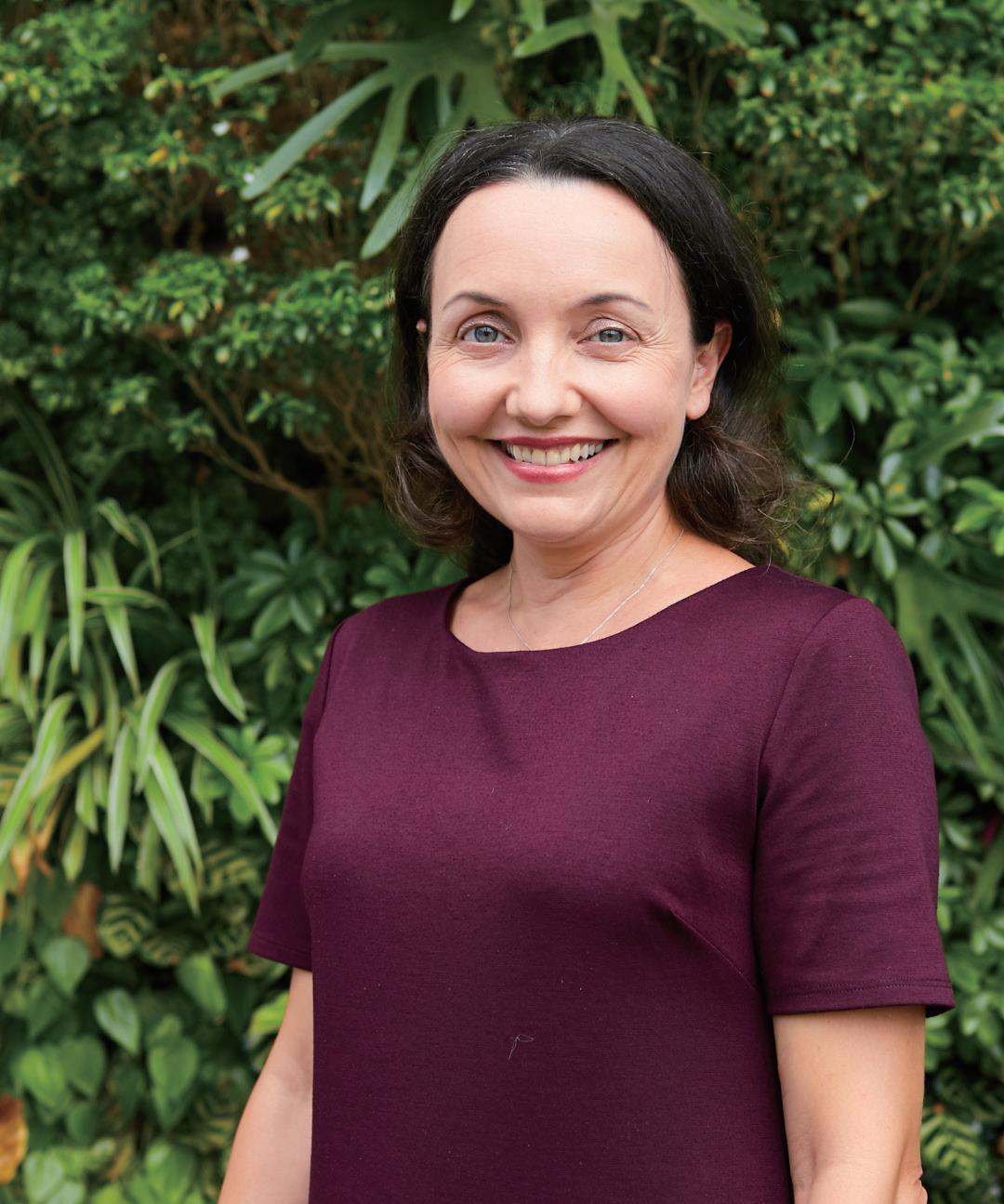
I am from the UK and began my teaching career in London before moving to Kuala Lumpur. In 2004, I joined Tanglin, where I’ve been ever since. Before becoming a teacher, I trained as a dancer—a passion that remains very close to my heart. Last year, I was proud to establish Tanglin’s inaugural Dance Appreciation series in collaboration with the Singapore Ballet. The Company performed at BBPH, followed by student workshops led by local choreographer Christina Chan. I hope this marks the beginning of an annual tradition!
Remaining a lifelong learner is important to me. I actively seek opportunities to challenge myself so I can bring fresh insights and experiences to the Tanglin team. For example, I work closely with the Independent Association of Prep Schools (IAPS), serving as an executive coach to new Heads and as the overseas representative providing support to Heads in 47 schools across 23 countries. Giving back to the community is equally meaningful to me. I have recently mentored undergraduates at my former universities, Roehampton and UCL, and was honoured to receive Roehampton’s ‘Chancellor’s Alumni Award in 2024’ for my contribution to education. Closer to home, I enjoy supporting our own community by hosting WEX students from Tanglin within the Infant School, as well as Alumni interns and student teachers.
As Head of Infants, I feel privileged to share in so many children’s learning journeys. No two days are the same and I feel a sense of purpose and achievement in all that happens at Tanglin. After 21 years at Tanglin, I remain committed to the nurturing approach and strong pedagogy that define our school. Inspired by past and present Tanglin leaders such as Geraldine Chandran, Peter Derby-Crook, and Dominic Nixon, I have learned to lead with kindness, build strong teams, and always put children at the heart of our decisions.
Kayzad Byramjee
Head of Technology (Senior School)
I graduated from Manchester University with a Master’s in Physics and began my career as a development engineer for a telecoms company in Devon. After a short stay in China to transfer a manufacturing facility, I retrained as a science teacher and taught at a comprehensive school in Wembley, London. Inspired by my time overseas, I set my sights on working abroad and a trip to Singapore led us to apply for roles in international schools. I joined Tanglin in 2010, working part-time to provide specialist science support and later became a full-time Physics teacher. Now, 15 years and two children later, Tanglin feels like our second home. Our initial two-year plan to teach and travel in Southeast Asia has been extended seven times!
In 2014, I joined the Technology for Learning team after Tanglin successfully rolled out 1:1 iPads for Seniors. Our next focus was to explore a little-known Microsoft app called OneNote—it proved to be revolutionary. It helped us move from a ‘there’s an app for that’ culture to a unified platform where teachers curate personalised course guides for students.
I stepped into my current role during the pandemic, which placed emphasis on the educational use of technology. Unlike many other schools, we were well-prepared for the initial lockdown; our teachers could easily distribute homework and give feedback digitally. In recent years, we have shifted our focus to how AI can enhance teaching and learning. It’s exciting to develop chatbots that answer students’ questions and support learning beyond the classroom, and we hope to introduce this technology next year. Working on projects like this is what makes Tanglin an outstanding place to work.
Beyond technology, I have the privilege of participating in numerous school trips to incredible destinations. It is great to see students outside the classroom, often outside their comfort zone, complete a journey of personal growth and development.
Teachers here are empowered to grow as lifelong learners and strive for excellence, reflecting Tanglin’s aspiration to be the best school in the world.
Paula Craigie Head of Infant School
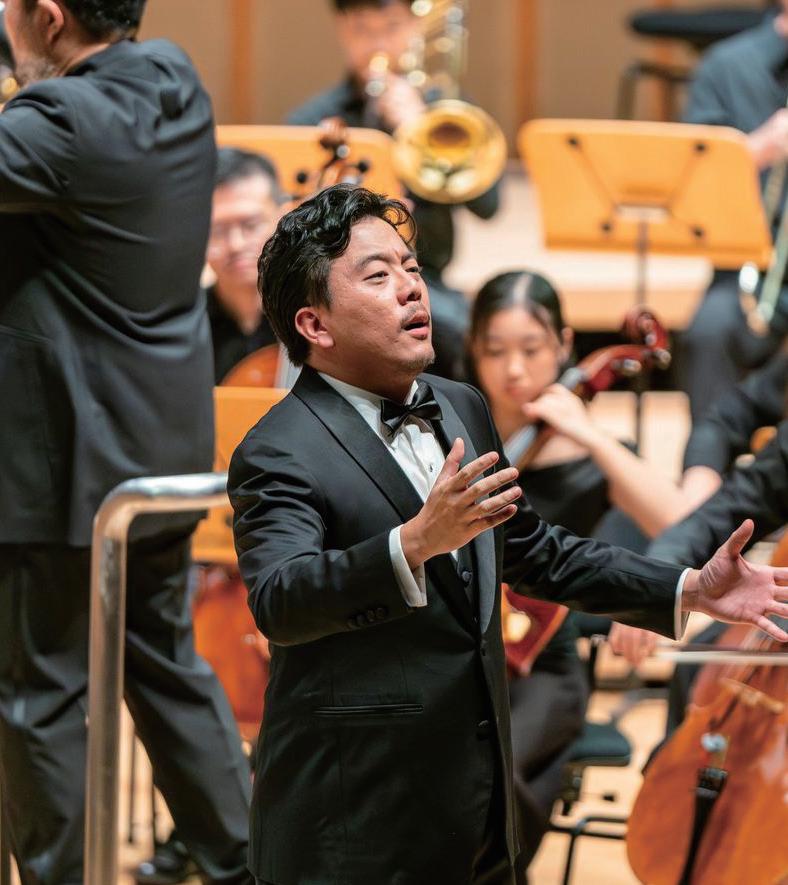
I am the Head of Voice at Tanglin and joined Tanglin Trust School in 2022. Originally from Singapore, I graduated from the Manhattan School of Music in New York City and went on to acquire my Master of Music from Northwestern University in Chicago, IL. From a young age, I followed many paths that led me to a career in music. I somehow always found myself performing on stage, even joining the Singapore Armed Forces Music and Drama Company during my military service!
A big turning point was when I watched my first live opera at the Metropolitan Opera in New York City. I knew from then that opera was what I wanted to do. Fast forward 20 years, and more than 40 different opera roles and countless performances later, I am thrilled to share the gift of singing with the many talented students here at Tanglin. I love seeing our students thrive in their voices and start experiencing the joy of singing and performing. Tanglin offers so many opportunities for students to pursue music and performance at a very high level, and I am excited to be part of such a passionate and supportive team. Since joining Tanglin, we have increased the number of students taking singing lessons in school and expanded the teaching faculty to accommodate the rise in interest. More than 100 students have been given singing lessons at Tanglin in the last year, and we aspire to make singing a bigger part of the culture here. Singing is for everybody and there are many performance opportunities for those who are ready.
As one of the soloists in the Centenary concert, A Bridge Across the Sea , the biggest challenge was bringing all the performance elements together in just a day or two. We had one orchestra rehearsal the evening before, and then a final run just a few hours before the concert to figure out how best to tell the story on stage. I’m glad we worked it out together in time! I always enjoy working with living composers (not as common in classical music), and being able to work with Jonathan Dove was very special and something I’ll always remember for sure.
Clair Harrington-Wilcox Head of Junior School
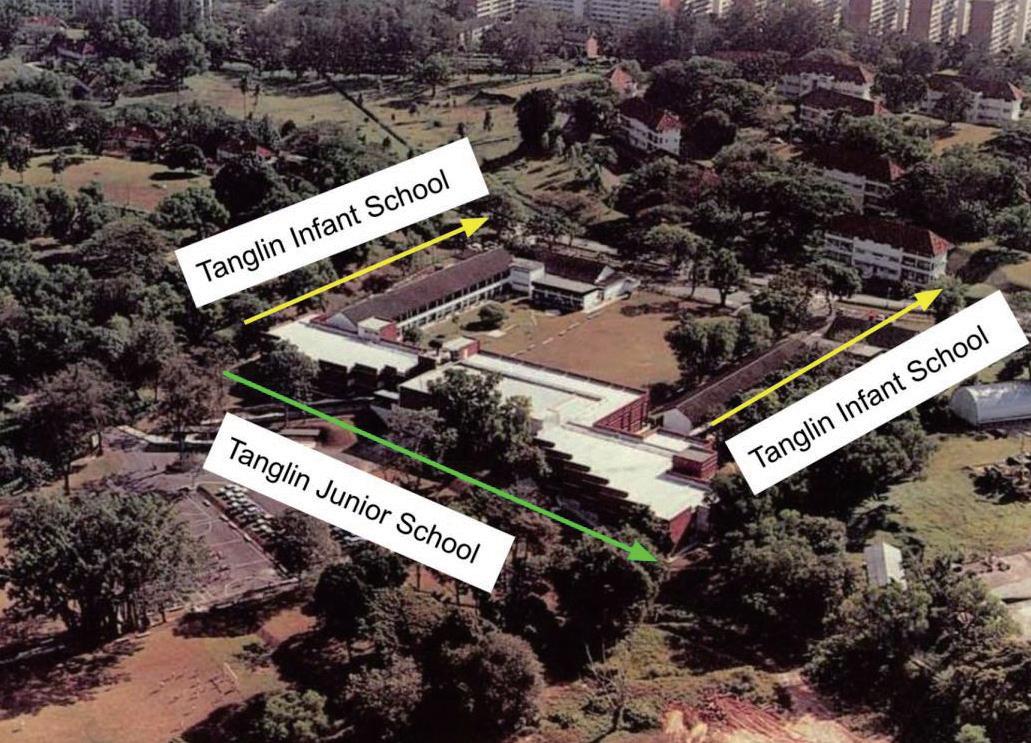
I’m from Wiltshire in the UK, and I joined Tanglin in 2000, starting in the former Junior School building before it was rebuilt. I had once considered a career in law, but after working with children, I was inspired to change my course of study and pursue teaching instead. Before moving to Singapore, I was considering two locations. My grandfather and uncle, who served in the Navy and were based here, often shared great stories about life back then in Singapore. This gave me a great fascination with the country, which ultimately inspired me to apply for a role at Tanglin. Ronald Stones OBE, Tanglin’s CEO at the time interviewed me and shortly after, I received a call from my cousin whom I hadn’t seen for 10 years. He told me that I had applied for his school and that he was the Head of Year 6 in the Junior school. I had thought he was still working in Jakarta!
I eventually joined Tanglin as a Year 4 teacher—pigtails and all! After my first Ofsted inspection and post as Head of English in the UK, I was hired. In my second year at Tanglin, I became Assistant Head of English, followed by six years as Head of Year 6 working for Dr David Porrit. I was then promoted to Deputy Head of Academic, where I had the privilege of working alongside David Ingram, who was my inspirational Head of School at the time. When David confirmed he was leaving, I put my hat in the ring and after a week full of interviews, Peter Derby Cook (CEO) called me to say I was the next successful Head of School. Becoming the Head of Juniors was and is an immense privilege. I think it is the best job in the world because you get to play a part in trying to make a difference within this wonderful community. One example of this is the recent new Junior Arts Centre (JAC), an exciting project that began over a year ago and was a passion project for staff and children alike. The JAC’s impact will reach far beyond the classroom walls and has truly been a collaboration of many to bring it to fruition. We are delighted that this inspirational legacy will impact our future generations of students. ■
Jonathan Tay Head of Voice
Student Art Showcase
Art is more than brushstrokes and colour—it’s a gateway to imagination, learning, and new perspectives. See how our students are using art to explore the world around them.
INFANT
RECEPTION’S ANNUAL VISIT TO THE NATIONAL GALLERY SINGAPORE
By Libby Henderson, Head of Infant Art & Design
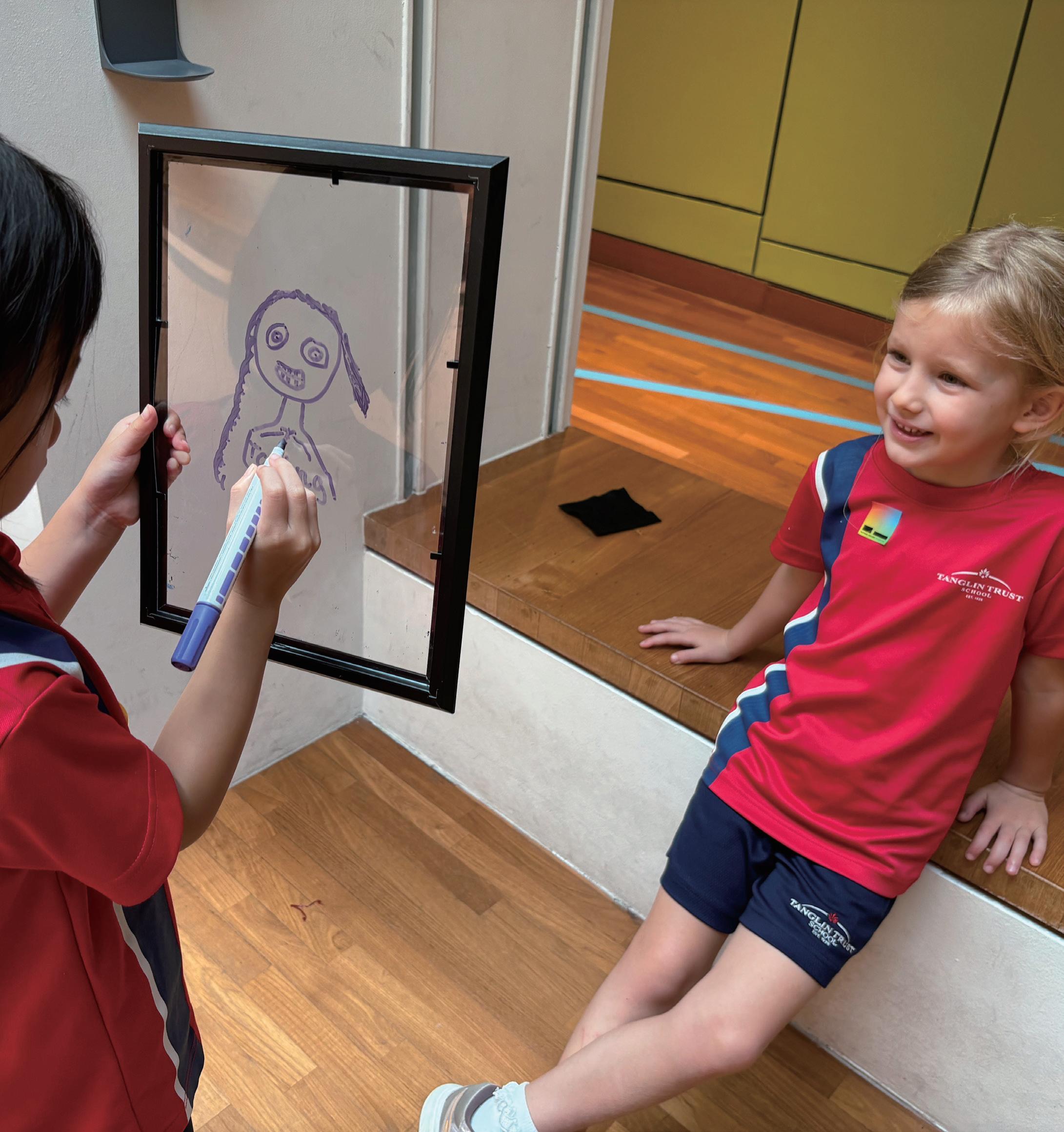
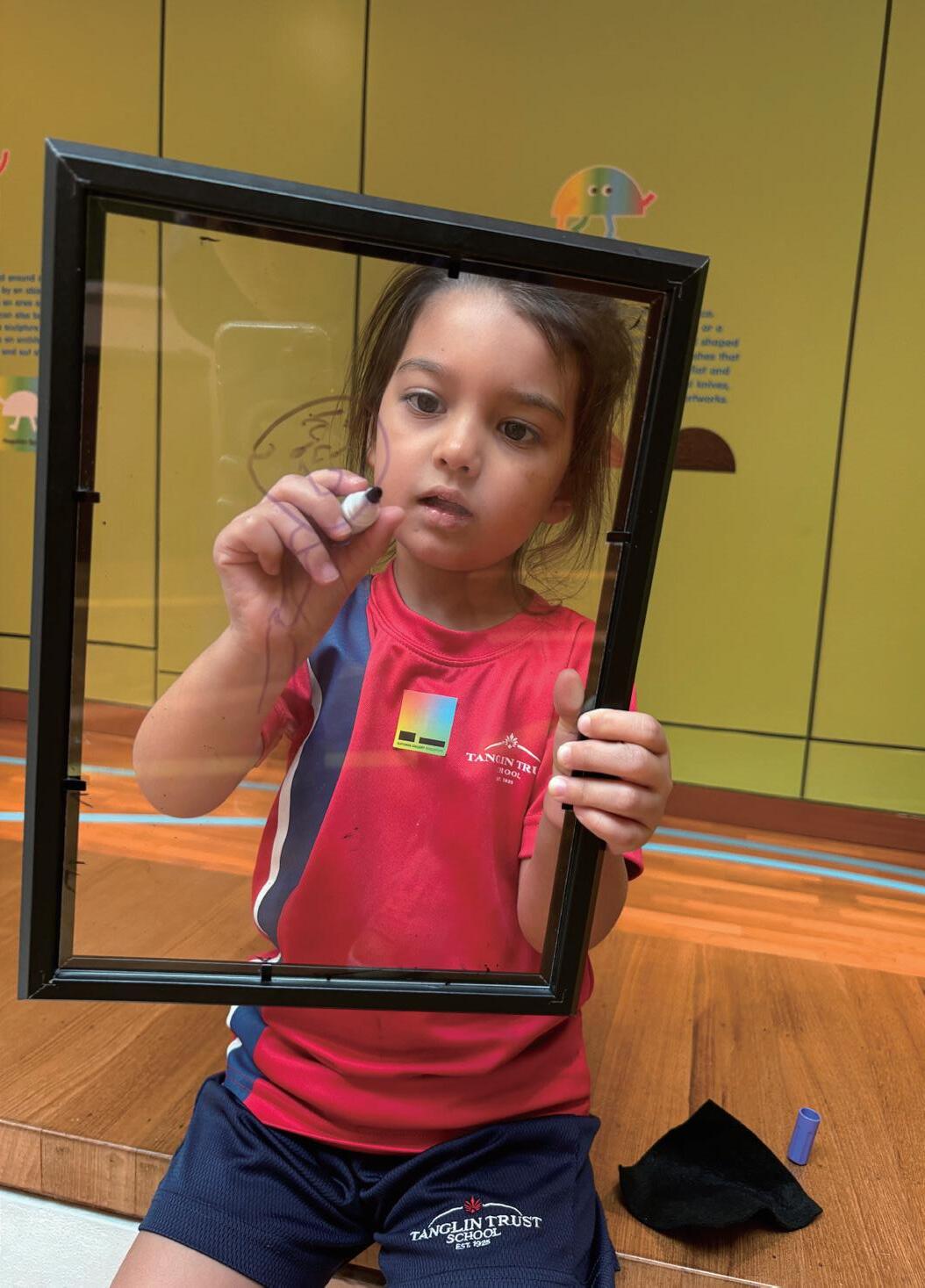
Each year, our Reception children embark on an exciting visit to the National Gallery Singapore, where art, imagination, and discovery come together in a truly inspiring way. The highlight of the trip is always the Keppel Centre for Art Education, a vibrant and interactive space designed especially for young learners to explore art through play, movement, and creativity.
Inside the Keppel Centre, the children are immediately captivated by the colourful and hands-on exhibits. At the light box tables, they experiment with translucent coloured shapes, arranging and layering them to create their own abstract designs. Their faces light up with wonder as their creations are projected onto the walls around them, transforming their small table-top experiments into large-scale, glowing artworks. This experience encourages the children to think about colour, composition, and collaboration, all while having fun and expressing themselves freely.
and technology in artmaking. The children explore portraits in greater depth, discovering how facial expressions can tell a story and convey different emotions. Working with a partner, they take turns posing and capturing one another’s expressions, focusing on a chosen emotion such as happiness, surprise, or curiosity. This thoughtful activity not only strengthens their artistic confidence but also deepens their self-awareness and emotional understanding, as they come to see that art is a powerful way to express who they are and how they feel.
The Importance of Visiting Art Galleries and Museums
Introducing children to art galleries and museums from a young age opens up a world of curiosity, creativity, and critical thinking. These visits encourage children to look closely, ask questions, and share their ideas, helping them to develop observation and communication skills that go far beyond the classroom. In galleries, children encounter a variety of perspectives, cultures, and artistic styles. This exposure helps them appreciate diversity, fosters empathy, and encourages them to see that there are many ways to interpret and represent the world around us. Engaging with real artworks, rather than just pictures in books, gives children a sense of awe and connection to human creativity across time. For young learners, museum and gallery visits are much more than just outings. They are rich learning experiences that spark imagination, build confidence, and inspire lifelong curiosity.
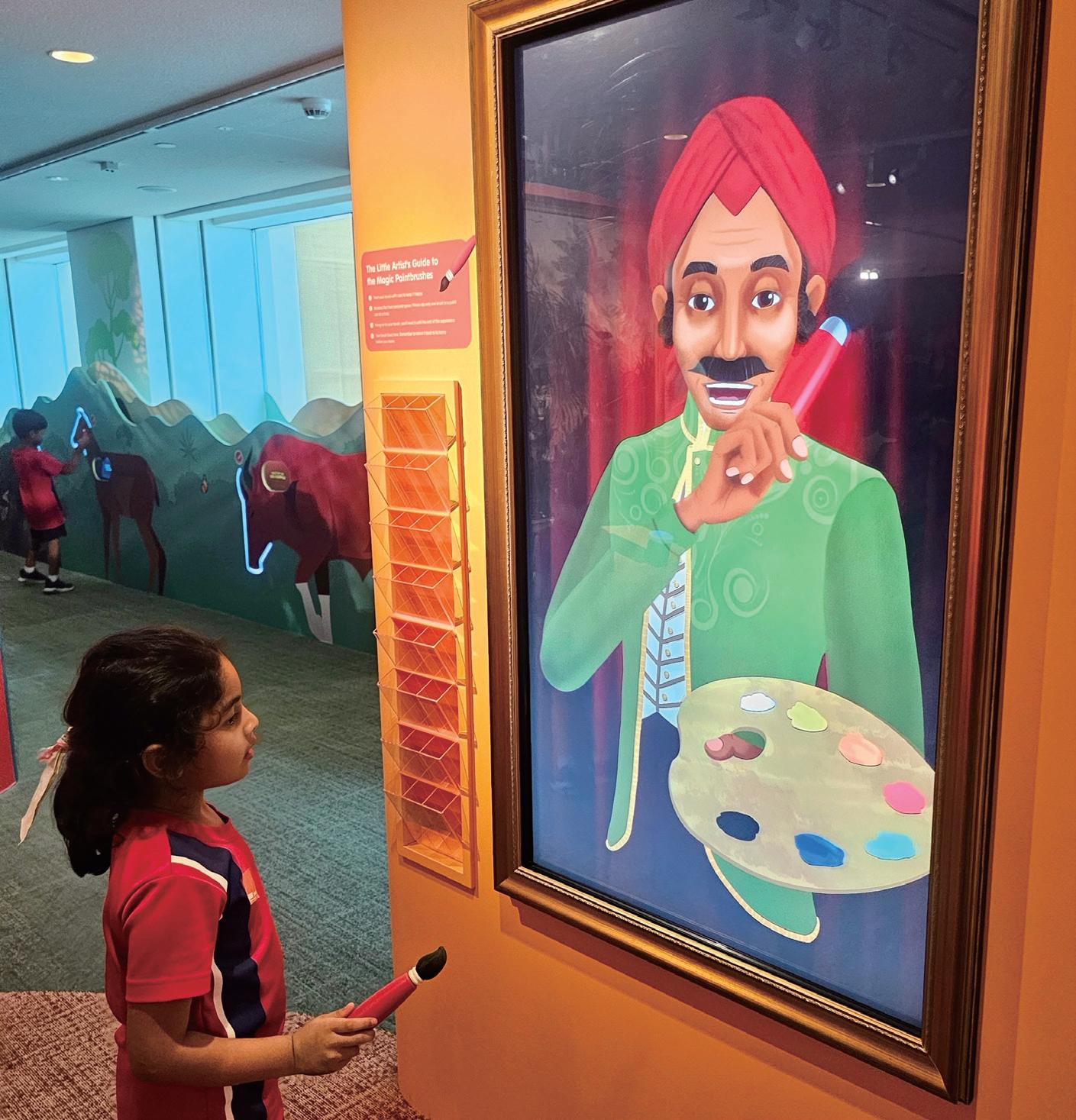
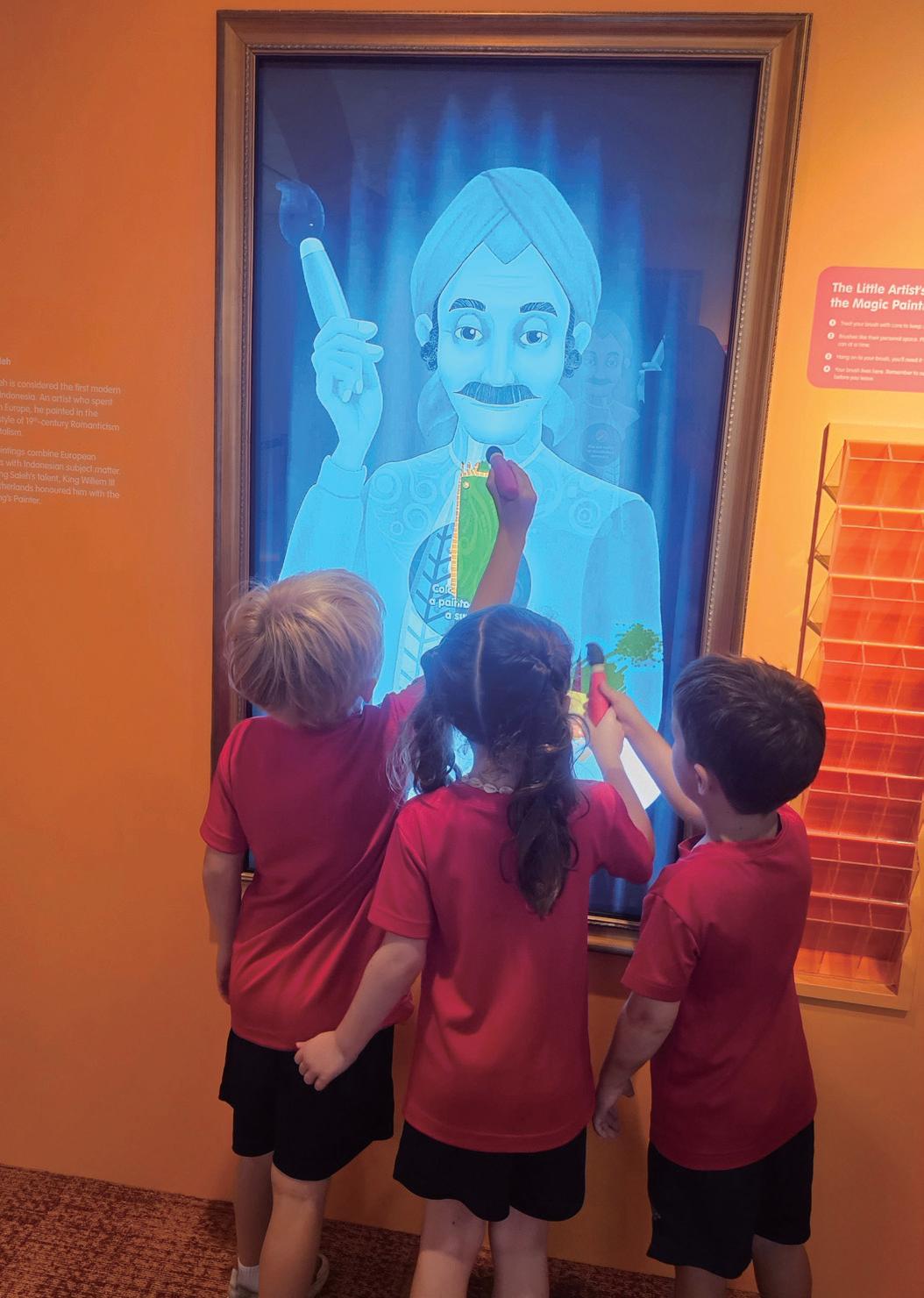
The excitement continues as they step into ‘A Brush with Forest Fire’, an immersive digital installation that truly brings art to life. Armed with a magical paintbrush, the children move and paint within the artwork itself, interacting with colours, textures, and motion. As they explore, they learn about key art principles such as shape, contrast, and movement, while also discovering how artists use these elements to tell a story. The children delight in watching their brushstrokes become part of the dynamic scene, gaining a deeper appreciation for both creativity »
By Peter Hinckley, Head of Junior Art and Design JUNIOR
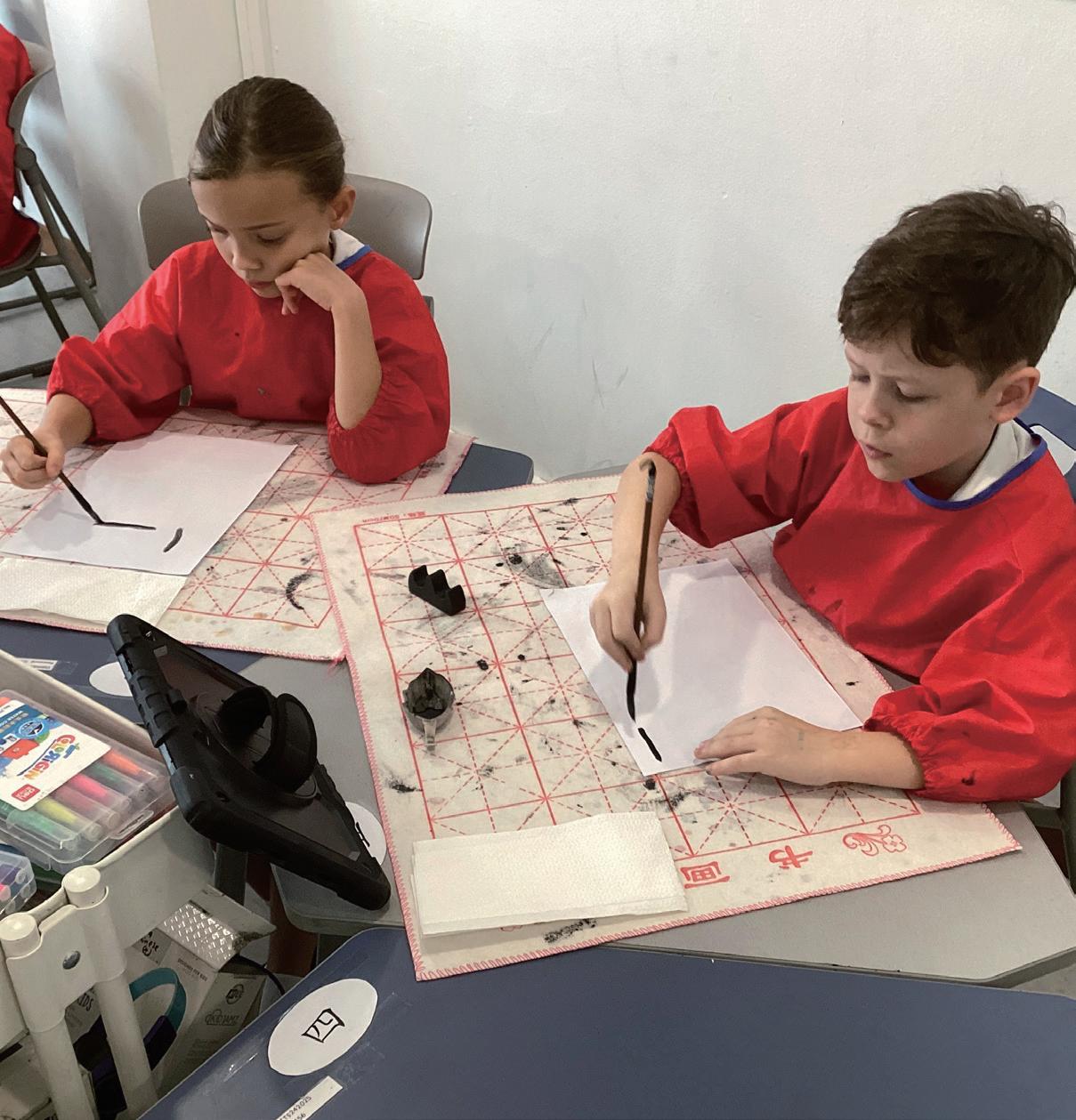
INSPIRING SPACES FOR CREATIVE GROWTH: THE JUNIOR ART CENTREART STUDIOS
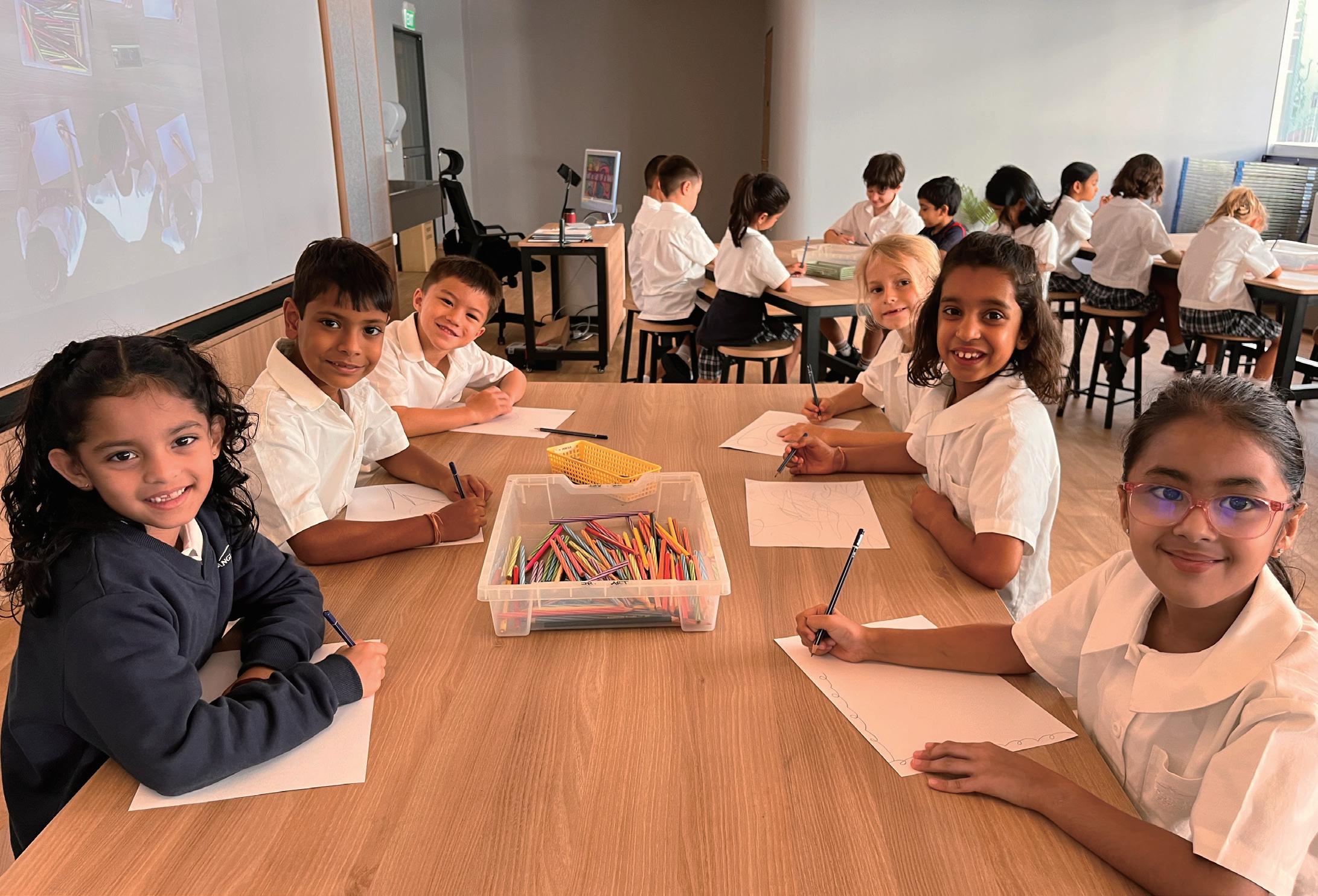
The newly designed art studios at the Junior Arts Centre mark a major step forward in creating an inspiring and contemporary environment for artistic learning. Thoughtfully designed to harness natural light and a sense of openness, the two specialist art rooms provide the ideal setting for creativity, exploration, and innovation to flourish.
Integrated technology, including a ceiling-mounted camera for close-up demonstrations and synchronised computer screen projectors, offers an engaging platform for visual learning. Teachers can model techniques in detail and ensure every student has a clear view of the creative process, eliminating the days of crowding around a single table. This setup also provides a wonderful way to showcase students’ artwork, fostering a dynamic and inclusive studio culture.
The art studios feature a flexible dual-studio configuration that offers exceptional versatility. A movable central partition allows for quick reconfiguration, transforming the space into two independent rooms for focused group sessions/workshops or opening seamlessly into one expansive art space for wholeclass teaching. Bathed in natural light, the spacious environment provides an inspiring setting for exploring a wide range of media, from drawing, painting, and printmaking to textiles, ceramics, and large-scale installations. The studios also create opportunities for community engagement and collaborations with visiting artists, celebrating student creativity within a professional and inspiring environment.
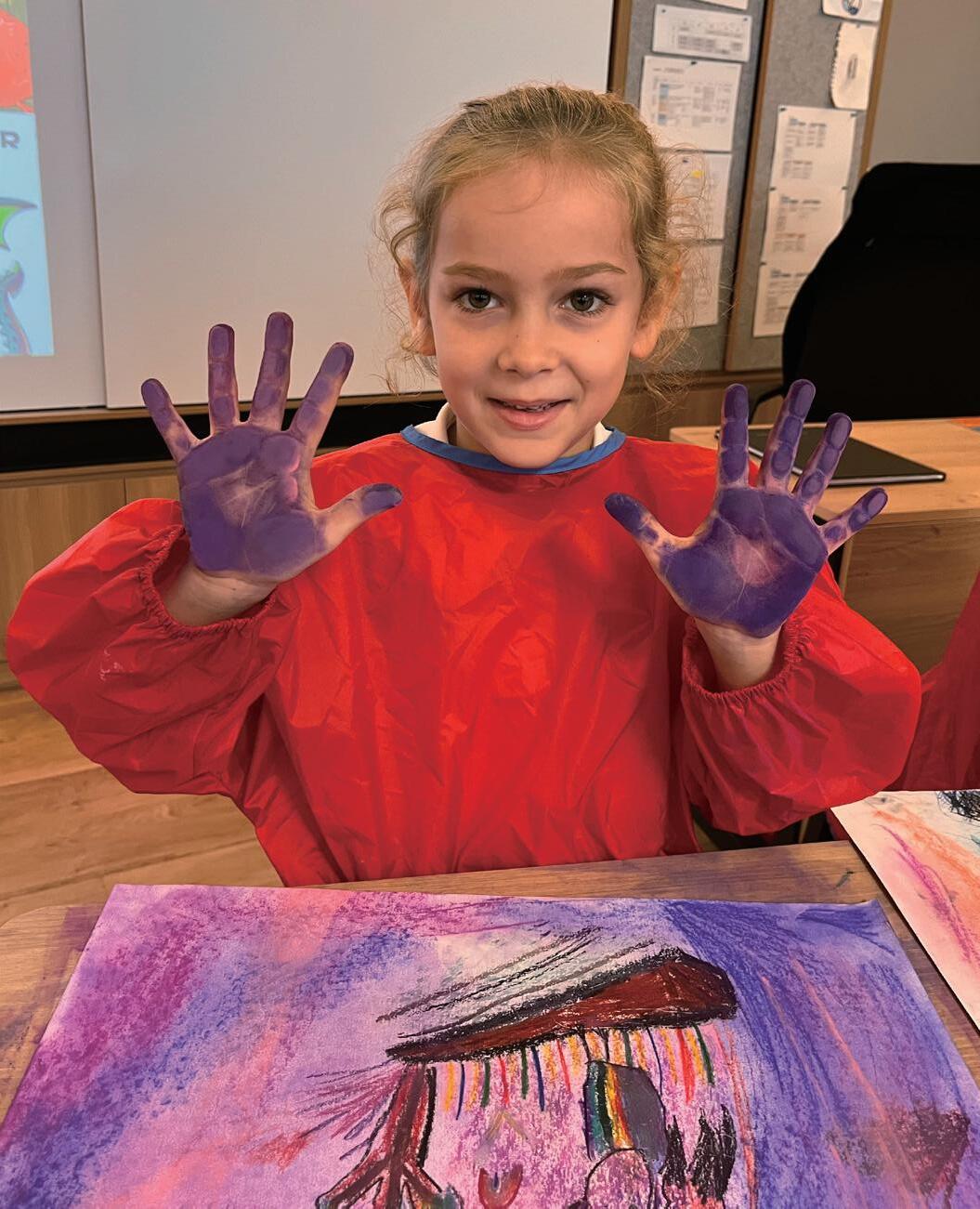
The curriculum has already benefited greatly from these new facilities during the first academic term. In Year 3, as part of their focus on the Vikings, students have been exploring mixed media by experimenting with pastels, paint, and pencils to create imaginative creature compositions inspired by Norse mythology. Drawing inspiration from Joe Todd-Stanton’s Arthur and the Golden Rope, the children researched visual references of snakes, wolves, crows, and dragons to build a visual library that supported their creative ideas. During their drawing lessons, they learned how to construct more complex forms by sketching and combining simple shapes to create their mythological creatures. Experimenting with a range of media that included oil pastels, soft pastels, and wax crayons, the students learned to select the best tools for different effects, such as soft backgrounds, sharp textures, and vibrant colours. Their next project involves creating Viking longship compositions using mixed media, incorporating a rich variety of collage materials such as wool, lolly sticks, fabric, buttons, card, and foil.
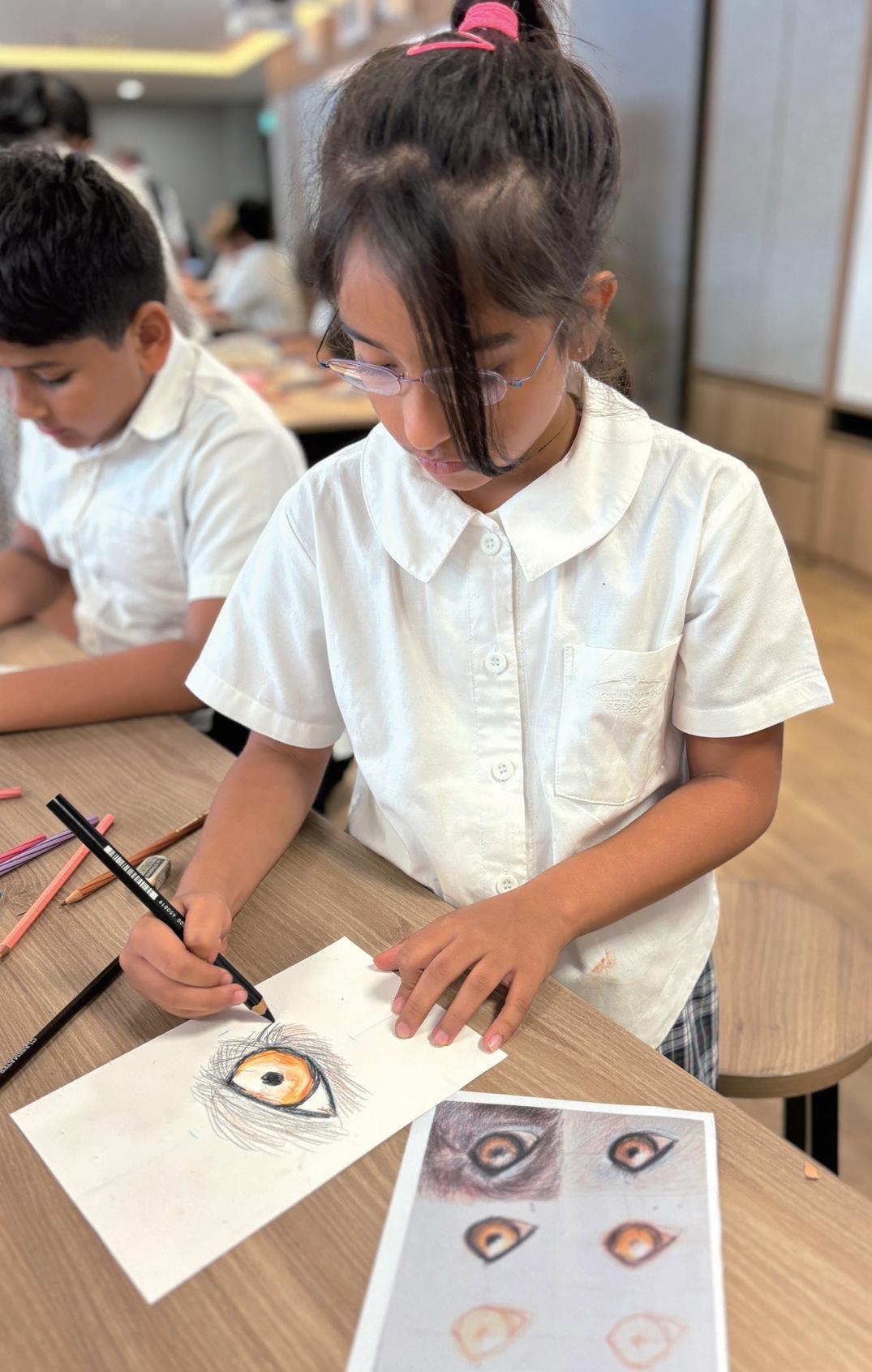
Year 4’s Pristine Planet unit began with close-up studies of flowers and the intricate textures, colours, and shapes found in a variety of animal eyes. This provided a wonderful opportunity for students to explore colour mixing, brushwork, and pastel techniques, drawing inspiration from macro photographs and the vibrant floral artworks of Georgia O’Keeffe. Moving from pastels to paint, the children experimented with colour blending and brush techniques to create expressive close-up paintings of animal eyes.
Continuing the Pristine Planet theme, they are now producing large charcoal drawings of fish by taking full advantage of the studio’s spacious layout. These pieces focus on lines, texture, and form, inspired by the stunning underwater artwork of zoologist and artist Roger Wainwright, who creates his pieces while diving on coral reefs.
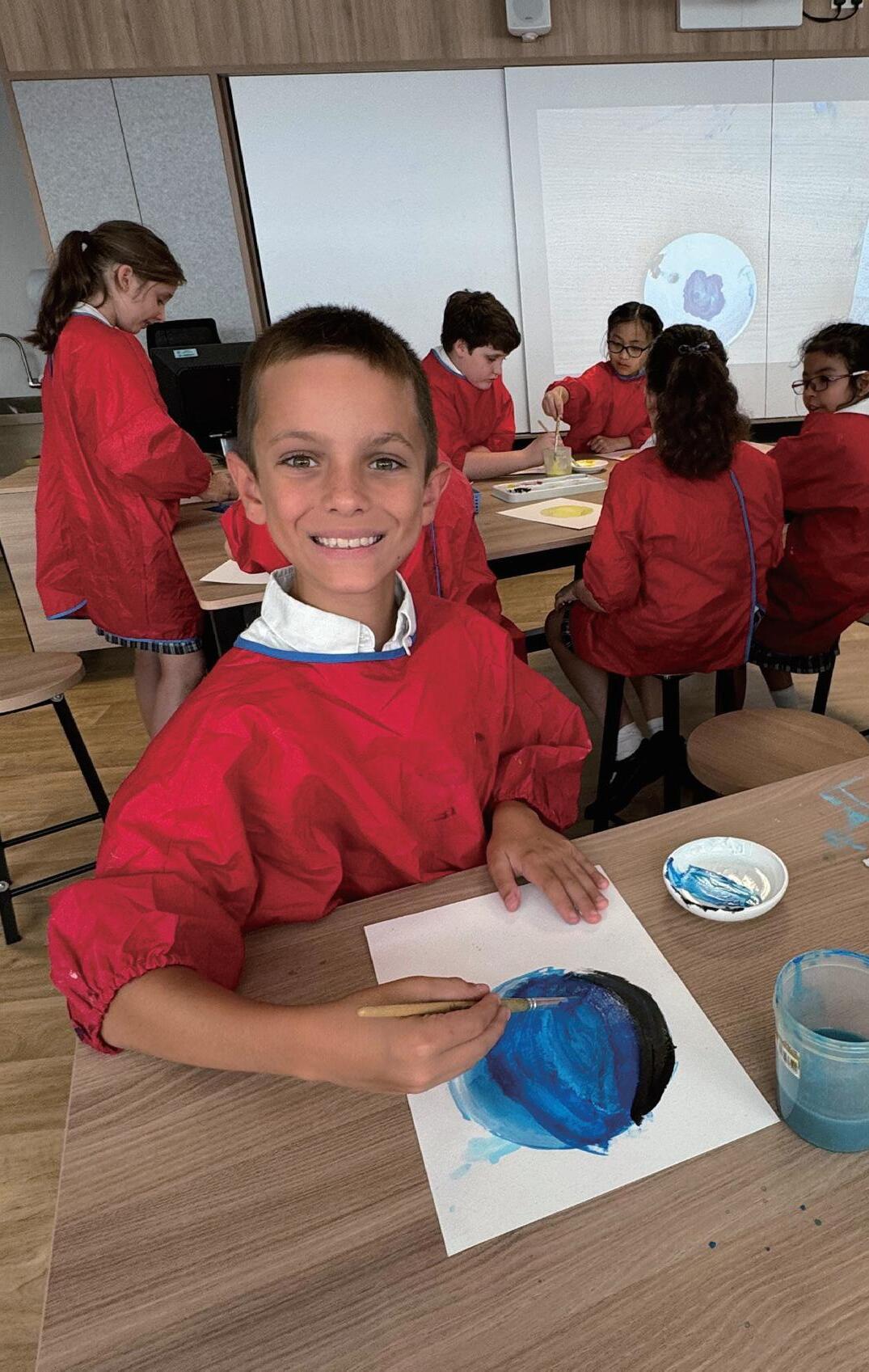
Year 5 students extended their skills through expressive acrylic painting and poster design inspired by illustrator David Klein, renowned for his bold and captivating travel posters. The spacious studio, ample sink areas, and natural light have provided an ideal environment for focused work on painting, colour mixing, graduated shading, and brush techniques.
In Year 6, the focus shifts to sculpture and painting within the theme of remembrance and unity connected to the post–World War II era. Emphasis on drawing encourages both refined observation and creative interpretation, with the studio’s natural light creating optimal conditions for precision and concentration. The ceiling-mounted camera further enhances learning by allowing live demonstrations of observation and technique.
The new Junior Art Studios feature a calming yet contemporary aesthetic, where neutral tones, abundant natural light, art-specific sinks, and custom-designed worktables come together to create an inspiring and functional environment. These new art spaces will undoubtedly enrich the art educational experience by nurturing confidence, imagination, and a lifelong appreciation for the creative arts.
A LITTLE BIT OF THE BIG APPLE VISITS TANGLIN
By Elizabeth Anstiss, Head of Senior Art and Design
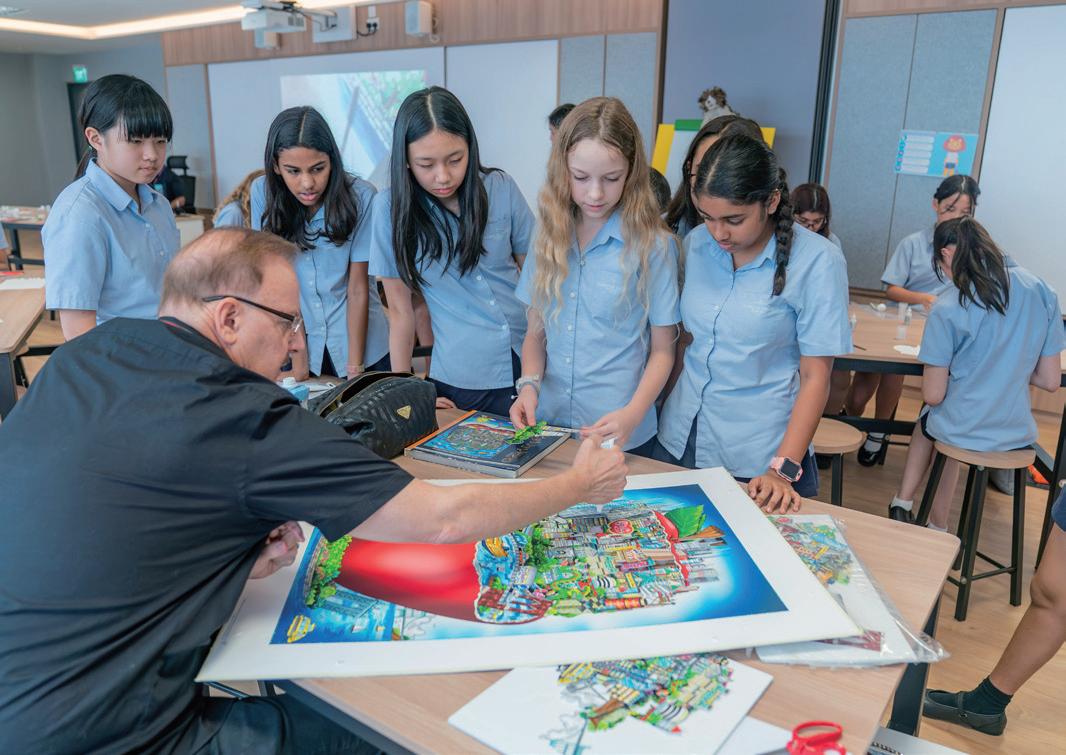
If you have ventured up to Level 11 in the Centenary building recently, I am sure you will have been captivated by the visually enticing and fun works of American based artist Charles Fazzino. In Tanglin’s quest to build relationships with various art institutions around the country, we have a strong relationship with Bruno Gallery, Singapore. As part of his outreach work, in September, Fazzino offered to hold a workshop for our students. Naturally we jumped at the opportunity!
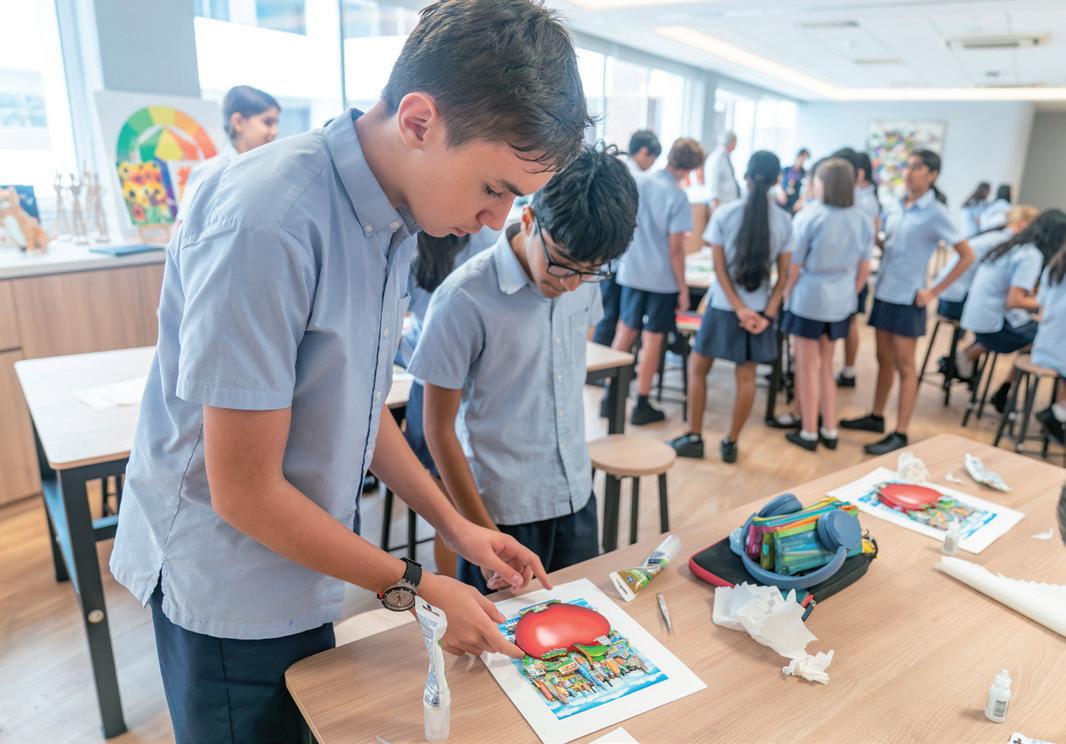
Held in the new Junior Art studio, the event offered a superb excuse to use this fantastic space. This workshop facilitated the intrinsic motivation we encourage in our students. We had a full bill of signups, showcasing the desire of our Middle School students to engage in an arts activity for its inherent satisfaction, interest, and enjoyment. Fazzino was generous with his time and captivating with his dialogue. He shared his biographical narrative of how he became an artist, studying with Keith Haring and lapping up what the American cultural scene in New York had to offer in the 1970s.
One thing that resonated with me was when he stressed the importance of learning from the past. Studying art is important. Paying attention to history is important. Studying various art styles and techniques, discussing art themes and even exploring the role that art has in our lives and cultures is all part of becoming a well-rounded artist. Fazzino talked much about the extrinsic motivation he received from his tutors at art school.
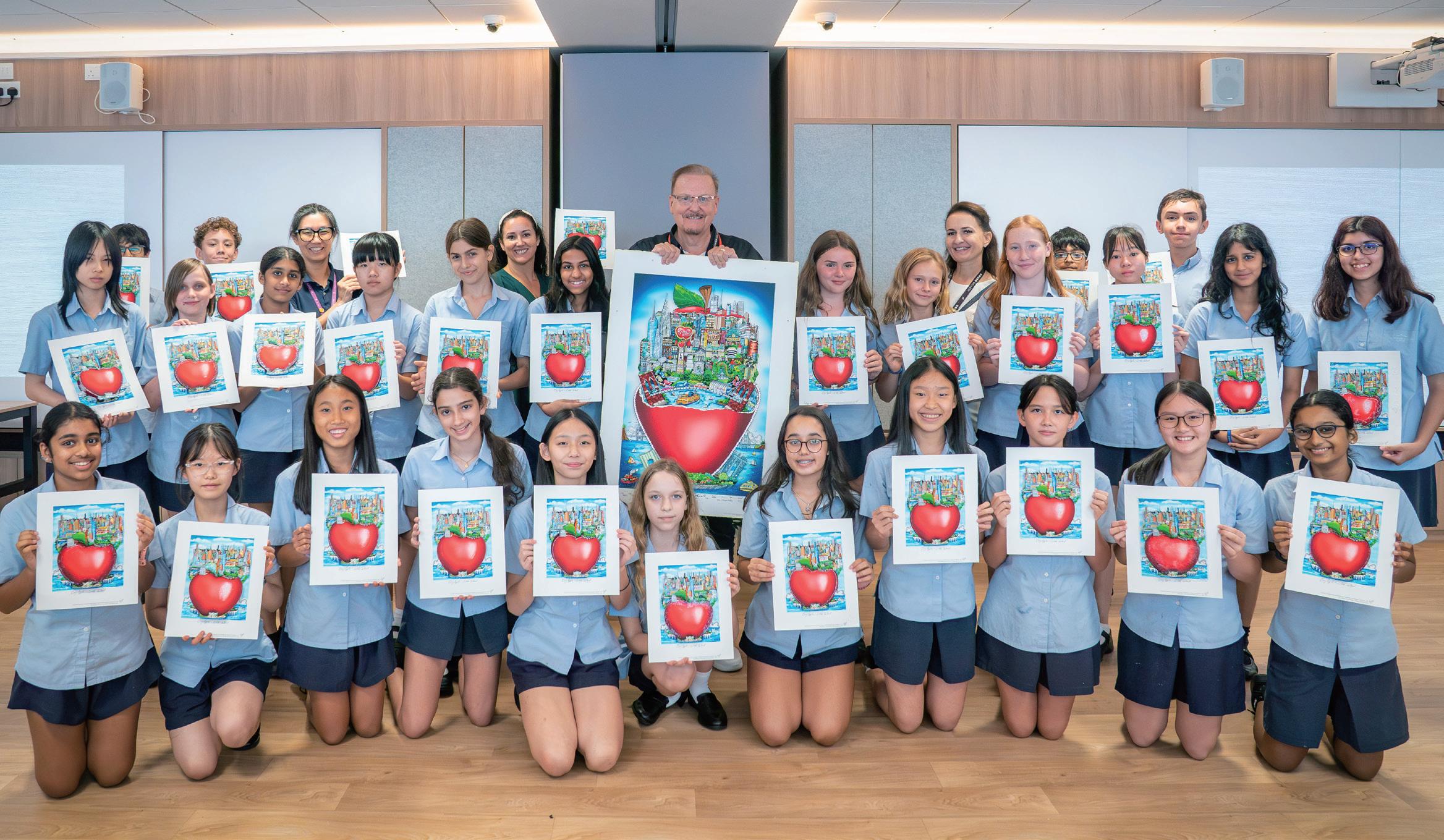
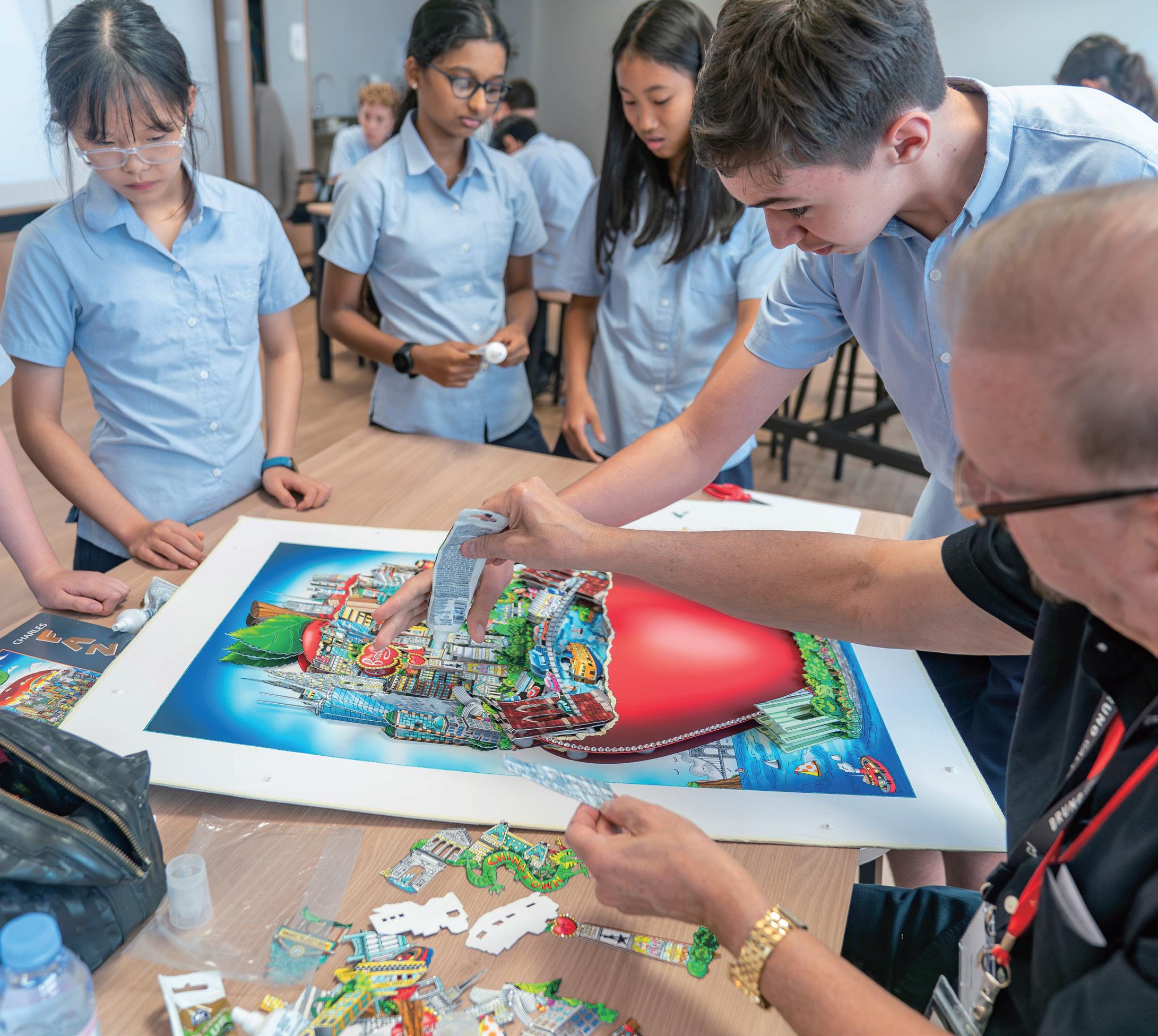
From top to right: Held in the new Junior School Art Studio, the workshop invited students to create for the sheer joy of art—fostering creativity driven by curiosity, satisfaction, and enjoyment.
He said, “My experience studying art at the School of Visual Arts in New York City was priceless. The most important thing I learned there was that the room for creativity is infinite. I was immersed in so many different styles and techniques of art—some of which I didn’t even like but now, am grateful I experienced. One of my teachers, Susan Coe, pushed me particularly hard. She gave me a lot of challenging and motivating feedback, never letting me become too comfortable or satisfied, and always trying to make me better and different. I’ll always be thankful for that.”
Fazzino exposed the students to unfamiliar techniques, and the way the workshop was structured allowed everyone to find success. Students became competent in utilising his layered method, and as the workshop progressed, they were encouraged to make their own decisions on the aesthetics of their work. Desirable difficulties are imperative for progression. In our Senior art curriculum, we delve into a vast range of media that challenge students’ thinking and practical skills. Scaffolding the beginning of their practical and cognitive explorations is important. Then, introducing students to relevant contemporary and historical artists to guide their learning is fundamental. Fazzino spoke about incorporating honesty into each and every
piece of art as a critical aspect of maintaining a unique style as an artist. Fazzino has always remained adamant about being true to himself. It takes a strong and passionate artist to know when art simply “isn’t them” and does not properly reflect his or her unique style. If you have ever visited our Senior art exhibitions, you will have noticed our students don’t make artwork dictated by a teacher-imposed formula. We pride ourselves on nurturing our young artists to make meaningful visual responses to things that are related to their own experiences of the world. Students must learn from other artists, but we continually emphasise that students need to find their voice as an artist, not mimicking the voices of other artists.
After the workshop, guests were invited to the Institute for an artist’s talk and the grand unveiling of Fazzinos’ latest work. Welcoming Charles Fazzino into Tanglin was an important step in building our relationship with contemporary international artists. We are delighted that Tanglin Trust School features in his most recent work for SG60 and we look forward to building our relationship with The Bruno Gallery. When you are next on campus, visit the Junior Art Studio to see the piece co-created in the workshop and donated to the school by the artist. ■
A NEW CHAPTER BEGINS 2025 HEAD TEAM
Each year, Tanglin appoints a new Senior Head Team, and every group brings its own strengths and vision. This year, the team is made up of Nishka C, Arthur G, Zyra K, Shloka P, Libby P, Gia S, Sudhanva K, and Aavienda C. Let’s get to know them better.
First up…the two Lead Students: Nishka and Arthur.
Nishka, who has been at Tanglin since Nursery, was inspired to run for the Head Team to give back to the community that has shaped her into who she is today. She reflected, “As someone who has been part of Tanglin since I was a child, I’ve long looked forward to the opportunity to connect with people across the school. When I was in Infant School, I remember being awestruck by the Head Team and I hope to make a similar positive impact on this school—one that will last beyond my time here.”
As one of the Lead Students, Nishka values the diversity of perspectives, backgrounds, and experiences within the team. While she recognises the challenge of balancing different viewpoints, she aims to approach initiatives thoughtfully, communicate openly, and work collaboratively with her team to achieve the best outcomes. In particular, she looks forward to working with both her vertical and horizontal teams to develop ideas and lead projects that leave a lasting impact. Nishka also hopes to be an approachable point of contact, creating a space where students feel comfortable sharing their ideas and concerns, knowing they will be heard and taken seriously. Arthur, who joined Tanglin in Year 4, is equally passionate about serving the Tanglin community. Like Nishka, his role focuses on representing his peers’ views and ensuring their voices are heard. This involves keeping communication channels open through assemblies, surveys and even oneon-one conversations with students who have concerns or questions. “This year, our collective goal is to strengthen our community, and I’m especially excited to collaborate with people across the school to enrich the student experience at Tanglin,” Arthur said.
Having consistently taken on leadership roles, including House Captain, Arthur has developed key skills such as communication and teamwork. Over the years, he has also been inspired by the Head Teams’ ability to bring about positive change, motivating him to make his own contribution as a Lead Student himself. Arthur also feels a strong connection to the idea of ‘Legacy’, a key focus at Tanglin. For him, this means engaging a wide range of students in every initiative, ensuring that the torch can be passed on and the impact sustained.
STUDENT WELFARE
Up next is Zyra, the Student Welfare Representative. She joined Tanglin 10 years ago in Year 2 and has since developed skills she now hopes to use to support her younger peers, especially in promoting mental health and fostering an appreciation for Tanglin’s diverse cultures. She said, “I’m excited to collaborate with students across different year groups and develop innovative solutions to the challenges facing our student body.”
Zyra was inspired to run for a Head Team position because she wanted to gain insight into how the Head Team and Senior Leadership collaborate behind the scenes to make decisions and turn ideas into reality. She also saw it as an opportunity for personal growth, developing her confidence and public speaking skills through Hustings and the Head Team interview. Looking ahead, Zyra anticipates that time will be one of the biggest challenges, as Tanglin’s busy calendar of events and activities means that new initiatives require careful planning and advance notice. She also recognises that, with each Head Team member involved in other leadership roles and passion projects, coordinating as a full team may sometimes be difficult. However, Zyra is confident that with strong organisation, clear communication, and mutual support, the team can overcome these hurdles and make a meaningful impact.
“
This year, our collective goal is to strengthen our community, and I’m especially excited to collaborate with people across the school to enrich the student experience at Tanglin - Arthur
”
ENVIRONMENT AND SUSTAINABILITY
Libby leads the environmental and sustainability initiatives at Tanglin. Since joining Tanglin in Year 9, she has been an active member of the sustainability action group, remaining dedicated to promoting eco-friendly practices both within the school and in her daily life. Today, she is focused on strengthening Tanglin’s sustainability efforts through education, partnerships with sustainable businesses and organisations in Singapore, and developing student-led projects. She shared, “Climate change is an ever-growing challenge that everyone should be aware of. I aim to adapt and develop innovative solutions that we can implement in school, by drawing inspiration from successful projects in the wider community.”
Having served as a student leader in Years 10 and 11, Libby recognises the importance of listening to the concerns and ideas of her vertical groups, who represent the voices of their year levels. She also values the diversity within the current Head Team, believing that their different ideas, opinions, and skills make for strong collaboration.
TEAM TANGLIN
Shloka joined Tanglin in Year 7 and now represents “Team Tanglin” on the Head Team. She works to boost participation in sports, arts, and community events across the school. By organising and joining activities – be it cheering on sports teams or celebrating creativity in the arts – Shloka helps to keep the Tanglin spirit alive. Having been active in the community from early on, she has served as a class representative in Year 7 to 9, community representative in Year 10, joined the Prom Committee in Year 11, and was even the first Student Head of Houses the year before. She said, “All of these experiences inspired me to run for the Head Team because I’ve
seen how leadership can bring people together, strengthen our community and create meaningful impact.”
As the Team Tanglin representative, Shloka plans to foster open communication by engaging actively with her vertical teamsconsisting of students from different year groups - and remaining approachable so that ideas and concerns can be shared freely.
ACADEMIC EDGE
Gia was elected to represent Academic Edge on the Head Team, a role she embraces with passion. She believes academics should go beyond grades and be rooted in a genuine love of learning. With this in mind, Gia is focused on initiatives that enrich the academic experience and inspire students to explore beyond the curriculum. She also works closely with Heads of Faculty and Sixth Form Subject Prefects to support students through subject clinics and revision sessions. She explained, “I wanted to shift Tanglin’s academic culture by cultivating a positive attitude toward wider reading and engaging with the real-world application of subjects.”
Like any ambitious project, challenges come with the territory. One key hurdle has been creating opportunities that appeal to as many students as possible, given the wide range of disciplines across STEM and the humanities. To meet this, Gia makes a conscious effort to speak with students directly, gathering feedback on whether initiatives are working. She credits her fellow Head Team members for their valuable insights in refining this process.
DIGITAL FIRST
Sudhanva, who joined Tanglin in Year 7, now serves as the Digital First representative. He is excited about the role, as it gives him the opportunity to work with younger students on student-led digital initiatives across the
school. This not only offers valuable insights into the challenges faced by different age groups but also enables him to explore the use of AI in enhancing various aspects of school life. Having been actively involved in sports and music at Tanglin, Sudhanva sees the Head Team as a meaningful platform for addressing daily digital challenges and develop practical, student-focused solutions.
To achieve this, he plans to work closely with his vertical teams, while recognising that collaboration doesn’t always mean that every idea can be implemented. Sudhanva is also keen to engage with the Infant School, explaining, “I feel that they are the future of the school and making a long-lasting impact with the younger age groups helps to build a strong foundation for the future.”
FUTURE READY
Finally, Aavienda leads the “Future Ready” initiative. As the first student to hold this newly created role on the Head Team, she is excited to lay a strong foundation and set the building blocks for the future. What began as a role celebrating Tanglin’s first 100 years has now evolved into one focused on shaping the next 100 years of the school’s legacy—a challenge that Aavienda embraces with enthusiasm. Having joined Tanglin in Reception, Aavienda has witnessed the school’s growth over the years. She explained, “The opportunity to add something new to Tanglin's legacy truly excites me. I've held leadership roles throughout my time here, so joining the Head Team felt like the perfect next step for me.”
Building a framework for future Tanglin students does come with its challenges, as it needs to be flexible enough to adapt year after year. For this reason, Aavienda plans to design initiatives that are simple to implement yet have a meaningful impact on the entire school community.
Now that you’ve met our Head Team, make sure to give them a warm hello when you see them around school! ■
New
You’ve met them around the school, now get to know our new Heads a little better!
Fresh Faces, Visions
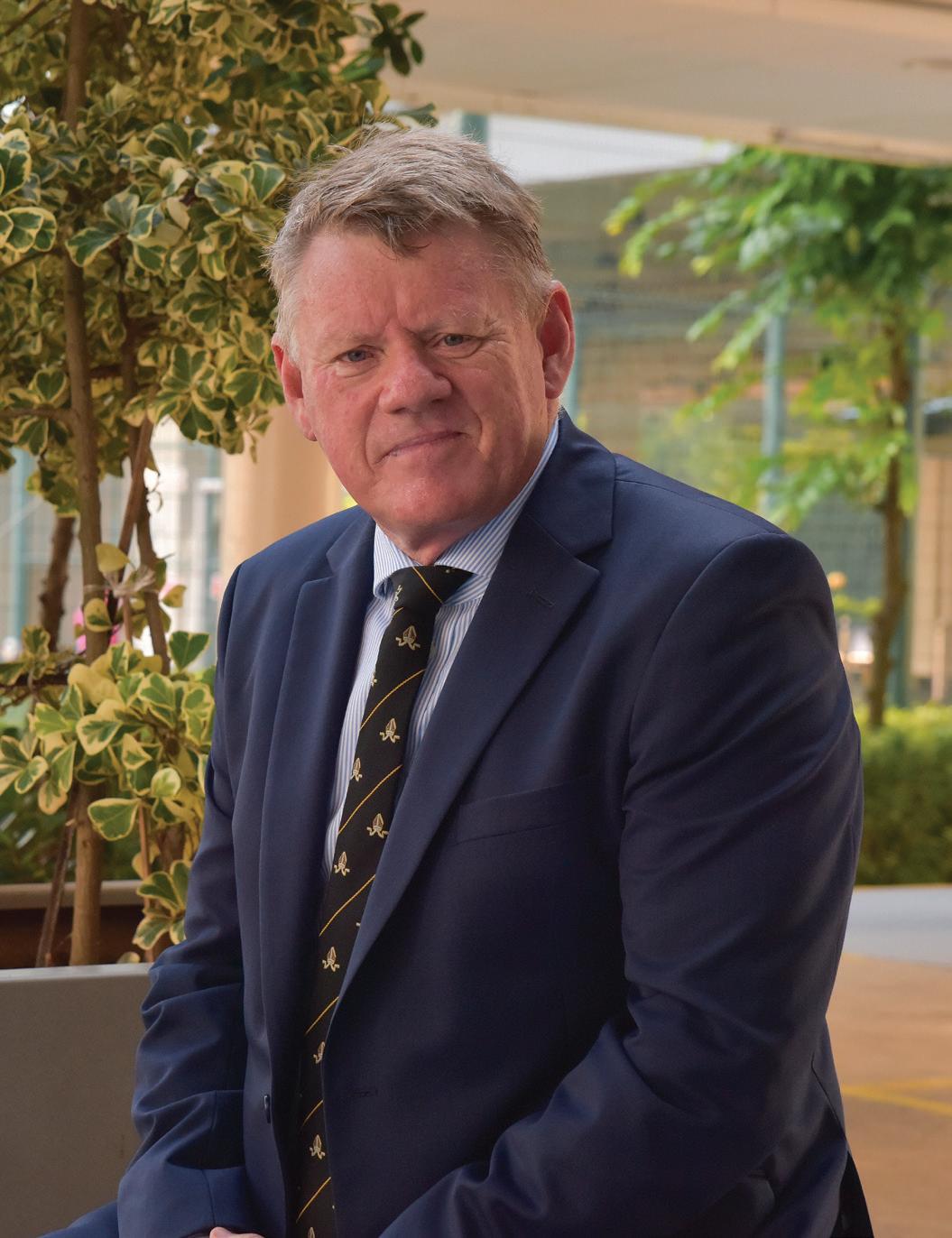
DR RICHARD MALPASS HEAD OF SENIOR SCHOOL
Tell us about yourself.
I was born and raised in Sydney, Australia, and attended Sydney Grammar School as a boy.
What inspired you to pursue a career in education?
At school, I was blessed by a range of inspirational teachers who not only nurtured my love of academic life but also instilled in me the joy of sharing that intellectual ambition with others.
Tell us about your journey, from your early teaching days to your previous role.
After completing my Honours degree in English and Classical Literature, I began my career at Newington College in Sydney. I loved it, so I decided to complete a Doctor of Philosophy thesis. After completing that thesis, I joined Radley College near Oxford. Life in English education greatly appealed to me, and I went on to become Head of English at Tonbridge School in Kent. That role led happily to my appointment as the Academic Head at Christ’s Hospital School in Sussex, a role that prepared me very well for my first Headship at Sydney Grammar School.
What do you enjoy doing outside of school?
Any hobbies or surprising interests?
I have three wonderful children and my darling wife who are everything to me. When hobbies are allowed some time, they tend to involve playing my amateurish jazz trumpet, reading and following everything and anything across international football, cricket and rugby.
Best piece of advice you’ve ever received?
If, when asking “why has this always been done a certain way”, you are told “because this is how we’ve always done it”, challenge it.
Dr Richard Malpass, Head of Senior School
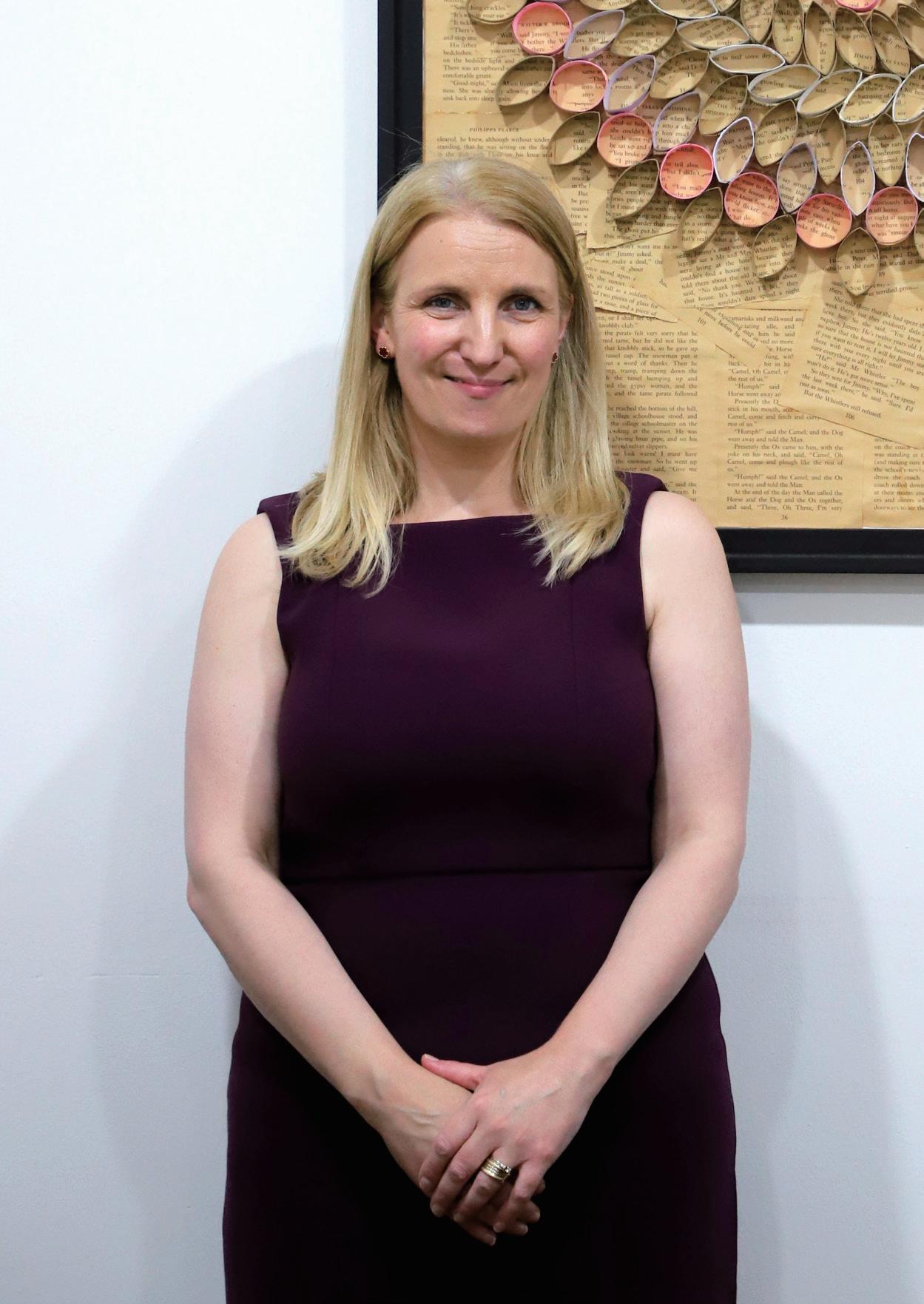
Sophie Hawkins, Deputy Head (Co-Curriculum)
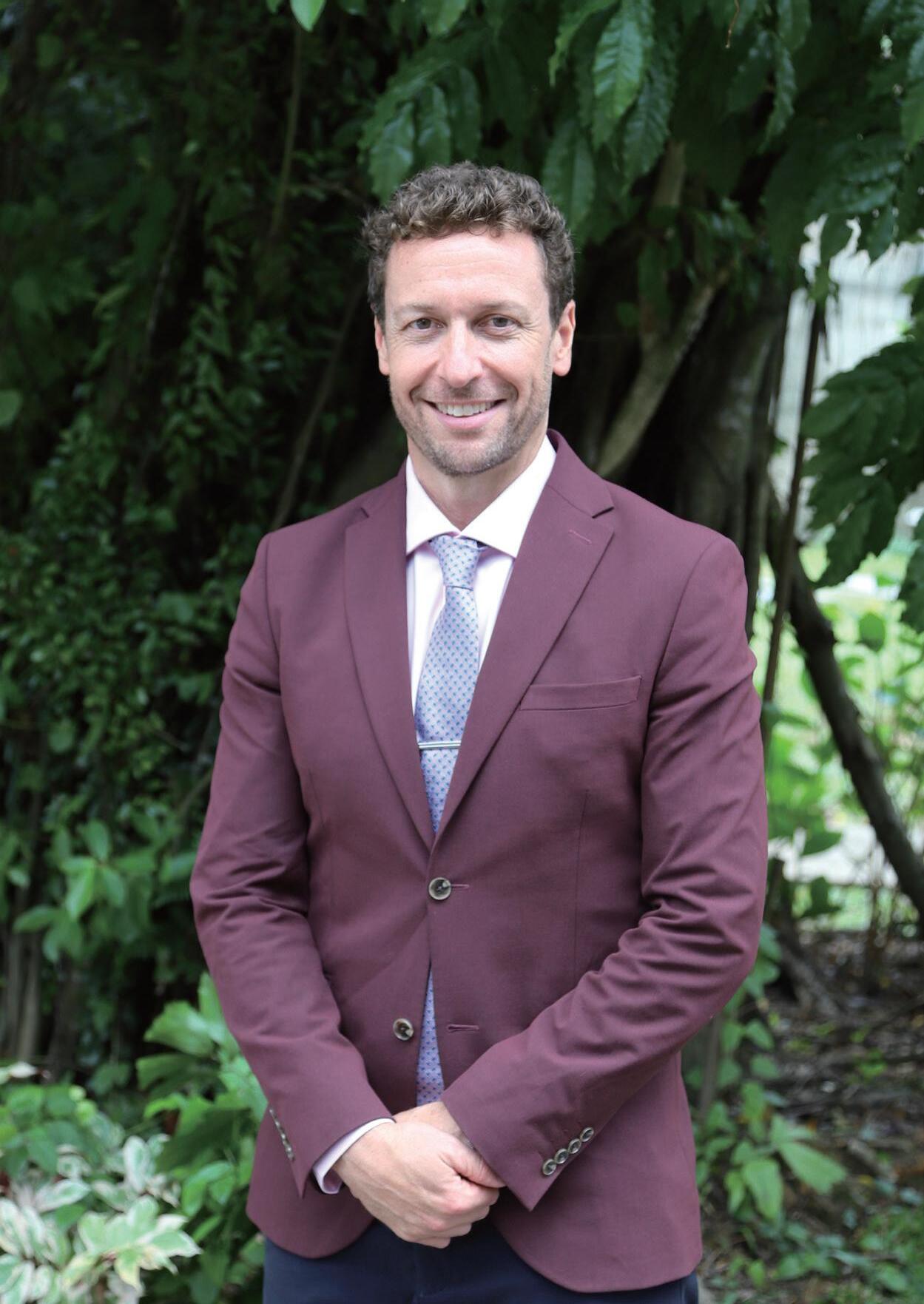
Damian Ballantine, Head of Sixth Form
Anna Karacan, Deputy Head (Academic) Infant School
ANNA KARACAN DEPUTY HEAD (ACADEMIC) INFANT SCHOOL
Tell us about yourself.
We are quite a mix as a family! I am from the UK, my husband is from Turkey, and we have lived in Hong Kong, Turkey, the UK, and now Singapore! We speak English and Turkish at home and my children are proud to say that they grew up in Asia. My husband is a pilot, so we are lucky to be able to travel a lot and explore the world. My eldest daughter, Ayla, is off to Edinburgh University to study law and my youngest daughter Lara joins Year 10 at Tanglin. We are really excited to be in Singapore and to learn all about a new country.
What inspired you to pursue a career in education?
One of my first jobs after university was working with children in a holiday resort at a children’s holiday club in Turkey. I really enjoyed planning the daily activities and seeing children respond positively to them and this led me to finding out more about how children learn. I went back to the UK and asked Manchester Metropolitan University to give me a space on their already full PGCE course (I was late to apply and initially they told me to wait and apply the following year!). I went to the university every day to put forward the reasons why I wanted to start as soon as possible and, in the end, they said I could join if I agreed to go to France for a term as part of the course. I couldn’t believe how lucky I was, and I spent a term teaching in La Rochelle and learning all about the French National Curriculum alongside my English qualification. I think this is where my interest in teaching internationally began. The following September when I started my first job and had a class of my own, I knew that I had made the right decision. I have loved being a teacher ever since!
Tell us about your journey, from your early teaching days to your previous role.
On one of my student-teacher placements, I ended up teaching in Reception by mistake! There were too many student teachers in the class I was meant to be in. I could see a classroom where all the children were having such a good time, and their teacher always seemed to be planning something exciting and interesting
“ Never stop learning… be open, try new things, be respectful and know that there is always something to be learned in any situation.
”
for them to explore. I asked her if I could come and work in her classroom and fortunately, she agreed! I have been an Early Years convert ever since! I worked in the state sector in the UK as a Reception Teacher and Early Years manager for a few years. I then moved to the independent sector as I was really interested in the all-round provision and opportunities that the sector offered to children. I completed my EYPS and then took a job setting up the Early Years at Harrow Hong Kong, which was a start-up school at the time. From there, I was promoted to become Deputy Head of Lower School and learned a lot about the journey beyond the EYFS into Primary. I then moved to Kellett which I really enjoyed, even though my time there was during COVID. We all learned lots about online learning at that time and I think I wrote about 20 different timetables to manage the different variations of school and home learning! I later applied and took up a Headship in the UK at a small prep school thinking it was the next logical step. However, my husband’s job is based in Hong Kong, so we did a long commute for three years! My family really missed living in Asia and being at international school and I really missed being a Deputy Head in an international environment! As soon as I saw the role at Tanglin, I really wanted to apply as it is such an amazing school. I feel very privileged to have been appointed.
How do you define a great Infant School experience?
A great Infant School experience is based on designing and providing the most enabling environment where children are encouraged and nurtured to explore and engage with the world around them, making observations, connections and discovering new things. The environment does mean the physical space and resources of course, but more importantly the trusting relationships that are built, the amazing opportunities that are planned and the time taken to encourage children to be curious and interested to learn and evolve. It should be the happiest time of a child’s life. We know that the experiences of children in their first five years have a very significant impact on their later overall future outcomes and so it’s important to take the time to get this right.
What are you most looking forward to as you settle into life in Singapore?
I am really interested in finding out more about Singaporean culture. A member of staff told me all about the Singapore pledge and I thought it was beautiful and very relevant in the times we are living in our world now. National Day was amazing and as a family, we felt very lucky to be able to watch it from a park close to Marina Bay Sands.
Best piece of advice you’ve ever received?
Never stop learning…be open, try new things, be respectful and know that there is always something to be learned in any situation.
Tell us about yourself.
I am from Melbourne, Australia (my parents are Italian and Welsh), although I haven’t lived in Australia for over 20 years. I recently returned to Singapore with my wife, Sophie, our 3-year-old daughter and our two dogs after three years working at an international boarding school in the Swiss Alps.
What inspired you to pursue a career in education?
I originally intended to pursue a career in law, but it quickly became clear that it wasn’t the right fit for me when my secondary school, Marcellin College in Melbourne, invited me to help out with the Year 7 summer camp. It was a tradition where graduating students returned to work as teaching assistants. I loved it and got on really well with some of my teachers during the camp. What drew me in was the sense that I could make a difference, on top of the fact that I really enjoyed being in the school environment.
Tell us about your journey, from your early teaching days to your previous role.
I began my teaching career in Melbourne, spending three years at a Catholic school in one of the city’s most disadvantaged areas. I then moved abroad and never returned to live in Australia since. What was meant to be just one year of cover teaching and travelling through Europe became five years at William Ellis School in London, where I gained my first experience of pastoral leadership in the Sixth Form. Since then, I have worked in international schools, moving from Vietnam (where I met my wife) to Lima, Peru, then to Singapore, followed by a stint in the Swiss Alps and finally returning to Singapore to join Tanglin. The majority of my career has been spent as a Head of English, with a notable period in Peru as Head of Teaching and Learning. Most recently, I served as an Assistant Head at Aiglon College in Switzerland, where I also stepped in as Academic Lead during the final two terms to cover the outgoing Deputy Head.
How do you define a great Sixth Form experience?
I believe that a valuable Sixth Form experience should offer a rich and diverse range of opportunities – both within and beyond the traditional curriculum – so students can discover their passion, find their niche, and feel a genuine sense of belonging. Alongside this, I believe in the inclusion of desirable difficulty and purposeful challenge across our programmes so we can help students grow into the people they aspire to be as well as individuals we believe they are capable of becoming. Ideally, this will encourage students to be ambitious, reflective, and process oriented. As a stepping stone into higher education and life beyond school, Sixth Form must equip students with the competencies and confidence necessary to navigate an increasingly complex and fast-changing world. All of this requires a strong sense of community and shared values that help foster a safe and enjoyable environment.
What are you most looking forward to as you settle into life in Singapore?
We loved living in Singapore when we were here previously and might never have left if not for COVID and our decision to be closer to family ahead of our daughter’s birth. Now that we are back, there is a flash of nostalgia that quickly turns into giddy excitement as we move through the city. We definitely missed the wonderful range and quality of food everywhere in Singapore!
Best piece of advice you’ve ever received?
“Focus on the process – the outcome will take care of itself.”
DAMIAN BALLANTINE HEAD OF SIXTH FORM
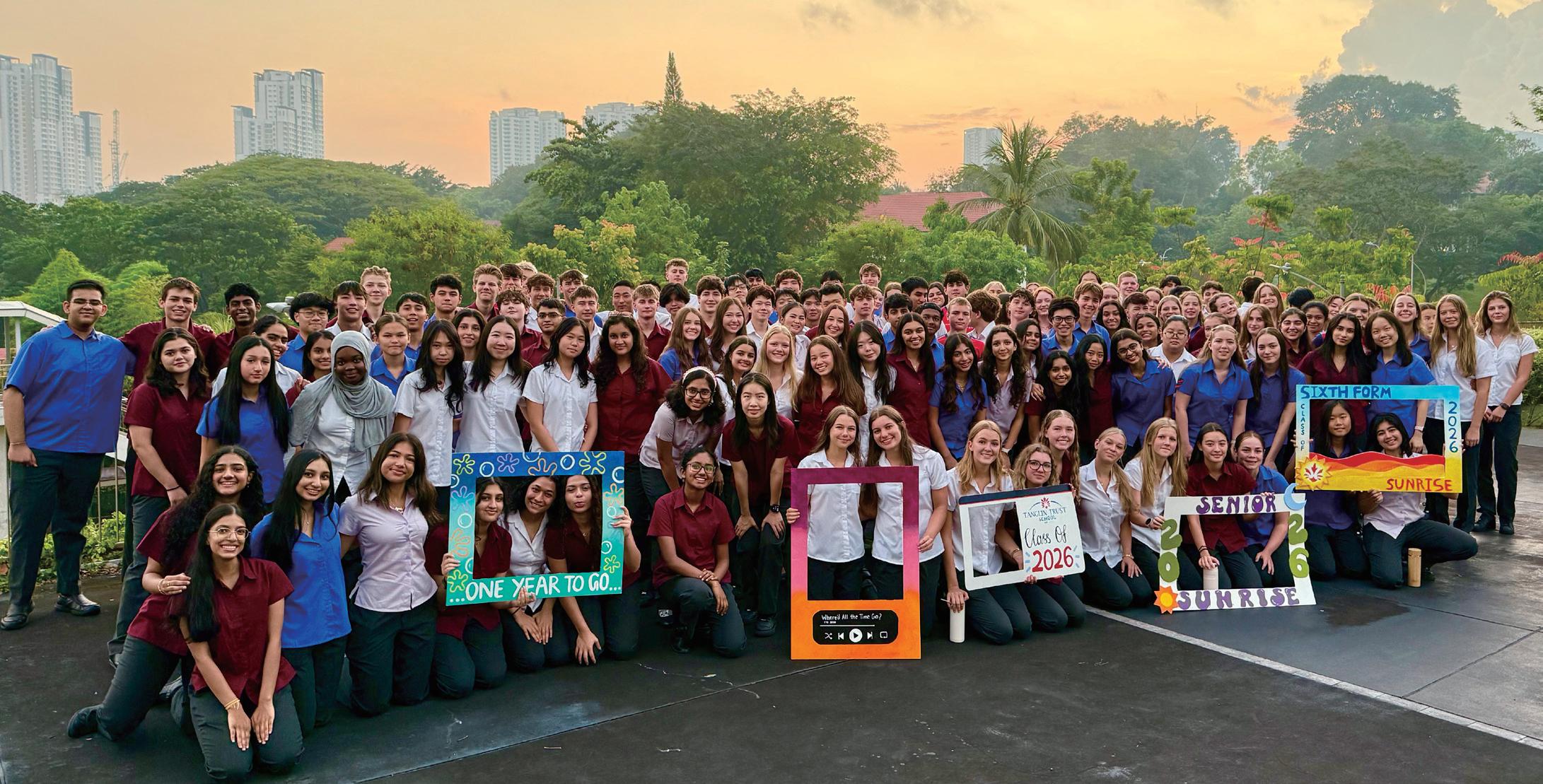
Year 13, Class of 2026
SOPHIE HAWKINS DEPUTY
HEAD (CO-CURRICULUM)
Tell us about yourself.
I grew up in St Albans which is a cathedral city just outside of London and until now, haven’t strayed too far from there. I studied in Manchester and then trained and taught in London. I’m the eldest out of three siblings and very close with my sister (we actually worked together at UCS in London) and my much younger brother who is graduating university this year. My much-loved rescue cat is currently staying with my parents.
Tell us about your journey, from your early teaching days to your previous role as Assistant Head of Co-Curricular at University College School.
My teacher training year was fairly unconventional as I was based mostly in a Sixth Form college teaching A Level History and Politics; initially a terrifying experience as a 21-year-old graduate fresh out of university! Having completed my Schools Direct training, a programme which places you in a classroom from the very first day, in central London, I taught at a state school in my hometown of St Albans for two years before moving to University College School (UCS) in London. Growing up in the suburbs of London meant that I just had to experience ‘city life’! I was at UCS for seven years, moving on from my initial role as a History and Politics Teacher to Director of Teaching and Learning during the pandemic and then joining the Senior Leadership Team as an Assistant Head in 2021. I relished the opportunity to work with sharp and clever colleagues whose vision is entirely focused on providing the best experience for the students in our care.
What are some of your proudest moments as an educator or school leader?
I am really proud of the part I played in keeping lessons and teaching and learning going at UCS during the pandemic. I designed the school’s online lesson plan and was central to the ongoing programme of professional development for staff, supporting Early Careers Teachers to complete their induction in the most bizarre and alienating of circumstances. I am also very proud of how I left the Co-Curriculum at UCS. We had made great strides
in tracking and monitoring student participation and, from this, evaluating the provision based on the pupil experience. Finally, my proudest moments as an educator are the small moments in the classroom. These have ranged from supporting a child to finally feel confident to attend a school trip, witnessing a child step up to lead their year group’s rugby team to a victory (or silverware!) and seeing children surprise themselves by what they are capable of. That’s the magic of this job.
What inspired you to pursue a career in education?
I really loved school; I loved the lessons, coming home every day having learned something new and exciting. I loved the pace and rhythm of a busy and lively school environment and all of the opportunities outside of lessons to grow and develop as a person. Having been fortunate to have had such a positive experience of school, I decided to train as a teacher and be on the other side of providing a stimulating and enriching education for other young people. I definitely didn’t intend on teaching forever, but I quickly fell in love with being back in the classroom (and this time at the front!) and can’t imagine a more fulfilling or joyful career.
How do you define a great co-curricular experience?
An outstanding co-curricular experience at a school as renowned and ambitious as Tanglin should entirely depend on the child at the centre of it. When the Co-Curriculum is at its best, it is bespoke and tailored to a child’s interests and needs, able to push them outside of their comfort zone without them really noticing until afterwards and propel them towards excellence in the areas in which they are gifted or talented. Finally, a truly great co-curricular experience is what memories and friendships are made of.
What do you enjoy doing outside of school? Any hobbies or surprising interests?
Outside of school, I love to travel, meet my friends and family and experience everything London has to offer. Weekends are usually spent park running (slowly), walking and visiting pubs, galleries and museums.
What are you most looking forward to as you settle into life in Singapore?
Beyond starting at Tanglin, my husband and I are excited to no longer need a winter coat, to travel and meet new friends and make new memories. We love Singapore very much, having visited as part of a holiday in 2023 when we got engaged in Langkawi, and are excited to call it our home.
Best piece of advice you’ve ever received?
Never take yourself too seriously and *always* have a holiday to look forward to. ■
LEADING THE WAY:
IMPACT Initiatives and Tanglin’s Sport Captains
What’s the latest in Tanglin sport? Director of Sport, Dave Radcliffe, shares the update.
IMPACT PROGRAMME –LATEST INITIATIVES
With our IMPACT Programme now in its third year, we are pleased to introduce the latest initiatives that support student performance, well-being and leadership in sport. Our IMPACT Programme 2025-26 brochure provides details of the tailored training, specialised support and new pathways that help students contribute, grow and excel within their teams and the wider school community.
RECOGNISING TANGLIN SPORT CAPTAINS
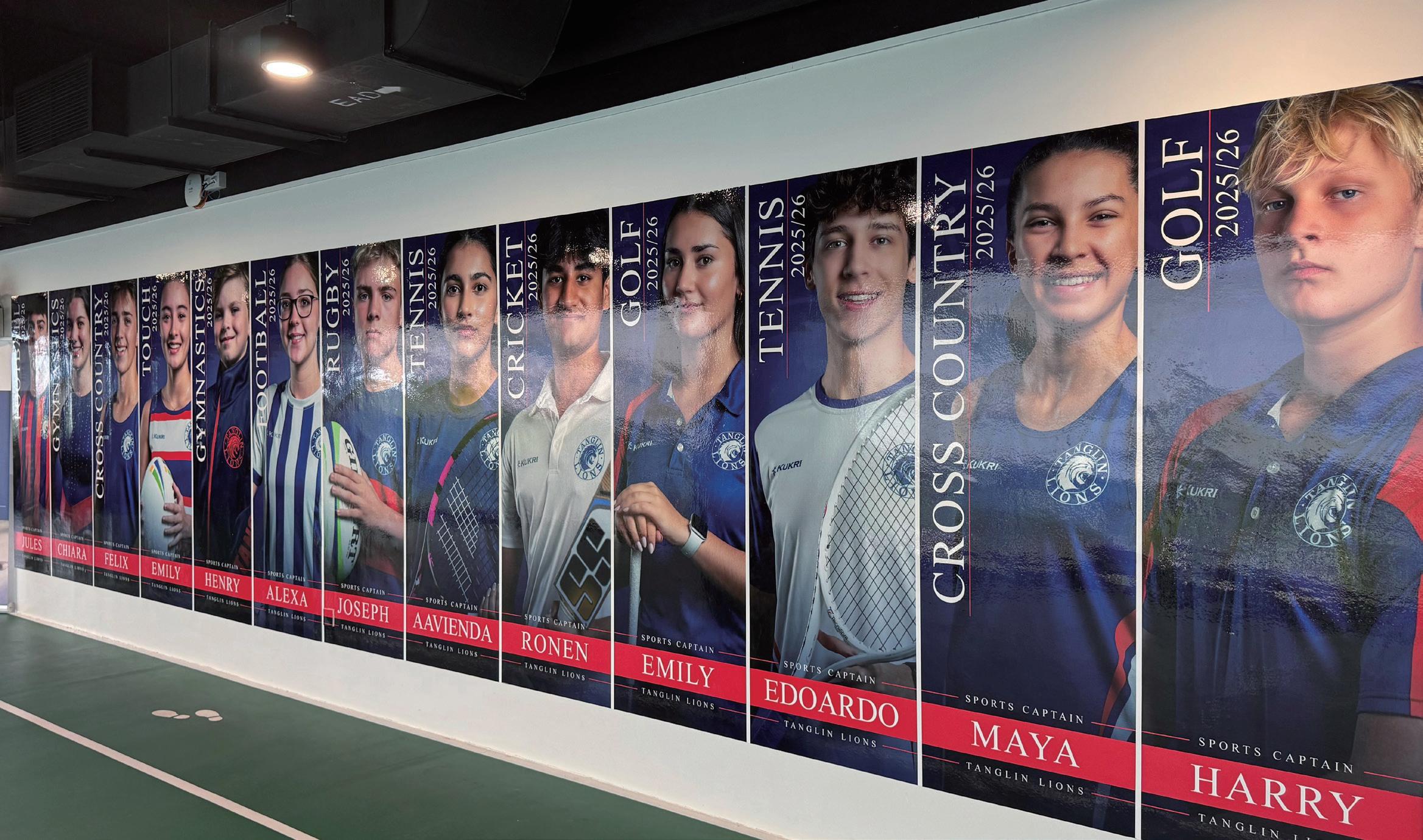
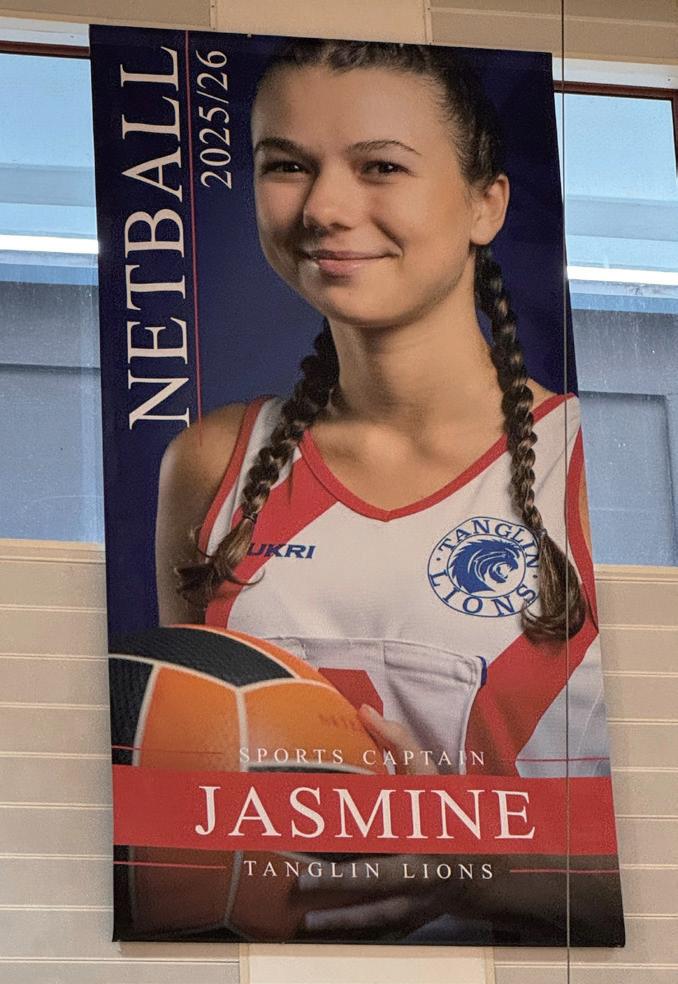
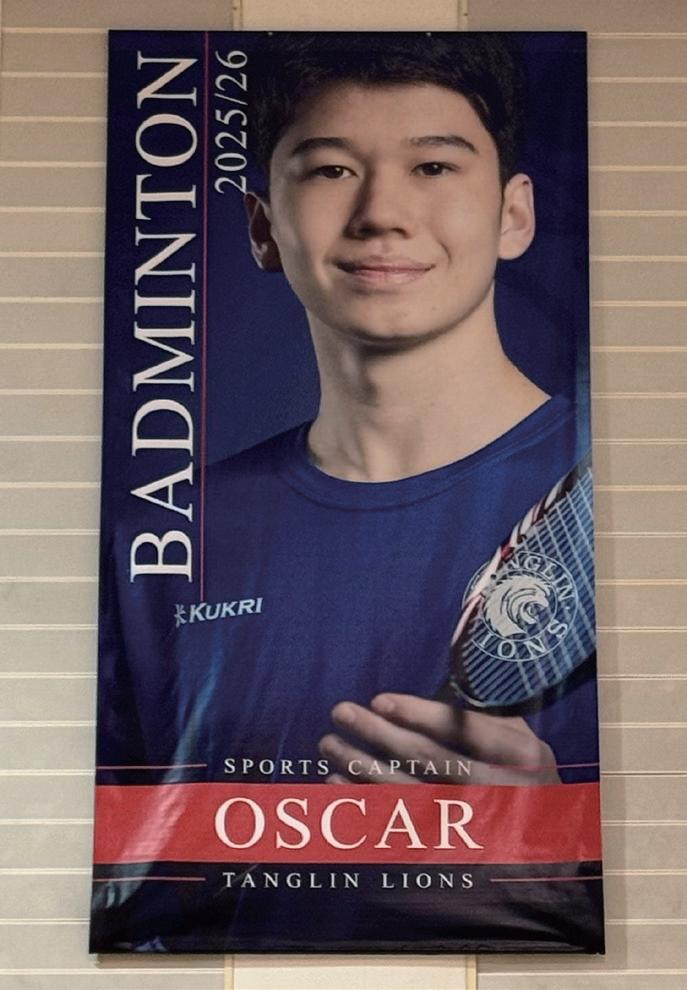
At the beginning of the academic year, we were proud to introduce a new Sport Captains’ Wall, featured on the Cricket Deck (Level 6 of the Centenary Building), complemented by a collection of six banners in the Berrick Sports Hall. These displays celebrate the students who have taken on the important role of captain across our different sports.
Our captains play a vital role in shaping Tanglin sport. They set the tone for their teams, support others, and help build the sense of Team Tanglin that runs through all our sports. As student leaders, they act as an important voice for their peers—representing
teammates, sharing ideas, and fostering open communication between staff and students.
Placed in two of Tanglin’s busiest sporting spaces, the display also aims to motivate students of all ages. Seeing our Sport Captains recognised in this way helps younger students appreciate
their dedication and commitment, inspiring them to contribute positively to Tanglin sport. ■
The Sports Captains’ Wall located on the Cricket Deck; Below: Banners located in the Berrick Hall.
GROWING INDEPENDENT
LEARNERS AT TANGLIN:
How Metacognition Empowers Our Children
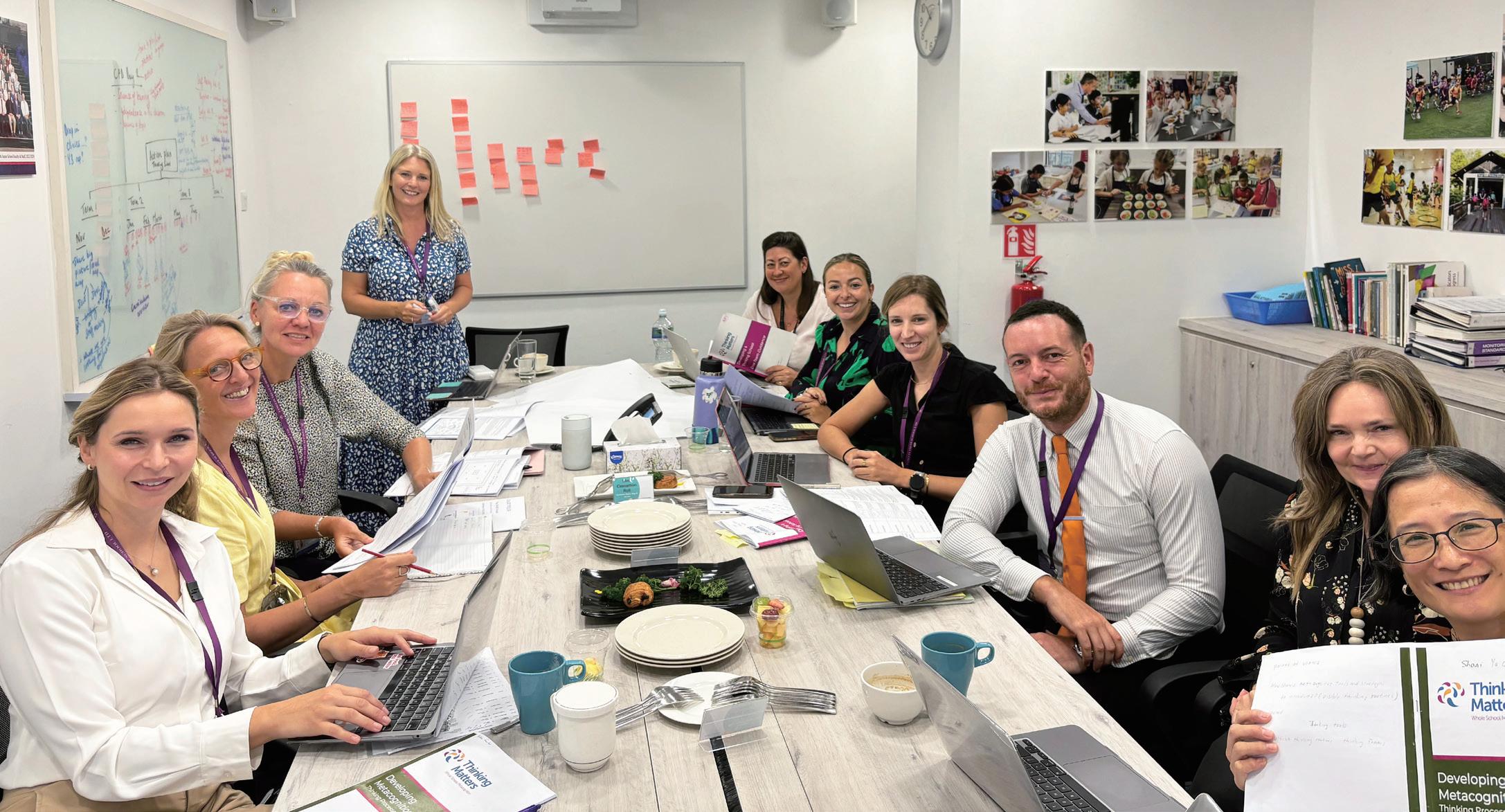
At Tanglin Trust School, we believe that learning is so much more than gaining knowledge or our curriculum subjects—it’s also about knowing and understanding how to learn. Over the past three years, our teachers have focused on developing metacognition and student agency across all age groups. But what does this mean for our students, and how does it shape their experience at Tanglin? John Ridley, Director of Learning, tells us more.
What is Metacognition?
Metacognition is simply “thinking about thinking.” It’s the ability for students to reflect on how they learn, set goals, and choose strategies that help them succeed. When students understand their own learning processes, they become more independent, motivated, and confident—skills that benefit them far beyond the classroom.
Building Strong Foundations in the Infant School
In our Infant School, teachers have been exploring expanding “Continuous Provision” into our Year 1 classes. This means creating a classroom environment where children can make choices, try activities, and develop skills at their own direction that have been explored with their teachers previously or for the first time, carefully scaffolded by staff. The environment is often referred to as another teacher within the setting as a result. Staff ensure that every child’s learning journey is well supported, and continuous provision complements high-quality class teaching, drawing on best practices from our Nursery and Reception classes, where this approach is already well established.
Last year, our Year 1 team experimented with different ways to encourage children to think for themselves, solve problems, and apply their skills in meaningful contexts. This work has contributed to our vision for Continuous Provision, which is unique to Tanglin and we have plans to expand elements of this approach into Year 2. We’re also hosting a special conference with Dr Alistair Bryce-Clegg, a leading expert in Early Years Education, who will work with our teachers and share insights on how metacognitive practices in the right environment can help young learners thrive.
Fostering Independence in Junior School
As children move into Junior School, metacognitive strategies become increasingly important. A dedicated Drive Team undertook research to inform the Junior School’s strategic direction and enhance practice. They reviewed existing provision, identified priority areas, and developed a clear action plan to strengthen thinking skills in the classroom. This led to the introduction of
“thinking frames”, simple tools that help children organise their ideas and approach challenges with greater confidence.
The Junior School has also adopted research-informed metacognitive approaches to assessment, marking and feedback, as well as to Home Learning. This includes the use of flipped learning, where children prepare for lessons at home and use classroom time for deeper exploration. Feedback is designed to support reflection and enable children to set meaningful goals for improvement.
Teachers have embraced new approaches that empower students to become more reflective and independent learners. Ongoing professional development ensures that every teacher is equipped to support children’s growth and their successful transition into the Senior School.
Preparing for Success in Senior School
In Senior School, our “Learning to Learn” (L2L) programme runs from Year 7 to Year 13. This initiative teaches students practical study skills and encourages them to take ownership of their learning. In Year 7, students are introduced to key strategies that are reinforced through homework and classroom activities. Year 8 students participate in a nine-week block of lessons focused on memory, learning, and metacognition. As they progress, these skills are further developed through our Life Skills curriculum and pastoral support.
We use a common language across classrooms to help students talk about their learning, and achievements are celebrated through our e-praise system as part of the “Inspired Learners Vision.” Our goal is to ensure every student leaves Tanglin as a confident, independent learner, ready to tackle new challenges both in school and beyond.
Looking Ahead
Our next step is to work closely with pastoral teams to create a consistent “learner language” across the whole school. By embedding metacognitive practices in everything we do, we aim to empower every child to become an inspired, self-directed learner. ■
WELCOME TO THE NEW TANGLIN TRUST SCHOOL VISITOR EXPERIENCE
First impressions matter, which is why Tanglin’s pastoral team recently implemented a much-needed upgrade to the Visitor Management System. Pippa Gresham, Whole School Safeguarding Lead and Child Protection Officer, shares more details.
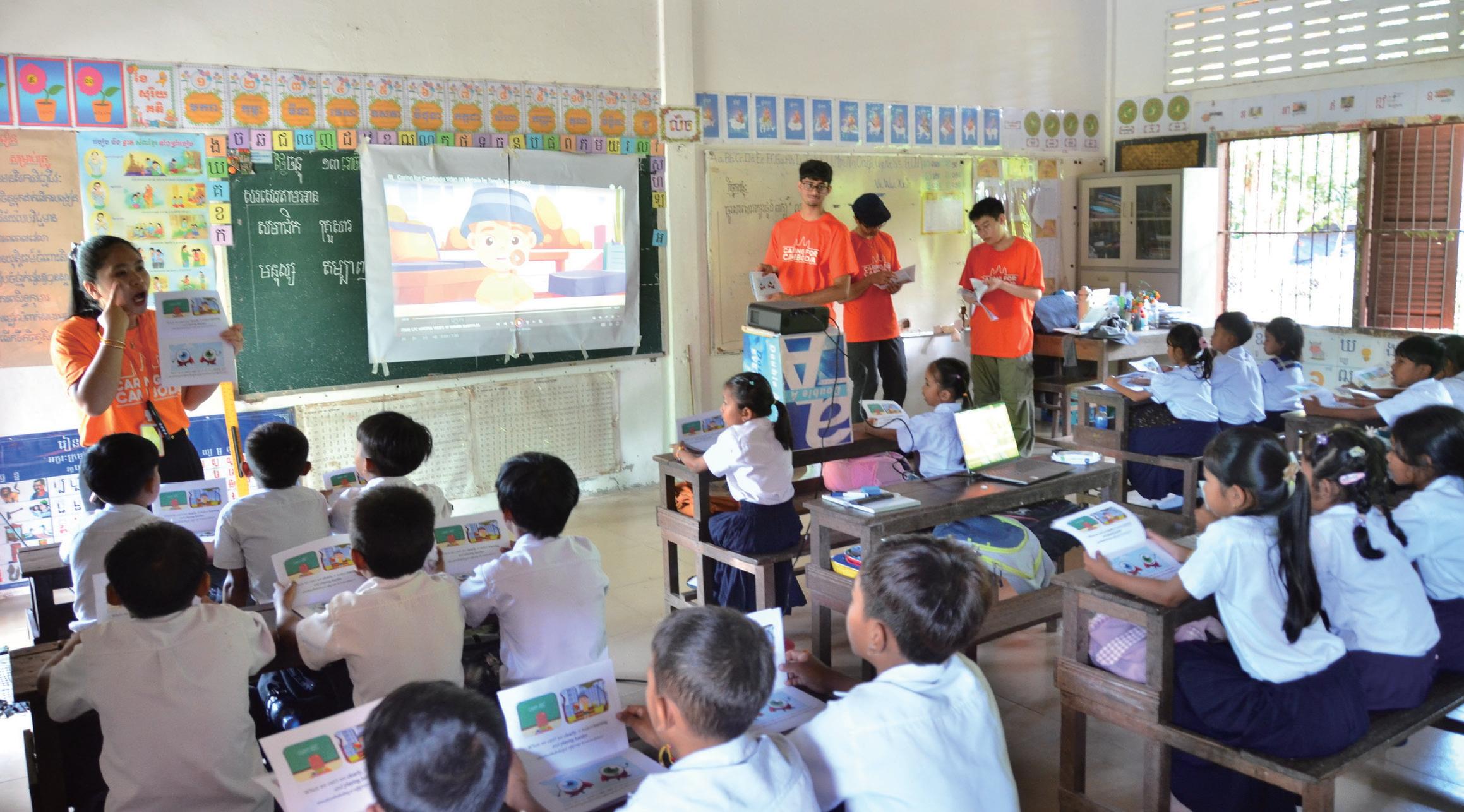
AAt Tanglin Trust School, we’re always looking for ways to improve, and that includes the very first impression our visitors get. At the start of this academic year, we were excited to announce the launch of our new Visitor Management System, a much-needed upgrade from the previous process. This new system is more than just a check-in; it’s a seamless and engaging experience designed to be both efficient and informative.
Our old system, while functional, was reported to be somewhat challenging to use. It lacked the smooth, welcoming feel we wanted for everyone who comes through our doors. Our Director of Marcomms, Admissions & Community Relations, Tom Evans, summed up our goal perfectly: we needed “infotainment.” We wanted a system that wasn’t just a chore but a compelling way to convey our key safety messages while being entertaining.
To bring this vision to life, Richard Sellers, Director of Pastoral Care, Clare Lancaster (previous Safeguarding Lead) and myself as current Safeguarding Lead pitched our safeguarding ethos for visitors to Tom Evans, who found Bryan Lim, the Creative Director of a local animation company. Bryan and his team truly understood
The solution was a beautifully crafted animated story.
our needs. They listened to our desire to bring to life essential guidelines: the importance of wearing the appropriate visitor lanyard, correct toilet usage for adults and students, and our policy on physical contact and photography of our students. The challenge was to communicate these serious safeguarding messages in a way that was both memorable and fun.
The solution was a beautifully crafted animated story. We decided to use a narrative format, following a family as they arrive at Tanglin. The story unfolds as Dad is gently reminded by Mum about the school’s rules. This storytelling approach is engaging and easy to follow with clear messages embedded. The animated short isn’t just a list of rules; it’s a dynamic, relatable story with a clear purpose. It’s designed to be entertaining on the surface, while subtly reinforcing the serious undertones of safeguarding that are at the core of our school’s values.
The feedback we’ve received so far has been fantastic. Visitors have commented on how “painless” the process is, which is exactly what we aimed for. The new system not only makes the check-in process quicker, but it also ensures every visitor leaves with a clear understanding of our policies. This is a testament to the power of combining technology with thoughtful design and a focus on user experience.
Our new Visitor Management System is a perfect example of how we can use innovation to enhance safety and efficiency while maintaining a welcoming atmosphere. We believe this new system sets a new standard for school visitor management, proving that even a routine task can be elevated into an engaging and informative experience. ■
Future Shaping Ready Students
With Sophie Hawkins now leading Tanglin’s co-curriculum, the programme is set for further growth. She outlines her vision for nurturing students to become truly future ready.
WHAT IS YOUR OVERALL VISION FOR TANGLIN’S CO-CURRICULUM?
My vision is to connect it more closely and meaningfully to the school’s broader strategic direction. When applying for the role, I was really struck by how central the development of ‘futureready’ graduates is to Tanglin’s strategic mission, and I believe that students’ co-curricular endeavours play a key role in this. The school has made several bold changes and investments in its cocurriculum in recent years, including the restructured Shape of the Day, which integrates co-curricular activities (CCAs) into the school day, and the opening of the Gippsland campus. These initiatives highlight just how important co-curricular learning is to Tanglin’s approach.
I am keen to build on and strengthen the impact of these changes to the co-curriculum, with a particular focus on clarifying what we want each student’s bespoke CCA programme to provide as they grow and progress through our school. While we know anecdotally that the co-curriculum is an important part of a child’s school experiences, I believe we can articulate this more precisely by identifying the specific skills and traits our activities should cultivate to ensure our students are truly ‘future ready’. We can then use this information to evaluate and strengthen our provision. I’m excited to collaborate with co-curriculum leaders across music, sport, drama, clubs, societies, trips, outdoor education, and more to further develop this strand of our strategy.
I’m eager to experience as much of our co-curriculum as possible. It’s important to me that I immerse myself in our co-curricular life and connect with colleagues, students, parents, and providers to gain a clear understanding of all that’s happening. So, if you see me at a concert, fixture, or simply around, please say hello!
HOW DO YOU SEE CO-CURRICULAR ACTIVITIES CONTRIBUTING TO STUDENTS’ HOLISTIC EDUCATION, ESPECIALLY ALONGSIDE ACADEMICS?
‘Holistic education’ is a common term but when it is delivered meaningfully, as I believe it is here at Tanglin, it creates the optimum conditions for a truly world-class education. It is the blend of different learning experiences - whether in a traditional classroom, through a club, or on a trip - that enables children to flourish, shaping who they are and helping them discover their
At Tanglin, our students are given opportunities beyond the classroom to apply their knowledge and skills in the real world
passions. At Tanglin, our co-curriculum, alongside a rigorous and research-backed academic programme, extends learning beyond the classroom, connecting it to wider issues and giving students opportunities to apply their knowledge and skills in the real world. I also strongly believe that the co-curriculum should give children the space and conditions to face adversity and challenge, skills that are crucial for the real world. Whether it’s coping with a close defeat in a volleyball fixture, not being cast in the lead role of a school musical, or enduring a long, cold hike on a school trip in New Zealand, these experiences help students grow into young people who are more ‘future ready.’ By navigating these moments at school, under our guidance, they learn to navigate life’s bumps with confidence, resilience, and good humour.
WHAT ROLE DO YOU THINK LEADERSHIP OPPORTUNITIES IN CO-CURRICULAR ACTIVITIES PLAY IN PREPARING STUDENTS FOR LIFE BEYOND SCHOOL?
Co-curricular leadership opportunities provide wonderful spaces for children who may not yet see themselves as leaders. In this way, the co-curriculum is a vital part of the school’s inclusivity. Captaining a school team, playing first desk in the orchestra, or choreographing the dance showcase are huge honours, and often involve students who might not put themselves forward for roles like Lead Student in the Head Team or House Captain. Offering them the chance to develop leadership skills within what is, for them, ‘comfort zone territory’ is a powerful way to nurture growth, often without them even realising it!
HOW DO YOU SEE CO-CURRICULAR ACTIVITIES SUPPORTING STUDENT WELLBEING AND BALANCE?
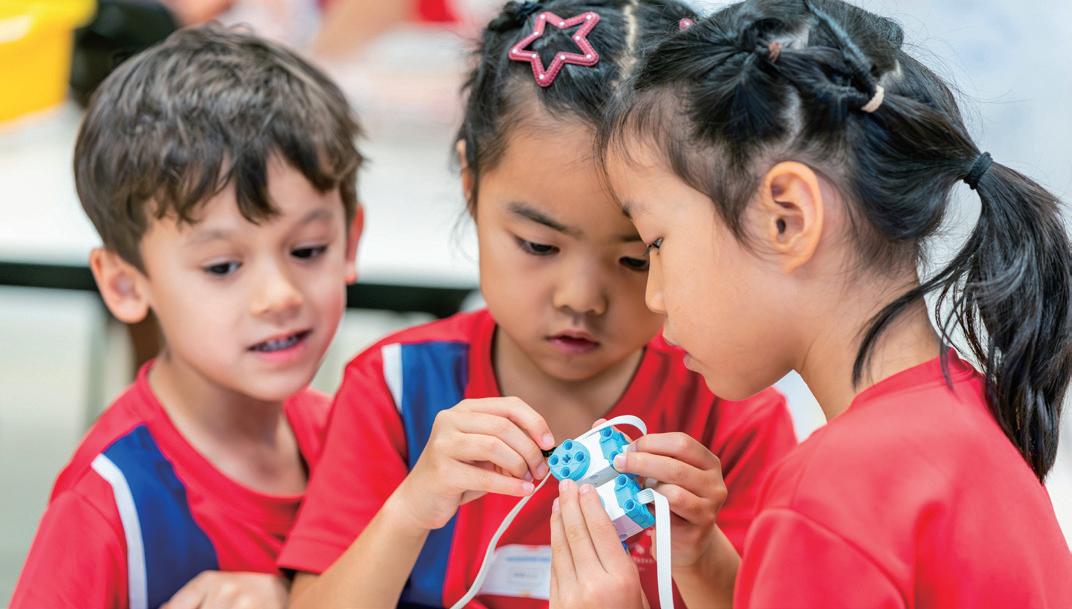
It’s no secret that the co-curriculum at Tanglin is extensive, and with such high levels of student participation, many of our young people have very busy schedules. This is central to my thinking as I develop our co-curricular strategy. It’s important that I work closely with the school’s outstanding pastoral teams to ensure students don’t feel overwhelmed by choice or commitments, and that they can access support in identifying the opportunities best suited to their skills and ambitions. I’m particularly excited to collaborate with Form Tutors in this work. At the same time, the co-curriculum provides space during the school day for students to pursue hobbies and activities that support balance and wellbeing. Whether it’s playing chess or Dungeons & Dragons, or diving into Lego robotics, these experiences give students a chance to step away from pressures, connect with like-minded peers, and enjoy something completely different for a while.
WHAT
EXCITES YOU MOST ABOUT LEADING THE CO-CURRICULUM PROGRAMME AT TANGLIN?
I’m excited by Tanglin’s ambition for its co-curriculum and the school, and by how central co-curricular life is to our ethos and mission. It’s inspiring to work alongside colleagues who are not only deeply experienced and committed but also dedicated to doing everything they can to enhance the educational experience for our students. ■
First Experiences in Gippsland
The Highlands Programme has gotten off to a fantastic start! Our first students had an amazing time in Gippsland. Mark Cutchie, Head of Campus, tells us how it all unfolded, and we also hear from a student who attended the very first residential.
Were there any specific elements of the programme that stood out as particularly successful?
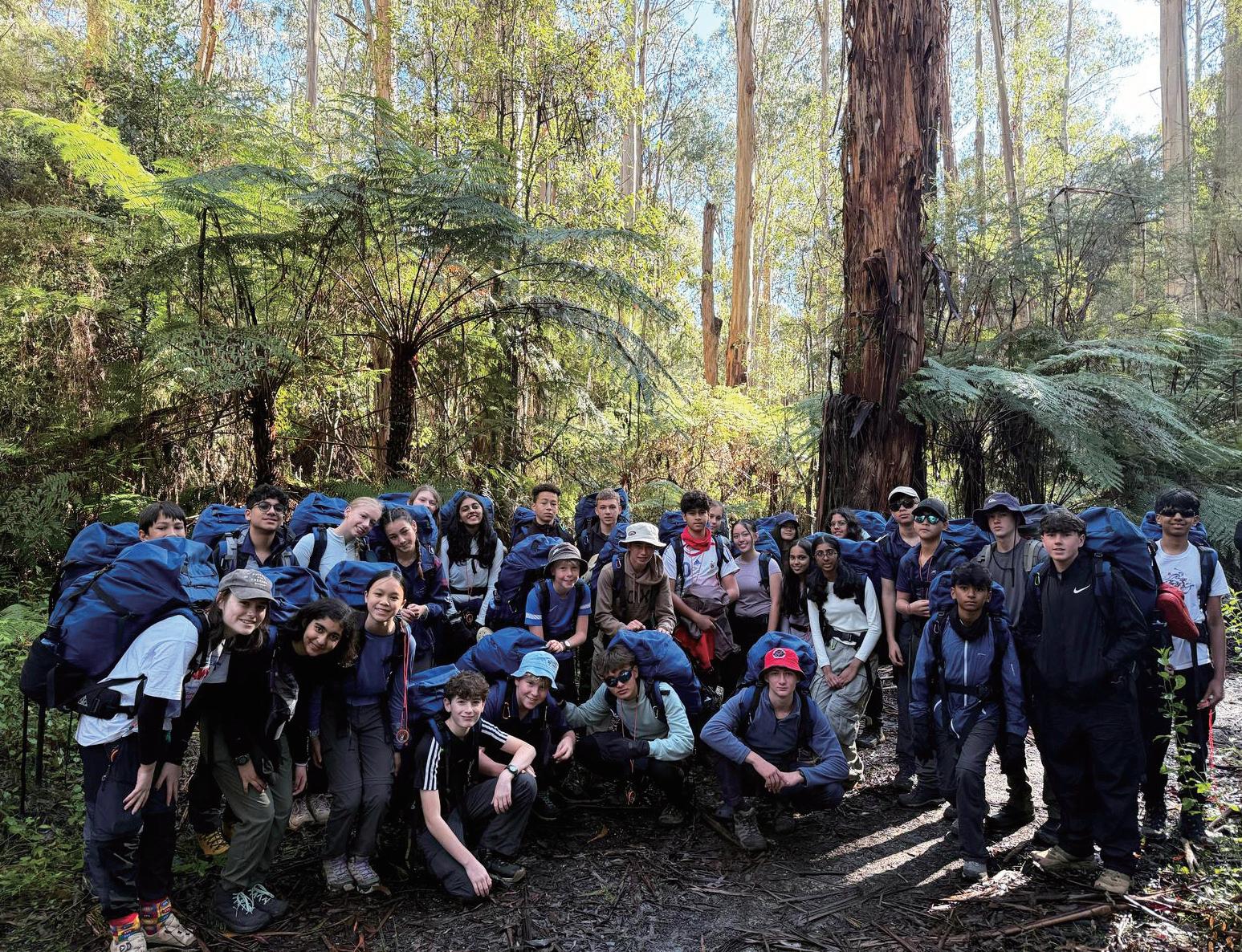
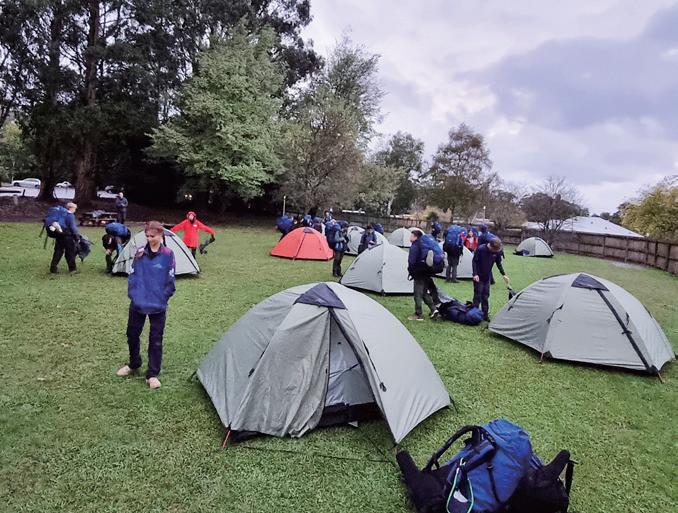
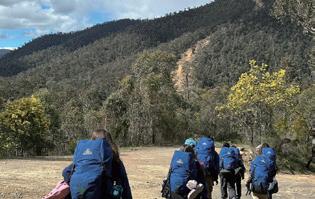
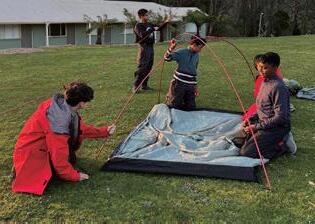
I was greatly encouraged by how well the students embraced the experiential and outdoor learning aspects of the programme. They were not only enjoying the lessons but also fully engaging in applying their knowledge to real-life scenarios and challenges. It was especially rewarding to see how quickly they grew confident and capable in hiking and camping, despite many having little or no prior experience. Mastering the skills and discipline needed to be safe and comfortable in the bush is no small feat,
and the students impressed us with how swiftly they adapted. Some even began to appreciate the simplicity of carrying everything they needed to survive for a few days on their backs.
Were there aspects of the programme that didn’t go as planned or could be improved for the next batch?
Thankfully, nothing of significance caught us by surprise or didn’t go as planned. That said, we also recognise that there is still plenty of room for improvement, particularly in refining our routines and systems so that activities are not only
efficient, but more importantly, effective. We quickly learned the importance of pacing, allowing students time to process and practise before moving on.
How did the students respond to the programme overall? Did you notice any changes in their confidence, independence, or collaboration skills after completing the programme?
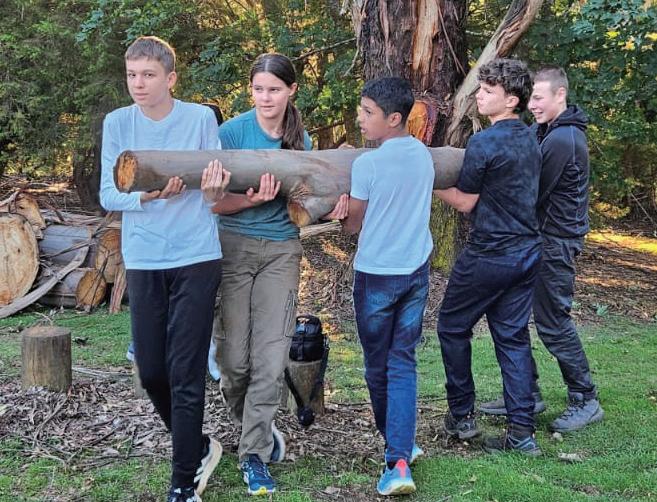
areas of growth we observed were in independence and responsibility. Students were expected to take on many personal and community responsibilities.These were tasks that, for many, were entirely new. For instance, they had to do their own laundry, make their beds, wash dishes, mop and vacuum floors, and tidy up after themselves. The discipline of completing these chores not only equipped them with valuable life skills but also deepened their appreciation for the time and effort required to care for their belongings, their home, and their environment.
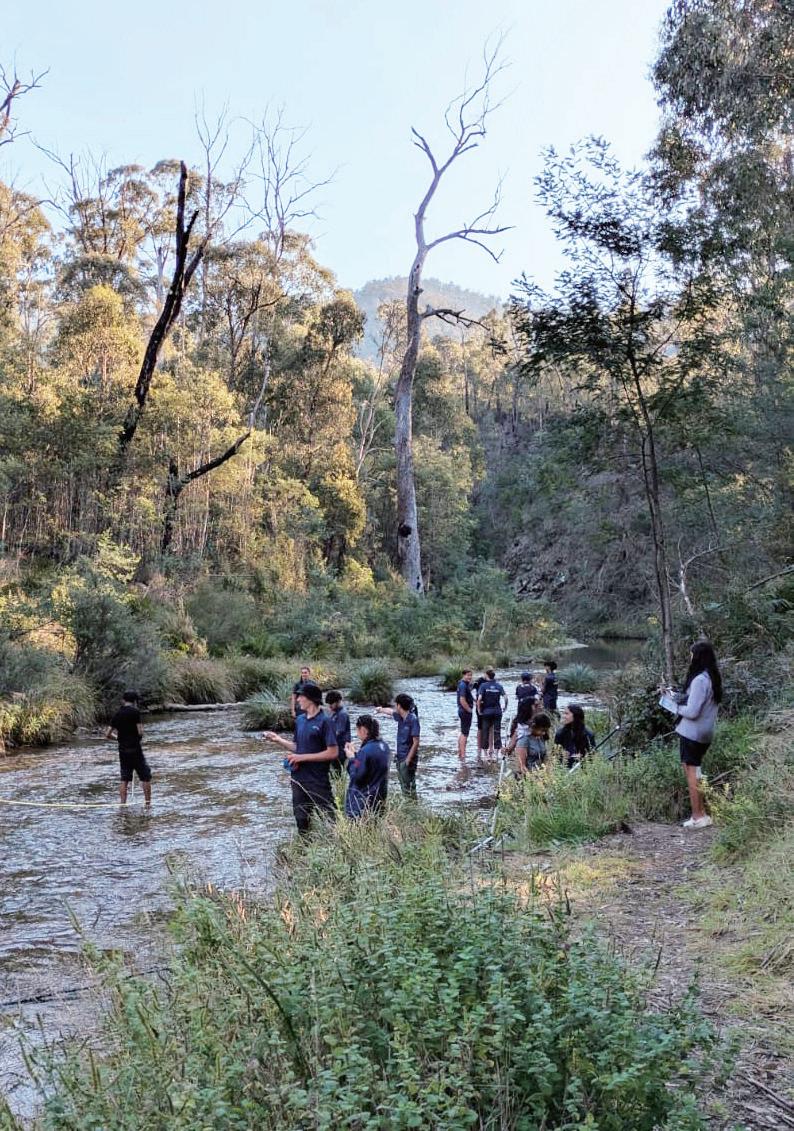
Students quickly grew confident and capable in hiking and camping, despite many having little or no prior experience.
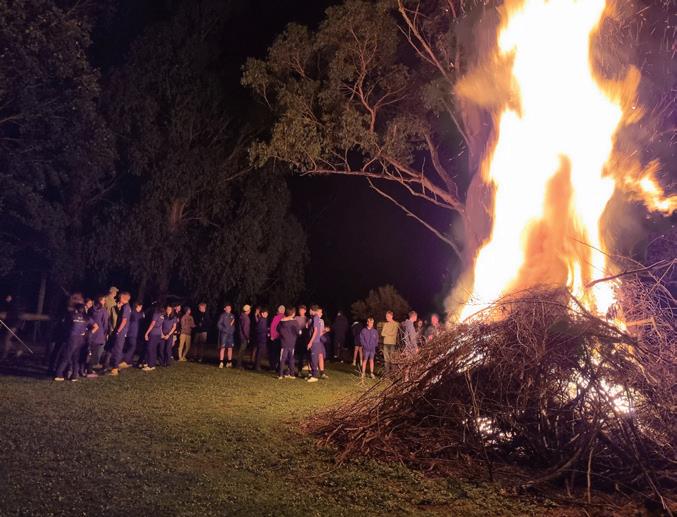
community. They loved sharing rooms with friends, gathering around the dining table for conversations at mealtimes, relaxing together in the Common Room, and spending time around the campfire.
Looking back, what were the key lessons learned from running the programme for the first time?
We have had to be mindful not to overpack the programme. While there are countless activities that we would love to include to make the most of our limited time, we recognise the risk of wearing out the students and not giving them the chance to simply be kids. Over-scheduling not only leads to tired, disengaged students, but also robs them of valuable opportunities to entertain themselves, be creative, and enjoy the downtime needed to recharge.
How do you envision the programme evolving over the new few years?
I don’t anticipate significant changes in the short term; instead, we will continue refining what we already do well, with a strong focus on nurturing curiosity, confidence, and community in our students. Looking further ahead, I can see us expanding more into Environmental Sciences, as this area of study and research aligns seamlessly with the natural environment and unique context of the Gippsland Campus.
What feedback did you receive from parents about the programme?
We were greatly encouraged by the feedback from parents, which was not only very positive but also quite varied. We recognise that having a child away from home for an extended period is never easy, yet parents expressed that the experience was more than worth it. Some even asked if the programme could be longer or if their child could return. Many remarked on how much more helpful their teen had become at home, how they were enjoying richer conversations with them, and how noticeable the increase in maturity had been.
We never doubted that the Highlands Programme would have a big impact on students, but we underestimated just how wide-ranging their growth and development would be. The most striking »
Another highlight frequently mentioned by students was the strong sense of
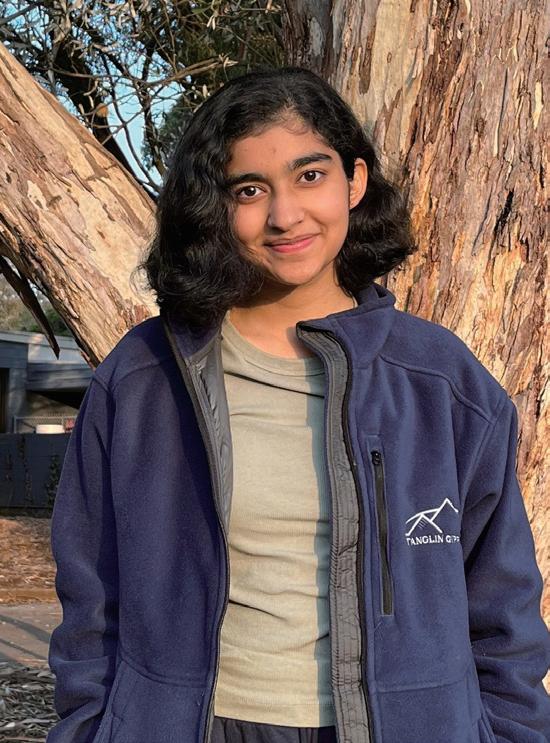
Thank you, Mark! Now let’s hear from Mehr T, a student who attended the first residential at Gippsland. (p32)
When I first learned that I would be spending four weeks in Gippsland, I wasn’t entirely sure what to expect. I anticipated early mornings, physical challenges, and the occasional pang of homesickness. Yet, even with those expectations, I could never have imagined just how impactful the experience would be. From the very beginning, it was clear this journey would be unlike anything I had done before. As a member of the inaugural group, I felt a mixture of excitement and uncertainty. We were stepping into the unknown, together.
Prior to the trip, I assumed the highlight would be the more adventurous aspects— hiking, camping, and being outdoors. While those elements were certainly memorable, what surprised me most were the quieter, more reflective moments: sharing stories over meals, and spending evenings immersed in books rather than screens. There was something deeply comforting about sitting in silence together, each lost in our own story, yet still connected. These simple routines became some of the most treasured parts of my time in Gippsland.
With phones and devices set aside, we had the rare opportunity to be fully present with one another. That absence of digital distractions quickly became one of the most valuable aspects of the experience. Relationships deepened in ways they never had before, strengthened by shared challenges and uninterrupted conversations.
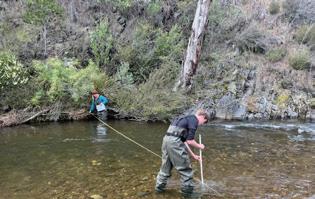
One of the most defining parts of our time in Gippsland was the hiking and camping expedition. We carried everything we needed on our backs, cooking meals over small stoves, and sleeping under the stars. Though physically demanding, the experience was profoundly rewarding. I recall one evening when we camped near a river, the water flowing gently just beyond our tents. Falling asleep to the sound of the current and waking up
“ That absence of digital distractions quickly became one of the most valuable aspects of the experience.
”
to mist rising off the water was a peacefulness I had never known. In those moments, we felt not like visitors in nature, but a part of it.
Although we were far from a traditional classroom, the learning never ceased— it simply took a different form. Each day brought new lessons in practical skills: how to navigate with a compass, cook as a team, manage time and resources, and care for one another when challenges arose. These lessons were not theoretical; they were lived and experienced. I learned to lead with confidence, to contribute meaningfully to a group, and to solve problems collaboratively, even under pressure.
Adjusting to life without a phone or access to the internet was, initially, one of the most difficult aspects of the trip. The instinct to reach for my device lingered for a while. However, once I moved past the discomfort, I discovered an unexpected sense of freedom. Without the constant influx of messages, notifications, and digital noise, I began to feel more grounded—more connected to both those around me and to myself.
One of my fondest memories is of a simple afternoon spent in town. After days immersed in the bush, the change of scenery felt refreshing. A group of us walked in together, enjoying the quiet rhythm of rural life. We browsed through local shops, shared snacks from a bakery, and laughed as we sat on a bench in the town square, watching the world go by. There were no phones, no plans, just good company and unhurried time. It reminded me how meaningful the smallest, most ordinary moments can be when shared with others. Living in a smaller, tight-knit community fostered a strong sense of connection and support. We were no longer just classmates; we became a team. We learned together, overcame challenges together, and grew together. That kind of personal and collective development is rare in a conventional school setting.
Reflecting on my time in Gippsland, I realise how profoundly it has shaped me. It taught me to slow down, appreciate the world around me, and face challenges with a positive and open mindset. I returned home more confident, more capable, and more aware of the importance of real human connection. If I were to summarise the experience in three words, they would be: eye-opening, unforgettable, and inspiring. I would strongly recommend this opportunity to any future Year 9 student. It is not always easy, but it is genuine, transformative, and absolutely worth it. ■
Mehr T. at the Gippsland campus, as part of the first cohort in 2024/25 to spend four weeks in Gippsland.
There are some fresh faces at Gippsland, and we were thrilled to meet them when they dropped by Tanglin. Here’s the inside scoop on each of them.
Meet the Gippsland Team
BECKY GRIMWADE SCIENCE
My name is Becky, and I grew up in Suffolk, UK. I began my teaching career in Brighton on the south coast of England, and most recently spent two years in Thailand teaching science. I was seeking a new challenge and adventure, and the opportunity to teach at Gippsland allows me to combine my passion for the outdoors with pastoral care, academics, and life skills—a rare chance in teaching to develop all three. At Gippsland, I will focus on biology, botany, and the region’s rich biodiversity. I’m especially excited about taking learning beyond the classroom, exploring the outdoors, conducting field trips, going on hikes, and studying local ecosystems through hands-on sampling. I hope to bring big energy, bold ideas, and a strong belief that we can achieve more than we imagine. My goal is to nurture that same mindset in every student who comes to Gippsland.
CHRIS SUDDING MATHEMATICS
I’m Chris. Before joining Gippsland, I spent seven years teaching in Thailand, after a decade at an all-boys boarding school. My teaching career began following 17 years of service in the British Army’s Corps of Royal Engineers. I now teach mathematics and thoroughly enjoy guiding students all the way through to A Level. When I first came across the job ad for Gippsland, it immediately stood out because it offered the rare chance to combine the outdoor life I knew from the military with my passion for teaching mathematics in the classroom. Over the years, I’ve also led more than 70 residentials and expeditions, spanning destinations from Nicaragua to Norway, and across Asia and Europe. What I bring is a genuine love for the outdoors. Whether it’s weaving nature into the classroom or going on hikes, I want to give students every opportunity to build self-reliance, strengthen their character, and grow in confidence as individuals. That might mean anything from calculating tree heights to navigating with a map and compass or collecting data in the field.
DEANNA TABENSKY ENGLISH
My name is Deanna and I’m from Gippsland! I know the area well and have explored it extensively over the years. While I may not be the most athletic person, I find joy in the outdoors, where grit, perseverance, and independence are built, and where peace and beauty are ever-present. I’ve previously taught at an independent school in Gippsland and have held a variety of roles. As an English teacher, I’m excited to share the rich literature about the Australian landscape with Tanglin students. Together, we’ll explore how different writers capture their experiences of this land and learn to develop our own language to describe and engage with it. We’ll also delve into the history of Australia and examine indigenous perspectives and their deep connection to the land. Helping students express themselves and connect with their environment is something I deeply value. I love words—their power to communicate, inspire, and connect us. Encouraging students to explore language in all its forms is central to my teaching, and I hope they leave with a richer understanding of Australia and its stories.
KAY PIKARD GEOGRAPHY
My name is Kay, and I grew up in a little village in southwest England. Before coming to Gippsland, I was teaching Geography in Hong Kong. When I saw the job ad, the image of green rolling hills immediately caught my attention. I was excited by the thought of fresh air, open spaces, and being surrounded by nature. What really drew me to Gippsland was the experiential nature of the Highlands Programme, which allows me to teach beyond the classroom in an exciting residential environment. I knew straightaway this was the job for me because I’ve always loved the outdoors. I was a Girl Guide from the age of four and I developed plenty of outdoor skills in hiking, camping, and climbing. I’ve also led many residential trips. Gippsland offers a rare opportunity for students to learn firsthand through experiences that bring their studies to life. I am excited to see the students grow individually in confidence as they see how integral their part is to the success of the team. ■
CLASS OF 2025: Proudest Tanglin Achievement
Our 2025 Cohort has accomplished so much during their time at Tanglin, but what was their proudest moment? Here are some of their stories.
Representing the school in SEASAC rugby Aidan O’Connell
Winning Musician of the Year for Rock and Pop (singing) Isha Sagoo
My OCA award for film. Bailey Egan
Winning FOBISIA netball Bella Addington-Smith
Playing U19 football as a Year 10 student Conor Scherer
Getting into Oxford University Amelia Lau
Filming my HL film
Liam Woods Mora
Being a prefect in both English and Philosophy as a Sixth Form student
Harriet White
Tutoring the younger year groups and GCSE Chinese students Maya Duff
Being at Tanglin since Nursery Zara Karkhanis
Being elected as Lead Student for the Class of 2025 Rohan Sarma
Representing the school in overseas football tournaments while maintaining strong academic performance
Stanley Qin
Founding Tanglingual, our school’s languages magazine Utsav Gupta
Creating an art exhibition Francesca Wood
Performing at Timbre One North with TNO Ethan Sack
CLASS OF 2025: Proudest Tanglin Achievement
Having my art in one of the previous yearbooks and being a part of the IN exhibition
Pim Rabe
Vice President of the Finance Society Katy Chan
Getting the highest Business GCSE score in Singapore
Vir Vedhara
Leaving a legacy behindthe Kidney Kindness Project! Vedant Ganesh
Teaching kids how to typeset equations with LaTeX Nathan Kurniawan
Getting an internship with Vogue Alicia Freiin von Richthofen
Winning the Music Composition Competition two years in a row. Annya Sriram
Organising a donation drive Karen Kishi
Becoming a master diver Shiraz Qureshi
University Offers in 2025
43% from the UK including:
3% from Canada including:
University of British Columbia University of Toronto
41% from USA including: Brown University
Cornell University
Dartmouth College
Columbia University
7% from Europe including: Eindhoven University of Technology (The Netherlands) Trinity College Dublin (Ireland)
University of Oxford University of Cambridge
What university offers have our 2025 Cohort received, and from which institutions?
Let’s take a look at the university offers by the numbers:
DESTINATIONS ACROSS 12 COUNTRIES
146 OFFERS FROM INSTITUTIONS
6% TAKING A GAP YEAR
1% from Australia including:
University of Melbourne University of Sydney
5% from Asia including: Beijing Film Academy National University of Singapore
14% ENTERING NATIONAL SERVICE
Full Circle Com ing
When Tanglin alumni return, it’s always a full-circle moment— especially when they return to give back to the community as interns, through the Tanglin Trust School Foundation Internship Programme.
BEN MARSHALL (2025 COHORT)
What’s your Tanglin story?
I was born in Singapore, but my family is originally from the UK. I first joined Tanglin in Nursery and stayed until midway through Year 2, when my family moved to Vietnam. I later returned in Year 9 after living in Tokyo. Tanglin has been a huge part of my journey, providing me with so many opportunities—both academically and in sport. More importantly, it has always felt like a welcoming community that has helped me to grow not just as a student, but as an individual.
What spurred you to sign up for the internship, and what department/role were you assigned to?
I interned with the Junior School PE Department, which was an ideal fit for my passion for sport and coaching. With aspirations of becoming a PE teacher in the future, the internship programme gave me valuable insight, knowledge and first-hand experience of life as a PE teacher. I wanted to learn from experienced staff while giving something back to the Tanglin community that has given me so much.
Why did you choose this role?
I chose this role because I wanted to see how PE lessons are planned, delivered and adapted to different age groups. For me, it’s not just about taking part in sport, but about understanding the methods behind how it is taught. Over the past two years, I’ve been coaching football with the Brazilian Lions, which has deepened my passion for helping young people grow. This internship provided a structured opportunity to develop those skills in a school setting while also learning from experienced educators.
What were some highlights of your internship so far?
One of the biggest highlights has been building real connections with the students and being seen as a role model. It’s amazing to watch them develop not only as PE students but also as confident people. Getting along with the kids and earning their trust has been so fulfilling and rewarding, making every lesson enjoyable. I also loved being part of such a supportive and welcoming PE department, where colleagues encourage me at every step and demonstrate the dedication and effort that go into creating such a positive environment.
Why do you think doing a Tanglin internship is such a valuable experience for your future career?
The internship has shown me that preparation, teamwork, and adaptability are all essential, especially when working with young people. It has taught me to think on my feet, communicate clearly, and encourage others. These skills are valuable far beyond sport and will help me in whatever path I take. It has also reminded me how special Tanglin is as a community, with staff who genuinely want to see you succeed.
What are your future plans?
I plan to study Sport Management at Northumbria University in Newcastle, UK. I also look forward to continuing playing football and coaching as they are a big part of my life. Additionally, I’m also considering pursuing a PGCE with the goal of becoming a PE teacher, hopefully returning to Tanglin in the near future! »
HANNAH GRIFFITHS (2022 COHORT)
What’s your Tanglin story?
I joined Tanglin in January 2013 after a short stint at another international school in Singapore. Before that, I lived in London and Melbourne. I stayed at Tanglin all the way through to Year 13, graduating in 2022, and have since completed a BA in Liberal Arts (English and Classics) at Durham University. I can hardly believe my family has been involved with Tanglin for 14 years—my mum is a teacher in Senior LS, and my brother will be graduating in 2026!
What spurred you to sign up for the internship, and what department/role were you assigned to?
Since my family is at Tanglin every day, the internship offered me the opportunity to spend more time with them, as well as give back to the community that gave me my head start. I was assigned to the Senior Classics department, where I originally studied Latin from Year 7-13.
Why did you choose this role?
I wanted to work in the Classics department because although the department is small, the skills they teach are so important for all students! Having studied Latin at university, I was excited to hopefully give students my insight into why the subject is so interesting and important.
What were some highlights of your internship so far?
One of my main tasks as an intern has been to tutor the new Year 8 students who haven’t studied Latin before. Having studied it for 10 years myself, it has been so fun to go right back to basics and watch them discovering the subject for the first time. It has also been very entertaining to see all my old teachers and watch their confusion as they recognise me, no longer in my 6th Form uniform!
Why do you think doing a Tanglin internship is such a valuable experience for your future career?
Although I don’t currently plan to go into teaching, the internship has taught me so many key skills, from time management to organisation and collaboration, which I will take with me to all future jobs. It has also helped me to continually find new perspectives on Latin and its importance in the wider world.
What are your future plans?
This September, I began my MSc in Environment, Politics and Society at UCL in London. While it may not seem directly related to Latin, my undergraduate dissertation actually explored how Latin poetry can offer us new perspectives on climate change. I hope to continue drawing on Classics as I study and engage with contemporary geopolitical issues!
“ One of my main tasks as an intern has been to tutor the new Year 8 students who haven’t studied Latin before.
”
What’s your Tanglin story?
I’m Australian but was born in Singapore and joined Tanglin in Nursery in Base 7. I went all the way through the school and graduated in June 2025. During my time at Tanglin, I took part in many sports, including cross country and netball, but swimming was always my main focus. I’ve been part of the Merlions since joining the Mercubs in Year 3, and I was proud to serve as swim team captain for two years before graduating. While I truly loved my time at school, I’m now very excited to attend Oxford University to study Geography.
What spurred you to sign up for the internship, and what department/role were you assigned to?
I wanted to stay connected to Tanglin after graduating while also gaining hands-on experience in a supportive environment. I was assigned to the Infant School PE department, with a strong focus on swimming. Another motivation was that I am currently working towards my Swim Australia coaching certification, and this internship provided the perfect opportunity to gain practical hours while learning from experienced teachers and coaches.
Why did you choose this role?
Tanglin - and especially Tanglin sport - has given me so much over the years, from building lifelong friendships to developing resilience and confidence through different teams and competitions. Because of that, I wanted to give back in the same area that shaped so much of my school experience. Working in the Infant PE department, particularly with swimming, felt like the perfect way to do this. Having started at Tanglin in Nursery, it’s
been a real full-circle moment to now be supporting the youngest students as they begin their own journeys in sport.
What were some highlights of your internship so far?
One of the biggest highlights had been working with young swimmers and watching their confidence grow in the water. It was incredibly rewarding to see the excitement when something finally “clicked”—like the moment when a child put their head underwater for the first time. I also enjoyed being back in the Infant School, where my own Tanglin journey began, watching the children enjoy the same PE activities I once did. On top of that, collaborating with the PE staff had been a real highlight, as I’ve gained so much from their experience and teaching approach.
Why do you think doing a Tanglin internship is such a valuable experience for your future career?
One key lesson has been the importance of patience and clear communication—especially when working with younger children. The internship also helped me develop leadership and teamwork skills in a new environment outside of competitive sport. I think the Tanglin internship is invaluable because it allows graduates to explore their interests in a familiar yet professional setting, which helps build confidence for university and beyond.
What are your future plans?
I started my undergraduate degree in Geography at Oxford in October. I’ll figure out the rest along the way! ■
STELLA CROW (2025 COHORT)
WINCHESTER MEMORIES
What was it like to teach at Winchester Nursery before it became part of Tanglin?
Former Tanglin teacher, Chris Fensom, takes us on a nostalgic trip down memory lane.
TELL US ABOUT YOURSELF. WHAT DID YOU DO BEFORE TANGLIN?
I am from the UK, born in the beautiful Peak District in Derbyshire. After studying Psychology at Southampton University and gaining my post-graduate teaching qualification, I moved to Essex with my husband Jim. I was a Year 1 class teacher, a Learning Support teacher and my last position before moving to Singapore in 1991 was with the Traveller Education Service as a Support Teacher for Traveller and Gypsy children.
WHAT INSPIRED YOU TO BECOME A TEACHER AND HOW DID YOUR EXPERIENCES AT TANGLIN HELP YOU PROFESSIONALLY?
From the age of 15, I had a Saturday job looking after three young children. Before heading off to university, I worked in London as a Nanny. So, I always knew that I wanted to work with young children. I thought I would like to become an Educational Psychologist, but once I started teaching, I realised I enjoyed it too much, so I never went down the Ed Psych Road.
The cultural and ethnic diversity of the children I taught at Winchester, and then at Tanglin, opened my mind to different customs, traditions and ways of thinking. I also had the opportunity to work with the rest of the Winchester staff to develop an innovative curriculum with an equal focus on self-directed learning and small-group, teacher-initiated activities to address key learning goals. It was a very exciting time in my career.
WHAT ORIGINALLY BROUGHT YOU TO TANGLIN?
My husband Jim, who is a Maths teacher, was appointed to a position at UWCSEA in August 1991. Before Tanglin opened the secondary department and UWCSEA admitted primary students, the two schools had close ties. They would inform each other if a spouse of a new recruit had relevant teaching experience. I had an unexpected phone call from Veronica Goodban, Headteacher of Tanglin, inviting me to London to interview for a job that I had never applied for! In the end, I was offered a position at Tanglin, but I decided
that, with 3 young children aged 8, 6 and 4, my priority was to ensure that they were settled into their new country and school. So, I initially started at Tanglin as a supply teacher and then, after 3 months, a position came up at Winchester Nursery and I was appointed to teach a newly formed class of 3- and 4-year-olds.
WHAT INSPIRED YOU TO MAKE THE VIDEO, ‘A DAY IN THE LIFE OF WINCHESTER’?
I always say that the years I taught at Winchester were some of the happiest of my 40-year career. It was a magical place for adults to work and for children to learn. I wanted to encapsulate that magic and the joy that the children exuded every day on film so we could encourage prospective parents to enrol their children.
WHAT WERE YOUR MOST MEMORABLE MOMENTS WHILE TEACHING AT WINCHESTER?
Winchester Nursery was located in Alexandra Park, in a building that was once used as the officers' mess when the British
army was in Singapore. I have so many wonderful memories of Winchester. Every day driving to work through the park was an absolute joy as the natural environment around the school was so serene and peaceful, with heritage trees, kingfishers, orioles, parakeets and of course, snakes!
I have a fear of snakes, and it was the one negative aspect about moving to Singapore. I had only been teaching at Winchester for a couple of weeks when one of my class came running into the classroom shouting, “there’s a snake in the bathroom”! I summoned up all my courage and headed off with a broom in hand to tackle the snake, leaving the class with my two assistants. What an utter relief to find that the snake was actually a curledup hosepipe. However, a couple of weeks later, a cobra was discovered in one of the buildings. We all had to go into lockdown while the police came to deal with the unwanted guest. Thankfully, that was a one-off and there were no more obvious
snakes in the rest of the time I worked at Winchester.
WHAT, IN YOUR OPINION, MAKES TANGLIN UNIQUE DURING YOUR TIME AND EVEN TODAY?
Our three children had a wonderful primary education at Tanglin so I can speak as a parent and as a staff member. The varied curriculum focusing on the academic, but also on music, art, performance and sport, ensured that the children had a holistic education. The quality of the learning support provision was also a factor that made Tanglin a great school.
DO YOU STILL KEEP IN TOUCH WITH ANY COLLEAGUES OR STUDENTS?
I certainly do. I am in regular touch with many of my colleagues from Winchester and Tanglin, as well as parents of children I taught and some of the children who are now in their 30s and have families of their own.
“ I always say that the years I taught at Winchester were some of the happiest of my 40-year career.
WHAT DID YOU DO AFTER LEAVING TANGLIN?
In 1998, our three children were all at UWCSEA where my husband worked. Both Tanglin and UWCSEA were extending the age range of students. My friend Alison Gash, whose husband also taught at UWCSEA, and I were asked to start the new Infant School on Dover Campus. It made sense for all our family to be at the same school as holiday dates were quite different. I was very sad to leave Tanglin as I’d had six wonderful years during which time I taught Nursery and Year 1 children. I was given many empowering opportunities to develop professionally. For example, I developed a Handwriting Policy in my capacity as English Coordinator in the Infant School.
TANGLIN HAS JUST CELEBRATED ITS CENTENARY; DO YOU HAVE ANY LAST WORDS FOR CURRENT STAFF AND STUDENTS?
Working and learning at Tanglin is a real privilege and current staff and students should take time to explore its 100-year history and become familiar with the people who contributed to its development. I hope that my videos from the 1990s, and the photographs I donated to the school before I left Singapore in 2015, help to keep past students’ and staff’s precious memories alive. ■
From left to right: Chris with her class in 1993; Chris and Jim Fensom with their grandchildren today
The Centennial Sundial
If you joined us for Tanglin’s Centenary celebrations last school year, you might have heard about the Centennial Sundial—installed in honour of our former Head of School, Ron Stones OBE, by alumnus Edwin Fung (2013 cohort). Read on to learn more about him and discover how this special project came to life.
What’s your Tanglin story?
I attended Tanglin from 2001-2013. I joined the school in Year 1 and stayed there until I graduated Year 13 in 2013.
Any memorable moments during your time at Tanglin?
Yes, many. I still remember when we were running a fundraiser to raise funds to build a sunshade for the pool. Now I’ve heard there is an indoor pool in one of the new buildings! How times have changed. The thing I enjoyed most about my education at Tanglin was the emphasis on not only academics, but also teaching us to understand different cultures, valuing friendship and unity, and giving us a global perspective of history and current events.
How was Tanglin back then different from the Tanglin today?
Back then, I felt the school was big enough already, but since I’ve left, the school has erected two new buildings, both of which are bigger than any single building we had in school back then. In general, the campus has developed significantly. The school’s Houses seem to be different too, happy to see things changing and evolving.
What did you do after graduating from Tanglin?
Right after Tanglin, I had to enlist for National Service (two years), after which I went to study Architecture at the University of Bath.
Why interior design?
Studying Architecture taught me a great deal about design in general. Upon graduating, I really wanted to explore ‘design’ in more depth. I set my mind on either designing ‘bigger’, such as urban planning, or ‘smaller’, such as furniture design or interior design. As I applied for different positions, I received an offer for an interior design firm. I’ve been doing interior design ever since.
Tell us about the sundial project. What led to your involvement?
During my time at Tanglin, I was quite active in Art & Design, and I had the privilege to be involved in various exhibitions held in collaboration with the school. Mr Stones was fairly present in the school’s art scene as well and we kept in touch after I graduated Tanglin through those experiences. I was invited to take part in various exhibitions and even be part of an art collective in Singapore. We continued to keep in touch over the years. When
the opportunity arose to design a sculpture to commemorate his tenure, he reached out to me. It was a huge honour that I was even considered to be a part of this project.
What was the inspiration behind your sundial design?
Through my education in Architecture, I had a basic understanding of how the sun moves, and how sun paths change depending on the time of year, and the location. When one thinks of a sundial, one would imagine a stick standing on a plinth, telling the time through the shadows cast around it. What I quickly learned during this process was that the sundials we seem to know of are typically used in the northern and southern hemispheres and won’t work
on the equator. After some research, I began to understand the difference between equatorial sundials and others. However, this object would not only serve as a sundial, but also a sculptural piece to commemorate the 12-year leadership of Ron Stones OBE. It had to be unique, prominent, and functional.
The shape of the sundial is one of a kind, and to my knowledge, the first of its kind. Its materials were also specifically chosen to be ‘natural’ (not man-made), meaning that they would age and develop a patina over time. This was an important element, as we wanted the piece to grow in character and develop in the years to come.
Were there any challenges or memorable moments during the process?
One of the main challenges of the project was finding a place to put it! The school had grown so much since the last time I was here, and so we really struggled to find an open space where a sundial could function. There were also many cables and electrical wires around the school. Cables were the reason one of the sites were unusable and were also affecting our compasses when aligning the sundial to North! Working in a school also provided some unique challenges. We had to limit our work on-site to the school holidays. This meant that we had to do as much work as possible off-site, before transporting the sundial in pieces to the school. It was a great opportunity to work with and see the school from a different perspective.
Tanglin has just celebrated its centenary. Any last words for the students and staff? Tanglin has changed a lot since I was there, bigger and better. Keep up the good work fostering an environment that develops world leaders of tomorrow! ■
“
The shape of the sundial is one of a kind, and to my knowledge, the first of its kind. Its materials were also specifically chosen to be ‘natural’ (not man-made), meaning that they would age and develop a patina over time. ”
Above: Dominic Nixon (Chair of the Board of Governors), Ron Stones OBE (Former CEO), Edwin Fung (Tanglin Alumnus), and Craig Considine (CEO)
Archives From the
Tanglin has come a long way since its humble beginnings in two attap huts at the Tanglin Club. Today, it’s an amalgamation of four schools: Tanglin Preparatory, Raeburn Park, Weyhill Preparatory School and Winchester. But which came first, and what did these schools look like in their early days? Let’s take a brief journey through their chronological history.
1925
1934
1954
1925: Tanglin was founded by Miss Griff to provide British education to children of expatriate families in Singapore.
1934: Tanglin opened its boarding section in Cameron Highlands, Malaya, as an extension of the quality education she had been providing for European children in Singapore.
1954: Raeburn Park (Singapore Harbour Board School) opens.
1960 to 1961: Tanglin School moves to Matheran at Tanglin Road and is renamed the Tanglin Preparatory School.
1971: Due to long waiting lists, a third school called Weyhill Preparatory School was established at Portsdown Road.
1976: Raeburn Park moved to Portsdown Road and was set up opposite Weyhill Preparatory School. Winchester School, a Nursery unit, was opened at Alexandra Park.
1981: Tanglin Preparatory, Raeburn Park, and Weyhill amalgamated to form Tanglin Infant School and Tanglin Junior School at Portsdown Road.
1987: Tanglin Infant School and Tanglin Junior School joined together under one headteacher, Mrs Veronica Goodban, to form Tanglin Infant and Junior School.
1996: Winchester Nursery School moved to the new purpose-built Infant School on the Portsdown Road campus. Senior School was introduced. The school was renamed Tanglin Trust School. ■
MUSIC SCHOLARS
The recent Centenary Scholars’ Concert, held in the stunning setting of CHIJMES Hall, marked an exhilarating start to the musical year at Tanglin. This event showcased the remarkable talents of this year’s cohort of 20 Music Scholars, including 11 new scholars, all of whom delivered performances that truly impressed the invited audience. Rob Hall, Director of Music, tells us more.
This year, the focus of the concert shifted towards more chamber music, complementing the exceptional solo performances that have become a hallmark of the Tanglin music programme. The intimate and elegant surroundings of CHIJMES Hall provided the perfect backdrop with its renowned stunning acoustics amplifying every note and subtle nuance played by our scholars. The hall’s atmosphere created a magical environment, allowing both performers and listeners to fully immerse themselves in the beauty of the music.
The programme itself was a carefully curated journey through centuries of musical history. From the Baroque masterpieces of Bach and Handel to the jazz-infused compositions of Billy Strayhorn and Leroy Anderson, the variety was both ambitious and captivating. This wide-ranging selection highlighted the scholars’ versatility and adaptability, as well as their dedication to exploring diverse musical styles.
What made the evening even more remarkable was the challenging choice of repertoire, which had been put together in just four weeks. Despite this, the scholars displayed incredible technical ability, confidence, and stage presence throughout the
concert. Their performances exuded maturity beyond their years, reflecting the hard work and commitment invested by both the students and their instrumental tutors. The audience responded with enthusiastic applause and warm appreciation, and many remarked on the impressive level of musicianship and the evident passion that the scholars brought to the stage.
This concert was a shining example of real ambition in action and was testament to the strength of Music at Tanglin. The choice of repertoire, the quality of performance, and the seamless collaboration among the scholars demonstrated the school’s commitment to nurturing well-rounded musicians who are ready to take on new challenges. The event was a superb way to kick-start the musical year, setting a high standard for future performances and inspiring all who attended.
Our Centenary Music Scholars are true ambassadors for Music at Tanglin. Their achievements not only bring pride to the school but also inspire our younger students to pursue their musical passions with enthusiasm and perseverance; we look forward to witnessing more outstanding performances throughout the academic year. ■
2nd
5th row: Bingxi H (Year 9), Alex A (Year 13), Austen Z (Year 8), Amy C (Year 9)
Music Scholars from left to right: 1st row: Ahaan N (Year 10), Isabella E (Year 12), Stanley Y (Year 10), Maho F (Year 12).
row: Michael Y (Year 12), Sue P (Year 7), Finn C (Year 13), Tyler Y (Year 12). 3rd row: Charlotte T (Year 11), Tasuku E (Year 11), Adeline K (Year 9), Ruth Z (Year 11). 4th row: Betty Z (Year 13), Trevor W (Year 11), Anne Y (Year 12), Rika K (Year 7).
LIFE OF THE (DANCE) PARTY
From rehearsals to lighting cues, pulling off a dance performance takes planning, teamwork, and dedication. Year 13 students Gia and Zasha share what it’s like behind the scenes and how they help make the Senior Dance Showcase a success.
Both of us have always had an immense passion for dance. We dance together outside of school, participated in every dance showcase since Year 7, and have been part of the dance ensemble for school musicals throughout the years. Through taking part in these shows, we have developed a love for Tanglin’s dance community, which inspired us to organise this year's dance showcase. The dance showcase has always been run by one or two year 13 students. In the past, we have admired these talented leaders, who have supported us throughout our dance journey. We hope to inspire younger students and ignite in them the same love for the dance showcase which our seniors did in us.
Organising a show which involves students from Years 7-13 is an exciting but initially daunting task; we divided the tasks between us to ensure a more efficient and swift process to get the show on its feet. We split logistical tasks such as emails, presentations and tech sheets between us, but worked on choreography together. For example, we are both choreographing the opening dance. Working together on significant parts of the show strengthens our collaboration skills and helps us achieve our end goal faster. Naturally, we faced some challenges during the initial phases of rehearsal. Notably, many students did not attend the earlier rehearsals which made it difficult for us to figure out spacing
and placements for the opening dance. We also had an audition process for students wishing to perform individual pieces or smaller group dances. We were fortunate to have so many keen students audition, however we had to make some tough choices in order to keep the timing of the show to one hour. When facing these challenges, the support of the drama department has been fantastic. We have had the opportunity to work with Ms Edwards and Ms Sprague throughout our time in Senior school, and they are great points of contact for anything we need.
With the show fast approaching, we couldn’t be more excited. Over the half-term break, we prepared music, light and tech sheets to ensure everything runs smoothly. To keep things organised backstage, we placed the running order and relevant information in dressing rooms so dancers know exactly when they to be on stage. Most importantly, we wanted our dancers to feel confident and ready to give their best performance so we led a quick warmup and stretch before the show, finishing with a positive message to get everyone in the right mindset to perform.
We hope that all the students participating in the dance showcase take away something truly special. Whether that is the feeling of being part of a community, stepping out of their comfort zone, or making new friends. We can’t wait to see their hard work, passion and creativity come to life on stage. ■
“ Organising a show which involves students from years 7-13 is an exciting but initially daunting task.
”
Students perfecting their dance moves during their rehearsal ahead of the big performance.
Tanglin Musicians in the Studio
At Tanglin, music is thriving—driven by the passion of our student musicians, teachers, and community. Competitions like Battle of the Bands (BOTB) not only give students the chance to perform but also reward winners with the opportunity to step into a professional recording studio and bring their music to life. What’s the experience like? Helen Owain (Head of Senior Music) shares her insights, along with reflections from the students themselves.
BBOTB began in 2015 as a combination of an early version of the competition and Senior Young Musicians. According to Muhd Zakaria (Arts Faculty Technical Executive, Senior Music) in 100 Tanglin Tales, it wasn’t much of a competition back then since there were only three competing bands. However, it was so popular that it inspired Helen Owain and Richie Baxter (now Head of Senior Arts) to work with Zakaria to create a bigger competition for student bands.
Today, BOTB is one of the most anticipated highlights of Tanglin’s calendar, showcasing the talents of musicians from Years 7 to 13. The panel of judges usually consists of one or two senior students who have contributed to the music department through performances, a teacher who is also a musician, a guest musician, and Roo Pigott (Songwork International’s CEO), who sponsors a studio recording session in Lion Studios for the winning bands in each category. The historic Lion Studios, Singapore’s oldest recording studio and the birthplace of the nation’s anthems, is the world’s only remaining Polygram-built studio. Designed by renowned architect Jeff Cooper - whose clients included Michael Jackson and Steven Spielberg - it has collaborated with Tanglin’s music team and students for 12 years. Many Tanglin alumni who worked with Roo and his team have since built successful global music careers.
Helen said, “The students were very excited to be in a professional studio, and particularly one with such an important history. The parents of the younger students who were there were extremely proud of them! Seeing the students be given this rare opportunity to get a taste of the professional experience was great. I think the most rewarding part was listening to the quality of the tracks they had recorded. They were fantastic and something that the students and parents can treasure forever.”
Indeed, nothing beats firsthand experience. One of the student bands, NESW (Kira M, Malhaar J, Tess O, and Mehr T) reflected, “We not only learned what it’s like to record in a professional setting but also gained a deeper understanding of the technical side of music and how the process would unfold if we were recording our own original songs as professional musicians!”
ACTION! (Megan S, Alexandra G, Stella S, and Siyona M), another winning band, recounted their experience, “It was both thrilling and nerve-wracking because it was a new experience for all of us. We not only learned the importance of collaboration and patience, we also discovered that the technical side of the music industry is far more complex than we had imagined. We came away with a much deeper respect for producers and the work they do.”
Helen agreed, highlighting that students had no prior preparation and quickly discovered that the experience was very different from performing live. Achieving the right sound required a great deal of time, repetition, and effort—an experience that Kimchi and the Krayfish (Evelyn K, Adeline K, Kyran B, Dia H, Penelope B, and Zahara S) went through themselves. Dia explained, “I realised that in live performances, the quality of your sound doesn’t matter as much as it does in a recording. As a bass player, my sound doesn’t project as much as Adeline’s or the singers’ (Penny and Zahara), so small mistakes often go unnoticed live. In recording, however, every detail matters, since sounds can be edited and amplified, so we had to focus on being as accurate as possible to make the track sound its best.”
The same went for The Glorious Purpose (Lauren M, Anushka S, Kira S, AJ R, Zi Yi Y, and Yash J). Lauren said, “We had to learn how to play together while listening to the edited sound in our headphones, which felt different from the raw sound of a live performance or rehearsal, and without the visual cues that we normally use. We also discovered that for recordings, a more relaxed and balanced approach tends to be more enjoyable for listeners. This meant carefully rethinking our overall dynamics to avoid having too much happening at once.”
Ultimately, BOTB is more than just a competition. It gives students the opportunity to step into the professional world of music, develop technical skills, and build important life skills such as confidence and teamwork. Each year, the experience leaves a lasting impression while also inspiring students to reach even greater heights. Take the 2022 BOTB winners, The Bin Rats and Ukiyo, for example. They went on to compete in the FOBISIA Online Battle of the Bands. The Bin Rats won the Middle School category out of 18 schools while Ukiyo placed second in the Upper School/Sixth Form category out of 21 schools. With schools from all over Asia participating, the standard was exceptionally high, making it a proud moment for everyone involved! ■
Left to right: Students in action at Lion Studios; Tess from NESW; Kimchi and the Krayfish; ACTION performing at BOTB
Sometimes the biggest impact comes from the simplest ideas. It all began with a plain, beat-up cardboard box I carried into school, hoping it might fill with old glasses. That box, as it turned out, would become the starting line of a journey that would stretch across continents, reach thousands of students, and maybe, just maybe, help reshape how children see their world.
From One Box to a Global Blueprint Vision For All
How did a simple idea become a mission to help children see the world more clearly?
Year 13 student Arnav, Co-founder of Vision for All with Anish, shares how it began.
Anish and I started with a simple idea: collect unused eyewear from families in our school and send them to kids in Cambodia through our partner, Caring for Cambodia. Glasses are one of those items everyone has but forgets—abandoned in drawers, relics of prescriptions past. We didn’t ask for money. We asked for something accessible, forgotten, and deeply needed.
Before we collected a single frame, we spent over 20 hours designing one poster. We wanted it to do more than inform— we wanted it to inspire. With ChatGPT’s help, we brainstormed messaging, aligned our colours with Caring for Cambodia’s brand, and landed on a bold, clear headline: “Donate Glasses for Children in Cambodia.” A smiling Cambodian child sealed the emotional deal. That poster wasn’t just decoration—it was our identity.
We plastered it everywhere: bathroom mirrors, cafeteria walls, elevator doors. We made announcements in classes, posted in parent WhatsApp groups, and dropped blurbs into school newsletters. We made it impossible to ignore. And it worked. In just two weeks, our box overflowed. We collected over 500 pairs of glasses. But that was just the beginning.
Winning the Deirdre Lew Service Award gave us $1,000—and a huge boost in confidence. We invested it in a projector for workshops and commissioned an animated video on children’s eye care. Since we didn’t know how to animate, we storyboarded the whole thing ourselves, wrote the script, used AI voiceovers, and hired a Fiverr artist to bring it to life. That video has now been shown to over 20,000 students across Singapore, Cambodia, and India.
From left to right: Arnav and Anish collaborating with a team from Caring for Cambodia to work with children in a classroom in Cambodia.
AND THIS IS WHERE THE REAL MAGIC HAPPENED: THE WORKSHOPS.
Yes, that’s me in front of a classroom full of kids. Our first session was so dry you could hear the metaphorical crickets. But after dozens of tweaks - troubleshooting projectors, flipping sequences, rehearsing scripts - we had something special. We started with ‘Simon Says’. The sillier we looked, the more the kids relaxed. Then we played the animated video—bright, visual, music-driven. Hooked. From there, we handed out storybooks that mirrored the video and read aloud with the help of a translator. We used chants like “MY-O-P-A!” to make it stick, like a cheer for better vision. We wrapped up with eye exercises, turning learning into movement. At the end of one session, a boy gave me a handmade friendship bracelet. That small loop of thread said everything we needed to know we had built trust.
ALL THAT REACH NEEDED FUEL...
So, we hosted a fundraising stall at our school’s Summer Fete. Our strategy? Controlled chaos with a purpose. We snagged the busiest corner (next to food), built a carnival-style stall with games like ‘Guess the M&Ms’, ‘Blurry Vision Basketball’ (where I literally had to hold up the hoop when it broke), and ‘Dizzy Darts’. We added a twist: a cheaper option with “blurry glasses” as a handicap. Price anchoring genius. I spent two hours stealthily printing a 50-page sign in the English block and raided the French recycling bin to craft displays. $30 at local HDB shops scored us a mountain of candy. Friends donated unused toys. The kids swarmed us.
In just five hours, our efforts paid off. But the real gamechanger? Roaming the fair with a donation box. One smile, one story—contributions came in all shapes and sizes. Some parents donated because they cared. Others contributed because their kids wanted candy. Either way, it worked. Still, we knew we wouldn’t be around forever.
“ One smile, one story— contributions came in all shapes and sizes.
”
SO, WE BUILT SOMETHING THAT COULD BE... I developed the “Vision for All” app, which is designed to fight early-onset myopia, the most common eye condition in children. It includes a 20:20:20 timer, a light and distance tracker using machine learning, and tips on eye hygiene and nutrition. Plus, bonus features like a Flappy Bird-inspired “Eye Hero” game and Kahoot-style quizzes to keep kids engaged.
Building it wasn’t smooth. Android was a breeze. Apple? Endless white screens, missing loading animations, $99 fees, Xcode drama—I paid it all in patience and caffeine. But eventually, we launched on both platforms. Then came the website, which we built on Wix (not recommended unless you enjoy arguing with glitchy AI). We packed it with posters, books, videos, and contact forms so any school, anywhere, could run their own drive, host a workshop, or spread awareness. A toolkit for impact, ready to go.
From one dusty box to a multi-country initiative, “Vision for All” was never just about eyesight. It was about clarity of purpose— seeing a need and doing something about it, not just once, but again and again, in ways that endure. We couldn’t have done it without the support of the Deirdre Lew Service Award Committee, the encouraging environment of Tanglin Trust School, and the unwavering guidance of Ms Pineda. Thanks to a shared vision, thousands of children now see their world a little more clearly. As Anish said, “We just want to make sure no child struggles to see the board.” ■
Healing Hands
Visitors to Tanglin often praise the school’s academic and co-curricular excellence, as well as its welcoming atmosphere. Behind the scenes, our Healthcare team plays a vital role, with healing hands that support the community in countless ways. Lead Nurse Laura Rentoul shares more about their work.
Tell us about the Tanglin healthcare team – who’s who?
At Tanglin, healthcare is a whole-school priority, and our team reflects that. I lead the service as Lead Nurse, overseeing the three health centres across the Infant, Junior, Senior Schools as well as the Staff Clinic. Each centre has dedicated nurses who bring their own expertise and warmth to the community.
In the Infant School, our youngest learners are cared for by Carla, Amy, Sue and Sarah. The Junior School health centre is supported by the Assistant Lead Nurse Lai Wah, alongside Amy, Sue, Bee Leng and Farah, ensuring continuity as the children grow. In the Senior School, Annabel, with Farah, Sarah, and Bee Leng providing daily clinical and pastoral support to teenagers and their families.
Alongside our on-campus work, the team also support outdoor education and residential trips. Amy, Annabel, Farah and I support the Year 9 Gippsland residentials, ensuring students have safe, professional healthcare support while embracing the
challenges of learning in the outdoors. This role is not only about clinical care but also about being part of the wider pastoral team, helping to build resilience and confidence in students beyond the classroom.
Together, we look after everything from first aid and chronic illness to complex care planning and health education as well as support all the trips and act as part of the pastoral team. What makes the team special is not just the clinical expertise but the deep commitment to the wellbeing of every student, staff member, and family. We see ourselves as partners in education because healthy students learn better, and healthier communities thrive.
How do you manage all three healthcare centres efficiently?
Managing three health centres at Tanglin is both a privilege and a responsibility, and I approach it with a balance of support and strategy. My role is to create an environment where our nurses feel valued, empowered, and confident to
From left to right (back row): Lai Wah, Amy, Annabel, Carla From left to right (front row) Sue, Laura, Sarah Absent: Farah, Bee Leng
make decisions in their own settings, while also ensuring we work towards shared goals as one connected service.
I take a supportive management style. I try to be approachable, available, and always ready to listen, but I also focus on the bigger picture: aligning our work with the school’s safeguarding and pastoral priorities, planning for future needs, and ensuring consistency across all three centres.
We use clear systems, regular communication, and collaborative problemsolving to stay efficient, but what really makes it work is the trust and flexibility within the team. Together, we ensure that every student and staff member receive the highest quality care, wherever they are in the school.
How has Tanglin’s healthcare initiatives changed over the years, especially after COVID-19?
I wasn’t in the Lead Nurse role during the height of COVID, but the pandemic shaped the way healthcare is delivered at Tanglin today just as it did across all healthcare settings. Since stepping into the role, I’ve built on that foundation by focusing on clear policies, strong return-to-school guidance, and careful monitoring for communicable diseases to keep our community safe.
We’ve also expanded proactive initiatives that support wellbeing. These include working with the Coordinated Wellbeing Service to deliver ParentWise workshops for parents, our annual flu vaccination drive for staff, dedicated support through the staff clinic, and health screening for staff at the start of each academic year.
Together, these initiatives show how much our approach has grown since COVID: from responding to illness to creating a proactive, connected service that promotes health across the whole school community.
Why do you think your team plays an important role in creating a healthy learning environment?
I believe my team plays an important role in creating a healthy learning environment because we are there for the whole child. When a child walks through our door, they might be dealing with anything from a scraped knee to the stress of exams, from worries about friendships to managing a long-term health condition. Whatever it is, we support and care for them, so they can return to learning feeling supported and cared for.
What makes me proud is that we don’t just focus on reacting when something goes wrong. We work every day to build a culture of health and wellbeing that underpins
“
For me, the most rewarding part is seeing the difference this makes. When students feel safe, valued, and strong in themselves, they can achieve so much more—both academically and personally.
”
school life. That might mean championing nutrition, encouraging positive daily habits, or being a safe space where students know they will be listened to. We also support staff, because a healthy school environment depends on the adults feeling confident and cared for too.
For me, the most rewarding part is seeing the difference this makes. When students feel safe, valued, and strong in themselves, they can achieve so much more—both academically and personally. That’s why I see our work not as separate from education, but as an essential part of it.
Any memorable stories or challenges that come to mind?
There are honestly too many moments to count. Every day brings a new example of how our work makes a difference, sometimes in small, quiet ways, other times in bigger ways. From being a reassuring presence for a worried child, to helping a student manage a complex health need, to simply giving someone the space to talk and feel heard or responding when they have a significant accident. All these moments add up to something really powerful.
For me, it’s an absolute honour to be part of both the nursing team and the wider pastoral team. Together, we create a safety net that allows students not only to feel supported but to truly flourish. What makes it so special is that our role is woven into the fabric of school life. We’re there in the background, yet we’re also there in the pivotal moments when students need us most. Seeing them grow in confidence, resilience, and wellbeing reminds me daily why this work is so important.
What are your future plans for the team?
Looking ahead, my plans for the team are about building on the strong foundations we already have. I want us to continue growing our role beyond the immediate care we provide, so that health and wellbeing are seen as an integral part of
every child’s learning journey. That means developing more proactive initiatives, while also ensuring we are ready to respond swiftly and compassionately when challenges arise.
I also see real value in strengthening our partnerships with teachers, coaches, parents, and external health professionals so that students experience a seamless circle of care. Another focus is on professional development for the team, so each nurse feels confident, empowered, and valued in the specialist role they play. Ultimately, my hope is that the nursing team continues to be seen as a natural part of the school’s wider support system. By working closely with colleagues across the school, we can keep building an environment where students feel safe, healthy, and able to do their best both in and out of the classroom.
What are some things the Tanglin community doesn’t know about the healthcare team?
Our team is made up of a whole range of specialities—we bring a huge range of specialist backgrounds. We’ve got a Teenage Cancer Nurse Specialist, an ICU nurse, Tissue Viability nurses, Practice nurses, and even a Trips nurse who makes sure students are safe and cared for on overseas adventures.
We run three health centres plus a staff clinic, supporting thousands of students and staff every week. Behind the scenes, we’re busy managing long-term conditions, medication plans, health records, and regulatory compliance, all while being ready to respond instantly to playground bumps or sudden illnesses. We’re part of Tanglin’s pastoral team, which means our role goes beyond physical care. We’re also a listening ear and a source of calm when students or staff need support.
Because of our different specialist skills, there’s always someone in the team who knows exactly how to handle whatever walks through the door! ■
Behind the Scenes
Tell us about the people in your team. Who are they and what are their roles?
The Theatre and Events Team consists of:
Johnson Manuel (Technical Manager)
In a nutshell, my role is to manage and support the Theatre & Events team in delivering day-to-day technical assistance across all venue spaces. I oversee equipment upgrades, propose and purchase new equipment, and plan maintenance during term breaks and summer holidays. In addition, I’m responsible for the department’s budget, staff appraisals, and ensuring the overall wellbeing of the team.
Fahmi Sohdi (Assistant Technical Manager) and Zickry Ahmad (Technical Executive)
Fahmi and Zickry are responsible for the Berrick Performance Hall, where they provide technical support for a wide range of events, including major productions, concerts, assemblies, and adhoc events. Fahmi also oversees administrative duties, including assisting with the departmental budget and coordinating with vendors for on-site maintenance of AV and theatre equipment.
IIhan Rahim and Jackie Yip (Technical Executives)
IIhan and Jackie manage the Moot, providing technical support for a variety of events from mixed-scale gatherings to major productions and concerts.
Rahmat Suliman (AV Technical Executive)
Rahmat oversees all standalone event spaces, including the Institute, Hive, Exam Halls, and other venues.
The responsibilities mentioned are just one aspect of the team’s expertise. For major school events such as the Summer Fete and Year 13 Graduation, the team comes together to provide support. When needed, external casual staff are also brought in to assist. At times, challenges arise when team members are on childcare or medical leave, but the team consistently steps up to cover additional venues and ensure everything runs smoothly.
What are your team’s main responsibilities?
The team has many responsibilities, including supporting events across 20+ venues throughout the school. These range from standalone spaces to major performance venues such as the
Tanglin stages numerous productions each year, but have you ever wondered what makes each one feel so professional? The answer lies with the Theatre & Events team working tirelessly behind the scenes. Johnson Manuel, Technical Manager, shares more about his team and the vital role they play at Tanglin.
Berrick Performance Hall (BBPH) and the MOOT. Their role is particularly vital when it comes to large-scale events. Here are some of their key responsibilities:
• Managing audio systems for day-to-day assemblies, ranging from small to large scale.
• Supporting drama productions and musical concert rehearsals and actual performances, which often extends beyond regular school hours.
• Planning and setting stage lighting for each production and concert, manually adjusting the 8-9m lighting grid using a scissor lift.
• Setting up and operating wireless microphones for large-scale productions.
Some of the events we cover include Senior School drama productions; Infant Reception concerts; music concerts and musical showcases; large-scale seminars and school assemblies; the Summer Fete and Christmas Fair; the Year 13 Graduation ceremony at MediaCorp; academic award ceremonies; cultural celebrations at the Nixon bus bay; special speaker events at the
Institute; events organised by Friends of Tanglin; TEDx; internal and external support for exam halls; and other ad hoc events. In addition, the team also carries out maintenance of AV and theatre & events equipment during term breaks and summer holidays.
What does a typical week look like for the team?
The team starts by checking the school’s online booking systems to plan support for upcoming events. For larger productions, we meet with event owners to discuss specific requirements. We also work closely with various teams - including Events, Logistics, Facilities, Security, Music, and school administrative staff - to ensure everything runs smoothly. From setting up retractable seating, microphones, speakers, and stage lighting to projecting PowerPoint slides and setting up instruments, the team supports every aspect of an event. During rehearsals, the respective
From left to right: Ilhan Rahim, Jackie Yip, Johnson Manuel, Fahmi Sohdi, Zickry Ahmad, Rahmat Suliman
technical staff manage lighting and sound cues alongside the production directors. The team remains on standby, especially during busy periods, to handle equipment issues or last-minute AV needs, often juggling multiple events across the school’s 20+ venues at the same time.
Any memorable moments?
There have been many memorable moments, but I’ll share just a couple. One that stands out was when the computer projecting a presentation during a Infant School performance suddenly failed. The team had to quickly connect another laptop to keep the event running. It was a stressful situation, but also one that made the experience truly unforgettable! Another memorable instance was when we supported an external dance company using one of our venues. The team received numerous compliments for their work, with the lighting and sound perfectly showcasing the company’s performance.
“ Our goal is to deliver high-quality technical support for all types of events and performances.
”
How do team members support each other during high-pressure events?
Each team member is aware of their strengths and areas for growth. Our goal is to deliver high-quality technical support for all types of events and performances. The real challenge comes during high-pressure events, when the team must remain focused. Our members are trained to handle such situations with professionalism, staying calm under pressure and ensuring everything runs smoothly.
Are students involved in helping run events? If so, how do you guide or mentor them?
Students are allowed to get involved in the Berrick Performance Hall control booth under the supervision of technical staff. For example, during rehearsals for the Panto and Leavers’ Assemblies, students receive brief training on operating the audio mixer, lighting console, and visuals. On the actual day of the assemblies, students take the lead in running the shows while the technical staff remain on hand in case support is needed. Over the years, many students have taken part and enjoyed the experience, with some even going on to join production teams when they enter university.
Are there ways the wider school community could better support your work?
We love to see community members getting involved in the Theatre & Events production setup or for large events, if they are available and able to commit. Theatre-related skills set are highly specialised, some may think it’s just a matter of pushing faders up or down, but that’s far from the case. Preparing for a major production or event can take several days or even weeks of careful setup. ■