LAND MANAGEMENT AND STEWARDSHIP RESOURCES Volume VII Fall 2025
WHERE CONSERVATION AND APPLIED RESEARCH MEET
Each season, the Texas A&M Natural Resources Institute (NRI) publishes a digital collection of the recently published, peerreviewed scientific publications, research reports, and sciencebased resources developed to support the improvement of conservation, natural resource management and private land stewardship Through interdisciplinary and applied research, education and policy, we are committed to solving natural resource issues and engaging land managers, citizens and policymakers throughout the process. Each item in the Sourcebook can be accessed on the NRI website, nri.tamu.edu
B L E O
scientific publications
Distribution of nonindigenous basket clams in Mexico........4
Clumped isotopes reveal relationship between mussel growth and river discharge 5
Water gaps and standard fencing facilitate white-tailed deer movement across high fences while maintaining property fidelity 6
SNAPSHOT USA 2019-2023: the first five years of data from a coordinated camera trap survey of the United States 7
Hunter movement and habitat use affect observation rate of white-tailed deer 8
Habitat use of the Texas alligator lizard in Central Texas 9
Enabling endangered species conservation on private land: A case study of the ocelot in Texas 10
Aggregated space use by soft-released translocated gopher tortoises 11
Cross-continental analysis shows that disturbance effects on reptile body condition do not predict abundance responses 12
Integrating ensemble habitat suitability models to guide conservation strategies for the endangered Houston toad 13
Evaluating lethal thermal tolerances and vulnerability of three east Texas freshwater mussels 14
Secondary contact erodes Pleistocene diversification in a wide-ranging freshwater mussel 15
Scope for growth is optimized across a limited temperature range in an imperiled freshwater mussel 16
Age, asymptotic size, and growth constants of east Texas freshwater unionid mussels 17
Importance of private lands in ESA implementation: 50 years of reflection and conservation 18
research reports
25th anniversary report: status update and trends of Texas working lands 1997-2022 20
Managing feral pigs on small acreage properties and metropolitan areas 21
Wildlife monitoring and management for New World screwworm 22
Distribution of nonindigenous basket clams in Mexico
Jeremy Tiemann, Kevin Cummings, Everardo Barba, & Charles Randklev
Corbicula spp are one of the most prolific aquatic invasive species in the world and can have negative effects on aquatic ecosystems We performed qualitative field surveys, examined literature accounts and natural history museum holdings, and accessed citizen science data sources to document the distribution of Corbicula in Mexico and shared drainages. Through 26 publications (N = 127 records), 312 museum holdings, and 446 iNaturalist records, we documented 885 records pertaining to Corbicula in Mexico and shared drainages with the USA. The first record of the species in Mexico was in 1969, and it has since been reported from 26 of the 32 Mexican states and most of the major river basins throughout the country. However, we suggest Corbicula are more prevalent in Mexico than we report in this work as it is often under sampled or under reported.
Resumen Algunas especies de Corbicula son de las especies invasoras acuáticas más prolíficas del mundo y pueden tener efectos negativos en los ecosistemas acuáticos En este trabajo, realizamos estudios de campo cualitativos, examinamos literatura y registros en museos de historia natural y, además, revisamos datos de ciencia ciudadana para documentar la distribución de Corbicula en México y cuencas compartidas con EUA. A través de 26 publicaciones (N = 127 registros), 312 registros de museos y 446 registros de iNaturalist, documentamos 885 registros pertenecientes a Corbicula en México.
Cite: Tiemann, J.S., K.S. Cummings, E. Barba, and C. Randklev. 2024. Distribution of nonindigenous Basket clams (Corbicula spp.) in Mexico. Revista Mexicana de Biodiversidad 95(e955284).
Go to source
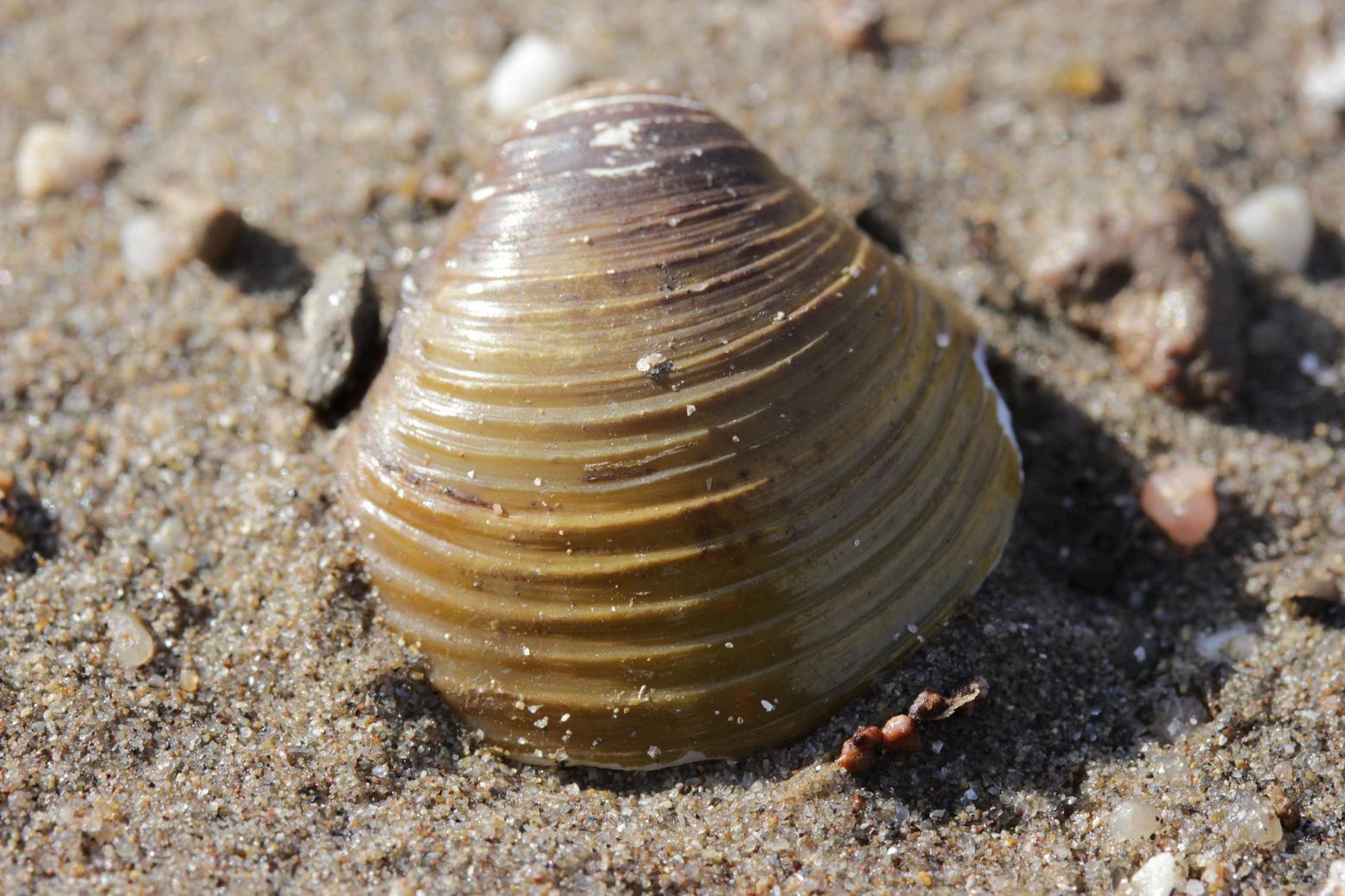
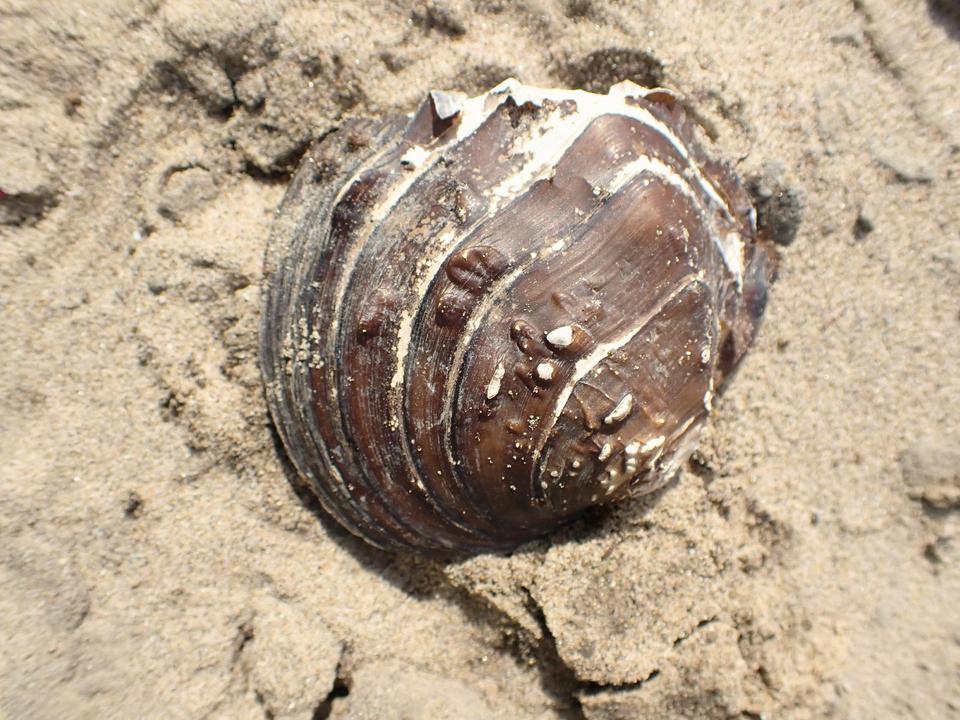
Corbicula fluminea. Photo by Björn S. (Flickr), CC BY-SA 2.0.
Clumped isotopes reveal relationship between mussel growth and river discharge
Melanie Brewer, Ethan Grossman, Charles Randklev
Freshwater mussels preserve valuable information about hydrology, climate, and population dynamics, but developing seasonal chronologies can be problematic. Using clumped isotope thermometry, we produced high-resolution reconstructions of modern and historic (~1900) temperatures and δ18Owater from mussel shells collected from an impounded river, the Brazos in Texas, before and after damming. We also performed high-resolution growth band analyses to investigate relationships between mussel growth rate, rainfall, and seasonal temperature.
Reconstructed δ18Owater and temperature vary little between the modern (3R5) and historic shell (H3R). However, a positive relationship between reconstructed δ18Owater and growth rate in H3R indicates that aside from diminished growth in winter, precipitation and flow rate are the strongest controls on mussel growth in both modern and pre-dam times. Overall, our results demonstrate (1) the impact, both positive and negative, of environmental factors such as flow alteration and temperature on mussel growth and (2) the potential for clumped isotopes in freshwater mussels as a paleohydrology and paleoclimate proxies in terrestrial environments.
Cite: Brewer, M A , E L Grossman, and C R Randklev 2024 Clumped isotopes reveal relationship between mussel growth and river discharge Scientific Reports 14(7653)
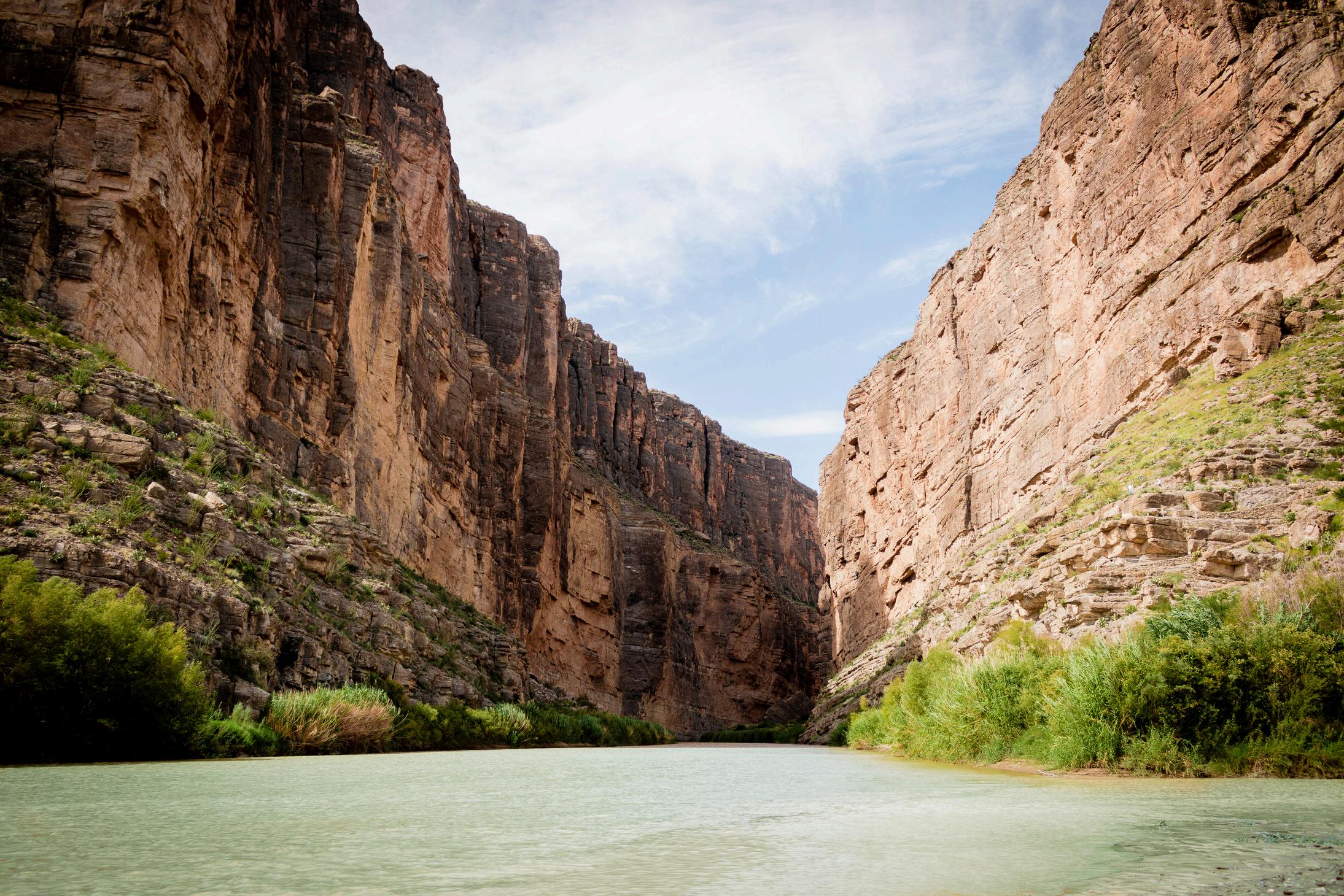
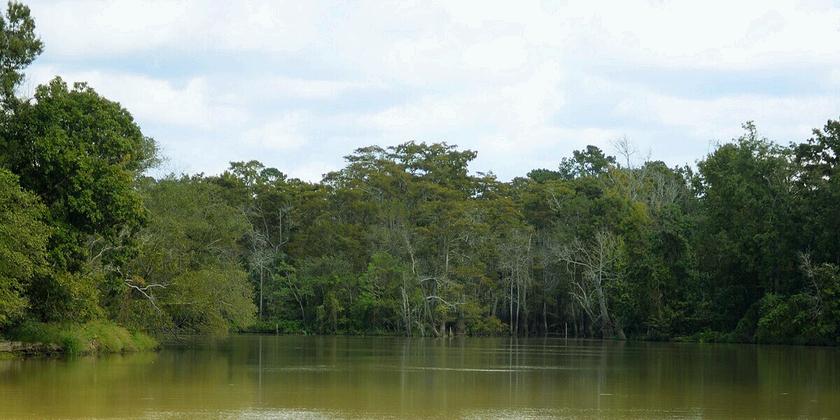
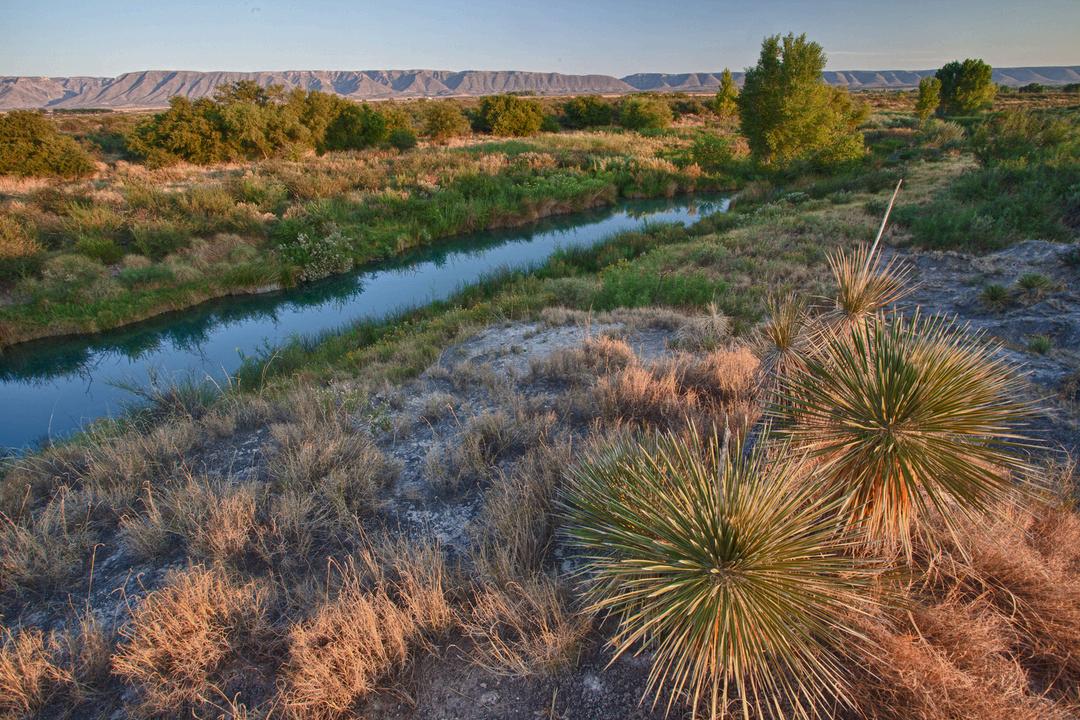
Brazos River, Palo Pinto County, Texas
Photo by HuecoBear (Wikimedia Commons), CC BY-SA 30
Water gaps and standard fencing facilitate white-tailed deer movement across high fences while maintaining property fidelity
Dylan Stewart, Jared Beaver, Lucas Cooksey, Chad Grantham, Brian Pierce, Roel Lopez, Stephen
Fences can act as impermeable or semipermeable barriers to animal movement, which can reduce habitat connectivity, carrying capacity, and gene flow Portions of standard height fence (1415 m) and water gaps (fencing to allow water to flow through while controlling animal movement) can offset the potential negative effects of impermeable fences on wildlife by facilitating movement across the boundary However, little is known regarding the frequency, distance, duration, and timing of deer crossing events Therefore, we quantified the effects of temporary water gaps and sections of standard fencing on white-tailed deer (Odocoileus virginianus) property fidelity, emigration, crossing frequency, and activity patterns on a property fenced with 24-m tall chain link fence topped with 3 barbed wire strands
We captured and fitted 169 deer (80 F, 89 M) with GPS collars that collected 1 location every 15 or 30 minutes from 2011 to 2015 We used k-means cluster analysis to identify crossing locations post-hoc and then calculated the number of crossovers (nonreturning forays) and crossover loops (completed loops), maximum distance outside of the property boundary, total distance traveled, crossing time, and time duration outside the fence for each deer Twenty-seven deer (11 females, 16 males) left the property 340 times through 5 water gaps and an 500-m section of 14-15-m high 5-strand barbed wire Twenty-six deer made 333 return trips; however, the 7 nonreturn events were due to dropped collars
(n = 6) and one non-hunting related mortality while outside of the fence Most crossings were crepuscular, consistent with normal deer movement patterns Mean maximum distance and duration of crossover loops outside the fence was 705 m and 236 h, respectively Results suggest that temporary water gaps and standard height fencing can facilitate fence crossings by deer while maintaining population fidelity to the property; the 24m tall fence also was an effective security barrier for the property by restricting access to the site Landowners willing to allow cross-fence movement will need to determine the allowable percentage of animals that may cross, which is dependent on management goals and dictates the type, amount, and location of crossings
Please see full publication for Spanish translation
Cite: Stewart, D.G., J.T. Beaver, M.L. Cooksey, C. Grantham, B.L. Pierce, R.R. Lopez, and S.L. Webb. Water gaps and standard fencing facilitate white-tailed deer movement across high fences while maintaining property fidelity. The Southwestern Naturalist 69(2).
Webb
SNAPSHOT USA 2019-2023: the first five years of data from a coordinated camera trap survey of the United States
Brigit Rooney, Stephen Webb
(NRI)
Motivation
SNAPSHOT USA is an annual, multicontributor camera trap survey of mammals across the United States The growing SNAPSHOT USA dataset is intended for tracking the spatial and temporal responses of mammal populations to changes in land use, land cover and climate These data will be useful for exploring the drivers of spatial and temporal changes in relative abundance and distribution, as well as the impacts of species interactions on daily activity patterns
Main Types of Variables Contained
SNAPSHOT USA 2019–2023 contains 987,979 records of camera trap image sequence data and 9694 records of camera trap deployment metadata
Spatial Location and Grain
Data were collected across the United States of America in all 50 states, 12 ecoregions and many ecosystems
Time Period and Grain
Data were collected between 1st August and 29th December each year from 2019 to 2023
Major Taxa and Level of Measurement
The dataset includes a wide range of taxa but is primarily focused on medium to large mammals
Go to source
Software Format
SNAPSHOT USA 2019–2023 comprises two csv files The original data can be found within the SNAPSHOT USA Initiative in the Wildlife Insights platform
Cite: Rooney, B. et al. 2025. SNAPSHOT USA 2019-2023: the first five years of data from a coordinated camera trap survey of the United States. Global Ecology and Biogeography 34:e13941.
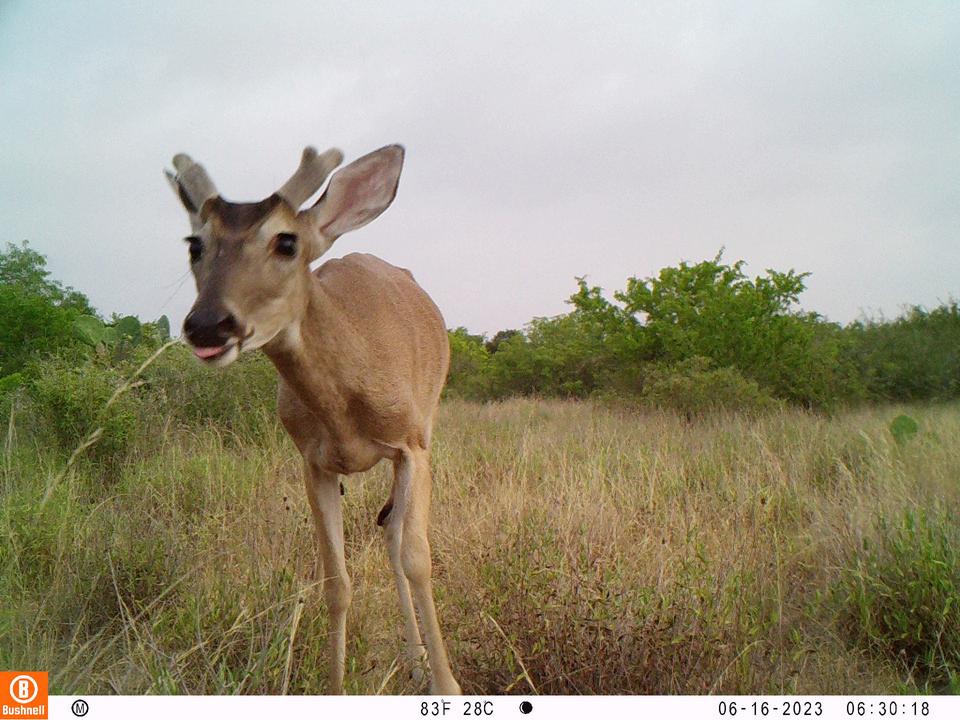
Camera trap photo of a young white-tailed deer buck in velvet. Photo courtesy of Stephen Webb.
Hunter movement and habitat use affect observation rate of white-tailed deer
Alyssa Meier, Andrew Little, Kenneth Gee, Stephen Demarais, Stephen Webb, Dustin Ranglack
Context Hunting by humans is the primary tool for population control for many ungulate species across the United States, including white-tailed deer (Odocoileus virginianus) Previous research has focused primarily on the effects of hunting on prey behavior, while neglecting the potential effects that the hunter behavior has on the probability of harvest success
Aims Our objectives were to assess hunter behavior (ie movement and habitat use) and evaluate how these behaviors influence deer observation rates
Methods During the 2008 and 2009 Oklahoma hunting seasons, we recorded G and observation data from 83 individual hunters over 487 total hunts We examine hunter movement speed, path shape, and the proportion of time hunters spent in different vegetation types, and the averag distance from landscape features such as roads, water sources, etc for each recorde hunt
Key results On average, hunters spent 37 (se = 01 h) afield during each recorded hu traveled 2085 m (se = 790 m), and observ 27 deer/outing (se = 015 deer) Hunters u areas with 25-50% forested cover and grea topographic roughness, and hunted close water sources (ie ponds) but >50 m from roads Behavior of hunters influenced the probability of observing deer; observation rates of deer increased as hunters used greater forested cover and as their movement rate increased
Conclusions Our results suggest that hunter movement and habitat use influence the number of deer observed during a hunt Implications Our findings showed that land managers can leverage understanding hunter behaviors to adjust harvest success to meet various management objectives
Cite: Meier, A.N., A.R. Little, K.L. Gee, S. Demarais, S.L. Webb, and D.H. Ranglack. 2025. Hunter movement and habitat use affect observation rate of white-tailed deer (Odocoileus virginianus). Wildlife Research 52: WR24114.
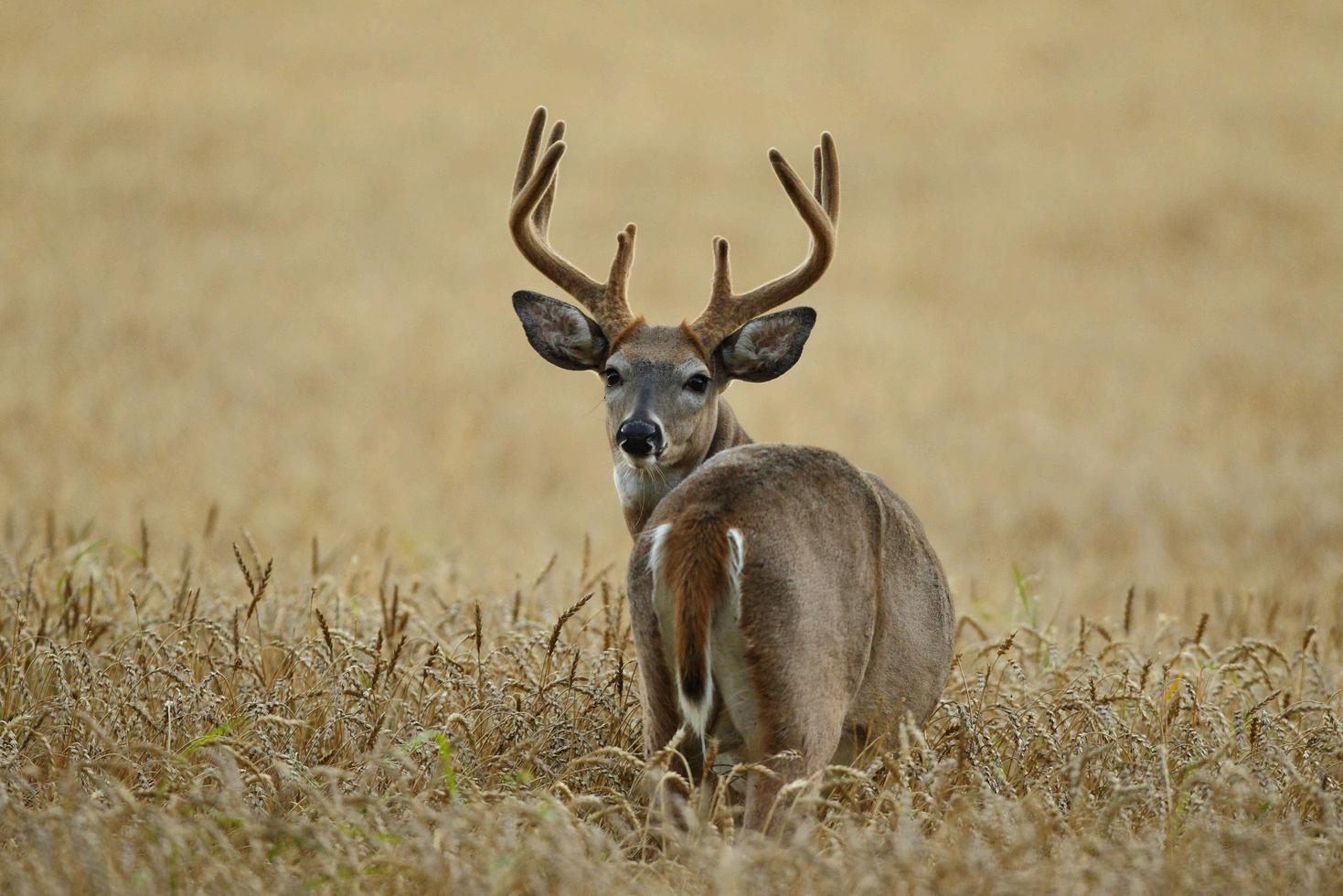
White-tailed deer (Odocoileus virginianus)
Habitat use of the Texas alligator lizard in Central Texas
Corey Fielder, Wade Ryberg, Danielle Walkup, Jared Holmes, Toby Hibbitts
Texas alligator lizards (Gerrhonotus infernalis) are regionally distributed from Central Texas into adjacent northeastern Mexico and, apart from field observations, there are few published ecological studies We utilised radiotelemetry data to assess seasonal macro- and microhabitat as well as arboreal habitat use for G infernalis at two sites at Bamberger Ranch Preserve, Blanco County, Texas We gathered habitat data from 54 lizards between May 2021 and June 2022, resulting in 859 and 339 points for the macro- and microhabitat analysis, respectively Macrohabitats used varied by season, with more being occupied during the summer and fall while fewer were occupied during the winter and spring, but resource selection ratios indicated oak/hardwood rocky slope forests were important across all seasons Microhabitat models indicated G infernalis selects for structural microhabitat (woody plant and debris), rocky refuge, canopy
cover, and slope (angle) of hill while avoiding more open areas devoid of structural habitat In terms of arboreal habitat, G infernalis primarily sought out dense vegetative and woody debris consisting of thin branches and high canopy cover throughout the year Tree use by G infernalis was random at one site but the other site showed non-random use, with lizards preferring Ashe juniper (Juniperus ashei) trees This use ofcomplex structural habitat provides G infernalis with seasonal needs for foraging, thermoregulating, and avoiding predators These findings provide new insights into the ecology of this species and will now allow us to compare the ecological traits of Central Texas populations to those occurring in other regions of their distribution
Cite: Fielder, C M , W A Ryberg, D K Walkup, J M Holmes, and T J Hibbitts 2025 Habitat use of the Texas Alligator Lizard (Gerrhonotus infernalis) in Central Texas Journal of Natural History 59: 1449-1467
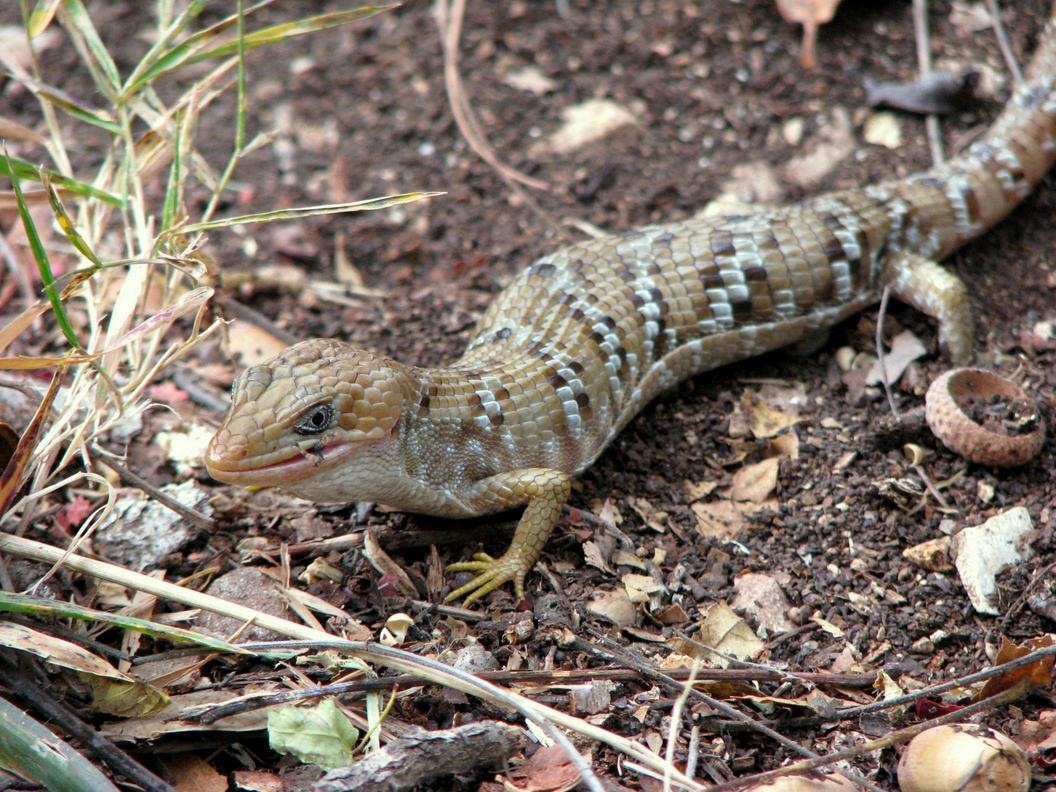
Texas alligator lizard. Photo by Matthew High, CC BY-NC.
Enabling endangered species conservation on private land: A case study of the ocelot in Texas
Lindsay Martinez, Tyler Campbell, Roel Lopez
The ocelot (Leopardus pardalis) is a wild cat distributed from the southern US to northern South America In the US, ocelots are classified as endangered, and breeding ocelot populations are only found in Texas a state composed of mostly private lands Ocelot recovery in the US depends on successful conservation actions on private lands Unfortunately, throughout the history of the Endangered Species Act (ESA), listed i ti i t l d h
Here, we examine an effort to accelerate the recovery of the ocelot by reintroducing the endangered cat to private lands within its historic range in Texas. The case study of the planned ocelot reintroduction on private lands in Texas, combined with review of literature on ESA implementation on private lands, has illustrated key factors for enabling private landowner engagement in threatened and endangered species recovery. Such factors include providing financial incentives and regulatory assurances to landowners, connecting to landowners’ intangible motivations to conserve wildlife, meeting the practical needs of conservation project implementation while still giving landowners autonomy over the effort, maximizing landowner comfort with a conservation program, and allowing participation to be nonpermanent and adaptable. Over the next 50 years of ESA implementation, these will be important considerations for accelerating species sustainment and recovery efforts on private lands.
Go to source mpbell, and R R angered species nd: A case study of e Society Bulletin
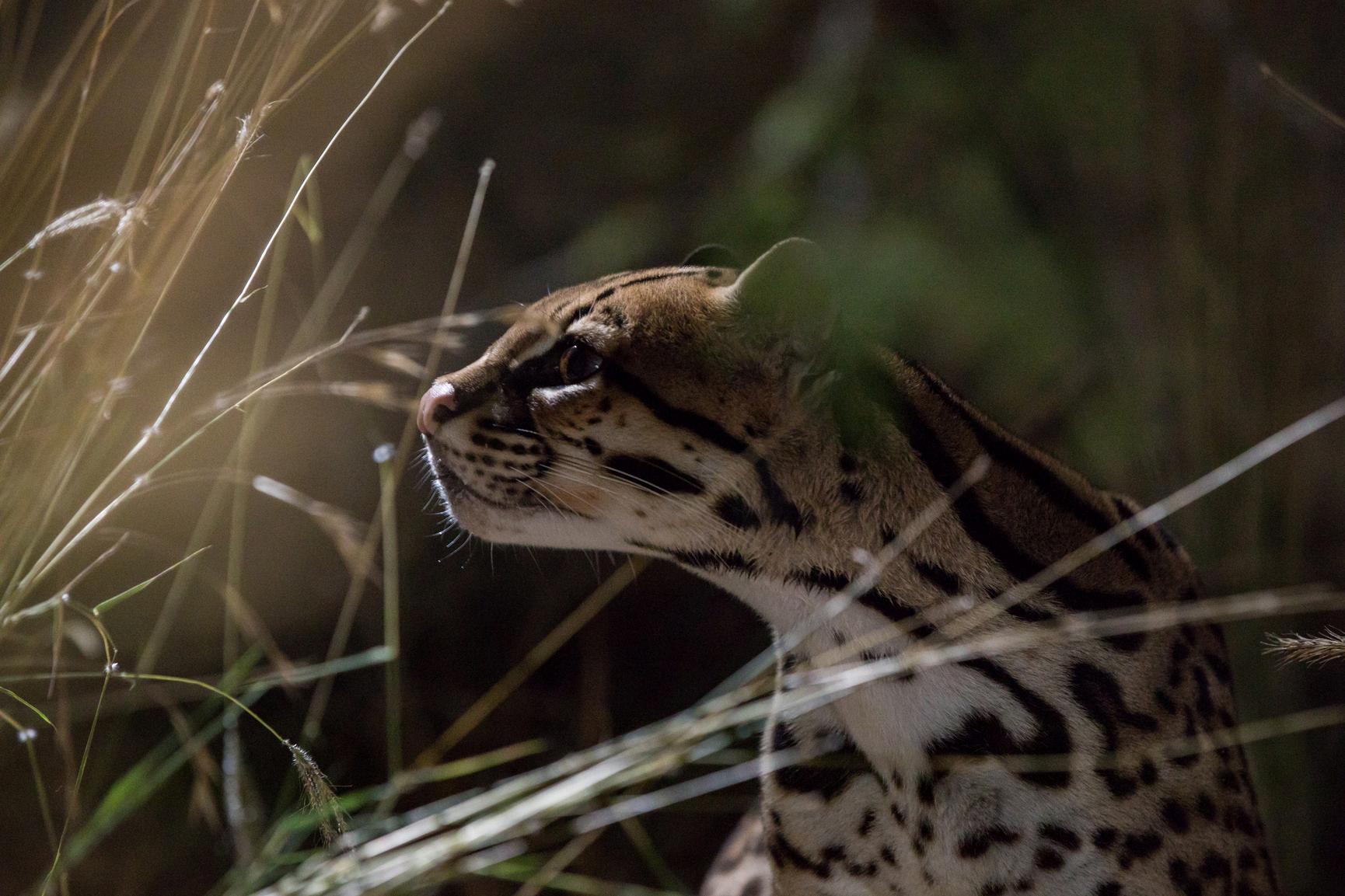
Ocelot (Leopardus pardalis) photo by Ben Masters and Fin and Fur Films
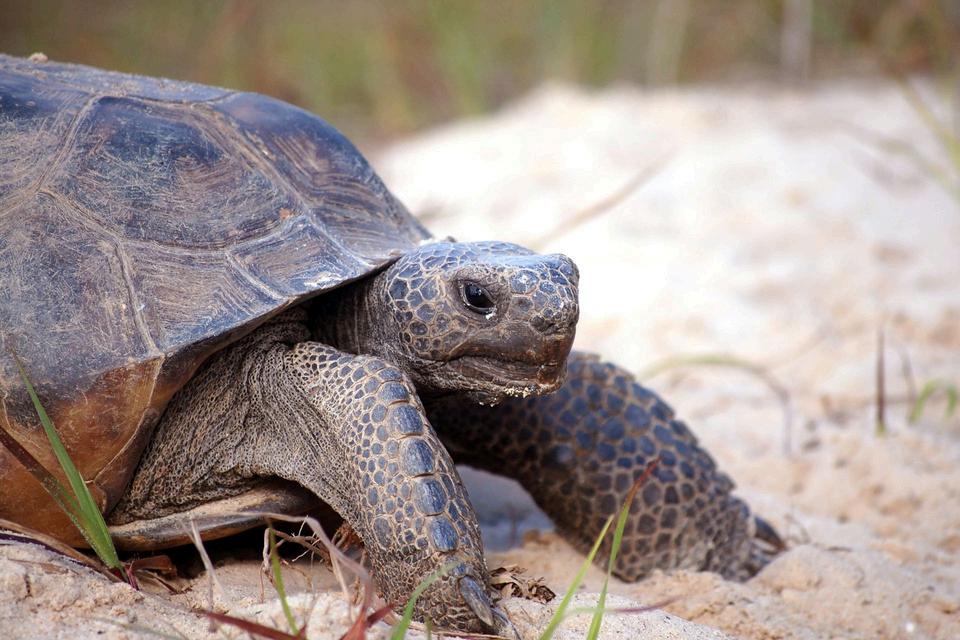
Aggregated space use by soft-released translocated gopher tortoises
Translocated herpetofauna can exhibit irregular space use and movement patterns when compared with resident conspecifics In Florida, USA, Gopher Tortoises (Gopherus polyphemus) are translocated throughout the state to mitigate habitat loss due to development The postrelease space use of translocated Gopher Tortoises with release pens can affect population dynamics and population monitorin efficacy, and understanding spatial can aid wildlife managers with pop management We used a combinat time-lapse cameras, animal trackin devices, and burrow distribution su investigate translocated tortoise sp at Eglin Air Force Base, Florida, whe tortoises have been translocated sin We investigated 10 soft-release pen varied in size (4–41 ha) and shape (d landscape configuration and existin infrastructure) Time-lapse cameras burrow distribution surveys showed tortoises used habitat within 20 m o release pens (silt fences) significant than the interior of pens In most pe selection of pen-edge habitat resul clustering effect that lessened upon subsequent surveys, after fences we removed Additionally, our tracking showed mixed evidence for clusteri where three of the seven tortoises u edge area significantly more than t interior of pens Such clustering can affect the efficacy of population survey methods while potentially having negative impacts on the health of translocatees by increasing local density
Cite: Jones, M D , K J Loope, V H Porter, D K
Walkup, W A Ryberg, J R Preston, J T Johnson, B W Hagedorn, R Bilbow, B M Moore, B C
Bowers, R R Lopez, and E A Hunter March 2025 Aggregated Space Use by Soft-Released Translocated Gopher Tortoises (Gopherus polyphemus), Herpetologica 81(2), 141-151
Max Jones, Kevin Loope, Vivian Porter, Danielle Walkup, Wade Ryberg, Jeremy Preston, Justin Johnson, Bruce Hagedorn, Robert Bilbow, Billy Moore, Brandon Bowers, Roel Lopez, Elizabeth Hunter
Gopher tortoise (Gopherus polyphemus)
Cross-continental analysis shows that disturbance effects on reptile body condition do not predict abundance responses
Kristina Macdonald, Danielle Walkup (NRI)
Ecological disturbances are discrete events that alter or transform the physical, chemical, or biological characteristics of ecosystems. Disturbance can cause animal populations to decline and, according to the risk-disturbance hypothesis and population collapse framework, these declines can be predicted by declines in animal body condition. However, no research has empirically examined the general relationship between body condition and abundance, nor their relationship in response to disturbance. We used a combined dataset representing 33 studies and >42,000 observations of 75 species from Australia, New Zealand, Spain and the United States of America to test predictions relating to the relationship between reptile body condition and abundance.
We first investigated the relationship at the site level and then used meta-analytical models to test whether populations showed linked changes in abundance and body condition in response to disturbance. We further tested whether key environmental and species traits influenced this relationship and whether there was a timelagged effect of body condition responses on abundance. We found a positive relationship between mean reptile body condition and abundance at the site level. However, the relationship was largely lost when investigating population responses to disturbance As such, our results provided no support for the risk-disturbance hypothesis and limited support for the population collapse framework
Therefore, the impacts of disturbance on reptile body condition cannot be assumed to reflect or predict abundance responses. We provide a new conceptual framework that shows how disturbances can modify or uncouple the relationship between abundance and body condition by influencing underlying drivers, such as predation, competition and resource availability. Monitoring programs that infer population impacts based on changes in body condition should first confirm the relationship between these two variables in the relevant study system.
Cite: Macdonald, K J , D A Driscoll, M D Craig, R A Davis, S J Hromada, C M Gienger, L A Fitzgerald, D J Leavitt, D K Walkup, R Abom, A F Wayne, G R Friend, B Johnson, d Stokeld, C R Dickman, S A Thompson, G G Thompson, D F Bohórquez Fandiño, C K Woolley, A L Smith, C Irvine, T S Jessop, J E Keehn, C R Feldman, X Santos, J Belliure, J G Pausas, S L Weiss, P A Fleming, S Dundas, D M Westaway, S E Duncan, and T S Doherty 2025 Crosscontinental analysis shows that disturbance effects on reptile body condition do not predict abundance responses Global Change Biology 31:e70295
Go to source
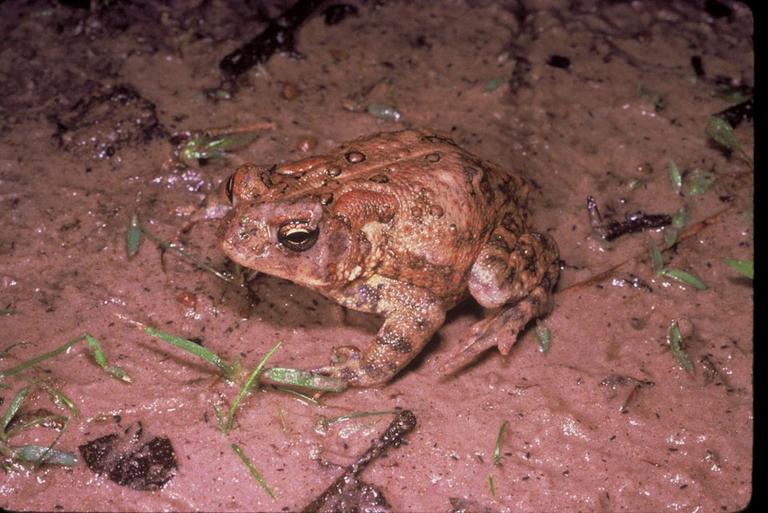
Integrating ensemble habitat suitability models to guide conservation strategies for the endangered Houston toad
Danielle
The Houston toad (Anaxyrus houstonensis), an amphibian endemic to eastern-central Texas, was one of the first amphibians to be listed as federally endangered in the USA Despite ongoing conservation efforts, the species continues to face declining populations from habitat degradation, loss, and fragmentation, along with compounding effects of climate change and increased drought severity This study aimed to develop robust habitat suitability models for A houstonensis using ensemble habitat suitability modeling (EHSM) to inform conservation strategies We generated multiple EHSMs to id if suitable habitats, potential sur reintroduction areas, integratin occurrence data from various s environmental and climatic va also conducted connectivity m highlight essential habitat corr could enhance population disp interconnectivity Our models deep sandy soils, forest cover, a maximum precipitation in Mar factors associated with use by houstonensis, reinforcing prior understanding of A houstonen needs Our model projections has been a loss of 23% of the to habitat between 2004 and 202 the lack of connectivity among patches suggests that restorin historical species connectivity event, and that we should focu increasing connectivity within core patches
These findings provide crucial guidance for targeted habitat conservation, restoration efforts, and land management practices. Moving forward, these models will be instrumental in refining recovery plans, engaging stakeholders, and identifying target areas for priority conservation actions, outlined in the 2022 A. houstonensis recovery plan.
Cite: Walkup, D.K., B.C. Bowers, T.J. Hibbitts, P.S. Crump, A.M. Lawing, and W.A. Ryberg. 2025. Integrating ensemble habitat suitability models to guide conservation strategies for the endangered Houston toad Anaxyrus
Houston toad (Anaxyrus houstonensis) by Toby Hibbitts
Walkup, Brandon Bowers, Toby Hibbitts, Paul Crump, A Michelle Lawing, Wade Ryberg
Evaluating lethal thermal tolerances and vulnerability of three east Texas freshwater mussels
River water temperature is a key factor in determining habitat suitability for aquatic organisms Climate change and humandriven impacts to freshwater ecosystems can increase water temperatures above species-specific ranges, posing considerable threats to freshwater ecosystem composition, function, and the services they provide to people Unionid mussels are globally imperiled, and many species are living near or at their upper thermal limit, which means future increases in water temperature will likely have negative impacts to their long-term persistence Despite this threat, there remains a knowledge gap on sublethal and lethal temperature thresholds for most mussel species To better understand how rising water temperatures will affect the survival of freshwater mussel populations, we tested the upper thermal limits (ie, lethal tolerance estimates resulting in 5% and 50% mortality) of 3 mussel species for which thermal tolerance information is lacking: Cyclonaias pustulosa (Lea,1831), Fusconaia askewi (Marsh, 1896), and Pleurobema riddellii (Lea, 1862) Mussels were collected from east Texas in the southwestern United States Individuals were acclimated to 27°C then tested at 4 experimental temperatures (30, 33, 36, 39°C) and an unacclimated control (20°C) for 10 d (240 h) Lethal tolerance estimates resulting in 5% mortality ranged from 3169 to 3722°C and lethal tolerances resulting in 50% mortality ranged from 3429 to 3843°C Relating field water temperature to our laboratory-derived thresholds identified a small number of exceedances, which increased under
drought-like conditions (ie, reduced stream discharge) Climate projections for east Texas show that droughts will become more commonplace in the future, which means that although thermal stress may not be an issue now, it may become a threat in the future Overlapping thermal tolerance estimates with in situ water temperature and discharge data provides a useful approach for evaluating thermal risk to mussels and guiding efforts focused on protecting and restoring instream flows
Cite: Midenberger, D., T.H. Bonner, T. Corbett, C.R. Robertson, R.R. Lopez, and C. Randklev. 2024. Evaluating lethal thermal tolerances and vulnerability of three east Texas freshwater mussels. Freshwater Science 44:45-60.
Go to source
Dorothea Midenberger, Timothy Bonner, Terry Corbett, Clinton Robertson, Roel Lopez, Charles Randklev
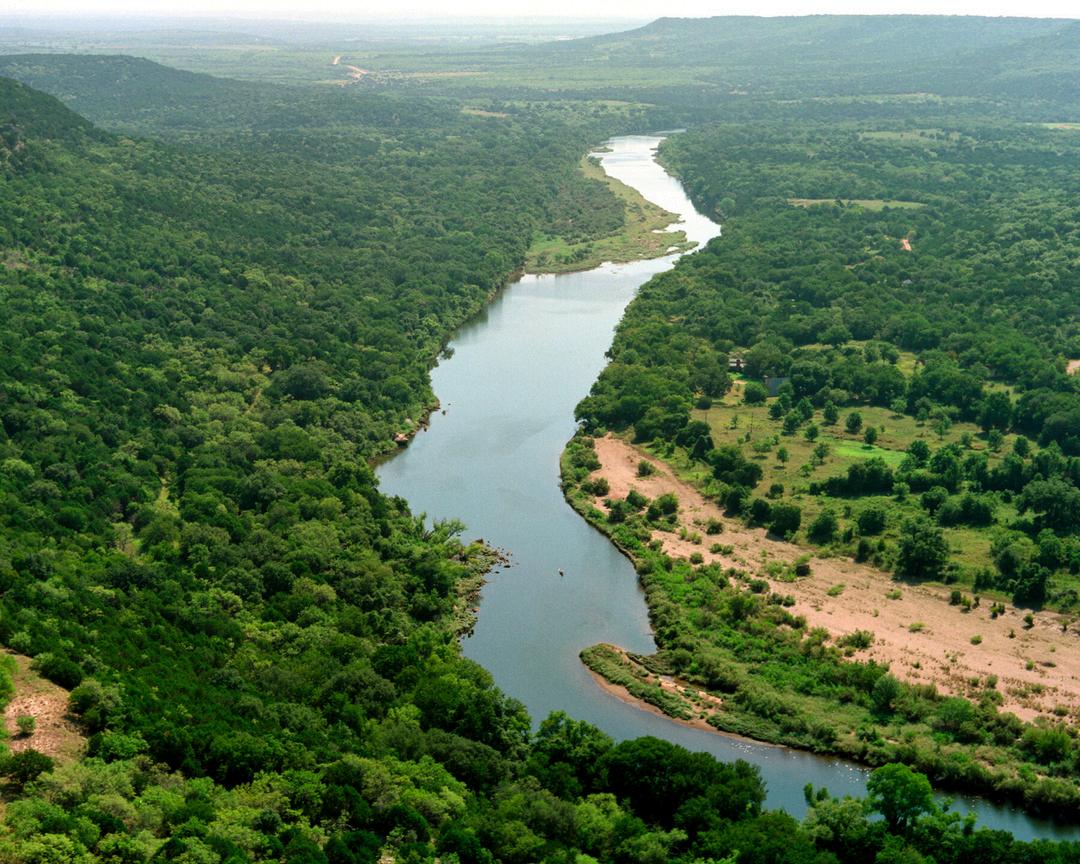
Neches River, Orange County, Texas
Photo by William L. Farr, CC BY-SA 4.0.
Secondary contact erodes Pleistocene diversification in a wide-ranging freshwater mussel (Quadrula)
Sean Keogh, Nathan Johnson, Chase Smith, Bernard Sietman, Jeffrey Garner, Charles Randklev, Andrew Simons
The isolated river drainages of eastern North America serve as a natural laboratory to investigate the roles of allopatry and secondary contact in the evolutionary trajectories of recently diverged lineages Drainage divides facilitate allopatric speciation, but due to their sensitivity to climatic and geomorphological changes, neighboring rivers frequently coalesce, creating recurrent opportunities of isolation and contact throughout the history of aquatic lineages. The freshwater mussel Quadrula quadrula is widely distributed across isolated rivers of eastern North America and possesses high phenotypic and molecular variation across its range. We integrate sequence data from three genomes, including female- and maleinherited mitochondrial markers and thousands of nuclear encoded SNPs with morphology and geography to illuminate the group's divergence history. Across contemporary isolated rivers, we found continuums of molecular and morphological
variation, following a pattern of isolation by distance In contact zones, hybridization was frequent with no apparent fitness consequences, as advanced hybrids were common Accordingly, we recognize Q quadrula as a single cohesive species with subspecific variation (Q quadrula rumphiana) Demographic modeling and divergence dating supported a divergence history characterized by allopatric vicariance followed by secondary contact, likely driven by river rearrangements and Pleistocene glacial cycles Despite clinal range-wide variation and hybridization in contact zones, the process-based species delimitation tool delimitR, which considers demographic scenarios like secondary contact, supported the delimitation of the maximum number of species tested As such, when interpreting species delimitation results, we suggest careful consideration of spatial sampling and subsequent geographic patterns of biological variation, particularly for wide-ranging taxa
Cite: Keogh, S M , N A Johnson, C H Smith, B E Sietman, J T Garner, C R Randklev, and A M Simons 2025 Secondary contact erodes Pleistocene diversification in a wide-ranging freshwater mussel (Quadrula) Molecular Ecology 34:e17572
Go to source
Quadrula quadrula Photo by Felspar13 (Wikimedia Commons), CC BY-SA 40
Scope for growth is optimized across a limited temperature range in an imperiled freshwater mussel
Predicting effects of rising temperatures on the health and physiology of aquatic organisms is receiving increasing attention, particularly in arid regions with limited freshwater habitat. One approach to estimating energetic health of aquatic ectotherms is scope for growth (SFG) the net energy available for reproduction and growth after meeting basic maintenance costs. We examined the relationships between temperature, clearance rates, respiration rates, and other physiological parameters to estimate SFG of Popenaias popeii a federally endangered mussel native to the semi-arid Rio Grande basin of the southwestern USA and Mexico. Scope for growth followed a three-phase pattern with values remaining stable but negative from 16 to 24°C, increasing and becoming positive from 24 to 28°C, and decreasing back down to negative values from 28 to 32°C. In New Mexico’s Black River, a last stronghold for P. popeii, seasonal thermal regimes show that maximum investment in growth and reproduction likely occurs from May to October, when positive SFG values are most common. Within this critical period, mid-summer increases from 28 to 32°C may temporarily dampen or eliminate growth and reproduction in P. popeii as SFG decreases from peak to negative values. Management of flow to minimize thermal stress during mid-summer appears critical to maximizing growth and reproduction of remaining populations
Go to source
Cite: Pieper, E.B., J.A. Radich, C. Randklev, D.J. Berg, M. Ramey, R.A. Wright, H.A. Abdelrahman, and J. Stoeckel. 2025. Scope for growth is optimized across a limited temperature range in an imperiled freshwater mussel. Hydrobiologia 852:3445-3461.
Evelyn Pieper, Jessica Radich, Charles Randklev, David Berg, Matthew Ramey, Russell Alan Wright, Hisham Abdelrahman, Jim Stoeckel
Black River Recreation Area, New Mexico
Age, asymptotic size, and growth constants of east Texas freshwater unionid mussels
Anna Eismont, Clinton Robertson, Roel Lopez, Charles Randklev
Age and growth information helps researchers better understand how freshwater mussels (Bivalvia: Unionida) among the most imperiled aquatic fauna worldwide cope with environmental change Shell thin sectioning is the primary method for estimating age and growth Using a low-speed saw, a thin, radial crosssection of shell is taken and then mounted on an unfrosted microscope slide and read using a dissecting microscope Thin sectioning can be time intensive, and species-specific issues, such as crowded annuli, can complicate efforts to provide accurate estimates To date, only 69 of the approximately 300 North American species have age and growth information Texas illustrates this issue perfectly; populationspecific growth estimates are available for only 6 of the 52 species known to occur in the state For the remaining species, information is either unavailable or inferred from closely related congeners or populations outside the state This is problematic because incorrect inferences about age and growth can lead to erroneous assumptions about a species’ life history, which could result in management and conservation actions that, at best, waste resources, and at worst, lead to population declines We thin-sectioned eight different mussel species, including three species of conservation concern, then estimated growth parameters using von Bertalanffy growth curves Our work more than doubled the number of Texas species with age and growth information from populations within
the state. We found that growth serves as a good proxy for species position along a continuum contrasting higher growth and shorter lifespans versus lower growth and longer lifespans. Our results should be useful for making inferences about how species respond to environmental change.
Cite: Eismont, A. L., C. R. Robertson, R. R. Lopez, and C. R. Randklev. 2025. Age, asymptotic size, and growth constants of east Texas freshwater unionid mussels. Freshwater Mollusk Biology and Conservation 28:38-47.
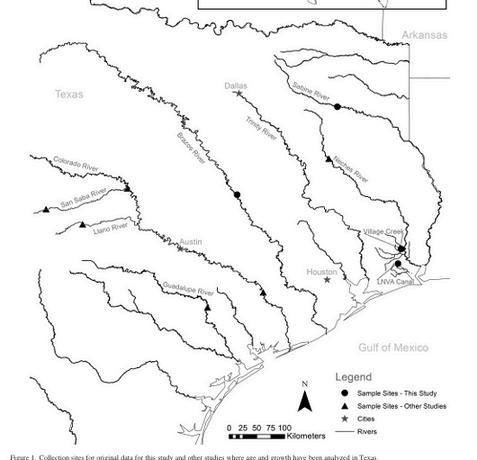
Partial map of East Texas collection sites from Eismont et
al.
Importance of private lands in ESA implementation: 50
years of reflection and conservation
On November 13–14, 2023, in Austin, Texas, the James G. Teer Conservation Leadership Institute (JGTCLI) fellows of the Texas Chapter of the Wildlife Society held a symposium commemorating the 50th anniversary of the U.S. Endangered Species Act (ESA). At the symposium, a diverse panel of wildlife and conservation professionals from across the nation representing agency, industry, non‐profit, and university backgrounds reflected on topics like the ESA's evolution, conservation successes, and persisting challenges. The panel discussed the future of conservation under the ESA, with a focus on private and working lands in the U.S. The conversations had an eye towards providing advice to early career professionals in JGTCLI who assessed the ESA during the Act's 50th anniversary during a capstone project. Key take‐aways to ESA implementation, particularly in private landscapes, included transformational conservation through genuine, trusting relationships among landowners, agencies, and conservation organizations, the removal of regulatory disincentives, and the implementation of tangible incentives.
Embracing collaboration and innovation, while building trust, is essential for advancing species recovery and achieving longterm biodiversity goals amid evolving environmental challenges
Cite: Daily, T. S., C. E. Dannenfelser, M. M. Granger, E. Guest, O. A. Kost, S. D. McCay, B. R. L. Olsen, M. P. Riggs, A. Smith, M. E. Marshall, L. A. Martinez, and R. R. Lopez. 2025. Importance of private lands in ESA implementation: 50 years of reflection and conservation. Wildlife Society Bulletin e1597.
Taylor Daily, Chloe Dannenfelser, Megan Granger, Emma Guest, Olivia Kost, Shelby McCay, Benjamin Olsen, Mitchell Riggs, Addie Smith, Mike Marshall, Lindsday Martinez, Roel Lopez
As we celebrate over two decades of applied research and extension outreach by the dedicated staff at the Texas A&M Natural Resources Institute (NRI), we reflect on the significant impact of the Texas Land Trends program Since its inception, the program is a critical resource in understanding the complex landscapes of Texas’ working lands farms, ranches, and forests increasingly threatened by rapid economic and population growth With 25 years of trend data, this five-year report, in its sixth iteration, provides essential insights into the ongoing transformation of population growth, land value, ownership patterns, and land uses across the state. The Texas Land Trends program stands as a testament to the Institute’s commitment to informing decision-makers and guiding conservation efforts. The report serves not only as an updated snapshot of current conditions but also as a roadmap for future policies affecting our state’s natural resources. Together, we continue our mission to conserve the integrity of Texas’ wideopen places for generations to come.
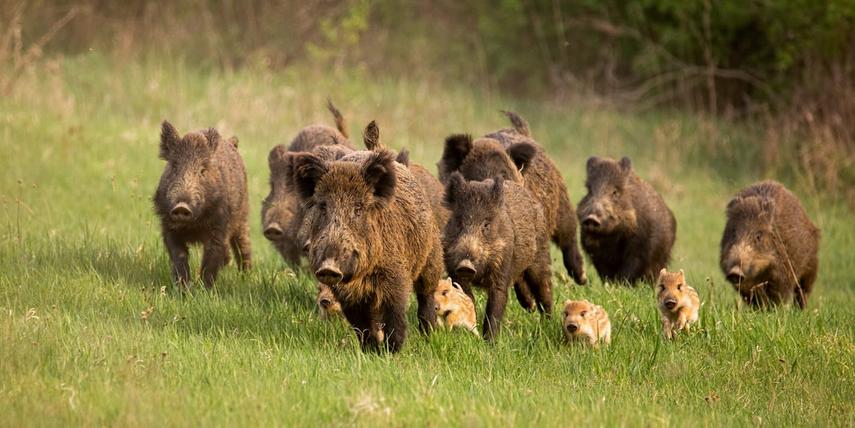
One of the many challenges facing new and established Texas landowners is the battle against feral pigs (Sus scrofa; hereafter feral pigs), given the damage they cause They are recognized as a highly adaptable, invasive exotic species Feral pig is a term used to describe three groups in North America: 1) feral pigs (those originating from domestic swine), 2) Eurasian boar (those imported from Europe), and 3) hybrids of the two
Since their introduction to North America in 1539, feral pig populations developed and continued to grow; the exact population numbers are hard to determine, but research puts their current population in the millions Because of their invasive characteristics and fast-growing population, they can cause agricultural production damage, water quality impacts, and competition with native animals and livestock In 2024, agricultural losses exceeded $670 million from feral pig activity, and landowners across Texas are spending more than $130 million in control costs
Additionally, they pose a serious disease threat to humans, livestock, and wildlife species, as noted in many publications, including “Disease Concerns Associated with Feral Pigs” In this publication, we address the challenges that small-acreage and metropolitan area landowners face in Texas We will provide management options that can be tailored to fit the restrictions common to these properties and suggest strategies that can be used to increase effectiveness when reducing feral pig numbers, especially for landowners with limited resources We will also provide information on management resources available to landowners across the state
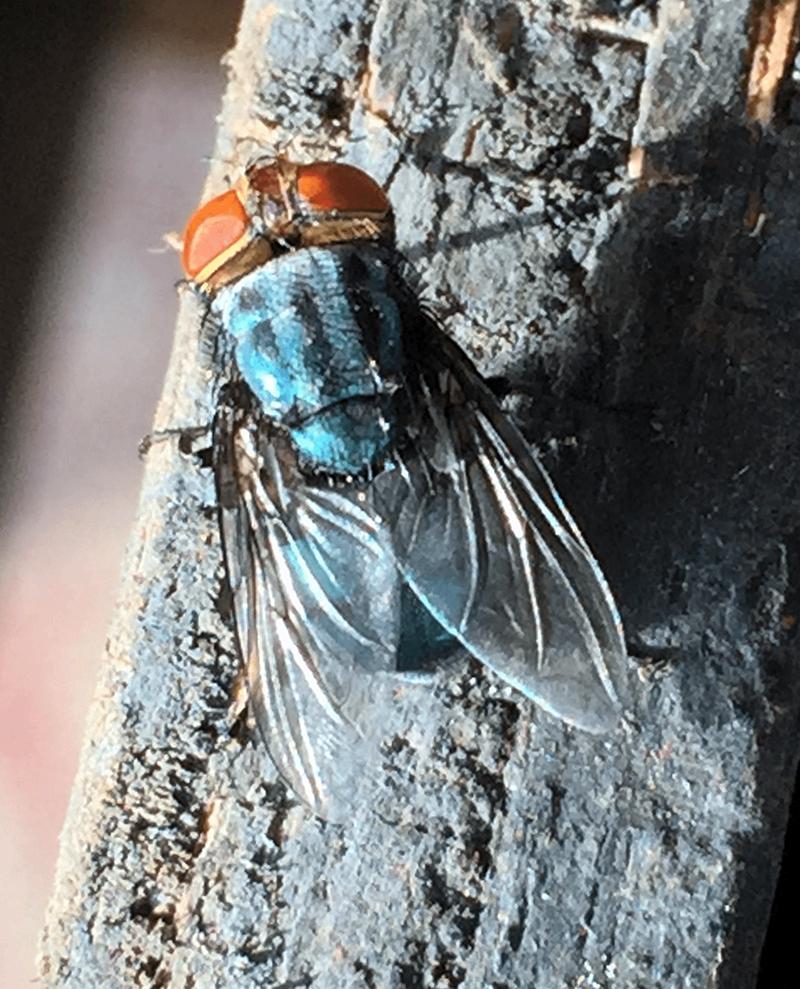
The New World screwworm (NWS), Cochliomyia hominivorax, was eradicated from the US in 1966 and has been limited to isolated outbreaks, including in 1976 in Texas and 2016 in Florida Due to its recent northward movement through Central America and Mexico, it is once again an emerging threat to Texas These parasitic flies lay their eggs in or
Authors
James
Roel
Parr
Sarah
Hunter
Kory
near wounds and the mucous membranes of living mammals. After hatching, the larvae burrow into the wounds and feed on live tissue a condition known as myiasis. These wounds can result in rapid health decline and death, especially in free-ranging wildlife that do not receive veterinary care and cannot be closely monitored like livestock Texas is home to more than 100 mammal species that will be at especially high risk if this fly re-establishes itself here, including more than 5 million white-tailed deer In addition to ecological and aesthetic value, native wildlife are a key contributor to the state economy A study by the Texas A&M Natural Resources Institute (https:// txag/NRIDeerStudy) found that the management and hunting of white-tailed deer alone contributes more than $9 billion to the Texas economy every year
The following information provides both urban and rural Texans with the knowledge needed to monitor, detect, and report signs of NWS infestations to help protect wildlife ranging from squirrels and coyotes to white-tailed deer, mule deer, and black bear.
Marcus Blum
Cathey
Lopez
Rosson
Fuller
Reed
Gann
Stretching from every corner of the country, through data curation and field observations, we produce sound science.
We thank you for supporting our commitment to solving natural resource issues and engaging policymakers, land managers and citizens throughout this process