
Cornerstone
An important quality or feature on which a particular thing depends or is based.
Cornerstone
The Hagler Institute for Advanced Study is a beacon of excellence at Texas A&M University.
A Message from the Director
John L. Junkins
Texas A&M University is home to an outstanding faculty and student body engaging in pathbreaking research and education. Within this se ing, the Hagler Institute for Advanced Study adds a unique component of excellence, bringing outstanding scholars, called Fellows, to the A&M campus for extended periods to collaborate on research and share ideas. A Fellow will be on campus from 65 to 260 workdays spread over a period of up to five years. For those who cannot commit at least 65 days, we offer instead a Distinguished Lecturer position, which extends from 14 to 30 days on campus within a two-year period.
John L. Junkins Founding Director Hagler Institute for Advanced Study
The institute’s Faculty Advisory Board (FAB) approves or disapproves nominees for recruiting as Fellows or Distinguished Lecturers. The FAB is designed to broadly represent the academic strength of the university and consists of nine Texas A&M University Distinguished Professors who are elected by their peers and college deans. National academy membership in sciences, engineering or medicine is, with few exceptions, the minimum threshold for FAB approval for nominees in those fields. For other nominees, equivalent stature must be evident for the FAB to approve recruitment. The Hagler Institute engages with approved nominees and offers an opportunity and compensation commensurate with their accomplishments.
We have been extraordinarily successful in our quest. The institute has earned a reputation for rigor and fairness in vetting nominations, and the quality of the Hagler Fellows is off the charts. Over its 14-year history, the Hagler Institute has attracted 146 Fellows and 15 Distinguished Lecturers. All of these are truly outstanding scholars. Our latest class was announced in Fall 2025 and includes 11 Fellows and two Distinguished Lecturers — a remarkably accomplished and talented group, representing a broad range of academic disciplines.
Last year, the institute used built-up savings to afford a 2024-25 class of 19 Fellows and one Distinguished Lecturer, making the most of an opportunity presented by the large number of approved nominees and demonstrating the viability of the institute’s long-term goal of 20 new Fellows per year. The 202526 class size is significantly smaller, though still above the historical average and consistent with the institute’s gradual growth toward its long-term goal. Recent gifts and other funding increases have boosted our near-term targeted class size from about 10 new Fellows per year to an average number in the low teens, and we may be able to raise that target to the mid to high teens depending on future endowment success. Our continued long-term goal is to increase endowment funding to a level that will fully support 20 new Fellows per year on an ongoing basis.
The recent addition of funds has also allowed the institute to account for historical inflation and increase its financial support of graduate students who collaborate with Hagler Fellows, sufficient not only to keep pace with the increasing number of Fellows but also to increase the annual stipend, starting in fiscal year 2026, for the two student fellowships offered by the institute in conjunction with each Fellow appointment.
Additional revenues secured by the institute over the past year include a $500,000 increase in the university’s annual budget for the institute, provided by then-President Mark Welsh to mitigate the impact of inflation since establishment of the Hagler Institute baseline academic budget in 2016, as well as a $100,000 increase in the university’s annual allocation of Heep Foundation earnings to the Hagler Institute, provided by Provost Alan Sams to account for growth in the underlying Heep endowment. The institute also received $100,000 in initial funding from the Office of the Chancellor to help cover administrative costs of the Chancellor’s National Academy Science, Technology, Engineering and Mathematics (STEM) Ph.D. Fellowship Program (Chancellor’s Fellowship), along with a commitment from the chancellor’s office for continued revenue to support the program’s operational costs going forward. The institute received generous gifts from multiple donors, including a sizable donation from the WoodNext Foundation, and institute endowment revenue continues to increase as earnings from recent endowments come online and underlying endowment portfolios continue to grow.
Total Hagler Fellows
Total Hagler Distinguished Lecturers
During the last two years, the Hagler Institute has begun using earnings on $15 million in endowments established in 2024 for support of Welch-Hagler Fellows, comprised of a $10 million endowment from the Welch Foundation and a $5 million matching endowment from Jon Hagler ’58. Texas A&M University also provided $200,000 per year for 10 years to fund student fellowships for Welch-Hagler Fellows as part of the matching of the Welch Foundation gift.
The Welch Foundation is one of the foremost private supporters of fundamental chemical research in the nation. The Welch Foundation funds only education and research in Texas. The earnings on their endowment donation, and the related matching funds, provide support for a steady stream of Hagler Fellows in chemistry and in fields that utilize advanced chemistry as a key aspect of their research, such as materials science and medicine.
The institute has brought five Hagler Fellows to the A&M campus who will be supported with earnings on the Welch donation and matching endowments.
Welch Foundation Supported Fellows
01. Marsha Lester: 2024-25 Fellow University of Pennsylvania
02. Jeffrey Long: 2024-25 Fellow University of California, Berkeley
03. Joan Broderick: 2025-26 Fellow Montana State University
04. Geoffrey Coates: 2025-26 Fellow Cornell University
Jon Hagler ’58 Supported Fellow
05. Tresa Pollock: 2025-26 Fellow University of California, Santa Barbara
The Welch Foundation endowment and the related matching funds will continue to enrich chemistryrelated research at Texas A&M University, in perpetuity.
If you have not signed up for the Hagler Institute’s newsletter, then please consider doing so at hias. tamu.edu. You will be amazed at the work of some of our Fellows and the difference they are making at Texas A&M and in the world, for that matter, with their research.
Another milestone in the recent year is the establishment of the Rogers/Huang Medal for Research Collaboration. John Rogers and Yonggang Huang are professors at Northwestern University and are former Fellows of the Hagler Institute, and they have made further commitments to continue working with the Hagler Institute. The Rogers/Huang collaboration is among the world’s most successful academic teams in scientific research, having produced seven book chapters and nearly 400 journal articles since 2005, including eight in Nature and 15 in Science — and these numbers will surely be out of date by the time this annual report is published. Rogers is a member of the National Academies of Science, Engineering and Medicine, and Huang is a member of the National Academies of Science and Engineering. Their honors are many. For example, the Royal Society in the U.K. recently awarded to Huang the chair of their election committee for engineering and materials science, the first ever non-UK member of the Royal Society to be appointed chair of any election committee since its establishment in 1666. This is evidence of Huang’s status in the Royal Society.
Rogers and Huang teamed with the Hagler Institute in 2023 to organize the nation’s first conference on the nature of highly successful research collaboration, involving presenters from national and international universities and companies. Subsequently, the Hagler Institute, with input from Rogers and Huang, formulated the Rogers/Huang Medal, an annual award for the best collaborative research paper by a Fellow with a Texas A&M student among the co-authors. You will find the first recipients of this medal discussed later in this report.
The final milestone I wish to highlight here is the arrival of the first recipients of the Chancellor’s Fellowship. The Hagler Institute designed and developed the Chancellor’s Fellowship program and is now responsible for its administration. Former Chancellor John Sharp committed funding for the program during his last year as chancellor. The Chancellor’s Fellowship attracts 15 of the top students in the nation each year until a steady state of 60 on campus is attained. From over 60 outstanding applicants for the first year of the fellowship, fifteen scholars, with an average grade point average of over 3.9 out of a possible 4.0, have won the opportunity to pursue a Ph.D. in a field of science, technology, engineering or mathematics at Texas A&M. The program provides attractive four-year fellowships which allow Texas A&M University to compete with private and public
Top students in the Chancellor’s Fellowship program annually
universities on a consistent basis for the top students in the nation. A unique aspect of the Chancellor’s Fellowship is that it teams the “best with the best” — these top students work with Texas A&M professors who are members of one of the national academies, thereby enhancing the education and potential research productivity of graduate programs in STEM fields at Texas A&M University.
The Hagler Institute for Advanced Study is commi ed to academic excellence for Texas A&M University. As you can see in the video on our web site, Jon Hagler ’58 is inspired by the quest for excellence:
“We are a sleeping giant. One of the reasons I get charged up to give to the university is that I believe we need to be the giant. I don’t understand why we shouldn’t demand the very best of ourselves. Why not? I don’t like looking at the world as it is and saying we are constrained by that. I like looking at it and saying, ‘How should it be?’
And,
‘Why not us?”’
Thanks in large part to Jon Hagler’s role in launching our capital campaign, the Hagler Institute for Advanced Study is now poised to become the embodiment of the excellence quest at Texas A&M University. The impact of the Hagler Institute is already very significant, but we are just getting started.
Jon L. Hagler Namesake Donor External Advisory Board Member Hagler Institute for Advanced Study
The Hagler Institute
About
The Hagler Institute for Advanced Study is devoted to increasing academic excellence at Texas A&M University. The institute brings the world’s most notable scholars — known as Fellows of the Hagler Institute for Advanced Study — to the Texas A&M University campus to enhance the intellectual atmosphere, inspire, exchange ideas and collaborate on research with Texas A&M’s outstanding faculty and students. The institute connects students with these Fellows by offering student fellowships, freeing students from other funding duties to focus on interactions with these Fellows. 113
Average number of workdays commi ed
Visiting world-class scholars are commonly on campus
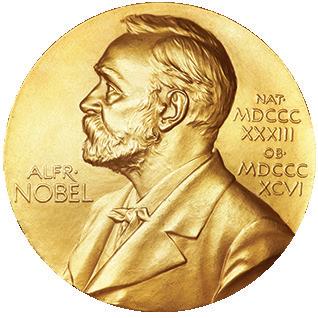
To be a Fellow of the Hagler Institute is an honor and a symbol of prestigious achievement. A minimum criterion for selection as a Hagler Fellow is election into one of the national academies or having equivalent stature in other fields. In 14 years, the institute has appointed 146 Hagler Fellows and 15 Distinguished Lecturers, including six Nobel Prize recipients and winners of many other esteemed honors.
The typical Fellow now spends time in the institute over multiple years. The institute provides much flexibility to Fellows in serving their time in the institute, as their expertise is in demand, and they have other professional and family commitments. Ranges of time to serve in the institute are provided in Hagler Institute agreements. The maximum time for a Fellow to be active in the institute is five years. Considering the maximum times expressed in agreements, the 2024-25 class of Fellows has committed to an average of 113 workdays at Texas A&M spread over up to 4.5 years. Due to the multipleyear agreements, within any one year, 30 or more visiting world-class scholars are commonly on the campus.
The institute was initially established to pursue the Fellow program. However, since then the institute has expanded its excellence mission. Director Junkins invented a triad idea of teaming nationally prominent STEM students with a national academy member on the Texas A&M faculty, along with a rising-star faculty member of the academy member’s choice. The Hagler Institute developed the plan designed to attract some of the nation’s top students to Texas A&M. The initiative was funded by the Chancellor of the Texas A&M System and was named the Chancellor’s National Academy STEM Ph.D. Fellowship program. It is administered by the Hagler Institute.
The Hagler Institute encourages development of research skills and contacts with its Rogers/ Huang Medal, which is awarded once a year to the collaborators of the top research paper, as judged by former Fellows and now Distinguished Lecturers, John Rogers and Yonggang Huang. To be eligible to enter the competition, a current or former Fellow or Distinguished Lecturer of the Hagler Institute and a Texas A&M student must be among the co-authors.
The Hagler Institute supports a number of other endeavors of excellence on campus. One is the Community of Scholars dinner, at which a Fellow of the Hagler Institute frequently provides a keynote address. Another is choosing students from Texas A&M and around the nation to send to the Lindau Nobel meetings in Germany. Both events are managed by the provost’s office.
Now a permanent feature on campus, the Hagler Institute was the idea of its founding director, John L. Junkins, a University Distinguished Professor in the Department of Aerospace Engineering and former Texas A&M interim president. The concept was proven over a five-year period with startup funds provided by former Chancellor John Sharp and Texas A&M’s Academic Master Plan. A commitment of continuing funding made by then-Texas A&M President Michael K. Young, supported by presidents since then, and the resulting significant endowment provided by Distinguished Alumnus Jon L. Hagler ’58, ensure the institute’s permanence within Texas A&M University.
The Hagler Institute broadly elevates the reputation of Texas A&M by:
• increasing external research funding through efforts of current and former Hagler Fellows;
• connecting faculty and students with recognized scholars from across the United States and from other countries;
• fostering advanced problem solving, research and publications;
• attracting new outstanding faculty and students by providing a unique intellectual atmosphere; and
• attracting additional world-class scholars to Texas A&M’s faculty as a by-product of their in-residence visits, some using funds from the Governor’s University Research Initiative and the Chancellor’s Research Initiative.
The Hagler Institute is the only institute of its kind in the United States. Located on the 8 th floor of Rudder Tower in the heart of the Texas A&M campus, the Hagler Institute serves all colleges, select institutes, Texas A&M at Galveston and the School of Law in Fort Worth.
Jon L. Hagler
Jon L. Hagler
Namesake Donor
External Advisory Board Member
Hagler Institute for Advanced Study
Jon L. Hagler ’58 established an endowment for the Institute for Advanced Study to secure its place as a symbol of excellence at Texas A&M University.
His devotion to Texas A&M has been evident throughout his adult life. Hagler is recognized nationally as a leader in investment management as well as philanthropy. In 1984, he and his wife, Jo Ann, founded the Jon L. Hagler Foundation, a private, independent foundation that has financially supported Texas A&M as well as multiple philanthropic efforts across the nation.
Hagler has shown an interest in supporting overarching initiatives that elevate Texas A&M’s academic stature and contribute to A&M’s long-term success. He is highly regarded and respected at the university for his leadership and contributions, both of which have spanned decades.
Texas A&M recognized Hagler with an honorary doctorate in 2015 and the 2005 Sterling C. Evans Medal for his dedication in supporting Texas A&M. He was named a Texas A&M Distinguished Alumnus in 1999 and is a past member of the board of directors of The Association of Former Students.
Hagler chaired the executive committee of the One Spirit, One Vision campaign from 2000 to 2006; co-chaired the university’s 1999 strategic planning initiative, Vision 2020: Creating a Culture of Excellence; served as past chairman and trustee emeritus of the Texas A&M Foundation Board of Trustees; and was the leading donor of the Texas A&M Foundation’s campus headquarters named in his honor.
He has offered valuable guidance as a member of the institute’s external advisory board since its formation and through his generosity has helped make the institute a permanent part of Texas A&M. To ensure prestigious leadership in years ahead, Hagler endowed the director’s chair to provide research support for future directors of the institute. Hagler also provided matching funds that helped attract an endowment for the institute from the Robert A. Welch Foundation in 2024.
Hagler received his bachelor’s degree from Texas A&M in 1958, was a Corps of Cadets commander during his senior year and served as a Ross Volunteer. He earned an MBA from Harvard University in 1963.

ABOUT THE HAGLER FELLOWS
The Impact, Seen and Unseen
The great baseball player, Jackie Robinson, once said, “A life is not important except for the impact it has on other lives.” The Hagler Institute exists to change lives, and in a positive way. The institute introduces world-class scholars from other institutions into the intellectual environment of Texas A&M and fosters the sharing of ideas. It teams enthusiastic graduate students with new innovative mentors who are at the top of their profession.
Each year the Hagler Institute brings a new group of world-class scholars to Texas A&M. These scholars, called Fellows or Distinguished Lecturers, are nominated by faculty, immediately establishing the importance of that scholar on campus to a faculty host and to that host’s students. When the Fellow comes and interacts with A&M faculty and students, a new synergy is created that would not have otherwise existed.
Excellence can rarely be achieved without a positive attitude, which is why excellence shines through these visiting scholars, as it does with much of the Texas A&M faculty and student body. The positive attitude that is implicit in a pursuit of excellence among Fellows and Distinguished Lecturers provides a wonderful element of inspiration on campus. One can literally feel this inspiration when in the presence of someone who has a record of advanced intellectual achievement. And what could be more important in human-to-human interaction than to inspire a young person? What carries a person further than inspiration?
The scholars of the Hagler Institute almost without exception exhibit high intention, devotion, hard work and intelligent execution. They are ideal models for younger faculty and students seeking degrees at every level. Advances in the world depend upon the contributions of such people, whether they be in academics, business or government. Fellows of the Hagler Institute come primarily from academia, but some have come from industry and government. Fellows have earned numerous awards and prizes for their research, including six who have won the Nobel Prize.
“Excellence is never an accident. It is always the result of high intention, sincere effort and intelligent execution; it represents the wise choice of many alternatives — choice, not chance, determines your destiny.”
A ributed to Aristotle
Fellows of the Hagler Institute have:
• developed major breakthroughs in wireless technology;
• improved our understanding of Shakespeare’s life and works;
• derived the mathematics that allows high fidelity music to be sent from one phone to another;
• worked at the forefront of hypersonics research, with national defense applications;
• helped mankind understand the universe;
• written insightful historical literature;
• determined optimal trajectories for space vehicles;
• identified disorders in animals and developed cures;
• discovered new chemical elements for the periodic table;
• determined circadian rhythms in plants and animals;
• identified the genetic causes of select disorders;
• made a multitude of advances in chemistry;
• improved the economics of shipping ports;
• spawned advances in medical imaging;
• documented the importance of a natural environment to human health;
• made advances in eradicating tuberculosis in various countries;
• given us new insights into the risk and reliability of civil infrastructure;
• developed self-healing materials;
• made groundbreaking advances in laser physics;
• opened frontiers in human health monitoring using biomedical engineering;
• provided new insights into business cycles.
The list could go on and on. A common element in these contributions is that they offer improved ways to deal with the world’s challenges, and some literally enhance the way we live.
It is ultimately up to the individual student to take advantage of exposure to this knowledge. Texas A&M, with its core values and historical as well as current inspirations, provides a wonderful environment for the development of individual intellect.
Each year the Hagler Institute provides fellowships for students to work with Fellows on research. At the end of each academic year, each fellowship recipient provides a report to the Hagler Institute about his or her work with the Fellow.
Fellows give lectures, but they typically do not teach courses, for they primarily collaborate on research. Some visible fruits of these collaborations between students, Fellows and A&M faculty are research reports,
research grant awards, journal articles, presentations at conferences, and excellent student dissertations. Unseen fruits result in a devotion to excellence in scholarship by those inspired by these collaborations.
Fellows work most directly with A&M graduate students, but the undergraduates are not ignored. Many Fellows also speak to undergraduate classes. Additionally, the Hagler Institute sponsors symposiums and eminent scholar lectures in the fall and spring semesters. Honors Academy undergraduate students are common attendees at these lectures.
The Fellows who present eminent scholar lectures often devote time beforehand to meet for lunch and converse with the students. No one knows which of these undergraduate students might someday change the world due to inspiration from one of these eminent scholar lectures or lunch conversations. Inspiration is so important, and it is the unseen benefit in many of the gatherings involving excellence on campus, whether it is from Texas A&M faculty or Fellows of the Hagler Institute.
Discussion of impact would not be complete without recalling that 16 Fellows joined Texas A&M’s faculty. These additions have enhanced Texas A&M University. Fellows have joined in the College of Engineering, the College of Arts and Sciences, the College of Architecture, the College of Veterinary Medicine and Biomedical Sciences, the Naresh K. Vashisht College of Medicine, the College of Education and Human Development, Texas A&M University at Galveston and Texas A&M’s School of Law in Fort Worth. These faculty additions have been the catalysts for attracting other top scholars to Texas A&M’s faculty. The number of members of the U.S. academies of science, engineering and medicine on the faculty of Texas A&M University has increased five-fold, from 11 in 2013, when the first group of Fellows arrived, to 55 currently. Fellows in fields without U.S. national academies earned prestigious awards, such as the Wolf Prize, considered on par with the Nobel Prize. Texas A&M University has risen in academic stature in the eyes of the world, and the Hagler Institute has played a key part in this advance. The growth in national academy-level faculty has also been underwritten by the Chancellor’s Research Initiative and the Governor’s University Research Initiative.
To name a few examples, Alan Needleman joined Texas A&M’s faculty from the first group of Fellows, and his presence was a key factor attracting other academy members to A&M’s Department of Materials Science and Engineering, including George Pharr. Edwin “Ned” Thomas, a Fellow in the 2019-20 class from Rice University, also joined that department. The faculty addition of former 2013-14 Fellow Christodoulos Floudas, a renowned Chemical Engineer from Princeton University, was another key addition to Texas A&M’s faculty.
He came to A&M accompanied by Stratos Pistikopoulos, a member of the U.K.’s prestigious Royal Society. After about four years at Texas A&M, Floudas died of a sudden heart attack at the age of 56, but his legacy is carried on by Pistikopoulos, who has continued to build one of the best, if not the best, energy institutes in the U.S.
Additions of new outstanding faculty are catalysts for attracting outstanding students. The Hagler Institute developed and now administers the Chancellor’s National Academy STEM Ph.D. Fellowship program (Chancellor’s Fellowship), which is discussed in a separate section of this report. The Chancellor’s Fellowship attracts some of the nation’s finest students, as it is financially attractive and teams each student with an A&M faculty member who is a member of one of the national academies. These students will also meet and potentially collaborate with Fellows of the Hagler Institute. The long-term impact of these stellar students on elevating Texas A&M and, indeed, our nation, cannot be overestimated.
Bill Carter is a graduate of Texas A&M in the class of 1969 and owns and manages a prominent financial management company in Dallas. Over the years, he has served Texas A&M University in many capacities on the boards of influential A&M associations and organizations. By 2017, when Jon Hagler committed $20 million to the renamed Hagler Institute for Advanced Study, the institute had already been operating for four years, and Bill had attended the Hagler Institute’s induction galas and was aware of its success and early impact.
“Since the light bulb finally went on and I was able to understand the mission of the Institute and also see its results firsthand, I have been more than impressed. I honestly believe from an academic perspective this will do more for A&M than any program in history.”
Well said, Bill. That is our goal and our destiny.
On May 3, 2017, Bill Carter wrote to Jon Hagler his opinion about the Hagler Institute for Advanced Study
Fellows and Distinguished Lecturers, Class of 2025-26
“The Hagler Institute continues to elevate Texas A&M by bringing transformative scholars whose achievements shape entire fields. Their collaboration strengthens our academic enterprise, inspires our faculty and students and fuels the kind of innovation that defines this university. With its remarkable record of a racting and supporting Nobel laureates, national medal recipients and global leaders in discovery, the institute remains a powerful engine for excellence at Texas A&M.”
Alan Sams Provost and Executive Vice President Texas A&M University
Joan B. Broderick
PROFESSOR
Department of Chemistry and Biochemistry, College of Letters and Sciences
Montana State University

Broderick will collaborate with faculty and students in the College of Arts and Sciences.
Joan Broderick, a professor of chemistry and biochemistry, is recognized for her work uncovering how iron and sulfur drive the key steps and molecules involved in radical S-adenosylmethionine (SAM) enzymes reactions. She is known for discovering a new organometallic intermediate and was the first to observe the fleeting deoxyadenosyl radical that drives the reaction, deepening the scientific community’s understanding of early reaction steps and impacting studies on all radical SAM enzymes.
She received her Ph.D. from Northwestern University.
Broderick is a member of the National Academy of Sciences and the American Academy of Arts and Sciences. She is a fellow for the American Association for the Advancement of Science. She is a recipient of the Alfred Bader Award in Bioinorganic or Bioorganic Chemistry from the American Chemical Society (ACS) and the Ian Scott Medal from the Texas A&M University section of the ACS.
She has 126 peer-reviewed articles and is an associate editor for the Journal of Biological Chemistry.
Peer-Reviewed Articles
Alison Butler
DISTINGUISHED PROFESSOR
Department of Chemistry and Biochemistry, College of Letters and Science
University of California, Santa Barbara
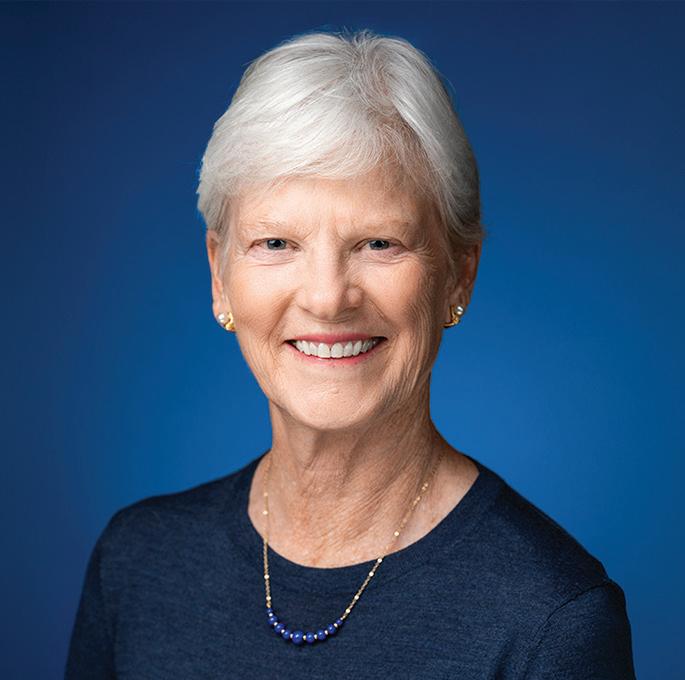
Butler will collaborate with faculty and students in the College of Arts and Sciences.
Alison Butler has helped expand the field of marine bioinorganic chemistry by uncovering how certain ocean enzymes and bacteria use metals like vanadium and iron. Her research has led to significant insights into the chemistry of marine organisms and iron uptake in microbes.
She received her Ph.D. from the University of California San Diego.
Butler is a member of the American Academy of Arts and Sciences, and the National Academy of Sciences. She is a fellow of the American Association for the Advancement of Science, the American Chemical Society (ACS), the Royal Society of Chemistry (RCS) and the American Institute of Chemists (AIC).
She is a recipient of the Alfred Bader Award in Bioinorganic or Bioorganic Chemistry and the Cope Scholar Award from the ACS; the Inorganic Reaction Mechanisms Award from the RCS; the William H. Nichols Medal from the New York American Chemical Society Local Section; the AIC Chemical Pioneer Award; the Tolman Medal from the Southern California Section of the ACS; the ACS Award for Distinguished Service in the Advancement of Inorganic Chemistry; and the 9 th Vanadis Award from the International Vanadium Symposium.
She is a University of California, Santa Barbara (UCSB) Faculty Research Lecturer, the top honor given by the UCSB Academic Senate.
She has authored 145 peer-reviewed articles and holds three patents.
145
Peer-Reviewed Articles
3 Patents
Geoffrey W. Coates
UNIVERSITY PROFESSOR
Department of Chemistry and Chemical Biology
College of Arts and Sciences
Cornell University
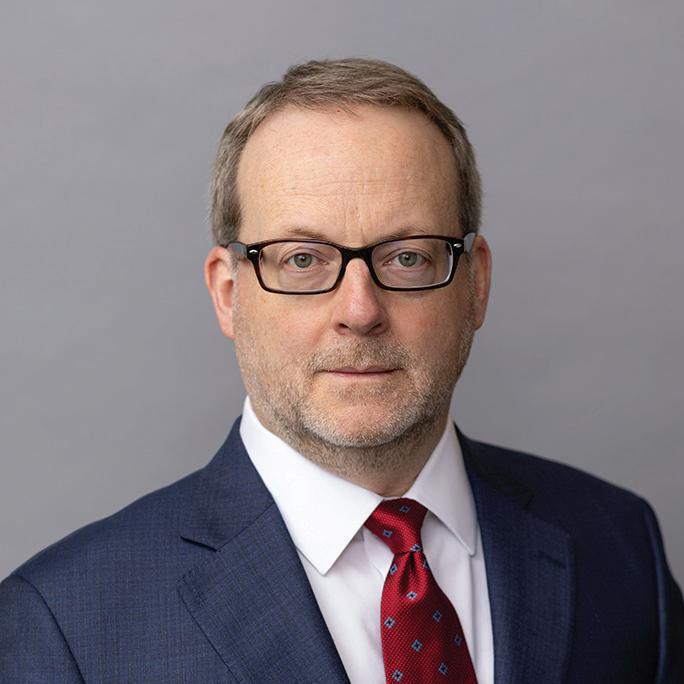
Coates will collaborate with faculty and students in the College of Arts and Sciences.
Geoffrey W. Coates is renowned for his work in catalysis and polymer chemistry. His research has paved the way for the creation of environmentally friendly plastics and has contributed to the broader effort to address global environmental challenges through chemistry. His research focuses on the development of new catalysts for the synthesis of sustainable polymeric materials, including high-performance biodegradable polymers, plastics derived from biorenewable feedstocks, materials that facilitate valorization of postconsumer plastics and materials for practical energy storage and conversion applications. He received his Ph.D. from Stanford University.
Coates is an influential figure in the scientific community, having received 10 high-level awards for his research and scholarship. Honors include the Eni Award, the National Academy of Sciences Award for the Industrial Application of Science, the American Chemical Society’s Gustavus John Esselen Award for Chemistry in the Public Interest, the American Association for the Advancement of Science’s Newcomb Cleveland Prize and the U.S. Environmental Protection Agency’s Presidential Green Chemistry Challenge Award. He serves as a member of the National Academy of Sciences, the National Academy of Inventors and the American Academy of Arts and Sciences.
He has authored three book chapters and more than 300 peer-reviewed articles and holds 79 issued U.S. patents. He is currently an associate editor for JACS, the flagship journal of the American Chemical Society, and serves on the Board of Directors of Mitsubishi Chemicals and the Scientific Advisory Board of The Welch Foundation.
300
Peer-Reviewed Articles
79 Patents
3 Book Chapters
David C. Grabowski PROFESSOR
Department of Health Care Policy
Harvard Medical School
Harvard University
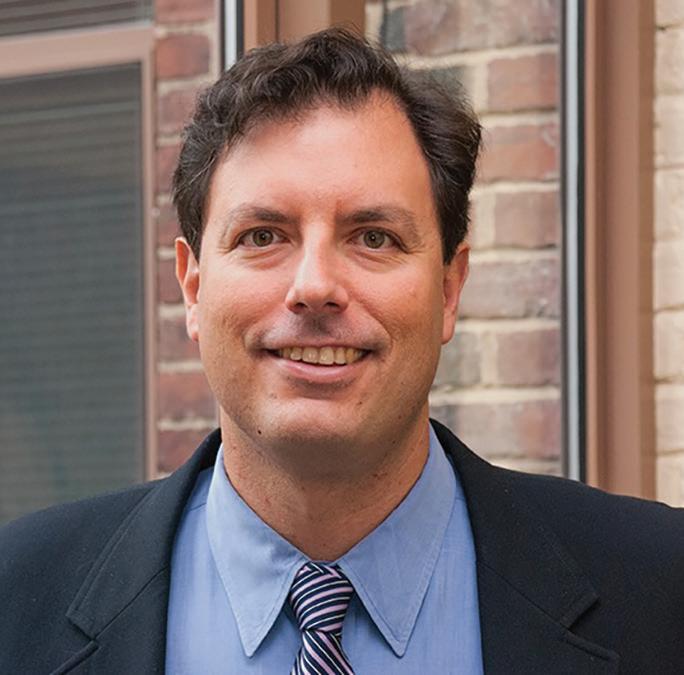
Grabowski will collaborate with faculty and students in the School of Public Health.
An expert in the economics of aging, David C. Grabowski is renowned for his contributions to the fields of long-term and post-acute care. His work has advanced the understanding of novel trends in care quality, identified conflicting Medicare and Medicaid payment policies, and informed policy changes regarding the determinants of COVID-19 in nursing home deaths.
He received his Ph.D. from the University of Chicago.
Grabowski is a member of the National Academy of Medicine. He is a recipient of the John D. Thompson Prize for Young Investigators from the Association of University Programs in Health Administration.
He served as a member of the Medicare Payment Advisory Commission, the Centers for Medicare and Medicaid Services’ Coronavirus Commission on Safety and Quality in Nursing Homes, and the National Academy of Sciences, Engineering and Medicine Committee on the Quality of Care in Nursing Homes. He has testified before the U.S. Congress on seven separate occasions.
He has authored six book chapters and more than 280 peer-reviewed articles. Grabowski is an associate editor of the journal Forum for Health Economics and Policy and serves on the editorial boards of the American Journal of Health Economics and the Journal of the American Medical Directors Association.
Peer-Reviewed Articles
6
Book Chapters
Ioannis (Yannis) Kevrekidis
BLOOMBERG DISTINGUISHED PROFESSOR
Departments of Chemical and Biomolecular Engineering; Applied Mathematics and Statistics; and Biomedical Engineering
Whiting School of Engineering
Department of Urology
Johns Hopkins School of Medicine
Johns Hopkins University
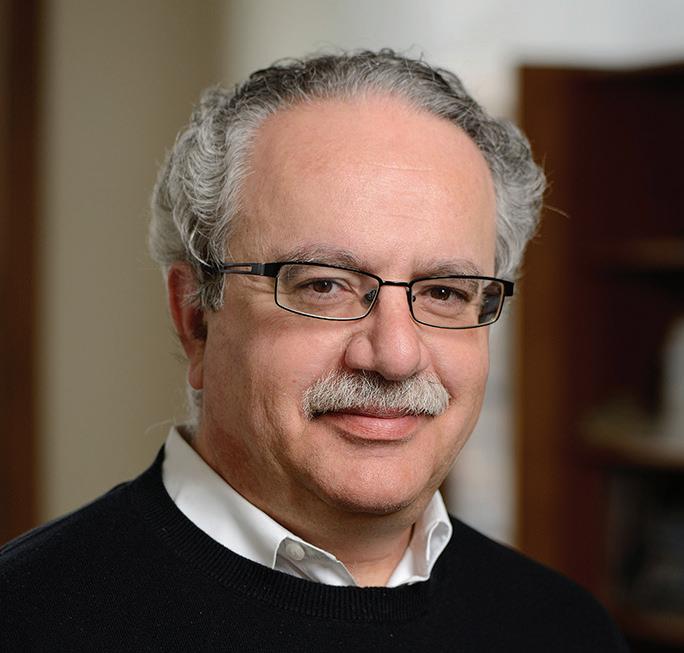
Kevrekidis will collaborate with faculty and students in the Naresh K. Vashisht College of Medicine and the College of Engineering.
Ioannis Kevrekidis has transformed how scientists use computers to model and study complex/ multiscale systems such as the dynamic behavior, instabilities and patterns found in physical, chemical and biological processes.
His work applies to a variety of fields, but he is best known for pioneering an approach for equation-free computation. His recent research focuses on multiscale computations and computer-assisted modeling of complex dynamical systems.
He earned his Ph.D. from the University of Minnesota.
Kevrekidis is a member of the American Academy of Arts and Sciences, the National Academy of Engineering, the Johns Hopkins Data Science and AI Institute, and the Academy of Athens. He has been a senior Hans Fischer Fellow at the Technische Universität München Institute for Advanced Study and an Einstein Visiting Fellow at FU/Zuse Institute Berlin.
He is a recipient of the Allan P. Colburn Award, the R.H. Wilhelm Award and the Computing in Chemical Engineering Award from the American Institute of Chemical Engineers; the J.D. Crawford Prize and the W.T. and Idalia Reid Prize from the Society for Industrial and Applied Mathematics; a Senior Humboldt prize; and a career Teaching Award from the School of Engineering at Princeton.
He has also been a Gutzwiller Fellow for the Max Planck Institute for the Physics of Complex Systems in Dresden, a Packard Fellow and a Rothschild Distinguished Visitor at the Newton Institute at Cambridge University.
He has authored more than 400 peer-reviewed publications.
Peer-Reviewed Articles
Lyle
Lyle Lovett, a Texas-based singer, songwriter and actor, redefined American music by blending country, jazz, folk, gospel, blues and more with his distinctive storytelling style. Since his debut in 1986, Lovett has produced 14 albums and has appeared in several television series and films. Most recently, he taught master classes as an artist in residence at the University of North Texas, Denton.
Often touring as a duo with his “Acoustic Group” or with his “Large Band,” Lovett has performed at venues such as Austin City Limits; the Ryman Auditorium in Nashville, Tennessee; Red Rocks Amphitheatre in Denver; and more.
He is a former student of Texas A&M University.
He is recognized by peers in both the music and film industry through numerous nominations and awards of the highest honors. He is the recipient of four Grammy Awards and one Golden Globe Special Award. He has been nominated twice for the Country Music Association Awards and also by the Academy of Country Music Awards. He was given the Americana Music Association’s inaugural Trailblazer Award, as well as the Americana Music Association UK’s Trailblazer Award. He has been named a Texas State Musician, and this year, he will be given a star on the Hollywood Walk of Fame.
Love AMERICAN SINGER/ SONGWRITER AND ACTOR 4 Grammy Awards

Love will collaborate with students and faculty in the College of Performance, Visualization and Fine Arts.
1 Golden Globe Special Award
José A. Pagán
PROFESSOR
Department of Public Health Policy and Management
School of Global Public Health
New York University
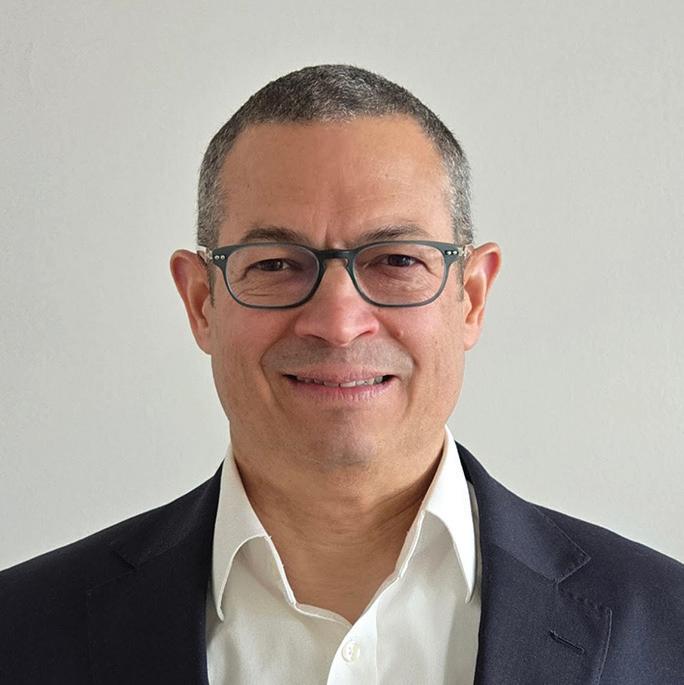
Pagán will collaborate with faculty and students in the College of Medicine.
Known for his research on the population effects of uninsurance, José A. Pagán has shown that expanding access to health insurance coverage in a community may benefit not only the uninsured, but also the privately insured and the quality of health care services available to everyone in the same community.
His current research focuses on how identifying and addressing social needs within health care delivery systems may help optimize health care utilization.
He received his Ph.D. from the University of New Mexico.
Pagán led the governing body of New York City Health and Hospitals, the largest public health care system in the country, through the COVID-19 pandemic.
He is the Chair of the Board of Directors for New York City Health and Hospitals.
Pagán is a member of the National Academy of Medicine. He was a Robert Wood Johnson Foundation Health and Society Scholar at the University of Pennsylvania and was the recipient of a Robert Wood Johnson Foundation Investigator Award in Health Policy Research. Pagán also received the Faculty Advisor of the Year Award from AcademyHealth and the Faculty of the Year Award from the New York University School of Global Public Health.
He has authored six books or book chapters and 202 peerreviewed articles. 202
Peer-Reviewed Articles 6
Books or Book Chapters
Robert Pianta
BATTEN BICENTENNIAL PROFESSOR OF EARLY CHILDHOOD EDUCATION
Department of Human Services
FOUNDING DIRECTOR
Center for Advanced Study of Teaching and Learning School of Education and Human Development
University of Virginia
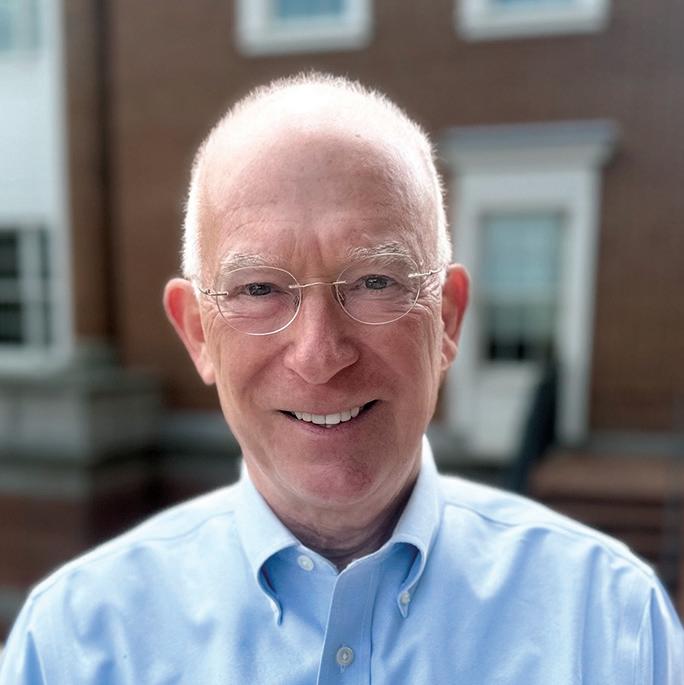
Pianta will collaborate with faculty and students in the College of Education and Human Development.
Robert Pianta is a pioneer in understanding the importance of positive relationships for quality education. His research focuses on the intersection of education and human development, particularly teacher-student relationships.
Pianta developed the Classroom Assessment Scoring System, or CLASS, a tool for analyzing teacher-student interactions used in classrooms serving children and adolescents from birth to high school. The CLASS and associated interventions have helped teachers interact with students more effectively in the United States and across the world.
He received his Ph.D. from the University of Minnesota.
Pianta is a member of the National Academy of Education. He was selected as a fellow for the American Educational Research Association and the Center for Advanced Study in the Behavioral Sciences.
Honors include the Distinguished Contributions to Research in Education Award from the American Education Research Association, the Review of Research Award from the American Educational Research Association, the Article of the Year from the National Association of School Psychology, the Outstanding Alumni Achievement Award from the University of Minnesota, and the Best Article Award from the Journal of School Psychology.
Pianta was named a Distinguished Alumnus from the University of Connecticut and received an honorary doctorate degree from the University of Stavanger.
Pianta has authored 13 books, 72 chapters and 343 peer-reviewed articles, and holds one trademark. He is a former editor for the Journal of School Psychology.
343
Peer-Reviewed Articles
1 Trademark
13
Books
Tresa M.
Pollock
PROFESSOR AND HOLDER OF THE ALCOA DISTINGUISHED CHAIR OF MATERIALS
Materials Department College of Engineering
University of California, Santa Barbara
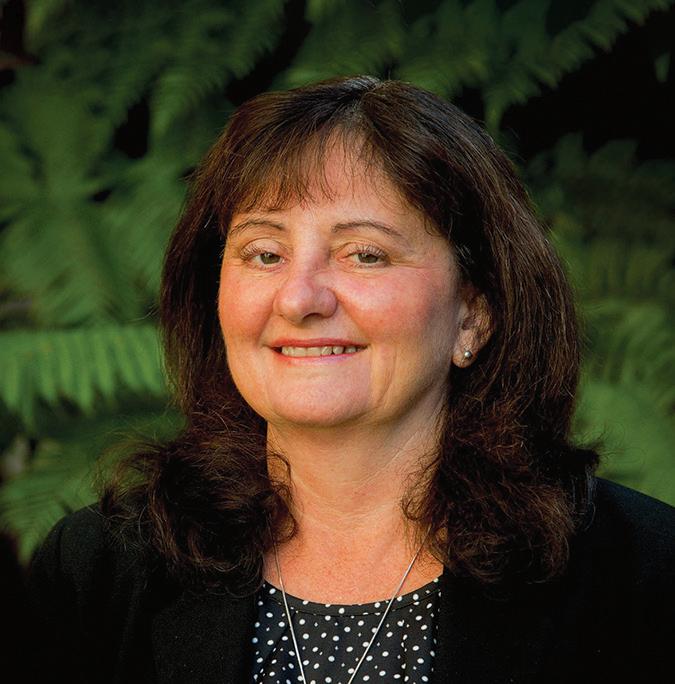
Pollock will collaborate with faculty and students in the College of Engineering.
Tresa Pollock is a scholar of the mechanical and environmental performance of materials in extreme environments. Her advanced design techniques and development of new, highly heatresistant materials have led to significant improvements in the efficiency and safety of jet aircraft.
She is also the inventor of an insitu tomography platform called “TriBeam,” which makes it possible to acquire unique information about a material’s chemistry and structure in three dimensions at high resolution.
She received her Ph.D. from the Massachusetts Institute of Technology.
Pollock is a member of the National Academy of Engineering, the German National Academy of Sciences Leopoldina, Société Française de Métallurgie et de Matériaux, ASM International, and The Minerals, Metals and Materials Society (TMS). She is a U.S. Department of Defense Vannevar Bush Fellow and a recipient of the Acta Materialia Gold Medal, the TSM/ASM Joint Distinguished Lectureship in Materials and Society Award, and the TMS Morris Cohen Distinguished Achievement Award.
She has authored six books or book chapters and more than 480 peer-reviewed articles and holds five patents. She has also served as the editor of the Metallurgical and Materials Transactions family of journals.
480
Peer-Reviewed Articles
5 Patents
6 Books or Book Chapters
John E. Schaufelberger
PROFESSOR AND DEAN EMERITUS
Department of Construction Management
College of Built Environments
University of Washington
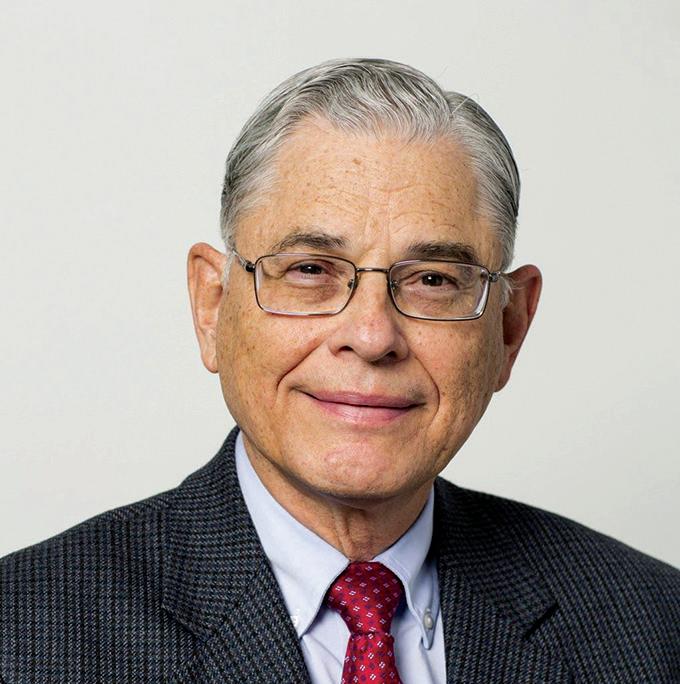
Schaufelberger will collaborate with faculty and students in the College of Architecture.
John E. Schaufelberger is a worldrenowned scholar, high-profile leader and an accomplished author and educator with extensive leadership experience in the United States Army Corps of Engineers and project management.
He has made a long-lasting impact on bridging industry and academia, focusing on the management of construction projects and innovative contract procurement methods. This impact is evident through his highly popular books and his continuous efforts in elevating the scholarship in professional communities.
Schaufelberger received his Ph.D. from the University of Illinois.
Schaufelberger leads an Associated General Contractors of America Education and Research Foundation-initiated program to create and publish constructionrelated case studies for use in academic courses and industry professional development programs. He is a member of the
National Academy of Construction and a fellow of the Associated Schools of Construction. He served as the Chair of the Board of Trustees for the American Council for Construction Education. He received the Distinguished Service Medal from the Secretary of the Army; the Lifetime Achievement Award from the Associated Schools of Construction; the Legacy Award from Engineering News-Record; the University of Washington Award for Distinguished Contributions to Lifelong Learning; the Mechanical Contractors Association of America Educator of the Year award; and the Brian D. Dunfield Educational Service Award from the Association for the Advancement of Cost Engineering.
Schaufelberger is the author or co-author of seven widely used construction management textbooks. He has authored 23 peer-reviewed publications, and he was the associate editor of the International Journal of Construction Education and Research.
23
Peer-Reviewed Articles
7 Books
Jenny Tung
DIRECTOR AND
FOUNDER
Department of Primate Behavior and Evolution
Max Planck Institute for Evolutionary Anthropology
Jenny Tung, the founder of the Department of Primate Behavior and Evolution at the Max Planck Institute for Evolutionary Anthropology, has helped spearhead work to demonstrate how social environment influences gene regulation, population genetic structure and health, and survival in nonhuman primates and other social mammals. Her research unifies organismal perspectives on behavior, life history and evolution with molecular and genetic approaches that provide exciting new insights into longstanding questions in biology that were previously unattainable. She received her Ph.D. from Duke University.
Tung is a member of the National Academy of Sciences (NAS) and a fellow of the Canadian Institute for Advanced Research. She is a recipient of the MacArthur Fellowship, the Sloan Research Fellowship and is an NAS Kavli Fellow. Tung has been listed as one of Science News SN 10: Scientists to Watch. Additionally, she is the co-director of the Amboseli Baboon Research Project, which is internationally recognized as the gold standard for long-term studies of wild primates.
She has authored four book chapters and 100 peer-reviewed articles. She is an editor for eLife, Philosophical Transactions of the Royal Society B and Evolution, Medicine, and Public Health.

Tung will collaborate with faculty and students in the College of Arts and Sciences.
100
Peer-Reviewed Articles
4 Book Chapters
Thomas J.R. Hughes
PROFESSOR
JOHN O. HALLQUIST DISTINGUISHED CHAIR IN COMPUTATIONAL MECHANICS
PETER O’DONNELL CHAIR IN COMPUTATIONAL AND APPLIED MATHEMATICS
Department of Aerospace Engineering and Engineering Mechanics
Cockrell School of Engineering
University of Texas at Austin
One of the most widely cited authors in Engineering Science, Thomas J.R. Hughes founded several fields of research, including isogeometric analysis, variational multiscale methods and stabilized methods.
His current research spans isogeometric analysis, which integrates Computer Aided Geometric Design and Finite Element Analysis to streamline product development, and computational medicine applications addressing cardiovascular disease, prostate cancer and glymphatic transport, along with phase field modeling of fracture and new discretization methods for structural and fluid dynamics simulations. His work continues to shape how complex physical systems are modeled and analyzed in real-world applications.
He received his Ph.D. from the University of California, Berkeley.
He is a member of the National Academy of Sciences, the National Academy of Engineering, the American Academy of Arts and Sciences, and the Royal Society of London, along with three other academies or societies. Hughes has been elected as a Distinguished Member of the American Society of Civil Engineers (ASCE), its highest honor.
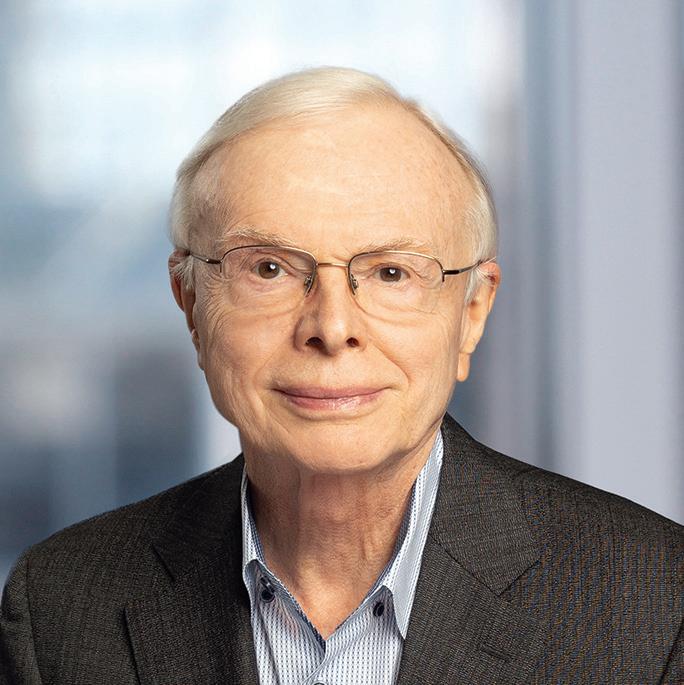
Hughes will collaborate with faculty and students in the College of Engineering.
He is a fellow of 10 academies or societies, including the American Association for the Advancement of Science, the American Institute of Aeronautics and Astronautics, and the American Society of Mechanical Engineers (ASME).
Honors include ASME’s highest honor, the ASME Medal; the von Karman Medal from ASCE; the Timoshenko Medal, the Worcester Reed Warner Medal and the Melville Medal from ASME; the von Neumann Medal from the U.S. Association for Computational Mechanics; the Gauss-Newton Medal from the International Association for Computational Mechanics; the A.C. Eringen Medal from the Society for Engineering Science; the Ralph E. Kleinman Prize from the Society for Industrial and Applied Mathematics; and the William Benter Prize in Applied Mathematics from City University of Hong Kong.
Hughes has authored or coauthored four books, 89 chapters and 341 peer-reviewed articles, co-edited 32 books and holds five patents. He is the co-editor for the Encyclopedia of Computational Mechanics and a member of 36 other editorial boards.
341
Peer-Reviewed Articles
5 Patents
4 Books
Mordechai (Moti) Segev
ROBERT J. SHILLMAN DISTINGUISHED PROFESSOR OF PHYSICS AND OF ELECTRICAL AND COMPUTER ENGINEERING
Department of Electrical and Computer Engineering; Department of Physics
Technion – Israel Institute of Technology
Mordechai Segev, an internationally recognized physicist, founded several fields of research including topological photonics, Anderson localization of light, photorefractive solitons and photonic time-crystals. He invented topological insulator lasers.
Segev’s knowledge impacts numerous fields, mainly nonlinear optics, photonics, solitons, quantum electronics and more. His interests lie in exploring fundamental aspects that impact other areas of science and profound applications that impact technology.
He earned his Ph.D. from the Technion – Israel Institute of Technology.
Segev is a member of the National Academy of Sciences, the American Academy of Arts and Sciences, and the Israel National Academy of Sciences and Humanities. He is a fellow of the American Physical Society and the Optical Society of America. He is a recipient of the Quantum Electronics Prize of the European Physics Society; the Max Born Award of the Optical Society of America; the Arthur L. Schawlow Prize of the American Physical Society; the Israel Prize in Physics, which is the highest honor in Israel; the EMET Prize in Physics; and the Rothschild Prize in Physics.
He has authored over 400 articles in peer-reviewed journals.
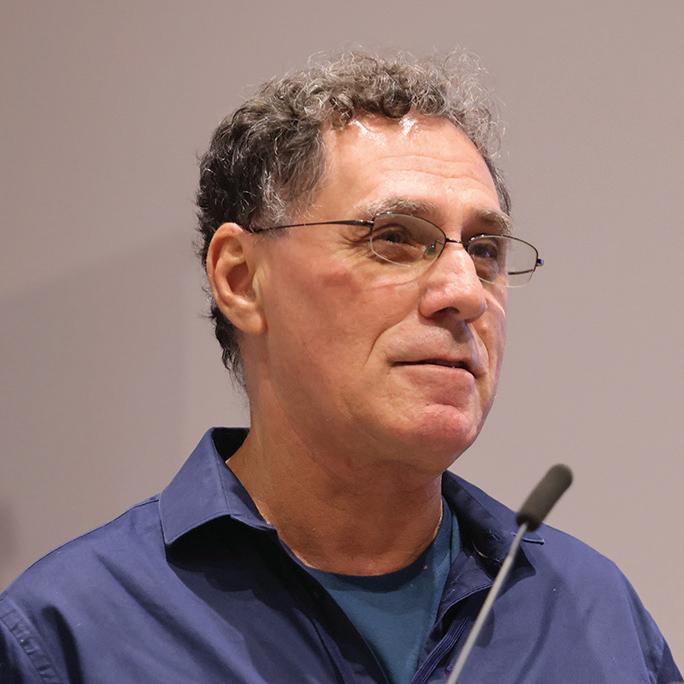
Segev will collaborate with faculty and students in the Institute for Quantum Science and Engineering.
Peer-Reviewed Articles
Types of Distinguished Lecturers
14-30
Workdays at Texas A&M University
2025-26 Distinguished Lecturers:
Thomas J.R. Hughes
Mordechai (Moti) Segev
A Distinguished Lecturer meets the high bar of excellence required of Fellows of the institute. They are nominated by faculty and approved by the institute’s Faculty Advisory Board for recruiting as a Fellow. However, if the nominee cannot commit the time to be a Fellow (65 to 260 workdays), the scholar is usually offered the opportunity to be a Distinguished Lecturer.
Early in the life of the institute, there was no minimum time that distinguished lecturers had to be at Texas A&M. They typically gave a series of lectures in one or two trips to A&M. Over time, the institute developed more definable criteria, such as an agreement to be at Texas A&M University for 14 to 30 workdays. During this time, the Distinguished Lecturer can be helpful to students on research issues, give seminars or even launch a research project with faculty or students at Texas A&M. The work is broader than the term “lecturer” implies.
There is one other use of the term. Some former Fellows form a close relationship with the Hagler Institute and assist in its mission. An example is John Rogers and Yonggang Huang, former Fellows now at Northwestern University, who helped the institute organize an all-day conference at Texas A&M University called The Art of Collaboration in Research. Afterward, they took on the role of assessing research papers competing for the Rogers/Huang Medal, an initiative established by the Hagler Institute designed to celebrate and reward top research papers when a Fellow or a Distinguished Lecturer and an A&M student are among the co-authors. Another example of a former Fellow subsequently becoming a Distinguished Lecturer is Robert Levine, who was presented with the Hubbell Medal for Lifetime Achievement in American Literary Scholarship. Levine periodically returns to Texas A&M to present his latest book. The Distinguished Lecturer appointments thus provide a flexible means for these accomplished individuals to have either short or longer-term intermittent affiliations with the Hagler Institute, our faculty and our students.
The Distinguished Lecturers of the past, to name only two, included Stephen Chu from Stanford University, who won the 1997 Nobel Prize in Physics for his contributions to laser cooling and optical trapping of atoms, and Catherine Dulac, Howard Hughes Medical Institute Investigator and University Professor in the Department of Molecular and Cellular Biology at Harvard University, whose studies focus on, among other things, the molecular biology of pheromone detection and signaling in mammals.
The current two Distinguished Lecturers in the 202526 class, Thomas J.R. Hughes from the University of Texas and Mordechai (Moti) Segev from Technion – Israel Institute of Technology, are of the highest caliber and will make valuable contributions during their visits.
Huda Zoghbi, Distinguished Lecturer of the Hagler Institute, discusses her work with guests after her presentation about her research findings on Rett Syndrome. Zoghbi is a professor in the Departments of Human Genetics, Neuroscience and Neurology at the Baylor College of Medicine and director of the Jan and Dan Duncan Neurological Research Institute. To her right is Michael W. Young, 2022-23 Fellow of the Hagler Institute from the University of Rochester and recipient of the 2017 Nobel Prize in Physiology or Medicine for his work on circadian rhythms (Figure 01).
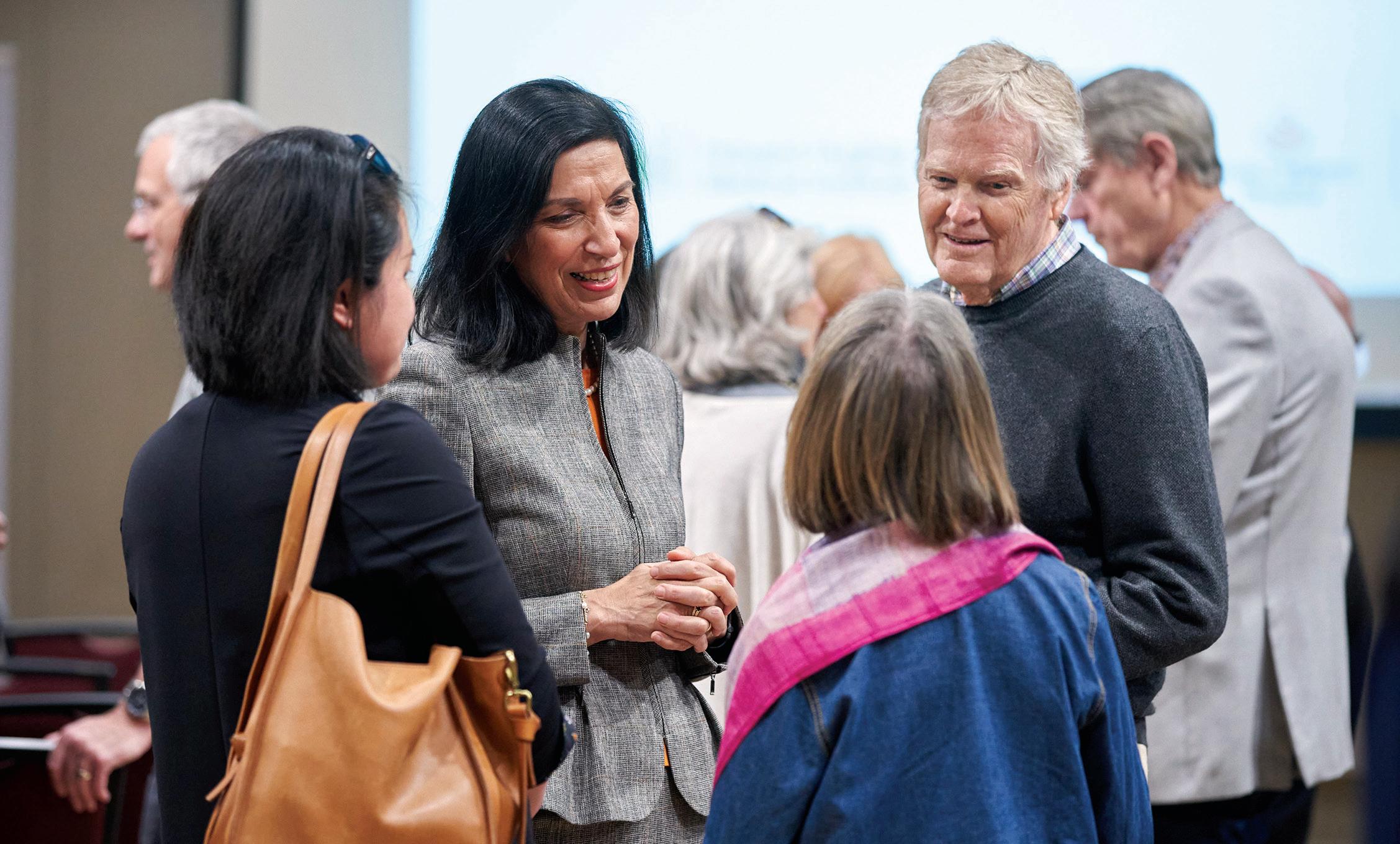
Figure 01
Former Fellow and now Distinguished Lecturer of the Hagler Institute from the University of Maryland, Robert Levine, presents key aspects of his book, “The Failed Promise: Reconstruction, Frederick Douglass, and the Impeachment of Andrew Johnson” (Figure 02)
John Rogers of Northwestern University, former Fellow and now Distinguished Lecturer of the Hagler Institute and one of the relatively few scholars who is a member of all three National Academies — Sciences, Engineering and Medicine — addresses the audience in The Art of Collaboration symposium at Texas A&M University (Figure 03).
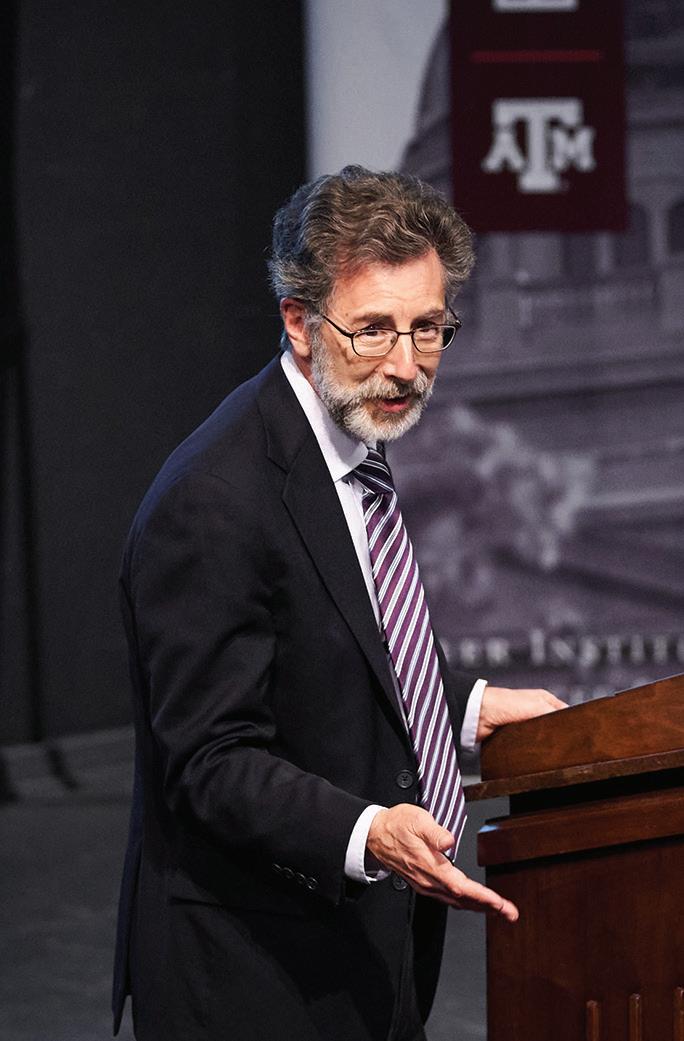
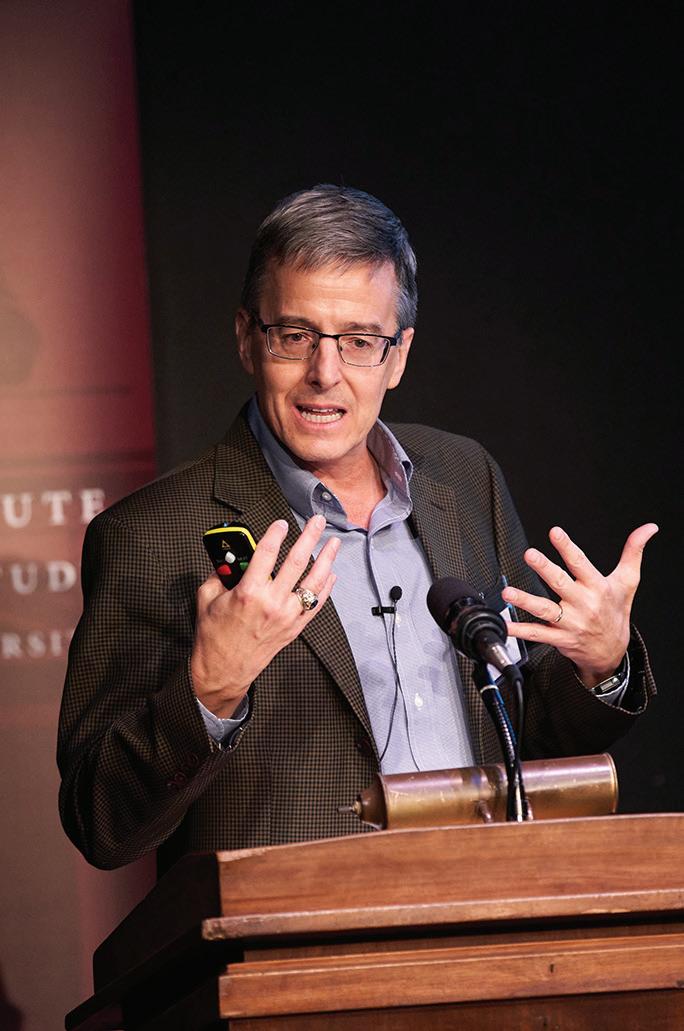
Figure 03
Figure 02
Fellows Who Joined Texas A&M’s Faculty
Although the Hagler Institute is not designed to recruit faculty, the time in residence gives Hagler Fellows a valuable look at the opportunities and research facilities of this great institution. During the institute’s first fourteen years, over 20% of Fellows who completed their time in the institute joined Texas A&M’s faculty. Since many Fellows are still active, history predicts more may join our faculty from existing classes.
Of Hagler Fellows who completed their time in the institute joined Texas A&M’s faculty
TO DATE, 16 HAGLER FELLOWS HAVE JOINED THE FACULTY OF TEXAS A&M UNIVERSITY:
Harold Adams
RKTL International, U.S. College of Architecture
Leif Andersson
Uppsala University, Sweden College of Veterinary Medicine and Biomedical Sciences
Vanderlei Bagnato
University of São Paulo, Brazil College of Engineering
Luiz Davidovich
Federal University of Rio de Janeiro, Brazil
Institute for Quantum Science and Engineering
Christodoulos Floudas
Princeton University, U.S. College of Engineering, Energy Institute
J. Karl Hedrick
University of California, Berkeley, U.S. College of Engineering
Roger Howe
Yale University, U.S. College of Education and Human Development
James E. Hubbard Jr.
University of Maryland, U.S. College of Engineering
Robert Kennicu Jr. University of Cambridge, England College of Arts and Sciences
Rachel F. Moran
University of California, Los Angeles, U.S. School of Law
Alan Needleman
University of North Texas, U.S. College of Engineering
Jean-Paul Rodrigue
Hofstra University, U.S. Texas A&M University at Galveston
William M. Sage
University of Texas at Austin, U.S.
Naresh K. Vashisht College of Medicine
Robert Skelton
University of California, San Diego, U.S. College of Engineering
Edwin “Ned” L. Thomas Rice University, U.S. College of Engineering
William G. Unruh
University of British Columbia, Canada
Institute for Quantum Science and Engineering
Memberships and Accolades

Endowments and Other Gifts
$41.2M
Base value of existing and commi ed endowments which support the Hagler Institute
$18M
Planned estate gi s in support of the Hagler Institute
CASH ENDOWMENTS AND PLANNED ESTATE GIFTS
Former students, and particularly Jon L. Hagler ’58, have provided impressive historical support for Texas A&M. Jon Hagler’s signature gift was $10 million cash and a commitment of $10 million from his estate, which, along with Texas A&M University’s promise of continuing support, secured the permanence of the institute.
Three Hagler Institute College Chairs of $3 million each and a fourth chair endowed for $1 million are fully funded and generating earnings for their respective colleges to support Hagler Fellows. Those chairs were funded by Trisha and L.C. “Chaz” Neely ’62 (Mays Business School), Eric Yong Xu ’93 (Department of Biology), Thomas W. Powell ’62 (College of Arts and Sciences), and Karin C. and R. Bowen Loftin ’71 (Bush School of Government and Public Service). The Hagler Institute was a 50% donor using matching funds for each of these college chair endowments.
The Jerry ’72 and Kay Cox ’02 Foundation was the first to establish an endowment within the Hagler Institute to support Fellows from any discipline, subsequently joined by Susanne M. and Melbern G. Glasscock ’59, who established a similar endowment. Bradley L. “Brad” Worsham ’88 and Mary and Charles H. Gregory ’64 have established endowments for graduate student fellowships. Susan D. ’89 and Anthony J. Wood ’87 have funded separate endowments for Fellows, graduate students and discretionary use by the Hagler Institute and have also supplemented the Director’s Chair endowment. Former Hagler Fellows are another source of significant support. Judy and the late Robert Skelton donated funds to endow a discretionary account emphasizing graduate student support.
During 2024, the Robert A. Welch Foundation approved a Hagler Institute proposal for a $10 million endowment to support Hagler Fellows coming from outside of Texas to engage in research at Texas A&M University in chemistry and related fields where chemistry is an essential component.
As matching funds to secure the Welch Foundation endowment, Jon L. Hagler ’58 agreed to fund $5 million over a three-year period beginning in June 2024. Other matching funds include a commitment of $200,000 per year for 10 years from Texas A&M University, to be used for fellowships for graduate students to work with the Welch Foundation-supported Fellows. Also, during 2024, the Ramiro A. Galindo Foundation established an endowment within the Hagler Institute to support Hagler Fellows in civil engineering.
Some individuals have donated unsolicited estate gifts. The largest, at $10 million, was from Jon L. Hagler ’58 as part of his signature gift and renaming of the institute. The first professor to establish an estate gift was Ozden O. Ochoa ‘77, Professor Emerita, Mechanical Engineering. Walter W. Buchanan, professor in the College of Engineering and a graduate of Purdue University and Indiana University, along with his wife, Charlotte, donated their estates to establish a Hagler Chair within the College of Engineering. Elouise and John L. Junkins, Founding Director of the Hagler Institute, have endowed a chair from their estate to support Hagler Fellows in the field of aerospace engineering. Janet F. Bluemel and John A. Gladysz, University Distinguished Professor and holder of the Dow Chair in Chemical Invention, both faculty in the new College of Arts and Sciences, have made provisions in their wills to contribute to the Hagler Institute. Other estate gifts to the Hagler Institute include gifts from Associate Director Clifford L. Fry ’67 and his wife, Judy; Roderick D. Stepp ’59; and Christi L. ’98 and Tyson T. Voelkel ’96, plus another from an anonymous donor. The Hagler Institute was also blessed to receive a gift from the estate of former External Advisory Board member, the late H. Norman Abramson.
The base value of existing and committed endowments which support the Hagler Institute, including the $10 million for college chairs, is $41.2 million. The dollar value of planned estate gifts in support of the Hagler Institute is presently estimated as $18 million. Since Jon Hagler’s 2016 signature gift, support for the Hagler Institute from endowments and planned estate gifts has roughly tripled, from $20 million to $60 million.
OTHER GIFTS
The mission of the Hagler Institute has inspired Texas A&M faculty members who are not former students to contribute support for the institute. Some have walked into our offices unsolicited, with a check in hand. Katepalli Sreenivasan and Alan Needleman, from the first group of Fellows, have each made several cash gifts. Advocates Janet and Jean-Louis Briaud have also provided welcome gifts, along with several other donors who wish to remain anonymous.
Former students have stepped forward with substantial gifts as well. Trustee Terrell Mullins ’67 has made possible several donations from the Willard and Anne Levin Foundation. In late 2025, Susan D. ’89 and Anthony J. Wood ’87, through the WoodNext Foundation, and Michael Tiner ’75 made donations that Director Junkins plans to use to further improve the quality of graduate student fellowships offered by the institute.
It is very gratifying, and indeed humbling, that the Hagler Institute is attracting these generous gifts and endowments. We are profoundly grateful that so many have joined this quest to elevate the academic excellence of this great American university. We do not take the implicit confidence for granted. We wake up every day on a mission to make this institute thrive.

ADVISORY BOARDS
“The Hagler Institute for Advanced Study epitomizes Texas A&M’s commitment to excellence. By bringing world-renowned scholars and innovators to campus, the institute elevates research, enriches our academic community and creates opportunities for our students and faculty to work alongside the very best.”
Tommy Williams ’78
Interim President Texas A&M University
Administrative Council
The Hagler Institute Administrative Council oversees the operation of the institute and reviews its progress. The university’s provost selects the institute’s director.
CHAIR
Alan Sams
Provost and Executive Vice President
VICE CHAIR
Costas N. Georghiades
Interim Vice President for Research
MEMBERS ( IN ALPHABETICAL ORDER )
Robert B. Ahdieh
Dean, Anthony G. Buzbee Endowed Dean’s Chair and Professor School of Law
John Crawford
Vice President for Finance and Chief Financial Officer Division of Finance and Business Services
Shawn G. Gibbs
Dean and Professor School of Public Health
Dimitris Lagoudas
Robert C. “Bud” Hagner Chair of Engineering and University Distinguished Professor College of Engineering
Tim McLaughlin
Dean and Ray Rothrock ’77 Endowed Dean’s Chair College of Performance, Visualization and Fine Arts
Michael A. de Miranda
Dean and Professor College of Education and Human Development
Simon North
Interim Dean and John W. Bevan Professor of Chemistry College of Arts and Sciences
Stratos Pistikopoulos
Director
Texas A&M Energy Institute
Professor College of Engineering
Kenneth S. Ramos
Associate Vice President for Research
Texas A&M Health
Executive Director
Texas A&M Institute of Biosciences and Technology
Director
Center for Genomic and Precision Medicine
Alkek Chair of Medical Genetics
Professor
Naresh K. Vashisht College of Medicine
Jeffrey W. Savell
Vice Chancellor and Dean College of Agriculture and Life Sciences
University Distinguished Professor, Regents Professor, and E.M. “Manny” Rosenthal Chairholder
Jerry R. Strawser
Associate Dean for Graduate Programs and Professor Mays Business School
Amy Waer
Dean and Jean and Tom McMullin
Endowed Dean
Naresh K. Vashisht College of Medicine
External Advisory Board
The Hagler Institute External Advisory Board annually reviews institute activities to provide guidance, advice and recommendations.
CHAIR
Ray Rothrock
Chairman RedSeal, Inc.
Partner Emeritus Venrock
Forbes Midas List
Former Chair
National Venture Capital Association
Member
MIT Corporation
Vice Chairman
UTIMCO
Distinguished Alumnus
Association of Former Students, Texas A&M University
Director
Check Point So ware Technology, Ltd.
Director Roku Inc.
Trustee
Carnegie Institute of Science
Director
Nuclear Threat Initiative
MEMBERS ( IN ALPHABETICAL ORDER )
Craig C. Brown
Chairman, CEO, Founder
Bray International, Inc.
Chairman
Craig and Galen Brown Foundation
Sterling C. Evans Medal
The Texas A&M Foundation
Distinguished Alumnus
Association of Former Students, Texas A&M University
Inductee
Texas A&M University Corps of Cadets Hall of Honor
Outstanding Alumni Award
Texas A&M University College of Engineering
Outstanding Alumni Award
Mays Business School
Texas A&M University
Outstanding Young Houstonian Award
Houston JCC / Mayor Whitmire
Outstanding Senior Engineering Award
College of Engineering
Texas A&M University
The Honorable William H. “Bill” Flores
Former Texas Congressman U.S. House of Representatives
Chair & CEO
Serolf Technologies
Chair of the Board
Electric Reliability Council of Texas (ERCOT)
Corporate Director
Congressional Hispanic Leadership Institute (CHLI)
Former CEO and Director
Phoenix Exploration Company
Certified Public Accountant
Jon L. Hagler
Former Director
GMO
Former Chairman
Texas A&M Foundation Board of Trustees
Former Co-Chair
Texas A&M’s Vision 2020 Planning Initiative
Sterling C. Evans Medal
Texas A&M Foundation
Distinguished Alumnus
The Association of Former Students, Texas A&M University
Honorary Doctor of Letters
Texas A&M University
The Honorable Kay Bailey Hutchison
Former U.S. Senator
Former NATO Ambassador
National Advisory Council
NASA
Global Advisory Board
Bank of America
Board of Directors
Atlantic Council
Senior Advisor
Center for Strategic and International Studies
Former Chairman
Board of Visitors, United States
Military Academy West Point
Fellow
American Academy of Arts and Sciences
Ronald L. Skaggs
Chairman Emeritus and CEO
HKS Inc., Architects/ Engineers/Planners
President
American Institute of Architects (AIA)
Chancellor
AIA College of Fellows
Board Chairman and Vice Chair
National Institute of Building Sciences and National Academy of Construction
Distinguished Alumnus
The Association of Former Students, Texas A&M University
Michael L. Slack
Founding and Managing Partner
Slack Davis Sanger L.L.P.
Formerly, National Aeronautics and Space Administration, Johnson Space Center
Associate Fellow
American Institute of Aeronautics and Astronautics
Distinguished Aerospace Engineering Alumni 2018
Texas A&M University
Distinguished Aggie Lawyer 2023
Texas Aggie Bar Association
Former President
Texas Trial Lawyers Association
Board of Governors
American Association of Justice
American Board of Trial Advocates
John White
Chairman Emeritus
The Texas A&M University System
Board of Regents
Trustee
George and Barbara Bush Foundation
Former Chairman Ed Rachal Foundation
Former Director
UTIMCO
Fellow
American Bar Foundation
Inductee
Texas A&M University Corps of Cadets Hall of Honor
Fifth Generation Texas Rancher
Anthony Wood
Founder, Chairman and CEO
Roku Inc.
Founder with Susan Wood WoodNext Foundation
Technical Emmy in 2000 for creating the first Digital Video Recorder
Technical Emmy in 2013 for creating the first Streaming Video Player
Distinguished Alumnus
The Association of Former Students
Outstanding Alumni Award
College of Engineering, Texas A&M University
EMERITUS MEMBERS
Norman R. Augustine
Founding Chair of the Hagler Institute External Advisory Board
Former Under Secretary
U.S. Army
Former Chair and CEO
Lockheed Martin Corporation
Former President
National Academy of Engineering Committee Chair
Rising Above the Gathering Storm: Energizing and Employing America for a Brighter Economic Future
National Medal of Technology
Distinguished Lecturer University of Warwick
Susan R. Bailey
Partner Fort Worth Allergy and Asthma Associates
President-elect
American Medical Association
Regent Emerita
The Texas A&M University System
Distinguished Fellow
American College of Allergy, Asthma and Immunology
Distinguished Alumna
The Association of Former Students, Texas A&M University
Former President Texas Medical Association
Ray M. Bowen
Distinguished Visiting Professor Rice University
Former President
Texas A&M University
Former Chair
National Science Board
Former Division Director and Deputy Director
National Science Foundation
Anita K. Jones
Professor Emerita
University of Virginia
Former Director
Defense Research and Engineering, U.S. Department of Defense
National Academy of Engineering
Committee Member
Rising Above the Gathering Storm: Energizing and Employing America for a Brighter Economic Future
Former Vice Chair
National Science Board
Linda P. B. Katehi
Professor, Electrical and Computer Engineering, College of Engineering
Texas A&M University
Former Chancellor, Professor of Electrical and Computer Engineering
University of California, Davis
National Academy of Engineering
American Academy of Arts and Sciences
Alexander von Humboldt Research Award
V. Lane Rawlins
President Emeritus
University of North Texas
Former President
Washington State University
Former President University of Memphis
NCAA Board of Directors
Herbert H. Richardson
Chancellor Emeritus
The Texas A&M University System
Director Emeritus
Texas A&M Transportation Institute
University Distinguished Professor
Emeritus, Mechanical Engineering
Texas A&M University
National Academy of Engineering
ASME Rufus Oldenburger Medal
Sheila E. Widnall
Institute Professor and Professor of Aeronautics and Astronautics
Massachuse s Institute of Technology
Former Secretary US Air Force
National Academy of Engineering
American Academy of Arts and Sciences
American Institute of Aeronautics and Astronautics
Former President
American Association for the Advancement of Science
Member
Columbia Accident Investigation Board
IN MEMORIAM
H. Norman Abramson
Former Executive Vice President
Southwest Research Institute
National Academy of Engineering
American Society of Mechanical Engineers (ASME)
American Institute of Aeronautics and Astronautics (AIAA)
ASME Medal Recipient
AIAA Structures, Structural Dynamics, and Materials Award
Faculty Advisory Board
The Hagler Institute Faculty Advisory Board is charged with the responsibility of studying and analyzing the records of Hagler Fellow nominees, assessing their qualifications and selecting the scholars to be recruited.
Three of the nine Advisory Board members are chosen by the university’s provost and its vice president for research. The remaining six seats are chosen by the Electorate from among its members.
TERM EXPIRES MAY 31, 2026
Valerie Hudson
The Bush School of Government and Public Service
Stratos Pistikopoulos College of Engineering
Farida Sohrabji
Naresh K. Vashisht College of Medicine
TERM EXPIRES MAY 31, 2027
Marcia G. Ory School of Public Health
Stephen H. Safe College of Veterinary Medicine and Biomedical Sciences
Karen Wooley College of Arts and Sciences
TERM EXPIRES MAY 31, 2028
Glynn S. Lunney, Jr. School of Law
Jörg M. Steiner College of Veterinary Medicine and Biomedical Sciences
Josh Wand College of Agriculture and Life Sciences
3/9
by the university Provost and Vice President for Research
6/9
Chosen
Chosen by the Electorate from among its members

FEATURED RESEARCH

Rogers/Huang Medal for Research Collaboration
Journal articles produced as a result of the Rogers/Huang Collaboration
During 2025, the Hagler Institute introduced the Rogers/Huang Medal for Research Collaboration, a prestigious award for the best collaborative research paper by a Hagler Fellow with a Texas A&M student among the co-authors.
The Rogers/Huang Medal is named a er John Rogers and Yonggang Huang. Both are former Fellows of the Hagler Institute, and their collaboration has produced, as of early 2025, seven book chapters and 398 journal articles. Rogers is a member of the National Academies of Sciences, Engineering and Medicine. Huang is a member of the National Academies of Sciences and Engineering.
The Rogers/Huang Medal is designed to encourage and recognize excellence in research collaboration. To qualify for submission, a current or former Hagler Fellow or Hagler Distinguished Lecturer, as well as a current or former Texas A&M student, must be among the co-authors. The student must have collaborated on the research paper and its underlying research while at Texas A&M. Submissions are reviewed by Rogers and Huang, who select the annual winner.
The Hagler Institute announced the annual contest in February 2025 and received submissions for the initial year’s award through June 2025. Papers completed up to four years before the submission deadline were eligible.
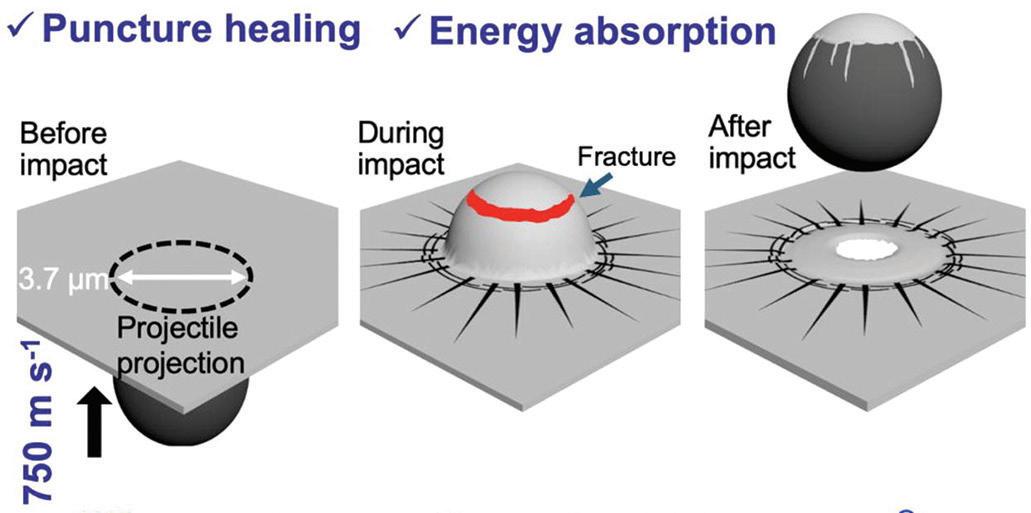
The winning paper in the inaugural contest was a submission by Hagler Fellow Edwin “Ned” Thomas titled, “Supersonic puncture-healable and impact resistant covalent adaptive networks.” The paper was published in the March/April 2025 issue of Materials Today and is authored by Zhen Sang, Hongkyu Eoh, Kailu Xiao, Dmitry Kurouski, Wenpeng Shan, Jinho Hyon, Svetlana A. Sukhishvili and Thomas. All eight authors were associated with Texas A&M University during their research: Sang, Eoh, Xiao, Shan, Hyon, Sukhishvili and Thomas with the Department of Materials Science and Engineering, and Kurouski with the Department of Biochemistry and Biophysics.
As discussed in their paper, the winning team developed a material that self-heals after being punctured by projectiles. This polymer has farreaching potential, from protecting orbiting satellites and vehicles in space to applications for military equipment and body armor on Earth.
The paper was the culmination of Sang’s Ph.D. thesis, co-supervised by Sukhishvili and Thomas. Sang was a graduate student Hagler Institute fellowship recipient paired with Thomas and went on to a postdoctoral program at the Massachusetts Institute of Technology. He is currently a hardware engineer at Apple.
Other authors of the winning paper include:
• Eoh , an expert at extreme rate testing using laser-induced particle impact testing (LIPIT). He is currently completing his Ph.D. in Materials Science and Engineering at Texas A&M.
• Xiao, who helped with sample preparation and data analysis during the project. She is a postdoctoral research associate in the Department of Mechanical and Aerospace Engineering at the University of California San Diego.
• Kurouski , an associate professor in the College of Agriculture and Life Sciences at Texas A&M. He led the study that demonstrated the potential of nano-infrared spectroscopy, a technique developed and deployed in his group, in the chemical analysis of polymers at the nanoscale.
• Shan , who also helped with data analysis and interpretation. Shan is now a researcher at the Shanghai Institute of Ceramics in China.
• Hyon , who assisted with instrumentation for LIPIT experiments and gave guidance concerning high-rate imaging. Hyon is now a senior research scientist at the Agency for Defense Development in South Korea.
• Sukhishvili , a professor in the College of Engineering and director of the Soft Matter Facility at Texas A&M, who was a co-advisor of Sang during the study.
• Thomas , also a co-advisor of Sang during the study, who submitted the paper on behalf of the team. He is a 2019-20 Hagler Fellow who joined Texas A&M’s faculty upon completion of his appointment. He is a professor in the College of Engineering, the Erle Nye ’59 Chair II and a member of the National Academy of Engineering.
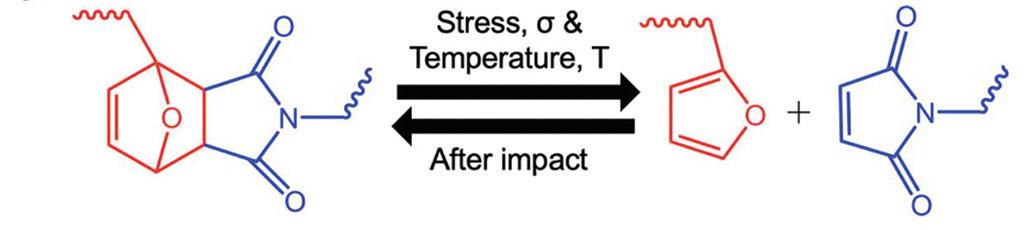
“The Hagler Institute is pleased to present the Rogers/Huang Medal in partnership with John Rogers and Yonggang Huang. The works submi ed for this contest demonstrate the power of collaboration and mentorship. Rogers and Huang specifically noted the high quality of scholarship represented by each paper submi ed for the inaugural award. I congratulate the winners for the well-deserved and distinguished honor of being named the first-ever Rogers/ Huang Medal recipients.”
A November news release quoted Director Junkins regarding the Rogers/Huang award
$10K
Awarded to the winning paper
The Hagler Institute awarded a total of $10,000, allocated equally among co-authors, to the winning paper, and each co-author received a Rogers/Huang Medal. Winners were formally presented with the award at the Hagler Institute’s annual gala in February.
Below: Pictured in January 2024 celebrating Sang’s successful dissertation defense, clockwise from front left: Edwin “Ned” Thomas, co-author Hongkyu Eoh (Texas A&M graduate student in the Department of Materials Science and Engineering), co-author Kailu Xiao, I-Ming Lin and Zhen Sang.
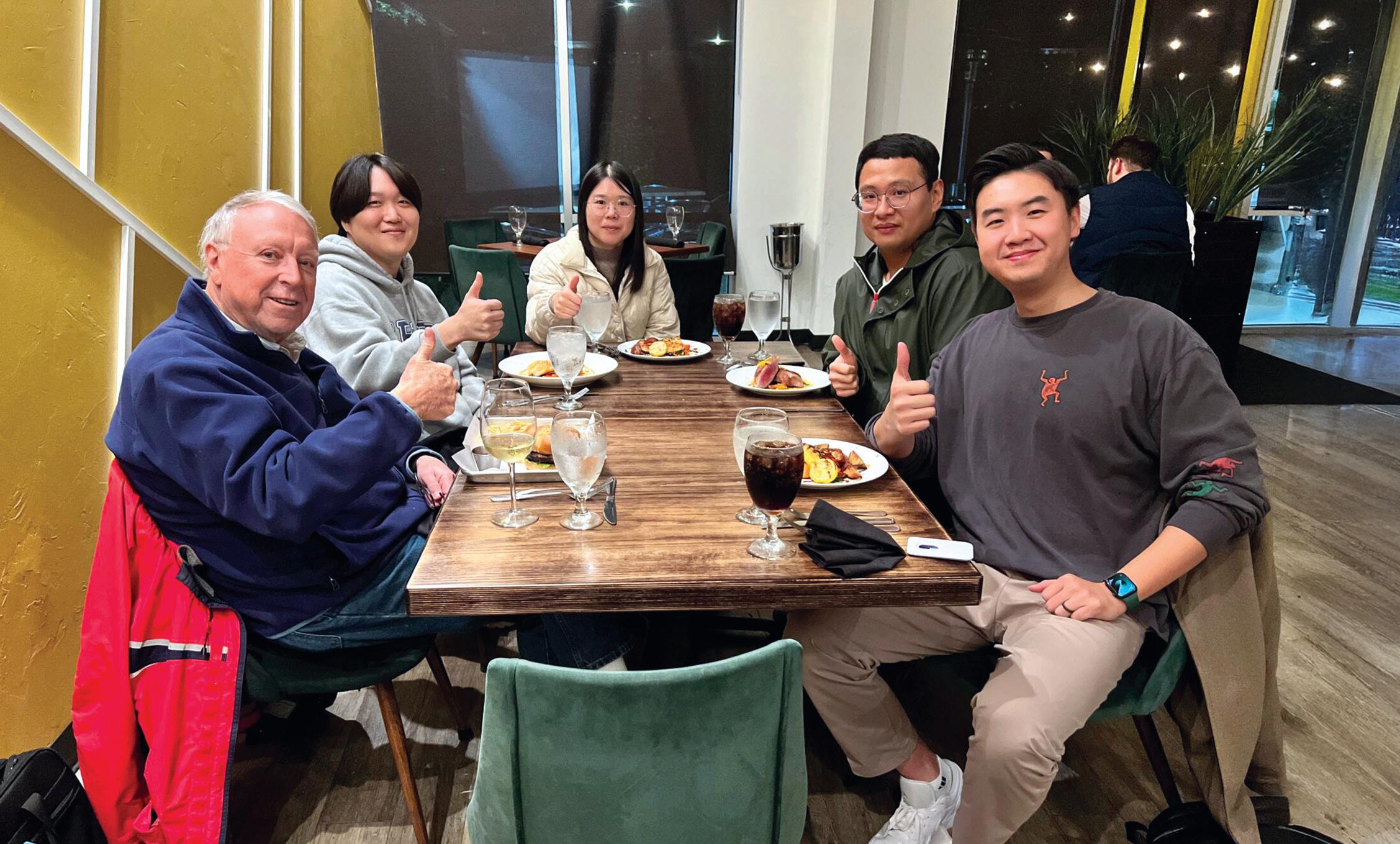
Featured Article
Improving the Well-Being of Pets: Addressing Hepadnavirus and Copper-Driven Injuries
I was pleasantly surprised to learn that the opportunity to be a Hagler Scholar at Texas A&M in the College of Veterinary Medicine and Biomedical Sciences would allow me to rekindle and reinvigorate two areas of interest of mine. The first was a return to the study of hepadnaviruses — the family of viruses that includes hepatitis B (HBV) — as a graduate commi ee member for Min-Chun Chen. The second, discussed a bit later, was the issue of copper-driven injury to the livers of dogs in studies conducted by Wei-Hsiu Chuang.
By John M. Cullen Hagler Fellow, 2022-23
When I finished my studies in veterinary school at the University of Pennsylvania, I spent several years as a practicing veterinarian but developed the idea that additional training would be a good option. I left the East Coast for a residency in anatomic pathology at the University of California, Davis. In addition to the residency training, we were encouraged to also pursue a Ph.D. during our residency. I was fortunate to have as a mentor an M.D. hepatic pathologist, Boris Ruebner. It was during the period of graduate training that I developed an interest in diseases of the liver.
Initial projects involved the study of the carcinogenicity of the mycotoxin aflatoxin M1 (AFM), a metabolite of the better-known aflatoxin B1 (AFB) found in various fungus-contaminated plants such as peanuts and corn. Dietary AFB is a risk factor for hepatic cancer in humans and a potent carcinogen in laboratory rats. AFM is a metabolite secreted into the milk of cattle that consume dietary AFB. There was concern that younger animals and human infants would have an increased risk of liver cancer when consuming milk products, particularly in view of the increased intake of dairy products by young people. Fortunately, AFM was found to be significantly less potent than AFB, and appropriate guidelines for milk and dairy products were established.
A significant fork in the road arrived by letter, before email, from a researcher at Stanford University proposing a project assessing the potential synergism of aflatoxin exposure and chronic infection in an HBV animal model.
HBV is the prototype of a small family of viruses that infect the liver, termed the hepadnaviruses. The discovery of HBV was a milestone in understanding the causes of human chronic hepatitis. Baruch Blumberg discovered that the antigen found in the blood of Australian Aboriginals, termed the Australia antigen, was, in fact, a protein released into the blood of individuals infected with HBV, for which he was awarded the Nobel Prize in 1976. This discovery led to the development of tests that could prevent transmission of HBV by blood transfusions. Approximately 5% of the world’s population is infected with HBV, and approximately 50% of cases of hepatocellular carcinoma are caused by chronic HBV infection. The regions of the world with the greatest spontaneous incidence of liver cancer are Southeast Asia and sub-Saharan Africa. Both regions have a high intake of dietary aflatoxin and a high incidence of HBV infection.
To pursue this question, animal models of HBV were required. Naturally occurring hepadnavirus infections were discovered in rodents and ducks in the late 1970s and early 1980s. The first animal hepadnavirus was discovered in 1978 in woodchucks (Marmota monax) from the Pennsylvania/Maryland area (Figure 01) Subsequently, ground squirrels from California around Palo Alto were identified in 1980, with other species identified in other regions later (Figure 02). An avian form of hepadnavirus was discovered in ducks as a naturally occurring infection in 1980 (Figure 03). Hepadnaviruses have been identified in various other species over time.
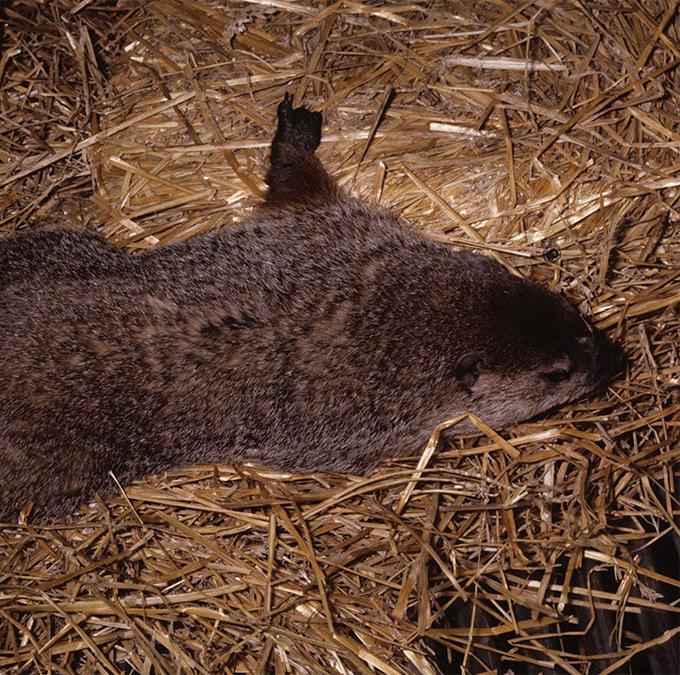

Figure 02
Figure 01
Our original plan was to study the ground squirrel model of HBV, naturally infected with ground squirrel hepatitis virus. This study was not conclusive but suggested an interaction. Later, a similar study was conducted in the duck model of HBV. This study demonstrated that AFB was a potent hepatic carcinogen in ducks, but concurrent infection had no influence. Peter Bannasch and colleagues subsequently confirmed a synergistic effect on hepatocellular carcinoma when both aflatoxin and woodchuck hepatitis virus were present. The synergistic interaction has been since confirmed in humans.
These models had other value. The development of antiviral drugs has benefited from animal models. The efficacy and, particularly, the safety of novel antiviral drugs is best understood using animal models. Drug trials, conducted in ducks and woodchucks, some of which were conducted in our lab, aided in the development of several antiviral drugs that are used in human therapy. Beyond efficacy and safety, studies of viral resistance to initially effective drugs, caused by mutations in the virus that limited the effectiveness of single drug therapies, were demonstrated.
Over time, an effective vaccine for HBV was developed. Interest in anti-hepadnaviral drugs waned, and the use of the woodchuck as an animal model was less in demand.
Upon my arrival at A&M, I was asked to become a member of the graduate committee of Min-Chun Chen in the gastrointestinal lab of the College of Veterinary Medicine and Biomedical Sciences. Her project was focused on a novel hepadnavirus detected in domestic cats. There are associations with chronic hepatitis and hepatocellular carcinoma in infected cats, quite like the course of infected humans and rodents.
03
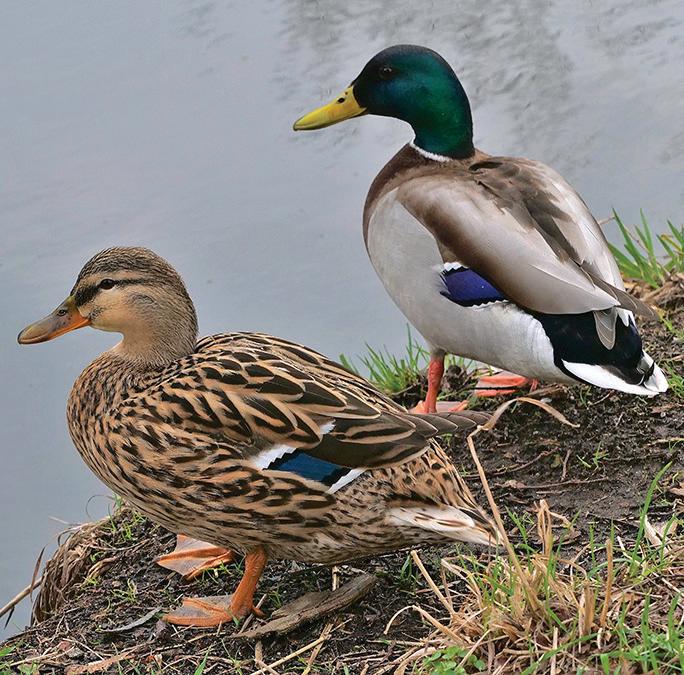
My background in the rodent models of hepadnavirus infections has been useful and has led to various contributions to the project, such as the histologic evaluation of infected livers and hepatocellular neoplasms. Chen is interested in pursuing training in pathology after her graduate studies, and I have been able to assist in planning for the next stage of her career.
Recent early work has demonstrated the presence of the virus in a small percentage of cats, with a global distribution that is interestingly like that seen with HBV in humans. Cats from Asia have a higher incidence of Domestic Cat Hepadnavirus (DCH) than cats from the Western world (Figure 04). Liver cancer in cats has an association with infection with DCH, similar to HBV infection in people, with about one quarter of cases of hepatocellular carcinoma arising in DCH-infected cats (Figure 05)
Figure
Ethical considerations prevent infection studies in cats, so studies are limited to naturally occurring infections. Fortunately, many veterinary schools and larger practices are attuned to this problem, and study materials are increasingly more available. A few cases have been detected in samples from my home university, North Carolina State University. Progress is being made on the distribution of viral infection, the impact of infection on liver injury and the possible links to liver cancer in cats. This area of study has generated a good deal of attention recently, and publications in this area are increasing every year. Recently, Chen was the recipient of an award at the 5 th Cutting Edge Pathology Congress held in Madrid, Spain. Moreover, a member of Chen’s graduate committee, Julia Beatty, Chair Professor of Veterinary Medicine and Infectious Diseases from City University of Hong Kong and an expert in this area of study, was awarded a Hagler Fellowship in the 2024-25 class.
DCH GLOBAL MOLECULAR FREQUENCY
Figure 04
05
PROPORTION OF DCH PCR POSITIVE HCC CATS AMONG USA, UK AND TAIWAN

Another area of interest to me and colleagues has been the increasing incidence in excessive copper in the liver of dogs, causing serious hepatitis that can be lethal. Copper is an essential nutrient for all mammals, and deficiency leads to abnormalities in connective tissue and hair coat, along with neurologic issues. However, excess copper leads to liver damage and effects on other organs. Currently, approximately one-third of chronic hepatitis in dogs is caused by excessive copper accumulation. Those of us with enough years in the arena of hepatic pathology can recall when copper excess was a rarity (Figures 06 and 07). During my residency in anatomic pathology, copper excess in the liver was very uncommon, if not rare, other than one breed, the Bedlington Terrier, which was recognized as having a particular genetic disorder that limited copper excretion from the liver. The specific mutation, known as copper metabolism domain-containing protein 1, leads to impaired copper excretion, but seems to affect only this breed of dog. Selective breeding by responsible Bedlington Terrier breeders has virtually eliminated this issue from these dogs. However, there are breeds with an elevated risk of copper excess, including Labrador retrievers, Dalmatians and some spaniels. Overall, any breed of dog can be afflicted with copper excess. Copper accumulation leads to injury to the hepatocytes through a mechanism that damages energy production in the cell in a unique fashion termed cuproptosis, where the essential energy production of the cell is damaged. Untreated, copper excess leads to liver failure in dogs.
Interestingly, the “normal” amount of copper in the liver of dogs has increased over many years. Studies that reached back to the 1920s, before commercial dog food was in common use, demonstrated that the canine copper levels were < 10 micrograms per gram in 1929, and then in the range of 50 micrograms per gram in the 1940s to 1950s when commercial dog food came into regular use. Currently, the normal level is more than 400 micrograms per gram, while in humans the normal level is less than 50 micrograms per gram. Studies in feral dogs from Peru and Southeast Asia reveal that these dogs have the same amount of liver copper as American dogs in the 1920s. While canine genetics and other sources of copper, such as drinking water and other environmental sources, are unlikely to have changed much, the constituents of commercial dog food have. Current guidelines for commercial dog food reflect a concern for copper deficiency if insufficient copper is supplied in the diet. In 1997, a change in the recommended dietary source of copper was made, leading to a more absorbable form. Despite that fact that there are no reports of copper deficiency in dogs fed commercial dog food in the current literature, unless there was a rare genetic abnormality, the ideal amount of dietary copper that will prevent deficiency and avoid excess is not known. One of the current graduate students in the GI Lab at A&M, Dr. Wei-Hsiu Chuang, is developing non-invasive methods to assess the copper burden in dogs without a liver biopsy. This approach avoids a costly and potentially risky surgical procedure. This information can be used to inform the commercial dog food industry about which levels can maintain an adequate level of copper and reduce the risk of copper accumulation.
Figure
An immediate challenge is our inability to determine which dogs might develop excess liver copper. Only a modest proportion of the dog population develops problems with excess copper. Currently, the gold standard for assessing liver copper in dogs is measuring liver tissue obtained by biopsy. This is expensive and assumes some level of risk to the dog from anesthesia and possible surgical complications. Chuang is working on novel biomarkers to assess the copper levels in individual dogs. These include bloodbased measures that might replace the need for liver biopsy to assess the copper status of patients. Measurements of hair and bile are other possibilities and are under investigation.
Both projects have the potential to significantly improve the health and well-being of our pets. These young scientists have been working to resolve many of these research questions and will be well positioned to delve further into these issues, as well as tackle new challenges. I am very appreciative of the Hagler Foundation for affording me the opportunity to be engaged with this work.
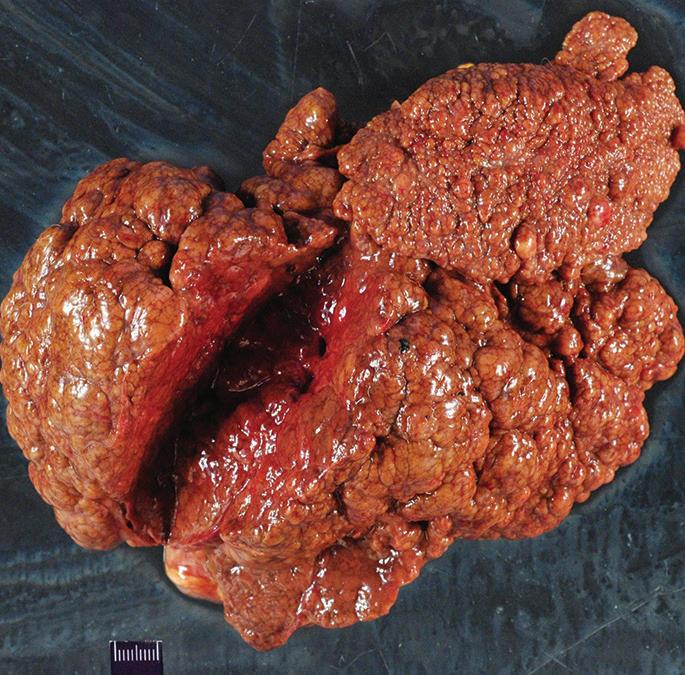
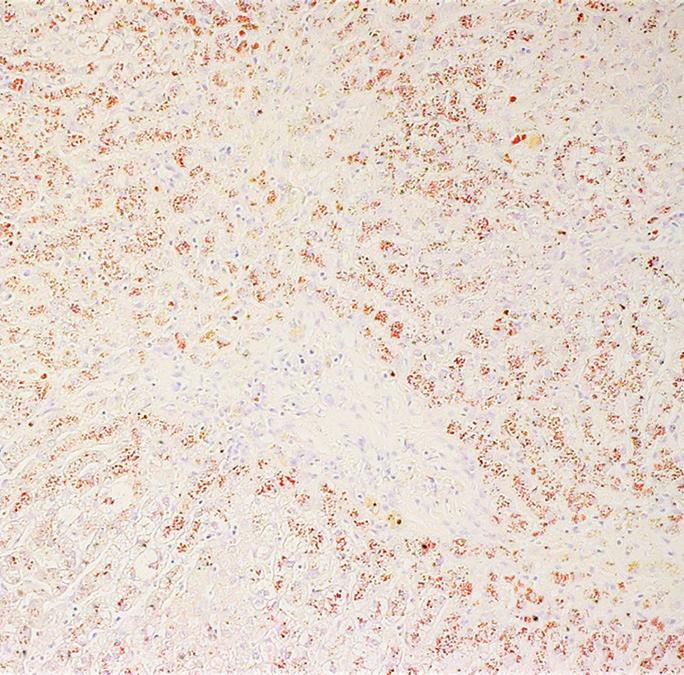
Figure 06
Figure 07
Interview: H. Vincent Poor
Hagler Fellowship Sparks New Ideas in Wireless and Power Grid Research
In 2018, the Hagler Institute for Advanced Study at Texas A&M University welcomed ten distinguished scholars. Among them was H. Vincent Poor, a renowned scholar in electrical and computer engineering from Princeton University.
Kristin Pitzer, Communications Coordinator for Research Communications, spoke with Poor about the work he accomplished as a Hagler Fellow during his time at Texas A&M.
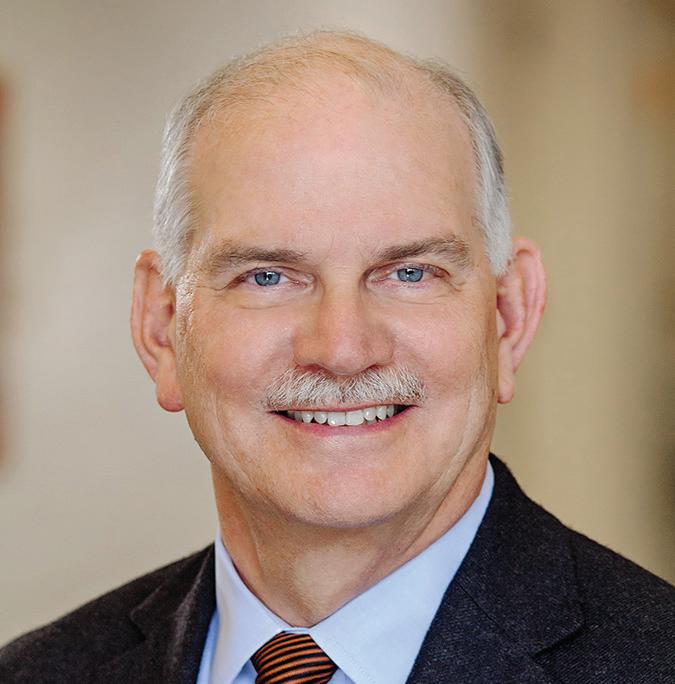
Interviewed by Kristin Pitzer
H. Vincent Poor Hagler Fellow, 2018-19
Kristin Pitzer
KP KP
H. Vincent Poor VP VP
When were you at Texas A&M, and which colleges did you work in?
I first went in September of 2018, and, aside from a hiatus due to COVID, I continued to visit until 2023. During my time as a Hagler Fellow, I worked with Electrical and Computer Engineering in the College of Engineering. I also interacted with the Institute for Quantum Science and Engineering — I gave a talk there and attended some of their meetings. That’s been more informal, but it has been part of my experience as well.
Who did you work with at Texas A&M?
I worked with basically three A&M students. The Hagler Fellowship came with two student supports, and those two were supervised by Xi Zhang. And then I also worked with Katherine Davis more recently, and one of her students, Hao Huang, then became a postdoc in my group here at Princeton, so Katherine and I continued to collaborate through him. I also got to know another Hagler Fellow, Mark O’Malley, at A&M, and we published a joint paper as well.
Can you talk a li le about the research that came out of your time at Texas A&M?
I’ll talk about the wireless first. We, in the wireless research community, are working on 6G networking these days, and one of the issues is what is called lowlatency communications — that is, communications where the delay introduced by the network is as small as possible. That’s important for things like driverassist technology, autonomous driving, control of robots, factory automation, etc. — you need very short latencies for those things to be practical.
I had worked on something called finite block length coding in some of my other work before coming to A&M. When I first came to A&M, I had a conversation with Xi and his students, and we ended up bringing some of his traditional strengths at the networking level and adding into them this idea of low latency. That has driven a lot of our research. The basic idea is that instead of a more traditional networking where you don’t care as much about the delay, we’re looking at very tight delays and how that impacts all the other kinds of aspects of network design and performance.
I believe you also worked on power grids. How did that work evolve?
This work was mainly about resilience, looking not only at the resilience of power grids, but also resilience of other kinds of so-called cyber physical systems, which are systems that involve something physical like a power grid and a cyber network that controls the physical part. The main motivation of this work, though, was to develop new techniques for enhancing and understanding power grid resilience.
Katherine Davis’s student Hao Huang had worked on that type of problem in his Ph.D. thesis, so we also continued along those lines when Hao came to Princeton as a postdoc. Hao looked, for example, at ecological networks and how they maintain their resilience, and used similar ideas to think about resilience in power grids. That was something I got interested in through that collaboration.
Did you make any discoveries or submit any papers while at Texas A&M?
Yes, I published many papers together with my A&M collaborators. By the end of my term in 2023, we had published nine joint journal articles, and we had another six under review. We also had 42 papers in conferences and two more under review. Since that time, there have been more. So, it’s been a highly productive collaboration.
Is there anything from your time at Texas A&M that you think will have a lasting impact on your research?
With the power grid work, even though I had been working on some aspects of power grids before coming to A&M, I learned a lot more about what some of the important problems are while working with A&M colleagues. Also, on the wireless networking side, I had worked in wireless for 30 years or more, but only in the physical layer. I learned a lot from Xi and his students about issues in the higher layers of the network and the connectivity and mobility parts of the network, and in particular how the things in the physical layer affected that. I certainly grew as a researcher by being exposed to all of those things.
KP KP KP VP VP VP
Was there anything about the research environment or culture at Texas A&M that impressed you?
It’s a very high-level place in both wireless and electric grid research. Electrical and Computer Engineering is a very strong department in both fields, and we were able to do work at the highest level and publish papers in the top journals and conference proceedings. It’s a very high-quality environment, and the students I worked with were really strong and quite productive, so it was a very good environment for me.
One thing I noticed about A&M is a sense of unbounded opportunity. A&M has tremendous ambition, and it has the means to pursue that ambition. It has the financial resources, the human capital and the land to do almost anything it wants to do, and this is a very unusual and admirable thing. Also, the scale of A&M is very impressive. Princeton is perhaps one-tenth the size of A&M, so it’s a bit awe-inspiring to be at a place with such an expansive scope.
How would you describe the value of the Hagler Fellows program to other scholars?
It’s a really great thing. I got so much out of it, and I still am. Hagler Fellows have a lot of freedom to work on whatever they want to work on, so things you don’t have time to do in your own institution are things you can do there. You’re away from your teaching, your committees and the other things that get in the way when you’re in your home institution, and you can just work on your research and learn what other people are doing.
Also, I should mention that Texas A&M is a very friendly and welcoming community. I have stayed at Turkey Creek Ranch from the beginning of my visits as a Hagler Fellow, and Jim Singleton and Stephanie Sale are wonderful hosts there. We’ve become good friends, and being there feels like a second home to me. This has been a very valuable part of being a Hagler Fellow. The leadership of the Hagler Institute — John Junkins and Clifford Fry — are highly supportive of the Hagler Fellows and are focused on creating an environment that allows this kind of freedom to pursue research at the highest level.
What is next for you?
Well, I’m back here at Princeton now, but I’m going to continue visiting A&M for at least the next few years as a Distinguished Lecturer. I have learned a lot from Xi, Katherine and their students, and that has come into my research as well here with my students. For the future, I’m 74, so of course retirement always comes into my mind, but I’m not ready for that yet. I’m in one of the most productive times in my career, and part of that is due to the career refreshment I got from going to Texas A&M as a Hagler Fellow.
Interview: J. Gary Eden
Collaboration Fuels Breakthroughs in Laser Fusion Energy and Deep Ultraviolet Light for Hagler Fellow
The Hagler Institute for Advanced Study at Texas A&M University inducted 20 internationally renowned scholars in 2024, its largest class in the institute’s 14-year history. One of those inductees was J. Gary Eden, a distinguished physicist and engineer from the University of Illinois Urbana-Champaign.
Kristin Pitzer, Communications Coordinator for Research Communications, asked Eden about his time as a Hagler Fellow at Texas A&M, including what research he accomplished and his goals for the future.
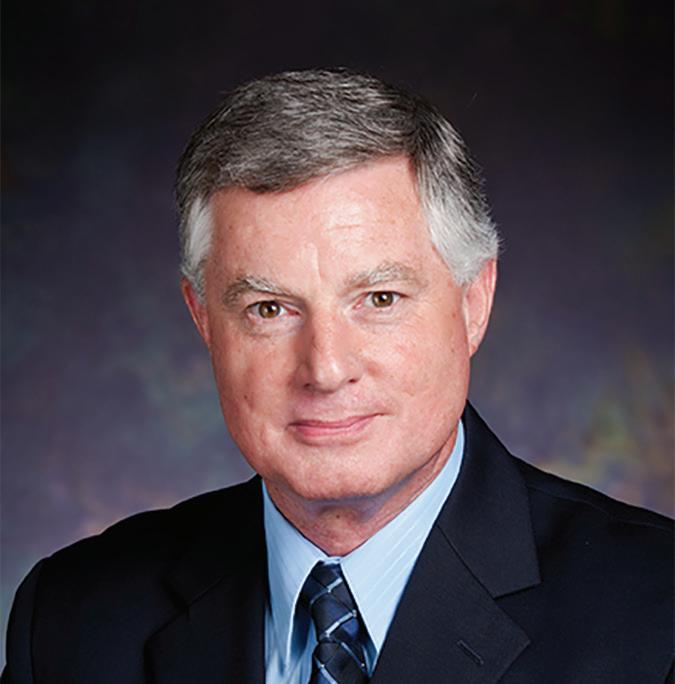
Interviewed by Kristin Pitzer
J. Gary Eden Hagler Fellow, 2024-25
When were you at Texas A&M, and which colleges have you worked in?
I started research with the Institute for Quantum Science and Engineering (IQSE) prior to my becoming a Fellow. I was asked by Professor Marlan Scully to give a talk in the fall of 2022 and, shortly thereafter, I was notified by Professor John Junkins that I had been awarded a Hagler Fellowship. Currently, I spend a little more than six months every year with what I’ll call “boots on the ground” in College Station, but I’m actually working on Texas A&M research all year round now.
Who have you worked with at Texas A&M?
It was the enthusiasm and energy of IQSE Director Marlan Scully that drew me to Texas A&M and laid the foundation for our current research programs. Today, Professors Alexei Sokolov, Aleksei Zheltikov, and Zhenhuan Yi are the leaders of a team in IQSE that involves faculty from the Department of Physics and Astronomy and the Department of Electrical and Computer Engineering, along with several doctoral students.
What does your research focus on?
The thrust of my efforts at Texas A&M has been to establish areas of research that have not been pursued in College Station in the past. The research effort we initiated and are working furiously on has to do with what is known as laser fusion energy (LFE). It’s an exciting field based on the idea that a laser could be used to generate electrical power in the same way that our sun produces energy. The question is, can we develop a source of energy that will operate reliably in a commercial power generating station and not just in a laboratory?
KP
Kristin Pitzer
J. Gary Eden
What did you discover while at Texas A&M?
The first program, funded by the Department of Energy (DOE), continues to focus on developing the laser that will be required for commercially and financially viable LFE-based electrical power plants that can be installed anywhere in the world. If we can realize this dream, then virtually limitless power will be available anywhere on the globe, and electrical power generation will no longer be dependent on the availability of oil or natural gas. My focus has been on drawing together teams at the University of Illinois and Texas A&M (and elsewhere) so that we bring to the table expertise that is as broad as possible to overcome this enormous scientific and engineering challenge. Because of this coalition, we have been successful in obtaining significant funding from the DOE.
The laser that is the leading candidate for a practical LFE power generating station is a member of a family of lasers known as the excimer lasers — a class of lasers to which I have devoted much of my career. The excimer lasers are based on molecules that are not found in nature and must be produced in situ, or within the laser itself. These lasers are capable of generating the intense laser beams necessary to cause deuterium and tritium atoms — heavy forms of hydrogen — to fuse together to form a single helium atom. This process produces unimaginable levels of energy that can be transformed efficiently into electrical power. When I gave that first talk at Texas A&M several years ago, a number of faculty and students were (and still are) interested in establishing research programs to pursue the DOE’s goal of realizing a prototype LFE power plant by the mid-2030s, and these programs are well underway.
What work have you done with deep ultraviolet light at Texas A&M?
I just received word of the granting of a patent a colleague and I had applied for several years ago. It involves developing an optical distribution system for routing what is known as “deep-ultraviolet light” throughout public spaces, such as office buildings, schools, airports, restaurants, cabins of commercial aircraft, and even public restrooms. This is not garden-variety ultraviolet light that causes sunburn if one is lying on a beach. The ultraviolet light called for in the patent has a specific wavelength that is far-removed from the blue and violet light with which all of us are familiar. Its wavelength is so short that it cannot penetrate human skin but is very effective in destroying pathogens such as the COVID-19 virus, influenza, avian flu, swine flu, tuberculosis and others.
A colleague and I co-founded a company that manufactures these lamps, and they were installed in the White House during the Biden administration, the Seattle Space Needle, school buses, office buildings and restaurants. The patent we were discussing earlier proposes a system for taking light from a compact laser and routing it throughout a hospital, for example, with a network of optical fibers for the purpose of continuously deactivating (killing) airborne pathogens 24 hours a day without any harm to humans. Our vision is that these deep-ultraviolet lamps, or low-power laser distribution systems, will eventually be in service in virtually all public spaces so that future pandemics, unlike COVID-19, will be stopped in their tracks. In fact, these deep-UV air disinfection systems have the potential to make public spaces the safest places to be.
Did you submit any papers while at Texas A&M?
A publication came out early this year in which Professor Zheltikov of IQSE was the lead author and I was one of the co-authors. It describes computational work to investigate what happens to extremely high-powered laser beams when their intensities rise to the unprecedented levels required for a practical laser-fusion power plant. I’ve also been working with a postdoctoral researcher at Texas A&M and IQSE who has been developing a “tour de force” theory to describe experiments conducted at the University of Illinois that are probing an optical process known as Brillouin scattering. This research, which will enable us to compress laser pulses in time, is expected to be published in 2026.
How would you describe the value of the Hagler Fellowship program to other scholars?
The Hagler Fellowship program is an amazing program which, to my knowledge, has no peer anywhere in this country or the world, for that matter. It is a program in which experts representing a wide range of academic pursuits are invited to campus and have the opportunity to do what I’m having a ball doing, and that is working with really smart young men and women in various engineering and scientific disciplines to develop technologies for improving human welfare worldwide. It was a tremendous honor for me to have been appointed a Hagler Fellow.
What is next for you?
I’m pleased to say that the Hagler Institute recently offered me a one-year position as a Distinguished Lecturer, and I have accepted that offer. I plan to continue my work at Texas A&M in this next academic year, and I’m really looking forward to it — especially the opportunity to present several lectures on exciting new opportunities for students in research having the potential to significantly benefit humanity.
Select Research Summaries
The final portion of featured research consists of select summaries of research papers completed by a Fellow or Distinguished Lecturer of the Hagler Institute, co-authored with one or more students at Texas A&M University and potentially other investigators.
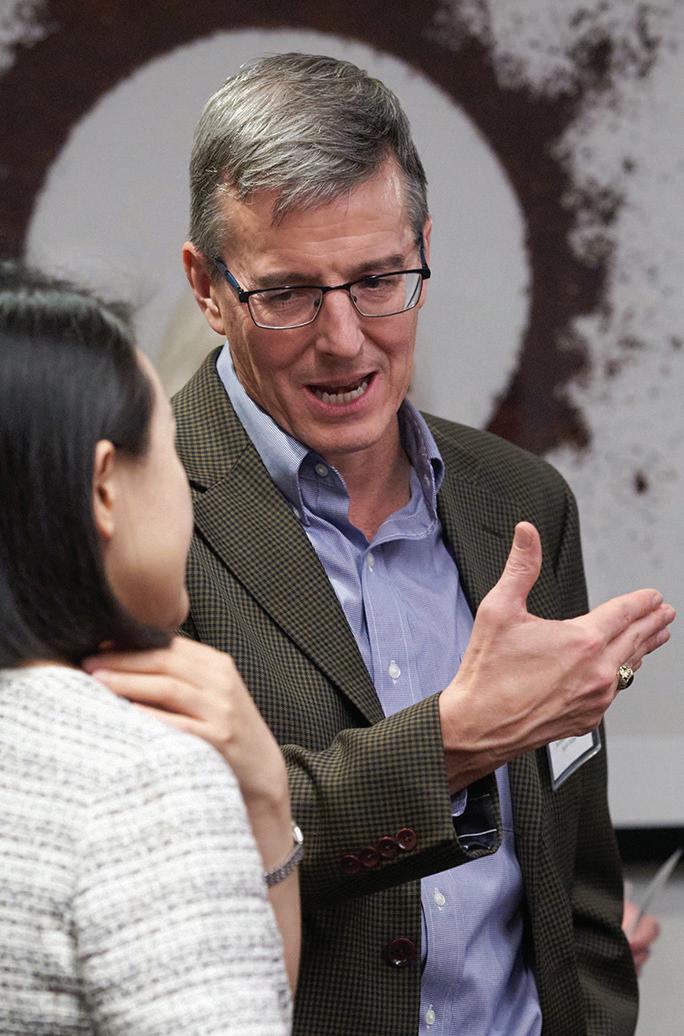
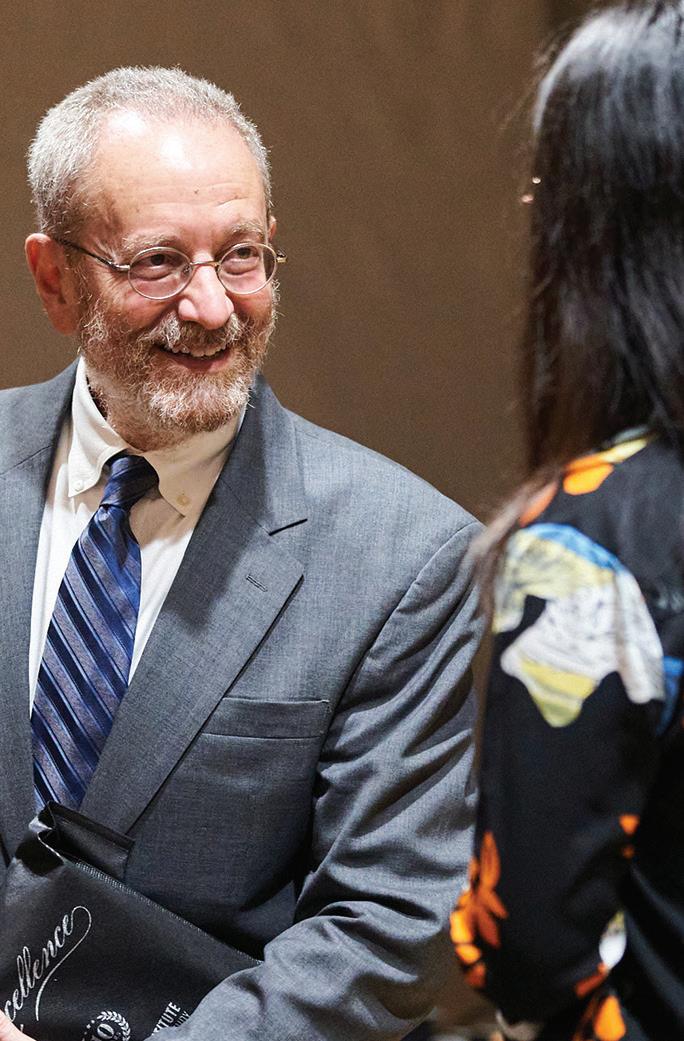
* Denotes Hagler Fellow or Distinguished Lecturer
Total authors
7
Hagler Fellows or Distinguished Lecturers
7
Research summaries
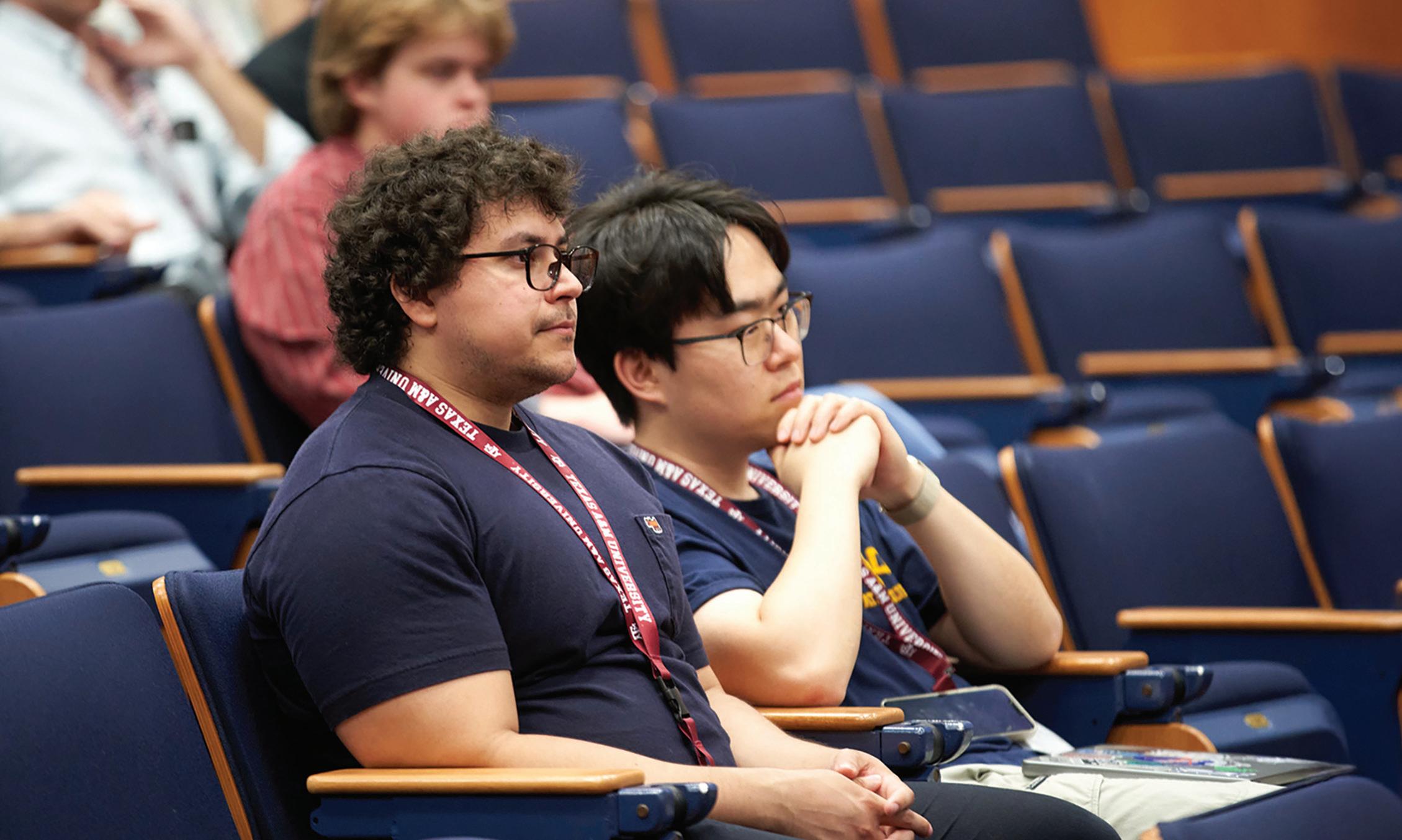
Authors:
Aditi S. Raju
Abira Sahu
Chunliu Zhuo
Wayne K. Versaw
Richard A. Dixon*
A Role for the Plastidial GPT2 Translocator in the Modulation of Lignin Biosynthesis
This study reveals a key role for the GPT2 plastidial glucose-6P/Pi transporter in regulating lignin biosynthesis and redirecting carbon flux toward photoprotective phenylpropanoids. Analyses of Arabidopsis and Medicago lines with altered lignin content, combined with comprehensive transcriptomic and metabolomic profiling, demonstrate that GPT2 overexpression not only reduces lignin accumulation but also modulates metabolic pathways that enhance plant stress resilience.
KEY POINTS
• GPT2 overexpression reduces lignin content: Arabidopsis lines overexpressing GPT2 exhibited significantly lower lignin levels in stems, with decreases in both G and S monolignol pools.
• Downregulation of HCT expression: Overexpression of GPT2 led to reduced transcript levels of HCT, a key enzyme in the monolignol biosynthetic pathway.
• Metabolic reprogramming for photoprotection: Transcriptomic and metabolomic analyses indicated that GPT2 overexpression shifts carbon flux from lignin biosynthesis toward lightprotective phenylpropanoid derivatives.
WHY IT MATTERS
This study uncovers a previously unrecognized role for GPT2 in modulating lignin biosynthesis while enhancing plant photoprotection through the production of light-protective phenylpropanoid derivatives. By balancing carbon allocation between structural lignin and protective metabolites, GPT2 contributes to plant fitness and stress resilience. Understanding this regulatory mechanism could inform strategies for engineering crops with optimized lignin content and enhanced tolerance to light stress, while also improving the utility of biomass for bioenergy and material applications.
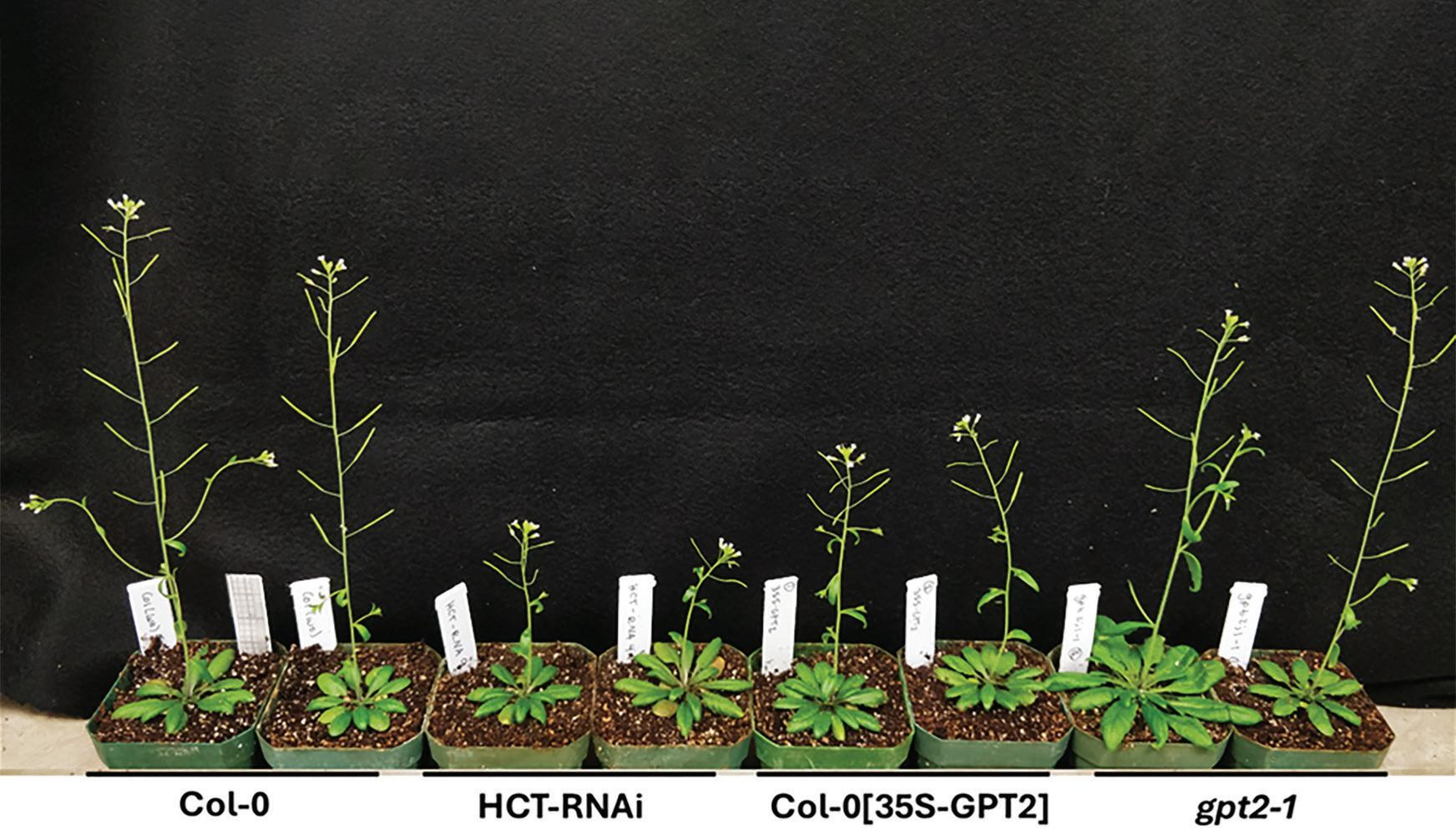
Authors:
Qingyu Zhang
Reza Langari
H. Eric Tseng
Shankar Mohan
Steven Szwabowsk
Dimitar Filev*
Stackelberg Differential Lane Change Game Based on MPC and Inverse
MPC
This work introduces a novel, Hierarchical Model Predictive Controller (MPC) inspired by Stackelberg differential game theory to address the challenges of autonomous highway driving. The high-level control component models interactive lane-change situations as a two-player Stackelberg differential game, with each vehicle using an independent MPC to govern its motion. This differential game is formulated as a bi-level optimization problem, which is solved using the branch-and-bound algorithm. An Inverse MPC is also developed to estimate the weights within the target vehicle’s cost function, allowing for realtime assessment of its driving aggressiveness. The controller’s low-level component implements essential functions like real-time lane selection and precise longitudinal motion control. Simulation results confirm the inverse MPC’s reliability in aggressiveness estimation and demonstrate the robustness and superior performance of the proposed Hierarchical MPC in complex, interactive lane-change scenarios.
KEY POINTS
• This work was funded through a research grant from Ford Motor Company.
• After his graduation, Qingyu Zhang joined Ford Research and had the opportunity to contribute and apply his research to the development of autonomous vehicles at Ford.
• The paper is a continuation of a long collaboration between the Ford Motor Company’s team of Filev and the research group of Prof. Langari that was featured in the following prior publications:
* Q. Zhang, R. Langari, H. E. Tseng, D. Filev, S. Szwabowski and S. Coskun, “A Game Theoretic Model Predictive Controller with Aggressiveness Estimation for Mandatory Lane Change,” in IEEE Transactions on Intelligent Vehicles, vol. 5, no. 1, pp. 75-89, March 2020
* Q. Zhang, D. Filev, H. E. Tseng, S. Szwabowski and R. Langari, “A Game Theoretic Four-Stage Model Predictive Controller for Highway Driving,” 2019 American Control Conference (ACC), Philadelphia, PA, USA, 2019, pp. 1375-1381
* Q. Zhang, D. Filev, S. Szwabowski and R. Langari, “A Real-Time Fuzzy Learning Algorithm for Markov Chain and Its Application on Prediction of Vehicle Speed,” 2019 IEEE International Conference on Fuzzy Systems (FUZZ-IEEE), New Orleans, LA, USA, 2019, pp. 1-6
* Q. Zhang, D. Filev, H. E. Tseng, S. Szwabowski and R. Langari, “Addressing Mandatory Lane Change Problem with Game Theoretic Model Predictive Control and Fuzzy Markov Chain,” 2018 Annual American Control Conference (ACC), Milwaukee, WI, USA, 2018
WHY IT MATTERS
This research advances autonomous vehicle decision-making by integrating Stackelberg game theory with hierarchical MPC, enabling safer and more adaptive interactions in complex highway environments. The work strengthens the foundation for real-time, behavior-aware control strategies that anticipate surrounding drivers’ intentions, bridging academic innovation into ongoing development of intelligent vehicles.
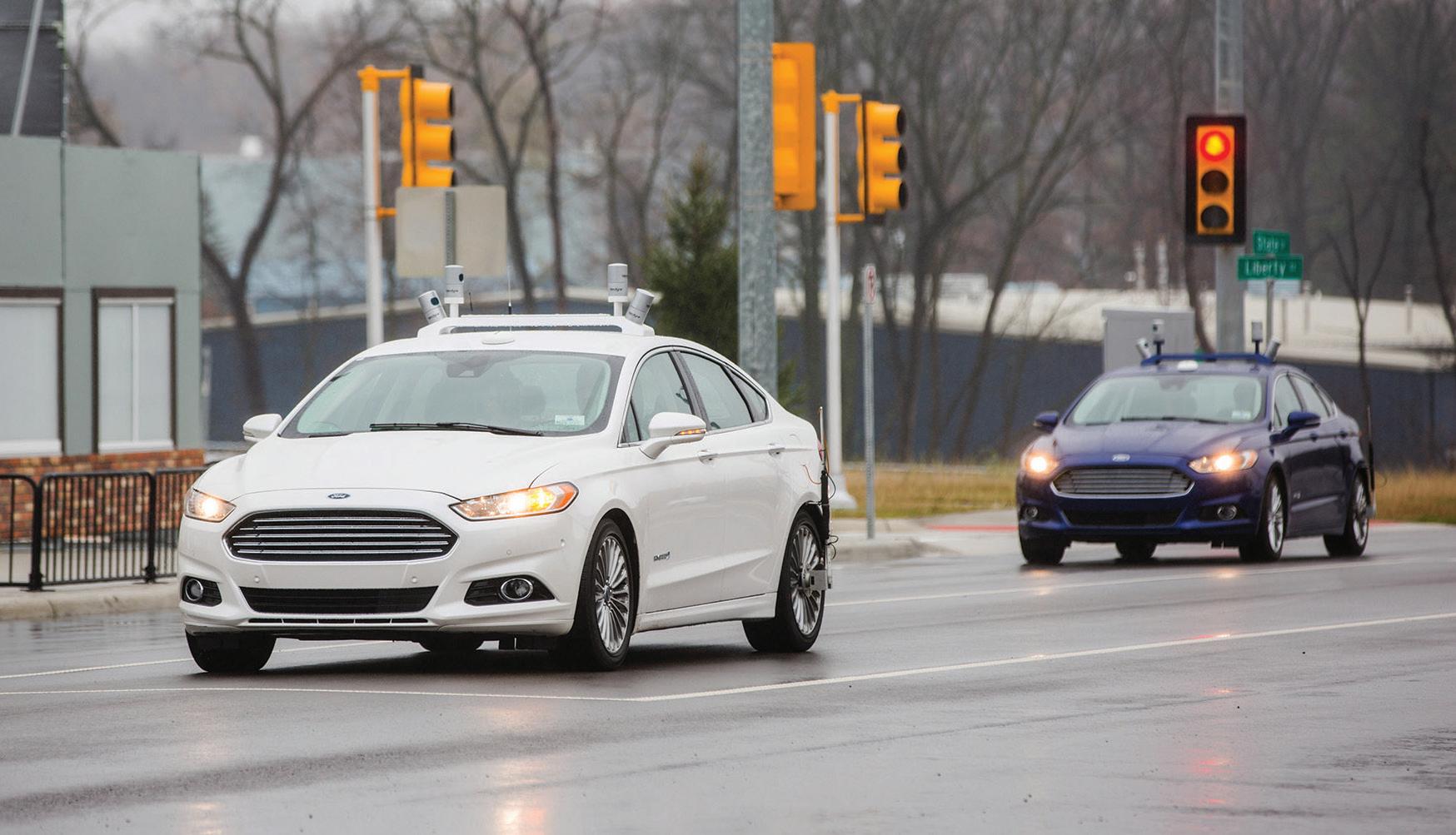
Authors:
Xinyue Ye
Tan Yigitcanlar
Michael Goodchild*
Xiao Huang
Wenwen Li
Shih-Lung Shaw
Yanjie Fu
Wenjing Gong
Galen Newman
Artificial Intelligence in Urban Science: Why Does It Ma er?
Urban science aims to explain, discover, understand, and generalize (EDUG) complex, human-centric systems, emphasizing societal context and sustainability. However, integrating artificial intelligence (AI) into urban science presents challenges, including data availability, ethical considerations and the “black-box” nature of many AI models. Despite these limitations, AI offers vast opportunities for urban management and planning by leveraging multimodal datasets to optimize infrastructure, predict trends and enhance resilience. Recent advances, such as explainable AI and knowledge-driven approaches, are addressing transparency concerns, aligning AI outputs with urban science’s emphasis on interpretability. Conversely, urban science enriches AI by embedding contextual awareness and human-centric insights, enabling AI systems to be er navigate the complexities of urban environments. Examples such as digital twins for real-time urban analysis and generative AI for inclusive urban modeling illustrate this reciprocal evolution. This opinion piece advocates fostering a symbiotic relationship between AI and urban science through co-learning and ethical collaboration. The convergence of these fields — termed the “New Urban Science” — integrates technical innovation with societal needs, promising smarter, more equitable and sustainable cities while aligning AI advancements with the foundational goals of urban science.
KEY POINTS
• Symbiotic Integration: Urban science and AI should evolve together — AI enhances urban analysis through multimodal data and predictive modeling, while urban science grounds AI in human-centric context and interpretability.
• Transparency and Ethics: Explainable and knowledgedriven AI approaches address the “black-box” issue, promoting ethical, interpretable and socially responsible applications in urban systems.
• New Urban Science Paradigm: The convergence of AI and urban science forms the New Urban Science, fostering co-learning and innovation toward smarter, more equitable and sustainable cities.
WHY IT MATTERS
The convergence of AI and urban science redefines how cities are studied, designed and governed. By uniting data driven intelligence with humancentered understanding, this integration enables more adaptive, transparent and equitable urban systems. It ensures that technological progress serves societal well-being, advancing cities that are not only smarter, but also more resilient, inclusive and sustainable for future generations.
Urban Science

Authors:
Haraprasad Mandal
Olusayo J. Ogunyemi
Jake L. Nicholson
Meghan E. Orr
Remy F. Lalisse
Ángel Rentería-Gómez
Achyut R. Gogoi
Osvaldo Gutierrez
Quentin Michaudel
Theodore Goodson III*
Linear and Nonlinear Optical Properties of All-cis and All-trans Poly (p-phenylenevinylene)
Researchers at the University of Michigan and Texas A&M University demonstrate the ability to modulate the response of optically active conjugated materials to classical and quantum entangled light through control over polymer stereochemistry. Application of synthetic, spectroscopic and computational techniques reveals key structure-property relationships for future conjugated material design.
KEY POINTS
• A stereoretentive ring-opening metathesis polymerization yields stereodefined all-cis and all-trans poly(p-phenylene vinylene) polymers with unique steady-state optical profiles.
• Exposure of the two stereodefined polymers to classical and entangled light shows clear differences in their optical responses, with all-cis poly(p-phenylene vinylene) absorbing significantly more quantum entangled light.
• Time-Dependent Density Functional Theory calculations and ultrafast spectroscopy techniques reveal key electronic differences in the two polymers.
WHY IT MATTERS
This interdisciplinary investigation yields important findings regarding the future design of optically active materials for bioimaging, light-harvesting and quantum sensing applications.

Authors:
Xi Zhang
Qixuan Zhu
H. Vincent Poor*
Neyman-Pearson Criterion
Driven
NFV-SDN Architectures and Optimal Resource-Allocations for Statistical-QoS Based mURLLC Over Next-Generation Metaverse Mobile Networks Using FBC
Researchers from Texas A&M University and Princeton University have developed a dynamic wireless network architecture that supports Metaverse streaming over next-generation wireless networks, enabling smooth and immersive virtual experiences for users. Integrating user behavior prediction algorithms with dynamic network resource allocation schemes, this network architecture can significantly enhance the quality of virtual conferences, remote education and online gaming by delivering smooth and high-quality video experiences.
KEY POINTS
• This paper develops an innovative approach to estimate a user’s data demand through a hypothesis-testing mechanism and then dynamically assigns network resources to the user according to this prediction.
• The proposed schemes and algorithms can effectively support stringent Metaverse streaming requirements with one-way radio latency less than 1 millisecond and successful-transmission probability higher than 99.99999%, even under constrained wireless resources and dynamic network conditions.
• The new network architecture developed in this paper lays the foundation for real-time live streaming transmission techniques, and thus, can be widely applied in Metaverse, augmentedreality/virtual-reality, digital twins, autonomous driving and many other applications.
WHY IT MATTERS
Guaranteeing high-speed, reliable, and low-latency Metaverse streaming enables a wide range of applications, from virtual conferences to remote education, and allows people to collaborate, learn and interact in real time, regardless of location.

Authors:
Nurullah Sevim
Mostafa Ibrahim
Sabit Ekin
Theodore S. Rappaport*
Theoretical Foundations of Waste Factor and Waste Figure with Applications to Fixed Wireless Access and Relay Systems
The growing energy demands of next-generation wireless systems call for unified, system-level metrics to evaluate and optimize energy efficiency. This paper advances the concept of the Waste Factor (W), or Waste Figure (WF) in decibel scale, as a general framework for modeling power loss across cascaded communication components. By integrating W into the Consumption Factor (CF) — the ratio of data rate to consumed power — this study reveals how component inefficiencies influence the minimum achievable energy per bit. Closed-form expressions are derived for energy-per-bit consumption in both direct and relay-assisted links, along with a decision rule for selecting the more energy-efficient path. While not explicitly modeled, Reflective Intelligent Surfaces (RIS) are shown to fit naturally within this framework. The analysis is further applied to a Fixed Wireless Access (FWA) scenario, where asymmetries in traffic direction and hardware inefficiencies are jointly considered, demonstrating the utility of the Waste Factor in guiding energy-aware system design.
KEY POINTS
• Introduces Waste Factor (W) and Waste Figure (WF) as a unified, recursive framework for quantifying energy consumption and loss across cascaded wireless system components.
• Derives closed-form conditions for energy-perbit efficiency in direct and relay-assisted links, leading to a decision rule for selecting the more energy-efficient communication path.
• Extends the framework to practical scenarios, including Fixed Wireless Access (FWA) and RISassisted systems, demonstrating its applicability to next-generation 6G architectures with asymmetric traffic and component inefficiencies.
WHY IT MATTERS
Future 6G systems must balance performance with sustainability. Waste Factor (W) provides a unified way to measure how energy is used and lost across any wireless link, enabling smarter relay decisions, RIS deployment and hardware design. By turning fragmented efficiency measures into a single scalable framework, this work helps pave the way for greener, more energy-aware wireless networks.
Source
SIGNAL PATH COMPONENTS

GE Rice Adoption Can Outpace
Climate-Induced Yield Losses and Boost Global Welfare
A meta-analysis spanning 50 years of genetically engineered (GE) rice research shows that rice with enhanced nitrogen uptake efficiency (NUpE) can offset yield losses linked to climate change. Using an economic model that factors in adoption pa erns, demand growth and climate effects, researchers at Texas A&M demonstrate that NUpE-GE rice offers a practical, climate-smart way to improve global food security. Genetic Engineering

Authors:
Qiqi Chen
Yu Yve e Zhang
David Zilberman*
KEY POINTS
• NUpE-GE rice can cut fertilizer use, lower greenhouse gas (GHG) emissions and bring welfare gains to both producers and consumers worldwide.
• Early and large-scale adoption of GE crops can help mitigate climate-related yield losses and strengthen resilience in farming systems.
• Precautionary delays in GE rice adoption are highly costly, especially in regions with large production volumes like South and Southeast Asia and China.
WHY IT MATTERS
This research synthesizes five decades of genetic engineering data through economic modeling to demonstrate how agricultural biotechnology can serve as a cost-effective solution to address food security, sustainability and climate resilience on a global scale.
Adoption Level (%)
South and Southeast Asia
Latin America
China
Africa Developed Countries

STUDENT IMPACTS

Chancellor’s Fellowship Program
“The Chancellor’s National Academy STEM Ph.D. Fellowship Program brings some of the best young scientists in the country to Texas A&M and pairs them with mentors at the top of their fields. When you give talented students that kind of support, you don’t just help them finish a degree — you help them grow into the kind of researchers who tackle big problems for Texas and for the world. And that’s how The Texas A&M University System makes Texas strong.”
Glenn Hegar Chancellor of the Texas A&M University System
The Chancellor’s National Academy STEM (Science, Technology, Engineering and Mathematics) Ph.D. Fellowship Program was the brainchild of John Junkins, Director of the Hagler Institute for Advanced Study. After establishing the Hagler Institute to bring the world’s finest scholars to Texas A&M University, he envisioned pairing these unique individuals with Ph.D. students with prestigious and near perfect academic records. Since Hagler Institute Fellows are not members of the Texas A&M faculty, however, they cannot officially direct students’ programs at Texas A&M. The Hagler Institute could, at the least, connect any top student newly attracted to Texas A&M to some of its Fellows and Distinguished Lecturers for exchanges of ideas, potential research collaborations and expansion of important contacts. To attract additional world-class Ph.D. students, Junkins invented a triad approach.
Texas A&M boasts a distinguished faculty of exceptional stature, including many members of the National Academies of Sciences, Engineering and Medicine. If the Hagler Institute could provide doctoral students with the unique opportunity to be mentored jointly by an academy member and a “rising star” professor on the Texas A&M faculty, the institute could be the avenue to also introduce these students to its Fellows. Over time, the acceleration of all involved in this triad academic design, coupled with student access to Hagler Fellows, will solidify Texas A&M University as one of the premier destinations for world-class STEM doctoral students.
Junkins knew that such a program would require funding far beyond the Hagler Institute’s resources. He presented his design to John Sharp, then chancellor of The Texas A&M University System, who immediately saw the merit of the idea. Sharp committed the Office of the Chancellor of the Texas A&M System to provide funding for four-year fellowships of $40,000 per year, while also paying for the students’ tuition, fees and health insurance. He promised funds to support up to 60 students phased in over a four-year period. Sharp assigned the administration of this program, known as the Chancellor’s National Academy STEM Ph.D. Fellowship Program, or “Chancellor’s Fellowship,” to the Hagler Institute for Advanced Study.
Chancellor Sharp noted these fellowships would also serve to integrate our national academy faculty members into mentoring roles for both rising star faculty members and STEM Ph.D. fellowship holders. The $40,000 annual stipend and this triad of mentorship should make these the most attractive STEM fellowships in the nation.
Right: Each fellowship recipient received a medallion presented by Chancellor Glenn Hegar. Left to right: Karen Wooley, University Distinguished Professor of Chemistry, member of the National Academy of Sciences, Texas A&M University; Chancellor of The Texas A&M University System, Glenn Hegar ’93; Chancellor’s Fellowship recipient Molly Bickle; and Emily Pentzer, Professor of Chemistry and Associate Dean for Research, College of Arts & Sciences, Texas A&M University.
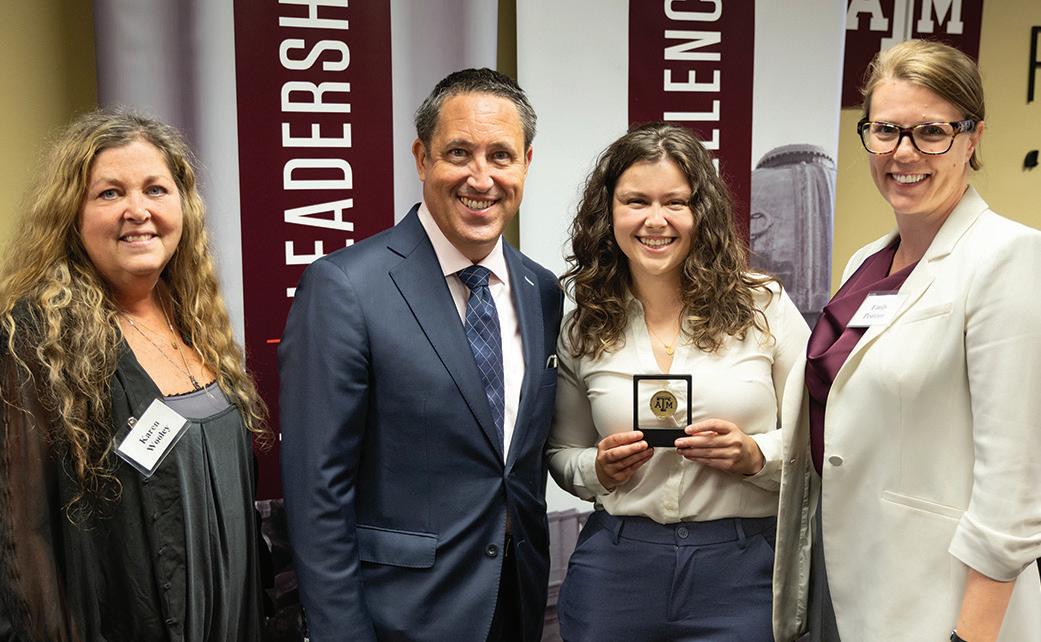
PROGRAM ESTABLISHMENT, PURPOSE AND FUNDING
Fully funded and supported by Texas A&M System Chancellor Glenn Hegar, the Chancellor’s Fellowship is designed to provide financial support to highly accomplished incoming doctoral students pursuing studies in STEM fields at Texas A&M University. In addition to funding, each student is paired with a Texas A&M faculty member who is also a member of one of the following prestigious national organizations: the American Academy of Arts and Sciences, the National Academy of Engineering, the National Academy of Medicine or the National Academy of Sciences.
The national academy member then selects a rising star faculty member to collaborate with the student. This triad, comprised of the student, the national academy member and the faculty member, forms the foundation of a strong mentorship model that fosters cutting-edge research, interdisciplinary collaboration and professional development. This collaborative structure is a signature component of the program, which can also include, as appropriate, a Hagler Fellow.
PROGRAM LAUNCH AND FIRST COHORT
Following a rigorous planning and development phase, the program officially launched in October 2024. Applications were accepted through January 2025 to allow time for student recruitment.
The fellowship program is highly competitive. In addition to holding an undergraduate degree in a STEM field, applicants must have a cumulative GPA of 3.9 or higher (on a 4.0 scale) in their STEM bachelor’s program and must begin their doctoral studies in the fall semester. Applicants for the 15 fellowships each year must also be U.S. citizens, permanent residents or eligible noncitizens.
The inaugural fellowship cohort began their Ph.D. studies in September 2025, selected from a highly competitive pool of nationally elite applicants across multiple disciplines. Chancellor Glenn Hegar personally inducted the first class of 15 students.
Each selected student will receive a $40,000 annual stipend, along with full coverage of tuition and fees for their graduate studies. However, students who also receive a major national fellowship — such as the National Science Foundation Graduate Research Fellowship or the National Defense Science and Engineering Graduate Fellowship — will have their annual stipend increased to $50,000.
The inaugural class of fellowship recipients is now engaged in impactful research that addresses real-world challenges and contributes to the advancement of knowledge across a wide swath of STEM.
IMPACT AND GROWTH
The successful recruitment of the inaugural fellowship cohort has established a strong foundation for the program. Now in its second year, the program accepted applications through January 19, 2026, for a starting date of Fall 2026. The Chancellor committed funding to support the selection of 15 new student fellowship recipients annually, and in Fall 2028, the program will reach a steady-state population of 60 fellowship recipients on campus each year. This exceptional annual flow of STEM talent will underwrite significant advancement of all Texas A&M STEM fields and will undoubtedly produce STEM Ph.Ds. that will make truly remarkable future impacts.
The Chancellor’s Fellowship significantly enhances Texas A&M’s ability to attract top student talent and drive research excellence across campus. The Hagler Institute for Advanced Study is deeply grateful to former Chancellor John Sharp and Chancellor Glenn Hegar for their investment in this transformative program.
At the recognition ceremony, each Chancellor’s Fellowship recipient received a special greeting from the Director of the Hagler Institute, John Junkins, and was awarded a medallion honoring their achievement by Glenn Hegar, chancellor of The Texas A&M University System.
On the next page is a list of the inaugural Chancellor’s Fellowship recipients, along with photos from the September 2025 recognition event.
INAUGURAL CLASS, FALL 2025
Ma hew Barrows Department of Nuclear Engineering
Molly Bickle Department of Chemistry
Dave Boisie Laygo Department of Aerospace Engineering
Owen Cornmesser Department of Electrical & Computer Engineering
Justin Fiore Department of Aerospace Engineering
Landry Graves
J. Mike Walker ’66 Department of Mechanical Engineering
Joshua Greene Department of Chemistry
Luke Holloway Department of Chemistry
Benjamin Jacobs Department of Aerospace Engineering
Rahma Kamal Department of Translational Medical Sciences
Hannah Lamar Department of Nutrition
Luke Lovelace Department of Electrical & Computer Engineering
Elvis Perez Galarza Department of Chemistry
Ethan Rogers Department of Aerospace Engineering
Edward Yu Department of Aerospace Engineering
Right: The attendees, from left to right: John Junkins, Founding Director, Hagler Institute for Advanced Study; Chancellor’s Fellowship recipients Benjamin Jacobs, Edward Yu, Joshua Greene, Elvis Perez Galarza, Dave Boisie Laygo, Matthew Barrows, Luke Holloway, Luke Lovelace, Molly Bickle, Justin Fiore, Hannah Lamar, Owen Cornmesser, Landry Graves and Ethan Rogers; and James Hallmark, Vice Chancellor for Academic Affairs, Texas A&M System. Not pictured is Chancellor’s Fellowship recipient Rahma Kamal.
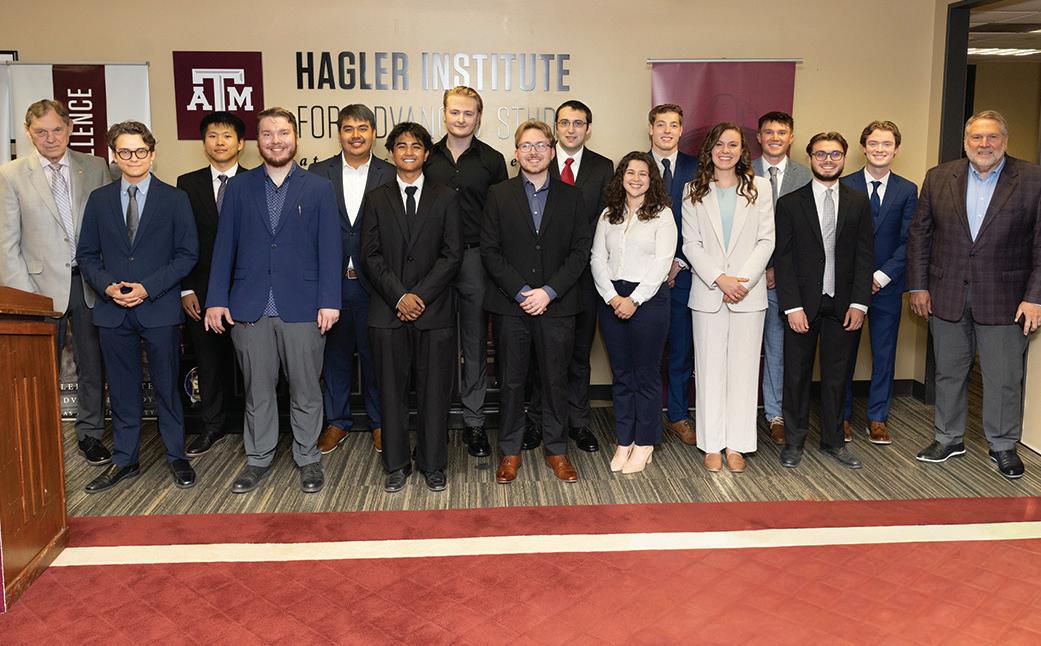
Student Fellowship Reports
The unique aspect of the Hagler Institute is that each year we bring a new group of the world’s outstanding scholars and leaders in their field, called Fellows, to Texas A&M University. A major reason is to team these Fellows with A&M graduate students, mainly Ph.D. students, to provide younger scholars with additional research mentoring and important new professional contacts.
For every Fellow coming to Texas A&M, the Hagler Institute provides that Fellow’s host department two one-year fellowships of $30,000 each. The fellowship recipients are chosen within the host department through a competitive process, after which the student records are evaluated by the Director of the Hagler Institute to ensure the students meet high standards. Fellowships can start in September, January or June. Each student has a Texas A&M faculty advisor who plays an important part in their research development and education at Texas A&M, and Fellows of the Hagler Institute often collaborate within the context of ongoing research under the auspices of the A&M faculty member. The descriptions of the research below will focus attention on the Fellows’ involvement in the Hagler Institute’s student fellowships, but one cannot overemphasize the impact of Texas A&M’s outstanding faculty on the success of these programs.
A major source of funds for the student fellowships is earnings on a portion of the endowment funded by the Herman F. Heep and Minnie Belle Heep Texas A&M University Foundation (Heep earnings). Some donors of endowments to the Hagler Institute have devoted their earnings to student fellowship support. These are the primary sources of student fellowship funds distributed by the Hagler Institute. The Division of Research, within which the Hagler Institute is located, pays certain fees and health insurance premiums for students awarded the institute’s fellowships. The host department or college must pay the year’s tuition for the fellowship recipient.
$40K
Annual graduate student fellowship stipend
Given the recent $100,000 increase in the university’s annual allocation of Heep Foundation earnings to the Hagler Institute, we plan to increase graduate student fellowship stipends from $30,000 per year to $40,000 per year. The Heep increase will be augmented by the $200,000 per year cash contribution from the university as part of the Welch Foundation gift agreement, as well as donations from the WoodNext Foundation.
Since Fellows now serve their time in the institute over an approximately four-year period, most fellowships are not awarded in the Fellow’s first year on campus. Therefore, the Hagler Institute regularly has outstanding commitments for graduate student fellowships.
Each year, students on fellowship submit reports to the Hagler Institute about their fellowship experience. Following are summaries prepared by the Hagler Institute using an example subset of the student year-end reports received for fiscal year 2025. Each student stated that the Hagler Institute’s fellowship provided them the time, resources and mentorship needed to pursue high-level research and enabled them to develop important new connections with people in their field.
Devin Brown
01/01/2025 – 12/31/2025
Department of Political Science
Texas A&M University
Devin Brown collaborates on research with Hagler Fellow Beth Simmons, brought to Texas A&M by the Department of Political Science. They are investigating globally why and when governments choose to build border walls, using a recent dataset of border wall locations and characteristics, while also focusing on the political and economic motivations.
As part of their research efforts, Simmons and Brown attended the Critical Infrastructure Protection and Resilience North America conference in Houston in March 2025. At the conference, Brown said he “was able to meet and speak with policy makers and industry stakeholders to better understand the full landscape of border security.”
Such insights “provided realworld context to our ongoing research.” Working with a scholar of Simmons’ stature could help Brown secure a faculty position in the future, and Brown writes that “the high expectations and rigorous demands of the fellowship have sharpened my statistical, theoretical and analytical skills.”
Brown collaborates with Hagler Fellow Beth Simmons.
Snigdha Das
01/01/2025 – 12/31/2025
Department of Statistics
Texas A&M University
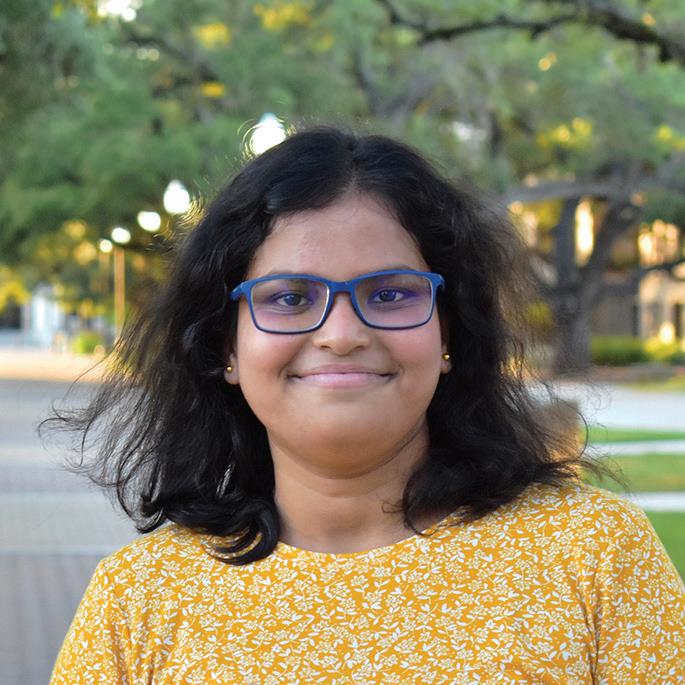
Das collaborates with Hagler Fellow James O. Berger.
Snigdha Das has been working with James O. Berger, a 2024-25 Fellow of the Hagler Institute from Duke University. According to Das, “My research… focuses on improving statistical inference for data collected from complex surveys, which are widely used in fields like public health, economics and social sciences. Our approach simultaneously corrects for selection bias and provides reliable uncertainty intervals, which we have established to be theoretically valid and straightforward to implement for large-scale survey databases. During my fellowship, I have presented this research at several conferences, including the Best of Statistical Science (BOSS) Conference hosted by the Department of Statistics at Texas A&M University, and the Southeast Texas Chapter of the American Statistical Association Annual Meeting and Poster Competition, where my work was awarded the silver prize. I am also scheduled to present this work at the 14 th International Conference on Bayesian Nonparametrics, a leading event in my field.
“Dr. Berger’s mentorship has deepened my understanding of statistical theory and practice, and our collaboration has played a major role in shaping my dissertation and future research directions,” Das continues.
“This fellowship has been particularly timely, allowing me to focus solely on my research at a pivotal stage of my doctoral studies as I prepare to enter the academic job market for tenuretrack assistant professor positions and apply for postdoctoral fellowships starting in Fall 2025.”
Bri Faulk
09/01/2024 – 08/31/2025
Department of Medical Physiology
Texas A&M University
Bri Faulk has been working with Mary Pat Moyer, 2024-25 Fellow of the Hagler Institute and Founder, CEO and Chief Science Officer of INCELL Corporation, LLC, where she directs clinical therapies and product development. Faulk writes of Moyer, “Her expertise in science entrepreneurship and knowledge of the difficult process of obtaining FDA approval has greatly influenced our project projections and imparted new avenues of growth, not just for me, but for everyone associated with our lab. Our research project focuses on tackling three particularly difficult problems: poor drug delivery of aromatic compounds, the need for drugs to target antibiotic-resistant Staphylococcus aureus bacteria, and the need for effective topical treatments to target Staphylococcus aureus.
“Because of Dr. Moyer’s expertise, we will be publishing at least two papers and are planning to attend two conferences for our protein-based material delivery system of our target compound,” Faulk continues. “Furthermore, we are planning to patent the drug delivery system for development as an effective topical application.
“Dr. Moyer’s experience with the process of obtaining FDA approval has been and will be greatly beneficial, not only in these early stages of development, but also in the years to come. As a Ph.D. student, Dr. Moyer’s advice on this project to develop it as a topical application has greatly furthered development, such that I will graduate earlier than originally expected.”
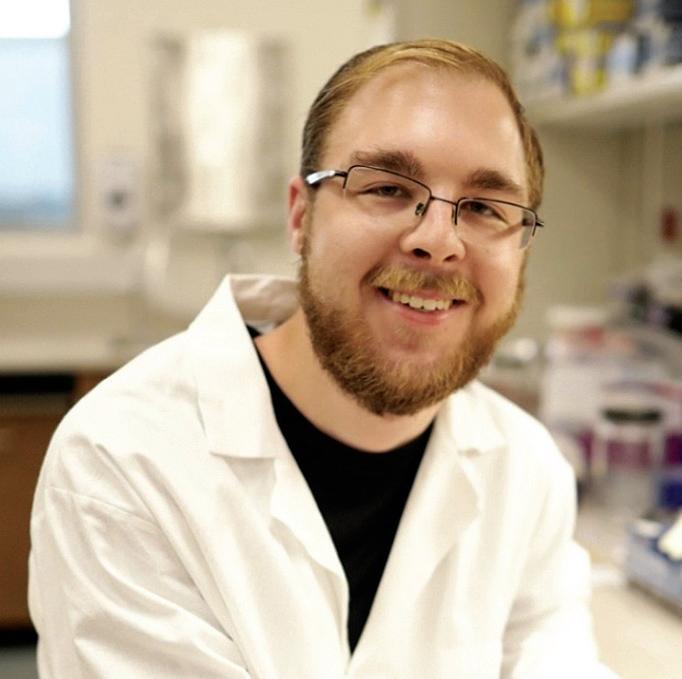
Faulk collaborates with Hagler Fellow Mary Pat Moyer.
Soham Ghosh
01/01/2025 – 12/31/2025
Department of Statistics
Texas A&M University
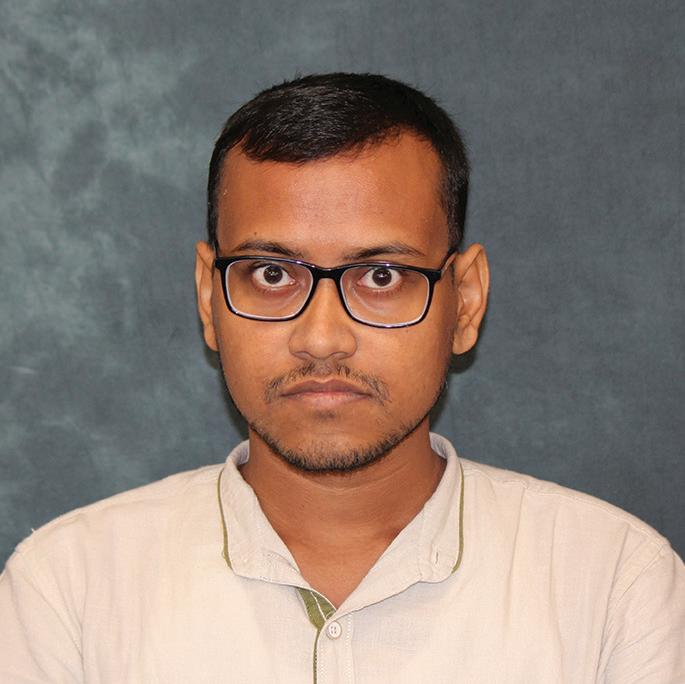
Soham Ghosh has been working with James O. Berger, a 2024-25 Fellow of the Hagler Institute from Duke University, who has made substantial contributions to Bayesian statistical methodology. According to Ghosh, “My dissertation research lies at the intersection of statistics and data science, with an emphasis on the theoretical properties of statistical models from a Bayesian perspective. In particular, I have been working on the factor model, frequently used to uncover latent structures underlying complex data, such as psychological constructs like intelligence or economic indicators like currency exchange rates. While extensively studied, the high-dimensional regime, in which the number of variables exceeds the number of observations, remains comparatively underexplored.
“Understanding this regime is crucial not only for theoretical development, but also for justifying the practical application of these models in modern data settings. I have presented this work at the Southeast Texas Chapter of American Statistical Association (SETCASA) 2025 Annual Meeting, and it has also been selected for presentation at the 14 th International Conference on Bayesian Nonparametrics, a premier venue for research in nonparametric and highdimensional statistics.
“Working with Dr. Berger has been a truly rewarding experience. His insights, both technical and nontechnical, have significantly shaped my thinking. I also greatly benefited from attending his course on the history of Bayesian Statistics and the Best of Statistical Science conference he organized.”
Ghosh collaborates with Hagler Fellow James O. Berger.
Erin Goebel
09/01/2024 – 08/31/2025
Department of Biomedical Engineering
Texas A&M University
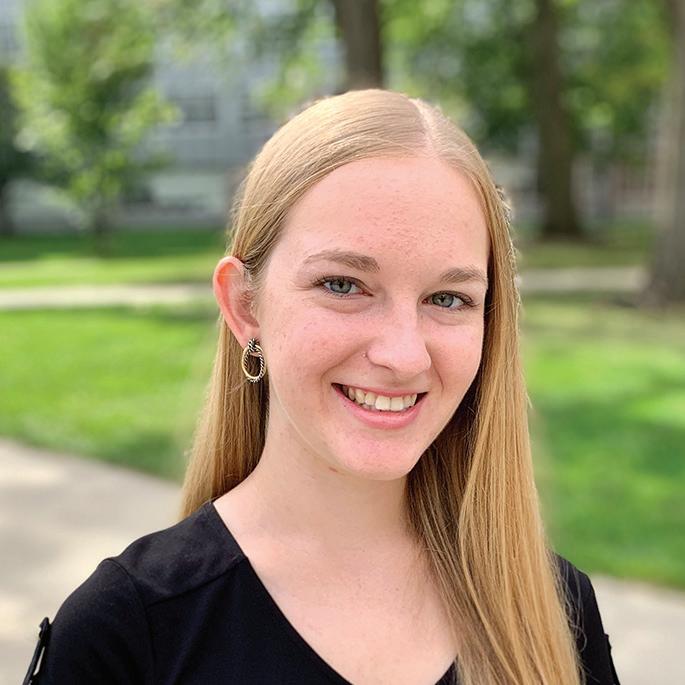
Goebel collaborates with Hagler Fellow Mary Pat Moyer.
Erin Goebel has been working with Mary Pat Moyer, 2024-25 Fellow of the Hagler Institute and Founder, CEO and Chief Science Officer of INCELL Corporation, LLC. Goebel states, “My research is focused on the improvement of anterior cruciate ligament (ACL) reconstruction recovery through the application of regenerative cell-secreted products.
“Previous studies have shown that this osteogenic extracellular matrix (OCM) can heal criticalsized murine calvarial defects with similar efficacy to that of bone morphological protein 2 (BMP-2), a current clinical “gold standard.” Therefore, I aim to improve the osseointegration of anterior cruciate ligament reconstruction (ACLR) grafts by incorporating OCM during the reconstruction procedure. Our current method of application is to mix the OCM into a robust, gelatin-based hydrogel, which the graft is coated with prior to insertion during reconstruction.
“For this project, I have completed in vitro characterization, and I am currently preparing for an in vivo study of the therapy’s efficacy in a rabbit ACLR model. Since beginning this Heep-funded fellowship, I have had the opportunity to present my in vitro characterization data at the Society for Biomaterials Southwest Regional Conference. The opportunity to work with Hagler Fellow Dr. Mary Pat Moyer was a rare and wonderful opportunity to gain ‘inside’ knowledge and experience about the processes behind biomedical product development pathways.”
Adi Putra Hardaya
01/01/2025 – 12/31/2025
Department of Mechanical Engineering
Texas A&M University
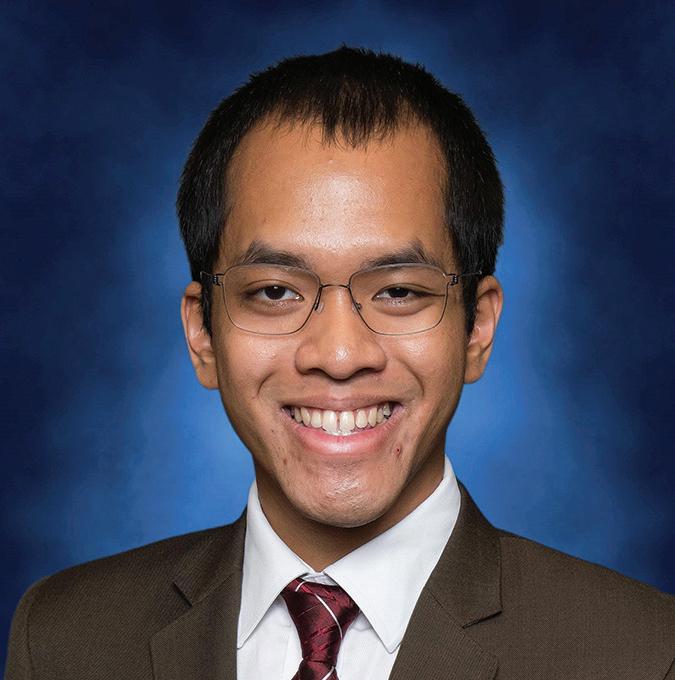
Adi Putra Hardaya studies carbon-free fuels with the Texas A&M team at the Optical Diagnostics and Imaging Laboratory (ODIL) and works with Jacqueline H. Chen, a 2021-22 Fellow of the Hagler Institute and senior scientist at the Combustion Research Facility at Sandia National Laboratories. Hardaya says, “Our long-term objective is to identify the most suitable species to be used as a ‘marker’ for the flame ‘heat release rate.’ This is an area of research still limitedly-developed for carbonfree flames. In our collaborations with Dr. Jacqueline Chen and her team at Sandia National Laboratories, we have made significant advances towards identifying a suitable species for the purpose above.
“Our work uses both experimental and computational approaches to complement each other: the ODIL team performs lab experiments, and the Sandia team performs flame simulations,” Hardaya continues. “Our goal this year is to expand the study to include highpressure laboratory flames and to observe the behavior of the heat release markers in unsteady flames.
“Our new findings were presented in the 14 th U.S. National Combustion Meeting in Boston in March 2025, in which we reported our laser imaging results in highpressure flames with comparisons to relevant simulations performed by the Sandia team. Dr. Chen and the Sandia team continue to be valuable colleagues from whom I have learned to develop my knowledge of combustion science.”
Hardaya collaborates with Hagler Fellow Jacqueline H. Chen.
Virginia Redwine Johnson
06/01/2024 – 05/31/2025
Department of Teaching, Learning, and Culture
Texas A&M University
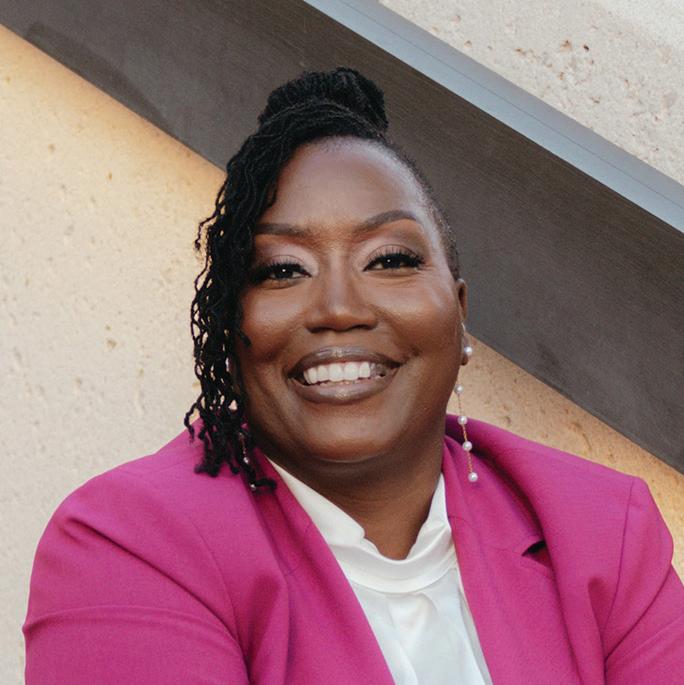
Virginia Redwine Johnson expresses her honor to work with H. Rich Milner IV, 2023-24 Fellow of the Hagler Institute, professor of education and Founding Director of the Initiative for Race Research and Justice at the Vanderbilt University Peabody College of Education and Human Development.
Johnson says, “The fellowship supported my contributions to several scholarly activities. I co-authored a manuscript titled ‘Volunteer First: Building Affirming Mutually Beneficial Partnerships Between a University and a Local Urban School,’ presented at the International Conference on Urban Education (ICUE) in Cancun in November 2024.
“I also collaborated on a special issue focused on urban education in Texas, featuring work on teacher burnout, state takeovers and culturally responsive teaching. Working with Dr. Milner has significantly advanced my development as a scholar and thought leader in urban education. His guidance sharpened my research design, deepened my understanding of systemic inequities and modeled how to lead with integrity and impact.”
Johnson collaborates with Hagler Fellow H. Rich Milner IV.
Kerim Uygur Kizil
01/01/2025 – 12/31/2025
Department of Information and Operations Management
Texas A&M University
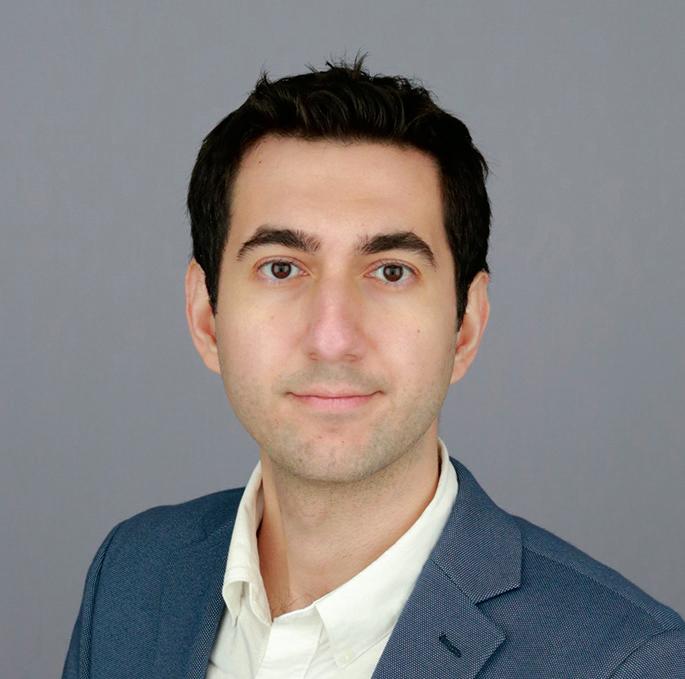
Kizil collaborates with Hagler Fellow Christopher Tang.
Kerim Uygur Kizil is working with Christopher Tang, 2023-24 Fellow of the Hagler Institute and distinguished professor in the Anderson School of Management at the University of California, Los Angeles. They are pursuing research about management of (1) not-for profit supply chains and (2) logistics operations. Kizil reports, “The first research project focuses on improving the operations of a paratransit service in Hong Kong that provides daily transportation for individuals with mobility challenges. We utilize operational data provided by Rehabus. This project was initiated by Professor Tang, and I joined it as part of the graduate fellowship. We plan to submit the resulting work to Transportation Research Part E: Logistics and Transportation Review.
“The second research project focuses on improving how mobile public service buses are deployed to rural areas to help people access essential government services, such as obtaining ID cards, passports and registration documents,” Kizil continues. “Our study is based on a real program in Azerbaijan, where the government agency sends out buses equipped to deliver these services directly to remote communities. We introduce the concept of “endogenous demand” to capture the empirical observation that daily service demand increases the longer the bus stays, but at a diminishing rate.
“This work will be submitted to Manufacturing & Service Operations Management and will contribute to my doctoral dissertation. I recently presented the initial findings… at the annual conference of the Production and Operations Management Society on May 11, 2025, in Atlanta. In addition to research mentorship, Professor Tang has provided valuable advice on navigating the Ph.D. program and preparing for the academic job market, which I will enter in Fall 2025.”
Kelsey Mainard
09/01/2024 – 08/31/2025
Department of Biology
Texas A&M University
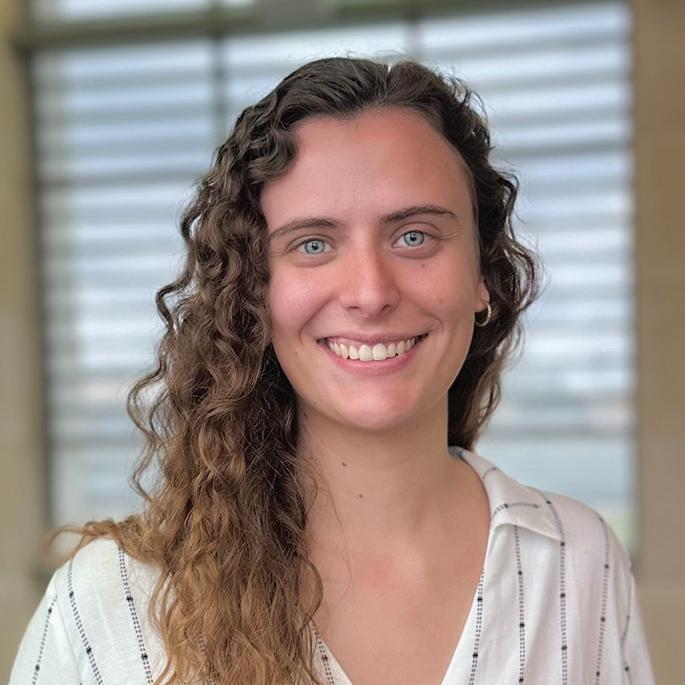
Mainard collaborates with Hagler Fellow Michael W. Young.
Kelsey Mainard says, “I have benefited from the generosity of the Hagler Institute Heep Fellowship and had the incomparable privilege of working with esteemed Nobel Laureate and Hagler Fellow Michael W. Young.” Young is a 2022-23 Fellow of the Hagler Institute and professor and head of the Laboratory for Genetics at The Rockefeller University. He was a co-recipient of the 2017 Nobel Prize in Physiology or Medicine for discoveries about molecular mechanisms controlling circadian rhythms.
According to Mainard, “As a young graduate student just finishing my first year, my work is built upon the foundation Dr. Young provided. My work examines circadian mechanisms with a special focus on post-translational modifications (PTMs) of histone proteins, using Drosophila melanogaster as a model system. My goal and the goal of my Principal Investigator, Dr. Wanhe Li, is to (1) demonstrate the circadian rhythmicity of PTMs through molecular techniques, (2) determine neuronal pathways transcriptionally altered by PTMs and (3) leverage PTMs to study the genetic basis of sleep/wakefulness regulation.”
Mainard adds that Young “provided me with excellent mentorship in repurposing a conventional cytogenetics procedure by troubleshooting our new protocol. Most importantly, he inspired my enthusiasm for this field.”
Ruby
Mustill
01/01/2025 – 12/31/2025
Department of Biology
Texas A&M University
Ruby Mustill has been working under a Hagler Institute Heep Fellowship with Susan Alberts, 202425 Fellow of the Hagler Institute and distinguished professor of Biology and Evolutionary Anthropology at Duke University. Mustill’s research focuses “on the evolution of adolescence as a life stage in primates. This research would certainly not be possible without collaborating with Dr. Alberts. In fact, I am using Dr. Alberts’s data to carry out the study. Her lab curates and manages a database of more than 50 years of behavioral and biological data collected near-daily from a population of wild baboons in Amboseli National Park, Kenya.
“I expect that collaborating with Dr. Alberts will benefit my future career twofold,” Mustill explains. “First, being exposed to her expertise and intellect is already improving my Ph.D. research, and I believe that learning from her will elevate my potential to contribute to science.
“Second, receiving Dr. Alberts’s kind and patient mentorship will provide me with experiences that I can draw on in the future, when I have the privilege of mentoring others.”
Mustill collaborates with Hagler Fellow Susan Alberts.
Roya Safa
09/01/2024 – 08/31/2025
Department of Atmospheric Sciences
Texas A&M University

Safa collaborates with Hagler Fellow Soroosh Sorooshian.
Roya Safa says, “I have had the privilege of working under the mentorship of Dr. Soroosh Sorooshian, a Fellow at the Hagler Institute for Advanced Study, and under the advisement of Dr. Sarah Brooks. This opportunity has significantly contributed to my development as a researcher and graduate student. My research focuses on the role of proteins in ice nucleation, particularly how their concentration affects aggregation size and the efficiency of ice nucleation. Understanding how proteins aggregate and act as ice nucleating agents is essential for atmospheric science, as ice formation in clouds influences cloud lifetime, radiative properties and the global water cycle.
“As a result of this research, we have completed a draft of a scientific manuscript, which we plan to submit for publication in the coming month,” Safa continues. “Additionally, I will be presenting our findings at the 43 rd Annual Conference of the American Association for Aerosol Research (AAAR), taking place Oct. 13–17 in Buffalo, New York. The presentation is titled ‘Effect of Salts on Protein Aggregation and Ice Nucleation Efficiency.’
“These opportunities are important milestones in sharing our results with the scientific community and receiving feedback that will help refine future studies.”
Caleb E. B. Shackelford
01/01/2023 – 12/31/2024
Department of Soil and Crop Sciences
Texas A&M University
Shackleford collaborates with Hagler Fellow Donald L. Sparks.
Caleb Shackleford has been on two consecutive oneyear fellowships working with Hagler Fellow Donald L. Sparks. Shackelford’s current research focuses “on mineral-associated carbon formation and phosphorus sorption via root exudation in drought conditions. Given this, the objective of our research is to investigate this exudation process during drought and determine its impact on mineral absorption, as well as ascertain whether recalcitrant carbon is being generated or simply broken down and converted back into CO 2 .
“This summer, through the collaboration with Dr. Kate Szerlag, I will visit Brookhaven National lab to use synchrotronbased spectroscopy to identify phosphorus speciation on two mineral types,” Shackleford says.
“This will be my first time visiting a national lab, and I am very excited to work alongside some of the world’s leading scientists. I will hopefully begin writing a manuscript with the data collected from this visit. Dr. Sparks, my mentor, embodies exceptional intelligence, humility and kindness, and I consider it a true honor to be counted among his students.”
Harsh Shah
09/01/2024 – 08/31/2025
Artie McFerrin Department of Chemical Engineering
Texas A&M University
Harsh Shah has been collaborating with Hagler Fellow Nick Sahinidis. Says Shah, “My research focuses on modern-day energy system optimization under uncertainty, specifically leveraging state-ofthe-art deep learning techniques for uncertainty characterization and developing mathematical frameworks for system management under this characterized uncertainty. This research has significant implications for energy systems capacity expansion planning, reducing capital and operational costs, and enhancing the integration of renewable energy sources into existing power systems.
“During my fellowship period, I have co-authored a journal article in the machine learning special edition of Computers & Chemical Engineering titled, ‘Planning Strategies in the Energy Sector: Integrating Bayesian Neural Networks and Uncertainty Quantification in Scenario Analysis & Optimization,’” Shah states.
“Another journal publication is in preparation with Dr. Sahinidis, titled, ‘Decision Making in Energy Systems Under Uncertainty - A Robust MultiParametric Optimization Approach.’
“I also had the opportunity to present my research at two conferences — the 2024 Texas A&M Conference on Energy and the 2025 Chemical Engineering Graduate Student Association (ChEGSA) Symposium. Dr. Sahinidis’s extensive knowledge and guidance have been instrumental in shaping the direction and quality of my research.”
Shah collaborates with Hagler Fellow Nick Sahinidis.
Amirali Vanakifarahani
01/01/2025 – 12/31/2025
Department of Physics and Astronomy
Texas A&M University
Amirali Vanakifarahani collaborated with Hagler Fellow J. Gary Eden. He says, “My research centers on the development and characterization of highenergy gas laser systems for inertial confinement fusion (ICF). Specifically, I am studying advanced pumping techniques for excimer laser systems through experimental investigation and computational modeling to generate ultra-short, high-intensity pulses.
“In the spring semester, I represented Texas A&M University at the 54 th Winter Colloquium on the Physics of Quantum Electronics (PQE), where Dr. Eden was honored with the prestigious Lamb Award,” Vanakifarahani continues. “Working with Dr. Eden has been truly transformative. His mentorship has deepened my scientific insight and inspired me to explore the translational potential of laser technologies.
“Thanks to the support of the Hagler Institute, I also have the opportunity to serve as the vice president of the Texas A&M chapter of OPTICA, the leading professional society for optics and photonics, where I promote scientific outreach and student engagement in the field.”
Vanakifarahani collaborates with Hagler Fellow J. Gary Eden.

ADMINISTRATION

Hagler Institute Staff
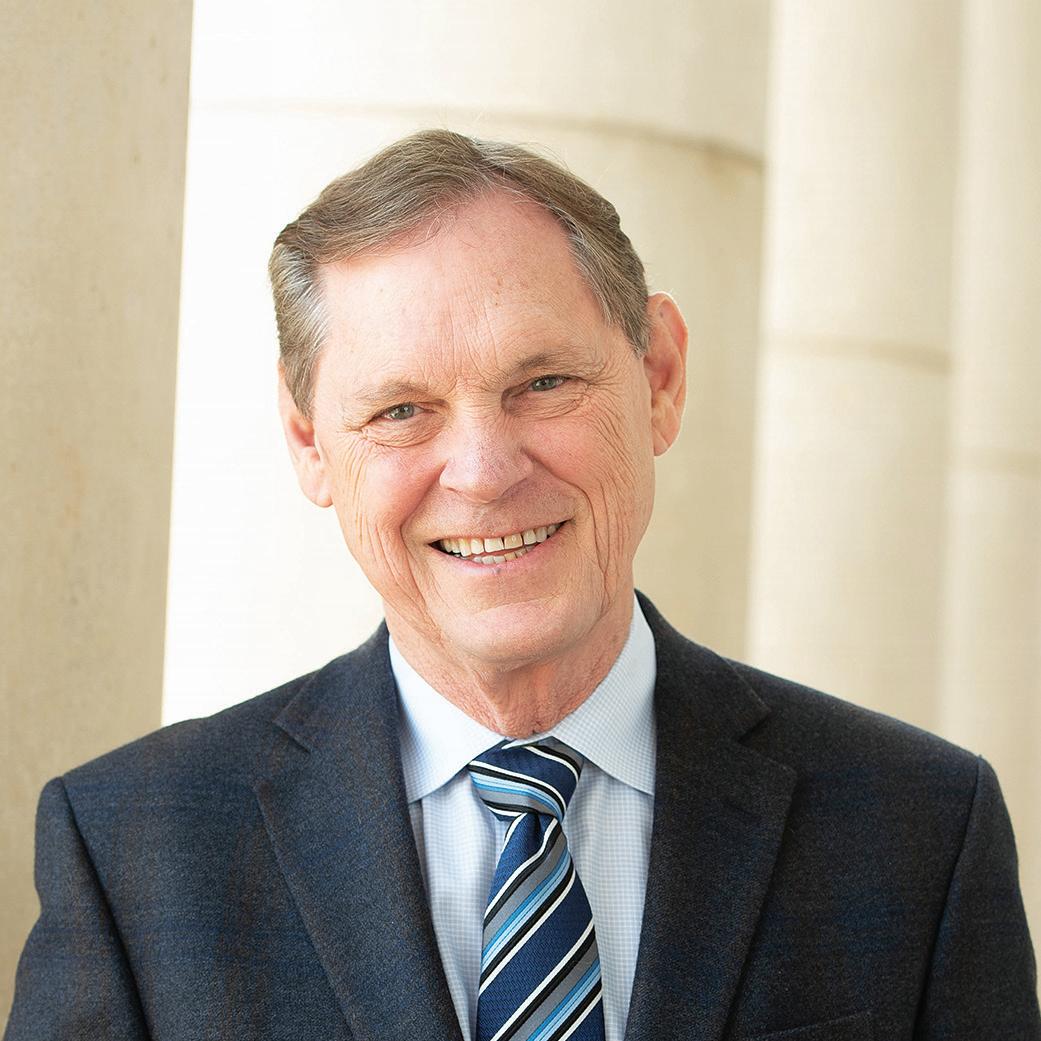
John L. Junkins, Ph.D.,
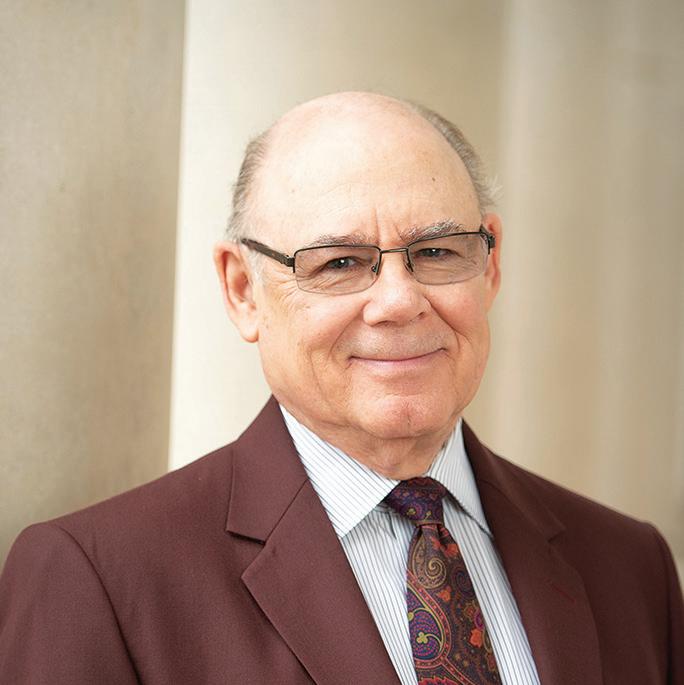

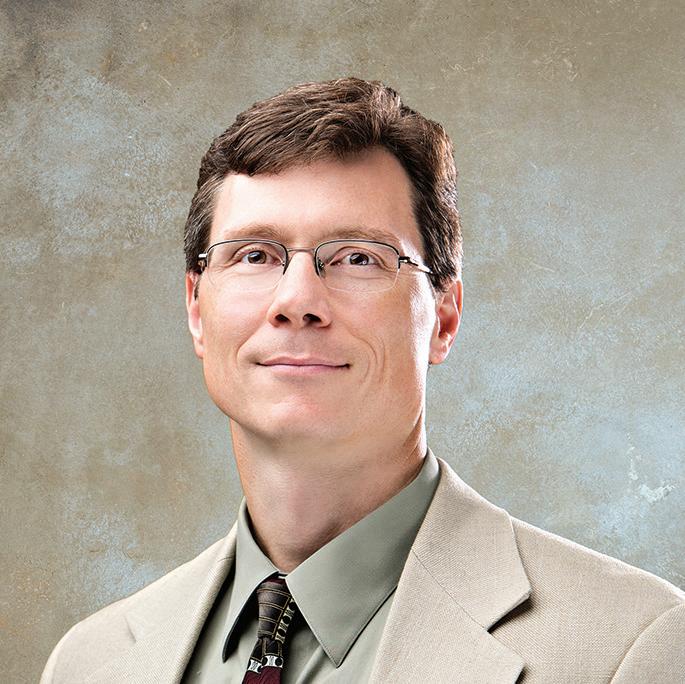

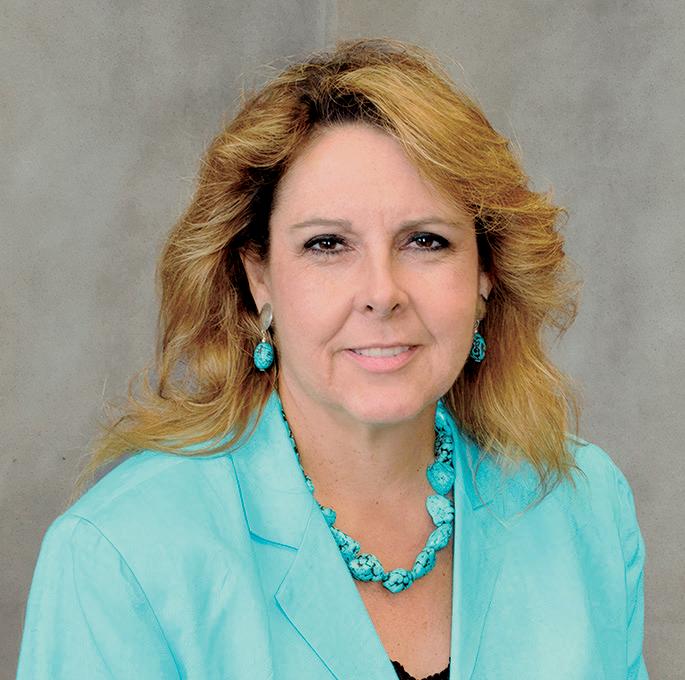
Selection of Fellows and Distinguished Lecturers
Fellows of the Hagler Institute are housed in their respective departments to collaborate with faculty and students in their discipline. Those of us at the Hagler Institute make an effort to get to know all the Fellows.
The Hagler Institute and the colleges, schools and institutes (herea er referred to as colleges) share in the costs of the Fellows. The Hagler Institute pays 70% of each Fellow’s stipend and offers two oneyear fellowships for students to work on research with this visiting scholar. The nominating college and department commit to fund travel and housing expenses plus 30% of the Fellow’s stipend, as well as provide a discretionary fund for research expenses. There are exceptions in which the Hagler Institute covers 100% of the stipend based on support and direction from a specific endowment.
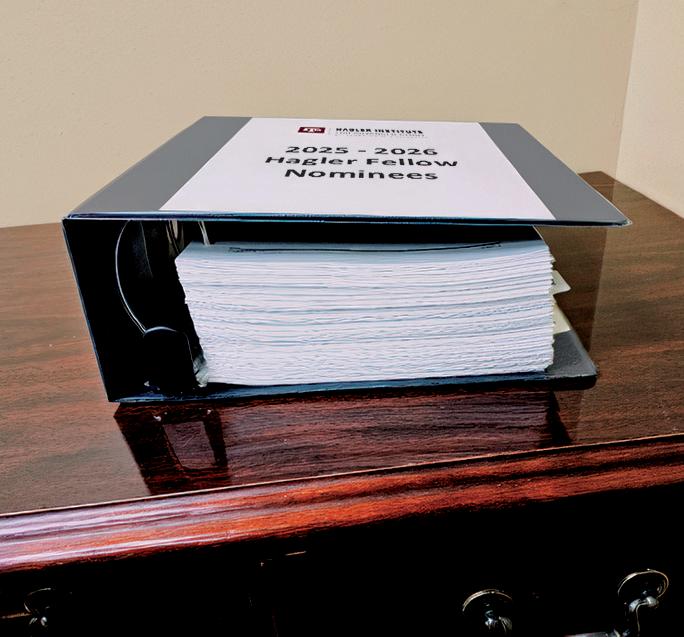
Figure 01
HOW FELLOWS ARE CHOSEN
The Hagler Institute allows each college the same base number of nominees, regardless of college size. Due to budget constraints and carryover of some approved nominees from the 2025-26 cohort, the base nomination allotment for the 2026-27 cohort was reduced from the usual 5 ! per college to two per college. Colleges with endowments devoted to supporting Hagler Fellows are allotted one additional nomination slot for each such endowment. The institute also allows colleges to submit joint, multidisciplinary nominees, in which case the colleges agree to split costs (and nomination allotments).
The Hagler Institute invites all faculty members to consider their choice of a top scholar not at Texas A&M with whom they would like to work. Nominations are confidential. Department heads and deans determine which nominations are sent to the Hagler Institute for evaluation as potential Fellows.
Selection of Hagler Fellows is a multi-year process. Our nomination period opens in April and concludes in September, allowing the deans and faculty sufficient time to assess potential nominees. The Hagler Institute’s Faculty Advisory Board (FAB) of nine University Distinguished Professors is charged with completing its evaluations of the nominees by late November or early December. Most of the recruiting of the Fellows then takes place in January through August of the following year.
The FAB carefully reviews and evaluates the nominees based on excellence criteria. The fundamental questions addressed by the FAB are:
01. Are nominees of national academy stature in their fields?
02. Are nominees currently active as leaders in their fields?
03. Are nominees strong mentors?
To assist in the assessments, Associate Director Amanda Scott provides a unique dossier about each nominee, typically 20 pages in length. Working with Director John Junkins, she prepares detailed analyses of the nominee’s refereed publication data and citations, the nominee’s three most recent publications and the three most cited publications. This helps the FAB assess the nominee’s impact on the literature and how active they are in their current scholarship. She conducts a historical protégé and mentorship assessment that includes teaching and mentoring awards, as well as documented research collaboration with current and former students. Associate Director Scott provides each member with a scoring summary for all nominees. Figure 01 shows the packet she provided in the fall of 2024 to each FAB member for their use in evaluating the nominees for the 2025-26 class of Fellows. This is over 1,000 pages of material!
The evaluation process is a serious endeavor. As Director Junkins conveys to the FAB, “We are academic venture capitalists investing money donated from people who trust us. Let’s get this right.”
Junkins does not advocate for or against any nominee and does not vote for approval or disapproval of any nominee. The FAB members score each nominee from 1 to 4 and converge to a rank ordering for recruiting. Any nominee receiving an average of 2 or above is approved for recruiting. Junkins makes recruiting calls starting in December and continuing through the early months of the following year.
The recruitment process begins with calls from Junkins informing the scholars that they have won a contest that they did not know they were in. He explains the honor of being chosen for the Hagler Institute and shows the exclusive group of prior Fellows with whom the nominee will be associated. Junkins’ call is followed by one from the nominating college, typically a dean. Associate Director Clifford Fry assists with negotiations and preparation of Fellow agreements.
News about the Hagler Institute has now spread sufficiently that a majority of the contacted scholars are aware of the honor associated with being chosen for the institute. Additionally, most know faculty in their field at Texas A&M and, upon reflection, can anticipate productive collaborations. Given the people in many departments with whom the Hagler Institute staff must work during the recruiting process, along with the busy schedules of prospective Fellows, recruitment is usually not finalized until August, 16 months after the start of the corresponding nomination window.
Not all approved nominees who want to be affiliated with the Hagler Institute can commit the time to be a Fellow. Some have family or professional obligations that prevent them from being on the Texas A&M campus for the 65 to 260 days required to be a Fellow. In such instances, the scholar is often offered the opportunity to be a Distinguished Lecturer of the Hagler Institute, committing 14 to 30 days on campus spread over a two-year period. The Distinguished Lecturer must pass the high threshold of excellence to first quality as a Hagler Fellow, so the appointment carries the same level of prestige, and Distinguished Lecturers are inducted along with Fellows at the Hagler Institute’s black-tie gala.
NOMINATION AND RECRUITMENT HISTORY
Table 01 provides a history of the nomination, approval and recruitment of Hagler Fellows by year for academic years 2013 through 2026 (hereafter “FY13” through “FY26,” since the academic year coincides with the fiscal year). Over this 14-year period, a total of 282 scholars were nominated. The FAB deemed 250 (89%) of these nominees to meet the high standards required for Fellows and approved them for recruiting. This high approval rate is a consequence of the now widely understood high standards and filtration decisions at the college level prior to submission of nominees. Of the 250 approved nominees, the institute was financially able to recruit 243 (97%), and of the 243 recruited, 146 (60%) accepted appointments as Fellows. This acceptance rate excludes scholars who are unable to commit to the minimum time period for a Fellow appointment but instead accept appointments as Distinguished Lecturers.
1 Due to budget limitations, not all approved FY26 nominees were invited to accept Fellow appointments in FY26. This was the first budget-constrained year in which the institute was unable to make offers to all qualified nominees. Three were carried forward as pre-approved FY27 nominees.
2 This column reports the number of the current year’s invited nominees who accept appointments as Fellows in any year and excludes those who accept as Distinguished Lecturers rather than Fellows. Some invited Fellows accept appointments in a later year.
3 This column reports the number of Fellows inducted in the current fiscal year, regardless of when the Fellows were nominated, approved and invited.
HAGLER FELLOWS NOMINATION AND RECRUITMENT HISTORY
Figures 02 and 03 depict select data from Table 01. Figure 02 shows the percentage of each year’s invited nominees who accept Fellow appointments, with an average of 60% and a high of 79% for the FY26 class. The black line shows the running average.
We observe that getting acceptances from more than 60% of these remarkably accomplished, busy nominees is significant, and the two most recent years, when more than 70% accepted, are exceptional events, indicating that Hagler Fellows highly value the honor and opportunity implicit in their selection.
PERCENTAGE OF INVITED NOMINEES WHO ACCEPT FELLOW APPOINTMENTS
Percentage per Fiscal Year Running Average
Figure 02
Figure 03 shows the number of Fellows inducted each year. The count reached a high of 19 in FY25 and fell to 11 in FY26, back near the historical running average, which is depicted by the black line in Figure 03. Based on current resources, the institute expects this average to continue its upward climb and is currently targeting class sizes in the low teens over the next few years. We may be able to increase that target to the mid-tohigh teens depending on future endowment success.
Number per Fiscal Year Running Average
NOMINATIONS FOR FY27 FELLOWS
NOMINATIONS FOR 2026-27 FELLOWS
The Hagler Institute received 14 nominations for the fiscal year 2027 (FY27) group of Fellows, including three FY26 approved nominees carried forward as FY27 pre-approved nominees. Nine of the 11 new nominations were approved for recruitment, giving a total of 12 approved nominees. All 12 of the approved nominees will be invited to accept Fellow appointments. Table 02 reports the FY27 class nomination and approval counts by college.
Note: Three FY26 approved nominees were carried forward as FY27 pre-approved nominees and are included in the totals above.
Financial Overview
In 2016, Jon L. Hagler ’58 commi ed a $10 million cash gi and a $10 million estate gi to help endow what is now the Hagler Institute for Advanced Study. Hagler’s endowment, coupled with Academic Master Plan funds and Heep Foundation earnings contributed by Texas A&M University and additional endowments, gi s and estate gi s from multiple donors over the years, ensure that the Hagler Institute will serve permanently as a beacon of excellence at Texas A&M.
Commi ed by John L. Hagler in 2016 to help endow what is now the Hagler Institute
REVENUE AND EXPENDITURES FOR FISCAL YEAR 2025
Hagler Institute revenue exceeded its expenditures for the fiscal year ending August 31, 2025 (FY25). The accompanying pie charts summarize FY25 Hagler Institute revenue and expenditures. These totals exclude revenue and expenditures that are associated with (a) direct costs of the Chancellor’s Fellowship program (fellowship recipient stipends, tuition, fees and health insurance) or (b) endowments which support the Hagler Institute exclusively but are accounted for at the college level. The FY25 expenditure total also excludes outstanding commitments for future expenditures, most notably future stipends associated with existing multi-year Fellow appointments.
During FY25, the Hagler Institute received $3,734,612 in new revenue. Texas A&M continued to be the institute’s largest source of revenue, highlighting the institute’s significance and value to the university. Revenue from Texas A&M totaled $1,913,131, up from $1,888,054 in FY24. Beginning in FY26 and going forward, revenue from the university will be increased to include a $500,000 inflation adjustment.
Endowment earnings and gifts rose from $807,421 in FY24 to $1,221,481 in FY25, demonstrating the institute’s growing financial strength and the generosity of friends, foundations and former students. The institute’s ongoing commitment to excellence continues to inspire its supporters. As endowment income approaches 50% of the total, we are hopeful that future growth will be fueled by endowments.
Revenue from the Heep Foundation increased from $400,000 in FY24 to $600,000 in FY25, as the university paid $200,000 in FY25 for its first installment of matching funds to the Welch Foundation endowment using Heep Foundation earnings. Going forward, this $200,000 contribution may come from other sources. However, the FY25 use of Heep Foundation earnings aligns with the Heep Foundation’s purpose to support student fellowships, which is also the purpose of the $200,000-per-year obligation.
The largest category of FY25 expenditures was for events, miscellaneous and operating expenses. These expenditures totaled $1,529,235, up from $1,333,742 in FY24.
FY25 REVENUE: $3,734,612

$600,000
$1,221,481
The Hagler Institute supports events involving Fellows of the institute. For example, each semester the institute sponsors an Eminent Scholar Lecture for the public, presented by one of its Fellows. Additionally, the Hagler Institute frequently cosponsors symposiums and lectures on campus that involve Hagler Fellows. The institute also supports Lindau Nobel Laureate meetings and the Community of Scholars dinners, and hosts bi-weekly lunches at the University Club in Rudder Tower for Hagler Fellows and Chancellor’s Fellowship recipients. Another important event expenditure is for the institute’s annual induction gala, which demonstrates to the Fellows how much they are valued by Texas A&M University and, together with invited guests from across and beyond the Texas A&M community, celebrates the institute’s ongoing success.
Examples of miscellaneous institute expenses include sponsorship of the Rogers/Huang Medal research competition; production of the annual Cornerstone report and Eminence Brochure; use of Director’s Chair funds to support the Director’s research, including payment to graduate students; and preparation of reports and data for the Administrative Council, responsible for overseeing the institute’s operations, the External Advisory Board, which assists with the institute’s strategic plan, and the Faculty Advisory Board, which evaluates Fellow nominees.
Operating expenses include salaries, supplies and wages for student employees. In FY24, the institute assumed management of the Chancellor’s Fellowship program, a responsibility assigned to Associate Director Amanda Scott, resulting in additional expenses. The staff salaries also expanded in FY25 with the hiring of Assistant Director Blaine Buenger, who joined in October 2024 to support the institute’s expanding operations.
The Hagler Institute pays 70% of each Fellow’s stipends and offers two one-year fellowships for graduate students to work on research with the Fellow. The host college and department fund the Fellow’s travel and housing expenses plus 30% of the Fellow’s stipends. The college and department also pay for any discretionary fund which may be allotted to the Fellow for research expenses. There are some exceptions in which the Hagler Institute covers 100% of the stipend and potentially other Fellow expenses based on support from and agreements associated with a specific endowment.
Total stipends paid by the institute during FY25 to Fellows and Lecturers of all class years totaled $1,407,016, up from $1,068,892 in FY24. Expenditures for student fellowships totaled $660,000 during FY25, up from $509,164 in FY24.

FY25 EXPENDITURES: $3,596,251
OUTLOOK
The institute’s budget last year at this time supported an outlook of about 10 Fellows per year going forward. Based on additional revenues secured over the past year, the institute is currently targeting class sizes in the low teens.
Because the institute offers two one-year student fellowships for each Fellow, an increase in the number of Fellows also entails a commitment to increase the number of student fellowships. The institute is planning to invest a portion of its additional funding into student fellowships, sufficient not only to keep pace with an increased number of Fellows but also increase the fellowship stipend from $30,000 to $40,000, which is more in line with current market rates for top graduate students of the caliber intended for these fellowships.
Additional revenues secured over the past year include:
• $500,000 increase in the university’s annual budget for the institute, beginning FY26, provided by then-President Mark Welsh to mitigate the impact of inflation since establishment of the Hagler Institute baseline academic budget in 2016.
• $100,000 increase in the university’s annual allocation of Heep Foundation earnings to the Hagler Institute, beginning FY26, provided by Provost Alan Sams to account for growth in the underlying Heep endowment. Along with this increase comes a contingent obligation by the institute to support one five-year fellowship to a Hertz finalist attending Texas A&M.
• $100,000 in initial funding from the Office of the Chancellor received in FY26 to help cover administrative costs of the Chancellor’s Fellowship program, along with a commitment from the chancellor’s office for continued revenue to support the program’s operational costs going forward.
$1.4M
Total stipends paid in FY25 to Fellows and Lecturers
• $500,000 gift from the WoodNext Foundation in FY26, with potential for similar gifts over the next three fiscal years.
• Increased annual endowment revenue due to (a) earnings from recent endowments coming online and (b) growth of underlying endowment portfolios. Endowment revenue increased by $440,000 from FY24 to FY25 and is expected to increase by about $60,000 in FY26.
The number of new Hagler Fellows has varied from six in the FY13 class to 19 in the FY25 class. The FY26 class includes 11 Fellows, and we expect about the same number in the FY27 class due to last year’s constraint on the number of nominations, together with some nominees not being approved. We expect modest growth in class sizes to the low teens thereafter, and we may be able to grow class sizes to the mid to high teens depending on future endowment success. Our continued long-term goal is to increase endowment funding to a level that will fully support 20 new Fellows per year on an ongoing basis.
Advocates
Advocates for the Hagler Institute for Advanced Study at Texas A&M champion the institute to anyone who shares an interest in the advancement of Texas A&M.
In addition, Advocates identify like-minded prospective donors who may want to help establish a strong financial foundation for the institute’s mission.
Janice Adams
Norman R. Augustine
Miroslav Begovic
Jason A. Blackstone ’99
Ray M. Bowen ’58
Jean-Louis and Janet Briaud
Bill E. Carter ’69
Jerry S. Cox ’72
John L. Crompton ’77
Ronald A. DeVore
Edward S. Fry
Ram and Angela Galindo
J. Rick Giardino
Melbern G. Glasscock ’59
Janet A. Handley ’76
William C. Hearn ’63
Rodney C. Hill
M. Cynthia Hipwell
Michael A. Hi
Carl F. Jaedicke ’73
Antony Jameson
Linda P. B. Katehi
Christopher Layne
Frank Li le
Karin C. Lo in
R. Bowen Lo in ’71
Carolyn S. Lohman
George J. Mann
William J. Merrell Jr. ’71
Richard and Susan Miles
Charles R. Munnerlyn ’62
Alan and Wanda Needleman
H. Joseph Newton
Gerald R. North
Erle A. Nye ’59
Elaine S. and Daniel Oran
Marcia Ory
George and Marilyn Pharr
Thomas W. Powell ’62
J.N. and Aruna Reddy
Herbert H. Richardson
Jess C. (Rick) Rickman III ’70
Mercedes Rodriguez
B. Don Russell ’70
Stephanie W. Sale
Helen L. Reed
Marlan O. Scully
Les E. Shephard ’77
James M. Singleton IV ’66
Ronald L. Skaggs ’65
Michael L. Slack ’73
Christine A. Stanley ’90
Jörg Steiner
David G. and Valerie Woodcock
Karen and Mark Wooley
Stratos and Maria Zarai-Pistikopoulos
National Academy Members on Texas A&M’s Faculty
More than 20% of the Fellows who have completed their time in the Hagler Institute have joined Texas A&M’s faculty. These scholars are Permanent Members of the Hagler Institute, and they have been catalysts for a racting other national academy-level scholars to Texas A&M’s faculty. Other national academy scholars on the Texas A&M faculty, as well as members of the American Academy of Arts and Sciences, are Affiliates of the Hagler Institute for Advanced Study.
This list refers only to those members of the congressionally mandated national academies :
• The National Academy of Engineering
• The National Academy of Medicine
• The National Academy of Sciences
Kyle T. Alfriend College of Engineering
Robert Ambrose College of Engineering
Leif Andersson* College of Veterinary Medicine and Biomedical Sciences
Aristos Aristidou College of Engineering
Vanderlei S. Bagnato* College of Engineering
Mark A. Barteau College of Engineering
Rodney Bowersox College of Engineering
Donald J. Darensbourg College of Arts and Sciences
Marce a Darensbourg College of Arts and Sciences
Akhil Da a-Gupta College of Engineering
Teresa A. Davis College of Agriculture and Life Sciences
Ronald A. DeVore College of Arts and Sciences
Nancy W. Dickey
Naresh K. Vashisht College of Medicine
Birol Dindoruk College of Engineering
Bonnie J. Dunbar College of Engineering
Ali Erdemir College of Engineering
Yassin A. Hassan College of Engineering
M. Cynthia Hipwell College of Engineering
James Hubbard Jr.* College of Engineering
Antony Jameson College of Engineering
John L. Junkins College of Engineering
Linda P. B. Katehi College of Engineering
Robert Kennicu Jr.* College of Arts and Sciences
Mladen Kezunovic College of Engineering
Panganamala Ramana Kumar College of Engineering
Enrique J. Lavernia College of Engineering
David Lee College of Arts and Sciences
W. John Lee College of Engineering
Frances Ligler College of Engineering
George Ligler College of Engineering
Donald “Don” Lipkin College of Engineering
Philip L-F. Liu College of Engineering
Nathan Meehan College of Engineering
Richard Bryant Miles College of Engineering
Warren “Pete” Miller College of Engineering
William J. Murphy College of Veterinary Medicine and Biomedical Sciences
Alan Needleman* College of Engineering
Elaine S. Oran College of Engineering
Thomas J. Overbye College of Engineering
Roderic I. Pe igrew School of Engineering Medicine
George M. Pharr College of Engineering
Kenneth S. Ramos Institute of Biosciences and Technology
Junuthula N. Reddy College of Engineering
* Denotes Hagler Institute Permanent Member
This list does not include emeritus faculty who are members of national academies, even if they retain an office on campus and are active in research; faculty academy members on leave from Texas A&M; or faculty members of equally prestigious international academies.
Peter Rentzepis College of Engineering
Catharine Ross College of Agriculture and Life Sciences
B. Don Russell College of Engineering
William Sage* School of Law
Julie M. Schoenung College of Engineering
Marlan O. Scully Institute for Quantum Science and Engineering
Rebecca A. Seguin-Fowler College of Agriculture and Life Sciences
Chanan Singh College of Engineering
Vijay Singh College of Engineering
Patrick J. Stover College of Agriculture and Life Sciences
Edwin “Ned” Thomas* College of Engineering
Karen L. Wooley College of Arts and Sciences
Classes 2024-25 and Prior
Fellows and Distinguished Lecturers
CLASS OF 2024-25
Susan C Alberts
Robert F Durden Distinguished Professor of Biology and Evolutionary Anthropology
Department of Biology
Dean of Natural Sciences
Trinity College of Arts and Sciences
Duke University
Research: Behavior, ecology, physiology and genetics of wild populations of large mammals
Gregory B. Baecher
Glenn L. Martin Institute Professor of Engineering
Department of Civil and Environmental Engineering, A.J. Clark School of Engineering
University of Maryland College Park
Research: Risk and reliability of civil infrastructure
Julia A. Bea y
Chair Professor of Veterinary Medicine and Infectious Diseases
Department of Veterinary Clinical Sciences, Jockey Club College of Veterinary Medicine and Life Sciences
City University of Hong Kong
Research: Tumor virology, aiming to characterize novel oncogenic viruses in companion animals to improve cancer outcomes for cats and dogs
James O. Berger
Arts and Sciences Distinguished Professor Emeritus of Statistics
Department of Statistical Science, College of Arts and Sciences
Duke University
Research: Bayesian statistical analysis, decision analysis and uncertainty quantifcation, as well as the application of statistics to other disciplines such as astronomy, pharmaceutical research and geoscience.
Pradeep K. Chintagunta
Joseph T. & Bernice S. Lewis
Distinguished Service Professor of Marketing
Booth School of Business
University of Chicago
Research: Development marketing, using marketing and business tools to assist individuals, entrepreneurs and small businesses in emerging economies
John F. Cryan
Professor and Chair
Department of Anatomy and Neuroscience
University College Cork, Ireland
Research: Microbiota-gut-brain axis
Vikram Deshpande
Professor of Materials Engineering Department of Engineering
Cambridge University, England
Research: Micromechanics of materials, with a focus on the design of micro-architectural materials and the modeling of soft and active materials
J. Gary Eden
Intel Alumni Endowed Chair Emeritus Department of Electrical and Computer Engineering, Grainger College of Engineering
University of Illinois Urbana-Champaign
Research: Laser physics, atomic, molecular and optical physics, and deep ultraviolet (UV) and vacuum ultraviolet (VUV) photochemistry
Alexei V. Filippenko
Distinguished Professor of Astronomy
Department of Astronomy, College of Letters and Science
University of California, Berkeley
Research: Supernovae, black holes, active galaxies, gamma-ray bursts, neutron stars, dark matter and observational cosmology
Youssef M.A. Hashash
Professor
Holder of the Grainger Distinguished Chair in Engineering
Department of Civil and Environmental Engineering, Grainger College of Engineering
University of Illinois Urbana-Champaign
Research: Geotechnical earthquake and tunnel engineering
Marsha I. Lester
Christopher H. Browne Distinguished Professor of Chemistry
Department of Chemistry, School of Arts and Sciences
University of Pennsylvania
Research: Complex chemical reactions involving openshell complexes and reaction intermediates
Jeffrey R. Long
C. Judson King Distinguished Professor Department of Chemistry
University of California, Berkeley
Research: Discovery of chemicallyselective cooperative adsorption in metal-organic frameworks and its uses in the efcient separation of carbon dioxide from fue gases and air
Ajay P. Malshe
R. Eugene and Susie E. Goodson
Distinguished Professor Mechanical Engineering and President’s Fellow
School of Mechanical Engineering, College of Engineering
Purdue University
Research: Advanced manufacturing, bio-inspired sustainable design, multifunctional materials, system integration and product development
Mary Pat Moyer
Founder, CEO and Chief Science Officer
INCELL Director of Clinical Therapies, Product Development
INCELL Corporation LLC
Research Adjunct Professor
University of Texas Health Science at San Antonio
Research: Biomanufacturing clinic and research-use products for regenerative medicine and infectious diseases
Theordore (Ted) S. Rappaport
David Lee/Ernst Weber Professor of Electrical Engineering
Department of Electrical and Computer Engineering, Tandon School of Engineering
New York University
Research: Wireless communications theory, radio propagation, antennas, channel modeling, radio, circuit design and millimeter-wave and terahertz communications
Nick Sahinidis
Professor and Holder of the Gary C. Butler Family Chair
School of Industrial and Systems Engineering, Chemical & Biomolecular Engineering
Georgia Institute of Technology
Research: Mathematical optimization and machine learning
Beth A. Simmons
Andrea Mitchell University
Professor of Law, Political Science and Business Ethics
Penn Law School, School of Arts and Sciences and Wharton Business School
University of Pennsylvania
Research: International borders, border governance, human rights and the difusion of norms in global politics
Christopher Tang
Distinguished Professor
Edward Carter Chair in Business Administration
Anderson School of Management
University of California, Los Angeles
Research: Global supply chain management, focusing on resilient supply chain management and supply chain risk management
Kevin A. Wise
Distinguished Senior Technical Fellow and Vice President
The Boeing Company
President & CEO
Innovative Control Technologies, LLC
Research: Aircraft and missile dynamics and control hypersonic guidance, navigation and control, robust adaptive control, optimal control and robustness theory
DISTINGUISHED LECTURER
Michael F. Goodchild
Professor Emeritus
Holder of the Jack and Laura Dangermond Chair
Department of Geography, College of Letters and Science
University of California, Santa Barbara
Research: Spatial databases, data modeling and the integration of spatial data with other information systems
CLASS OF 2023-24
Philip Calder
Head, School of Human Development and Health
Professor, Nutritional Immunology
University of Southampton, United Kingdom
Research: Infuence of diet and nutrients on immune and infammatory responses and on metabolism and functionality of the roles of omega-3 fatty acids
Alicia L. Carriquiry
Distinguished Professor and holder of the President’s Chair in Statistics
Director, Center for Statistics and Applications in Forensic Evidence
Department of Statistics
Iowa State University
Research: Bayesian statistics and applications of statistical methodology
George Georgiou
Professor, Cockrell School of Engineering
Dula D. Cockrell Centennial Chair in Engineering #2
The University of Texas at Austin
Research: Adaptive-immune response and improving enzyme and antibody therapeutics for cancer treatment and inborn errors of metabolism
Jody Gookin
FluoroScience Distinguished Professor of Veterinary Scholars Research Education
College of Veterinary Medicine
North Carolina State University
Research: Tritrichomonas foetus in cats and gallbladder mucocele disease in dogs
Mae Jemison
President
The Jemison Group, Inc.
Research: Integrating the physical and social sciences with art and culture to solve problems and foster innovation
Eric S. Maskin
Adams University Professor
Professor, Economics and Mathematics
Harvard University
Research: Game theory, contract theory, social-choice theory and political economy
H. Richard Milner IV
Professor of Education
Cornelius Vanderbilt Chair of Education
Immediate Past Joseph A. Johnson, Jr. Distinguished Leadership Professor
Department of Teaching and Learning
Professor of Sociology (Secondary)
Professor of Education Policy Studies (Secondary)
Founding Director, Initiative for Race Research and Justice
Peabody College of Education and Human Development
Vanderbilt University
Research: Capturing students’ experiences in schools, race and culture in education science
Kyle J. Myers
Principal
Puente Solutions LLC
Research: Development of analytical and regulatory science methods for the accuracy and safety of medical imaging devices
Konstantin Novoselov
Director, Institute for Functional Intelligent Materials
Tan Chin Tuan Centennial Professor
National University of Singapore
Research: Condensed matter physics, mesoscopic physics and nanotechnology
Ele herios T. Papoutsakis
Unidel Eugene DuPont Chaired Professor, Chemical and Biomolecular Engineering
Professor, Biological Sciences
University of Delaware
Research: Molecular biotechnology and synthetic biology for sustainable manufacturing and the development of human therapeutics
Radia Perlman
Fellow
Dell EMC
Research: Development and advancement of modern computer networks
Soroosh Sorooshian
Director, Center for Hydrometeorology and Remote Sensing
Distinguished Professor and the Henry Samueli Chair
Departments of Civil and Environmental Engineering and Earth System Science
University of California, Irvine
Research: Remote sensing and development of improved precipitation runof modeling
Robyn Tanguay
University Distinguished Professor, Environmental and Molecular Toxicology
Director of the Superfund Research Program, the Sinnhuber Aquatic Research Laboratory
Former Director of the Environmental Health Sciences Center
Oregon State University
Research: Zebrafsh as toxicology models
Günter Wagner
Research Lab Director
Systems Biology Institute
Alison Richard Professor Emeritus, Ecology and Evolutionary Biology
Yale University
Senior Research Fellow
University of Vienna, Austria
Research: Evolution of genes and gene networks
DISTINGUISHED LECTURERS
Julio O ino
R.R. McCormick Institute Professor
Walter P. Murphy Professor, Chemical and Biological Engineering
Former Dean, R.R. McCormick School of Engineering and Applied Science
Professor of Management and Organizations, Kellogg School of Management
Northwestern University
Research: engineering, non-linear dynamics, complex systems, whole brain engineering
Mark Zoback
Benjamin M. Page Professor, Geophysics
Director, Stanford Natural Gas Initiative
Stanford University
Research: Fault mechanics and reservoir geomechanics
CLASS OF 2022-23
Guy Bertrand
Distinguished Professor of Chemistry and Biochemistry
Director, UCSD-CNRS Joint Research Chemistry Laboratory
University of California San Diego
Research: Taming reactive molecules and transforming them into useful tools for synthetic chemists
Hui Cao
John C. Malone Professor of Applied Physics
Professor of Physics and Professor of Electrical Engineering
Department of Applied Physics
Yale University
Research: Understanding and controlling light transport, scattering, absorption and amplifcation in complex photonic nanostructures
John Michael Cullen
Distinguished Professor, Associate in the Toxicology Faculty and Adjunct Senior Researcher, Hammer Institute
Department of Population Health and Pathobiology
College of Veterinary Medicine
North Carolina State University
Research: Drug-induced hepatic disease and animal models of viral hepatitis
Odile Eisenstein
Director de Recherche CNRS
Emeritus, Institut Charles Gerhardt Montpellier
CTMM group Universite de Montpellier
Hylleraas Center for Quantum Molecular Science
University of Oslo, Norway
Research: Molecular organic and organometallic chemistry
Dimitar Filev
Henry Ford Technical Fellow
Ford Research and Innovation Center
Research: Computational intelligence, artifcial intelligence and intelligent control
Howard Frumkin
Senior Vice President, the Trust for Public Land
Professor Emeritus of Environmental and Occupational Sciences
School of Public Health
University of Washington
Research: Public health aspects of the built environment
Sebastian (Bas) Jonkman
Professor and holder of the Integral Hydraulic Engineering Chair
Del University of Technology, Netherlands
Research: Flood risk management, land reclamation and the integral design of hydraulic infrastructure
Mark O’Malley
Leverhulme Professor of Power Systems
Imperial College London, England
Research: Integrating wind-energy systems into smart grids
Lawrence Que Jr.
Regents Professor
College of Science and Engineering
University of Minnesota
Research: Understanding how nonheme iron centers activate oxygen to carry out a diverse array of metabolically important reactions
Jean-Paul Rodrigue Professor
Department of Global Studies and Geography
Hofstra University
Research: Mobility, freight distribution, containerization, logistics and transport terminals
Donald L. Sparks
Francis Alison Professor and holder of the Unidel S. Hallock du Pont Chair in Soil and Environmental Chemistry
Professor, Chemistry and Biochemistry
Director, Delaware Environmental Institute
College of Agriculture and Natural Resources
University of Delaware
Research: Kinetics of geochemical processes, molecular scale investigations of metal and nutrient fate, transport in soils and water, soil remediation and climate change impacts on soil
Madhavi Sunder
Frank Sherry Professor of Intellectual Property and Associate Dean for International and Graduate Programs
Georgetown Law Center
Research: Intellectual property law and extending into culture, human rights and the First Amendment
Michael W. Young
Nobel Prize in Physiology or Medicine
Richard and Jeanne Fisher Professor
Head, Laboratory of Genetics
Vice President for Academic Affairs
The Rockefeller University
Research: Biological clocks that regulate the human body’s sleep patterns, metabolism and response to disease
David Zilberman
Distinguished Professor and holder of the Robinson Chair
Department of Agricultural and Resource Economics
College of Natural Resources
University of California, Berkeley
Research: Agricultural and environmental policy, economics of innovation and risk, water biotechnology and climate change
DISTINGUISHED LECTURER
Catherine Dulac
Samuel W. Morris University Professor
Lee and Ezpeleta Professor of Arts and Sciences
Howard Hughes Medical Institute Investigator
Harvard University
Research: Molecular biology of pheromone detection and signaling in mammals, the neural mechanisms underlying age-, species- and sex-specifc behaviors, and the role of genomic imprinting in the developing and adult brain
CLASS OF 2021-22
Arthur M. Jaffe
Landon T. Clay Professor of Mathematics and Theoretical Sciences
Department of Physics
Harvard University
Research: The relation between super symmetry and a new mathematical subject — noncommutative geometry — where one builds quantum space into the notion of space-time
Kevin G. Bowcu
Principal Senior Technical Fellow and Chief Scientist of Hypersonics
Boeing Research and Technology
Research: Hypersonic aerodynamics, propulsion integration and vehicle design and optimization
Jacqueline H. Chen
Senior Scientist
Combustion Research Facility
Sandia National Laboratories
Research: Applies massively parallel computing to the simulation of turbulent combustion
Jennifer H. Elisseeff
Jules Stein Professor
Department of Biomedical Engineering
Morton Goldberg Professor, Ophthalmology
Director, Translational Tissue Engineering Center
Johns Hopkins University
Research: Regenerative medicine, biomaterials, tissue engineering, immunoengineering and biomedical engineering
Theodore Goodson III
Richard Barry Bernstein Collegiate Professor of Chemistry and Macromolecular Science and Engineering
Department of Chemistry
University of Michigan
Research: Non-linear optical properties of novel organic materials
Nancy R. So os
Department Head and holder of the Maybelle Leland Swanlund Endowed Chair
Center for Advanced Study Professor Materials Science and Engineering
The Grainger College of Engineering University of Illinois Urbana-Champaign
Research: Self-healing materials for energy and the environment, mechanical properties and materials for extreme conditions
Donna T. Strickland
Professor Department of Physics and Astronomy
University of Waterloo, Ontario, Canada
Research: Develops novel ultrafast laser systems to study nonlinear optical phenomena
Nikolay I. Zheludev
Professor and Deputy Director of the Zepler Institute
University of Southampton, United Kingdom
Co-Director, The Photonics Institute
Nanyang Technological University, Singapore
Research: Nanophotonics, metamaterials, nanotechnology, electrodynamics and nonlinear optics
CLASS OF 2020-21
R. Graham Cooks
Henry B. Hass Distinguished Professor of Analytical Chemistry
Department of Chemistry, College of Science
Purdue University
Research: Mass spectrometry, including fundamental phenomena, instrumentation and analytical applications
Andrew P. Feinberg
Director, Center for Epigenetics
Johns Hopkins University School of Medicine
Bloomberg Distinguished Professor
Whiting School of Engineering and Bloomberg School of Public Health
Johns Hopkins University
Research: Multidisciplinary research spanning many felds, from genetics to computational biology and mathematics
James J. Giovannoni
Director
Robert W. Holley Center for Agriculture and Health Laboratory
USDA-ARS
Adjunct Professor
Boyce Thompson Institute
Cornell University
Research: Molecular and genetic analysis of fruit physiology and ripening and signal transduction systems in the tomato and additional fruit species
Paula T. Hammond
David H. Koch (1962) Professor in Engineering
Head, Department of Chemical Engineering
School of Engineering
Massachuse s Institute of Technology (MIT)
Research: Macromolecular design and synthesis, targeted drug delivery for cancer, nanoscale assembly of synthetic biomaterials and electrostatic and directed materials assembly
Timothy A. Judge
Joseph A. Alutto Chair in Leadership Effectiveness
Department of Management and Human Resources
Fischer College of Business
The Ohio State University
Research: Clarifes the role of personality in job performance, job attitudes and career success
Julia King
Professor Baroness Brown of Cambridge, Crossbench Life Peer
House of Lords, London
Chair, Sir Henry Royce Institute for Advanced Materials
Carbon Trust
Research: Science, technology and policy to support low-carbon and new negative-emissions science
Gloria Ladson-Billings
Former Kellner Family
Distinguished Professor
Department of Educational Policy Studies
School of Education
University of Wisconsin-Madison
Research: Examines the pedagogical practices of teachers who are successful with African American students and investigates applications of critical race theory to education
Rachel F. Moran
Distinguished Professor
School of Law
University of California, Irvine
Research: Education policy, civil rights, and race and the law
Shaul Mukamel
Distinguished Professor
Department of Chemistry, School of Physical Sciences
University of California, Irvine
Research: Studies molecules by measuring their response to short pulses of light. Pioneered the feld of coherent ultrafast multidimensional molecular spectroscopy
Lena Cowen Orlin
Professor
Department of English
Georgetown University
Research: Expert on private domestic life during the Renaissance and specializes in works of Shakespeare
DISTINGUISHED LECTURER
Jennifer A. Lewis
Hansjörg Wyss Professor of Biologically Inspired Engineering
John A. Paulson School of Engineering and Applied Sciences
Harvard University
Research: Programmable assembly of soft functional, structural and biological materials
CLASS OF 2019-20
Luiz Davidovich
Professor of Physics
Instituto de Física
Universidade Federal do Rio de Janeiro, Brazil
Research: Decoherence, dynamics of entanglement, laser theory and quantum metrology
Sharon Donovan
Professor and holder of the Melissa M. Noel Endowed Chair in Nutrition and Health
Department of Nutritional Sciences, College of Agricultural, Consumer and Environmental Sciences
University of Illinois Urbana-Champaign
Research: Pediatric nutrition, focusing on optimizing intestinal and cognitive development and on development of the gut microbiome
Mario Andrés Hamuy
Vice President and Head of Mission
Chile Association of Universities for Research in Astronomy, Washington, D.C .
Research: Established the use of supernovas to measure distances into the far universe, leading to the discovery of the accelerated expansion of the universe
Peter J. Hotez
Dean, National School of Tropical Medicine Professor
Departments of Pediatrics and Molecular Virology and Microbiology
Endowed Chair in Tropical Pediatrics
Baylor College of Medicine
Research: Neglected tropical diseases and vaccine development
Kathleen C. Howell
Hsu Lo Distinguished Professor
School of Aeronautics and Astronautics, College of Engineering
Purdue University
Research: Contributions to the three-body problem, the interplanetary superhighway and artifcial satellite theories
Misha Lyubich
Professor
Department of Mathematics
Director, Institute for Mathematical Sciences
College of Arts and Sciences
Stony Brook University
Research: Analytic low-dimensional dynamics of recursive maps
Henry Rousso
Directeur de recherche de Classe
Exceptionelle
French National Centre for Scientific Research, Paris, France
Research: Link between history and memory and historical trauma
Peter W. Shor
Henry Adams Morss and Henry Adams Morss Jr. Professor of Applied Mathematics School of Science
Massachuse s Institute of Technology
Research: Quantum algorithm for factoring exponentially faster than the best currently known algorithm running on a classical computer
Edwin L. “Ned” Thomas
Ernest Dell Butcher Professor of Engineering
Department of Materials Science and Nanoengineering
School of Engineering
Rice University
Research: Development of novel photonic materials and determination of the morphology of black copolymers
DISTINGUISHED LECTURERS
Martha Albertson Fineman
Robert W. Woodruff Professor of Law School of Law
Emory University
Research: Directs the Feminism and Legal Theory Project
Deirdre N. McCloskey
Distinguished Professor Emertia Economics, History, English and Communication
College of Liberal Arts and Sciences
University of Illinois Chicago
Research: How rhetoric afects understanding of scientifc scholarship and its relation to public policy.
Rachel F. Moran
Distinguished Professor School of Law
University of California, Irvine
Research: Education policy, civil rights, race and the law.
Susan Wolf
McKnight Presidential Professor of Law, Medicine & Public Policy
Faegre Baker Daniels Professor of Law
Professor of Law and Medicine
University of Minnesota
Professor of Medicine
Department of Medicine
University of Minnesota
Medical School
Research: Health Law and Policy
Huda Zoghbi
Professor and holder, Ralph D. Feigin, MD, Endowed Chair
Department of Molecular and Human Genetics
Director, Jan and Dan Duncan
Neurological Research Institute at Texas Children’s Hospital
Baylor College of Medicine
Research: Genetic mutations that cause X-linked Rett Syndrome and genetic mutations responsible for several dominantly inherited spinocerebellar ataxias
CLASS OF 2018-19
Vanderlei Salvador Bagnato Professor
Department of Physics and Materials Science
University of São Paulo and the Institute of Physics of São Carlos, Brazil
Research: Laser cooling, trapping neutral atoms and applying the principles of optics and lasers in health sciences
Michael J. Duff
Emeritus Professor of Theoretical Physics
Senior Research Investigator
Imperial College London, England
Research: Quantum gravity, quantum informatics, string theory, M-theory and unifed theories of the elementary particles
Yonggang Huang
Walter P. Murphy Professor of Mechanical Engineering, Civil and Environmental Engineering, and Materials Science and Engineering
McCormick School of Engineering and Applied Science
Northwestern University
Research: Mechanics of stretchable materials and additive manufacturing
Cameron Jones
Professor and holder of the R.L. Martin Distinguished Chair of Chemistry
Monash University, Melbourne, Australia
Research: Existing views on structure, bonding and stability
Stefan H.E. Kaufmann
Head, Department of Immunology
Founding Director
Max Planck Institute for Infection
Biology, Germany
Research: Vaccines for tuberculosis
H. Vincent Poor
Michael Henry Strater
University Professor
Department of Electrical and Computer Engineering
School of Engineering and Applied Science
Princeton University
Research: Advancing rapid development of technology
Robert D. Putnam
Peter and Isabel Malkin Research Professor of Public Policy
Kennedy School of Government
Harvard University
Research: Religion in society, the fall and revival of American community and opportunity gaps
Andrea Rinaldo
Professor of Hydrology and Water Resources
Director, Laboratory of Ecohydrology
École Polytechnique Fédérale de Lausanne, Switzerland
Research: Theory of self-organized fractal river networks and efcient transportation networks
William G. Unruh
Professor of Physics
Department of Physics and Astronomy
University of British Columbia, Canada
Research: General relativity and refning the foundations of quantum mechanics in relation to black holes
DISTINGUISHED LECTURER
Joseph W. Singer
Bussey Professor of Law
Harvard Law School
Research: Modern social theory of property
CLASS OF 2017-18
Vijay K. Dhir
Distinguished Professor
Departments of Mechanical and Aerospace Engineering and Chemical and Biomolecular Engineering
Samueli School of Engineering
University of California, Los Angeles
Research: Fundamental and applied sciences involving boiling
Richard A. Dixon
Distinguished Research Professor
Department of Biological Sciences College of Science
University of North Texas
Research: Metabolic engineering of plants
Richard A. Epstein
Laurence A. Tisch Professor of Law
Director, Classical Liberal Institute School of Law
New York University
Research: Legal theory property, torts and employment
Tom Ginsburg
Leo Spitz Professor of International Law
Ludwig and Hilde Wolf Research Scholar
Professor of Political Science
University of Chicago Law School
Research: Multidisciplinary social scientifc analysis to comparative constitutional law
James E. Hubbard Jr.
Glenn L. Martin Institute Professor
Samuel P. Langley Distinguished Professor
Department of Aerospace Engineering University of Maryland
Research: Designs, develops and defnes the state of the art in robotic platforms
Thomas J. Stipanowich
William H. Webster Chair in Dispute Resolution
Professor of Law
Straus Institute for Dispute Resolution
Caruso School of Law
Pepperdine University
Research: Commercial arbitration and dispute resolution
Jerry Tessendorf
Professor of Visual Computing School of Computing, College of Engineering, Computing and Applied Sciences
Clemson University
Research: Fluid simulations in computer graphics for motion pictures
DISTINGUISHED LECTURER
Steven Chu
William R. Kenan Jr. Professor of Human ities and Sciences
Professor of Physics and Molecular and Cellular Physiology
Stanford University School of Medicine
Stanford University
Research: Laser cooling techniques and the magneto-optical trapping of atoms
CLASS OF 2016-17
Christopher C. Cummins
Henry Dreyfus Professor of Chemistry
Department of Chemistry
School of Science
Massachuse s Institute of Technology
Research: Synthetic chemistry and inorganic synthesis methodology
Ingrid Daubechies
James B. Duke Distinguished Professor
Departments of Mathematics and Electrical and Computer Engineering
Pratt School of Engineering, Trinity College of Arts and Sciences
Duke University
Research: Wavelet and mathematical methods
Gerald Galloway
Professor Emeritus
Department of Civil and Environmental Engineering
A. James Clark School of Engineering
University of Maryland
Research: Civil engineering and food plain management
Huajian Gao
Walter H. Annenberg Professor of Engineering
School of Mechanical and Aerospace Engineering
Brown University
Research: Mechanical and biological engineering
Maryellen Giger
A. N. Pritzker Distinguished Service Professor
Department of Radiology
Committee on Medical Physics
The College at the University of Chicago
Research: Computer-aided diagnosis, digital signal and image processing
Robert Kennicu Jr.
Plumian Professor of Astronomy and Experimental Philosophy, Emerita School of Physical Sciences
University of Cambridge
Research: Astronomy, star formation and galaxies
Charles E. Kolb
Former President and CEO
Aerodyne Research Inc.
Research: Atmospheric chemistry, air quality and climate
V. Kumar
Professor of Marketing
Goodman Academic-Industry
Partnership Professor
Goodman School of Business
Brock University
Research: Marketing research methods, customer relationship management
William M. Sage
James R. Dougherty Chair for Faculty Excellence
Professor
Department of Surgery and Perioperative Care, Dell Medical School
School of Law
The University of Texas at Austin Research: Law and national health care reform
Thomas S. Ulen
Research Professor
Swanlund Chair Emeritus College of Law
University of Illinois Urbana-Champaign
Research: Law, economics, legal, scholarship and legal education
CLASS OF 2015-16
W. David Arne
Regents Professor Emeritus
Department of Astronomy, College of Science
University of Arizona
Research: Theoretical astrophysics, supernovae and stellar astronomy
John T. Brosnan
Professor Emeritus
Department of Biochemistry
Memorial University of Newfoundland, Canada
Research: Amino acid biochemistry
Robert A. Calderbank
Charles S. Sydnor Distinguished Professor
Departments of Electrica and Computer Engineering and Mathematics
Director, Rhodes Information Initiative
Pra School of Engineering, Trinity College of Arts and Sciences
Research: Computer science, electrical engineering and mathematics
Richard Delgado
John J. Sparkman Chair of Law School of Law
The University of Alabama
Research: Critical race theory and law
Richard Gibbs
Wofford Cain Chair and Professor
Department of Molecular and Human Genetics
Director and Founder, Human Genome Sequencing Center
Baylor College of Medicine
Research: Genome science and human molecular evolution
J. Karl Hedrick
James Marshall Wells Academic Chair and Professor
Department of Mechanical Engineering, College of Engineering
University of California, Berkeley
Research: Nonlinear control theory and automotive control systems
Richard Holm
Higgins Professor of Chemistry Emeritus
Department of Chemistry and Chemical Biology
Graduate School of Arts and Sciences
Harvard University Research: Bioinorganic chemistry
Michael King
Senior Research Scientist Laboratory for Atmospheric and Space Physics
University of Colorado Boulder Research: Atmospheric and space physics
Stephen Polasky
Regents Professor, FeslerLampert Professor of Ecological/ Environmental Economics
Department of Applied Economics, College of Food, Agricultural and Natural Resource Sciences
University of Minnesota
Research: Ecological/environmental economics
John A. Rogers
Louis Simpson and Kimberly Querrey Professor of Materials Science and Engineering, Biomedical Engineering and Neurological Surgery
Director, Querrey Simpson Institute for Bioelectronics
McCormick School of Engineering
Northwestern University
Research: Materials science and engineering
Manfred Schartl
Senior Professor
Department of Developmental Biochemistry
The Biocenter
University of Würzburg Germany
Research: Biology and genetics
Kumares Sinha
Edgar B. and Hedwig M. Olson
Distinguished Professor of Civil Engineering
Lyles School of Civil Engineering
Purdue University
Research: Civil engineering
Susan Suleiman
C. Douglas Dillon Professor of the Civilization of France and Professor of Comparative Literature, Emerita
Department of Romance Languages and Literatures
Division of Arts and Humanities
Harvard University
Research: Twentieth-century French literature
DISTINGUISHED LECTURER
Kenneth W. Starr
Louise L. Morrison Chair of Constitutional Law
President and Chancellor
Baylor University
Research: Legal and policy issues
CLASS OF 2014-15
Harold Adams
Chairman Emeritus
RTKL Associates Inc.
Research: Architecture and building construction
Rakesh Agrawal
Winthrop E. Stone Distinguished Professor of Chemical Engineering
Davidson School of Chemical Engineering
College of Engineering
Purdue University
Research: Chemical engineering and invention
Jack Dongarra
University Distinguished Professor
Min H. Kao Department of Electrical Engineering and Computer Science
Director, Innovative Computing Laboratory
Tickle College of Engineering
University of Tennessee, Knoxville Research: Computational mathematics
William Marras
Honda Chair in Transportation Department of Integrated Systems Engineering
Director, Spine Research Institute
The Ohio State University
Research: Ergonomics and occupational health
Ed Moses
President Longview Consulting, Inc.
Research: Fusion energy and highpower laser physics
Yuri Oganessian Scientific Director
Flerov Laboratory of Nuclear Reactions
Joint Institute for Nuclear Research, Dubna, Russia
Research: Nuclear physics
Robert Skelton
Professor Emeritus, Mechanical and Aerospace Engineering
Daniel L. Alspach Professor of Dynamic Systems and Controls
Jacobs School of Engineering
University of California San Diego
Research: Systems and aerospace engineering
CLASS OF 2013-14
Leif Andersson Professor
Department of Veterinary Integrative Biosciences, College of Veterinary Medicine and Biomedical Sciences
Uppsala University, Sweden
Research: Animal genetics
Satya Atluri
Presidential Chair and University Distinguished Professor
Department of Chemical Engineering
Edward E. Whitacre Jr. College of Engineering
Texas Tech University
Research: Mechanical and aerospace engineering
Claude Bouchard
John W. Barton, Sr. Endowed Chair in Genetics and Nutrition
Boyd Professor and Professor in Human Genomics
Pennington Biomedical Research Center
Louisiana State University
Research: Genetics and nutrition
Christodoulos Floudas
Stephen C. Macaleer ’63 Professor in Engineering and Applied Science
Professor of Chemical and Biological Engineering
Princeton University Research: Chemical and biological engineering
Roy Glauber
Harvard University
Nobel Prize in Physics
Research: Quantum physics
Roger Howe
William R. Kenan, Jr. Professor of Mathematics
Yale University
Research: Mathematics
Robert Levine
Distinguished University Professor, English
Departments of English and American Studies, College of Arts and Humanities
University of Maryland
Research: Literary and comparative studies
Wolfgang Schleich
Chair Professor of Theoretical Physics
Director, Institute of Quantum Physics
Ulm University, Germany
Research: Theoretical and quantum physics
Peter Stang
Distinguished Professor and David P. Gardner Presidential Chair
Department of Chemistry, College of Science
University of Utah
Research: Organic chemistry
CLASS OF 2012-13
Jay Dunlap
Nathan Smith Professor
Departments of Molecular and Systems Biology and Biochemistry and Cell Biology
Geisel School of Medicine
Dartmouth College
Research: Genetics and biochemistry
Peter Liss
Professor Emeritus
School of Environmental Sciences
University of East Anglia, United Kingdom
Research: Environmental sciences
Alan Needleman
Professor of Materials Science and Engineering
University of North Texas
Research: Materials science and engineering
Aleda Roth
Burlington Industries Distinguished Professor of Supply Chain Management
Department of Management, Wilburn O. and Ann Powers College of Business
Clemson University
Research: Global supply chain management
Vernon Smith
Nobel Prize in Economics
George L. Argyros Endowed Chair in Finance and Economics, Professor of Economics and Law
Founder, Economic Science Institute
The George L. Argyros School of Business and Economics, Dale E. Fowler School of Law
Chapman University
Research: Experimental economics
Katepalli Sreenivasan
Dean Emeritus of NYU Tandon School of Engineering
Eugene Kleiner Professor for Innovation in Mechanical Engineering
University Professor
Departments of Physics and Mathematics, College of Arts and Science, Courant Institute of Mathematical Sciences
New York University
Research: Mechanical engineering
Charting the Way Forward
John L. Junkins Founding Director Hagler Institute for Advanced Study
By enhancing academic excellence each year, the Hagler Institute is steadily helping Texas A&M University progress to national recognition as a top public university.
For academic year 2024-25, the Hagler Institute recruited 20 world-class scholars to visit the Texas A&M campus for up to a year’s time to collaborate with our faculty and students. Can you imagine the impact on Texas A&M of having this number of new top scholars every year into the future, devoting up to a year on our campus in collaborative research and lectures? Someday soon, we hope to have the resources to make this happen.
When one is working at the frontiers of knowledge, ideas and more ideas, and investigating where the ideas lead, they are at the heart of advancements. Our students and faculty are top-notch, and the exchange of ideas flows both ways, or else the collaborations would not work. Visiting Hagler Fellows are catalysts for new discussions and potential breakthroughs that can change the world. No other university in America, or even around the world, has this type of extensive academic enrichment program, driven directly by faculty nominations.
Research breakthroughs at Texas A&M enhance our university’s reputation, increase external research funding and put the students involved at the cusp of new eras in their fields. Access to Hagler Fellows enhances student interest and the quality of their research, increases the number of valuable contacts they have in their profession and inspires students to be their best.
Developing people to carry on excellence in research is a focus of graduate studies at Texas A&M. This is true for engineering, veterinary medicine, agriculture, energy and for many other fields of study.
Fresh opportunities have surfaced in the recent year.
The Hagler Institute is managing the new Chancellor’s National Academy STEM Ph.D. Fellowship Program designed to attract more of the nation’s most outstanding graduate students to Texas A&M. The Hagler Institute will be at the helm of connecting these students with Hagler Fellows. The upside impact of this program can only be imagined.
For the life of the university, donors of a cash endowment or a planned estate gift will have their names associated with a series of the world’s most remarkable scholars. Endowed chairs for Hagler Fellows, and endowed fellowships for graduate students to work with Fellows, are among the most prestigious on campus. These endowments bear the name of the donor and may be focused for particular colleges, schools, departments or disciplines.
Our near-term goal is to find one or more additional endowments for the Hagler Institute to support Fellows in colleges and schools currently lacking such support, as well as $25 million in endowments for graduate student fellowships. Despite substantial progress, we are still well short of that goal but gaining momentum. Achieving this goal will vastly accelerate every college and school and make Hagler Fellows easily affordable for all disciplines.
Many of us have reached the “prime of life,” that delightful period between 65 and infinity. For those of us also blessed with more than sufficient funds to live out our days in comfort and then tell our loved ones that we remembered them, the question naturally arises, “How do I best pay forward the blessings that enabled me to prosper?” Upon asking ourselves this question 15 years ago, my wife, Elouise, and I had little difficulty voting with our life savings to help ensure the future of this institute. Providing estate gifts and endowments are very personal decisions that reflect our circumstances and what we value. They are not to be taken lightly, and I never (explicitly!) ask for endowments for this institute. However, I am deeply grateful and moved whenever someone recognizes the importance of what this institute can mean in so many lives and the excellence of Texas A&M University.
Indeed, we are pleased and blessed that more and more members of the Aggie Network are recognizing the merit and power of investing in the Hagler Institute. As Abraham Lincoln said, “The best way to predict the future is to create it.” You can make a difference in the excellence of your beloved department, college or school. We would be delighted for you to join us to help elevate Texas A&M University in perpetuity.
Legacy Society
Endowments and Cash Gi s
SIGNATURE DONORS
$10,000,000 OR MORE
Jon L. Hagler ’58
The Robert A. Welch Foundation
$1,000,000 - $9,999,999
Ramiro A. Galindo ’60 Foundation
Trisha and L.C. “Chaz” Neely ’62
Thomas W. Powell ’62
Susan D. ’89 and Anthony J. Wood ’87
Eric Yong Xu ’ 93
$100,000 - $999,999
Jerry ’ 72 and Kay Cox ’02 Foundation
Susanne M. and Melbern G. Glasscock ’59
Mary and Charles H. Gregory ’64
Elouise and John L. Junkins
Karin C. and R. Bowen Lo in ’ 71
Judy and Robert Skelton
Bradley L. Worsham ’88
$99,999 OR LESS
H. Norman Abramson
Jean-Louis and Janet Briaud
Willard and Anne Levin Foundation
Alan Needleman
Katepalli R. Sreenivasan
Be i and Michael Tiner ’ 75
Anonymous Janet Bluemel and John Gladysz
Walter and Charlo e Buchanan
Judy and Clifford Fry ’67
Jon L. Hagler ’58 Foundation
Elouise and John L. Junkins
Ozden Ochoa ’ 77
Roderick D. Stepp ’59
Christi L. ’ 98 and Tyson T. Voelkel ’ 96
“The impact of the Hagler Institute is already very significant , but we are just getting started.”
John L. Junkins Founding Director Hagler Institute for Advanced Study
Published by:
Research Communications
Division of Research, Texas A&M University
Leila El Dana
Creative Direction and Design
Kristin Pitzer
Writing and Editing, Lead
Courtney Brake
Writing and Editing, Contributor
Ava Popovits
Writing, Contributor
Denisse Munoz Vazquez
Copy Editing
Sarah McGinnis
Proofreading
Hagler Institute for Advanced Study Texas A&M University
8 th floor, Rudder Tower 3572 TAMU, College Station TX, 77843-3572
hias.tamu.edu