A Day in Taipei

Photogenic & Flavorful Wanhua
Exploring the Shilin/Yuanshan Area
Out in Nature

Walking Maokongʼs Zhinan Temple Trail
Fine Food

Century-Old Eateries
Rising Michelin Stars

Photogenic & Flavorful Wanhua
Exploring the Shilin/Yuanshan Area
Walking Maokongʼs Zhinan Temple Trail
Fine Food
Century-Old Eateries
Rising Michelin Stars




台北市政府觀光傳播局
Department of Information and Tourism, Taipei City Government
4 F, 1 , City Hall Rd., Taipei City (02) 2720-8889/1999 ext. 7564
桃園國際機場第一航廈
Tourist Service Center at Arrival Lobby, Taiwan Taoyuan International Airport Terminal 1
15 , Hangzhan S. Rd., Taoyuan City (03) 398-2194
桃園國際機場第二航廈
Tourist Service Center at Arrival Lobby, Taiwan Taoyuan International Airport Terminal 2
9 , Hangzhan S. Rd., Taoyuan City (03) 398-3341
台北松山機場
Taipei Songshan Airport
340 - 9 , Dunhua N. Rd., Taipei City (02) 8770-3430
松山車站
Songshan Station
11 , Songshan Rd., Taipei City (02) 2767-3819
南港車站
Nangang Station
313, Sec. 1, Nangang Rd., Taipei City (02) 2783-8645
美國在台協會
American Institute in Taiwan
100 , Jinhu Rd., Taipei City (02) 2162-2000
遠企購物中心
Taipei Metro the Mall
203 , Sec. 2 , Dunhua S. Rd., Taipei City (02) 2378-6666 ext. 6666
國語日報語文中心
Mandarin Daily News (Language Center)
2F, 2, Fuzhou St., Taipei City (02) 2341-8821
榕錦時光生活園區
Rongjin Gorgeous Time 167, Jinhua St., Taipei City (02) 2321-8896
台北美國學校
Taipei American School
800 , Sec. 6 , Zhongshan N. Rd., Taipei City (02) 2873-9900
國立中正紀念堂
National Chiang Kai-shek Memorial Hall 21 , Zhongshan S. Rd., Taipei City (02) 2343-1100
台北當代藝術館
Museum of Contemporary Art (MoCA), Taipei 39 , Changan W. Rd., Taipei City (02) 2552-3721
台北市立動物園
Taipei Zoo
30, Sec.2, Xinguang Rd., Taipei City (02) 2938-2300 ext .630
寶藏巖國際藝術村
Treasure Hill Artist Village 2 , Aly. 14, Ln. 230, Sec. 3, Tingzhou Rd., Taipei City (02) 2364-5313
新富町文化市場
U-mkt (Xinfu Market)
70, Sansui St., Taipei City (02) 2308-1092
交通部觀光署旅遊服務中心
Travel Service Center, Tourism Administration, MOTC
240 , Dunhua N. Rd., Taipei City (02) 2717-3737
台北之家
Taipei Film House
18 , Sec. 2 , Zhongshan N. Rd., Taipei City (02) 2511-7786
台北市政府秘書處市民服務組 Information and Assistance Division, Secretariat, Taipei City Government 1 , City Hall Rd., Taipei City ( 02 ) 2720 - 8889 / 1999 ext .1011
士林官邸
Chiang Kai-shek Shilin Residence 60 , Fulin Rd., Taipei City (02) 2883-6340
台北市孔廟
Taipei Confucius Temple 275 , Dalong St., Taipei City (02) 2592-3934
台北記憶倉庫
Taipei Info Hub
265, Sec. 1, Zhongxiao W. Rd., Taipei City (02) 2371-4597
松山文創園區
Songshan Cultural and Creative Park 133 , Guangfu S. Rd., Taipei City (02) 2765-1388
華山 1914 文化創意產業園區
Huashan 1914 Creative Park 1 , Sec. 1 , Bade Rd., Taipei City (02) 2358-1914
國立台灣博物館
National Taiwan Museum 2 , Xiangyang Rd., Taipei City (02) 2382-2566
誠品書店台大店、西門店
eslite Bookstore NTU, Ximen
金石堂書店
Kingstone Bookstore
台北市立圖書館
Taipei Public Library (Main & Branches)
台北市各親子館
Parent-child Centers in Taipei
台北市旅遊服務中心
Visitor Information Centers in Taipei
新北捷運環狀線
台北捷運市政府站、忠孝復興站、 台北車站、西門站、民權西路站、 中正紀念堂站 All Stations on Circular Line of New Taipei Metro
Taipei City Hall, Zhongxiao Fuxing, Taipei Main Station, Ximen, Minquan W. Rd. and C.K.S. Memorial Hall of Taipei Metro
The Taipei of winter is a city cozy with warmth and good cheer! We’ve got a Christmas stockingfull of experiences, both entertaining and educational, this issue. Let’s unwrap the articles we’ ve gift-wrapped specially for you��
We present a trio of cover stories, with the rich heritage side of Taipei as the focus. First, you’ll travel through the city ’s commercial and political past, with visits to prominent works of architecture and infrastructure, related to railways, water infrastructure, and postal services, spanning the Qing era, Japanese era, and post-war period. Next up, explore two of the island’ s unique retired military dependents’ villages transformed with new missions as living heritage sites. Finally, we o er up a report with practical pointers on where to nd trained guide services for day-tour walkabouts in our history-richest neighborhoods.
In our regular A Day in Taipei department, we take you on a guided wander through Taipei’ s oldest community, Wanhua, taking in a “heritage sugar refinery, nature park, iconic night market, great eats,” and then explore the Shilin-Yuanshan area, visiting a former Chiang Kaishek residence and surrounding expansive gardens, a “forest ark,” a well-known night market and pub/bar area.
Our two A Day in Nature files introduce you to the historic Zhinan Temple Trail in the hilly Maokong tea-plantation area and to the lizards of “untamed Taipei” – and where to nd them. You’ll then switch from feasting for the eyes to feasting for the tummy in three articles, with a session at a local studio in DIY Fun using Traditional Chinese Medicine ingredients to craft your own health-enhancing herbal cola, trying out traditional food delicacies at four popular familyrun century-old eateries in one Fine Food writing, and in another savoring appetizing intros to seven new Taipei recipients of Michelin stars.
And to wrap everything up tight with a nice bow, Christmas is the timely subject in this edition’ s Where to… – where you’ll nd the city’s best spots for a Christmas festive vibe.
The cool air is lled with warm holiday spirit throughout the Taipei winter season, and the city’ s schedule is stuffed with large-scale festive activities. We’re tickled and honored that you’ ve chosen to spend your time with us – enjoy!

Please complete this online questionnaire to help us improve our magazine. Thank you!
PUBLISHER
Hsiang Yu
EDITOR-IN-CHIEF
Chiaying Tzou
DEPUTY EDITOR-IN-CHIEF
Cathy Chen
MANAGING EDITOR
Erhhuan Lien
DISTRIBUTION
Kuanting Yeh, Hsinju Lin
COVER PHOTO
Chen Cheng-Kuo @ National Railway Museum
Department of Information and Tourism, Taipei City Government
Add: 4F, 1, City Hall Rd., Taipei, Taiwan, R.O.C.
Tel: 1999 (02-2720-8889 outside Taipei City) ext.7566
Email: taipei_quarterly@gov.taipei
ISSN: 24137766
GPN: 2010402342
Vision Creative Marketing & Media Co.
Editors: Rick Charette, Johannes Twellmann, Anna Li
Contributors: Han Cheung, Rick Charette, Ami Barnes, Hollie Younger, Jenna Lynn Cody
Design: Ian Tsai, Eve Chang
TAIPEI Subscription Services, Postal Wire Transfer: 4 Issues
Beneficiary Account No.: 16630048
Beneficiary Name: Department of Information and Tourism, Taipei City Government
Domestic Regular Mail
Hong Kong/Macau
Asia/Pacific Region
Europe/US/Africa
NT$120
NT$360
NT$440
NT$600
Online reading: www.travel.taipei/en > Media > TAIPEI
Regular Air Mail
Regular Air Mail
Regular Air Mail

Department of Information and Tourism, Taipei City Government
All rights reserved.
Reproduction in any form without written permission is prohibited.
中華郵政台北雜字 第2372號執照登記為雜誌交寄
Price: NT$30
This magazine was printed with environmentally friendly soy ink. We hope you enjoy reading this issue of TAIPEI . If you have any suggestions, please do not hesitate to contact us.
Railway, Waterworks, and Postal Service
Exploring Restored Historic Sites and Learning About the Capital’s Modernization
Echoes of Taipei’s Military Past
Two Former Dependents’ Villages Found New Purpose
Walking Through History
Exploring Some of Taipei’s Top Heritage Sites
A Walk Through Old Wanhua District
Heritage Sugar Refinery, Nature Park, Iconic Night Market
Shilin-Yuanshan One-day Tour
Charms North & South of the Keelung River
Untamed Taipei
Encounters with Extraordinary Wildlife in the City
Let’s Craft Some Herbal Cola!
Getting a Taste of Taiwan’s Traditional Chinese Medicine Culture
Generations of Flavors
Traditional Delicacies That Have Been Served Over a Century
Tastes of Tokyo and Tuscany
Taipei Restaurants That Have Recently
耶誕愛無限
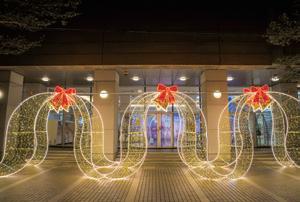
Christmas festivities in Taipei transform Xinsheng South Road, also known as “Paradise Road,” and the nearby Daan Park into a romantic winter wonderland. Churches along the road, as well as the park, feature enchanting light displays, inviting visitors to stroll, admire, and capture memorable photos during the year-end season. The main draw is the Christmas Concert in Daan Park, showcasing performances by renowned folk and pop singers whose melodies fill the winter night and joyfully invite Christmas lovers to the festive city.
Sec. 1-3, Xinsheng S. Rd. and Daan Park
新生南路 1-3 段暨大安森林公園
November 29-January 1
(Christmas Concert on December 13)
台北燈節
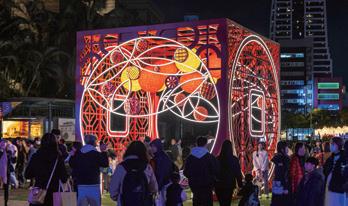
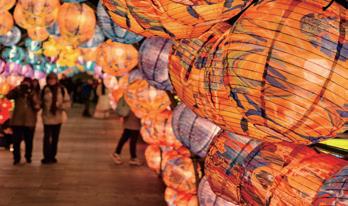
This vibrant event blends tradition with innovation, showcasing main theme lanterns, themed light installations, and traditional lantern displays. This year, the festival will be held across two locations: the Taipei Expo Park and Ximending Shopping District. The design concept centers on light as a carrier of energy, civilization, and emotion –illuminating not only the city streets but also awakening aspirations for the future and memories of culture. A major highlight this year, besides the opening ceremony and stage performances, is the collaboration with internationally renowned IPs. The iconic “Transformers” franchise will be transformed into spectacular light installations at Taipei Expo Park, along with the city’s beloved mascot, Bravo!Bear, dressing up in special designs representing the twelve districts of Taipei.
Taipei Expo Park, Ximending, and surrounding areas
February 25-March 15, 2026
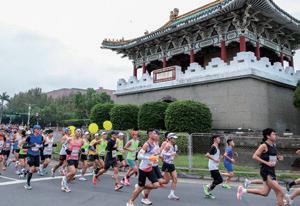
This preeminent running event has been held since 1986 and is now recognized as a World Athletics Gold Label race. Because of its large scale and year-end timing, it is known in the running community as the “runner’s final exam,” serving as a definitive test of endurance. Annually held on the third weekend of December, the race begins at Taipei City Hall Square and features breakfast runs (3k and 9k), a full marathon, and a half marathon, attracting around 28,000 participants, among them both elites and recreational runners.
Taipei City Hall Square
December 20-21 taipeicitymarathon.com
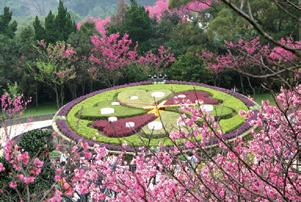
Taipei's vibrant early spring is a time of floral celebration. The Yangmingshan Flower Festival is the largest, starring diverse blossoms like cherry and azalea in the city’s mountainous Yangmingshan National Park area. The LOHAS Cherry Blossom Festival in Neihu District presents a more focused viewing experience with its cherry blossom displays in the evening. The Shan-Tseng-Chi Flower Festival in Beitou District showcases layered flower fields spread across a hillside, affectionately called “Taiwanese Furano.”
Across Taipei City
January-March, 2026 www.flowersfestival.taipei
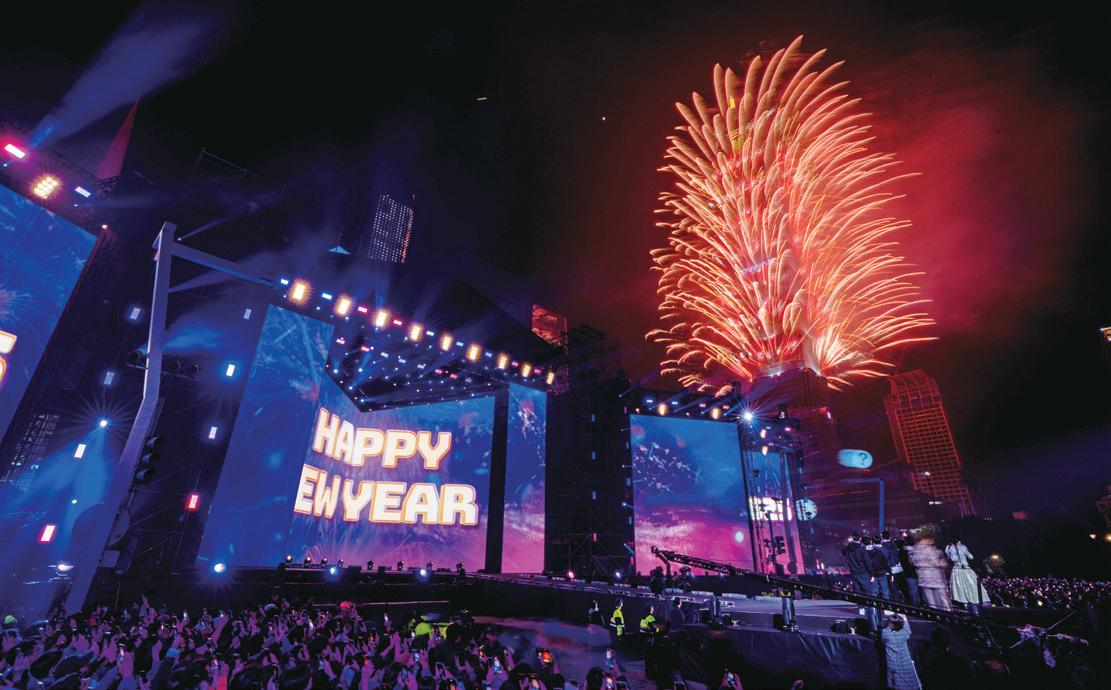
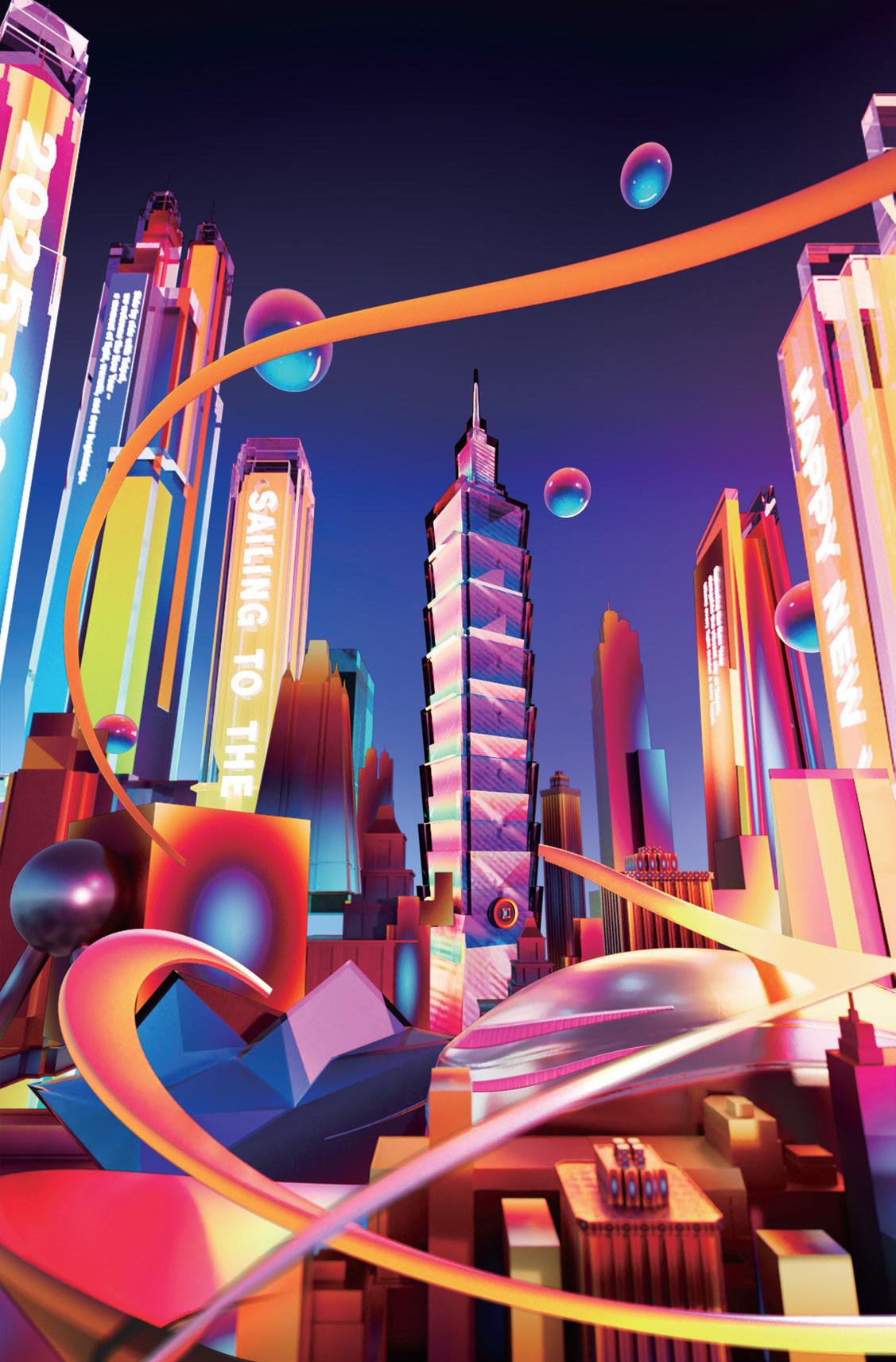
Taiwan’s most spectacular New Year’s Eve celebration is centered on the Taipei 101 skyscraper, drawing tens of thousands of people to Taipei City Hall Square and surrounding streets each year. This premier annual event is renowned for its truly spectacular fireworks display, launched directly from Taipei 101, typically lasting several minutes. The New Year’s Party 2026 will be themed around “Sailing to the Future,” conveying messages of hope and good luck for Taiwan. The area around Taipei City Hall will be decorated with Snoopy installations from late November, serving as a key highlight of this year’s activities. Featuring Taipei city imagery and iconic landmarks, the dazzling light displays will present visitors with countless immersive photo experiences. Apart from the main venue, this year there will also be several other stages showcasing different music genres, including at Xiangshan Park (R&B/Jazz), Jingqin No. 1 Park (Folk), Dinghao Plaza (Rock/Electronic), and Four Four South Village (Anime).
Taipei City Hall Square
November 28-January 1, 2026
2026newyear.taipei

Featured for the first time in the Taipei New Year’s Party, globally beloved character Snoopy and his siblings, Spike, Andy, Olaf, Marbles, and Belle, invite everyone to discover the charming sights of the city together.
Exploring Restored Historic Sites and Learning
the Capital’s Modernization
Taipei’s rise during the late 19 th century as a bustling trade hub and Taiwan’s provincial, colonial, and later national capital shaped a distinct historic landscape. Japanese-era (1895~1945) buildings and infrastructure remain most prominent, alongside post-war monuments and facilities, offering a layered view into the city’s commercial and political past.
While Taipei was earlier home to the prosperous settlement areas of today’s Wanhua and Datong districts, it only became an administrative center in the 1880s and the official provincial capital in 1894 – just one year before the Qing imperial government ceded Taiwan to Japan.
Qing-era relics such as Beimen (North Gate), buildings in Bopiliao Historic Block, Bangka Lungshan Temple, and Dalongdong Baoan Temple still stand across the city, but many other important structures were removed soon after the Japanese arrived. The colonial government tore down the Qing government offices and city walls as part of an extensive urban modernization plan. It also expanded the railway system, laid out wide boulevards, and improved water supply and sanitation, completely transforming the Taipei cityscape.
Although the Japanese preferred living in traditional Japanese-style wooden residences, they built many stately, public buildings with Western architectural elements, such as the Taipei Guest House, National Taiwan Museum, and Governor-General’s Office (today’s Presidential Office Building). This unique hybrid aesthetic also influenced merchants’ shophouses along Dihua Street, which had become a major commercial hub.
Other landmarks from this era include the Railway Department Park, the Taipei Water Park, where the city’s first modern water-supply system was managed, and the ornate Taipei Post Office. These sites, along with several others, now allow visitors to explore three key aspects of Taipei’s modernization – railway, water infrastructure, and postal service – through carefully restored facilities that offer hands-on insights into how these systems transformed daily life. Each reveals a different dimension of the city’s development from colonial capital to modern metropolis.
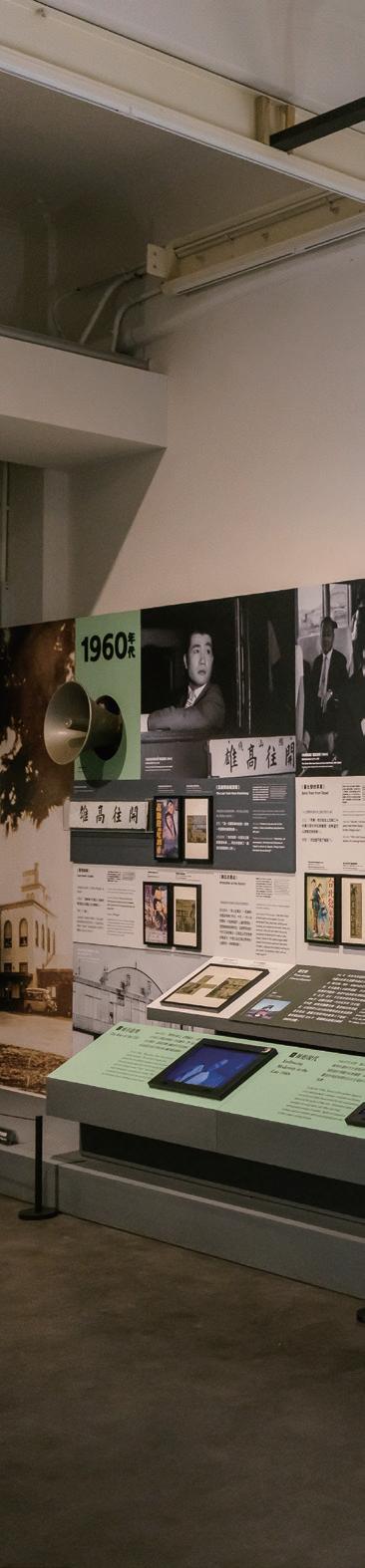
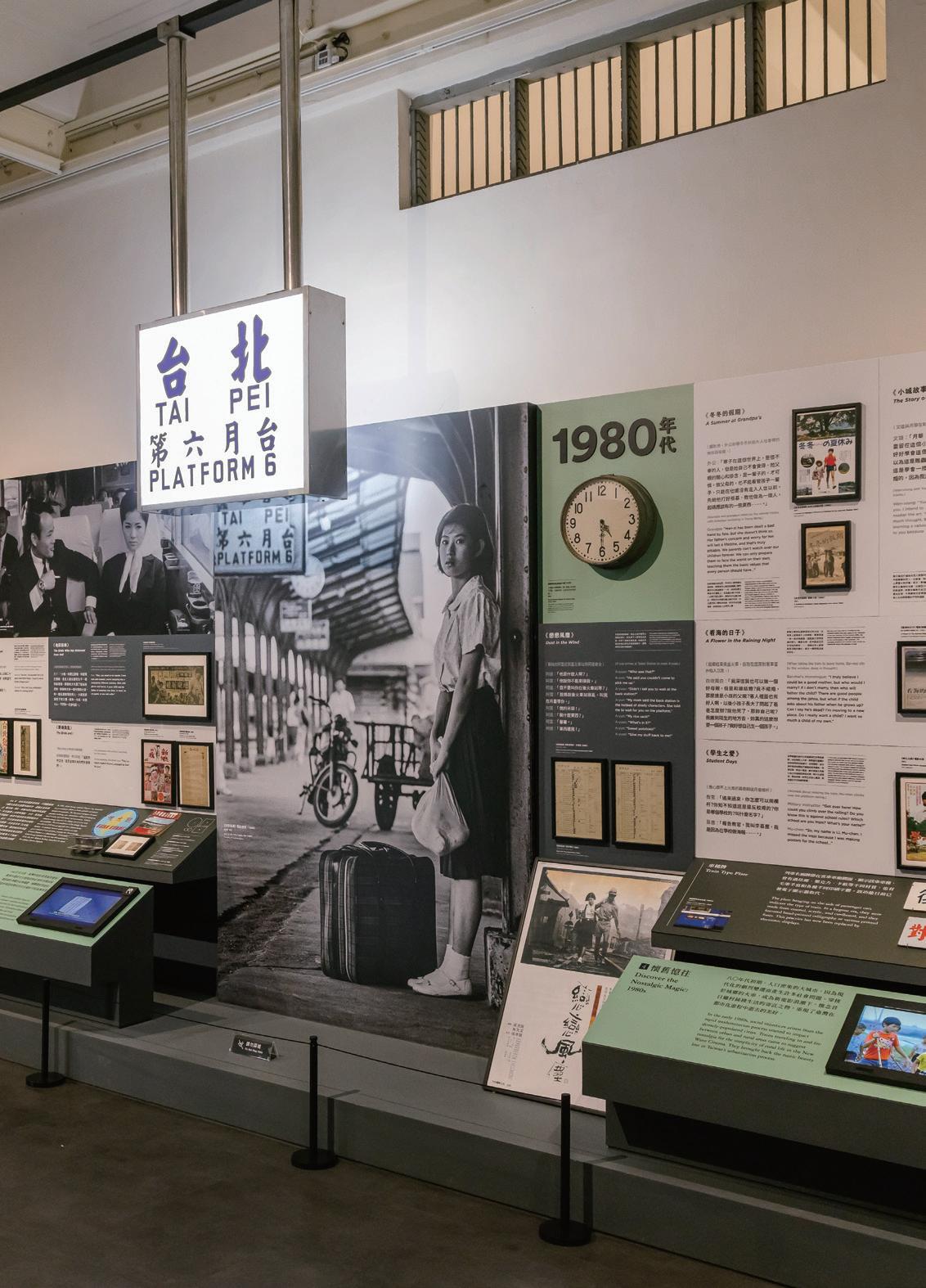
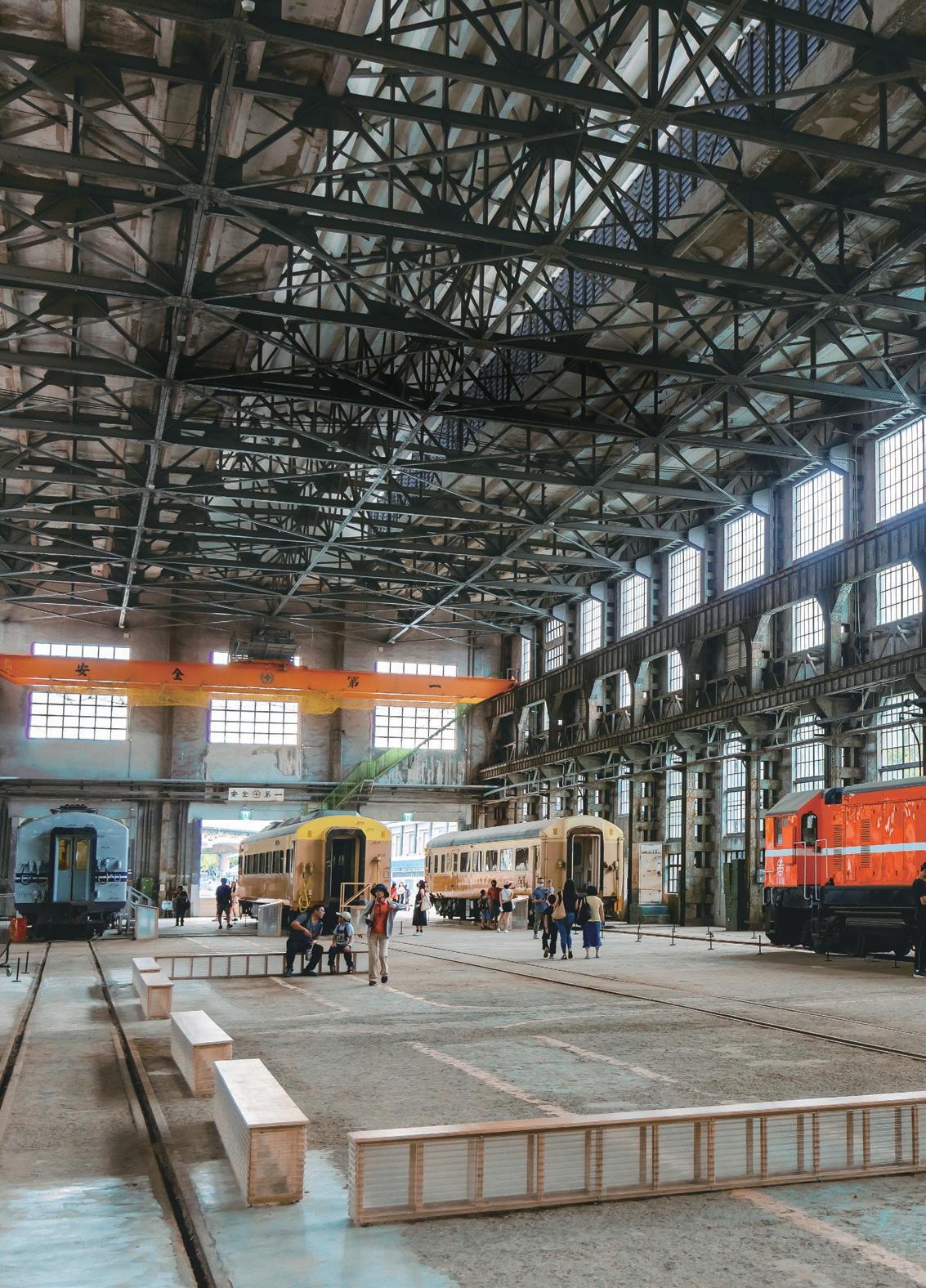
For nearly eight decades, thousands of employees toiled behind the walls of the Taipei Railway Workshop (opened in October 1935), servicing and repairing the trains that formed an integral part of Taiwan’s daily life, industry, and culture. Serving Taiwan’s rapidly expanding railway network, the workshop soon became the island’s largest rolling-stock maintenance and logistics center. It witnessed the transformation of the industry – from steam to diesel and diesel-electric locomotives in the 1960s, and electrification beginning in 1979.
Subsequently, the 1980s brought a boom in road travel, especially after the completion of the first National Freeway in 1978. As buses became the preferred mode of public transport, railway passenger numbers declined, as did the workshop’s workload. Sitting on valuable land in the heart of Taipei, the workshop was eventually relocated, and the site’s incoming rail line was severed during construction of the High Speed Rail system. Following a public campaign to preserve the workshop and open up
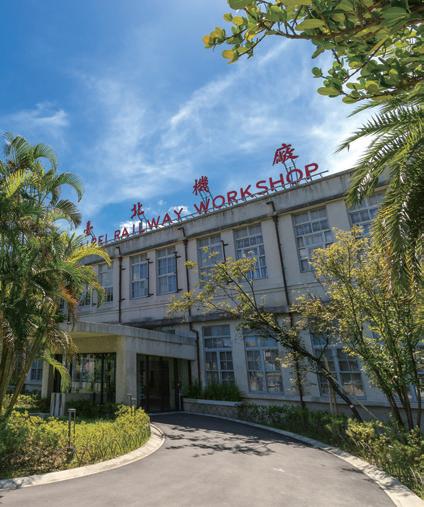
the once-restricted grounds, the full complex was designated a national historic site in 2015.
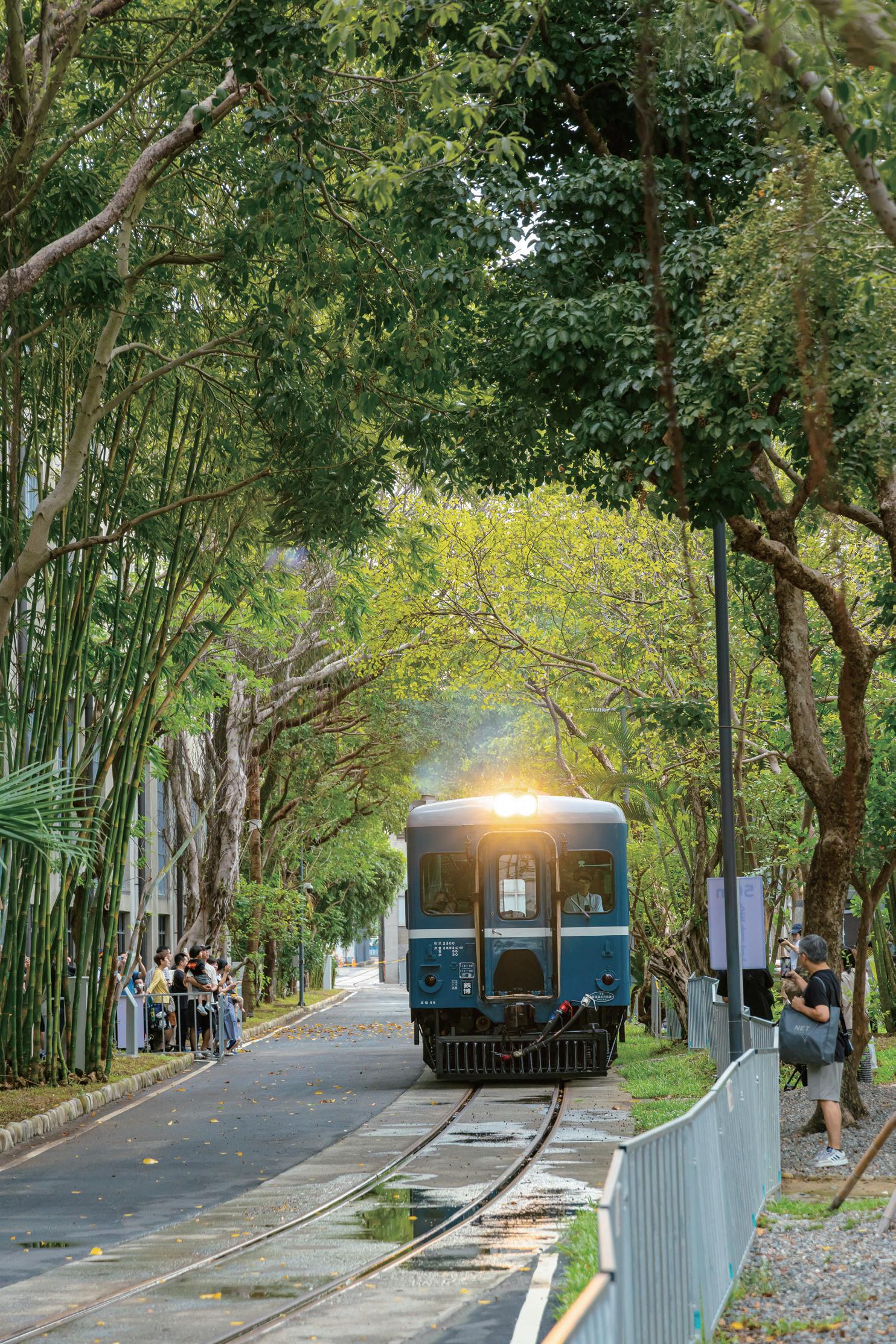
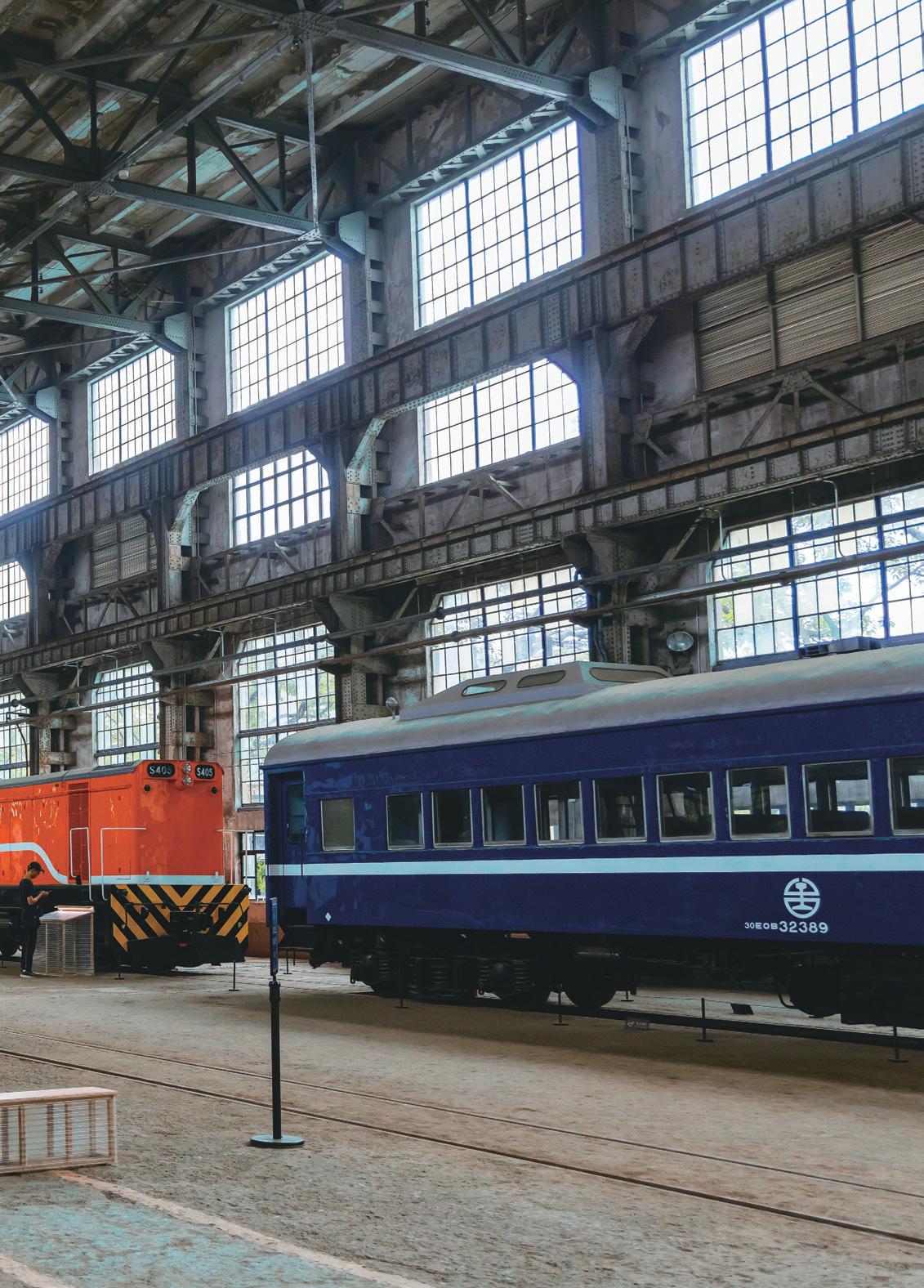
Following years of restoration, the sprawling site was partially opened to the public in 2025 – honoring not just the machines and vehicles, but also the people who kept them running. The museum’s architecture retains much of the original 1930s industrial grandeur, including massive steel-frame workshops, saw-tooth roofs, and towering gantries, with overhead cranes, embedded rail lines, heavy machinery, and weathered structures remaining in place and the façades still bearing the wear and tear of decades of use. The vast factory halls filled with painstakingly restored train engines and cars, intricate machinery, and other railway artifacts are a major draw, but equally captivating are the preserved facilities that provide a glimpse into the workers’ daily life.
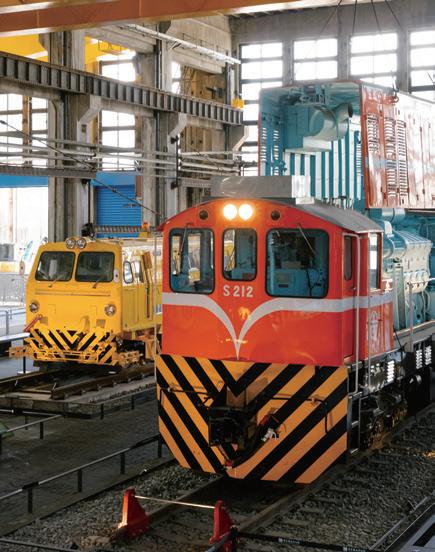
The Diesel-Electric Locomotive Workshop (the museum’s only paid area; NT$100) offers visitors an in-depth look at the site’s maintenance operations. This 2,000m 2 industrial space showcases key locomotive components – parts rarely seen by the
public – and provides close-up views of the specialized machines and processes once handled by skilled workers. Interactive displays, moving parts, and videos help make these complex technical concepts accessible.
Among the highlights are 24 restored locomotives and passenger cars, several of which visitors can board and sit in, experiencing firsthand what rail travel was like in the mid-to-late 20 th century. With becoming a “living museum” as a central goal, exhibits across the complex detail the meticulous efforts taken to restore these vehicles, many of which arrived in bad shape after decades of disuse. From structural repairs to the recreation of authentic interiors, the restoration effort has been both historic and functional.
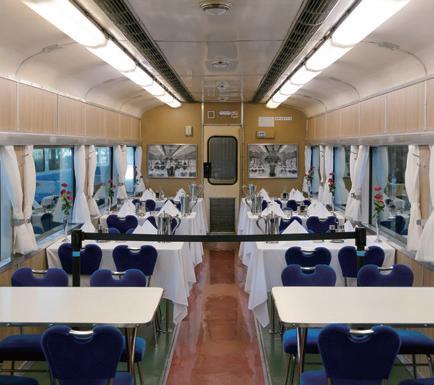
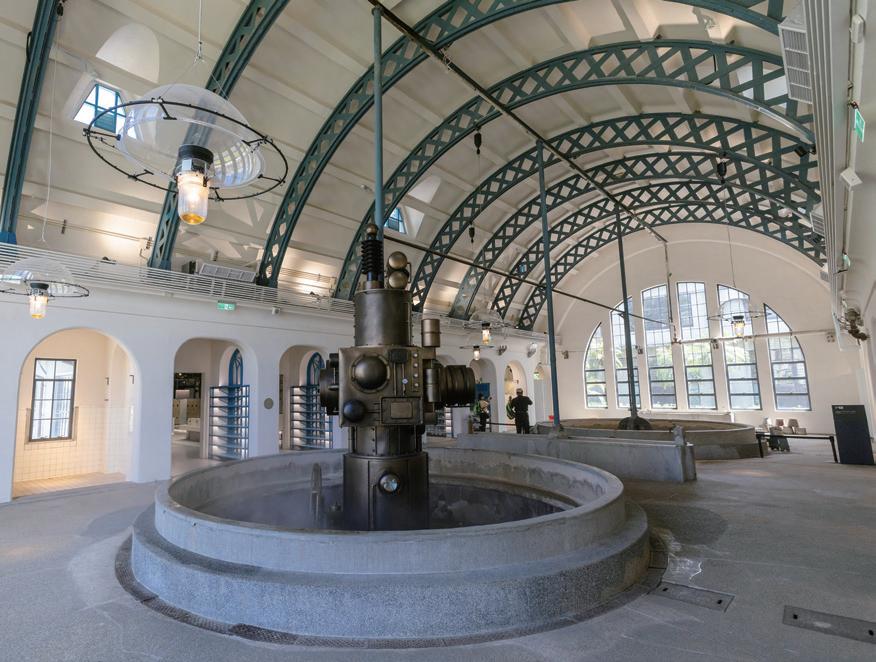
Next, visitors can learn more about the daily lives of the men behind the machines by exploring facilities such as the Art Deco-style Employee Bathhouse, once used by hundreds of workers each day to wash off the grime after long shifts. The central chamber’s arched ceilings are supported by metal frames made from repurposed old rails, while large windows and skylights allow sunlight illumination of the two circular pools heated by excess steam piped in from the workshops. Details such as shelves with personal belongings have been recreated, and one pool features a specially commissioned art installation inspired by artist Liao Chien-chung.
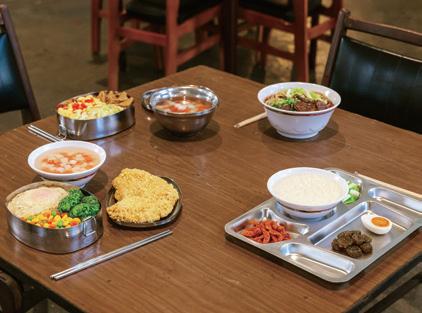
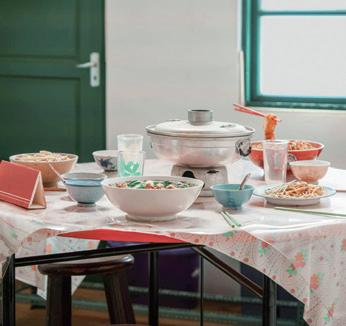
The canteen and recreation center have also been brought back to life using original materials. An exhibit here explores in vivid detail how meals were prepared and served in metal bento boxes, complete with colorful anecdotes and displays.
The leafy lanes and wide-open spaces of the central complex are pleasant to stroll through and unwind. Containing the director’s office and other rooms, preserved with original furniture, the administrative building offers exhibits on notable figures, workshop history, and the lasting impact of rail travel on Taiwan’s arts and popular culture.
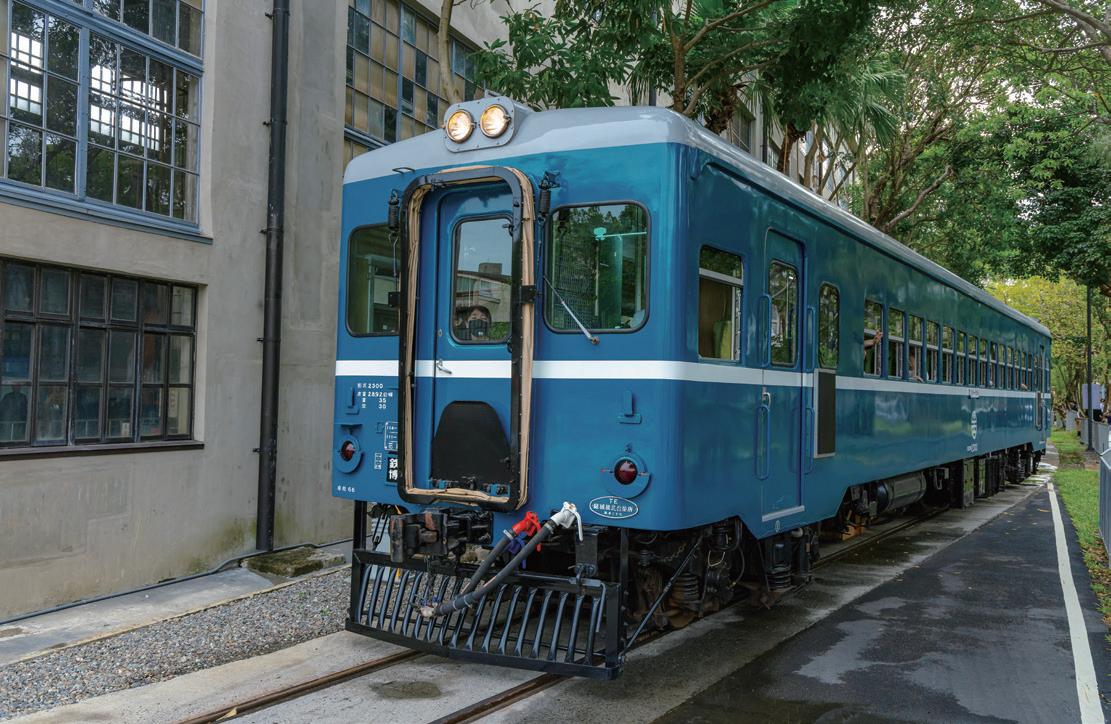
On weekends and holidays, visitors can hop aboard one of two vintage blue-painted diesel railcars that traverse the museum grounds (Book online early, as tickets sell quickly). This is now the only above-
ground train (apart from the elevated metro trains) operating in Taipei, as the city’s railway tracks were moved underground decades ago. The railcars belong to the DR2200 and DR2300 series, which served the rail network from the 1930s until the 1990s. Affectionately called “blue babies,” they remain favorites among local railway enthusiasts. The guided train rides start from either the NRM East Station or the NRM West Station and last about 10 minutes.
50, Sec. 5, Civic Blvd., Xinyi Dist. (02) 8787-8850
www.nrm.gov.tw Tue-Sun 9:30am-5:00pm
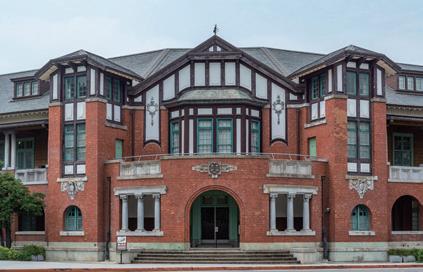
Standing out with its distinctive rounded-corner façade, the red-and-white brick main building of the Railway Department Park is a commanding presence, visible from Beimen (the North Gate) and Taipei Main Station’s west exits. This ornate two-story structure exemplifies the Western-infused architecture of the early Japanese era, with an equally impressive interior. Built in 1918 as the Railway Department’s headquarters, it remained in use until around 1990, after which it fell into disrepair.
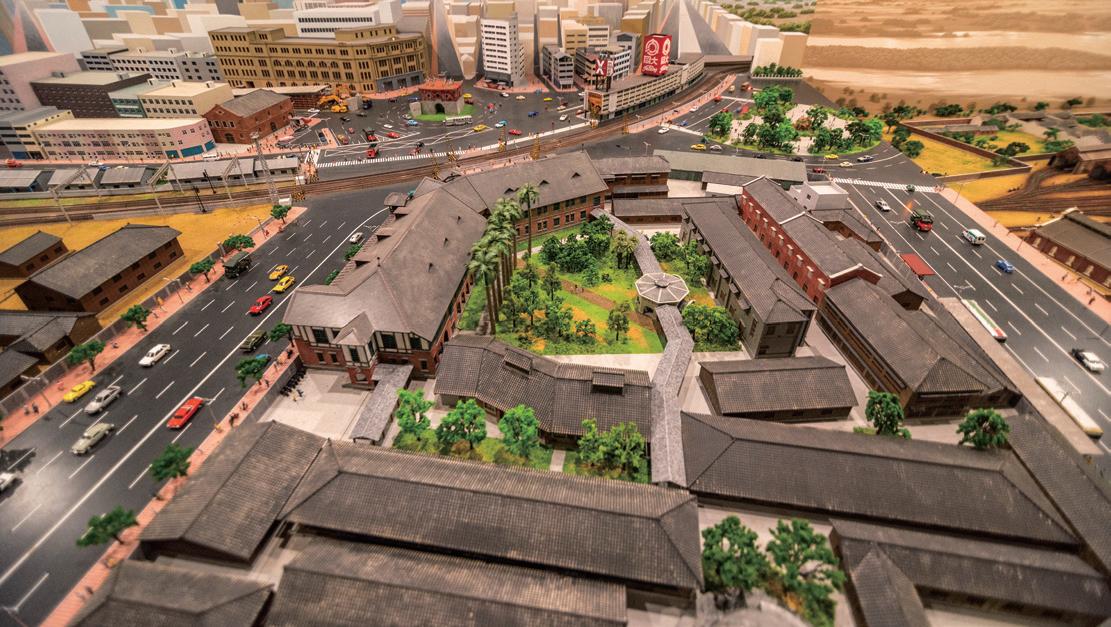
Following years of careful restoration, it was reopened in 2020 as a branch of the National Taiwan Museum. Permanent exhibitions explore the evolution of train travel in Taiwan and how it transformed people’s daily lives, from concepts of time and space to culture. A 1/80 scale model of “Taipei Station and Surroundings” with moving miniature trains explores the transition from diesel to electric locomotives during the 1970s and 1980s. Young visitors can have fun in the children’s play zone, and the museum also frequently holds special exhibitions.
The area’s connection to the railroad dates back to 1900, when the original Taipei Railway Workshop was established here to maintain and service locomotives. Surging demand led to its relocation to the aboveintroduced, much larger facility across town in 1935. The workshop’s red-brick building, to the north, is currently being renovated and is not (yet) part of the park.
Of the original 40 structures, 10 have been preserved. An elegant octagonal building, one of Taiwan’s earliest public facilities, served as the male restroom, featuring eight urinals around a central column and toilets to the side. The engineering building presents displays on railway construction, while the electrical room highlights electrification with preserved equipment.
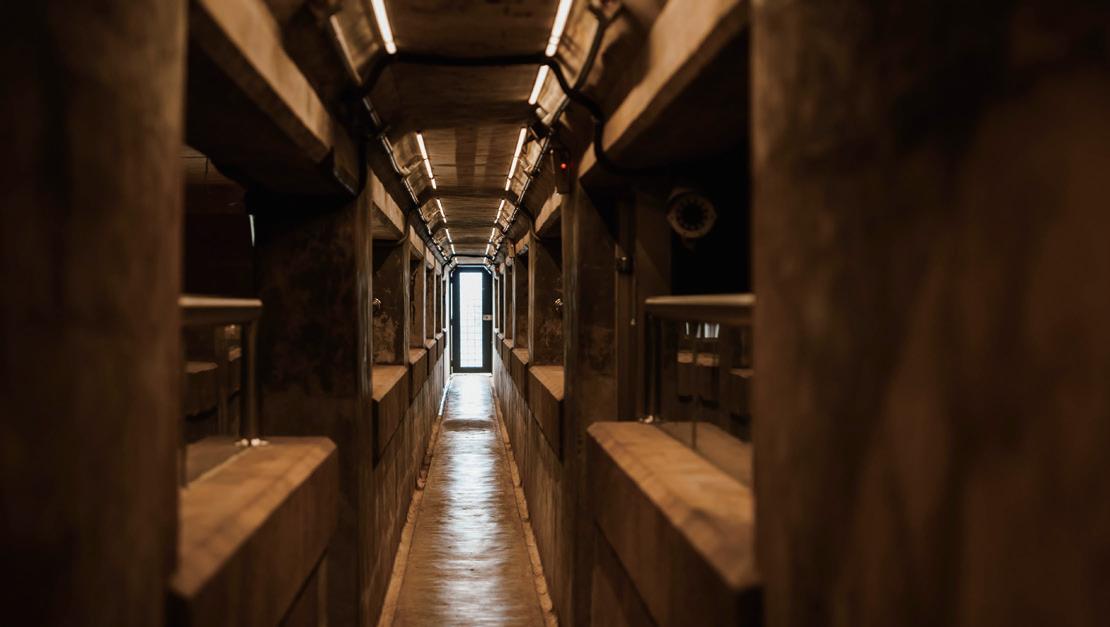
A small bomb shelter, built during World War II, later served as a wartime command center in the 1950s. Visitors can also enjoy refreshments at the museum café, located in the original canteen, a charming wooden structure with British and German design elements.
NATIONAL TAIWAN MUSEUMRAILWAY DEPARTMENT PARK 國立台灣博物館鐵道部園區 2, Sec. 1, Yanping N. Rd., Datong Dist. (02) 2558-9790 www.ntm.gov.tw Tue-Sun 9:30am-5:00pm
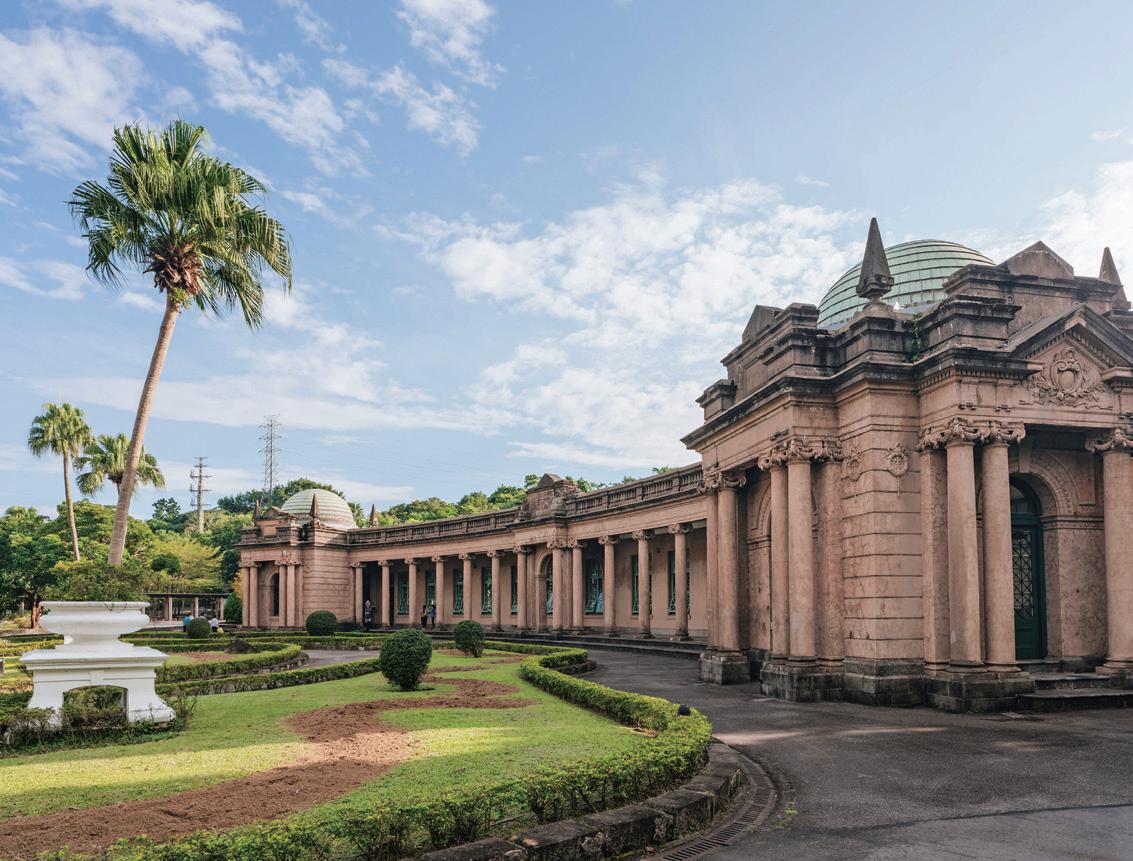
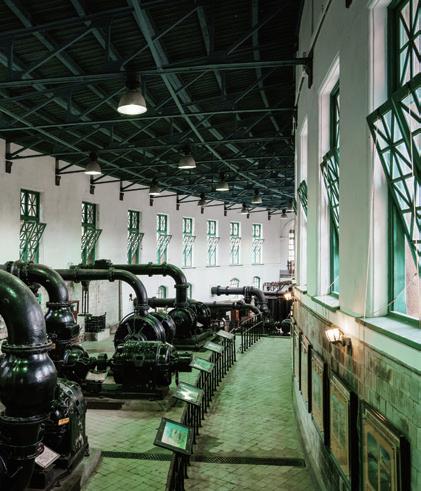
Families with young kids flock to the Taipei Water Park during the Taipei Water Festival in the summer for its large shallow pool, equipped with slides and sprinklers – but the site’s connection to water goes much deeper. At its heart is the Museum of Drinking Water, housed in a 1908 pumping station that was a key part of Taipei’s earliest public water-supply system.
The majestic building blends Baroque, Neoclassical, and other European architectural elements with modern industrialism, featuring a gently curved façade with 14 Ionic columns, domes, and ornate reliefs. The original machinery, pipes, and control panels have been preserved inside. Through photos, artifacts, and interpretive displays, the story of how water was sourced, treated, and distributed to the growing city is told. Another historical structure, similar in style, is the metering room, which is now surrounded by a spacious plaza.
Drawing water from the nearby Xindian River, the pump and flow system was designed by Scottish engineer William K. Burton and Japanese technician Yashiro Hamano, and initially provided about 20,000 tons of water daily to 120,000 residents. The system was expanded over the years and remained in operation until the city’s water intake unit was moved to the upstream area in 1977.
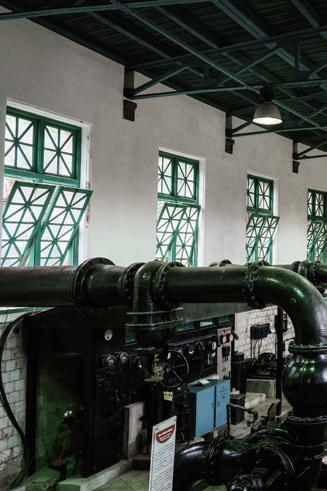

Beyond the historical exhibits, the park also emphasizes water education and conservation, with interactive displays and family-friendly workshops exploring sustainable urban water management. The Little Guanyinshan Ecological Trail winds over three small hills and past restored facilities, introducing visitors to Taipei’s local flora and fauna. There is also a recreational area with installations and walk-through structures crafted from a variety of water-distribution pipes, allowing visitors to experience the scale of the city’s water operations firsthand.
The water theme also extends to nearby attractions. The iconic red-painted Yongfu Bridge, with its visible bright-blue pipe transporting water across the river, runs parallel to biking and walking paths and is a favorite for photographers.
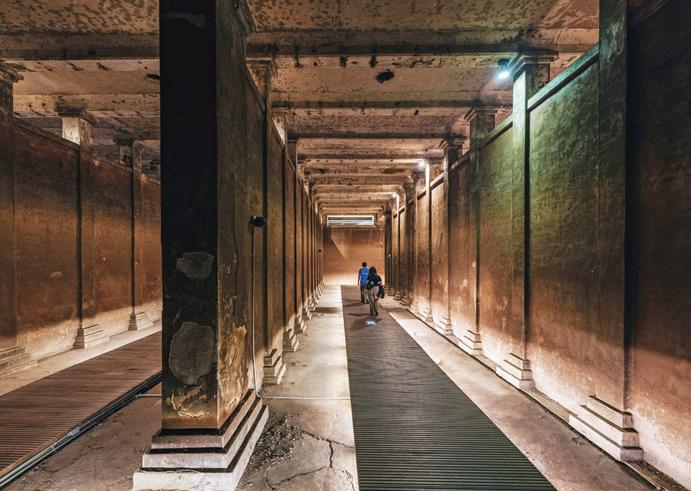
Dubbed the “Underground Water Palace,” the Guanyinshan Reservoir is one of Taipei’s more elusive attractions. Only opening to the public in 2019, access is extremely limited. Visitor entry is restricted to guided tours. Free tours are available on Thursdays and Saturdays at 2:30 pm. Attendance is capped at 30 people per tour, so it’s recommended to arrive early to secure a spot. Paid tours at other times, requiring a minimum of 10 people, can also be booked online.
Drawing comparisons to Istanbul’s Basilica Cistern, this historic water-storage facility was built in 1908 alongside the pump equipment house, now the Museum of Drinking Water. Both were decommissioned in 1977. Partially embedded into a slope, its red-color, neoclassical entrance can be reached via the Little Guanyinshan Ecological Trail. Constructed of reinforced concrete, the structure houses two large tanks, each 4.2 meters deep, with a combined capacity of about 5,000 metric tons.
Once inside, visitors can gaze down at the cavernous, illuminated chambers from a narrow walkway before descending. On both sides of the walkway are one large column and 11 smaller columns in Greek style, along with 5 diversion walls. The vaulted ceilings, stately columns, and weathered walls create a visually striking, almost meditative experience.
TAIPEI WATER PARK 自來水園區
1, Siyuan St., Zhongzheng Dist. (02) 8369-5104 waterpark.water.gov.taipei
Tue-Sun 9:00am-5:00pm
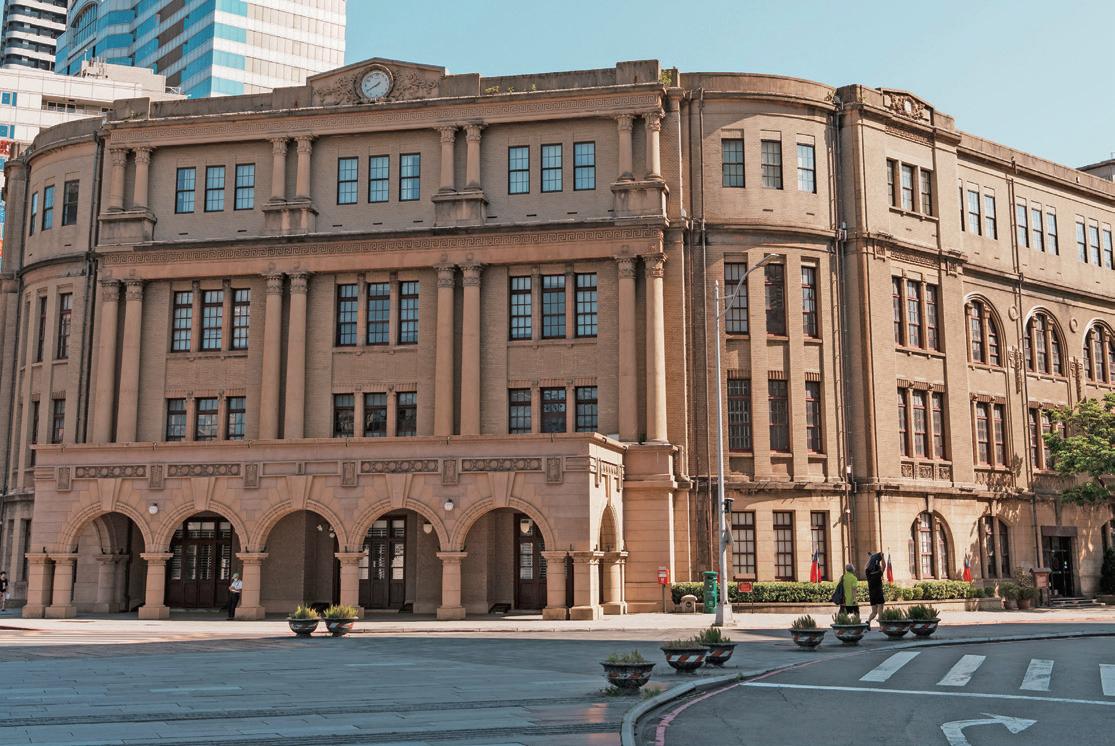
Standing proudly between Beimen and the city’s modern high-rises, the monumental Taipei Post Office (aka Beimen Post Office) has been Taiwan’s largest and most important postal facility for nearly a century. Completed in 1930, the three-story structure replaced a temporary building that succeeded the original wood-built post office erected in 1898, which was destroyed in a fire.
Designed by architect Shunichi Kuriyama, the post office is yet another prime example of Japanese-era fusion architecture. Featuring double classical columns, a protruding arched entrance, and light-brown ceramic tiles from kilns in the city’s Beitou area, its three-winged layout surrounds an open courtyard – reminiscent of traditional Taiwanese homes. The grand hall rises two stories high, its ceiling and columns intricately adorned with ornate carvings.
In the 1960s, a fourth floor was added, and the front portico was replaced by a flat gray-green marble veneer that clashed with the original style. The administration had long considered demolishing this building, but after it was designated a heritage site in 1992, work began in 2010 to recover much of its prewar appearance.
Due to the post office’s extended hours, people can be seen sending packages well into the evening during the week. On the second floor is the Postal Museum Taipei Beimen Branch. It features rotating exhibitions highlighting Taiwan’s postal history (Qing Dynasty, Japanese era, and Republic of China) and stamp art.
TAIPEI POST OFFICE 台北郵局
120, Sec. 1, Zhongxiao W. Rd., Zhongzheng Dist. (02) 2361-5752
Mon-Fri 8:30am-9:00pm, Sat 9:00am-12:00pm (2nd floor museum: Tue-Sun 9:00am-5:00pm)
With six spacious exhibition floors, the Postal Museum offers everything you’ve ever wanted to know about postal stamps and the mail service in Taiwan – and across the world. Originally opened by Chunghwa Post in 1965 in New Taipei City’s Xindian District, it was relocated to the more accessible current location on Chongqing South Road in 1984. Permanent exhibitions are hosted on the second through fifth floors, while the sixth floor features rotating special exhibitions on philately and art.
Visitors can explore historic postal artifacts, including vintage mailbags along with telegraph and telegram equipment, and learn about the technological innovations that have transformed mail delivery – from horse-drawn carts and bicycles to trucks and modern logistics systems.
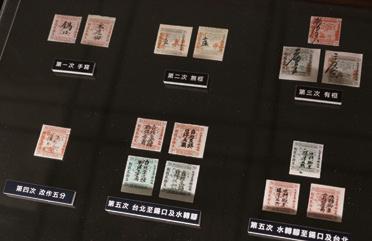
Enthusiasts will marvel at the museum’s vast collection of more than 80,000 stamps from Taiwan and more than 130 countries around the world, created in a variety of shapes, sizes, and materials. Highlights include the first stamps issued by the Qing Dynasty – where Chunghwa Post traces its origins – which are among the world’s most valuable stamps. It also boasts a full collection of commemorative editions that showcase Taiwanese history, art, culture, and natural heritage.
A full floor is dedicated to children, featuring interactive displays and hands-on activities that teach the basics of mail sorting and stamp collecting. The special exhibits often feature themes centered on stamp design, exploring the artistic and cultural motivations behind them.
Tucked amid the narrow-front shophouses from the early 1900s in the historic Dadaocheng area stands the Dihua Street Post Office, still functioning 110 years after its opening. The building features a simple stucco exterior blending Western and local influences, and a wooden entrance with a plaque displaying the post office’s name in gold calligraphy. Inside, the high-ceilinged interior is adorned with old photographs and displays that trace its past. Visitors will also discover many vintage furnishings, including wooden counters, antique mailboxes, and traditional postal equipment.
It’s said that famous Japanese-era political activist Chiang Wei-shui often visited to send letters and telegrams to his associates. Thus, the post office witnessed the history of Taiwan’s democratic movement, as the Dadaocheng neighborhood saw the course of Taipei’s urban development.
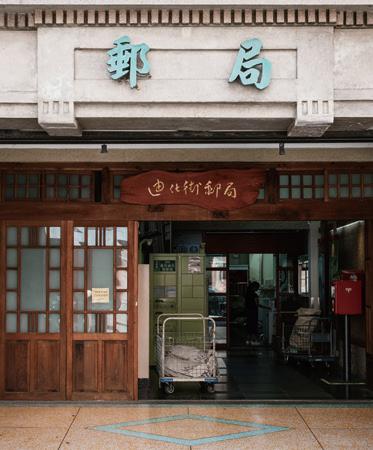
POSTAL MUSEUM 郵政博物館
45, Sec. 2, Chongqing S. Rd., Zhongzheng Dist. (02) 2394-5185 museum.post.gov.tw Tue-Sun 9:00am-5:00pm
DIHUA STREET POST OFFICE 迪化街郵局
38, Sec. 1, Dihua St., Datong Dist. (02) 2556-0519 Mon-Fri 8:30am-5:30pm
Bangka Lungshan Temple | 艋舺龍山寺
Beimen (North Gate) | 北門
Bopiliao Historic Block | 剝皮寮歷史街區
Dadaocheng | 大稻埕
Dalongdong Baoan Temple | 大龍峒保安宮
Liao Chien-chung | 廖建忠
Little Guanyinshan Ecological Trail | 小觀音山生態步道
Guanyinshan Reservoir | 觀音山蓄水池
Diesel-Electric Locomotive Workshop | 柴電工場 Museum of Drinking Water | 自來水博物館
Taipei Guest House | 台北賓館
Xindian River | 新店溪 Yongfu Bridge | 永福橋

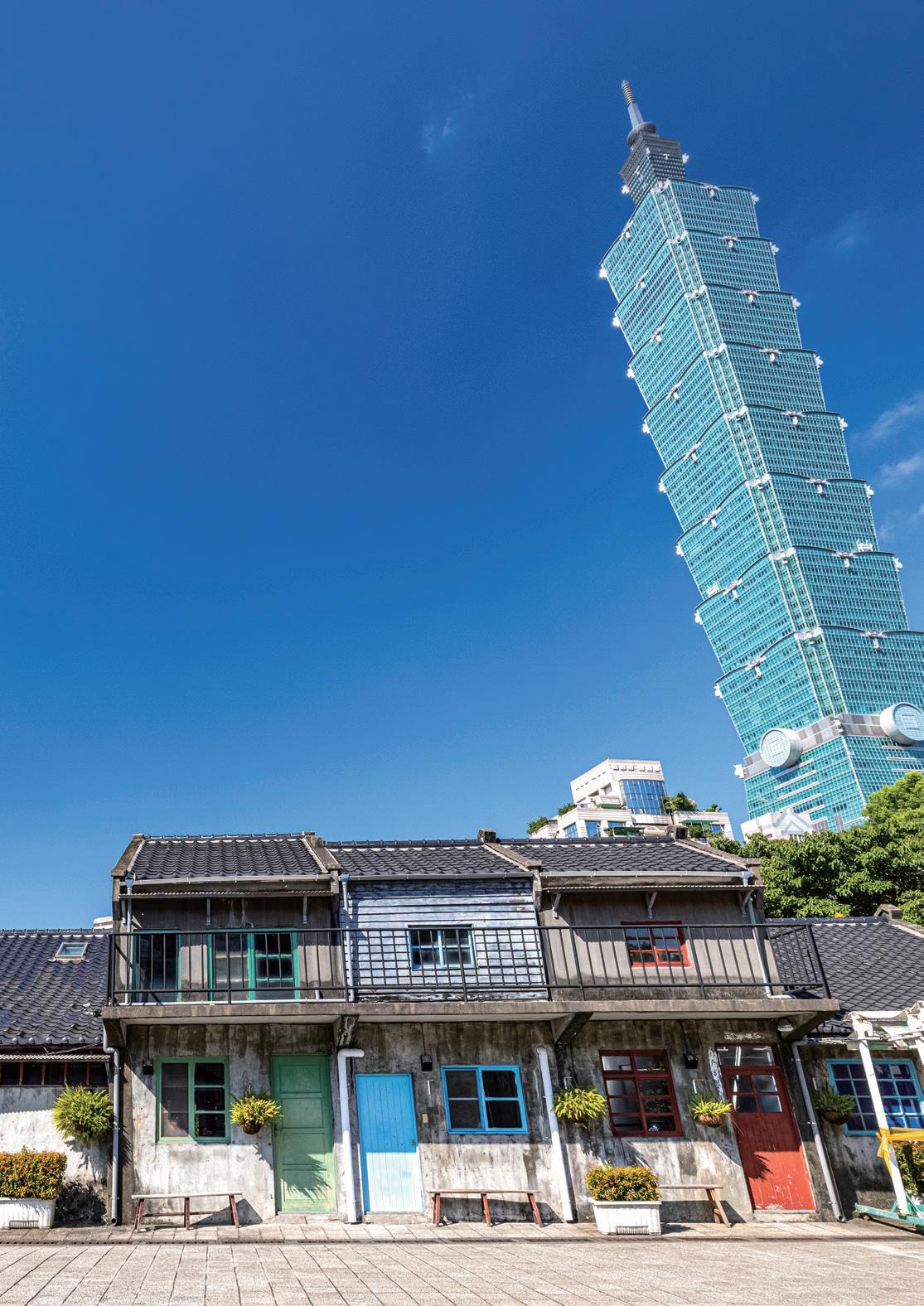
TEXT | HAN CHEUNG PHOTOS | VISION, HOME VILLAGE, DEPARTMENT OF INFORMATION AND TOURISM
The Taipei area was once dotted with nearly 200 military dependents’ villages, mostly built after 1949 to house military personnel and their families. These compact communities were known for narrow lanes and evocative architecture. Most were torn down during the 1990s, but a handful of these retroarchitecture treasures have been preserved, some transformed into art and cultural spaces with trendy boutique shops.
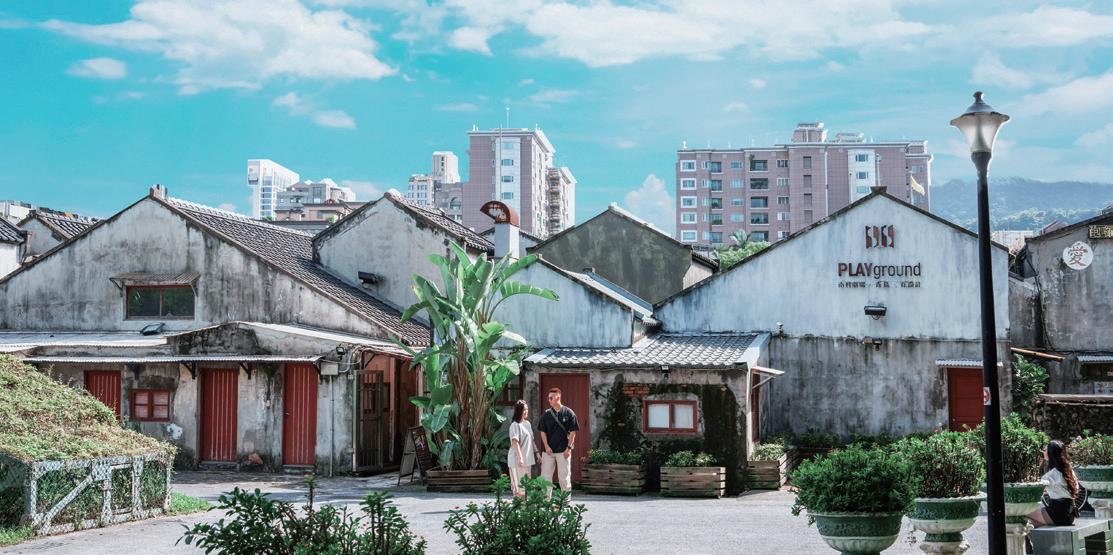
Just steps from the iconic Taipei 101 tower, Four Four South Village is the city’s oldest military village – a surprising anachronism tucked amid the financial district’s shiny skyscrapers.
Built in 1948 for employees of the 44th Arsenal of the Combined Logistics Command, the community housed technicians, engineers, and their families, who had relocated from China after the Chinese Civil War. It stood alongside the Four Four East and Four Four West villages, which accommodated officers and soldiers. Like most early military settlements, the houses were made with wood, bamboo, and concrete with tiled roofs, neatly arranged along narrow lanes. The village remained frozen in time until a partial demolition in 1999 sparked a movement to preserve what was left.
Today, four of the original buildings have been restored and repurposed as exhibition spaces, boutiques, and cafés. Visitors entering from Zhuangjing Road will notice a small concrete fort near the entrance – a relic from the site’s military past. Beyond the entrance, the village opens up into gently sloping lawns and courtyards framed by restored single-story houses, their 1950s façades contrasting with the towering Taipei 101 tower in the background. This is a popular spot for watching the fireworks show of Taipei New Year’s Party.
Housed in Building B, the Military Families Community Hall showcases the daily lives of the former residents through photographs, furniture, and personal items. Back-to-back with it stands Building A, a free indoor play space for children. Across the central courtyard of the complex, where live music, pop-up markets, and cultural events are frequently hosted, Building C is home to the PLAYground, while Building D was a café before, but is now closed for historical restoration.
By day, the PLAYground doubles as a bookstore, with thousands of titles and design goods. After dark, it transforms into a vibrant performance stage, showcasing all forms of performing arts.
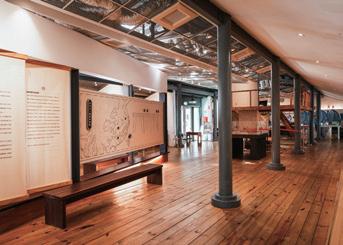
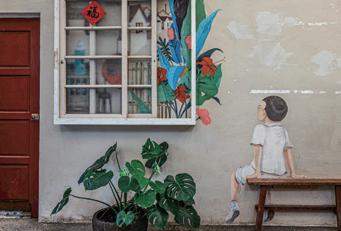
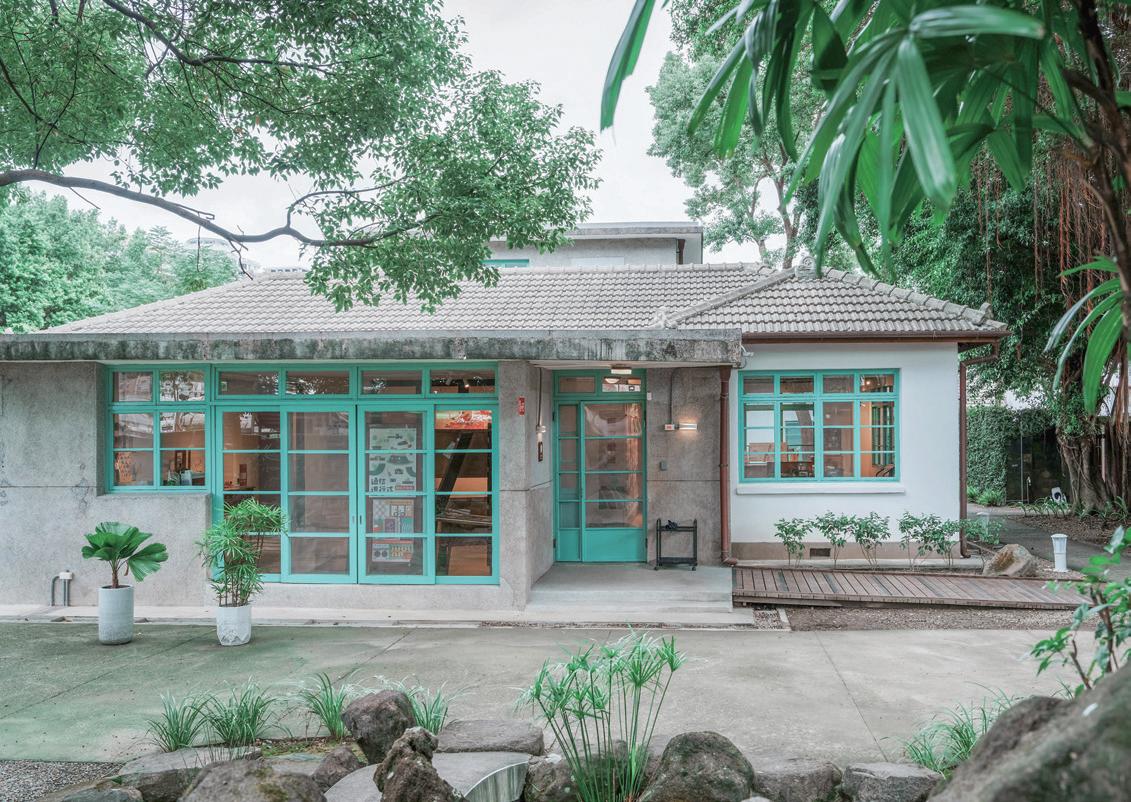
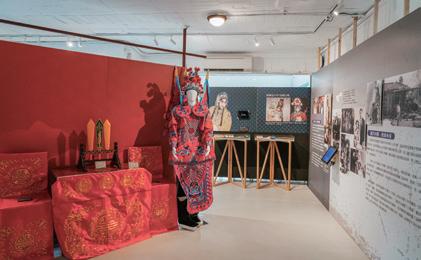
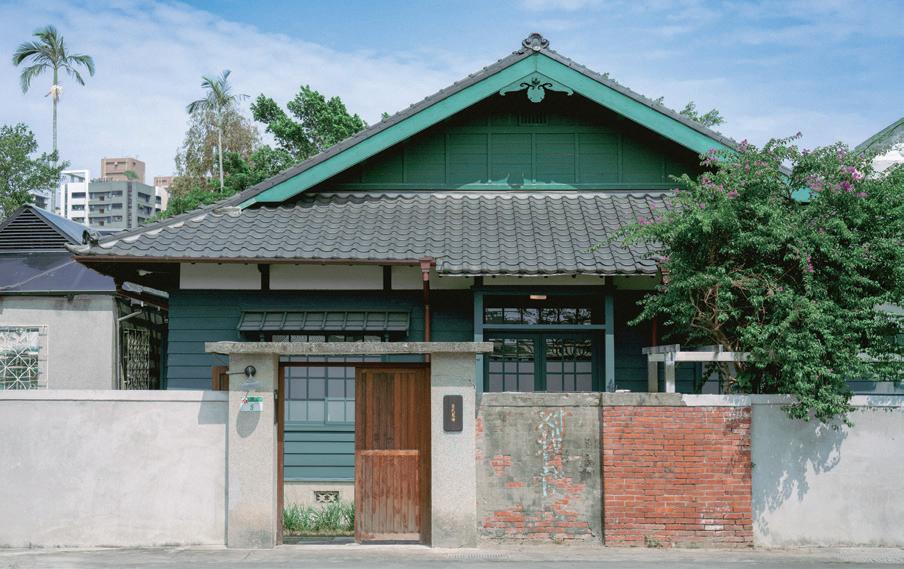
Nestled along the banks of the Xindian River, Home Village is a tranquil refuge from Gongguan Shopping district. Its mix of wood and concrete houses, many adorned with classic green window trims and brightred doors, offers a glimpse into Taiwanese architectural styles spanning the Japanese era through the 1960s.
Originally part of a park, the site was revamped into a Japanese military compound during World War II, serving the Artillery Regiment and the Taiwan Military Education Team. The area included several barracks, stables, pigeon lofts, and other support facilities. In 1949, it was taken over by the ROC’s Combined Service Forces, which used it as a communications repair factory. The first residences were built by factory employees and their families. In 1956, the compound was repurposed and allocated to military figures according to rank. Families modified existing buildings or constructed new ones, giving the settlement an organic character unlike the typical military villages with their orderly, identical rows.
The last residents moved out in 2014. Although many buildings were thereafter removed during redevelopment, several surviving structures were preserved and restored. The first building opened to the public in 2022, and the rest in 2024. Today, this is a family-friendly heritage site preserving militaryvillage culture through exhibitions and performances.
The Home Village Storyeum serves as the main exhibition hall of this complex, showcasing facets of daily life in the former settlement. This edifice was once home to a general’s family, and the architecture blends Japanese and post-war Taiwanese stylistic elements. The current special exhibition, open until June 2026, focuses on the memories of Chang Chingchin, the general’s daughter and a celebrated Peking Opera scriptwriter. Through her story, visitors explore how the military trained traditional opera troupes to perform for soldiers, using tales of loyalty and righteousness to boost morale. It also delves into the cultural life of the settlement, including military village literature and popular radio dramas.


The structure behind the Storyeum – once used by the general’s family as kitchen, dining room, and painting studio – now functions as a parent-child activity center, introducing coming generations to this fading past.
Although some of the buildings feature incorporated Japanese architectural elements, only one structure from the Japanese era survives: an Ohiroma (a spacious open hall, the classic layout of a Japanese mansion) with a distinctive green wooden façade, now used as a performance and event venue known as Ryotei Theater. During the 1960s, partitions were installed in this structure to convert it into conjoined homes for two colonels’ families. Each family expanded its side, resulting in the front and back entrances differing in style – a testament to the site’s layered past.
Another residence, once the Military Law Division office, was also later split between two families. To mark their separate spaces, each painted their side of the exterior wall a different color. This building is now home to the Artist Village, frequently used for rehearsals and intimate theater performances.
One of the village’s most curious structures is the cylindrical concrete air-raid shelter, which was later adapted into a dwelling. With 40cm-thick walls, it was said to be cool in the summer and warm in the winter. The occupants reportedly compartmentalized the interior into separate living areas and even built adjacent extensions, creating a one-of-a-kind hybrid home. Today, the place is also used as an art exhibition space.
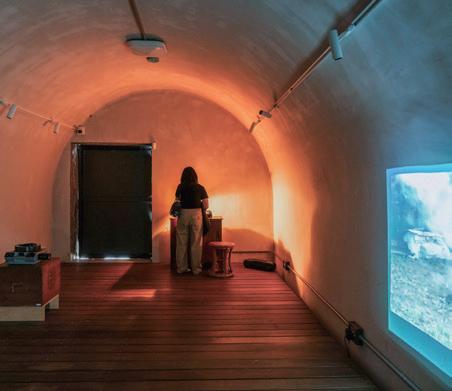
HOME VILLAGE 嘉禾新村 1, Ln. 131, Yongchun St., Zhongzheng Dist. (02) 2365-2530 homevillage.taipei Tue-Sun 11:00am-6:00 pm MAP
Artist Village | 創生工作館
Home Village Storyeum | 嘉禾故事館
Military Families Community Hall | 眷村文物展示館
PLAYground | 南村劇場
Ryotei Theater | 日式聚場
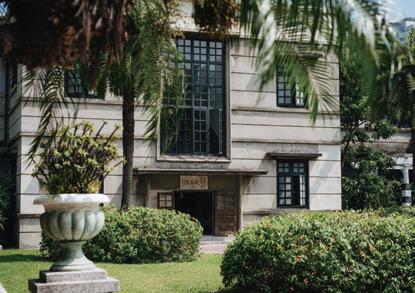
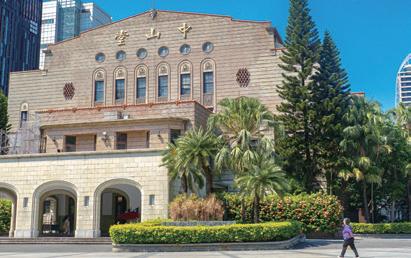
Significant settlement of Taipei City began in the early 18th century, and it wasn’t established as a provincial capital until 1887. Nevertheless, this relatively young city still holds many historic gems for history buffs. Some of these locations, including the following, provide multilingual onsite guide services or online audio guides.
Originally built in 1937 as the Songshan Tobacco Factory; today serves as a dynamic center for arts, design, and innovation, featuring exhibition halls, performance venues, design shops, and creative studios spread across its beautifully preserved buildings.
English audio guide available
Iconic octagonal red-brick entrance building and cruciform main building, built in 1908; Taiwan’s first public market; now a vibrant cultural and creative hub.
English audio guide available
Historic landmark, built in 1936; now a major cultural center and performance venue, known for its distinct architecture; check out the main lobby and the Taiwan Buffaloes relief created by renown Taiwanese sculptor.
English audio guide available
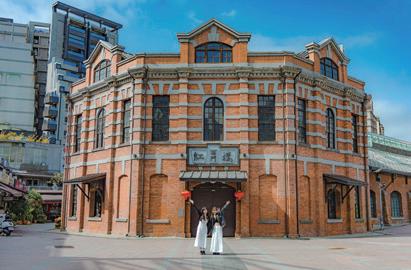
If you prefer to join a tour with guides who can provide in-depth details about each location, simply Google “Taipei Walking Tours” to find a host of paid and free options. These tours allow you to follow along easily without the hassle of navigating the city maze by yourself.
The city government also offers a mobile visitor information service on weekends. Travel guides are deployed along designated routes around Taipei 101; CKS Shilin Residence and Cixian Temple; The Red House; Beimen and Dihua Street; Yongkang Street; and Xinzhongshan Linear Park/Chifeng Street. The guides, proficient in Chinese, English, Japanese, and other languages, can provide you with helpful sightseeing and transportation information.

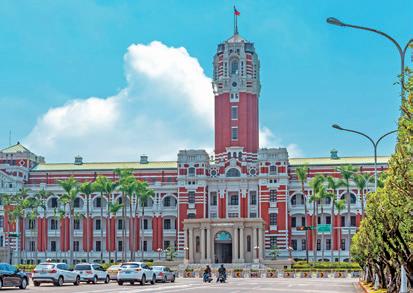
Majestic building reflecting Tatsuno style fused with Renaissance influences, completed in 1919 as the Office of the Governor-General during the Japanese era; has served as the official working place of the President since 1950.
English-speaking guides are available
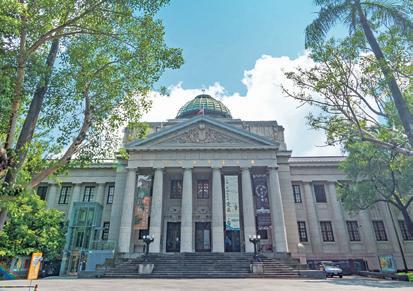
Taiwan’s oldest museum (1908); located in a magnificent Japanese-era Neoclassical building, along with its branch housed in the Former Kangyo Bank Building across the road; main focus is on Taiwan’s culture, history, and natural heritage.
Multilingual tours are available
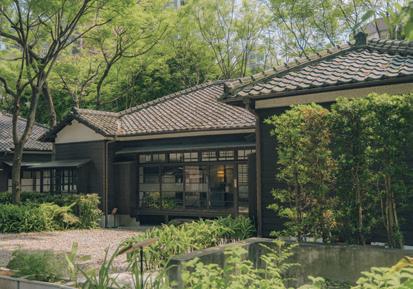
A cultural venue dedicated to promoting Taiwanese literature and literary arts; housed in a historic Japanese-era building that once served as an Air Force command center; now functions as a creative space offering exhibitions, workshops, reading areas, and a charming café.

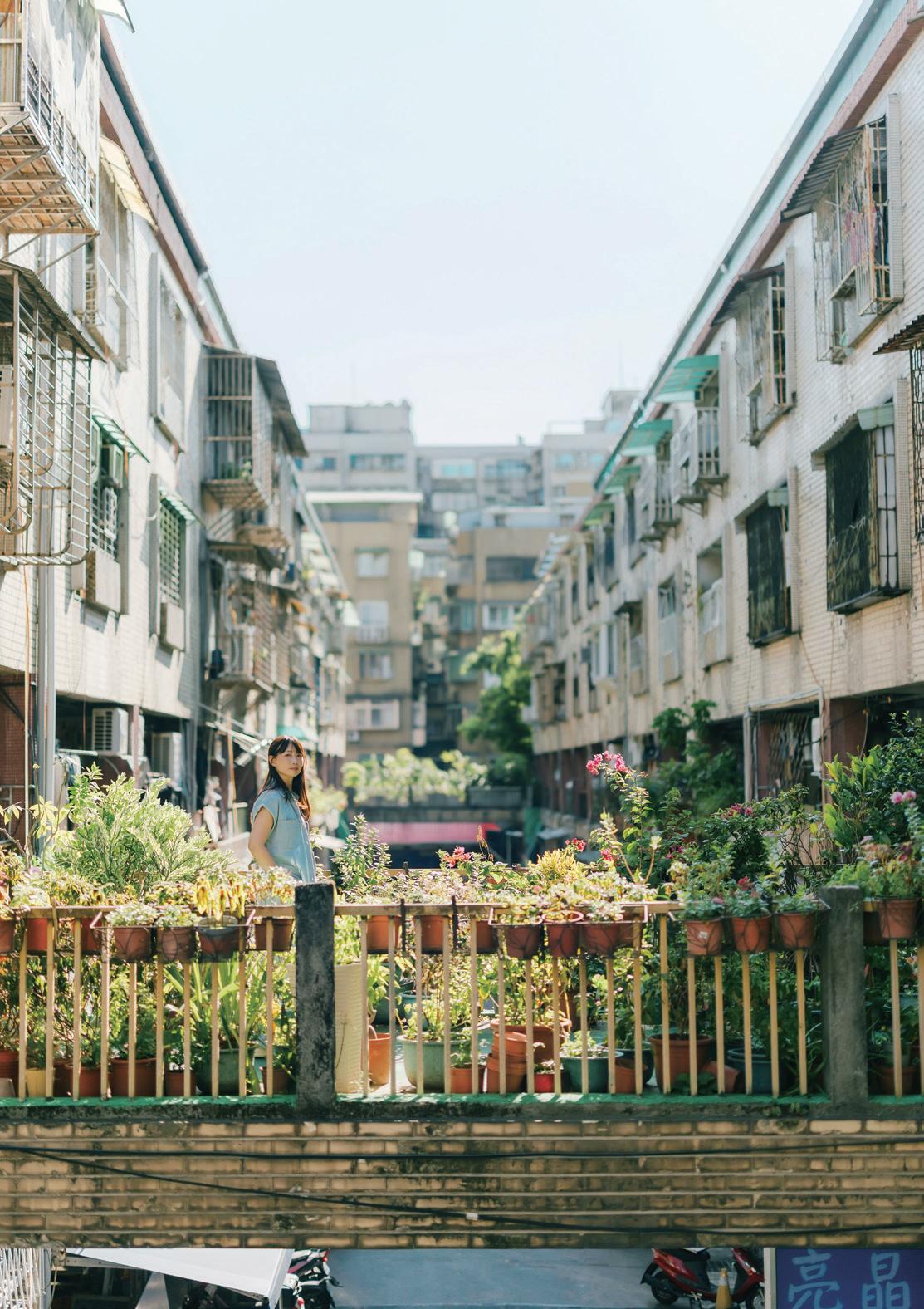
Come with us now to the proud and vibrant community where it all started in Taipei – heritage-rich, timeless Wanhua, founded as a riverport in the 1700s and the first settlement in today’s big city. Located where the Xindian River flows into the Tamsui, the Taipei Metro whisks you to its Longshan Temple Station, from whence you can start this walk.
In recent decades the Taipei City Government has been systematically saving and rejuvenating the priceless surviving trove of heritage assets found in Wanhua District and across the city, preserving important architectural works while giving them new tourism-oriented missions. A popular example is the Taipei Sugar Refinery Cultural Park, a 10-minute walk southwest from MRT Longshan Temple Station.
Established during the Japanese era (1895~1945) as the northernmost sugarproduction facility on the island, the former Taihoku (Taipei) Sugar Refinery complex was in operation from 1911 to 1943, and was thereafter utilized for warehousing and food processing by the Taiwan Sugar Corporation (Taisugar) and again for warehousing by the China Times, which has its headquarters building next door. The site was designated a municipal monument for its cultural heritage in 2003.
At its heart are three former plant/warehouse buildings featuring concrete or exposed-redbrick façades and exposed trapezoid framework pillars, archways, and traditional-style ceramictile roofing. Warehouse A houses a permanent exhibition space dedicated to the history and culture of the sugar industry during the long period when Taiwan was a major global sugar exporter. Warehouse B is home to the Shinehouse Theatre troupe (shinehousetheatre. com), which presents a regular schedule of stage productions at the site’s Wan Theater. Outside the warehouse, you can see parts of the original sugar railway unloading platform, which was 50 meters long and 20 meters wide. Warehouse C is available for use by cultural groups and local organizations. Other attractions include one of the narrow-gauge mini trains once used to transport sugarcane, along with a “living” sugar plantation mock-up – a compact five-row plot of 6m-high sugarcane.
TAIPEI SUGAR REFINERY CULTURAL PARK 台北製糖所文化園區
132-10, Dali St., Wanhua Dist. (02) 2306-7975 Tue-Sun 10:00am-5:00pm
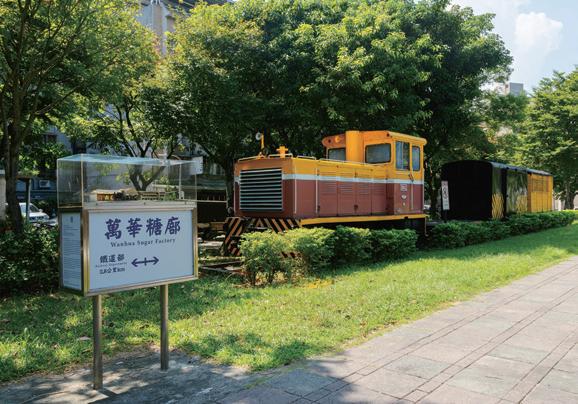
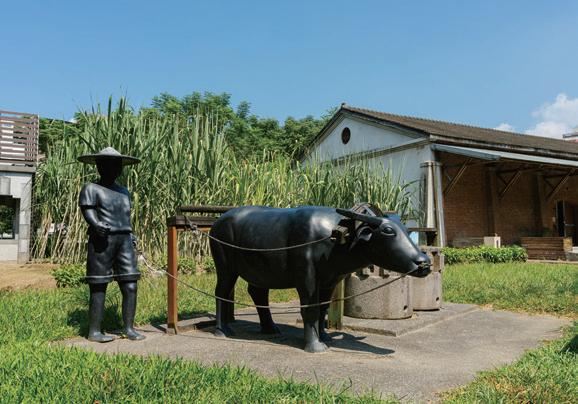
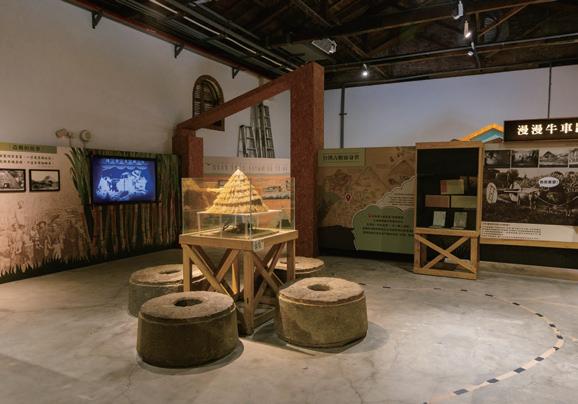
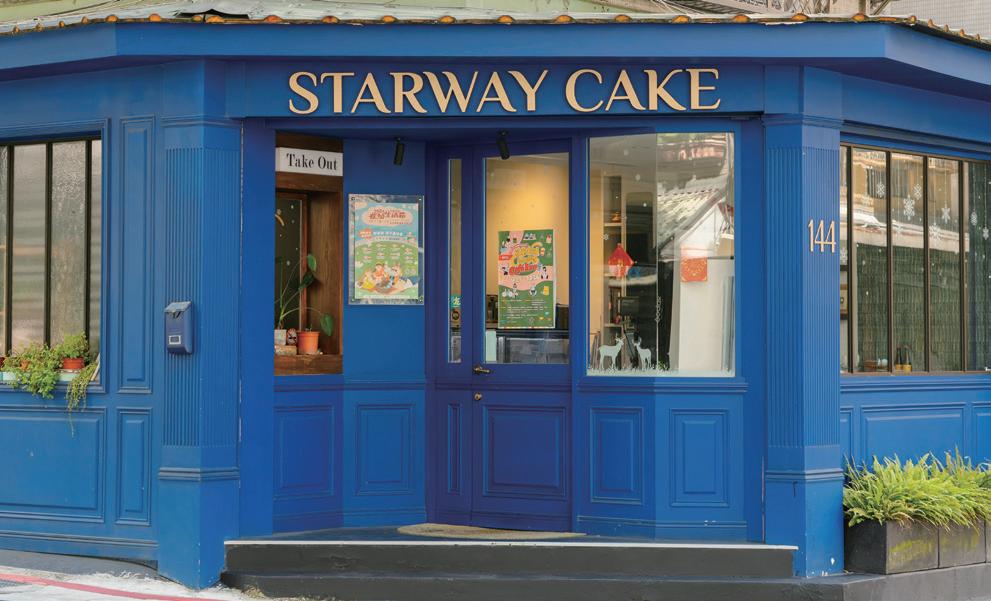
Perhaps a wee bit hungry now? You won’t be surprised that in a community of deep history such as this, the dense grid of streets and alleys teems with sellers of snack delicacies both traditional and contemporary, local and international. Let’s head over to Starway Cake (SW Cake), immediately north of the sugar refinery complex.
Located on a quiet alley corner, concentrate your gaze on the elegant wraparound façade of this groundfloor French-style patisserie, and you may feel you’ve been transported to a Paris quartier. Founded in 2019 by a group of local “passionate baking enthusiasts,” the emphasis here is on the use of high-quality local produce, with seasonal rotations.
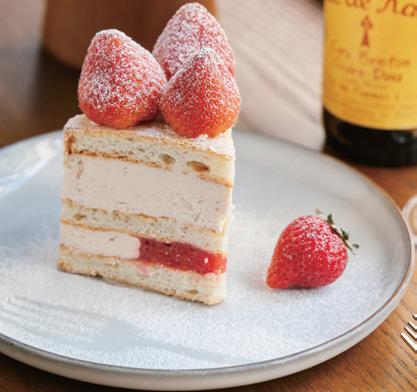
Starway specializes in French dacquoise cakes and gives them a distinctive Taiwanese visual & gustatory flair with iconic seasonal island ingredients. The lineup stars in summer are mango dacquoise cakes, in autumn lavender chestnut, and in winter strawberry. High-demand choices available year-round are the Irish coffee and ganache creations.
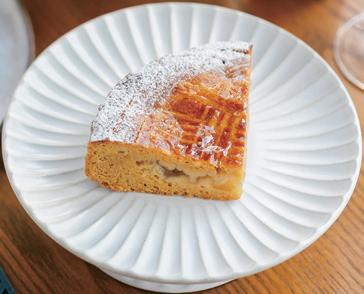
A second signature line is the sablés bretons. The Taiwan-ized inventions in this section provide a more adventurous excursion for the non-local palate, with incorporation of such beloved Taiwan-brand flavorings as salted duck egg yolk, mullet roe, Sakura shrimp, may chang (called “mountain pepper” in Chinese), and Sichuan peppercorn.
CAKE 唯星蛋糕
144, Dali St., Wanhua Dist. (02) 2308-8789
www.starwaycake.com
Mon-Thu 11:00am-6:30pm Fri-Sat 11:00am-7:30pm
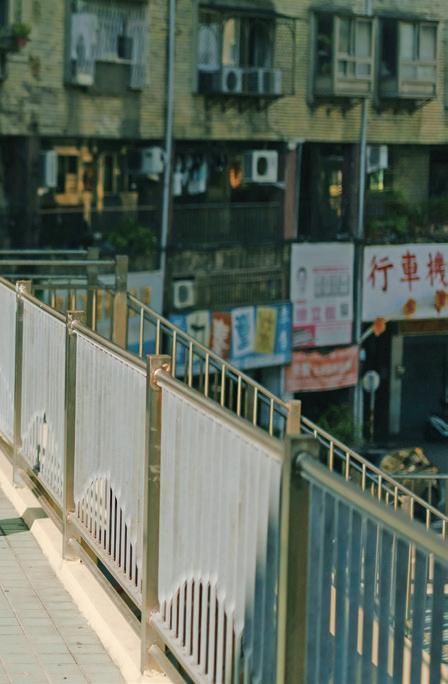
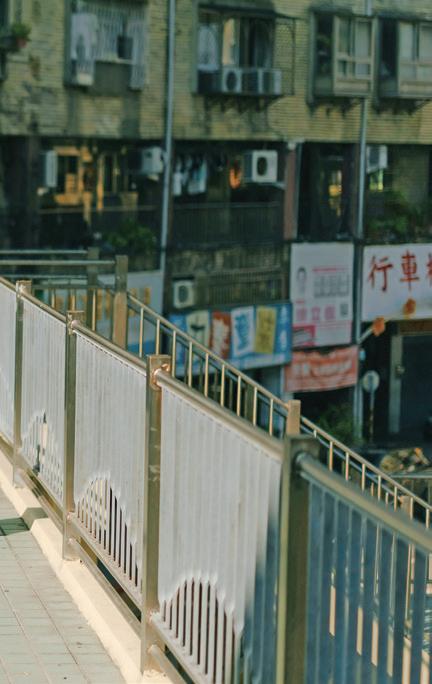
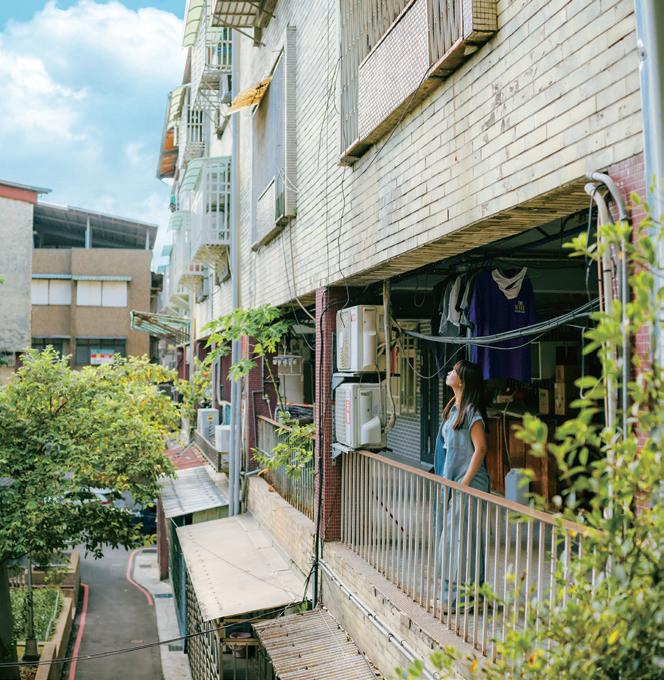
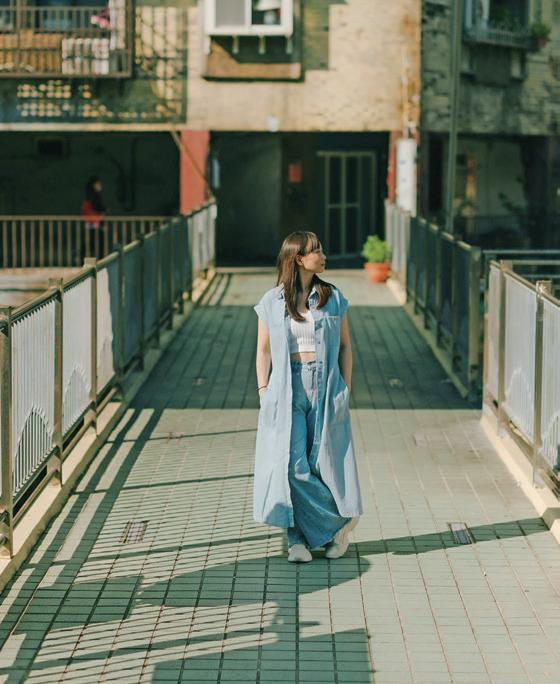
It’s not at all common to have a public housing complex on a day-tour itinerary, but the Huajiang Housing Complex, five minutes northwest of the sugar factory and 10 minutes directly west of MRT Longshan Temple Station, provides an impossible-in-amuseum look into the rapidly developing Taipei of the 1960s and 70s. Though looking distinctly weathered today, this complex of several buildings connected by an iconic circular pedestrian overpass was cutting-edge when built by a team of leading architects to replace illegal housing and address local flooding.
Within the complex, beyond the street-facing ground-floor shops, is a range of complex-dedicated

facilities, including a police station, market, community center, water tower, sewage-treatment system, and third-floor communal gardens equipped with tables and chairs. The distinctive architecture and retro vibe of this fascinating self-contained world have strongly resonated with the recent “Taiwan Sensibility” aesthetic, which has taken social media in Korea by storm, celebrated for its nostalgic charm. Proven irresistible to TV/film/video producers in recent decades, it was chosen as shooting location for numerous productions – including music videos featuring K-pop sensation NewJeans and Japanese singer-pianist Fujii Kaze.
Just west of the Huajiang Housing Complex, between riverside and high dike walls, this quiet park is a world apart from urban Wanhua’s constant hubbub. The birdwatching is a hoot here – this is a protection zone for migratory birds, notably geese and ducks, many of which call Siberia their northernmost roost. Cycling is another key attraction, with Taipei’s celebrated riverside bikeway system running through.
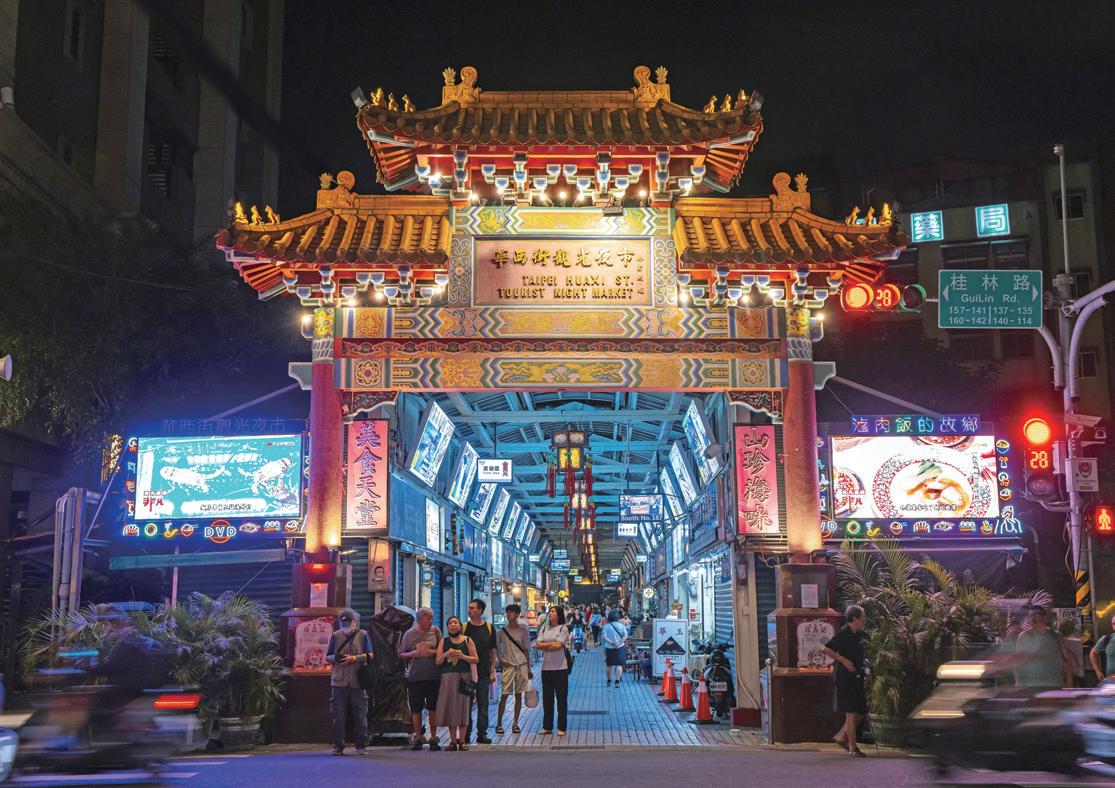
Huaxi Street Tourist Market is a long-renowned cultural magnet, a quick walk directly west of Wanhua’s famed Lungshan Temple and its namesake metro station –tourists and locals commonly combine temple and nightmarket visits in a single outing.
Historic Huaxi Street was Taiwan’s first tourist night market, established in 1951. A two-block-long covered artery, it’s announced with dramatically eyecatching Chinese-style red entrance arches at either end, and radiant red lanterns hang in rows down the sides of the narrow pedestrian-only street. Last century “snakegutting shows” brought many sightseers – the alternate name “Snake Alley” was infamous – but today the nest of snake shops is history due to growing awareness of animal welfare, as is the obviousness of the local red-light element (outlawed decades back). Consider the snake’s shape and you’ll understand why snake meat, blood, and bile have traditionally been considered virilityenhancing by some. Asia Turtle and Snake Specialty Shop (Stall No. 53-55) is the sole remaining peddler of snake specialties; you’ll see “Snake Soup” and “Stir-Fried Snake” posted in English.
On display is a bustling entertainment of old-style shop signs, sellers of medicinal herbs and health tonics, Chinesemassage parlors, fortune-telling bookstores, gift boutiques, nail salons, and eating options, both brick-and-mortar eateries and vendor stands – a number Michelin-laureled.
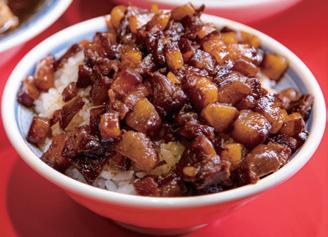
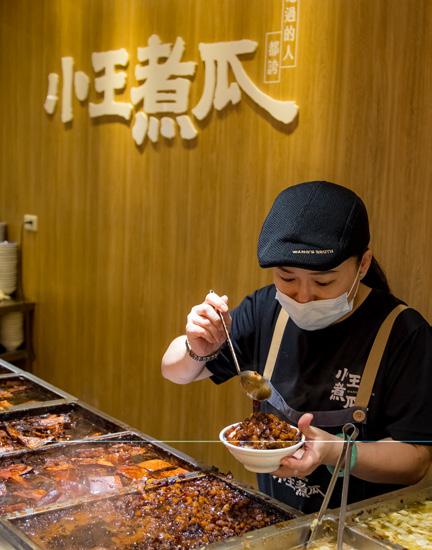
Wang’s Broth (Stall No. 153) is the food vendor with Huaxi Street’s biggest reputation. Its focus is on pork specialties, soups, and tofu dishes. Adding to its luster is Michelin Guide cachet – it first hit the international big time as a Bib Gourmand selection in 2019 and has proudly retained the honor ever since. The old-timey house creation that most excites customer palates is the steamed minced pork with pickles in broth, followed by the red-braised pork rice and the red-braised pork belly.
Wang’s unique broth is prepared a full day ahead; pork bones and rock sugar are first boiled for four hours, then salty pickled cucumber is introduced to accentuate the stock’s umami. For its pork strips, the minced pork features larger-than-usual pieces, creating a chewier mouthfeel.
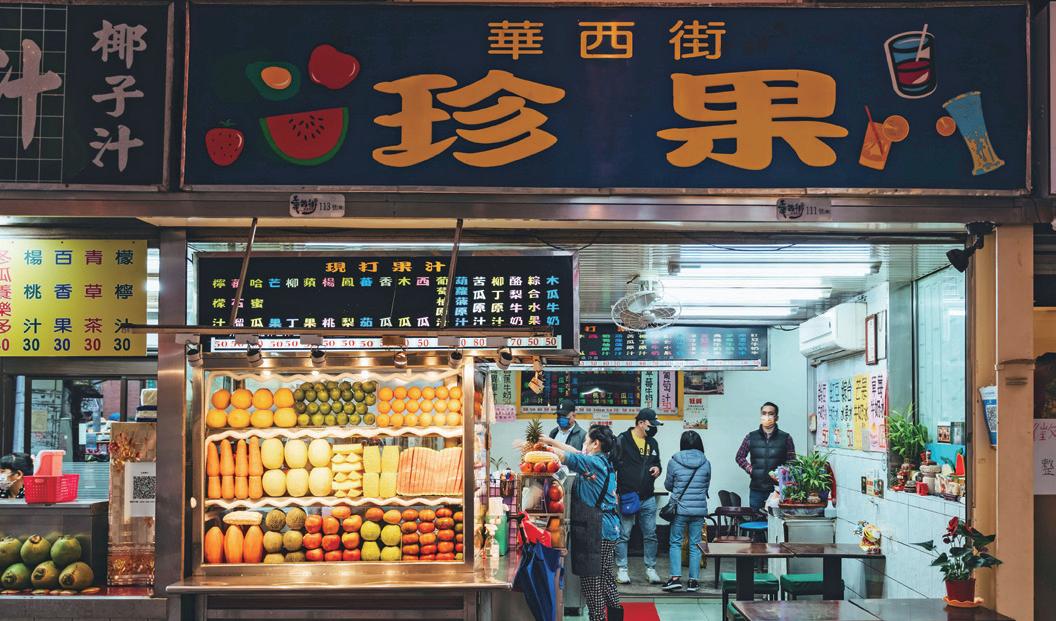
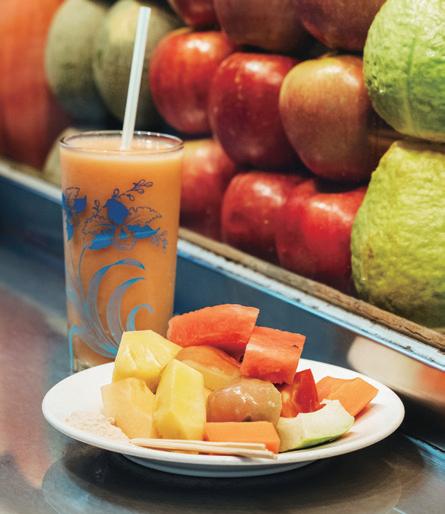
Zhen Guo The Yummy Fruit (Stall No. 113), on the job for over half a century, is Huaxi Street’s sole remaining ice treats provider today. Featuring a rainbow-palette shopfront loaded high with fresh Taiwan fruits of different pastels, fans of Taiwanese TV dramas will recognize it as a frequently used location in the hit 2021 murdermystery series Light the Night, set in the 1980s. The longestablished shop whips up shaved-ice desserts, fruit juices, and fruit platters. Among the hottest of its cooling treats are its papaya milk and ginger tomato fruit platter, perfect as a sweet finale to a day exploring vintage Wanhua.
Asia Turtle and Snake Specialty Shop | 亞洲鱉蛇專賣店
Huajiang Housing Complex | 華江整宅
Huajiang Wild Duck Nature Park | 華江雁鴨公園
Huaxi Street Tourist Night Market | 華西街夜市
Lungshan Temple | 龍山寺
Shinehouse Theatre | 曉劇場
Wang�s Broth | 小王煮瓜
Zhen Guo The Yummy Fruit | 華西街珍果

Charms North & South of the Keelung River
TEXT | RICK CHARETTE
PHOTOS | CHEN CHENG-KUO, GEOTECHNICAL ENGINEERING OFFICE, DEPARTMENT OF INFORMATION AND TOURISM
The Shilin and Yuanshan areas are visually dramatic. The districts are situated on opposite sides of the Keelung River, where low mountain spurs spill out onto the Taipei Basin floor. In this article, you will be introduced to a set of key representative tourist draws: the gardens of a former Chiang Kai-shek spread, the Forest Ark observation platform where the stunning view awaits, a long-pedigree night market, and the legendary “Combat Zone” pub/bar quarter.
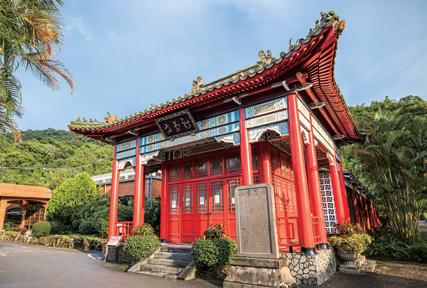
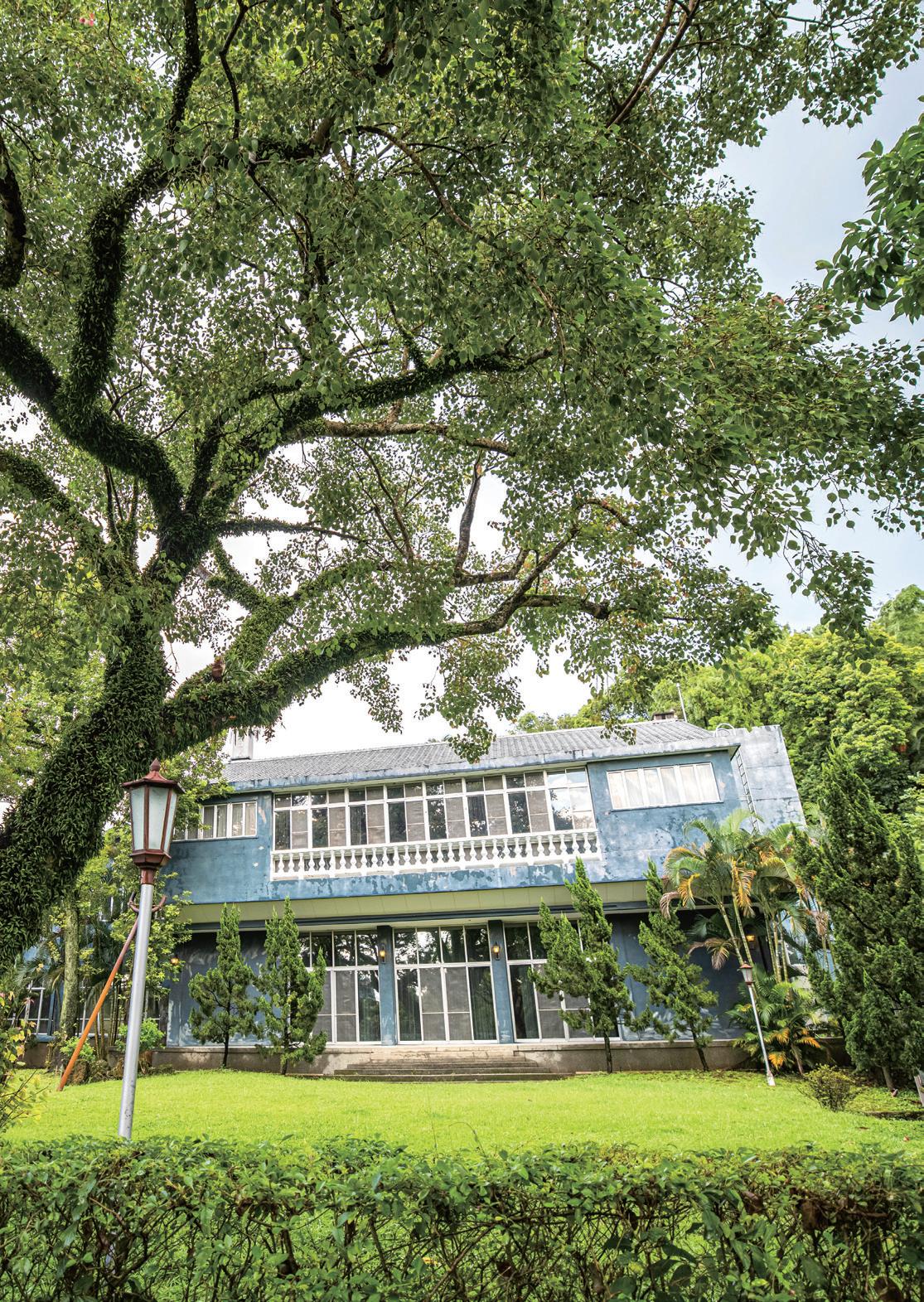
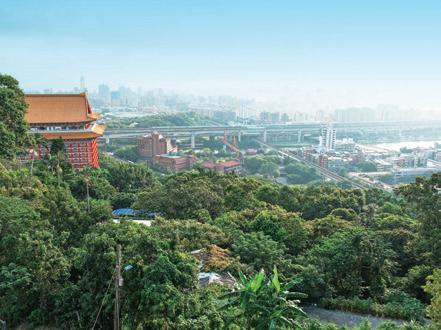
The 12.9-hectare CKS Shilin Residence grounds, stretched out along Section 5 of Zhongshan North Road, are an easy 10-minute stroll east from the MRT Shilin Station. The site is tucked up against the same mountain spur that the iconic Grand Hotel Taipei sits on, the Chinese-palace-style hotel perched near its tip looking out over the Taipei Basin from its elevatedthrone roost.
There are two elements to this very popular attraction: heritage structures associated with former President Chiang Kai-shek and his wife, Soong Meiling, and the expansive tranquil gardens. This park area has its roots in Taiwan’s 1895~1945 Japanese era, when it was home to the Shilin Horticultural Experimental Station. After Chiang and the authorities arrived in Taiwan, he chose this oasis as one of his residences for its mountain-backed landscape that reminded him of his childhood home.
The main Chiang-related structures are the official residence, which is a two-story Western-style abode, a
guesthouse for visiting dignitaries, the Victory Chapel (the Chiangs were practicing Christians), and scenic pavilions. The couple’s home was painted dark green for protective concealment, blending in with the surrounding woods. Residence tours are available at 10:30am and 3:30pm on all open days.
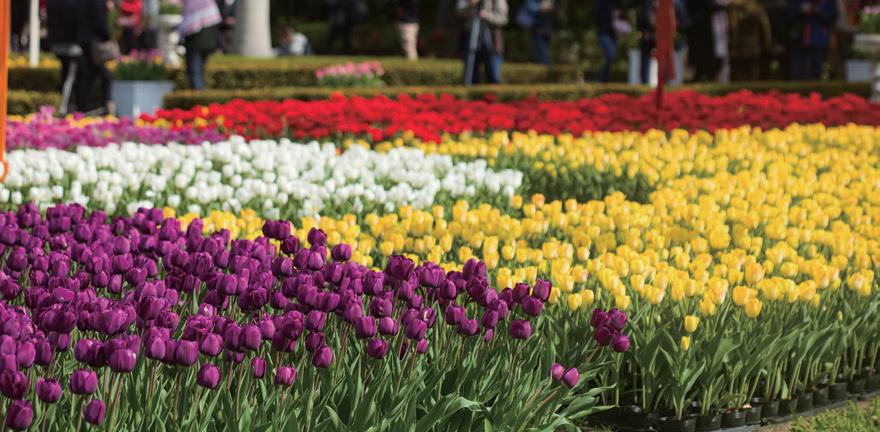
The exquisite gardens feature both Chineseand Western-style horticultural sections, with the emphasis on flowers. Stars of the efflorescent show, which change with the seasons, are plum blossoms, chrysanthemums, and roses, the Chiangs’ personal favorites. There are varied special flower celebrations throughout the year – should you visit in February, don’t miss out on the fantasia colors of the big annual Shilin Residence Tulip Festival.
CHIANG KAI-SHEK SHILIN RESIDENCE 士林官邸
60, Fulin Rd., Shilin Dist. (02) 2883-6340
www.mbcksslr.taipei
Tue-Sun 9:30am-12:00pm, 1:30pm-5:00pm
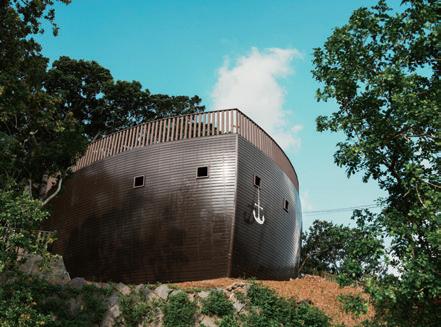
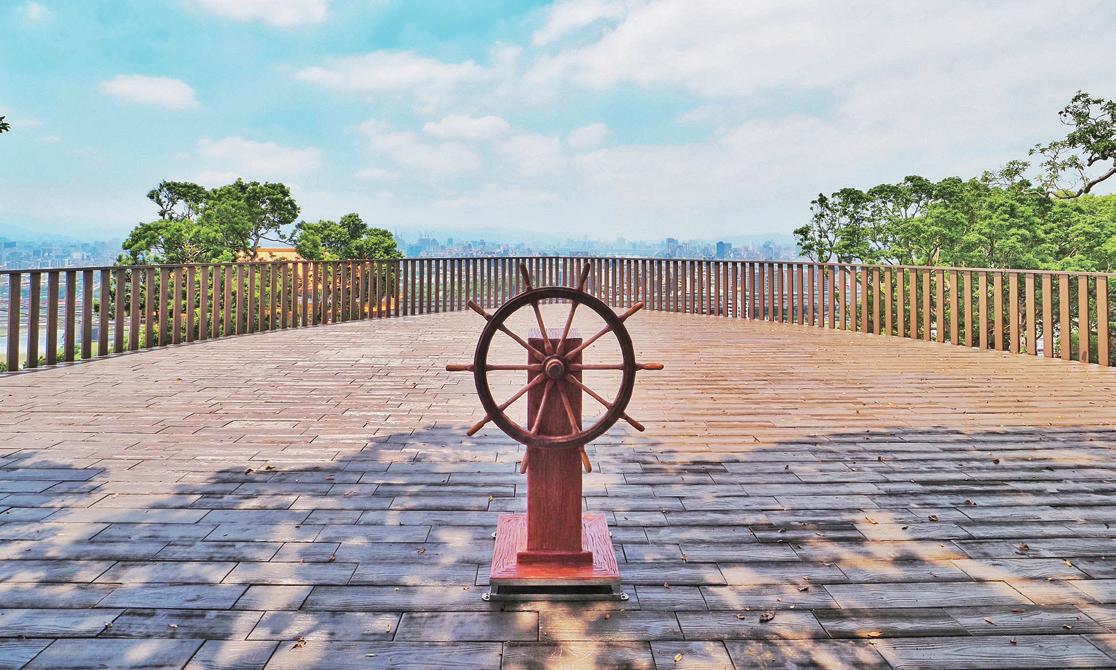
Fancy climbing aboard a grand ark to view the city, spread out wide before you at your feet? How done, you ask? The city’s new “Forest Ark” lookout, opened in August, is located atop the mountain spur behind the efflorescentfaçade Grand Hotel Taipei in the heavily forested Yuanshan Scenic Area. The bow points straight past and over the hotel, looking southwest at the city’s historic West District. Reach it via the Jiantanshan Hiking Trail, part of the celebrated Taipei Grand Trail network; find the trailhead beside Zhongshan North Road just south of small Jiantan Fuzheng Temple, which is about 5 minutes south of MRT Jiantan Station. Note that the climb to the ark has many stairs and is comparatively steep.
The ark is an oversized viewing platform built in the shape of a ship’s front end, complete with a ship’s wheel on the “deck” and an anchor hanging from a porthole. In days of yore, the Keelung River at the foot of Yuanshan, or “Round Mountain,” was an important boat-traffic artery, and the ark was designed by the city government as a “ship sailing through the forest.” When breezes flow, it’s easy to imagine you’re set to sail right over the city.
Note that a short hike beyond the ark brings you to another highly popular lookout built in recent years, the North Eye Platform, which points west and presents riproaring sunset canvases.
The Yuanshan spur peters out south of the Keelung River, MRT Yuanshan Station, and the landscaped Yuanshan Park Area of Taipei Expo Park at its south edge, the metro station giving you quick access to the vibrant Zhongshan Shopping District. This district grew around the long, tree-lined, Zhongshan North Road, which was constructed by the Japanese as a promenade from the old walled city area to their august Taipei Shinto shrine, where the Grand Hotel now stands. Because of the establishment of the US Military Assistance Advisory Group after World War II, based at the intersection of Zhongshan North and Minzu road, the area also has American cultural characteristics. Trendy, stylish shops grew up along the thoroughfare (still true of the district today), and commercial activity spread deeply down the roadand-lane grids on either side.
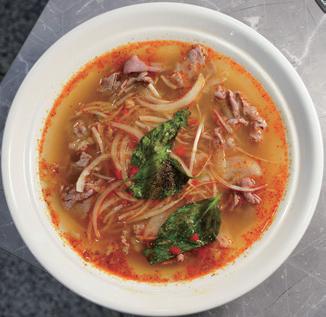
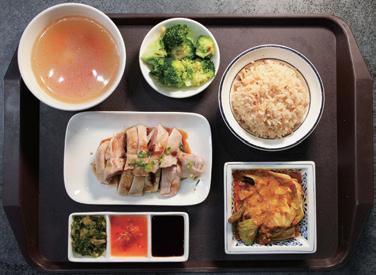
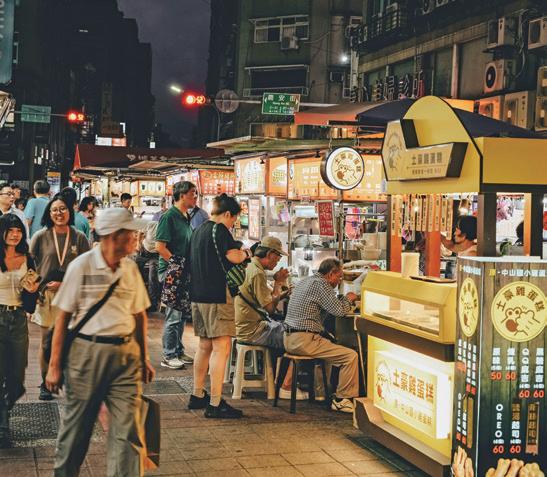
About 15 minutes on foot from MRT Yuanshan Station (Zhongshan Elementary School Station is even closer), the moderate-sized Shuangcheng Street Night Market dates back to the early 1970s. Wellorganized, with standardized orange signboards, the existence of many pubs/bars nearby brings in a steady knock-on flow of foreign tourists. Taipei’s first regional demonstration night market, check out the Southeast Asian food sellers, notably the eatery Fathom.
The market and mini-battalion of pubs/bars are in what was once known as the “Combat Zone,” which arose as an R&R entertainment enclave for US military personnel during the Vietnam War, swarming with nightclubs and girlie bars. Today much tamed, European-style pubs and hostess bars predominate. These include Green Door, the oldest existing bar in the area, opened in 1977, as well as My Place and Manila, both in operation since the 1980s.
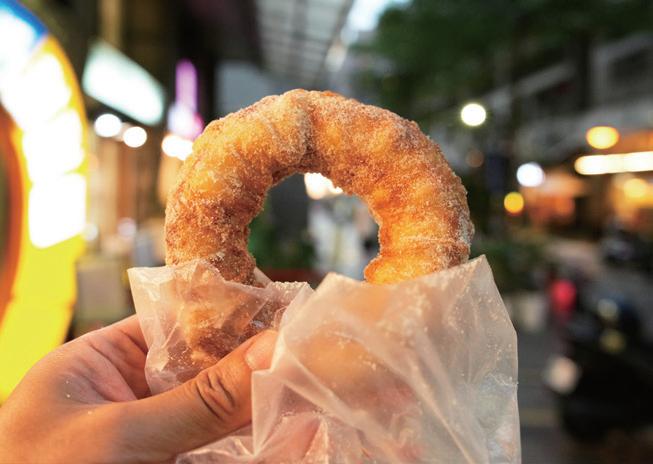
Please drink responsibly
Shilin Residence Tulip Festival | 士林官邸鬱金香展
Fathom 南洋風味館
Forest Ark | 森林方舟
Grand Hotel Taipei | 台北圓山大飯店
Green Door | 綠門餐酒館
Jiantan Fuzheng Temple | 劍潭福正宮 Jiantanshan Hiking Trail | 劍潭山步道
麗濱美式酒吧
石洞酒吧
North Eye Platform | 北眼平台 Shuangcheng Street Night Market | 雙城街夜市 Yuanshan Scenic Area | 圓山風景區

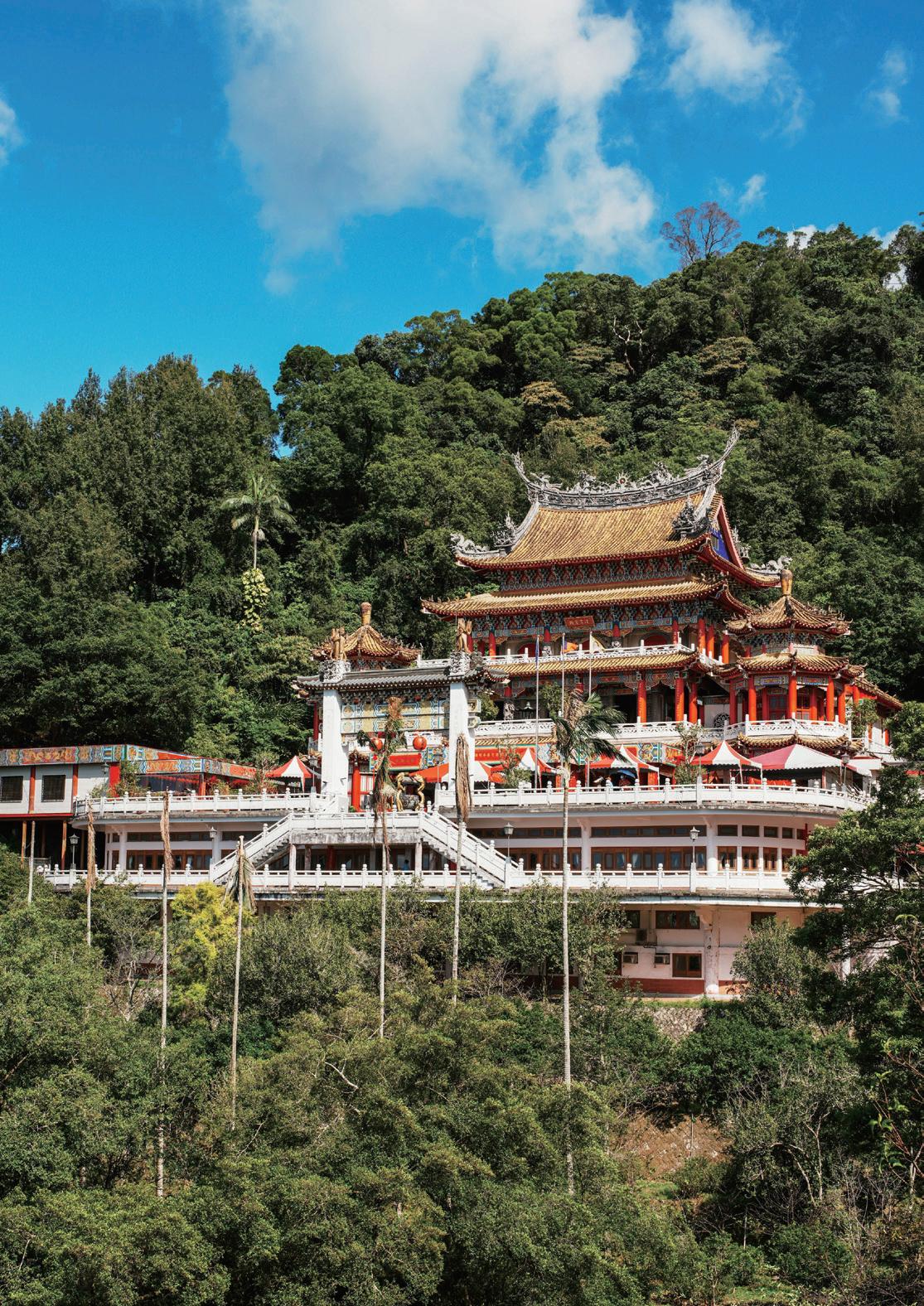
Wenshan District’s Maokong area is frequently on lists of recommended Taipei day trips – and for good reason. It’s basically a greatest-hits tour of the city squeezed into a single, easily accessible mountainous neighborhood. Between the teacovered hills, gondola rides, grand temples, hiking trails, and plentiful refreshment options, it has everything necessary for an effortlessly rewarding day out.
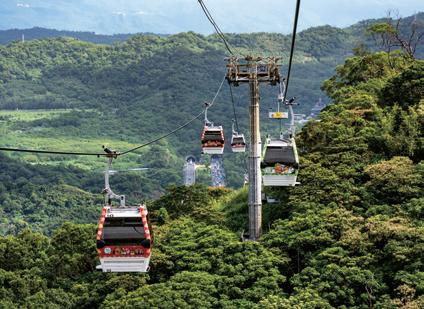
Any Maokong day trip is incomplete without a stop at Zhinan Temple, which – despite the name – is not so much a single temple as a sprawling religious complex with several grand halls, a syncretic all-you-can-eat buffet’s worth of divine advisors, and gardens dotted with blessingladen bushes. Since the opening of the Maokong Gondola nearly two decades ago, most visitors arrive after a 20-minute cable car ride, but a more rewarding way to visit is by climbing the leafy Zhinan Temple Bamboo & Cypress Trail (part of the Taipei Grand Trail), which cuts its way up from Lane 33, Section 3, Zhinan Road.
To reach the trailhead, take the BR15 bus from MRT Taipei Zoo Station (southern terminus of the Brown Line) and get off at Beizheng Junior High School bus stop. The walk starts at the end of a residential cul-de-sac, where a gaggle of elderly locals often gathers for a morning chinwag. You can get the sense that they’re placing bets on whether you’ll be bounding up the trail like a mountain goat or huffing and puffing after the first ten steps.
Speaking of steps, the climb to Zhinan Temple is comprised of about 1,200 of them (by the time
you reach halfway, you will be wishing no one had told you that). Thankfully, there are distractions to help break up the climb. Elegant stone lanterns and sculptures of austere lions dating from the 1895~1945 Japanese era flank the path at regular intervals, and several pavilions offer shady seats upon which you can pause for a breather. The most photogenic among these is Longhao Pavilion, a wide shelter that straddles the path, its mossy roof lending it a romantic air of semi-abandonment.
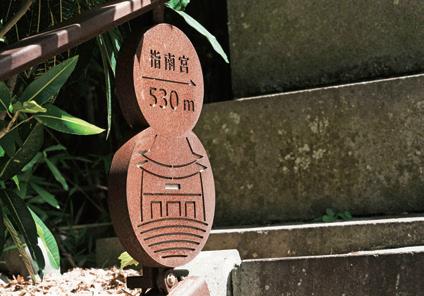
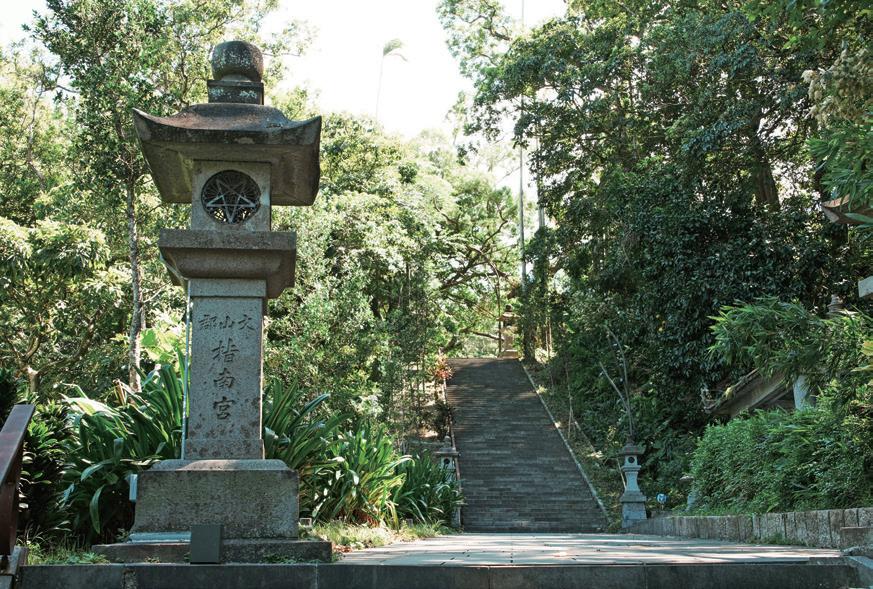
The first junction is reached after a 20-minute climb. Here, you’ll need to decide which way to approach the temple. Turning left up a flight of narrower steps will bring you to Zhinan Temple bus stop and the sleepy Qianshan Old Street, which seems lost in a daydream of its former glory years. Passing through on any given weekday, the only signs of life consist of elderly store guardians overseeing dusty shelves full of temple offerings. Saturdays and Sundays are somewhat livelier – an influx of weekend warriors invigorates the old arcade, and several vendors crank open metal shutters to offer snacks like steamed sweet corn and roasted sweet potatoes.
The most famous store here is Jhi Nan Tea House, a tea shop boasting 50 years of history and a loyal customer base. It may not look particularly impressive, but the walls decked with certificates and medals tell a different story, and those who step inside can sample award-winning varieties of Maokong’s specialty tea, Tieguanyin, or Baozhong (aka Pouchong) from just over the hills in New Taipei City’s Pinglin District.
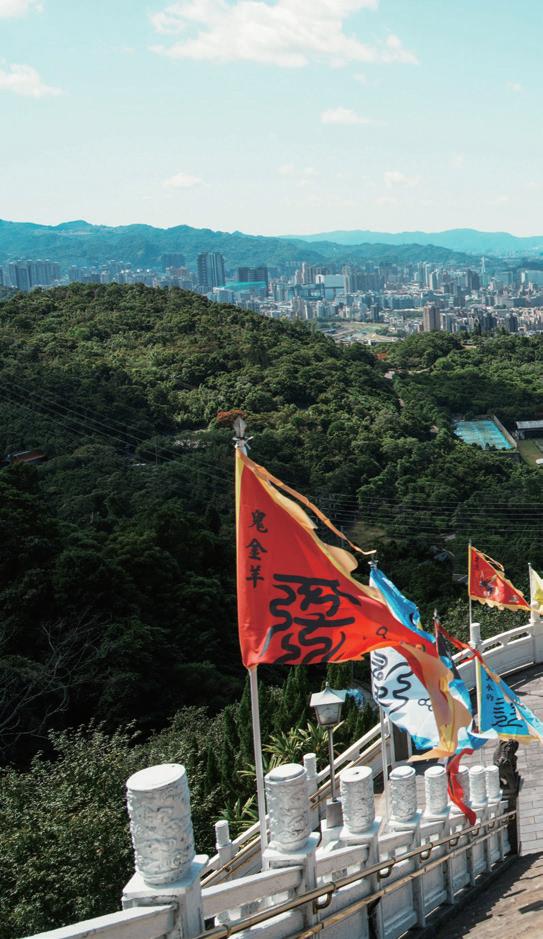
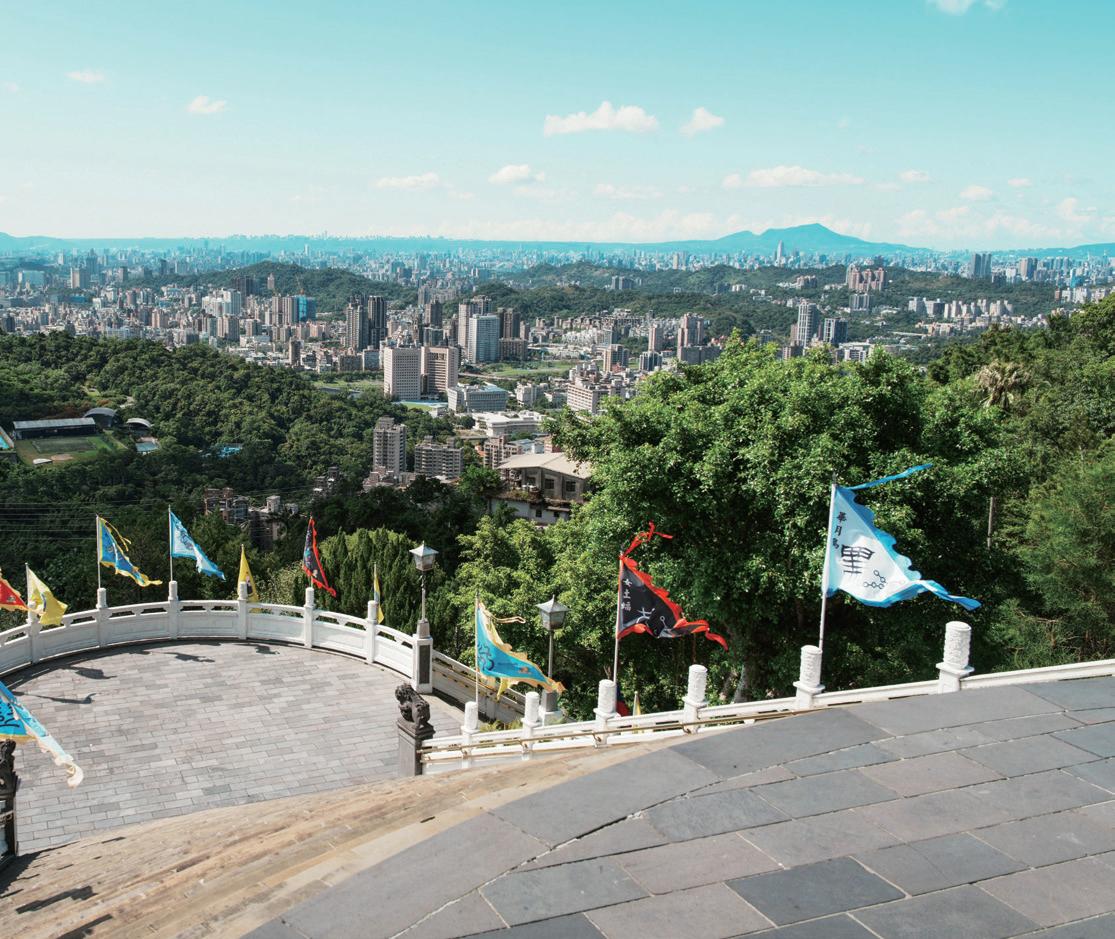
Alternatively, you can continue along the main Zhinan Temple Trail pathway from the junction until you come to Fude Temple. A fish-filled pool separates this smallest and simplest of Zhinan Temple’s assorted seats of worship from the trail, and if you cross the bridge to peek inside, you’ll find the Earth God, Tudi Gong, presiding over the altar. Steps to either side of temple climb upwards before converging (along with the path from Qianshan Old Street) in front of Chunyang Hall. At the top, there’s a flag-flanked semicircular platform where you can catch some expansive city views before stepping through the dragon door (the one on the right, and the correct door through which to enter any temple in Taiwan) to greet the gods.
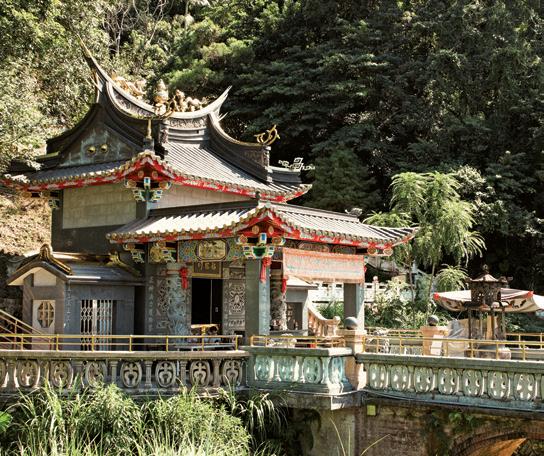
Like many religious sites in Taiwan, Zhinan Temple is a concatenation of Daoist, Buddhist, and Confucian beliefs, although Chunyang Hall leans mostly Daoist. The hall was the earliest established feature of the temple complex, and Lü Dongbin occupies its main altar. Best known as one of the Eight Immortals, Lü was a Tang dynasty poet and religious scholar whose escapades left Daoist literature a treasure trove of colorful tales. His reputation for being something of a womanizer has also led to the rumor that couples who visit Zhinan Temple are doomed to break up.
According to this superstition, seeing lovers together reminds Lü of his thwarted courtship of He Xiangu (the only female immortal), and in his jealousy, he drives young women away from their paramours. Temple custodians, however, maintain that this is an erroneous interpretation, citing various examples of why couples can safely
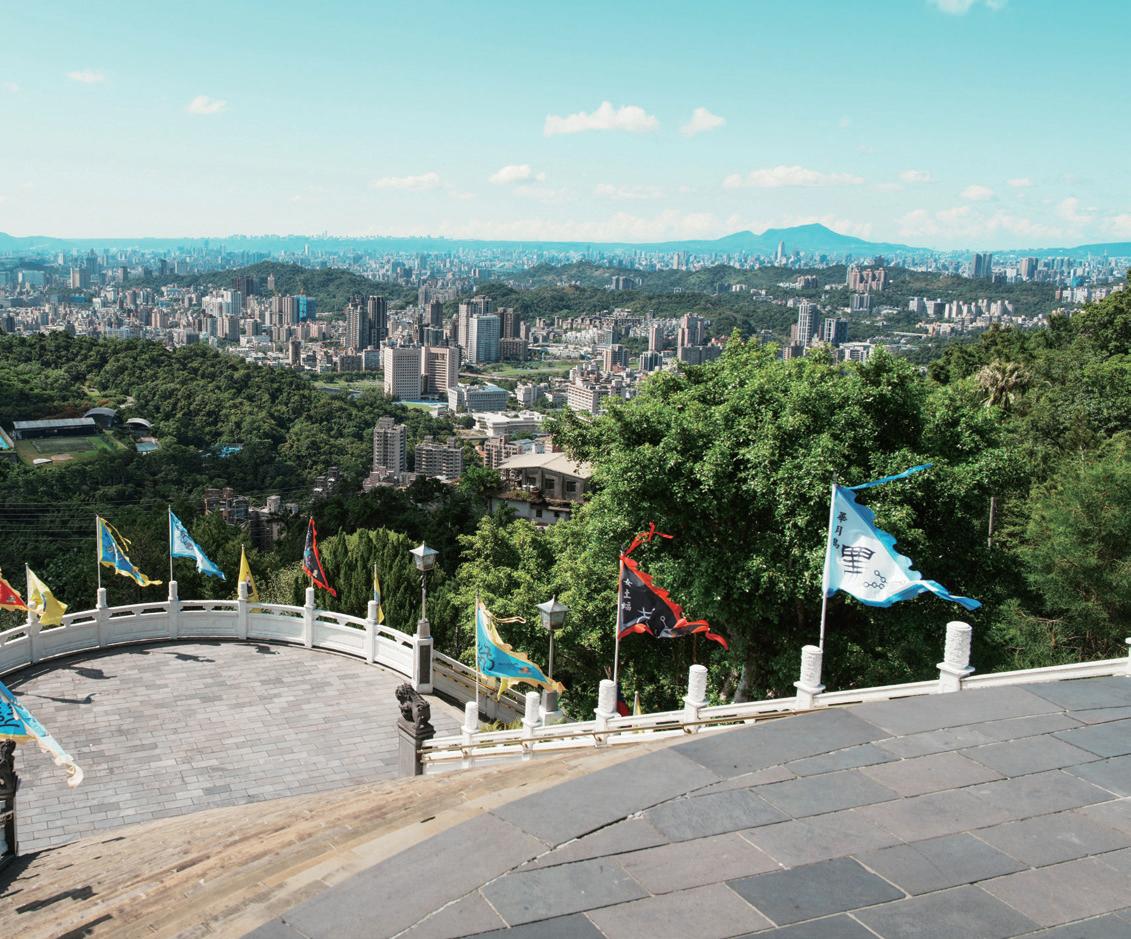
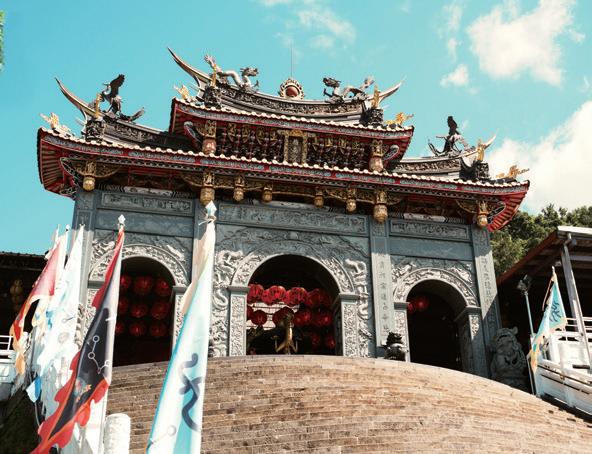
visit the temple. One such example is the story of former Vice President Vincent Siew, who, while studying at National Chengchi University nearby, went on dates with his later wife to the temple. Their marriage has lasted over 60 years.
In adjacent Dacheng Hall, Confucius sits flanked by the Confucian sages Zengzi and Mencius, ready to bestow blessings and wisdom upon those who enter. Another altar honors the Daoist principles of bagua – a kind of cosmological framework encompassing the fundamental principles of the universe – and thirsty hikers will be happy to find Zizai Tea Pavilion tucked away to the right-hand side of Chunyang Hall. Wooden chairs polished to a glossy sheen invite visitors to sit while a gentle breeze flows through the space and – for the price of a discretionary donation – specialty teas spill from teapots into gratefully awaiting cups.
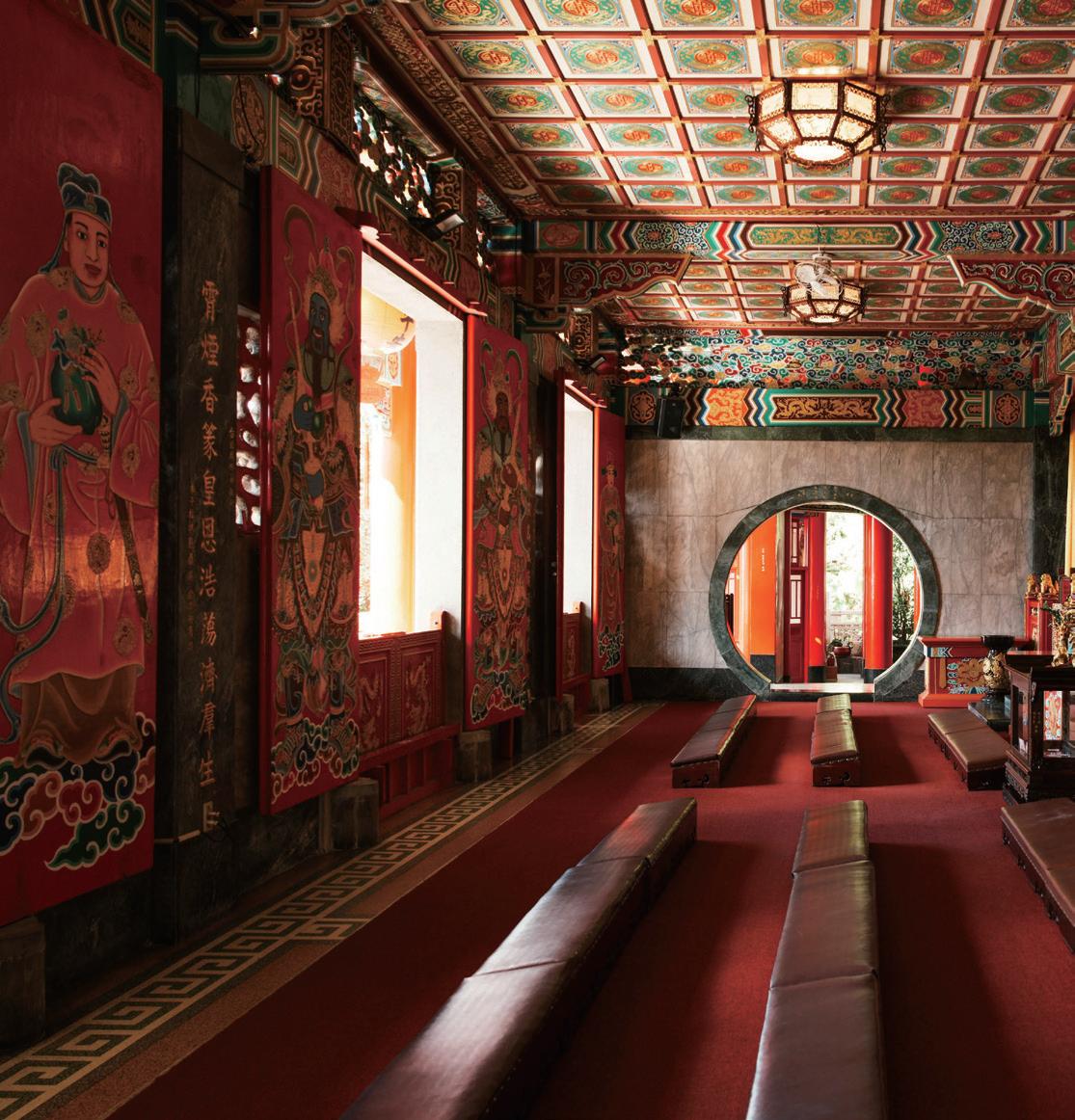
Exiting Chunyang Hall via the rear right-hand exit, a short walk brings you to Daxiong Hall (nicknamed Buddha Hall for reasons that will soon become clear). By far the quietest of Zhinan Temple’s spaces, this hall seems to be in a perpetual state of renovation, but that doesn’t stop the devout from coming to pay their respects.
Enshrined inside are Buddhas and Bodhisattvas, among them Shakyamuni Buddha, Amitabha Buddha, the Medicine Buddha, and Guanyin Bodhisattva (Guanyin being one of several religious figures to slip through the porous boundary between Buddhism and Daoism). The interior is opulent –gold glints from almost every surface, and warm lighting sets the statuary aglow. How is such extravagance sustained? Zhinan Temple’s deities are highly efficacious, and this has attracted many generous benefactors. Peer at the piles of building materials awaiting deployment and you’ll notice each brick bears the name of the individual or company whose donation funded its purchase. Pass back through Chunyang Hall, this time taking the exit to the left of Lü Dongbin’s altar.
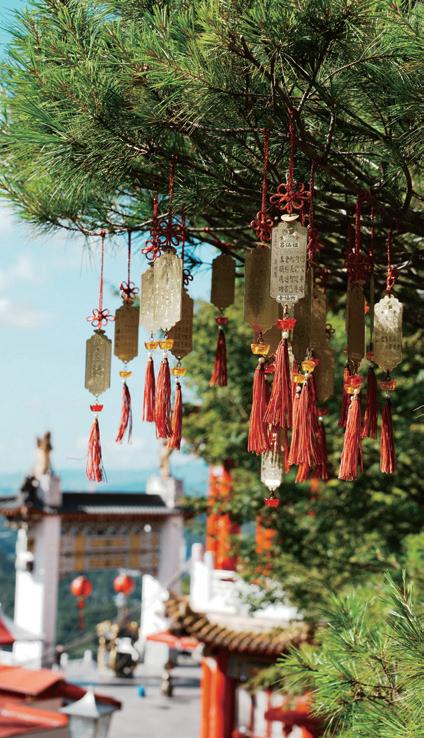
A cloistered trail painted with scenes espousing the core Confucian values of loyalty, filial piety, moral discipline, and righteousness runs up towards Lingxiao Hall, and a profusion of red-and-gold blessing cards hang from the shrubbery beside the path. These small tokens can be used to petition for blessings in all areas of life and are sold in the temple store for a fair price, while those feeling in need of extra celestial support can opt for a relatively pricey lantern.
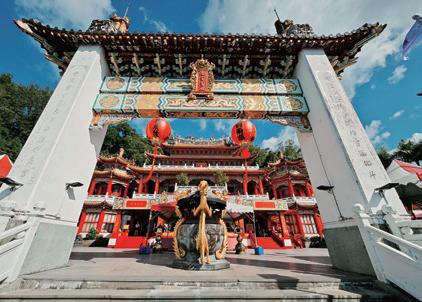
Lingxiao Hall is primarily devoted to the Jade Emperor, but perhaps the most impressive feature of this hall is the U-shaped room running behind the main altar, filled with representations of the Tai Sui Generals. The Tai Sui – of which there are 60 – are essentially guardian gods of the year, taking turns in a 60-year cycle. All of Lingxiao Hall’s Tai Sui Generals are rendered in meticulous detail, each unique and each ensconced in its own alcove with plaques bearing the most recent years they have overseen. Above them, faux clouds and twinkling LEDs evoke a starry sky, while below, gleaming tiles reflect floor-to-ceiling banks of prayer lights.
bagua | 八卦
Beizheng Junior High School | 北政國中
Chunyang Hall | 純陽寶殿
Dacheng Hall | 大成寶殿
Daxiong Hall | 大雄寶殿
Fude Temple | 福德祠
Green Ray Platform | 綠光平台
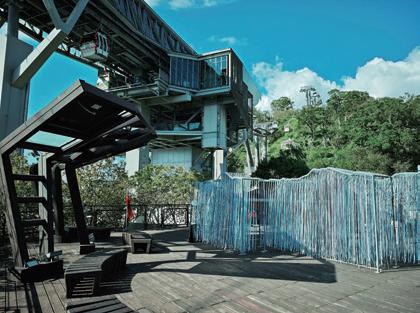
Once you’ve attended to your spiritual needs, you can make your way on to your next destination by hopping aboard the Maokong Gondola. But before heading onwards and upwards to the heart of the Maokong tea-plantation area (or back down to the Taipei Zoo), it’s worth taking a moment to explore the area around the gondola station. Just to the south, the Green Ray Platform looks out over lush forest and tea plantations, while to the north, a hilly park has been transformed into a lovers’ sanctuary (in part to quell rumors of the temple’s deleterious effect upon couples). Yue Lao, the God of Love, greets those who make it all the way to the top, and in late winter, cherry blossoms frame the winding trails. Whether you come seeking spiritual guidance, cultural interest, or just a bit of exercise, it’s safe to say you’ll be heading home satisfied.
Jhi Nan Tea House | 指南茶莊
Lingxiao Hall | 凌霄寶殿
Longhao Pavilion | 龍嗥亭
Maokong Gondola | 貓空纜車
Qianshan Old Street | 前山老街
Zhinan Temple Bamboo & Cypress Trail | 指南宮竹柏參道
Zizai Tea Pavilion | 自在茶亭

TEXT & PHOTOS | TWELLI
Lizards are easily spotted in Taipei City’s lush mountains. Walk any of the many hiking trails and you’re sure to come across tree lizards, grass lizards, or skinks, often basking in the sun or clinging motionlessly to a tree trunk. Move slowly, and you’ll be able to take close-up photos of these amazing tiny reptiles!
The Swinhoe’s Tree Lizard (Diploderma swinhonis) is a highly visible, tree-dwelling lizard endemic to Taiwan that exhibits striking sexual differences. The adult males are notably larger and more brightly colored than the females, and feature a distinct yellow stripe along their sides and a large, black, white-spotted throat fan (dewlap) which they use in aggressive displays to defend their territory and attract mates. Unlike many of its relatives, this lizard does not drop its tail to distract predators. Instead, when a male encounters a rival or intruder, he rapidly expands his dewlap and performs a series of characteristic “push-ups” to emphasize the display, hoping to intimidate the opponent without a physical fight. This lizard is a diurnal, sit-and-wait predator, meaning it patiently ambushes its diet of mostly ants and other small insects. Crucially, because the females often lay multiple clutches of eggs a year, the male’s main territorial motivation isn’t food –it’s securing an area that gives him access to several females for mating.
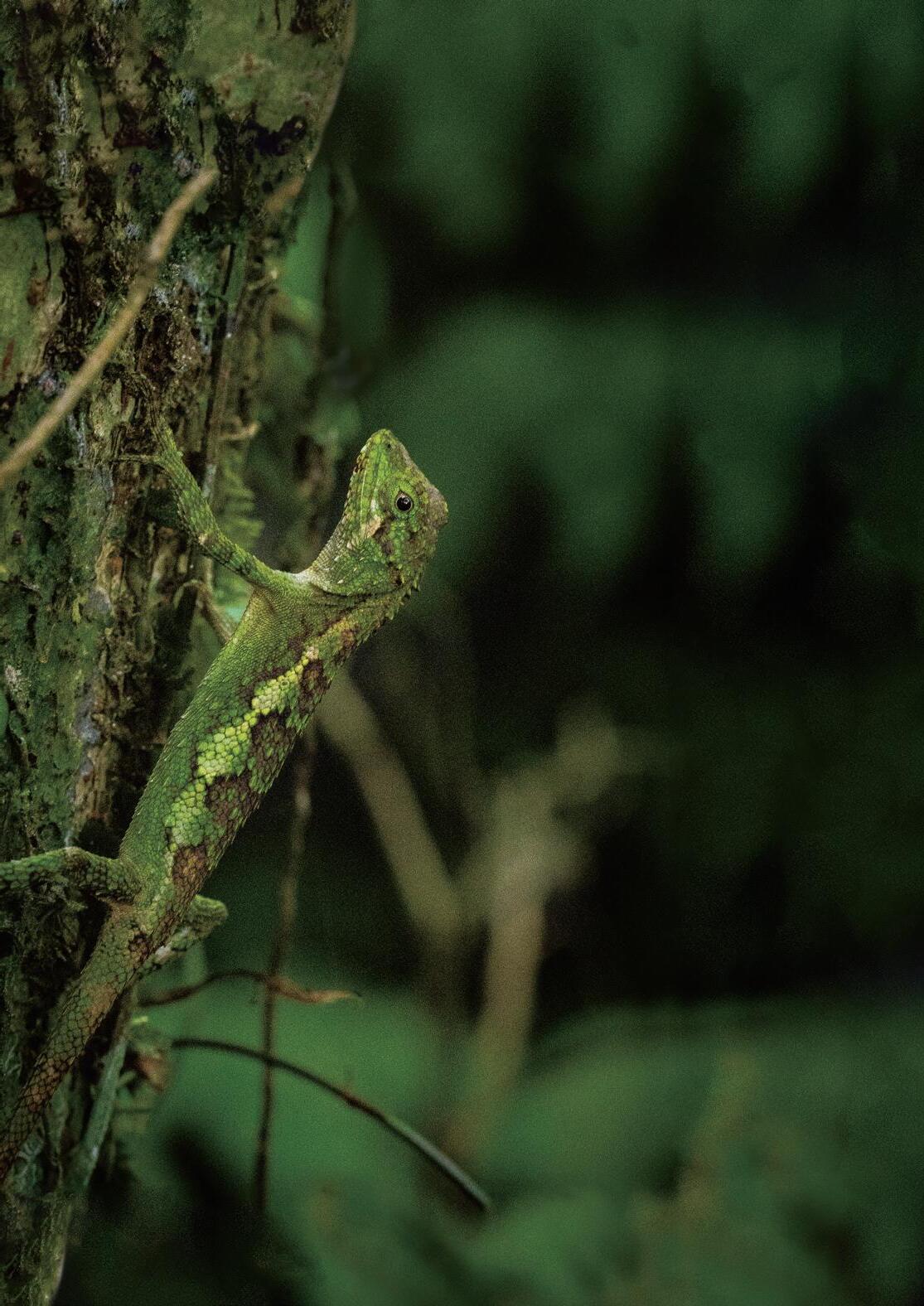
Swinhoe’s Tree Lizard 斯文豪氏攀蜥
Length: Body around 8cm, up to 31cm including tail
Lifespan: 10-15 years
Prey: Ants, but also beetles, spiders, grasshoppers, and crickets
Activity: Diurnal, active during daytime; primarily tree-dwelling, but also foraging on the ground
Habitat: Lowland forests, subtropical woodlands, and forest edges, generally below 1,500 meters
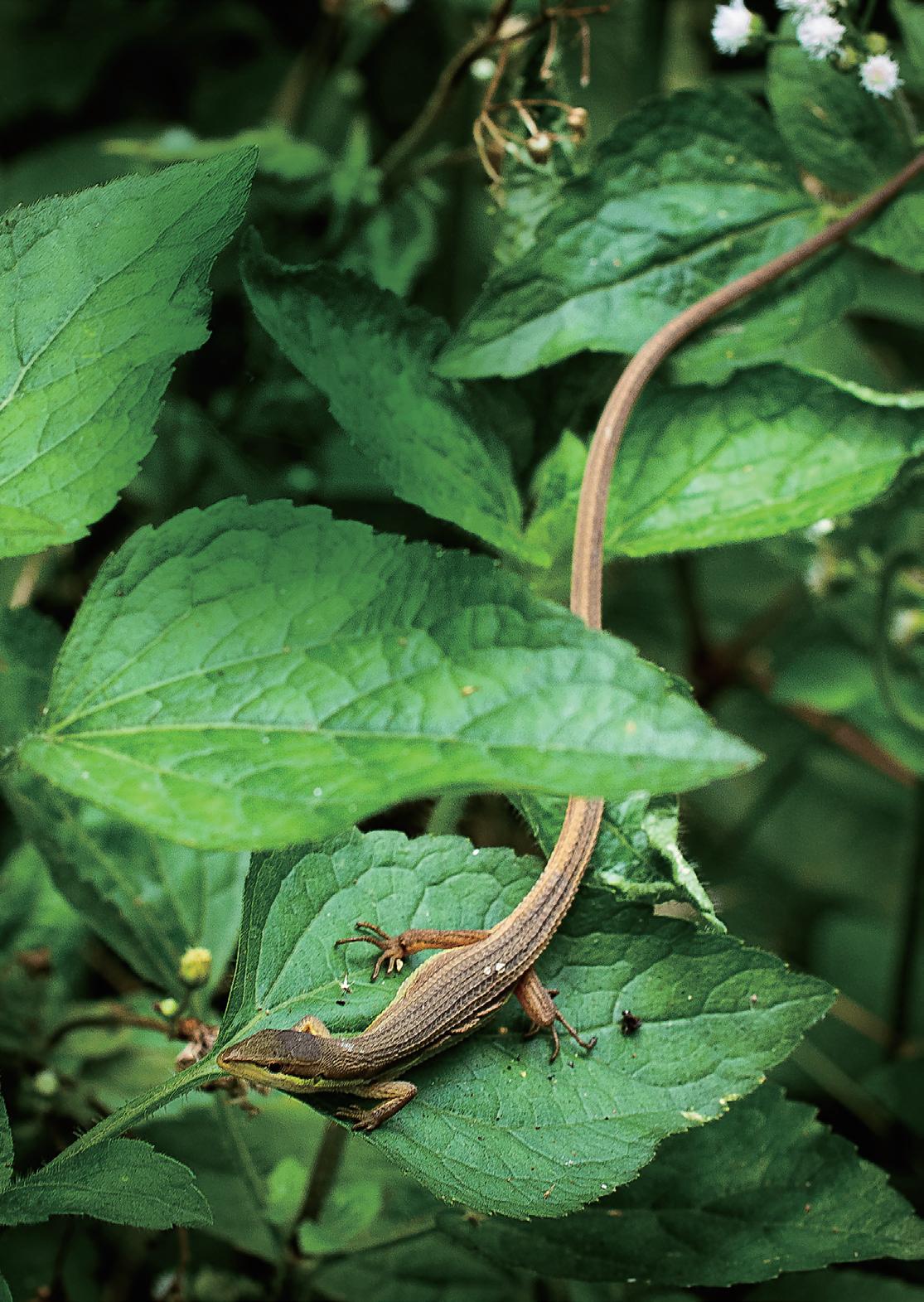
The Formosa Grass Lizard (Takydromus formosanus) is also endemic to Taiwan, belonging to a genus known for its extremely long-tailed, slender members. Primarily found in low- to mid-elevation grasslands, shrub areas, and forest edges up to about 1,500 meters, this lizard’s physique is perfectly adapted for navigating dense vegetation. Its small, elongated body typically measures around 6cm from snout to vent, and can reach a total length of up to 22cm, with the tail accounting for the majority of its size. Its coloration is generally light brown on the back, with a prominent yellow-green stripe running along its flanks, providing excellent camouflage. An agile, diurnal predator, it actively hunts small invertebrates like insects and spiders. And this one here – it can perform the taildropping trick as a defense mechanism.
Formosa Grass Lizard 台灣草蜥
Length: Body around 6cm, up to 22cm including tail
Lifespan: 5-8 years
Prey: Insects, spiders, and other arthropods
Activity: Diurnal and highly agile, basking in the sun before hunting
Habitat: Low- to mid-elevation grasslands, shrub areas, and forest edges
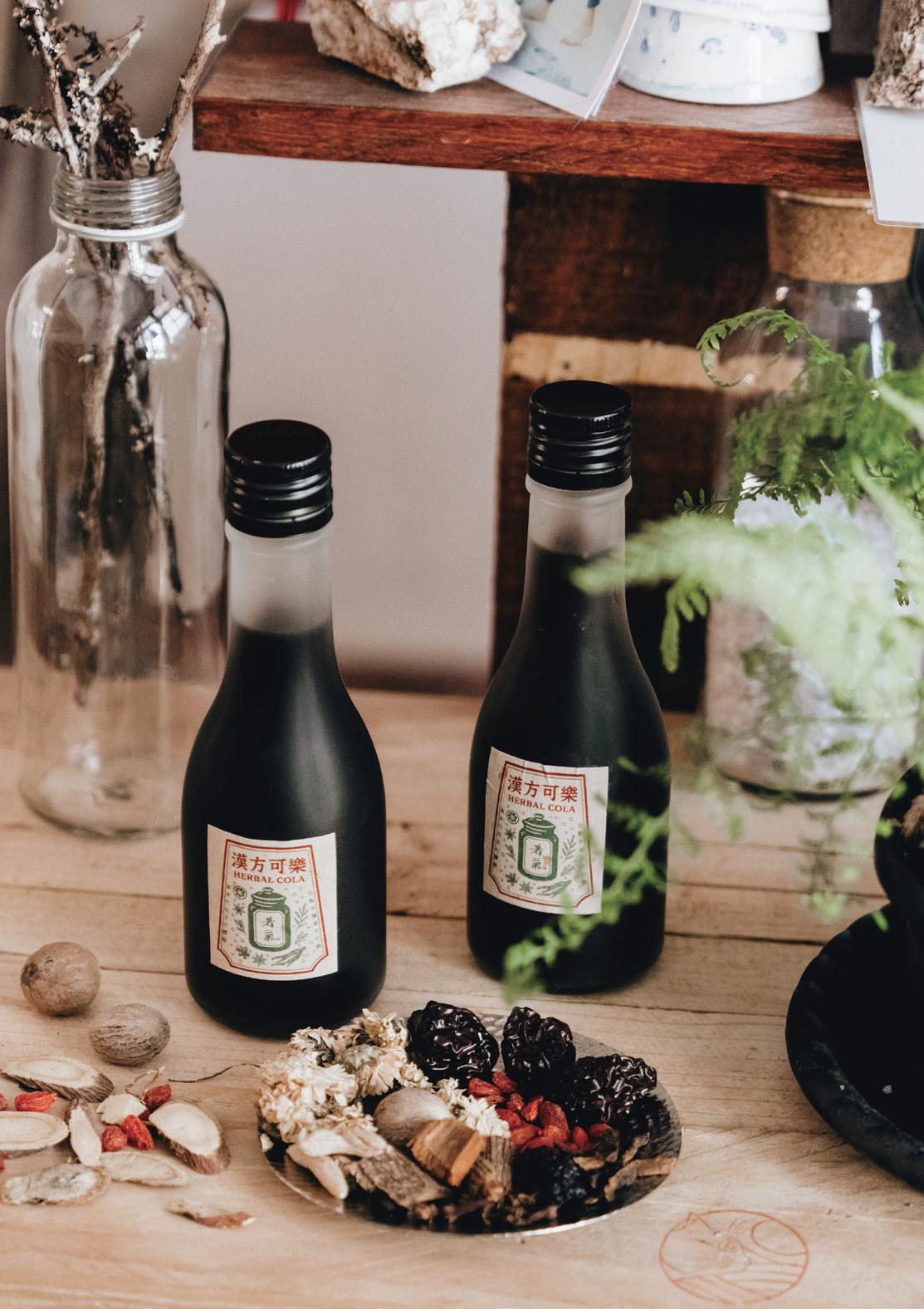
Getting a Taste of Taiwan’s Traditional Chinese Medicine Culture
Taipei’s older neighborhoods, such as Dadaocheng, are known for their numerous Traditional Chinese Medicine (TCM) shops, which offer ingredients like ginseng, goji berries, and jujubes. If you want to gain a deeper understanding of the city’s old herbal ways, consider taking a DIY class that allows you to smell, taste, and work with a variety of herbal ingredients to concoct your own Coke-inspired brew.
The class is offered by Caomuzhushi, a group that provides cultural experiences and states that its mission is to “promote Taiwanese farmers and handmade-crafts designers.”
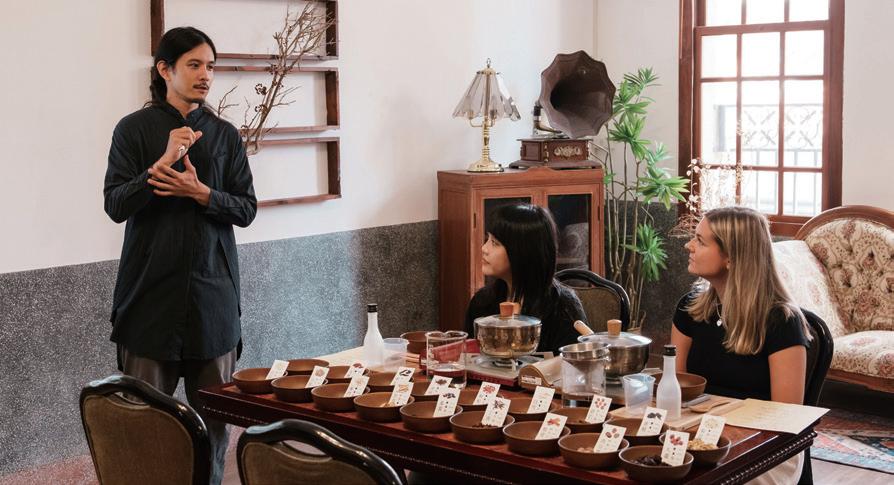
Our classroom for the day (Caomuzhushi does not have a fixed location) is a quiet and airy studio on the third floor of an old narrow-front building featuring a Baroque façade, located right in the center of the action on historic Dihua Street. The edifice is sandwiched between bustling shops selling all sorts of dried goods, their storefront wares wafting herbal aromas.
For the past two years, Caomuzhushi (lit. Grass, Wood, Bamboo, and Stone) has been offering specialized experiences to reinvent classic flavors. The team teaches how to craft herbal versions of cola, coffee, chocolate, etc., using TCM herbs and other locally sourced ingredients to promote sustainable living and celebrate the rich cultural heritage of this historical area.
We have signed up for a two-hour herbal DIY class that’ll take us through the history of cola, from its invention to the famous carbonated soft drink in red-labeled bottles people consume today. We’ll then be taught how to create an herbal version with a homemade brew of cinnamon, cloves, and a host of other traditional ingredients you might never have even heard of before.
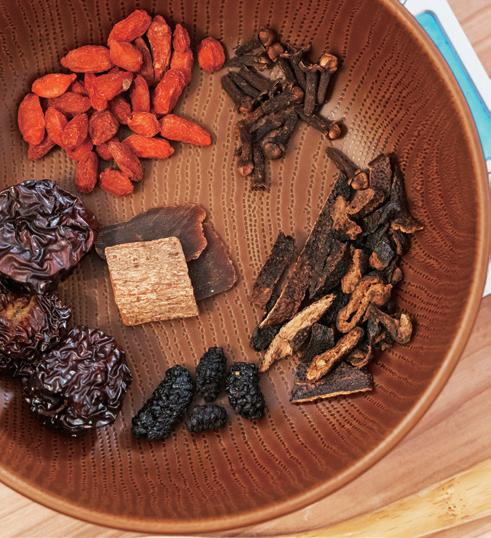
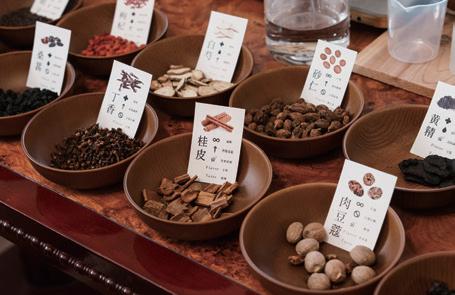
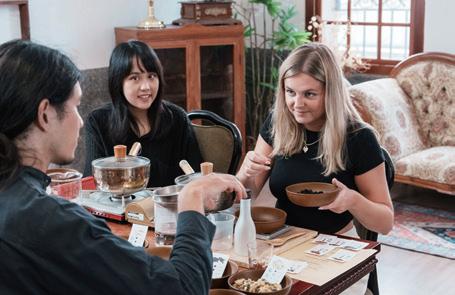
TCM is an ancient practice still widely used across East Asia to this day, balancing yin and yang, observing the body’s qi, or energy, and relieving all manner of ailments. Our class serves as a crash course in TCM, allowing us to understand how the ingredients can aid in cooling the body down on hot summer days or heating it during chilly winter days, how they can help with digestion or with lowering blood pressure, and, more importantly for our experience, how they taste in a self-made brew.
Our teacher, Qiqi, first takes us through a fun presentation running through the history of cola and how it has been consumed through time. We then explore its present-day forms the world over, including the Japanese brand Iyoshi Cola, a popculture icon in Taiwan, and the modern-day Coca-Cola brand, known for its fizziness and high levels of sugar. This leads us to the health benefits of our own brew, in which only a limited amount of brown sugar will be used, a somewhat healthier alternative to white sugar or corn syrup, and we learn about the drink’s medicinal benefits.
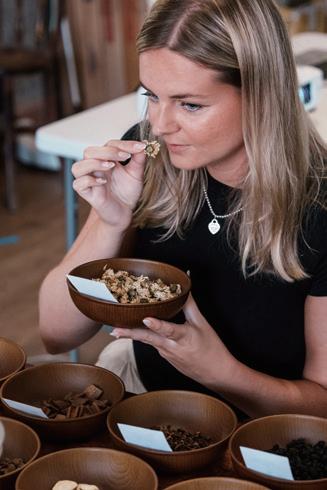
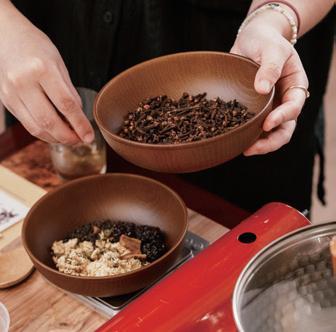
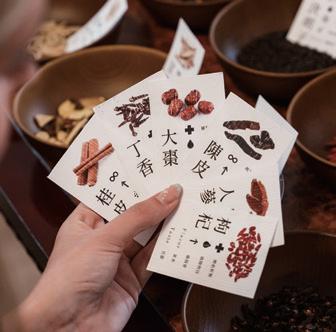
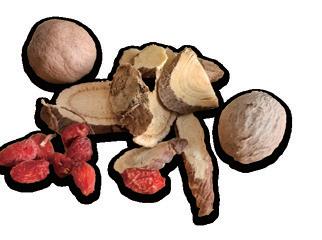
Qiqi gives us an overview of the ingredients we’ll be working with, from sealwort, favored by fasting Daoist ascetics, to the potentially poisonous nutmeg, which can induce hallucinations if improperly consumed. Then we get to the brewing. Qiqi asks us to smell and test each of 17 ingredients before we pick six to eight for our colas, depending on personal taste and medicinal needs.
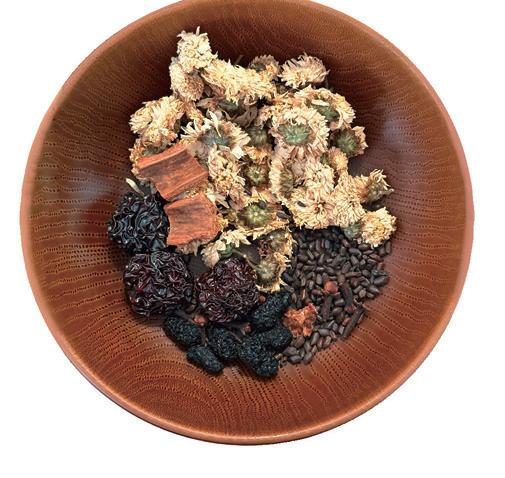
I select slightly sweeter ingredients such as dried jujubes and mulberries, and those beneficial for women’s health, including ginseng. Meanwhile, my friend chooses a more bitter selection, suitable for someone more accustomed to traditionally used herbal ingredients, which is sweetened with dried chrysanthemum flower.
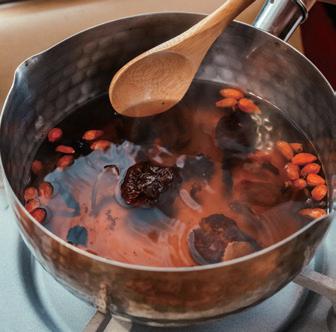
Next, I measure out each of the ingredients: a piece of cinnamon bark, a handful of jujubes and mulberries, and five grams each of goji berries, cloves, and tangerine peel. Then it’s time to bring the ingredients to a boil in a dash of water, followed by simmering the mix for 25 minutes.
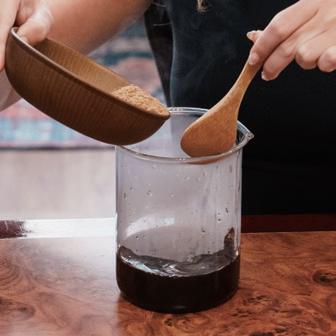
While we wait, Qiqi brings us tastings of two of his special cola recipes, one more sweet with an herbaceous aftertaste, and one more bitter with a hit of classic TCM aromatics. Once our brews have simmered down into a deep amber liquid, we turn off the heat and add in brown sugar to taste, stirring until it turns to that deep mahogany cola color.
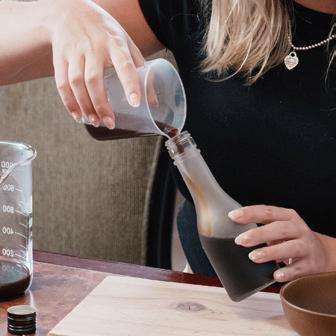
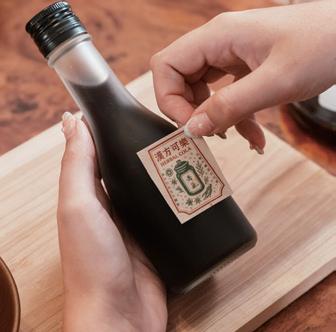
Qiqi helps us to strain out the liquid into a jug before we each measure 200ml for our mini take-home glass bottles. We each apply a “herbal cola” label, and voilà, we have a keepsake of our time on Dihua Street. Once we get home, we can simply mix one part cola to two parts soda over ice to enjoy our very own brew. Before we leave, Qiqi prepares leftover cola so we can try our creations on the spot. Sweet, floral, and herbaceous, they go down a treat.
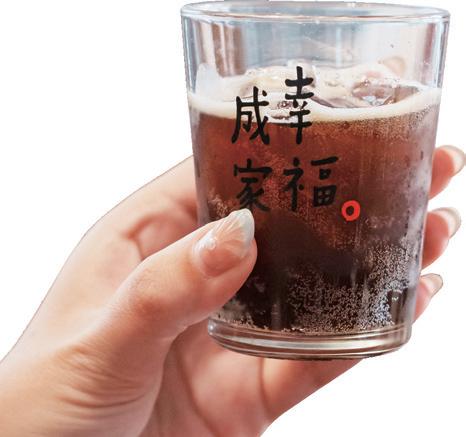
This herbal-cola DIY class is especially great for cultural experience activities, team-building sessions, educational trips, and even family outings, with participants receiving an introduction to traditional local industries and practices, and taking home some unique souvenirs.
CAOMUZHUSHI 草木竹石
www.caomuzhushi.com www.instagram.com/caomuzhushi.___ Reservations can be made via the LINE app; Upcoming workshops are announced on Instagram
In a world where trendy restaurants open and close with surprising speed, establishments in Taipei that have managed to keep their doors open for over a century are true treasures. These enduring institutions serve traditional Taiwanese flavors – such as braised delicacies, beef noodles, meatball dumplings, and squid thick soup – preserving recipes and family legacies that have stood the test of time, generation after generation, providing an authentic taste of Taipei’s culinary history.
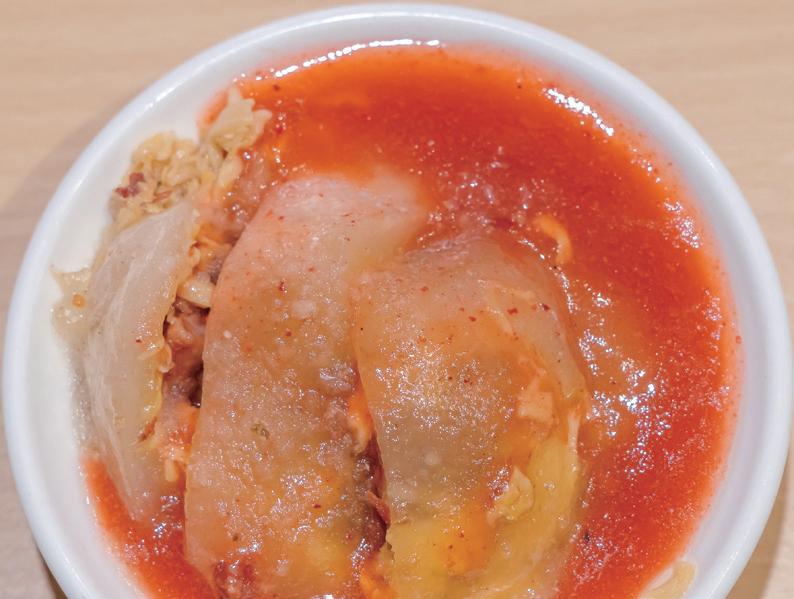
One of the oldest eateries in Taipei is Chuan Yeh in Wanhua District, founded in 1910, which specializes in Taiwanese crystal meatball dumplings (pronounced bawan in Taiwanese). Chuan Yeh is a “hole in the wall” in the best sense, with fewer than ten tables. The walls are adorned with colorful illustrations of the neighborhood around the historic Bangka Lungshan Temple (just a short walk away) as well as the eatery’s signature offering, with explanations of Chuan Yeh’s history and the meatballs themselves.
You’ll learn that the founder was an immigrant from Quanzhou, China. He first moved to the Hsinchu area in northwest Taiwan, where he prayed at a temple and was told by the god Zunwang that he needed to go to Taipei if he wanted his business to thrive. Now, over a century later, the deity seems to have kept his promise.
The meatballs are both delicious and unique, made with boiled bamboo shoots sourced in Chiayi County, south Taiwan, mushrooms from Nantou County, central Taiwan, and pork shank marinated in a brown-sugar sauce before cooking. The ingredients are held together by a chewy shell made with sweet-
For the best thick soup with squid and fried treats in the Guangzhou Street Night Market (a 5-minute walk from Chuan Yeh), look no further than Liang Xi Hao. Founded in 1921 by Chen Liang-xi when he was just 18 years old, what is now a small eatery started as a food stall near Lungshan Temple, which anchors one end of the night market. It wasn’t until the third generation of ownership that the squid soup and fried snack stall was closed down, and a permanent location was established.
Liang Xi Hao looks every bit the old Wanhua eatery, with an iconically Taiwanese stainless-steel food preparation stand out front. In addition to the store’s smaller sign, a large and colorful banner bears the shop’s name with an illustration of two squids, indicating the signature dish. Multilingual menus are available.
The squid thick soup is hearty and filling, especially when paired with yellow noodles. Fish balls and boiled squid, cooked to perfection and never too chewy, taste even better with a hit of black vinegar and some white-pepper powder. The fried snacks are similarly delightful, especially the fried fish with pepper salt and the fried burdock tempura.
potato starch, which can be steamed or fried in oil for a superlative al dente texture. The meatballs are topped with a sweet red sauce made from fermented rice that is both distinctive and complex. The eatery’s wonton soup makes an excellent accompaniment, the wontons floating in a flavorful broth topped with fragrant bonito flakes.
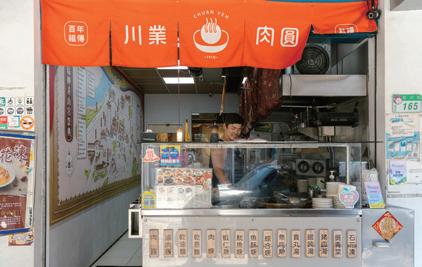
CHUAN YEH 川業肉圓
165, Guangzhou St., Wanhua Dist. (02) 2308-1641
facebook.com/chuanyeh1910 10:00am-9:00pm
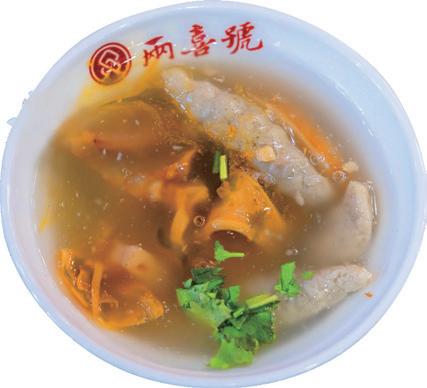
LIANG XI HAO 兩喜號
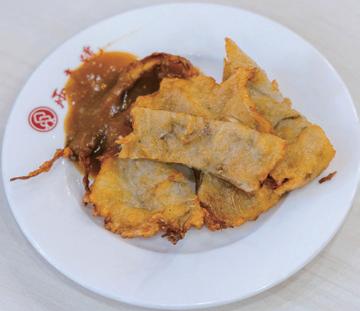
245, Guangzhou St., Wanhua Dist. (02) 2336-6887
facebook.com/liangxihao 4:00pm-11:30pm
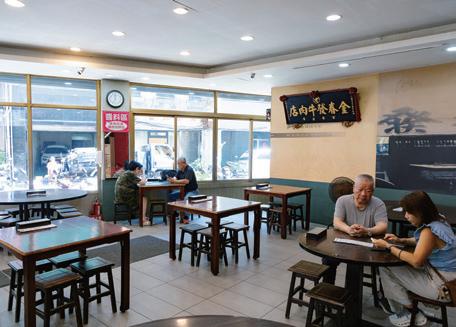
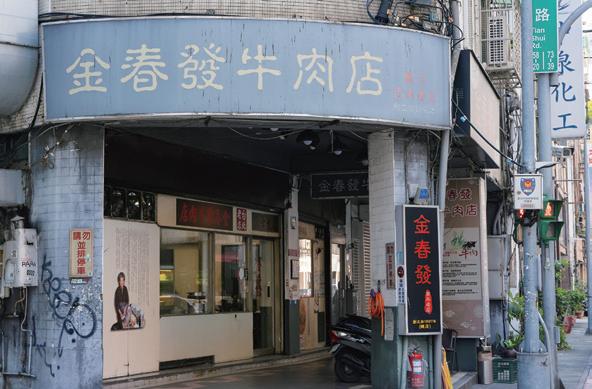
Opened in 1897 as a food stall on what is now known as Jiancheng Roundabout (intersection of Nanjing West and Chongqing North roads), Jin Chun Fa isn’t just one of the oldest beef noodle restaurants in Taipei; it’s one of the oldest restaurants, period. Now a homey, welcoming spot on nearby Tianshui Road, Jin Chun Fa is in its fourth generation of ownership and today also operates several branches. It has such a reputation for consistent quality that patrons who visited as children now bring their grandchildren for lunch or dinner.
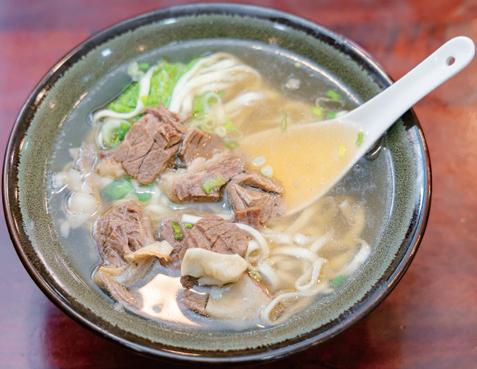
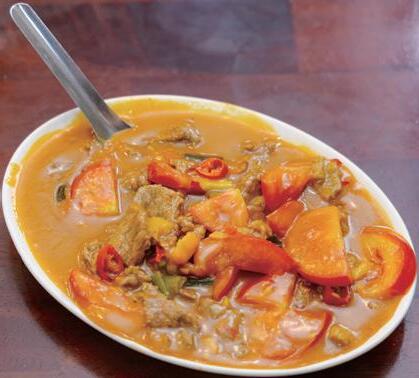
Jin Chun Fa’s most famous dish is the signature beef noodle soup in clear broth. This is a proper longsimmered bone broth with deep flavor, but no hint of greasiness. The half-tendon, half-meat beef noodles are especially popular, although both all-meat and offal varieties are available. The best beef places use more than just meat, after all. If you’re not into offal – or if you are –check the menu carefully: every part of the cow, including beef heart, stomach, liver, tripe, and brain, is available. The stir-fried curry beef, also available with noodles, is another crowd pleaser.
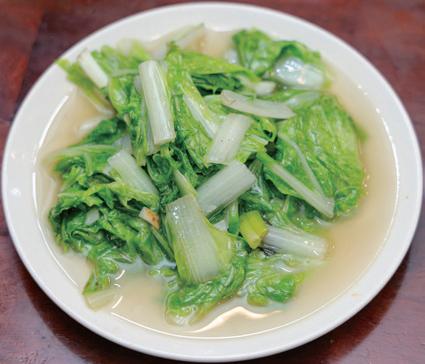
JIN CHUN FA BEEF
金春發牛肉 20, Tianshui Rd., Datong Dist. (02) 2558-9835 Tue-Sun 11:20am-8:50pm
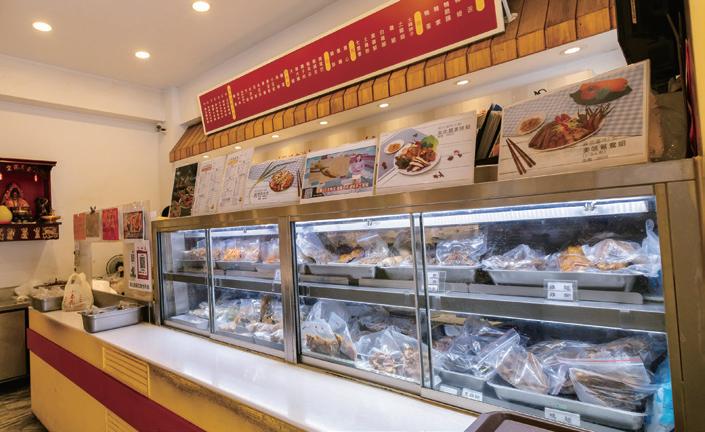
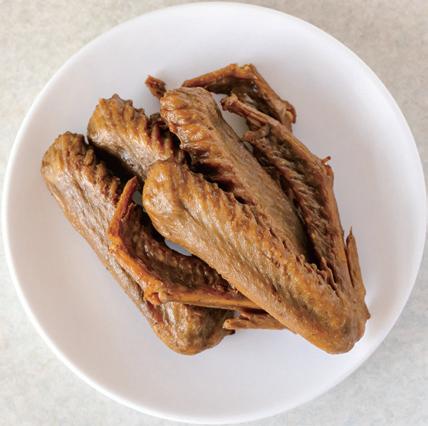
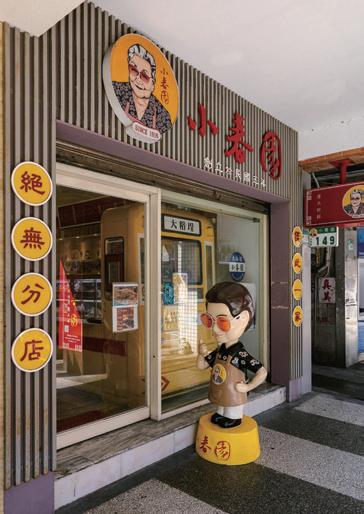
The pop art grandma on the sign at Xiao Chun Yuan is truly iconic, even more so than the display of duck tongues and other braised foods in the windows of the shop. The white-haired woman in the illustration, with her well-known glasses with colored lenses, is Yeh Bao-zhu, the daughter of Master Yeh, an immigrant from Fujian who opened Xiao Chun Yuan in 1916 on Nanjing West Road (also close to Jiancheng Roundabout) after operating a street stall nearby for many years. The current location is more spacious than one would expect, with round tables and typical old-style wooden stools.
Before handing off business operations to her granddaughter, Yeh Baozhu pioneered six different braising methods to bring out the best flavors for every ingredient. Her secret was to keep it no-frills: simple food with intense flavor. Xiao Chun Yuan’s braising marinades are rich, savory, and slightly sweet, but balanced so they aren’t cloying.
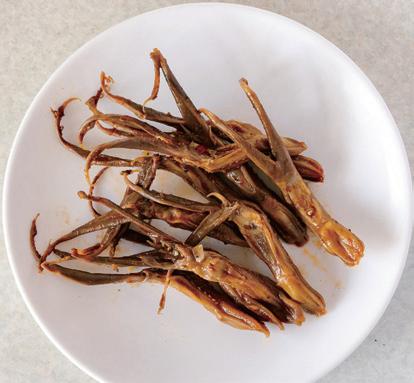
The restaurant’s most famous dish is duck tongues, cut carefully from the ducks’ throats and cold-marinated. Another showstopper is the duck wings, the marinade bringing out the tender gaminess of the duck meat. Other popular choices are the braised bamboo shoots, dried tofu, and mushrooms.
XIAO CHUN YUAN BRAISED FOODS 小春園滷味
149, Nanjing W. Rd., Datong Dist. (02) 2555-5779 scy101.com.tw
Mon-Sat 10:00am-7:45pm Sun 11:00am-6:30pm
Bangka Lungshan Temple | 艋舺龍山寺
Chen Liang-xi | 陳兩喜
Guangzhou Street Night Market | 廣州街觀光夜市
Jiancheng Roundabout | 建成圓環
Yeh Baozhu | 葉寶珠 Zunwang | 尊王

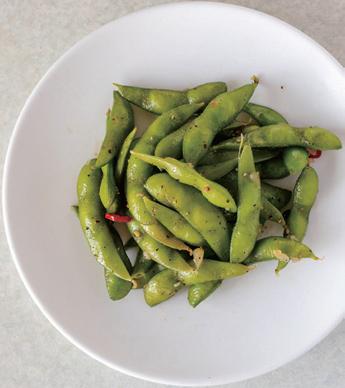
Taipei Restaurants That Have Recently Received Their First Michelin Star
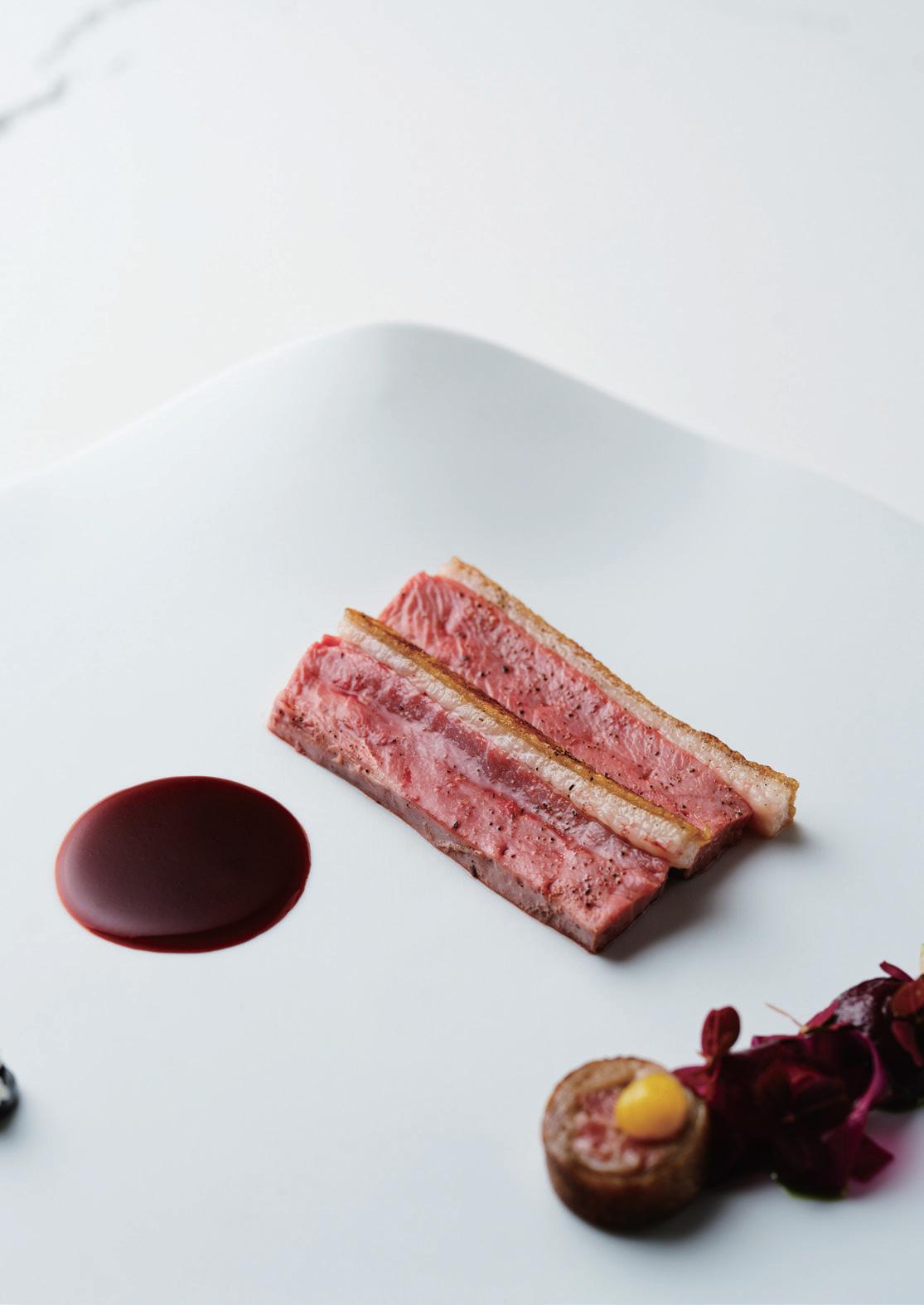
A restaurant’s first Michelin star is more than an achievement for the establishment; it’s a rite of passage for the chef. In 2025, a number of Taipei restaurants were honored with this distinction – offering a range of dining experiences from eco-friendly and sustainable to hyper-local, from bold Tuscan-style to delicate European-Asian fusion, as well as some of the finest Japanese cuisine available in and outside Japan.
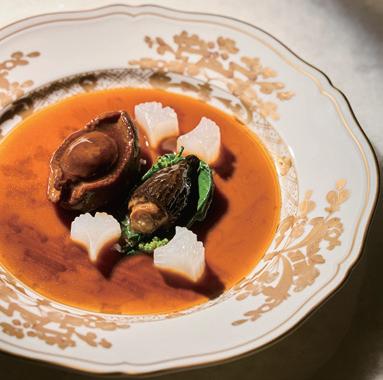
aMaze is just steps away from MRT Dazhi Station. Its austere façade evokes a Japanese gilt-iron tetsuyu glaze, complemented by bonsai-like twisting trees. The minimalist exterior gives way to an inviting space decorated in warm neutrals, wood, and art by contemporary Taiwanese artists, bringing splashes of cobalt and crimson to the space.
Chef Yang Guang-zong not only creates but also reinvents Chinese cuisine, primarily from the Jiangsu and Zhejiang traditions. His dishes incorporate elements of Western technique, Japanese accents, and local Taiwanese ingredients. The restaurant’s recent “Concerto” menu featured fresh mussels from the Matsu islands, green Huadiao bamboo shoots marinated in local wine, and smoked fish in a fusion of Zhejiang and Japanese flavors. The latest menu, “A Taste of Gratitude,” continues with premium seafood creations, high-quality wagyu beef, and warming ginger duck, perfect for the colder season.
aMaze was distinguished with its first Michelin star just a year after opening, but Chef Yang is no stranger to Michelin. As a chef at Tien Hsiang Lo in the Landis Taipei hotel, Yang helped that restaurant earn Michelin stars for five consecutive years.
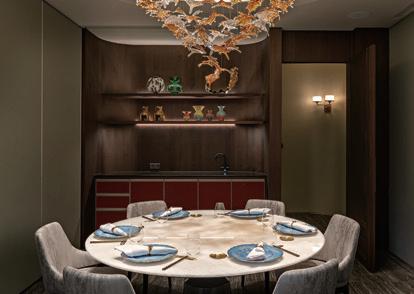
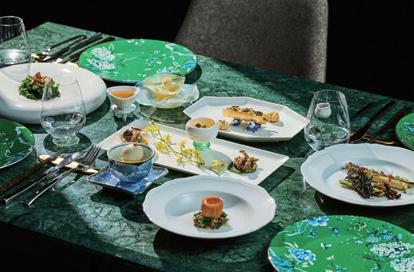
a MAZE 心宴 598, Mingshui Rd., Zhongshan Dist. (02) 8501-5980
www.amaze598.com
By reservation only
This is a fine-dining restaurant with some of the best views in Taipei. Located on the 46th floor of the Breeze Nan Shan mall, it offers carefully crafted set menus that move between different expressions of Sichuan cuisine – from the hearty comforts of home cooking to the refined dishes once served at official imperial banquets. Chef Jason Wang formerly served as head chef at the local W Hotel’s YEN Chinese restaurant.
The Chuan Ya interior is warm and composed, using tones of cream, amber, and caramel with warm wood. This calm space allows the food to take center stage. Windows take up most of the exterior-wall space to take advantage of the views.
One of the signature dishes is the Golden Sour Soup with Crab Meat, Assorted Seafood, Mushrooms and Crispy Rice. This goldenhued sour soup is crafted with abalone, scallops, crab meat, dried mountain jelly greens, and straw mushrooms, with its flavor beautifully balanced by pickled vegetables, tomatoes, and yellow bell peppers. Into this aromatic broth, golden rice, which is first steamed, then fried, is immersed. The rice absorbs the soup’s essence while retaining a delicate crunch. Luxurious and layered, the soup delivers a springy texture enriched with depth.
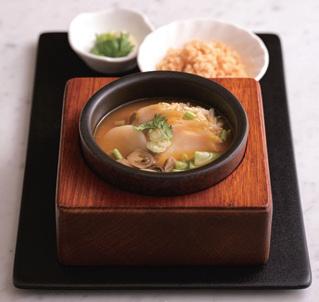
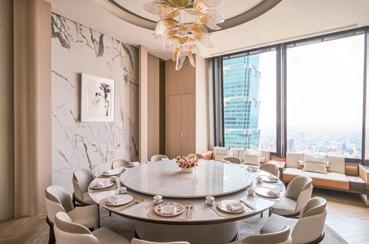
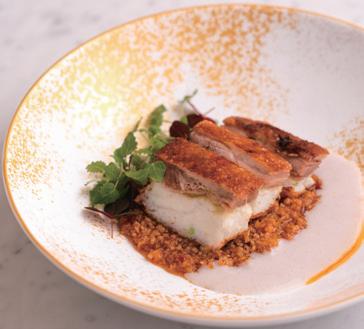
CHUAN YA 川雅 46F, 17, Songzhi Rd., Xinyi Dist. (02) 2722-0303 www.chuan-ya.com By reservation only

This restaurant takes sustainability seriously. Although it earned its first Michelin star this year, it has earned a Michelin green star, given out for “green” or eco-friendly fine-dining establishments, each year since 2023. The restaurant relies on Taiwanese ingredients to reduce unsustainable shipping practices and engages in food composting. It also provides detailed explanations of each dish, enabling diners to grasp the ecological principles underpinning their luxury experience.
The interior reflects the same philosophy: natural materials, a garden courtyard with five-needle pine, and oyster shell paint walls. Everything else, however, evolves with the seasons. Most high-end restaurants change their menus seasonally; HoSu changes its decor as well.
Located in Daan District off Renai Road, the restaurant reopened in 2024 under chef-owner Ian Lee, using a 14-course set menu that showcases Taiwan’s seasons, landscapes, and people, with a focus on inspiration from the country’s five main groups of people. The current edition of the menu draws on fermentation, fragrance, and extraction of local ingredients to tell the story of Taiwan.
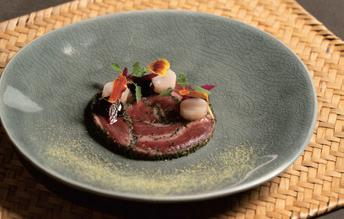
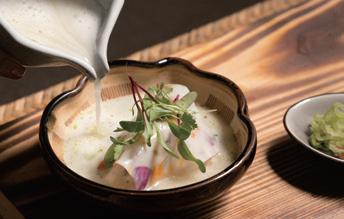
Helmed by German star chef Thomas Bühner and Hong Kong-born executive chef Xavier Yeung, La Vie blends European techniques with local Taiwanese produce. Located on the first floor of Noke Mall, walking into the striking dining space is like visiting a modern art museum: bathed in cool neutrals accented with gold, the smooth curves of tablescapes and space-age light fixtures are something out of another world.
The menu is prix fixe, and for the most part seasonal, with courses that range from delicate starters –think steamed oysters with horseradish oil and celeriac ravioli – to luxurious mains such as blue lobster, frog leg Kiev, and roasted Hampshire Down lamb rack. Desserts include “ice pearls,” hazelnut praline, and petits kougelhof.
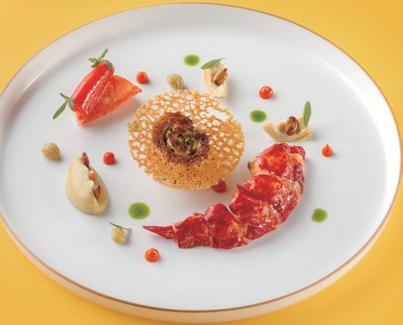
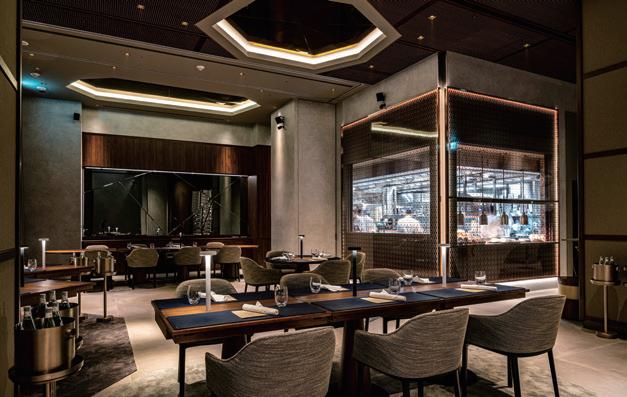
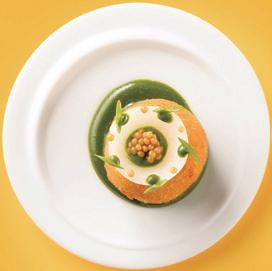

Apart from its Michelin star, La Vie has also been recognized for its rich fine-wine collection, spanning different regions and confidently presenting various vintages from top winemakers. Head Sommelier Max Huang and his team earned a prestigious “Best of Award of Excellence,” represented by two wine glasses, from the American magazine Wine Spectator in 2025.
La Vie by Thomas Bühner
200, Lequn 3rd Rd., Zhongshan Dist. 0937-857-869
www.laviebythomasbuehner.com
By reservation only
Italian styling is rarely understated, and FRASSI takes its cues from the boldness of this design ethos. Geometric gold chairs play against walls of Calacatta marble and accent walls that evoke meteor showers at sunset for a look that’s both brash and unique. FRASSI offers especially elegant bar- and family-style seating options that can accommodate individuals, couples, or groups.
Originally from Tuscany, Chef Iacopo Frassi has called Taipei home for several years. He draws on both his Tuscan roots and experiences in Asia to create a memorable contemporary Italian-fusion dining experience. His kitchen cures its own meats, including a ten-day-aged duck that is the stuff of legend, served with earthy beetroot and black apple.
FRASSI offers a multi-course tasting menu and wine pairings. Lobster risotto is served with chive and avocado, followed by white asparagus with koji and parsley. Something special happens when the tagliatelle with rabbit and salsa verde is served, followed by the celebrated aged duck, the neck stuffed with pork, veal, and Parmesan cheese.
FRASSI
299, Lequn 3rd Rd., Zhongshan Dist. (02) 8502-6383
www.frassi.com.tw
By reservation only
Please drink responsibly
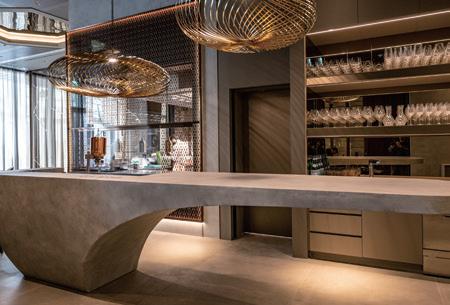
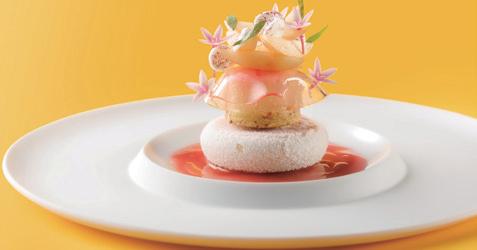
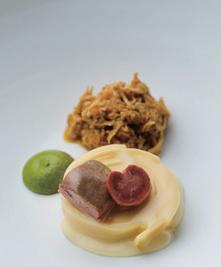
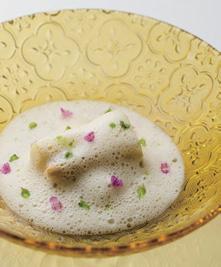
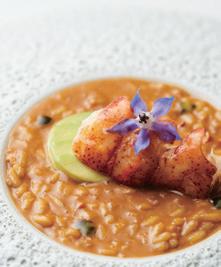
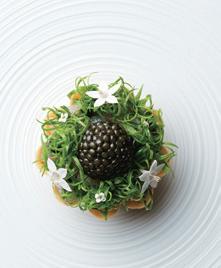
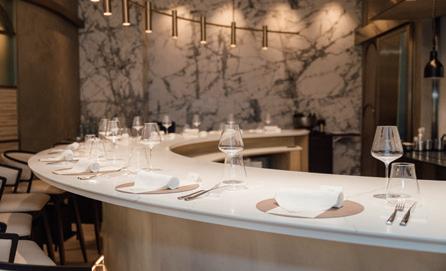
One doesn’t typically think of Japanese tempura as Michelin-worthy food, but Motoichi manages to surprise at every turn. The team at this tiny space – there are only 16 seats – carefully selects seasonal ingredients for an evening of omakase -style dining. Omakase means “I leave it up to you”: it’s a Japanese dining experience where the chef is trusted to create a unique tasting menu for each patron.
Tucked away in an alley near busy Zhongxiao East Road, Motoichi’s interior is both modern and thoroughly Japanese, blending blond wood, carved elements, and offwhite walls with contemporary style. Diners across the two rooms watch the chefs create each dish.
Some might expect the tempura to be heavy or oily, but Motoichi’s creations are light, fried in a delicate batter that seals in both juices and flavor. The lightness is achieved by using a unique liquid nitrogen technique that eliminates the moisture and water contained in the flour. Apart from the fresh shrimp, fish, and vegetable selections available one might choose something more unexpected, such as asparagus or even olives. Texture is an important part of omakase -style tempura, and Motoichi has been praised as nailing this element perfectly, earning it its first Michelin star.
Motoichi 元一 11, Aly. 27, Ln. 216, Sec. 4, Zhongxiao E. Rd., Daan Dist. (02) 2778-3380 By reservation only
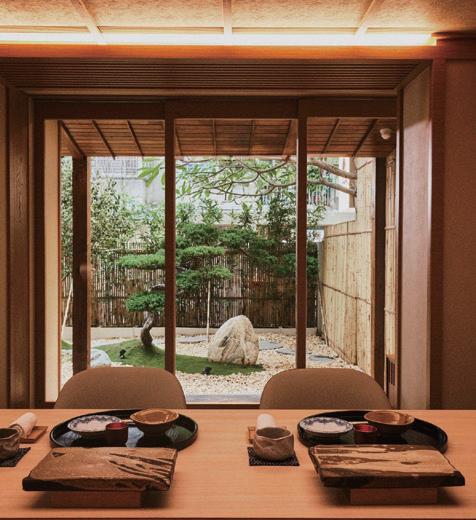
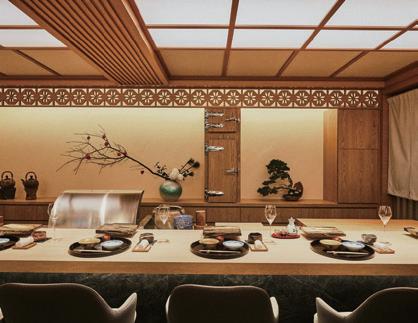
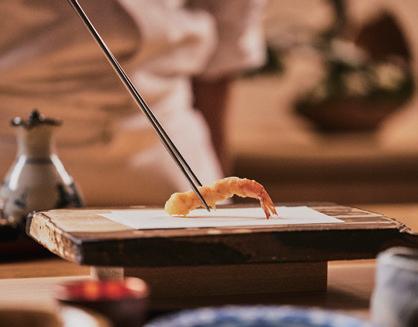
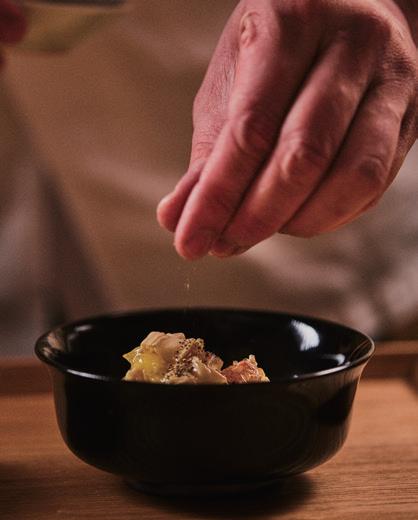
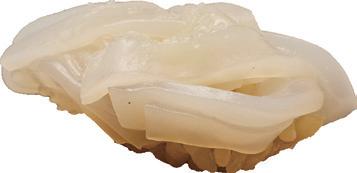
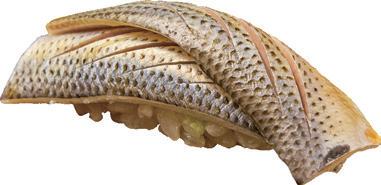
At first glance, Sushi Kajin looks like every other highend sushi restaurant in Taipei. You would be remiss in dismissing it, however, as it crafts some of the finest sushi in the city. The ambiance is elegant yet warm, imbued with Japanese minimalism: a counter made of Taiwanese cypress, subdued lighting, lacquerware, and a quiet, focused energy.
The core of the experience lies in its Edomae -style sushi, a sushi preparation method from Tokyo that originated in the city’s Edo period. Fish from Tokyo’s Toyosu Market is flown in and prepared precisely to enhance the depth of flavor. In some cases, this may involve aging or curing.
Chef Okuchi Taichi, formerly of the Michelin-starred Sushi Wakon in Kyoto, leads the kitchen. His renown is so great that a prominent Taiwanese investor funded his Taipei venture so that he could showcase his skills here, in a city that may not be Japanese but where many food lovers have a list of favorite gourmet sushi restaurants.
The restaurant is known for upholding a philosophy of craftsmanship, such as limiting sugar in the sushi rice, tailoring aging times by fish species, and emphasizing seasonality. In winter, the focus is on delicacies like kobako crab, bonito, and winter yellowtail.
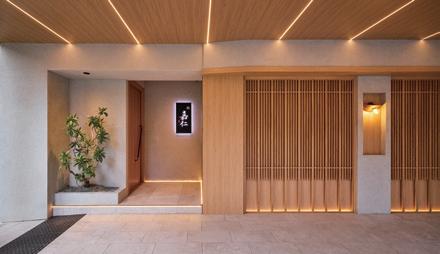
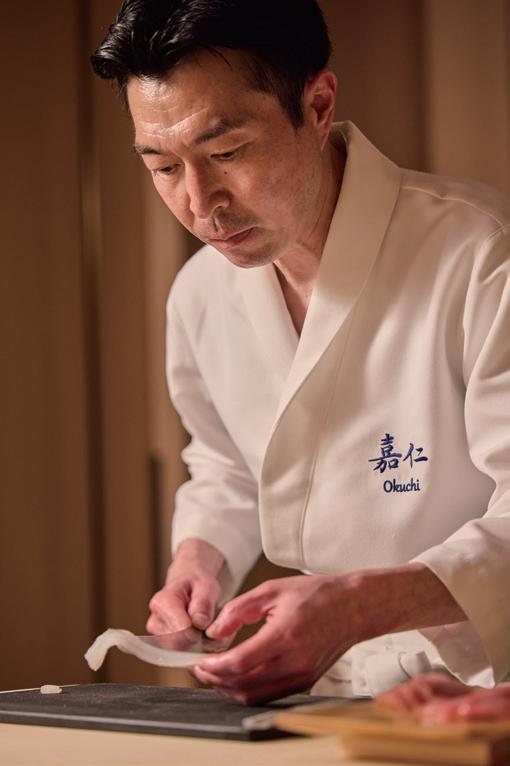
Sushi Kajin 鮨嘉仁 28, Jilin Rd., Zhongshan Dist. www.sushi-kajin.com By reservation only
Ian Lee | 李易晏
Tien Hsiang Lo | 天香樓
Jason Wang | 王國政
Yang Guang-zong | 楊光宗

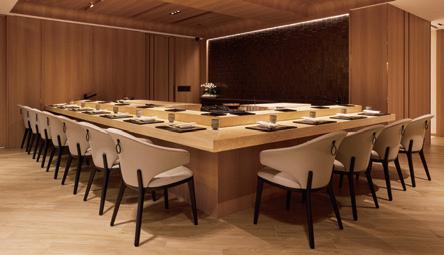
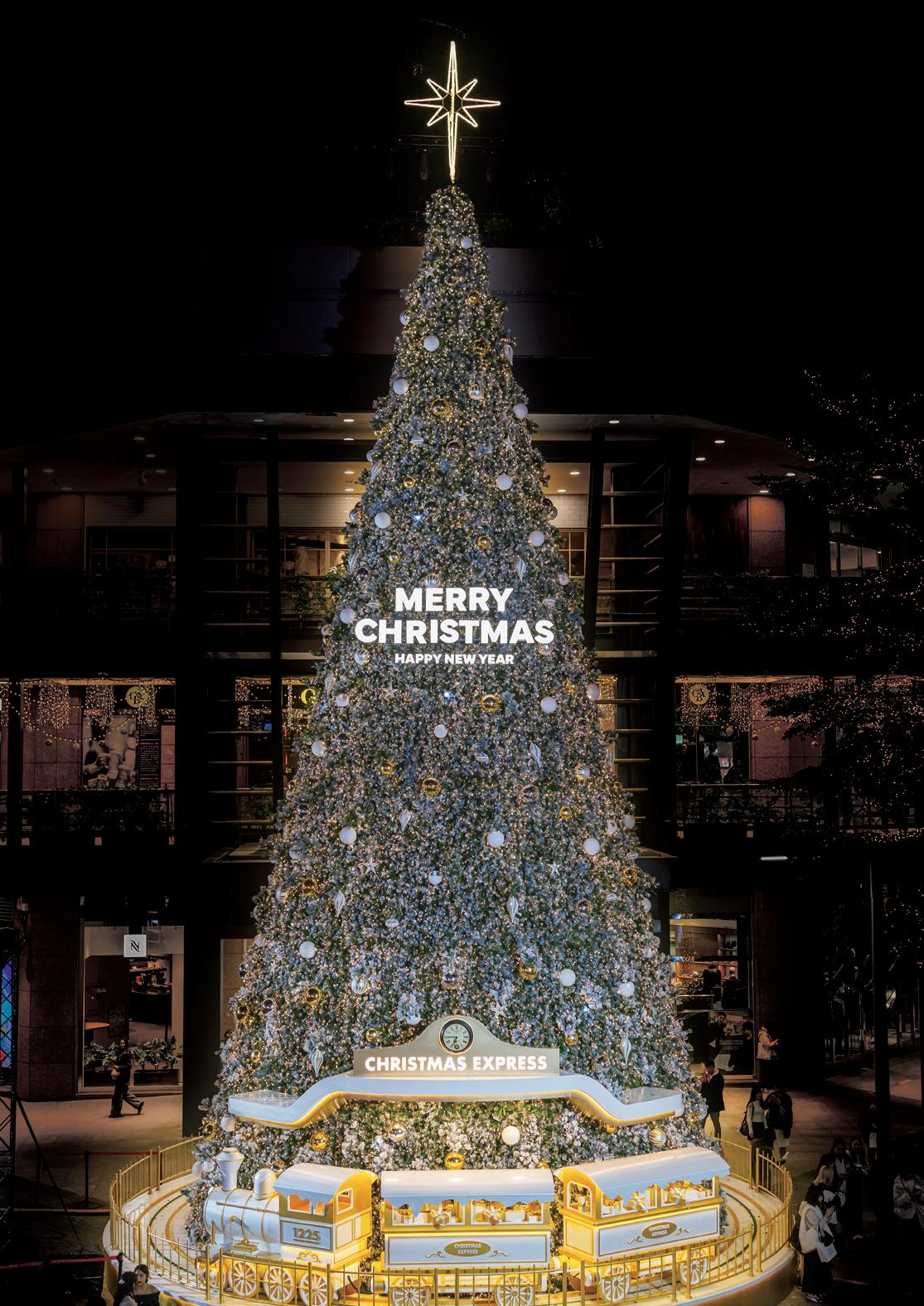
Taipei’s holiday season differs markedly from that in coolclimate Western countries, but there is much festive cheer to be found. You just need to know where to look to enjoy Christmas trees and decorative lights.
TEXT & PHOTOS | VISION
The top place for Christmas decorations in Taipei is the modern Xinyi District. Major department stores there turn pedestrian areas, including the interconnecting skybridges, into a dazzling spectacle of festive lights and installations each year. The display outside Shin Kong Mitsukoshi Taipei Xinyi Place is especially elaborate, including a beautiful 20-meter-tall Christmas tree with snow-white lights and daily music, light, and artificial-snow shows.
Another prominent spot nearby for marveling at an impressive Christmas tree and other decorations is the Uni-President Department Store. Each year, the store designs a Christmas wonderland with a famous city as theme (Venice, Italy, this year), offering visitors many opportunities for taking photos.
Before Christmas each year, Xinzhongshan Linear Park (between MRT Zhongshan and Shuanglian stations) is transformed into a trendy blend of art and leisure. This long, narrow park becomes a dazzling, light-filled playground. The main draw this year is a large Christmas tree featuring cute characters from the new Disney animated comedy film Zootopia 2. There is also a Zootopia “bus stop,” depicting cute animals waiting on a bench. Another popular attraction is the Christmas market.
Beyond the city’s well-known shopping districts, you can spot Christmas trees in other locations as well, including the impressive display at Taipei Main Station. The station’s main hall features a 22-meter-high Christmas tree. Illuminated by 60,000 light bulbs, it is Taiwan’s tallest indoor Christmas tree. This magnificent centerpiece is uniquely decorated to reflect its setting, including a steam locomotive train and the Taiwan Railway Corp. mascot, together with other cute figures, celebrating the spirit of travel and the station’s role as a major transportation hub. Another noteworthy destination is the Taipei Water Park, which each year hosts the Gongguan Christmas Season event, featuring a large Christmas tree and various illumination zones with unique themes based on local fairy tales or historical concepts.
Since Christmas is a religious festival, local churches are also known for their elaborate decorations. The best location to visit several churches in one go is Xinsheng South Road, also known as “Paradise Road.” Along the road, you can check out the Christmas displays of the Grace Baptist Church, Truth Lutheran Church, Holy Family Catholic Church, Seventh-day Adventist Church, and Wesley Methodist Church. Additionally, be sure to take photos of the large Christmas tree at the entrance to Daan Park (Xinsheng South Road and Xinyi Road intersection). The park itself also features Christmas decorations and a live concert (see more on page 4).
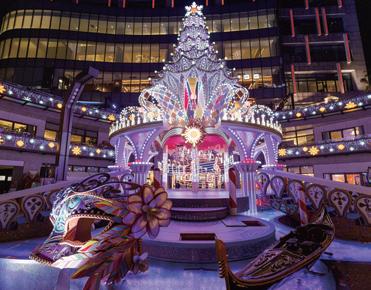
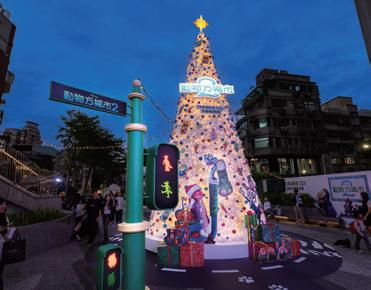
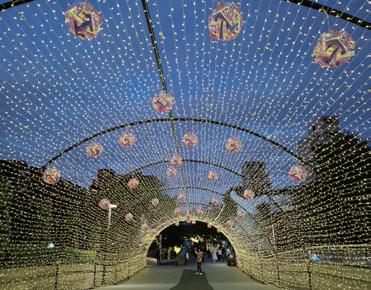
Gongguan Christmas Season | 公館聖誕季
Songshan Cultural and Creative Park | 松山文創園區
Xinzhongshan Linear Park | 心中山線形公園

EasyCard
NT$200 (NT$100 value incl.)
TICKET PRICE

- NT$65


Adult: NT$15, regardless of using cash or an EasyCard
Student: NT$15 when paying cash; NT$12 when using an EasyCard (Student ID required)
Child under 115cm or under six years old: Free (ID required)
The open-top, double-decker buses offer a hop-on/hop-off service, allowing tourists to take in the cityscape and visit many of Taipei’s prime destinations. Website: taipeisightseeing.com.tw
eBus ebus.gov.taipei
YouBike is Taipei’s public rental bike system. Register with an EasyCard at youbike.com.tw/region/taipei/register to rent a bike, enjoy free insurance, and a memeber-only subsidy. The fee per 30 minutes is listed below.
NT$0 with member-only subsidy
The electric-assisted Youbike 2.0E charges NT$20 per 30 minutes for the first 2 hours, and NT$40 per 30 minutes thereafter. No subsidy is given.
There are four types of Taipei Fun Pass available: the Unlimited version (attractions+transportation), the Exploring version (attractions +EasyCard), the Classic version (2 attractions+EasyCard) and the Transportation version (transportation only). You can visit Taipei City, New Taipei City, Keelung City, and Taoyuan City within the validity.




Tourism Administration, Ministry of Transportation and Communication: 0800-011-765 Information for Foreigners in Taiwan: 1990
Taipei Citizen Hotline: 1999 (Outside Taipei City, please dial 02-2720-8889)
Taipei Travel Net: travel.taipei/en; presents travel information on Taipei City in Chinese, English, Japanese, Korean, Thai, Indonesian, Vietnamese, and Spanish