HURRICANE PREPAREDNESS GUIDE


1. Know Your Risk
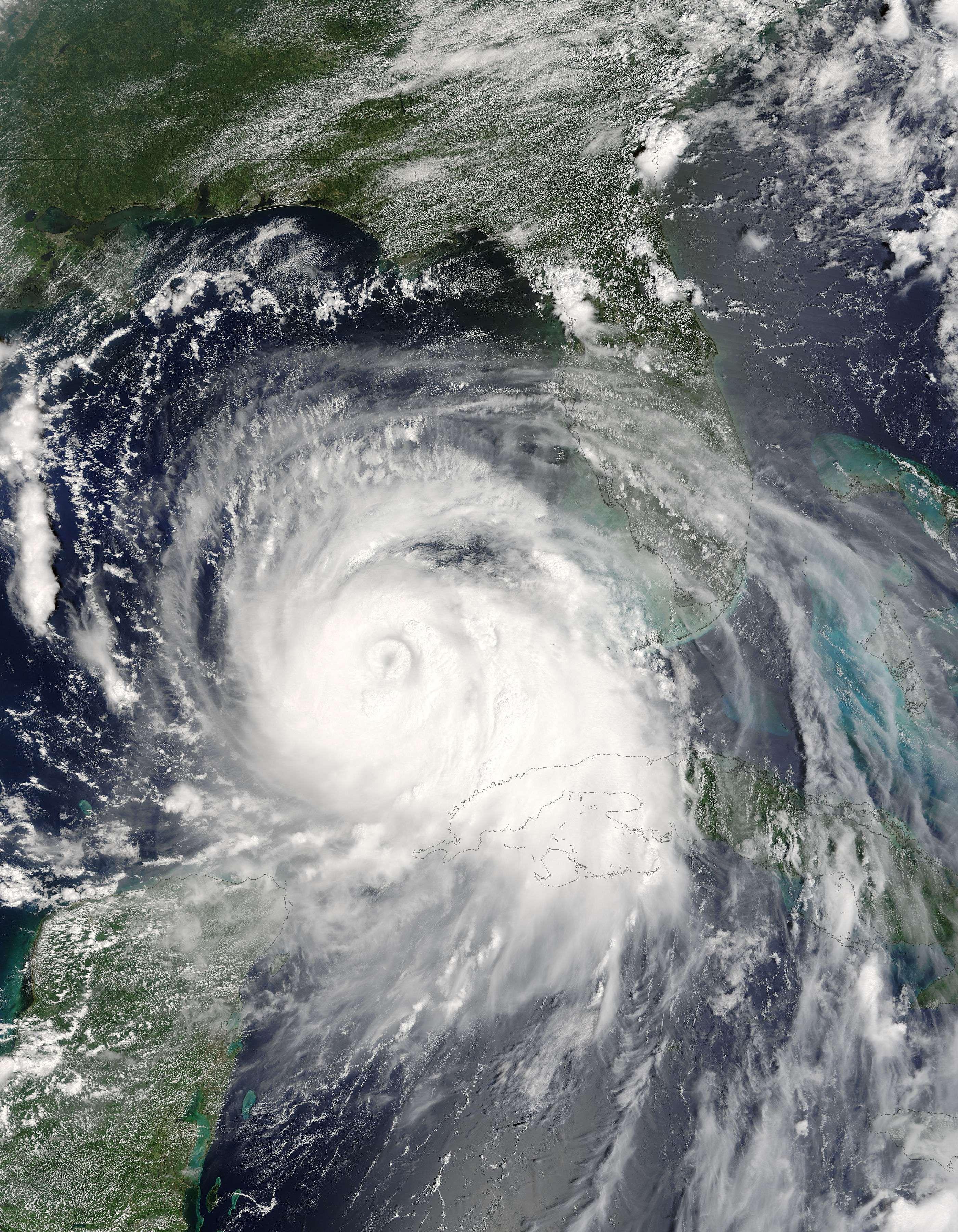
• Track the Storm: Use reliable sources like the National Hurricane Center (www.nhc.noaa.gov) or local emergency alerts.
• Understand Your Zone: Know your evacuation zone and flood risk (check county emergency management websites).
• Be Weather-Ready: Hurricanes bring high winds, storm surge, and heavy rain plan for all three.
2. Create a Family & Home Plan
• Evacuation Plan: Identify where you’ll go if ordered to evacuate—friend/family home inland, hotel, or public shelter.
• Communication Plan: Agree on how your household will contact each other if separated.
• Pet Safety: Arrange for pet-friendly shelters or accommodations.
3. Stock Your Emergency Kit
Prepare at least 7 days of supplies for each person. Water & Food
• Water: 1 gallon per person per day (minimum 7 gallons per person for a week)
• Non-Perishable Food: Canned goods, protein bars, peanut butter, dried fruit, baby food if needed.
• Manual Can Opener Medical & Safety
• Prescription medications (2+ weeks supply)
• First-aid kit
• Glasses/contact lenses and solution
• Hand sanitizer & disinfectant wipes
• Masks (for dust/debris or illness prevention)
Power & Light
• Battery-powered or hand-crank radio (NOAA weather radio)
• Flashlights and extra batteries
• Fully charged portable power banks
• Solar chargers if possible
Important Documents (in waterproof bag)
• IDs, insurance policies, property records
• Bank account numbers, emergency contacts
• Copies of prescriptions
Other Essentials
• Cash (ATMs may be down)
• Sturdy shoes & work gloves
• Extra clothes & blankets
• Trash bags & duct tape
• Toiletries, toilet paper, feminine products
4. Prepare Your Home
• Secure Windows & Doors: Install storm shutters or use plywood.
• Clear Yard: Bring in furniture, potted plants, grills, and anything that can become a projectile.
• Check Roof & Gutters: Remove debris and ensure drainage is clear.
• Reinforce Garage Doors: They are vulnerable to high winds.
• Fuel Up: Fill gas tanks and extra approved fuel containers.
• Generator Safety: Test it ahead of time; never run indoors or in enclosed areas.
5. During the Storm
• Stay indoors and away from windows.
• Monitor weather updates on battery-powered radio.
• Avoid using candles (fire risk)—use flashlights instead.
• If flooding occurs, move to higher ground.
• Do not go outside during the “eye” of the storm—it will get dangerous again quickly.
• Wait for Official “All Clear”: Don’t leave shelter until authorities confirm it’s safe.
• Avoid Flood Waters: They may contain hazards and contaminants.
• Document Damage: Take photos for insurance claims.
• Check Neighbors: Especially elderly or disabled individuals.
• Beware of Hazards: Downed power lines, gas leaks, unstable trees.
• Storm Surge: In coastal areas, evacuation may be required earlier due to water rise.
• Mosquito Protection: After heavy rains, mosquito activity spikes keep repellent handy.
• Heat & Humidity: If power is out, prepare for high temps stay hydrated and seek shade.
• Understand hurricane forecast models and cones. Rely on government and professional meteorologic interpretations.
• Enable emergency alerts in your smartphone.
• iPhone: Select settings, then go into notification. From there, look for government alerts and enable emergency alerts. Along the bottom and click on “Settings”. On the settings menu, click on Severe Weather Alerts.” From the menu, select from Most Severe, Moderate Severe, or All Alerts.
• Android: From the home page of the app, scroll to the right
• As long as you have power, make sure all your battery packs and electronics are fully charged. No candles! Only battery-operated lighting devices.
• If you are not advised to evacuate, during the height of and after the storm you want to stay in the safest part of your home-interior rooms away from windows and exterior doors. The center of your home in a closet or bathroom without windows is ideal. This will keep you safe in case of tornadoes and severe storms, which are common when hurricanes make landfall.
After the storm, stay indoors. More people are injured or die after a hurricane hits. If you stay indoors until officials give the all-clear, you'll stay safe from downed power
lines or dangerous storm debris. If you are running a generator, you want it outside and away from the house.
• Pay attention to boil water notices.
• Phone numbers to know:
• For all life-threatening emergencies, dial 911.
•
• Lee County
•
• Lee County Emergency Information Hotline 239-433-2000
• Lee County Sheriff’s Office (non-emergency) 239-477-1000
• Cape Coral Police Department (non-emergency) 239-574-3223
• Fort Myers Police Department (non-emergency) 239-321-7700
• United Way of Lee, Hendry, Glades & Okeechobee Counties 239-433-2000 or 211
•
• Collier County
•
• Emergency Hotline (non-life-threatening) 311 or 239-252-8444
• Collier County Sheriff’s Office (non-emergency) 239-252-9300
• Marco Island Police (non-emergency) 239-389-5050
• City of Naples Police/Fire/Medical (non-emergency) 239-213-4844
•
• Charlotte County
• Charlotte County Sheriff’s Office (non-emergency) 941-833-4161
• Emergency Operations 941-743-1320 or 941-833-4000
• Charlotte County Utilities 941-764-4300
•
• SWFL Utilities
• FPL 1-800-468-8243
• Comcast 1-800-934-6489
• Lee County Electric (LCEC) 1-800-599-2356
• CenturyLink 1-800-201-4099
•
• Report a power outage: Check power outage map and report outages in your area with FPL online or call 1-866-263-9186. For LCEC online or call 1-800-599-2356.