


05 10 15
20 24 29
Are We Treating Sleep Deprivation or Selling Reassurance?
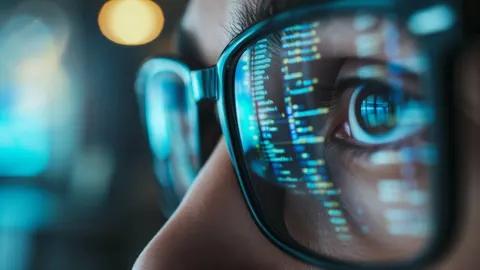

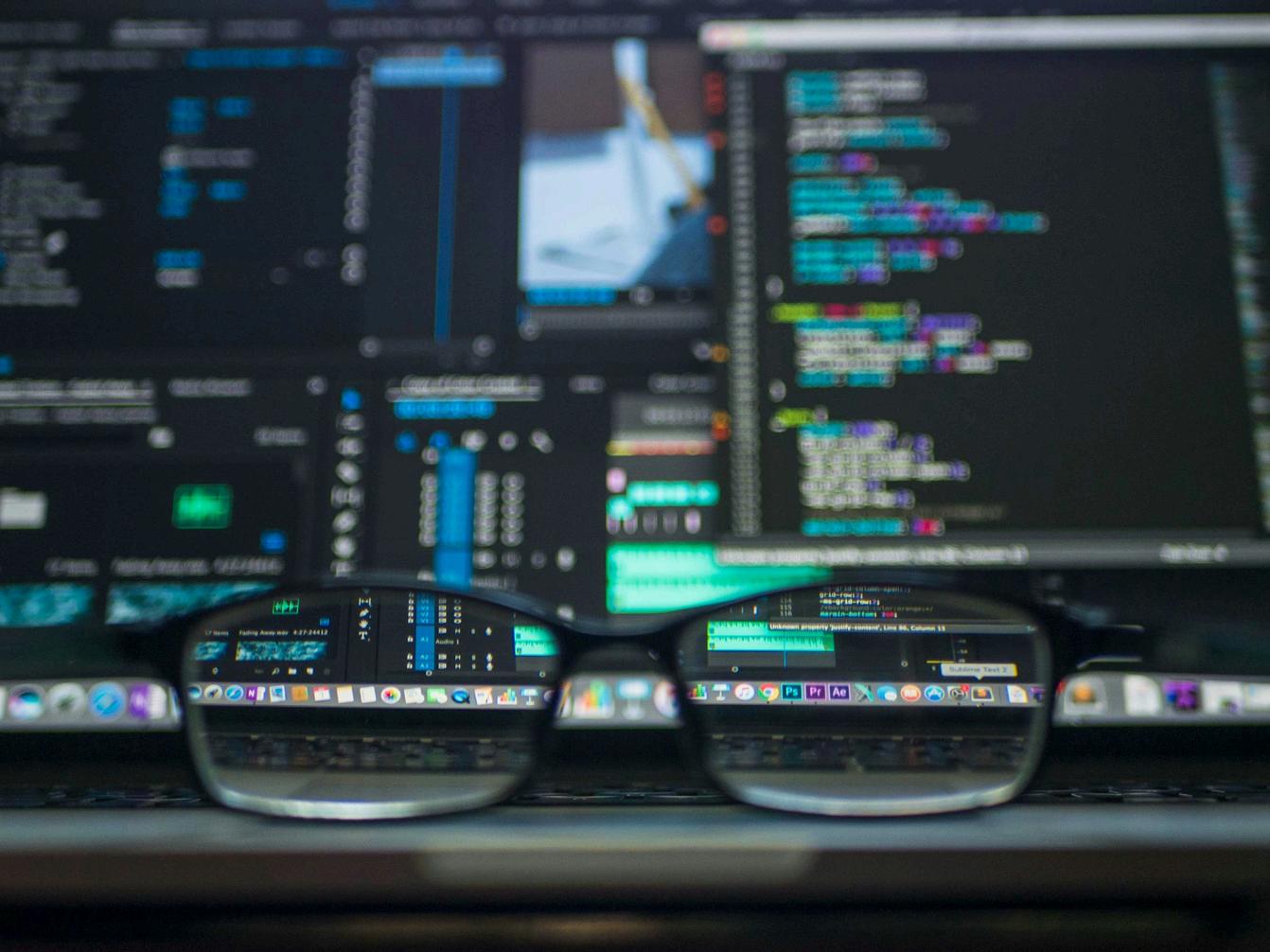
After staying up late or working long hours in front of computer screens, many people suspect that the blue light from their devices might interfere with sleep. Research shows that a majority of people use electronic devices within an hour of going to bed, increasing exposure to blue light at night As a result, blue light-blocking glasses have become a trendy remedy These lenses promise to shield the brain's sleep rhythm and enhance overall wellness. However, researchers are still discussing whether the effects of these glasses are purely physiological or include a psychological component as well…
Blue light is a short-wavelength and high-energy visible light that can affect a human's circadian rhythm by inhibiting the secretion of melatonin, a hormone that regulates sleep As electronic screens release blue light, a lot of companies sell glasses that block blue light to their customers as a way of enhancing the quality of sleep and reducing eye fatigue But other studies have found that the advantages of using these glasses might not necessarily be due to physiological effects but rather due to changes in behavior or just the placebo effect Even though it is a fact that blue light influences melatonin production and circadian rhythms, the increasing popularity of blue light-blocking glasses prompts an important question. Do they really improve sleep by means of biological mechanisms, or to what extent are their effects due to expectations and psychological comfort?
For starters, understanding the debate requires getting an idea of how blue light impacts one ' s body One of the main functions of blue light is the regulation of circadian rhythms, which are responsible for the timing of sleep and waking cycles Night-time exposure to blue light can lead to the suppression of melatonin secretion, resulting in a delay in the time when one falls asleep and reducing someone ’ s sleep quality altogether
Citing research from the Sleep Foundation, light emanating from electronic gadgets is disruptive to the transmission of natural signals for sleep, resulting in a decreased ability to feel sleepy during the night Melatonin is a brain chemical that is commonly called a sleep hormone because it is produced to indicate it’s time for rest. Such a mechanism being impaired leads to irregular sleep patterns
Some researchers find the use of blue light-blocking glasses effective clinically. For example, a study in the Journal of Clinical Sleep Medicine reported that the subjects wearing amber-colored glasses had better sleep, especially those who were showing signs of insomnia It seems that limiting one ' s exposure to blue light can lead to biological changes that can be measured.
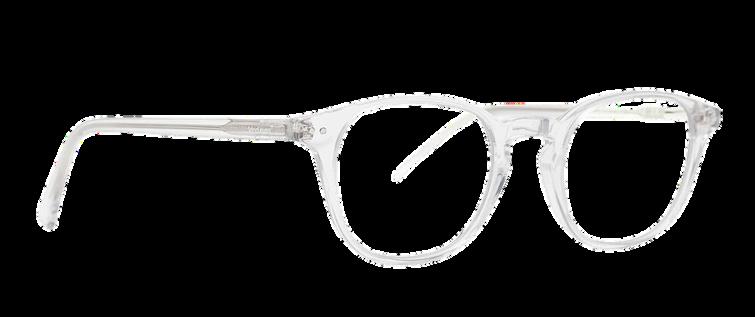
Although blue light glasses have some supporting evidence, there are some studies that show different results Some papers report improved sleep, while others don't find a significant difference between individuals wearing blue light-blocking lenses and those wearing standard lenses.
That can make us think about the placebo effect. The placebo effect is a result of the fact that many people go through positive changes mentally when they expect a treatment to work When it comes to sleep, people's expectations about rest can strongly influence their experience of the same.
A randomized, controlled study found that participants wearing blue light blocking glasses reported falling asleep slightly faster, but objective measures of sleep quality did not show a significant improvement when compared to those wearing clear lenses, which indicates that perceived benefits may not necessarily be due to physiological changes
Behavior changes might be a factor here. Blue light glasses users might be trying to live healthier lifestyles at the same time, for instance, reducing the amount of time spent on screens before going to bed or making the environment dimmer. It is likely that these changes are what led to better sleep rather than the glasses alone
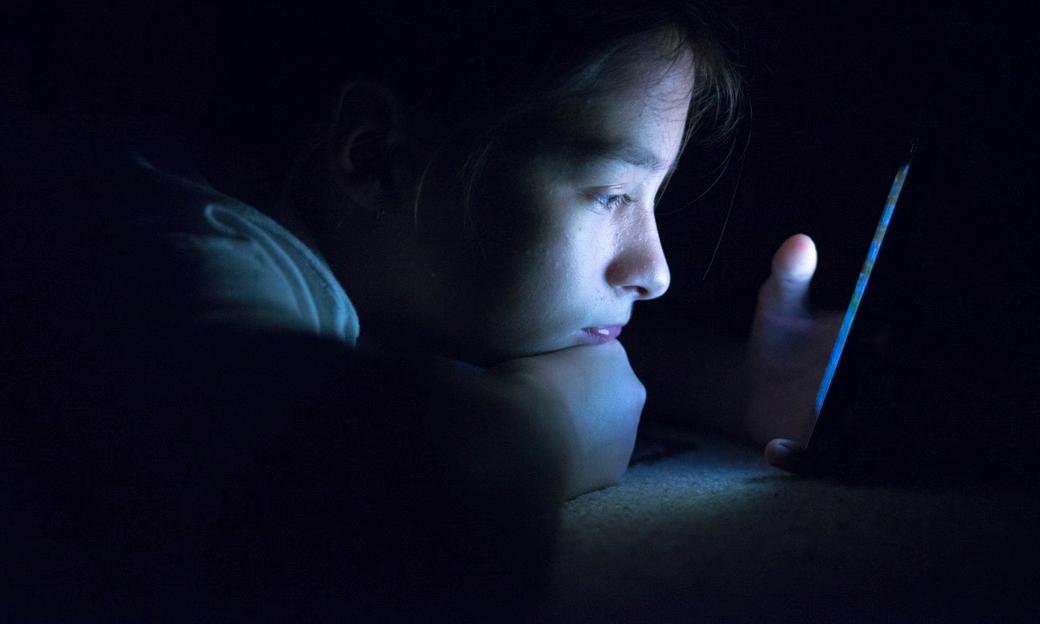
The trend of purchasing blue light glasses is part of a larger trend towards digital wellness products Several manufacturers of the blue light glasses market them as a quick fix for getting a good night's sleep, having higher concentration, and less eye tiredness. On the other hand, some specialists point out that the level of blue light emission from screens is much lower than that of the sunlight, and that is why the extent of the blue light impact is quite doubtful
Some institutions like the American Academy of Sleep Medicine indicate that the strongest ways to get a good sleep are changing habits like reducing the time spent looking at the screen before going to bed, and regularly going to bed at the same time. Using the night mode on the device can be a method of avoiding blue light exposure without buying a new product
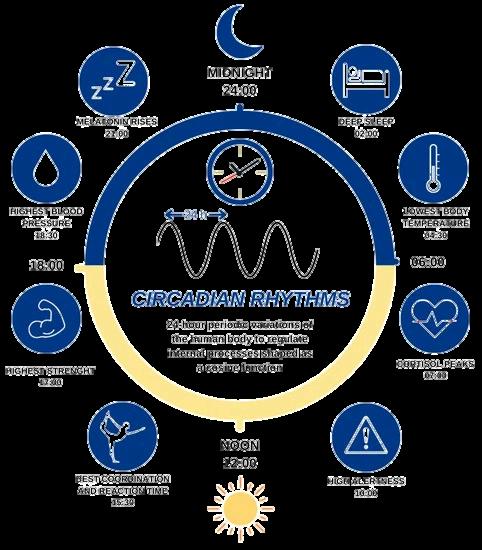
Exposing oneself to blue light has the potential to alter one ’ s circadian rhythms and disrupt sleep patterns However, the question of how effective blue light-blocking glasses are remains unresolved. On one hand, a few studies indicate slight improvement, but on the other hand, some research points to the power of psychological expectations and behavioral modifications.
Either way, if the benefits of the glasses are, to a certain extent, a placebo, the use of those glasses can still promote sticking to better habits during nighttime. In the end, obtaining knowledge of the interaction between technology, biology, and psychology is what helps users to buy digital wellness products with a more educated decision.
March 7, 2026 / Tersheena Clayton / TersheenaSC@gmail com
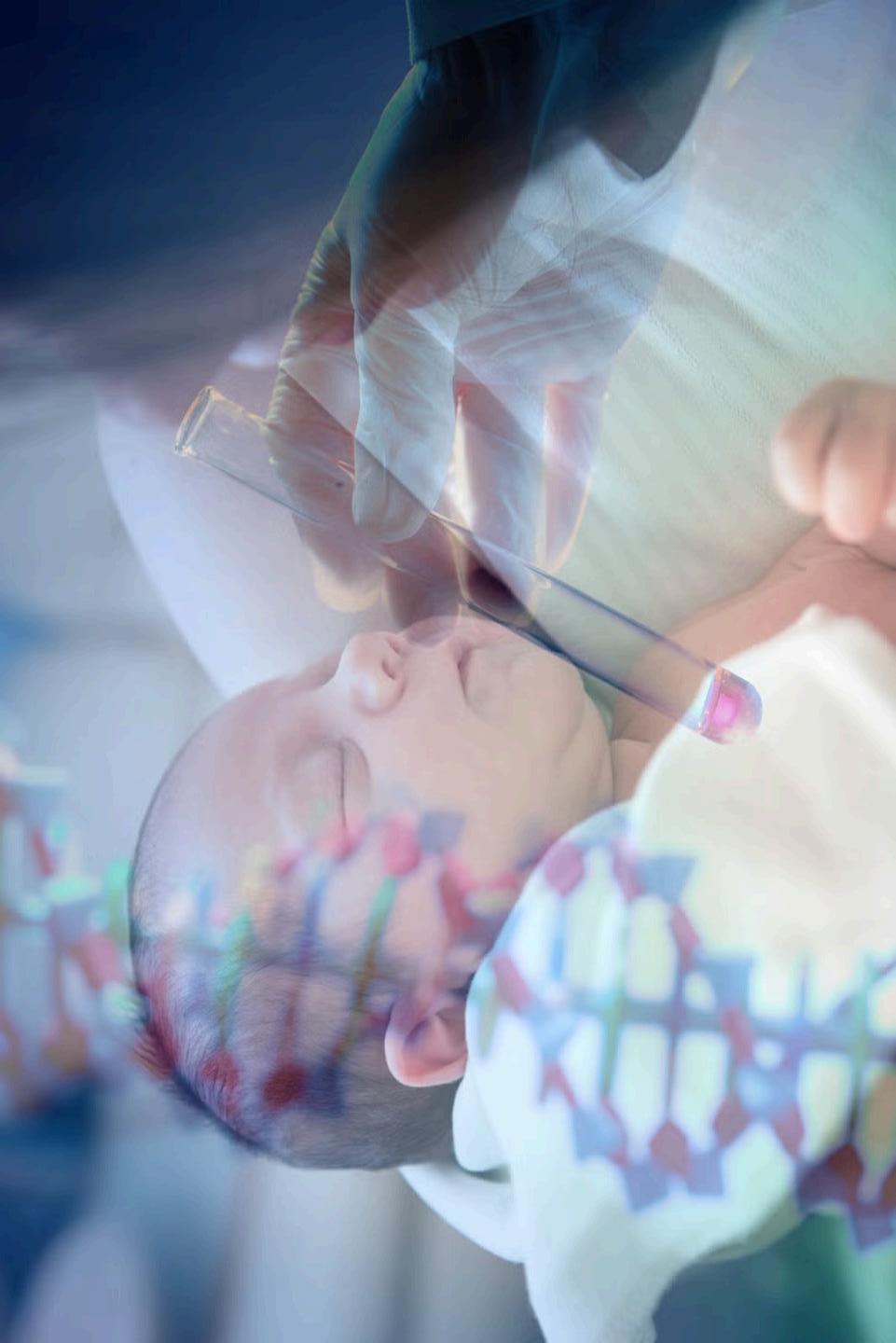
Is it ethical?
Imagine a world where our physical traits were handpicked, and we would be living in a society where every individual characteristic was carefully curated to fit an ideal beauty standard, along with health and longevity Would we all look like clones, sharing the same features, have the same body types, and the same skin tone? The unique traits that we all have could become lost in the pursuit of perfection and the misuse of advanced technologies. This world may seem utopian with everyone designed for optimal health and potentially eliminating all diseases and disorders. In such a world, there could be increased lifespans, raising questions about what it means to be truly immortal Would our understanding of mortality change? Would the ability to choose traits create more discrimination and jealousy? We must not only consider scientific advancements, but also their societal impacts by exploring what can be both gained and lost.
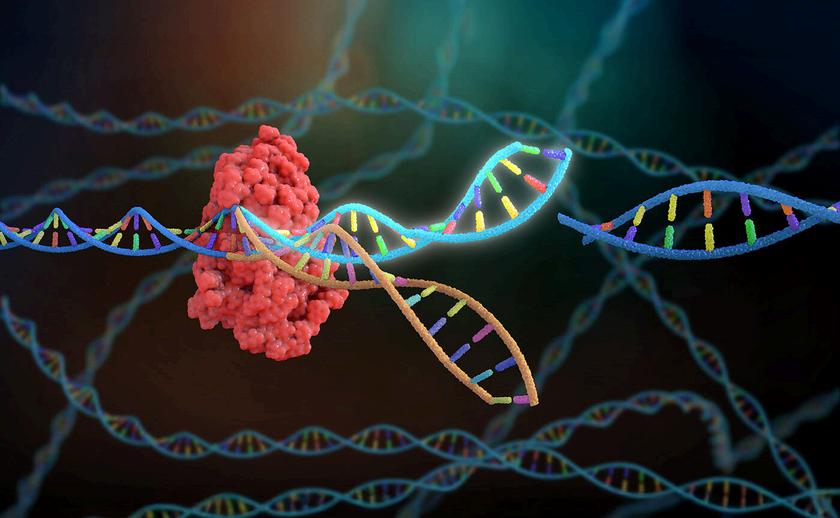
CRISPR is a gene editing technique that has the potential to cure diseases. This technology is commonly used for sickle cell anemia, a condition where red blood cells are not optimal and block blood flow, as well as other health issues. Previously, bone marrow was the only treatment and solution, but gene therapy opened new doors The treatments for sickle cell are not only limited but also challenging Certain medications promote HbF, fetal hemoglobin, but are associated with health risks such as allergic reactions, increased risk of infection, complications from simultaneous use of different medications, and changes in blood components
Moreover, antibiotics need to be prescribed regularly to reduce bacterial infections Bone marrow, while a common cure, has challenges due to the need to search for a match between the donor and the patient, immune rejection, and Graft-versus-host-disease (GvHD), which is characterized by inflammation in organs
CRISPR is a gene editing technique that has the potential to cure diseases This technology is commonly used for sickle cell anemia, a condition where red blood cells are not optimal and block blood flow, as well as other health issues. Previously, bone marrow was the only treatment and solution, but gene therapy opened new doors The treatments for sickle cell are not only limited but also challenging. Certain medications promote HbF, fetal hemoglobin, but are associated with health risks such as allergic reactions, increased risk of infection, complications from simultaneous use of different medications, and changes in blood components Moreover, antibiotics need to be prescribed regularly to reduce bacterial infections. Bone marrow, while a common cure, has challenges due to the need to search for a match between the donor and the patient, immune rejection, and Graft-versus-host-disease (GvHD), which is characterized by inflammation in organs
CRISPR involves extracting hematopoietic stem cells, correcting them, and replacing them Several ethical concerns arise from gene editing due to its potential to affect future generations However, there are also clear advantages, such as this technology being precise, fast, and efficient. Many genetic diseases, like sickle cell and muscular dystrophy, can be cured through this method Moreover, CRISPR can be used for cancer treatment. The overuse of CRISPR also has the potential to create designer babies, in which genetic traits are selected from the parents' decisions and preferences This hugely contradicts the imperfect beauty of nature, potentially contributing to the manufacturing of thousands of babies in a distinctive way. Some argue that this blurs the boundary between the birth of a child and the production of a robot Additionally, the cost of it means that it is not widely available or open to many, which leads to increased disparities.
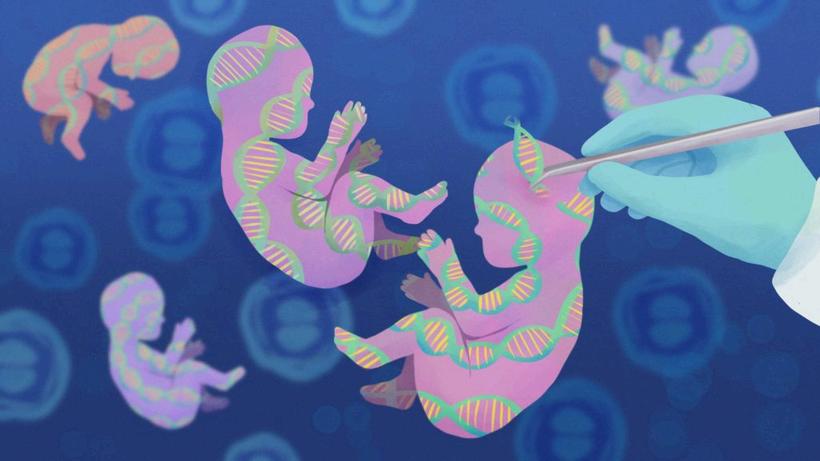
CRISPR technology has significant potential in the field of in vitro fertilization, or more commonly known as IVF. By enabling precise genetic modification, it could be used to edit embryos before implantation and therefore reduce the risk of hereditary disease and enhance certain desirable traits An example would be targeting and editing specific genes responsible for genetic mutations that lead to conditions like cystic fibrosis or sickle cell anemia. Once targeting those root problems, embryos can be free from such risks and have improved health outcomes for children from the beginning of their lives. Additionally, CRISPR can help enhance traits such as resistance to some infections or even improve height or intelligence By using CRISPR in IVF, there could be both faster and more effective treatments for infertility by allowing the screening of embryos for health and viability. This would ensure that only the most viable embryos are selected for implantation Not only would the success rates of IVF procedures increase, but also make it more accessible and less emotionally and financially burdensome for couples.
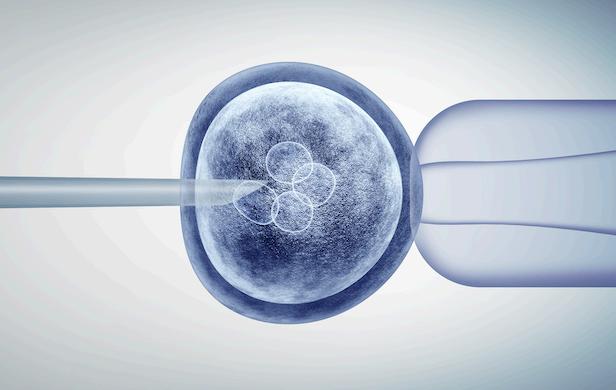
It is important to recognize that while CRISPR technology has the potential to change genetics and biotechnology, it also comes with several unintended consequences that must be considered, such as off-target effects, ethical concerns, ecosystem disruption, loss of genetic diversity, and public acceptance and perception, among many other consequences One significant concern is the potential for off-target effects, which occur when the CRISPR system inadvertently alters DNA sequences that were not meant to be targeted. This could lead to a mutation that may have harmful effects, which leads to questions about safety and reliability
Moving on, ethical concerns are a big topic of discussion surrounding CRISPR The ability to handpick genes provokes debates about genetic inequalities and potential for eugenics. Similarly, there is concern about the loss of genetic diversity While CRISPR allows for rapid development of traits, the reliance on a limited number of genetic modifications could reduce the genetic variation necessary for building resilience to environmental factors and immunity to diseases. Lastly, public acceptance and perception are important factors because there can be the spread of misinformation, fear, and a lack of understanding of biotechnology. It would be critical to ensure transparent communication and engage the public on both the benefits and risks CRISPR technology has to offer
In conclusion, while CRISPR technology holds great potential for the future, it is imperative to address potential unintended consequences to ensure its safety and ethical use The ability to correct genetic disorders and chronic illnesses has been immensely useful, lifting the burden on families through significant improvements in quality of life and longevity. As technologies advance, we must navigate in order to draw the lines between healing and enhancement and further discuss at what point the desire to eliminate diseases shifts to a world where we engineer an entirely new evolution of humanity Ultimately, it is crucial to approach these advancements with care, wisdom, and an inclusive perspective that considers all implications on society
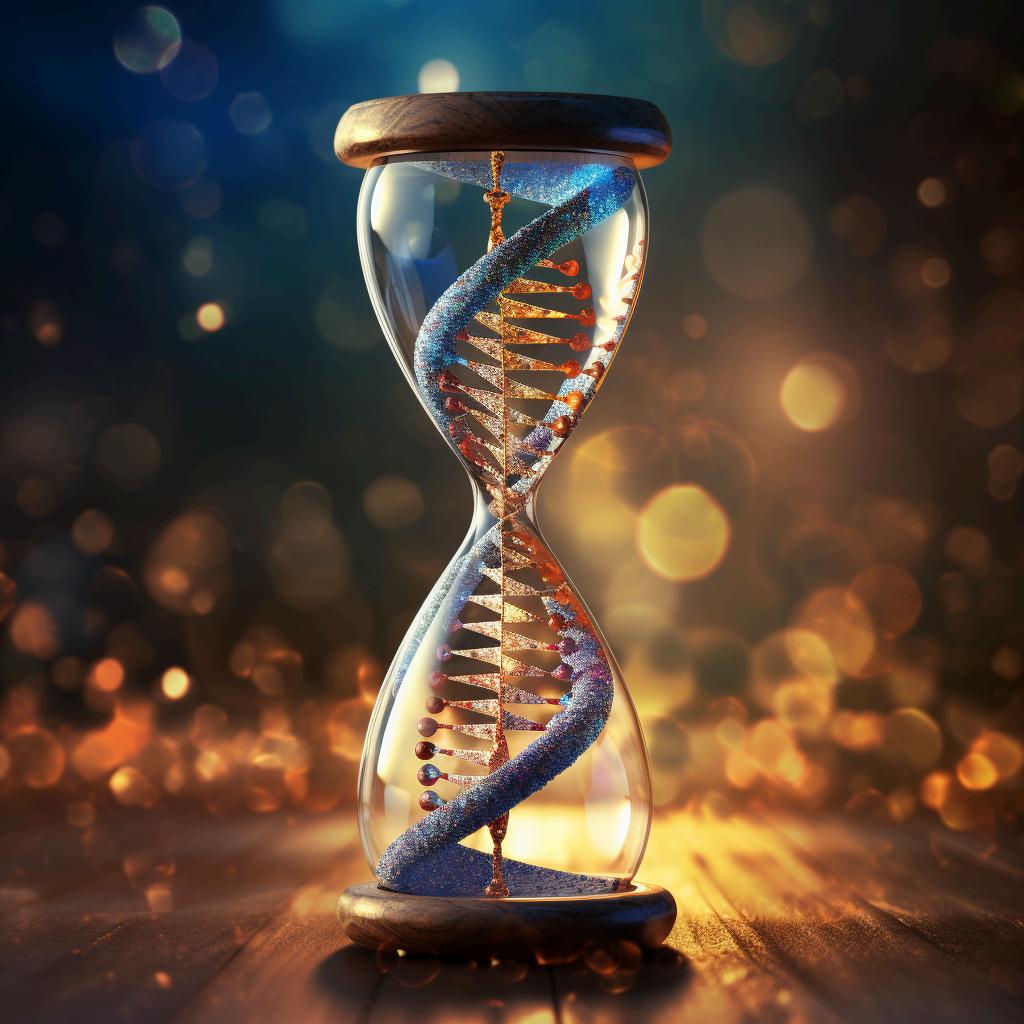
magine a future where turning 100 is normal. Today, only about 5% of girls and 2% of boys are projected to live until that age However, researchers and tech companies around the world are investing billions of dollars into technologies designed to slow aging What was only seen in science fiction is now being implemented in real life.
Advances in biotechnology and genetic engineering are changing how scientists are viewing aging Previously, aging was regarded as inevitable, but researchers now view it as a biological process that may be modifiable, if not reversible.
Scientifically, aging is the time-related deterioration of the physiological functions necessary for survival and reproduction (NIH) It involves the damage of DNA, proteins, and cells, and the body becomes less capable of repairing these things over time.
Current research is focused on targeting that in order to prevent the damage from accumulating. CRISPR-Cas9, a gene editing technology that allows scientists to modify genes involved in aging and disease, could be used to remove undesired qualities or applied later to correct genetic changes
Research is also targeting senolytic cells, which are cells that have stopped functioning properly but refuse to die. These cells can remain in the body and release chemical signals that cause inflammation and accelerate tissue deterioration Thus, senolytic drugs have been designed to eliminate these senolytic cells. They have been tested on animal models, and treated mice have shown improvements in physical function and, in some studies, increases in lifespan.
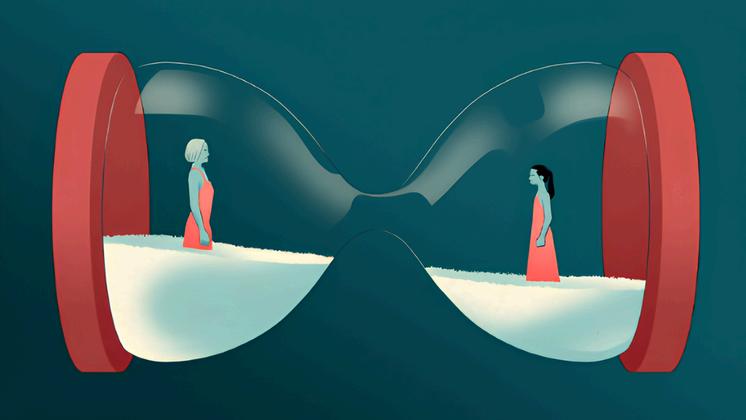
There is no doubt that AI has been one of the most crucial tools in modern longevity research. Machine learning models are now capable of analyzing enormous amounts of biological data that no human team alone could process. These models, scanning patterns in genetic information and identifying protein interactions, can identify patterns in genetic information and predict which compounds may slow aging or prevent disease
With further development of AI comes faster revelations in technology. Traditionally, drug development takes more than a decade due to the time it takes to research how they behave inside the human body. However, AI systems can simulate how molecules interact with human cells, making drug discovery and usage a much faster process
Companies such as Altos Labs, backed by Jeff Bezos, have a mission to reverse disease, injury, and the disabilities that occur throughout life by restoring cell health and resilience through cell rejuvenation. Calicos Labs, a research and development company established by Google, is similarly using the knowledge they gain to discover and develop interventions that enable people to lead longer and healthier lives. Notably, neither company ’ s goal, at least publicly, is to purely extend lifespan Instead, it is extending the number of years lived with a higher quality of life
Interestingly, some research has already been done on drugs that exist These drugs developed for another purpose appear, in study after study, to have unexpected beneficial effects on aging.
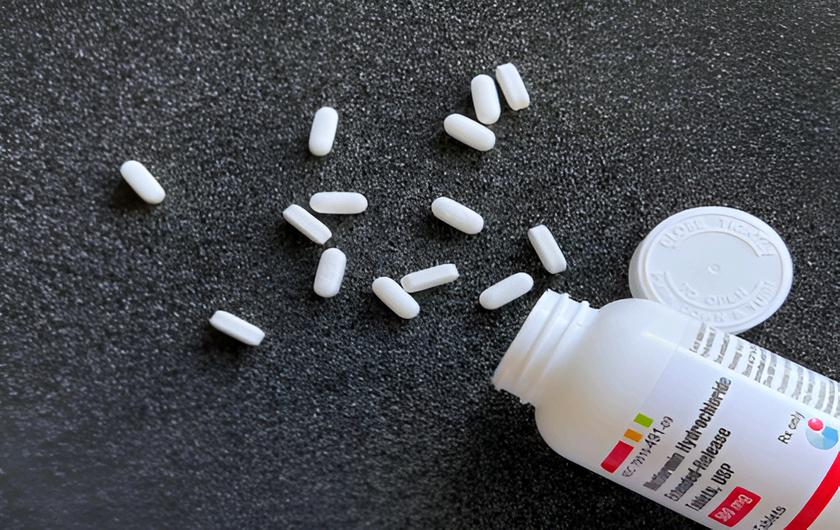
Metformin, originally for type 2 diabetes, regulates metabolism and reduces age-related disease
However, recent research from UC San Diego found its use associated with a 30% lower risk of death before age 90 compared to alternative treatments (Galindo) Furthermore, Rapamycin, a drug developed to be an immunosuppressant, is an mTOR inhibitor used to prevent organ transplant rejection and prevent rare lung diseases. Evidence suggests it may be a universal antiaging compound, as it has been seen to have extended lifespan in organisms from yeast to mammals.
Many people are interested in this field of biology
However, a small percentage of this population is willing to actively try new tech, but it is not readily available. Yet, Bryan Johnson has turned himself into a walking experiment. Through his project, Project Blueprint, Johnson follows an optimized life, including a strict diet, timed exercise, perfect sleep, and many other specific formulas, with his only goal being to reduce his biological age. His DunedinPACE score, a measure of how fast a person is biologically aging, has been reported to be 0 69, showing he is aging around 31% more slowly than the average person.
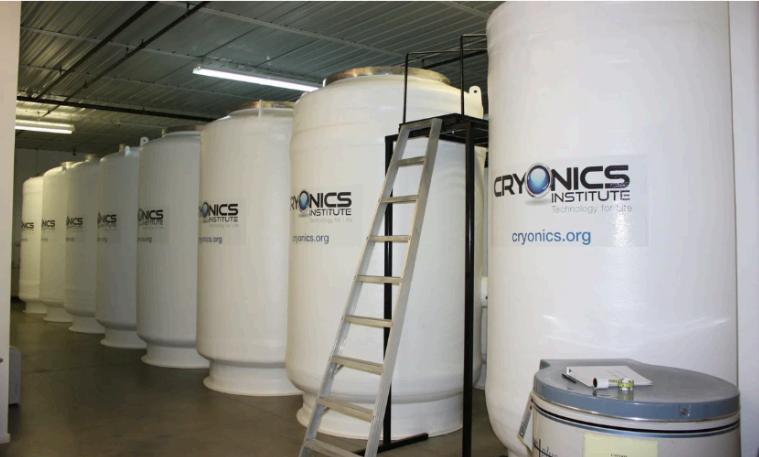
Some people go more extreme as well Cryonics, the practice of freezing the body in hopes that future technology can revive it, has become an increasingly hot topic. As of 2012, approximately 250 people had been preserved this way, but current estimates show that the number has jumped to 650 (Monette). Organizations such as the Alcor Life Extension Foundation and the Cryonics Institute offer the service, but its scientific plausibility remains a debate
None of these conclusions is set in stone What is clear is that the scientists are invested in this field. The research is serious, the funding is substantial, and the pace of discovery is accelerating. The race to live longer has begun, but the debate about whether we should win it is only just getting started
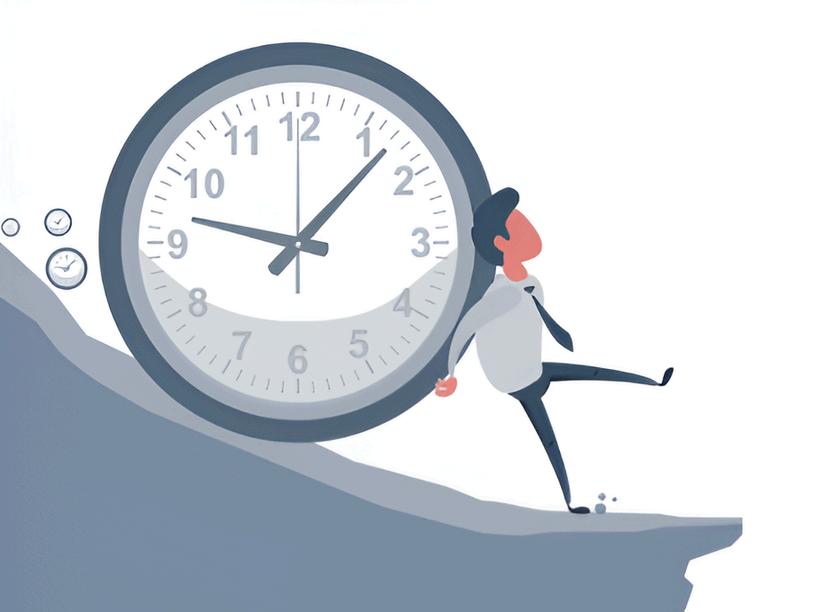
Of course, no one can say that this research, aiming to improve the quality of life of people, is bad. However, some researchers and ethicists argue that the problems are social. Longevity technologies are extremely expensive and very exclusive If they work, they are likely to be available only to the wealthy, potentially widening global inequality. Furthermore, current retirement systems are built around a predictable human lifespan. But with this technology, systems would need to be entirely rebuilt, including career structures, pension planning, and healthcare systems. And if longevity technologies develop to a point that they succeed in extending the lives of billions of people, the accumulated pressure on global resources and the environment could harm us overall. March 28, 2026 / Ray
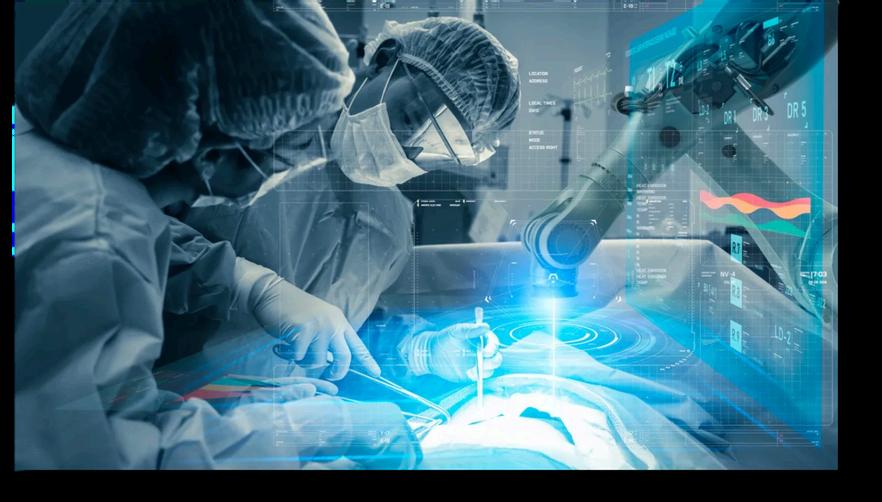
Imagine a surgeon performing a complex heart transplant for the first time-not on a human
patient, but in a digital world so immersive they can feel the literal resistance of the tissue. This isn't science fiction; it is the current reality of how doctors practice life-or-death surgeries without putting a single life at risk. If you find the concept of "digital twins" in medicine fascinating, you are witnessing a fundamental shift in the future of healthcare Recent data shows that a growing percentage of teaching hospitals are now adopting AI-driven virtual reality (VR) for surgical training. These AI simulations are transitioning from simple training tools to essential clinical protocols that replace high-risk "first attempts" in the real world Aldriven simulations are evolving from simple training aids into mandatory clinical protocols, replacing risky, in- person "first attempts" with safe, high- fidelity virtual procedures By offering repetitive, tailored practice for rare or complex scenarios, these intelligent systems significantly enhance surgical proficiency and diagnostic accuracy while reducing patient risk This shift significantly improves patient safety, flattens the steep learning curve for residents, and reduces medical errors in high-stakes environments. Ultimately, AI simulations are sophisticated clinical tools that allow for infinite "digital rehearsals," prioritizing patient safety through both technical and emotional readiness
AI simulations are revolutionizing medicine by allowing the logical and technical parts of the brain to master a task before the high-pressure "fight or flight" response takes over during a real operation. Because surgeons often face extreme stress and performance anxiety when performing new or rare procedures, digital environments provide a vital, consequence-free space to fail and learn. Central to this is AI-driven haptic feedback the simulated sense of touch which allows doctors to misread a situation in a safe simulation so they do not repeat that error in the operating room
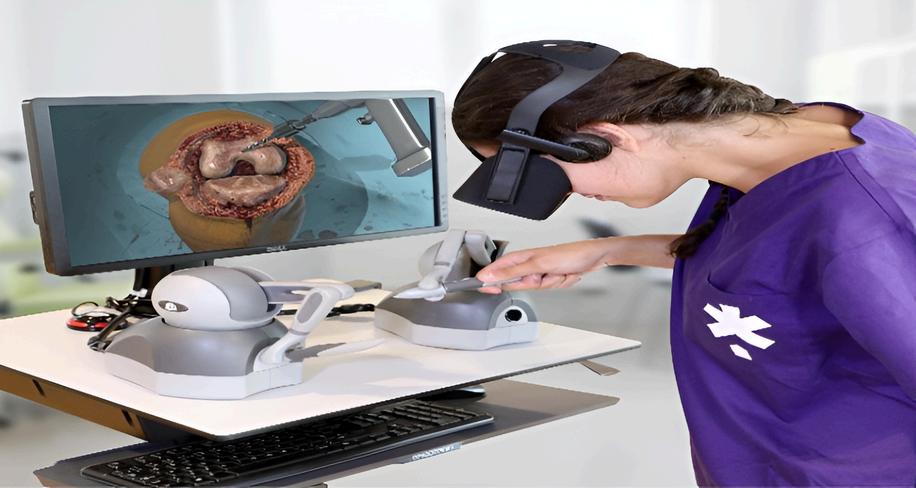
The reduction of stress and increase in precision have immediate, direct benefits Real-time practice in a simulation can stabilize a surgeon ' s focus and heart rate before a major operation. For instance, navigating a digital "difficult airway" or a rare tumour establishes necessary muscle memory and short-term mastery of the steps. Consequently, medical residents who train on AI simulators show higher proficiency in actual surgical suites This results in lower complication rates, decreased patient recovery times, and a more confident surgical team Alassisted robotic surgery shows significant clinical advantages over conventional methods. Key 2025 statistics include a 30% decrease in intraoperative complications, 40% improved surgical precision, and 15% faster patient recovery. Studies also indicate a 5-6% overall complication rate and over 7,500 robotic systems installed worldwide
By using "Digital Twins," neurosurgeons can now plan tumour resections by simulating various approaches on a patient-specific 3D model. This allows the team to map the safest path, leading to significantly shorter surgeries and improved outcomes
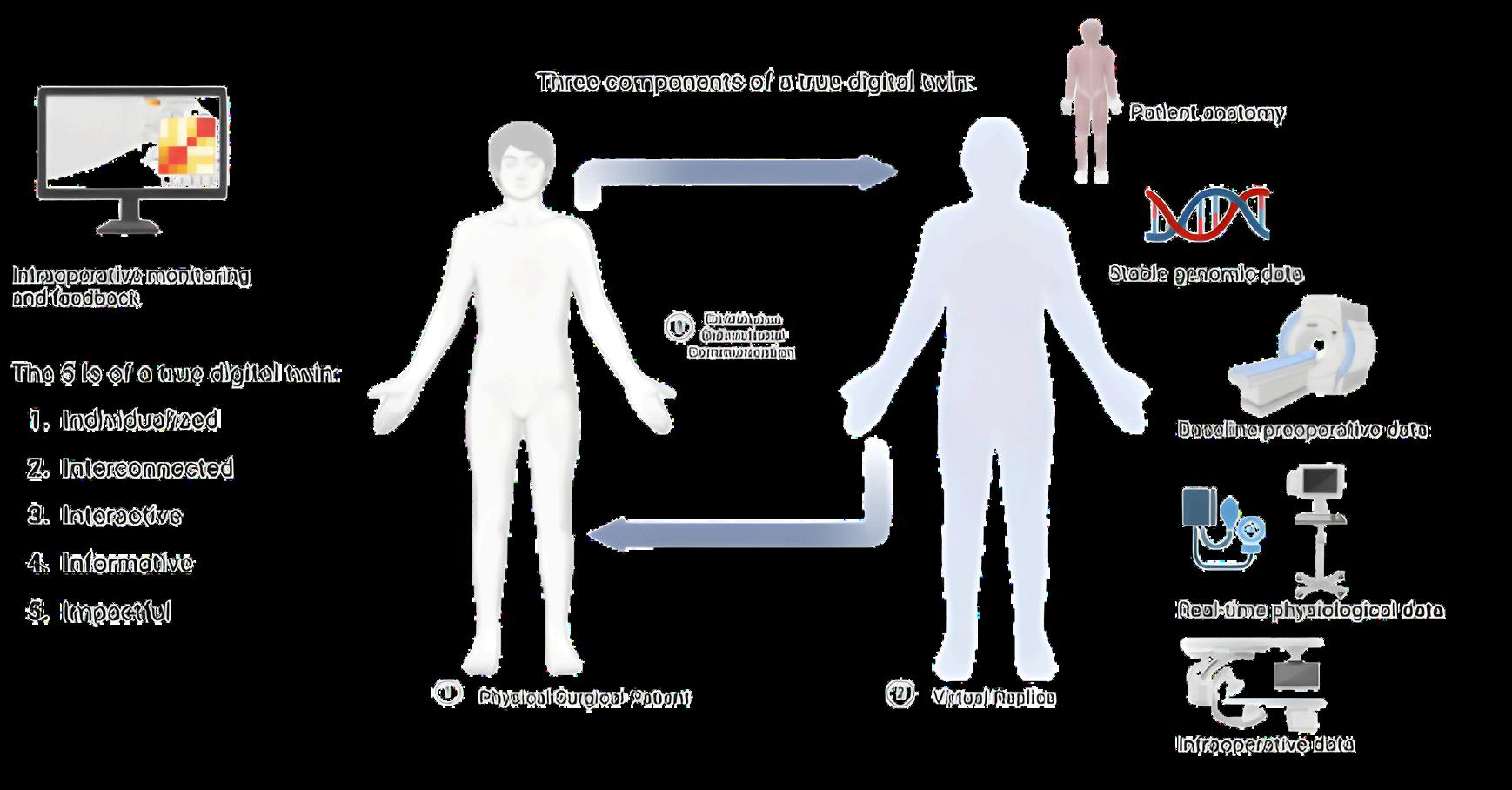
AI platforms do more than just simulate; they provide cognitive integration by helping surgeons identify "decision-making bottlenecks" in complex cases. These tools identify patterns in errors such as a specific angle a surgeon consistently struggles with allowing the team to refine their physical approach based on digital analytics
Predictive modelling further enhances this by using patient data to create "if-then" scenarios; for example, if a patient's blood pressure drops at a specific step, the simulator shows the immediate consequences of various interventions Additionally, AI can track " eye-gaze " and hand tremors to improve a surgeon ' s attention to detail Hospitals that treat these simulations as mandatory safety checks rather than optional tools see much faster adoption of these lifesaving technologies
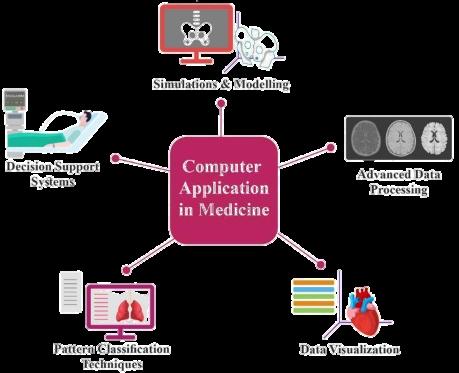
The evolution of AI simulation represents a fundamental shift in medical ethics, moving the industry from the old " see one, do one, teach one " mentality to a more rigorous "simulate many, do one perfectly" standard. High-risk procedures are becoming safer as the fear of the unknown is eliminated through data-driven preparation As digital twins become more available, it is increasingly unacceptable to "practice" on live patients. By embracing these psychological and technical tools, healthcare systems can move from a culture of risk avoidance to a culture of mastery, allowing clinicians to stop guessing and start healing with certainty March 21, 2026 / TistaBhatia / tistabhatia@gmail com

Your phone, your buddy, can save you, quite literally
Yes, you read that right; the little screens that we carry around with us can understand us more than what we give them credit for Today, we will discuss how your phone can tell that you are struggling before you even realise it yourself.
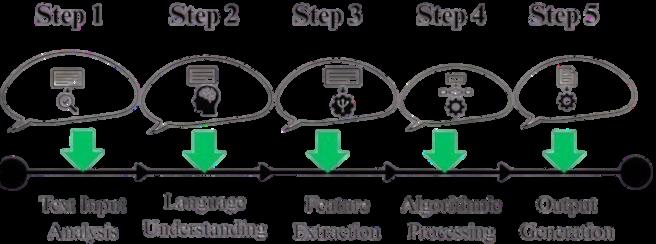
AI emotion detection works by analysing tiny changes in our voices and faces. In today's world, it is already being used in apps and wearables, and has the power to detect mental health issues early. But whether this becomes a breakthrough or a threat depends on one thing: whether we can balance innovation with privacy or not
To understand the logic behind this superpower, we will have to dive deep into the language of our expressions and voice.
Our voice is more than just some words It carries what many researchers call vocal biomarkers features like pitch, tone, speech rate, and almost invisible vocal tremors When someone is depressed, their voice often becomes flatter, slower, and more monotone. These shifts are too subtle for the human ear, but AI models can pick them up with precision
Companies like Canary Speech have built systems that capture thousands of these vocal features every few milliseconds, using just seconds of natural conversation. Studies cited by the American Psychiatric Association show that voice analysis can detect depression with 70–96% accuracy from only 30 seconds of speech
But voice alone isn’t always enough. That’s why many systems are built to analyze your face too.
Here, AI relies on deep learning models, specifically Convolutional Neural Networks (CNNs) neural networks designed to process visual data like images and Recurrent Neural Networks (RNNs) which are built to handle sequences of data such as speech or text These models track 68 or more points on your face, mapping everything from the curve of your eyebrows to the movement around your mouth. They’re trained to catch micro-expressions: fleeting facial movements that last only a fraction of a second A micro-expression might be a quick flash of tension around the eyes or a split-second downturn of the lips signals that humans seem to almost always miss Researchers have developed methods based on the Facial Action Coding System (FACS) to teach AI to recognize these hidden emotional cues in real time
The most accurate systems are multimodal as they combine voice and facial analysis. If one signal is unclear, like say, the background noise drowns out your voice, the facial analysis can fill the gap. If your face is partially unclear, your voice can take the lead. Together, they create a much clearer picture of your emotional state.
So when you speak to your phone or wear a smart ring, you ’ re generating a stream of data that AI can interpret. It’s like reading the physical signals that your mind produces without your control
In China, a decade-long survey conducted between 2012 and 2021 indicated that approximately 17 5% of children and adolescents struggled with mental disorders But the much needed Mental health care in many such countries comes with mainly two obstacles: long waiting lists and ruthless cultural stigma To many, admitting that they're struggling can feel like admitting failure So many young people turn to AI chatbots as the first and sometimes, only step. These bots feel private as no one knows you ’ re talking to them And most importantly, they're nonjudgmental, and always available
For someone who can't even think of walking into a therapist’s office, a chatbot can be the difference between suffering in silence and finally reaching out to some sort of help
For someone who can't even think of walking into a therapist’s office, a chatbot can be the difference between suffering in silence and finally reaching out to some sort of help.
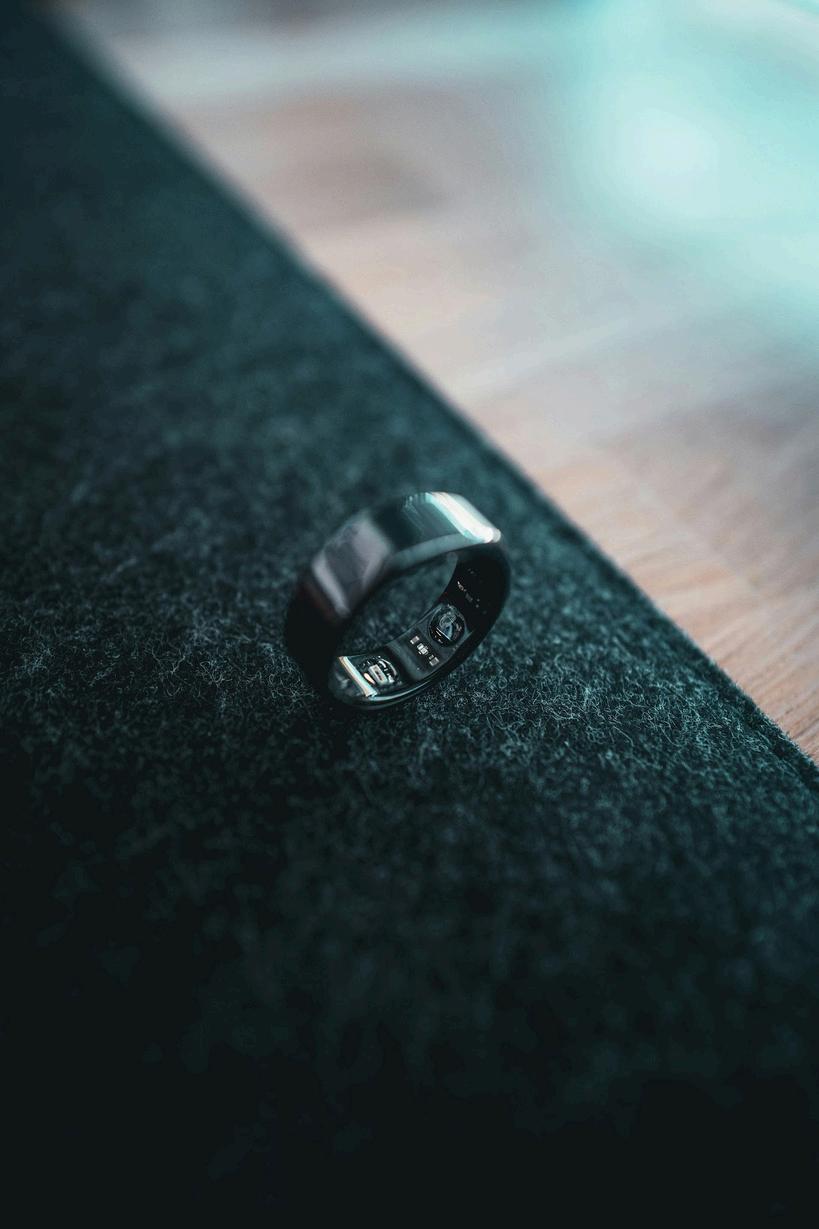
Then there are wearables like the Oura Ring—a sleek titanium ring that tracks sleep, heart rate, and activity What started as a fitness tool is now used by companies like Oasys Health for collecting data to spot mental health issues. Depression and anxiety symptoms are not just confined to your head; they show up in your body You sleep more or less, your heart rate variability drops and your activity levels tank. Oasys Health takes all that data and looks for patterns that might signal a depressive episode Over 25 clinics across the country already use this. Clinicians get real time alerts when a patient’s patterns shift, allowing them to reach out before a crisis hits.
In a Brazilian study from 2026, researchers analyzed WhatsApp voice messages where people casually described their week. Nothing clinical, but the AI listened and detected depression with 91 9% accuracy in women Their everyday voice messages, the ones meant for a friend to vent about a bad day, revealed the struggle that they hadn't come to terms with yet.
But that’s where it gets uncomfortable. If your voice messages can be analyzed without you knowing, if your sleep patterns are monitored without your clear consent, then the same technology that helps could also invade your privacy in ways we haven’t fully reckoned with So this raises a question: Would you want your phone to quietly look out for you even if it comes at the cost of a privacy invasion?
Even with all its potential, this technology comes with some serious risks The Jed Foundation, a nonprofit that protects emotional health for teens and young adults, has warned that AI systems may store or use sensitive mental health disclosures without users ' meaningful consent or control You might think that you ' re having a private conversation with a chatbot, but that data could be saved, analyzed, or even sold without you ever knowing.
The question of what happens when someone tells an AI they want to hurt themselves is making a lot of noise these days. A human therapist has a legal duty to intervene, to call emergency services, to reach out, and to make sure the person is safe, but AI companies have no such duty. The Jed Foundation has documented real cases where users expressed suicidal thoughts to a chatbot and got nothing in return
Part of the problem is the complete lack of proper federal regulation, even in many developed countries like the United States. There is no strict law that specifically governs AI mental health tools No cognitive or legal protections for vulnerable populations like teenagers, people in crisis, or those who may not fully understand what they're signing up for The UK, Canada, and Australia also lack specific national laws for AI mental health applications. Therefore, the companies get the full liberty to decide for themselves what counts as safe
However, some states are trying to fill the gap. Virginia has passed a law (HB668) that bans AI from providing therapy without a human involved Kentucky's HB641 requires chatbots to clearly disclose that they're AI and sets rules for how mental health data must be handled. These laws show what responsible regulation could look like But right now, they're still the exception, and not the norm
AI mental health detection is neither a dream-come-true nor a nightmare because it's a bit of both.
On one hand, voice analysis and wearable sensors can catch signs of depression before someone even realizes that they need help. Imagine a student in crisis being connected to help just because their voice patterns triggered an alert That alone makes it worth the trouble, even if it only saves one life.
On the other hand, when people turn to AI chatbots for therapy, they're confiding in something that isn't human and has no legal duty to protect them They're trading their deepest fears and vulnerabilities for a service that might not be there when it matters most
So where do we draw the line?
We don't need to ban the technology We just need regulations, laws that require transparency, human involvement, and data protection. Most importantly, people should get to decide whether they want to trade their privacy for this kind of help That choice should be informed and should be theirs alone
AI can detect, it can alert, and it can push someone towards help But it should never replace the human connection that true healing requires.
March 31, 2026 / Mehreen Muzafar / muzafarmehreen8@gmail.com



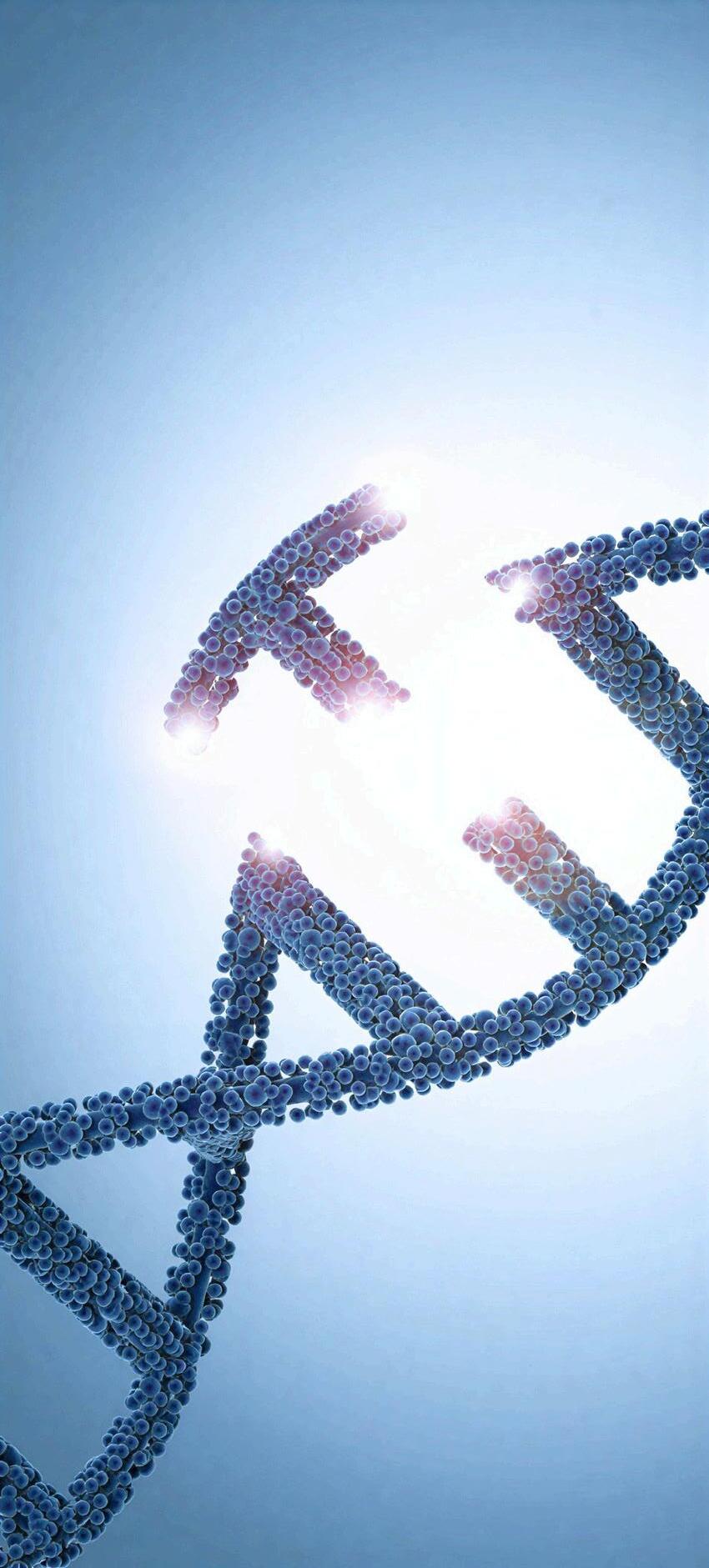
Imagine if a doctor could " copy and paste" your DNA to remove a disease before it harms you This once sounded like science fiction, but a tiny tool found in bacteria is making it possible
Every human has a unique set of instructions called DNA that tells the body how to grow and stay healthy Sometimes, errors in these instructions cause serious genetic diseases CRISPR allows scientists to find these typos and fix them, acting like a molecular "find and replace" tool.
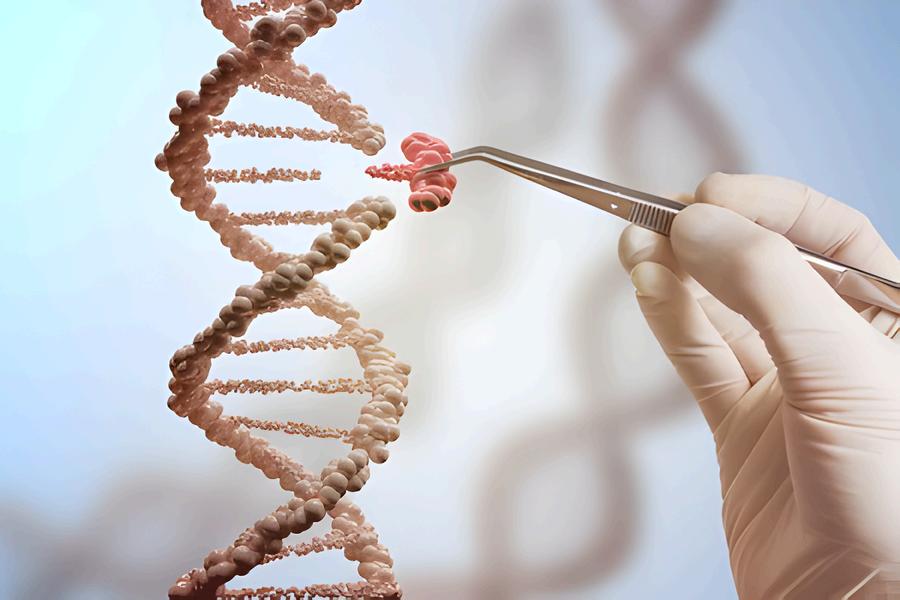
CRISPR, short for "Clustered Regularly Interspaced Short Palindromic Repeats," is a tool that can precisely edit DNA It was discovered in bacteria, where it acts as a natural immune system by cutting up viral DNA to prevent infections. Scientists realized they could use the same system to edit human DNA It works with two key components: Cas9, which acts as molecular scissors, and guide RNA (gRNA), which directs Cas9 to the exact DNA sequence, ensuring accuracy. CRISPR is revolutionary because it is precise, faster, and cheaper than older gene-editing methods, with applications in medicine, agriculture, and biotechnology.
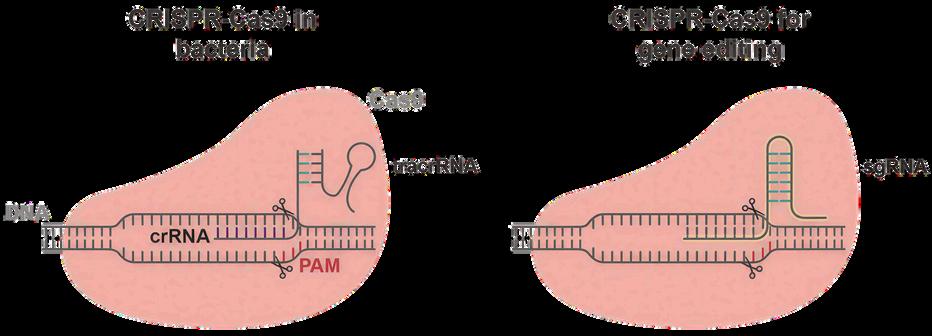
The editing process happens in four steps First, the Cas9-gRNA complex scans the DNA for a PAM sequence. Next, the gRNA unzips the DNA to confirm the target. If it matches, Cas9 cuts both DNA strands Finally, the cell repairs the DNA, and scientists can disable a faulty gene or insert a healthy replacement
Sickle cell disease, or sickle cell anemia, is inherited and affects hemoglobin, the protein that carries oxygen in red blood cells. Normal red blood cells are disc-shaped and flexible, allowing them to move easily through blood vessels. In sickle cell disease, red blood cells become crescent-shaped, making it harder for them to move and causing blockages
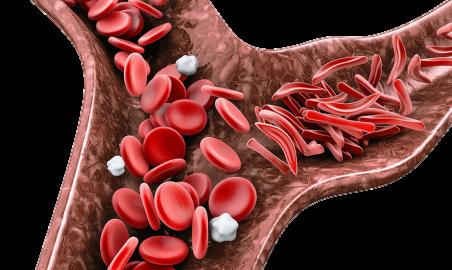
Instead of editing DNA inside the patient, doctors use ex vivo therapy, collecting bloodforming stem cells from the bone marrow. Scientists use CRISPR-Cas9 to target the BCL11A gene, which normally stops fetal hemoglobin production after birth. Knocking out BCL11A allows the stem cells to produce fetal hemoglobin, which is healthy and does not sickle The edited cells are infused back into the bloodstream, travel to the bone marrow, and produce a steady supply of healthy red blood cells. Unlike blood transfusions that last weeks, these cells remain permanently, and because they come from the patient, there is no risk of rejection.
HIV, or Human Immunodeficiency Virus, attacks the immune system by destroying CD4 white blood cells. If untreated, it can progress to AIDS, leaving the body vulnerable to infections and cancers While there is no permanent cure, antiretroviral therapy (ART) can control the virus, allowing people to live long, healthy lives
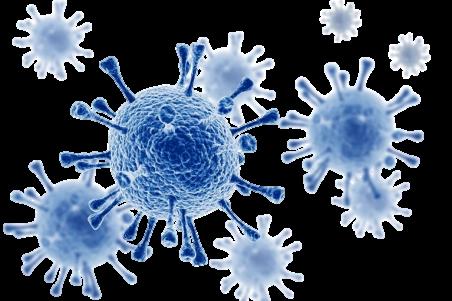
HIV is difficult to eliminate because it hides by integrating its DNA into human cells CRISPR acts like molecular scissors to cut out this hidden DNA The therapy uses multiple single-guide RNAs (sgRNAs) to target several sites on the HIV genome at once, removing large sections and preventing repair or mutation The CRISPR tools are delivered using AAV9, aiming for a onetime treatment that permanently removes the infection, eliminating the need for daily ART. As of 2026, this technology, EBT-101, is in Phase I/II human clinical trials
CRISPR shows great potential, but it raises ethical concerns. Most scientists support editing somatic cells since the changes are not passed down, but germline editing is controversial because future generations cannot consent There are also concerns about using CRISPR for enhancement, like intelligence or appearance, which could lead to eugenics. Additionally, its high cost may create inequality, and errors in DNA editing could cause serious health issues like cancer
CRISPR is a powerful tool that can cure genetic diseases like sickle cell anemia and HIV by precisely cutting and fixing DNA It already provides one-time cures for sickle cell and is in trials for HIV. While promising, CRISPR raises ethical concerns about cost, designer babies, and safety. If used responsibly, it could create a future where many incurable diseases no longer exist
Noyed, Daniel “How Electronics Affect Sleep ” Sleep Foundation, 10 July 2025, https://www.sleepfoundation.org/how-sleep-works/how-electronics-affect-sleep. Accessed 7 Mar. 2026.
Burkhart, Kimberly, and James R. Phelps. “Amber Lenses to Block Blue Light and Improve Sleep: A Randomized Trial.” Journal of Clinical Sleep Medicine, vol. 5, no. 4, 2009, https://jcsm.aasm.org/doi/10.5664/jcsm.4558. Accessed 7 Mar. 2026.
National Library of Medicine. “Effect of Evening Blue-Light Blocking Glasses on Sleep in Healthy Adults.” PubMed, https://pubmed.ncbi.nlm.nih.gov/33707105/. Accessed 7 Mar. 2026.
Johnson, Arianna. “Blue-Light Glasses May Not Help With Eye Strain or Improve Sleep Quality, Study Says.” Forbes, 17 Aug. 2023, https://www forbes com/sites/ariannajohnson/2023/08/17/blue-light-glasses-may-not-help-with-eye-strain-or-improve-sleepquality-study-says Accessed 7 Mar 2026
“Blue Light ” Sleep Foundation, https://www sleepfoundation org/bedroom-environment/blue-light Accessed 7 Mar 2026
Cleveland Clinic. “The Basics of CRISPR Gene Editing.” Cleveland Clinic, 25 Apr. 2023, health.clevelandclinic.org/crispr-gene-editing. Accessed 7 March 2026
Kaiser, Jocelyn ““Incredible” Gene-Editing Result in Mice Inspires Plans to Treat Premature-Aging Syndrome in Children ” Science, 6 Jan 2021, https://doi org/10 1126/science abg4344 Accessed 7 March 2026
Liu, Ning, and Eric N Olson “CRISPR Modeling and Correction of Cardiovascular Disease ” Circulation Research, vol 130, no 12, 10 June 2022, pp 1827–1850, https://doi org/10 1161/circresaha 122 320496 Accessed 3 March 2026
Weintraub, Karen “After a Decade, CRISPR Gene Editing Is a “Revolution in Progress ” What Does the Future Hold?” USA TODAY, 30 Jan 2023, www usatoday com/story/news/health/2023/01/30/crispr-gene-editing-technology-turns10/11080787002/ Accessed 1 April 2026
TECHNOLOGY FOR LONGEVITY & THE RACE TO LIVE FOREVER - RAY ROH
“Altos Labs ” Altoslabs com, 2025, www altoslabs com/about Blagosklonny, Mikhail V “Rapamycin for Longevity: Opinion Article ” Aging, vol 11, no 19, 4 Oct 2019, pp 8048–8067, https://doi org/10 18632/aging 102355
“Calico ” Calicolabs com, www calicolabs com/ “Can We Slow Aging?” National Institutes of Health (NIH), 16 June 2025, www nih gov/news-events/nih-research-matters/canwe-slow-aging
Gilbert, Scott F “Aging: The Biology of Senescence ” National Library of Medicine, Sinauer Associates, 2000, www.ncbi.nlm.nih.gov/books/NBK10041/.
Monette, Michael. “Spending Eternity in Liquid Nitrogen.” Canadian Medical Association Journal, vol. 184, no. 7, 19 Mar. 2012, pp. 747–748, www.cmaj.ca/content/cmaj/184/7/747.full.pdf, https://doi.org/10.1503/cmaj.109-4144.
Tompa, Rachel. “Massive Biomolecular Shifts Occur in Our 40s and 60s, Stanford Medicine Researchers Find.” News Center, 14 Aug. 2024, med.stanford.edu/news/all-news/2024/08/massive-biomolecular-shifts-occur-in-our-40s-and-60s--stanford-m.html.
“Use of Metformin Associated with Exceptional Longevity among Older Women ” Ucsd edu, 2025, today ucsd edu/story/use-ofmetformin-associated-with-exceptional-longevity-among-older-women Accessed 7 Mar 2026
Dash Technologies "The Future of AI in Healthcare: 7 Key Innovations for 2026 " Dash Technologies, 14 Oct 2025, https://dashtechinc com/blog/7-breakthroughs-shaping-the-future-of-ai-in-healthcare-for2026/ %20Accessed%2013%20Mar %202026
Itera Research "12 Practical Ways AI Is Transforming Healthcare in 2026 " Itera Research Blog, 13 Oct 2025,https://www itera-research com/ai-heathcare-trends-2026/ %20Accessed%2013%20Mar %202026
MedVR Education "Importance of Haptic Feedback in Healthcare Training " MedVR Education, 18 Jan 2023,https://medvr education/importance-of-haptic-feedback-in-healthcaretraining/ %20Accessed%2013%20Mar %202026
ResearchGate "Trends in the Use of Artificial Intelligence in Surgical Simulation " ResearchGate, 26 Feb,2026https://www researchgate net/publication/401289300
SciELO "Impact of artificial intelligence on the training of general surgeons of the future " SciELO, Feb 2026, https://wwww scielo br/j/rcbc/a/394857392/ %20Accessed%2013%20Mar %202026 %0d%0a%0d%0a
Ali, M , et al "Artificial Intelligence for Mental Health: A Narrative Review of Applications, Challenges, and Future Directions in Digital Health " Digital Health, vol 11, 2025, p 20552076251395548 PubMed Central, doi:10 1177/20552076251395548
American Psychiatric Association "Vocal Biomarkers for Mental Health " Psychiatry org, Jan 2026, www psychiatry org/newsroom/apa-blogs/vocal-biomarkers-for-mental-health
"Canary Speech and JubileeTV Partner on AI Voice Biomarkers for At-Home Care " Mobi Health News, 24 Feb 2026, www mobihealthnews com/news/canary-speech-jubileetv-partner-ai-voice-biomarkers-home-care
Buhari, A M , et al "FACS-Based Graph Features for Real-Time Micro-Expression Recognition " Journal of Imaging, vol 6, no 12, 2020, p 130 PubMed Central, doi:10 3390/jimaging6120130
Chavan, V., et al. "Feeling Machines: Ethics, Culture, and the Rise of Emotional AI." arXiv, June 2025, arxiv.org/abs/2506.12437.
The Jed Foundation. "When Young People Turn to AI for Emotional Support: JED's Response to the APA's New Advisory." Jedfoundation.org, 23 Nov. 2025, jedfoundation.org/american-psychological-association-on-generative-ai/. "HB668 Mental Health Service Providers; Use of Artificial Intelligence System, Civil Penalty." Virginia Legislative Information System, 2026, lis.virginia.gov/bill-details/20261/HB668.
"HB641 Artificial Intelligence in Mental Health Act." Kentucky General Assembly, 2026, apps legislature ky gov/record/26rs/HB641 html
Tava "Raven-1: Bringing Emotional Intelligence to Artificial Intelligence " Tava Blog, 10 Feb 2026, www tavus io/post/raven-1bringing-emotional-intelligence-to-artificial-intelligence
Zang, Yufei, and Zixi Zhu "Face Recognition Technology in the Field of Intelligent Psychological Analysis " Proceedings of the 2025 International Conference on Electronics, Electrical and Grid Technology (ICEEGT 2025), Atlantis Press, 2026, pp 596–604 Atlantis Press, doi:10 2991/978-94-6463-986-5 61
Li, F , Cui, Y , Li, Y , Guo, L , Ke, X , Liu, J , & Zheng, Y (2022) Prevalence of mental disorders in school children and adolescents in China: diagnostic data from detailed clinical assessments of 17,524 individuals Journal of Child Psychology and Psychiatry, 63(1), 34-46
Background image by Mariia Shalabaieva on Unsplash https://unsplash com/photos/a-purple-and-green-background-with-intertwined-circles-nYSdjVD2ayo
Aashrith Adabala. “Ethical and Scientific Concerns Relating to CRISPR/Cas Gene Therapy.” Critical Debates in Humanities, Science and Global Justice, 9 Sept 2025, criticaldebateshsgj scholasticahq com/article/144179-ethical-and-scientific-concerns-r elating-to-crispr-cas-gene-therapy, https://doi org/10 1001/amajethics 2019 1105;citation firstpage=1105;citation lastpag e=1110;citation publication date=2019;citation author Hussein, Mouraya, et al “A CRISPR-Cas Cure for HIV/AIDS ” International Journal of Molecular Sciences, vol 24, no 2, 1 Jan 2023, p 1563, pmc ncbi nlm nih gov/articles/PMC9863116/, https://doi org/10 3390/ijms24021563
Jinek, M , et al “A Programmable Dual-RNA-Guided DNA Endonuclease in Adaptive Bacterial Immunity ” Science, vol 337, no 6096, 28 June 2012, pp 816–821, www science org/doi/10 1126/science 1225829, https://doi org/10 1126/science 1225829
National Heart, Lung, and Blood Institute “Sickle Cell Disease - What Is Sickle Cell Disease?” Www nhlbi nih gov, National Heart, Lung, and Blood Institute, 30 Sept 2024, www nhlbi nih gov/health/sickle-cell-disease Spaude, Jess “A CRISPR Cure for HIV: In Conversation with TJ Cradick of Excision Bio ” Synthego, 21 Aug 2025, www synthego com/blog/crispr-hiv-cure/ Synthego com, 2025, www synthego com/learn/crispr/
Publication: SYNTHIFY (instagram: @synthifyofficial )
Editor: Minsung Choi, Ryan Ahn, Soobin Leem, Paramith Bhandari, Irene Seohyun Lee, Jaehwan Kim
Writer: Tersheena Clayton, Marlee Mei, Ray ROH, Tista Bhatia, Mehreen Muzafar, Nagasai Lohthi
Layout: Ayeon Cho, Teresa Nam, Minsol Kim, Jeongyeon Han
“The best way to predict the future is to invent it” -Alan Kay