PORTFOLIO
FAY JONES SCHOOL OF ARCHITECTURE
4TH YEAR B.ARCH
MINORS: SUSTAINABILITY AND HISTORY OF ARCHITECTURE
SYDNEY WINKLER

FAY JONES SCHOOL OF ARCHITECTURE
4TH YEAR B.ARCH
MINORS: SUSTAINABILITY AND HISTORY OF ARCHITECTURE
NORTH LITTLE ROCK, ARKANSAS RECREATION CENTER
INTEGRATED DESIGN STUDIO: FALL 2024 HOW





URBAN SPECULATIVE STUDY OF HOW ONE ARCHITECTURAL PROJECT CAN BE AN ANCHOR FOR NEW DESIGN OPPORTUNITIES (LARGE SCALE & TACTICAL INTERVENTIONS)





































































































































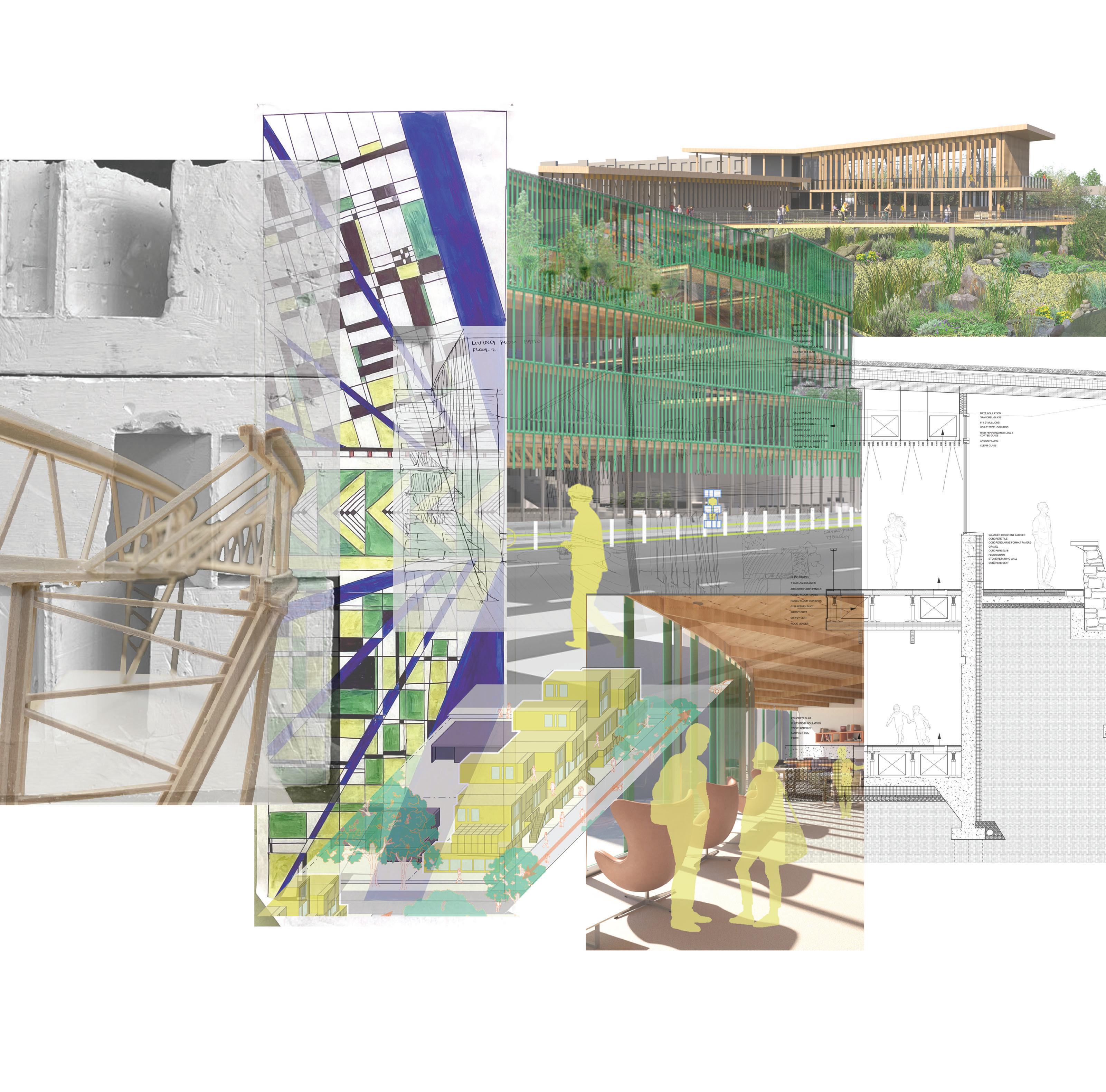
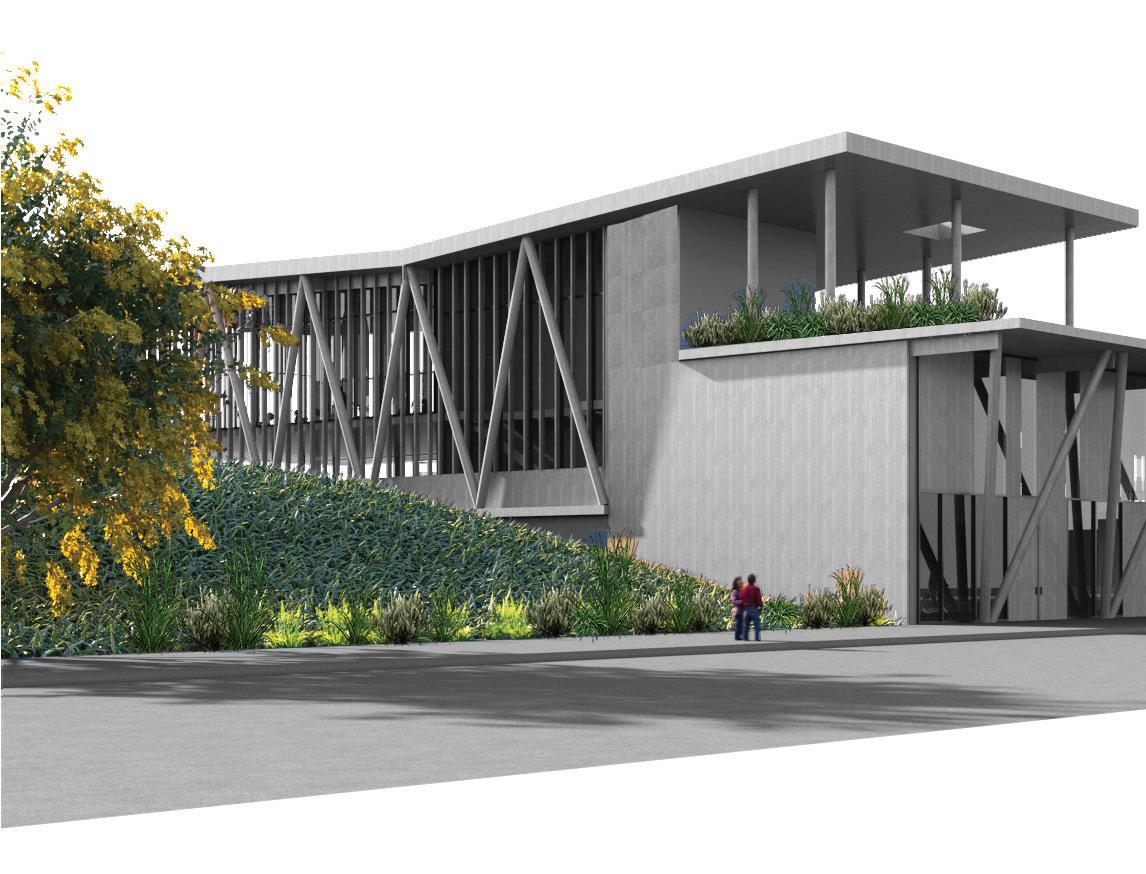
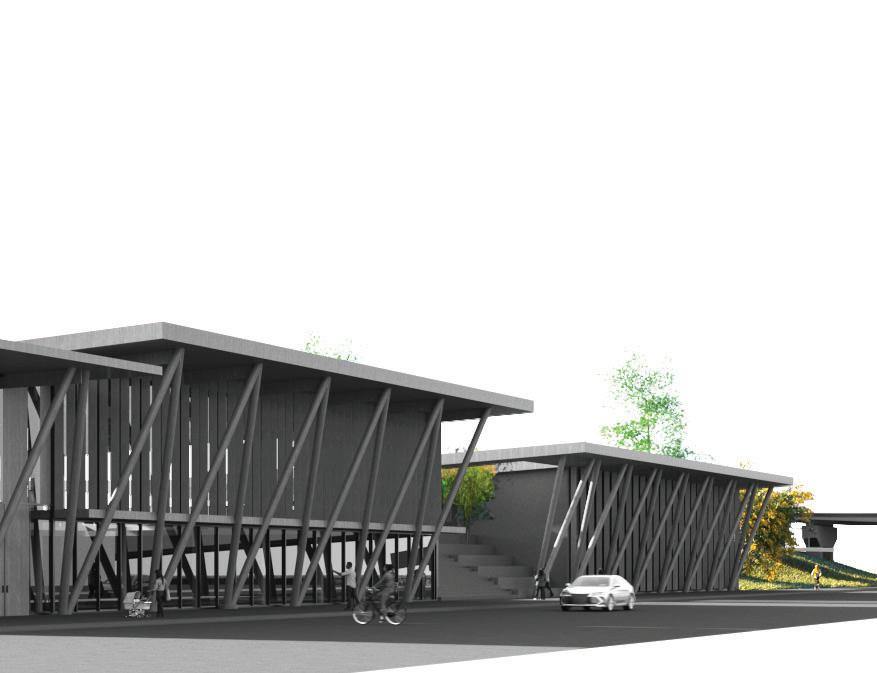
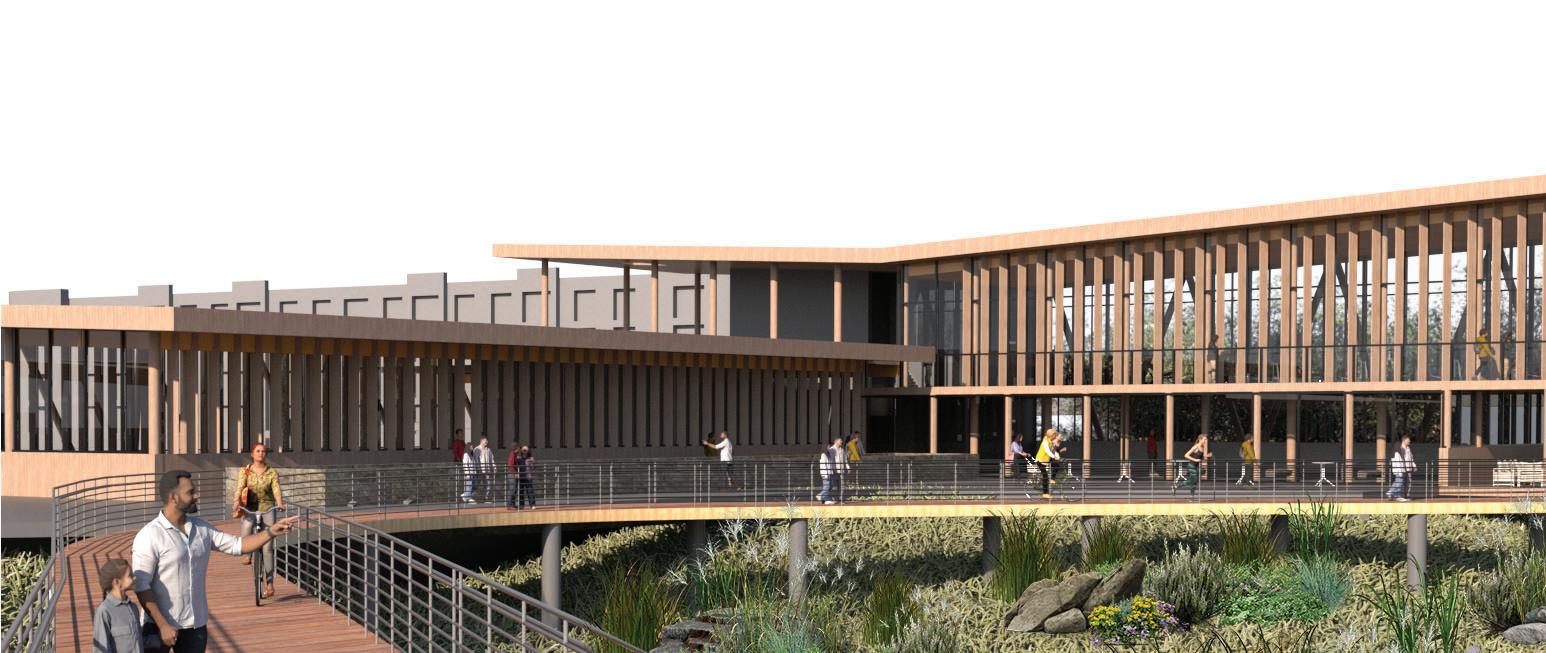
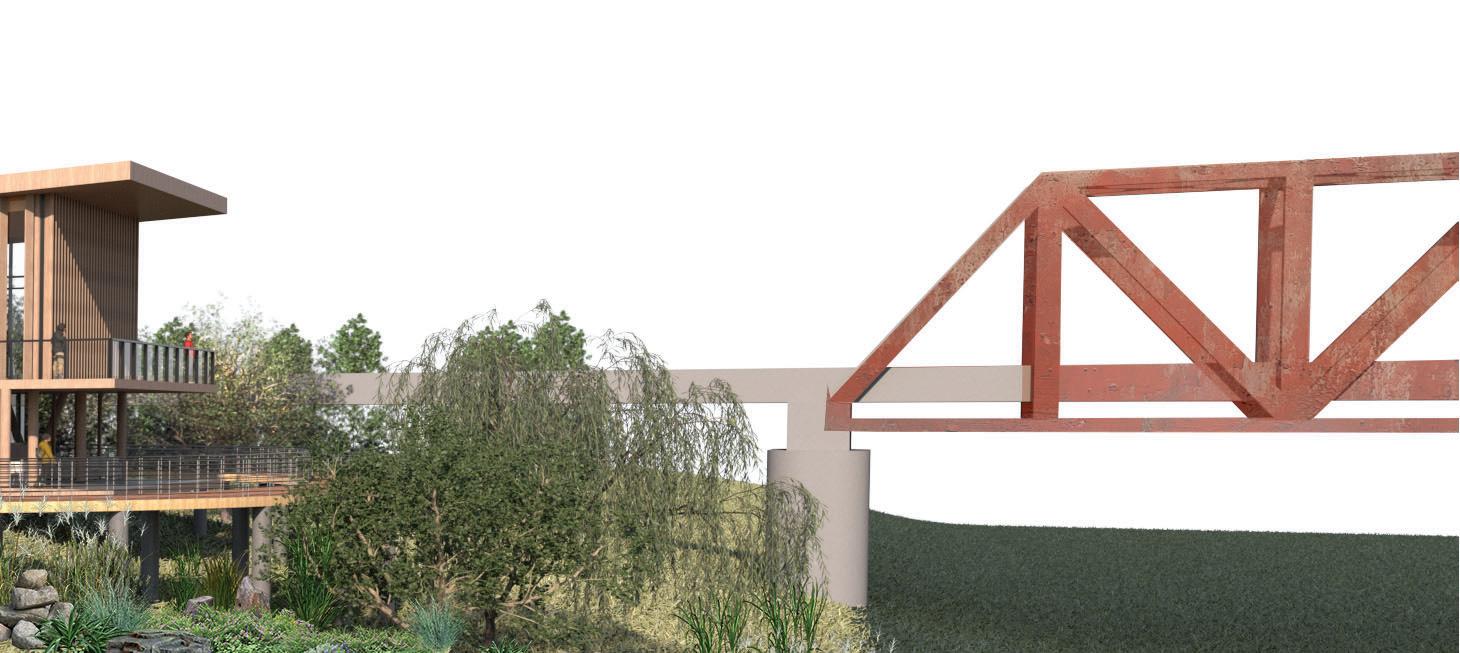
Focused on systems integration and holistic design processes to reconnect North Little Rock with nature while introducing new community spaces. The project utilizes a mass timber framing system with glulam V-shaped exterior columns and a 5-layer CLT flooring and roofing system, emphasizing sustainability and structural elegance. Situated in a 100-year floodplain, the design integrates a retaining wall and strategically placed landscaping elements, including bioswales and swamp gardens, to manage rainwater and mitigate rising water levels of the Arkansas River to the south. These systems work in harmony to create a narrative-driven design that fosters environmental connection and enriches public engagement with the site
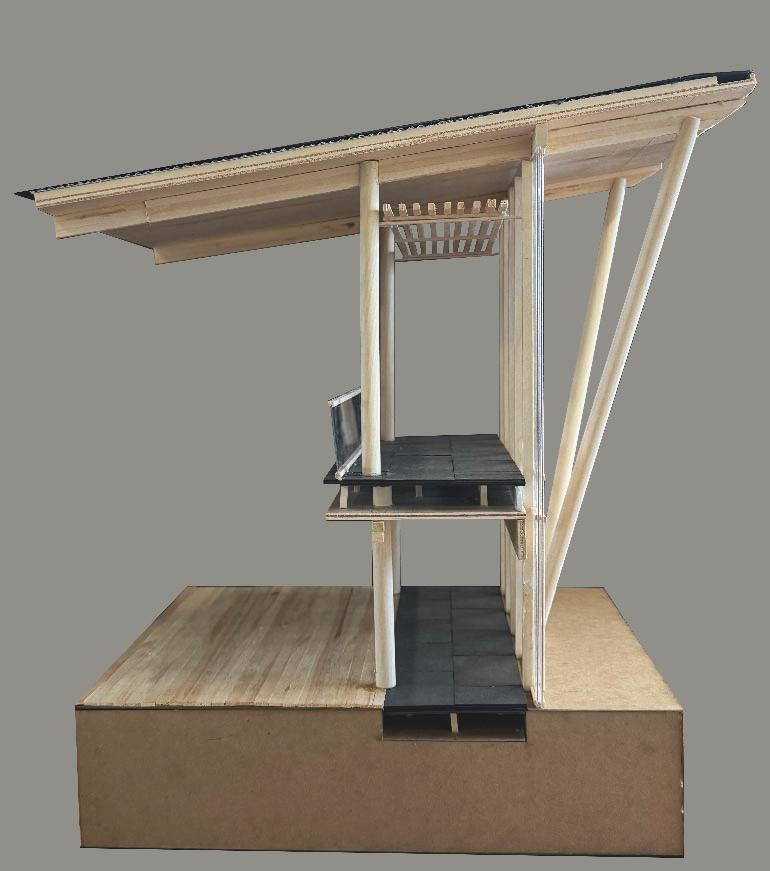
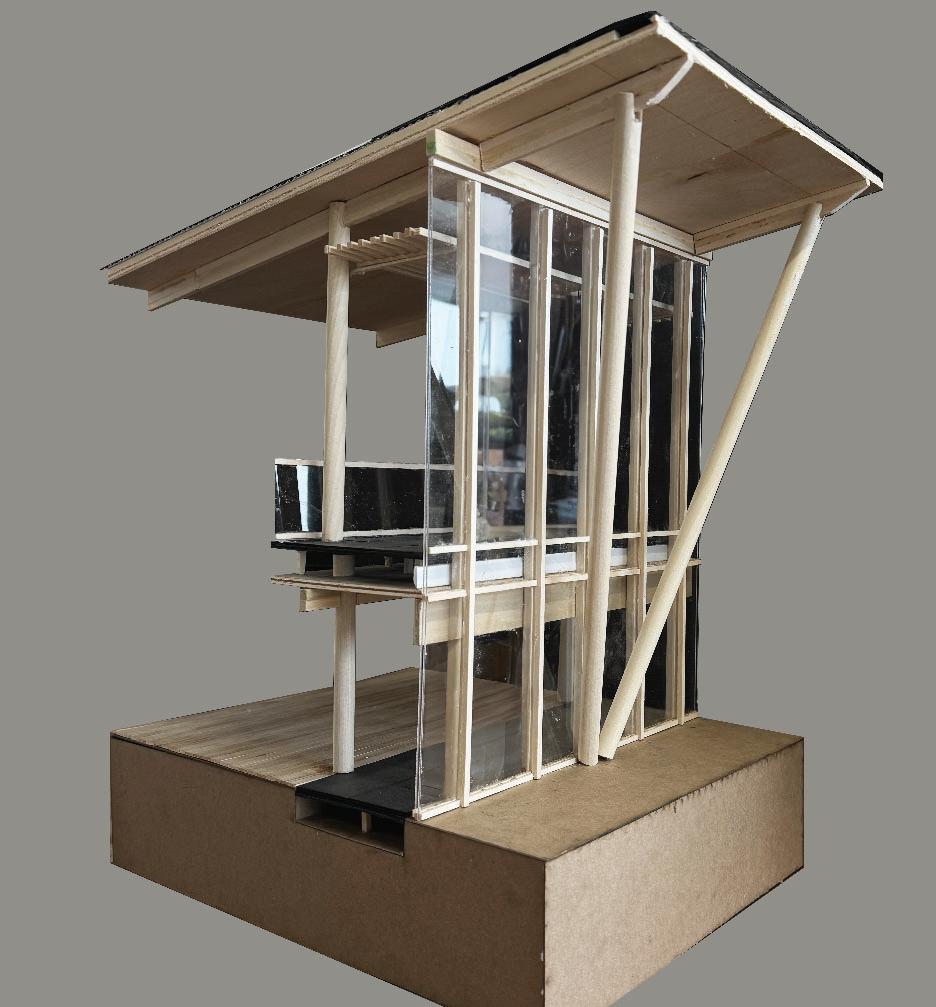
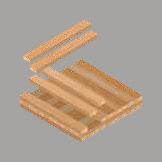
To gain a deeper understanding of my design’s structure and systems, I built a ½” = 1’ section model, allowing for a detailed analysis of how key elements interact. This model was crucial in exploring the relationship between the mass timber framing system, glulam V-shaped exterior columns, and 5-layer CLT flooring and roofing, demonstrating how they work together to create a structurally sound and sustainable design. It also provided insight into how the active systems integrate with and navigate around the structural framework.
At the end of the semester, my model was selected for display alongside other outstanding student work, highlighting its role in effectively communicating the project’s structural and environmental strategies.

HELL’S KITCHEN, NYC, SYNERGISTIC ENVIRONMENTAL CENTER
COTE TOP 10: DESIGN FOR EXCELLENCE BASED ECOSYSTEMS URBANISM STUDIO: SPRING 2024
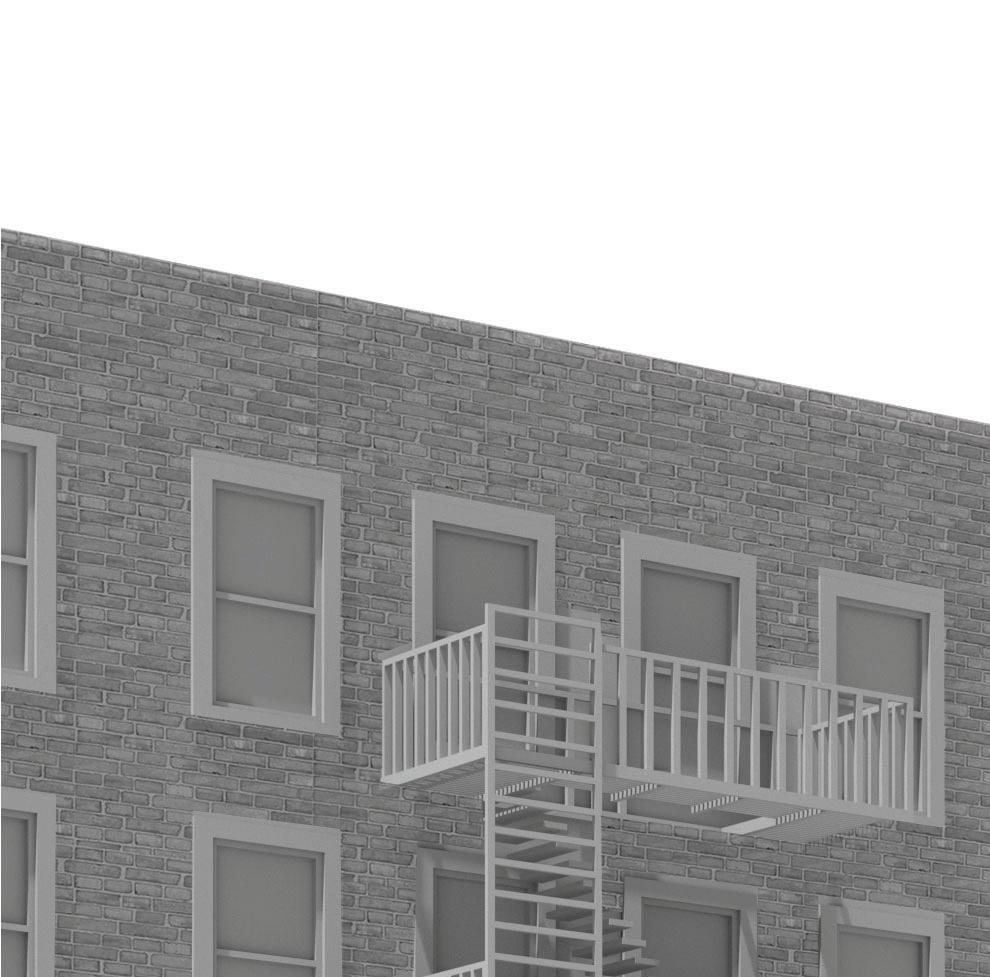
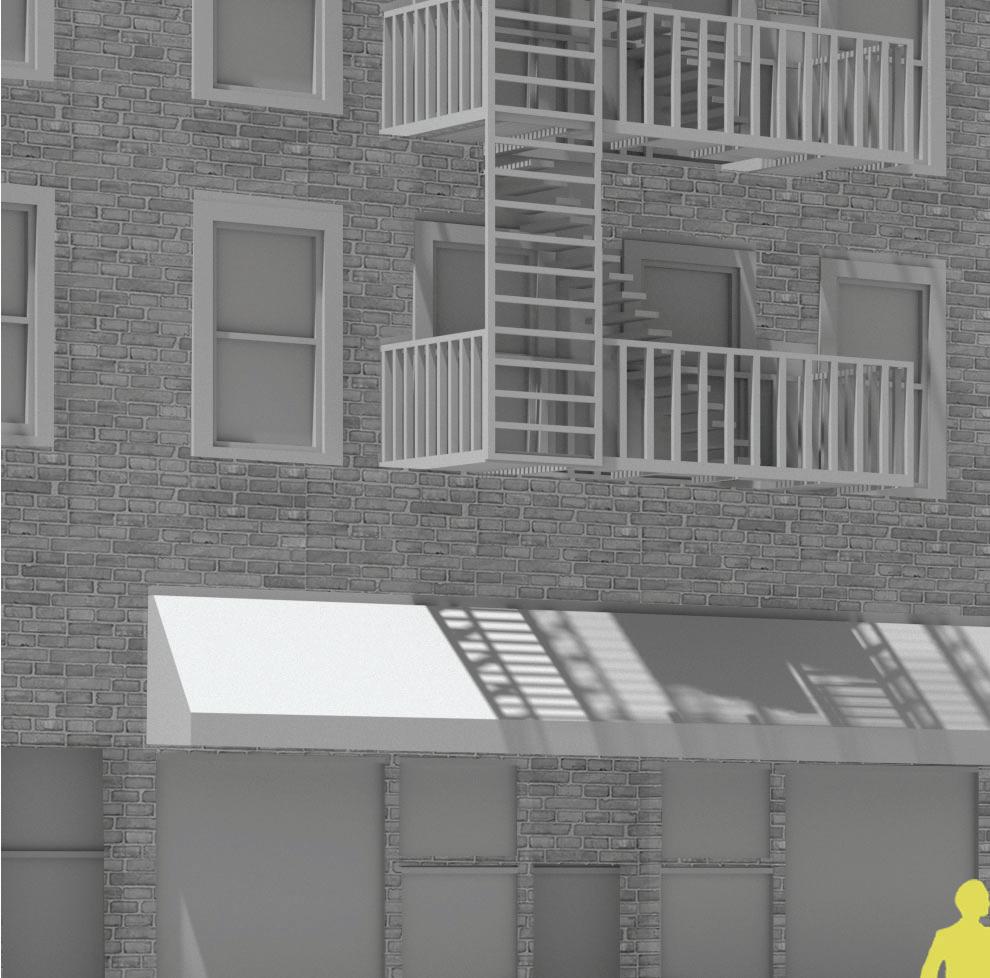
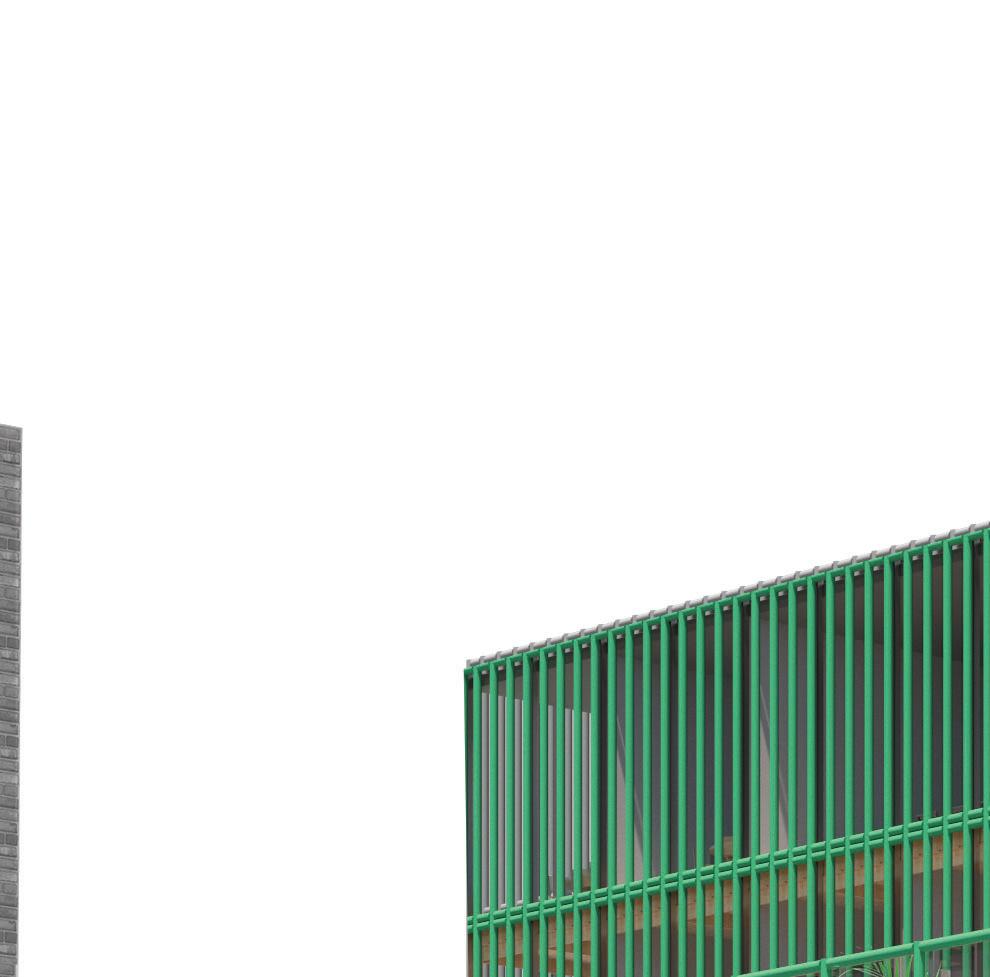
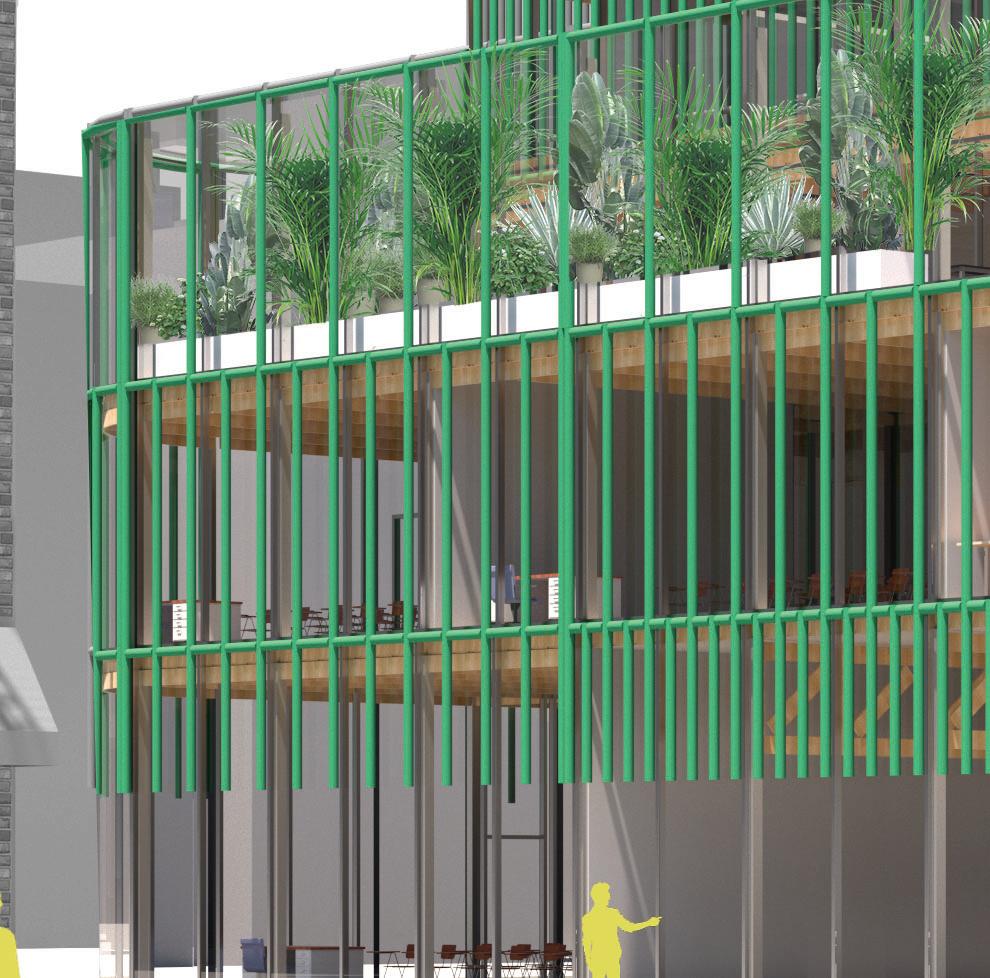
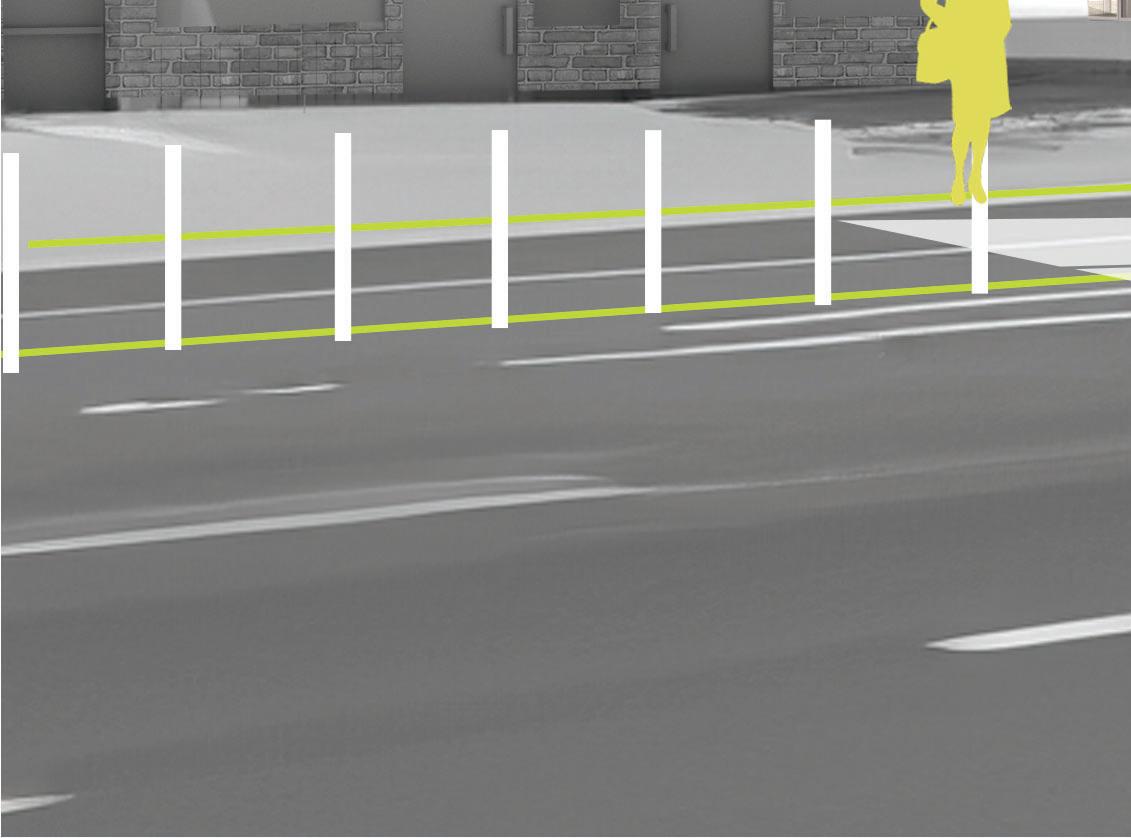
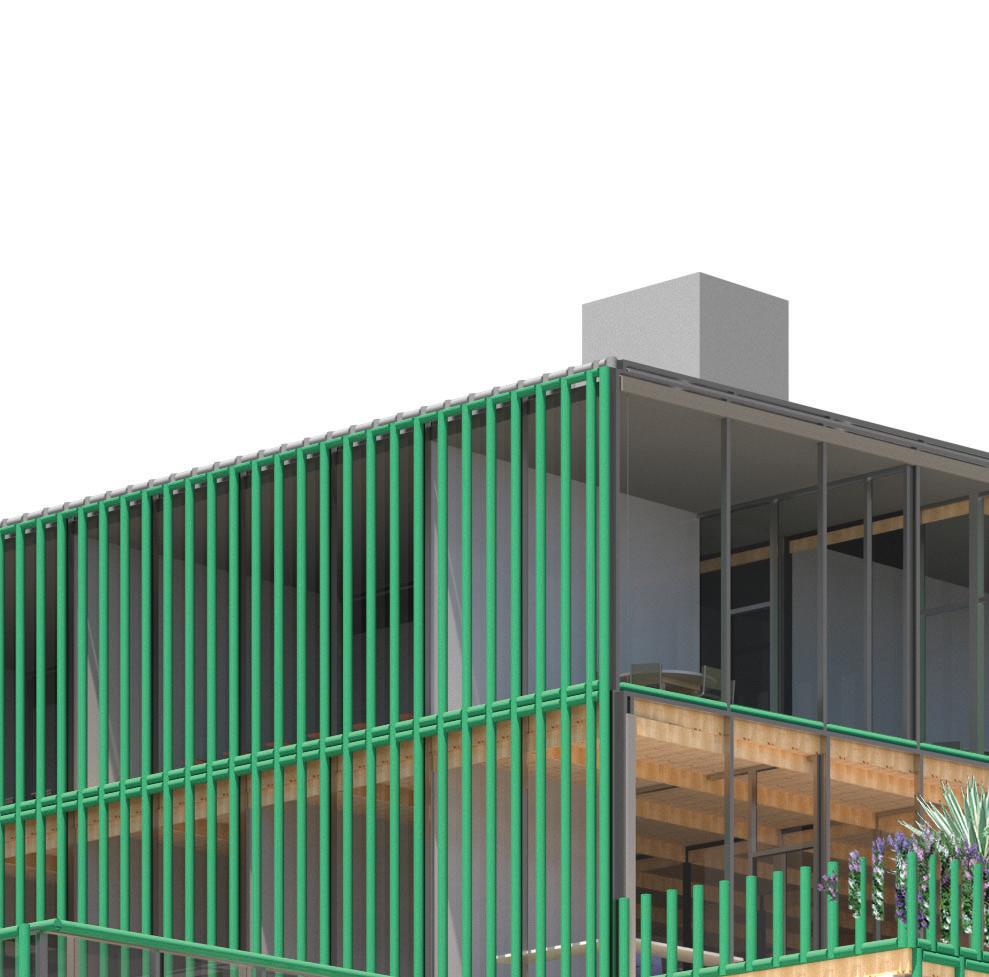
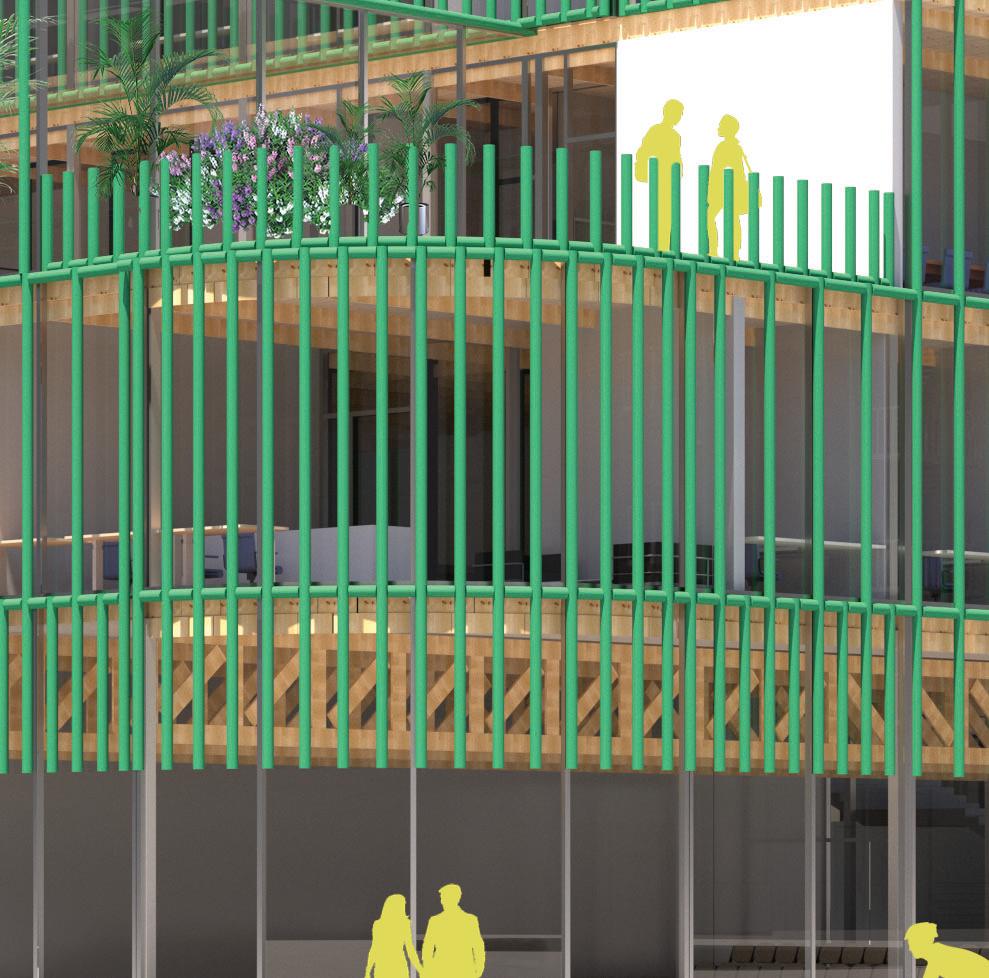
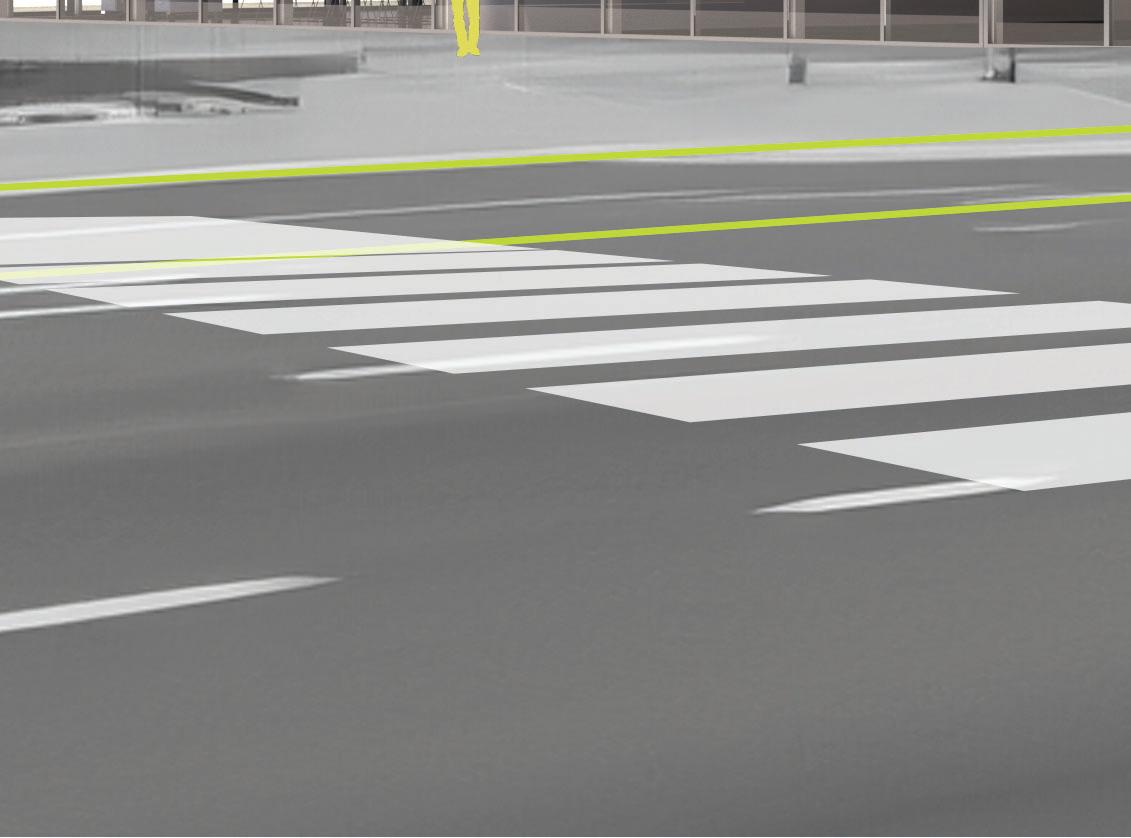
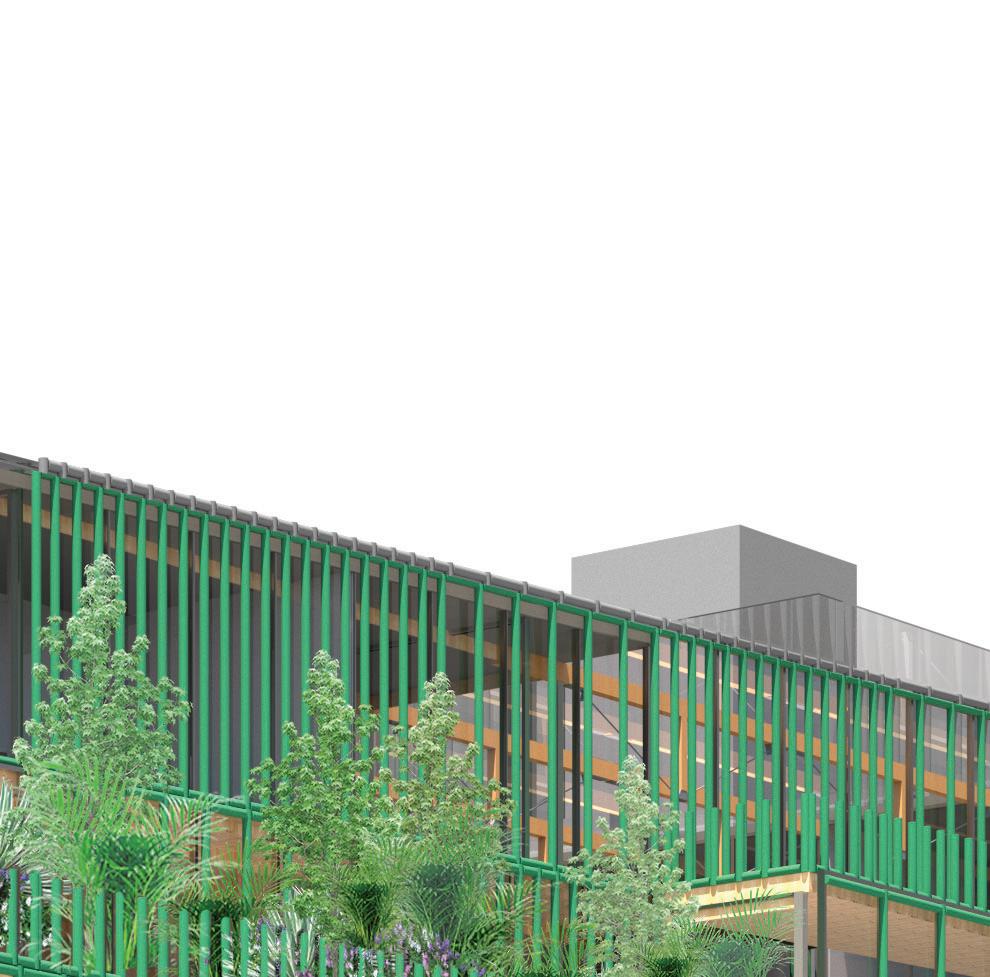
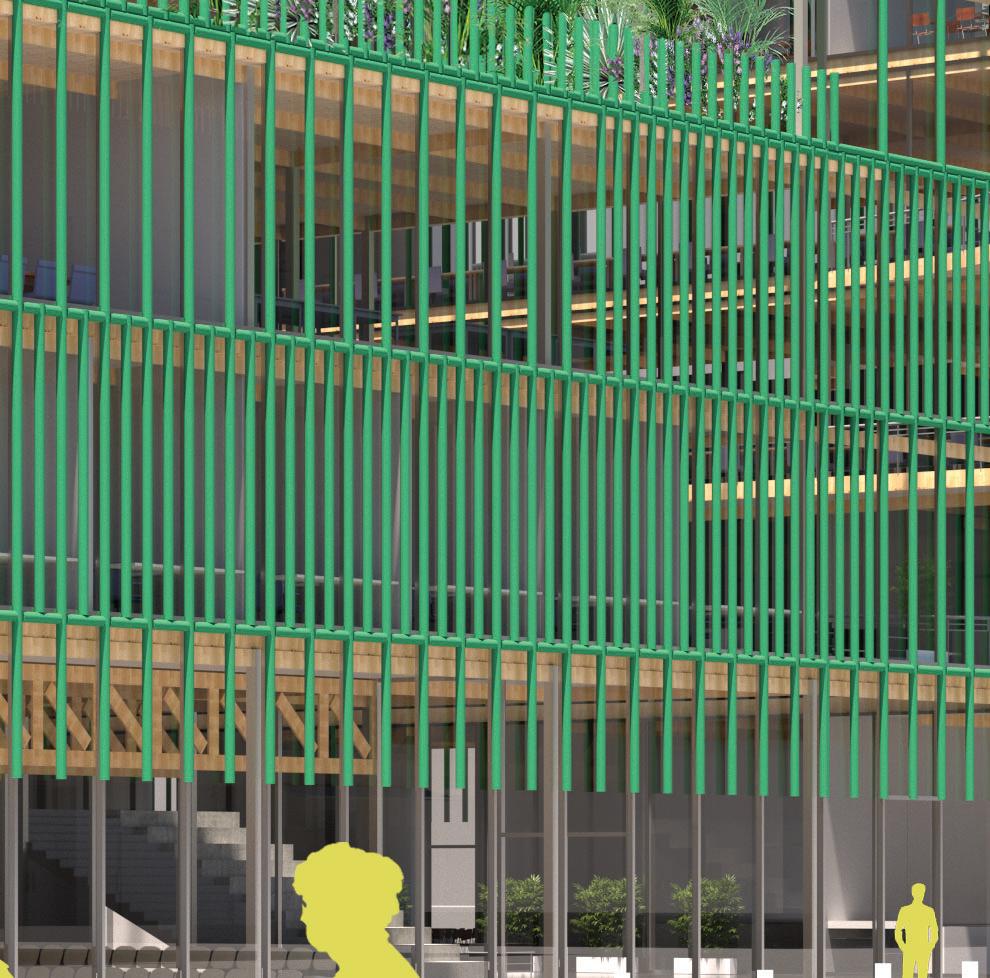
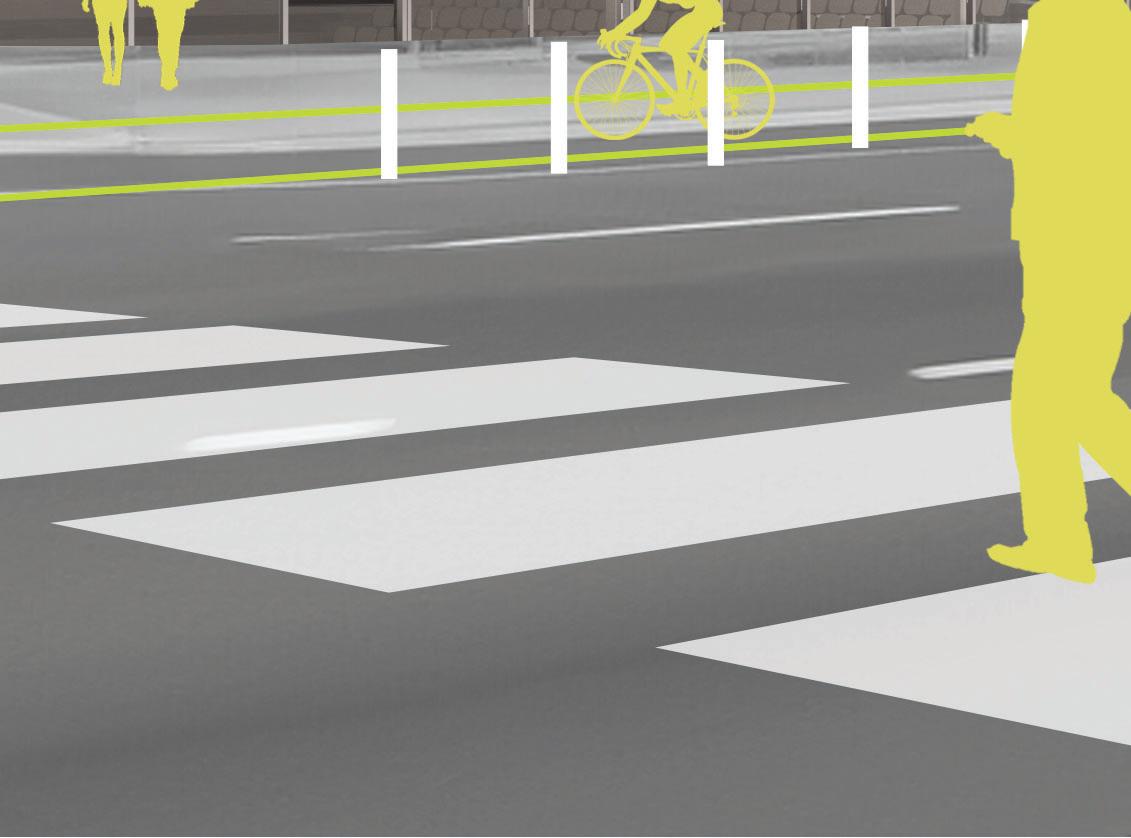
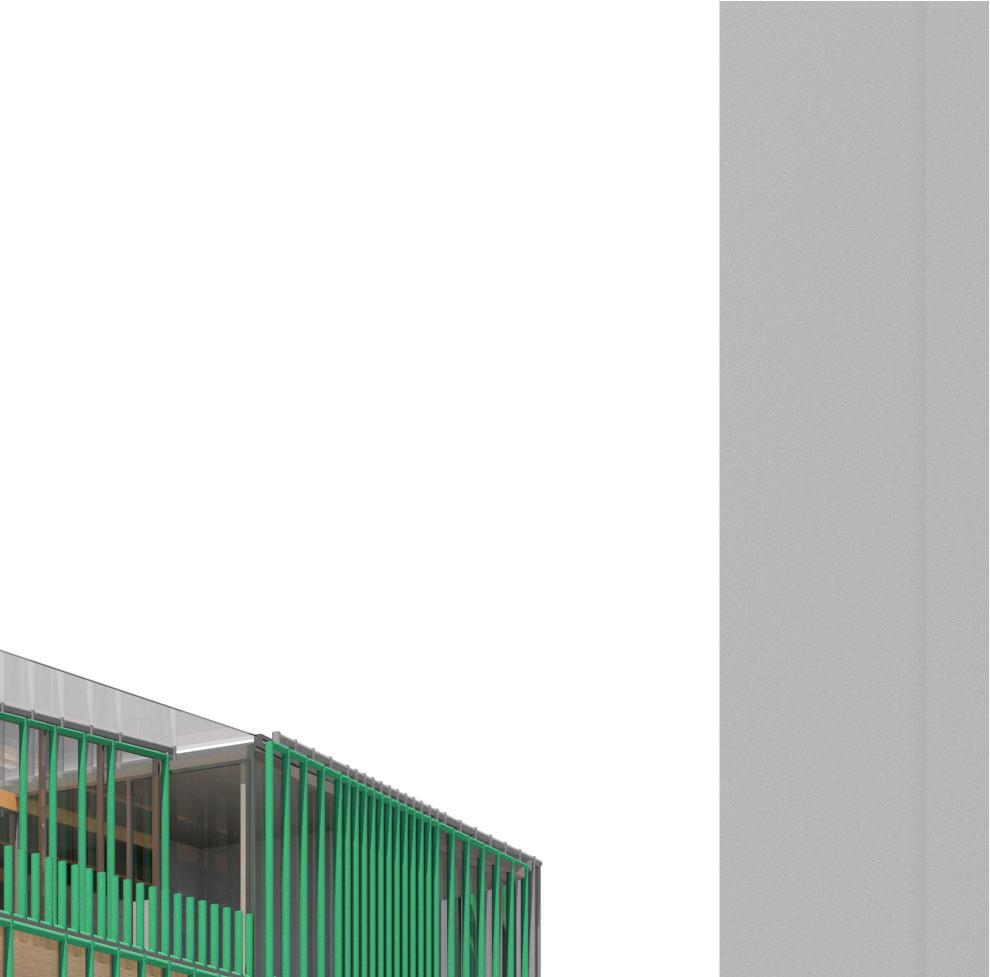
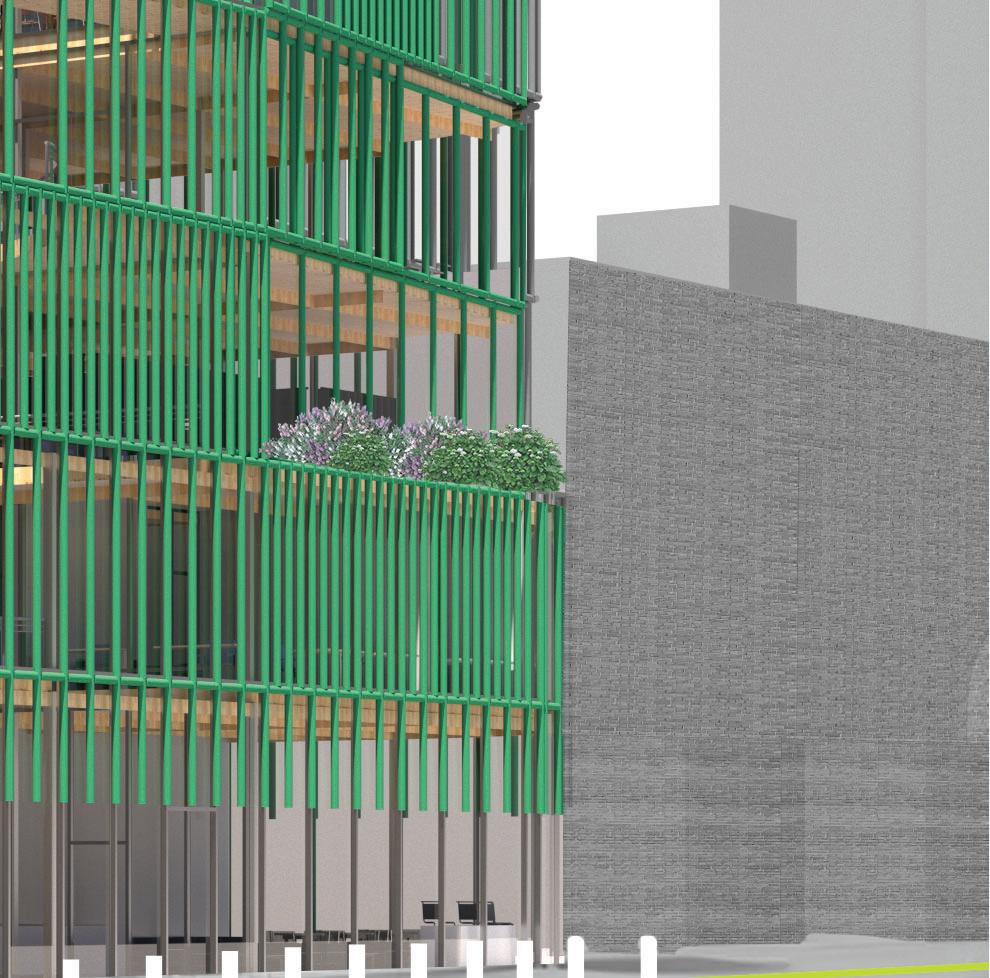
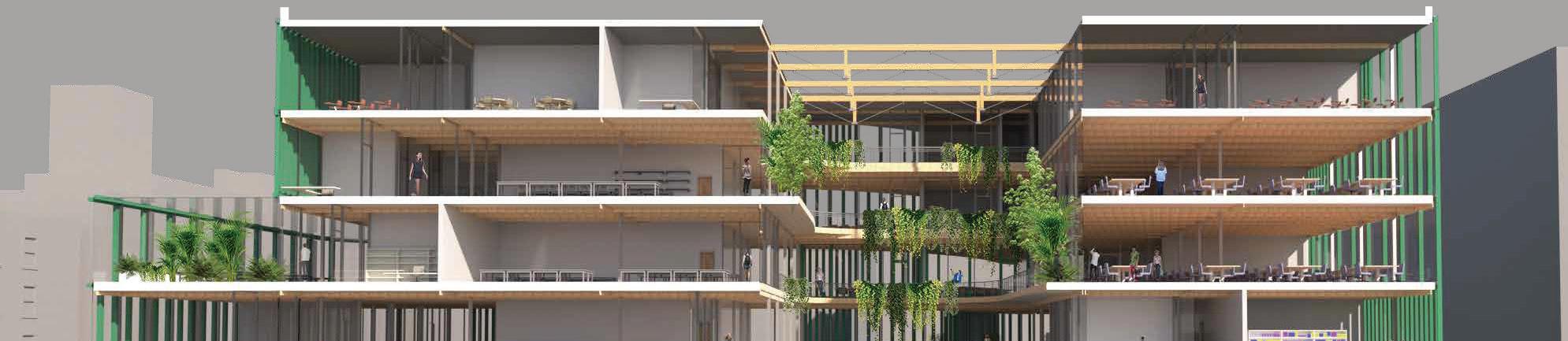
The SEC fosters interdisciplinary collaboration across architecture, landscape architecture, environmental engineering, and plant ecology, serving as a think-tank for ecological research and innovation. Programmatically, it integrates discipline-specific spaces, open collaboration zones, and sustainable design strategies that meet stringent spatial daylight autonomy (sDA) and thermal comfort metrics.
The SEC addresses the site’s food insecurity by integrating urban farming, community gardens, and spaces for education on sustainable food practices. These initiatives provide accessible food sources for the local community while fostering engagement and learning. The design also prioritizes the return of green spaces to the public, creating opportunities for recreation, ecological restoration, and social connection.
The project employs a cross-laminated timber (CLT) structural system to reduce embodied carbon, complemented by terracotta louvered rain screens inspired by Manhattan’s Art Deco aesthetic. These louvers optimize daylighting, mitigate glare, and enhance thermal comfort, leveraging advanced simulations through Climate Studio to achieve precise environmental performance.
By responding to the unique zoning constraints of the Special Clinton District, the project maximizes the site’s potential while maintaining a strong connection to the urban fabric. The Synergistic Environments Center not only exemplifies sustainable design but also acts as a model for creating equitable, accessible, and community-centered urban spaces
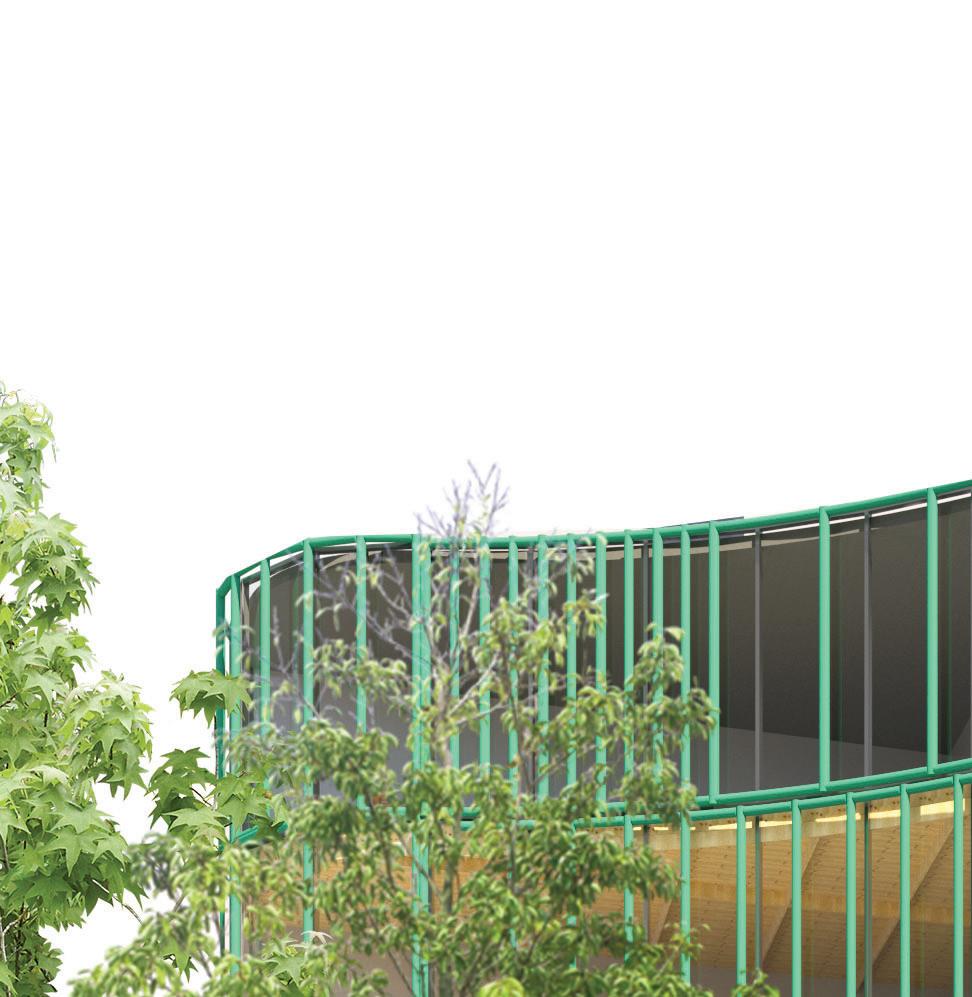
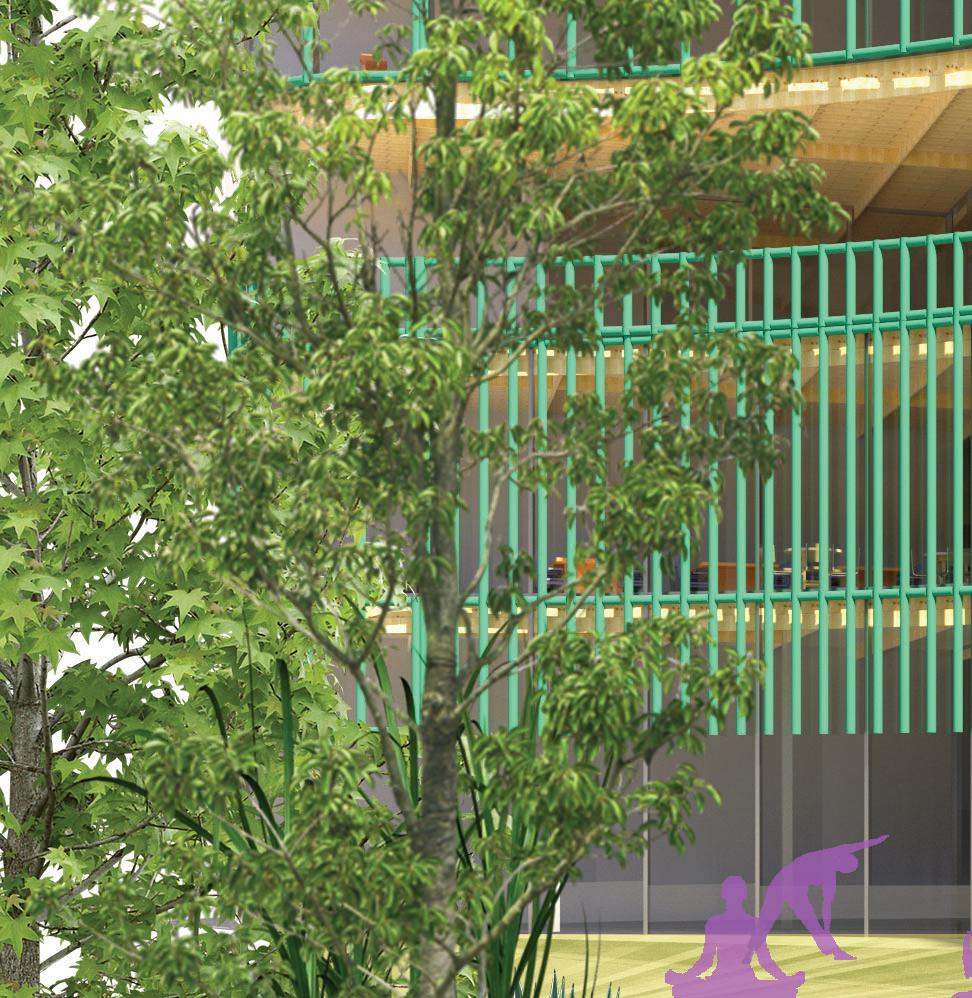
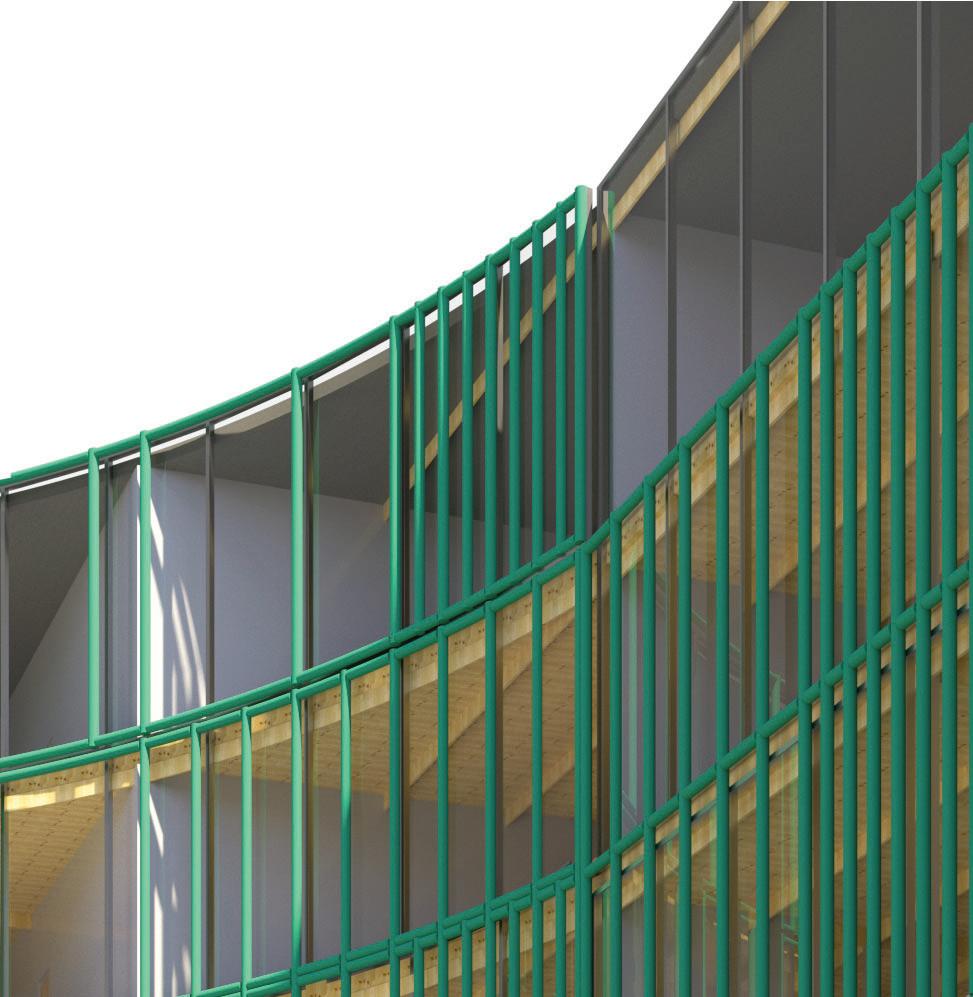
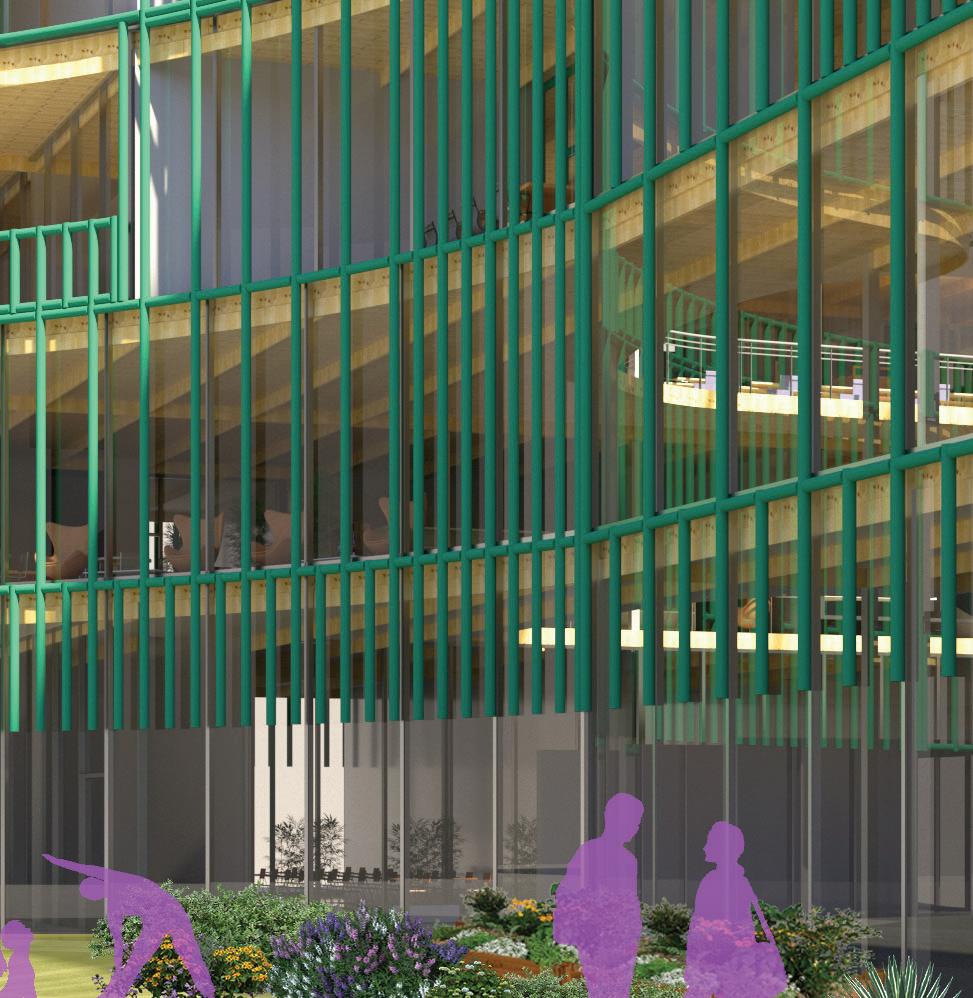

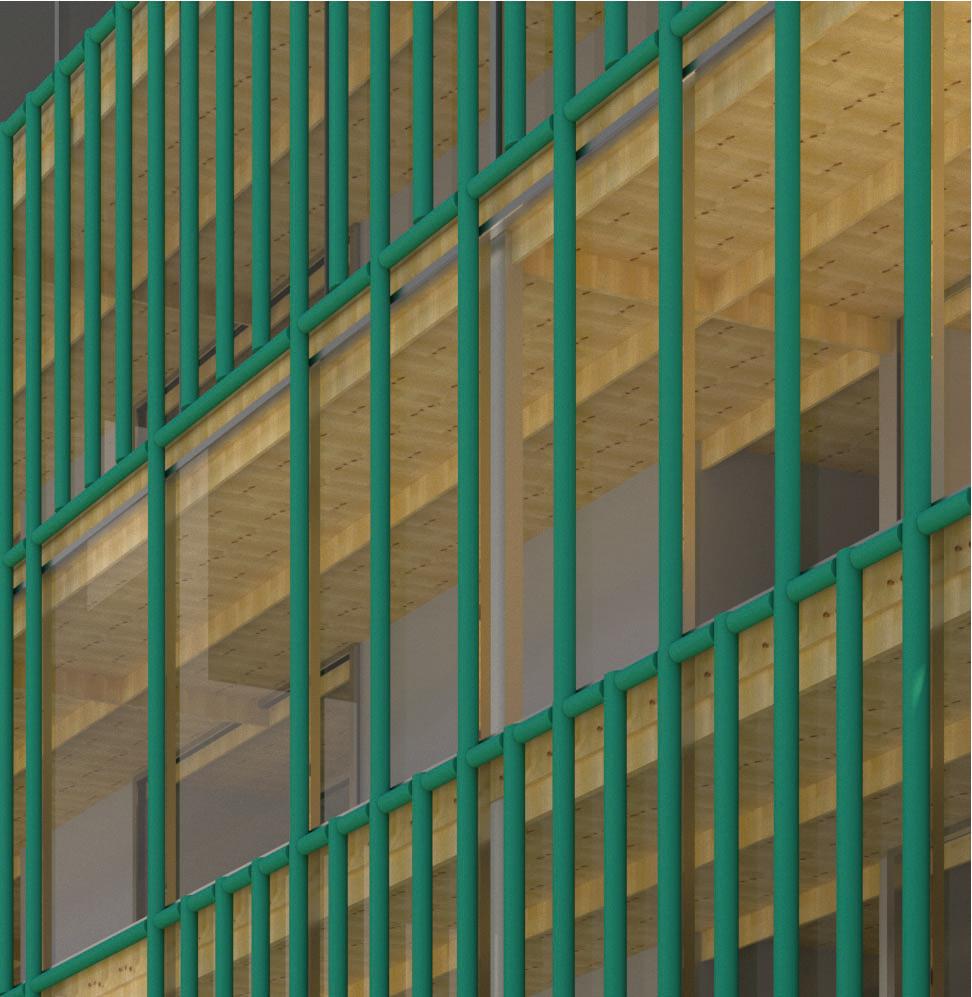
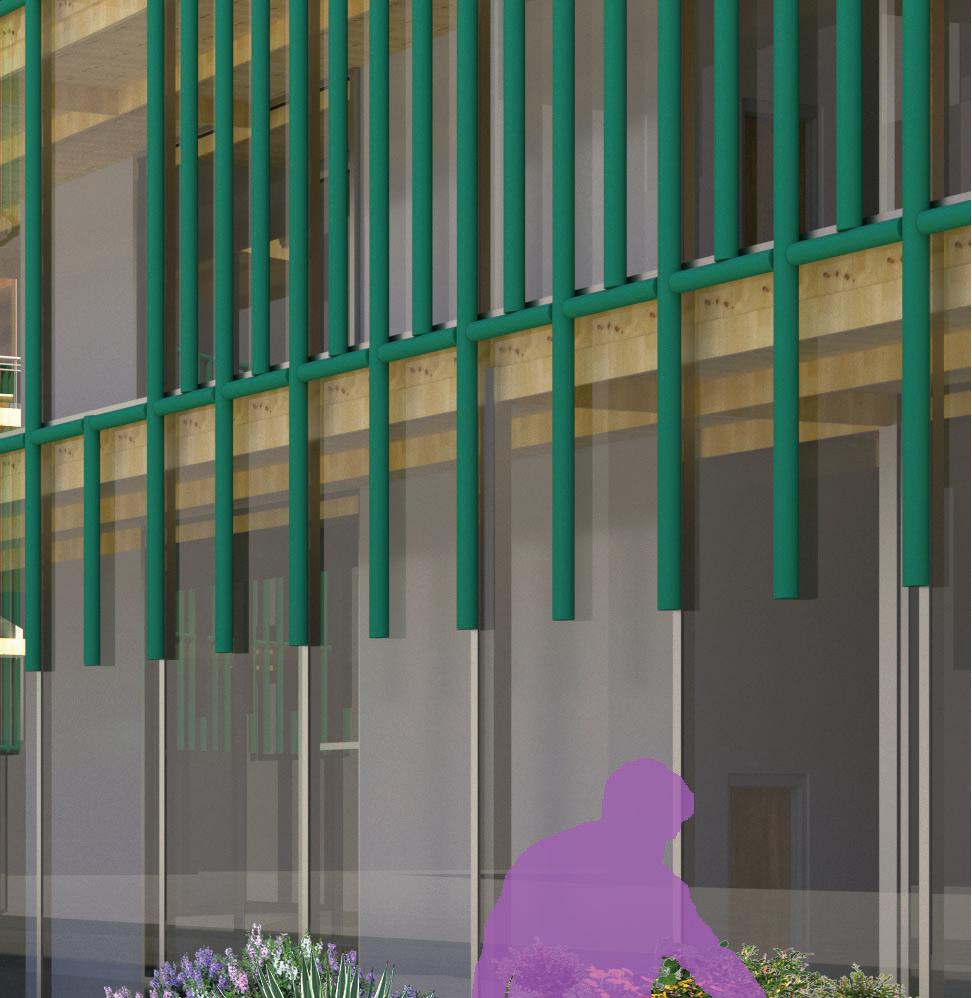










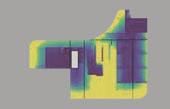
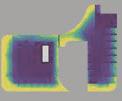
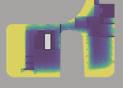
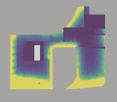




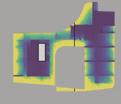




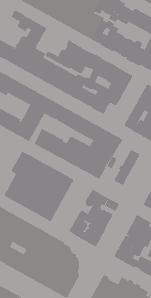



This project re-imagines sustainability and collaboration in a dense urban context, designing an interdisciplinary environmental center in the heart of Hell’s Kitchen. As a studio finalist for the entry into the 2024 ASCA COTE competition, the design integrates the AIA COTE Top Ten Strategies to prioritize energy efficiency, material performance, and user well-being.















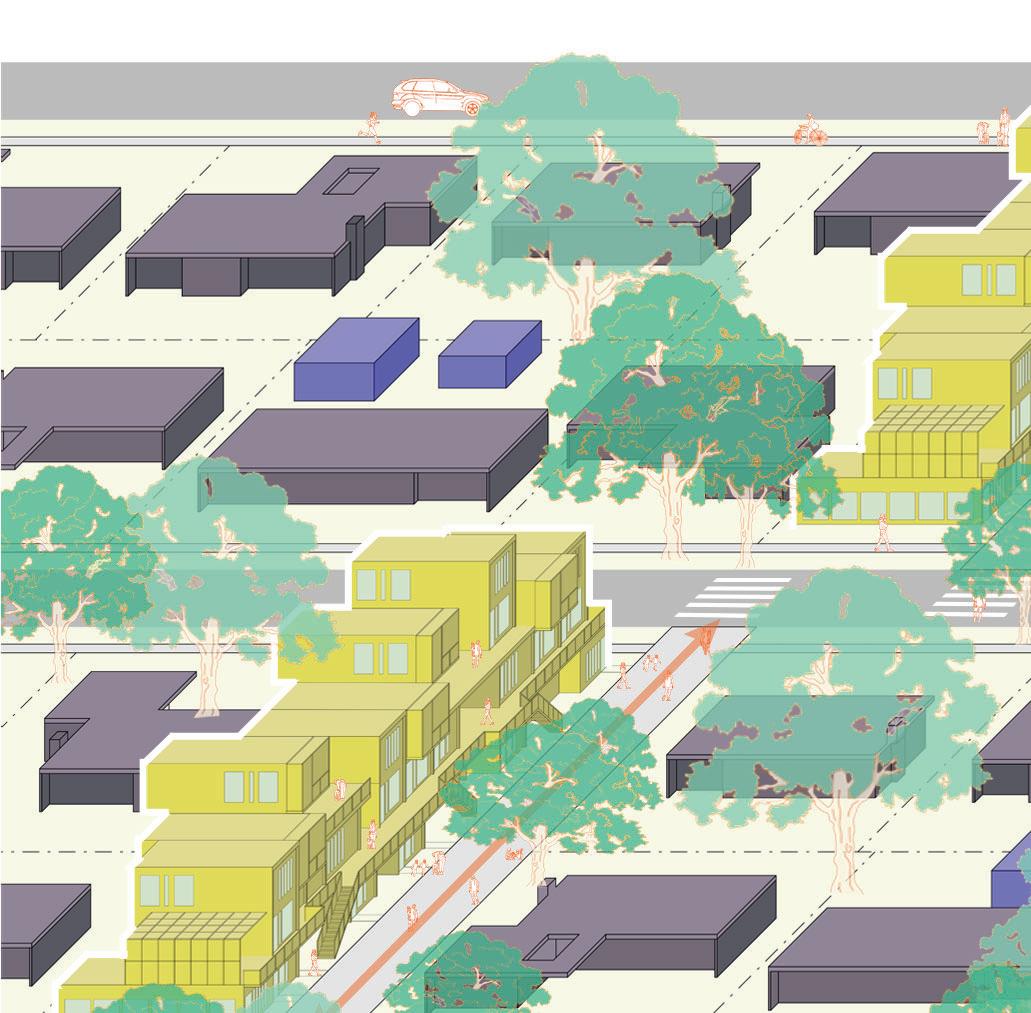
MAR VISTA, LOS ANGELES, CA, SUBURBAN HOUSING INTERVENTION
RADICAL HOUSING STUDIO: FALL 2023
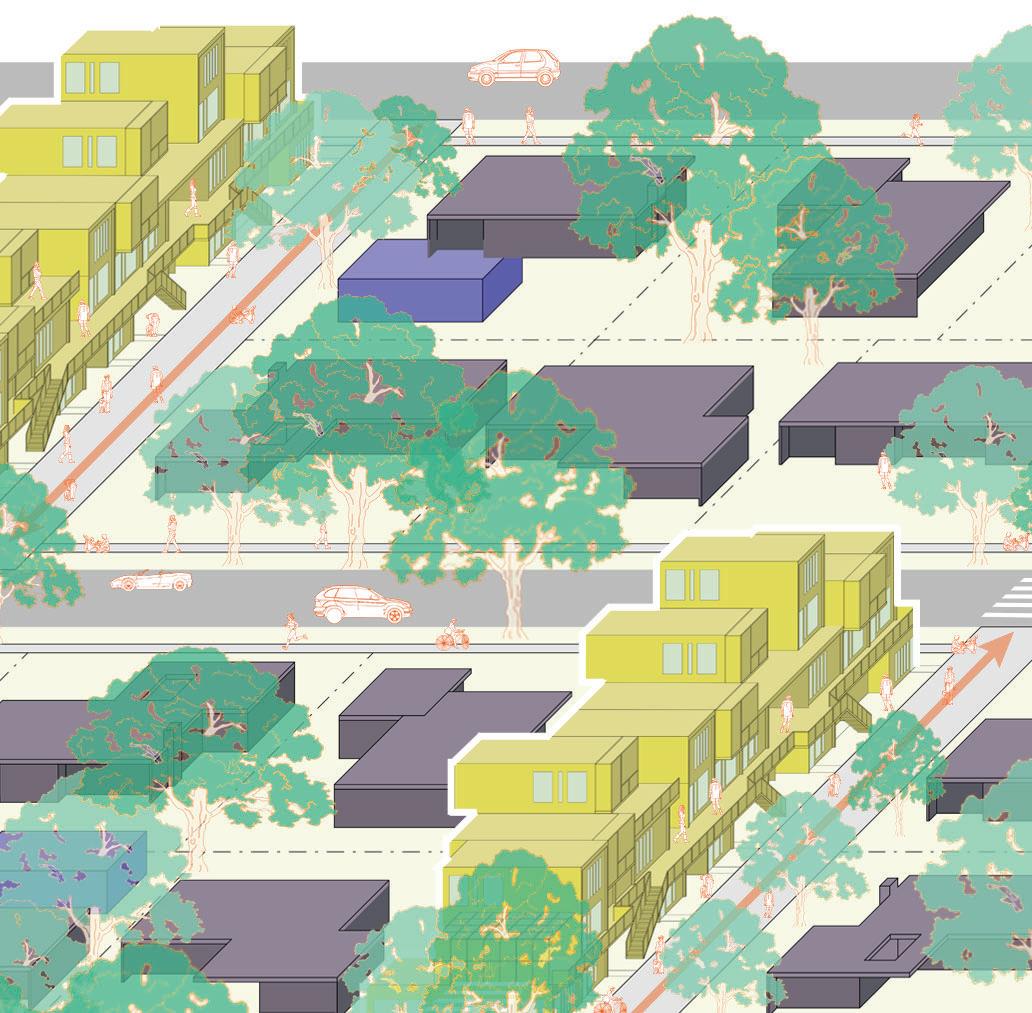
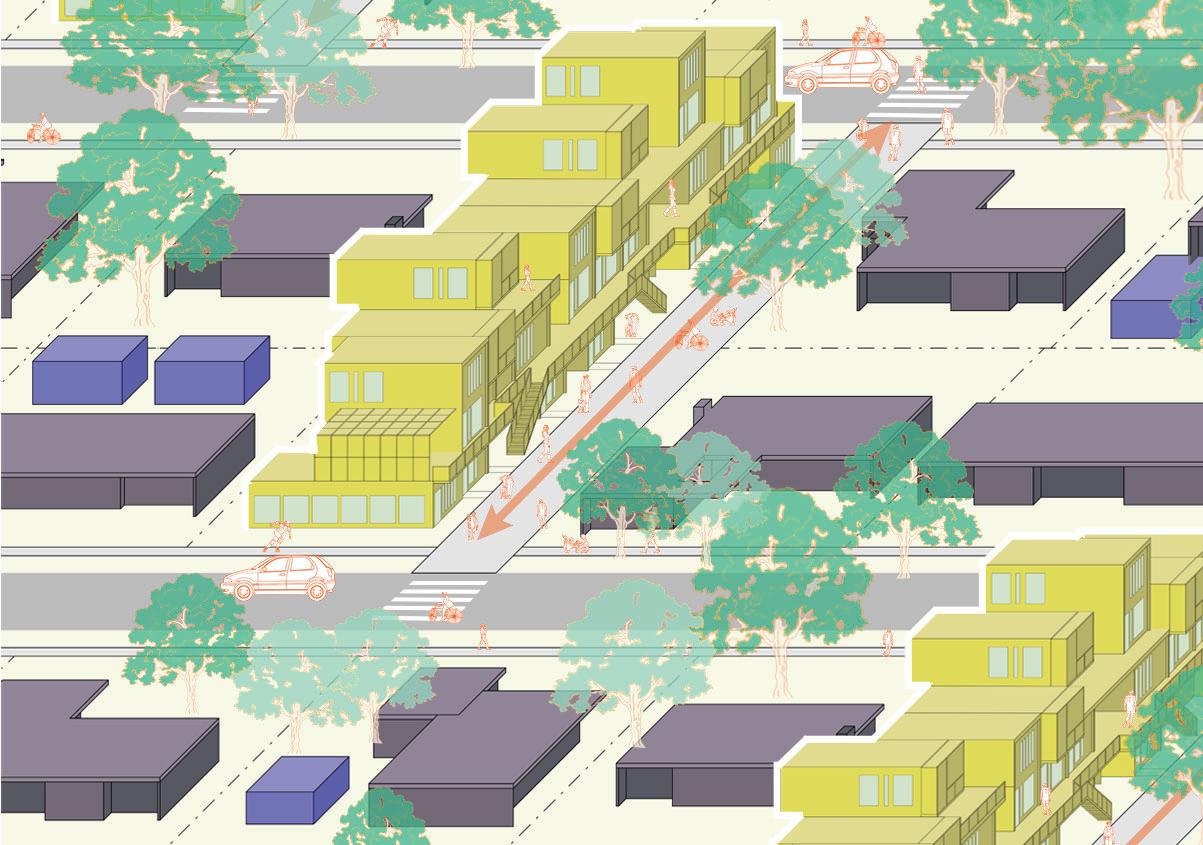
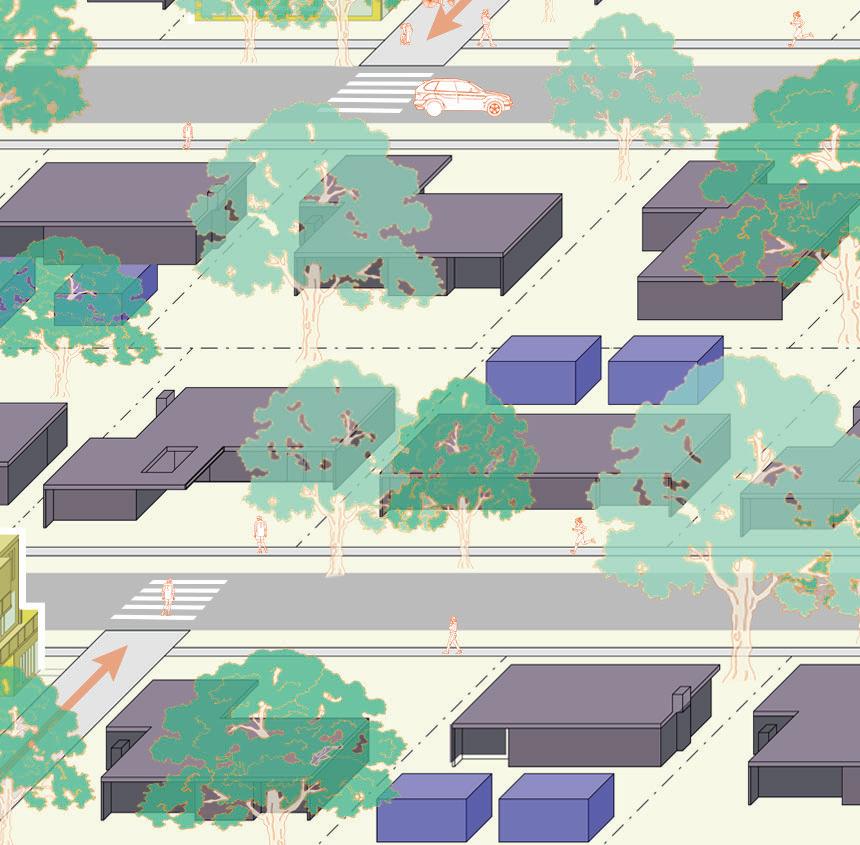
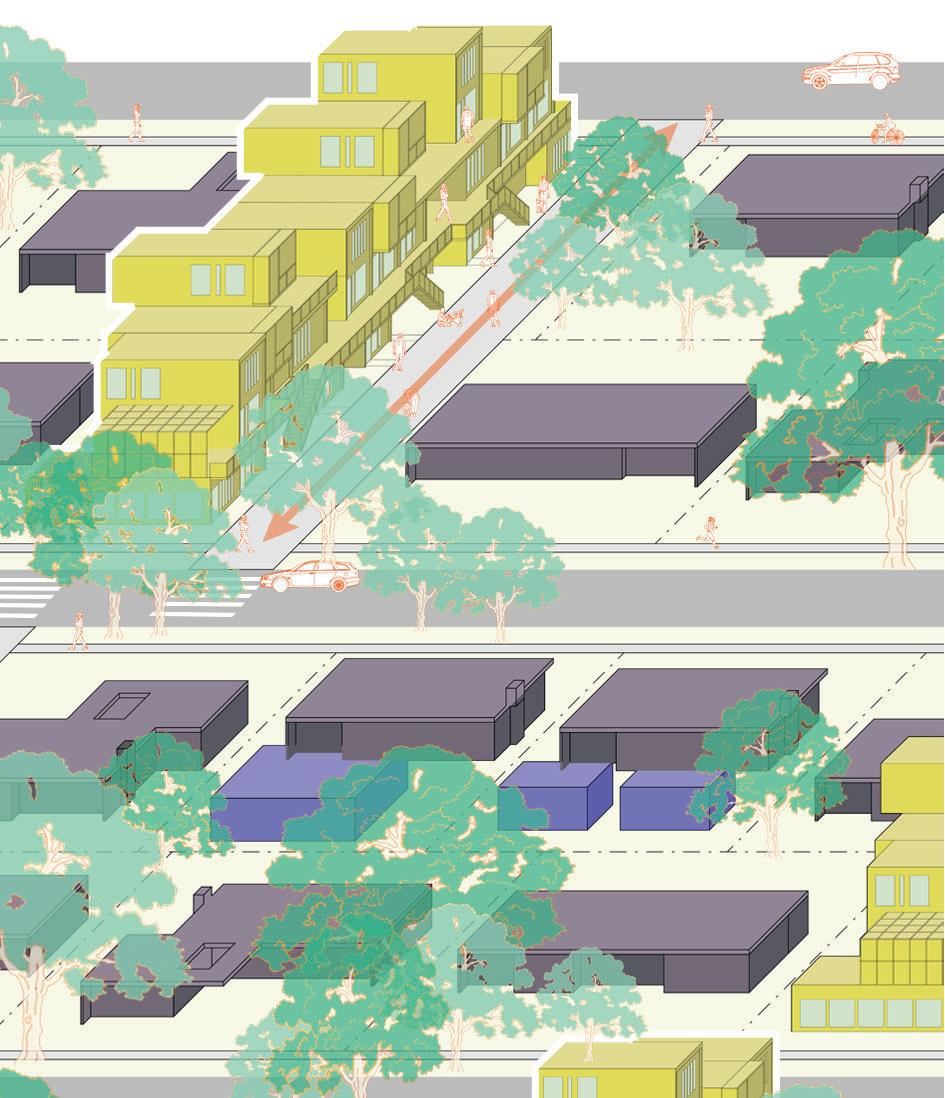
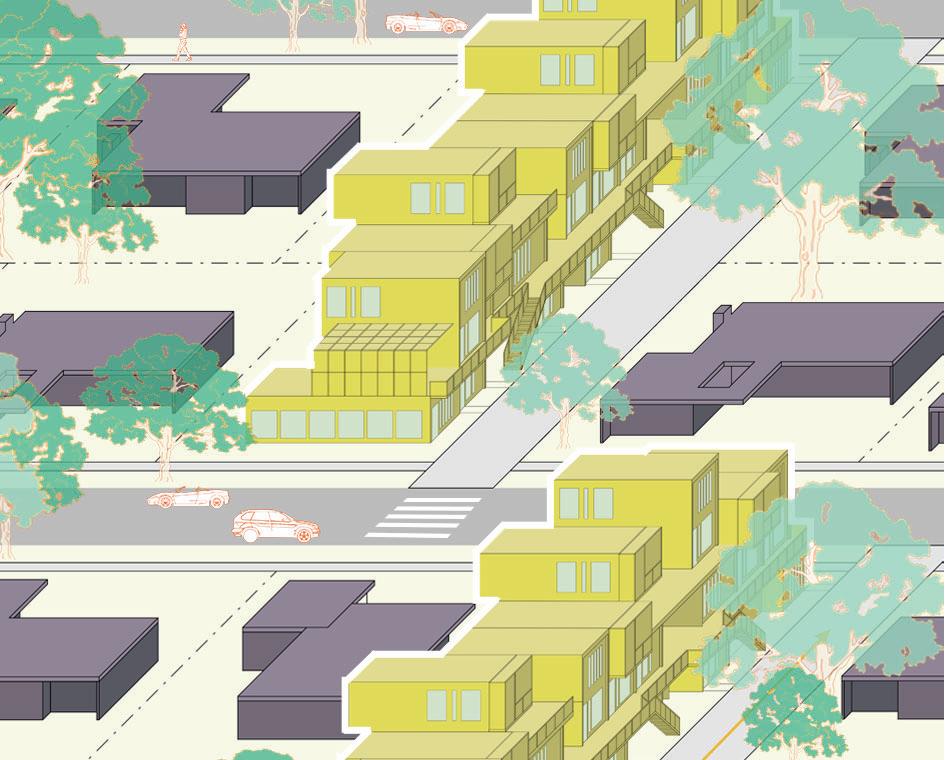

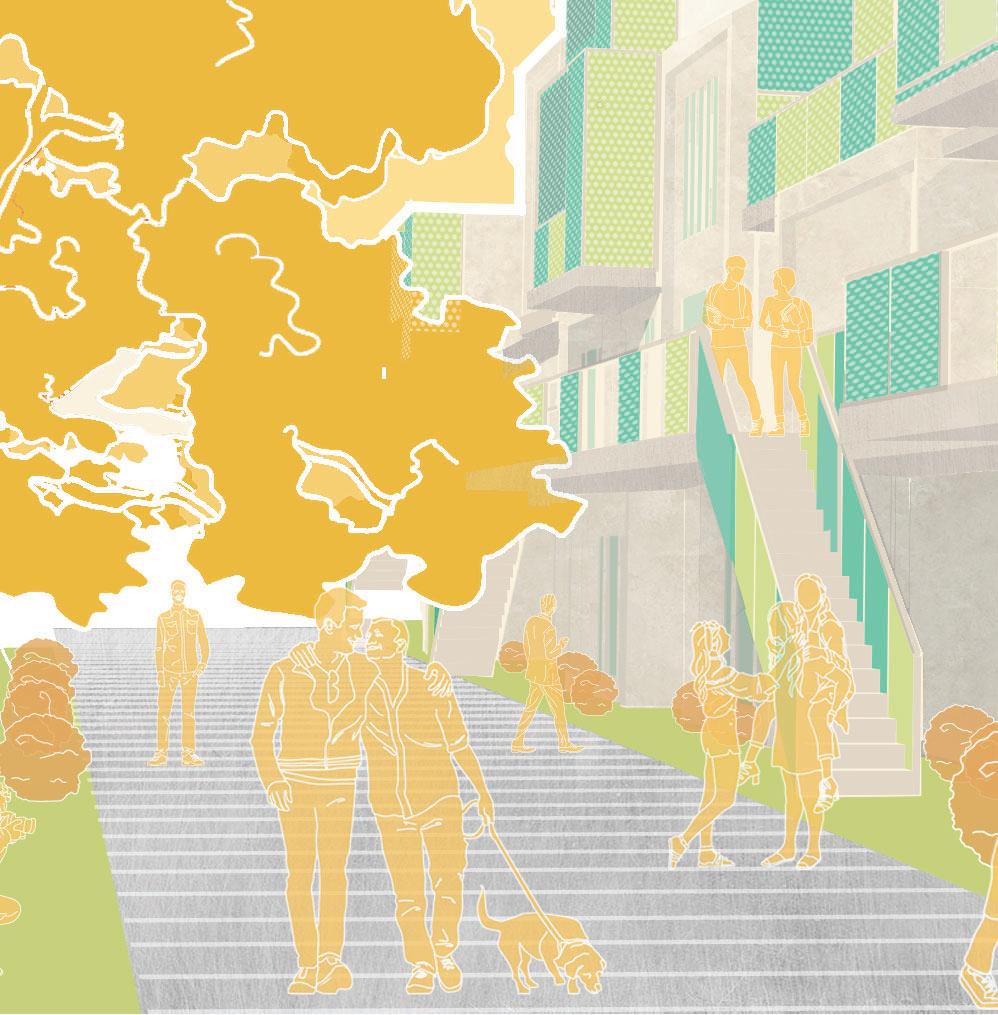
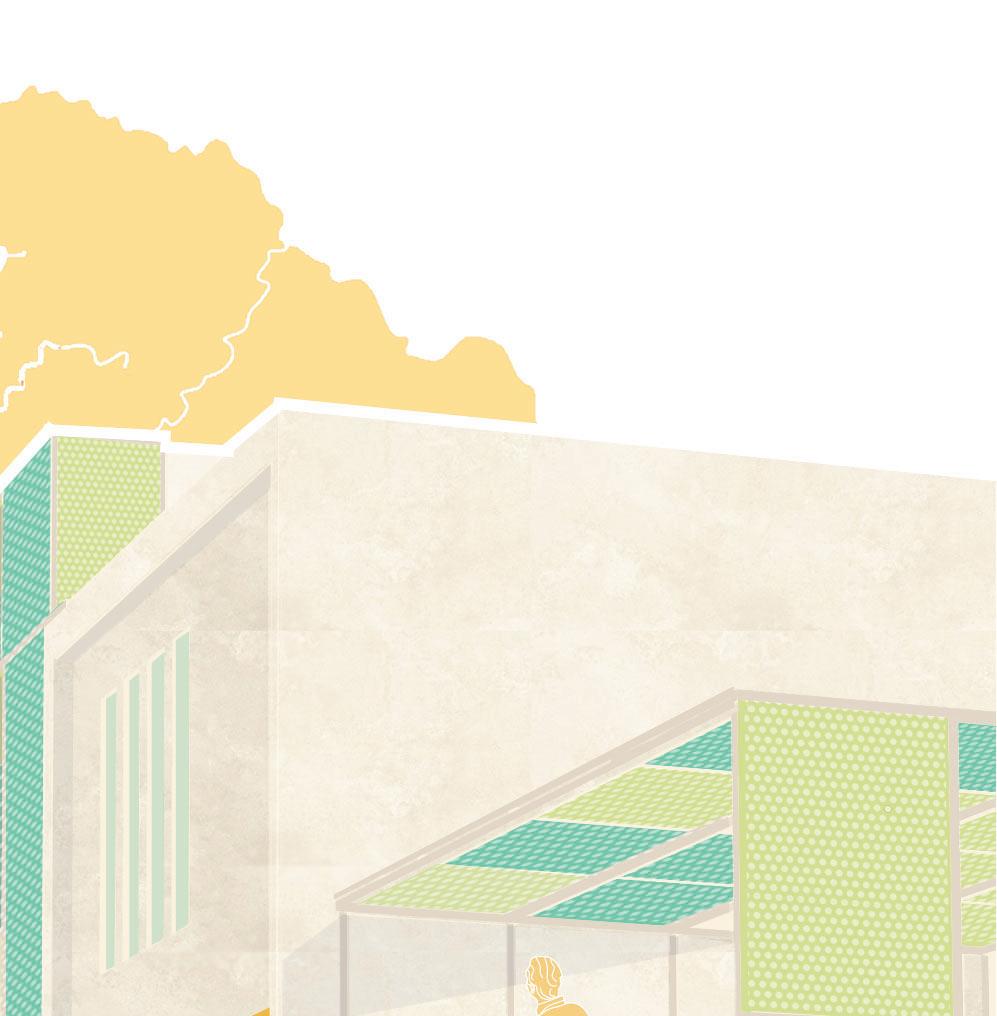
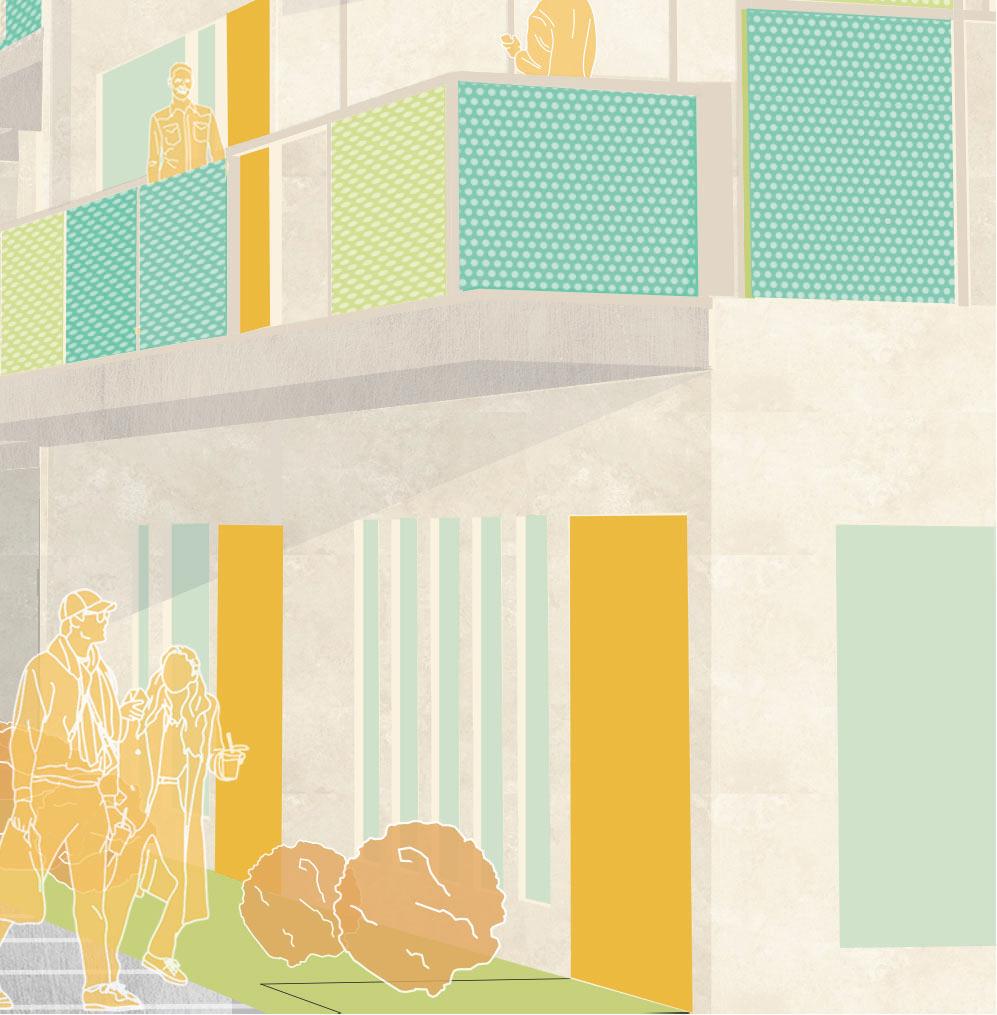
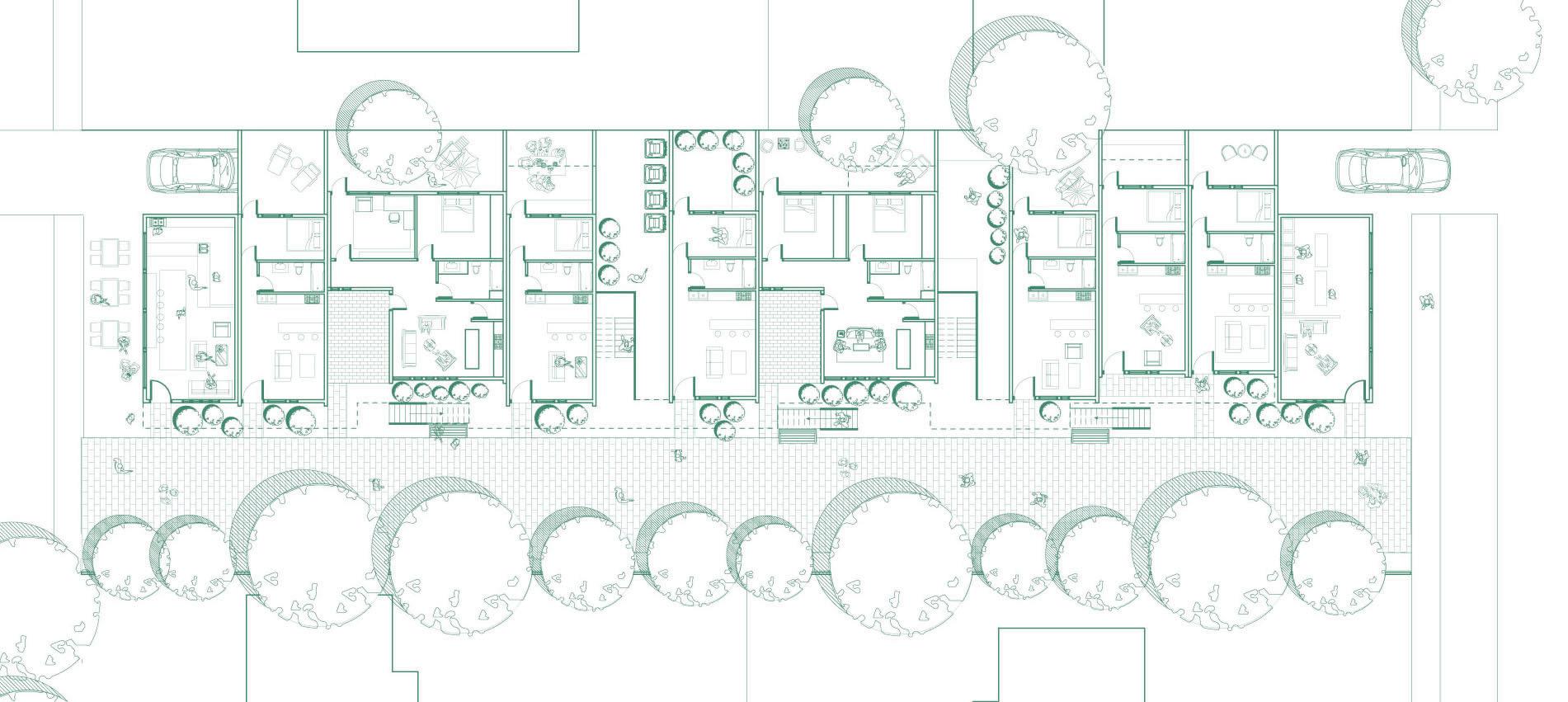
My studio project for Fall 2023 focused on the Buildner Los Angeles Affordable Housing Competition, where my collaborator and I proposed the California Affordable Housing Incentive Act, an extension of Senate Bill 09. Our design introduced a flexible, site-adaptable housing strategy inspired by European walkable cities, centered around a mews—a pedestrian-friendly corridor that integrates seamlessly into existing neighborhoods. By shifting housing units to one side of the lot, we created a wide walkway that enhances walkability in traditionally car-centric areas. The mews are bookended by flexible amenity spaces, allowing communities to tailor them to their specific needs..
Per California government policy Senate Bill 9, one single-family home lot can be divided into 2 separate lots, each with an ADU.
The double lot configuration allows for 8 units under SB 9. We propose an incentive structure that requires these 8 units to be affordable.
In exchange for building those 8 affordable units, 10-12 more market rate units can be built in addition.