
P
S O F I Y A D
O R T FOLIO
U N I Y A K D E S I G N 1 F A L L S E M E S T E R 2 0 2 2 P R O F E S S O R A N T H O N Y A L B R E C H T
SITE SPECIFIC INTERVENTON 04 CRAFTING CUBES & CYLINDERS 05 TOPOLOGICAL TRANSFORMATIONS 06 CREATING PATTERN, COLOR, TEXTURE 07 T A B L E O F C O N T E N T S VISUALHIERARCHY 08 BEND.CUT.FOLD 10 MAKINGPLACE/SPACEakaOCTAVIA 11 SEMESTERREFLECTIONS&CREDIT 13
SiteIntervention Project1
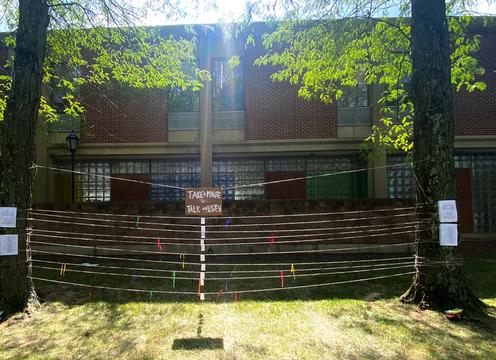
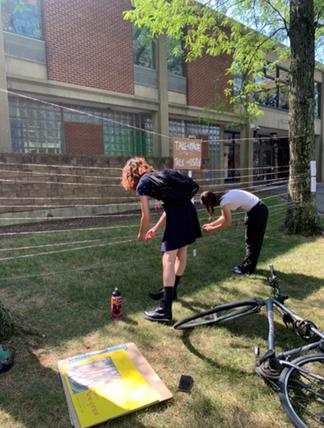
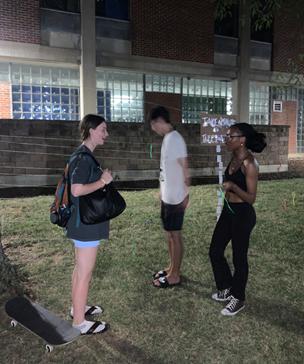
The first project of the semester was about integrating people with nature. The first thing that needed to be done was choose a location for the site. Our team choose the site right outside of Search Hall on TJU East Falls campus. Our site was called "Take a Minute to Talk & Listen". It was about getting students to interact and connect with each other through varies questions, in a natural element. The team includes Olivia Kushner, Elizabeth Hussey, and Ricardo Sanchez.
04
Cubes & Cylinders Project01
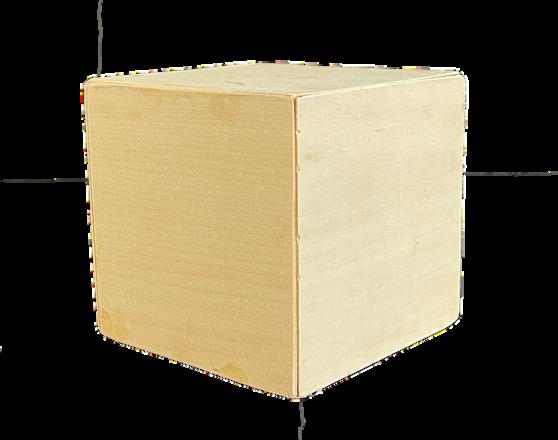
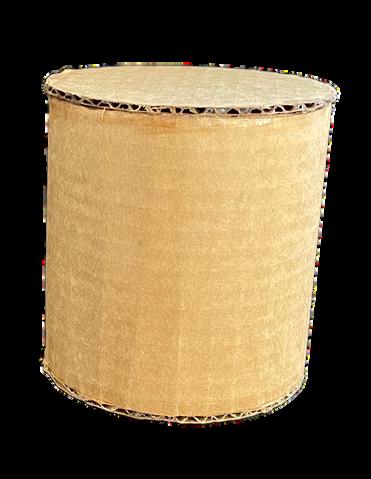
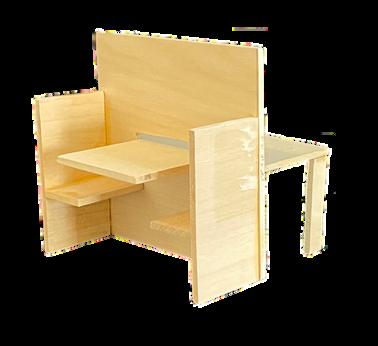
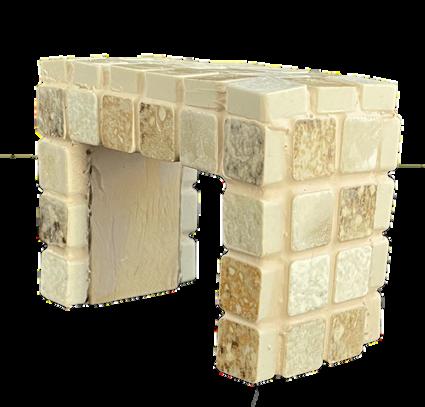
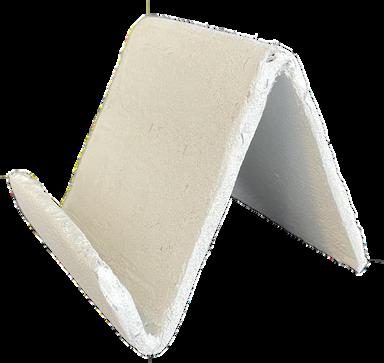
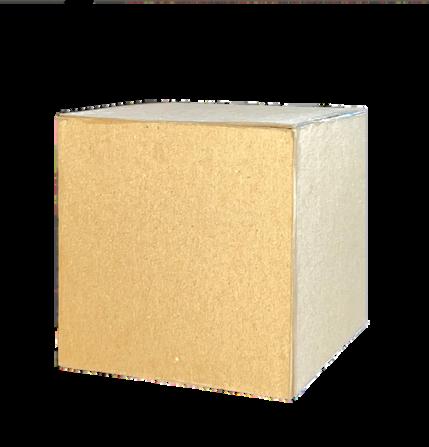
Throughout the course of the semester, it was required to construct multiple 4x4 cubes and/or cylinders. The first few platonic forms were made out simple materials such as cardboard, chipboard, and foam core. Later we got to experiment with more sturdier materials like basswood, cement, and plexiglass. As well as learning to draft plans, sections, elevations, and axonometric. Primarily, in each build joinery, structure, and creativity were challenged.
05
Topological Project2
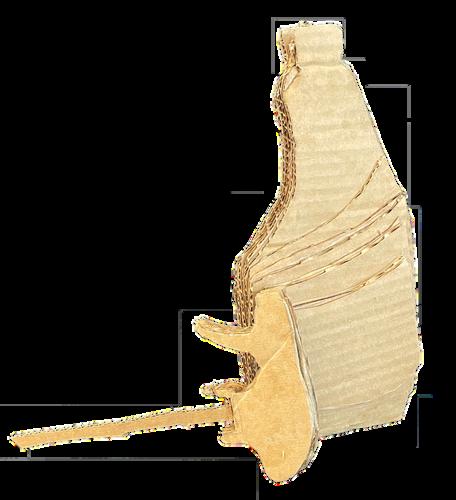
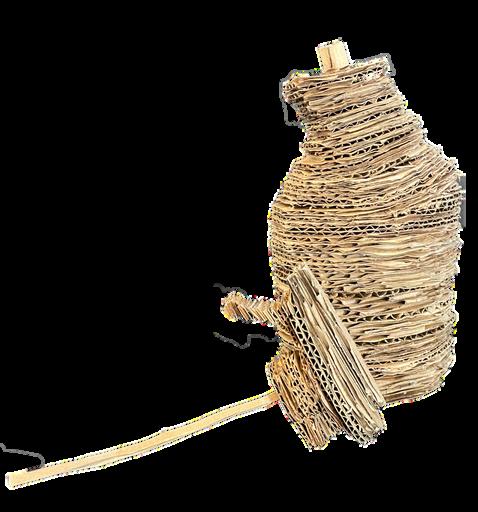
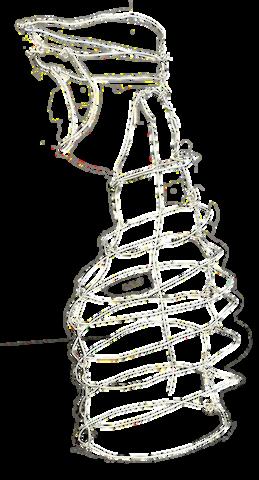
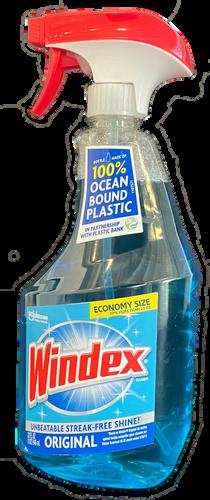
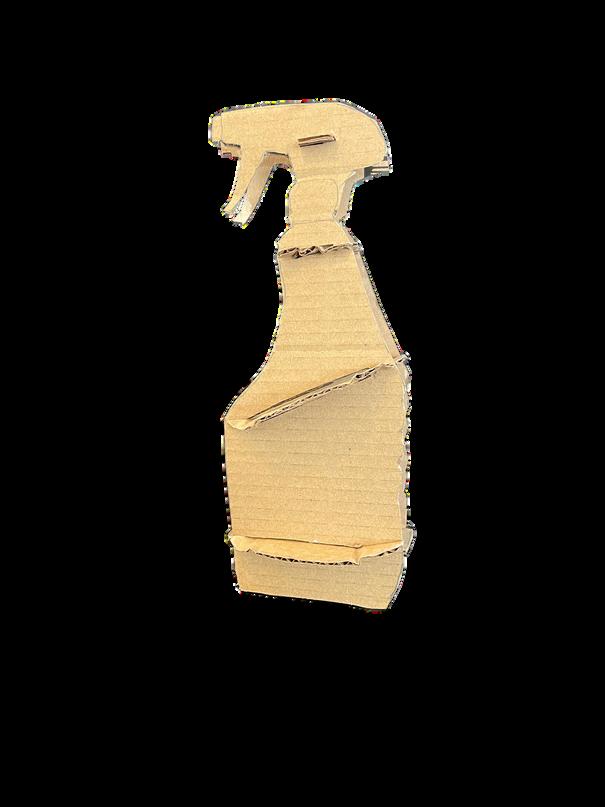
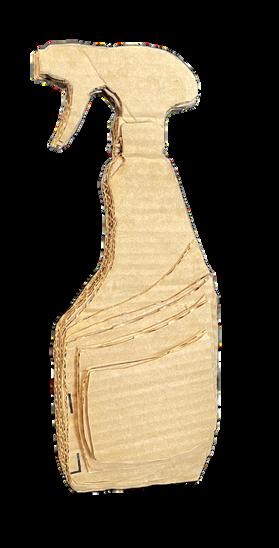
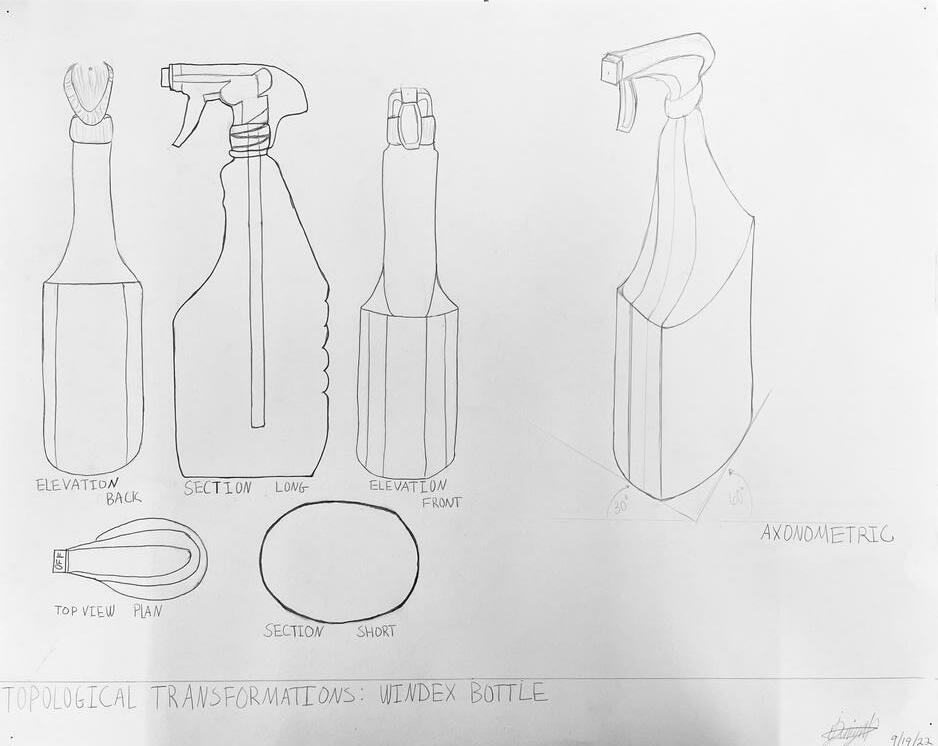
This project focused on exploring everyday household items and representing the object in different full-scale models using cardboard. The models shown on the side were constructed using technics like vertical stacking, wire bending, horizontal stacking, and an interlocking "eggcrate". The Windex bottle was also drafted through axonometric and orthographic drawings.
06
CreatingPattern Project3
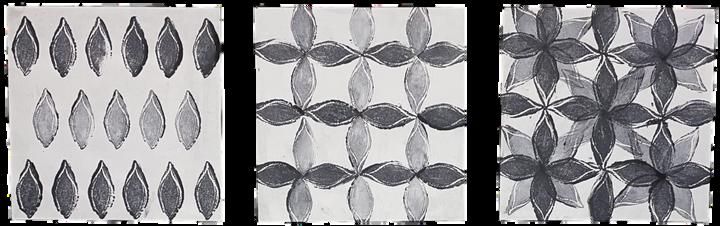
This project focused on exploring and understanding how color and patterns, as well as various stamp placements can influence the design as a whole.
The first row was done by using a carved rubber stamp in the shape of a petal. The repeated stamp pattern was separating, touching, and overlapping.
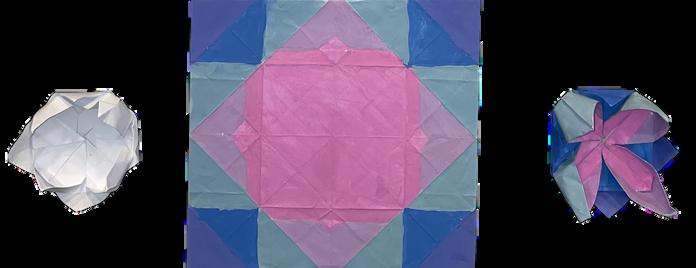
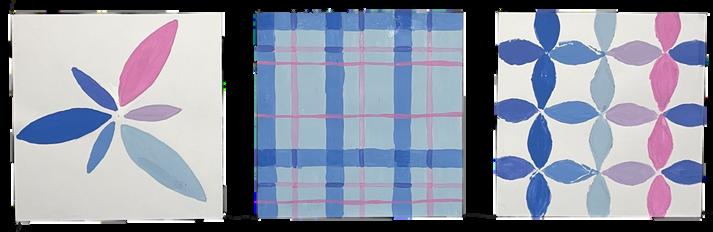
The second row was done by creating a color scheme palette through a personalized color wheel, a plaid, and a chosen stamp pattern. The third row was about texture. This was done by folding, deconstruing, and colored folded paper.
07
Project4
VisualHierarchy
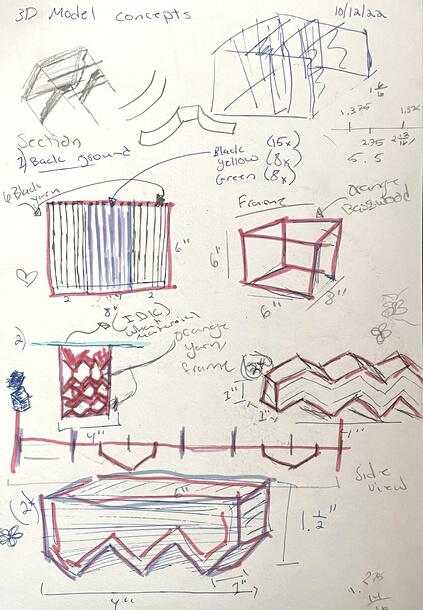
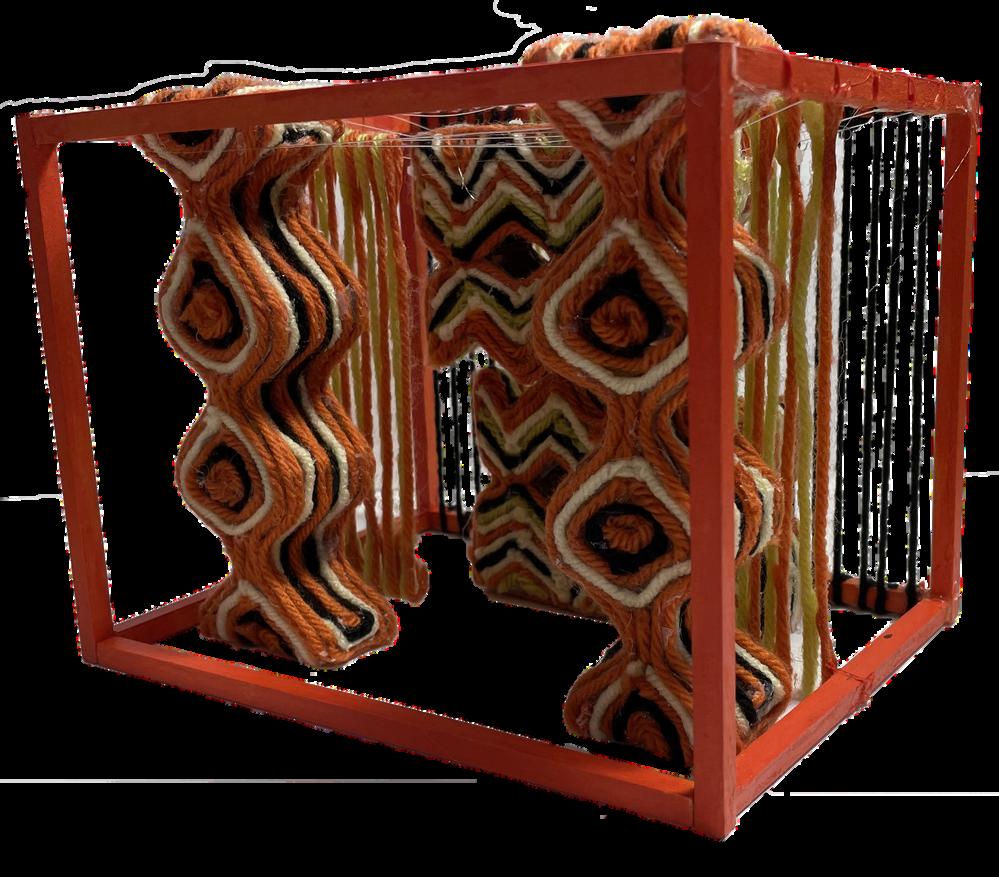
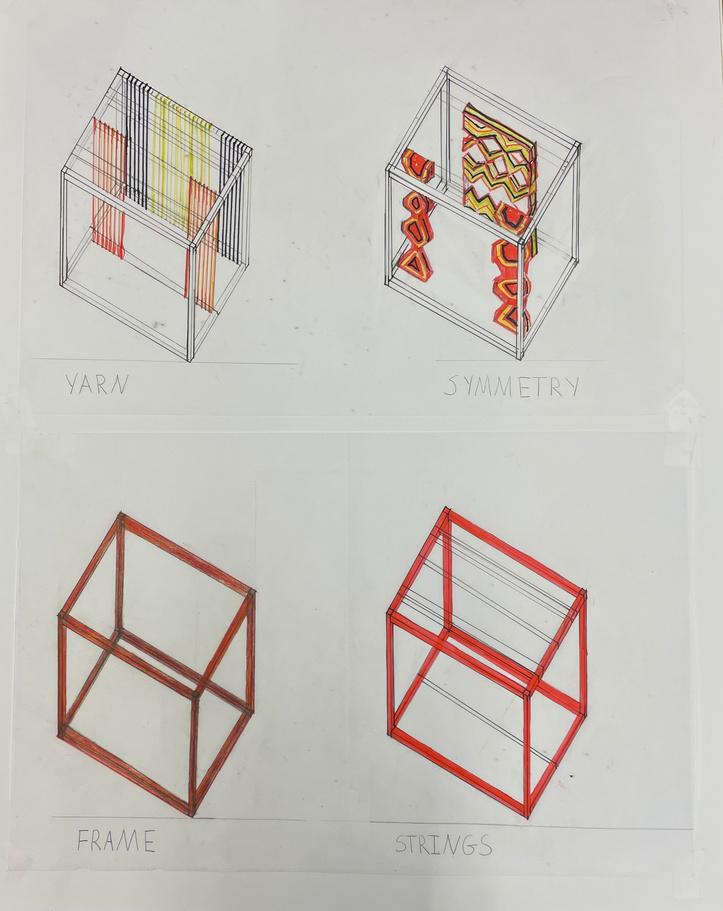
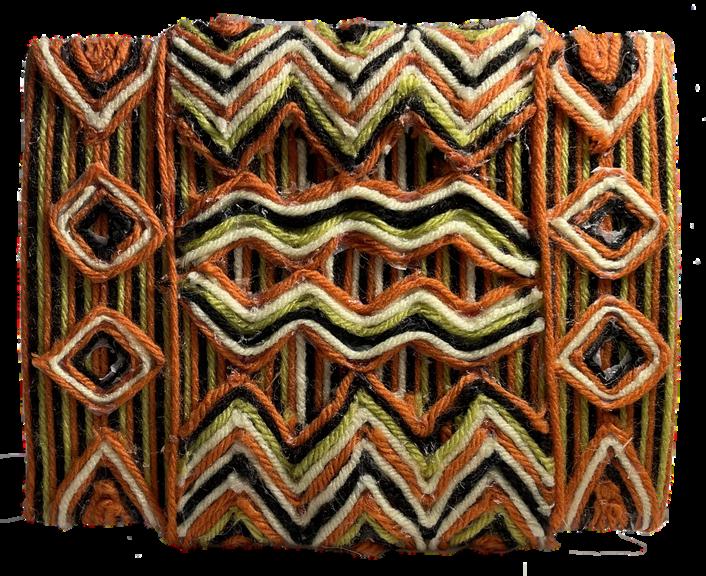
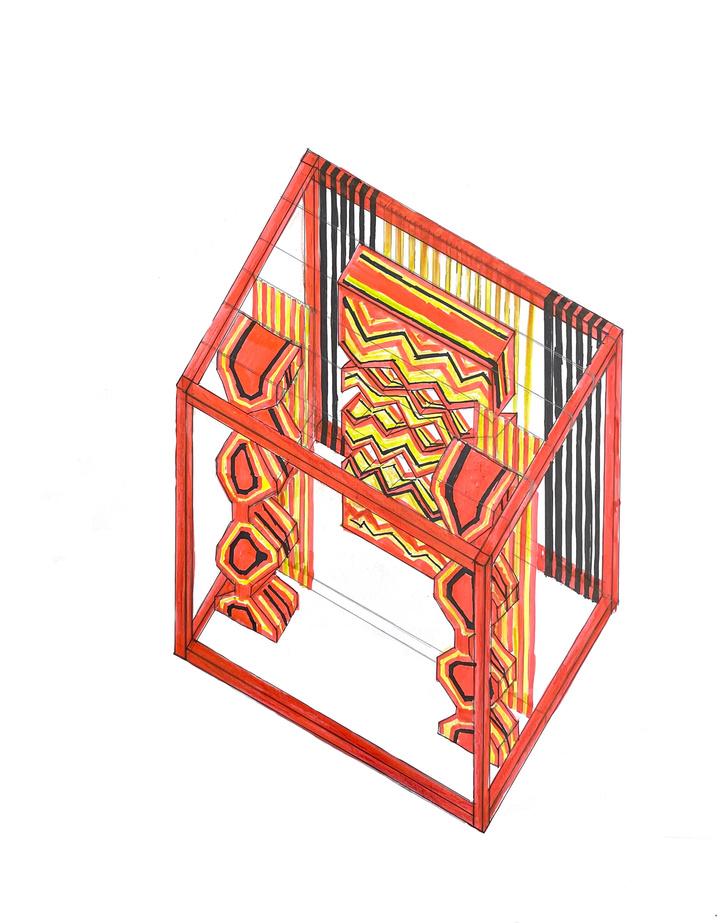
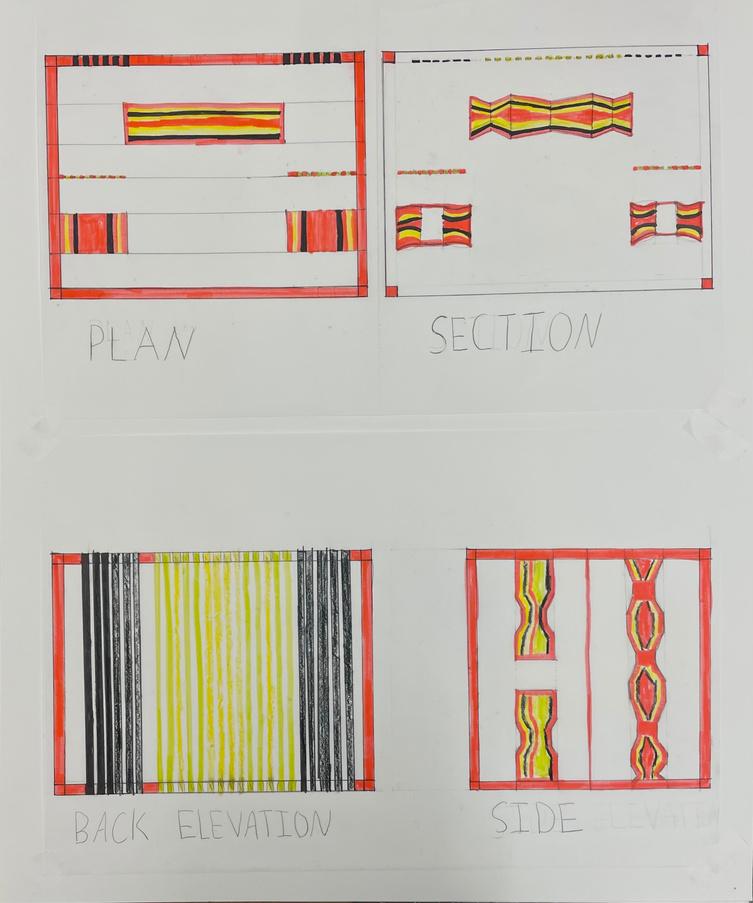
The goal of this visual hierarchy project was to create a threedimensional interpretation of a two-dimensional textile. The original textile for this particular project was called Navajo Blanket. It's a wearing blanket woven in 1860-70 in Southwest U.S.A.By thoroughly studying the Navajo textile, specific visual layers such as foreground and background were pulled to create the 2d model. From there the 2d model was broken down even more into the now 3d model (shown above).
08
09
Bend.Cut.Fold Project5
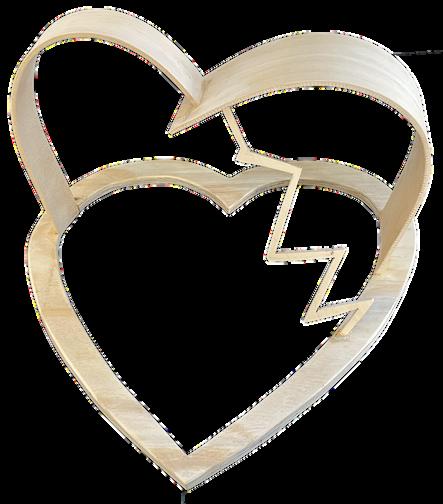
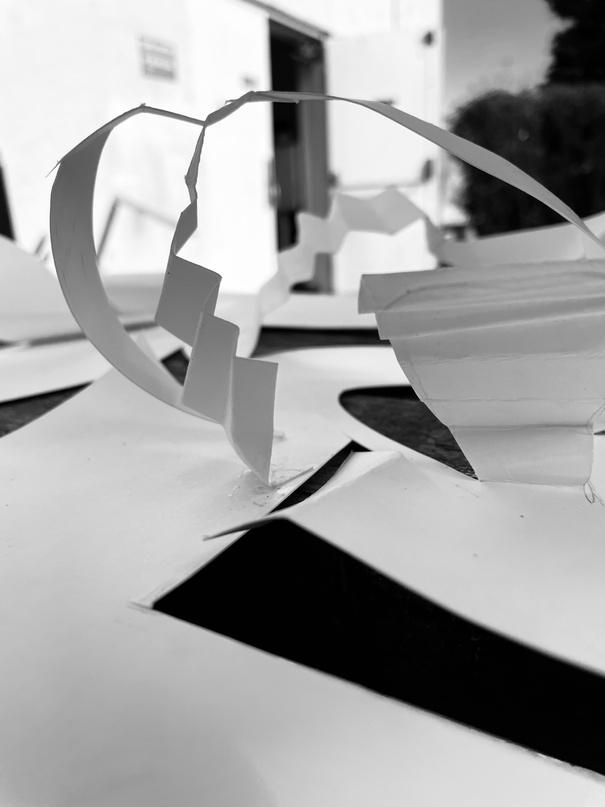
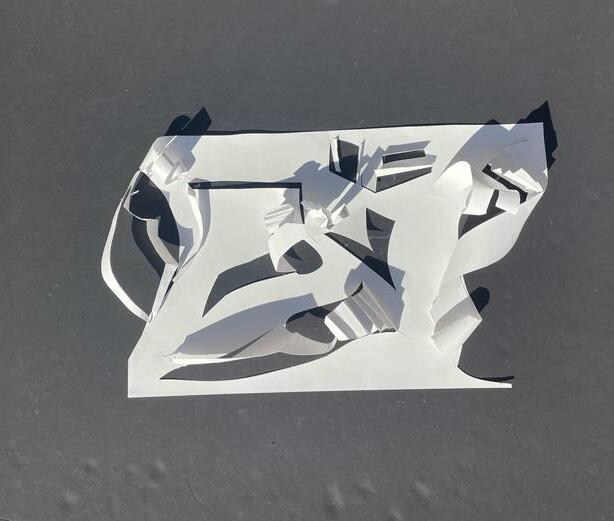
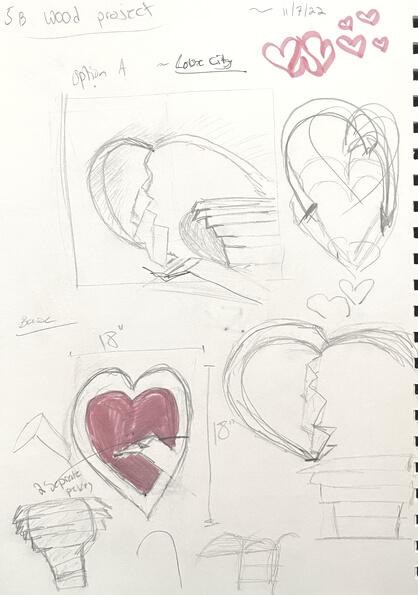
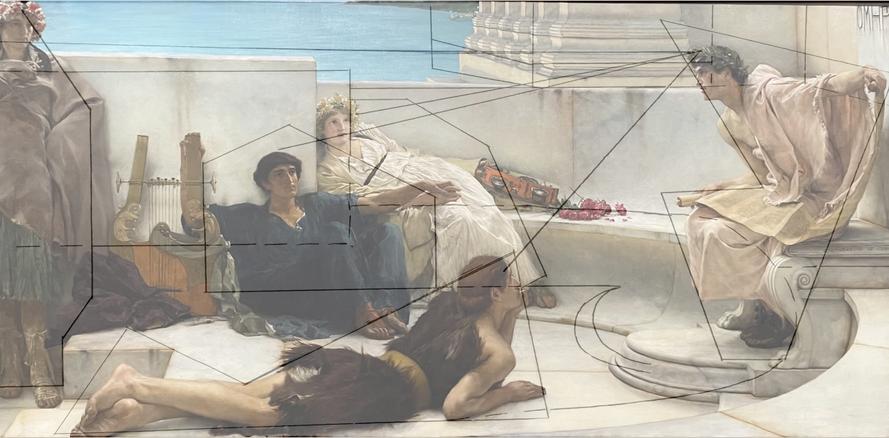
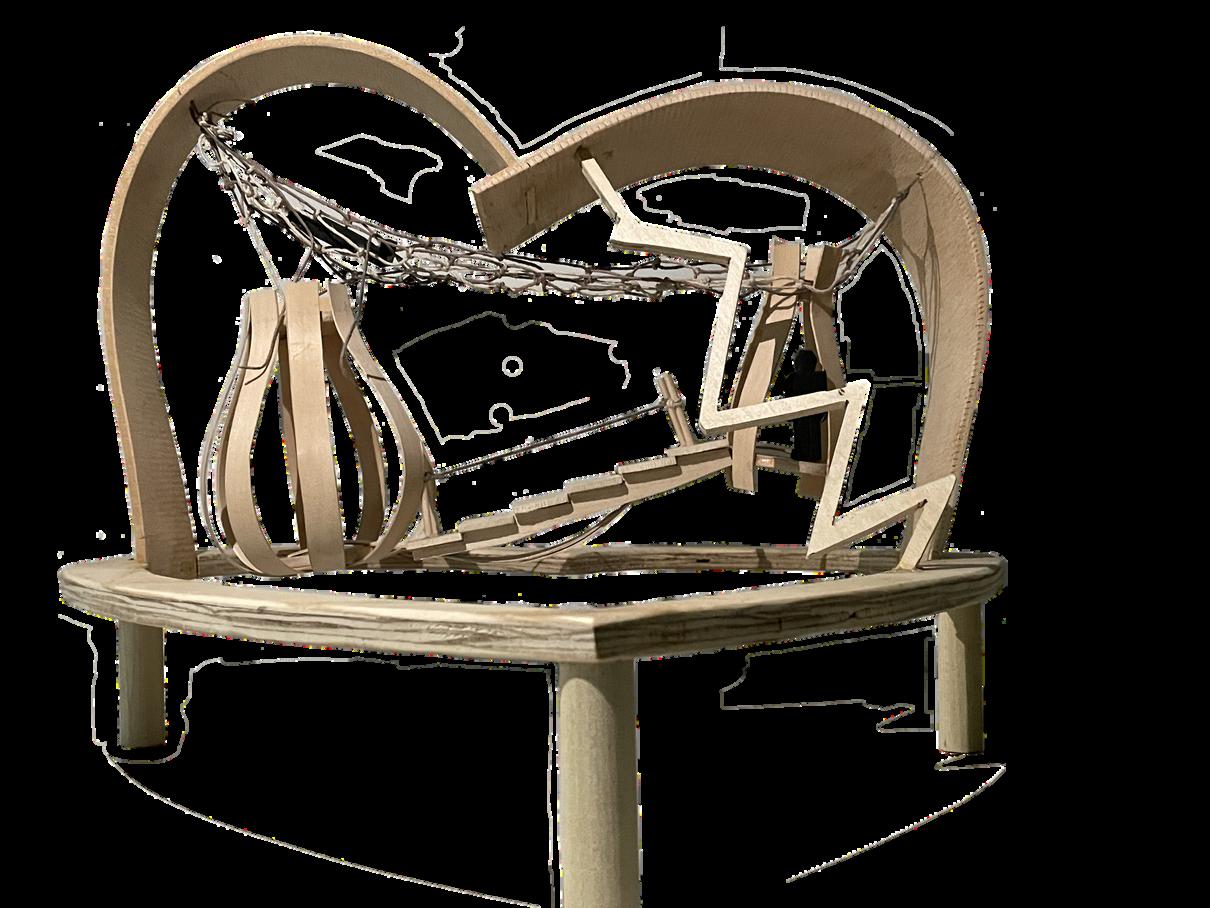
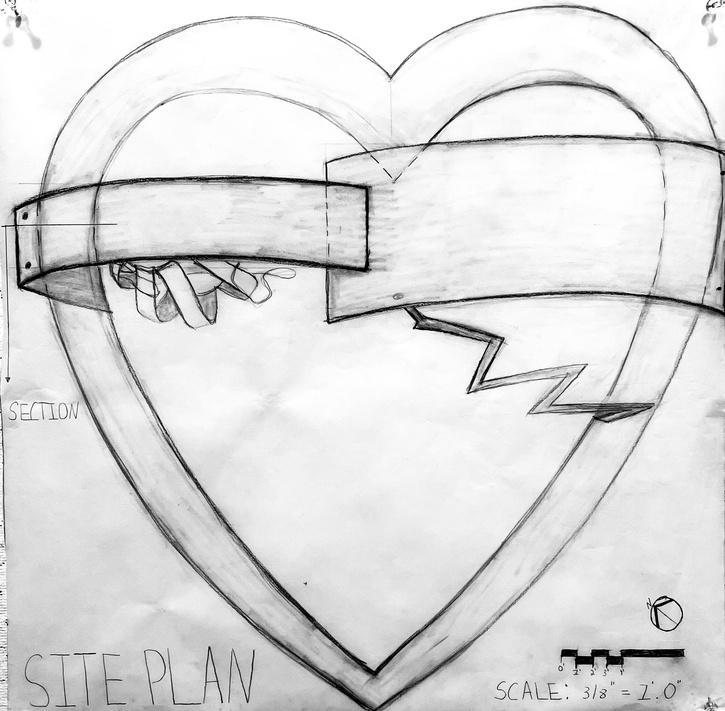
This project was established based off the nineteenth century painting "A Reading from Homer" by Lawrence Alma-Tadema. Through analytical diagrams a paper Bas Relief was constructed This Bas Relief illustrated the body positions and eye contact of the figures within the painting. From the Bas Relief, multiple analytical photos were taken to inspire the wooden site model. Specifically, the couple in the middle who are holding hands and for the back of the bas relief their hands make a broken heart This broken heart was what inspired the wooden site model
10
Octavia Project6
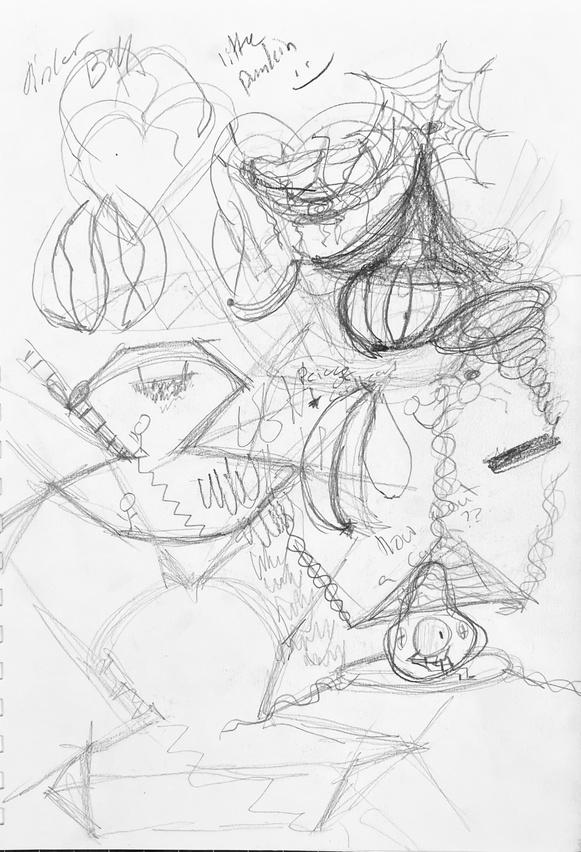
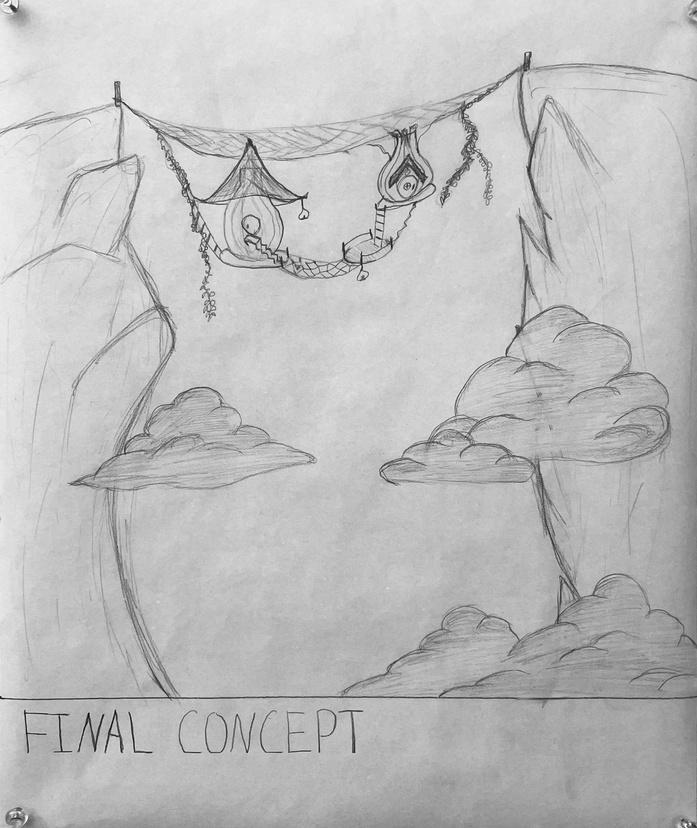
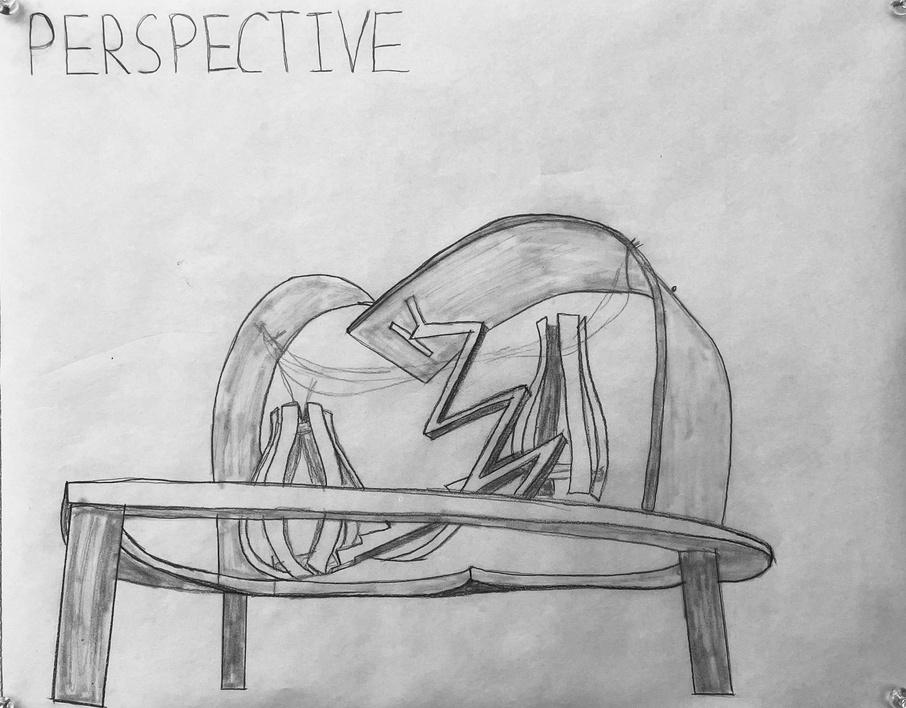
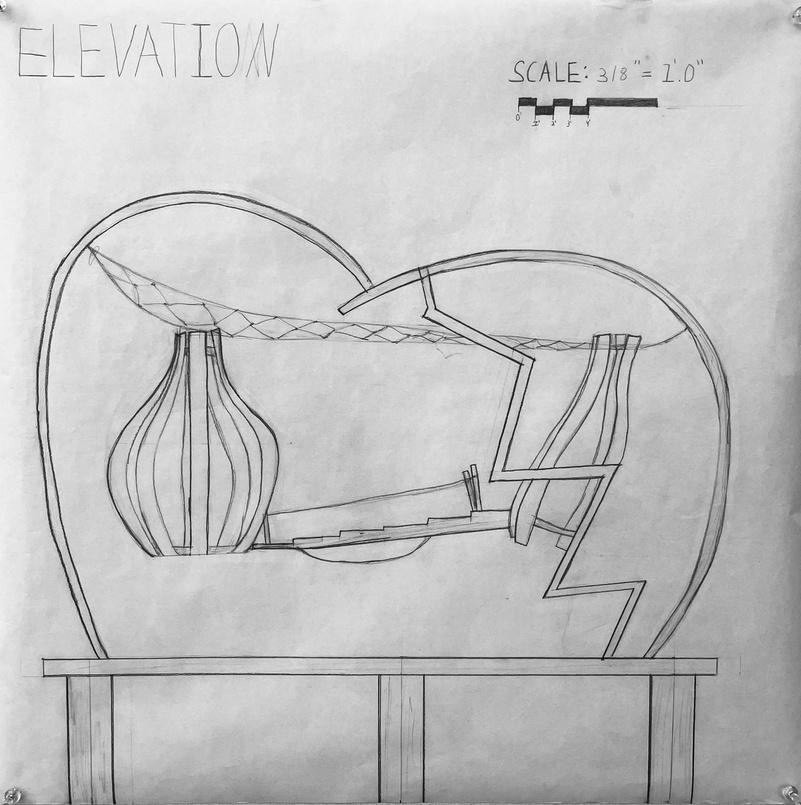
The purpose of the final project was to construct an embassy of space for a client, using the wooden models built in project 5. In the book, Invisible Cities by Italo Calvino, the cities were the chosen clients. The city Octavia had many quirks, such as the city itself hanging on nets and ropes and catwalks and so on. With this, inspiration from the text was taken in account when playing around with the concepts of the net, the cocoon shaped buildings, and most importantly the height and suspensions. After the completion of the model itself, orthographic drafting and produced photographs were required.
11
12
Reflections&Credit Semester
At the start of the semster in Design 1, I was definitely lukewarm about not just my abilities as a potential designer but also as an artist. I started out being more leant turned my and only my deigns. But throughout the course opened up to my classmates and became more aware that being a designer isn't just about having a creative skill but being able to properly convey those ideas and communicate them well to others. My sketchbook was a great tool in that, because I saw it as a place to write, draw, or even scribble in ideas and not care if they got used or looked good or even understandable. More like an outlet for the wheels turning in my head when a new project would be announced. A good take way from this semester is to get to know your teacher and class dynamic because that can make or break a studio class.
Throughout the course of this semester, there were a lot of collaborations done in order to complete the projects to their best potential. Within and out of the studio class time. I just wanted to take the time and give credit to certain individuals who helped was always a blessing. First and foremost, to my Papa who in many ways inspired my work and gave a handy hand when model building needed more hands than I had. Within the classroom, the classmates and teacher were also helpful with their inputs and point of views. Specifically, Ericka Anderson, Olivia Kushner, and Wendy Rivera. Lastly an honorary mention is to Maria Toronchuk, a fellow Ukrainian student, who in many ways gave me inspirations for project and a helping hand when needed.
13
D E S I G N 1 F A L L S E M E S T E R 2 0 2 2 P R O F E S S O R A N T H O N Y A L B R E C H T B Y : S O F I Y A D U N I Y A K