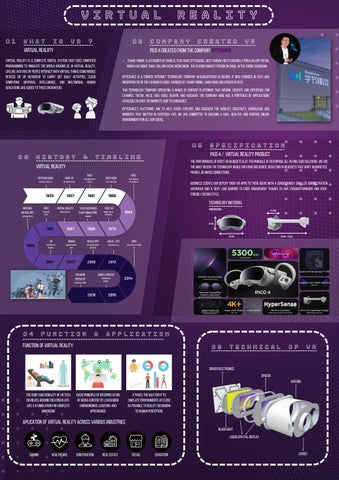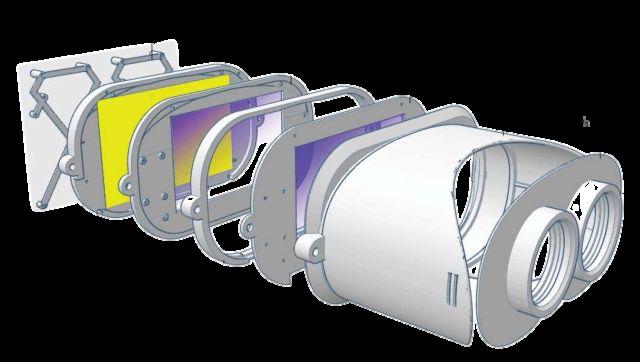
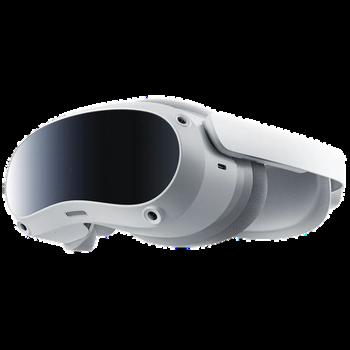


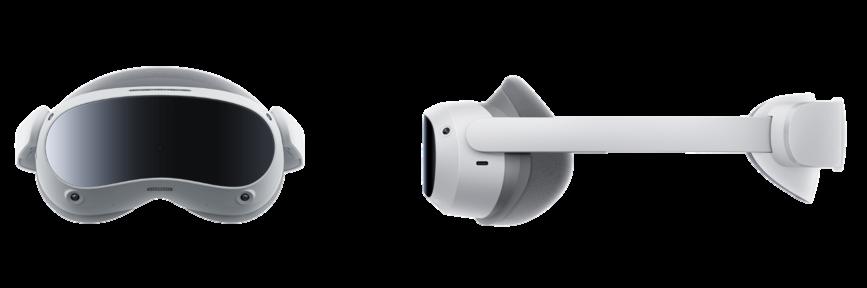

LENSES HOUSING LIQUID CRYSTAL DISPLAY LIGHT O 1 W H A T I S V R ? Virtual reality is a complete digital system that uses computer programming to simulate the world around us In v rtual reality lifelike avatars of people interact w th virtual things using mobile devices or VR headgear to carry out daily activities Cloud computing artificial intelligence and multimodal human sensations are added to these encounters virtual realiity O 3 H I S T O R Y & T I M E L I N E virtual realiity O 4 F function o GAMING HEALTHCARE CONSTRUCTION REAL ESTATE RETAIL EDUCATION O 5 S P E C I F I C A T I O N technology material pico 4 / virtual reality product dimendsions : The performance of Pico s VR Headsets is at the pinnacle of enterprise All-in-One (AIO) solutions We use the most recent VR technology while creating our goods, resulting in headsets that don't require PCs, phones or wired connect ons Business clients can deploy their VR apps to their users with a cons derably smaller administrat on overhead and a very low barrier to user engagement thanks to our straightforward and userfriendly des gn style ByteDance is a Chinese internet technology company headquartered in Beijing It was founded in 2012 and incorporated in the Cayman Islands Founded by Zhang Y ming Liang Rubo and others n 2012 THIS technology company operating a range of content platforms that nform, educate and entertain For example, TikTok, Helo, Vigo Video, Douyin, and Huoshan The company now has a portfolio of applications available n over 150 markets and 75 languages ByteDance's platforms aim to help users explore and discover the world's creativity, knowledge and moments that matter in everyday l fe We are committed to building a safe, healthy and positive onl ne environment for all our users Zhang Yiming is a founder of Chinese tech giant ByteDance best known for its insanely popular app TikTok which has more than 1 billion users worldwide the second-richest person in China, after Zhong Shanshan O 2 C O M P A N Y C R E A T E D V R PICO 4 CREaTED FROM THE COMPaNY ByteDance V I R T U A L R E A L I T Y

s y a h i r a n a t a s h a b i n t i z a k a r i a ( 2 0 2 1 3 8 2 7 2 1 ) h a f i z b i n s e l a m a t ( 2 0 2 0 8 2 1 8 8 4 ) n a d i a n a t a s y a b i n t i a b d u l h a m e d ( 2 0 2 1 3 7 1 1 5 9 ) N U R U L A U N I A T H I R A H B I N T I G H A Z A L L I ( 2 0 2 1 5 1 5 9 3 9 ) P U T E R I A T I R A H E L Y A B I N T I R I D Z U A N ( 2 0 2 0 8 4 9 9 2 4 ) R a Z I N S H a M B I N R a F I a N S H a M ( 2 0 2 2 9 6 4 0 0 3 ) M U H A M M A D F I R D A U S B I N M A Z L A N ( 2 0 2 2 9 6 3 9 3 3 ) B U I L D I N G T E C H N O L O G Y VIRTUAL REALITY
INTRODUCTION
Nowadays it becomes possible even for an average user, to move into the world of computer graphics This fascination with a new (ir) reality often starts with computer games and lasts forever It allows to see the surrounding world in other dimensions and to experience things that are not accessible in real life or even not yet created
Additionally, the world of three-dimensional graphics has no boundaries or restrictions and may be customised by the user A fourth dimension, namely the dimension of the user ' s imagination, can be added to this world yet not
sufficient for people who constantly crave more Instead of just viewing a picture on a monitor, they want to enter this environment and engage with it Virtual Reality is a form of technology that has become incredibly popular and stylish in the last ten years (VR) Virtual reality is thought to have started in the 1950s, but it wasn't until the late 1980s and 1990s that it became well-known
This can be attributed to pioneering computer scientist Jaron Lanier who introduced the world back in 1987 to the term ‘virtual reality’ Research into virtual reality continued into the 1990s and that combined with the appearance of films such as The Lawnmower Man helped to raise its profile.
A computer screen or specialised stereoscopic displays are typically used to display visual experiences that make up the majority of virtual reality situations In virtual reality, audio stimulation via speakers or headphones is also possible With the aid of tools like a keyboard, mouse, or wired glove, users can engage with the virtual environment Virtual reality's history has mostly been one of the attempts to make an experience seem more authentic The majority of historical examples are visual, with some auditory ones coming in second This is because hearing and vision together give humans the vast majority of information Our ability to perceive the world is probably 90% visual or audio
V I R T U A L
R E A L I T Y
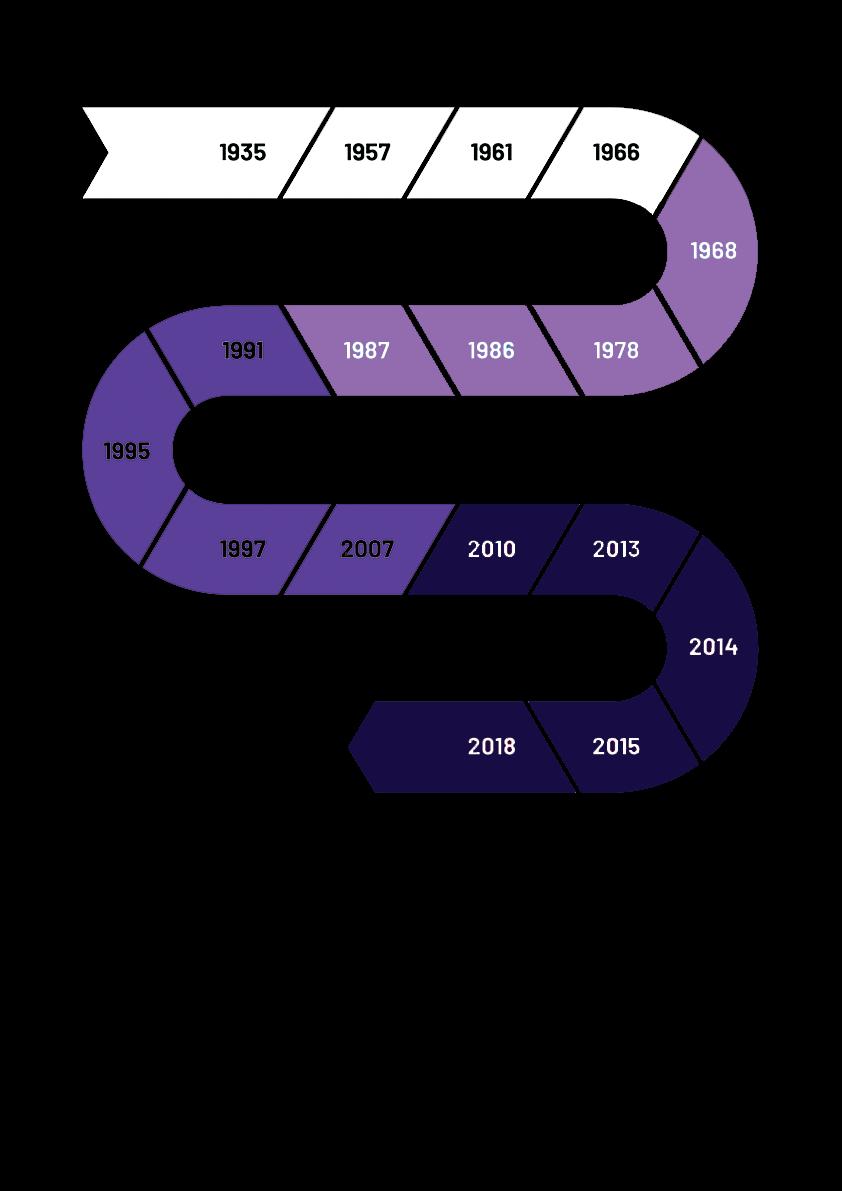
The phrase "virtual reality" was originally used in the mid-1980s, when Jaron Lanier, founder of VPL Research, began developing the equipment needed to experience what he called "virtual reality " However, even before that, technologists were creating simulated settings. The Sensorama in 1956 was a watershed moment Morton Heilig has a background in the Hollywood film industry. He was curious as to how individuals could feel as if they were "in" the movie. Sensorama created a realistic city. scene that you "wheeled" through on a motorcycle In the created "world," multisensory stimulation allows you to see the road, hear the engine, feel the vibration, and smell the engine's exhaust.
In 1960, Heilig also patented the Telesphere Mask, a head-mounted display device Many inventors would follow in his footsteps By 1965, another inventor, Ivan Sutherland, had proposed "the Ultimate Display," a head-mounted gadget that he described as a "window into a virtual universe."
The 1970s and 1980s were exciting years in the sport. Parallel to optical advancements were projects working on haptic devices and other instruments that would allow you to move around in virtual space. The Virtual Interface Environment Workstation (VIEW) system, developed at NASA Ames Research Center in the mid-1980s, coupled a head-mounted device with gloves to enable haptic contact.
Today's virtual reality gear owes a debt of gratitude to the six decades of pioneering inventors who opened the way for low-cost, high-quality devices that are easily available. Visit The Franklin Institute's VR flying simulators to immerse yourself in a virtual environment.
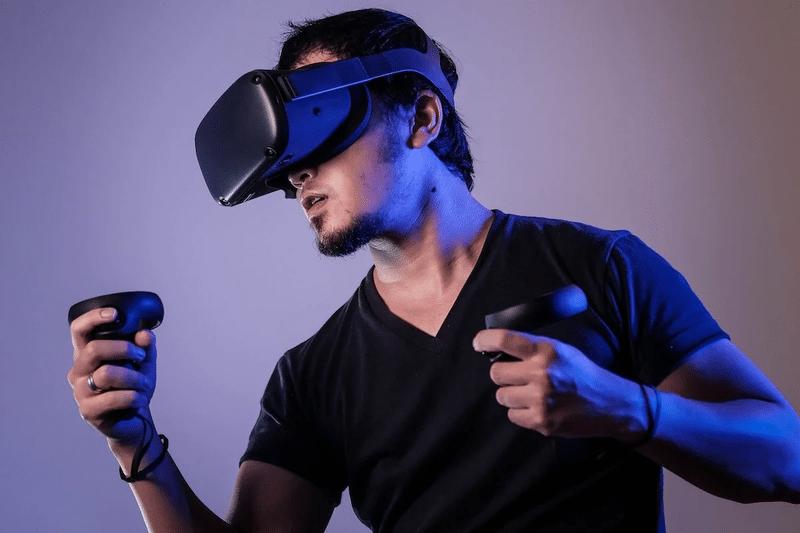
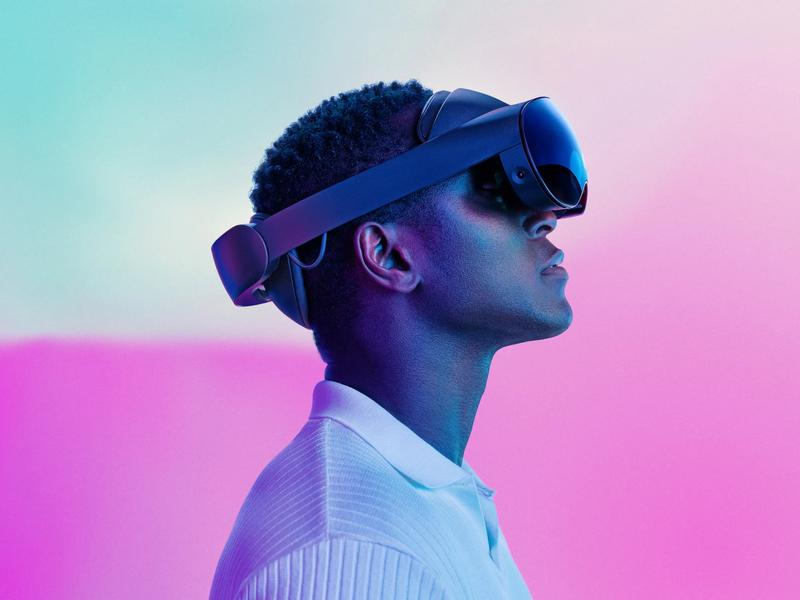
H I S T
O R Y
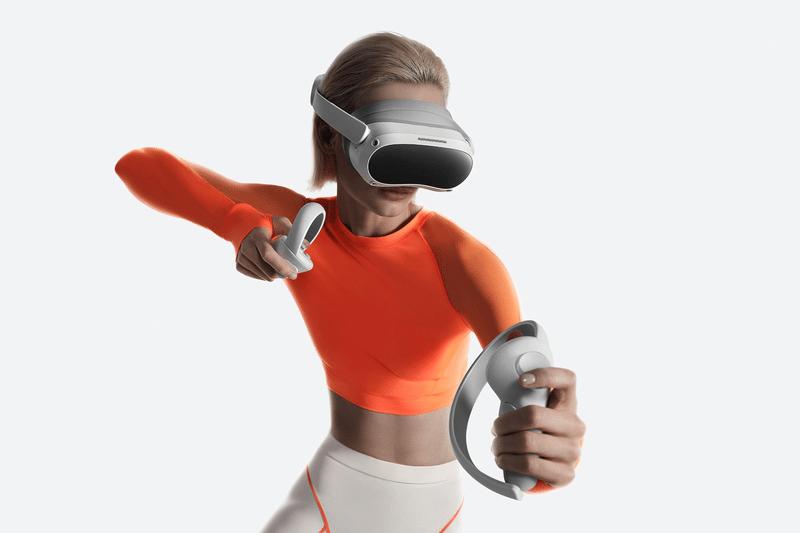

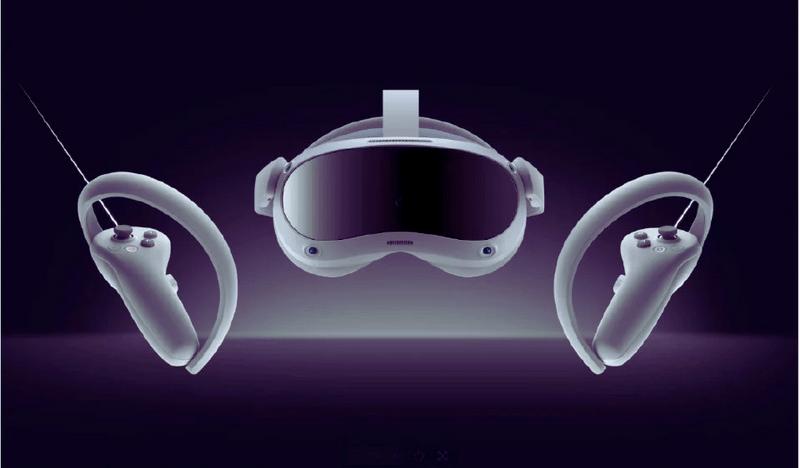
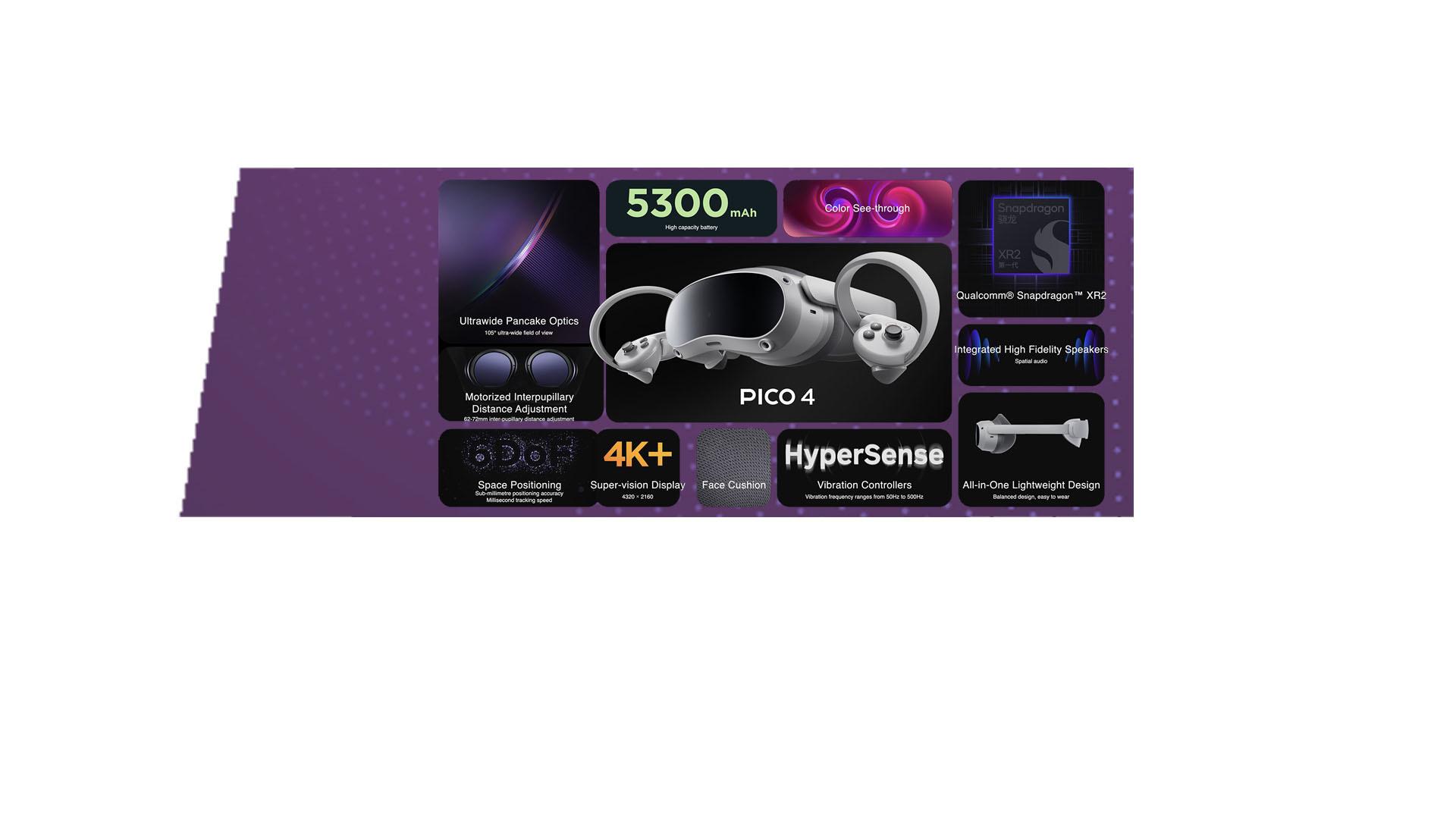
5300 mAh high-capacity battery Qualcomm Snapdragon XR2 processor Adreno 650 graphics processing unit (GPU) and 8 GB of RAM Ultrawide pancake optics with a 105-degree field of view (FoV) Colour passthrough mixed reality (MR) visuals Motorised Interpupillary Distance adjustments of 62-72 millimetres 4K+ Super-Vision Display of 4320 x 2160 6 degrees of freedom (DoF) with submillimetre positioning and millimetre tracking accuracy High-Fidelity spatial audio Hypersense haptic controllers with vibrations from 50Hz to 500Hz Weighing at just 586 grammes with its strap included You get a nice sharp 2K display, motion controllers that work well, and snappy performance. You also get built-in speakers, wireless streaming from your PC Provide users with interactive experiences in 3D world Provide detail views and interact with it visually. A realistic experience through the total visual immersion of virtual spaces. Virtual Reality DEVELOPER : ByteDance RELEASED DATE : December 2022 FEATURES : FUNCTIONS : TECHNOLOGY TYPE : company : P I C O 4
A P P R O A C H
Virtual reality was rated as the most significant developing technology in the construction sector by experts, according to a recent report by ARC Document Solutions. Since virtual reality technology has advanced significantly in recent years, resourceful construction companies have started utilising VR to revitalise an ageing sector. Here are a few ways that virtual reality is altering the construction sector
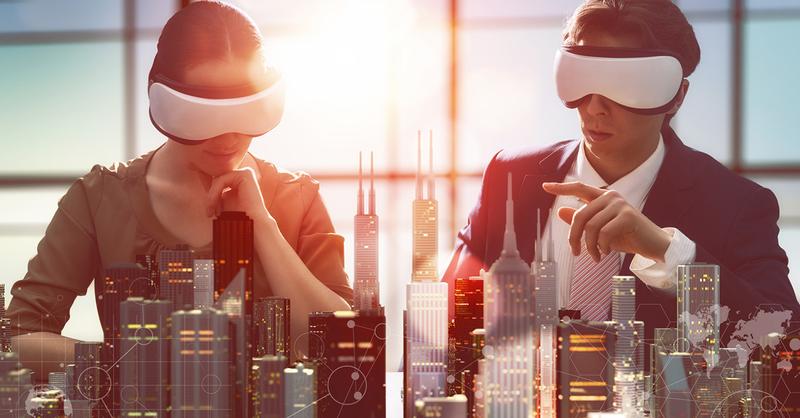
1.Virtual Reality for Immersive Walkthroughs and Increased Client Satisfaction

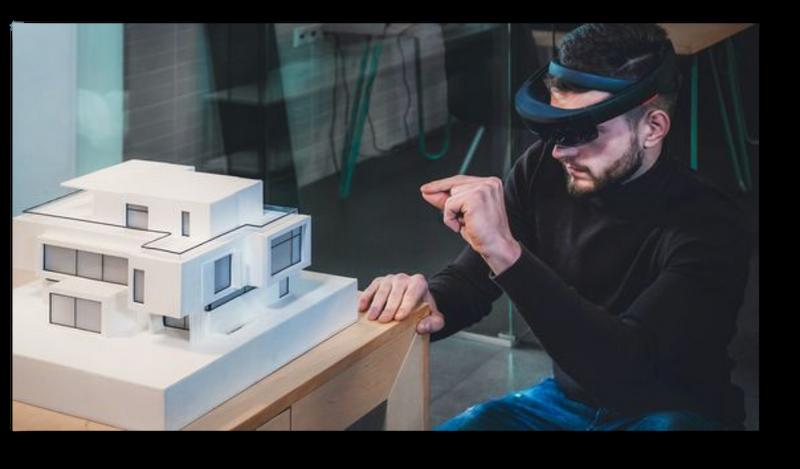
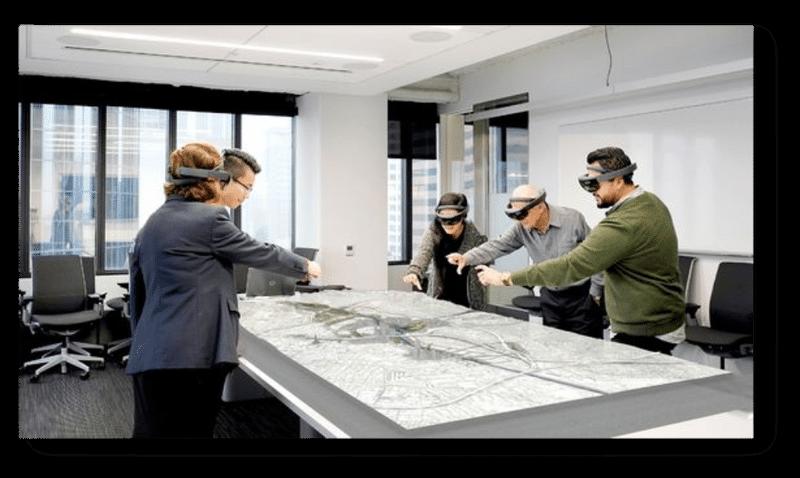
Virtual reality technology brings new concepts to life, replacing the need for architectural blueprints or 3D models. Oculus headset technology has been used by one commercial builder in California to produce virtual visualisations of their ventures. Customers may navigate an enlarged 2D model while wearing the virtual immersion headset to experience it in three dimensions. By enabling customers to view and interact with the layout in three dimensions, the migration to VR saves them time. Customers expressed greater overall satisfaction and more pleasant contacts throughout the construction process.
A contractor may utilise virtual reality goggles and 3D modelling to visualise a bathroom renovation or house addition. Small-scale virtual reality modelling techniques can assist the customer and contractor in coming to an agreement This helps get everyone on the same page in the planning and pre-construction phases
T E C H
O L O
N
L O G Y
Virtual reality modelling is helpful in circumstances when clients frequently alter their minds Contractors may let their clients view the project in VR and then make revisions based on immersive input rather than getting into another dispute about scope creep. When customers can really feel something, rather than just looking at a depiction, they are far more likely to grasp it The customer must use imagination to visualise the new building project even with the greatest detailed plans. This frequently results in the customer changing their mind after the project is underway since the build invariably differs from the vision they had in mind. Construction workers will adore VR technology for its ability to stop scope creep before it starts because it is a significant issue for the whole sector
2.3D Modeling to Decrease
Errors and Scope Creep
Experts in the construction sector are aware of how fast one error may halt a job site, possibly destroying several days' worth of work, and deplete the company's financial resources Contractors may see into the future and identify mistakes before they are committed thanks to 3D modelling, which functions as a crystal ball Professionals may quickly identify issues and make necessary changes to designs by just looking around in the 3D model using virtual reality goggles.
Virtual reality has the ability to speed up the design and construction process, improve communication between customers and contractors, raise satisfaction levels, and positively set your company apart from competitors. Expect to see these use cases develop in novel and interesting ways as more businesses come to understand the benefits of integrating VR with their building business
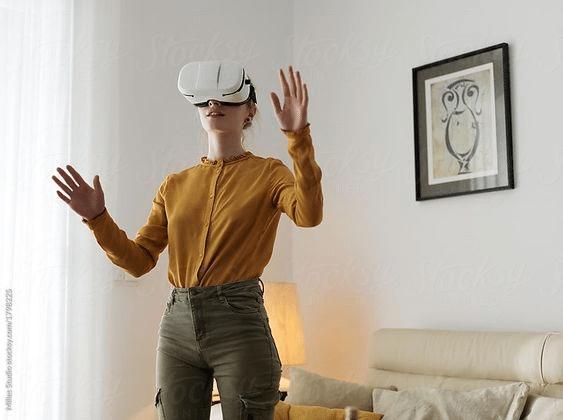
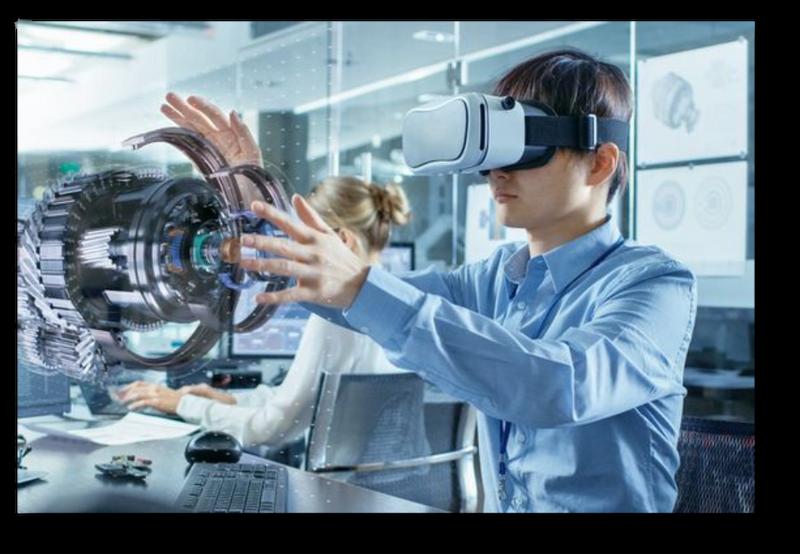
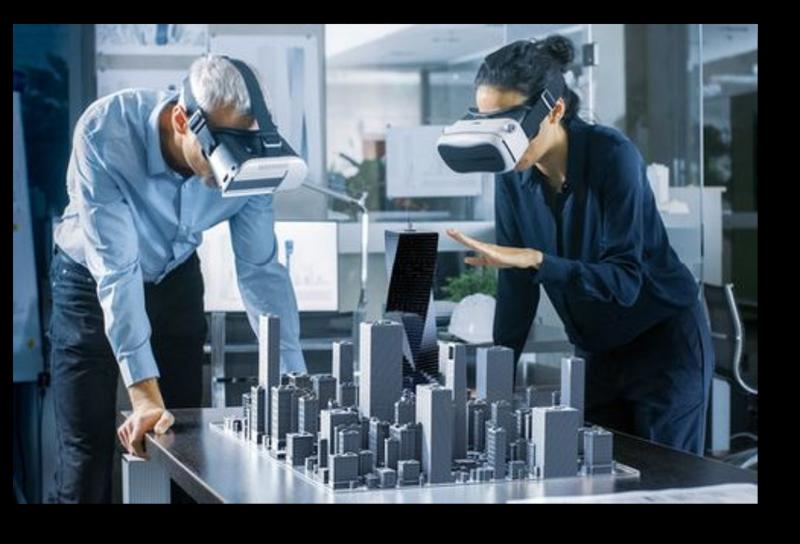
CASESTUDY1:VIRTUAL REALITYINCONSTRUCTION
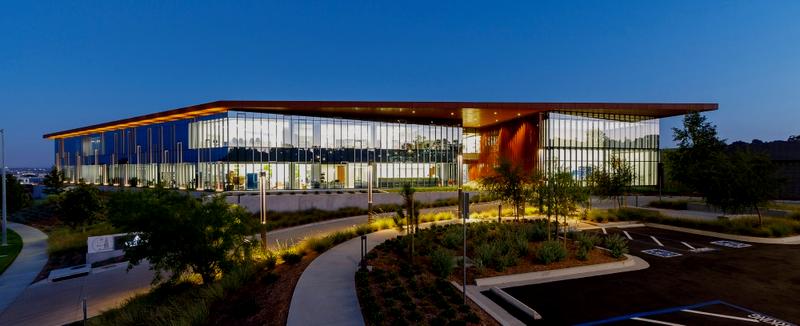
San Diego Research Center San Diego, California
Virtual reality modelling was used for the first time by BNBuilders on the Spectrum/Vertex project in San Diego, California.
They were given the contract for both the core and the shell, which was one of the reasons they felt justified in using a novel technology.
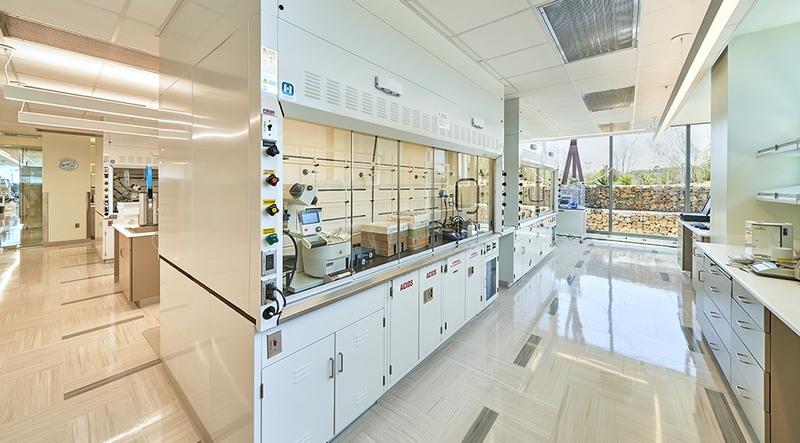
Due to being able to concentrate significantly on collaboration between the two project components, they were able to minimise conflicts. According to Larsen, based on the sophistication of the building, this lab will be the "lab of the future "
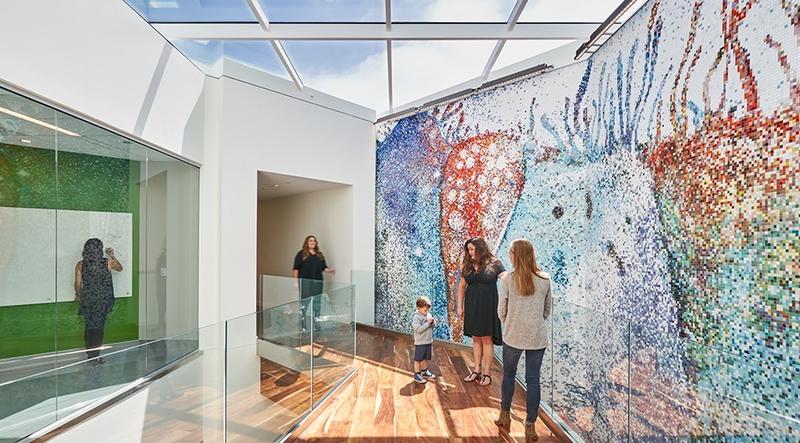

GoalsofVirtualRealityin Construction
1. Increase the number of contracts awarded: Innovation is one of BNBuilders' fundamental principles. In order to communicate its ideals to clients, BNBuilders uses virtual reality. Because it demonstrates their attention to detail, the usage of virtual reality also helps to increase the number of contract awards. They can catch any overlooked things now rather than when building actually starts.
2. Lessening of adjustments and rework: By being able to view the project from many angles, it will be easier to identify and correct design issues before construction ever starts. RFIs will benefit from virtual reality as well because there will be a model available for comparison.
3. Save clients money: BNBuilders hopes to reduce the cost of renderings and full-scale mockups for their clients by incorporating virtual reality into their operations There is no need to spend money on pricey mockups and renderings when there is an interactive model available. Because BNBuilders will have a clearer understanding of the project's scope, their estimate will also be more accurate.
Challenges of Virtual Reality in Construction
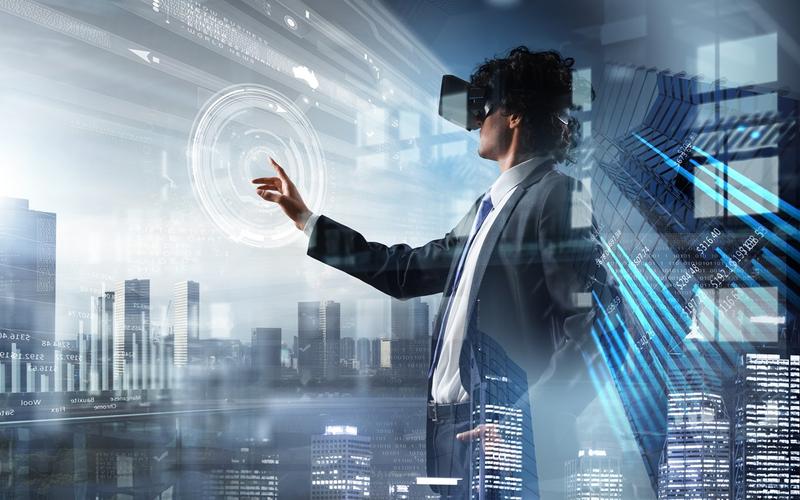
Although virtual reality can reduce the cost of design revisions, it has turned out to be a double-edged tool for architects. Danny Campbell recognised in the case of the Spectrum/Vertex project that by providing the model to the customer and end users, it exposed the design to scrutiny.
Due to the importance of scheduling to a project's success, it is more difficult to adhere to the design timeline when there are numerous opposing design opinions. From the standpoint of the architect, you want your customer to like your design, but you also want to prioritise the design adjustments as best you can to keep to the timetable.

CASE STUDY 2: VIRTUAL REALITY IN GAMING INDUSTRY

Establishment: 1946 Headquarters: Tokyo, Japan Website: http://www.sony.net/
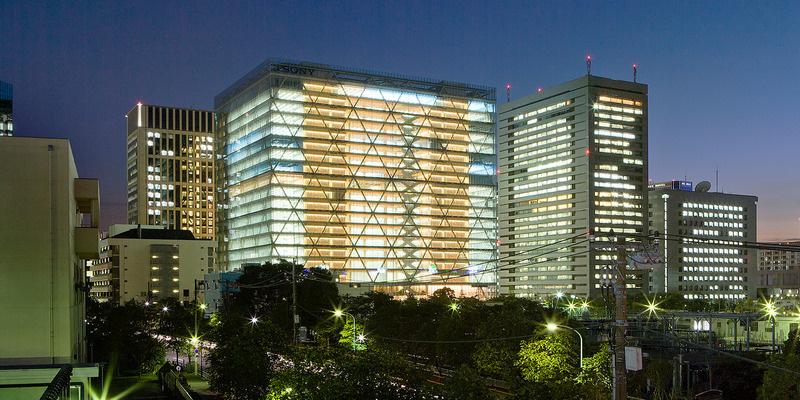
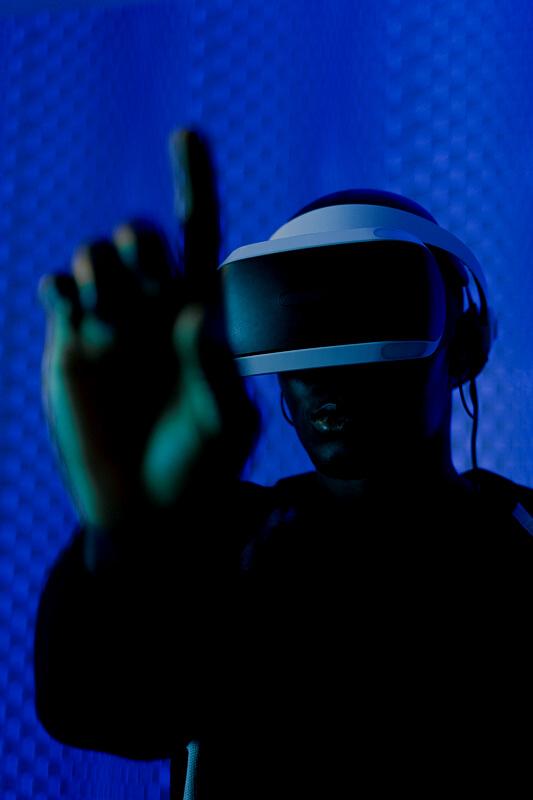
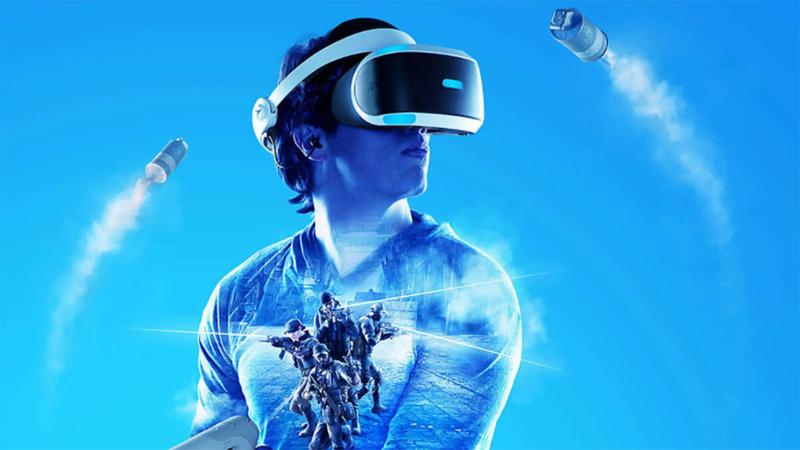
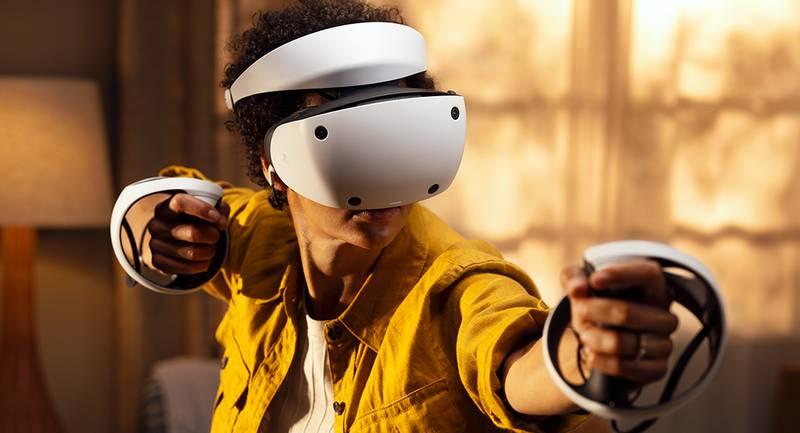
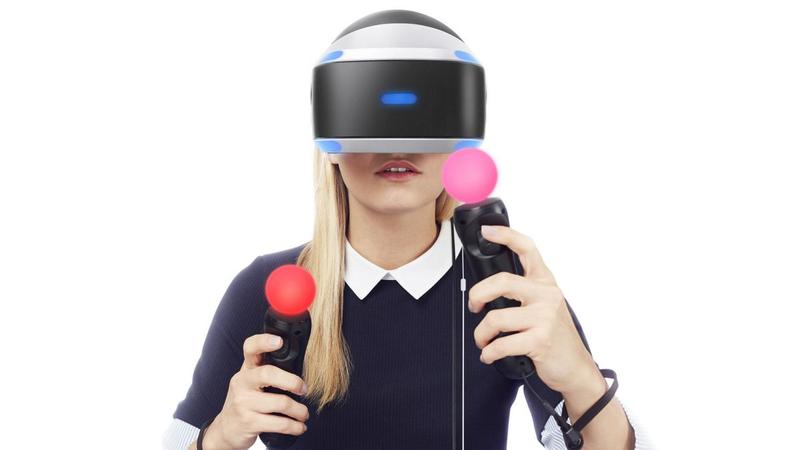
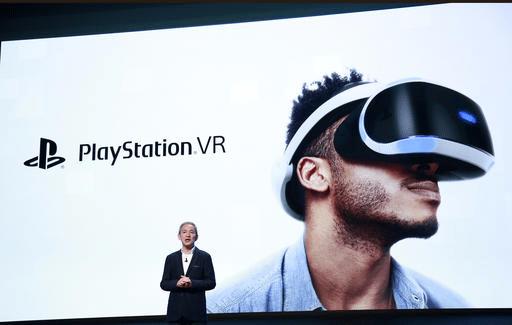
Sony Corporation is one of the largest manufacturers of consumer and professional electronic products in the world. The company has introduced PSVR, a next-generation VR headset for its best-selling playstation console, which offers an improved field of view and a new controller. It is also introducing a new VR hardware PlayStation VR2, that will work with Sony’s PlayStation 5 console.
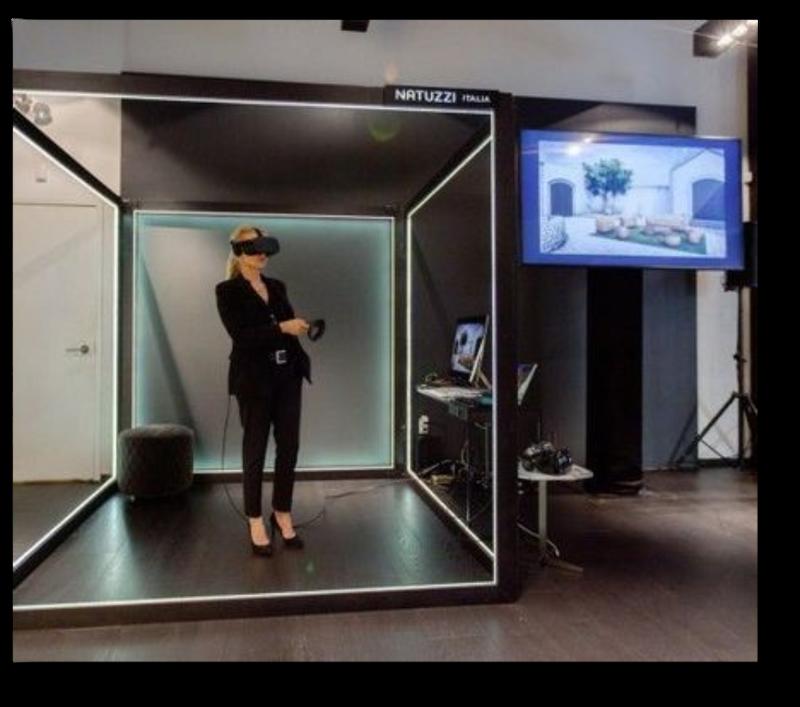
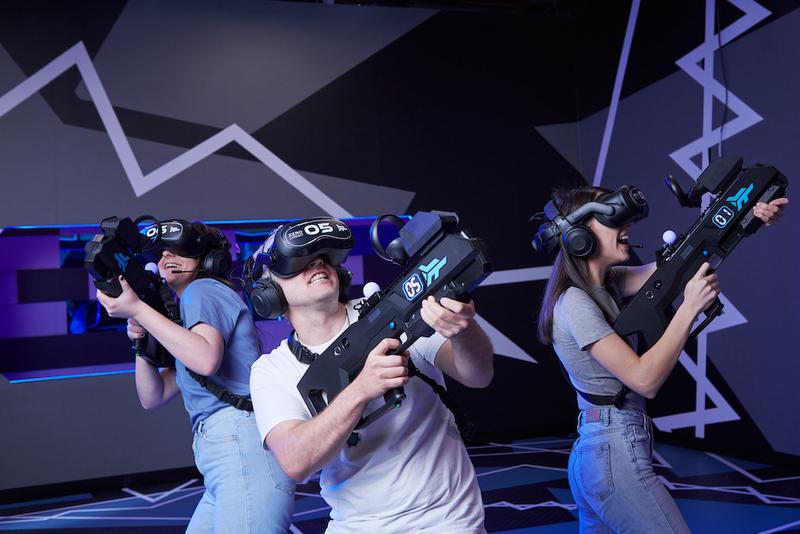
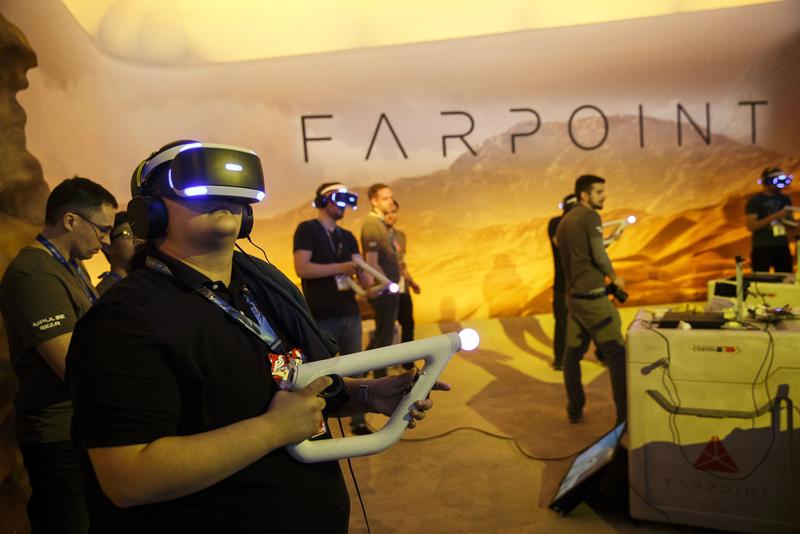
Virtual reality is introduced as a game-changer for gaming industries and is known to offer an improved version of simple user experience, says a gaming expert from Solitaire Bliss Nowadays, VR has turned out to be the burning topic for gaming trends which has gained the attention of the potential market. It provides lots of benefits to its users such as offers appealing virtual objects and possesses the capacity to take the user into the game of realtime. Howsoever, these benefits have enriched the gaming environment and have introduced the digital world into reality which has boosted the attention and retention of its users.
 Tokyo, Japan
Sony corporation
Tokyo, Japan
Sony corporation
VR bring revolutionary changes in the gaming world
VR have reached the mark of sophistication to really engage its gamer. Manufacturers have introduced an innovation that is beyond imagination to offer smooth and engrossing experience with the right equipment to its users.
The revival of 3D
The concept of 3D films is not new for the world. But, it has not found its appeal from the viewers because of its exorbitant costing. But, in few concerns, 3D has gained popularity such as the movie “Avatar” and the next concern is related to the gaming industry, where 3D effects provide the player an enthralling experience and act as the backbone of the game.
Captive experience
With the changing time, the gaming sector has come into demand and with this user’s demand has increased to captive experience. This experience does not allow its users to differentiate between the real and virtual environments which will act as a key feature for the success of any game in today’s time. To bring forth a successful gaming situation, developers need to establish an ideal gaming situation in which gamer could play in the user’s avatar too.
Change in lifestyle
Game is not only for entertainment, but the evolution of VR has also made its entry into the lifestyle. Industries like medicine, tourism, education, and entertainment for better experience have turned toward VR interactions to increase the footfall. This is a popular strategy that is gradually gaining the consumer’s attention.
Challenges of Virtual Reality in gaming industry
VR works differently because the concept of the screen has gone
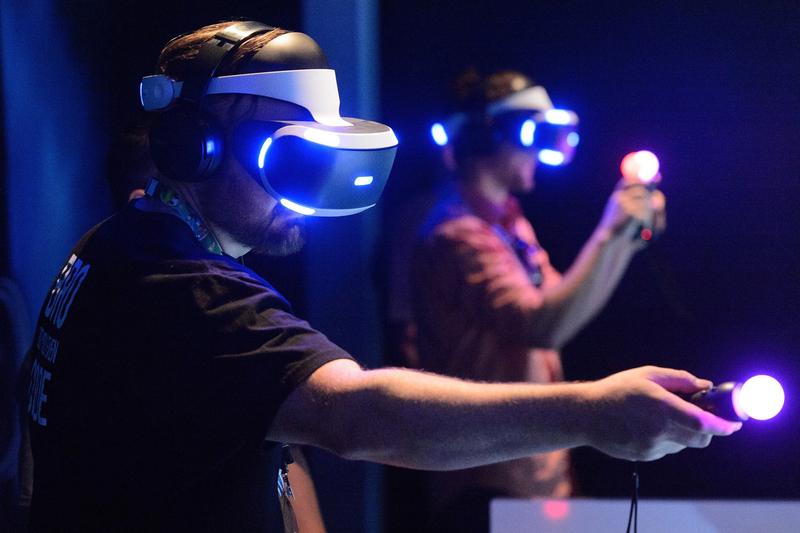
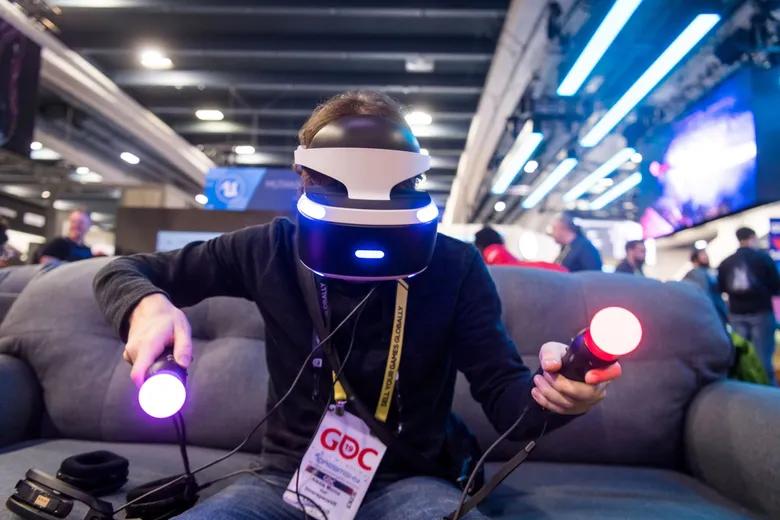
Traditional screens are a fixed size, and we have had to learn how to communicate through that medium. While it is an excellent viewing window, it does have rules and limitations When we remove the window, all of the rules alter, everything is different. Things we previously knew no longer apply in VR We have an unlimited 3D landscape in VR There is no longer any idea of something outside of this universe that is independent from the gamer.
Be conscious of giving users a nasty surprise
Because the language of VR has changed, developers must look beyond standard gaming technology They must be very careful not to surprise the gamers since, because they are so engaged, it is easy to scare people because, for any new user entering a VR experience, it is much more like real life To eliminate the risk of a poor experience, unreal components must be structured like a standard video game, with signposts letting the player know what is coming next
There are experiences that VR cannot achieve Mismatches are unavoidable. For example, while many people believe that skydiving is an ideal fit for VR, there are numerous components that would fall short of expectations, all of which would draw the player out of the game The experience has several outside components that are difficult to mimic, we propose that you never simulate you emulate. You want to manage experience, not shatter it
CONCLUSION
In conclusion, the use of virtual reality technology in prefabrication and modular construction is becoming increasingly popular Virtual reality (VR) software can be utilised to visualise and plan the assembly of prefabricated or modular construction elements, thereby improving the construction process ' s efficiency and accuracy
Another area of growth for VR in construction is in the use of VR for sustainability and energy efficiency VR can be used to simulate and analyze the energy performance of a building design, helping to optimize the design for energy efficiency and sustainability
Despite the many benefits and potential applications of VR in construction, there are also some challenges and limitations to consider One challenge is the need for specialized hardware and software, which can be expensive and require specialized training to use effectively Another challenge is the need for high-quality data and accurate virtual models, which can be time-consuming and resourceintensive to create Despite these challenges, it is likely that VR will continue to be adopted and integrated into the construction industry as the technology continues to evolve and become more accessible
Virtual reality has the potential to completely transform the construction industry by enhancing design visualisation, project planning and coordination, training and education, as well as site management The adoption of VR in construction is likely to continue to grow as the technology becomes more advanced and accessible, and as the benefits of VR become more widely recognized. While there are challenges and limitations to the use of VR in construction, it is clear that VR has the potential to improve efficiency, reduce errors and rework, and increase productivity in the industry.
REFERENCE
https://www.verdict.co.uk/history-virtual-reality timeline/#:~:text=1991%20%E2%80%93%20The%20first%20VR%20arcade,Oculus%2 0Rift%20headset%20was%20designed
https://www.mageplaza.com/blog/how-ar-vr-transform-gaming-industry.html
https://toppandigital com/translation-blog/virtual-reality-destined-disturb-gamingindustry/ https://www.picoxr.com/my/products/pico4/overview
https://www g2 com/articles/virtual-reality https://www mytechmag com/virtual-reality/ https://core.ac.uk/download/pdf/84280005.pdf
https://www linkedin com/company/bytedance?
original referer=https%3A%2F%2Fwww google com%2F https://www.xrtoday.com/mixed-reality/bytedances-reveals-full-pico-4-xr-headsetspecs/