Foster a mindset that supports personal growth and resilience.
Interactive exercises
Mindset-shift discussions and journaling Affirmations
Result: A personalized affirmation list and a mindset action plan
Guided Visualization Meditation: Building a Growth Mindset
Here's a guided visualization meditation to start Workshop 2: Building a Growth Mindset.
This meditation is designed to encourage you to embrace a mindset that supports personal growth and resilience
Objective: To help you cultivate a mindset that is open to growth, embraces challenges, and fosters resilience.
Guided Visualization Meditation: Building a Growth Mindset
Before beginning this or any meditation, be aware of your potential triggers or trauma responses and be proactive. If you experience any duress or negative emotional response, open your eyes, breathe deeply using 4-count inhale to a 6-count exhale and affirm that you are in a safe place, fully here in the present. You may need to stand up and walk around or do some gentle stretches. If you have experienced intense emotions in previous meditations and want to participate in this meditative experience, keep your eyes open and softly focused in front of you. Never force yourself to continue when you are feeling anything except calm and relaxed.
Introduction 1
Begin by finding a comfortable seated position. Close your eyes gently and take a deep breath in through your nose, allowing your belly to expand. Hold for a moment, and then slowly exhale through your mouth.
Introduction 2
Beginning with your feet, scan your body for any tension-- toes , soles, ankles, calves, thighs, back, stomach, chest, arms, hands, shoulders, neck, face, jawline, brow line, tongue, the top of your head.
Continue to breathe deeply and naturally, letting each breath bring you into a state of relaxation.
Meditation: Building a Growth Mindset
Grounding and Centering:
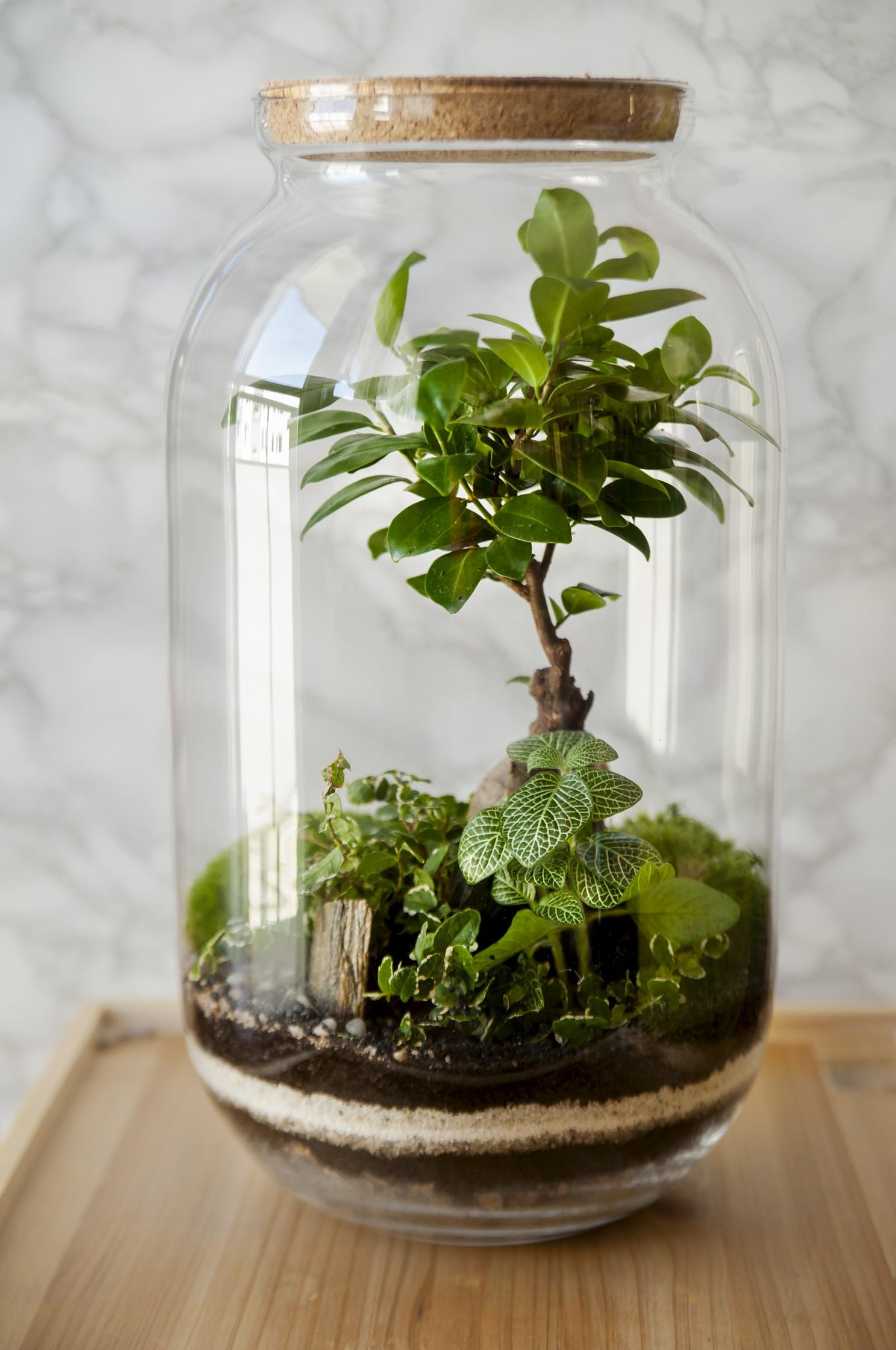
Imagine your mind as a garden. Feel the sensation of your thoughts as rich, fertile soil, ready for planting new ideas. With each breath, allow any worries or stress to gently fade away like leaves carried by the breeze, bringing a sense of peace and focus.
Meditation: Building a Growth Mindset
Envisioning New Beginnings:
Picture yourself standing at the beginning of a new path, representing the journey of personal growth. The path is vibrant, full of potential and opportunity.
See the path lit with a soft, welcoming light, encouraging every step you take.
Meditation: Building a Growth Mindset
Planting Seeds for Growth:
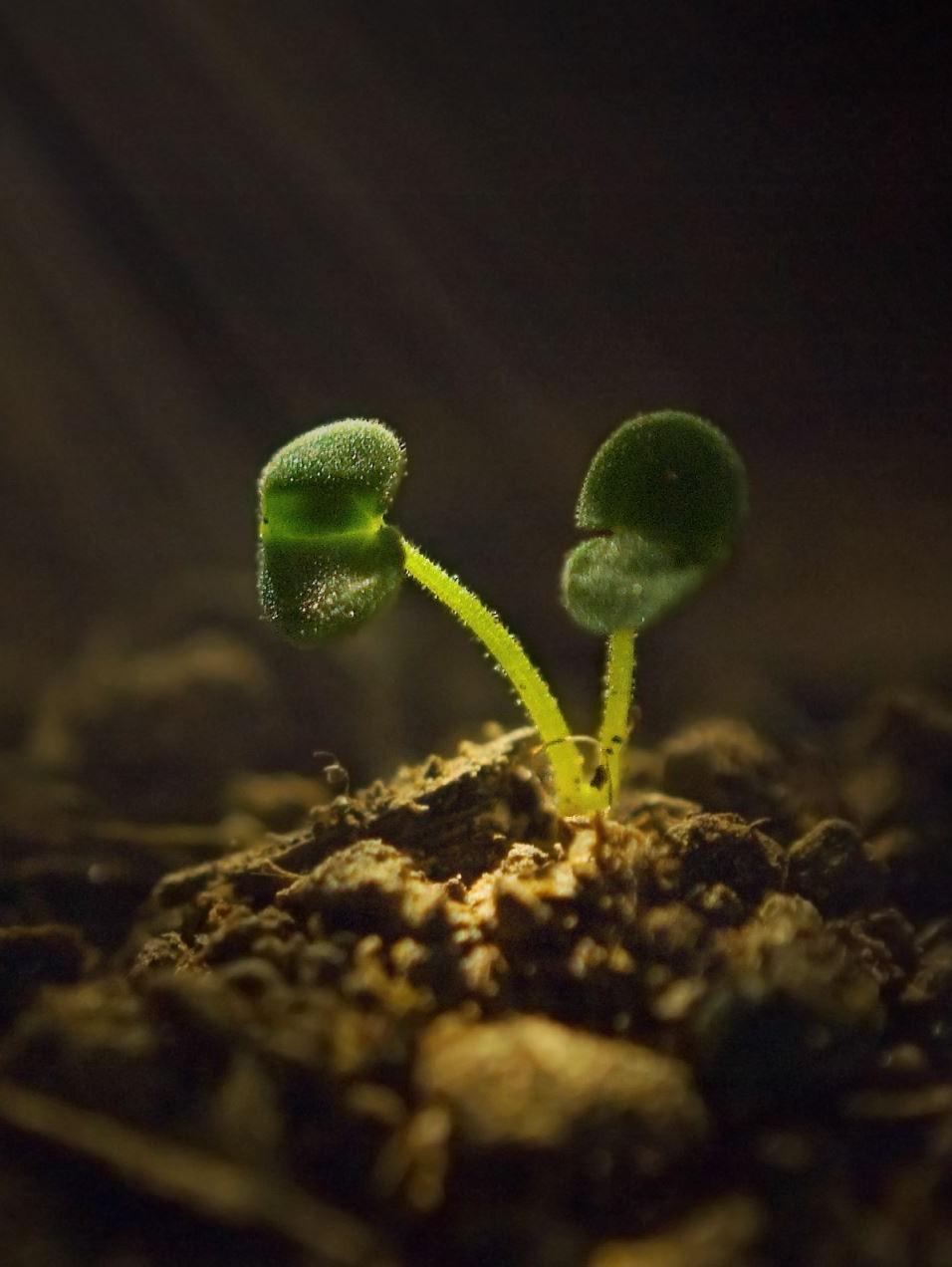
In your mind's garden, visualize planting seeds. Each seed represents a positive intention, a new skill, or a personal goal.
See yourself nurturing these seeds with care and patience, understanding that growth takes time and dedication.
Meditation: Building a Growth Mindset
Cultivating Resilience:
As you tend to your garden, imagine that each challenge or setback is like a temporary storm. It may impact the garden, but it also nourishes the soil, making it stronger.
Picture rain nourishing the seeds, the sun providing energy, and feel resilience growing as you adapt and learn from each experience.
Visualizing Flourishing Growth:
Now envision your garden thriving, vibrant with flowers and fruits of personal triumphs and new skills. Take a moment to appreciate the effort and perseverance it took to reach this point. Feel the pride and joy in your heart.
Conclusion
Conclusion
Gradually let this visualization dissolve, and bring your focus back to your breath.
Take a moment to feel gratitude for this time taken to heal and nurture yourself. When you're ready, gently bring your awareness back to the present moment, wiggling your toes and fingers. Slowly open your eyes, feeling refreshed and renewed.
Intention
Take a few minutes now to write down any intention you've set, any skill you've identified, goal you want to set, any results you wish to achieve, any dream you've acknowledged, or a commitment statement to follow through on a new path.
Journal: Building a Growth Mindset
Closing
Slowly bring your awareness back to the present, carrying the sense of potential and growth with you.
I hope this meditation helps you create a powerful and transformative experience.
Exercise: Growth & Resilience Mindset
Purpose: This exercise encourages you to cultivate a mindset focused on growth and resilience through reflection and proactive strategies.
Materials Needed:
•Journal or notebook
•Pen
•Optional: Access to online resources or quotes related to growth mindsets
Growth & Resilience Steps 1
Reflective Journaling (10 Minutes):
Prompt: Start by reflecting on a recent challenge or setback you overcame. Write about the experience and how it made you feel.
Focus: Consider what you learned from the experience and how it contributed to your personal growth.
Identifying Strengths (5 Minutes):
List Creation: Create a list of personal strengths and qualities that helped you navigate challenges in the past.
Reflection: Think about how these strengths can be applied to future situations to build resilience.
Growth & Resilience Steps 2
Growth Mindset Statements (10 Minutes):
Mindset Shift: Write down any limiting beliefs or thoughts you have related to personal growth.
Reframing Exercise: Transform each limiting belief into a positive growth mindset statement. For example, change "I'm not good at this" to "I can improve with practice."
Affirmation Creation: Create a set of personal affirmations using these new statements to reinforce a growth mindset.
Growth & Resilience Steps 3
Visualization and Planning (10 Minutes):
Imagining Success: Close your eyes and visualize yourself successfully overcoming future challenges, using the strengths and affirmations you've identified.
Actionable Steps: Write down 2-3 actionable steps you can take to further cultivate a resilient mindset when faced with obstacles.
Commitment to Growth (5 Minutes):
Growth & Resilience Steps 4
Personal Contract: Write a short contract to yourself committing to adopting a growth mindset. Include statements of intent such as, "I am committed to continuous learning and embracing challenges.”
Revisit your affirmations and commitments regularly, incorporating them into your daily routine to reinforce resilience and personal growth. This exercise aims to empower you to view challenges as opportunities for learning and development.
Mindset-Shift Discussion/Journaling Questions 1
Reflecting on Challenges:
Can you share a recent challenge you faced and how it impacted your mindset?
What did you learn about yourself through this experience?
Understanding Growth Versus Fixed Mindsets:
In what areas of your life do you feel you have a fixed mindset, and how can you begin to shift towards a growth mindset? How do you react to setbacks or failures, and what changes can you make to see them as learning opportunities?
Mindset-Shift Discussion/Journaling Questions 2
Leveraging Strengths for Growth:
What personal strengths have you relied on in difficult times? How can you use these strengths to support growth and resilience moving forward?
Challenging Limiting Beliefs:
What is one limiting belief you've held about your abilities, and how has it affected your actions? How can you reframe this belief to empower yourself?
Mindset-Shift Discussion/Journaling Questions 3
Visualizing Future Success:
Imagine a future version of yourself who has achieved personal growth and resilience. What changes in your mindset were necessary to become this version of yourself?
What steps can you take today to start embodying this future self? Embracing Change and Uncertainty: How do you typically respond to change and uncertainty, and how could adopting a growth mindset improve this response?
What practices can you implement to become more comfortable with uncertainty?
Mindset-Shift Discussion/Journaling Questions 4
Setting Intentions for Growth:
What intention can you set today to start cultivating a more resilient and growth-oriented mindset? How will you keep yourself accountable to this intention?
These questions aim to encourage deep reflection and meaningful conversation, guiding you to a more adaptive and resilient mindset. Engaging in such discussions can help you become more aware of your thinking patterns and promote a shift towards continual personal development.
Guide: Creating Affirmations 1
Purpose: Affirmations are a tool to rewire your thought processes, promoting a mindset open to growth, resilience, and positivity.
Step-by-Step Instructions:
Reflect on Areas for Growth and Resilience:
Instructions: Begin by identifying areas where you seek growth or need support in building resilience. Consider challenges or setbacks you wish to overcome.
Example Reflection Areas:
Building confidence in public speaking
Overcoming fear of failure
Developing patience in personal relationships
Identify Limiting Beliefs:
Instructions: Write down any limiting beliefs that may be holding you back.
Example Limiting Belief: "I am not good enough to succeed."
Guide: Creating Affirmations 2
Reframe into Positive Statements:
Instructions: Transform these limiting beliefs into positive, empowering statements using present tense and positive language.
Example Affirmation: "I am capable and deserving of success.”
Incorporate Emotion and Intention:
Instructions: Add emotion and specific intentions to your affirmations to enhance their effectiveness.
Example: "I joyfully embrace opportunities for growth and confidently share my ideas."
Guide: Creating Affirmations 2
Ensure Specificity and Clarity:
Instructions: Make your affirmations specific and clear to better direct and focus your intentions.
Example: "I am developing my skills and expanding my knowledge every day.”
Create Affirmations for Emotional Release:
Instructions: Use affirmations to release negative emotions and setbacks.
Example: "I release all doubts and accept growth as a part of my journey."
Guide: Creating Affirmations 3
Set Positive Intentions:
Instructions: Craft affirmations that set clear, positive intentions for the coming year.
Example: "I am committed to living a balanced and fulfilling life, nurturing both my personal and professional goals."
Guide: Creating Affirmations 3
Examples of Affirmations: Growth and Resilience:
"I am resilient and adapt easily to new challenges." "I am open to change and constantly learning and growing.”
Emotional Release:
"I release past negativity and welcome new beginnings with a positive mindset."
"I forgive myself and others, allowing peace and healing to flow into my life.”
Positive Intentions:
"Every day is a fresh start, filled with opportunities for joy and success."
"I attract positivity and radiate confidence and happiness."
Guide: Creating Affirmations 4
Using Your Affirmations: Daily Practice: Repeat your affirmations daily, preferably in front of a mirror or in a quiet space.
Visualization: While repeating affirmations, visualize achieving your goals and embodying these positive traits. Regularly practicing these affirmations can engrave them deeply in your subconscious, helping to foster lasting change and resilience in your mindset.
Action Plan: Creating a Growth Mindset 1
Purpose: This guide is designed to support you in developing a mindset that embraces learning and resilience, while integrating the practice of daily affirmations to reinforce positive thinking.
Step 1: Understand the Growth Mindset
Learn the Basics:
Definition: A growth mindset is the belief that abilities and intelligence can be developed through dedication and hard work.
Resource Suggestion: Read "Mindset: The New Psychology of Success" by Carol S. Dweck for deeper insights.
Reflect on Current Mindset:
Exercise: Reflect on your current mindset in various areas of life by asking yourself, "Do I view challenges as opportunities to learn?"
Action Plan: Creating a Growth Mindset 1
Step 2: Set Clear Growth Goals
Identify Areas for Growth:
Examples: Public speaking, creative writing, or emotional intelligence.
Example: "I will improve my public speaking skills by attending a class and practicing weekly presentations for three months."
Action Plan: Creating a Growth Mindset 2
Step 3: Establish Daily Affirmations
Affirmations Aspect: Choose affirmations that align with your growth goals.
Example Affirmations:
"I am embracing challenges and learning from them."
"I grow more confident and capable every day."
Daily Practice: Morning Routine: Integrate affirmations into your morning routine, perhaps during meditation or journaling.
Action Plan: Creating a Growth Mindset 2
Step 4: Monitor Progress and Reflect Regular Check-ins:
Weekly Reflection: Dedicate time each week to reflect on your progress towards your growth goals.
Journaling: Write about challenges faced, solutions found, and growth observed.
Adjust Goals if Necessary:
If obstacles arise, reassess your approach and modify goals or affirmations to stay aligned with your intentions.
Action Plan: Creating a Growth Mindset 3
Step 5a: Create a Supportive Environment
Encourage Positivity:
Surround yourself with people and environments that reinforce a growth mindset.
Seek Feedback:
Constructive feedback can guide your growth and highlight areas for improvement.
Action Plan: Creating a Growth Mindset 3
Step 5b: Final Steps:
Consistency: Make a commitment to practice this action plan consistently, understanding that growth is a journey.
Celebrate Milestones: Acknowledge and celebrate your progress to motivate continued development.
This action plan aims to support sustained growth and resilience through regular practice and reflection. With dedication, you can cultivate a mindset rich with opportunity and optimism.
Closing Ritual: Growth Mindset
Affirmation Circle
Personalized Affirmations: Invite those in your group to share one personalized affirmation they’ve created during the workshop. If doing this alone, choose one affirmation to repeat aloud. Affirmations should be positive and focused on growth (e.g., "I embrace challenges as opportunities to learn and grow").
Group Support: After each person shares, the group can echo a supportive response such as, "We believe in your growth," fostering a sense of community. If doing this alone, tell yourself that you believe in your growth.
Closing Ritual: Growth Mindset
Action Plan Development
Worksheet Completion: Ask each member of the group to use their journal to outline their immediate next steps toward cultivating a growth mindset. If doing this alone, create a plan for yourself. Whether in a group or alone, use the following instructions. Your plan should include: Specific actions to implement (e.g., reading a growth mindset book)
Closing Ritual: Growth Mindset
Resources needed (e.g., workshops, mentors)
Personal check-in points or accountability methods
Sharing Action Plans: Encourage members of the group to briefly share their initial steps. This creates accountability. If doing this alone, find a trusted friend and share your next steps.
Closing Ritual: Growth Mindset
Visualizing Growth
Guided Visualization: Reinforce your action plan and affirmations with a brief visualization exercise where you envision yourself actively engaging in your chosen actions, noticing the positive changes these bring over time.
Future Focus: Picture in your mind how these actions will enhance your life and mindset.
Closing Ritual: Growth Mindset
Gratitude and Commitment
Gratitude Reflection: Take a moment and if in a group, give participants a moment to note down something you're grateful for from the workshop experience.
Commitment Statement: Write a short commitment statement in your workbook, pledging to pursue your growth goals and affirmations.
Closing Ritual: Growth Mindset
Wrap-Up: Conclude with your own words of encouragement to yourself or to anyone with whom you have been doing these exercises and a reminder of the power of a growth mindset in personal and professional life.
Community Connection: When possible join a group either by email or on a social media platform for continued support and sharing of resources.
A closing ritual is only one way to have a strong sense of motivation and actionable steps to continue developing a growth mindset beyond the workshop.