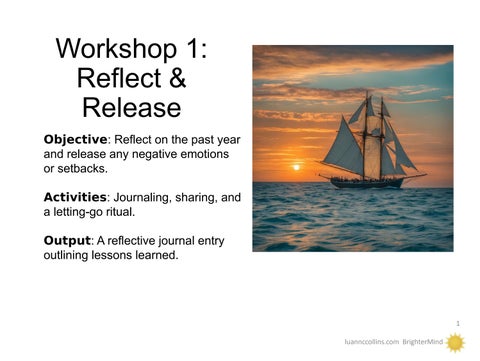
Objective: Reflect on the past year and release any negative emotions or setbacks.
Activities: Journaling, sharing, and a letting-go ritual.
Output: A reflective journal entry outlining lessons learned.
Mindset 1
There is a mindset known as the "Forgiveness Mindset" or sometimes referred to as a "Release Mindset".
This mindset is centered around the concept of letting go, forgiving, and moving forward without being tethered to past grievances or mistakes.
Mindset 2
For example:
Acceptance and Understanding:
Recognize and accept emotions without self-judgment. Understand that it's okay to have setbacks and negative emotions but that they don’t define your future.
Non-Attachment:
A significant aspect of this mindset involves practicing non-attachment to outcomes, acknowledging that change is constant and being open to new experiences.
Mindset 3
Empathy and Compassion: This involves nurturing empathy for oneself and others, by understanding that everyone makes mistakes, including yourself, leading to a more forgiving attitude.
Present Focus: Maintaining focus on the present helps prevent dwelling on past issues and opens the door to new beginnings and opportunities.
Intentional Release: Actively practicing the release of negative emotions and past events, whether through rituals like journaling, meditation, or physical exercise, fosters a sense of freedom and renewal.
Self-Affirmation: Encouraging positive self-talk and affirmations can help rewire your brain to support the letting go process and reinforce a forgiving mindset.
By intentionally cultivating these aspects, you can develop a mindset that prioritizes emotional release, letting go of past limitations, and fostering a liberating outlook on life. This mindset, much like a growth or positivity mindset, can significantly aid in emotional well-being and personal development.
Purpose: Use this guided visualization meditation to cultivate a Forgiveness/Release Mindset. You can use this script for a meditation session at your own pace or listen to the recorded meditation included in your packet.
Before beginning this or any meditation, be aware of your potential triggers or trauma responses and be proactive. If you experience any duress or negative emotional response, open your eyes, breathe deeply using 4-count inhale to a 6-count exhale and affirm that you are in a safe place, fully here in the present. You may need to stand up and walk around or do some gentle stretches. If you have experienced intense emotions in previous meditations and want to participate in this meditative experience, keep your eyes open and softly focused in front of you. Never force yourself to continue when you are feeling anything except calm and relaxed.
Introduction
Begin by finding a comfortable seated position. Close your eyes gently and take a deep breath in through your nose, allowing your belly to expand. Hold for a moment, and then slowly exhale through your mouth.
Beginning with your feet, scan your body for any tension-- toes , soles, ankles, calves, thighs, back, stomach, chest, arms, hands, shoulders, neck, face, jawline, brow line, tongue, the top of your head. Continue to breathe deeply and naturally, letting each breath bring you into a state of relaxation.
The Meditation Reflect and Release 1.1
Centering the Breath:
With each breath in, feel a sense of calmness and with each breath out, allow your body to release any tension.
Imagine your breath as a gentle wave, washing over you and bringing a sense of peace.
Grounding & Connection:
Visualize your body feeling heavy in your chair, safely and securely supported. Feel your feet firmly grounded on the floor, solid and stable. Feel your spine erect and sure, a confident flow of energy connecting your head, to your body, your legs, your feet and into the earth.
The Meditation Reflect and Release 1.2
Releasing the Past:
Inviting Light:
Picture a warm, golden light above your head. With each inhale, imagine this light gently entering your body, following your spine slowly downward, with each vertebrae pouring warmth into your body and filling your entire being with tranquility.
As this light reaches your heart, visualize it expanding, creating a gently held safe container. In your mind's eye, see any negative emotions or past setbacks as a dark, heavy cloud within your heart.
With each exhalation, let the golden light gently push this cloud outward, through your chest, out of your body, into the room, then out into the atmosphere, watching as it dissipates with each breath.
The Meditation Reflect and Release
Embracing Forgiveness:
Now, bring into your awareness someone or something you wish to release or forgive. Picture this person or event or thing clearly in your mind's eye.
Visualize extending the golden light to wrap gently around this image. With compassion, say silently, "I acknowledge my pain around this. I am ready to release this pain. I release any wish that you were better or different than what you were. I release any wish that I was better or different than what I was. I release any wish that events were better or different than what they were. I release this pain for a better and different present and future. For my own peace and freedom, I accept the lessons and release the pain."
The Meditation Reflect and Release 1.3:
Affirmation:
Mentally repeat the affirmation:
"For my present well-being and future growth, my present peace and future joy, I release what was, the past I acknowledge I cannot change. I give up the wish for better or different and forgive myself and others. I open to lessons learned and new possibilities."
Allow these words to resonate deep within you, nurturing your spirit.
Closure and Gratitude:
Gradually let this visualization dissolve, and bring your focus back to your breath. Take a moment to feel gratitude for this time taken to heal and nurture yourself. When you're ready, gently bring your awareness back to the present moment, wiggling your toes and fingers. Slowly open your eyes, feeling refreshed and renewed.
Completion
Take as much time as you need before resuming your day, carrying with you the lightness of forgiveness and the courage to let go.
Take a few minutes now to write down any insights you may have had. Make a note of any lessons that emerged, any actions you wish to take with this new, expanded understanding. You may want to write down any results you wish to see from this mindset, an intention you now have or a commitment statement to lock in your new awareness and desire for peace and joy.
Journal: Release Mindset
Closing
As you return to the room, know that you carry with you the power of forgiveness and the peace of release. Hold onto the feeling of renewed strength, looking forward to a new beginning with a heart open and ready to embrace all possibilities.
I hope this meditation helps you create a peaceful and joyful present and future.
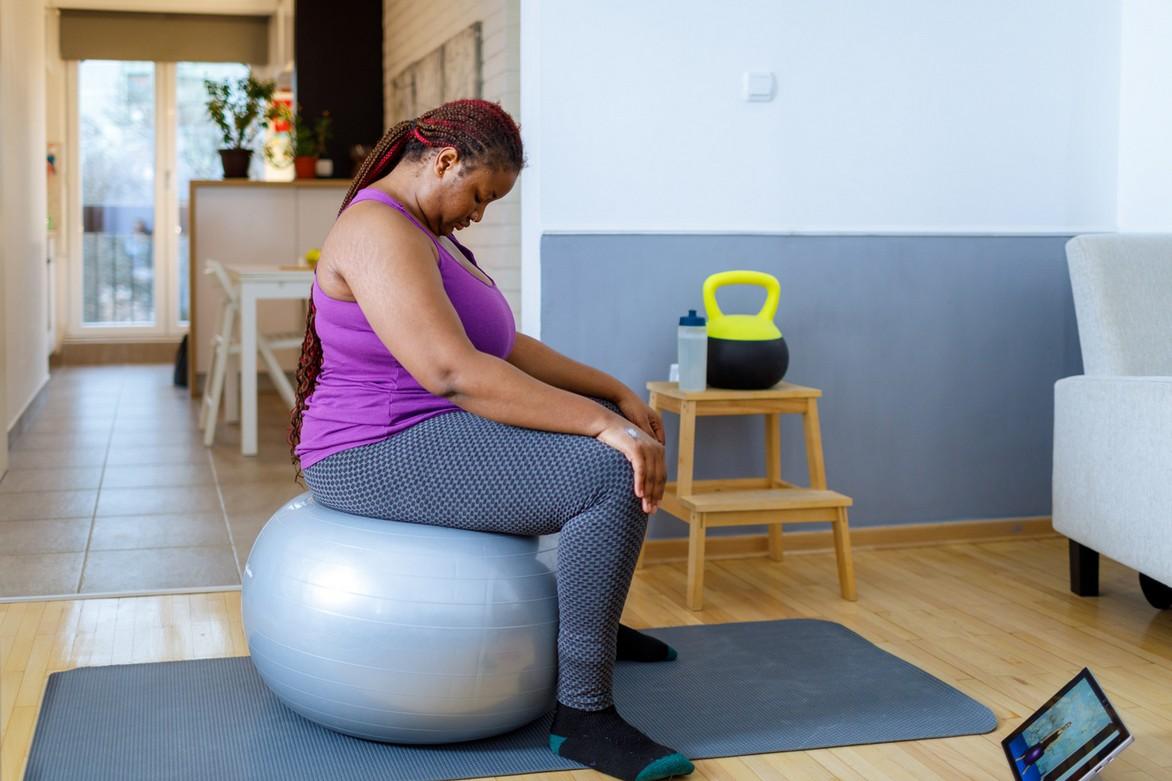
Active Stretching Post-Reflection 1.1
Purpose: To gently awaken the body after meditation, enhancing circulation, releasing tension, and reinforcing a mindset of forgiveness and release.
Stretching Activity Steps:
Neck and Shoulder Roll (2 Minutes):
Neck Rolls: Gently lower your chin to your chest and slowly roll your head from side to side, feeling the stretch along the back of the neck. Repeat 5 times each direction.
Shoulder Rolls: Bring your shoulders up towards your ears and roll them back down in a circular motion. Repeat 5 times, then switch directions.
Active Stretching Post-Reflection 1.2
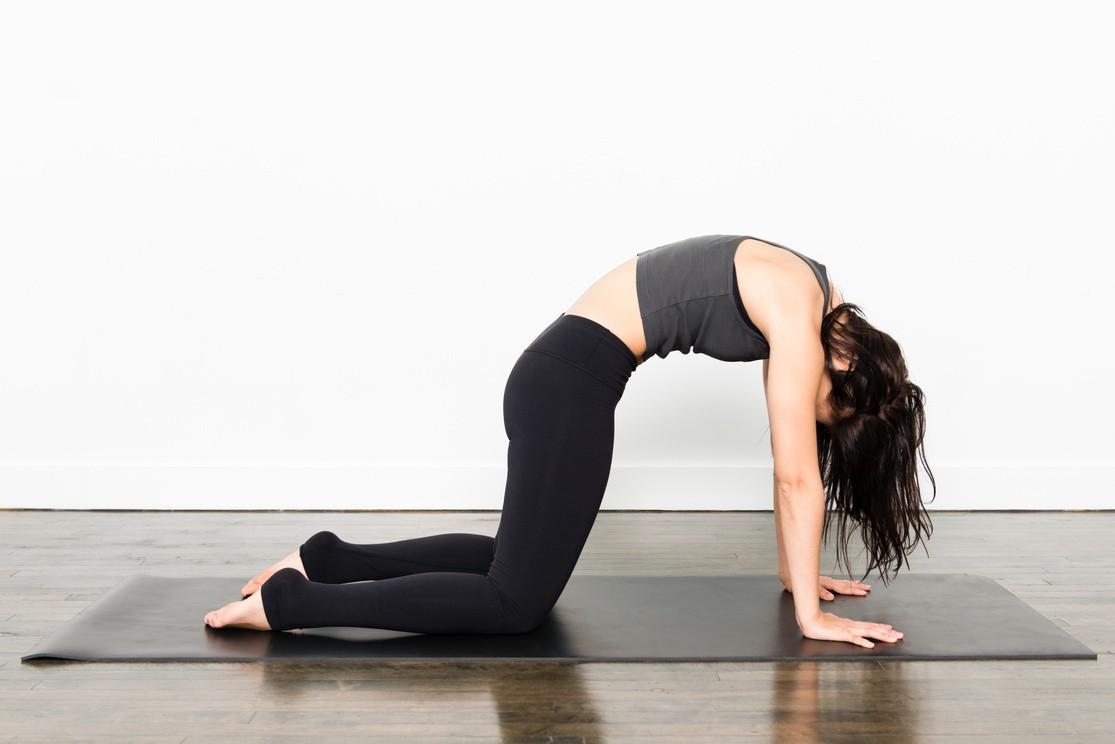
Cat-Cow Stretch (2 Minutes):
Start Position: Do this on your hands and knees, aligning wrists under shoulders and knees under hips.
Movement: Inhale as you arch your back (Cow), lifting your head and tailbone. Exhale as you round your back (Cat), tucking the chin to your chest. Repeat for 1 minute.
Seated Forward Fold (2 Minutes):
Stretch: Sit with your legs extended in front of you. Inhale, lengthen your spine, and then exhale, gently folding forward from the hips. Relax your head and neck, holding for a few deep breaths.
Modification: Use a strap or towel around your feet if needed.
Active Stretching Post-Reflection 1.3
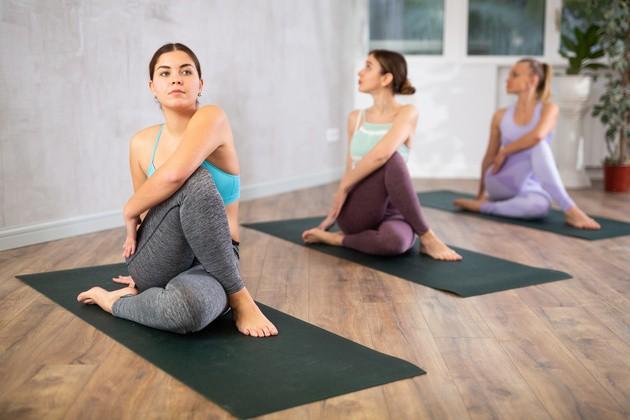
Gentle Spinal Twist (2 Minutes):
Start Position: Sit with legs crossed. Inhale, sitting tall, then exhale as you twist gently to the right, placing your left hand on your right knee. Hold for a few breaths and switch sides.
Intention: Imagine releasing tension as you twist, promoting flexibility and cleansing.
Standing Side Stretch (2 Minutes):
Position: Stand with feet shoulder-width apart. Inhale, reach your arms overhead, and exhale as you drop your right arm, feeling the stretch along your left side. Hold for a few breaths before switching sides.
During each stretch, focus on deep, calm breaths to assist in releasing residual tension and fostering a sense of peace. This routine not only helps physically reintegrate and energize the body after meditation but also supports mental and emotional release, reinforcing the session's themes of forgiveness and letting go.
Affirmations
Affirmations are positive statements that can help you challenge and overcome self-sabotaging and negative thoughts. When practiced deliberately and regularly, they can create a shift in mindset that nurtures self-belief and fosters personal growth. Here are 5 key reasons why affirmations are valuable:
Mindset Transformation:
Affirmations encourage a positive change in thinking patterns. By focusing on uplifting and empowering statements, you can gradually replace self-limiting beliefs with optimistic and constructive thoughts.
Enhanced Motivation and Focus:
Regular use of affirmations helps clarify goals and reinforces motivation. They serve as constant reminders of your capabilities and potential, maintaining clarity and drive towards achieving personal aspirations.
Affirmations
Reduced Stress and Anxiety:
Affirmations can lower stress by promoting a calm and positive mindset. By focusing on positive outcomes rather than past failures or fears, you can cultivate resilience and emotional balance.
Improved Self-Esteem and Confidence:
Consistently affirming your strengths and accomplishments boosts selfesteem and confidence. Affirmations remind you of your worth and capabilities, encouraging you to embrace challenges with selfassurance.
Goal Manifestation:
By regularly visualizing and articulating personal goals through affirmations, you set a powerful intention that supports the manifestation of these goals. This practice aligns thoughts and actions in the direction of desired outcomes.
Affirmations to Cultivate Release
Affirmations require repetition and sincerity to be effective. Over time, they can significantly influence behavior and attitudes, providing a solid foundation for personal development and well-being. Whether used in morning routines, during meditation, or throughout the day, affirmations can be a pivotal tool in your journey to self-improvement and a fulfilled life.
Here are five affirmations that can help in cultivating a Forgiveness/Release Mindset:
"I embrace the present moment and let go of past burdens, welcoming peace and clarity into my life."
"Each breath I take releases old patterns and welcomes new, positive energies."
"Forgiveness sets me free; I choose to forgive myself and others to create space for healing and growth."
"I release what no longer serves me and make room for joy, love, and new opportunities."
"I am at peace with my past and open to endless possibilities in the future."
Integrating these affirmations into your daily routine can reinforce the mindset of releasing and forgiving, allowing you to move forward with a lighter heart and mind.
Creating a Supportive Environment
These questions can facilitate meaningful discussions with family and friends about a Forgiveness/Release Mindset:
"What personal experience or challenge have you found most difficult to release, and how has holding onto it impacted your life?"
"How do you define forgiveness, and in what ways can it serve as a tool for personal liberation?"
"Can you identify a positive outcome or lesson learned from a situation where you consciously chose to let go of past negative emotions?"
"In what ways might cultivating a release mindset change your perspective on future setbacks or challenges?"
"What strategies or practices have you found effective in nurturing forgiveness within yourself and how can they be applied to help others?"
These questions are designed to encourage introspection and open dialogue, fostering deeper understanding and growth in the context of letting go and embracing a mindset of release.
Reflection and Release: Let Go
This section is designed to help you reflect on the past, let go of any negative emotions or setbacks, and prepare you for moving forward.
Guided Visualization Meditation: Reflect & Release Script; digital meditation included in your packet
Purpose: Use this guided meditation to "Reflect & Release;" to relax into a reflective state, understand past experiences, and release negativity, setting a calm and focused tone for the present and for going forward into the next sessions.
Before beginning this or any meditation, be aware of your potential triggers or trauma responses and be proactive. If you experience any duress or negative emotional response, open your eyes, breathe deeply using 4-count inhale to a 6-count exhale and affirm that you are in a safe place, fully here in the present. You may need to stand up and walk around or do some gentle stretches. If you have experienced intense emotions in previous meditations and want to participate in this meditative experience, keep your eyes open and softly focused in front of you. Never force yourself to continue when you are feeling anything except calm and relaxed.
Introduction: Let Go
Begin by finding a comfortable seated position. Close your eyes gently and take a deep breath in through your nose, allowing your belly to expand. Hold for a moment, and then slowly exhale through your mouth.
Beginning with your feet, scan your body for any tension-- toes , soles, ankles, calves, thighs, back, stomach, chest, arms, hands, shoulders, neck, face, jawline, brow line, tongue, the top of your head. Continue to breathe deeply and naturally, letting each breath bring you into a state of relaxation.
Meditation Reflect & Release 2.1
Centering the Breath
With each breath in, feel a sense of calmness and with each breath out, allow your body to release any tension.
Imagine your breath as a gentle wave, washing over you and bringing a sense of peace.
Grounding & Connection:
Visualize your body feeling heavy in your chair, safely and securely supported. Feel your feet firmly grounded on the floor, solid and stable. Feel your spine erect and sure, a confident flow of energy connecting your head, to your body, your legs, your feet and into the earth.
Meditation Reflect & Release 2.2
Reflecting on the Year:
In your mind’s eye, envision a timeline coming from the center of your chest and extending out in front of you. Now, allow memories of that timeline to arise without judgment—simply observe. As a memory arises, allow the emotion of this prior time to emerge without judgment-- simply acknowledge each one as it comes.
Meditation Reflect & Release 2.2
Imagine a joyful event, let it slide out of your chest and rest above the line. Let yourself feel the joy of that event as you did at the time.
Imagine a proud event, let it slide out of your chest and rest above the line. Let yourself feel the pride of that event as you did at the time.
Meditation Reflect & Release 2.3
Imagine a challenge you experienced, let it slide out of your chest and rest below the line. Let yourself feel the sadness or frustration or even anger of that event as you did at the time.
Imagine a disappointment you experienced, let it slide out of your chest and rest below the line. Let yourself feel the disappointment of that event as you did at the time.
Imagine a sad event you experienced, let it slide out of your chest and rest below the line. Let yourself feel the sadness of that event as you did at the time.
Meditation Reflect & Release 2.4
Imagine an exciting event, let it slide out of your chest and rest above the line. Let yourself feel the eagerness and interest, the anticipation and curiosity of that event as you did at the time.
Imagine a passionate event, let it slide out of your chest and rest above the line. Let yourself feel the excitement and passion of that event as you did at the time.
Imagine a loving, connected event, let it slide out of your chest and rest above the line. Let yourself feel the love, the connection, the inclusion of that event as you did at the time.
Now, review the timeline. See the highs and the lows, the joyful moments and the challenges you faced. Acknowledge these as part of your growth journey, as emotions you've held in your heart.
Meditation Reflect & Release 2.5
Acknowledging Learnings and Growth:
Turn your attention to the events on the timeline and ask what lessons you learned from each experience.
What did you learn from your exciting events?
What did you learn from your joyful events?
What did you learn from your challenging events?
What did you learn from your proud events?
What did you learn from your sad events?
What did you learn from your passionate events?
What did you learn from your loving, connected events?
What did you learn from your disappointing events?
Meditation Reflect & Release 2.
Focusing on the lessons learned from each experience, let yourself feel a sense of accomplishment, to recognize your adaptability, to acknowledge your resilience, to validate your courage, determination, and tenacity, and to absorb the wisdom you gained.
Allow yourself to feel gratitude for these lessons, knowing they shape who you are at this moment. Allow yourself to feel the value of those events, the lessons you learned, and your life at this moment.
Meditation Reflect & Release 2.3
Releasing Negative Emotions and Setbacks:
Now, visualize a gentle stream in front of you. For each event below the line, imagine plucking the negative emotion or feeling or setback or sense of failure or pain connected to the event off of the line and placing it on a leaf and setting the leaf on the water.
Watch the stream carry each leaf away, and as it does how much lighter you feel with every every release. Look at the event on the line with compassion and tenderness, with understanding that these were valuable lessons to learn, and the negative emotion that was connected to the event can now be released.
Meditation Reflect & Release 2.4
Embracing Peace and Openness:
Imagine a warm, golden light surrounding you, traveling along the timeline that extends from your chest, filling the space left in each event with golden light. This light represents peace, hope, and new possibilities.
Allow the light to expand within each event along the line, then gently, tenderly, slowly draw the line back into your chest, filling your heart and mind with the lessons learned and opening your spirit to welcome the possibilities and opportunities of what lies ahead.
Conclusion
Gradually let this visualization dissolve, and bring your focus back to your breath.
Take a moment to feel gratitude for this time taken to heal and nurture yourself.
When you're ready, gently bring your awareness back to the present moment, wiggling your toes and fingers. Slowly open your eyes, feeling refreshed and renewed.
Reflect
Take a few minutes now to write down any lesson learned, any emotions released, any setbacks released, any results you wish to achieve from the lessons, the intentions you have now after acknowledging the lessons, or a commitment statement to follow through on insights you've had.
Journal: Let Go
Closing
As you return to the room, know that you carry with you the power of release and the peace of reflection. Hold onto the feeling of renewed strength, looking forward to a new beginning with a heart open and ready to embrace all possibilities.
I hope this meditation helps you create a powerful and transformative experience.
Activity: Embrace Peace & Openness
Purpose:
To gently re-energize the body, enhance circulation, and solidify feelings of peace and openness following a meditation session.
Activity Steps 1:
Breath-Linked Movement (5 Minutes):
Begin with Deep Breaths: Stand with feet hip-width apart. Inhale deeply, raising your arms overhead, and exhale slowly as you lower them back down. Repeat for 1 minute, syncing movement with breath.
Flowing Sun Salutations (5 Minutes):
Sequence: Perform 3-5 rounds of Sun Salutations (Surya Namaskar. Yoga with Adrien free youtube practice) at a steady, gentle pace to invigorate the body and mind while maintaining a meditative flow. Emphasize fluidity and ease in each movement.
Standing Forward Fold with a Sway (3 Minutes):
Movement: From standing, exhale into a forward fold, letting your head hang heavy. Gently sway side to side, releasing tension in the neck and back. Let gravity help you relax further.
Activity Steps 1
Gentle Side Bending (3 Minutes):
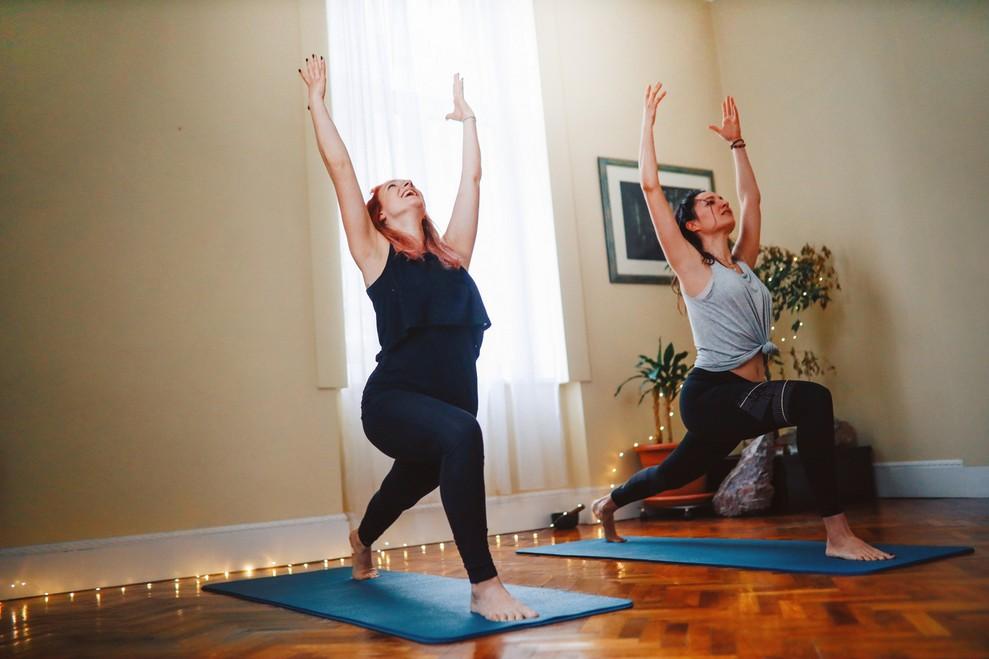
Stretch: Stand tall, feet shoulder-width apart. Inhale, reach your right arm overhead, and exhale as you lean to the left. Switch sides after a few breaths. Feel the opening along your sides.
Grounding Tree Pose (2 Minutes):
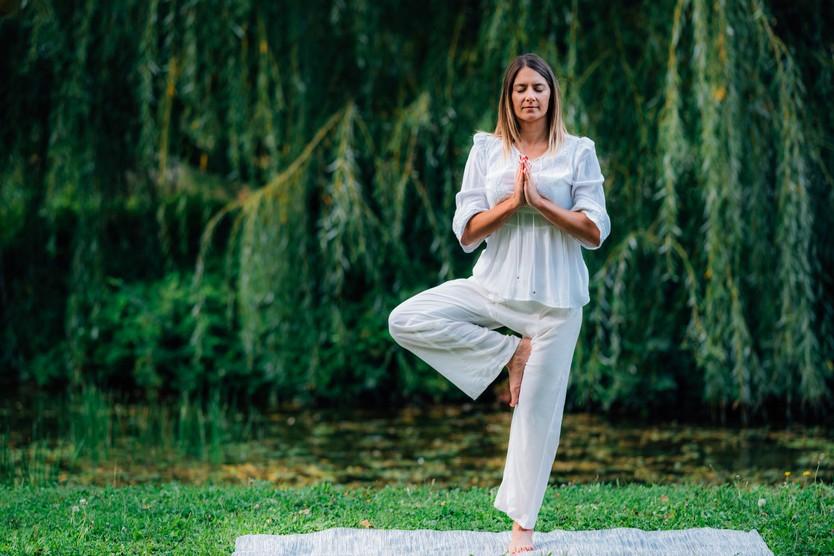
Balance and Focus: Shift your weight onto one leg, place the sole of the opposite foot against your inner thigh or calf, and find your balance. Extend your arms upward or in a prayer position at your chest. Hold for several breaths on each side.
Concluding Open-Heart Pose (2 Minutes):
Final Stretch: End in a standing position, feet wide apart. Inhale deeply, opening your arms wide to the sides, palms facing forward, expanding your chest. Feel the openness and embrace peace and positivity.
This activity allows you to transition smoothly from meditation into physical movement, enhancing the release of stored tension and fostering a lingering sense of openness and peace.
Self-reflective Journaling
The following journaling prompts can guide you in reflecting on the past, releasing negative emotions or setbacks, and prepare for sharing.
What Were My Greatest Lessons?
Reflect on the year and identify the most significant lessons you've learned. Consider both positive and challenging experiences.
Exploration: How have these lessons shaped the person you are today?
What Am I Grateful For Despite Challenges?
List experiences or people that brought unexpected gratitude, even in the midst of difficulties.
Exploration: How can this gratitude transform your perspective on challenges?
Which Emotions or Experiences Am I Ready to Release?
Identify emotions, setbacks, or situations from the past year that you feel ready to let go of.
How Have I Grown or Changed This Year/during this time?
Reflect on your personal growth throughout the past year and specific areas where you've seen change. Exploration: What factors contributed to this growth, and how can you continue to nurture it?
What Values or Beliefs Supported Me This Year?
Consider the values or beliefs that helped you navigate through the year’s ups and downs.
Exploration: How can you carry these forward into the new year to support your journey?
Self-reflective Journaling
Use these prompts to delve deeply into your thoughts, feelings, and experiences, and then prepare to share insights with family or friends, if appropriate. Sharing reflections can foster connection, understanding, and collective growth, but should be done with good judgment about how the person may receive your insight. Not everyone can appreciate your story so share carefully and with recognition and acknowledgment of your value and the value of your experience and wisdom.
Journal: Lessons Learned
Letting Go Ritual
Purpose:
This ritual is designed to help you release negative emotions or setbacks from the past, creating space for new possibilities and positive intentions.
Materials Needed:
A quiet space for each person
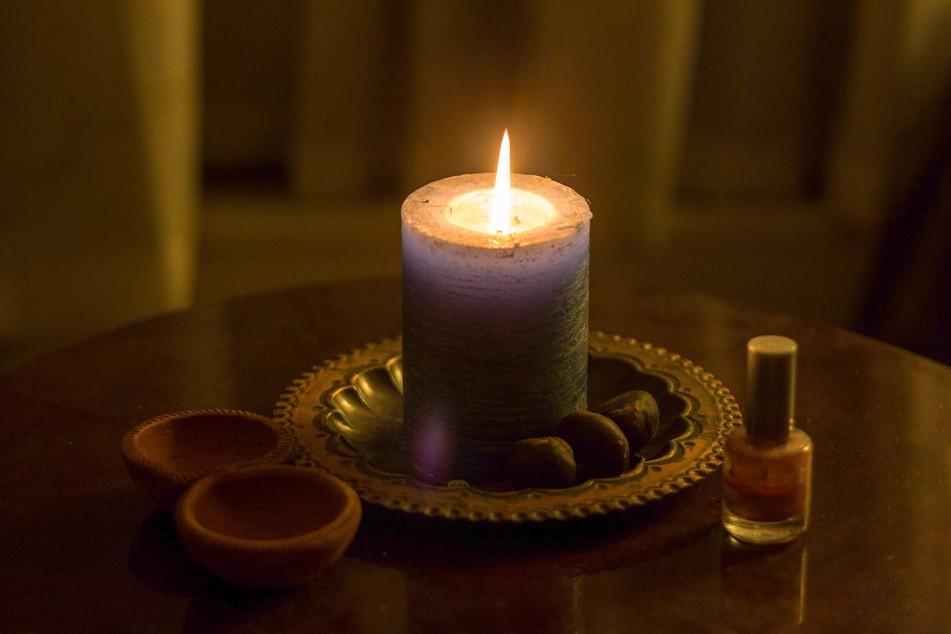
Candle (optional, for ambiance)
Paper and pen
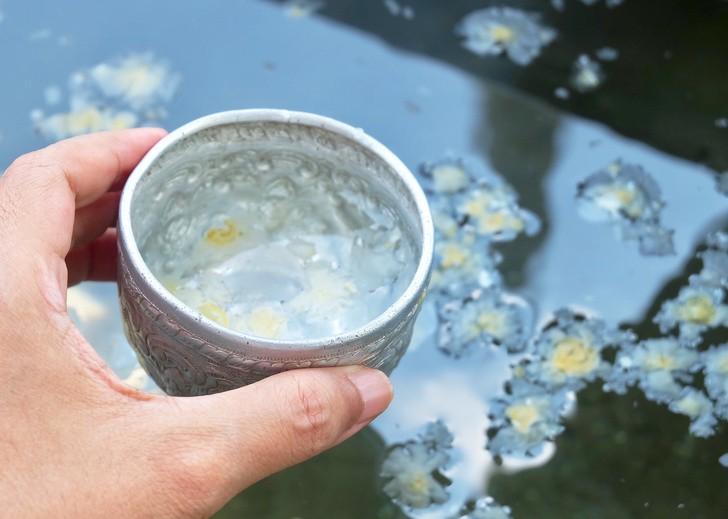
A small bowl of water (optional, for release visualization)
Music for relaxation (optional)
Letting Go Ritual Steps
Setting the Space (5 Minutes):
Introduction: Start with an intention, a welcome, acknowledge the purpose of the ritual.
Ambiance: Light a candle, and if in a group, encourage each person to light a candle and dim their lights to create a peaceful environment. Optionally, play soft, calming music in the background.
Guided Centering (5 Minutes):
Breathing Exercise: Start with a simple breathing exercise. If in a group, lead others in a simple breathing exercise. Inhale deeply through the nose, pause, and exhale slowly through the mouth. Repeat until you/everyone feels centered.
Visualization: Close your eyes, have others close their eyes and imagine a warm, golden light surrounding you/them, providing protection and comfort.
Letting Go Ritual 2
Writing Exercise (10 Minutes):
Reflection Prompt: Write down/ask everyone to write down emotions, situations, or setbacks you/they wish to release. Encourage honesty and depth in their reflections.
Sharing Option: If comfortable, each person can share one or two items from their list with the group, fostering a sense of support. If doing this ritual alone, either reflect silently on one or two items or choose and make note of a trusted friend to share your insights with later.
Letting-Go Visualization (10 Minutes):
Individual Action: Envision/invite participants to envision placing your/their written notes into the bowl of water, watching the ink dissolve and fade away. This symbolizes the release of what no longer serves you/them.
luannccollins.com
Letting Go Ritual 3
Verbal Release: Alone or together, aloud or in silence, repeat an affirmation: "I release what I no longer need, making space for growth and joy."
Closing the Ritual (5 Minutes): Gratitude Expression: Express gratitude/Encourage others to express gratitude for your/their experiences and for the group’s support.
Sealing the Ritual: Blow out the candle (as a collective), symbolizing the closure of the past and the welcoming of new beginnings.
Conduct the ritual in an open and supportive manner, providing a safe space for everyone involved. This simple process can be a powerful way for everyone to let go and enter the new phase/new year with renewed energy and focus.
Letting Go Ritual Music Playlist
(Click for Spotify playlist)
Closing Ritual: Reflect & Release
Consider:
What have you successfully let go of?
Create a Sacred Space (5 Minutes):
Setup: Find a quiet, comfortable area in your home where you won't be disturbed. Arrange a few items that symbolize peace and positivity for you, such as candles, crystals, or meaningful objects.
Sound Ambiance: Play calming music or nature sounds to help set a serene atmosphere.
Reflective Journaling (10 Minutes):
Journaling Prompt: Take a moment to write about key insights or emotions experienced during the session.
What new understanding or growth have you achieved?
Gratitude Writing: Jot down three things you are grateful for that emerged from this experience.
Affirmation and Release (5 Minutes):
Write an Affirmation: Create a positive affirmation that reinforces the growth and release you’ve experienced (e.g., "I am free from past burdens and open to new possibilities").
Ritual Release: If you have written down things you wished to release, gently tear up the paper and discard it as a physical act of letting go.
Closing Ritual: Reflect & Release
Meditative Reflection (5 Minutes):
Guided Visualization: Close your eyes and take deep, cleansing breaths.
Visualize releasing the past and stepping into a space of light and clarity.
Closing Ritual: Reflect & Release
Focus on Renewal: Imagine yourself surrounded by warmth and potential, embodying the affirmation you created.
Closing Gesture (5 Minutes):
Symbolic Action: Light a candle or hold an object that symbolizes new beginnings for you.
Silent Commitment: Spend a minute in silence, committing to nurturing the positive changes and insights gained from your session.
This ritual aims to provide you with a personal and meaningful conclusion to your session, allowing you to embrace the changes and insights fostered during your reflection.
Closing Ritual: Validation & Affirmation
Purpose: To conclude the session with a sense of closure, gratitude, and positive affirmation, reinforcing the growth and release achieved during the session.
Ritual Steps: Circle of Reflection (5 Minutes):
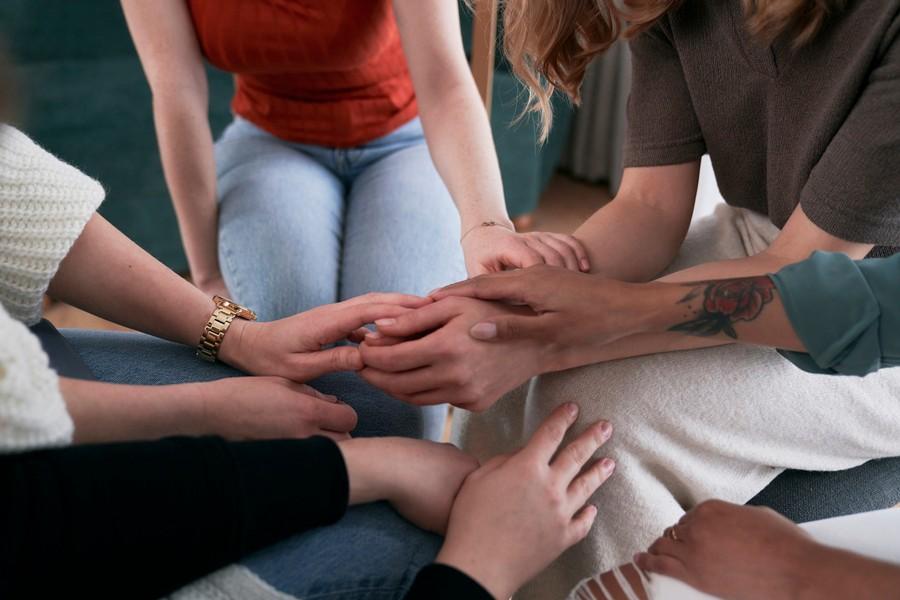
Sharing Circle: Imagine being encircled by all the ones you love, by all the possibilities before you. With your hand on your heart, whisper one lesson you have learned that feels significant and then one emotion or setback you feel you have successfully released. If you have been doing this as a group, form a circle (virtually or physically) and, if comfortable, share one lesson each of you have learned and one emotion or setback each of you feel you have successfully released.
Affirmations of Support: If doing the ritual alone, quietly affirm aloud, “I honor my journey.”
If doing this as a group, as each person shares, the group can collectively say, "We honor your journey" to reinforce a supportive environment.
Closing Ritual: Validation &Affirmation
Gratitude and Acknowledgment (5 Minutes):
Silent Gratitude: Spend a minute in silence to let the work you have done settle in your heart. If you are in a group, take a collective minute of silence to reflect. Allow yourself to feeling gratitude for the courage to face and release these challenges.
Closing Ritual: Validation
& Affirmation
Journal Reflection: Take time to jot down a few gratitude statements for the insights and understanding gained during the workshop.
Affirmation Candle Ritual (5 Minutes):
Symbolic Lighting: If possible, light a candle or ask the members of your group to light their candle, symbolizing light and positivity lighting the path forward.
Affirmation: Say to yourself or as a group, an affirmation such as, "I embrace my past, honor my growth, and welcome new beginnings with open arms."
Visualization of Positivity (5 Minutes):
Guided Visualization: Now imagine yourself moving forward/suggest to your group to imagine themselves moving forward with clarity and purpose, carrying the lessons and leaving behind any heaviness.
Closing Ritual: Validation & Affirmation
Future Vision Journal Entry: Take time to write a brief vision of yourself embracing these positive changes in the coming year.
Closing Words and Farewell (3 Minutes):
Give yourself words of encouragement or if in a group, offer words of encouragement, acknowledging the effort and achievements of yourself and each person in the group.
This closing ritual serves to anchor the experiences of the session and offer a powerful transition from reflection into action.