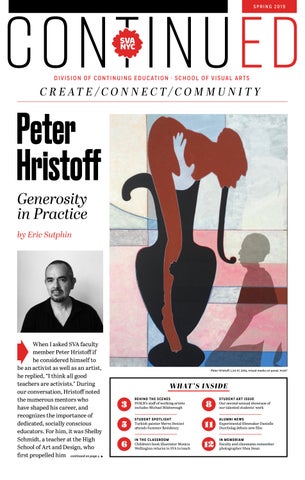
Peter Hristoff
Generosity in Practice
by Eric Sutphin
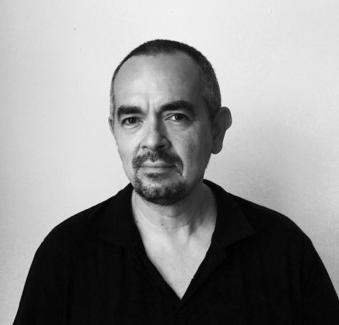
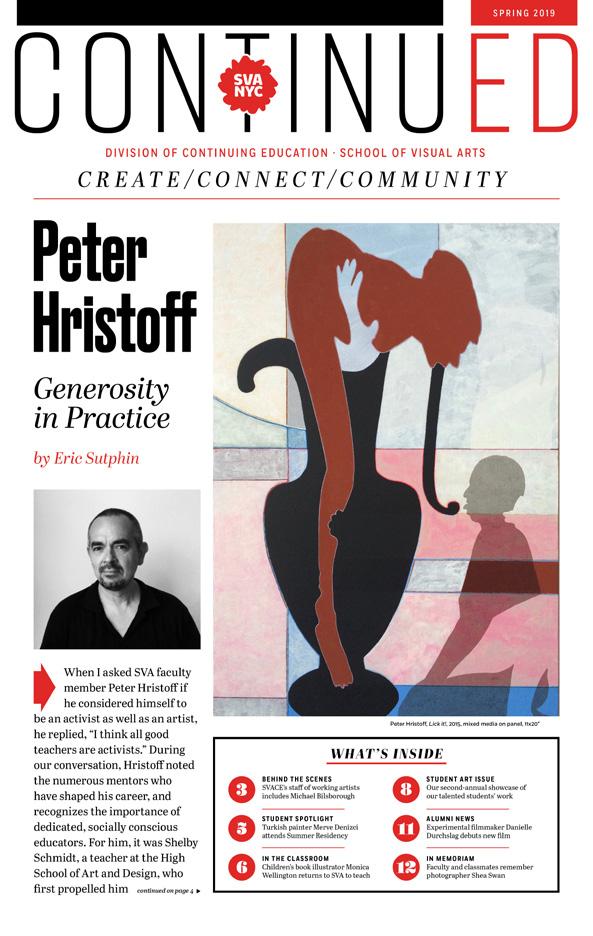
When I asked SVA faculty member Peter Hristoff if he considered himself to be an activist as well as an artist, he replied, “I think all good teachers are activists.” During our conversation, Hristoff noted the numerous mentors who have shaped his career, and recognizes the importance of dedicated, socially conscious educators. For him, it was Shelby Schmidt, a teacher at the High School of Art and Design, who first propelled him
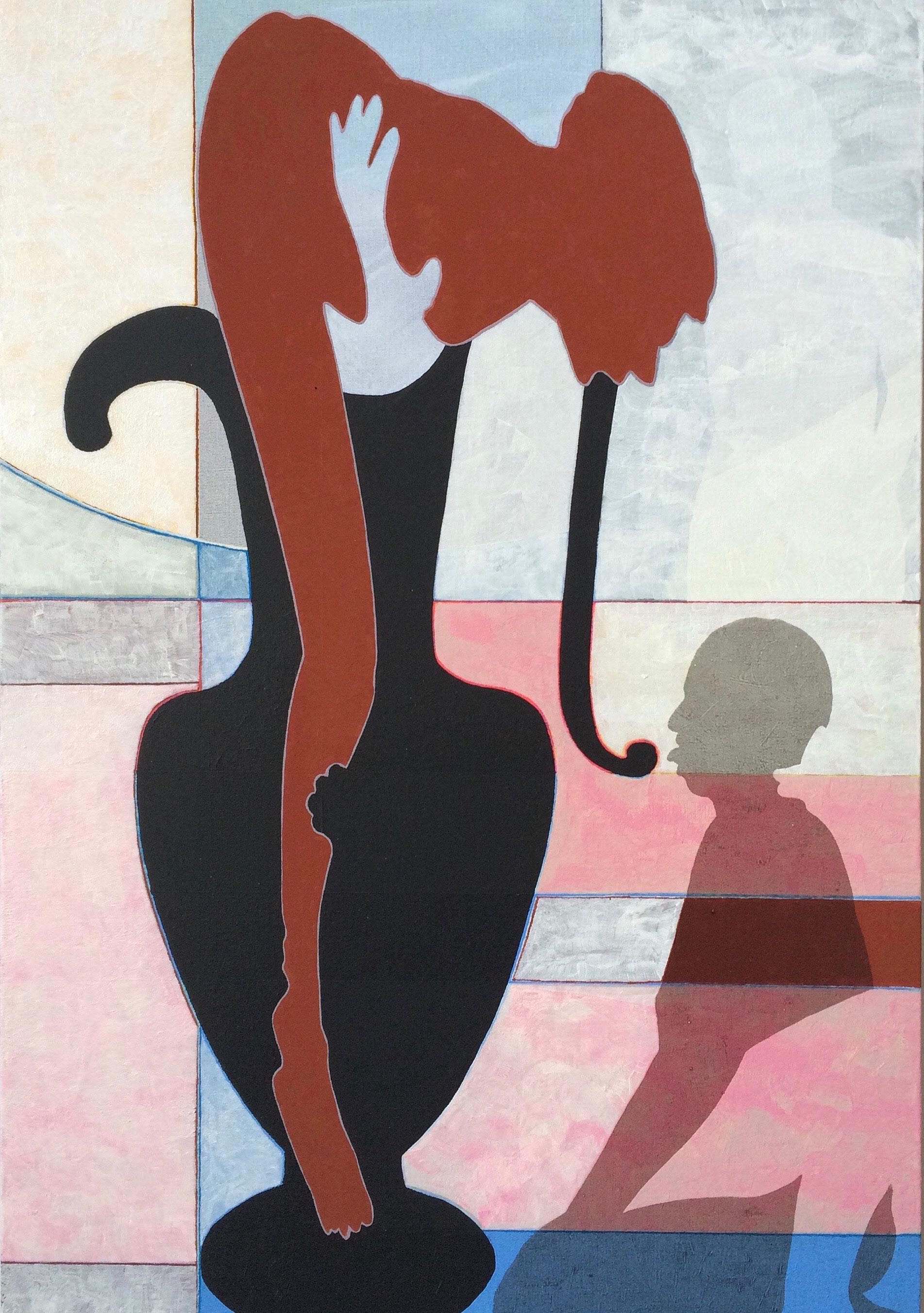
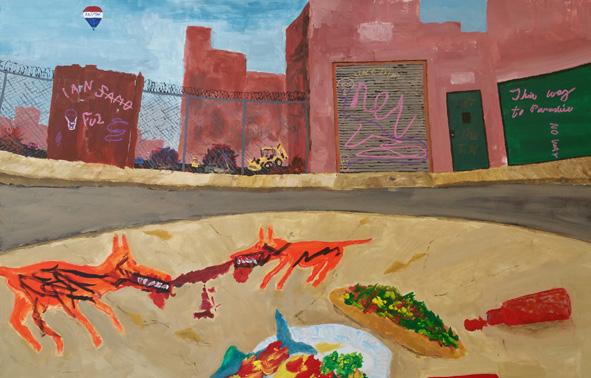
Peter Hristoff, Lick it!, 2015, mixed media on panel, 11x20"
SUMMER RESIDENCY PROGRAMS
SCHOOL OF VISUAL ARTS
Art Writing Summer Intensive
From the Laboratory to the Studio: Interdisciplinary Practices in Bio Art
City as Site: Performance and Social Interventions
Design Writing and Research
Summer Residency
Documentary Filmmaking
Fine Arts: Residency in Contemporary Practices
Fine Arts: Residency in Painting and Mixed Media
Residency Programs o ered during the summer of 2019:
Future of Images: The Lens and Screen Arts
Illustration and Visual
Storytelling: Art and Industry
Photography and Video Residencies in Typography
Sculpture, Installation, New Media Art and Techno-Ceramics
Social Design Meets Entrepreneurship
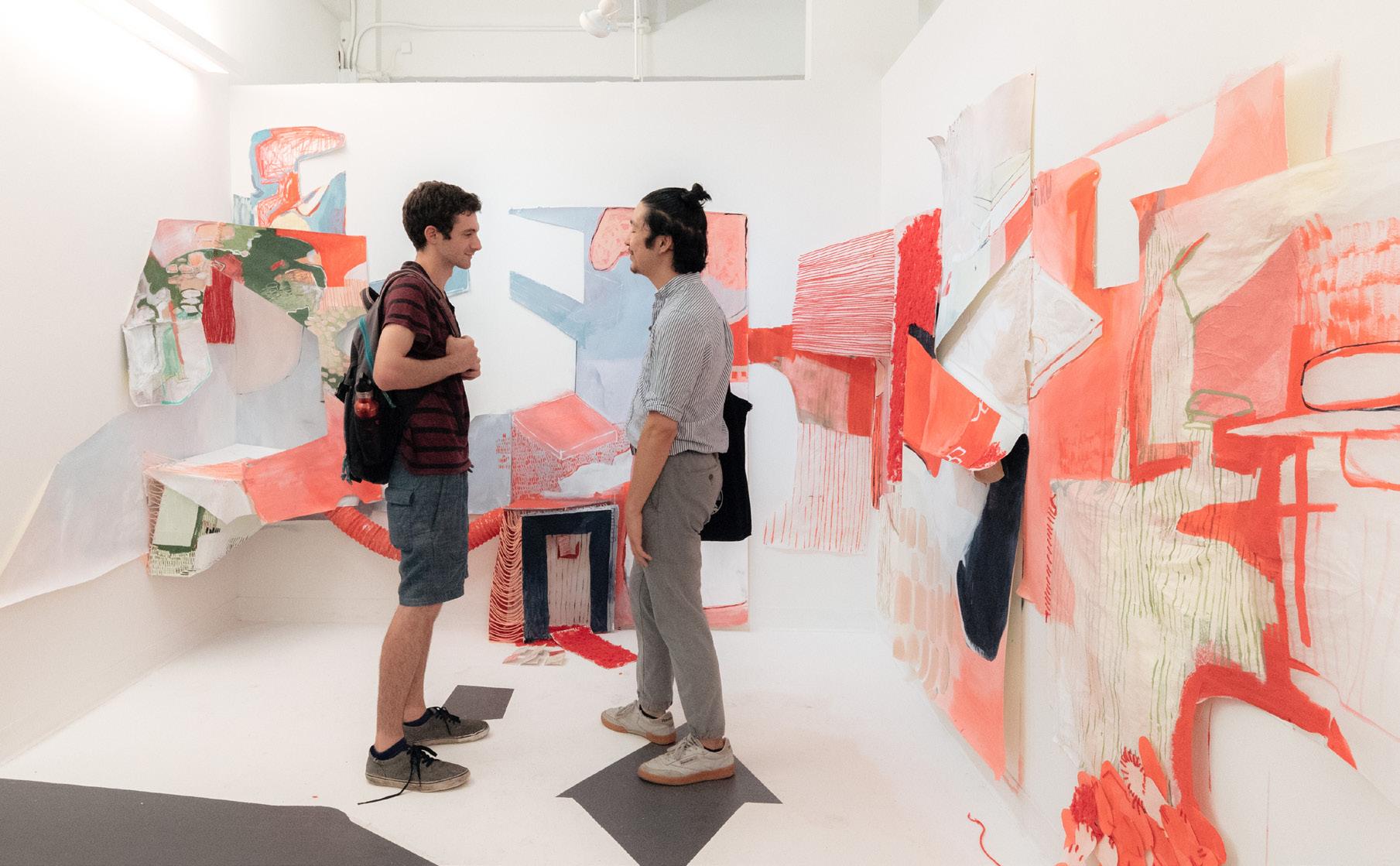
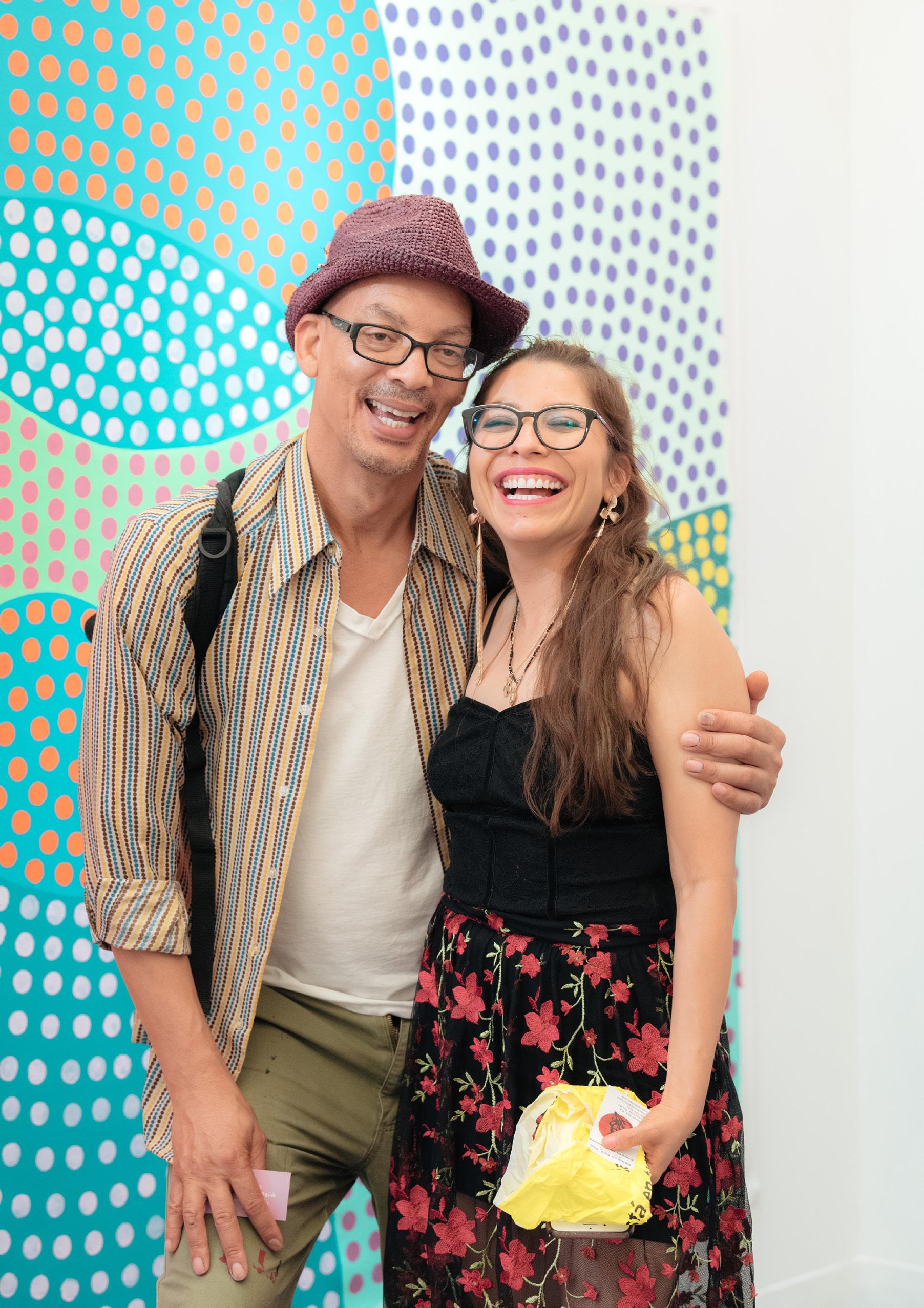
S P A C E
Participants in the Summer Residency Program have the benefit of working within SVA’s dynamic, culturally rich campus. Each program o ers access to its own unique set of resources and spaces, which have been designed with artists and creative thinkers in mind.
With
Danni Bellando
IFROM THE EXECUTIVE DIRECTOR
have had the opportunity to meet countless accomplished artists from varied disciplines and hire them as instructors. But our instructors are not the only ones who are artists at SVA. In the administrative office of the Division of Continuing Education, every staff member is also an artist, and a lifelong learner. In the office you will meet fiber artists, filmmakers, illustrators, painters, performance artists, photographers and writers. Our advisors and administrators are certainly dedicated to providing expert assistance in course offerings and administrative affairs, but at the same time they also have tremendous experience in the arts, and a deep affinity for their individual artistic pursuits.
In each spring edition, we focus on one of our talented staff and highlight their work. This issue features Michael Bilsborough, the Division of Continuing Education’s social media coordinator. He is an accomplished artist with a particular interest in abstraction.
Read about Michael as we celebrate the multifaceted personalities behind the scenes at the Division of Continuing Education.
Joseph Cipri, on behalf of the Division of Continuing Education
Joseph Cipri, editorial director
Keren Moscovitch, managing editor
Nika Lopez, editor visual arts press, ltd.
Anthony P. Rhodes, executive creative director
Gail Anderson, creative director
Brian E. Smith, senior art director
Sheilah Ledwidge, editor
Carli Malec, designer
contributors
Cigdem Asatekin
Michael Bilsborough
Georgette Maniatis
Stephanie McGovern
William Patterson
Valerie Smaldone
Eric Sutphin ©
Milton Glaser Acting Chairman
David Rhodes
President
Anthony P.
Executive
March 2019
Defne Tutus
Fiber Art + Fashion instructor
Aimee Morgana really opened up a world of possibilities for me in fibers and colors,” Tutus says. “She got me thinking about building a fabric from scratch.”
April 2019
Robert Morein
Fine arts student Morein said he felt free “to explore, without limitation, every mode of expression on canvas, paper, digital, or otherwise” at SVACE.
Artists Behind the Scenes at SVACE Michael Bilsborough
Michael Bilsborough is an expert in social media content and distribution. But he is primarily a passionate artist with a specialty in making abstract and architectural drawings. He greatly enjoys exploring color, shapes and geometry, and recently exhibited a life-size mural at Invisible-Exports gallery in Chinatown.
In a way, Michael explains, the drawings appear to map out his thinking process. Being an artist is integral to who he is. It means communicating and taking risks, and he believes that creative freedom is very valuable.
Michael views being an artist as participating in a daily practice. Although he may be unsure about what he will do in the studio, he knows that a project will unfold. He draws his inspiration from music, science fiction and the Internet, as well as other artists. “Artists find ways to survive,” he adds.
When he is not working as social media coordinator or drawing in his studio, he takes time out to go bike riding, do some dancing at venues in Brooklyn, or appreciate art at the Metropolitan Museum of Art.
Why does Michael work at SVA? “SVA has a voice as an institution, yet it
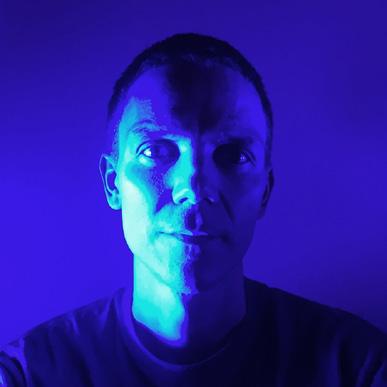
has a wide reach,” he says. “Faculty and alumni frequently publish, exhibit and lecture around the world. SVA’s portals open beyond its walls to the diverse art and design worlds. Artists can apply their skills in many different places, which SVA proves again and again.”
[Valerie Smaldone, media personality, SVA faculty]
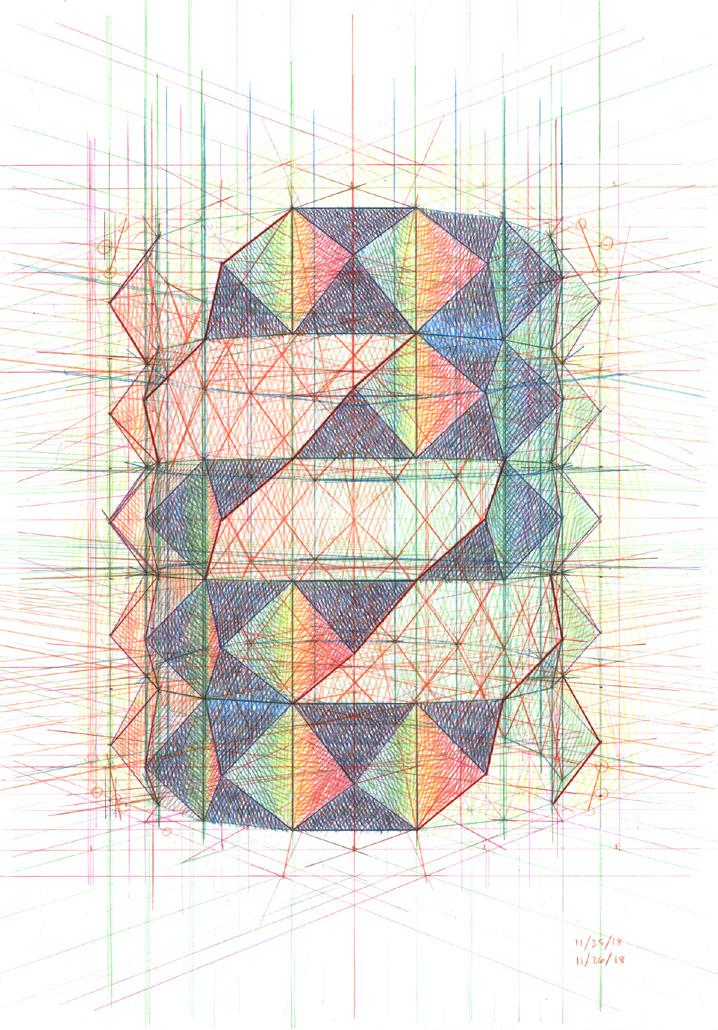
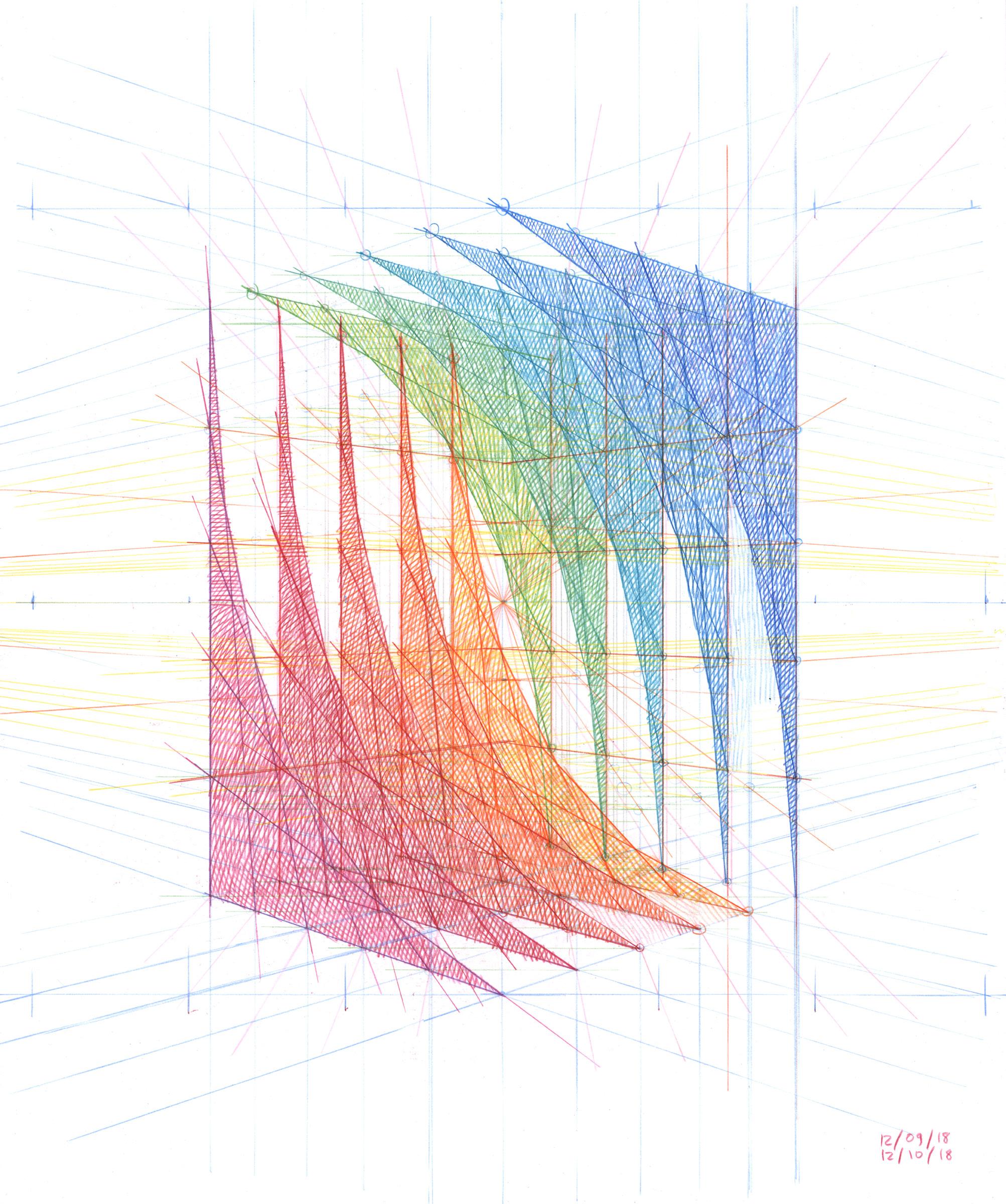
Above: Michael Bilsborough, Hatch, 2018, colored pencil on bristol, 12 x 17"
Below: Michael Bilsborough, Ari, 2018, colored pencil on bristol, 14 x 17"
into a way of thinking about social concerns in relation to his own art practice.
Hristoff has a long history with SVA; his roles have included student, administrator, faculty member and mentor. He was awarded a full scholarship to SVA as an undergraduate, and while at the school, he approached the administration about using the Fine Arts studios as summer workspace. The College agreed, and Peter, along with a group of other artists, formed what has since grown into the Summer Residency Program. During his graduate studies at Hunter College, he landed an internship at the Sculpture
RELATED COURSES
The Painterly Figure: A Monotype Weekend Workshop (FIC-2886-A)
From Selfie to Self-Portrait: Creating a Visual Memoir (VSC-2156-A)
For more information, visit sva.edu/ce.
Center. At this time, the art world (and the world at large) was being shaken by the growing AIDS crisis. Hristoff approached the head curator, Marian Griffiths, for a space within the gallery that could be a dedicated place to exhibit art made by people living with AIDS. He proceeded to launch numerous projects, including the Postcard Project, in the designated area.
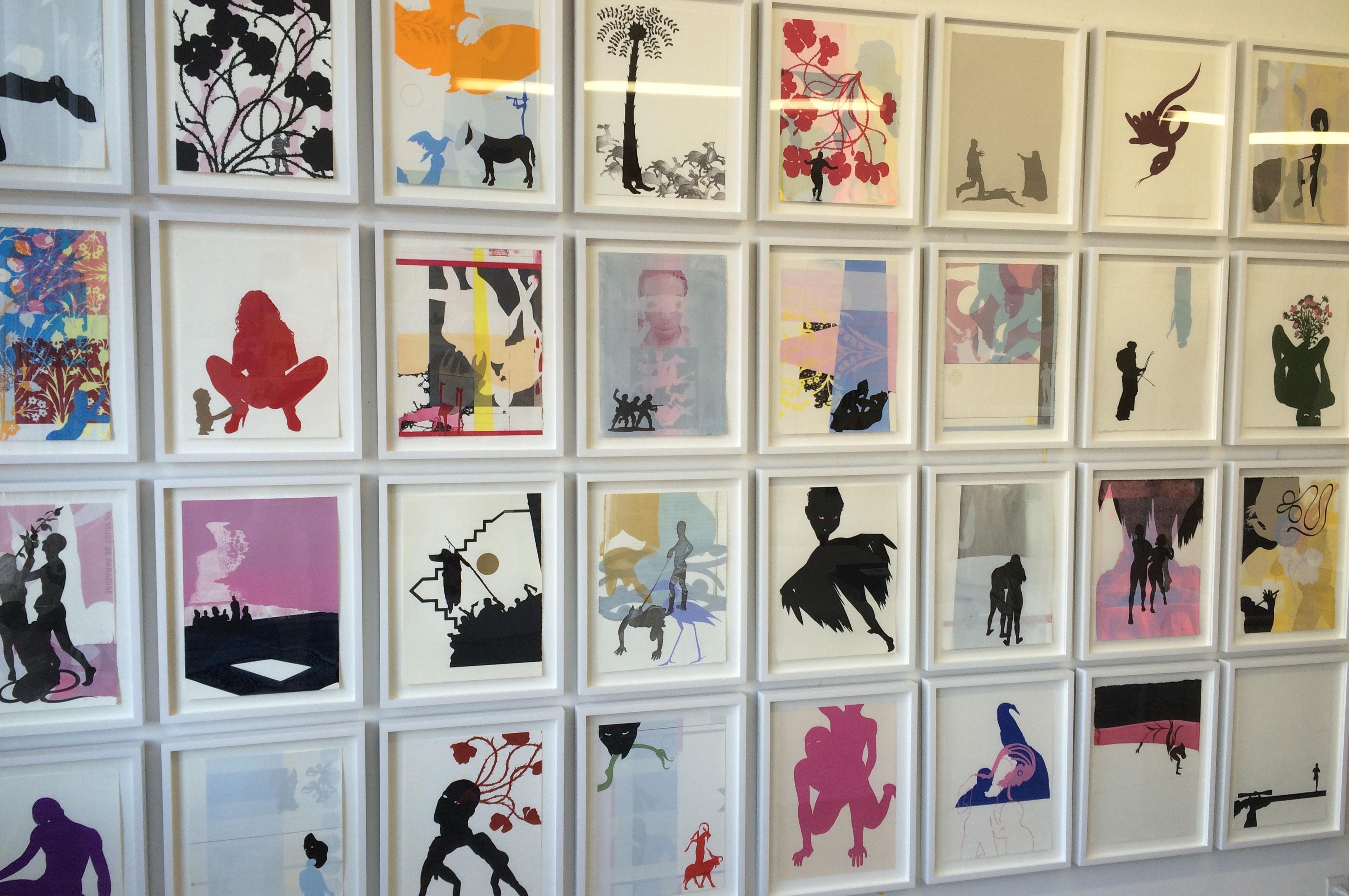
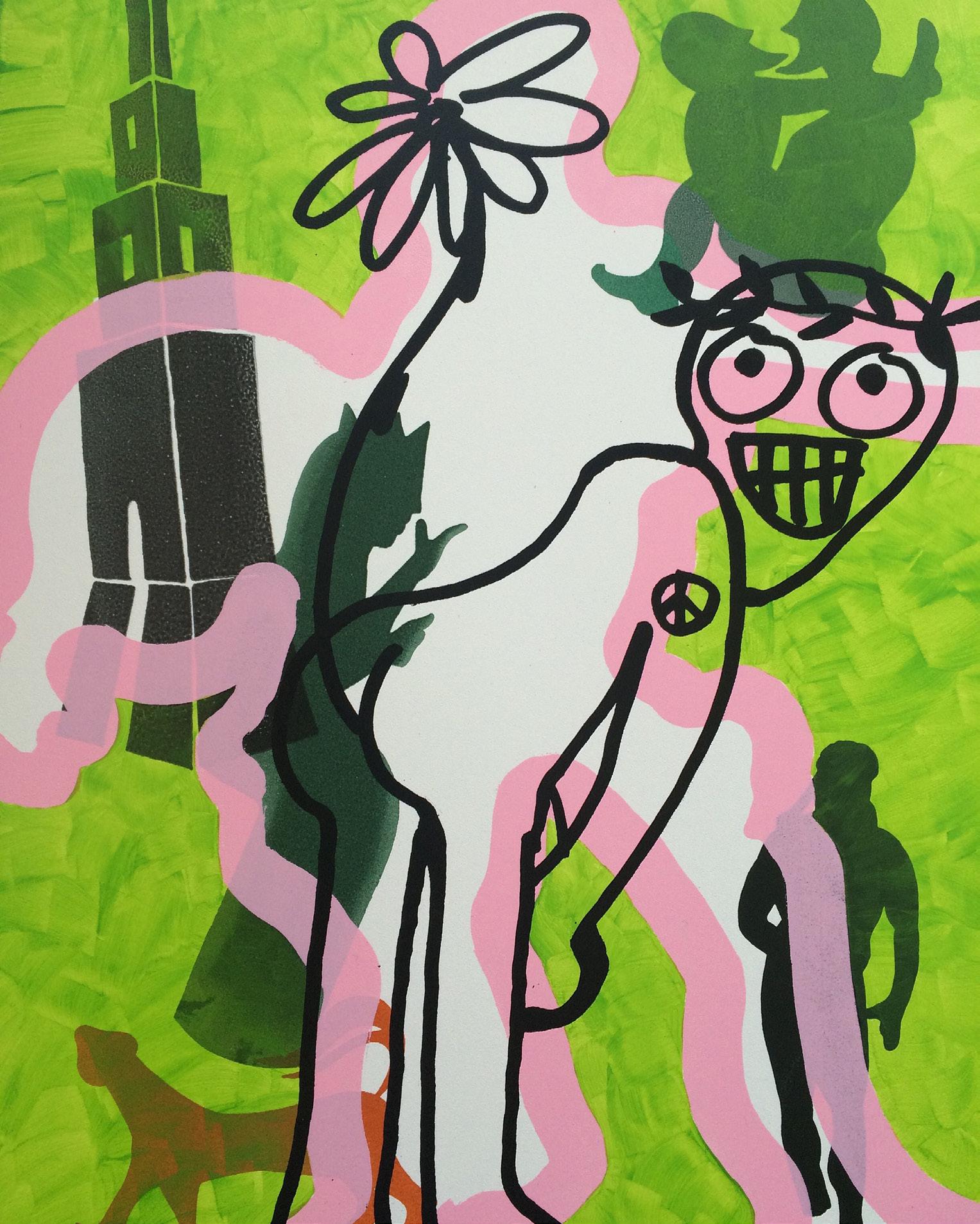
Throughout the 1990s, Hristoff worked with geometric motifs in his paintings that recalled Turkish textile design, and eventually he began to incorporate silhouettes of figures. On reflection, Peter realized that these shadowlike figures were his way of paying tribute to the many lives lost to AIDS. In 2001, Hristoff, who is ethnically Bulgarian but grew up in Turkey, began to explore the rich history of Turkish carpet motifs as a source for his own work. Using traditional methods, he began to create carpets adorned with his own designs that, while abstract, suggest elements of his own biography. He exhibited his first series of rugs at the Hagia Sophia Museum in 2005. Following the success of that exhibition, he was invited to be an artist in residence at Priene Hali, then a small workshop that had trained 20 female weavers in western Turkey. Correspondence and collaboration were instilled in Peter early in his career, and these aspects became central to this decadelong collaboration. Recently, Peter has been working with both the South Norwalk Housing Authority and a children’s bereavement project launched by Scholastic to use the techniques of traditional carpet weaving and designing as a way to engage youth. As Hristoff noted, carpet designs can be “read” as biographical or allegorical representations of their maker. On these various rug projects, Hristoff said: “You’re making these ob-
jects about what you want your future to look like.”
Nearly 40 years after its inception, Hristoff remains connected to the Summer Residency Program as faculty and visiting artist. In 2010, he helped inaugurate the American Turkish Society’s grant program. The initiative funds one emerging Turkish artist to attend the Summer Residency Program. In summer 2018, ATS sponsored Merve Denizci to attend the program (read about Denizci’s work on the next page). Through the lens of this pro-
gram, one can see firsthand the scope of influence that Hristoff has had on our community. His career was fostered by a series of mentors, and today Peter carries on that spirit of generosity that is central to his life and work.
Peter
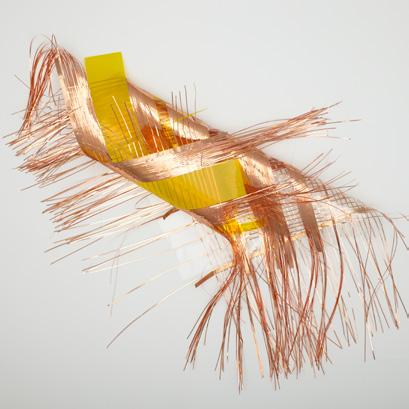
Everything and Nothing, partial installation/ongoing project, 2007 –present, 11x15" each (unframed)
Peter Hristoff, Piece, 2016, mixed media on panel, 11 x 14"
Top:
Hristoff,
Bottom:
Merve Denizci’s
TAINTED DREAMSCAPES
by Cigdem Asatekin
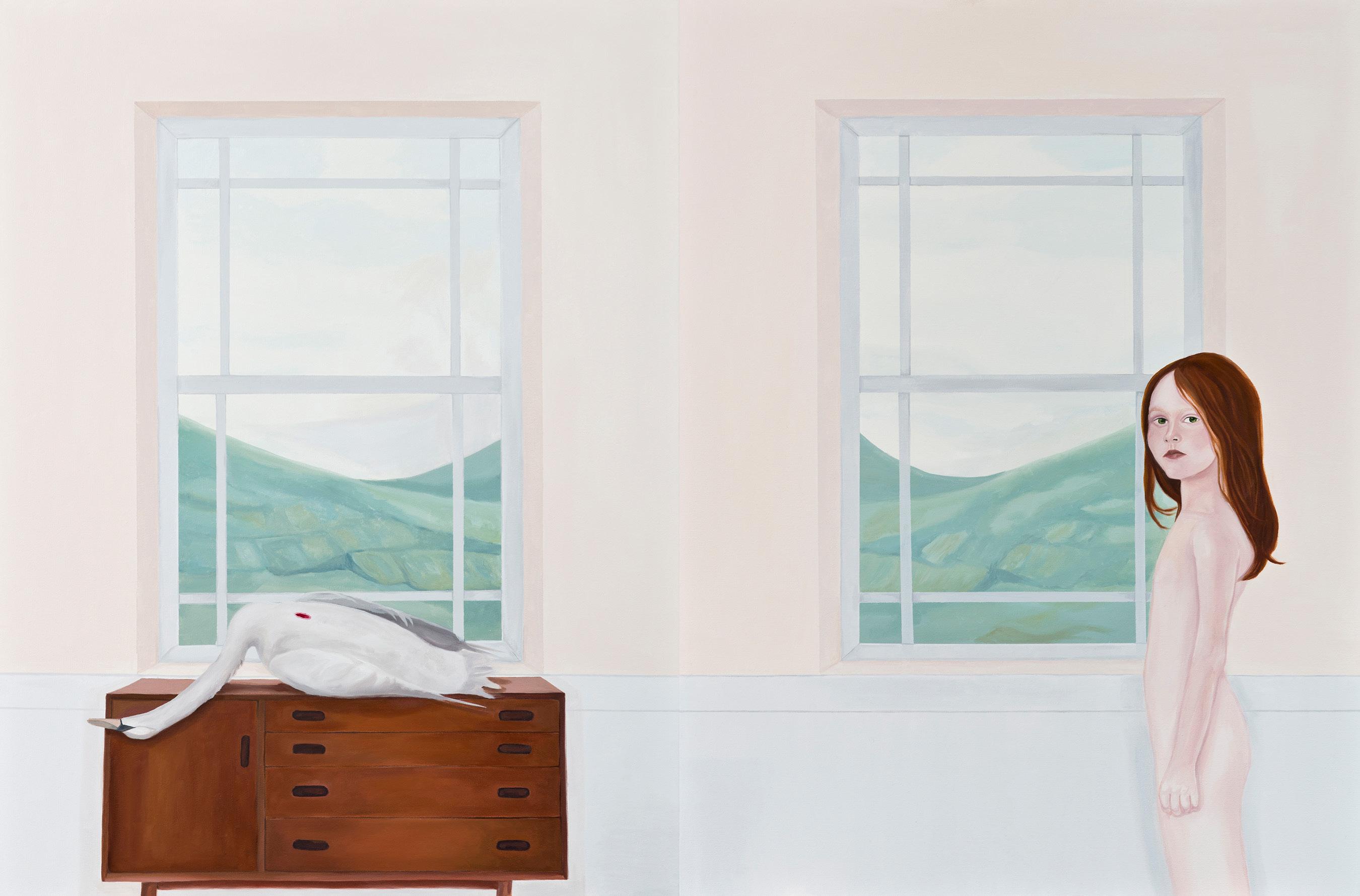
Merve Denizci’s paintings are disturbingly eerie. Her scenes of simple domestic interiors, almost empty in a serene monotony, share the frame with lonely figures and displays of peculiarity and violence. The peacefulness of pallid pastel hues is warped by representations of discomfort, which often appear as raw meat, a dead animal or blood, frozen in time.
Denizci, born in 1987 in Istanbul, received her BFA and MFA degrees from the Faculty of Fine Arts of Marmara University. She opened her first solo exhibition, “The Unspoken,” in 2015 at C.A.M. Gallery in Istanbul, and has been exhibiting throughout Turkey since. This year she was granted the American Turkish Society’s scholarship for Turkish artists to attend the Summer Residency Program at SVA. During her studio residency in New York, a city she described as “a terrific cosmopolitan place that does not belong to a single race or gender, which brings a sense of equality,” Denizci had the opportunity to take classes, meet new faculty and prepare a final exhibition.
The landscapes visible from the
windows in Denizci’s paintings are borrowed from views outside her studio: sometimes the green hills of Istanbul, and sometimes the gentle waves of the Bosporus. She says that surroundings turn into ideas, but her motivation comes from within. As an artist she has an internal urge to create, more powerful than any inspiration from the outside world. She takes images and impressions from various times, media and places, and gathers them in an intentionally flat and unsettling shared space. Denizci is able to take a tranquil view of remote green mountains behind muted, rose-colored walls and, with calculated and meticulous ease, place in front a dead, bleeding swan and a pensive, naked adolescent girl.
Denizci’s uncanny spectacles linger on the canvas, in between reality and reverie, like the moment one’s sleep is disrupted—a dreamscape abruptly invaded by waking life. Faint tones of yellow ochre are tainted by blazing red bloodstains, and the image of a dead deer dissolves into non-reality, only left in memory. Watching them, the viewer is left alone with a sense of suspense, to uneasily figure out the mystery.
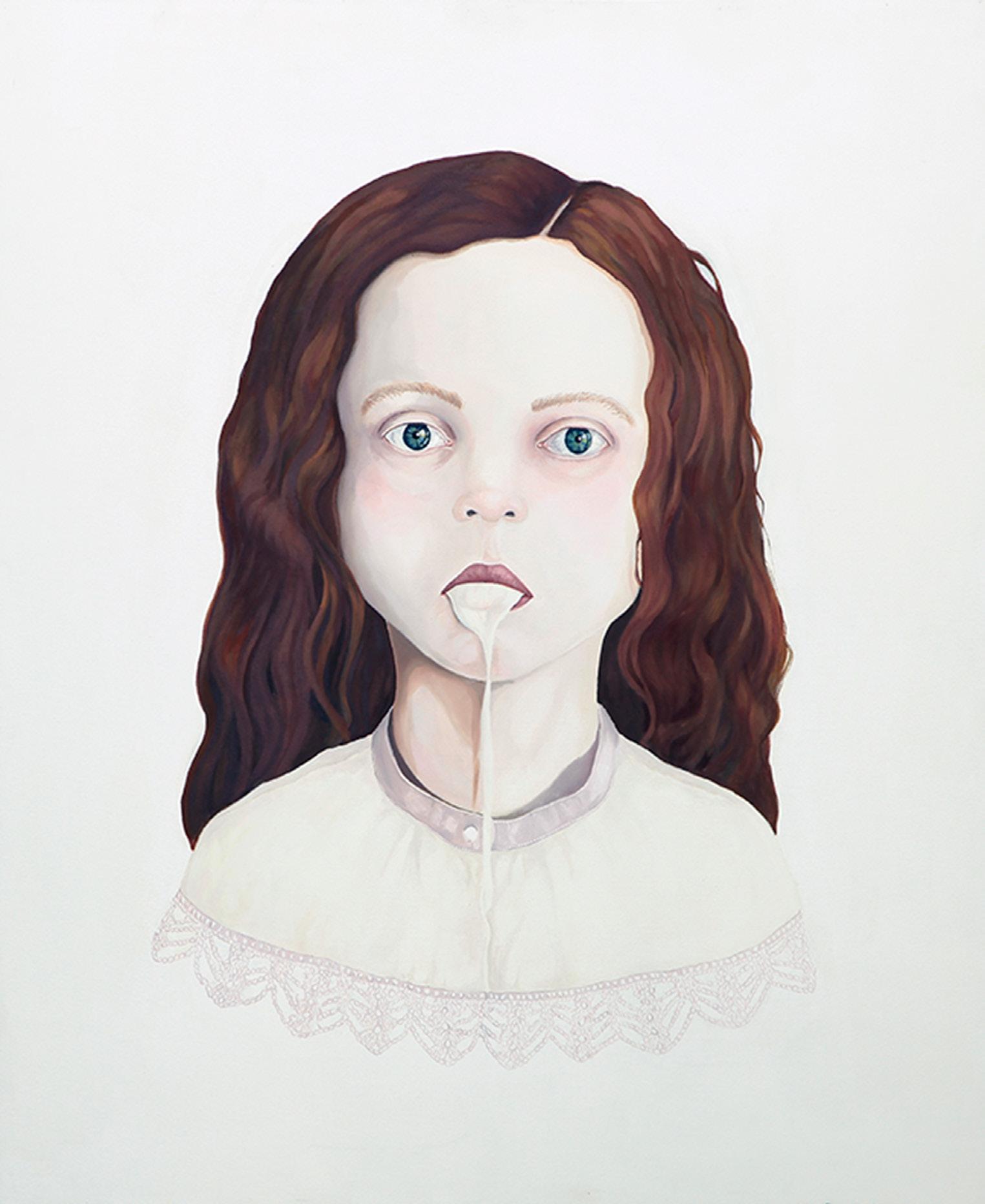
Merve Denizci, Untitled, 2012, oil on canvas, 39.3 x 47.2". Courtesy of the artist.
Merve Denizci, The Mirror, 2015, oil on canvas, 29.5 x 39.3" (each diptych). Courtesy of the artist.
Children’s Book Author and Illustrator Returns to SVA to Teach
by Georgette Maniatis
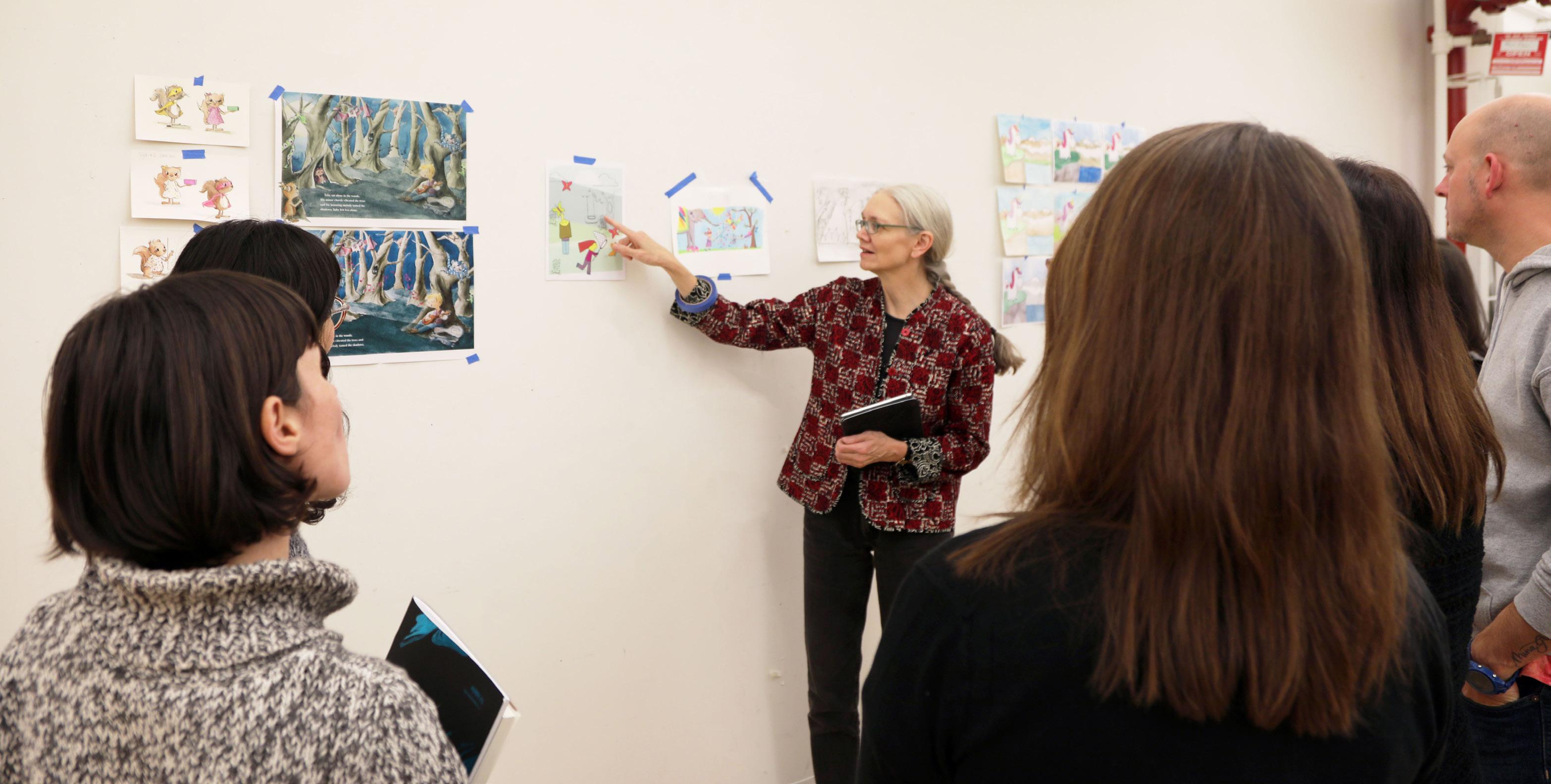
Monica Wellington is a beloved illustrator, children’s book author and instructor. She has illustrated more than 40 children’s books, and her course Children’s Book Illustration is one of the most sought out and coveted at SVACE. We sat down with Wellington for an inside look at her success, her students and inspiration within the classroom.
What do you love about teaching
Children’s Book Illustration?
I love teaching in the Division of Continuing Education because the students are so diverse in age, experience and backgrounds. I might have people who have never taken an art class and others who have graduated from art school and are
working as artists and designers professionally. People in class might be teachers or librarians, while others are accountants or lawyers, working in professions remote from the children’s book world. And everyone is so talented and motivated and excited to immerse themselves in learning about children’s books!
What is some sage advice you share with your students?
In class I try to create a supportive, cooperative environment where we all share and learn from each other. This is the model I hope they will continue after class as well because it is going to take a tremendous amount of time, effort, determination and talent— and luck—to get a book published. It really helps to have a sense of community on that journey.
Do you have student success stories from your years of teaching Children’s Book Illustration?
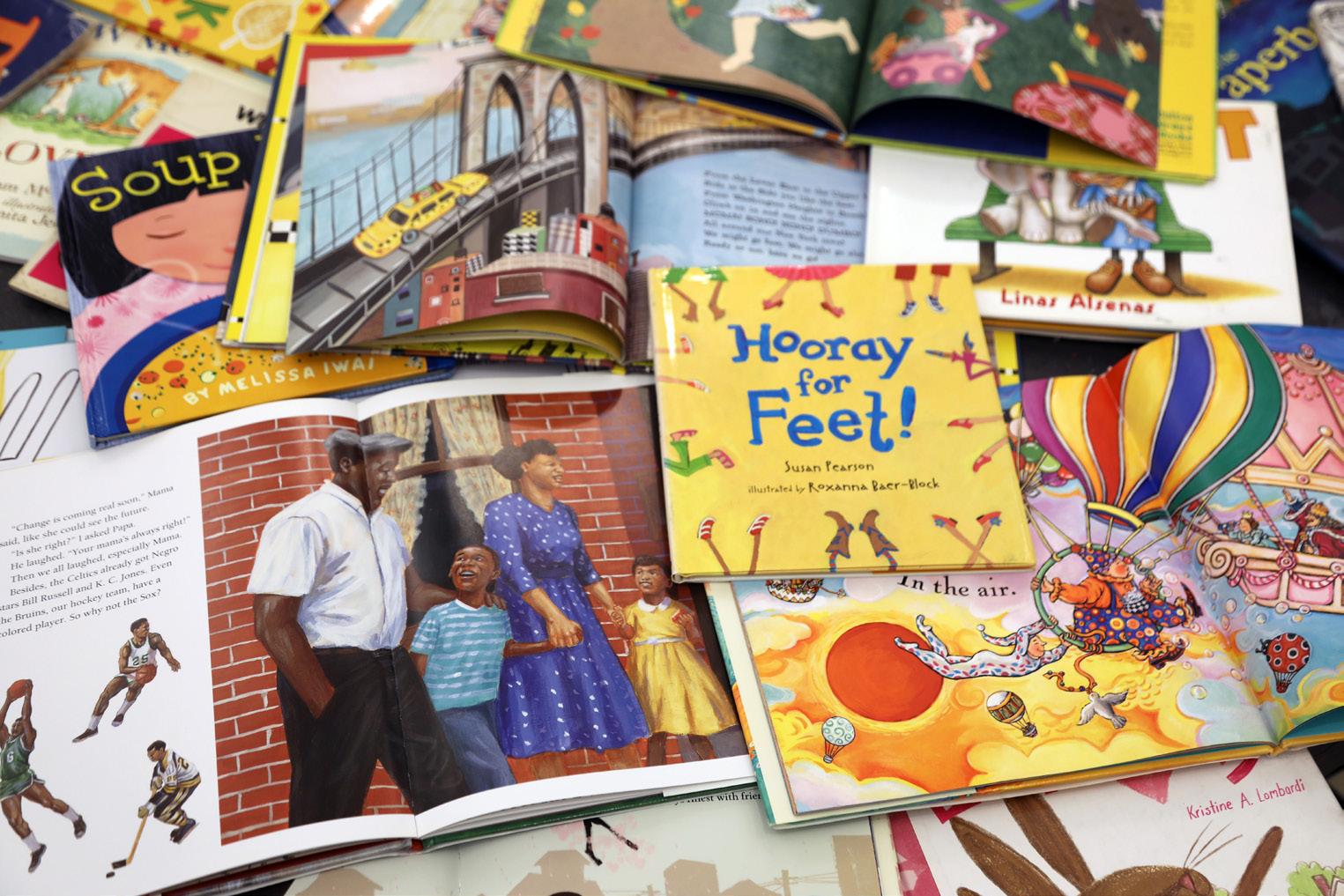
I love keeping in touch with students after the term ends. We are all very excited when we hear about first contracts and books being published. I have many books now by former students, which I bring to class and share as excellent examples of bookmaking. Each term I have former students visit class to talk about their path to publication, and on my website, monicawellington. com, I have a series of interviews with them about their books. Everybody’s experience is different, inspirational and motivational!
What do you find compelling or enjoy most about being an illustrator?
I went to art school thinking I was
going to be a potter. But after various unfulfilling work experiences in that field, I took a class in children’s book illustration at SVA, and I immediately felt I had found what I loved. Making a book, from idea to finished art, is a very personal expression of an author/ illustrator’s experiences and passions. I like having book projects that I know will take a long time—at least a year. Then it comes out in this wonderful physical form of a book that has a life to be shared with children. Out in the world there is nothing more rewarding than the love and enthusiasm children have for books. I feel so lucky to have this opportunity to make books again and again. It all started at SVA with the class I took, and now by teaching class myself I get to share that joy and excitement of making books many times over with my students.
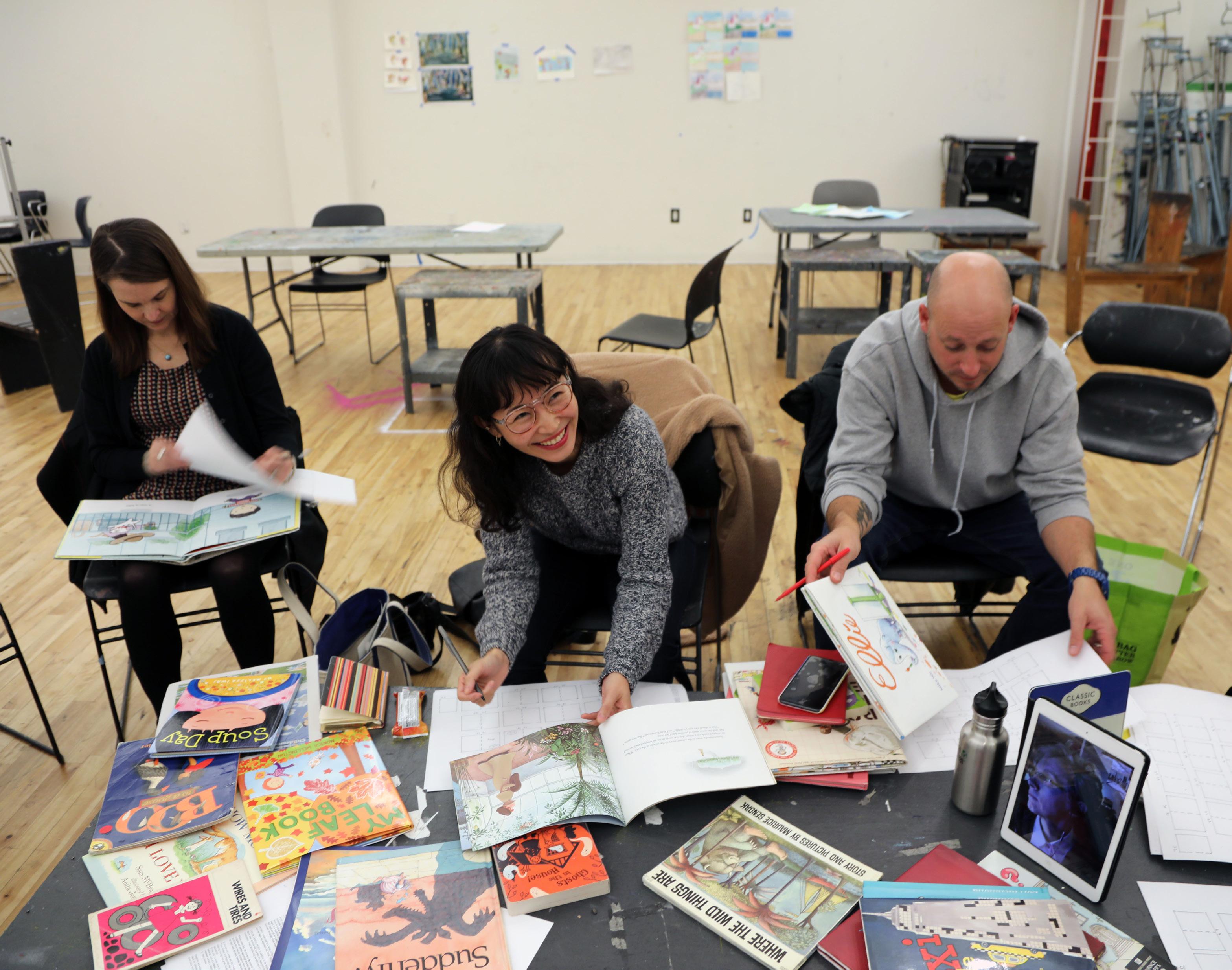
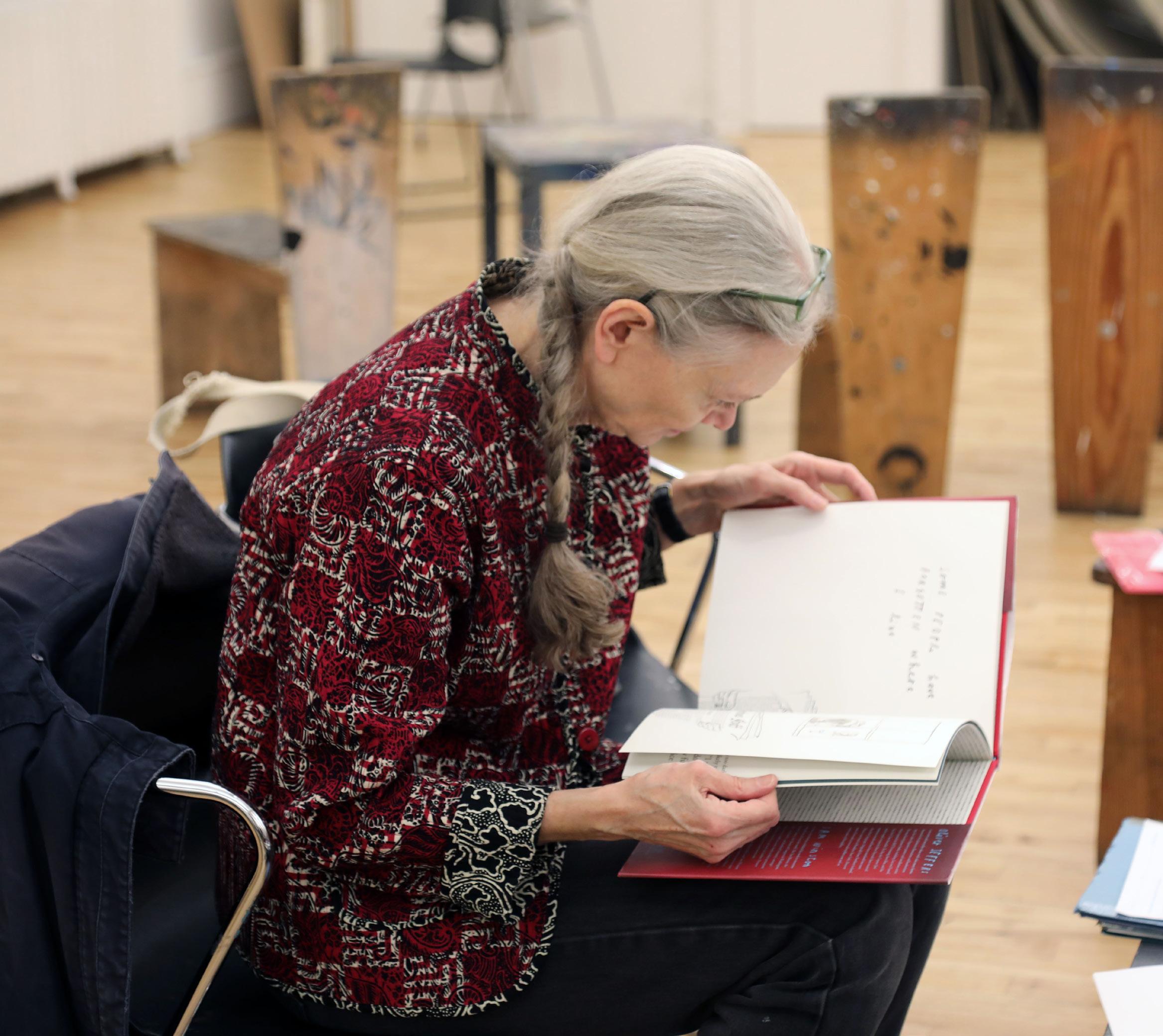
Opposite Page
Top: Instructor Monica Wellington leads a critique.
Bottom Left: A display of children’s books, many published by SVACE students.
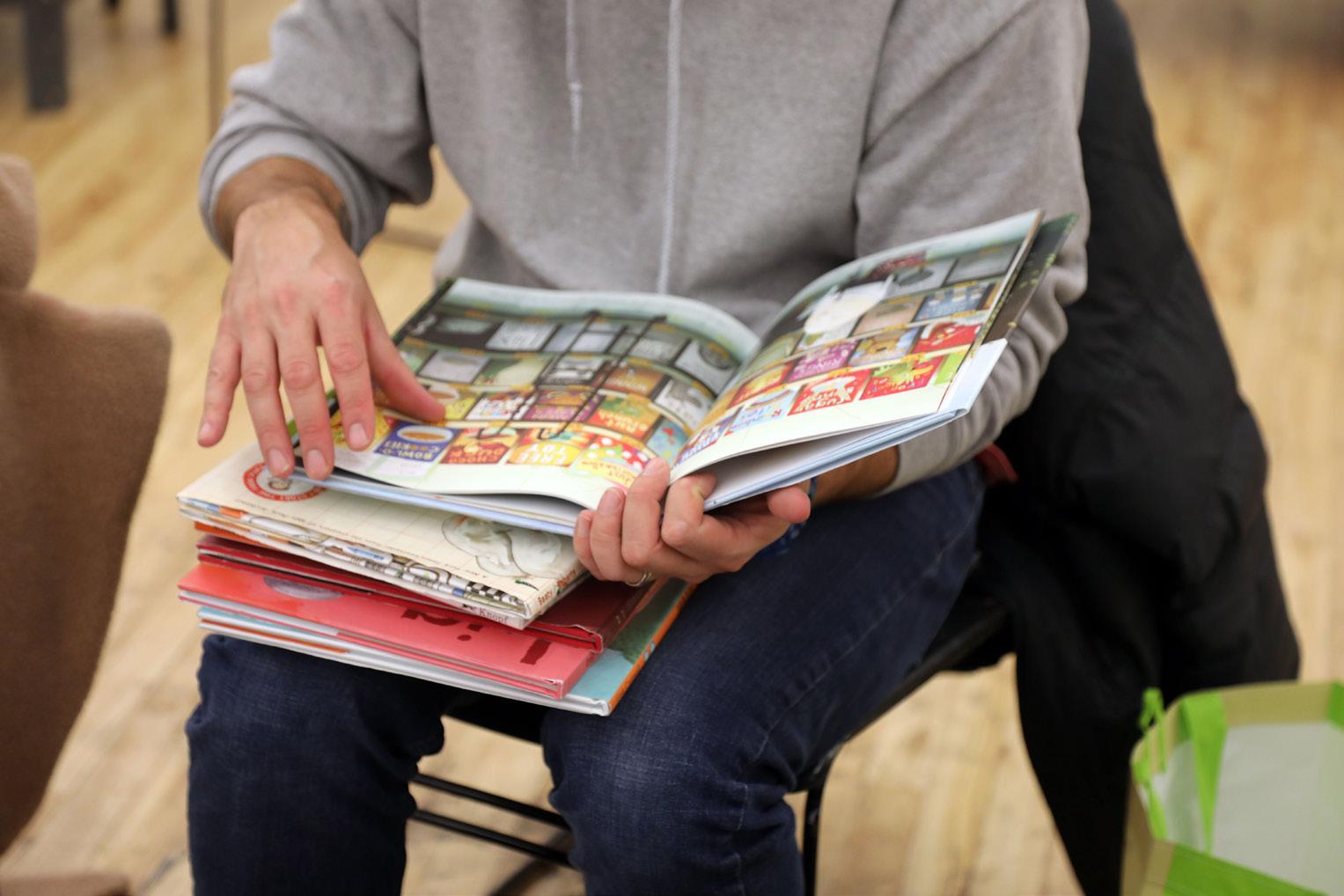
Bottom Right: A student studies the layout of a colorful book.
Top: Students work on drawing layouts for their future stories.
Bottom: Monica Wellington reads from a popular children’s book.
Inspired: Our Amazingly Talented Students
➧ContinuEd has always been a publication for and about the SVACE community, and there is no better use of its pages than in showcasing the work of our students. Here we proudly present just a few of the many amazing submissions we received, from a variety of media made in courses from across our diverse curriculum. Inspired to submit your own work? All CE students are invited to participate. Learn more at sva.edu/continued/artsubmissions.
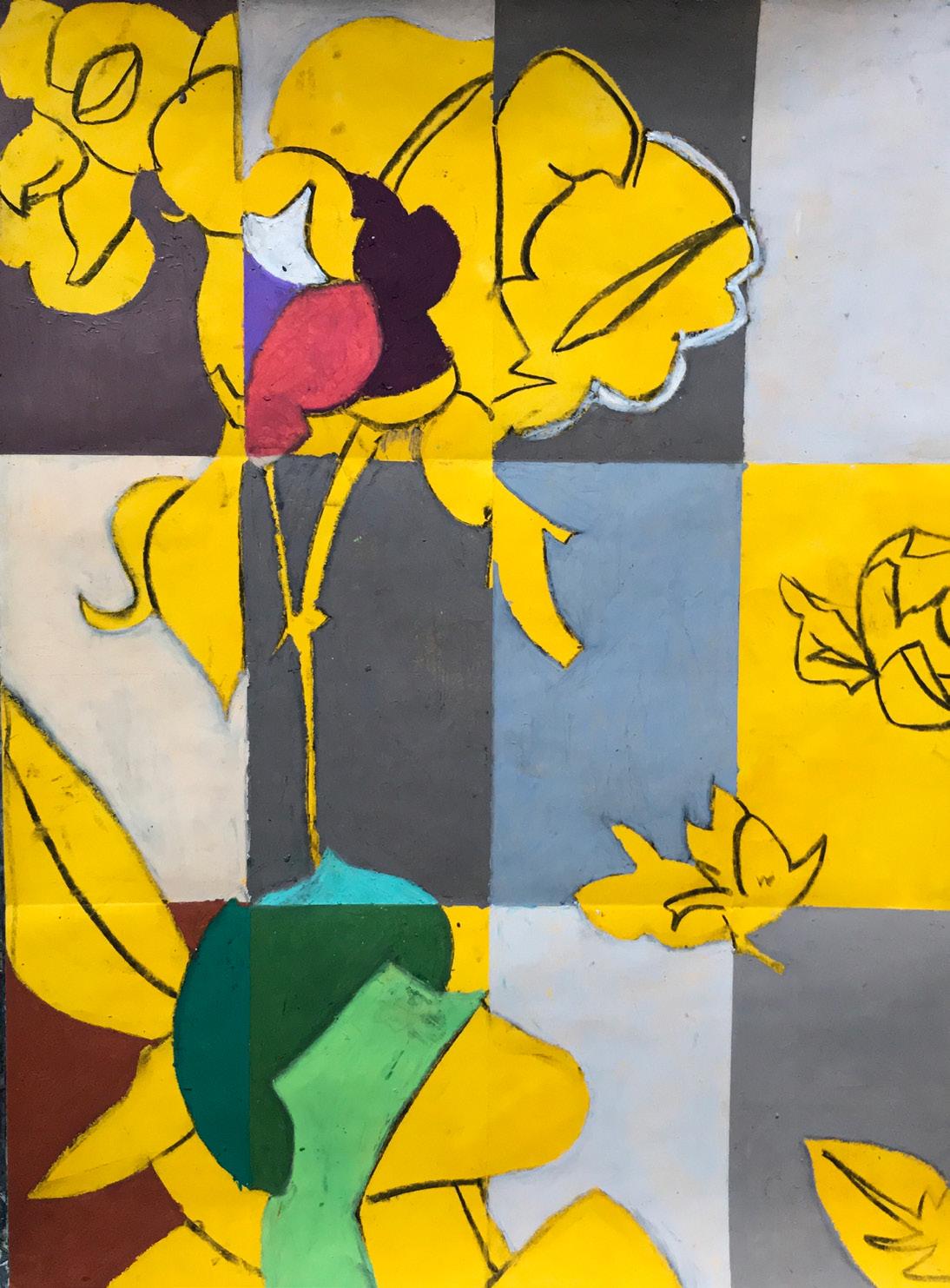
“I always looked forward to my classes at SVA. Not only were the teachers helpful in getting our work portfolio-ready but the feedback from other students was invaluable. The instructors are all about the students growing and getting ready for something better. I still take CE courses as often as I can.”
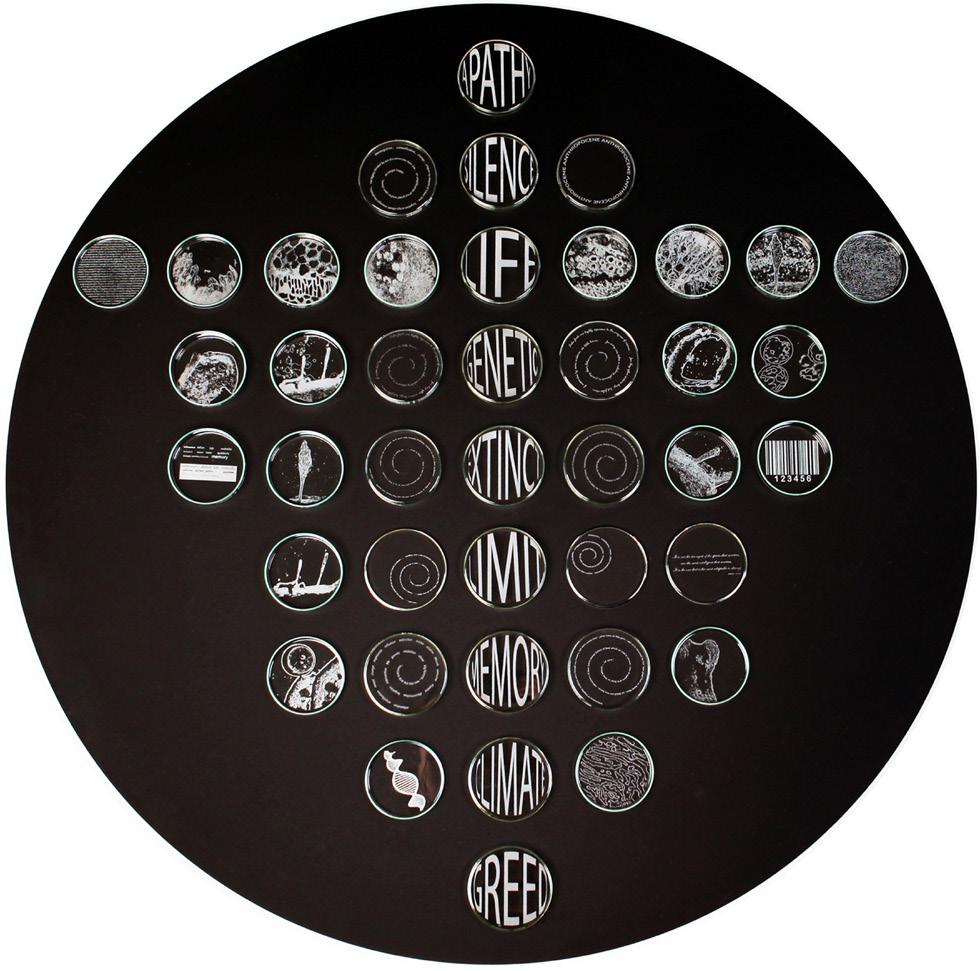
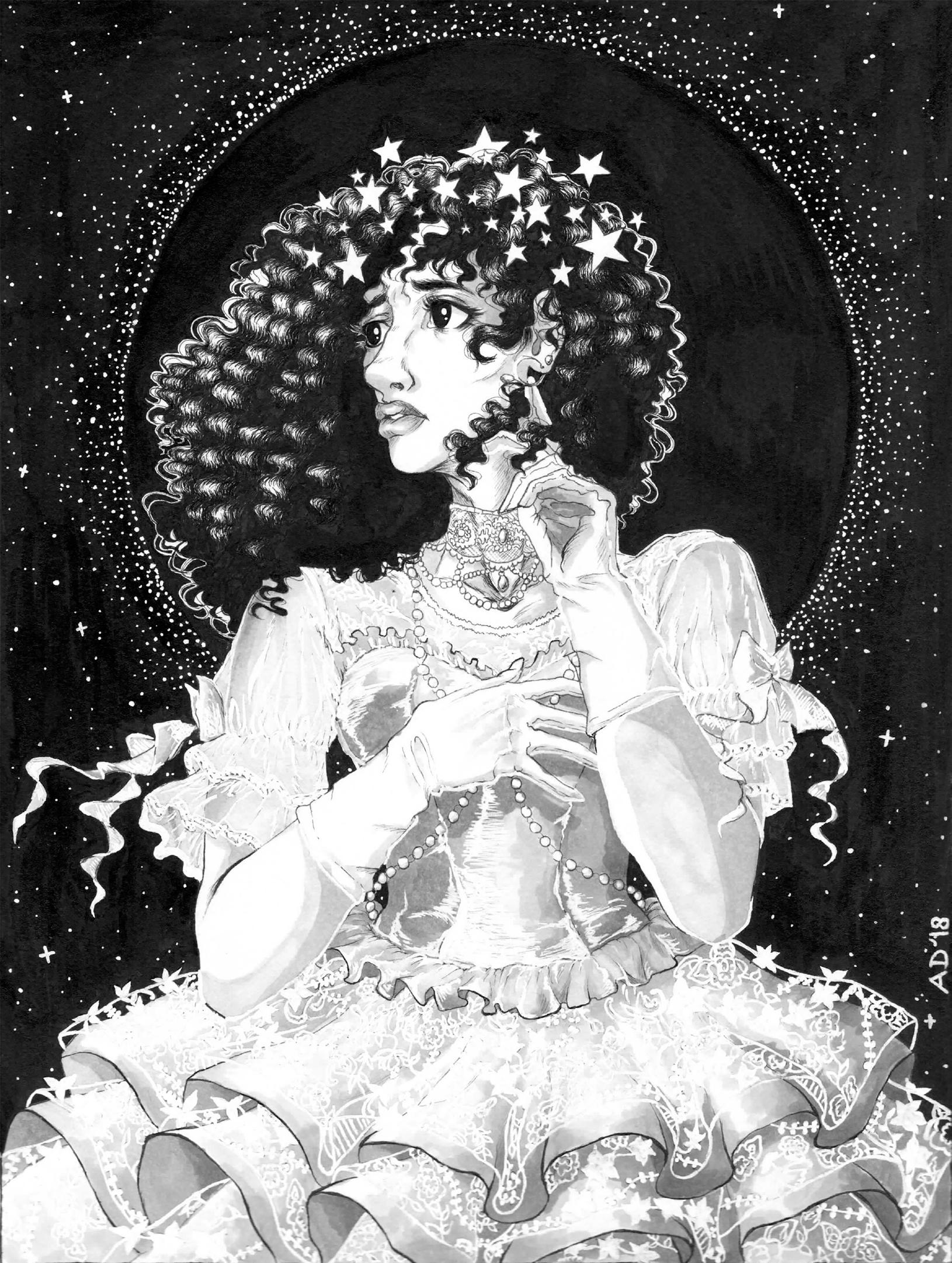

SHARON VOLPET
Kaijie Chen
Lea Kannar-Lichtenberger
Amber Doherty

“At SVA, you have the opportunity to learn classic technique, push the limits or do both at the same time. SVA’s instructors have individual approaches to aesthetics and methods. Pick your favorites, persevere and watch yourself grow. As one never steps in the same river twice, a course repeated is not the same course, and you are not the same student. After a few years, the quest becomes addictive. The river flows on.”
ROBERT MOREIN
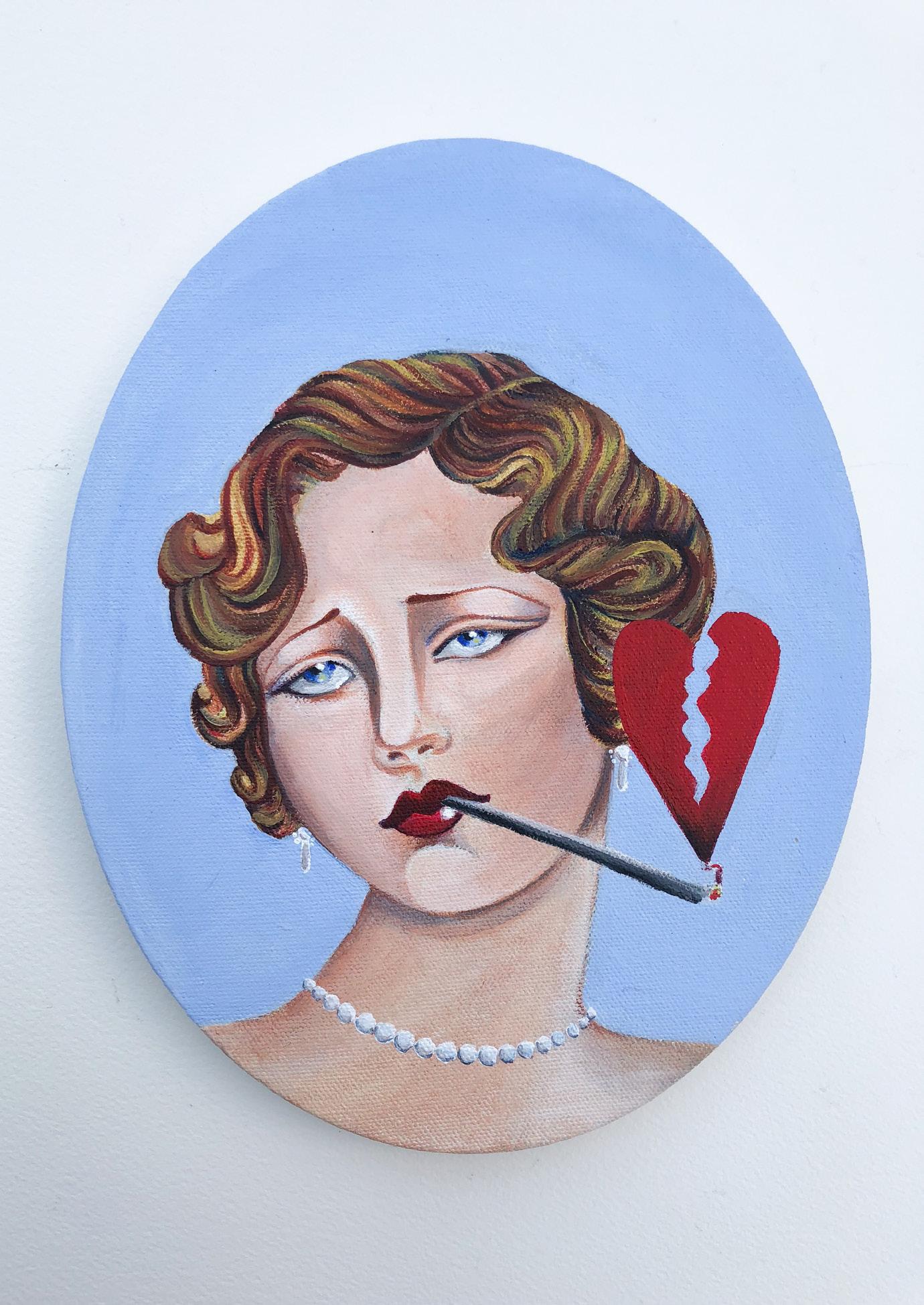
“I am very grateful that the classes I took here laid the foundation for my creative career. The continuing education courses at SVA gave me more than just a new skillset—they gave me new perspectives of thinking about art and design. I continue to use what I’ve learned at SVACE today as both a working graphic designer and mixed-media artist. From diverse peers to the knowledgeable teachers, this was a highly valuable experience. For this I say thank you.”
ALFREDO PONCE
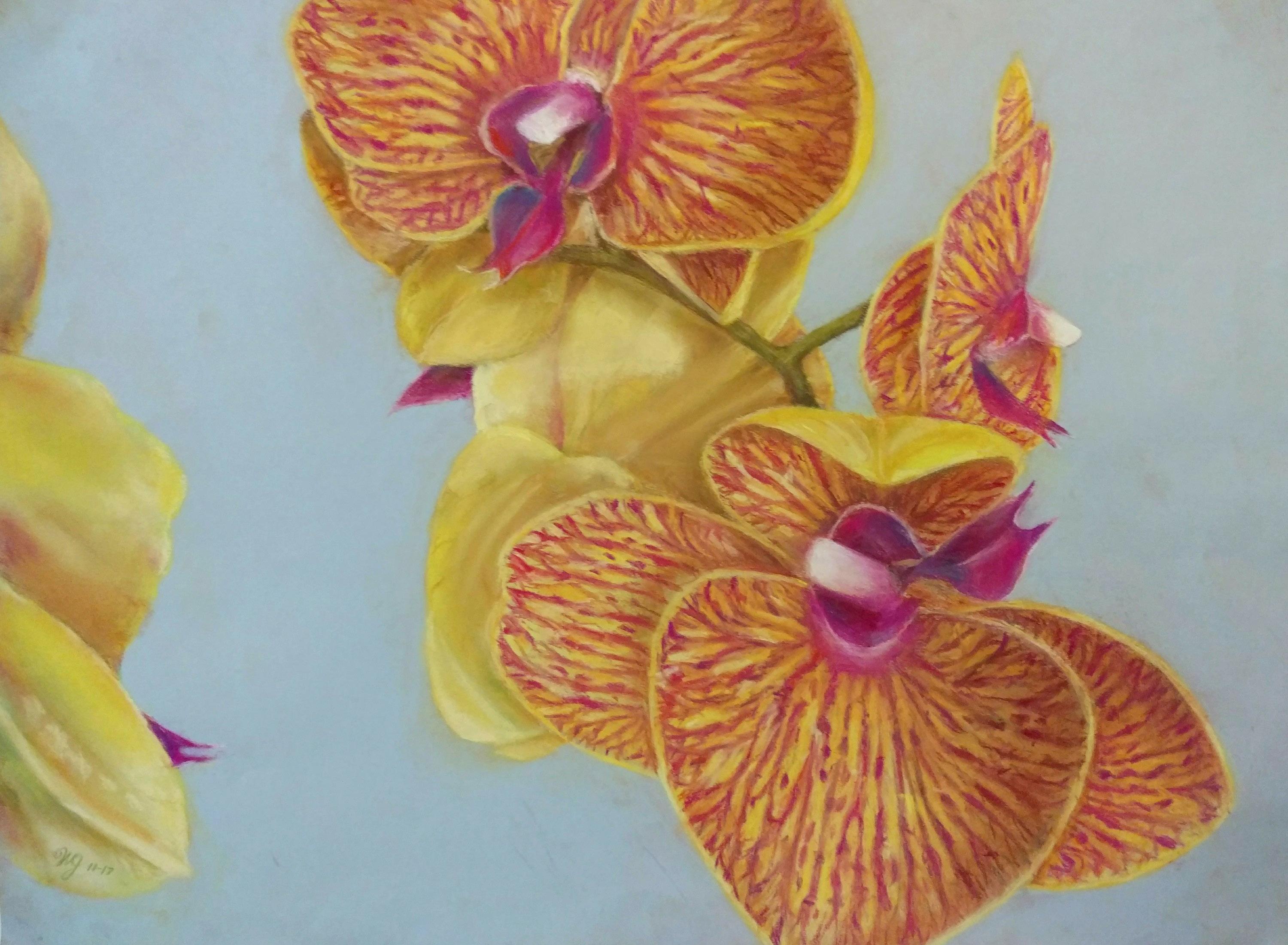
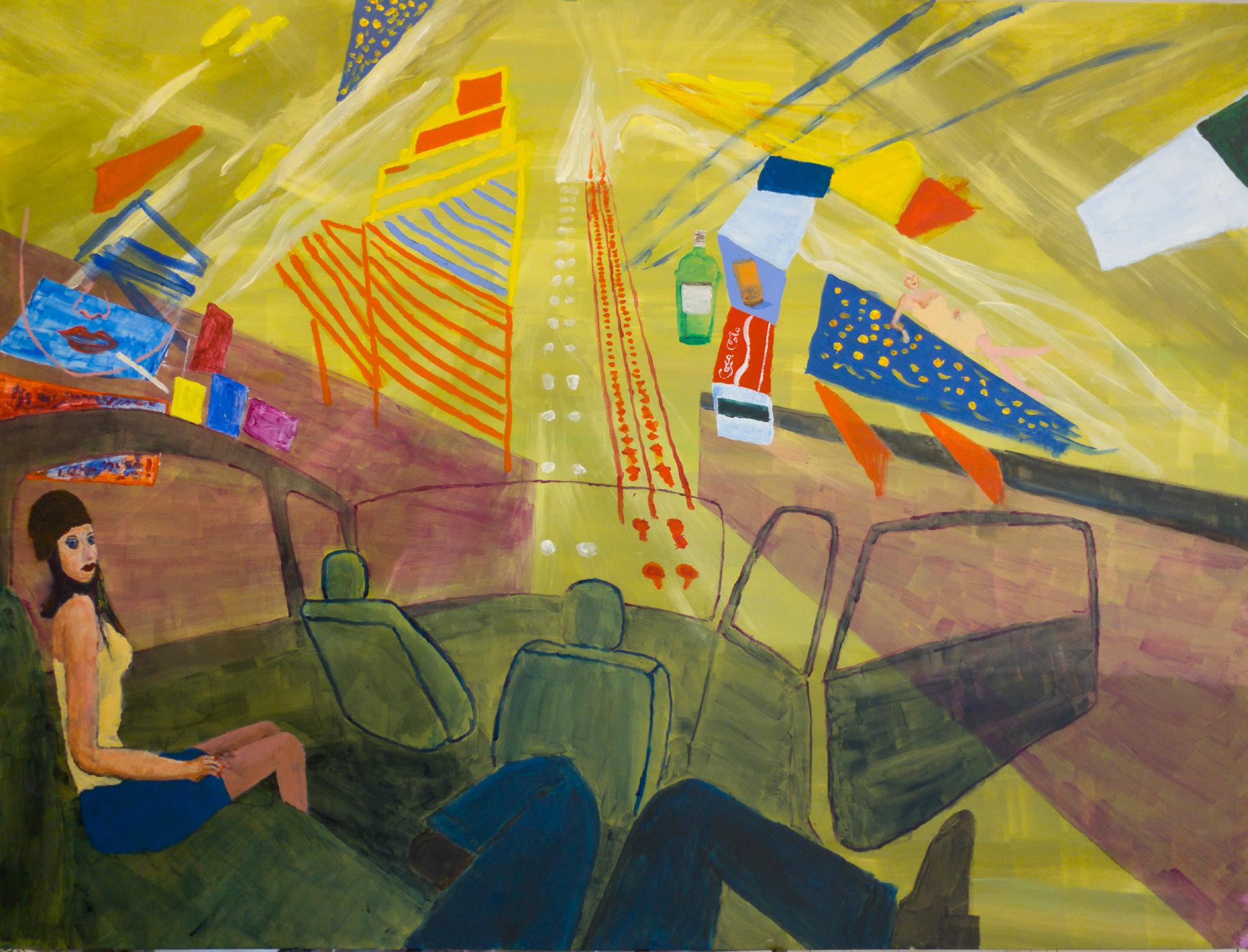
Peg Reilly
Wayne Gregory

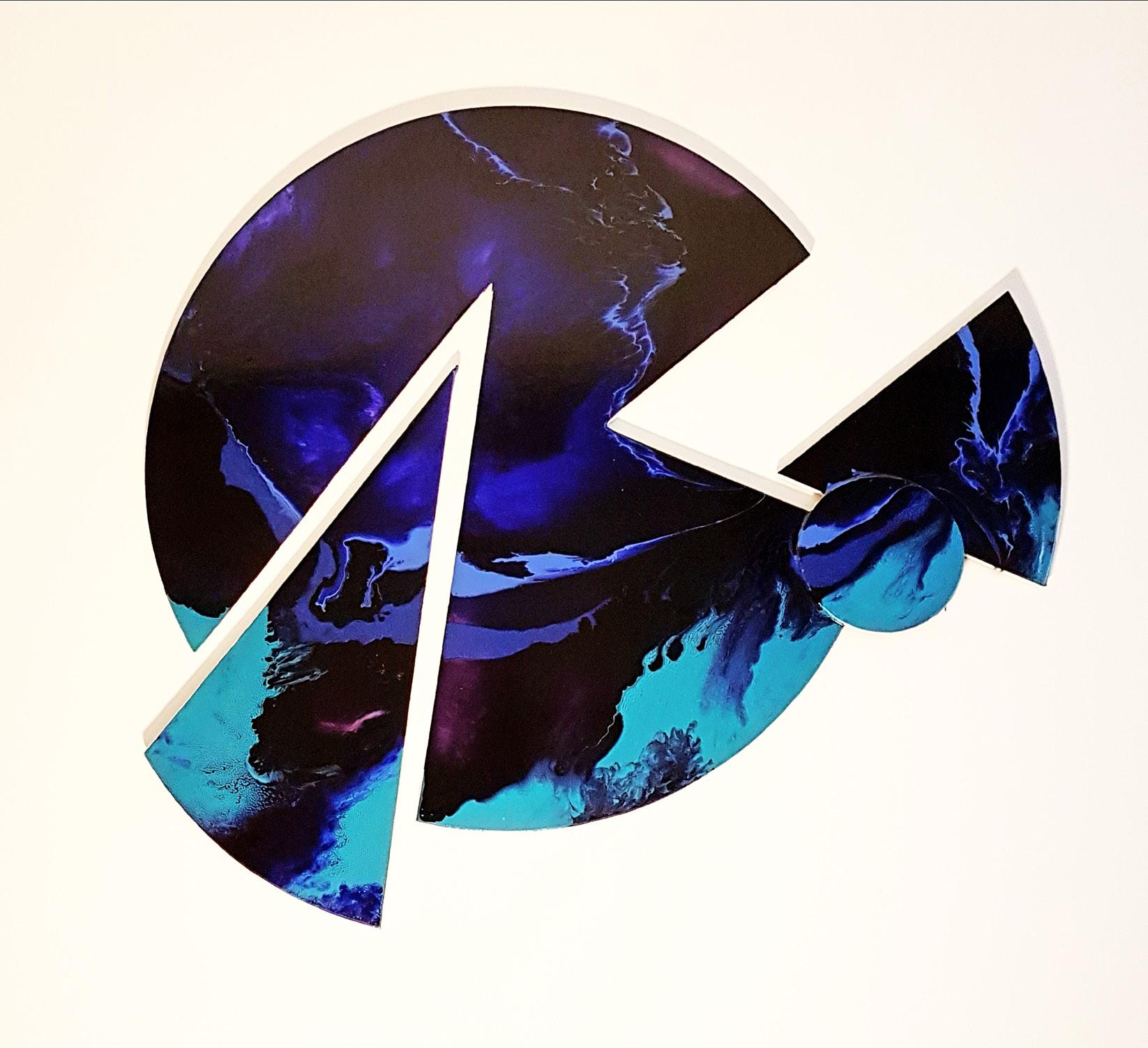
“I am a stay-at-home mom of two little girls, and after being out of the professional world for over more than eight years I decided I wanted to pursue my passion for photography and turn it into a livelihood. The classes at SVACE have given me the opportunity to learn at a pace compatible with my need to be an active and involved parent. I love the ability to choose the specific skills I want to learn, taught by professionals well versed in current industry practices.”
SHWETA BIST
Sabrina Puppin
Lucrezia Nardi
Brenda Echeverry

EXPERIMENTAL FILMMAKING
Danielle Durchslag


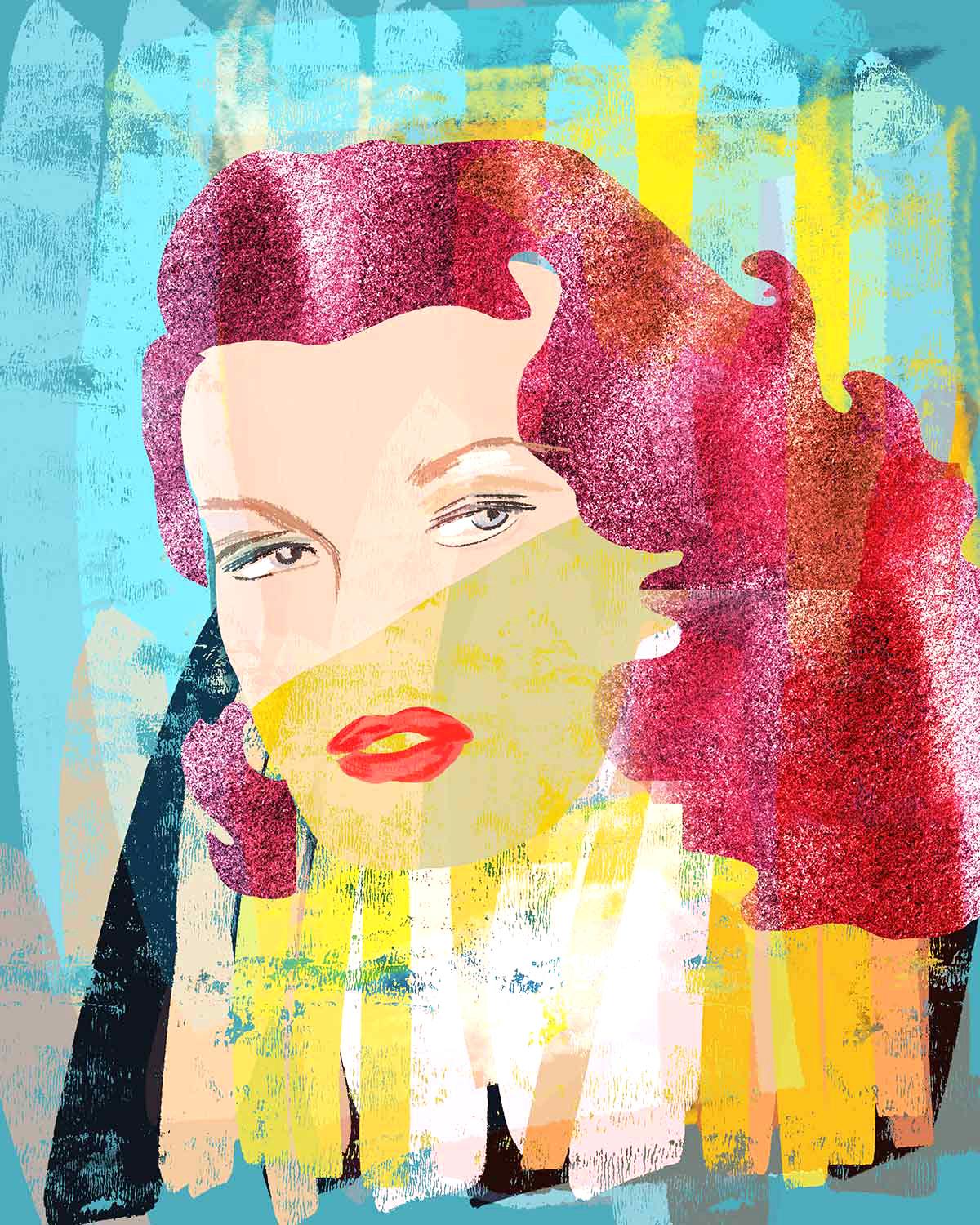
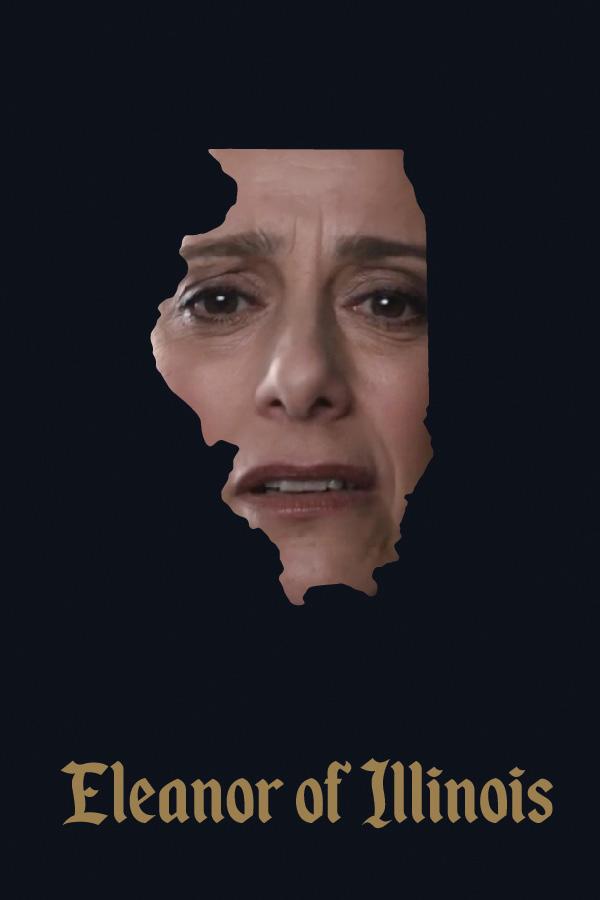
We spoke with SVACE alumna Danielle Durchslag on the occasion of her newly completed experimental film titled Eleanor of Illinois. It features four-time Tony nominee Judy Kuhn, reciting a text pulled in part from the 1968 film The Lion in Winter, starring Katharine Hepburn. Kuhn’s words are spoken in rhythm with Hepburn’s. The result is a meditation on extreme wealth and family dysfunction and their depiction in film, as well as Durchslag’s own Jewish-American heritage and long-standing personal interest in the two icons.
Asked about how the project came together, Durchslag says, “I sometimes joke that writing and directing this film is the closest I’ll ever come to having a traditional American wedding. The process took about six months—working full time—to plan. It cost way more than I could have expected, was extremely stressful and overwhelming, and culminated in a single day of shooting that had to go perfectly!”
That single day turned out to be a success. “On actual shooting day, a lot of that stress and anxi-
ety fell away,” she remembers. “I honestly just felt overwhelmingly lucky. There’s a particular surreal magic in seeing this thing you’ve envisioned and dreamed about and discussed over and over suddenly come to life.”
Durchslag’s time at CE helped to realize her ambitions: “I decided to take the Filmmaking I course with Sal Petrosino to learn the practical aspects of film directing—how to run a set, deal with casting, work with actors, get coverage, approach lighting, etc. Despite my background in film theory, I knew next to nothing about the nuts and bolts of film production. That class gave me the tools I needed to make Eleanor with confidence. Even long after leaving his class, I have relied on Sal for film wisdom and counsel. He has been a generous and steadfast advisor to me, for which I’m grateful.” She also made lasting connections with her classmates, including Laurie Krupp, who she hired as her production designer for this film. “She did a truly fabulous job,” Durchslag says. “And having a friend and ally on set who had been with me at SVA definitely helped me feel comfortable and supported while directing my film.”
[William Patterson]
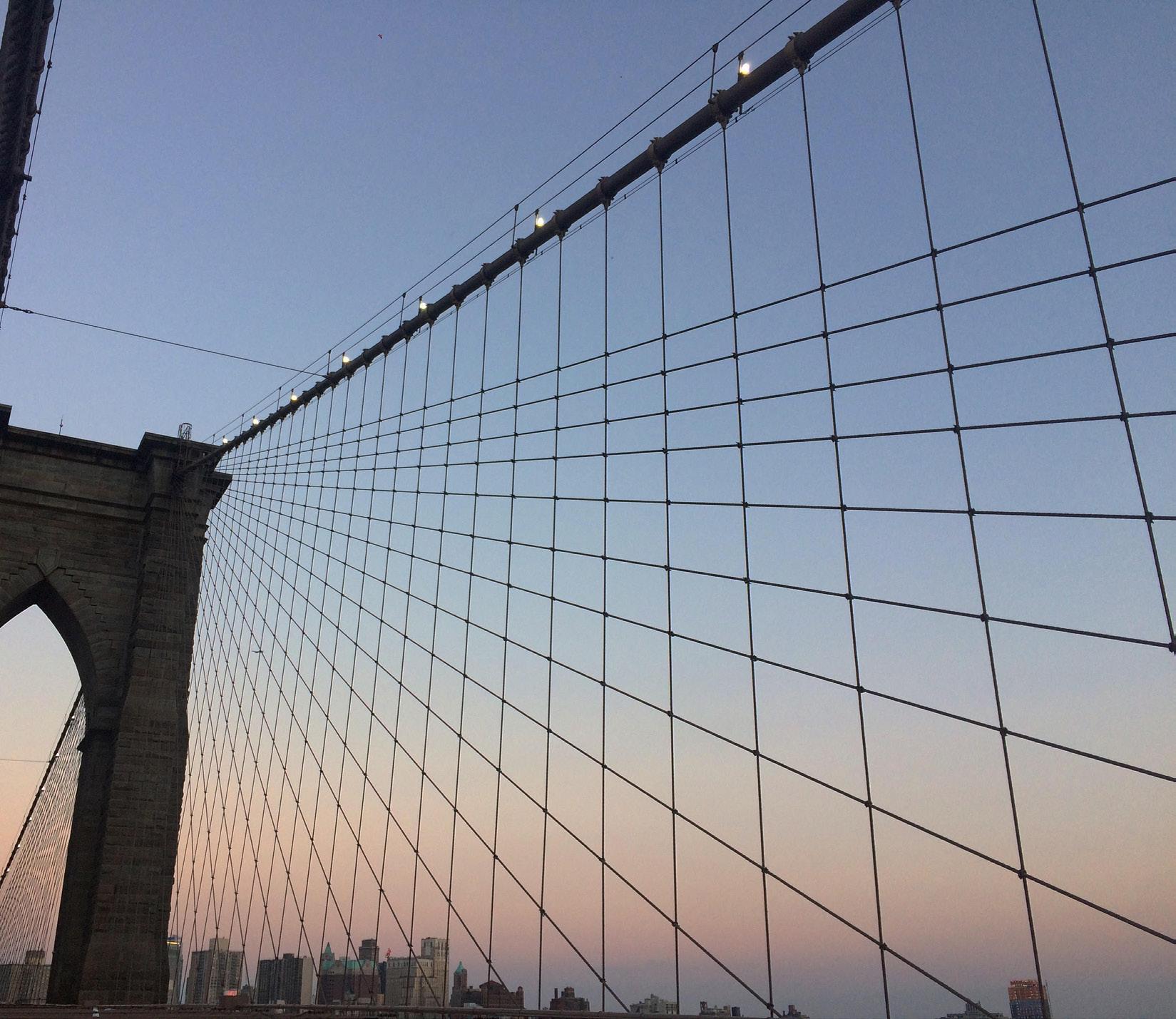
“One of my favorite subjects to shoot in NYC is bridges! After being fascinated with in-camera multiple exposures, my instructor, Jade Doskow, pushed me to revisit one of the bridges and create images without relying on that technique to push my creativity further.”
LEONARDO MASCARO
Catherine Peebles
Kil Kyungjin
Boonchoo Akearkom
The poster for Eleanor of Illinois, a new experimental film by SVACE alumna Danielle Durchslag starring Judy Kuhn.
ALUMNI NEWS
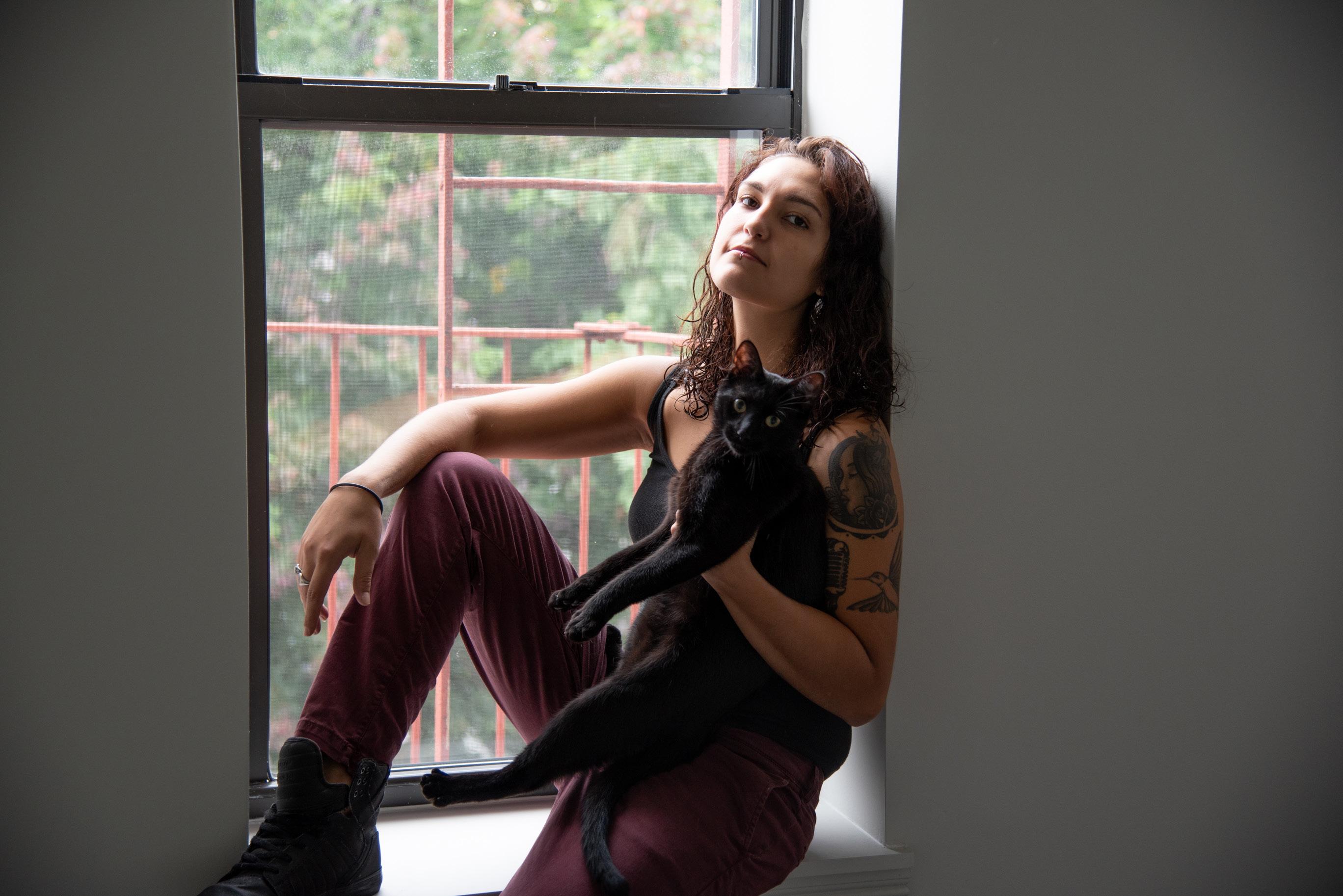

Remembered by Faculty and Classmates
“Ididn’t know Shea for very long, but her kindness, vibrancy and determination made a lasting impact on me,” says instructor Dina Kantor. “This fall, Shea enrolled in two classes with me. On the first day of class for The Digital Portrait, I walked into the room to find Shea and the other students laughing and talking. The connection between them seemed so strong, I asked if they had all known each other before. They laughed, and Shea said they’d all just met. I know that immediate bond was due to Shea. She just knew how to put people at ease. I saw it in how she treated her classmates, and in how she quickly connected and engaged with the models she photographed in the studio.
“She was such a lovely person, so vibrant, so joyous and a very driven photographer. I’m glad to have had the

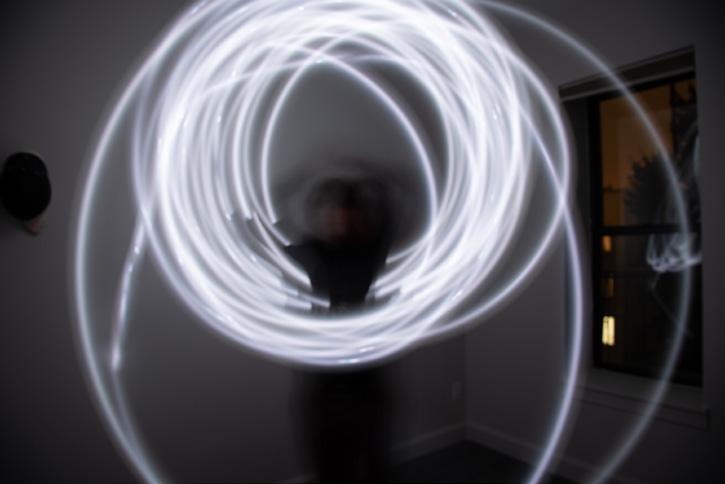
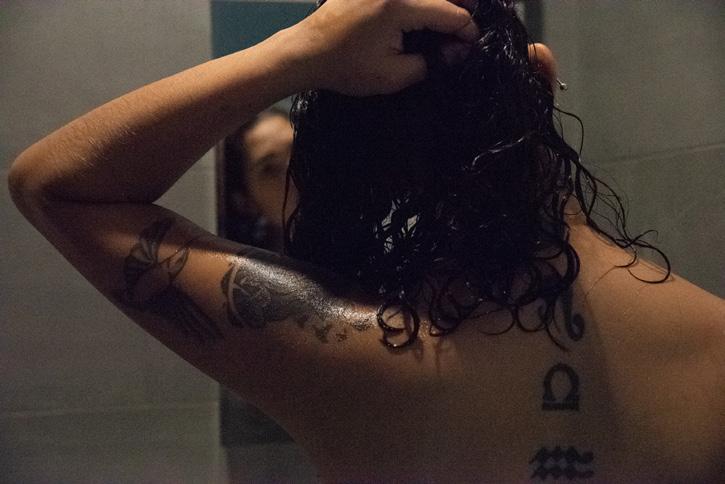
Bottom Left: Nightlife event photo
Bottom Right: Image from the photo book project “Kisses.” Of it, Shea said, “I want to show how pure the love between two women is and how powerful that passion can be. So powerful, in fact, that it can be felt through a photograph.”
In Memory of Photographer
Shea Swan
chance to know her, and to have been a part of her life, however briefly.”
Shea’s classmates offered their own memories. “Shea was friendly, downto-earth and easy to talk to,” recalls Taranita Costales. “On the first day of class, she was the only person sitting in the room. I said hello and she replied, smiling, ‘Hi, I’m Shea! I like your boots!’ One evening after class, we shared a walk to the train station. She told me a little about herself and gave me a hug when we parted ways. From our brief encounters, I could tell she was a special person, and she will be missed by many. Rest in power, Shea.”
Mary Rose Kaddo remembers:“It was our first class and as we all sat there waiting, quietly scrolling and tapping on our phones, it was Shea who broke the silence with a loud, ‘So, isn’t anyone going to SPEAK?’ It cer-
tainly brought out laughs from the rest of us as the phones went down and the eyes came up, and we actually started interacting with each other. She had managed to introduce the whole room to one another with one question (actually, it was more of a command!). From that point, I could tell she was special. I was struck by her creativity and her honesty and how it must all be generated by her megawatt smile. She was a spark of light and I will always remember her as such.”
Gabriela Iglasias says, “Her energy and presence in the room was so positive and contagious. She was genuinely excited to learn and always the first to lend a hand.”
Mitch Kapler adds, “When I first came to class it was Shea who got me a chair to sit down. And it was Shea who was the first one to talk photogra-
phy with me. She was caring. She was powerful, too.”
Close friend Tina Romaro remembers: “As a photographer, Shea had something that’s impossible to teach— an ability to connect with people on a no-bullshit level. She was raw and honest and could make anyone crack a smile. She’d say, ‘I gotchu, girl’ and make you feel safe, seen and beautiful. Shea cultivated love and trust with her subjects, which comes through in her prolific nightlife photography work. Shea, I’ll never stop missing you, and I’ll never stop loving you. Please haunt us often.
“Shea was a badass warrior woman who could wield a sword, drive a motorcycle, serve a volleyball and spin fire. She was brave, passionate and unapologetically herself—someone you meet once and never forget.”
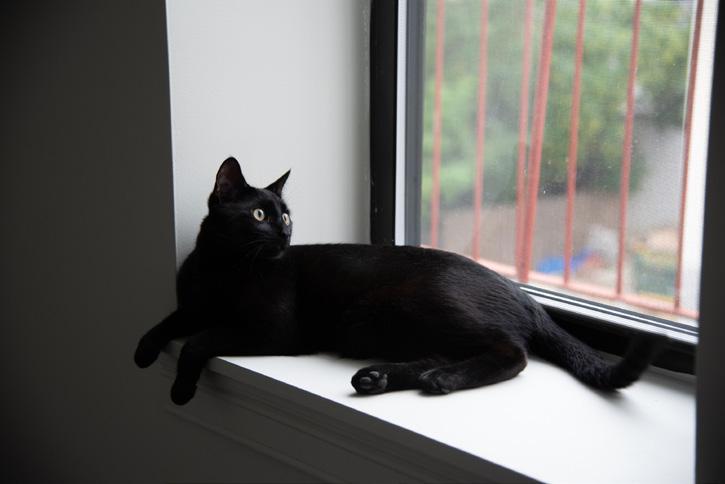
Top Left: Self-portrait of Shea Swan Above, Top to Bottom: Self-portrait; Shea’s cat, Corey; self-portrait
Rage, Courage and Care
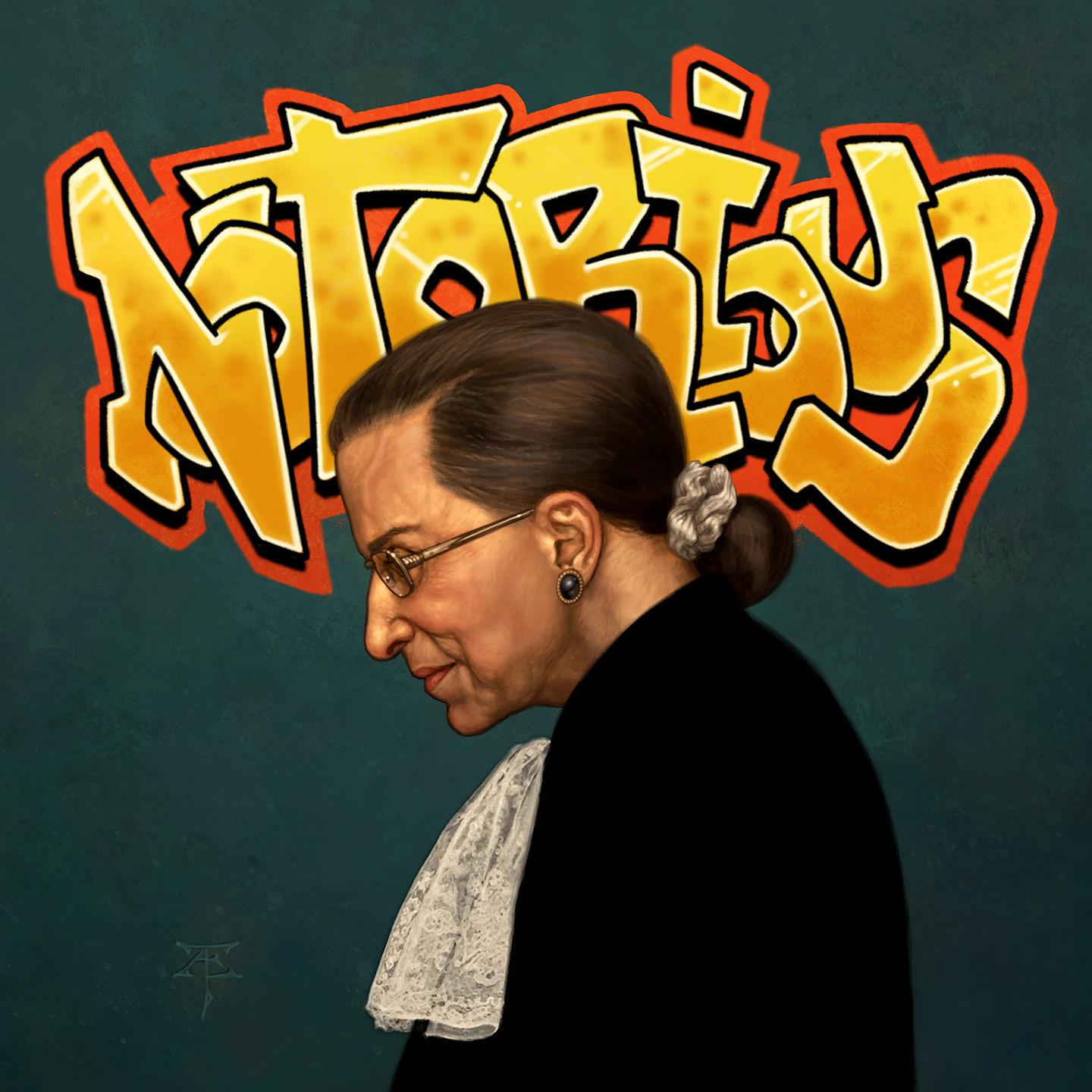
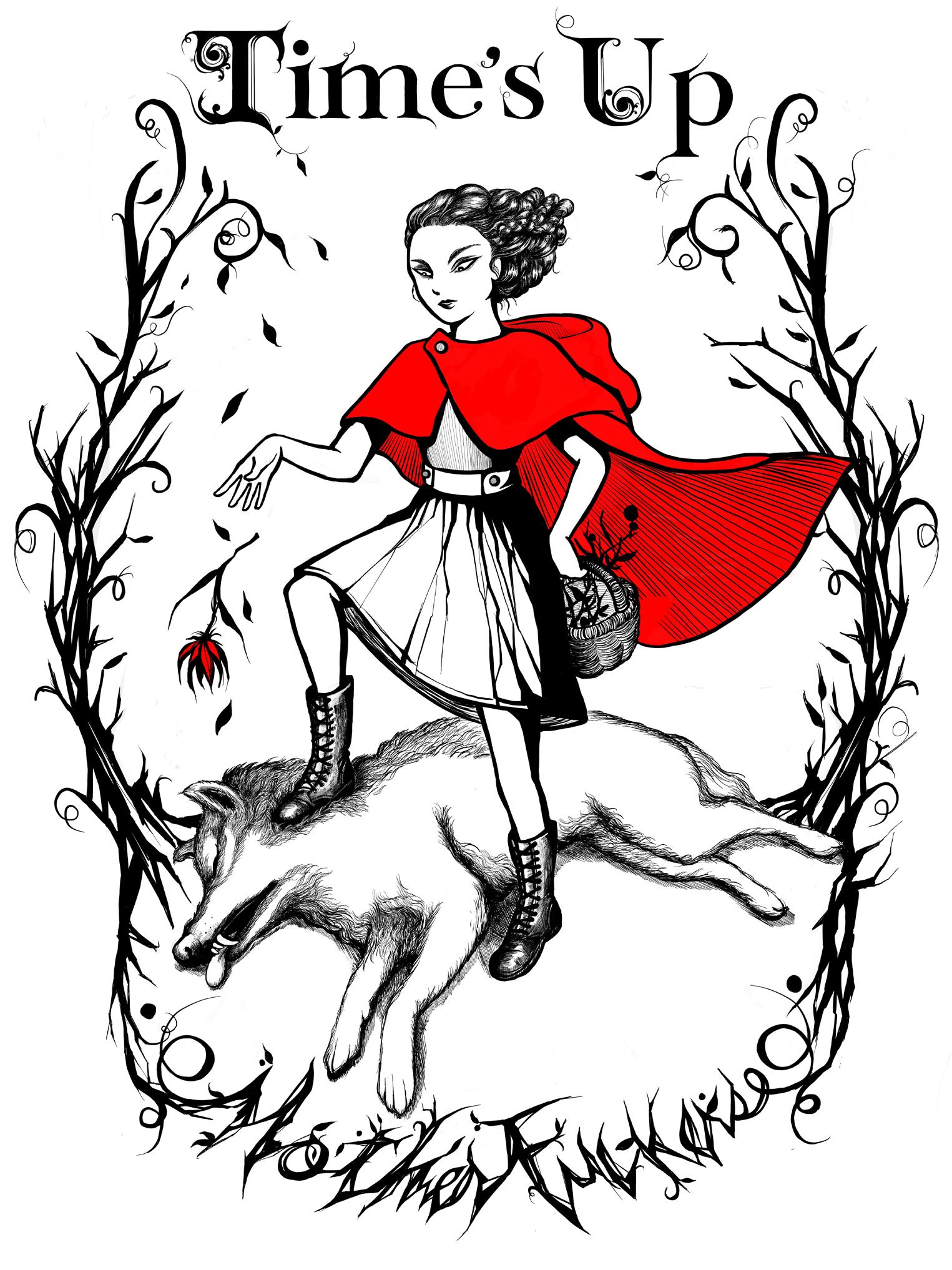
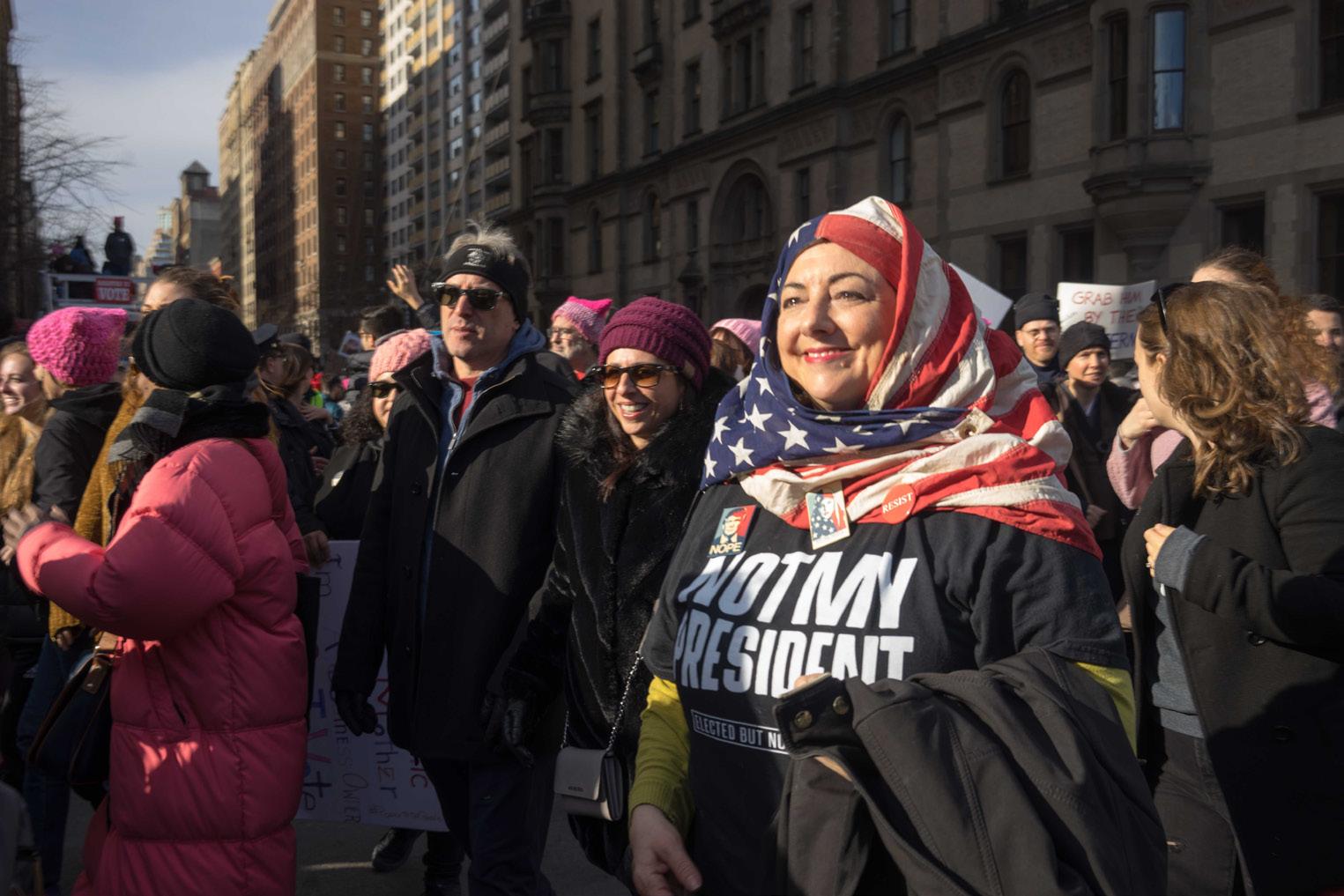
This past September, SVACE hosted its second-annual Art and Activism one-night symposium. We sent out an open call for artwork supporting the event. We received submissions from across media that expressed the breadth of rage, courage and care that our community feels on some of the most urgent issues of our time. Here are just a few of them.
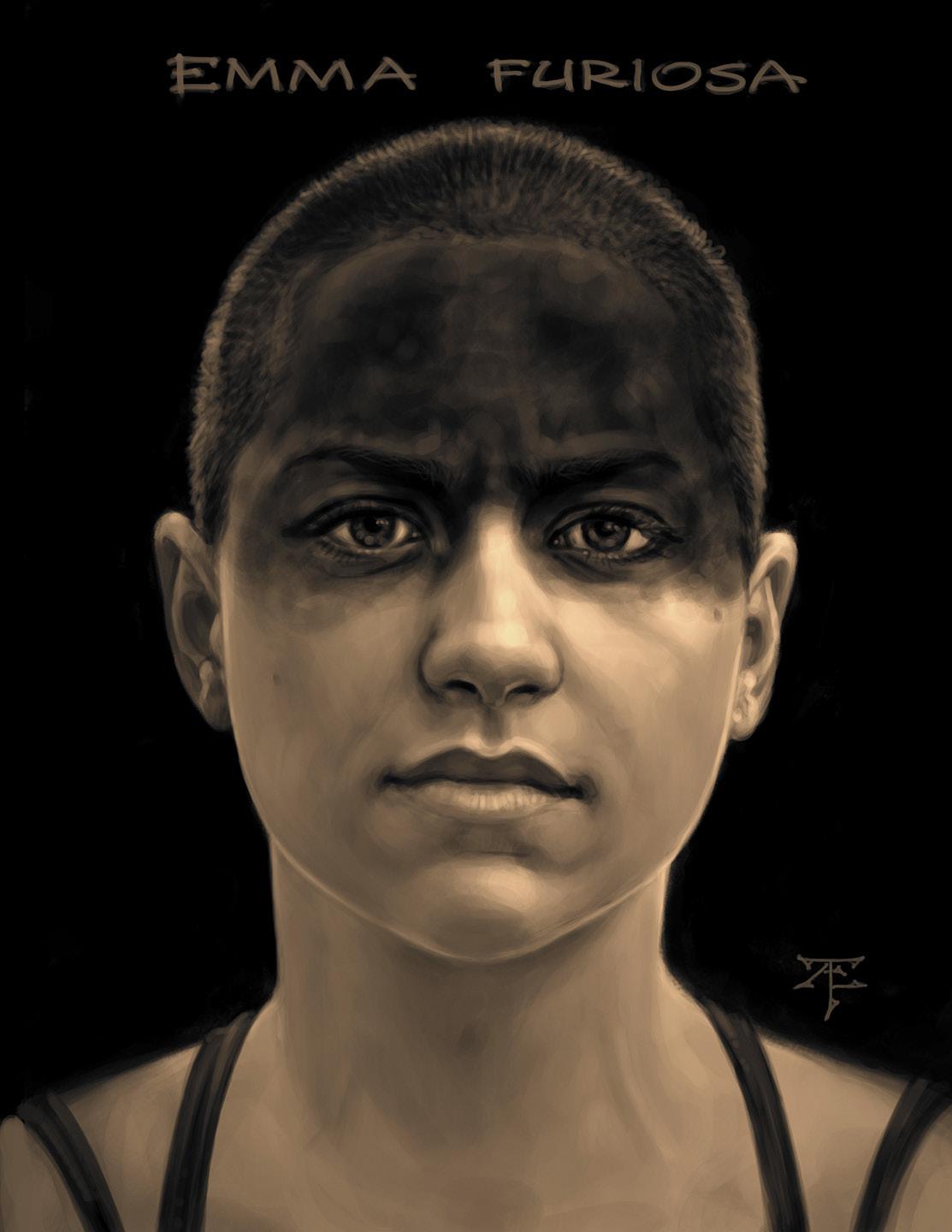
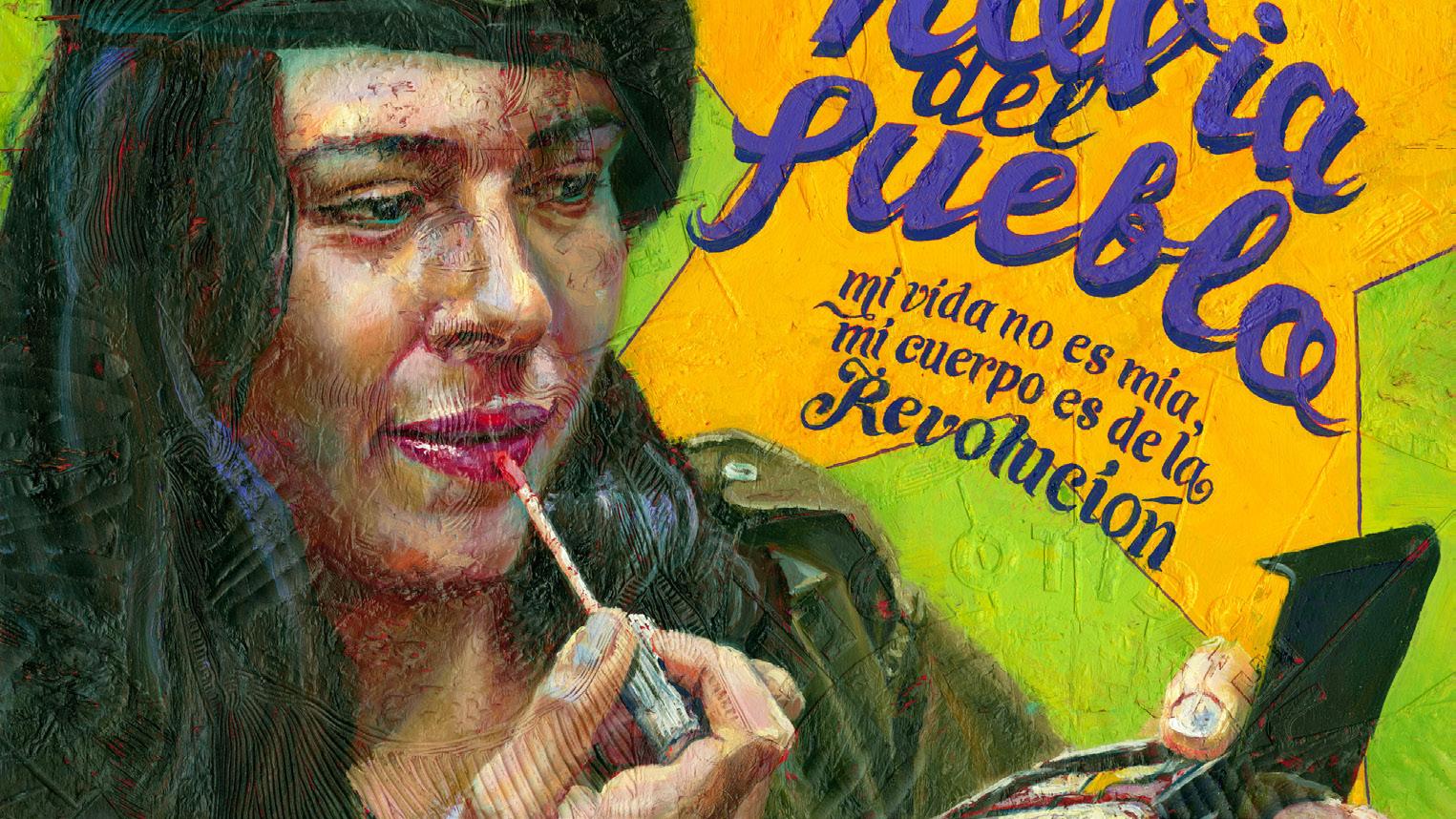
Clockwise, from Top Left: Tristan Elwell, Notorious, 2018, digital. Tristan Elwell, Emma Furiosa, 2018, digital. Francisco Rodriguez Prada, La Novia del Pueblo (from the Corridos Prohibidos series), 2017, oil paint on shina woodcut block, 20 x 16". Kay Hickman, March participants attend the Women’s March on New York City, January 20, 2018. Bo Lee (Times Up).

MUSEUM ROUNDUP
Spring
From Atwood to Akira, Bradbury to Blade Runner, science fiction has envisioned utopian and dystopian realities, often with chilling proximity to what is familiar— and occasionally seems to predict the future.
“Mundos Alternos: Art and Science Fiction in the Americas” brings together contemporary artists from across Latin America and the United States. These artists employ science fiction to “explore the colonial enterprise that shaped the Americas,” according to the Queens Museum, “and to present alternative perspectives speculating on the past and the future.” The exhibit is organized by themes—such as Cornerstones, Time Travel, Alternate Americas, Indigenous Futurisms, Reimagining the Americas and Alien Skins— and expands beyond the Queens Museum to partnering institutions including the LeslieLohman Museum of Gay and Lesbian Art and the Museum of the Moving Image.
“Mundos Alternos: Art and Science Fiction in the Americas” opens at the Queens Museum on April 7, 2019.
“Spilling Over: Painting Color in the 1960s” revisits the paradigm shift in which pop art breezed past abstract expressionism, challenging painters with questions about color, gesture and pictorial sources. This exhibition eschews the traditional categories and “isms” of 1960s painting, focusing instead on issues of perception, race, gender and space. “While contemporaneous accounts spoke in universal ways about
perception,” writes the Whitney team, “recent scholarship has looked to the personal, social and political conditions that impact how we understand and speak about perception.” Drawn entirely from the Whitney’s collection, the exhibition includes recent acquisitions by Emma Amos and Sam Gilliam, featured in “Soul of a Nation: Art in the Age of Black Power” at the Brooklyn Museum, along with pioneering women painters like Helen Frankenthaler and Marcia Hafif.
“Spilling Over: Painting Color in the 1960s” opens on March 29, 2019, at the Whitney Museum of American Art.
Simone Leigh’s art and social practice is centered around black women. In Artforum, Helen Molesworth wrote, “For centuries, all of culture’s agents—its makers, benefactors and audiences— have been presumed to be white men, and for centuries, Leigh’s primary audience, black women, were denied a place in this hegemonic structure.” Ms. Leigh’s New Museum project, “The Waiting Room” (2016), provided exclusive space and programming for collaboration and wellness. For her “longstanding and unwavering commitment to addressing black women as both the subject of and audience for her work,” Leigh received the Hugo Boss Prize in 2018. To commemorate this honor, the Guggenheim will present a solo exhibition of her important work.
“Hugo Boss Prize 2018: Simone Leigh” opens on April 19, 2019, at the Solomon R. Guggenheim Museum.
Multimedia artist Jeffrey Gibson will be the New Museum’s Department of Education and Public Engagement’s spring 2019 artist in residence. Traditional indigenous craft techniques will guide Gibson’s continued explorations through diverse materials, which have included digital prints, textiles, beadwork and mixed-media assemblage. Gibson says, “I engage materials and techniques as strategies to describe a contemporary narrative that addresses the past in order to place oneself in the present and to begin new potential trajectories for the future.”
Jeffrey Gibson’s residency and exhibition begin on February 13, 2019, at the New Museum.
[Michael Bilsborough]
Top: Jeffrey Gibson, Wendell and Xavier, 2018, digital photograph, dimensions variable. Courtesy of the artist, Sikkema Jenkins & Co., Kavi Gupta and Roberts Projects. Photo: Peter Mauney.
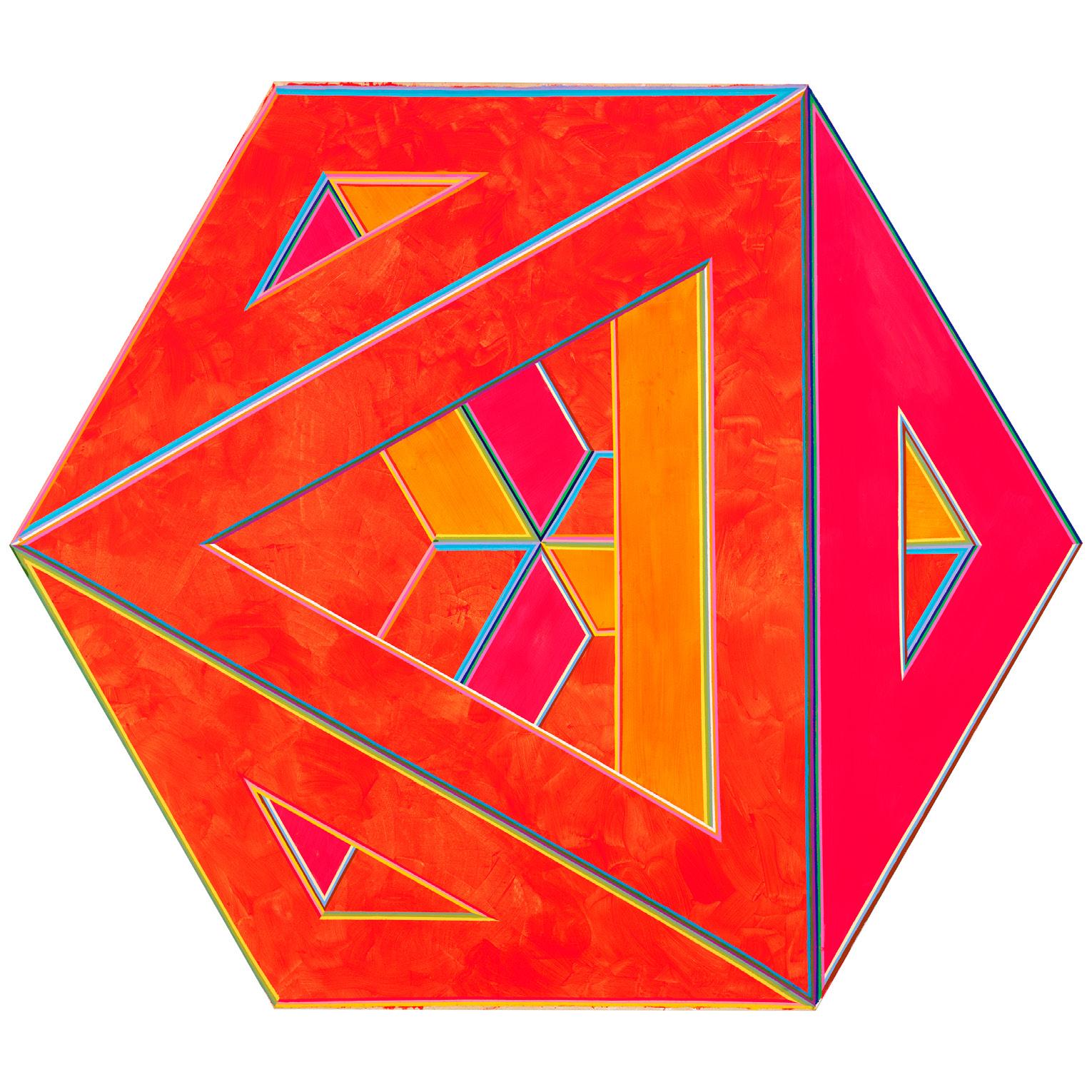
Bottom: Alvin Loving, Septehedron 34, 1970, acrylic on shaped canvas, 88.635 × 102.5". Whitney Museum of American Art, New York; gift of William Zierler, Inc. in honor of John I. H. Baur. Courtesy of the Estate of Al Loving and Garth Greenan Gallery, New York.
MFA Art Practice: An Advanced Degree for a Changing Art World
In a dynamic and ever-changing art world, artists are looking for an equally dynamic form of education to reflect it.
We spoke with David Ross, the chair of MFA Art Practice at SVA, to get a better idea of how this graduate program does just that.
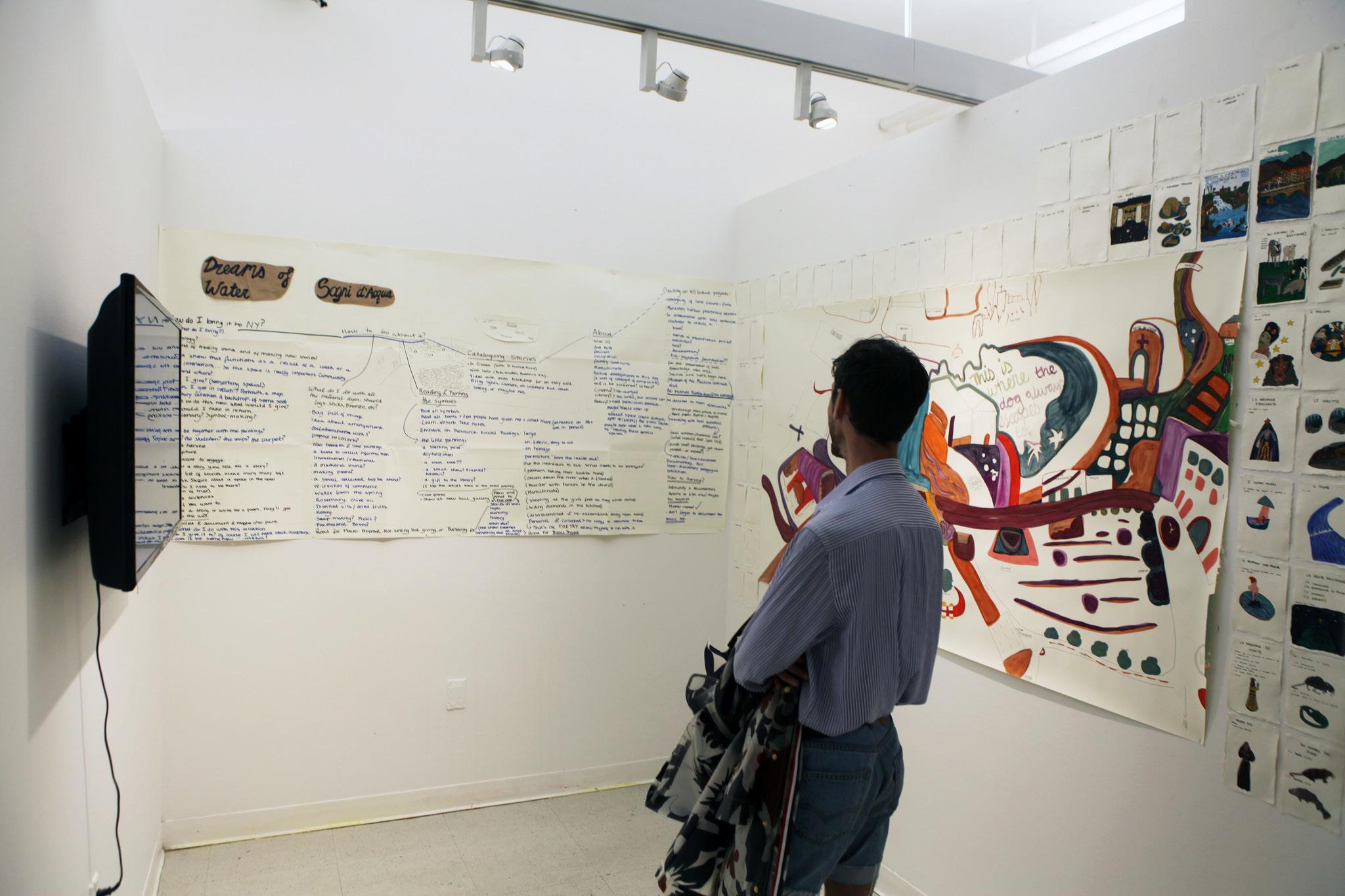
MFA Art Practice, founded in 2010, models itself as an interdisciplinary program. “When we say interdisciplinary, we don’t just mean mixed media. Interdisciplinary refers to practices that engage with concepts and themes from politics, history, autobiography, the sciences—anything, really.” This
An Artist’s Vision in Florals
Cexpanded idea of art comes out of the past century of art making. “From the early 20th century on, art has been a conceptual endeavor,” Ross says. “The idea is at least as important as the product. Applying categories like painting or photography to art at this point just feels antiquated; so does excluding all the other amazing discourses in our world from art making. It’s all art; it’s all part of the conversation.”
Other than being interdisciplinary, MFA Art Practice is also a low residency program. What this means is that it takes place on the SVA campus for just six weeks during the semes-
by Stephanie McGovern
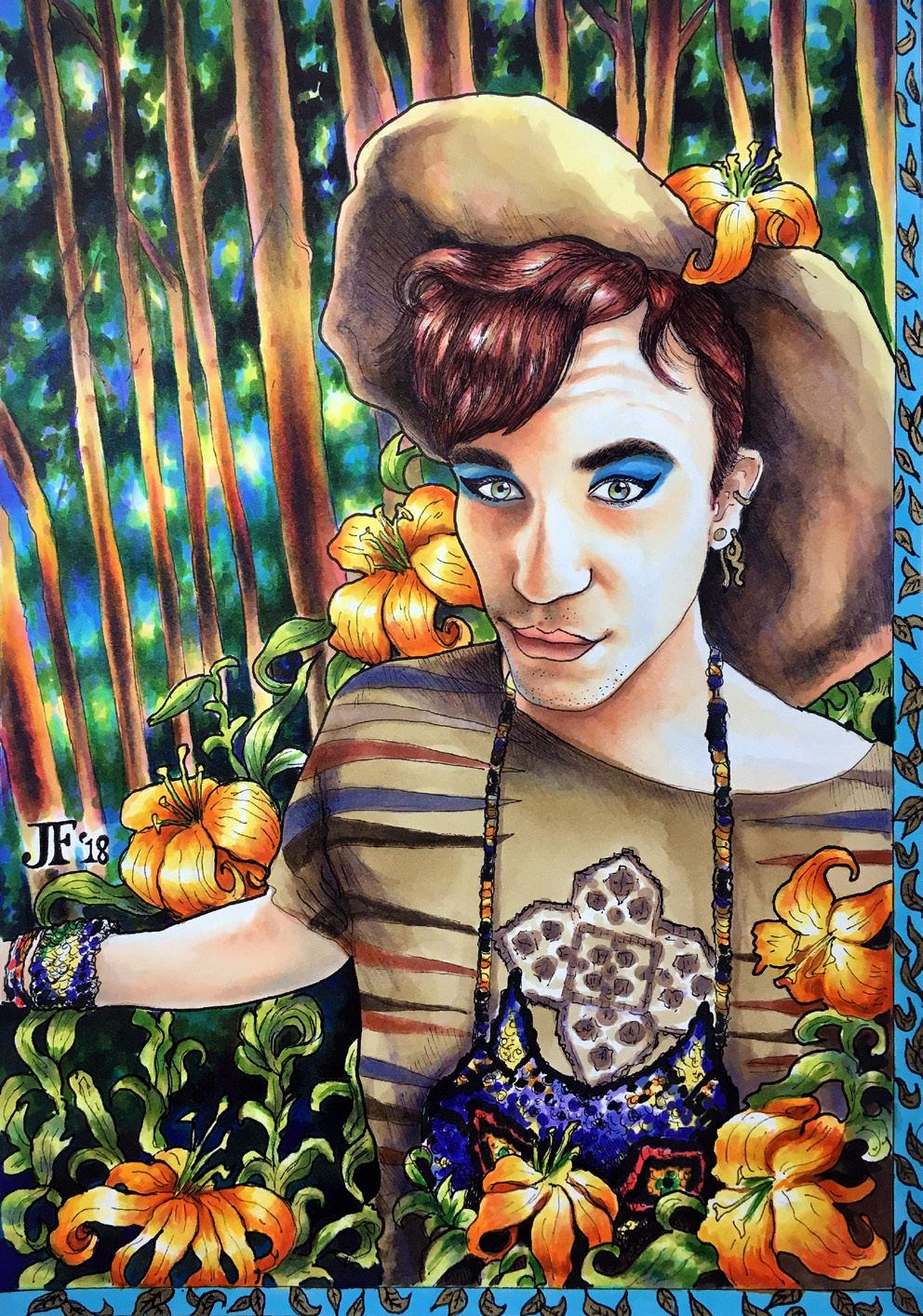
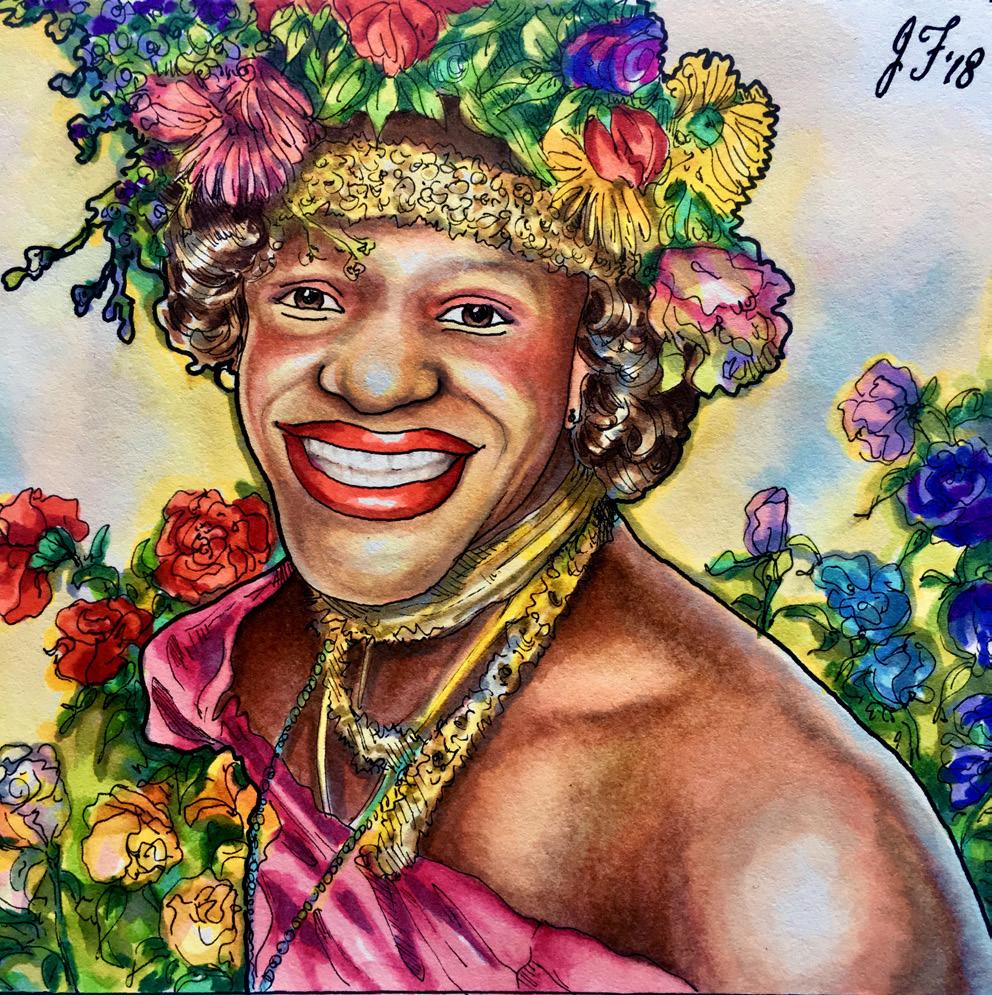
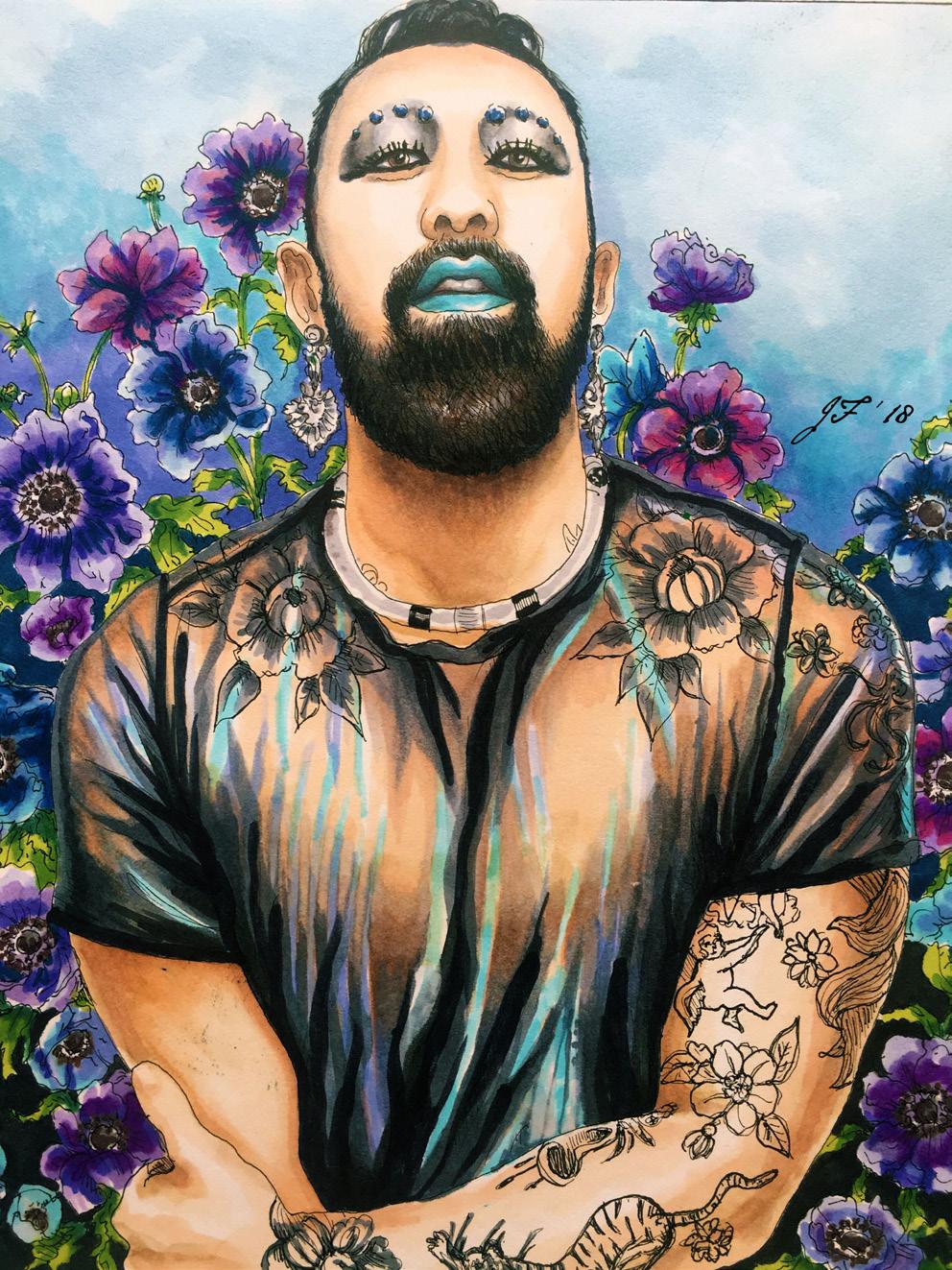
ontinuing Education student James Falciano has been utilizing portraiture to challenge the mainstream perspective of gender identity. Interested to learn more, we caught up with Falciano to discuss his recent body of work and expanding subject matter.
What led you toward your current work in portraiture?
It was the 2016 election that ultimately awakened me as an artist and a person. It felt like a now-or-never moment to start using my abilities to create work that represents my community, who I am and what I stand for. My subject matter went from “safe” landscapes to queer activist work, aiming to further celebrate the queer community and aid in the fight for a greater visibility.
Can you explain the feminine and masculine iconography in your images?
Gender identity is an absolute integral part of my work, as it becomes more prevalent with each piece that explores the identities of others and myself. I like to play with masculine and feminine elements as a way to combat the rigid binary Western society forces upon people before they are even born. My images convey a softness in my male subjects that emits sensuality, peace and a confidence in their masculine-to-feminine balance. I believe we all possess both energies within ourselves and our true power as human beings is harnessed when these energies are working together. My work combats the fear of gender by presenting subjects who are calmly and confidently staring at the viewer as if to say, “I am here, I exist and I am beautiful. You do not need to fear me, but you do need to respect my place in humanity, as I have just as much right to be here as you.”
ter, with online coursework for the rest of the year. This makes it more manageable for individuals who live elsewhere, or who have other commitments that don’t allow them to participate in a residential program. Given the program’s interdisciplinary, low residency nature, we asked Ross about the common theme they were looking for when selecting applicants. “I like to say that this is a program for people who have built a boat in the basement: individuals with developed practices who might not be sure about how to continue to grow. Successful applicants tend to
be deeply cued into the political and social realities of our moment and their specific communities. MFA Art Practice is a program for people who think deeply about the world and themselves. They’re extrospective and introspective in equal measure. That’s the type of applicant who really stands out.” [William Patterson]
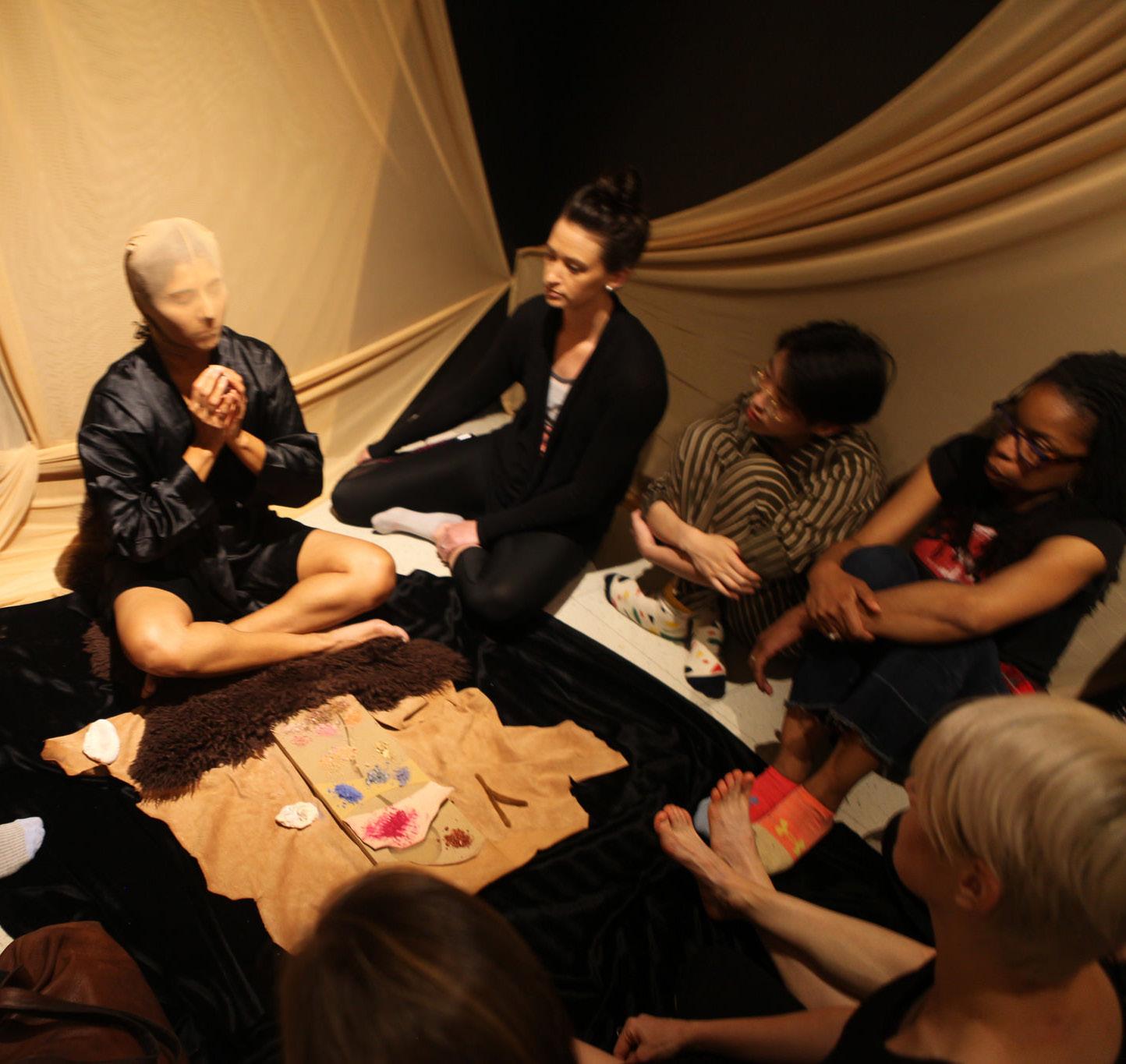
Left: A visitor in the studio of Jamieson Thomas (MFA 2018) during open studios
Right: Participants in a performance by Zaire Kaczmarski (MFA 2018)
Top Left: Taylor, 2018, marker on paper
Top Right: John, 2018, marker on paper
Bottom Left: Marsha P. Johnson, 2018, marker on paper