
Biography Projects
Contacts
Suzanne Jadoul jadoulsuzanne98@gmail.com+32 471 67 79 53
Studies
jun 2022
Master of Architecture
KU Leuven - Department of Architecture, Belgium
Exchange semester
Bergen Arkitekthøgskole, Norway
Architectural Projects
Architecture Master Thesis: Identity Dwellings
Housing
2022Ku Leuven
Master studio: The Impossible School Facilities
2020
Ku Leuven
Master studio Grey Matter Facilities
2021
Bergen Arkitekthøgskole
jun 2023
Master of International Cooperation: Sustainable Emergency Architecture
Universitat Internacional de Catalunya, Barcelona
Experience
Feb 2021 Jan-may 2022
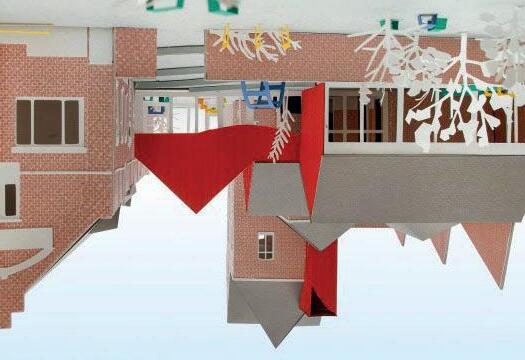
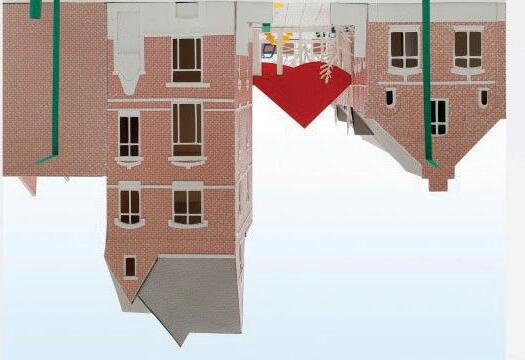
Model making for ‘Chassart 21’ competition
AgWa Architecture + ZED architects
Internship position
ImportExport Architecture
Nov 2022
Humanitarian Shelters and Settlements Course
International Federation of Red Cross and Red Crescent Societies
Master studio: Assembling
2021
Urban scale
Ku Leuven
Research Projects
Research Master Thesis
‘From Commemoration to Decolonisation?’
Jun-aug 2023
Internship position
Emergency Architecture & Human Rights DutchNative
2023
Universitat Internacional de Catalunya
Master Studio: Climate Design & Sustainability
2021
KU Leuven
Climate-Resilient Urban Design
2023
Universitat Internacional de Catalunya
Socio-spatial Workshop
‘Mapping asylum seekers’ use of the city through a gender lens’
2022
Universitat Internacional de Catalunya
International Urban Regeneration Studio
‘Assessing Disaster Recovery Through Housing Relocation: La Palma, Canary Islands’’
2023
Universitat Internacional de Catalunya
Supplementary
Care Exhibition
2022
ImportExport Architecture
‘Chassart 21’ competition
2021
AgWa Architecture + ZED architects
Bachelor studio: Experiment
2018
Ku Leuven
1. 2. 3. 4. 12. 10. 11. 5. 8. 9. 6. 7.
Fluent Conversational Intermediate English French Spanish,
German Languages
1.




Architecture Master Thesis ‘IDENTITY DWELLINGS’
Supervisor: Ignaas Back jan 2022-jun2022


Project type: Housing

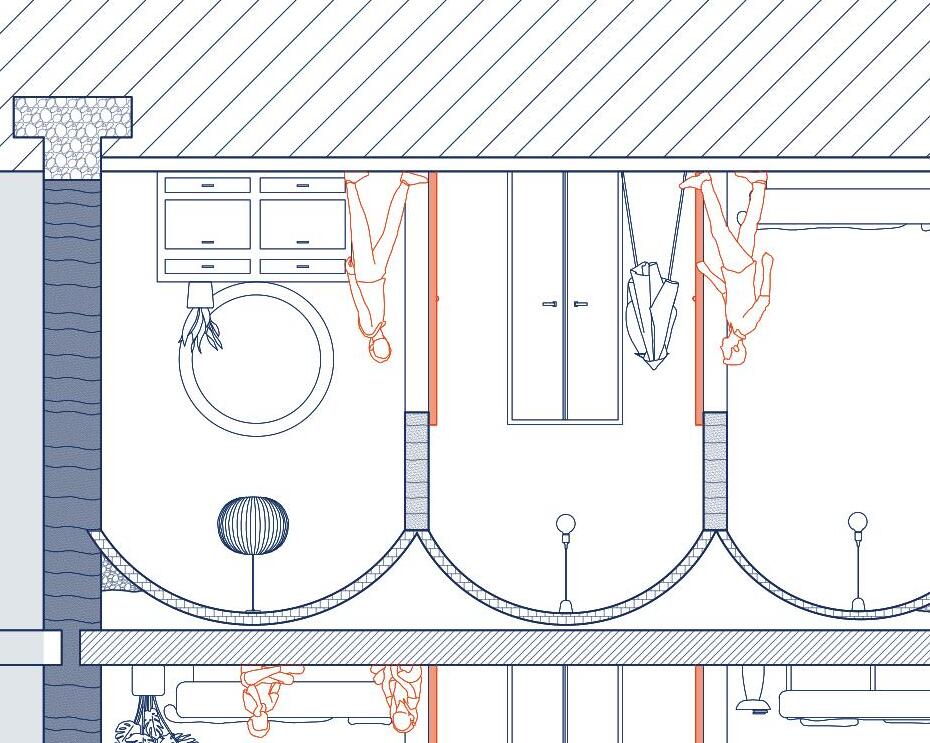
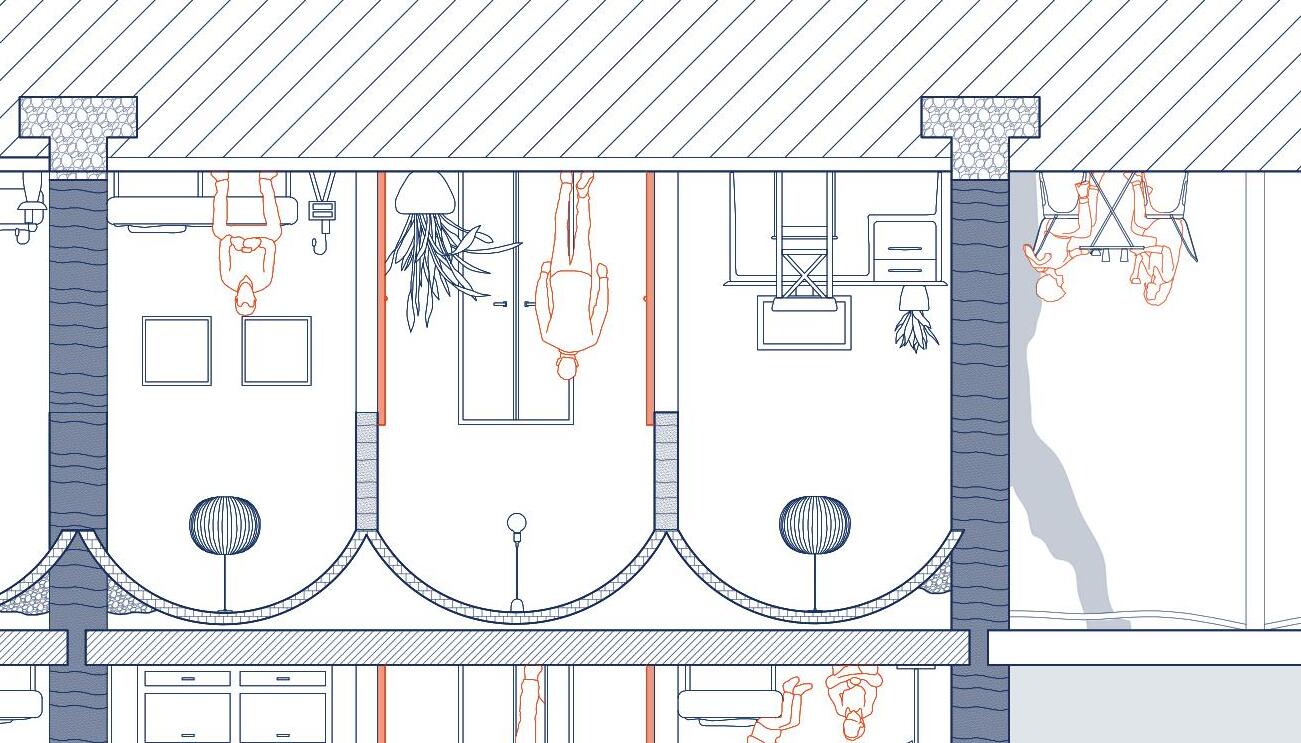
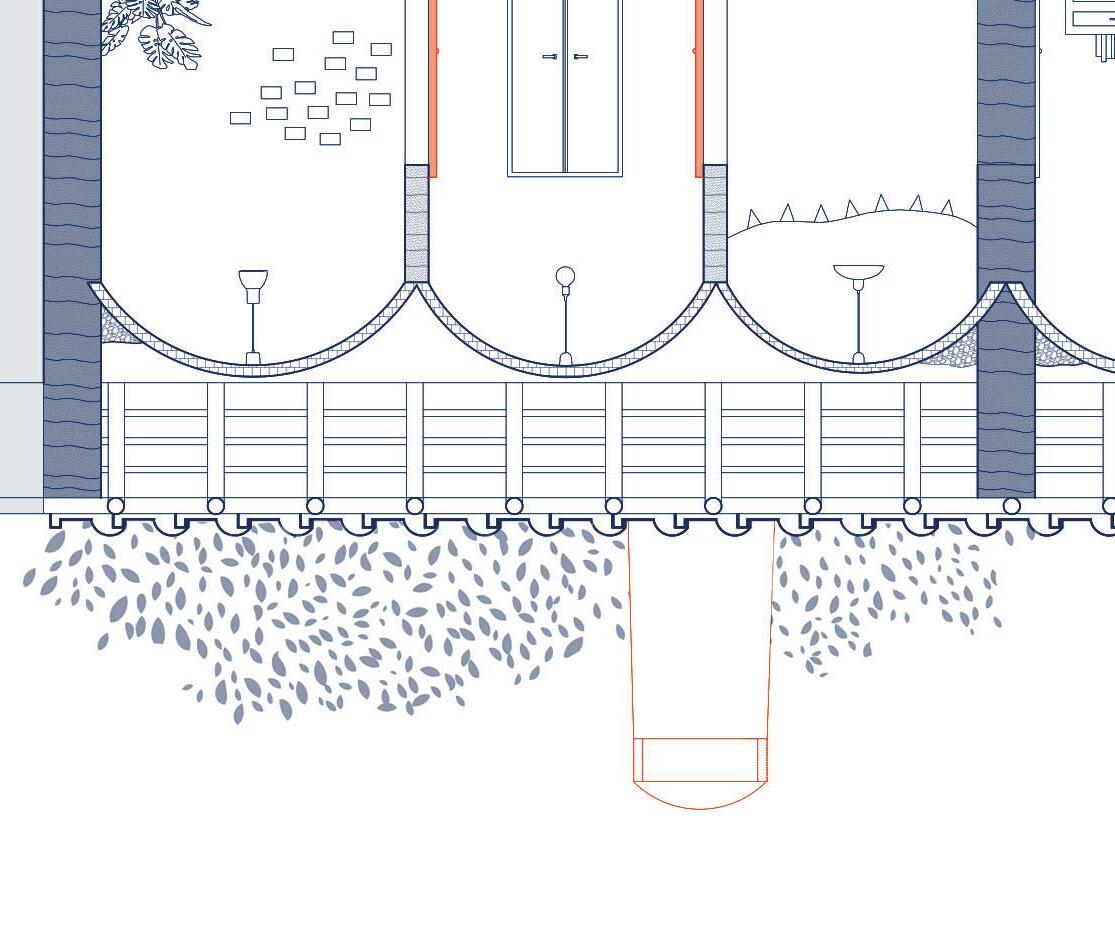
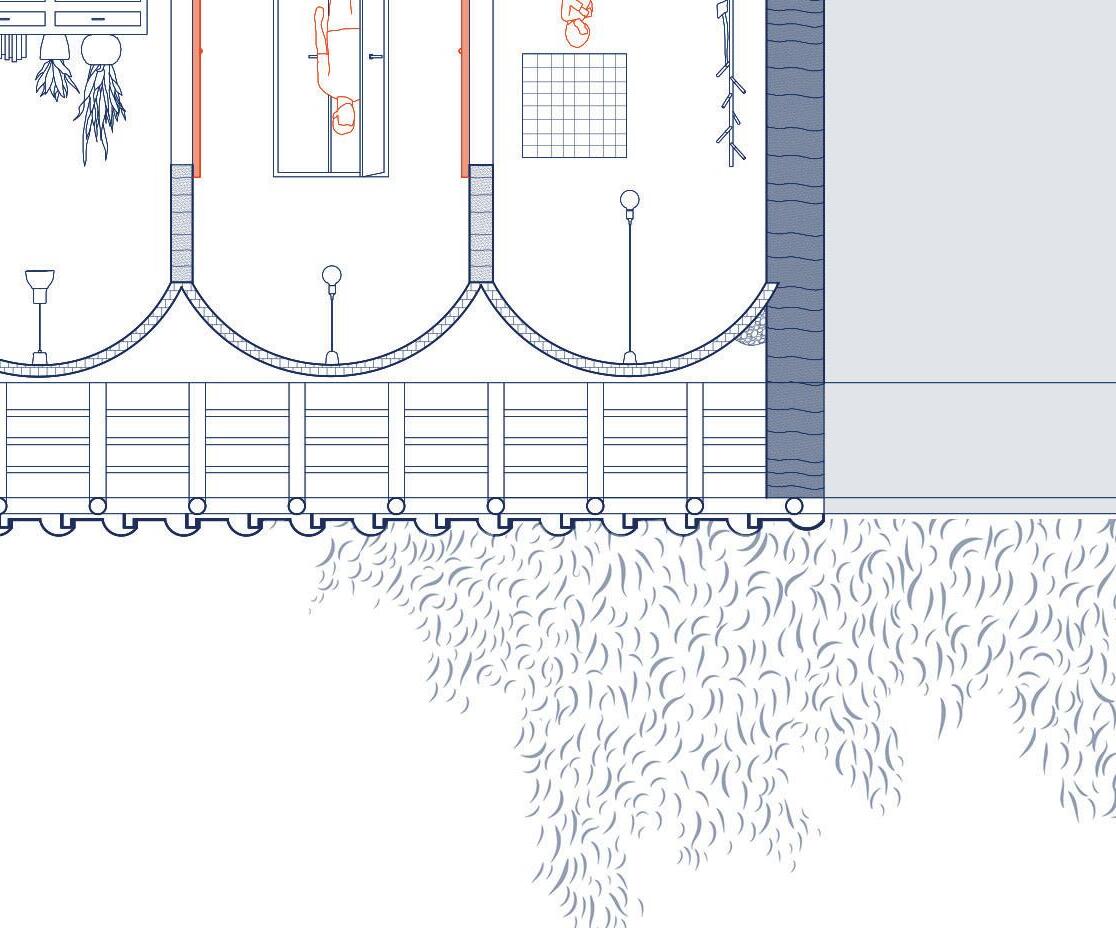
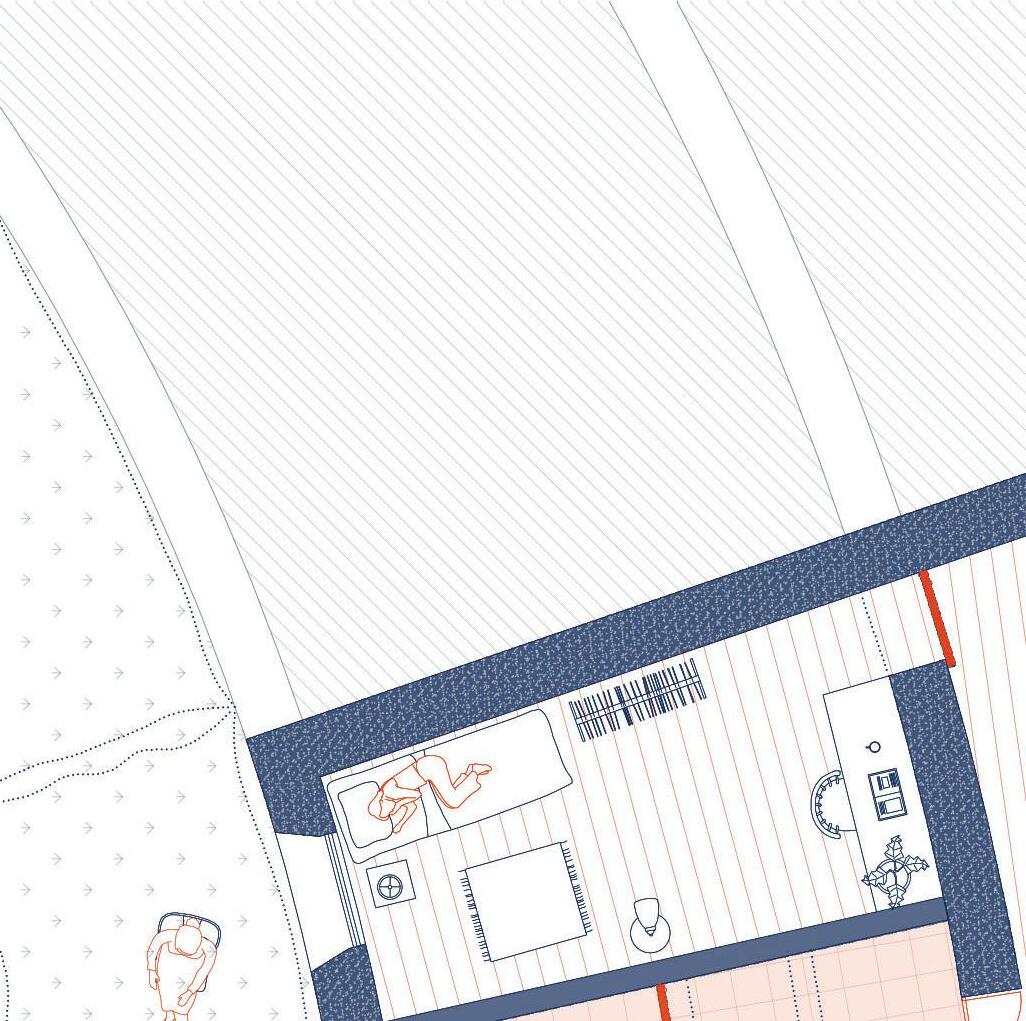
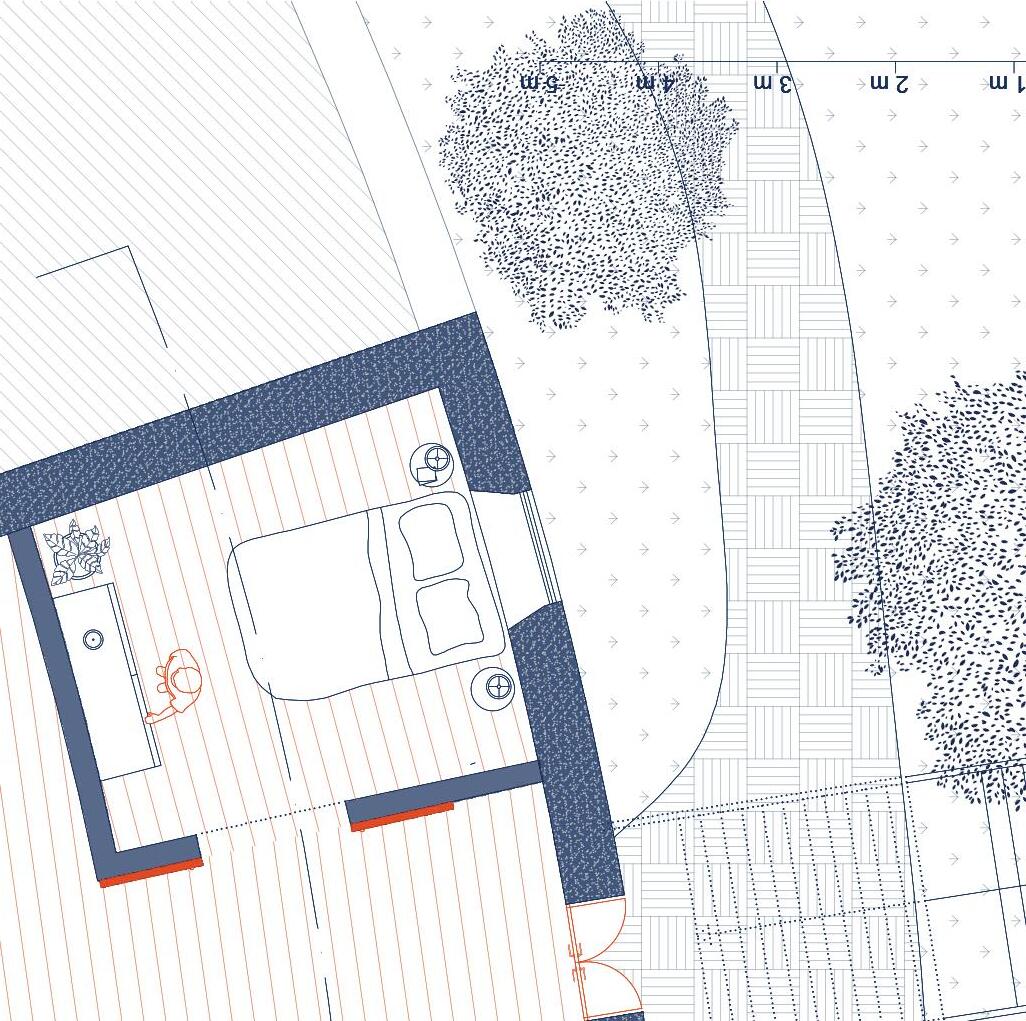
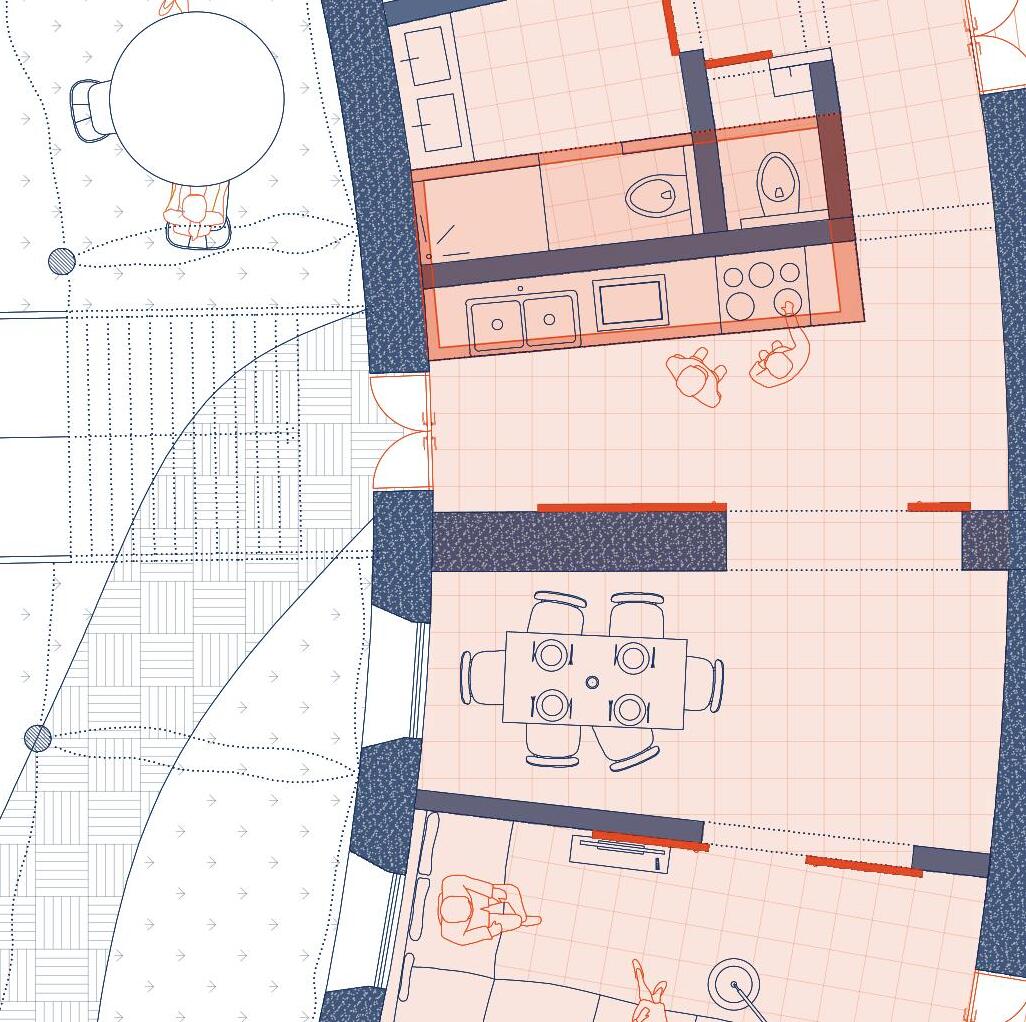
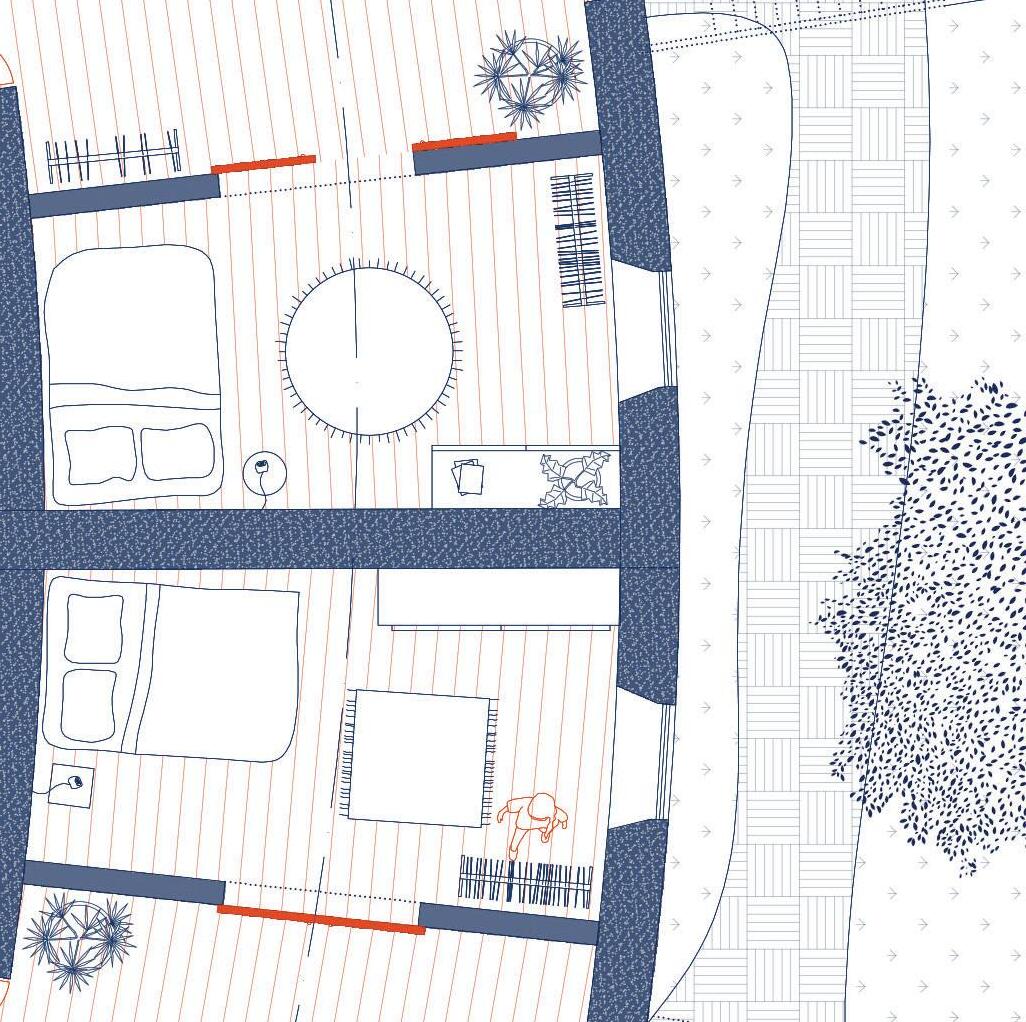
The project titled “Identity Dwellings” focuses on revaluing earthen construction and exploring a specific housing typology in rural Portugal. The aim is to investigate the relevance of rammed earth as a building material in today’s sustainable and circular mindset. The research delves into the global aspects of building with earth, including cob, rammed earth, and adobe bricks. The study area is the Alentejo province in Portugal, known for its historical use of earth in construction.
The town of Alcáçovas is analyzed in detail, considering issues of affordability and abandonment. The architectural analysis examines the topography, typology, and interior of the houses. Based on this research, a design proposal is developed, incorporating circularity, mixed functions, and different types of dwellings to address the identified problematics. The design aims to create inclusive spaces while maintaining architectural qualities and reusing earth from existing houses.
Architectural Projects
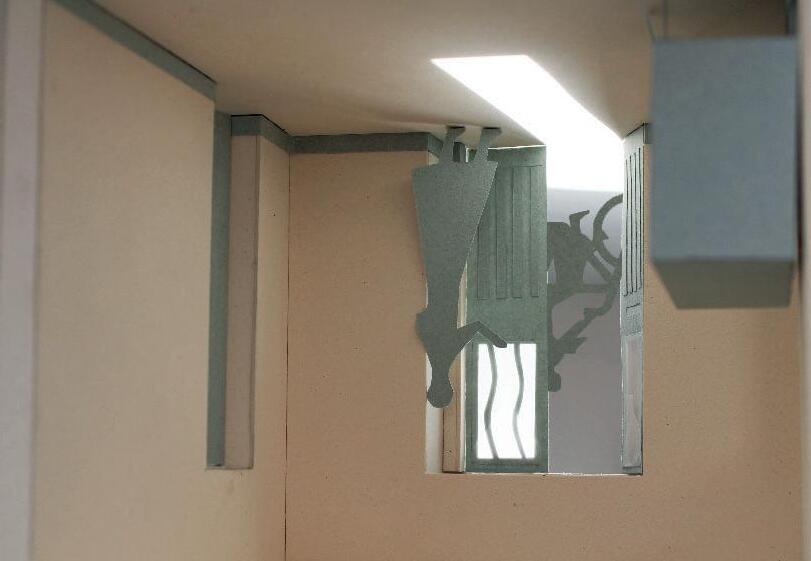
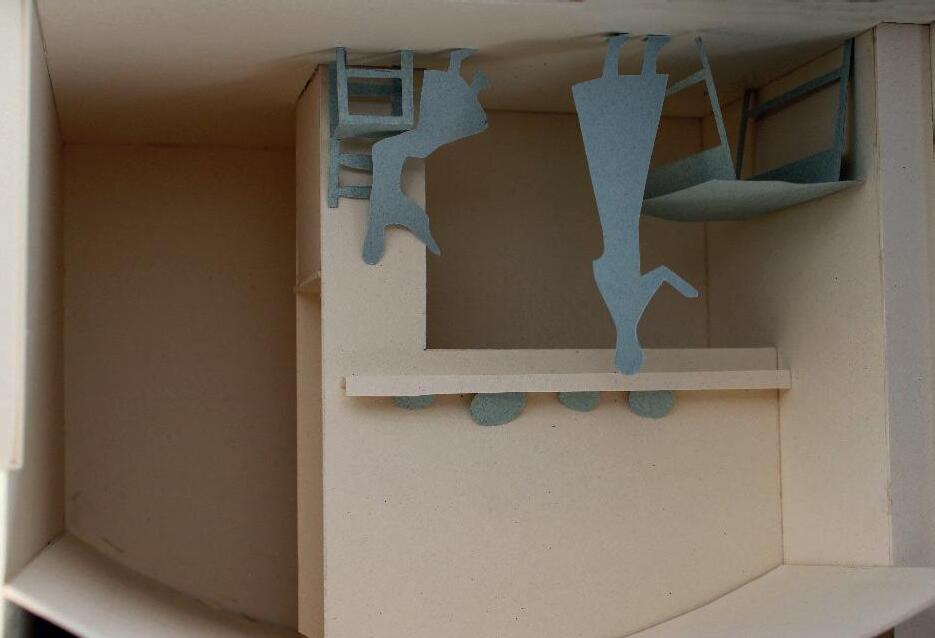
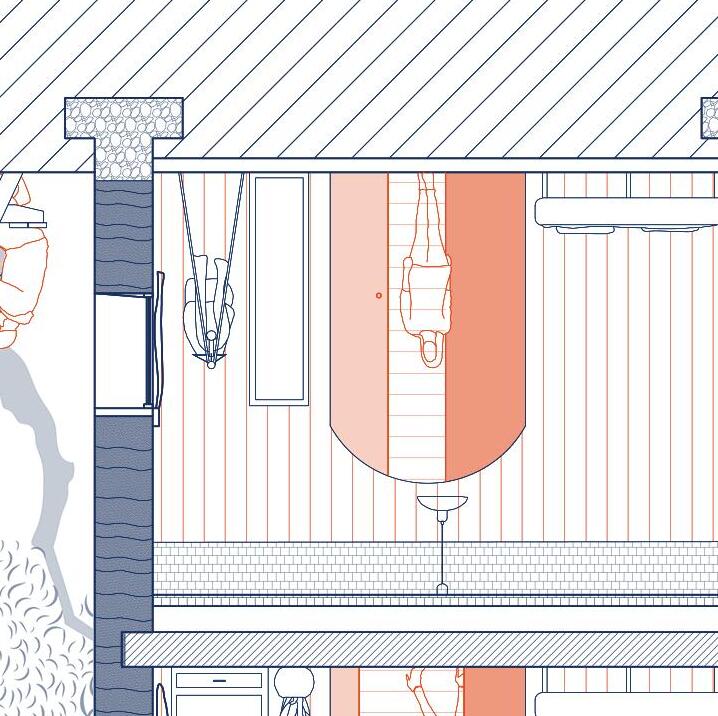
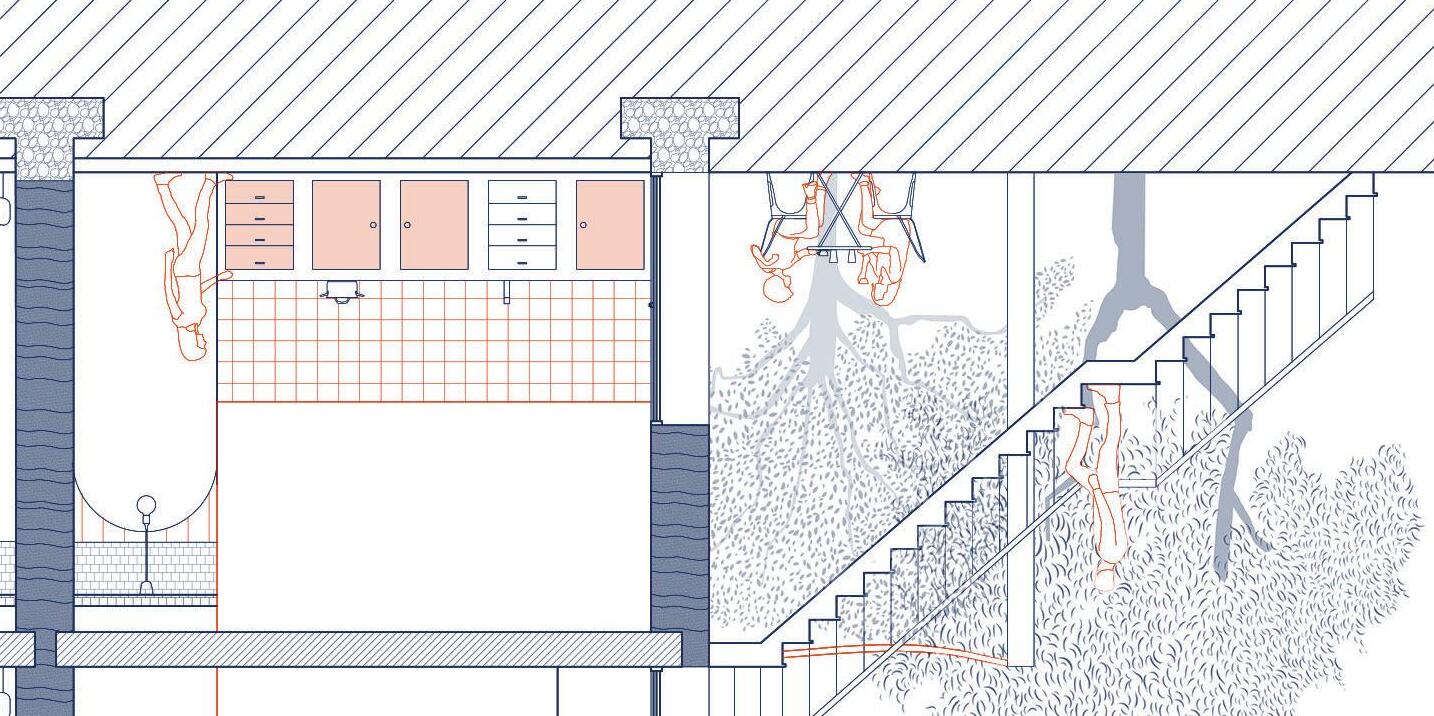
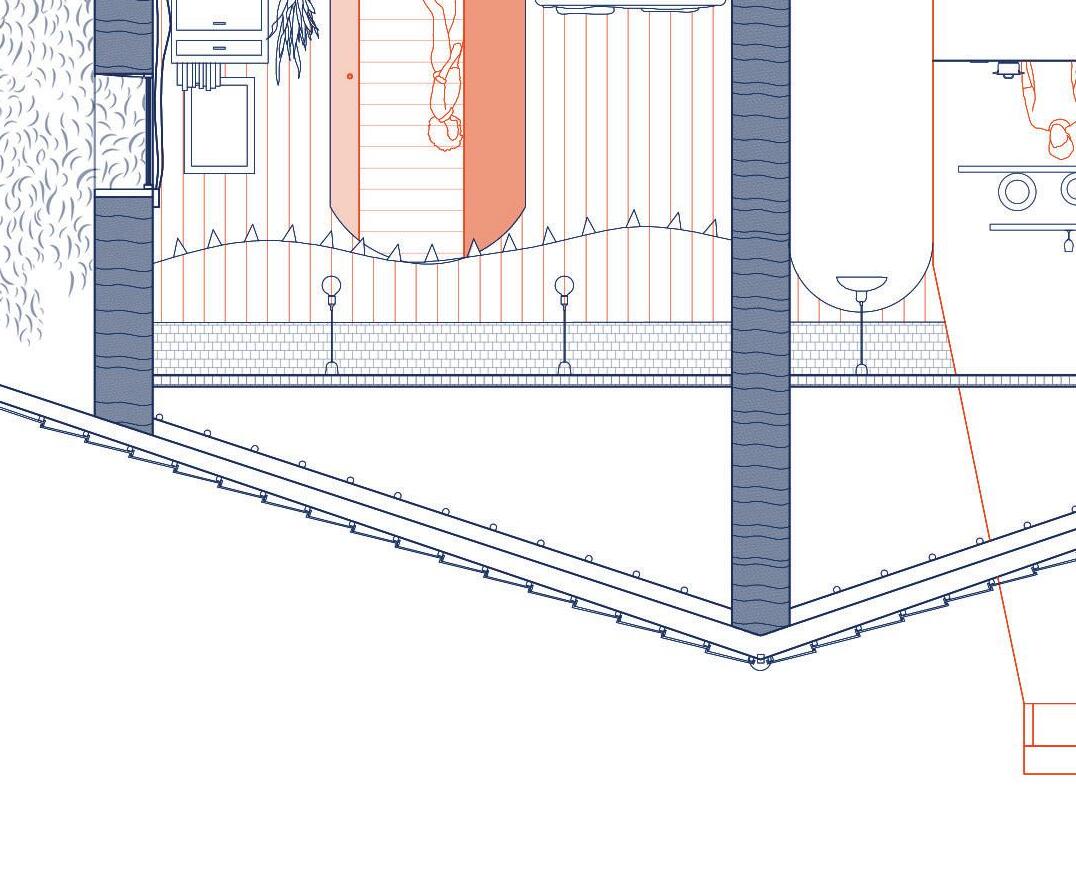
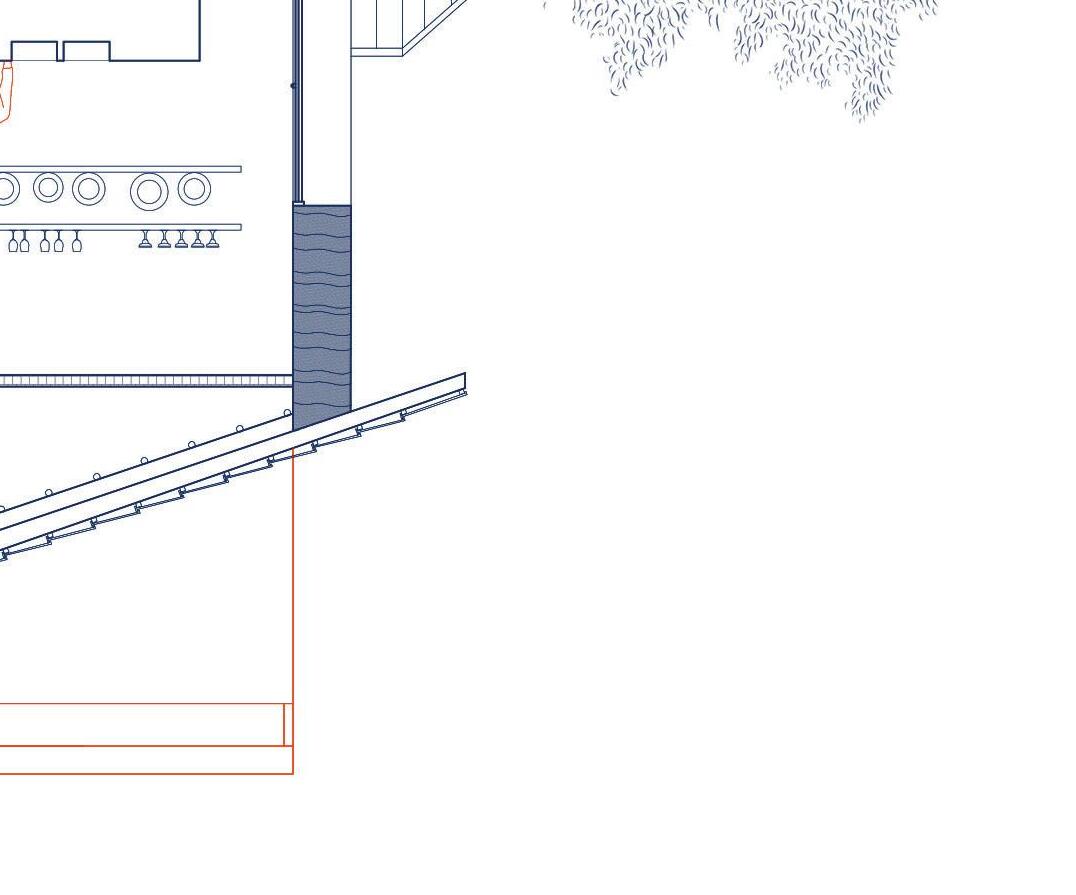
These section detailed models were made as an analysis of interior spaces and provided a better understanding of the functionality and atmosphere they create. This approach gave the possibility to visualise thermal systems, such as the thick rammed earthen walls and the functioning of the chimney, thereby emphasising the fundamental principles of this vernacular building method.
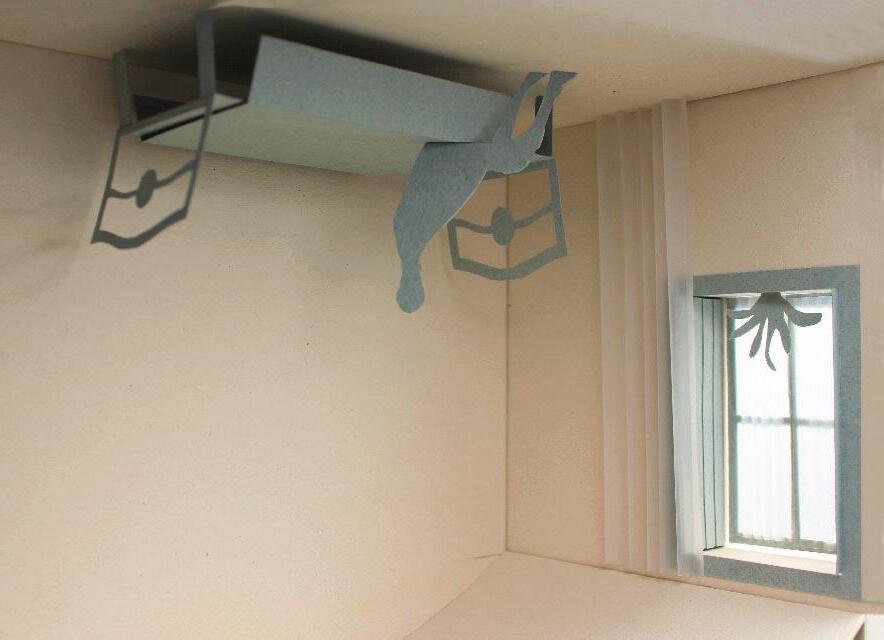

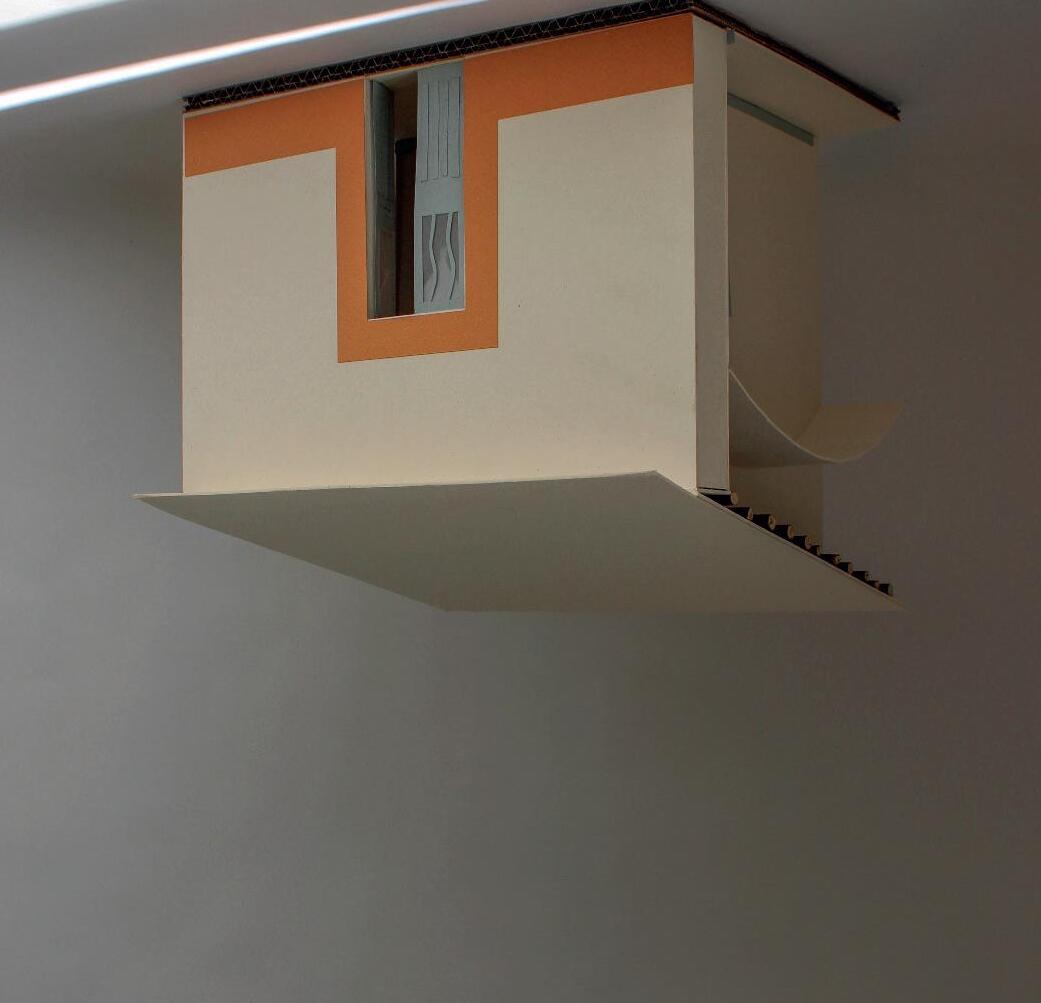
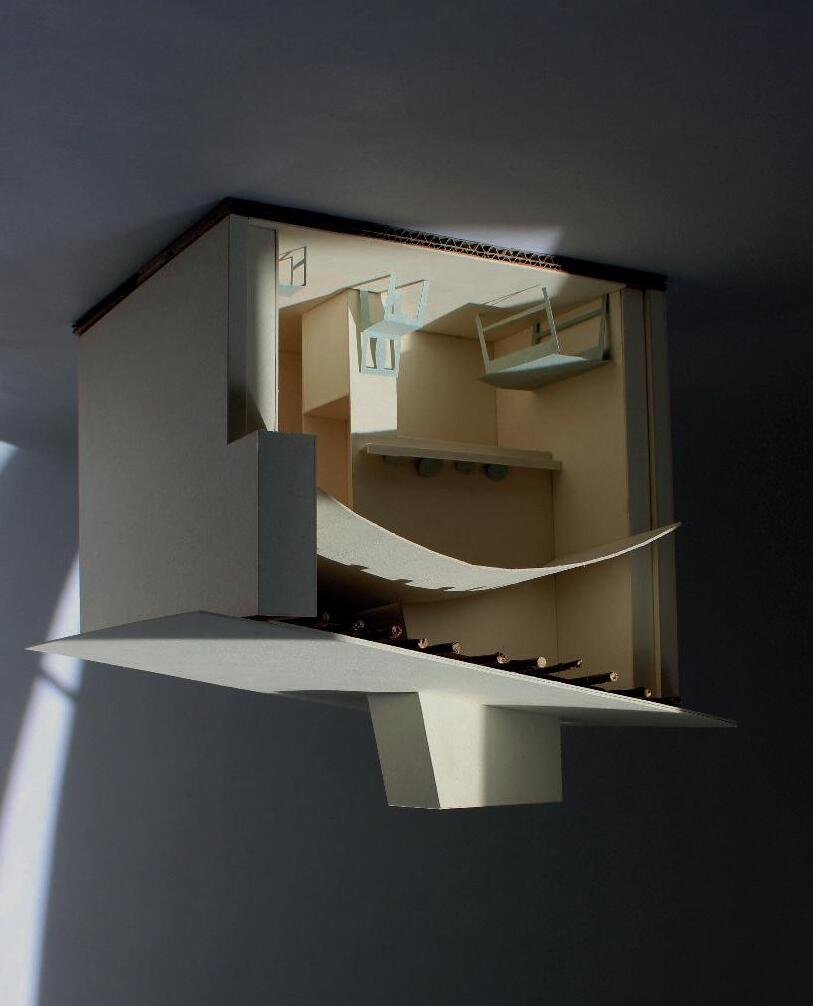
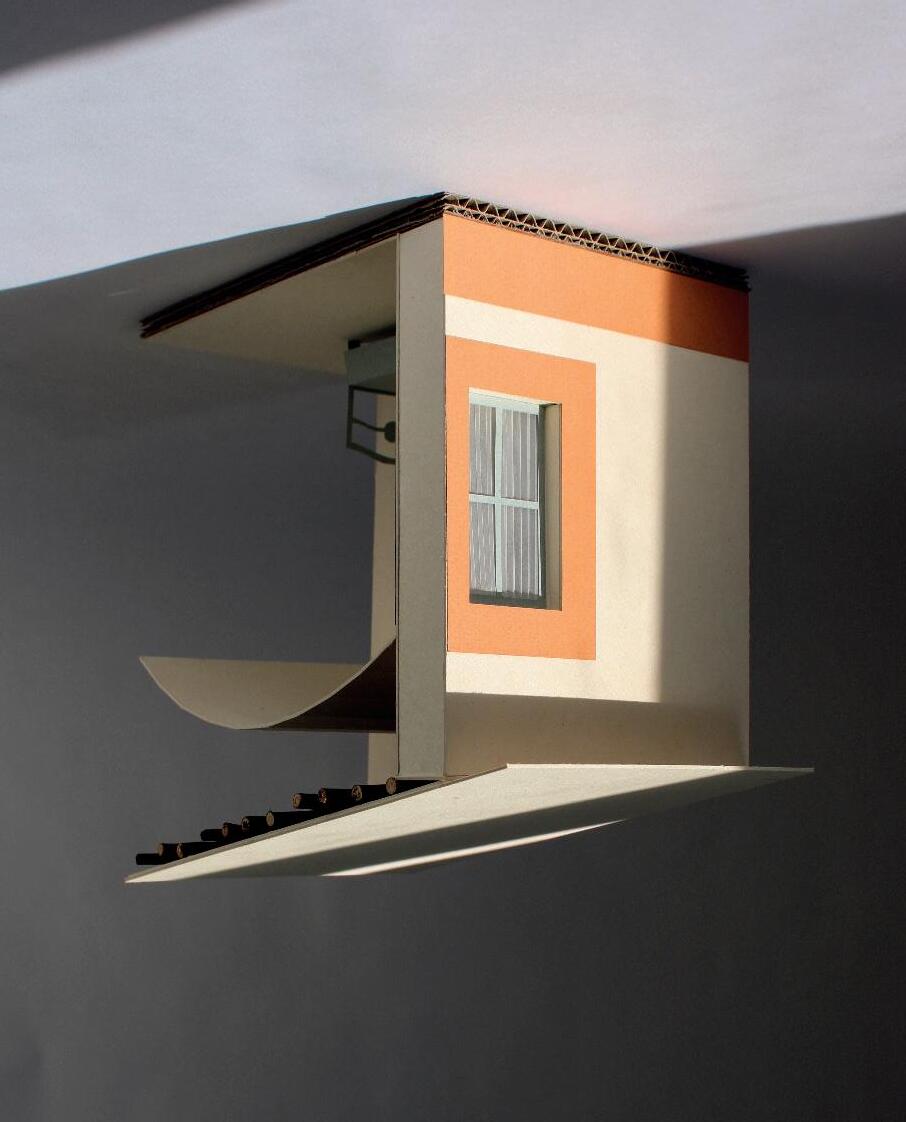
Elaboration of the housing proposal. An attempt to tackle the two biggest issues of the town: affordability and abandonment. It is a combination of reusing vernacular materials and methods while maintaining a good quality of living.
2.
Master Studio ‘IMPOSSIBLE SCHOOLS’
Supervisors: Karen Kesteloot + Sophie Laenen
oct 2020-jan 2021
Project type: Facilities (school)
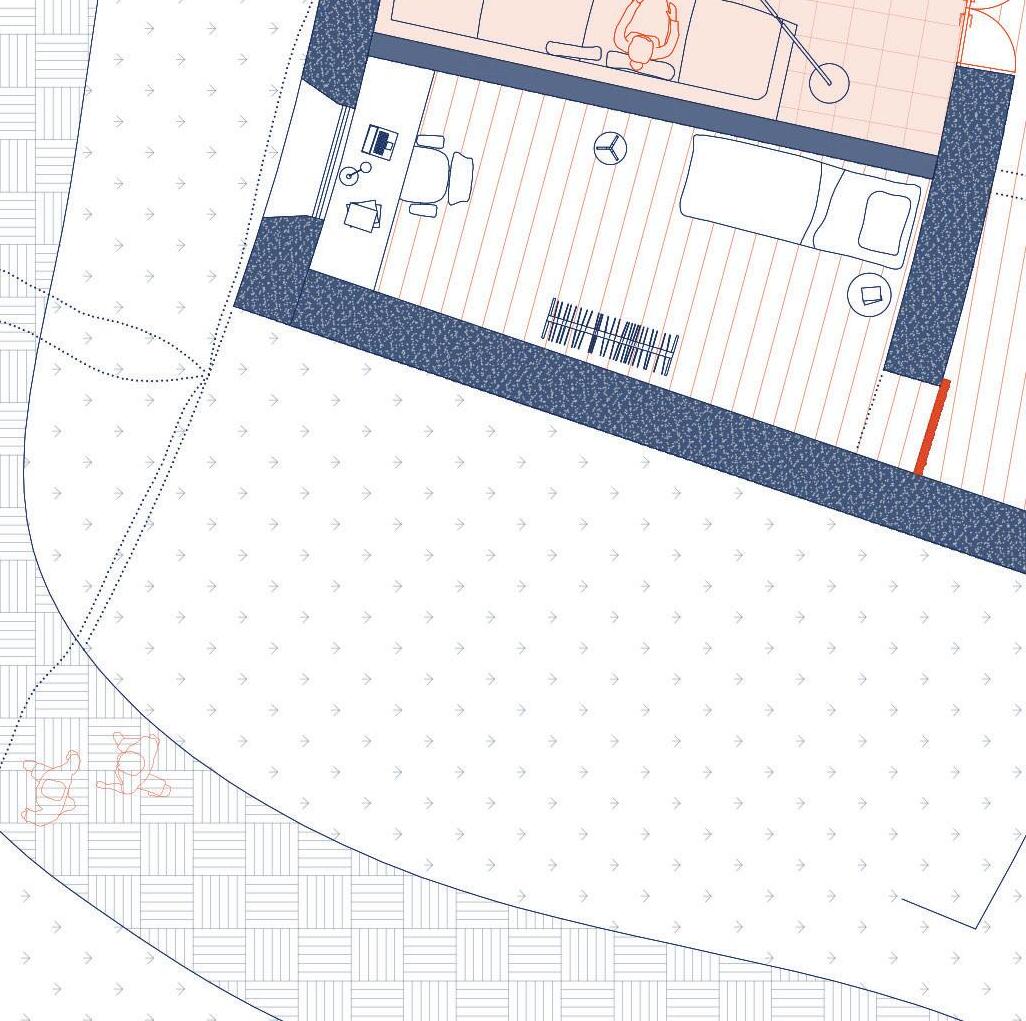
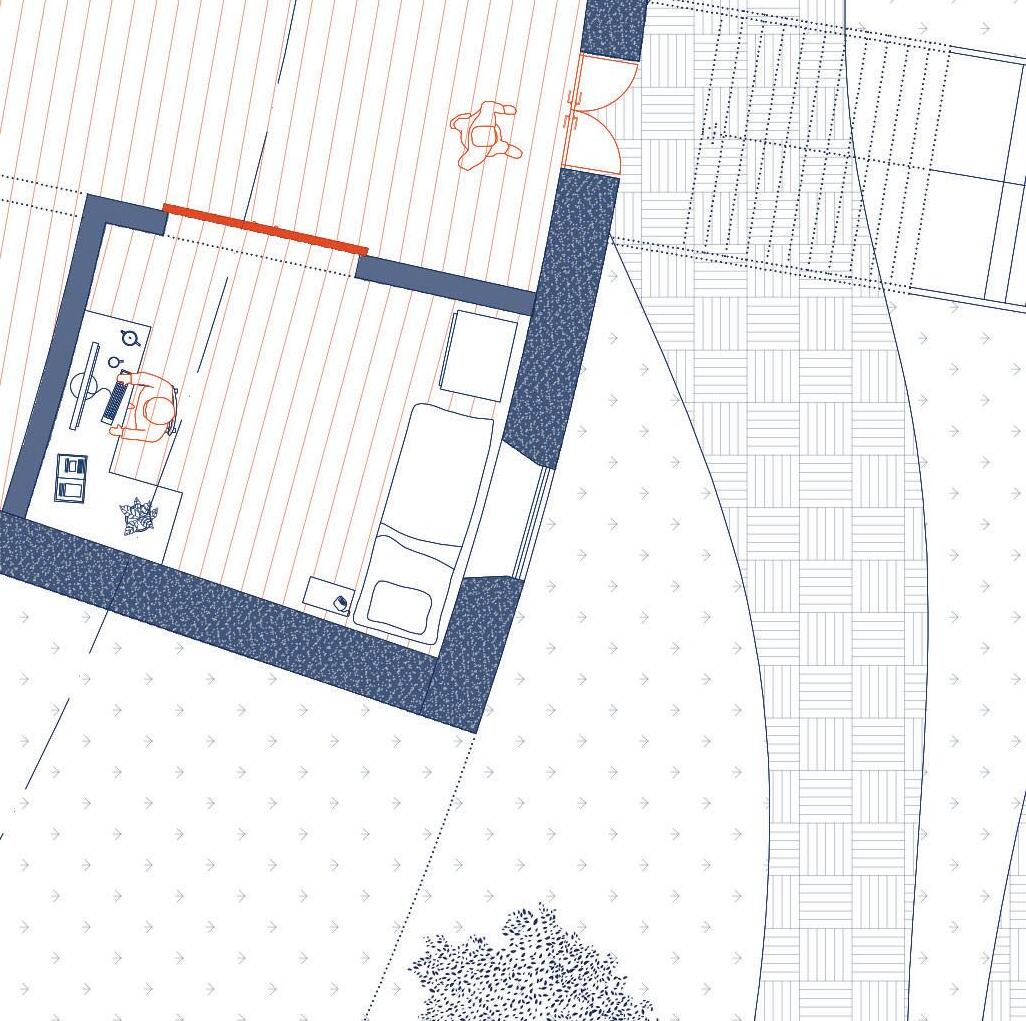
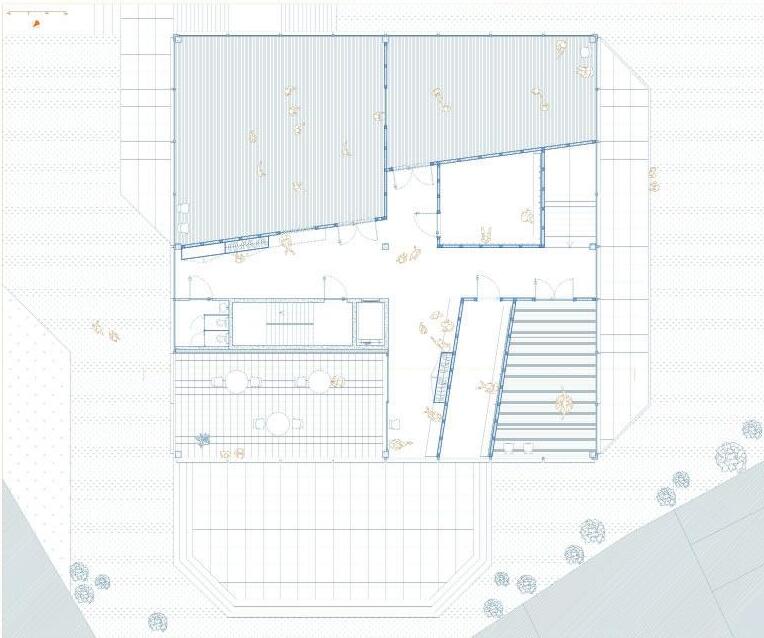
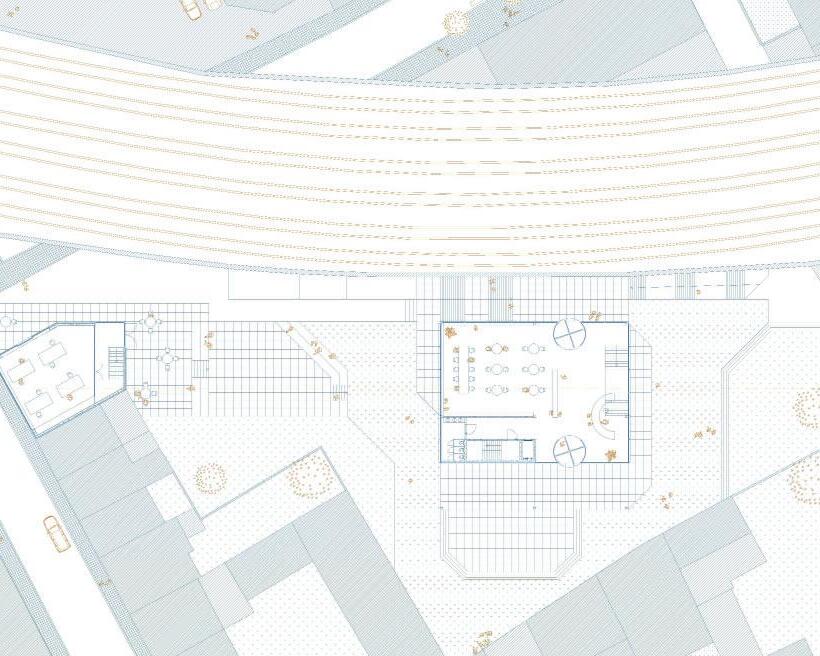
The goal was to design a school in the impossible urban city context of Brussels. We decided to create a safe and youth friendly environment in the middle of a very busy part of the city. A dance school was formed in combination with several open, public spaces that stimulate the solidarity of the neighbourhood.
This project was selected for the ‘Curating Craftmanship’ exhibition, held by the Craftmanship department at our school.
Architectural Projects
3.
Master Studio ‘GREY MATTER’
Supervisors: Elida Mosquera + Jérome Picard + Eva Kun
During an exchange semester at Bergen Arkitekthøgskole, Norway aug 2021- dec 2021
Project type: Facilities (elderly home)
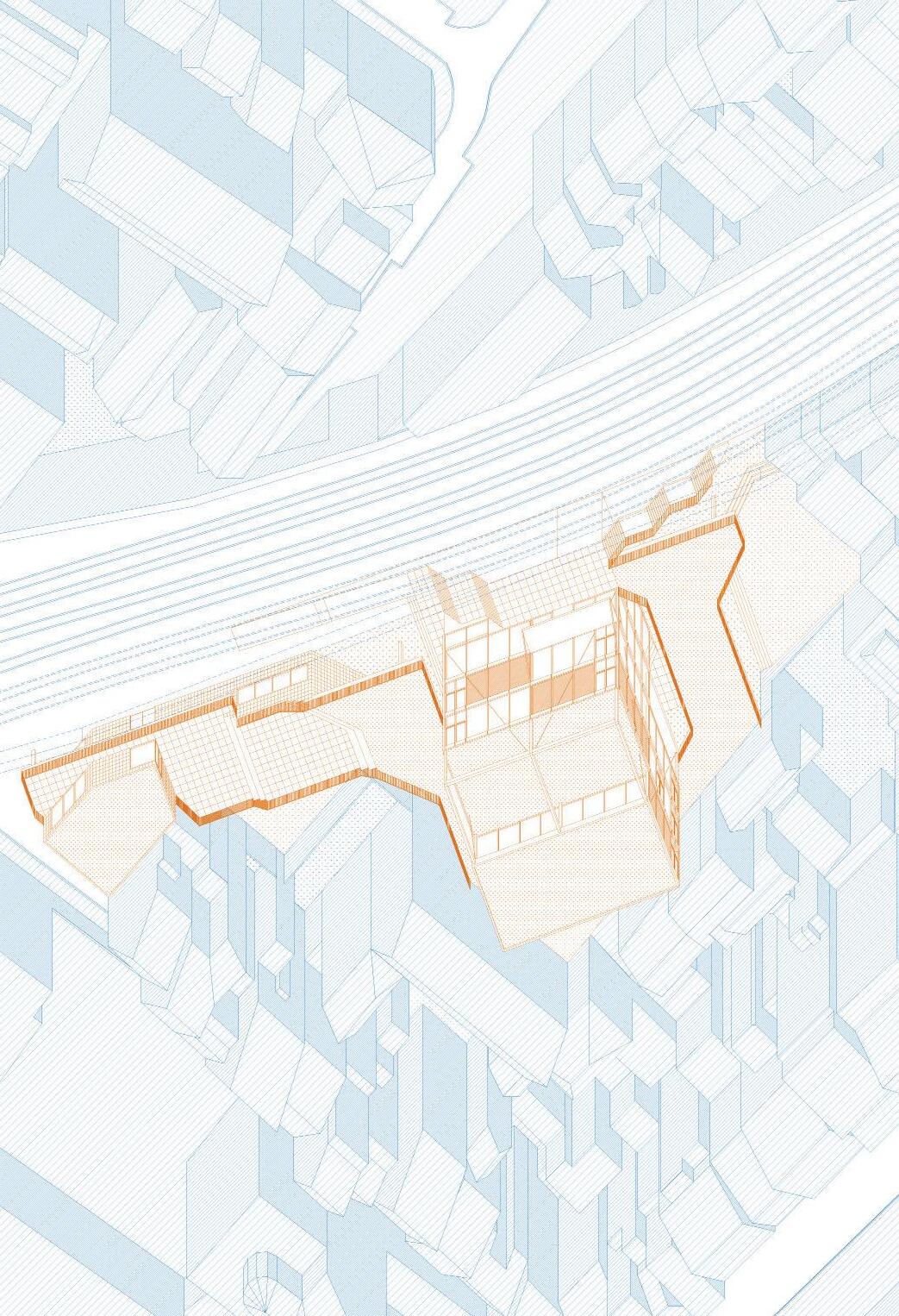
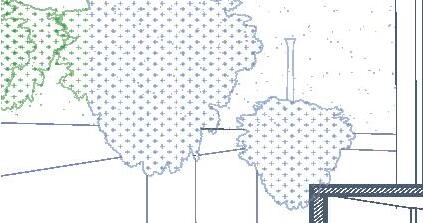
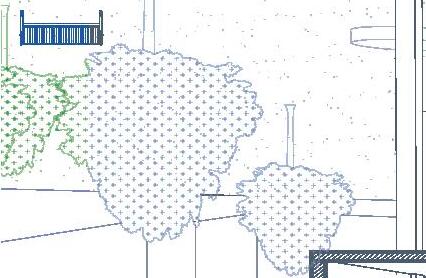
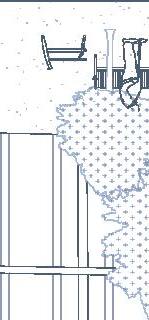
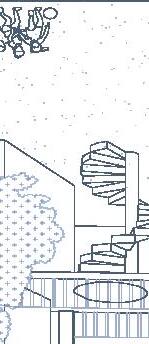
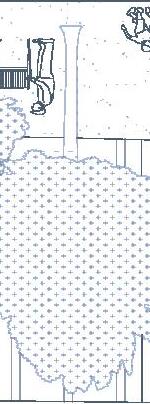
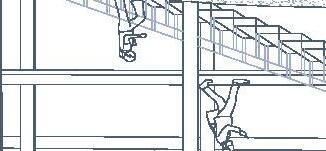
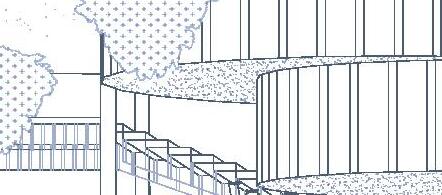
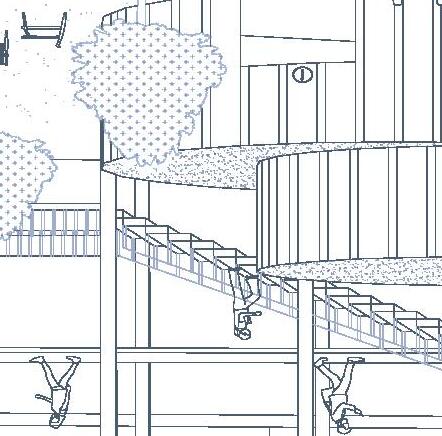
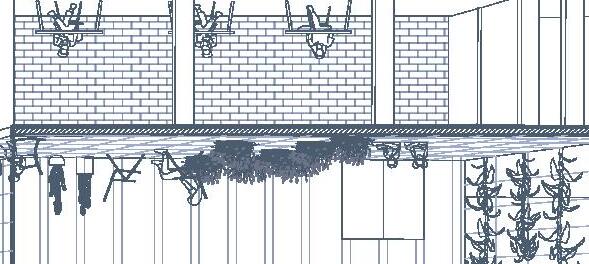
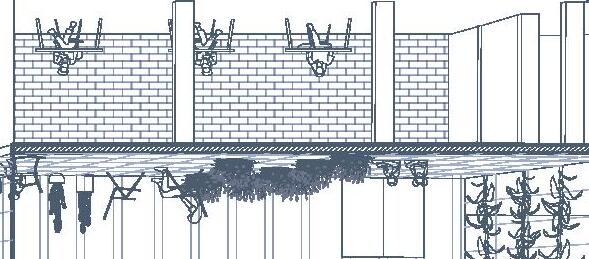
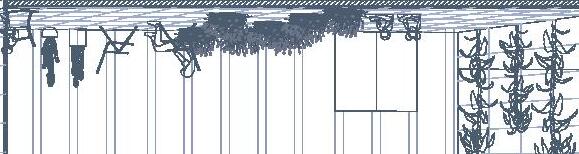
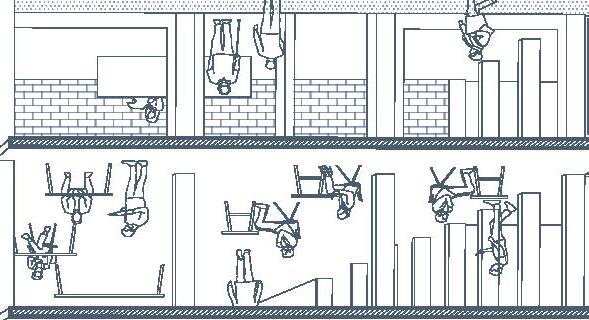
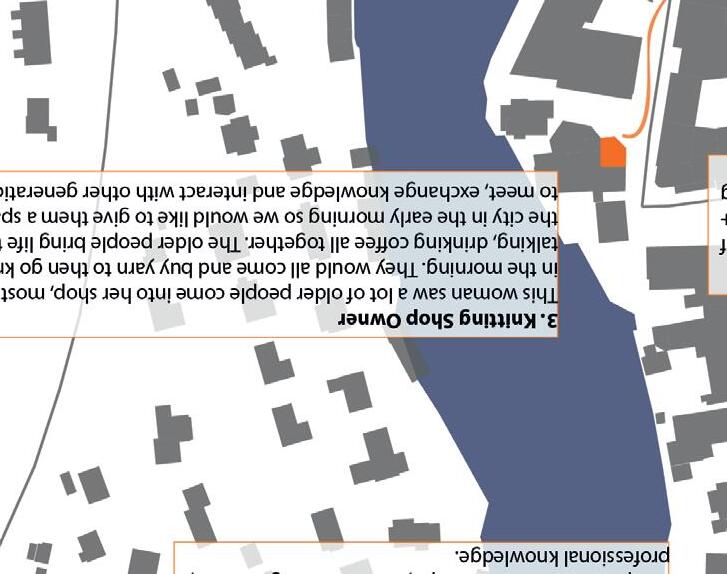
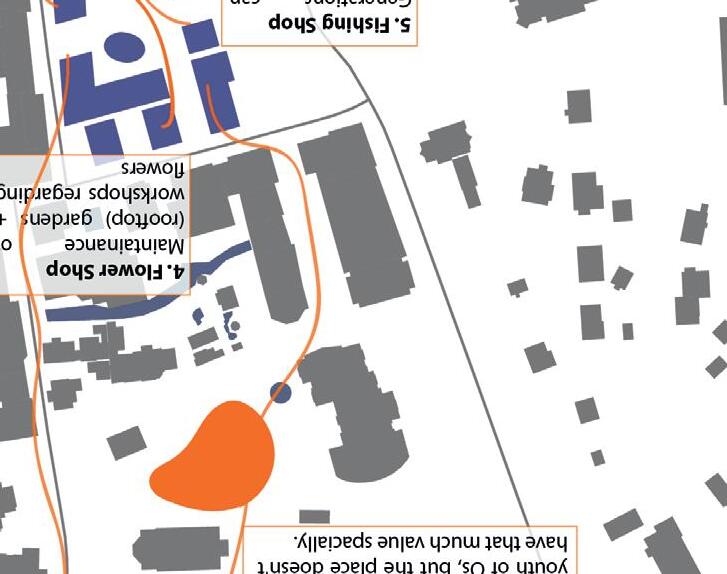
This course explored a fresh approach to aging and communal living, positioning seniors as the focal point of urban revitalization rather than marginalizing them.It was part of the ‘Grey Matter’ research by the Bergen/Paris based architectural office LOCAL.
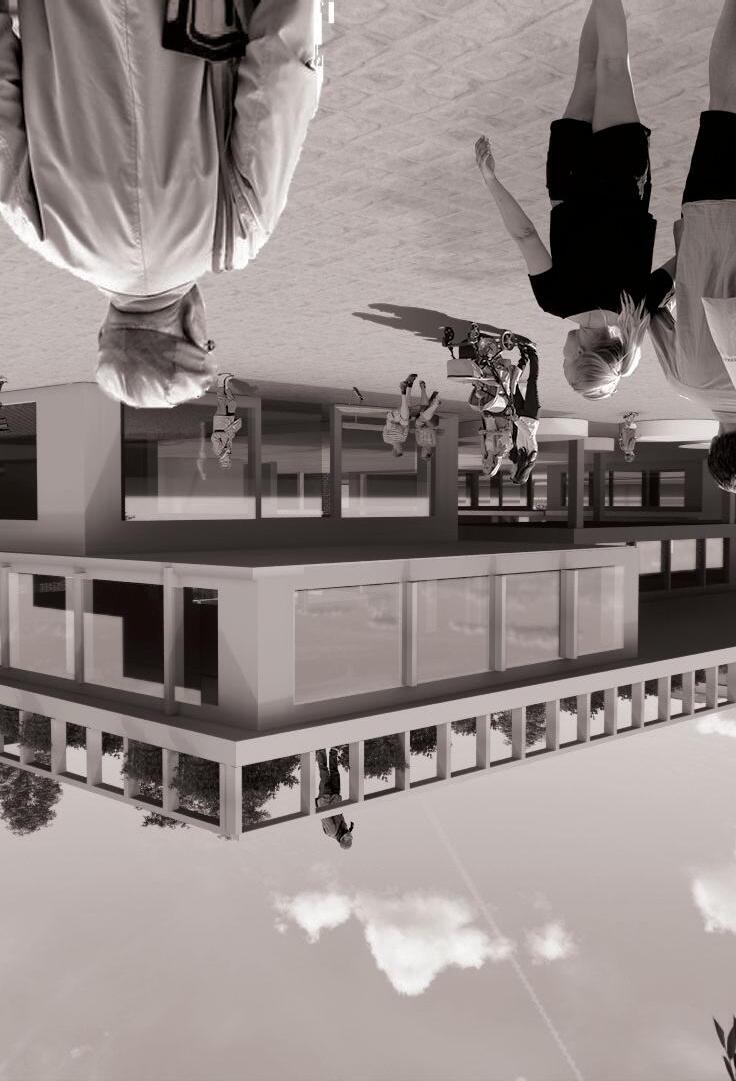
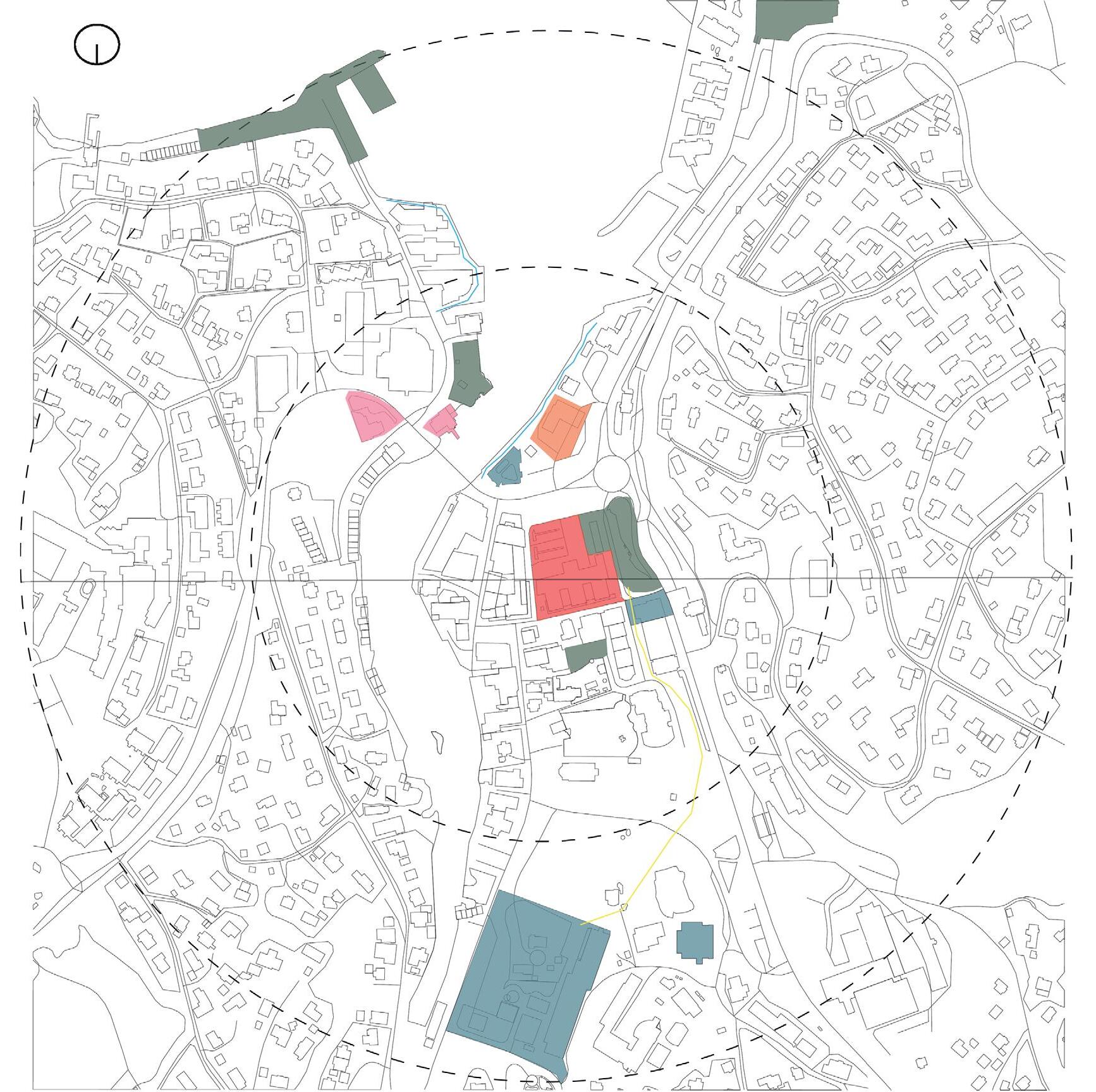
Our approach to the design challenge was based on the rethinking the role of the current Rådhus (townhall) in relationship to a multigenerational society. How can a town hall be more than a formal, strictly work minded, institution? How can a town hall give back to the people it’s providing for?
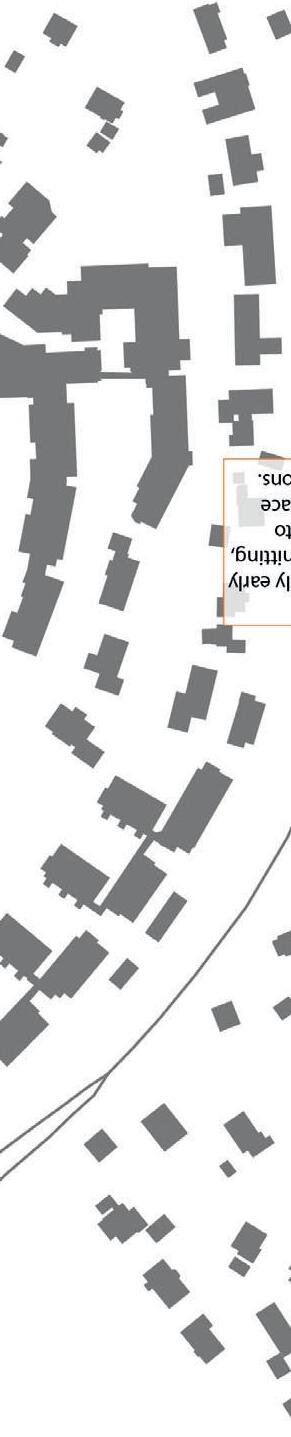
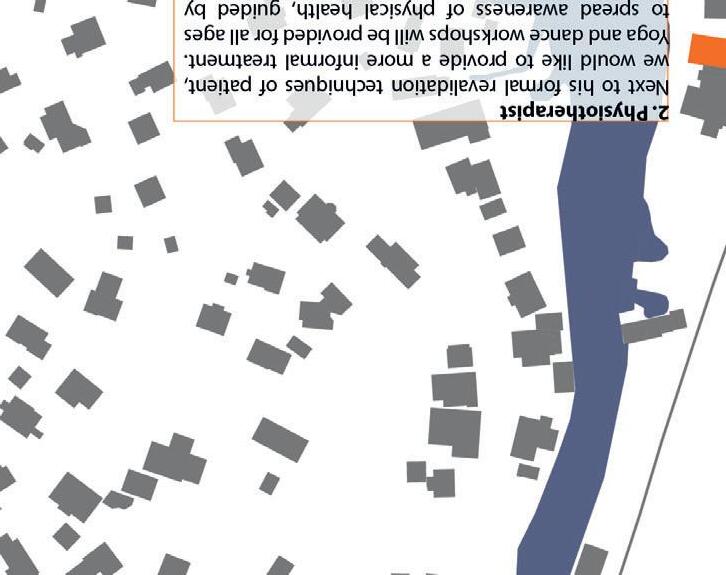
A centrally located building with opportunities to transform into a community creator in order to make a more lively town center. A municipality building that will engage with the town itself in order to become more transparant and considerate. Multigenerationality is a key aim with this project to connect the age groups and learn form each other. For elderly, it’s not only the physical health that’s important - the mental health contributes as much to their wellbeing. We would like to create informal meeting places to fight the mental health issues elderly have to deal with. Nowadays, the different generations are gouped together in different places scattered around Os (case study for this particular project), they hardly have the chance to meet one another - in an informal way. With this project, we would like to give them this opportunity.
Architectural Projects
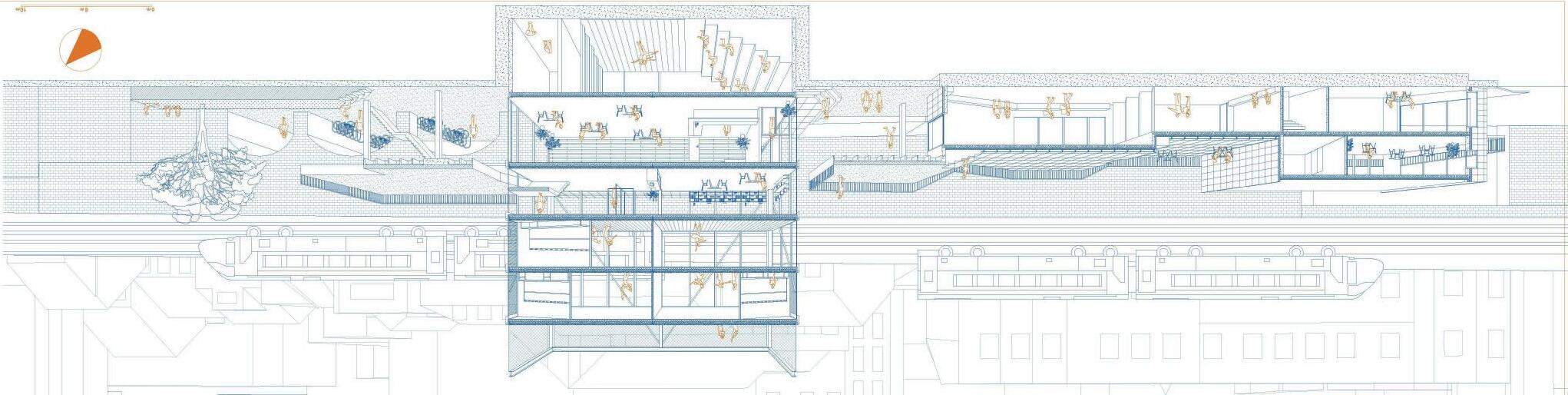
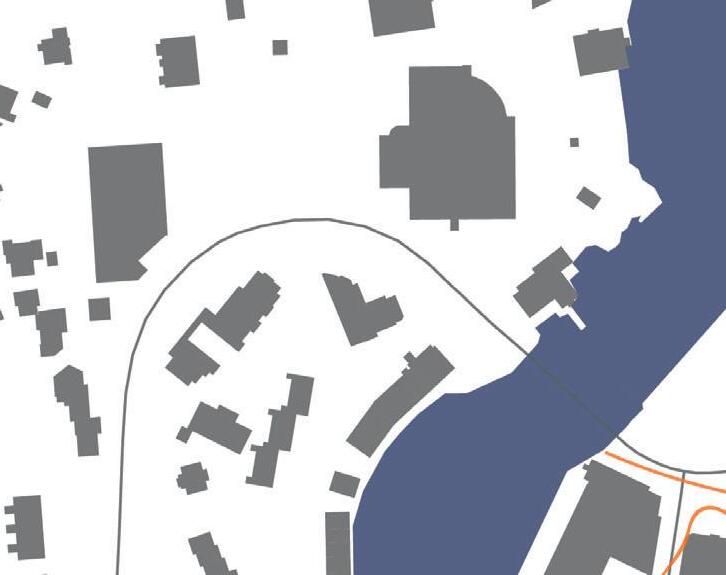
Inclusiveness is key when creating a public space meant for all. An easily accessible inner courtyard is created to get people to meet, interact, share, learn... Municipality functions are alternated by public spaces which creates an interesting dynamic between the two. A roofed inner courtyard that protects against the rainy character of this part of Norway on one hand and catches the first rays of sunlight in spring. The ground floor provides functions for all together with spaces for self engagement of Osingar that want to organize a certain activity. We looked at specific resources close to the Rådhus that could be included in this community organization of the building.








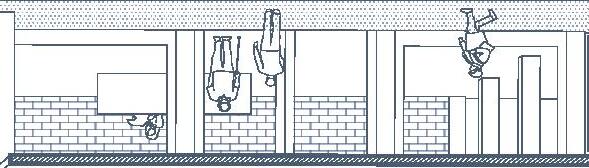
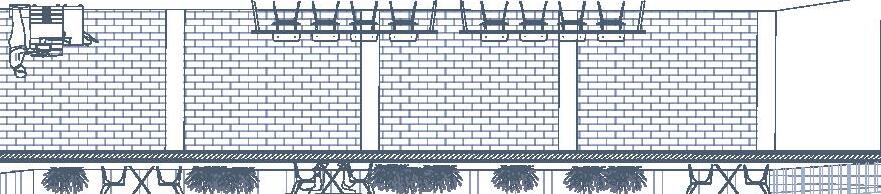
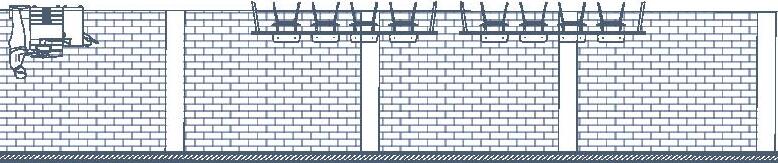
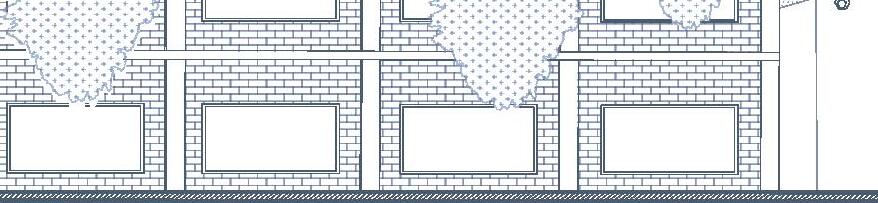

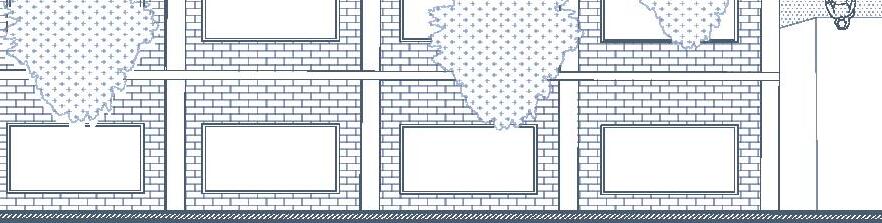
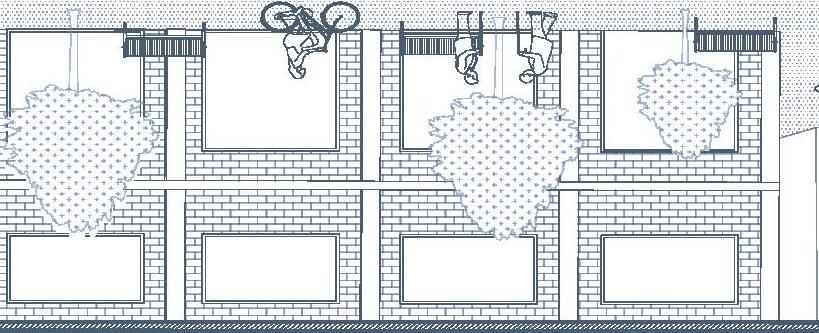
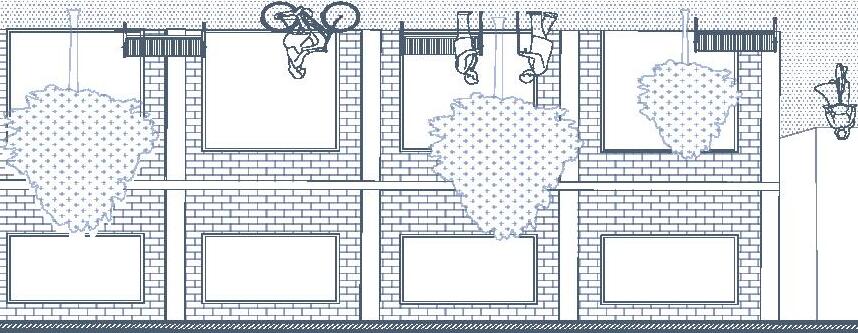

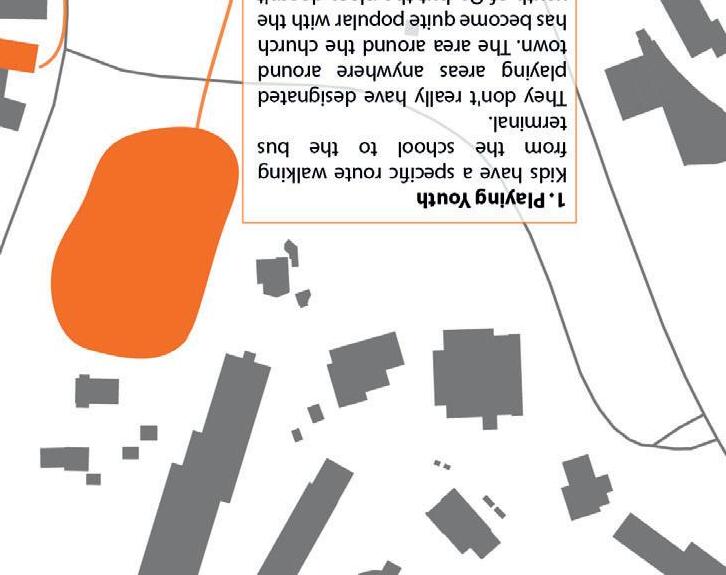
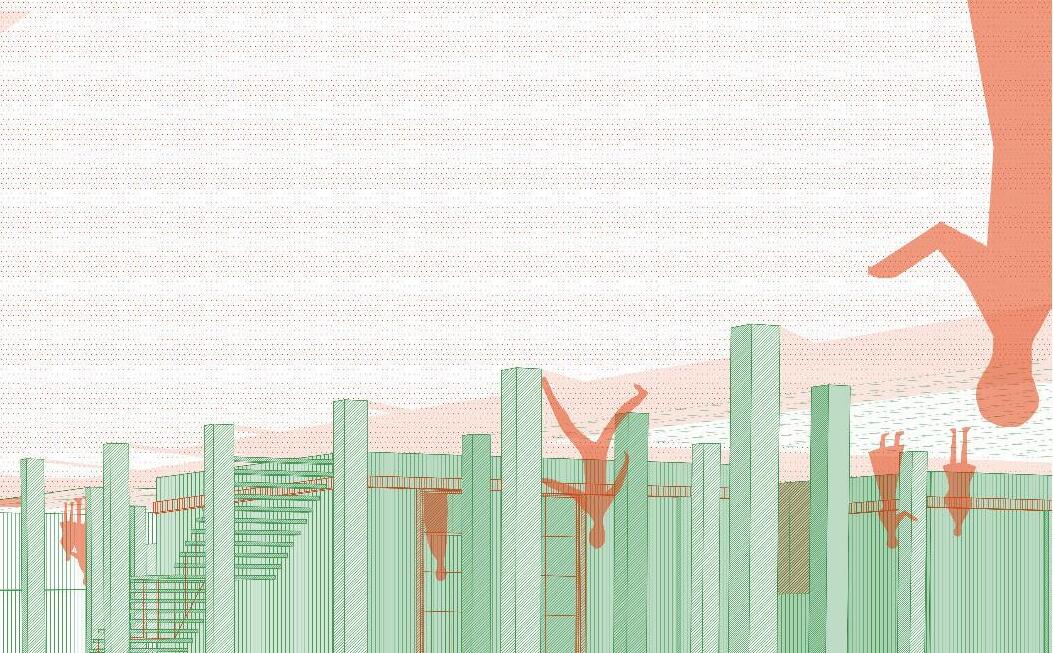
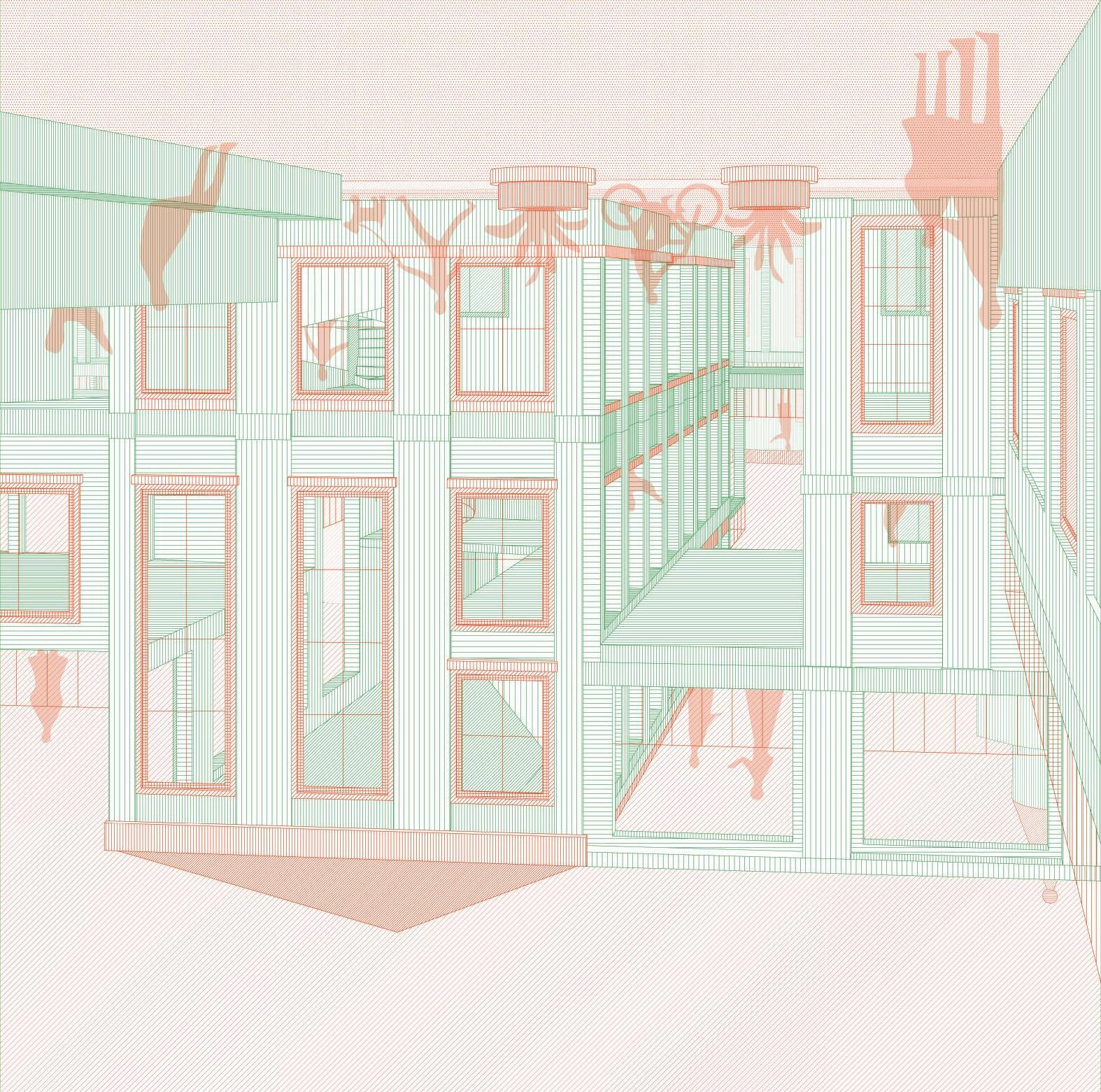
Master Studio ‘AS-S(E)AMP(B)LING’
Supervisors: Karen Kesteloot + Christopher Paesbrugghe

feb 2021- jun 2021
Project type: Urban scale


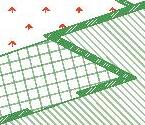
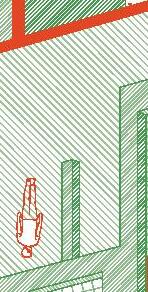
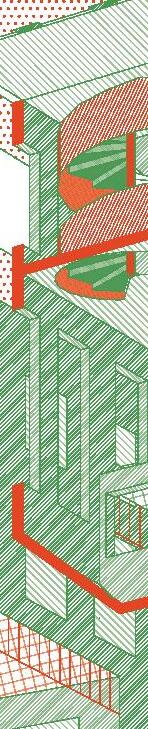
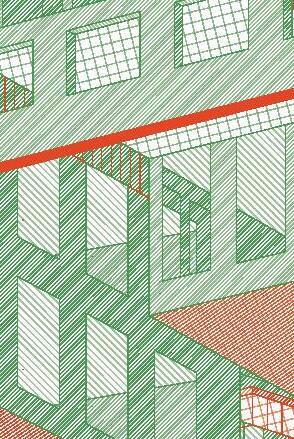
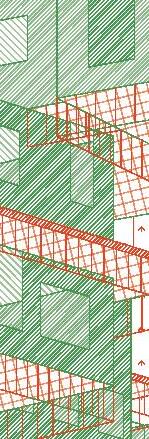
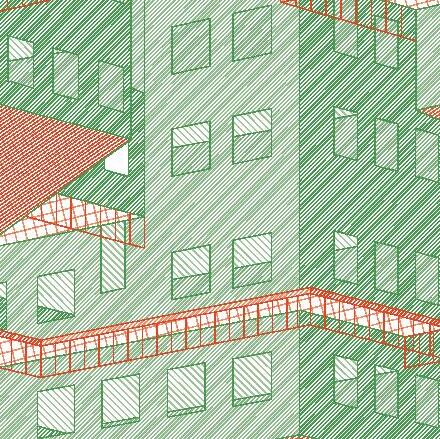
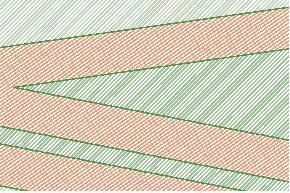
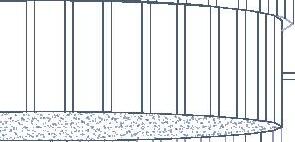
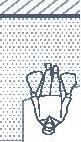
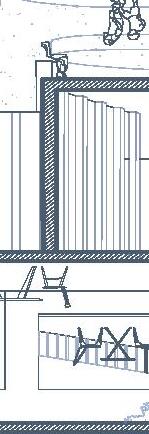
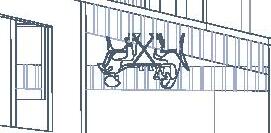
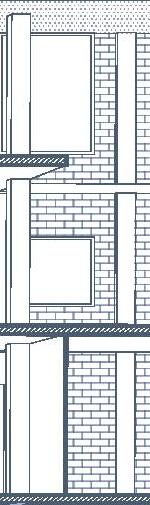
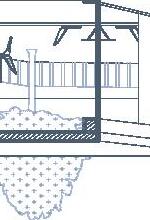
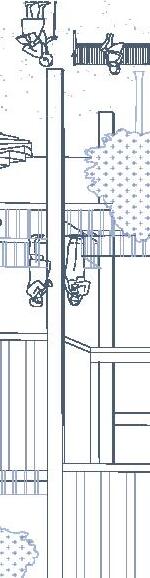
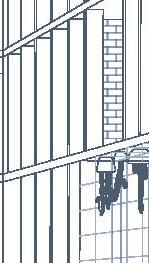
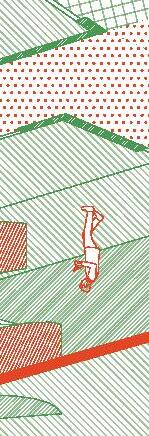
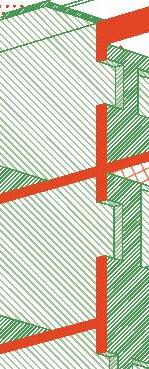
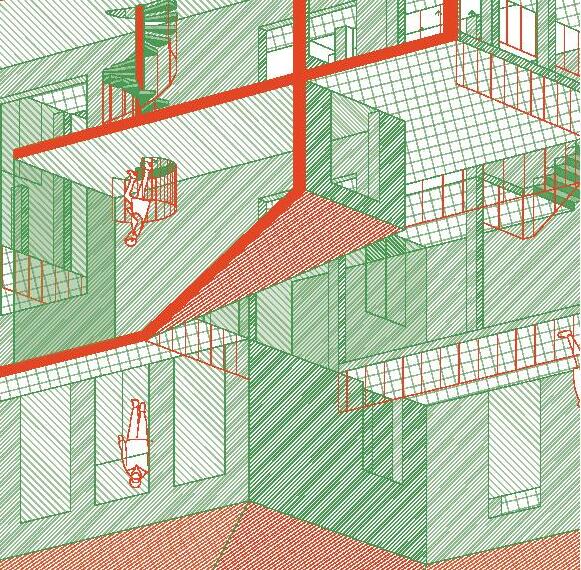
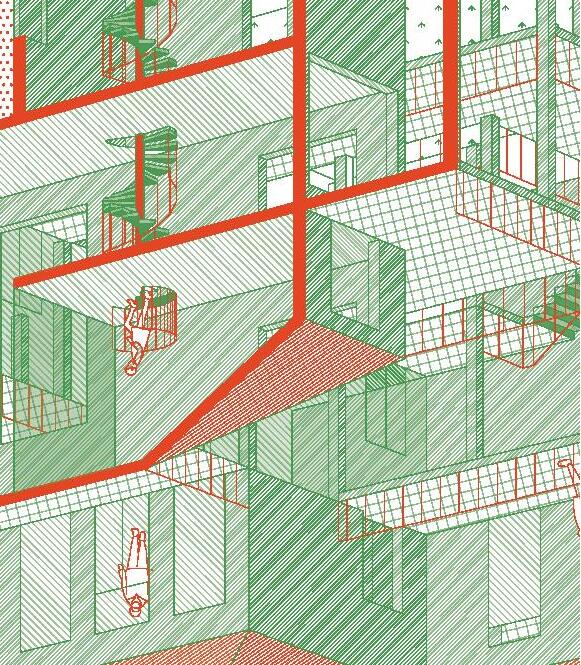
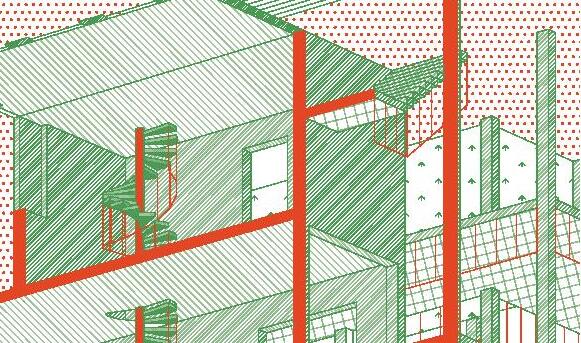
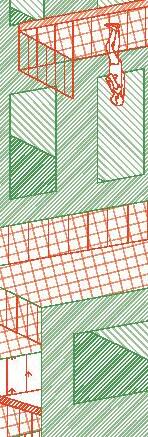
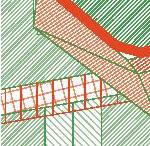
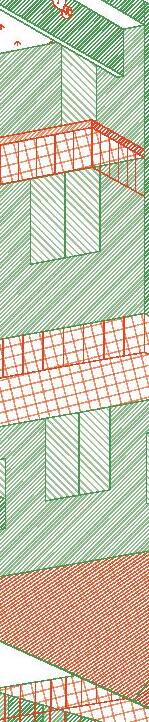
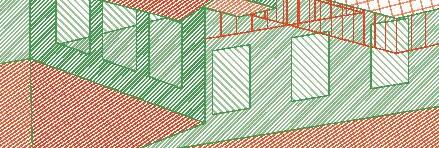
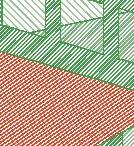
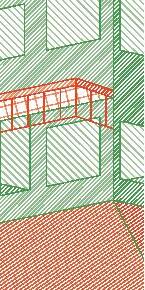
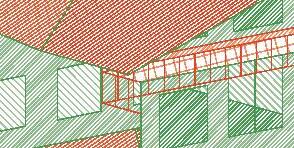
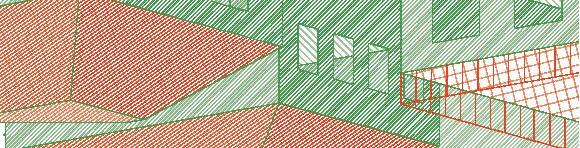
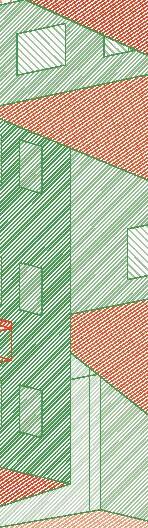
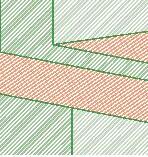
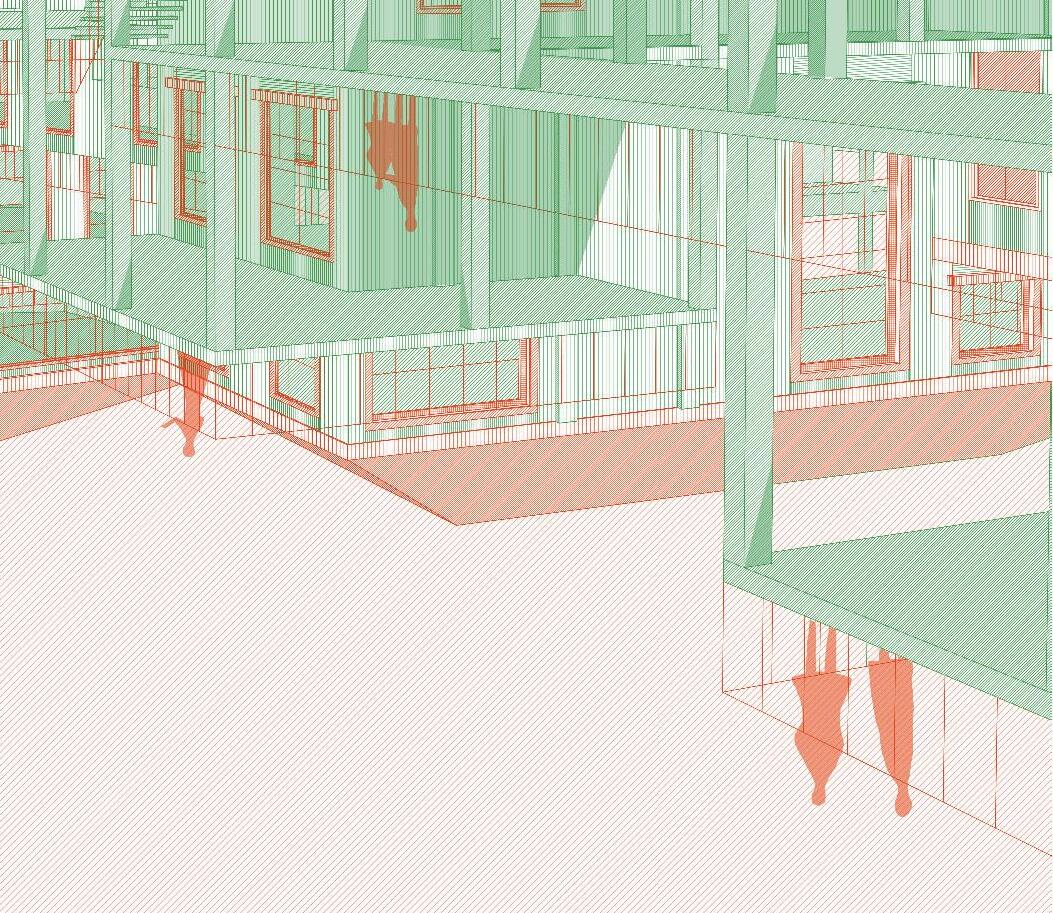
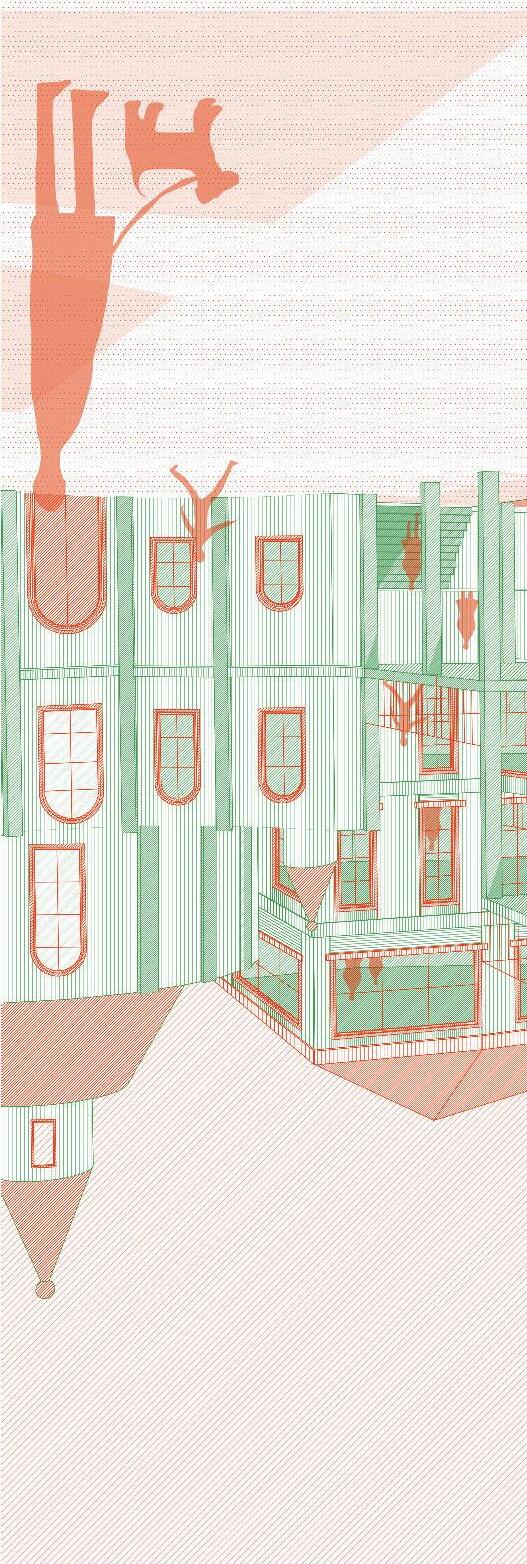
The design process took off with 12 samples, interpreted and represented graphically, focusing on significant images for further design evolution. The ‘Place Des Vosges’ served as a fundamental inspiration, showcasing the formal square’s role as organized emptiness within Paris’ organic urban fabric. This prompted the creation of radical orthogonal cutouts in the urban solids. Exploration occurred across three scales: urban tissue, building block, and detail. These explorations culminated in a city plan that integrated the concept of orthogonal cutouts for void creation. The architectural design phase then drew from the organized emptiness within voids.
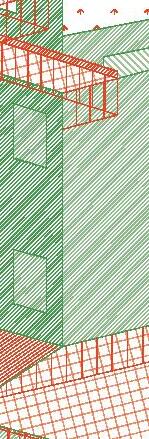
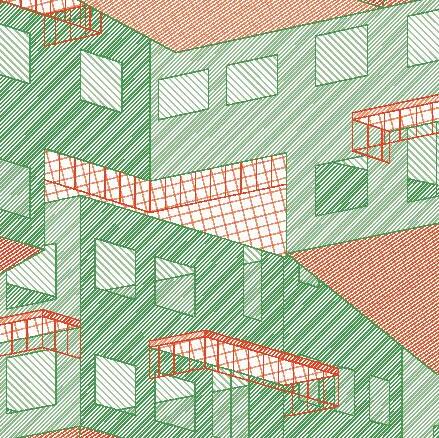
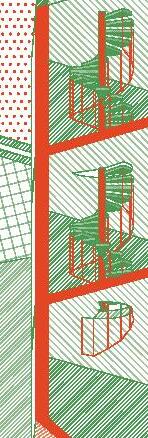
The design studio’s approach, outlined in the subsequent paragraph, involved disentangling form and function to explore spatial possibilities across architectural elements in plan, section, and façade. Existing fragments and typologies are combined through analog collages, generating novel samples and building components, offering a method and an outcome to drive further innovation.



4.
Architectural Projects
Research Master Thesis
‘From Commemoration to Decolonisation?

A critical analysis of Belgium’s public spaces and collective memory’
Universitat Internacional de Catalunya
Supervisor: Kathrin Golda-Pongratz jan 2023 - may 2023
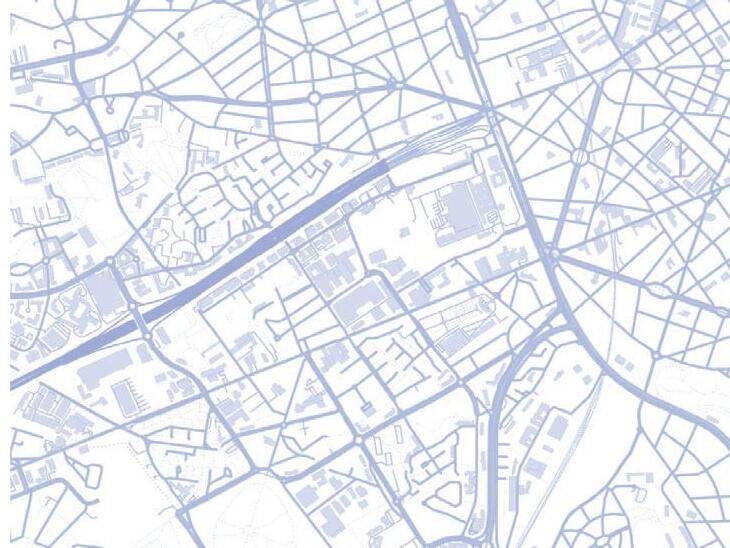
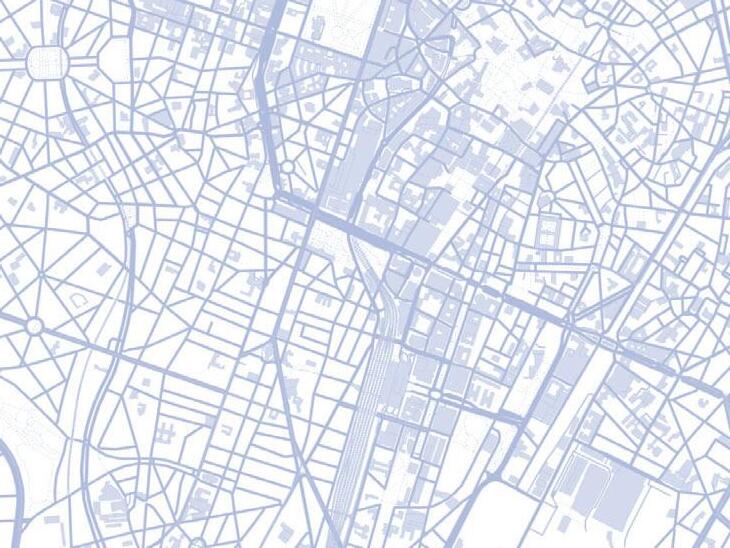
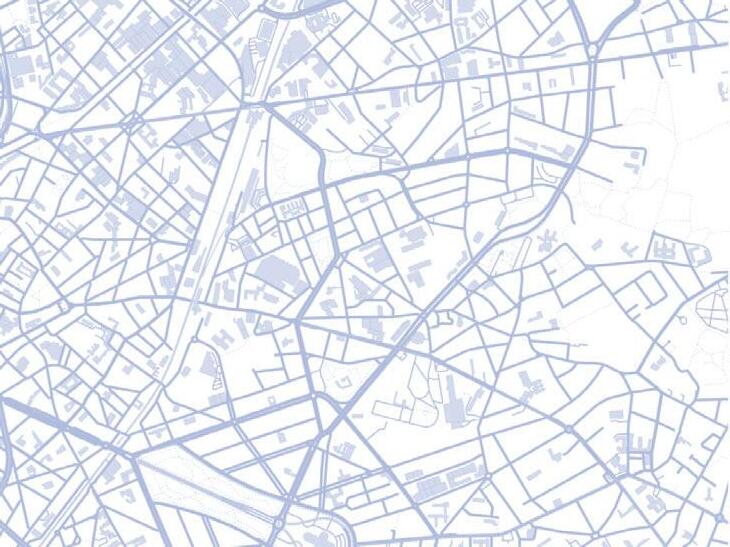
This research studies the reasoning behind Belgium’s ongoing struggle to confront its colonial history, expressed in the commemoration of it in the public space. Looking into the main drivers of action and seeing what the responses are from both governmental institutions and bottom up organisations. A first step is to analyse what the role of public spaces have played and still play today in the shaping of memories and identities of the people using them. The historical context behind the spaces’ creation and their societal shifts that have led to recent debates over their appropriate use will be analysed and subsequently the gap between the top-down and citizen-led decolonisation strategies will be studied. Interviews with experts working with these citizen-led organisations are conducted in order to dig deeper into the disparity. This is a research on spaces and territory and how they contribute to creating more inclusive and representative places
RESEARCH QUESTION
The main question this thesis highlights is: What are the repercussions of colonial commemoration symbols of Brussels’ public spaces on its inhabitants?
This question was further divided into two subquestions in order to create a comprehensive conclusion;
- How does it affect collective memory and identity?
- What is the disparity between formal and non formal decolonisation strategies?
The framework consists of three main pillars, being public spaces and their symbolism and power dynamics, Belgian identity and how it was shaped by colonisation and memory, and the effect of public representations on it. These three act as guiding principles throughout my thesis, providing valuable insights and direction.
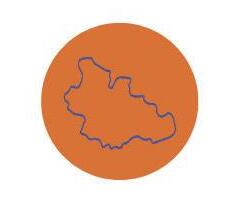
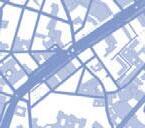
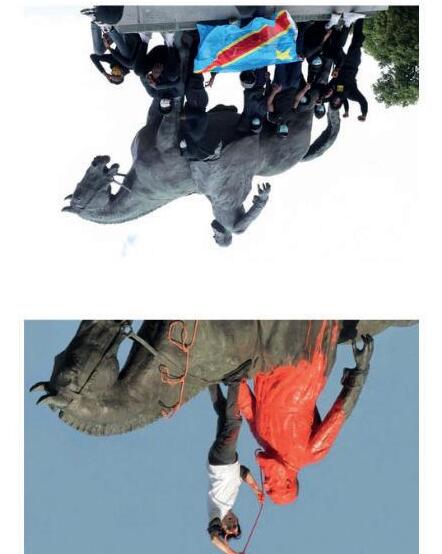
Brussels, situated within Belgium, was chosen as case study due to its historical colonial importance, evident in numerous colonial remnants, and as the epicenter of ongoing debates. Focusing on specific areas within Brussels, such as Throne Square with the symbolic Leopold II statue, and Matonge, a neighborhood historically significant for being the settlement of initial Congolese immigrants, offers distinct perspectives and contrasts within this discourse.
5.
Research Projects
Memory
Throne Square
THEORATICAL FRAMEWORK Public Spaces Belgian Identity
CASE STUDY Brussels
Matonge
METHODOLOGY

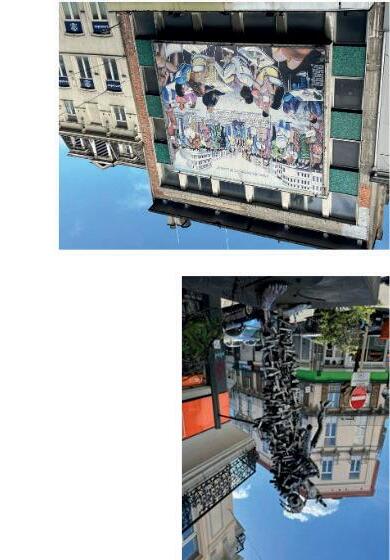
Exploring the case study’s context, a focus was placed on the evolution of space appropriation, categorised into three distinct ways: through art, go vernance, or protests. In the Matonge neighborhood, an impactful sculpture created from Congolese bullet shells marked a significant moment by being the first permanent African artwork in Belgium. Similarly, a mural capturing daily life in Matonge initially meant to be temporary but resurrected in 2008, has become a meaningful emblem of the community’s struggles and resilience. The second category highlights governance challenges through the story of establishing a Lumumba Square, revealing the intricate political hurdles within Belgium’s decolonization journey. Lastly, protests, such as the defacement of the Leopold II statue with red paint and the involvement of the BLM movement, have utilised Throne Square to address decolonisation and broader systemic injustices.
(Non) formal approaches
Examination of both approaches as a means to uncover the gaps and the understanding of the factors that contribute to their deficiency
Mapping Interviews
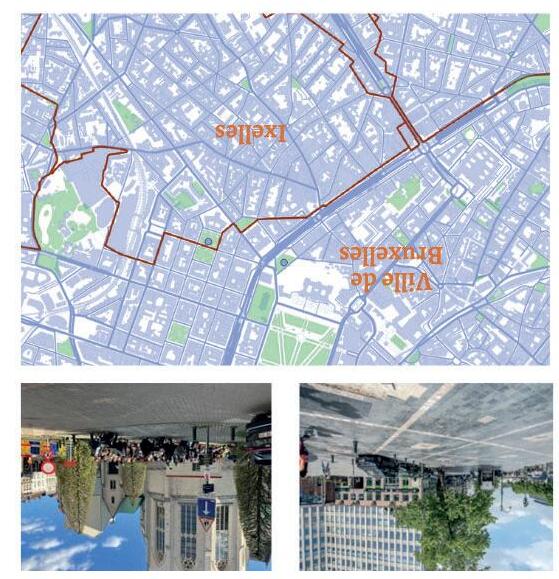
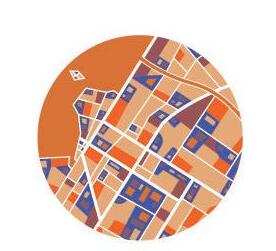
This technique allows for a visual analysis of the development of the spaces. Through this exploration, the maps decode the interplay between public spaces and the construction of inclusive and representative places.
ANALYSIS OF RESULTS
Formal vs Informal Approaches
Conducting interviews with people who have been actively engaged in researching and working on the topic of Belgium’s colonial history and decolonisation.
This study examines the comparison between formal and non-formal approaches to decolonisation. The formal approaches, originating from different political levels in Belgium, emerged after the BLM protests, focusing on tangible aspects of public spaces through expert-politician commissions. However, implementation remains uncertain due to the lack of legal binding for their recommendations, prompting critiques about commission composition and execution. In contrast, the informal approach in Brussels, concentrated on Afro-descendant empowerm ent, embraces a broader scope of decolonisation encompassing both physical and mental dimensions. These organisations, pre-existing BLM debates, operate at a smaller scale, facilitating easier implementation of activities such as workshops, exhibitions, and street renaming for African representation, all contributing to community engagement and awareness spreading.
FORMALINFORMAL
FEDERAL
BRUSSELSBRUSSELS FLANDERS
Focus on tangible public spaces
Established in the wake of Black Lives Matter protests
Big scale
Actual implementation yet to be observed
Critiques
Broader Approach
Established out of wish for empowerment








Smaller scale
Actual implementation has happened
The interviews were organised into five groups for analysis, with most categories predetermined prior to conducting the interviews. However, the topic of systemic issues, emerged prominently during the interviews, necessitating its inclusion. The interviews highlighted that discussions on the decolonization of public spaces cannot exclude a consideration of the fundamental systemic problems. It has to be a combination of both in order to talk about successful decolonisation.
Interviews
Public Spaces
Approaches Informal Approaches Systemic Issues
Art Governance Protests Appropriation
Decolonisation
Formal
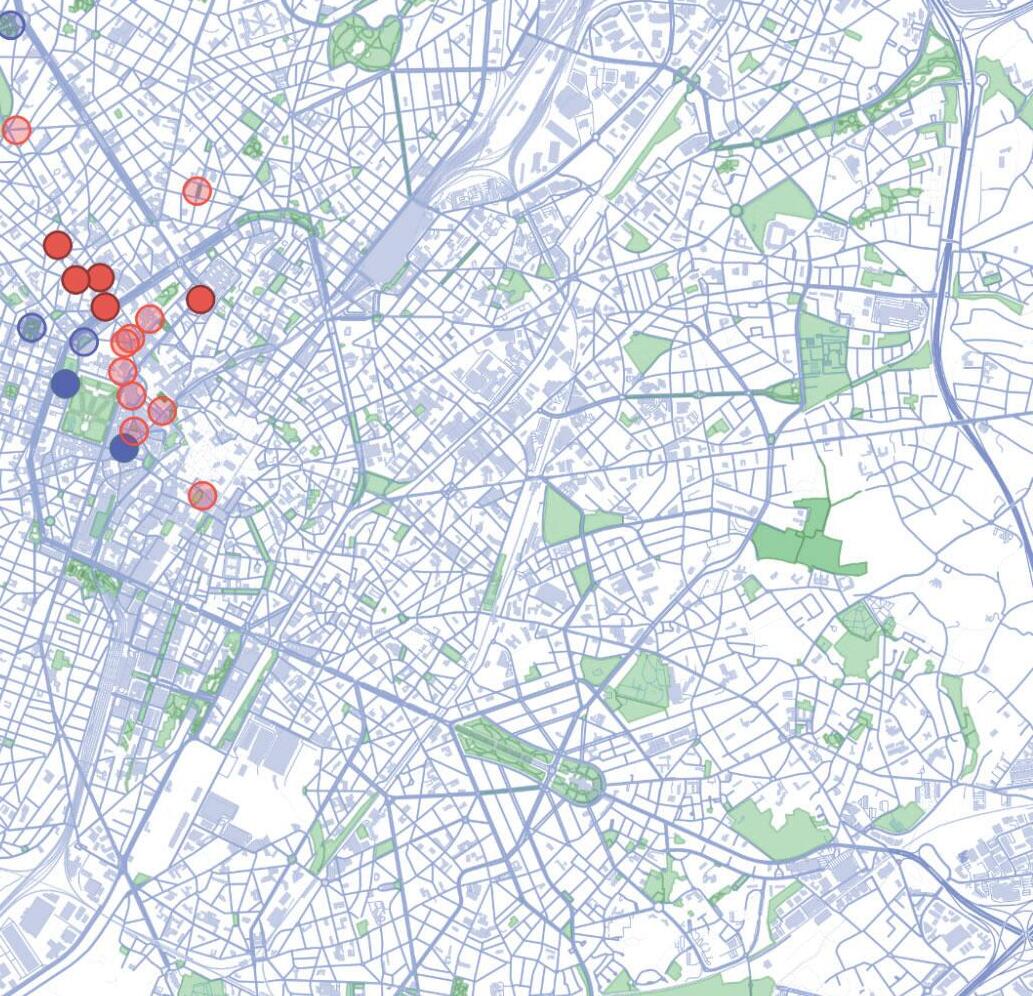
Colonial Traces around Brussels
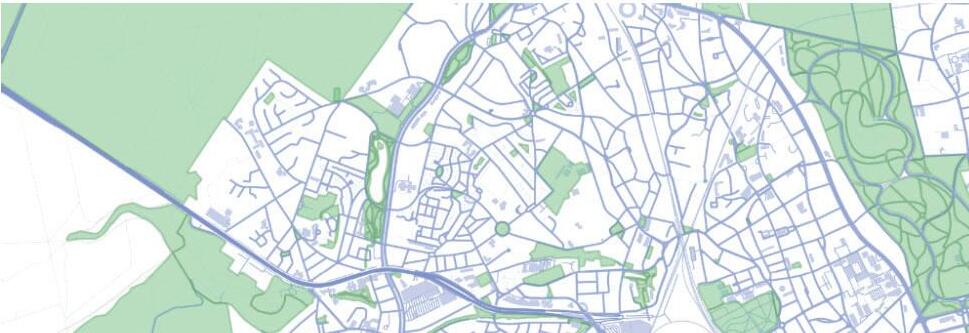
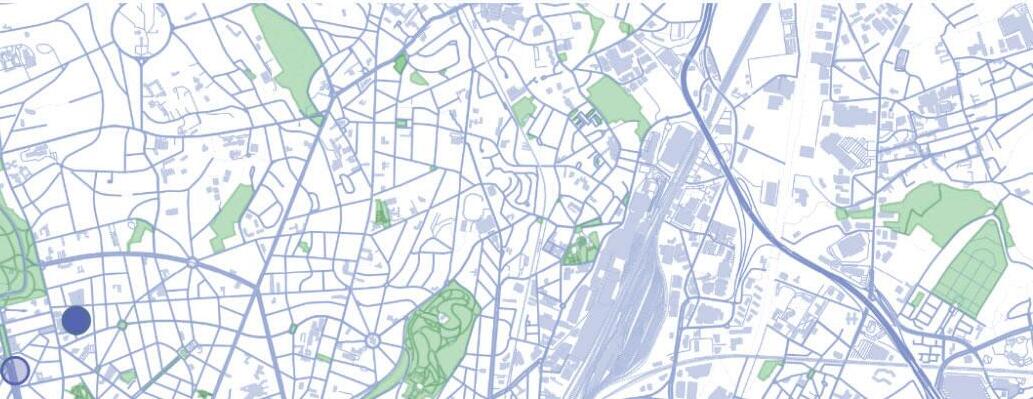
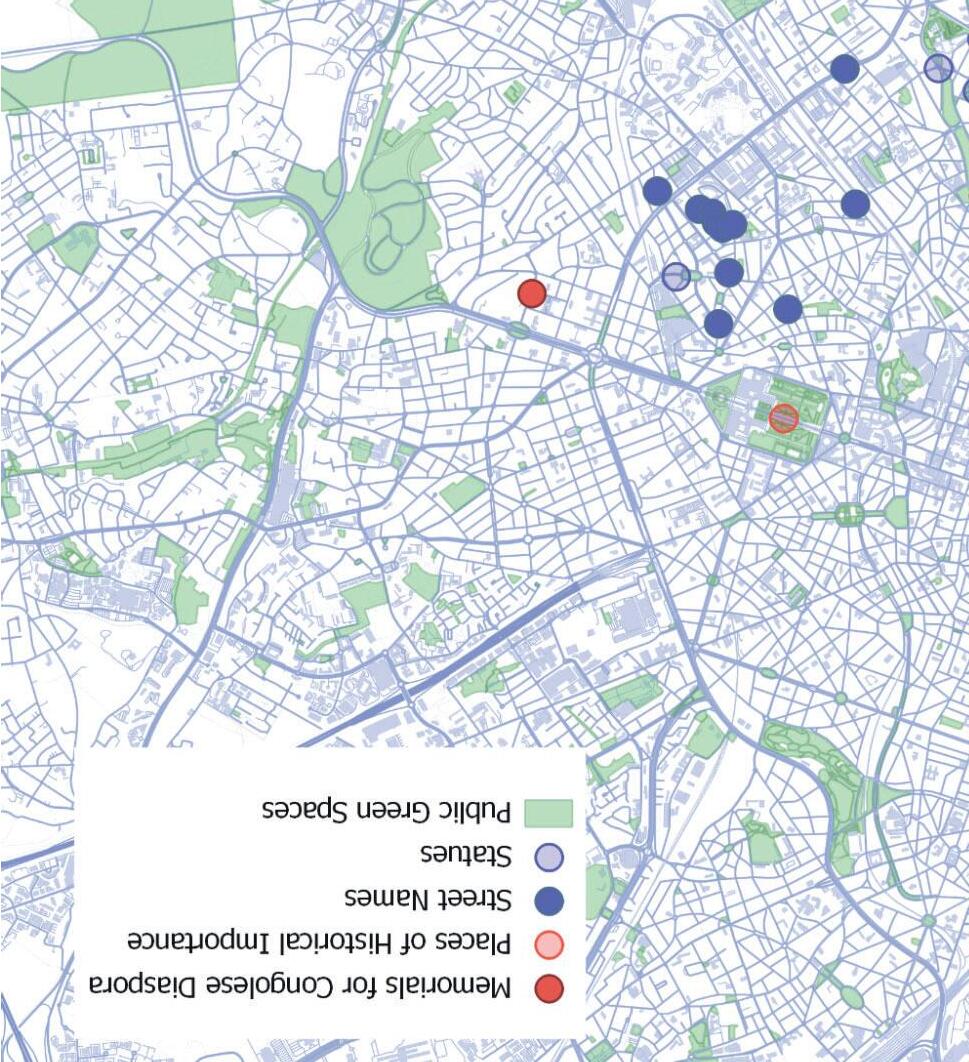
The initial exploration of colonial figure representation in public spaces involved mapping their locations around Brussels, supporting as well the selection of the subsequent case study. The overview comprises various categories: prominent street names, iconic statues, historically significant sites and buildings like Jubel park and the Carillon, illustrating problematic portrayals of Congolese culture. Efforts to locate pro-Congolese diaspora memorials revealed limited presence, except for the contentious naming of a square after Patrice Lumumba, Congo’s first prime minister.
CONCLUSIONS
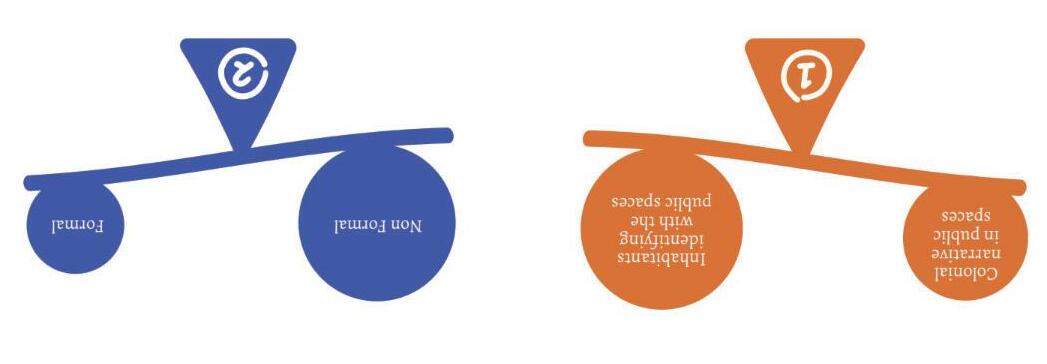
This research brings attention to two distinct disparities that have emerged. Firstly, a noticeable gap exists between the prevailing colonial narrative in public spaces and the inhabitants’ inability to connect with these representations, leading to the exclusion of certain societal groups. Secondly, a significant disparity between formal and informal approaches underscores the necessity for dialogue and collaboration between these realms.
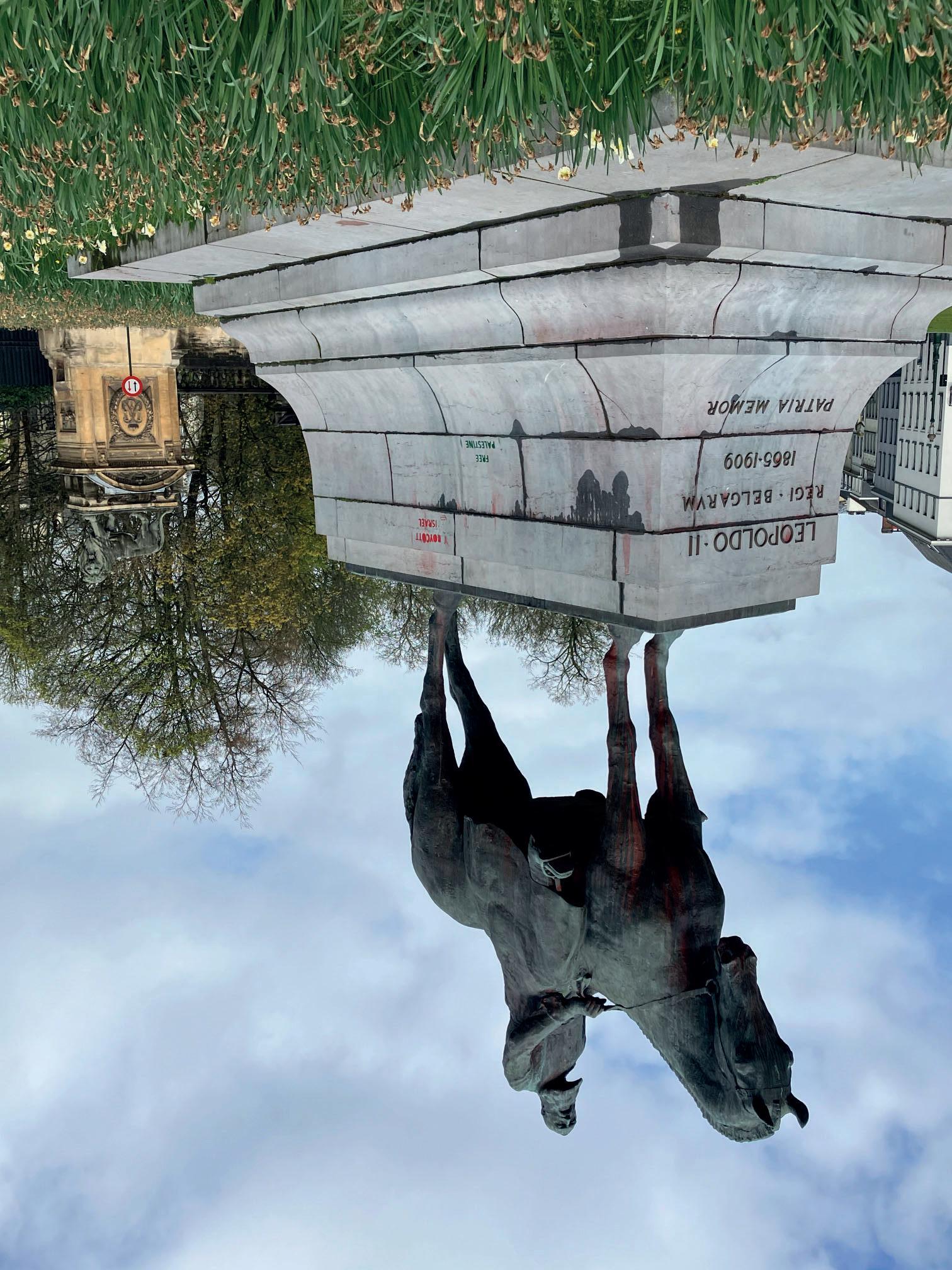
Overall, the study underscores the pressing need for Belgium to adopt a more comprehensive decolonization strategy—one that addresses power dynamics and encompasses both physical and mental dimensions. Such an approach must surpass symbolic gestures and actively grapple with the intricate challenges of confronting a colonial history.
Addressing Power Dynamics
Physical Decolonisation
Mental Decolonisation
6.
Master Studio ‘CLIMATE DESIGN & SUSTAINABILITY’
Supervisors: Luc Eeckhout
oct 2020-jan 2021
Adaptive design and planning studio in the era of climate change that delves into the pivotal role of the building sector in mitigating CO² emissions and fostering sustainability. This course aimed at creating and experimenting with passive and zero emission building concepts in order to adapt to the current climate crisis. The case study for this project was the so-called ‘Bloemekeswijk’ in the area of Ghent (Belgium) and the goal was to transform this plot to become zero emission - our team focused on the aspect of water. It is an area with a canal - called the ‘Lieve- flowing thought it, making it easy to integrate this water into our sustainable concept.
Our general concept focusses on preserving existing spatial qualities of the site while also optimising water resources from the neighbouring water canal. The functions included followed the water theme as well, providing not only housing but also a washing bar where the community can meet while it also being a way to experiment with the reuse of water on a smaller scale.
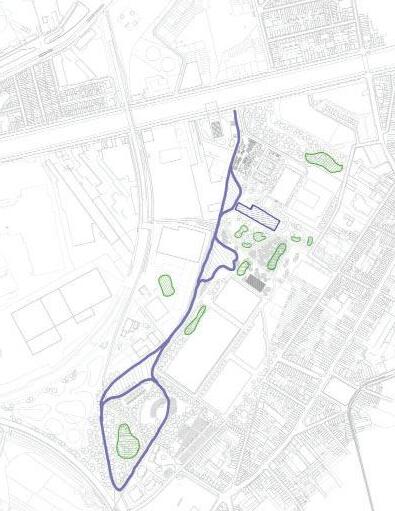
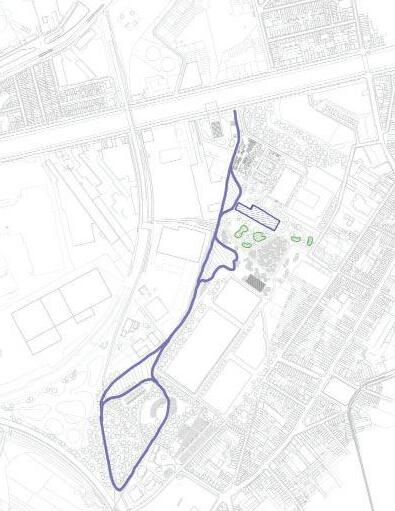
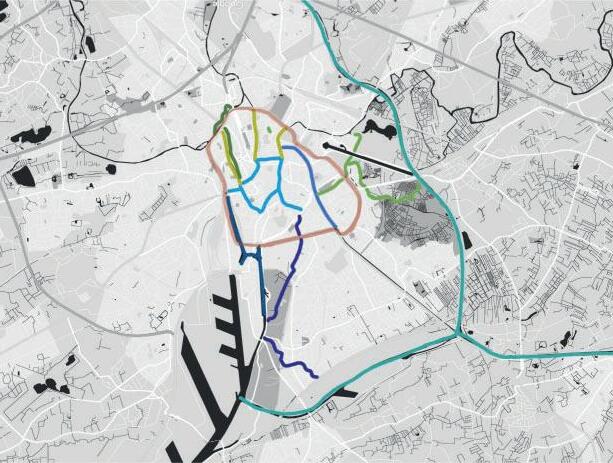
The studio demanded a focus on three scales; the city, the village and the building. Each using water as a particular resource.
1. 2.
Scale of the City Scale of the Village
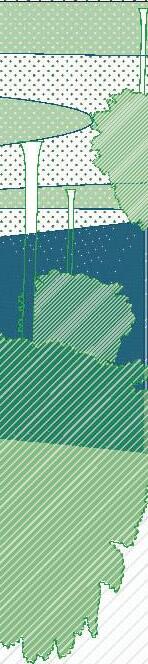
On a broader Ghent scale, our priority was to establish a water purification system on our site that could be replicated throughout various locations within the city. We designated a distinct zone for water sourced from The Lieve, subjecting it to an enhanced filtration process, resulting in improved water quality. Within our site, this water serves recreational purposes like swimming, seating, and ice skating. Envisioning the citywide perspective, we propose integrating our refined water reservoirs across the diverse water bodies of Ghent.
At scale of Bloemekeswijk - the village, our objective revolves around creating a community that optimizes water filtration and recycling. To achieve this, we implemented percolation fields on our premises, purifying the black and grey water from our building. Our vision entails expanding these fields across the site in the future, enabling more water to undergo natural filtration. This approach contributes to an enhanced and sustainable water cycle.
Research Projects
In regards to the building scale, our concept was subdivised into three sections

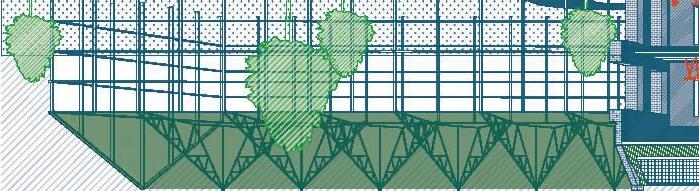
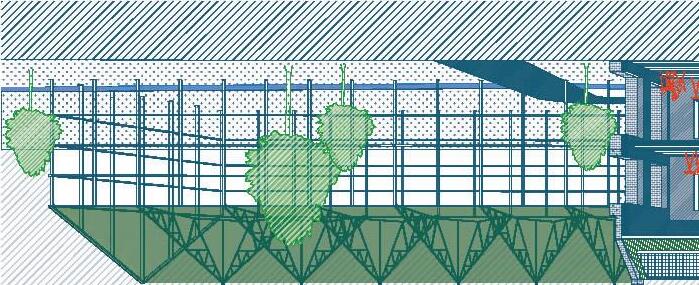
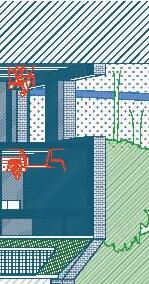
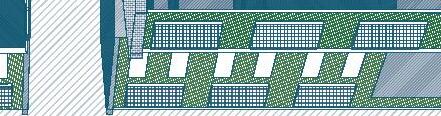



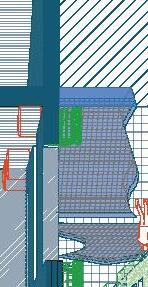
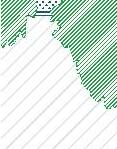

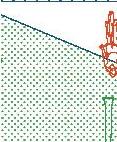
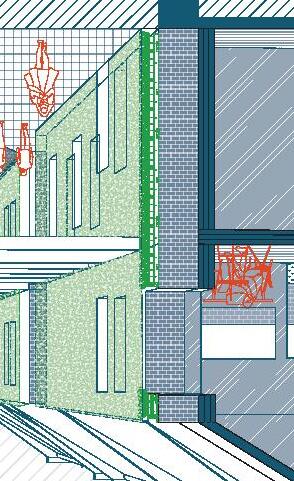
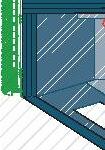
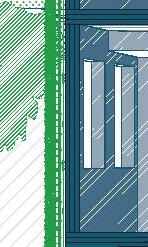
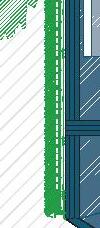
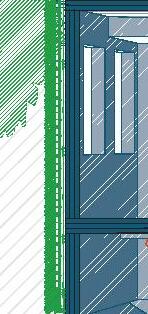
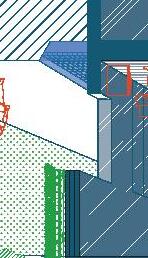
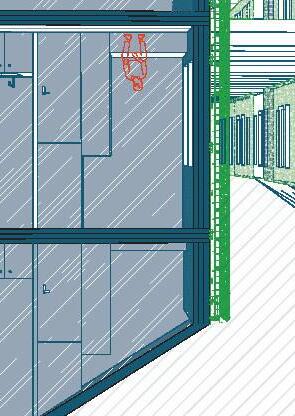
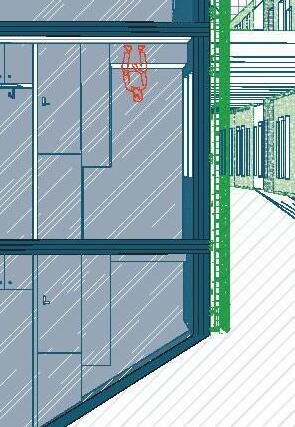
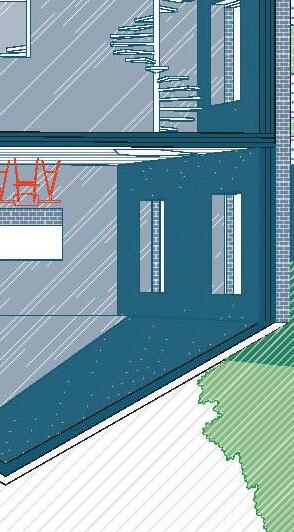
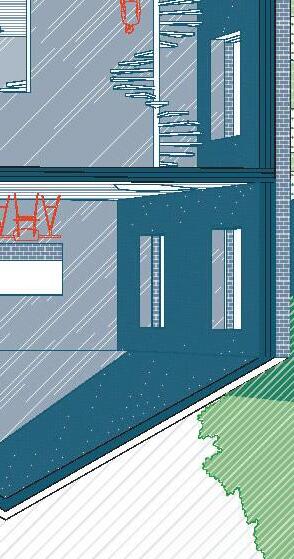
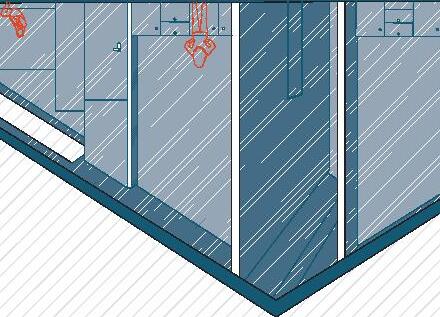
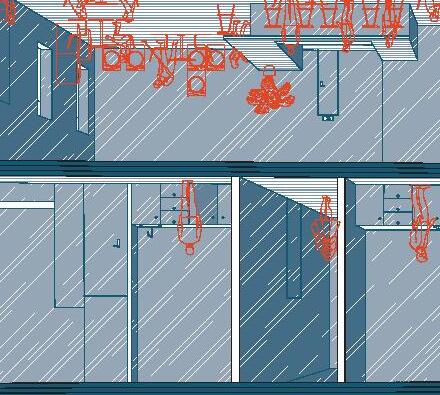









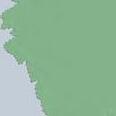
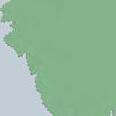
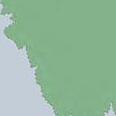
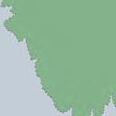










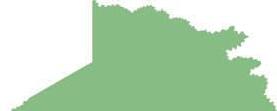
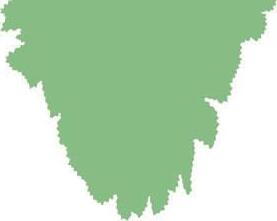




















WASHING FACILITY Our design inception centered on a washing bar—a cornerstone for our concept. This space not only offers washing amenities but also functions as a purification hub for the water on-site. By dividing the building into two parts, we ingeniously created a water passage in between, amplifying the water-centric experience.
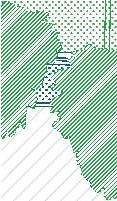
COMMUNITY Adjacent to our building, a spacious open area presents a canvas for gathering points. A pavilion with a textile roof serves as a sheltered terrace linked to the washing bar. A bit further, steps descend directly into the water, fostering a communal space for interaction.
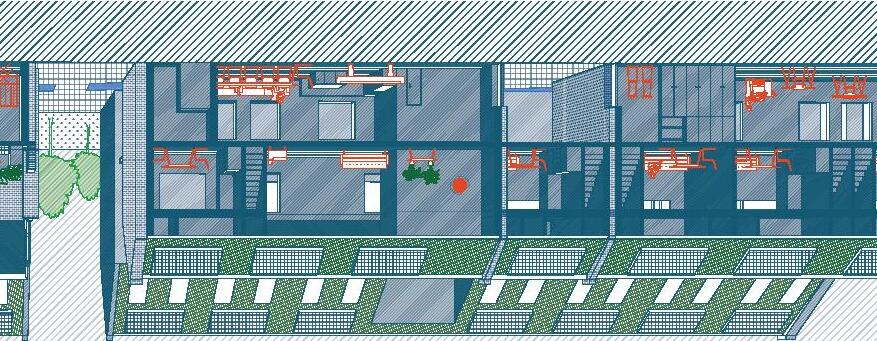
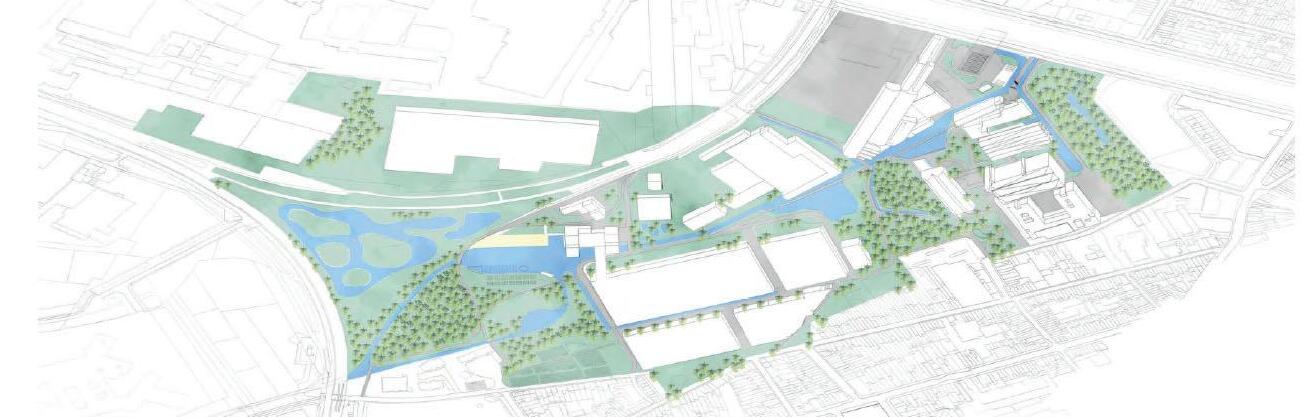
LIVING UNITS We envisioned compact units tailored to young entrepreneurs starting their journey. Interspersed among the living units are communal zones, fostering a sense of community. Furthermore, the building is designed to accommodate growth in tandem with its occupants. In the future, residents can combine smaller units into larger ones, enabling flexibility and expansion.
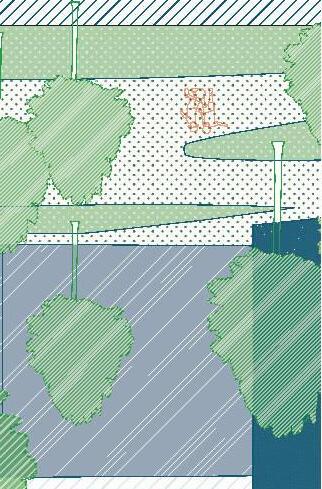
Within this project, the area of focus is immediately clear: water. The building and its surroundings evoke a sense of connection to water wherever you look. May this be the facade or the water ditches around the buildings, water is everywhere. On the scale of detail we also incorperated an interesting green wall concept, where the caught rain water on the roof flows through the outer walls. By flowing past a range of plants, there is an automatic aspect of filtration. The water then gets saved up in to a shallow water basin that runs between the buildings. We will be using and re-using rain water to provide water for the washing salon. This salon will be accessible for everyone and will have an educational focus throughout the whole process of laundry collection to laundry delivery.

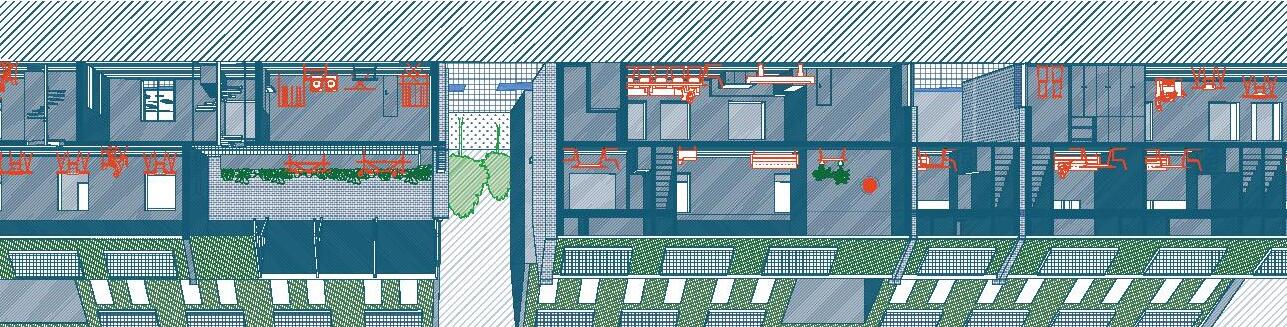
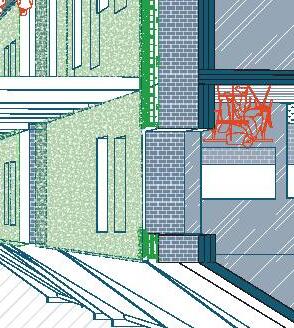
Our main goal on this site is to accomodate young starters that are just entering the job market. From personal experience, we find that there are not sufficient affordable options for graduates. The building itself works with a smart system where, if needed, the modular living units can be expanded to house a larger family. This system is a sustainable solution for young people who might eventually evolve in to a larger family.
3. Scale of the
Building
Climate-Resilient Urban Design
Supervisors: Dr. Lorenzo Chelleri, Dr. Cannatella and Dr. Mattia Leone
jan 2023
This two-week master’s course delves into urban resilience, exploring various aspects of “resilience thinking” within urban systems, including politics, planning, and design. It emphasizes distinguishing between vulnerability and resilience, sustainability and resilience, and differentiating climate, disaster, and community resilience. The course focuses on climate resilience, particularly in the context of Sitges, near Barcelona, offering students insights into climate-resilient urban design methods and tools.
We gained methodological and technical skills to integrate Disaster Risk Reduction, Climate Change Adaptation, and sustainability at the neighborhood level. The course emphasizes evidence-based approaches, using data, models, and tools to develop actionable guidelines for decision-makers. Throughout the program, Sitges serves as a case study for addressing heatwave climate emergencies through a multirisk approach, simulating a real-world working relationship with the city municipality. The course objectives include clarifying urban resilience concepts, introducing climate-resilient urban design principles, and providing practical solutions for climate emergencies, ultimately equipping students to apply these solutions in specific contexts.
1. Risk Assessement
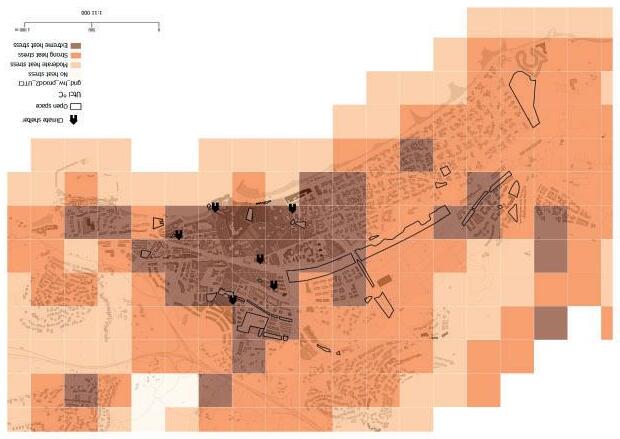
HEAT STRESSES
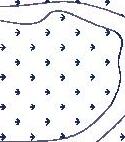
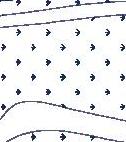
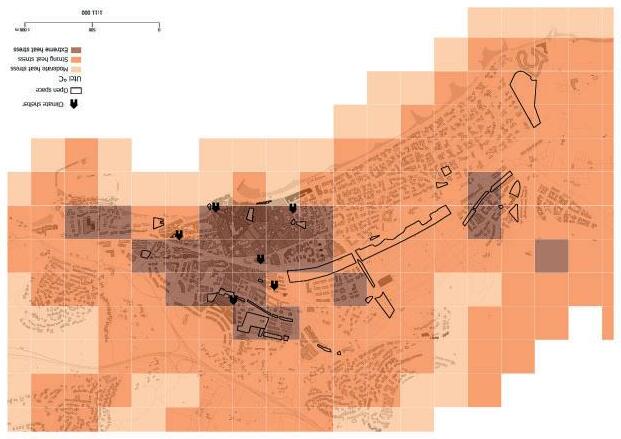
As temperatures continue to increase and the air becomes progressively drier, the presence and severity of problems like droughts, heatwaves, and wildfires become increasingly evident and pose greater risks. The maps below show a simulation (made through QGIS) of the expected situation by 2050.
2023
2050
FLOOD RISK
More than 250 people are currently located in flood risk zones in Sitges with monetary losses of more than 60.000 euros.
7.
Research Projects
2. Generating Base Maps
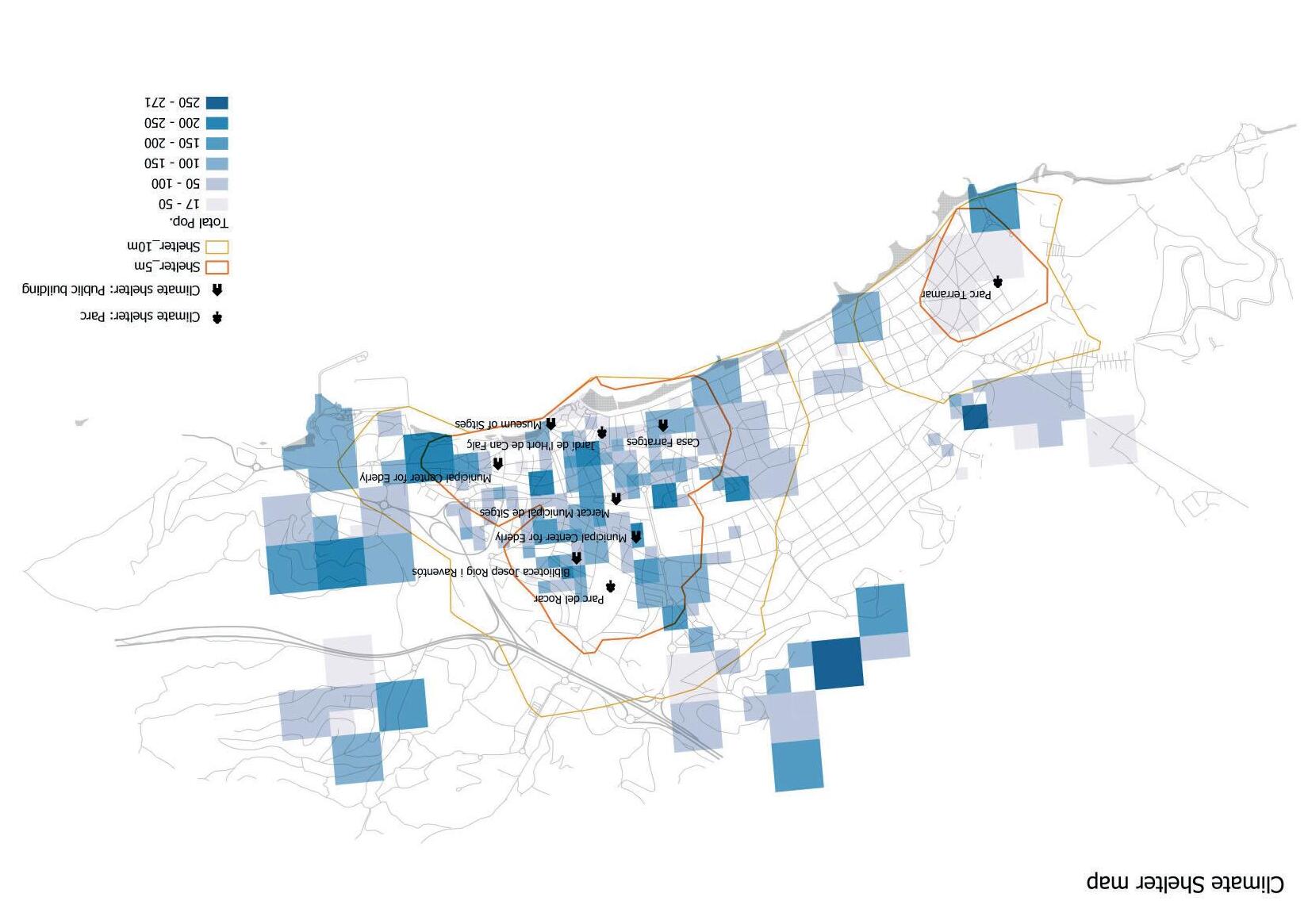
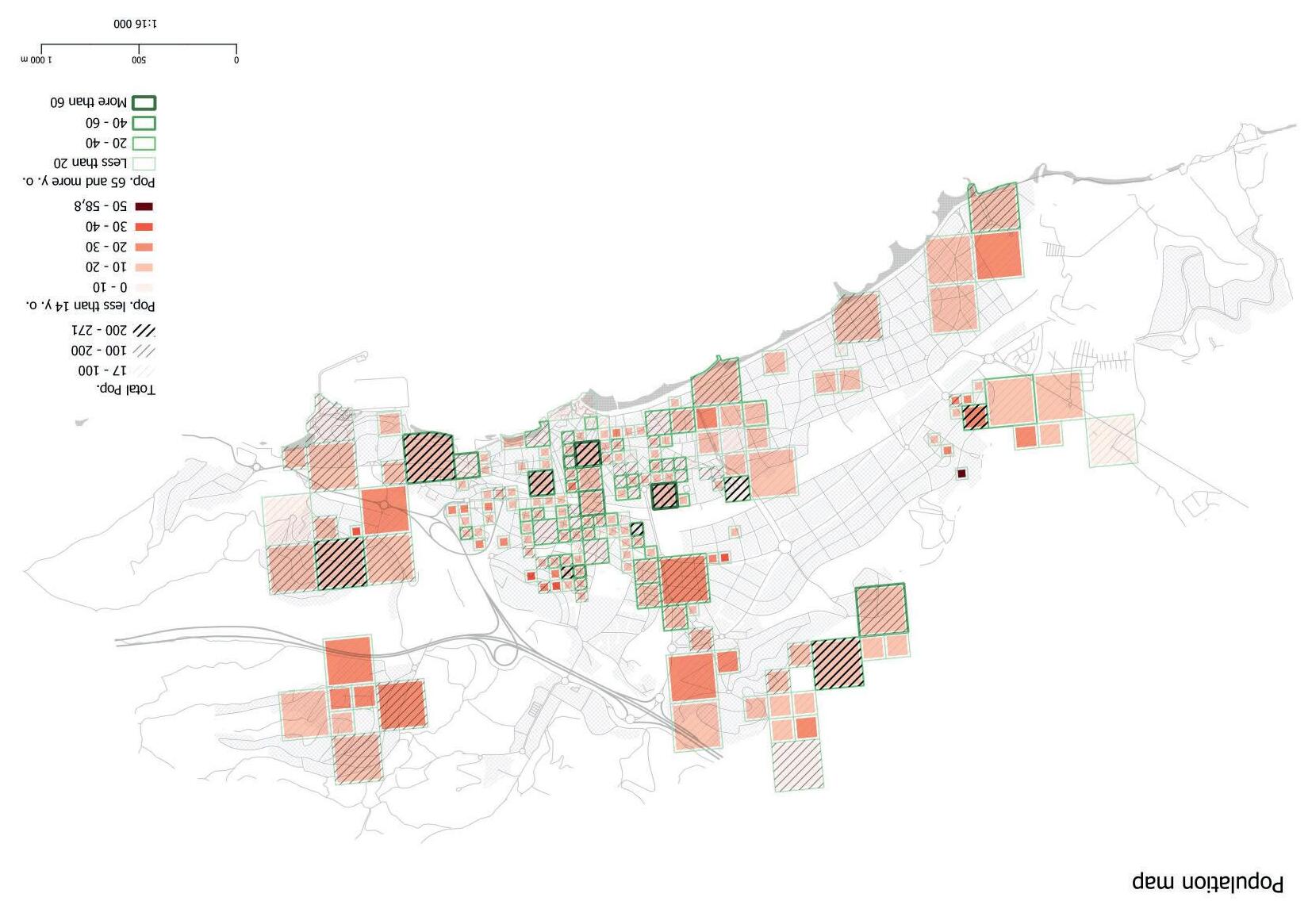
We initiated the process of the research by generating base maps to gain a first understanding of the existing conditions. Within our team, we specifically focussed our efforts on eamining open spaces and their relations to the climate challenges confronting Sitges.
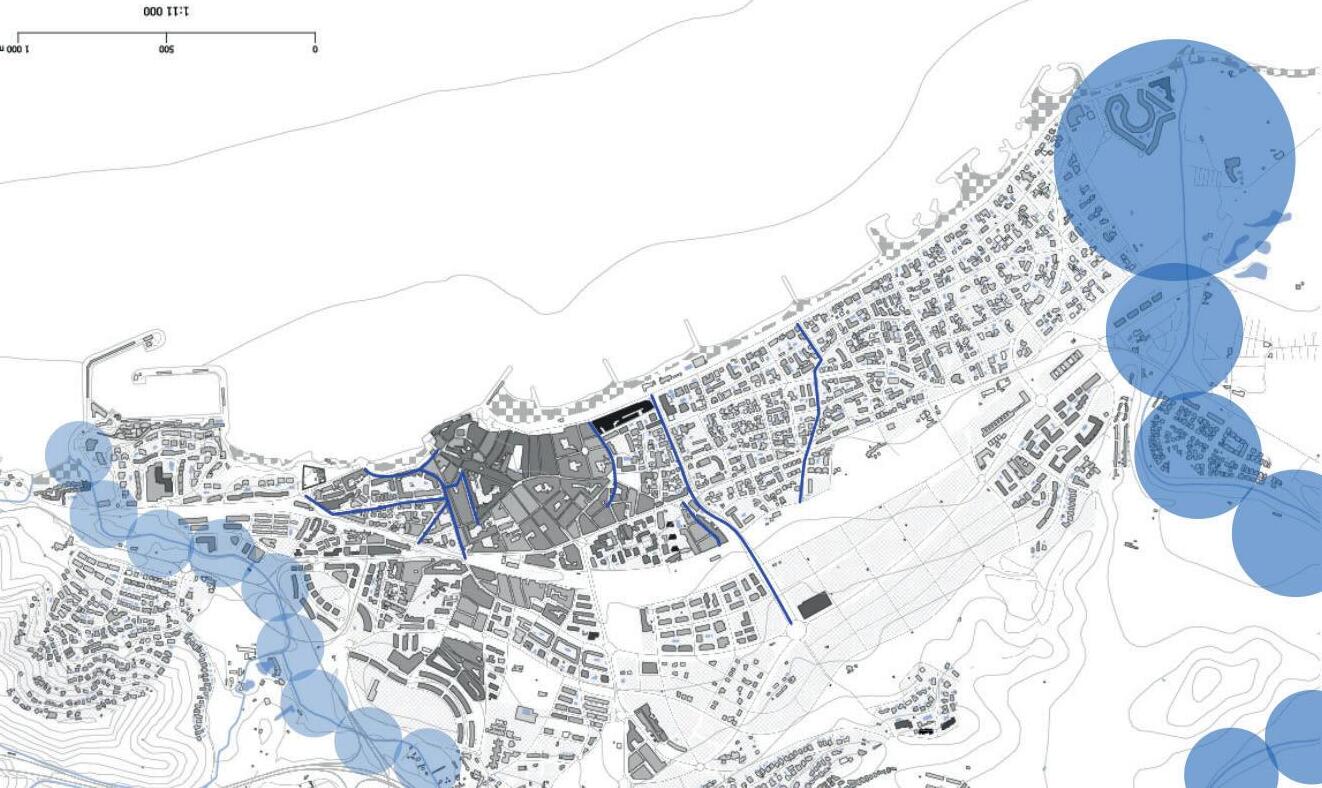
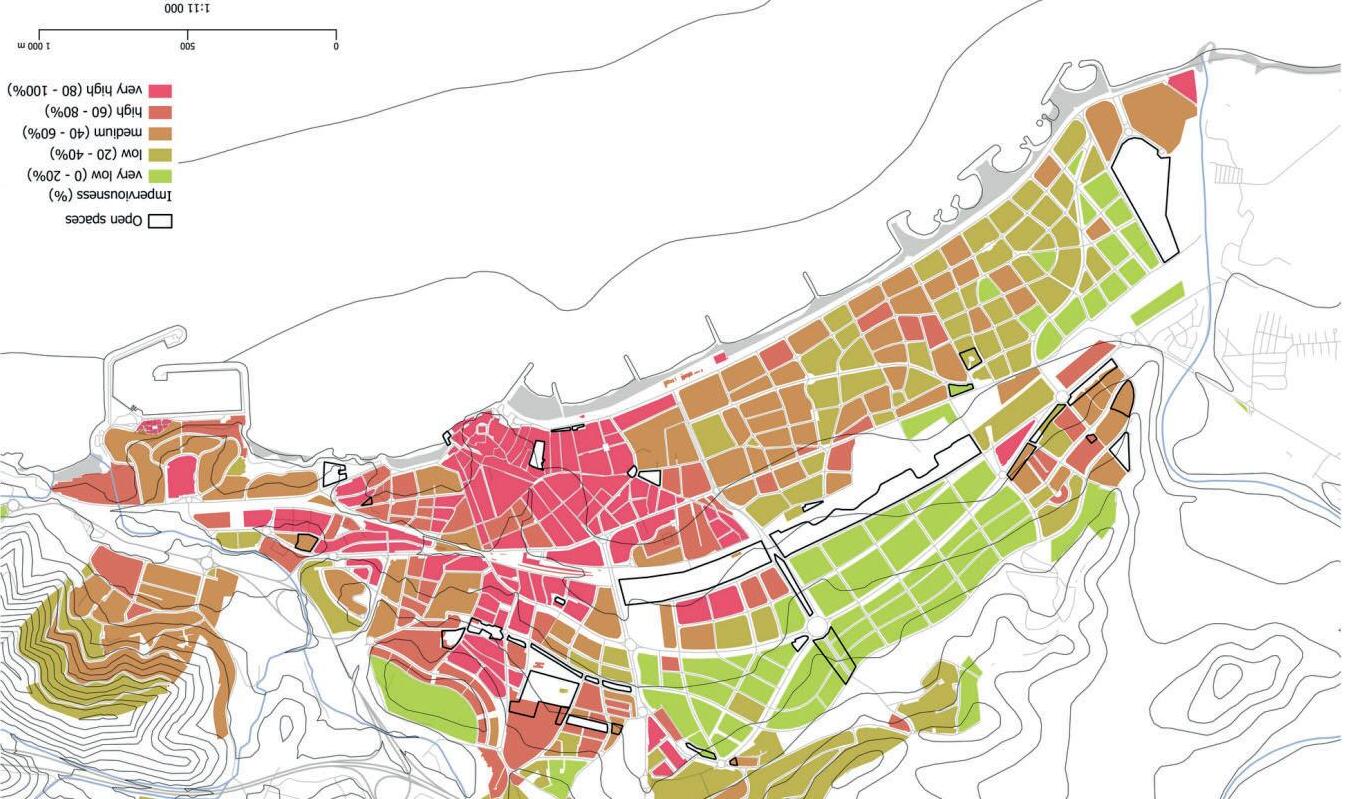
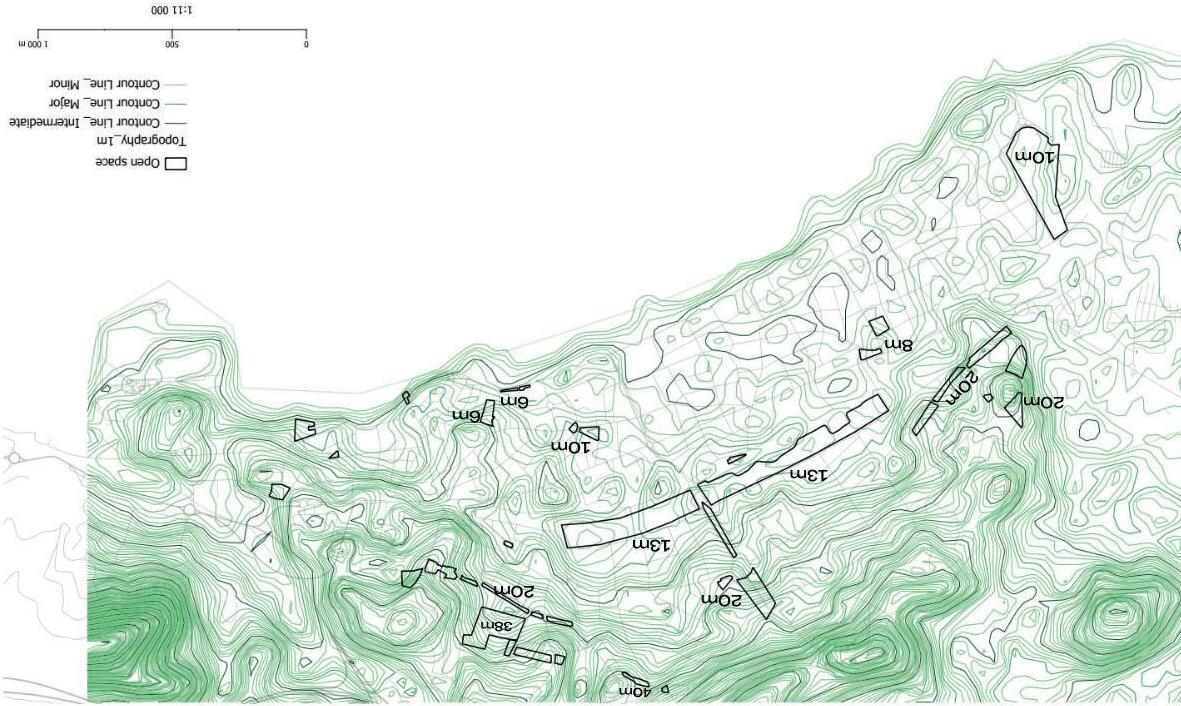
To further analyse the climate challenges faced by Sitges, we needed to compare the physical aspects with the locations of vulnerable populations and existing climate shelters. This would allow us to identify potential overlaps between these maps.
 Topography + Open Spaces
Imperviousness + Open Spaces
Flooding Risk Zones
Topography + Open Spaces
Imperviousness + Open Spaces
Flooding Risk Zones
3. Overlaying Risk Maps
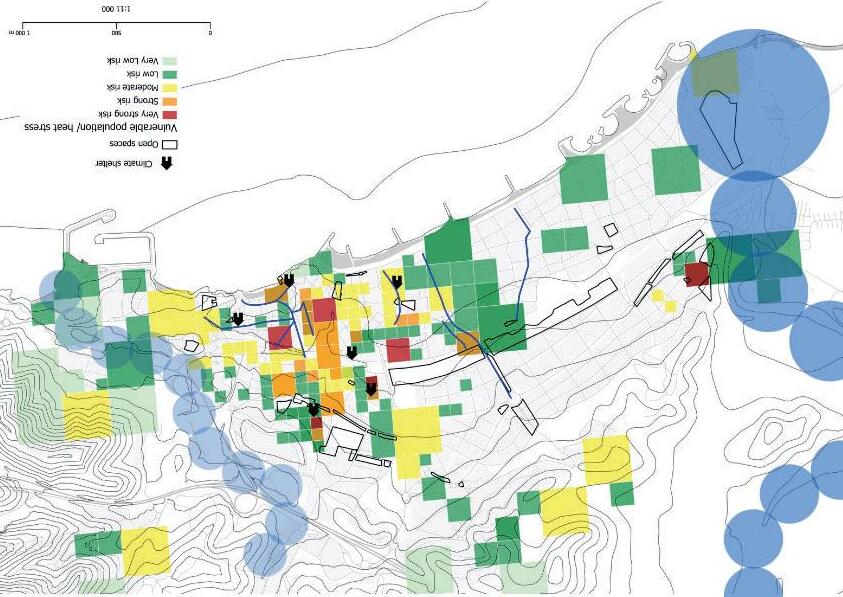
In the final phase, we overlapped the population’s vulnerability with the presence of heat and flood stressors, as well as the availability of climate shelters. This allowed us to pinpoint the areas in greatest need of interventions to enhance the city’s resilience to future hazards, benefitting its residents.
This valuable information served as a foundation for in-depth analysis and the implementation of recommendations. Subsequently, there was an additional three-week workshop organised, putting a greater emphasis on their practical application, where we provided the theoretical framework.
8.
Socio-Spatial Workshop
‘Mapping Asylum Seekers’ Use of the City Through a Gender Lens’
Universitat Internacional de Catalunya Supervisors: Carmen Mendoza-Arroyo, Apen Ruiz, Sara Eltokhy and Marta Benages dec 2022
The objective of the study is to map the displacement experiences of asylum seekers, particularly their use of neighborhood services, facilities, mobility, and displacement. This approach aims to graphically illustrate their state of exception and highlight integration challenges and successes, providing a visual understanding of their complex journeys.
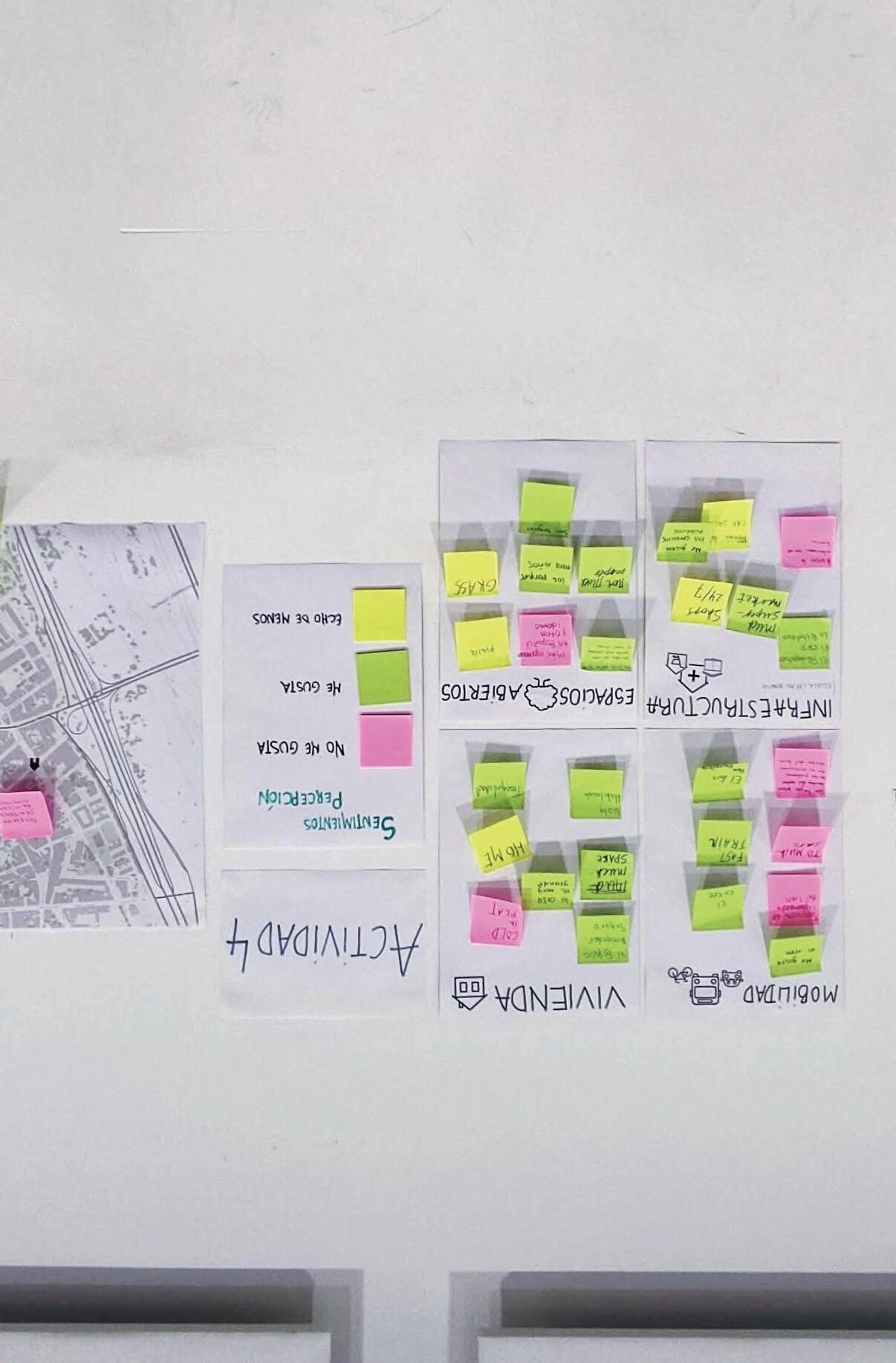
The workshop proceeded in four main steps: Firstly, it involves reviewing parameters developed in five groups: Migration procedures, Integration, Reception Facilities, Gender and Asylum, and Neighborhood Resources, based on our own previous research. The second step is data collection, with groups designing strategies for events such as informal interviews, activities with children, maps, and surveys to understand asylum seekers’ integration experiences. In the third step, physical analysis of the neighborhood by sectors will be conducted, focusing on open spaces, mobility, housing, and services, leading to conclusions and recommendations for urban integration based on fieldwork and analysis.
Research Projects
What’s their experience?
How do asylum seekers and refugees access the urban fabric of the city?
What’s available?
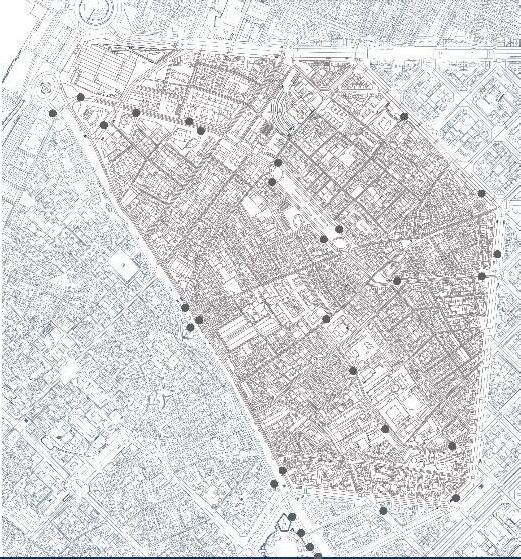
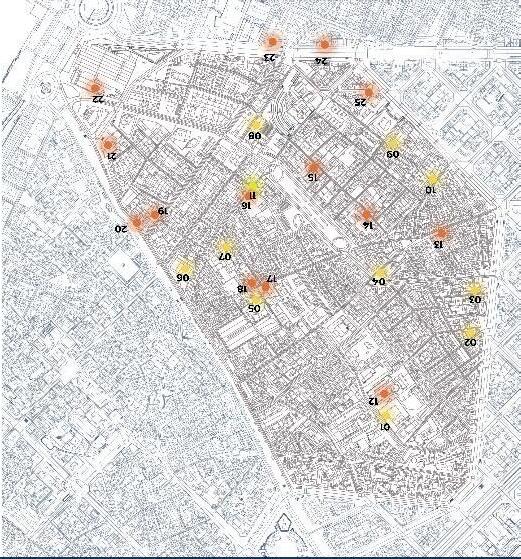
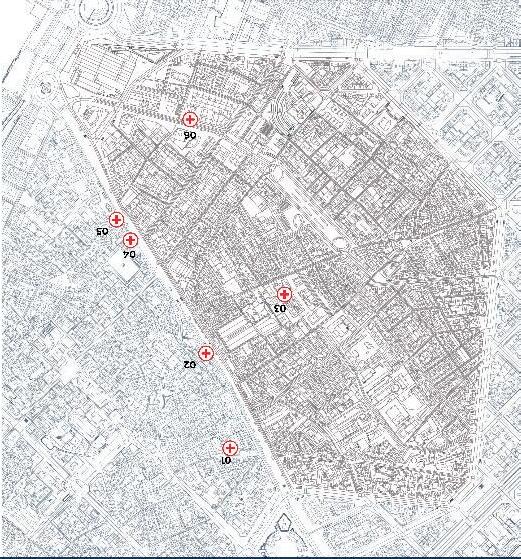
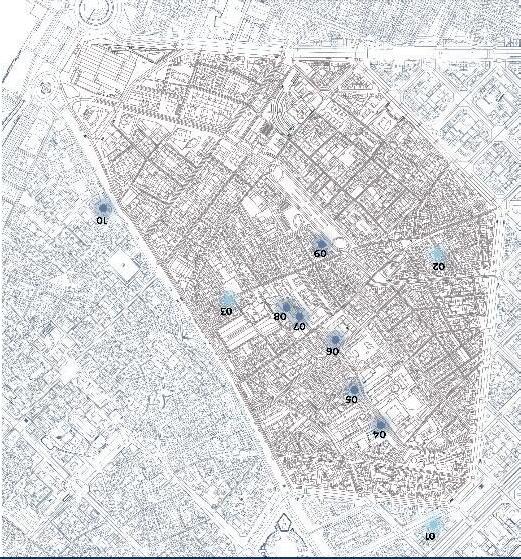
Which open spaces + facilities, activities, typologies, and mobility strategies are accessible for asylum seekers and refugees in the neighborhood of El Raval?
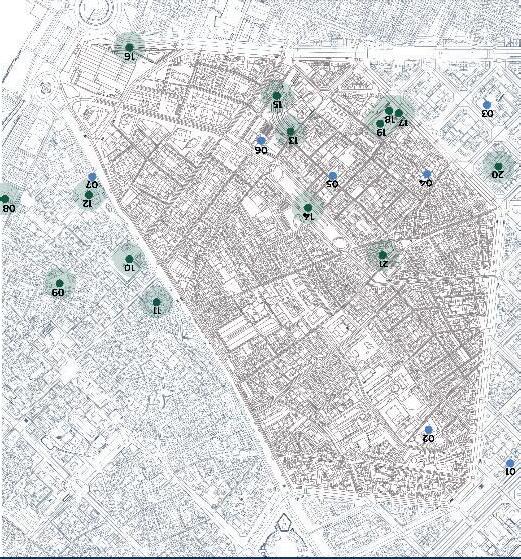
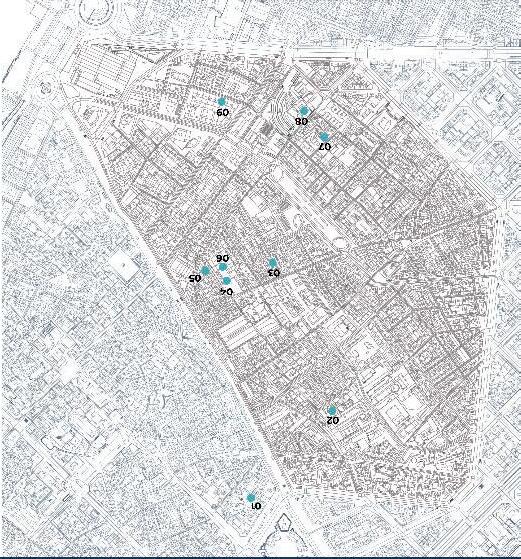
T ools and Resources
How do we address asylum seekers’ mobility experiences and improve their social integration?
METHODOLOGY
Theory
In the project’s initial phase, we conducted a comprehensive theoretical analysis focused on distinct categories, each investigated by dedicated teams. Our exploration encompassed the intricacies of “Migration Procedure in Spain,” the challenge of “Integration,” the vital role of “Reception Facilities,” the dynamic interplay of “Gender + the City,” and the resource potential within “Neighborhood Resources.” This phase provided a nuanced understanding of these critical aspects, laying the groundwork for a multifaceted approach to addressing migration and integration dynamics.
Workshop (Collaboration with Fundacio Privada Bayt al-Thaqafa)
A physical workshop was initiated as an informal way of getting information from our target group. The activites ranged from surveys and informal interviews, to mapping and children activities. This workshop gave us a better understanding of the participants daily lives and their according struggles.
Walkalongs
During the workshop, we made contact with certain people who were interested in telling us more about their experience as an asylum seeker in Barcelona. They agreed to take some of us along on a day in their lives which gave us a lot of valuable insights in regards to how they use the city, its public spaces and facilities.
Local Surveys
Additionally, we conducted surveys from people living in the Raval area in Barcelona. We questioned them on safety and the perception on refugees in order to get a more comprehensive view of the status quo.
Urban mapping + Interactive Map
As a way of visualising our data, we translated it into maps. Initially, they were categorised and afterwards a selection was put into a folder format for distribution to individuals requiring the information.
CONCLUSIONS
• Where possible, asylum-seekers should be asked which centre they prefer to be in. At present they are not asked, and are simply allocated to the centre where there is a free spot. Some may prefer a bigger city whereas others are comfortable in a smaller scale.
• More support should be given to asylum seekers with traumas they may have encountered before arriving to the shelter, taking into account that many of these traumas are gender-related. The Fundació offers the most basic needs and legal coverage, but some asylum-seekers have serious traumas that should also be cared for.
• Children’s care should be considered. Asylum-seekers that had come with their children asked for help when taking care of their kids to have time to work and be by themselves.
• Social integration for asylum seekers should be improved. Kids tend to integrate more easily since they go to school, meaning that they learn the language and have local friends faster, whereas adults struggle to integrate and can often feel isolated.
1.
1. 2. 2. 3. 3. 4. 5. OBJECTIVES
Hospitals Religious spaces Education Cultural Transport Sports + Open spaces
MEDICAL & PHARMACY
1.
CAP Raval Sud
2.
Farmàcia Clapés
3. CULTURAL & SOCIAL SERVICES
Farmàcia La Rambla Barcelona
4. Centre de Cultura Contemporània de Barcelona
5. Casa dels Infants
6. Diàlegs de Dona
7. Tot Raval
8. Fundación Babel
9. Associació d'Ajuda Mútua d'Immigrants a Catalunya
GROCERY & RETAIL SERVICES
10. Consum Cooperativa
11. Spar
12. Mercado de La Boqueria
13. Flea Market Barcelona
14. Mercat Port Antic
15. Carrefour Market
16. Caprabo PARKS, PLAYGROUND, & RECREATION
17. VivaGym Universitat
18. CEM Colom
19. Braval
20. Plaça de Terenci Moix
21. Jardins de Sant Pau del Camp
22. Plaça de Josep Maria Folch i Torres
23. Placeta Martina Castells
24. Jardins de Càndida Pérez
25. Parc Infantil
LIBRARY & EDUCATION
26. Sant Pau - Santa Creu Public Library
27. Library of Catalonia
28. Gòtic - Andreu Nin Public Library
29. Colectic
30. World Class BCN Spanish School
31. Speakeasy Spanish School Barcelona
MUSEUM & GALLERY
32. Museu d’Art Contemporani de Barcelona
33. Museu Maritim de Barcelona
34. Güell Palace
35. Santa Mònica
36. La Capella
Based on the urban mapping in the previous step, a selection was made in the format of a brochure. This effort aims to enhance the ease of integration and orientation for those arriving in an unfamiliar urban environment.
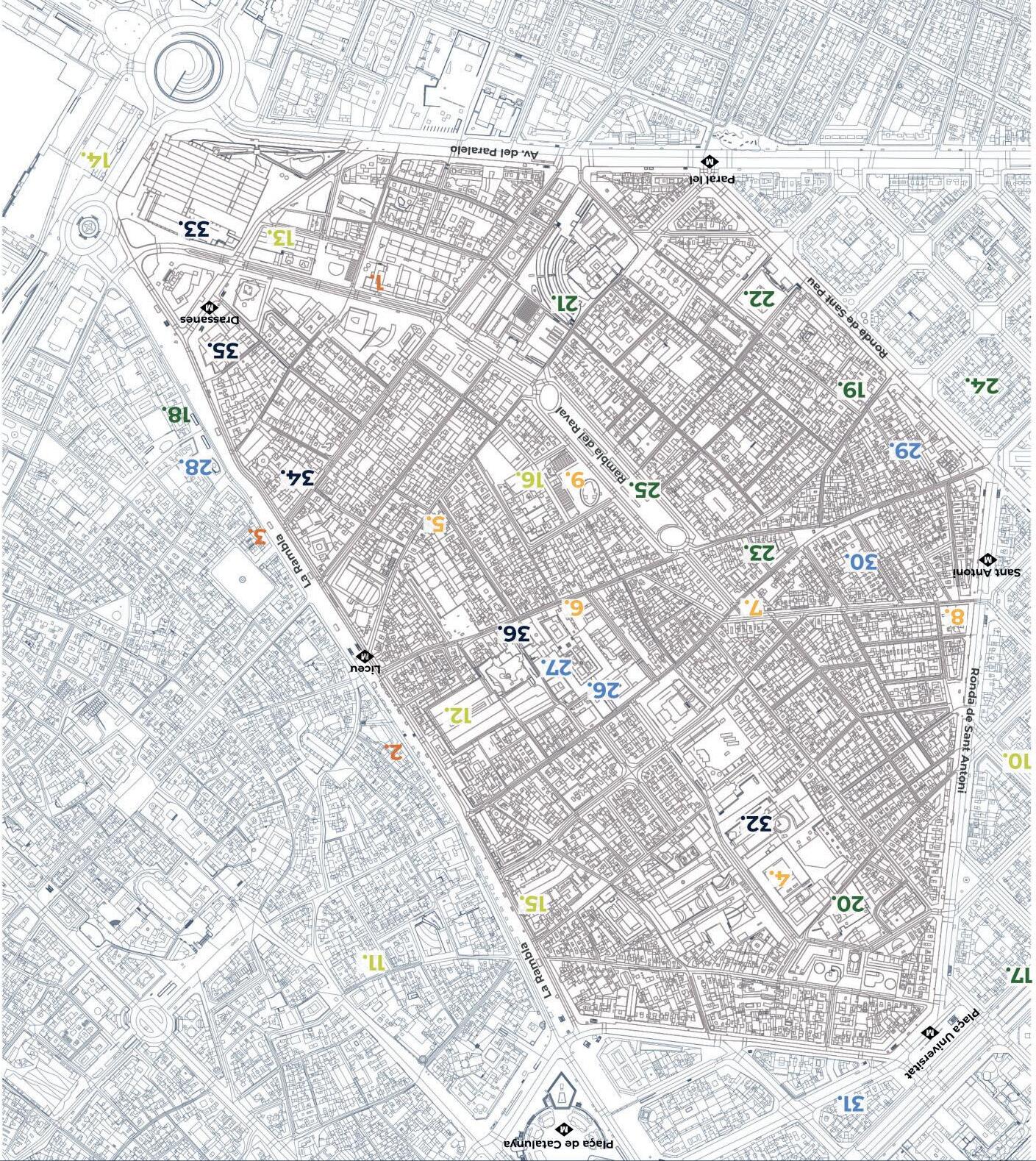
MAP & SERVICES EL RAVAL
9.
International Urban Regeneration Studio
‘Asessing Disaster Recovery Through Housing Relocation: La Palma, Canary Islands’
Universitat Internacional de Catalunya Supervisors: Carmen Mendoza-Arroyo, Ashley Howard mar 2023
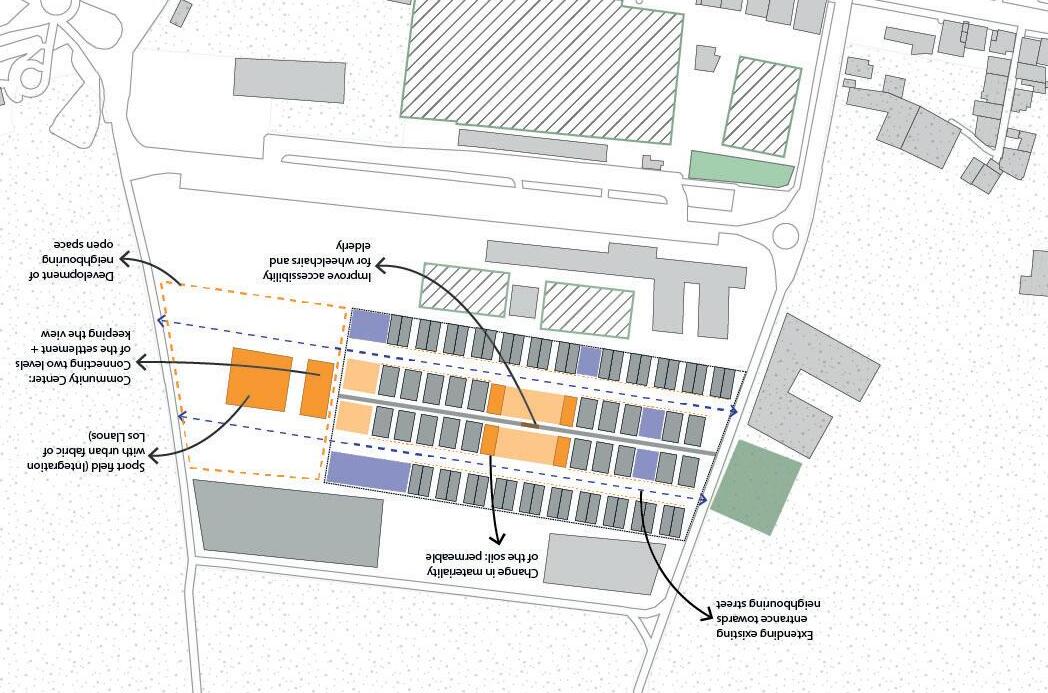
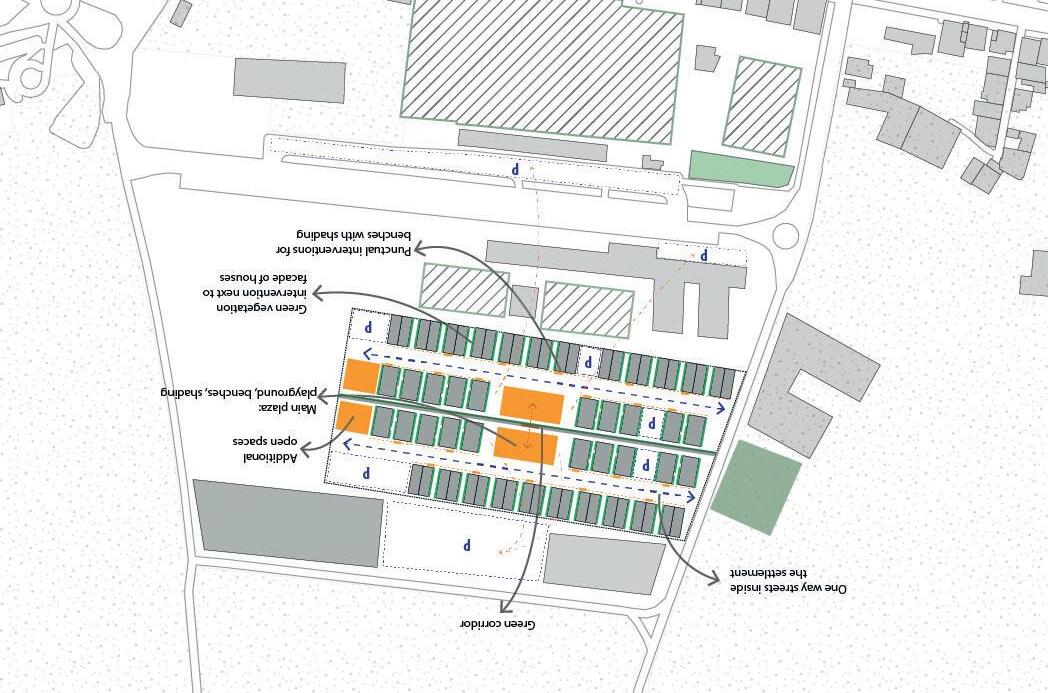
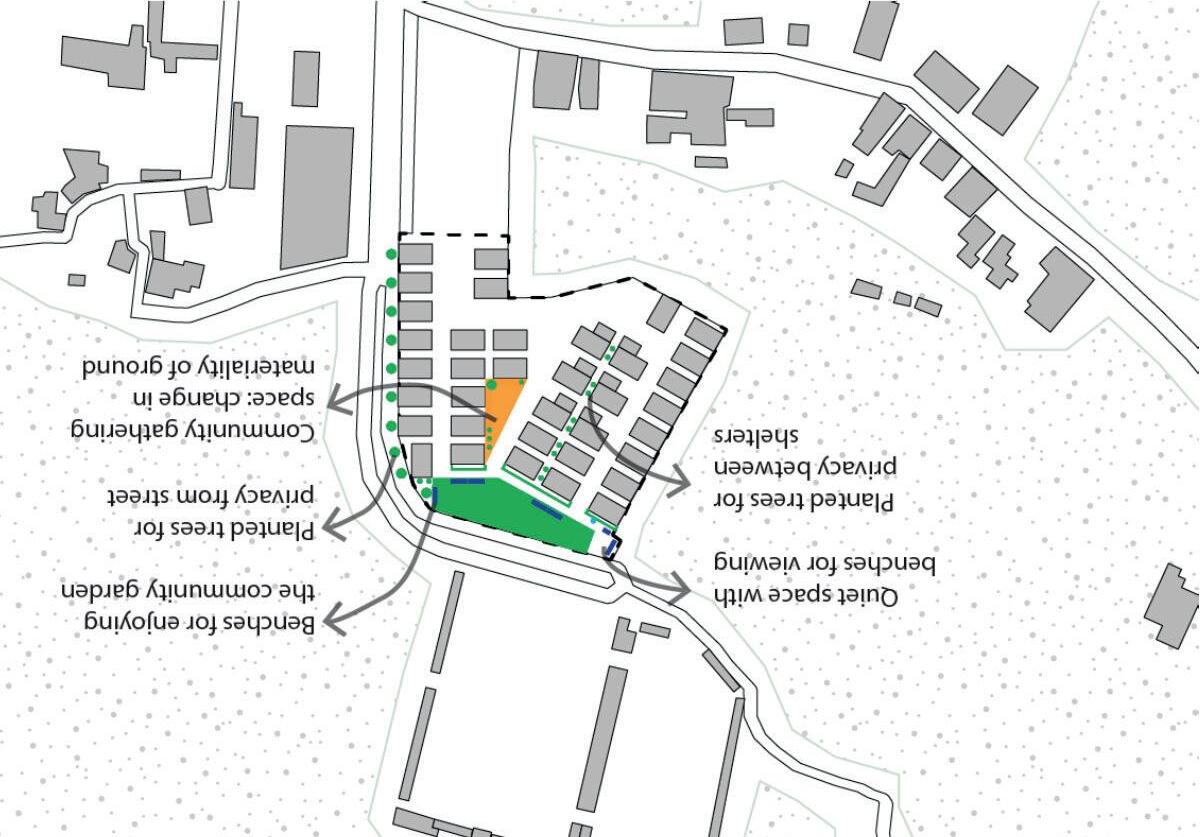
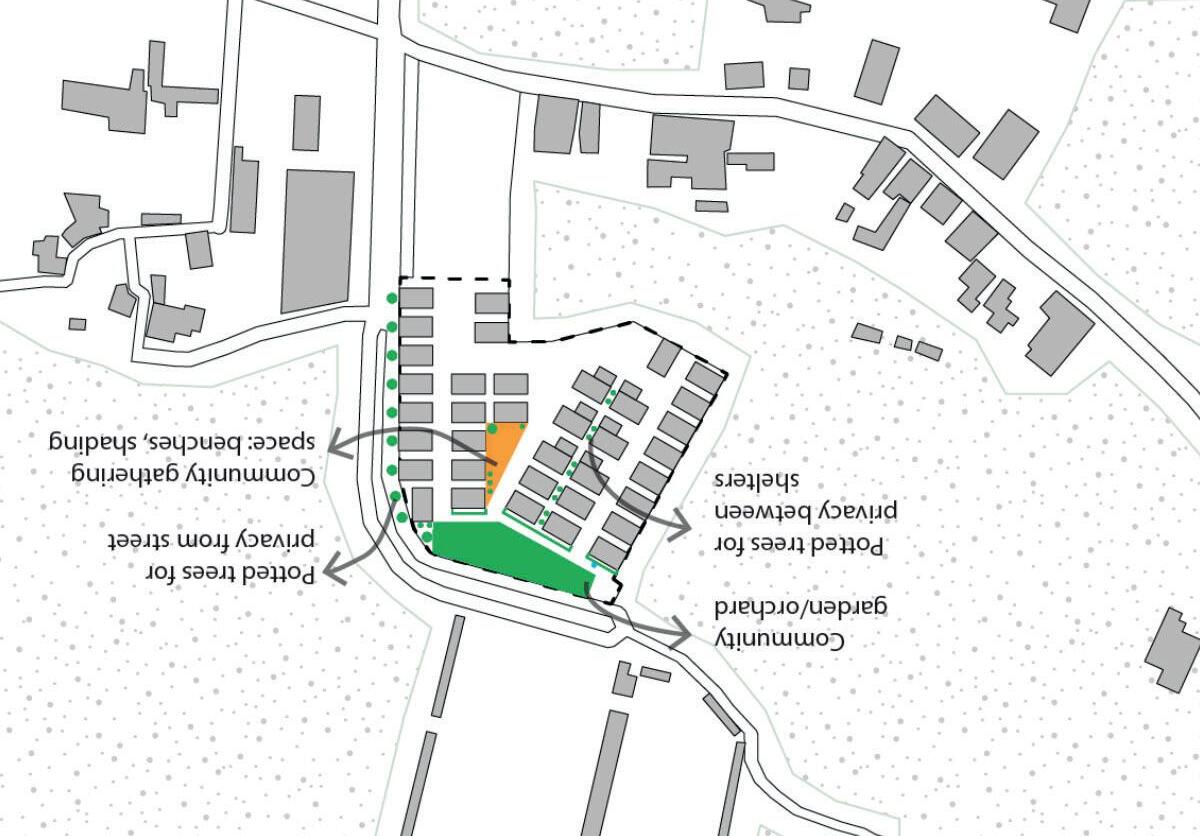
In September 2021, the eruption of Cumbre Vieja, an active volcano on La Palma Island, had severe repercussions, including the destruction of over 1400 buildings and displacement of thousands. This workshop focuses on the assessment of two temporary relocation housing projects on the island—container housing in Los Llanos de Aridane and wooden prefabricated dwellings in El Paso. The research strategy adopts a socio-spatial approach to comprehend place-making within the context of recovery, aiming to rebuild social and spatial connections. Participants will employ community-based perspectives, mapping techniques, and qualitative analysis to evaluate the projects’ effectiveness and impact on the local community, intending to aid the island’s recovery efforts. The research questions explore the resettlement process, its objectives, impacts on stakeholders, and lessons for future planning. The workshop aims to glean insights from the post-disaster resettlement experience and apply them to enhance assessments and recommendations that address both physical and social aspects of relocation neighborhoods and stakeholders. Its objectives encompass physical assessment, community mapping, and analysis of the recovery process.
This workshop was divided into four groups, each dealing with a specific topic - I was part of the group that looking into the ‘ open spaces ’, thus its focus in the following pages.
Research Projects
2. 3. 4.
Understand how Nearby Open Spaces are Utilised
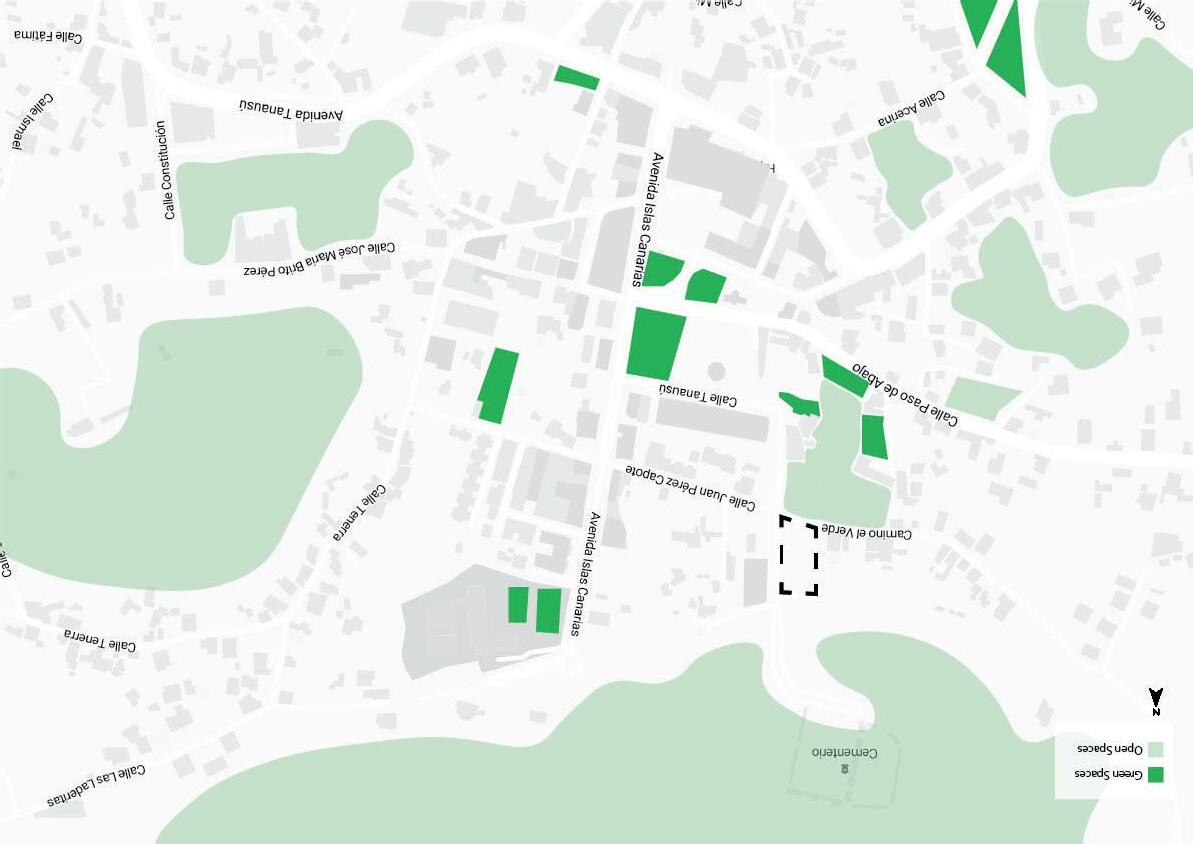
Learn which Open Spaces of Urban Significance are Missed Most
Identify Community Preferences for New Open Spaces
Provide Recommendations for New Open Spaces near and/ or within the Settlements
METHODOLOGY
OBJECTIVES 1. 1.
Offsite Spatial Diagnosis
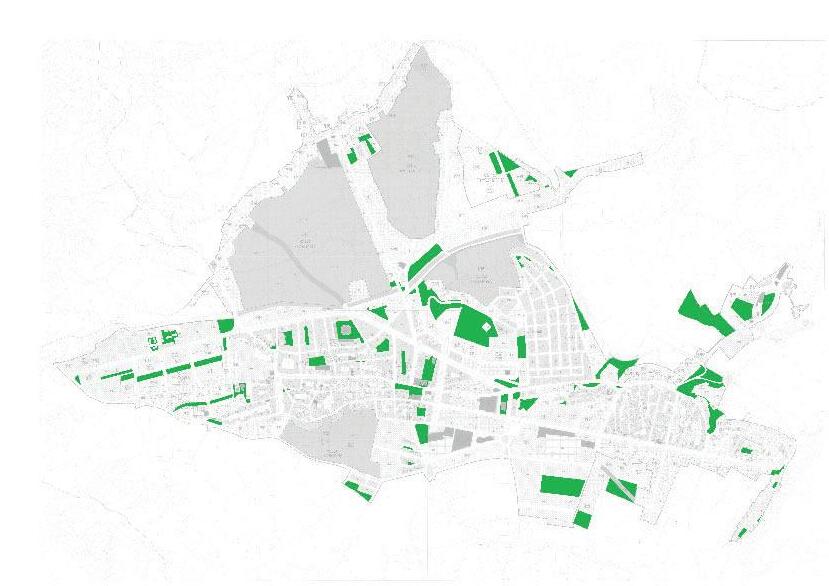
We mapped various data sets for both Los Llanos and El Paso, including aspects of green/open spaces and broader island-scale information. These maps revealed insights such as the island’s reliance on rainwater infiltration for its water supply, the importance of forests for replenishing groundwater, and the economic significance of agriculture, particularly banana cultivation, goat raising, wine production, and tobacco farming. Notably, eruptions in the region have historically occurred along the Cumbre Vieja in the south. The impact of the eruption was primarily felt in agricultural and economically active urban and rural areas. Additionally, we mapped data sets like hydrological networks, vegetation, and land cover for both locations, aiding our analysis during the workshop’s subsequent stages.
El PasoLos Llanos2. Physical Assessment
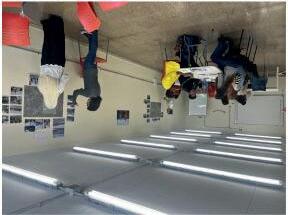
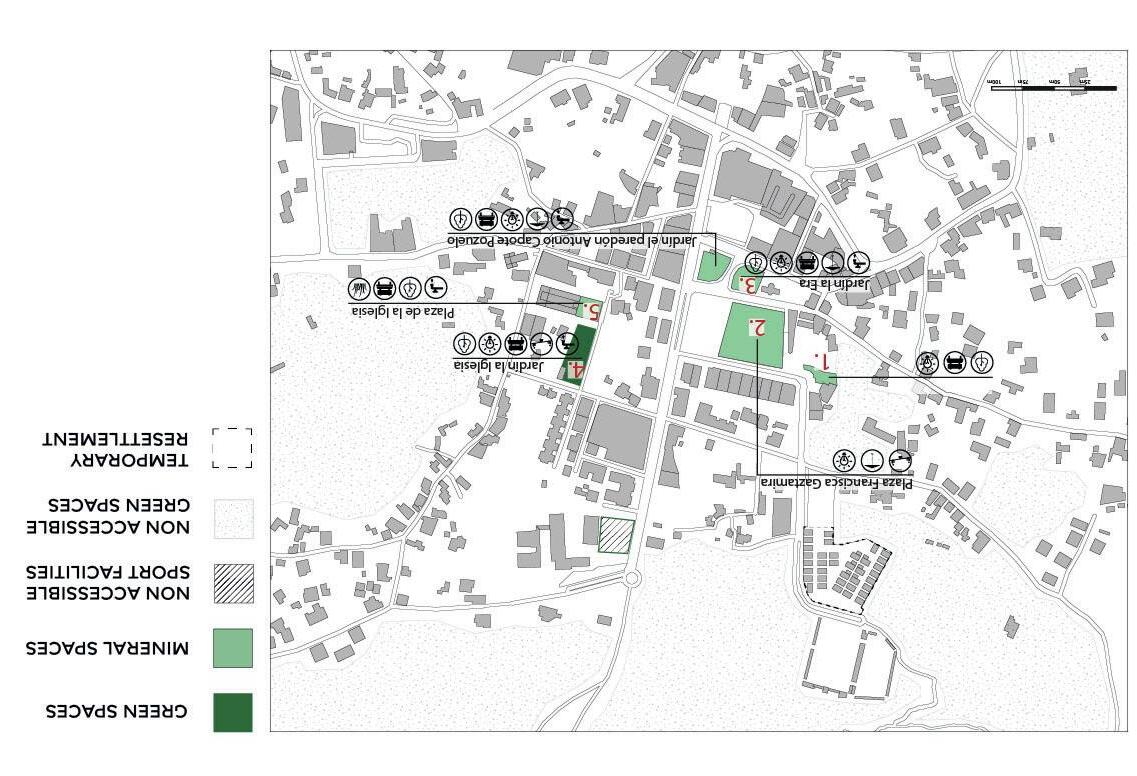
Our team conducted a physical assessment of the resettlement sites and surrounding areas via walking to and between the green/open public spaces within 400m of the resettlement sites. This helped us to identify, validate, and analyze existing green/open public spaces. Through our onsite physical assessment, we produced new primary data via observations and physical mapping. As we approached each green/open space, we recorded the uses and specific nature of each identified space. By this, we were able to quantify what green/open space uses were available nearby the settlements and which were lacking. Specifically, we analyzed whether the green/open spaces provided access to each of the following: playground, dog park, fountain, drinking fountain, seating area, shade, vegetation, exercise areas, tables, quiet space, gathering space, kiosks for food and drink access, and orchards.
3. Social Approaches
Social data collection was approached through two main methods:
Workshop
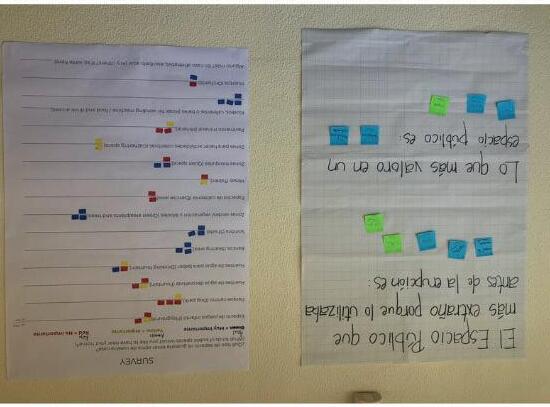
Initial engagement with resettlement inhabitants in Los Llanos and El Paso involved a social spatial workshop. Participants were invited to discuss four different topics, with our focus being on Open Spaces. The workshop combined mapping exercises and informal surveys to gain insights into how and why specific public spaces were utilized in their new surroundings. The event included guided conversations around maps, involving six participants who shared their experiences. Subsequently, walk-along interviews were conducted within the teams, further engaging community members.
Walk-along Interviews
The informal walk-along interviews were employed to comprehend participants’ movement patterns within the area and gauge space usage. This approach aimed to foster participant comfort, encouraging open discussions about their experiences. The personal nature of walk-alongs facilitated sensitive and empathetic research, contributing to a deeper understanding of participant perspectives.
4. Socio-Spatial Integration & Strategic Proposals
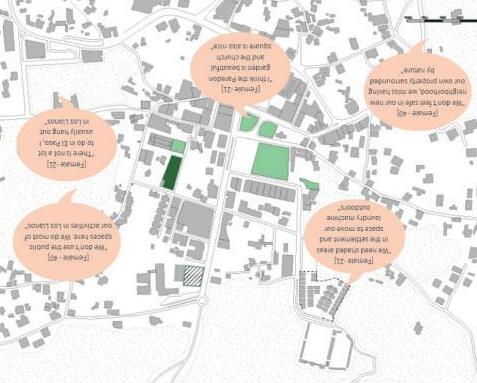
The data conducted from the two means of social approach mentioned above were further analyzed and concluded into strategic integration proposals. New recommendations for the integration of (new) open spaces near or within the settlement sites were drafted, taking into consideration the findings from the observations and social approaches, reported significantly from each settlement site.
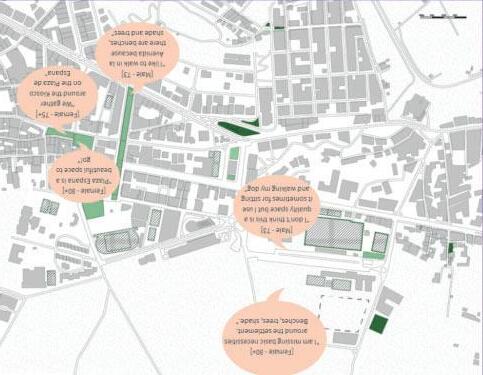
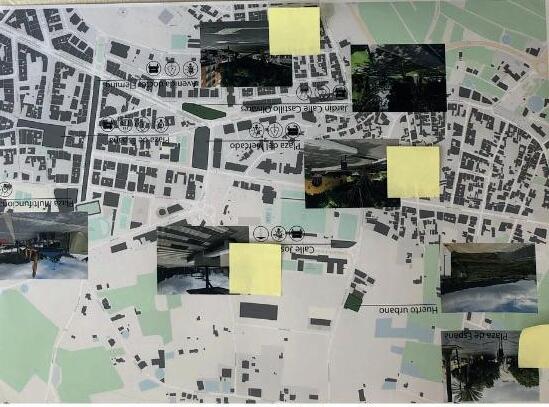
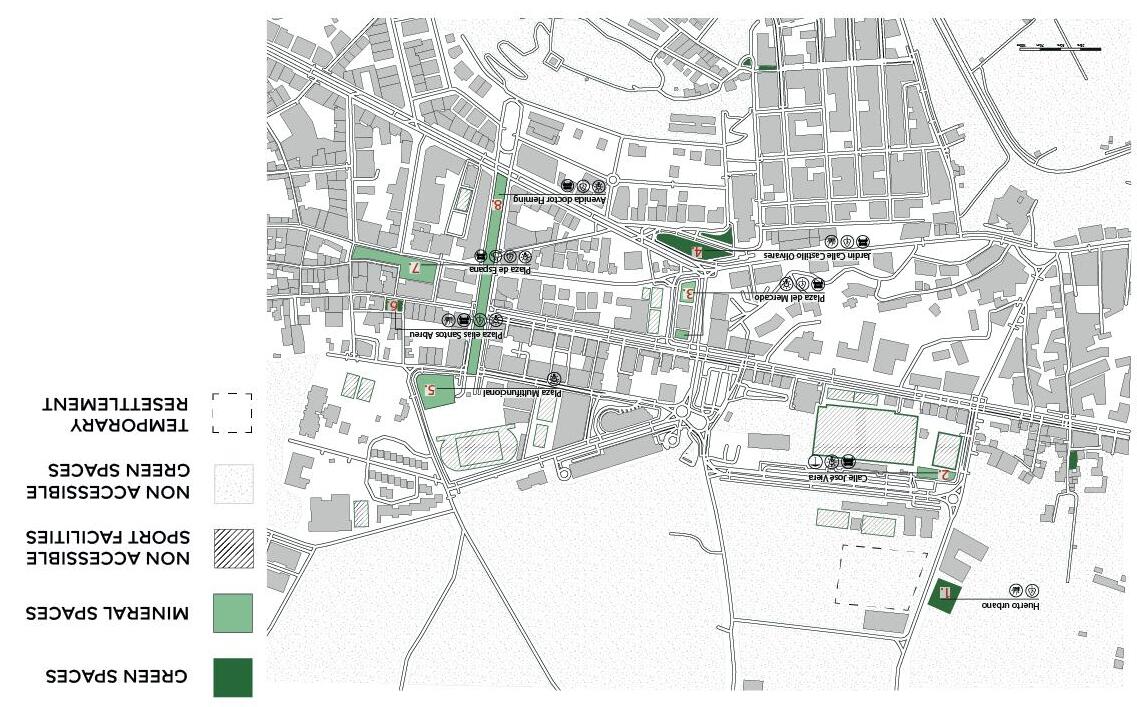
Finally, we presented the results in the form of a presentation to the Red Cross association in La Palma, and we invited all the interviewees and collaborators to join as well.
 El Paso Los Llanos
El PasoLos Llanos
El Paso Los Llanos
El PasoLos Llanos
RECOMMENDATIONS
For both cities we propose short-term strategies and long-term strategies. Our proposals in the shortterm are intended to be developed by the inhabitants, with the lowest possible budget (using recycled materials, through social workshops) and in the shortest possible time. Long-term strategies require government involvement and investment in order to display solutions that can be used in the future urban development of the city.
First phase Second phase Fi t h S d h First phase Second phase
1. El Paso
2. Los Llanos
Exhibition ‘CRITICAL CARE’
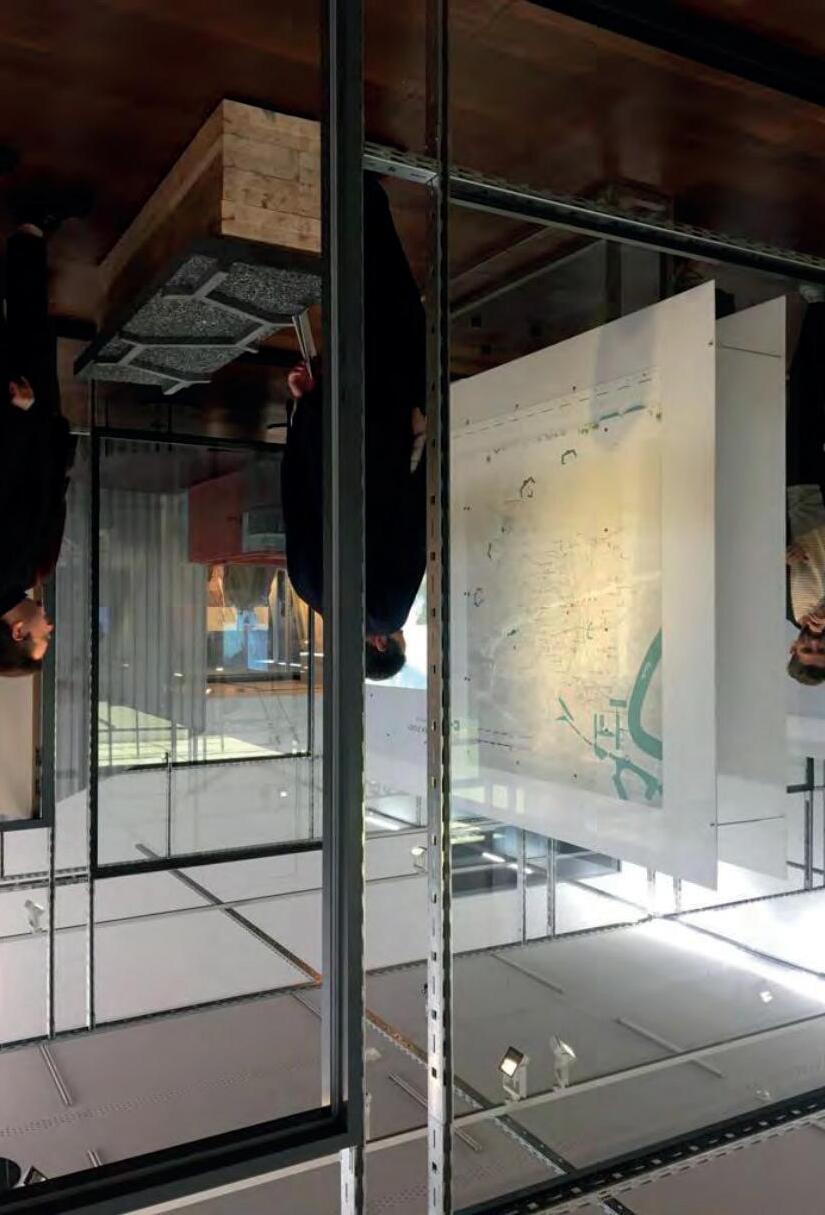
In supervision of ImportExport Architecture jan 2022 - may 2022
For this exhibition, I contributed to the curation and executive process for the architectural studio Import.Export Architecture. Our part of the exhibition was build around a finished project of the firm (sports centre) and what its impact of care is on the built environment. This exhibition is mindfull about the lasting impacts it entails and creates a critical discourse on human activity on planet earth.
10.
Supplementary
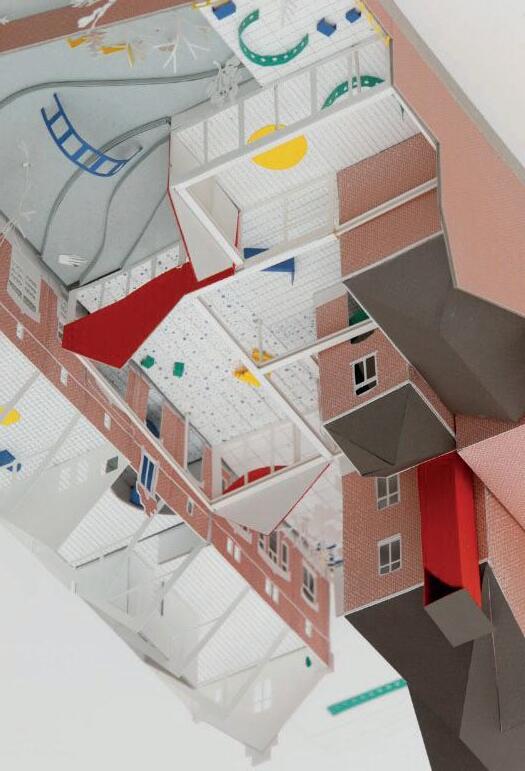
Competition ‘CHASSART 21’ AgWa Architecture + ZED architects jan 2022 - may 2022 11. Supplementary
Bacehlor Studio ‘EXPERIMENT’
Supervisor: Corneel Cannaerts aug 2021- dec 2021

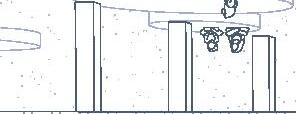
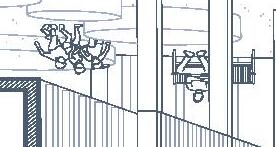
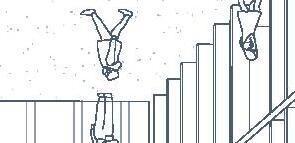
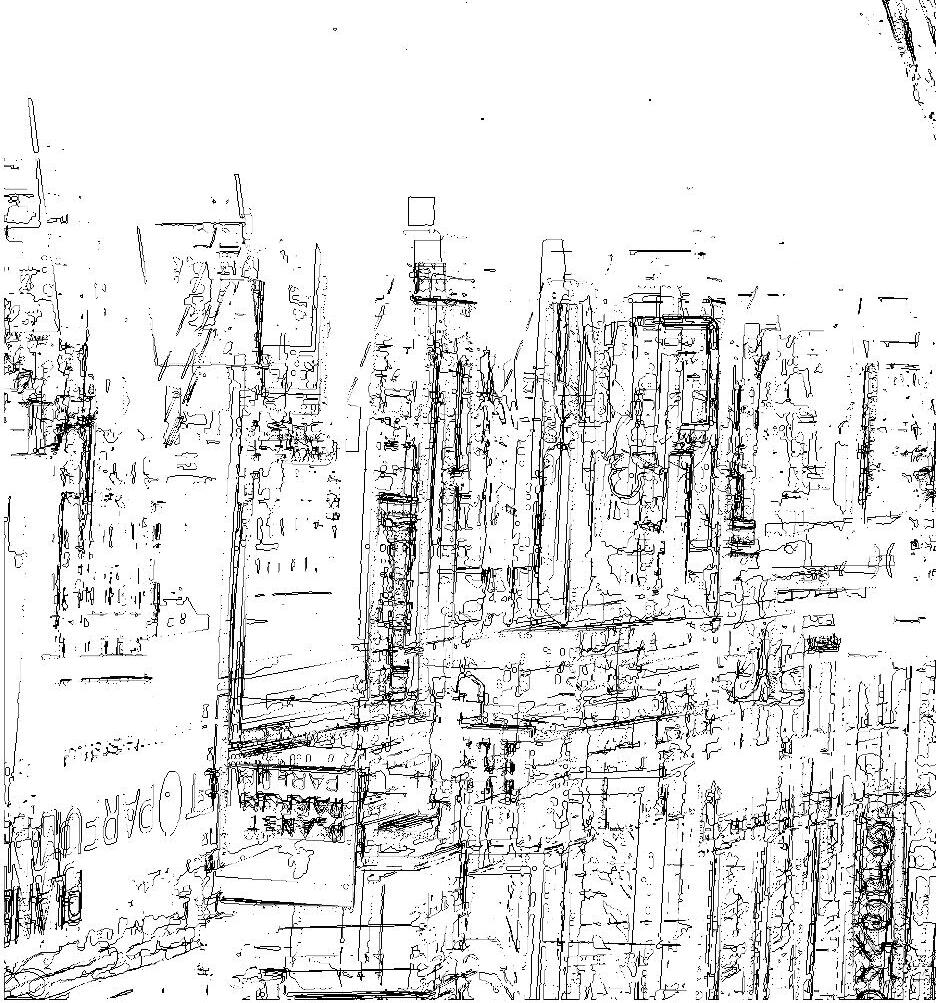
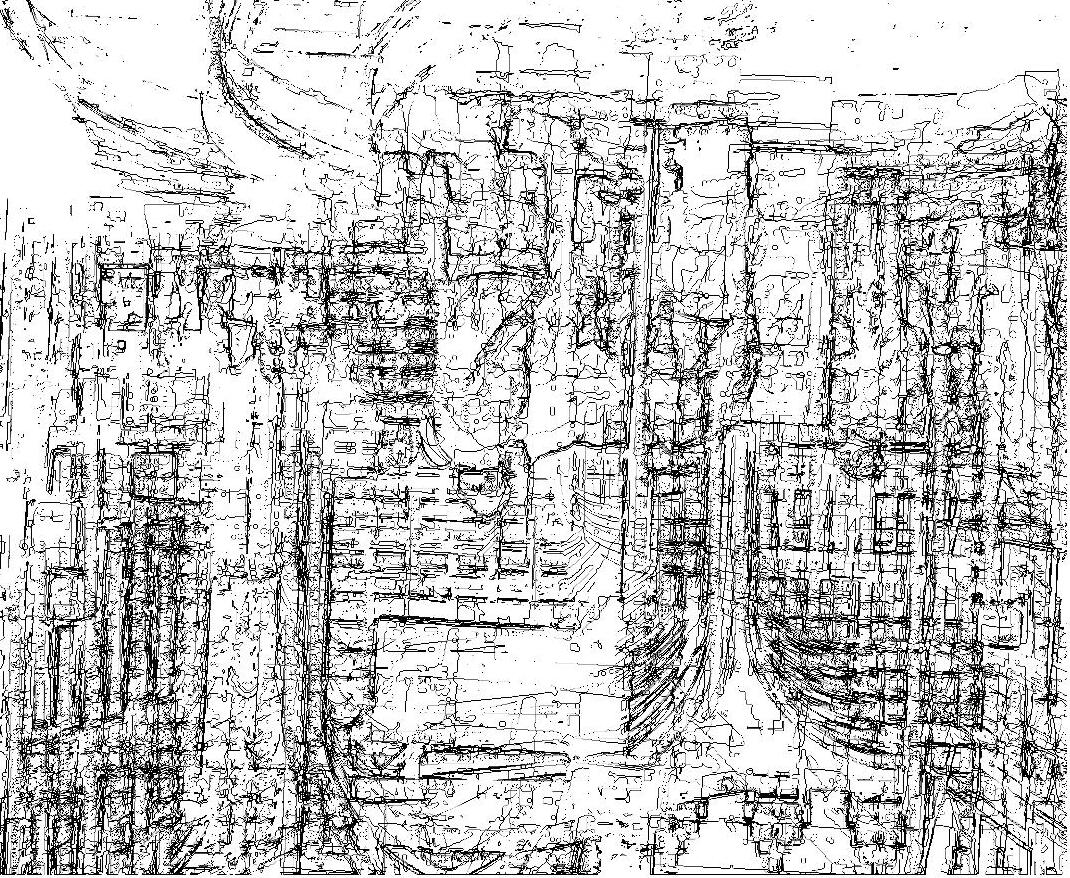
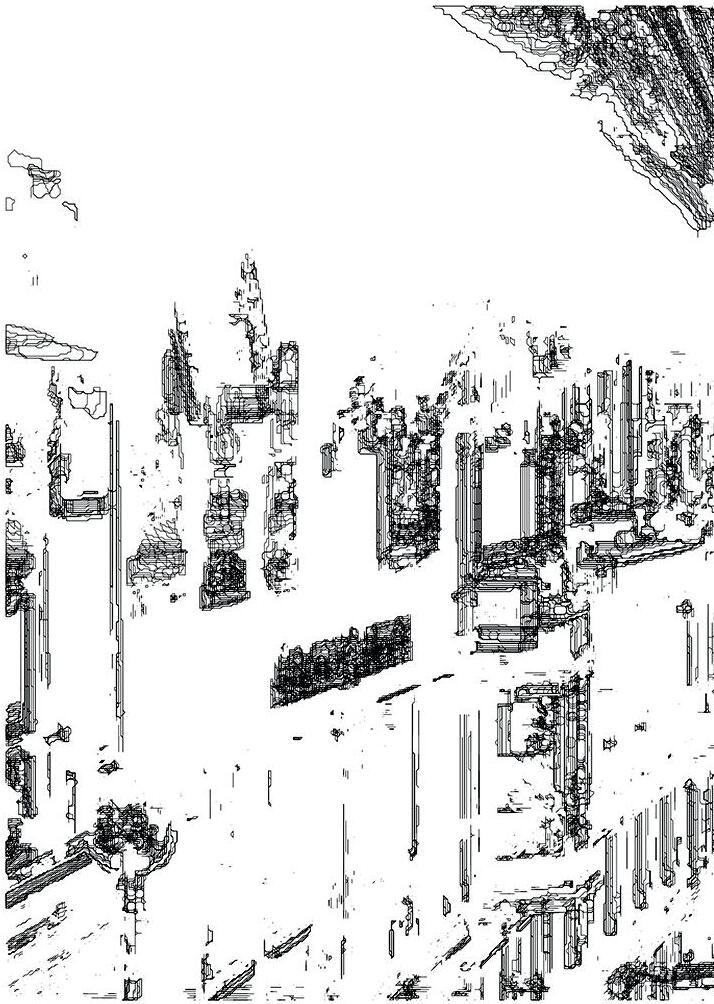
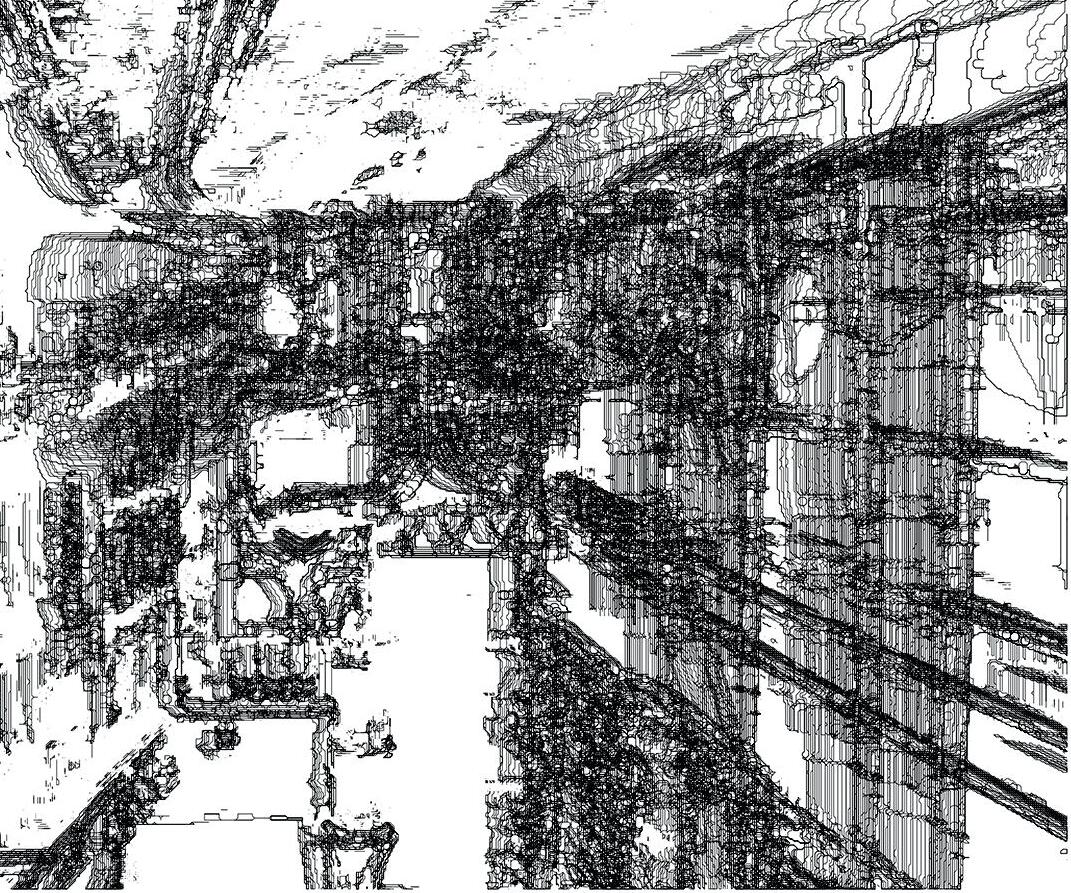
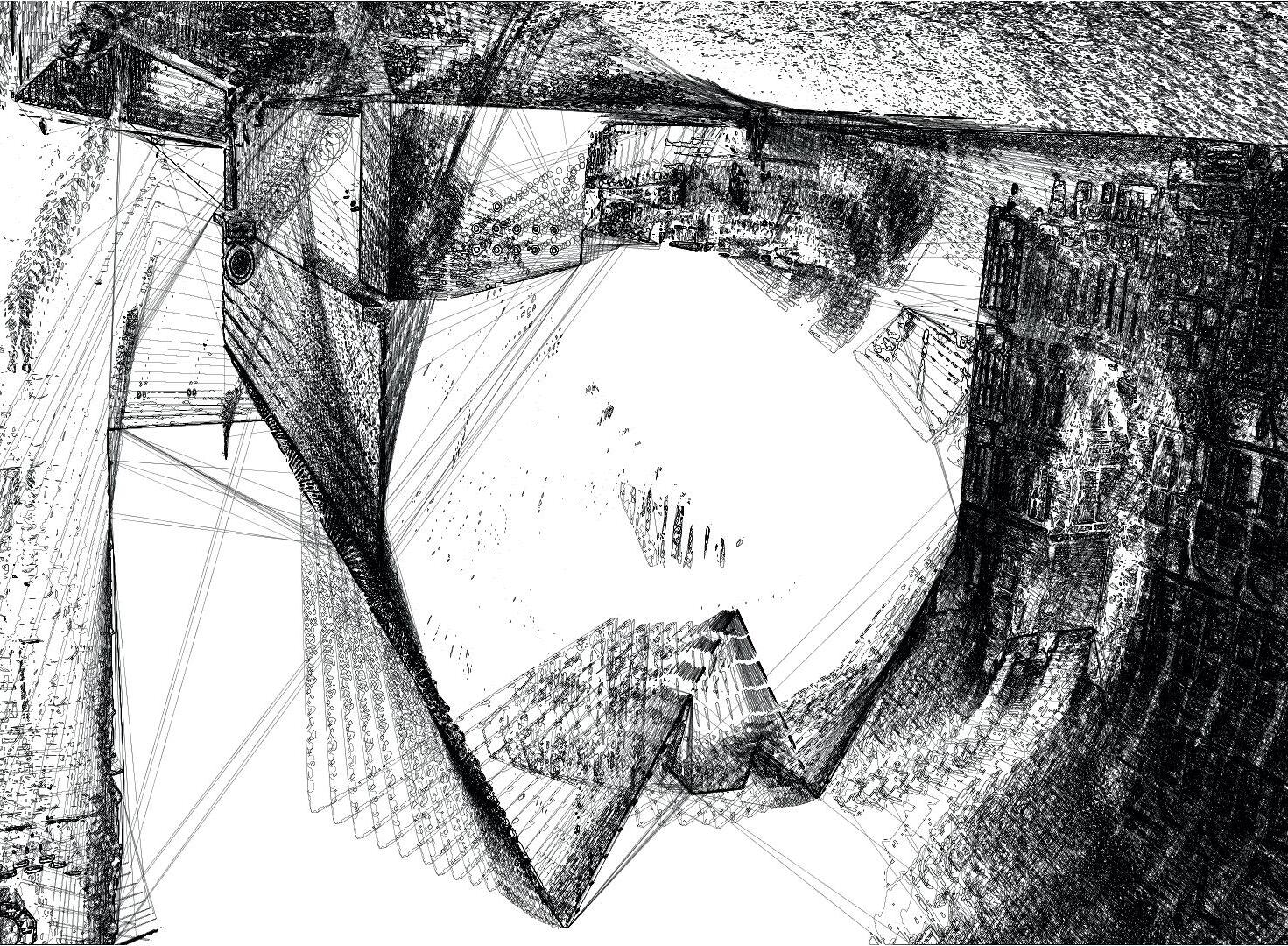
For this project, we were granted the freedom to choose any avenue of experimentation. Personally, I decided to focus on movement, exploring it through the process of importing videos into the ‘Processing’ software and extracting line drawings from the program. The final presentation showcased video images and large prints derived from this exploration.

12.
Supplementary
Suzanne Jadoul jadoulsuzanne98@gmail.com +32 471 67 79 53 Architecture Portfolio