suvini gunaratna architectural portfolio
I am a recent graduate of Pratt Institute’s Masters of Architecture program, and also have a Bachelors of Fine Arts in Interior Design. I strive to create experiential spaces that inspire creativity in others while maintaining a focus on sustainable materiality and building methods. I find inspiration in the all aspects of life and work to adapt those inspirations into conceptual thought that then becomes part of my design process. I believe that the simplest of things can spark one’s creativity and push one to pursue the most adventurous designs that they are capable of making.
hello
TAB le o F C o NT e NTS
01 ‘Nexus’ Housing Development In collaboration with NYCHA 17 ‘Flood Planes’ Waste-to-Energy and Artists’ Residence Complex Located in the Brooklyn Navy Yard, NY 27 ‘Ship-Rec.’ Recultivation Effort + Eco Park In collaboration with the Billion Oyster Project 37 ‘Dividing Lines’ The Asymmetry of the Law on Women’s Bodies
‘NexuS’ houSiNg developmeNT
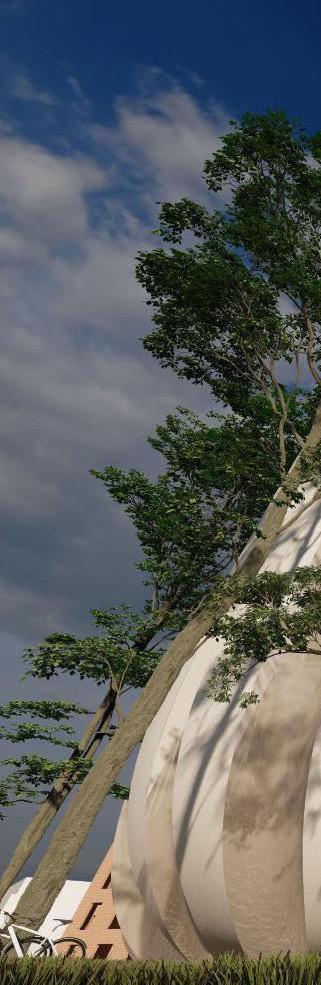
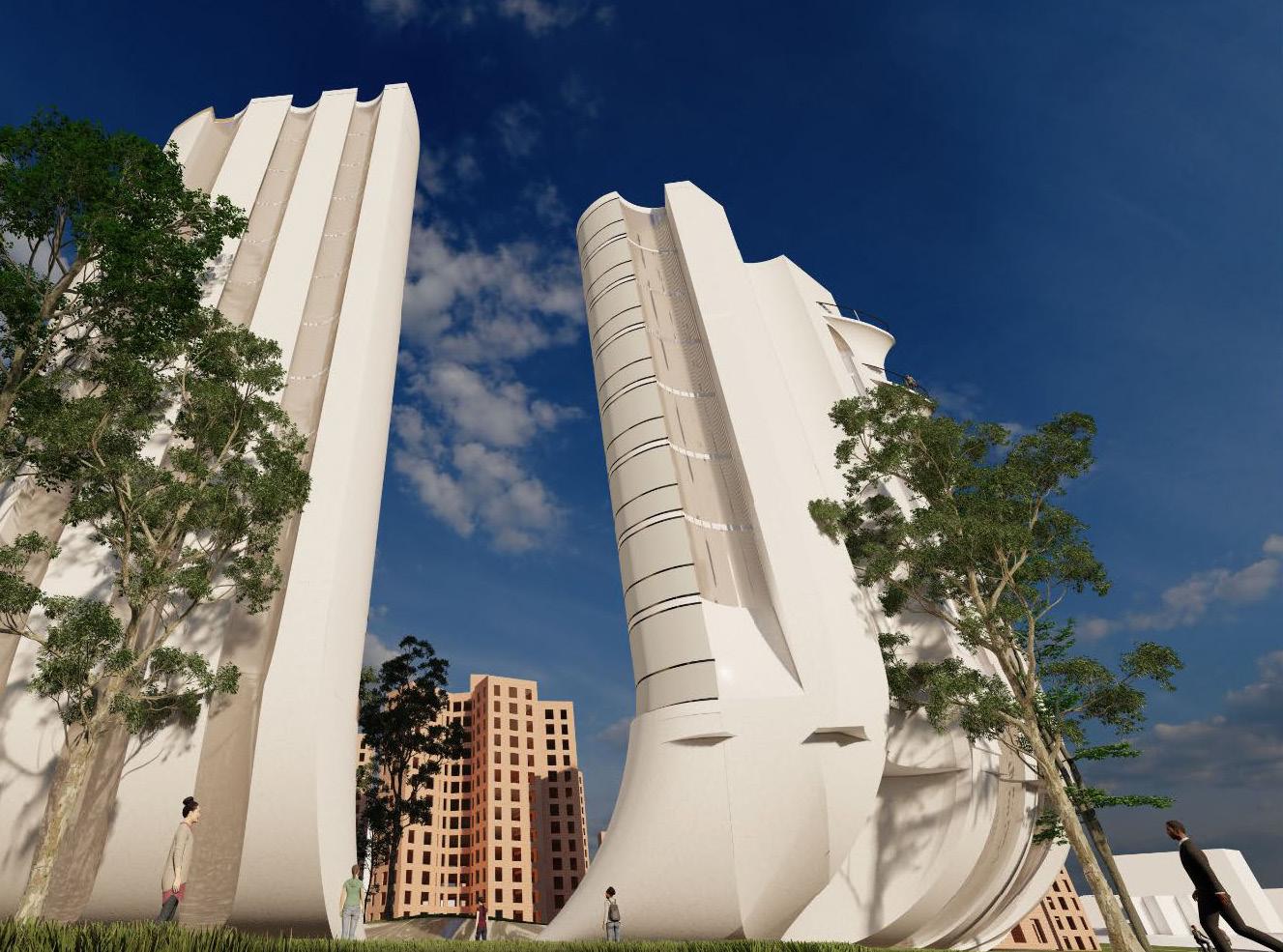
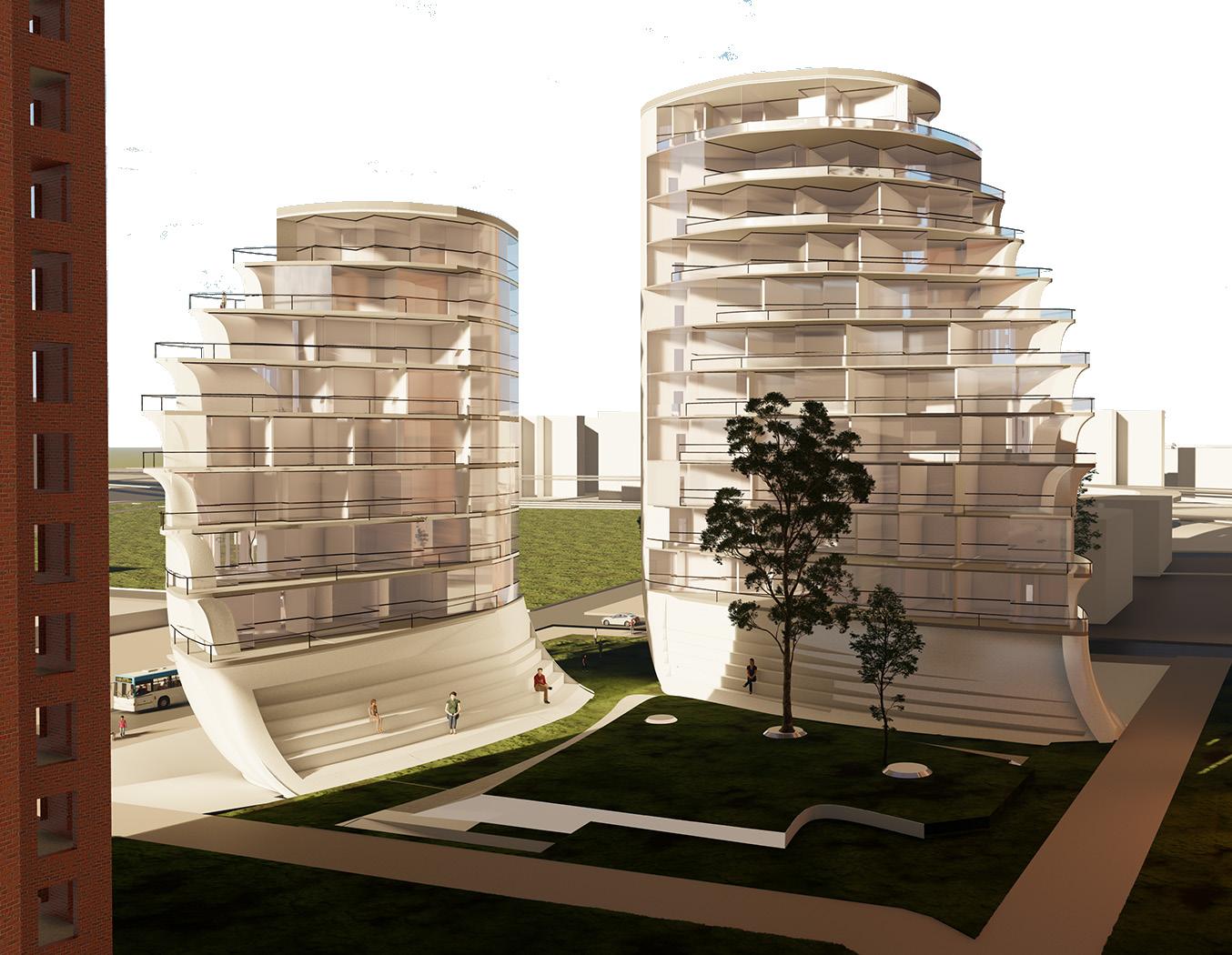
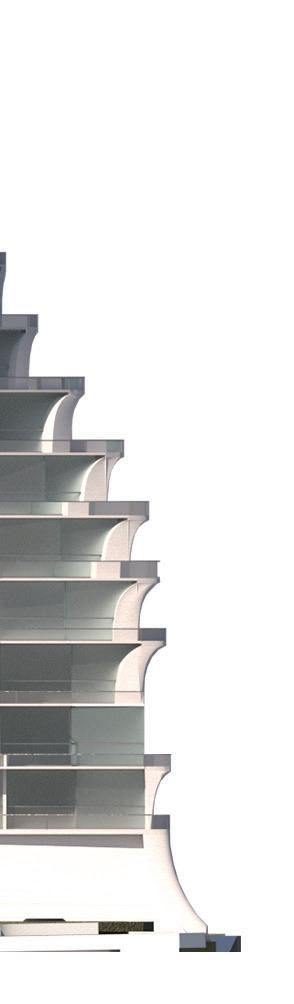
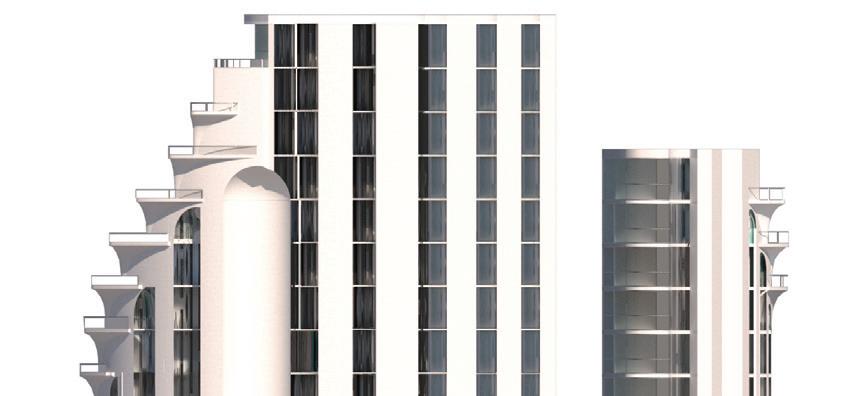
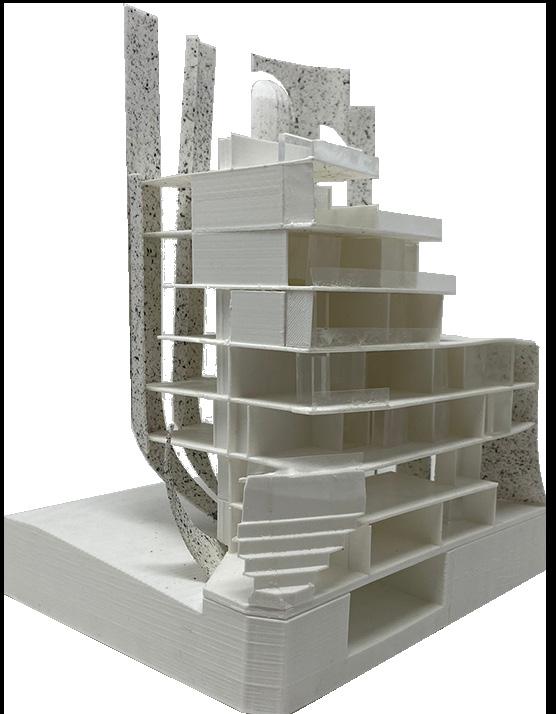
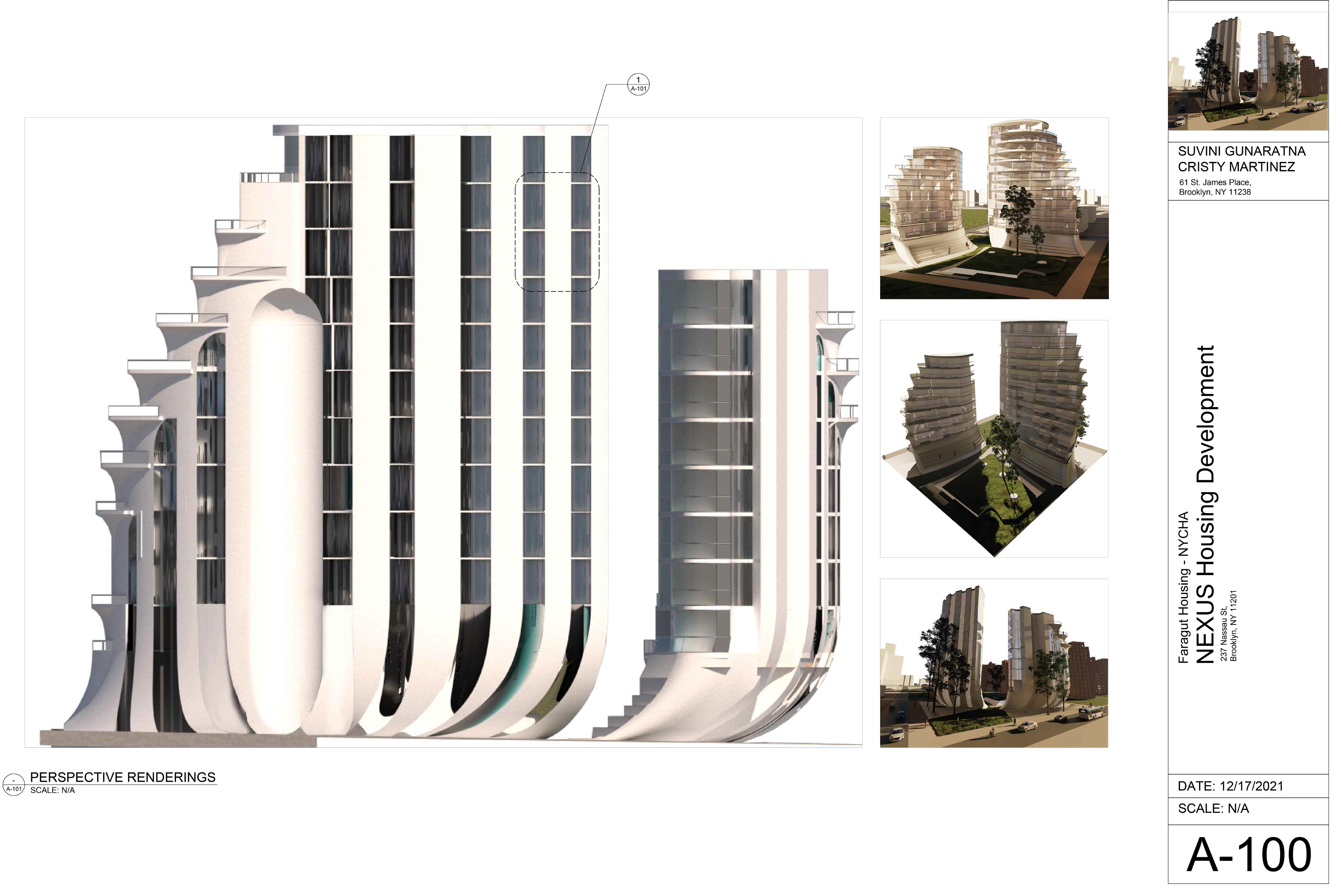
To bring the Farragut community together, this project has developed arrays of common spaces among two towers that invite residents to inhabit areas together. The towers face an outdoor public courtyard that connects the site with the rest of the Farragut community. In an amphitheater-like behavior, the units face the center of the public space, making spectators out of residents and a spectacle out of the community. The center courtyard intends to address local community activities and contribute to the nearby middle school and the existing Farragut daycare center. This project opens the opportunity for people to connect their surroundings with their everyday lives.
01
02
“CoNNeCT The reSideNTS’ SurrouNdiNgS wiTh Their everydAy liveS”
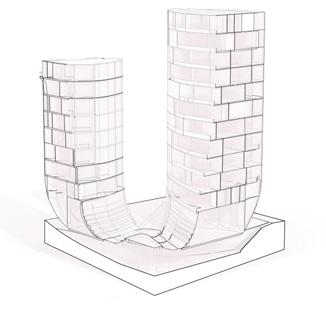
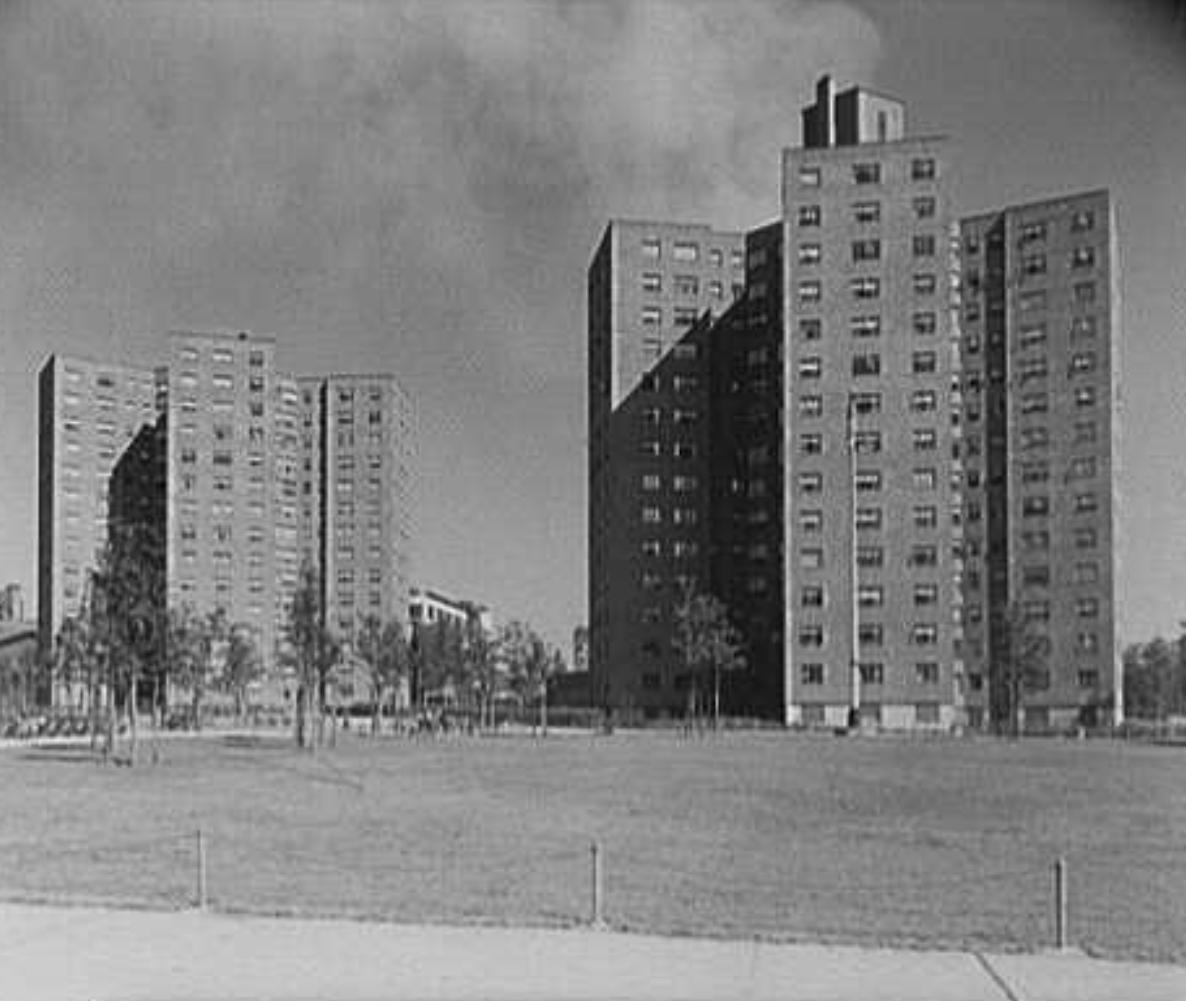
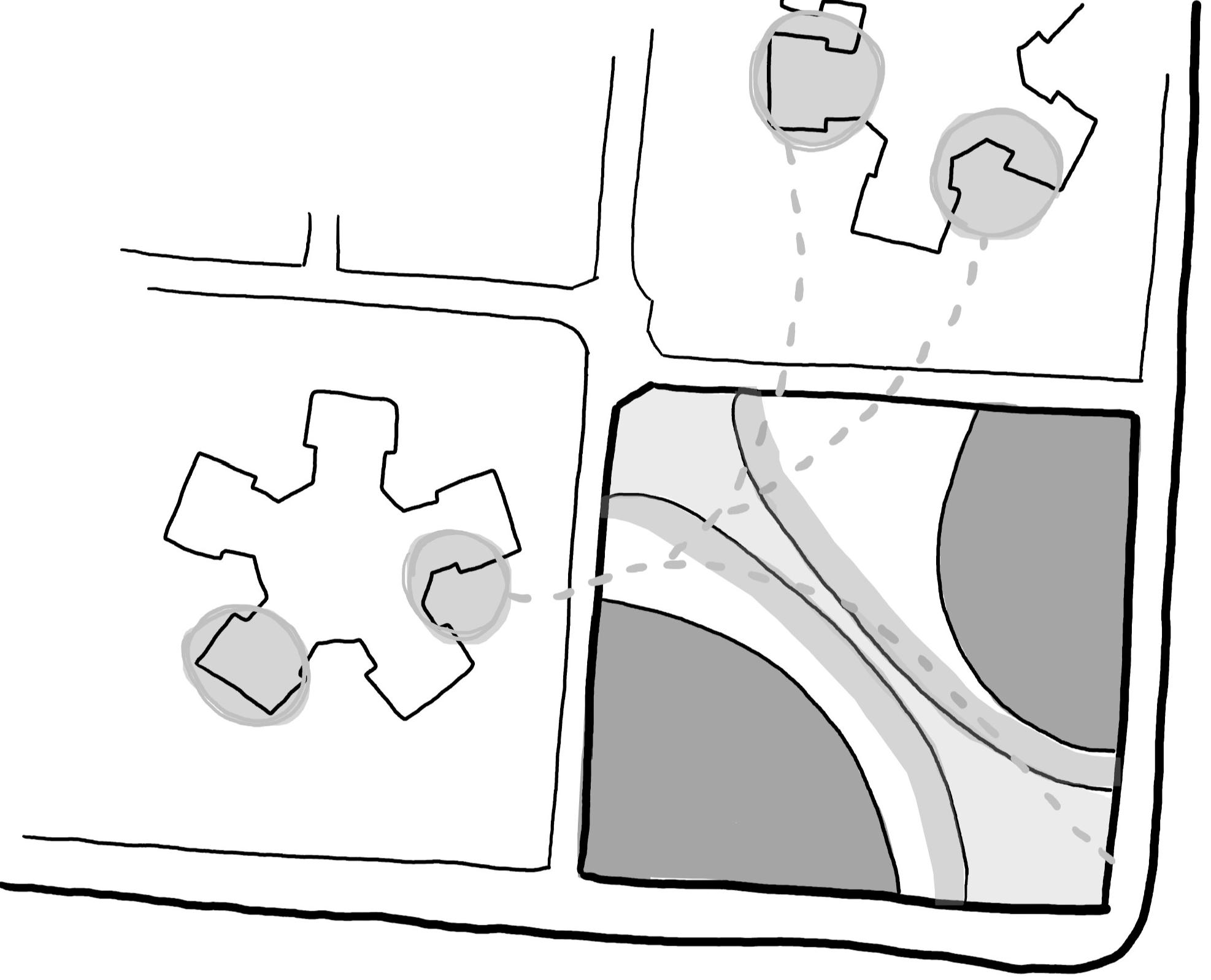
The Nexus Housing Development was designed to preserve the existing Farragut community while also linking them with the surroundng urban landscape, thus providing them with new and better living opportunities. A clear pathway was drawn to directly lead residents from the community to nearby locations of interest (the middle school, park, etc.). In response to this pathway, the apartment building was split into two towers on either side of the site. By pushing the towers to the opposite sides of the lot, it freed up space to create a communal activity area for the Farragut residents. The multi-purpose courtyard was then develeoped to be used by both the Farragut community and the local children’s centers.
03
04 SPORTS CLUB MIDDLE SCHOOL PARK
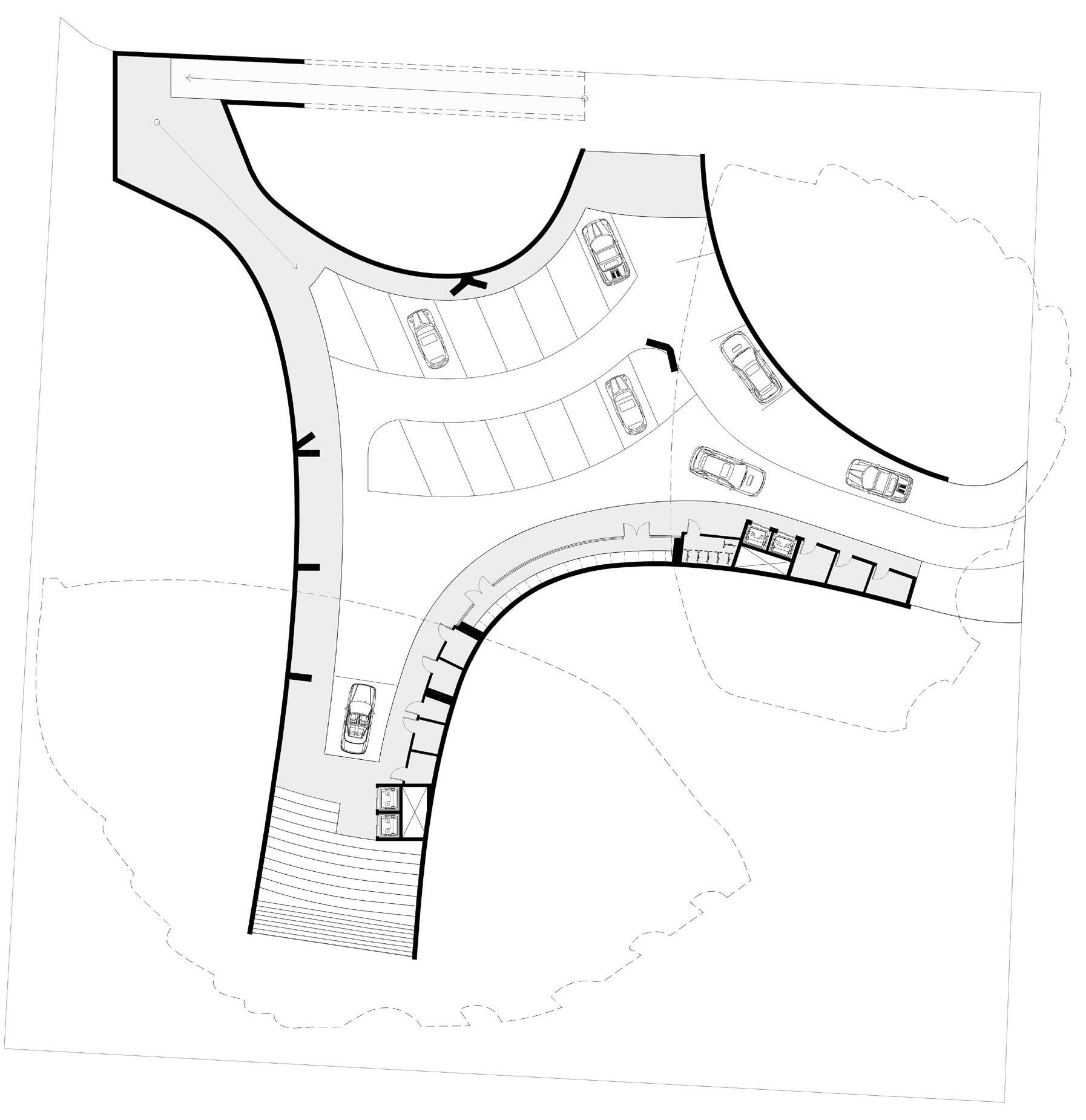
Underground Floor Plan


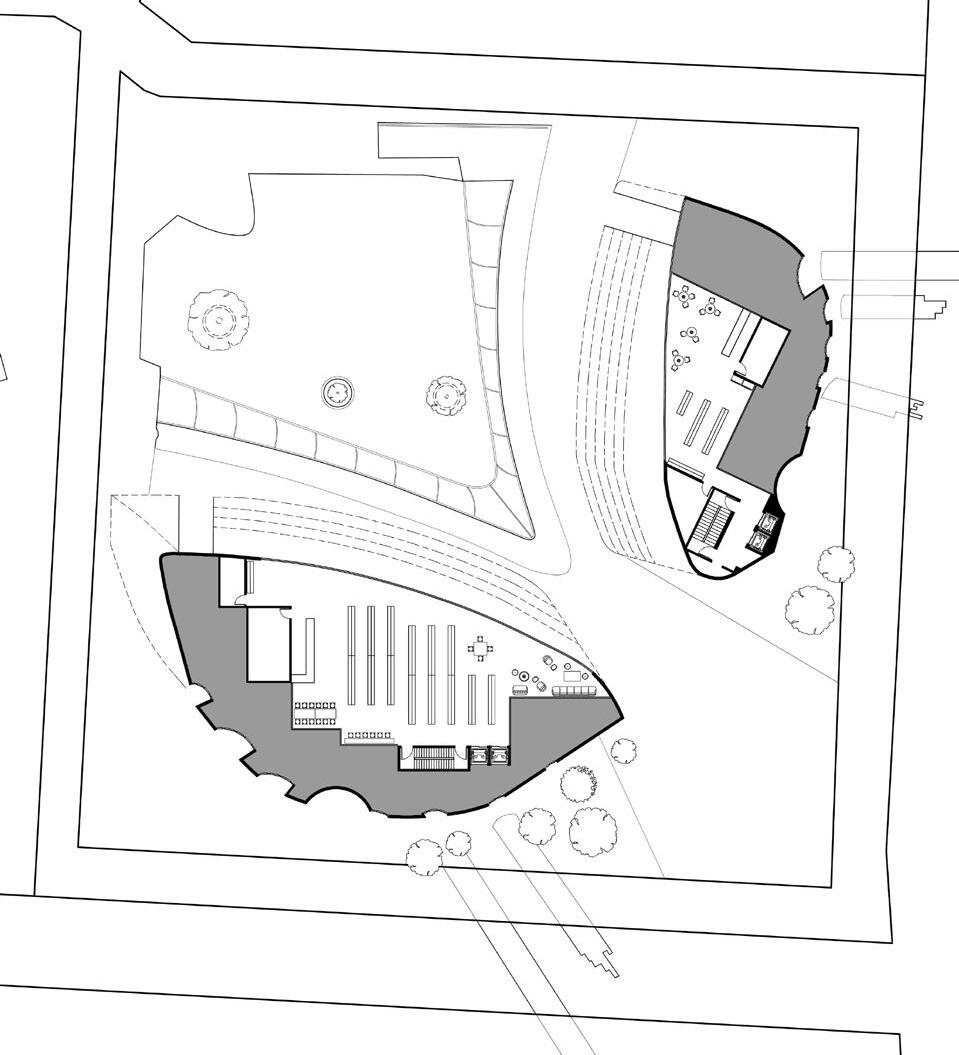
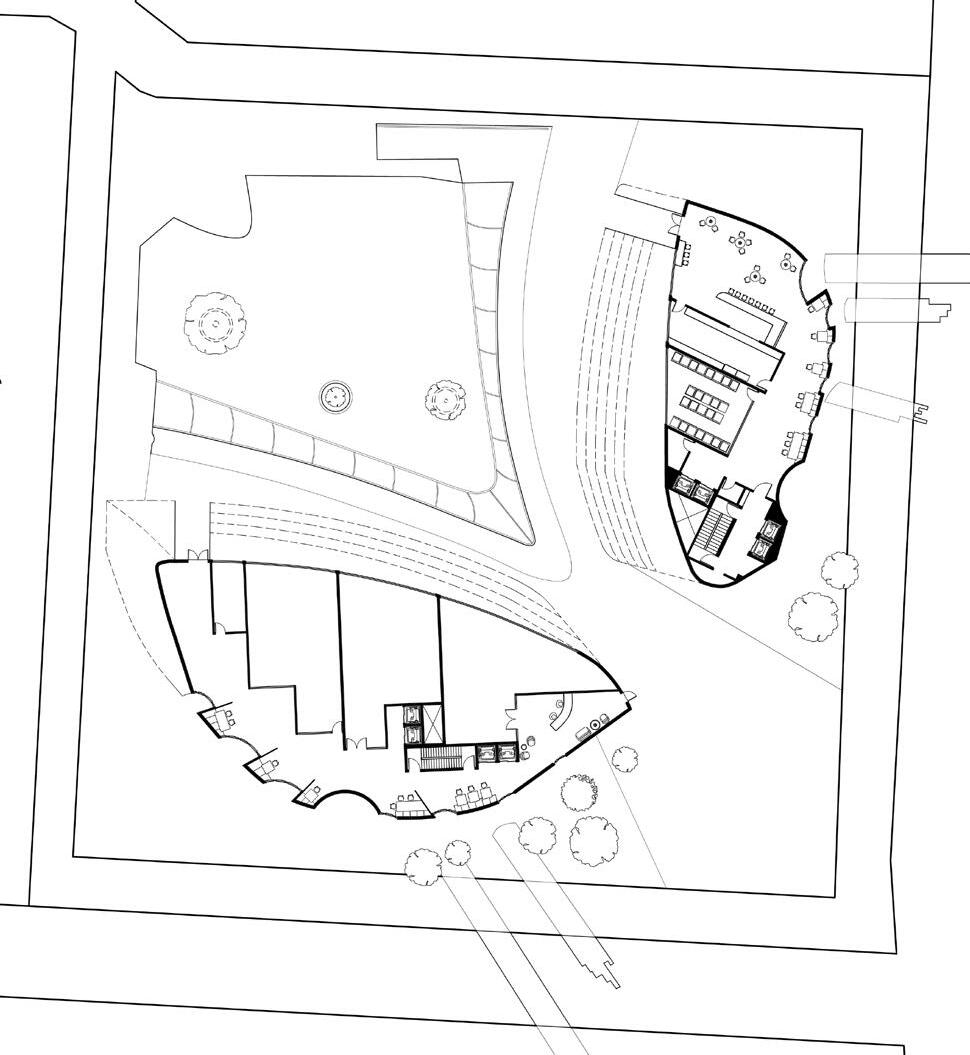
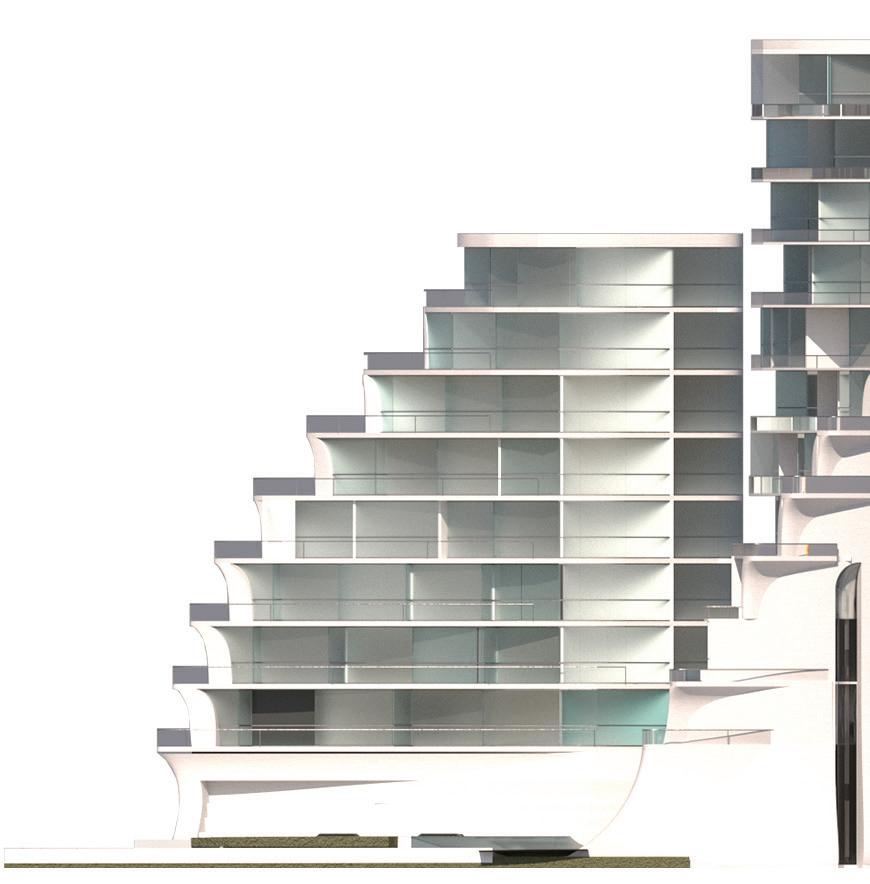
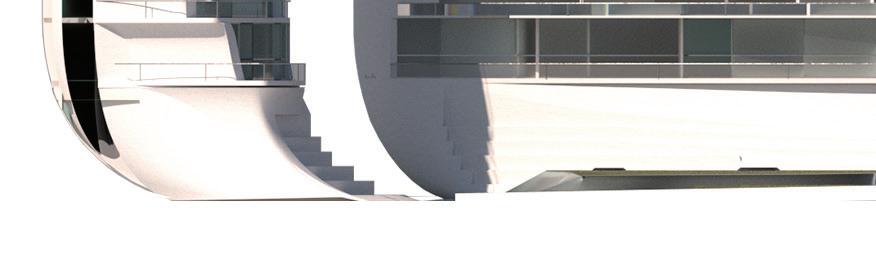
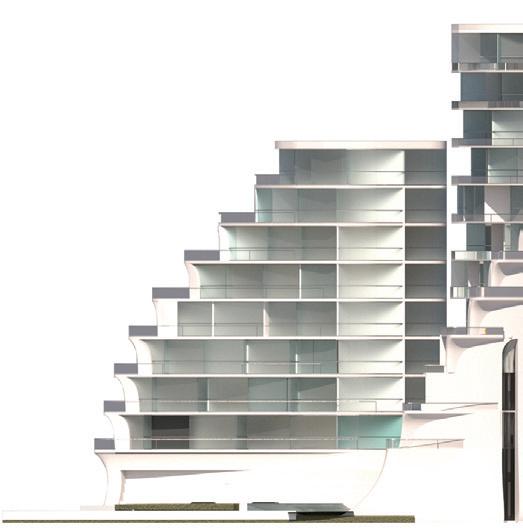
The landscape of the site sinks down into a shared underground parking garage and utility space for the towers’ residents. From there, the towers rise up in a terrace structure, beginning with a mixedus space on the ground floor. This space houses several amenities including a cafe, library, and rentable multi-purpose rooms for community use. The residential units reside above this mixed-use space,
05
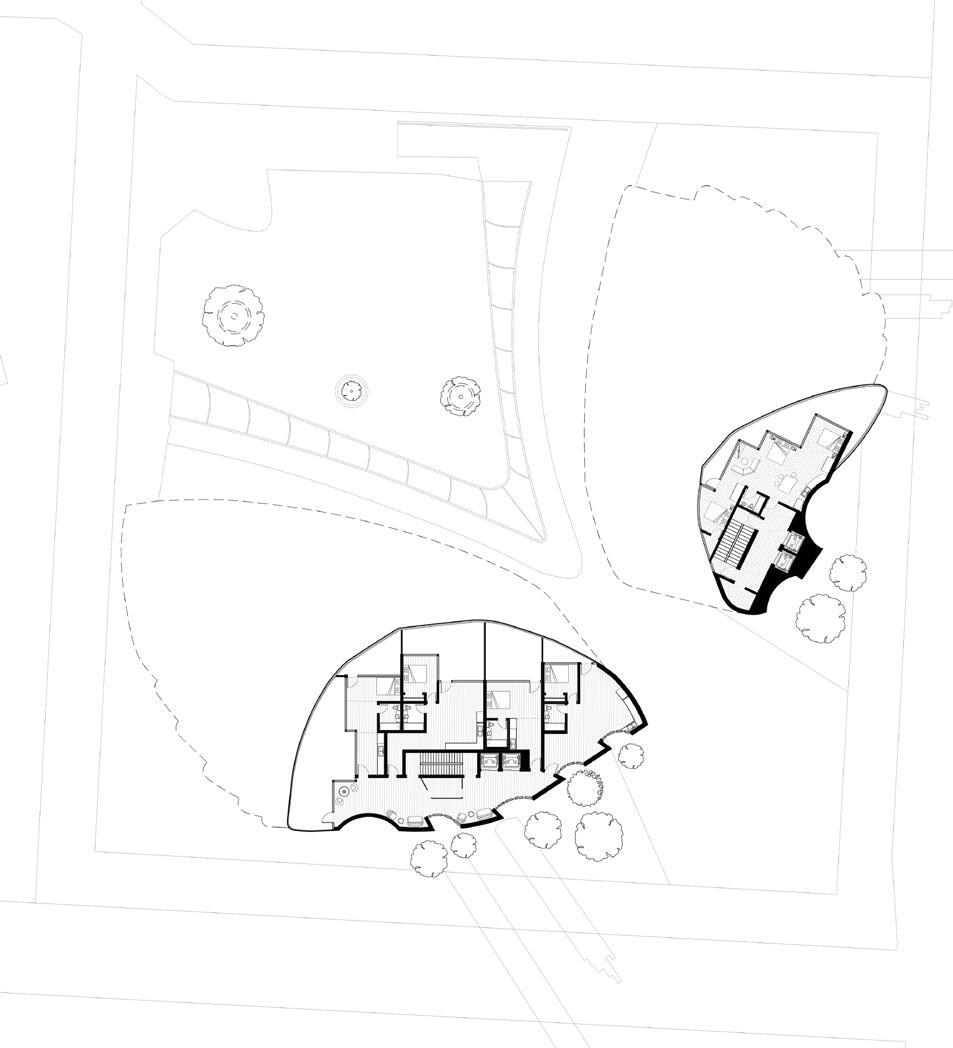
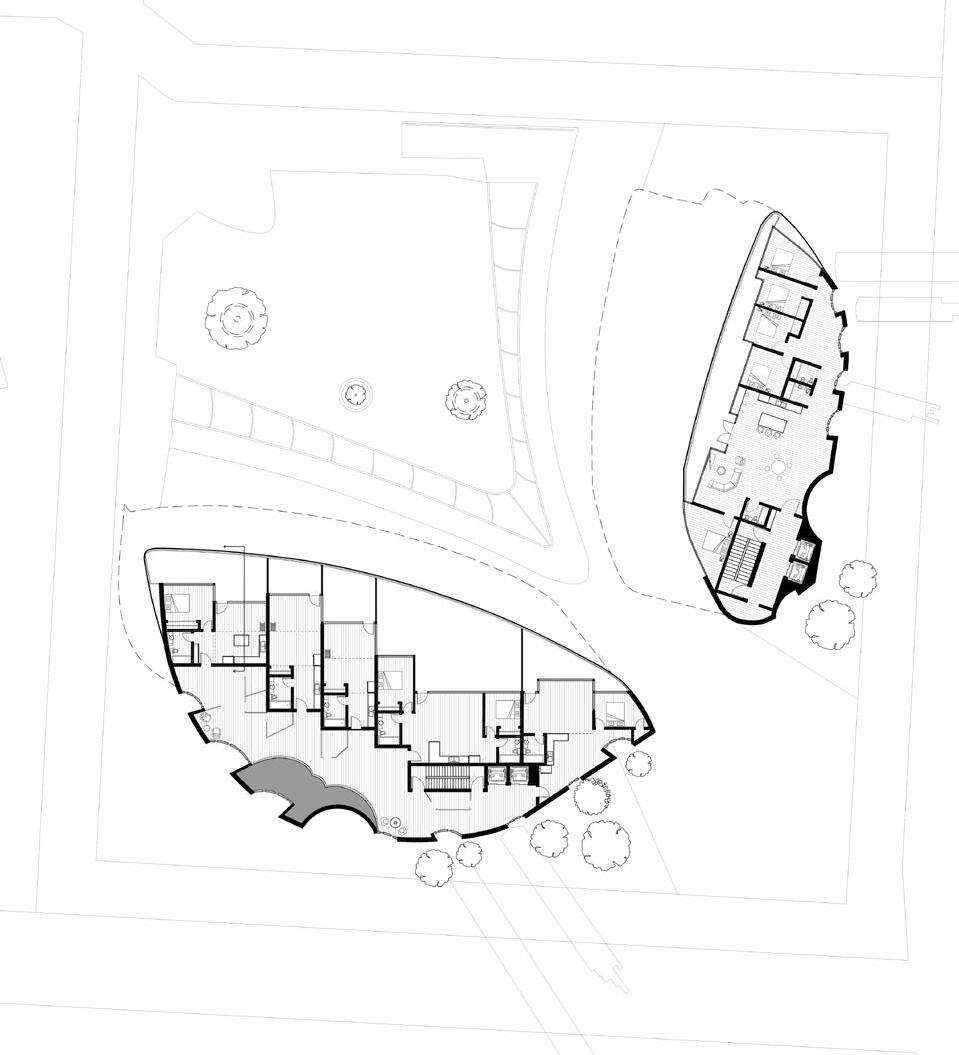
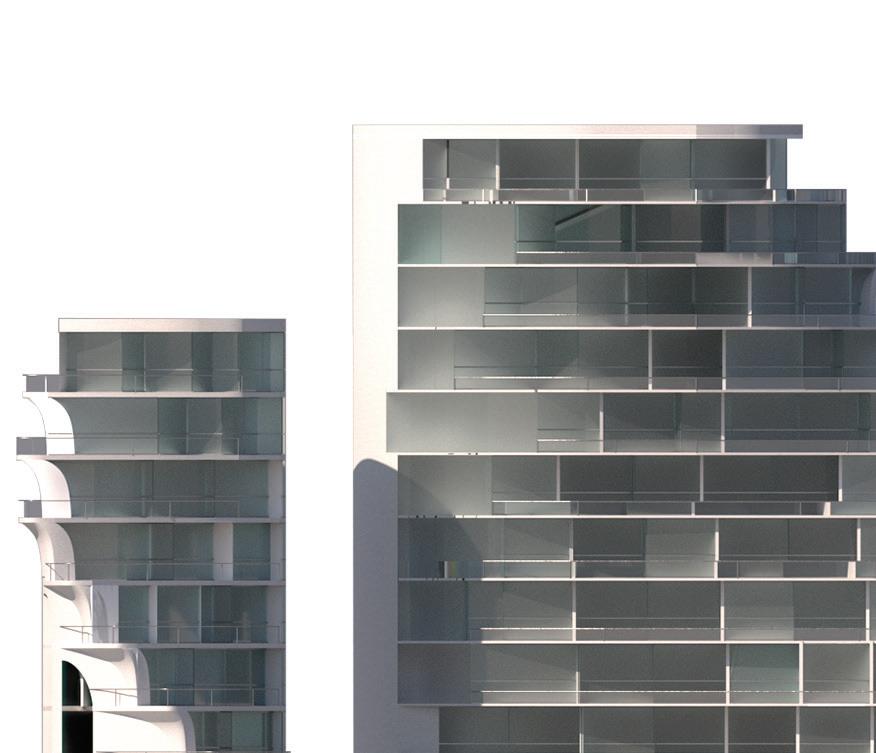
ranging from communal living units and studios to 2 bedroom apartments. The variety of apartment types is meant to welcome in many different types of families and individuals and allow them to coexist in the community. Each residential floor also includes a large terrace balcony with partitions so that residents may close off their own private outdoor spaces or combine theirs with the neighbors.
06
Ground Floor Plan
Lower-Level Floor Plan
Upper-Level Floor Plan
Ground Floor Plan (Loft)
07
Interior Courtyard + Terraces
West North
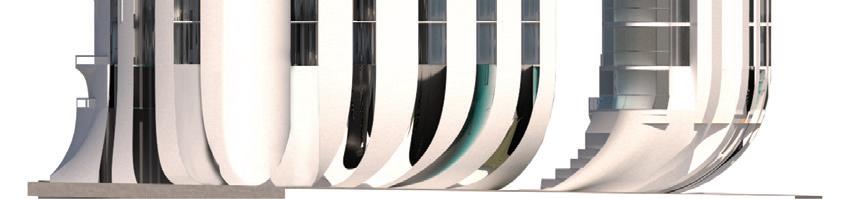
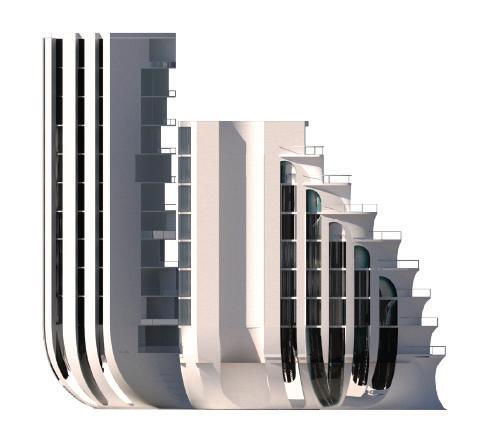
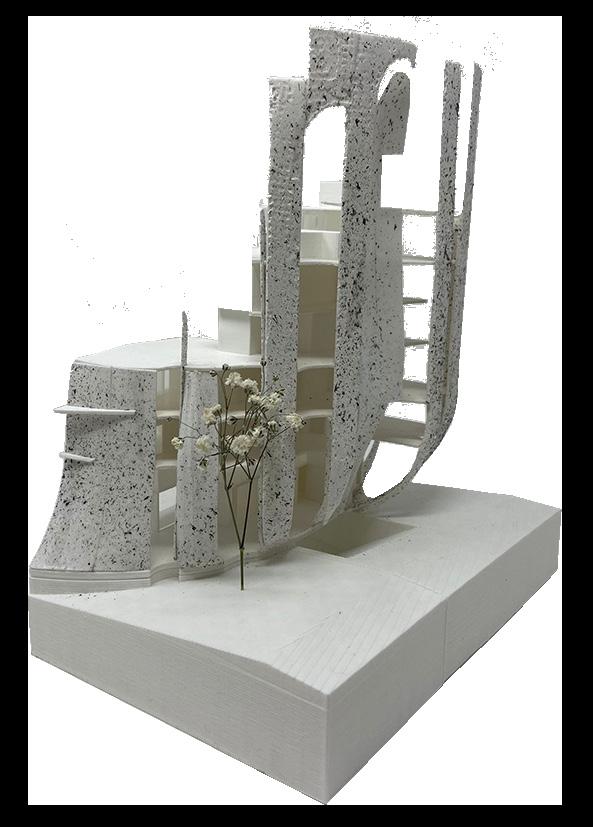
The massing that intervines with the house is made of a rough-cut marble material that emphasizes the shear size and weight of the structure that has collided with the house. The backyard area was defined by the jagged lines of the mass, and cut into the landscape in a way that implies that the massing scraped against the ground on its way to the house.
08
View
Diagonal Section
South East
09
10
11 ex T erior FACA de de S ig N
13 ex T erior FACA de de S ig N
14
15 ex T erior FACA de de S ig N
‘Flood plANeS’
wASTe-To-eNergy ANd ArTISTS’ reSIdeNCe Complex
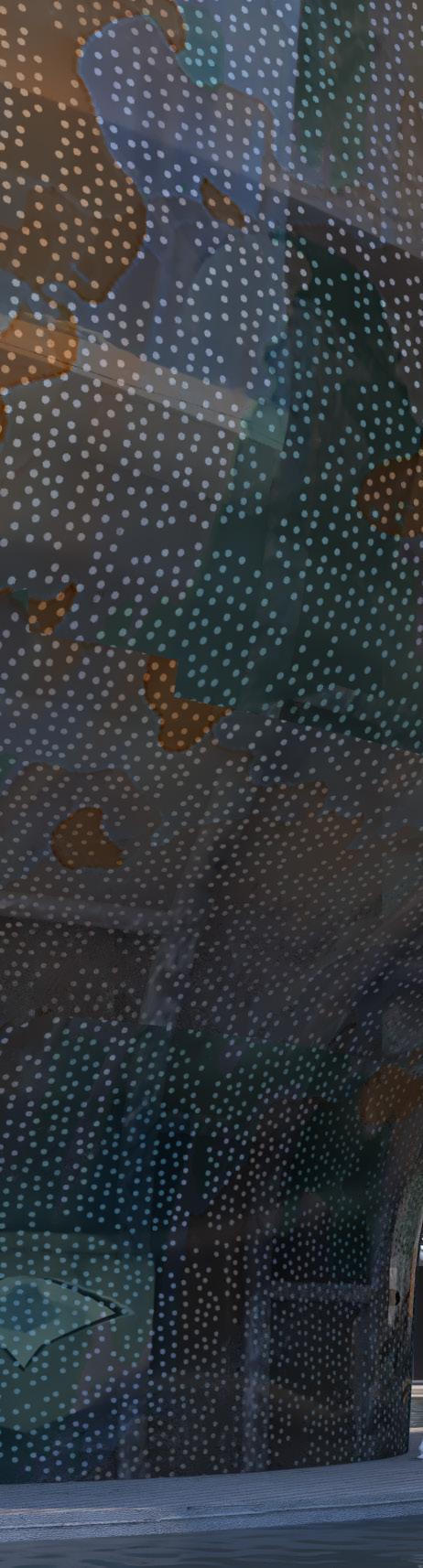
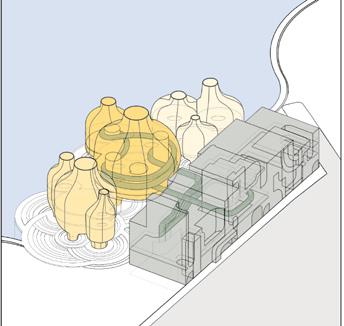
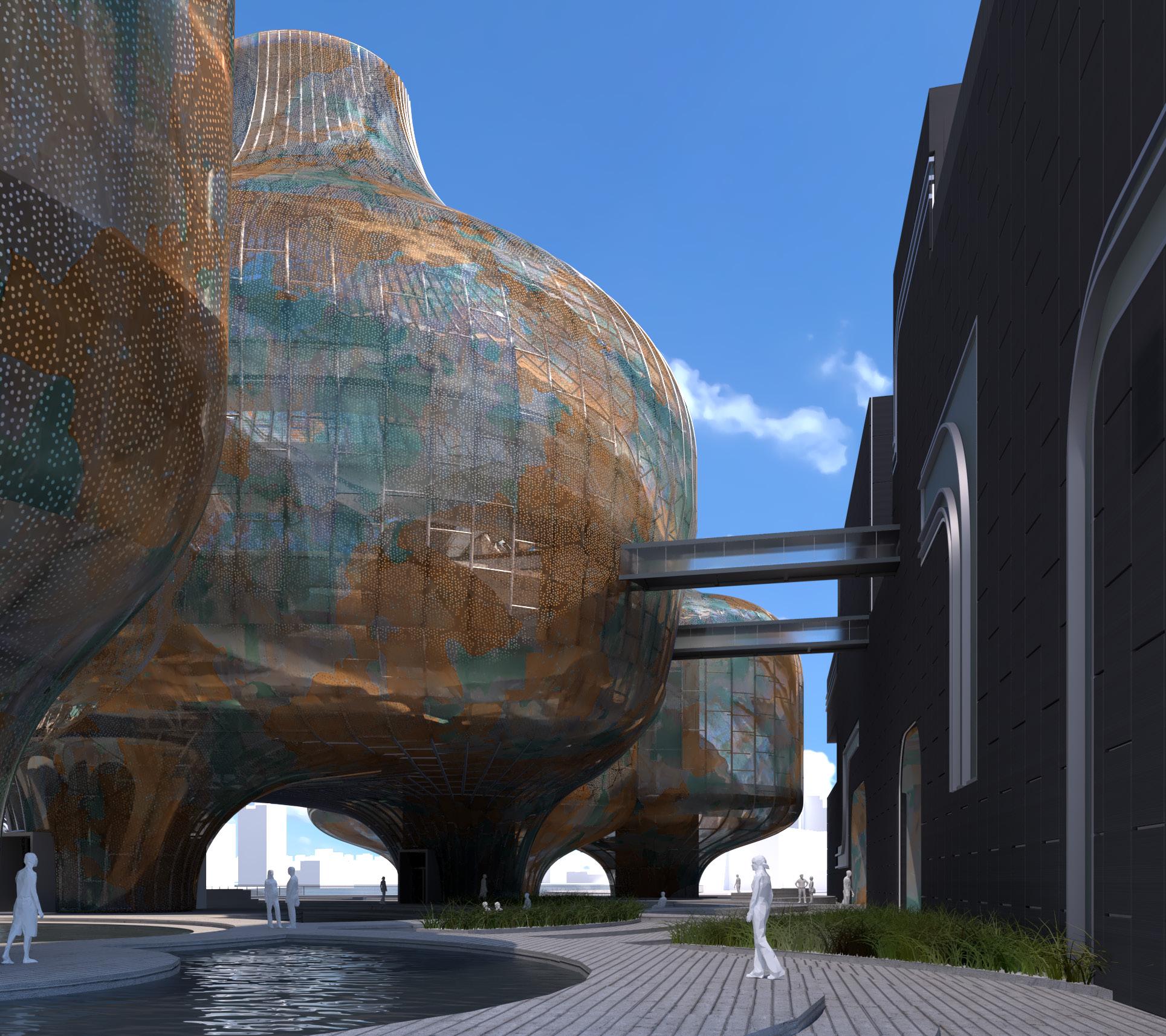
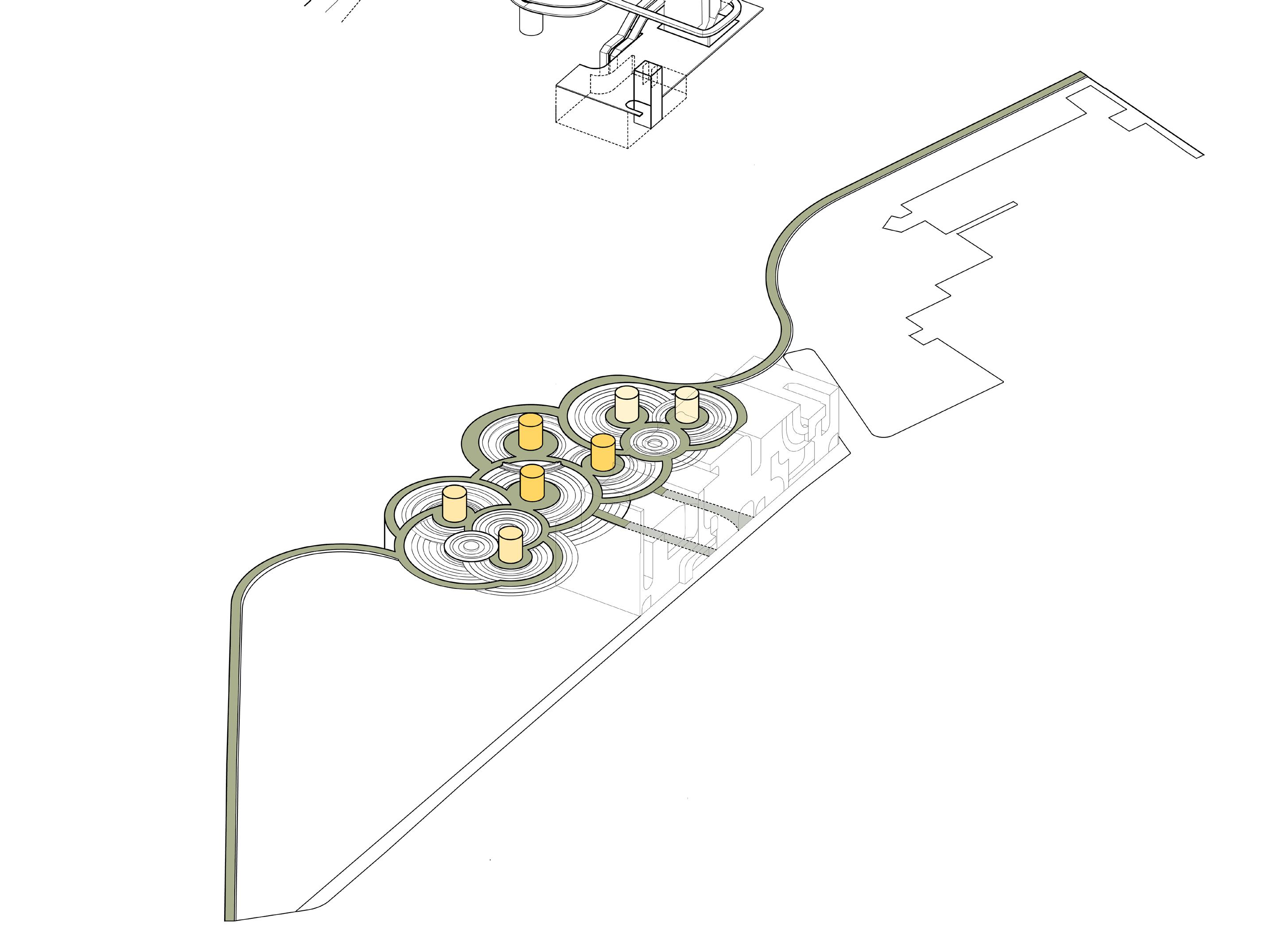
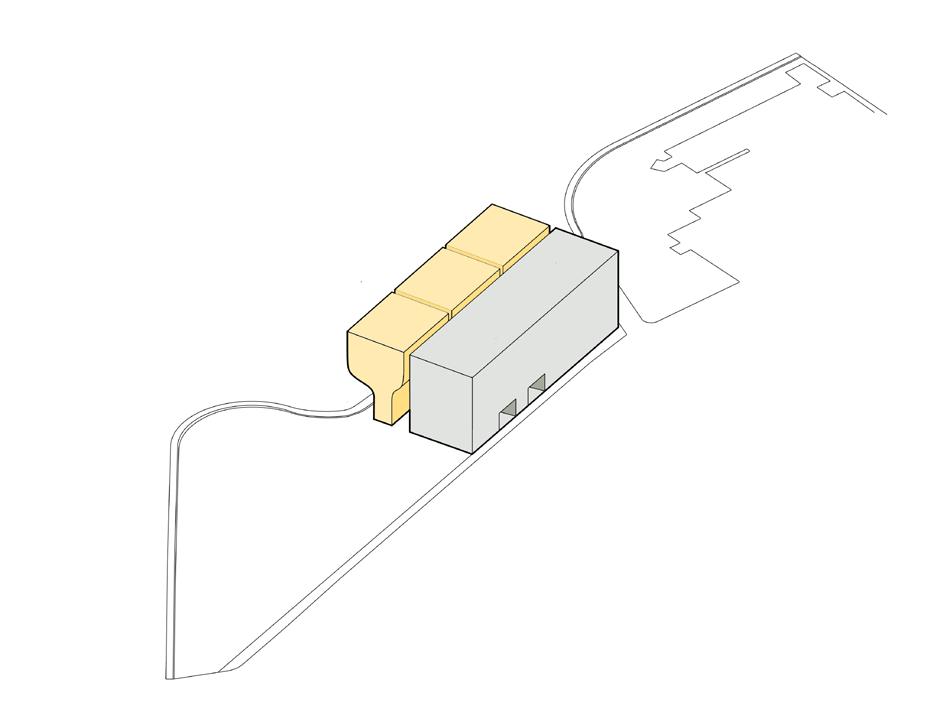
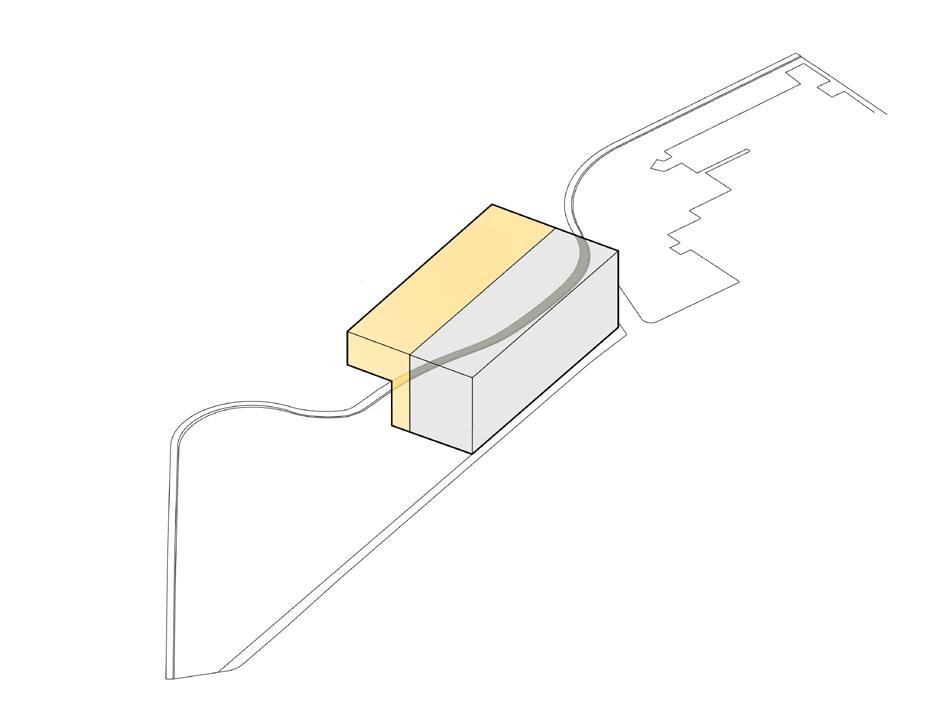
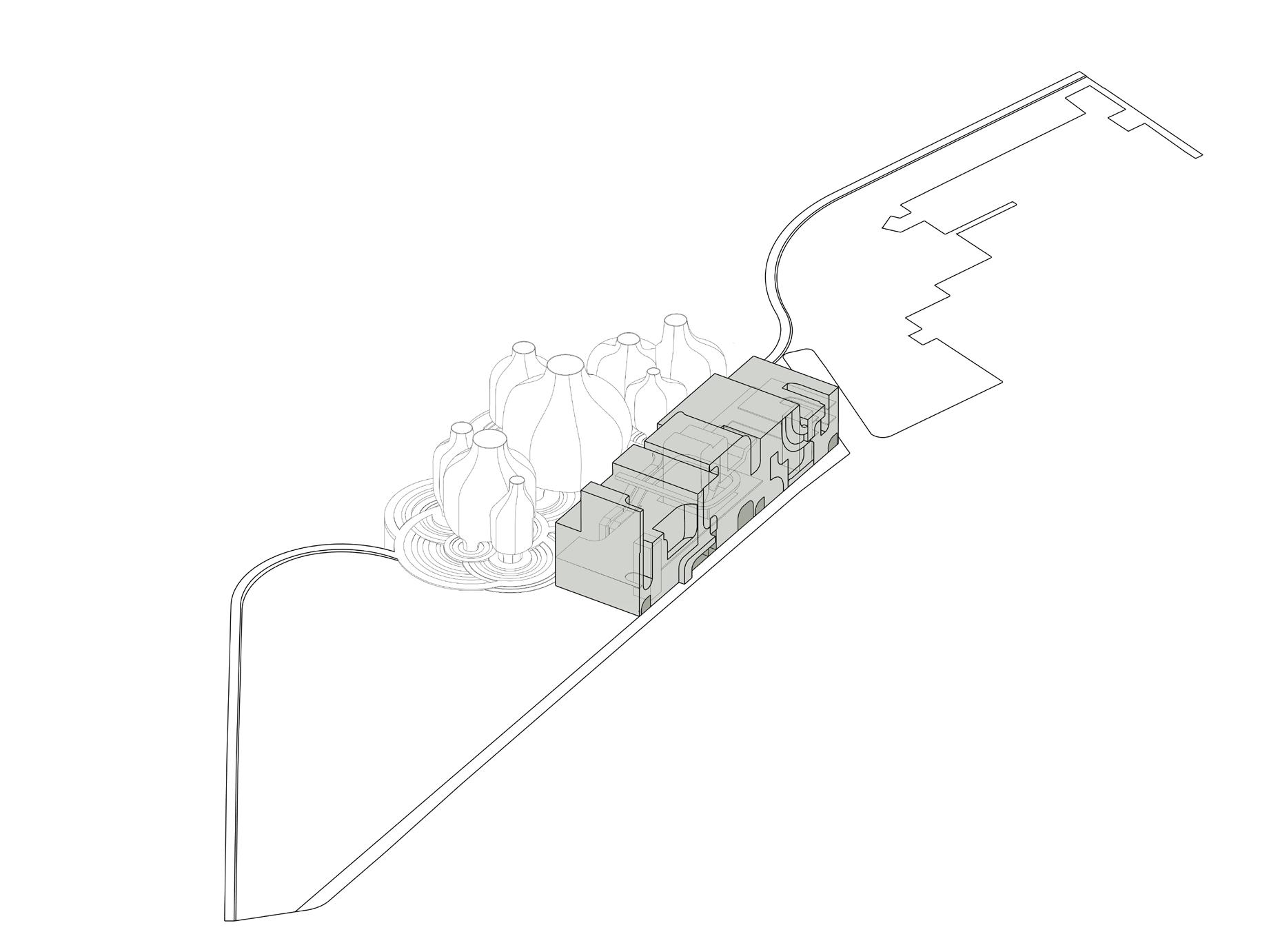
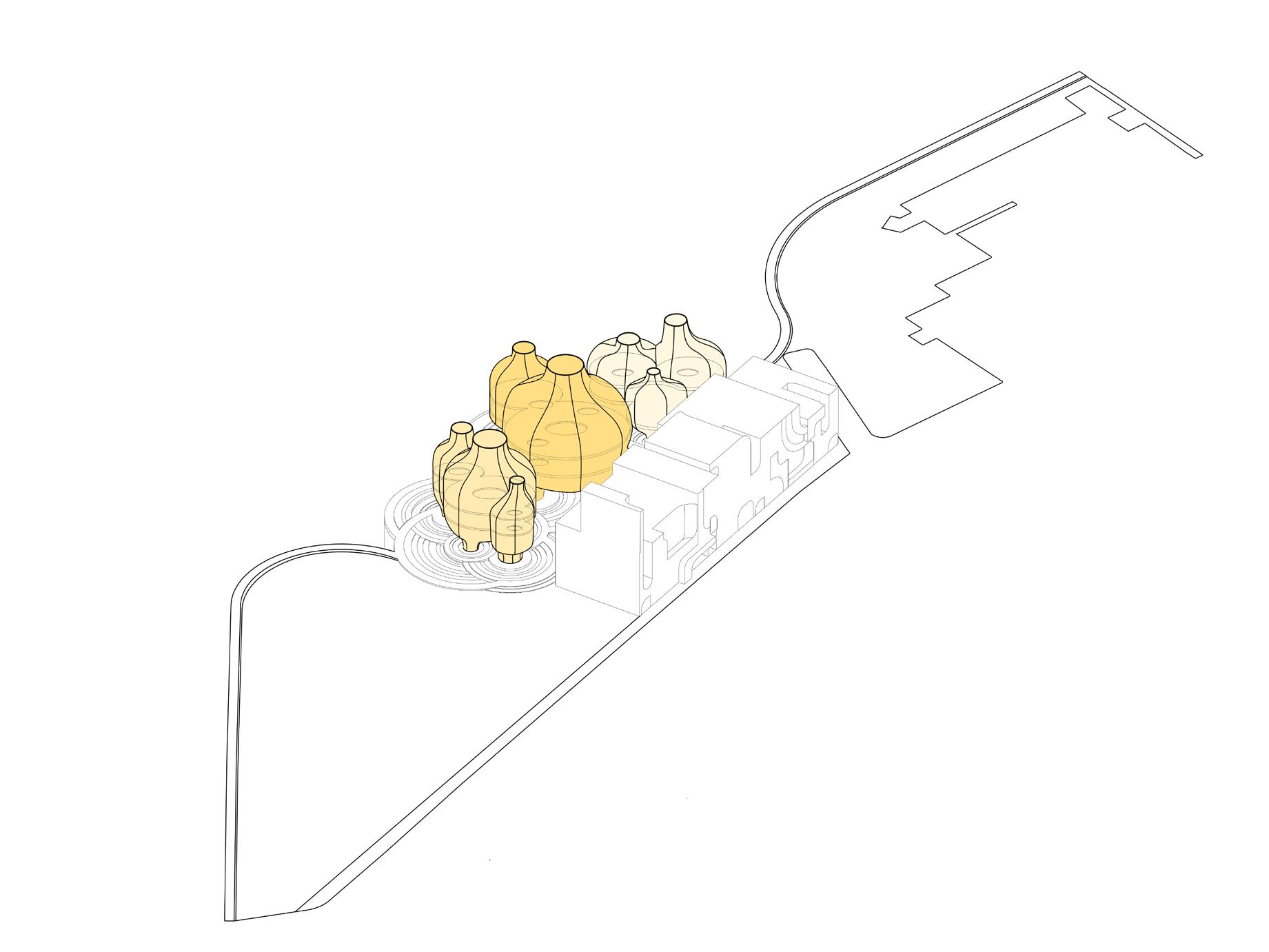
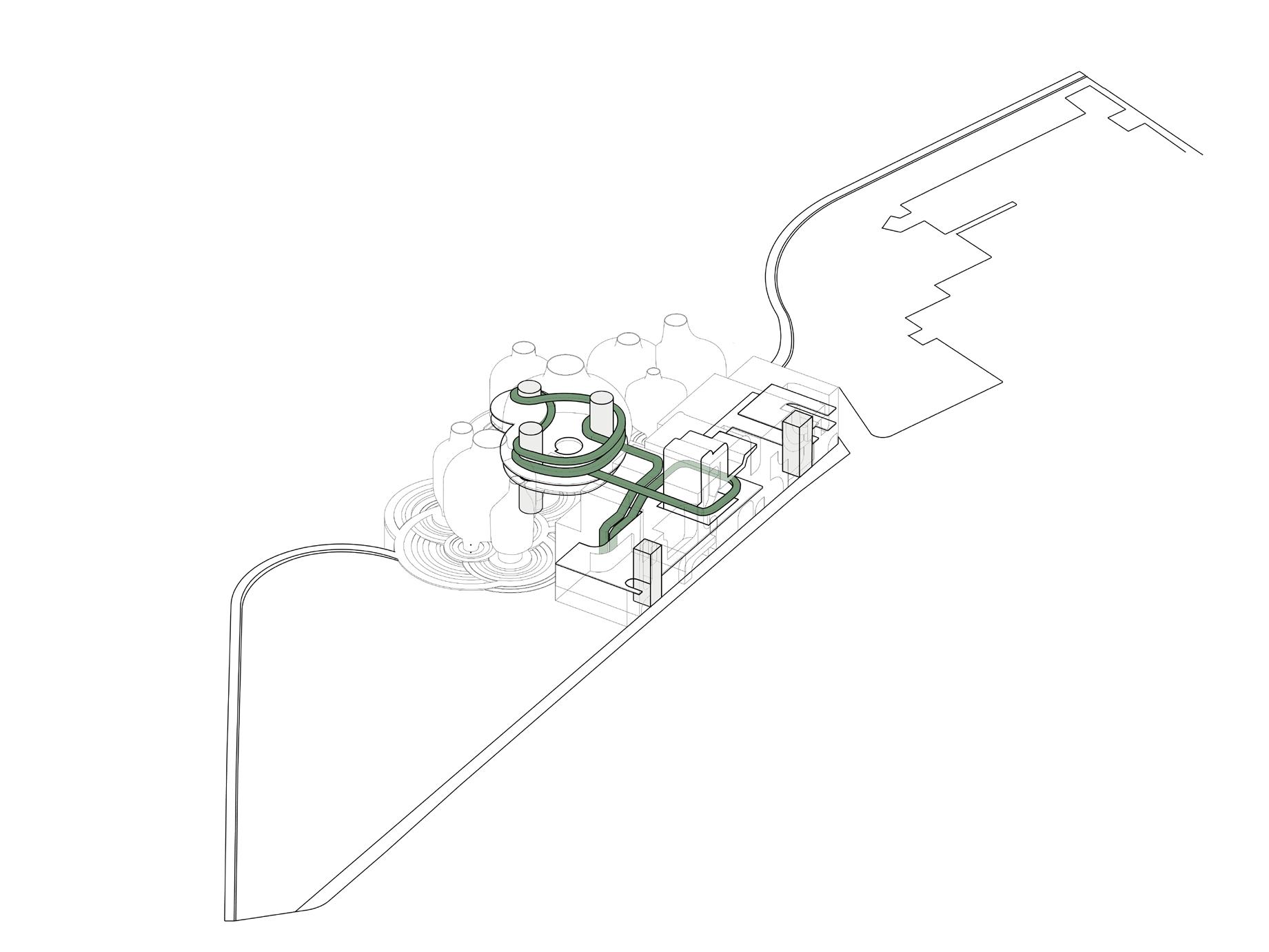
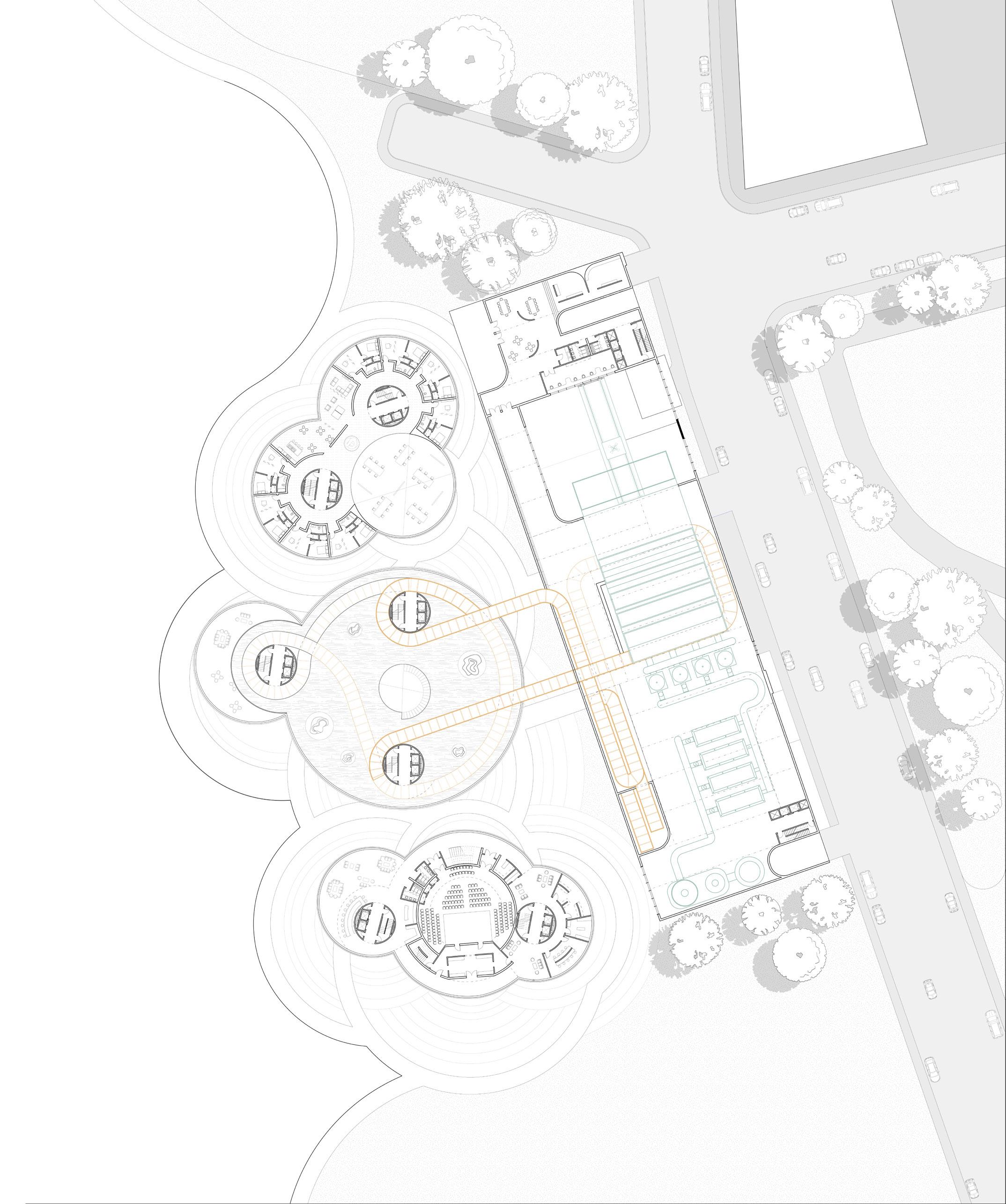
The ‘Flood Planes’ utilizes complex, interwoven programming to introduce public life into the Brooklyn Navy Yard. The waste-toenergy facility sits near the entrance to the Navy Yard, attracting attention and curiosity from the local population. Inside, the public can tour the facility, provide their recyclable waste, and partake in the events held within the monumental Artist in Residence “pods” being hidden behind the W.T.E. The two main functions of the site seem to be a stark contrast to one another, but the added recycling center provides a functional interaction point between the A.I.R. and W.T.E. buildings. Located at the water’s edge, the ‘Flood Planes’ complex uses the East River’s fluctuating water levels to carve out a dynamic landscape for public interaction underneath these immense structures.
17
18
Sea Level Interference
dyNAmiC lANdSCApe For puBliC iNTerACTioN”
“The eAST river’S FluCTuATiNg wATer levelS CArve ouT A
19
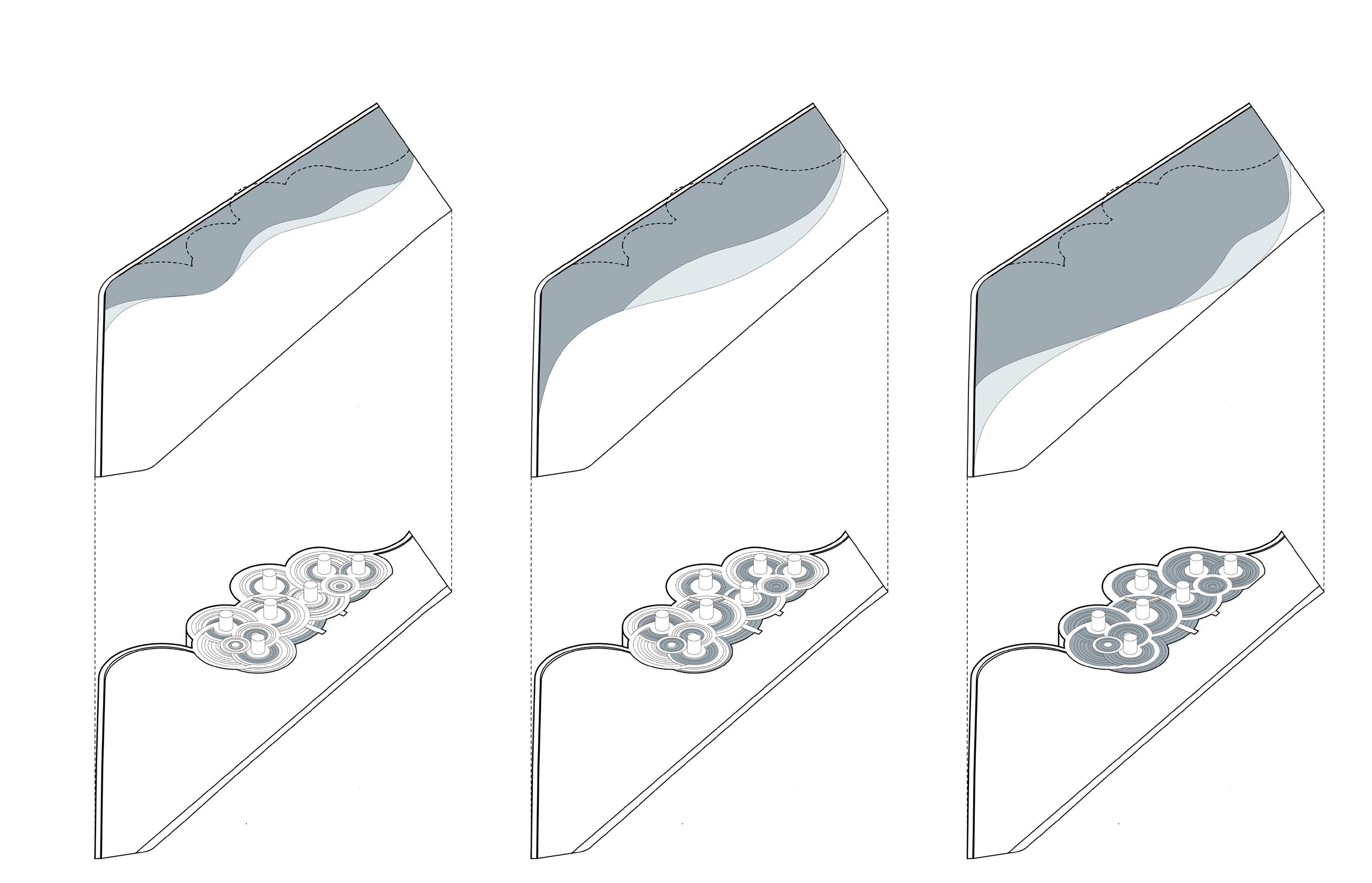
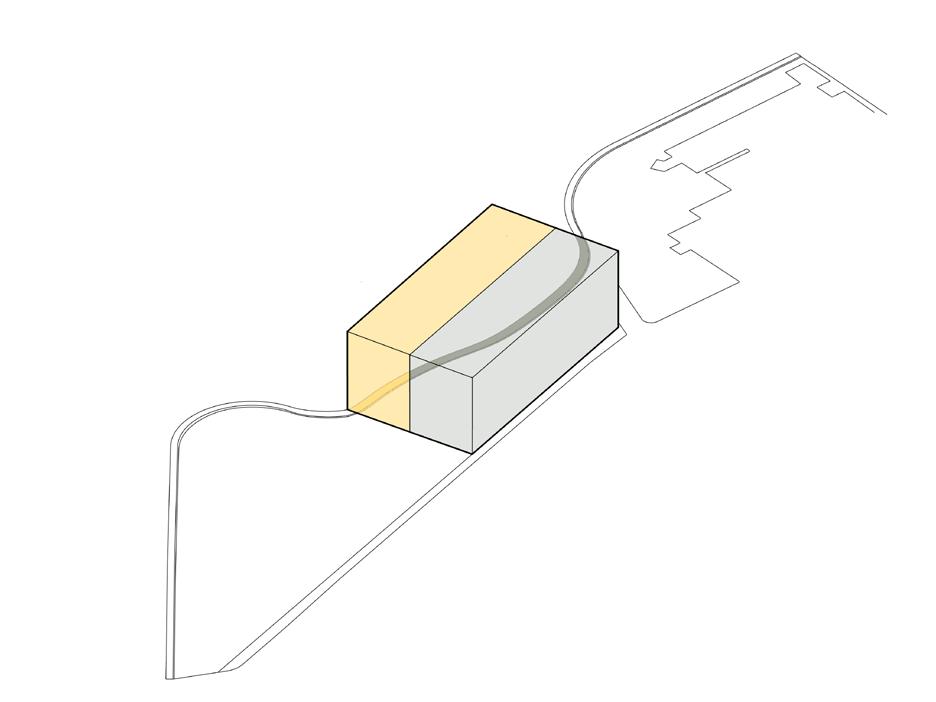
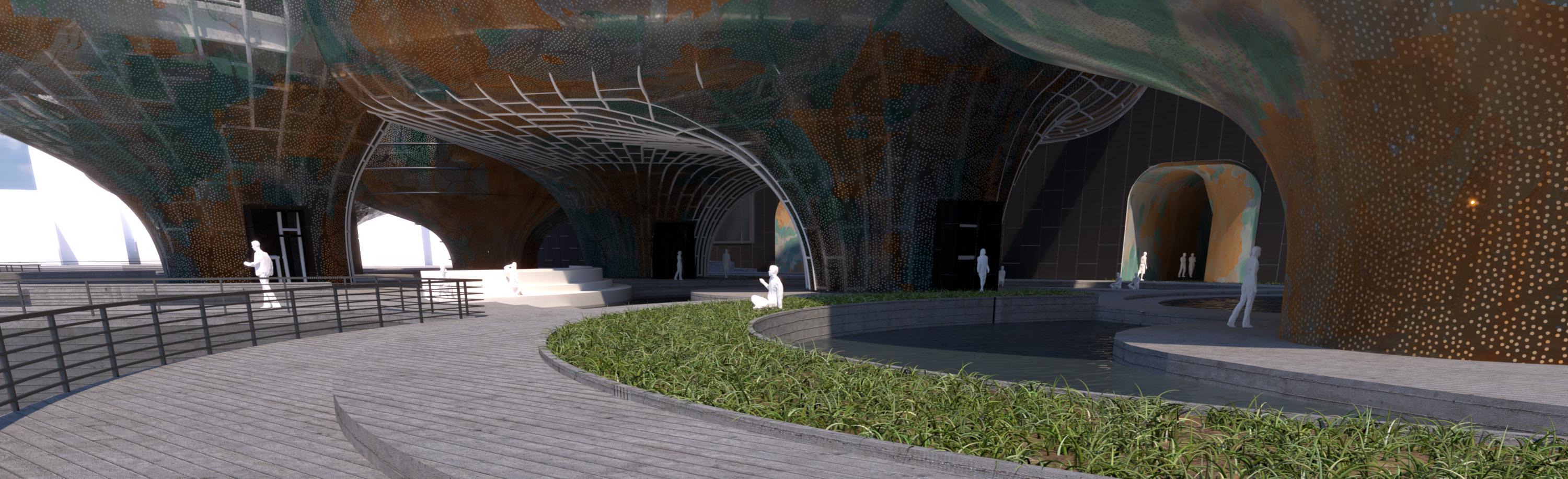
Interweaving rings dug into the landscape collect water from the East River as the tides rise and lower throughout the day. As water fills the rings, different pathways make themselves known to the public depending on the water levels at the time. This encourages public travel throughout the site and exploration at different times of
20
Ground-Level Plan
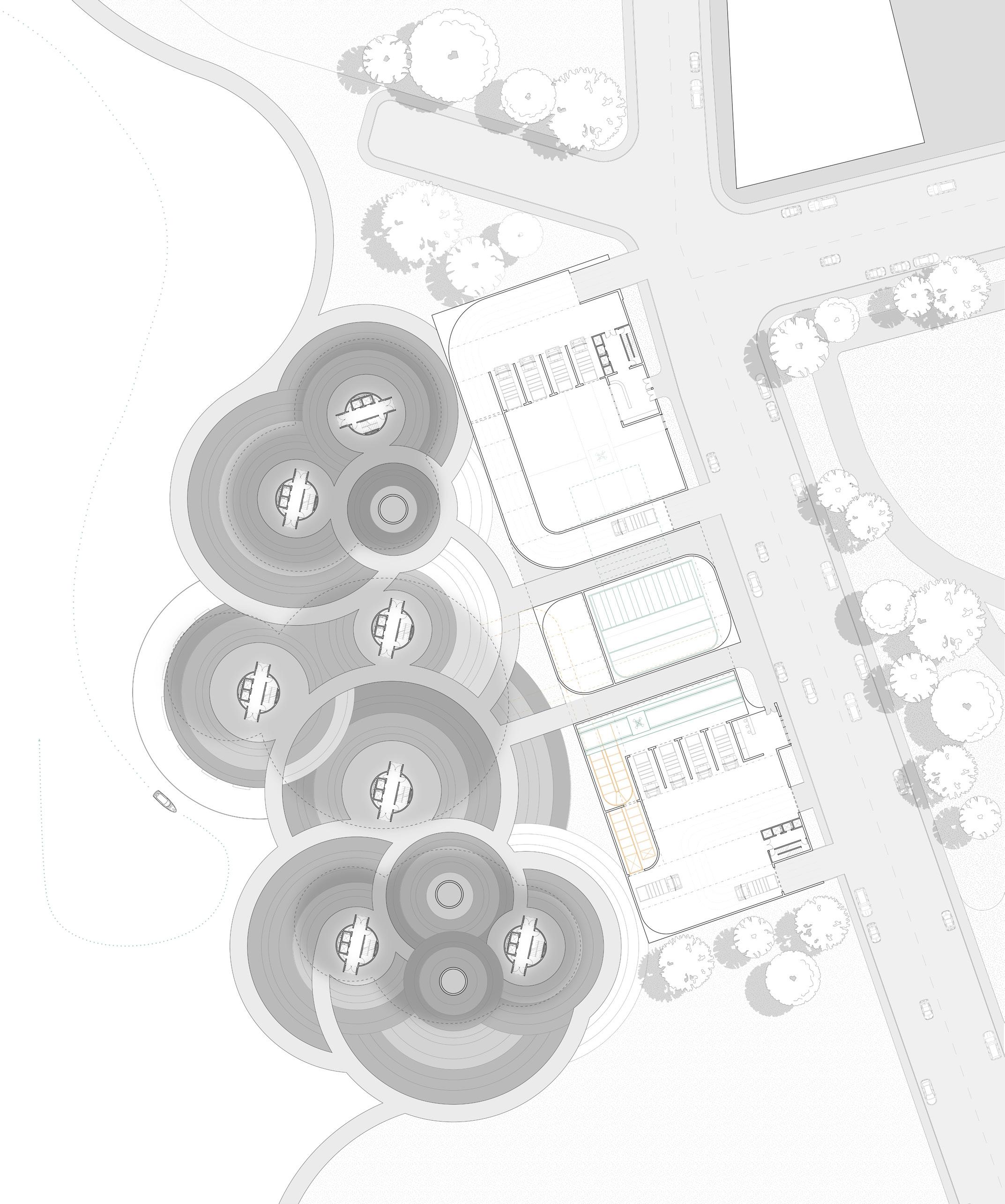
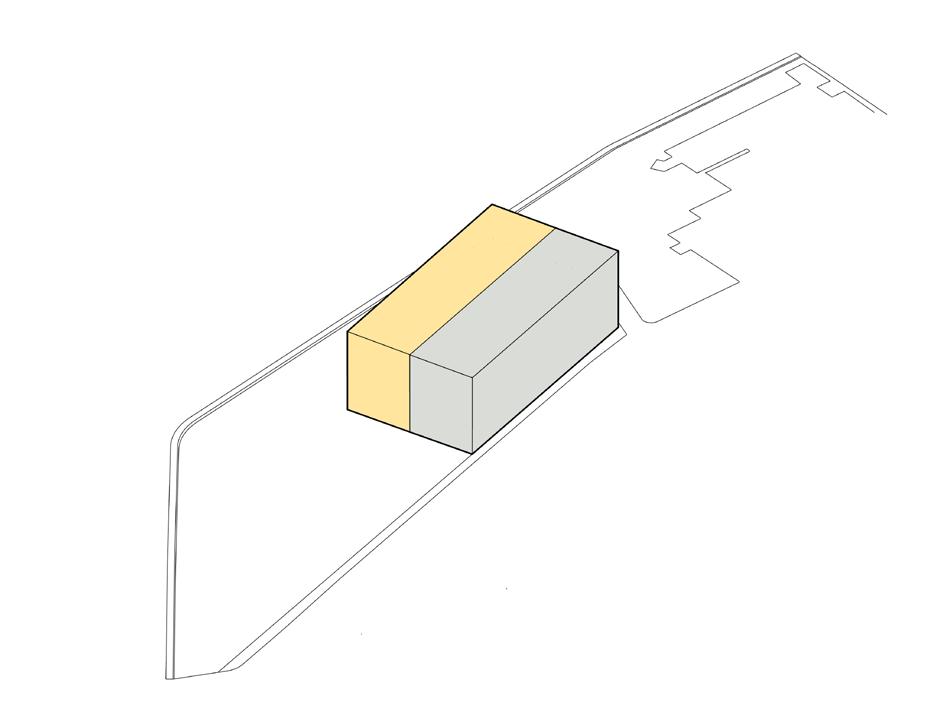
The ‘Flood Planes’ complex was brought about by the idea of adapting one’s building to the changing climate. The proximity of the Brooklyn Navy Yard’s shoreline is a constant reminder that the site provided will not always
21
Waste-To-Energy
Artists’ Residence
Ferry Terminal
Visual Arts Gallery + Conveyor Belt
Recycling Center
Performing Arts Theater
Mid-Level Plan
be the same size. In order to create an adaptable project in response to rising tides, the back half of the site was lifted up to avoid and eventually interact with the water below, allowing the intrusion to be a welcome part of the experience.
22
23
Underneath A.I.R. Buildings West East
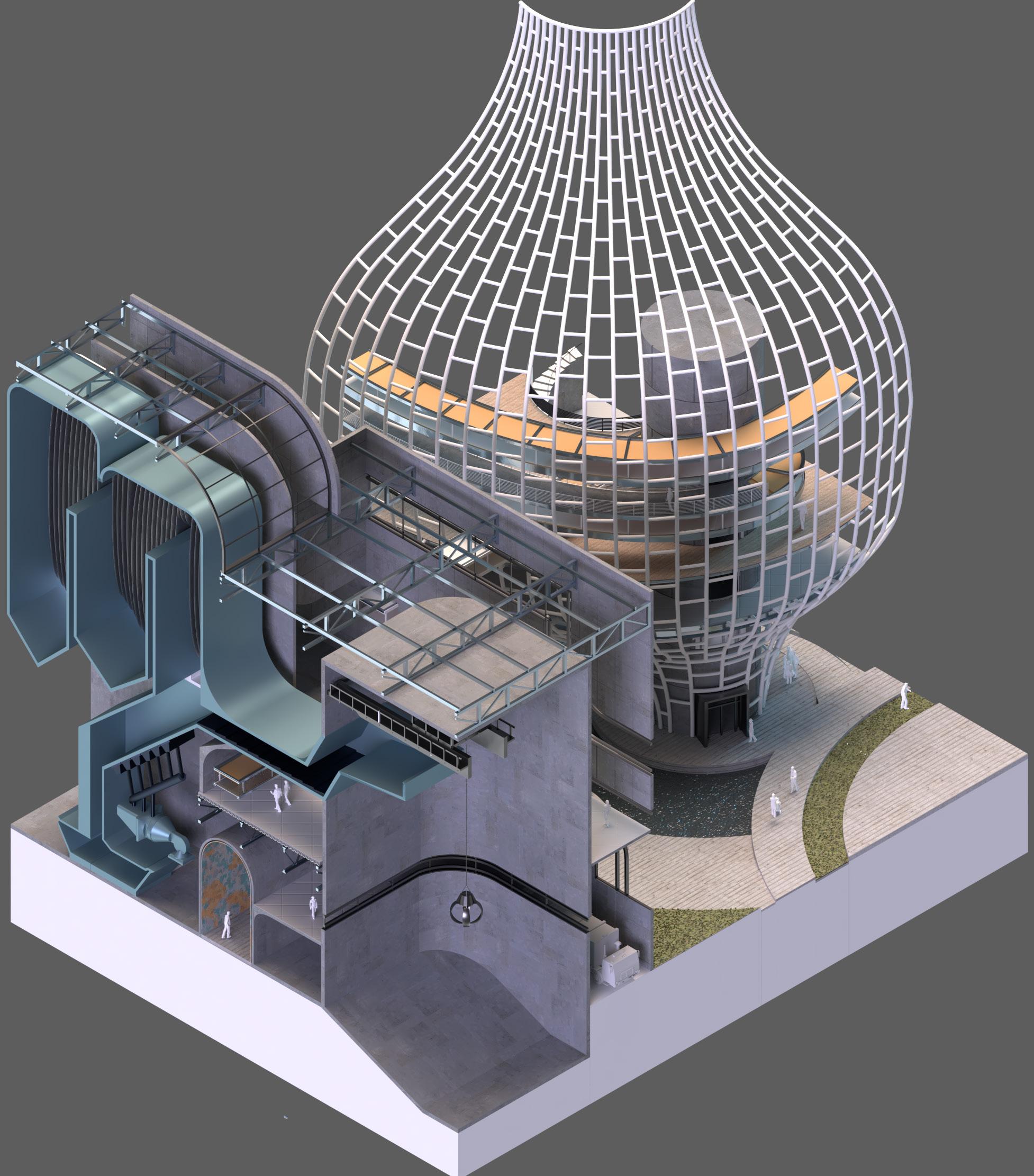
East Section View - Waste To Energy Center
The lofty and airy shape of the artists’ residence buildings contrast greatly with the monumental and heavy form of the wasteto-energy facility. While the geometry of the W.T.E. and Artists’ Residence buildings are vastly different, the exterior facade treatment, height treatment and unifying landscaping add cohesion to the site while still embracing the different forms.
24
North Section View - Performing Arts Theater + Recycling Center North South
25
Structural Chunk Model
Public entrance tunnel leading to the ringed landscaping
Fritted Glass Facade
Staggered Grid Shell Paneling
6” Concrete Floor Slab (2nd)
3” Metal Decking
Floor Structure (Steel Beam + Column Construction)
Concrete Floor Slab (1st)
Metal Decking
Floor Structure (Spanning Truss System + Steel Secondary Support)
Core-Columns (egress)
26
A.I.R. Visual Arts Gallery
‘Ship-reC.’
reCulTivATioN
eFForT + eCo pArk
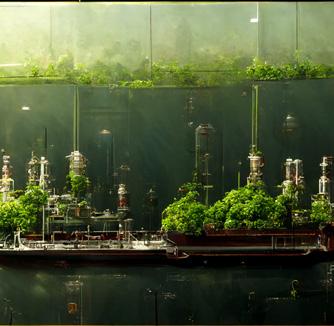
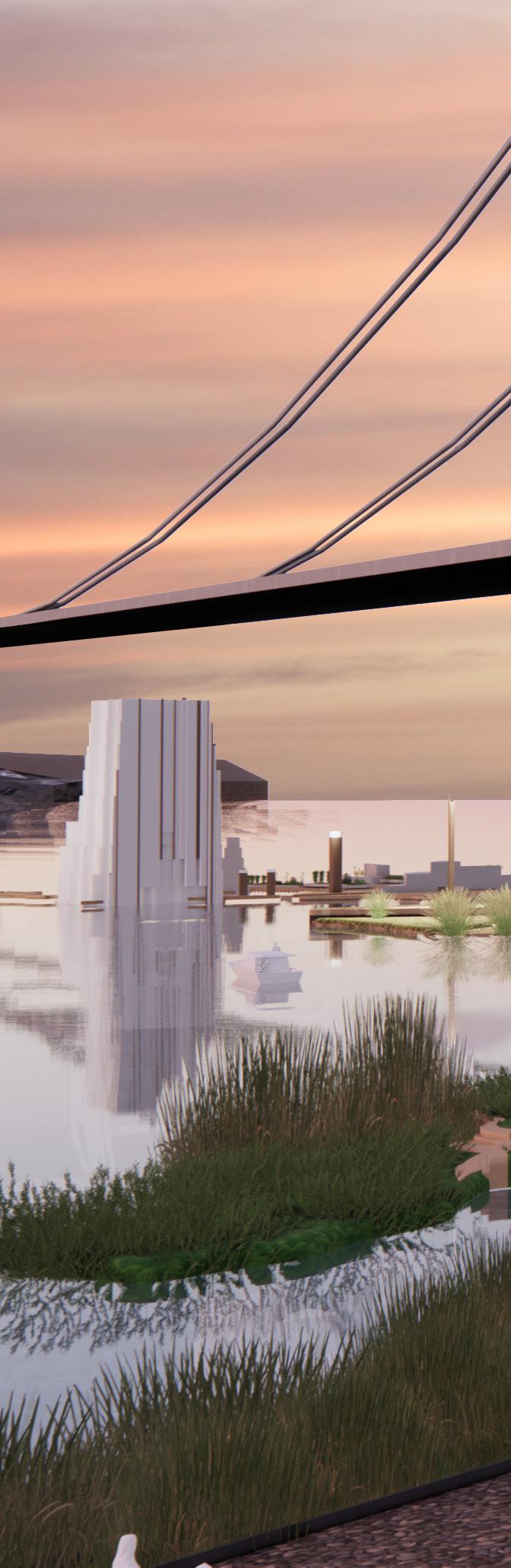
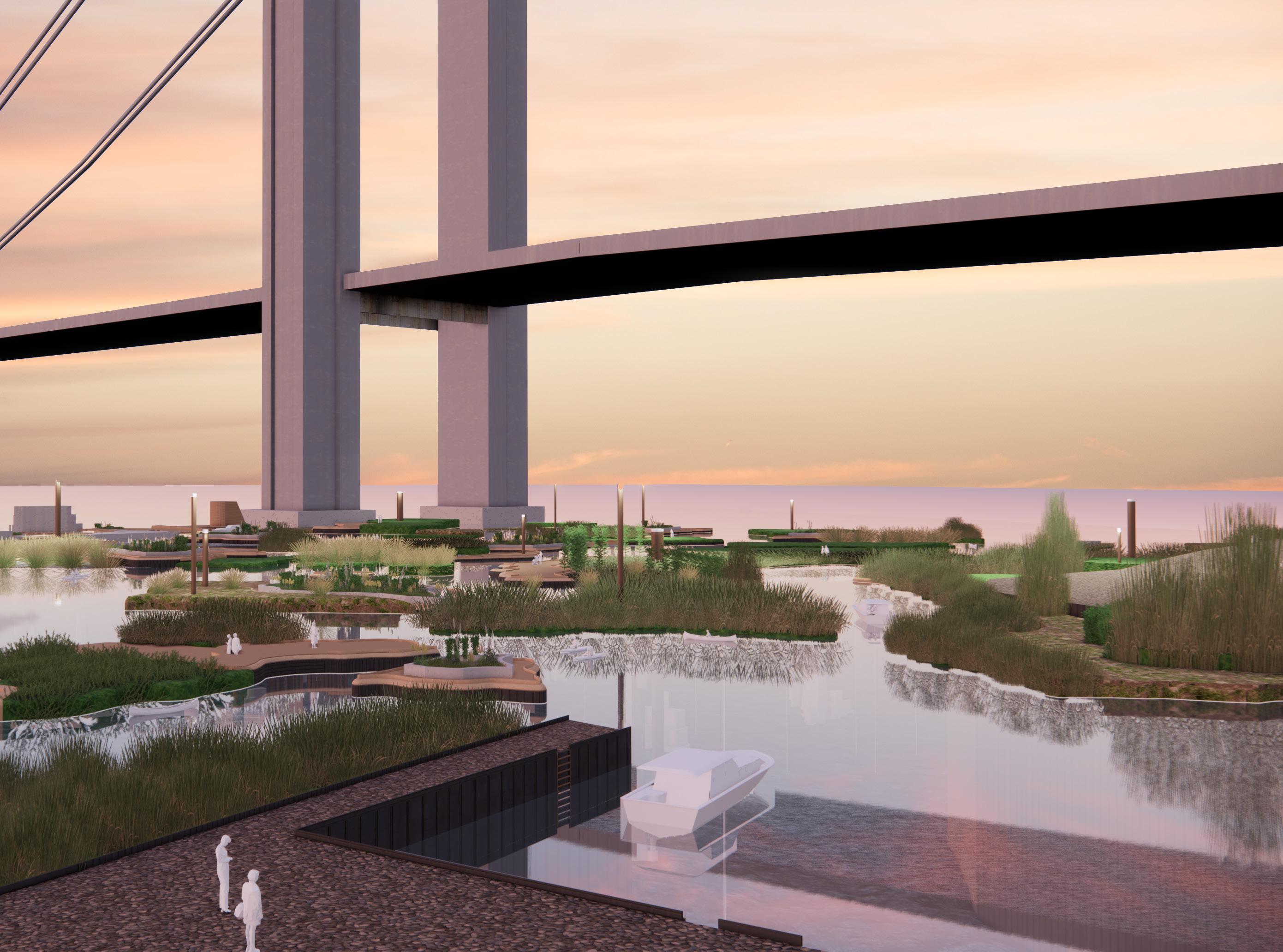
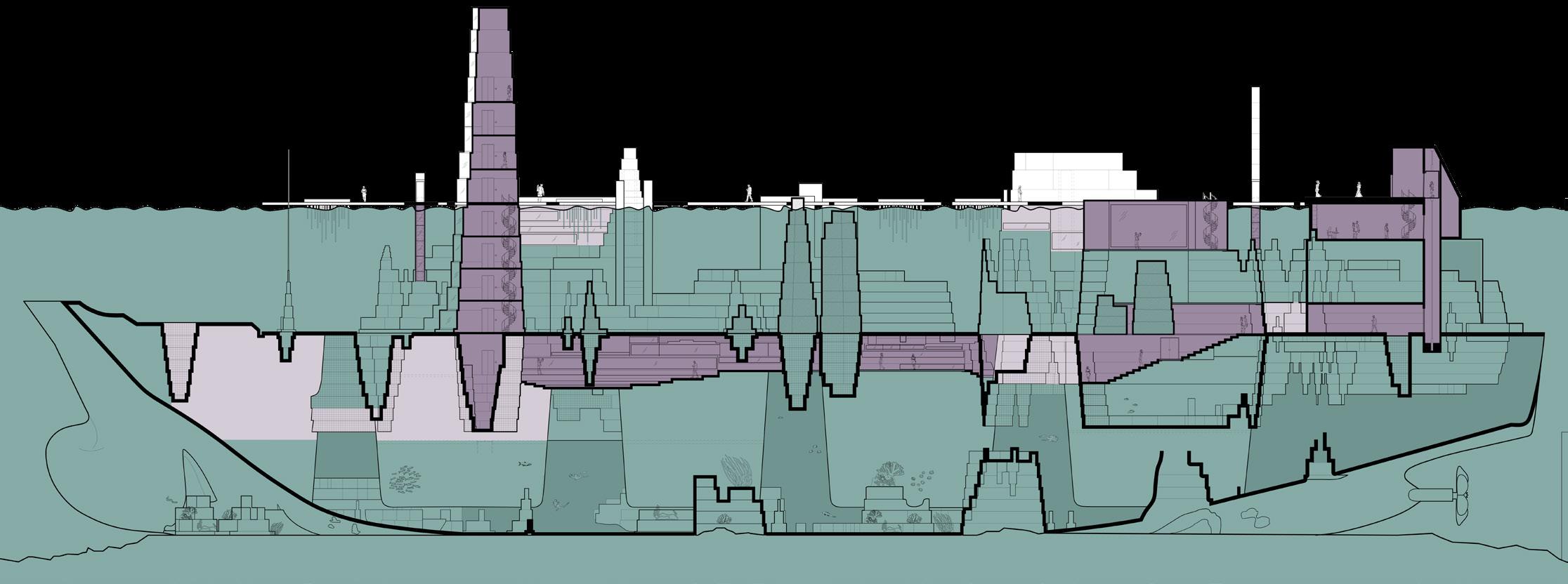
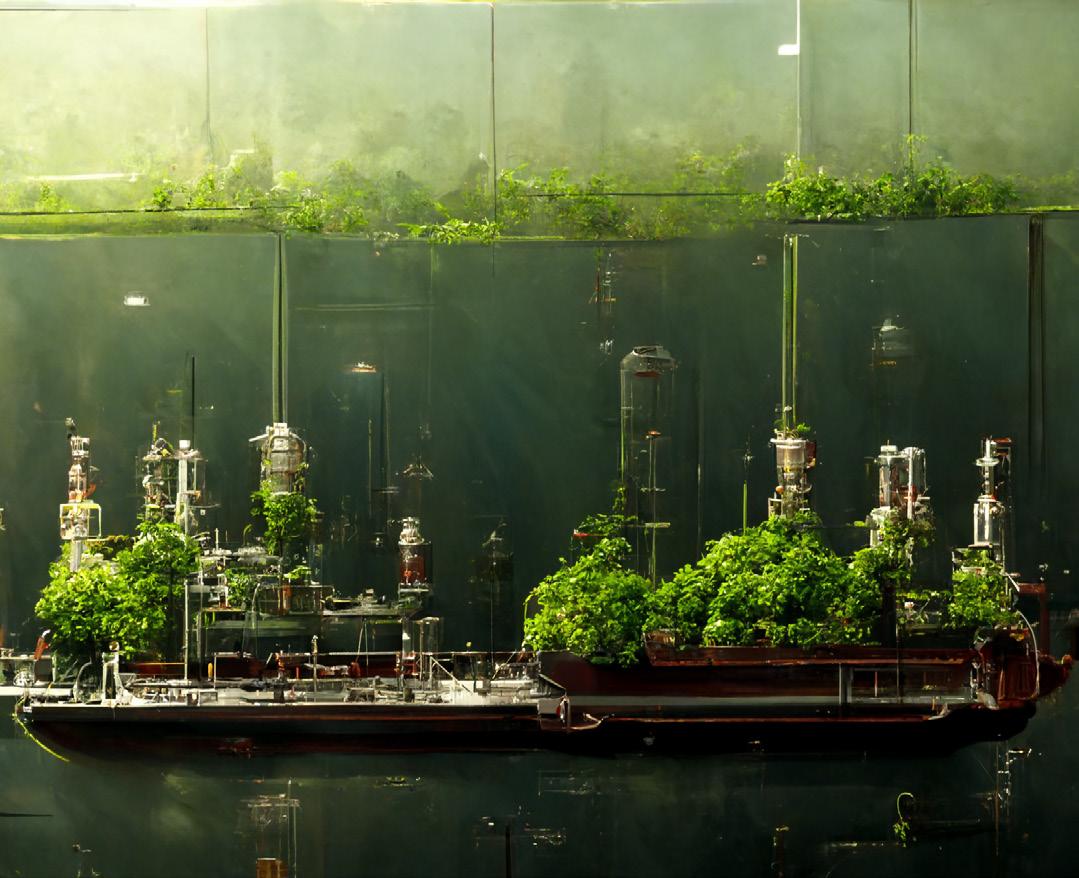
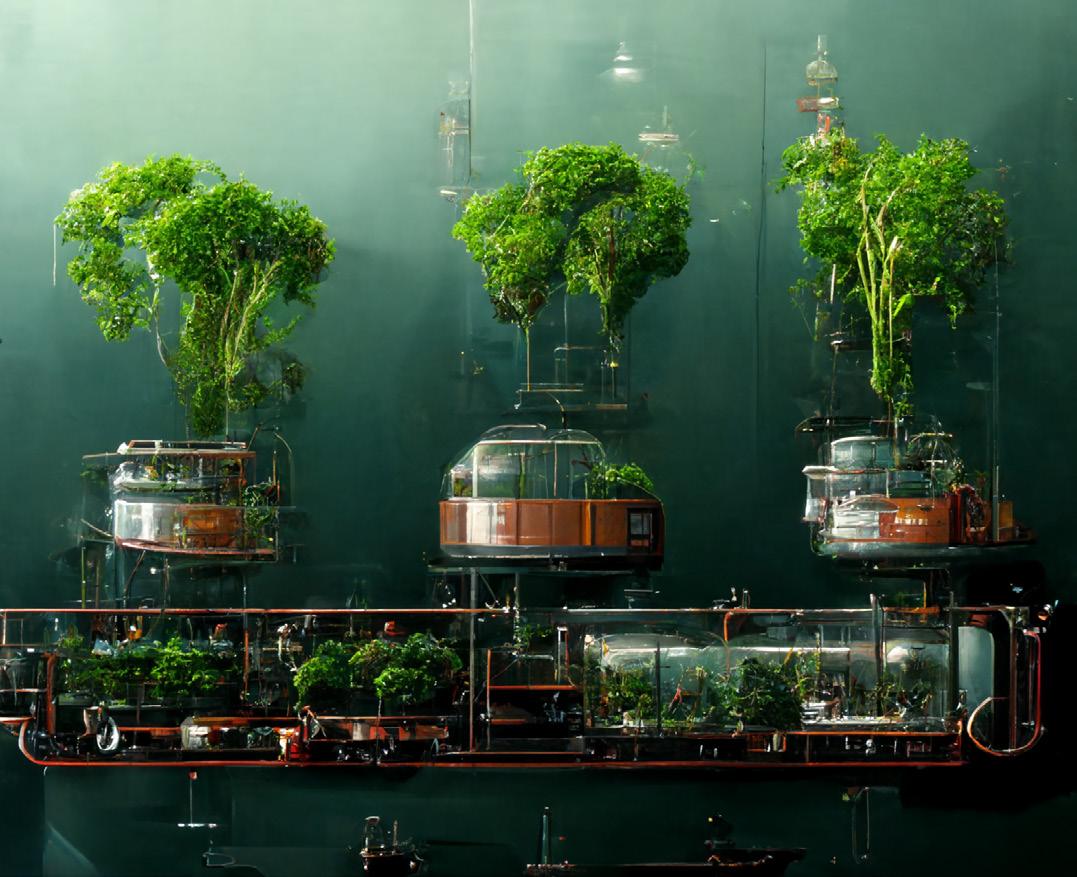
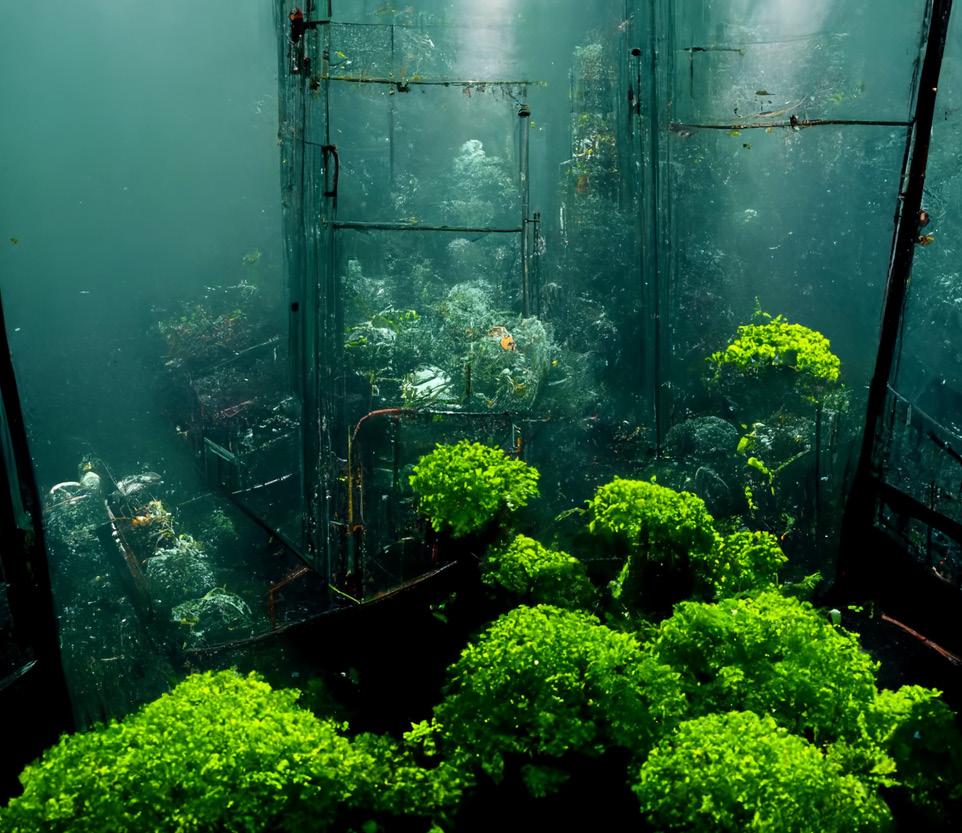
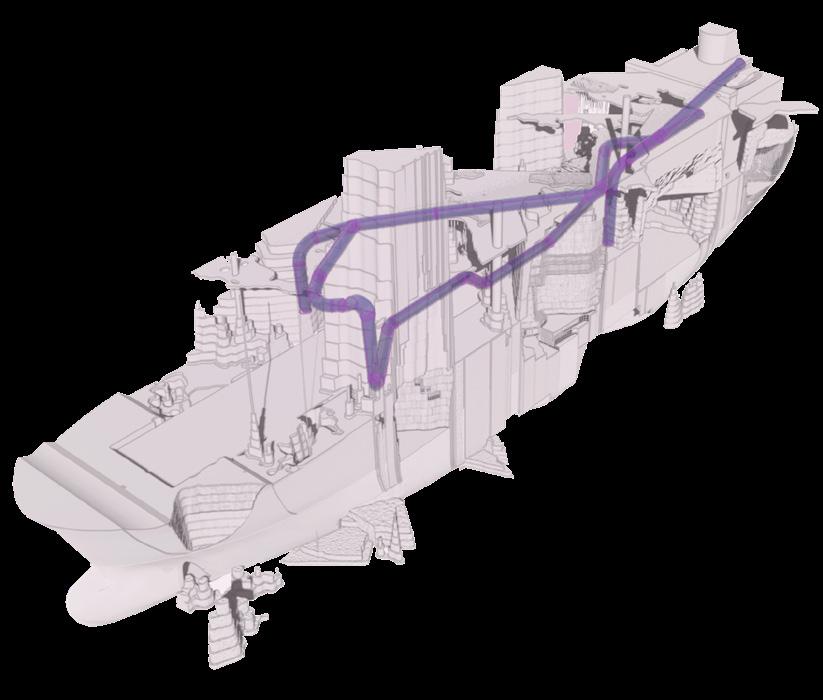
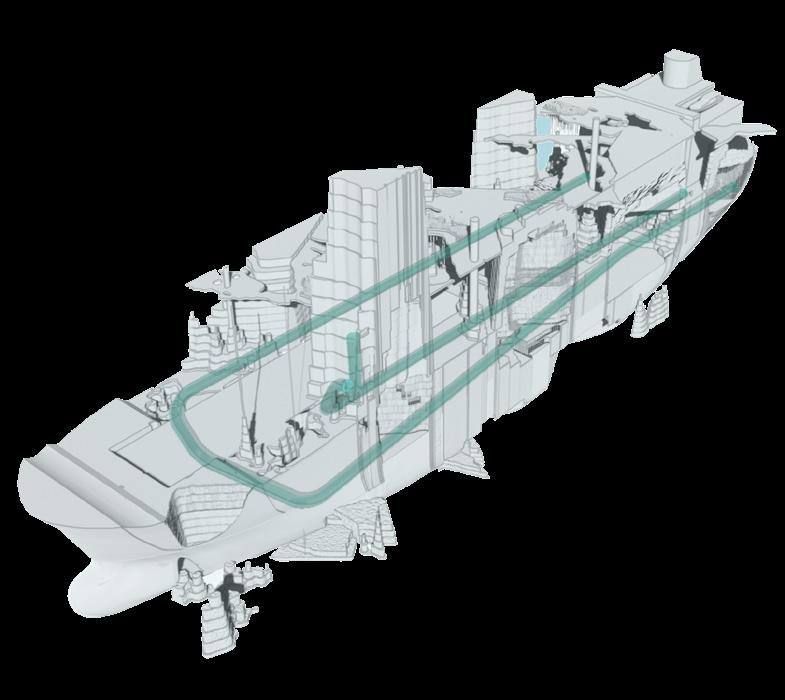
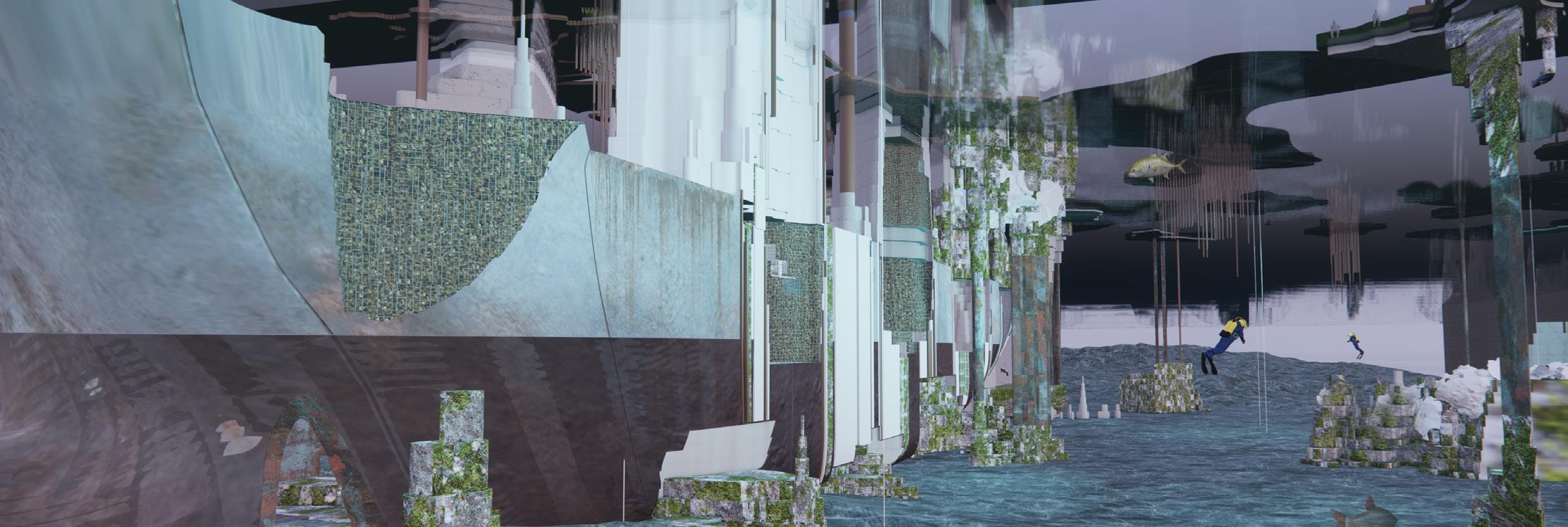
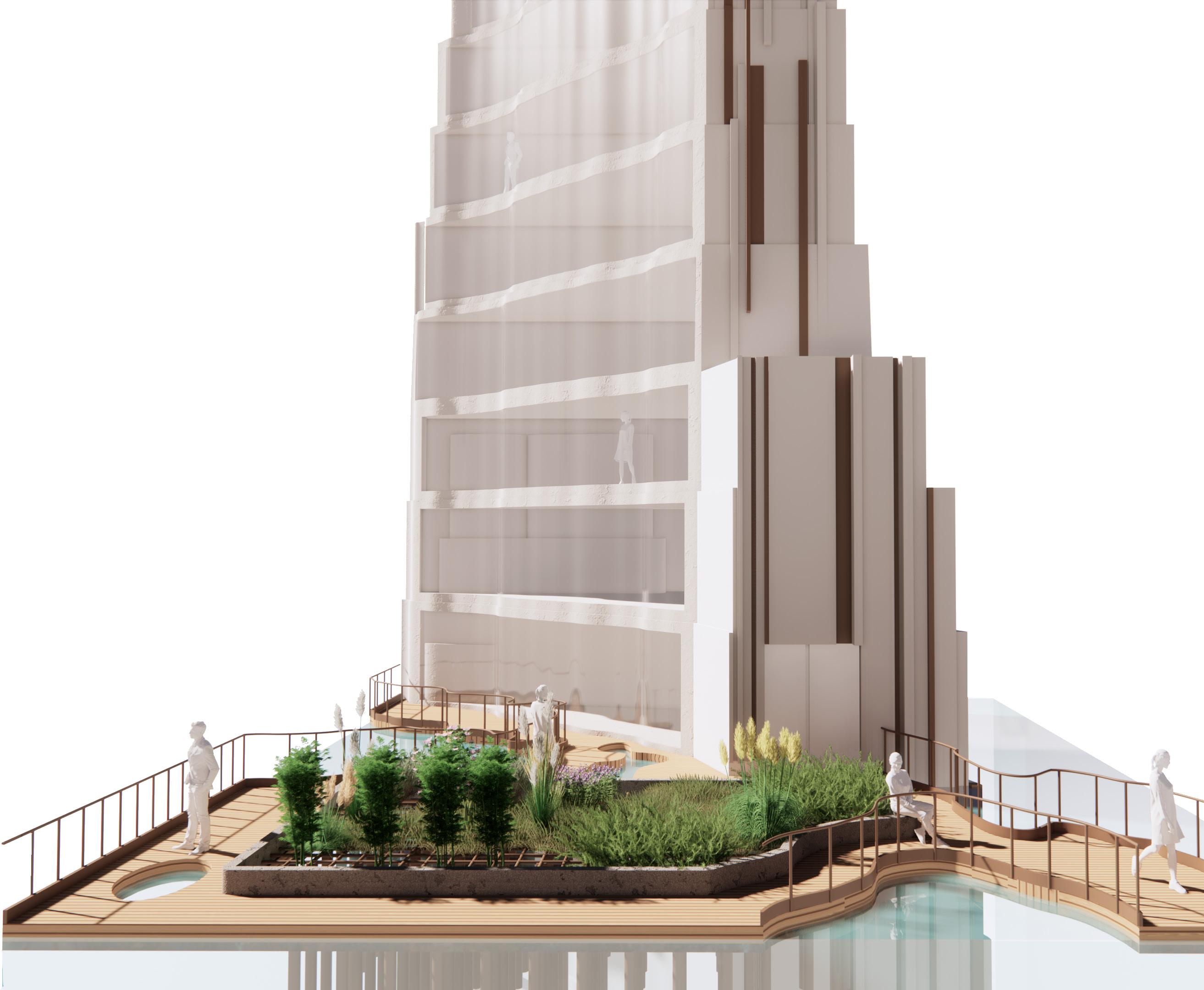
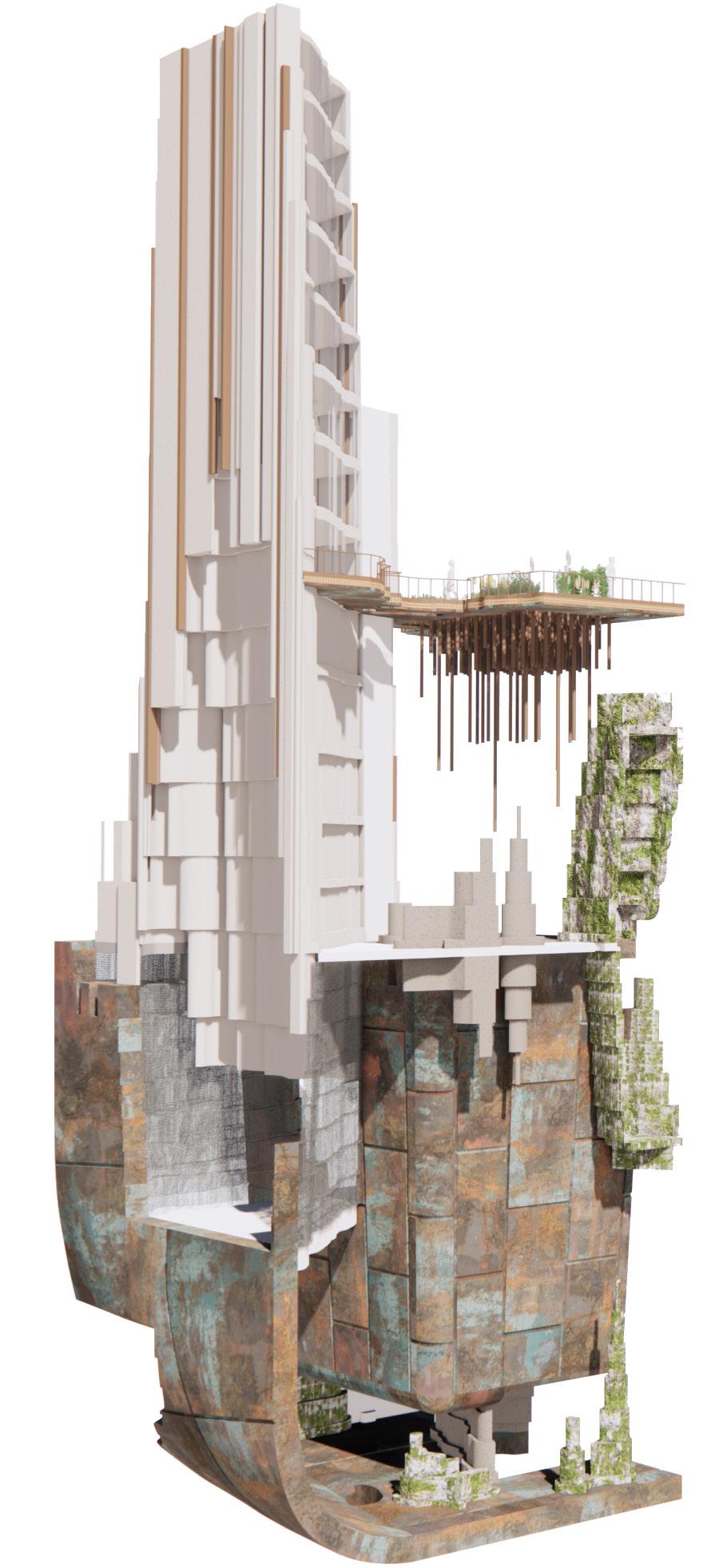
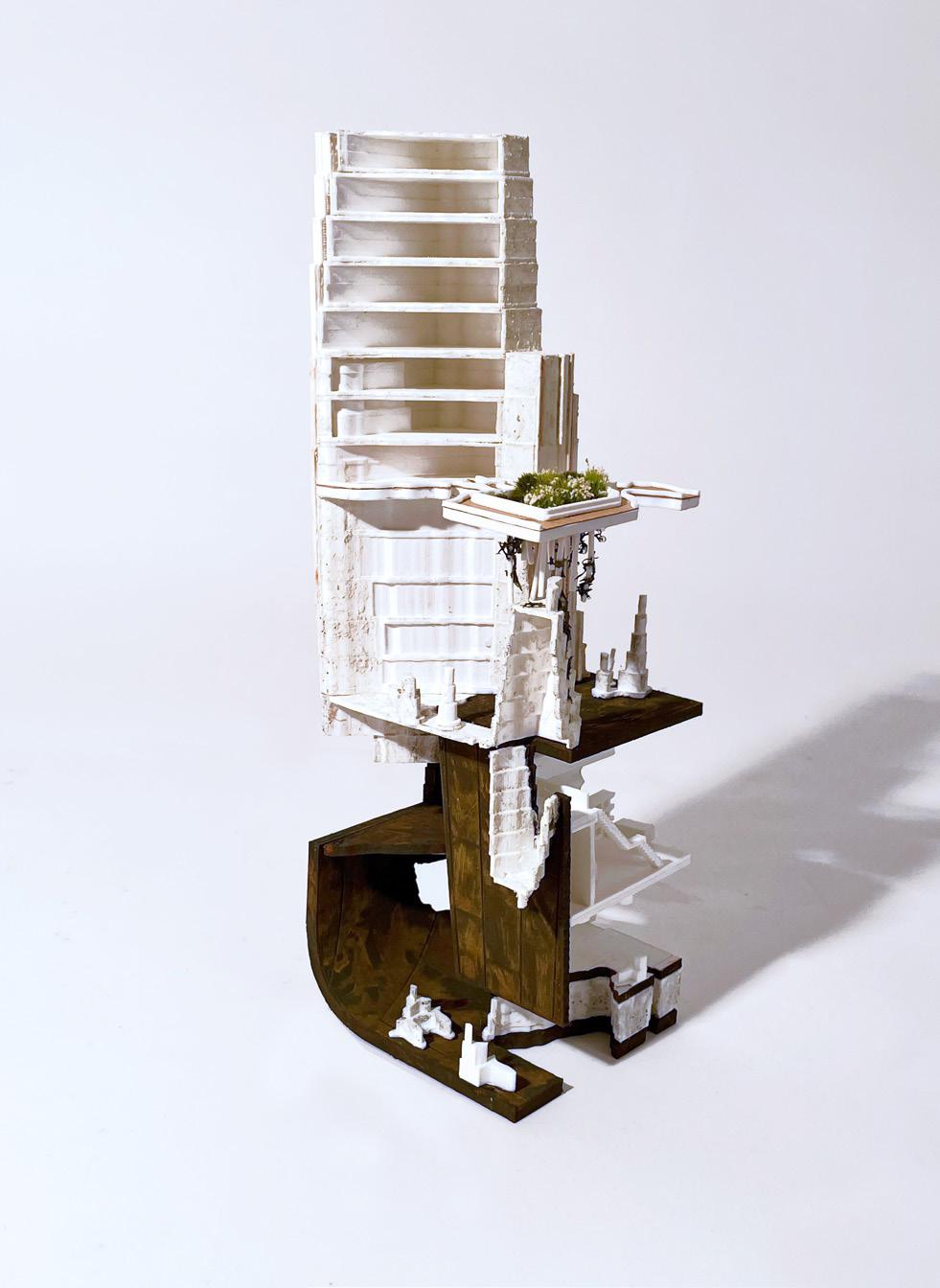
Over the past several decades, Gowanus Bay has severely declined in the condition of its water and living ecosystem. Years spent dredging the area and dumping storm water overflows into the water have left it as a near inhospitable environment for its native flora and fauna. Inspired by the Billion Oyster Project, this recultivation effort seeks to clean the water in the bay while simultaneously stimulating the wildlife there to restore the underwater ecosystem. Through adaptive reuse, this project will utilize the permanently anchored Loujaine cement carrier as a means to grow the oyster population and overall underwater ecosystem.
27
28
To grow ANd SuSTAiN AN
“The loujAiNe will provide A viABle SurFACe For orgANiSmS
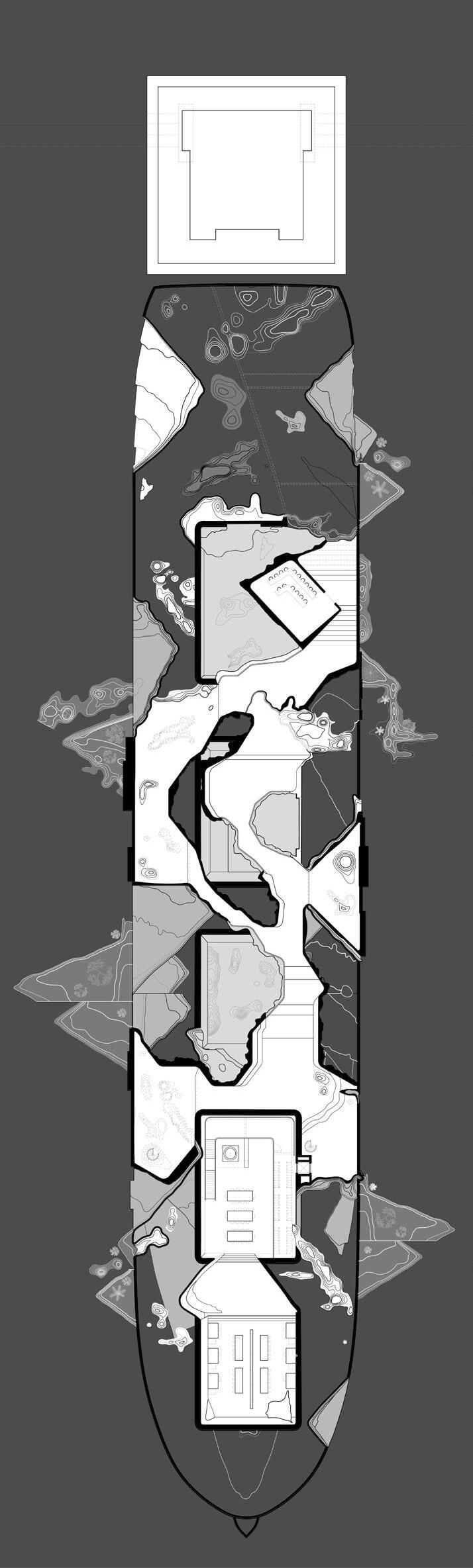
29 Dry Spaces Wet Spaces Public Circulation Researcher/Non-Public Circulation AI-Generated Inspiration Imagery
eCoSySTem iN gowANuS BAy.”

30 Forming the Geometry Dry Circulation Wet Circulation
B A Mid-Level Floor Plan 31
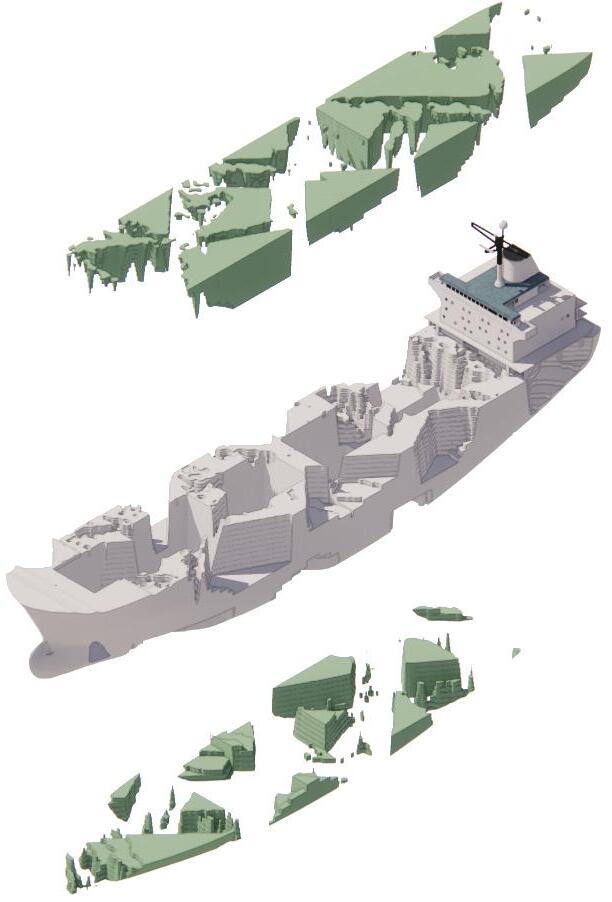
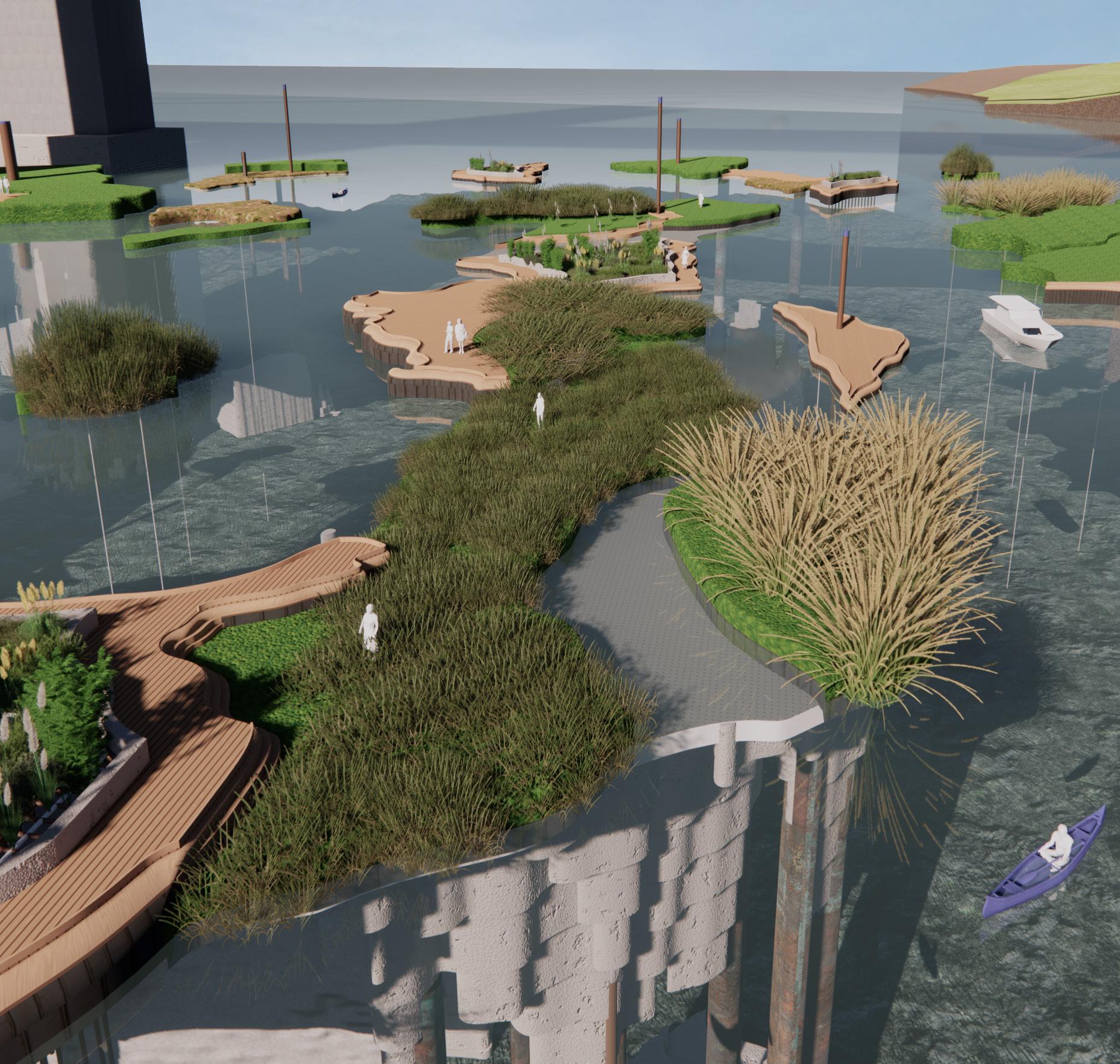
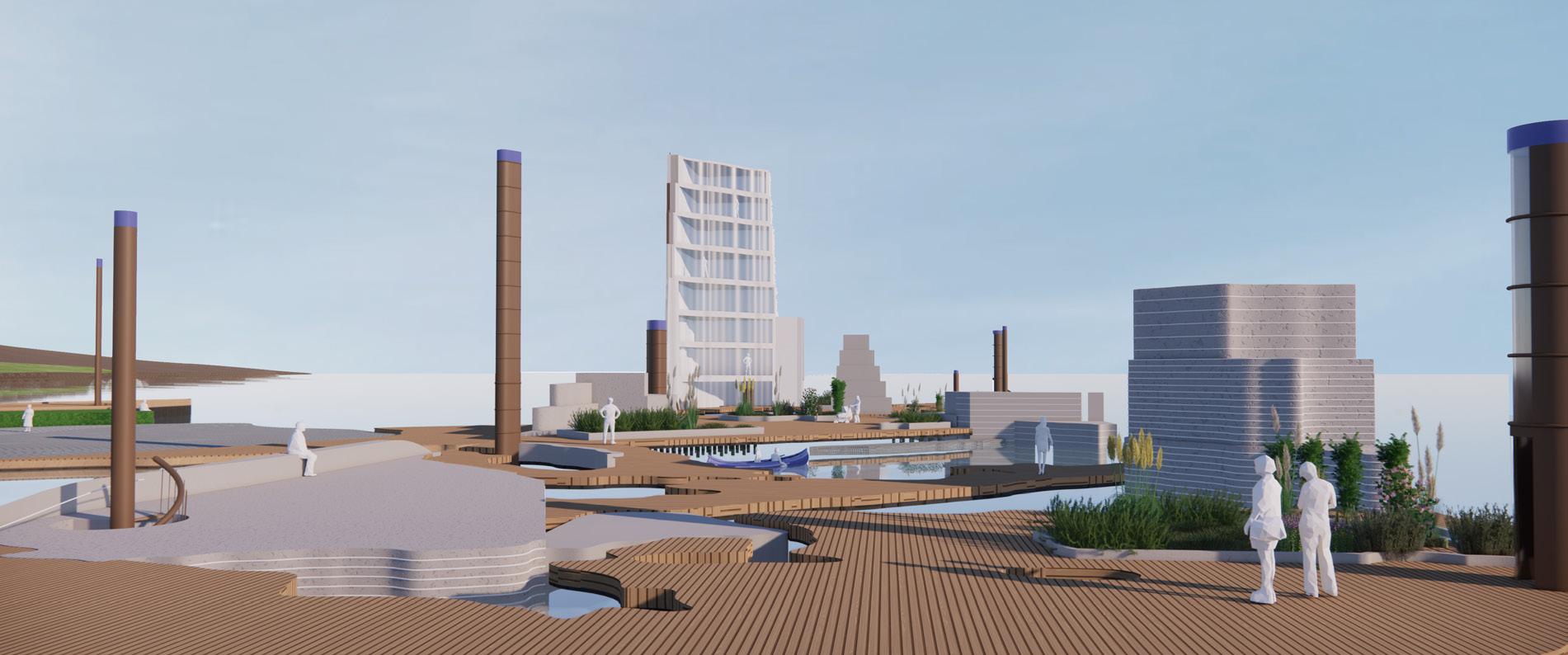
By completely sinking the ship and reconfiguring its shell, the Loujaine will provide a viable surface for organisms to grow and sustain an ecosystem in Gowanus Bay. Further programming such as artificial wetlands and biocement growing structures are added to the adjoining site to both encourage human interaction with the habitat and give research labs the opportunity to monitor the growth of the flora and fauna underwater.
32
Site Plan
Fort Hamilton
Verrazzano-Narrows Bridge
Underwater Biocement Structures
individual submersion pods hydroponic agricultural planters aerial viewing platform
scuba diving area leading to exterior of ship
biocement structures underwater passageway visitors center / administration
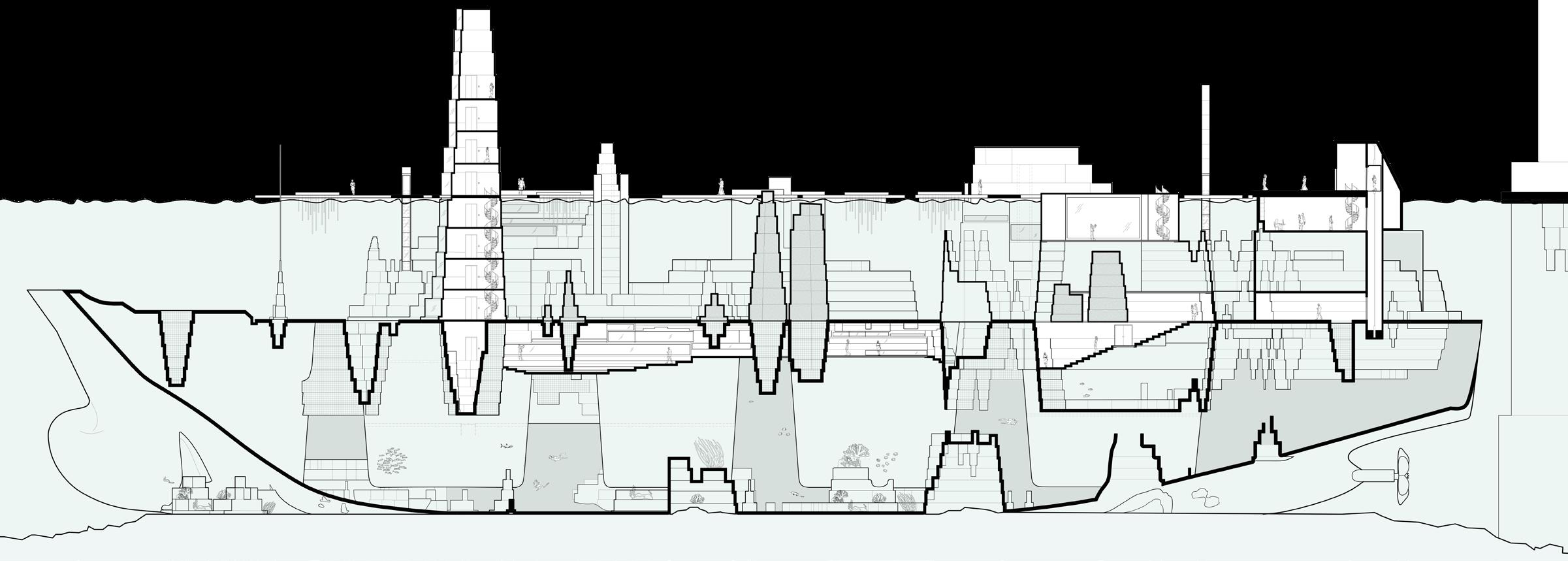
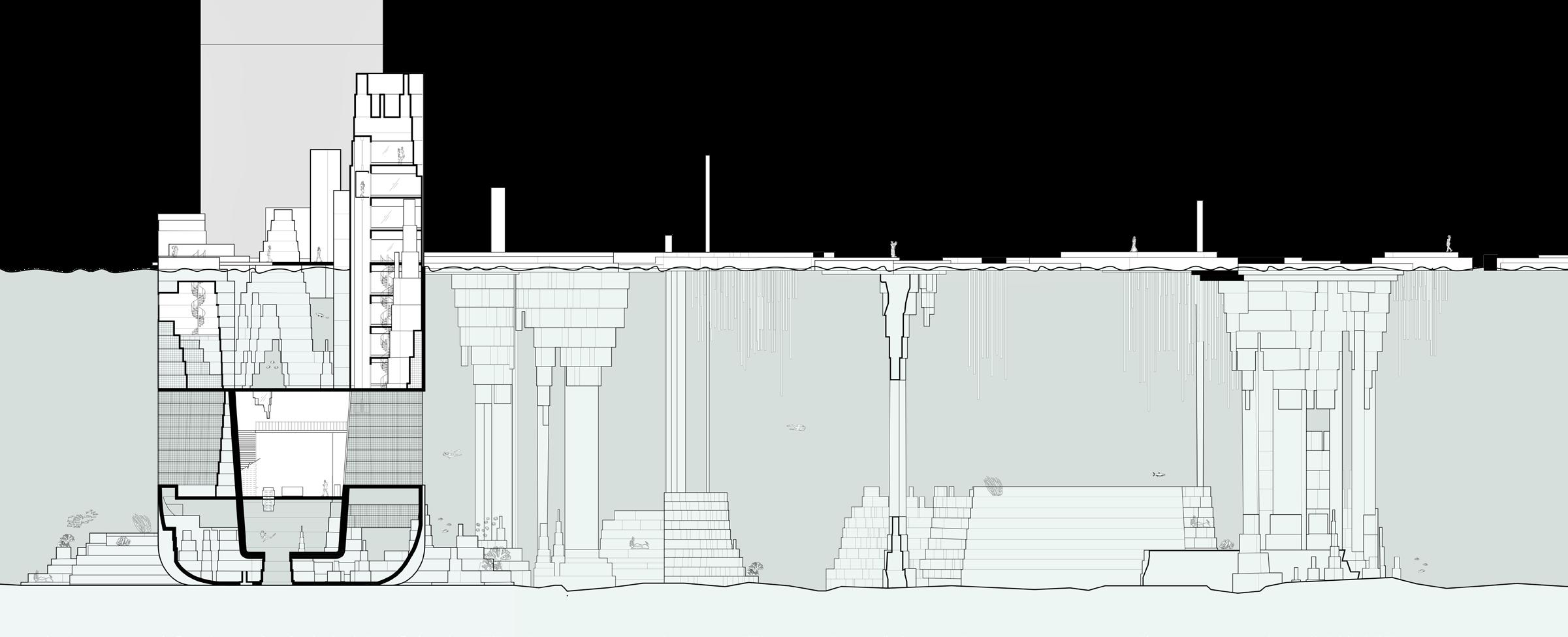
underwater viewing platform artificial wetlands / eco-park
aerial viewing platform
underwater scuba access (reserved for researchers)
underwater research laboratory artificial oyster reef habitat
33
B.
public transport pier
A.
34
Artificial Wetlands and Walking Path
Eco Park Viewing Platform
35
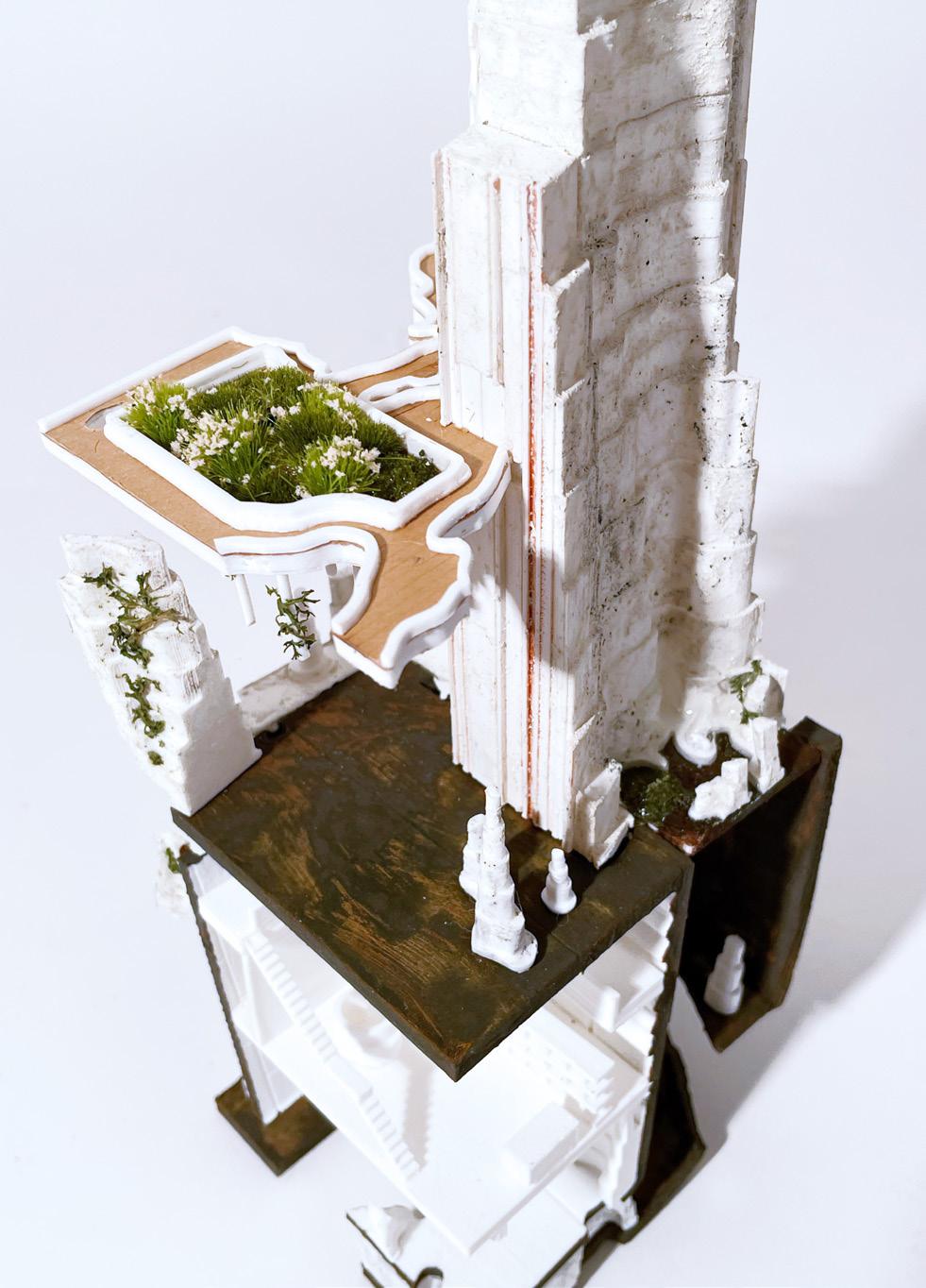
Chunk Model
36
dividiNg liNeS: The ASymmeTry oF The lAw oN womeN’S BodieS
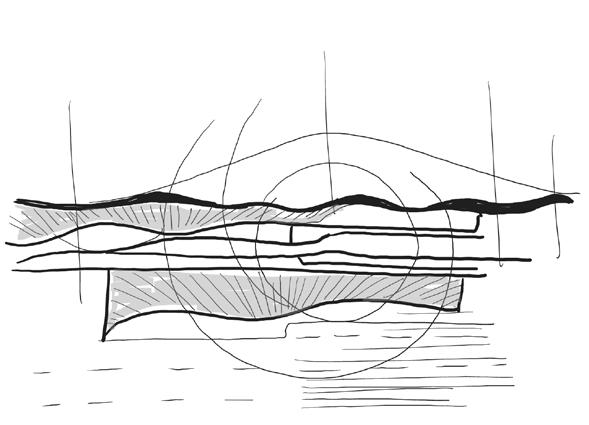
Throughout modern history, government control over women’s bodies — and by extension, women — has been a prevalent theme built into our country’s foundation. There is a need for a space that will provide women of different races and economic statuses with legal care for their reproductive rights, something that does not pertain to men and therefore has been treated as unnecessary in the US legal system. This proposed women’s health clinic and advocacy center directly addresses the issue of abortion rights in the US and the way that the law holds power over women’s bodies.
37
38
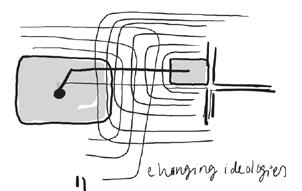
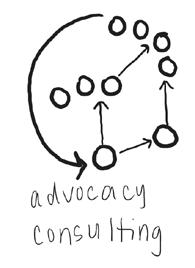
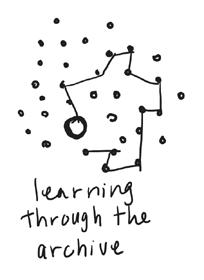
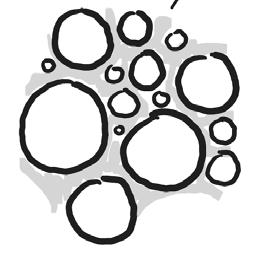
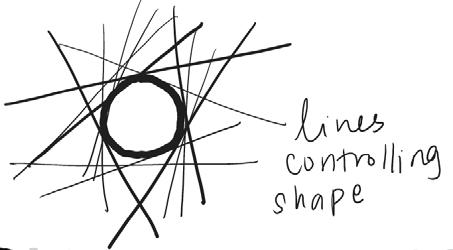
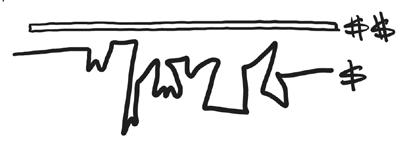
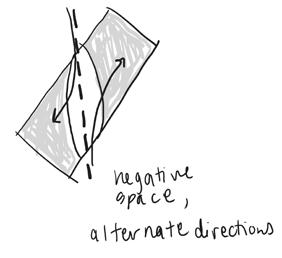
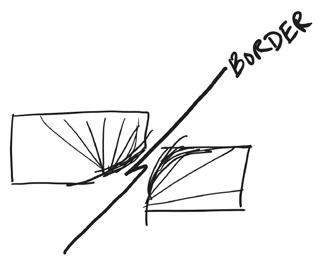
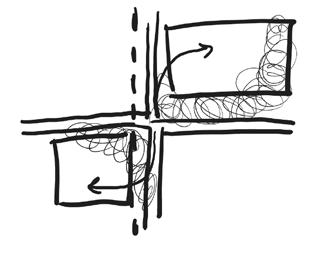
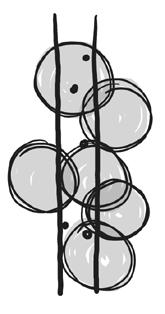
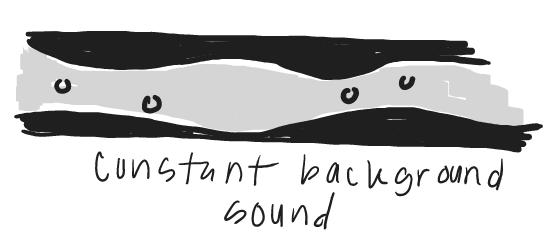
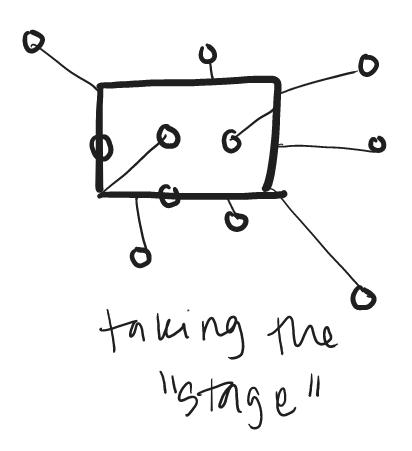
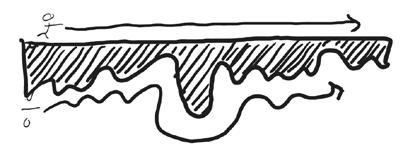
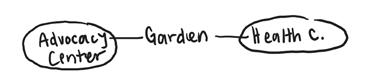
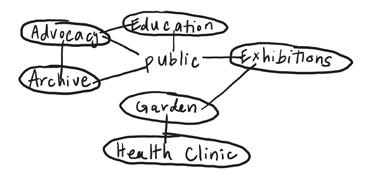
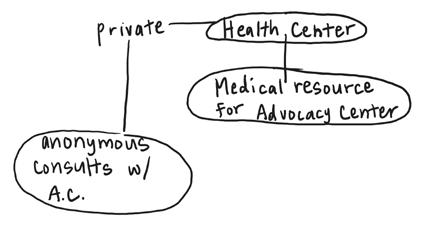
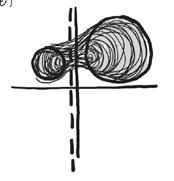
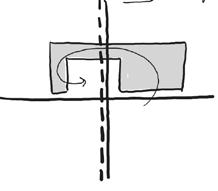
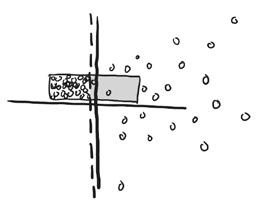
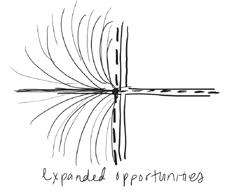
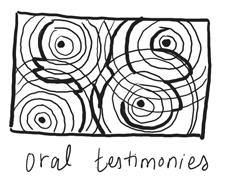
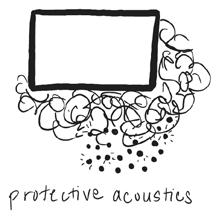
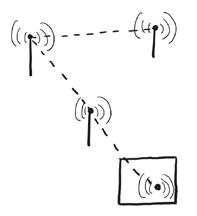
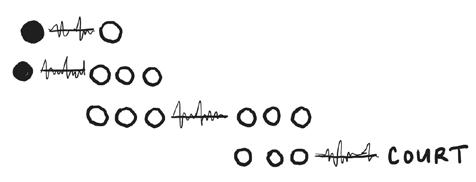
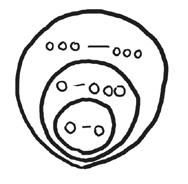
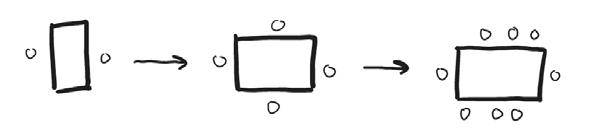
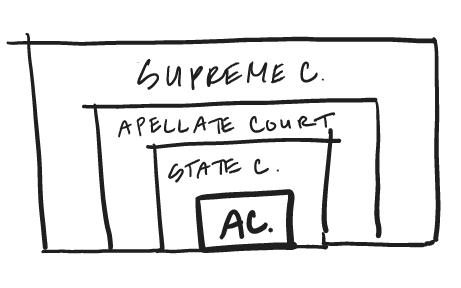
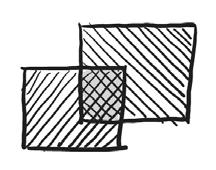
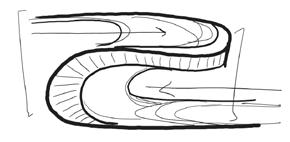
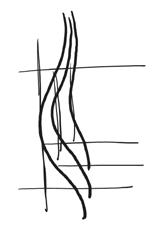
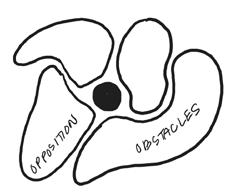
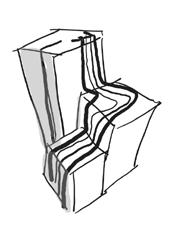
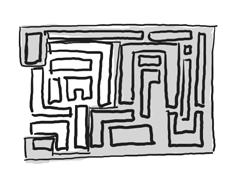
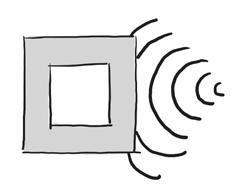
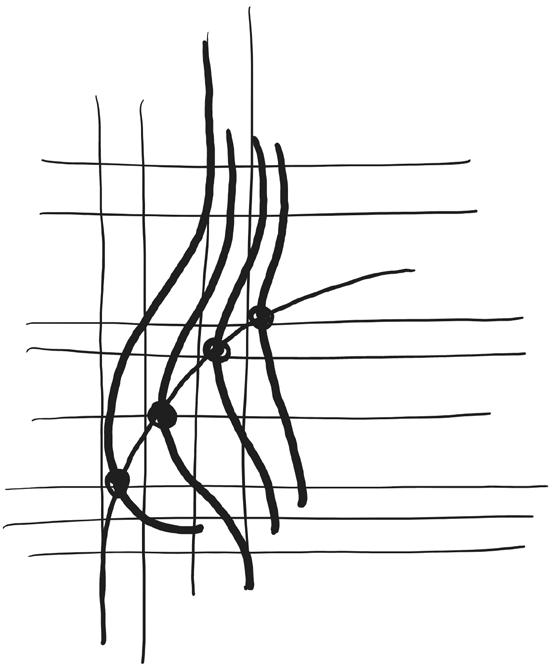
Spacial and Conceptual Diagrams based on women’s rights,
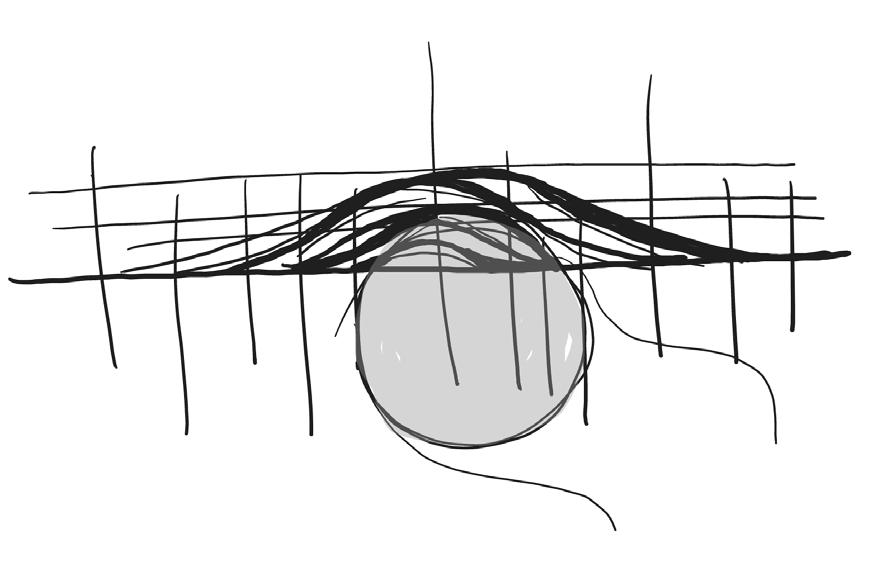
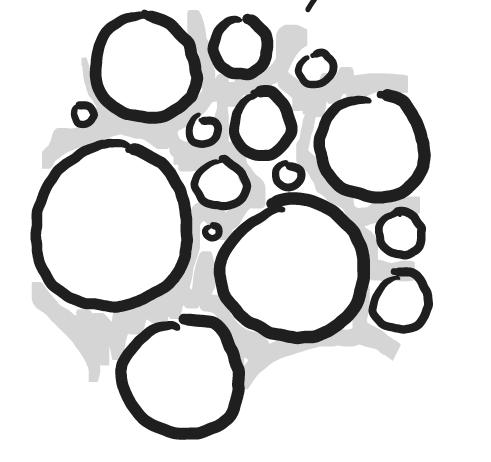
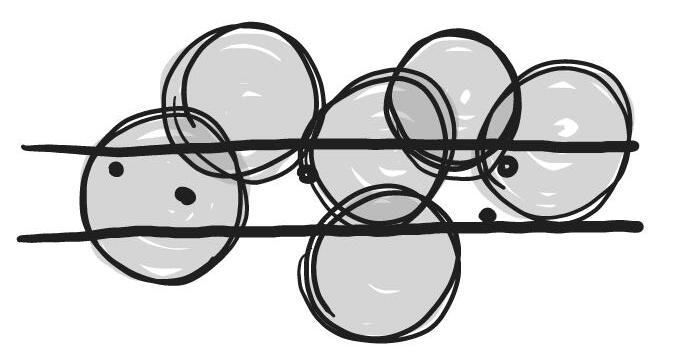
“mediCAl experTS iN The uS CANNoT diCTATe wheTher or NoT A womAN
CAN geT AN ABorTioN - The lAw
diCTATeS ThiS.
39
abortion, and the pregnant body.

40
41
Hobbs, NM - On the border between New Mexico and Texas
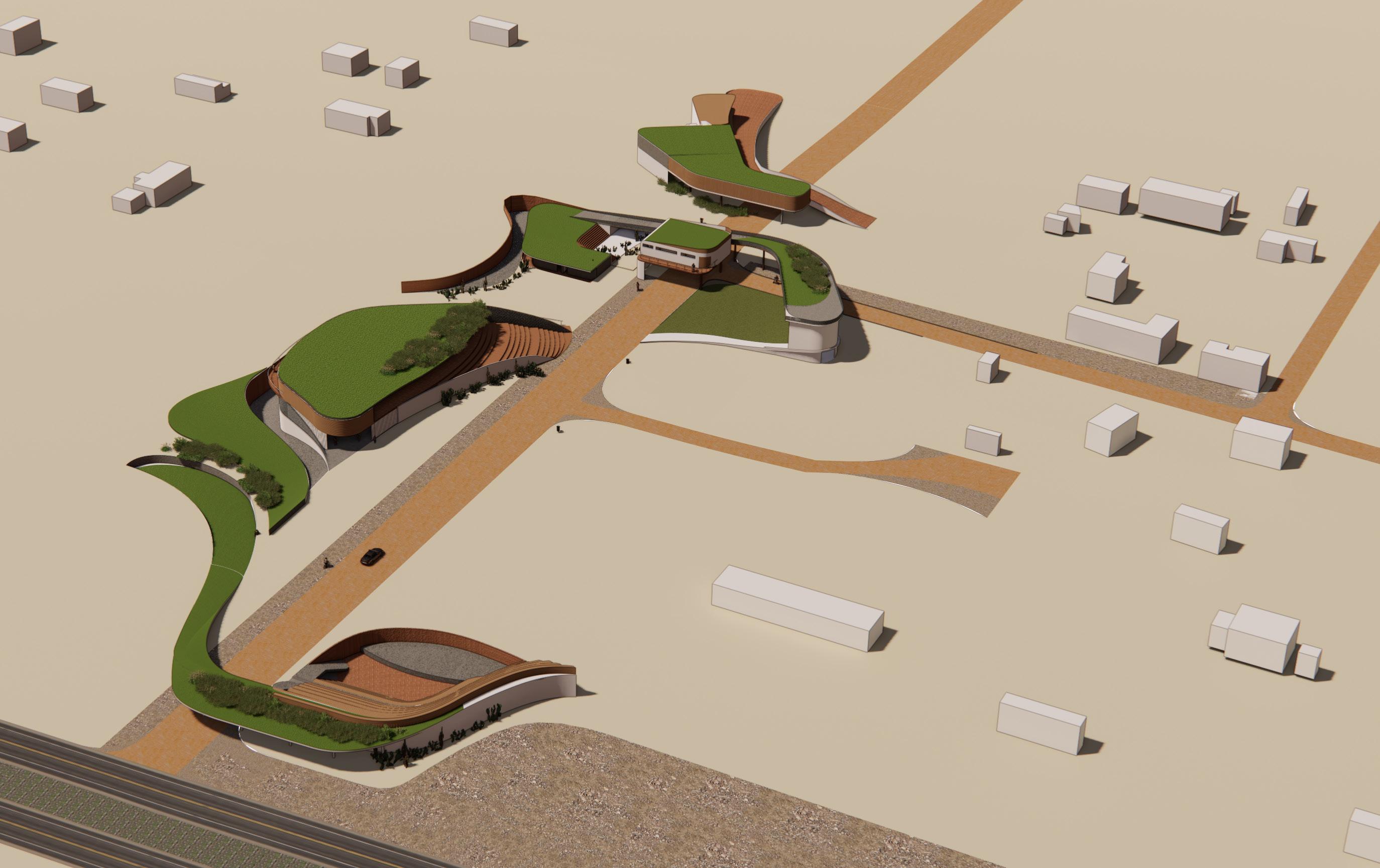
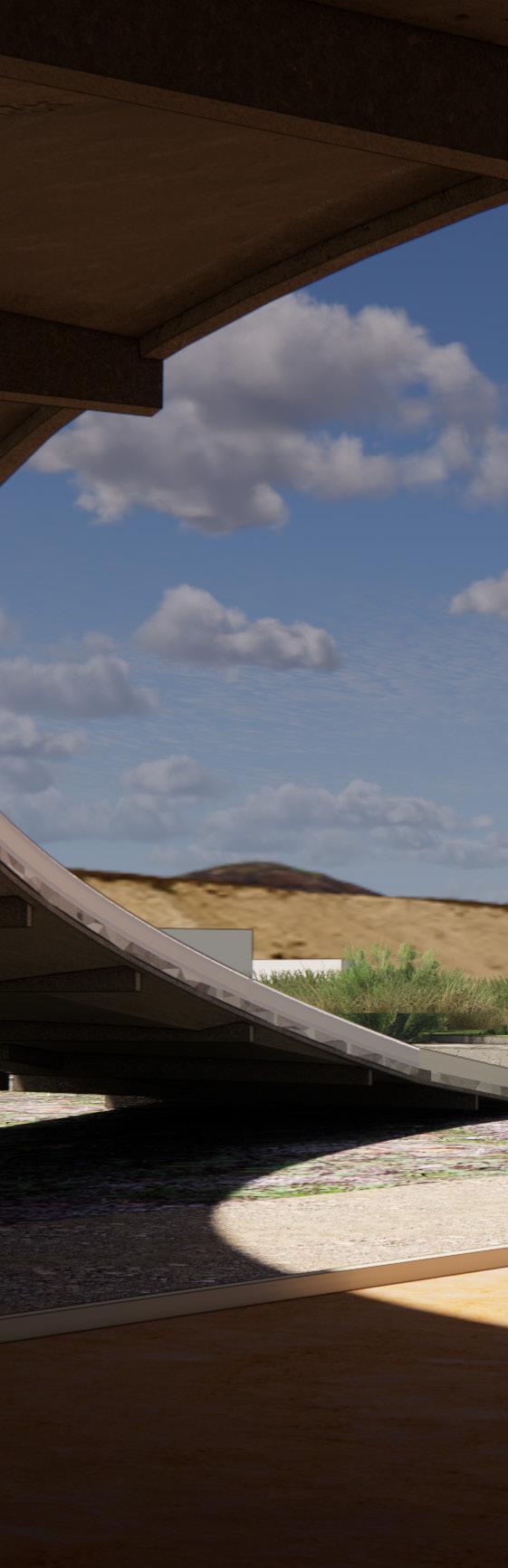
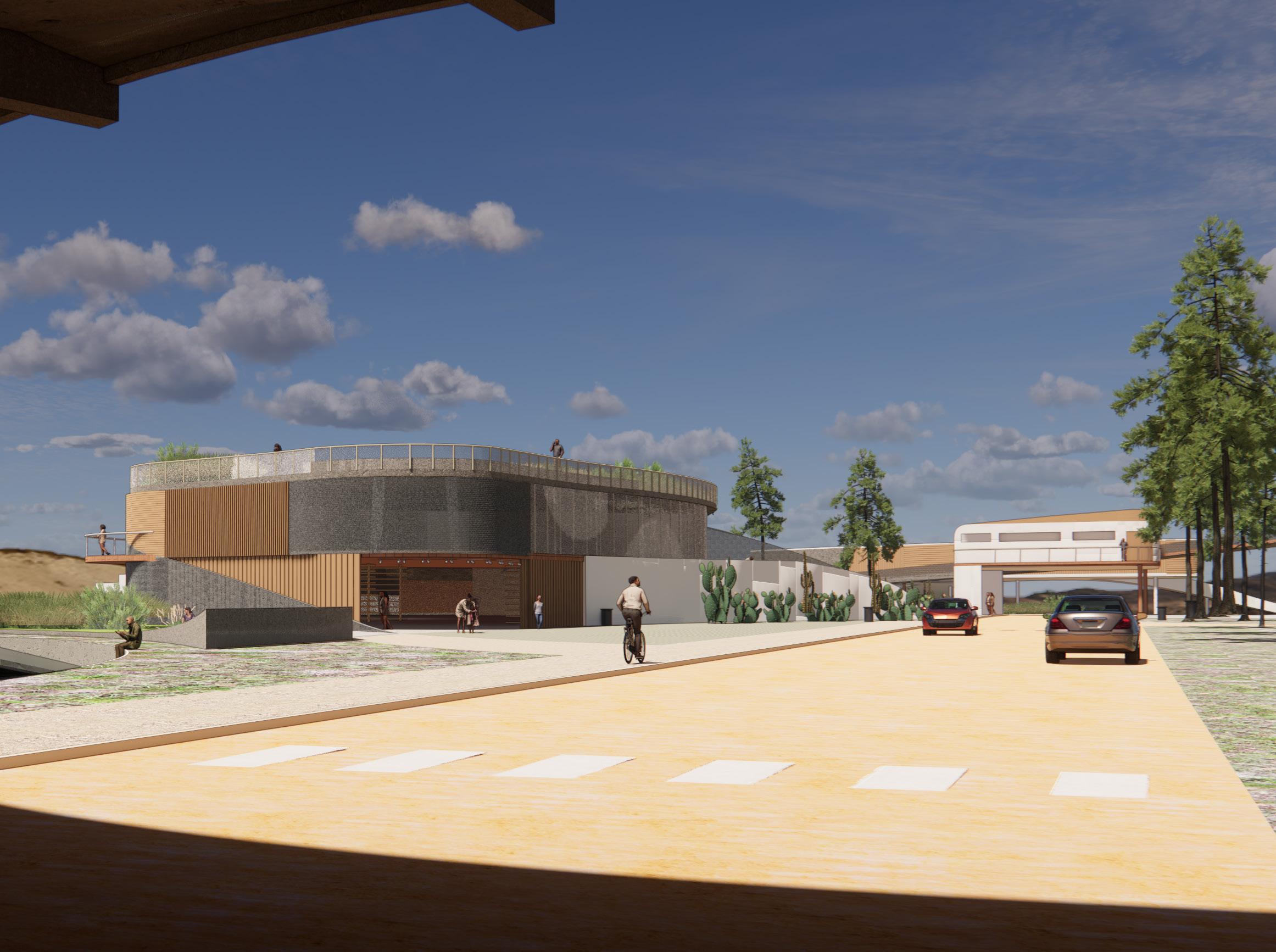
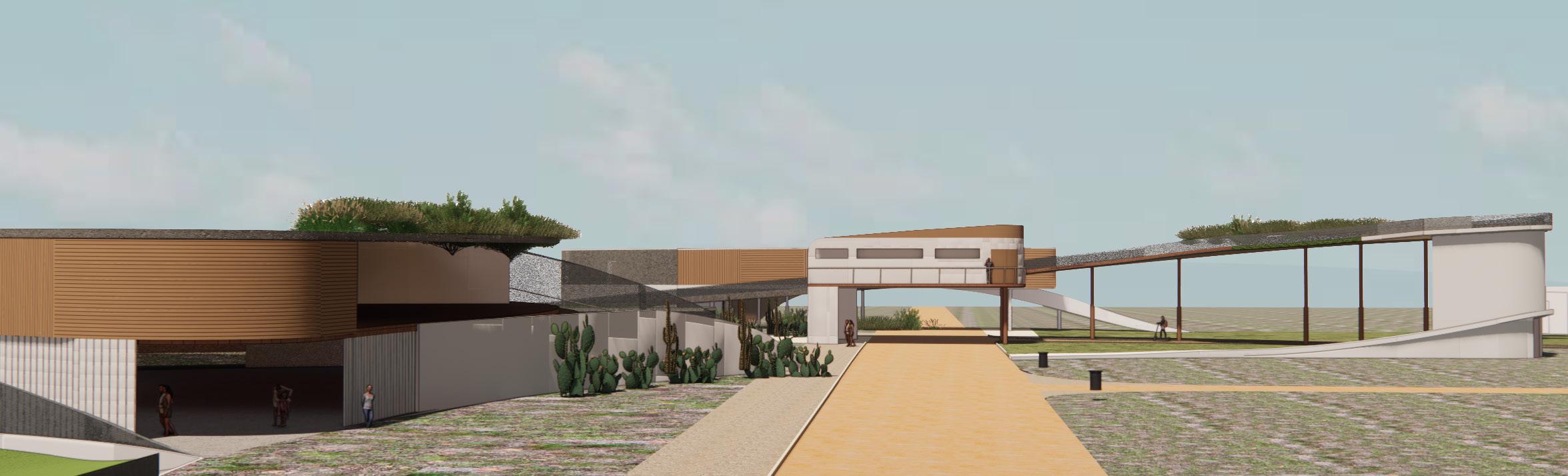
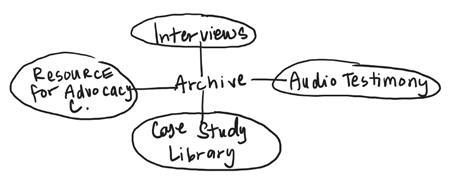
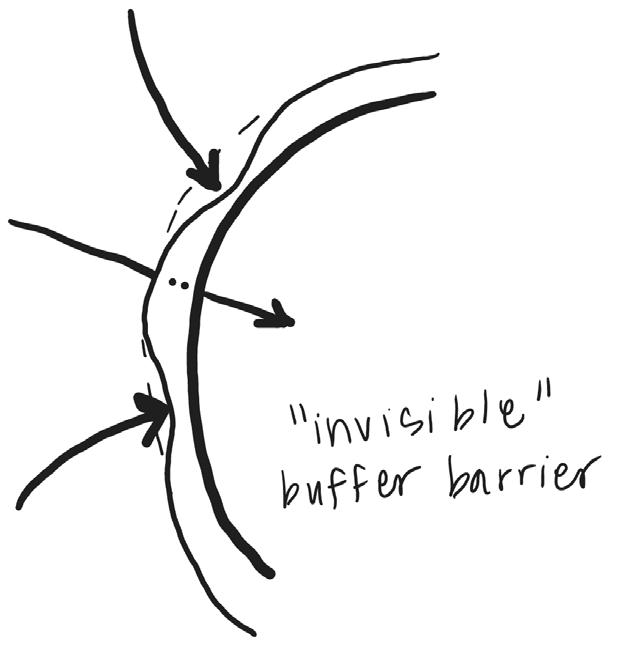
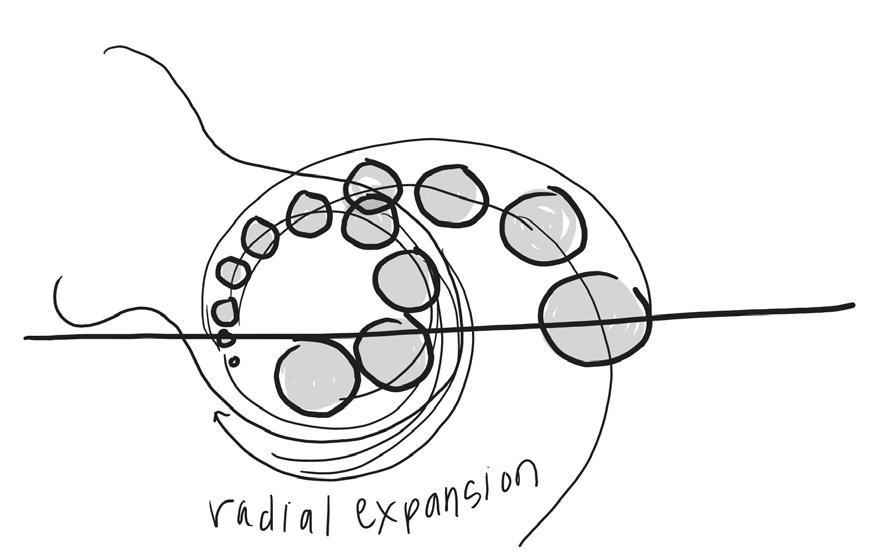
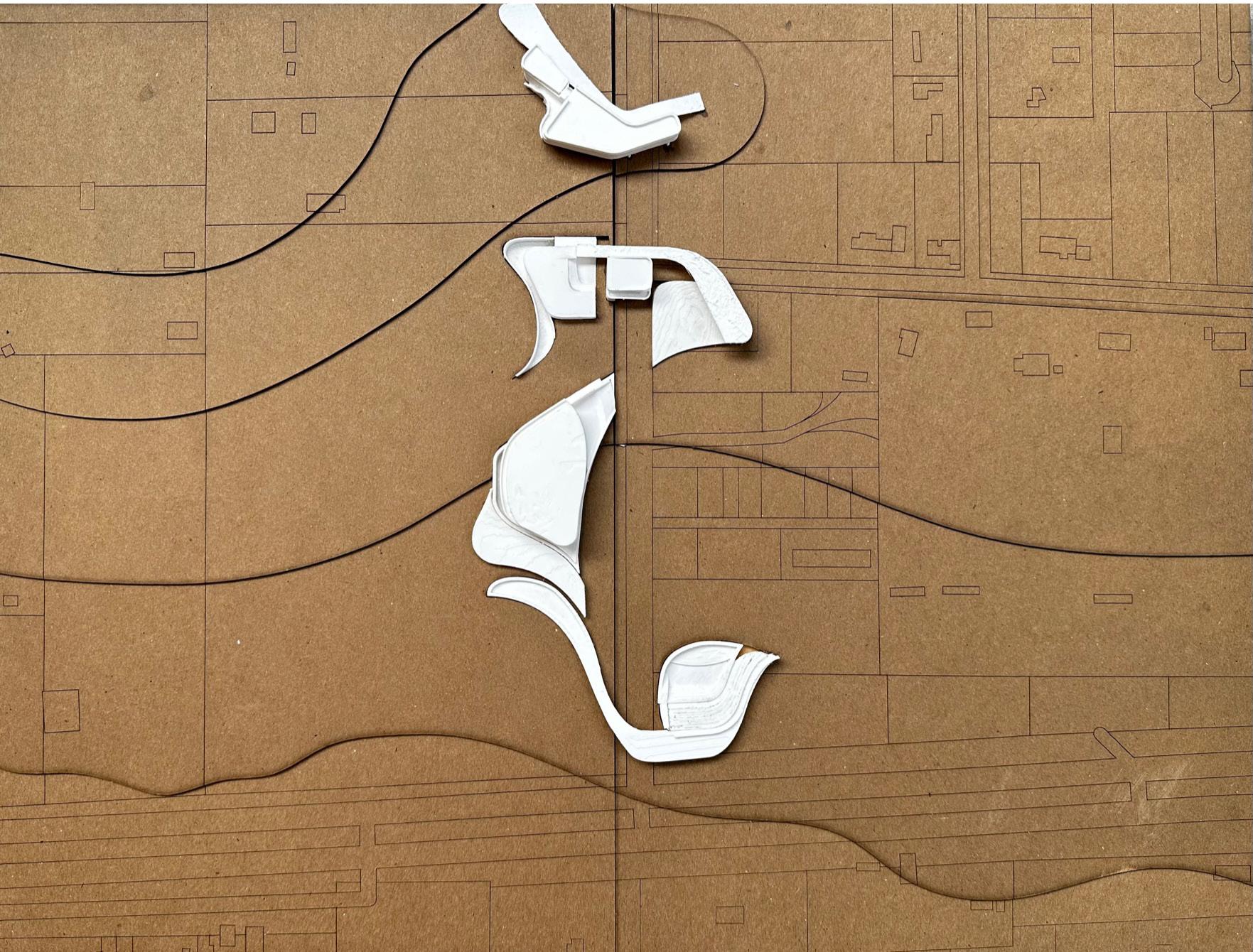
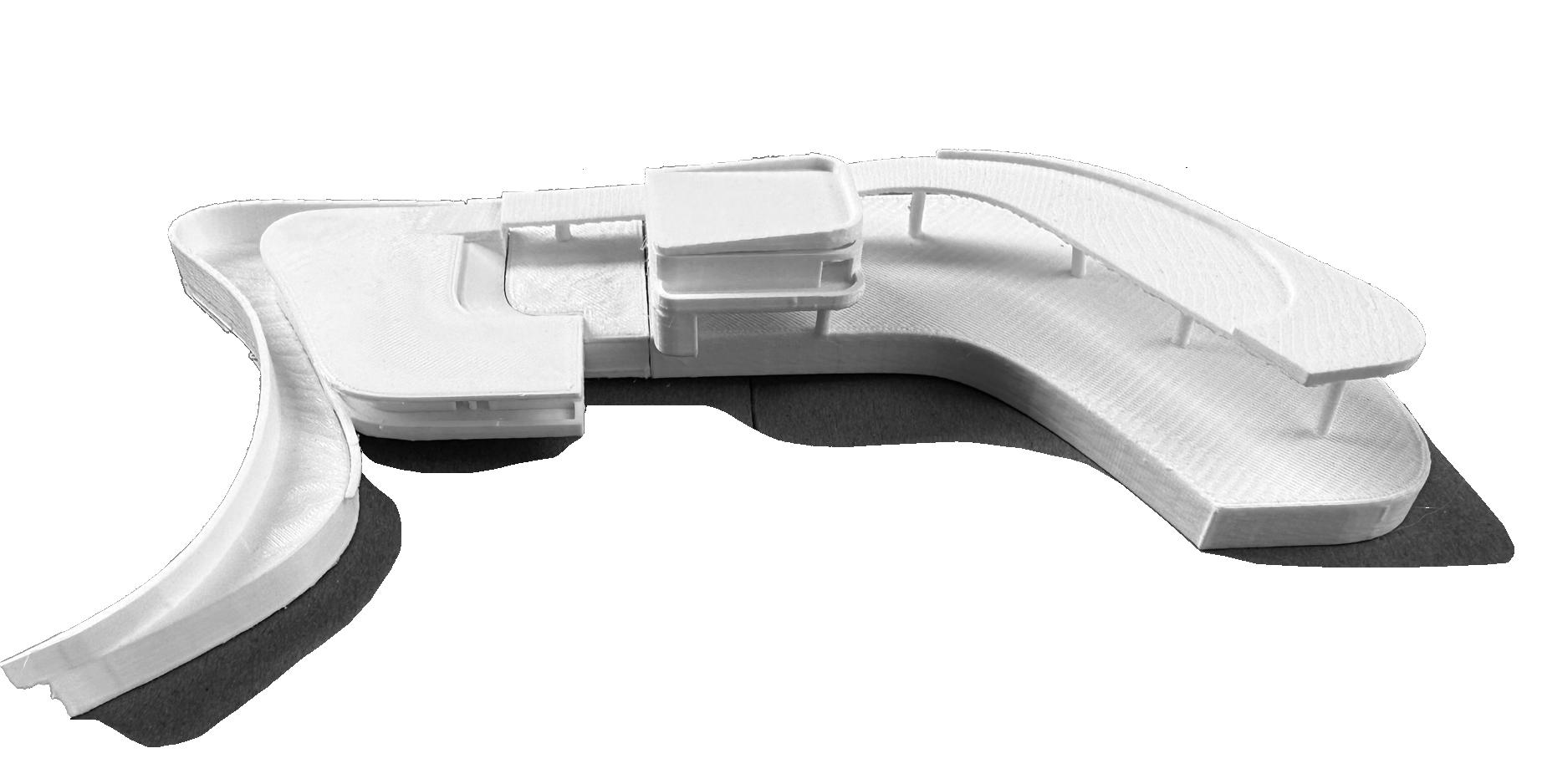
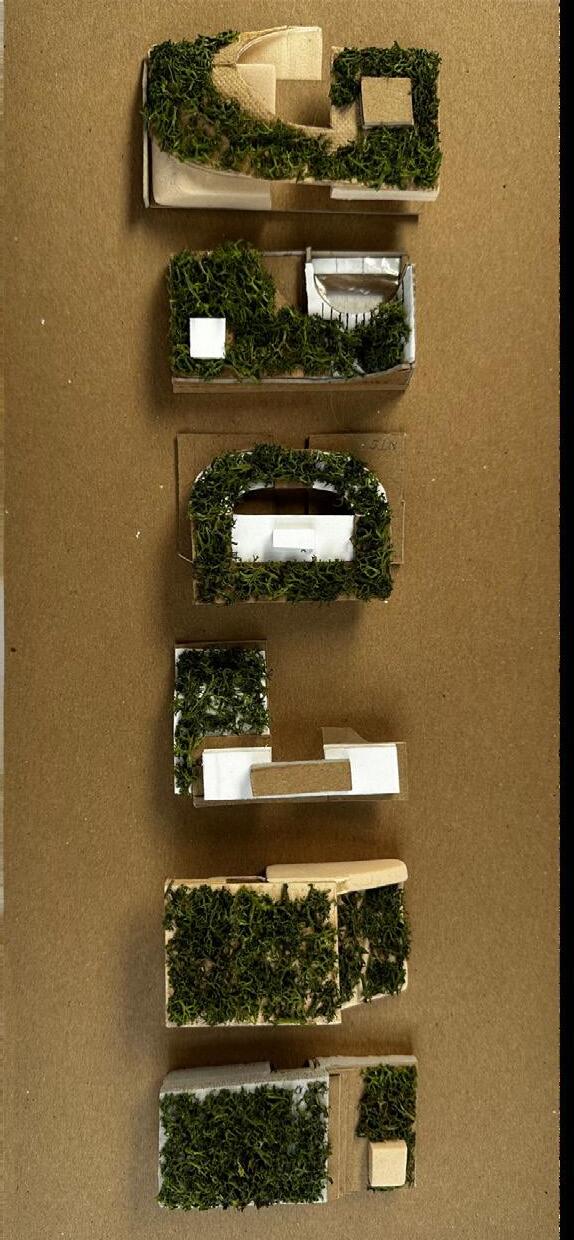
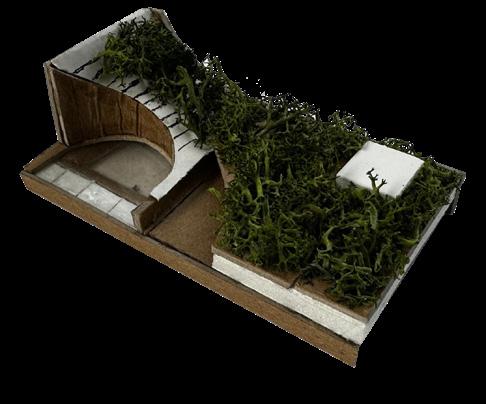
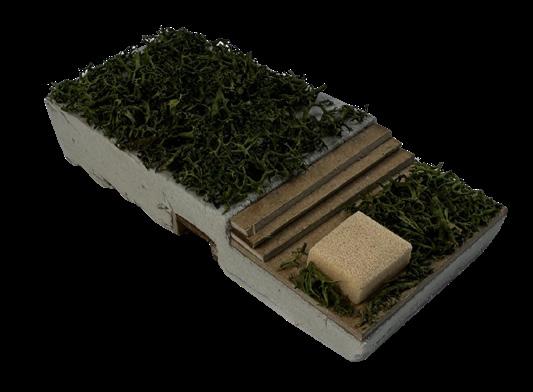
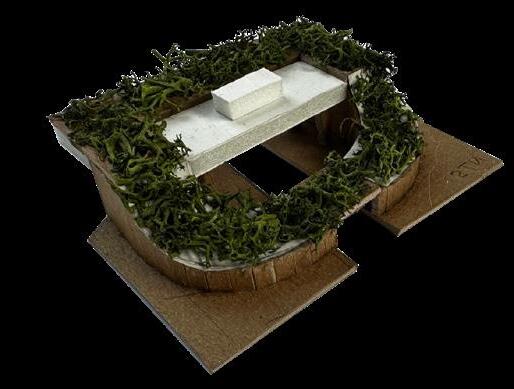
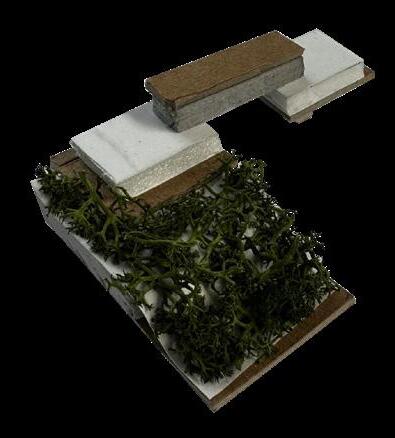
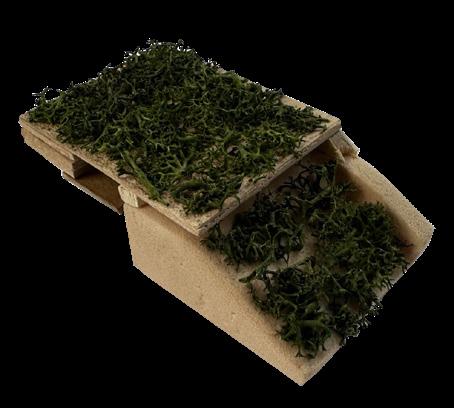
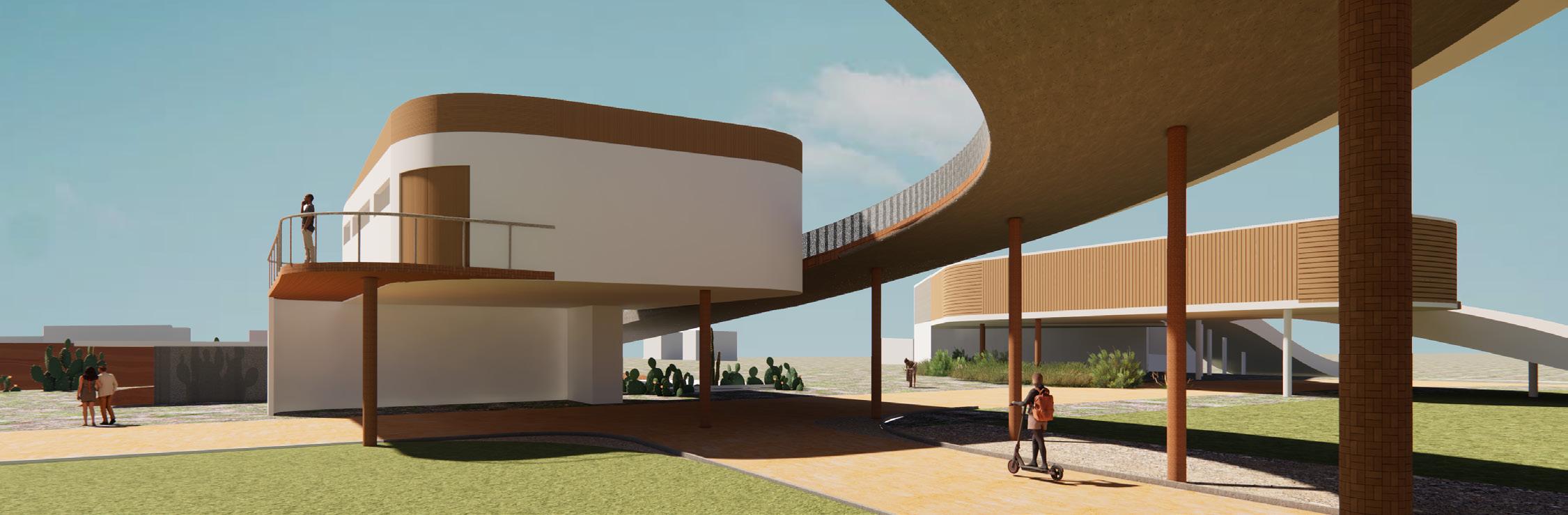
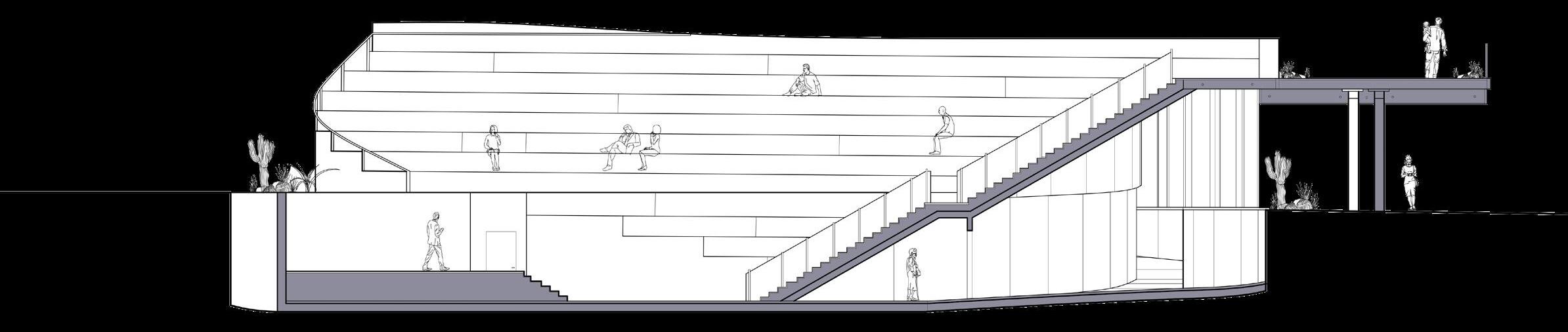
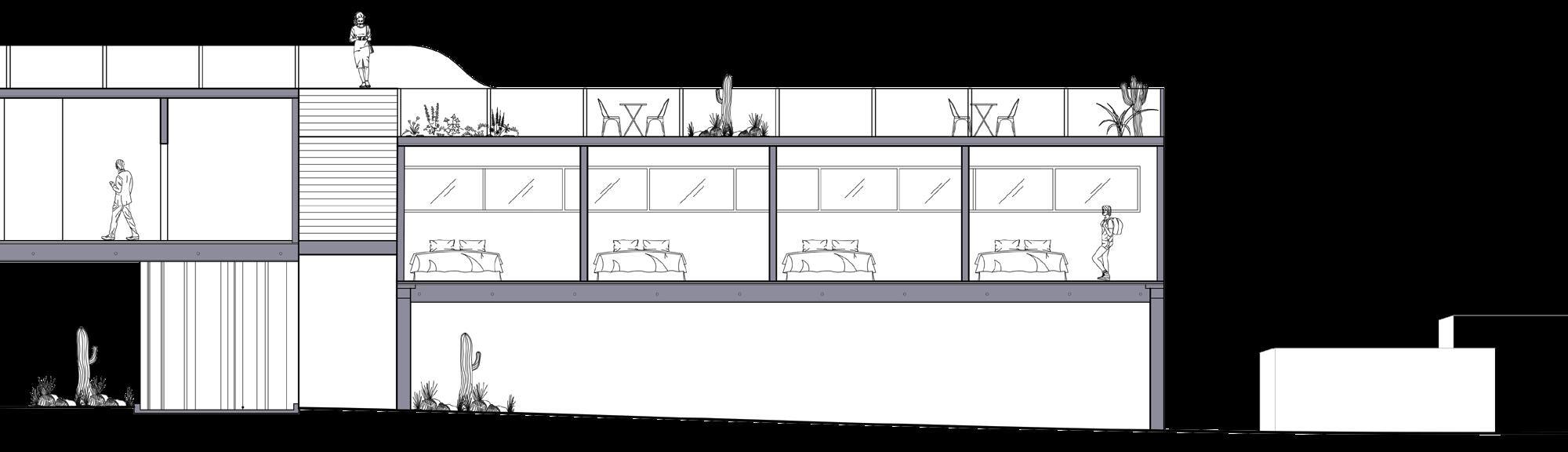
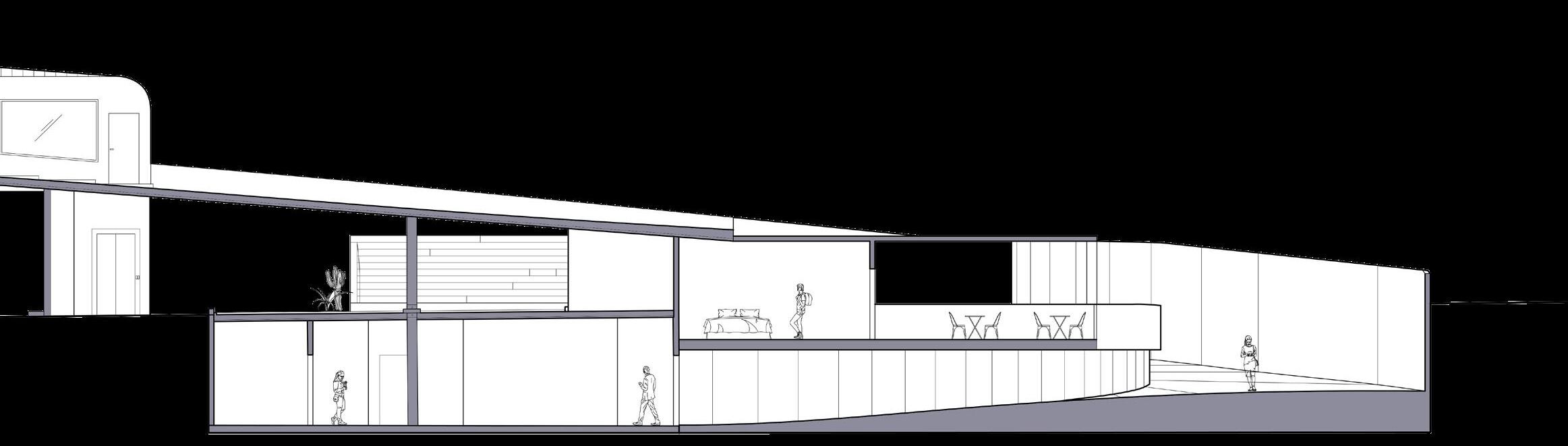
Dividing Lines utilizes a campus-like program layout, with both elevated and underground programming that creates opportunities of separation and buffer between clinic patients / law advocates and anti-abortion protestors. Seeing as abortion is only illegal on the Texas side of the border, all clinic services are located on the New Mexico side along with an archive of oral and written works about the history of women’s rights. The Texas side of the site hosts various spaces supporting reproductive rights advocacy, such as a civil rights case law office, a venue for professional and public debate, and garden programming displaying visual, musical and performance artworks by activist artists.
42
Advocacy
Law Center housing housing training garden programming advocacy archive venue clinic
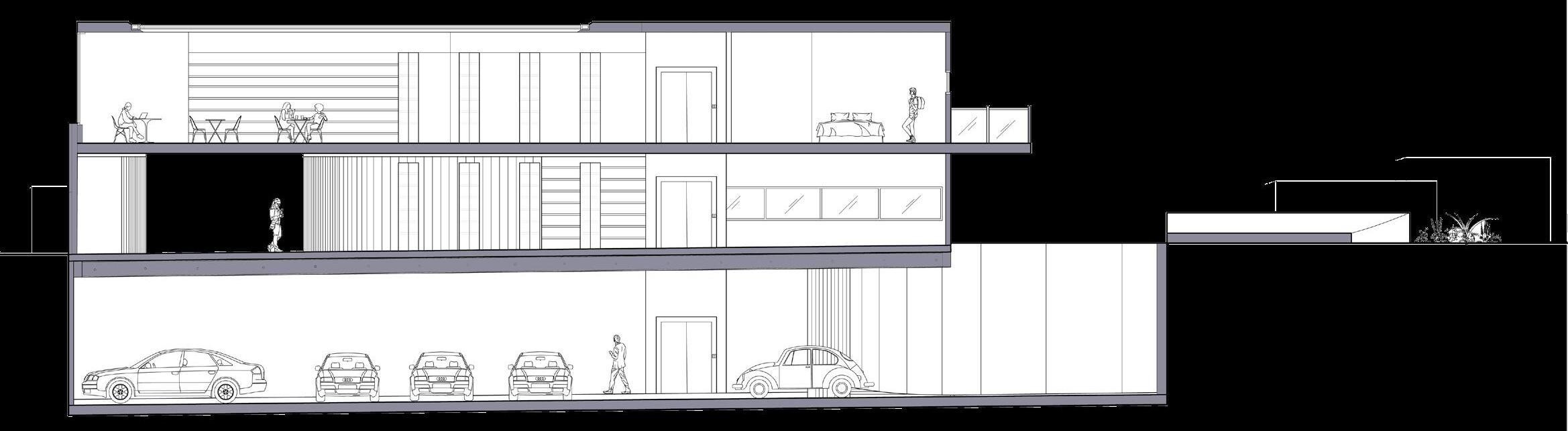
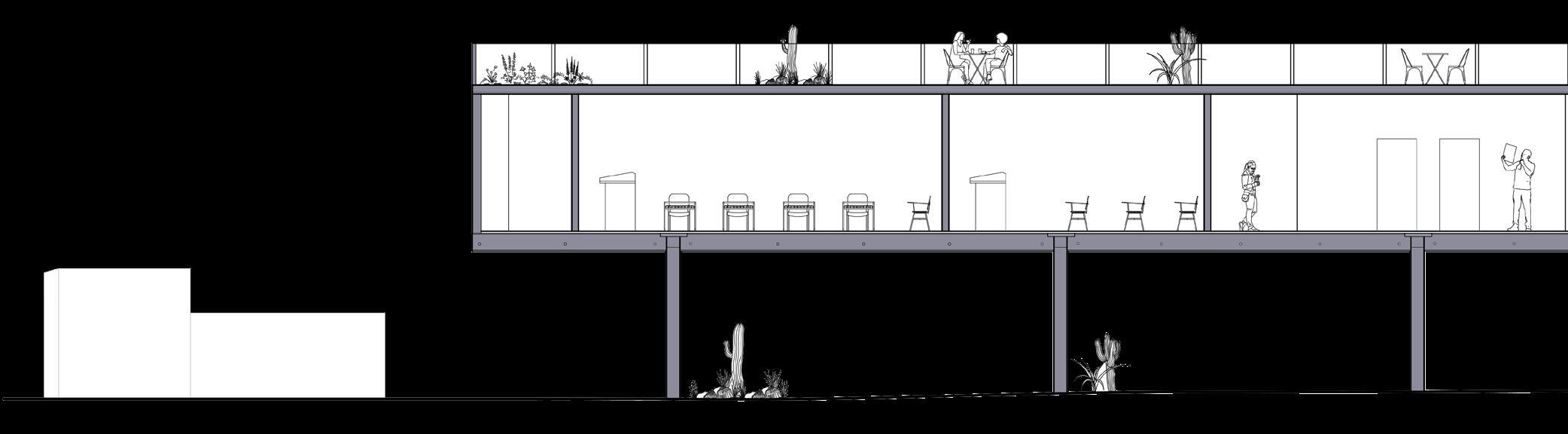
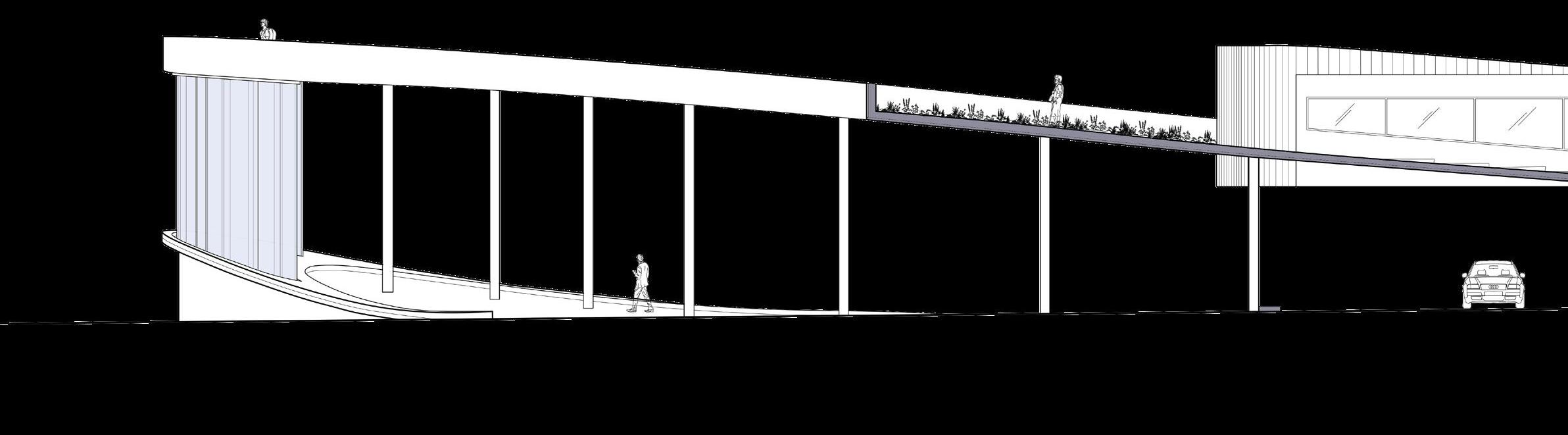
43 Hyrbid Archive / Law Student Housing / Parking vehicle ramp to parking law student housing oral archive written archive Hybrid Advocacy Training Facility / Law Student Housing civil rights / advocacy law training garden programming / walkway advocacy center
44
Multi-Purpose Venue accessible ramp to underground area
garden programming / walkway amphitheater seating stage
housing
garden programming / gathering space
clinic
housing
suvini.gunaratna@gmail.com irvine, ca