URBAN SANITISATION OF DASHASHWAMEDH GHAT AND SURROUNDING GHATS
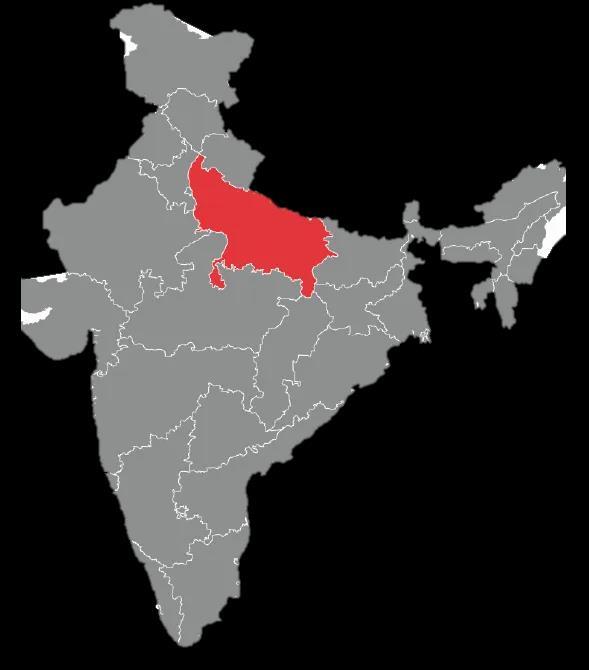

ABOUT:
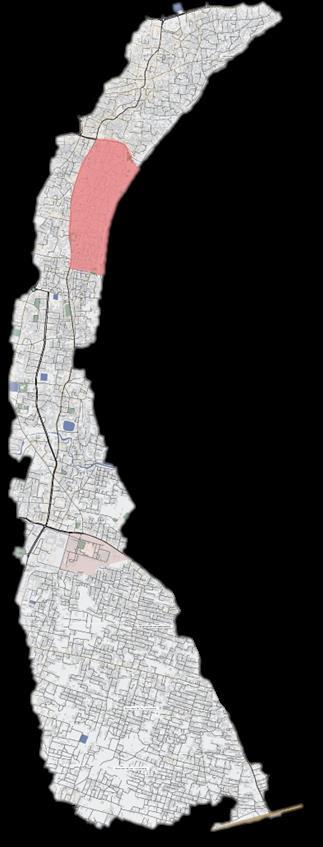
Varanasi is a city on the Ganges river in northern India that has a central place in the traditions of pilgrimage, death, and mourning in the Hindu world, the city has a syncretic tradition of Muslim artisanship that underpins its religious tourism, located in the middle-ganga valley in the southeastern part of the state of Uttar Pradesh
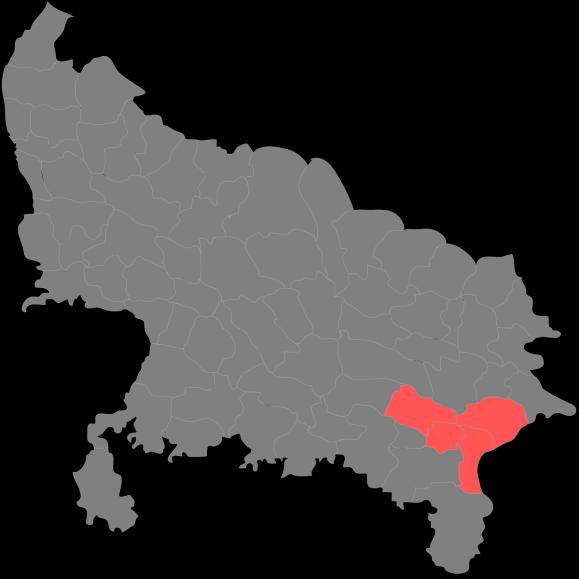
AIM:
Urban sanitation of Dashashwamedh ghat to Darbhanga ghat.
OBJECTIVE:
To propose hygienic, clean and bio toilets and changing rooms on the ghats of Varanasi.
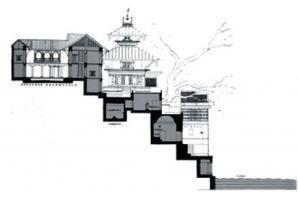

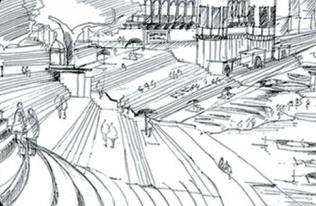
GOAL:
To make the ghats sustainable, clean and safe for tourists and the people of Varanasi.
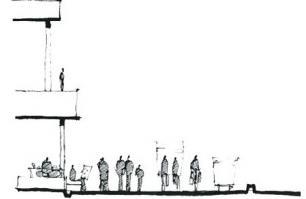
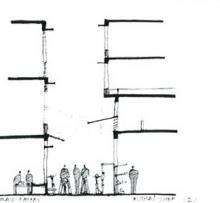
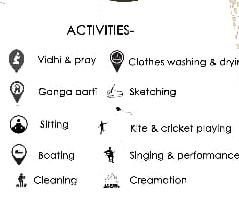
ACTIVITIES ON THE GHATS:
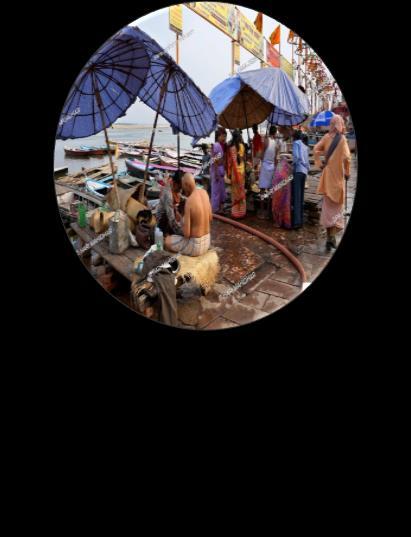
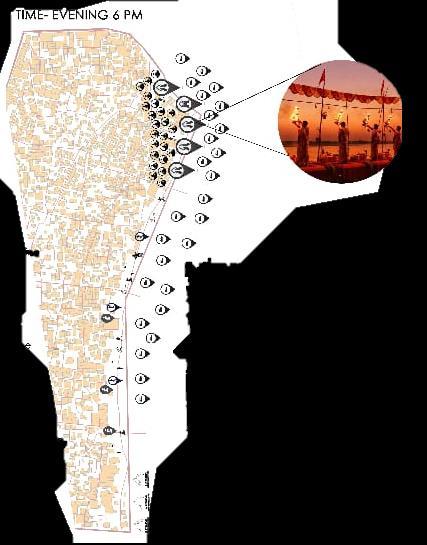
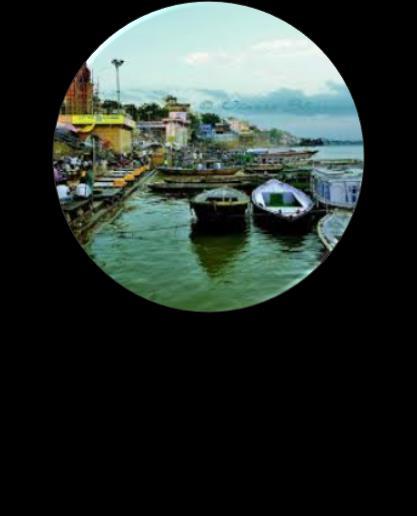
• Dashashwamedh ghat has the main ganga Arati taking place in the evening
• Bathing in the ghat is considered holy
• Pooja rituals for better health is also a tradition that is followed on this ghat
• The act of shaving one’s head is done of this ghat as well.
TIME-
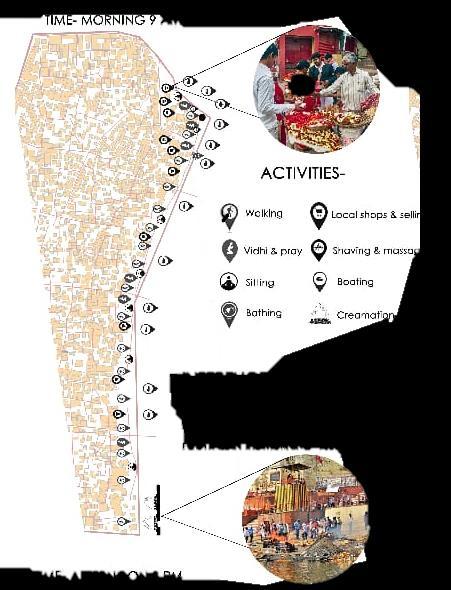
Avg footfall: 2500-3000
INFERENCES:
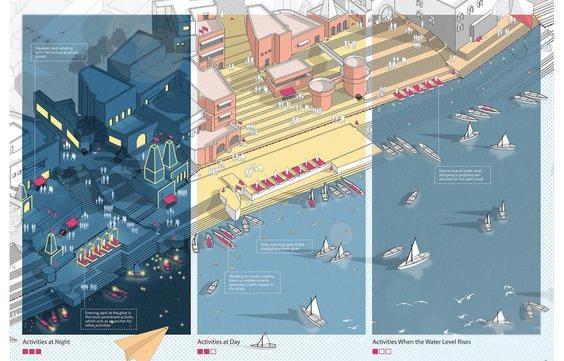
• Bathing and boating are most prominent at this time on the ghats
• All age groups take a dip in the ghat at this time
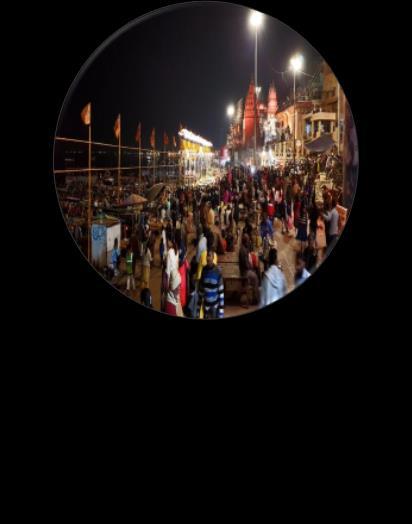
• Dashashwamedh is the most crowded ghat while the other two ghats are silent and clean.
INFERENCES:
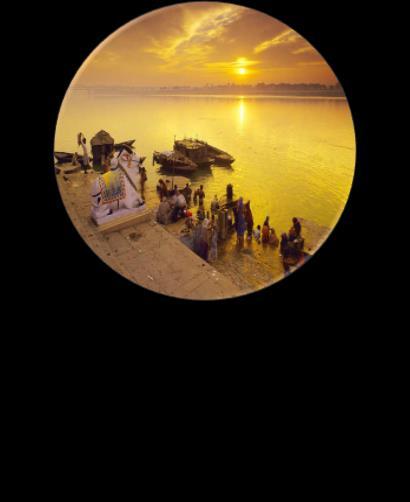
Washing clothes, etc is done during the afternoon
During ganga aarti all the commercial activities come to an halt
The entire crowd is focused on the ghats for watching the ritual
While the other ghats remain silent and empty. Kite flying and other games are done during the afternoon.
Avg footfall: 7000
Ahilyabai
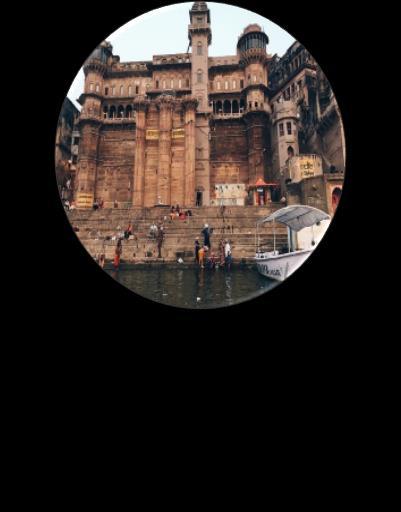
Darbhanga ghat
ISSUES:
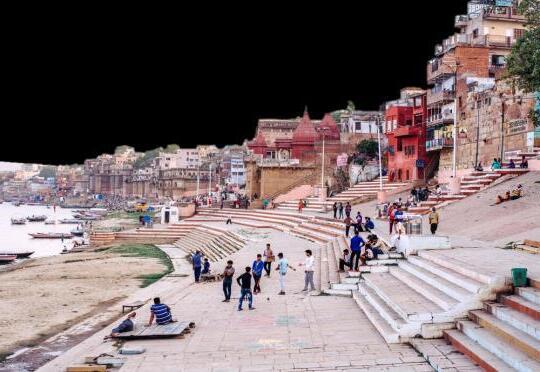
• Improper seating
• Drainage for surface runoff is missing
• No washroom and changing rooms for people after bathing on the ghats
• No breathable open spaces
• No proper spaces allocated for commercial activities
ISSUES FACED BY THE PEOPLE DUE TO ABSENCE OF CHANGING ROOMS
• Tourists and locals of the area face problems related to safety, hygiene and comfort when it comes to changing clothes after taking a dip in the river.
• As dipping in the river is considered one of the most holiest things to do in the hindu religion, keeping this sentiment in mind we should make it convenient to do so.
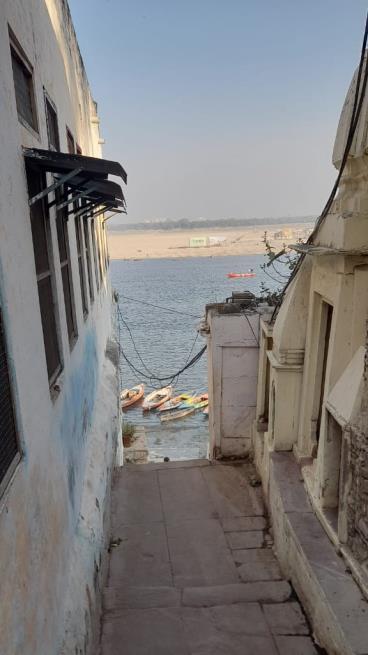
POSSIBILITY OF THE PROPOSAL WORKING IN THE SITE PROPOSED
LIMITATIONS:
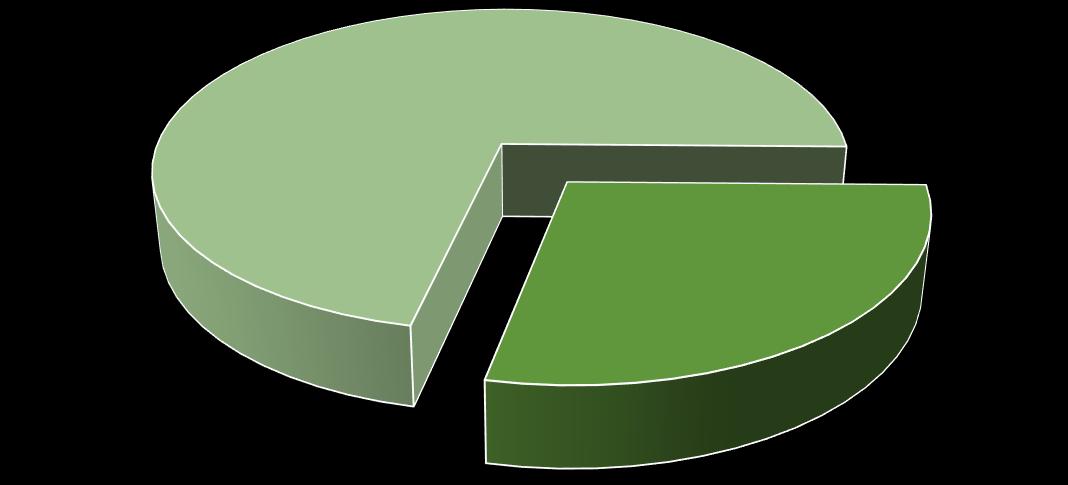
POSSIBILITY NOT POSSIBLE
SCOPE:
• To create a safe sanitised space for people after the dipping ritual.
• To reduce solid waste disposal into the river.
• To create a universal prototype to deal with the issue.
• This proposal might work because currently there are no such arrangements.
STRATERGIES FOR WASHROOM AND CHANGING ROOM
FACILITIES:
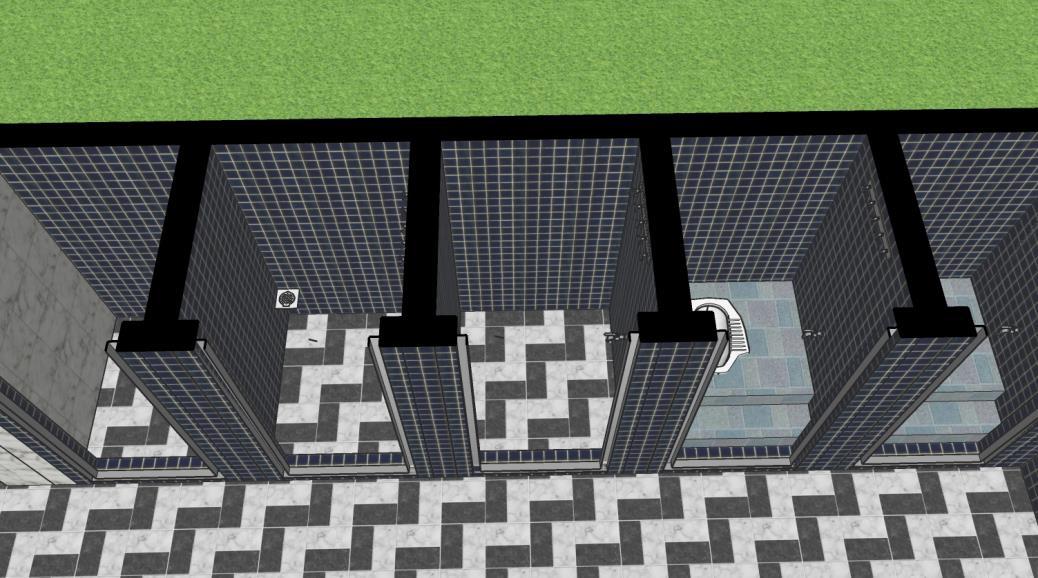
• Provide changing room for men and women on the ghat at an accessible distance from the bathing site.
• Footfall during the night is 7000 so we could provide 7 toilets and changing rooms for men and women on Dashashwamedh ghat.
• While on Ahiliabai ghat and Darbhanga ghat the footfall is comparatively less so we can provide lesser number of the units.
• As the drainage eventually ends up in ganga we can use bio toilets and other green energy methods to prevent water pollution.
The maintenance of such a facility can be hectic but that can be fixed by the use of sustainable methods
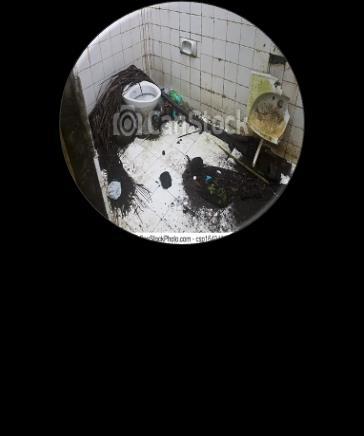
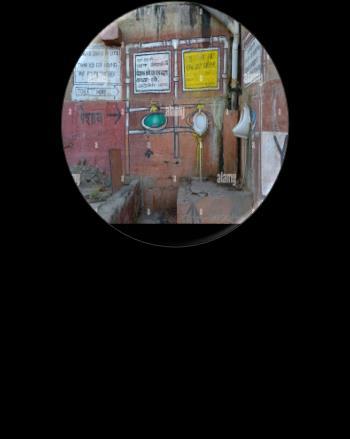
Too much water wastage. Drainage, sewerage isn’t present on the ghats so the disposal is a major problem.
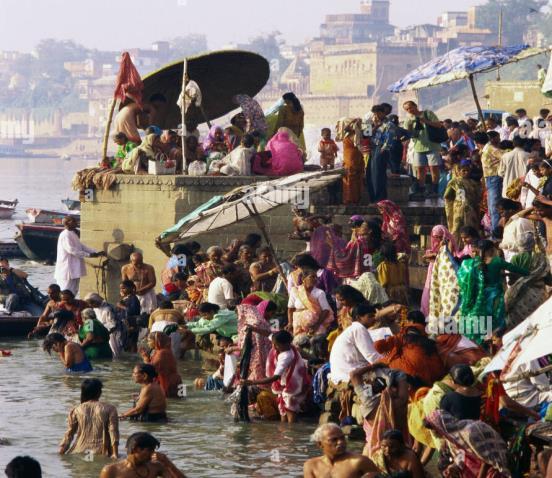
PROBLEMS FACED ON GHATS
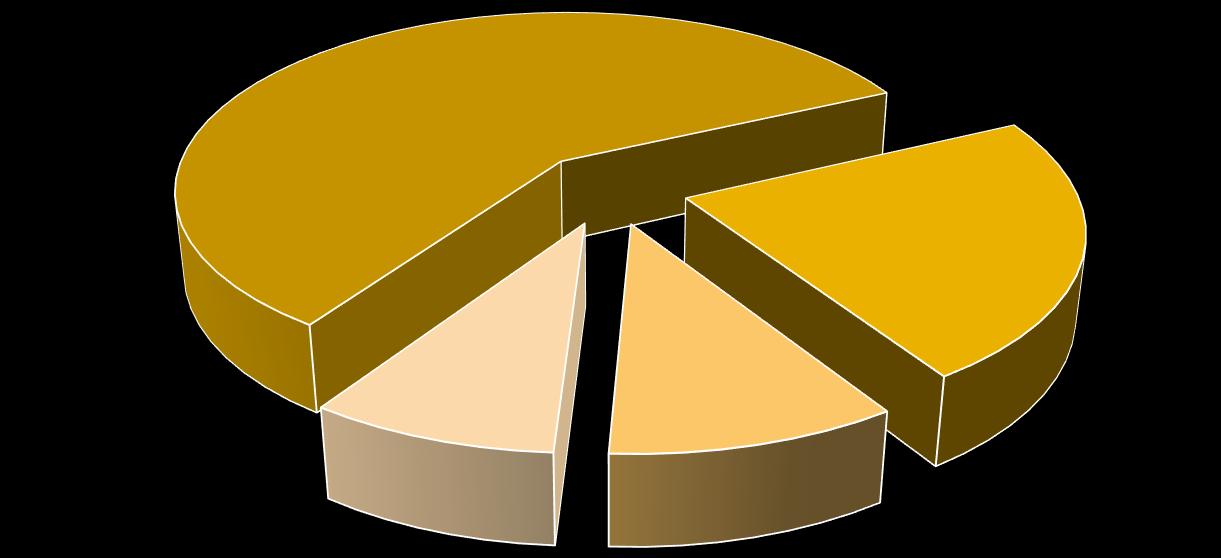
TOILET PROBLEMS
DRAINAGE
OPEN SPACES
COMMERCIAL ACTIVITIES
WORKING OF A BIO TOILET:
The vacuum evacuation is designed in such a way that it sucks out the waste from each toilet with minimum use of water into the Bio- digester tank installed under the carriage. The toilet system is isolated from the bio-tank to avoid bad odor in the passenger area.
IMPACT OF THE PROPOSAL ON THE REGIONS AROUND THE PROTOTYPE:
• After the installation of the prototype the crowd area around it feels more evenly distributed
• Sanitation of the river is maintained
• The waste disposal is managed more efficiently as no waste is being thrown into the river
• USE OF JALI: The jali used in the washroom is seen in a lot of places in Varanasi. Made from sustainable materials like clay
• USE OF BIO TOILETS: To reduce the waste dumping into the river
• BRICKS: The bricks are locally made and used.
• USE OF SLATE AND CLAY ROOF COVERINGS
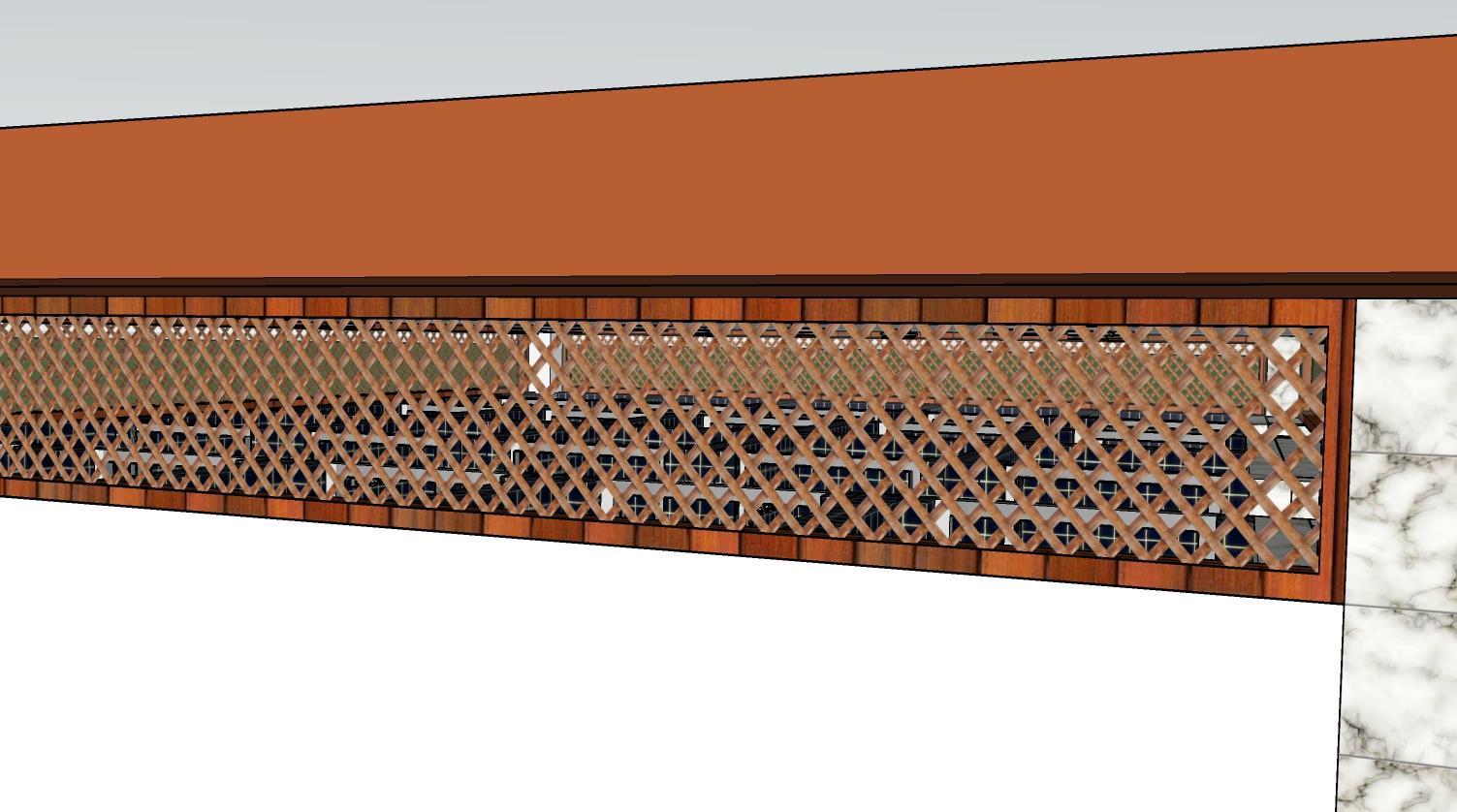
INFERENCE:
• I have used sustainable materials as this prototype might be taken down in the future and the remains of this shouldn’t harm the surroundings.
• Not only this protects the sanitisation of the area but even after it is gone it should no be an inconvenience to people for whom it was initially made for convince
D.Y.P.S.O.A,
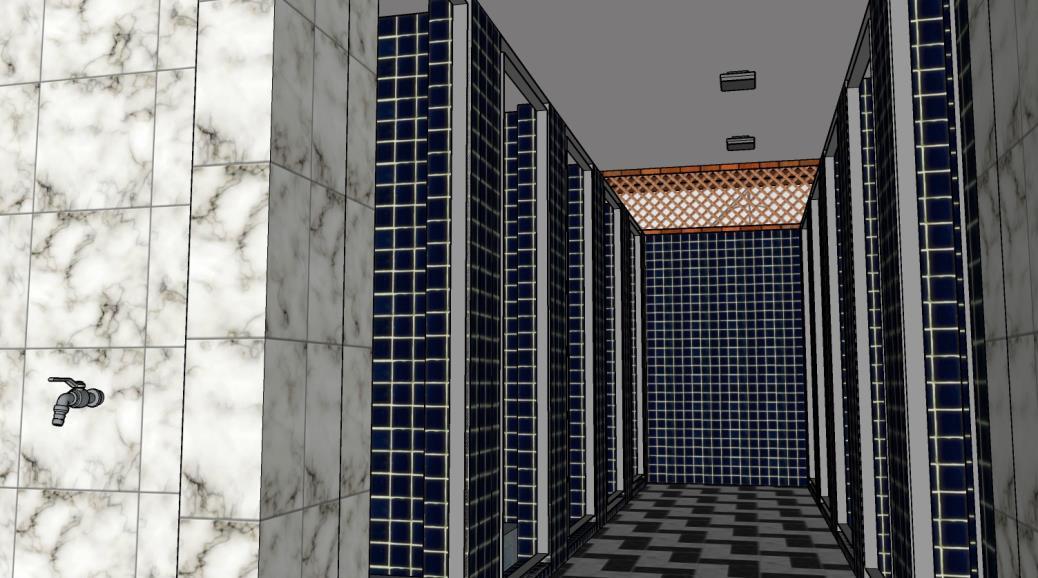
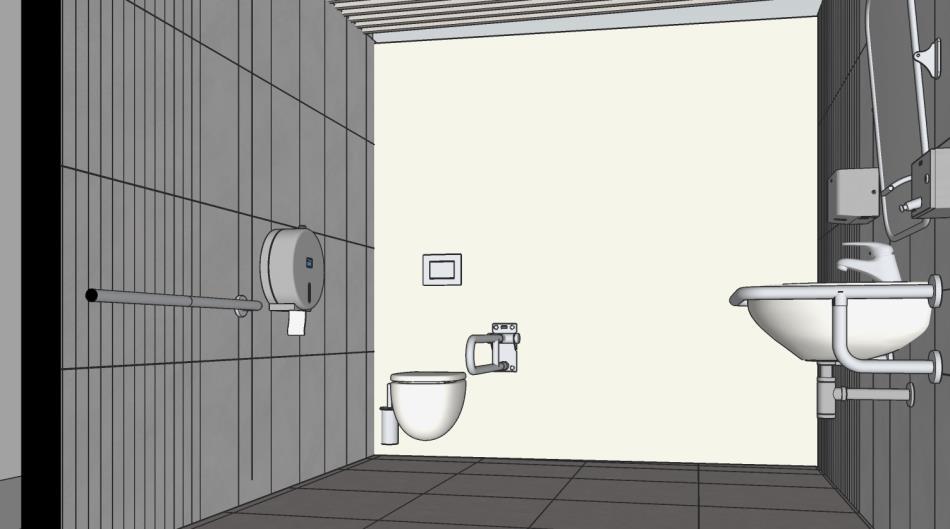
DISABLED WASHROOM
BUILDING MATERIALS
CUT PLANE SECTION
UNIVERSAL DESIGN:
A separate dressing and washroom is provided for the disabled with a ramp for access.
No one should be withheld from taking part in any rituals and everyone's convivence should be considered.