selected works 2019 - 2024 | sushruts@andrew.cmu.edu
Sushruti Santhanakrishnan
academic projects
The Connection sPark - Reclaiming Route 65
Walkability to Functional Green Spaces - Geospatial Analysis
Hydroponic Experience Centre - Thesis Project
professional experience
The Void Bus Route Roads
Clover by the River
competetive projects
Mathsya
Bus Stop Design
04 miscellaneous projects
Physical models
Hands on work - Park bench
Measure drawings
The Connection sPark
Recliaming Route 65
Design Studio | Fall 2024
Faculty: Christine Mondor
Team:
Sushruti Santhanakrishnan, Dyanavitha Balaji
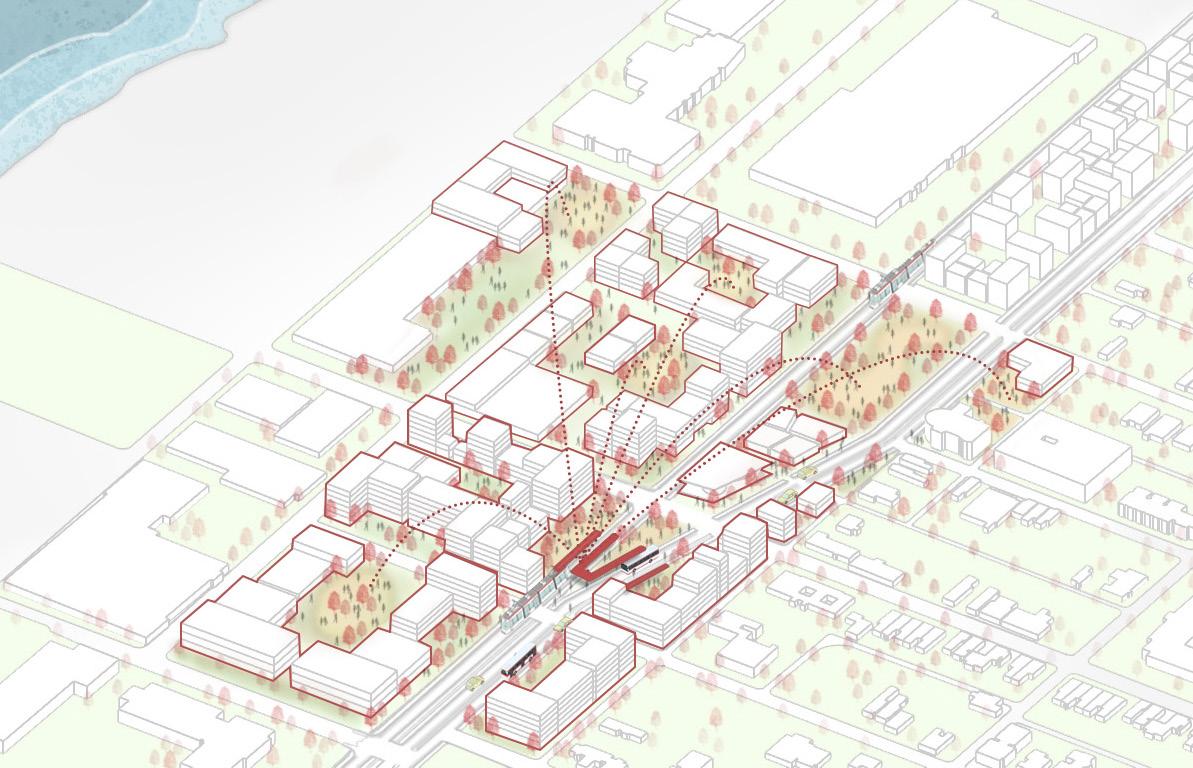
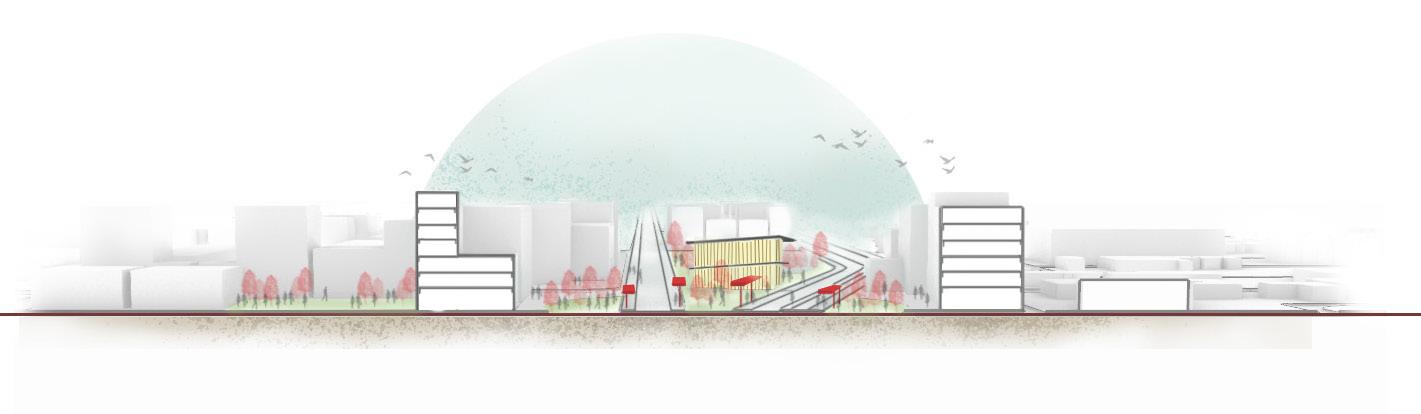
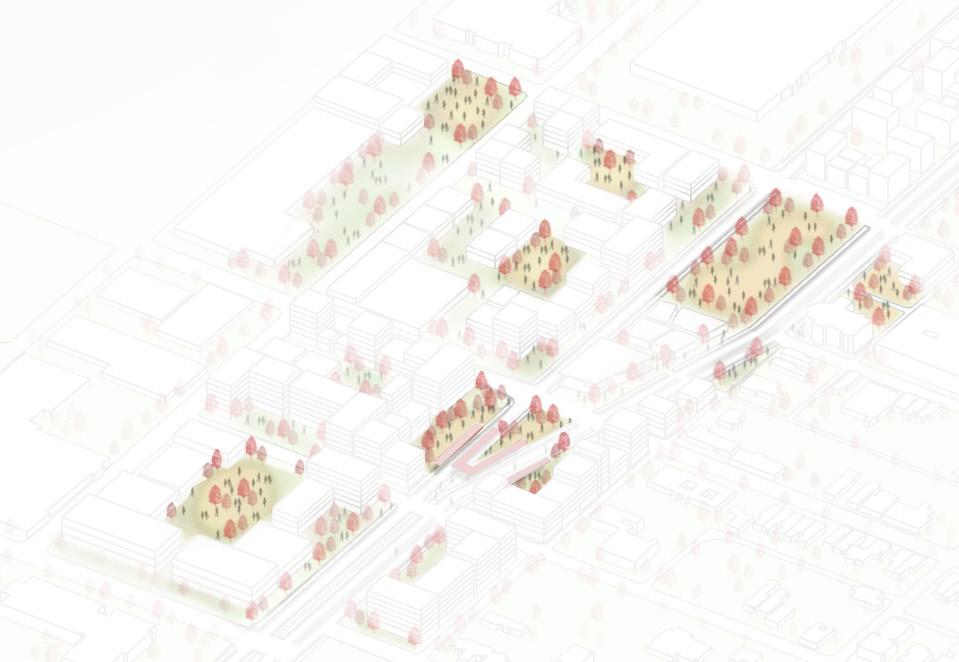
The Connection sPark investigates the transformative potential of removing Route 65 and its impact on the neighborhoods of Manchester and Chateau in Pittsburgh. Drawing inspiration from Jane Jacobs’ concept of “border vacuums,” this project explores strategies to bridge the divisions caused by the highway and reimagines the area as a cohesive urban fabric.
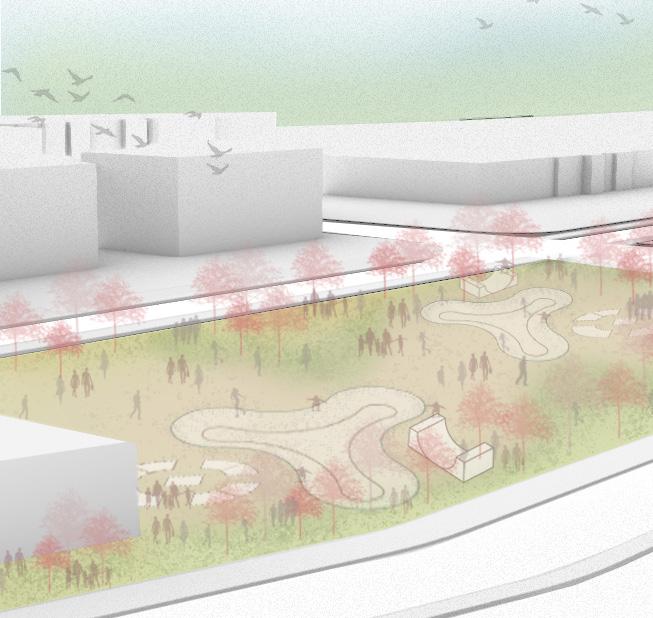
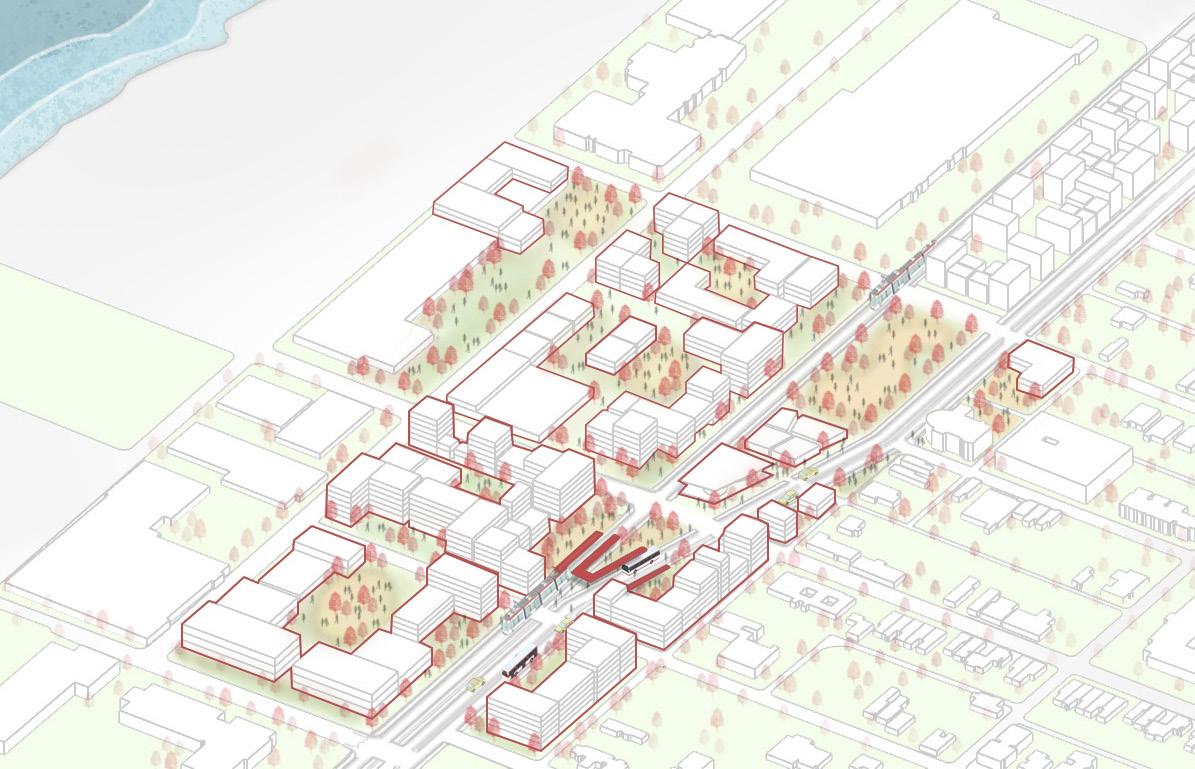
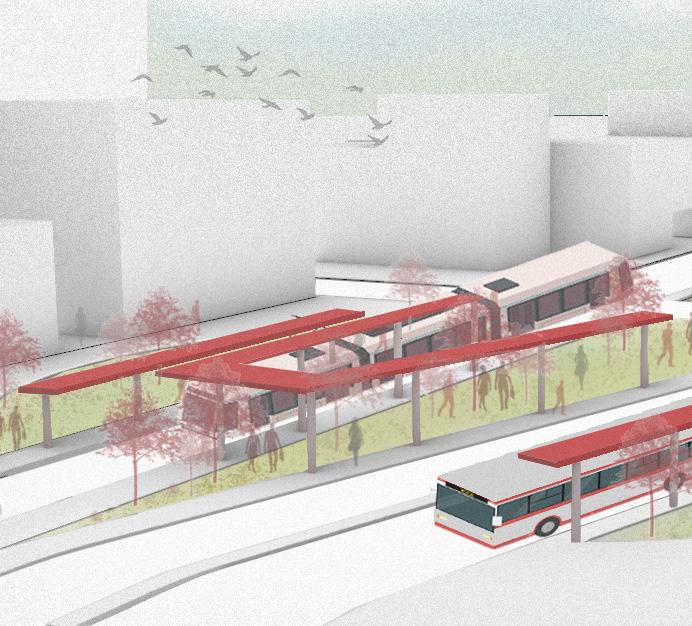
The proposal introduces a transit stop serving both light rail transit (LRT) and bus routes. This transit node catalyzes activity, creating a central hub that ripples outward and fosters connectivity between Manchester, Chateau, and beyond. The design prioritizes green spaces as anchors for community congregation, providing shared spaces for interaction and recreation. It preserves and enhances the existing buildings while integrating new functions to increase their utility and relevance. The proposal includes mixed-use developments to create density and vitality, offering a blend of residential, commercial, and community spaces tailored to the needs of diverse user groups.
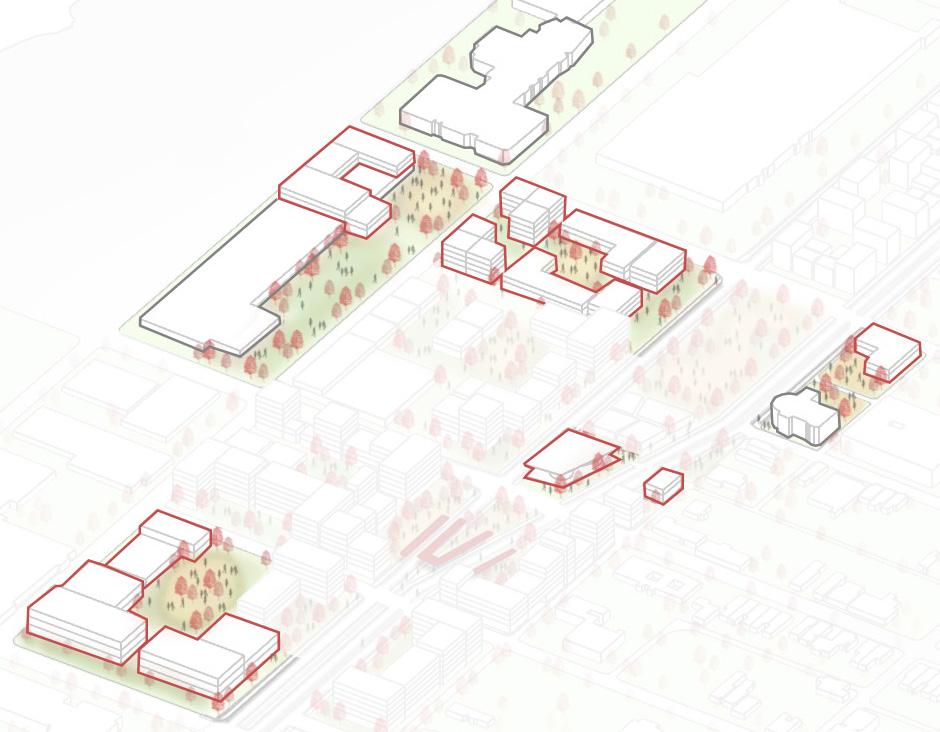
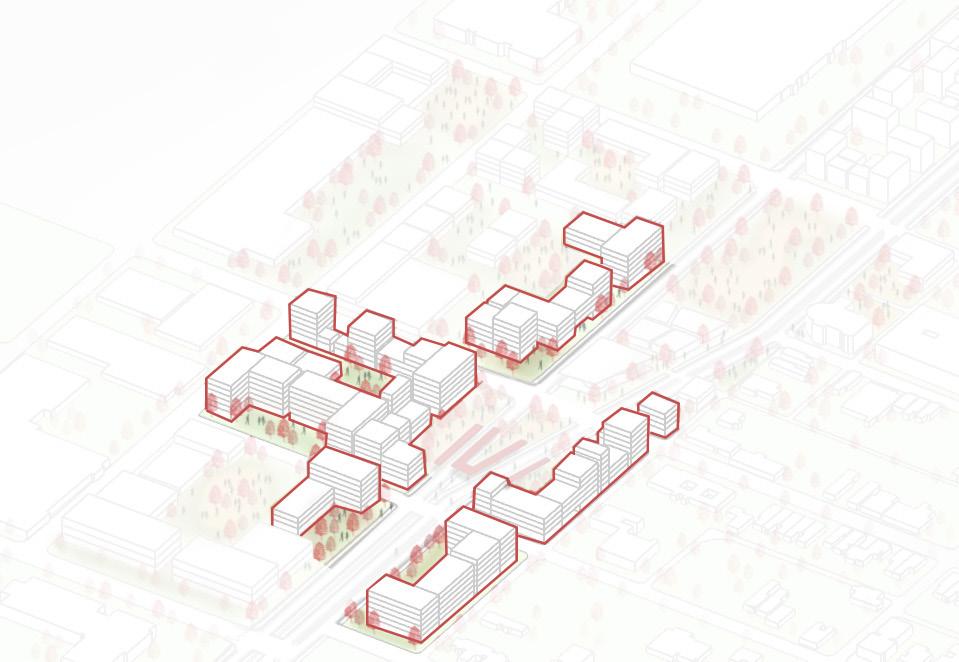
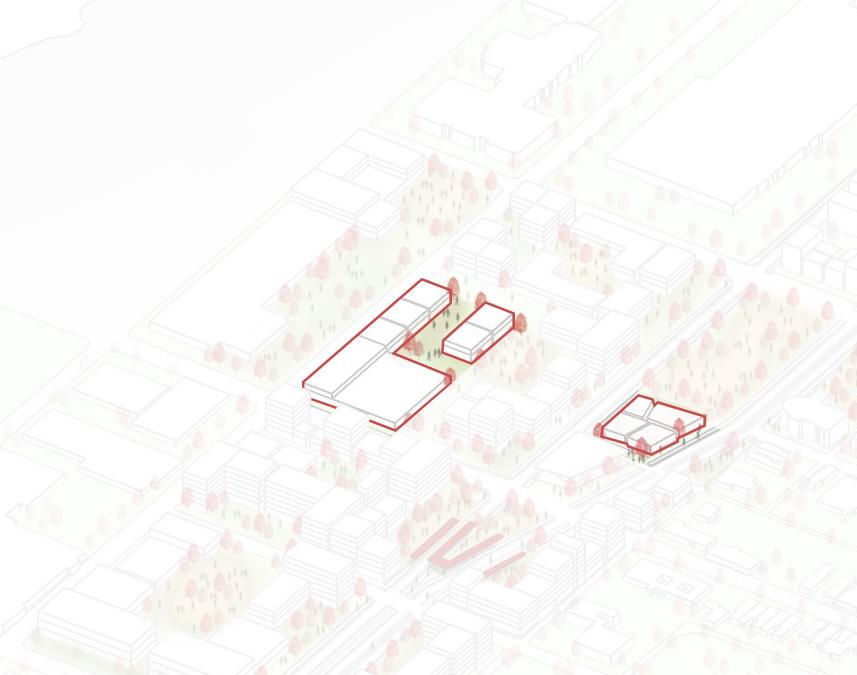
The proposal divides the site into zones, each designated with specific functions to promote functionality and coherence. Housing plays a pivotal role in the proposal, receiving careful attention to its placement, typology, and affordability. By incorporating mixed-use developments, the proposal cultivates an inclusive, dynamic urban environment that supports both current residents and newcomers. The project creates moments of interaction that encourage connections within and between neighborhoods, revitalizing the area and enhancing its social, economic, and environmental sustainability.
RESOURCE PUBLIC REALM HOUSING
Institutional zone
Vocational training center
Existing bicycle museum
Existing training center
Mixed use + housing zone
Dormitory
Classrooms and exhibition spaces
Community center
Existing church
Franchise reataurants /cafes
Grocery store
Cluster of restaurants Library
Art gallery
Health center
Commercial zone Green zone
Skate
Pocket park
Walkability to Functional Green Spaces
A geospatial analysis of accessbility to green spaces within Pittsburgh, Pennsylavnia
Urban Design Media GIS | Fall 2024
Faculty: Kristen Kurland
Team:
Sushruti Santhanakrishnan, Dyanavitha Balaji
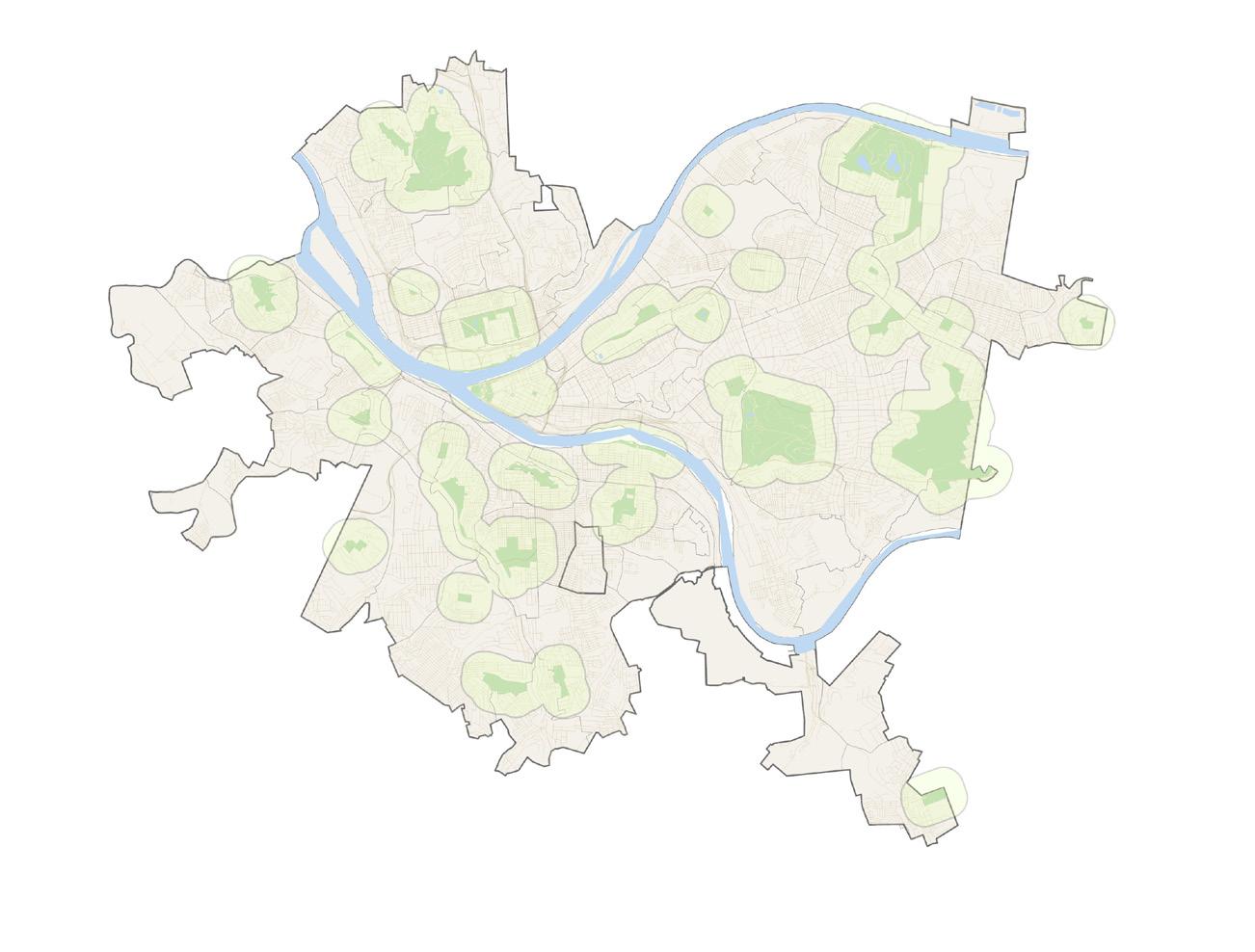
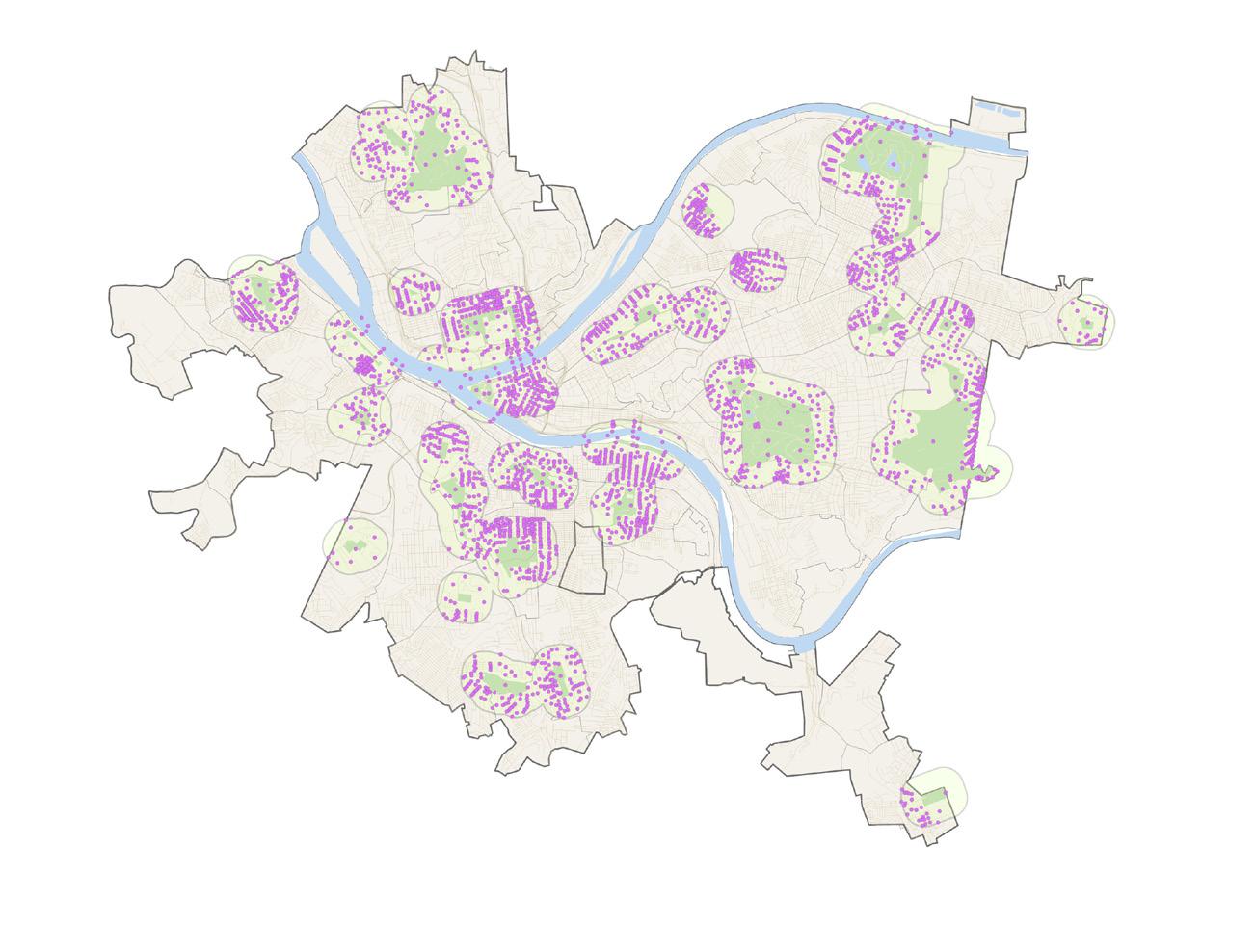
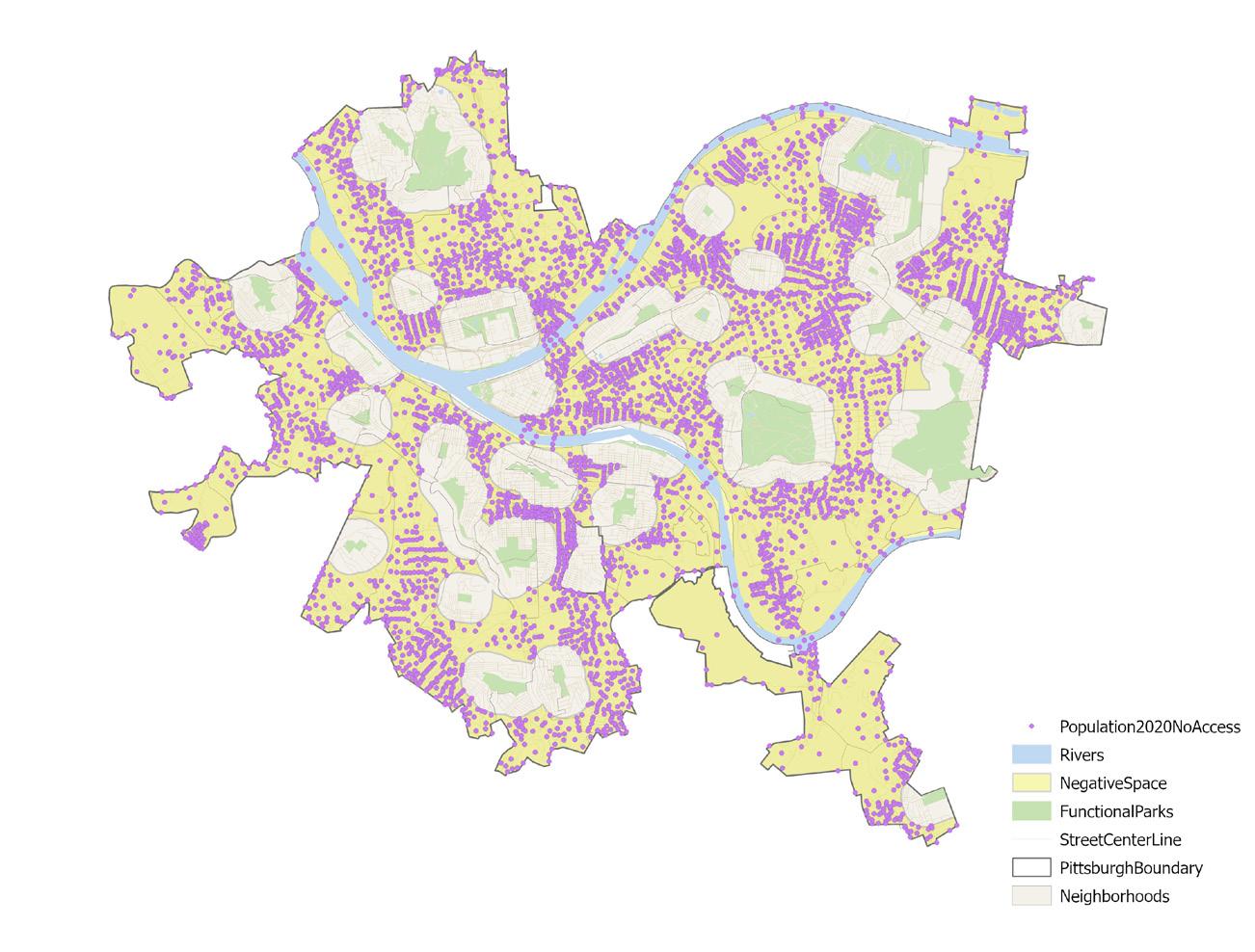
This project addresses the critical challenge of equitable access to green spaces in Pittsburgh, recognizing their importance for urban sustainability, public health, and community well-being. By focusing on major parks such as Schenley Park, Frick Park, and Highland Park, the study analyzed walkability within 5-minute walking buffers (1320 feet), integrating population data from 2000 and 2020. Advanced GIS tools were employed to assess accessibility patterns, reveal gaps, and evaluate the role of public transit stops in connecting residents to green spaces.
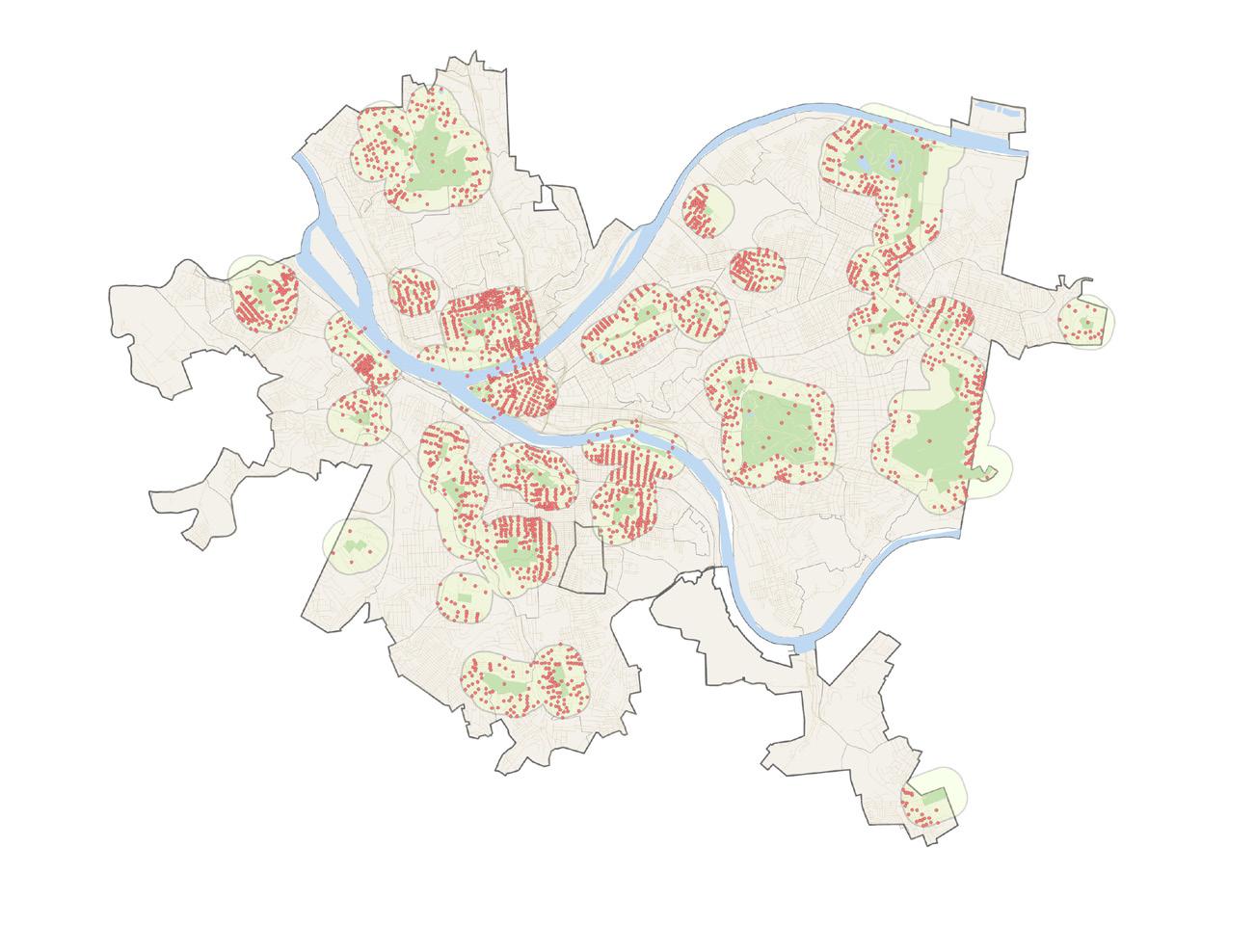
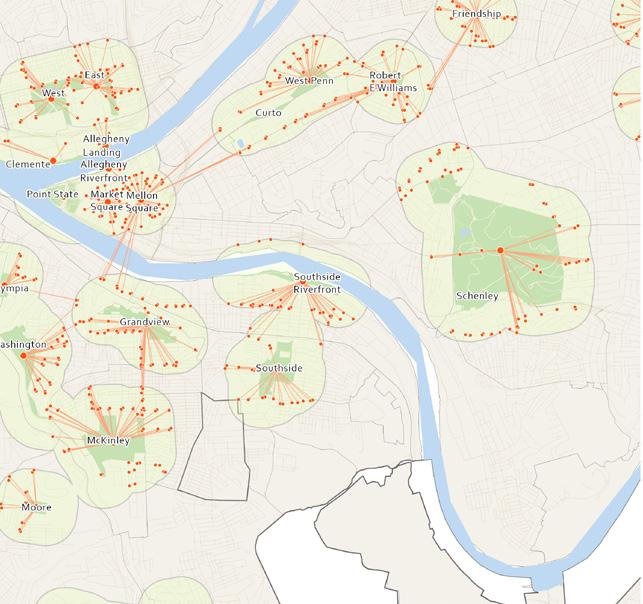
The analysis highlighted that while over one-third of Pittsburgh’s population resided within walking distance of functional green spaces in both 2000 and 2020, underserved areas persisted, particularly in neighborhoods like Hazelwood and Beechview. Moreover, approximately 35.5% of the city’s transit stops were located within the buffer zones, indicating moderate connectivity between transit infrastructure and green spaces. However, a substantial proportion of the population (64.5% in 2020) lacked access to functional green spaces within a 5-minute walk.
The findings emphasize the need for targeted interventions to bridge accessibility gaps by expanding green spaces, enhancing public transit integration, and promoting pedestrian-friendly infrastructure. This research underscores the importance of spatial equity in urban planning, aiming to create a more inclusive and sustainable city for all residents.
Pittsburgh’s funtional green spaces within a 5 minute walk buffer
Pittsburgh’s population in 2000 within the buffer
Pittsburgh’s transit stops within the bufferdefining walkability and access
Pittsburgh’s population in 2020 within the buffer
Pittsburgh’s population in 2020 with no access to functional green spaces
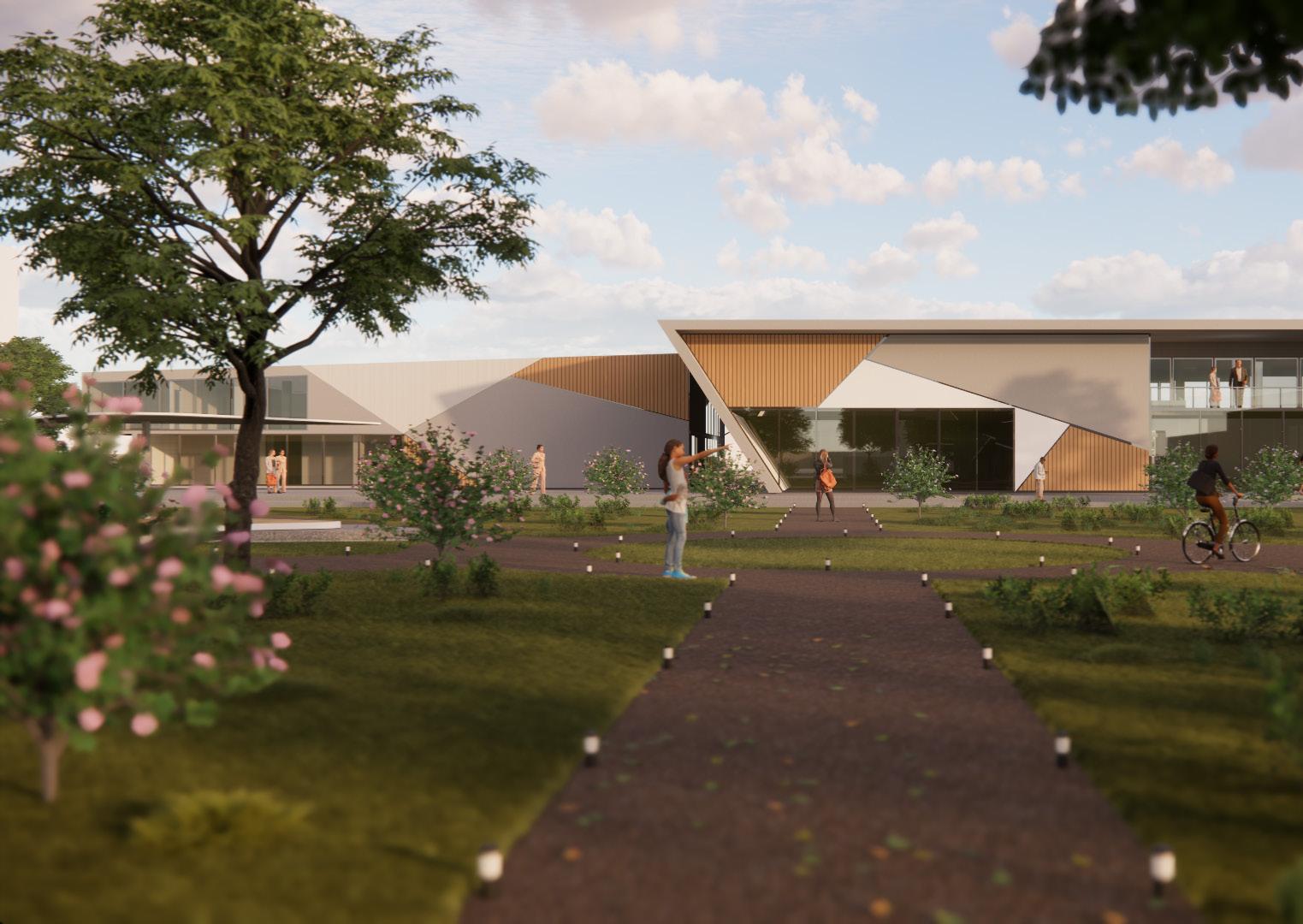
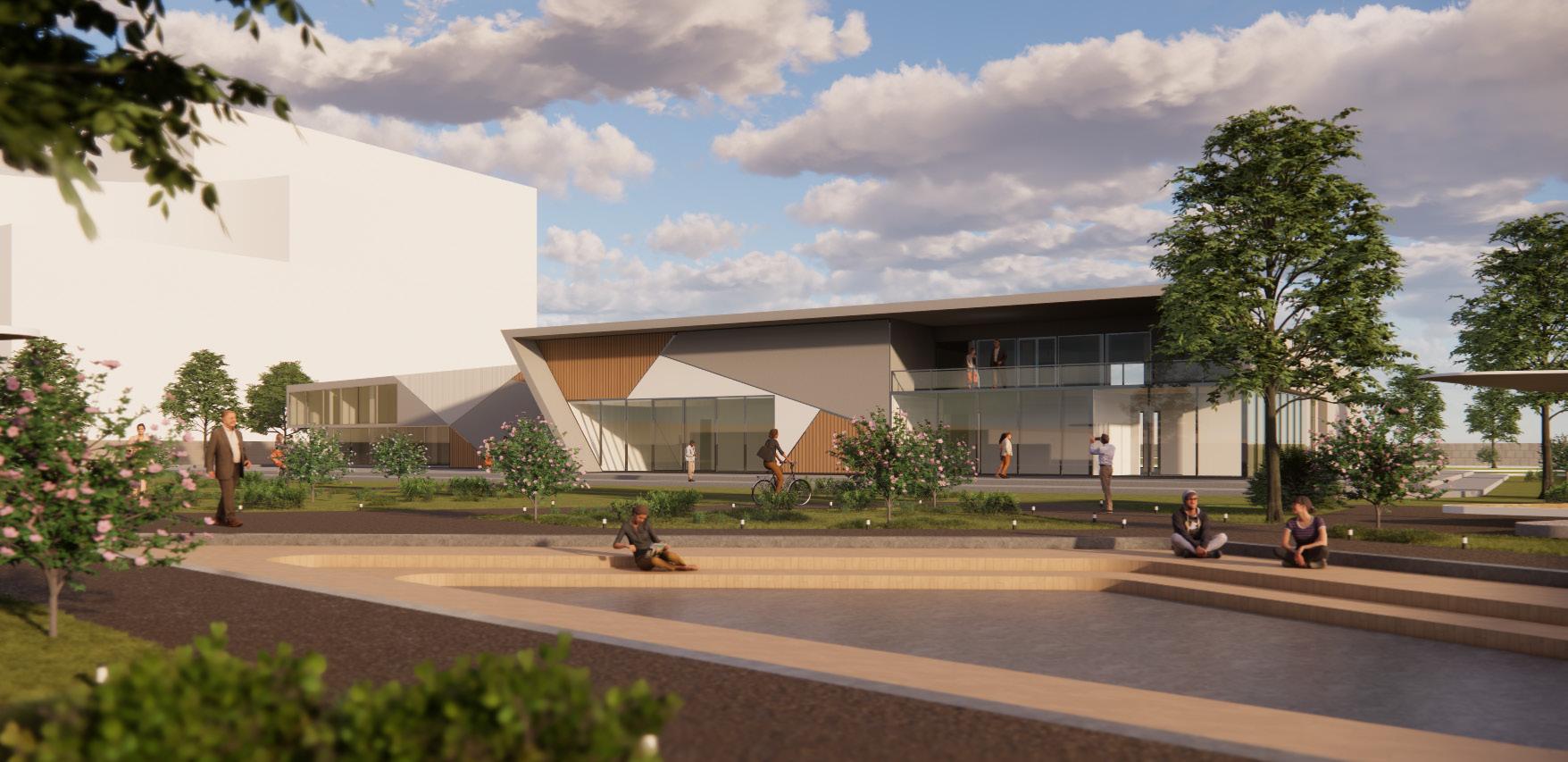
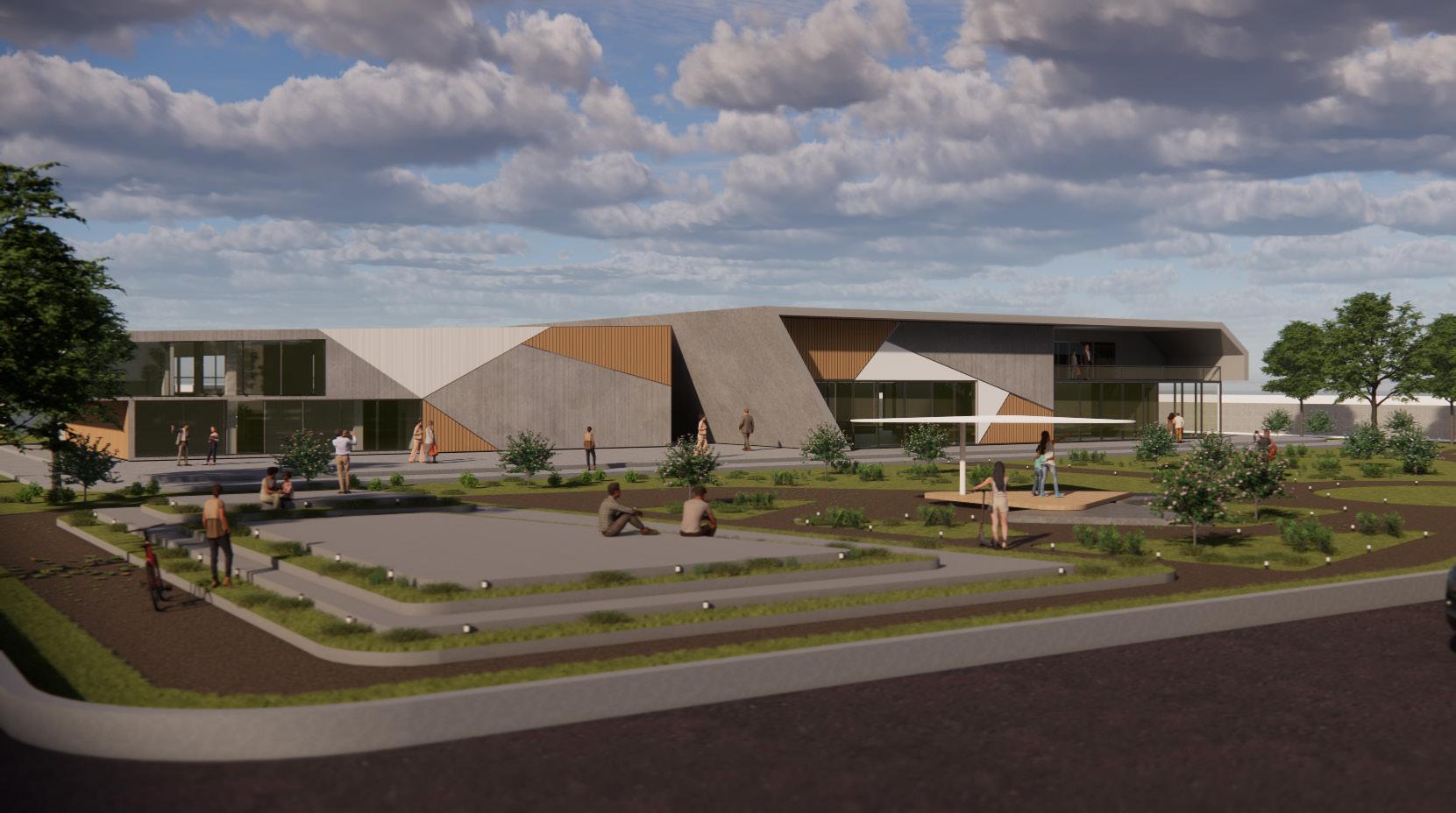
Hydroponic Experience Centre
A space for collaboration and experiential learning
Thesis Project | 2021
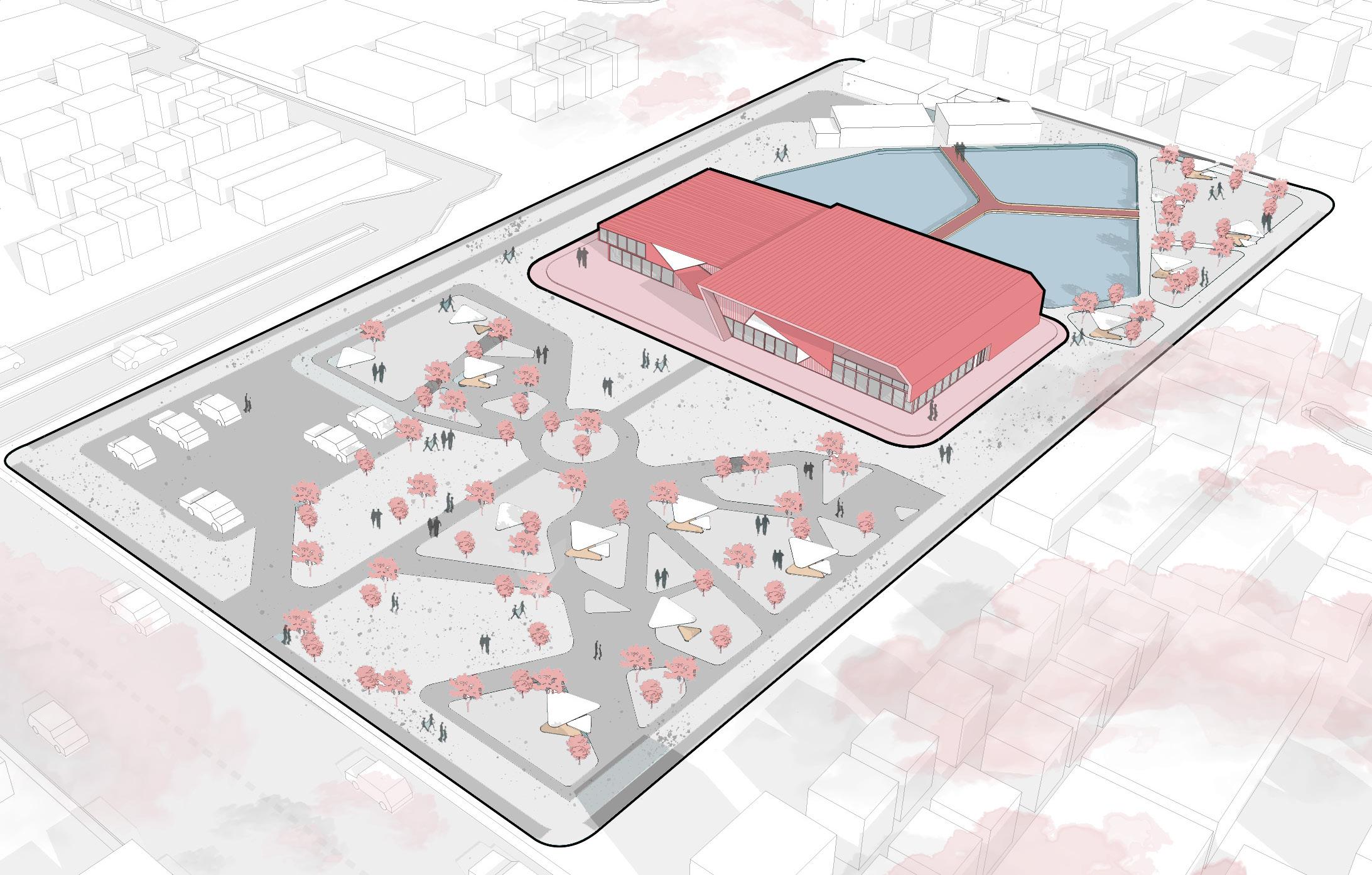
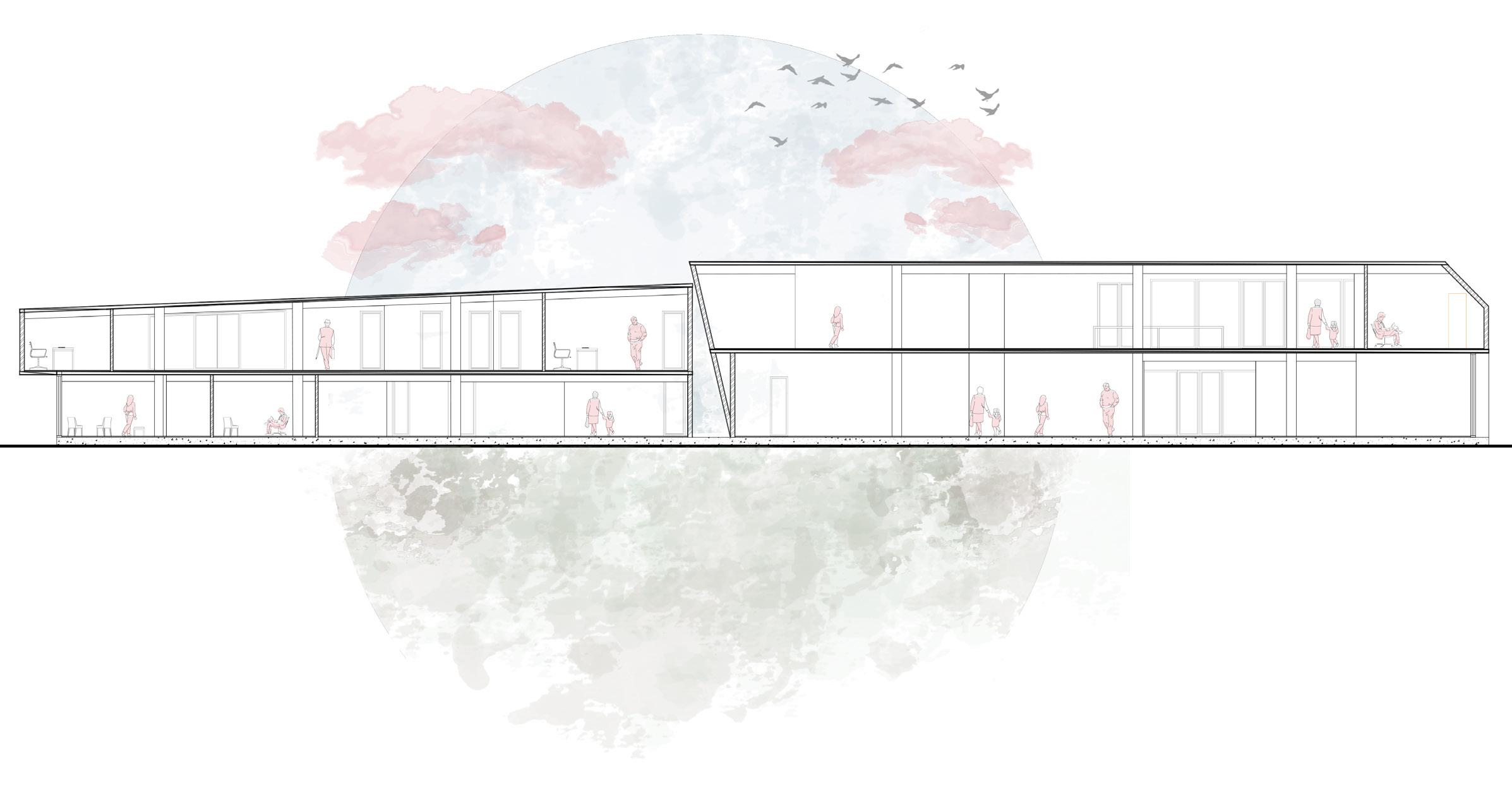
This project aimed at redefining the concept of home gardening. Often the term home gardening is analogous to commodious spaces, lots of time to spare and the visual of retired, elderly individuals. In a constantly developing environment, it becomes important to educate the youth on various aspects of global health that promise a better future.
Home gardening is a practice that falls under a broader concept of urban farming. Hence, the design of the Experience Centre becomes crucial in encouraging an exchange of knowledge about newer technologies and systems that would provide a more sustainable future for the generations ahead. Since this project aimed to promote experiential learning , the space outside the Experience Centre is also designed in a way that encourages interaction. The landscaping on the site allows people to sit around and use the space even though their sole purpose may not be to visit the Experience Centre.
The Void
A harmony of art, play and experiences
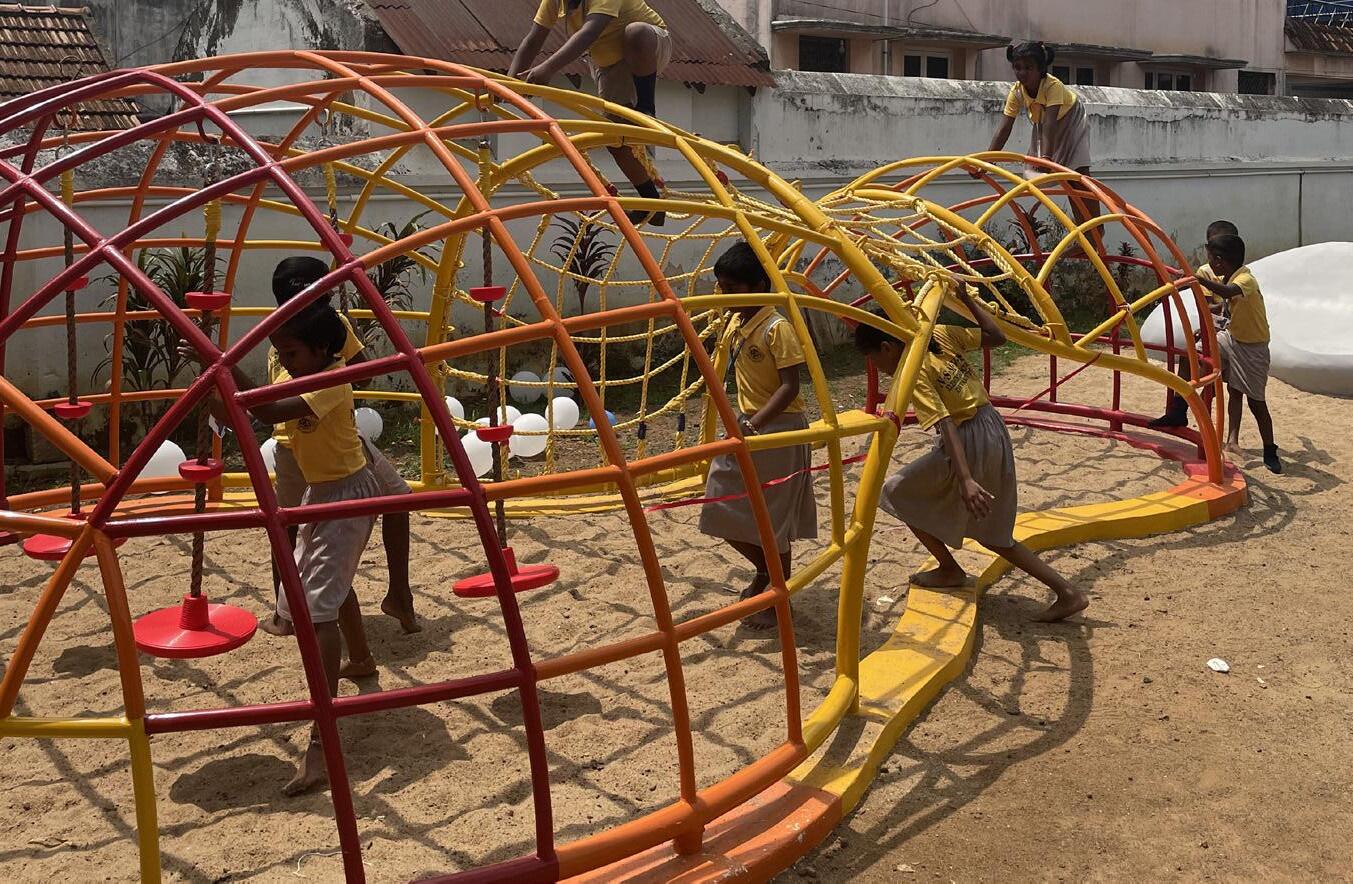
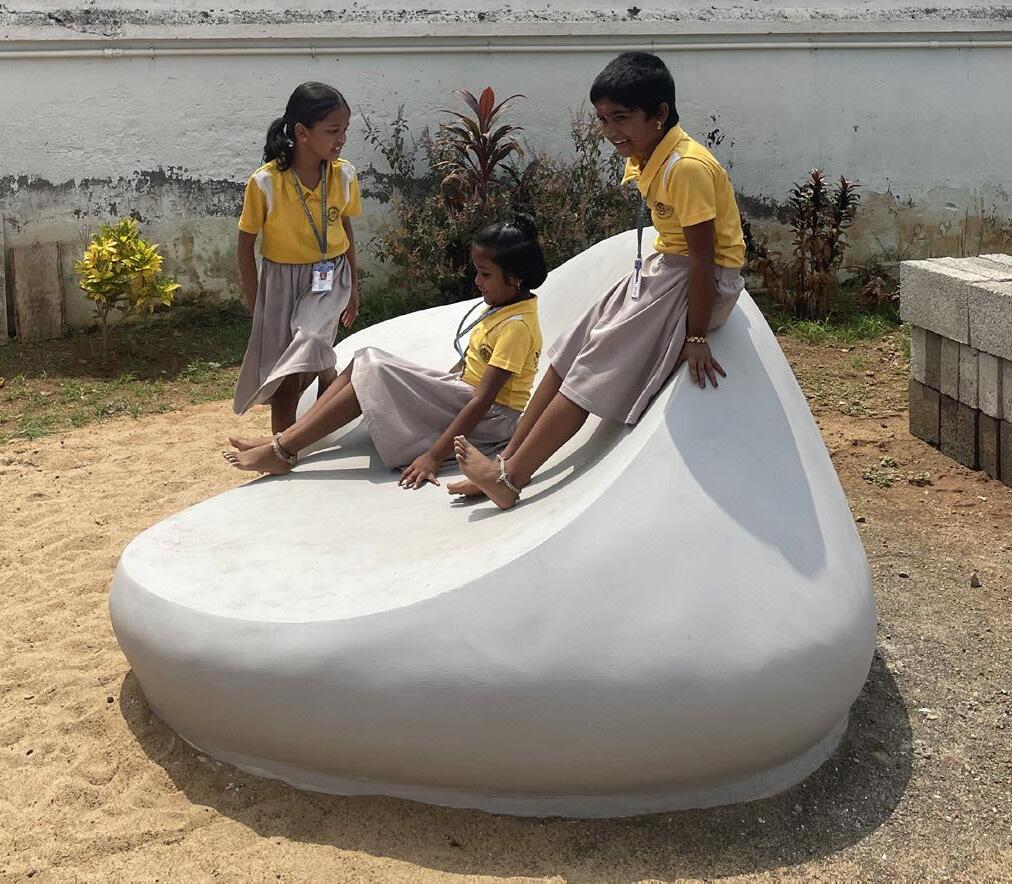
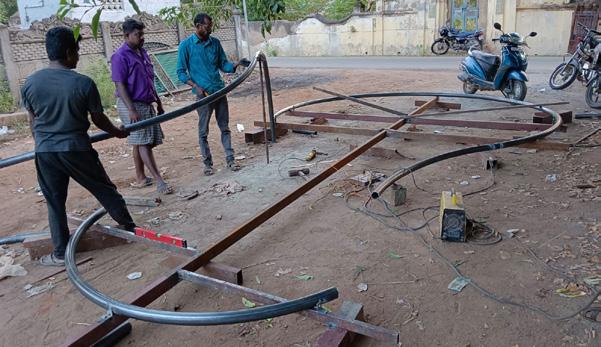
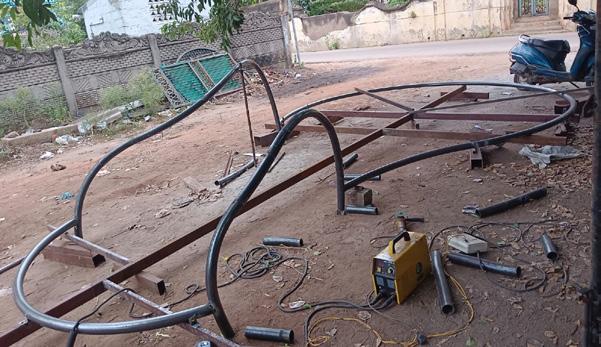
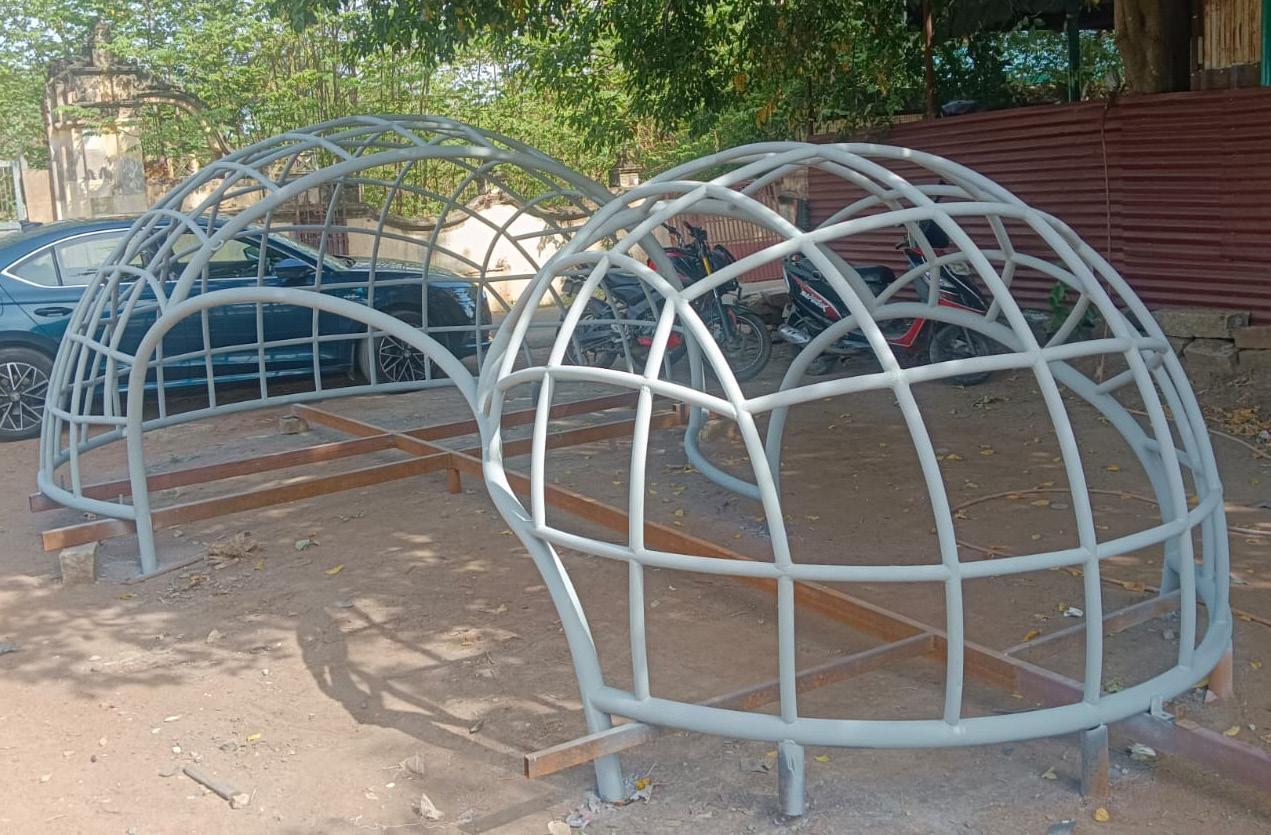
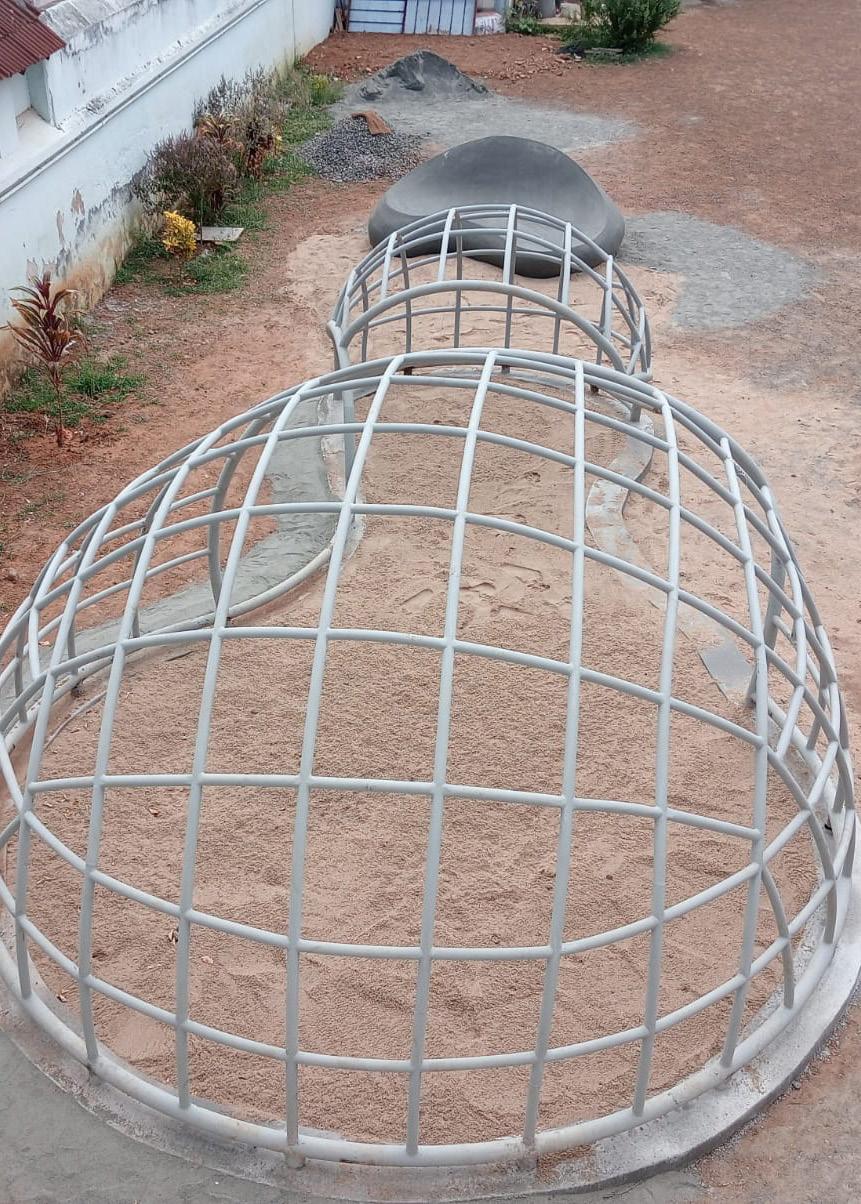
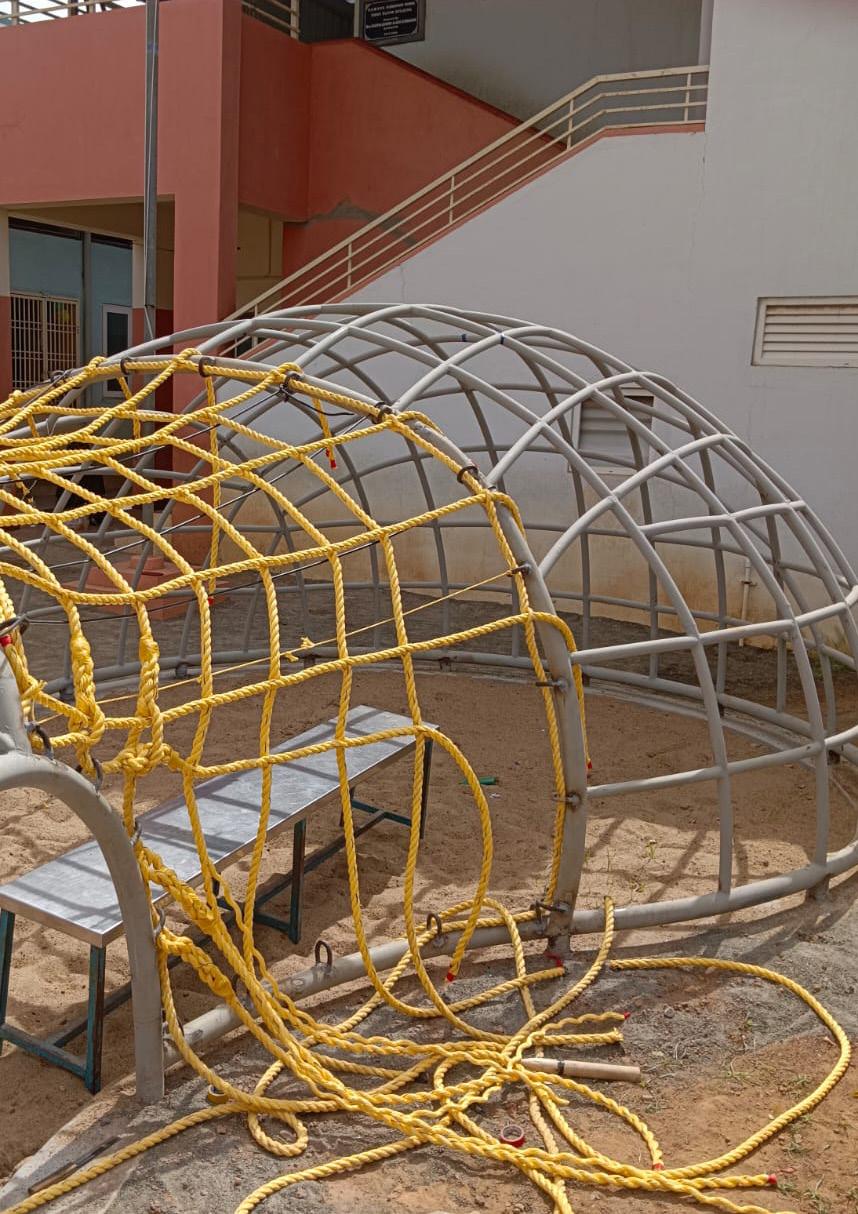
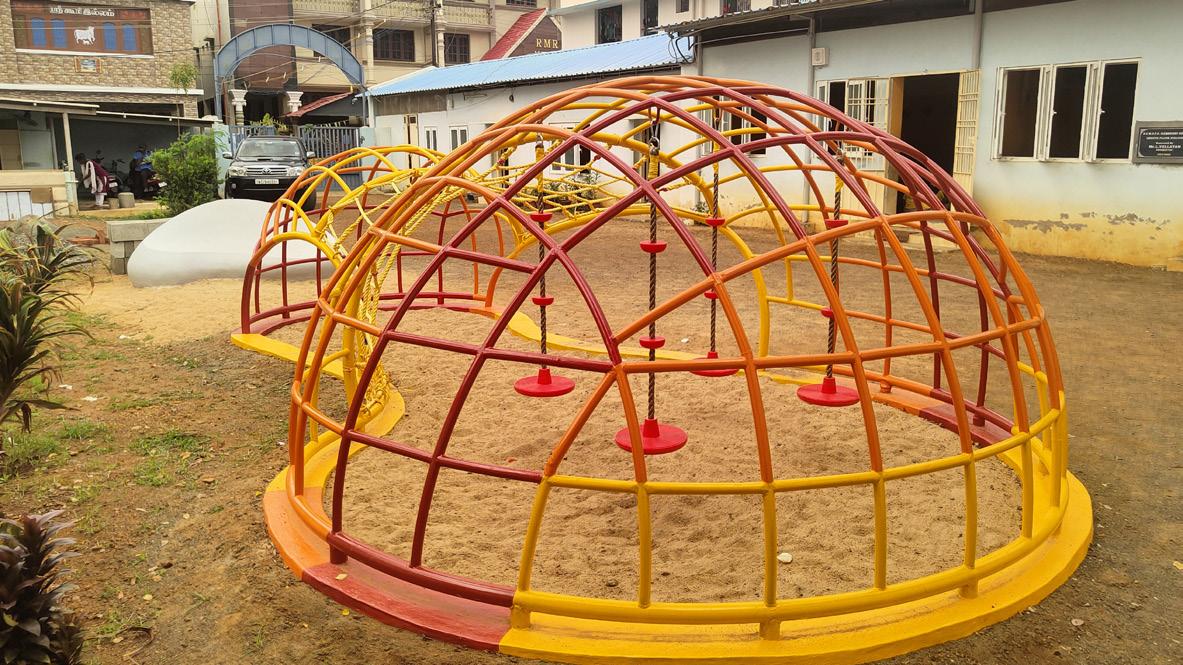
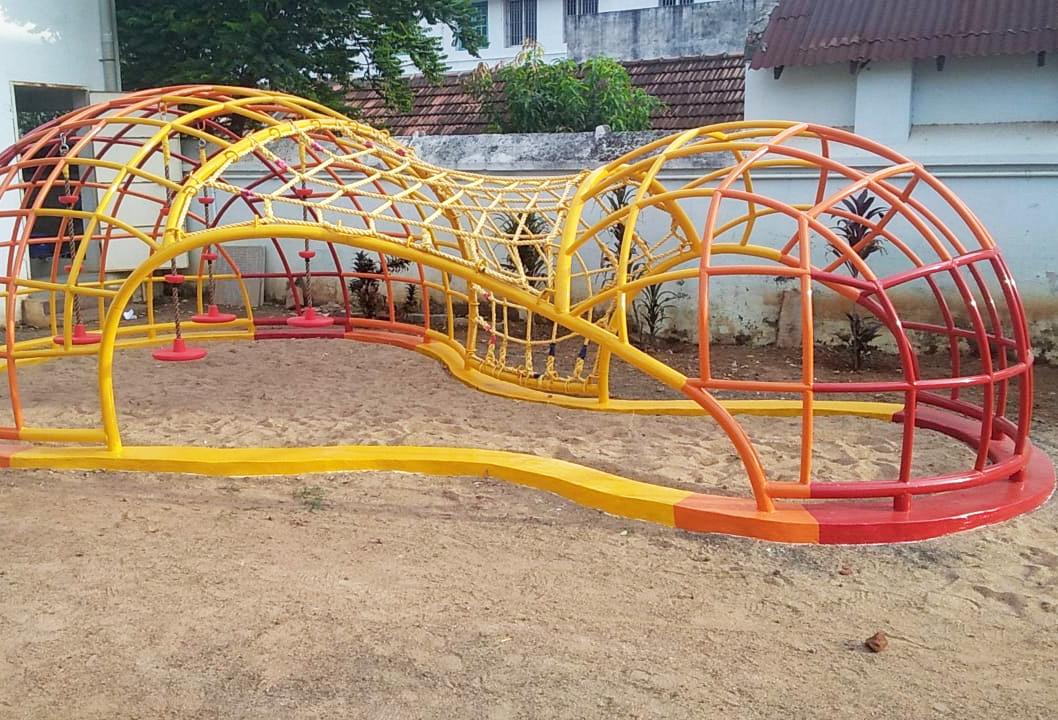
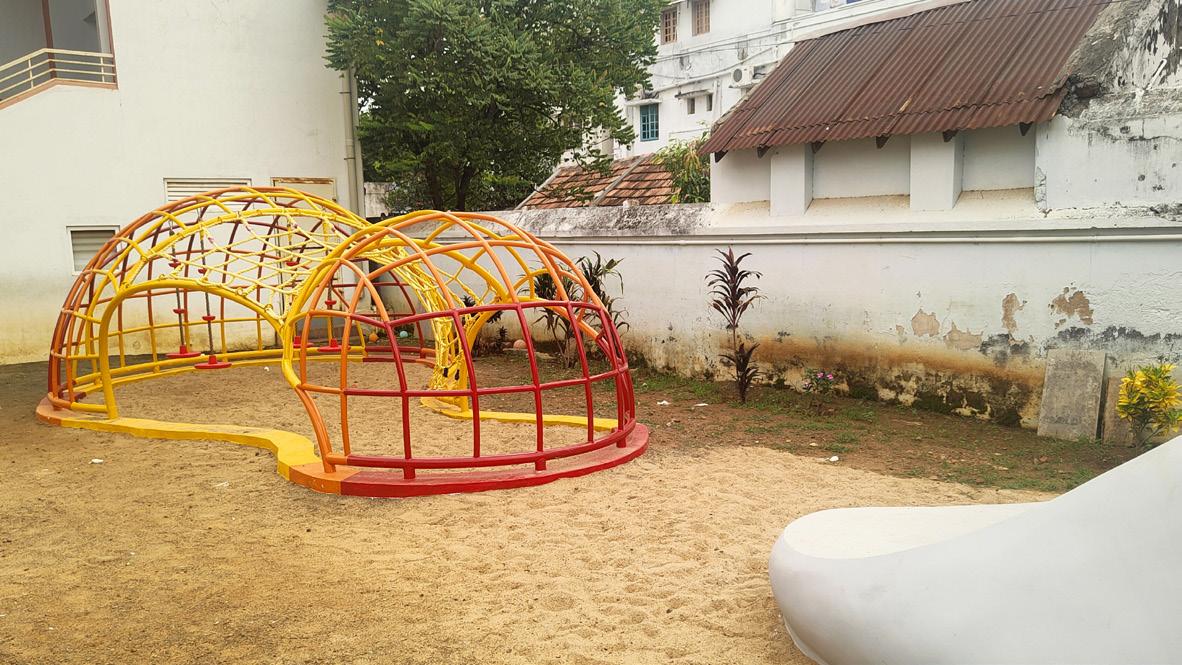
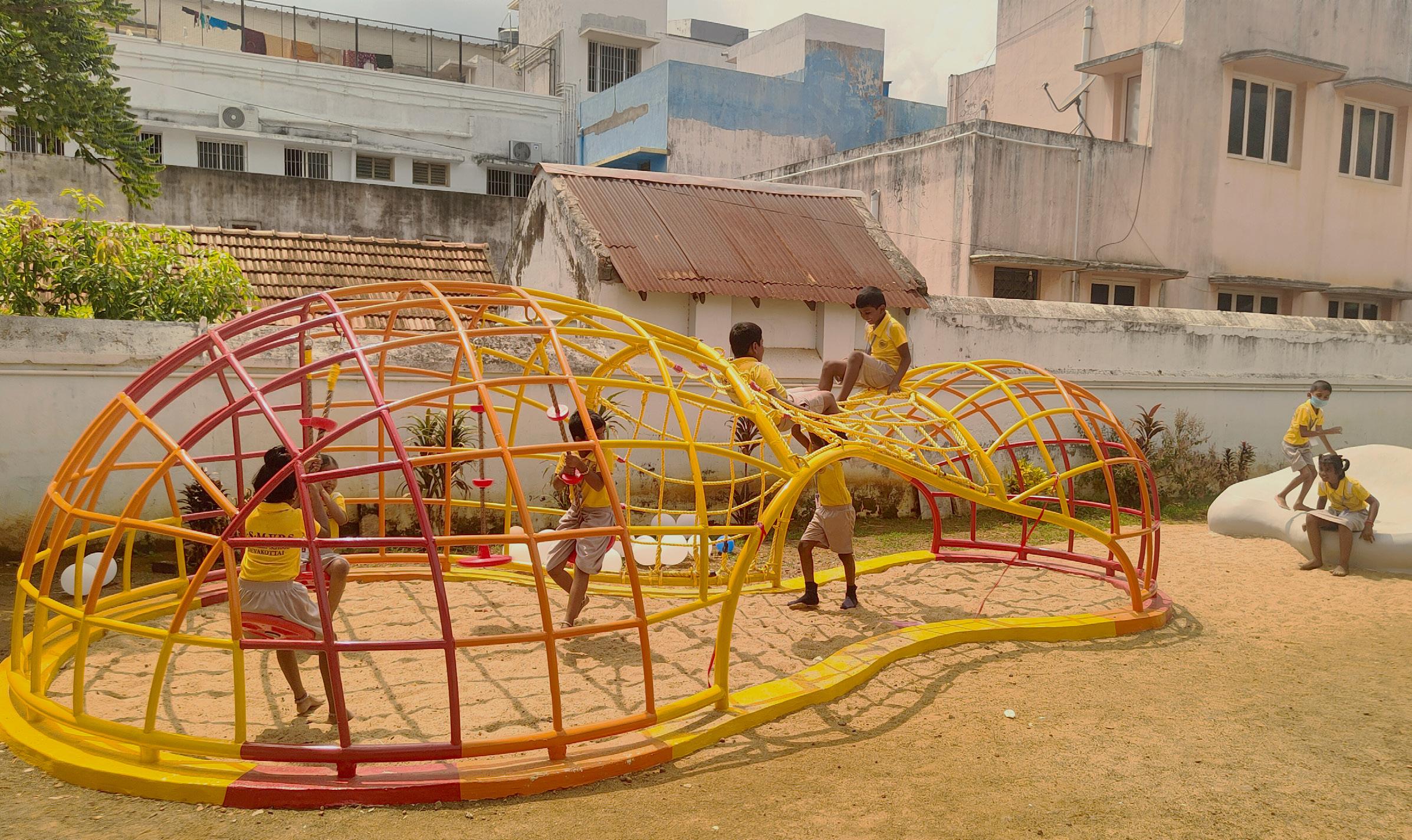
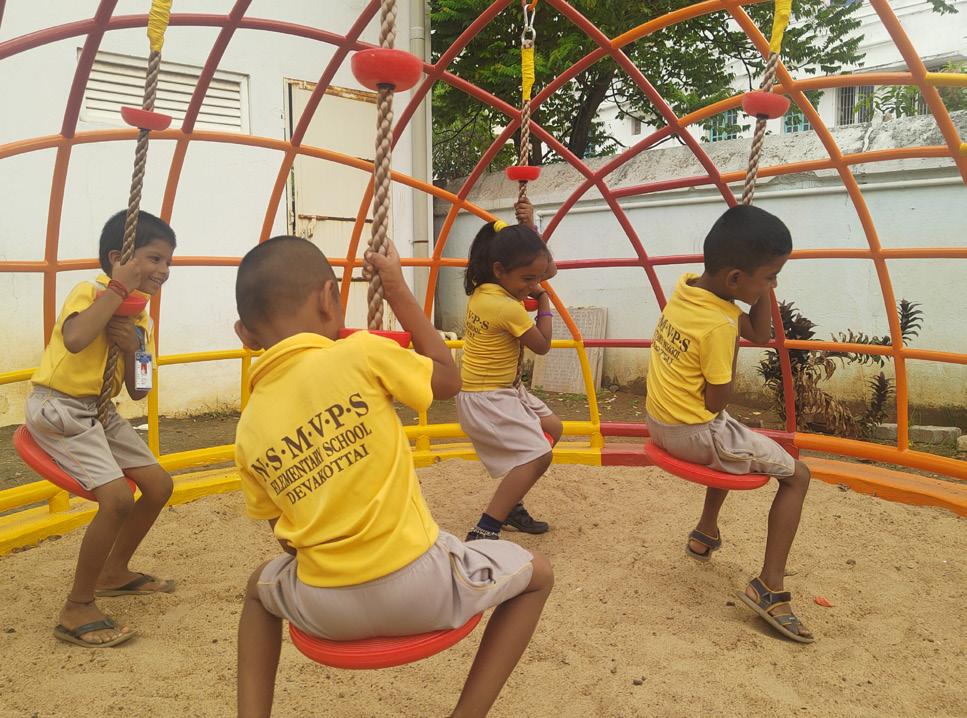
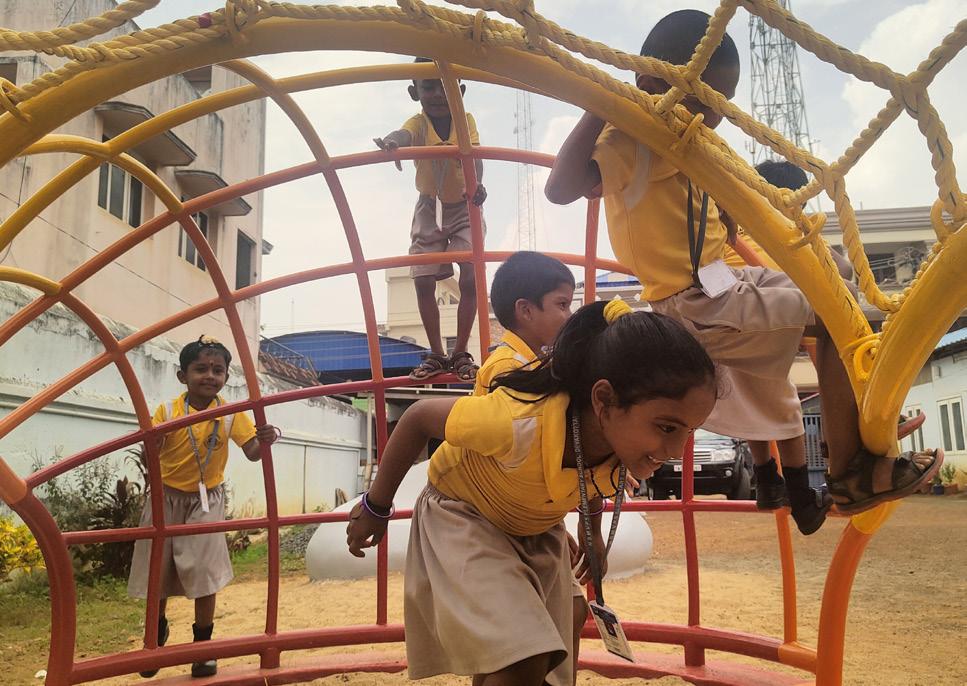
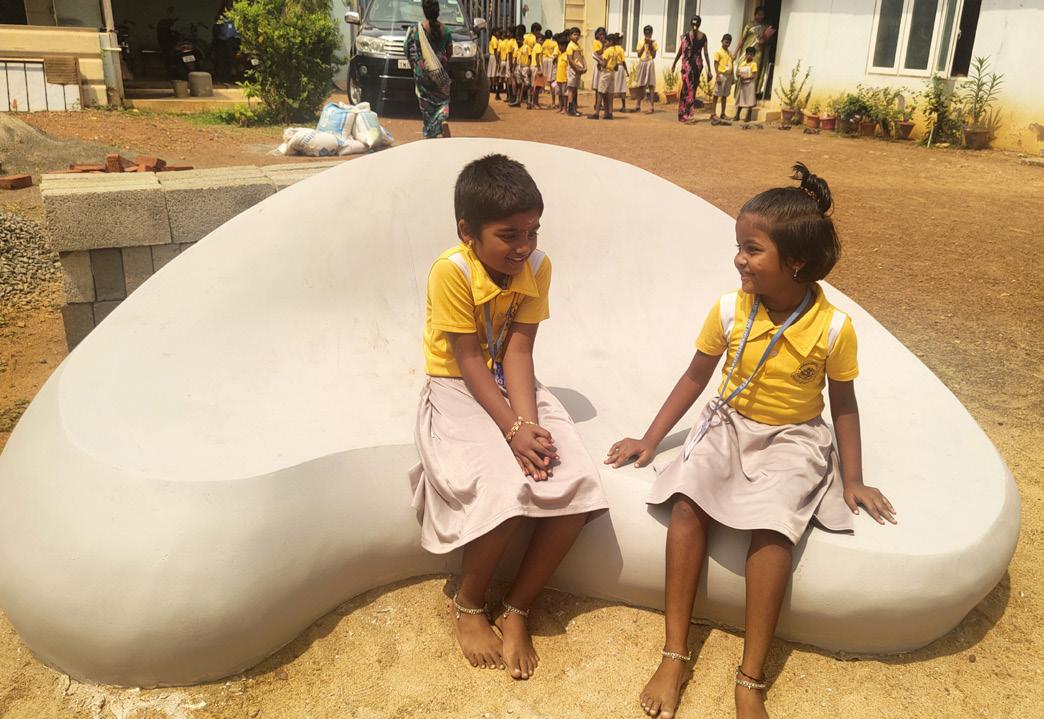
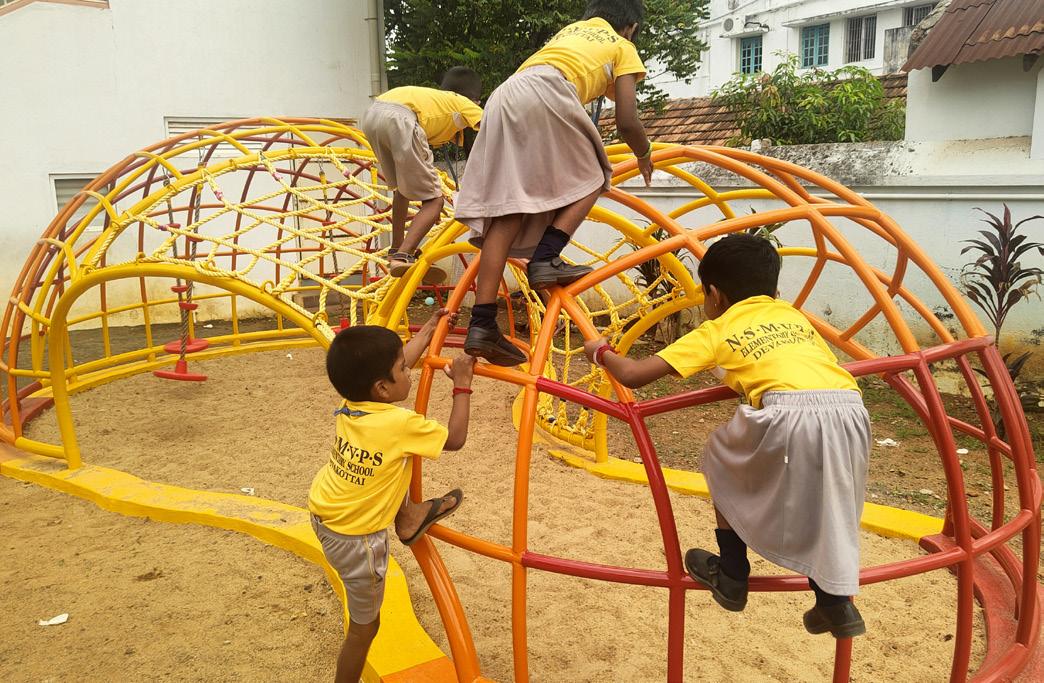
This project was a part of ‘Art for Play’, an Artist Residency program headed by RainbowFish Educational Trust, Chennai. The aim was to design play equipment that was inspired by artists and their work, allowing underprivileged children to experience an integration of art and play.
When we see children using playgrounds, we don’t see them all playing in the same way. One playground could offer a child with number of ways to play and imagine. As a designer, my idea was to create and use free-flowing forms and patterns to symbolize the limitless enthusiasm and energy of the children, amongst other factors such as safety and materiality.
I was inspired by Japanese artist Risa Sato’s ways of creating contrast within the built environment. The design of the play equipment was envisioned to be a familiar concept that was thought through shapes and volumes. Using the artist’s method of creating sculptures that were cushion-like and organic in form, the play structure creates a sense of curiosity and wonder in terms of how to use it. The intent was to encourage children to experience volumes, curves and holes. To ensure that every child has an equal opportunity, the equipment encompasses climbing, swinging and crawling as its main areas of movement. Not only was it important to allow children to interact with the materials used, but it was also crucial that the equipment facilitated bonding with their peers through play.
Clover by the River
An introduction to interior design
Supervising Architect: Tahaer Zoyab
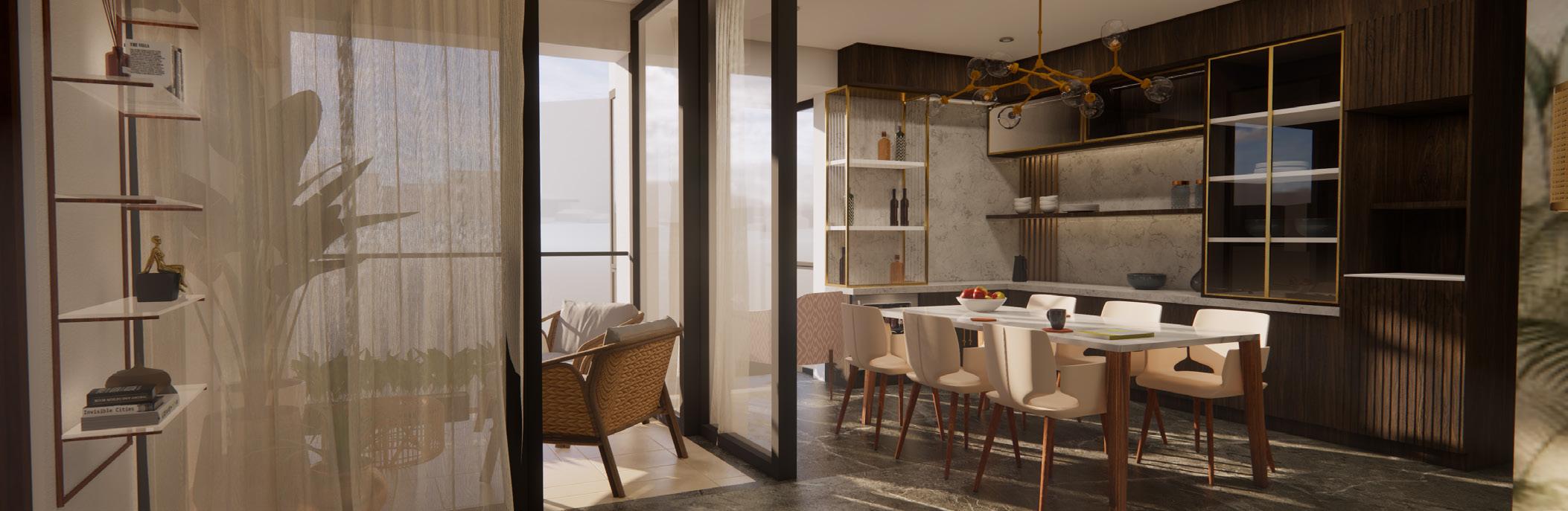
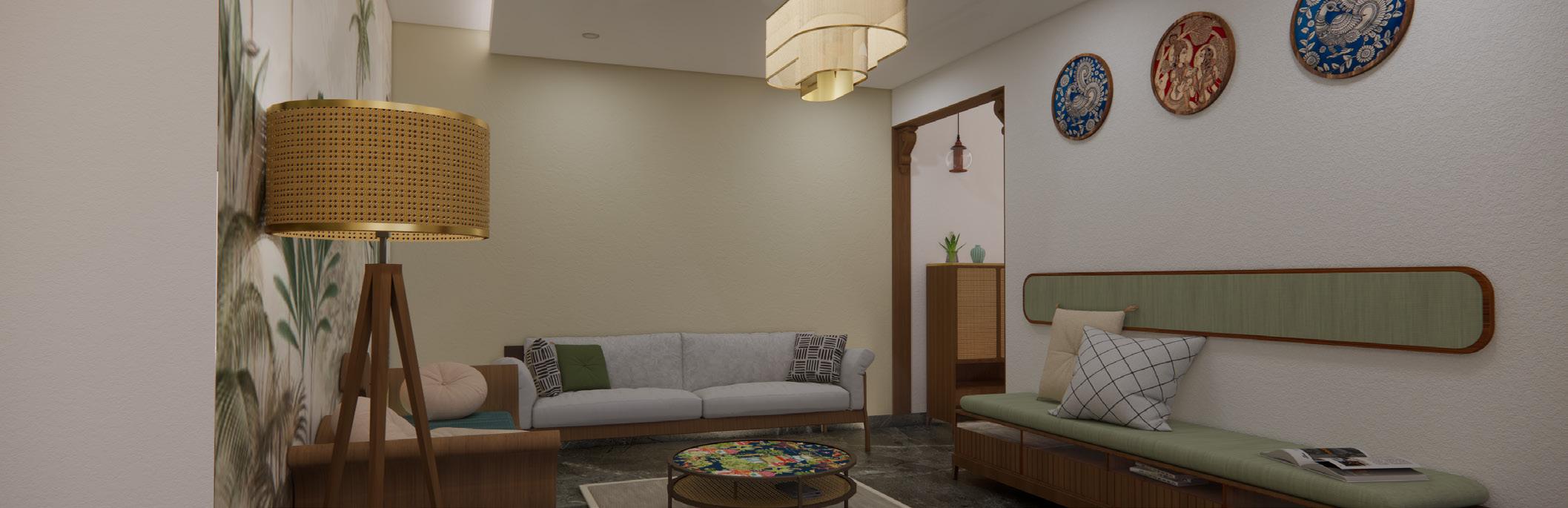
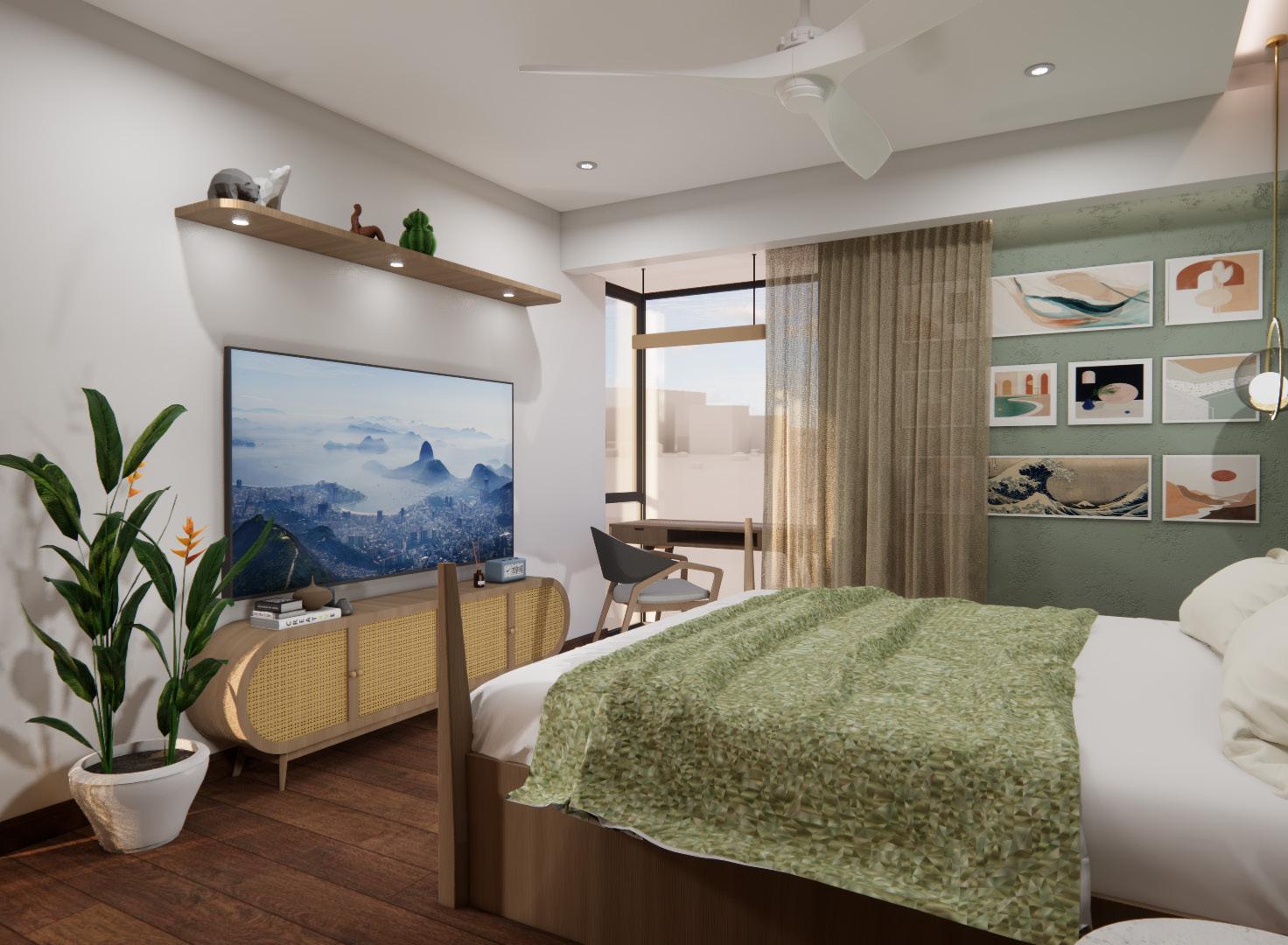
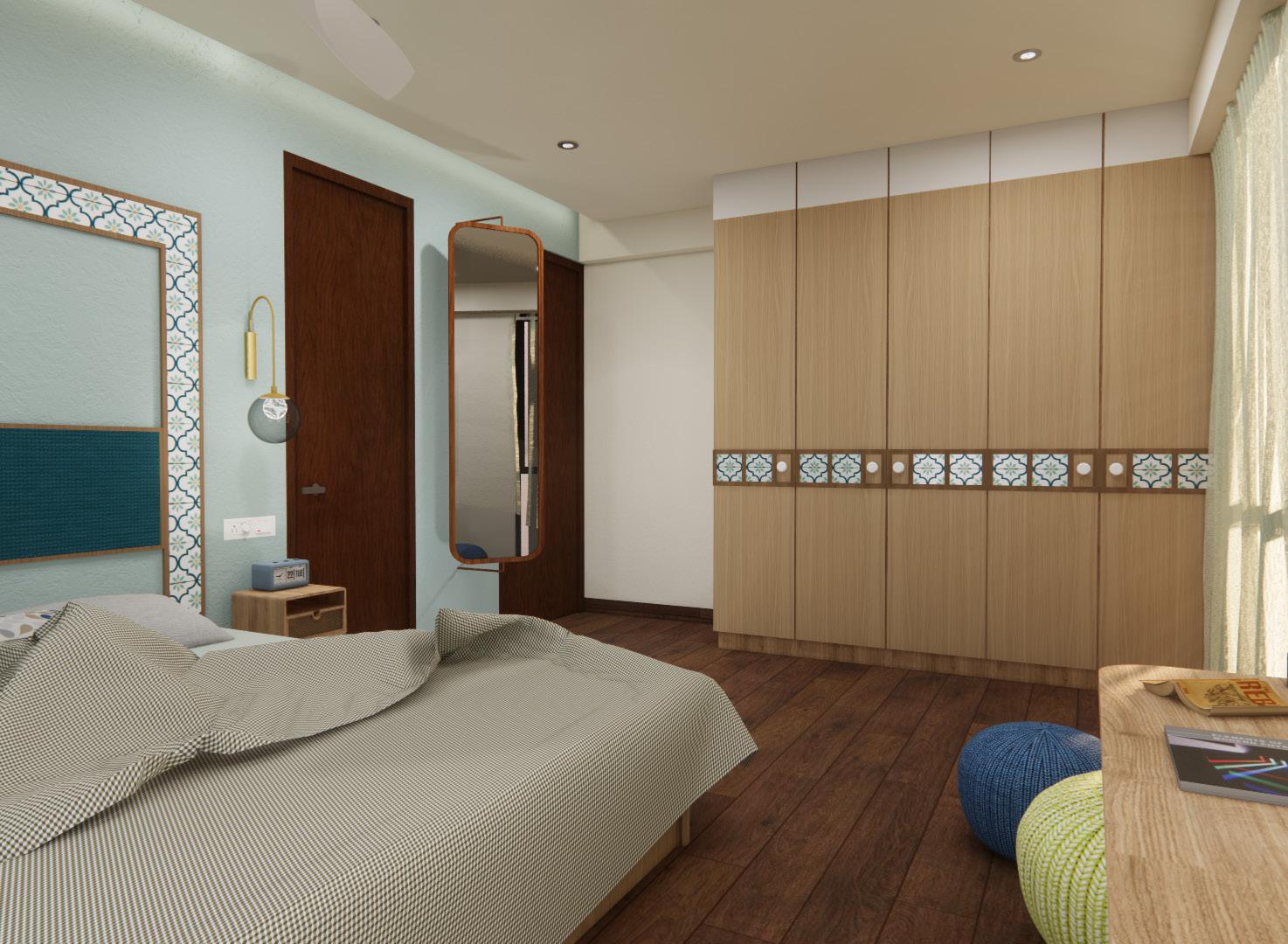
This was an independent interior design project. The client wanted their home to reflect a blend of traditional and contemporary aesthetic, and had given me full creative authority for the same.
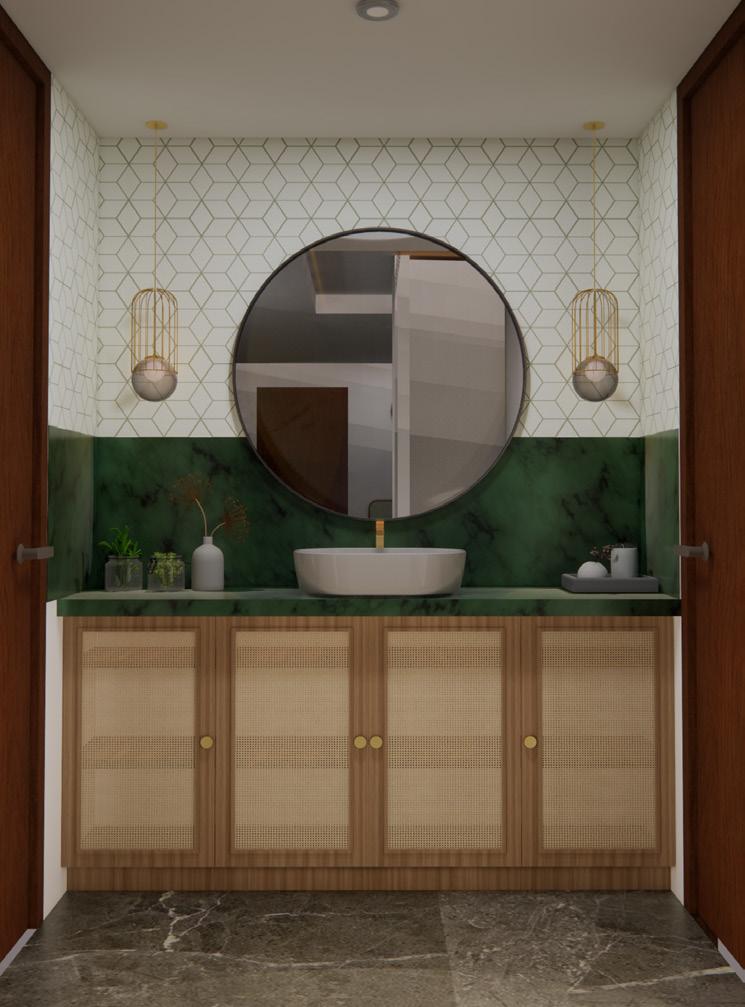
The client was passionate about using natural materials like solid wood, rattan and natural stone, which I made sure to incorporate throughout the design. Along with this, the client had a few pieces of heirloom furniture that inspired the design language of the space.
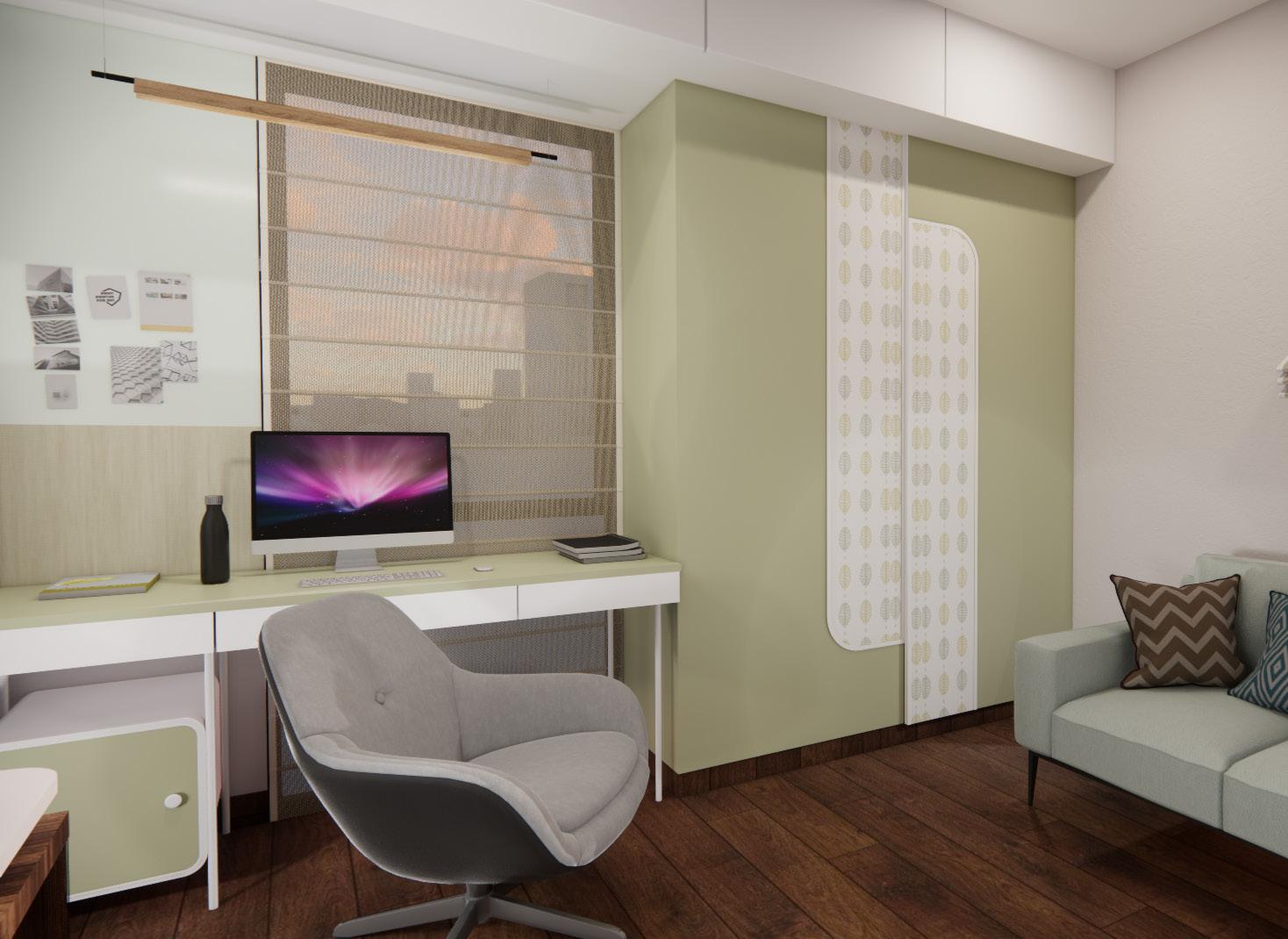
I proposed that each of the bedrooms could have a different theme, which the client was happy with. The master bedroom was designed with a tropical theme in mind - the accent wall behind the bed features textured paint to resemble the patterns seen in a fern leaf. The study table in the room was positioned uniquely to look out into the horizon. The design element in the second bedroom celebrates a traditional South Indian art form of tile making, known as Athangudi tiles.
One of the challenges that I faced during the design process was how to include suffcient means of storage. To tackle this and provide more room for storage, I made sure to effectively utilize the available vertical space.
OVERALL FURNITURE LAYOUT DINING
TRIPLE O
DINING ELEVATION 01
Bus Route Roads
In collaboration with the Greater Chennai Corporation
Supervising Architect: Vigneswaran
Team: Sushruti Santhanakrishnan, Hareesh A N, Maahira Fathima, Varshni
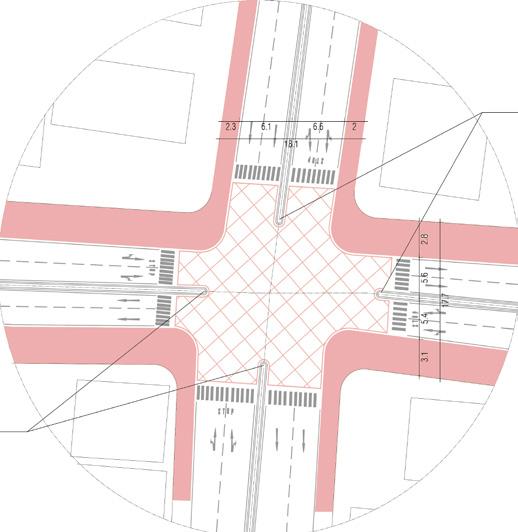
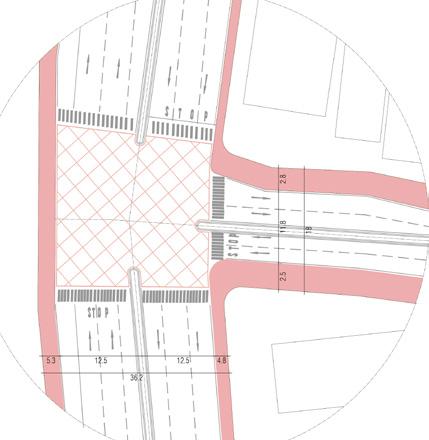
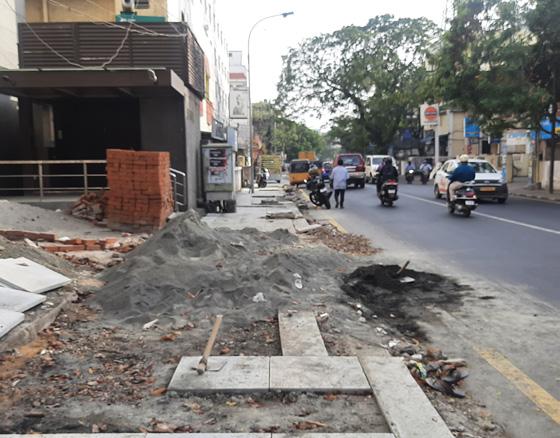
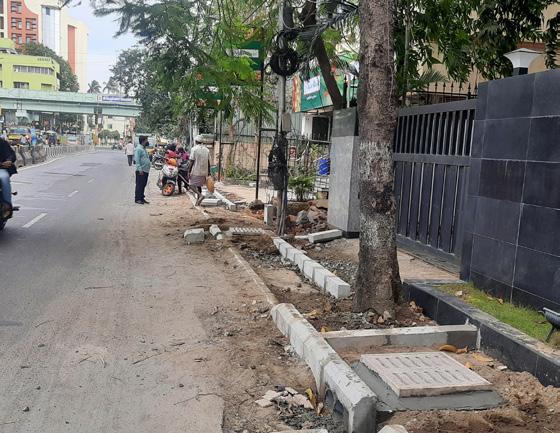
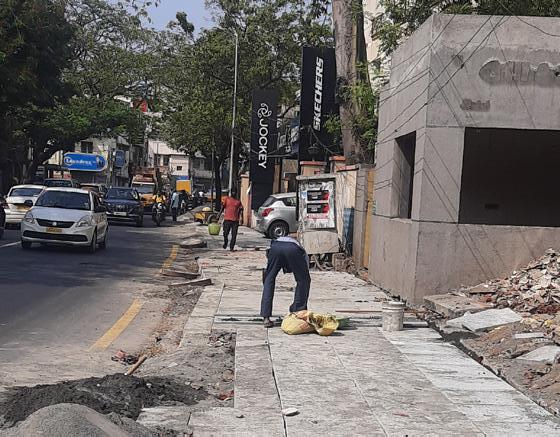
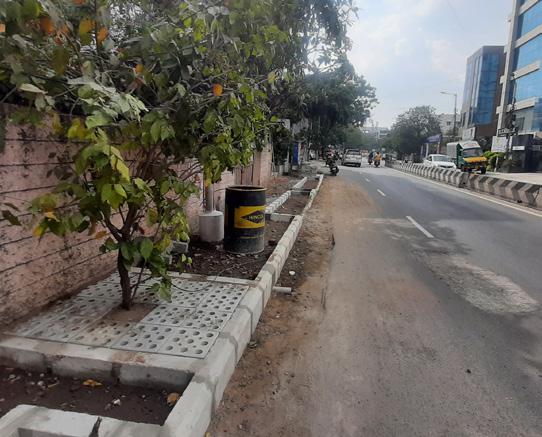
While the planning of a city plays a vital role in social and economic development, this project, in collaboration with the Greater Chennai Corporation (GCC) was undertaken as a step towards making roads and pavements more pedestrian-friendly. The Bus Route Roads (BRR) department under the GCC maintains and improves roads every five years. Through their timeline of implementation, various other factors were taken into consideration before re-laying roads and footpaths.
The intent behind this undertaking was to quantify existing amenities on the pavement and document streetscapes to ensure that plans could be made to improve their usability.
The scope of the project included schematic plans for junction improvement, measuring different aspects of the road, supervising work done by contractors and surveying different facilities on the pavements. Working as a team, my role was to quantify specific roads that were assigned to me, document their on-site work and update drawings as per current findings. In addition to this, my work also included providing junction improvements as per the new guidelines set by GCC.
Ashok Nagar 7th Avenue - Utility
New Avadi Road, Chennai
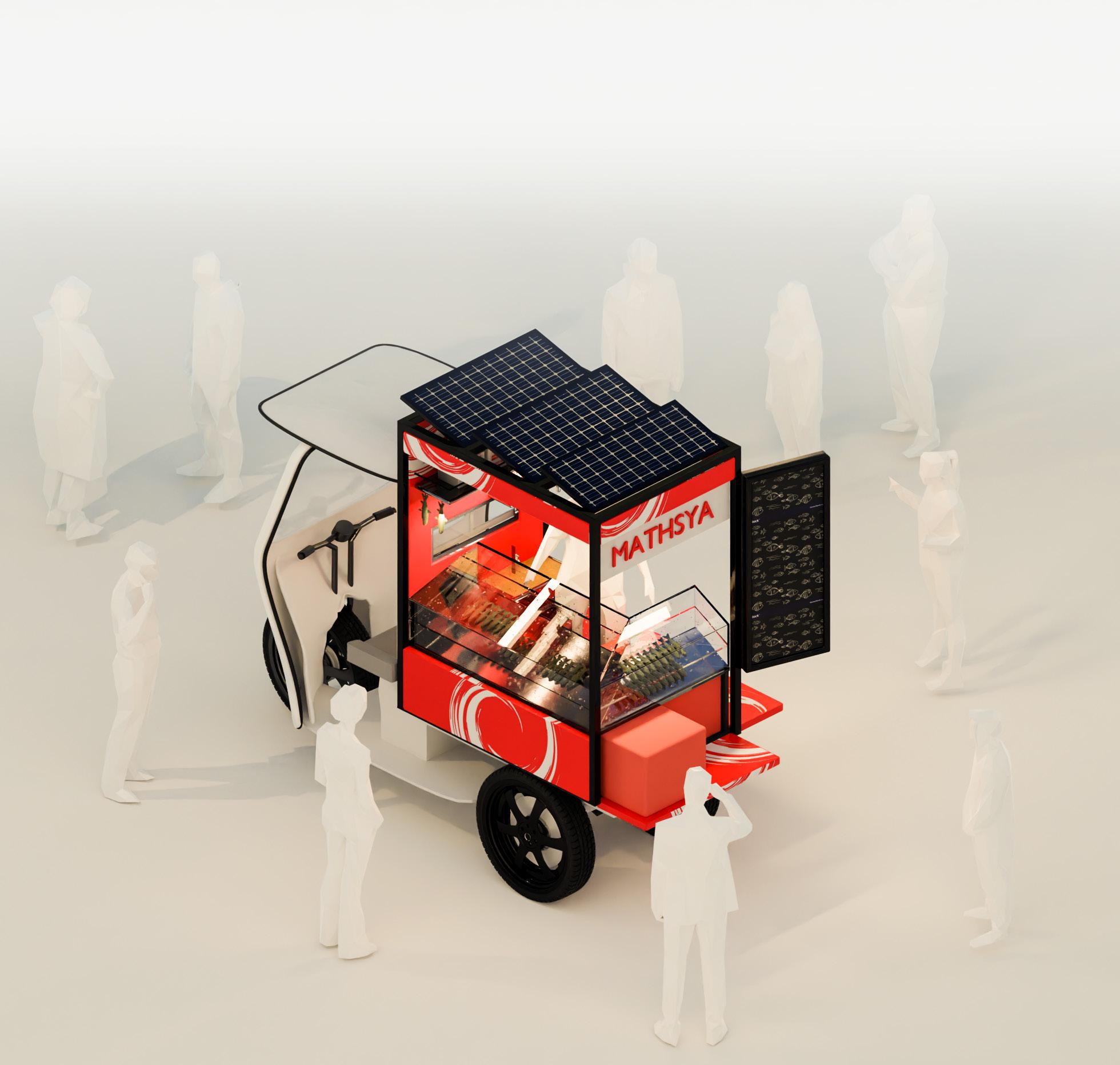
Mathsya
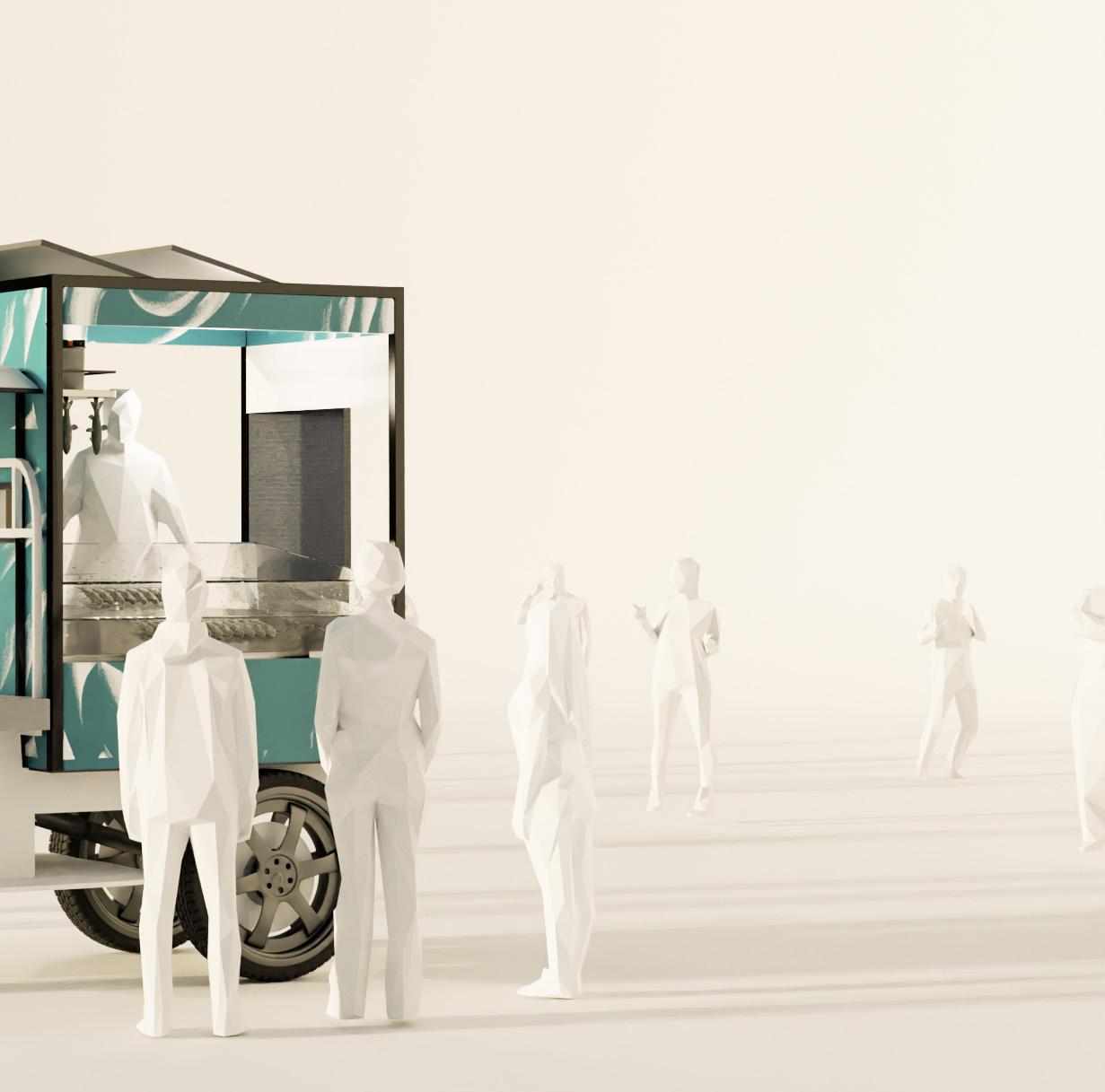
The holistic fish vending kiosk
Awarded second place for the National Design Challenge on Innovative Design of Mobile Kiosk for Fish vending by The World Bank and Confederation of Indian Industry
Design Head: Tahaer Zoyab
Team: Sushruti Santhanakrishnan, Hareesh A N, Maahira Fathima, Sarojini Gandhi
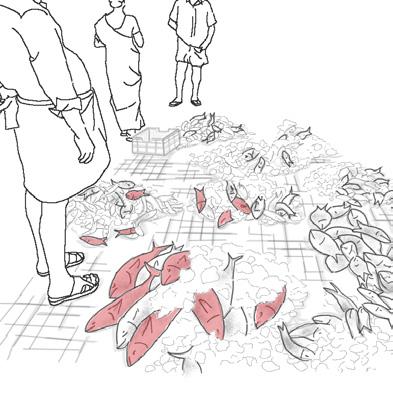
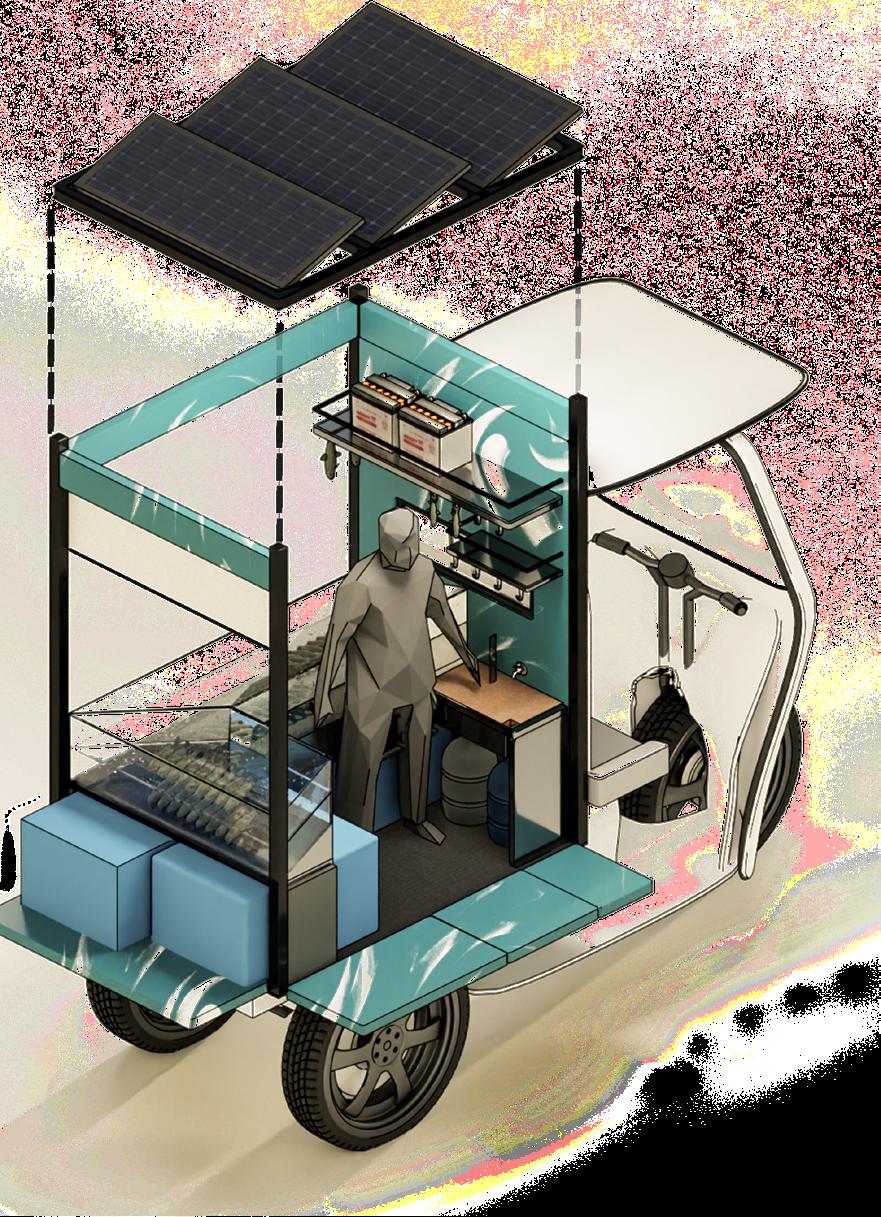
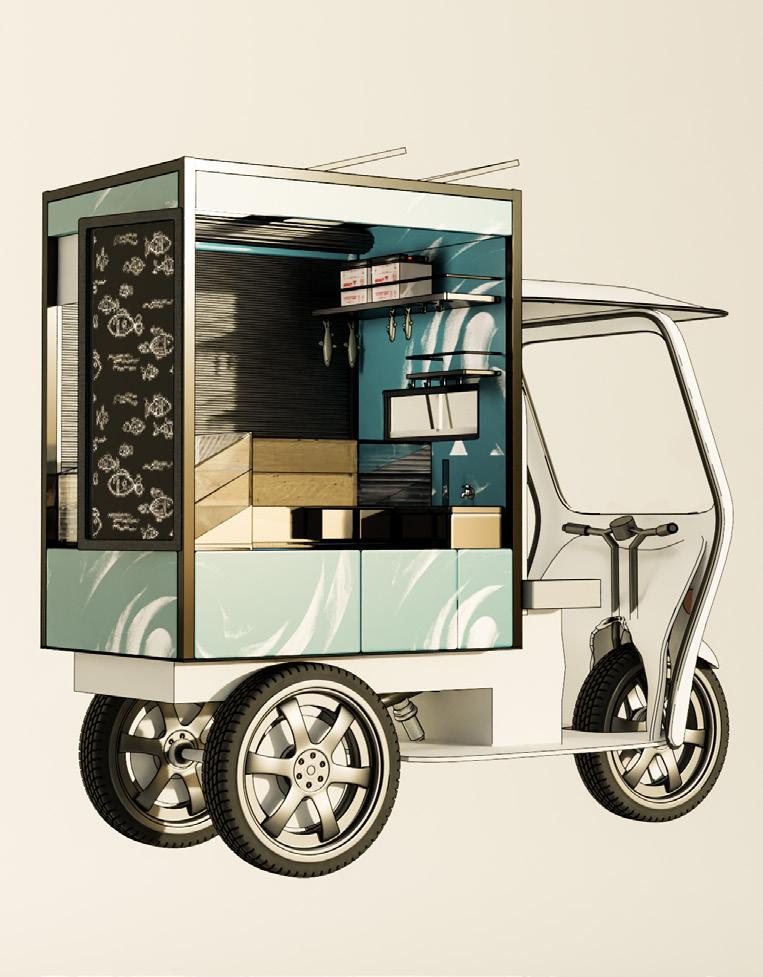
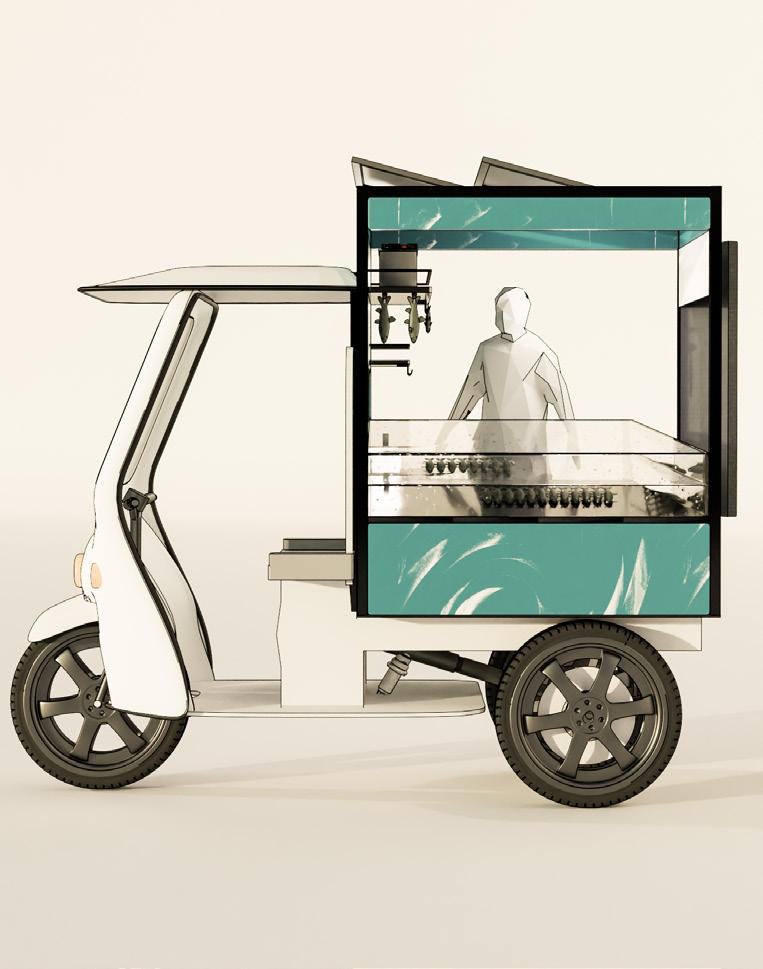
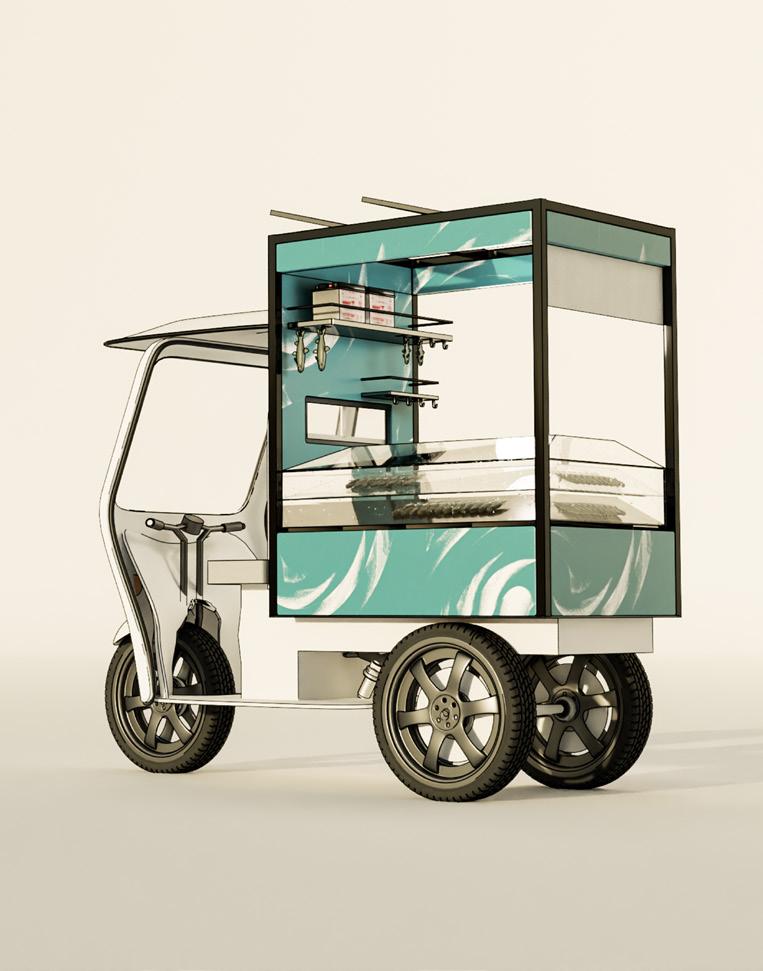
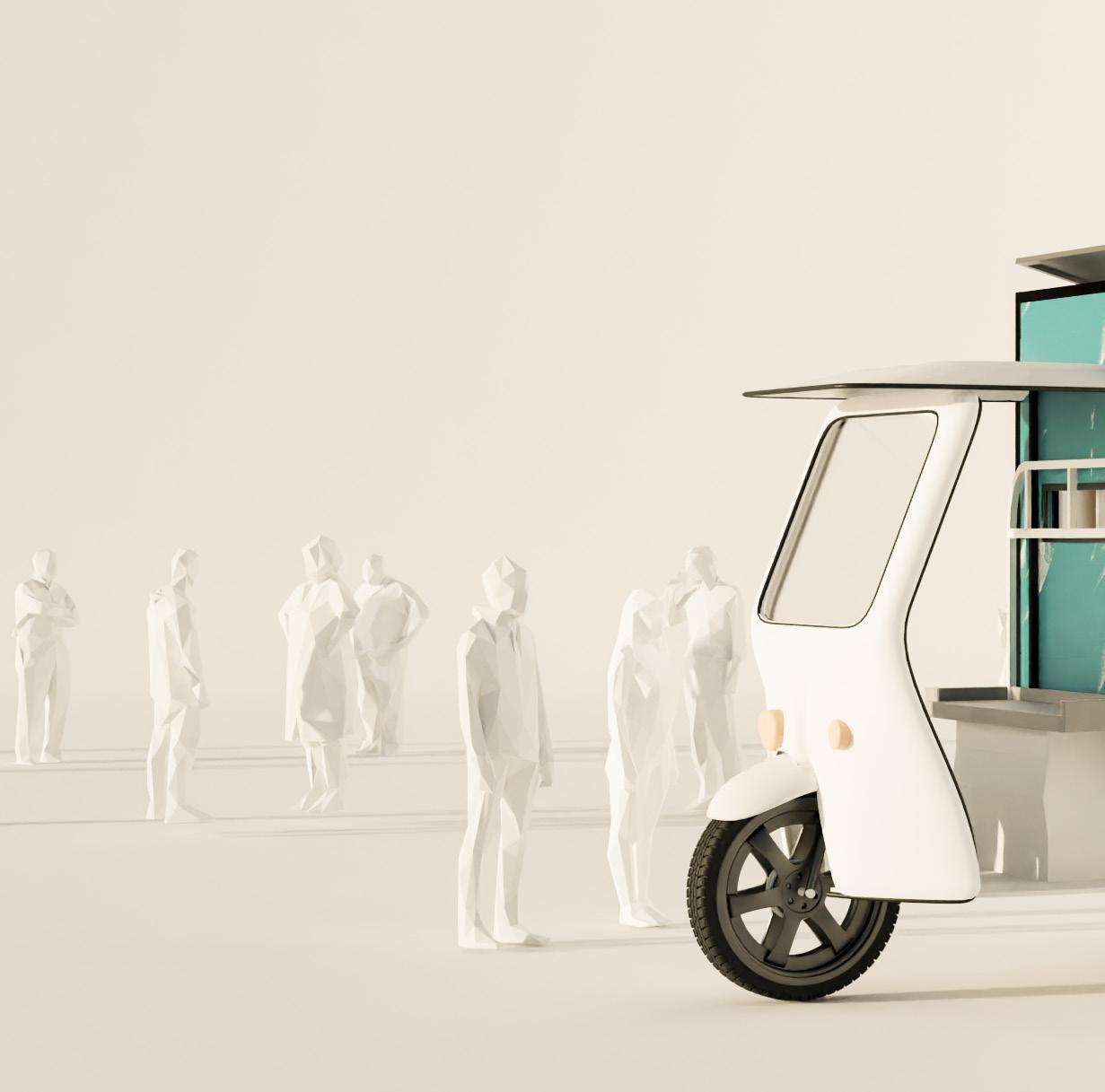
The design of Mathsya (meaning fish in Sanskrit) is centered around the idea of creating an economically sensitive fish kiosk that elevates the manner in which fish vendors carry out their trade in India. Ease and multiplicity of use is ensured through an approach of “plug-andplay” oriented design.
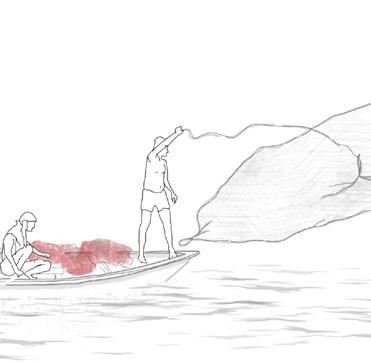
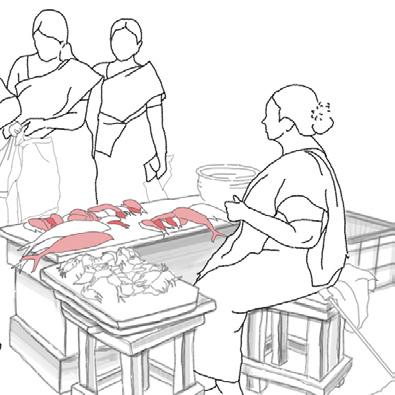
The designing process was preceded by intensive on-site and literature research based on local fisherman villages around Chennai, India. Keen effort went into understanding the daily activities involved in fish vending to design an intervention that could accommodate all their needs.
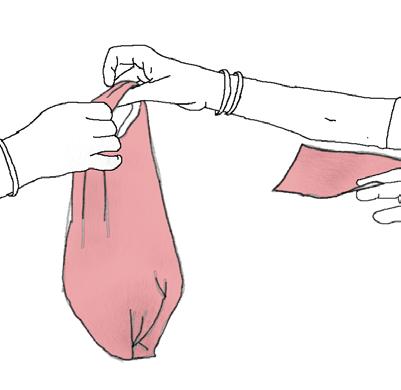
Based on the research, there was an immediate need for mobility and a customised space to sell fish. This led us to the decision of modifying a battery run vehicle. The design ensured that the user had complete ownership of the kiosk and is fitted with various energy and space efficient systems that would help display, store and sell fish without disrupting their process of selling and displaying fish. The design can further be easily re-conceptualized to fit other models of varying dimensions by virtue of its modular layout.
I led the research and ideation phase of this project. Discussions with fellow team members helped me in understanding the priority of the kiosk and led me to incorporate ways in which it would be beneficial to the local fishermen community. During the final stages, I worked on preparing presentation materials required for submission.
I presented our project during the felicitation ceremony and also took questions from the audience. We were awarded the second place for our innovative design and were invited to display and present our concept at the Global Fisheries Conference, Ahmedabad, India.
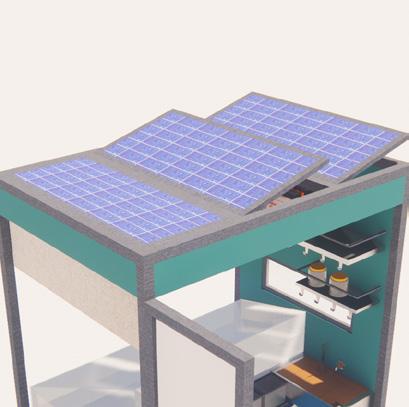
Solar panels can be opened and closed as per need, using the mechanism of an awing window
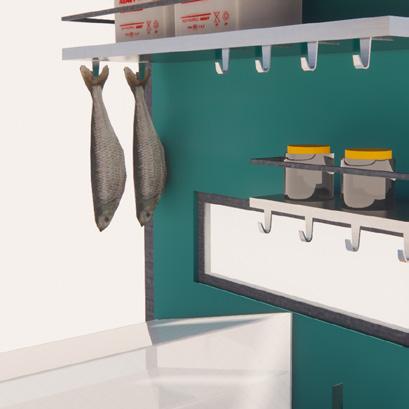
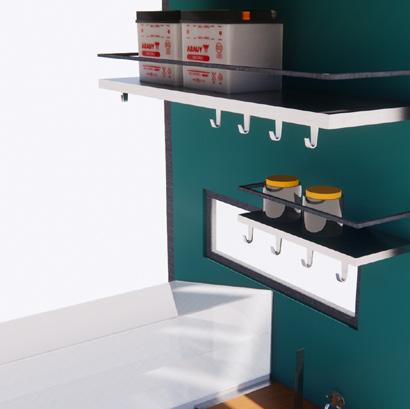
Multiple hooks gives the user more flexibility to store required equipment; can be used to market fresh catch
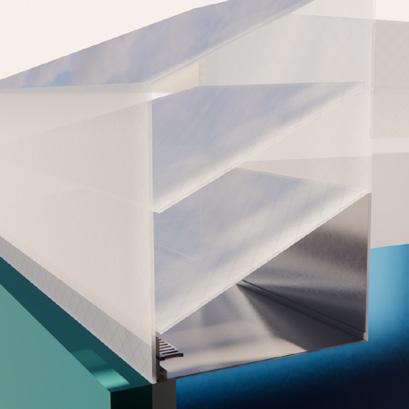
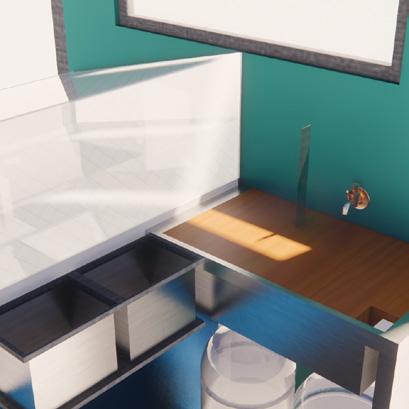
Gutter system placed at the bottom of the display rack to collect residual water; avoids water stagnation within the display unit
Shelves are designed to maximize the vertical space to avoid having electrical equipments like batteries and lights close to the wet area of the kiosk
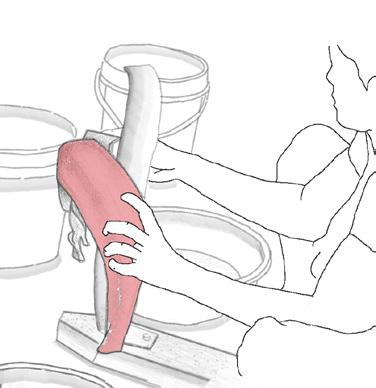
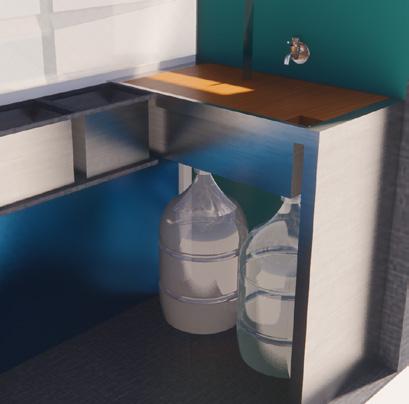
Sink that is fitted with a wooden plank fixed with a knife that helps cut and clean fish. The wooden plank can be removed and placed elsewhere when not in use
A foot pump is placed beneath the sink, offering a solution to the generic plumbing system
Bus Stop Design
Integrating technology and effortless spatial planning
Submitted for Design Competiton for Standardisation of Bus Shelter Across India; organised by the Council of Architecture and National Highways Logistics Management Limited
Design Lead: Tahaer Zoyab
Team: Sushruti Santhanakrishnan, Mohan Raj, Azra, Rohan James and Muthu Vignesh
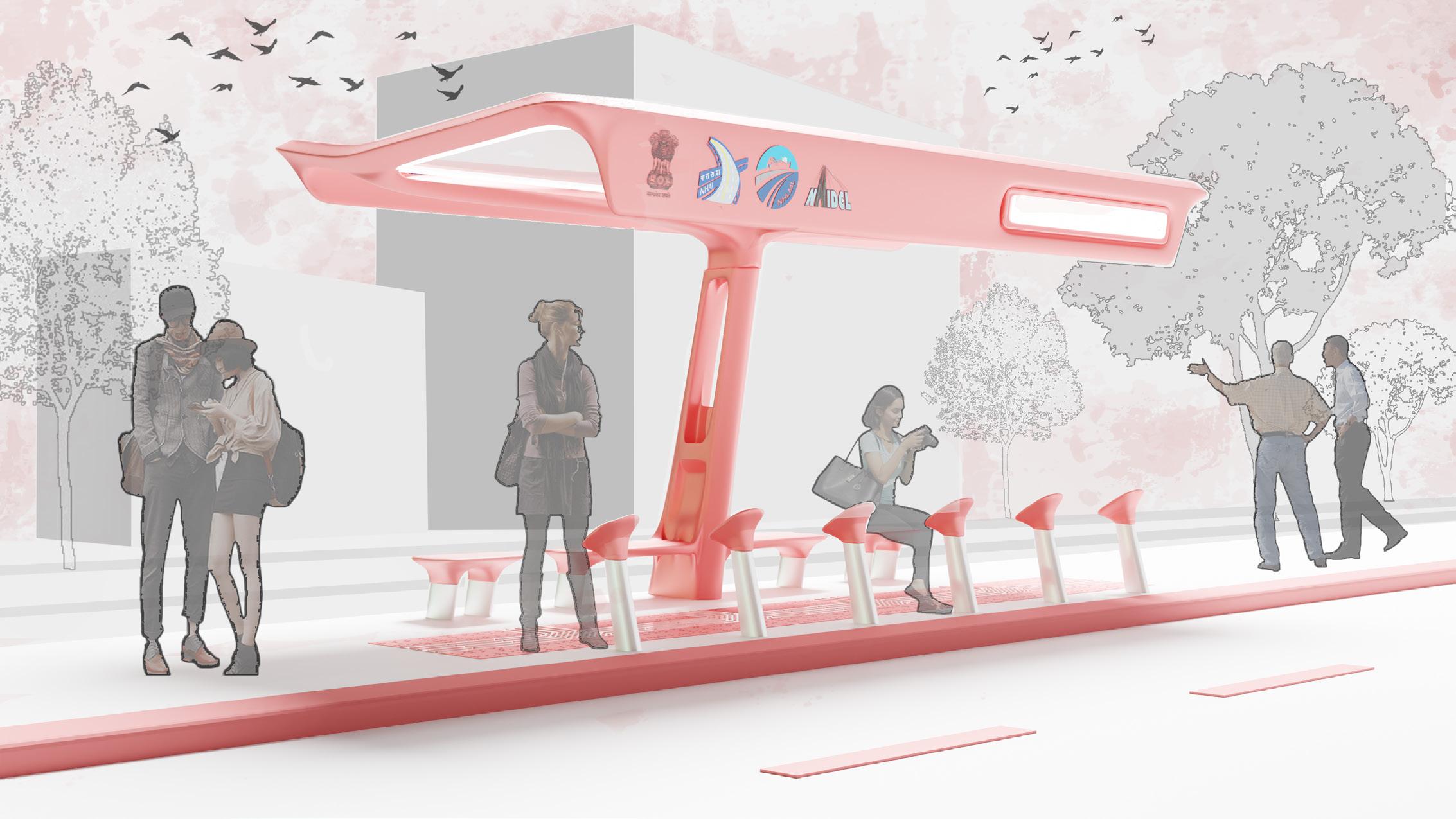
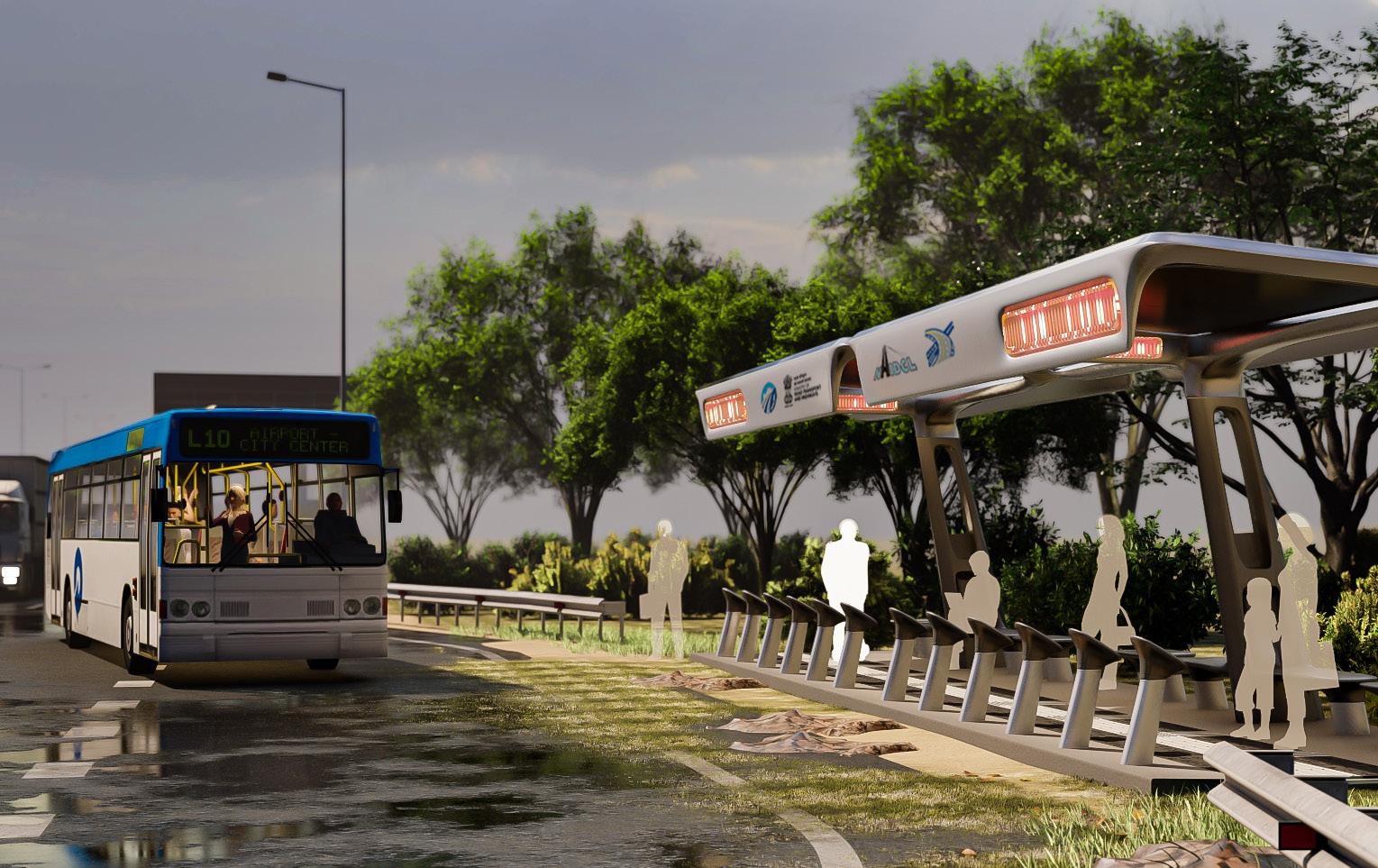
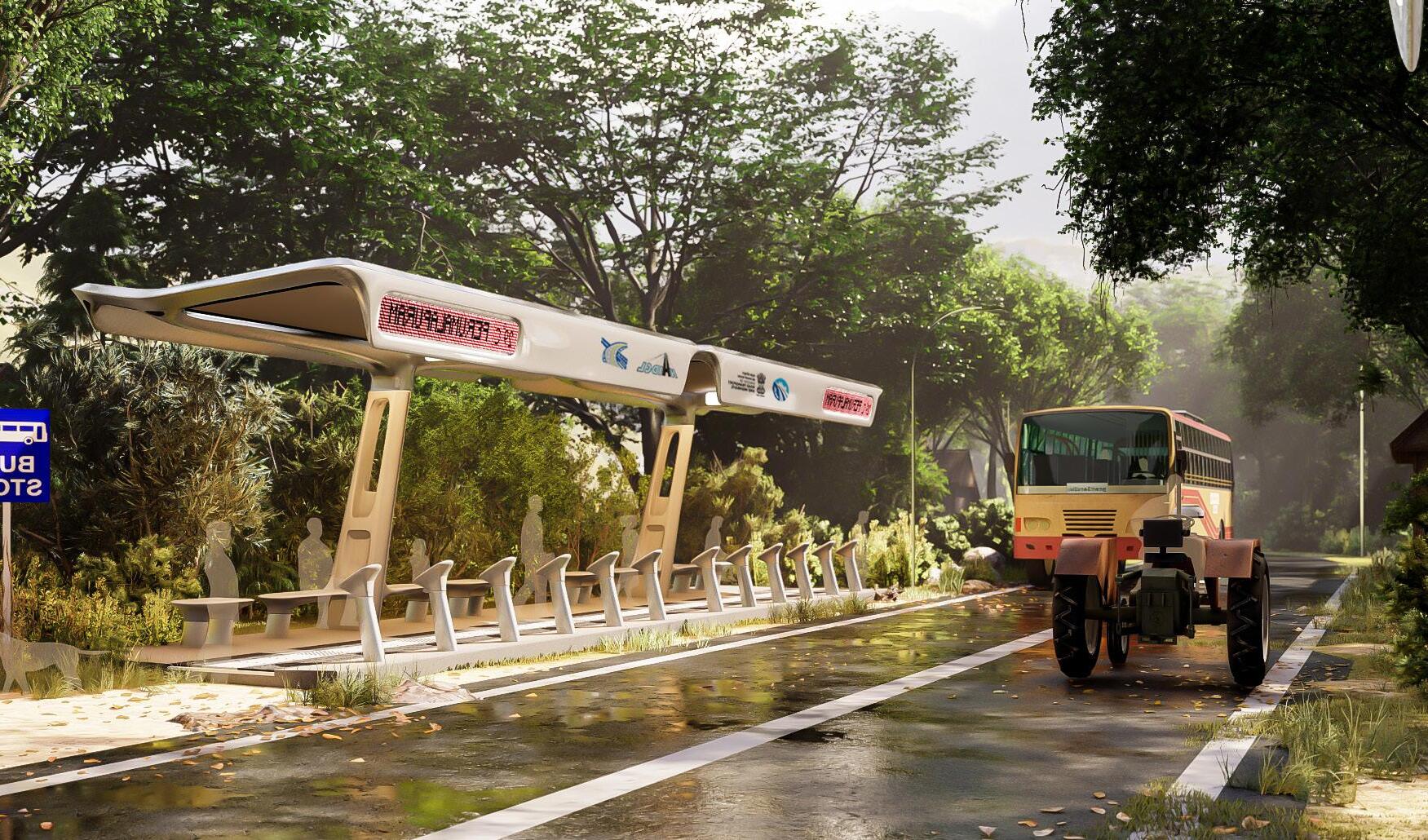
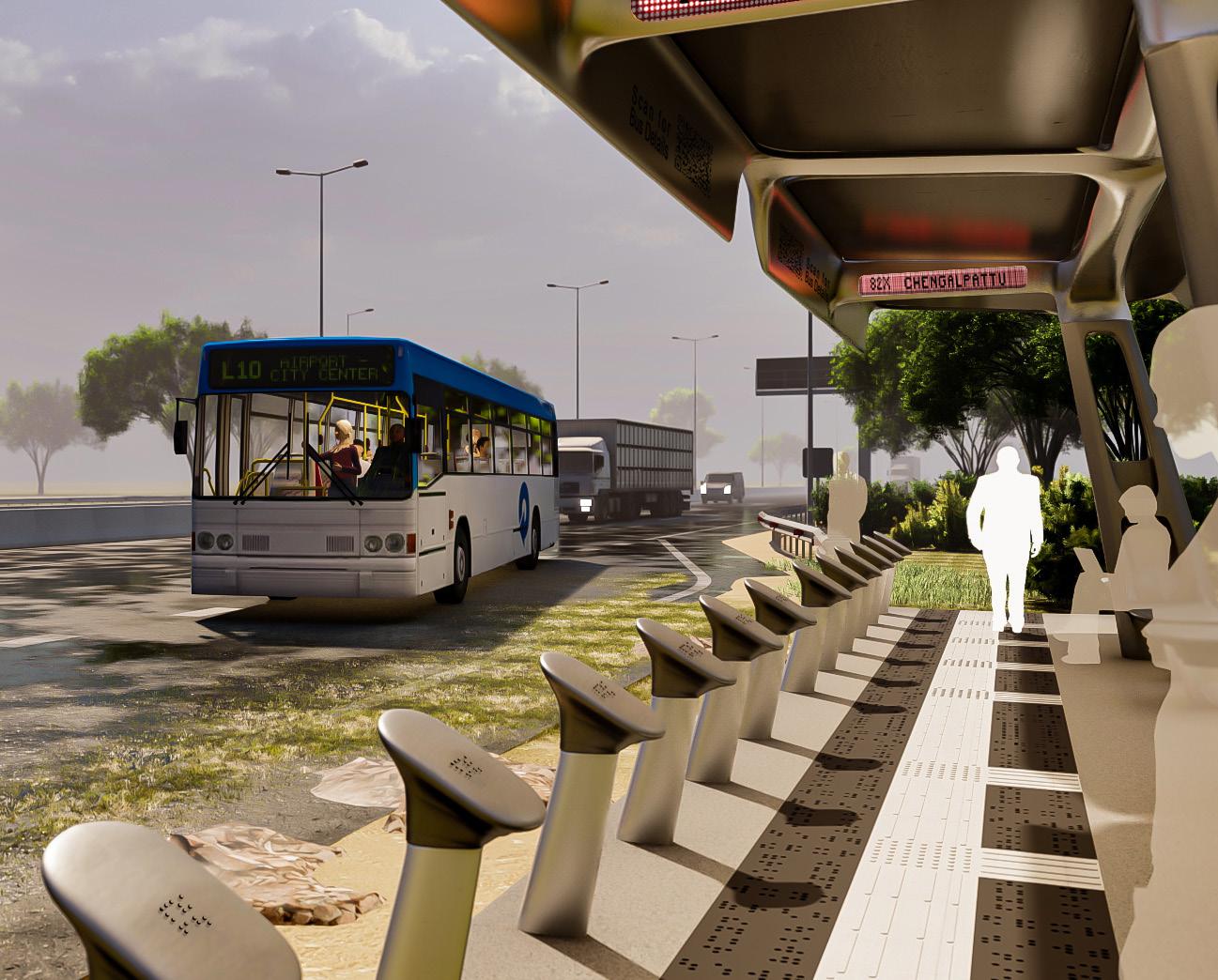
A bus stop is a simple structure but the complexity of designing it lies in a holistic approach that combines various elements and factors such as technology, accessibility, safety and more.
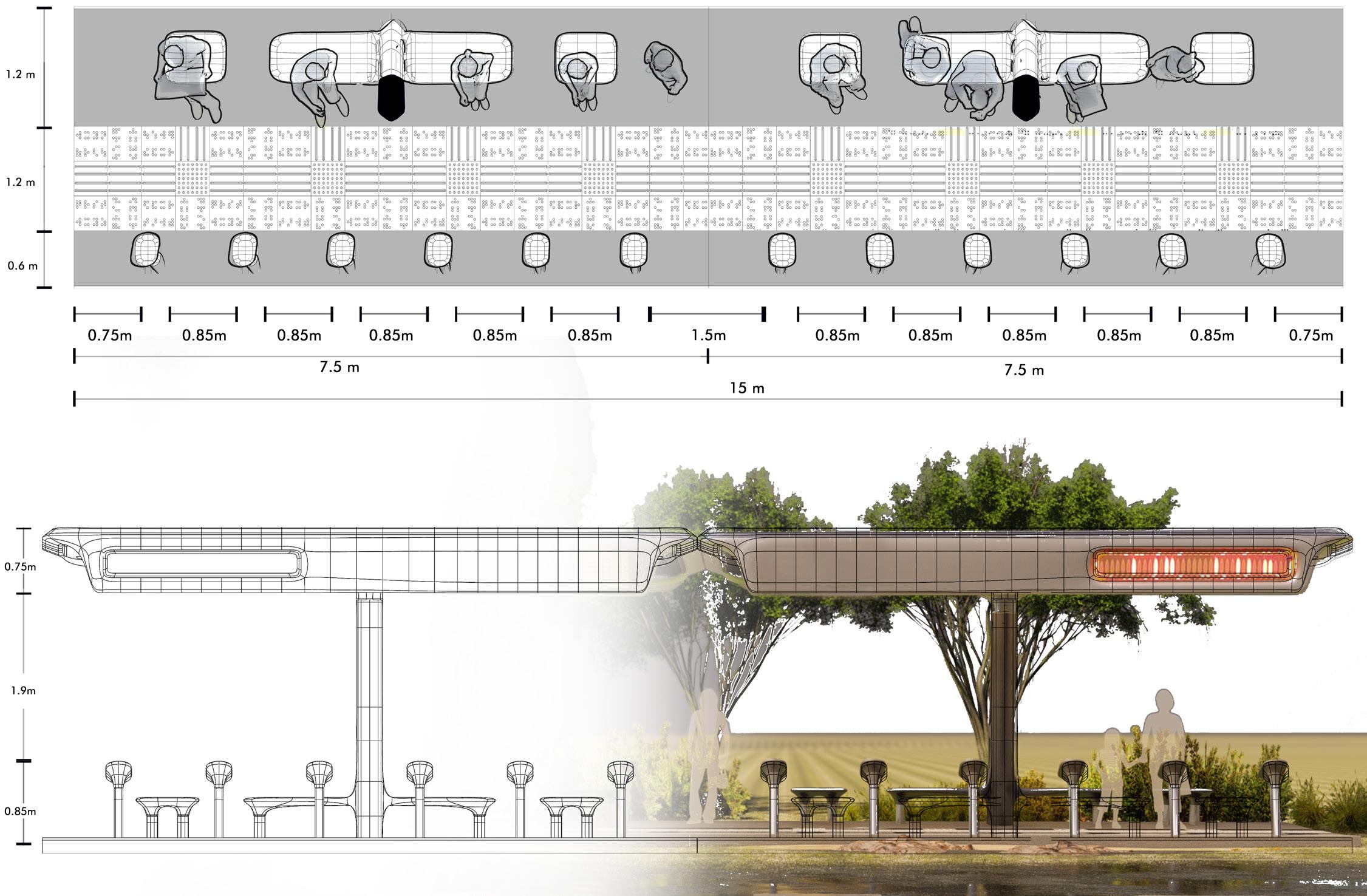
Within the context of the bus stop being on a highway, it becomes important to understand that the design is governed by principles and requirements that are very different from what might govern the design of a bus stop within a city. The design aims to create a bus stop that integrates technology and effortless spatial planning, allowing it to be as efficient, safe, and user-friendly as possible for people from all backgrounds.
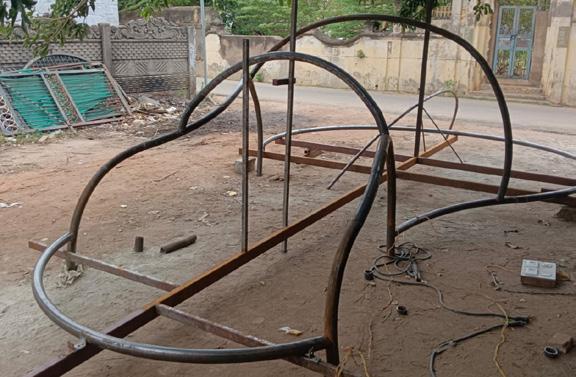
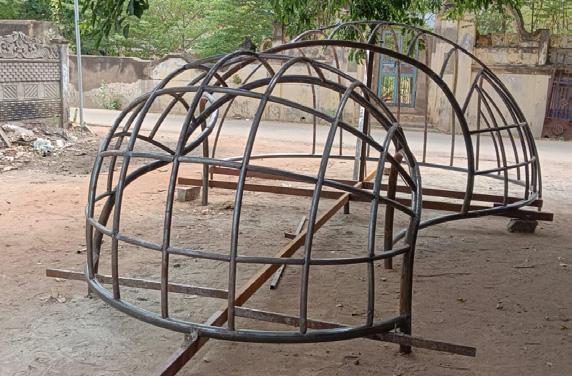
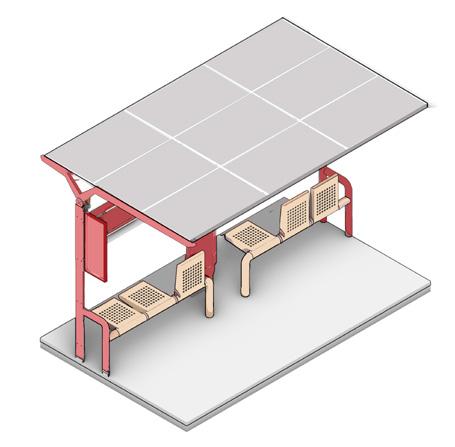
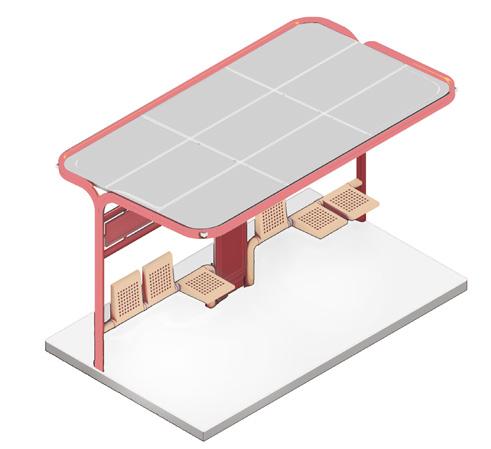
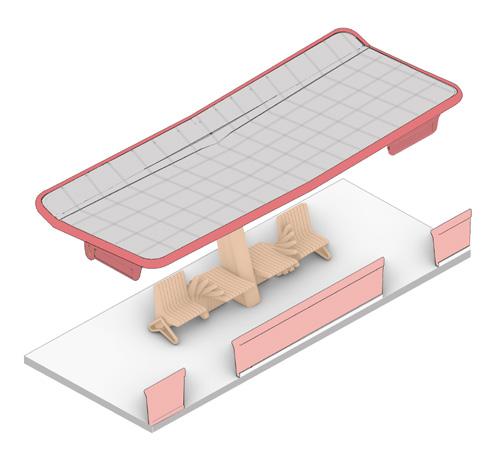
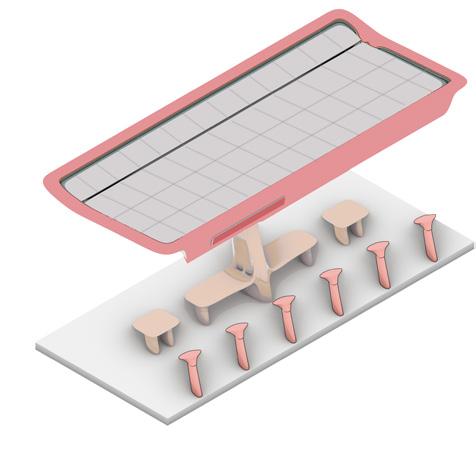
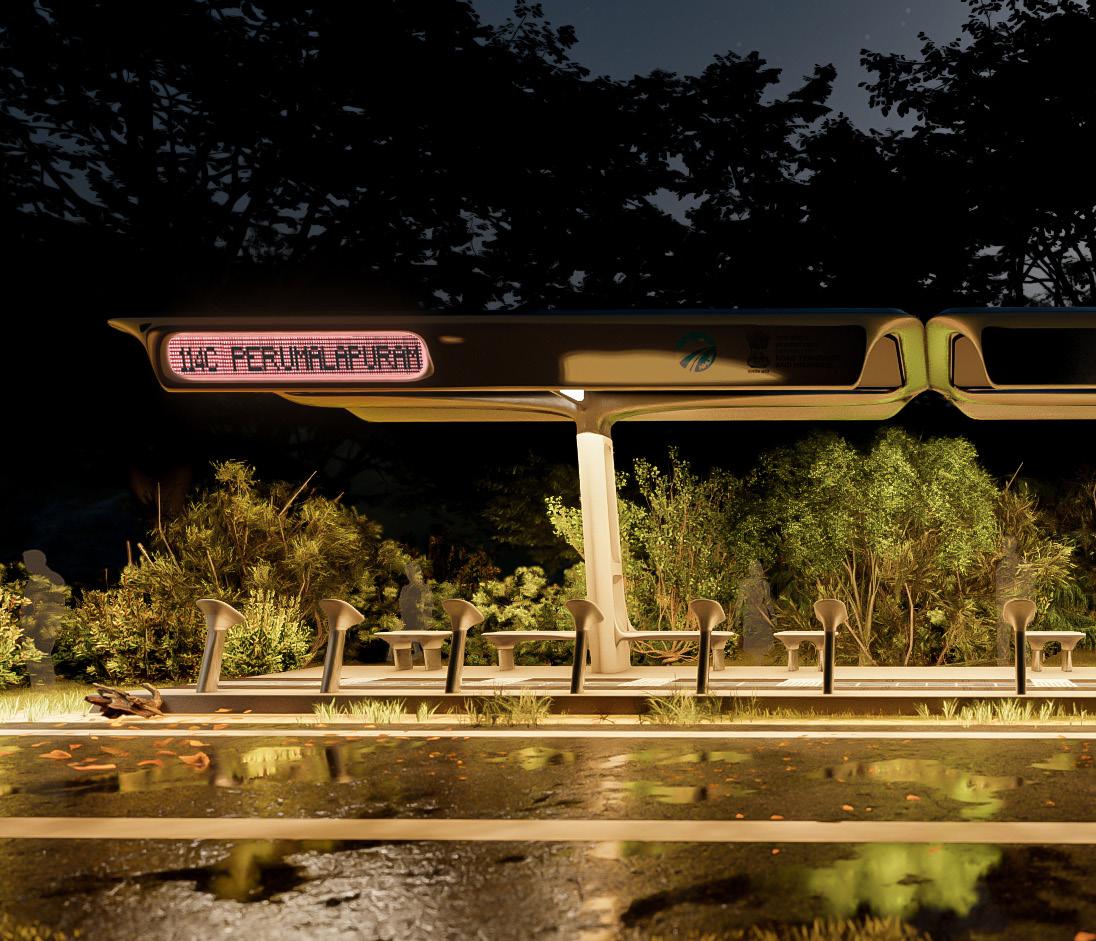
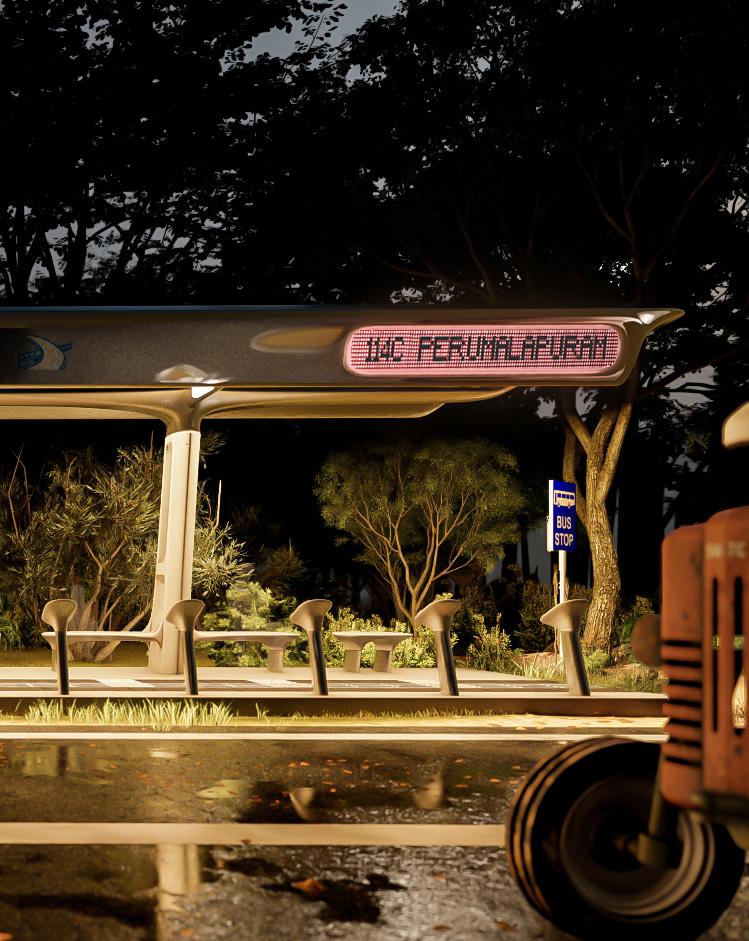
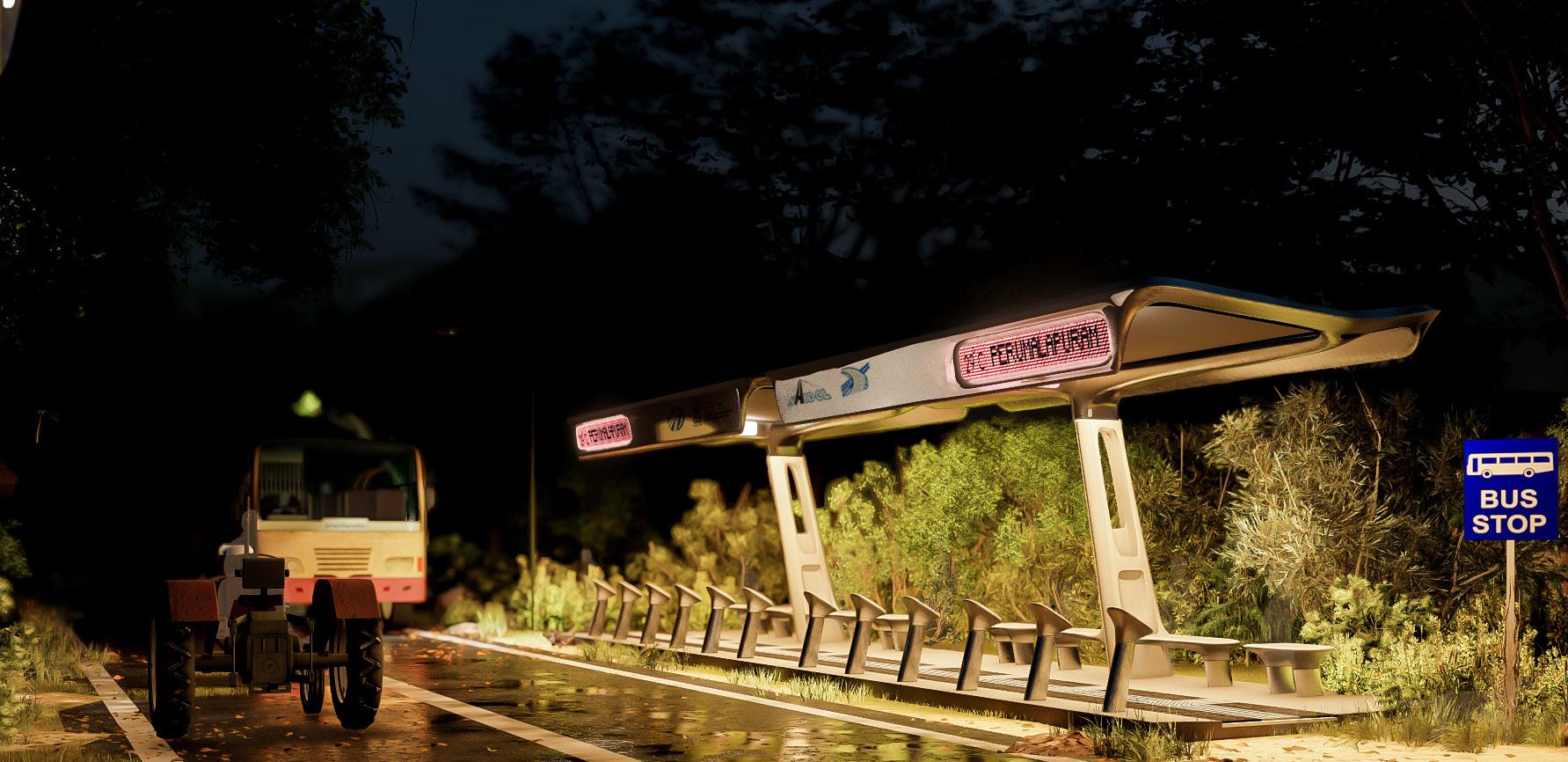
To allow the bus stop to be modular and prefabricated, the design needed to be straightforward to install and dismantle. While the form started from being geometric to integrate seating along the frame of the bus stop, the design then evolved into being curved with soft and rounded edges. Some of the concepts that governed the iterative process were vandalism, visibility, seating space, and lighting. The design transformed into an open bus stop with a central structural member, allowing the services to be concealed within the framework while maintaining the fluidity of the design.
Within a collaborative team setting, I was responsible for the preliminary research. I also did multiple case studies to help provide a rough outline of the context specific needs of a bus stop. The takeaways from the research helped each of us come up with initial iterations of the design.
I also spearheaded the process of putting together presentation sheets with the necessary information and actively worked on creating relevant presentation drawings required for the final submission.
FORM EXPLORATIONS
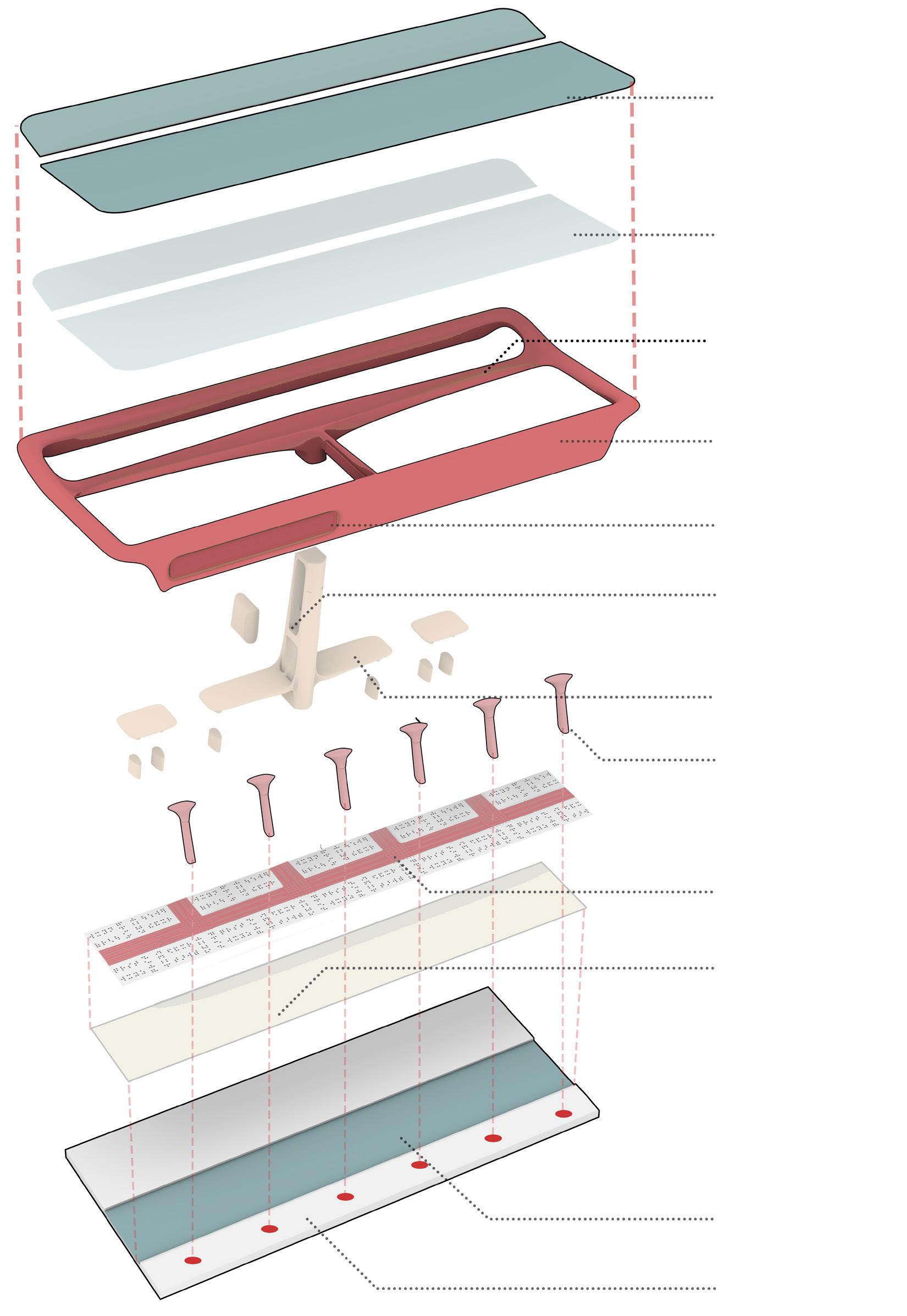
Roof of the bus stop fitted with solar panels to harness solar energy
Base plate of roof
Gutter detail in the frame of the roof to collect water
Roof frame
Dynamic display - bus number, route and time
Central structural spine with concealed services such as electricity, plumbing and battery compartment
Single seaters that are incorporated within the frame of the bus stop
Bollards that create a boundray for the bus stand and also acts as a semi-seater
Tactile flooring to ensure that the access to the bus stop is clearly highlighted in terms of universal accessibility
Pebbled percolation pit to ensure that the water drains to recharge groundwater levels
Water collected from the percolation pit
Sloped kerb to ensure that water drains into the percolation pit
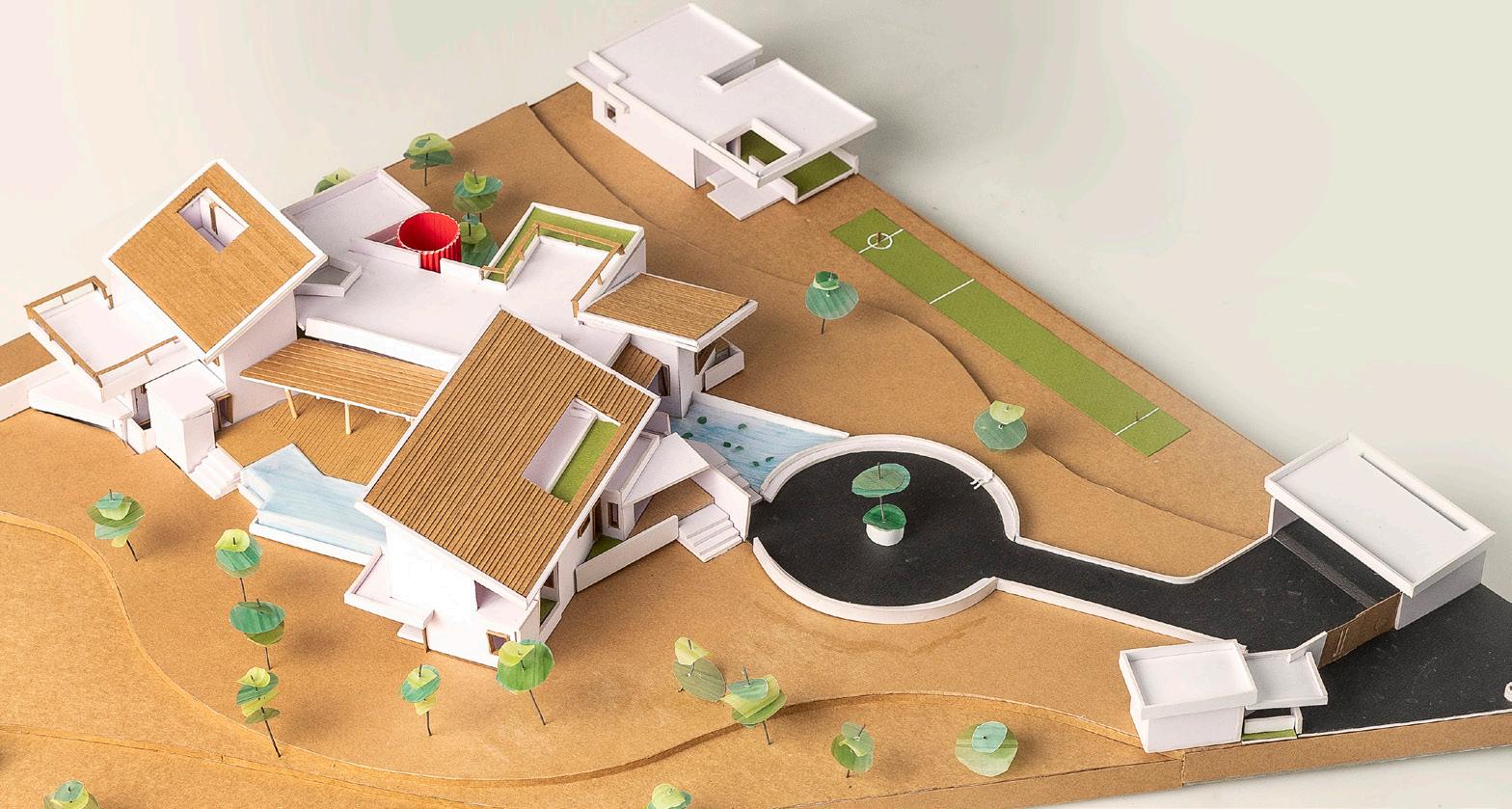
Physical Models
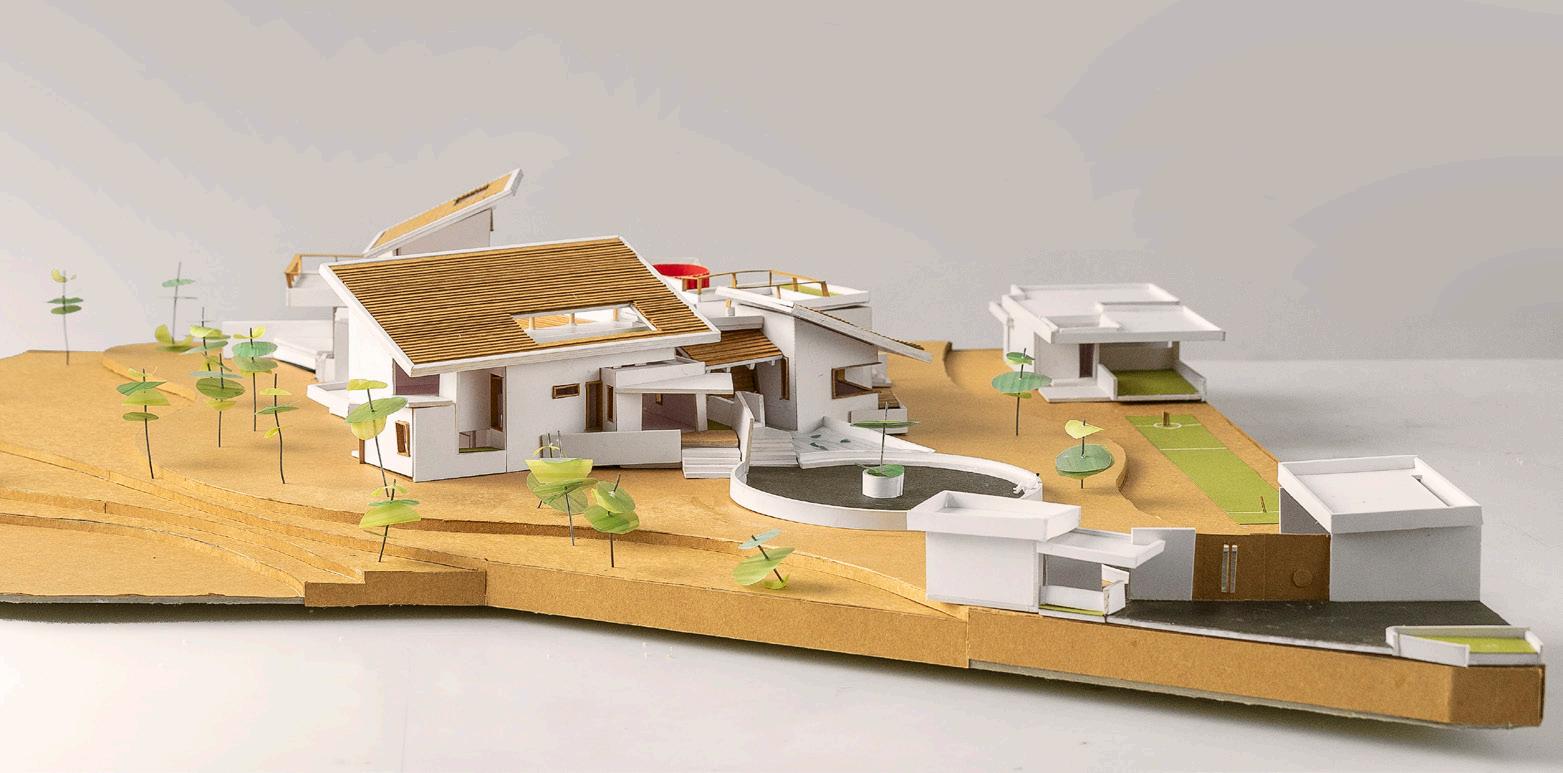
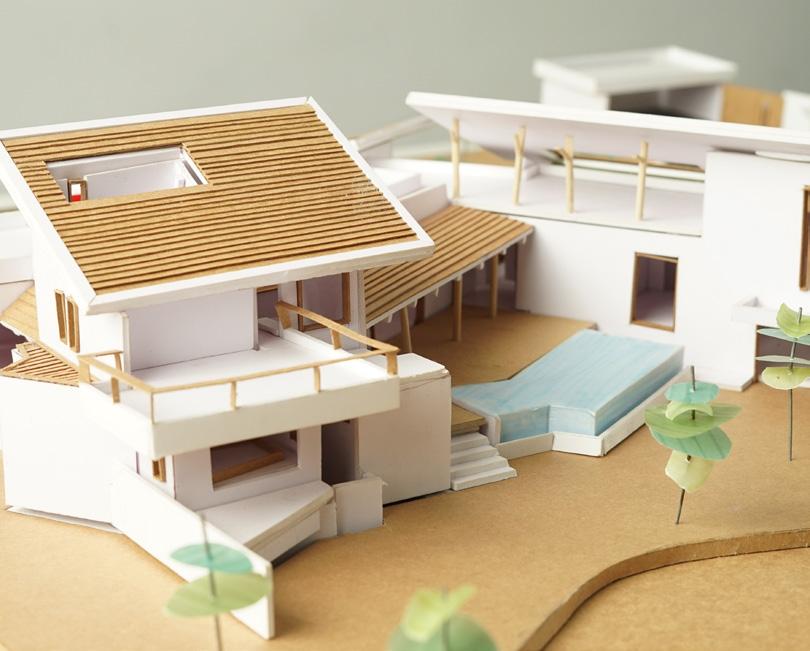
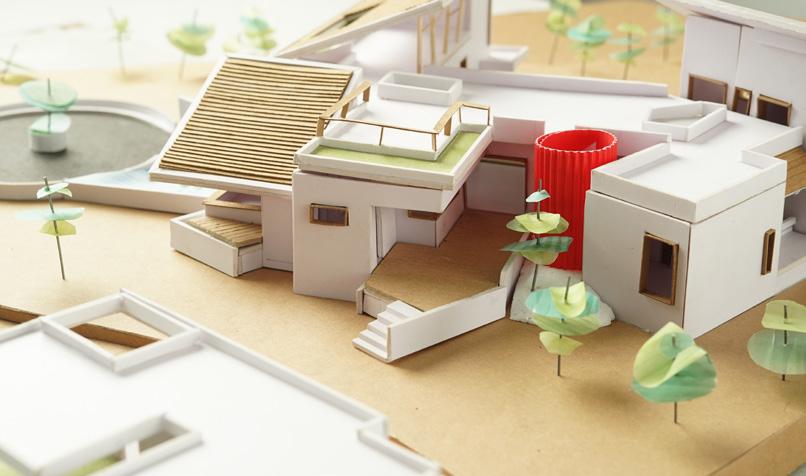
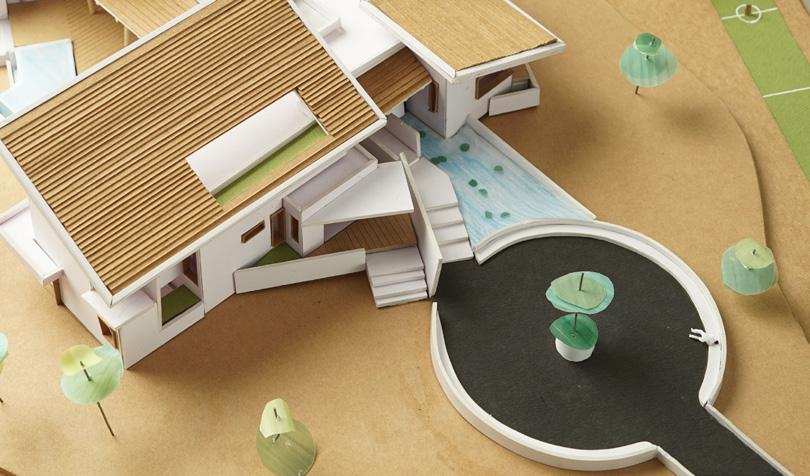
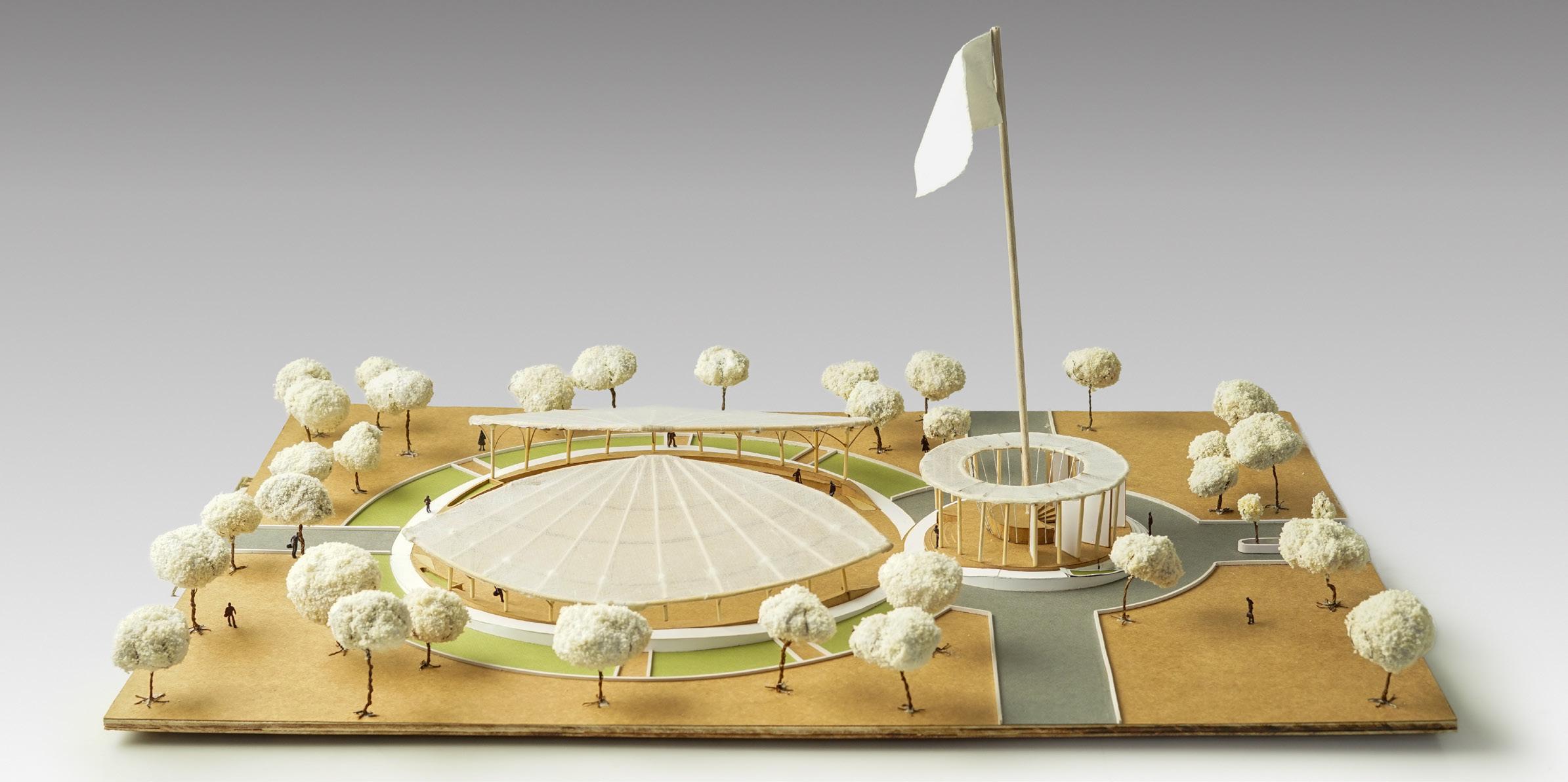
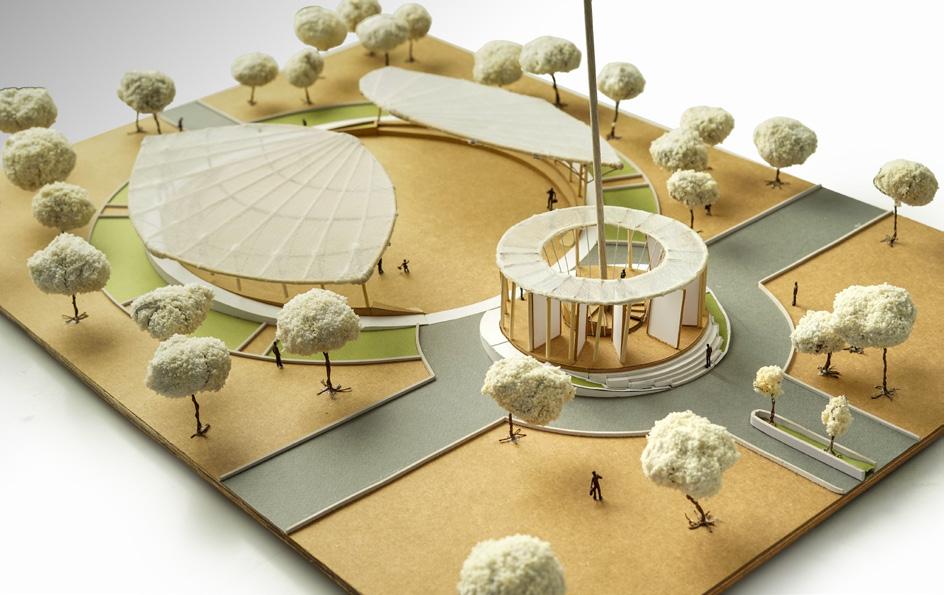
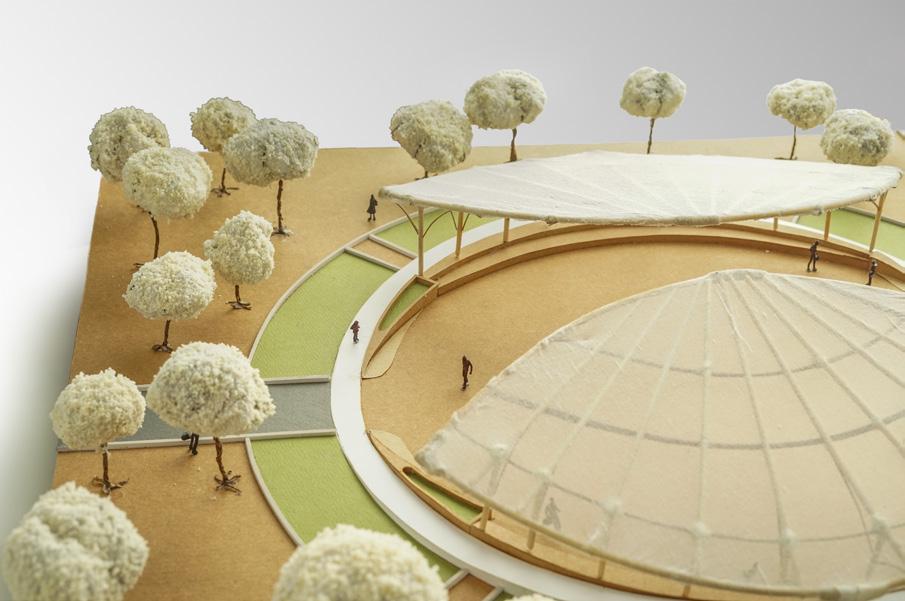
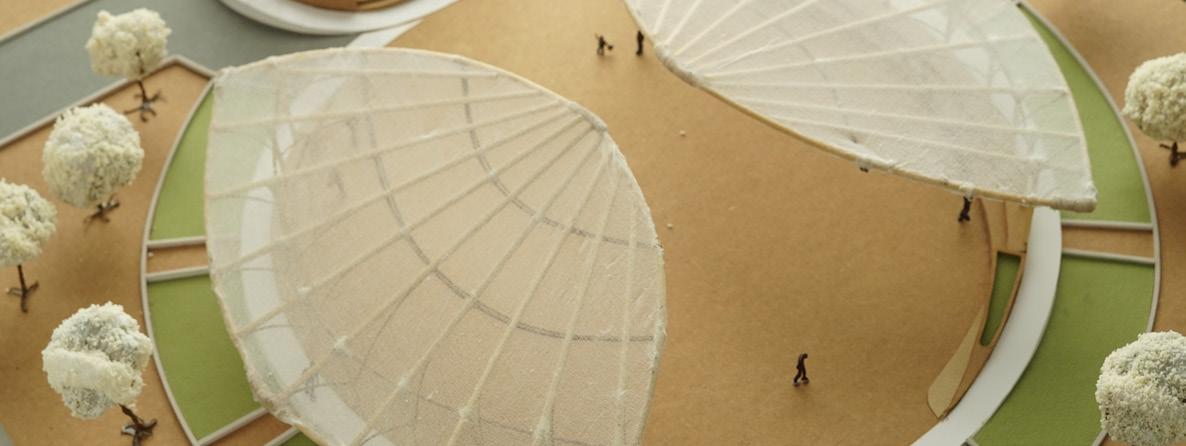
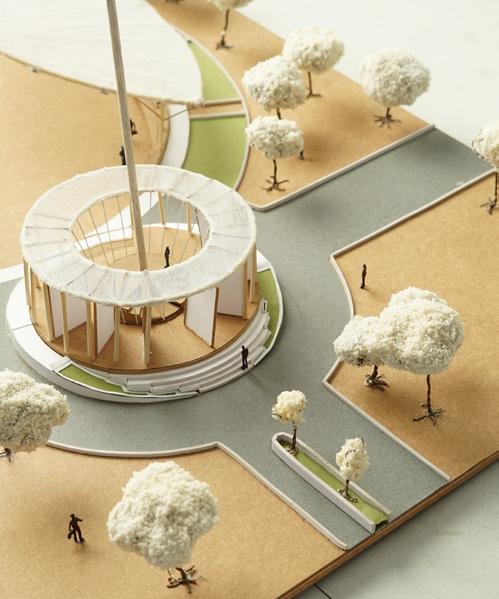
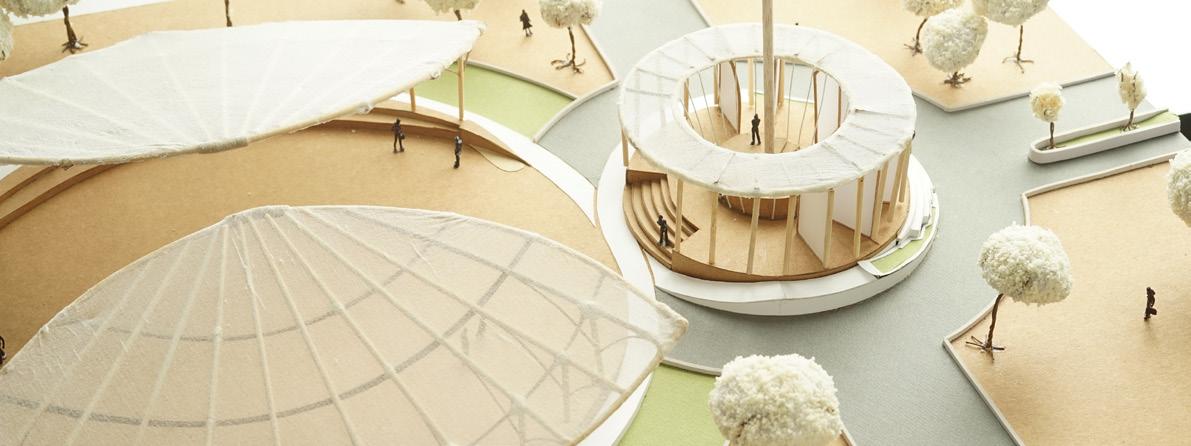
These are some examples of physical models that I created for client presentations to aid with visualization, scale, proportion and material details.
‘THE FARMHOUSE’ - a residential project
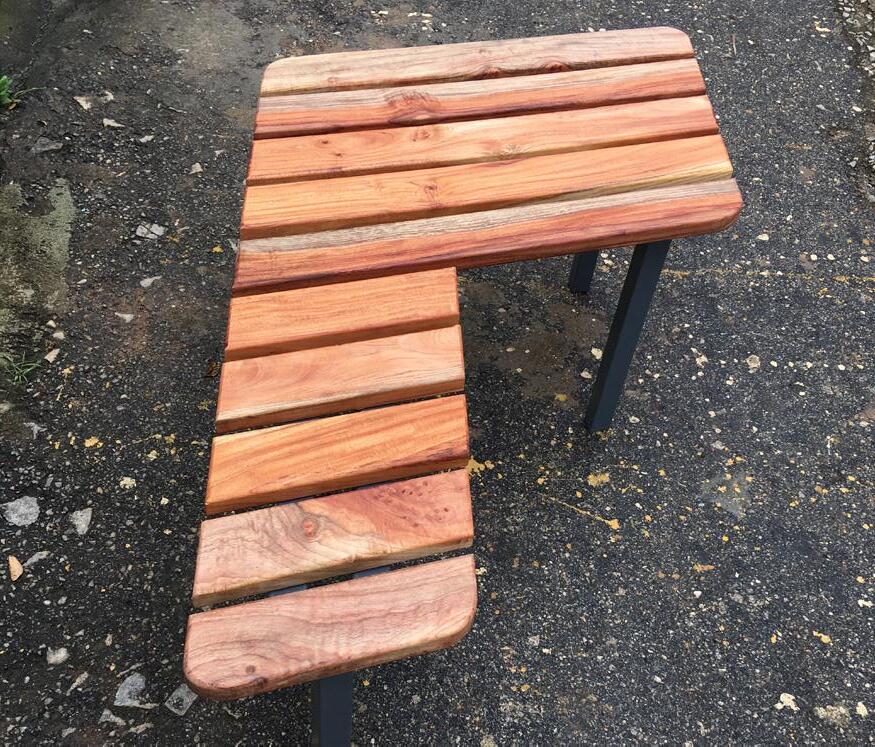
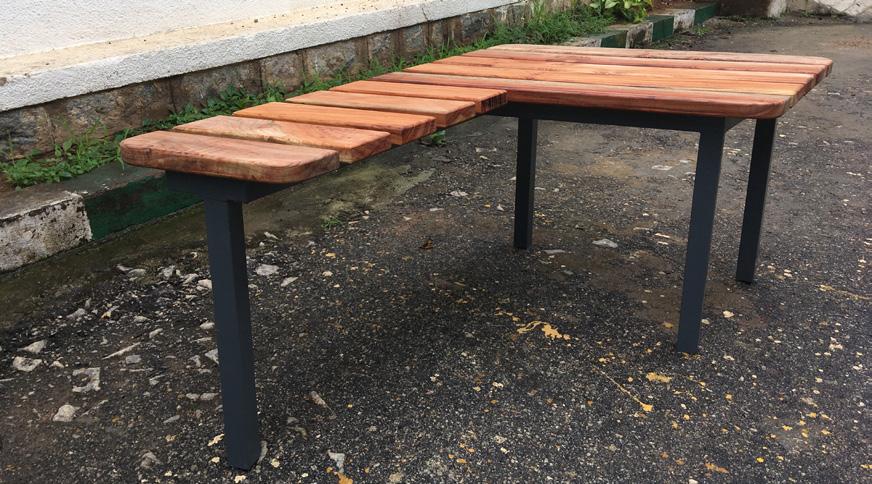
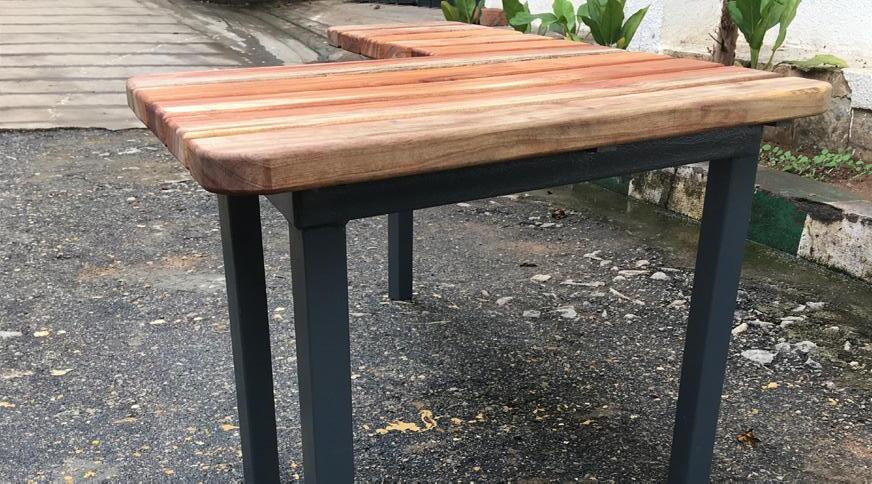
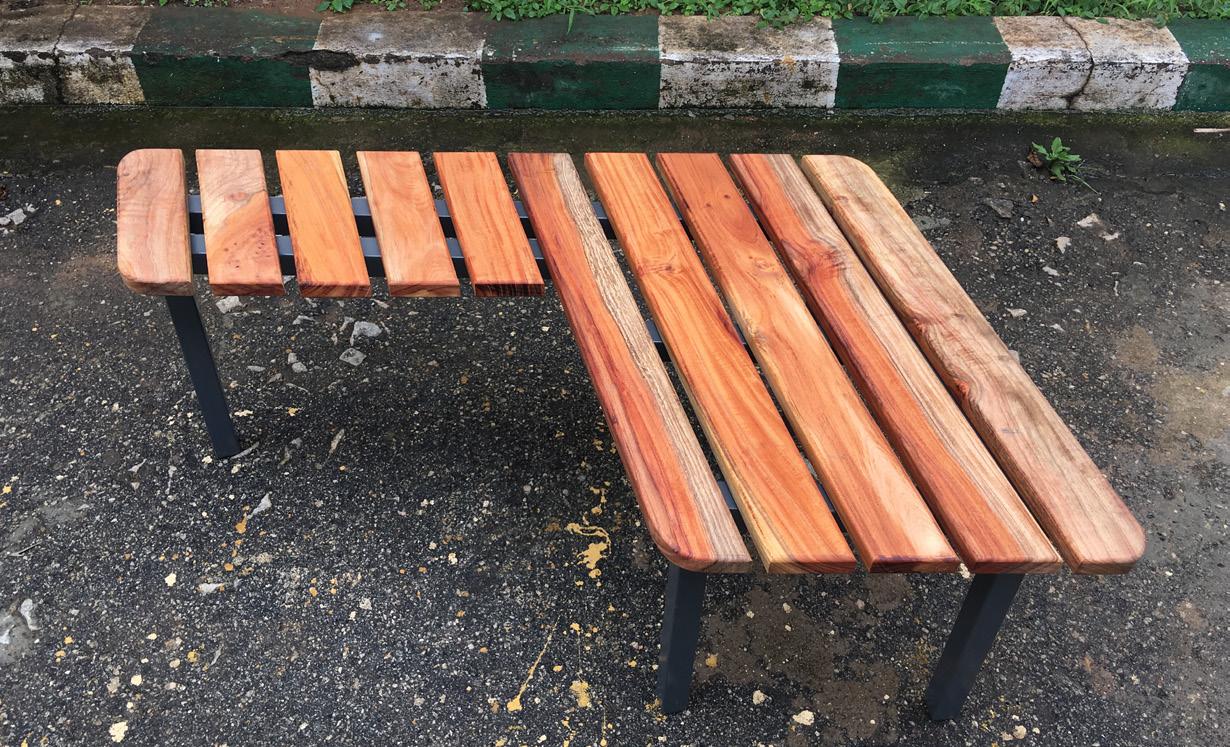
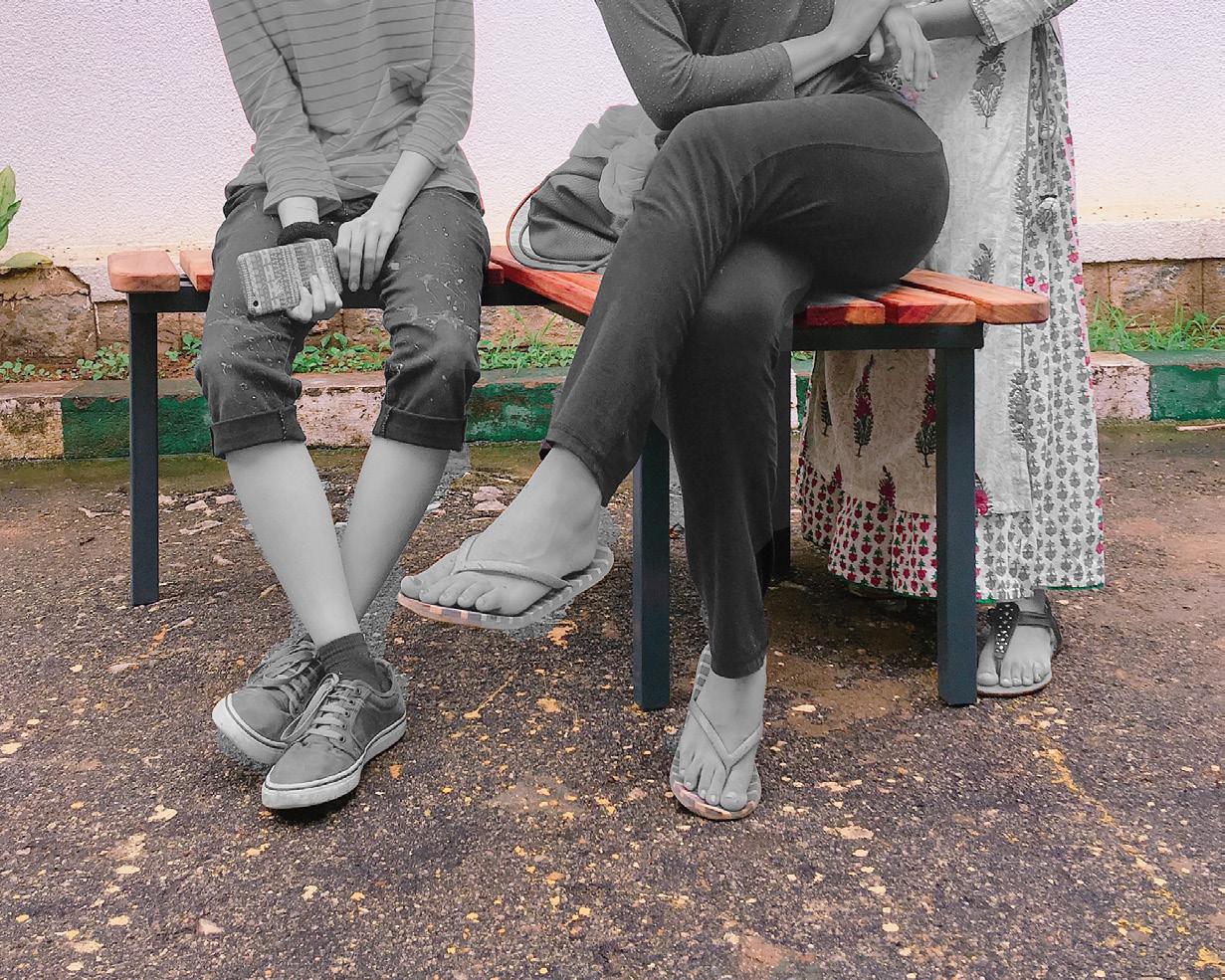
Park Bench
Mapping spaces and public furniture
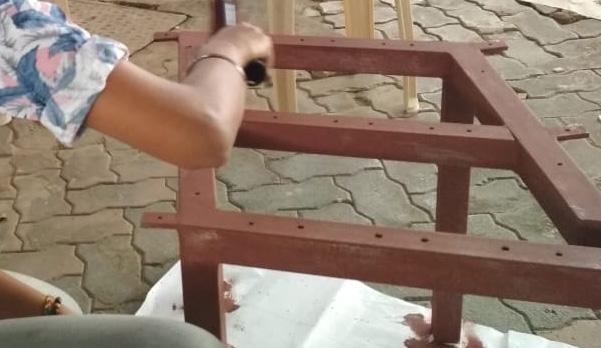
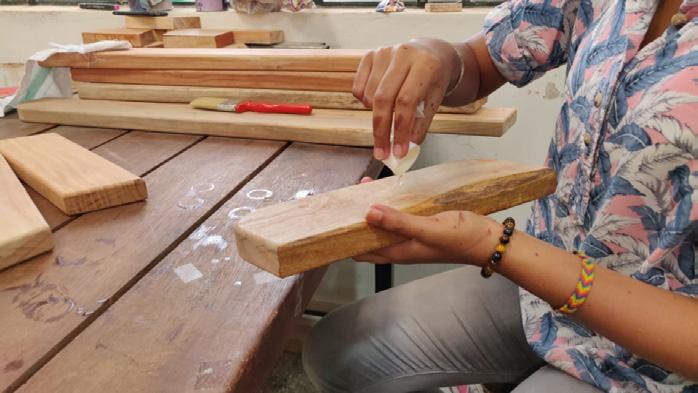
With an introduction to placemaking, the project aimed to design and make furniture that would be suitable for shared spaces like a park. Through the course, concepts of successful elements of placemaking were introduced.
This project intended to design a park bench that was modular and could be repeated and placed throughout the space in various manners, encouraging interaction amongst the users. The form of the bench was inspired by the keywords adaptability and comfort. Hence the form of the bench was inspired by a combination of shapes that we encounter everyday.
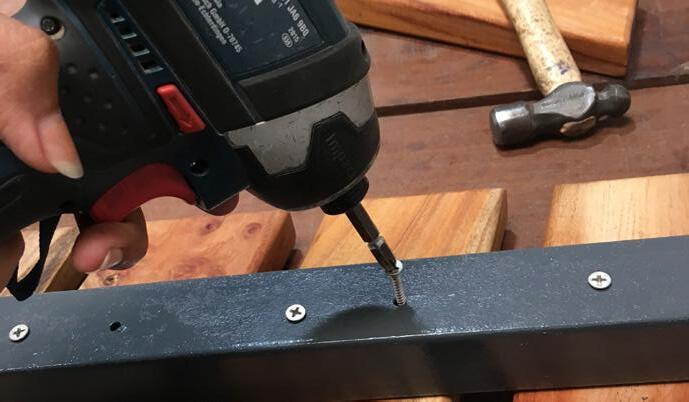
The materials used to make the final prototype were chosen based on their physical properties and their response to the surrounding climate.
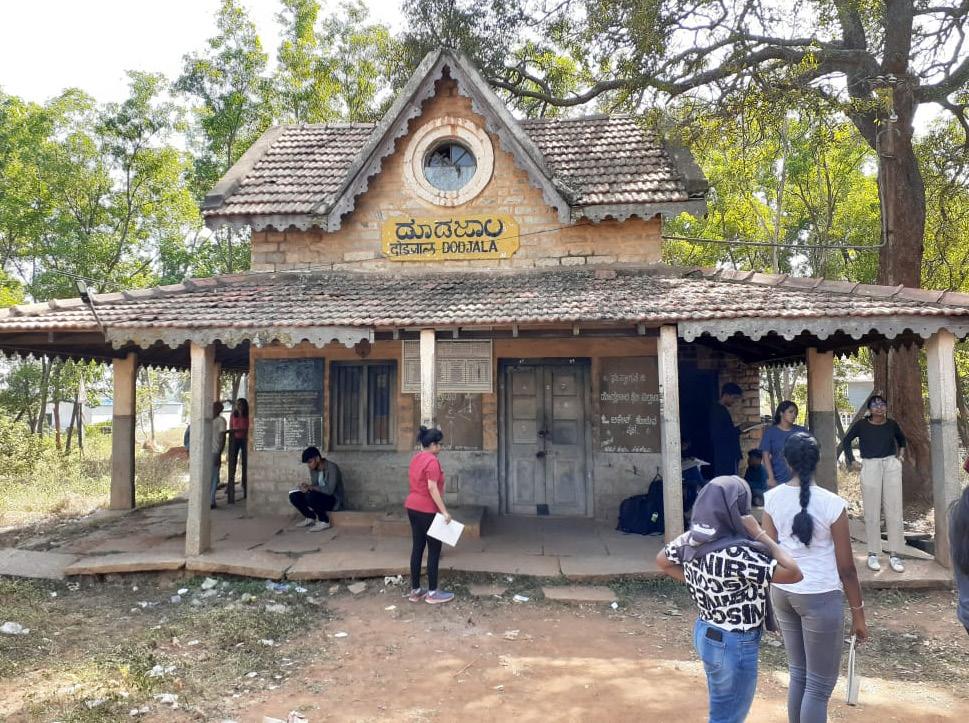
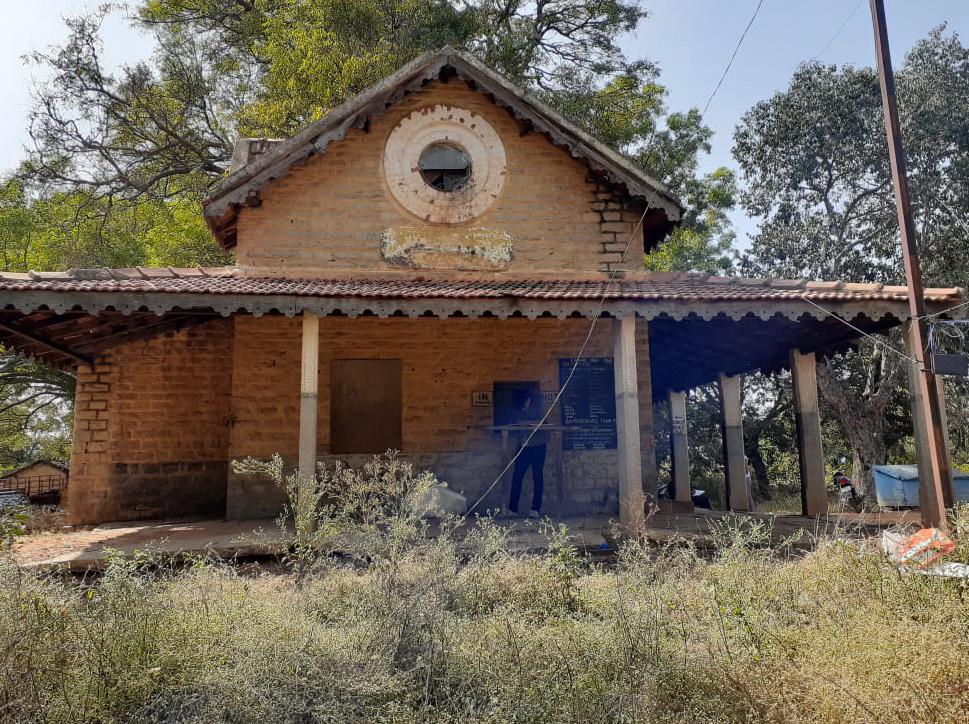
Measure Drawings
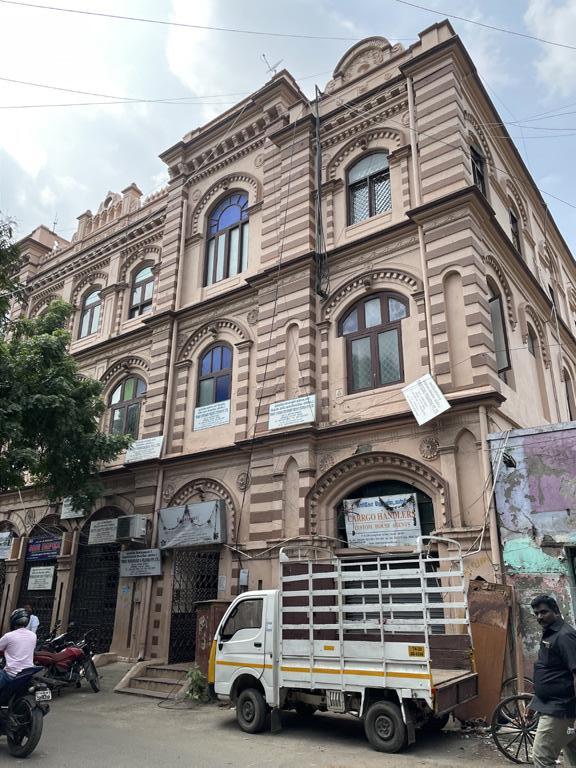
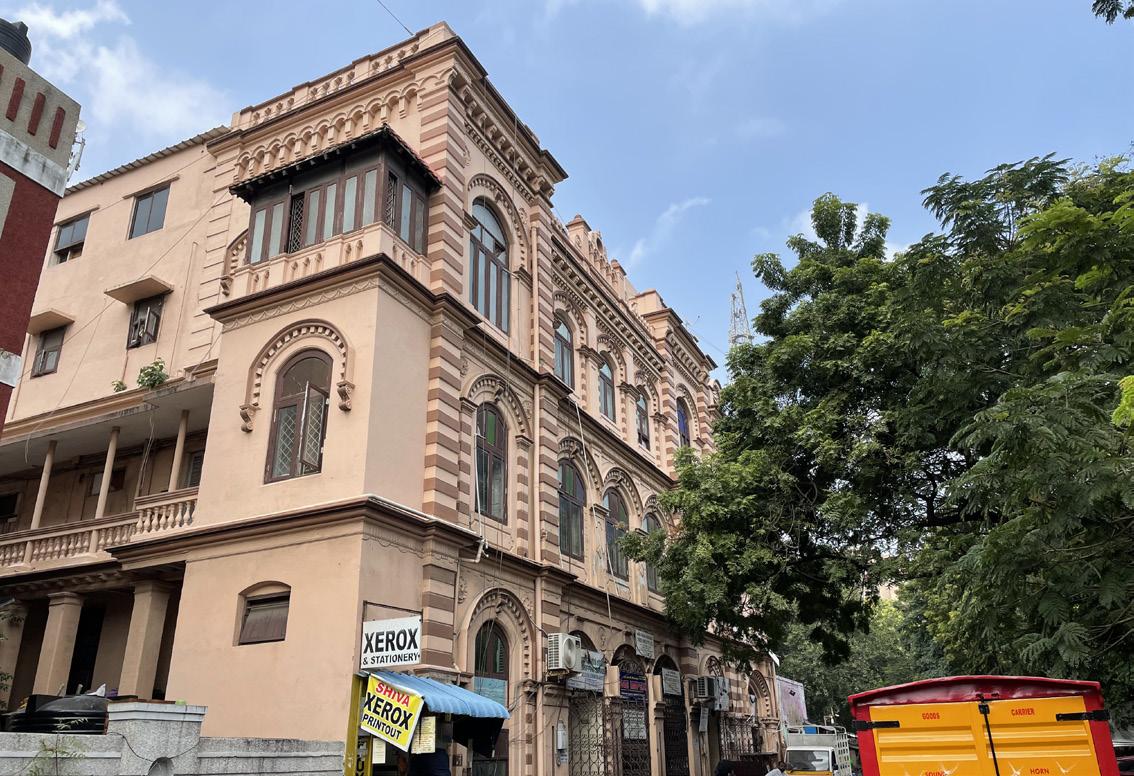
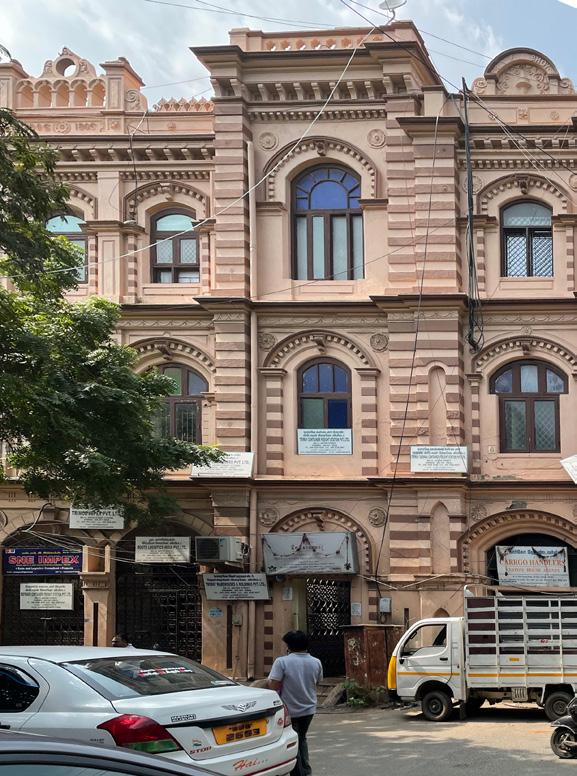
This exercise was done as an attempt to document heritage buildings within Bangalore and Chennai, India