21 TIPS TO GET YOUR HOME READY FOR THE NEXT POWER OUTAGE
1. Place a battery or solar-powered light source in each room of the house. These could be lanterns of any size, flashlights, jar candles with matches or a lighter, or light sticks. If your light sources require batteries, you should have two extra sets of batteries on hand. Inventory your battery requirements and keep track of what you have on hand and what you need to purchase here:
AAA batteries: Need / Have
AA batteries: Need / Have
C batteries: Need / Have
D batteries: Need / Have
2. Make sure everyone in the household knows where these are located. Make sure everyone understands these are not toys, and they cannot be used unless there’s a real emergency!
3. Candles should be used only very carefully and placed out of the reach of children. Avoid open flame candles if possible, since even a responsible, cautious adult can accidentally knock one over and possibly cause a fire. If you place a candle in front of a mirror, it will double the amount of light given.
4. Buy one or more external battery packs to keep cell phones and small electronics charged. Make sure these packs are kept fully charged and charging cords are in a designated location. Use your vehicle’s USB port to charge the battery packs as well as phones and other electronics.
5. If anyone in the family relies on medical equipment, such as a CPAP machine, have a plan to keep those energized. Look into versions that run on battery packs if power outages frequently happen in your area. If you let your power company know about the importance of this medical equipment, they may be able to put your home on a high priority list for restoring power.
6. Stock up on at least a week’s worth of foods that do not need to be refrigerated and don’t require cooking. Refer to my “Handy No-Cook Foods List ”
7. When the lights go out, it gets dark. Very dark, especially in the winter. Clear all walking paths inside and outside your house of clutter, so it’s easier to walk in the dark without tripping over something.
8 A battery and solar-powered radio will help you stay in touch with local news. If you lose internet access and your cable TV isn’t working, you’ll be grateful for this radio.
9. If you have warning of a power outage, get all electronics and battery packs charged, and do as many loads of laundry as possible. You’ll be much happier starting the power outage with all clean clothes!
10. Plan for the possibility of losing internet access. What information do you need to download now? Do you need to make electronic payments, send emails, or do any other business online? Get it done now.
11. Invest in something like a Jackery Portable Power Station Explorer 240, which has USB ports, AC (electrical) outlets, and can be recharged with the Jackery Solar Saga solar panel.
12. Be sure to stock up on paper/plastic plates, bowls, utensils, and drinking cups since you won’t want to spend precious hot water washing dishes.
13. To help keep food in the freezer cooler for longer, fill several 2-liter bottles 2/3 with water and place them in each freezer. They will help keep frozen food cold longer and can also be placed in an ice chest when mobility is needed.
14 Buy a good quality ice chest, along with 3 or 4 cold packs Keep the cold packs frozen and use the ice chest as an emergency refrigerator should the power go out for more than 4 hours, which is the safety limit set by the USDA. You can also utilize the ice chest for medications that require refrigeration.
15. After 3 hours, begin to quickly use up or cook the foods in your refrigerator and freezer, starting with the most expensive foods. Put foods you use most often in your ice chest. Cook meat on a grill, camp stove, solar oven, or any other cooking method at hand. Rather than waste perfectly good meat, give some away to neighbors who can cook and eat it before it goes bad.
16. If you have an electric range and oven, you’ll need another way to cook food and heat water, if necessary. I recommend a solar oven and a fuel-efficient rocket stove. Both can be purchased online, and there are DIY instructions available online, as well.
17. ATM at banks and businesses require electricity, so keep a stash of small bills on hand to pay for anything you urgently need during a power outage.
18. Power outages also affect gas station pumps. If you can do so safely, fill and store 5- gallon gas containers. Calculate how much fuel each vehicle needs and then how many miles you would have to drive if you needed to get to a cooler location. Use those numbers to determine how much fuel to store. Remember to rotate through the fuel every 5 or 6 months, refilling the gas containers each time.
19. Keep a thermometer on hand to check for body temperatures. This is especially important for babies and toddlers, the elderly, pregnant moms, and anyone with chronic health issues. A body temperature of 100 or more is a warning sign that it’s time to seek a much cooler location immediately.
20. Have a plan for your pets. Make sure they have plenty of water and never leave them outside for extended periods. When a cat or dog becomes overheated, they will become restless, will have an elevated heart rate, they will pant a lot, drool, and possibly vomit or have diarrhea. At this point, begin cooling your pet’s body down with wet towels and get him to a vet as soon as possible. If you end up evacuating for the duration of the power outage, be sure to pack supplies for your pet.
21. Always watch for coupons and store sales on batteries. A battery-powered fan is a life-saver on hot days, and you’ll always need batteries for flashlights and lanterns.

26 WAYS TO STAY WARM WITHOUT POWER
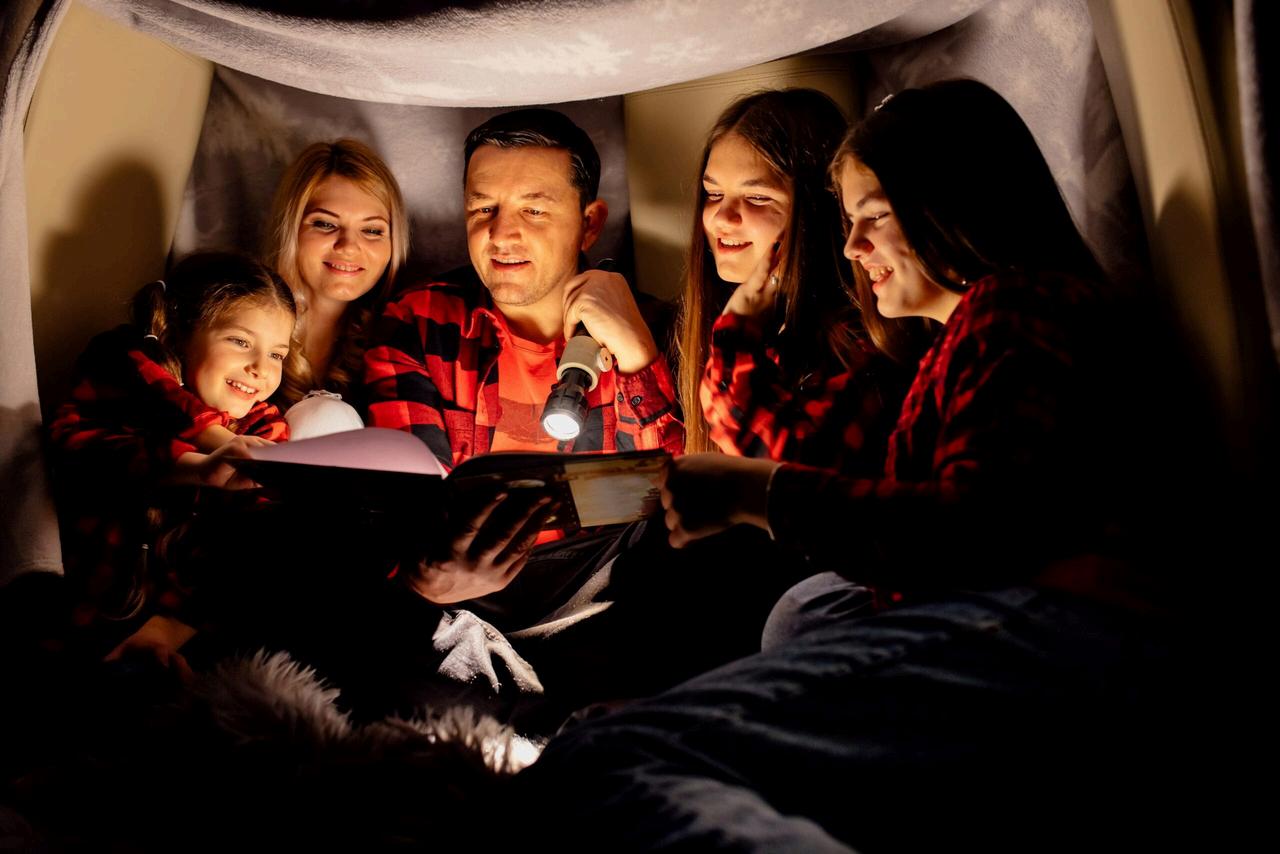
1. If the temperature inside your home is too cold for comfort, put up a tent in one of your rooms, the one with the least exposure to outside air, and use that tent as a warm refuge and for sleeping. If you have pets, bring them inside for additional body warmth. It’s much easier to warm up a small space with body heat than an entire room.
2. If you don’t have a tent, create a sort of “safe room” in the house. It should have the fewest number of windows and no exterior door. Keep plenty of no-cook foods in the room.
3. Camping gear can save the day. Sleeping bags, lanterns, a camp stove, and a tent are all useful for cold weather survival inside your home
4 Keep cold-weather camping gear in the trunk of your car for winter-time survival if you’re stranded.
5. Stock up on extra blankets and quilts. You’ll use these to cover windows and doorways to limit the amount of outside air that enters. You can even tape up inexpensive emergency mylar blankets instead.
6. Be sure to have proper clothing ready and accessible. You’ll likely stay bundled up from head to toe on cold, wintry days. Add wool caps and wool socks for each member of the family.
7. A small generator can power up an indoor heater like the popular Mr. Heater, and if the generator can be charged with solar panels, you’ll have an off-grid solution to staying warm through a power outage.
8. An immersion heater can quickly heat up water for preparing things like hot chocolate, instant soup, coffee, and instant oatmeal, and can be charged by a battery pack with an AC portal.
9. Plan on small meals if you think you’ll be snowed in for a few days. No need to add to your workload with large meals or a lot of cooking. You won’t be burning many calories unless shoveling snow or any other physical labor. Believe it or not, a peanut butter and honey sandwich on white bread is a snack recommended by some athletic trainers because it provides a high amount of both carbohydrates for quick energy and fat for long-term energy and appetite satisfaction. This would be a great snack just before going out into the cold.
10. Fleece-lined tights can be a godsend and an extra layer of warmth under pants or a skirt.
11. A cold-weather power outage means that school will be cancelled. Create a daily schedule that includes time for schoolwork, quiet reading, meals and snacks, indoor playtime, read-aloud, naptime, etc. The structure will help everyone from getting cabin fever.
12. Store in your vehicle a set of winter clothing, boots, a cap, and gloves for each member of the family. If you live in snow country, make sure the boots are waterproof.
13. Per Sheila in Alberta, take a hot shower first thing in the morning to warm up your body and get dressed in warm clothing to take on the day.
14. Sheila also recommends keeping tissues in every pocket. Your nose is sure to start running when you get cold!
15. Apply Vaseline to bare faces before going outside. This provides a layer of protection against icy cold and wind.
16. Your home may need a windbreak to protect it from the worst of winter winds. Have multiple heavy-duty tarps, rope, and a way to affix them to nearby trees, poles, or the house itself.

17. If you have indoor pets, a kiddie pool can act as a litter box for dogs. Cover the bottom with a thick layer of newspapers. Add pee pads for extra absorption. Oh, keep a can of air freshener handy!
18. Keep a small, charged battery pack in your purse to make sure you always have power for your smartphone. It provides a GPS, maps, a source of entertainment and communication –too important to your survival to risk running out of power.
19. Sit in your car with the heater on.
NOTE: This is a short-term solution and should only be done with your car parked in a well-ventilated garage or in an otherwise open area. This also allows you time to charge your phones and electronics.
20. If you have babies or toddlers, keep them warm with your body heat by carrying them in a sling or other baby carrier.
21. Put bricks or large rocks in your fireplace, heat them, remove safely using tongs, and then wrap them in blankets to warm beds and bodies.
22. Cover windows with bubble wrap as an insulator.
23. Cover uninsulated vinyl or hardwood floors with throw rugs or blankets. Estimated heat loss through floors is about 10%.
24. Avoid pipe freezes by wrapping vulnerable pipes with a heating cable, and allow your faucets to drip steadily at night to keep a bit of water moving through them.
25. Do a workout to a YouTube video or make up one of your own in order to generate some body heat.
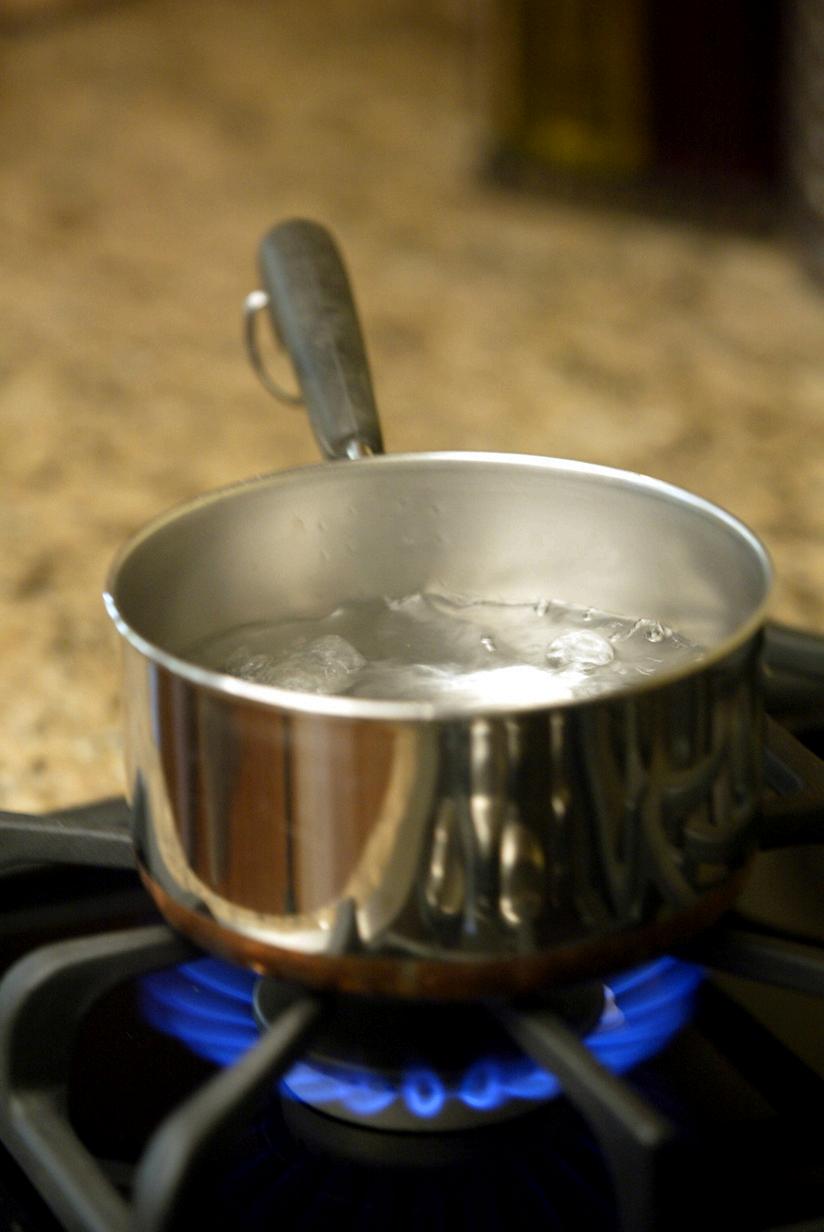
26. If you have a gas range, boil/heat water and then pour it into a hot water bottle. (Learn now how to start the pilot light of your gas range.)
11 SUMMER SURVIVAL TIPS
1. Purchase battery-powered fans of different sizes. These will run on batteries, so make sure to add those to your inventory list. Have a small fan for each family member and a larger one to provide air circulation in a room.
2. Keep a few clean, empty spray bottles on hand and use them to spray water over exposed skin. Along with the battery-powered fans, this simple step helps keep body temperatures to a safe level for more people.
3. During the heat of the day, keep physical activity to a minimal level. This is the time for naps, reading, playing video or other games – anything that doesn’t work up a sweat!
4. Continual sweating will deplete bodies of important electrolytes. Stock up on Gatorade powder or something similar, NUNN tablets, or make your own hydration powder with 3 T. sugar and 1 t. salt. Add this to a liter of water, flavor with a bit of KoolAid powder if you like
5. If the interior temperature of your home reaches temperatures above 90 degrees or a level that is too uncomfortable for family, consider setting up a shaded area outdoors if the outside temperature is more comfortable. A pop-up canopy is a quick shelter, but a tarp or two and some rope works just as well.
6. Since you’ll be outside, be sure to have plenty of bug spray, sunscreen, and mosquito-repelling citronella candles.
7. If someone has overheated, take a frozen 2-liter bottle, wrap it in a thin towel, and have them hold it against their upper body. If you can’t leave immediately to someplace with air conditioning, immerse them in a tub of lukewarm, not cold, water. This will help lower their body temperature, but at this point, it’s imperative to get to a cooler location asap.
8. Just before bedtime, spray bed sheets with plenty of water, aim a battery-powered fan toward your side of the bed, jump in, and go to sleep quickly!
9. Check the western exposure of your home. If you have windows that face west, check into inexpensive blinds from Home Depot or Lowe’s. Even aluminum foil taped over your windows can help keep your home cooler as will sheets of bubble wrap.
10. Keep a bar or two of Fels Naptha or Zote laundry soap handy to wash clothes by hand. They’ll dry super-fast if hung outside in the warm air.
11. If the nighttime temperatures become unbearable, then sleep outside! Set up camp in the backyard. Beware of mosquitoes, though, and plan ahead with citronella candles and mosquito netting.

HANDY NO-COOK FOODS
From this list of foods, choose the ones you know your family will eat and will not create any issues with those on gluten-free or other special diets.
MREs – Meals Ready to Eat. These can be purchased on Amazon and are military-grade meals They don't require refrigeration and come with a selfheating element. Fun for the kids, even if you are buying just one per person to kick off the power outage in high style!
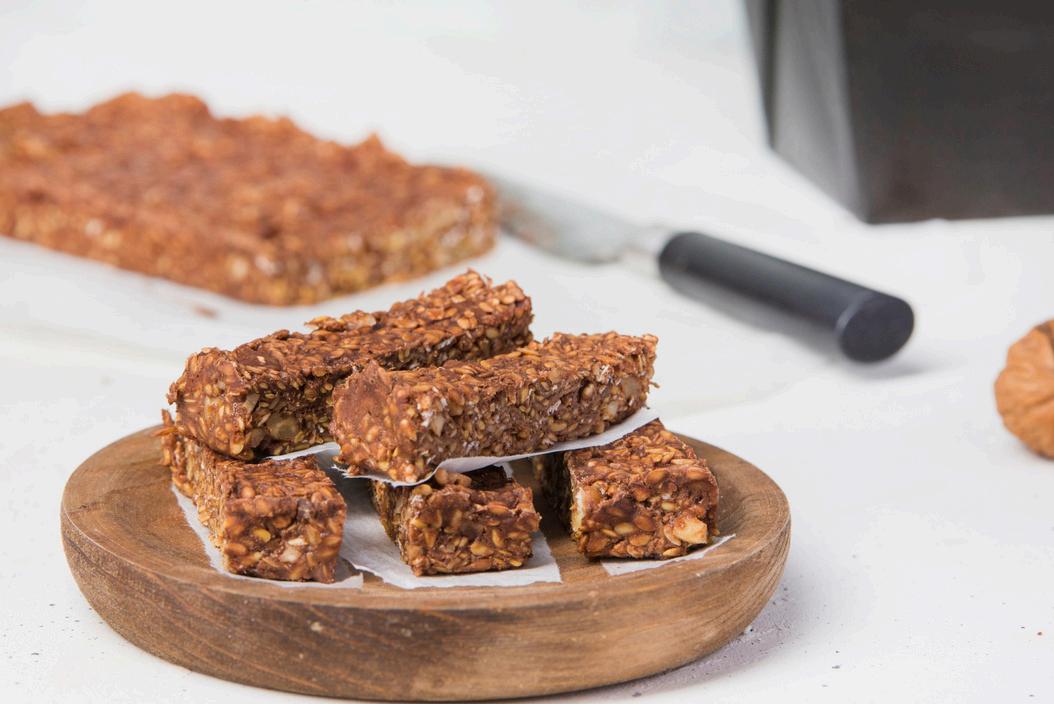
Energy bars – These can be picked up at the grocery store, but there are other versions online that contain a higher number of calories. A couple of brand names to look for are Datrex, Mainstay, and SOS Emergency Bars.
Almonds and other nuts – Keep allergies in mind, but these generally store well, especially in an airtight container.
Freeze-dried meals – Look for brand names Mountain House, Legacy, and Thrive Life. Before buying these in quantity, try out a single meal first.
V-8 and other canned juices


HANDY NO-COOK FOODS
Canned pasta – I’m not crazy about Chef Boyardee, either, but in a pinch, these are filled with calories that will help keep tummies satisfied, and they can be eaten directly from the can if you have no other choice.
Canned meats
Powdered drink mixes – Gatorade, Pedialyte, Propel, Emergen-C Electro Mix. There are several brands that have a long shelf life as long as they’re stored in a cool location.
Cocoa mix – Heat up water on a camp stove, and the power outage will almost be a party!
Dried milk powder
Peanut and other kinds of nut or seed butter – These have long shelf lives, and due to their high-fat content, they are very satisfying.
Jerky – For long-term storage, repackage these in a vacuum-sealed bag.
Instant coffee



Dried fruit and trail mixes
Canned fruit
Pudding, Jell-O, and applesauce cups
Fruit leather
Rice cakes – top with nut butter and dried fruit for a delicious snack
Tuna packs



Instant oatmeal packets
Olives in sealed packets
Cheese spreads in jars
Sunflower and other seeds
Cookies and crackers – For longer shelf life, look for varieties that contain a lower amount of fat Over time, oils become rancid
Protein powder mixed with water, almond milk, or regular milk
Wine!
15 EASY, NO-COOK MEALS
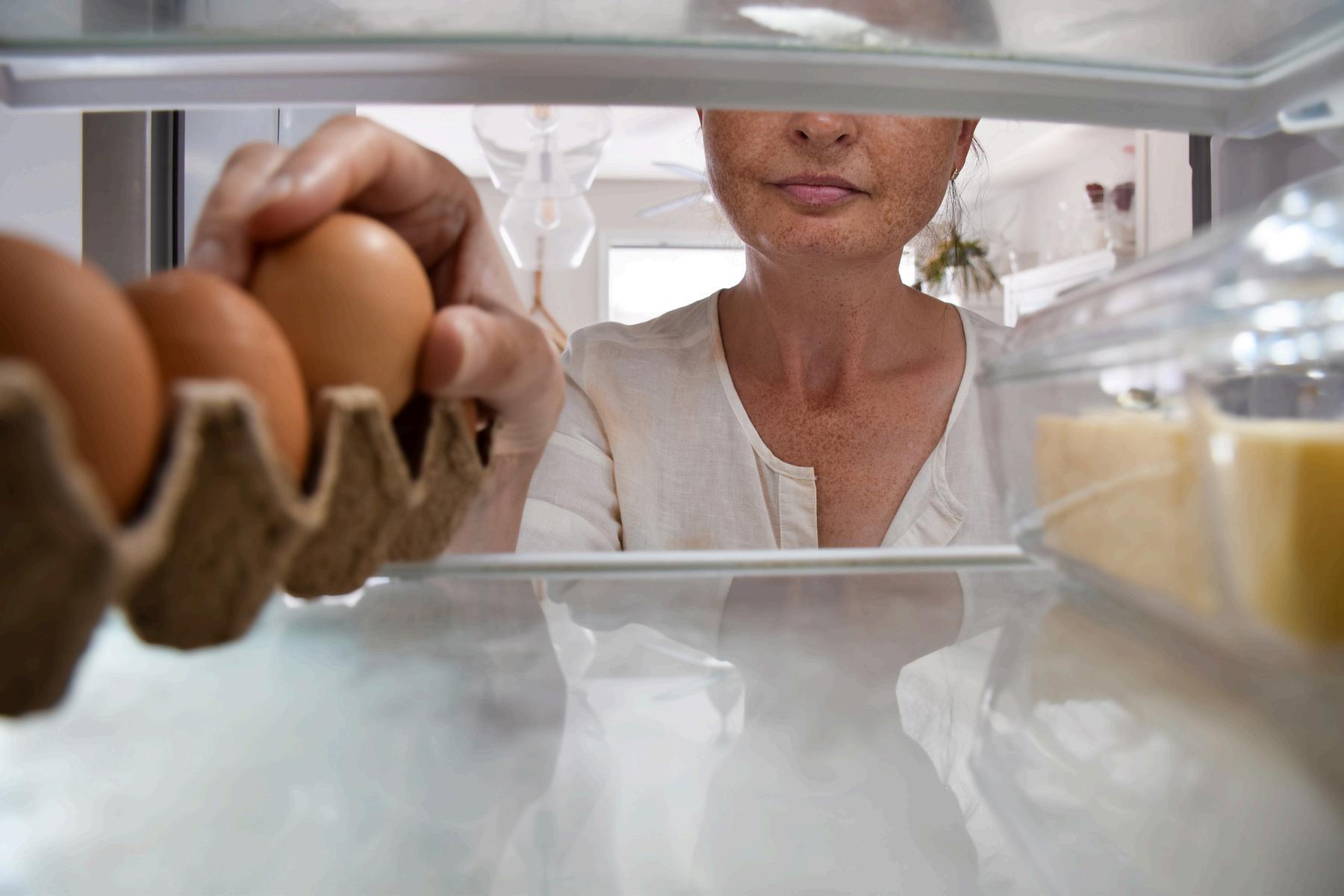
If your power outage lasts more than 3 hours, it’s time to get busy eating or otherwise using up the food in your refrigerator Remove from your fridge the foods that can be stored at room temperature, such as butter, eggs, cheeses, condiments, and produce. You’ll want to consume these foods within a couple of days, but for now, they will be safe. Other foods, like leftovers and meats, should be used in meals and snacks immediately.
1. Yogurt with fruit, jam, or other mix-ins
2. Cottage cheese with mix-ins or spread on slices of bread
3. Cold cereal with milk (Use the refrigerated milk first and then mix up a batch of powdered milk.)
4. Sandwiches
5. Mix up a batch of tuna salad and serve over salad greens
6. Flour tortilla roll-ups with peanut butter and jelly
7. Flour tortilla roll-ups with cream cheese, veggies, and sliced meat
8. Salads of every kind topped with leftover meat, sliced deli meat, cheeses, hardboiled eggs, nuts, seeds. This is a great way to use up a variety of refrigerated foods.
9. Chicken salad – With cooked chicken, chop it up and add your favorite ingredients, such as mayo, chopped celery, chopped walnuts, etc.
10. Guacamole and chips – What better way to use up avocados?
11. An elegant Power Outage Charcuterie Board: Cheese, crackers, crudités, fruit, and crackers or slices of bread with a bottle of wine!
12. Spaghetti-O’s or ravioli
13. Hummus with veggies and crackers
14. Mexican 7-Layer Dip: sour cream, refried beans, guacamole, chopped tomato, grated cheddar cheese, sliced black olives, and sliced green onions. Serve with tortillas or chips.
15. Tostadas – Crispy corn tortillas spread with refried beans and topped with chopped lettuce, tomatoes, and salsa
33 ACTIVITIES TO KEEP KIDS BUSY DURING A POWER OUTAGE
1. Read-aloud/Storytime – Kids of all ages, and even adults enjoy this!
2. Playing in the sprinkler
3. Build a fort indoors
4. Build a fort outdoors
5. Learn to tie different types of knots
6. Go on a scavenger hunt either indoors or outdoors
7. Go to the public library
8. Play hide and seek in the dark
9. Learn new card games beyond Go Fish!
10. Have an outdoor cookout
11. Play board games

12 Put a puzzle together
13. Swap games or toys with other families

14. Sell bottles of cold water
15. Put on a talent show
16. Go through old family photo albums
17. Coloring books
18. Puppet shows
19. Memorize a poem, famous speech, or Bible verses
20. Learn how to use a compass
21. Have a family fire or tornado drill
22. Go on a family bike ride

23. Explore a nature area nearby, even if it’s just the nearest park
24. Go to a public swimming pool
25. Make a homemade solar oven and cook something in it
26. Get ahead in school assignments
27. Draw a map of the house or the neighborhood
28. Learn magic tricks
29. Identify the birds you see in your backyard or on walks around the neighborhood
30. Go fishing.
31. Create a family tree poster
32. Create a collage with things you find in the trash
33. Check on elderly neighbors to make sure they are okay and to see if they need any help.
DESTINATIONS FOR WHEN YOU SIMPLY CANNOT STAND THE HEAT (OR COLD) ANY LONGER
Extreme temperatures affect all of us, but there are five groups that suffer the most, possibly leading to a life-threatening scenario. During a power outage, if your home becomes dangerously hot or cold, have a plan to leave if your household includes infants, toddlers, a pregnant woman, anyone with chronic health issues, or the elderly.
If you just need to get away from your hot home for a few hours, head toward anywhere that has air conditioning. Take a backpack or small suitcase on wheels with everything you’ll need for several hours: snacks, water bottles, comfort items for nap time, books, etc.
WHEN YOU REALLY HAVE TO GET OUT OF TOWN
If your home remains uncomfortably hot or cold and there’s no end in sight to the power outage, it’s time to leave. For a lot of people, though, this is easier said than done. After all, very few of us have a vacation home nestled in the mountains or on the beach We’ll just have to get creative and make the best of it!
NOTE: Leaving pets behind is 100% unacceptable. It not only endangers the pets but causes problems for firstresponders. Well ahead of any emergency evacuation, make sure your pets will be allowed. A last-ditch option is to board them in a kennel or with a veterinarian, but make sure you know beforehand their requirements, such as being up to date with vaccines.
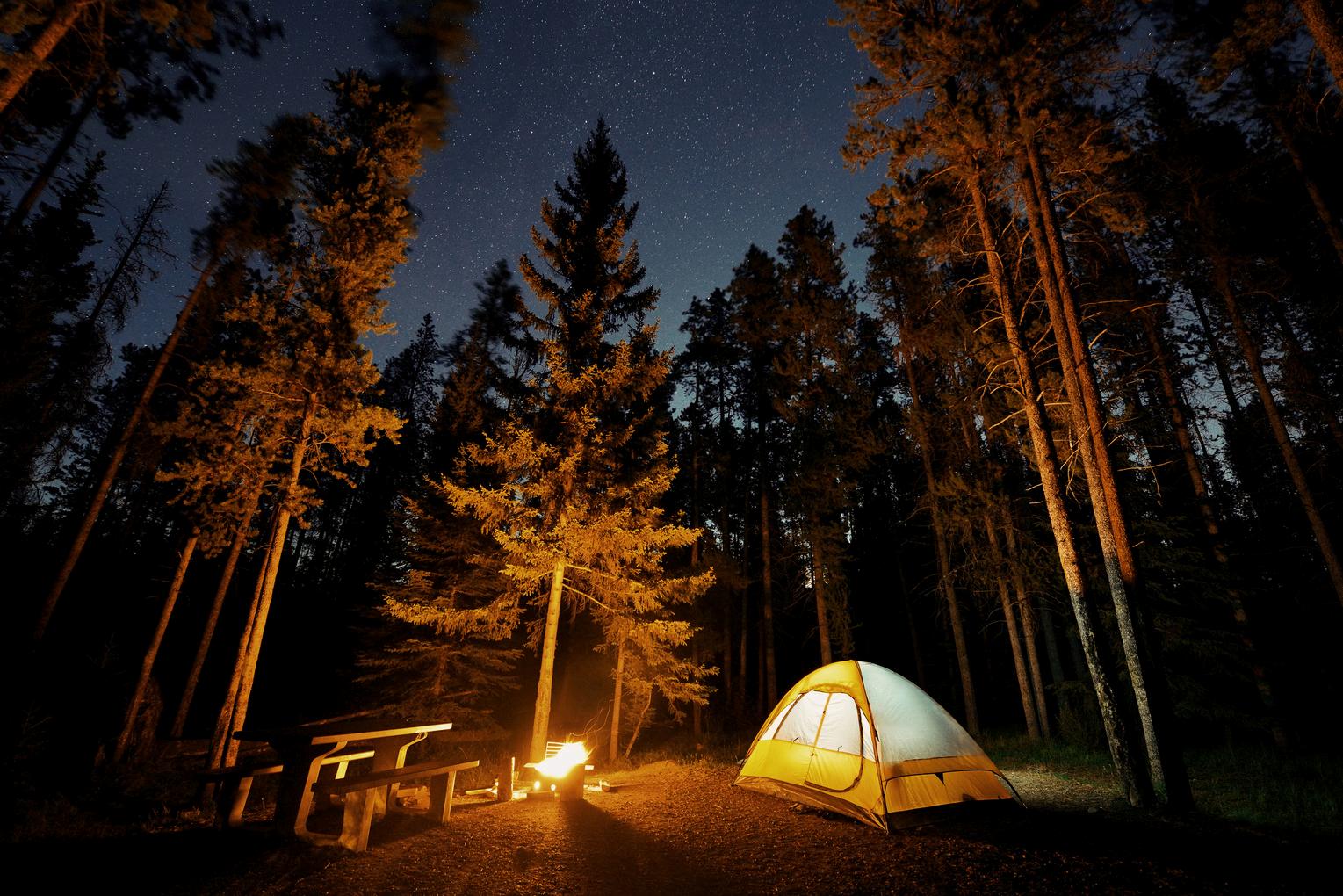
Here are a few ideas for “bug out locations” to at least provide a few days in a cooler location. This will give you time to make plans for longer-term, if necessary.
Stay with family or friends – This is always your best bet, but have other options in mind.
Campgrounds
Urban camping – Walmart parking lots are usually available for overnight stays.
Camping at a friend’s house/property – The advantage to this is you’ll have access to showers, toilets, and a kitchen.

Stay with friends of friends – It doesn’t hurt to ask.
Motels – If you have pets, try to stay at LaQuinta. Not only is it pet-friendly, but they do not charge an extra fee for pets. You can read their pet policy here.
RV park – If you have an RV, they might allow you to stay for a few days. Some RV parks allow tents.
Timeshare resorts – Now is the time to use your banked weeks or buy them from others on websites like redweek.com
Hostels – The U.S. doesn’t have too many of these but check hostel websites to see if any are located near you.
National Park cabins/huts – Some parks have rustic cabins available for rent. You’ll have to provide everything from bedding to dishes and cooking equipment to toilet paper and towels.
Airbnb – The variety of Airbnb accommodations is astonishing, and you can get some excellent rates. However, you’ll have to pay a cleaning fee, so factor that into your plans. In a major emergency like Hurricane Harvey, Airbnb was offering discounted rates to people displaced by the flooding, so watch the news for opportunities like that.