14 UmrJUmr CMYK
17 - 23 January 2014 m SURMA Nxxx,2014-01-15,A,001,Bs-BK,E2
Late Edition Today, clouds and some sunshine, high 50. Tonight, mostly cloudy, low 37. Tomorrow, variably cloudy, a rain or snow shower possible, high 43. Weather map is on Page C8.
VOL. CLXIII . . . No. 56,382
ARAB NEIGHBORS TAKE SPLIT PATHS IN CONSTITUTIONS
N.S.A. Devises OBAMA TO PLACE Radio Pathway SOME RESTRAINTS Into Computers
ON SURVEILLANCE
Reaching Targets Cut Off From Internet KEEPS MANY PROGRAMS
TUNISIA SEEN AS SUCCESS Egypt, on Other Hand, Highlights Pitfalls of Revolution
By DAVID E. SANGER and THOM SHANKER
By DAVID D. KIRKPATRICK and CARLOTTA GALL
CAIRO — One is setting a standard for dialogue and democracy that is the envy of the Arab world. The other has become a study in the risks of revolution, on a violent path that seems to lead only in circles. Tunisia and Egypt, the neighbors whose twin revolts ignited the Arab Spring, are a dual lesson in the pitfalls and potentials for democracy across the region. On the third anniversary of the flight of the former strongman, President Zine el-Abidine Ben Ali, Tunisia’s constituent assembly was poised on Tuesday to approve a new constitution that is one of the most liberal in the Arab world. A carefully worded blend that has won the approval of both the governing Islamist party and its secular opposition, the new charter presents the region with a rare model of reconciliation over the vexing question of Islam’s role in public life. Egyptians, meanwhile, trudged to the polls on Tuesday for their third referendum in three years to approve a new constitution: this time for one that validates the military ouster of their first fairly elected president, Mohamed Morsi of the Muslim Brotherhood, and gives power and immunity to both the military and the police. “‘Train wreck’ might be a charitable way to describe where Egypt is right now,” said Nathan J. Brown, an expert on Arab legal systems at George Washington University. In Tunisia, he said, “everybody keeps dancing on the edge of a cliff, but they never fall off.” The difference, scholars said, lies in the shape of the shards left after each country’s revolt. Tunisia’s brutal security police virtually collapsed during its revolt, while its small, professionalized military historically had no interest in political power. In civilian politics, its Islamist and secular factions were relatively Continued on Page A8
$2.50
NEW YORK, WEDNESDAY, JANUARY 15, 2014
© 2014 The New York Times
DAMON WINTER/THE NEW YORK TIMES
Noting a Scandal, and Seeking to Move On Gov. Chris Christie focused on policy in his State of the State speech in Trenton. Page A18.
After Flurry of Changes, Some States Ease Up By ADAM NAGOURNEY
LOS ANGELES — One year ago, Gov. John W. Hickenlooper, a Colorado Democrat, stood before a state legislature controlled by his party and laid out an aggressive agenda that included a sweeping expansion of gun-control laws after the mass shooting at an Aurora movie house. “Why not have universal background checks for all gun sales?” he asked. When Mr. Hickenlooper stood again before the legislature last week — after a year in which three Democratic state senators who supported his bill were forced from office — there was little mention of gun control, or for that matter, any potentially divisive social or fiscal issue.
ONE-PARTY RULE Setting Differences Aside
“We got a lot of pushback over universal background checks,” Mr. Hickenlooper said in a telephone interview. “I’ve spent a lot of time trying to think about how to do things differently, so there isn’t a partisan divide.” “There were a lot of mistakes,” he said of how he sold the gun measures to his state. “We just didn’t do a very good job of communicating the benefits. And I think we were ahead of parts of the state. We didn’t do a good enough job of reaching out to rural Colorado.” Mr. Hickenlooper, who is facing a potentially difficult re-election this November, is not alone
in recalibrating in the face of suggestions that he and other elected officials might have overreached. Across the country, in many, though not all, of the states under single-party Democratic or Republican control, lawmakers are stepping back this election year, steering away from the divisive battles on abortion, gun control, collective bargaining and large tax cuts that have marked recent sessions in state capitols. This is a striking change from the past few years, when 36 states — more than at any other time in the past 60 years — came under single-party control: 23 Republican and 13 Democratic. Far from being gripped by the partisan gridlock that has paralyzed Washington, these states Continued on Page A17
WASHINGTON — The National Security Agency has implanted software in nearly 100,000 computers around the world that allows the United States to conduct surveillance on those machines and can also create a digital highway for launching cyberattacks. While most of the software is inserted by gaining access to computer networks, the N.S.A. has increasingly made use of a secret technology that enables it to enter and alter data in computers even if they are not connected to the Internet, according to N.S.A. documents, computer experts and American officials. The technology, which the agency has used since at least 2008, relies on a covert channel of radio waves that can be transmitted from tiny circuit boards and USB cards inserted surreptitiously into the computers. In some cases, they are sent to a briefcase-size relay station that intelligence agencies can set up miles away from the target. The radio frequency technology has helped solve one of the biggest problems facing American intelligence agencies for years: getting into computers that adversaries, and some American partners, have tried to make impervious to spying or cyberattack. In most cases, the radio frequency hardware must be physically inserted by a spy, a manufacturer or an unwitting user. The N.S.A. calls its efforts more an act of “active defense” against foreign cyberattacks than a tool to go on the offensive. But when Chinese attackers place similar software on the computer systems of American companies or government agencies, American officials have protested, often at the presidential level. Among the most frequent targets of the N.S.A. and its Pentagon partner, United States Cyber Command, have been units of the Chinese Army, which the United States has accused of launching regular digital probes and attacks on American industrial and military targets, usually to steal secrets or intellectual property. But the program, code-named Quantum, has also been successContinued on Page A10
Backs Public Advocate and Limits on Access to Phone Data By PETER BAKER and CHARLIE SAVAGE
WASHINGTON — President Obama will issue new guidelines on Friday to curtail government surveillance, but will not embrace the most far-reaching proposals of his own advisers and will ask Congress to help decide some of the toughest issues, according to people briefed on his thinking. Mr. Obama plans to increase limits on access to bulk telephone data, call for privacy safeguards for foreigners and propose the creation of a public advocate to represent privacy concerns at a secret intelligence court. But he will not endorse leaving bulk data in the custody of telecommunications firms, nor will he require court permission for all so-called national security letters seeking business records. The emerging approach, described by current and former government officials who insisted on anonymity in advance of Mr. Obama’s widely anticipated speech, suggested a president trying to straddle a difficult line in hopes of placating foreign leaders and advocates of civil liberties without a backlash from national security agencies. The result seems to be a speech that leaves in place many current programs, but embraces the spirit of reform and keeps the door open to changes later. The decision to provide additional privacy protections for non-American citizens or residents, for instance, largely codifies existing practices but will be followed by a 180-day study by the director of national intelligence about whether to go further. Likewise, instead of taking the storage of bulk data out of government hands, as recommended by a review panel he appointed, Mr. Obama will leave it in place for now and ask lawmakers to weigh in. The blend of decisions, to be outlined in a speech at the Justice Department and in a presidential Continued on Page A10
Ads Attacking on Health Law No ‘Mary Poppins,’ School Chief Honed Blunt Style Over 40 Years Stagger Outspent Democrats
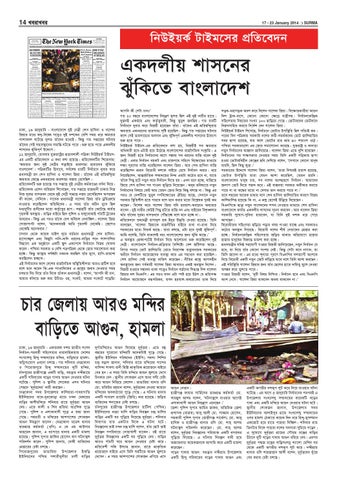
dJTJ, 13 \JjM~JKr - mJÄuJPhPv hMA ßj©L ßvU yJKxjJ S UJPuhJ K\~Jr oPiq ƪô-KmPÆw xP•ôS hMA hvPTr ßmKv xo~ iPr ãofJr kJuJmhu WPaPZ oNuf fJÅPhr oPiqAÇ KT∂á Vf x¬JPyr WajJ~ fJÅPhr ßxA xyJm˙JPjr xoJK¬ WaPf kJPrÇ ÊÀ yPf kJPr FThuL~ vJxPjr ^MÅKTkNet CPhqJVÇ 12 \JjM~JKr, ßrJmmJr pMÜrJPÓsr k´nJmvJuL kK©TJ KjCA~Tt aJAoxFr FTKa k´KfPmhPj F TgJ muJ yP~PZÇ k´KfPmhjKar KvPrJjJo: ÈãofJr \jq hMA ßj©Lr uzJAP~ nJrxJoq yJrJPjJr ^MÅKTPf mJÄuJPhv'Ç kK©TJKar KyxJPm, xmtPvw YJrKa KjmtJYPj hMmJr TPr k´iJjoπL yj ßvU yJKxjJ S UJPuhJ K\~JÇ fJÅPhr FA k´KfÆKªôfJ ãofJr ßTPªs FTirPjr nJrxJoq m\J~ ßrPUKZuÇ k´KfPmhjKa ÊÀ yP~PZ Vf x¬JPy hMA ßj©Lr TotTJP§r metjJ KhP~Ç k´KfPmhT FPuj mJKr\Jj KuPUPZj, Vf x¬JPy rJ\iJjL dJTJ~ Kj\ Kj\ xMroq mJxnmj ßgPT hMA ßj©L xJV´Py j\r ßrPUKZPuj Ikr\j TL TPrj, ßxKhPTÇ xJPmT k´iJjoπL UJPuhJ K\~J fJÅr csK~ÄÀPo hJS~Jf TPrKZPuj IKfKgPhrÇ F xo~ fJÅr TKbj oMPU KZu oiqpMVL~ rJjLPhr oPfJ TftíPfôr ZJkÇ x¬JyKa fJÅr ßTPaPZ TJptf VíymªL Im˙J~Ç mJKzr mJAPr KZu kMKuv S mJuMPmJ^JA kJÅYKa asJPTr ImPrJiÇ KT∂á Fr krS fJÅPT ßmv IKmYu ßhUJKòuÇ UJPuhJ K\~J ßxJ\JxJ¡J mPuj, ÈIPjTmJrA @Ko VíymªL ßgPTKZÇ ß\PuS ßgPTKZ IPjTmJrÇ' PxUJj ßgPT TP~T oJAu hNPr mftoJj k´iJjoπL ßvU yJKxjJyJPxqJöôu FmÄ KTZMaJ jJKj-hJKh irPjr-mJKzr uPj uJuVJKuYJ KmZJPjJ FT IjMÔJPj FTKa ˙Nu FTPkPv KjmtJYPj Km\~ ßWJweJ TPrjÇ kKÁoJ xrTJr S ßhKv k©kK©TJ ßgPT ß\Jr xoJPuJYjJ TrJ yPòÇ KT∂á @˙Jr metòaJ YTYT TrKZu fJÅr oMPU, yJKx-fJoJvJ TrKZPuj ˝òPªÇ FA KjmtJYPjr lPu ßhPvr rJ\QjKfT IK˙KfvLufJ @rS \Kau yPm mPu oPj TPrj KT-FT xJÄmJKhPTr F k´Pvúr \mJm ßhS~Jr xo~ YvoJr KjY KhP~ fJÅr KhPT fJÅTJj k´iJjoπLÇ mPuj, È@kKj TL YJj, @oJr TJÅhPf ÊÀ TrJ CKYf? Sy, xÄTa, @orJ xÄTPa kPzKZ! By JAVIER C. HERNÁNDEZ and AL BAKER
By CARL HULSE
WASHINGTON — Democrats are increasingly anxious about an onslaught of television ads hitting vulnerable Senate and House candidates for their support of the new health law, since many lack the resources to fight back in the early stages of the midterm campaign. Since September, Americans for Prosperity, a group financed in part by the billionaire Koch brothers, has spent an estimated $20 million on television advertising that calls out House and Senate Democrats by name for their support of the Affordable Care Act. The unusually aggressive early run of television ads, which has been supplemented by other conservative initiatives, has gone largely unanswered, and strategists in both parties agree it is taking a toll on its targets. Building on the success, the deep-pocketed organization disclosed on Tuesday that it was expanding its Senate efforts with
$1.8 million in airtime to attack Democratic House members running for the Senate in Iowa and Michigan, where Democrats are viewed as holding an early advantage. The group was also moving into Montana, a state where Democrats may struggle to defend a seat, on behalf of a Republican House member running for the Senate. Campaign experts said they believe that the early advertising blitz has driven down the support for Senate incumbents in highly competitive states such as Louisiana and North Carolina that are critical to the Democratic Party’s push to hold its majority. Some House Democrats in competitive districts find themselves under steady assault with little ability to respond unless they want to dip into money they will need later in the campaign. “Money spent now is money lost,” said Representative Joe Garcia, a South Florida DemoContinued on Page A3
Carmen Fariña was known for her meticulous demands. It was the early 1990s, and Ms. Fariña, a hard-charging educator with an irrepressible Brooklyn accent, was on a mission to shake up Public School 6 on the Upper East Side of Manhattan, already one of the most prestigious in New York City. She held assemblies on bathroom behavior. She popped into classes daily and nagged staff members about dull bulletin board displays. She prodded teachers she considered a poor fit to leave. She ended a popular gifted program, and asked some of the city’s most assertive parents to do the unthinkable: keep a distance from classrooms. “Nobody wanted to cross her,” recalled Joanne A. Zervos, whose son attended the school while Ms. Fariña was principal. “She was definitely not a warm and fuzzy person. She wanted to get the job done.” Ms. Fariña, the new schools chancellor, softened her stern image with generosity, hosting co-
Obeying a Cultural Code
Elder care issues challenge many Asian-Americans, who have a strong tradition of caring for parents at home. Phuong Lu quit her job to be home with PAGE A11 her mother, Doanh Nguyen.
plunger to pass as a wooden leg. Ms. Fariña was adored for her habit of substituting for teachers on their birthdays. But it was not just a kind gesture: She wanted to uncover weaknesses in how they were handling students.
“I had an ulterior motive,” she said in an interview last week. “I wanted to get to know what their classroom was like when they weren’t in it.” When Mayor Bill de Blasio inContinued on Page A24
NATIONAL
BUSINESS DAY B1-9
DINING D1-6
Oklahoma Marriage Ban Falls
A Faster Internet for Some
A Chef’s Next Act
A federal judge ruled that Oklahoma’s ban on same-sex marriage was unconstitutional. But he stayed his ruling, exPAGE A15 pecting an appeal.
A federal court ruled that Internet providers can make deals with big services like Netflix for faster speeds. PAGE B1
As he juggles television roles and burger joints, Bobby Flay is looking to regain a spot in New York’s restaurant pantheon, opening Gato, his first new Manhattan restaurant in nearly a decade. It represents an obsessive midlife PAGE D1 quest for Mr. Flay.
Cost of Pacific Trade Pact
NATIONAL A11-17
MICHAEL APPLETON FOR THE NEW YORK TIMES
Carmen Fariña last week with a teacher, Frank Thomas, at P.S. 29, where she used to work.
workers at her home for dinner, inviting teachers on retreats and handing out lollipops after grueling days. To help with history lessons, she dressed up as Peter Stuyvesant, a colonial governor of Dutch New York, using a
The United States is pulling back on environmental safeguards to reach a trade deal, leaked documents show. PAGE A17
SPORTSWEDNESDAY B11-15
N.F.L. Settlement Hits a Snag
A federal judge presiding over a $765 million deal on retired players and conPAGE B11 cussions rejected it, for now.
INTERNATIONAL A4-10
More Questions on an Affair
At a news conference, President François Hollande of France said very little about his affair with an actress. PAGE A4
NEW YORK A18-21
Not Giving Up Those Seats
Elderly patrons and a McDonald’s in Queens are in a standoff. PAGE A18
ARTS C1-7
EDITORIAL, OP-ED A22-23
A Later Take on Germans’ Past
Maureen Dowd
The German film “Generation War” tells an empathetic story of young people caught up in World War II. It was a big hit in Germany, less so in Poland. PAGE C1 Review by A. O. Scott.
PAGE A23
U(D54G1D)y+"!@!%!=!&
KjCA~Tt aJAoPxr k´KfPmhj
FThuL~ vJxPjr ^MÅKTPf mJÄuJPhv @kKj TL ßxaJ YJj?' Vf 20 mZPr mJÄuJPhPvr Kj~πe oNuf KZu FA hMA jJrLr yJPfÇ hM\jA FTèÅP~ FmÄ TftífômJhL, KT∂á fMoMu \jKk´~Ç Vf YJrKa KjmtJYPj hMmJr TPr Km\~L yP~PZj fJÅrJÇ fJÅPhr FA k´KfÆKªôfJ~ ãofJ~ FTirPjr nJrxJoq xOKÓ yP~KZuÇ KT∂á Vf x¬JPyr WajJr lPu ßxA nJrxJPoqr ImxJj FmÄ ^MÅKTkNet FThuL~ vJxPjr CPhqJV ÊÀ yPf kJPrÇ KjCA~Tt aJAox-Fr k´KfPmhPj muJ y~, Km\~LA xm ãofJr IKiTJrL yPm-FaJA yP~ CPbPZ mJÄuJPhPvr rJ\QjKfT xÄÛíKfÇ F \jq Km\~L yPf KjmtJYPjr @PV x÷Jmq xm irPjr mJK\ iPrj hMA ßj©LÇ FmJr KjmtJYj m~Ta FmÄ rJ\kPg xKyÄx KmPãJPnr oJiqPo uãq kNrPer mJK\ iPrKZPuj UJPuhJ K\~JÇ @r ßvU yJKxjJ mJK\ iPrKZPuj k´iJj KmPrJiL huPT mJAPr ßrPU KjmtJYj TrJrÇ iPr KjP~KZPuj, @∂\tJKfT xŒ´hJP~r KjªJ FfaJ TPbJr yPm jJ, pJPf fJÅPT KkZM yPa jfMj TPr KjmtJYj KhPf y~Ç FUj oPj yPò, mJK\Pf K\Pf ßvU yJKxjJ xm kJSjJ TMKzP~ KjP~PZjÇ IhNr nKmwqPf jfMj KjmtJYPjr KmwP~ ßTC @r ßfoj ß\Jr KhP~ KTZM muPZ jJÇ KT∂á Fr krS ßp ßhvKaPf fMoMu VeKmPãJPnr GKfyq @PZ, ßxUJPj jfMj xrTJr K˙KfvLu yPf kJrPm mPu oPj TrJr oPfJ KmPväwT UMmA To @PZjÇ KmPvw TPr UJPuhJ K\~J pKh yrfJu-ImPrJi ImqJyf rJPUjÇ hMA jJrLr ßTCA KkZM yaPf rJK\ jj FmÄ mJAPrr Kmví⁄uJr @ÅY fJÅPhr xMroq mJxnmPj ßkRÅZJPò mPu oPj yPò jJÇ k´KfPmhPj fgqoπL yJxJjMu yT AjMr C≠íKf ßhS~J yP~PZÇ KfKj mPuPZj, ÈUJPuhJ K\~JPT rJ\jLKfr mJAPr rJUJ jJ-rJUJ KjP~ xrTJPrr oPiq KmfTt @PZÇ fJrJ muPZ, FaJ yPm UMmA ^MÅKTkNetÇ @Ko mPuKZ, KfKj gJTPuA mrÄ mJÄuJPhPvr \jq ^MÅKT @PZÇ' F Im˙Jr ßk´ãJkPaA KjmtJYj KjP~ @PuJYjJ ÊÀ TPrKZPuj hMA ßj©LÇ mJÄuJPhPv KjmtJYj-k´Kâ~Jr ‰mKvPÓq ßmv \KaufJ @PZÇ KmVf xoP~ ßnJa \JKu~JKf ßrJPi KjrPkã f•ôJmiJ~T xrTJPrr IiLPj KjmtJYj @P~J\Pjr mqm˙J TPr Fr xoJiJj TrJ yP~KZuÇ ßvU yJKxjJ ßxA mqm˙J mJKfu TPrPZjÇ jLKfr k´Pvú @kxyLj Im˙JPjr \jq VmtTJrL UJPuhJ K\~J @mJrS FTA Im˙Jj KjPujÇ Km\~L yS~Jr x÷JmjJ gJTJ xP•ôS KjmtJYj m\tPjr Kx≠J∂ Kju UJPuhJ K\~Jr hu KmFjKkÇ Fr krS pUj FaJ ¸Ó yP~ Cbu ßp k´Kfkã KjmtJYj @P~J\Pj m≠kKrTr, fUj yrfJu-ImPrJPir cJT KhP~
xzT-oyJxzT IYu TPr KhPuj UJPuhJ K\~JÇ KmPãJnTJrLrJ @èj Khu asJT-mJPx, ßTJPjJ ßTJPjJ ßãP© pJ©LxyÇ KjmtJYjPTKªsT xKyÄxfJ~ KjyPfr xÄUqJ 100 ZJKzP~ ßVPZÇ ßnJaJrPhr ßnJahJPj KjÀ“xJKyf TrPf KjPhtv ßhj UJPuhJ K\~JÇ KjCA~Tt aJAox KuPUPZ, KjmtJYPj ßnJaJr CkK˙Kf KZu xKfqA ToÇ kPrr Khj kK©TJ~ xrTJKr hPur TotL-xogtTPhr ßnJa \JKu~JKfr Umr ZJkJ yP~PZ, pJr lPu ßnJPar yJr k´J~ 40 vfJÄv SPbÇ kKÁoJ xrTJrèPuJ Fr ß\Jr xoJPuJYjJ TPrPZÇ pMÜrJÓs S TJjJcJ jfMj KjmtJYPjr @øJj \JKjP~PZÇ UJPuhJ K\~J FPf UMKv yP~PZjÇ KjmtJYPjr kr xJãJ“TJr ßhS~Jr xo~ KfKj FTKa kK©TJ~ ZJkJ yS~J ßnJaJrKmyLj ßTPªsr ZKm ßhKUP~ mPuj, ÈPxUJPj ßTJPjJ oJjMw pJ~Kj, KZu KTZM TM•JÇ' xrTJPrr CP¨Pv UJPuhJ K\~J mPuj, ÈfJrJ KjÁ~A yfJv yP~PZ, ßnJaJr CkK˙Kf fJrJ ßpoj @vJ TPrKZu, ßfoj y~KjÇ mJÄuJPhPvr oJjMw YJ~, xm hPur IÄvV´yPe KjmtJYjÇ @oJPhr \jVe ßnJa KhPf kZª TPrÇ FA mJ˜mfJ xrTJr I˝LTJr TrPf kJPr jJ mJ IPºr oPfJ jJ ßhUJr nJj TrPf kJPr jJÇ' fPm vyPrr @PrT oJgJ~ mPx ßvU yJKxjJ \JKu~JKfr TJrPe Km\~ TJKuoJKu¬ yP~PZ KT jJ, F k´vú ßyPxA CKzP~ KhP~PZjÇ KmFjKkPT ZJzJ jfMj xJÄxhPhr vkg ßjS~Jr oJiqPo ßvU yJKxjJ mJÄuJPhPv TJptf FThuL~ vJxPjr xNYjJ TrPmjÇ @r UJPuhJ K\~J xrTJKr xMPpJV-xMKmiJ yJrJPmj, pJ KfKj hMA hvT iPr ßkP~ @xPZjÇ KmPrJiLPhr xKyÄxfJ ZKzP~ kzJr Umr kJS~J pJPò FmÄ xrTJrS TPbJr Im˙Jj KjP~PZÇ KmPrJiL hPur vLwt ßjfJPhr ßV´¬Jr TrJ yPòÇ KjmtJYjPTKªsT xKyÄxfJ~ \Kzf gJTJr IKnPpJPV yJ\Jr yJ\Jr oJjMPwr KmÀP≠ oJouJ TrJ yPòÇ k´iJjoπLr WKjÔ xyPpJVL VSyr Kr\nL \JKjP~PZj, jfMj KjmtJYj ßp yPm, fJ KjP~ fJÅr ßTJPjJ xÄv~ ßjAÇ KT∂á ßxaJ TPm jJVJh, fJ KfKj \JPjj jJÇ Fr oPiq vNjqfJ kNrPe KmFjKkr hufqJVL IÄvPT KjP~ KmPrJiL FTKa jfMj ß\Ja hJÅKzP~ pJPm mPu KfKj @vJ TrPZjÇ FA kKrK˙Kf UJPuhJ K\~Jr \jq fJÅr ßZPur yJPf hJK~fô fMPu ßhS~J Ix÷m TPr fMuPf kJPrÇ VSyr Kr\nL mPuj, ÈhMKa Kmw~ KjKÁfÇ KjmtJYj yPm FmÄ KmFjKk IÄv ßjPmÇ UJPuhJ K\~J gJTPmj IgmJ gJTPmj jJÇ'
YJr ß\uJ~ @rS oKªr mJKzPf @èj, yJouJ dJTJ, 13 \JjM~JKr - FTfrlJ hvo \JfL~ xÄxh KjmtJYj-krmftL xKyÄxfJr iJrJmJKyTfJ~ ßhPvr xÄUqJuWM KyªM xŒ´hJP~r oKªr, mJKzWPr yJouJIKVúxÄPpJV FUPjJ YuPZÇ Vf vKjmJr ßj©PTJjJ S KkPrJ\kMPr KyªM xŒ´hJP~r hMKa oKªr, YJÅhkMPrr yJ\LVP† FTKa mJKz, mèzJr jªLV´JPo FTKa kKrmJPrr UPzr VJhJ~ @èj ßhS~Jr WajJ WPaPZÇ kMKuv S ˙JjL~ ßuJPTrJ Fxm WajJr ßkZPj ÈhMmtí•Phr' hJ~L TrPZjÇ Pj©PTJjJ xhr CkP\uJr TJKu~JrJ-VJmrJVJKf ACKj~Pjr mJPh-hMiPTJzJ V´JPo Yªj ßo’JPrr mJKzr TJuLoKªPr vKjmJr rJPf hMmtí•rJ @èj ßh~Ç FPf TJuL S Kvm k´KfoJ @ÄKvT kMPz ßVPZÇ kMKuv S FuJTJmJxL xNP© F fgq \JjJ ßVPZÇ kgYJrL S oKªPrr @vkJPvr ßuJT\j @èj Kj~πPe @PjjÇ ßj©PTJjJ oPcu gJjJr nJrk´J¬ TotTftJ (SKx) F ßT Fo TJCxJr @yPoh \JjJj, F mqJkJPr gJjJ~ FTKa oJouJ yP~PZÇ kMKuv xMkJr \JKTr ßyJPxj UJj WajJ˙u kKrhvtj TPrjÇ kMKuv \JjJ~, ßhJwL mqKÜPhr ßV´¬JPrr ßYÓJ YuPZÇ KkPrJ\kMPrr nJ¥JKr~J CkP\uJr ATKz ACKj~Pjr kKÁo kvJrLmMjL~J dJuL mJKzr
hMVtJoKªPrS @èj KhP~PZ hMmtí•rJÇ FPf mÉ mZPrr kMPrJPjJ oKªrKa IPjTaJA kMPz ßVPZÇ ˙JjL~ ACKj~j kKrwPhr (ACKk) xhxq KvKvr Yªs mzJu \JjJj, vKjmJr rJPf oKªPrr kJPvr mJKxªJ uJmeq rJjL KoK˘ k´JTíKfT k´P~J\Pj mJAPr ßmr yjÇ F xo~ KfKj oKªPr @èj \ôuPf ßhPU KY“TJr ßhjÇ ˙JjL~ ßuJT\j FPx @iJ WµJ ßYÓJ TPr @èj KjKnP~ ßlPujÇ nJ¥JKr~J gJjJr SKx ßoJ. oKfCr ryoJj mPuj, hMmtí•Phr ßhS~J @èPj oKªPrr ImTJbJPoJ kMPz ßVPZÇ F WajJ~ gJjJ~ FTKa xJiJre cJP~Kr (K\Kc) TrJ yP~PZÇ \Kzf mqKÜPhr vjJPÜr ßYÓJ YuPZÇ YJÅhkMPrr yJ\LV† CkP\uJr yJKauJ (kKÁo) ACKj~Pjr i`J oJKu mJKzr Kjr†j Yªs oJKur mJKzr FTKa Wr kMKzP~ KhP~PZ hMmtí•rJÇ vKjmJr KhmJVf rJf FTaJr KhPT F WajJ WPaÇ Kjr†Pjr nJA Yªj Yªs oJKu mPuj, fJÅr ßZJa nJA Kjr†j xkKrmJPr ßjJ~JUJuL gJPTjÇ SA rJPf hMmtí•rJ Kjr†Pjr FTKa Wr kMKzP~ ßh~Ç mJKzr @rS kJÅYKa WPr @èj ßhS~Jr ßYÓJ TPrÇ k´KfPmvL xKl CuqJy \JjJj, rJPf k´JTíKfT k´P~J\Pj mJAPr FPx KfKj WrKaPf @èj \ôuPf ßhPUjÇ F xo~ @vkJPvr ßuJT\j FKVP~ FPx
@èj ßjnJjÇ yJ\LV† lJ~Jr xJKntPxr nJrk´J¬ TotTftJ ßoJ. vJoZMu @uo mPuj, ÈWajJ˙Pu pJS~Jr @PVA FuJTJmJxL @èj Kj~πPe FPjPZjÇ' P\uJ kMKuv xMkJr @Kor \Jlr, IKfKrÜ ß\uJ k´vJxT (rJ\˝) @mM @uL ßoJ. xJöJh ßyJPxj, xyTJrL kMKuv xMkJr (yJ\LV† xJPTtu) ßoJ. @mM yJKjl S yJ\LV† gJjJr SKx ßoJ. vJy& @uo WajJ˙u kKrhvtj TPrPZjÇ ßoJ. vJy& @uo mPuj, hMmtí•rJ Kjr†Pjr kKrfqÜ FTKa mxfWr kMKzP~ KhP~PZÇ F WajJ~ Kjr†j mJhL yP~ IùJfjJoJ TP~T\jPT @xJKo TPr FTKa oJouJ TPrPZjÇ UPzr VJhJ~ @èj: mèzJr jªLV´Jo CkP\uJ~ FTKa KyªM kKrmJPrr UPzr VJhJ~ @èj FmÄ
FTKa IVnLr juTNk uMa TPr KjP~ pJS~Jr WajJ WPaPZÇ Fr @PV 5 \JjM~JKr KjmtJYPjr krkrA F CkP\uJ~ xÄUqJuWM xŒ´hJP~r TP~TKa UPzr VJhJ FmÄ FTKa oKªPr @èj ßhS~Jr WajJ WPaÇ ˙JjL~ ßuJT\j \JjJj, CkP\uJr xhr ACKj~Pjr @uJAkMr V´JPo xÄUqJuWM xŒ´hJP~r Skr yJouJ ßbTJPf TP~T Khj iPr KyªM-oMxuoJj FTP\Ja yP~ rJPf kJyJrJ KhKòuÇ vKjmJr rJf KfjaJr KhPT kJyJrJ hPur xhxqrJ WMKoP~ kPzjÇ F xMPpJPV hMmtí•rJ V´JPor ßVRfo YPªsr mJKzr CbJPj hMKa UPzr VJhJ~ @èj iKrP~ ßh~Ç Frkr hMmtí•rJ kï\ YPªsr mJKzxÄuVú vqJPuJ ßoKvj Wr ßgPT FTKa IVnLr juTNk uMa TPrÇ jªLV´Jo gJjJr SKx vJy\JyJj @uL mPuj, hMmtí•Phr UMÅP\ ßmr TrJr ßYÓJ YuPZÇ