14 Black Armbands and Basketball
Queens
A Look Back at the 70s and 80s Hatter

19 Brainrot Versus the Bard Who is Quoted More at Stetson, Internet Slang or William Shakespeare?
35 Photostory Past and Present with Francheska Tellez


14 Black Armbands and Basketball
Queens
A Look Back at the 70s and 80s Hatter
19 Brainrot Versus the Bard Who is Quoted More at Stetson, Internet Slang or William Shakespeare?
35 Photostory Past and Present with Francheska Tellez
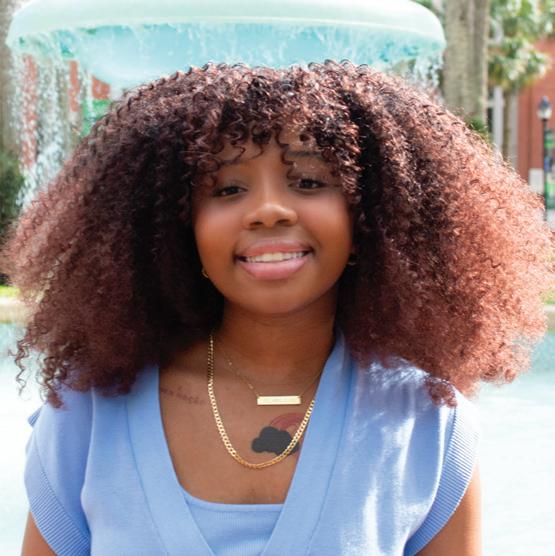
The world is a rapidly changing place, and one way or another we move along with it. What is something of the past that has made you who you are and how do you hold onto and celebrate those aged parts of you as time passes?
Home, the beautiful island of St. Thomas, made me who I am. From roti and sorrel to stilts and bouyon music, I am beautifully Virgin Islands raised. Although, I rarely see home nowadays and home in the Virgin Islands is no longer St. Thomas, I celebrate those parts of me by sharing them with others. Whether it’s making traditional foods and drinks for my friends or writing about the culture whenever I get the chance.
MANAgiNg Editor
dE'vANEsE
JohN-BAptistE '26
As time passes, I continue holding onto small parts of myself. When I look at my face, I see both my current self, my teen self, and my baby face. I see my eighth-grade self managing the school morning announcements and broadcasting every time I write for The Reporter. Every time I struggle with a class, I see high school me staying up all night and working. These pieces of my life, along with hundreds of others, all accumulate into what I am doing in the present, and remaining conscious of that is what keeps me grounded in my past and set on my future.
ExEcutivE Editor Nico AloNso '26
Hundreds of composition books filled with shaky doodles. Number two pencils grounded down to stubs. I can't remember a time in my life when I wasn’t making some kind of art, even back when I thought tracing pictures off of my dad’s computer was the height of artistic ability. Sure, I wasn't always making ‘good’ art, but I was making something. It's scary to be an artist today, and it’ll only get scarier, but I'll never forget what it's like to be twelve and drawing like my life depends on it. Almost ten years later and I'm still drawing like my life depends on it, and, for better or worse, I think I always will be.
crEAtivE dirEctor MAriA lAtour '26
Istill hold onto my childhood stuffed bear, Bobo. As silly as it sounds, Bobo has been there for me through all of life’s turmoil. He has seen me at my best and at my worst and has seen me attempt to complete my todo lists and frantically edit photos. When no one was there, Bobo was there. This is for you, Bobo.
photo Editor iNdyA Mckoy



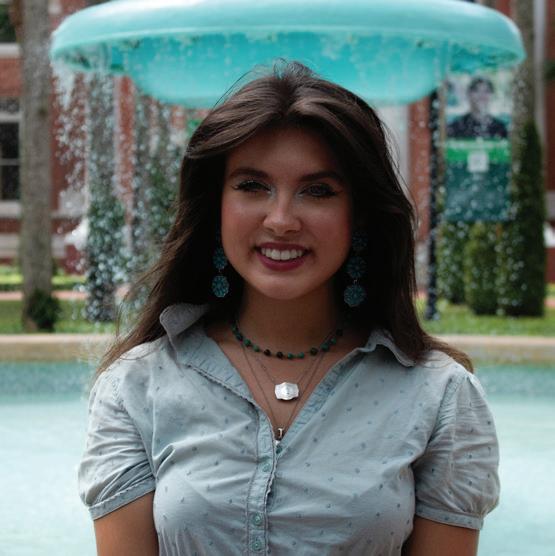

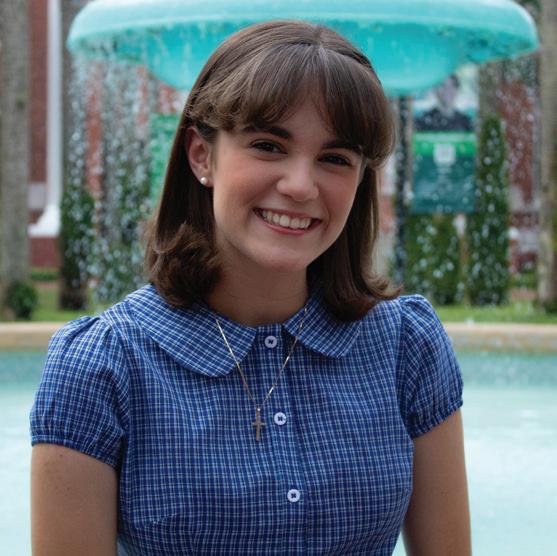
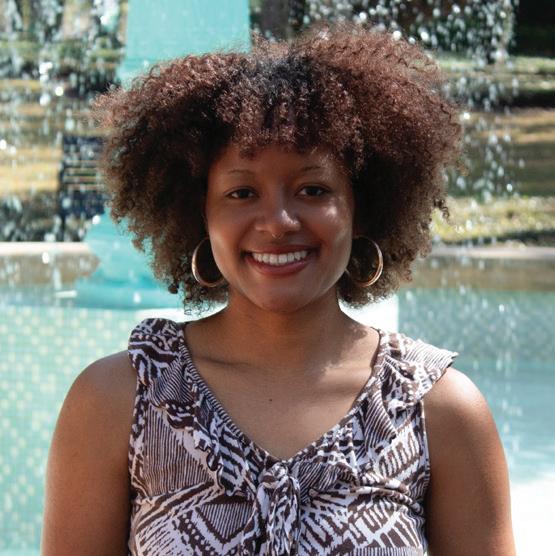

What is one thing you want future you to hold on to?
My whimsical nature
My humble beginnings at Hatter Network
A sense of adventure
Looking for poetry from the Lord in everything
Money
Remembering what it took to get to where I am
Chronically online
Sara Ward, Editor-in-Chief
Maria Latour, Creative Director
Indya McKoy, Photo Editor
Nico Alonso, Executive Editor
De'Vanese John-Baptise, Managing Editor
Michaela Hawthorne, News Editor
Katie Eudy, Copy Editor & Fact Checker
Breanna Gergen, Arts & Culture Editor
Natalie Reese McCoy, Web Editor
Jomar Rosado, Staff Writer
Nathan Pyle, Staff Writer
My love for wandering aimlessly
My hope that we can restore our sense of civic duty
Concert-going
Seeing the world through a lens of wanderlust and humility
Joshua Weaver, Staff Writer & Photographer
Marissa Stanley, Staff Writer
Michael Terezazakis, Staff Writer
Parker Moore, Spread & Graphic Designer
Arnold Shakirov, Spread and Grapic Designer
Riley Cate, Spread and Graphic Designer
Kiara McNeil, Photographer
Francheska Tellez, Photographer
Ash Miller, Photographer
Sully Sullivan, Social Media Director
When it comes to joining Hatter Network, we are never not excited about someone wanting to join our ranks. If you want to write, The Reporter is the place. If you like to appreciate art, music and writing, Touchstone Literary Arts Journal is where it’s at. If you want to create your own podcast, or learn how to use the tech in our radio station, WHAT Radio is there. Hatter Network is an extacurricular media program run by students, for students, to provide them with the information we think they need to know, or an outlet for their creative endeavors.
If you’re interesed in getting involved, please email our Editorin-Chief, Sara Ward, at sward@stetson.edu or apply on Engage.
My dreams
My Ipad
The Reporter, as part of Hatter Network, is the oldest collegiate magazine in the state of Florida. We publish four times per year, twice per semester. Florida Sun Printing prints 300 copies per issue on 8.5 x 11 inch, 80# Gloss Test. Most body text is set at 11 point Adobe Garamond Pro or Times New Roman with 13 point leading set with a combination of regular, italic and bold. All pages are designed using Adobe Creative Suite Photoshop, Illustrator, and Indesign. For additional information please visit hatternetwork.com.
Questions or concerns can be mailed to 421 N Woodland Blvd. Deland, FL 32723 or emailed to hatternetwork@hatternetwork. com.
Photostory Past and Present With Francheska Tellez 08 11 14 19 23 30 35
Welcome to the Upside Down
Living in a Present Stuck in the Past
Smoke Up the...Seam of the American Wallet
Black Armbands and Basketball Queens
Brainrot Versus the Bard Who is Quoted More at Stetson, Internet Slang or William Shakespeare?
The Demon Barber Sharpens His Razor in DeLand
Recession Indicators: Stetson Students Weigh-In on 2000s Revival
E U P S I D E D O W N


Remember “Stranger Things”? The Netflix original show has become a cornerstone of contemporary culture ever since it premiered in 2016. Capturing the attention of 14 million adults during its first month, Stranger Things has brought with it a sweeping wave of nostalgia for the 1980s. Fashion, music and movies associated with the era experienced a significant resurgence in popularity. However, contemporary culture has become heavily influenced,










the Upside Down. With Hollywood’s from this boom, contemporary culture





if not entirely defined, by nostalgia ever since Will Byers was rescued from the Upside Down. With Hollywood’s commercialization of nostalgia through countless sequels and remakes, alongside other industries that have benefited from this boom, contemporary culture has become a snake that eats its own tail. Revisiting aesthetics and cultures of decades past is not inherently a bad thing, but nostalgia becomes a slippery slope when it dominates one’s way of thinking.












When nostalgia is described, it is often cited as a warm feeling, providing the same sensation as a freshly washed blanket or a cup of tea; perhaps, a sunny memory of a song sung by a mother that breaks through a son’s cloudy day. A study done by the Human Flourishing Lab in 2023 shows that 77% of Americans use nostalgia as a source of comfort during tough times, and given that stress levels amongst American adults continue to

increase, this nostalgic blanket makes sense. According to the American Psychological Association in 2023, 34% of American adults (aged 18-34) answered between 8 and 10 when asked to rate their stress on a scale of 1 to 10, an eight percent increase from 2019. With stress feeling overwhelming, it makes sense that nostalgia would act as a coping mechanism, explaining why shows like Stranger Things have succeeded.

Yes, nostalgia may remind us of when times were simpler, but the grip it has over one’s mind should still be moderated. Yearning for a prior time in excess not only creates a detachment from reality but also results in the past being viewed solely through rose-colored glasses. Dr. Chris Ferguson, a professor of psychology at Stetson University, claims that nostalgia often breeds “cognitive bias,” stating that “we tend to remember a lot of the good elements of the past more than we remember the negative, so that can cause us to remember the past more positively than it actually was.” Needless to say, this line of thinking erases the blemishes that make the past less comfortable to think about. We cannot learn from history if we pick and choose what we remember based on our desired feelings.







Viewing a decade merely by its greatest aspects has resulted in a phenomenon where people claim they were born in the wrong generation. I myself am not exempt, as I have a great affinity for the 1990s despite being born in 2005. Yet, it is still interesting how we can carry a pseudo-nostalgia for an era they never experienced. Amongst similar stress-related reasons as regular nostalgia, Dr. Ferguson says, “Past decades get presented in [oftentimes] a Disneyified kind of way.” When pieces of media rely on nostalgia for previous eras, it results in a romanticization that omits the worst of said era. The desire to live in a different era stems from this oversimplification, given the ease for this desire to flourish when one is exclusively presented with the positives of overglorification.







A particularly bad offender of this romanticization, if maybe an obvious example for this point, is none other than cultural darling “Stranger Things”. The degree to which the show glamorizes the zeitgeist of the 1980s is almost absurd. Whether it be a plot that hinges on a catchy Kate Bush track or a final battle that takes place in a ridiculously neon-lit mall, every reference to the ‘80s is coated in a flashy shine. Beyond a satanic panic subplot in Season 4, “Stranger Things” goes out of its way to omit the less-than-pleasant aspects









Take it from Dr. Ferguson, “There’s nothing inherently wrong with enjoying memories of the past. As long as it doesn’t prevent you from enjoying the present and looking forward to the future as well.” There is nothing wrong with a little nostalgia-driven escapism. As much as I’ve harped on it, I am a big fan of “Stranger Things” and I will be tuning into the new season. That being said, nostalgia should still be treated with moderation, like all things. When older generations speak about their childhood of its beloved decade, like the AIDs epidemic or the War on Drugs. Therefore, when showrunners Matt and Ross Duffer use their show to indulge in pseudo-nostalgia (given that they were both born in ‘84), it is then deflected onto the audience.


decades, these times are quite often described as ‘simpler’. However, it is not the times that were simpler, but rather, the childhood itself.














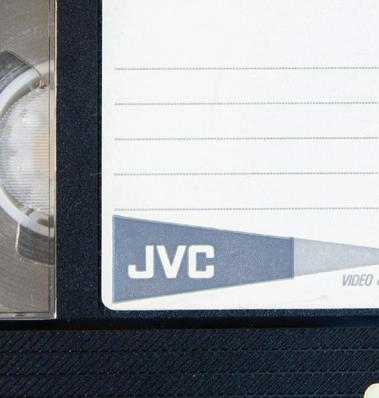
The economy is the subject of the Middle Class Americans’American’s ire. Whether it’s the price of gas and eggs or the more exorbitant exuberant and unexpected fees, such as the unplanned hospital stay, here is a look at how the worth of the dollar has changed throughout the decades:





















































































$6-7 per day





$5.50 per day $14 per day $58 per day $81.01 per day $127 per day $827.67 per day $1,148 per day $1,910 per day $2,873 per day


$3,100-3,300 per day


















885.60
570.91































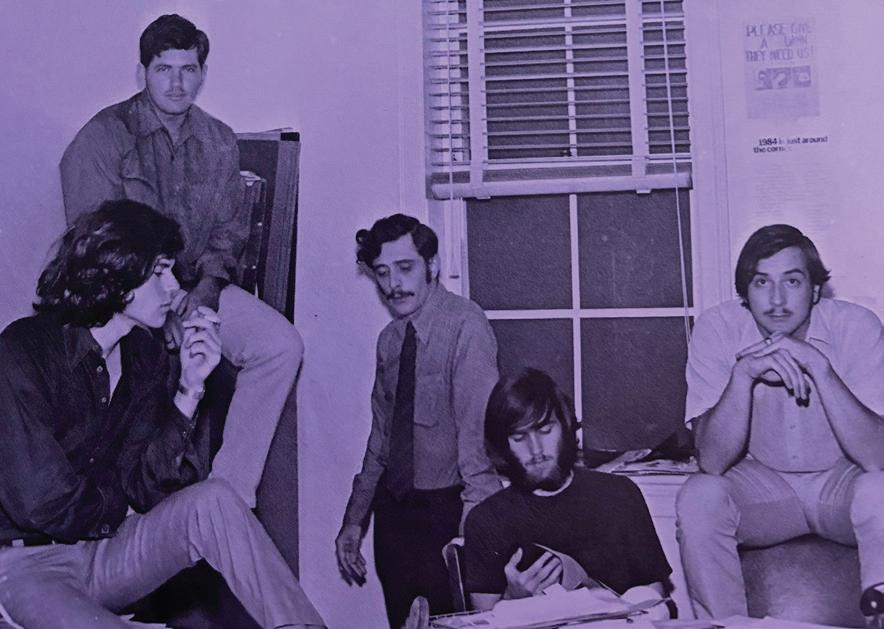
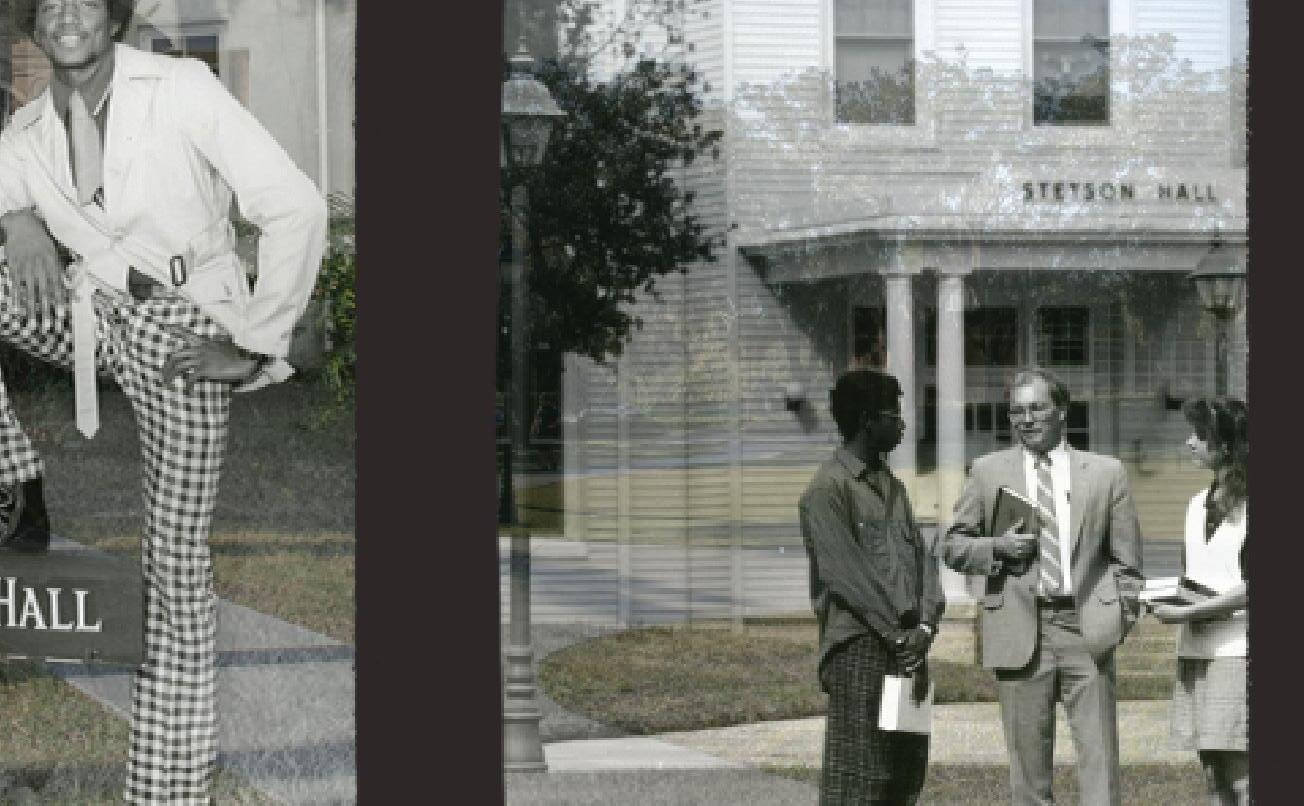
Images courtesy of the Photographs Collection, duPont-Ball Library Archives and Special Collections.








Hippie braids interwoven with daisies, black-armband protests for peace. “Galaga” sounds emanating from glowing arcades, Walkman wires and Coca Cola still being drunk from glass bottles. In the decades of the 1970s and ‘80s, the era when most of our ‘latchkey kid’ parents were wearing starchy denim and talking to each other via curly phone cords, the world saw much innovation and change. Vietnam sparked an entire subculture in itself, and frizzy, teased hair was the move. Within just a few years, the now-ancient version of the Internet was up and running on its first codes consisting of zeroes and ones. What did this pivotal time in history mean for Stetson and its students? What did their everyday collegiate lives look like? How did they differ from our own? To answer these questions, I excavated some old yearbooks from the Dupont Ball Library basement, and began digging into the yellowed pages. To me, someone who is quite envious of previous generations who got to experience youth in one of the ‘best’ eras – the lawns of Stetson certainly did seem much greener.


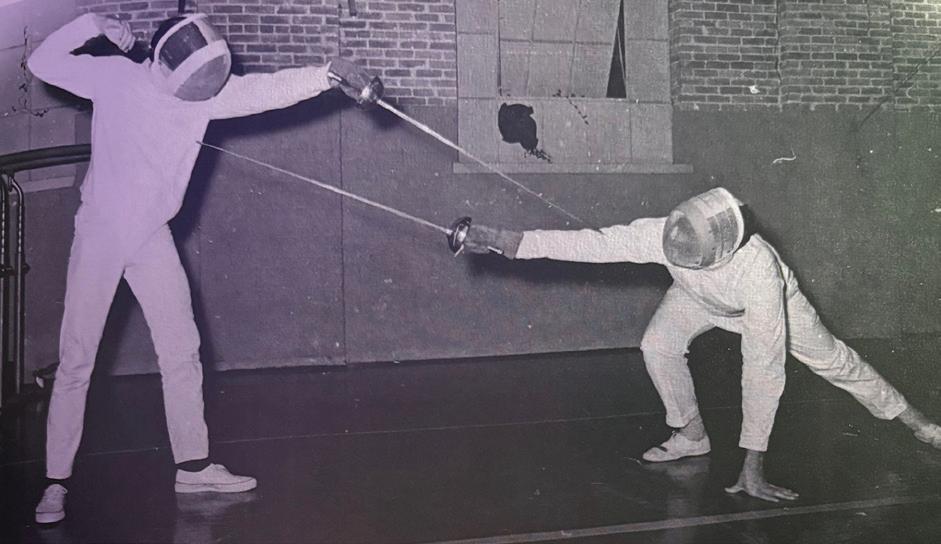



















Stetson in the 1970s saw war come to its head, and also saw the triumphant end of it. It saw students persevering, despite foreign uncertainties brewing overseas. The men donned ironed shirts, and sorority girls were the picture of elegance in their debutante white gowns. There was an archery team and a fencing team that took on UF and FSU with their epees. While these organizations didn’t stand the test of time, others such as “Touchstone” – then named “south,” and “The Reporter” itself remain timeless.































The organization which is now known as FOCUS, Stetson’s welcoming staff to incoming Hatters, was formerly the Stetson ‘Hostesses,’ a bureau of entirely women students.



The organization which is now known as FOCUS, Stetson’s welcoming staff to incoming Hatters, was formerly the Stetson ‘Hostesses,’ a bureau of entirely women students. It was led by the Stetson Union Board’s hospitality committee and worked alongside the Office of Admissions, while FOCUS today is a part of Student Development and Campus Vibrancy. Uniforms which now consist of green polo shirts and khakis used to be reminiscent of a flight attendant outfit: a dark button-up blazer and white skirt. These hostesses would lead campus tours, selling the university to prospective Hatters as their nametags gleamed on lapels.



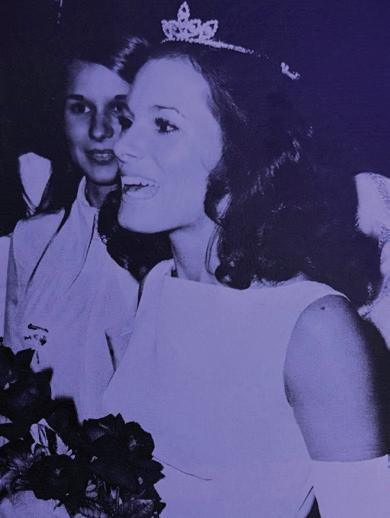
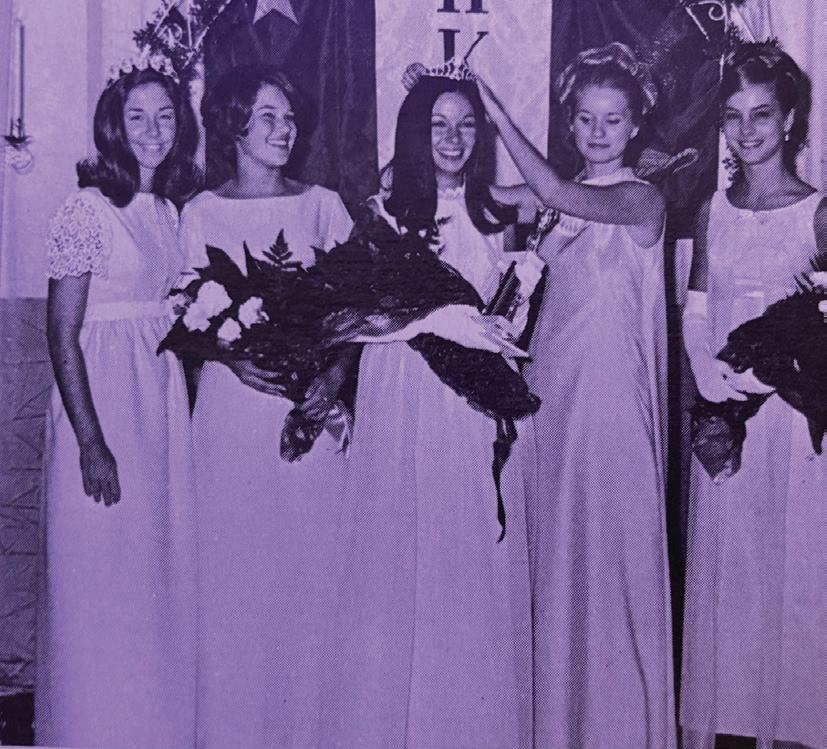
Yearbooks devoted entire pages to student beauty contests, featuring close-up shots of young female Hatters posing against trees after being named ‘Miss Hatter,’ ‘Greek Goddess’ or ‘Basketball Queen.’ These women were voted into their respective titles by ROTC cadets, fraternity elections and panels of judges. Ceremonially, the girls would compete for a ‘Miss Stetson’ title by interview and be judged on their poise and beauty during a formal contest that night. Pi Kappa Phi sponsored the Freshman Beauty Contest, which was held in Lee Chapel by candlelight, with the candidates in floor-length gowns and silken white gloves.
Peace signs could be seen just about everywhere during the Vietnam war -- even on Hatter skin.
“The 1970 Hatter,” p. 256







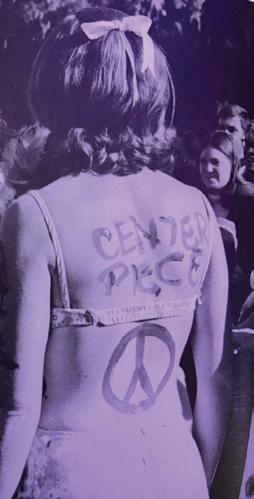
On October 15, 1970, classes were called off when the Student Peace Committee arranged a day of peaceprotest on campus, urging for the end of the Vietnam war. Students wore black armbands as symbolic olive branches, listening to a visiting Congressman speak and performers who sang for peace. Alumni and administration collaborated on the event and a poster

The Pi Kappa Phi sponsored beauty contest,




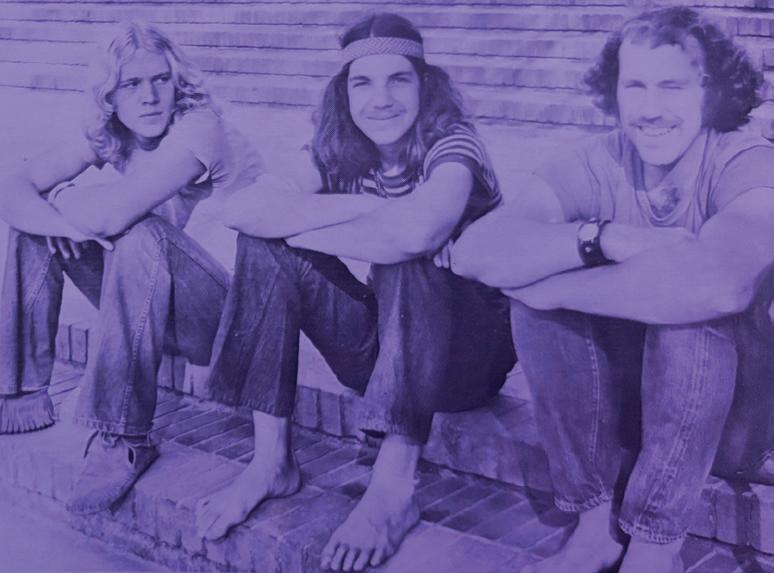
Shoes were optional for Hatters in the 70s.
“The 1972 Hatter,” p. 4
“64 AMERICAN MEN WERE KILLED IN VIETNAM LAST WEEK.”



























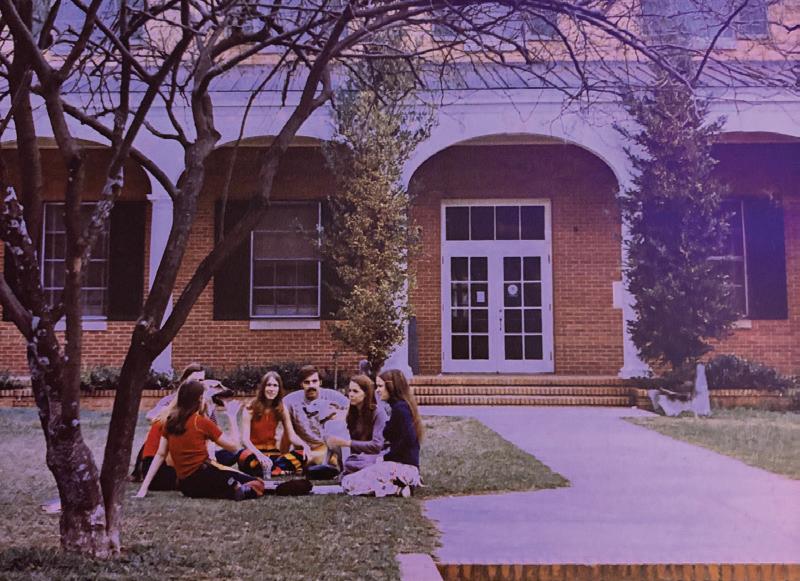
Stetson’s Carlton Union Building (CUB) in 1972.
Stetson is a unique idea; a collection of inadequacies, chuck holes and bad food which equals the most intense, happiest, saddest, most important time of one’s life.”
displayed the painted words, “64 AMERICAN MEN WERE KILLED IN VIETNAM LAST WEEK.”



“The 1972 Hatter,” p. 1




A tradition which once held much prestige for the Stetson community was Greenfeather, featuring an annual school carnival and parades down Woodland Blvd. This event was held for the purpose of fundraising, with the donations raised going towards local Delandites in need. At the carnival, students sold everything from fire engine rides to pretend-weddings (like a modern-day frat wedding) for charity. It was one of the most highly-anticipated events of the year. Although Greenfeather philanthropy efforts are still in action today as a weeklong event, this journalist petitions for Stetson to re-enact the long-lost carnival tent of this tradition.
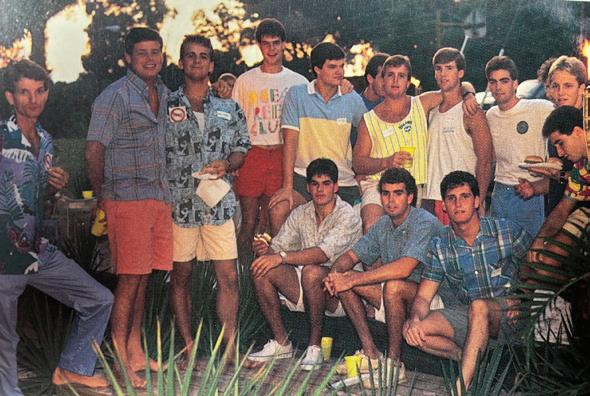
Fraternity brothers gather for a photo in 1988.




In the words of an unnamed student journalist, “One is welcomed to Stetson every day he is here. He plans for her, works for her, pays for her…Stetson is a unique idea; a collection of inadequacies, chuck holes and bad food which equals the most intense, happiest, saddest, most important time of one’s life.”
By the late 1980s, Stetson’s yearbook pages were filled with color, and students could be seen skateboarding with fast food in hand, blocky greek letters embroidered onto their t-shirts.
“Passing Sensations: 1988 Hatter,” p. 13 in assumed


men
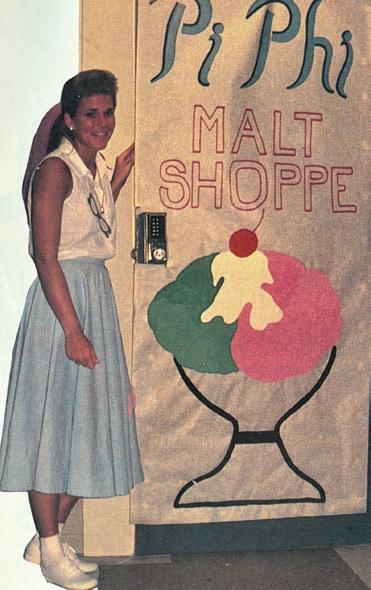
Construction began in 1987 on what is now the sorority row behind Conrad and Sage Hall. Before these infamous brick houses were built, sorority members would hold Rush, bidding and pledge ceremonies at fraternity row. The organized chaos of 1987 Rush led to the largest pledge class ever, boasting 169 new sorority pledges and 134 fraternity pledges. Both the young men and women could be seen pictured in matching shirts, sporting board shorts and solo cups in hand.
Barbara Raines, rushee of Pi Beta Phi, poses with her house banner in 1988.
“Passing Sensations: 1988 Hatter,” p. 12










By the 80s, the FOCUS crew, as we know it today, was initiated. The staff opened to include both male and female students, and the job description now included the role of ‘advisor,’ serving as an anchor for incoming Freshman in the adrenaline buzz of fall semester’s first week. FOCUS agendas consisted of ‘student dating games’ and even “a rendition of ‘Early Afternoon with David Letterman,’” in what can only be assumed was an ice-breaking spin-off of the popular late night TV show.








Traditions such as Greenfeather and Homecoming spurred on in the ‘80s. Beauty pageants which were dominated by young women were now being satirized, with a Homecoming competition for ‘Mr. Beauty,’ in which young men would don skirts, heels and makeup to compete for the title. The Edmunds Center stage welcomed famous comedian Jay Leno to speak during Homecoming in February, 1988. Greenfeather staff members also introduced a new program called ‘Readathon,’ recognizing visually impaired students because Braille textbooks were unavailable at the time. The event featured students reading textbooks aloud and recording them on a tape for those students in need.
1988 proved to be a milestone year for Stetson’s publications, “The Reporter”, and “Touchstone”. Founded in 1888, “The Reporter” celebrated its hundredth anniversary in print “and received as a present its very own darkroom. (Well, sort of. It no longer has(had?) to share a darkroom with the yearbook).” The school’s literary magazine, “Touchstone”, also got a facelift: Since the 1985 editor-in-chief divided the magazine into genre-based sections, it had begun featuring lyrical essays and graphic art for the first time. The ‘88 editor-in-chief Eric Owens emphasized this new artistic appeal: “Touchstone is now an aesthetics magazine,” Owens said.


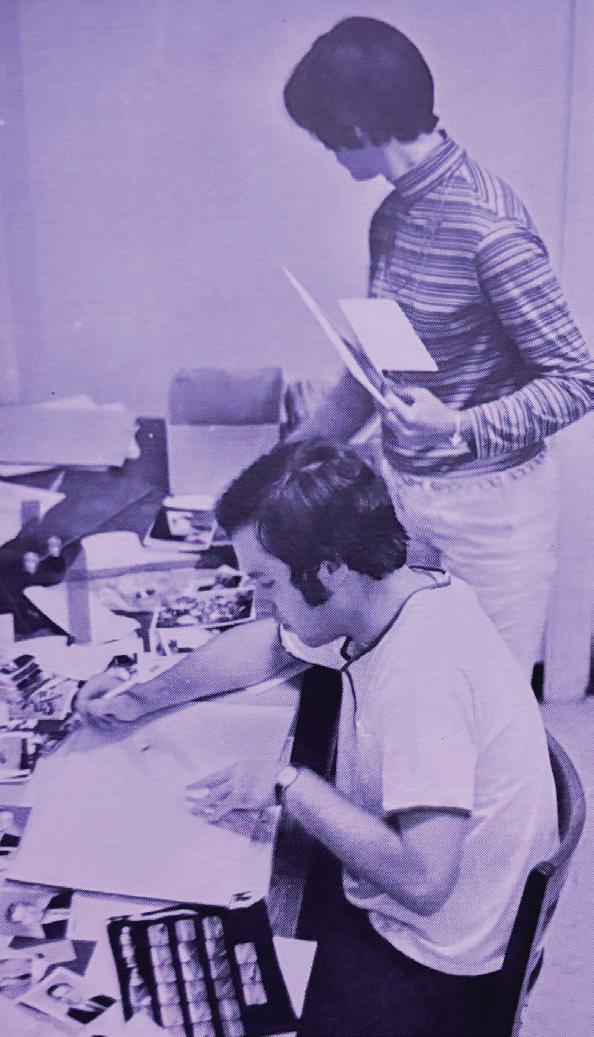
The Reporter staff diligently editing stories. “The 1970 Hatter,” p. 170

As current Hatters, it is all too easy to get wrapped up in the chaos of our paper-pushing schedules. The history of this place called Stetson – where we live and work and play – has placed the bricks of these halls just as much as the masonry did. As we walk across campus, phones and earbuds in hand, we often silence ourselves to the now that is the current Stetson’s era. So be present. Stay eager. Be overzealous. Future Hatters will one day
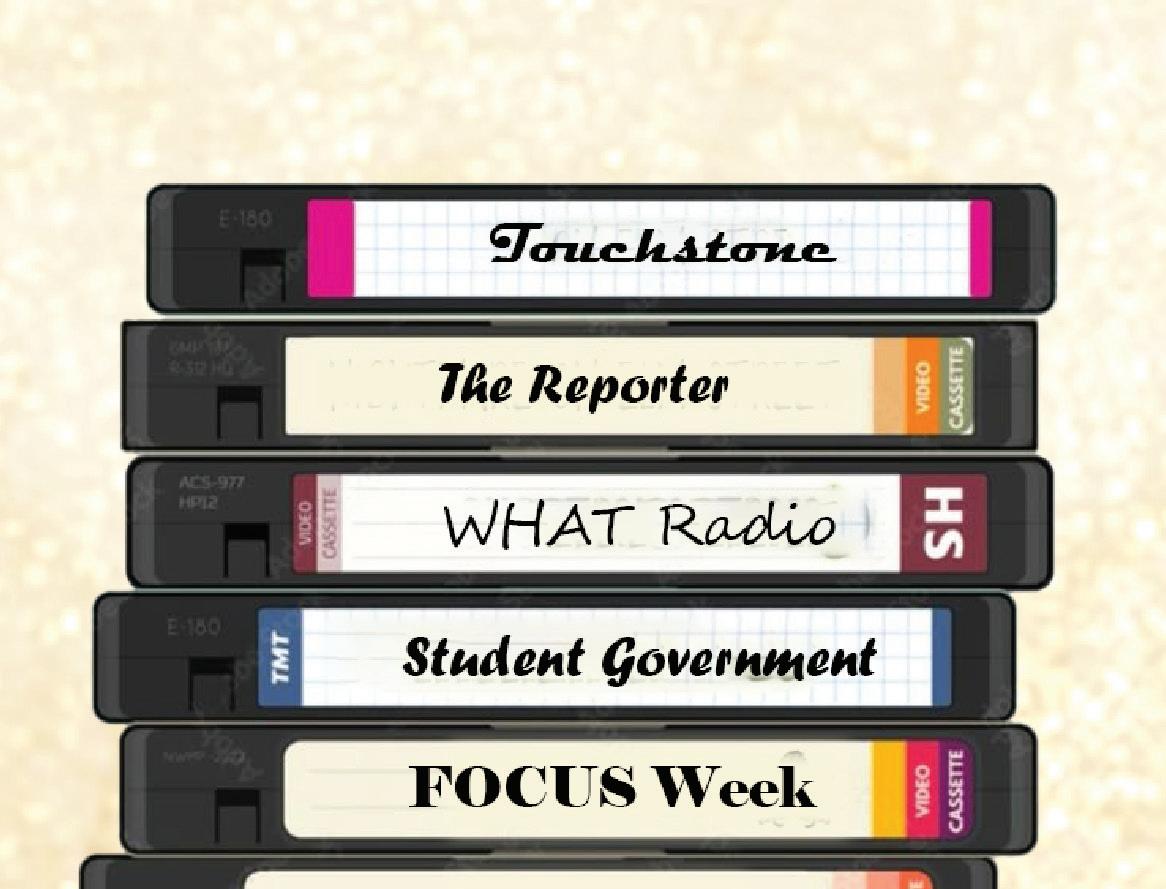






The ‘88 editor-in- chief Eric emphasizedOwens this new artistic “Touchstoneappeal: is now an magazine,”aesthetics Owens said.




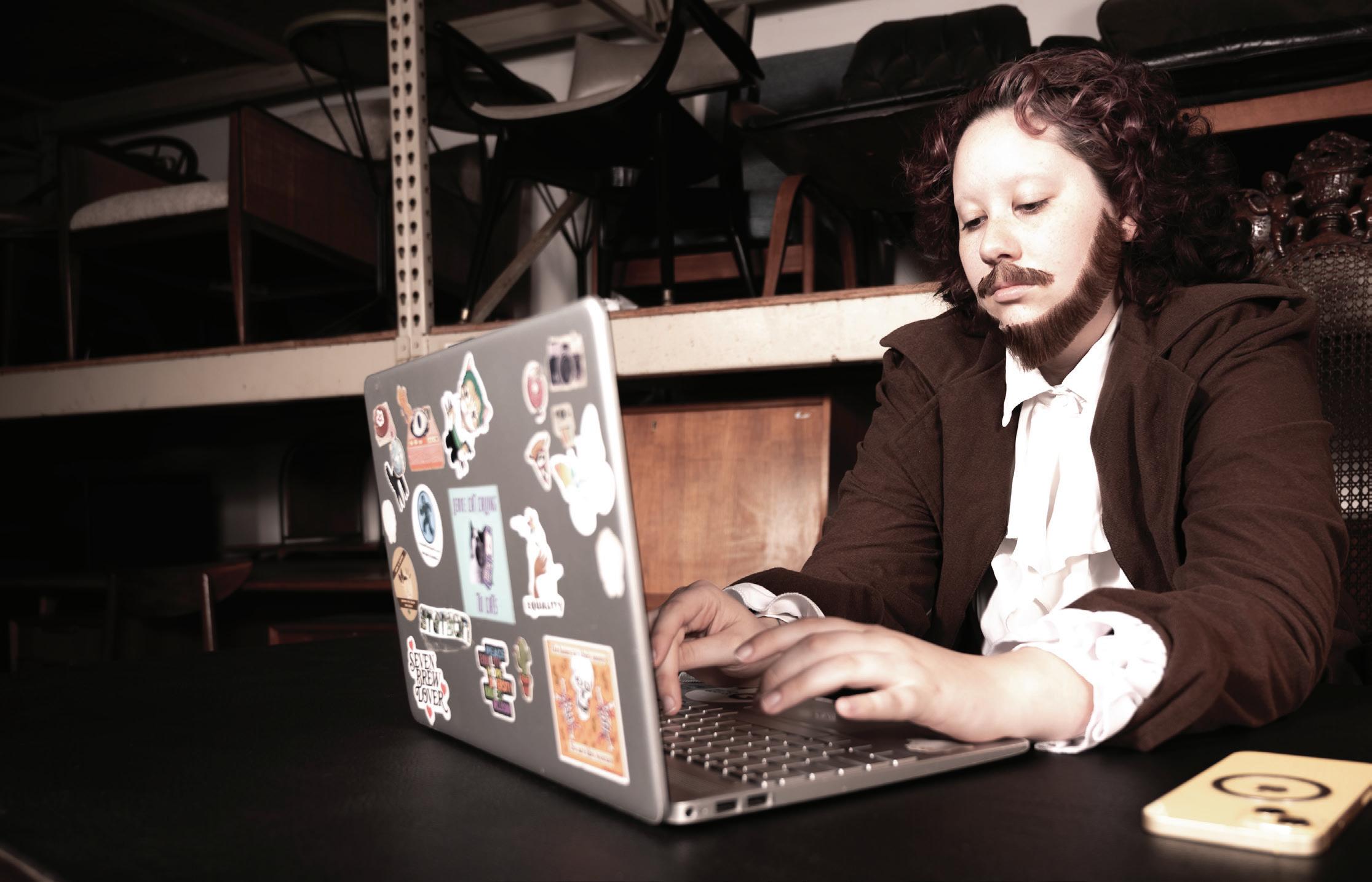
WHO iS QUOTED MORE AT STETSON, INTERNET SLANG OR WiLLiAM SHAKESPEARE?
It’s the eve of your final exam and, so far, you’ve played your part well. You studied until you and the stars set the scene for the perfect night’s sleep – pillows propped, curtains closed, textbook on your nightstand, prepared for when you wake from your slumber and realize you forgot to review page 67. What could possibly go wrong? Somehow, you still ended up doom-scrolling on Instagram reels until 3 a.m. and woke up to the sun shining like a spotlight on the tragicomedy of your life: you have five minutes to get to your exam, and
all you can say is “I’m cooked.”
If you’ve ever caught yourself using this sort of internet slang, never fear – your lack-of-sleep lingo is not just “giving finals week.” It’s actually participating in the latest phenomenon of language production: brainrot. And, no – it is not exactly a nightmarish disease that causes your brain to rot like a corpse, but it certainly is contagious.
Brainrot used to be defined in the Oxford English Dictionary (OED) only as “a perceived loss of intelligence or critical thinking skills, esp. (in later use) as attributed to the overconsumption of unchallenging or inane content or material.” It was not until June 2025, after the use of the word ‘brainrot’ rose by 230% and was officially recognized by Oxford University Press as its 2024 Word of the Year, that the OED tacked on a new definition: “Now also: content or material that is perceived to have this effect.”
It might be easy to shrug off words like ‘sigma’ as silly internet slang but, whether we like it or not, brainrot’s contribution of words to the English language is beginning to rival that of history’s most renowned wordsmith –William Shakespeare, the bard himself. "
If you’re not an OED enthusiast like me, you’re probably wondering, “So what? Why does this revision matter?” Well, the OED only revises entries when etymologists and lexicographers predict that a new definition is not only necessary but will also be lasting – for “brainrot,” they were inspired by its 230% increase in usage, which indicated the need for the new definition. In other words, they thought brainrot’s first definition was ‘unc.’
This brings to center stage the cultural phenomenon of the new language brainrot produces. Etymologists and lexicographers suppose some of this aforementioned language is here to stay, as the OED’s revision indicates. It might be easy to shrug off words like ‘sigma’ as silly internet slang but, whether we like it or not, brainrot’s contribution of words to the English language is beginning to rival that of history’s most renowned wordsmith – William Shakespeare, the bard himself.
Shakespeare pretty much did it all; he was a poet, playwright, peculiar Renaissance person and also the provider of the first recorded use of roughly 1,700 words in the English language. Scholars maintain that Shakespeare created many, if not most, of these words himself by making nouns from verbs or verbs from nouns, inserting prefixes or suffixes or combining words – some of which, just like brainrot, originated as slang terms. Shakespeare also invented and popularized plenty of phrases and idioms that, during his time, were likely regarded as either eloquent or as elementary as ‘skibidi toilet rizz’ is today, like ‘wild goose chase.’
People still speak Shakespeare all the time – you’ve probably recited “Romeo and Juliet” without even realizing it – and, although brainrot has yet to surpass Shakespeare’s 1,700 words, people speak it the same way. We college students are especially capable of this because we live in a strange world somewhere between academia and internet addiction.
Of course, memes move faster than metaphors, but this got me thinking: who is quoted more on the Stetson University campus, and who might students prefer, brainrot or the bard?
That is the question my linguistics study sought to answer. I sent out a survey to Stetson students asking them to rank how often they hear or use select brainrot or Shakespeare words and phrases on campus on a scale from zero to three, zero being "Never," one being "Sometimes," two being "Often," and three being "Always." Based on other linguistics studies, I selected 15 of the most popular and searched for brainrot words and phrases: “‘six-seven,”’ “‘ate,”’ “‘bop,”’ “‘brainrot”’ of course, “‘chopped,”’ “‘chuzz”’ or “‘huzz,”’ “‘clanker,”’ “‘cooked,”’ “‘delulu,”’ “‘highkey”’ or “‘lowkey,”’ “‘skibidi”’ (sorry), “‘aura farming,”’ “‘big back,”’ “‘it’s giving,”’ and “‘living rent-free.”’ I also selected fifteen of the Shakespeare-popularized words and phrases used most nowadays: “‘addiction,”’ “‘apostrophe,”’ “‘assassination,”’ “‘bedroom,”’ “‘critic,”’ “‘downstairs,”’ “‘gossip,”’ “‘hurry,”’ “‘kissing,”’ “‘lonely,”’ “‘suspicious,”’ “‘break the ice”’ or “‘icebreaker”’ (first-year students love this one), “‘catch a cold,”’ “‘full circle,”’ and “‘method to my madness.”’
And, yes – if you’re surprised, Shakespeare really did either wordsmith or popularize every one of those.
The most popular brainrot words and phrases were,
The most popular brainrot words and phrases were, by far, “‘cooked,”’ ... “highkey” or “lowkey”, ... “‘ate,”’ ...and “‘it’s giving,”’ with 53.8% ranking it a three. " "
by far, “‘cooked,”’ and “highkey” or “lowkey”, with 76.9% of surveyed students ranking them a three, also “‘ate,”’ with 56.4% ranking it a three, and “‘it’s giving,”’ with 53.8% ranking it a three. The least popular brainrot words and phrases were “‘skibidi,”’ with 69.2% of surveyed students ranking it a zero (it’s not too late for the college-folk), “‘bop,”’ with 66.7% ranking it a zero, and “‘clanker,”’ with 51.3% ranking it a zero.
The most popular Shakespeare words and phrases were “‘hurry,”’ with 44.7% of surveyed students ranking it a three (clearly, we’re all rushing to class), “‘gossip,”’ with 36.8% ranking it a three, and “‘lonely,”’ with 36.8% ranking it a three, the latter being a little heartbreaking. The least popular Shakespeare words and phrases were ‘apostrophe,’ with 56.4% of surveyed students ranking it a zero, “‘bedroom,”’ with 41% ranking it a zero, and, strangely, “‘downstairs,”’ with 39.5% ranking it a zero.
It must be mentioned that there was certainly less of a skew with the Shakespeare words and phrases, with more students ranking them either a one or a two than any of the brainrot words or phrases. In other words, while surveyed students at Stetson University might know the commonly used Shakespeare words and phrases more than some of the brainrot words and phrases, they are much less popular. Perhaps it is time for the bard to start posting on YikYak.
I'm down bad for you




I do love nothing in the world so well as you 84% 16% 76% 24%





Star-crossed lovers
Situationship





Without a doubt, my favorite section of the study paired Shakespearean words and phrases with their brainrot counterparts and asked students to select which they would prefer to hear or use.
Between “‘blocked”’ and “I do desire we may be better strangers” from “As You Like It”, 55.3% of surveyed students preferred ‘blocked.’ Between “‘I’m down bad for you”’ and ‘“I do love nothing in the world so well as you,’” from “Much Ado About Nothing” 84.2% of students preferred “I do love nothing in the world so well as you,” which is absolutely precious. “‘Go off’ and “‘rant,”’ which Shakespeare popularized, ranked 50% to 50%. Students preferred “‘goofy ahh”’ to “‘zany,”’ by 59.5%, but, unexpectedly, preferred “the world is your oyster” from “The Merry Wives of Windsor” to “‘main character energy”’ by 68.4%. Between “‘no cap”’ and “in my heart of hearts” from “Hamlet,” students preferred “in my heart of hearts” by 68.4%, and between “‘rizz”’ and Shakespeare’s own word, “‘swagger,”’ students preferred “‘swagger”’ by 63.1%. Understandably, “star-crossed lovers” from “Romeo and Juliet” was
So, to brainrot or not to brainrot? According to my linguistics study, Stetson University students would answer “not to brainrot.” Of course, brainrot might be quoted more than the bard on today’s campus. It is revising definitions in the Oxford English Dictionary,
favored by 76.3%, more than the much-less-poetic and arguably awkward to say “‘situationship.”’ “‘Ur mom”’ and “villian, I have done thy mother,” from “Titus Andronicus” ranked 50% to 50%. And yes –Shakespeare sure did write the original “‘ur mom”’ joke. Finally, and endearingly, 73.7% of surveyed students preferred “you wear your heart upon your sleeve” from “Othello” to ‘you overshare.’
Overall, surveyed students selected that they’d prefer to hear or use words or phrases of Shakespeare instead of those of brainrot. I’m still skeptical that students would choose to say something like “I am sick when I do look on thee” over “chopped,” but this survey shows me a sliver of hope that they might.
Between “‘I’m down bad for you”’ and ‘“I do love nothing in the world so well as you,’” from “Much Ado About Nothing” 84.2% of students preferred “I do love nothing in the world so well as you,”
after all. Still, “what’s past is prologue” and it is William Shakespeare and his 1,700 words, not the 2024 “Word of the Year” who always has and always will have the final bow.
















the Athens Theatre, designed in 1921 by Orlando architect Murray S. King. Over a century later, the Athens still stands as a landmark of creative art and performance. As time moves forward, the stories told on the stage of the Athens have become more necessary than ever.












about what happens to someone who is the victim of a really gross injustice,” Lusignan said.
“He’s pulled from his entire life and family and has to just hope they’re okay. When he comes back, he’s dealing with all of that emotion.”









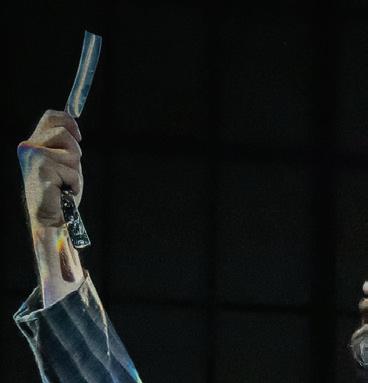
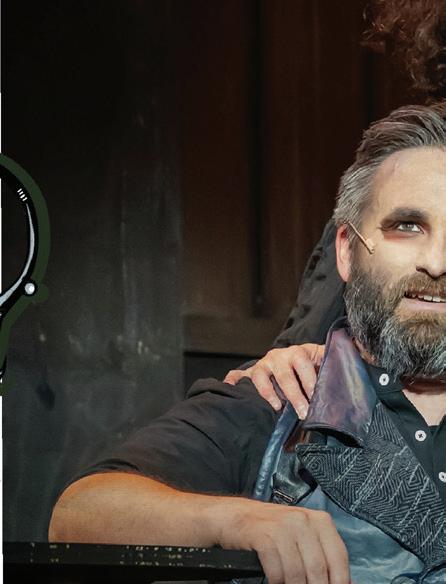
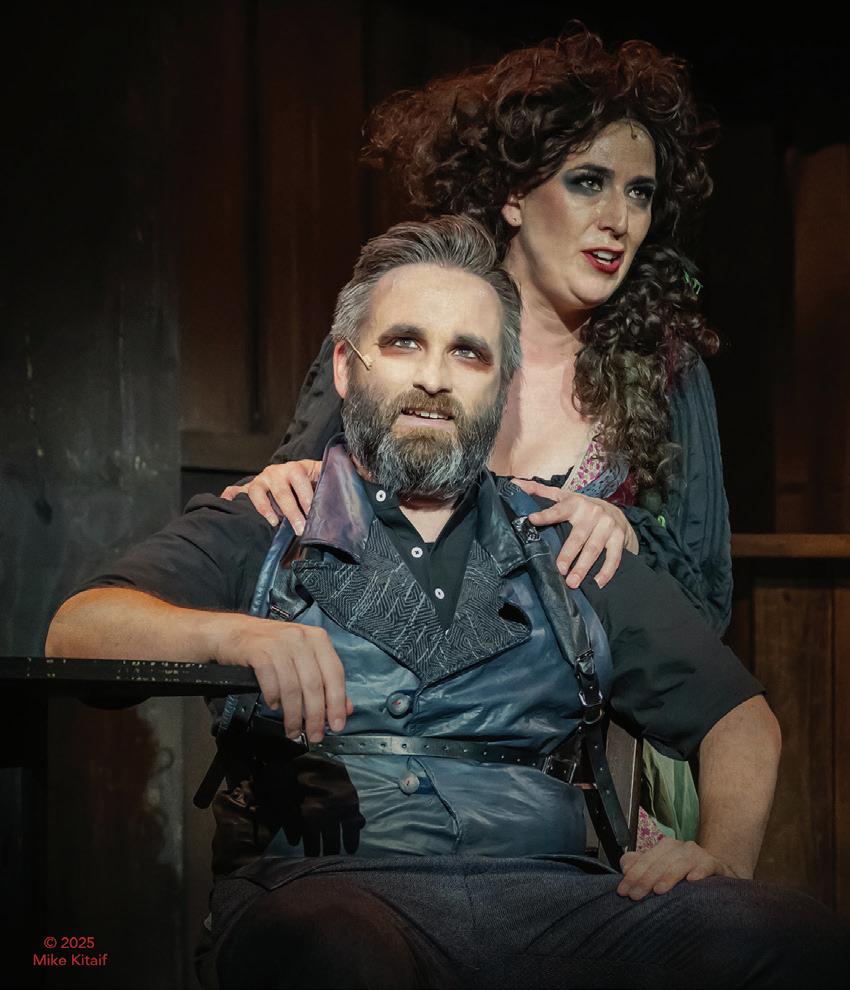
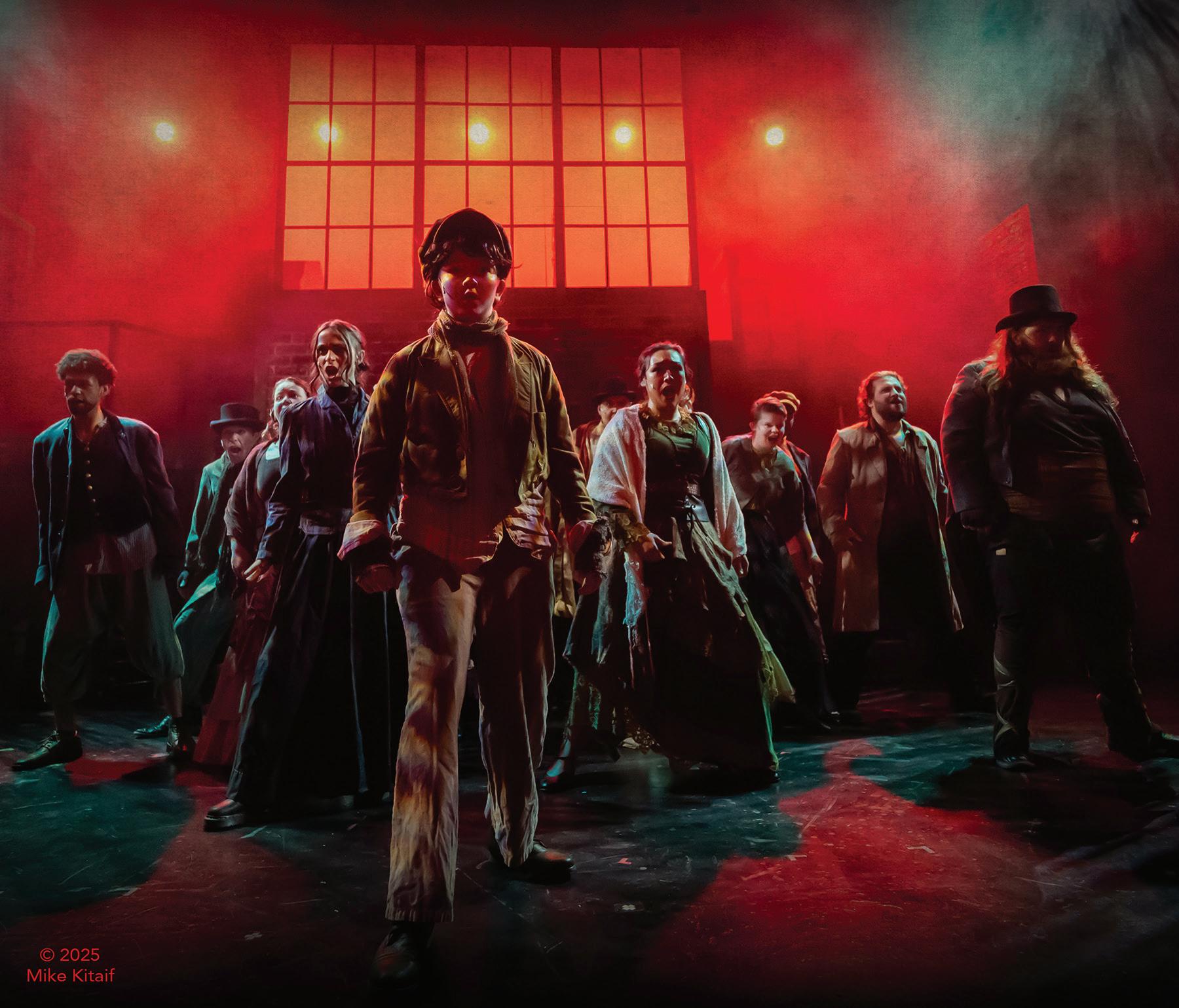
It is crystal clear that the political climate in the United States has become more polarized and violent in recent years. News headlines bombard us with stories of systemic failures and cruel injustices, inciting grief that contorts into anger. For audience members at the Athens, it was very easy to see themselves in the face of Jeremy Hudson, who played Sweeney Todd in the recent production of “Sweeney Todd: The Demon Barber of Fleet Street.” Beneath the bloody scenes and maniacal laughter, the production became a mirror of American society and the trauma left in the wake of inequity. I spoke with the assistant director of “Sweeney Todd,”Kori Lusignan, who explained the importance of putting on a show like
That grief is the real enemy in the play. While Sweeney wields his razor blade, his grief is the driving force of his story. “I tend to think that grief underlies everything,” Lusignan said.
“The rage comes from grief…hopelessness comes from grief, and even the ingenuity and the persistence.” Lusignan herself has faced the insurmountable trial of losing her father to Covid in 2020. Through her pain, she realized that despite the human desire to wonder how things could have been different, it doesn’t change reality. “It doesn’t matter if























characters, even in characters that are in their own way, not heroic,” Lusignan said.













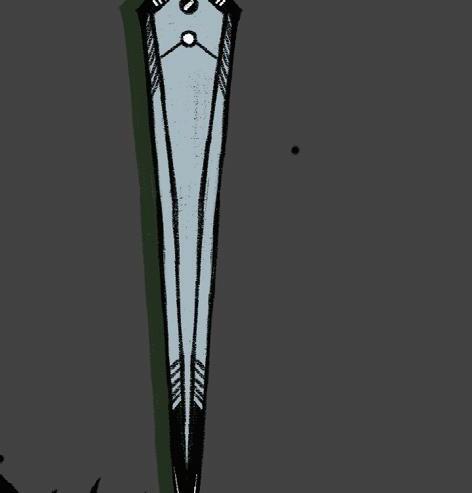
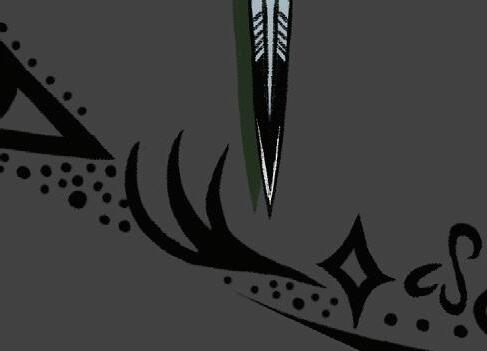



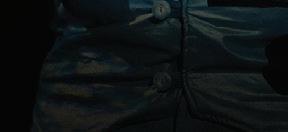
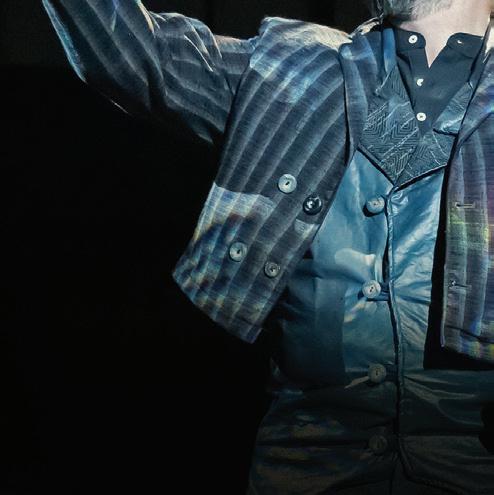
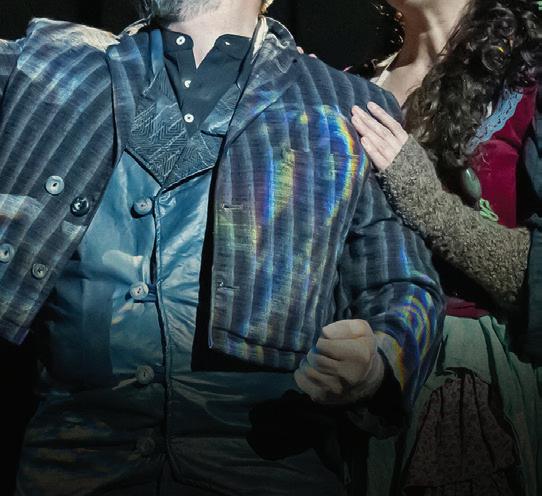

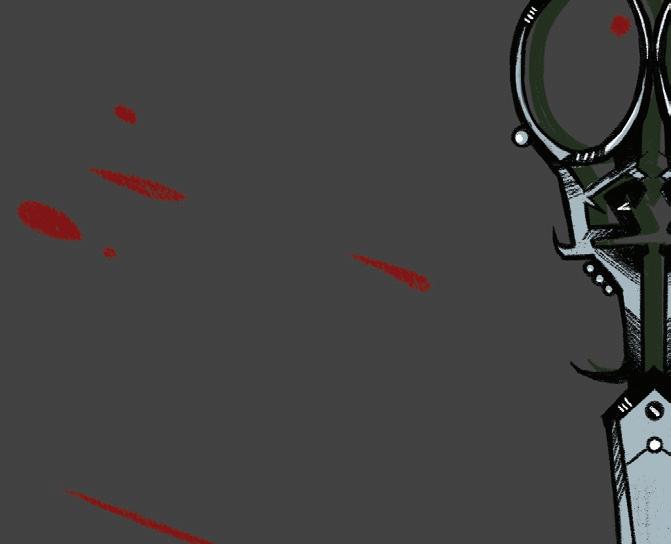






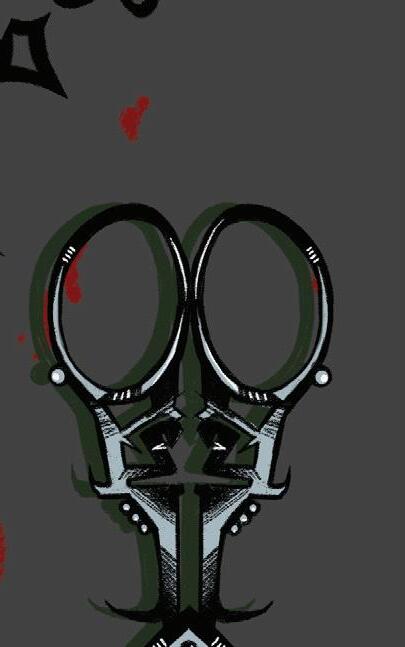
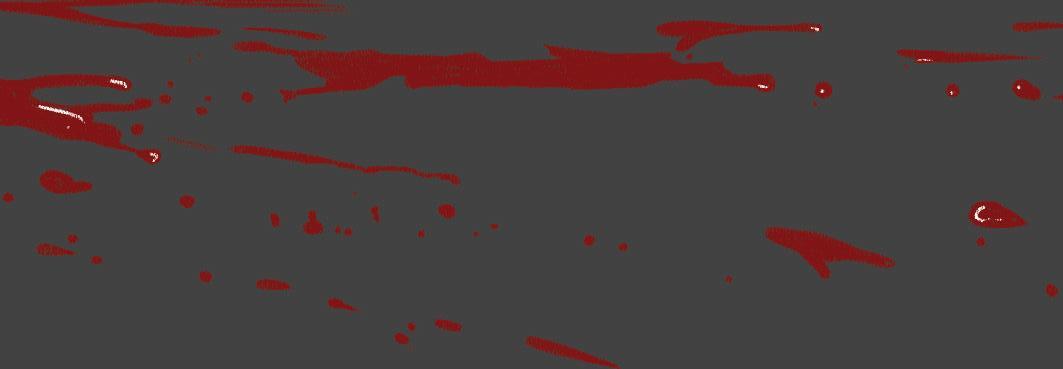
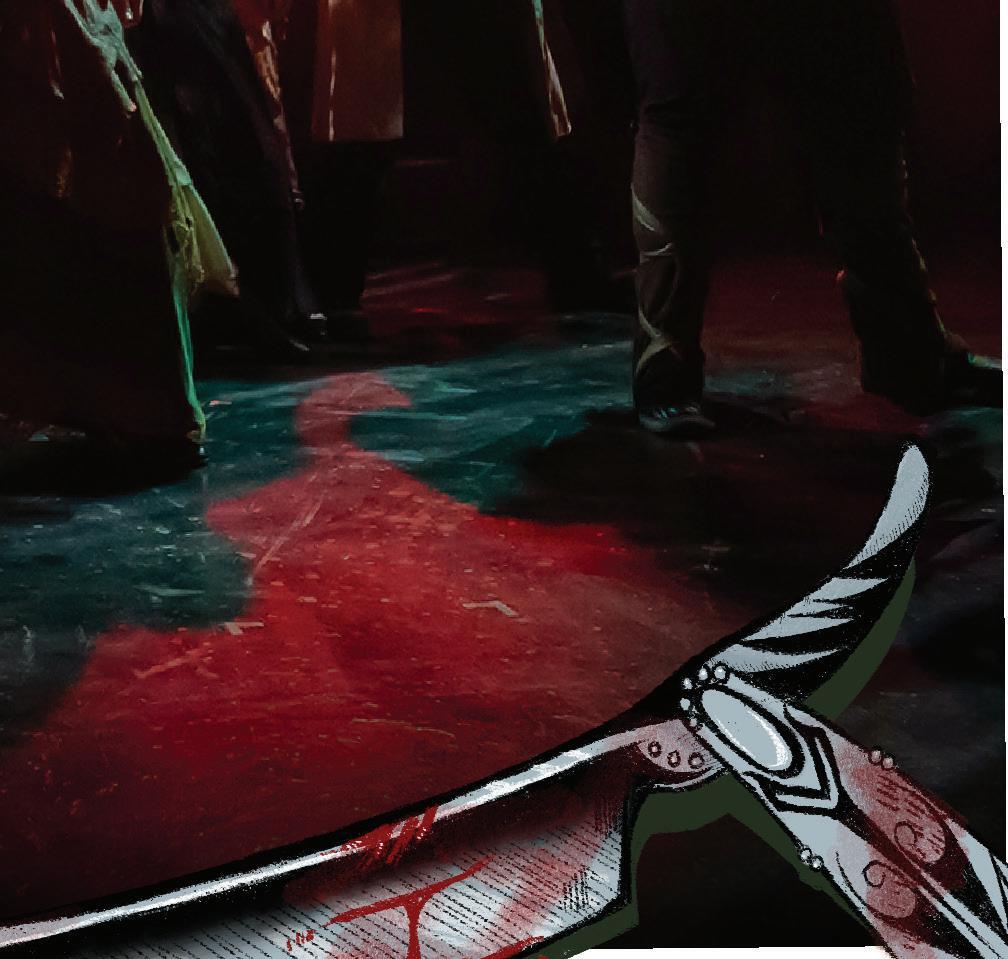
In this specific production, lighting became a critical storytelling tool. Lightning director Nick Hogan faced the task of highlighting Sweeney’s character arc. “Throughout the show we see many interludes of different variations of ‘The Ballad of Sweeney Todd.’ These interludes are mostly used for narration,” Hogan said. “We chose to light these moments in a dark green — internally we called it ‘ghoulish green’— with stark white uplights to separate them from the main plot visually, as well as maintaining the dark air of mystery and suspense,” Hogan said. That “‘ghoulish green’ bathed the actors like ghosts, a visual representation of the moral decay taking place. But it was the red lights that brought a sense of fresh horror. “The red lights are a staple,” Hogan said. “They’re used for moments and references to the murders. Audiences love the drama of it all, and we’re happy to oblige.”
To Lusignan, the red lights were more than a symbol of murder in the play. “That red is very much like those moments of rage or chaos or symbolization of those feelings coming on,” Lusignan said. Woven together, the green and red showed the emotion behind the violent actions of Sweeney Todd.

To Hogan, lighting became a way to guide the focus of the audience as the story progressed. “The kaleidoscope-looking effect — one of my favorite parts — was a star-burst transition from ‘God, That’s Good!’to ‘Johanna Act 2 Sequence.’We wanted to shift the tone from bright cheer to sad longing, and pull people’s





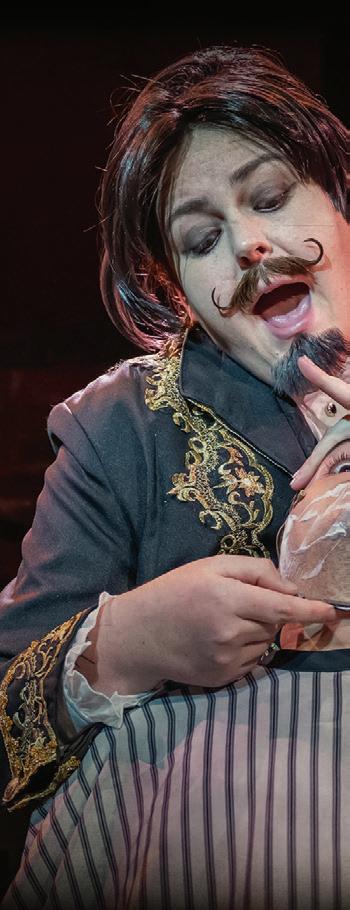


eyes from the stage to Anthony, who starts singing in the house. People didn’t know where to look at first, and this was a fun, interesting way to shift their eyes exactly where we wanted them,” Hogan said. The Bakehouse scenes were just as important as the moments where Sweeney wields his razor. “We chose to light those scenes entirely in a harsh amber,” Hogan said. “It created a sepia effect that helped keep the audience on edge.” Lighting was far from the only use of color. Lusignan and costume designer Tamara MarkeLares worked together to bring touches of Victorian floriology into the play. “We talked to our set, costume, and lighting designers about this floriology idea,” Lusignan said. “Tamara had this muted jewel-tone vibe for the period. She pulled some floral aspects into the clothes. When Lovett comes back in the second act, she’s classy — she’s got that bright purple, like the clematis flower we had talked about for her. It’s not the only touchstone, but it’s there.” The use of flowers, while subtle, hints at the beauty of each character that is hidden behind blood and rage.

Audiences have long enjoyed Sweeney’s story, partly because of the way that it doesn’t take itself too seriously. Humor cuts through the darkness. “There’s such a funny kind of absurdism in it,”



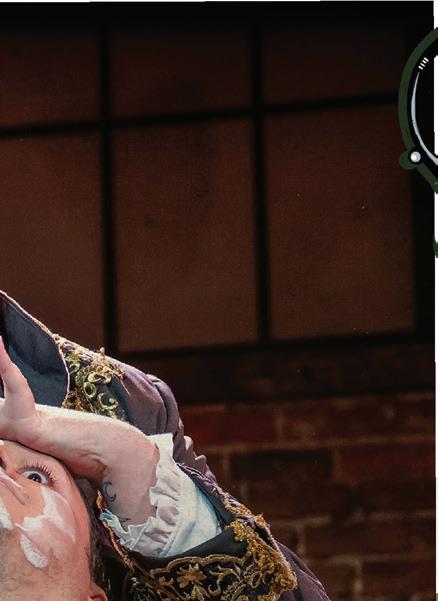
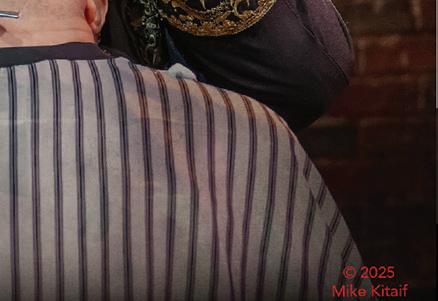




















Lusignan said. “At a certain point they’re like, ‘Oh yeah, we’ll just kill people, and then we’ll have meat for pies, and we’re gonna make lots of money.’ That’s gallows humor. That’s how human beings deal with things that are too dark and grave to face,” Lusignan said. Her face lit up as she recalled opening night. “The scene at the top of the second act, when people start to get murdered, is meant to feel shockingly ridiculous and hilarious. Sitting in the hall and hearing people gasp and laugh and cheer every time that chair would go — that was such a delight. It was serious work to make it safe, but that audience reaction was my favorite.” These moments were not just comedic relief. They recognized the way humans look for bright glimmers within the


darkest times of their lives.
The play ends with a reprisal of the song “The Ballad of Sweeney Todd” The words “Sweeney Todd, the Demon Barber of Fleet Street” finished the time loop that began at the start of the show. The story begins once more, with injustice and pain, much like history repeats itself. “Everybody’s in a situation where something happened to them and the die was cast,” Lusignan said. “Now they have to deal with every situation that comes because of that thing.” That truth haunts the story—that no matter how much time passes, the same sense of injustice that Sweeney experienced in 19th century London still languishes within us today.





































The current Stetson student’s childhood might have looked like “Wizards of Waverly Place” on television, sounded like kitten heels click-clacking down the street and felt like head-banging at a house party to a live performance by the AllAmerican Rejects. Yet Stetson students don’t need to sleep to flashback to this reality, these things have all happened in 2025. The 2000s revival begs the question of why the era is coming back so soon, considering we only had one decade to breathe.


There is a conventional belief that trends move in twenty-year cycles. National Public Radio (NPR) credits this to trendsetters like Hollywood producers and clothing designers getting nostalgic for their childhood. Indeed, 2000s trends have seen a steady increase since 2020 and feel stronger than ever in 2025.
“I love the fashion, makeup, celebrities and pop culture in general from

that time. The early internet era also fascinates me, and everything from that time feels…chaotic and oversaturated, colorful and fun,” said Grace Wold ‘28. Wold is a proud participant in the Y2K (Year 2000) revival. She’s a fan of music, from nu-metal and R&B to NSYNC and Justin Timberlake. She says the movies of the decade also call to her for their unique personalities, in contrast to the “soulless cash grabs” of today. Katryana L Vieira-Carreiro also dips her toes into 2000s culture, enjoying 2000s pop and the nostalgia of the movies that brought her and her family together. “I think it’s mostly Gen Z and millennials clinging to the ‘simple times’ or nostalgia of the 2000s during a turbulent time in everyone’s lives and the high inflation,” Vieira-Carreiro ‘25 said.
As Vieira-Carreiro alluded to, the persistence of this nostalgia in our modern life could be linked to the

















“The early internet era also fascinates me, and everything from that time feels...chaotic and oversaturated, colorful and fun,”


















mirroring economic struggle between the 2000s and 2020s. In 2001 there was the Dot-com Recession, which was considered shallow; America’s Gross Domestic Product (GDP) fell only 0.6% and unemployment reached 5.5%. In the Great Depression of 2008, however, Americans experienced a GDP fall of 4.3% and unemployment rates reached 10%.
As of September 2025, the unemployment rate is 4.3%. In August of 2025, President Donald Trump fired the Bureau of Labor Statistics Commissioner after a report was released showing a slowdown in hiring rates. President Trump claimed the data was manipulated but provided no supporting evidence.

Mark Zhandi, Chief Economist at Moody’s Analytics, a third-party financial services company, told ABC News in

August that “The risks are increasingly high that we’re going into recession… We’re not there yet – and maybe this thing gets turned around. But that’s increasingly becoming hard to do with each passing week.” Zhandi pointed to Trump’s tariffs as a culprit in reducing job growth. On a positive note, the country saw a 3.8% increase in GDP last quarter. According to Fortune magazine, JP Morgan CEO Jim Dimon said the government shutdown was a “bad idea” and hinted that despite the GDP growth, a recession could still occur in 2026. From a citizen’s perspective, Wold believes that the current economic uncertainty plays a role in the 2000s trends people choose to bring back. “When things are financially uncertain, people tend to thrift more, DIY their looks and find creative ways to express themselves without





















I think it‘s mostly Gen Z and millennials clinging to the ‘simple times’ or nostalgia of the 2000s during a turbulent time in everyone‘s lives and the high inflation,”















spending much. Y2K fashion fits that perfectly: it’s about remixing, layering, and making bold choices without needing brand-new stuff,” Wold said. It might not just be the people making economic uncertainty an aesthetic, Vieira-Carreiro said, but also large corporations are as they profit off of nostalgic millennials and Gen Z. “...The corporations are noticing this trend and since [millenials and Gen Z] have the buying power for the next few decades they are gonna cater to those groups’ interests,” Vieira-Carreiro said. For Wold, the trend of thrift shopping is exciting, which she sees as friendly for both your bank account and the environment, “I think it says something that even people who are financially ‘well off’ or stable still choose secondhand shopping,” Wold said. “For me, it’s not just about saving money, it’s about finding unique stuff and valuing what already exists instead of constantly buying new.” The public seems to be recognizing the similar economic uncertainty between the 2000s and 2020s through the rise of



the ‘recession indicator’ trend. ‘Recession indicator’ has been a heavily-used phrase online this year. People have been posting videos discussing what they find to be recession indicators and commenting the phrase on others’ posts when something evokes 2000s nostalgia. Stetson’s current study body was generally born between the years of 2003-2007, so they grew up during the great recession. Neither Wold or Vieira-Carreiro recollect much about the recession; Wold was 3 years old and Vieira-Carreiro was 5. Though they don’t recollect much about the economy, they remember the staples of their childhood that are reemerging in 2025. When asked their favorite recession indicator, Vieira-Carreiro said, “My favorite is all these bands making a comeback like the Jonas brothers, Big Time Rush, even Fifth Harmony making a cameo. I don’t think they personally have much to offer nowadays with the pop girlies dominating the charts alongside K-Pop but still it’s like every month people are doing ‘comeback’ tours.”






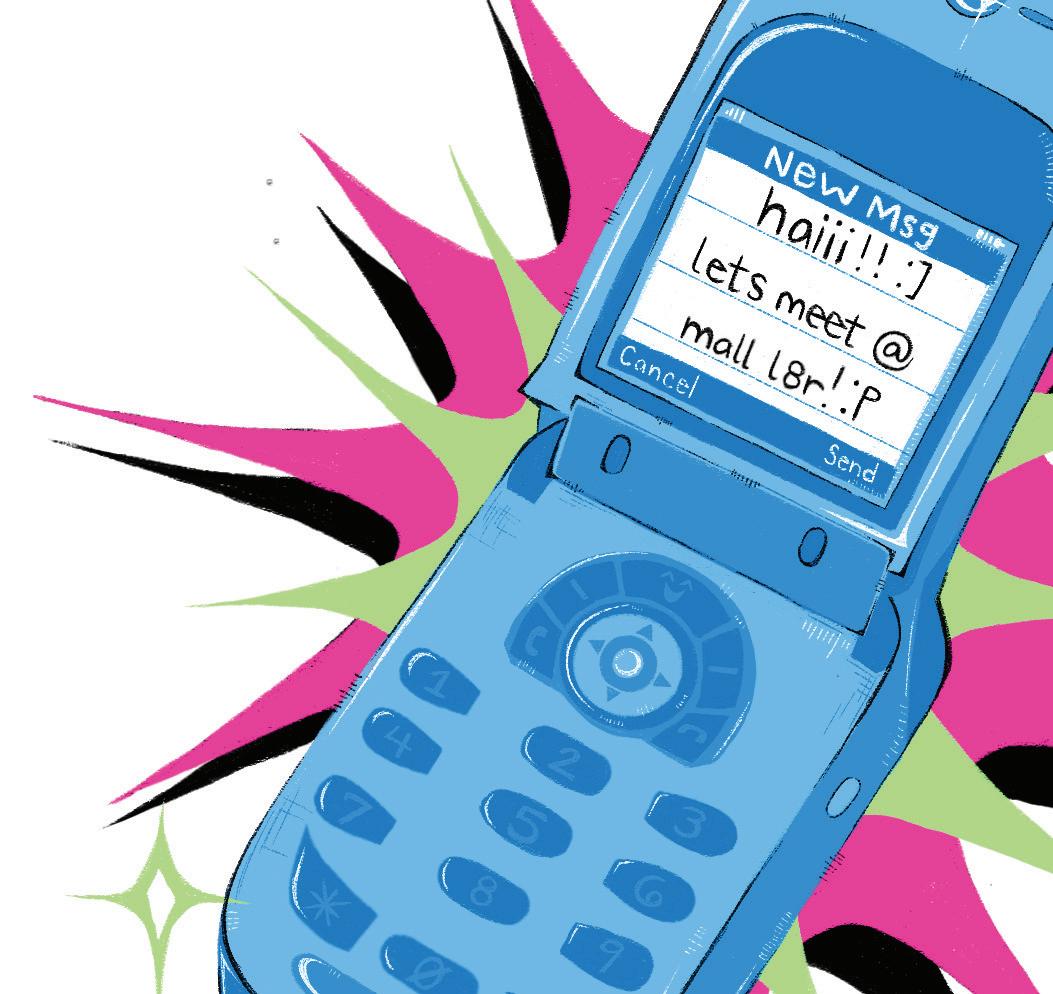






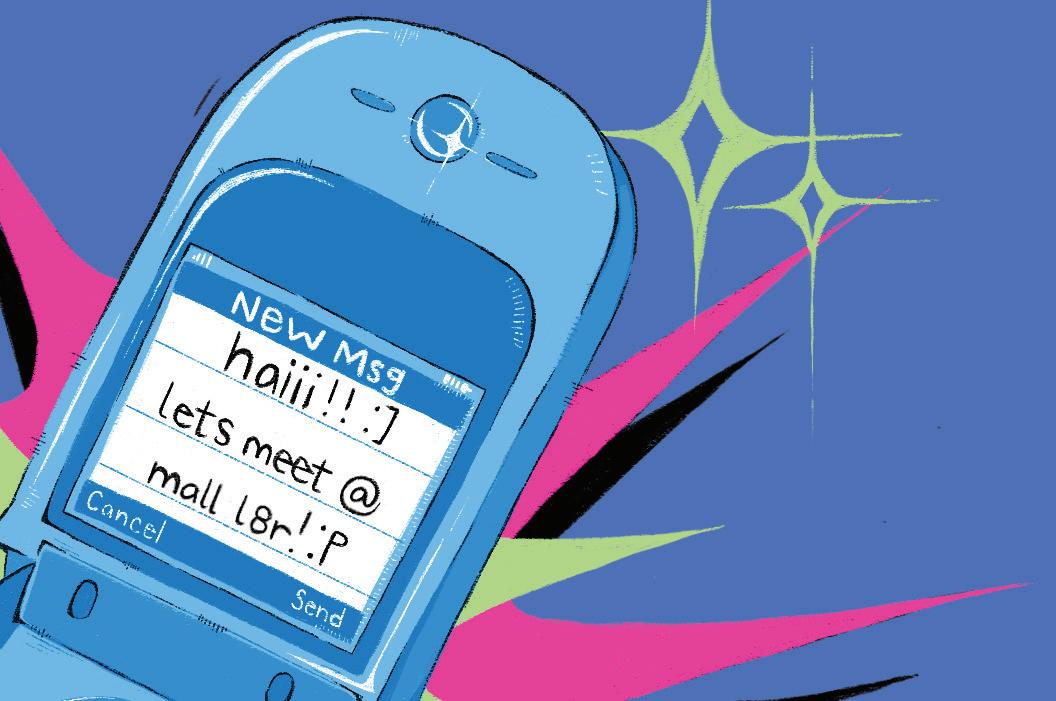


























Nostalgia begs us to put on our rosecolored glasses, but Wold and VieiraCarreiro acknowledge that not everything about the 2000s can classify under the ‘golden years’ category. “The 2000s were full of problems too, but looking back on them now feels like escapism. It feels good to revisit an era that seemed more optimistic, even if it wasn’t,” Wold said. She wants to leave ‘eating disorder culture’ in the 2000s. “It feels like body positivity has been backsliding lately and there’s so much content online that glamorizes or even teaches disordered eating,” Wold said. “In the 2000s as well, being super skinny was idealized and addiction or unhealthy habits were


often part of the method or lifestyles of ‘ideal’ women.” For Vieira-Carreiro, the fashion of the 2000s is “god-awful.” She doesn’t miss the trends like “wearing a spaghetti-strapped shirt on top of a long sleeve shirt and the nude pale lip with pencil thin eyebrows.”
For their guesses on what decades will come back next, Wold guesses the 2010s, noting Gen Z’s trend of romanticizing the decades of their childhood. VieiraCarreiro guesses the 1970s, saying the ‘70s futuristic fashion predictions resemble the slick styles of today. For now, Stetson students will have to wake up and relive their early years, recession indicators and all.
















“It feels good to revisit an era that seemed more optimistic, even if it wasn ‘t,”






































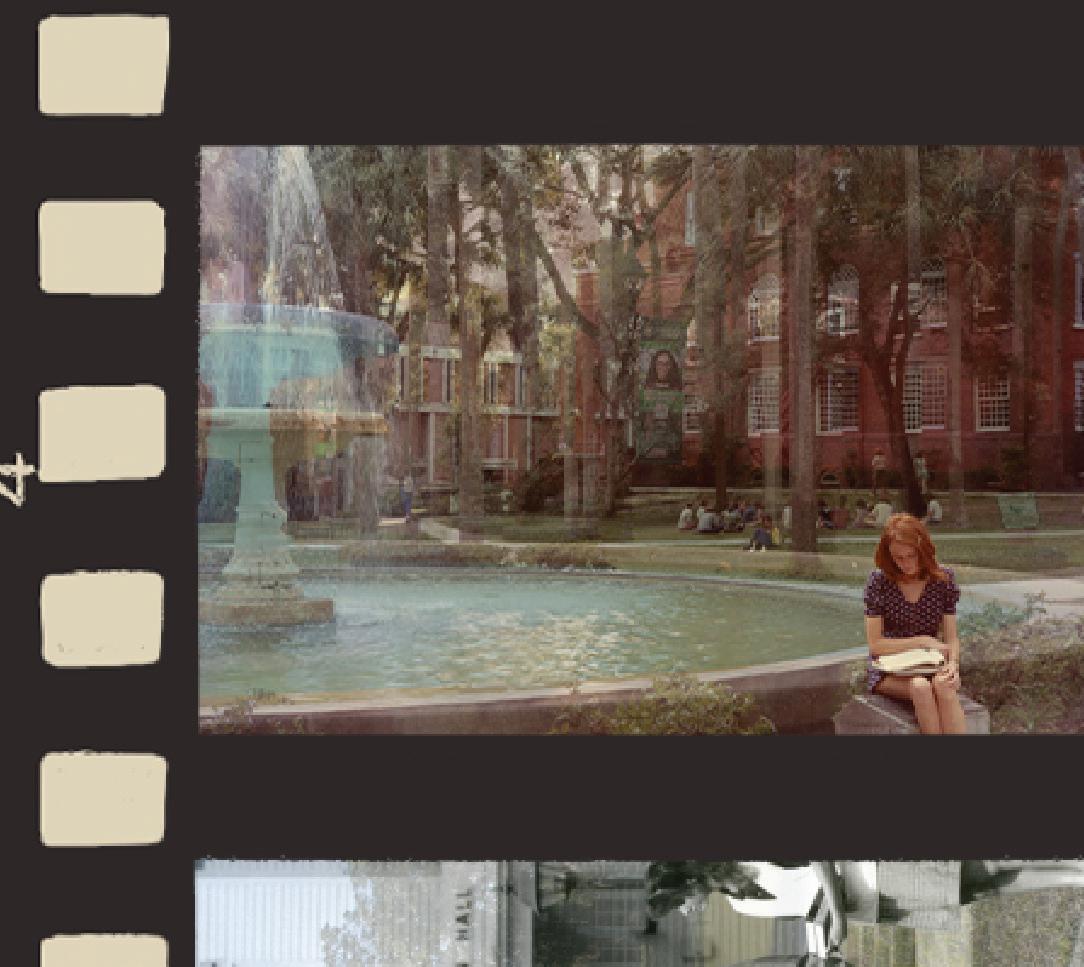

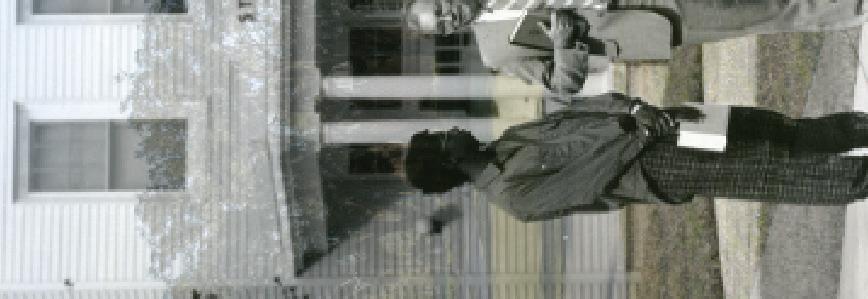

































Images courtesy of the Photographs Collection, duPont-Ball Library Archives and Special Collections.

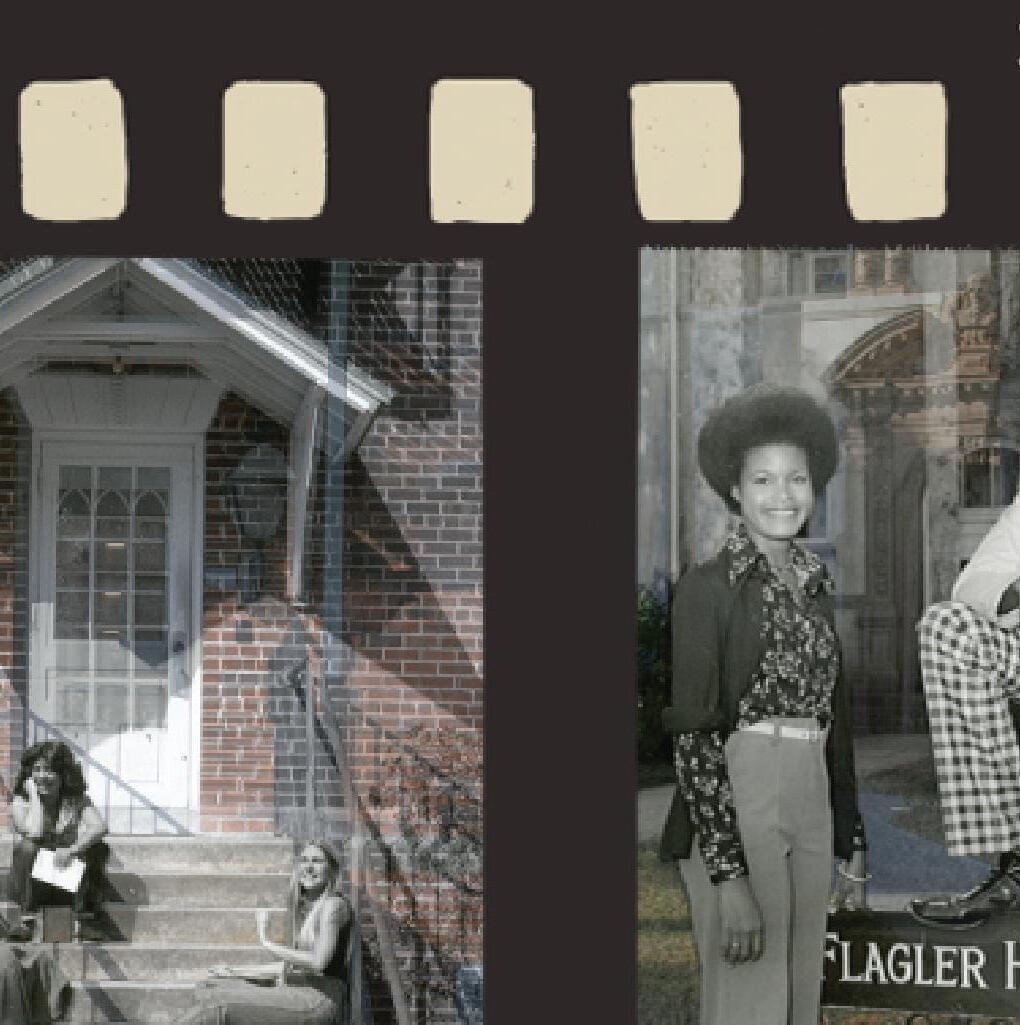






























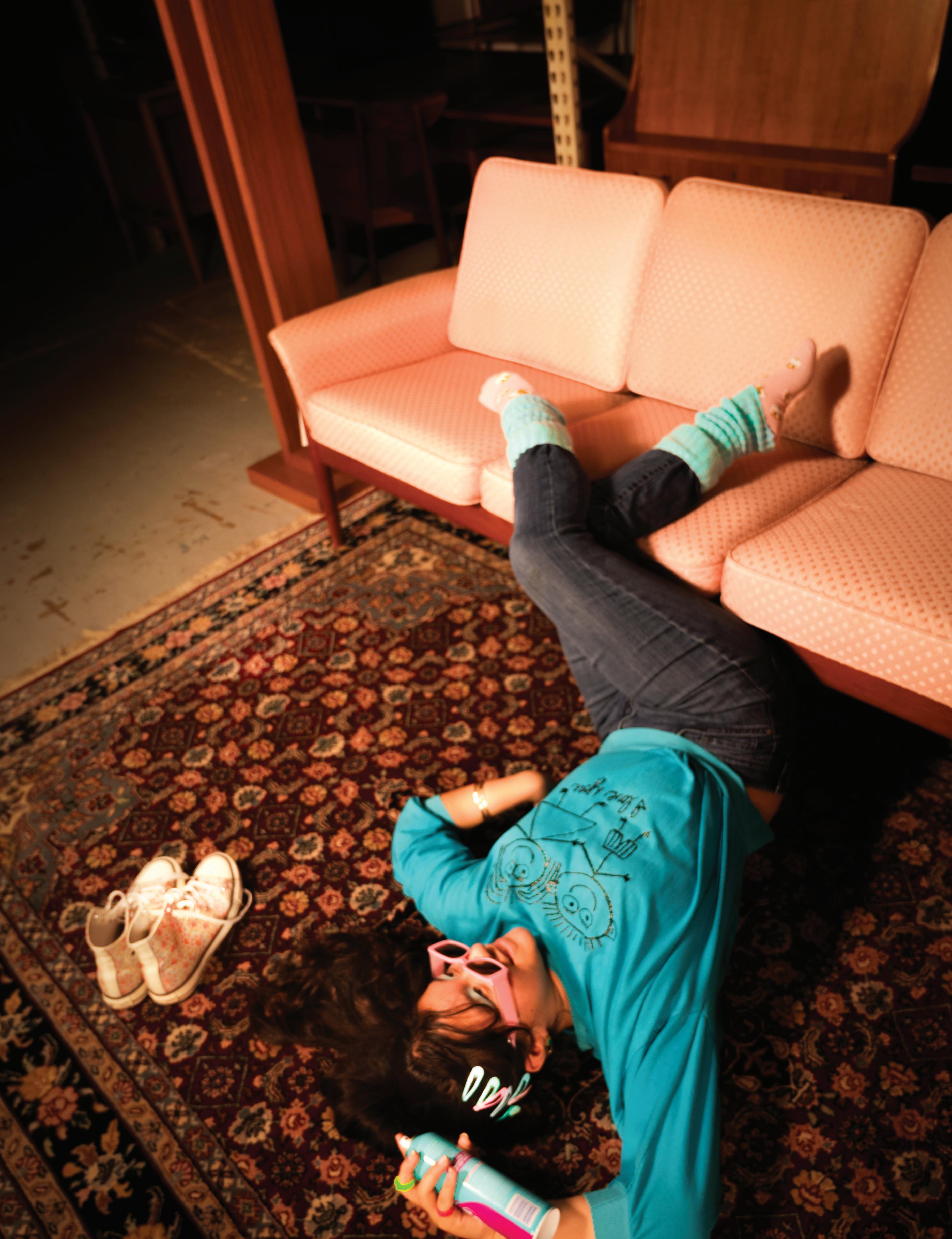
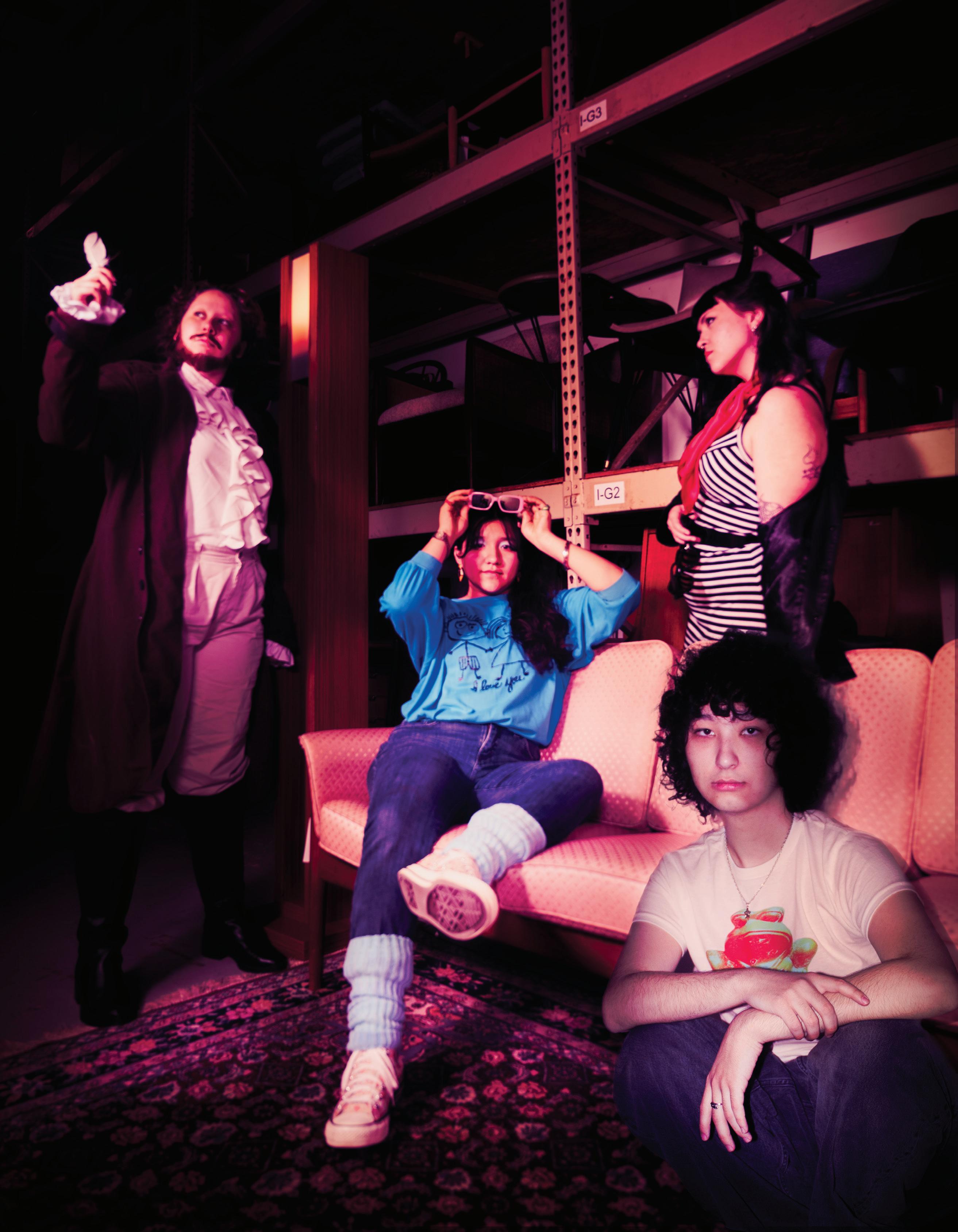
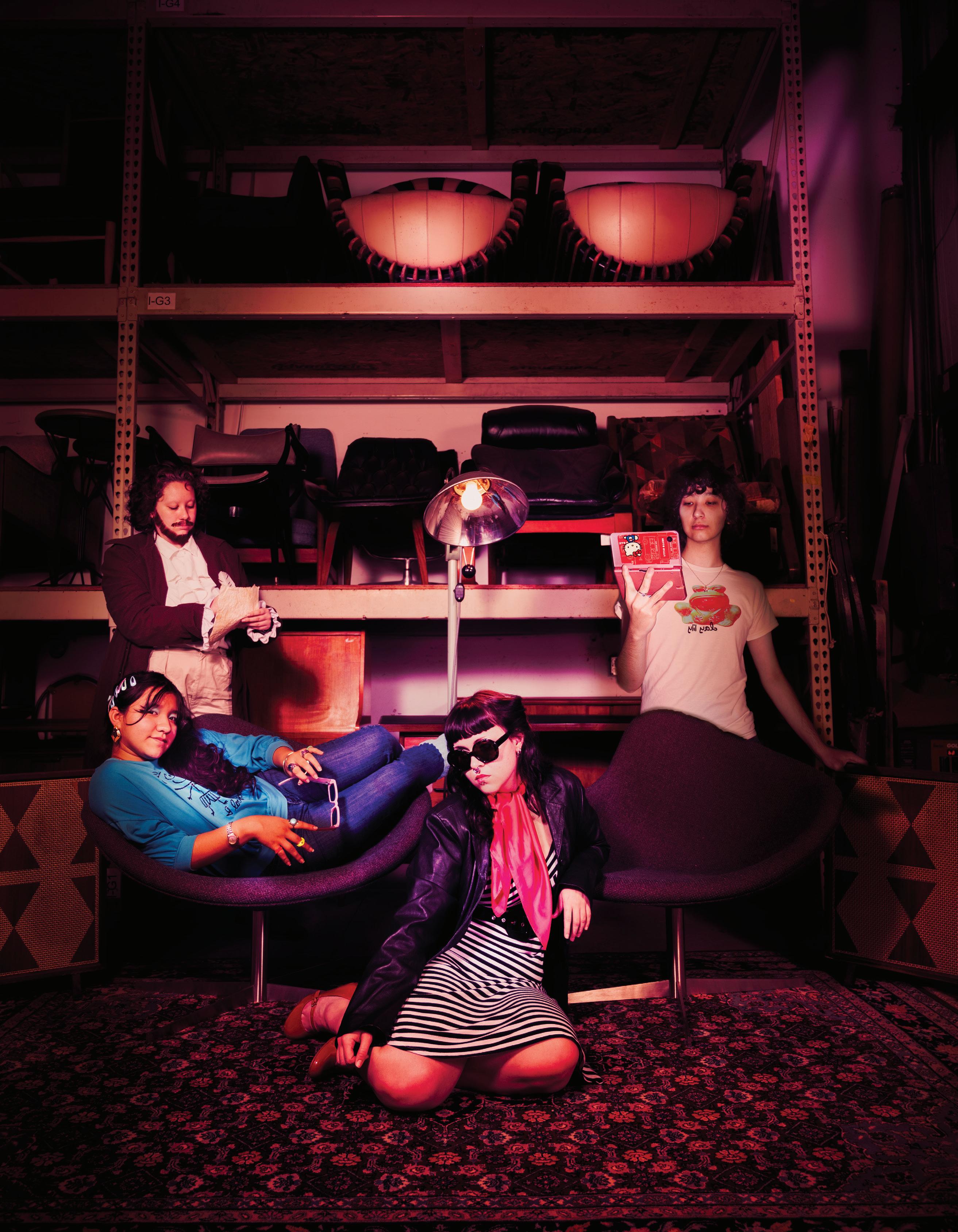
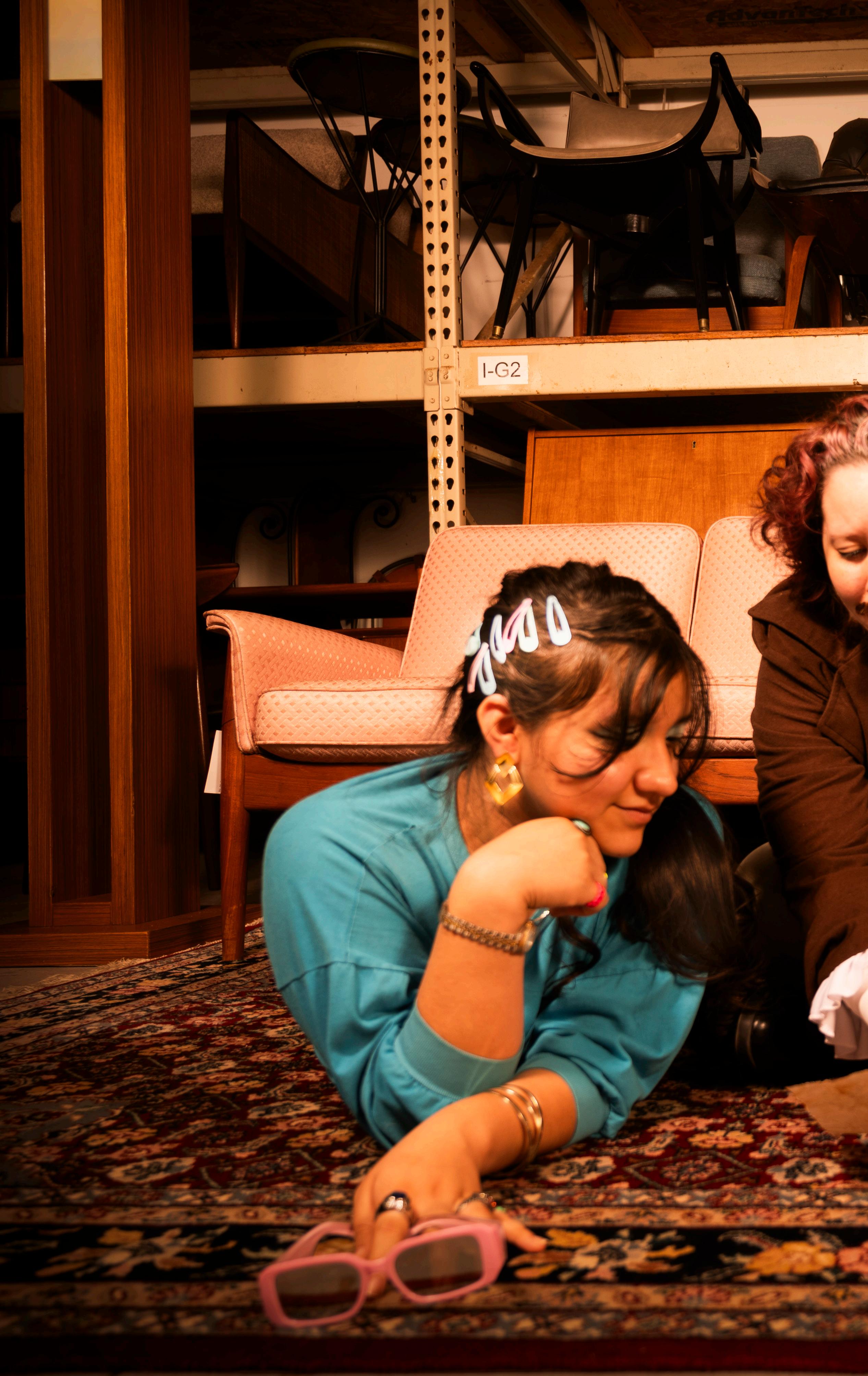
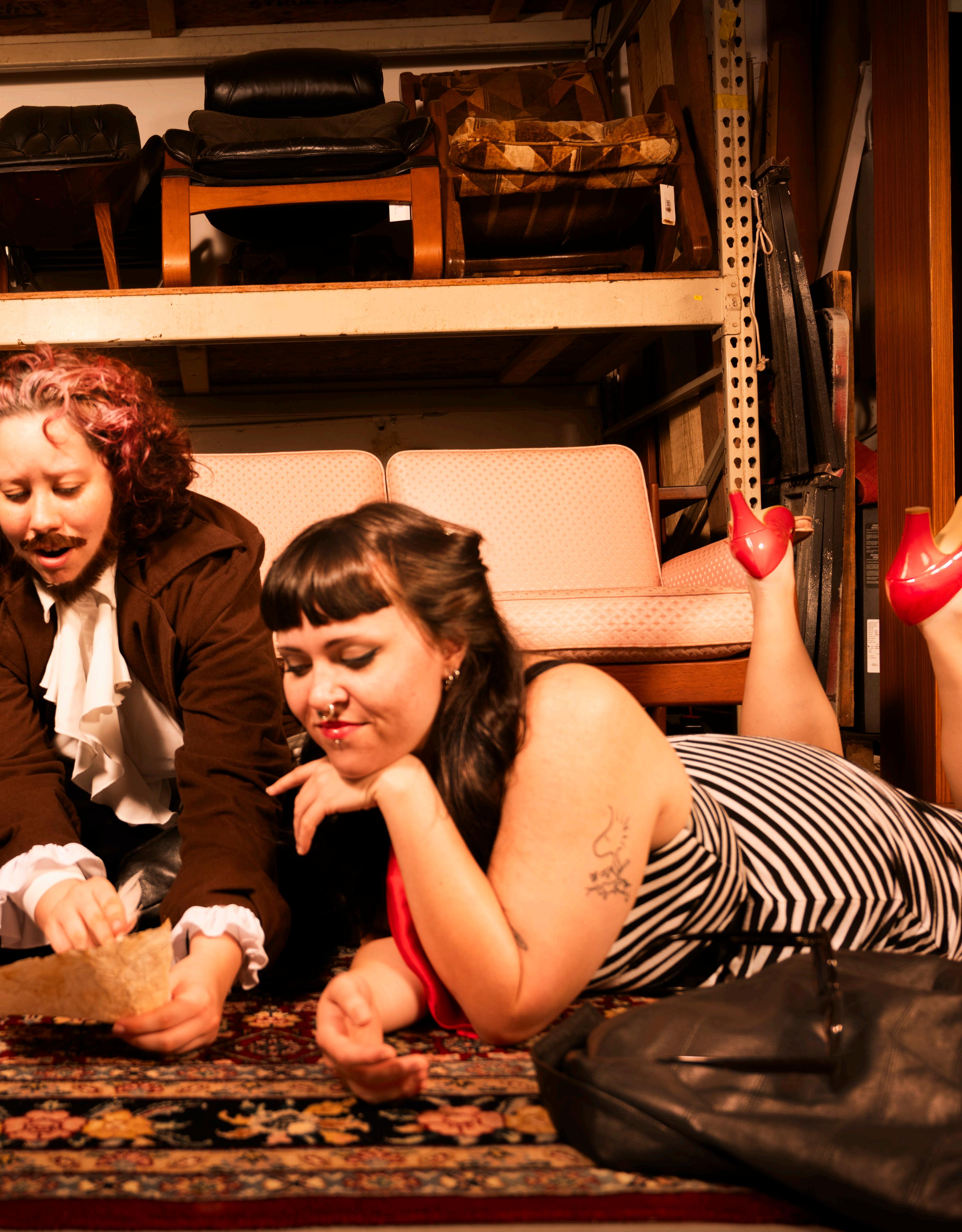
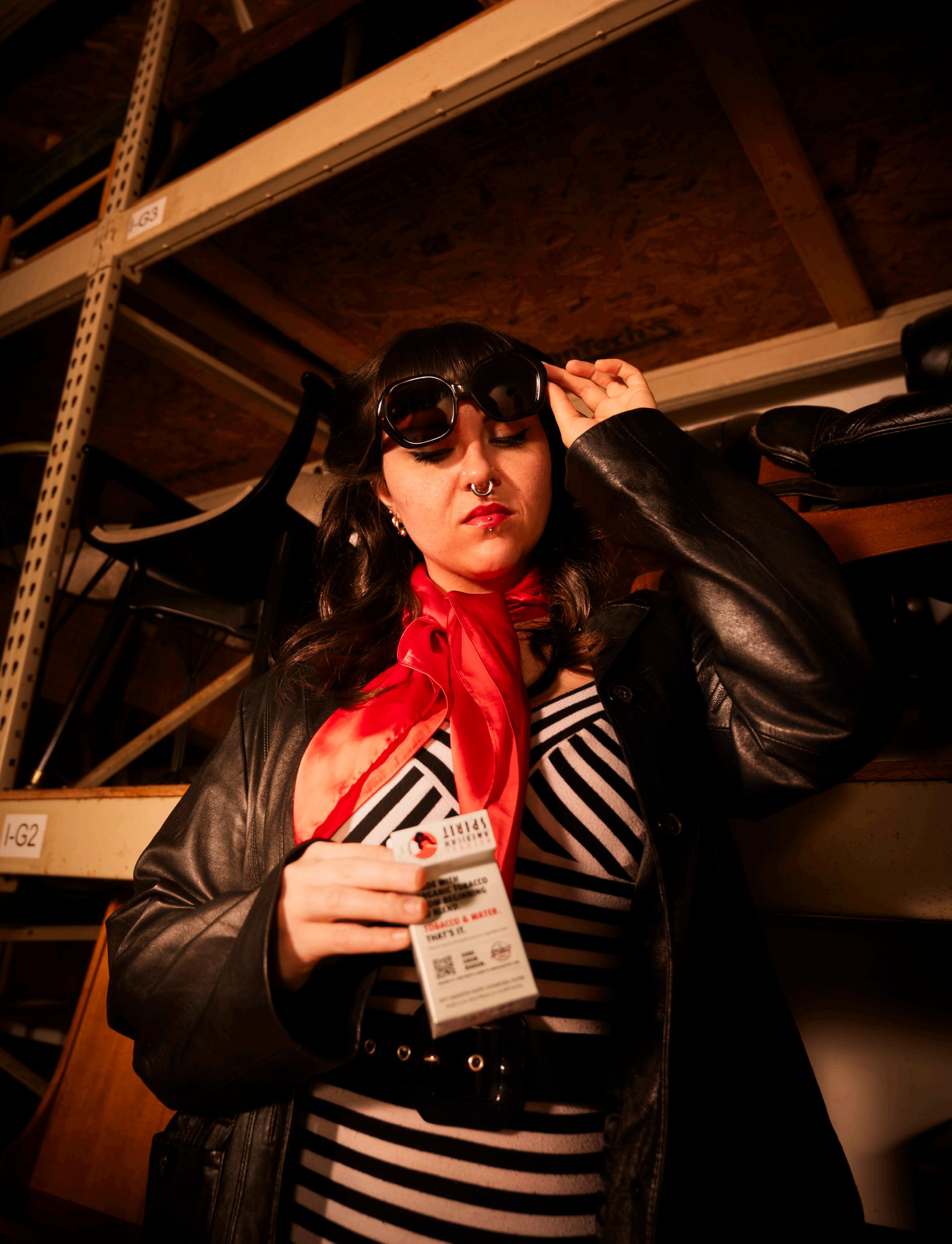
The furniture and
setting
used for the cover photos and other photos throughout the magazine was proudly provided by ABT Modern.

"‘I have been a carpenter on the restoration team at ABT Modern For going on 5 years now. Truly it has become more than just the job and my coworkers are like family. Their support and encouragement throughout my education is something that I can't thank them for enough. I hope that by highlighting them in this issue of the Reporter I can show them my appreciation for all of the opportunities they have provided to me. Working on this photoshoot, and having the chance to showcase some of my work is a great honor. I'd like to thank all of the Reporter staff for choosing to feature ABT Modern in this issue of the Reporter.’"
-Joshua Weaver ('26) Staff Writer
ABT Modern has been an industry leader in the high end antique market with a specialization in Mid Century Modern and Danish Modern Furniture for nearly 10 years. With humble beginnings starting out of a garage in DeLand, FL, ABT Modern has grown to have the largest collection of Mid Century Modern and Danish Modern Furniture in the State of Florida. Being located only ten minutes from Stetson’s campus, locals love ABT Modern. We have numerous happy clients from Jacksonville, Miami, West Palm Beach, Tampa, St. Petersburg, Sarasota, Orlando, Winter Park, and Daytona Beach. ABT Modern also ships nationwide and worldwide; there are countless satisfied clients from New York City to Los Angeles, Miami to London, Boston to Paris, and virtually everywhere else in-between. ABT Modern delivers highquality furniture in a variety of design styles such as Vintage, Mid-Century Modern, Danish Modern, Contemporary furniture, Art Deco, Post Modern and other stunning styles for your home and office. Whether you need to decorate the interior of your home or you need period outdoor furniture, ABT Modern has everything for your heart’s desire.



Money Pies- Raiche
Bitch Better Have My Money- Rihanna
Money- Cardi B

Dirty Little Secret-The All-American Rejects
The Sweet Escape-Gwen Stefani, Akon
The Freshmen-The Verve Pipe (Nothing But) Flowers-Talking Heads
1985-Bowling For Soup
King of Carrot Flowers Pt. 1-Neutral Milk
Hotel
Promiscuous - Nelly Furtado
Smooth Operator - Sade
Sir Duke - Stevie Wonder
Time After Time - Cyndi Lauper
Slipping Through My Fingers - ABBA
Yesterday - The Beatles
Space Oddity - David Bowie
Private Idaho - B-52’s

17 songs, 1 hr 3 min