SU PE R
F e e l e r
F e e l e r
By: Rylie Camille
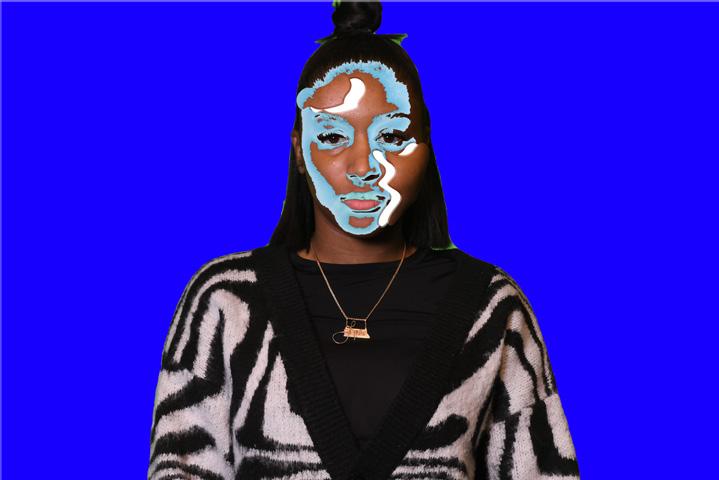
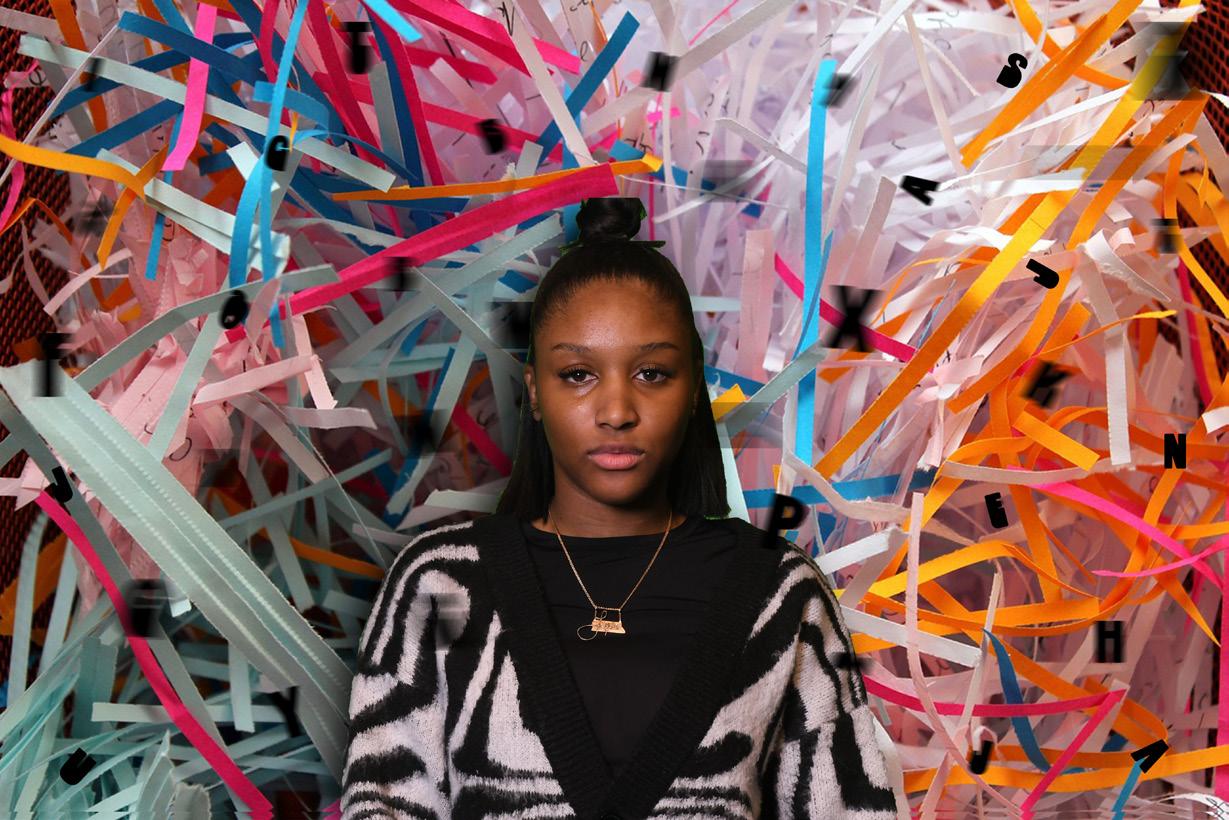
Since I can remember, I have always been a girl with big emotions, who feels all the highs and lows of life deeply. I have always had this depth and passion for life, for people, and everything in between.
As a young girl, I was often called dramatic or over-the-top, too sensitive, too emotional. But as I got older, I learned not only to accept these feelings, but to understand and manage them. I learned to guard my heart and recognize what is and isn’t worth my time and energy without shutting down my emotional side.
I’ve come to realize that feeling things deeply is not a weakness. What matters is learning where, what, and how much of yourself to give. With growth and maturity, I realized my sensitivity comes from the deep
compassion and empathy I have been blessed with. That the “drama” was really undiagnosed OCD and anxiety. The moodiness, eating disorders, and self-harm were manifestations of unexpressed trauma from sexual assault in my childhood. The squirrel’s brain energy and a smidgen of ADHD- but let’s be real, who DOESN’T have that… haha- were all just part of how my mind learned to operate. The point that I am getting at here is that there is ALWAYS a reason people are the way they are. It is important
for us, as people, to give grace and empathy because you never know what someone else’s story is or what they are going through.
There is a reason you are the way you are. Growth happens when you acknowledge and accept who you are, while also recognizing that we all have work to do in being better.
So this is for all my, as I like to call us, “superfeelers”- the ones who are not afraid to wear their hearts on their sleeves, to feel deeply, and to speak honestly. I hope that you all find your
outlets, just as I have. For me, that outlet has been poetry. For the better part of my young adult life, poetry has been the way I express feelings I had never before been able to put into words. It has held my pain, my joy, my grief, my heartbreak, my love, and everything in between. It has allowed me to connect with others and share my own experiences in a way that hopefully makes people feel seen and less alone.
My passion for poetry began in a writer’s craft class I took in my first semester of senior year. What started as an “easy elective” quickly became something so much more. I discovered not only that I loved writing, but I was good at it. As we moved along in the course, I realized how much I enjoyed storytelling
and how healing and impactful writing can be. When we got to the poetry unit, the outpour of support from my peers encouraged me to keep writing. Soon enough, I had a notebook and a notes app full of poems. For the first time in my life, I had felt like I had a real, true outlet for my feelings. I had a way of articulating my feelings and playing with words, which was both fun for me and moving for others. I had found my voice. My passion only increased during the COVID-19 pandemic when my
senior year was cut short. Amid global uncertainty, racial tensions, and my own struggles with anxiety and OCD. I found myself writing then more than ever. It was almost as if they were spilling out of me; as soon as I had an emotion, named or unnamed, the words would instantly flow. It was effortless.
Poetry didn’t just help me understand myself- it connected me to something larger, my culture. The feeling was almost innate.
In the Black community, poetry has long served as a powerful tool for expression, resistance, and cultural preservation. With its roots in African oral tradition, poetry originally lived through storytelling, songs, and spoken word- especially during times when Black people
were denied educational rights and most had little to no writing and reading skills. During slavery and segregation, poetry became a lifeline, a way to express pain, hope, resilience, and even communicate hidden messages about survival and freedom.
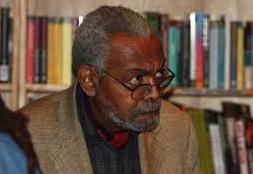
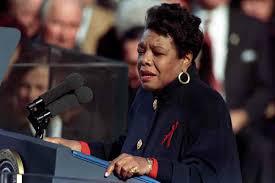
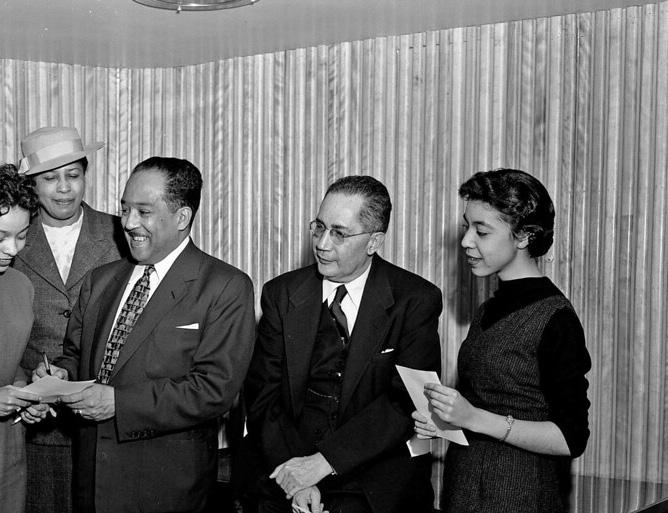
Over time, poetry has only evolved and grown as a tool for activism. During movements such as the Harlem Renaissance and the Civil Rights Movement, poets like Langston Hughes and Maya Angelou used their voices to challenge injustice and affirm Black identity. Hughes’ I, Too speaks to belonging and recognition, while Angelou’s Still I Rise celebrates resilience in the face of oppression. Amiri Baraka’s- another powerful Black voice- Black Art the urgency and political power of the

Black Arts Movement.
And today, this oral and written tradition continues not only through poetry but also through hip-hop. Rap, commonly referred to as rhythm and poetry, carries this legacy forward with artists such as J.Cole and Tupac, who have used their voices to speak on both personal and societal issues. Poetry remains a powerful force. It tells stories, preserves identity, and challenges injustice. And most importantly, it connects us- to ourselves and to each other.

To be Black in this world means to be without peace or protection.
To be blamed for the deeply sewn hatred of our skin.
To be killed for candy.
To be killed for walking. Be silenced for talking.
It means the pictures and the bodies of our sons and brothers are used as target practice
As punching bags
As an offload for the misplaced anger and aggression of scary white men. And no… I do not mean frightening It means
To have mothers crying over caskets because better our bodies be six feet deep than the pride and security of white men and women.
You have never heard real pain until you hear a mother crying for her child.
Put our blood, sweat, and tears into… literally
Who take credit and profit of foundations we have laid
To be Black in this country means to be without credit
Like this country isn’t built on the backs of our ancestors
Our mothers, fathers, grandfathers
To be Black in this country means to be feared…
By people who don’t seek understanding
But are aware of our power
It’s to know how to make yourself small
Go unseen
Learn how to tuck yourself into corners and crevices
Go under the radar
Take your personality
And learn to water it down
Condense it.
“To be Black in this world means to be misunderstood, but never learned”
As if the very same tears she cried on the day of his birth can breathe life back into his lungs
As if her tears can bring him out of that casket and back into her womb, where he is safe
Or at least has the illusion of it
To be Black means to be seen as a failure based simply off existence
As if your presence is a deterrence to the enjoyment of life
To be given an inch by the people who TOOK miles…
Who sell to us what we created
Put in into a box so it can be given in doses Handled in places that claim to have space for you
Or don’t…
Cause even as a diversity hire you must be “one of the good ones”
To be black in this world means to be misunderstood.
But never learned.
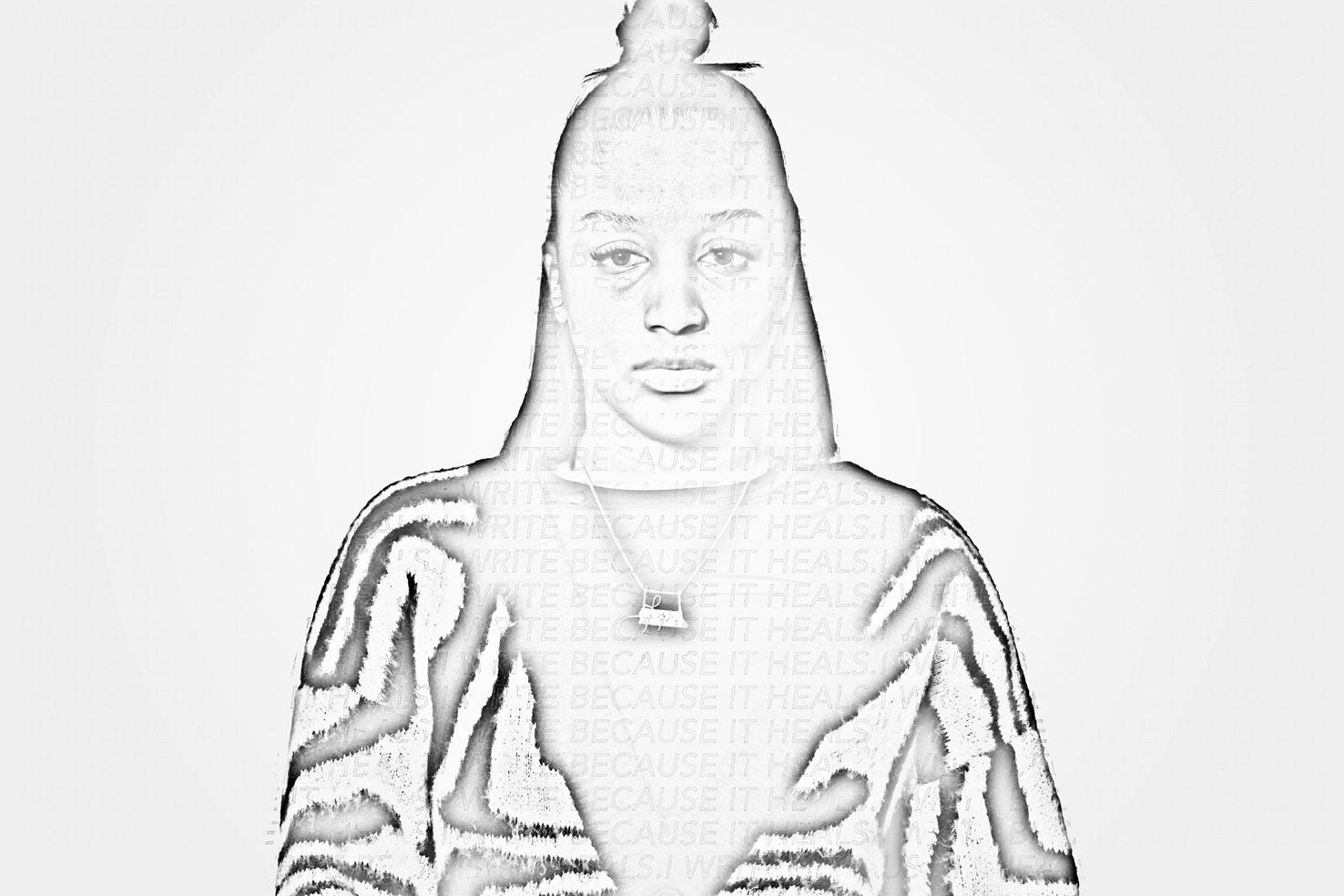
Itis notaweaknesstof eeldeeplyItisnotaweak nesstofeeldeeplyItisnotawe aknesstofeeldeeplyItisnotawea knesstofeeldeeplyItisnotaweaknes stofeeldeeplyItisnotaweaknesstofeel deeplyItisnotaweaknesstofeeldeeplyItis notaweaknesstofeeldeeplyItisnotaweakn esstofeeldeeplyItisnotaweaknesstofeeldeep lyItisnotaweaknesstofeeldeeplyItisnotawea knesstofeeldeeplyItisnotaweaknesstofeel deeplyItisnotaweaknesstofee ldeeplyItisnotaweaknesstofee plyItisnotaweaknesstof ldeeplyItisnotawea knesstofeeld plyItisnotaweakne
Itisn otaweaknesstofeeldeep lyItisnotaweaknesstofeeldeeply ItisnotaweaknesstofeeldeeplyItisnota weaknesstofeeldeeplyItisnotaweaknesstof eeldeeplyItisnotaweaknesstofeeldeeplyItisnot aweaknesstofeeldeeplyItisnotaweaknesstofeeldee plyItisnotaweaknesstofeeldeeplyItisnotaweaknesstof eeldeeplyItisnotaweaknesstofeeldeeplyItisnotaweaknes stofeeldeeplyItisnotaweaknesstofeeldeeplyItisnotaweakn esstofeeldeeplyItisnotaweaknesstofeeldeeplyItisnotaweakne sstofeeldeeplyItisnotaweaknesstofeeldeeplyItisnotaweaknesst ofeeldeeplyItisnotaweaknesstofeeldeeplyItisnotaweaknesstofeel deeplyItisnotaweaknesstofeeldeeplyItisnotaweaknesstofeeldeeplyIti snotaweakne sstofeeldeeplyItisnotaweaknesstofeeldeeplyItisnotaweaknesstofeeldeeplyIti snotaweaknesstofeeldeeplyItisnotaweaknesstofeeldeeplyItisnotaweaknesstofeeldeeplyItisnota weaknesstofeeldeeplyItisnotaweaknesstofeeldeeplyItisnotaweaknesstofeeldeeplyItisnotawea knesstofeeldeeplyItisnotaweaknesstofeeldeeplyItisnotaweaknesstofeeldeeplyItisnotaweakn esstofeeldeeplyItisnotaweaknesstofeeldeeplyItisnotaweaknesstofeeldeeplyItisnotaweakn esstofeeldeeplyItisnotaweaknesstofeeldeeplyItisnotaweaknesstofeeldeeplyItisnotawe aknesstofeeldeeplyItisnotaweaknesstofeeldeeplyItisnotaweaknesstofeeldeeplyItis notaweaknesstofeeldeeplyItisnotaweaknesstofeeldeeplyItisnotaweaknesstofe eldeeplyItisnotaweaknesstofeeldeeplyItisnotaweaknesstofeeldeeplyItis notaweaknesstofeeldeeplyItisnotaweaknesstofeeldeeplyItisnota weaknesstofeeldeeplyItisnotaweaknesstofeeldeeplyItisno taweaknesstofeeldeeplyItisnotaweaknesstofeel deeplyItisnotaweaknesstofeelde