





Social Impact. ESG Leadership. Inclusive Growth.

TURNING FOOD WASTE TO GOOD USE

BUILDING FUTURE LEADERS

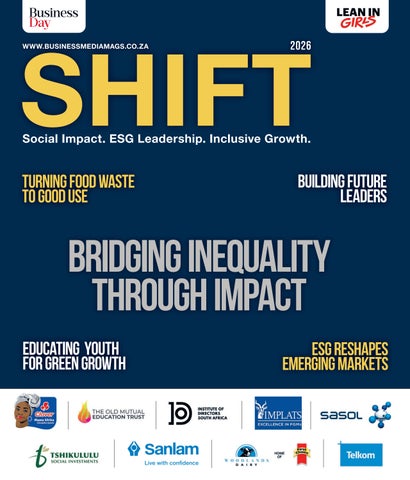
Social Impact. ESG Leadership. Inclusive Growth.
TURNING FOOD WASTE TO GOOD USE
BUILDING FUTURE LEADERS


EDUCATING YOUTH FOR GREEN GROWTH





ESG RESHAPES EMERGING MARKETS




8 WOMEN-LED NGOS SHAPING COMMUNITIES
We look at how change-making NGOs are transforming South Africa, navigating systemic challenges to deliver lasting social, economic and environmental impact.
18 SUSTAINABILITY
Sustainable nance is reshaping emerging markets, unlocking growth beyond traditional risk models.
22 STRATEGIC GIVING, REAL IMPACT
In today’s business landscape, Corporate social investment is undergoing a fundamental shift.
23 SOCIAL INVESTMENT
How intentional, well-governed and aligned social investment drives and supports inclusive growth.
26 FUTURE LEADERS
The Lean In Girls programme equips young girls with con dence, leadership skills and support, building future-ready talent pipelines for corporate South Africa.
27 FINANCIAL INCLUSION
How banks are rede ning their strategies, investments and community programmes to make a measurable difference across communities.
30 MORE THAN JUST AN ENERGY TRANSITION
How much impact does the green economy really have?
34 ESG
Organisations that integrate sustainability, governance, skills development and operations deliver greater economic, social and environmental value.
40 SUSTAINABILITY
Sustainable nance is reshaping emerging markets, unlocking growth beyond traditional risk models.
41 CLIMATE CHANGE
All of us, from individuals to organisations, are affected by climate change. The real question is: are we stepping up to meet our responsibility?
42 SUSTAINABLE FOOD PRODUCTION
We unpack why, at its core, sustainability means managing the natural, social and economic resources required for food production to ensure future generations can meet their needs.
45 DIGITAL LITERACY
We take a look at how tech-education initiatives and private-public collaborations are working to close the digital divide.
46 YOUTH DEVELOPMENT
Driving community-led innovation and strategic partnerships to create opportunities for South Africa’s youth.
50 SUSTAINABLE INVESTMENT
When capital is deployed with long-term intent, education becomes one of the most powerful vehicles for sustainable returns and inclusive growth.
54 FOOD SECURITY
Across the country, organisations are using surplus food to strengthen vulnerable communities and ght hunger.
55 FOOD WASTE
Reimagined food waste is feeding livestock, restoring soil and generating energy.
59 FUTURE SKILLS
We explore how robotics, coding and holistic education can build resilience, reduce inequality and expand economic opportunity.
60 SPORTS DEVELOPMENT
Are sports development programmes actually expanding access, nurturing talent and driving youth empowerment and community impact?
61 EDUCATION
We explore the interventions in place to encourage and support maths and science literacy in SA's rural and township areas.
64 ETHICAL LEADERSHIP
Does South Africa have an ethical leadership culture?
66 VISION 2030
With the year 2030 looming less than four years away, the clock is ticking on South Africa’s National Development Plan. We unpack the road to 2030.
PUBLISHED BY
Picasso Headline, A proud division of Arena Holdings (Pty) Ltd, Hill on Empire, 16 Empire Road (cnr Hillside Road), Parktown, Johannesburg, 2193 PO Box 12500, Mill Street, Cape Town, 8010 www.businessmediamags.co.za
EDITORIAL
Editor: Ryland Fisher
Content Manager: Raina Julies rainaj@picasso.co.za
Contributors: Tersia Booyzen, Matebe Chisiza-Asukile, Levi Letsoko, Vukani Magubane, Judith Matthis, Itumeleng Mogaki, Busani Moyo, Thando Pato, Nick Rockey, Vanessa Rogers, Anthony Sharpe, Elriza Theron, Judy Vilakazi, Rodney Weidemann, Lisa Witepski
Copy Editor: Brenda Bryden
Content Co-ordinator: Natasha Maneveldt
DESIGN
Head of Design: Jayne Macé-Ferguson
Senior Designer: Mfundo Archie Ndzo
SALES
Project Manager: Tarin-lee Watts wattst@picasso.co.za | +27(0) 87 379 7119 +27(0) 79 504 7729
PRODUCTION
Production Editor: Shamiela Brenner
Advertising Co-ordinator: Johan Labuschagne
Subscriptions and Distribution: Fatima Dramat fatimad@picasso.co.za
Online Editor: Stacey Visser vissers@businessmediamags.co.za
Printer: CTP Printers, Cape Town
MANAGEMENT
Management Accountant: Deidre Musha
Business Manager: Lodewyk van der Walt General Manager, Magazines: Jocelyne Bayer
The world is not a great place to live in for most people. Internationally, the gap between rich and poor is widening, with the richest 10 per cent of the global population currently owning 76 per cent of all wealth and the poorest half just 2 per cent. While income inequality between countries has narrowed, inequality within most countries has risen, driven by top earners, according to the World Inequality Report 2022 released by the World Economic Forum.
In South Africa, the situation is even worse. Our country has the highest level of inequality in the world, with the richest 10 per cent of the population owning more than 85 per cent of the household wealth. The bottom 60 per cent controls only 7 per cent of the assets. This vast disparity is characterised by a Gini coef cient of 0.67, ranking it as the most unequal country globally.
It is against this background that the work we highlight in this publication becomes so important. Our theme for this publication, “Creating meaningful social impact in a new global reality”, is something socially conscious people worldwide grapple with, despite struggling economies and con icts in many parts of the world led by rich men who have no desire to create a better world for the majority as long as they can line the pockets of the few.
The people we feature in this publication want to make a difference to society and uplift those at the bottom in a world where material wealth seems to matter more than anything else. Many of those with money do not appear to care too much about those who have nothing.
It is pleasing to see that, in South Africa at least, there are many companies, nongovernmental organisations (NGOs) and individuals doing their best to address the social ills that have befallen our country.
We also look at the latest trends in social impact and how organisations throughout the country are aligning their corporate social investment (CSI) with a sustainable approach to development. More corporates are realising that social responsibility is much more than a photo opportunity; it needs to make a lasting change to communities in need.
We investigate sectors where many corporates have decided to focus their CSI initiatives, such as nancial inclusion, food security, education, youth development, sustainable food production, safety and security, sport and digital innovation. In each of these sectors, we highlight examples of companies making a difference, either through their foundations or directly.
In a world where climate change is becoming an increasingly important issue, it stands to reason that many organisations are grappling with how to lessen its impact. At the same time, operating in a sustainable manner and being mindful of developing a green economy have also become important to those who care about the world and its people.
Of course, all the good work that the private sector and NGOs do can go to waste if it is not aligned with what the government and the international community are doing. We report on the progress of South Africa’s National Development Plan and the impact of the United Nations Sustainable Development Goals on the work of social activists.
If everyone works together –government, the private sector and civil society – we might stand a chance of changing lives for the better in our complex country.
Headline. The opinions expressed are not necessarily those of Picasso Headline. All advertisements/advertorials have been paid for and therefore do not carry any endorsement by the publisher.
In this publication, we feature some women who lead NGOs that hugely impact our divided society. We look at the greatest challenges they have faced and the successes they have achieved. We also explore the need for more ethical leaders in government, business and society. There is a need for greater protection for whistleblowers who play an essential role in keeping leaders in various sectors ethical and accountable.
Ryland Fisher EDITOR
Tersia Booyzen looks at how women-led nongovernmental organisations are transforming South Africa, navigating systemic challenges to deliver lasting social, economic and environmental impact
While women make up roughly 70–75 per cent of the global nongovernmental organisation (NGO) workforce, men still hold the majority of senior leadership roles, highlighting a persistent gender gap at the top, according to the Women in Global Nonprofits Report, 2023. South Africa shows comparatively strong female representation, with women occupying about 33 per cent of board positions and 28 per cent of executive director roles, slightly above the global averages of 30.6 per cent, as reflected in the South African NGO Gender Report, 2023
This disparity at leadership level makes the accomplishments of women-led organisations particularly noteworthy. We spoke to several women leaders in NGOs across the country who are not only navigating structural and systemic challenges, but also creating lasting social impact.
Over the course of leading Khulisa, Lesley Ann van Selm shares that her major challenges have not only been structural, but also deeply systemic. “As a woman in leadership within the NGO space, I have often had to navigate credibility gaps that are less frequently imposed on male counterparts – being perceived as ‘passionate’ rather than strategic, or relational rather than results-driven.
“Beyond gender bias, the broader challenge has been sustaining long-term systemic work in environments that favour short funding cycles and quick wins. Building social cohesion, strengthening institutions and addressing trauma are not short-term interventions; they require patience, evidence and trust.”
Khulisa pioneered restorative justice programming in South Africa at a time when it was barely understood. “We have built and strengthened hundreds of NGOs across multiple provinces, many of which were on the brink of collapse and are now compliant, sustainable and professionally managed.
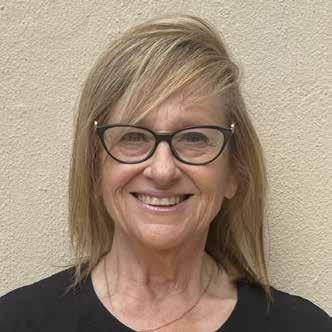
when we move from managing consequences to addressing causes – and when leadership places dignity at the centre of development.”
GLYNNE WOLMAN, FOUNDER AND CEO OF THE ANGEL NETWORK
“The impact of our work is most visible in the quiet shifts. Stronger governance within community organisations, reduced conflict escalation through mediation, young people who once felt voiceless stepping into facilitation roles and families supported before crises become statutory cases.
“If there is one theme that has defined my journey, it is this: sustainable change happens
Over the past 10 years, The Angel Network (TAN) has been funded purely through committed donors who believe in the organisation’s mission, says Glynne Wolman. That independence has been both its strength and its greatest challenges. “We’ve faced donor fatigue, particularly in a country like South Africa, where unemployment and poverty levels are overwhelming, and the need never seems to end.
“In our early years, we also didn’t have a clearly defined strategic focus. Then COVID-19 changed everything. Almost overnight, we shifted from a “hand-up” approach focused on sustainability to a “hand-out” emergency response to prevent millions from starving.”
During the pandemic, TAN supplied about 300 000 meals monthly from 100 soup kitchens for two years, preventing widespread hunger in vulnerable communities.
“OUR IMPACT IS NOW CENTRED ON LONG-TERM TRANSFORMATION, EQUIPPING INDIVIDUALS WITH SKILLS, OPPORTUNITY AND DIGNITY SO THAT COMMUNITIES CAN BEGIN TO LIFT THEMSELVES OUT OF POVERTY SUSTAINABLY.” – GLYNNE WOLMAN
“On a broader scale, we built 90 aluminium homes for families who had lost everything. We financed 32 life-saving cardiac surgeries for babies, and post-COVID-19, we made a deliberate decision to pivot back to our original vision,” she says.
Today, TAN’s primary focus is education and skills development.
“We have established an Early Childhood Development centre in Orange Farm and are in the process of setting up a skills development and after-school centre. We have built a bakery and launched a sewing academy that has already helped women become financially independent.
“Our impact is now centred on long-term transformation, equipping individuals with skills, opportunity and dignity so that communities can begin to lift themselves out of poverty sustainably.”
Qrate’s work focuses on equipping young people and communities with accurate information, confidence and language around menstruation. Through education programmes and partnerships, Candice Chirwa says they have seen increased school attendance, reduced stigma and stronger community conversations around menstrual health. “The impact is often most visible in the confidence young people gain –being able to speak openly about their bodies and advocate for their needs,” she says.
“One of our biggest challenges has been addressing the structural exclusion of women from the economy, particularly women over 35 who are mothers and primary caregivers,” says Tracey Gilmore.
“Through the Resell, Repair and Remake programmes, TCB has enabled women to build dignified, flexible self-employment opportunities that allow them to earn an income while managing caregiving responsibilities.”

One of the biggest challenges for Qrate has been sustaining funding and support for work that sits at the intersection of advocacy, education and social change. “In the menstrual health space specifically, there is still stigma, policy gaps and a tendency for the work to be deprioritised despite its direct impact on education, health and dignity. Balancing grassroots impact with organisational sustainability is an ongoing challenge many NGOs, including ours, continue to navigate.”
local economy. This creates both social and environmental value.
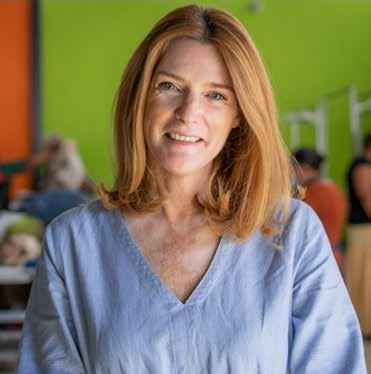
In 2025 alone, TCB supported over 1 000 South Africans to become self-employed, the vast majority being women between the ages of 34 and 44, many supporting large households with little to no savings when they join the programme.
“Beyond income, success is reflected in confidence, stability and independence, plus a deep sense of ‘sisterhood’. Women report being able to provide for their families without relying on others, pay off their debt, start saving and invest in their homes and plan for the future.
“These outcomes demonstrate that economic inclusion is about more than jobs; it is about restoring agency and dignity,” she says.
Women in TCB programmes are often the primary or sole providers for extended families. Their income supports children, elderly relatives and nonbiological dependants, stabilising households that would otherwise rely solely on social grants.
At a community level, participants provide affordable goods and services. Through Resell and Repair, communities gain access to lower-cost clothing and household appliances, while waste is diverted from landfill and reintegrated into the
Namritha Sivsanker says that one of Hope SA’s challenges has been sustained funding in an environment where its outreach continues to grow.
The demand for food security, disaster relief, healthcare and gender-based violence support, she says, has intensified, yet private funding cycles are often short-term and securing grants from social development is highly unlikely due to corruption in government systems.
“As a woman-led organisation, there is also the added responsibility of continuously proving credibility in spaces where large funding decisions are not always made by diverse leadership. While the NGO sector is largely powered by women on the ground, access to significant capital and decision-making platforms can still reflect structural imbalances.
“Balancing hands-on community work with governance, reporting and strategic growth requires resilience.
Leading with both empathy and accountability is essential.”
Hope SA’s biggest success is consistency.
“We have shown up, not only during high-profile crises, but every single day. As of December 2024, Hope SA Foundation has served over one million hot meals, and we continue to feed approximately 400 people daily. We have assisted thousands of people in vulnerable households with basic necessities like food and water.
“Our impact operates on two levels: relief and resilience.”
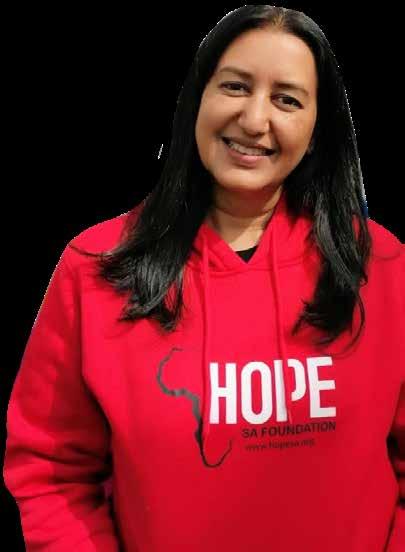
In the immediate sense, Hope SA addresses hunger, provides access to healthcare and offers practical support during emergencies. These interventions stabilise families in moments of vulnerability and give them a sense of hope.
“Long term, we focus on restoring dignity and opportunity. A learner who receives corrective lenses performs better at school. A woman who gains skills training builds financial independence. A family that receives food support gets a lifeline and can regain stability.
“Gender representation in NGO leadership matters because lived experience often shapes responsive, community-centred solutions. When leadership reflects the realities of those being served, programmes become more inclusive, practical and sustainable.”
“Re.Bag.Re.Use began as a hobby and has grown into something far bigger than I initially imagined, requiring increasingly structured time and attention as we expand,” says Regine le Roux.
“Another ongoing challenge is scaling without losing the initiative’s heart. Expanding sustainably requires building systems and leadership capacity while keeping the initiative community-centred and quality-driven, ensuring growth strengthens rather than dilutes the craftsmanship and dignity that define our work.
“I am incredibly grateful that we have received both local and international recognition, which has been affirming. Awards validate that we are on the right track. Seeing our products reach markets as far as Denmark and France has been particularly encouraging.”
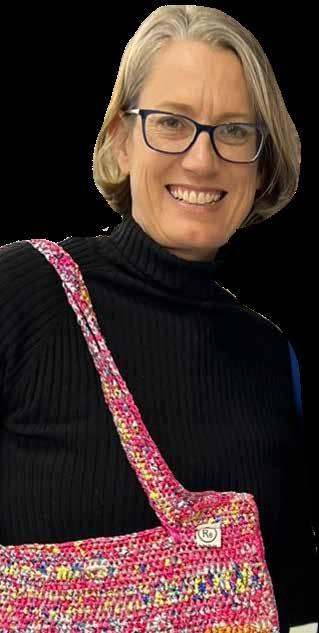
Environmentally, the organisation has repurposed more than a tonne of plastic waste, equivalent to the weight of eight baby elephants, that would otherwise have ended up in a landfill or the environment. Re.Bag.Re.Use functions as an inclusive growth
initiative, providing meaningful and flexible opportunities for women in the community. The model is designed to accommodate diverse life circumstances, enabling participants to contribute their skills in ways that suit them while fostering confidence and collaboration.
“The impact is economic, environmental and social. Economically, the initiative enables women to earn through dignified, skill-based craftsmanship. Environmentally, it extends the lifespan of materials already in circulation, shifting the focus from waste to repurposing and thoughtful transformation. Socially, it fosters pride and purpose through shared achievement and collective impact.”
Importantly, the initiative also supports broader community causes. A percentage of proceeds contributes to organisations such as Neighbourhood Old Age Home and the SPCA.
“When someone purchases a product, they are participating in a model that values people, planet and community.”
At Upcycle, the biggest challenges are rooted in space, stability and systems rather than a lack of opportunity or material. “There is always more waste available than we can responsibly process, often far more than our current facilities allow us to store or handle,” says Winnie McHenry.
Operating within the NGO and social enterprise space, she adds, particularly alongside women-led and community-based initiatives, also means navigating limited funding, inconsistent supply chains and ongoing pressure to
“prove” impact in ways that don’t always reflect the lived reality.
“There is a persistent misconception that waste-based work is informal or temporary, rather than a legitimate pathway to skills development, dignity and long-term income generation. Shifting corporate and government perceptions remains a challenge, especially the assumption that projects like ours are not capable of real-world impact at scale.
“Our biggest successes have come from demonstrating what is possible despite these constraints. Partnerships with corporates such as AVBOB and DP World, which have supported the organisation’s work through ongoing ad hoc projects, have played an important role in enabling this success.
“These collaborations have helped us demonstrate the value of circular economy initiatives in real, applied contexts, while also reinforcing a key insight: although ad hoc support is valuable, long-term supply partnerships are what truly unlock scale and stability.”
“THERE IS A PERSISTENT MISCONCEPTION THAT WASTE-BASED WORK IS INFORMAL OR TEMPORARY, RATHER THAN A LEGITIMATE PATHWAY TO SKILLS DEVELOPMENT, DIGNITY AND LONG-TERM INCOME GENERATION.”
–
MCHENRY
Follow: Lesley Anne van Selm www.linkedin.com/in/lesleyannvanselm
Glynne Wolman www.linkedin.com/in/glynnewolman-ignitingchange
Candice Chirwa www.linkedin.com/in/candice-chirwa-7057509a
Tracey Gilmore www.linkedin.com/in/tracey-gilmore-822b9033
Namritha Sivsanker www.linkedin.com/in/namritha-sivsanker-4a794a41
Regine le Roux www.linkedin.com/in/regineleroux
Winnie McHenry www.linkedin.com/in/winniemchenry



Through sustained investment focused on strengthening early childhood development, THE SASOL FOUNDATION is ensuring young children have a bright future
The Sasol Foundation continues to play a critical role in advancing early childhood development (ECD) across South Africa. The Foundation’s ECD programmes are guided by the recognition that the early years of life profoundly in uence a child’s long-term learning, wellbeing and future opportunities. This understanding shapes the foundation’s sustained investment in young children, in the practitioners who teach them, and in the centres that support their growth.
For the Foundation, quality early learning extends beyond classrooms, murals and playtime. It is fundamentally about creating safe, nurturing and stimulating environments where children feel supported to learn and explore. Within these settings, children begin to develop the cognitive, emotional and social skills that form the foundation for future success.
The Sasol Foundation’s ECD initiatives support national education priorities and contribute to Sasol’s long-term ambition of building stronger foundational STEM (science, engineering, technology and mathematics) skills across the education pipeline. By focusing on underserved communities, the foundation helps create practical, replicable models that enhance school-readiness and improve learning outcomes for young learners.
The Foundation’s approach is grounded in the understanding that effective ECD requires multiple components working together. A comprehensive model has enabled the Foundation to strengthen the full ecosystem and deliver impact over the past ve years in the following ways:
1. Capacity building for over 1 000 practitioners and centre managers Training and skills development initiatives equip practitioners and managers to deliver higher-quality learning experiences and to run centres more effectively.
2. Access to over 17 000 high-quality learning and play resources
The Foundation provides books and other essential educational resources that support cognitive, language and motor development in early learners.
3. Strengthening health, safety and infrastructure in over 10 ECD Centres Investments in infrastructure and compliance improvements ensure children learn in secure, resilient environments that meet essential health and safety standards.
4. Supporting nutrition and psychosocial wellbeing impacting over 7 000 children
The Foundation promotes balanced nutrition and emotional support, recognising that
children learn best when they are healthy, con dent and supported.
The Sasol Foundation’s impact is ampli ed through collaboration. Its partnerships with the Department of Basic Education at national, provincial and district level, as well as with funders, nongovernmental organisations and nonpro t organisations, ensure its programmes remain relevant, responsive and aligned with the evolving needs of the ECD sector. These relationships strengthen reach and long-term sustainability.
Over the past ve years, the Sasol Foundation has made a measurable contribution to strengthening practitioner capability, improving centre management, enhancing school-readiness and supporting more resilient ECD infrastructure. These achievements re ect a purposeful and sustained commitment to improving the earliest stages of learning.
This commitment continues to evolve. The foundation remains rmly focused on expanding its partnerships, strengthening programme design and integrating innovative approaches that respond to the changing contexts in which young children live and learn. Its work is ongoing and future-oriented, driven by the belief that every child deserves a strong and equitable start.
By investing in early childhood development today, the Sasol Foundation is helping to build a more capable, inclusive and resilient South Africa for generations to come.




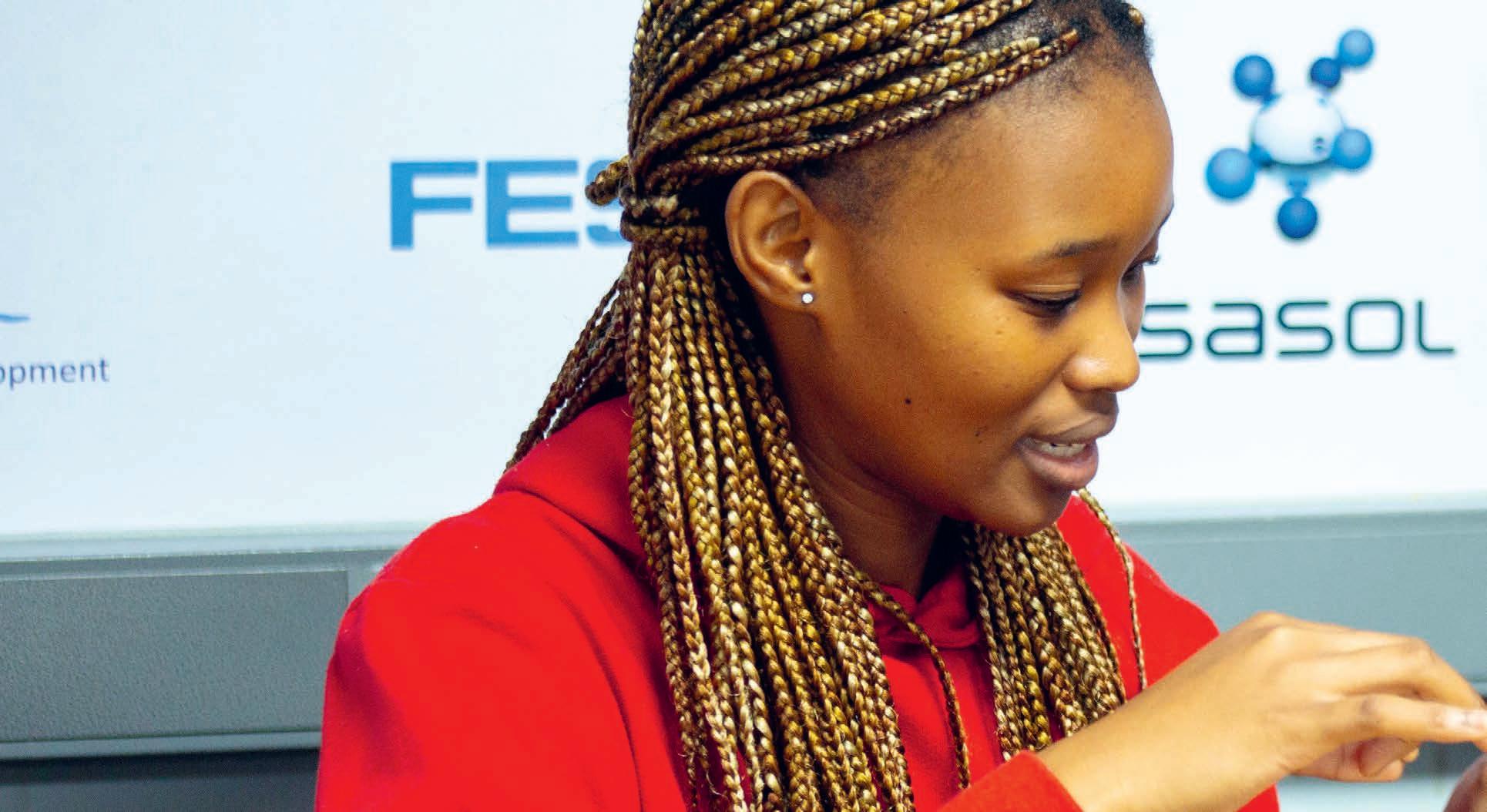

The Sasol Foundation recognises that strong technical education is essential to preparing learners for the future world of work. Through focused investment in educator development and targeted support to technical schools, the Foundation is helping to address critical shortages of qualified teachers in Mathematics, Science and other key subjects.

In partnership with key stakeholders, the Foundation is also advancing the integration of alternative energy specialisations into technical school curricula, ensuring learners are equipped with the skills required to support South Africa’s transition to a sustainable, green economy.

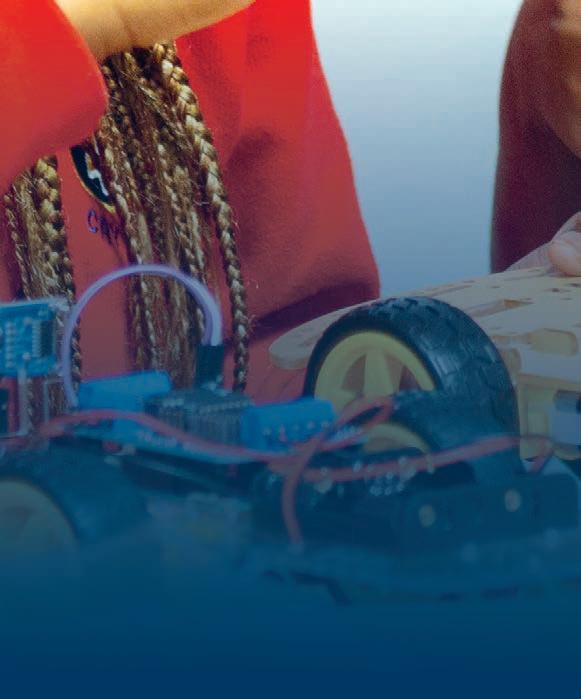










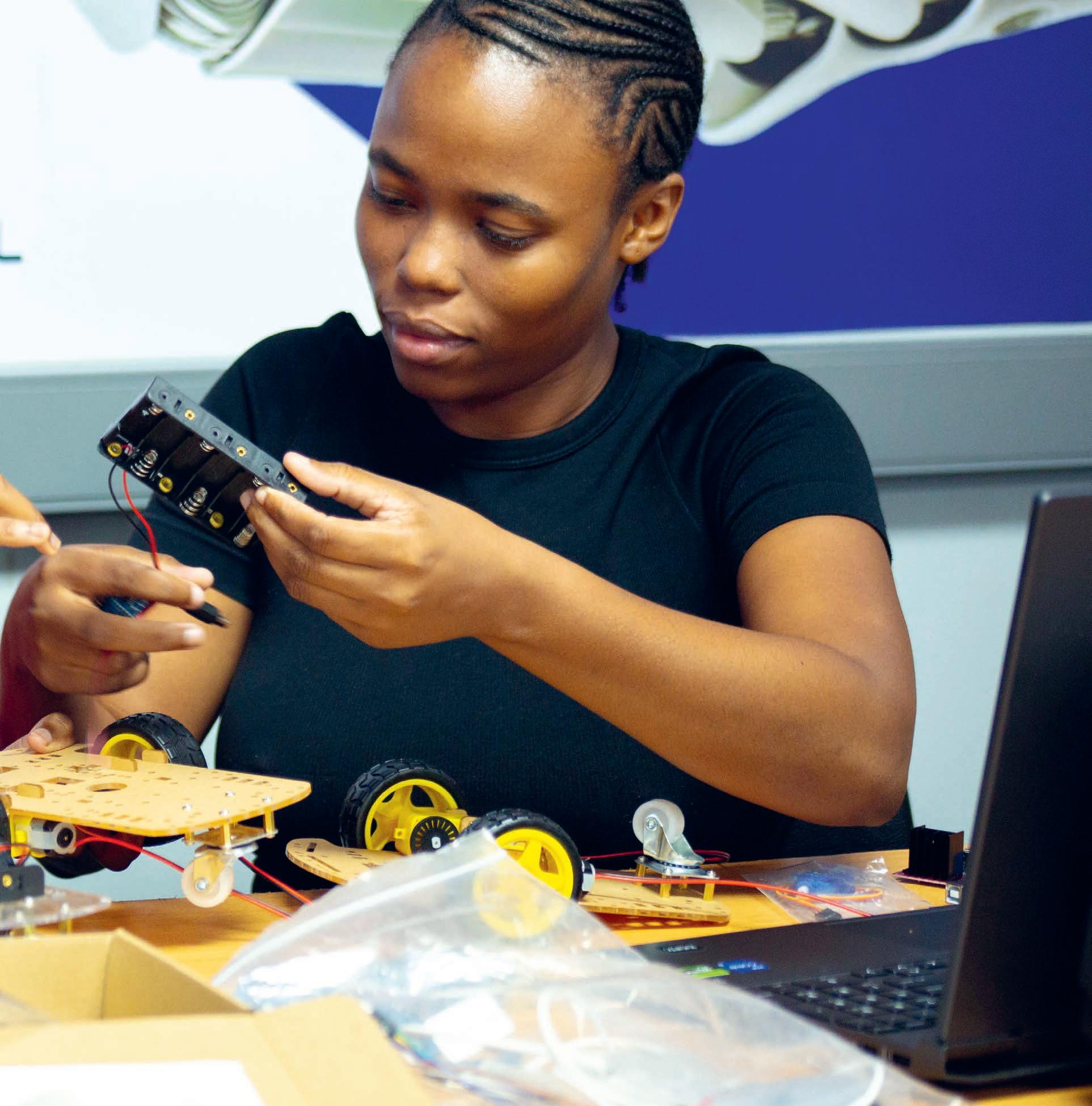
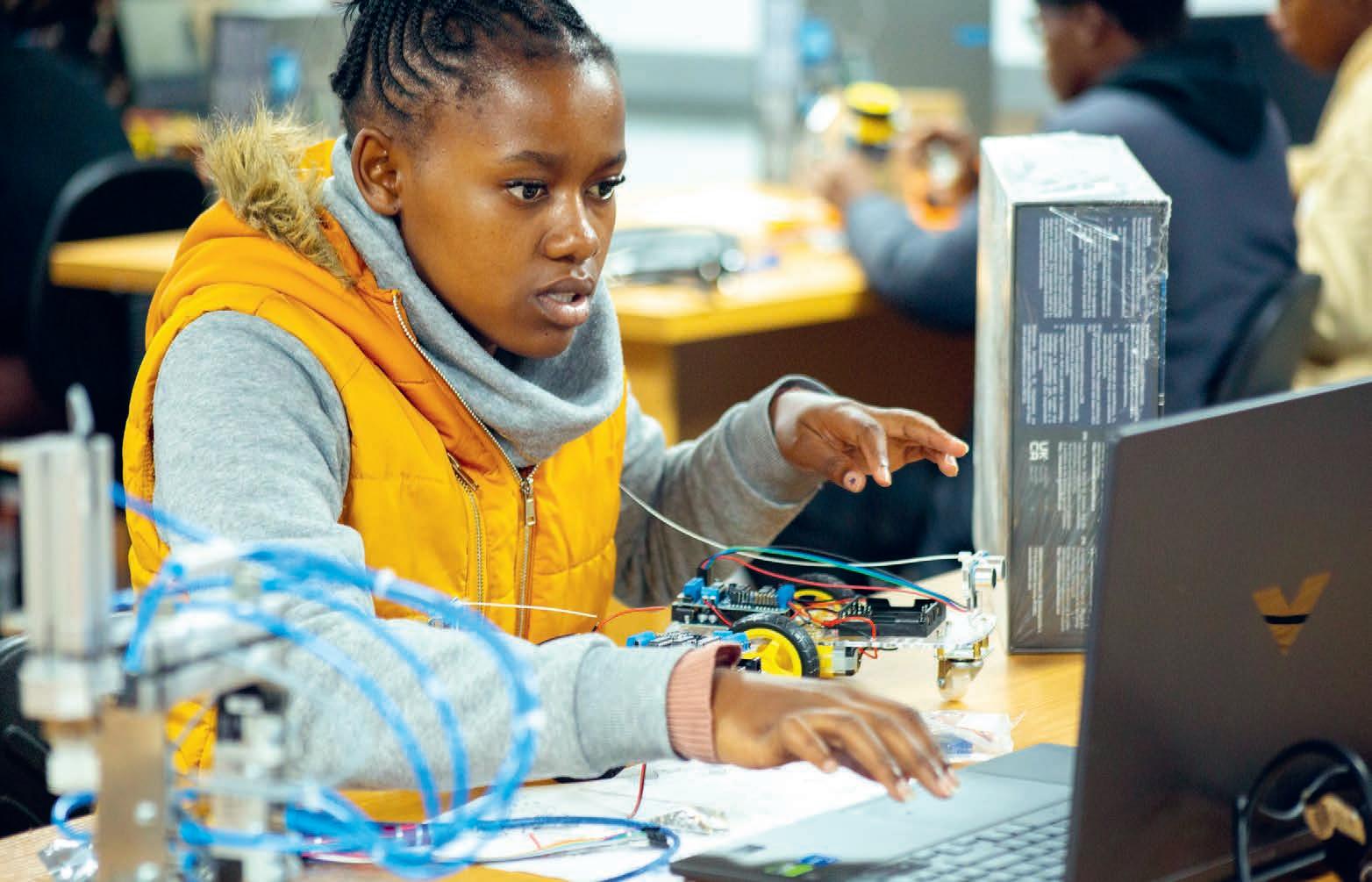
THE SASOL FOUNDATION recognises that strong technical education is essential to preparing learners for the future world of work
Through focused investment in educator development and targeted support to technical schools, the Sasol Foundation is helping to address critical shortages of quali ed teachers in mathematics, science and other key subjects.
In partnership with key stakeholders, it is also advancing the integration of alternative energy specialisations into technical school curricula, ensuring learners are equipped with the skills required to support South Africa’s transition to a sustainable, green economy.
By focusing on technical education, the foundation aims to contribute to closing the gap between theoretical knowledge and industry requirements and drive adaptability in a
transitioning world. Its initiatives are designed to contribute to human capital development of the country and increase the pool of skilled people in the STEM (science, technology, engineering and mathematics) discipline. It aims to support the development of technical and vocational skills while addressing the shortage of critical skills and the mismatch between the demand and supply of skilled manpower in South Africa. The foundation raises awareness about technical vocational education in schools and its contribution to the economy to enhance individual employability. It also builds capacity in these institutions and develops engineering-related skills in the sector.
BY FOCUSING ON TECHNICAL EDUCATION, THE FOUNDATION AIMS TO CONTRIBUTE TO CLOSING THE GAP BETWEEN THEORETICAL KNOWLEDGE AND INDUSTRY REQUIREMENTS AND DRIVE ADAPTABILITY IN A TRANSITIONING WORLD.
The Sasol Foundation’s support for technical education supports three main aims:
1. Aligning education with industry needs
By supporting technical education, the foundation aims to bridge the gap between classroom theory and real-world application.
2. Building a skilled workforce
Through its initiatives, the foundation contributes to the development of human capital by increasing the number of skilled professionals in STEM disciplines.
3. Promoting vocational education
The foundation believes in the power of technical and vocational education to transform lives and communities.
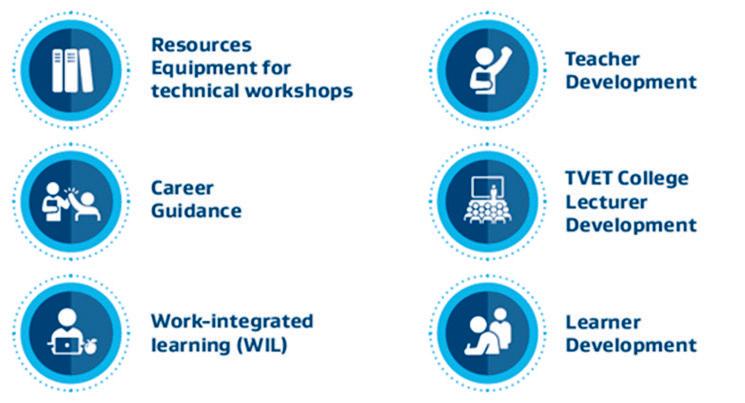
PARTICULARLY IN RESPONSE TO THE CHALLENGES POSED BY DIGITAL REVOLUTION AND THE NEED FOR INNOVATION.
DRIVING TECHNICAL EDUCATION THROUGH TARGETED PROGRAMME INTERVENTIONS
Our approach to impact
The Foundation’s interventions are designed to support and enhance the changing landscape of technical and vocational education, particularly in response to the challenges posed by digital revolution and the need for innovation.
Through targeted investments in educator development, infrastructure and curriculum advancement, the Foundation is contributing to a resilient technical education ecosystem that equips learners and educators with future-ready capabilities.
Impact at a glance
• 10 years of TechSEnet
A decade of transforming ordinary schools into technical high schools, celebrated at the2025 Annual Technical Educators Conference Gala Dinner.
• Expanding technical schools network
Two new TechSENet schools, were added to the network of 14, including a fully equipped Electrical Technology Hub at Ntwampe Secondary School in Burgersfort.
• Advancing educator excellence
Over 400 delegates convened at the 8th Annual Technical Educators Conference hosted by Sasol, with preconference workshops and exhibitions focused on emerging technologies.
• Strengthening school-based support
Strengthening delivery in technical schools across all 9 provinces by training and employing nationwide 68 teacher assistants as laboratory (25) and trade workshop assistants (43).
• Skills beyond the classroom
35 teacher assistants obtained learner driver licences and commenced driver’s licence training, enhancing employability and mobility.
• Driving fourth industrial revolution (4IR) capability
Established a 4IR laboratory with state-of-the-art engineering training equipment with industrial arm robot, welding simulator, 3D printers and microcontrollers.
• Advancing green and renewable energy skills
56 lecturers were trained through a 55-day programme in solar photovoltaic installation, maintenance, energy performance calculation and hydrogen fuel cell technology, delivered in partnership with the RES4Africa Foundation and the University of Pretoria.
• Enabling accreditation and industry alignment
Installed solar PV training infrastructure at the Evander Campus ofGert Sibande TVET College and Flavius Mareka TVET College to support Quality Council for Trades and Occupations (QCTO) accreditation.
• Enhancing technical learning environments
Established a technologically advanced engineering learning centre at Gert Sibande TVET College with programmable equipment and simulators to replace outdated equipment.
• Quality and compliance
Facilitated plumbing workshops at three technical schools accredited by the QCTO to offer short skills plumbing learning programmes for the community.
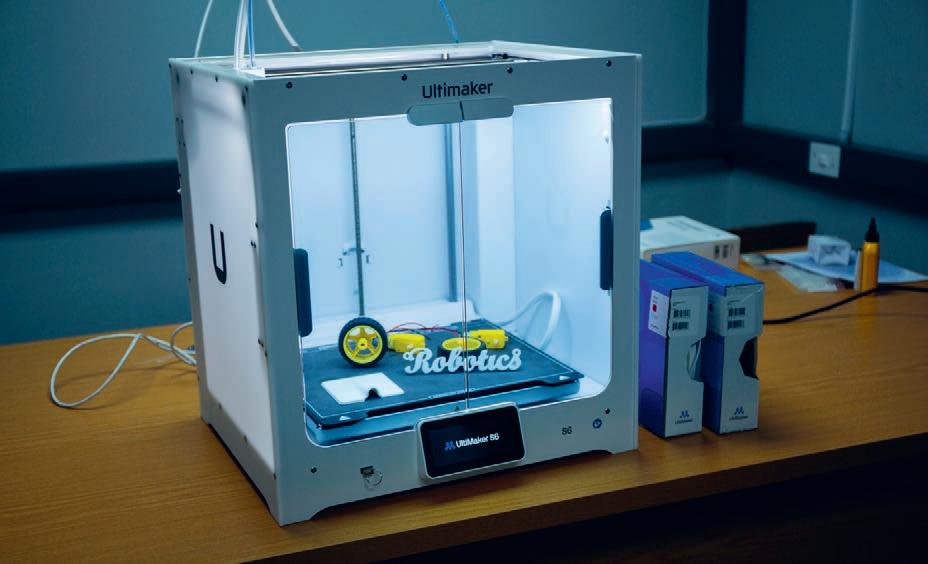
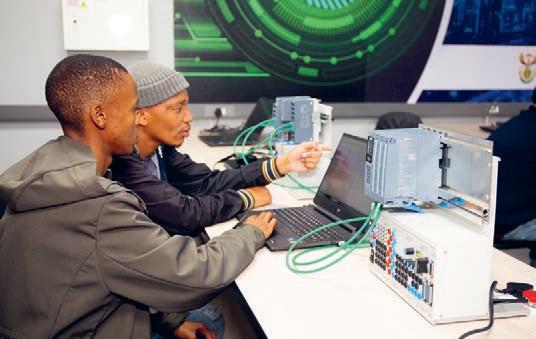


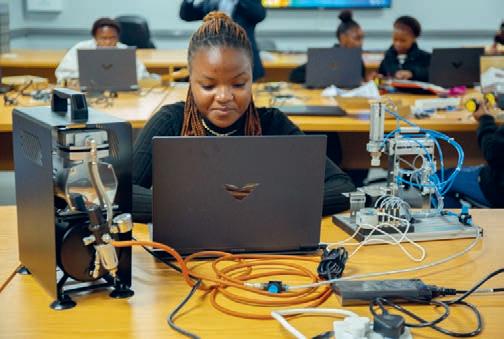


Flavius Mareka TVET College has taken a signi cant step in modernising its teaching and learning environment through the launch of an intensive digital skills, fourth industrial revolution (4IR) and cybersecurity training programme. Hosted at the college’s Sasolburg campus, the initiative is supported by state-of-the-art equipment donated by the Sasol Foundation and Education, Training and Development Practices (ETDP) Sector Education and Training Authority (SETA), reinforcingits commitment to strengthening technical and vocational education in South Africa.
As South Africa’s TVET (technical and vocational education and training) colleges respond to the rapidly evolving demands of the 4IR, there is an urgent need to integrate advanced digital skills, arti cial intelligence (AI) and robotics into teaching and learning programmes. Internal assessments and sector insights indicate that emerging technologies, such as microcontrollers, industrial robotics, automation and AI-driven systems, are already transforming the manufacturing and engineering sectors. These shifts require a workforce equipped with advanced digital literacy, problem-solving capabilities and practical technical competencies.
Investments such as the newly established robotics laboratory at Flavius Mareka TVET College demonstrate the value of targeted infrastructure and skills development interventions. Exposure to robotics and AI enhances practical learning, strengthens lecturer capability and positions TVET colleges to produce industry-ready graduates who can contribute meaningfully to national skills development and economic growth. A baseline assessment conducted ahead of the training revealed varied levels of digital-readiness among lecturers. While most
participants were con dent in basic computer use, exposure to cloud-based tools, digital teaching platforms and virtual laboratories was limited. Awareness of 4IR concepts existed, but hands-on experience with robotics, internet of things (IoT) devices, coding tools and AI applications was minimal. Cybersecurity knowledge was similarly basic, with limited understanding of network protection, phishing risks and digital safety protocols.
The Sasol Foundation’s donation of laptops, robotics kits, microcontrollers and cybersecurity demonstration units enabled practical, industry-aligned training. Facilitated by certi ed specialists, the programme covered blended learning methodologies, coding fundamentals, robotics assembly, IoT basics, AI literacy and simulated cybersecurity threats. Lecturers described the week-long programme as transformative, citing increased con dence in integrating digital tools and 4IR technologies into curriculum delivery.
College management expressed appreciation to the Sasol Foundation, emphasising that empowering lecturers is essential to preparing students for participation in a fast-evolving digital economy.
Looking ahead, Flavius Mareka TVET College plans to expand its digital learning laboratories, integrate robotics and coding into additional programmes and introduce student-focused cybersecurity initiatives. The college aims to position itself as a leading innovator within the Free State’s TVET sector. In partnership with the Sasol Foundation, plans are also underway to support the accreditation of the robotics and cybersecurity laboratories.
Beyond institutional impact, the college will serve as a hub for local community innovators to test and re ne their ideas. This will enable the launch of the TVET Innovation Awards, recognising ideas and achievements that spark progress, improve lives and transform industries – further reinforcing the role of technical education in driving inclusive economic development.
• 4IR-enabled learning environment
The Sasol Foundation and ETDP SETA established a fully equipped robotics and digital skills laboratory, modernising teaching and learning at Flavius Mareka TVET College.
• Lecturer capacity strengthened Lecturers were upskilled in coding, robotics, IoT, AI literacy, blended learning and cybersecurity, enabling con dent integration of 4IR technologies into curricula.
• Industry-aligned equipment investment
The Sasol Foundation donated laptops, robotics kits, microcontrollers and cybersecurity demo units, enabling hands-on, practical learning.
• Pathway to innovation and accreditation Positioned the college as a regional innovation hub, with planned accreditation of robotics and cybersecurity labs and the launch of TVET Innovation Awards.
For more information: Cynthia.Malinga@sasol.com www.sasolfoundation.com
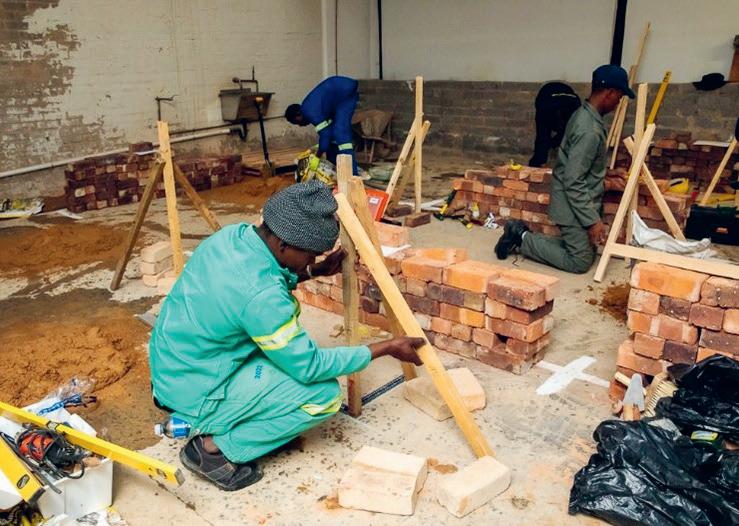
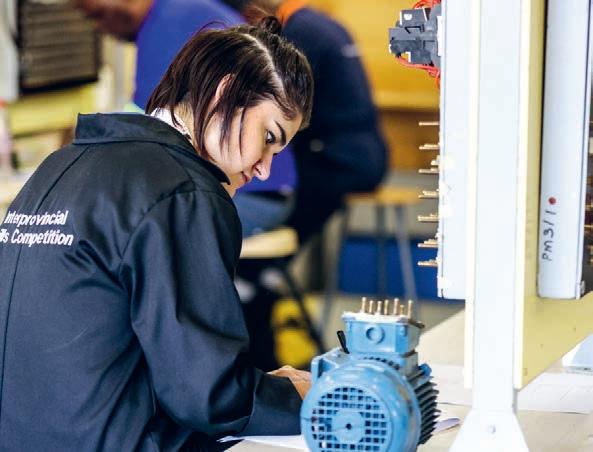
South Africa is gearing up to host one of its most inspiring youth development milestones, the National Schools Skills Competition, writes SASOL
The National Schools Skills Competition takes place from 30 September to 2 October 2026. Building on the momentum of a vibrant season of provincial heats, the competition saw more than 17 000 learners from all provinces participate in 2025, each stepping forward to showcase their technical aptitude and creativity.
Over the years, the National Schools Skills Competition has grown into a agship platform for nurturing vocational excellence. It offers young people early exposure to technical and artisanal career pathways, celebrates practical skills and plays a vital role in developing a future-ready workforce. By aligning learning with industry needs, the competition contributes meaningfully to building a sustainable pipeline of artisans that supports South Africa’s industrial growth and long-term economic priorities.
The Schools Skills Competition forms part of the broader Sasol-Kagiso Trust national movement to advance the Department of Basic Education’s (DBE) 3 Streams Model, promote engineering and trade skills and strengthen early vocational development. The initiative plays a critical role in preparing South Africa’s youth for participation in the National Chapter of WorldSkills Championship, the world’s largest showcase of technical talent, which was hosted in Durban from 8 to 12 March 2026.
PARTNER WITH THE NATIONAL SCHOOLS SKILLS COMPETITION AND INVEST IN THE TALENT THAT WILL POWER SOUTH AFRICA’S FUTURE
Sponsors and strategic partners are invited to be part of the National Schools Skills Competition, an initiative empowering young people, strengthening public education and building a sustainable pipeline of future artisans, technicians, and engineers.
By supporting this programme, partners play a meaningful role in expanding access to technical skills development, particularly for learners from rural and marginalised communities, while contributing to inclusive socioeconomic growth through education.
At its core, the competition introduces learners to real-life, industry-based tasks designed by experts from the Department of Basic Education, private training providers and strategic partners. This practical, hands-on
approach strengthens the link between education and employability, ensuring learners are exposed to skills and standards that re ect real workplace demands.
Previous editions of the National Skills Competition have attracted nearly 300 top contestants, including school learners, teachers and Students each year from technical and vocational education (TVET) and training colleges, competing across 13 high-demand trade categories. These include automotive, welding, electrical systems, electronics, plumbing, digital systems and construction, among others skills urgently needed to support South Africa’s economic growth and industrial development. The competition progresses from school and district levels through provincial stages, culminating in a national showcase of excellence.
With the 2026 National Schools edition expected to be the largest to date, organisers are calling on sponsors and strategic partners to be part of this nationwide effort to empower young people, strengthen public education and expand access to technical skills development. Past competitions have relied on corporate support for prizes, equipment, specialist judges and immersive learner experiences, contributions that have proven vital to sustaining the programme’s impact and reach.
Interested sponsors and strategic partners are invited to contact: Cynthia.Malinga@sasol.com www.sasolfoundation.com
Sasol is equipping young South Africans with green skills through bursaries, TVET partnerships and enterprise support, advancing a just energy transition. Company representatives explain how these initiatives are preparing the next generation for opportunities in the green economy. Interview compiled by RYLAND FISHER
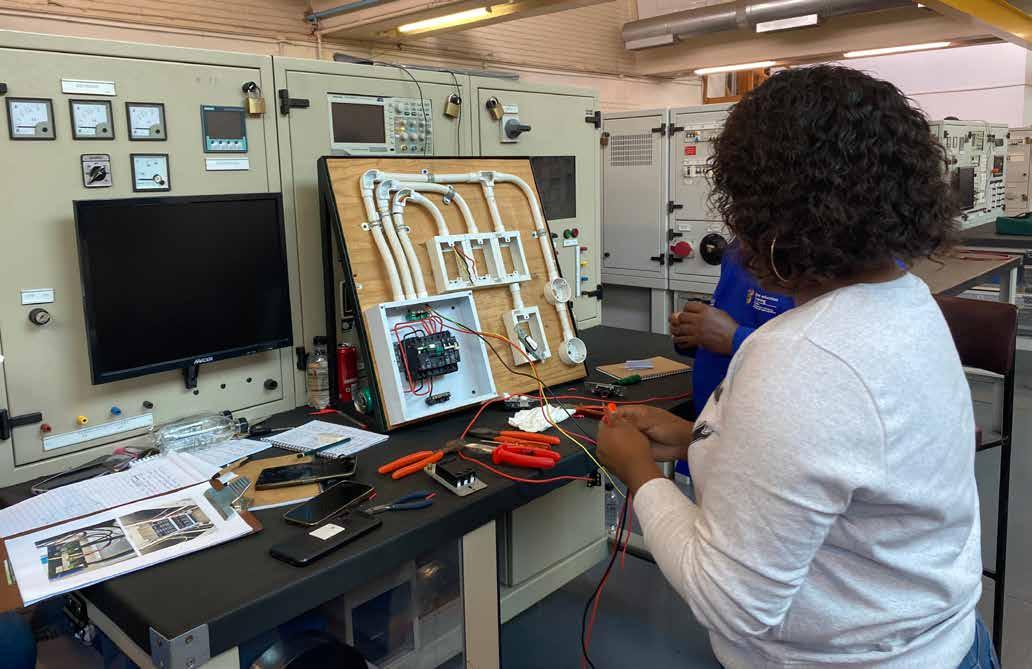
In a country such as South Africa, where unemployment remains stubbornly high, and in a world where the impact of climate change is increasingly being felt, we cannot continue to focus only on traditional skills. When it comes to skills development and job creation, we must also consider the needs of the green economy if we want to leave a sustainable legacy for future generations. While reducing unemployment is critical, it is equally important to prepare young people to operate in a world where resources may not be as plentiful as they are today.
We asked several experts at the global chemicals and energy company Sasol to share their insights on key questions surrounding the green economy,
particularly in relation to skills development and future workforce needs. Responding were MJ Khan, head of group digital communications, Dr Cynthia Malinga, manager: further education and training and graduate technical education, and Thato Motjope, senior specialist: functional enablement.
Q: How do you define the green economy?
A: We understand a green economy as one that supports sustainable, lower-carbon growth while building long-term social and economic resilience. For Sasol, this aligns with the sustainability principles in the National Environmental Management Act, 1998, and with our commitment to a just energy transition. Our Emission Reduction Roadmap (ERR) demonstrates how operational efficiency, renewable energy and market-based mechanisms enable more sustainable operations. The green economy also links to environmental best
practice, such as waste beneficiation, which converts waste materials into products of higher economic value.
Q: What are greenskills and how do they differ from traditional sustainability competencies?
A: Green skills include the technical, analytical and behavioural capabilities required to support emissions reduction, renewable energy integration, circularity and environmental compliance. These skills complement traditional sustainability competencies by embedding climate-aligned practices directly into operational and engineering activities at Sasol.
Q: How are green jobs defined, and how do they differ from greening jobs?
A: Green jobs refer to roles created specifically to reduce environmental impact. Greening jobs refers to existing roles that evolve to include sustainability-related responsibilities. Both are relevant at Sasol. Operational teams increasingly focus on energy efficiency and renewable energy integration, while new roles related to environmental management and carbon markets continue to grow.
Q: What are the three main types of skills required for the green transition?
A: The green transition relies on transversal skills, such as adaptability, generic technical skills in engineering and operations, and green-specific technical skills related to emissions abatement, biodiversity management, climate change and renewable energy deployment.
Q: How important is the green economy for a company like Sasol?
A: The green economy is essential to Sasol’s long-term resilience. The optimised ERR helps us remain competitive while staying on track for a 30 per cent reduction in greenhouse gas emissions by 2030 and progressing towards our net-zero ambition by 2050. The green economy also supports future opportunities in sustainable fuels, chemicals and power solutions.
Q: How much do you invest in skills that prepare South Africans for the green economy?
A: Sasol invests significantly in human capital development through workforce programmes, partnerships and community training initiatives. These include science, technology, engineering and mathematics (STEM) programmes in schools, bursaries for students and workplace learning. These investments ensure South Africans have access to the skills required to participate meaningfully in a green and evolving energy and chemicals sector.
In addition, Sasol supports inclusive enterprise development to build practical green economy capabilities. Through our partnership with the South African Supplier Diversity Council, Sasol is co-funding participation of micro, small and medium enterprises (MSMEs) in the Women in Green Programme, which develops enterprise and leadership capability in renewable energy, green construction and waste management.
certification. Colleges were also provided with solar photovoltaic training infrastructure to support practical learning.
Sasol also invests through undergraduate bursaries for degrees linked to the green economy, including support for postgraduate studies to advance research in green technologies and sustainability. In addition, Sasol drives the Energy Innovation competition in schools.
Q: What kind of skills are you developing for the green economy?
A: Current development areas include renewable energy integration, operational energy efficiency, environmental compliance and air quality and water management. These areas are embedded in Sasol’s environmental, social and governance framework and operational strategy.
Q: What is the magnitude of the green skills gap?
A: The green skills gap refers to the difference between the rapid growth of green job opportunities and the slower expansion of the skills needed to support them. Sasol contributes to reducing this gap through sustainability partnerships and ongoing internal and external capability-building programmes.
Q: How can the youth benefit from the green economy?
A: South African youth can benefit from new opportunities in engineering, environmental sciences, digital optimisation and advanced manufacturing as the economy shifts toward cleaner technologies. Sasol supports youth access through community programmes and skills initiatives. There is also strong potential for youth participation through entrepreneurship and enterprise development. Sasol supports this through skills initiatives and by strengthening the
Sasol has trained and prepared over 70 TVET (technical and vocational education and training) college lecturers to deliver green economy courses to students, including energy performance
participation of youth MSMEs in the green economy linked to its value chain.
Q: How can vocational education and training systems adapt?
A: These systems can strengthen green-readiness by including modules on energy efficiency, environmental management and renewable energy technologies. These are the same areas that have driven Sasol’s operational improvements since 2017. Sasol is supporting TVET colleges to attain QCTO (Quality Council for Trades and Occupations) accreditation to deliver these modules.
Q: What role should government play?
A: Government plays a central role in aligning policy, education and labour-market needs through training incentives and industry standards that support the development of green skills. Government can also create more funding programmes for small, medium and micro enterprises and the youth to participate in the green economy.
Q: How can green skills development ensure a just transition?
A: Green skills development supports a just transition by enabling decent work, improving inclusion and strengthening community resilience. Sasol’s human capital, safety focus and social investment contribute towards this during the transition. Sasol also plays a role in supporting entrepreneurs to develop opportunities linked to a just transition.
Q: How can companies improve health and safety while transitioning to greener operations?
A: Health and safety remain essential as companies transform. Sasol’s strong emphasis on occupational safety, process safety and operational excellence provides a solid foundation for the transition.
Q: What is the role of personal values in driving adoption of green skills?
A: Personal values – especially a commitment to environmental responsibility – motivate employees to adopt green skills and support sustainable change across the organisation and the broader economy.
Companies are moving past token philanthropy, embedding social impact into core business strategy to drive real change, writes BUSANI MOYO
The days of corporate giving being reduced to a giant novelty cheque and a photo opportunity are fading. In today’s business landscape, corporate social investment (CSI) is undergoing a fundamental metamorphosis, shifting from ad hoc philanthropy to a hard-nosed, purpose-driven strategy integrated into a company’s core business model.
Reinoud Willemsen, owner and principal consultant at Behold SA, a company of social entrepreneurs, says this shift is necessary not just for social good, but also for financial efficiency. “If you don’t do CSI strategically, it is an absolute waste of money,” he warns.
He explains the difference between traditional philanthropy, which meets immediate needs out of kindness, and strategic CSI, which treats giving as an investment.
“Spending just for the sake of spending isn’t an investment; it’s a cost. An investment expects change and a return,” Willemsen says.
Reana Rossouw, founder of Next Generation Consultants, a firm specialising in impact

strategy and advisory services, agrees. She notes that the modern approach is defined by “shared value”, where strategic philanthropy serves the dual purpose of combining community impact with business returns.
“Companies recognise they are part of the community they aim to help,” Rossouw explains. “However, to justify accessing company resources, they believe the business must also benefit.”

She points to the banking sector as an example. Funding financial literacy programmes isn’t just charity; it builds a base of financially responsible consumers who are more likely to use savings products and avoid debt. “Strategic philanthropy supports business objectives while creating meaningful social change,” she notes. “STRATEGIC PHILANTHROPY
However, creating lasting impact requires more than just aligning CSI with business goals; it requires a radical shift in how companies interact with beneficiaries. Willemsen warns against the arrogance of “boardroom design”, where executives decide what a community needs without consultation.
He recalls a case where an organisation funded a maths and science centre at a township school to improve results. Six months later, the centre was being used as a staff room. Why? The teachers had nowhere to prepare lessons.
“That organisation failed to understand the actual need,” Willemsen says. “If you want lasting impact, you must first find out what people truly need. Otherwise, you’re prescribing from the boardroom.”
Even with a sound strategy and humble implementation, measuring success remains a challenge.
“Most companies track reach – how many people benefitted – but few track real long-term change,” Rossouw says. “Reporting often focuses on spend and immediate results, not on what actually changed because of the investment.”
To solve this, Willemsen recommends a rigorous baseline approach: understand the situation before the intervention, then measure the variance afterwards. Only then can impact be truly assessed.
The ultimate goal is moving beyond isolated projects toward systemic change. Rossouw points out that the transition is already happening from strategic giving to “systemic approaches”. Companies are no longer satisfied with merely training an entrepreneur; they want to facilitate the entire economic environment in which that entrepreneur operates.
“Strategic giving is the beginning, not the end,” she says. “Companies are realising that true impact comes from shaping the ecosystem, not just funding a single initiative.”
Corporate social investment needs to show impact, rather than activity without results, writes MATEBE CHISIZA-ASUKILE, social investment specialist and team lead (SI Analysts) at Tshikululu Social Investments
Corporate social investment (CSI) is increasingly assessed not only as a compliance or reputational function, but also as a core element of social performance that supports inclusive growth and strengthens the management of long-term social and operational risk.
In South Africa, CSI remains a significant and resilient source of development capital. According to The Trialogue 2025 Business in Society Handbook, CSI grew to an estimated R13.1-billion in 2025, following R12.7-billion in 2024. This sustained investment reflects a shift toward stronger governance, multiyear commitments and impact measurement, recognising that short-term, transactional giving is insufficient to address structural challenges.

capital can mobilise additional investment from open capital markets without diluting development outcomes.
Across sectors, effective CSI portfolios are increasingly being prioritised. In this way, considered social investment by corporates can and does improve systems, which in turn can ameliorate economic ills.
structured pathway to address material social risks while embedding accountability and long-term sustainability. Valterra Platinum’s P950 SIMP (c. 2024–26) illustrates this approach. Rather than positioning CSI as a parallel philanthropic stream, the SIMP integrates social investment into a coherent delivery framework focused on institutional strengthening, service quality and economic resilience.
Strategic CSI treats social investment as disciplined patient capital. It prioritises social risks and opportunities where companies can influence outcomes through funding, partnerships and sustained presence. Clear theories of change link activities to measurable results, enabling accountability and adaptive management. As stated by the Organisation for Economic Co-operation and Development (OECD), structured impact measurement frameworks are essential to ensure programmes show impact, rather than activity without results.
CSI is also increasingly deployed as catalytic capital within blended finance approaches. By absorbing early-stage risk and strengthening delivery ecosystems, it can crowd in commercial or development finance while preserving social intent. The OECD’s blended finance principles outline how concessional
In the mining sector, execution is critical. Mining operations are embedded in host communities and operate within complex social ecosystems. The Minerals Council South Africa reports that member companies invested approximately R4.9-billion in social and community development programmes in 2023 spanning education, health, infrastructure and local economic development. The Council’s 2024 reporting further highlights the sector’s substantial contribution to employment and household livelihoods nationally. This scale of social and economic investment reinforces the need for accountable delivery models that translate expenditure into sustainable community development.
Within this context, alignment to regulatory frameworks such as Social Impact Mitigation Plans (SIMPs) is critical. SIMPs provide a
By partnering with Tshikululu Social Investments, the programme integrates livelihoods, food security, GBV response and community-building organisation (CBO) capacity building within a systems-based model. Strengthened governance and financial management enable CBOs to source and manage their own funding, while livelihood and food security support household resilience. The result is more self-sustaining communities and impact that endures beyond the funding cycle.
From an investor and governance perspective, strategic design, impact measurement and independent verification distinguish strategic CSI from discretionary spending. Clear roles between funder, intermediary and implementing partners strengthen accountability. This approach aligns with the principles of the King IV Report, which emphasise long-term value creation, responsible leadership and stakeholder inclusivity.
Corporate social investments do not need to be larger to be more effective. Instead, they must be intentional, well-governed and aligned to systems-level outcomes. When executed with discipline and delivered through collaborative partnerships with experienced practitioners, such as Tshikululu Social Investments, strategic CSI becomes a credible tool for inclusive growth.
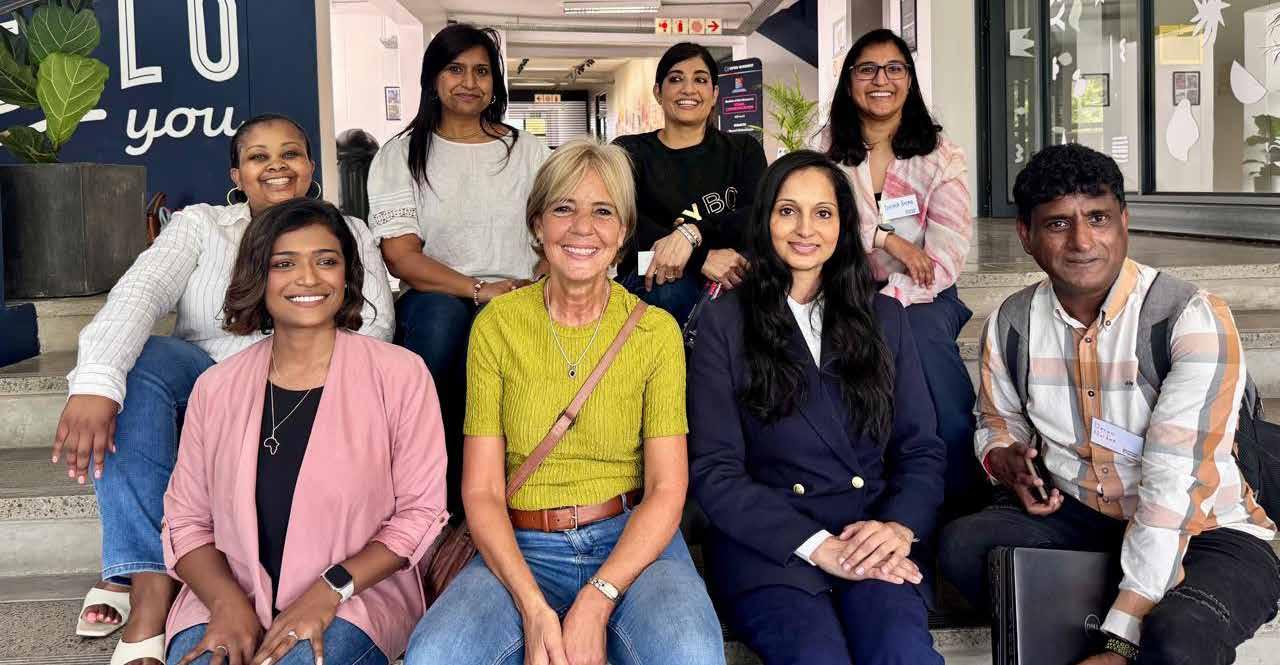
Colleen Larsen, founder and CE of Business Engage, an organisation advocating for gender mainstreaming among corporates across Africa, believes preparing women for leadership roles should start before they enter the workplace. To meet this objective, she recently launched the internationally developed programme, Lean In Girls, aimed at upskilling adolescent girls. By THANDO PATO
Having spent two decades advancing gender mainstreaming across corporate Africa, Colleen Larsen, founder and CE of Business Engage, recently launched Lean In Girls in South Africa, an internationally developed initiative with several global chapters, aimed at building leadership skills and confidence in girls between 11 and 15.
The programme is developed by Lean In, an organisation founded by Sheryl Sandberg, author of the international bestselling book, Lean In: Women, Work and the Will to Lead, and former COO of Facebook.
“The programme’s mission is to help girls build confidence, strengthen their voice and develop leadership skills from an early age. The programme equips girls with tools to navigate stereotypes, speak up, take positive risks and see themselves as future leaders,” says Larsen.
She explains that the ages between 11 and 15 are a pivotal developmental stage in adolescence when confidence, leadership identity and self-belief are forming, which is why Lean In Girls is targeted at this age group.
The programme currently works with girls from schools in Khayelitsha, Johannesburg and Durban. The structured programme involves guided discussions, confidence-building exercises, leadership and communication activities, journalling, goal setting and peer mentorship.
“The cohorts in Siphamandla Secondary School in Khayelitsha, Kliptown Youth Programme and Cato Ridge have been established through an existing partnership with one of our corporate members who already supports schools in these communities. Through this relationship, the corporate partner has extended its funding to support the roll-out of the Lean In Girls programme within these schools and communities,” says Larsen.
At the end of March, Business Engage sponsored a Lean In Girls public session for
75 girl learners aged 15–16 from Phomolong Secondary School in Edenvale, Johannesburg.
The case for early and practical intervention is urgent, says Larsen, and needs to be addressed before young women enter the workforce and before self-defeating habits and beliefs become too deeply embedded.
“Confidence gaps, self-limiting beliefs and reduced participation often begin much earlier. While we often focus on gender equity at board and executive levels, those outcomes are shaped by what happens to women in their formative years. If we want to build stronger leadership pipelines, we must start before self-doubt becomes normalised.”
For Larsen, investing in girls’ leadership development is not simply a social intervention; it’s a pipeline-building strategy. “When girls are encouraged early to use their voice, take initiative and lead, the long-term impact extends far beyond the classroom. It shapes future employees, entrepreneurs, managers, board leaders and community builders.”
What makes Lean In Girls particularly attractive to corporate South Africa is that it is not a once-off awareness initiative, but a structured leadership development intervention that contributes to long-term talent pipelines, says Larsen.
“Corporate South Africa has the opportunity to move beyond policy commitments and play a practical role through targeted social investment, mentorship, skills development and programme partnerships. “
The programme also carries an enterprise development dimension. As it scales, Larsen and her team want to develop facilitator-led micro-enterprises within communities to create local economic opportunity while ensuring sustainable and community-rooted programme delivery.
Larsen’s long-term goal is to reach 10 000 girls across South Africa. This year, she is focused on building a solid foundation before scaling nationally. A management platform is also in development to track participation, delivery and impact, essential infrastructure for responsible growth. Opportunities for private sector involvement are available and wide-ranging, says Larsen.
“Companies can support the programme through chapter sponsorship, facilitator sponsorship, venue support, materials and journals, transport support, catering, mentorship involvement, enterprise development initiatives and broader programme scaling partnerships. The private sector has a critical role to play because gender equity cannot be addressed only at the point of employment. If business is serious about building inclusive leadership pipelines, then part of that work must begin much earlier.”
For companies serious about gender mainstreaming, not merely as a reporting metric, but as a long-term investment in human potential, this is where the work begins.
If you or your organisation are interested in partnering with the Lean In Girls programme, contact Colleen Larsen at colleen@businessengage.co.za or +27 84 353 9865.
Follow: Colleen Larsen www.linkedin.com/in/colleenlarsen Business Engage www.linkedin.com/company/businessengage
ITUMELENG MOGAKI unpacks how banks are redefining their strategies, investments and community programmes to make a measurable difference across South Africa

Standard Bank’s Enterprise and Supplier Development (ESD) programme shows how banking can directly unlock economic participation in underserved communities.
By combining access to finance with mentorship, training and market access, the bank is helping black-owned small and medium enterprises (SMEs), particularly women, youth and township entrepreneurs, move from informal survivalist businesses to sustainable, scalable enterprises.
Naledzani Mosomane, head of enterprise and supplier development, business and commercial banking at Standard Bank, says the programme is designed to drive inclusive growth.
“Our ESD programme strengthens black-owned SMEs through integrated support that combines access to finance, business development and market integration.”
“TOWNSHIP ECONOMIC GROWTH REMAINS CRITICAL. INCLUSIVE GROWTH IS IMPOSSIBLE WITHOUT INTENTIONAL INVESTMENT IN THE TOWNSHIP ECONOMY.”
– NALEDZANI MOSOMANE

Mosomane says that in 2025, 1 240 SMEs participated in the programme, 34 per cent owned by black women and 19 per cent by black youth, with R138.7-million disbursed to qualifying businesses and the ESD loan book growing to R228-million. “The initiative supported more than 10 000 existing jobs and helped create 897 new jobs. Funding solutions, such as purchase-order finance, supply-chain funding and agricultural-production finance, are paired with mentorship and tailored development plans.
“Our initiatives continue to deliver measurable social impact,” Mosomane adds. “Since 2021, the Basali Development programme has supported over 600 women-owned businesses and disbursed R5.4-million in grant funding, while the Youth Forward programme with Gordon Institute of Business Science equips
young entrepreneurs with leadership and business skills.
“Township economic growth remains critical. Inclusive growth is impossible without intentional investment in the township economy,” she says, highlighting programmes such as the Kasi SME Summit, the Western Cape Accelerator programme and the Gauteng Township Development programme. Together, these initiatives provide training, funding pathways and market access, as well as international trade exposure for SMEs.
Capitec Bank says it drives financial inclusion through purpose-led innovation focused on affordability, simplicity and access for underserved entrepreneurs and communities. A key example is its Entrepreneur account, designed for sole proprietors, informal traders and microbusiness owners who often struggle to access traditional business banking.
The product was developed after the bank found that more than 1.4 million clients were already using personal accounts to run businesses. Since launch, more than 74 000 Entrepreneur accounts have been opened organically, helping entrepreneurs formalise operations, build financial credibility and access tools that support growth. Features include low-cost transaction fees aligned with personal banking rates, the ability to manage multiple income streams, card payment acceptance and access to business credit based on turnover.
In parallel, Capitec has kept most core banking fees unchanged for 2026, easing financial pressure on households and small businesses during a challenging economic period.
Francois Viviers, group executive for marketing and client experience, says: “South Africa has millions of formal and informal small businesses, and behind every one of them is an entrepreneur trying to build a better future. Every entrepreneur, no matter how small, deserves to be treated as a valuable client.”
Viviers adds: “Our technology investments and innovative culture are key to unlocking real value, which is passed back to our clients.”
Tawanda Rumhuma, head of the savings and investments division at Absa, says community-based savings schemes remain one of the most effective pathways to financial inclusion in South Africa. “Insights from our internal stokvel data show measurable growth in formal financial participation, particularly among women and inclusive banking customers.”
He adds: “Female participation is strong, with around 65 per cent of grocery stokvel signatories and nearly 75 per cent of travel stokvel signatories being women, with Limpopo reaching close to 65 per cent. This reflects increasing economic agency among women within formal banking channels.”

He concludes: “Behavioural trends demonstrate disciplined, goal-based saving, with balances accumulating steadily throughout the year and withdrawals concentrated during the festive season, aligning with household provisioning. Digital integration is also expanding access, with 80 per cent of travel and 55 per cent of grocery stokvels registered online.”
Follow: Naledzani Mosomane www.linkedin.com/in/naledzani-mosomane-ca-sa-1a0b312a
Tawanda Rumhuma www.linkedin.com/in/tawanda-rumhuma-1028b182
Francois Viviers www.linkedin.com/in/francoisviviers
THE OLD MUTUAL EDUCATION TRUST is committed to supporting students and building a more equitable and inclusive South African society
The Old Mutual Education Trust’s (OMET) vision is to be a centre of excellence in higher education student support, recognised for nurturing and empowering young people who uplift their families, communities and society. Although located within a corporate environment, the trust’s priorities are rmly centred on student success and social impact, with no competing commercial objectives.
Its mission is to provide nancial assistance and holistic student development support that enables the personal, academic and professional success of scholarship holders. The programme is built on principles of equity of opportunity, responsiveness to students’ contexts and the provision of adequate resources to succeed. Many recipients are rst-generation students from households with limited nancial means, guidance and professional networks, making a comprehensive support model essential.
OUR SCHOLARSHIP AND SUPPORT MODEL
OMET’s scholarship offering goes signi cantly beyond the provision of funding. Each scholarship holder receives a partial scholarship of R77 000 annually, which contributes towards tuition and other approved study-related costs. In addition, each student is provided with a laptop aligned with the technological requirements of their programme of study.
Academic and personal support form a central pillar of the model. Students have access to tutoring, peer mentorship and psychosocial support, including counselling services where needed. A dedicated student support practitioner is assigned to each student, walking alongside them from entry into the programme until completion of their studies. This relationship -based approach enables early identi cation of challenges and timely, tailored interventions.
Career and employability development is embedded through OMET’s “World of Work” offering. Final-year students are provided with three-week work-based learning experiences, typically during mid-term breaks, to expose them to real workplace environments. Graduates receive assistance in securing internships, currently primarily within Old Mutual, with a clear intention to expand opportunities across sectors and better align placements with graduates’ chosen elds. A series of webinars and workshops, focused on managing academic demands, mental wellness and employment-related skills, complements these initiatives.
In 2026, OMET will support 213 students registered at 21 public higher education institutions across South Africa. To date, 550 scholarship holders have completed their degrees with the trust’s support, illustrating the impact of a model that combines nancial, academic, psychosocial and career development support.
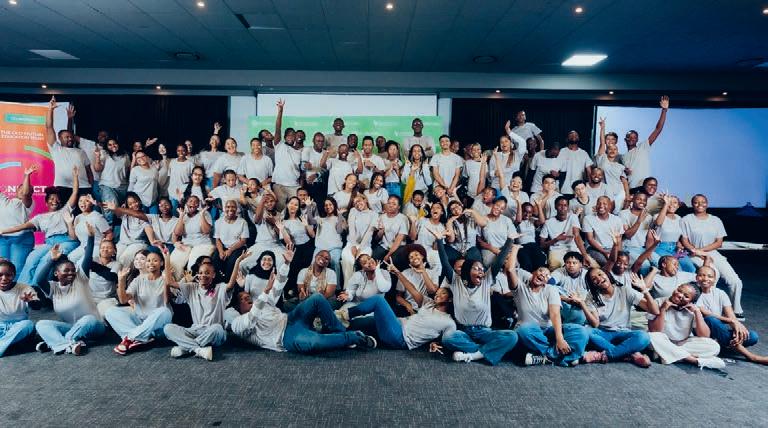
In its early years, OMET functioned mainly as a compliance and administration unit, with a focus on contractual management and in-person relationship building with students. Over time, it became clear that a more intentional, strategy-led approach was required to drive improvements in retention, throughput and graduate outcomes.
The rst formal strategy (2018–2020) marked a turning point. Its primary focus was promoting academic success, with explicit objectives to increase completion rates and reduce the time to completion. Targets included achieving an 80 per cent completion rate, with at least 70 per cent of students completing within the minimum prescribed time. An alumni body was also constituted, enabling graduates to mentor current students and offer discipline-speci c guidance. Several board-approved policy re nements supported this direction:
• Final-year students who failed were considered for continued support, subject to a formal motivation process.
• Penultimate -year students who had to repeat modules retained access to academic support, but were required to nance the cost of the repeated modules themselves.
•Tutoring and counselling were formally incorporated into the scholarship offering, and providing laptops became standard, aligned to course requirements.
A new, technologically enabled application system was introduced, facilitating richer data collection at entry point and allowing the team to anticipate and plan for students’ support needs. The resulting process ef ciencies reduced the administrative burden on staff and freed capacity for deeper, more proactive engagement with students.
Human resource capacity was expanded and supported by targeted skills development for the team. Annual evaluations were embedded into ways of working, including structured feedback from students on their experiences and suggestions for improvement. From this, several key lessons emerged:
• The importance of regular and meaningful communication with students.
• The need for differentiated strategies based on academic year and individual circumstances.
• The value of being consistently guided by the overarching strategy.
• The importance of integrating student feedback into planning and implementation.
By the end of the strategic period, completion rates re ected improved outcomes, as indicated in the diagram below.
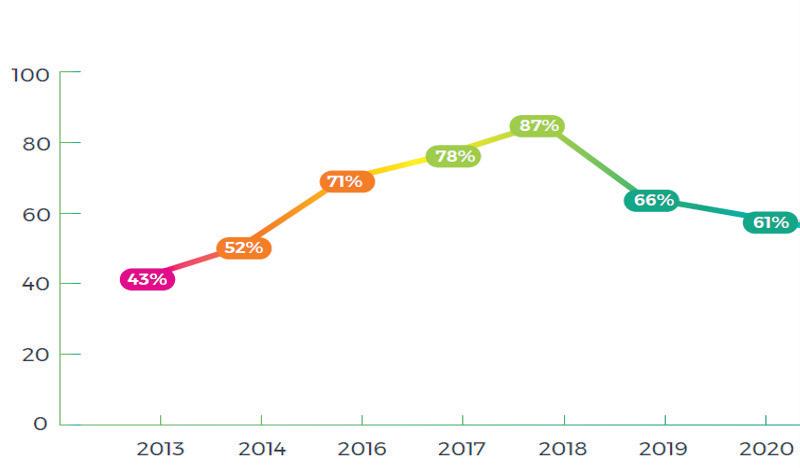
Note:
Building on these gains, OMET’s second formal strategy (2021–2025) broadened the trust’s focus beyond academic completion to include graduate employability and early career success. Two strategic objectives, relevant to scholarship holders, were adopted:
• To ensure that 90 per cent of OMET students ultimately complete their studies (including additional years if required), with at least 80 per cent completing within minimum time.
• To enable the employability of OMET students and graduates by developing and re ning their professional skills in line with clearly de ned exit outcomes.
For the World of Work programme, the exit outcomes below were articulated:
• Effective communication.
• Critical thinking.
• Personal management.
• Work ethic/professionalism.
Between 2021 and 2025, OMET progressively scaled work-related opportunities. Vacation work placements, internship placements and internships that converted into permanent employment all increased over the period, proving the growing emphasis on linking academic achievement with sustainable employment pathways, see table above right.
Initiatives
20212022202320242025Total
Vacation work placements 09872145
Internship placements 0045514
Internships that funnelled into permanent employment opportunities 001225
In the nal year of the 2021–2025 strategy, OMET undertook a comprehensive organisational review to inform its next three-year strategic cycle. The review con rmed the strength of the holistic support model and highlighted opportunities to deepen impact, strengthen data-driven decision-making, expand partnerships with employers and further re ne differentiated support across the student lifecycle.
As OMET enters the 2026–2028 period, it does so with a renewed commitment to continuous improvement and an openness to adapt when evaluation ndings or student feedback suggest that change is necessary. The trust will continue to align its work with its core purpose: enabling talented young people, often facing signi cant structural barriers, to access, succeed in and transition from higher education into meaningful participation in the economy. Through this work, OMET seeks not only to transform individual lives, but also contribute to a more equitable and inclusive South African society.

How much impact is the green economy really having, and what mechanisms are in place to ensure our path to environmental sustainability creates an economically sustainable future for all South Africans?
By ANTHONY SHARPE
South Africa is under ever-increasing pressure – from an environmental and economic standpoint – to expedite the transition to a green, low-carbon economy. The fact that we are consistently rated as having the dirtiest energy sector in the world has a direct impact on trade with our largest trading partner, the European Union.
Beyond that, however, this transition represents an opportunity to address the pressing issues facing our nation: poverty, inequality, infrastructure challenges, underdevelopment and more.
At the heart of this is the Just Energy Transition (JET) programme, South Africa’s national roadmap for shifting from a coal-dependent energy system to a low-carbon, renewable-driven economy. The “Just” element is the commitment to ensuring workers (particularly in the Mpumalanga coal belt) and vulnerable communities are not left behind.
Joanne Yawitch is a commissioner in the National Planning Commission (NPC) and head of the JET Project Management Unit (JET PMU) in the Presidency. She says the NPC’s thinking has shifted from treating green growth mainly as an “additional sector” for jobs and competitiveness to treating the green transition as a core poverty-reduction strategy because
energy, water and land constraints have become binding. “The NDP has already linked low-carbon development to localisation, small, medium and micro enterprise (SMME) opportunities and job creation in renewables and waste, and recognised that climate vulnerability is mediated by poverty and inequality.
“More recent NPC work on the just transition puts poverty, inequality and unemployment explicitly at the centre, and argues that reducing ‘resource poverty’ and boosting access to affordable energy, water security and productive land-use raise adaptive capacity, lower the structural cost of being poor and unlock local enterprise and employment. Compared to traditional industrialisation, this approach is more distributed and potentially more labour-absorbing, protects the natural-capital foundations of livelihoods and food security, and future-proofs competitiveness in a carbon-constrained world.”
Nowhere is the need for a carefully managed just transition more obvious than in Mpumalanga, which accounts for around 86 per cent of all coal mining jobs in the country. Yawitch says multiple initiatives in Mpumalanga support jobs for communities and workers at risk from coal closures, either now or in the
future. “Institutions such as the Mpumalanga Green Cluster Agency are playing a key role in project identification and support, as is the Just Energy Transition Funding Platform.”
Yawitch cites Seriti Wind Power Station and green energy developments in the Secunda area as examples where a significant number of new construction jobs have been created.
“The Grootvlei Climate Smart Horticulture Centre, a partnership between Eskom and the Netherlands government, is another. This project focuses on youth entrepreneurs and youth job creation in high-tech agricultural production.
“Another example is the United Kingdom’s investment in small farmer development linked to high-value export crops such as citrus and nuts. In the green energy space, both GreenCape and Eskom have projects that provide off-grid, renewable-based power solutions to rural communities in Mpumalanga.”
While short-term construction jobs are better than nothing, a policy brief by Operationalising a Just Transition in Africa found that permanent roles linked to renewable projects for local workers are far fewer, owing to skills gaps, large distances between these projects and coal
Since its inception in 2011 to late 2025, the Renewable Energy Independent Power Producer Procurement Programme has created 96 637 job-years (one person employed for one year). Approximately 77 per cent of these jobs have gone to black South Africans, and 25 per cent to youth (under 35).
Source: Independent Power Producers Office
“INSTITUTIONS SUCH AS THE MPUMALANGA GREEN CLUSTER AGENCY ARE PLAYING A KEY ROLE IN PROJECT IDENTIFICATION AND SUPPORT, AS IS THE JUST ENERGY TRANSITION FUNDING PLATFORM.” – JOANNE YAWITCH
“THROUGH
– ZEPH NHLEKO
towns and travel costs. Deliberate local hiring, employer-linked skills development, community involvement and apprenticeships are key to closing this gap.
The Development Bank of Southern Africa (DBSA) has developed the Development Labs (DLABS) programme to provide training and youth employment opportunities within an inclusive precinct model.
“The DLABs Programme seeks to provide meaningful access to opportunity pathways and the delivery of economic activities for youth, through empowering and catalysing community-based economic development and large-scale sustainable development in a manner that is inclusive,” says Zeph Nhleko, chief economist and group executive: strategy and sustainability at the DBSA. “The DBSA, with support from partners like Agence Française de Développement, is exploring the expansion of the programme into coal-dependent Nkangala as well as Gert Sibande. These community hubs aim to retrain and upskill young people and support entrepreneurship and business innovation, focusing on emerging sectors like renewable energy, agriculture, ecotourism and sustainable manufacturing.”
There has been a lot of talk of reskilling workers for the green economy, but Gaylor Montmasson-Clair, founding director of climate and transition think tank Southern Transitions, cautions against conflating the energy and technology transition with the socioeconomic transition occurring in parallel. “We need different solutions for these different transitions, because the energy and technology transition will happen; what matters is how we manage it in terms of the employment and community impacts.”
might well, but for miners, this is unlikely as they have different skills and are in different parts of the country. So, we need a broader strategy to decide what will happen in the coal fields in terms of diversification and economic rejuvenation.”
Moreover, inasmuch as we want to stimulate local innovation and industry, there also tends to be a lack of focus on the parts of the value chain that generate the most jobs, he says. “Take solar, for example: most of the jobs are in installation, operation and maintenance. These are local by definition. Or look at mine rehabilitation – you can’t outsource that.”
from the JET Investment Plan. Nhleko says the DBSA is working to direct funding where it can have a lasting impact. “Through dedicated facilities such as the Green Fund, DBSA supports the development of locally produced green technologies and materials, helping to crowd in other investors and players to scale up manufacturing over time. This includes targeted support for SMMEs through capacity-building, incubation of innovative solutions, and project preparation assistance to ensure local enterprises are better positioned to participate meaningfully in the green economy.”
Nhleko gives the example of iShack: a community-based solar electrification initiative. “This brings solar home systems to informal settlement households in Enkanini, improving energy access, supporting local ‘agents’ to install and maintain the systems, creating jobs, and training community members to deliver services locally. It was expanded with Green Fund financing after initial pilot support from philanthropists.”
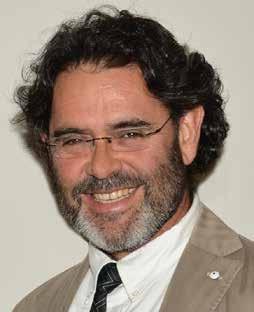

NPC commissioner Professor Mark Swilling, distinguished professor of Sustainable Development in the Centre for Sustainability Transitions in the Faculty of Economic and Management Sciences, University of Stellenbosch, says the NPC published two major reports last year on the investment requirements to achieve its energy and water infrastructure goals. “The energy report, in particular, included the most detailed analysis of the labour implications of the energy transition on Mpumalanga. This breaks up the labour market challenge into segments and relates each segment to a set of policy recommendations. Importantly, only approximately ten per cent of workforce displacement occurs before 2030, providing policy space for designing effective welfare and industrial strategies.”
Both the energy and the socioeconomic transition require funding, something that been a concern since the United States’ withdrawal
Yawitch says the JET PMU has also seen encouraging results from its Funding Platform, a matchmaking facility that seeks to identify just transition projects, support them with project preparation if needed and match them with available grant donor funding. “More than two hundred and sixty project proponents responded and, after a rigorous screening process, twenty-one funding-ready initiatives spanning a wide range of sectors related to social impact have been listed for matching. To date, five projects have been successfully matched with grant funders to a total value of seventy-eight million Rand.”
Ultimately, as Montmasson-Clair points out, the transition from coal to renewables is just the tip of the iceberg. “There are many regions and industries across the country that are going to face some significant transformations and we need to talk about those.”
Montmasson-Clair also says the idea of transplanting displaced workers from the coal value chain directly into renewable energy is simplistic. “Those working in power plants
Follow: Joanne Yawitch www.linkedin.com/in/joanne-yawitch-04b7a698
Zeph Nhleko www.linkedin.com/in/zeph-nhleko-b6918239
Gaylor Montmasson-Clair www.linkedin.com/in/gaylor-montmasson Professor Mark Swilling www.linkedin.com/in/mark-swilling-31b7426
Organisations that integrate sustainability, governance, skills development and operational strategy into one coherent system can deliver economic, social and environmental value more effectively, writes RODNEY WEIDEMANN

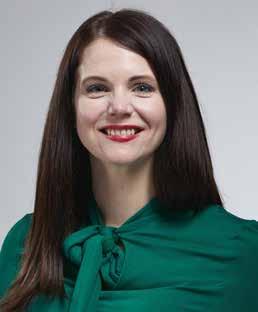
Environmental, social and governance (ESG) frameworks are structured, principles-based guidelines designed to help companies identify, measure, manage and report on their sustainability performance and risks. Corporate social investment (CSI) strategies, meanwhile, are designed to align an organisation’s charitable contributions with its core business goals, creating shared value for both the business and society. Today, ESG frameworks are increasingly dovetailing with CSI strategies, as they shift
voluntary, philanthropic or compliance-driven social spending into strategic, measurable and integrated business practices.
Andrea Barrett, chief sustainability officer at RS Group, says ESG has become central to modern business strategy because it is now recognised as a core enabler of growth, resilience and long-term value creation.
“Today, ESG standards are reshaping CSI in South Africa because they connect social investment to measurable impact and long-term business relevance,” she explains.
“CSI is no longer treated as stand-alone philanthropy; it is instead aligned to material ESG priorities such as youth development, skills building and inclusion – areas that directly respond to South Africa’s socioeconomic realities.”
“SUSTAINABILITY AND ESG FRAMEWORKS DRIVE INITIATIVES THAT CONTRIBUTE TO FAIRNESS, EQUITY, TRANSPARENCY AND COLLECTIVE STEWARDSHIP OF SOCIAL GOODS.” – RICHARD PFAFF
Suvania Sukool, sustainability strategist at Zutari, adds that the ‘S’ in ESG is often where project economics are won or lost.
When social performance is managed late or superficially, community disruption, labour action and reputational damage can derail delivery and inflate costs.
“High-performing teams manage social performance with the same discipline applied to engineering or finance, mapping stakeholders early, co-creating interventions that fit local realities and tracking outcomes on dashboards so leadership can intervene before problems escalate.
“Treated this way, social performance becomes a tool for protecting delivery schedules, reducing claims and preserving asset value, instead of merely being seen as a stakeholder engagement line item,” she says.
As these two dovetail, sustainability and ESG frameworks are assisting companies to approach CSI through a systems lens, notes Richard Pfaff, head of social impact at Tshikululu Social Investments.
“This allows them to address systemic challenges like inequality and depreciating levels of social cohesion and consider how these problems are linked to existential challenges like climate change. It also enables companies to mitigate them through targeted and well-thought-out systemic solutions,” he says.
“Sustainability and ESG frameworks also directly influence capital expenditure and Opex spend, when it comes to utilities such as energy and water. Moreover, thanks to Scope 3 decarbonisation targets, it can also influence the supply chain emissions in positive ways.”
“CSI IS NO LONGER TREATED AS STAND-ALONE PHILANTHROPY; IT IS INSTEAD ALIGNED TO MATERIAL ESG PRIORITIES SUCH AS YOUTH DEVELOPMENT, SKILLS BUILDING AND INCLUSION.”
– ANDREA
BARRETT
Essentially, continues Pfaff, ESG helps businesses map and deliver CSI solutions based on an envisioned outcome of compounded impact, which reverberates over multiple social and environmental dimensions.
Barrett adds that the leveraging of ESG standards is transforming CSI from ad hoc charitable giving into structured, board-level strategic investment.
“ESG elevates CSI into a metrics-driven system aligned with material topics, business purpose and long-term value creation. Its purpose reflects a commitment to people, planet and profit.
“This means that CSI initiatives are increasingly designed to address systemic challenges, such as education access, skills development and economic participation. By embedding CSI within strategy and governance structures, organisations ensure growth is responsible, inclusive and accountable.”
Sukool points out that when CSI is anchored in ESG materiality, for example, youth employability, inclusive supply chains, community safety and climate adaptation, it helps reduce disruption, accelerates approvals, promotes compliance and protects schedules.
“In practice, this means using CSI to address the issues most likely to affect continuity and growth and then reporting results in comparable and auditable ways so leadership can see the return on that spend,” she explains.
“Boards and investors are increasingly looking for evidence that CSI spend stabilises operations, strengthens relationships and supports long-term value, rather than proof that such activities merely took place. Social accounting thus becomes a means to show how investment in people
and communities translates into reduced disruption, better workforce stability and stronger local economies.”
Karabo Moeletsi, principal: mining and critical minerals at Nedbank Corporate Investment Bank, further suggests that ESG is the driver for CSI because mines need to maximise the positive impact and contribution they make from a CSI perspective.
“An ESG framework, among other aspects, talks to the immediate and biggest social impacts such mines can make –and in a way that is positive for its business, the mine’s employees and the surrounding communities,” he states.
the nearby communities tend to struggle with issues like low employment, poverty, and challenges with respect to access to quality education and healthcare.”
Moeletsi explains that critical challenges identified by the ESG framework can then be tackled, in conjunction with the community, through the implementation of CSI programmes that can be leveraged to bring the necessary resources to these communities.
“The data-driven approach of ESG is also informative, as it helps effectively track progress and measure what needs to be done – or done better – to genuinely have a positive impact in this arena,” he says.
“In South Africa, mining operations are often based in rural or remote regions, so
Environmental, social and governance also justifies the financial impact of corporate social investment (CSI), acting as a bridge between CSI initiatives and the expectations of financial markets, and demonstrating that sustainability and responsibility can align with economic performance. For example, investing in energy efficiency may see a reduction in operational costs, thus improving profitability.
Source: Greenscope: greenscope. io/en/esg/csr-difference
Pfaff agrees, noting that leveraging ESG frameworks to better implement CSI initiatives assists with strengthening social cohesion and overcoming inequality and social polarisation, which are problems on a global scale.
“Sustainability and ESG frameworks drive initiatives that contribute to fairness, equity, transparency and collective stewardship of social goods, such as a functional ecosystem and access to economic opportunities. This, in turn, promotes a sense of ownership in the economy and a sense of belongingness or Ubuntu in society,” he says.
Barrett adds that the most significant shift is that ESG and CSI are no longer separate functions, but rather integrated components of a single value creation system. ESG strengthens CSI by making it strategic, evidence-led and scalable, while CSI brings tangible community impact to ESG commitments.
“Organisations that align sustainability, governance, skills development and operational strategy into one coherent system will be best positioned to deliver economic, social and environmental value simultaneously. This will help strengthen resilience and long-term relevance in South Africa’s evolving business landscape,” she concludes.
Follow: Andrea Barrett www.linkedin.com/in/andrea-barrett-70901314
Suvania Sukool www.linkedin.com/in/suvania-sukool-30084193
Karabo Moeletsi www.linkedin.com/in/karabo-moeletsi-7999783b
Richard Pfaff www.linkedin.com/in/richard-pfaff-7b7a58119



PRODUCTS SOUTH AFRICA, is all about making a sustainable difference in the communities where it operates
South Africa’s social development needs are vast, and Air Products South Africa has a vested interest in seeing the country grow and prosper. Its socioeconomic development programmes leverage well-considered partnerships to reach deep into communities within Southern Africa, thereby ensuring poor, underprivileged and historically disadvantaged people receive the assistance they so desperately need.
Air Products South Africa annually spends a percentage of its net pro t after tax on socioeconomic development programmes. The funds are allocated to schools, clinics and nonpro t organisations in the communities in which it operates.
At Air Products South Africa, the corporate social investment (CSI) projects are structured according to a speci c framework by an internal CSI committee. The strategic focus of Air Products South Africa is on the youth and education across different disciplines.
There is a large focus on providing learners with support in terms of access to basic needs, such as water, food and sanitation. Many schools have no access to clean water, kitchens and bathrooms, which encouraged Air Products
South Africa to embark on a drive to upgrade bathroom and kitchen facilities and construct water stations on the school grounds.
The “Flow Campaign” supports female learners by providing them with sanitary products to boost their con dence and give them hope and dignity. With a tagline “Don’t let their ow stop their go”, the campaign aims to ensure learners do not miss crucial days and education opportunities at school as a result of their cycle.
With technology and the digital space evolving rapidly, Air Products South Africa is well aware of the need to expose young learners to the world of technology. To this end, they have donated equipment for computer labs at the schools, and recently also sponsored a coding and programming course for high school learners.
A scholarship in honour of former managing director Rob Richardson was launched in 2025 and aims to provide aspiring young, deserving learners from disadvantaged areas with an opportunity to obtain a degree in an engineering-related eld at a university. Focusing on learners nationally, maths and
physical science dictionaries are handed out to senior learners during the scholarship awareness visits to secondary schools. This aims to stimulate the learners’ enthusiasm for these two important subjects.
Air Products South Africa’s national agship project, “WitnessHappiness”, was launched in 2016 with a focus on early childhood development (ECD) centres. Currently in its fourth cycle, the project is strategically aligned with the company’s CSI strategy and allows each of its facilities to identify an ECD in its community of operation for a three-year cycle.
A key objective of the project is to form long-term relationships with the centres and make a visible difference to the educators, learners and the wider communities.
In line with Air Products South Africa’s focus on safety, infrastructure projects form a major part of WitnessHappiness and, over time, improvements and renovations have been made at many of the centres.
There are also pre-determined special days when employees can visit the centres, such as Mandela Day, Literacy Day and World Maths Day. Employees can also join in the celebrations at year-end and graduation parties.
Air Products South Africa makes provision for annual donations whereby facilities nationally have the opportunity to identify projects to support in their areas. The company values its longstanding relationships with many national organisations and continues to support as many as possible.

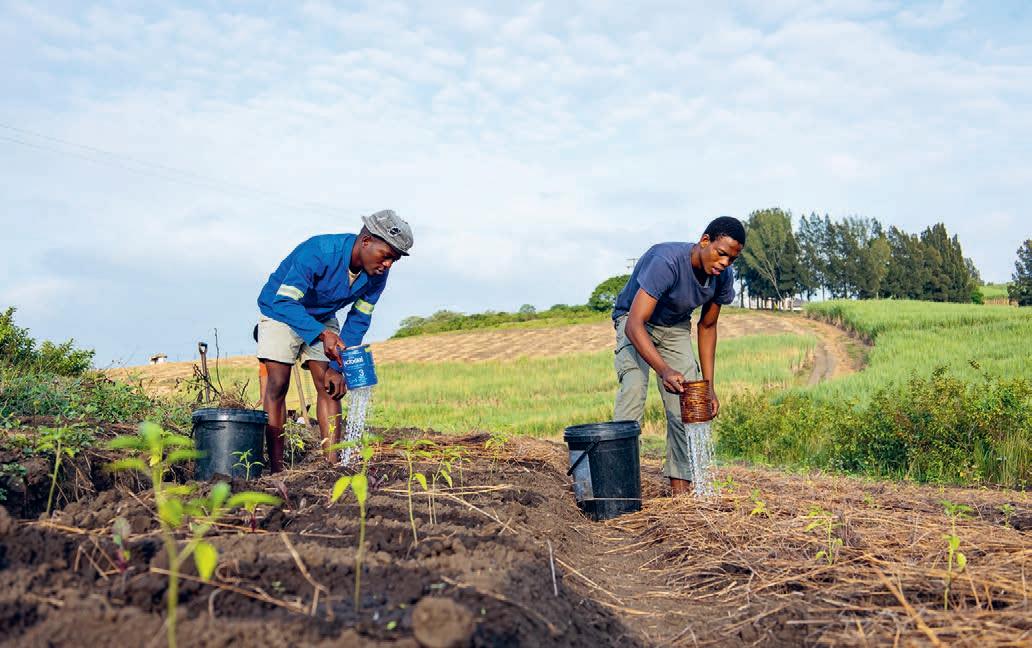
Investing in education, financial inclusion and community resilience to help drive long-term, inclusive development in South Africa
In 2024, the FREF disbursed R317-million, while the FRF contributed R268-million to social transformation and upliftment. Combined disbursements by the two foundations have exceeded R2.1-billion since 2020.
MAKING AN IMPACT
Key impacts include:
• 32 467 patients screened through mobile healthcare clinics.
• 1 300 early childhood development (ECD) practitioners received training.
• 677+ students had historical debt cleared.
• 1 868 learners received climate change education.
• 256 undergraduate bursaries awarded.
• 6 new ECD centres constructed in the Eastern Cape.
• 26 emerging artists supported.
• 1 160+ women received GBVF counselling services.
Konehali Gugushe, head of social investing at FirstRand, adds: “As a responsible corporate citizen, we mobilise our nancial and non nancial resources for the betterment of the societies we serve.”
The FirstRand Foundation (FRF), established in 1998 as FirstRand Group’s primary corporate foundation, and the FirstRand Empowerment Foundation (FREF), created in 2005 as part of the group’s broad-based black economic empowerment (B-BBEE) transaction, are deeply invested in addressing the root causes of poverty, inequality and unemployment in South Africa through an integrated, sustainable approach.
The FirstRand Foundation focuses on creating a nancially inclusive society with equitable access to sustainable economic growth. Its work covers four key focus areas:
• Capacity building.
• Quality education (primary school and early childhood learning.
• Financial inclusion and wellbeing.
• Building thriving and resilient communities. The FirstRand Empowerment Foundation targets structural transformation at the community level, with a mandate to reduce poverty and inequality. FREF’s ve strategic
focus areas address systems that have historically excluded black South Africans from economic participation:
• Quality education.
• Agri-systems.
• Climate change response.
• Gender-based violence and femicide.
• Healthcare value chain.
Going beyond traditional philanthropy, the foundations integrate technology to drive innovation, ef ciency and scalability, ensuring their initiatives remain adaptable to South Africa’s evolving development needs.
The FirstRand Foundation and FirstRand Empowerment Foundation embody a philosophy that recognises the interconnected nature of South Africa’s challenges and opportunities. In a country still grappling with the legacies of exclusion and inequality, the work of the foundations offers hope that transformation is possible when sincere purpose meets strategic action.
Virginia Nkosi, executive: Stakeholder Management at Sanlam Retail Mass and Xolisa Dhlamini, head: Sustainability Ops and Impact at Sanlam Group share that sustainable finance is reshaping emerging markets, unlocking growth beyond traditional risk models. By BUSANI MOYO
Q: Emerging markets were historically viewed through a high-risk, high-growth lens. How has that narrative shifted?
A: It’s been over a decade since emerging markets have been identi ed as the nal frontier for investments, especially in the context of the attractive gross domestic product growth expectations for emerging economies and the demographic dividend, which is young populations, creating opportunities for mass consumption of goods and services, including nancial services.
What has changed is how risk is de ned. The narrative has advanced the need to view risk broadly, beyond nancial or economic risk. There is now a growing expectation that stewards of capital consider non nancial risks, namely environmental, social and governance (ESG) or sustainability risks, which may impact growth prospects.
It’s fundamentally a move away from narrow risk-and-return optimisation approaches to approaches that incorporate material economic, environmental and social aspects to realise growth objectives sustainably.
Q: Many believe sustainable investing requires sacrificing returns. How does ESG integration drive performance?
A: Sustainable nance approaches have been seen as balancing unattractive trade-offs between economic and sustainability outcomes. More nanciers see the value of integrating ESG factors, which may present a material risk to achieving returns or growth targets.
By embedding ESG into nancial modelling, investors strengthen resilience. Integrating ESG risks into risk models, coupled with double materiality, enables
better management of risks to investee companies’ performance.
For us at Sanlam, this is both strategic and practical. It matters because we are an investee company seeking to attract responsible investor capital, and we are also an investor, an allocator of premiums and contributions, seeking sustainable returns in the markets.
Q: Governance and transparency can be challenging in developing markets. How should investors respond?

A: With the understanding that sustainability is the process of governing economic, environmental and social issues that are material to the success of economies, investors can be active, engaged stewards of capital. That includes de ning impact objectives and improving disclosures. Investors must be clear about what difference they want to make with their capital and actively guide companies to provide useful governance information in
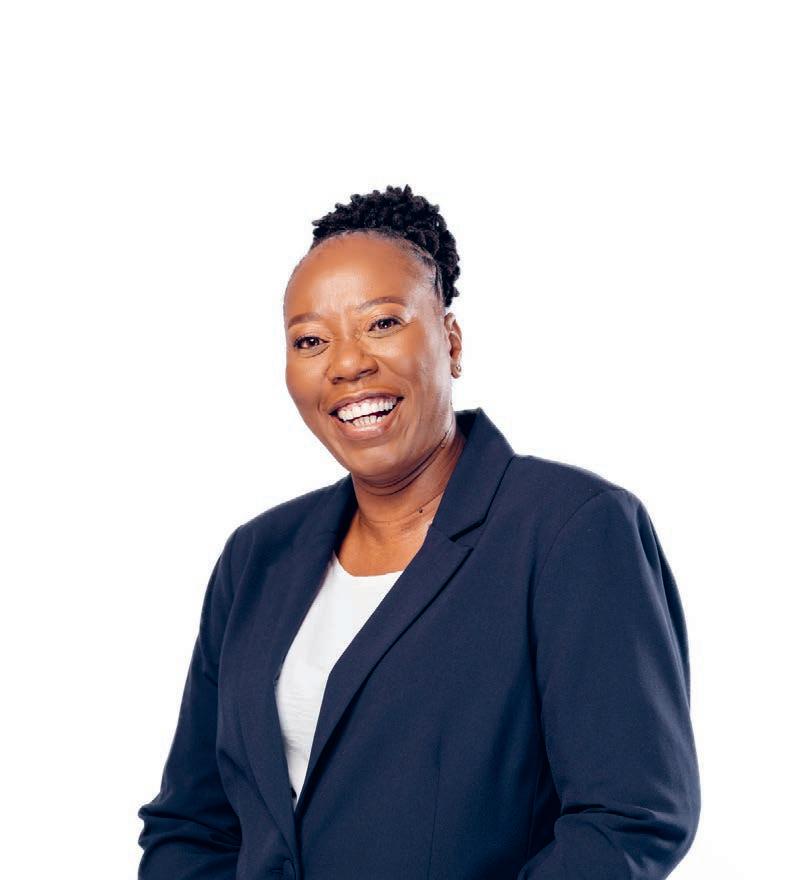
While transparency gaps remain, regulatory alignment is growing. Many African countries, including South Africa, have adopted nancial inclusion strategies that provide measurable
Most of the countries where Sanlam operates in Africa have developed nancial inclusion policies that provide guidelines on key performance indicators for delivering inclusive nancial services.
Sanlam’s own purpose anchors its approach. Our purpose is to empower generations to be nancially con dent, secure and prosperous. Inclusive nancial services are critical to achieving this.
Q: Which sectors currently offer the most compelling impact opportunities?
A: Our most direct impact lies in democratising nancial services and making them more inclusive for broader society, including unserved and underserved markets.
Beyond retail nancial inclusion, Sanlam has deployed capital into impact-oriented portfolios. Sanlam has co-seeded impact portfolios from its balance sheet to invest in infrastructure, small and medium enterprise (SME) development and sustainability-themed investments, including climate-focused portfolios.
SMEs are particularly signi cant. They are considered the growth engines of these emerging economies. Expanding their access to a diverse range of nancial services is essential for long-term stability.
Q: What role will sustainable finance play over the next decade?
A: Sustainable nance will extend beyond investments into mainstream nancial services
It will be crucial in driving market actors to systematically incorporate sustainability in other nancial services, insurance, credit, advisory and micro nance, not just investments.
As sustainability becomes embedded across the nancial ecosystem, emerging market customers, households and SMEs alike will gain tools to manage risk, build assets and participate more fully in economic life.
This systemic integration will not only unlock growth, but also help stabilise and mature emerging economies sustainably and inclusively.
From individuals to entities, climate change affects each one of us, which means we all bear responsibility to address it. But, asks LISA WITEPSKI, are we playing our roles as we should?

One of the core principles of a just transition is that “no one should be left behind”. “We are all in this together, which means we must join hands to find solutions,” says Thomas Sibeko of Earthlife Africa . This collective responsibility underscores the need for co-ordinated action across all sectors of society.
The roles of government, civil society and the private sector are therefore deeply interconnected. According to Tshepo Peele of 350Africa, government should spearhead climate change initiatives, as it is responsible for policy and regulation. Sibeko adds that local government is particularly important, as municipalities can take practical actions that make a material difference, for example, rolling out solar heaters and cookers to households in their communities.
Civil society also plays a critical role. The African Climate Alliance notes that nongovernmental organisations (NGOs) operate at grassroots level and are often the first to identify the challenges faced by communities most affected by climate change.
Alongside these efforts, the private sector must also assume accountability, and there is significant scope for businesses to play a greater role, Peele maintains. “There is a great deal of greenwashing in this space, with many companies claiming investment in green energy and renewables while continuing to
support fossil fuel infrastructure. Sadly, profit margins often remain their primary focus.”
Michelle Sithole, an attorney at the Centre for Environmental Rights, is concerned that some large corporations – responsible for a significant share of global greenhouse gas emissions (collectively known as Carbon Majors) – have been shifting attention onto individuals by encouraging ordinary people to measure their own carbon footprint.
“While not inherently a bad thing, it diverts focus from the companies that have created the crisis we find ourselves in,” she says.
At the same time, she acknowledges that individuals often feel a responsibility to act. “People want to make a difference, whether by reducing electricity
consumption or, where possible, investing in household renewable energy,” she explains.
Sibeko agrees that the role of the public should not be ignored, noting that individuals help drive demand for renewable energy. Peele adds that the public is the largest stakeholder, with the potential to effect significant change through voting or by joining civil society movements.
If more initiatives tackling climate change are to be successful, we need to remove the silos that currently characterise work in this space, says the African Climate Alliance. Peele echoes this, saying that we need to look beyond “the bubble” of current stakeholders to involve researchers, think tanks and scientists who can make a valuable contribution.
It’s also important to address perceptions that are impeding progress. Sithole laments the fact that NGOs are often labelled as ‘anti-development’, when in reality they aim to ensure that development prioritises people’s needs over profit.
Despite these challenges, progress is being made, as seen with the recent passing of the Climate Change Act, and there are areas where South Africa demonstrates key strengths. “We have done especially well in organising ordinary South Africans around a common cause. We now need to not only listen to marginalised communities, but also implement the solutions that emerge from them,” says the African Climate Alliance.
“THE PUBLIC IS THE LARGEST STAKEHOLDER, WITH THE POTENTIAL TO EFFECT SIGNIFICANT CHANGE THROUGH VOTING OR BY JOINING CIVIL SOCIETY MOVEMENTS.”
Sustainable food production has become a defining priority for the global agricultural sector, writes ELRIZA THERON

At its core, sustainability means managing the natural, social and economic resources required for food production in a way that ensures future generations can meet their needs. The United Nations (UN) Sustainable Development Goals (SDGs) reinforce this approach by linking environmental protection, decent work conditions, climate action, clean water and economic growth to long-term development.
In South Africa, sustainable food production rests on a comprehensive legal and regulatory framework. Environmental management is governed by the National Environmental Management Act (NEMA), while agricultural remedies are regulated under the Fertilizers,
Farm Feeds, Agricultural Remedies and Stock Remedies Act (Act 36 of 1947). Food safety, labelling and product standards are regulated through legislation such as the Foodstuffs, Cosmetics and Disinfectants Act and the Agricultural Product Standards Act.
South Africa is also a signatory to key international agreements, including the United Nations Framework Convention on Climate Change, the Convention on Biological Diversity, and the Rotterdam, Stockholm and Basel Conventions governing
hazardous chemicals and waste. In 2024, the country adopted a Climate Change Act, with sectoral greenhouse gas emission targets under development, including for agriculture.
Labour protections are equally robust. Numerous International Labour Organisation conventions incorporated into South African law safeguard workers’ rights, while the Occupational Health and Safety Act ensures safe working environments across farms and processing facilities.
Together, these frameworks require farmers and food producers to comply with strict standards governing environmental stewardship, agricultural input use, food safety, traceability and labour practices. However, while regulation provides the baseline, industry leaders emphasise that true sustainability goes further.
Ettienne Thiebaut, sustainability and risk director at Rainbow Chickens, views regulation as the starting point rather than the objective. He says the company’s environmental philosophy “Make More, Use Less” focuses on reducing water, energy and waste across the value chain.
“THE AIM IS SIMPLE: TO PRODUCE SAFE, NUTRITIOUS FOOD IN A WAY THAT SUPPORTS THE ENVIRONMENT, OUR PEOPLE AND THE COMMUNITIES AROUND US, NOT ONLY FOR TODAY, BUT FOR THE FUTURE.” – ETTIENNE THIEBAULT
The company has implemented waste-to-value systems that generated 11.5GWh of electricity in the 2024 financial year, accounting for 8.6 per cent of total electricity use. It is also investing in solar photovoltaic systems and renewable energy wheeling arrangements. Food safety governance is similarly embedded, as the company operates under ISO 22000, FSSC 22000 and ISO 9001 management systems and complies with regulations including R146, R946 and R988, with fraud prevention, traceability and waste reduction integrated into corporate governance structures. This is strengthened by the implementation of a comprehensive Food Defence Policy designed to protect against intentional adulteration and supply-chain vulnerabilities. In addition, the company has established a robust Food Fraud Policy that incorporates vulnerability
assessments, thorough supplier due diligence and effective traceability systems to ensure product authenticity and safeguard consumer trust. Complementing these measures is a recently updated Food Loss and Waste Policy, which supports regulatory compliance by minimising waste across the supply chain and promoting greater resource efficiency.
The company’s strategy extends to include surplus redistribution to food banks and circular economy initiatives such as protein rendering and poultry litter-to-energy solutions. “Ultimately, the aim is simple: to produce safe, nutritious food in a way that supports the environment, our people and the communities around us, not only for today, but for the future,” says Thiebaut.
Another champion in this area is Woodlands Dairy, which began its formal sustainability journey with a comprehensive greenhouse gas baseline assessment in 2012 to understand its environmental impact. That baseline became the foundation for a structured sustainability programme aligned with environmental, social and governance (ESG) principles and the UN SDGs.
Helen McDougall, chief executive officer of Woodlands Dairy, says: “At Woodlands Dairy, ESG is not a reporting exercise. It is the framework through which we run our business and measure long-term value creation. Environmentally, our focus is on reducing our footprint through energy efficiency, responsible water use, waste minimisation and lowercarbon operations. Continuous measurement and transparent reporting allow us to track progress and remain accountable, while collaboration with our farming partners ensures responsible practices extend across our supply chain.”
(Water Efficiency). Independent certifications, such as Carbon Trust, FSC and Bonsucro, further reinforce its commitment to measurable, responsible and recyclable practices via its packaging suppliers.
“Governance underpins everything we do. By embedding sustainability at the heart of our operations and aligning our strategy with global ESG best practice and the UN Sustainable Development Goals, we ensure every decision balances productivity with responsibility. Transparent reporting, ethical oversight and robust risk management enable us to consistently deliver safe, high-quality dairy products, protect natural resources, empower our employees and communities, and build a resilient business that can sustainably serve future generations. ESG is not just a framework for compliance; it’s the lens through which we create long-term value, ensuring our business thrives while contributing positively to society and the environment,” McDougall explains.
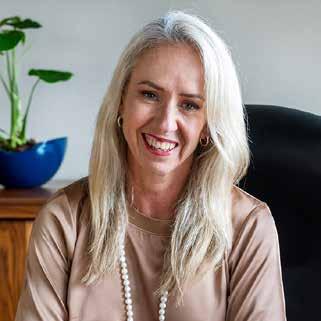
“Our social commitment is equally important. As a business rooted in rural communities, we invest in skills development, create sustainable employment opportunities and implement programmes that improve access to education and wellbeing. A resilient workforce and thriving communities are essential to a resilient food system.”
Woodlands Dairy adheres to globally recognised standards, including ISO 45001 (Occupational Health and Safety), ISO 14001 (Environmental Management), ISO 50001 (Energy Management) and ISO 22000 (Food Safety), with plans to implement ISO 46001
“A RESILIENT WORKFORCE AND THRIVING COMMUNITIES ARE ESSENTIAL TO A RESILIENT FOOD SYSTEM.”
–
HELEN MCDOUGALL
Annelize Crosby, head of legal intelligence at Agbiz, highlights that South Africa already has a comprehensive regulatory framework for sustainability and responsible food production. ESG principles are increasingly embedded across agricultural value chains, with commodity organisations developing frameworks that address biodiversity, water use, waste, energy and social aspects.
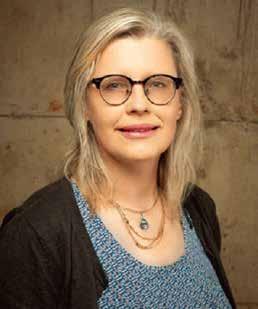
For Woodlands Dairy, sustainable food production means producing high-quality dairy products in a way that protects natural resources, empowers people and ensures long-term business resilience. It is about balancing productivity and responsibility, today and into the future.
According to Jolanda Andrag, chief operating officer at AgriSA, sustainability is increasingly shaped by production and trading standards such as GlobalG.A.P., Siza, Wieta and sector-specific, voluntary programmes like Pork360. Financial institutions are also playing a growing role, incorporating sustainability indicators into credit decisions and viewing environmental and biosecurity compliance as risk management. However, she cautions that better alignment of sustainability goals across sectors is needed to prevent duplication of efforts.
At the same time, the importance of economic viability must be recognised. “Farmers can only implement environmentally sustainable practices if they are economically sustainable,” notes Crosby. Tax incentives, blended finance models and green finance instruments can help farmers invest in renewable energy, water efficiency and regenerative farming techniques.
Both Crosby and Andrag emphasise the need for harmonised sustainability metrics and reporting frameworks to reduce compliance fatigue and improve co-ordination between government, industry and financial institutions.
As Woodlands Dairy and Rainbow Chickens demonstrate, baseline assessments and carbon accounting can drive measurable progress. Broader adoption of life-cycle analysis, improved technical support, market access and responsible sourcing commitments from retailers can ensure sustainability standards do not become barriers to entry.
Agriculture is inherently a long-term business. South Africa’s agricultural sector operates on a strong regulatory foundation, but ensuring that food is produced responsibly requires not only compliance, but alignment, partnership and a shared commitment to balancing productivity with stewardship, today and for generations to come.
Ettienne Thiebaut www.linkedin.com/in/ej-thiebaut
Helen McDougall www.linkedin.com/in/helen-mcdougall
How Rainbow Chicken is showing up where impact matters most.
By TARRYN FOWLER, marketing director, Rainbow Chicken
Social impact goes beyond strategic frameworks and commitments. For Rainbow Chicken (Rainbow), it means creating real, lasting change where it matters most. Meaningful impact is shaped by where the organisation shows up, who it listens to and whether its actions endure long after attention fades.
This understanding guides Rainbow’s approach to social impact and inclusion. With clear corporate social investment priorities in place, the focus is on long-term commitments rooted in lived realities. The objective is to implement interventions with genuine developmental intent, strengthening the social, economic and environmental conditions in the communities where Rainbow operates.
This philosophy shapes value delivery across the food system. Quality, nutrition and affordability are inseparable. As a leading producer, Rainbow sees quality as a responsibility, not just a differentiator. Responsible product development and strict nutritional standards ensure families have access to safe, nourishing food they can rely on.
Yet Rainbow’s commitment extends far beyond its products. It is equally expressed through its people and the communities connected to its operations. Across South Africa, many households continue to navigate rising living costs, food insecurity and uneven access to resources. A meaningful response requires practical interventions that ease pressure, strengthen resilience and support everyday wellbeing.
Rainbow’s long-standing partnership with the Do More Foundation continues to make a meaningful difference across its early childhood development (ECD) initiatives.
Tarryn Fowler
Supporting learners in Rustenburg through ongoing school partnerships linking nourishment to improved educational outcomes.
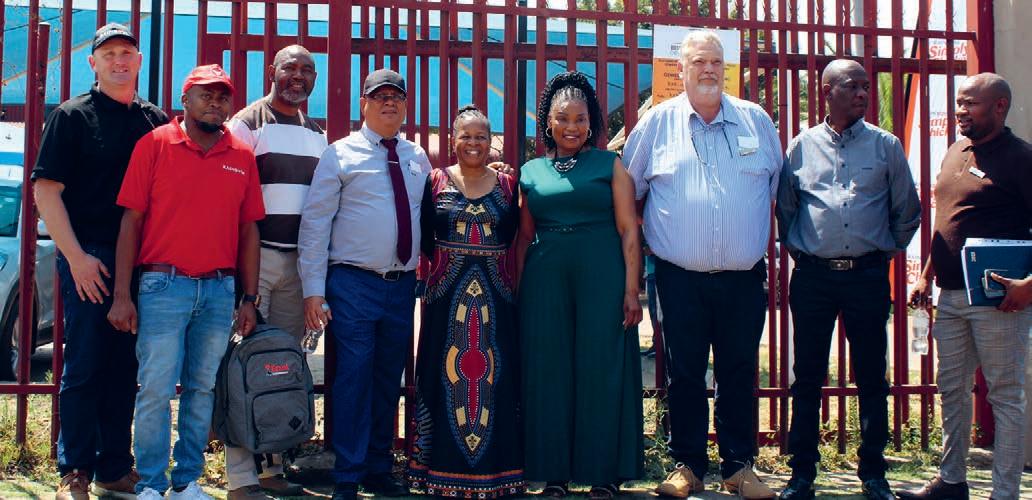
Over the past year, the programme has supported 118 ECD centres across Worcester, Rustenburg and Hammarsdale, reaching 5 876 young children with essential nutrition and early learning interventions. In addition, 597 parents and caregivers have been engaged through dedicated caregiver support programmes.
This sustained, collaborative effort is strengthening local ECD ecosystems, equipping caregivers and practitioners and enhancing the environments in which young children learn and grow, ultimately contributing to improved developmental outcomes across the communities served.
Alongside these national efforts, it is often the work of regional teams that brings Rainbow’s community commitment to life most visibly.
In Rustenburg, Rainbow is both a major employer and a long-standing community partner. The team has deepened its support of local schools through a series of school adoption initiatives. Regular chicken donations to school feeding schemes now support several primary schools, helping address food insecurity while improving attendance and concentration among learners. Complementing this effort is a school nutrition programme that reaches thousands of children across local schools, reinforcing the direct link between nourishment and educational outcomes.
Rainbow’s agricultural team in KwaZulu-Natal recently supported Cosmoore Primary School in Mkhambathini Local Municipality after severe winds destroyed one of its classrooms. Recognising the urgency, the team renovated the damaged classroom, restoring a safe and conducive learning environment for learners and educators. Through the Rainbow Back-to-School initiative, school shoes were provided to learners in need. The school also received donated garden tools to maintain school grounds and strengthen its sustainability efforts.
Rainbow’s commitment to inclusive growth extends to emerging and small-scale farmers. Through ongoing farmer development initiatives and regional farmer days — including recent engagements in Carolina and Malelane — the company continues to equip local producers with technical knowledge, access to quality inputs and opportunities to build sustainable poultry businesses.
The establishment of new chick depots in Mpumalanga further strengthens this ecosystem, improving accessibility, reducing logistical barriers and supporting local agricultural growth.
Across all these initiatives, a consistent thread is evident: Rainbow’s social investment approach is intentionally broad yet locally grounded. It prioritises partnerships, practical support and sustained involvement, ensuring interventions respond to real needs while creating lasting value.
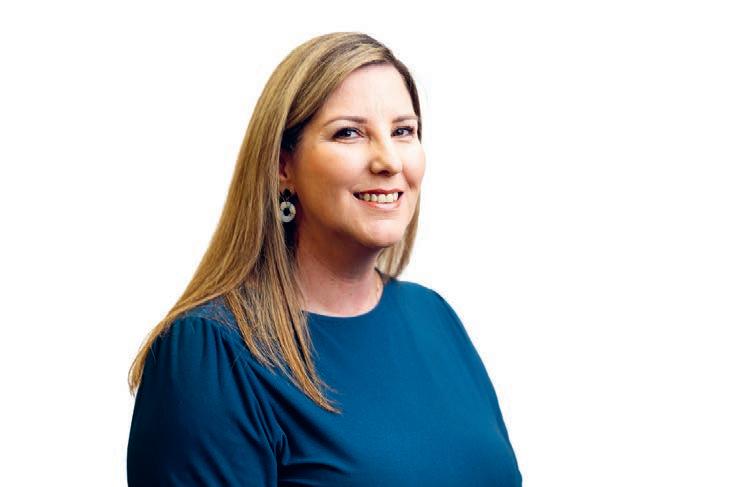

In South Africa (SA), a growing ecosystem of foundations, tech‑education initiatives and private‑public collaborations is working to close the digital divide by equipping young people with essential technology skills, from basic digital literacy to coding, robotics and fourth industrial revolution (4IR) competencies.
Against the backdrop of persistently high youth unemployment – with Statistics South Africa reporting a 58.5 per cent unemployment rate among 15–24 year olds in Q3 2025 – these interventions are not merely educational, but economic imperatives. Programmes like the Telkom Foundation, which actively bridges SA’s digital divide by training thousands of youth in ICT, coding and robotics, have graduated 1 077 learners in 2025 alone –evidence that targeted training can directly and indirectly influence employability and labour‑market outcomes. Of these, 115 students from Mpumalanga graduated from a specialised three year IBM and IC3 certified coding and robotics programme.
Judy Vilakazi, head of the Telkom Foundation, says: “At the Telkom Foundation, we approach digital skills as a continuum, recognising that young people enter the system at very different starting points.
Technology training works best when it addresses the full employability journey, combining digital literacy, work readiness, mentorship and clear pathways into further study, internships, learnerships or employment.
“BY BRINGING ROBOTICS AND CODING INTO UNDERSERVED SCHOOLS, WE’RE GIVING YOUNG PEOPLE REAL OPPORTUNITIES TO IMAGINE AND BUILD A BETTER FUTURE.”– BRADLEY MASEKO
Mpumalanga learner, for example, used these resources to excel academically and earned a Telkom bursary to study mechatronics engineering.”
Beyond technical skills, developing soft skills, mentorship and real world exposure is critical to ensuring meaningful employment outcomes. “Communication, teamwork, adaptability and professional identity build confidence, while workplace visits, internships and project based learning translate theory into practice,” adds Vilakazi.
“Scaling digital education requires co ordinated partnerships across government, industry, foundations and academia, alongside policies prioritising teacher training, shared infrastructure and alignment with labour market needs. Our success is measured across the learner journey, from progression and employment to confidence, aspiration and sustained digital engagement.”

“Our programmes help learners progress from basic digital confidence to formal qualifications in ICT, engineering and data related fields.”
This, Vilakazi says, is most effective when training aligns with real labour market demand and starts early, continuing through tertiary education. “In rural and underserved communities, we complement skills training with ICT infrastructure, connectivity and support, ensuring no learner is left behind. One
Felix Spies, CEO of Siyafunda Education Foundation, says the foundation has helped learners progress from basic digital literacy to applied programming, robotics and real world problem solving, fostering confidence, competence and sustained participation in the digital economy.
Spies believes technology training becomes transformative when it moves beyond one off workshops and creates a structured pipeline. “Digital literacy is the entry point, but employability comes from sustained exposure, problem solving and mentorship over time. In rural SA, consistent support and access to real tools turn technology into a lever for long term economic opportunity and not just awareness.”
Seseko, an educational technology (EdTech) company focused on bringing STEM education, robotics and virtual reality to underserved schools, in collaboration with Microsoft SA, is expanding access to digital skills for young people in underserved rural and township schools.
According to the founder, Bradley Maseko, Seseko’s robotics programme has reached 5 883 learners across 6 provinces and will soon be expanding to 12 more schools in 3 additional provinces, establishing digital literacy support across all 9 provinces in South Africa.
“By bringing robotics and coding into underserved schools, we’re giving young people real opportunities to imagine and build a better future. When a learner realises they can programme a robot or solve a problem with technology, it shifts their confidence and expands what they believe is possible for their lives,” says Maseko.
Siyafunda Education Foundation is a nonprofit dedicated to improving youth employability through STEM (science, technology, engineering and mathematics) and digital skills development. Its coding and robotics academies provide weekly, curriculum aligned technology education for learners from Grade 6 through high school, with a focus on rural and mining affected communities.
Follow: Judy Vilakazi www.linkedin.com/in/judy-xoliswa-vilakazi
Felix Spies www.linkedin.com/in/felixspies
Bradley Maseko www.linkedin.com/in/bradley-maseko-4b4670244
How local youth development organisations are driving community-led innovation and strategic partnerships to create opportunities for South Africa’s youth. By THANDO PATO
South Africa’s youth face a range of socioeconomic challenges, making youth development critical to the country’s future. Addressing these challenges requires tackling the structural inequalities that limit young people’s access to education, skills development and economic opportunities.
Most learners in low-income communities encounter multiple obstacles, including poor educational infrastructure, the digital divide, limited access to STEM (science, technology, engineering and mathematics) subjects and tools, poverty, food insecurity and gender-based violence (GBV), says Hope Chidawanyika, CEO of IkamvaYouth.
To address these challenges, IkamvaYouth’s national programme offers after-school feeding schemes, psychosocial support, safe learning spaces, mentorship and peer support, career exposure, leadership camps and access to digital learning tools. “Our model supports learners from as early as Grade 8 through to matric and post-school placement. This continuity enables sustained academic improvement, leadership development and informed post-school decision-making,” says Chidawanyika.

Since its inception, the organisation has supported 32 000 young people. “We maintain a ninety-five to one hundred per cent post-matric placement rate, ensuring learners transition into university, TVET colleges, learnerships or employment. This directly supports national goals around youth employability, skills development and economic inclusion,” he says.
Chidawanyika says multiyear funding and a strong alumni network, which pays it forward, are key to the scale and sustained impact of the organisation.
“Without multiyear funding, it is not possible to measure sustained impact, build learner progression or drive lasting change. Corporate funding strengthens the quality of the programme, expands reach into underserved communities and integrates career development. Beyond funding, corporate partners amplify impact through volunteering, mentorship, workplace exposure and skills workshops, creating measurable benefits for learners and communities.”
RLabs is an award-winning social enterprise established in Cape Town in 2009, which has expanded its community and youth development model to 24 countries across five continents, impacting more than 65 million people.
“Our main aim is to create environments and systems in which people are impacted, empowered and transformed through hope, innovation, technology, training and economic opportunities,” says Rene Parker, co-founder and director of RLabs and AfriLabs board chair.
Since 2009, more than 2.5 million people have accessed RLabs’ skills, training and economic empowerment programmes. RLab’s goal is to impact two billion people by 2030.
RLabs is now a multilayered ecosystem that includes digital skills training, entrepreneurship support, innovation labs and employment pathways.
The RLabs Model is based on the following:
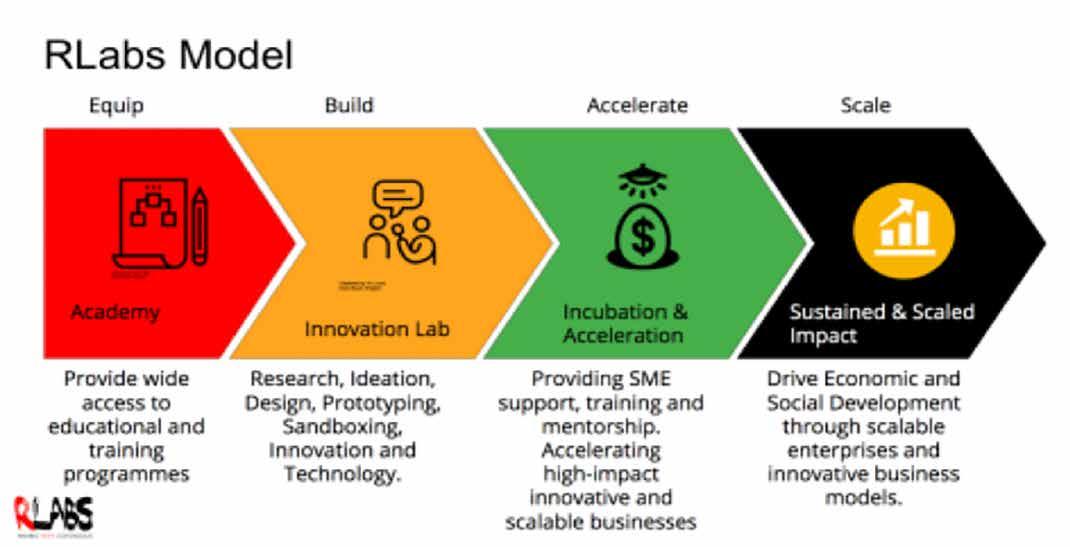
RLab’s open-source model allows communities globally to adapt the framework to local needs, scaling impact through local leadership rather than central control. “What we’ve learned is that you don’t scale programmes first – you scale. If you can scale a culture that puts people first, you can scale anything,” explains Parker.
Partnerships, whether with donors, foundations and corporates, are based on shared values, explains Parker. “We are strong on relationships and ensuring our values align. Our community is the most important; partners must share the intention to uplift it, no matter where it is based.”
This partnership-driven approach shapes how RLabs manages growth. “Most of our partners, and potential partners, are interested in the sectors of youth, women and sustainability – our focus areas. So, the partnerships we have are values-based and work towards up uplifting those communities. We try to stay away from partnerships that are focused on pilot projects because we are looking for long-term partnerships and investments.”
www.linkedin.com/in/reneparkerrlabs Hope
www.linkedin.com/in/munyaradzi-hope-chidawanyika-1a869583

Implats is reimagining social impact by redefining responsible production, writes IMPALA PLATINUM HOLDINGS
In the global mining landscape, conversations about corporate responsibility have long been framed by the language of compliance. Regulations de ne minimum obligations, and companies often approach community development as a checklist of requirements. Implats has rewritten this script. Through its social impact and inclusion strategy, the platinum group metals producer is demonstrating what is possible when an organisation carves a path towards genuine community partnership.
Impala Platinum Holdings Limited (Implats) has an extensive footprint – it employs more than 60 000 people and those jobs support more than half a million dependants through income security, bene ts and economic activity stimulated in surrounding communities. This presence is reinforced by a strategic social investment framework that focuses on four pillars: community wellbeing, education and skills development, enterprise and supplier development (ESD) and inclusive procurement, and building, upgrading and maintaining resilient community infrastructure.
In its 2025 nancial year alone, Implats’ high-impact projects bene tted 61 000 people and supported 3 700 employment opportunities. These investments re ect a deliberate intention to create shared value in regions historically affected by economic marginalisation. Infrastructure projects completed in 2024 and 2025, such as improved roads, bridges, upgraded school facilities and community centres, illustrate the practical outcomes of this strategy.
The most striking feature of Implats’ approach is the way it conceptualises community partnership. The group works with
local stakeholders to de ne priorities and implement solutions that re ect real needs. This collaborative ethos strengthens its social licence to operate – stakeholder trust and community resilience are material components of its sustainability strategy.
Nowhere is this approach more evident than in the group’s commitment to education and skills development. Over 4 500 learners were reached in 2025, with support provided to 75 mine-community schools and more than 680 bursaries and learnerships awarded. At Impala Rustenburg alone, 28 schools bene tted from teacher support programmes, 4 000 learners participated in sports development programmes, and 76 community learners were enrolled in engineering trades. Importantly, 43 engineering apprentices passed their trade tests and 27 were absorbed into permanent roles, demonstrating a clear pipeline from classroom to workplace.
Traditional mining community development has often defaulted to infrastructure and bursaries, but Implats is integrating innovation into its socioeconomic interventions. Impala Rustenburg’s Enterprise and Innovation Centre facilitated more than 1 300 small and
medium enterprise (SME) engagements during 2025. Its Peo ESD Fund issued loans to emerging entrepreneurs, while hundreds of SMEs were onboarded into development programmes across the Impala Rustenburg, Marula and Impala Re neries operations. These efforts support local suppliers and foster economic diversi cation.
At its Impala Rustenburg and Zimplats operations, community farming initiatives and livestock support programmes have been expanded, providing stability for farmers facing rising input costs and climate-related pressures. The integration of environmental sustainability and enterprise development is particularly visible at Impala Re neries, where women-led enterprises are harvesting invasive hyacinth biomass and transforming it into furniture and craft products. This innovation addresses environmental degradation while generating income opportunities for local women, showing how development challenges can be turned into economic possibilities.
Taken together, these efforts represent a holistic model of community partnership. The group is not stepping into the role of the state, nor is it delivering projects solely to satisfy compliance frameworks. Instead, Implats is co-creating development ecosystems that integrate education, enterprise, infrastructure and community wellbeing into a coherent social impact strategy.
Implats’ strategic social performance initiatives are a case study in how large companies can contribute to inclusive growth when they move towards impactful, community-led development. By shifting to collaboration and innovation grounded in local realities, Implats is rede ning what responsible mining looks like.
VISIT WEBSITE
SCAN THIS QR CODE TO GO TO THE IMPLATS WEBSITE

For more information: Tel: +27 11 731 9000 investor@implats.co.za www.implats.co.za 2 Fricker Road, Illovo, 2196
When capital is deployed with trust, authentic commitment and long-term intent, education becomes one of the most powerful vehicles for sustainable returns and inclusive growth, particularly in South Africa and the greater African continent.
By THE OLD MUTUAL EDUCATION TRUST and EDUKAT
As global markets evolve, investors are increasingly asking a more fundamental question: What should wealth be used for? Experience shows that when investment is guided by purpose rather than short-term control, it can unlock enduring social and economic value.
Across the post-school education sector, one insight is consistent: the most resilient financial and social returns are generated when capital is invested in people and supported through to meaningful outcomes.
The Old Mutual Education Trust (OMET), established in 2005 via a black economic empowerment deal with trade unions, empowers union members and dependents through education. Funded by dividends as an independent entity, it deploys capital stably with a clear social mandate.
As Leonie Sampson, head of OMET, explains: “OMET was never about funding alone. The intention was to back people through complexity. Real lives don’t move in straight lines. Support, informed by a deep understanding of the conditions that give rise to the need for it, shouldn’t fall away when challenges arise.”
retain access to academic and psychosocial resources even when funding is paused.
The same long-term orientation applies to employability. Final-year students are supported through vacation work and internships, leveraging Old Mutual’s broader business infrastructure.

That philosophy comes alive through a wraparound support model that guides students from entry to graduation and into the world of work. Beyond tuition, it offers academic guidance, psychosocial care, mentorship and work-readiness opportunities without limiting choices or imposing rigid conditions on their futures.
Crucially, supportive policies reinforce this intent by removing barriers to completion rather than penalising setbacks. Final-year repeaters receive full support while early strugglers
structures, its results align closely with the social dimension of ESG and with the United Nations Sustainable Development Goals.
Independent impact research conducted by the Centre for Teaching and Learning at the University of the Free State illustrates the positive outcomes of this approach. The study shows that 82 per cent of OMET-supported graduates originate from households earning below R4 000 per month, yet 73 per cent go on to earn R15 000 or more after graduation, with nearly half earning R40 000 or more.
Importantly, the benefits extend well beyond individual beneficiaries. More than half of graduates now live in independently owned or rented homes compared to just 20 per cent prior to support. In addition, many report contributing to household stability and supporting siblings’ education.
Only once outcomes are visible does it become meaningful to interpret them through frameworks used by capital providers. While OMET was not established through formal environmental, social and governance (ESG)
From a systems perspective, this reinforces a critical insight. As Katlego Thindisa, director of Edukat, notes: “Funding access is only the first step. Real value is created when systems are intentionally designed to carry students through complexity, risk and transition.”
Insights from across the education and skills development landscape, including collaboration with Edukat, point to a consistent conclusion: wraparound support models outperform funding-only interventions. Crucially, these models are most effective when delivered through a shared value ecosystem of actors – funders, institutions, support organisations and employers working together to address systemic barriers that no single intervention can resolve.
For investors, the implication is clear. True investment prioritises outcomes, long-term value and collaboration over control.
As South Africa confronts the realities of 2026, persistently high youth unemployment, skills gaps and growing pressure on social systems, the question is no longer whether business should invest in social outcomes but how. OMET proves that when capital is deployed with clear intent, it can unlock value at scale. For forward-thinking leaders, the lesson is clear: support without strings doesn’t dilute accountability – it strengthens it, empowering people and systems to deliver enduring outcomes.
“FUNDING ACCESS IS ONLY THE FIRST STEP. REAL VALUE IS CREATED WHEN SYSTEMS ARE INTENTIONALLY DESIGNED TO CARRY STUDENTS THROUGH COMPLEXITY, RISK AND TRANSITION.” – KATLEGO THINDISA
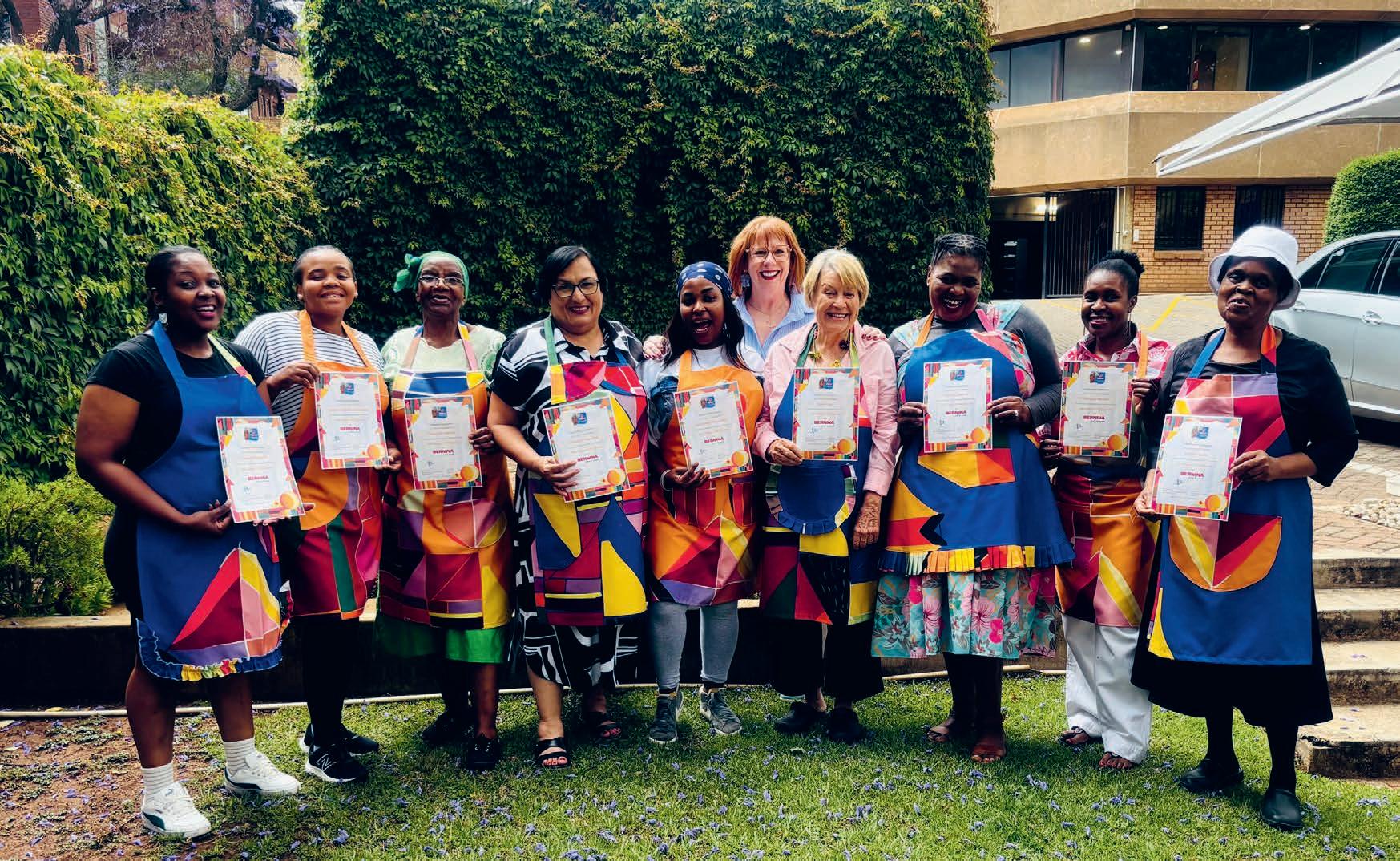
CLOVER MAMA AFRIKA TRUST isn’t just a corporate social investment initiative; it is a living, growing partnership built on mentorship, presence and an unwavering commitment to walking alongside some of South Africa’s most resilient women
For 25 years, Clover Mama Afrika (CMA) has been at the heart of community transformation in South Africa. Not from a distance, not through once-off donations, but through sustained, hands-on presence that has changed the fabric of communities across eight provinces.
Over this time, 60 remarkable mamas have been appointed to lead community centres that nurture, educate and empower the most vulnerable. Today, 18 active mamas continue the legacy, while new mamas are being inducted, expanding the programme’s reach and impact.
Through these Mamas, millions of children, the elderly and vulnerable community members have received care, support and guidance. The programme has served 25 000 elderly individuals, trained more than 18 000 community members and offered 1 940 skills workshops through 131 skills centres nationwide. These centres are staffed by approximately 188 full-time employees, with countless volunteers also receiving learning opportunities, re ecting a programme built not on charity, but on genuine, lasting investment in people and communities.
WOMEN AND YOUTH TRAINED TODAY BECOME THE MENTORS AND EMPLOYERS OF TOMORROW, ENSURING THAT SKILLS AND OPPORTUNITIES ARE PASSED FORWARD AND MULTIPLIED.
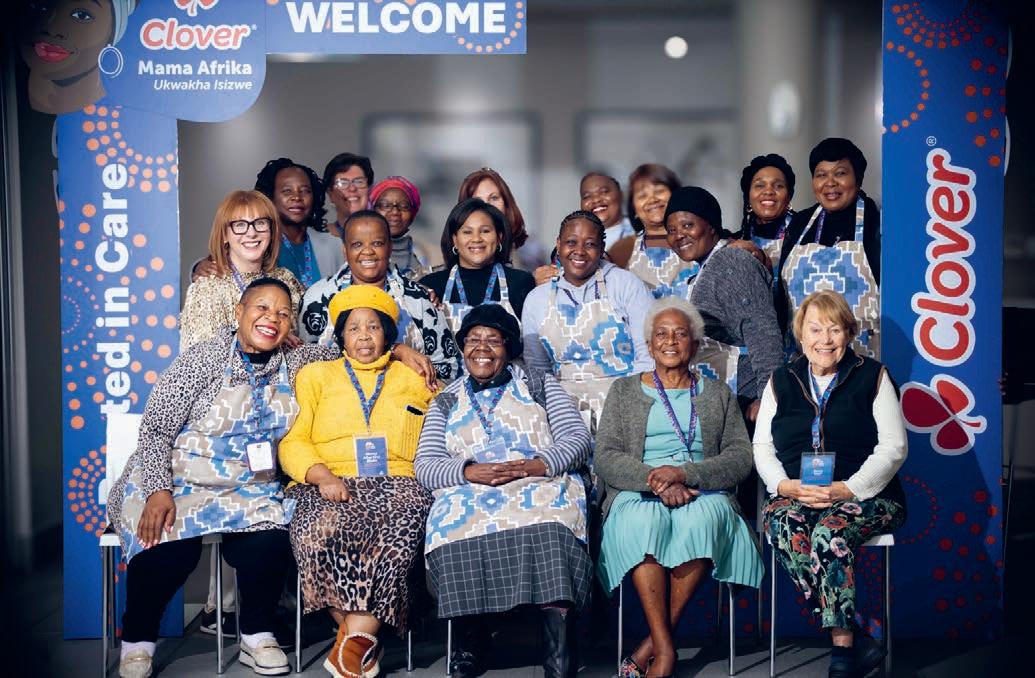
18 000+ community members trained.
1 940 skills workshops held. 131 skills centres nationwide. Clover Mama Afrika doesn’t just feed communities; it equips them.
Many of the communities CMA serves face persistent challenges: food insecurity, youth unemployment, limited opportunities for women and under-resourced care systems. These are not new problems, and they don’t respond to quick xes. In communities where public resources are stretched and formal support systems are often absent, CMA’s model of sustained, people-centred engagement lls a critical void, not as a stopgap, but as a long-term architecture for change.
CMA responds by not only addressing immediate needs, but also creating the conditions for long-term independence and resilience. The philosophy is simple yet radical: hands-on, not handouts.
It’s a distinction that matters deeply in a country where corporate social investment is often viewed with scepticism, seen as a reputational exercise rather than a genuine
commitment. CMA is a direct challenge to that perception. Clover doesn’t just fund the programme; it walks the path alongside the mamas, through mentorship, support and a relationship built over a quarter of a century.
Feeding schemes and community nutrition programmes are central to CMA’s mission, but the impact goes far beyond meals. Mamas provide home kitchens and gardens, mentorship and hands-on guidance to families and young people. Each interaction fosters con dence, self-suf ciency and a sense of hope that transcends immediate support. A meal nourishes for a day; a mama’s mentorship nourishes for a lifetime.
This collaborative spirit extends beyond CMA’s own network. In a landmark partnership with Rise Against Hunger, Clover staff rolled up their sleeves to pack and distribute 54 000 meals, with CMA communities and early childhood development centres as the bene ciaries, ensuring that the most critical window of a child’s growth is met with both nourishment and care.
Every rand invested in Clover Mama Afrika delivers a 212 per cent return – proving that strategic, long-term investment in communities works.
Clover Mama Afrika equips women with the skills to earn an income and contribute meaningfully to their communities. Initiatives such as ‘Business in a Bag’, barbering, hairdressing and baking workshops, crafts and small enterprise training provide Mamas with the tools to build real livelihoods.
At the heart of these initiatives is the programme’s guiding philosophy: I learn. I earn. I teach. Women rst acquire practical skills, then use those skills to generate income and support their families and ultimately pass that knowledge on to others in their communities.
These programmes create a powerful ripple effect: women and youth trained today become the mentors and employers of tomorrow, ensuring that skills and opportunities are passed forward and multiplied.
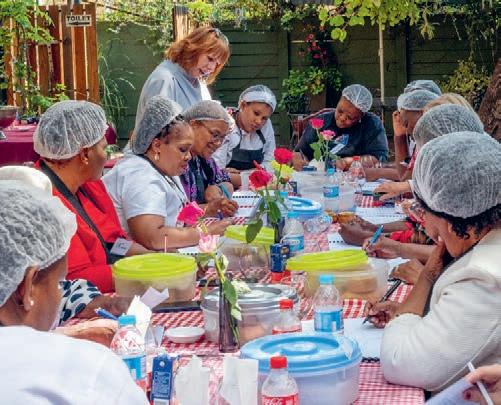
FOSTERS CONFIDENCE, SELF-SUFFICIENCY AND A SENSE OF HOPE.
This is economic empowerment at its most authentic; not a workshop attended and forgotten, but a foundation on which women build businesses, raise families and lead communities.
At the heart of CMA is a philosophy of women empowering women. Across provinces, mamas and community members engage in networks of mentorship, peer-to-peer learning and skills transfer. These collaborative spaces not only strengthen practical skills, but also nurture leadership, con dence and community cohesion, making each success a shared victory rather than an individual achievement. It is this network effect that makes CMA genuinely sustainable. The programme doesn’t create dependency; it creates capacity. And, once capacity is built, it belongs to the community forever.
Clover Mama Afrika’s pillars – nutrition, skills development, mentorship and sustainable empowerment – align seamlessly with Clover’s Way Better commitment, from nourishing communities to creating opportunities for
economic independence. However, this alignment isn’t accidental or convenient. It re ects a shared belief that business has a responsibility to the communities in which it operates, and that responsibility is best honoured not through gestures, but through genuine, ongoing partnership.
Together, CMA and Clover are building lasting impact: healthier children, empowered women and resilient communities across South Africa.
CMA is expanding, reaching younger women, innovating skills programmes and strengthening its nationwide network, all while upholding the values of care, mentorship and sustainability that have de ned the programme for 25 years. The Mamas being inducted today will carry this legacy forward, writing the next chapter of a story that is far from over.
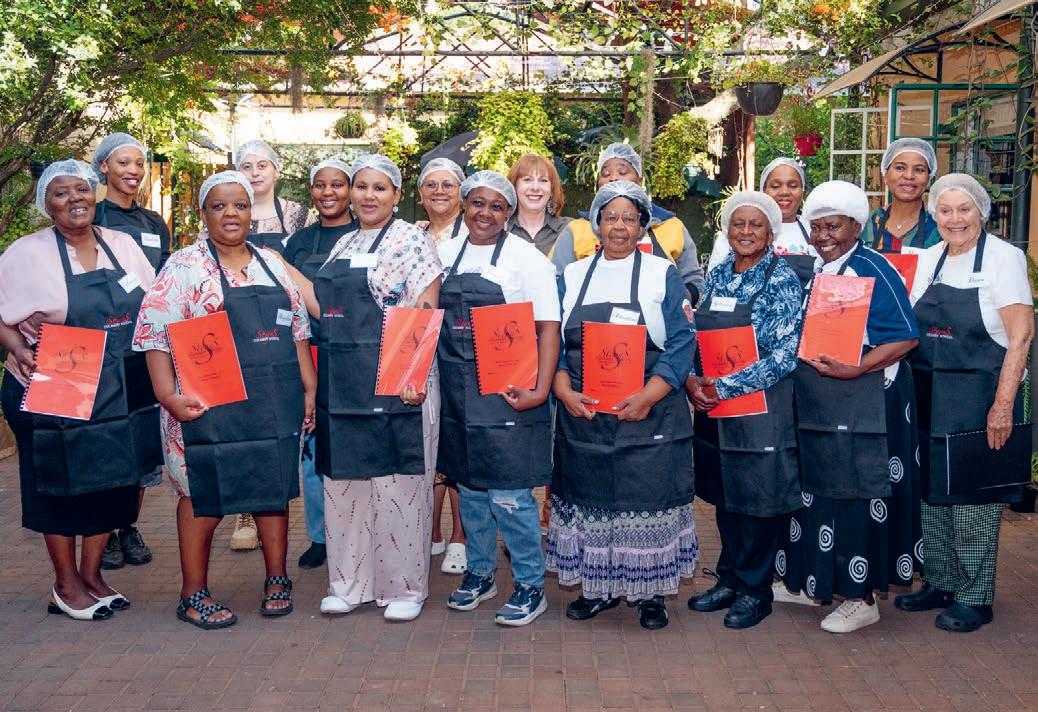
Way Better isn’t just a brand promise; it’s what happens when a company truly commits to the communities it serves. Over 25 years, Clover has invested more than R60-million into Clover Mama Afrika, while actively bringing partners and industry collaborators to the table, rallying their entire business network behind the causes that matter most. That commitment isn’t going anywhere; if anything, the next 25 years promise to be Way Better.


Across the country, organisations are using surplus food to strengthen vulnerable communities and fight hunger, writes VUKANI MAGUBANE
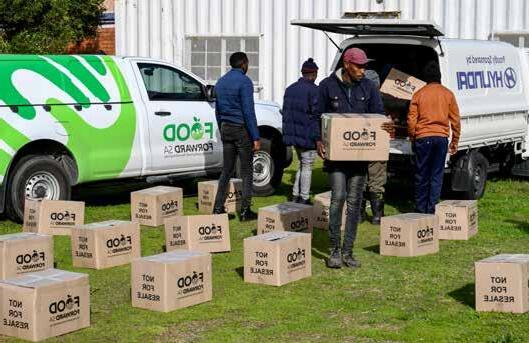
South Africa produces enough food to feed its population, yet millions go hungry. About one-third of all food is lost to oversupply, cosmetic rejection, supply chain gaps and market imbalances. The result is both crisis and opportunity: national food security alongside widespread household hunger.
Organisations are proving that repurposing surplus food can uplift communities – not as charity, but as a driver of social development. Leading the way, FoodForward SA recovers quality surplus food across the supply chain and delivers it to those in need, while challenging persistent misconceptions about hunger and aid.
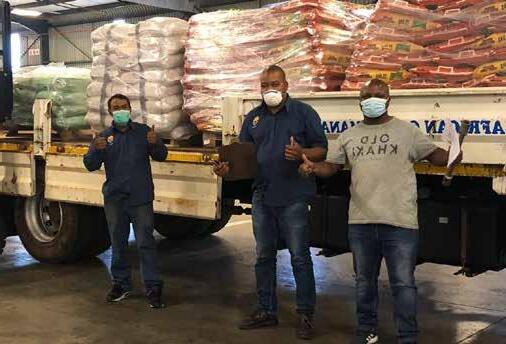
“What they don’t spend on food, they can spend on educational equipment, employ more teachers and take on more children. Providing surplus food has a catalytic effect for social change and development.”
The same applies to youth development initiatives. When food is secured for skills development programmes addressing youth unemployment, attendance improves, concentration strengthens and completion rates rise. Surplus food becomes a stabilising force that enables young people to pursue opportunities.
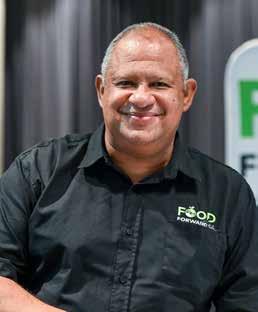
“Repurposed food is not food that is about to expire,” explains Andy Du Plessis, MD of FoodForward SA. “It’s excess food across the system – perfectly safe, perfectly nutritious within date – good food with no market access.”
Much of what goes to waste never reaches retail shelves. Farmers harvest more than the market can absorb. Retailers reject produce that fails cosmetic standards. Manufacturers carry surplus stock. FoodForward SA intercepts the surplus and redistributes it to a network of 2 500 beneficiary organisations running feeding programmes that reach about one million people.
The ripple effects extend far beyond hunger relief.
“Thirty per cent of our beneficiary organisations are creches that receive donations every month,” Du Plessis says.
However, the urgency remains visible on the ground.
“The kids are already starving – they are coming for meals and training,” Du Plessis says.
The need is immediate, ongoing and requires different approaches.
If FoodForward SA tackles supply at scale, NOSH Food Rescue NPC (Nosh) is innovating in how food reaches communities directly.
“We have developed a shallow model of distribution,” explains Hanneke van Linge, Nosh’s founder. “We work directly with beneficiary organisations.”
Nosh partners with a network of about 200 organisations. The closest beneficiary collects the donation and takes it into the community.
At the community level, the effect is tangible. The Tshepang Care Centre in the Vusi Musi informal settlement in Tembisa is one of Nosh’s beneficiaries. Founder Sarah Sibiya, who runs the centre with her husband Moss, has witnessed both escalating need and measurable transformation.
“When we started the soup kitchen in 2013, we had two hundred kids; we now feed five hundred,” she says. “Some come after school, and fourteen orphans stay on these premises. We also support forty-two ECD-age children.”
The growth reflects deepening unemployment in the area. “If the parents are not working, unemployment is high. It is so bad, people are hungry.”
Yet consistent food support has changed lives.
“We have seen improvement since we started. The community told us their kids didn’t pass Grade 12 – now four kids from the community are at university.”
For Sibiya, the link between hunger and social instability is direct. “With hunger, people lose. If a person is hungry, they steal, they are aggressive – violence and gender-based violence increase when there is no food.”
Her words underscore what both organisations emphasise: surplus food is not simply about feeding people today. It is about preventing instability tomorrow.
South Africa’s food system already produces abundance. The challenge is ensuring that surplus is redirected rather than discarded. Through structured food banking, agile redistribution and community partnerships, surplus food becomes a powerful instrument of dignity and development.
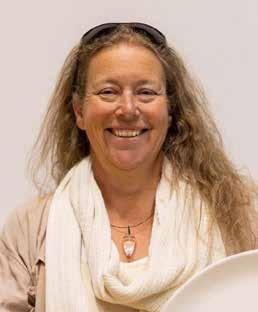
Follow: Andy Du Plessis www.linkedin.com/in/andy-du-plessis-02684137 Hanneke van Linge www.linkedin.com/in/hanneke-van-linge-aa45384
“Hunger and food insecurity are preventable,” Du Plessis says. The country needs a food donation policy so food that is good for consumption is not dumped in landfills. It should be one of the pillars to build the economy.”

An estimated one-third of South Africa’s food is lost or wasted each year, according to research by the Council for Scientific and Industrial Research (CSIR) – much of it ending up in landfills where it generates methane and adds pressure to already strained municipal waste systems.
However, a shift is underway. Waste management companies, farmers and composting innovators are reimagining food waste as a recoverable resource – one that can feed livestock, restore soil and even generate renewable energy.
Two players at different ends of the organic waste spectrum – EnviroServ and Bokashi Bran – show how food waste can be used productively, whether at industrial scale or household level.
EnviroServ, one of South Africa’s largest waste management companies, operates at commercial and industrial scale and works closely with retailers, manufacturers and municipalities to implement practical, measurable solutions that prevent edible food from being discarded unnecessarily.
Yolandi Holm, the company’s national on-site manager, says: “We assist customers in separating waste at source and, where possible, in
finding alternative uses for food waste. Our on-site recycling teams ensure waste is separated correctly from the start.”
Instead of sending tonnes of carbohydrate-rich byproducts to landfill, suitable waste streams are redirected into the agricultural value chain – reducing feed costs and ensuring nutrients continue to serve a purpose.
“High-nutrition food waste is recovered and processed for use as approved animal feed. This ensures valuable nutrients are not wasted but redirected back into the agricultural supply chain,” Holm explains. “Liquid and high-moisture food waste is sent to composting facilities, where it is biologically broken down into nutrient-rich compost or soil improver. In some cases, particularly at our inland sites, suitable food waste is diverted to anaerobic digestion for biogas production.”
Bokashi Bran focuses on behaviour change at household and small business level. Using a fermentation-based system, Bokashi enables users to treat food waste in sealed containers rather than sending it to municipal bins.
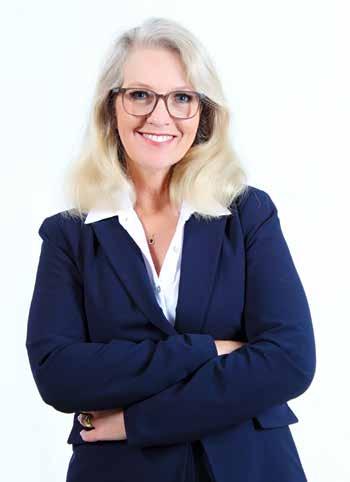
“Bokashi is a simple, clever system that works with food waste rather than fighting it,” explains Bronwyn Jones, owner of Bokashi Bran.
“What makes Bokashi especially suited to kitchen waste is that it accepts all food scraps, including cooked food, meat, dairy, citrus and even bones, the very items traditional composting systems struggle with and that usually end up in landfill.”
Instead of decomposing and producing methane, the waste ferments. After a few weeks, the pre-treated material can be buried in soil or added to compost heaps, where it breaks down rapidly and enriches the soil.
“The system prevents organic waste from decomposing anaerobically in landfill and empowers households to manage their own waste footprint,” Jones says. “Importantly, it removes one of the key barriers to composting: uncertainty about what can and cannot be composted.”
Where large-scale operators like EnviroServ focus on systemic diversion, Bokashi targets individual responsibility. Together, they demonstrate that solving food waste requires action at multiple levels – from industrial co-ordination to kitchen counters.
“From a behaviour-change perspective, this is hugely important,” Jones says. “People don’t want a complicated system or multiple bins that require decision-making every time they scrape a plate. Bokashi removes that friction. If it was food, it goes into the bucket.”
The system also works quickly and in small spaces. Whether in a freestanding home, an apartment or a commercial kitchen, a Bokashi bucket fits under a sink or in a scullery, making it easy to manage food waste.
Putting food waste to good use is not only an environmental imperative; it is an opportunity for resource recovery. Food waste contains nutrients, energy potential and organic matter capable of restoring depleted soils.
Compost improves soil structure and water retention. Animal feed reduces agricultural input costs. Biogas offers renewable energy. Diverting food scraps eases pressure on municipal infrastructure and cuts greenhouse gas emissions.
The challenge now is scale. Greater separation at source, clearer municipal policy and stronger collaboration between waste collectors, composters and energy facilities are needed.
Companies like EnviroServ and Bokashi Bran prove that solutions exist at every scale, from vacuum trucks hauling industrial by-product into livestock feed to sealed buckets in kitchen quietly fermenting scraps into soil food.
Follow: Bronwyn Jones www.linkedin.com/in/bronwyn-jones-0501b8a7
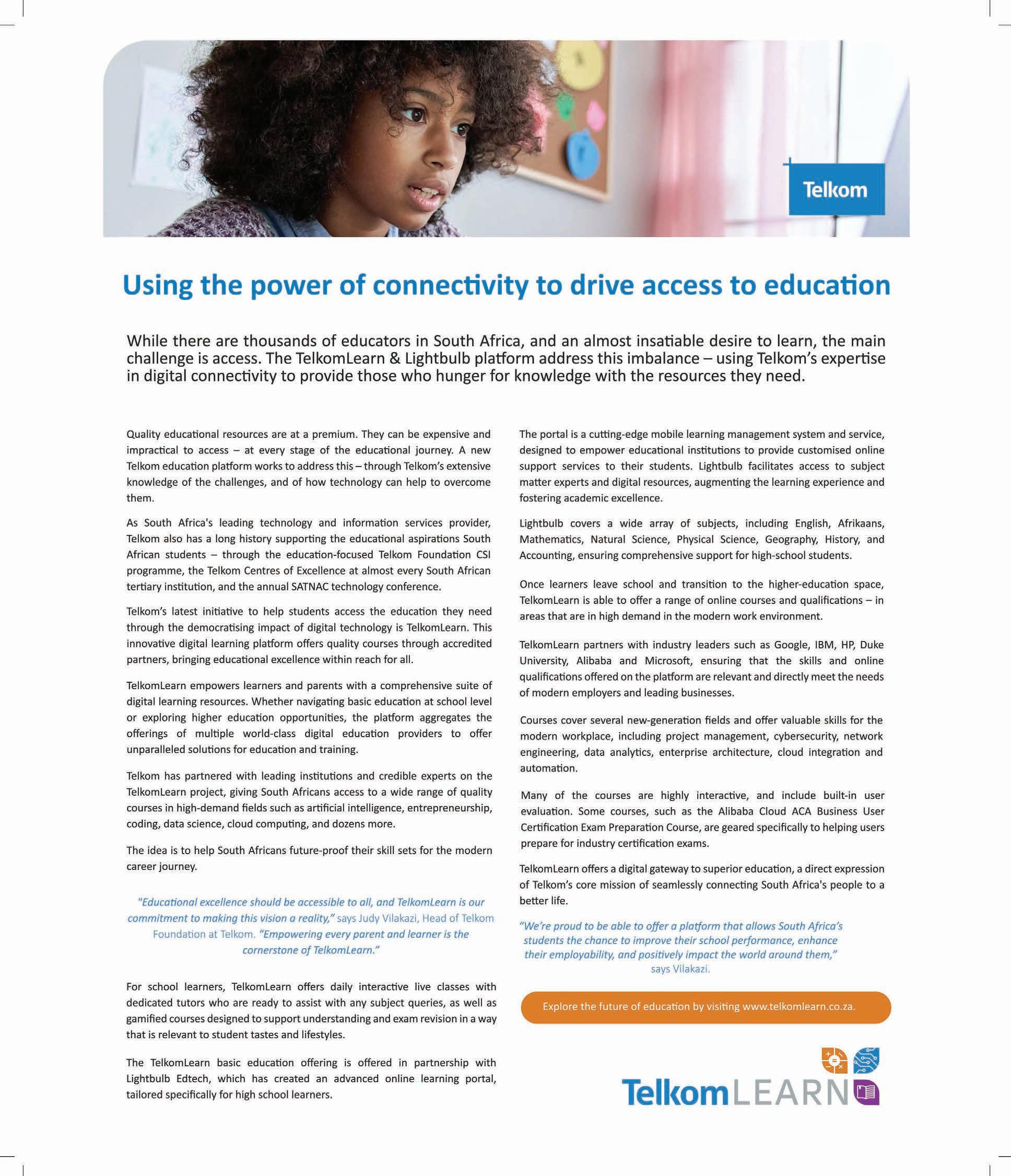
TELKOM FOUNDATION is investing in South Africa’s future by helping shape a future-ready labour market

The phrase “future of work” is usually associated with arti cial intelligence, automation and the digital economy. In South Africa, however, it is often framed more urgently: whether a young person nishing school can see a realistic path into an economy already reshaped by technology. While job creation remains a national strategic priority, we must recognise that the labour market is shifting towards a greater demand for digital capabilities. Entry-level roles increasingly assume familiarity with digital tools, platforms and data. Young people without exposure to these systems are entering the market at a disadvantage.
Digital uency and access have become a national strategic priority. The country’s productivity will increasingly be shaped by how quickly digital capability spreads. However, when digital skills are unevenly distributed, inequality follows.
Education initiatives play a role in shaping who participates in economic growth and who is left behind. In classrooms, the issue is practical. Curricula assume learners can research, submit and collaborate online. Yet many communities still struggle to get basic internet access. In some schools, this unreliable access disrupts lesson plans. Teachers must decide whether to plan around online resources or revert to traditional teaching methods. These decisions shape how prepared learners are for the expectations that await them once they leave school.
The Telkom Foundation is investing in the future of South Africa through the future of work. Through the Telkom Foundation’s High Schools Programme and partnerships supporting teacher development, including platforms such as Lightbulb, the emphasis has been on building digital uency into everyday learning.
In its most recent nancial year, 39 809 learners accessed online academic support through the foundation’s virtual platform. Additionally, 3 694 received structured face-to-face academic assistance. These numbers re ect continued engagement that combines digital reach with in-person teaching.
Infrastructure and connectivity are also critical. In the same period, 1 627 bene ciaries were reached through ICT resources and connectivity initiatives in high schools. Robotics programmes and ICT labs in township and rural schools are designed to ensure exposure to technology is not limited to those already advantaged.
However, the connectivity divide is most acutely felt after school.
Many young people complete secondary education without structured exposure to digital work environments. Through accredited ICT learnerships in partnership with the MICT SETA, 1 086 learners have been trained and certi ed, with workplace exposure built into the programme design. These pathways respond directly to areas of identi ed demand in business analysis, systems development and technical support.
The foundation’s model also recognises that academic and technical support operate within broader social realities. During the past nancial year, psychosocial services reached just over one million people nationwide through structured interventions and support platforms.
A country that consumes technology without building skills risks long-term dependency. The enabler for scaling the future of work is access to digital infrastructure and the strengthening of South Africa’s digital backbone through public digital infrastructure. Telkom’s Centres of Excellence, which support research in data science and related disciplines, are strengthening postgraduate capability. The goal is not only to adopt emerging technologies, but also to develop and manage them locally.Connectivity and
capability must move together. The scale of the challenge demands co-ordinated effort across public and private sectors.
If digital skills determine participation, expanding them is central to national competitiveness. In an economy where productivity growth increasingly depends on digital capability, the gap between connected and unconnected skills will widen quickly.
The future of work in South Africa is already unfolding in classrooms, training centres and research environments. As infrastructure expands, the responsibility is to ensure opportunity keeps pace.
A country that consumes technology without building skills risks long-term dependency. The enabler for scaling the future of work is access to digital infrastructure and the strengthening of South Africa’s digital backbone through public digital infrastructure. Telkom’s Centres of Excellence, which support research in data science and related disciplines, are strengthening postgraduate capability. The goal is not only to adopt emerging technologies, but also to develop and manage them locally.

For more information: www.group.telkom.co.za/telkomfoundation/who-we-are.html
South Africa’s shifting job market demands future-ready skills. JUDY VILAKAZI, head of the Telkom Foundation, explores how robotics, coding and holistic education can build resilience, reduce inequality and expand economic opportunity
The South African job market has undergone a significant shift over the last decade as structural and rapid technological advancements have increasingly pushed sectors towards innovation and diversification. What has emerged is a labour market defined by flux, shaped by the need to remain competitive amid a reordering of global value chains.
Robotics and coding have become core competencies in this evolving dynamic. No longer confined to niche tech roles, robotics underpins manufacturing automation, logistics, agriculture, healthcare and infrastructure maintenance. Coding is increasingly foundational across sectors – from financial services and telecommunications to education, energy and the creative industries. Together, they form part of a broader shift toward systems thinking, problem-solving and computational literacy.
Yet demand is outpacing supply. In South Africa, this gap is even more pronounced, with limited exposure to these fields at school level and uneven access to the infrastructure required to teach them effectively. The result is a paradox: high unemployment coexisting with critical skills shortages.
Addressing this gap is not solely the responsibility of government or the education system. Business has a critical role to play –not only as an employer, but also as a co-architect of the future skills ecosystem. Finding adequate solutions requires that we begin with the end goal in mind – that we
retrofit the future employee we want to see tomorrow, today.
Introducing learners to critical skills such as robotics and coding at school level, for example, does more than prepare them for specific jobs; it builds foundational capabilities that are transferable across careers.
This is especially important in historically disadvantaged communities, where access to information and resources remains deeply unequal. Without deliberate intervention, the digital divide risks becoming a permanent fault line in the labour market.
This is why holistic approaches to skills development matter.
The Telkom Foundation’s comprehensive education-centred strategy recognises that future-readiness is about more than technical skills alone. It rests on interconnected pillars:
Supplementary education in STEM (science, technology, engineering and mathematics) helps learners build the foundational knowledge required for more advanced technical learning. Within this pillar, robotics and coding are increasingly prioritised as gateways into future-oriented thinking.
Academic performance cannot be separated from emotional and social wellbeing, particularly in a country grappling with inequality, trauma and economic stress. Providing psychosocial support to learners,
teachers and parents improves retention, confidence and long-term outcomes.
Our economic access pillar provides accredited ICT learnerships that combine theory with extended experiential learning, helping participants translate knowledge into real-world capability. Importantly, partnerships with host organisations play a decisive role, exposing learners to workplace realities and, in many cases, leading to permanent employment.
Infrastructure remains a powerful enabler of opportunity. For many learners, access to a functional ICT lab is the first step toward digital inclusion. The ability to research, collaborate online or simply explore information independently can be transformative – particularly in rural communities.
One recent example stands out: when an ICT lab was launched in a rural village in Limpopo, learners spoke not about technology in abstract terms, but about access to knowledge, to research, to a wider world. One learner even said gratefully at the launch, “Now I can research on a computer.” What may appear modest on paper can be life-changing in practice.
Across these engagements, the consistent themes that stand out are relevance, adaptability and practical experience. For organisations operating at the centre of the country’s digital infrastructure, this balance is particularly visible. Telecommunications networks underpin everything from financial services to public safety. As such, digital, economic and social resilience are foundational to national functionality.
FUTURE-READINESS IS ABOUT MORE THAN TECHNICAL SKILLS ALONE. IT RESTS ON INTERCONNECTED PILLARS.
ITUMELENG MOGAKI finds out if sports development programmes are actually expanding access, nurturing talent and driving youth empowerment and community impact
Across South Africa, sports development programmes are emerging as powerful tools to unlock opportunity, nurture talent and strengthen communities.
The Township Rugby Youth (TRY) Tournament, now in its third year, exemplifies this, bringing the game to under-represented areas and opening doors for young players on and off the field, making a significant impact in Gauteng’s townships.
The tournament features 10 clubs from 10 communities, with boys’ and girls’ teams from from U-11 to U-13. It aims to build grassroots rugby through a structured, sustainable league while creating education pathways via scholarships and bursaries. It supports career development in corporate, coaching, refereeing and administrative roles, and nurtures future provincial and Springbok players.
Standout examples are Xoliswa Khuzwayo, Piwokuhle Nyanda and Aliyah Tchogna Njamen, who started in township clubs and have risen to represent South Africa as members of the Springbok women’s team that recently toured Europe.
Tournament director Hayane Baloyi says TRY is gaining strong momentum in its third year. “The 1st Township Rugby Youth Festival on 31 January 2026 featured twelve teams and over four hundred players, with Raiders winning the male division and Soweto Eagles the female.”
Adds Baloyi: “U-18 trials are underway to form an elite team showcasing Gauteng township talent. In 2026, TRY aims to expand the tournament to two thousand weekly
“SUSTAINABLE SPORTS DEVELOPMENT ISN’T BUILT ON ONE-OFF CLINICS OR SHORT-TERM FUNDING; IT REQUIRES LONG-TERM, HOLISTIC SUPPORT.”
participants, host its first Easter Festival and continue developing coaches, referees, and administrators. More than fifteen players have earned scholarships, reflecting its commitment to nurturing future community leaders.”
This shows how access to structured competition can nurture talent while fostering community pride and empowerment.
While TRY focuses on grassroots rugby, other organisations, such as The Connect Academy, take a longer-term approach, ensuring talented athletes not only play professionally, but also develop leadership skills and career pathways. With a 10-year track record, Connect alumni include Stormers, Cheetahs, Bulls, Boks and French club players. This year, the academy is prioritising professional women’s rugby development.
instance, equips young African professionals with practical skills, industry experience and networks to advance their careers in sports.
For this third cohort, 11 professionals from Kenya, Egypt, Senegal, and 5 from South Africa have been selected. Since its launch in BAL Season 4, 36 professionals have completed the programme.

“Our mission is to give early to mid-career professionals the tools, experience, and connections to succeed in the global sports industry,” says Marie-Laurence Archambault, BAL director of social responsibility and players’ programmes.
Connect founder and CEO Murray Ingram says: “Sustainable sports development isn’t built on one-off clinics or short-term funding; it requires long-term, holistic support. Talent is rarely the issue; access, continuity and self-belief are.” The success of alumni, such as Lukhanyo Vokozela (Stormers), Haashim Pead (Lions), Lamla Nunu (Boland) and Ridhau Bey (Montpellier), underscores how holistic support transforms young athletes into leaders, both on and off the field.
Beyond rugby, similar initiatives are emerging in basketball and soccer, highlighting how structured programmes across different sports are equipping youth with skills, confidence and professional networks. The Basketball Africa League (BAL) Future Pros Programme, for

The iKas’La Makasi High School Soccer Tournament has reached 22 schools across Gauteng and KwaZulu-Natal, providing young athletes with opportunities to develop skills and pursue future pathways. The tournament recently brought together Durban schools, allowing players to compete, train with South African soccer legend Siyabonga Nomvethe, and showcase their talent to professional scouts.

Damian Judge, sales and marketing executive at Trellidor, says: “Sport has the power to change lives, and this tournament reveals the passion and potential of young soccer athletes. Safety isn’t just about barriers; it’s about creating opportunities for youth to thrive.
We’re proud to support the iKas’La Makasi High School Soccer Tournament to help empower these young players.”
Follow: Murray Ingram www.linkedin.com/in/murray-ingram-032262193 Marie-Laurence Archambault www.linkedin.com/in/marie-laurence-archambault Damian Judge www.linkedin.com/in/damian-judge

Maths and science education is crucial for young people, especially those in rural areas and townships.
By LEVI LETSOKO
Askilled workforce in South Africa has a crucial role to play in the era of the fourth industrial revolution (4IR), says Kutlwano Mabitsela, CEO of the Centre for Maths, Science and Technology (CMST). He points to artificial intelligence’s disruption across multiple industries as evidence of the country’s growing pool of developed talent. The centre aims to lead current and future waves of innovation, redesigning living and working experiences through skills grounded in maths and science.
“These subjects teach students logic, reasoning, analytical and critical thinking – important for exploring, understanding and explaining the world we live in. STEM (science, technology, engineering and mathematics) subjects enable us to discover new things and use what we know to make predictions and solve problems,” says Mabitsela.
Since its launch in 2005 with an initial group of 140 learners in Dobsonville, Soweto, the CMST Promaths programme has supported 31 090 learners to matriculate. Collectively, they have achieved 14 931 distinctions in maths and science.
The programme provides access to resources often lacking in township schools, helping learners develop critical skills needed in the labour market and strengthening career pathways, says Mabitsela.
While funding remains a challenge for every project, Mabitsela credits cluster partners and corporate funders for
collaborating to support initiatives and absorb much of the financial responsibility.
The resolve to tackle global challenges by tailoring a solution based on the circumstances around the problem has ignited hope for the continent. To sustain this, Axium Education has set out, year after year, to capacitate learners with resources to innovate ways of managing water scarcity, mitigating the impact of climate change and the discovery of renewable energy sources. “Our maths and science programmes assist rural learners with limited access to quality learning to discover their untapped potential despite being in under-resourced schools inherited through systemic barriers,” says Craig Paxton, executive director at Axium Education. He says targeted support in these subjects has proven beneficial in helping to advance children in underserved areas.
“MATHS KNOWLEDGE AND SKILL IS BUILT YEAR BY YEAR, AND WITHOUT STRONG FOUNDATIONS, IT’S UNLIKELY ONE WILL SUCCEED IN LATER YEARS.”
– CRAIG PAXTON
one will succeed in later years. Shortcuts, extra programmes and other workarounds have limited impact in the absence of strong foundations and strong teachers,” he says.
Supporting 8 000 learners in 45 schools, the organisation boasts a sustainable model for youth empowerment and ultimately employment. Based in Zithulele, in the Eastern Cape, the programme continues to break new ground.
Maths and science literacy is imperative for every learner, says Dr Zorina Dharsey, director at the Primary Science Programme (PSP). After reaching 2 785 teachers and 134 162 learners in 15 years, PSP is heralded globally for its efforts in setting a scalable maths and science footprint.
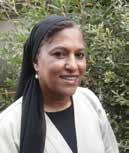
“On an organisational level, our biggest challenge has been raising funds for our work with schools. We are not funded by the Department of Education, although we collaborate with them and support their work,” explains Dr Dharsey. “Our funding is sourced through partnerships with philanthropic organisations and corporate initiatives, both in South Africa and internationally.”
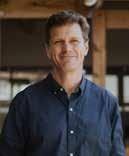
Paxton highlights that it is difficult to attract strong maths and science teachers to rural areas. These supplementary support programmes are imperative for a successful trajectory in STEM adoption efforts. “Maths knowledge and skill are built year by year, and without strong foundations, it’s unlikely
Tipping R20-million in financial worth over the past decade, PSP looks set on a path to long-term financial sustainability. The organisation has expanded its impact beyond the classroom, focusing as it focuses on broadening community development. Dr Dharsey believes that improved school performance has a far-reaching effect on communities as it creates a climate of collective pride and possibility.

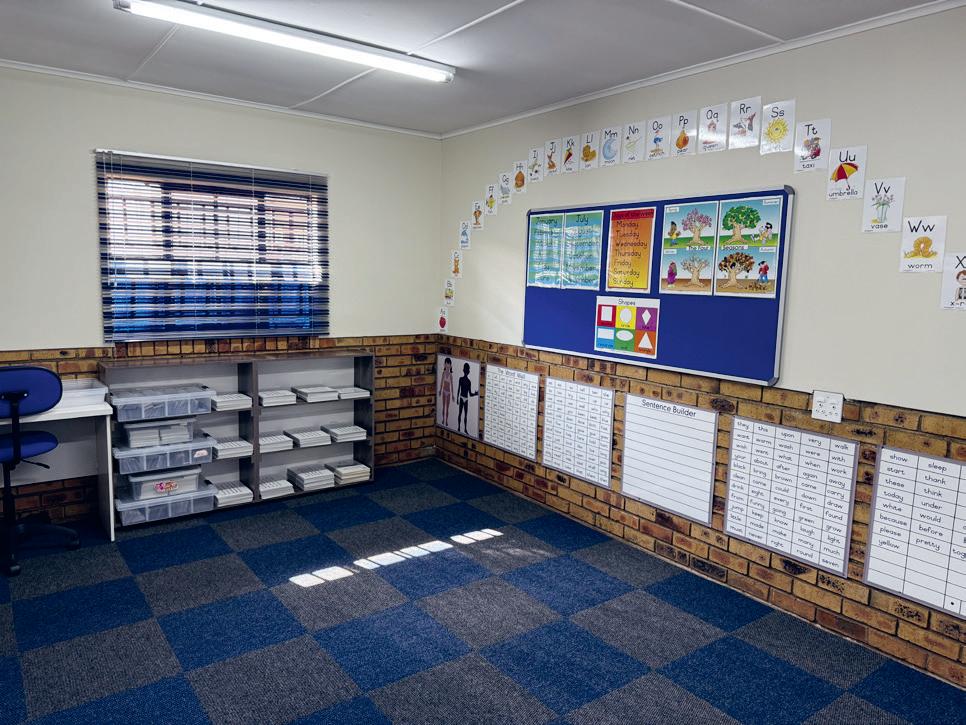
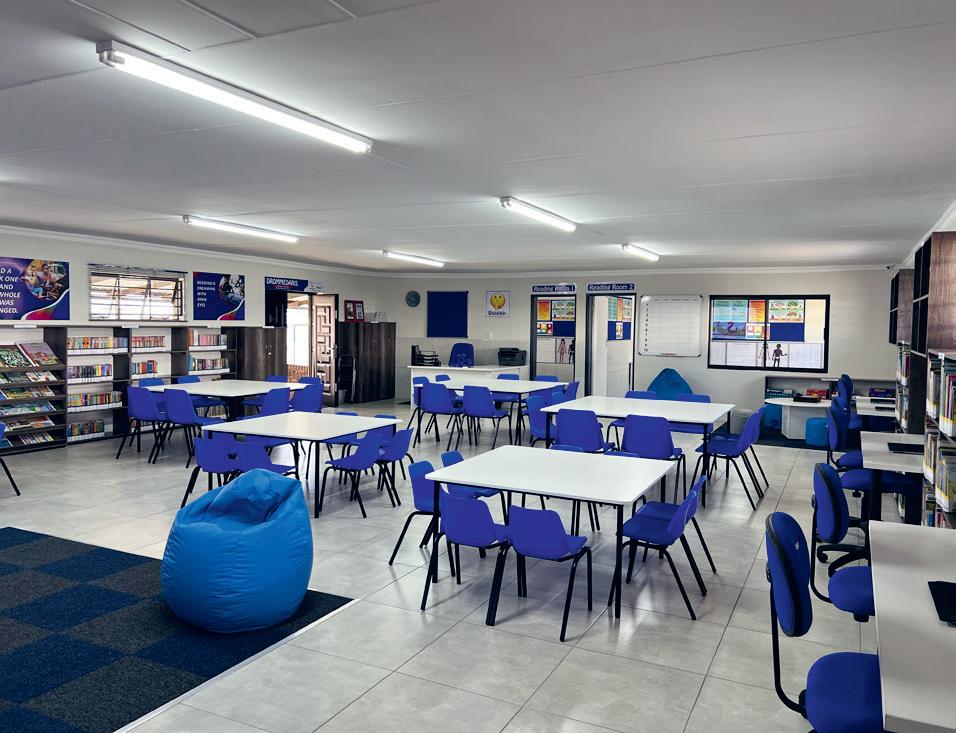

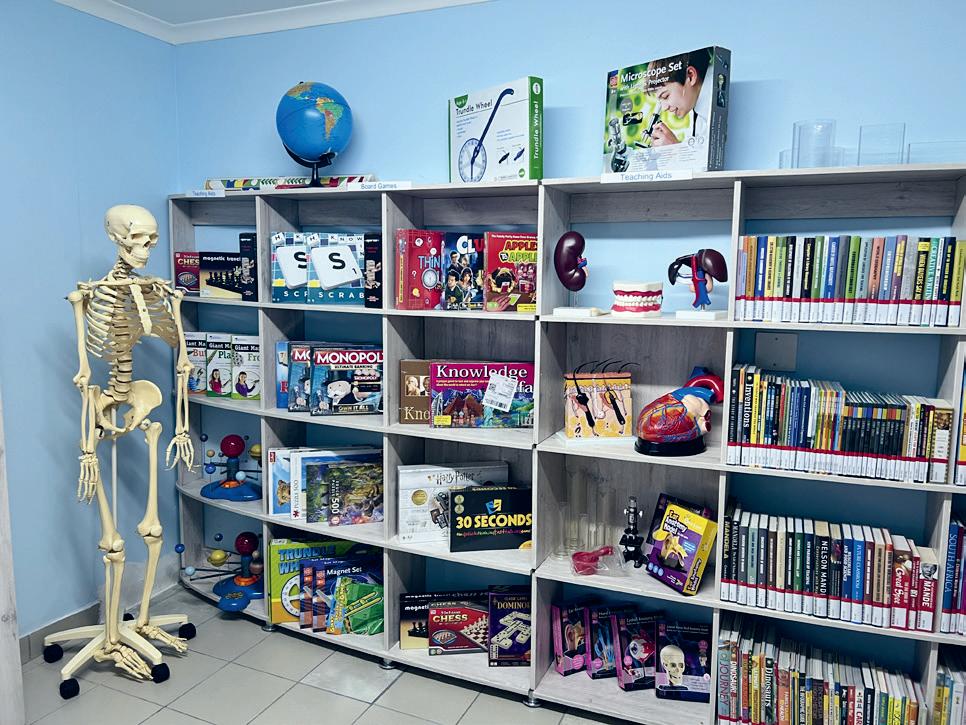
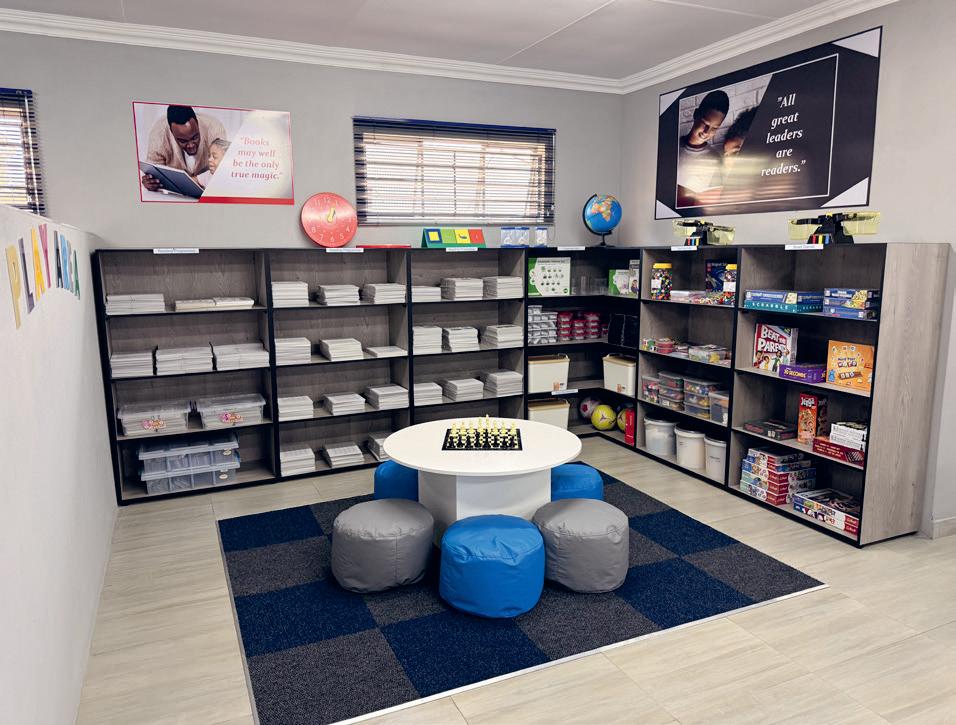


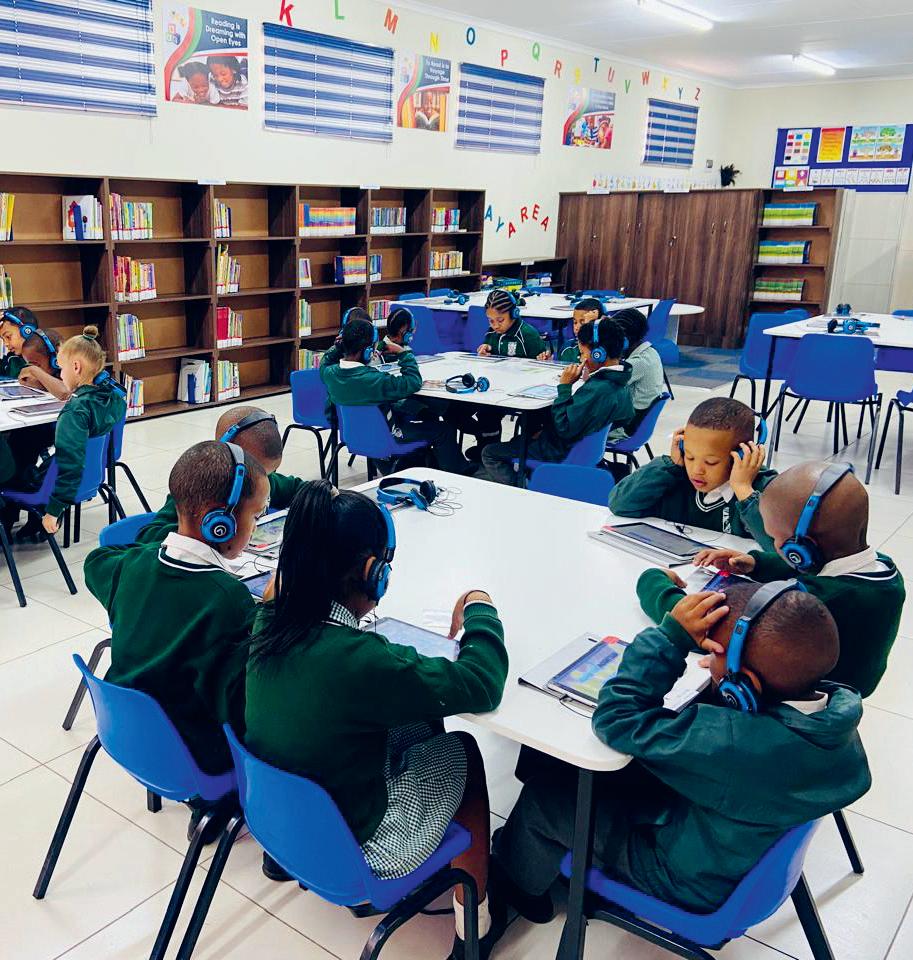
Does ethical leadership exist in South Africa – and how do we build more of it?
RYLAND FISHER investigates
Dr Athol Williams holds five master’s degrees and a PhD from some of the world’s leading universities. Yet he cannot find work in South Africa. After nearly two decades advising top companies, he became an outcast for blowing the whistle on corruption.
Today, he lectures at Oxford University – a stark reminder of the personal cost of ethical leadership.
His plight has thrown the spotlight on ethical leadership in South Africa, in both the corporate and public sectors. The question persists: if we had truly ethical leaders, would he not have been protected and praised for speaking out?
“Whistleblowing is an interesting yardstick against which to judge ethical leaders,” says Dr Williams from his office in England. “People who stand up to do the right thing get smacked down and become pariahs. South Africa has made me a pariah for being honest. People are saying that if you don’t like what you see, you should keep your mouth shut.”
For Dr Williams, ethics is fundamentally about how people agree to live with one another. He prefers to speak of honesty and integrity rather than ethical leadership. Leaders who act with integrity build trust – the foundation of
cohesive, functional and productive societies. Dr Lincoln Cave, senior subject matter expert at The Ethics Institute, says ethical leadership centres on how values shape behaviour, decision-making and organisational culture. Supported by the King Code on Corporate Governance for South Africa, it reflects how integrity, competence, accountability, fairness and transparency are embedded within governance frameworks.
Professor Parmi Natesan, CEO of the Institute of Directors South Africa, believes ethical leadership is ultimately about how power is exercised and whether leaders take responsibility for their decisions under pressure. King V emphasises that ethical leadership is not merely individual morality, but values-based leadership embedded in how organisations operate.
“The perception that ethical leadership is lacking is understandable, particularly given the visibility of governance failures over the past decade,” she says. “That said, I’m not convinced the issue is a complete absence of ethical leaders. Many leaders are trying to do the right thing in difficult environments. The bigger problem is that ethical behaviour is not consistently supported by systems, incentives and consequences.”
“WHISTLEBLOWING IS AN INTERESTING YARDSTICK AGAINST WHICH TO JUDGE ETHICAL LEADERS. PEOPLE WHO STAND UP TO DO THE RIGHT THING GET SMACKED DOWN AND BECOME PARIAHS.”
– DR ATHOL WILLIAMS
Business leader Professor Mohale echoes this view. “Ethics is what you do when no one is watching,” he says. “You cannot just preach it – you have to live it.”
He argues that ethics should improve the quality of life for the majority. Too often, success is measured by salaries or status symbols rather than service to others and the strength of human relationships.
Dr Cave warns that organisations that neglect ethical leadership pay a tangible price. Toxic leadership contributes to absenteeism, resignations and theloss of scarce skills. Unethical practices such as collusion lead to regulatory
“ORGANISATIONS THAT IGNORE ETHICS PAY THROUGH REPUTATIONAL DAMAGE, REGULATORY INTERVENTION, LOSS OF TRUST AND POOR PERFORMANCE.”– PROFESSOR
sanctions and reputational damage –consequences that can undermine long-term sustainability.
Dr Williams rejects the notion that business success requires ruthlessness. “Business is competitive, but that doesn’t mean one has to be ruthless,” he says. At its core, business is about relationships – with employees, customers, investors and suppliers. Trust strengthens those relationships and ultimately strengthens performance.
Professor Natesan agrees that ruthlessness reflects short-term thinking. Ethical leadership does not mean avoiding tough decisions; it means making decisions that are defensible, fair and aligned with organisational purpose. Over time, organisations that ignore ethics pay through reputational damage, regulatory intervention, loss of trust and poor performance.
For Professor Mohale, ethical leadership is about leaving things better than you found them. “If you want to get rich quickly, you can be ruthless. But if you want to build something your children will be proud of, you must treat people with respect. It’s about honesty, integrity and humanity.”
There are signs of progress. Dr Cave notes increased demand for ethics training and certification, as well as growing participation in ethics committees. The Ethics Institute launched the Code for Ethical Leadership in Local Government at the 2024 Local Government Ethical Leadership Summit, and several municipalities have adopted it to foster ethical cultures.
The institute has also published handbooks and toolkits to strengthen ethics management, with more than 30 000 downloads since 2021. Between April 2024 and March 2025, more than 3 100 professionals received ethics training through tailored workshops and certification programmes.
Dr Cave argues that ethics should be a core focus of leadership development and a key performance dimension across governance and management structures.
Dr Williams acknowledges these efforts but cautions that implementation remains
the challenge. “The intent is good, the design is good, but implementation has been poor. We need ethical exemplars –stories of people who chose honesty over personal gain.”
Professor Natesan agrees that ethical leadership must be developed deliberately. Professionalising directorship, strengthening governance capability and equipping leaders to exercise judgement in complex situations are all essential to building a sustainable pipeline of ethical leadership.
Professor Mohale believes the responsibility begins with current leaders. “They must lead by example. There should be no questions about how they made their money. When questions arise, it is already too late.”
Business leader Professor Bonang Mohale recently launched the Leadership Insight to Foresight Tool (LIFT), aimed at improving leadership calibre in South African business. The self-assessment survey, based on his book, LIFT As You Rise, explores personal growth, values, wellbeing and ethical leadership practices.
More than a scoring tool, LIFT is designed to spark meaningful conversations that shape leadership journeys. Built on the cornerstones of shaping legacy, acting with purpose and leading with insight, it promotes courage, humility, integrity, consistency and service.
Professor Parmi Natesan of the Institute of Directors South Africa says a true test of ethical leadership is how organisations treat those who speak up. “You cannot credibly talk about ethics while whistleblowers are marginalised, ignored or punished. While South Africa has legal frameworks intended to protect whistleblowers, in practice, those protections are often inadequate. Ethical leadership requires more than formal policies – it requires a culture where raising concerns is genuinely safe and taken seriously.”
The Ethics Institute’s Dr Lincoln Cave adds that ethics strategies and training must emphasise whistleblowing as a cornerstone of ethical culture. Leadership must actively advocate for its importance within ethics management frameworks. He stresses that fairness, objectivity, accountability and transparency are essential to protecting whistleblowers; without these standards, ethical practices cannot take root.
Professor Bongang Mohale argues that South Africa does not need more laws, but better implementation of existing legislation. “Even if you used common law, you would have convicted the majority of people who have been implicated in state capture and would have protected people who are whistleblowers. We cannot have a law for every action.”
In his State of the Nation Address in February, President Cyril Ramaphosa hinted at greater protection for whistleblowers. The proposed Whistle-Blower Protection Bill will criminalise retaliation and provide psychosocial, legal and financial support to those who expose corruption.
He says it is not possible to be an ethical leader without helping to protect whistleblowers. “Fairness, objectivity, accountability and transparency are some of the ethical standards required to embed ethical practices in organisations. The absence of these normative standards undermines whistleblower protection.”
Follow: Dr Athol Williams www.linkedin.com/in/atholwilliams Dr Lincoln Cave www.linkedin.com/in/dr-lincoln-cave-b43a1346
Professor Parmi Natesan www.linkedin.com/in/parmi-natesan-064a2154 Institute of Directors South Africa www.linkedin.com/company/institute-of-directors-in-south-africa
The Ethics Institute www.linkedin.com/company/ethics-institute-of-south-africa
Maropene Ramokgopa, the Minister in the Presidency for Planning, Monitoring and Evaluation, tells BUSANI MOYO that despite missed targets, the Medium-Term Development Plan offers a renewed path to success
With the year 2030 looming less than ve years away, the clock is ticking on South Africa’s National Development Plan (NDP). Launched with high hopes of eradicating poverty and reducing inequality, the question on everyone’s lips is: Are we going to make it?
According to Maropene Ramokgopa, the Minister in the Presidency for Planning, Monitoring and Evaluation and Chairperson of the National Planning Commission (NPC), the answer is a complex mix of measurable progress and stark reality.
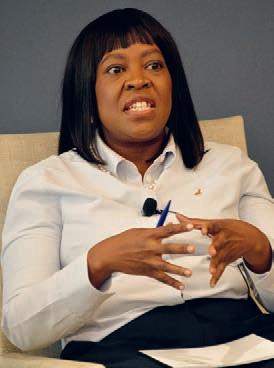
Maropene Ramokgopa
“The pace and scale of change remain insuf cient to fully realise the NDP’s core objectives without decisive acceleration,” Ramokgopa admits frankly. “South Africa remains highly unequal, marked by wealth disparities that span generations.”
While the nish line for 2030 seems daunting, Ramokgopa emphasises that the country has not been standing still. Context is key. Despite the gloomy economic atmosphere, poverty rates have actually dropped signi cantly over the past two decades.
“IMPLEMENTATION ACROSS THE STATE HAS BEEN UNEVEN. GOVERNMENT INSTITUTIONS WERE WEAKENED THROUGH
“The proportion of the population living below the lower-bound poverty line fell to 37.9 per cent in 2023, a reduction of 19.6 percentage points since 2006,” Ramokgopa notes, citing Statistics South Africa.
She attributes this largely to the country’s expansive social protection system. “South Africa’s comprehensive social protection system has made signi cant contributions towards poverty reduction,” she says, pointing to initiatives like no-fee schools, nutritious school meals and the expansion of social grants. In fact, the number of grant recipients has risen from 12.4 million in 2007 to 19.1 million by March 2024.
However, when it comes to the NDP’s “big ticket” economic targets, speci cally the goal of 5.4 per cent annual growth and the creation of 11 million new jobs, the minister is pragmatic. “The NDP’s target of 5.4 per cent annual growth and 11 million jobs was deliberately ambitious,” she explains. “Given the current economic realities, it is clear that achieving those exact targets by 2030 is not realistically attainable without sustained acceleration.”
The Department of Planning, Monitoring and Evaluation’s own data is sobering: of 85 Development Indicators reviewed, only 15 per cent are currently on track. Ramokgopa points out that this is not unique to South Africa. “Globally, only seventeen per cent of United Nations Sustainable Development Goals targets are on track to be achieved,” she reminds us.
So, what went wrong? Ramokgopa identi es three primary hurdles that have slowed progress since 2012. The rst is a lack of consistent state capability.
“Implementation across the state has been uneven,” she says. “Government institutions were weakened through corruption and state capture.”
Secondly, she points to a “fragmented” approach where national priorities often did not align with departmental budgets. Finally, the country was battered by external shocks. “Major external shocks have compounded these structural economic constraints,” she notes, referencing the lingering effects of the 2008 nancial crisis, the COVID-19 pandemic and geopolitical instability like the Russia–Ukraine war.
Despite the missed targets, the government is not scrapping the plan. Instead, it is pivoting to a more focused implementation strategy via the Medium-Term Development Plan (MTDP) 2024–2029.
“The MTDP 2024–2029 has forced a sharper prioritisation on the state’s inclusive growth path,” Ramokgopa asserts. The focus is now on unblocking the structural bottlenecks that strangle growth: energy, logistics, water and digital infrastructure.
While the 2030 employment targets may remain out of reach without a miraculous economic turnaround, Ramokgopa insists the vision remains valid.
“The NDP remains our country’s lodestar,” she concludes. “But the MTDP provides an immediate and focused implementation pathway towards achieving inclusive economic growth.”
PARMI NATESAN, chief executive officer of the Institute of Directors
South
Africa, unpacks why nonprofit organisations must rethink board effectiveness
Nonpro t organisations (NPOs) play a critical role in addressing South Africa’s social, environmental and developmental challenges. Yet despite their importance, governance in the nonpro t sector is often treated as secondary to purpose, passion or programme delivery. This is a misconception that carries signi cant risk. Purpose without governance does not guarantee impact, sustainability or trust.
The King V Code on Corporate Governance makes it clear that sound governance is not sector-speci c. Its principles are universally applicable and outcomes-based, focusing on ethical culture, performance and value creation, conformance and prudent control and legitimacy. For NPOs, these outcomes are not abstract ideals; they are foundational to long-term credibility, donor con dence and social impact.
LEADERSHIP AND OVERSIGHT
One of the most persistent governance myths in the nonpro t sector is that good intentions compensate for weak oversight. Many NPO boards operate informally, are dominated by founders or donors, or consist of well-meaning individuals who lack clarity on their duciary responsibilities. King V challenges this directly by emphasising that members of a governing body owe their duties to the organisation itself, regardless of who appointed them or whether they serve in a voluntary capacity. Acting pro bono does not dilute accountability.
King V’s outcomes-based approach is particularly relevant for NPOs because it allows for proportional application. Governance is not about replicating corporate bureaucracy, but about ensuring leadership and oversight are appropriate to the organisation’s size, complexity and public interest impact. Smaller NPOs may not require multiple committees or sophisticated reporting structures, but they do require clarity of roles,
ethical leadership, basic risk oversight and transparent accountability to stakeholders.
Board composition is a recurring area of weakness. Effective governance requires a balanced mix of skills, independence and diversity that enables objective decision-making. Where board members represent donors, bene ciaries or af liated organisations, con icts of interest must be actively managed to protect the integrity of decisions. Independence of mind is critical, particularly in environments where funding pressures or personal af liations may in uence strategic choices. King V underscores that independence is not a formality, but a substantive assessment of whether a reasonable third party would conclude that judgement is likely to be compromised.
Equally important is the distinction between governance and management. In many NPOs, especially founder-led organisations, this line becomes blurred. King V reinforces that while management may execute strategy and operations, the governing body remains accountable for direction, oversight and outcomes. Failure to maintain this distinction often results in operational boards that lack strategic focus and are unable to provide effective challenge or assurance.
Reporting and transparency are another area where NPOs can strengthen governance without excessive burden. King V encourages governing bodies to view reporting not merely as a compliance exercise, but as a tool for accountability and legitimacy. While full integrated reporting may not be feasible for all NPOs, the principles of integrated thinking, clear disclosure of purpose, use of resources and impact over time remain relevant. Transparent reporting builds trust with donors, bene ciaries, regulators and the public, particularly in a sector that relies heavily on con dence and credibility.
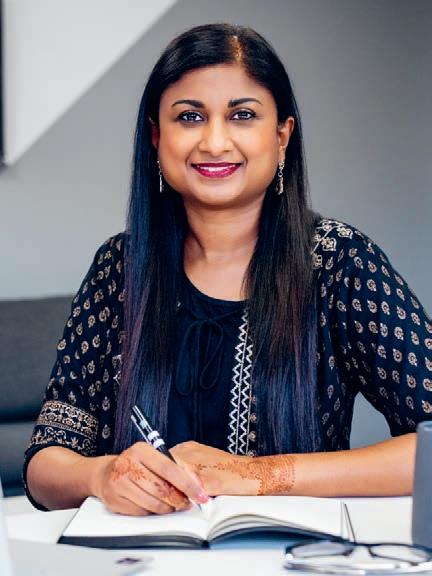
Ultimately, governance in NPOs is not about form, but substance. It is about ensuring that organisations entrusted with public and donor funds are led ethically, governed effectively and capable of delivering sustainable value. As King V makes clear, organisations cannot claim good governance based solely on the adoption of practices; governance is judged by outcomes.
For NPOs seeking to maximise impact and resilience in an increasingly constrained environment, governance is not a luxury or an administrative burden. It is the system that enables purpose to be realised responsibly, sustainably and with legitimacy.

For more information on The Institute of Directors in South Africa or to become a member, visit the website: www.iodsa.co.za