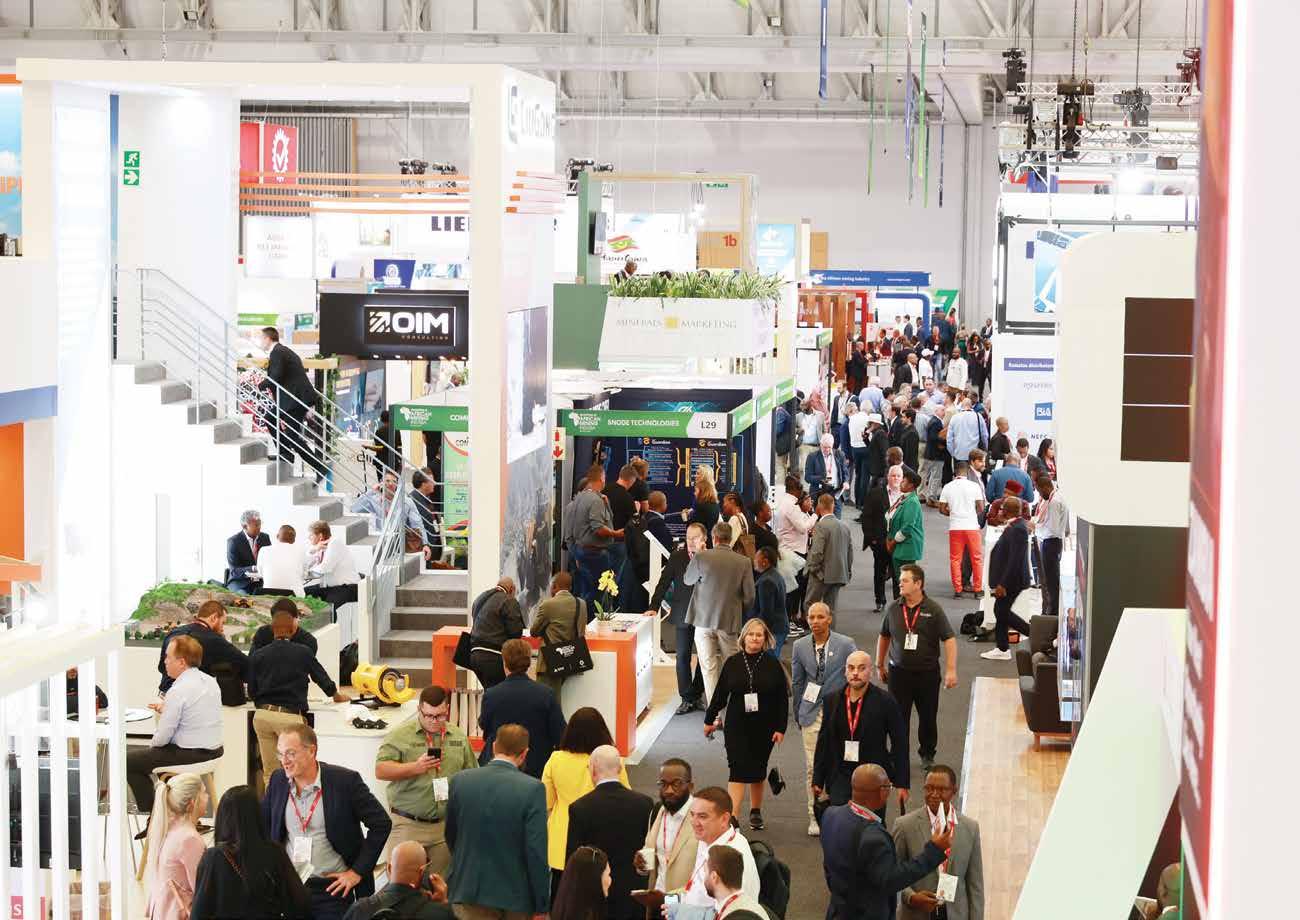
Sasol will stand at the forefront of the low-carbon revolution at this year’s Mining Indaba.
“IN LINE WITH OUR APPROACH OF INNOVATING FOR A BETTER WORLD, WE TOOK THE CONSCIOUS DECISION TO FOCUS ON DRIVING THE ENERGY TRANSITION.”
The world is changing, and the mining industry is navigating this transformation in a rapidly evolving global landscape. As markets accelerate towards a low-carbon future, the question is no longer if change will happen, but how fast.
Sasol will stand proudly at the forefront of this revolution at the 2026 Mining Indaba, stepping forward as South Africa’s energy transition partner of choice, and rea irming its commitment to shaping a resilient, sustainable future for mining and beyond.
For 75 years, Sasol has been more than just an energy company; it has been a force for progress, notes Dumisani Bengu, SVP: marketing and sales energy. From pioneering technologies that powered SA’s industrial growth, to currently shaping global energy solutions, Sasol’s legacy is built on
“SASOL’S APPROACH IS HOLISTIC: WE DON’T JUST SUPPLY PRODUCTS – WE WORK ALONGSIDE OUR PARTNERS TO CO-CREATE SOLUTIONS.”
innovation, resilience, and partnership.
“We live in a world that requires significant change in the energy landscape, and – in line with our approach of innovating for a better world – we took the conscious decision to focus on driving the energy transition,” he says.
“To this end, we have made a number of investments in this space, helping to drive the energy transition and ensure that as part of our commitment to our customers, we are able to assist them to become more sustainable.”
Mining is the backbone of South Africa’s prosperity, he adds, and Sasol believes it is the launchpad for building a sustainable future, where cleaner energy, smarter technologies, and inclusive growth converge to create lasting impact.
HOLISTIC APPROACH
“In the 21st century, the mining sector faces unprecedented pressure to decarbonise, digitise, and deliver value responsibly. Sasol has answered this call with tailored technical solutions that help customers reduce emissions, improve operational e iciency, and meet ambitious sustainability targets.”
Bengu indicates that the company’s portfolio spans renewable and recycled fuels,
piped gas and renewable power solutions, and technical innovations that enable mines to operate cleaner, smarter, and more e iciently.
“Our approach is holistic: we don’t just supply products; we co-create solutions. For example, underground mines o en have large tracts of land that are unused. We work with the mine to use this land to grow Moringa or Solaris plants for biofuel, while also assisting our partner by developing, researching and producing products that assist them in meeting their own decarbonisation agenda.
“Sasol is also highly focused on the principles of the circular economy – something we also encourage our customers and partners to do – meaning the company reuses and recycles anything and everything it can, while at the same time innovating smarter ways of doing business that reduce costs and improve e iciencies.”
Sasol’s theme for Mining Indaba 2026 is Moving Innovation Forward, Together –something he describes as being more than just a slogan.
“We see this as a rallying cry for collaboration. Progress is never a solo act; it is built on shared vision, bold ideas, and unwavering commitment to sustainability. At Sasol, partnership isn’t just a value, it’s a catalyst for transformation,” says Bengu.
“By providing mines with both sustainable
150m
INVESTMENT IN SMES
liquid fuels and delivering renewable electrons in the form of our own investments in electricity generation, we can help them with their own decarbonisation agendas. Furthermore, we help partners to unlock financial value through access to fuel management systems that increase operational e iciency and reduce costs.”
CLOSER COLLABORATION
By working together with mining companies, governments, and communities, Sasol is able to unlock possibilities that redefine mining excellence in an era of energy transition. Together with its partners, Sasol is creating a future where mining drives prosperity without compromising the planet.
Bengu says Sasol’s impact extends beyond technology, encompassing also enterprise and supplier development and corporate social investment initiatives that upli communities and create shared value.
“In 2025 alone, Sasol contributed over 5% to South Africa’s GDP, support roughly 500 000* jobs across the country – including direct, indirect and induced employment – and invested more than R150-million in SME development and R650m towards CSI. This is transformation in action, building inclusive growth alongside environmental
progress.”
Choosing Sasol means choosing a partner that combines global expertise with local insight, vision with execution, and innovation with impact, he says. “It means aligning with a brand that has stood the test of time.”
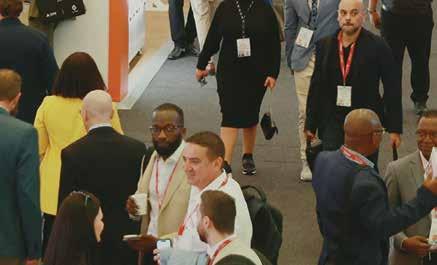
Sasol wants every delegate attending Mining Indaba 2026 to visit the company’s stand in order to experience its vision in action, explore breakthrough technologies, engage with industry leaders, and discover how Sasol can help businesses to thrive in a low-carbon future.
“Our theme of Moving Innovation Forward, Together is our promise to lead boldly, innovate relentlessly, and collaborate for a better world. At Sasol, we believe the future of mining is not just about extraction, it’s about transformation.”
This theme is a call for collaboration with the industry, as our goal is to create a shared vision and a joint commitment with our mining partners. It’s about the co-creation of value, and about working closely with other stakeholders – like government and the surrounding communities – to draw on each other’s knowledge and experiences, to facilitate a closer understanding, and derive even greater value together, he says.
75 YEARS
At Mining Indaba 2026, Sasol will showcase energy solutions that move the needle:
■ Low-carbon fuels and energy: Renewable diesel made from used cooking oil and crops like Moringa and Solaris, and diesel made from processing of waste mining vehicle tyres, help customers cut emissions by up to 90%, while enhancing energy security.
■ Gas and renewable power solutions: Reliable piped gas and renewable electricity o erings that support operational continuity and e iciency and cleaner energy solutions.
■ Technical services, fuels and lubricants: Advanced products such as Sasol Turbo Diesel 10ppm, engineered for cleaner engines and fewer emissions, and Sasol Techno Oil lubricants that extend equipment life and minimise downtime.
■ Explosives and chemicals: Delivering safe, high-quality explosive accessory solutions through Sasol Dyno Nobel and chemicals for mining operations.
SCAN TO VIEW
IN BRIEF
8 Cover Story
NSDV Law explains why beneficiation will be critical in 2026 and outlines the challenges SA must overcome to transform our mineral endowment into sustainable, longterm industrial growth. 16 Commodities
Looking at the future of coal, the e orts being made to “rehabilitate” it as a useful commodity and the role it still has to play in the energy transition.
12 Finance & Legal
An in-depth analysis of some of the recent key regulatory changes to acts that directly impact the mining sector, and how these may a ect the industry.
20 Consulting & Project Management
Considering how a shortage of project management talent around the world endangers global growth – and what South Africa can do about this.
30 Transport & Earthmoving Equipment
The deployment of ammonia-fuelled bulk carriers by 2029 on the SAEurope transport route could make this one of the first global south to north green shipping routes.
26 Construction in Mining
The PIC’s proposed R1.35bn funding for early-stage mining opportunities has been designed and implemented to support the growth of SA’s mining sector.
32 Blasting & Explosives
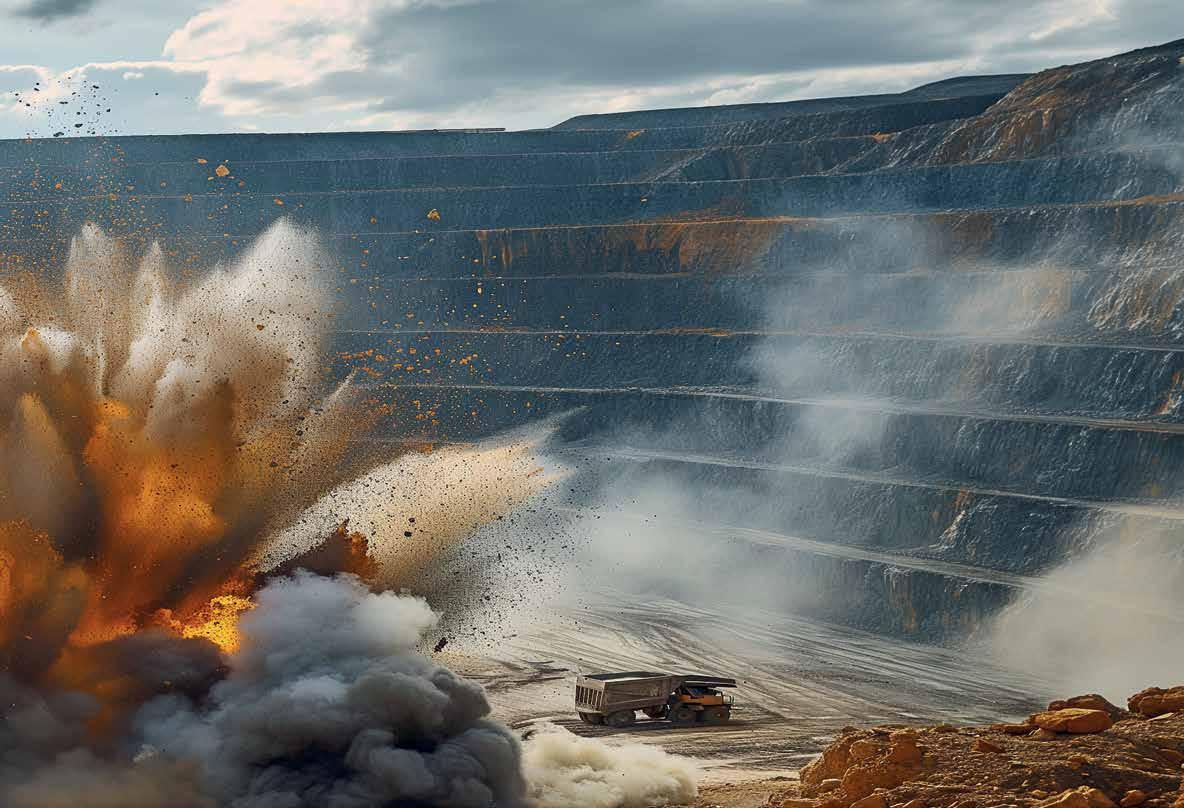
How mines can meet the demanding safety standards required for storing explosives in some of Africa’s tough conditions.
NEWS IN NUMBERS
20 1.75 million: African talent shortfall by 2035
26 R1.35bn: PIC fund for early-stage mining
REGULARS
4 Out of Africa
NEXT ISSUE HIGHLIGHTS
Precious metals (including gold, palladium, platinum, rhodium & silver), Projects in Africa (exploration, junior mining, open-cast mining & quarrying
he mining sector in South Africa faces multiple concurrent challenges, from managing its role in the Just Energy Transition (JET), and ensuring compliance to a ra of new legislation, to a shortage of skills within key areas of the industry.
Most notably, there is a global deficit of project managers, as the annual increase in the talent gap in the project management space is outpacing the average growth of the global economy. This in turn demonstrates the urgency of reskilling and upskilling within the project management arena.
The current predicted shortfall in SubSaharan Africa is anticipated to be around 1.75-million project managers by 2035. Addressing the gap will no doubt require scaled investment in professional training and deeper collaboration with universities and governments. Expanding access to globally recognised certifications will be equally essential to ensuring workforce readiness and building execution capacity on the continent.
When it comes to the JET, SA’s first legally binding framework for greenhouse gas (GHG) mitigation has recently been implemented. This means the modelling of emissions and the building of internal governance structures should be forefront in the minds of mining companies, and is something they should begin preparing for immediately. We consider the impacts of not only this new legislation, but also changes to the rules around issues like employee safety and parental leave.
As the JET continues apace, we also look at the state of the coal sector, and the e orts being made here to rehabilitate coal as a useful commodity in a transitioning world. These initiatives include a planned coal-tofertiliser plant, enhanced sustainability through
programmes like Bettercoal, and increased e orts to manage and report GHG emissions as a way to boost coal’s sustainability credentials.
We also look into the Public Investment Corporation’s R1.35-billion fund for early-stage mining, focusing on advanced projects, and designed to support a wide range of strategic minerals critical for South Africa’s JET. These include copper, cobalt, nickel, lithium, graphite, tin, tungsten, tantalum, bauxite, antimony, fluorspar, manganese, and other related minerals aligned to JET objectives.
With such a strong focus on green energy, it’s not surprising that the Global Maritime Forum (GMF) has revealed that the South Africa-Europe iron ore shipping route could feasibly deploy green ammonia-powered iron ore carriers from 2029, reaching full decarbonisation by 2035.
While a significant share of embedded emissions stem from long-distance shipping, green ammonia remains one of the credible, scalable zero-carbon options for such deep-sea shipping, with parts of Southern Africa potentially becoming core nodes in this future green shipping and green hydrogen economy.
In our last feature, we look into how African conditions are o en harsh and unforgiving, creating an environment more hostile to mining than most. This means that explosives management for these projects has to adhere to demanding safety and regulatory frameworks.
We consider several of the challenges unique to Africa’s environmental conditions, which can a ect the storage of explosives at mines across the continent.
Finally, in our cover story, NSDV Law discusses how beneficiation will be a top-of-mind issue in 2026, outlining the challenges we must overcome locally if we are to transform our mineral endowment into sustainable, long-term industrial growth.
EDITOR
Rodney Weidemann
Tel: 062 447 7803
Email: rodneyw@samining.co.za
ART DIRECTOR
Shailendra Bhagwandin Tel: 011 280 5946
Email: bhagwandinsh@arena.africa
ADVERTISING CONSULTANTS
Ilonka Moolman
Tel: 011 280 3120
Email: moolmani@samining.co.za
Tshepo Monyamane Tel: 011 280 3110
Email: tshepom@samining.co.za
PRODUCTION COORDINATOR
Neesha Klaaste
Tel: 011 280 5063
Email: neeshak@sahomeowner.co.za
DIGITAL EDITOR
Stacey Visser
Email: vissers@businessmediamags.co.za
SUB-EDITOR
Andrea Bryce
BUSINESS MANAGER
Lodewyk van der Walt
Email: lodewykv@picasso.co.za
CONTENT MANAGER
Raina Julies
Email: rainaj@picasso.co.za
GENERAL MANAGER MAGAZINES
Jocelyne Bayer
SWITCHBOARD
Tel: 011 280 3000
SUBSCRIPTIONS
Neesha Klaaste
Tel: 011 280 5063
Email: neeshak@sahomeowner.co.za
PRINTING
CTP Printers, Cape Town
Picasso Headline
FINANCIAL CLOSE ON BAOMAHUN GOLD PROJECT
FG Gold Limited has announced that it has achieved financial close and the first drawdown on its US$330-million senior debt financing with Africa Finance Corporation (AFC) and the African Export-Import Bank (Afreximbank), for its Baomahun Gold Project.
This marks the development of Sierra Leone’s flagship large-scale commercial gold mine. It unlocks one of the most significant project financing deals in the country’s history and supports Sierra Leone’s ambition to responsibly harness its mineral resources for sustainable economic transformation.
The senior facility completes the financing package required to construct and develop the Baomahun Gold Project, complementing AFC’s initial US$100m investment in gold streaming and mezzanine commitments.
This brings the total investment by leading African Development Finance Institutions to US$430m, including Afreximbank’s contribution of US$75m.
This landmark financing secures the full development pathway for Baomahun, enabling FG Gold to accelerate construction of core infrastructure and maintain its momentum towards first gold pour.
The mine is expected to support up to 900 direct and indirect jobs, contribute approximately 10% of national GDP, and stimulate substantial local supply chain growth.
LANDMARK INVESTMENT IN A2MP
The Fund for Export Development in Africa, Afreximbank’s development equity impact investment arm, has announced a US$300m strategic investment in the Africa Minerals and Metals Processing Platform (A2MP).
This investment underscores Afreximbank’s commitment to supporting Africa’s mining sector and ensuring the continent’s vast mineral wealth becomes a catalyst for sustainable economic growth rather than a source of continued resource dependency.
Rooted in over a decade of successful mining ventures, A2MP has evolved into a diversified Pan-African platform focused on mining and processing. It aims to unlock and scale mineral and metal value chains sustainably across the continent. The platform currently operates a robust pipeline of 12 mineral assets and four processing hubs, with a diversified portfolio spanning nine countries in Africa.
This extensive footprint places A2MP at the forefront of e orts to develop integrated mineral and metal value chains, unlocking new pathways for Africa’s industrial growth and global market integration. This particularly at a time when the industry faces mounting challenges from the depletion of high-grade and easily accessible ore reserves.
A2MP brings together a diversified portfolio of leading mining assets and operating companies across multiple mineral classes, including gold, bauxite and alumina, manganese, and iron ore, among others. A2MP will also develop additional processing hubs, including those for rare earths, battery precursors, and other critical minerals, to strengthen value addition across the continent.
ZIMEC 2026 SPOTLIGHTS EXPLORATION RENAISSANCE
The 13th Zambia International Mining and Energy Conference and Exhibition (ZIMEC 2026), set for 25 and 26 March 2026 in Kitwe, Zambia, will zero in on one of the most vital conversations for the country’s mineral future: how to accelerate exploration and derisk the hunt for new deposits through technology, partnerships, and smart policy.
Under the theme “Promoting Responsible Investment & Partnerships to Sustainably Grow Zambia’s Mining and Energy Sectors”, ZIMEC 2026 o ers a strategic platform for government leaders, mining companies, investors, geoscientists, and development partners to explore how discovery – not just production – will sustain Zambia’s role as a critical minerals hub in the decades ahead.
A highlight of this year’s conference will be the Exploration Panel, titled “Accelerating mineral discovery: Derisking exploration and leveraging technology to advance the search for minerals”. This session recognises that exploration is far more than just drilling – it’s the foundation of future investment, value creation, and longterm growth for Zambia’s mining sector.
Key topics to be addressed include geoscientific data and mineral-potential mapping; incentives and policy frameworks for exploration; derisking investment for juniors and mid-tiers; the role of AI and geospatial technologies; and leveraging platforms such as the Zambia Integrated Mining Information System for data sharing, transparency, and better decision making.
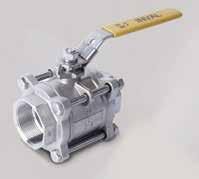
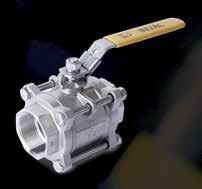
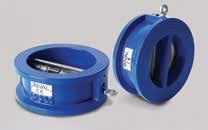
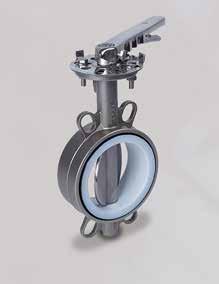
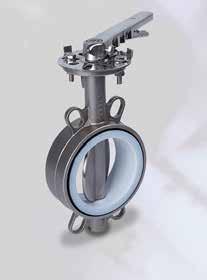
OPTIMAL PERFORMANCE UNDER PRESSURE. GUARANTEED.
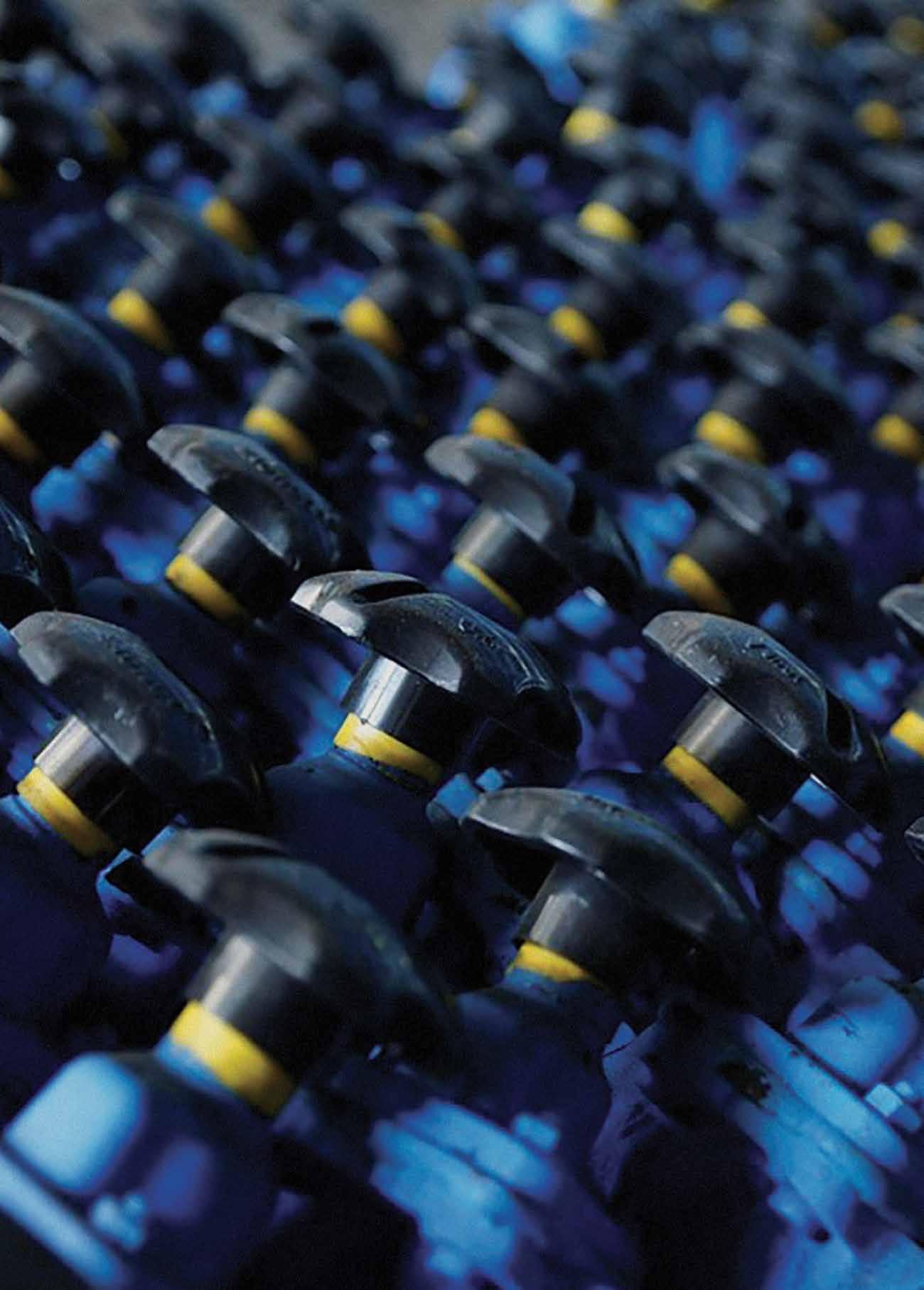
Global businesses rely heavily on Invincible Valves for exceptional products, proven expertise, and as Africa’s largest stockist of Saunders & Insamcor valves, our reputation for reliability and excellence has earned us recognition on the world stage, making Invincible Valves the trusted partner across industries. Driven by technology and innovation, we continue to expand into emerging markets, delivering smarter solutions and building lasting partnerships.
There is only one trusted name in valves – INVINCIBLE VALVES.
TRAINING AND COMMUNITY YOUTH INVESTMENT
Mining companies are investing heavily in training their employees, as well as community youths, contributing more than R5-billion in 2024 to li skill levels and secure jobs both within the industry and in the future, when mining has ceased.
According to the Minerals Council South Africa’s #MiningMatters, training provided to mine employees more than doubled in 2024 from the previous year, with companies delivering nearly 860 000 training interventions, up from 407 899 in 2023, according to a study by the Mining Qualifications Authority (MQA).
Between 2021 and 2024, the mining industry implemented an average of more than 601 000 training programmes a year for employees. Most of the training was short courses, with safety as the dominant theme.
In 2024, 51 430 community members – nearly 78% of whom were unemployed – received training funded by mining companies, as the industry increases its focus on developing local skills, education and capacity for work within mining or in other businesses.
The training was focused on young people, with the provision of more than 12 800 bursaries in 2024 and nearly 10 800 short courses, which are designed to provide skills in a time-e icient manner. In total, 36 520 youth and 3 300 school children received training during 2024.
CESA’S NEW PRESIDENT UNLOCKING OPPORTUNITIES BEYOND MINING
Consulting Engineers South Africa (CESA), representing 600 consulting engineering firms across South Africa, and employing approximately 17 000 people, has announced that its new president will be Dr Vishal Haripersad.
CESA also welcomed Jabulile Msiza, director and head of waste engineering at Jones & Wagener, as its vice-president. Both were elected at the annual general meeting on 25 November, in Gauteng, marking a smooth transition in the organisation’s leadership and rea irming CESA’s commitment to advancing the consulting engineering profession in South Africa.
Haripersad brings over 25 years of experience in business leadership and industry advocacy. As managing director for Knight Piésold Africa, he has been instrumental in supporting initiatives that promote transformation, ethical leadership, and professional development and led numerous sustainable infrastructure projects across Africa, combining technical excellence with meaningful community impact.
FAST FACT
SCAN TO VIEW THE SA MINING WEBSITE
CESA WAS ESTABLISHED IN 1952 AS A VOLUNTARY ASSOCIATION REPRESENTING SOME 30 ENGINEERING FIRMS. TODAY IT PLAYS A CRITICAL ROLE IN ENGINEERING, FOCUSING ON INFRASTRUCTURE DEVELOPMENT, TRANSFORMATION, AND SUSTAINABILITY, AND HAS A MEMBERSHIP OF MORE THAN 600 ORGANISATIONS.
The Mineworkers Development Agency (MDA), in partnership with Rand Mutual Assurance (RMA), the Department of Mineral Resources and Energy and Sibanye-Stillwater, has launched a new Digital and SMME Hub in Welkom, Free State. This catalytic project is designed to equip former mineworkers and local youth with future-ready digital and business skills.
The launch marks a significant milestone in the MDA’s mission to drive inclusive growth in mining regions. Working with RMA and Sibanye-Stillwater, the agency continues to evolve its mandate from post-mining support to long-term regional development, building pathways for innovation, entrepreneurship, and technology adoption in mining communities.
Developed in collaboration with the Matjhabeng Local Municipality, the Digital and SMME Hub o ers training in digital literacy, coding, artificial intelligence, drone technology and other Fourth Industrial Revolution-related skills. It also provides enterprise development and incubation spaces for local entrepreneurs, helping communities transition from a resourcebased to a knowledge-driven economy.
Through its targeted programmes, the hub is empowering women, youth, and persons with disabilities to gain critical skills and participate meaningfully in high-growth sectors. The initiative aligns with the South African Digital Economy Masterplan and contributes directly to national priorities around skills development, industrialisation, and local enterprise growth.
Beyond digital training, the hub is nurturing entrepreneurship through incubation and acceleration programmes. Local enterprises receive mentorship, workspace access, and business development support to help them grow and compete in the market.
One Partner for Every Application
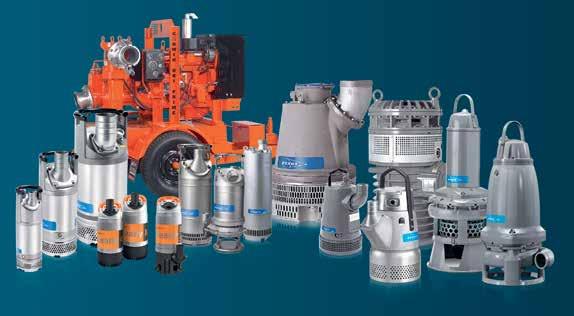
In today’s demanding industrial and municipal environments, you need more than a product; you need a complete, integrated solution. Xylem’s Water Solutions and Services (WSS) division is your single, expert partner, offering an unparalleled portfolio to tackle your most complex water and wastewater challenges head-on.
We combine decades of experience with a deep understanding of your operational needs, ensuring seamless project execution, from initial assessment to long-term management. Trust us to provide the strategic oversight that turns complex problems into efficient, reliable outcomes.
Unrivaled Technology for Any Environment
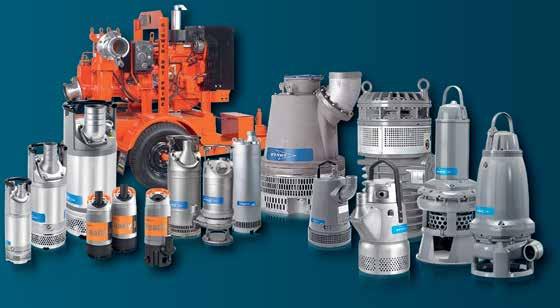
From critical Drainage and Dewatering to processing the most abrasive Sludge and Slurry, we provide the world’s leading technology. Our fleet features the legendary reliability of Flygt submersible pumps and the powerful performance of Godwin pumps, ensuring you have the right equipment for any job, no matter how tough. This is more than just hardware; it’s a guarantee of performance, backed by comprehensive support, delivering total peace of mind and operational excellence.
Don’t let water challenges slow you down. Contact our experts today to secure your solution.
xylem.com
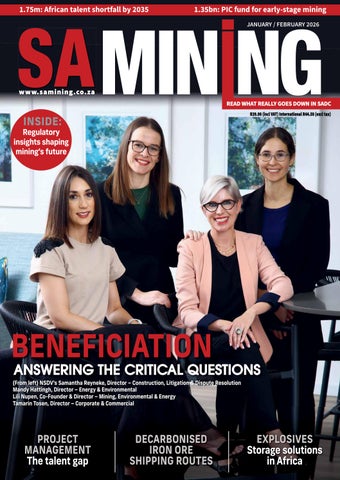
ANSWERING THE BILLION-DOLLAR QUESTIONS AROUND BENEFICIATION
NSDV Law explains why benefi ciation is a priority in 2026, outlining the challenges we must overcome locally to transform our mineral endowment into sustainable, long-term industrial growth.
If you spent any time at last year’s B20 and G20 gatherings, you might have noticed something unusual. Between the polite smiles and the occasional geopolitical side-eye, there was rare consensus: countries that export raw and unprocessed minerals are e ectively shipping jobs, value and long-term industrial advantage to someone else’s shores.
Some say beneficiation is the smarter and only appropriate play and 2026 will hopefully bring a shi in the right direction. Global policy signals, investor appetite, and geopolitical competition around critical minerals are certainly pushing beneficiation back to the centre of the table.
The good news is that we might finally have the right tools and the correct incentives to make it work. The bad news? If we mess it up, the opportunity will go exactly where our manganese ore already goes: onto ships, headed east.
“ENTHUSIASM FOR BENEFICIATION CANNOT MAGICALLY SUSPEND LOAD-SHEDDING, BUILD RAIL LINES, OR REDUCE PORT CONGESTION.”
– LILI NUPEN
With this in mind, SA Mining spoke to Lili Nupen, director and co-founder of mining, construction and environmental law firm NSDV, about the increasing global drive towards beneficiation, and the challenges around achieving this.
WHILE THERE IS CLEARLY STRONG ENTHUSIASM FOR BENEFICIATION, WHAT ARE SOME OF THE ISSUES THAT MAY PREVENT ITS EFFECTIVE IMPLEMENTATION?
Critical minerals, like lithium, nickel, manganese, platinum group metals (PGMs) and rare earths, are no longer just commodities; they’re currency in the global energy transition. The International Energy Agency (IEA) estimates that demand for critical minerals is expected to quadruple by 2040, and countries are scrambling to secure supply and processing capacity.
A recurring theme raised at the B20 conference last year was that economies that do not successfully transition from producing low-value goods to more sophisticated products and services risk losing global competitiveness and being marginalised within the world economy. Meanwhile, at the G20, developing nations like South Africa successfully pushed the concept that value addition must happen closer to where these minerals are mined.
While this demonstrates the increasing global enthusiasm for beneficiation, it
does not solve any of the challenges that may impact the reality of implementing beneficiation. Enthusiasm cannot magically suspend load-shedding, build rail lines, or reduce port congestion.
It also doesn’t convince investors to put billions into smelters or refineries without the certain knowledge that the rules of the game won’t be changed halfway through the national anthem.
WHY DOES BENEFICIATION FAIL WHEN IT’S FORCED?
Mandatory local processing, export quotas and punitive restrictions have been proposed before, and every time, investors and industry respond the same way – a polite smile, a mumble about “policy uncertainty”, and capital redirected to another jurisdiction with fewer political mood swings.
This happens because beneficiation is capital-intensive, energy-hungry, commodity-dependent and brutally sensitive to cost structures. South Africa’s realities outlined in the previous answer –power shortages, rising input costs and rail bottlenecks – have shaved billions o export earnings.
Meanwhile, ongoing regulatory unpredictability means that attempting to compel beneficiation through restriction is similar to insisting a toddler eat broccoli, by hiding it under more broccoli.
SA’S SHARE OF GLOBAL MANGANESE RESERVES
SO, RATHER THAN USING THE STICK, SHOULD WE BE USING THE CARROT TO GET BENEFICIATION RIGHT?
Those countries, like Botswana for diamonds and Indonesia for nickel, that get beneficiation right certainly do not rely on punitive measures in this regard. Instead, they rely on clear legislation, predictability, incentives, industrial capability and an enabling environment.
Botswana didn’t become a global diamond-cutting powerhouse by banning exports. It did it through a deal with De Beers that is built on long-term certainty, infrastructure build-up, and investment incentives. Today, diamond beneficiation employs thousands and contributes meaningfully to GDP in the country.
Furthermore, the shi of diamond trading to Botswana and local processing triggered auxiliary services, including banking, security, and transport, all of which contribute to additional diversification, beyond mining itself.
Meanwhile Indonesia, o en cited as the “stick-heavy model”, is frequently misunderstood. Although the country did ban unprocessed nickel exports, this only occurred a er years of incentives, tax breaks, and power-supply guarantees, all of which attracted billions in refinery and smelter investment. By the time the ban came, value-addition capacity already existed. Still, this is probably not the ideal model to adopt.
The right carrots include:
■ Competitive, long-term electricity tari s for beneficiation plants/ processes.
■ Targeted tax incentives, especially for early-stage processing facilities.
■ Fast-tracked regulatory approvals for smelting, refining and advanced material production.
■ Infrastructure support through rail corridors, industrial hubs, water access – designed around real value chains.
I feel that if we give investors certainty and support, South Africa’s natural advantages, resource endowment, industrial expertise and technical
“IF WE GIVE INVESTORS CERTAINTY AND SUPPORT, SOUTH AFRICA’S NATURAL ADVANTAGES, RESOURCE ENDOWMENT, INDUSTRIAL EXPERTISE AND TECHNICAL CAPABILITIES CAN QUITE EASILY BE CONVERTED INTO VALUE.”
– LILI NUPEN
capabilities can quite easily be converted into value.
WHERE SHOULD THE LOCAL MINING INDUSTRY PLACE ITS FOCUS TO MAKE THE MOST OF ANY POTENTIAL BENEFICIATION IMPLEMENTATIONS?
There’s no doubt that beneficiation must be strategic, therefore South Africa should focus on the industries where it can demonstrate real competitive advantages. These industries include:
■ PGMs and hydrogen technologies.
■ Manganese (we hold roughly 70% of global reserves).
■ Battery precursor materials.
■ Titanium and vanadium value chains.
■ High-grade iron ore applications.
All these can be described as globally relevant value chains that are already looking for stable jurisdictions with processing capabilities.
BEYOND BENEFICIATION, WHAT OTHER CHANGES ARE AFFECTING THE EVOLUTION OF SA’S MINING INDUSTRY?
While beneficiation gets most of the headlines, a quieter revolution is reshaping the mining, energy and infrastructure sectors: the evolution of legal partnership itself. This matters because legal teams are no longer just dra ing contracts, they are strategic allies shaping long-term strategies, investment decisions and operational resilience.
Modern contracts are changing, incorporating new focuses, and adapting with increased momentum. These new aspects include:
■ ESG-linked obligations
■ Carbon emission caps and reporting clauses
■ Renewable energy supply undertakings
■ Water stewardship requirements
■ Data governance and cybersecurity responsibilities
■ Adaptive compliance clauses that allow contracts to evolve with regulation
■ Climate risk modelling
■ Closure liabilities
■ Community impact assessments
■ Water dependencies
■ Data compliance
■ Cross-border supply chain exposures
■ Community evolution around the mines/ plants
This is not over-lawyering. This is the value add that lawyers should be providing, and the reality investors face when financiers are measuring everything from methane intensity to community grievance response times.
Moreover, in a country where a single water-use licence delay can derail a R5-billion project, risk assessment has become the glue holding investment confidence and economic growth together.
Thus, a legal expert who understands the regulator’s evolving expectations and pain points, the community’s historic grievances, the municipal water constraints, the Department of Mineral Resources’ appetite for risk, and the political winds of the region, will unlock more progress than 50 pages of well-structured legal argument.
NSDV’s long-standing mantra – people over paper – isn’t so sentiment. The right relationships can move a project forward with all the checks and balances in place. The wrong assumptions can bury it deeper than a forgotten prospecting right in a filing cabinet in Polokwane.
WHAT DOES ALL THIS MEAN FOR BENEFICIATION IN 2026?
If South Africa can combine incentives with reliability, strategic focus with regulatory clarity, and humour with humility (we are, a er all, trying to run an industrial strategy in a country where the electricity sometimes goes on holiday), then we will be in a position to transform our mineral endowment into sustainable, long-term industrial growth.
And if we get it right? The next time you sit at a B20 panel, you may hear something even more surprising than consensus – you may hear admiration instead.
MINING SAFETY MEETS TRANSITION
Recent regulatory updates have changed the landscape of the sector, impacting employee safety, parental leave, and the Just Energy Transition.
BY RODNEY WEIDEMANN
South Africa’s health and safety landscape for mining is undergoing significant change. The pending Mine Health and Safety Amendment Bill, 2024 (MHSA) signals stricter oversight and accountability for mines.
At the same time, recent regulatory updates and new guidance for mandatory codes of practice are reshaping how mines must plan for emergencies, monitor employee safety, and manage health risks on a day-to-day basis.
According to Mandy Hattingh, director: Energy and Environmental at NSDV Law, among others, three major updates stand out.
“MINES MUST STRENGTHEN EMERGENCY PLANNING, MODERNISE OCCUPATIONAL HYGIENE AND RISK MONITORING, AND ENSURE EMPLOYEE FITNESS, COMPETENCE AND TRAINING ARE RIGOROUSLY ASSESSED AND DOCUMENTED.” – MANDY HATTINGH
“For one, there are new winding equipment regulations, aimed at modernising transport and safety requirements for underground operations, strengthening standards for the movement of personnel and materials, and addressing ageing infrastructure risks,” she says.
“The second one is around enhanced emergency preparedness requirements – mines are now required to strengthen emergency planning and response capabilities. This includes improving their ability to locate and communicate with employees during emergencies, for example, through missing-person locator systems and improved emergency coordination.”
She says the third update is around new guidance for mandatory codes of practice, including guidance on fire prevention, road and rail safety, and change management, together with a guidance note on noncommunicable diseases, including mental health. These instruments, she says, place clear and increasingly enforceable obligations on mines, and non-compliance may trigger regulatory enforcement under the MHSA.
“These updates require a more proactive approach to health and safety. Mines must strengthen emergency planning, modernise occupational hygiene and risk monitoring, and ensure employee fitness, competence and training are rigorously assessed and documented. While the bill lays the foundation for stricter accountability, the
practical impact of the regulations and guidance instruments is immediate and operational,” says Hattingh.
PARENTAL LEAVE
According to Tamia Martin, associate in NSDV’s Mining, Energy and Environmental Law department, there is also a new parental leave regime, where two employed parents can now share a combined four months and 10 days of leave. This is a major mindset shi for the sector, as mining has historically been dominated by male employees whose parental responsibilities weren’t always formally recognised in workplace policy.
“From a ‘People over Paper’ perspective, this reform is significant. It recognises that employees are not just production inputs, but parents and caregivers with responsibilities beyond the workplace. While it remains to be seen to what extent employees in the sector will take up the opportunity to share parental leave, the legal framework itself is a positive step forward in normalising shared caregiving responsibilities,” she says.
“A sudden increase in parental leave requests, particularly in specialised or scarce-skills roles, could place pressure on operational continuity. However, these challenges can be managed with appropriate planning.”
Martin suggests that mines will need to implement more flexible sta ing models,
US$10bn FOR JET CLIMATE JUSTICE OUTCOMES
invest in cross-training to expand the pool of employees capable of stepping into critical roles, and strengthen succession planning at the team level. Clear internal policies and consistent administrative processes will also be important.
“Crucially, this regime also supports broader progress for women in the sector. By enabling greater participation by men in caregiving, parental leave reform helps reduce the disproportionate career impact traditionally borne by women, supporting retention, progression and gender diversity in mining leadership.”
When approached proactively, she says, the regime is not a threat but an opportunity. “A er all, by supporting employees’ parental responsibilities, mines reinforce trust, boost morale, and cultivate a more committed, inclusive and resilient workforce.”
GHG FRAMEWORK
Pieter Colyn, executive and head of ENS’s Mine and Occupational Health and Safety department, notes that SA’s first legally binding framework for greenhouse gas (GHG) mitigation has also been implemented.
He indicates that the modelling of emissions and the building of internal governance structures should be forefront in the minds of mining companies, and they should begin preparing for this now.
“The Code of Practice for Air Dispersion Modelling, in terms of regulation 2.3,
recommends that mining companies – and other companies that might have air quality management plans – need to formulate emissions modelling through a careful process which includes internal review, quality assurance, and control, all of which requires the construction of good internal governance structures,” he says.
“Mining companies should also be preparing for life under the new framework, because the Climate Change Act, 2024 establishes the national greenhouse gas emissions trajectory in section 24; requires government to set sectoral emissions targets in section 25; and introduces carbon budgets and mandatory GHG mitigation plans on high-emitting industries such as mining.”
Colyn feels that the enforcement architecture embedded in the Climate Change Act is clear and material for mining: failure to submit a GHG mitigation plan is a criminal o ence under section 35, punishable on first conviction by a fine of up to R5-million, or five years’ imprisonment. A subsequent conviction will likely see a fine of up to R10m or 10 years’ imprisonment (or both) imposed.
“As a priority sector, mining will be governed by the full cascade of the Climate Change Act. Ministers responsible for the various sectors must convert targets into action, by adopting policies and measures, integrating them into sector plans, and reporting annually to the presidency. This
“THE MINING INDUSTRY WILL BE REQUIRED TO MEET QUANTITATIVE AND QUALITATIVE
GHG EMISSION REDUCTION
OBJECTIVES
OVER A FIVE-YEAR PERIOD, AND A SUBSEQUENT FIVE TO 10 YEARS AND 10 TO 15 YEARS THEREAFTER.”
– CATHERINE WARBURTON
■ New winding equipment regulations
■ Enhanced emergency preparedness requirements
■ New guidance for mandatory Codes of Practice
SCAN TO VIEW THE SA MINING WEBSITE
will ensure alignment with the national trajectory and deliver clear short-, mediumand long-term goals under section 25(4),” he says.
According to Catherine Warburton, MD for Sustainability Law at Warburton Attorneys Inc, SA’s national emissions trajectory will essentially be translated into sectoral emissions targets (SETs).
“These SETs are objectives for sectors
KEY HEALTH AND SAFETY CHANGES
or sub-sectors over a defined period, which must be informed by sectoral policies and measures that may lead to greenhouse gas emission reductions. These objectives are to be determined in accordance with section 25 of the CCA,” she points out.
“Section 25 of the CCA requires the minister to list the greenhouse gas emitting sector and sub-sectors that are subject to the sectoral emissions targets, by way of notice in the Government Gazette. With mining identified as a priority sector, it is likely that it will be included on this list.”
Warburton suggests that the minister will, in consultation with the minister responsible for mineral resources, determine a framework and prescribed emission target for the mining sector, which must be published in the Government Gazette.
“In e ect, this will mean that the mining industry will be required to meet quantitative and qualitative GHG emission reduction objectives over a five-year period, and a subsequent five to 10 years and 10 to 15 years therea er.
“These objectives will be aligned with the national GHG emissions trajectory, such that they will ensure that the national GHG emissions profile is kept within the national GHG emissions trajectory.”
COAL AS A CRITICAL MINERAL
Coal has been classified as a critical mineral under the new strategy, explains ENS’s Colyn, which is a di icult approach to balance alongside the Just Energy Transition (JET) Framework, as it seeks to phase out fossil fuels by 2050.
He suggests that a balance needs to be struck between meeting the goals of the JET and ensuring that local industries and households still have energy.
“COAL HAS BEEN CLASSIFIED AS A CRITICAL MINERAL UNDER THE NEW STRATEGY, WHICH IS A DIFFICULT APPROACH TO BALANCE ALONGSIDE THE JET FRAMEWORK, AS IT SEEKS TO PHASE OUT FOSSIL FUELS BY 2050.”
– PIETER COLYN
“Finding this balance will require certain key steps. To begin with, the designation must be treated as transitional and strictly time-bound. In other words, by recognising coal’s role in short- and medium-term energy security and grid stability, while renewables, storage and transmission continue to scale as envisaged in the IRP 2025,” he says.
“Then it also requires a pivot to secondary value from coal byproducts, by innovating to extract critical minerals such as rare earth elements and vanadium from coal ash and tailings, under stringent environmental and water controls. This extends economic value without expanding combustion-led emissions.”
Thirdly, coal-dependent communities must be reskilled, by leveraging JET funding to train and reskill coal-dependent communities so they will be able to thrive economically, as fossil fuel dependence is phased out. Furthermore, the industry needs clearly integrated rules and instruments focusing on the role coal can play in providing short-term energy security.
“It is equally vital to provide environmental permitting guidance, specific to ash remining, and critical mineral recovery (waste reclassification, water licensing, air and residue standards), as well as fasttracking pilots with rigorous safeguards, and codifying product stewardship for recovered critical minerals in our law.”
CLEARER, COORDINATED REGULATION
Colyn notes that repurposing coal assets as clean energy hubs can be done by standardising processes to convert decommissioned stations to renewable and storage sites, leveraging existing grid nodes, and enable community and worker equity participation.
“According to the JET Framework, it is estimated that SA will require at least US$250-billion over the next three decades to transform the energy system, with at least US$10bn allocated towards ‘climate justice outcomes’ that form the heart of the transition, to support workers and communities during the JET. As such, it is imperative that JET funding be operationalised for coal regions.
“This can be done by granting funding to retrain and place workers, building SME value chains around new energy and remediation, financing municipal renewable transitions, and cofunding regional renewable, storage, grid and industrial projects,” he says.
NSDV’s Hattingh adds that the current landscape presents a clear paradox. Coal remains critical for short-term energy security, yet the JET Framework signals a move away from fossil fuels over the long term. This tension highlights the need for clearer, more coordinated regulation that defines the role coal can continue to play in supporting energy security, while ensuring alignment with national decarbonisation goals.
“Innovation will be key to navigating this transition. Technologies such as extracting critical minerals from coal ash can create new revenue streams, reduce environmental impacts and support a more circular economy approach, provided they are supported by clear and enabling regulatory frameworks.
“At the same time, leveraging JET funding e ectively will be essential. Clear governance structures, transparent eligibility criteria, and robust monitoring mechanisms are needed to ensure funding is used to reskill workers, diversify local economies and support coal-dependent communities in a sustainable and durable manner,” she says.
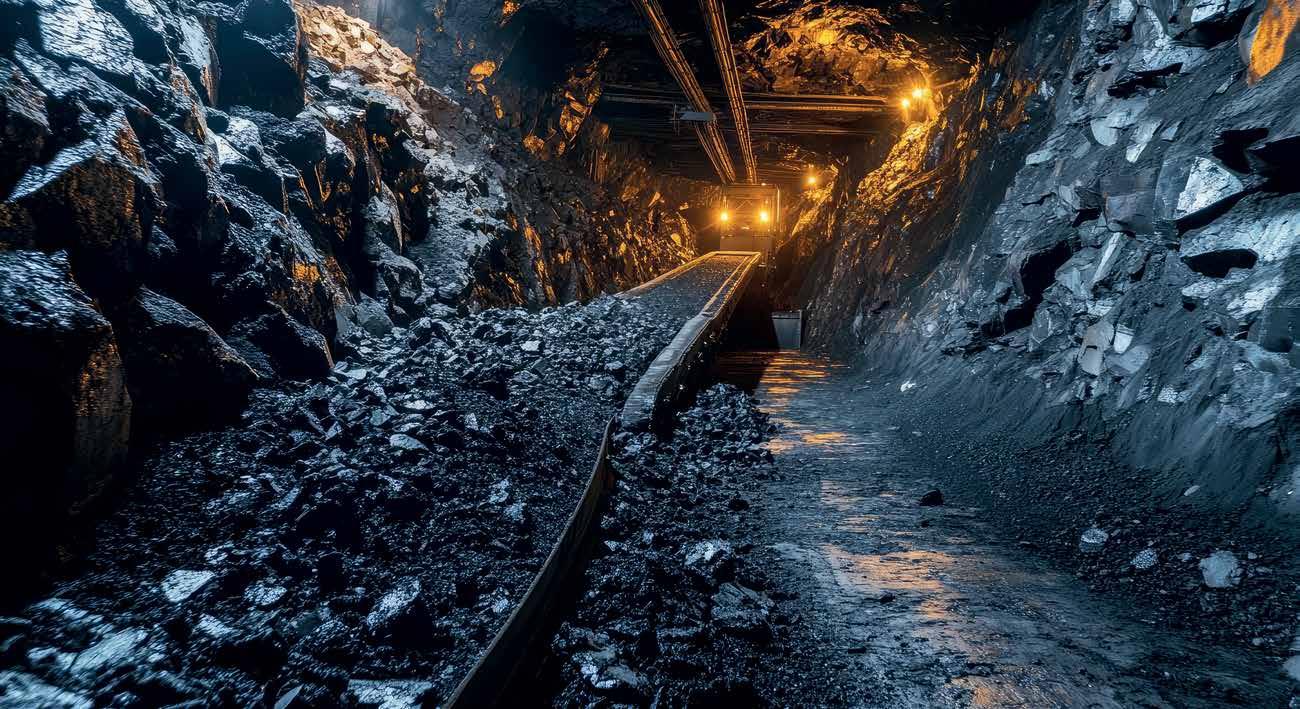
THE FUTURE OF COAL IN THE JUST ENERGY TRANSITION
Are there ways to effectively ‘rehabilitate’ coal as a useful commodity in a transitioning world? Several initiatives underway in SA suggest there might be.
BY RODNEY WEIDEMANN
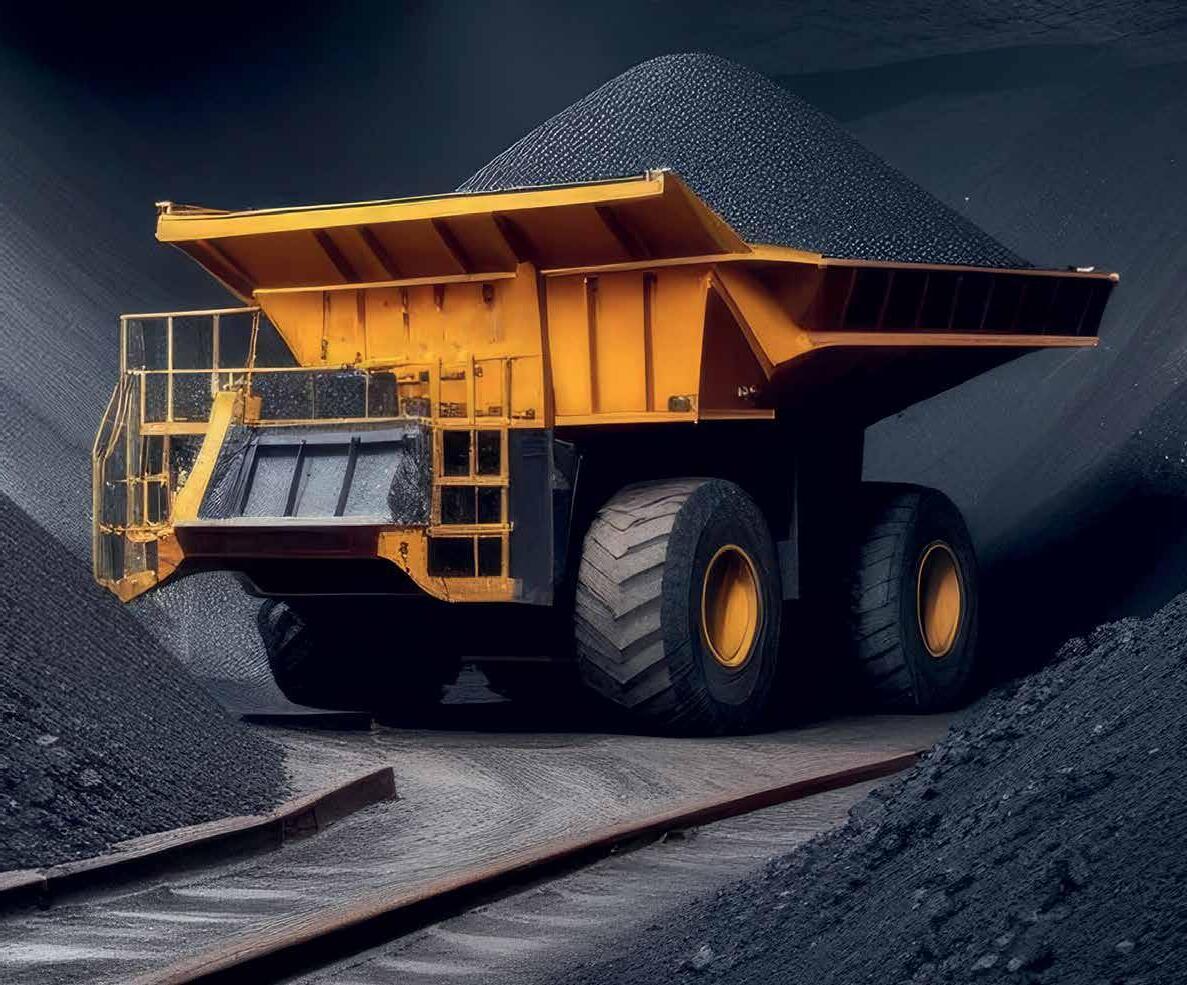
When it comes to the future of coal, the commodity walks something of a tightrope, as it still plays a critical role in energy security, industrial baseload, and job creation. But – as a fossil fuel – it needs to be replaced by renewables through balanced policies, investment in storage, worker retraining, and grid modernisation.
Coal is thus necessary to meet immediate needs but remains incompatible with longterm net-zero goals, meaning coal’s role is becoming a complex balancing act between present necessity and future sustainability.
SUISO’S COAL-TO-FERTILISER PLANT
One of the key projects in South Africa that is seeking a new role for the commodity is the Hiryo Plant in Kriel, Mpumalanga – SUISO’s R31.5-billion coal-to-fertiliser project, converting coal feedstock into highquality fertiliser.
The R31.5-billion project will support 4 000 jobs in the construction phase, and around 1 000 jobs in its steady state. It is also expected to enhance regional infrastructure and advance sustainable industrial development in the province.
The SUISO coal-to-fertiliser project works by using an integrated coal gasification process to convert coal into synthetic gas (syngas), then hydrogen, and finally ammonia for fertiliser.
The Hiryo Plant recently achieved several critical regulatory and environmental milestones, including o icial land rezoning – the Department of Mineral Resources and Energy has given Section 102 approval for the development – and steady progress on key environmental authorisation.
“The rezoning confirmation, coupled with progress in environmental approvals, reflects a commitment by both the government and SUISO to ensure the project proceeds with
full compliance and transparency,” says Paul Erskine, SUISO founder.
“Specialist site visits for biodiversity, hydrology and other studies are on track for completion this month. SUISO’s e orts in this regard underscore its commitment to responsible development, environmental stewardship and community engagement,” notes Erskine.
BETTERCOAL DELIVERS BETTER SUSTAINABILITY
Similarly, coal producers – such as Canyon Coal’s Khanye Colliery – are enhancing their sustainability e orts through joining initiatives such as the Bettercoal programme.
Bettercoal has a track record of 14 years, working with coal producers from di erent countries, to advance responsible practices within the coal value chain. The organisation employs a Standard and Continuous Improvement Framework, which entails tracking the progress of coal producers, with assessors reviewing and reporting on performance, based on the evidence submitted by coal producers quarterly over the course of four years.
According to Canyon Coal COO Jarmi Steyn, Khanye Colliery initiated the
Bettercoal process, which is based on the three environmental, social and governance (ESG) pillars, and considers the mine’s progress in driving community development, advancing employee wellbeing and protecting the environment.
“We have adopted a continuous improvement plan that aims to help the mine enhance its performance in key ESG areas, in line with 144 provisions contained in the Bettercoal Code. Furthermore, the programme supports Khanye Colliery’s existing environmental efforts, like water conservation measures, and its various social upliftment initiatives,” says Steyn.
COALTECH INTRODUCES GHG INITIATIVE
In an effort to play a more transparent, accountable, and constructive role in the low-carbon emissions future, a major new initiative led by Coaltech is setting the stage for the country’s coal mining sector to boost its sustainability credentials.
The initiative, which has support from key industry players, will develop the country’s first sector-wide framework for managing and reporting Scope 1 and 2 greenhouse gas (GHG) emissions in the coal mining sector.
By documenting industry progress, says Avhurengwi Nengovhela, CEO of Coaltech,
“THIS GHG INITIATIVE IS ABOUT ENABLING PROGRESS BY EQUIPPING THE INDUSTRY WITH CREDIBLE DATA, ALIGNED STANDARDS AND A SHARED COMMITMENT TO RESPONSIBLE ENVIRONMENTAL MANAGEMENT.”
– AVHURENGWI NENGOVHELA
as well as showcasing emissions-reduction innovations, and identifying opportunities for improvement, the organisation aims to position the coal sector as an active participant in building a climateresilient economy.
“South Africa’s climate response must be bold, inclusive and informed by reality.
Coal remains deeply embedded in our economy, our grid, and our communities. This initiative is about enabling progress by equipping the industry with credible data, aligned standards and a shared commitment to responsible environmental management while balancing the social and economic needs of the country,” he says.
MINING CHALLENGES GO FAR DEEPER
Global political instability, regulatory uncertainty, and an increasing emphasis on transparency and ethical sourcing, has widely impacted the local mining sector.
BY DR ANDRIES VAN DER LINDE PHD, UH, UK, TECHNICAL DIRECTOR AT BLUE
TREE WORLD
Depending on who compiles the data, the number of people employed by the mining industry can vary significantly. However, taking an average, there are an estimated 500 000 direct jobs. In addition, approximately 1.5 million indirect jobs are created in the service sector and other peripheral industries.
It does not stop there, in that the purchasing power of these people also results in what is estimated to be in the hundreds of thousands of jobs. As a result, mining remains a cornerstone of the national economy, with its fortunes tightly intertwined with global political and economic developments.
In recent years, shi ing geopolitical dynamics, trade policies, and international alliances have created both challenges and opportunities for the sector.
Therefore, when exploring the multifaceted impact of current global politics on South Africa’s mining industry, taking into consideration economic, regulatory, and environmental factors reveals the massive role such events play on what is an integral component of the South African economy.
Trade disputes between major economies such as the United States (US), China, and the European Union led to fluctuations in commodity prices and demand. For instance, South Africa exported approximately $12.4-billion worth of minerals to China in 2022, making China its largest export market for minerals.
The ongoing trade conflict between China and the US caused volatility in the price of base metals, with platinum prices dropping by 10% between 2021 and 2022. Tari s and trade barriers continue to put pressure on profit margins, especially in the gold and coal sectors.
Sanctions imposed on countries such as Russia redirected global supply chains for minerals and energy resources. During the first half of 2022, South African coal exports to Europe surged by 720% compared to pre-Ukraine war levels, as European countries sought alternatives to Russian energy.
This was followed by a 30-year low in 2023, as a result of Europe having built up its stockpiles as well as experiencing a milder winter. While these shi s have opened new markets for local producers, navigating international sanctions and compliance requirements has posed reputational and logistical challenges for companies operating in the region.
The global transition towards renewable energy and the reduction of fossil fuel dependence has significant implications for SA’s coal industry, which supplies 74% to 85% of the country’s energy needs. International climate agreements and pressure from global investors have accelerated the shi away from coal, contributing to a 15% reduction in South African coal production between 2018 and 2023.
Mining companies responded by increasing investment in green technologies: for example, investments in platinum group metals (critical for electric vehicle batteries) rose by 25% in 2022, compared to the previous year.
DEEPER IMPACTS
Political instability and regulatory uncertainty in South Africa, influenced by broader global trends, had its own e ects on foreign investment in the mining sector. Foreign direct investment (FDI) into local mining dropped from US$5.1bn in 2017 to $2.7bn in 2022. International investors are increasingly cautious, assessing risks related to property rights, taxation, and environmental regulations.
The recent global emphasis on transparency and ethical sourcing has led to stricter reporting requirements and due diligence practices, with more than 40% of major SA mining companies now publishing sustainability and human rights impact reports annually.
Events such as the COVID-19 pandemic and geopolitical conflicts also exposed vulnerabilities in global supply chains. In 2020, South African mining exports dropped by 27% during lockdown periods.
Companies experienced delays in equipment deliveries, increased shipping costs – with average shipping costs rising by 35% between 2019 and 2022 – and logistical challenges.
These disruptions highlight the need for resilient and diversified supply chains, to ensure operational continuity.
Then there is the Donald Trump factor, which brings BRICS and G20 membership into play. The US president has specifically targeted South Africa because of its BRICS membership, while extending his attentions to South Africa’s G20 membership – in that he wants to exclude South Africa from the G20.
This begs the question: are BRICS and G20 memberships a hindrance or a benefit?
Interestingly, BRICS nations accounted for approximately 42% of global mineral consumption in 2020, with China alone consuming over 50% of the world’s cobalt, platinum, and iron ore. South Africa exports more than 90% of its platinum group metals, with China and India being two of the largest markets. G20 membership contributed to steady FDI inflows, which reached $4.6bn in 2021, with mining being a key recipient.
South Africa’s participation in BRICS has occasionally positioned it at odds with Western markets. For example, following the US imposition of tari s on steel and aluminium in 2018, SA mining exports to the US dropped by 13%.
Investor confidence can fluctuate in response to such tensions, with FDI inflows experiencing a 15% dip in 2020, during heightened global uncertainty.
To conclude, never has the term “Global Village” been more applicable, when one considers the impact of current global politics on the South African mining industry. Perhaps even more significant is the fact that the author has only touched the tip of the iceberg.
Each of the issues highlighted above has its own bigger story to tell. While the issues outlined above are not good ones, it is important to note that for every negative mentioned, there is – or at least can be – a positive as well.
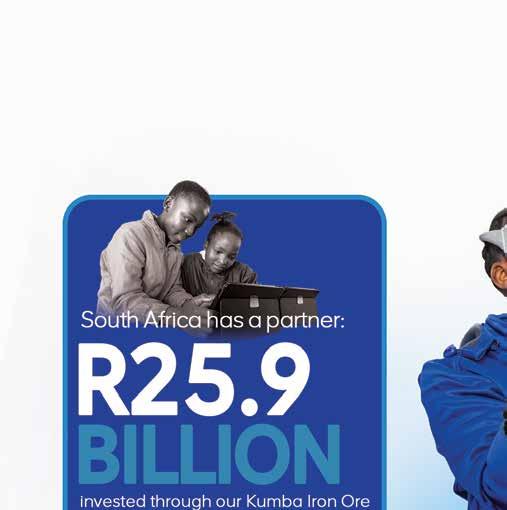
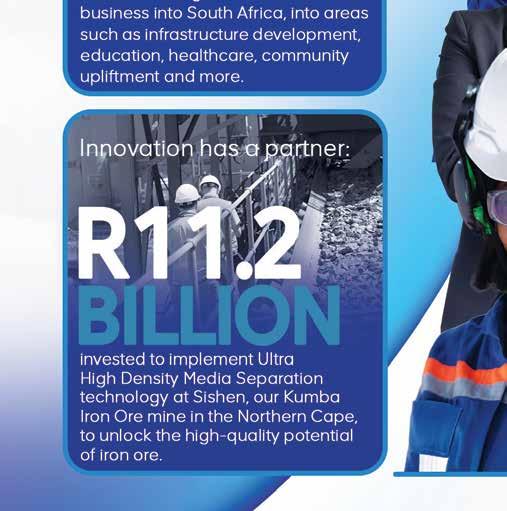
Progress has a partner.
By working together, we set progress in motion.
Progress builds. It moves. It happens when the right people come together. At Anglo American, we bring those partnerships to life. We’ve worked alongside governments, communities and businesses for over a century, creating change that lasts, transforming lives and building real futures together.
As a proud sponsor of this year’s Investing in African Mining Indaba, we are working together with our partners to unlock mining’s full potential.
Here are some examples of what partnership has enabled:
Mining potential. Building beyond.
MINING’S PROJECT MANAGEMENT SKILLS CHALLENGE
A global lack of project management skills is impacting industries worldwide. This bodes ill for SA’s mining sector, already buckling under numerous other signifi cant challenges.
BY RODNEY WEIDEMANN
The annual increase in the talent gap in the project management space is outpacing the average growth of the global economy, demonstrating the urgency of reskilling and upskilling within the project management arena.
Some 30-million new project professionals are needed to meet global demand by 2035, according to the new Global Project Management talent Gap report from Project Management Institute (PMI).
As the world accelerates into an era defined by economic uncertainty, disruption, and digital transformation, it is clear that project professionals are more essential than ever, says George Asamani, managing director at PMI Sub-Saharan Africa.
“THE REAL QUESTION WE NEED TO ANSWER IS: CAN WE ATTRACT THE RIGHT INVESTMENT IF WE DON’T HAVE THE RIGHT PROJECT MANAGEMENT SKILLS?”
– DANIEL ORELOWITZ
“There are almost 40-million project professionals in the global workforce today. To put this into perspective: the global workforce includes approximately 25-million so ware developers and around 30-million nurses, underscoring the scale and significance of the project management profession,” he says.
Asamani notes that Sub-Saharan Africa will require approximately 4.35-million project professionals by 2035, up from 2.6-million today, a 67% increase that translates into a talent shortfall of 1.75-million.
“Addressing the gap will demand scaled investment in professional training and deeper collaboration with universities and governments. Expanding access to globally recognised certifications will be essential to ensuring workforce readiness and building execution capacity on the continent.
“Data from the Project Management Institute suggests that about 10% of global project investment is lost annually due to poor performance. In Africa’s infrastructure pipeline, that translates into billions in wasted investment, and underlines the importance of project management skills.”
THE PROJECT MANAGEMENT GAP
James Dutchman, partner and principal engineering geologist at SRK Consulting (South Africa), says in SA there is already a growing skills shortage in the mining sector,
and the lack of project management expertise will further exacerbate this gap.
“Modern mining projects are complex and require intricate coordination across multiple disciplines: geology, geotechnical engineering, tailings governance, water stewardship, permitting, ESG, and sustainability initiatives. Without enough skilled project managers, mining projects risk delays, budget overruns, and poor execution,” he says.
“In South Africa’s context of strained logistics, energy reliability challenges, water scarcity, and regulatory requirements, weak project management compounds systemic constraints, delaying projects and driving higher costs. This undermines sector growth, new mine developments, and expansion projects – hampering output and eroding investor confidence.”
Dutchman notes how good project management enables companies to translate plans into tangible economic gains. Thus a deficit of skills means higher risk exposure and lower returns on investment.
“The consequences are broad. Infrastructure takes longer to construct, critical milestones are missed, digital transformation stalls, cost of capital increases, and project risks are heightened. A dearth of project management skills means greater project risks, reduced innovation, and lower capital e iciency –ultimately slowing growth trajectories and widening disparities between well-executed and poorly executed economies.”
30m
NEW PROFESSIONALS NEEDED BY 2035
SOUTH AFRICA’S CHALLENGES
According to Training Force managing director Daniel Orelowitz, challenges such as delayed infrastructure projects, poor service delivery, cost overruns, and failures due to poor planning, communications, and risk management are all potential outcomes of a failure to invest in project management skills.
“A nation that lacks these skills or enough people within this field will find economic growth hindered, since it becomes increasingly di icult to attract investment if you already have numerous other projects that have overrun on budget, overrun on time, or simply completely failed.
“The real question we need to answer is: can we attract the right investment if we don’t have the right project management skills?”
These skills are necessary to ensure a project works properly, he says.
“Remember that project management skills are all about keeping the project running on time and in tune. It is similar to the conductor of an orchestra – while many instruments come together to create a symphony, without someone telling each musician when to join in, you won’t really make worthwhile music.
“The project manager is the one that pulls all the other skills sets together to make the project work, which is why a lack
of these skills is so concerning,” he says.
Orelowitz says these skills are also di icult to obtain, since project management varies considerably depending on the industry. So for example in mining, a project manager will need a deep understanding of the industry and in-depth knowledge of how mining works in order to apply their skills e ectively.
“Therefore, it is imperative that the mining sector seeks out people with project management qualifications and brings them into the sector early on, so that they can obtain the industry-related knowledge required as quickly as possible.
“Too o en, I think, the mining sector approaches things from the opposite direction – they promote someone with the necessary mining skills to the project management position, without determining if they have the requisite understanding of how to ‘conduct the mining orchestra’ properly.”
CLOSING THE SKILLS GAP
To close South Africa’s project management skills gap will require coordinated e orts across education and industry, notes SRK’s Dutchman.
“I believe there is a need to strengthen foundational education to incorporate project management principles into curricula, equipping students with foundational tools for project execution,
“PMI DATA SUGGESTS THAT ABOUT 10% OF GLOBAL PROJECT INVESTMENT IS LOST ANNUALLY DUE TO POOR PERFORMANCE. IN AFRICA’S INFRASTRUCTURE PIPELINE, THAT TRANSLATES INTO BILLIONS IN WASTED INVESTMENT.”
– GEORGE ASAMANI
■ Up to 29.8-million more project professionals will be needed by 2035 to meet global demand.
■ Fastest growth regions include South Asia, Sub-Saharan Africa, and China, fuelled by infrastructure investment and digital innovation.
■ Sectors under pressure include construction, manufacturing, IT services, and healthcare, with projected demand for project professionals increasing by as high as 66%.
■ Mature economies, including North America and Europe, face stalled supply of project professionals due to ageing populations and shi ing labour force trends.
■ The opportunity: reskilling, upskilling, and opening new career pathways can help close the gap and elevate the profession globally.
and better preparing them to step into future industry project roles. At the same time, employees need to be provided with accessible upskilling pathways and opportunities for training in this space,” he says.
“Companies should look to o er targeted internal or external courses, and on-the-job training that seeks to build practical project management competencies
KEY TAKEAWAYS FROM THE PMI REPORT:
FAST FACT
THE PMI SUGGESTS AROUND 10% OF GLOBAL PROJECT INVESTMENT IS LOST ANNUALLY DUE TO POOR PERFORMANCE.
and enhance skills in areas like planning, risk management, and leadership.”
He suggests that companies should also encourage professionals to pursue globally recognised certifications like Certified Associate in Project Management or Project Management Professional from the PMI, as well as professional development in areas such as construction project management, project risk management, or agile project management.
“Developing strategies for retaining newly developed project management talent will be just as important as keeping that talent pool supplied. South Africa’s weaker currency and economic uncertainties create an environment where there is a higher risk that skilled professionals will leave the country in pursuit of higher salaries and new opportunities. Simply, government and industry must make staying more attractive.”
On a broad scale, industry growth, economic stability and better quality of life would help to reduce the “push” factors that drive talent away, says Dutchman.
“Providing more opportunities, improving work conditions and recognising the critical role of project managers in projects, and creating an environment where project professionals see long-term growth and purpose, are all important retention methods.”
“DEVELOPING STRATEGIES FOR RETAINING NEWLY DEVELOPED PROJECT MANAGEMENT TALENT WILL BE JUST AS IMPORTANT AS KEEPING THAT TALENT POOL SUPPLIED.”
– JAMES DUTCHMAN
And we absolutely should be encouraging the next generation of young professionals to pursue a career in project management, he says, as this is essential for closing the skills gap and meeting future industry needs.
LOOKING AHEAD
“Overcoming the deficit will require the combined strategies discussed above: training and upskilling, inspiring youth to join the profession, and retaining talent. Achieving this would help to transform the current skills shortage in project management, into a foundation for sustained growth and competitiveness in the space,” says Dutchman.
Orelowitz agrees, noting the enormous value a consistent pipeline of project management skills would deliver.
“By having the right project management skills available, we will see improvements in efficiencies – with more projects completed on time and on budget – and higher-quality projects delivered. This, in turn, will lead to greater investments in the SA mining sector, which will help to grow and stimulate the
economy, something that we ultimately all want,” he says.
Pierre Le Manh, PMI president and CEO, says project talent is what makes transformation possible, enabling organisations to turn complex ambitions into tangible outcomes.
“On a global scale, mature economies in particular face growing challenges, as experienced project professionals retire, and delivery models can’t keep pace with evolving business needs. Therefore, those who invest in modern project talent today will have a competitive edge tomorrow.”
The need for change is everywhere, and change only happens through successful projects, he says.
“Thus we are facing a defining moment for project professionals. We don’t just need millions more of them, we need them ready to lead, to deliver, to turn bold ideas into real and sustainable outcomes. The talent gap in our profession isn’t just a workforce issue. It’s a barrier to progress for business and for the future of the world,” he says.
EQUIPMENT THAT WORKS WHERE IT MATTERS
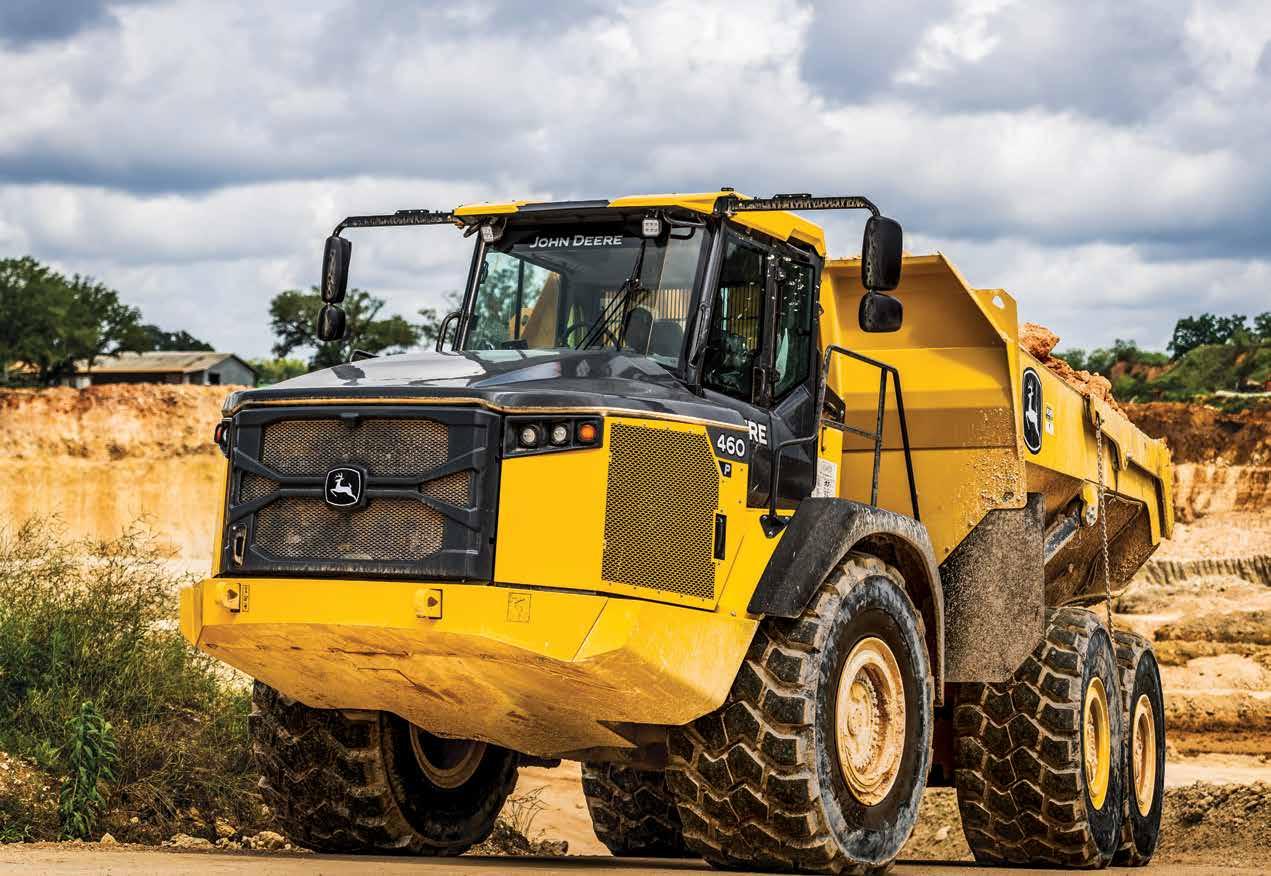
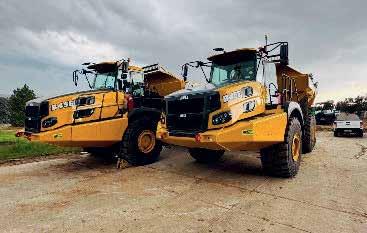
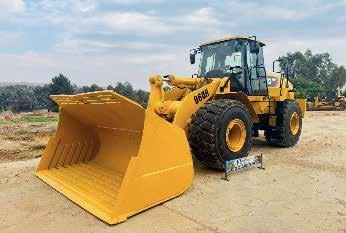
The John Deere 824P Wheel Loader and 460P Articulated Dump Truck, supported by Senwes Equipment, offer local mines practical and advanced hauling solutions.
On South African mine sites, earthmoving equipment is judged on performance rather than promises. Machines are expected to load, haul and operate reliably in tough conditions, o en over long shi s and under constant pressure to deliver. In this environment, durability, ease of operation, and dependable service support remain critical to keeping production on track. Supported locally by Senwes Equipment, the John Deere 824P Wheel Loader and 460P Articulated Dump Truck (ADT) are a common sight at many mines, essentially forming the backbone of material movement across surface mining and quarry operations.
CONSISTENT LOADING PERFORMANCE
The wheel loader is o en the starting point of the production cycle, whether managing stockpiles, feeding crushers or loading haul trucks. The 824P Wheel Loader is designed for high-volume material handling, o ering the size, power and stability required for demanding site conditions.
“THE 460P ADT IS BUILT TO MOVE LARGE PAYLOADS ACROSS UNEVEN GROUND AND VARIABLE HAUL ROADS, CONDITIONS TYPICAL OF SOUTH AFRICAN MINING OPERATIONS.”
Operators benefit from a PowerTech™ engine, delivering smooth, reliable power, and the SmartWeigh™ system, which provides on-the-go payload measurement, without interrupting workflow.
Its heavy-duty TMV axles and reinforced drivetrain ensure durability under heavy loading, while pressure-lubed bearings and self-adjusting brakes help reduce maintenance and downtime. Predictable handling, good visibility and responsive controls keep operators productive over long shi s.
Once material is loaded, e icient hauling becomes the priority. The 460P ADT is built to move large payloads across uneven ground and variable haul roads, conditions typical of South African mining operations.
Selectable drive modes allow the truck to match performance and traction to changing site conditions, while controlled tipping and stable handling support safer operation at dump points.
Its heavy-duty PowerTech™ engine delivers consistent hauling power, and additional features such as rollover protection and downhill dump control add extra safety and confidence for operators. An optional advanced vision system rear camera further improves operator awareness, enhancing safety in busy loading and haul areas.
THE ROLE OF AFTERSALES SUPPORT
Even the toughest machines need support to stay productive. Senwes Equipment’s a ersales service provides access to trained
technicians, genuine parts and practical maintenance guidance. For remote or high-utilisation sites, this support ensures that machines keep moving and avoid costly unscheduled downtime.
With JDLink™ telematics, operators and service teams can monitor machine performance, schedule maintenance, and tackle potential issues before they become problems. Combined with easy-to-access service points and intuitive machine layouts, this helps keep downtime to a minimum and production on track.
When one looks at South African mine sites, the results speak for themselves. Equipment that combines durability, productivity and strong service backing tends to remain in service longer, while delivering better value over time.
In the end, the John Deere 824P Wheel Loader and 460P ADT o er a practical earthmoving and hauling solution built around the realities of daily mining operations.
PIC LAUNCHES FUND FOR EARLYSTAGE MINING
The Public Investment Corporation has announced funding for early-stage mining opportunities for projects in the postscoping to bankable feasibility study stage, in South Africa and Africa.
BY RODNEY WEIDEMANN
The Public Investment Corporation (PIC) has launched a R1.35-billion fund for early-stage mining, focusing on advanced projects – the post-scoping to bankable feasibility study stage. Funding will be split 50/50, with half allocated for projects in South Africa, and the other 50% for the rest of Africa.
The money is to be invested across diversified commodities, geographies, and development stages. This approach aims to mitigate the high-risk nature of earlystage mining investments while delivering attractive returns for PIC clients.
According to the PIC, funding is to be provided indirectly through private equity, venture capital, specialist funds, joint ventures, and partnerships, with the goal of derisking high-potential projects and boosting SA’s mining sector.
The investment strategy supports a wide range of strategic minerals critical for South
“THIS SHOULD SUFFICIENTLY REDUCE THE DEVELOPMENT RISK FOR OTHER INVESTORS, AND ENCOURAGE ADDITIONAL EXPLORATION IN GEOLOGICALLY PROSPECTIVE AREAS.” – JULIA MACFARLANE
Africa’s Just Energy Transition (JET), such as copper, cobalt, nickel, lithium, graphite, tin, tungsten, tantalum, bauxite, antimony, fluorspar, manganese, and other related minerals aligned to JET objectives.
The allocation a irms the PIC’s commitment to driving economic growth, fostering responsible investing, catalysing minerals of the future and enhancing South Africa’s global competitiveness in mining. This funding aligns with the government’s objectives of transitioning the industry to be more inclusive, sustainable, and economically beneficial for all citizens.
SIGNIFICANT RETURNS
Julia McFarlane, senior manager at Deloitte Technical Mining Advisory, says it is a widely held belief that growth in the mining sector has been constrained by a lack of investment in exploration and project development in this sector. Thus, by making these kinds of funds available, we should see significant returns in the form of growth in the sector, and the wider economy.
“Depending on the level of work done to establish geological confidence in a deposit or the economic potential of early-stage mining opportunities, the commodity, and the characteristics of the project site, this level of investment could potentially bring several projects over the line,” she says.
This should su iciently reduce the development risk for other investors, and encourage additional exploration in geologically prospective areas, she says.
“Importantly, this reduces the initial risk presented to any junior explorer in identifying and committing capital to target
identification and early prospectivity,” says McFarlane.
Grant Mitchell, lead at the Junior and Emerging Miners Desk at the Minerals Council South Africa (MCSA), says locally, most current exploration has been focused on already known reserves – there has been no greenfields exploration.
“However, the JET demands a lot of greenfields exploration, so anything that can encourage more of this is good for the industry. In particular, the focus of the PIC investment is complementary to the exploration funding being o ered by the Industrial Development Corporation (IDC), meaning the two can dovetail to provide a significant boost to the mining sector,” he says.
“There is little doubt this is a positive for the junior mining industry in SA, as well as the broader mining sector. A er all, modern mines can take close to two decades to develop into viable operations, so it is vitally important to fund new developments through mechanisms like this.”
GOLDEN OPPORTUNITY
McFarlane cautions that the sustained availability of this funding is critical, explaining that other jurisdictions have experienced much greater investment over a period of years, which builds a long-term pipeline of projects. As an example, Australia has committed about US$275-million annually for the past 15 years, while South African budgets were US$71.3m in 2011 and declined to a low of US$3.2m in 2022.
“The JET is a golden opportunity for South Africa, and for the African continent. Not only are SA and the rest of the continent geologically
R1.35bn PIC’S EARLY STAGE MINING FUND
prospective for these critical minerals, but the region is also relatively underexplored compared to the rest of the world.”
This means that well-directed investment in exploration and project development is required to make the most of this opportunity, she says.
“It must be mentioned that, with operating mines already navigating cost pressures, critical minerals markets are considered generally volatile. This volatility introduces risk across the long-term development period required to bring a prospective site into production and requirement for sustained finance during periods of bearish commodity markets.”
This means the financing unlocks opportunities for the long term and provides a mechanism to continue to drive their development through periods of heightened risk, she says.
Mitchell agrees that funding like this is particularly crucial for junior miners, since it is important that their efforts at early-stage development receive this level of support.
“The one proviso here is the high black economic empowerment (BEE) requirements attached to the PIC funding, which will obviously limit the market. While there are numerous foreign investors that would like to play in this space, many will not be prepared to accept these BEE requirements,” he says.
“Thus, on one hand, the funding supports the growth of fully BEE-compliant exploration and development, [but] at the same time it will also disqualify many potential foreign investors.”
VALUABLE CONTRIBUTION
The relatively high cost of determining feasibility in mining, says McFarlane, has left a funding gap at the pre-feasibility and feasibility stages, which has left several project developments stranded at the scoping stage. The PIC initiative will hopefully unlock projects caught in this gap.
“The funding value put forward by the PIC could also provide a valuable contribution to grassroots exploration, bringing investment into a single country to a level that is somewhat relatable with other mature mining jurisdictions worldwide.”
Mitchell is of the opinion that anything that leads to new mines being developed is positive, adding that in SA, the junior sector comprises around 10% of the industry, including both explorers and producers. Moreover, since around 50 000 people are employed in the junior sector, anything that will develop and grow this sector further is a net positive.
“Exploration has an immediate benefit on the economy, because from the outset, an organisation needs to invest in resources and labour, while also paying taxes – so there is an immediate benefit to the fiscus, even without the mine development being completed.
“Apart from the value of the additional tax revenue, a project also impacts the surrounding service industries positively and increases the social benefits nearby communities receive when a mine is built,” he notes.
Deloitte suggests that with access to funding, SA has an opportunity to play an important role in generating supply sources
SA’s junior mining sector:
■ Comprises around 10% of the industry
■ Includes both explorers and producers
■ Employs around 50 000 people
for copper, nickel, rare earth elements, manganese, and other metals.
But with consideration of transformative policies and alignment with infrastructure and logistics initiatives, the country also has an opportunity to institute a strategic position in the development of value chains for critical commodities produced by other African countries, it says.
“As a result of the fact that many of the critical minerals do not yet have mature value chains in Africa, funding of early-stage mining opportunities for these minerals could result in additional strategic development and more certainty of the value chain being developed locally, or regionally,” says McFarlane.
PARTNERSHIPS IN PRACTICE HELP MINES TO PERFORM BETTER
In a relatively short space of time, global supply giant Tega Industries has grown to become a household name in the supply of minerals processing and benefi ciation consumables. Meanwhile, its expansion programmes and global acquisitions are steadily realising its ambitions to dominate equipment supply and services in this space as well.
Over the space of half a century, Tega Industries has evolved from an inwardly focused supplier of rubber components for OEM manufacturers, to a thriving specialist company supplying rubber, polymer and hybrid wear liners, materials handling and beneficiation products to mining and other industries.
Simultaneously, it has developed hi-tech optimisation and management services and solutions designed to optimise entire plants and processes.
As part of its growth plan, its expansion into Africa over the past two decades has also seen the company become a key supply partner to the majority of mines across the continent.
Tega’s evolution mirrors the changing needs of the global mining industry. What began as a specialist manufacturer of wear products has grown into one of the world’s largest producers of mill liners and mineral processing consumables – with operations in more than 100 countries and manufacturing bases across India, South Africa, Australia and Chile.
Throughout this period, the growth has been underpinned by a philosophy of engineering-led solutions and close collaboration with customers.
Tega Industries Africa CEO, Vishal Gautam,
says the South African manufacturing plant has become a critical part of the company’s global footprint and has developed into a major force in primary grinding mills across the Southern and Central African regions. Over the past seven to eight years especially, the business has recorded sustained growth driven largely by the conversion of large
primary ball mills from traditional steel liners to Tega’s hybrid and composite solutions.
as well as longer lifespans and safer, faster relines,” he says.
“When we combine these advantages with management tools such as our condition monitoring, scanning and reporting services, it provides mine managers with massive advantages over the traditional ways and as a result we have experienced a massive shi towards our products and services across every type of mining operation, and almost every commodity. It is an undeniable fact that our customers in mining are moving away from reactive maintenance, and towards data-driven shutdown planning that allows consumables to be used to their maximum potential,” says Gautam.
He adds that local capability is as important for African operations, where the company’s end-to-end design, manufacturing and distribution centre in South Africa assists mines to mitigate long lead times and supply chain disruptions. It enables faster turnaround from order to delivery and has become a key di erentiator in a tough market.
“While in the past mining managers tended to stick to known technologies, the need to li volumes and operate more e iciently has led them to seek new technologies that do not need a complete overhaul of their plants. Rather, they are recognising the operational benefits of our hybrid liner systems with lighter components for faster and more e icient processing,
“IT IS AN UNDENIABLE FACT THAT OUR CUSTOMERS IN MINING ARE MOVING AWAY FROM REACTIVE MAINTENANCE TOWARDS DATA-DRIVEN SHUTDOWN PLANNING ALLOWING CONSUMABLES TO BE USED TO THEIR MAXIMUM POTENTIAL.” – VISHAL GAUTAM
Tega’s 50th anniversary also marks a new phase of partnerships with local mines, as the global company expands its o ering into a vast range of new equipment o erings through acquisitions of several well-known companies, and invests in further research and development to expand its existing ranges. These developments fit hand-inglove with changing requirements – and are pivotal to supporting regional growth in areas such as Zambia, the Democratic Republic of the Congo and Botswana, as well as opening new markets in Mozambique.
Vishal Gautam.
DECARBONISING MARITIME TRANSPORT FOR IRON ORE
With a signifi cant share of embedded emissions stemming from long-distance shipping, deploying ammonia-fuelled bulk carriers could help decarbonise maritime transport.
BY RODNEY WEIDEMANN
Recent Global Maritime Forum (GMF) analysis reveals that the South Africa-Europe iron ore shipping route could feasibly deploy green ammonia-powered iron ore carriers from 2029, and reach full decarbonisation by 2035.
A feasibility study produced in collaboration with a consortium created in 2023 – which includes Anglo American, CMB.TECH, Freeport Saldanha, VUKA Marine, and ENGIE – noted that the corridor linking Saldanha Bay in the Western Cape to the Port of Rotterdam in the Netherlands would be one of the first global south to north green shipping routes.
Shanon Neumann, associate: investment facilitation at Freeport Saldanha, points out
that if you look at iron ore, manganese, coal and other bulk commodities, the value chain doesn’t stop at the mine gate.
“A significant share of embedded emissions stems from long-distance shipping, travelling from the global south to markets in Europe and Asia. If we ignore that, mining companies will increasingly face pressure from customers, financiers and regulators on their Scope 3 emissions,” she indicates.
“Ammonia-fuelled bulk carriers are among the most promising options for deepsea, heavy-duty routes such as iron ore. The feasibility study on the South Africa-Europe iron ore corridor shows that ammoniafuelled bulk carriers could start operating from around 2029, and scale towards full
“AMMONIA-FUELLED BULK CARRIERS ARE AMONG THE MOST PROMISING OPTIONS FOR DEEP-SEA, HEAVY-DUTY ROUTES SUCH AS IRON ORE.”
– SHANON NEUMANN
decarbonisation by 2035.”
She says shipping is responsible for roughly 3% of global CO2 emissions, and bulk commodities are a big slice of that.
“For deep-sea shipping, we don’t have many credible, scalable zerocarbon options. Green ammonia is one of the front-runners, alongside e-methanol and, in some niches, synthetic methane and e-diesel.”
Neumann says these bulk carriers tie into decarbonisation strategies for 2035 in three ways:
■ Fuel choice: Green ammonia is energy-dense, can be stored as a liquid, and can be produced at scale from green hydrogen. This makes it suitable for long-haul bulk routes, where batteries or even methanol struggle with energy density.
■ Fleet replacement cycles: Many current ships will be due for replacement or major retrofits in the 2030s. Designing these as ammoniaready or ammonia-capable vessels creates a natural window for change.
Alignment with upstream hydrogen projects: Ammonia provides a direct o take route for green hydrogen projects
at Boegoebaai, Saldanha and Walvis Bay.
Ammonia-fuelled carriers are important because they unlock upstream hydrogen projects, derisk mining and steel decarbonisation, and send a strong signal to regulators and financiers that this route can be run on zero-carbon fuel by the 2030s, says Neumann.
SHIPPING’S SHARE OF GLOBAL CO2 EMISSIONS
“The development of these green corridors will be accelerated by the recently announced green hydrogen projects near Boegoebaai, Saldanha, and Walvis Bay.”
These corridors are no longer theoretical, says Neumann, and success will depend on collaboration and sequencing.
“Mining houses, shipowners, ports, hydrogen developers and governments will have to move together on o take contracts, regulation, skills and infrastructure. We also need to keep communities and workers at the centre, as these projects can bring real local benefits – jobs, training, small-business opportunities – if they’re structured with inclusivity in mind.”
If we get that right, she says, South Africa and its neighbours can do more than just ship green ore. “We can become core nodes in the global green shipping and green hydrogen economy, shaping the standards and capturing value – not watching it happen from the sidelines.”
The benefits cut across industrial, trade, fiscal and social dimensions:
■ Industrialisation and jobs
■ Protecting and enhancing export competitiveness
■ New export revenues
■ Port and logistics revenues
■ System resilience and grid benefits BENEFITS TO SA’S ECONOMY
SUPPLYING INDUSTRIAL AND SPECIALTY GAS PRODUCTS TO THE SOUTHERN AFRICAN REGION
KEEPING EXPLOSIVES SAFE, ANYWHERE
Safety and security are paramount when storing explosives for mines. However, there remain many other challenges unique to Africa’s environmental conditions that can also affect storage.
BY RODNEY WEIDEMANN
African conditions are o en harsh and unforgiving, thus creating an environment more hostile to mining than most. When roads end, temperatures soar or plummet, and security risks escalate, extraordinary explosives storage solutions may be needed.
Of course, regardless of the conditions, explosives management for mines must adhere to demanding safety and regulatory frameworks. People’s lives and wellbeing, the safety of surrounding communities, project continuity, and the integrity of expensive goods are on the line.
Johan von Landsberg, Mining and Energy Acuity (MEA) technical manager, explains that African conditions are o en unique.
“Some mines have no choice but to operate close to urban centres, while others are located deep in the remote African bush. Sometimes they’re even located in conflict zones, where explosives are highly coveted for non-industrial purposes,” he says.
“In these types of situations, working with specialised explosives management solutions providers is critical for keeping everything
above the line and the supply chain flowing. This is because such conditions o en require atypical storage solutions, designed to meet the demands of specific conditions under complex environmental and socioeconomic circumstances.”
Dr Ramesh Dhoorgapersadh, general manager of operational excellence and safety, health, environment, risk, and quality at BME, adds that many regions lack the necessary infrastructure to support the safe and e icient transportation and storage of explosives.
“Remote mining sites o en face considerable challenges such as poor road conditions, inadequate storage facilities, and unreliable communication networks. Many African countries also face shortages of suitably qualified and experienced explosives management professionals, necessitating the recruitment of talent from neighbouring countries such as South Africa,” he says.
“Hazards related to the transport of explosives can be categorised into those occurring during external transport (via public roads) and internal plant transport. Among
“HANDLING EXPLOSIVES IN AFRICAN CONDITIONS OFTEN REQUIRES ATYPICAL STORAGE SOLUTIONS, DESIGNED TO MEET THE DEMANDS OF SPECIFIC CONDITIONS UNDER COMPLEX
the most significant risks during the transportation of hazardous materials is the potential for occupational injuries resulting from tra ic accidents.”
In the context of modern security concerns, he says, another serious threat is the possibility of an attack on the convoy, including the or assault. There is also considerable danger associated with the uncontrolled detonation of explosives following a tra ic collision or the accidental dropping of a charge during loading or unloading.
MODULAR MAGAZINES
Von Landsberg notes that the further a project moves from established infrastructure, the harder it is to rely on centralised magazines. Transport is o en unpredictable and roads vanish into seasonal mud. In such conditions, explosives must o en be stored closer to the workface to avoid costly stoppages.
“Sometimes, especially with large projects, warehouses are warranted. But mostly, containerised or modular magazines – designed for mobility – are the only option. These units can be trucked in, dragged over rough terrain, or even flown in by helicopter. Unlike fixed bunkers, mobile designs must combine portability with full regulatory safety features.”
Temperature and humidity are also concerns, he says, as extremes can compromise explosives and create serious safety risks. “Too much heat, such as is found in desert environments, can destabilise
CONTAINERISED MAGAZINES NEED
■ Enhanced insulation
■ Double roof sheeting
■ Ventilation units for air circulation and temperature stabilisation
■ Continuous monitoring
emulsions, while in tropical belts, rain and humidity can render ammonium nitrate prills unusable, if stored poorly.”
Therefore, he suggests, containerised magazines need enhanced insulation, double roof sheeting and ventilation units to allow fresh air circulation and temperature stabilisation. They should also have continuous monitoring to ensure explosives remain stable under all conditions.
“Dust, rain, and salt air can also damage storage units and packaging. To combat this issue, MEA’s designs use corrosion-resistant materials, sealed joints, and drainage to ensure magazines stay safe, dry, and compliant,” says Von Landsberg.
ENVIRONMENTAL AND SECURITY RISKS
Dhoorgapersadh agrees that environmental factors like temperature, humidity, and ventilation play a big role in explosive stability. Proper storage conditions should include:
■ Temperature control to prevent overheating.
■ Dehumidifiers to limit moisture that can degrade materials.
FAST FACT
ENVIRONMENTAL FACTORS LIKE TEMPERATURE, HUMIDITY, AND VENTILATION PLAY A BIG ROLE IN EXPLOSIVE STABILITY.
■ Adequate ventilation to disperse any harmful fumes.
“Security considerations are always front-of-mind when constructing and maintaining explosives storage units. However, the requirements are considerably more demanding in regions plagued by theft, sabotage, or armed conflict,” he says.
“Solutions here may include hardened bunkers with multiple access controls, remote monitoring, and integration with military or police security systems.
“Other measures to prevent unauthorised access to explosives include installing surveillance systems around storage areas; using access control mechanisms like keycard or biometric locks; conducting background checks for all personnel with access to explosives; and setting up perimeter fencing and security lighting.
“These protocols help keep explosives out of the wrong hands and reduce the risk of theft or misuse.”
Von Landsberg agrees that the requirements are considerably more demanding in regions plagued by theft, sabotage, or armed conflict, adding that in particularly volatile conditions, explosives may be co-stored temporarily with state security forces to reduce vulnerability.
ADDITIONAL CHALLENGES
“Other potential challenges include border closures, port congestion, or labour strikes that can halt the movement of explosives at the worst possible time. To solve this issue, portable magazines, containerised storage,
or adapted facilities can all be utilised, provided they meet safety and regulatory standards,” he says.
“Mining organisations must remember, however, that a mobile magazine still carries the same risks as a permanent one. It must be engineered, inspected, and secured to the same standard, even if it only exists for a matter of weeks.”
In Africa’s expanding mining sector, suggests Dhoorgapersadh, the safe storage of explosives presents unique challenges in terms of infrastructure and ease of access.
“To this end, although permanent magazines serve well at established sites, the industry is increasingly turning to portable magazines to serve remote operations and temporary locations. These may include skid-mounted magazines or containers, but with specific features and specifications to manage critical variables such as security, temperature, and humidity,” he says.
Every mine is unique, Von Landsberg points out, indicating that while the rules don’t change, the way that they are applied sometimes must.
“The African environment demands a careful touch, adaptability, and some design creativity. When it comes to handling explosives in harsh conditions like those found on the continent, the solution must be engineered to keep conditions within safe thresholds, no matter how hostile the environment outside,” he says.
YES: MINING TALENT MULTIPLIER
The Youth Employment Service (YES) initiative offers mines and their suppliers a consolidated route to boost B-BBEE levels and create a sustainable, job-ready workforce.
BY KEBA MATLHAKO, ESD TRANSFORMATION SPECIALIST, BEE CHAMBER
The Youth Employment Service (YES) initiative is emerging as a strategic tool that goes beyond compliance, helping mines and their suppliers – such as construction companies – meet scorecard requirements, build future talent pipelines, and strengthen competitiveness in a cost-e icient way.
Compared to fragmented spend on bursaries, enterprise development, or multiple interventions, YES delivers a consolidated route to boost B-BBEE levels, particularly for suppliers into mining, while directly addressing one of the industry’s most pressing needs: a sustainable, job-ready workforce.
While mining houses are primarily governed by the Mining Charter, their supply chains are still evaluated using B-BBEE status in sourcing, panel appointments, and renewals. For Tier1 and Tier-2 vendors, engineering services, original equipment manufacturers, earthmoving and plant equipment, logistics, personal protective equipment, facilities, catering and information and communications technology, a one- to two-level li through YES can be the decisive di erentiator in Request for Proposal scoring and preferred-supplier retention.
In other words, YES may be a supporting lever for mines, but it’s a primary competitive lever for the companies that supply them.
The BEE Chamber, which works closely with mining companies and suppliers to mines on YES implementation, has demonstrated how the initiative can li a company’s B-BBEE level by up to two levels. This advantage is significant: moving from Level 8 to Level 6, or Level 7 to Level 5, in procurement-driven environments where B-BBEE status influences supply contracts, can be decisive for a company’s ability to compete.
At its core, YES gives companies a structured pathway to place unemployed youth into 12-month work-experience programmes. Unlike traditional recruitment, where a three-month probation o en results in costly permanent hires, YES provides a full year to observe, train and assess participants in real mining environments.
Underperforming candidates can be released at the end of the programme, while those who excel can be absorbed into permanent technical, operational, or administrative roles. This 12-month “test run” gives companies flexibility, reduces hiring risks, and builds a pool of talent already familiar with safety protocols, systems and company culture.
The benefits extend beyond workforce planning. Depending on your baseline and scorecard gaps, YES can consolidate compliance spend and potentially o er a more cost-e ective path to a level upli than a comparable mix of programmes. In other situations, those levers may deliver better value.
The optimal route is context-specific; the BEE Chamber routinely
assesses interested parties’ current score, procurement exposure, timelines, and budget to determine whether YES should lead, complement or wait.
WHY YES IS A BIGGER LEVER FOR MINING SUPPLIERS
There are several ways in which the YES Programme can significantly benefit mining suppliers:
■ Direct tender impact: Buyers compare B-BBEE levels when awarding or renewing supplier panels; a faster level-li via YES can defend key accounts and unlock new contracts.
■ Consolidated, predictable cost: A single YES programme can replace multiple small interventions, simplifying budgeting and improving return-on-investment attribution.
■ Operational credibility: Hosting youth in technical; health, safety and environment; warehousing; and administrative roles demonstrates capability and local participation, aligned to clients’ community priorities.
■ Speed to score: Properly structured, a YES intake can translate into level improvements within the financial year, useful for timebound tender windows.
By aligning with employment equity targets and workplace skills plans, YES ensures that every rand spent simultaneously drives transformation, skills development, and long-term operational capacity.
Crucially, YES should not be viewed as a charitable exercise. While it does make a direct contribution to South Africa’s urgent youth unemployment, the value to companies is far more tangible, creating stronger pipelines of trained talent, greater workforce flexibility, and improved retention of entry-level employees.
For suppliers in mining, the message is clear: YES is more than social impact, it’s a commercial moat. It can be used to:
■ Secure a level upli ahead of panel reviews.
■ Evidence local talent development around client sites.
■ Present a lean, auditable compliance pack in tenders.
The BEE Chamber can structure a supplier-grade YES plan, host-placement design, evidence mapping, and verificationready files, so that your investment converts into both level enhancement and pipeline.
In an era of tight margins and growing transformation expectations, YES o ers the mining ecosystem a rare win-win scenario. It is a compliance mechanism that doubles as a strategic workforce tool. Organisations that position YES as a cornerstone of growth and compliance strategy will emerge with stronger operations, deeper talent pools, and enhanced competitiveness in local markets.
AFRICA MINES SMARTER, TOGETHER
Mining Indaba 2026
shows that in a world of climate, supply chain, and geopolitical pressures, no single player in African mining can succeed alone.
Mining Indaba 2025, with its theme of “Future-proofing African mining”, delivered a conference filled with content that struck a balance between policy, innovation, and community, framing conversations across generations and sectors, thanks to actionable sessions, inclusive forums, and high-impact networking.
Last year’s conference marked a significant shi , by placing indigenous peoples and local communities at the forefront of discussions, acknowledging their vital role in shaping the industry’s future.
For the first time, representatives from these groups actively participated in key sessions, o ering their perspectives on sustainable and equitable mining practices. Indaba represents a commitment to inclusivity, sustainability, and strategic collaboration, aiming to position Africa’s mining industry for a resilient and prosperous future.
The conference further addressed the complex geopolitical landscape a ecting Africa’s mining sector. Discussions
emphasised the continent’s strategic decisions between engaging with the US, under President Donald Trump’s protectionist policies, or aligning with the China-led BRICS group. This choice is crucial for Africa’s mineral-rich countries as they navigate global mineral demand driven by the energy transition.
Meanwhile, getting the conference’s message out was made easy by the fact that some 400 members of the media attended the 2025 Indaba, ultimately reaching a global audience of around 1.2-billion.
Mining Indaba 2025 was a transformative year, says Laura Nicholson, product director at Mining Indaba, with the event expanding in terms of logistics and capacity. The conference gathered 58 ministers, 1 400 government o icials, 625 speakers, and more than 10 500 delegates from 122 countries.
“Based on the 10 500 delegates who attended in 2025, we expect another record year. Over 70% of the exhibition space was sold within weeks of 2025 closing, signalling strong trust and demand. Delegates return because Mining Indaba consistently delivers
“THE FUTURE OF MINING IN AFRICA DEPENDS ON HOW EFFECTIVELY WE WORK TOGETHER, SO THIS IS MORE THAN JUST A THEME FOR US – IT’S A CALL TO ACTION FOR COLLABORATION.”
– LAURA NICHOLSON
value through access to dealmaking in the Investment Village, a broader Ministerial Symposium, and Partnership Spotlights where ministers and CEOs engage in solutionfocused conversations.”
As African mining enters 2026, the operating environment is becoming more volatile, not less. Climate disruption is increasingly a ecting water availability, infrastructure, and production reliability, while demand for critical minerals is intensifying scrutiny on cost, safety and delivery performance. At the same time, capital providers and regulators are paying closer attention to how risk is understood and managed at asset level.
THE FUTURE OF MINING
Nicholson notes that this year’s Indaba has set as its theme “Stronger Together: Progress Through Partnerships”, which, she says, reflects the moment we are in, adding that mining is navigating climate imperatives, supply chain shocks, and geopolitical flux, so no single player can succeed alone.
“The future of mining in Africa depends on how e ectively we work together, so this is more than just a theme for us – it’s a call to action for the entire value chain to collaborate, innovate, and invest in Africa’s long-term growth story.”
The 2026 edition of the event will have several key features planned, including a critical minerals programme that will explore Africa’s strategic role in the global energy transition; partnership spotlights designed to
highlight candid minister and CEO dialogues; and a downstream buyers programme –connecting the automotive, aerospace, chemical, and renewable sectors to drive local beneficiation.
“It will also offer pitstop networking, designed as a hub for organic dealmaking; industry intel, comprising interactive theatres and roundtables; a junior mining showcase, spotlighting Africa’s next generation of projects; technology showcases demonstrating how Africa can adopt and scale new technology; expanded CEO participation featuring industry leading CEOs and organisations; and enhanced community engagement, featuring legacy development, dedicated programming and cultural heritage.”
Each element is designed to spark new partnerships, surface actionable insights, and produce measurable outcomes, she says. “Sustainability is woven through every programme, rather than being isolated as a standalone topic.”
In fact, at this year’s Indaba, there will be a huge focus on three connected realities facing African mining operations, namely:
■ Climate risk as an operational constraint –how physical climate impacts such as water scarcity and extreme weather are translating into production risk, cost volatility, and investor concern, and how operators can quantify value at risk to prioritise adaptation measures with tangible operational and financial impact.
■ Digital and AI adoption under real-world conditions – where technologies such as
“MINING INDABA 2026 WILL BE THE PLACE WHERE AFRICA ASSERTS ITSELF AS A STRATEGIC PARTNER, NOT MERELY A PASSIVE PARTICIPANT.”
– LAURA NICHOLSON
remote operations, advanced analytics, and autonomous systems are delivering measurable improvements in throughput and safety, and where organisational readiness, infrastructure limitations, or cultural resistance continue to slow progress.
■ Leadership and safety in more complex systems – why leadership capability and safety culture remain decisive as operations become more technologically and operationally complex, and how misalignment between people, systems, and risk controls can introduce new forms of exposure.
In addition, says Nicholson, Mining Indaba is responding with its most ambitious youth development investment yet. The Young Professionals Programme arrives at a pivotal moment, as talent demand accelerates and the sector seeks agile, techenabled and sustainability-driven leaders.
“Participation has surged by 25% yearon-year, and MI26 is expected to welcome over 600 young professionals, signalling a strong shift in youth appetite for opportunities within Africa’s mining sector.
“To meet this momentum,
Mining Indaba has strengthened the programme through landmark partnerships designed to fast-track skills development and unlock direct pathways into the industry.”
Apart from the youth, she suggests that the event will amplify the voices of women in mining, and community leadership, while the Ministerial Symposium will host heads of state and industry leaders to map Africa’s minerals strategy.
“Africa is no longer just a supplier of raw materials. It holds the keys to global decarbonisation, industrialisation, and energy security. With new trade blocs forming and resource nationalism reshaping supply chains, Indaba will be the place where Africa asserts itself as a strategic partner, not a passive participant.”
Mining Indaba 2026 must be remembered as the year African mining sets a new course, she says. “Where collaboration replaces silos, where youth voices reshape the conversation, and where technology and sustainability are not side notes, but the headline. Ultimately, what we want is for delegates to leave the event feeling as if they were part of a genuine turning point – that, for us, will be the true measure of success.”
DEVELOPING SOLUTIONS FOR SA’S WASTEWATER CHALLENGES
KSB’s focus on engineering excellence and continuous improvement will make sure its self-priming technology remains relevant and resilient.
KSB Pumps has a proud global legacy in the development of self-priming pump technology, which reflects decades of engineering innovation and application expertise. Originating in Germany, KSB’s ETAPrime range has long been recognised as a benchmark in dewatering applications with reliable and e icient designs for demanding site conditions.
Building on this foundation, KSB’s AU series, manufactured in Spain, has extended the company’s self-priming expertise into screened wastewater handling, which meets the growing needs of municipal and industrial sectors worldwide.
This global manufacturing network which also includes facilities in Germany, Spain, India, China, and locally has contributed to the continuous evolution and localisation of self-priming pump designs with adaptations on proven European technology to regional requirements. This global collaboration ensures that KSB’s self-priming solutions consistently deliver solid performance and contribute to the company’s leadership in wastewater and dewatering pump technology.
Locally, KSB Pumps and Valves South Africa continues to strengthen its presence in the country’s wastewater sector, where it draws on decades of engineering expertise and performance in self-priming pump technology. According to Hugo du Plessis, product manager for Wastewater at KSB Pumps and Valves, the company’s local journey began in 2005, with the design and manufacture of its own range of selfpriming pumps.
“We have been building self-priming pumps since 2005 during which time we have demonstrated our understanding of wastewater pumping based on our solid engineering principals to deliver solutions that are suited to Southern African conditions,” he says.
KSB’s locally produced self-priming pumps – including the ELB, ELK and ELS models – have become trusted choices in dewatering, sludge transfer and screened sewage applications. These pumps are designed to handle grey and black water systems accommodating screened solids of up to 50mm to 75mm with dependable
“WE HAVE DEMONSTRATED OUR UNDERSTANDING OF WASTEWATER PUMPING BASED ON OUR SOLID ENGINEERING PRINCIPALS TO DELIVER SOLUTIONS THAT ARE SUITED TO SOUTHERN AFRICAN CONDITIONS.” – HUGO DU PLESSIS
performance and easy maintenance.
While KSB’s existing self-priming units have demonstrated exceptional reliability across wastewater and dewatering applications, the company has identified a rising local and global need for solutions capable of handling raw, unscreened sewage containing solids of 76mm and larger.
This demanding application represents one of the most challenging environments for pump design and KSB’s ongoing research and engineering e orts are increasingly focused on meeting these heavy-duty solids-handling requirements with the same durability and higher e iciency hydraulics that define its current product range.
“It’s part of our ongoing strategy to strengthen KSB’s position in the wastewater industry and to demonstrate that we have both the local expertise and global backing to lead in this market,” says Du Plessis.
KSB’s commitment to local engineering and manufacturing remains central to this approach. Unlike many competitors who rely primarily on imported products, KSB produces its wastewater pumps locally, ensuring shorter lead times, greater flexibility, and seamless adaptation to South Africa’s unique operating conditions.
Darren Ward, KSB’s Western Cape branch manager, emphasises the importance of local manufacture and support infrastructure: “Many of our competitors have shi ed to an import-only model and reduced their local presence. KSB has gone the other way. We have invested in South African manufacturing
ELB series (launched 2005): The first locally built self-priming unit developed for light sludge and general dewatering duties. Its compact frame and simple priming system made it ideal for portable and municipal service work.
ELK series (2005 onwards): An evolution of the ELB, this model o ered higher flow capacities and improved bearing support for continuous wastewater operation in treatment plants and construction sites.
expertise and nationwide support through our SupremeServ service network. That means our customers are getting lifetime support from people who understand local wastewater challenges.”
The KSB SupremeServ network extends across South Africa o ering field service, maintenance and pump refurbishment through a network of regional branches and certified technicians. The company also runs the SupremeServ Academy which provides on-site and o -site training for customers and operators.
“It is important to note that when companies and utilities choose KSB, they are supporting a company that invests back into
the local industry,” adds Ward.
Du Plessis says the local wastewater segment presents a significant growth opportunity for KSB as the self-priming pump market in South Africa is still largely dominated by imported brands.
“We want to capture that market with a locally built product developed with local conditions in mind,” he says.
KSB’s ongoing focus on engineering excellence and continuous improvement will ensure that its self-priming technology remains relevant and resilient, he says, with plans in the near future to develop an improved version of the current design to better meet evolving industry demands.
ELS series (late 2000s): Designed for heavier screened sewage the ELS features an enlarged solids passage of up to 75mm corrosion-resistant internals and easy-clean access covers well suited to wastewater sumps and return-sludge pumping.
ETAPrime (global KSB range): Complementing the local designs ETAPrime showcases KSB’s international expertise in dewatering and drainage applications across industrial and municipal sectors. Engineered for rapid priming in challenging site conditions, the ETAPrime range has become popular in construction, mining and flood-control dewatering. Many of its proven design principles are incorporated into KSB South Africa’s ongoing development of robust locally optimised dewatering pump solutions.
AU range (Spain): Manufactured at KSB’s Spanish facility, the AU range represents KSB’s global expertise in screened wastewater and sludge-handling applications. Designed for reliable performance in municipal and industrial treatment plants, these self-priming pumps e iciently manage liquids containing screened solids such as grey water, return sludge and light e luent. The AU range combines durable construction, ease of maintenance and high solids-handling capability in demanding wastewater environments. Its proven design features have also provided valuable insight and technical inspiration for KSB South Africa’s continued advancement of locally engineered self-priming pump solutions. KSB’S
MINE SAFELY
Abrasive products are essential to the mining industry, which is why Grinding Techniques carries products focused on improving the safety of cutting and grinding applications.
The process of extracting valuable and useful minerals from the earth is fraught with danger. Not only is the mining and extraction process potentially hazardous, but the working environment itself and the sundry processing of materials may pose a threat too.
Abrasive products such as cutting and grinding discs are essential to the mining process. Be it for cutting pipe sections, grinding and blending welds, or cutting of concrete slabs – the humble angle grinder has become part and parcel of the process.
With a focus on improving safety of cutting and grinding applications, Grinding Techniques carries two specific products within the Superflex range: the Dual-Purpose Cutting and Grinding Disc, and the Superflex Cool Cut.
The cut-grind disc, specifically designed to replace traditional unsafe practices of using cutting discs for cleaning out welds, is classified as a Type 27 – being safe to operate as both a cutting and light grinding disc, e ectively reducing a two-step process to a single one.
For a product that lowers operator fatigue, the Superflex Cool disc speeds up operation and reduces application vibration and temperature on application, resulting in reduced overall downtime.
With advances in grain, bond and reinforcing technology, along with constant research and further development, our abrasive products will continue to provide a safer working condition, with emphasis on enhancing e iciency.
As a local manufacturer, we are proud to carry the Organisation for the Safety of Abrasives (oSa)-certified mark – only awarded by oSa to those passing the strict admission criteria, ensuring that products undergo rigorous testing and approval processes, with operator safety at the top of the list.
Being a preferred industry partner since 1981, we pride ourselves on bringing only the best to the industry, with the added value of being able to o er custom solutions to almost any abrasive application.
For a full-basket solution, contact one of our business development managers today on +27 11 271 6400 | info@ grindtech.com | www.grindtech.com.
TLAST YEAR WAS NOT A DOWNTURN – IT WAS A STRUCTURAL RESET
BY KEENIN SCHOFIELD, MD, BARTGLO RESOURCES
his has been a year of sharp contradictions for Southern Africa’s mining and minerals sector. On paper, the industry looks resilient, as PwC’s SA Mine 2025 report recorded a 28% rise in market capitalisation and rea irmed mining’s contribution of around 6% to South Africa’s GDP. But these figures mask an industry undergoing a profound recalibration.
Behind the headline numbers, mining slipped into a technical recession in the first quarter, contracting as much as 4%. Volatility defined 2025, prompting companies to tighten costs, defer capital expenditure, and lean into digital optimisation and renewables to stabilise operations.
The real story of 2025 is therefore not whether mining expanded or contracted, but how far the sector’s foundations shi ed. As someone operating across commodities, logistics, energy, and infrastructure – and as a stakeholder in coal and chrome through Khanyisela Resources and Chrisilda Chrome – I see four forces that defined the year. These are the rise of critical minerals; the primacy of logistics; the importance of patient capital; and the reframing of social licence as a commercial necessity.
CRITICAL MINERALS DECADE ARRIVED FASTER THAN EXPECTED
With demand for critical minerals such as copper, nickel, lithium, and rare earths set to nearly triple by 2030 and quadruple by 2040, BDO’s Annual Mining Report 2025 demonstrates why urgency has replaced speculation. If 2023 and 2024 were about forecasting the energy transition, 2025 became about implementation.
South Africa released its own critical minerals strategy, highlighting the need to secure a place in global value chains rather than remaining a supplier of raw ore. Similarly, Eswatini took bold steps of its own, deploying AI-driven geological mapping to identify high-value deposits including lithium, tantalum, and nickel, issuing exploration licences, and forming partnerships with leading geoscience institutions.
This doesn’t diminish the value of traditional minerals such as coal or chrome, as both remain essential for energy stability, employment, and export revenue. But 2025 did see a marked shi in investor sentiment.
Conversations that once centred on production volumes and pricing now focus on supply chain resilience, strategic partnerships, and multi-mineral portfolios. Even coal and chrome investors increasingly want to understand how today’s income-generating commodities can be used to fund exploration and infrastructure for tomorrow’s critical minerals.
This year demonstrated that traditional commodities must finance the transition, not be sacrificed for it.
If 2025 taught the sector one lesson, it’s that Africa’s mineral potential will be unlocked by both geology and logistics. South Africa’s mineral revenues could have been materially higher if rail and port systems operated at design capacity.
Years of under-investment have capped export volumes and limited the rail and port infrastructure upgrades needed to reduce
costs, improve e iciency, and enhance the country’s export competitiveness in the global market. Logistics has become the greatest risk and opportunity in the value chain.
Across the region, the bottleneck is unmistakable. Mines are producing, but getting minerals from pit to port remains expensive and unpredictable.
Companies with secure rail slots, storage hubs, blending facilities, and cross-border coordination mechanisms enjoyed a far greater advantage in 2025 than incremental production gains could deliver.
As such, the next winners in African mining will be determined by the quality and speed of their trade lanes, a irming that logistics is not an auxiliary cost centre but a strategic asset. Investors increasingly recognise this, and far more public-private corridor investment is expected in 2026 and beyond. Production is no longer the bottleneck. Movement is.
COMMUNITIES AND NEW CONTENDERS
A less visible yet equally significant shi this year was the elevation of social licence to a board-level risk category. Illegal mining surged, extending into previously una ected commodities and forcing sustained coordination between government, law enforcement, and mining companies.
BDO’s research also shows that ESG performance, safety data, and community integration now directly influence investor decisions, insurance exposure, and market access. For operators, this means community partnerships must be engineered into the project economics, not bolted on a er the fact. From closure planning and land rehabilitation to procurement and training, companies with meaningful community alignment faced fewer disruptions and ran more stable operations in 2025.
Eswatini’s mining sector may be small, but its 2025 trajectory suggests a long-term strategic play. Through its national mineral mapping programme and strategic push to attract investment into gold, coal, quarry stone, and high-value green minerals, the country is signalling its ambition.
Its partnership with South Africa’s Council for Geoscience and the deployment of AI-enabled exploration tools indicate a modernised approach that could accelerate the development of new mining clusters.
For regional operators, this unlocks the potential of integrated Southern African Development Community value chains, marked by cross-border beneficiation, shared logistics, and harmonised policy frameworks across South Africa, Eswatini, and Mozambique. Mining in this region will increasingly be defined by corridor economics.
This year has been a pivot point, as operators have discovered that resilience now comes from the integration of traditional and emerging critical minerals, of mining with logistics, of communities into project economics, and of national markets into regional value chains.
Mining’s next decade in Southern Africa will therefore be defined by connectivity – of infrastructure, of minerals, of markets, and of people. That is where the real opportunity lies.
CLOSING THE SKILLS GAP
In workshops, plants and pits across Southern Africa, the cra of machinery maintenance is changing faster than many teams can keep up with. Evertightening production targets, increasingly complex asset fleets, and the rising cost of getting maintenance wrong all contribute to industrial ine iciency.
O en, the people charged with keeping mission-critical machinery running safely and e iciently have had limited access to structured, modern training. This results in skills gaps in maintenance disciplines - the very skills that determine whether a gearbox lasts another overhaul cycle, whether a transformer runs cool through summer, or whether a vehicle is parked idle to avoid component failure.
Condition monitoring specialist company, WearCheck, is tackling this skills gap head on, o ering a wide range of practical, handson courses that cover various topics related to condition monitoring and maintenance. Technical manager for WearCheck, Steven Lumley, who oversees the company’s extensive training programme, explains that the courses are designed to be practical, current and immediately useful.
“For customers, our goal is that their
newly trained employees add measurable operational gains, ensuring positive returns on investment in upskilling their maintenance crew,” he says.
Heavy industry in the Southern African region, including mining, manufacturing, power generation, transport and logistics, relies on rotating and electrical assets that fail in predictable ways.
Many crews excel at corrective tasks and heroic breakdown response, but are less confident in the ‘prevention toolkit’: condition-based lubrication, oil sampling and interpretation, precision alignment and balancing, basic vibration screening, thermographic inspection, and the ability to translate instrument readings into action. Add to that a generation shi - experienced artisans retiring, younger technicians
stepping into responsibility quickly - and the skills gap widens. When basic skills are uneven, plants lean more heavily on OEM callouts and run-to-failure habits, driving cost and risk.
WearCheck has trained thousands of technicians, artisans and engineers across Africa in the fundamentals that keep assets healthy. Courses are built around real plant scenarios, live demonstrations and handson exercises. Delegates graduate with real know-how they can apply on the next shi .
“Continual advancements in condition monitoring and reliability practice mean teams need structured, ongoing training. WearCheck’s programme design is anchored in practical, applied material that is constantly revised and updated to reflect the latest trends in technology,” says Lumley.
ADVERTISING
Ilonka Moolman
011 280 3120
moolmani@samining.co.za
Tshepo Monyamane 011 280 3110
tshepom@samining.co.za
Alfonso speaks to
APPLICATIONS
• Nip Guards improve worker safety around head, tail, and drive pulleys and prevents worker exposure to conveyor pulley nip points and pinch point hazards.
FEATURES
• Easy installation.
• Low maintenance.
• Simple design.
• Operates in all conditions.
• Manufactured according to SABS, CEMA, Australian and PROK mounting standards.
• Unique adjustable guard maintains a constant gap between the conveyor belt and guard, even when the conveyor belt is tensioned.
• Robust construction for longer life.
• Can be installed on bi-directional conveyor belts.
Available from 1.0mm to 3.0mm thickness and in combination of single- or double-sided textured surfaces.
Produ ced from HDPE resin, meeting and exc eeding requ irem ent s of the GRIGM13 ind ustry standard for a reliable liner system. Our Sales Engineers will provide yo u with techn ical assistance and installa tion kn owledge to assist with a custom solution for your project.